Keeping Fresh Berries Fresh

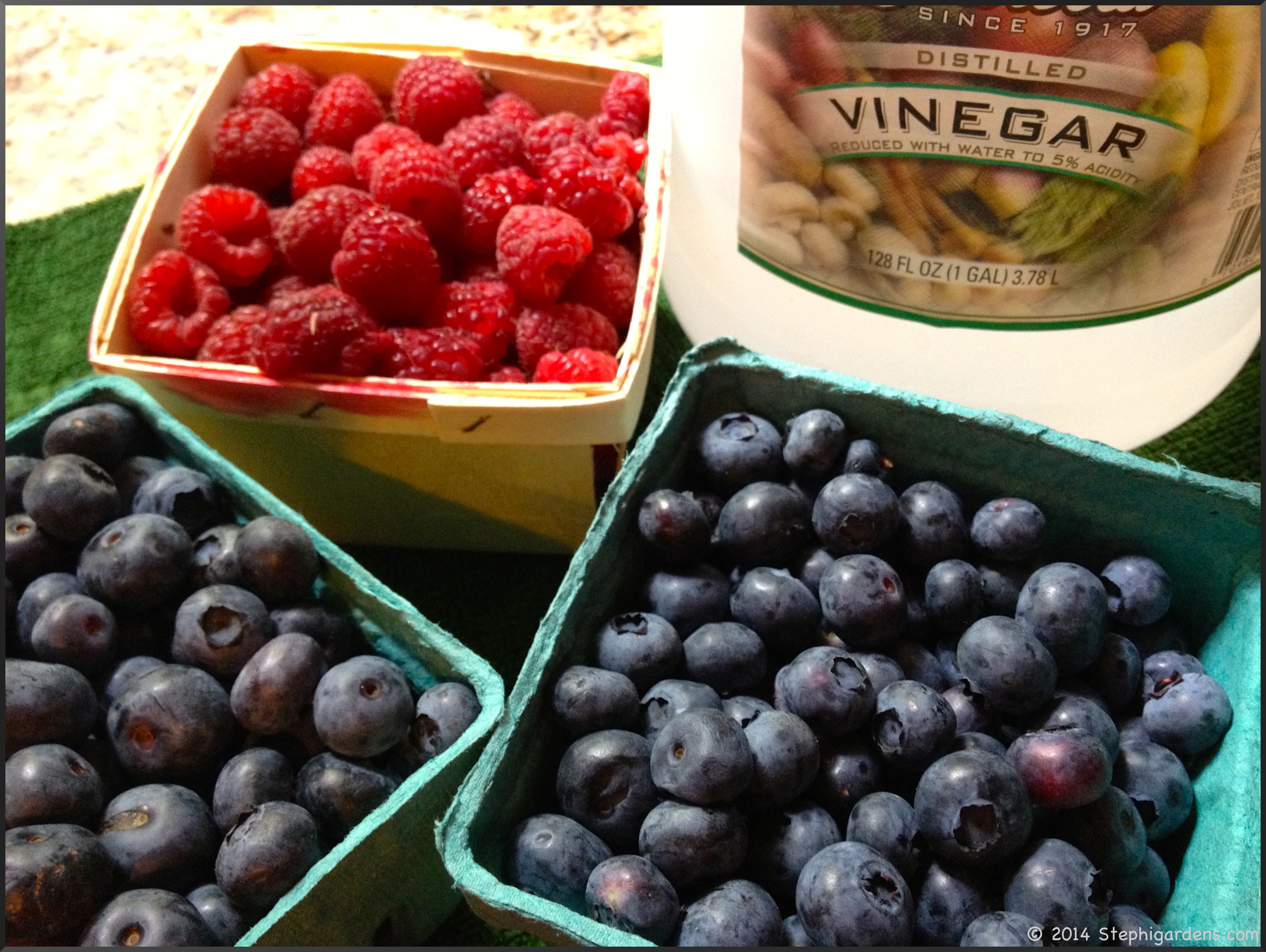
There is nothing tastier than fresh berries from the farmers market. All those lovely strawberries, blueberries and raspberries.  But, there’s also nothing worse than going to the fridge and finding them becoming fuzzy only a day or 2 later.  I tried different ways to try to prolong their freshness, and finally found something that worked–Vinegar.  Simple white vinegar.  Using a dilute vinegar rinse, I’ve had blueberries last up to 2 weeks and raspberries a week in the refrigerator!  (And with no vinegar taste, either)

berry vinegar wash

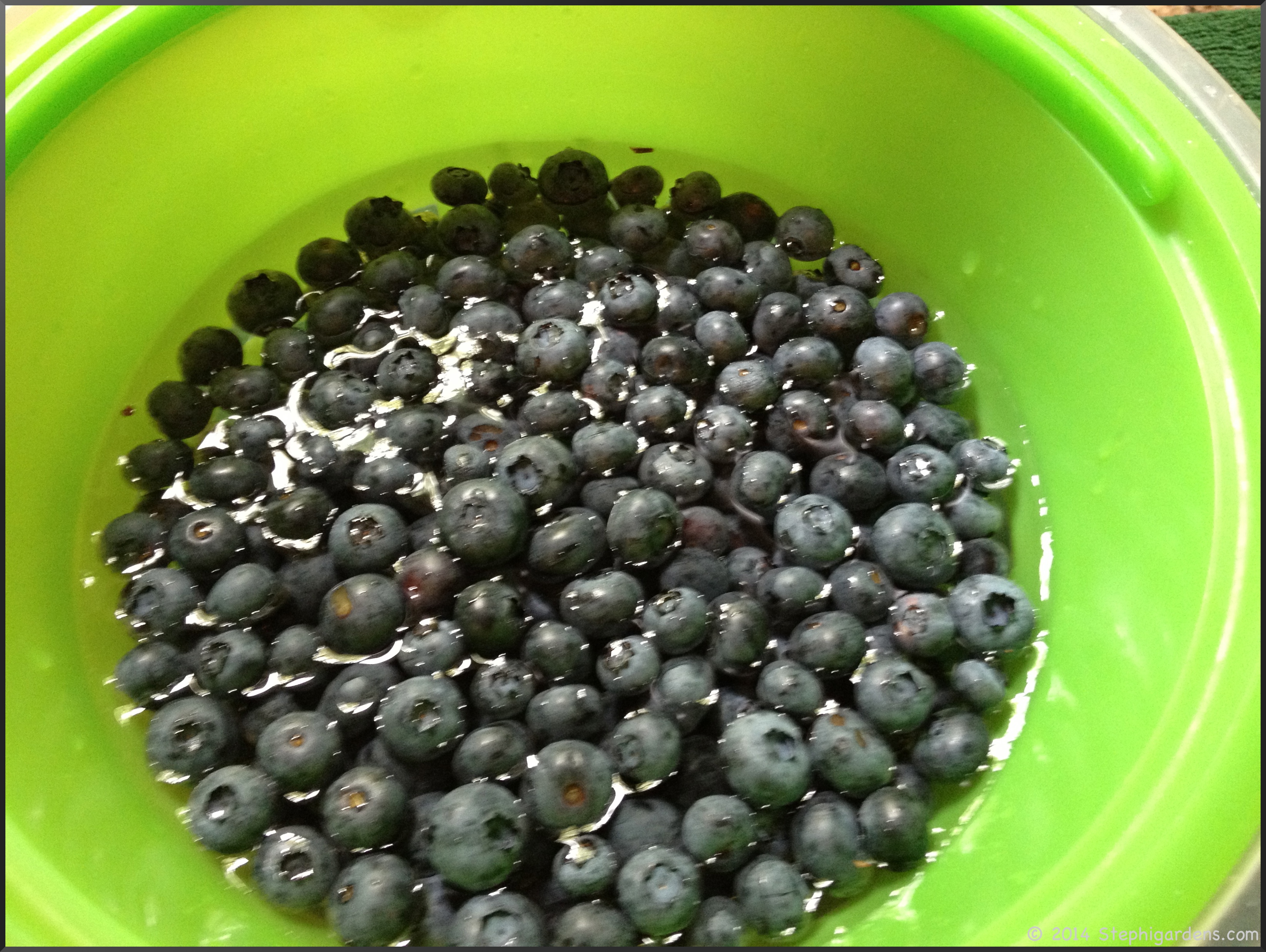
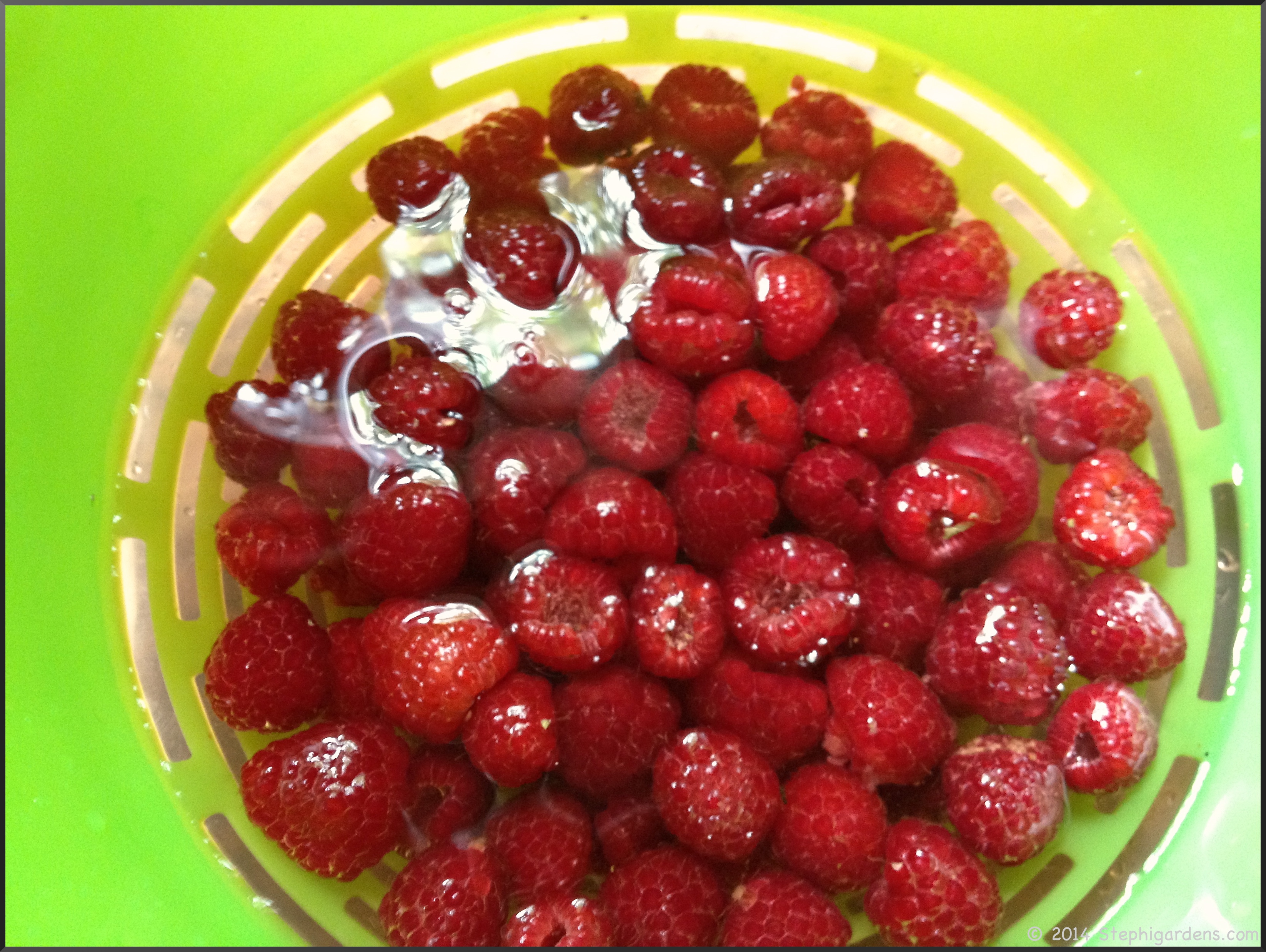
Place the berries in a colander and put into a bowl containing 3  parts cool water and 1 part white vinegar.

berry vinegar wash

berry vinegar wash

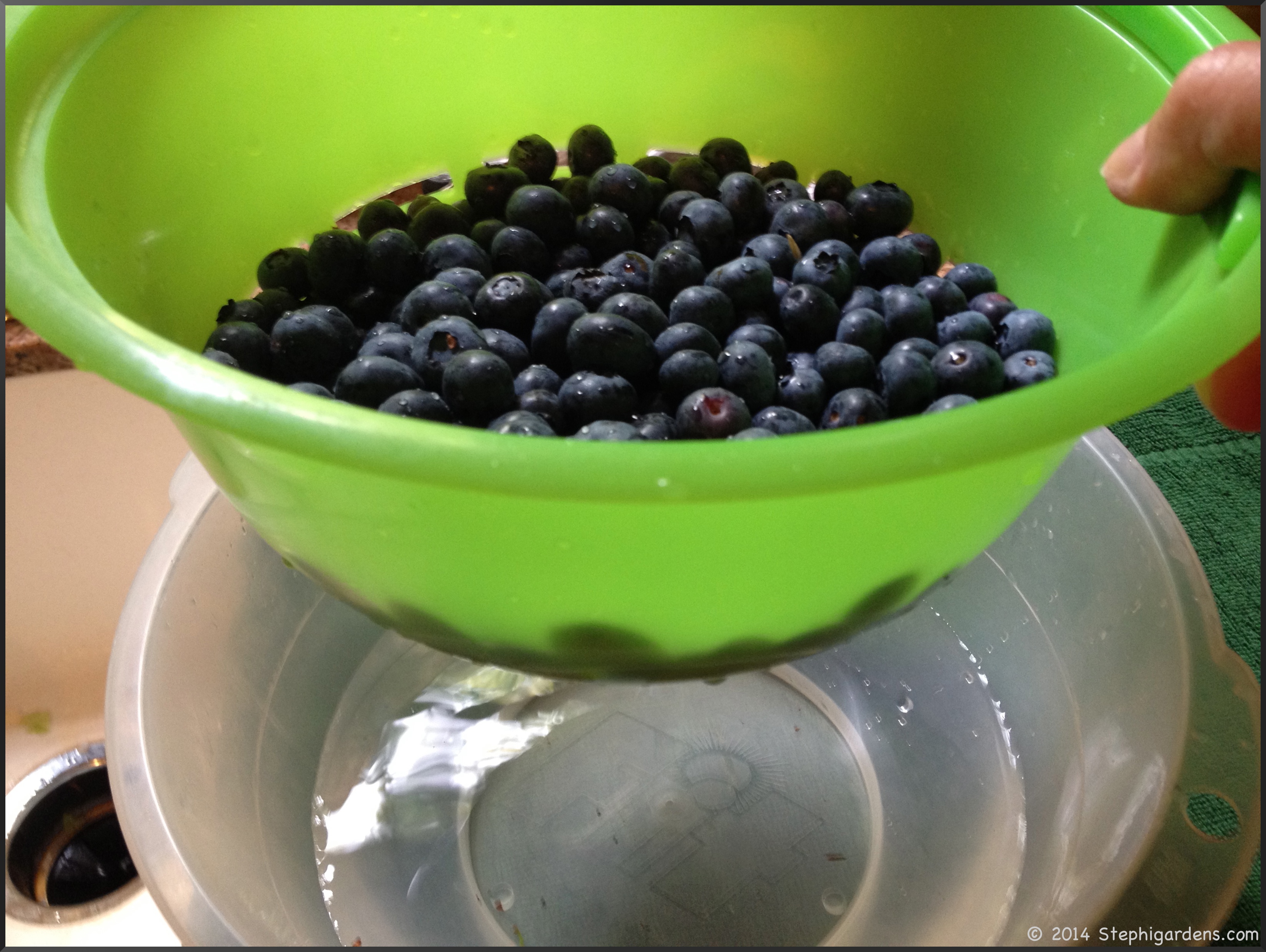
Soak for a few minutes, drain, and rinse under running water.

berry vinegar wash

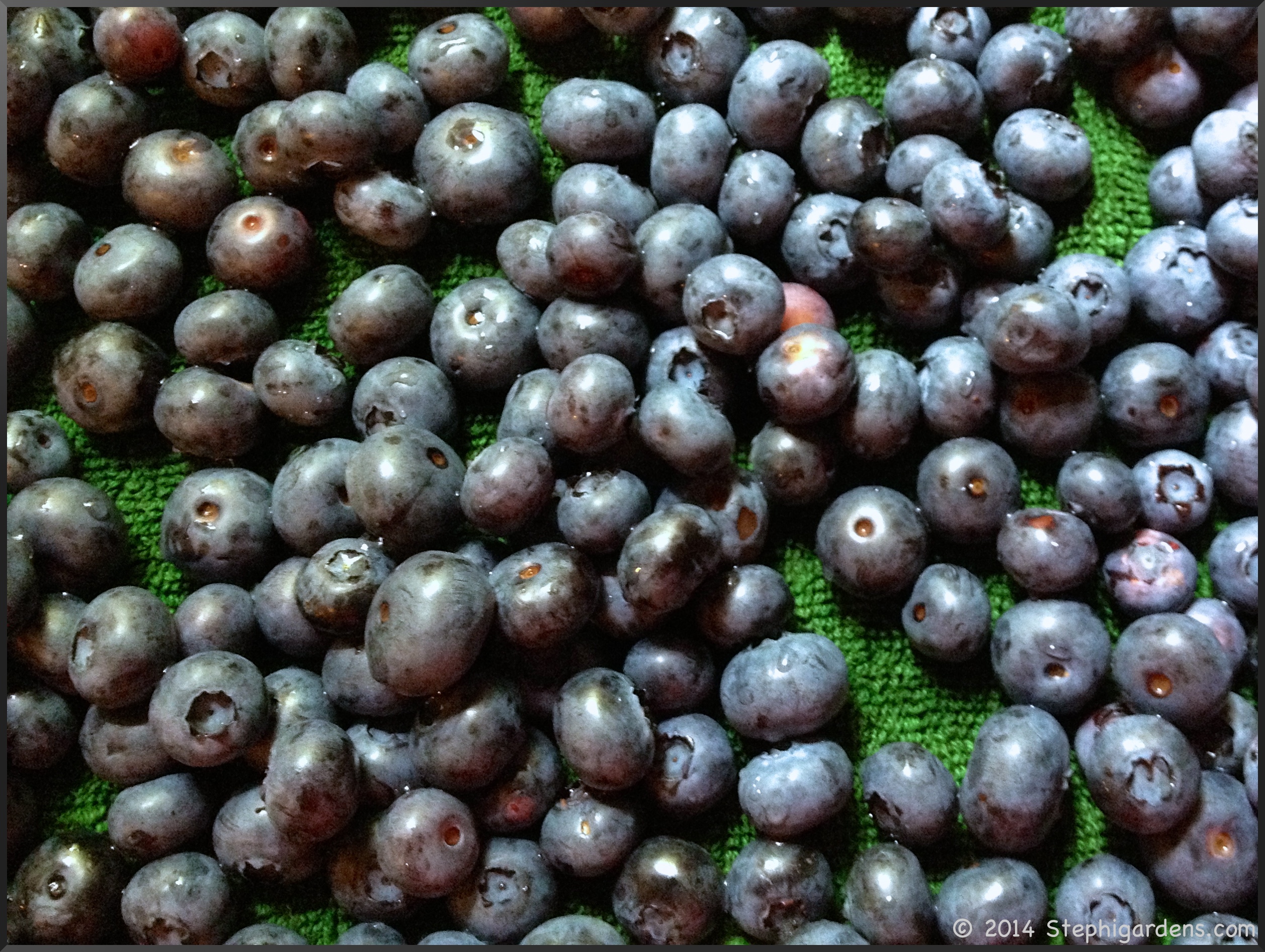
Place berries onto a towel to dry completely.  Some people suggest placing berries into a salad spinner for 15-30 seconds to dry, but I would only suggest that for firm berries, never for raspberries.

berry vinegar wash

berry vinegar wash

Store the dry berries uncovered (or loosely covered) in the fruit drawer of the fridge.  Enjoy!


After Vacation

Stephi Gardens

After a wonderful beach vacation and some college tours, we’re finally back home. As expected, the weather has been crazy while we were gone. The temperatures were just about average, but rainfall was almost double the normal amount. Included in this total was a single storm that dumped almost 2 inches of rain in under 2 hours and knocked out our power for almost 15 hours. Nothing like being on vacation and getting the call that the basement is flooded. Thank goodness for friends who went above and beyond to help.

So how did the garden fare? Quite well actually. With the fairly constant rain and average temperatures (and in some cases even a bit below average), I came home to a bit of a jungle. The last few years, by July we’ve been struggling with hot/dry conditions and the plants begin struggling. Not this year! I think I’ve had the sprinklers on once and that was just to test the system. Here’s some after vacation shots…

Many of the flowers are in full bloom and flourishing with the moderate temperatures and plenty of rain.  Although, I did miss most of the asiatic lily’s blooms.  They are mostly finished for the season.

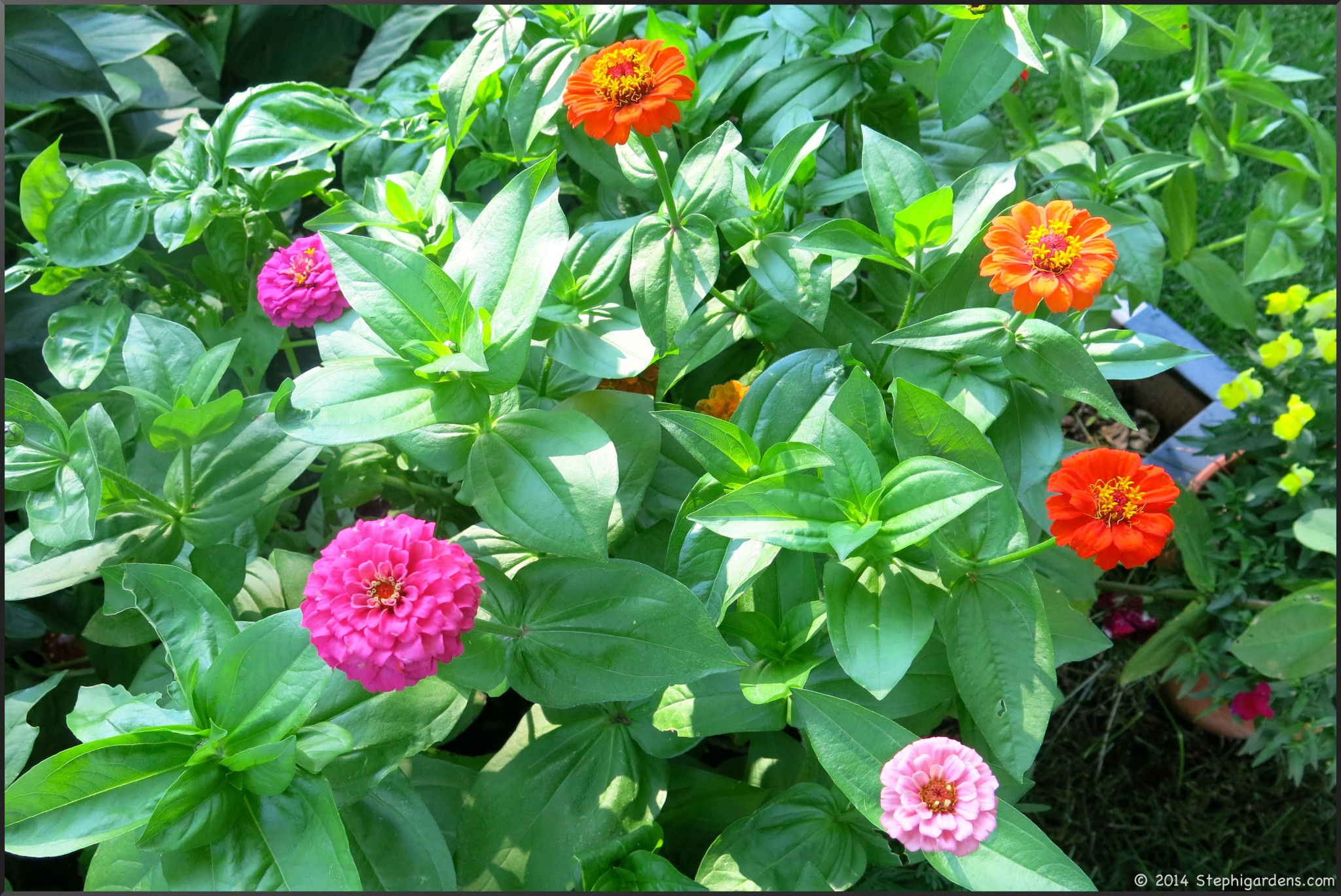
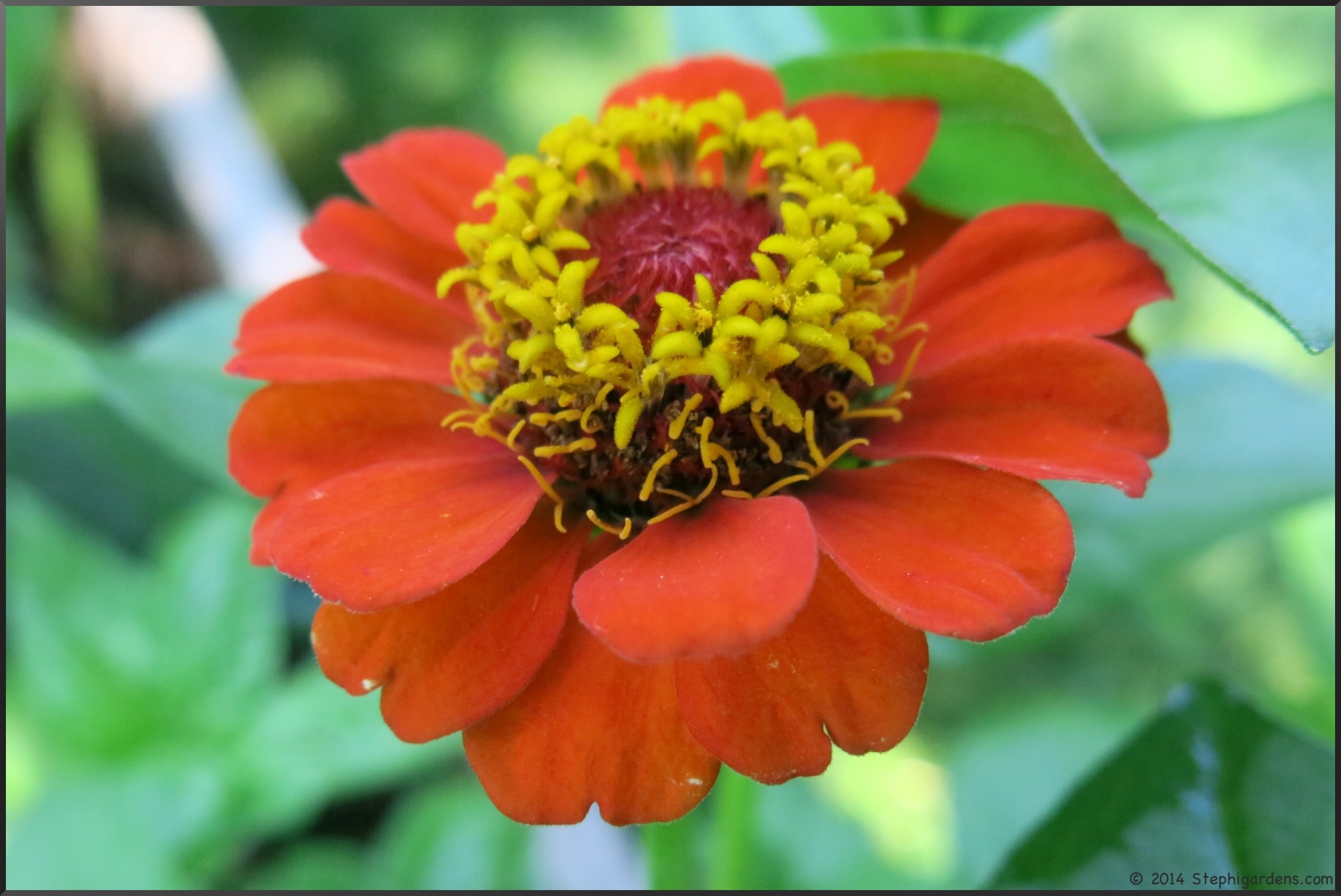
zinnia

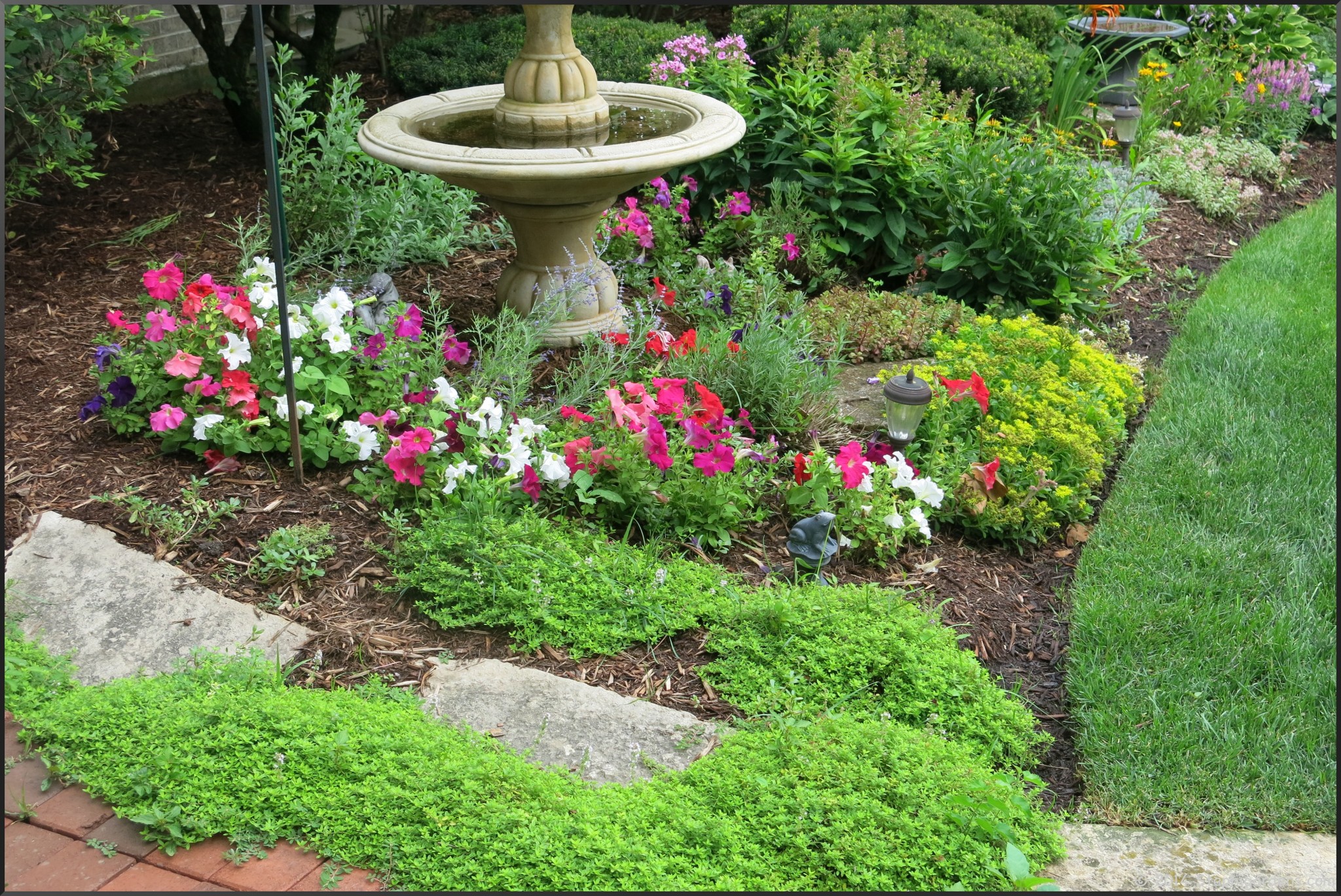
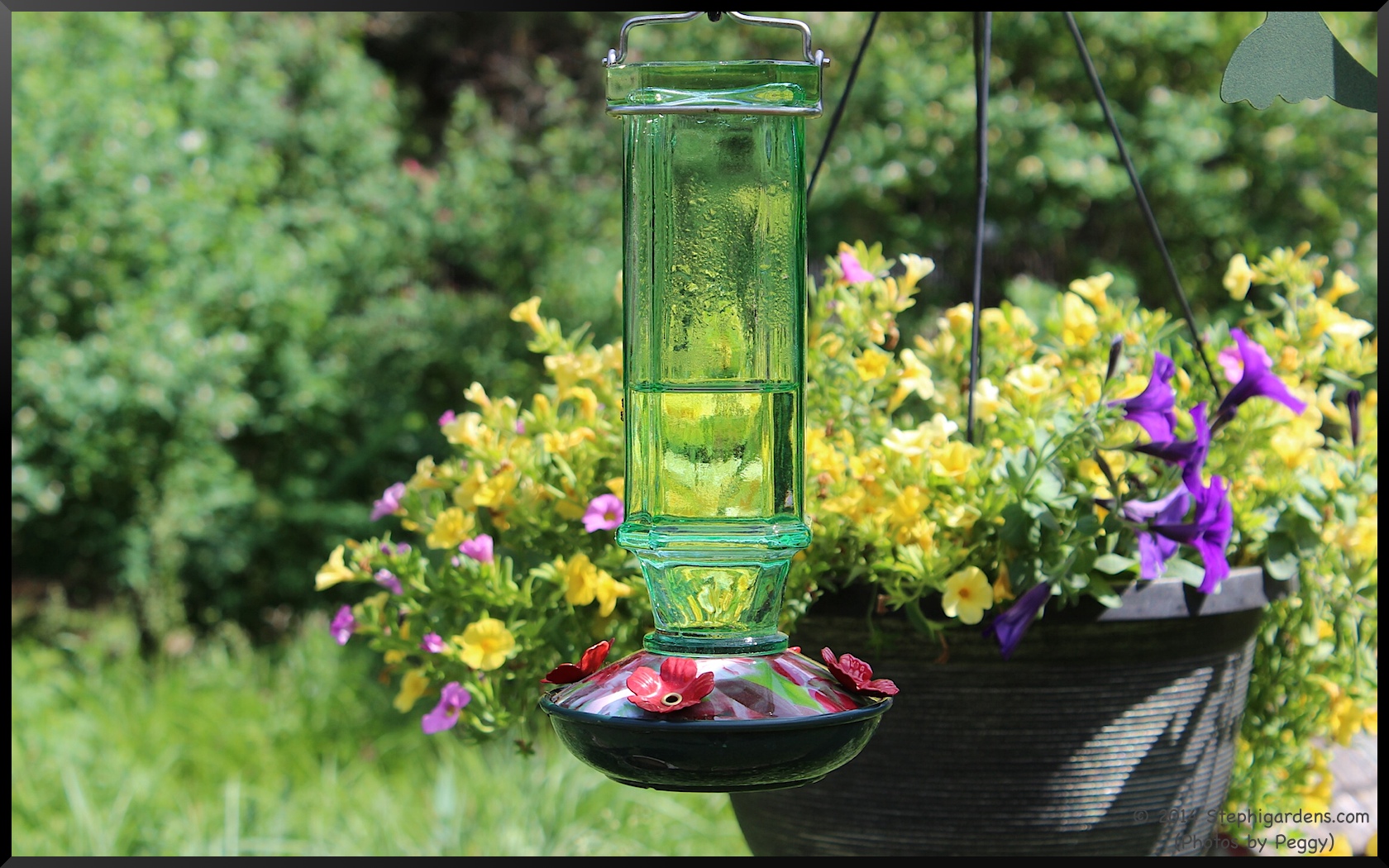
Notice how beautiful the creeping thyme looks (Problems with Creeping Thyme).  Still waiting for the hummingbirds to find my flowers and feeder.

Stephi Gardens

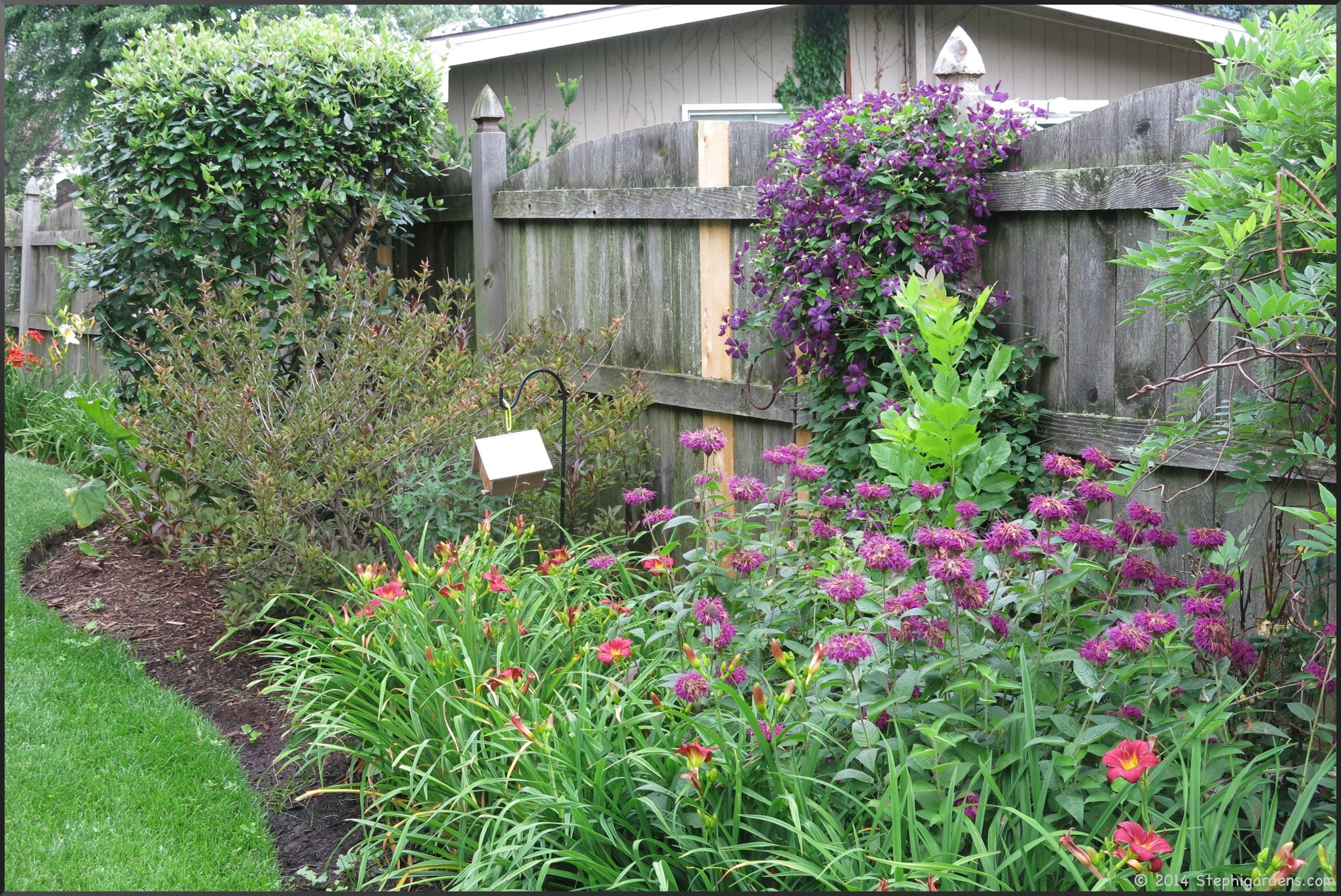
The Purple Rooster Bee Balm is still blooming and attracting bees.   But now the accompanying Jackmanii Clematis and Pardon Me daylilies are also blooming.

Stephi Gardens


Stephi Gardens


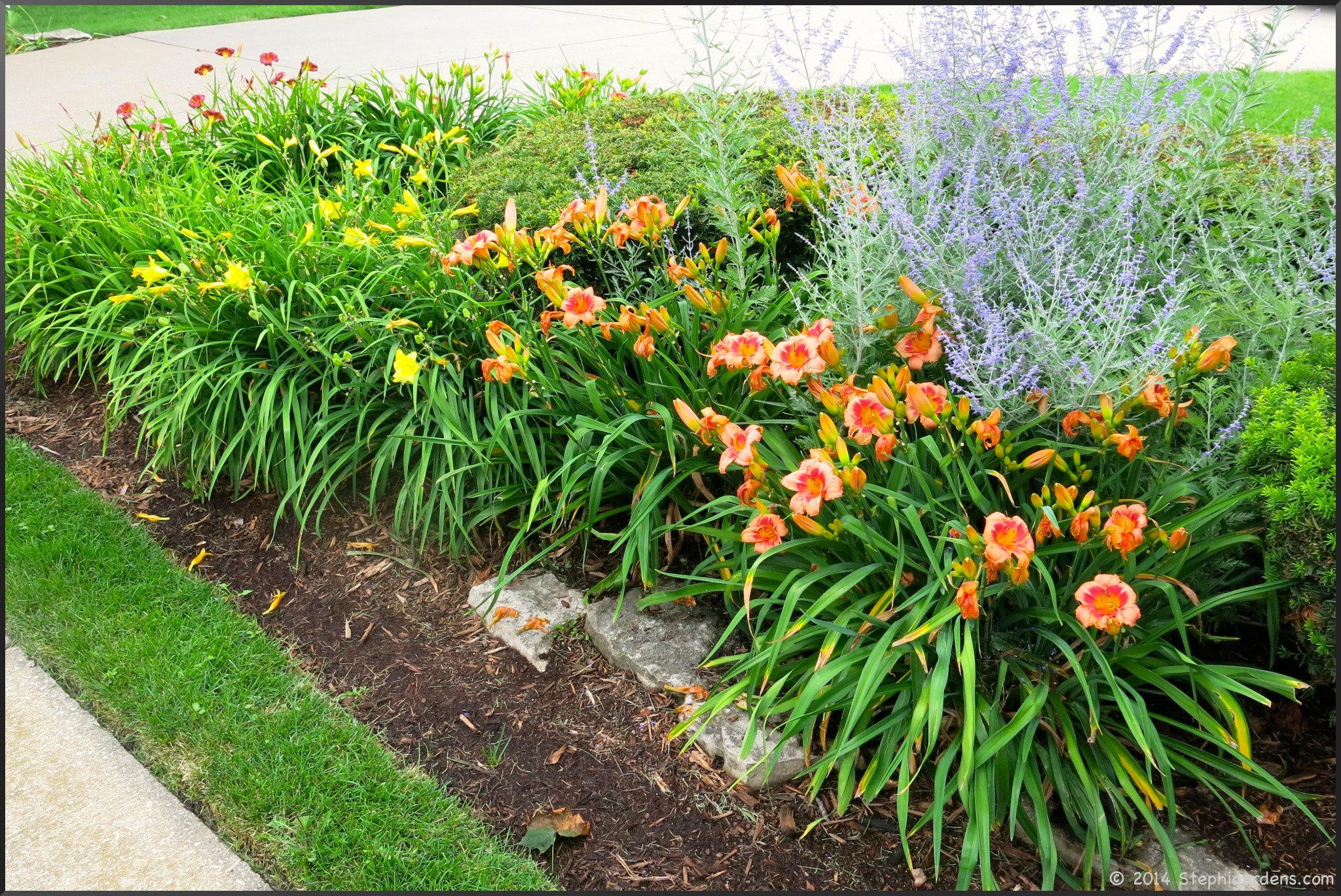
daylilies and Russian sage

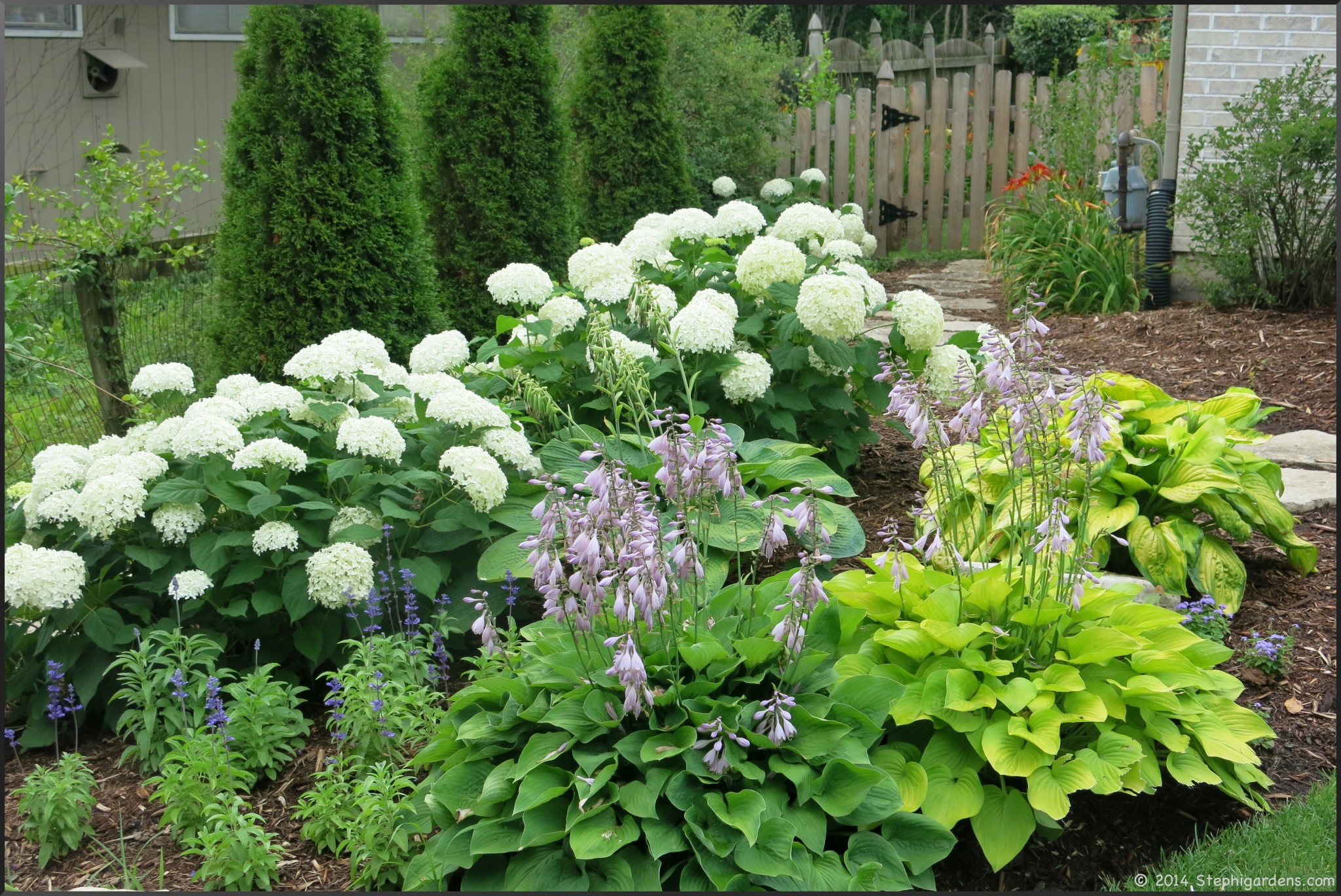
With all the rain , this garden is doing well despite the change from full shade to full sun.

annabelle hydrangea

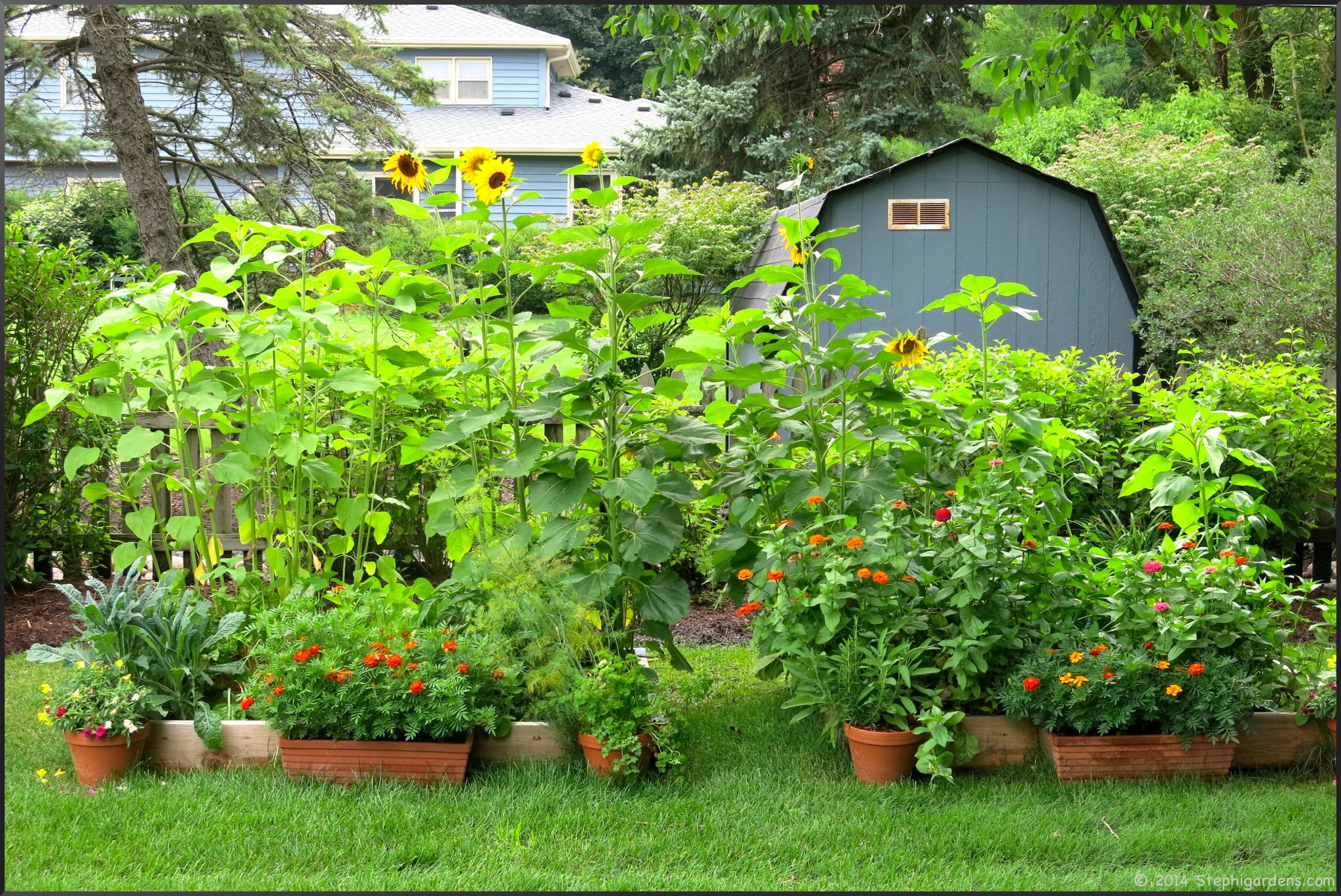
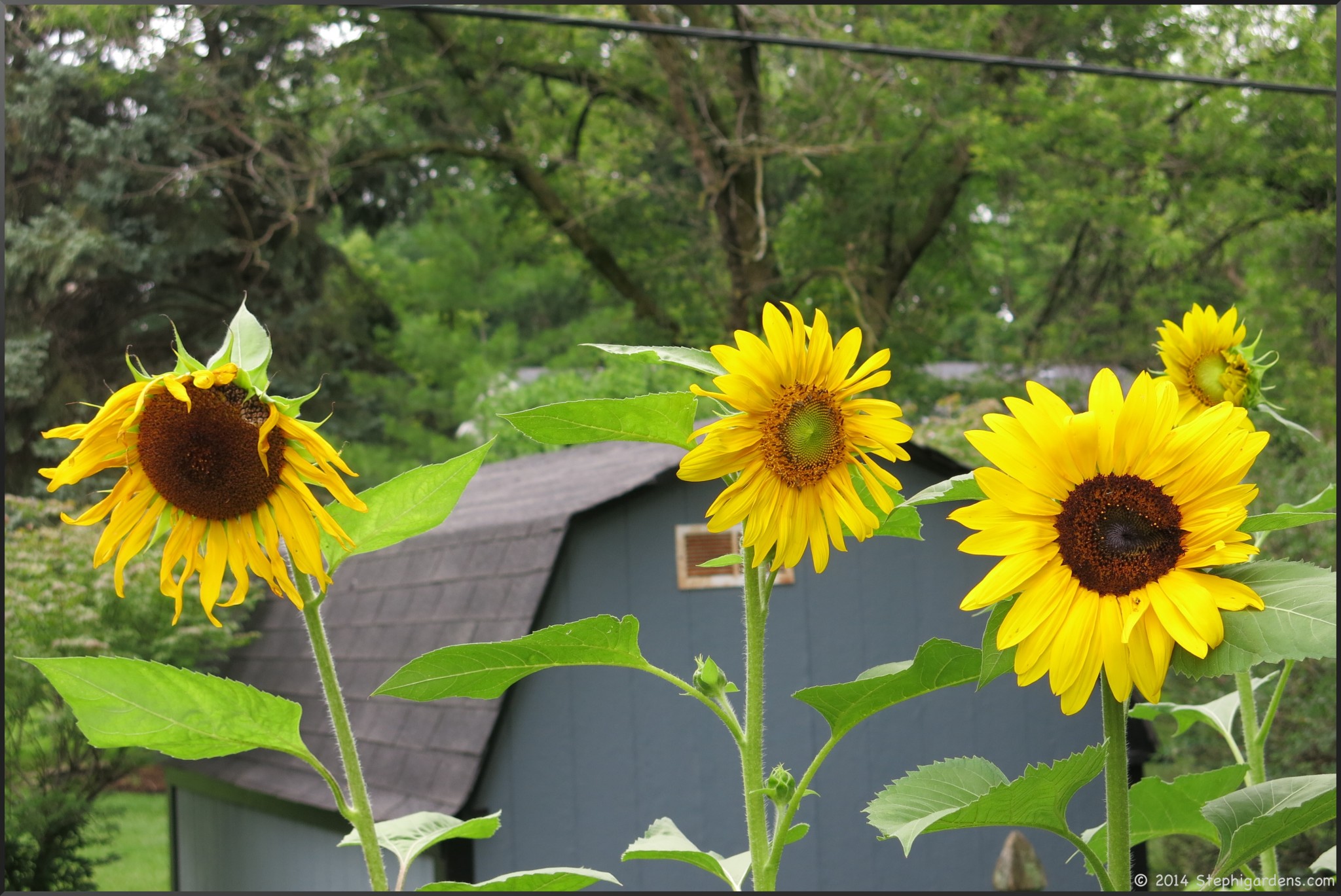
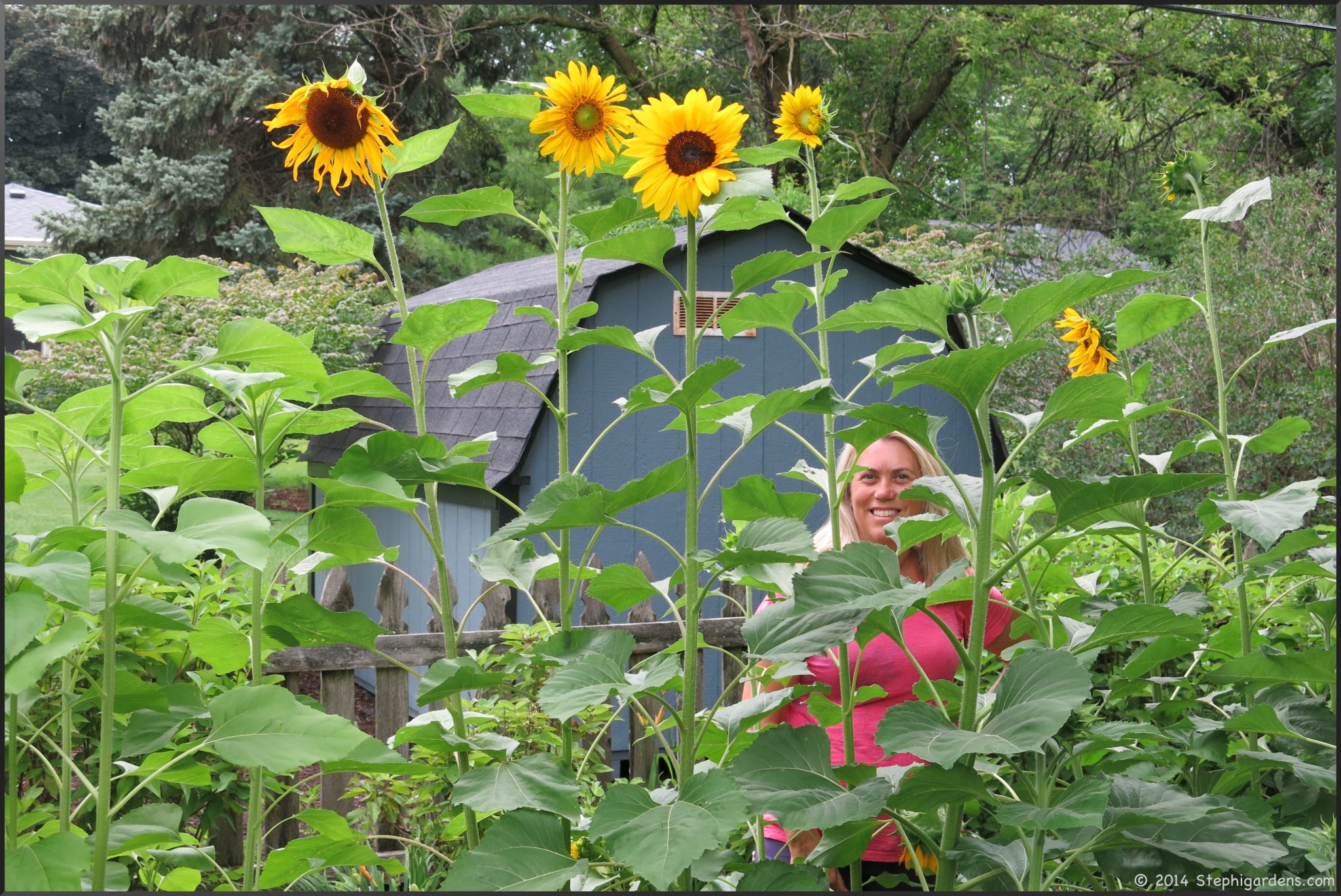
The sunflowers have become gigantic!  Before we left they were probably only about 4 ft tall (see Before Vacation), now they are easily 7 ft-8 ft and attracting lots of bees.

sunflowers

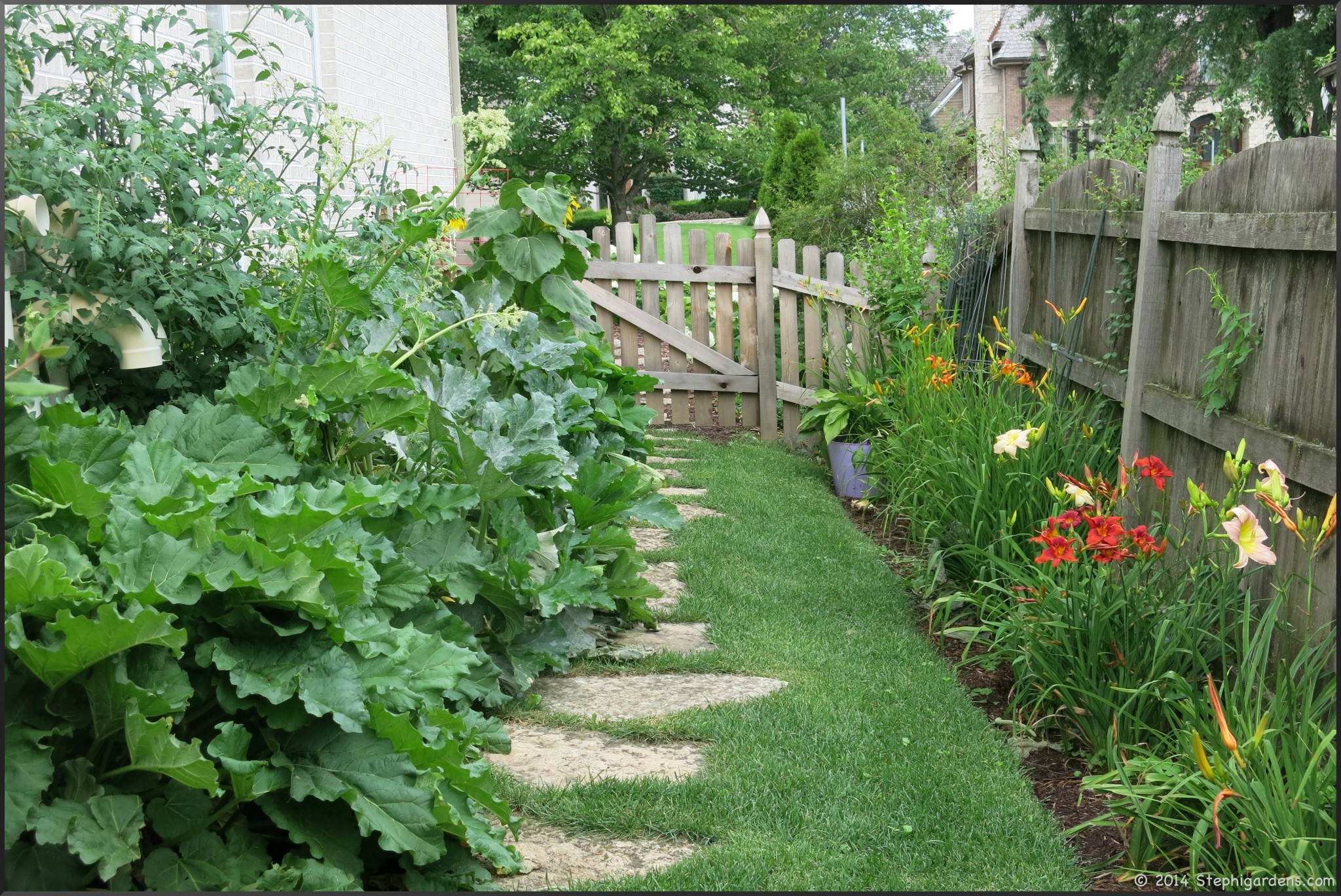
The vegetable gardens are flourishing, but need some attention to prune back some of the wildness.

Stephi Gardens


Stephi Gardens

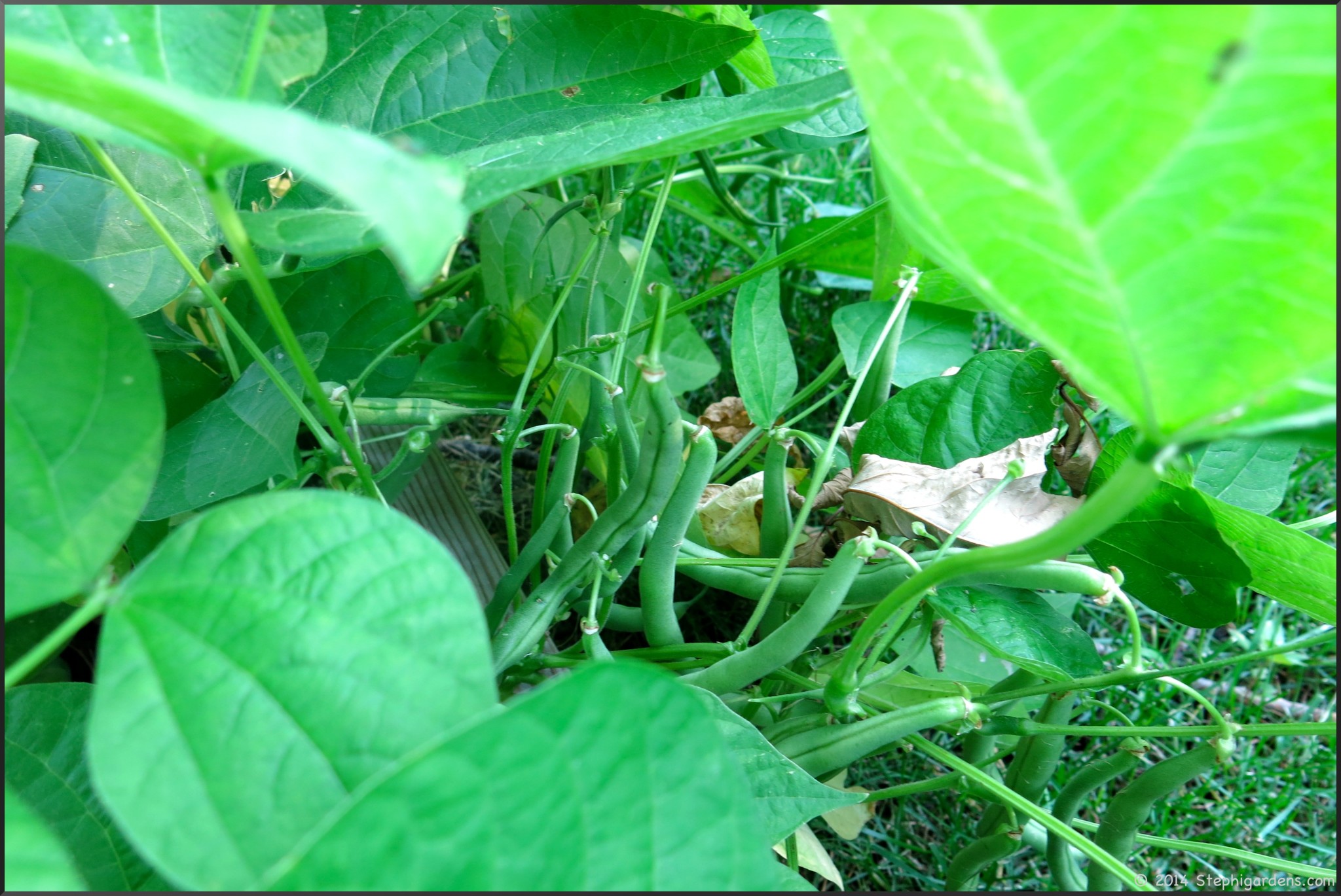
I have a nice bunch of bush beans to harvest.

bush beans

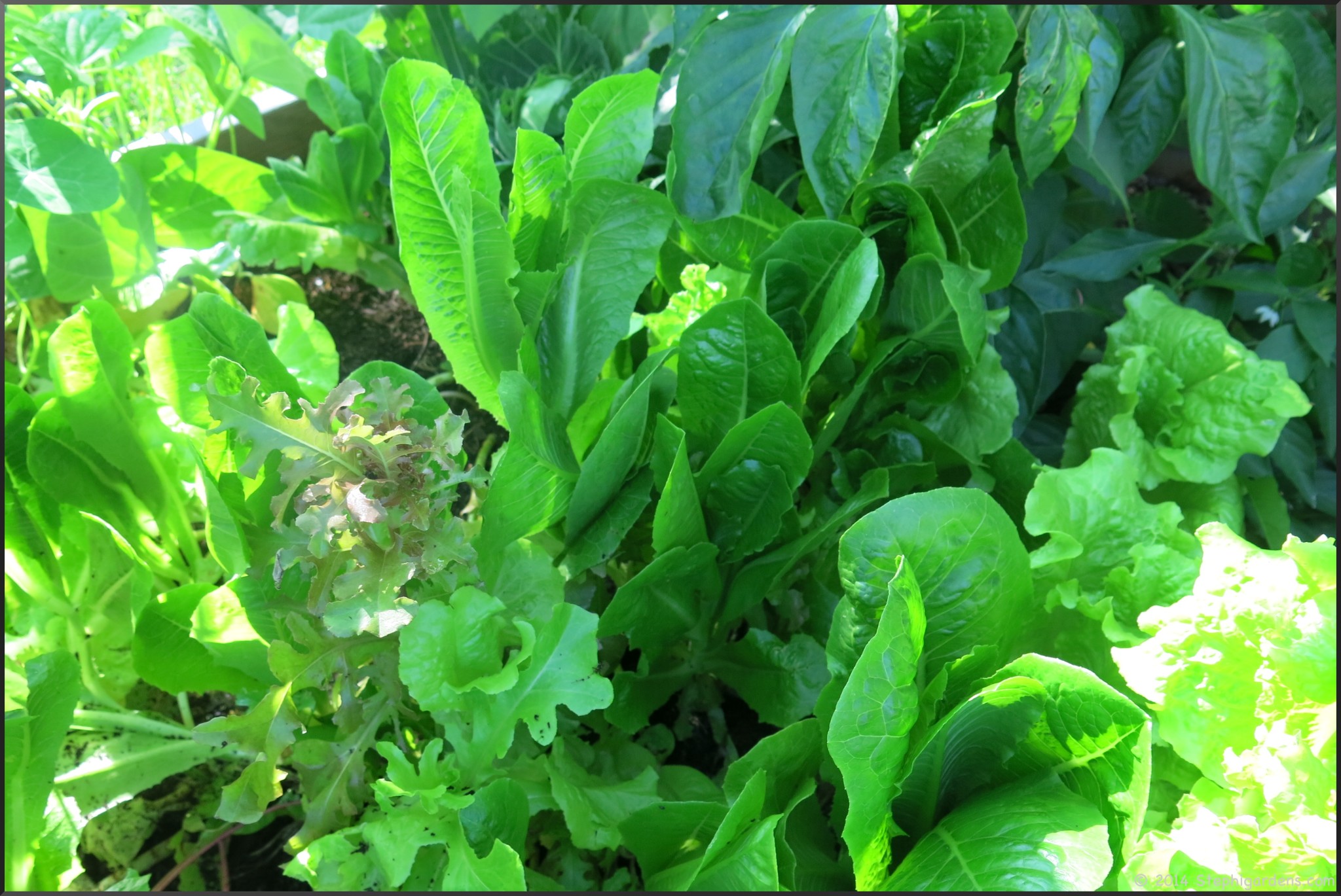
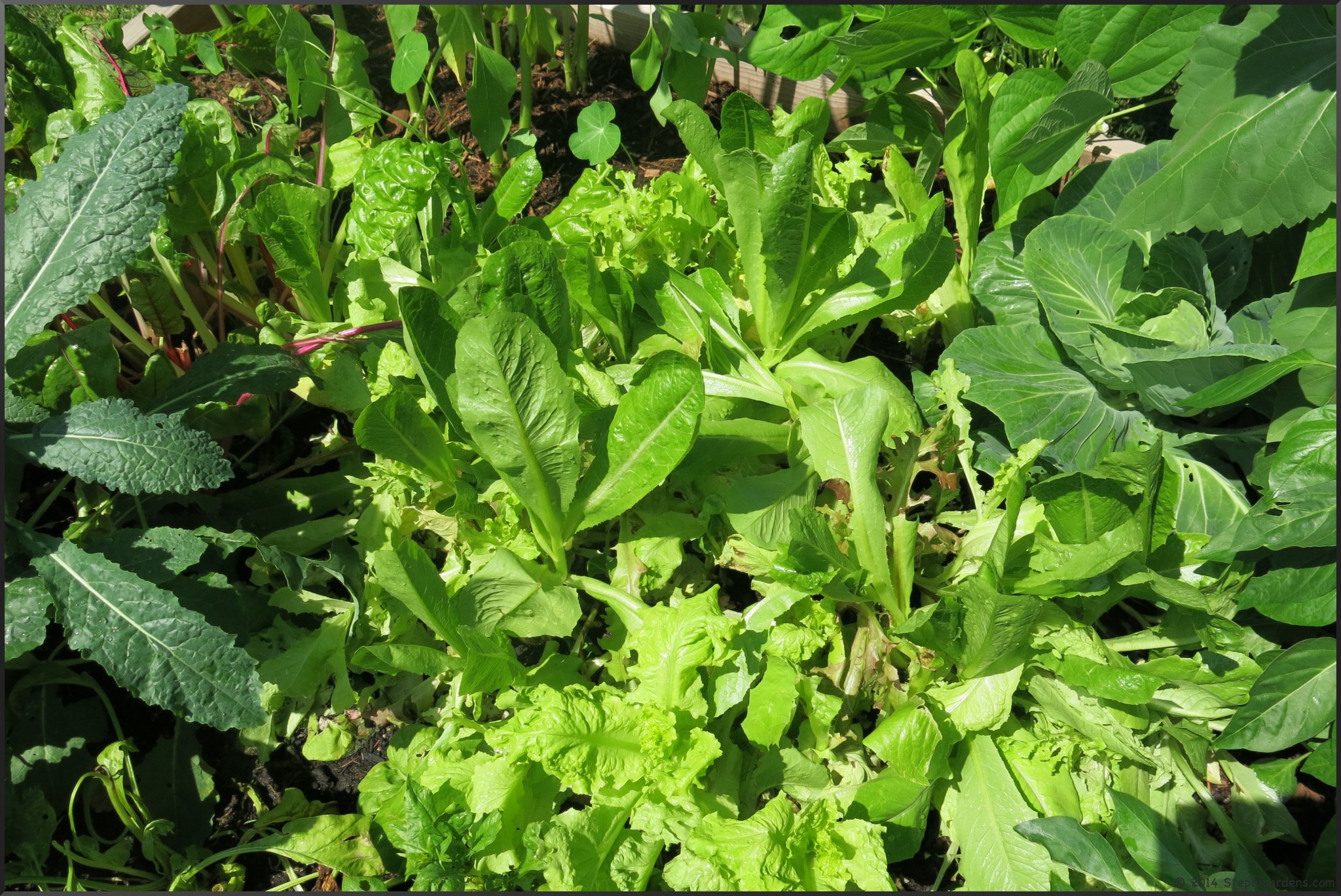
The lettuce is still hanging in there. My idea to plant them in the partly shady corner of the garden has paid off.

lettuce

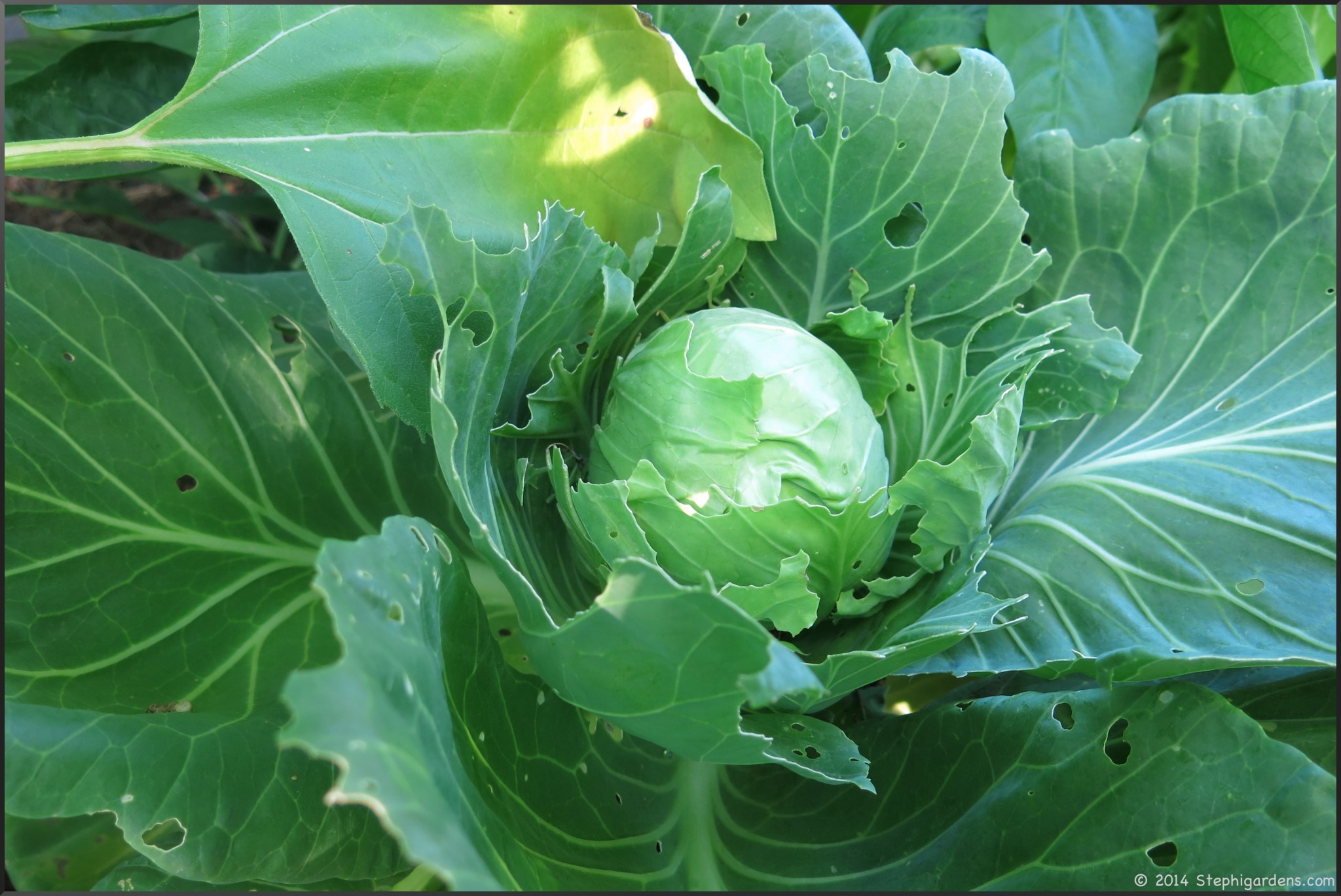
First time for cabbage and they’re looking great.

cabbage

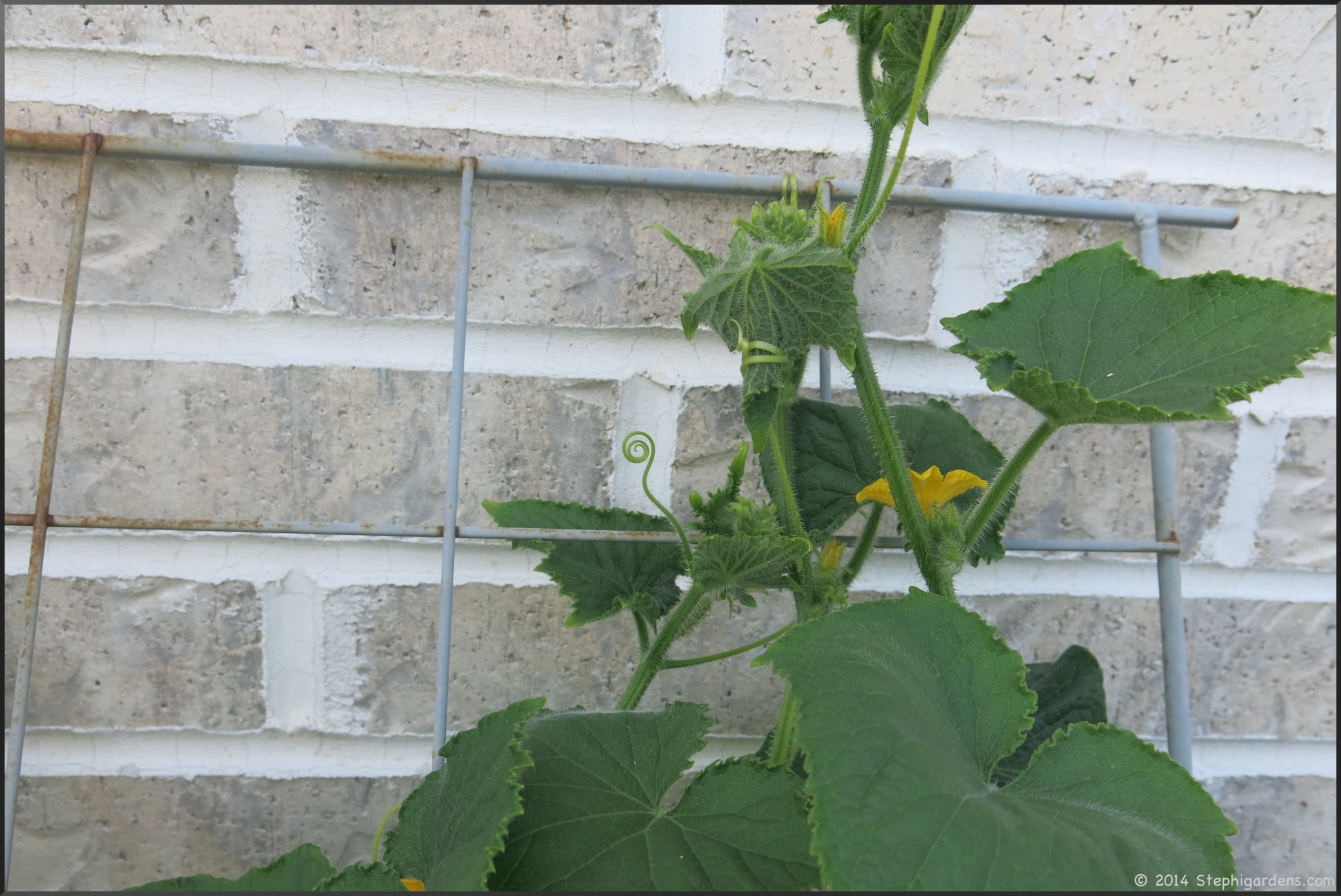
Cucumbers were slow to get going, but I’ll have plenty soon enough.

cucumber

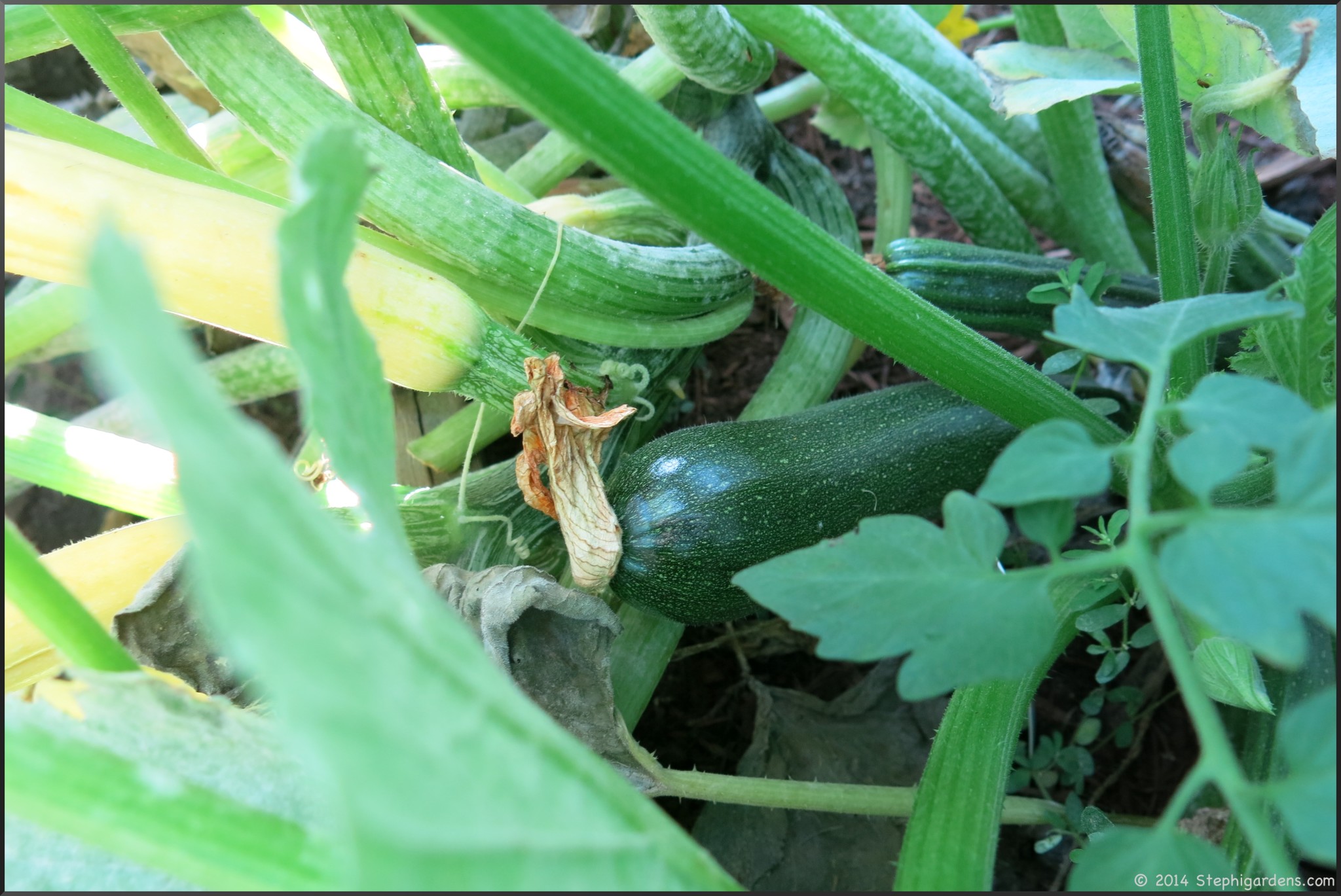
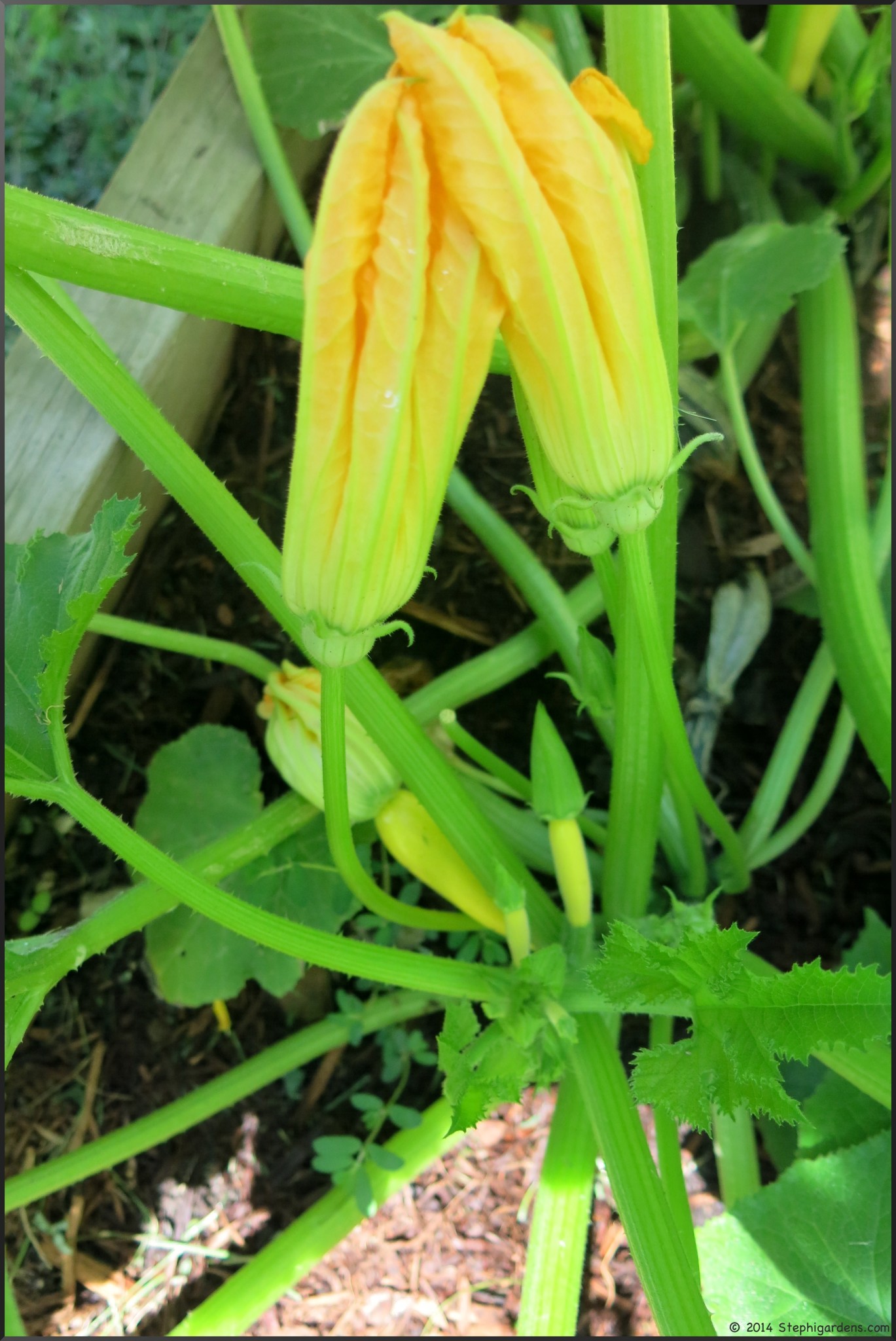
Zucchini and summer squash are plentiful.  Hoping to get some small tender ones harvested before they turn into baseball bats (see Giant Zucchini).  Somehow I’ve lost the garden markers labelling the squash varieties, so it’s a bit of a mystery what all the different squashes are.

zucchini

So, overall, I’d say everything fared pretty well this year (definitely better than the basement).   Looking forward to the continued blooms and vegetable harvests!

Me and my giant sunflowers!

sunflowers

Before Vacation

It’s always tough to go leave the garden and go on vacation.  It seems like something (or everything) is ready to just burst out in color or ripen just in time to go away. Or the weather can you throw you a curve ball and get crazy hot/cold or dry/wet. Very unpredictable. I assumed this year was no different, so right before we left I had my daughter Emily take some pictures to do a little before and after.

Some of the flowers were already in full bloom and likely will be past peak before we get back…

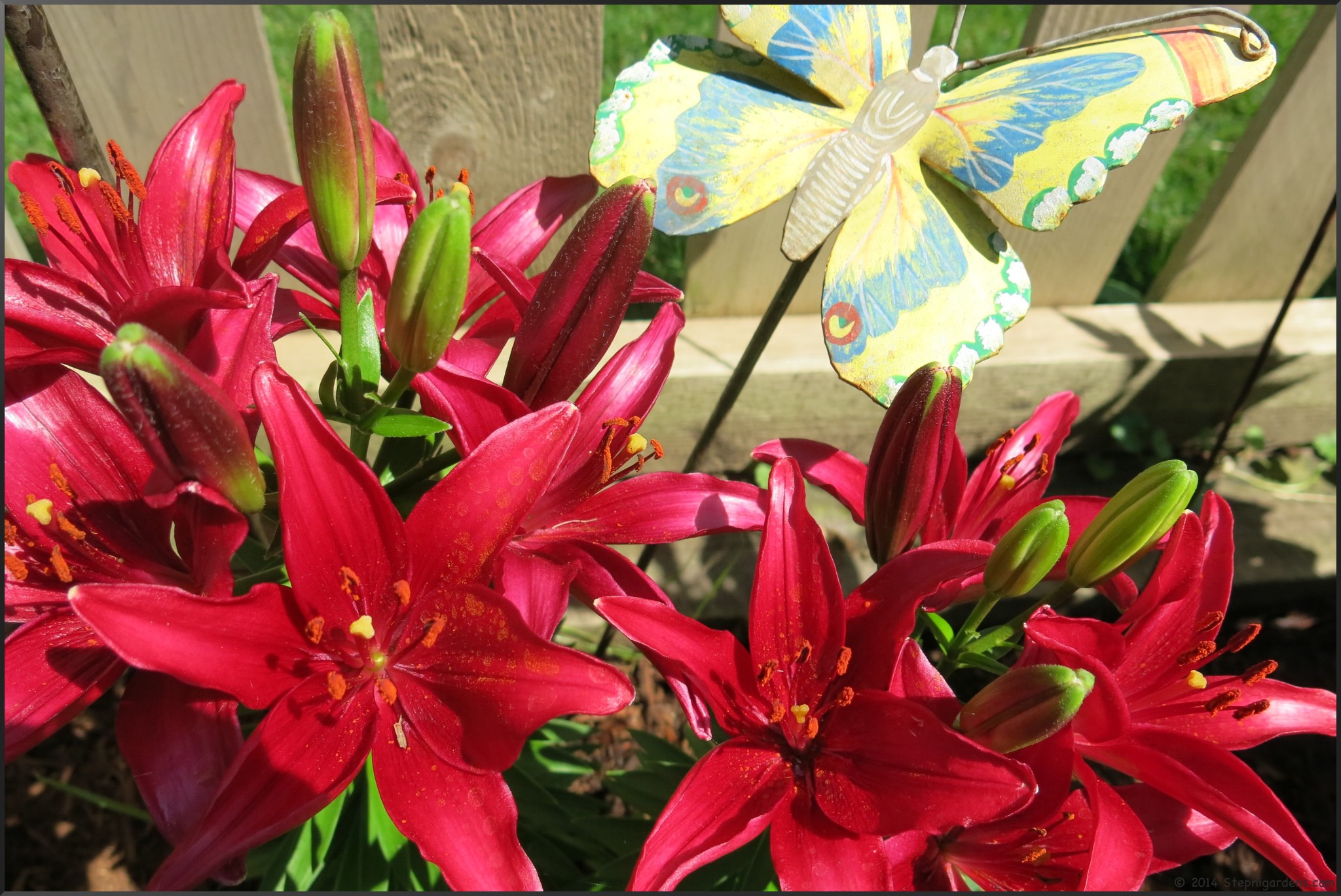
asian lily


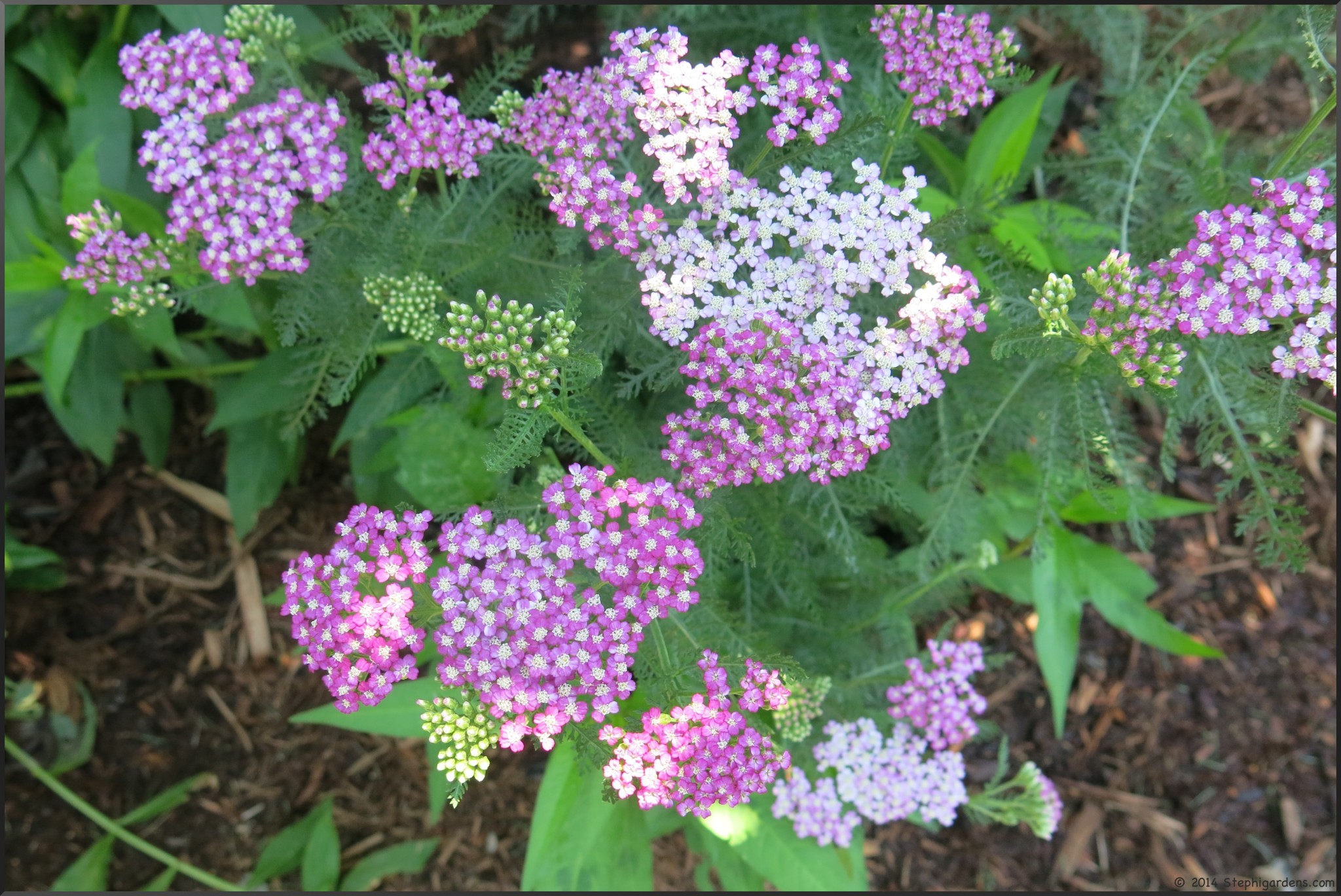
yarrow


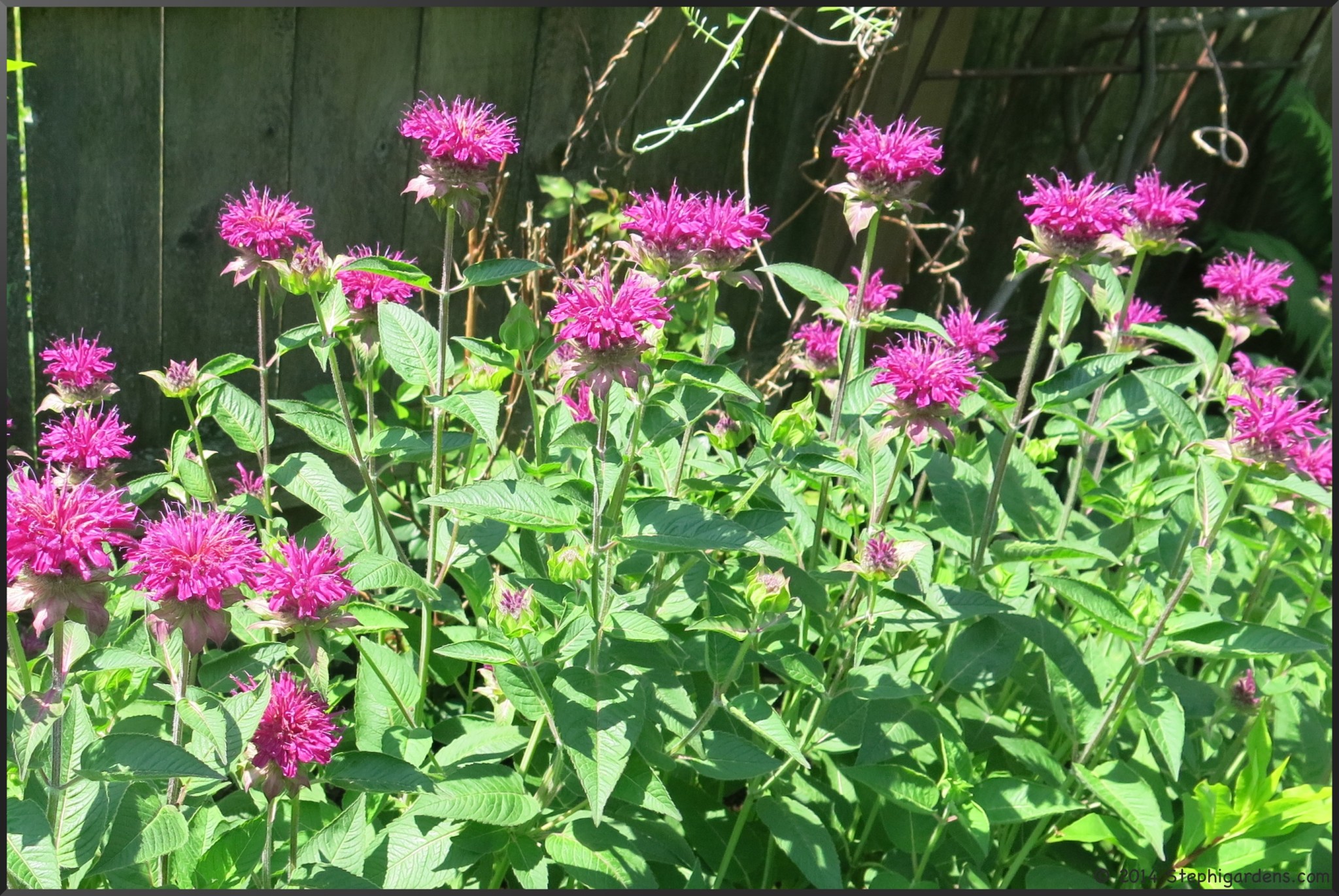
Bee balm


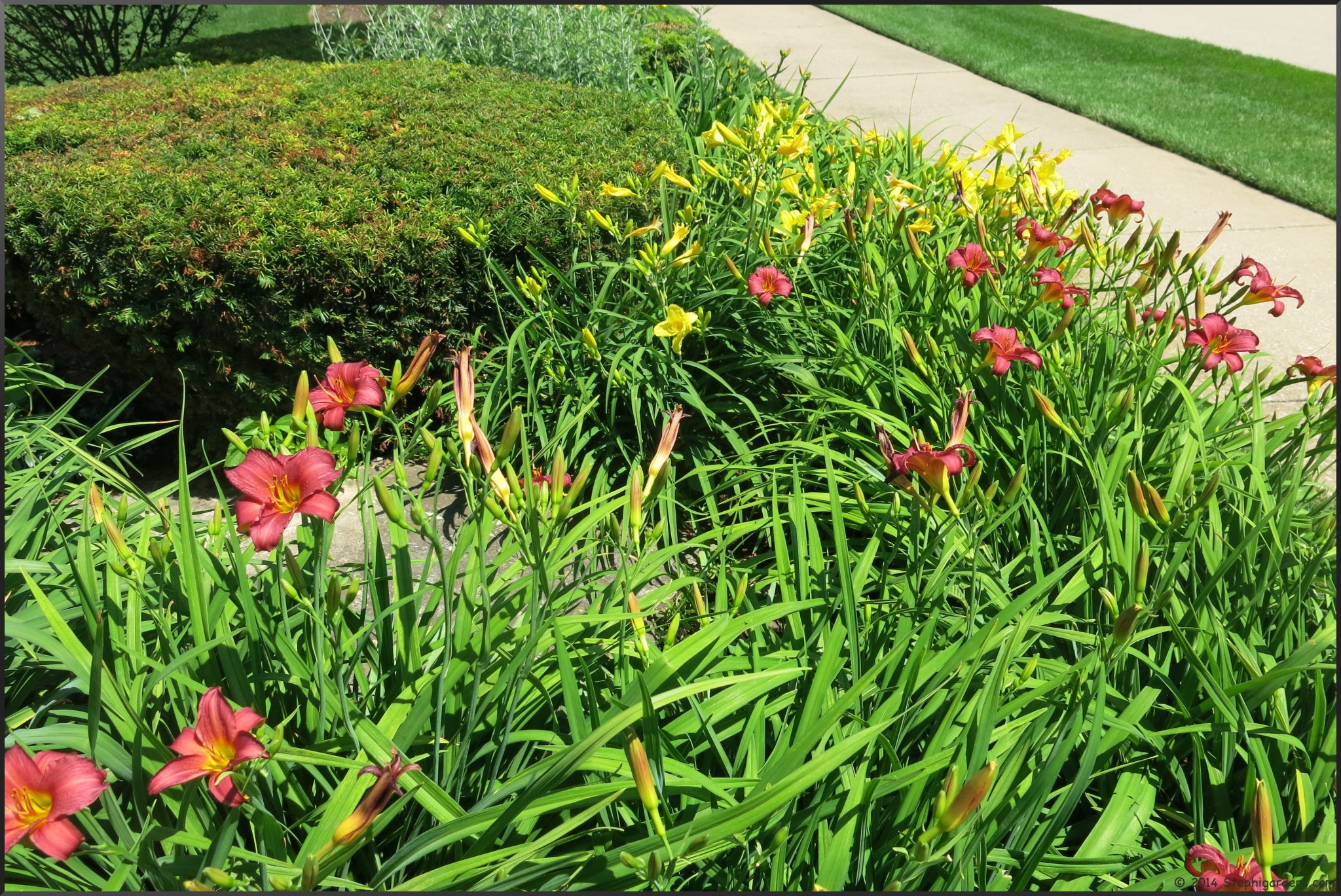
daylilies

Some were ready to bloom and I can only hope I don’t miss the show…

Stephi Gardens


Stephi Gardens


marigolds


Jackmanii clematus

The vegetables were flourishing.  The cooler weather vegetables were starting to show signs of stress and looking ready to bolt, but still fine to harvest for a little while longer.  Peppers, squash and beans were almost ready, so my friend who is helping with dog sitting and plant watering should get some treats.  I’d hate for them to go to waste and there’ll be plenty more.  Tomatoes are growing like gang-busters, but not expecting any ripe ones quite yet.

Stephi Gardens


lettuce


summer squash


Stephi Gardens

Vacations are always a little tricky to be sure everything stays healthy in the garden.  Right before we left for almost 2 weeks, I gave everything a watering with Miracle-Gro fertilizer and dead-headed everything that would benefit from it.  I set the sprinkler to try and optimize waterings, and had a friend also check on things and keep the pots watered.  I also tried to be sure the plants that needed staking were supported so things wouldn’t be too out of hand when I got back.

How do your gardens fare when you go on vacation?

Uh Oh, Frost in MI Last Night

Last night the temperature at my mom Peggy’s house was predicted to get down to the low 30’s.  That means frost was a real possibility. If you saw her gardens in my post a couple of days ago (Gardening: All in the Family), you know her plants are well underway and many not able to survive a first.  So what to do?

Every plant has its own tolerance to cold.  Zinnias, Impatiens, Petunias?  Forget it, they like it warm.  Cold weather vegetables, strawberries, perennials?  Maybe leaves and flowers damaged initially, but they’ll be just fine.  The seed packet or container tag will give you some insight into what they can tolerate.  When in doubt, cover them.

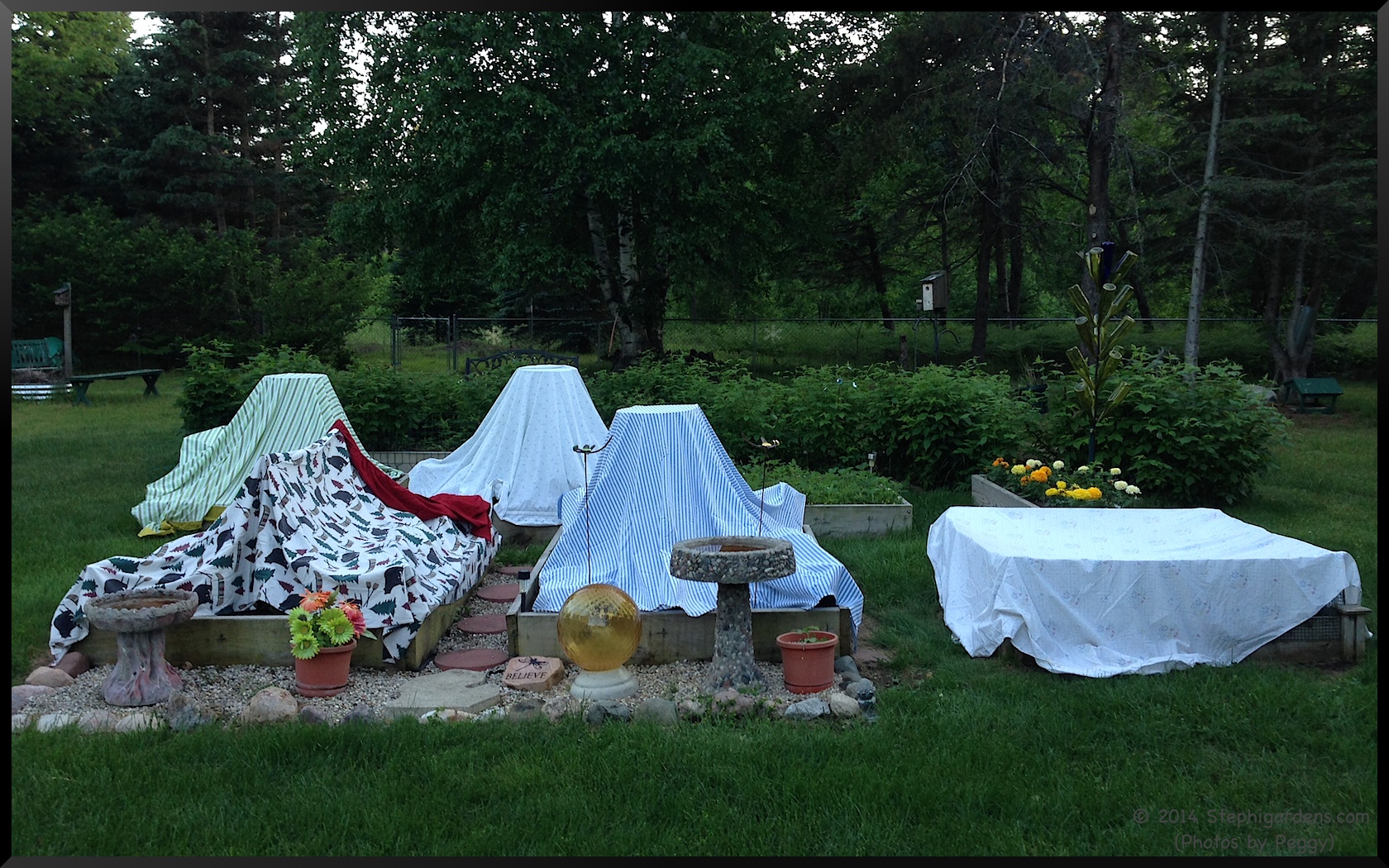
garden frost

If you know that the plants are likely to be damaged by an overnight frost, you need to cover them with a sheet or blanket.  My mom has a whole collections of sheets just for this purpose.  By tenting the sheets over the garden, it creates a warm air pocket around the plants.  If it’s thought to be colder than a light frost, you can add a a layer of plastic over the blanket to trap even more warm air (never right on the plants).  Be sure to remove the coverings first thing in the morning before condensation starts to form on the inside.  If still cold enough, the moisture could freeze on the plants and cause harm as well.  An actual freeze requires even more elaborate weather protection, or you may just need to sigh and start over.

Then say a little prayer and hope for the best.  Peggy’s plants looked good this morning.  It did get down to 31°, but warmed up quickly once the sun came up.  Hopefully that’s it for the cold weather.

Gardening: All in the Family

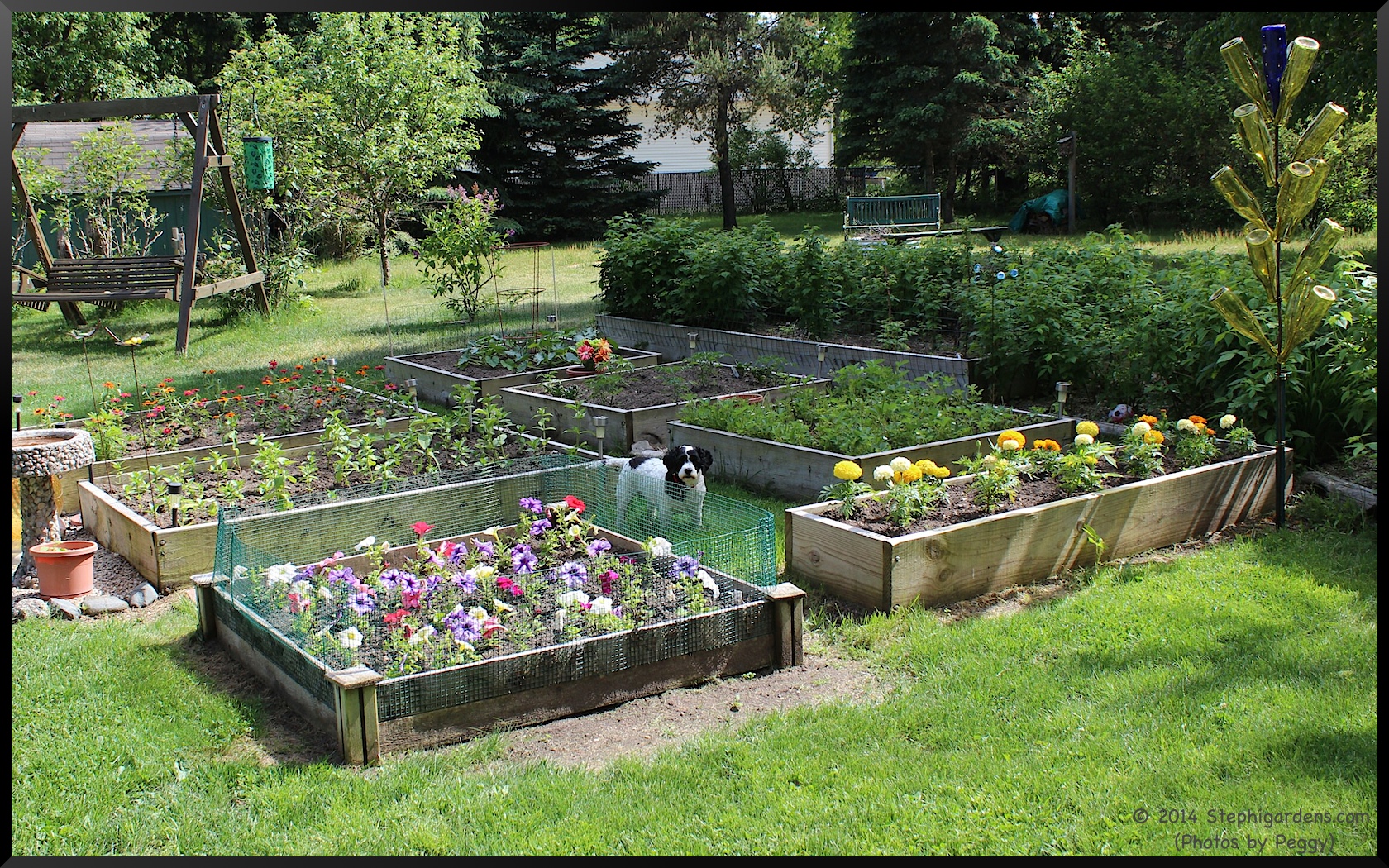
For as long as I can remember my mom had vegetable and flower gardens, sometimes big, sometimes small.  So did my grandparents.  All this interest in growing things rubbed off on me and hopefully I’ll pass it on to my kids.  With that in mind, I had my mom and daughter take us on a tour of their June gardens.  First my mom, Peggy, in northern Michigan.

So lucky to have the space of all these raised beds (check out all the raspberries in the back!).

photos by peggy

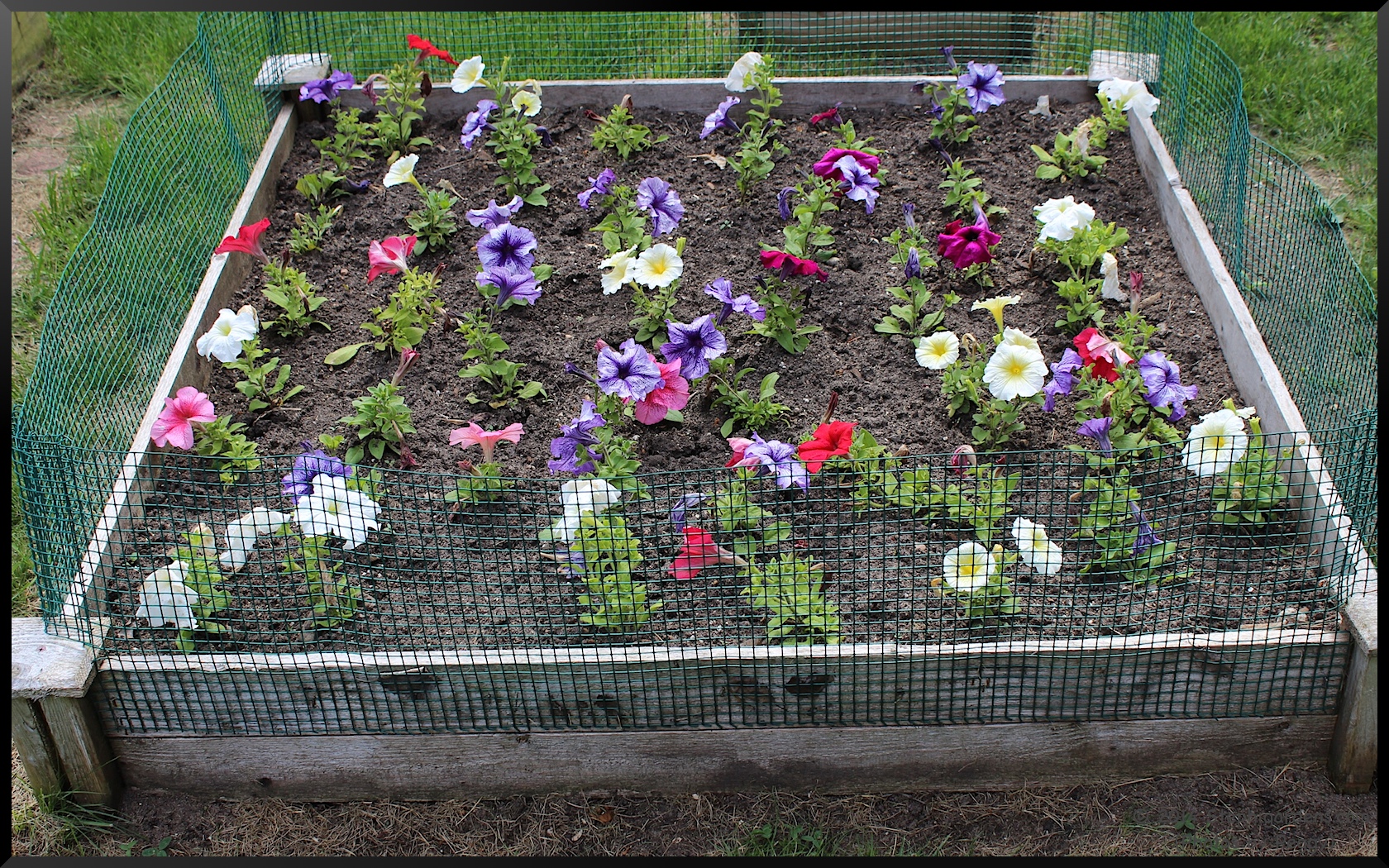
 Petunia garden protected from the rabbits

photos by peggy/stephi gardens

Zinnias!

photos by peggy/stephi gardens

Hummingbirds are enjoying the flowers right now.  Soon they’ll be looking for some extra food.

photos by peggy/stephi gardens

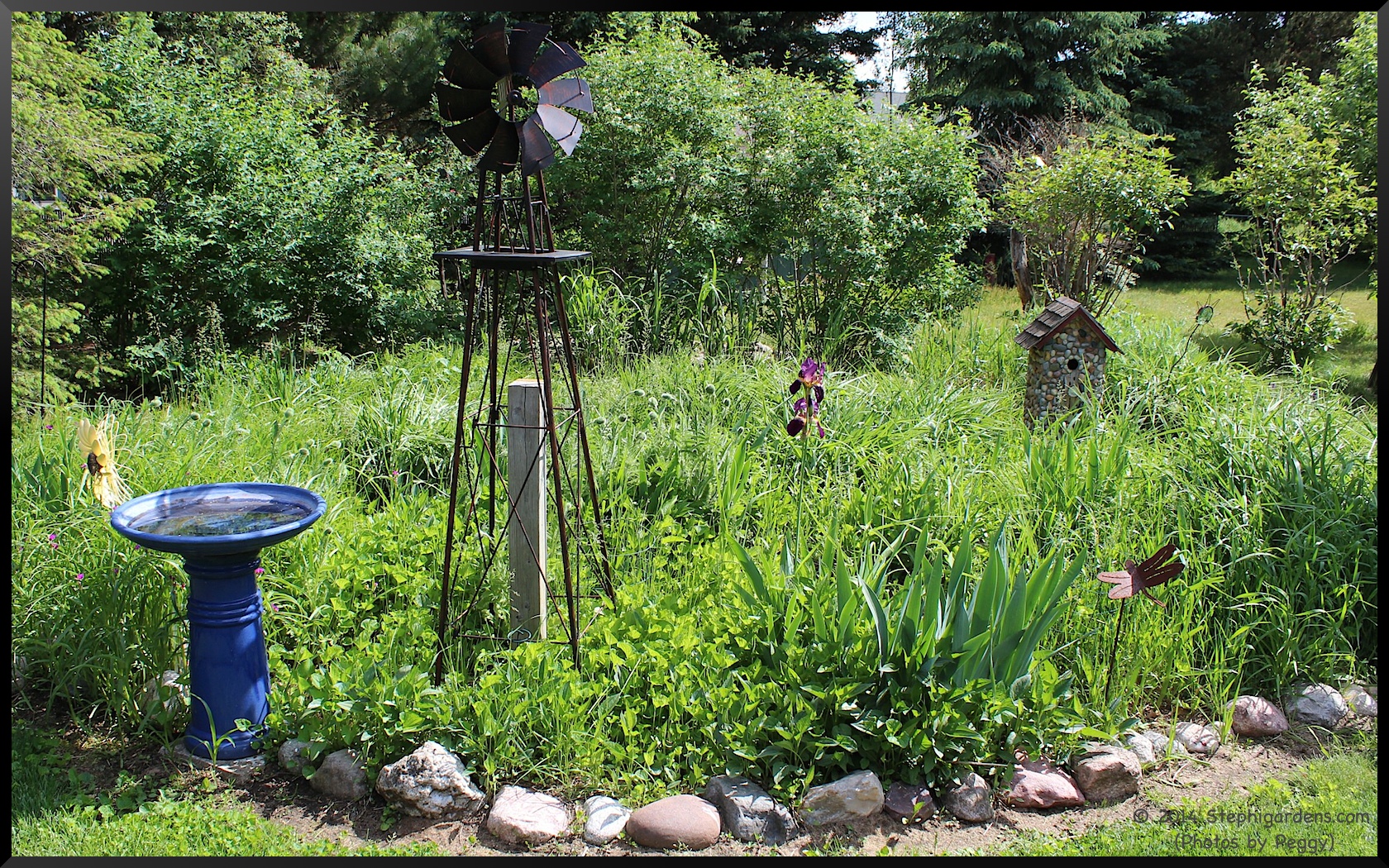
A more natural garden.

photos by peggy/stephi gardens


photos by peggy/stephi gardens

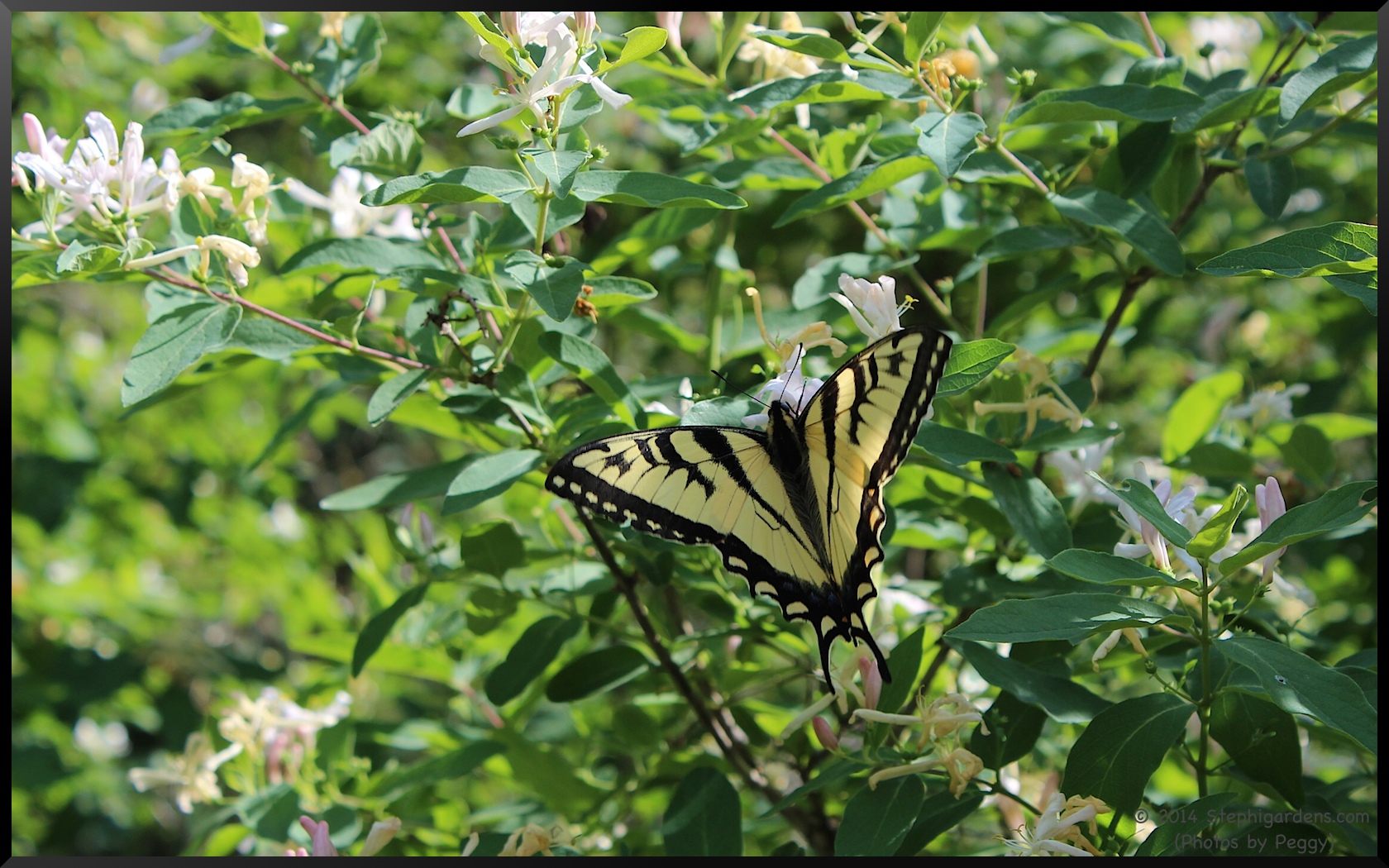
A lovely visitor–Tiger Swallowtail

photos by peggy/stephi gardens

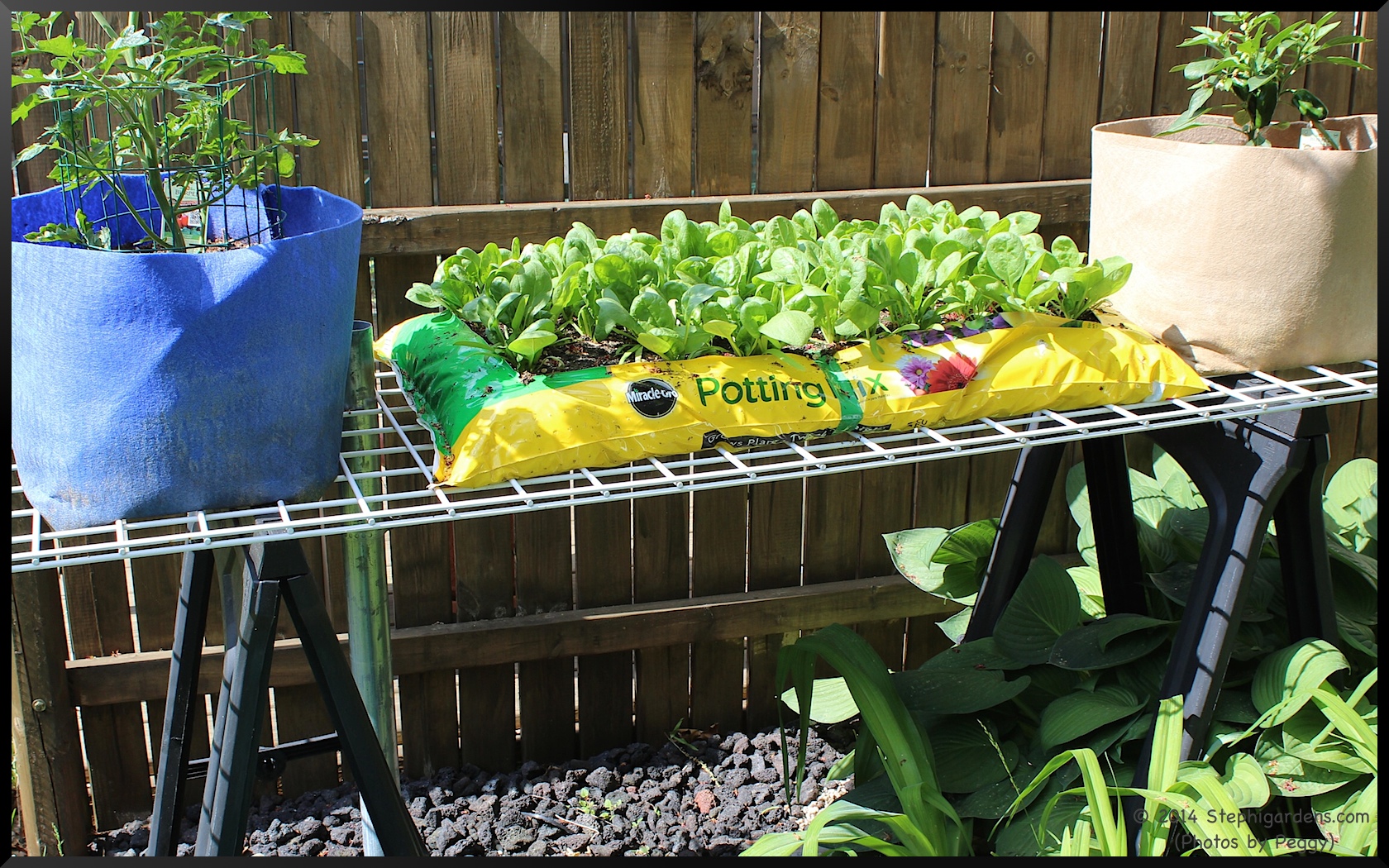
Salad in a bag!

photos by peggy/stephi gardens

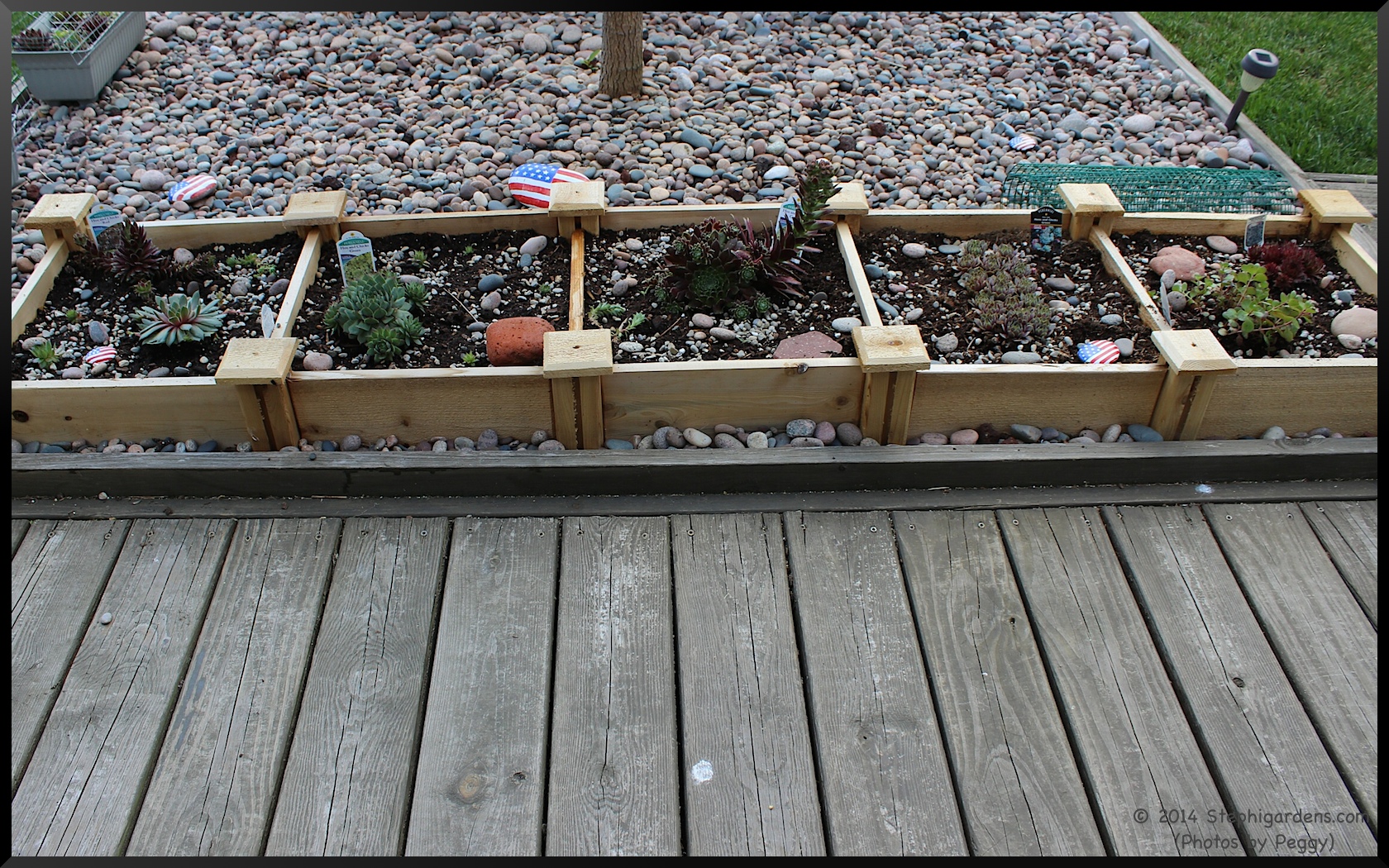
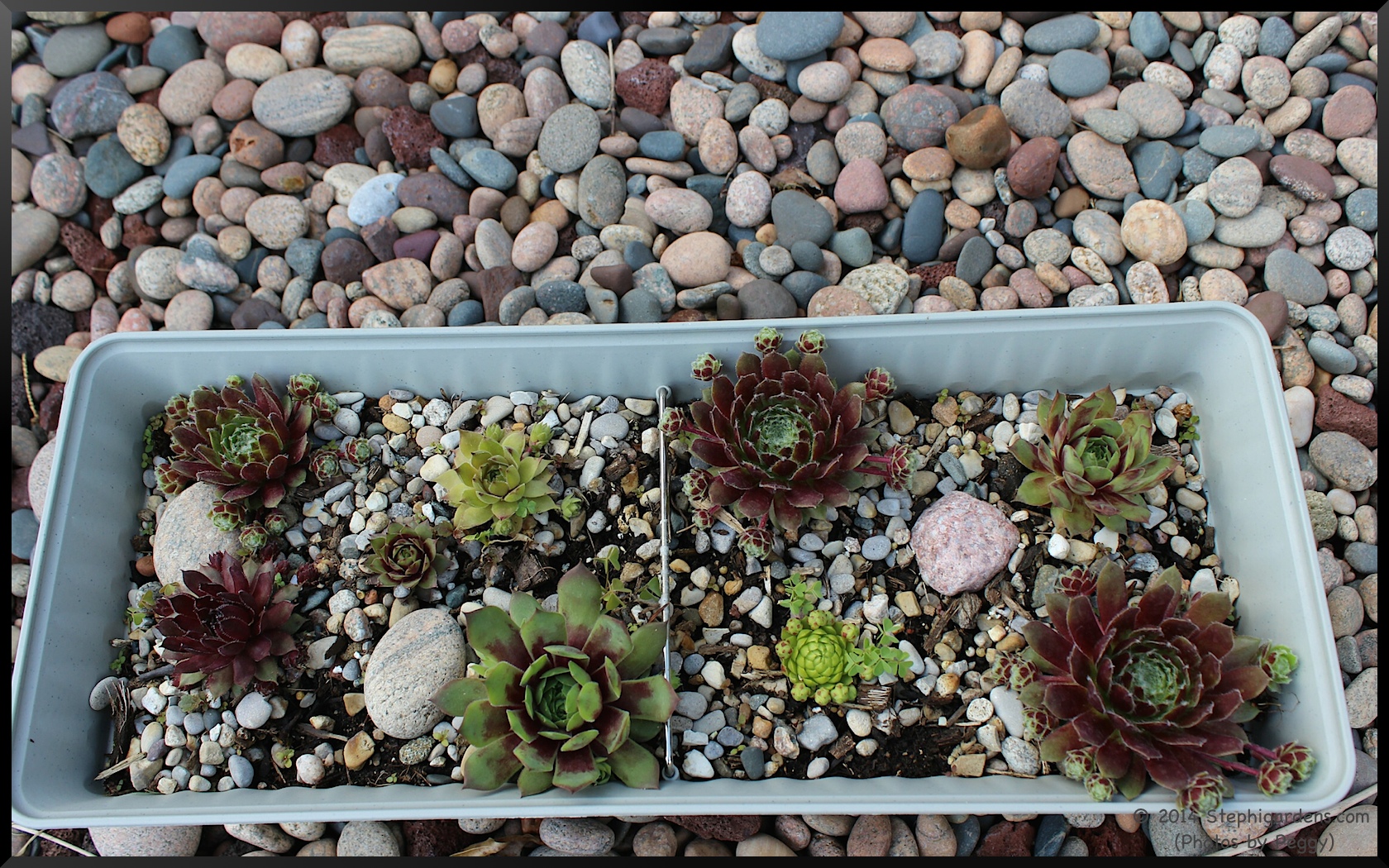
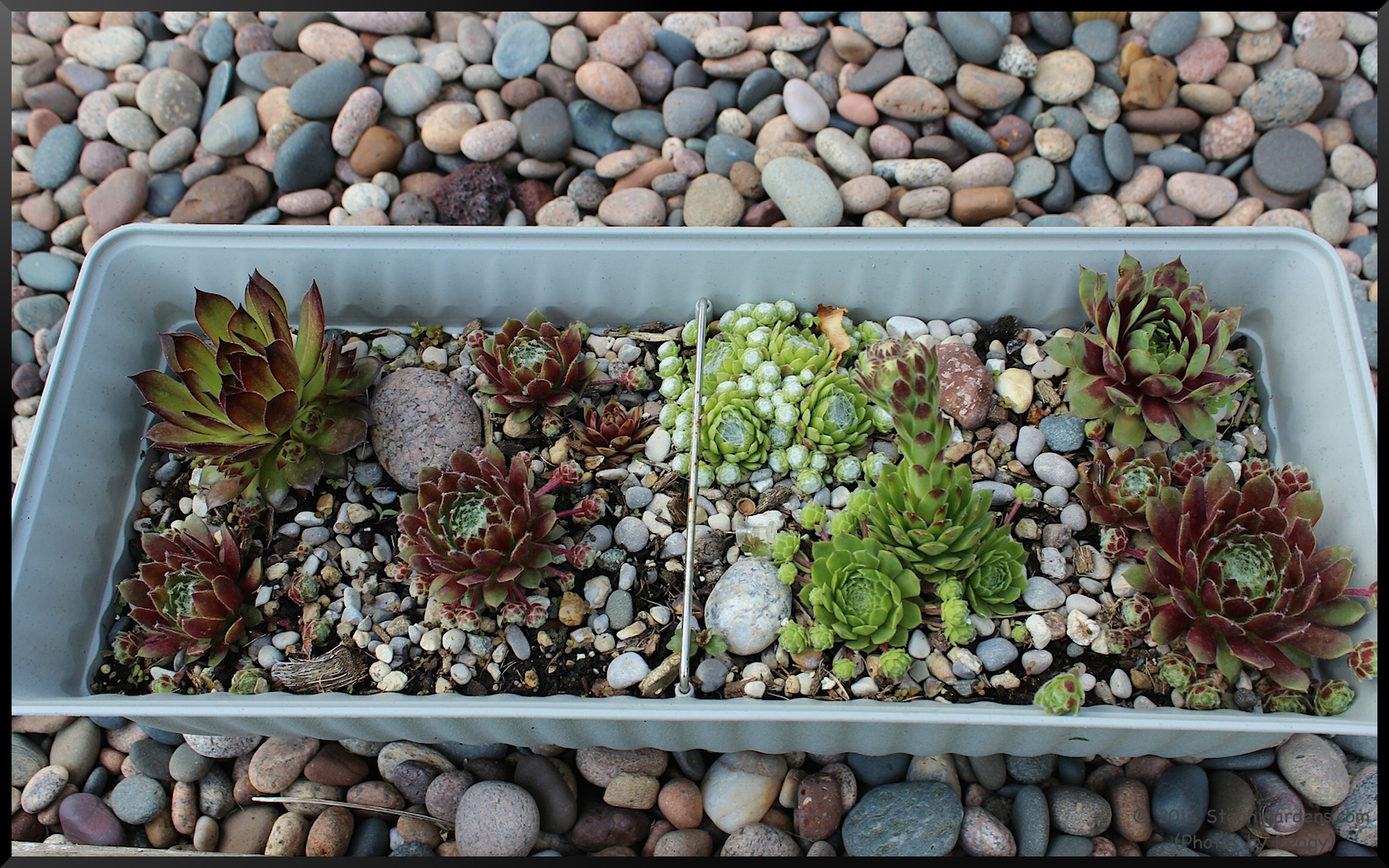
 Succulents!  This is a creative work in progress. I can’t wait to see what she does with this.  I know she’s got some great ideas.

photos by peggy/stephi gardens


photos by peggy/stephi gardens


photos by peggy/stephi gardens

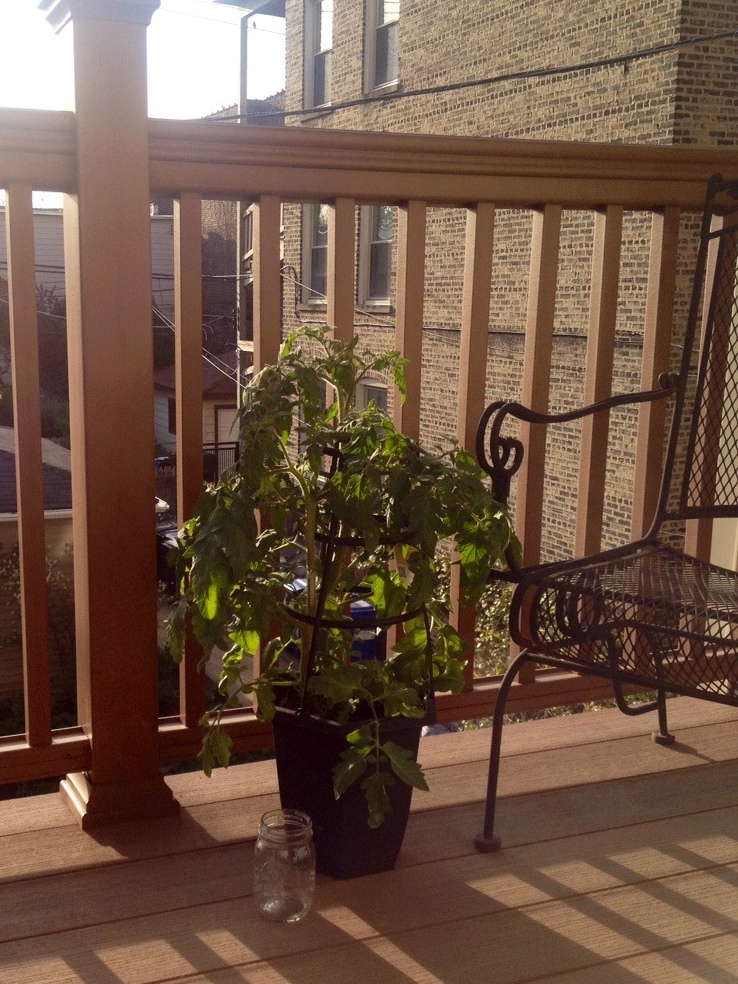
My daughter Emily lives in an apartment with some friends downtown.  When we were talking earlier in the spring, she was complaining about the price of tomatoes.  Soon after that, I happened to see a great looking potted patio tomato plant that would fit on her porch.

stephi gardens

She couldn’t have been more excited and has taken lovingly care of this plant.  It gets a hello and a glass of water from the mason jar every morning.  Recently I got a text that read “Mom!  2 of my tomatoes hatched!”  I hope they grow big, red and juicy for her.  I think she’ll be hooked then.

Do you have someone who inspired you, or have you inspired anyone else to garden? 

May Vegetable Garden

I’ve been so busy in the garden, I haven’t had much time to write about it.  Hopefully I can catch up in the next few days.  Everything is in that wonderful, lush spring phase.  Well, almost everything, but more on that another day.

garden vegetables

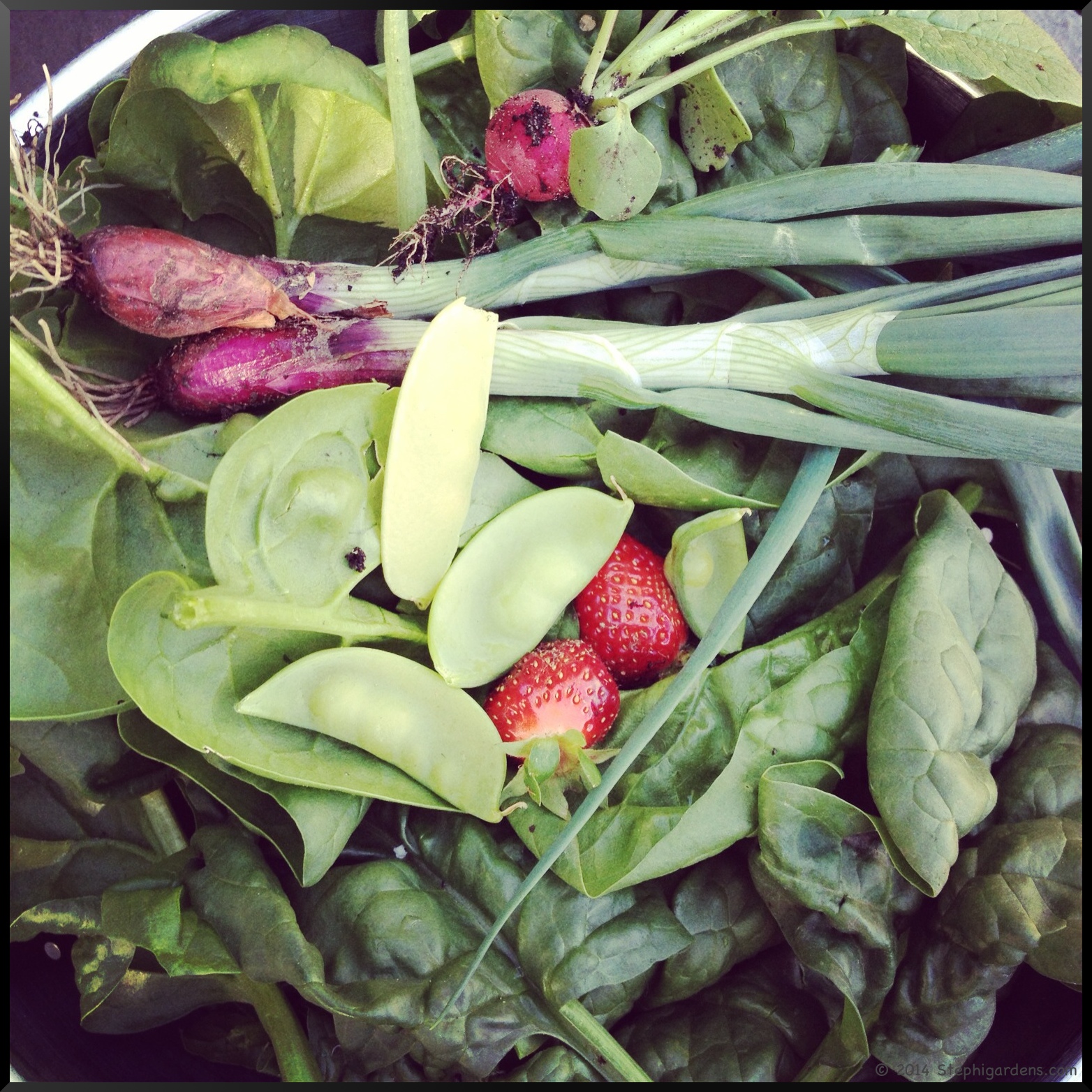
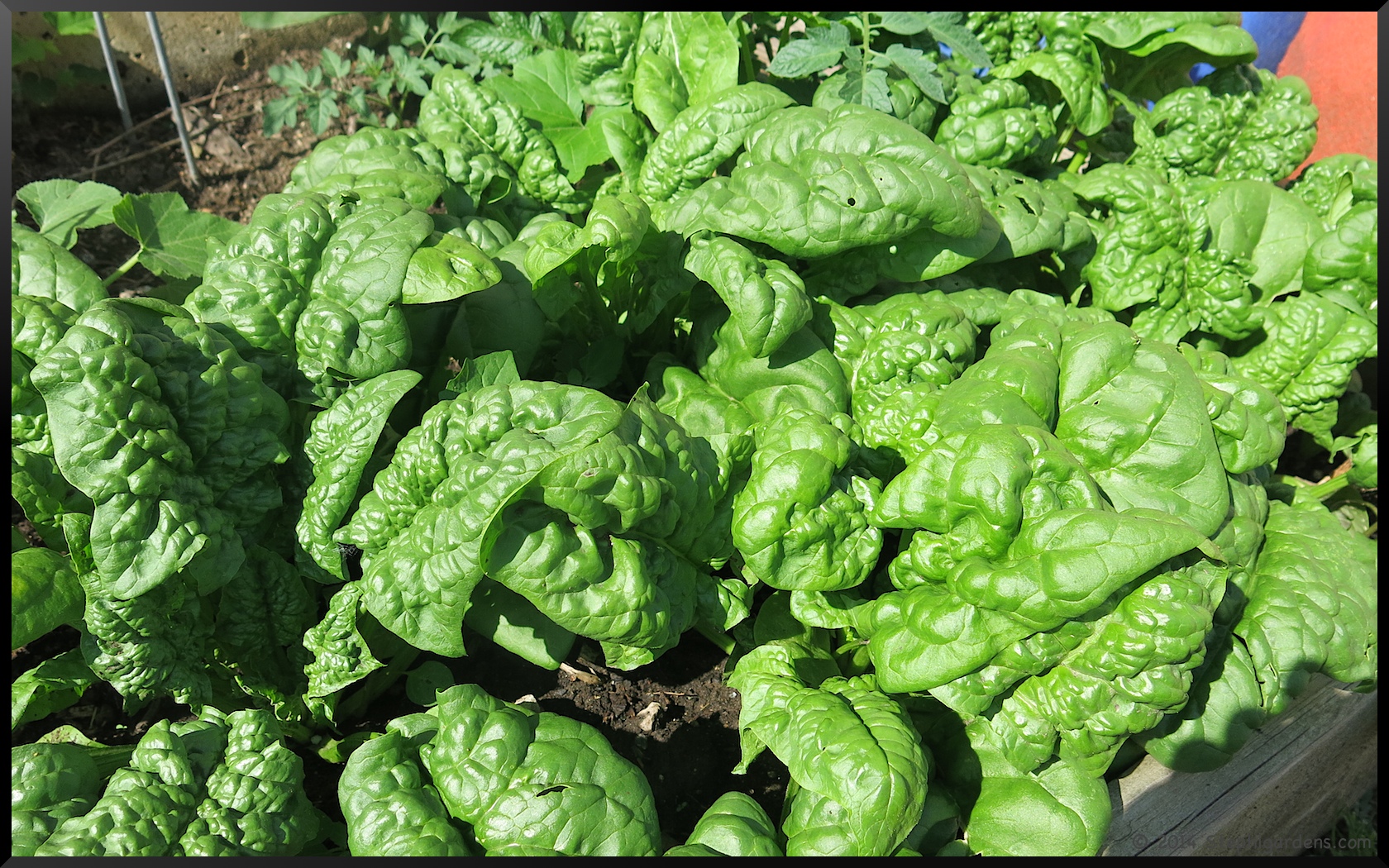
My raised vegetable beds are looking great.  I got my first harvest yesterday and we enjoyed a fresh vegetable side dish and a few small treats.   Most of the early seeds I planted in the side raised bed didn’t come up, but the spinach and a few stragglers survived the harsh spring.

garden spinach

garden spinach

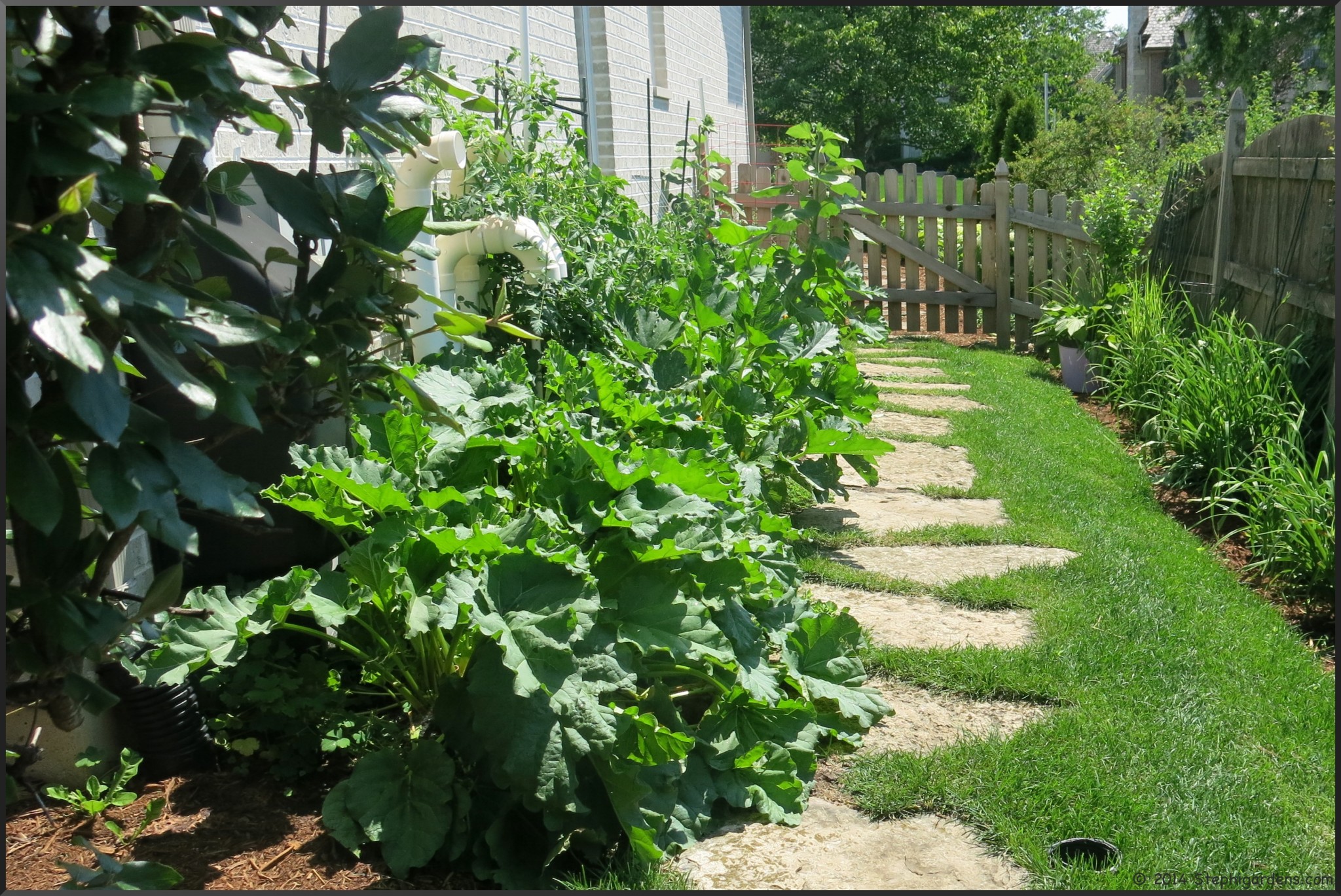
In that bed, while the few early things are finishing up, I’ve planted tomatoes, onion starts, sugar snap peas, lots of squash, zucchini and cucumbers.  All the “messy” garden characters are nicely hidden on the side of the house with plenty of space to grow. All seem to be getting started nicely.

Raised bed garden

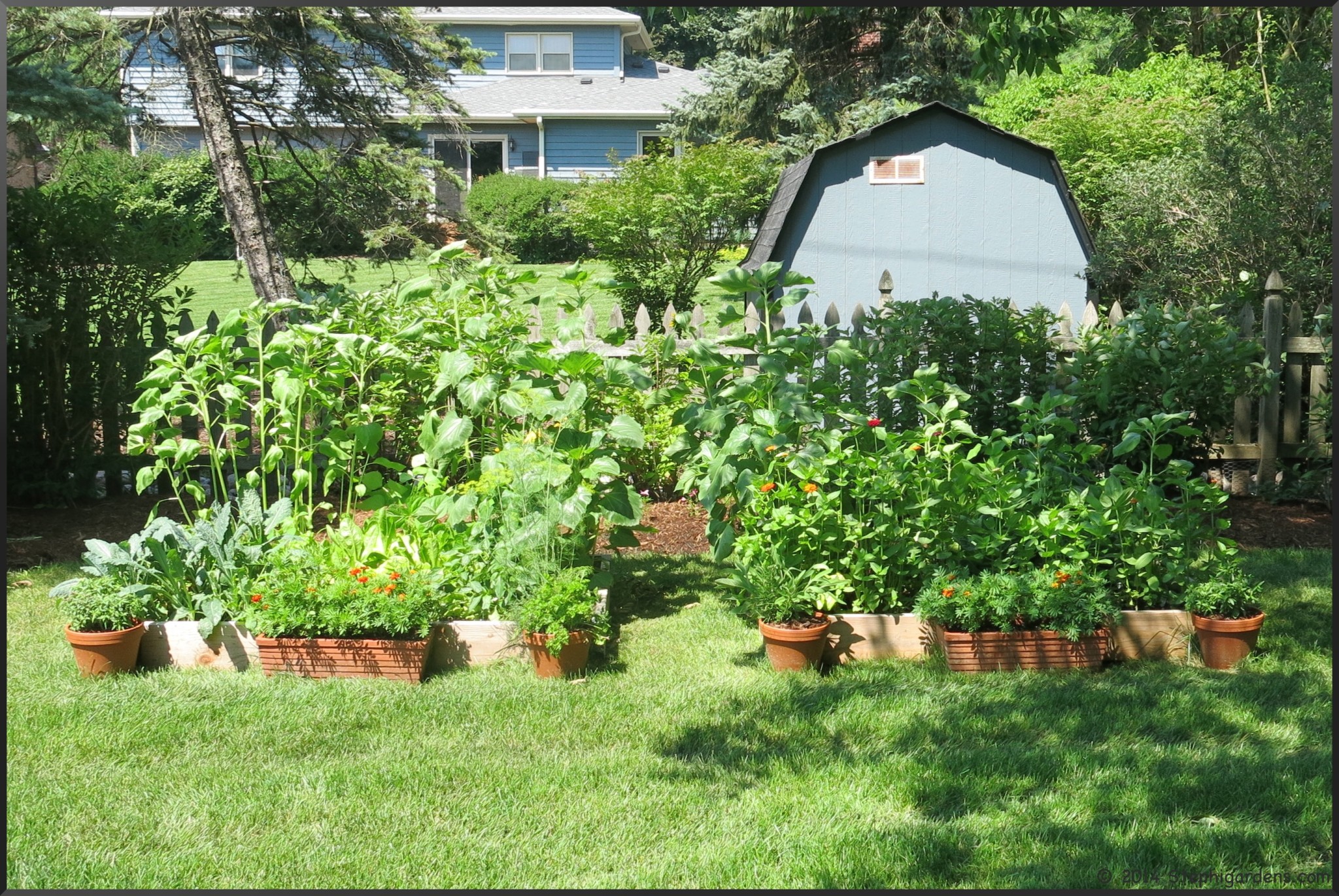
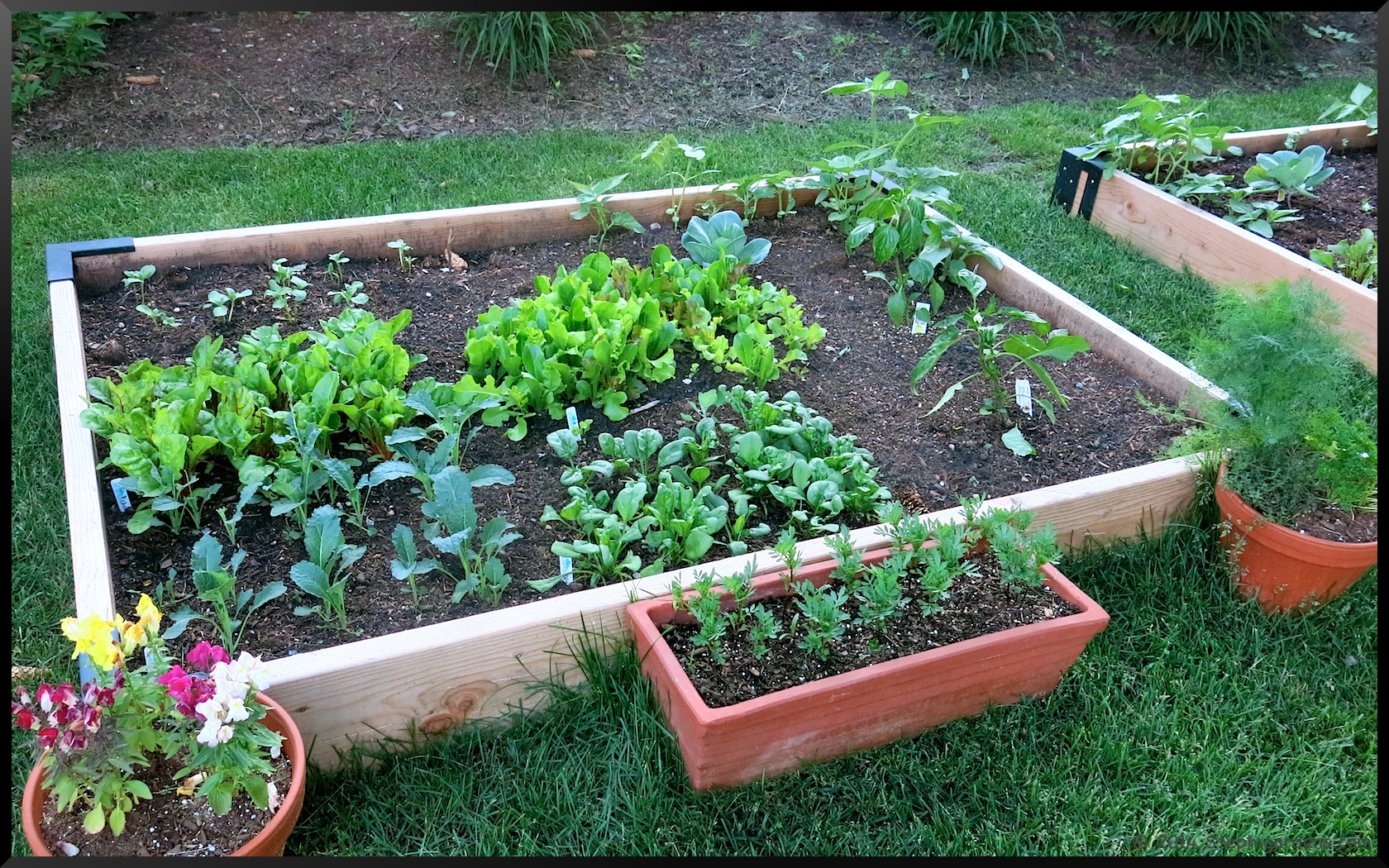
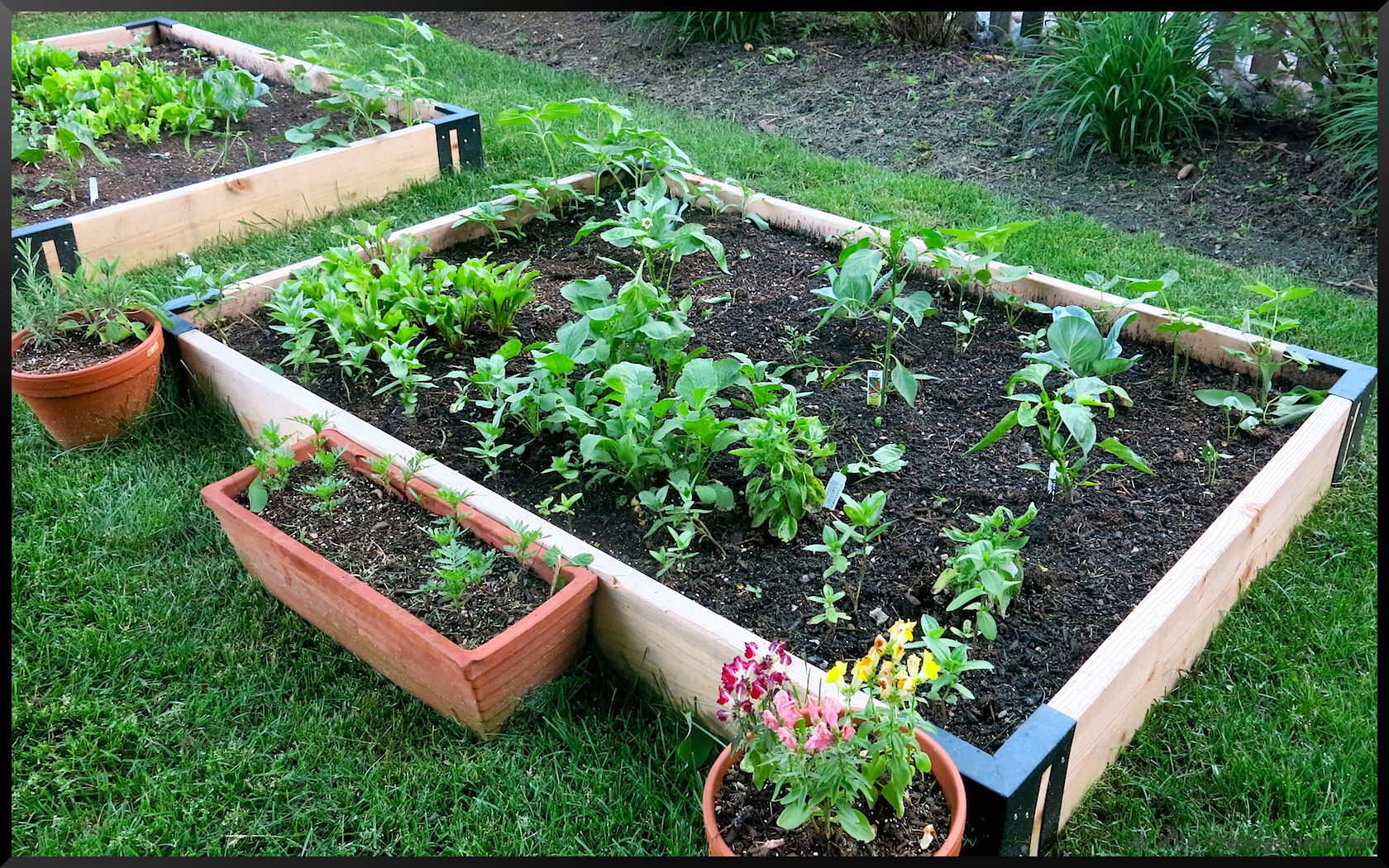
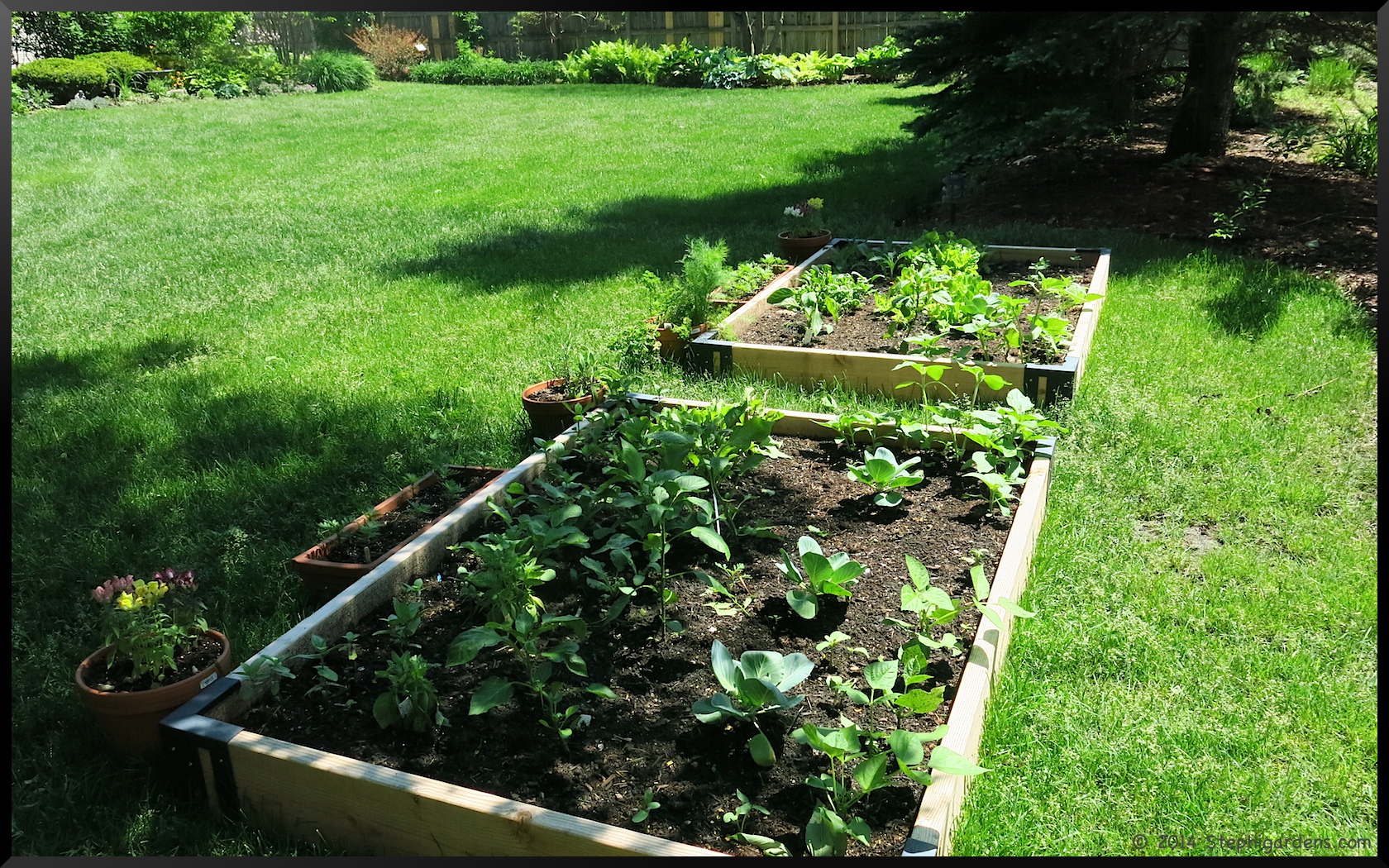
The new beds are also flourishing with vegetables, herbs and even some flowers.

Raised bed garden

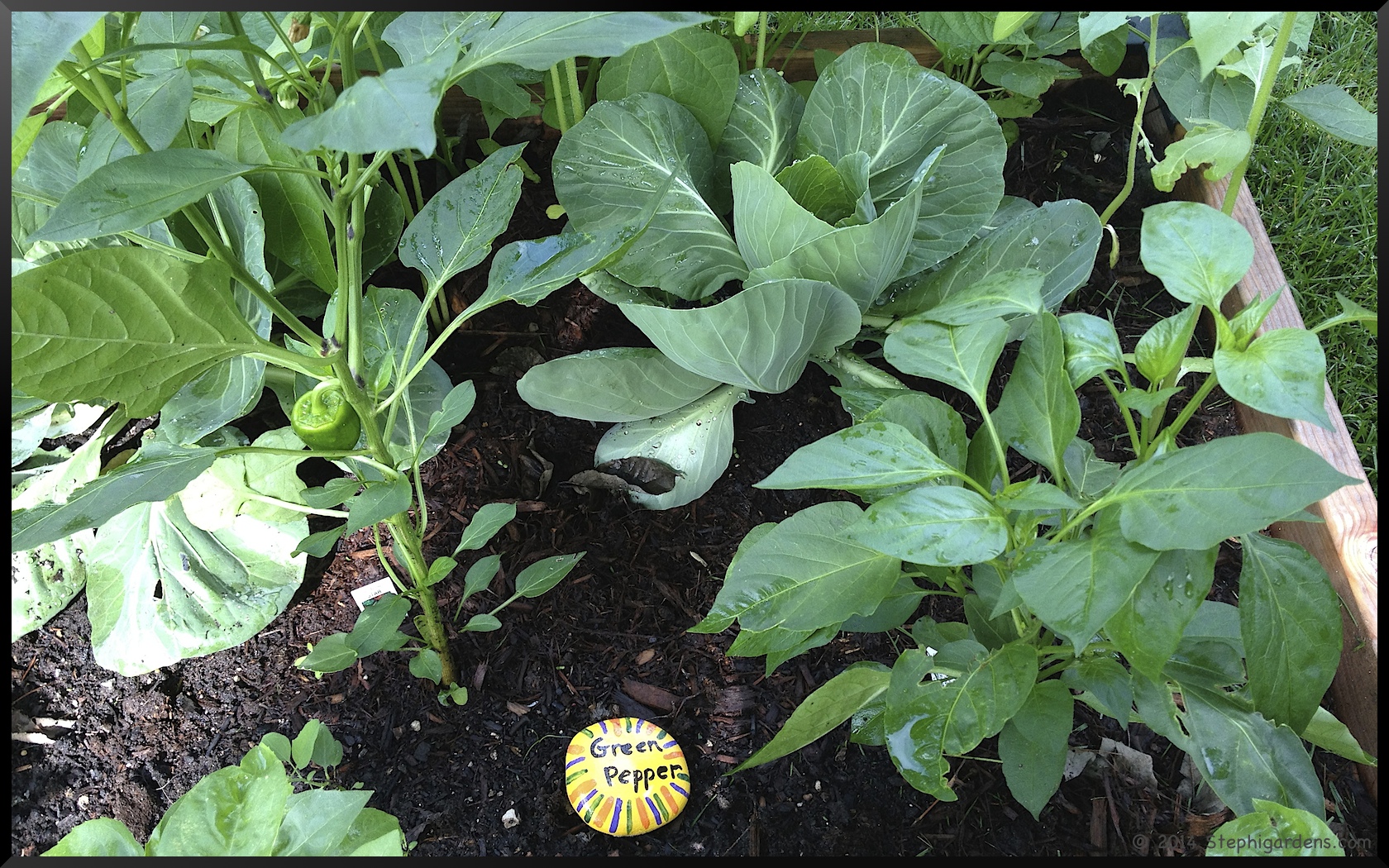
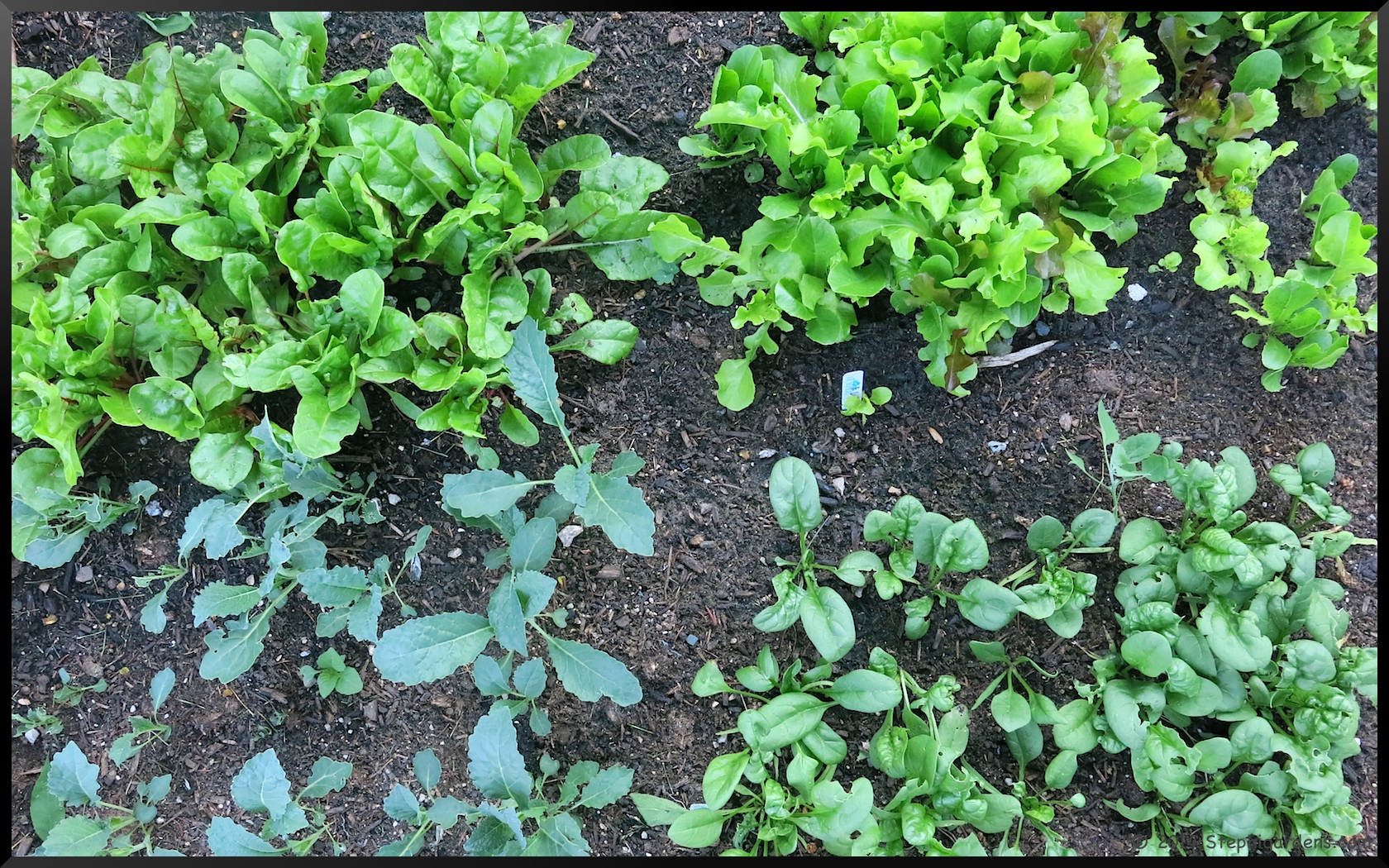
The “left” garden has swiss chard, kale, spinach, lettuce, bush beans, cabbage, green peppers, sunflowers and nasturtiums in it.  I expect it’ll get a little more shade as the summer goes on, so maybe the cool weather plants will have a bit of an extended life.

Raised bed garden

The “right” garden is chock full of more lettuce, radishes, cabbage, green peppers, bush beans, basil, sunflowers and zinnias.  In front are marigolds, potted herbs and snapdragons to give the beds some color.   I like my herbs in pots to keep them tidy and in place.  On the side of the house I have more herbs, including mint.  Mint should always be in some type of corralled container to prevent it from taking over.

Raised bed garden


Leafy greens

So far, no complaints on the appearance of the gardens.  I’m really trying hard to not let it get unruly.  Hopefully the flowers add a burst of color.  To further help that, in the background of the gardens I’ve added cosmos and daylilys.  This project may turn out to be even nicer than we expected.

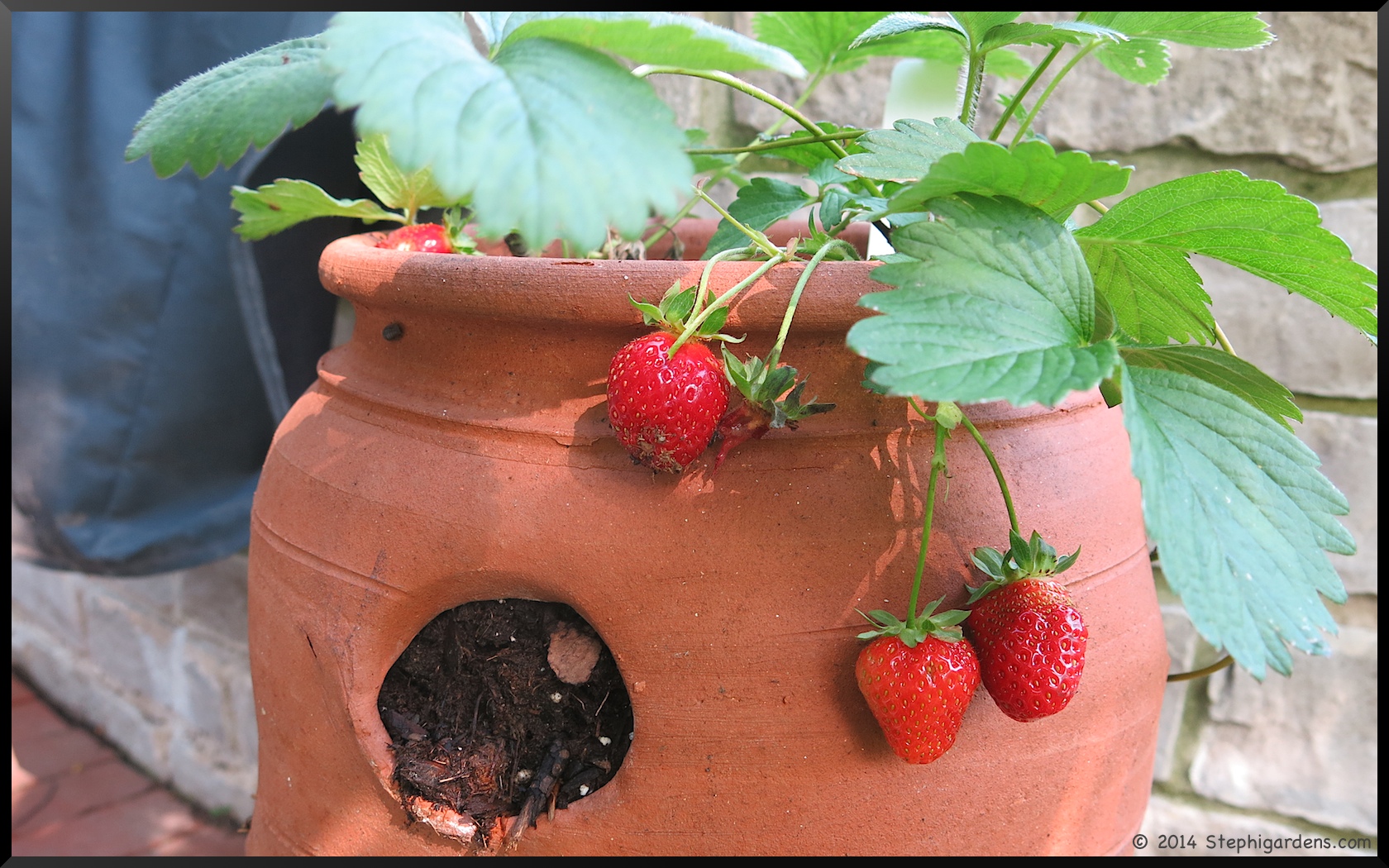
garden strawberry

Even the strawberry pot is looking great. Nothing like fresh from the vine fruit to remind you of what fruit is supposed to taste like.

Coffee Grounds-What to do With Them?

I was getting coffee and picking up my bakery bread order last weekend at the local coffee shop.  Next to the register was this bag of coffee grounds, just inviting me to take it home for the garden.

coffee grounds

While we’re not huge coffee drinkers, we drink enough that there are a few handfuls of grounds headed to the the trash each week.  Between that and the bag of grounds I brought home with me, I thought I should look into using grounds in the garden to see if I can help the environment and my garden at the same time.  It seems that it’s not quite as simple as sprinkling it in the garden to get results.  Of course there’s the anecdotes that it’s the magic potion that turns a so-so garden into a breathtaking place.  But, from a more scientific point of view, that may not always be the case.

Here’s what I’ve learned:

  • Lab tests show that the grounds contain useful amounts of phosphorus and potassium, are a low-level source of nitrogen (about the same as grass clippings) and also contain minor amounts of calcium, magnesium, copper, and other trace minerals, carbohydrates, sugars, some vitamins, and some caffeine.
  • Coffee is acidic, but coffee grounds are closer to neutral so not really that useful for acid loving plants like azaleas
  • They are great in the compost bin, both for their nutrient value and their ability to make it “hot”.  Add them as part of the “green material” not brown .
  • People have reported good results adding it to the soil around hostas, roses, and on their lawns.  Especially when there is an underlying soil issue, like clay or damaged soil.
  • Use as transplant fertilizer for tomatoes, squash and leafy vegetables by placing a handful in the transplant hole.  Seems to give those young transplants a nutritional boost.
  • Worms love coffee grounds (in moderation, of course).  Use them in soil to attract worms to the garden, or in a worm composter.
  • Use to make a liquid feeder.  Mix grounds with a bucketful of water and leave sit for a day or two to make a nice carmel colored tea to use as a liquid fertilizer.
  • Grounds placed around the base of plants are a slug deterrent.  Seems to be an ant repellent as well.

I didn’t read anything about them being harmful to the garden in reasonable amounts, so I think this year the grounds will be sprinkled in some of the older gardens that could use a little perking up.  I’m also planning to use them around my hostas as a slug repellant as they start to do their damage mid-summer.  Maybe someday I’ll get a compost pile going and they’ll be a great addition, but that’s not in the cards right now though.

Do you use your coffee grounds in the garden?

Visiting the Morton Arboretum Annual Plant Sale

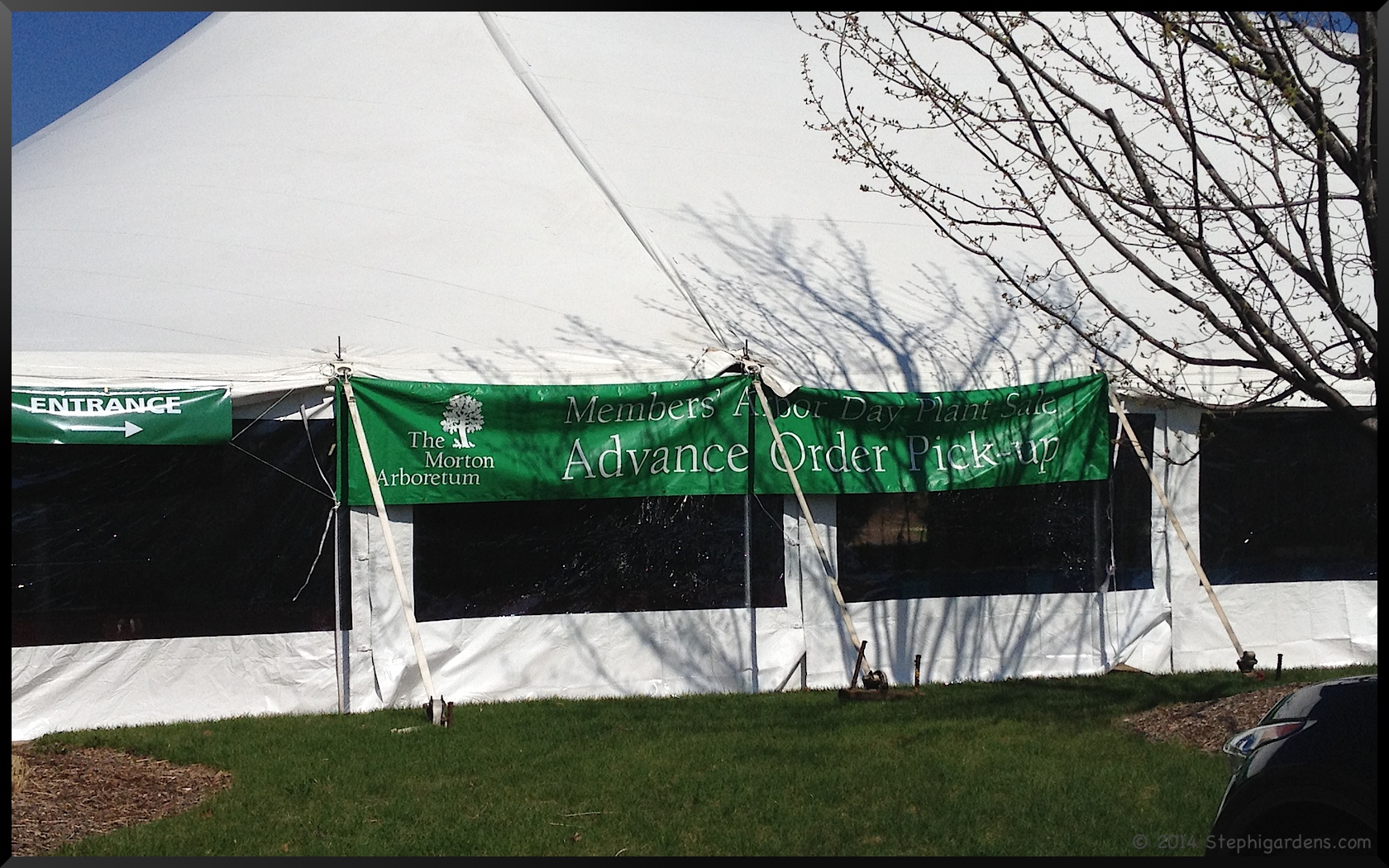
Morton Arboretum Plant Sale

For me, the yearly Morton Arboretum Arbor Day Plant Sale is like sending a kid into a candy store. So many wonderful plants to pick from, some special ones that can be pre-ordered by members, and others that everyone can just go and select.  Many of my best plants have come from there.

Morton Arboretum Plant Sale

Back in early February, still in the throws of winter, comes the flyer detailing all the pre-purchase offerings.   That’s when I wish my yard was bigger so I could buy every tree, shrub and perennial in the booklet.  But, no, every year I buy less and less, since I have less and less room to plant.  I guess that’s a good thing, just not as much fun 🙁

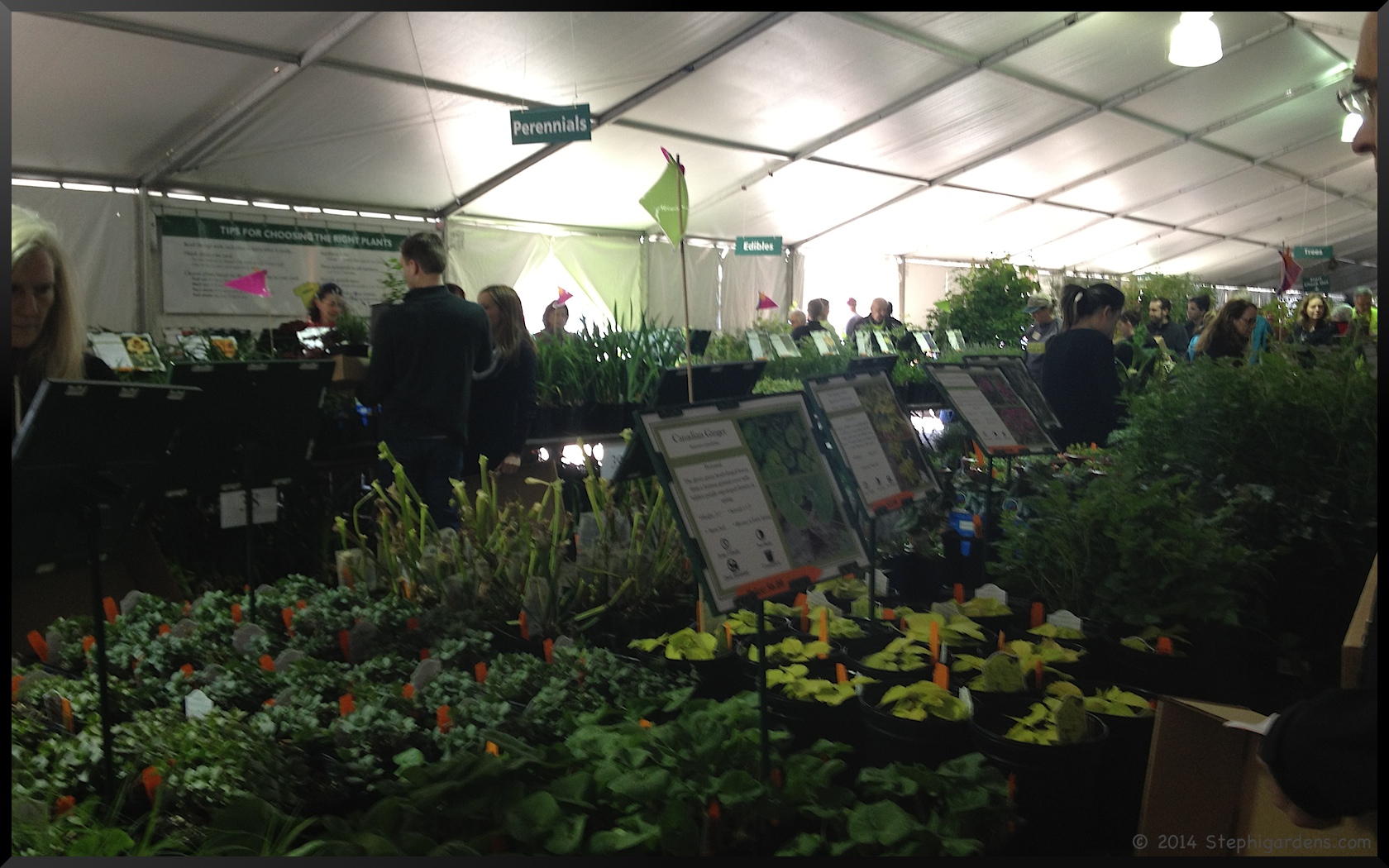
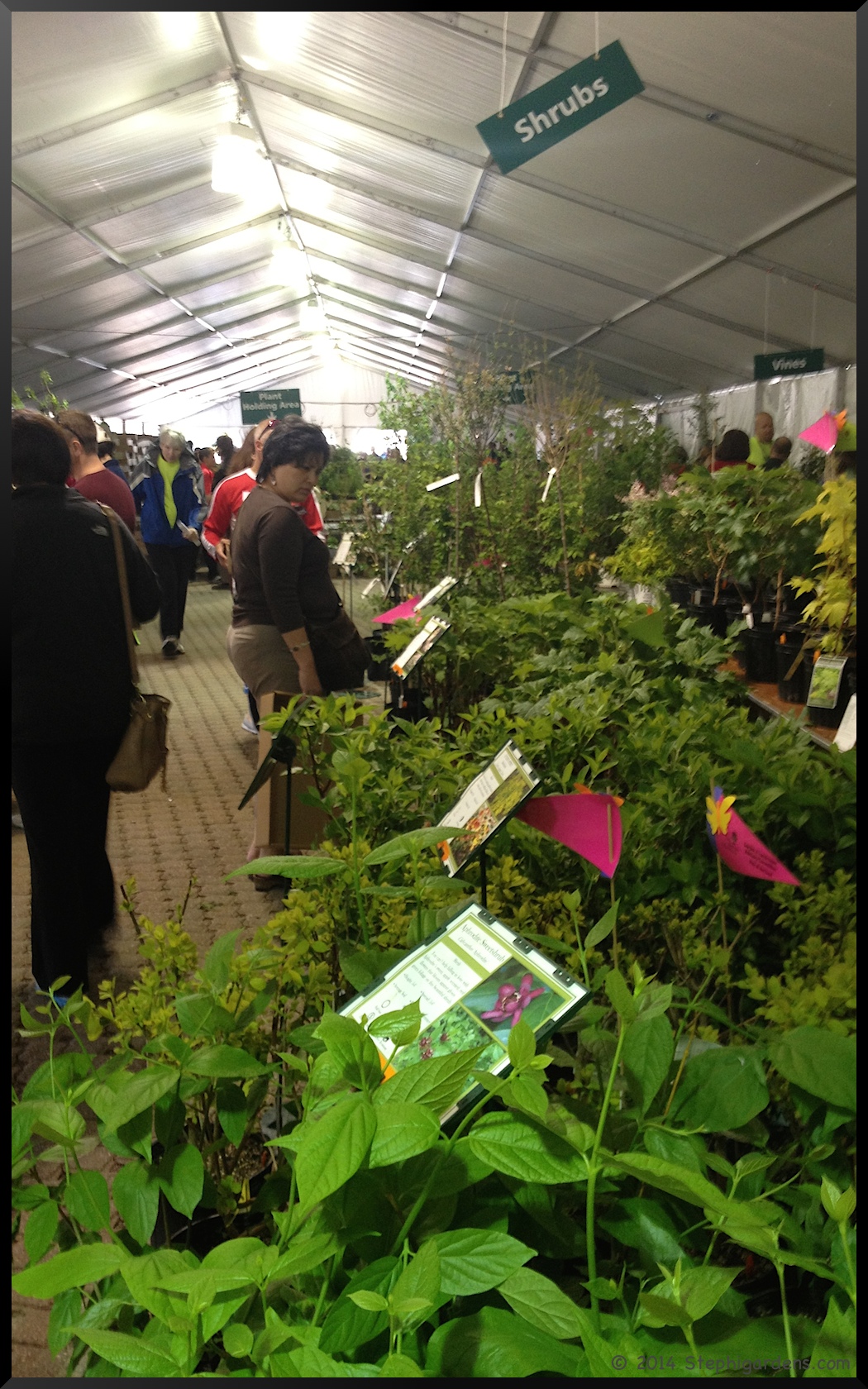
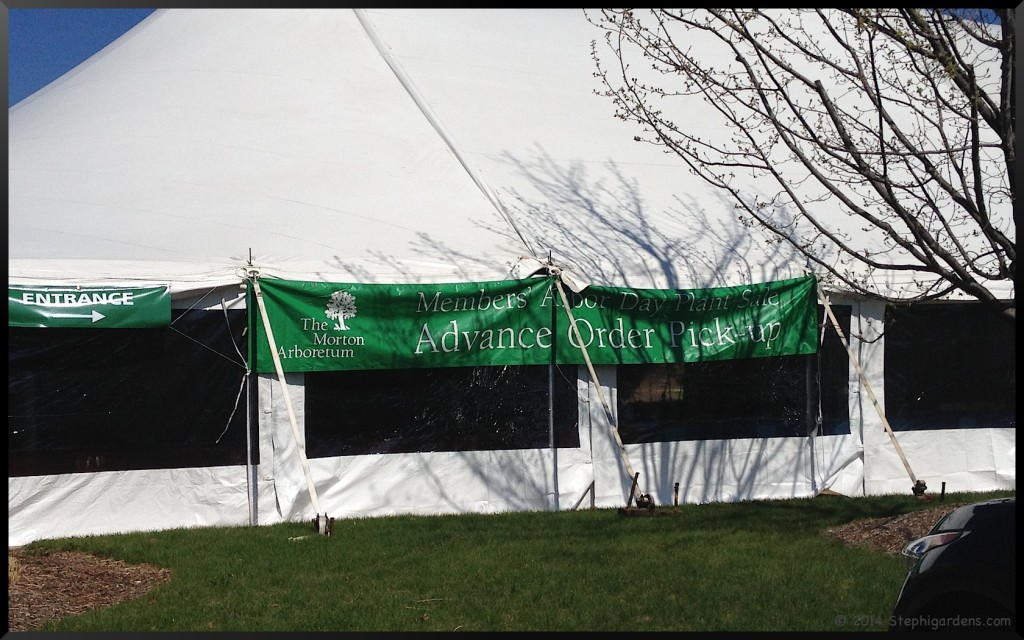
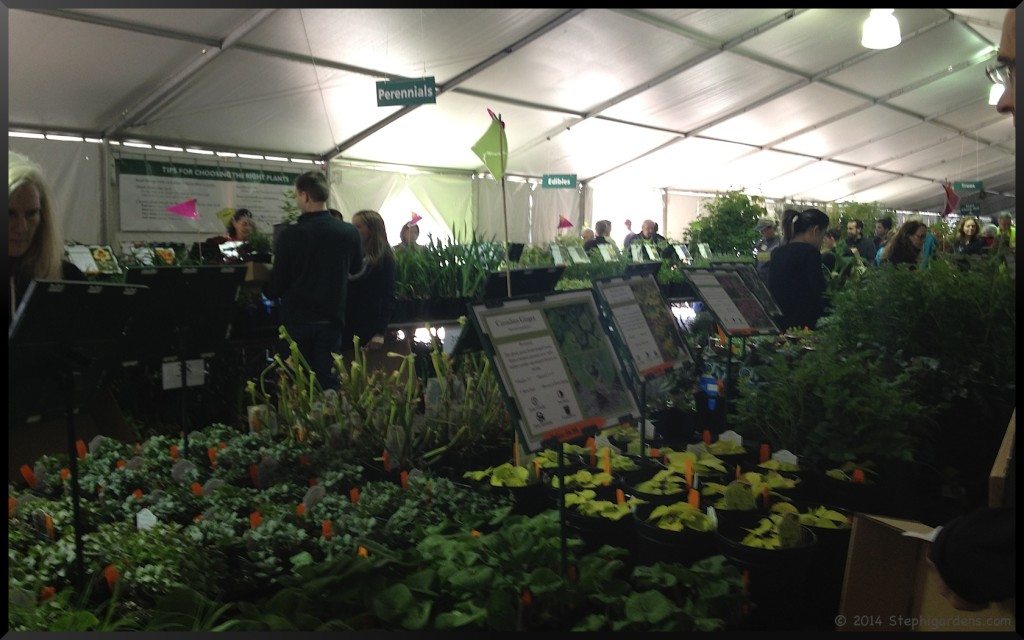
On pick up day, coinciding with Illinois’ Arbor Day (the Arboretum’s signature holiday),  the Arboretum also has a huge tent full of other plants that come highly recommended that can be bought both by members and non-members.
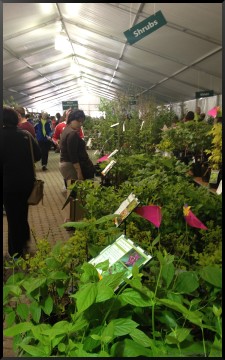
Morton Arboretum Plant Sale


Morton Arboretum Plant Sale

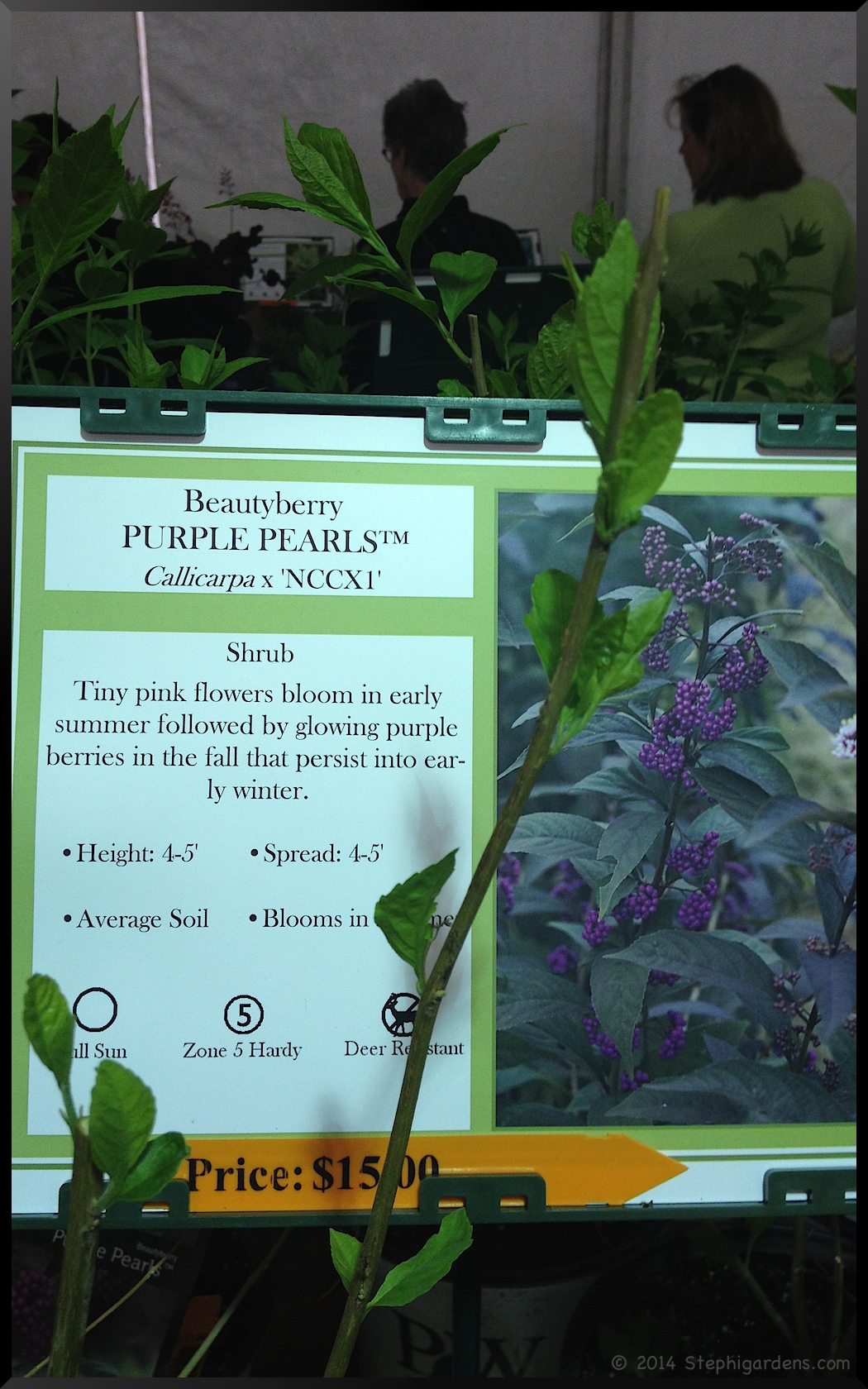
I stopped there first, since this part is first come, first served and they often run out of varieties. What is tops on my list to find: a Purple Beautyberry Bush!  Ever since I saw them last year in the Arboretum parking lot (see Purple Beautyberry Bush post), I’ve been planning to look for them this spring.
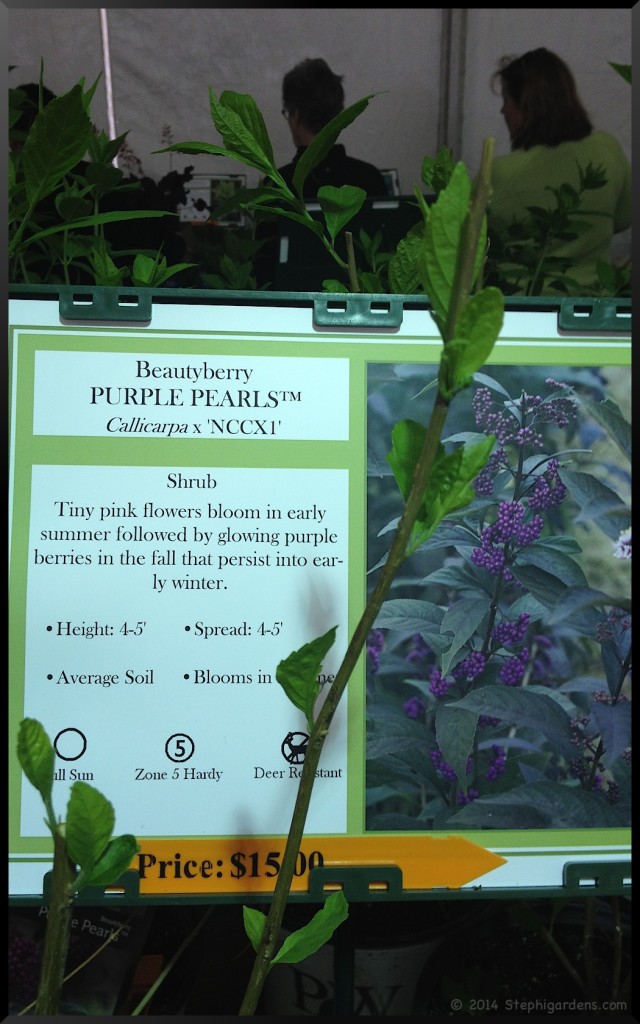
Beautyberry Bush

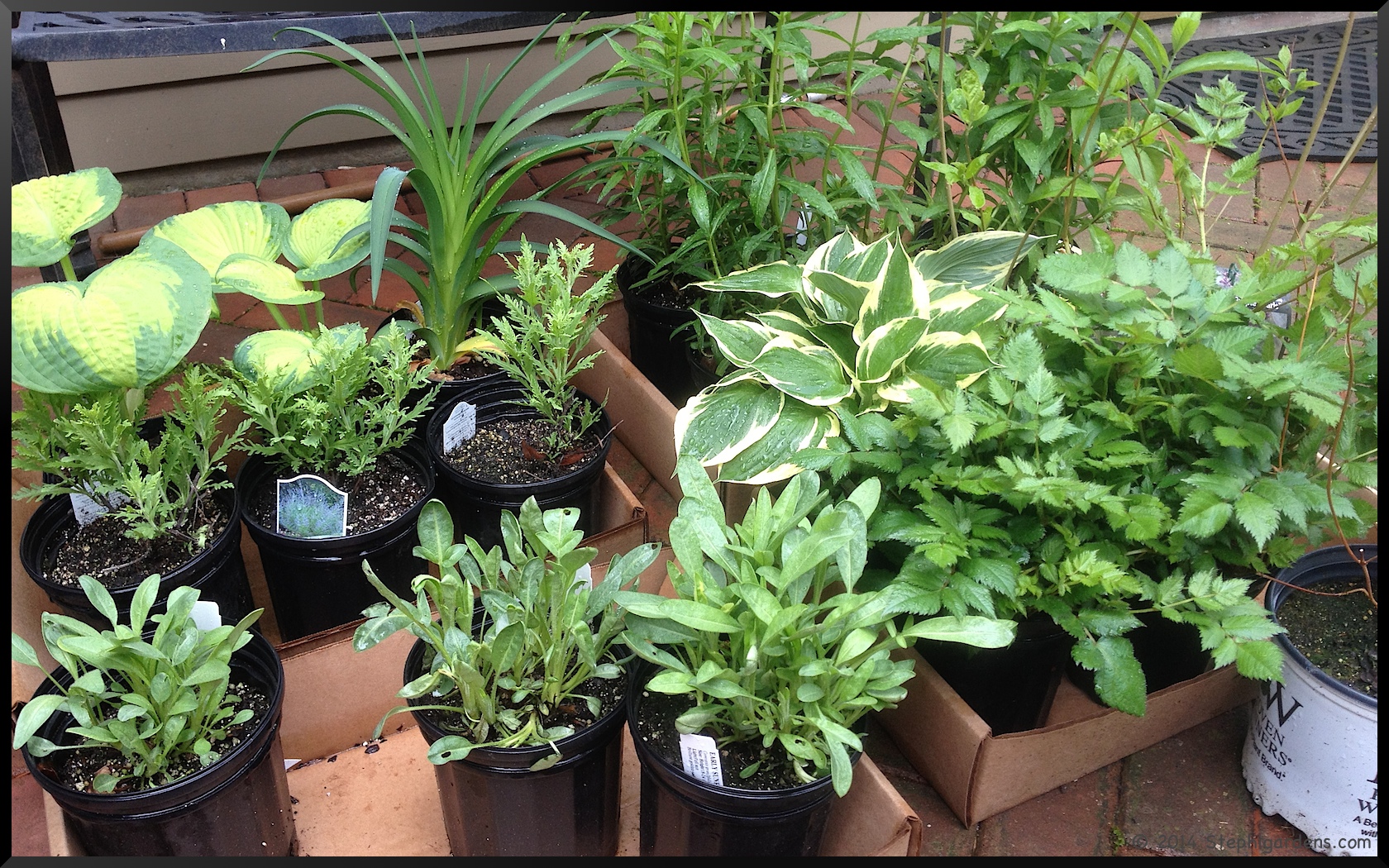
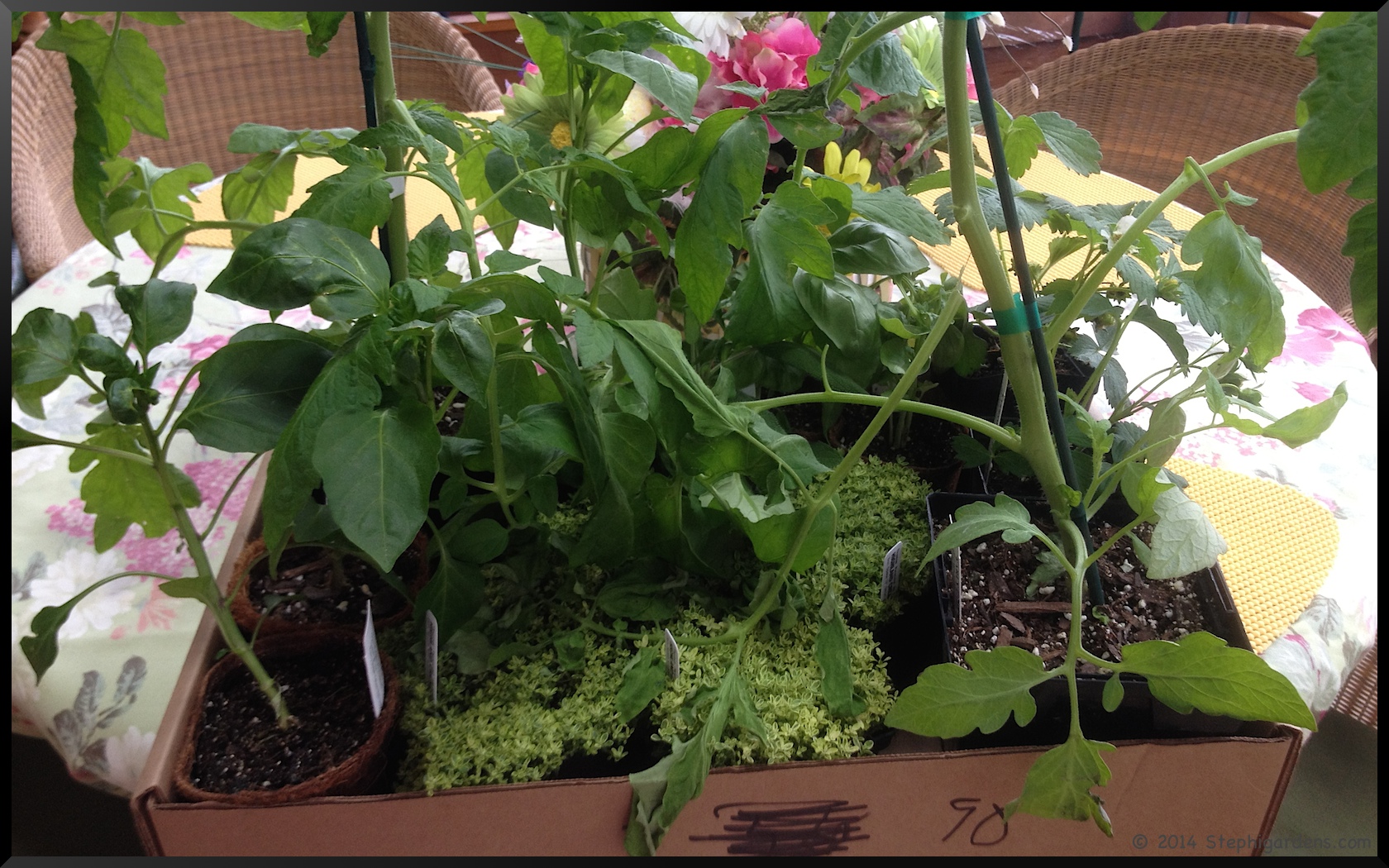
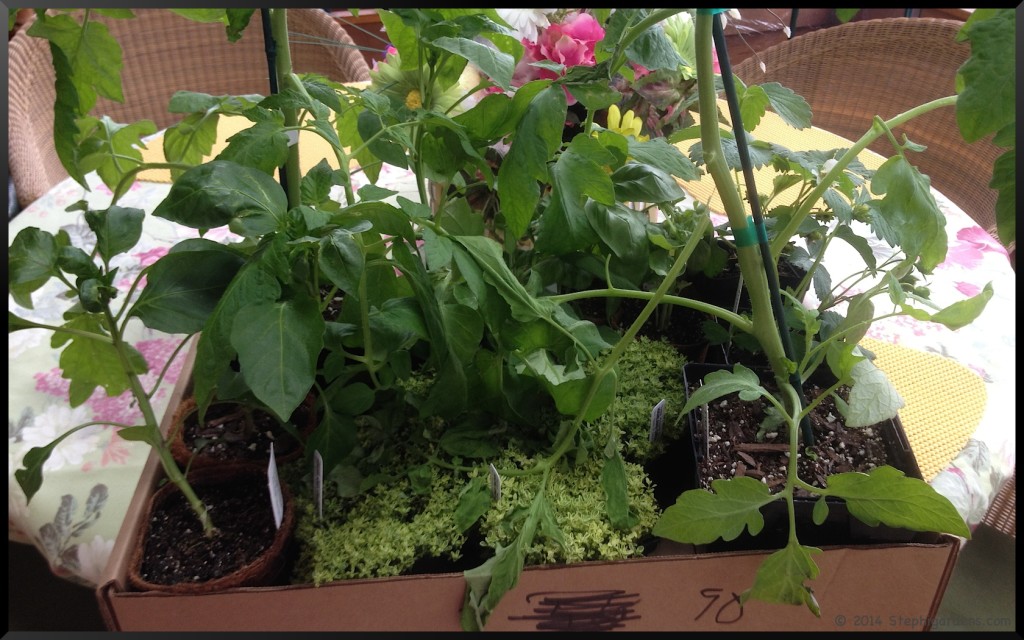
Then I shopped for a bit more, finding some interesting perennials (Little Vision in Pink Astilbe,  Hosta Independence, Early Sunrise Tickseed), vegetables (tomatoes and peppers), herbs (basil, parsley, sage, mint), strawberries, and… Creeping Thyme.
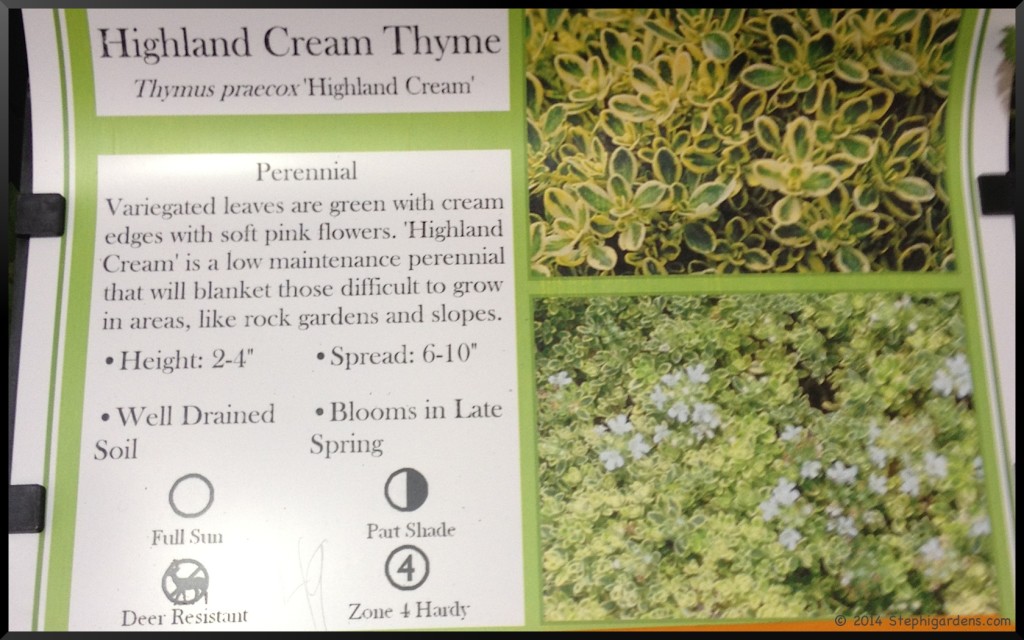
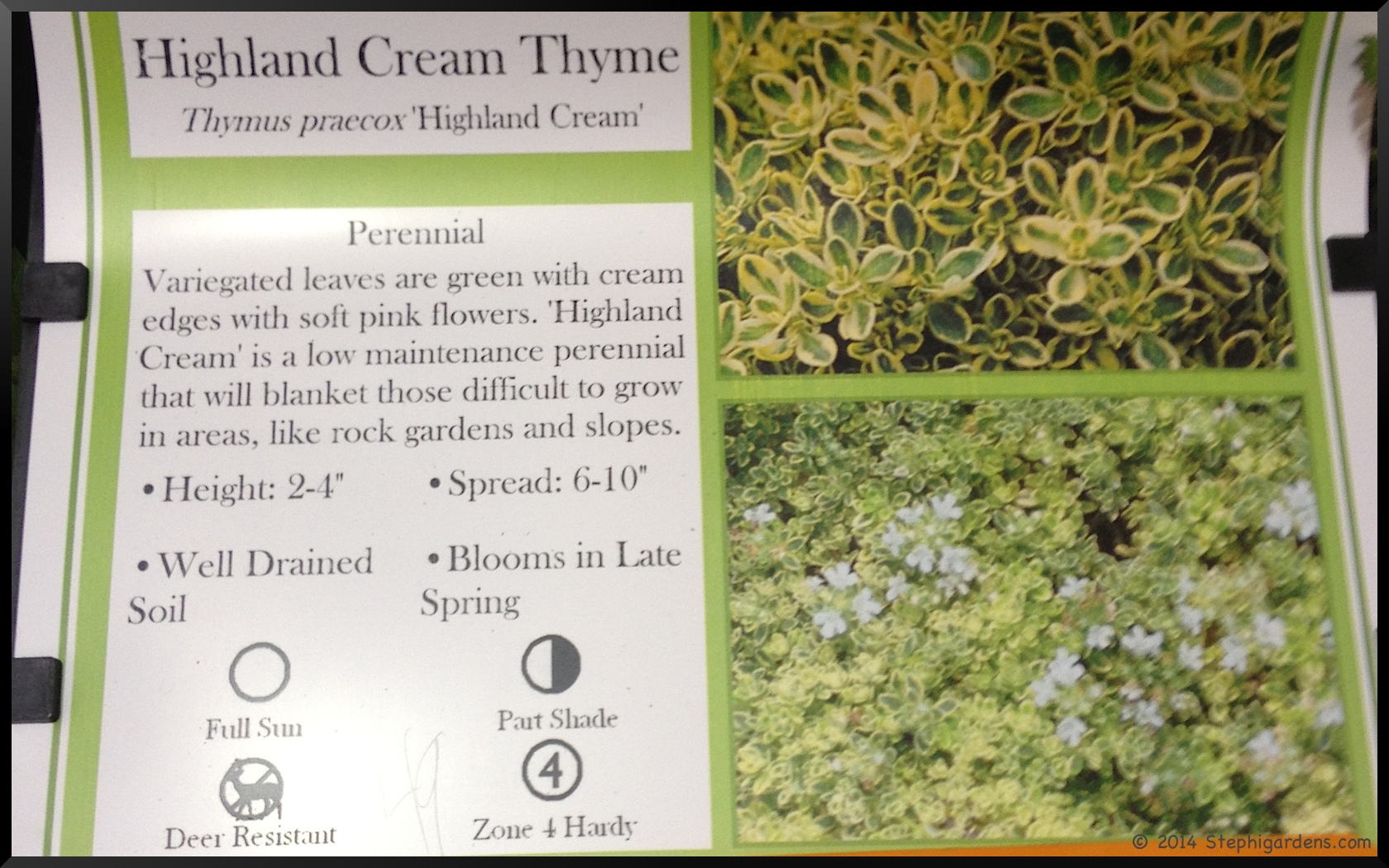
Creeping Thyme


If you read my recent post on the problems I was having with my Creeping Thyme, I saw these and decided to add a few plants to try and help fill in the space a little quicker as the older plants recover from their inattention. It’s not exactly the same as what is there, but I think the varieties will look good together.

Then I went over to pick up my order,  which contained Peek-a-Blue Russian Sage, a Flutterby Petite Tutti Fruitti Pink Butterfly Bush, Jeana Garden Phlox, and a Primal Scream Daylily.
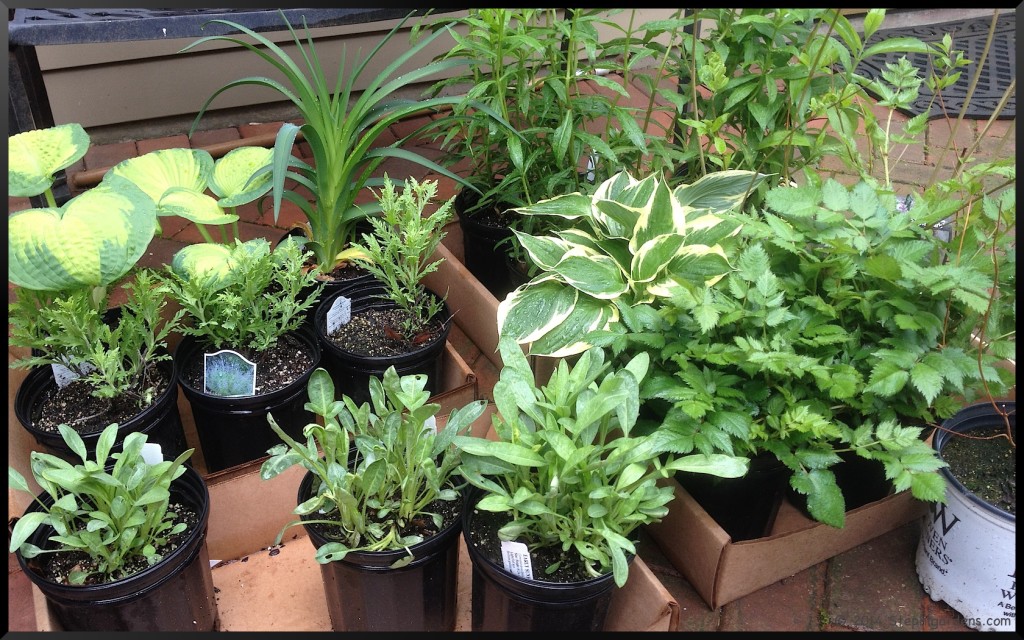
Peek-a-Blue Russian Sage, Flutterby Petite Tutti Fruitti Pink Butterfly Bush, Jeana Garden Phlox, Primal Scream Daylily, Little Vision in Pink Astilbe, Hosta Independence, Early Sunrise Tickseed


Morton Arboretum Plant Sale


The shrubs I can plant right away (or at least as soon as it stops raining) and the other perennials and annuals I’ll wait for a couple of weeks. Mother’s Day weekend usually is the safe, no more freeze danger mark. Until then, the perennials will hang out outside in a shady spot and the rest I’ve moved into the screen room for a little more protection from the cold weather we’ve been having. Now I just need to remember to water them!

Do you have any local plant sales in your area?

My New Raised Beds-Soil

Raised vegetable bed

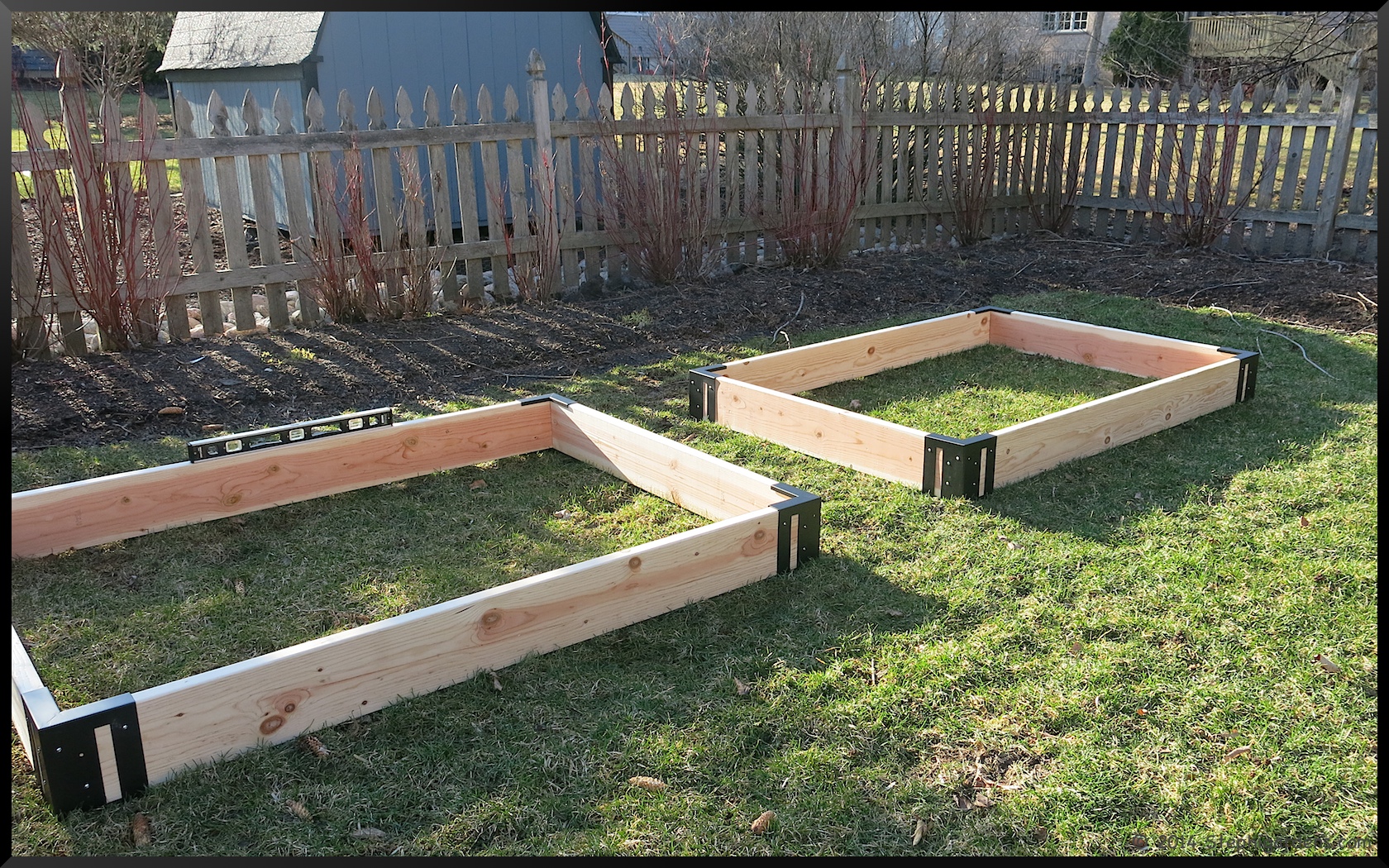
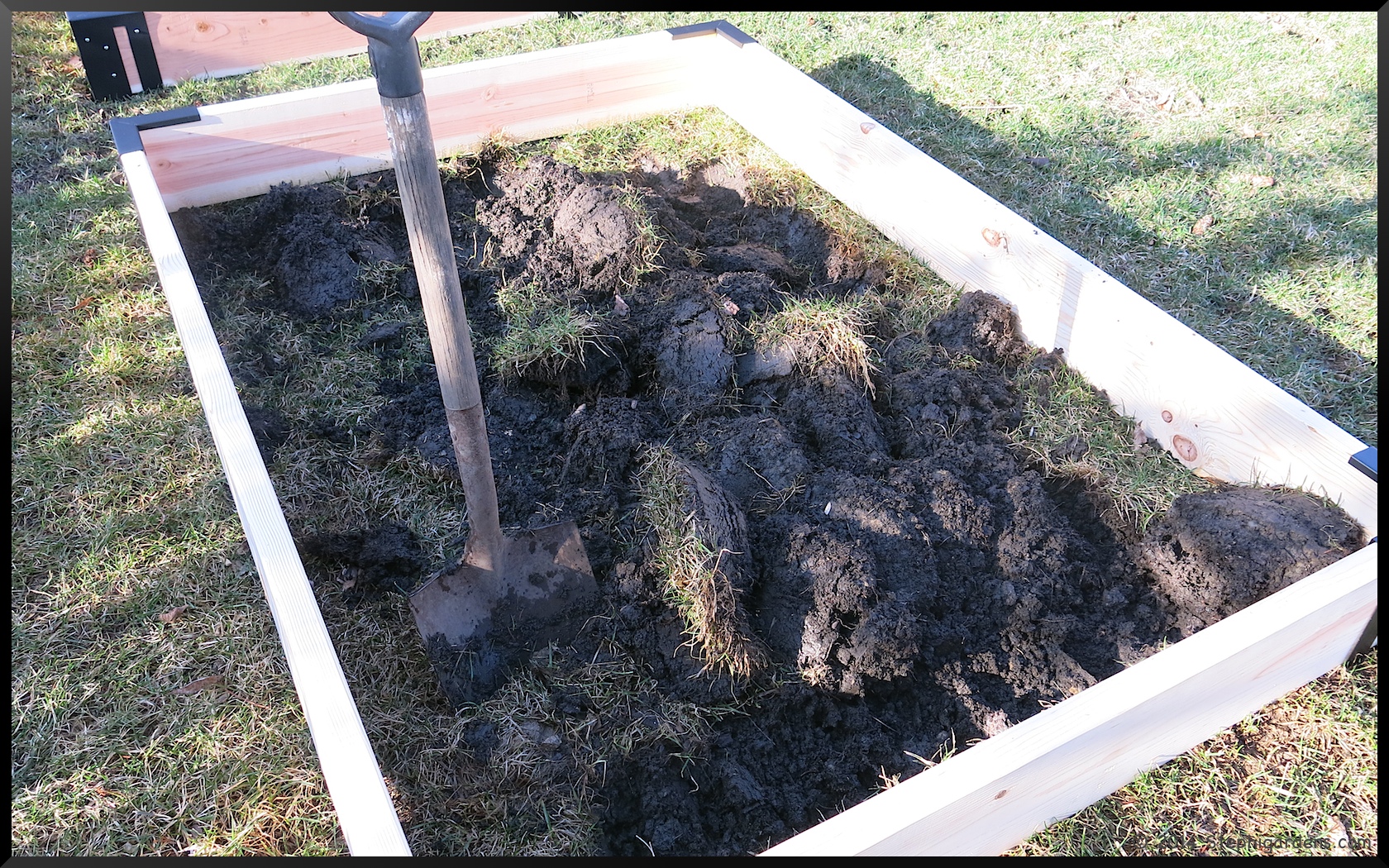
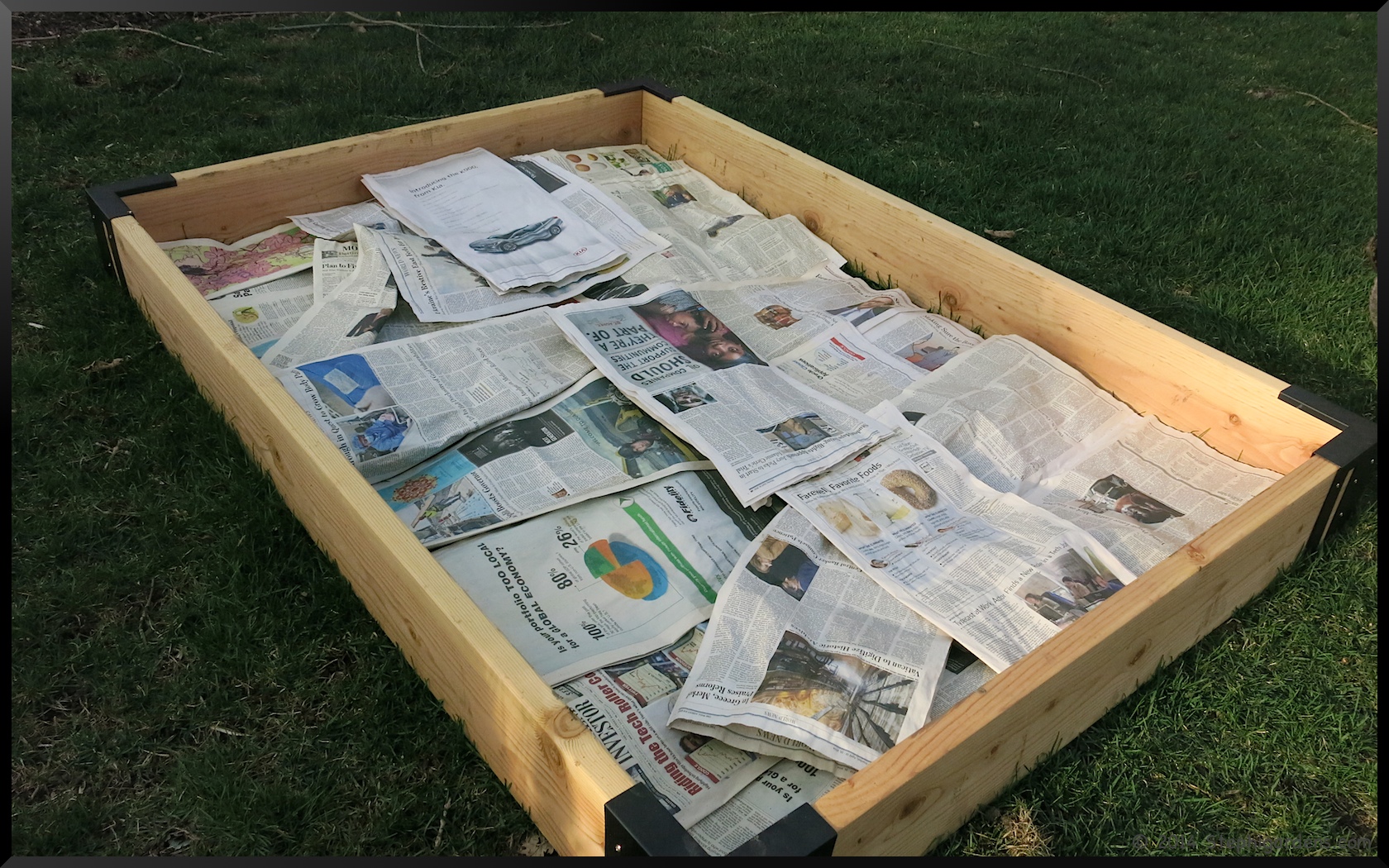
As I wrote in yesterday’s post (My New Raised Beds-Construction), our new raised beds were finished.  Next up, filling them with the right mix of soil and compost.  First though, we had to get the grass out and the existing soil turned over.  I know our grass has quite a bit of thatch, so it would be a pretty thick barrier to the vegetable roots.  After breaking it up pretty well, we covered it with newspaper to kill off whatever grass was still alive.  No need to remove the paper before filling with dirt, it will just decompose.

Raised vegetable bed


Raised vegetable bed

The one downside of turning over the sod is the possibility of wire worms.  Wire worms are the larvae of click beetles and they live in the soil near the roots of grass.  Once disturbed by the digging, they make their way up to the new crops and wreak their havoc.  I’m going to assume this is not going to happen…

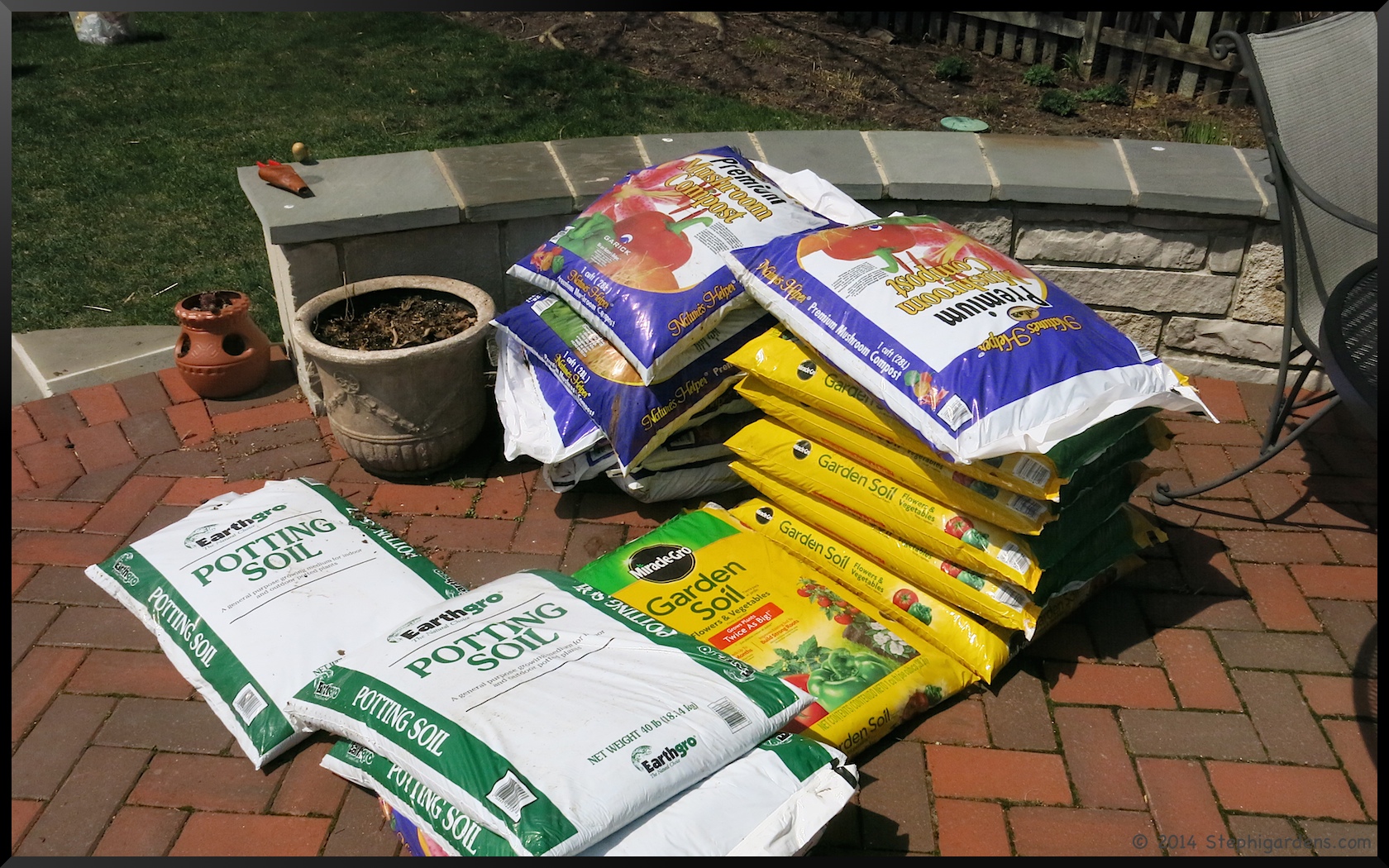
For my current raised bed, I used a mixture of top soil, mushroom compost and potting soil in a 6:3:1 ratio.  I had great success with that, so I’ll use the same mixture in the new beds.  I calculated that I needed 32 cf total for both beds.  As I was buying the bags of dirt and compost, that seemed like a lot, so I cut that back.  I still ended up with a couple of bags too many.  As the dirt settles, I’ll need to add some, so I just put it away until I need it.  I ended up buying 15 cf of topsoil (actually Home Depot had the Miracle Gro Garden Soil on sale so I bought mostly that), 8 cf of mushroom compost and 3 cf of potting mix.

Raised vegetable bed

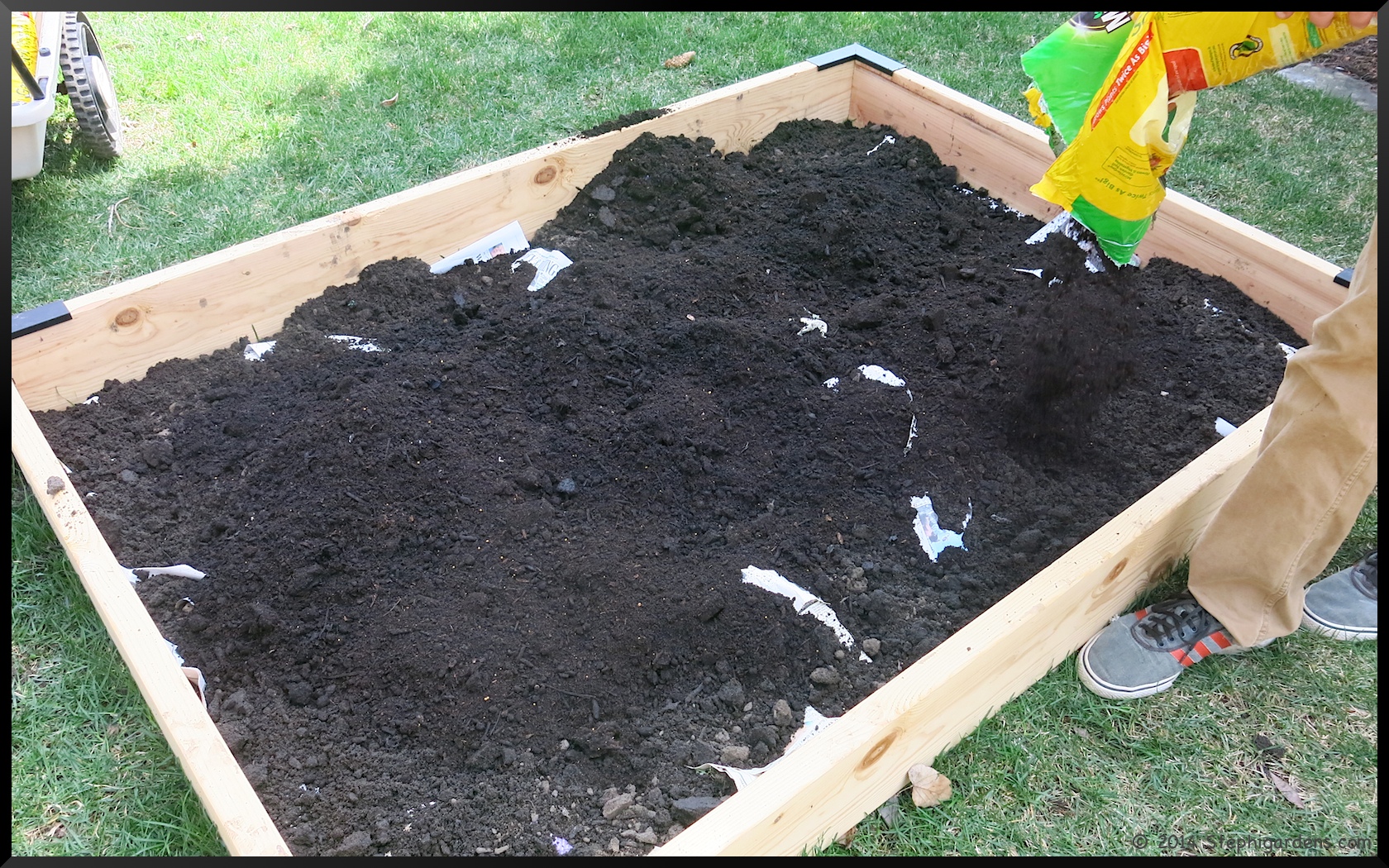
I cajoled my teen-aged sons into being part of the garden project, and they dumped all that soil and compost into the beds for me. My back sincerely thanks them (My husband was at work, so not around to help either. He did help with the construction part, making this a true family project). I alternated what was put in and spread it around as they were dumping it in.  This makes for a really healthy, light soil mixture that will be perfect for vegetables.

Raised vegetable bed

All finished and ready to plant. I’ve never had so much vegetable garden space, so I’m really excited to have the space to spread out the plants like they should be, as well as try some new things.

Raised vegetable bed

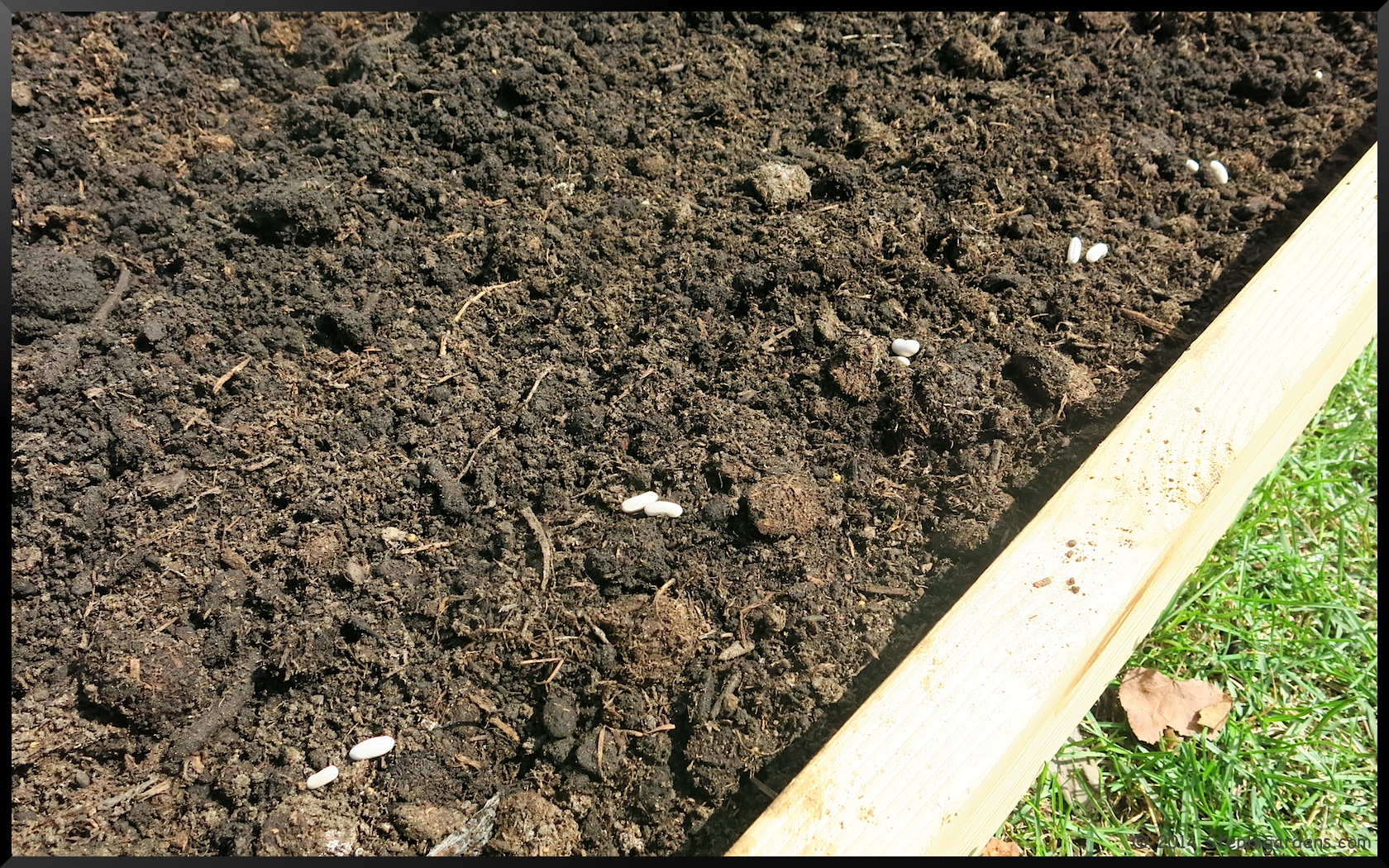
I’m optimistic that freezing temperatures are behind us, and planted the second round of lettuce, beets, swiss chard, spinach, radish.  I also started some sunflowers and bush beans.

Raised vegetable bed

I just checked the other seeds I planted a couple of weeks ago, and they are just starting to sprout.  We’ve had some pretty cold temperatures so it took a little longer than I would have thought.

Did you build any new gardens or see any seedling yet?