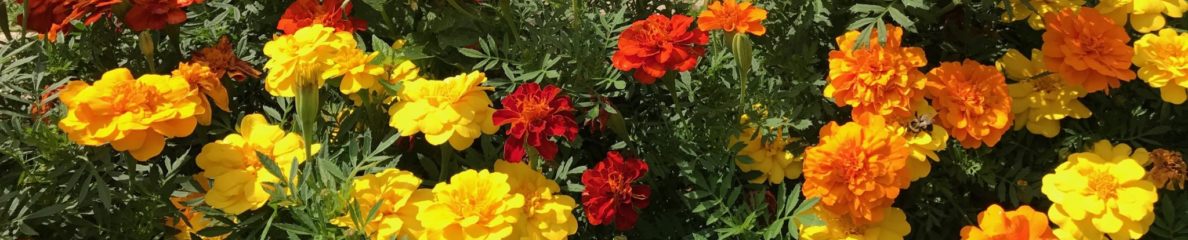
Finally Drying Out

I know everything is relative, but boy have we had a lot of precipitation this past week. It started with a snowy April weekend, which I thankfully missed by being up north in Door County. Came home to spring plants that were no worse for the wear.
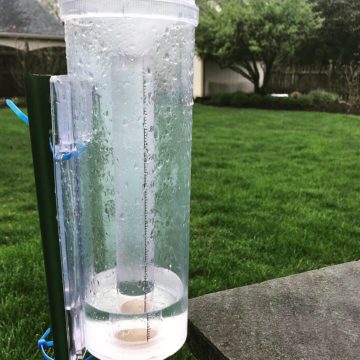
Then it kept raining, bringing the weeks total to 6.1 inches. My Stratus rain gauge isn’t usually this full from an overnight rain
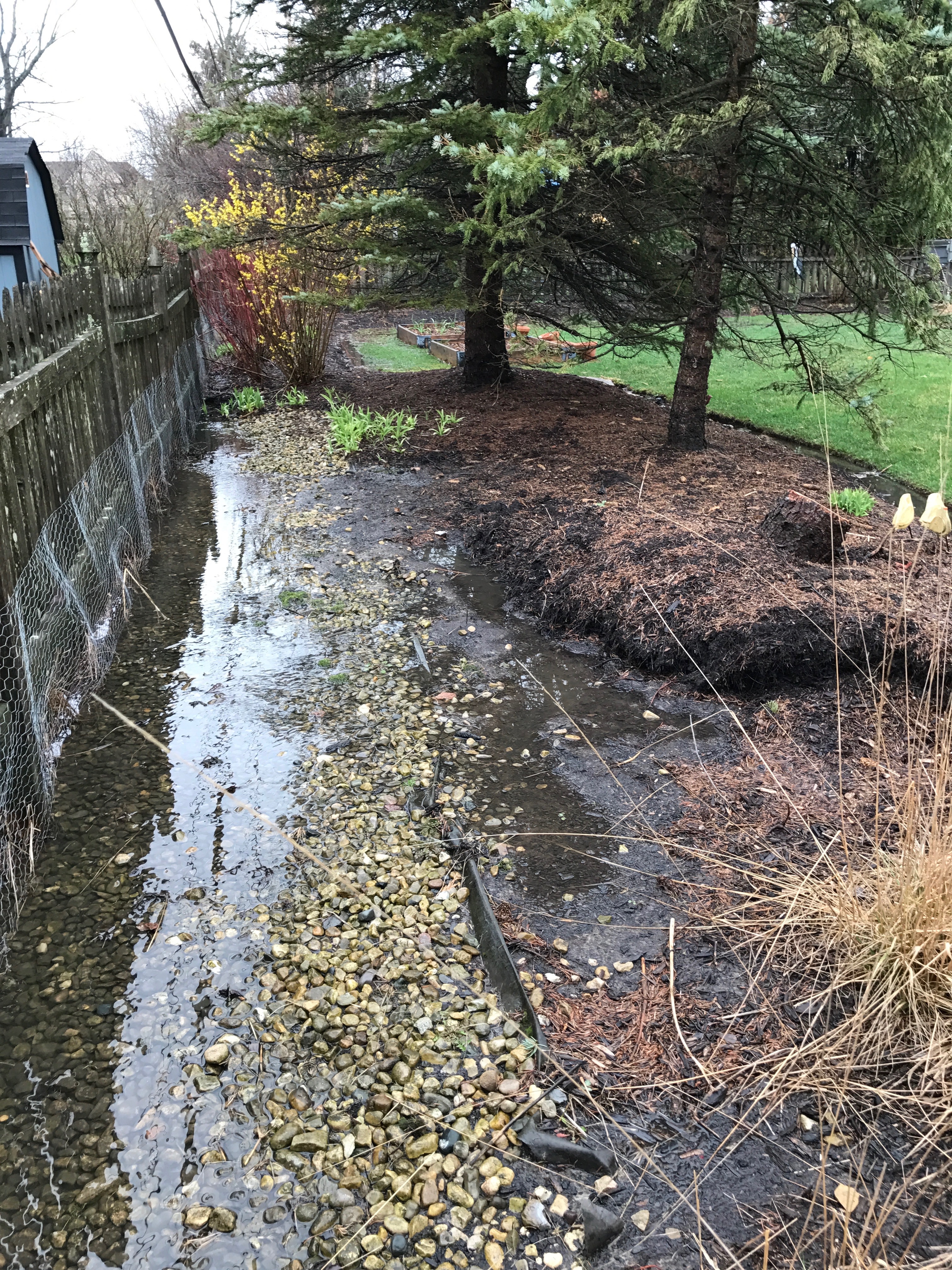
Streams are full, retention ponds are full, and apparently according to the news the storm sewers are full too. So is the swale that runs between our yards.
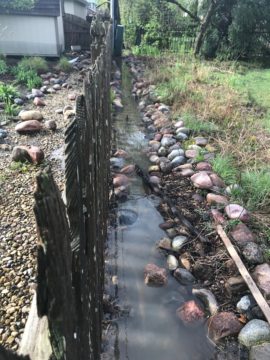
This swale, or “moon scape” as my husband calls it, obviously needs some explaining, since it looks nothing like it did a couple of years ago (It’s Been a Rainy Month). Watch for what happened in an upcoming post and how we’re fixing it.

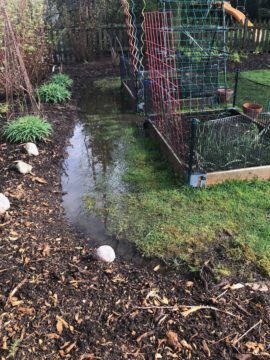
In general, the drainage of the whole yard needs some work. Over the years, enough has been altered or settled so that the water just doesn’t run off like it should and I get puddles like this. Luckily for the raised beds, they drain like they should even when sitting in a puddle.
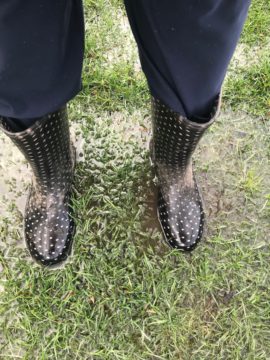
In the meantime, it’s a good day for my slogger rain boots to muck around the yard in.
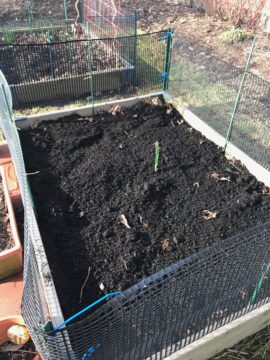
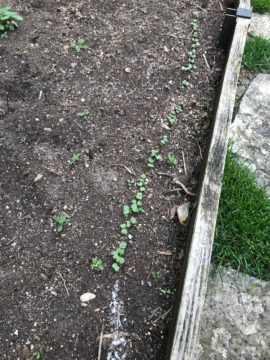
It’s been a bit cold, so the seeds we planted a couple of weeks ago are just now coming up. At least they weren’t washed away. The cool weather is definitely helping the radishes, which I never have much luck with. I know these radishes don’t look like much compared to the gardens from my southern friends, but up north this is pretty exciting.  I’m going to plant a second row of the cold and cool weather veggies this week.
What have I planted outdoors already?

Looking forward to getting some garden fresh veggies on my table!
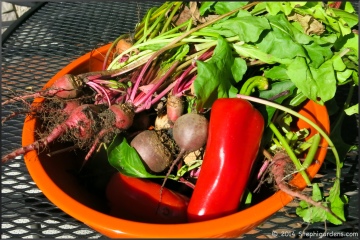
Many Hands in the Garden

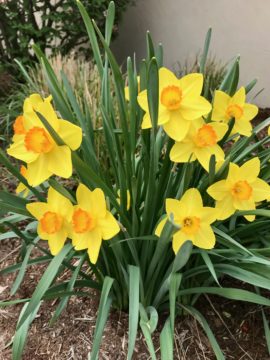
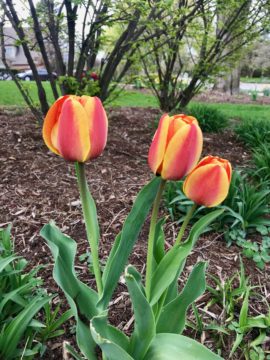
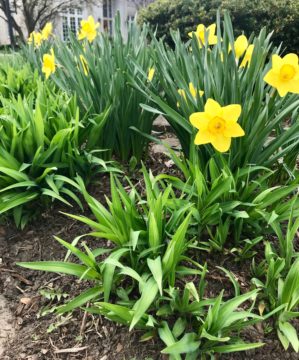
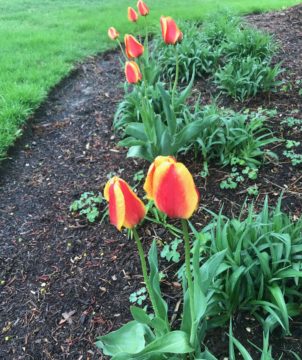
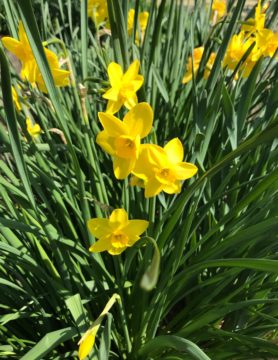
It’s finally starting to look like spring! The daffodils and tulips are blooming.

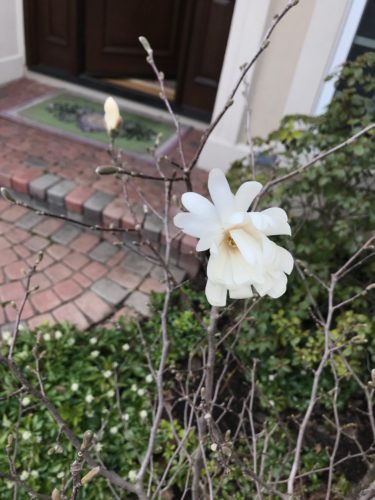
The Star Magnolia, focus of My Magnolia Saga, is showing signs of life and trying to bloom…

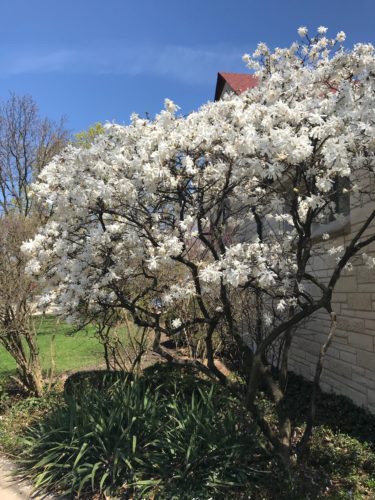
…although around town they are in full bloom.

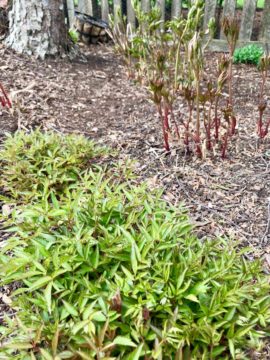
And the hostas, daylillies, astilbe and peonies are all bursting out from the ground.

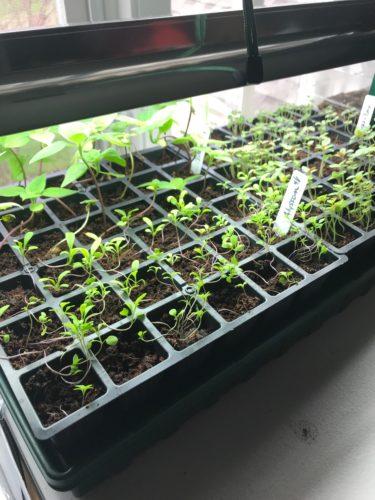
In the house, the seeds are sprouted and the next set are ready to be planted.

Why so many hands in the garden this year? It’s hard write this down, but I am currently not able to garden or do anything strenuous for about a month following recent surgery for breast cancer <<sigh>>. I went for my screening yearly mammogram back in February, and after lots of testing was ultimately diagnosed with a Stage 1 invasive breast cancer. Boy, was I not prepared for this and there’s definitely no good time to get a bad diagnosis. I’m still waiting to find out exactly what the next steps are after surgery (there’s a lot of waiting) and a little stressed out over what family events I may or may not have to miss. But every day, I am so thankful that this was caught early and my prognosis is excellent after treatment. I’m also thankful for my husband and kids, and all my family and friends who have reached out with support and to help in any way they can.

So while my hands may be out of the garden for a bit, I’ve also realized a garden can be a very healing place when going through a stressful life event. I can still plan and enjoy the beauty and smells of the spring blooms. I am also blessed by many who have offered to help make sure I get things growing and cared for in a timely fashion, and keep my life as normal as possible. This will be a village garden this year.

It may not be a great year for my garden, but that’s what this blog is all about. Real life experiences of a casual suburban gardener. And gardeners get sick sometimes.

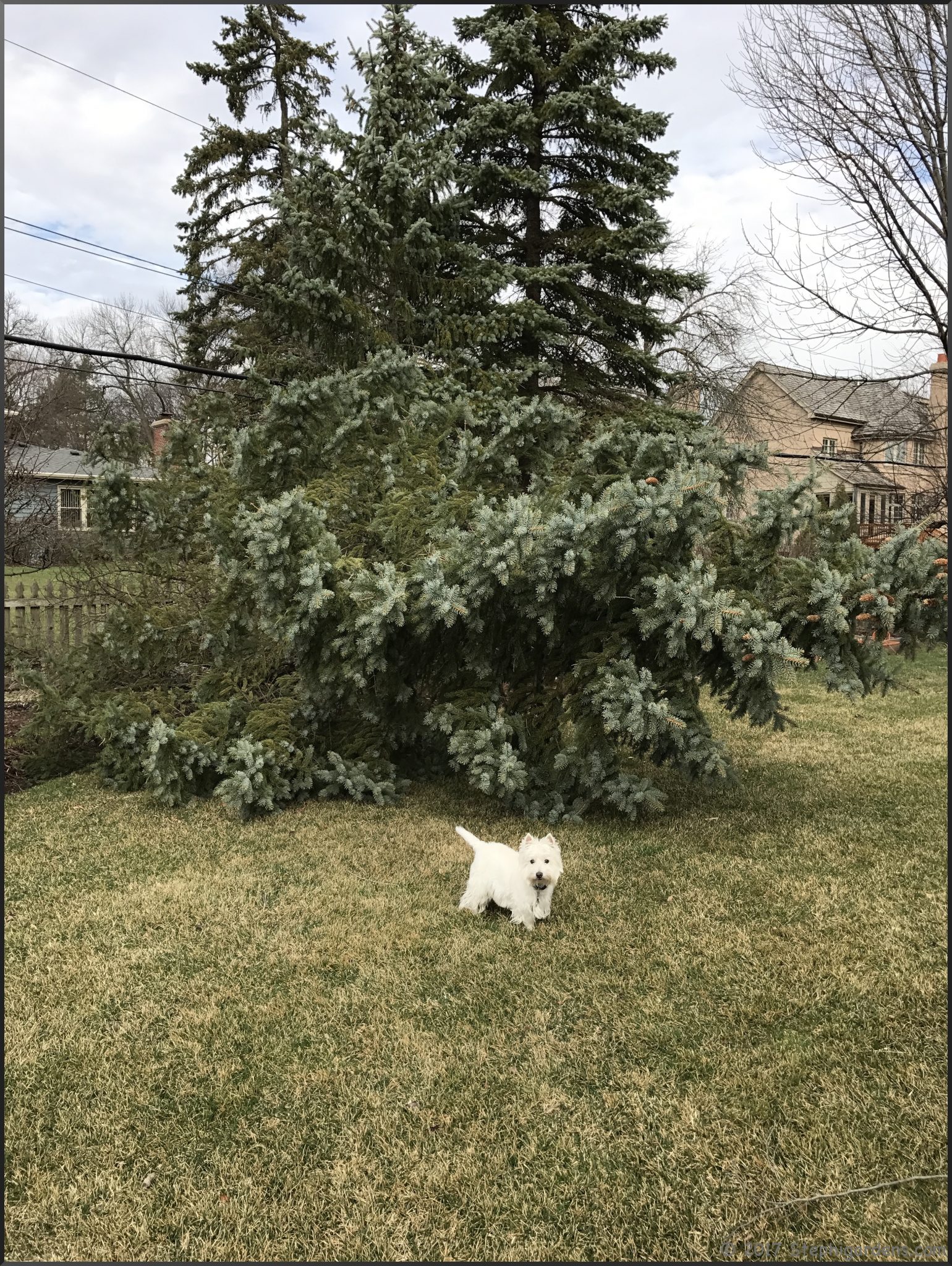
Another Tree Toppled

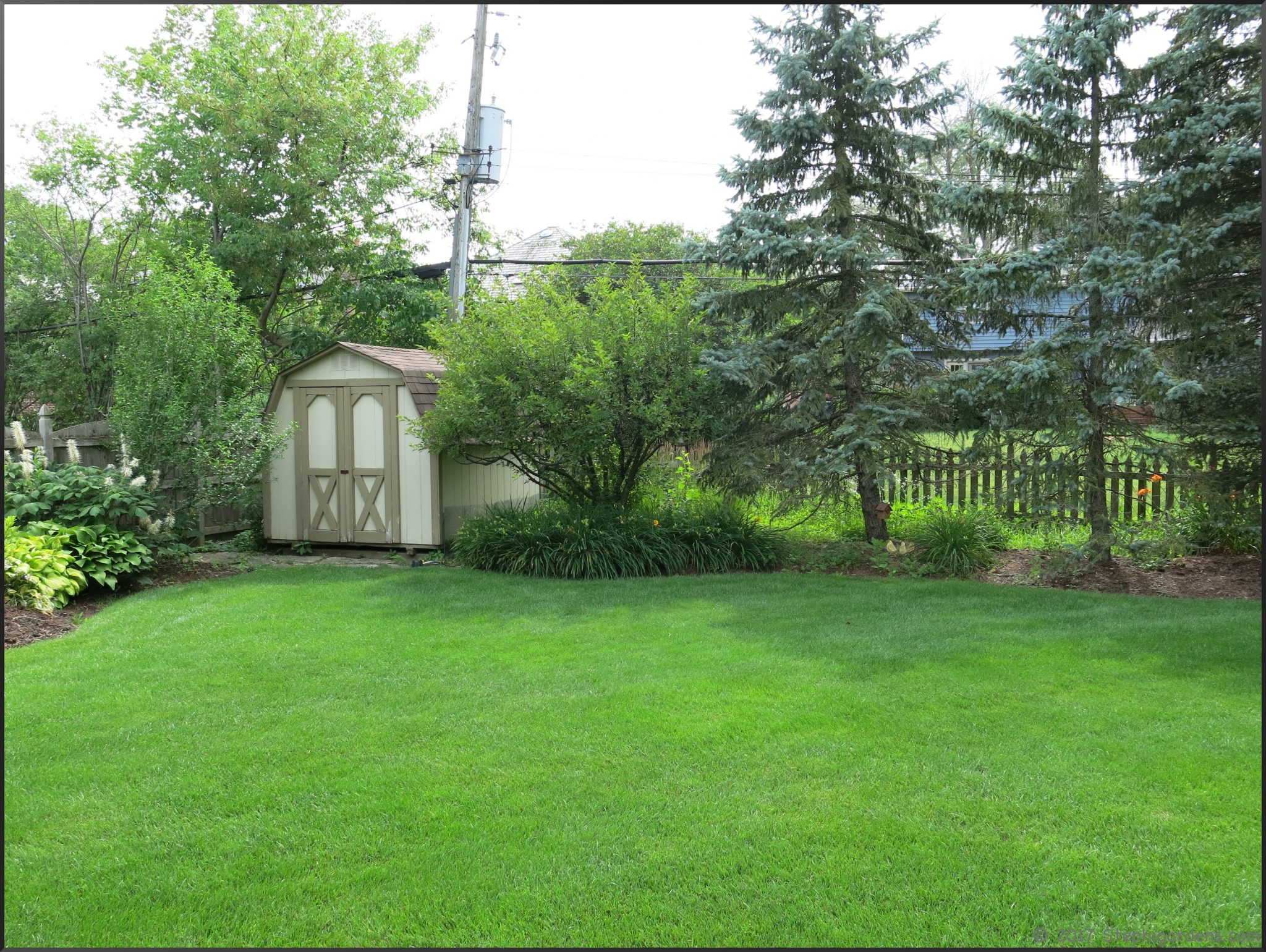
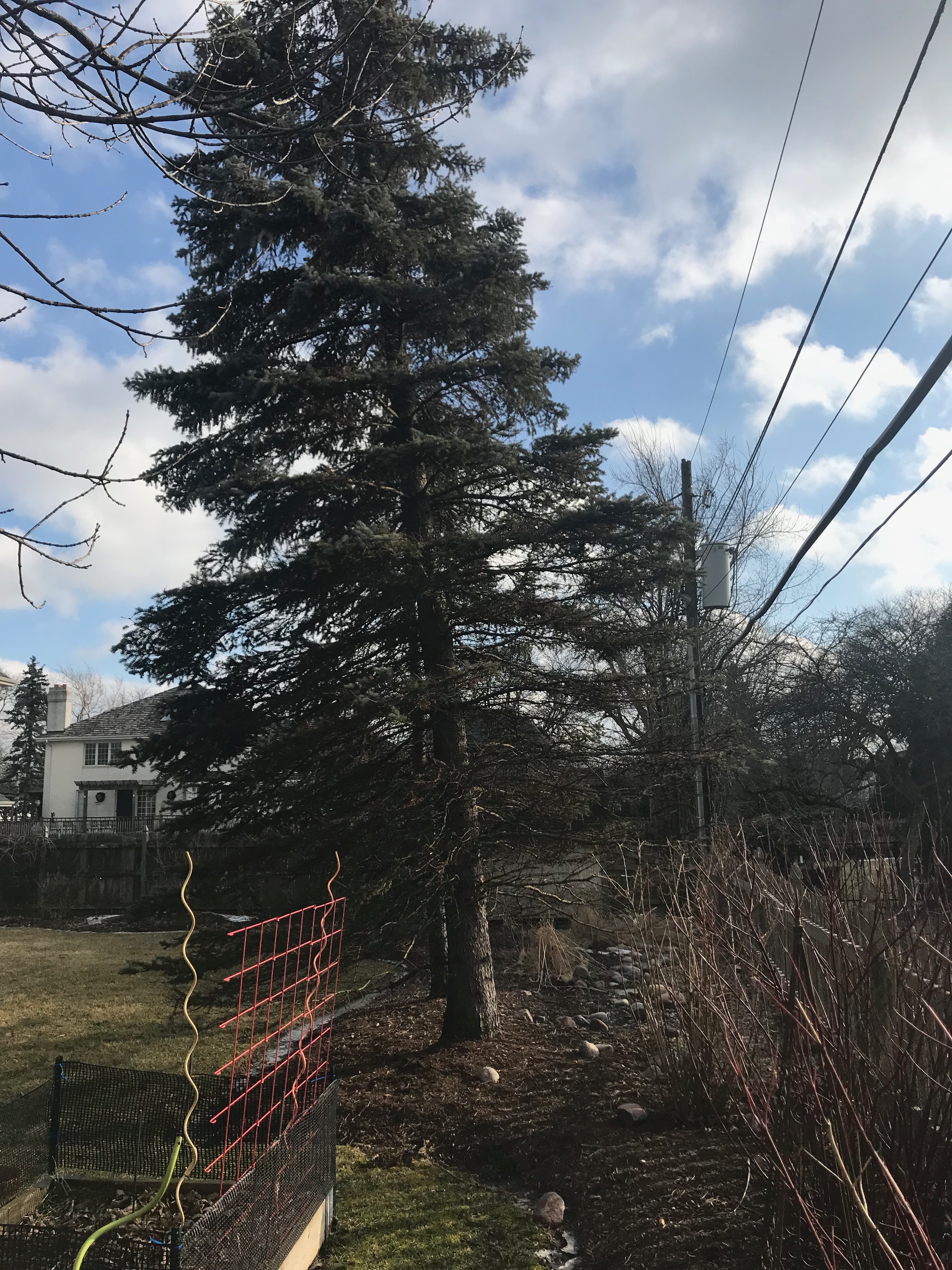
We had three spruce trees along the backyard fence line offering a sense of privacy from the neighbors.

Then we had two… (Read more about that in Spruce Down 🙁 )

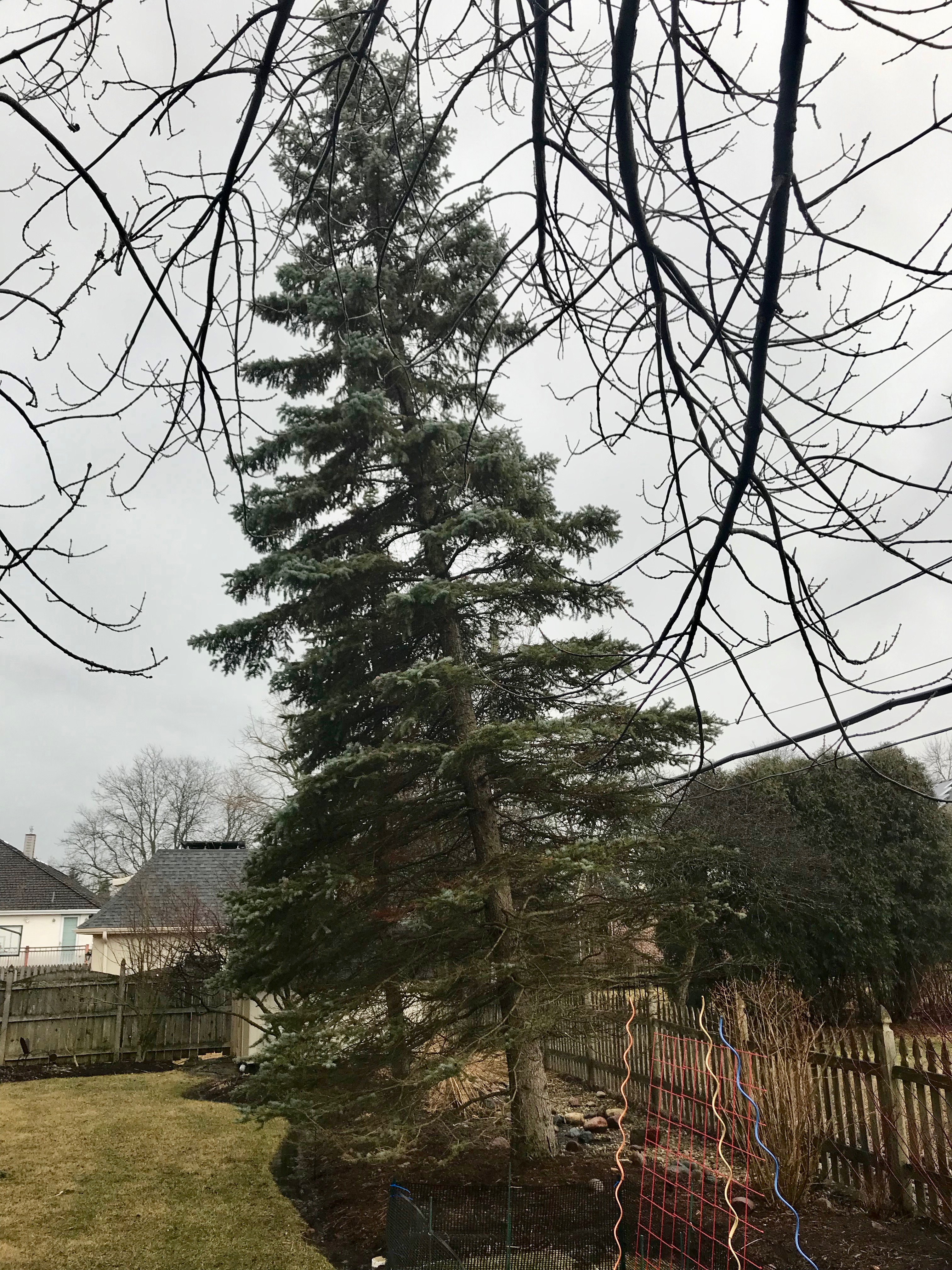
And then came this very wet and windy winter. We had been having recent trouble with the swale area and the water wasn’t flowing down the center of the channel as well as it had in the past, making the berm holding the spruces soggier and less defined than normal. That combined with full grown spruce trees and their shallow roots doesn’t make for a good mix in high winds.

The first storm caused the tree to start rocking and left the tree leaning a bit. My husband was none too happy I was out there.

The next windstorm caused it to lean a bit more and we were sure it was going to come down and take out something else with it.

When it didn’t, we were hopeful maybe we could get it staked and it could survive. But of course, we didn’t account for the power lines and the need to stake into the neighbors yard. In the face of a third powerful wind and rain storm, we called the tree guys to come and take it down before it did any damage. I usually like to be home when they do things like this, but it was an emergency and they came while I was gone. So no pictures.

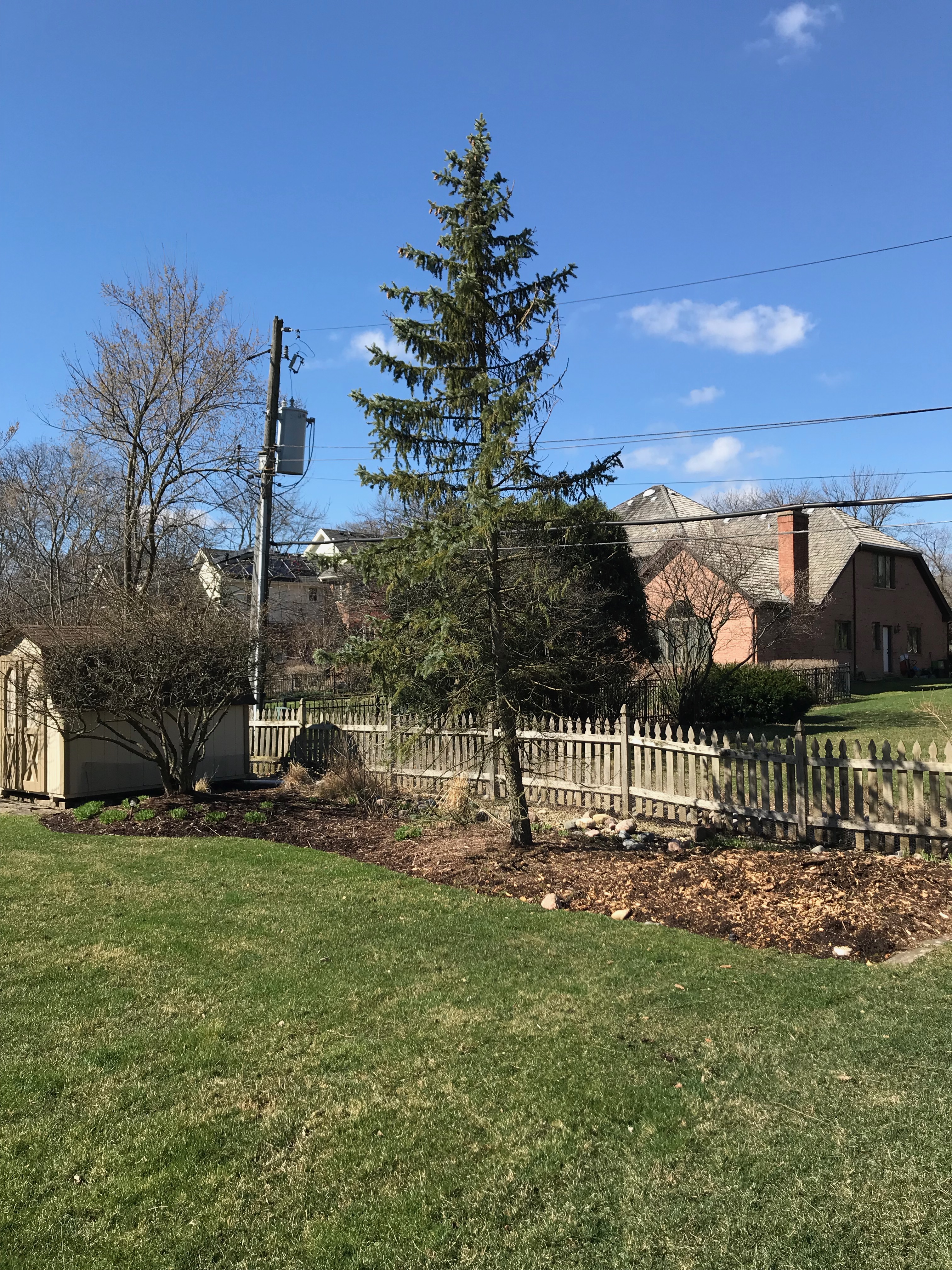
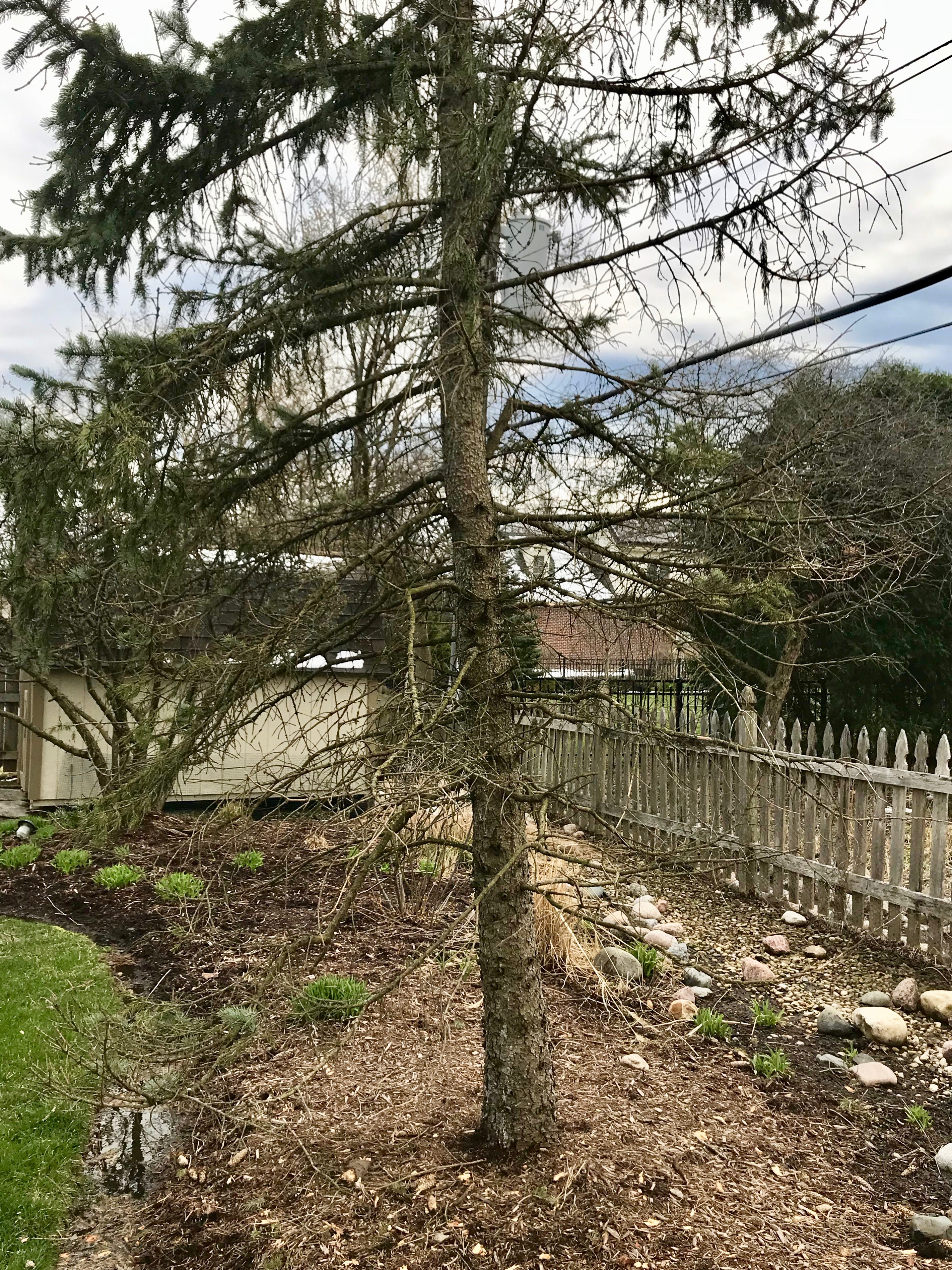
This is what we have now. A bit of the spooky tree look. The remaining spruce is also none too healthy from what is likely cytospora canker disease.

Cytospora canker is a disease of mature spruce trees. The damage usually starts on the lower branches and moves up the over many years. Spruces that are planted too close together (check) and under stress from drought (check), wet roots (check), insect damage, nutrient imbalance, and physical damage to branches, trunks, or roots are most susceptible.

There is no treatment, other than removing the dead branches, ultimately the tree, and not planting another spruce in the same area. I’ve seen many spruces being taken down around the neighborhood, and very few truly healthy looking specimens remaining. Add that to the list of tree diseases that have ravaged urban trees.

So what to do now? This is a great opportunity to fix things up in a neglected area and add some new plantings that will work better in the current conditions. The third tree will be coming down this week and I have some ideas in mind for the area. I’m actually excited for the the new look! I’ll let you know.

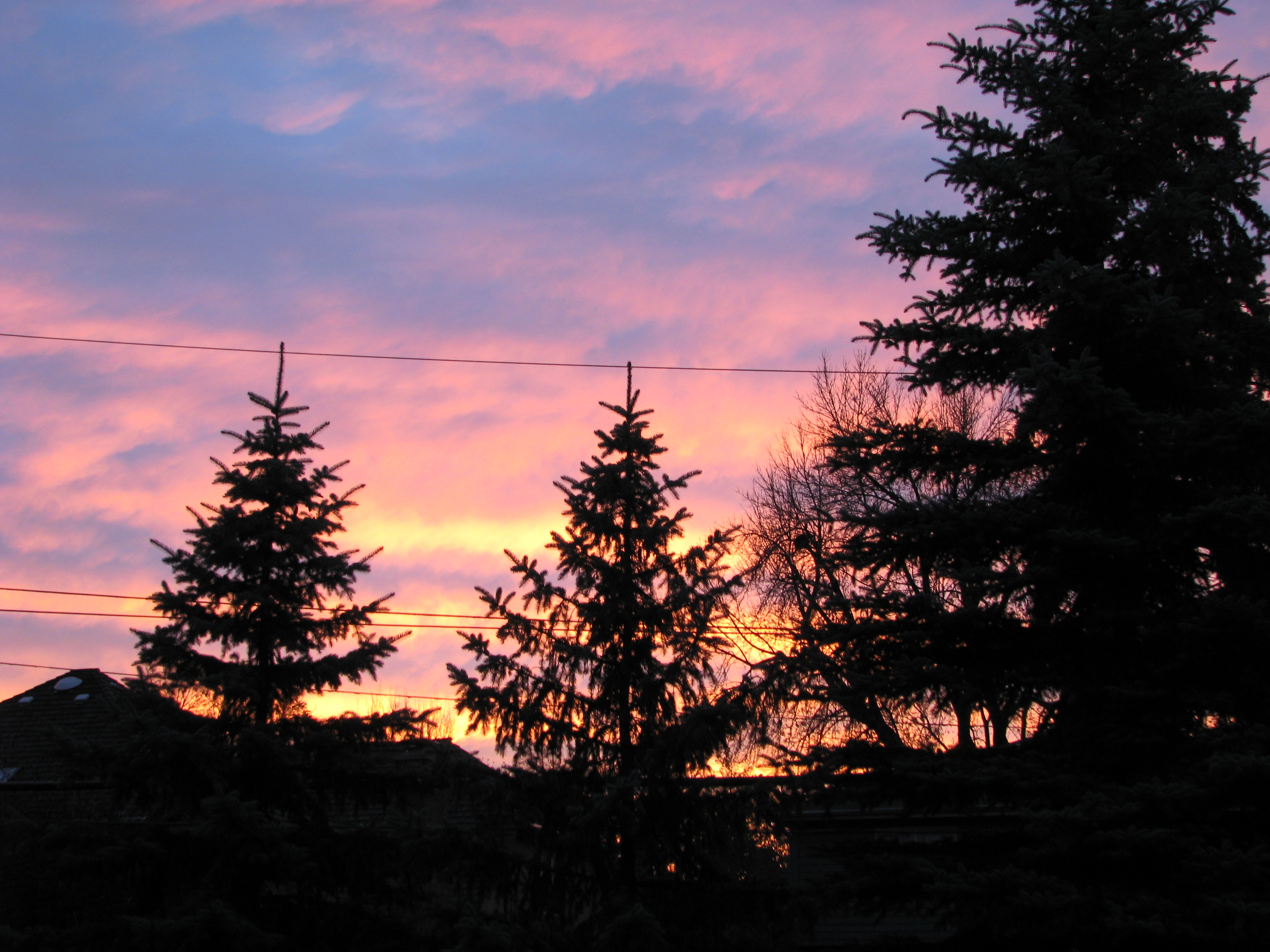
Remembering better times…

Finally, Planting Season is Beginning

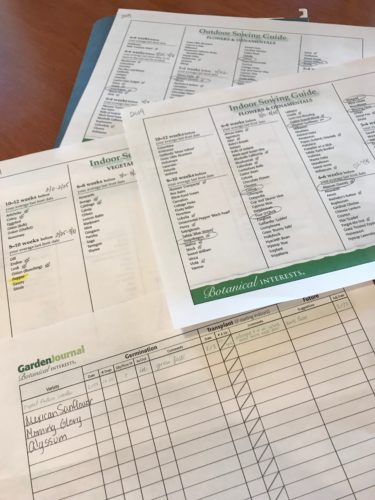
Finally, I can stop thinking about last year’s garden and start thinking about this year’s. I’ve ordered all my seeds, (maybe) and printed out my growing resources from Botanical Interests.

I’ve used these garden resources for years to organize my plantings, both for indoor and outdoor sowing. I thought they didn’t have them this year, but instead they made them part of this journal package. Phew! I really rely on them to know when to plant and keep track of what I’ve planted, when and where.

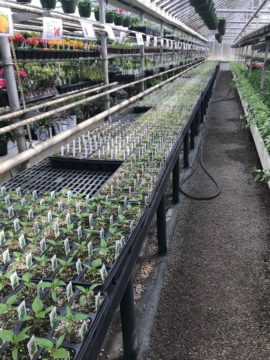
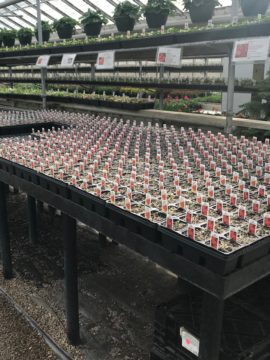
I’m finally ready to get started sowing the inside seeds. I grow some things myself and rely on my local nursery for the rest (shout out to Vern Goers Greenhouse!). Along with wonderful annuals and perennials, they have an amazing selection of peppers, tomatoes and other vegetables. I went to visit them the other day to see how things are coming along. Looks like it’ll be a little while until they’re ready, but it is only the beginning of April.

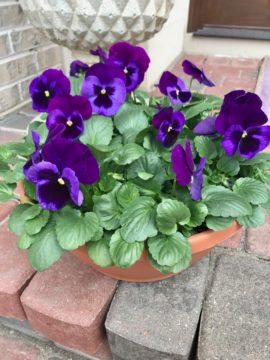
While I was there I did get some beautiful pansies to brighten the porch.

What did I sow today?

Flowers:

Vegetables:

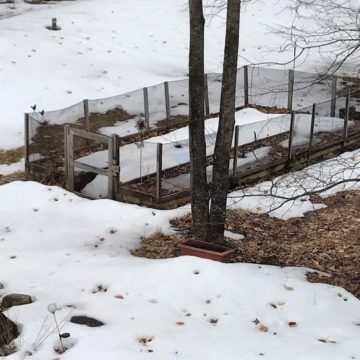
I was hoping to get some cold weather seeds sowed this weekend, but my WI garden looked like this:

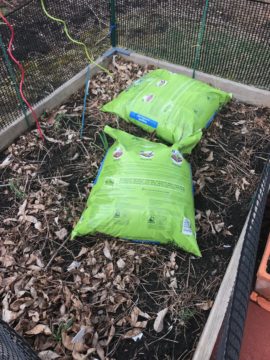
Still had to get some new dirt turned into the beds at home, so got that done this afternoon. Next post, I’ll let you know what I planted!

2018 Garden Recap: Vegetables (Part 2)

Now that we’ve mostly recovered from a record breaking, bone-chilling winter, it looks like spring may finally be coming. I thought it was time to get back to one final review of last year’s gardens before the spring growing season is fully upon me. I checked in on the flowers, 2018 Garden Recap: Flowers and started reviewing the veggies here, 2018 Garden Recap: Vegetables (Part 1). Time to finish the veggies!

As I wrote back in December, my vegetable garden was not very successful for a bunch of reasons. In Veggies Part 1, I described the attack on my squash by the very devastating squash vine borers. But that was only one of the things that hindered my garden this year.

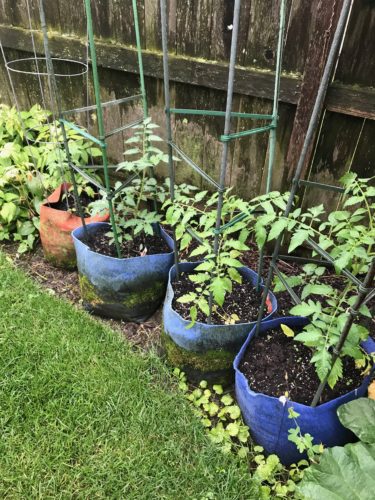
So what else happened? First there were the chipmunks who have a taste for ripe tomatoes. I planted my tomatoes in bags this year to free up space in the main raised bed.

They grew fine in the bags, but the cold spring got them off to a slow start. Just as I finally started to get red, ripe tomatoes, the chipmunks helped themselves and took a nice big bit out of each one. 😡 They did it to so many I actually entertained the idea of just cutting off the bit side and eating the other. Decided not to…

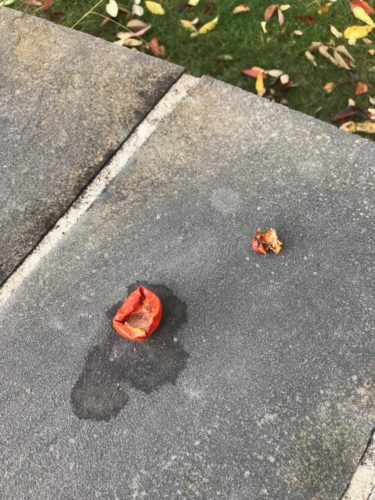
One chipmunk truly had a sinister sense of humor and dragged a ripe tomato across the yard to taunt me by leaving the remnants on the back patio.

I had trouble with the garlic and leeks this year as well. A lot didn’t come up in the spring and what did grow was small.

The previous winter and spring were tough, so that may have had an impact. But more importantly, I hadn’t realized how shady that this particular raised garden had become from the thriving ash tree nearby. When I put the gardens in, the ash was suffering pretty badly from an Emerald Ash Borer infestation and was pretty thin. We had been treating it for years, but a few years ago switched to a trunk injection treatment. I’m thrilled the ash is doing so well, but I need to rethink what I plant in that particular bed going forward. Need to leave autopilot and do some planning.

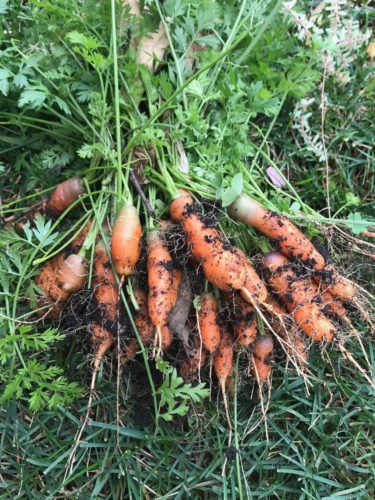
What was successful? Carrots! I had one of my best carrot harvests this year. I switched varieties this year from Danvers to Little Finger Baby Carrots from Botanical Interests, so that may have helped. I also changed out the dirt in the carrot bag so maybe some fresh soil and nutrients was also needed.

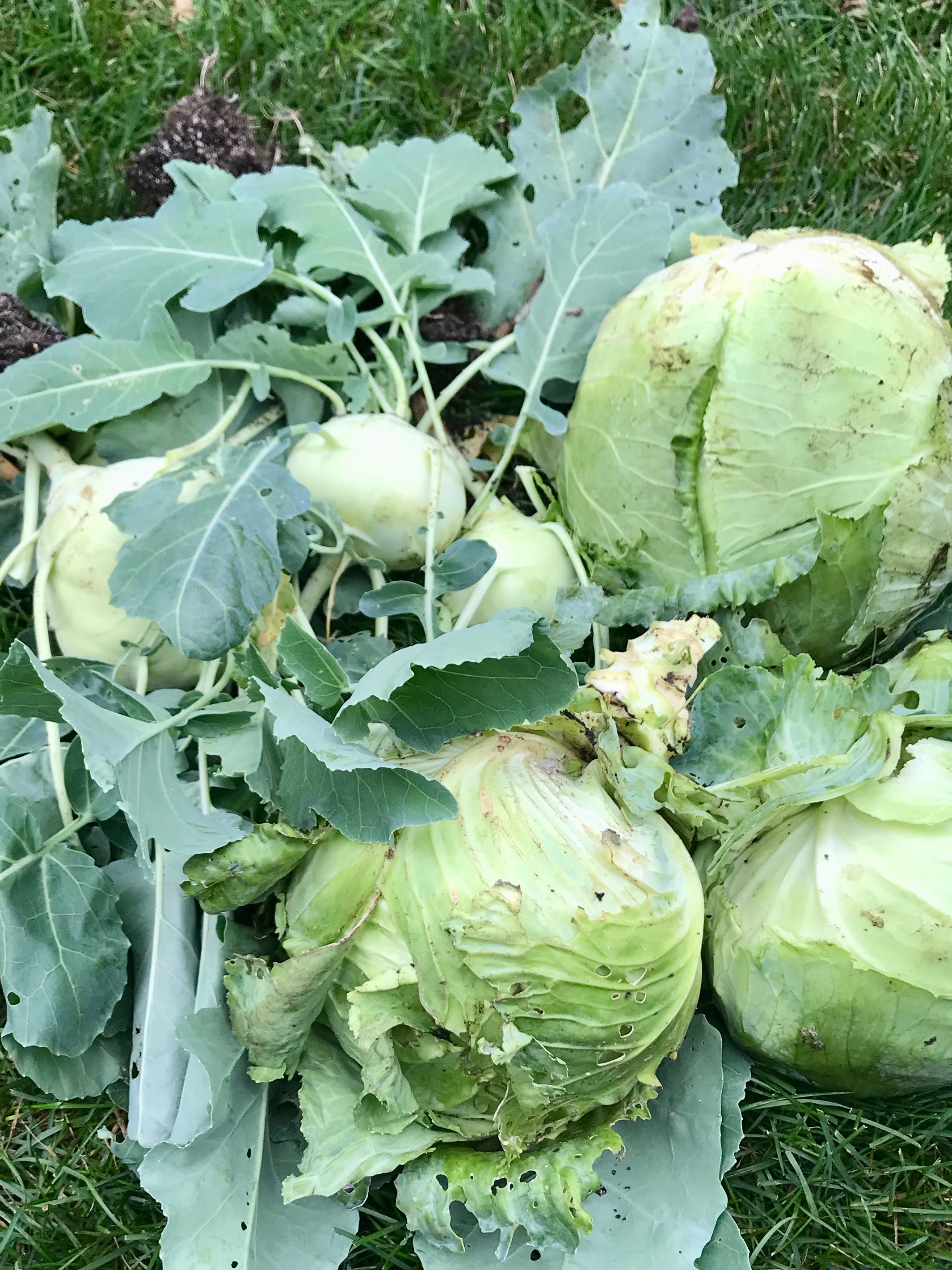
Cabbage and kohlrabi grew unusually well this year. I got the plants from a local nursery and the weather must have been just right for them to grow huge. That was a lot for the two of us, but luckily they store really well.

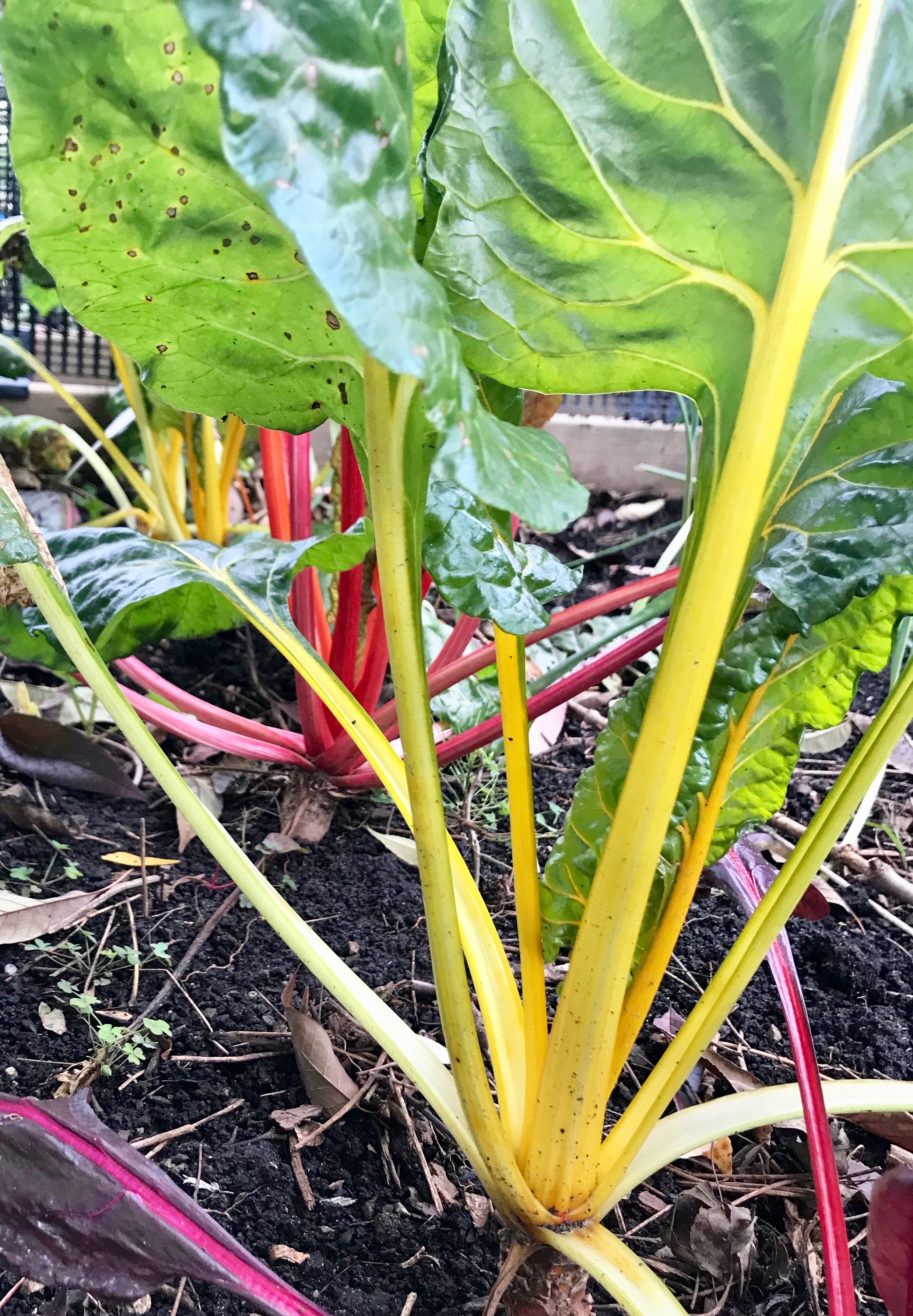
Rainbow swiss chard (Burpee) was also a great grower late into the fall, especially in the shady raised garden bed.

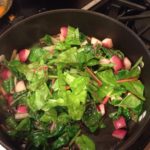
What to do with all that swiss chard? I’ve decided that I am not a huge fan of kale (even though it is probably the vegetable of the decade) so I pretty much use swiss chard in place of kale in recipes. I use a lot of swiss chard in stir fries and love this recipe for Creamy Polenta with Sausage and Chard from Real Simple.

I’ve done some seed shopping for next year already, and have been thinking of a bunch of garden projects to tackle first thing when the weather cooperates! Starting to think that spring might actually come. Just need to get through March.

Bird Count Time

It’s that time of year again! The 22nd Annual Great Backyard Bird Count is this weekend, Friday, February 15, through Monday, February 18, 2019.

This is a wonderful citizen science project that helps researchers at the Cornell Lab of Ornithology and the National Audubon Society learn more about how birds are doing, and how to protect them and the environment we share.

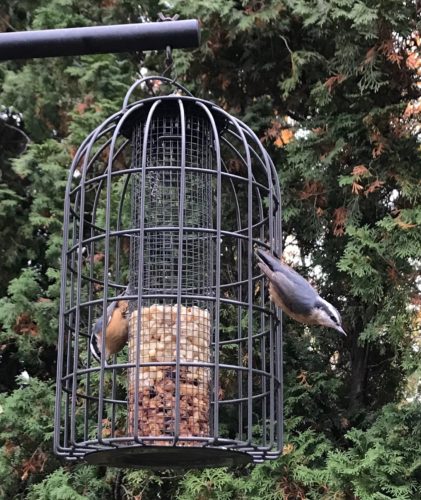
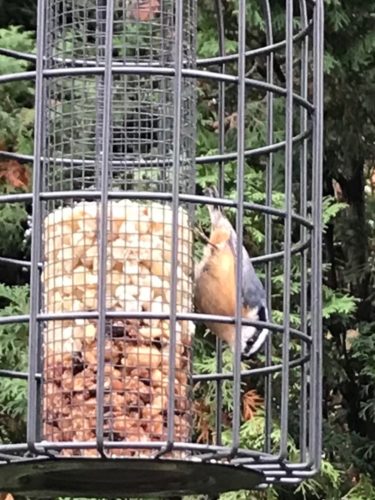
peanut feeder

It can be as simple as looking out your window for as little as 15 min, or go out to your favorite birding spot and report on what you see. Every report is important to create a worldwide snapshot of where all the birds are at one moment. Scientists use this information to investigate how weather and climate change influence bird populations, why some birds like winter finches appear in large numbers during some years but not others, how the timing of birds’ migrations compare with past years, how are bird diseases, such as West Nile virus, affecting birds in different regions and have there been changes in bird diversity in cities versus suburban, rural, and natural areas?

Once you’ve counted your birds, you can log your sightings online at birdcount.org. This morning I counted 2 red-breasted nuthatches, 1 downy woodpecker, 4 house finches, 6 house sparrows and 1 female cardinal. I’ll report again tomorrow morning and hopefully one of my unusual visitors like the Red-bellied Woodpecker or Coopers Hawk decides to visit.

Need help identifying what you see? Check out these mobile apps, these online resources, or order my favorite bird book for beginner to intermediate birders, Birds of North America: A Guide to Field Identification.

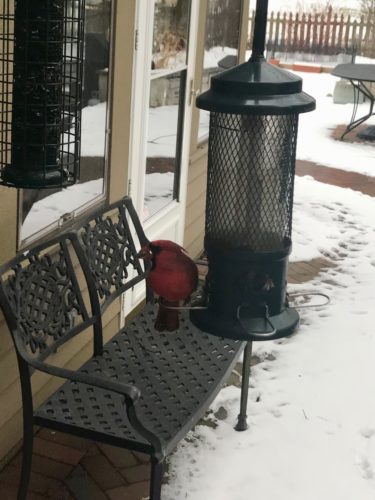
This is a male cardinal from a few days ago. He was just frozen there at the feeder with the striped sunflowers in his beak. Not sure what he was doing, but he sat like this probably for a minute or so.

In the past, I generally didn’t have red-breasted nuthatches this time of year. They’d come through on migration for a couple of weeks and then move on elsewhere. This is exactly the type of data they are looking for.

squirrel proof peanut bird feeder

Interested in what everyone else is seeing? On the GBBC website you can explore real-time maps and charts that show what others are reporting.  Be sure to check out the Explore a Region tool to see what everyone else is seeing in your area. Want to have your own checklist specific to your area? Check this tool out.

Want to help count birds all year round? You can keep counting throughout the year with eBird, which uses the same system as the Great Backyard Bird Count to collect, store, and display data any time, all the time. I love this tool to see what birds others are seeing (and where) when I’m out and about.

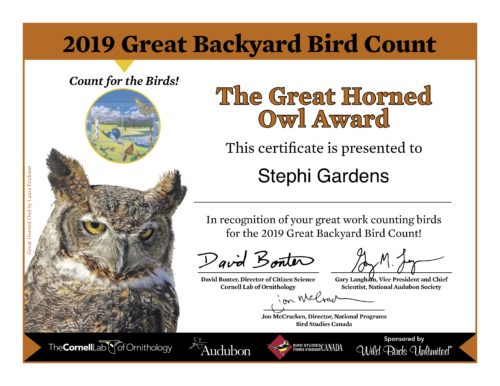
I did my part 😊

You can get your own certificate, just follow this link.
Happy Birding! Hope you see something interesting, but even if you don’t, know you’ve made a difference for science.

This Crazy Winter

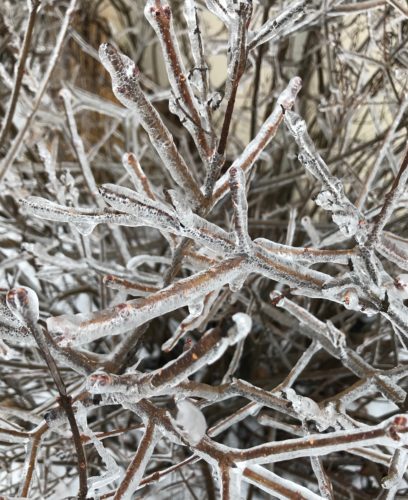
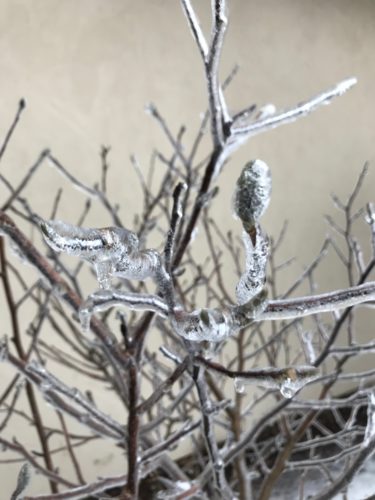
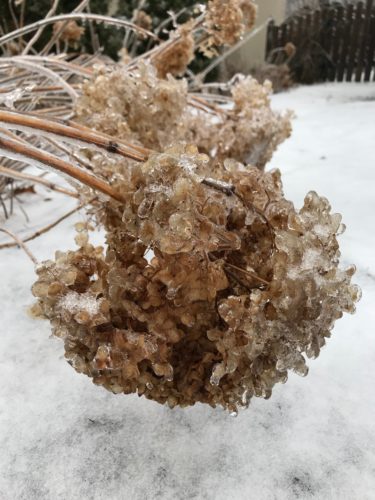
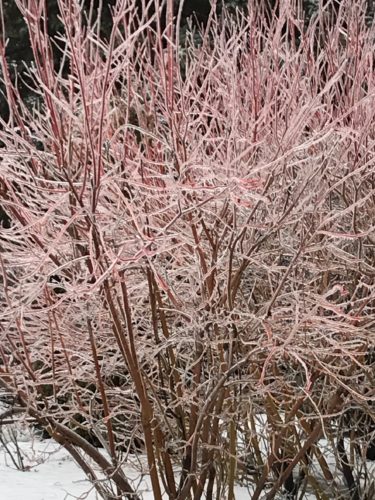
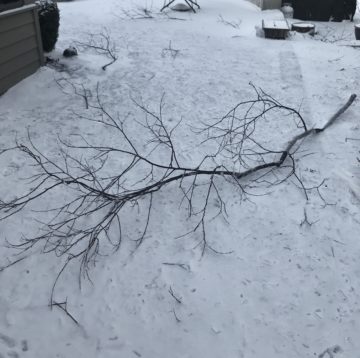
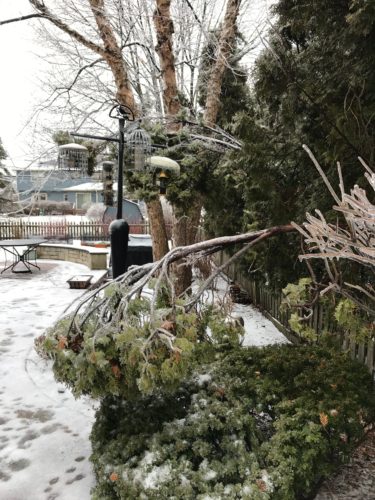
The winter of 2019 is definitely one for the books. We’ve been through snow, rain, crazy temperatures swings, a winter thunderstorm, the polar vortex…and now another ice storm has hit the Chicago area.

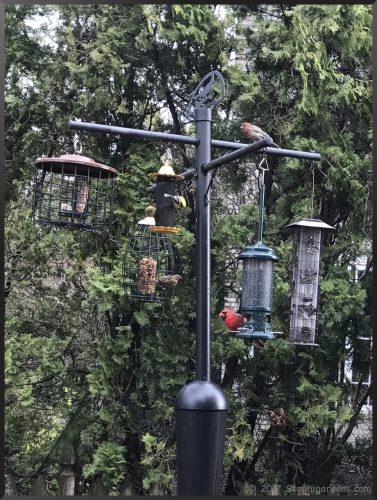
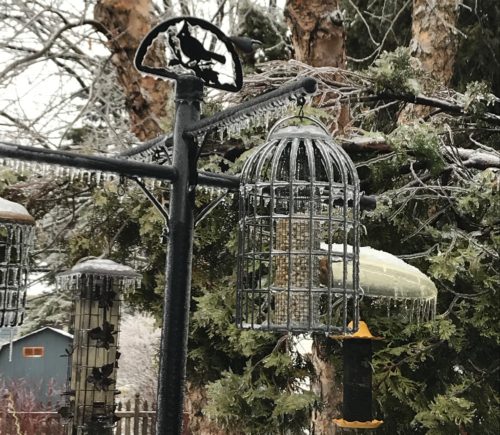
As temperatures hovered around freezing, the precipitation has rotated between rain, sleet, freezing rain and snow. Aside from the treacherous driving and walking, the ice made for beautiful scenery. Pretty much everything outside, like my feeder pole and feeders, were covered in ice and icicles. If you look closely at the icy peanut feeder, you can see one of the red-breasted nuthatches that is spending the winter in my yard on the peanut feeder.

Looking around the yard everything, like this Dwarf Korean Lilac, was encased in a thick layer of ice.

The buds on the star magnolia were similarly encased. The spring flower buds are actually protected by the layer of ice as long as I don’t try to knock the ice off.

The annabelle hydrangeas are hanging heavy…

And the neighbors red-twig dogwoods are truly showing their winter colors.

What do do about the ice? Not much you can do without inflicting more damage to weak branches and spring buds. Best to just wait and hope that it thaws soon. The wind has been howling tonight, which means probably even more breakage since the weight of the ice makes everything really heavy. The river birch has been dropping branches all over the patio.

The arborvitaes are really having a rough winter between the heavy snow earlier this winter and now the ice. Only thing to do at this point is be patient. Multi-stemmed evergreens like arborvitae can be protected in the fall by tying up loosely with cloth, burlap or twine. But these are my neighbors shrubs, so all I can do is in the spring tie up the branches that have fallen on my side.

The Morton Arboretum has a great article on Winter Injury to Shrubs and Plants.

How are your plants fairing this winter?

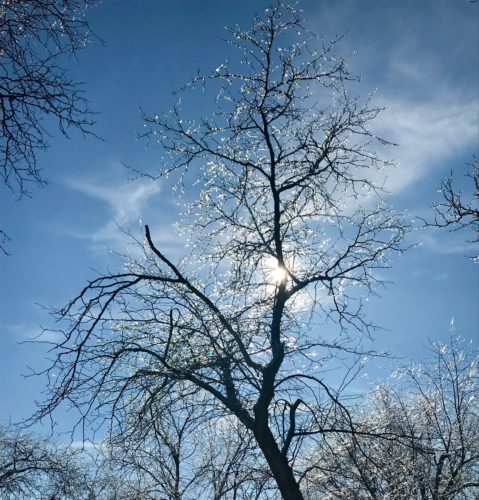
Bonus photo: The sun came out today and made everything super sparkly!


Burpee Home Garden 2019 Gardeners of the Month-I’m July!

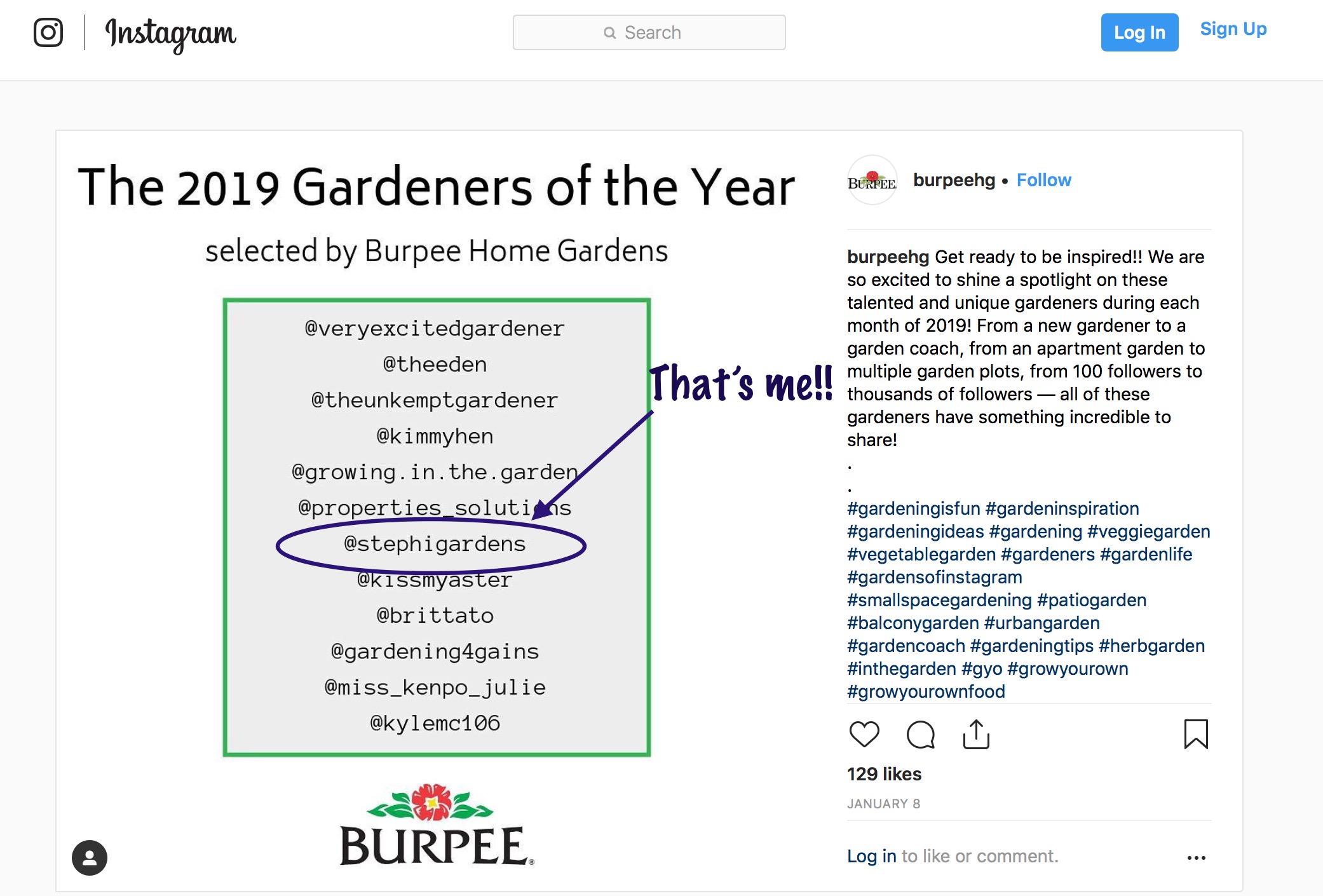
Yep, that’s me! Last fall on Instagram, Burpee Home Gardens asked gardeners to enter themselves or a friend to be one of BHG’s 2019 Gardeners of the Month. I shamelessly submitted my name with the following description:

“I would love to be one of your featured gardeners. I may not have the most perfect garden, but it’s immensely fun to see what’s going on out there in the yard, to see what has worked well this year, and think about what I might try next year. Check out my blog and see what’s going on in my suburban yard!”

I didn’t really think I’d get picked since there are so many exceptional, passionate gardeners out there. Then much to my surprise, or rather shock, I got the following message by to me Instagram inbox:

“We apologize for the delay, but we have good news! You’ve been selected as one of Burpee Home Gardens’ 2019 Gardeners of the Year! What does this mean? Either you submitted yourself or a friend submitted you to be featured on our account! We think you’re great and will feature you on the following month: July 2019. As a gift for being such an awesome gardener, we’d like to send you an exclusive plant sample box of our new varieties for 2020! Please reply with an address to which we can ship the box. (You won’t receive these until early summer, but we need to confirm you on our list now.) Congrats again, and we look forward to showing our followers how amazing you are! 🌱😁”

Wow, wow, wow!!! How exciting is this?

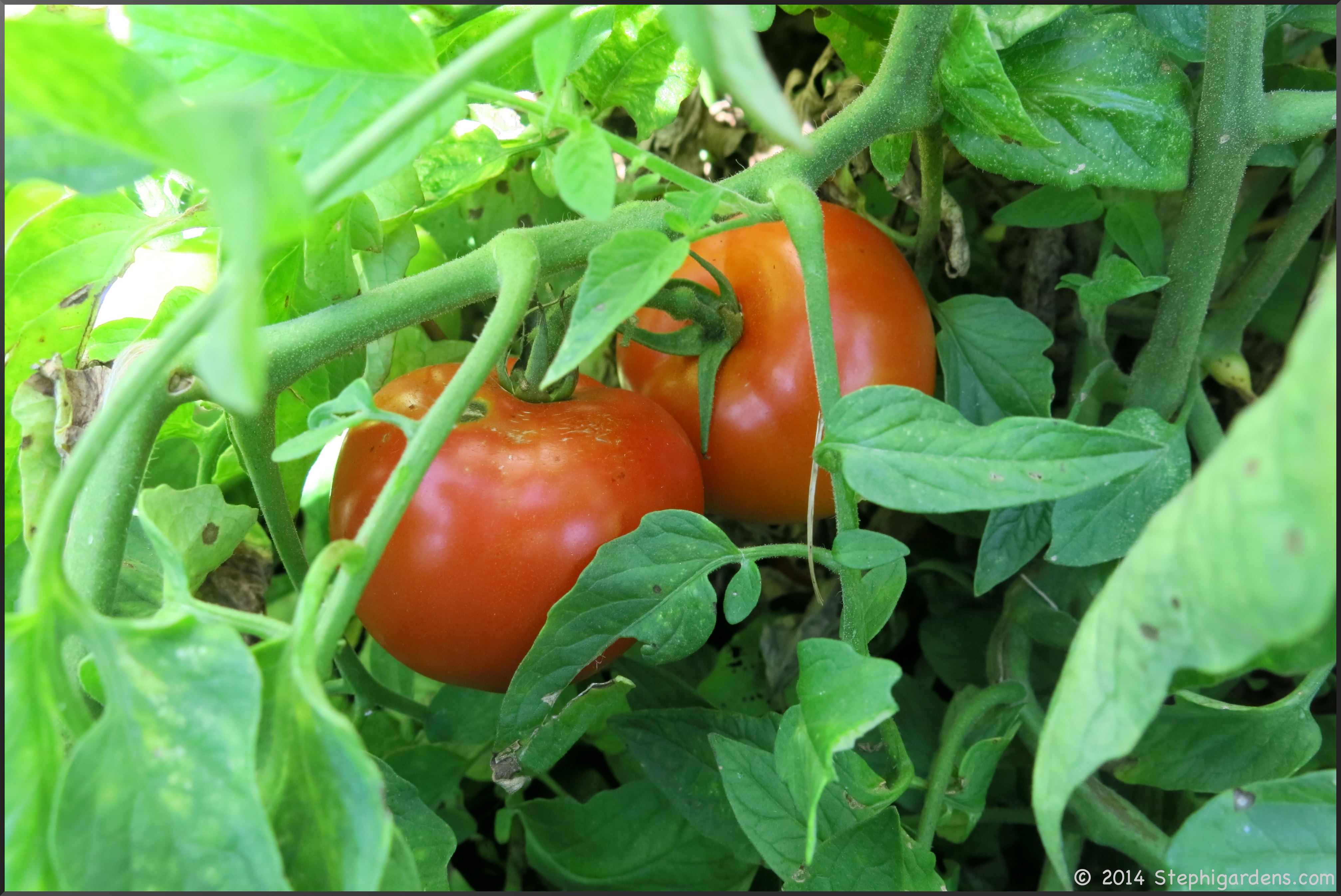
Burpee Early Girl Tomato

Announcement from the Burpeehg instagram site last week:
“Get ready to be inspired!! We are so excited to shine a spotlight on these talented and unique gardeners during each month of 2019! From a new gardener to a garden coach, from an apartment garden to multiple garden plots, from 100 followers to thousands of followers — all of these gardeners have something incredible to share!”

Now the pressure is on. What am I going to grow this year? What new things do I want to try? How will I compare to the other gardeners? What unexpected things are going to happen this year? What, what what…

One thing I do know, is that people garden for all different kinds of reasons and no one really has a perfect garden. I grow what makes me happy and I love writing about it. The good and the bad. That’s real life. I hope some of what I experience encourages someone else to try their hand at growing something, or just getting outside to appreciate nature.

Can’t wait to follow Burpee and Burpee Home Gardens as they highlight all these gardeners this year.  Watch for me in July on their Instagram site and blog. I’ll be sure to let you know when I’m featured 😉

Most Visited Posts of 2018 on StephiGardens.com

Happy New Year!

Its always fun the end of the years to see what was the most interesting posts to my readers. Sometime it’s posts from previous years, sometimes this year. Here’s the top 10 most viewed posts in 2018:


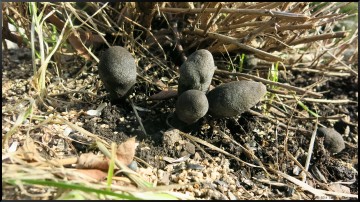
Xylaria polymorpha Dead man's fingers
10. Dead Man’s Fingers  I have found these fungi off and on in my garden and still find them an odd curiosity. Xylaria polymorphs, or Dead Man’s Fingers, are very hard black knobs with a very tough white spore mass center. They tend to grow on hardwood stumps, decaying logs and even hardwood mulch. A common find in my garden, how about yours?


9. Interesting Plants Of Kauai  For a special anniversary a couple of years ago, we traveled to Kauai for a beautiful week on this exotic island. So much beauty in such a relaxing locale (Except for the chickens)


Christmas Tree
8.  2018 Stephi Gardens Holiday Gift Ideas This was my first foray into making holiday gift suggestions and it was a hit. I hope your holidays were wonderful and everyone got what they were hoping for! Look for another list next holiday season.


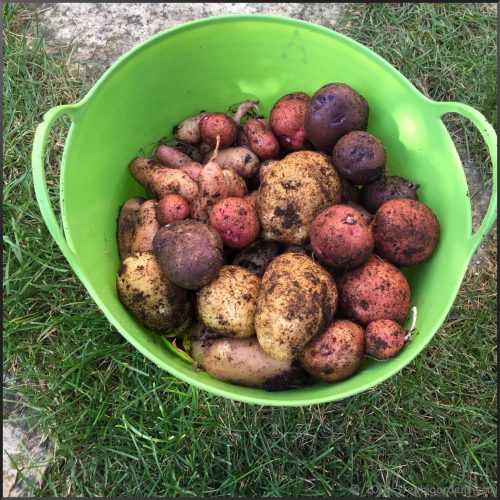
7.  Potatoes Part 1: Preparation and Planting The last few years I’ve been growing potatoes and chronicling my efforts. I’ve definitely had some years that are better than others, but it is an easy, fun and tasty backyard garden project.


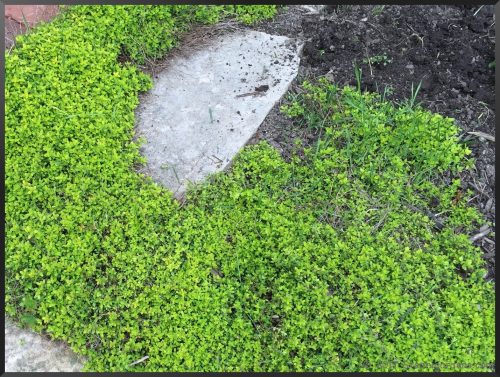
6.  Creeping Thyme Update Based on the number of views I get on my creeping thyme posts every year, a lot of people must have problems with this ground cover. It is a great ground cover, but not maintenance free so does need a bit of attention every so often to stay healthy and lush.


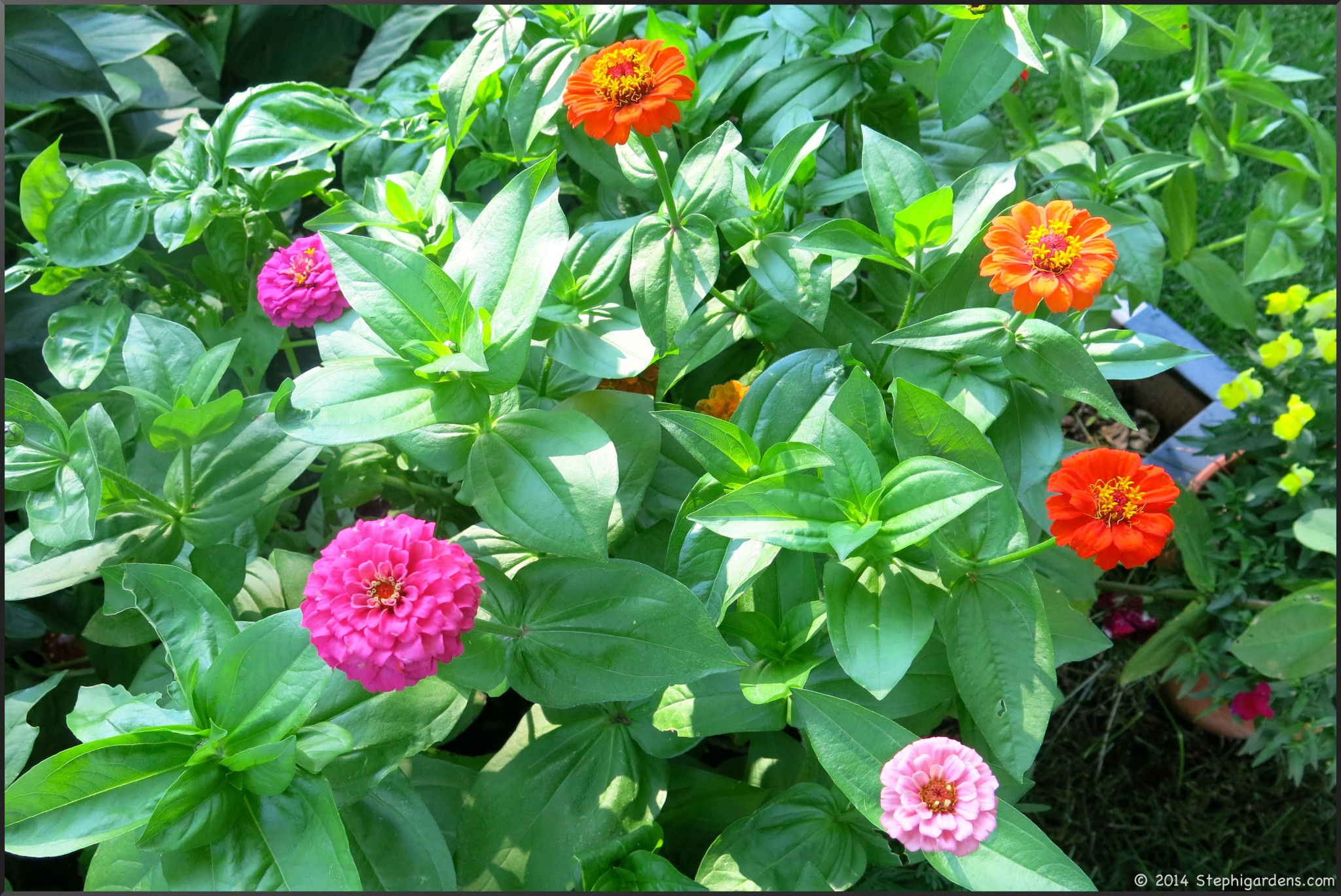
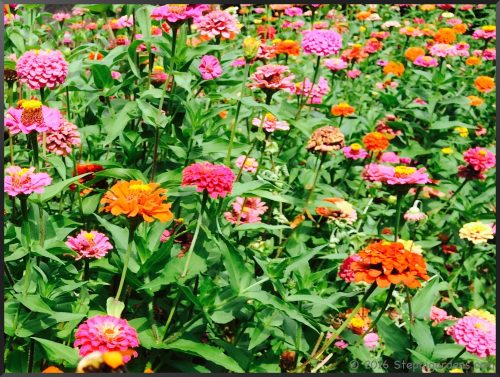
5.  Fall Seed Gathering Means Beautiful Summer Zinnias  Ever since my friend Susan told me how she gets a gorgeous hedgerow of zinnias year after year, I’ve been excited to get my own zinnia and marigold beds laid down. It’s been so easy and such a huge payoff for minimal effort. What could be better!


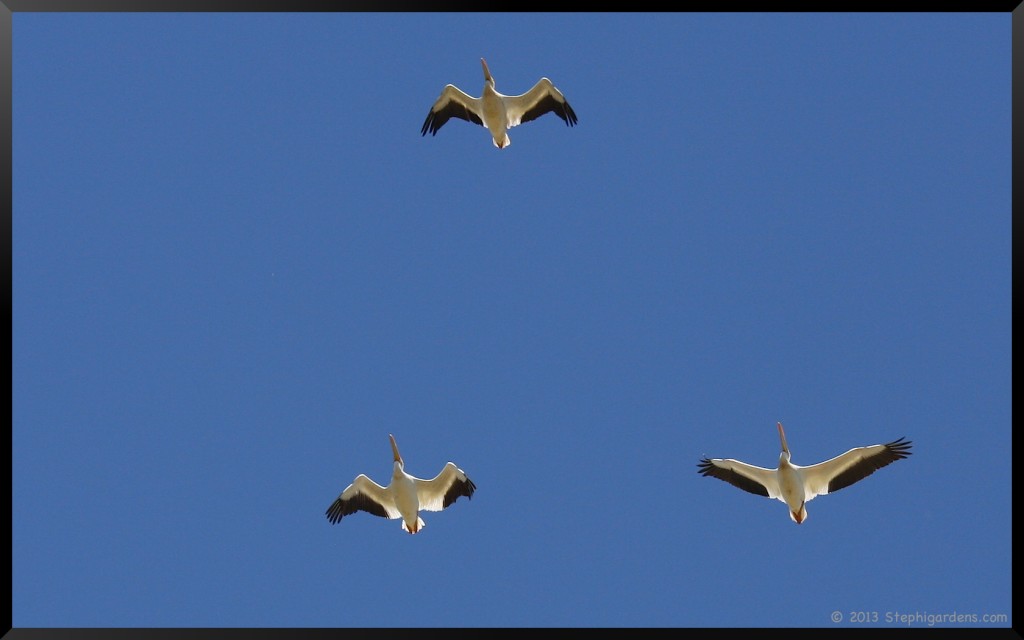
4.  Pelicans in Illinois This post from September 2013 seems to always get a lot of traffic. I still read articles in the local papers about this mystery each fall. We’re used to pelicans in the south, but up north? Where are they going? Why has their migration route, back and forth from fresh water lakes in Canada and the North Central US to the southern US, Mexico and Central America, shifted east to the Illinois River? Not sure, but they’ve become a common site in the local rivers and lakes. 


Freezer Slaw
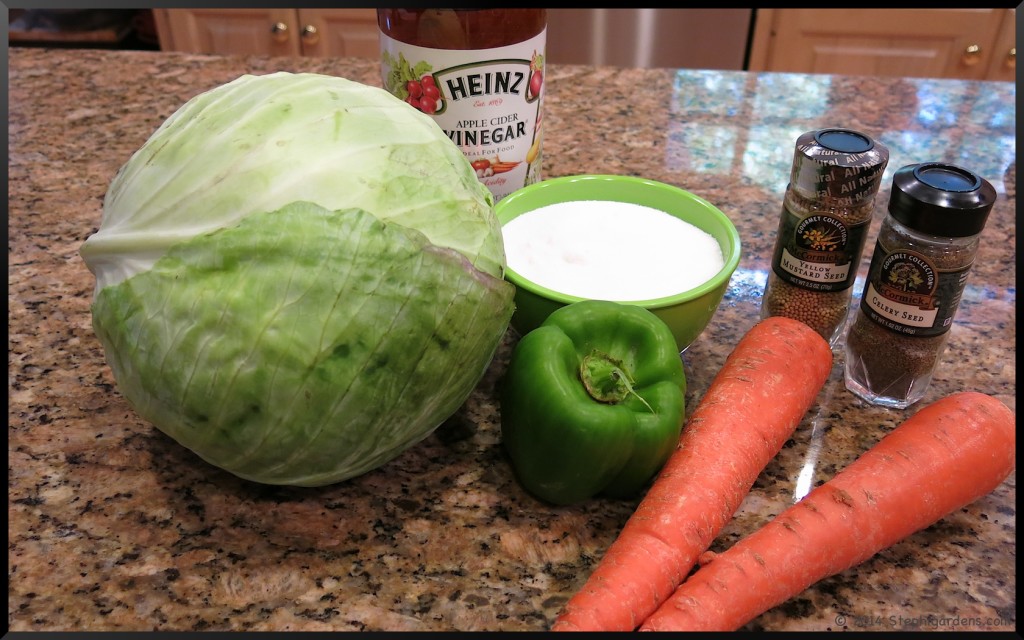
3. Freezer Slaw  My friend Kathy told me a few years ago about this fabulous recipe that her family has made for generations with the extra garden cabbage heads left in the fall. I’ve been making it ever since when the cabbage, green peppers and carrots all come into season. We too get to enjoy it now all winter!


Callicarpa
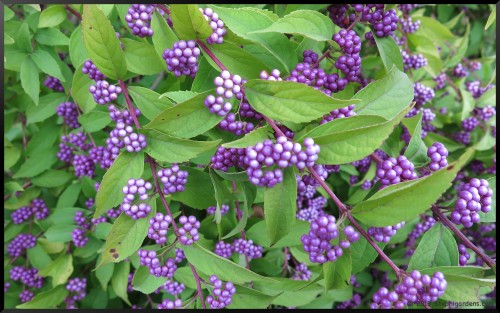
2.  Beautyberry Bush: Did It Survive The Winter My Beautyberry bushes haven’t had a lot of success, but they are still alive. I don’t think my yard is quite the right environment compared to their locations at the Morton Arboretum. It still puzzles me, and others based on the number of visits to this page from October 2013, how they pop up late each spring when I think they are dead. I’ve come to not pay attention to them, and each year they’ve come back  Patience is the word with Beautyberries in the northern climates.


Burning Bush
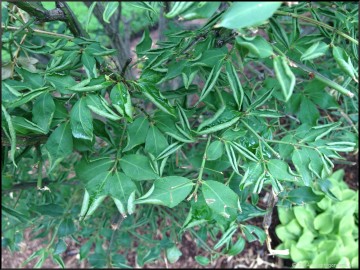
1. Curled Leaves on the Bushes  This post from August 2014 continues to be one the most visited posts I’ve written about. I still don’t know exactly what happened to my bushes, but it sure seems to be a common issue. Thankfully mine all survived, but I sure was worried.


2018 Stephi Gardens Holiday Gift Ideas

Struggling with what to get that special someone for Christmas? Here’s some ideas from the things that I love!

Birding:

Do you enjoy feeding the birds, but dislike feeding the squirrels? I tested out a number of squirrel-proof feeders and can report that they actually all work as advertised. The squirrels don’t even waste their time anymore trying to get at the seeds. See my reviews at Who Won The Squirrels vs Feeder Contest? and New Squirrel Proof Bird Feeders.

Here’s some of my favorites:

If you want to know what you are seeing at your feeders, my favorite ID guides are:

Gardening:

I love my plastic Tubtrubs. I’ve had mine for years and use them to use them to move things all over the yard. I’ve found the 7 gal (26 l) and 3.6 gal (14 l )particularly useful.clematis wilt

My Felco #8 Pruning Shears are pretty much with me all over the yard as well. Oftentimes in my Tubtrub, which is a safer place for them than setting them down in the grass. They may be a bit pricier than other shears, but these really will last you a lifetime. I have #8, which have an ergonometric handle, but I’d also recommend #11, same as the original #2 but with a replaceable blade, or #6 for smaller hands.  I’d also recommend a leather holster to keep your investment safe and convenient to carry around with you.

A nice set of garden tools is always appreciated. There’s nothing worse than a cheap shovel that literally bends in your hand trying to transplant something in my awful midwestern clay soil. I’ve had a set of stainless tools for over 20 years, but I do like the cushioning on the Fiskars tools I’ve bought more recently. So far, I haven’t had any issues with breakage like some have reported in the reviews.

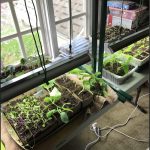
Growing seedlings indoors? The 2 ft Hydrofarm T5 Grow Light Systems have worked great for me. Spacious, energy efficient and adjustable. It’s made all the difference in growing healthy seedlings indoors.

What to wear in the garden? I think nothing is better than my Slogger garden shoes and rain boots.  I have both styles and they are comfortable, easy to get on and waterproof!

Garden cocktail cookbooks are a fun (and tasty) gift. Two favorites on my bookshelf are The Cocktail Garden and Summer Cocktails.

Not sure what they might already have? A gift certificate to a local garden shop would always be appreciated!

Cooking

I have a couple of go-to pans that I just love:

My Calphalon hard-anodized 13″ stir fry pan is excellent for sautéing my garden fresh vegetables as a side- or main dish.

One of my first pieces of Le Creuset enameled cast iron cookware was a 3.5 quart Chef’s Oven in flame. I love this pan for sauces, soups, risotto, sautéing, pretty much anything. I thought it such a perfect pan I got one for my daughter when she moved into her own apartment. It is on the smallish side but there are larger versions available (and other colors).

I invested in a spiralizer and love spiralizing all kinds of vegetables. The spirals can be used as a base for a sauce, part of a stir-fry or just as a sautéed side dish. So many options for a starch alternative! I wrote about my experience with the Paderno World Cuisine Spiralizer Pro in “A Fun Garden to Table Kitchen Gadget-A Countertop Spiralizer”.

I also love kitchen gadgets. Probably have far too many single purpose things, but they are just so handy! What are some of the things I use all the time?

Reading

I love to read. Always have since I was a little girl taking out a stack of books from the library. I think books always make a great gift and you can follow what I’m reading by the list on the right side bar. Don’t worry, if I wouldn’t recommend a book I’ve read I won’t put it on the list!

Happy Shopping and Happy Holidays!

Christmas Tree

(Disclosure: This post contains affiliate links. I may receive a commission from purchases you make through the links in this post. All reviews are my own and are not influenced by any compensation I may receive.)