An Unusual Visitor to Peggy’s Feeders

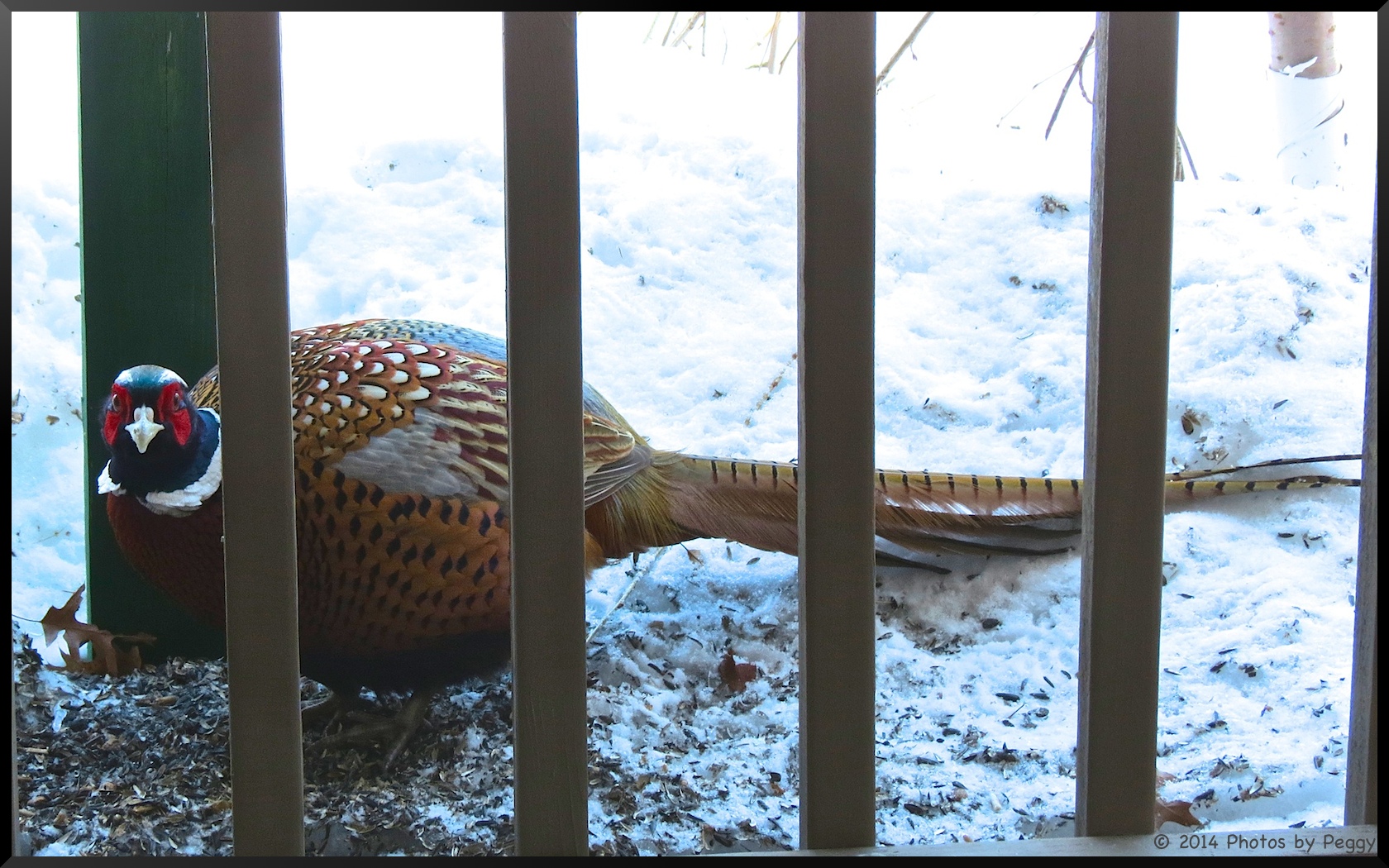
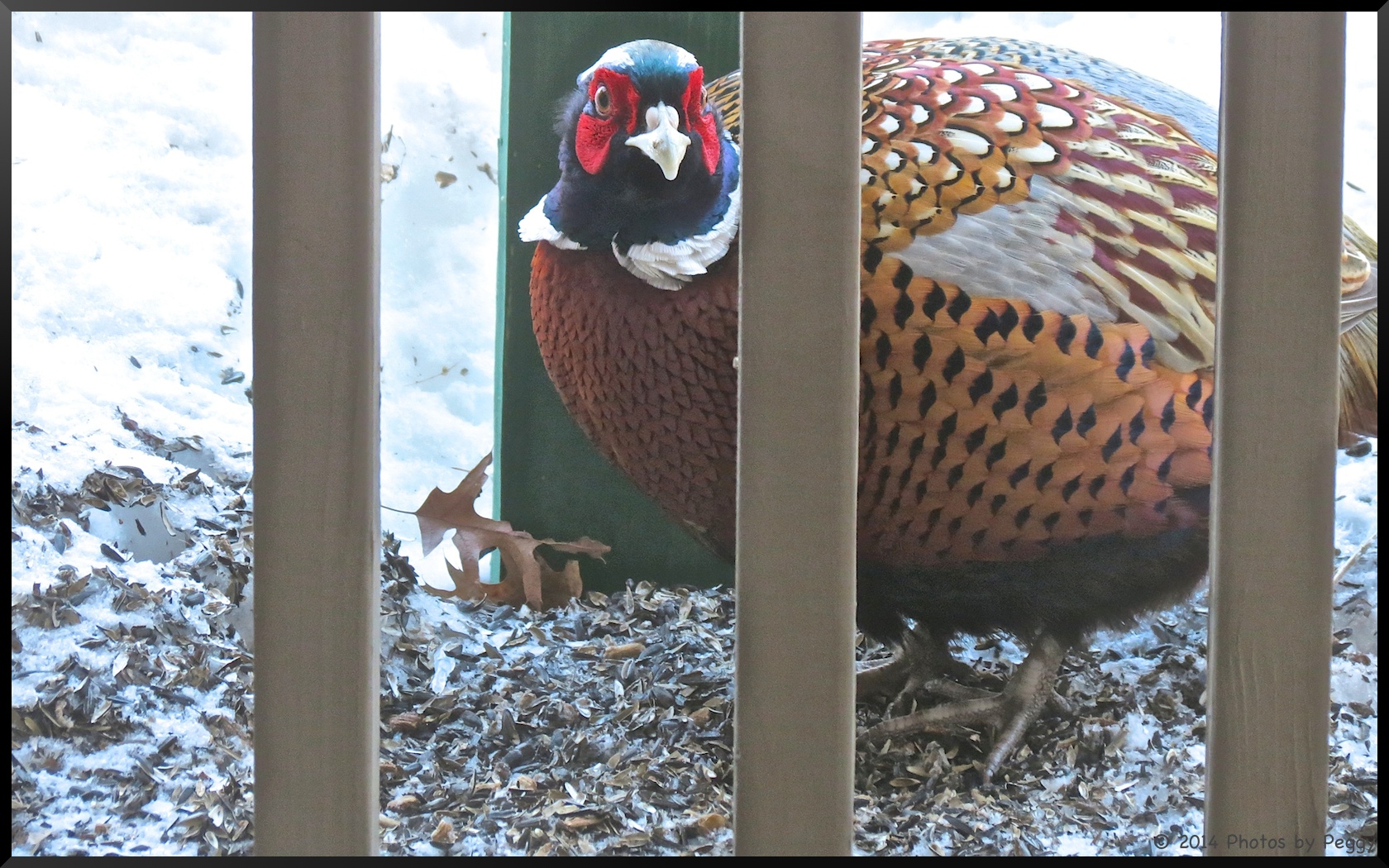
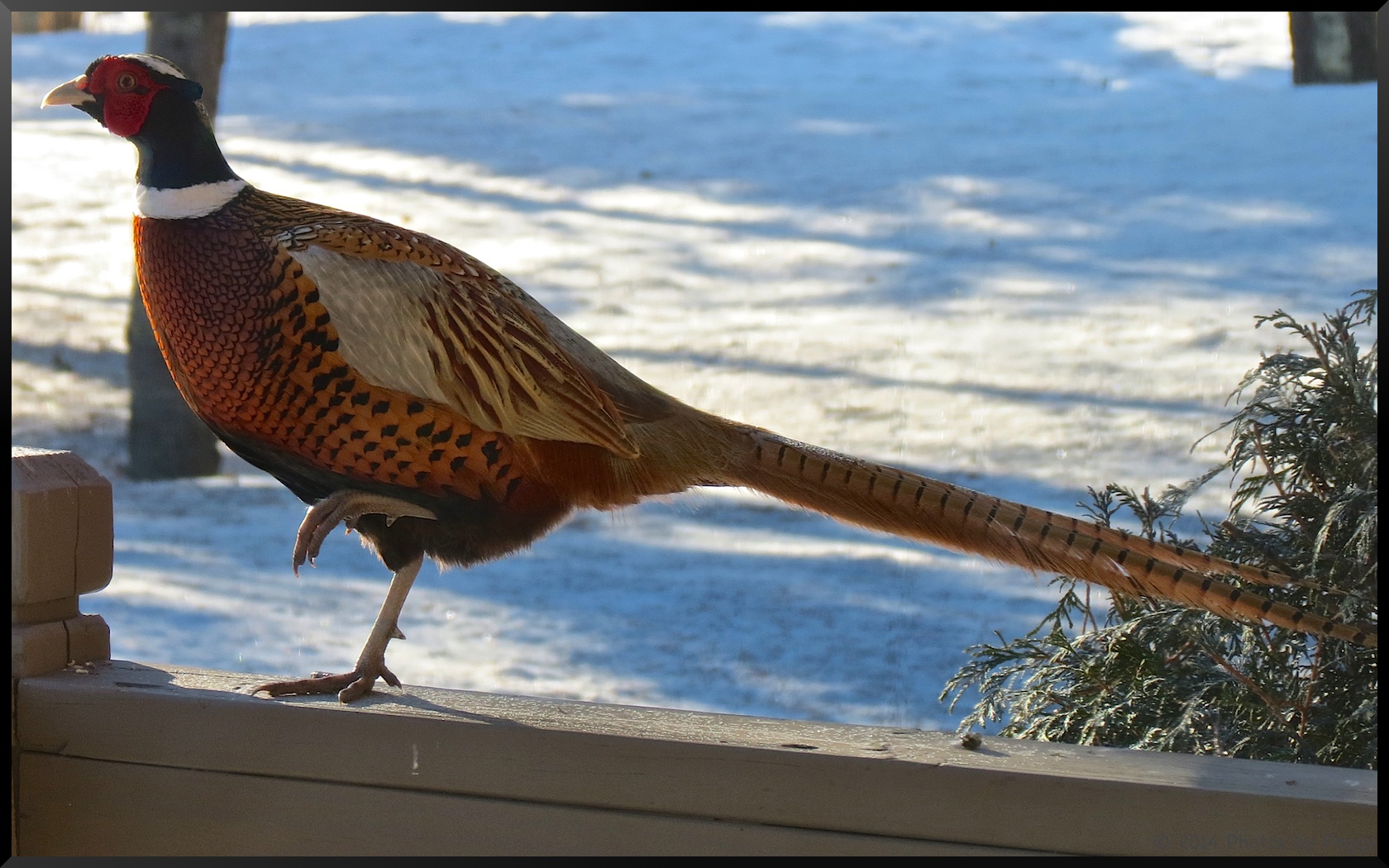
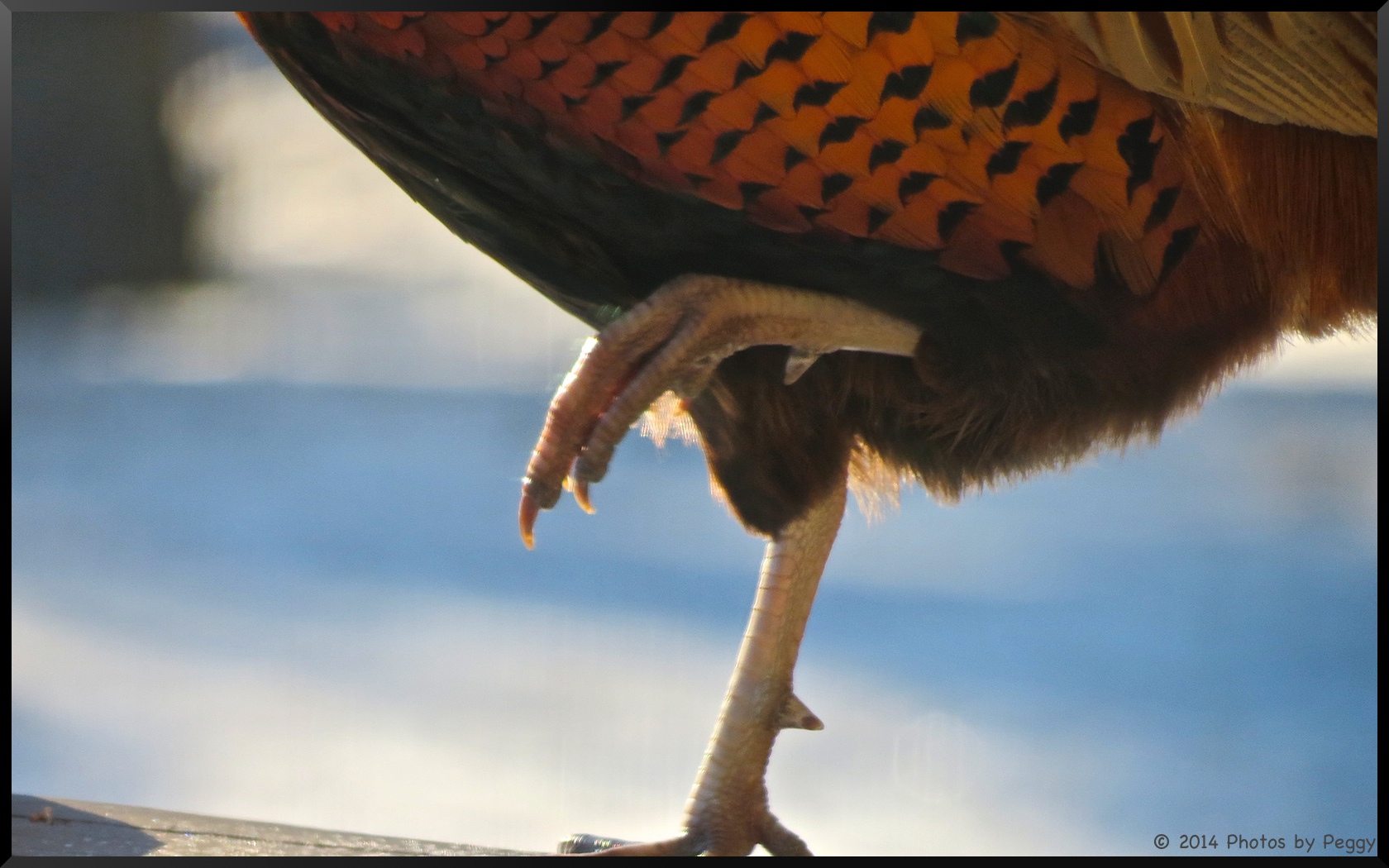
Ring-Necked Pheasant

Over the last month or so, a male Ring-Necked Pheasant has taken up residence near Peggy’s house in Michigan.  He’s been visiting the front porch feeder, enjoying the corn she’s been putting out for him.  Haven’t seen a female yet, but maybe they’re just shy. By the way, this is a view through the front porch railing–the snow is piled so high he’s at up almost at eye level!

Because of the timing of his visit, the male Ring-necked Pheasants may be establishing his breeding territory.   A male will become the “king” of his territory and exert dominance over any other males who try to intrude in his territory, which may cover several acres.  Breeding females, who are rather dull brown in coloring,  will gather in small  groups in the territory of a single male.  The females will nest in the fields or borderland areas and lay a dozen or more eggs.  Within a few weeks, the young will head out on their own. Unfortunately, there is a high mortality rate from predators and humans of both the eggs and young birds. Hopefully there’ll be some baby pheasants wandering around Peggy’s yard this spring!

 
Ring-Necked Pheasant


Ring-Necked Pheasant


Ring-Necked Pheasant


Ring-Necked Pheasant


Photos by Peggy


Dead Man’s Fingers

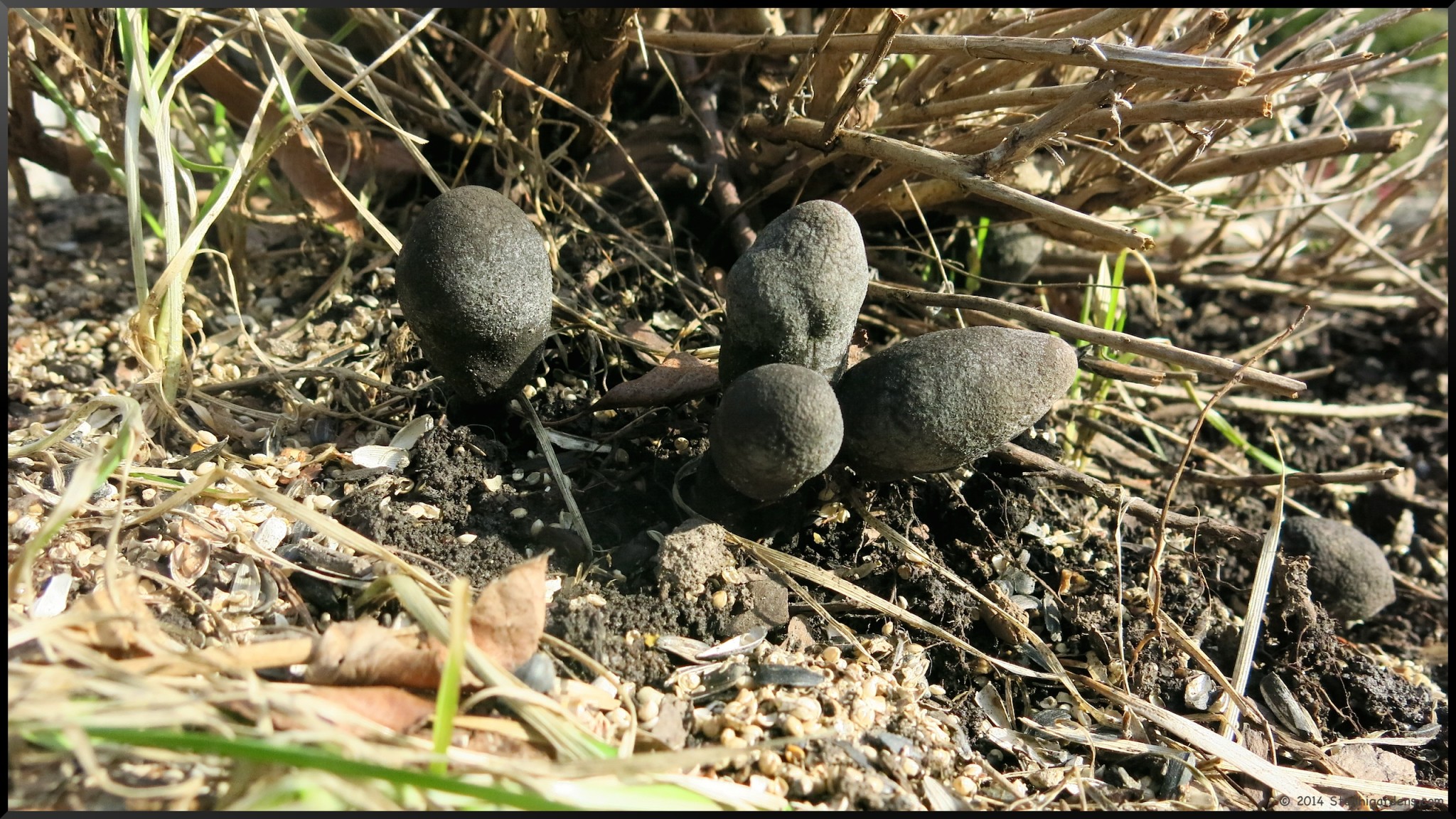
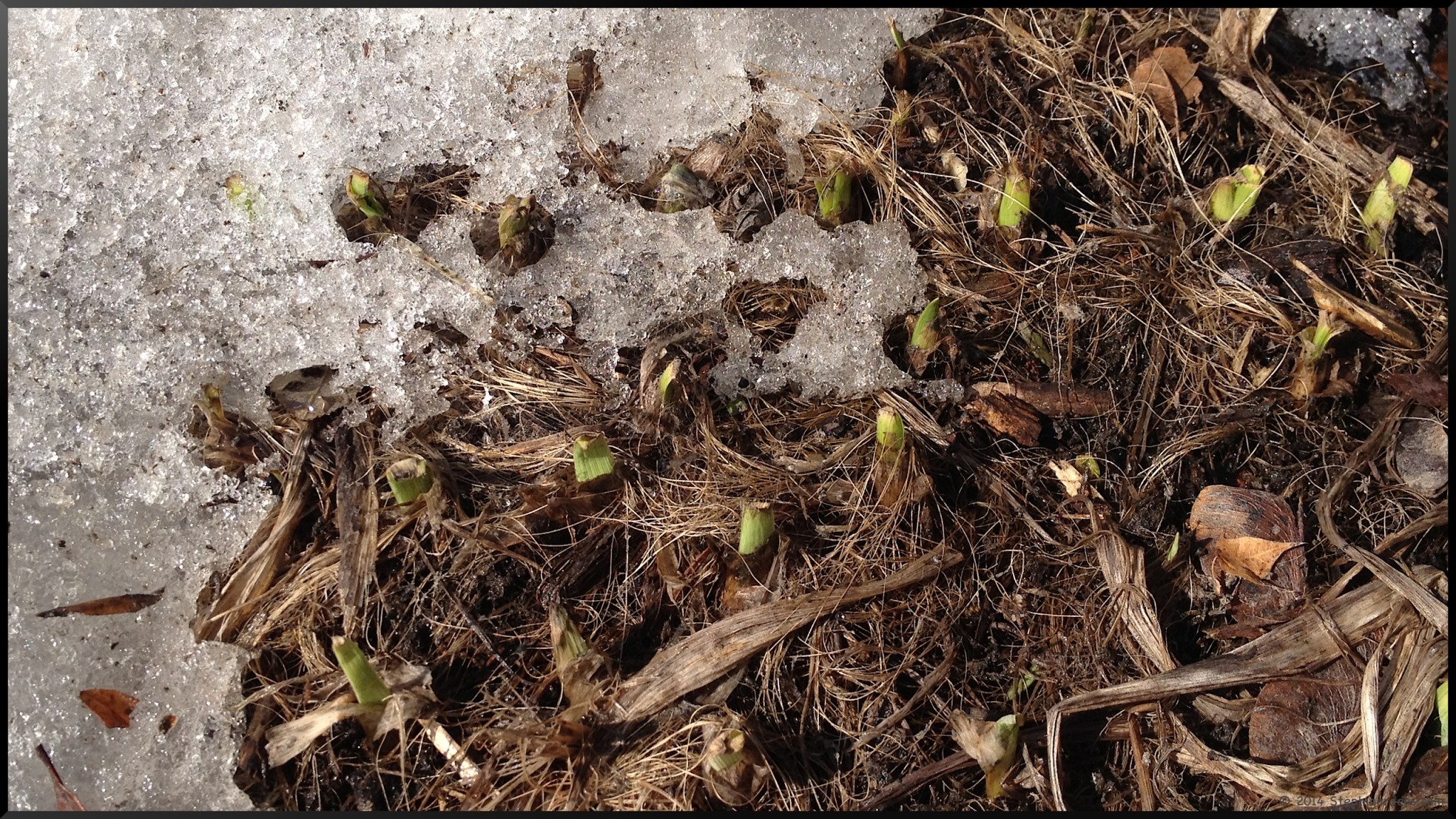
As the snow melted, I went out looking for any signs of life to announce spring is coming.  While out there, I came across these odd looking things.

Xylaria polymorpha

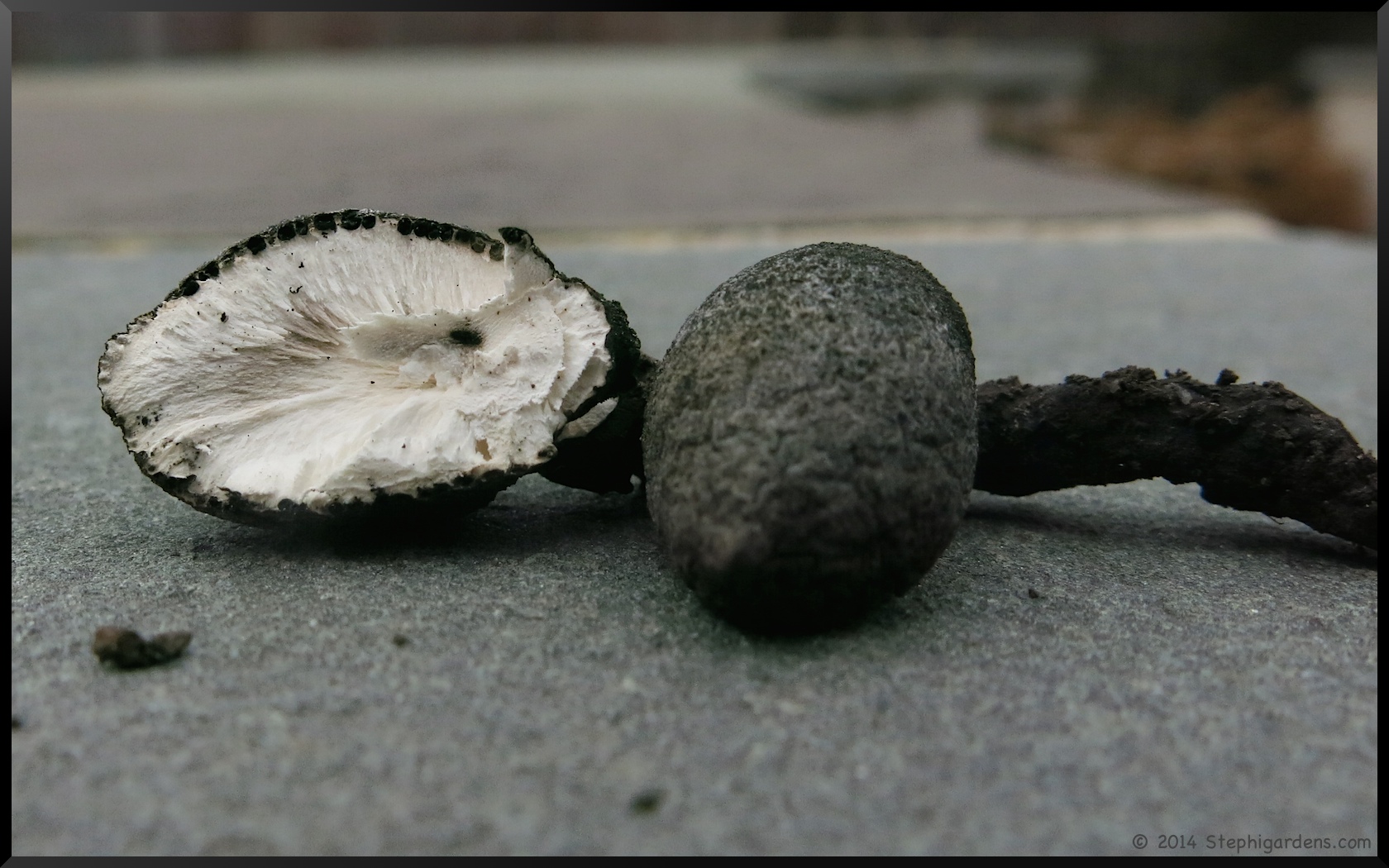
At first I thought it was something left by Daisy or another animal sometime this winter. After poking at it a bit out of curiosity, it was not.  Instead, my best guess is that they are Xylaria polymorphs, or Dead Man’s Fingers.  They are very hard black knobs and the centers are a very tough white spore mass.

 Xylaria polymorpha (Dead Man's Fingers)

Xylaria polymorphs are not poisonous, but also not edible.  They usually grow on hardwood stumps or decaying logs, but in this case they seem to be growing on hardwood mulch.  There once was a maple tree in this location, so it is possible that there are some root remnants of that in the soil that it is growing on.  Has anyone seems these growing on mulch before?

First Day of Spring in Chicago


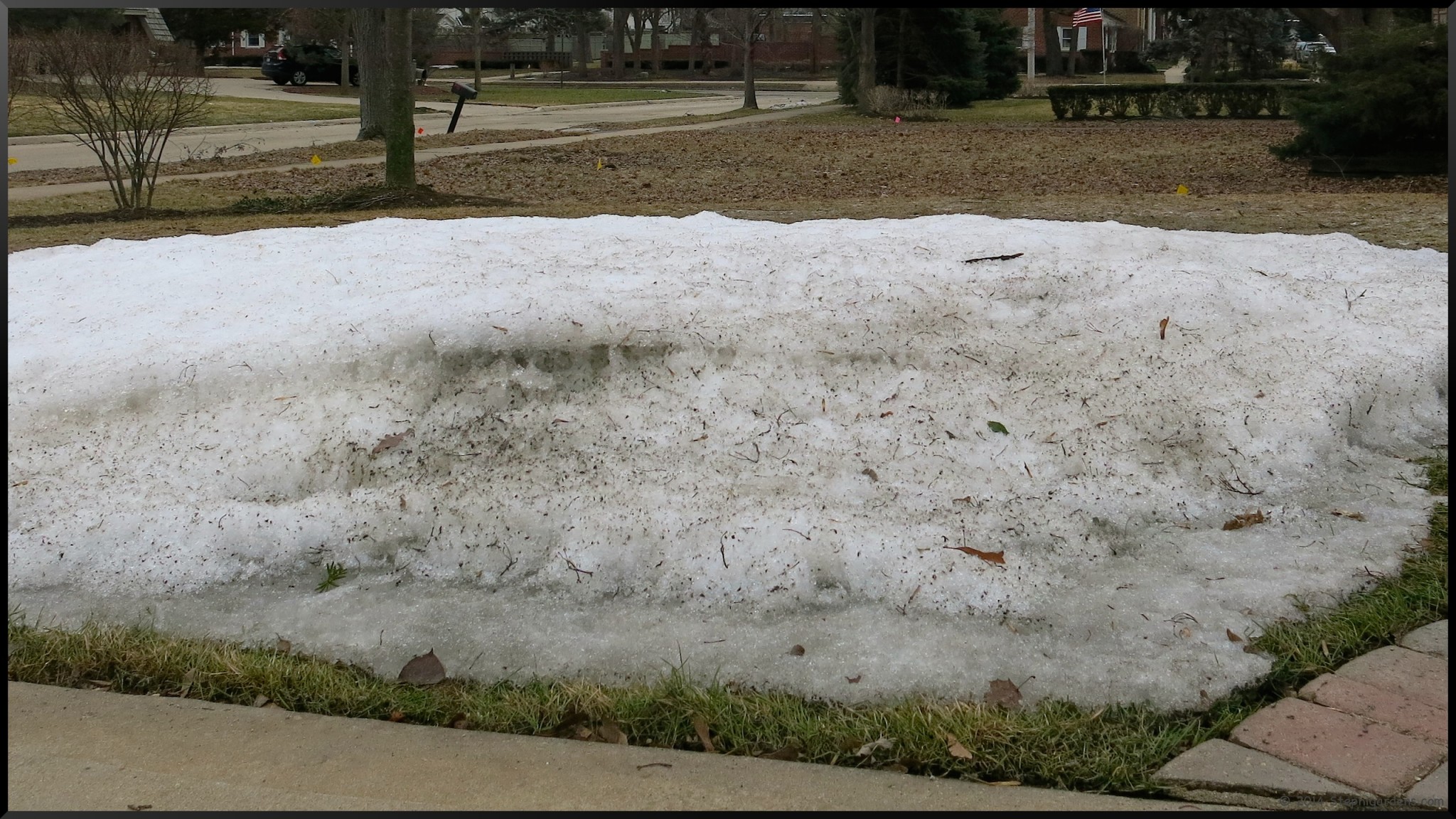
As I came home from Northern Michigan on the first day of spring, it was clear I was heading south by the disappearance of snow and the warming temperatures.  By the time I arrived home, my car thermometer had risen over 25° into the balmy 50’s.  Of course, my yard oddly always has the most snow left out of anyone on the block, or for that matter, the last 100 miles of the drive.

stephi gardens

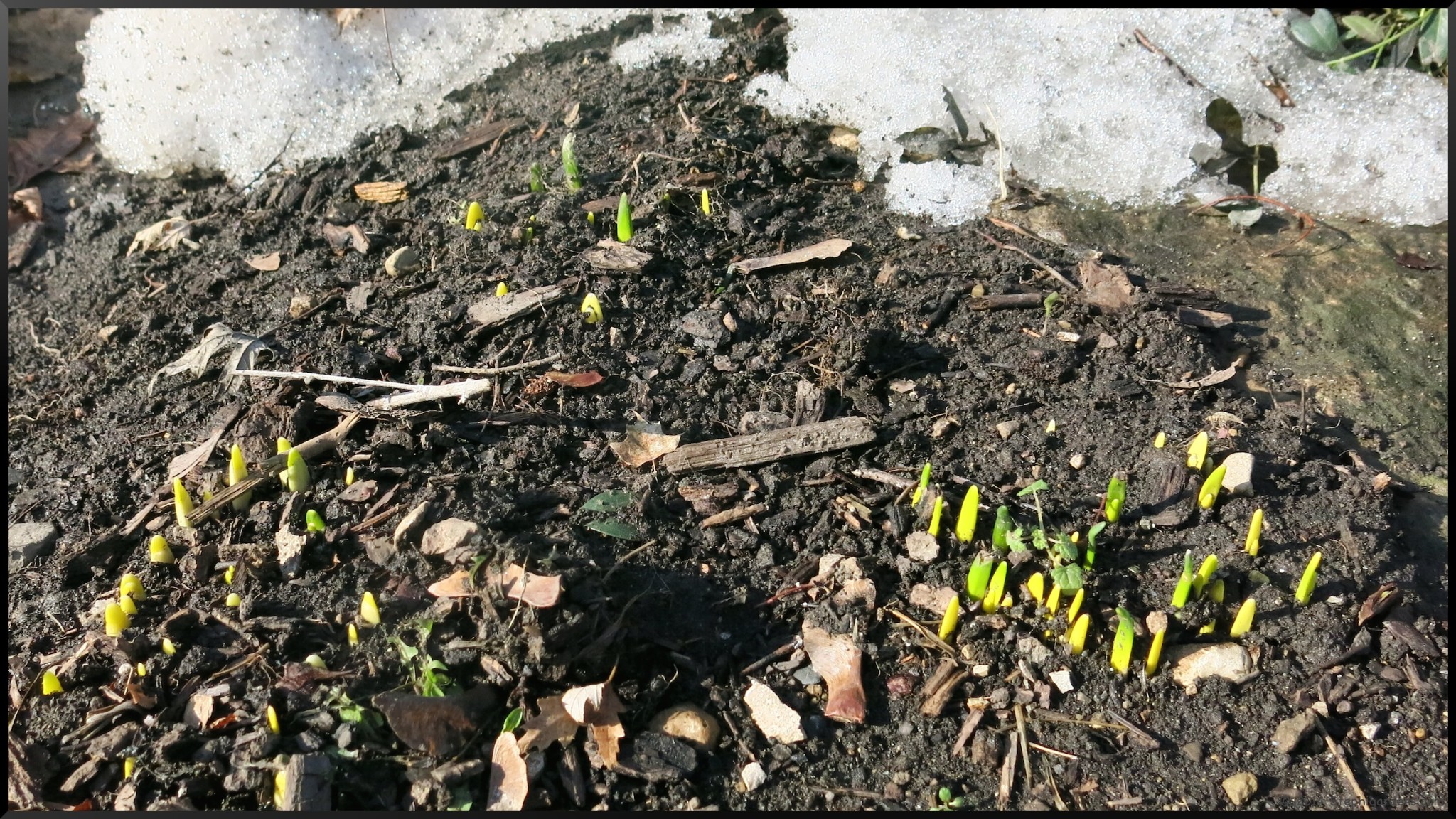
But, there are definite signs of spring to be had.

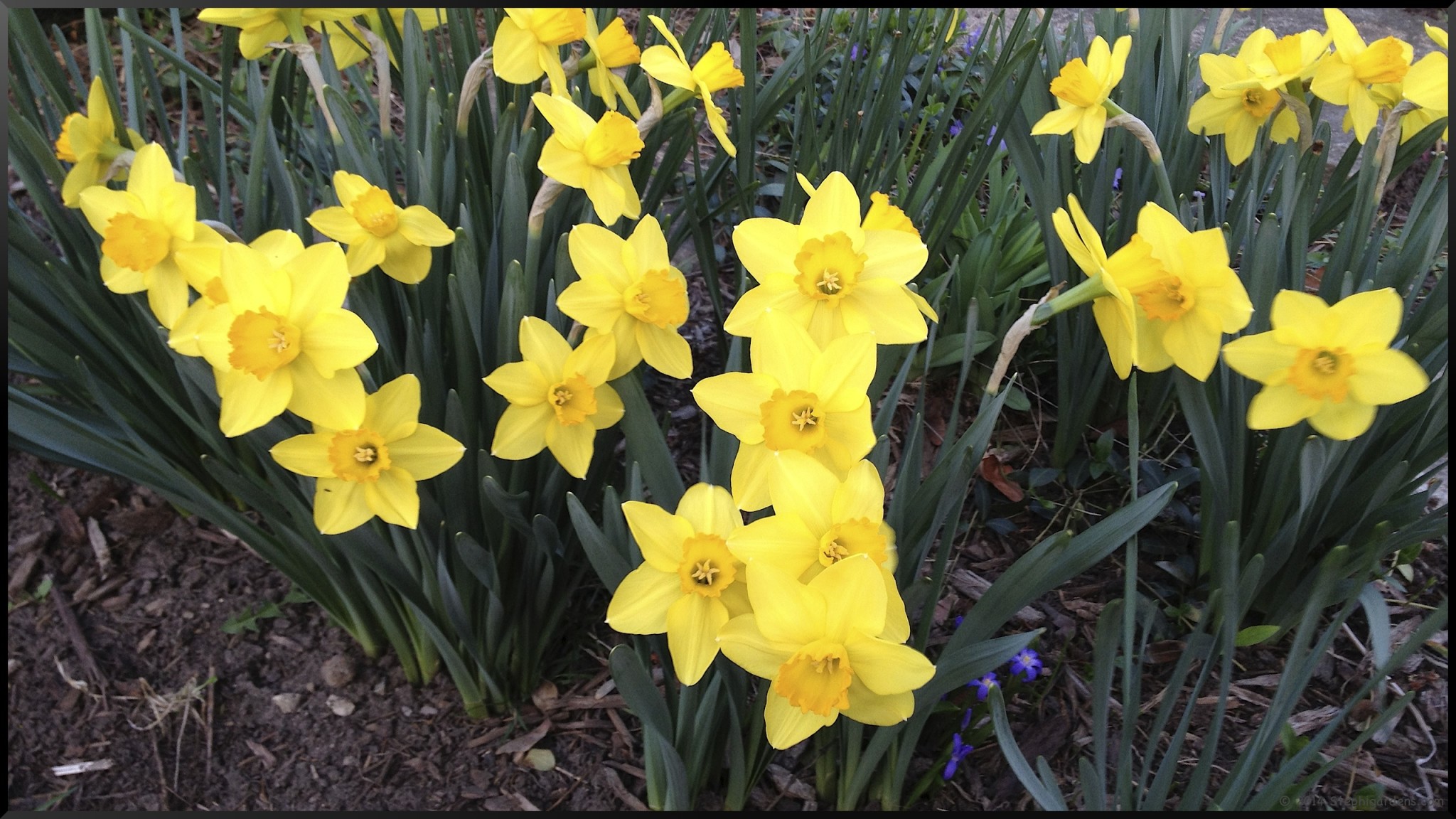
The daffodils are popping their heads out!

Daffodil

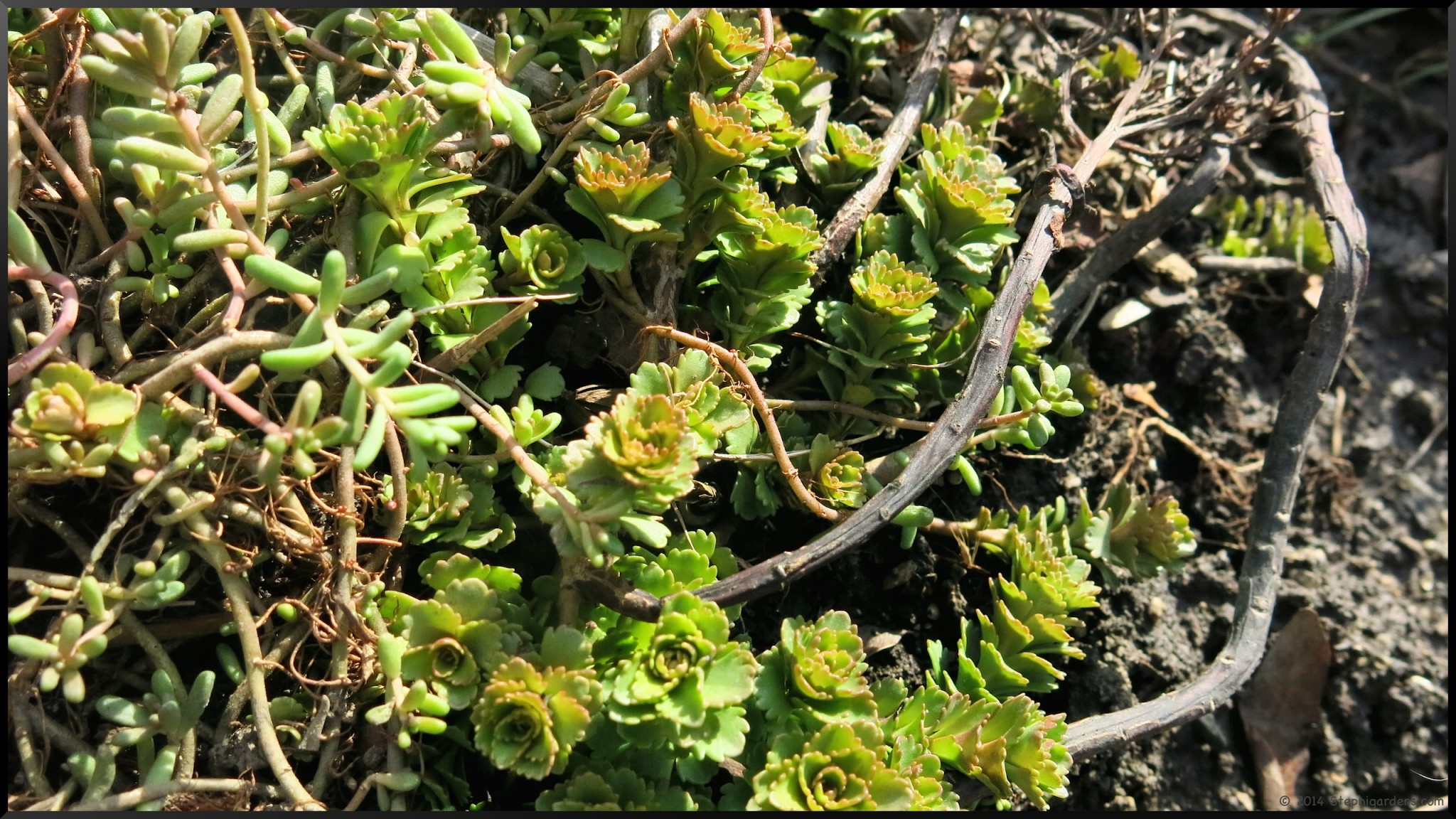
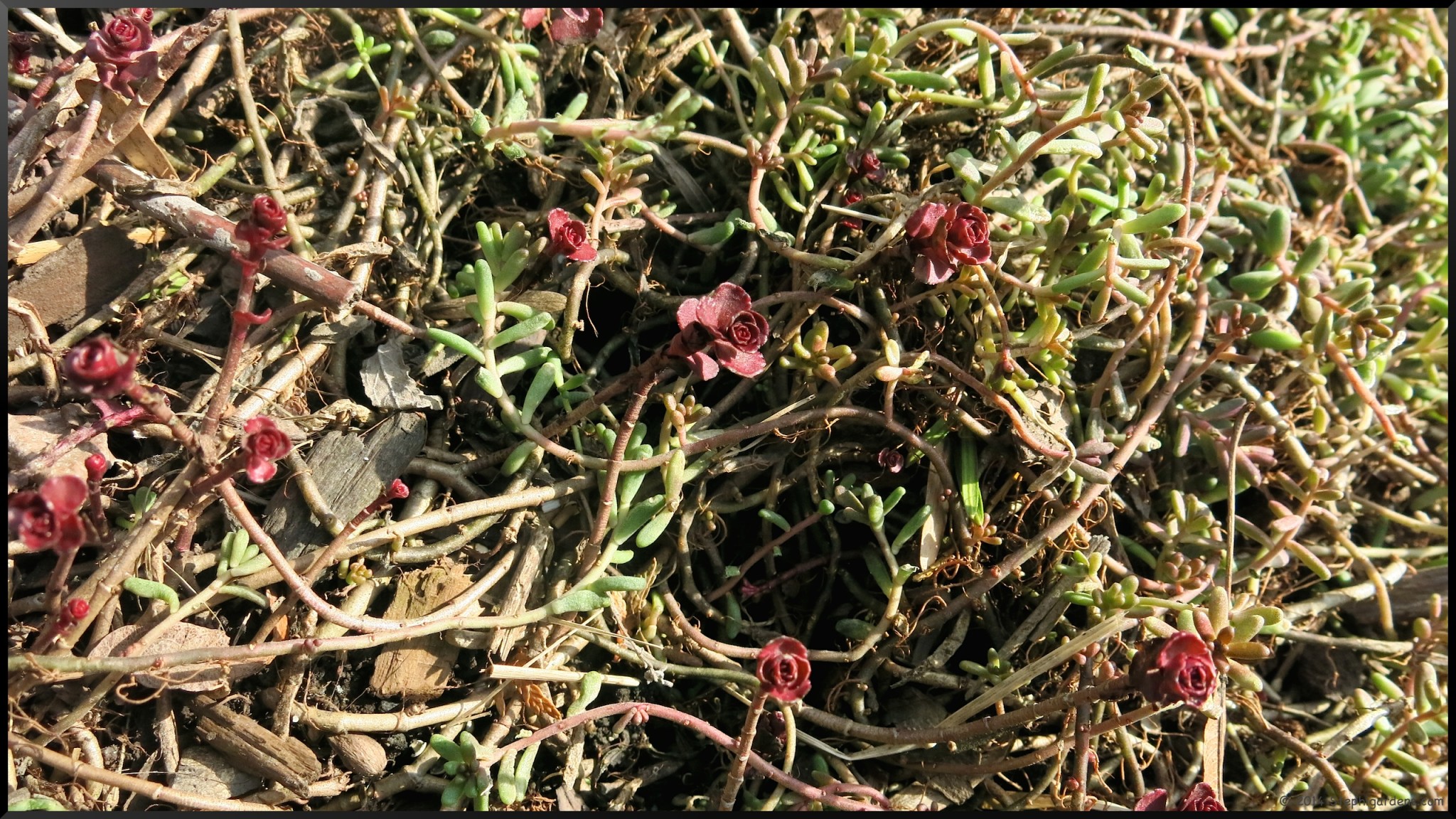
The sedum looks healthy and colorful.

Sedum


Sedum

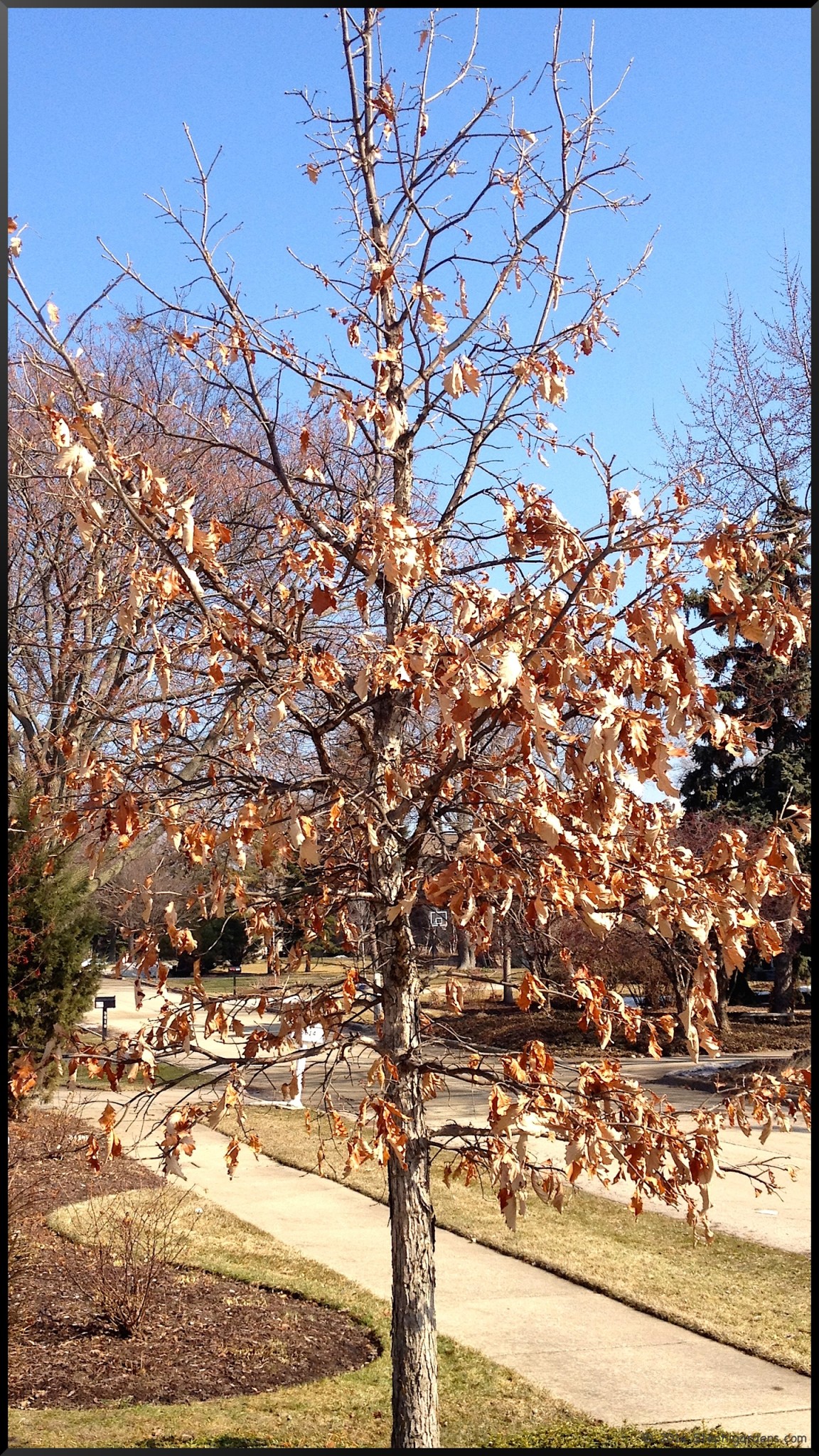
The White Oak is finally losing it’s leaves as buds begin to form.

White Oak

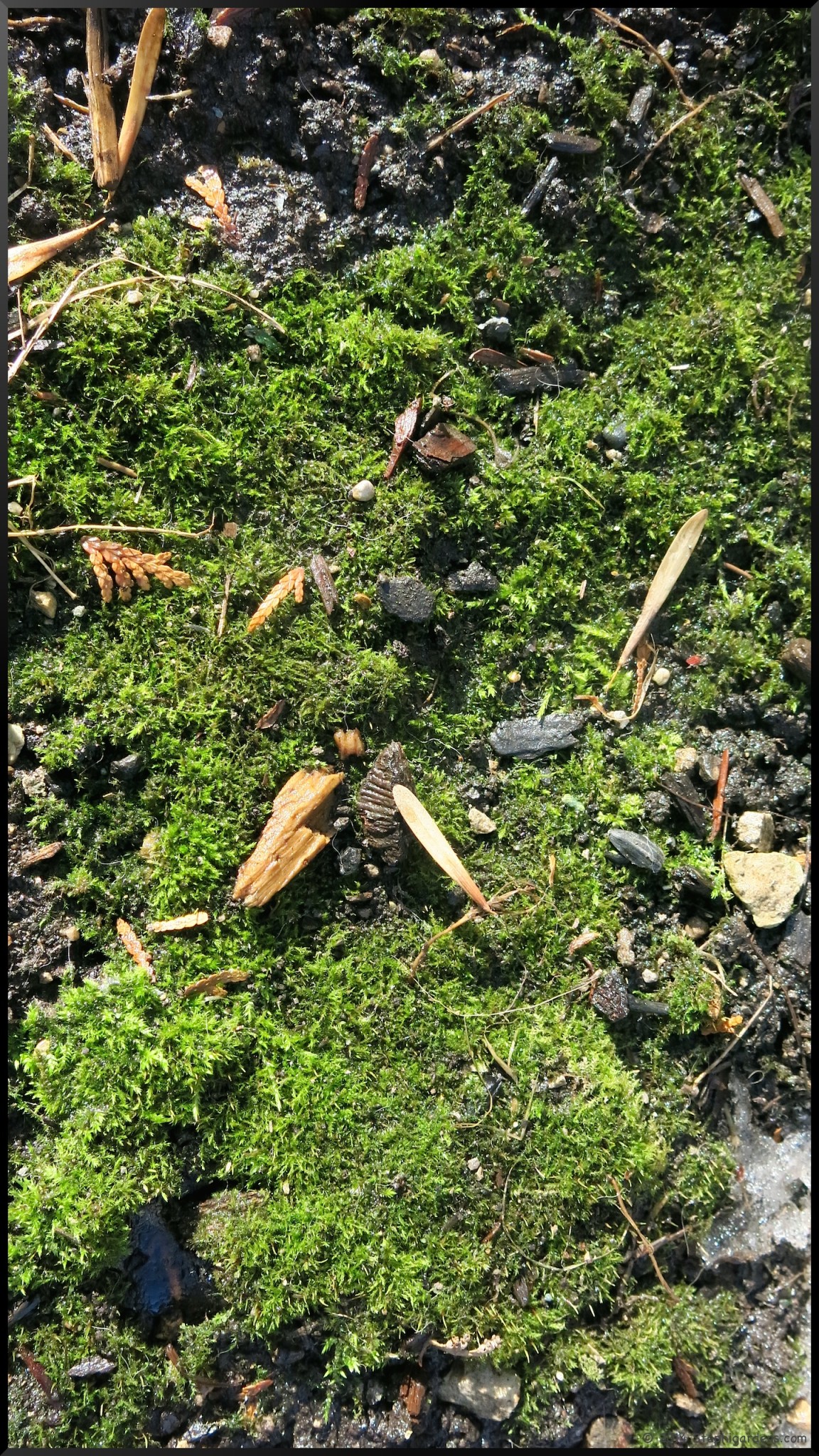
Moss is bright green and plentiful on the north side of the house

moss

I’m puzzled by the emergence of day lilies and thankful that the hostas have not followed suit.  More cold, unseasonable weather is approaching and I’d hate to have too much frost damage.

Daylily

I’ve also noticed the House Finches and Robins have started to return, although they’ve been very shy around the camera.  This time of year, I love wandering about the yard seeing what’s new.  Every day brings a change somewhere.  It is pretty muddy, so too early to really get much spring clean up done.  Are you seeing signs of spring in your yard?

Bu then, as a reminder of how far behind we are, here’s a shot from last year on the same day!  Soon, I keep thinking.

daffodils


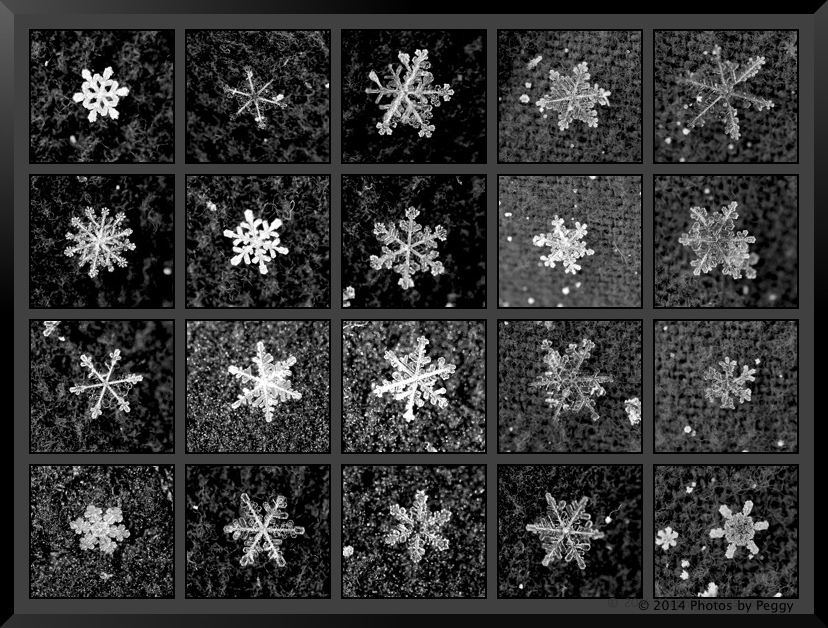
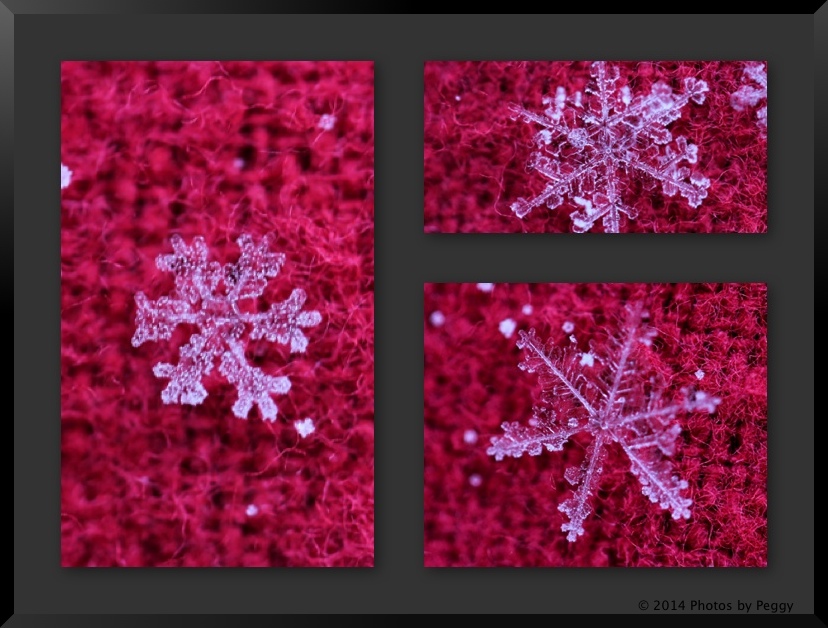
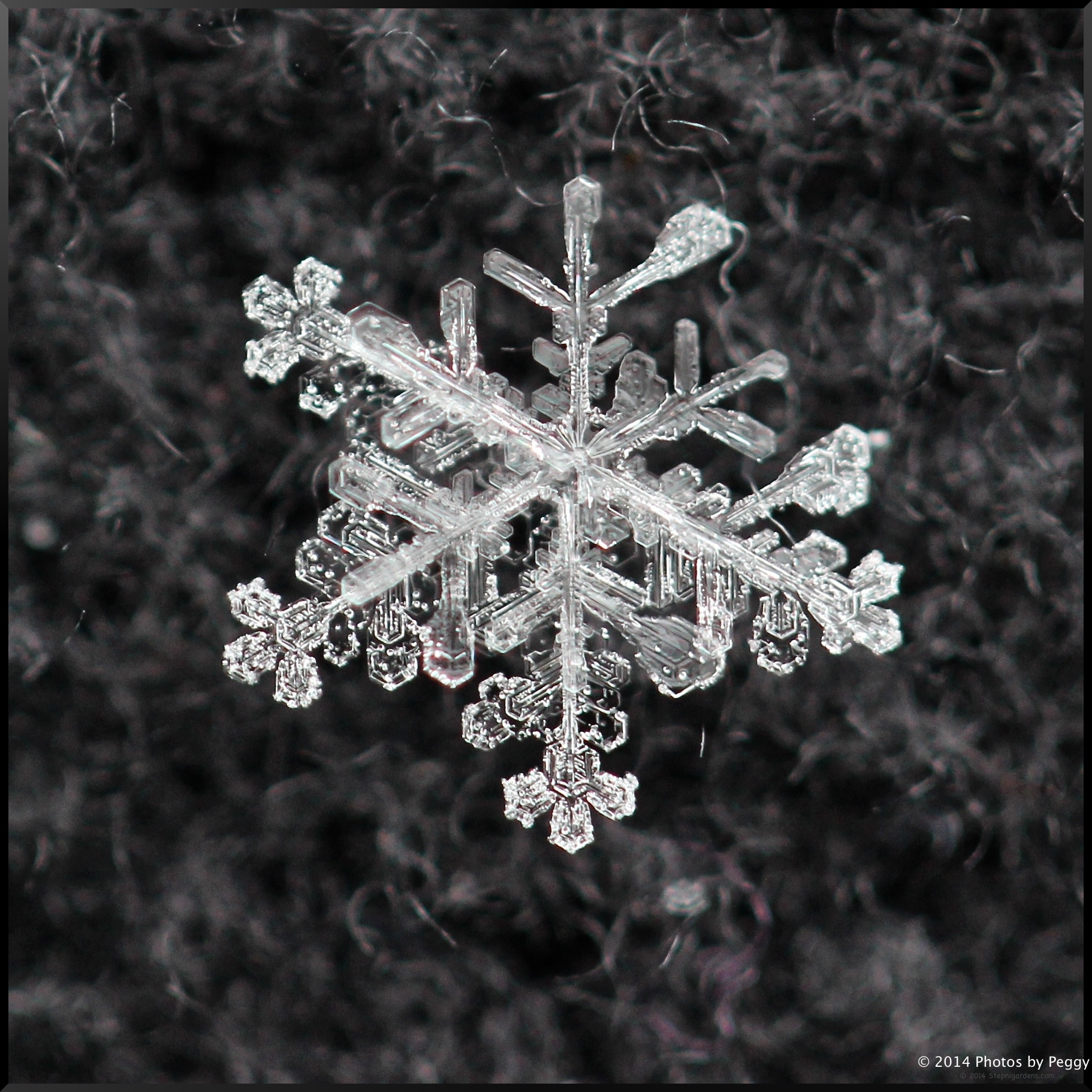
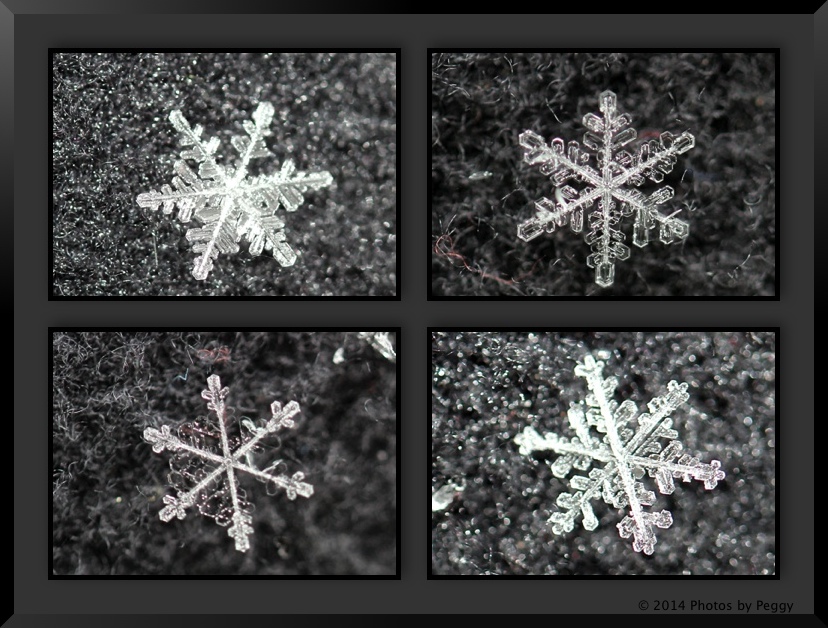
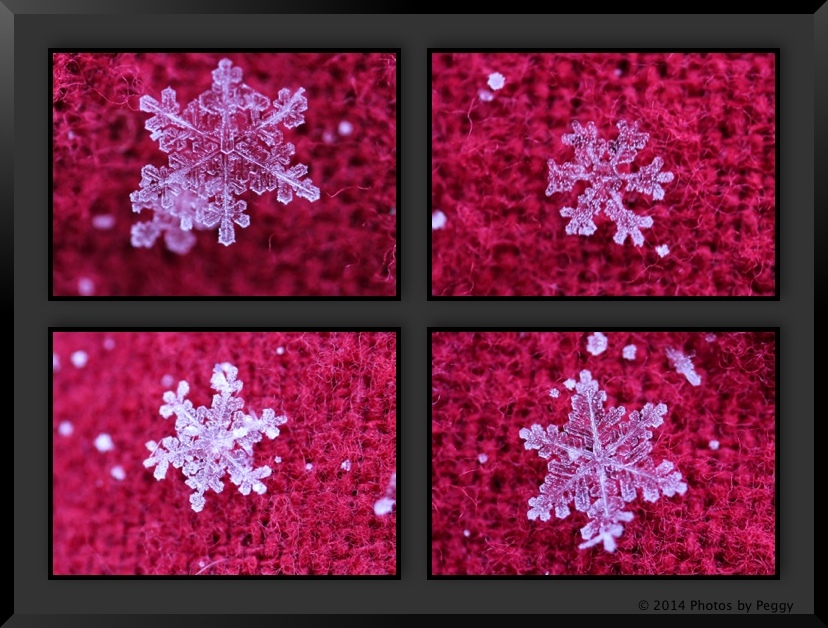
Peggy’s Snowflakes


snowflakes

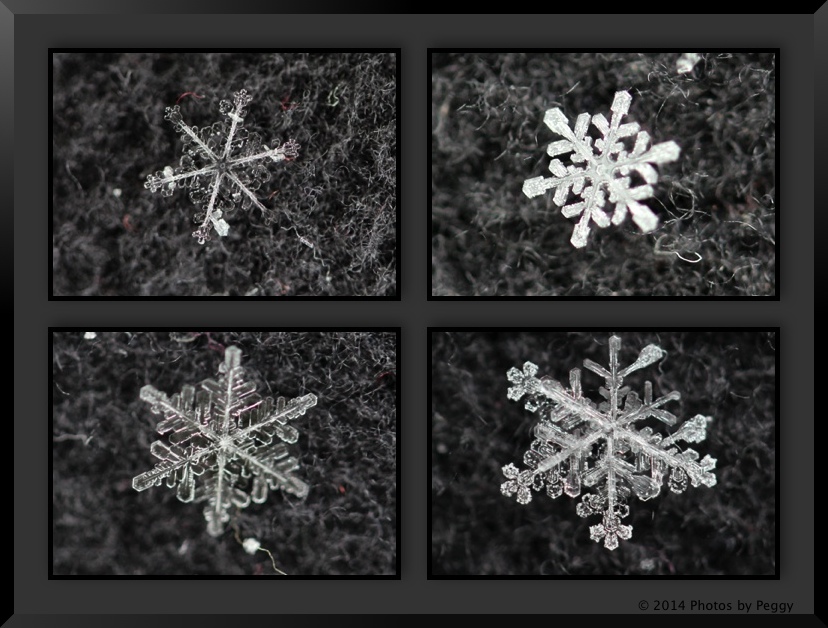
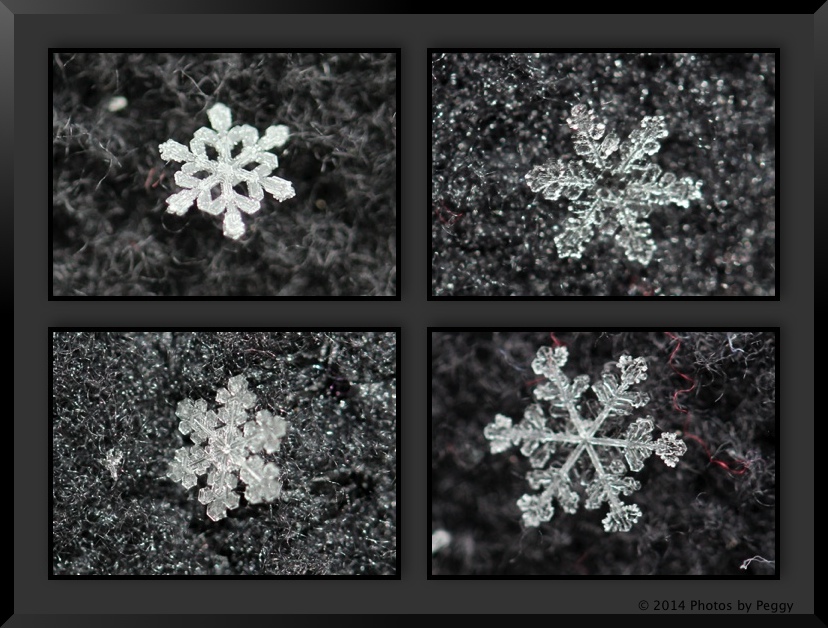
With all the snow that Michigan has received this winter, my mom Peggy decided to try and make something fun out of it.  On days that it was warm enough to endure being outside, she experimented with taking pictures of individual snowflakes and came up with some amazing shots.  I’ve always heard that every snowflake is different, but it’s hard to believe the individuality, complexity and beauty of each snowflake.   Enjoy the wonders of nature–

snowflakes


snowflakes


snowflakes


snowflakes


snowflakes


snowflakes


snowflakes


snowflakes

Photos by Peggy

Visitors to the Homemade Suet

Suet Feeder

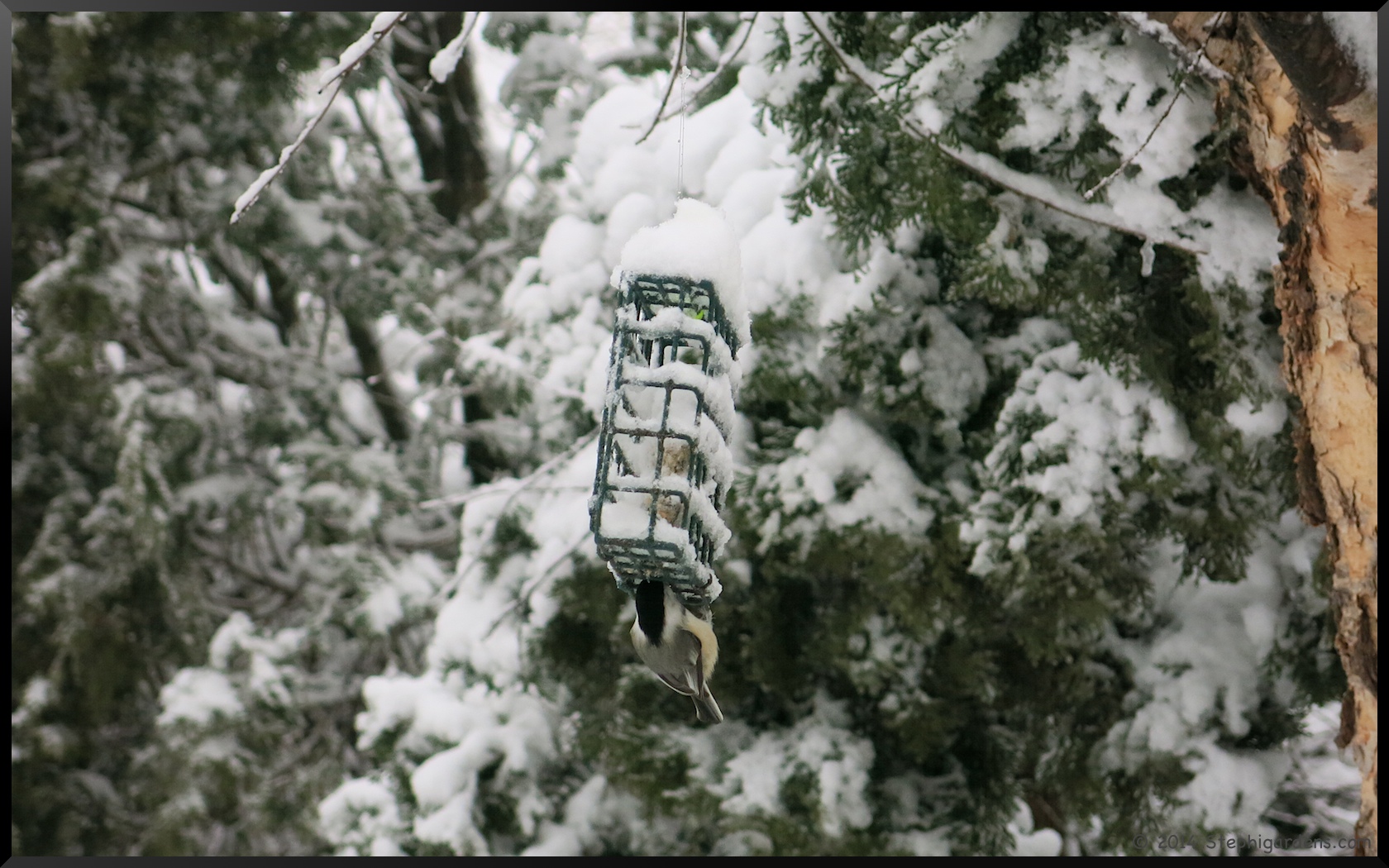
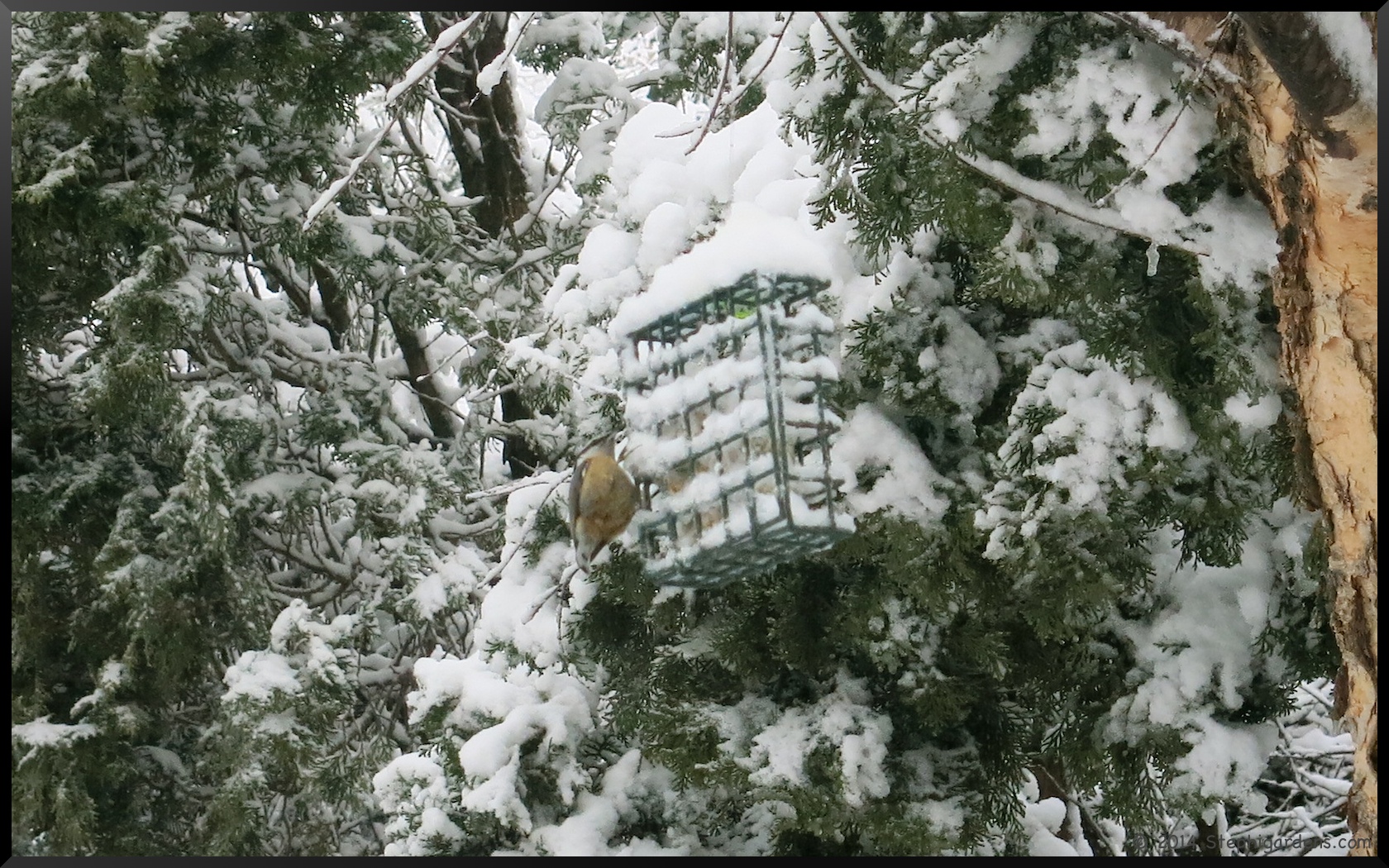
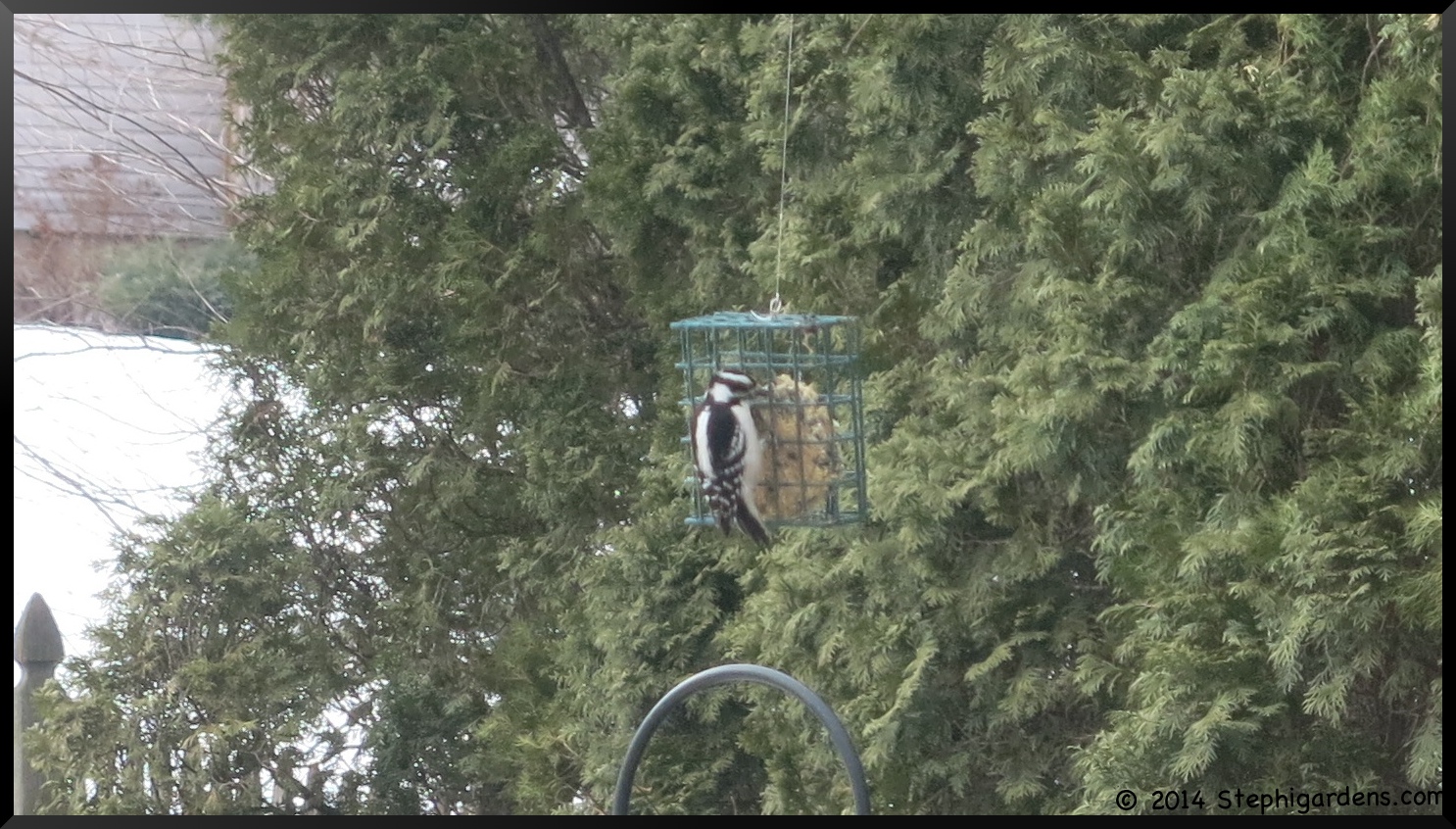
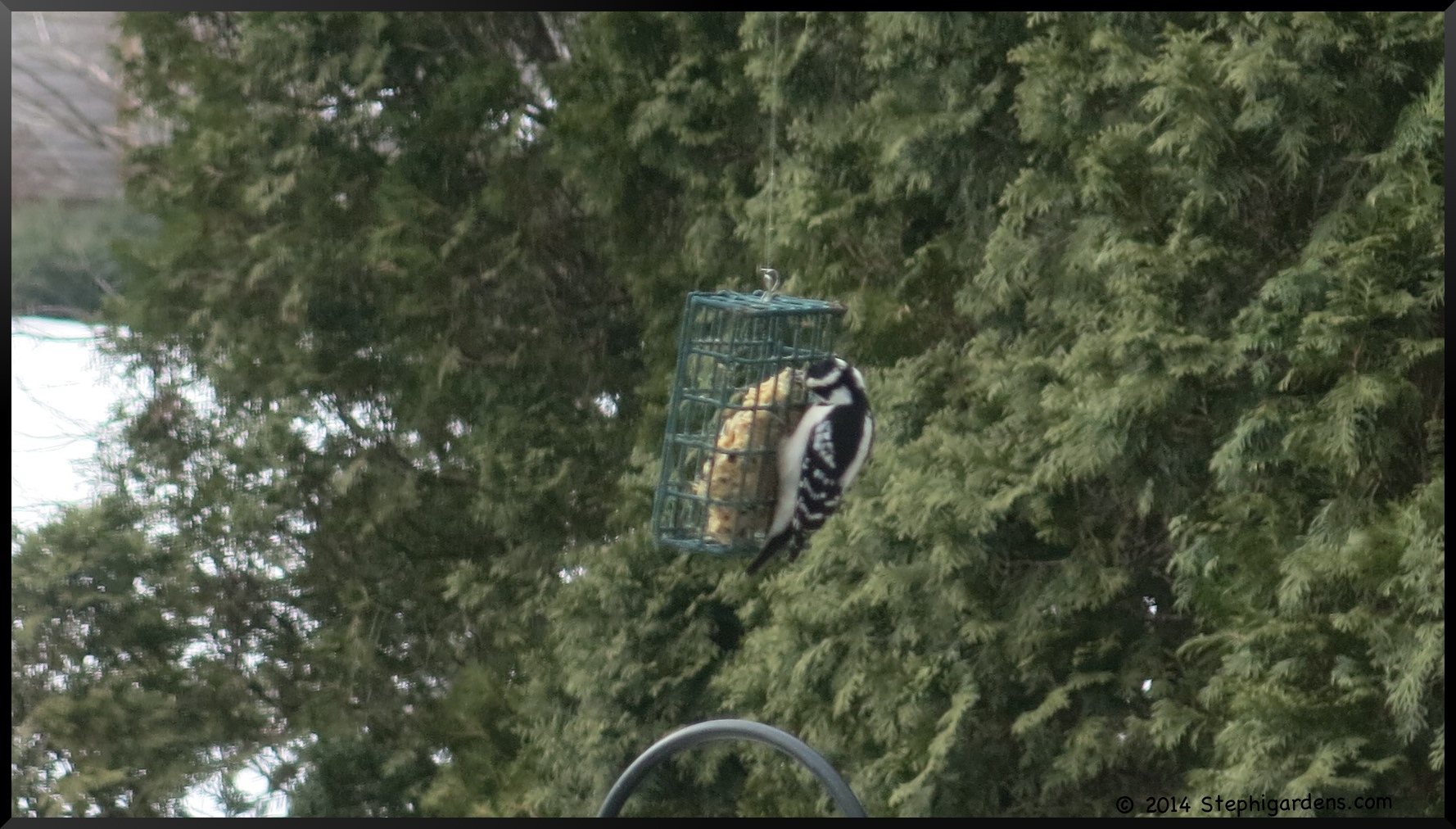
While I was out there putting the new homemade suet in the feeder, I heard, and then finally found a Flicker in the neighbor’s yard.  I haven’t seen him at my suet feeder yet, but I hope he comes to visit.  In the meantime, the last couple of days I’ve seen Chickadees, a Downy Woodpecker, a Red Breasted Nuthatch and a squirrel on the suet feeder. They seem to like this new suet!

Suet Feeder


Suet Feeder


Suet


Suet


suet

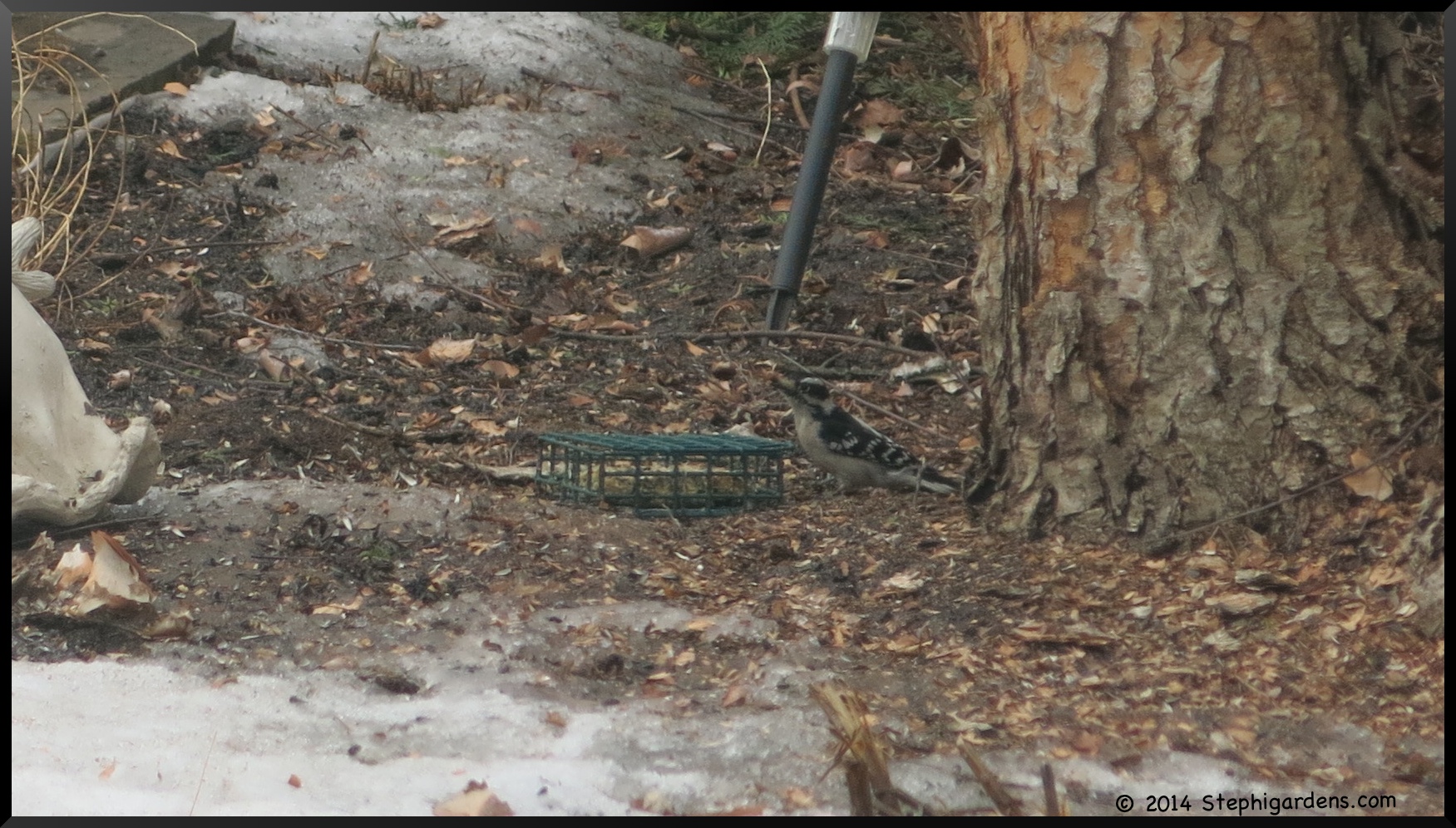
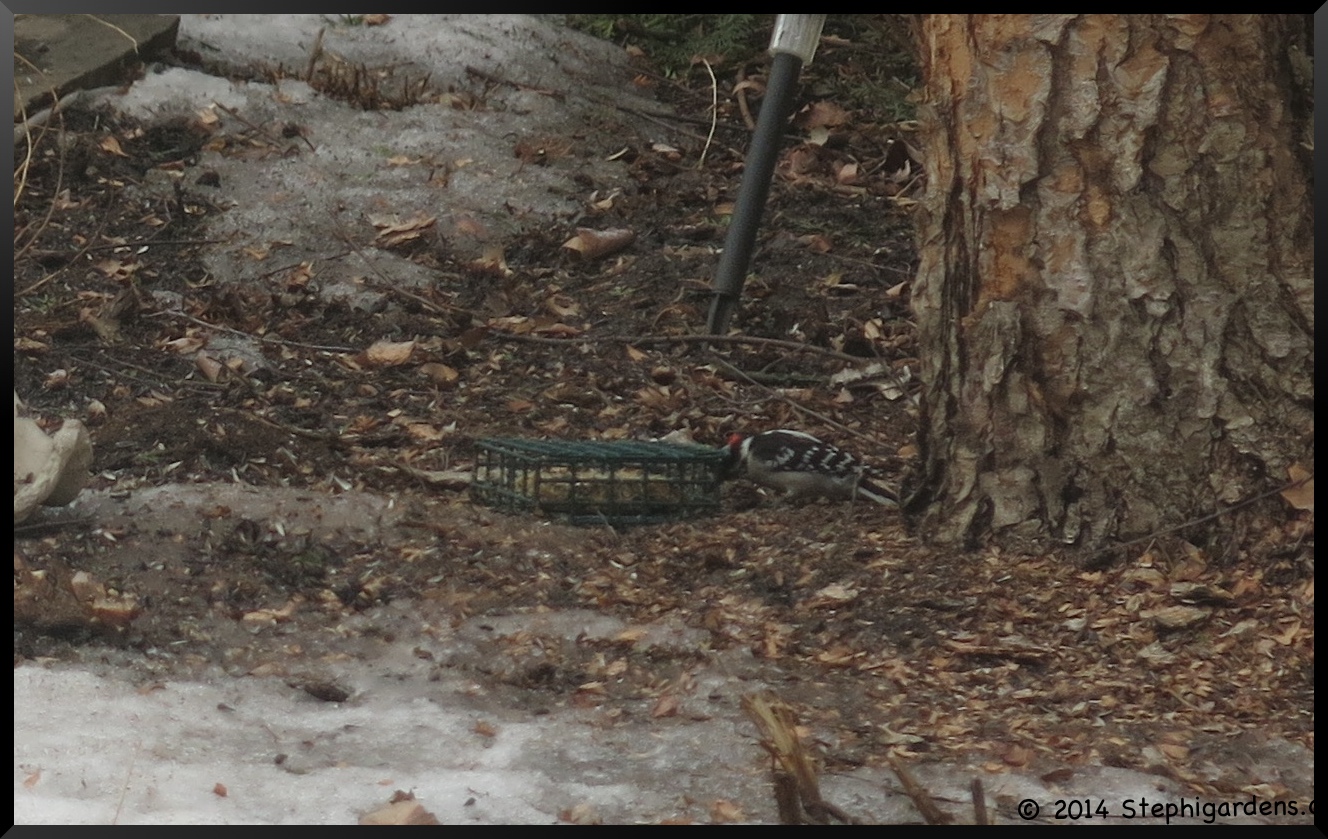
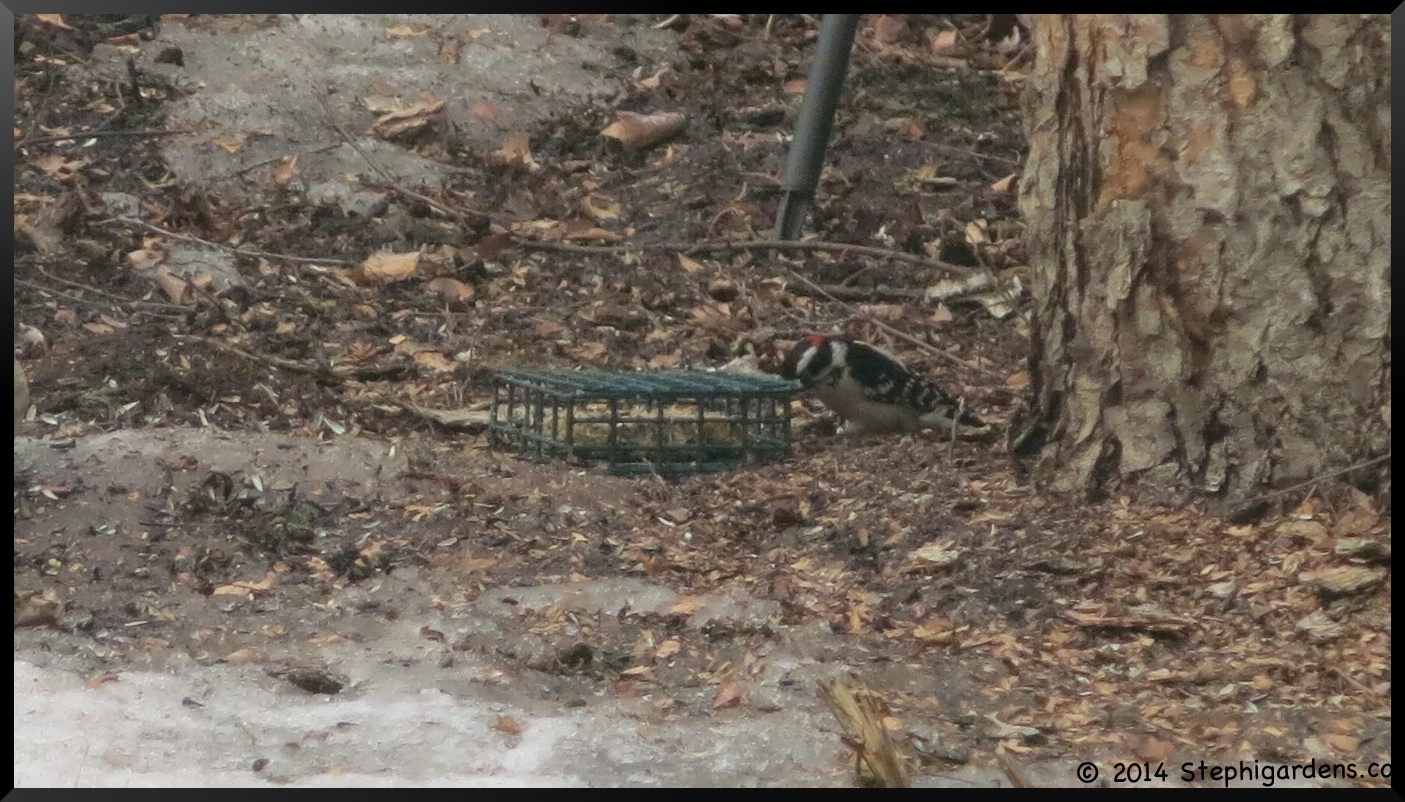
Something, well, probably that darn squirrel, knocked the feeder onto the ground. The Downy seemed to have liked the homemade suet so much it also went down to the ground to eat it.  I’ve never seen a woodpecker eat off the ground.  He must have been really hungry!

Suet


Suet


Suet

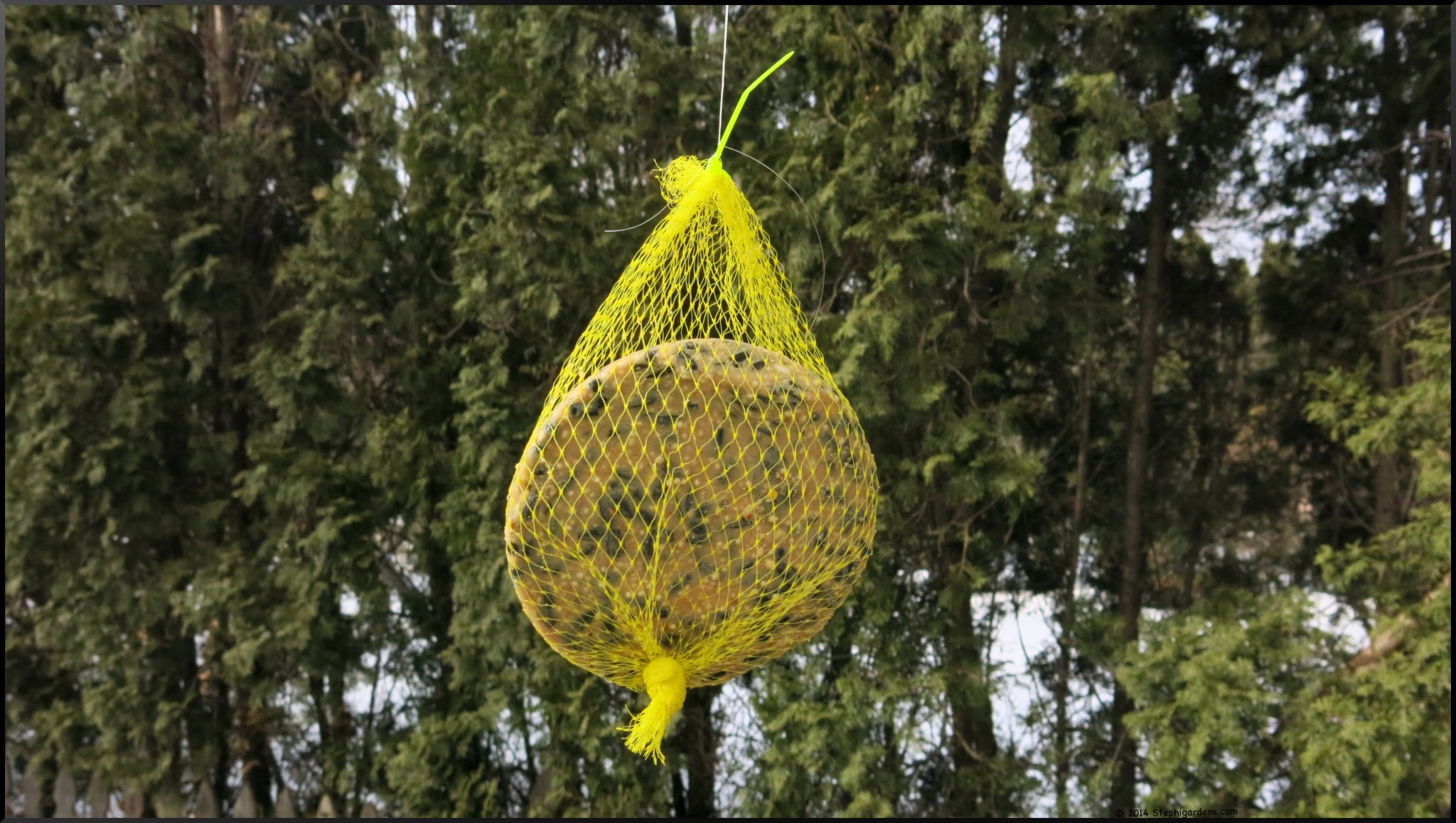
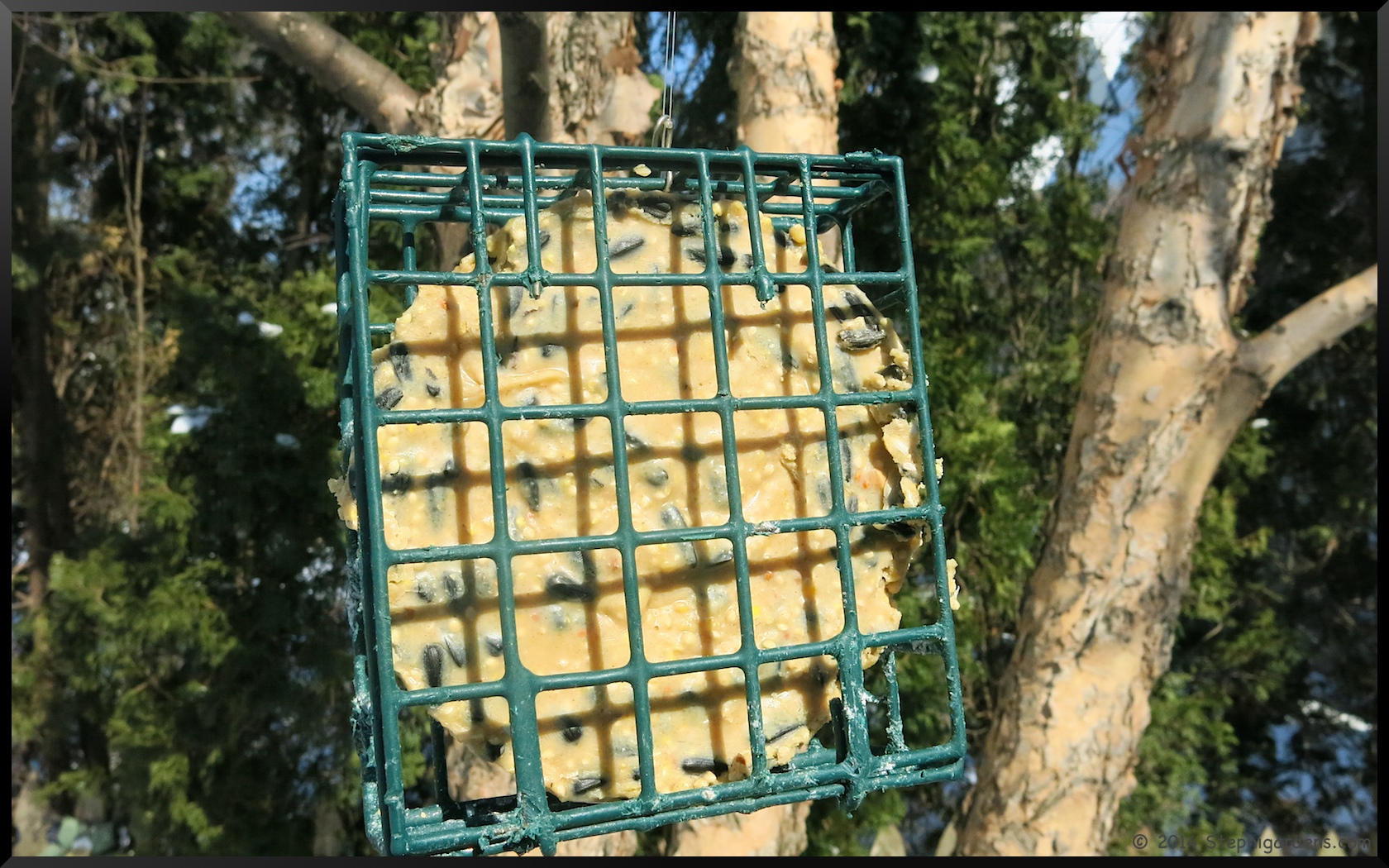
Since I am hoping that spring is coming soon, I decided to put the other suet cake I made out for the birds.   I don’t have another feeder, so used an empty onion bag.  We’ll see how that works.

Homemade Suet Cake

Homemade Suet Cakes

I was at my favorite local butcher shop (Prime-N-Tender Meats) the other day, and asked if they had any suet I could have to make homemade suet cakes for the birds.  They went in the freezer and came out with this bag containing a big bag of fatty glop.
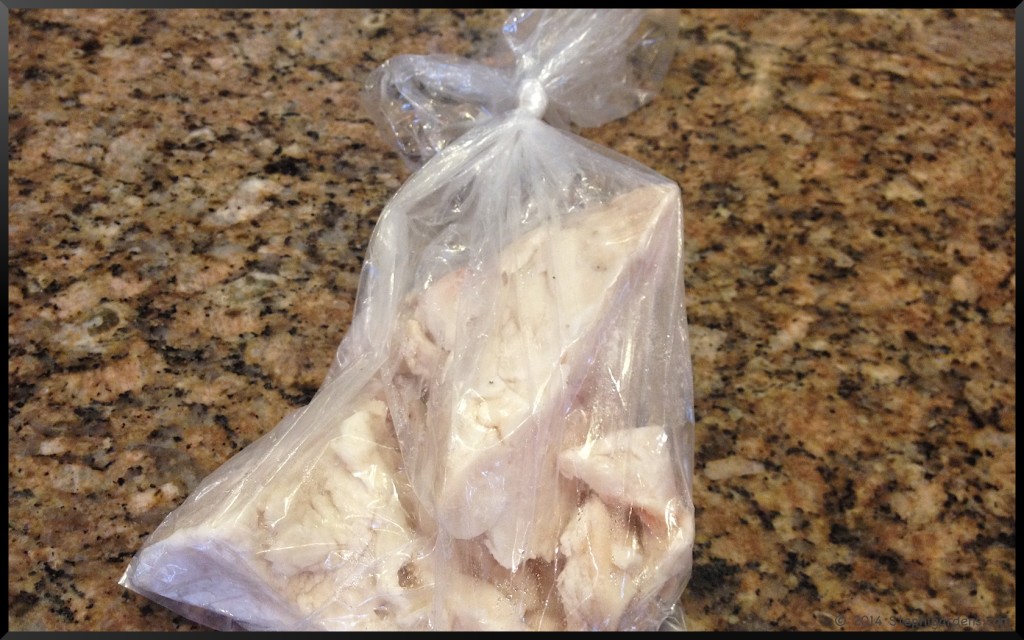
Homemade Suet Cakes

I’m not really sure what I was expecting.  This was a bit of a last minute idea that I came up with while I was there.   I thought seemed like an quick, easy project.  Oops.  I really should have thought this through a little better.  But in the end, I did get some really nice looking suet cakes for the birds.  Would I do it again?  Yes 🙂

Making Homemade Suet Cakes

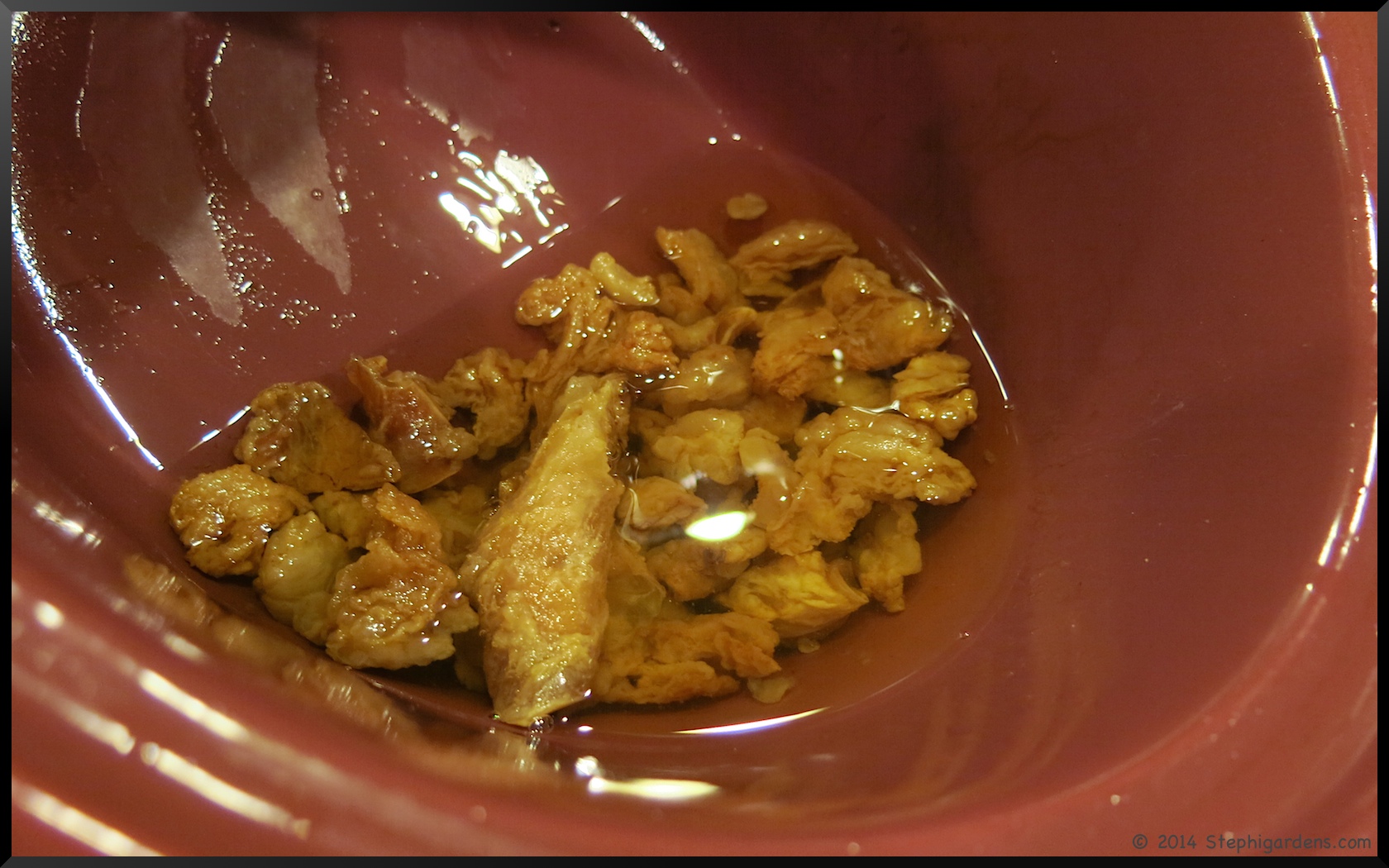
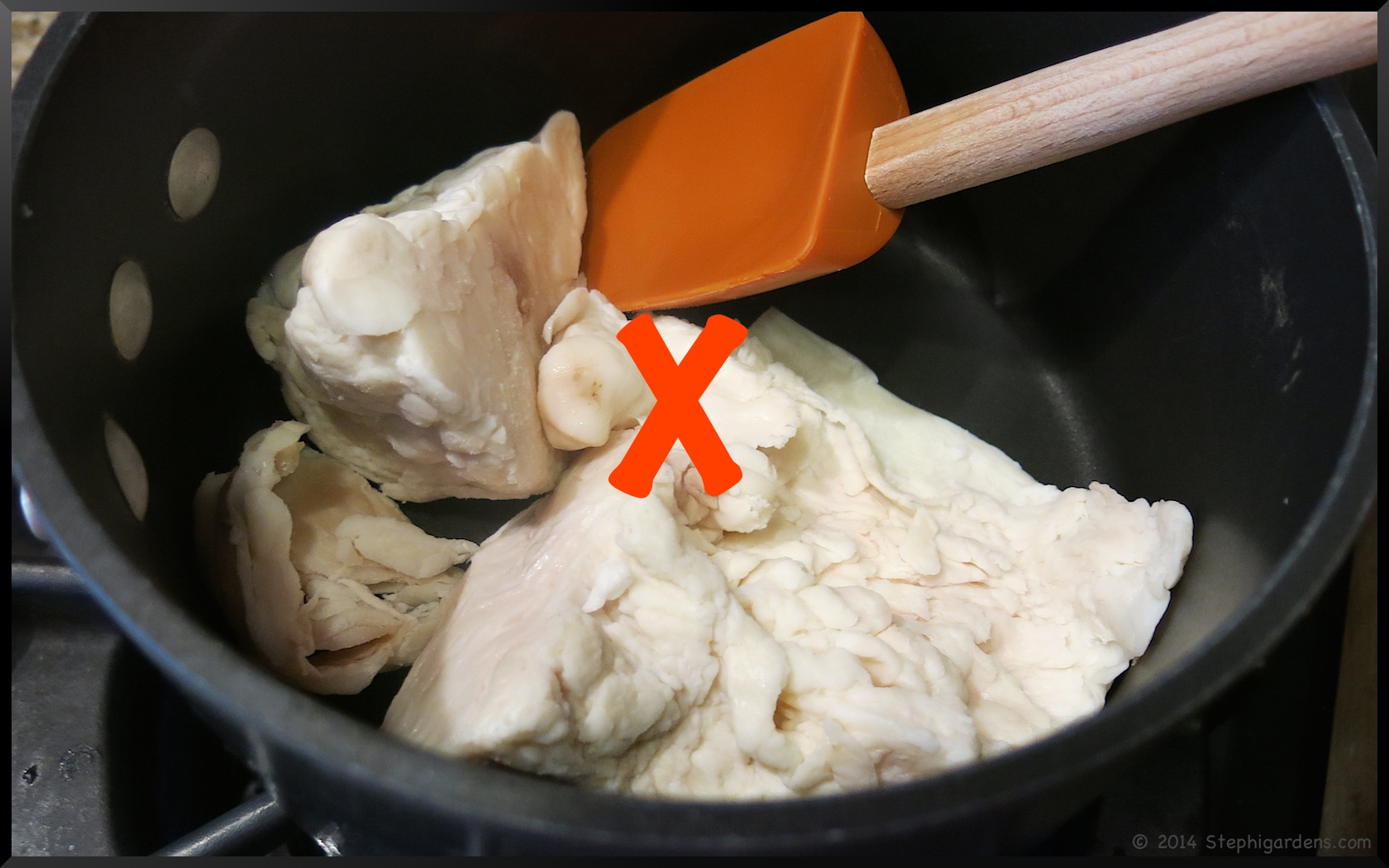
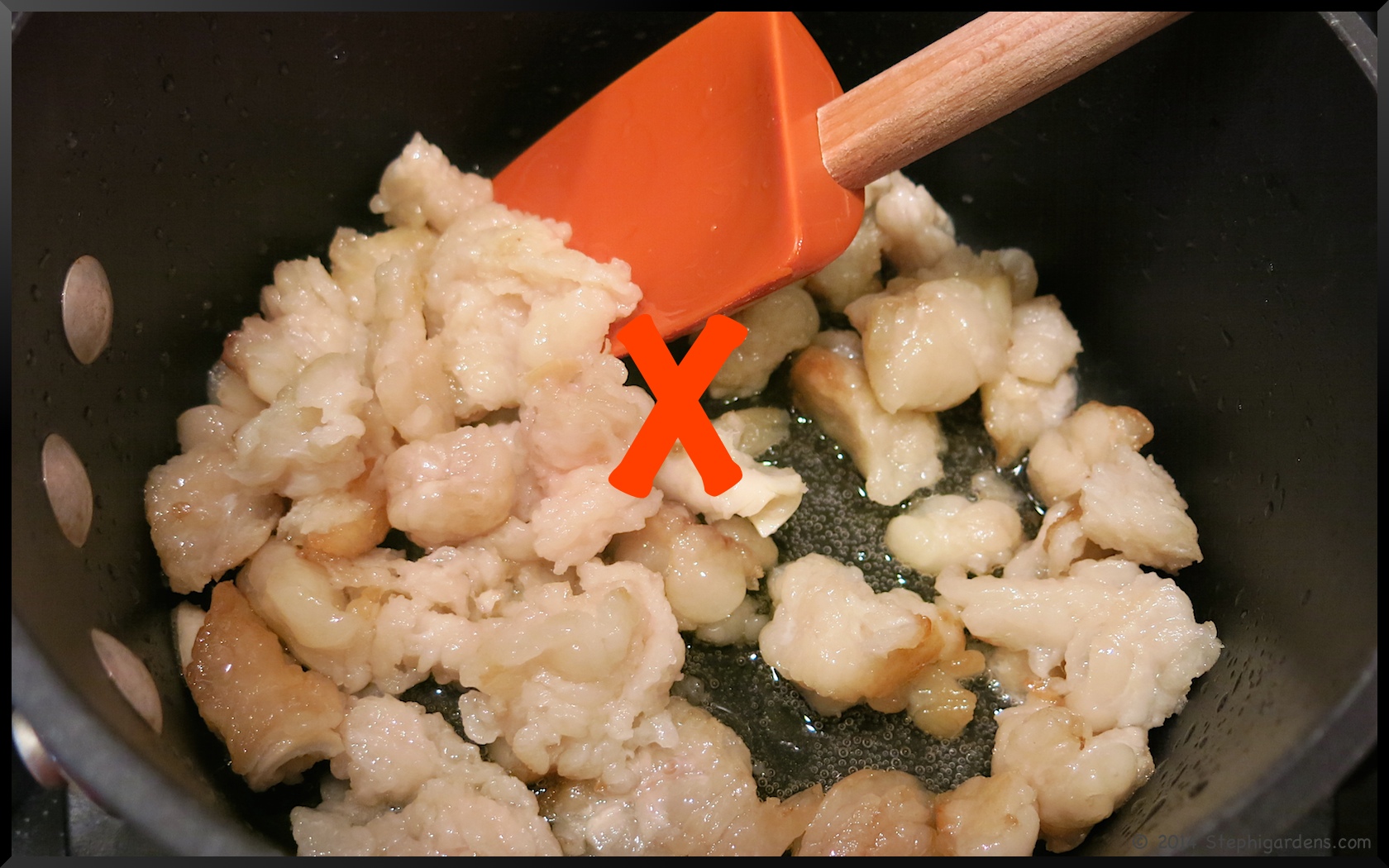
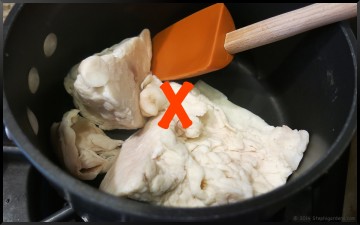
Ask your local butcher for suet.  You may need to ask around, as not all will carry it, and some may charge a nominal fee for it.  Cut it up into small, even chunks.  Put everything in, even the stuff that doesn’t look at all like anything would eat it.  The fat then needs to be rendered.  After trying a couple of different ways, (see below), I found that the best way was to use a crock pot over low heat.  I felt confident that I could safely leave it to cook all day without worries of starting a grease fire.  To get the rendering started, I added a 1/4 cup of water.
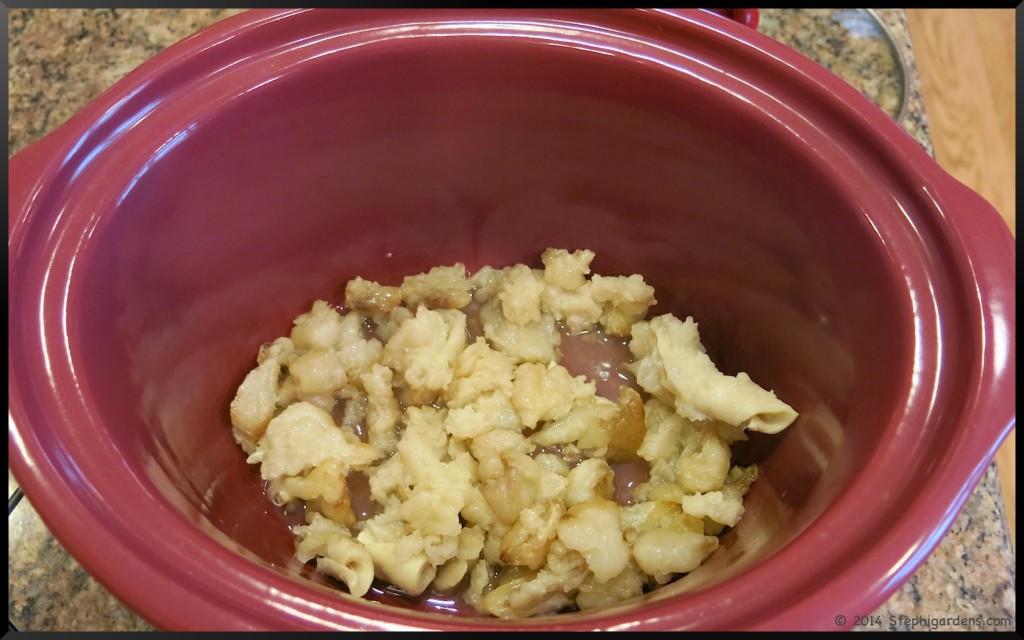
Homemade Suet Cakes

Then cover and let it cook all day until the the remaining fat is crunchy and there’s a good amount of liquid fat in the bottom.
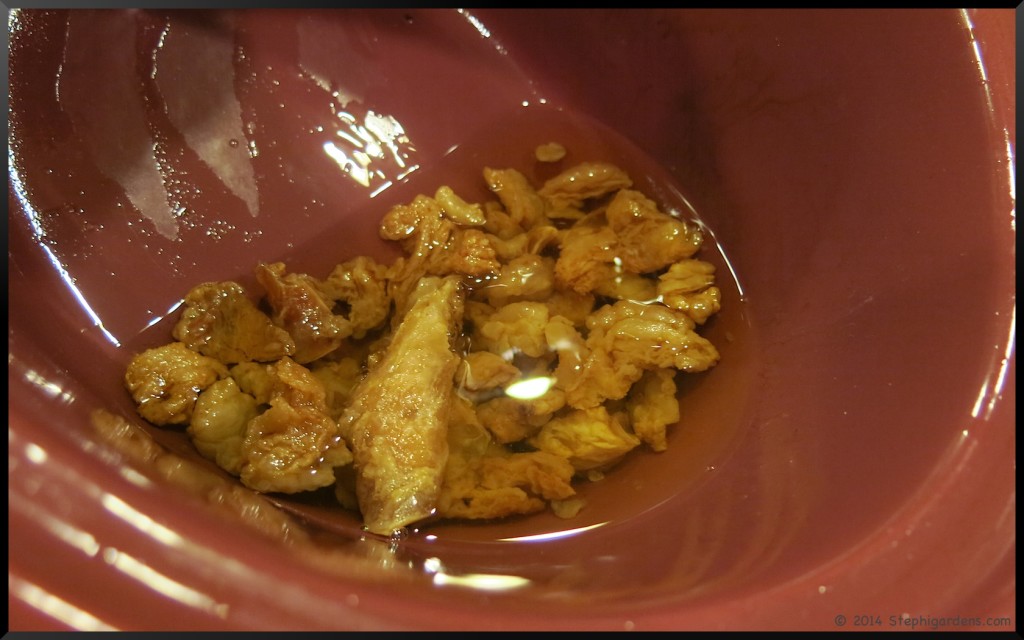
Homemade Suet Cakes

Strain out the crunchy remains and place the liquified fat (and little crumbs) in a bowl.
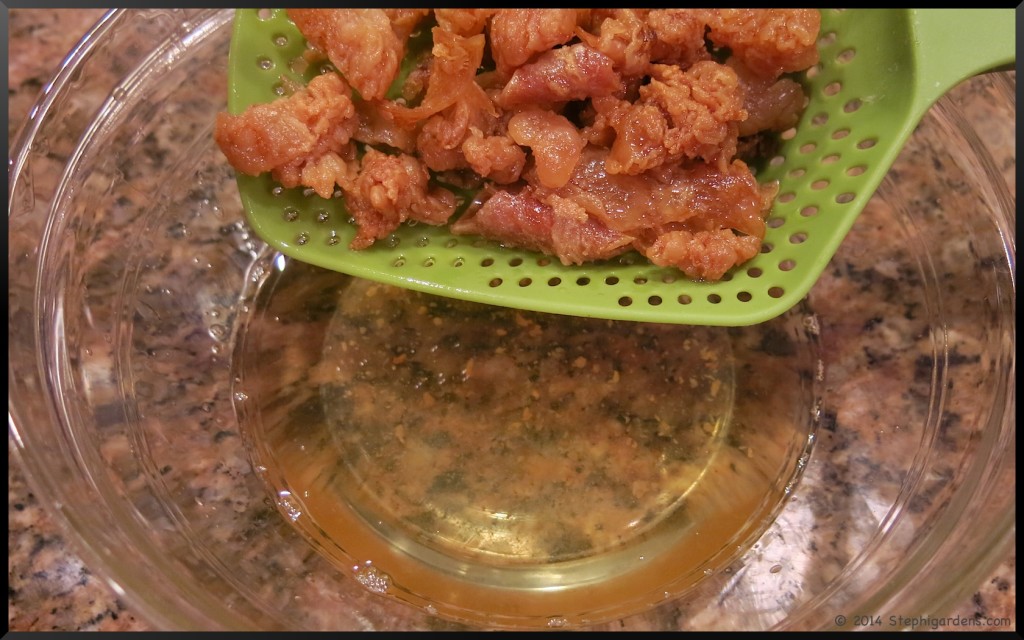
Homemade Suet Cakes

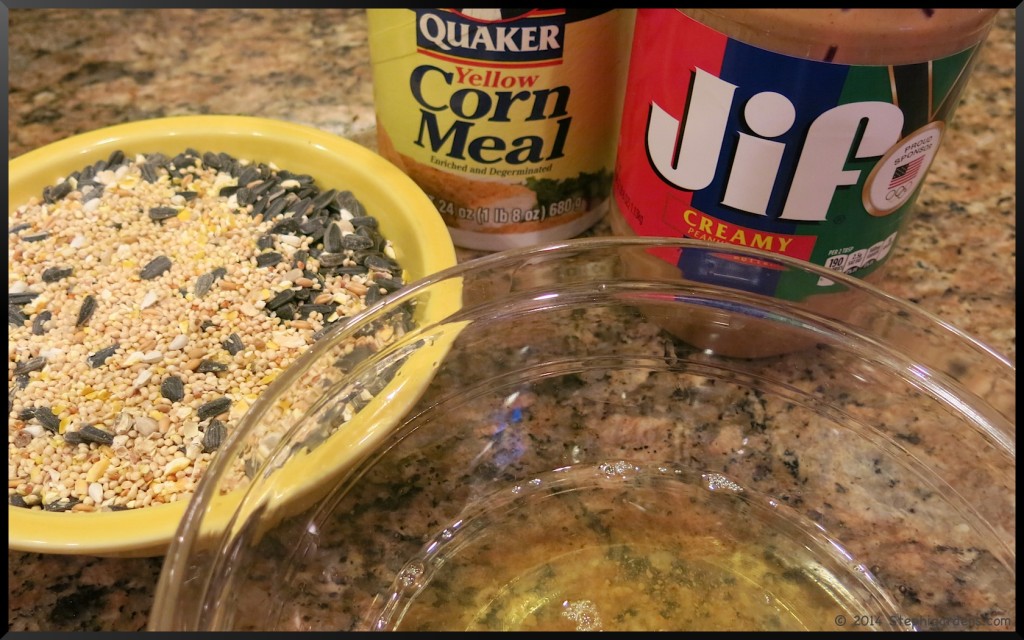
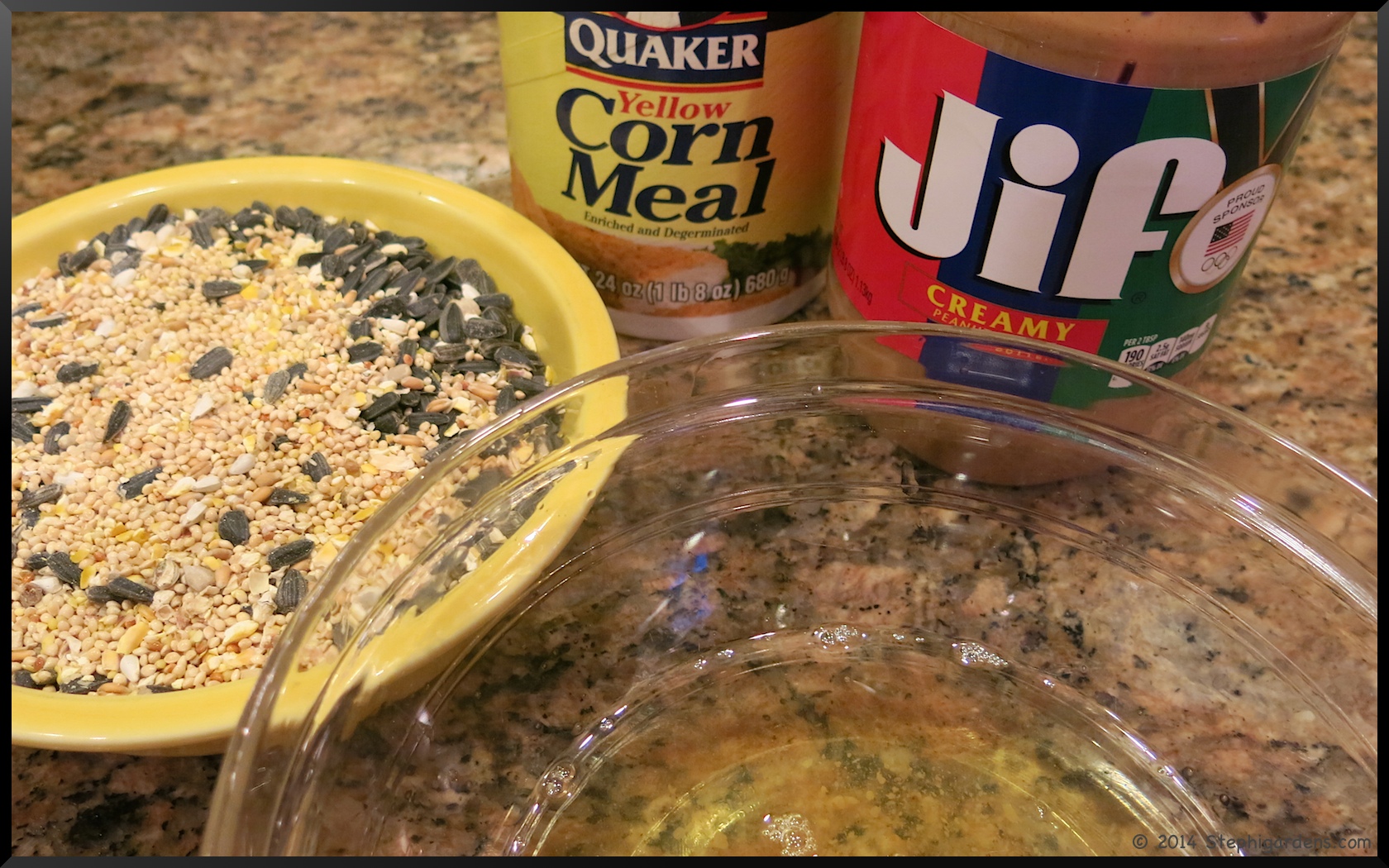
Now it’s time to pull together the ingredients to make the suet cakes.  There’s lots of things to use that the birds will love.  This time I chose:

  • cornmeal
  • peanut butter
  • bird seed
  • sunflower seeds

Homemade Suet Cakes

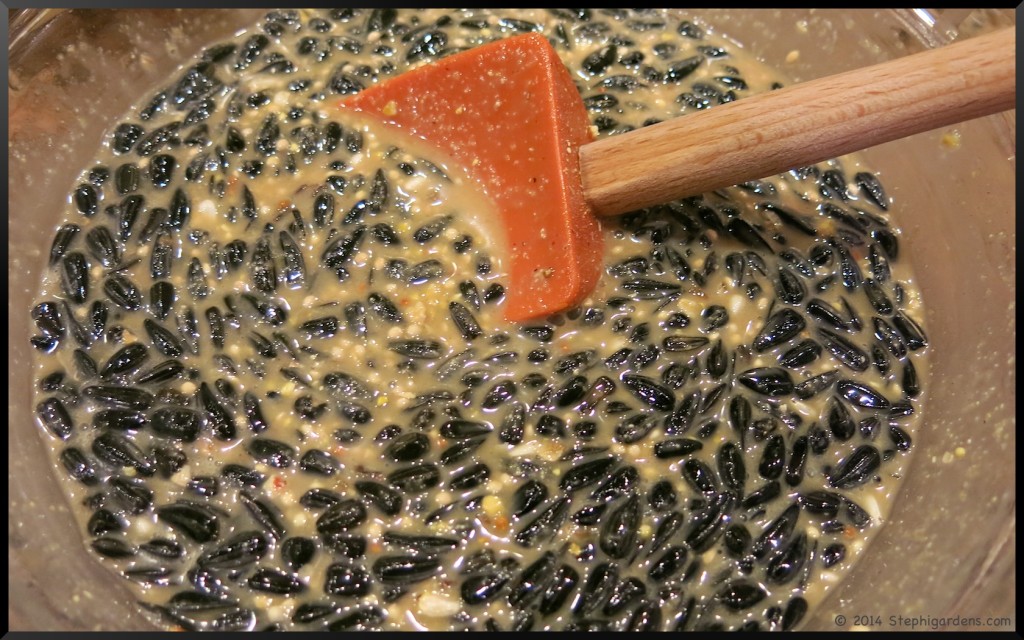
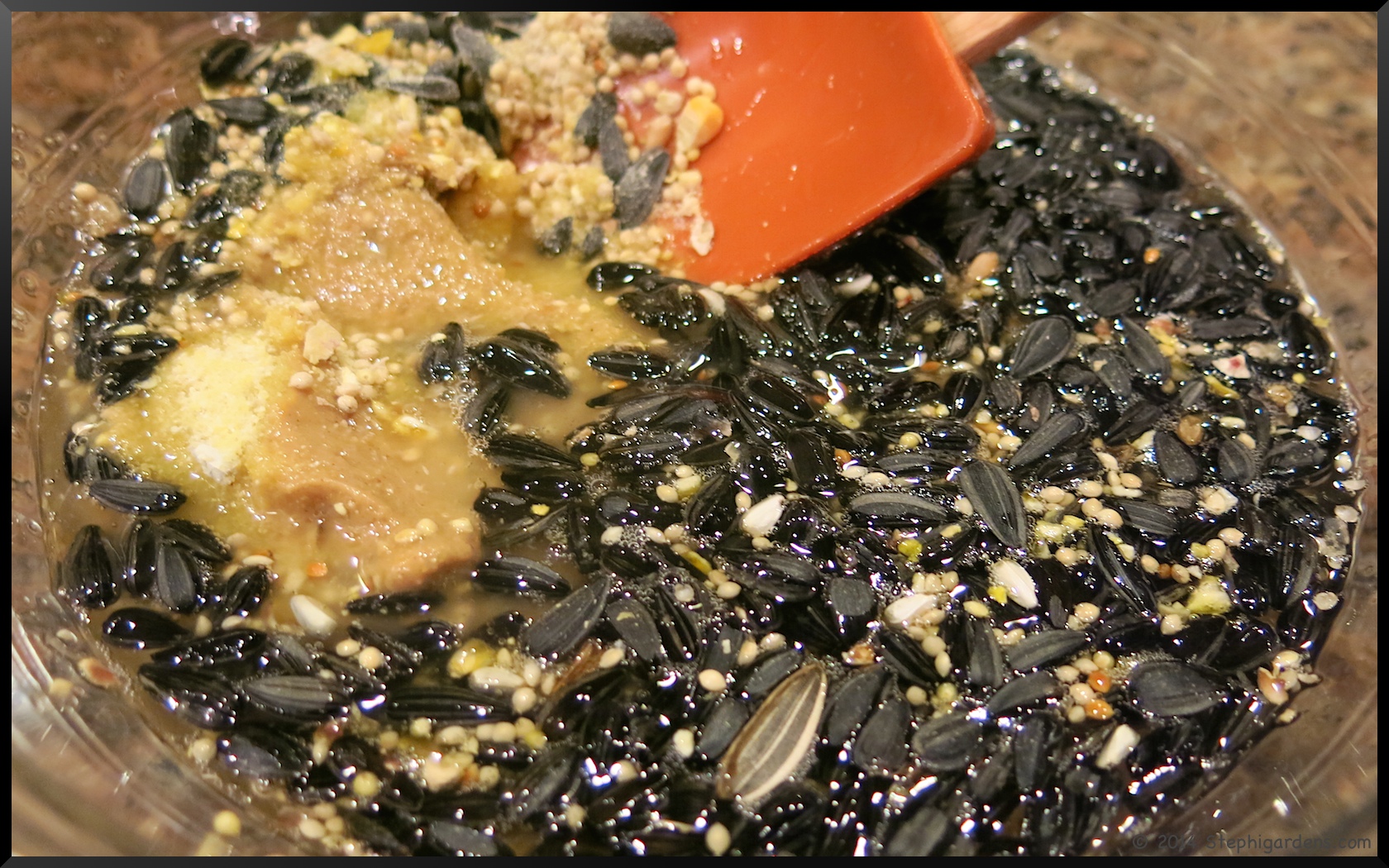
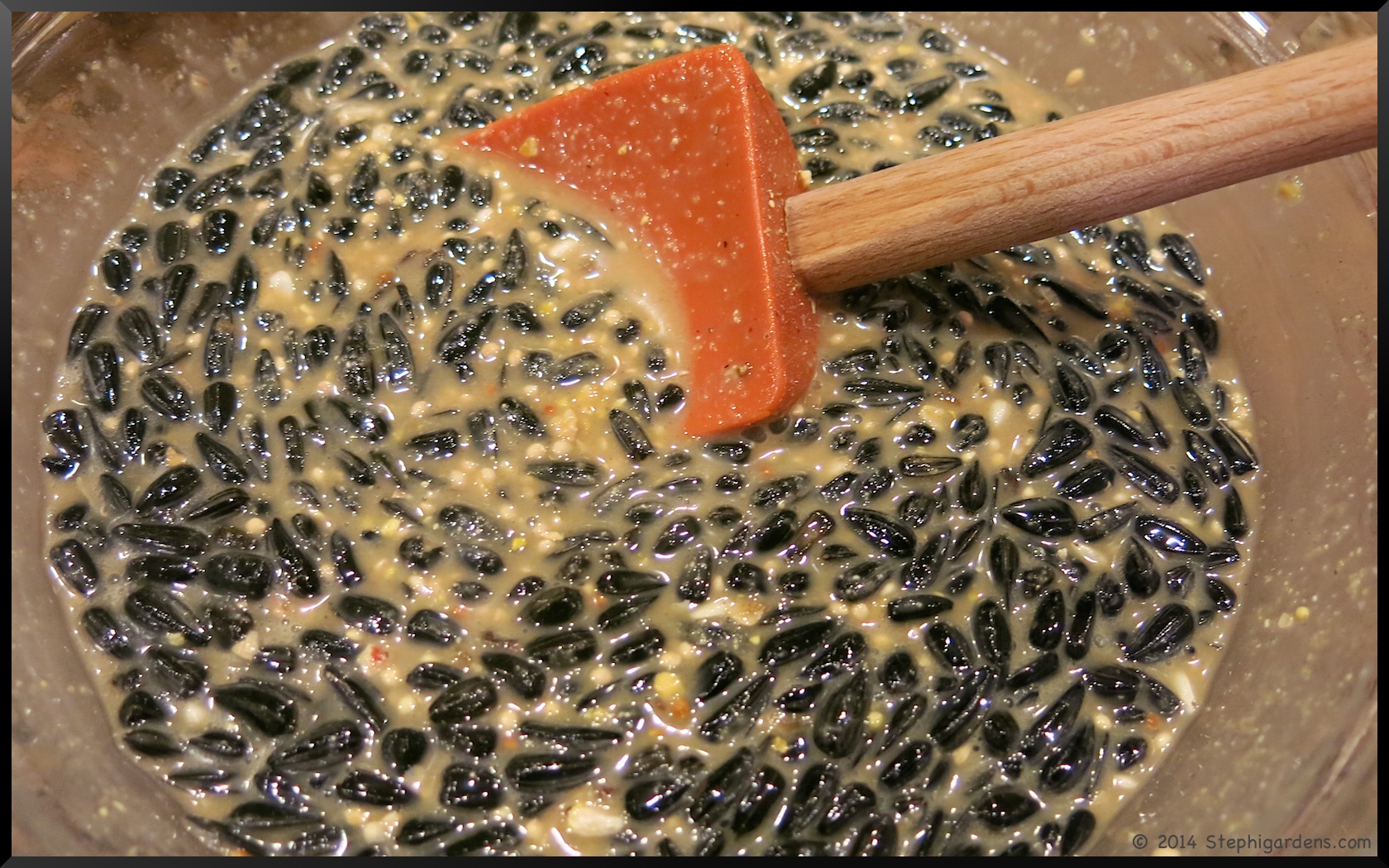
To the 1 c of liquified fat I ended up with, I added about 1/2 c cornmeal, 1/2 c peanut butter, 1 cup mixed seed and 1/2 c sunflower seeds.  It should be fairly thick.
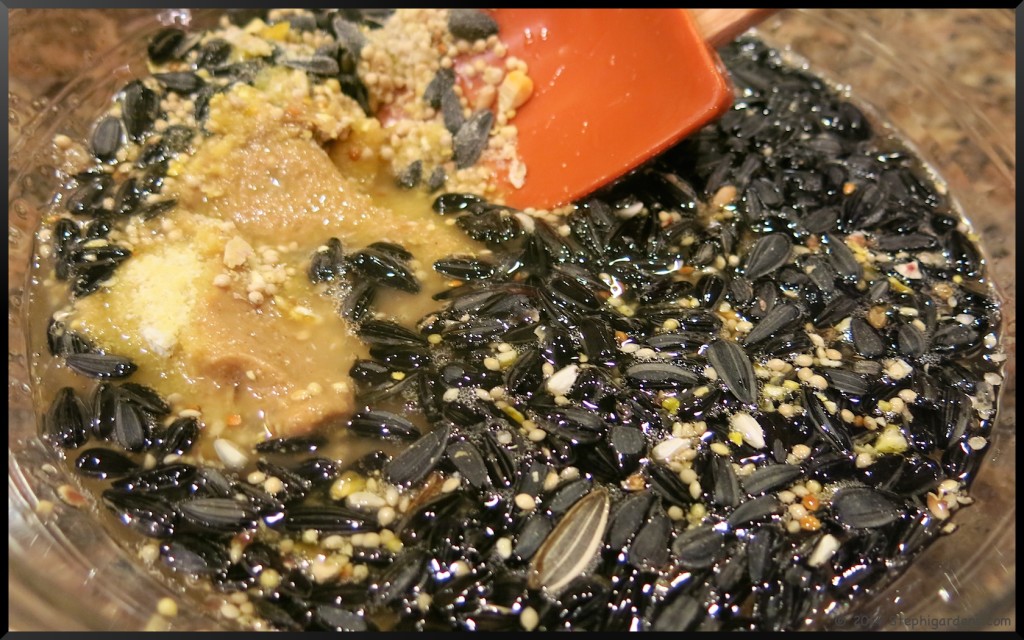
Homemade Suet Cakes


Homemade Suet Cakes

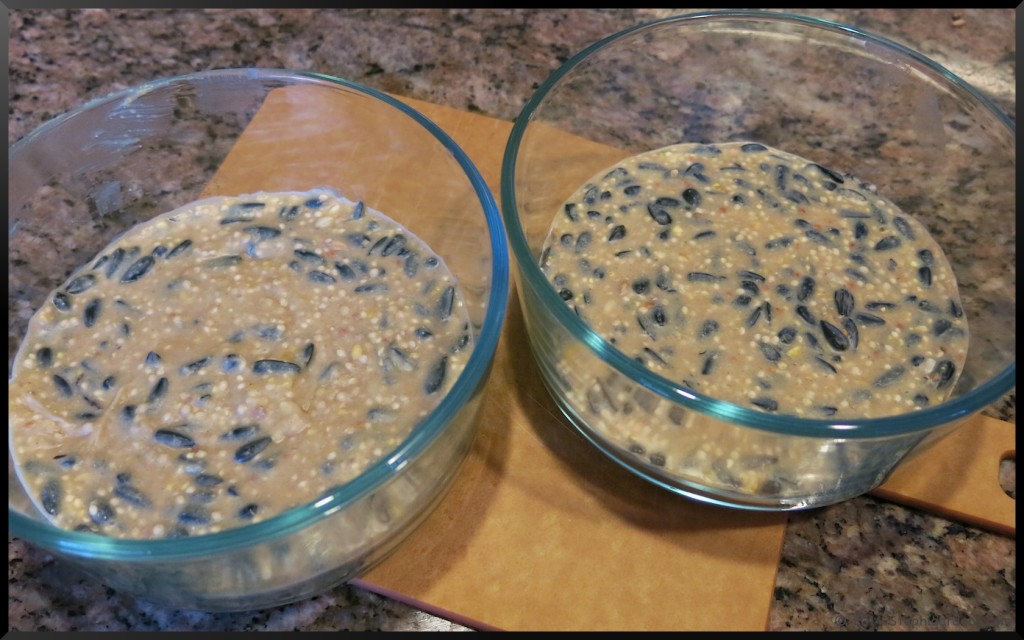
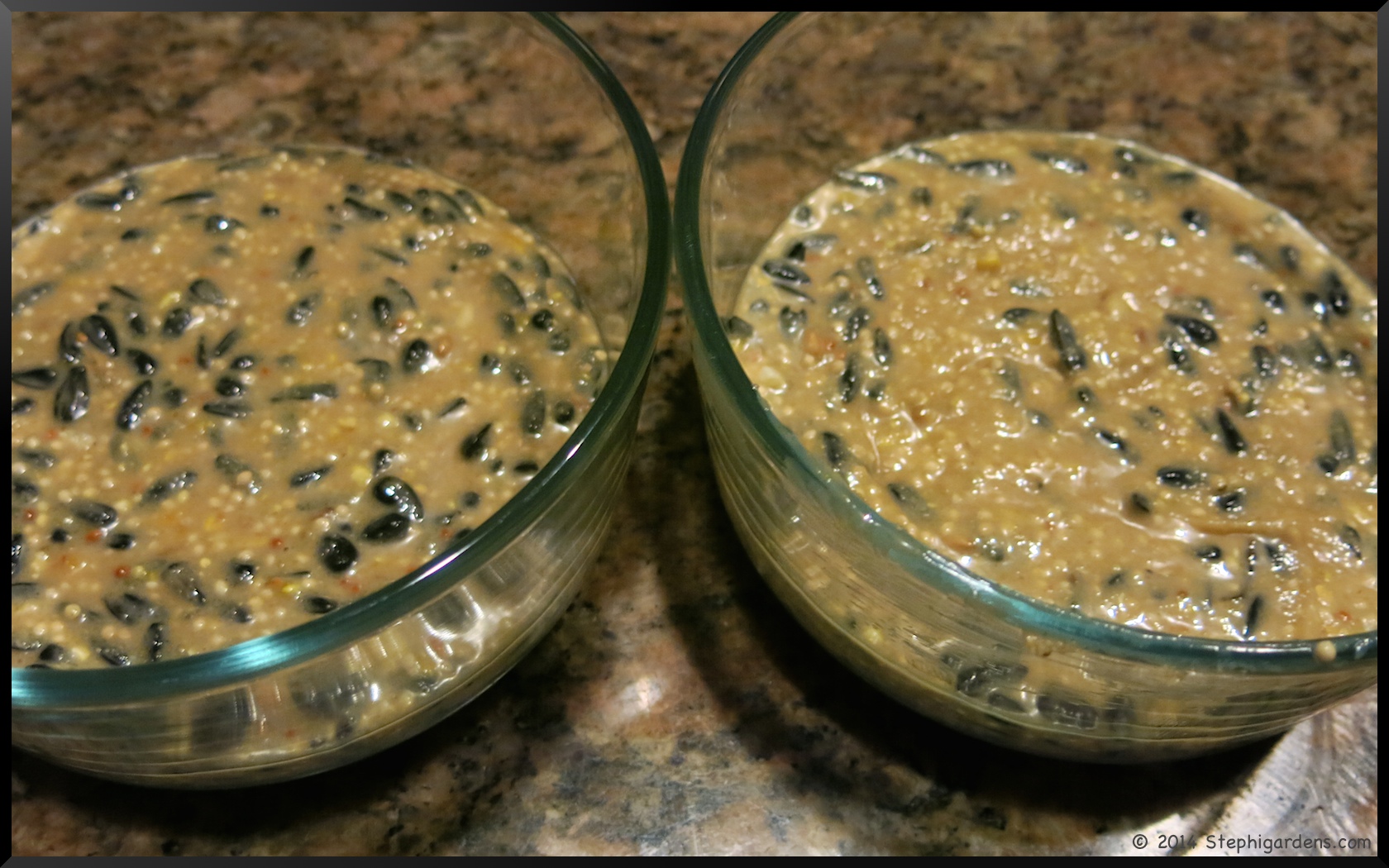
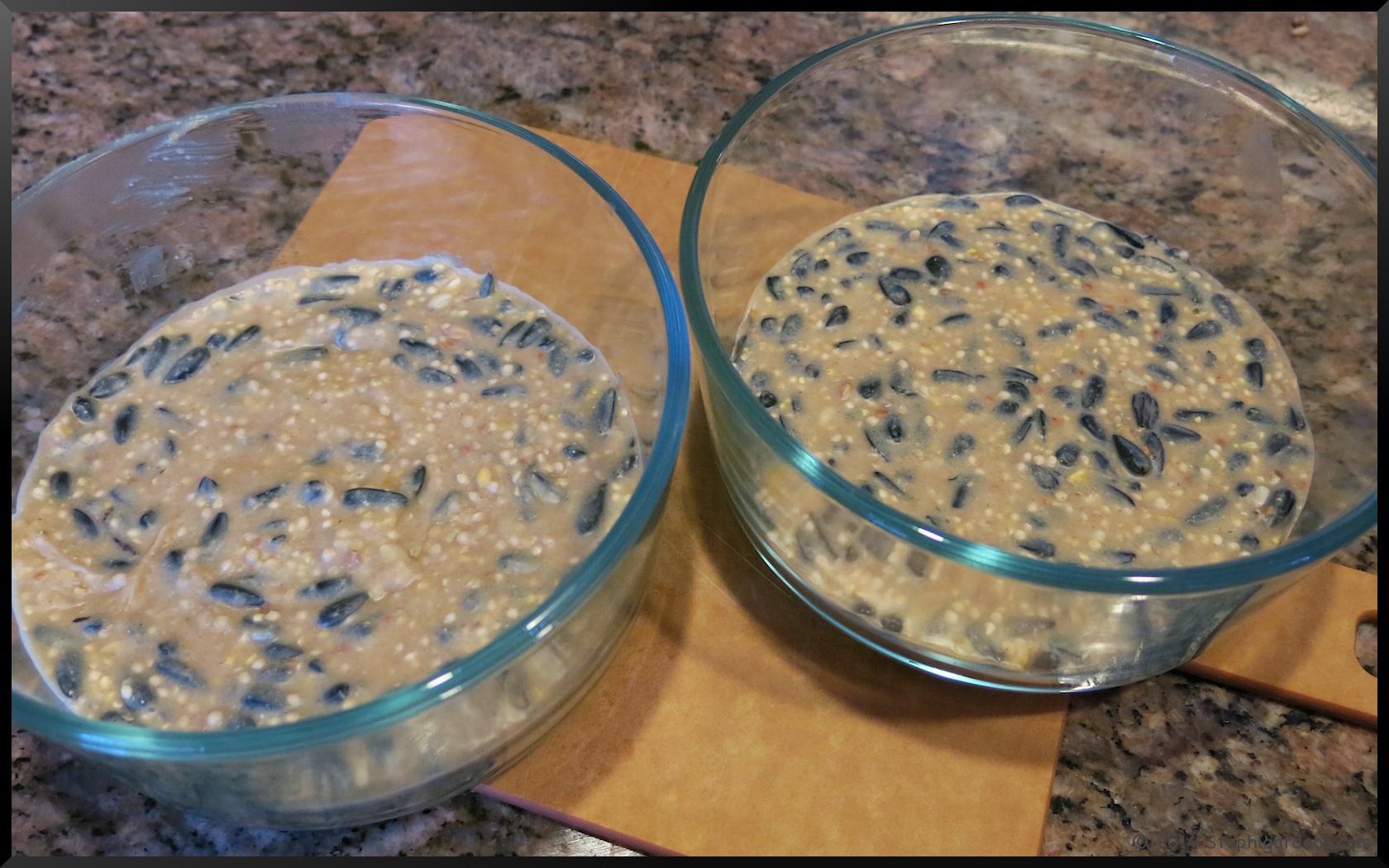
I then used 2 glass storage containers to make the cakes in.  I don’t have a lot of plastic containers around anymore, but you can use whatever you have in the cupboard–plastic storage containers, plastic tubs, paper cups, whatever you might have around that is the right size.
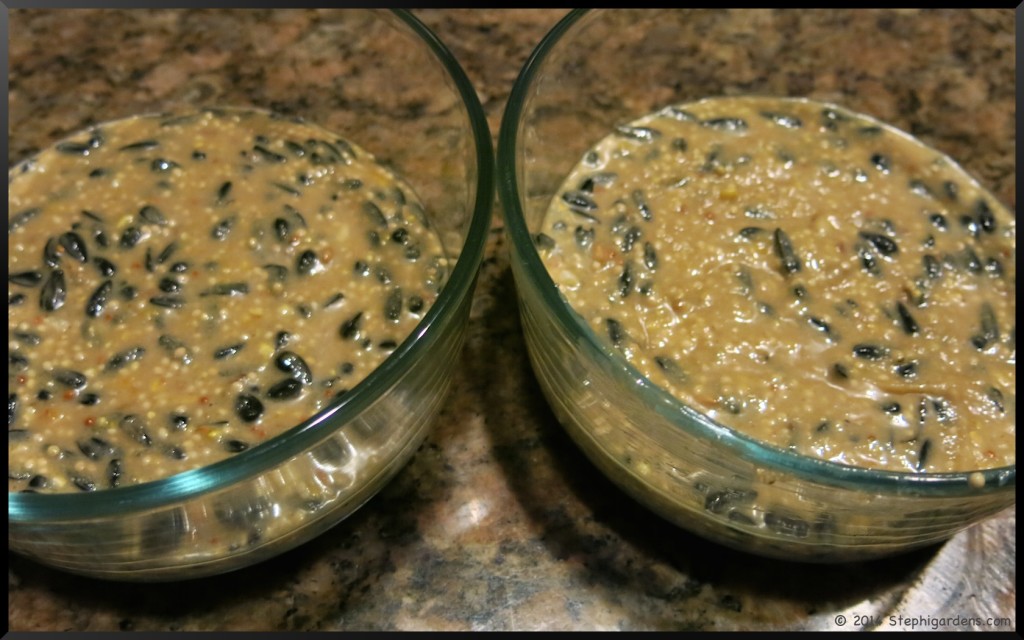
Homemade Suet Cakes

Place in the refrigerator to harden.

Homemade Suet Cakes

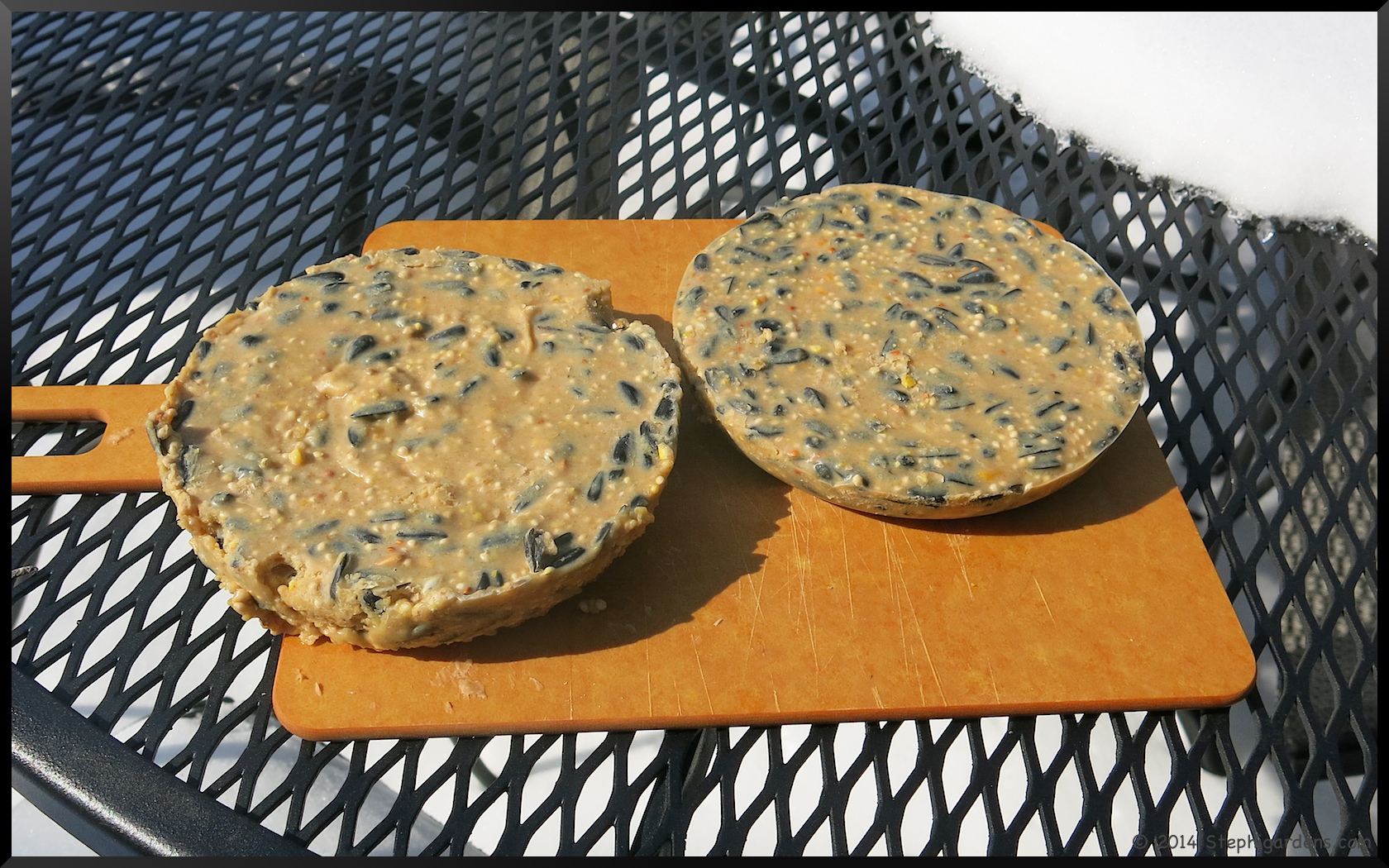
Remove from container and use immediately or store in freezer bags in the freezer.  I got them to release from the glass bowls by putting them in warm water for about 30 sec.  They may also needs a little coaxing with a knife.
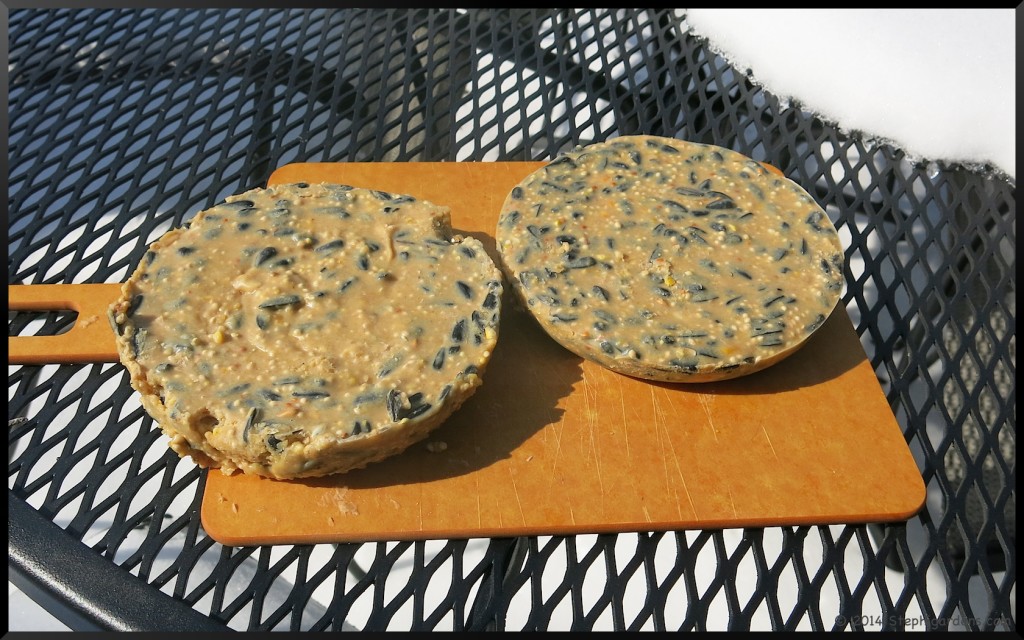
Homemade Suet Cakes

Yum!  Now I have 2 very tasty smelling suet cakes ready to be put out for the birds.  Whatever you don’t use you can freeze for later use.
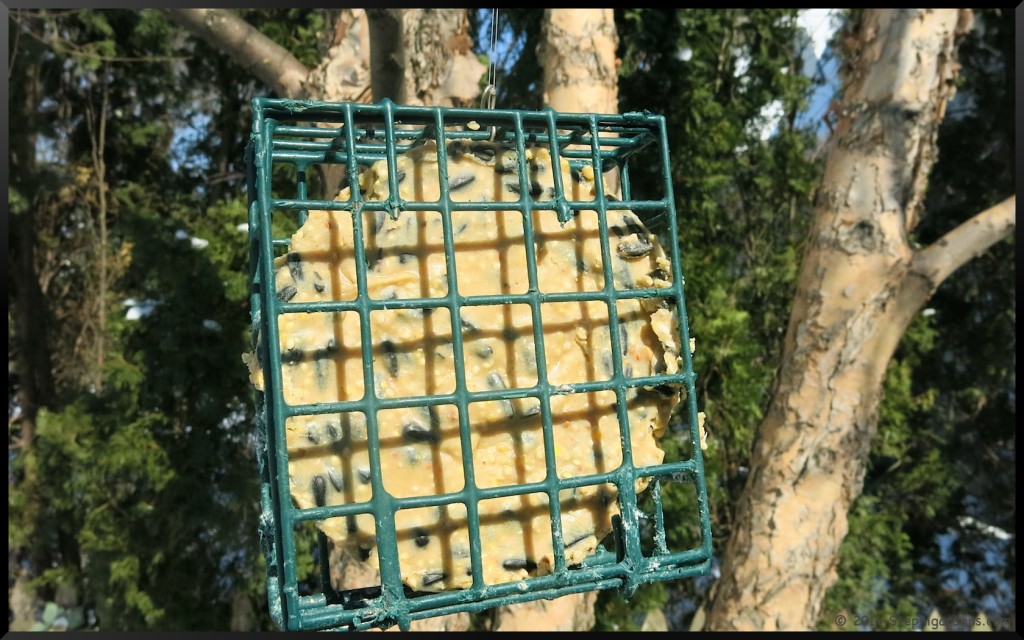
Homemade Suet Cakes

Notes:

**Everything I’ve read says it’s not a good idea to have suet out in the warmer weather.  It can melt, go rancid, start to smell bad or can simply damage birds wings or your patio.  All good reasons to store the leftover suet in the freezer until next fall.

**When I first started to try and melt the suet, I tried the big chunks in a saucepan, and then cut up in the saucepan.  Both terrible ideas from a fire safety standpoint.  If you do want to use a saucepan, a double boiler would be a much better idea.
Homemade Suet CakesHomemade Suet Cakes

**My mom, Peggy, simplifies things even further by just putting the fat from the butcher in a net or cage and let the birds go at it.  They love that, too.


Angel Wings in the Snow

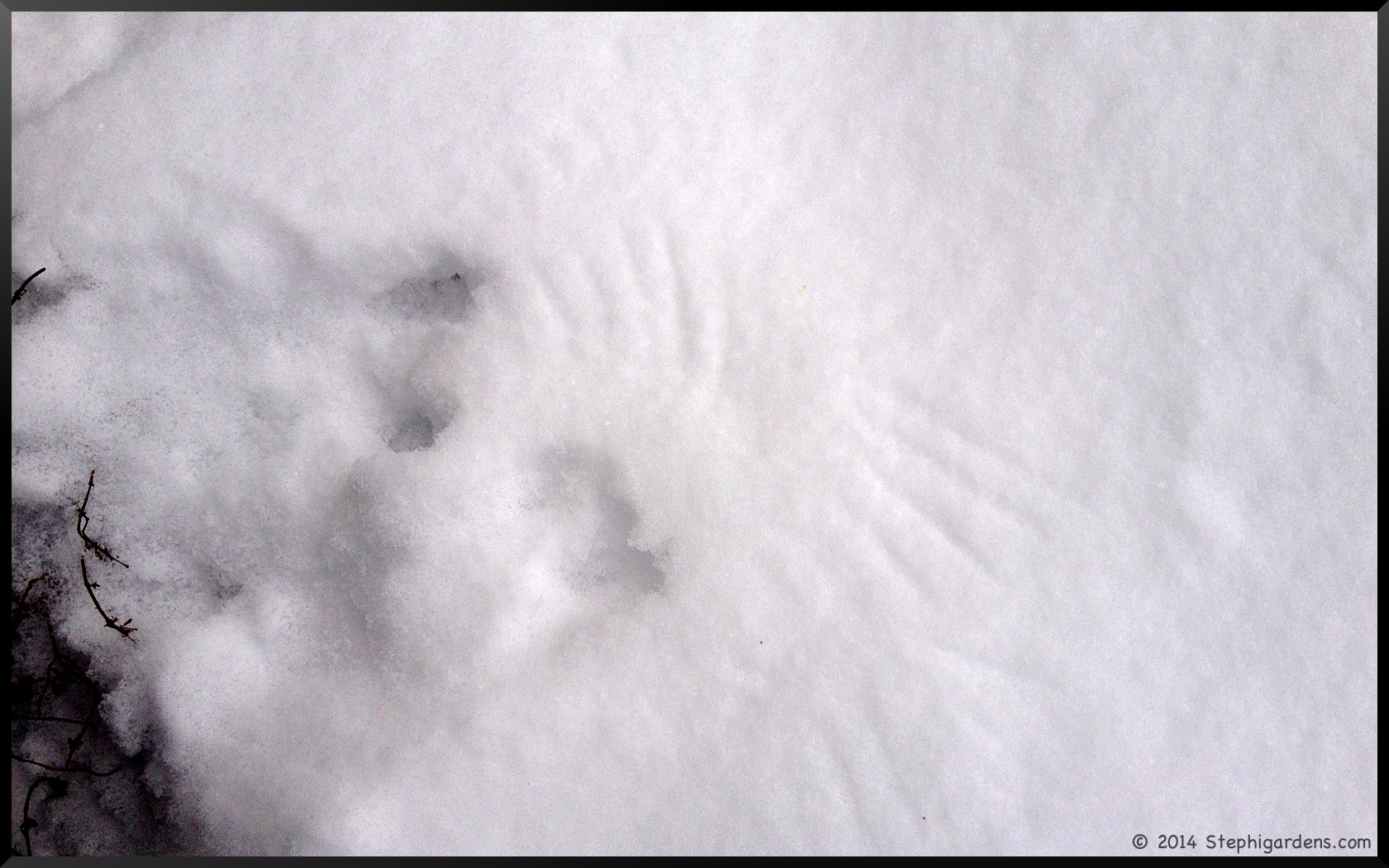
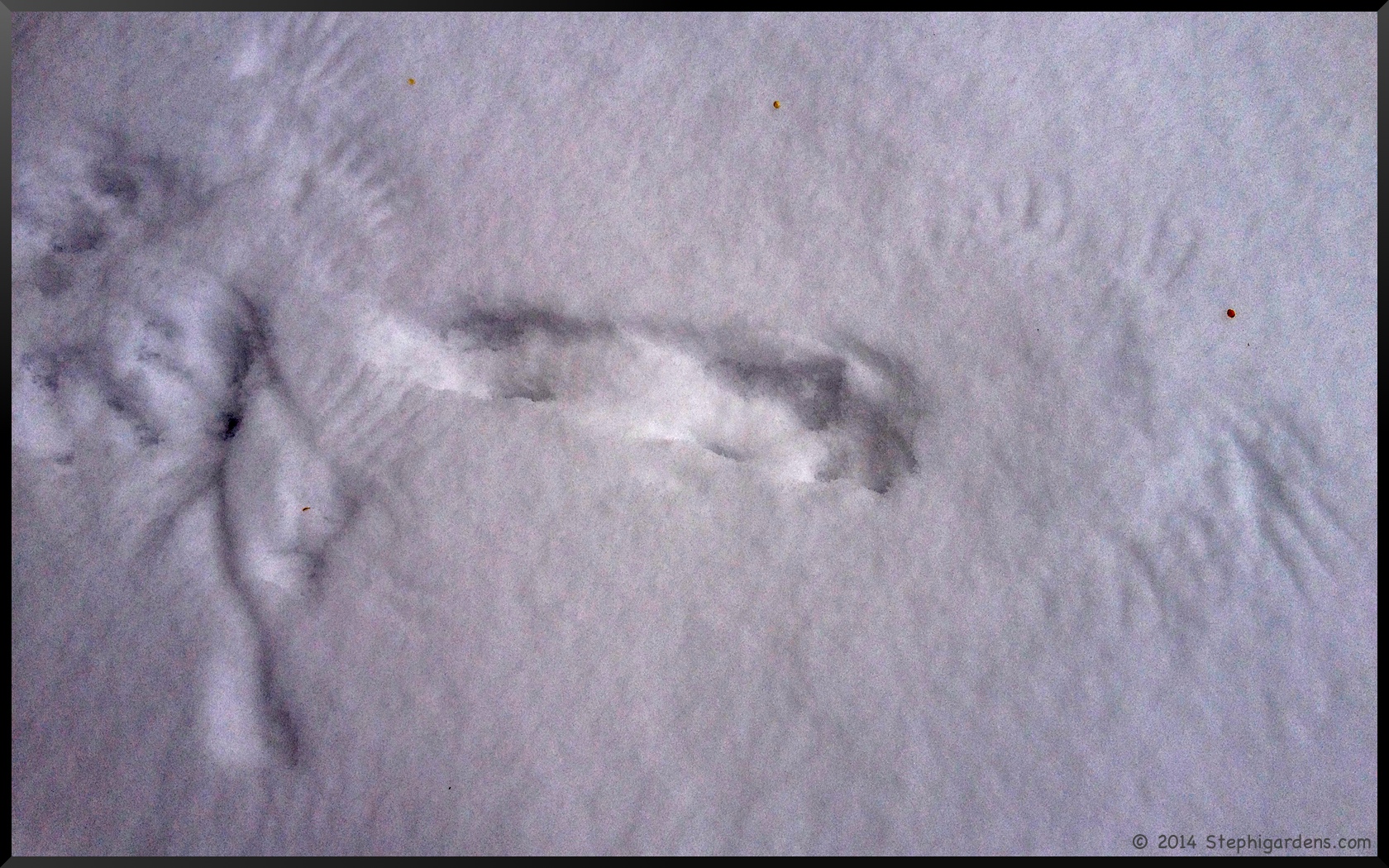
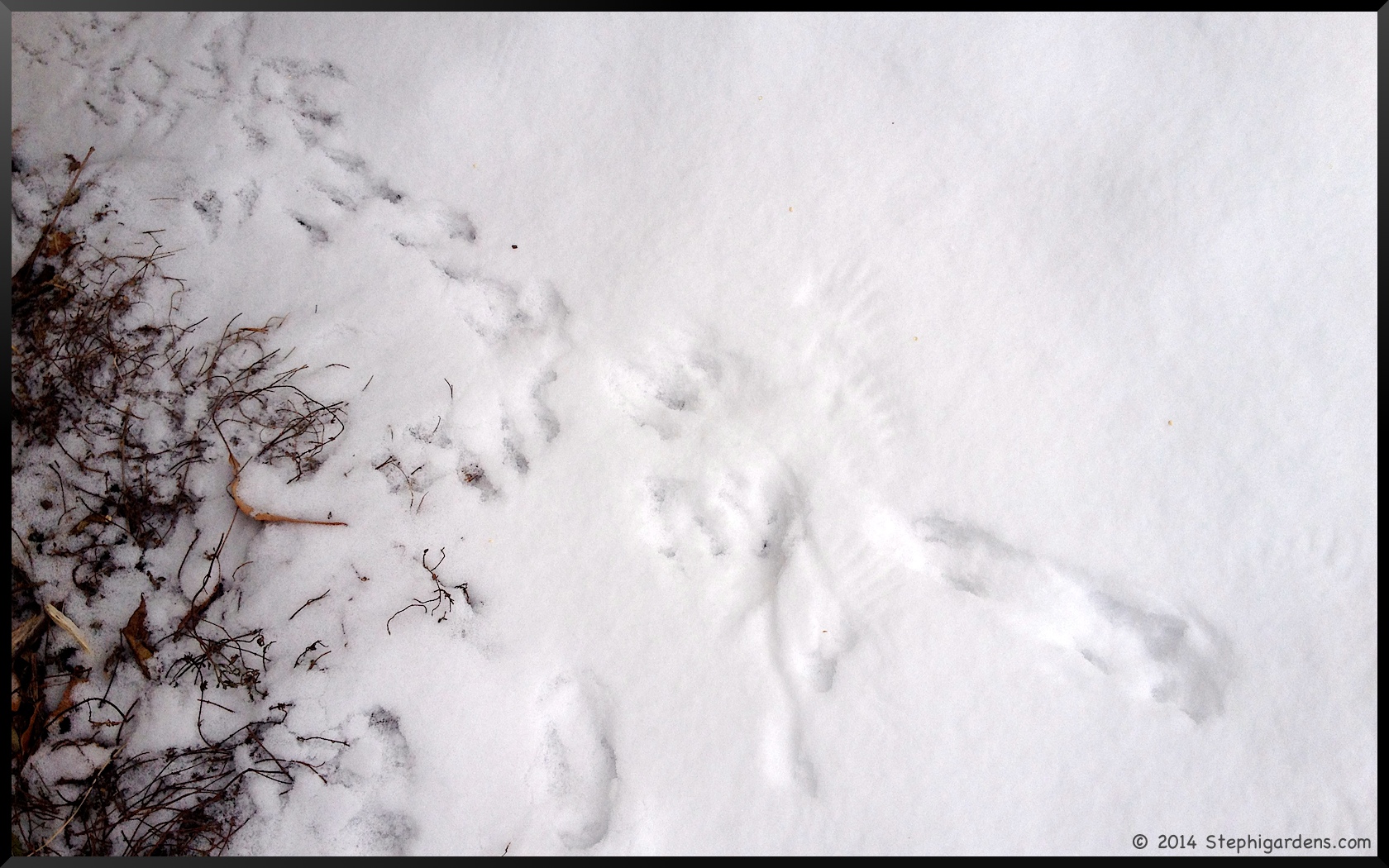
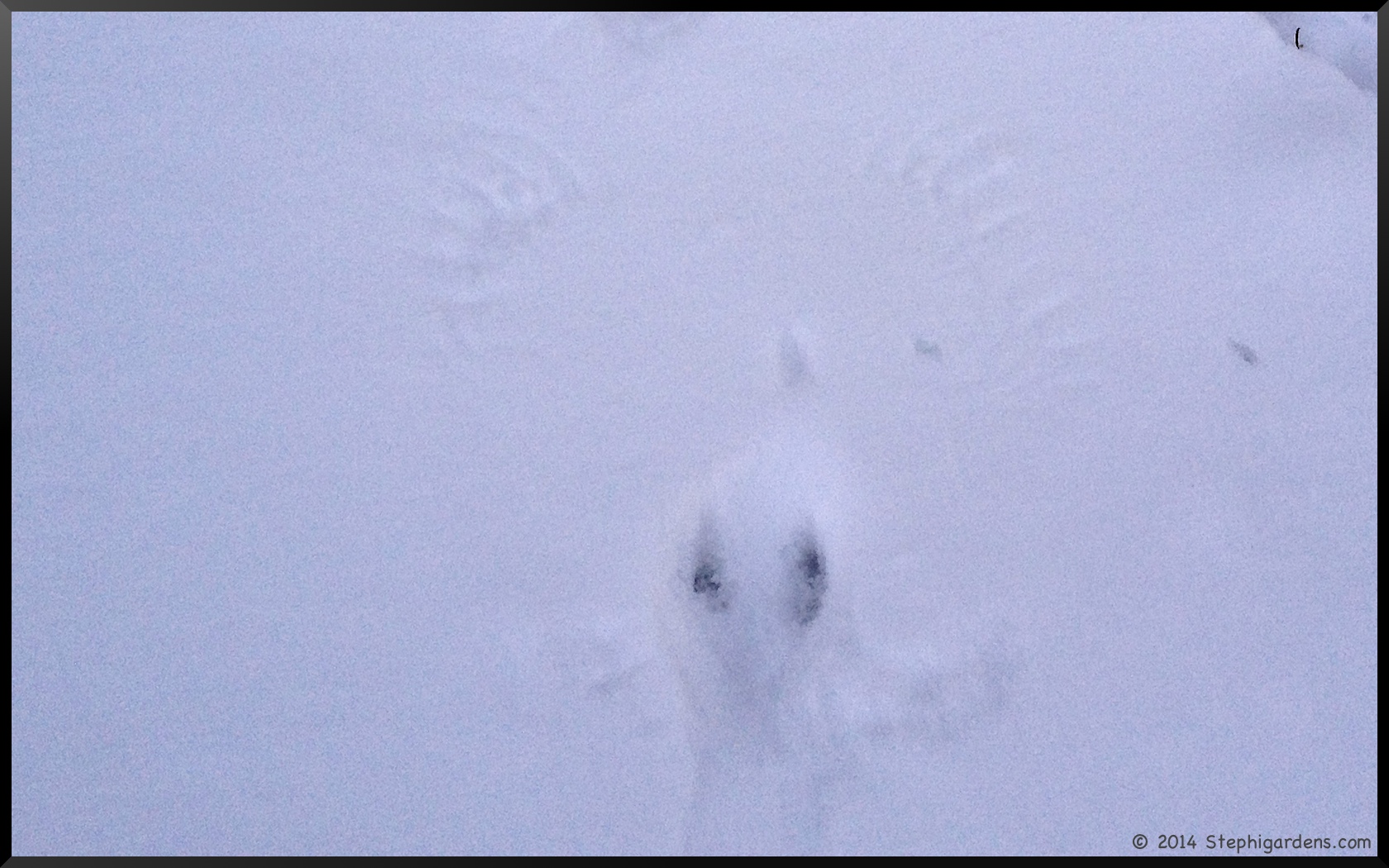
Of all the tracks in the snow this winter, I have been the most fascinated by the ones that look like angel wings.  Every so often in the newly fallen snow, I’ve found soft little wing-like brush marks.  Are they from birds dancing?  Showing off for a potential mate?  Or just stretching in the sun?  Whatever the reason, they leave the softest little flutter marks to be enjoyed by us.  I’m not positive, but I think these have been left by the Cardinals.

IMG_5288 (1)


IMG_5286


bird wings in snow


bird wings in snow


bird wings in snow

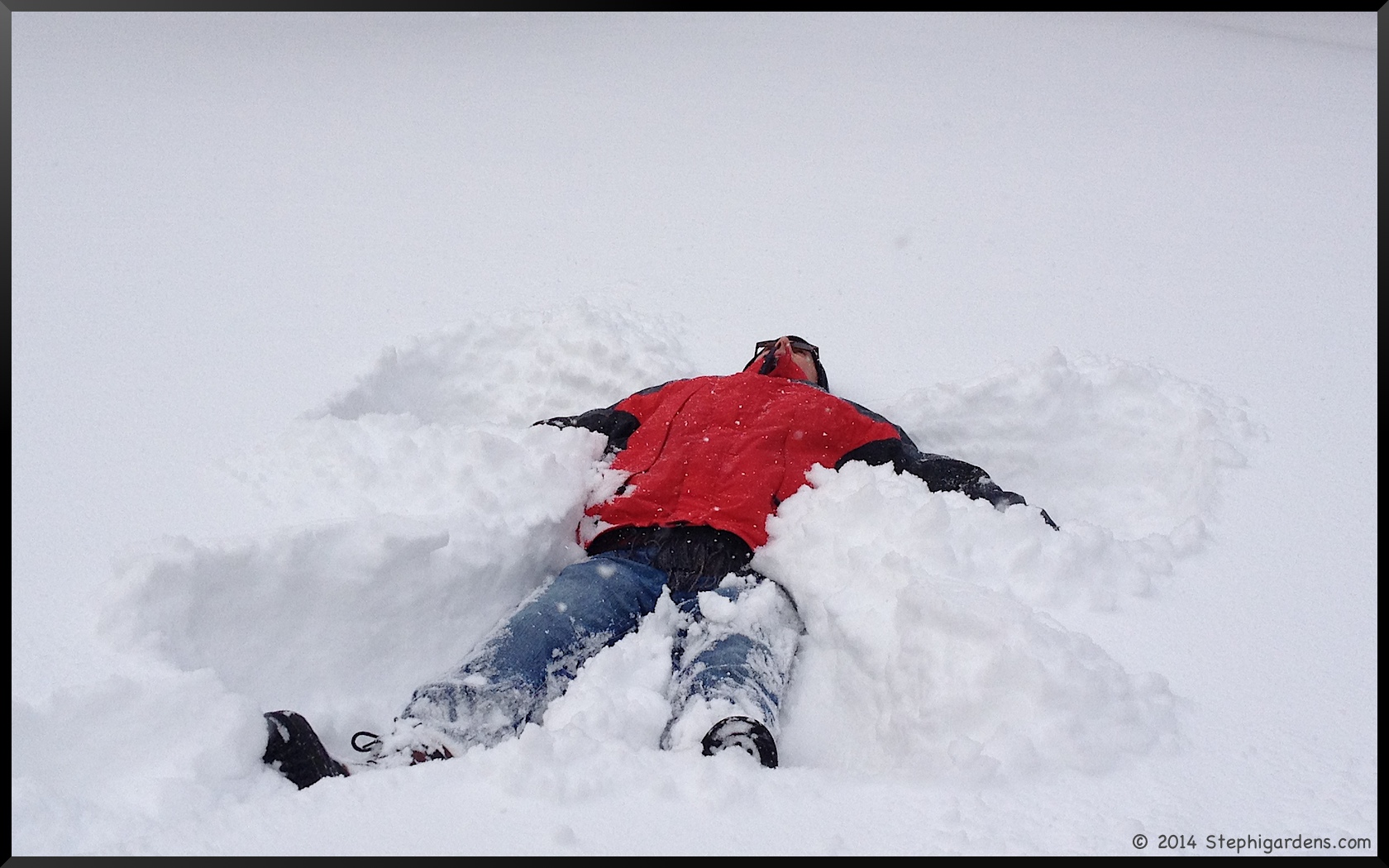
Or maybe they were just making snow angels that no one, including my husband Steve, can resist making in fresh, fluffy snow.

IMG_5081

Trips Down Memory Lane

One of the things I’ve really enjoyed while blogging is having my memory jogged by reading other blogs.  For example, reading about lichens and mushrooms on  another site brought back memories of when I was in high school and my family went to a huge Audubon gathering in the Allegheny State Park called the Allegheny Nature Pilgrimage.  Even though we went more than 30 years ago, I remember it being an amazing weekend gathering of nature enthusiasts.  Everyone got to choose from lots of interesting walks led by specialists in their areas and participate in scheduled group events.  I was really surprised to see that it is celebrating its 56th year.  If I lived closer, I would definately be going!

Turkey Tail Fungi

One walk that really stood out and stuck with me was one on mushrooms and ferns.  I really enjoyed learning about their biology and how to identify them in the field.  That afternoon was probably one of the reasons I sought out taking Botany as a biology elective in college.

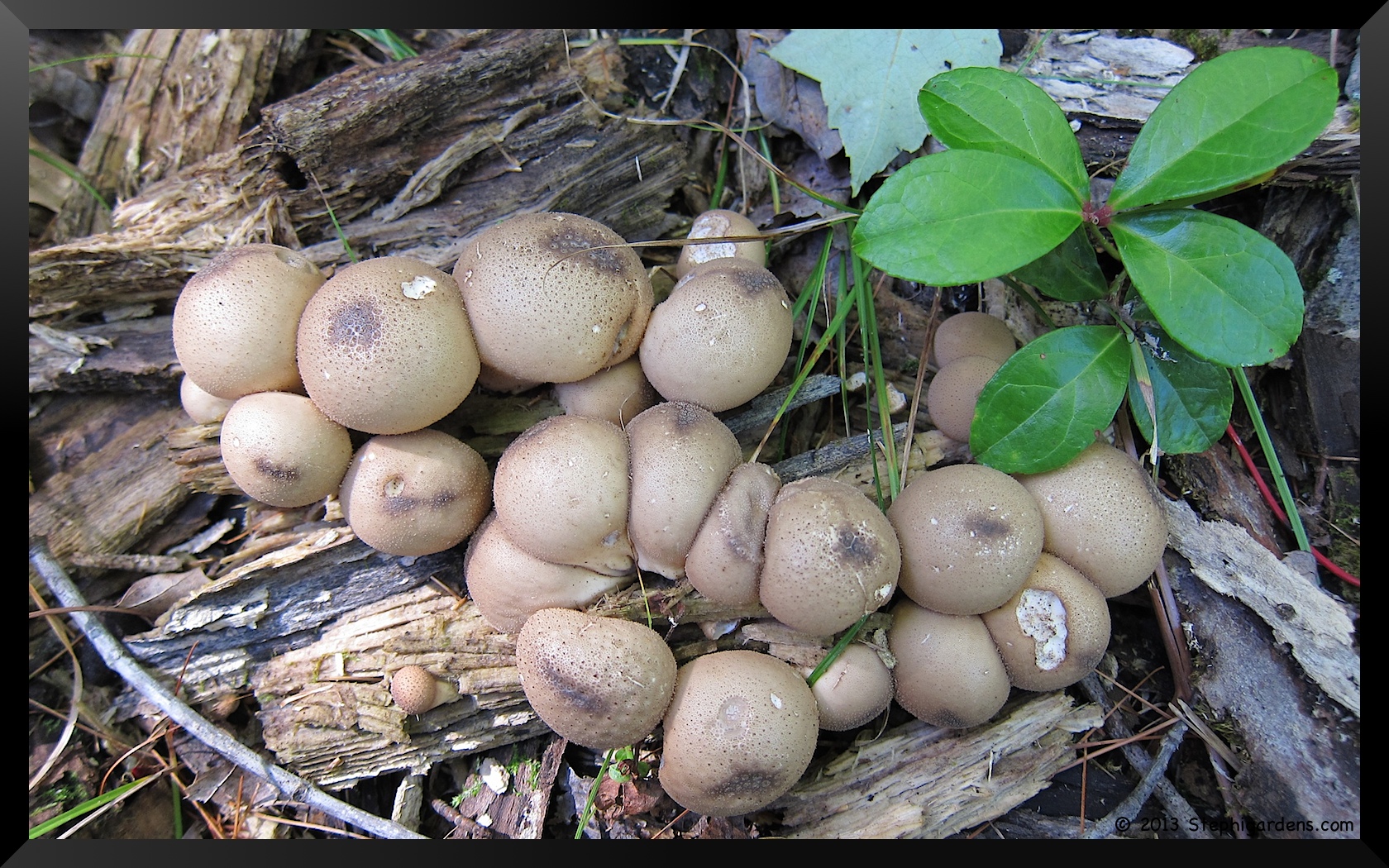
Puffballs

Then somewhere along the line that interest was forgotten.  I still have a bookshelf full of bird and flower books and always carry them along with me on hikes and trips.

IMG_2570

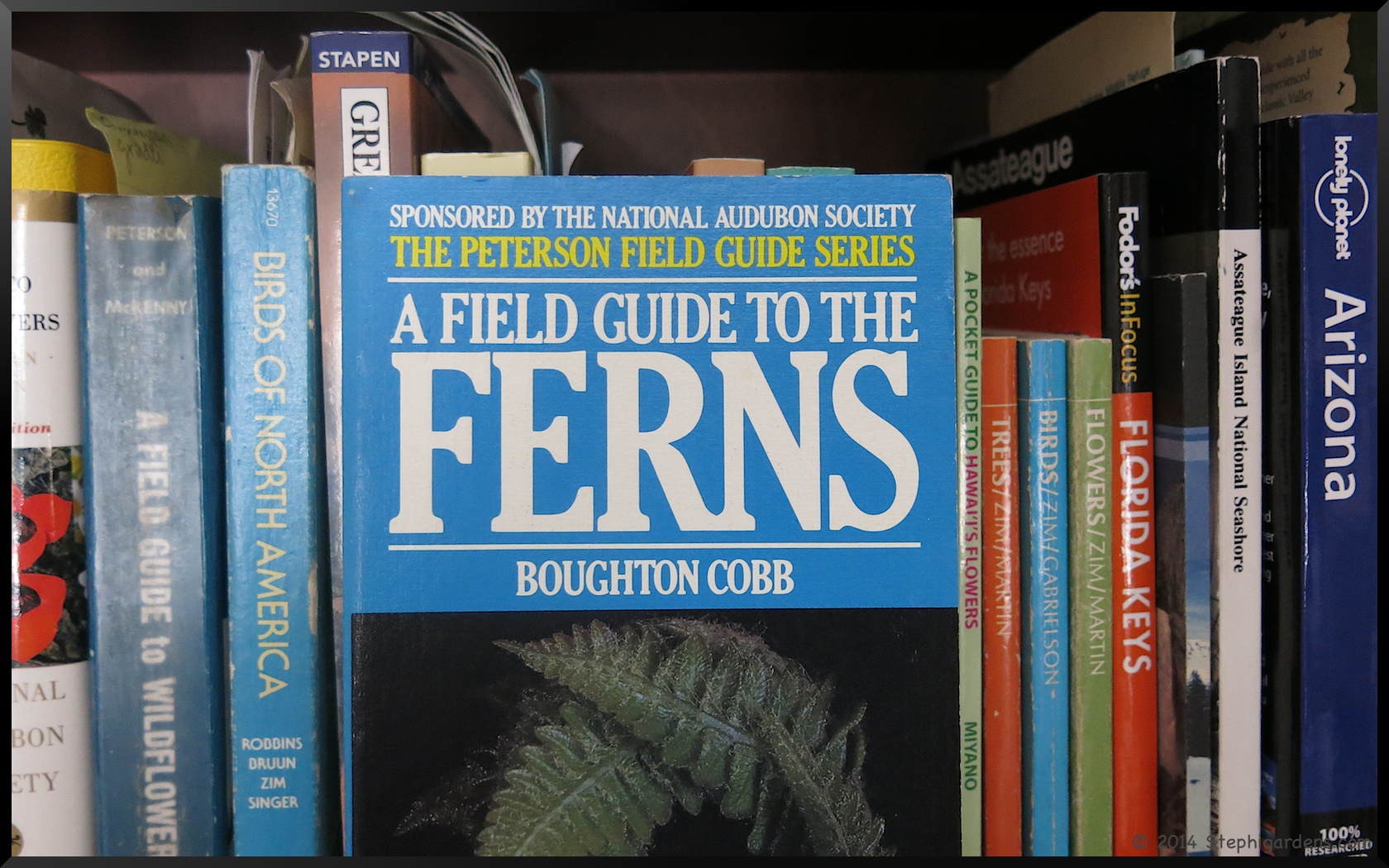
But the ferns and mushrooms, forgotten.  There on the bookshelf is also my fern book, bought in 1984 according to the date written on the inside cover, but barely touched.  I guess I never actually bought any of my own mushroom and lichen books either.  I must have just used my mom’s “library”.

IMG_2573

I think it’s time to open this untouched book and see what is inside.  I think it’s also time to take a trip to a local bookstore and see what local reference books they might have to offer.  I find that specialized bookstores, like the one at the Morton Arboretum or in a National Park, carry the best local flora and fauna books.  They tend to stock what their local experts recommend.  I’ll let you know what I find—


Great Backyard Bird Count

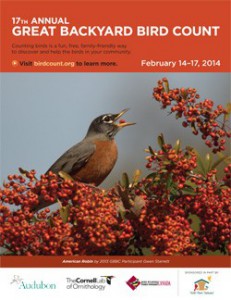
Great Backyard Bird Count
February 14-17, 2014

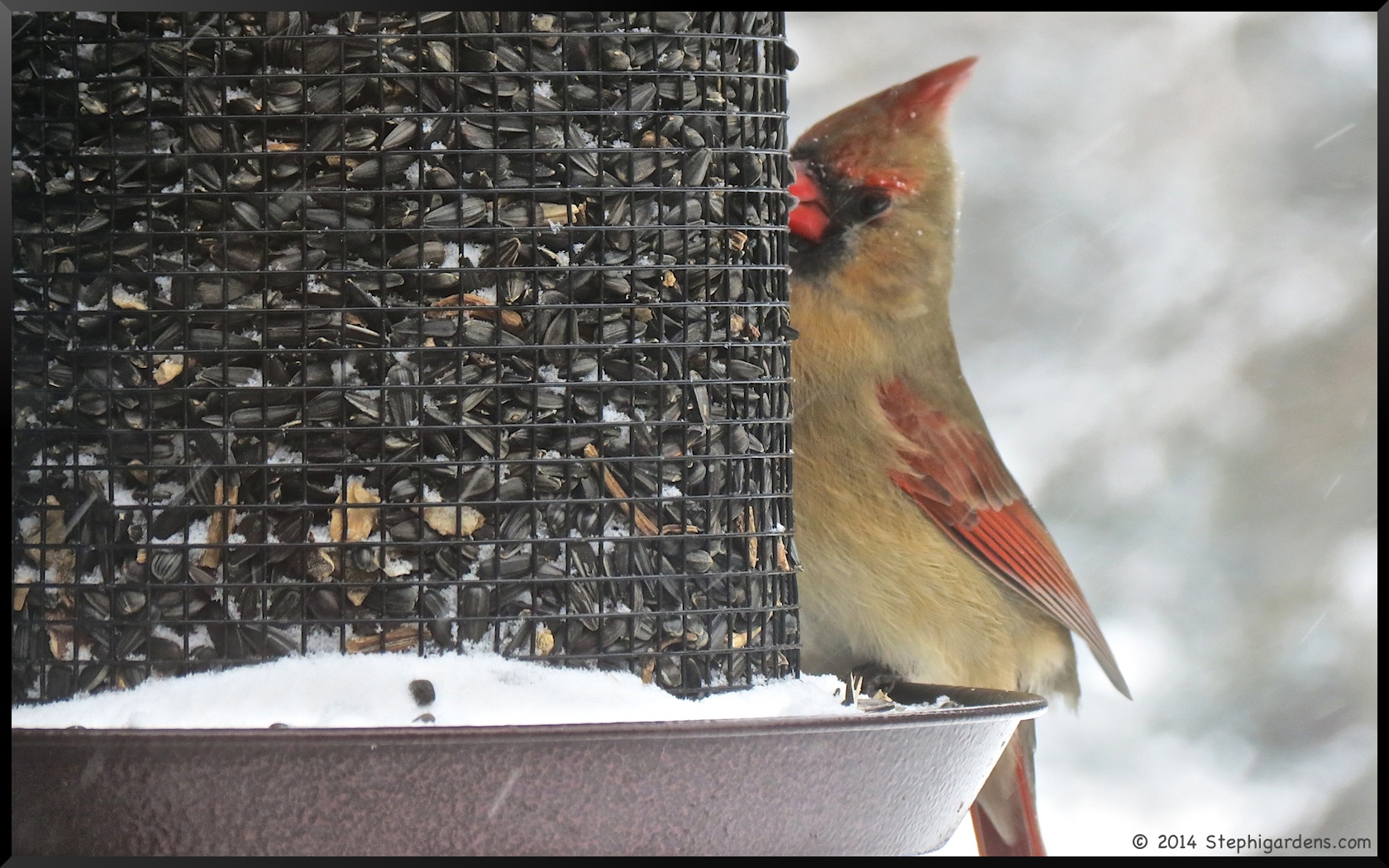
Cardinal

Since 1998, birders of all kinds have come together for a four day bird count in February. Counting birds at the same time every year provides a snapshot into the overall health of bird populations around the world.

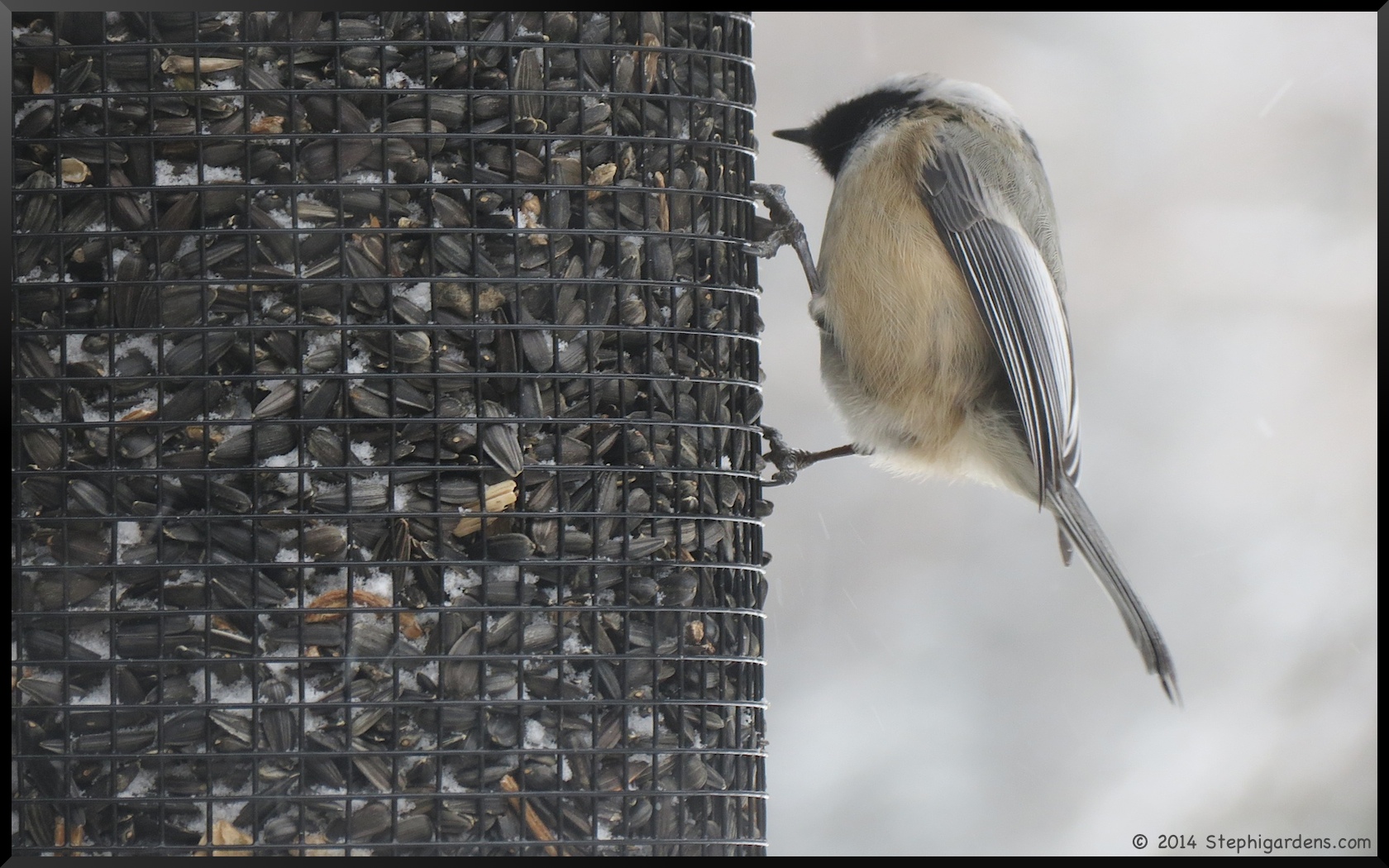
Chickadee

Years ago as a service project,  my Girl Scout Troop participated in this event.  It was really fun teaching the girls about what they were possibly going to see in their backyards, and introducing them to thinking a little more about their natural surroundings. The girls loved it!

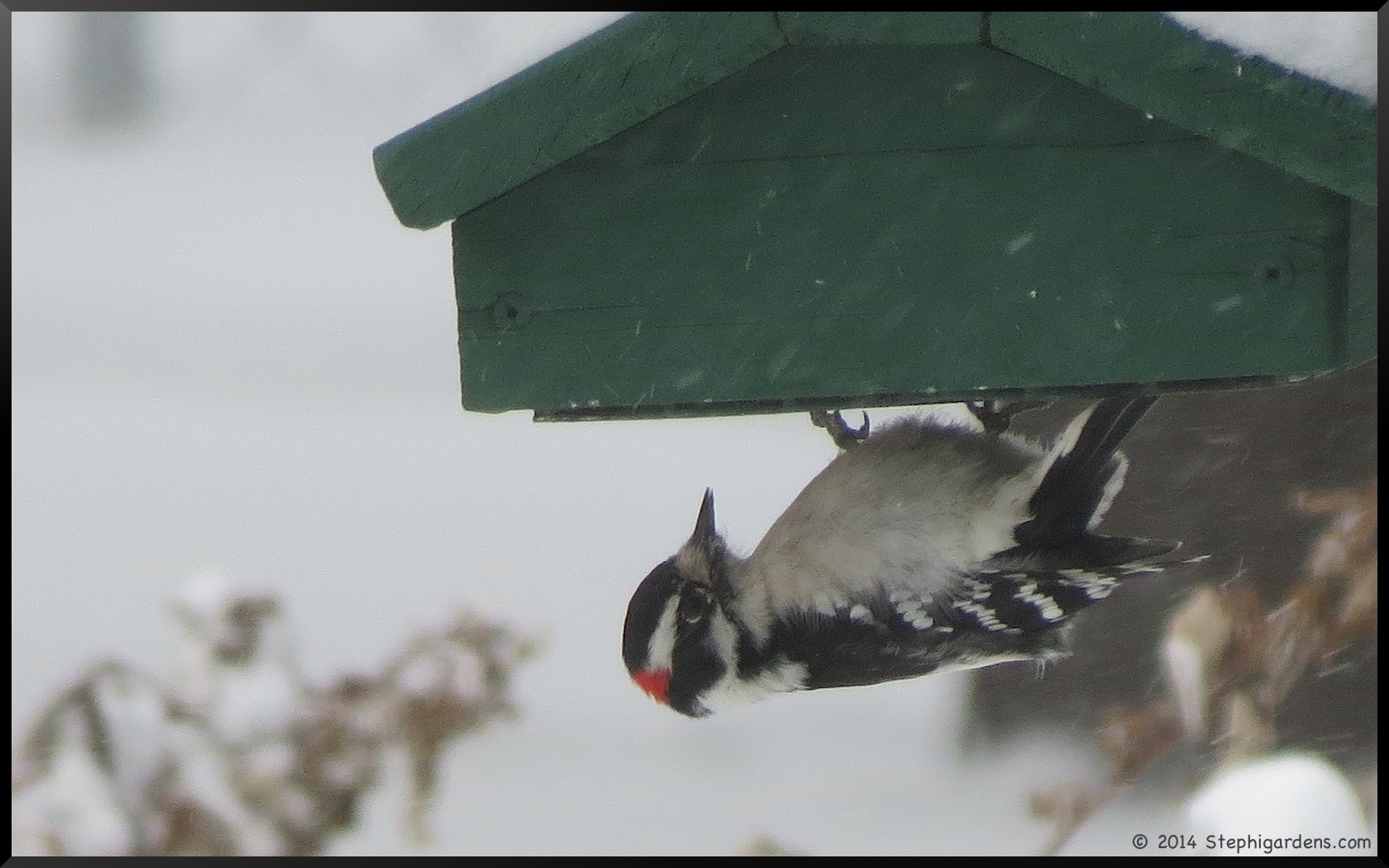
Downy Woodpecker

It’s super easy to participate. Simply tally the numbers and kinds of birds you see for at least 15 minutes on one or more days of the count, You can count from any location, any time of day, anywhere in the world.

To get more information and register your observations, go to the GBBC site.

GBBC

This project is a joint venture between the Audubon Society, The Cornell Lab,  and Bird Studies Canada.  It is also made possible by support by Wild Birds Unlimited and the National Science Foundation.

Are you participating? Did you see anything unusual?

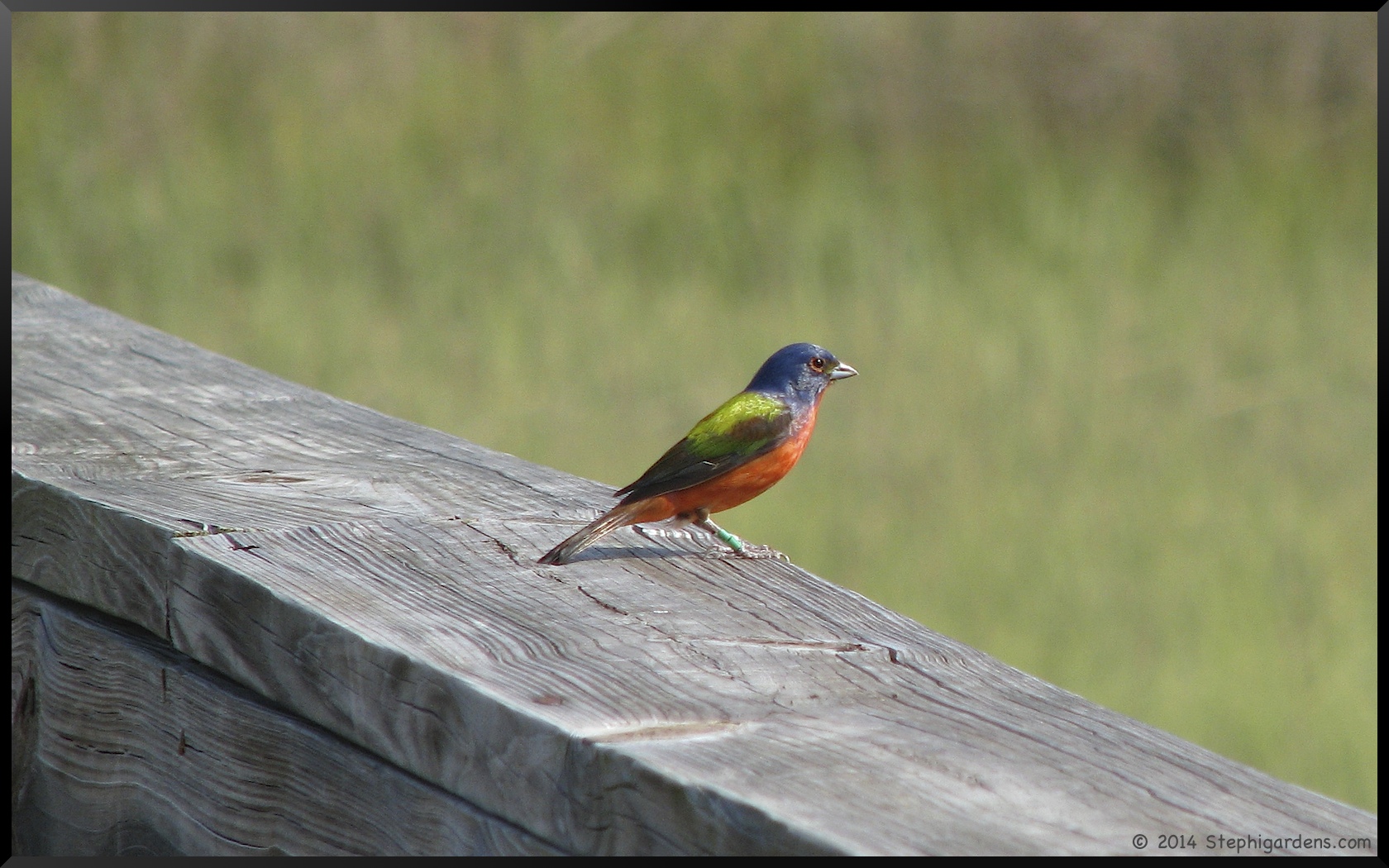
This Painted Bunting would be highly unusual to see in my backyard, but it was one of my most exciting sightings!

Painted Bunting

Photos by Peggy and Stephi