A Midwinter Walk

Between polar vortexes, my husband and I had a chance to go for a walk in one of our local forest preserves.  One thing that that I find remarkable about the Chicago area is the forest preserve system.  They are maintained by the individual counties, but their common general goals are to preserve open, natural space and land conservation.  Considering we are within such a huge major metropolitan area, the forest preserve system is amazing in it’s success in preserving natural spaces and proving places for people to go and connect with nature.  One of these, the DuPage County Forest Preserve District, currently owns or manages over 25,000 acres of land at over 60 forest preserves, or about 12 percent of the total land in DuPage County.  And it’s still growing.
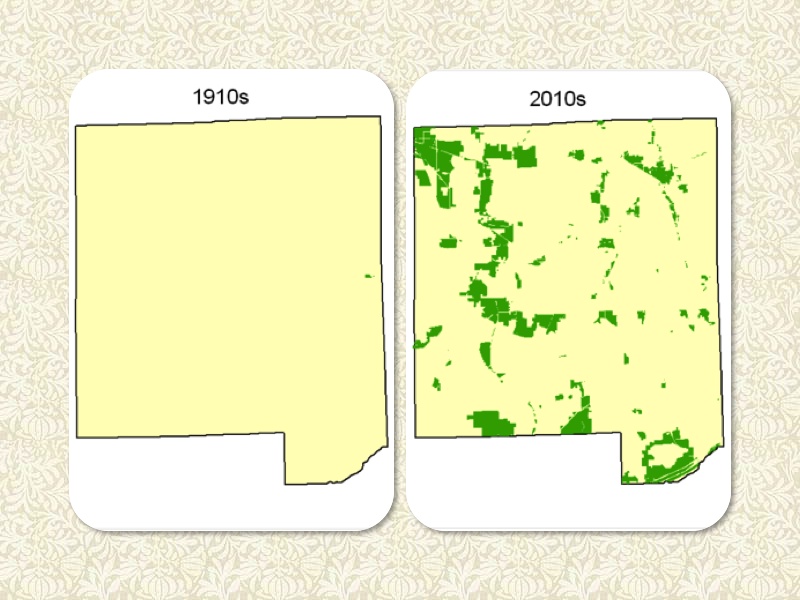
Dupage County Forest Preserve

These Forest Preserves include places to do most any outdoor recreational activity you could imagine, and many have educational programs for all ages.  Adding into that the local parks, I can’t imagine you’re ever more than 5-10 minutes from a beautiful natural space.

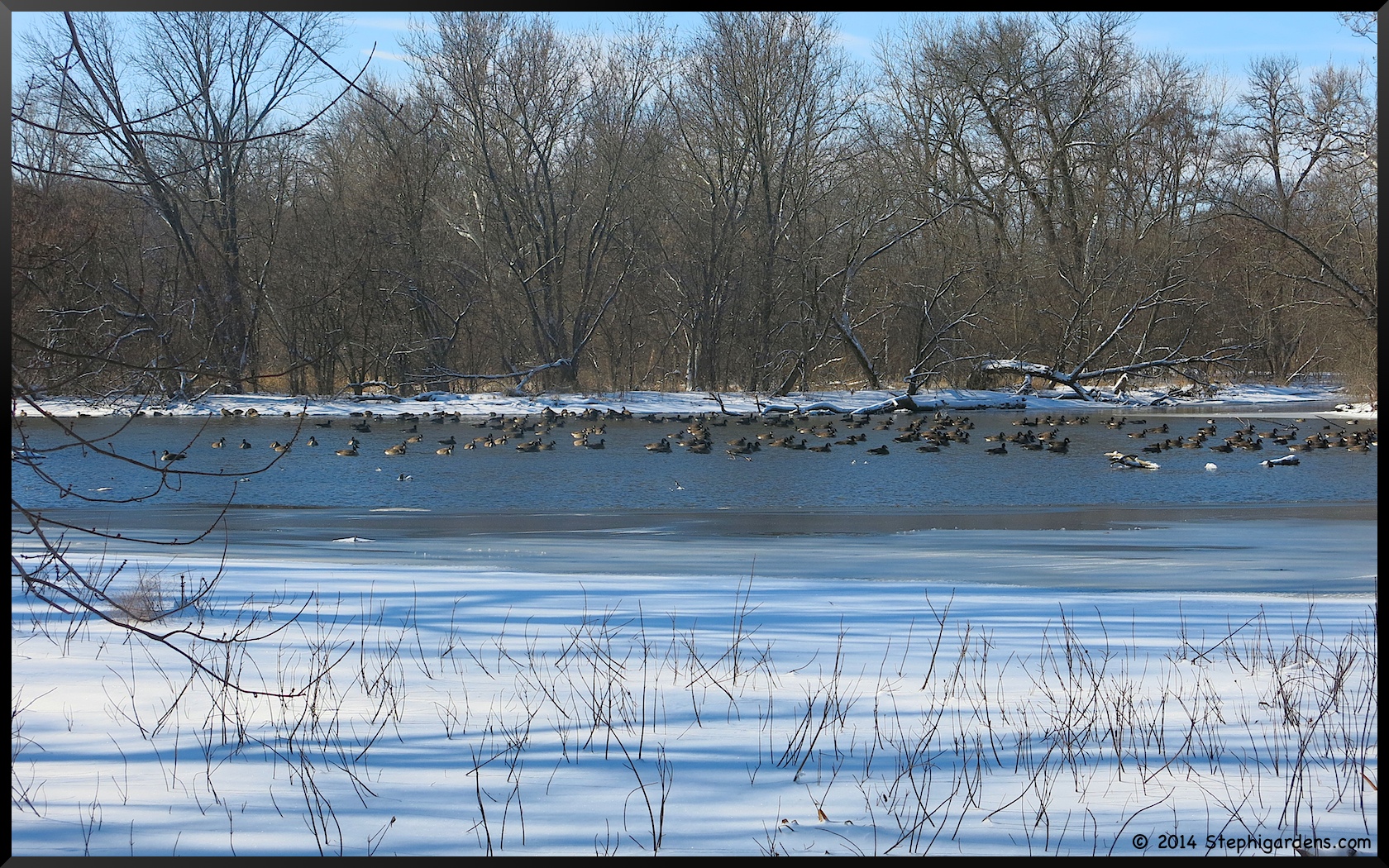
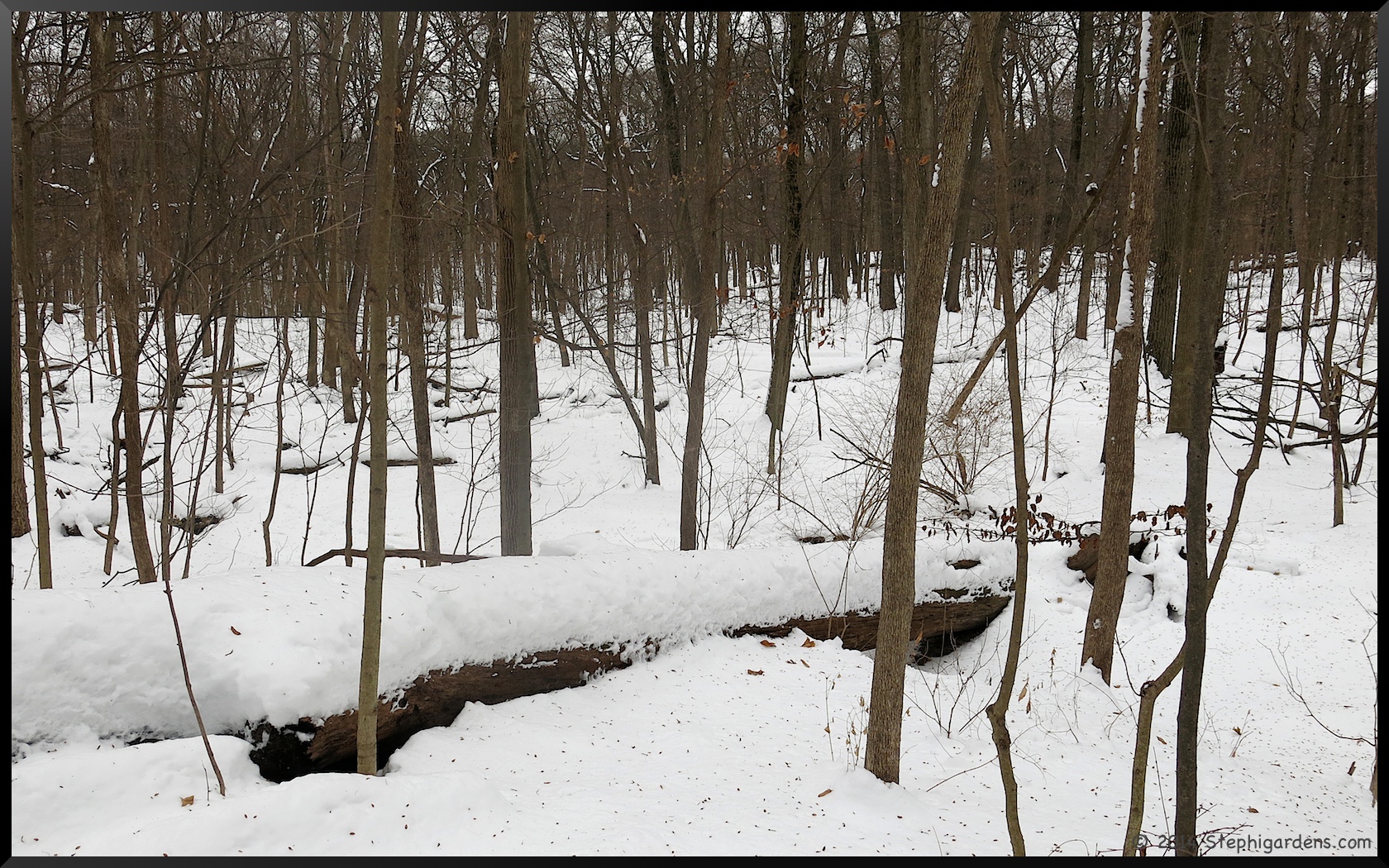
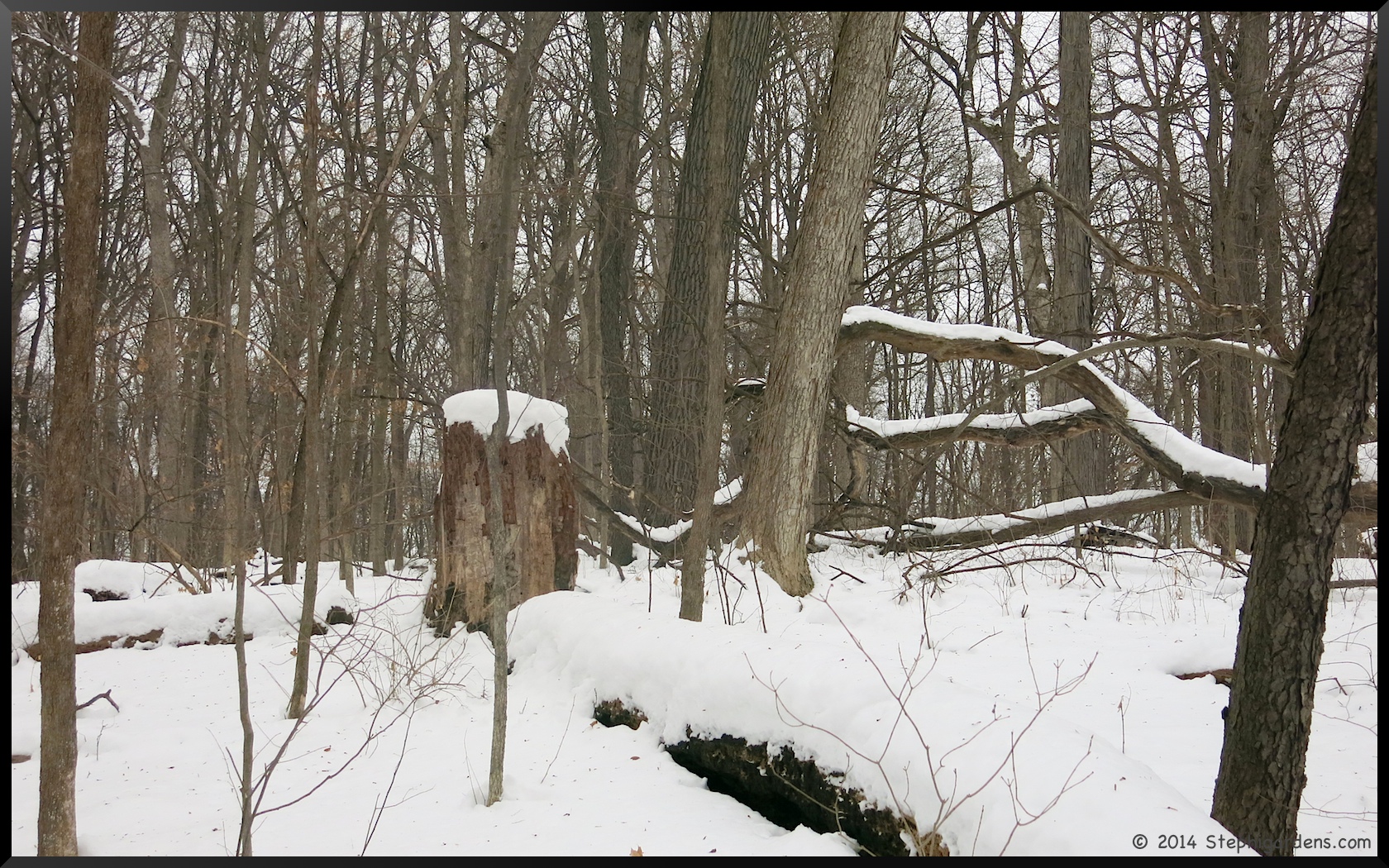
So only a short drive from my house, we had a wonderful scenic walk on a relatively warm, snowy day.

On a sunny day in the winter, the river is running bright and clear.

Dupage County Forest Preserve

Dupage County Forest Preserve

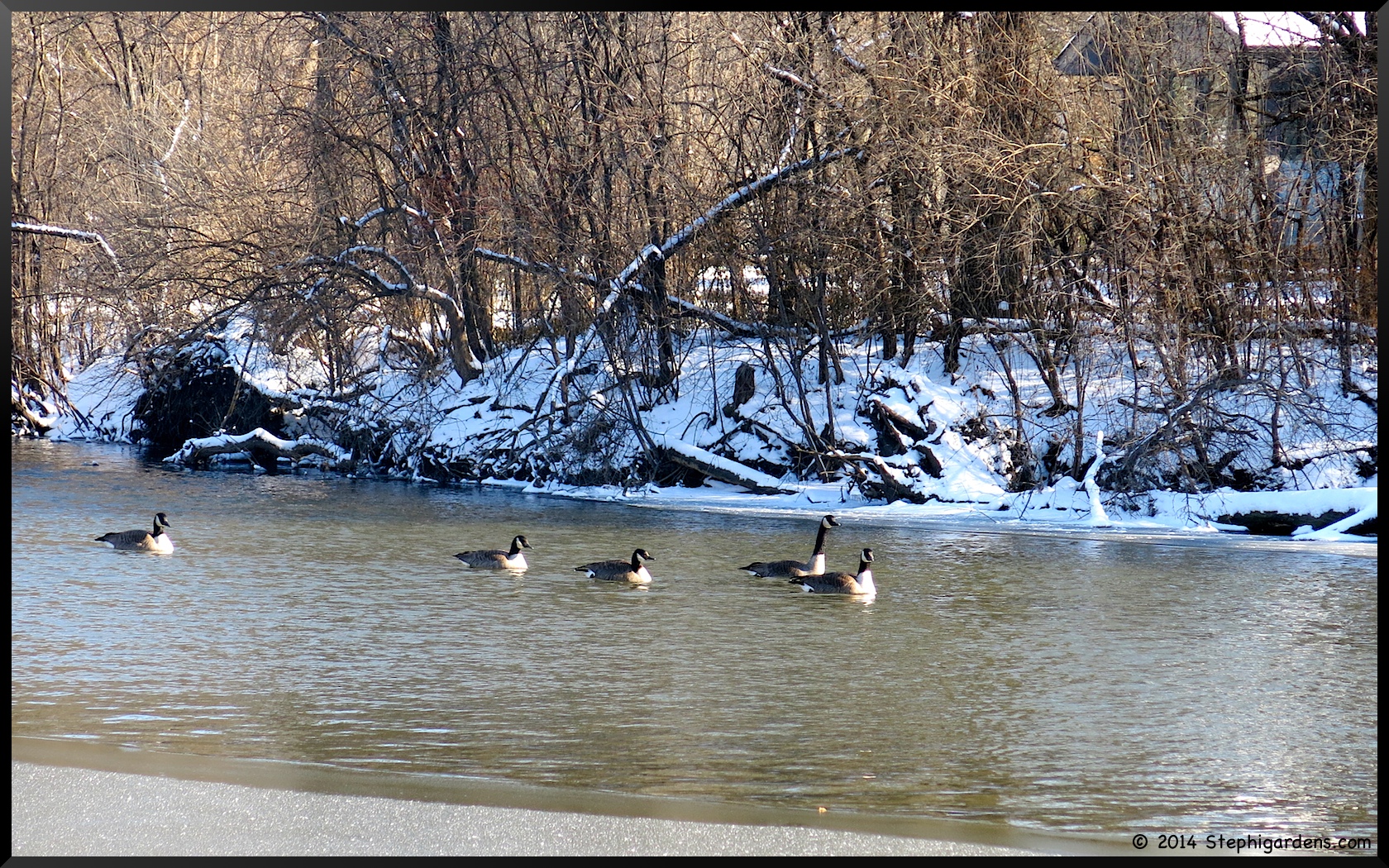
There are always resident Canadian Geese and Mallard Ducks to be found on the water.
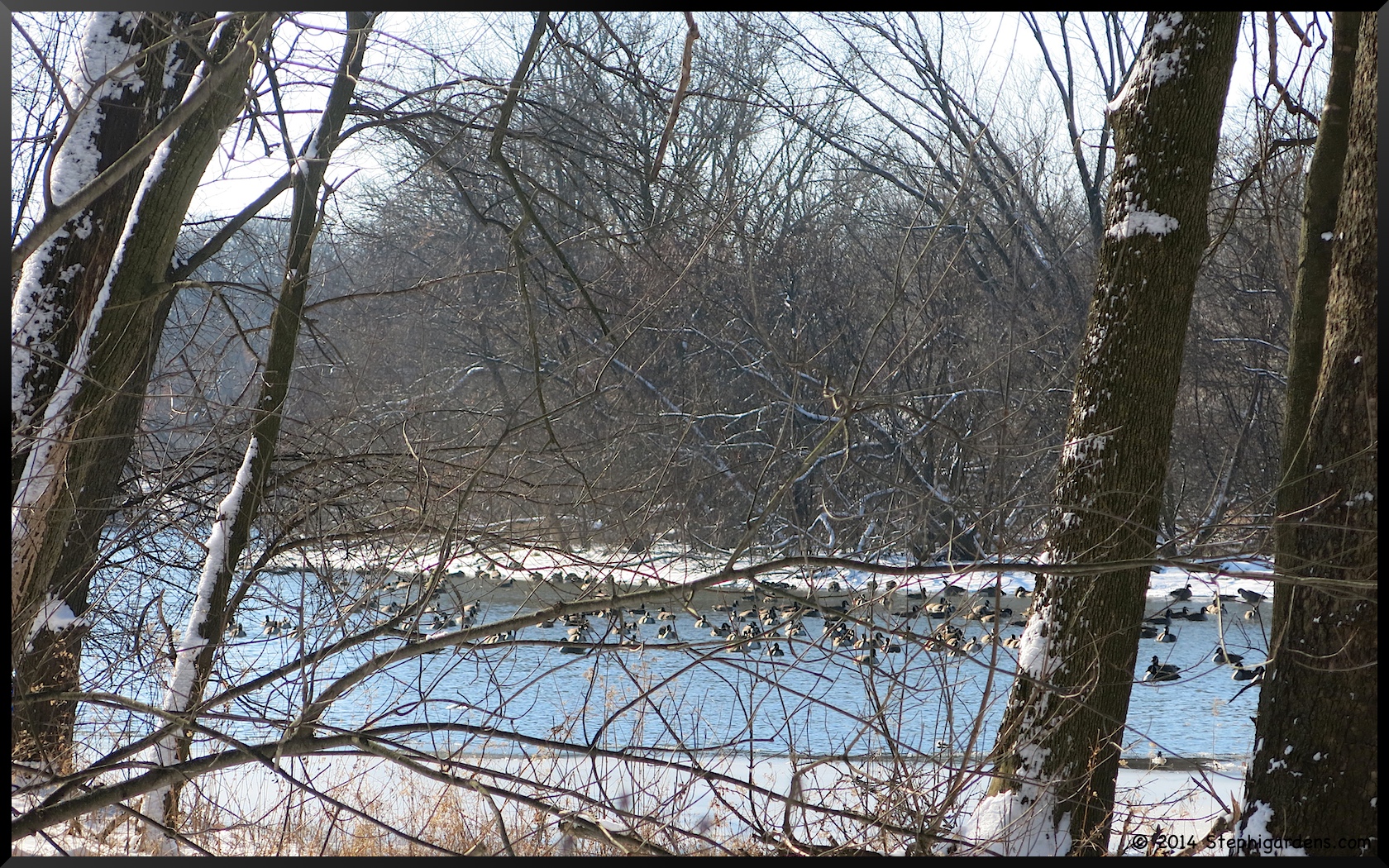
Canadian Geese

Dupage County Forest Preserve

Canadian Geese

Watching the ducks hop in and out of the water was quite entertaining and the ice made the funniest squeaking noise every time they hopped up onto it.
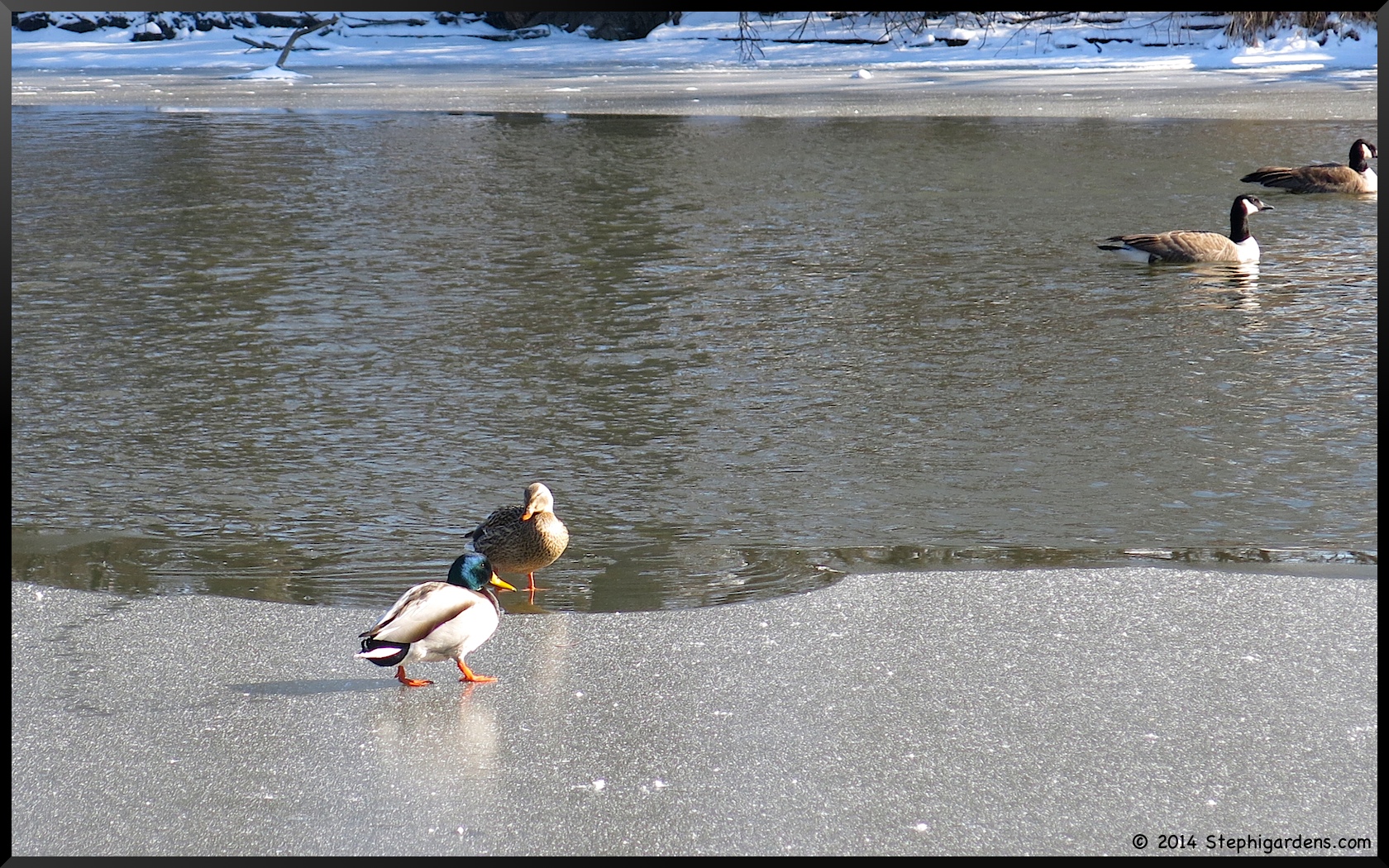
Mallard Ducks

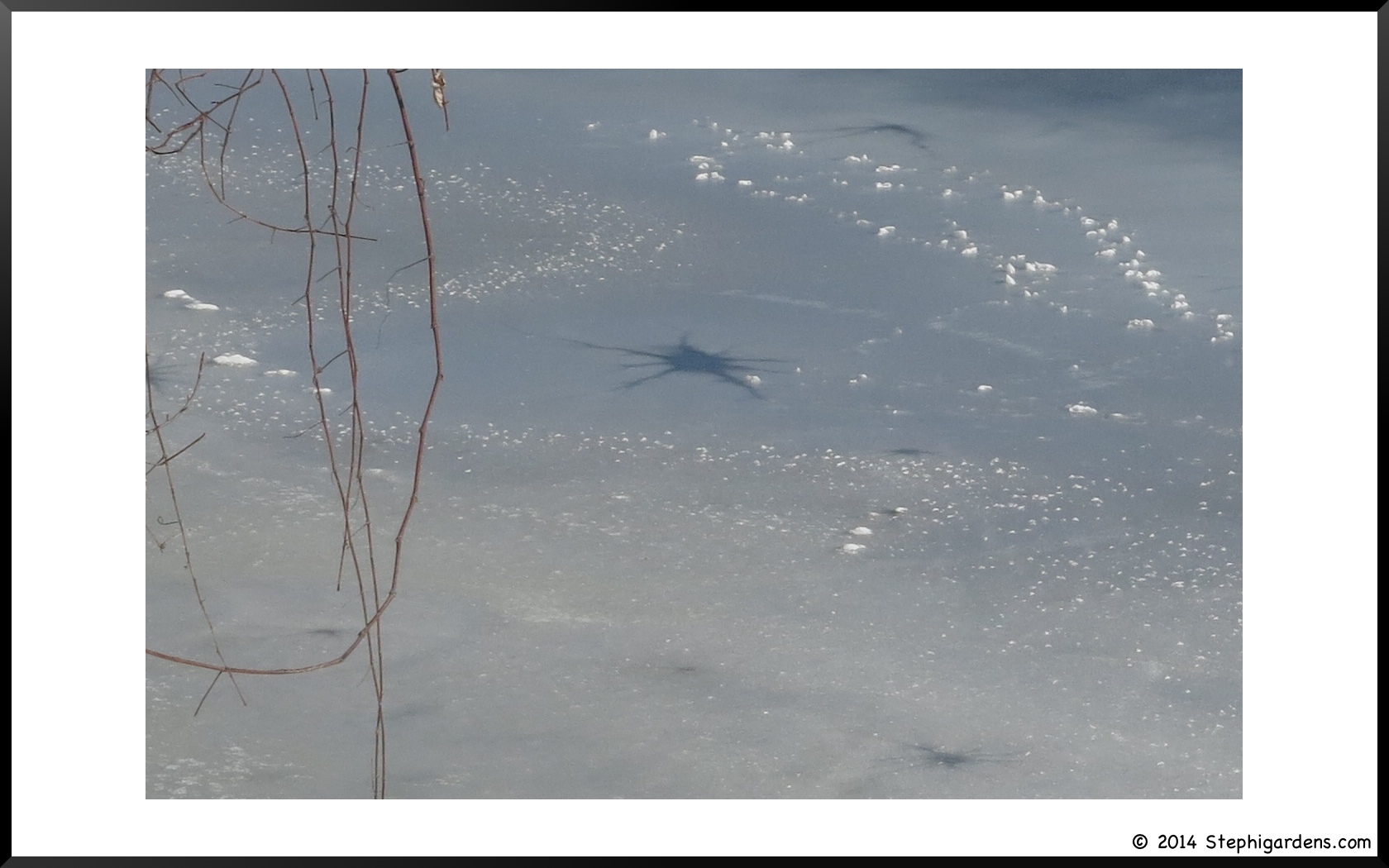
I, and others, have been finding such interesting patterns in the ice and frost this winter.  Looks like some kind of alien spiders have landed on the ice here.
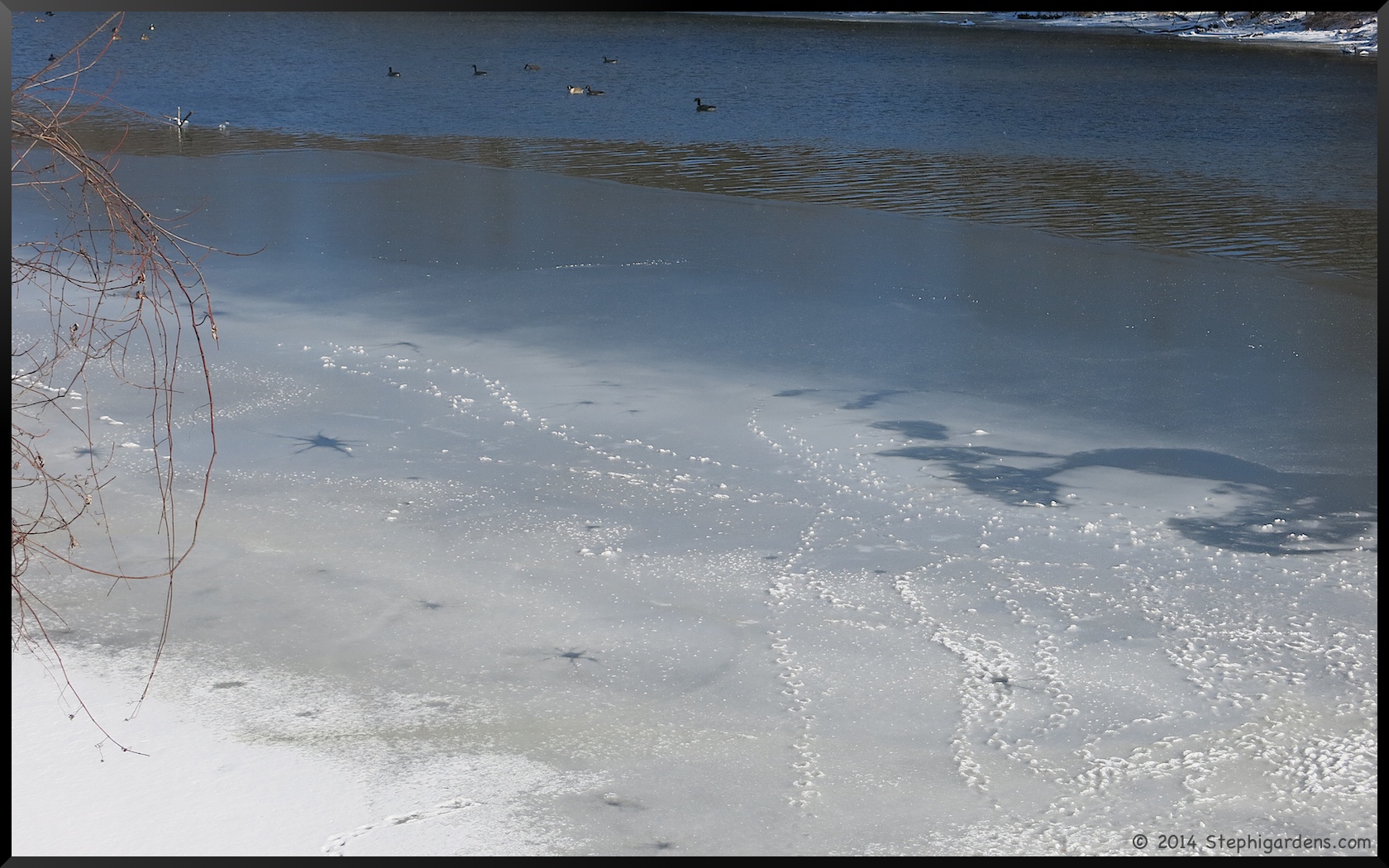
Ice patterns

Ice

Bullies at the Bird Feeder

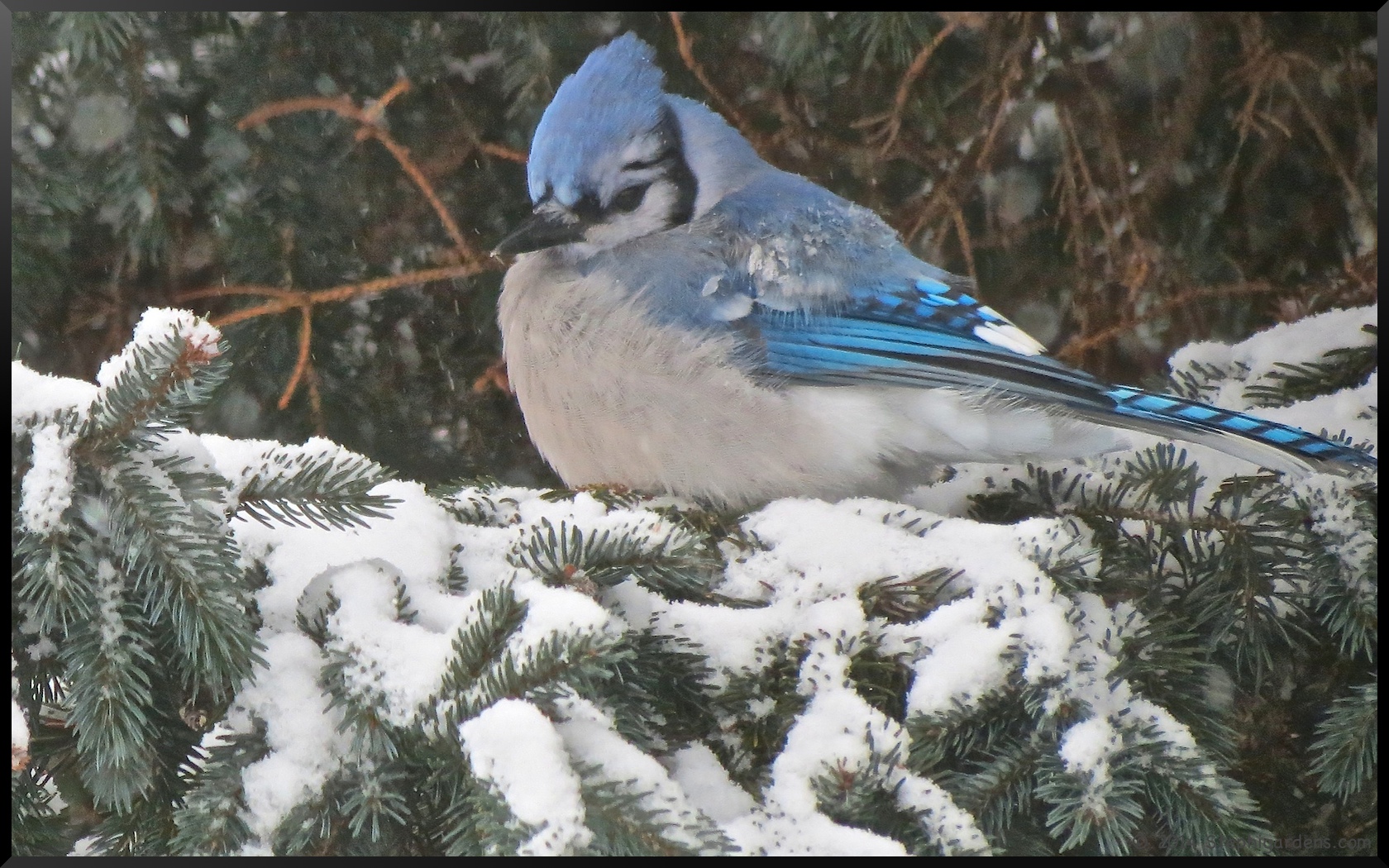
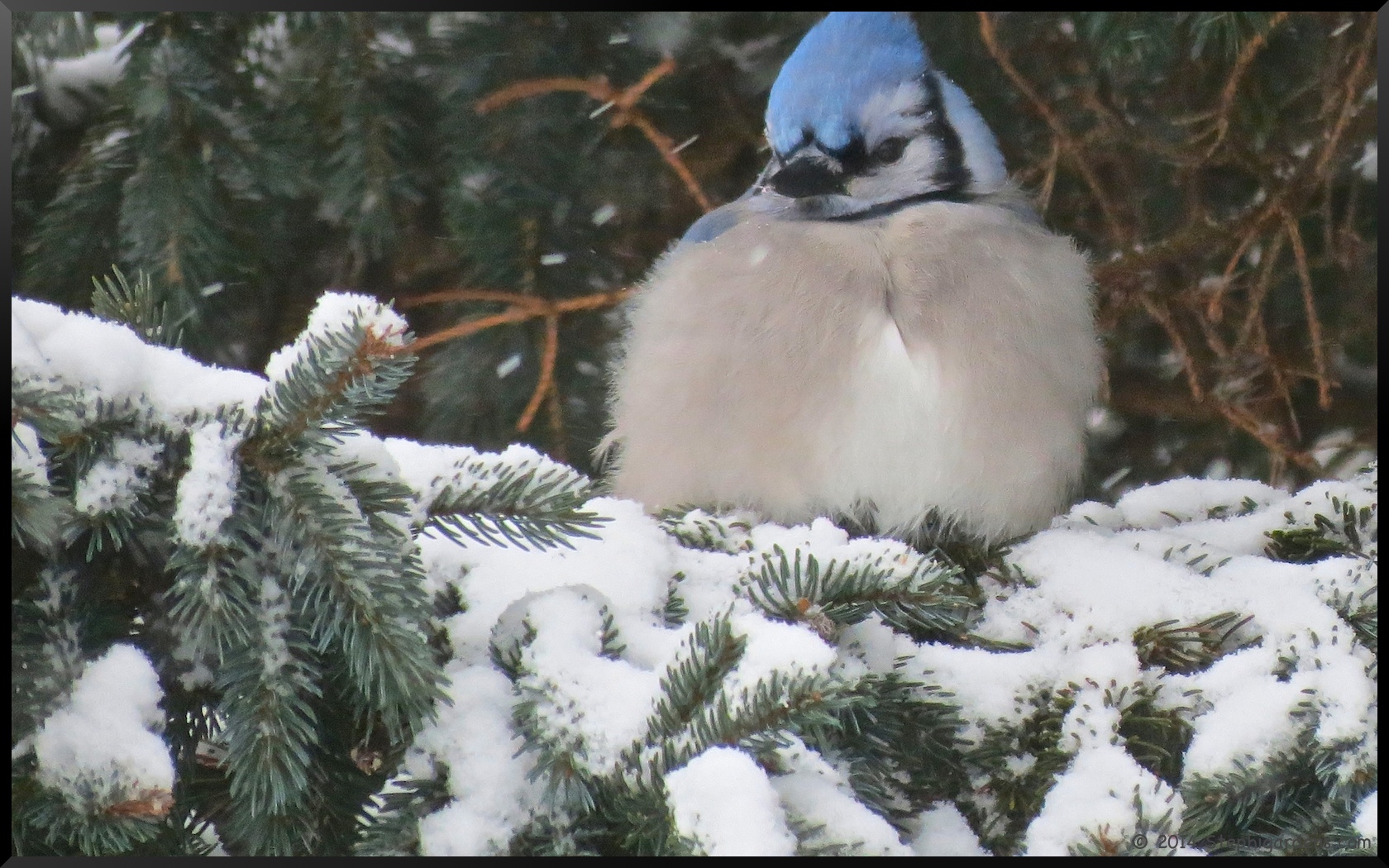
By the title, you’d think I was talking about those pesky squirrels again.  But not this time.  This time it’s an even more obnoxious bully, the Blue Jay.

Blue Jay

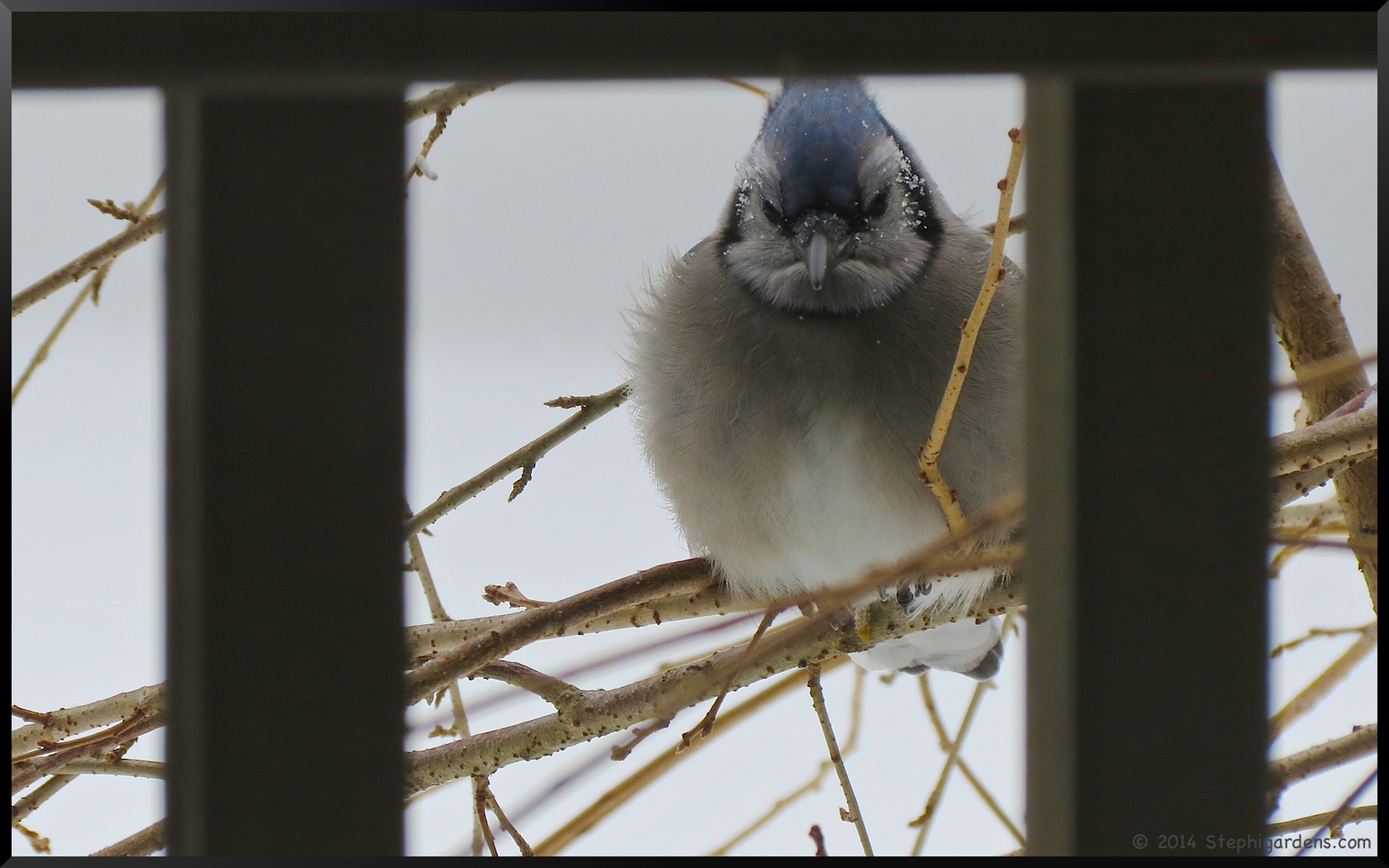
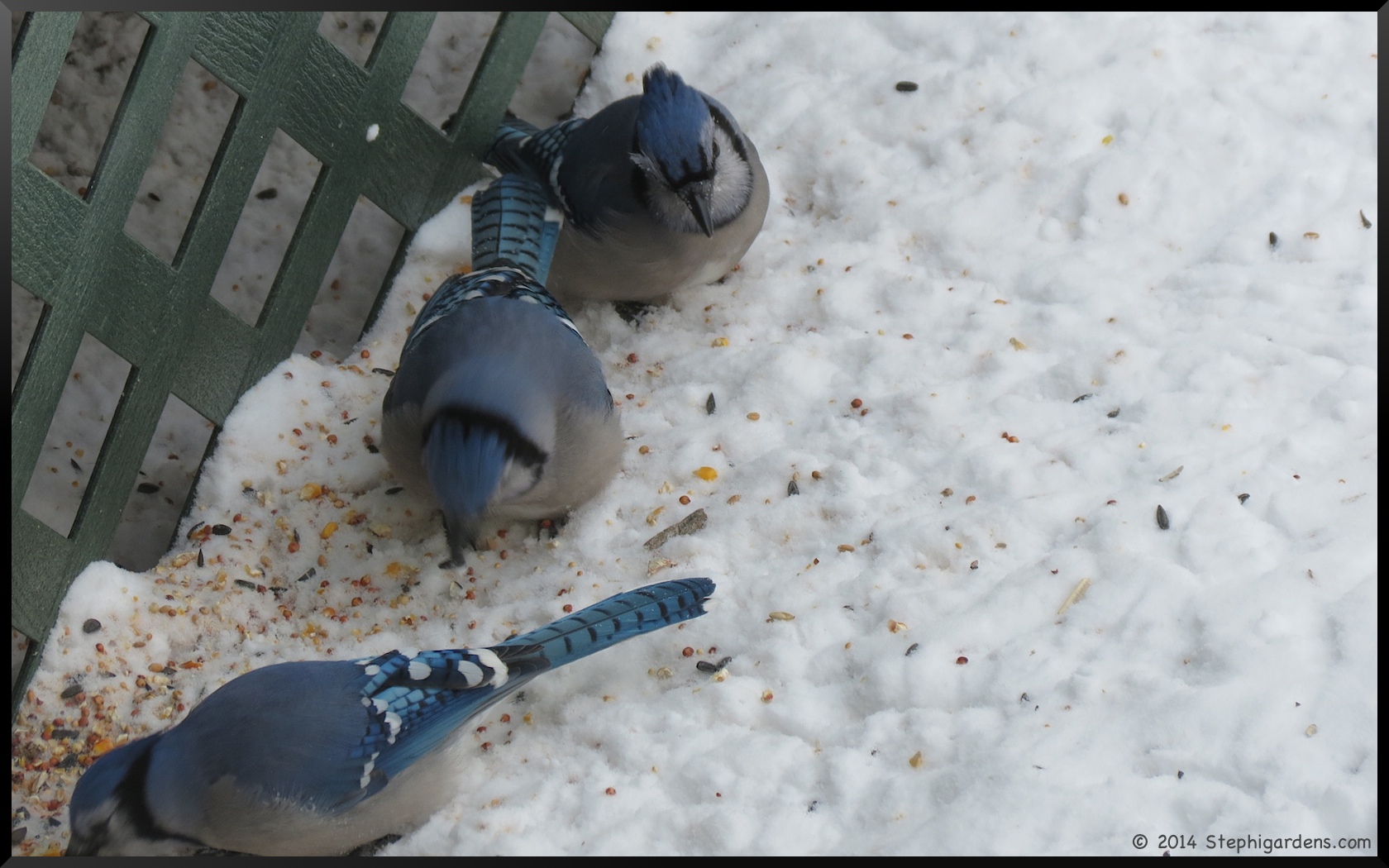
Despite how handsome they look, looks can be deceiving.  They are the original “Angry Birds”.  My mom Peggy has a terrible time protecting her feeders, as well as the smaller birds visiting her yard, from the very unfriendly Blue Jays.  The Blue Jays aggressively scare away the other birds, sometimes even killing them, then gluttonously eat up all the seed they can.  It’s very frustrating to say the least.

Would you mess with this guy????

Blue Jay

Blue Jay

Blue Jay

They don’t just eat what they need, but hoard it in their beak and expandable throat and esophagus.  It’s said they can hold five to six Pin Oak acorns in their esophagus and beak, so you can imagine how many sunflower seeds it could hold!   Once they’ve gorged themselves, they take their cache away and store it for later.  Usually, they bury it in the ground like a squirrel or a dog might.  Then they return for more.

Blue Jay

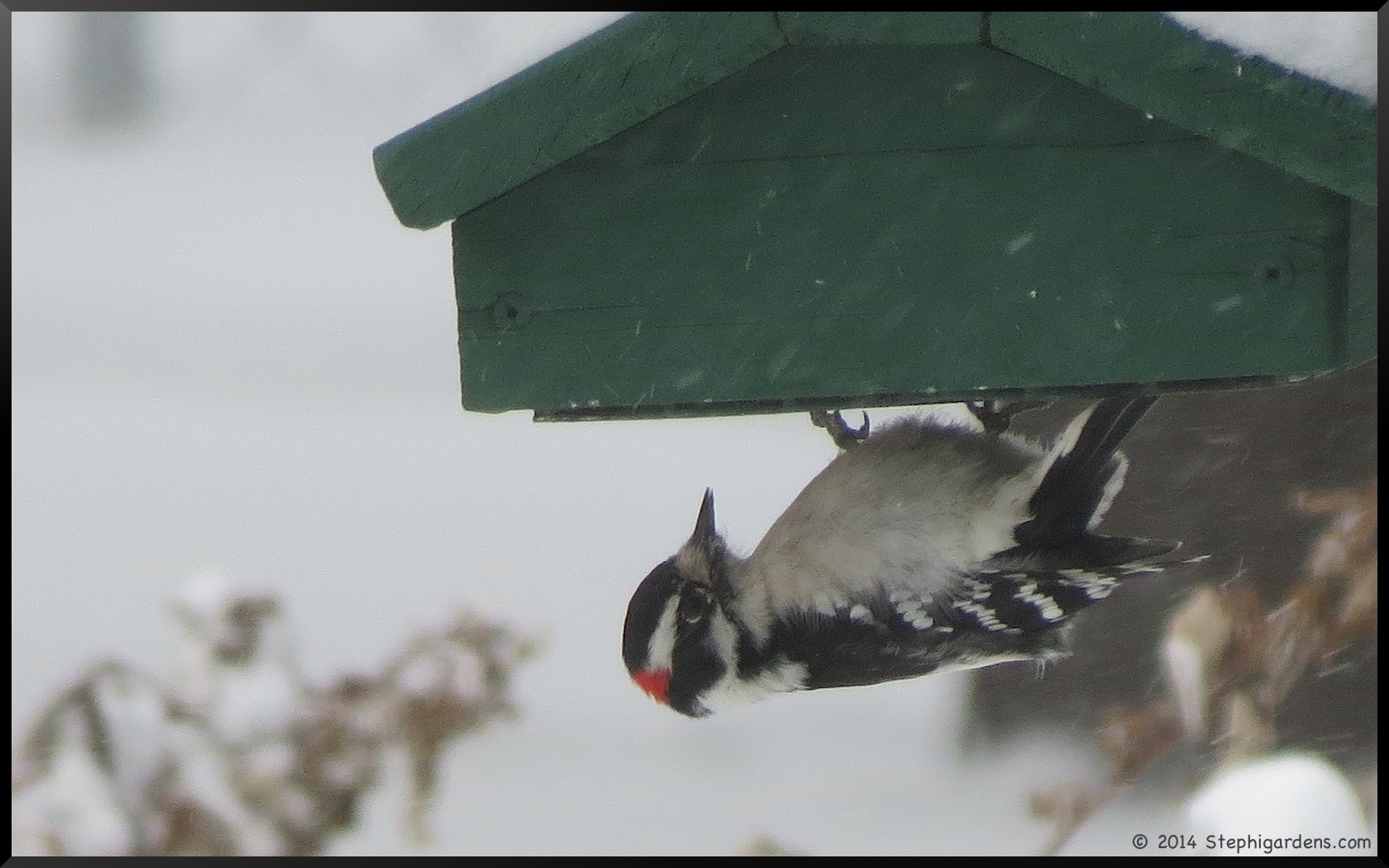
Blue jays are also highly intelligent.  They are remarkable in their ability to mimic other birds like raptors, presumably to further scare off any competition. They are also uncanny in their ability to figure out bird feeders.  Peggy has even seen them hanging upside down from her suet feeder pretending to be a Downy Woodpecker.

Downy woodpecker

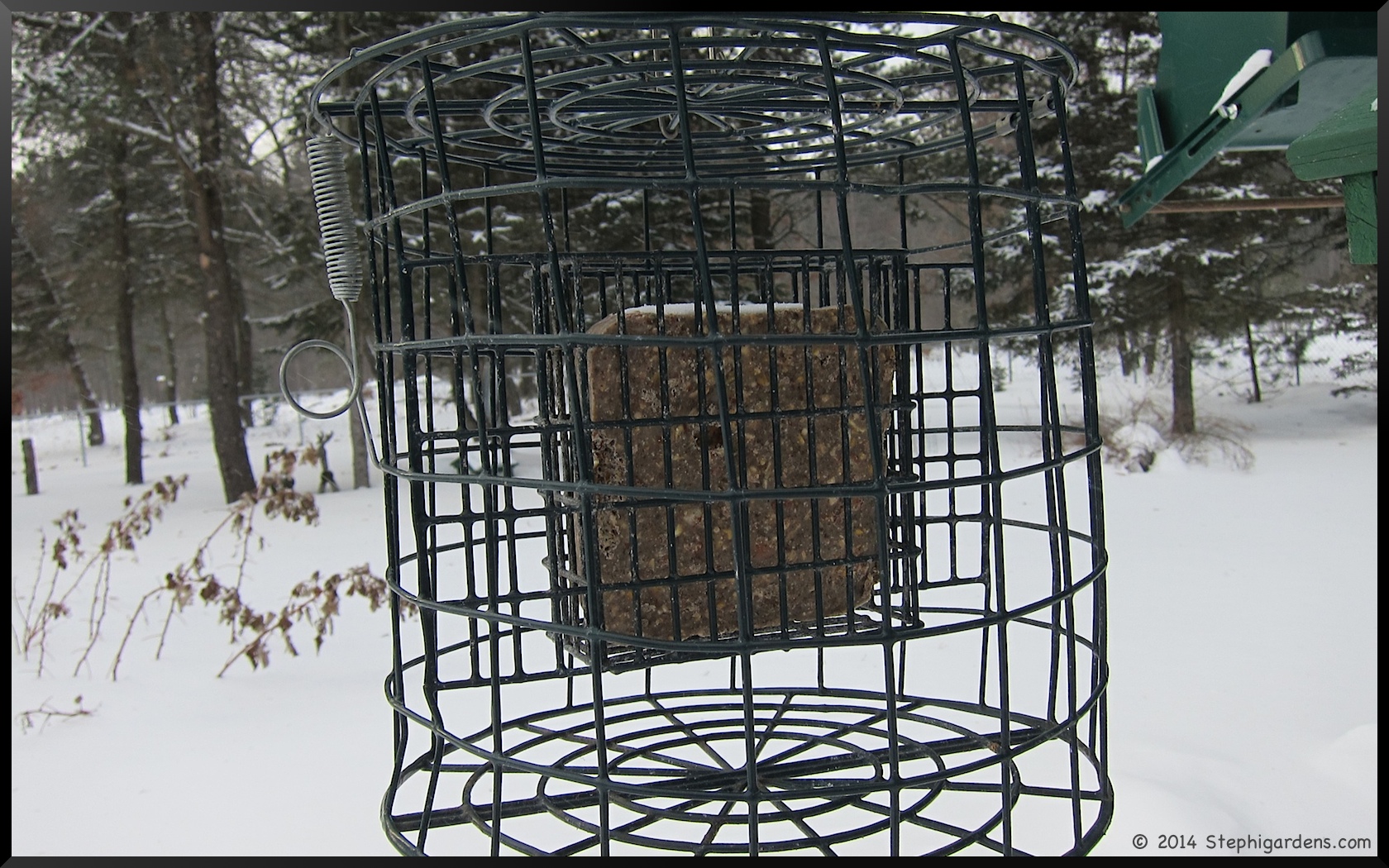
So what to do?  There are ways to hinder their ability to get to the feeders.  The suet feeder above is often suggested as one way, but in her yard they’ve figured it out.  Another option for protecting the suet from being devoured is to use a metal cage.  The small woodpeckers can slip right in, but leave the Blue Jays looking longingly at it.

Birdfeeder

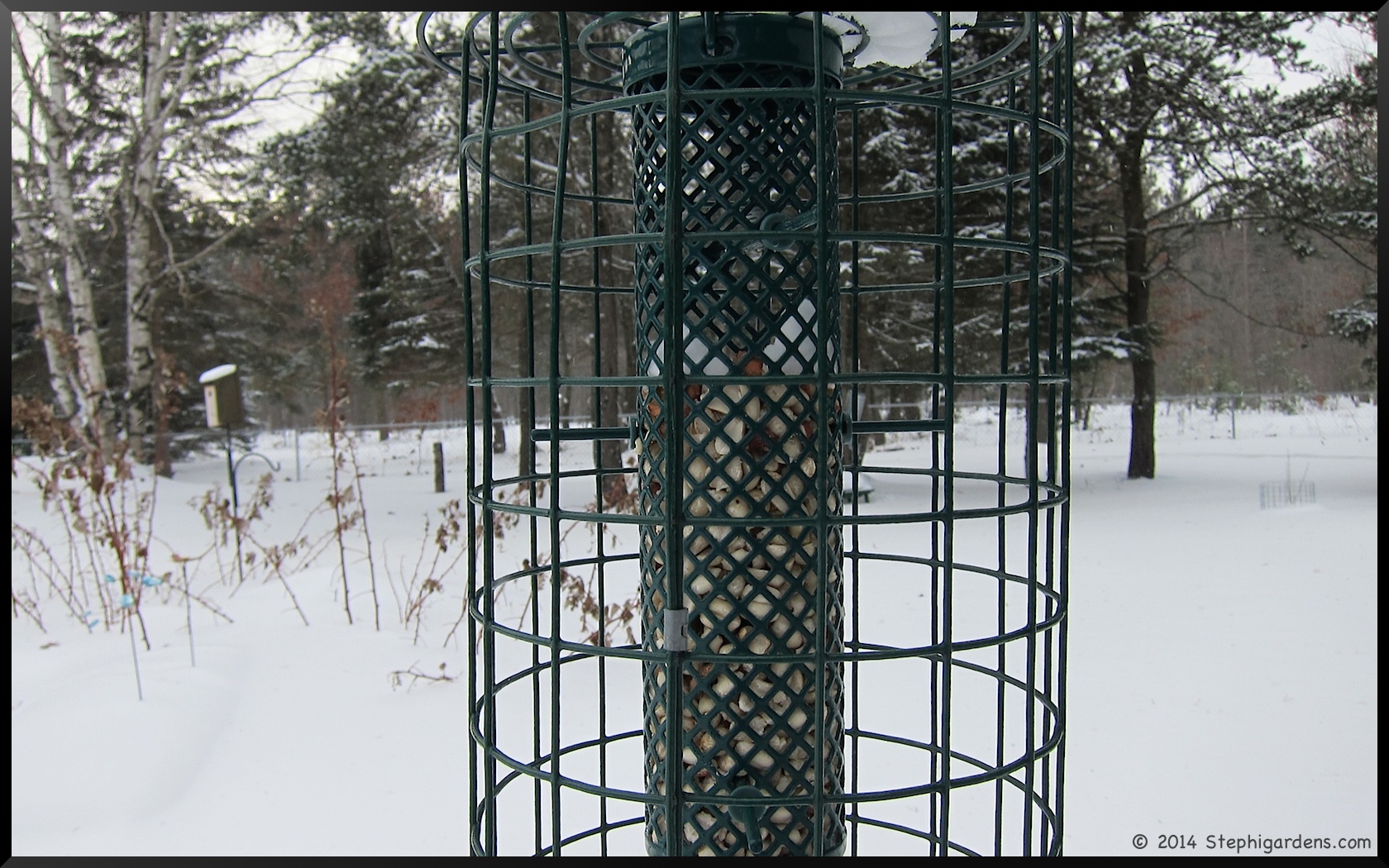
They’ve also figured out how to get out peanuts from this tube feeder that is usually visited by White and Red Nuthatches, Titmice and Chickadees.  Into another cage it goes.  The Blue Jays can get a few peanuts now and then, but it’s a lot of work

Birdfeeder

You can also sometimes adjust the type of seeds you put out.  Blue Jays are much fonder of sunflower seeds than safflower seeds, and really don’t like nyjer (thistle) seeds.

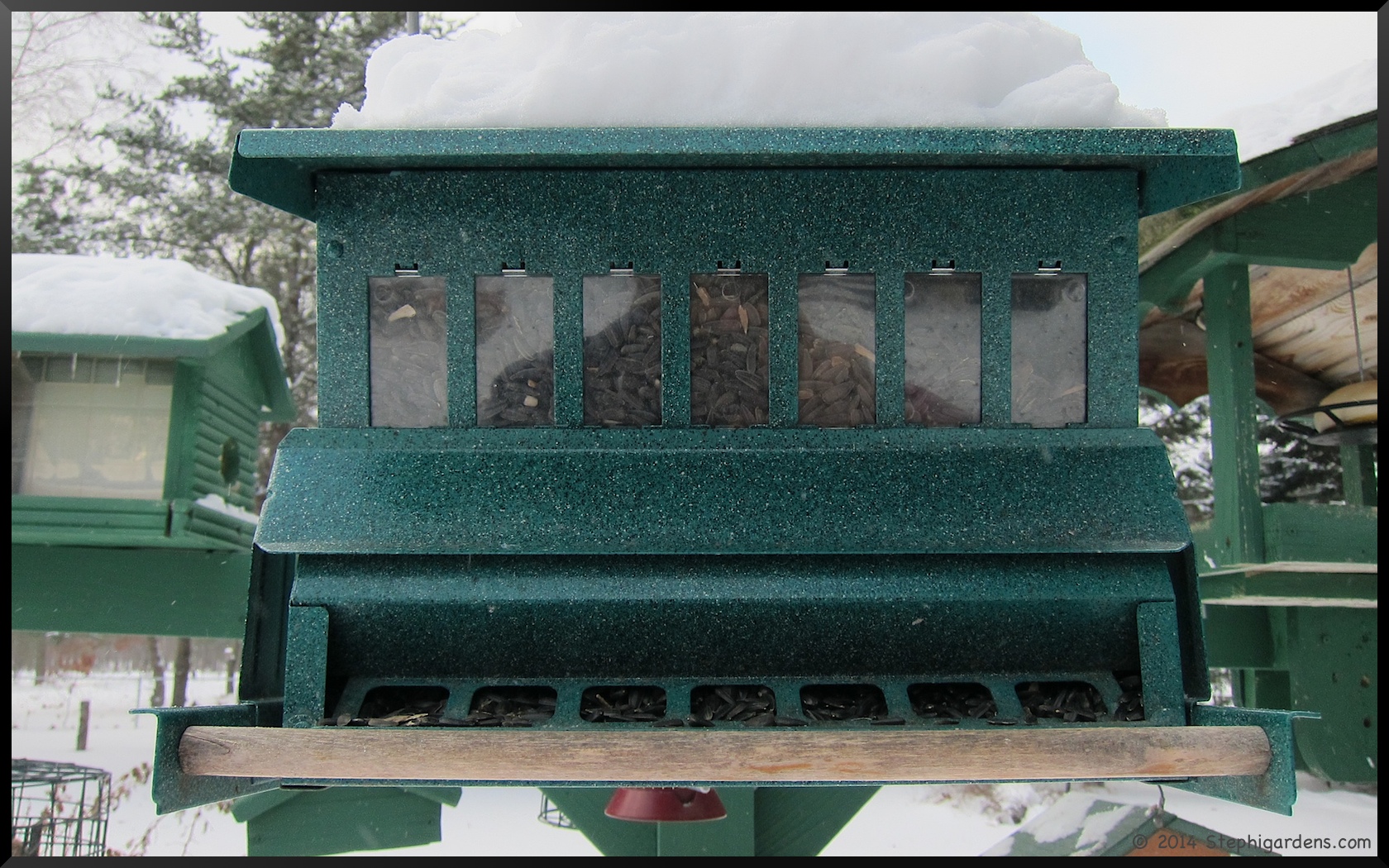
Feeders like this Heritage Farms feeder also work to keep the Blue Jays off.  The feeder perch can be weight adjusted to keep out the heavier birds.  The seed tray gets shut tight when a too-heavy bird lands on it.  Peggy has it set to allow Cardinals and Rose-Breasted Grosbeaks to land and eat, but if a little bird lands on the perch with them, it’ll close.  That’s a small sacrifice to make to keep the Blue Jays off.

Birdfeeder

Do you have any bullies in your yard?   The other day in my yard, one of the Cardinals was chasing off sparrows trying to eat seed off the ground.  Oddly though, he seemed fine with the Juncos also eating the seeds. I guess even he knows which birds are a nuisance.

Photos by Peggy

Cross Country Skiing-25 Years Later

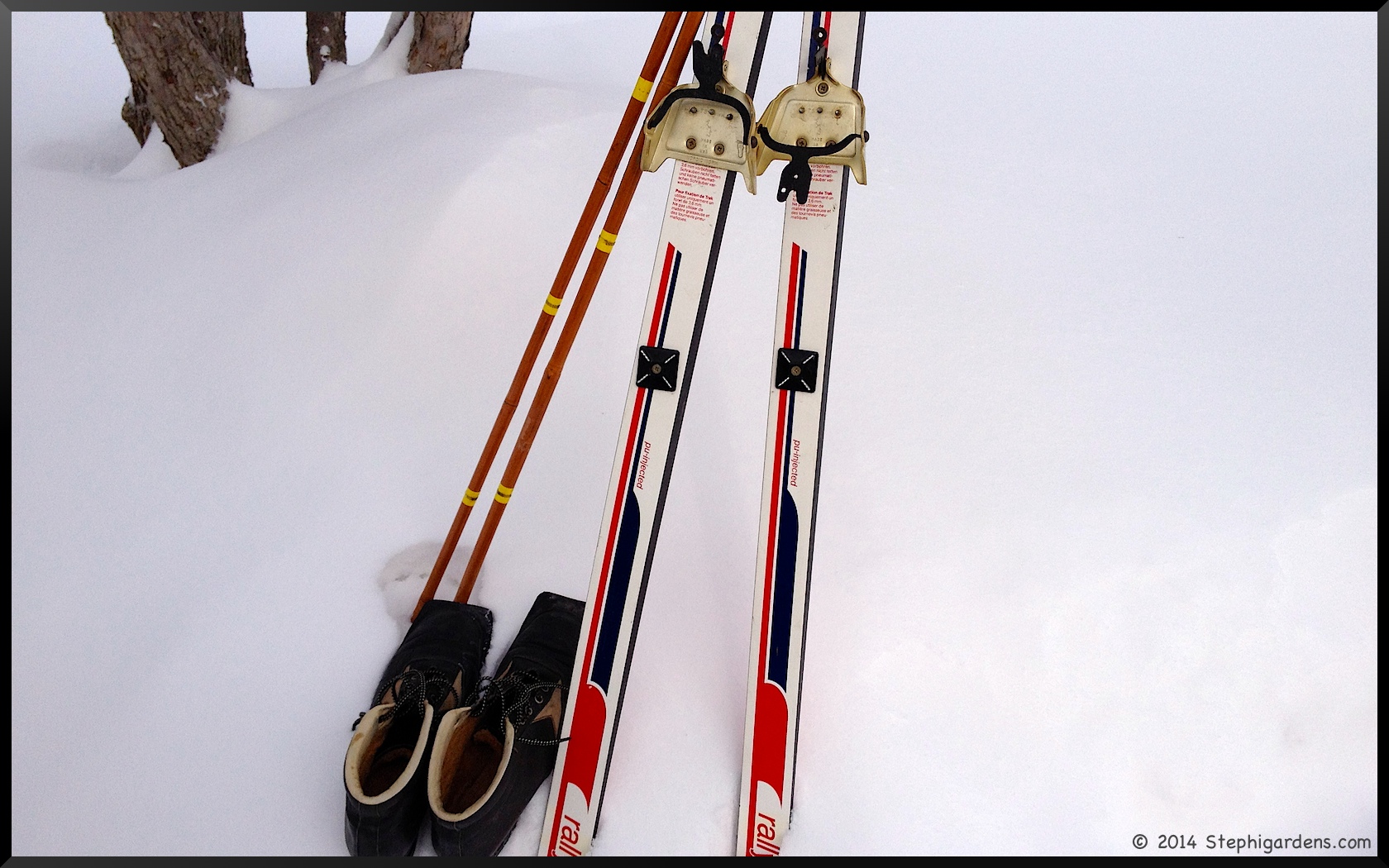
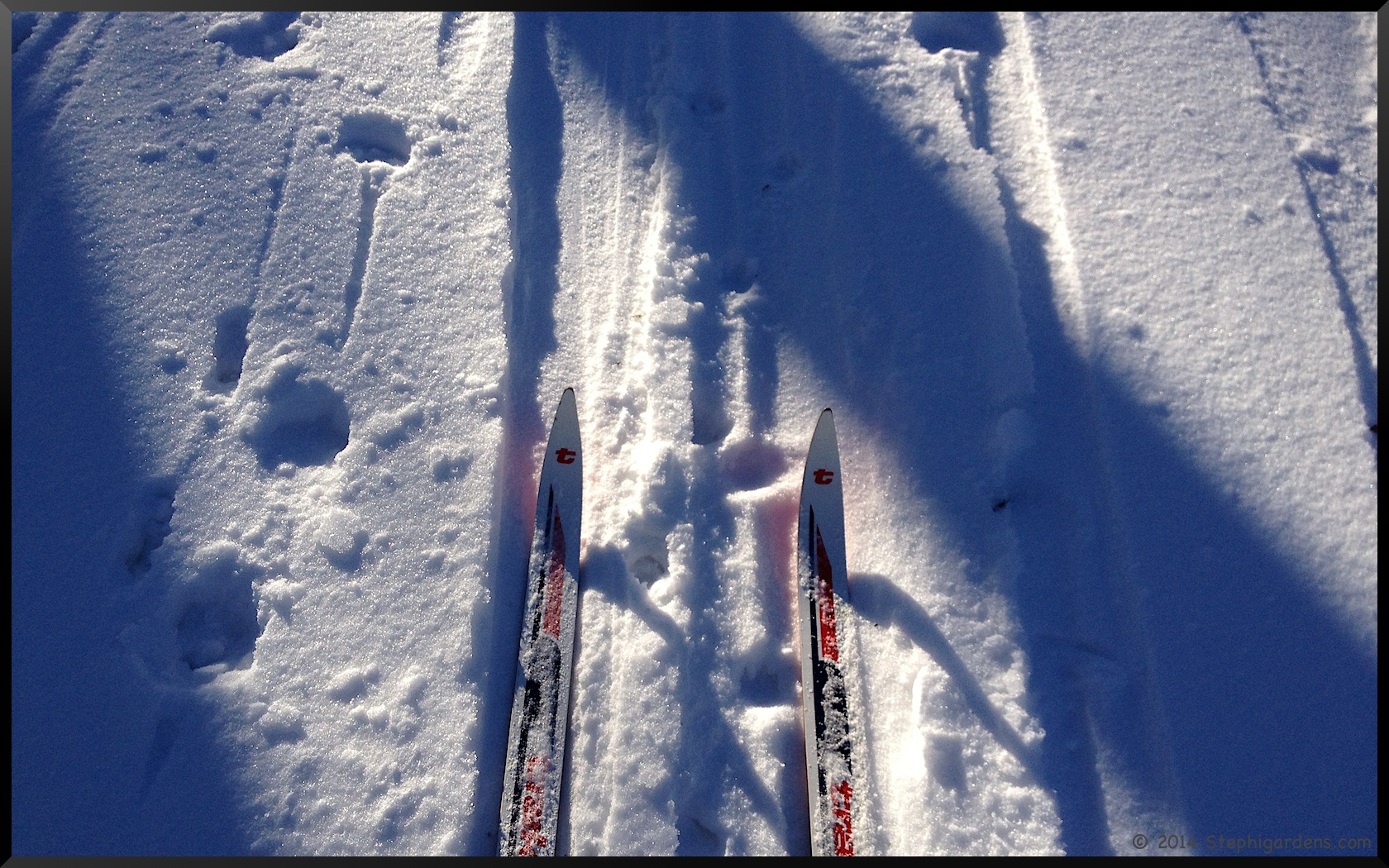
Trak cross country skis

I’m not sure why, but ever since we moved to Chicago, my cross country skis have been in storage in the basement.  Many years, there just wasn’t enough snow to ski, and then when there was snow, I’d come up with reasons why the conditions were never quite right.  Mostly, it was that I grew up in Buffalo and had great places to cross country ski.  In my mind, nothing here would compare,  so it wasn’t worth the effort.  I realize that’s not entirely rational, nor fair.

We started cross country skiing as a family back when I was maybe around 8 yrs. old. I give my parents a lot of credit for taking 3 young kids out in the cold snow to go cross country skiing.  In those days, the skis required waxing, which was a complicated art, especially for five people.  For fun, I checked out the Swix Website to see if it was as complicated as I remember,  It was, so kudos to my dad for figuring it all out.  Thankfully, no-wax skis were invented and made everyone’s lives simpler.  I have fond memories of those trips (except for the frozen feet), but I’m sure we weren’t always happy skiers.

So this weekend, before the next polar vortex arrived, I finally decided to get my skis and poles out of the basement.  I had some cleaning up to do with them, and actually needed to use goo-gone to get the moving tape residue off (mind you, we haven’t moved in 20 years). Then off to find the boots, which are actually my mom’s old boots since mine have long since disintegrated.  I still have the old, 3 pin bindings so when she upgraded her equipment, I luckily inherited her boots. Finally, I had everything together including my original, now vintage, bamboo poles complete with yellow tape markings to distinguish them as mine.

Trak cross country skis

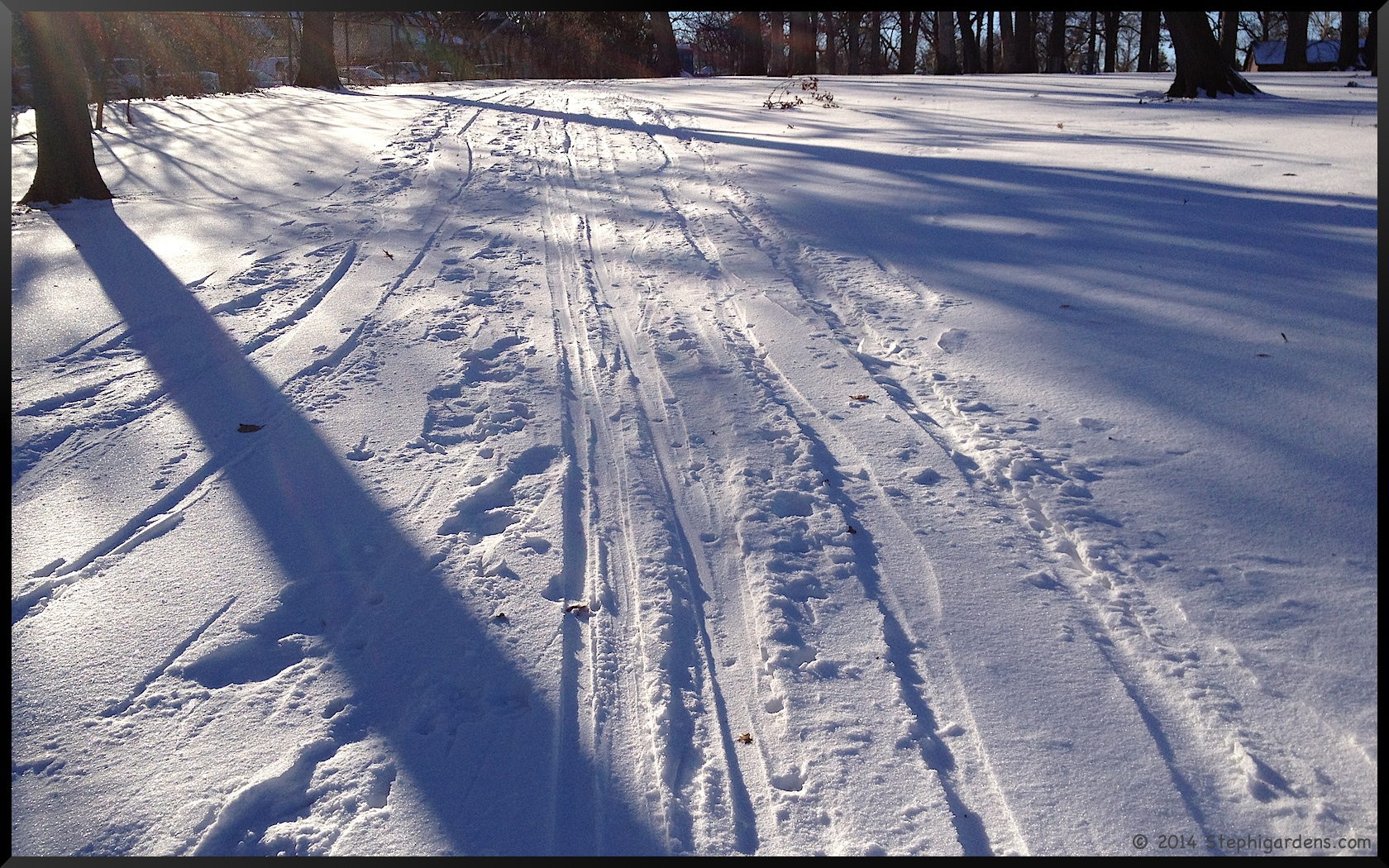
Of course, I had an absolutely wonderful time!  It was cold, but not too windy and the sun was shining.  The snow was just perfect for skiing, either in other skiers trails or blazing my own.

Trak cross country skis

cross country skiing

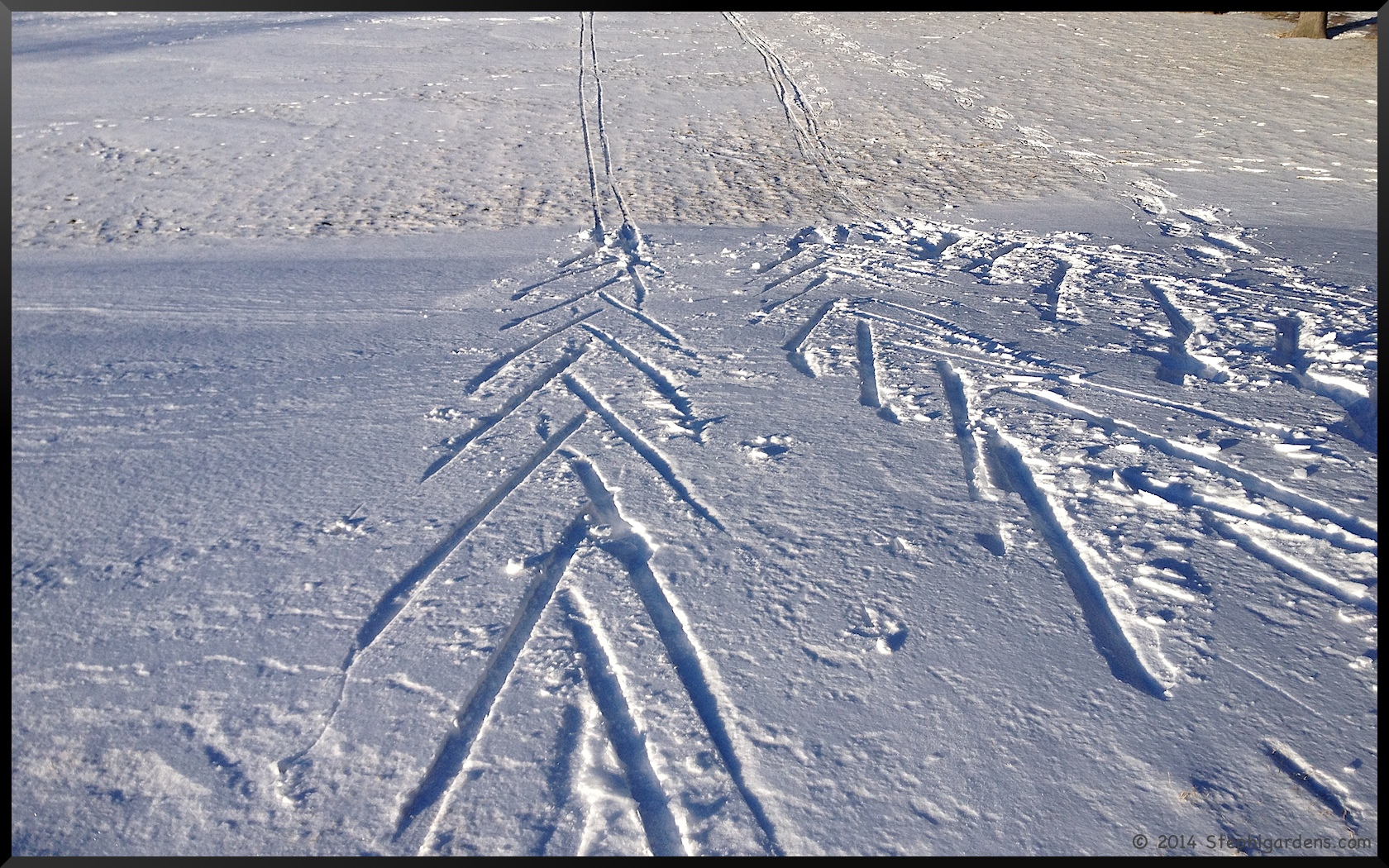
Everything came right back as if I had been out yesterday. I even had the chance to herringbone up a small hill.

cross country skiing

I think my skis will stay in the garage now and get more use. Next up will be to get my husband out there, or, if the weather would ever cooperate, take my skis up to my mom’s and ski with her.

wind blown snow

wind blown snow

Stay warm!

Tax Time

I’ve had to take a break from thinking about gardening and bird watching to take a week long training class to be a AARP Tax Aide for Seniors. Tax season can sure be daunting, and I’m going to try and help a few people get theirs done a little easier. Do you volunteer?

I’ll be back with a new post over the weekend!


Squirrel Calisthenics

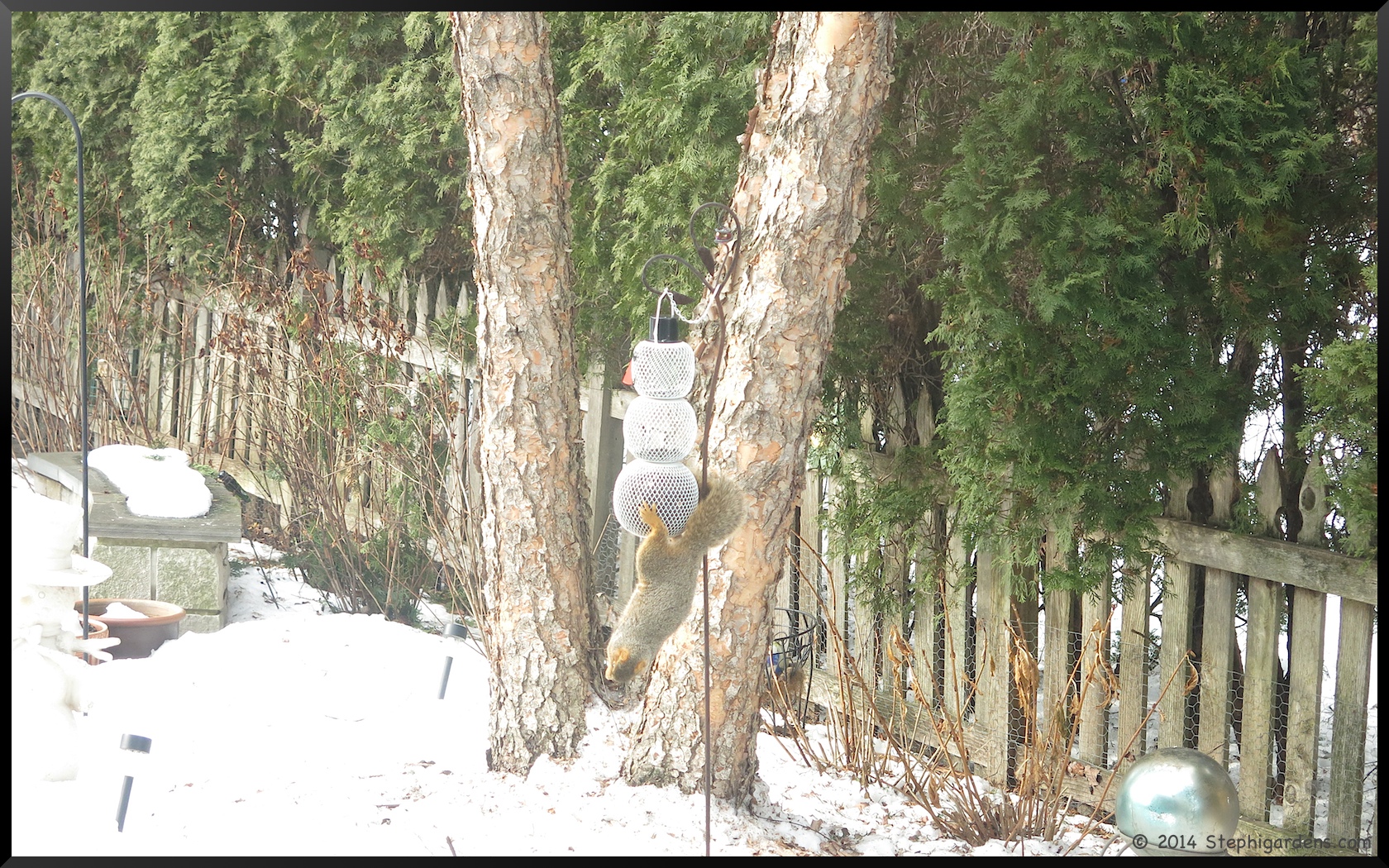
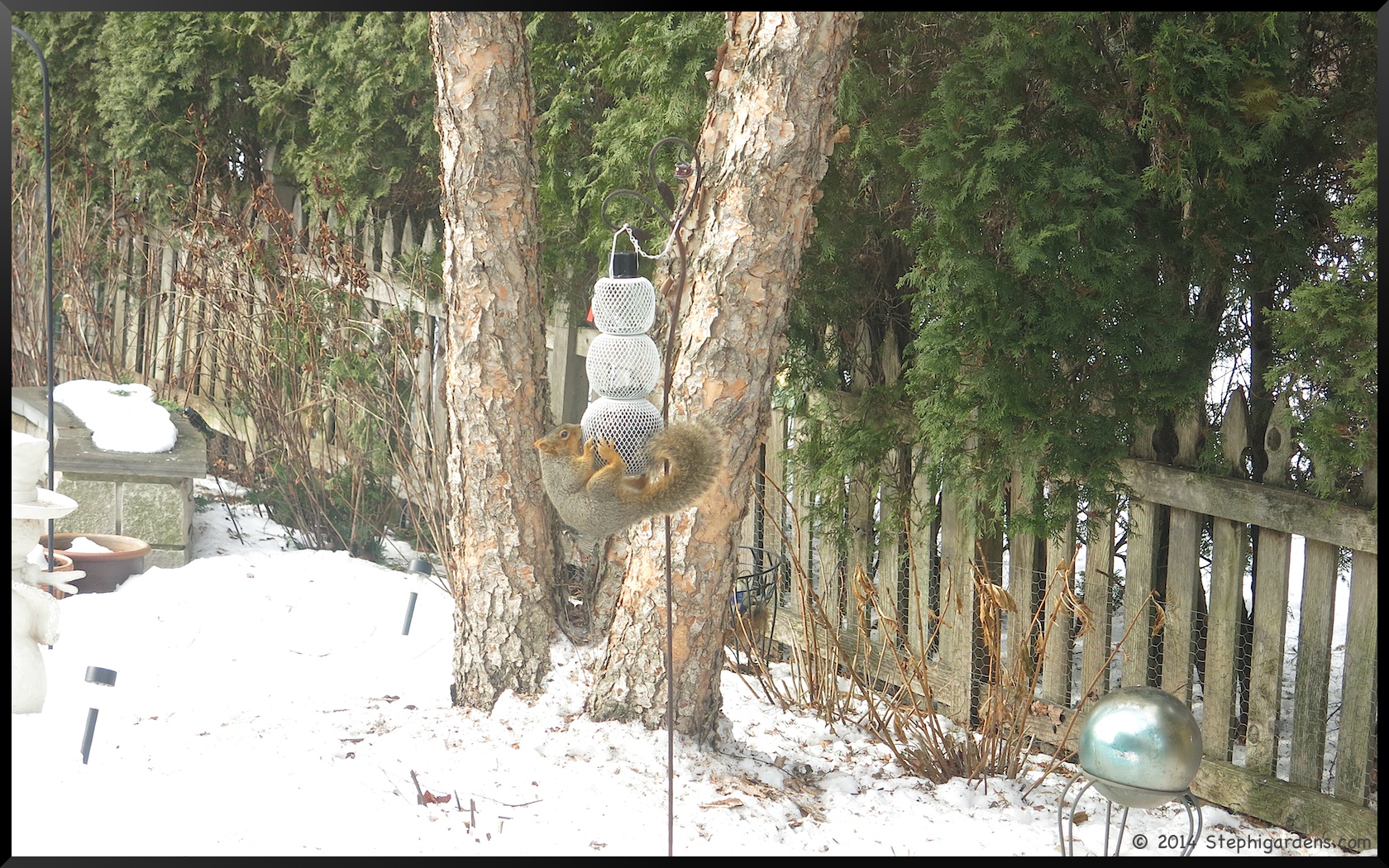
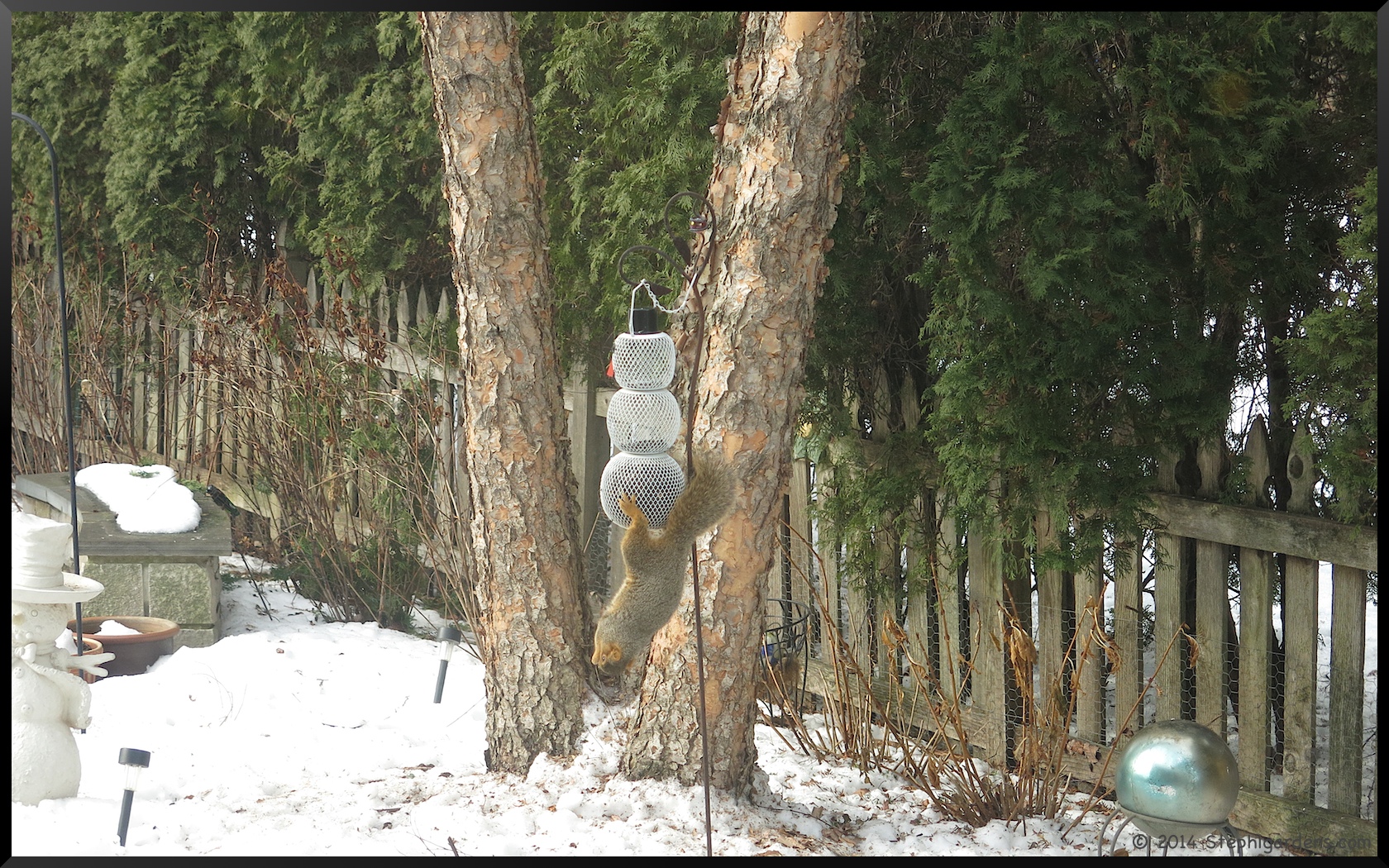
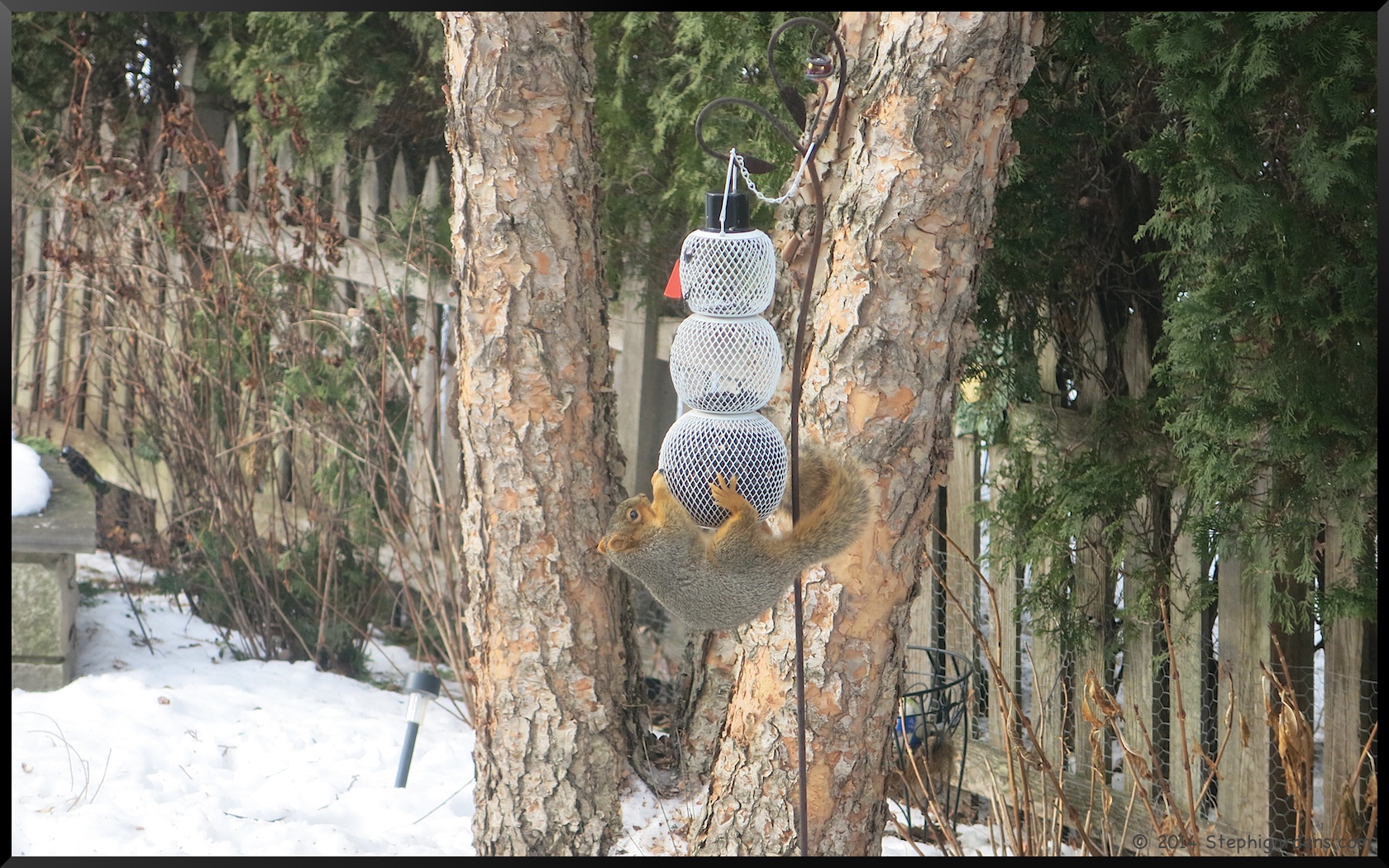
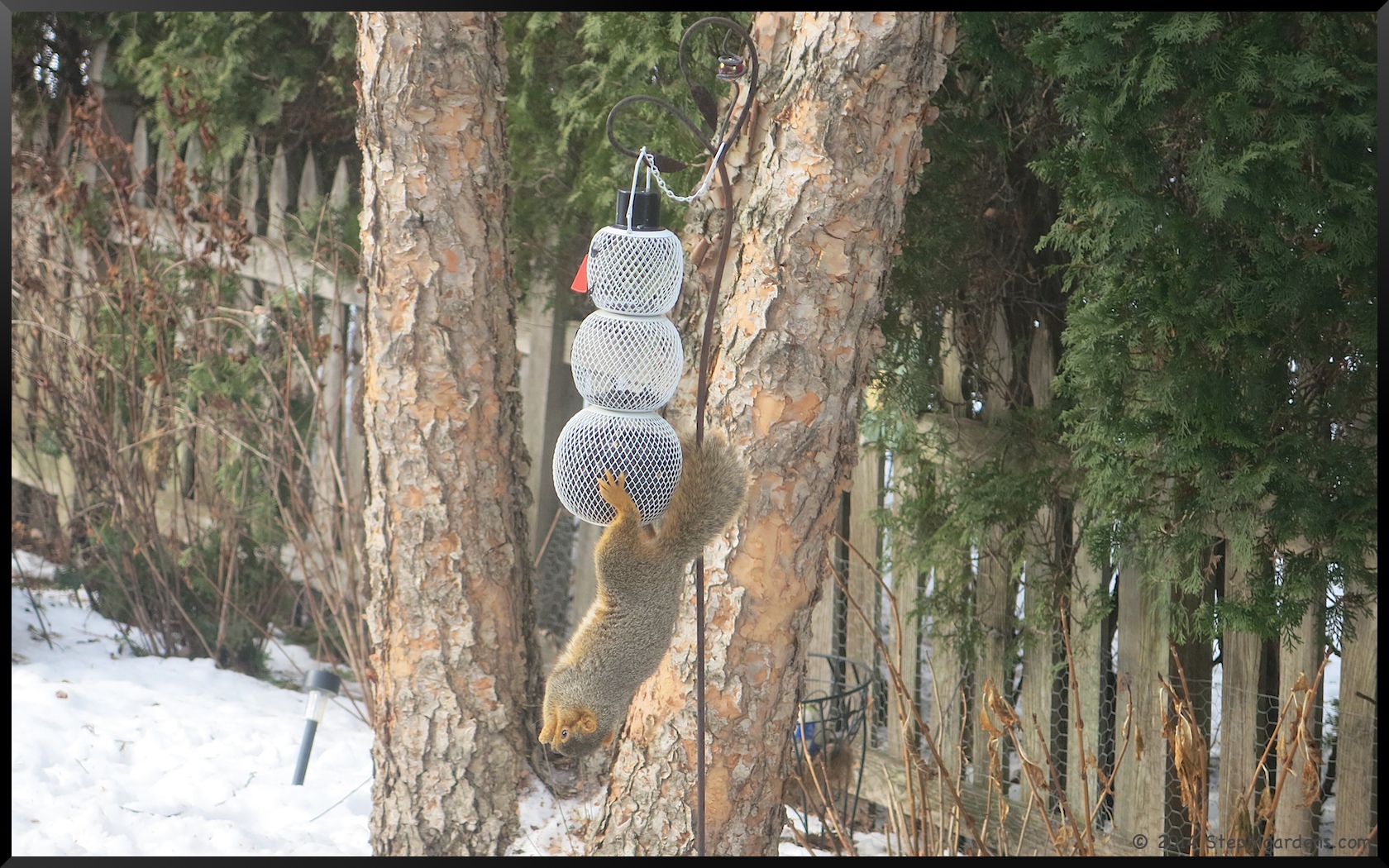
Anytime you put out a bird feeder, you are also bound to be inviting squirrels to your yard.  So, I now have a group, scurry, dray, or whatever a bunch of squirrels might be called, who visit on a regular basis.  I’m beginning to be able to pick each out based on their coloring and eating habits.  One in particular is quite the gymnast. I’m not sure he’s getting any net positive calories, but he sure seems to be having fun doing this.

Squirrel

Squirrel

Squirrel

Squirrel

Squirrel

Squirrel

I really can’t even be upset he’s eating the sunflower seeds because as someone else in my family said, “It’s the most adorable thing I’ve ever seen”.  This guy seems to be the only one who has figured this method of eating from this feeder.  Another one clings a little better, but doesn’t last very long on the feeder. Either way, they don’t get much to eat one seed at a time. The others just scavenge the seeds on the ground or on the snowman statue’s hat.  Not too much of a bother…yet.  Plus, it gives Daisy something fun to do outside.

Here’s a movie of him getting a workout:
https://www.youtube.com/watch?v=4jEqoyC6dCQ

As a bonus, if you watch the background, you’ll see some Juncos and a Downy Woodpecker coming to visit.

Hidden Nests

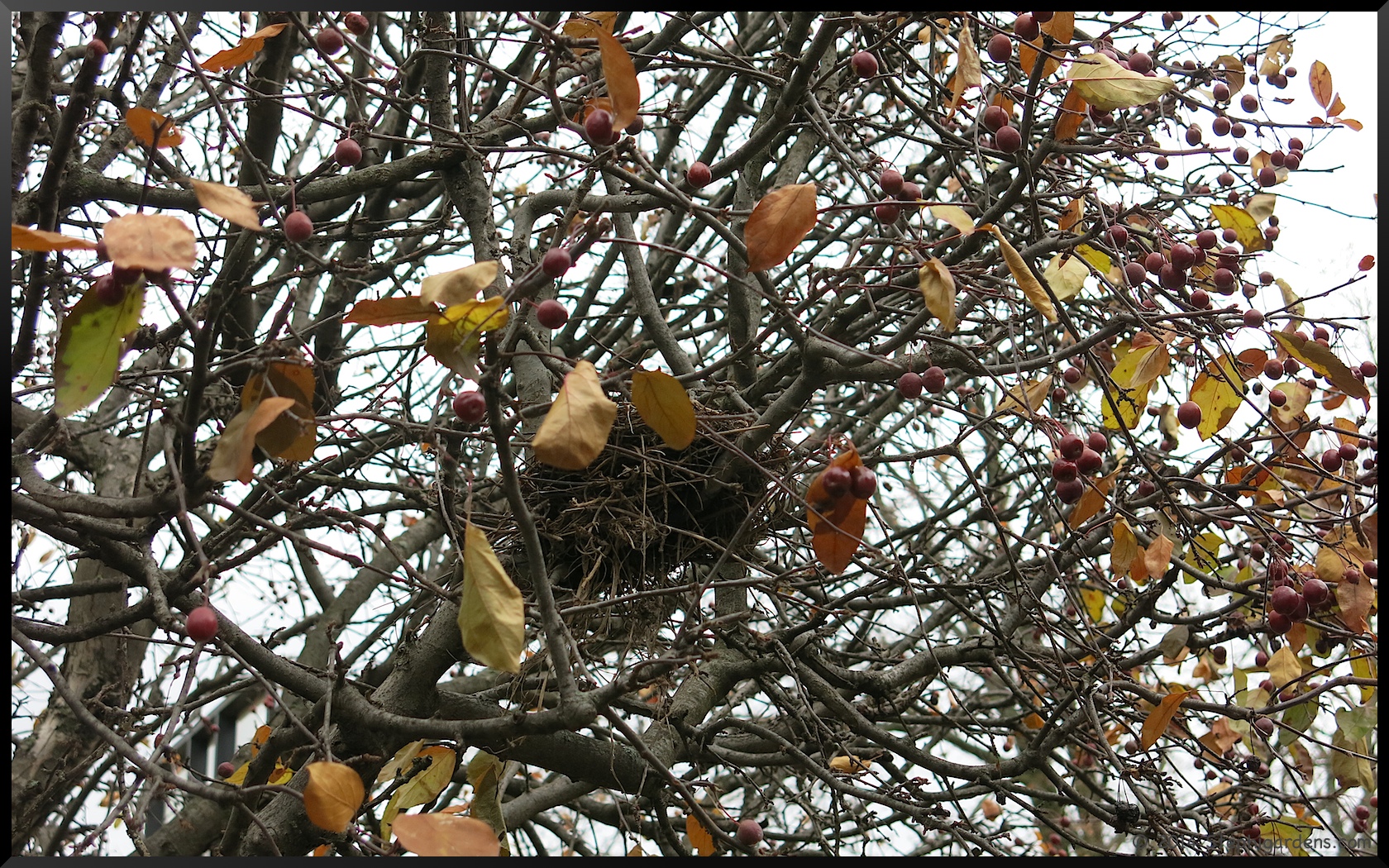
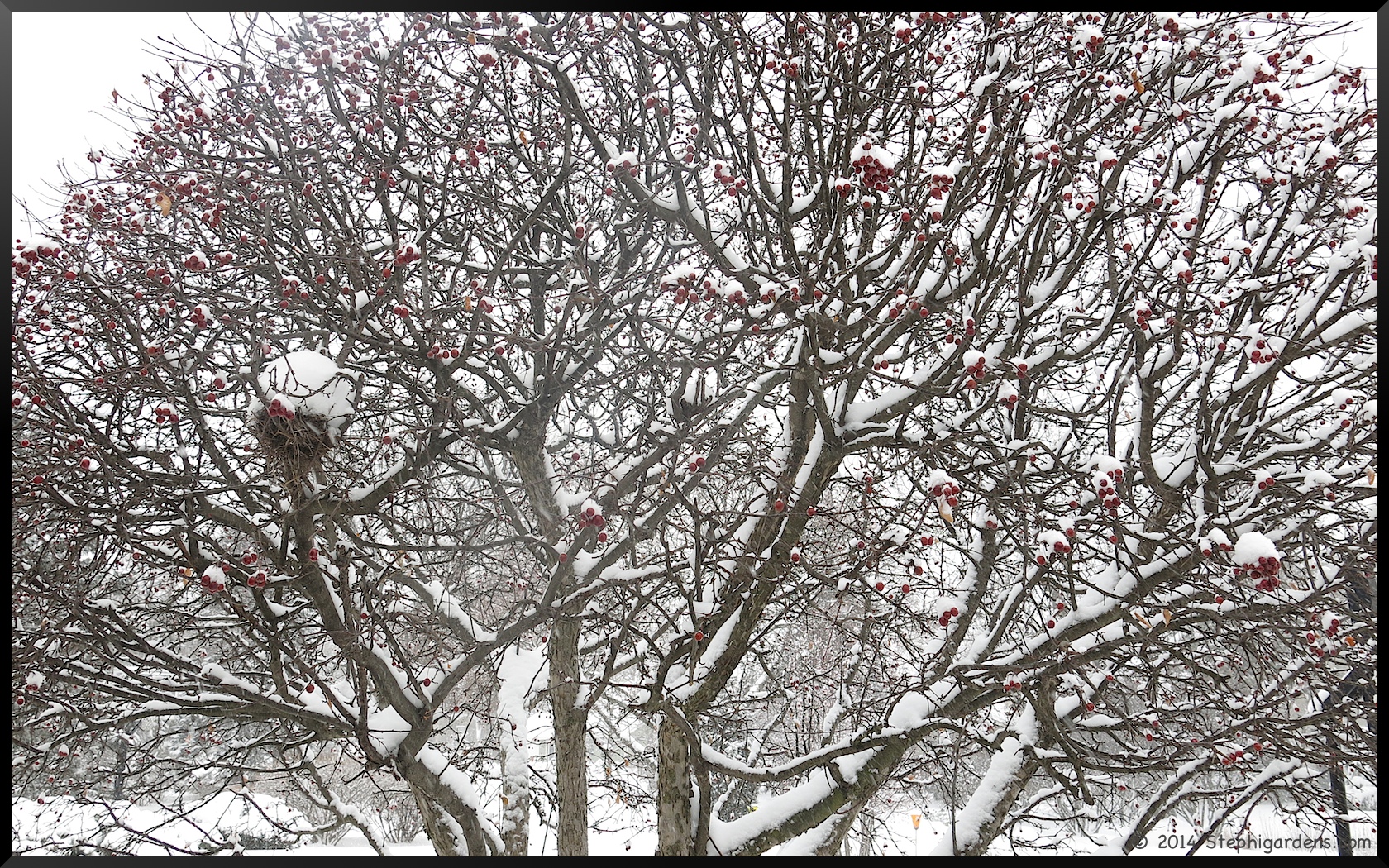
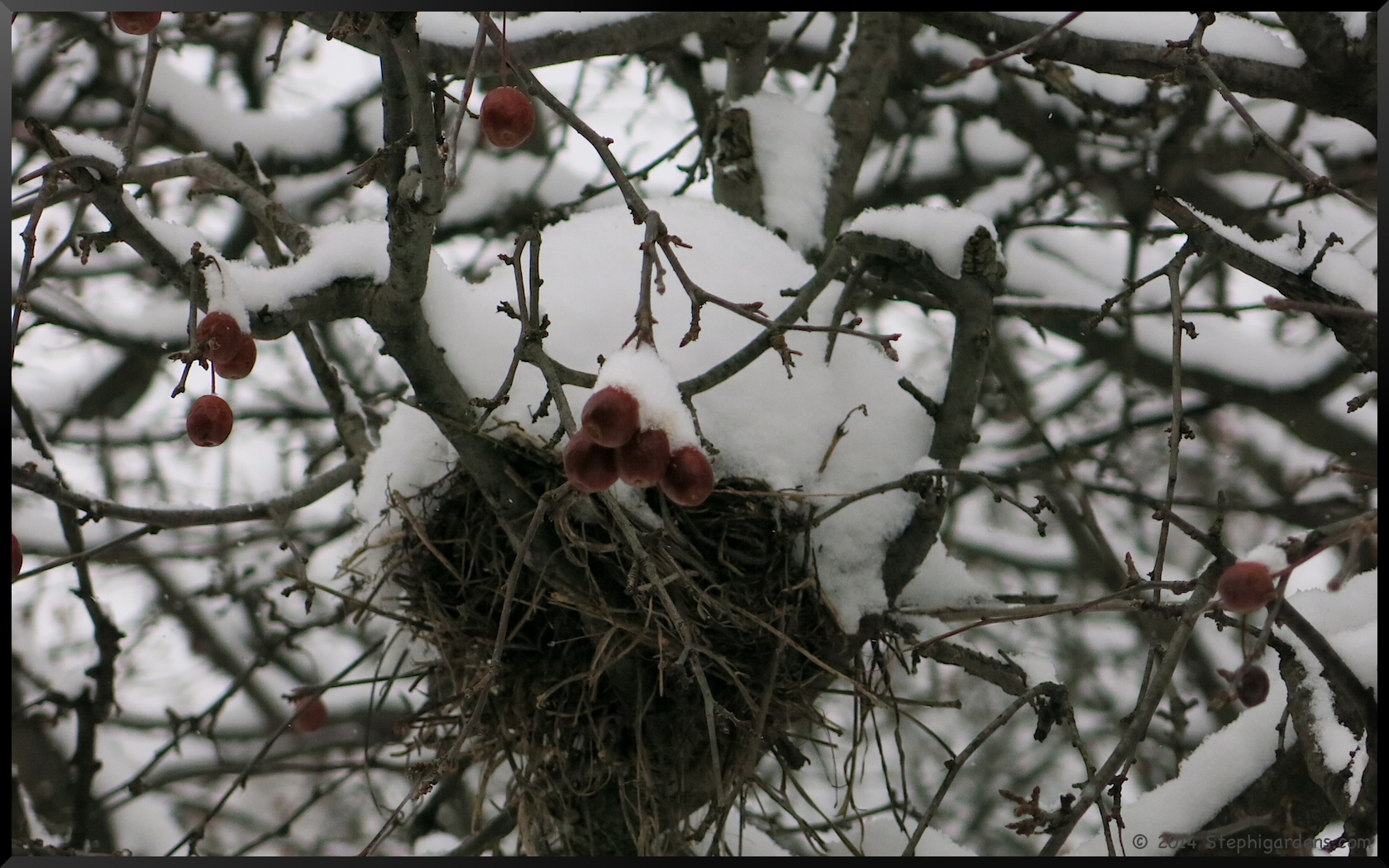
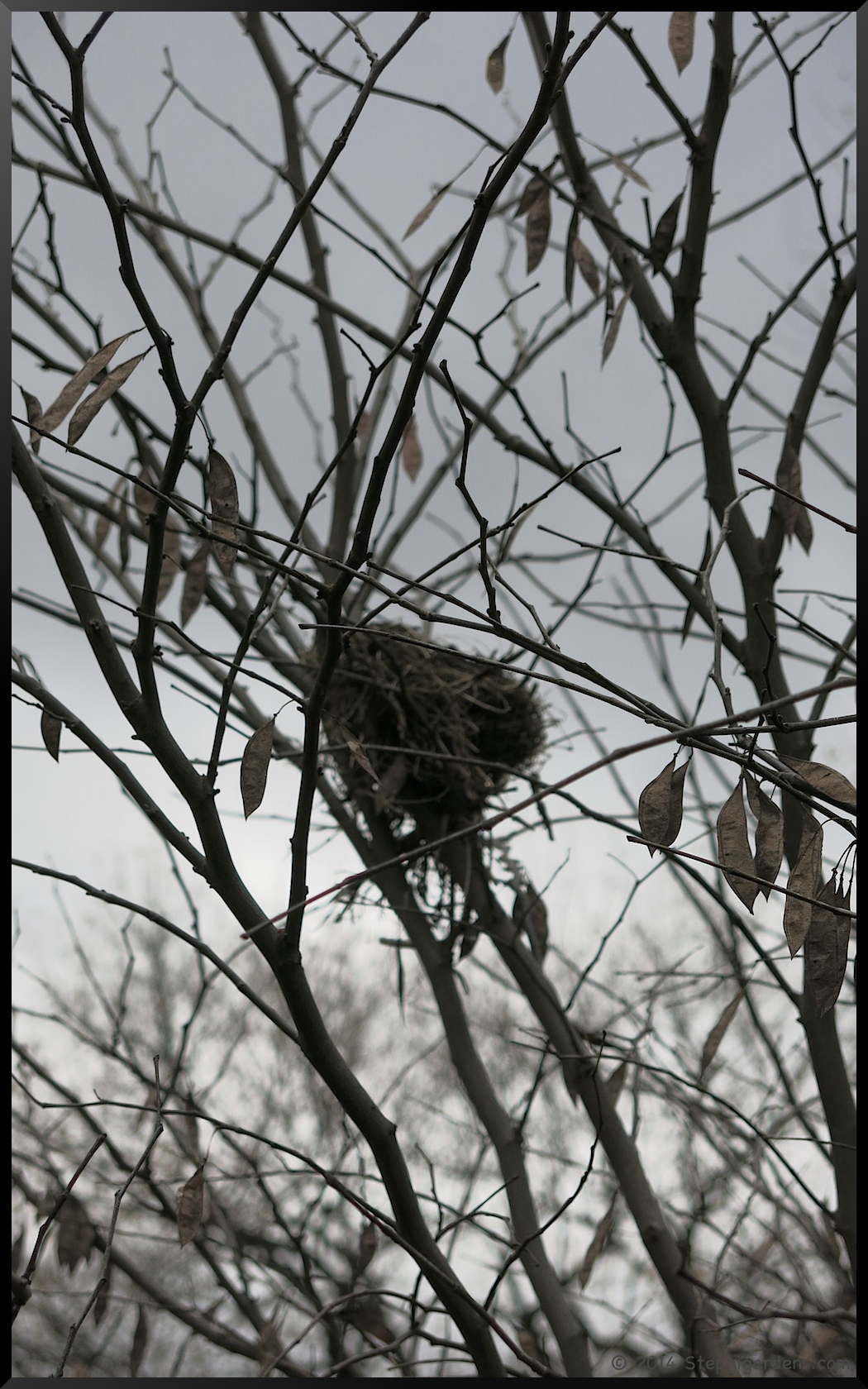
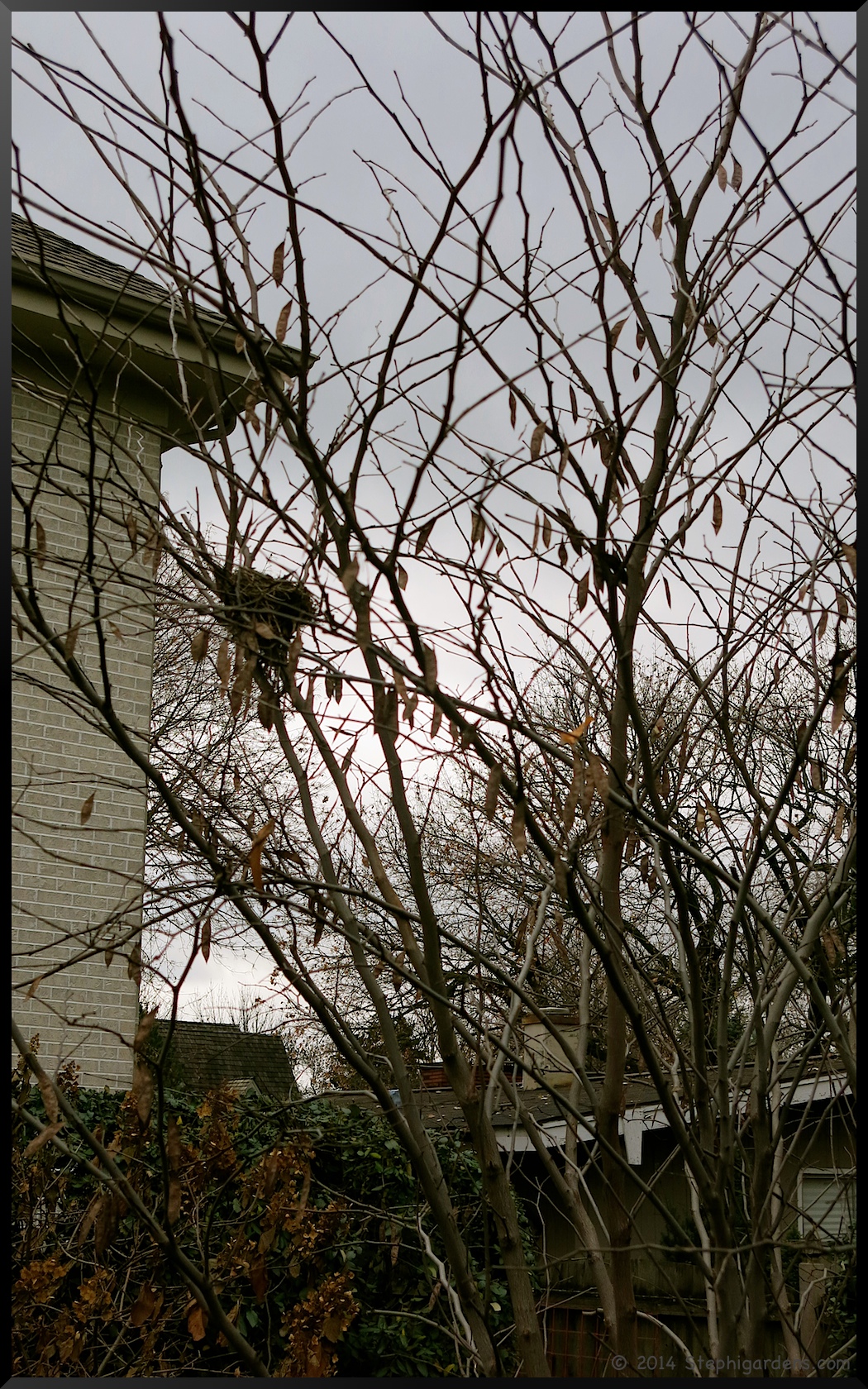
I am one of those that snoops gently around in the bushes in the spring looking for those secret nests.   But, I’m not usually very successful, so one of the things I love about fall and winter is finding those hidden nests that were so painstakingly made and camouflaged so well.  I am always so surprised when the leaves fall off the bushes and there they are! How did I miss them?

We walk right under this crabapple tree to get to the backyard.  We could tell that birds were hanging out in this spot because of the mess on the bricks below, but the leaves were too dense to spot the nest until the leaves dropped.

bird nest


bird nest


bird nest

This one was in a fairly young Redbud.

bird nest

bird nest

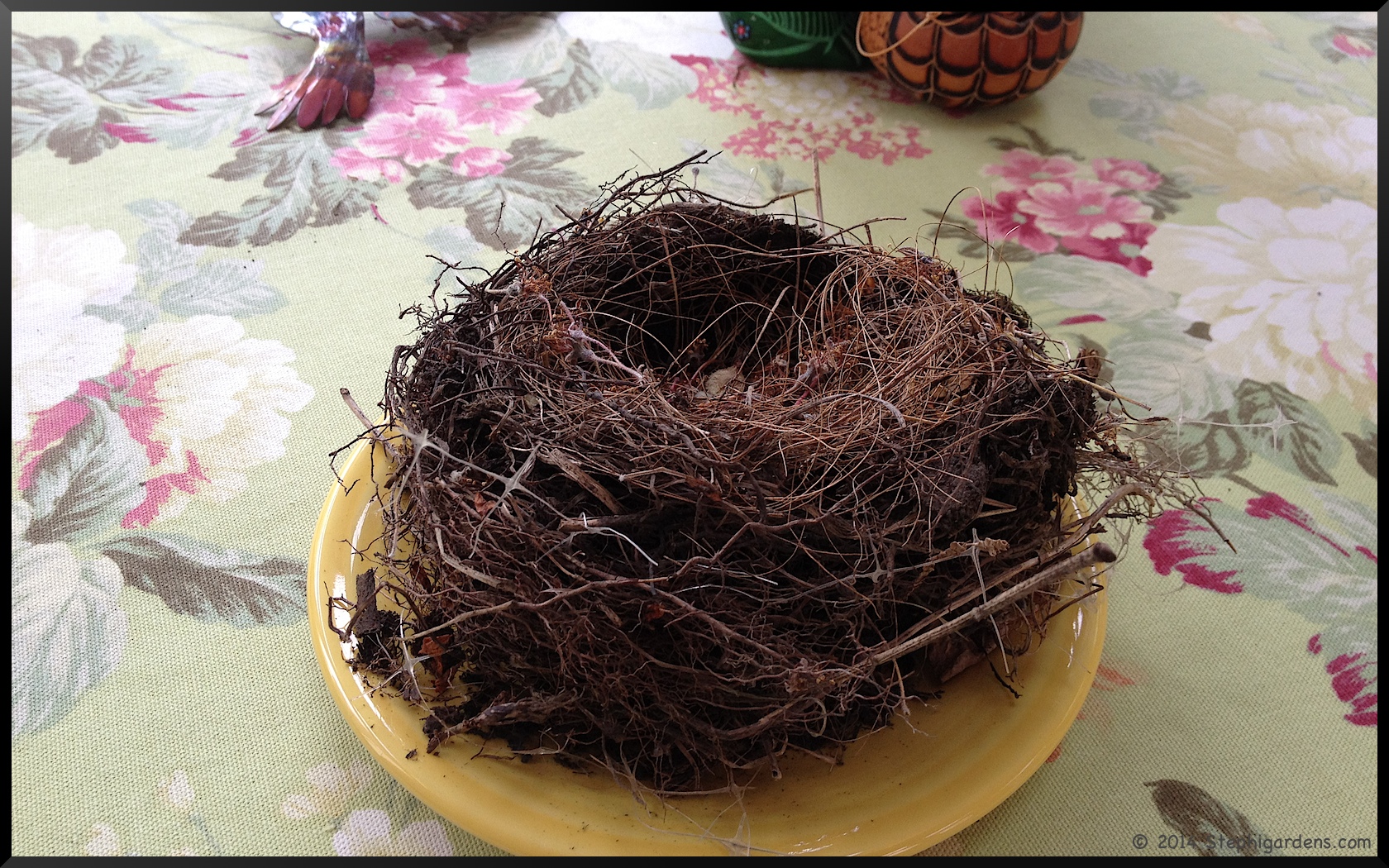
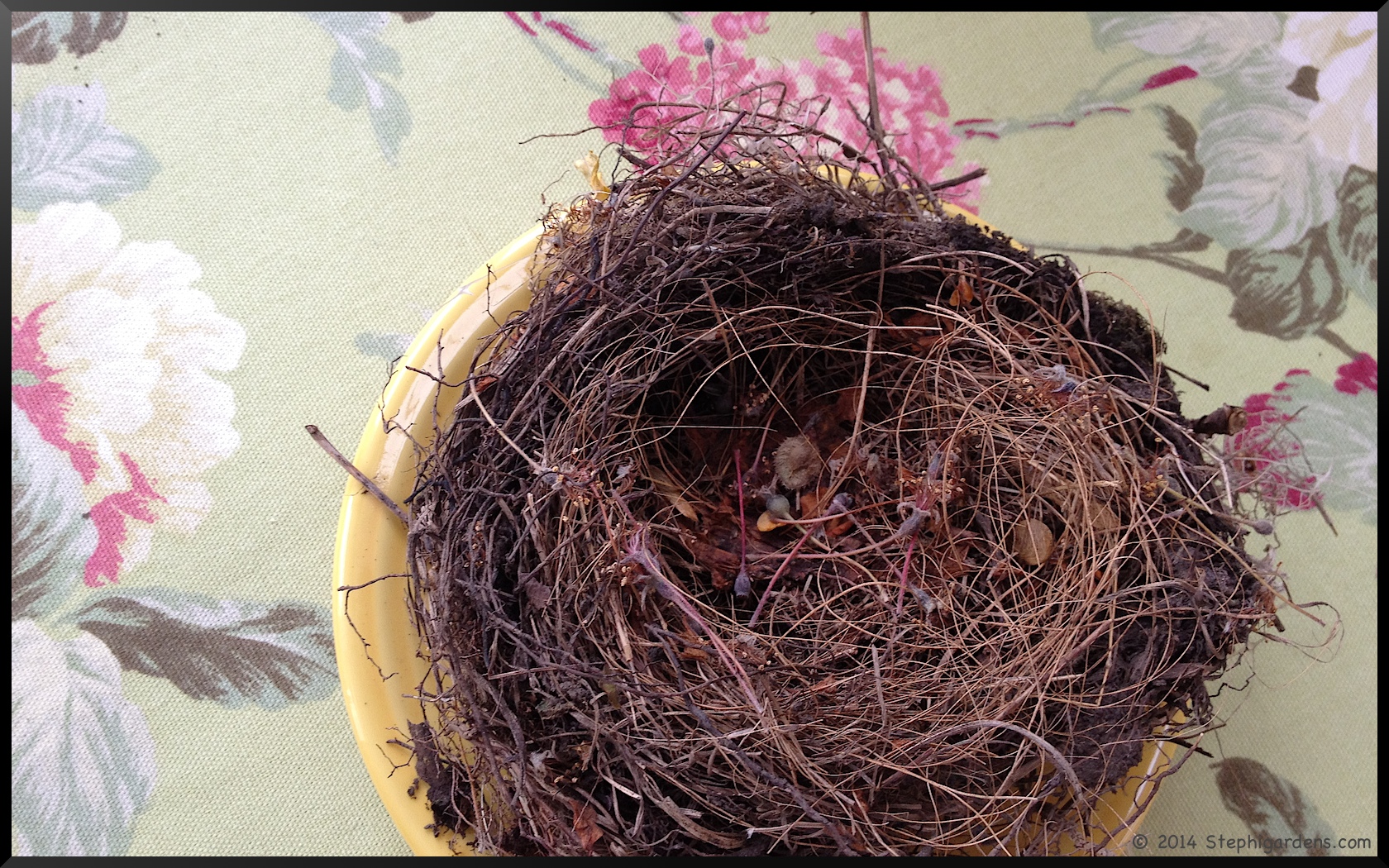
A friend needed a nest for a classroom project. Luckily she asked in the early fall so I knew just where to get a perfect one for her.  It had been abandoned in a Blackhaw Viburnum.

bird nest


bird nest

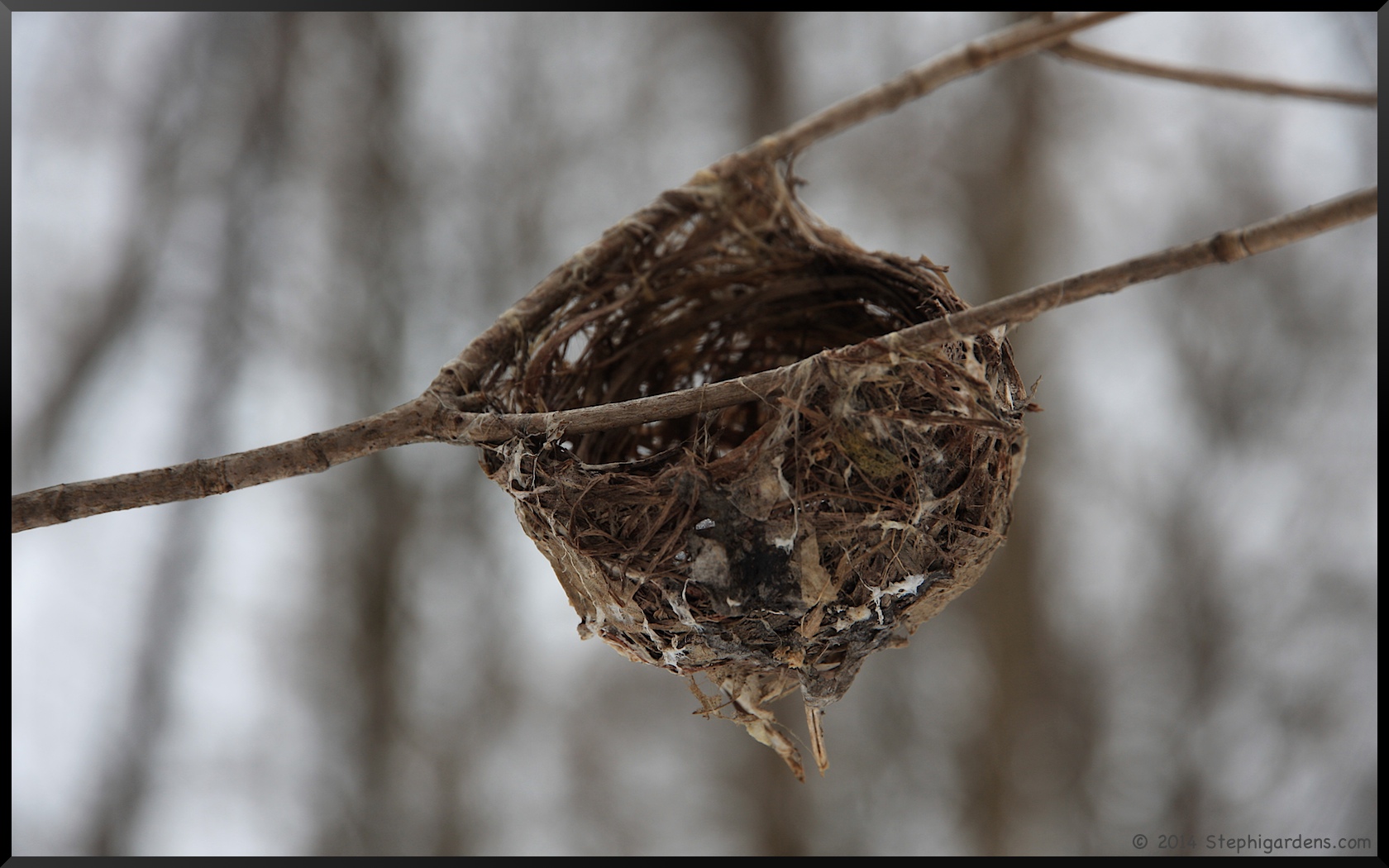
Then there’s the ones you stumble upon out in the forests and fields.

bird nest

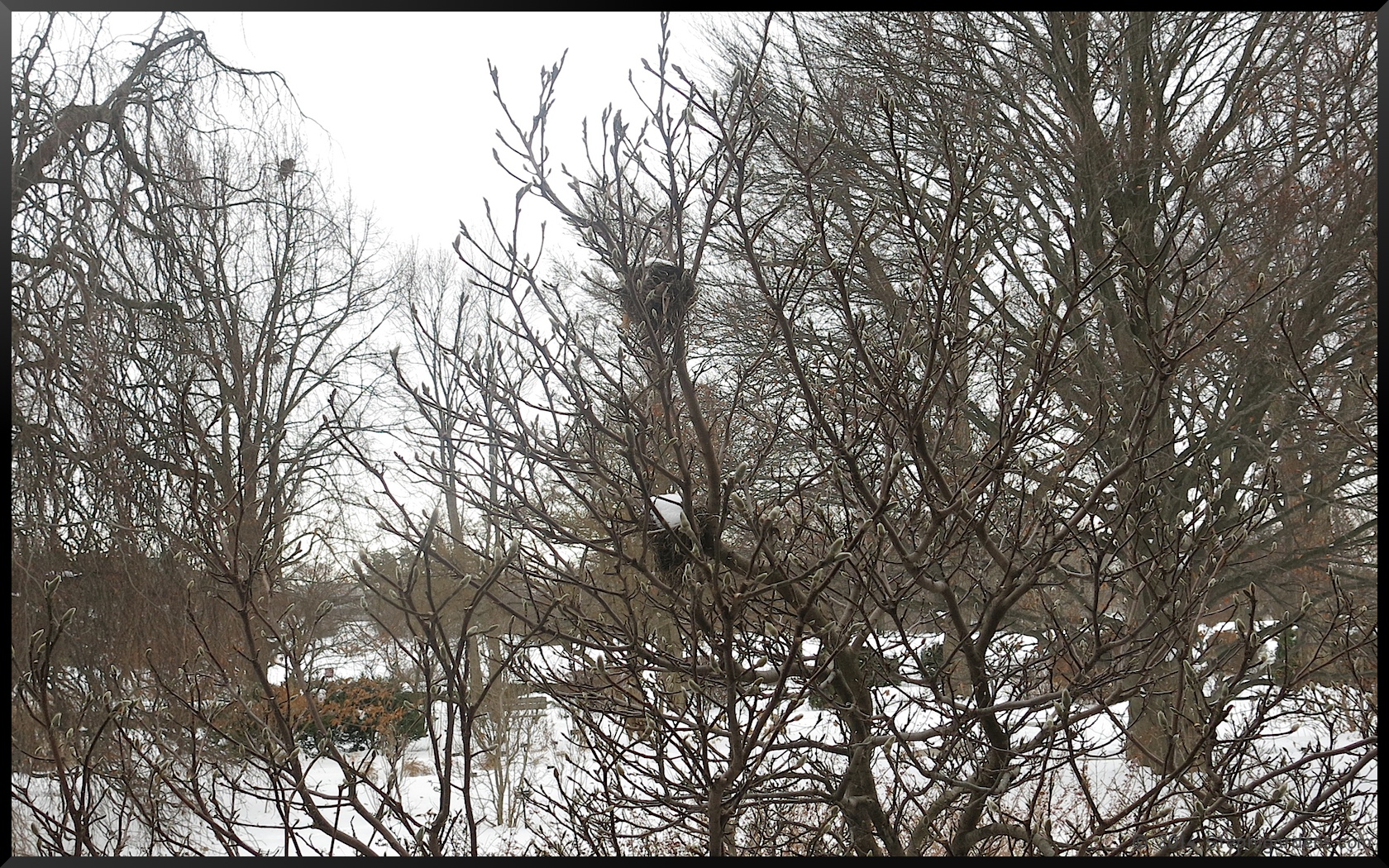
 There’s actually two nests in this shrub.  Pretty unusual to be so close together, so maybe one was from a prior year.  

bird nest

And of course, there’s the squirrels who need to nest as well.

squirrel nest

Air Plant Terrarium

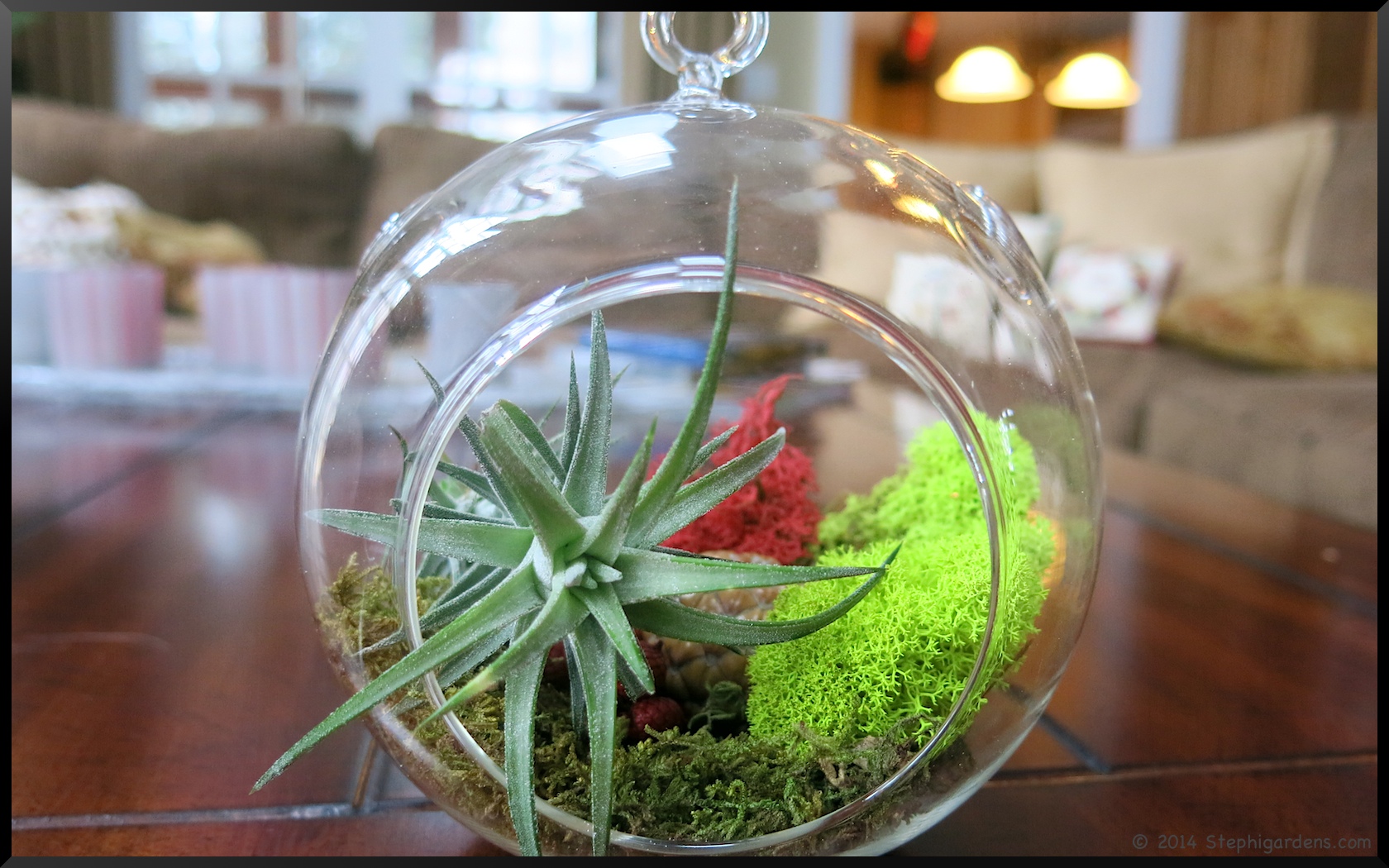
Air plant terrarium

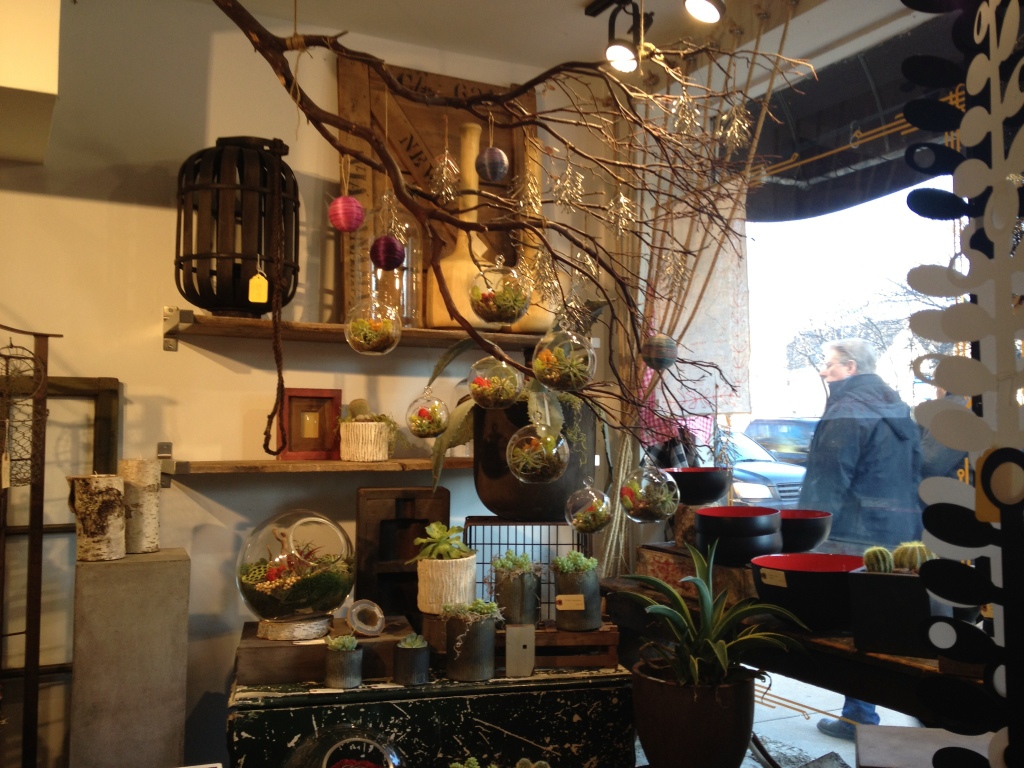
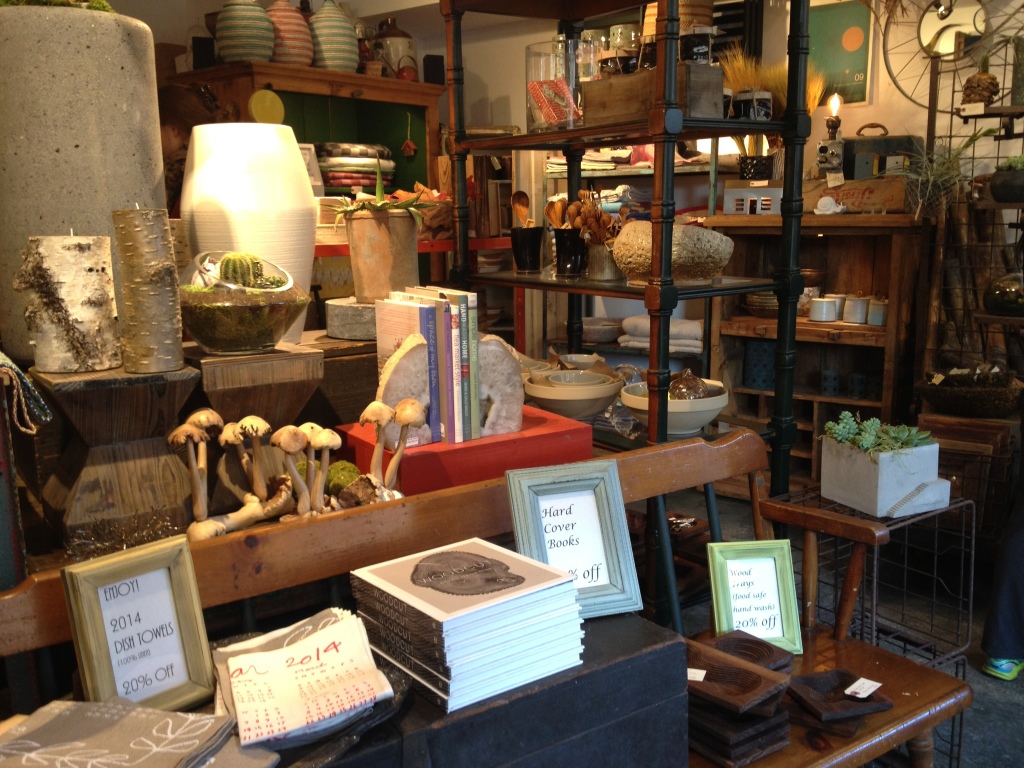
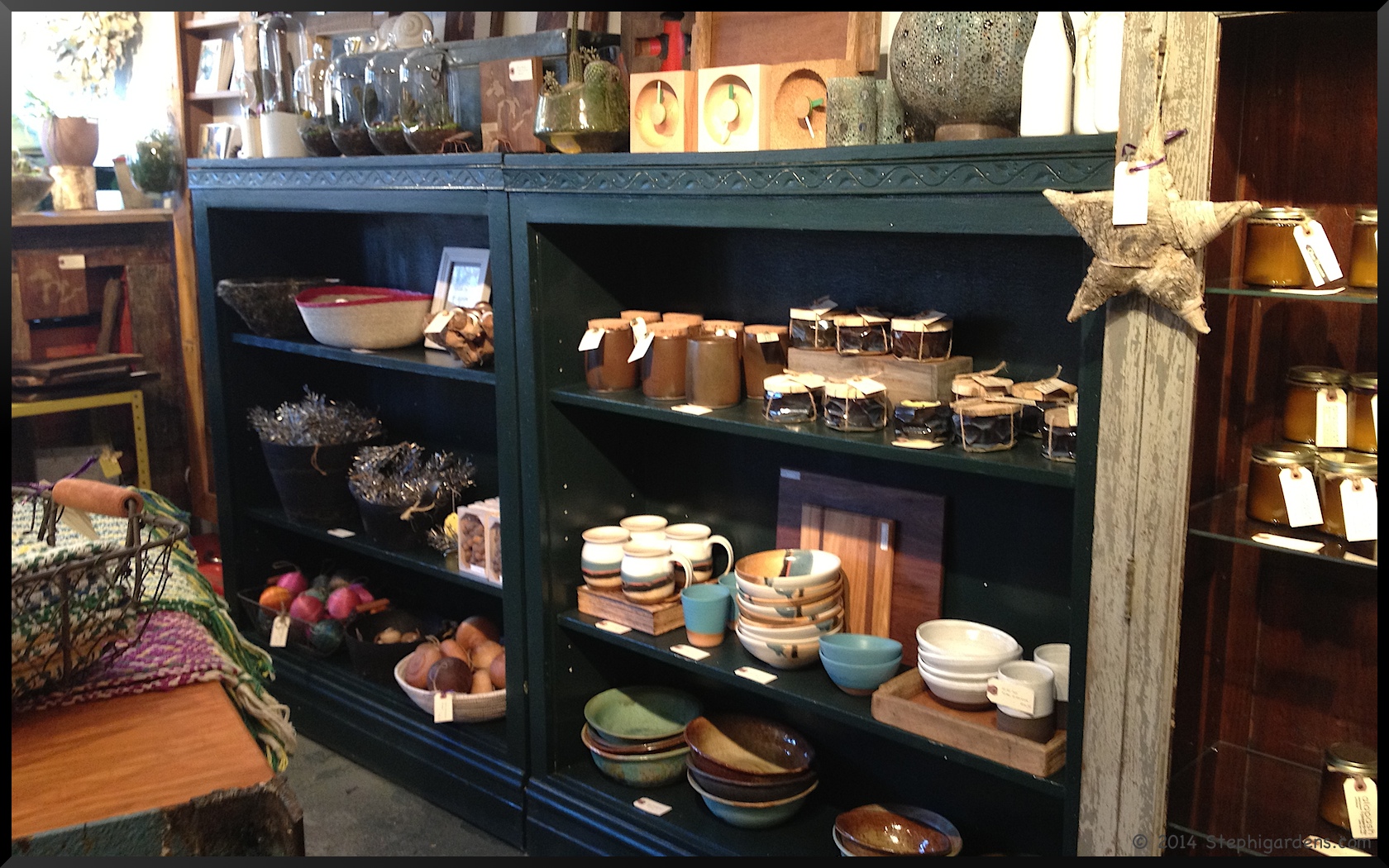
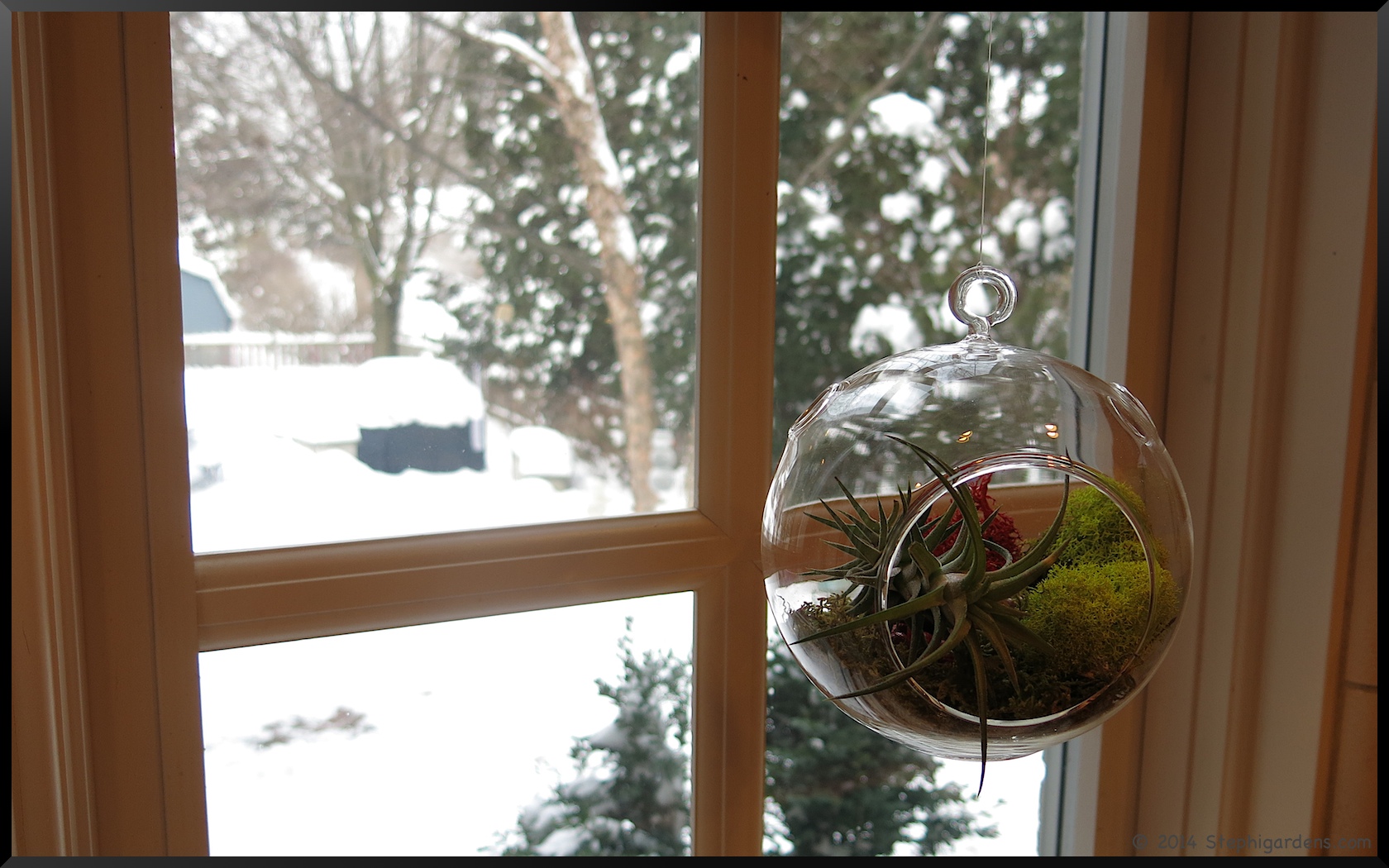
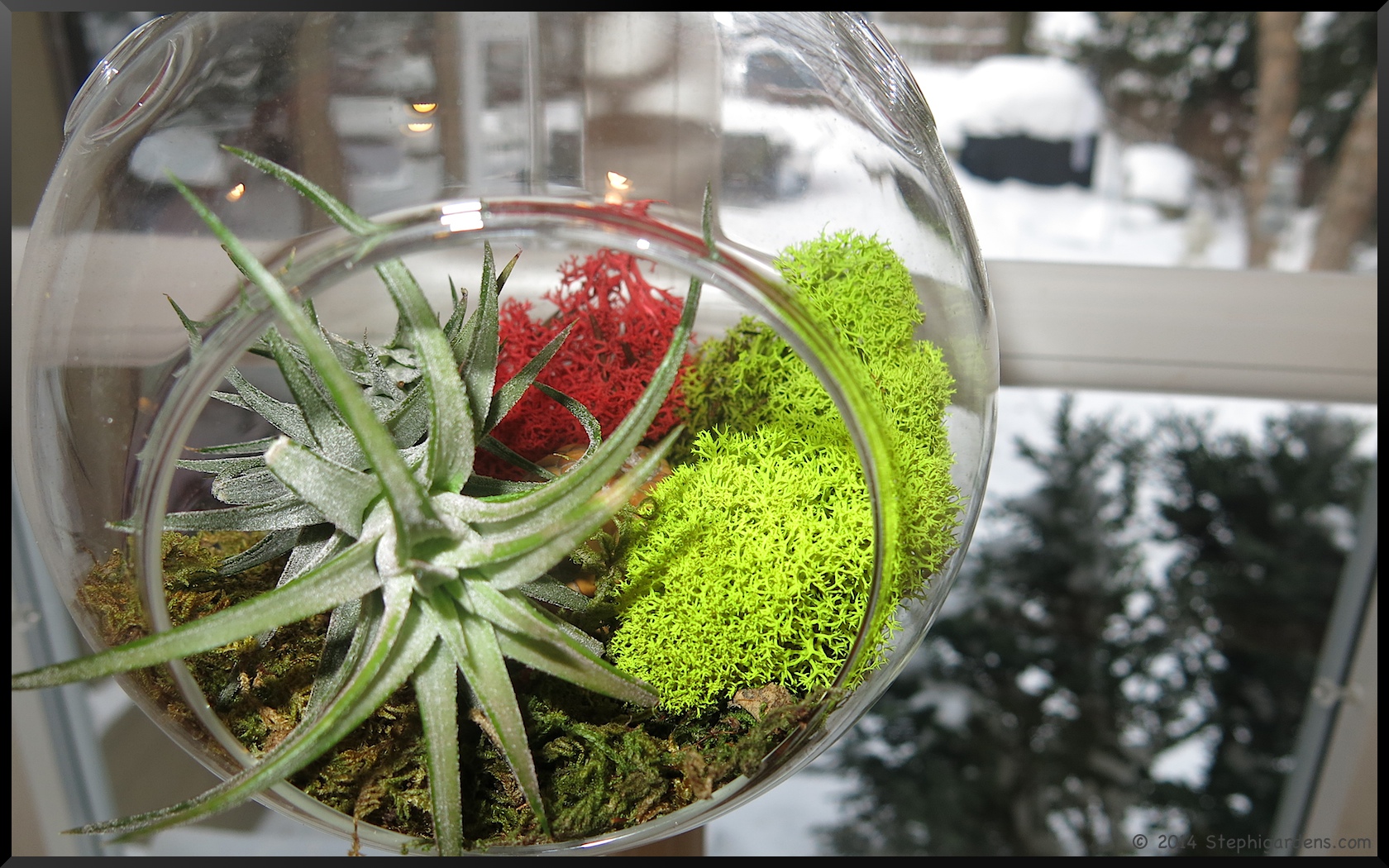
As I mentioned in a previous post (Blog-Themed Christmas), in addition to my gardening and bird feeding Christmas gifts, I also received a cute little Tillandsia air plant terrarium from my daughter. She went Christmas shopping for me at a very unique garden and gift shop, Alaplash in the North Center area of Chicago. Thank goodness it survived the train ride home with her.

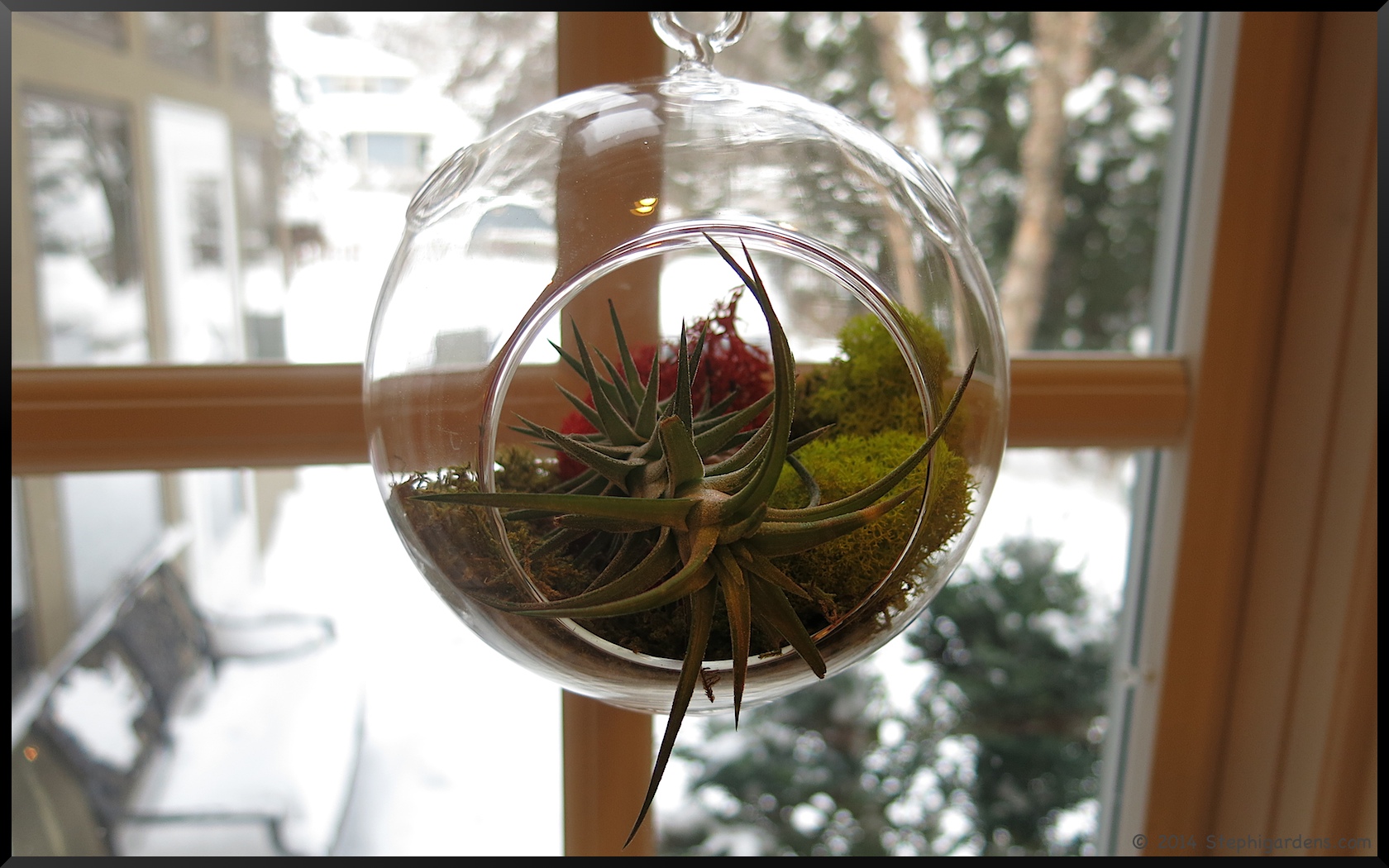
I’ve never owned an air plant before. They seem so easy to take care of that I may be looking for more if this goes well. Tillandsia are in the Bromeliad family and grow natively in South and Central America, and some regions of the southern US. They need bright, but indirect light, and don’t seem to be able to handle direct sun. I thought the kitchen window would be a perfect spot. Now it hangs over the sink and I can look at it and the bird feeders all at the same time.

Air plant terrarium

Air plant terrarium

Air plant terrarium

The care of air plants seem pretty easy. Sometimes this can be deceiving, but I hope not. The instructions say every 10 days or so, take the plant out of the terrarium, spray it heavily all over with a sprayer or faucet and then let them sit out for a while to dry. They live where it rains, so like to get soaked, but not to stay soaked. For more detailed care instructions, you can visit the Alapash website.

Do you have any experience with air plants or terrariums?

If you are in the area, Alapash was named one of the best gift shops in Chicago by Chicago Magazine in 2013. I can see why.

20140115-155255.jpg

20140115-161522.jpg

It smelled so good in there, I had to buy one of their fig and ginger candles for my house.

Alapash

If you’re in the area, it’s worth a visit and there’s lots of other cute shops and great restaurants and pubs in this “off the beaten trail” area of Chicago. I’d recommend The Fountainhead and  Glenn’s Diner if you find yourself hungry around there.
Winter Visit to the Morton Arboretum

The other day, before the polar vortex descended into the Chicago area, Steve and I went out for a walk and lunch at the Morton Arboretum in Lisle, IL.  The Arboretum is a real local treasure where we can always find something interesting every time we visit.  Today we walked around one of the very snowy and quiet trails, and then took time to walk through the Children’s Garden.  Even though we had no kids with us today, it’s a beautifully laid out garden, easy to explore on a snowy day.

Morton Arboretum

Morton Arboretum

Morton Arboretum

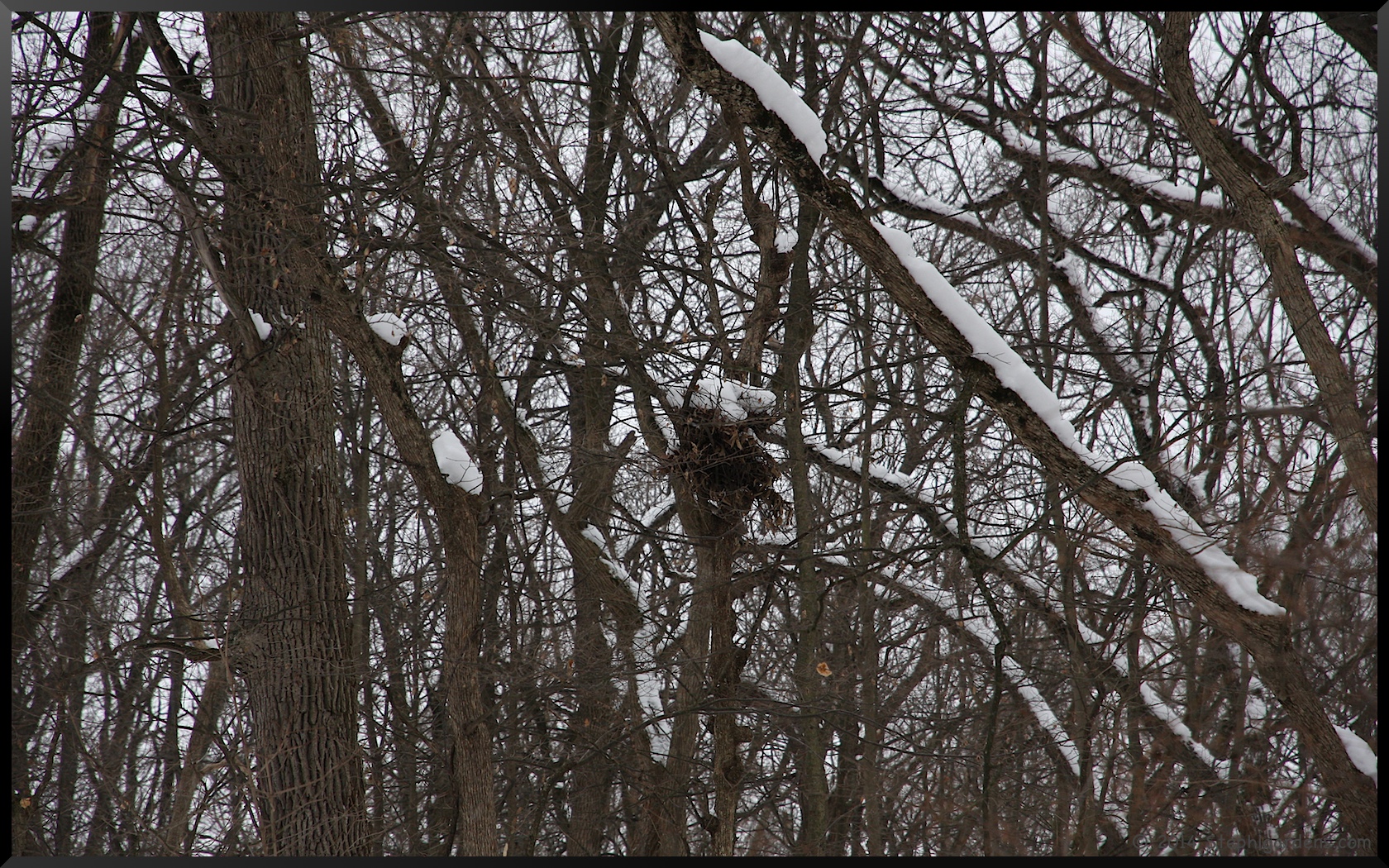
Morton Arboretum/Bird Nest

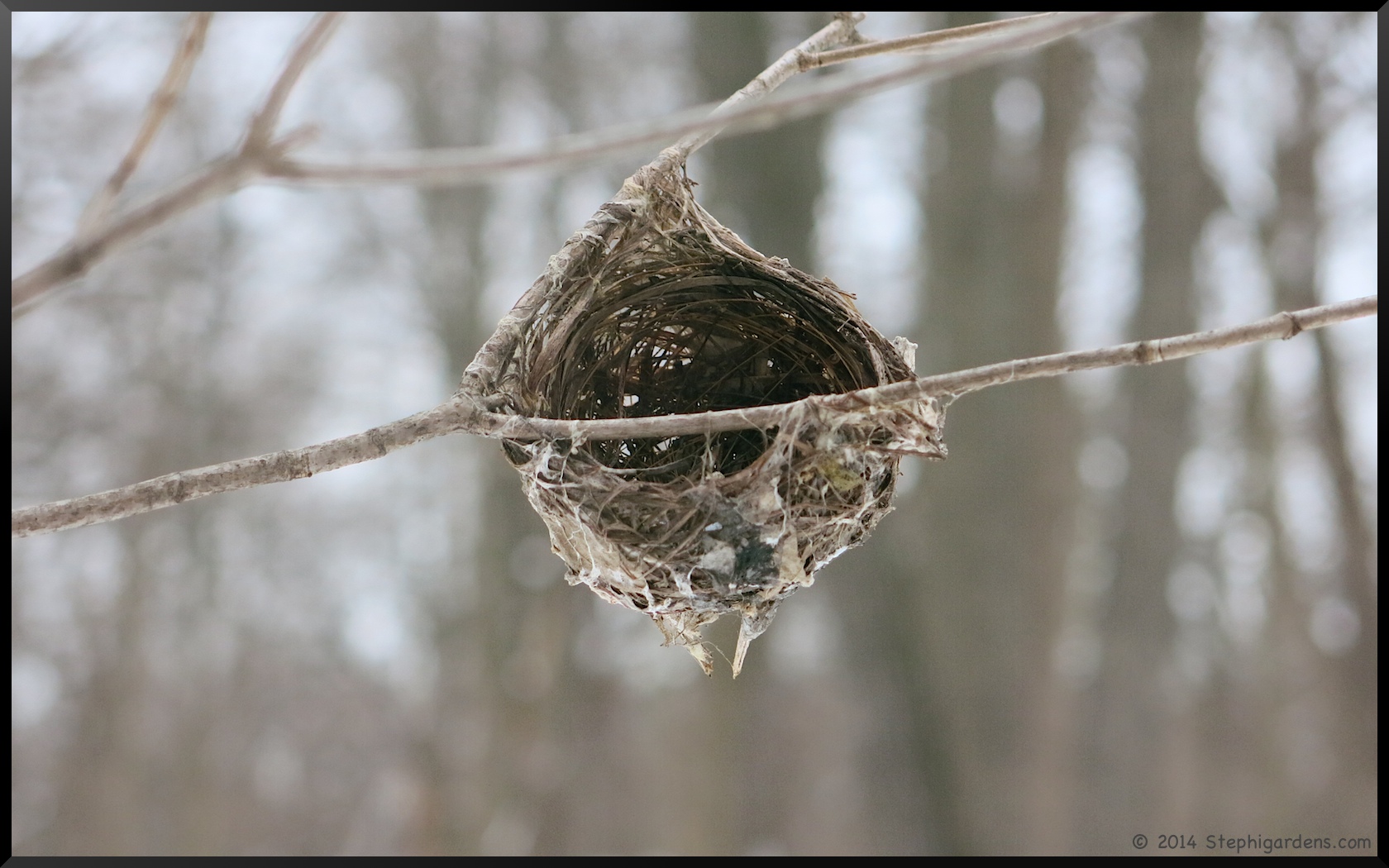
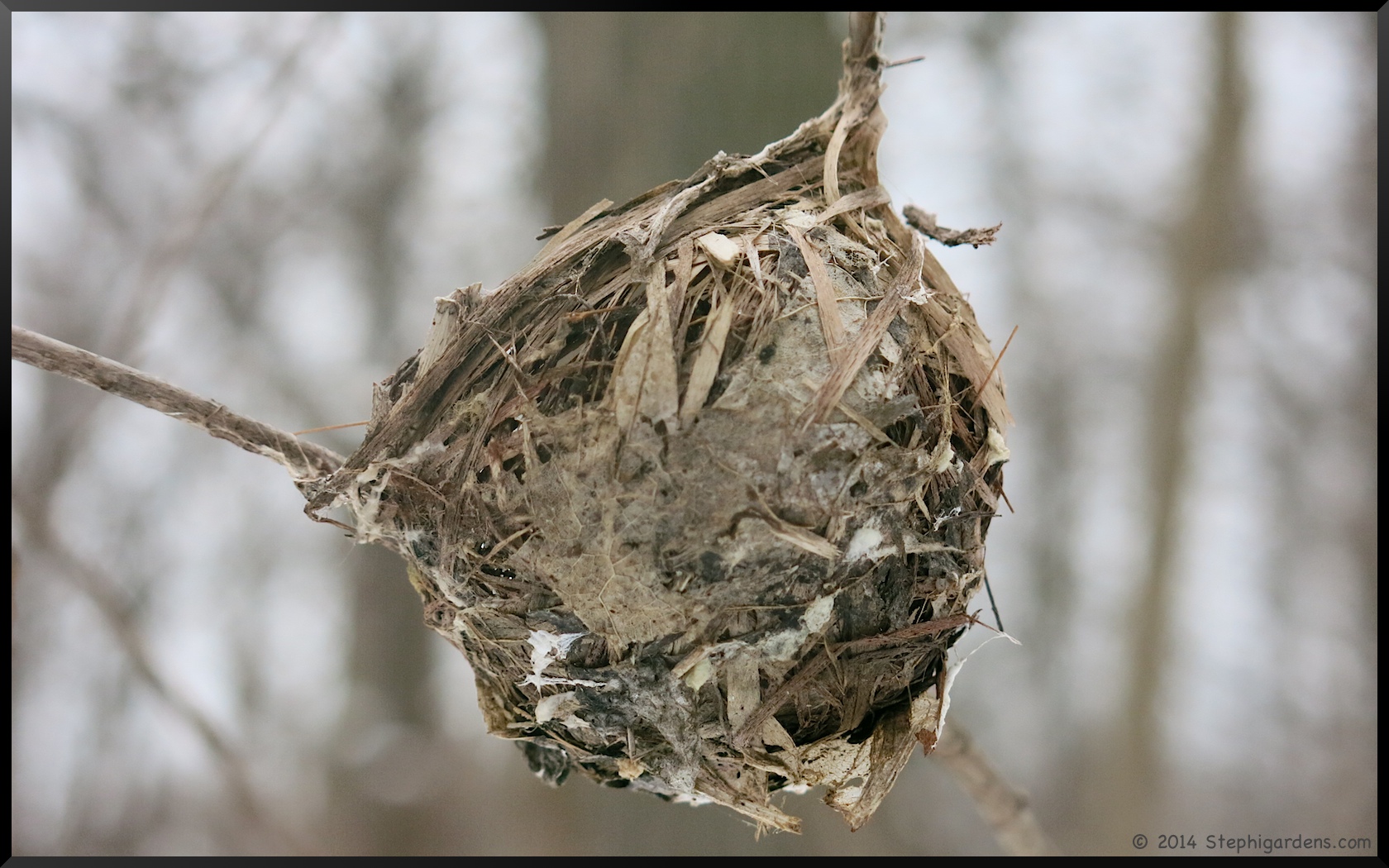
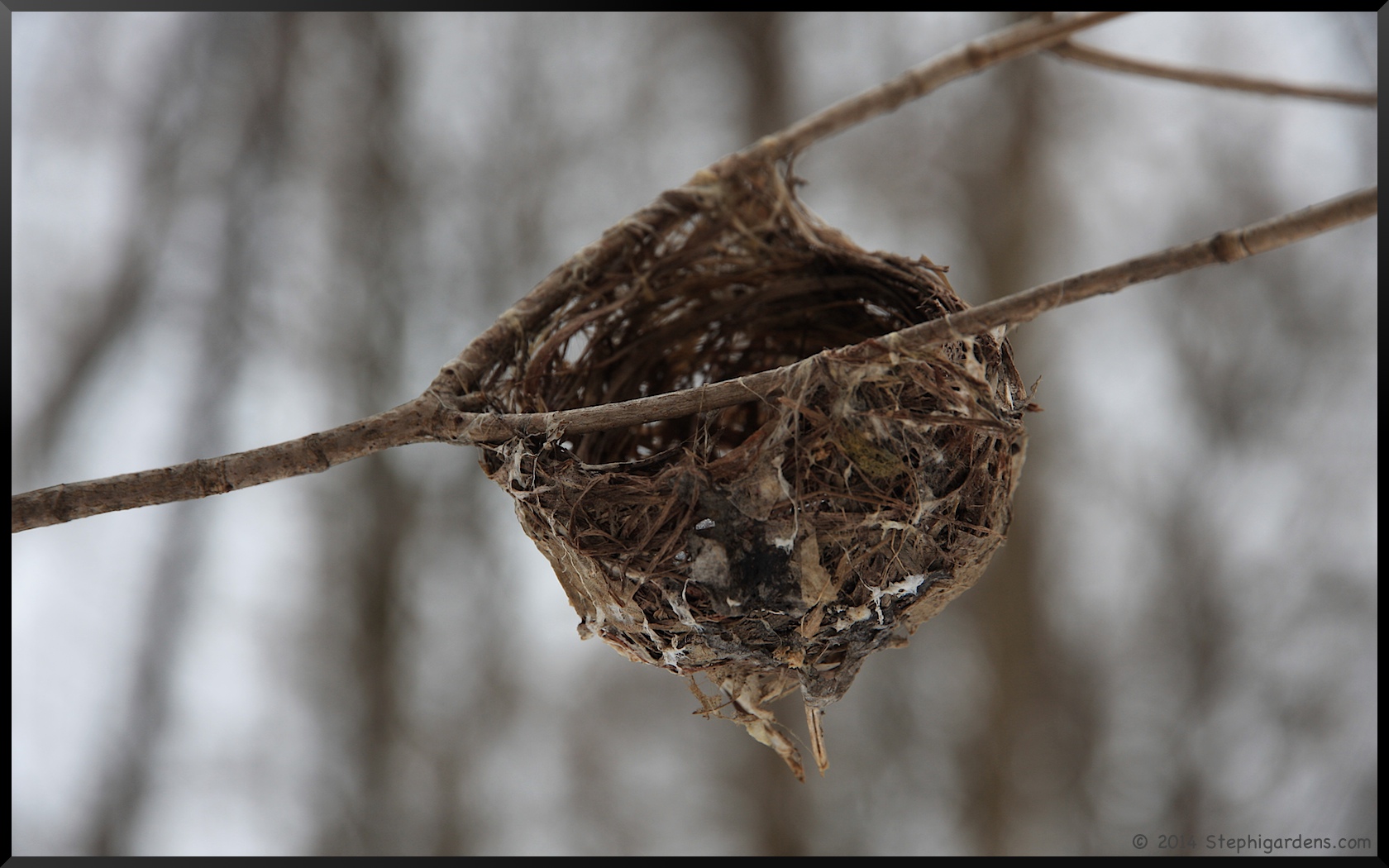
You never know what you’ll find when walking around.  I’m still not sure who made these beautiful nests, but I’m leaning towards a Red-Eyed Vireo.  The nest is pretty small, would fit in the palm of my hand, and was about 6 ft off the ground.  Any thoughts?

Morton Arboretum/Bird Nest

Morton Arboretum/Bird Nest

Morton Arboretum

Morton Arboretum

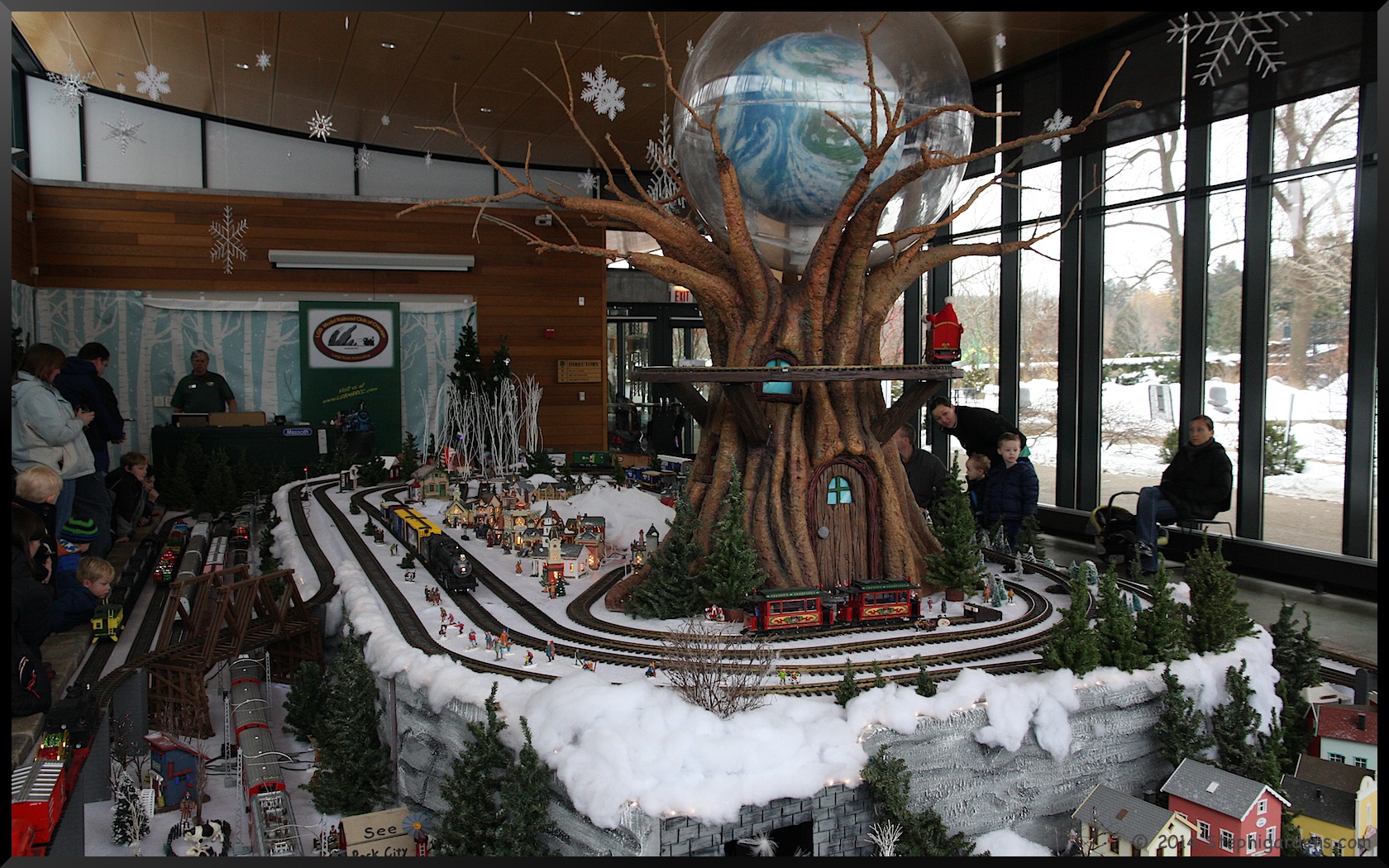
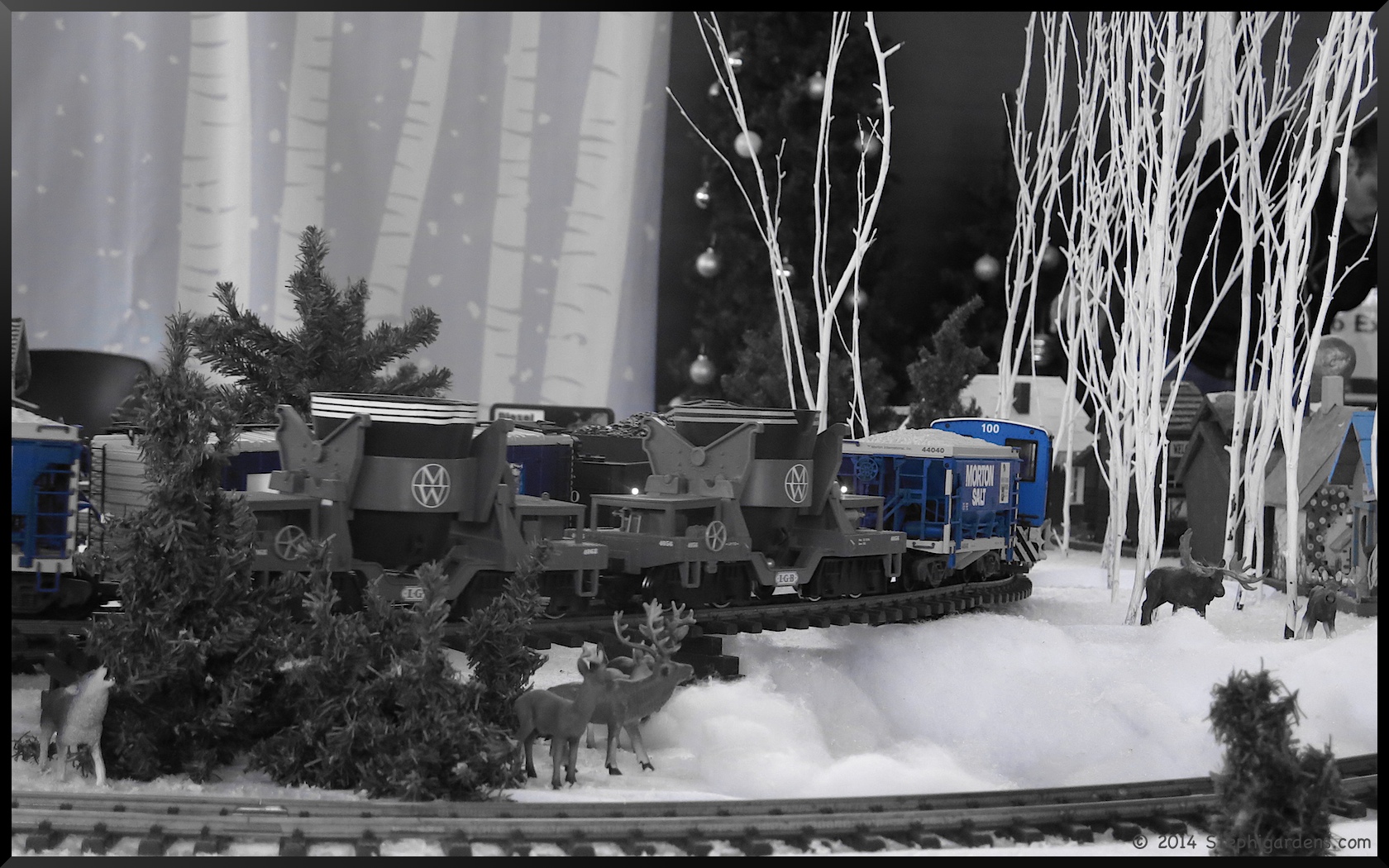
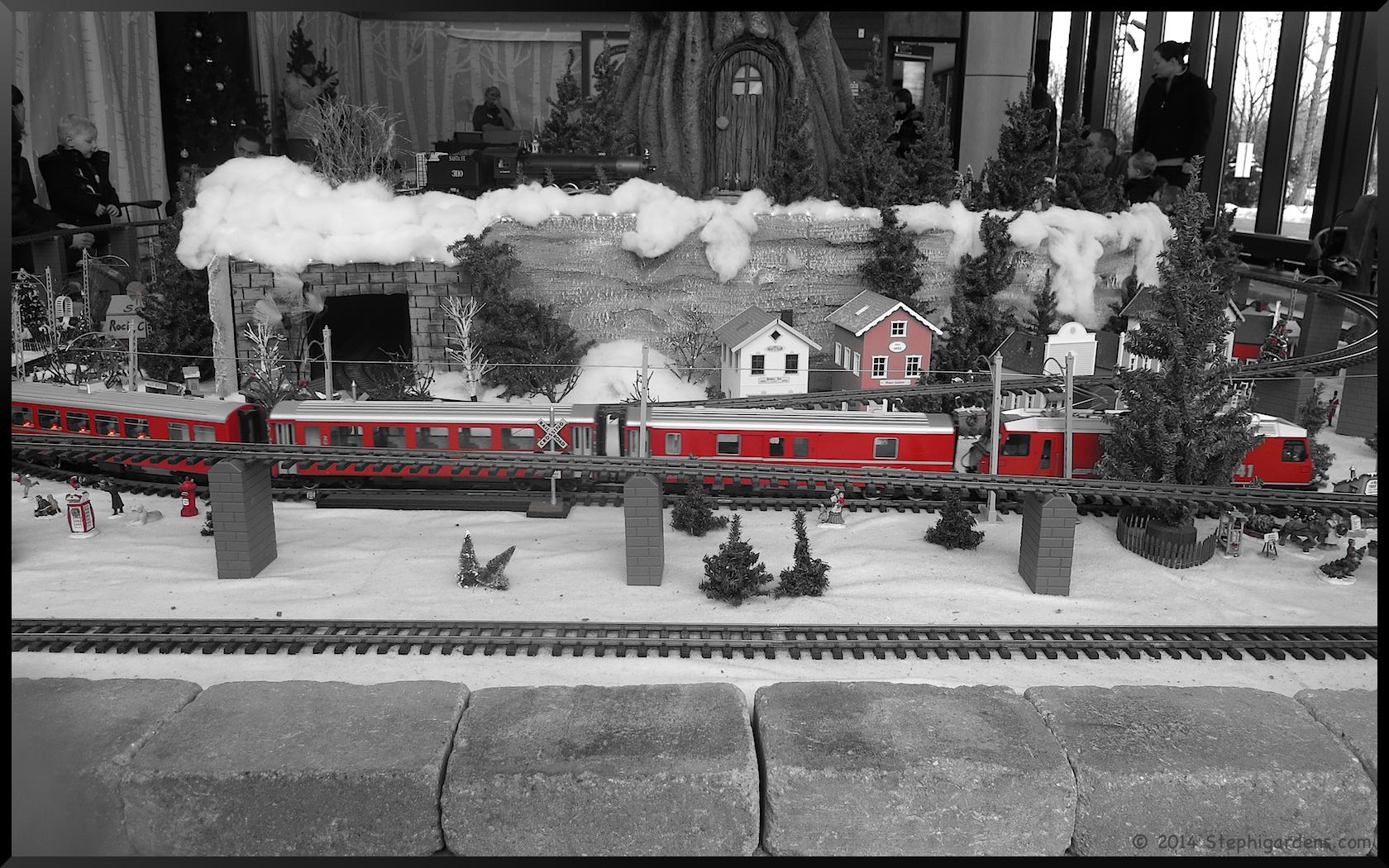
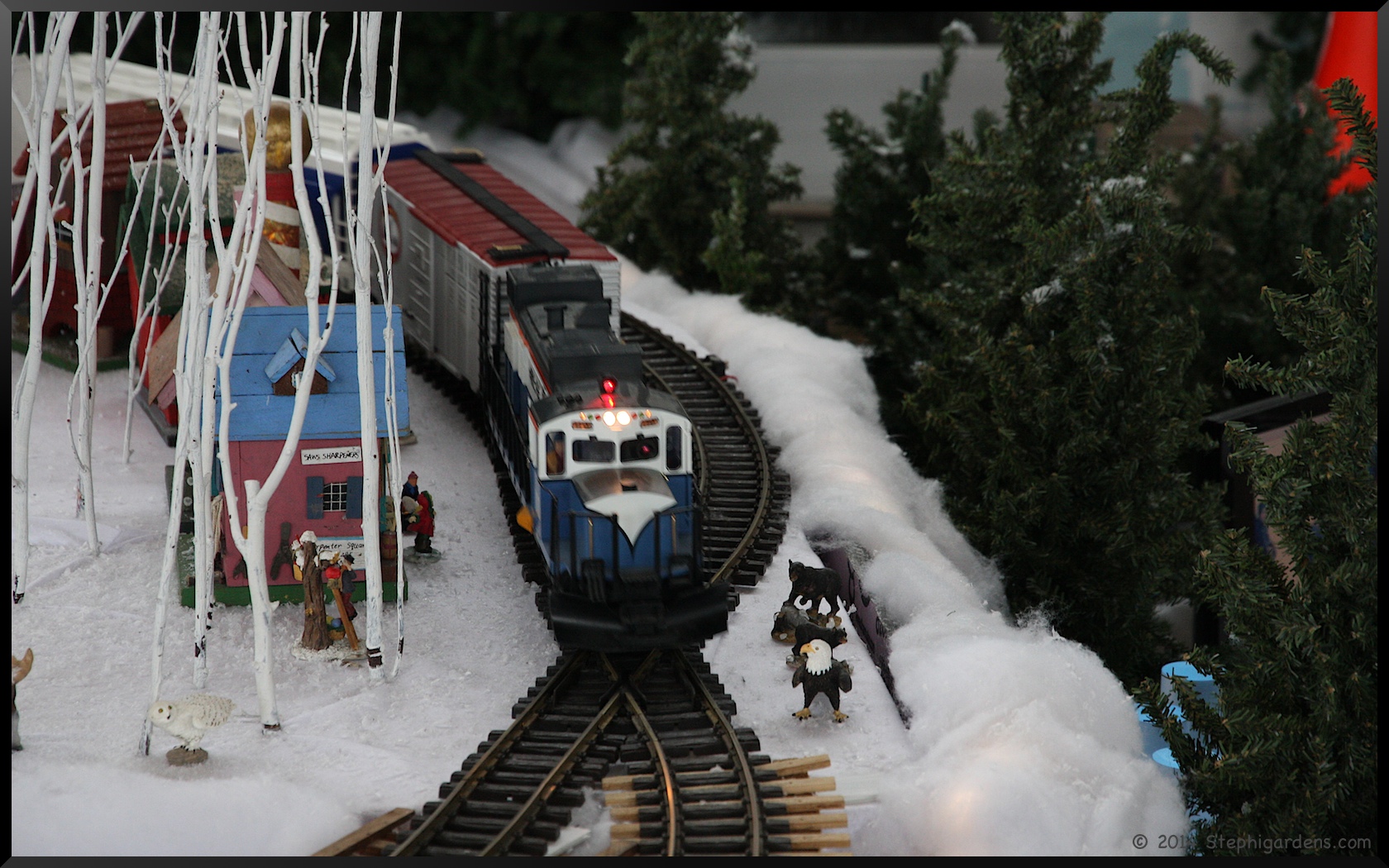
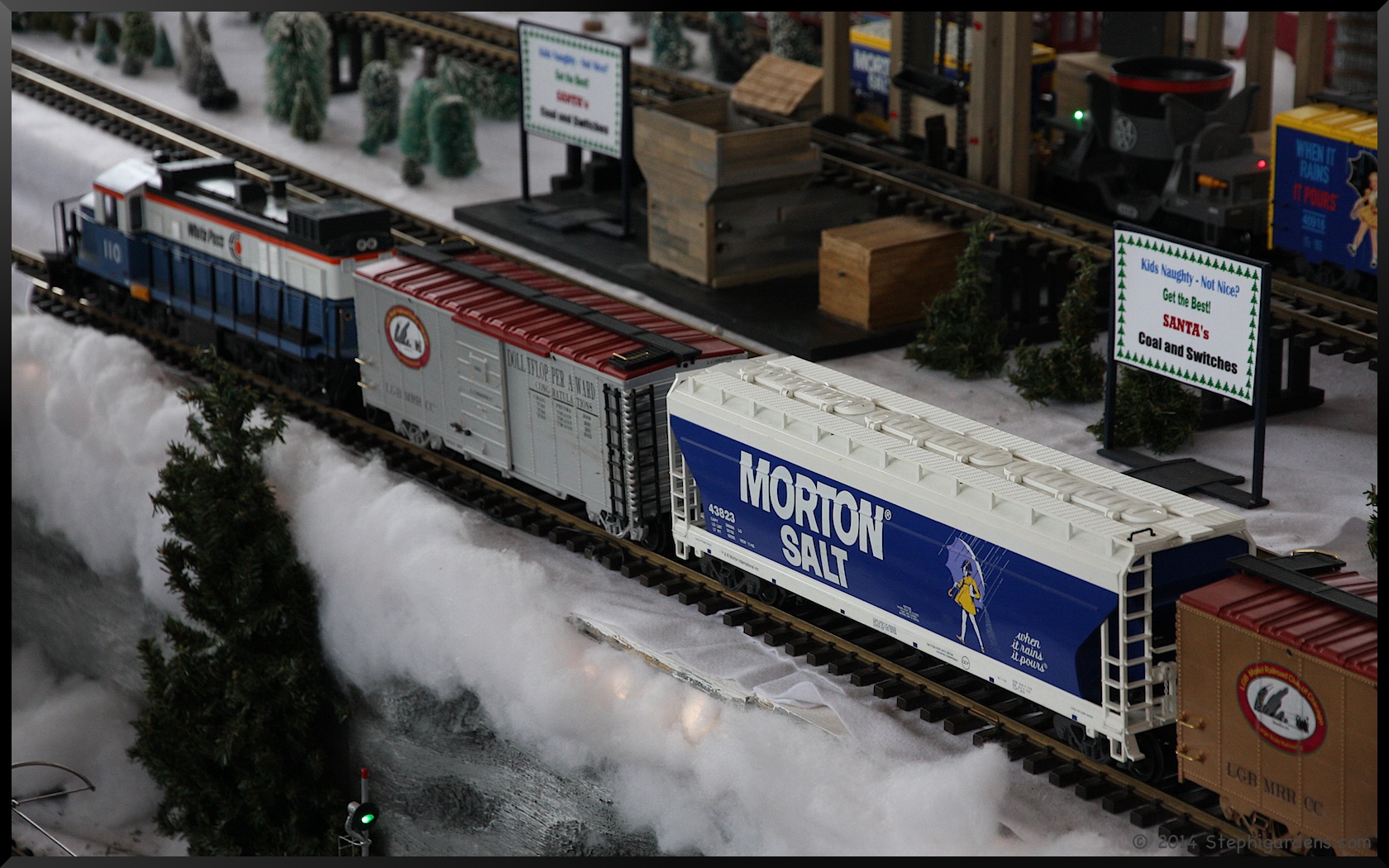
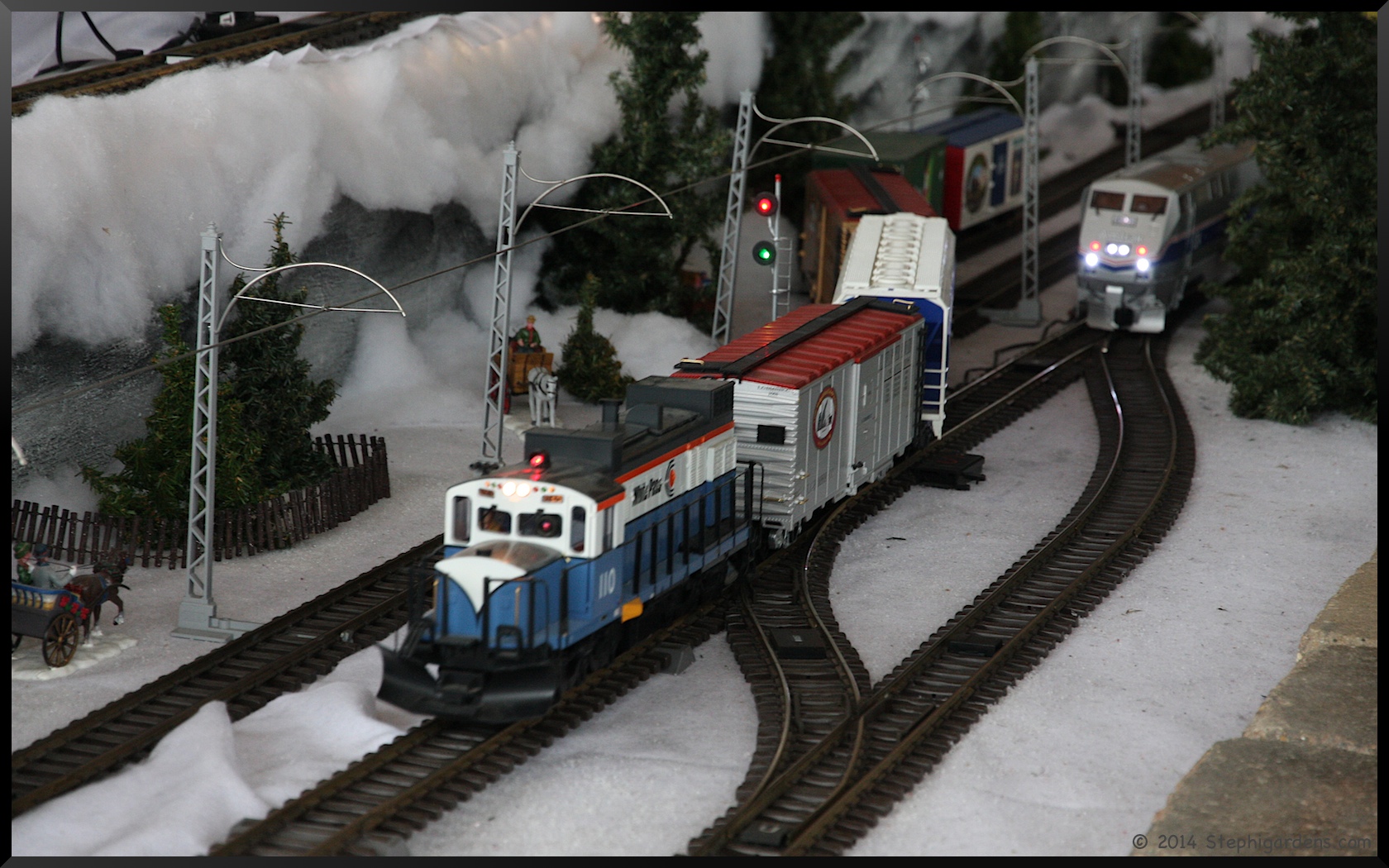
Once we had enough outdoors, we were lucky enough to get tickets to the last day of the 12th annual Enchanted Railroad Model Train display.  It’s definitely for all ages, no kids are necessary to enjoy.

Model Railroad/Morton Arboretum

Model Railroad/Morton Arboretum

Model Railroad/Morton Arboretum

Model Railroad/Morton Arboretum

Model Railroad/Morton Arboretum

Model Railroad/Morton Arboretum

Model Railroad/Morton Arboretum

Thanks LGB Model Railroad Club of Chicago for such interesting displays every year.

And of course, the trip was topped off by lunch in the Gingko Cafe and a trip to one of the best gift shops around.  Whenever I stop in there, I am reminded that the book “Man of Salt and Trees: The Life of Joy Morton” by James Ballowe is on my “to read” list.  

A Man of Salt and Trees

Yarn Wrapped Bottles

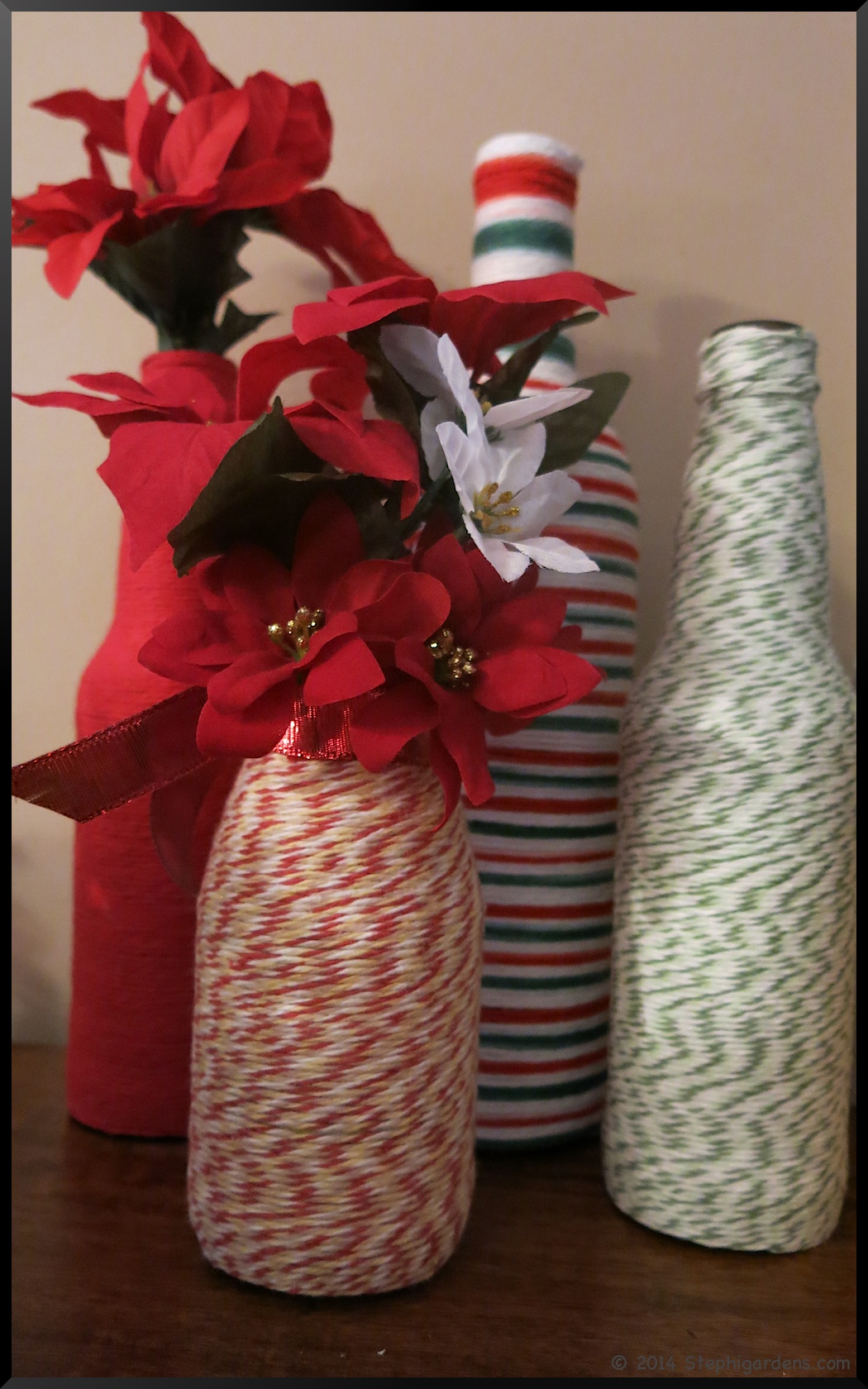
Yarn wrapped bottles

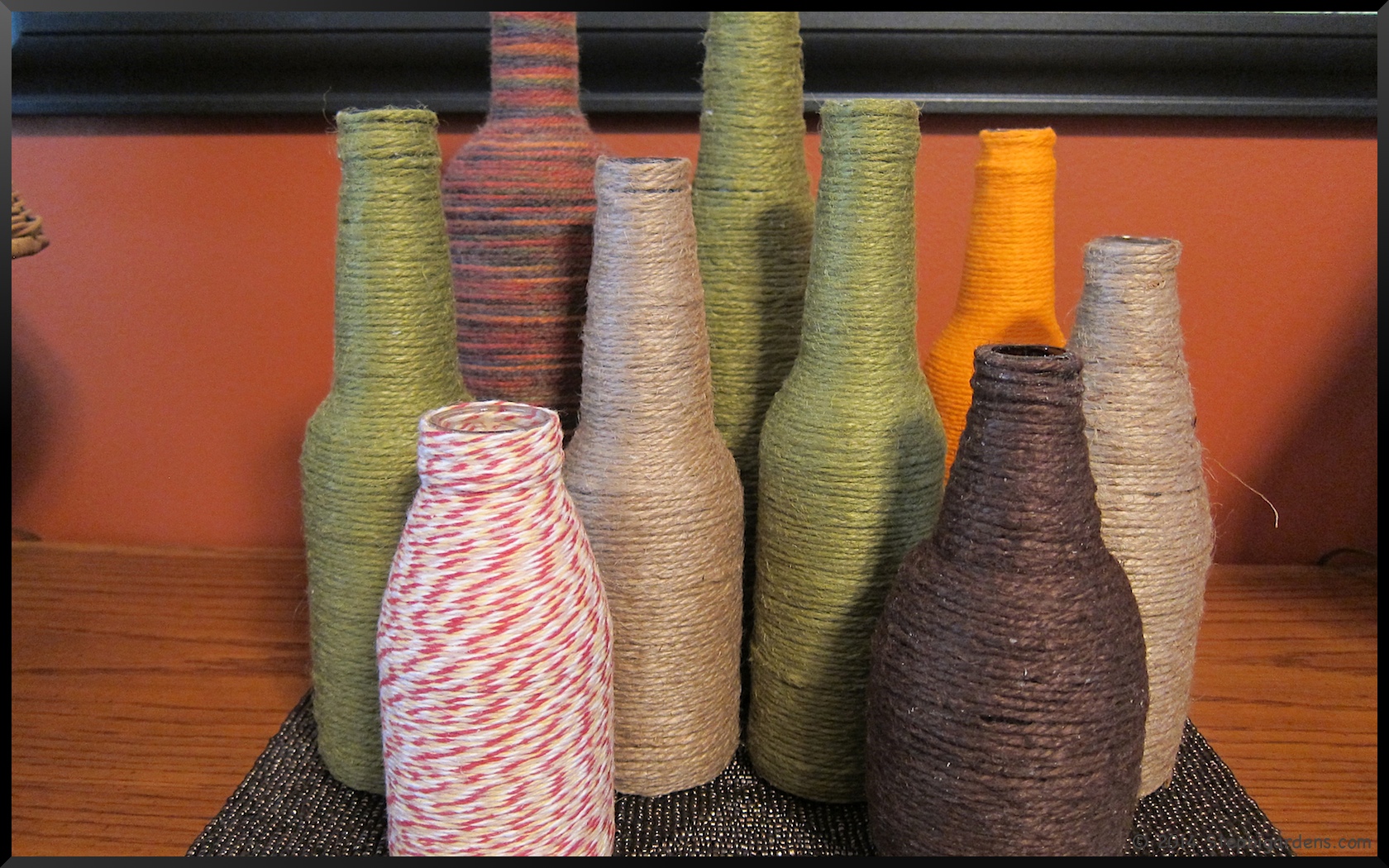
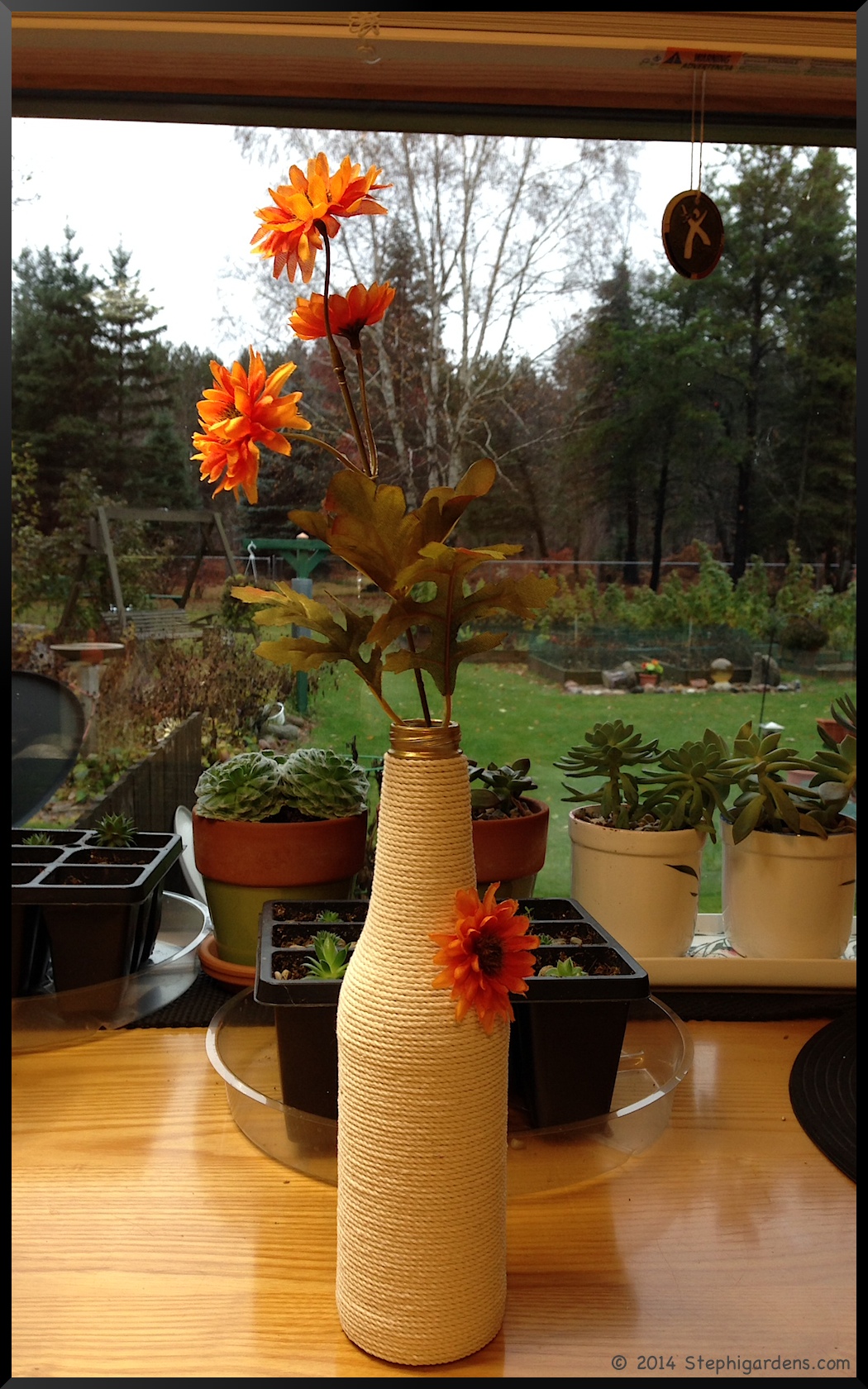
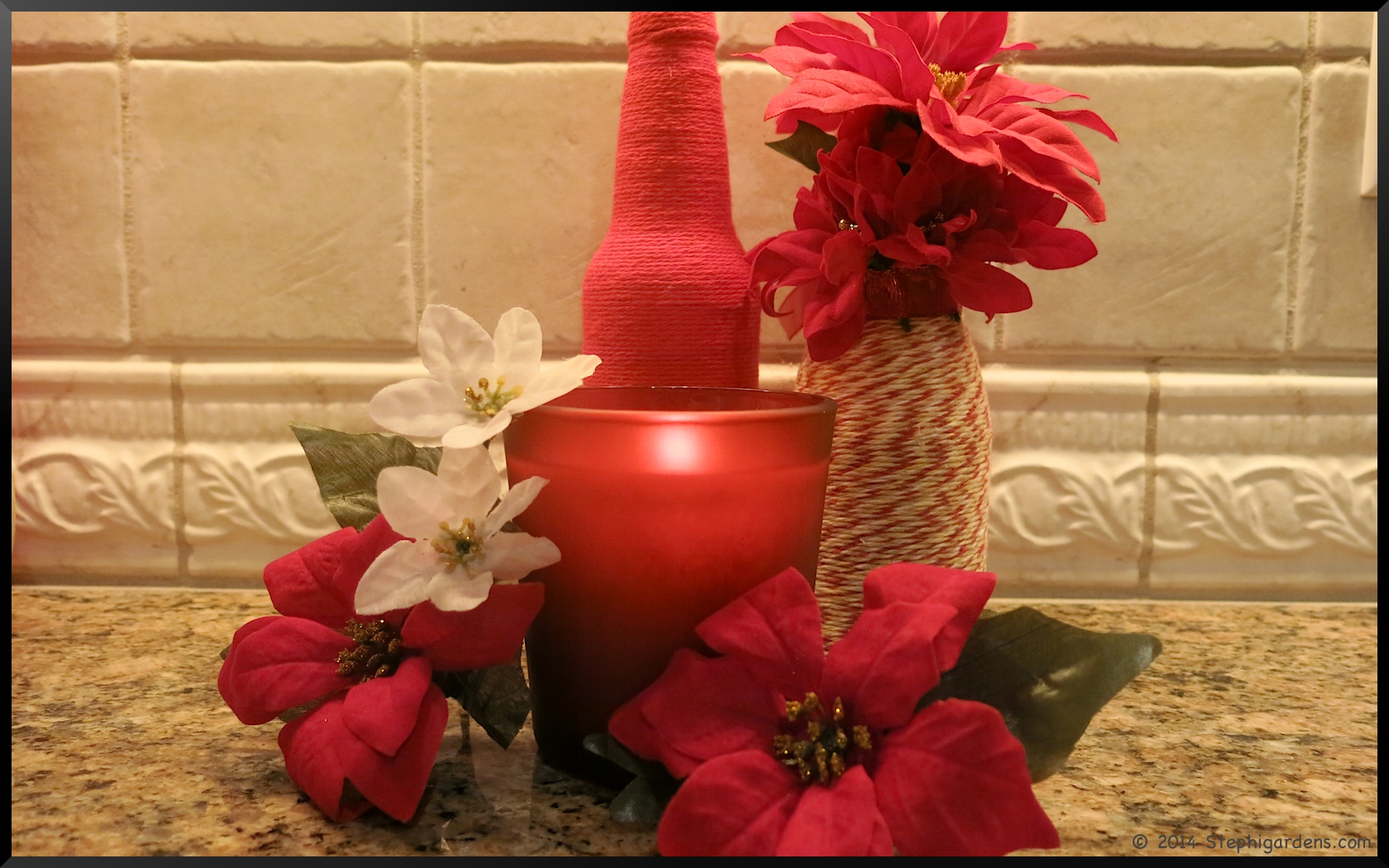
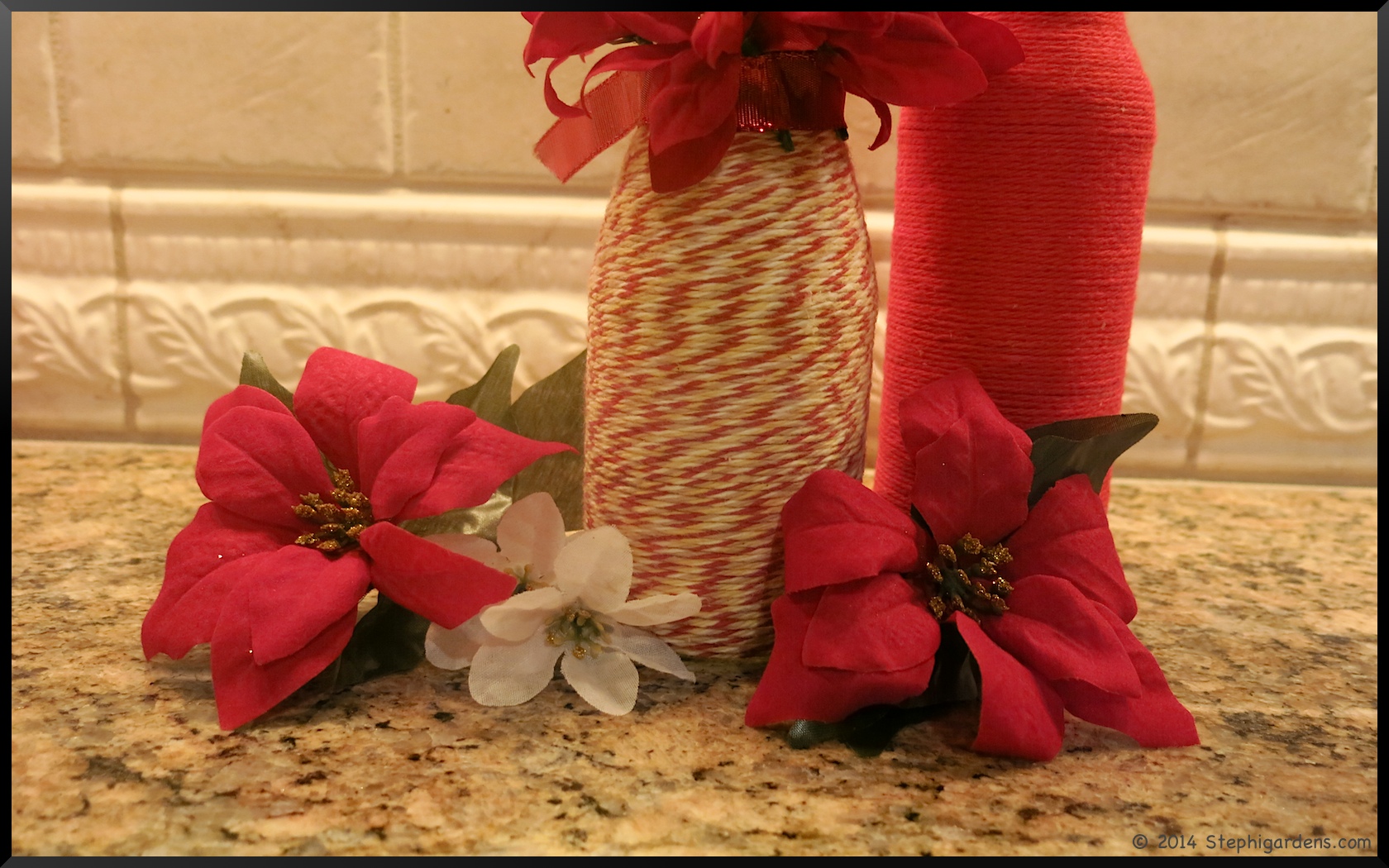
My mom Peggy and I had some fun making these Pinterest-inspired yarn wrapped bottles. You can use this fun and easy craft project to decorate for the holidays, a party, a wedding, or for whatever you have that needs some color.

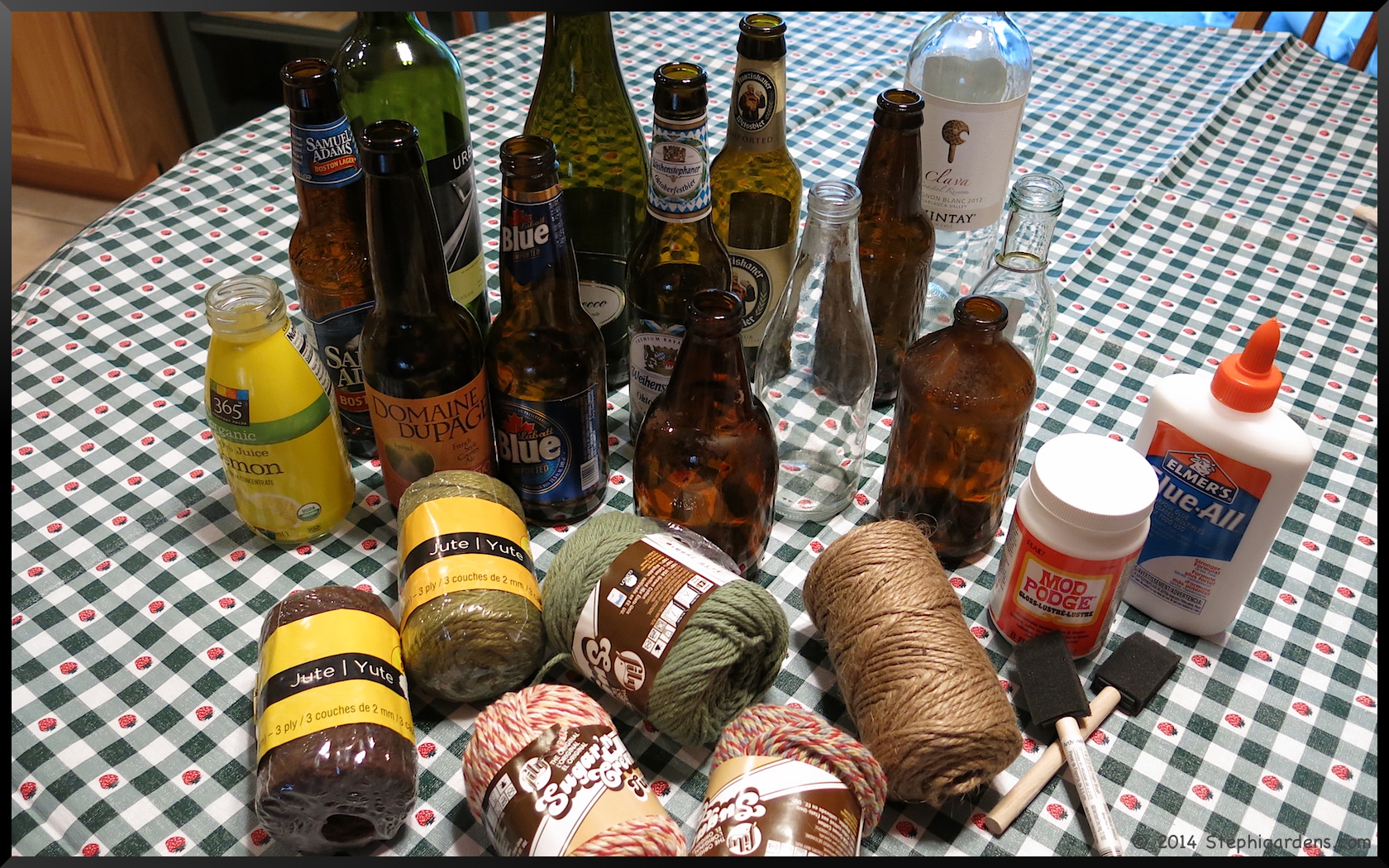
First, gather your supplies.  Depending on the size of the bottle and thickness of yarn, this project can take 15-30 minutes per bottle:

  • bottles (wine, beer, vases, food jar; anything will work)
  • white glue or mod podge
  • yarn, twine or macrame cord (something a bit thicker and has texture works best)

Yarn wrapped bottles

Yarn wrapped bottles

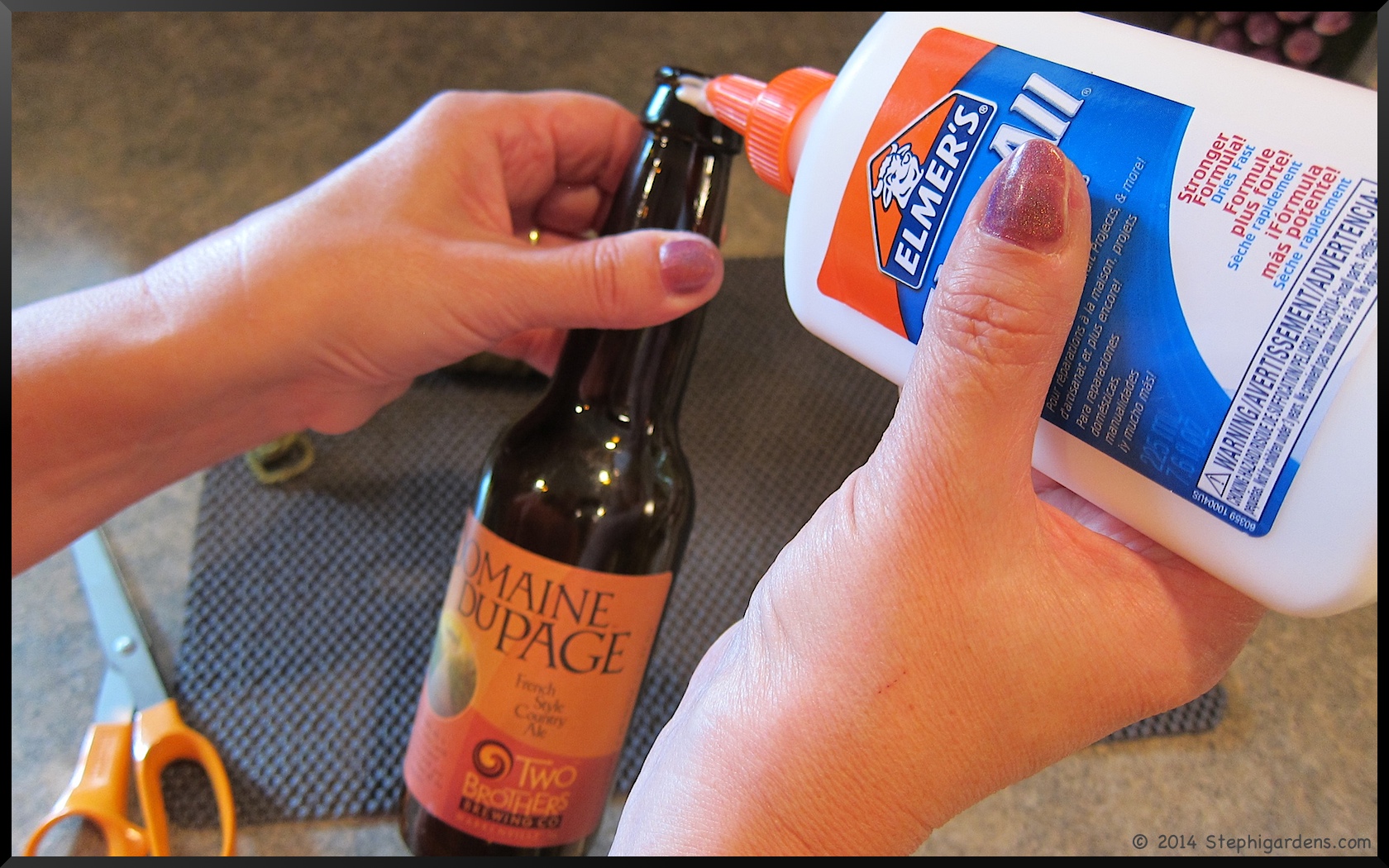
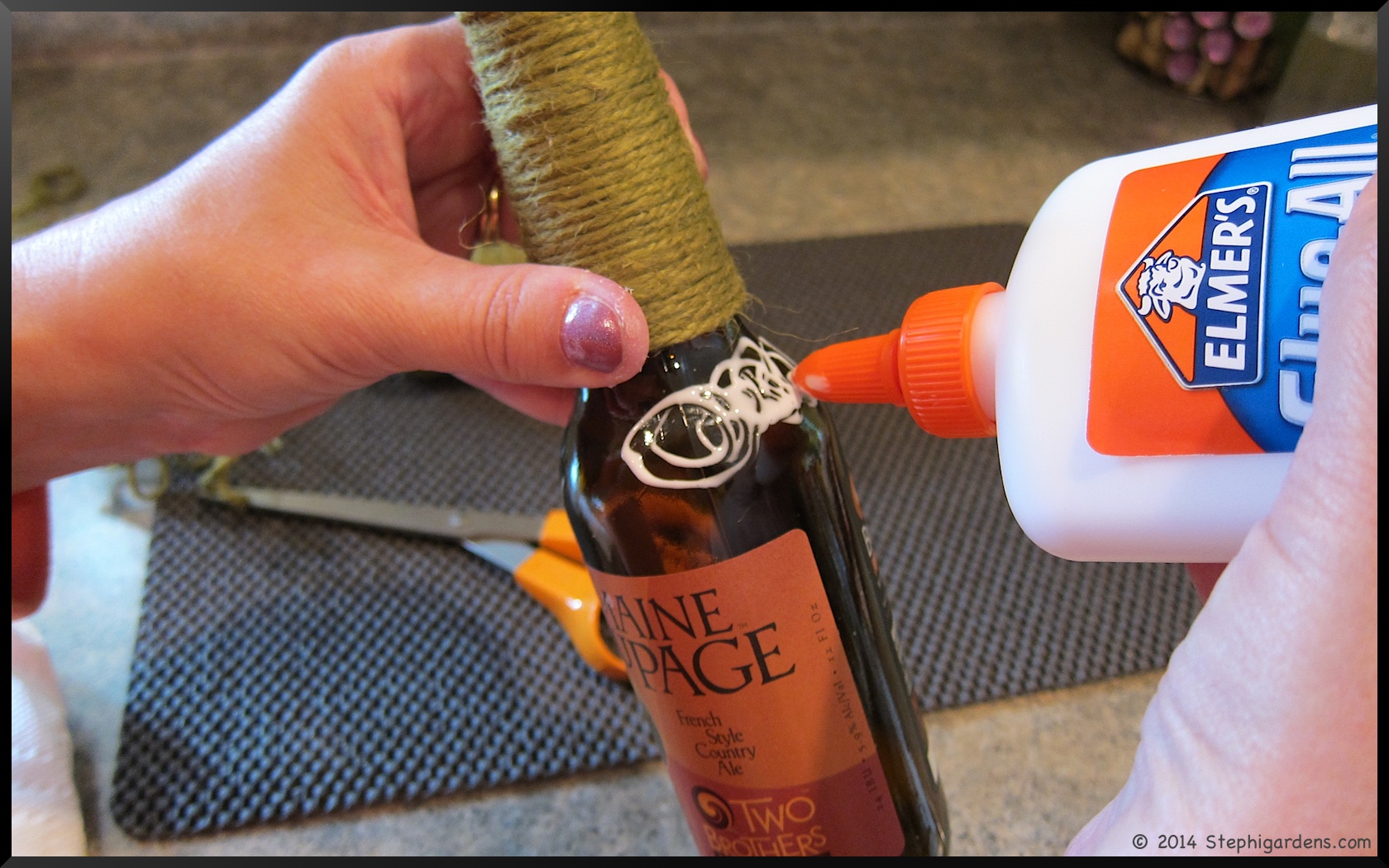
Starting at the top, apply glue to the top of your bottle.
Yarn wrapped bottles

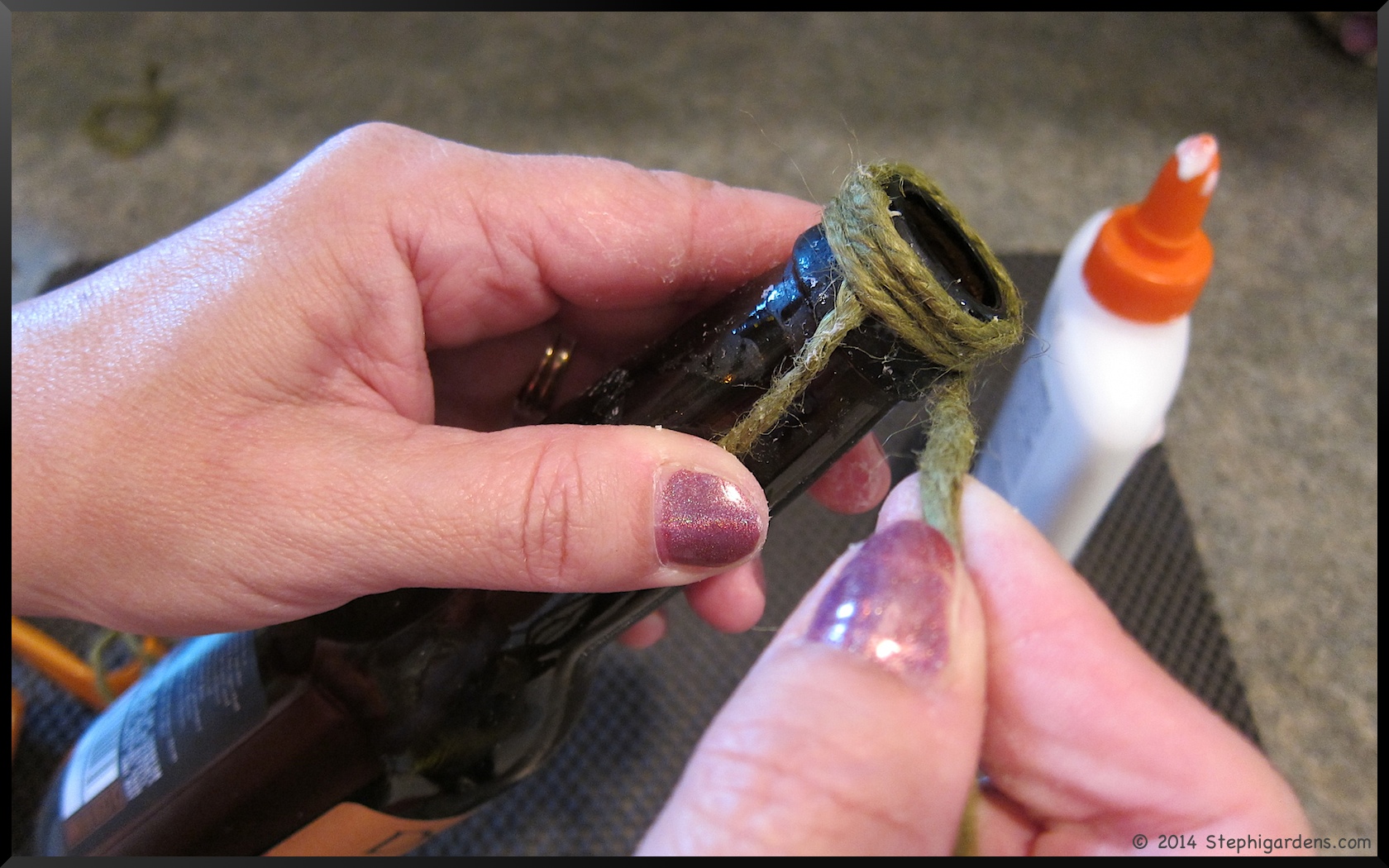
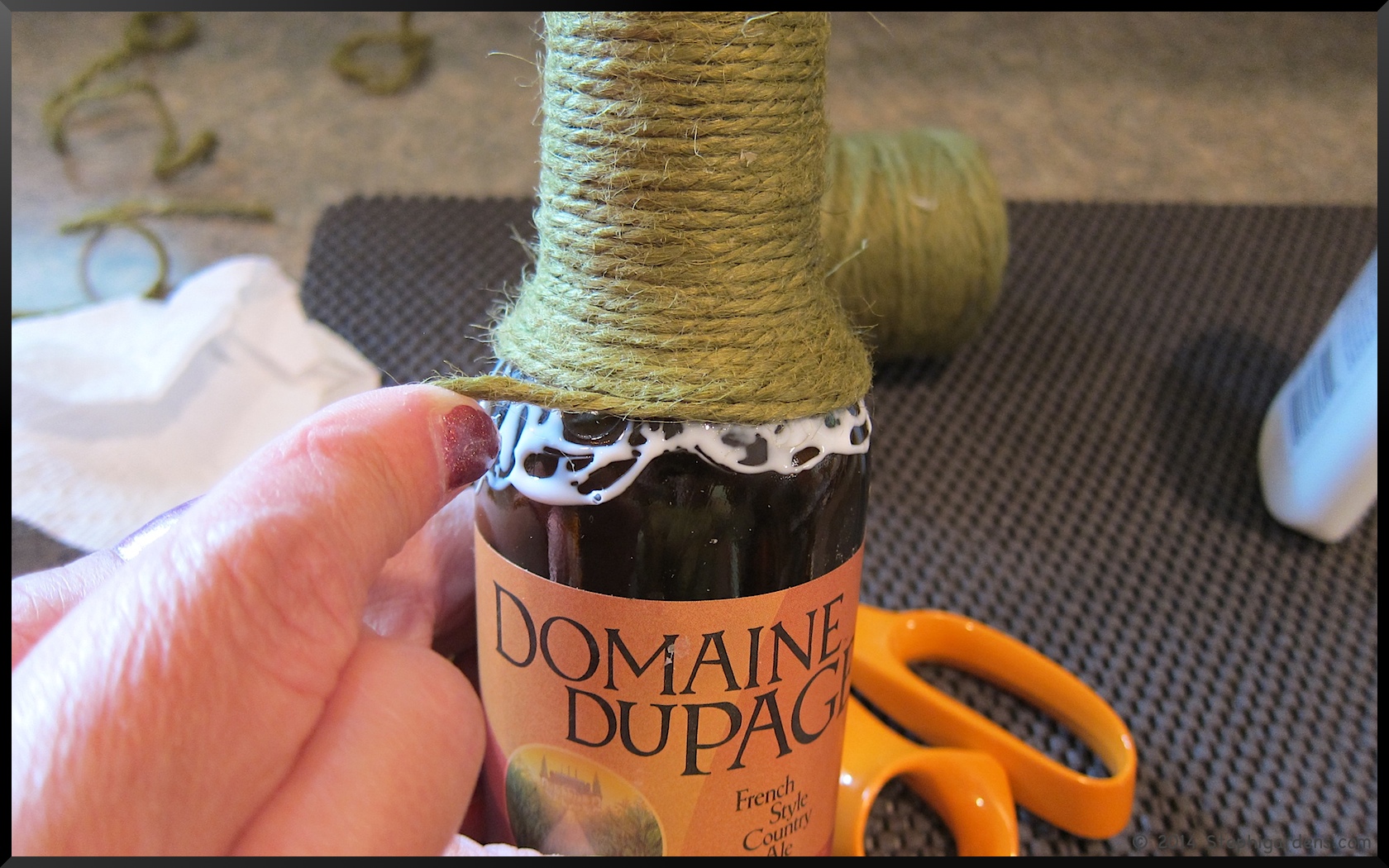
Leaving a tail, that will be hidden, gently wrap the first few rows of twine, being sure it’s straight and aligned with the top of the bottle.  Keep wrapping, covering the tail.
Hint: Some bottles have a big ridge near the top like this one.  Just wrap the yarn  a couple of times over itself to raise up the row right below it, then continue on.  The bottle will be covered and look fine.

Yarn wrapped bottles

Keep wrapping.  No glue needed for the straight parts.  Add some glue when you get to the bottom of the bottle neck.  This helps keep the twine from buckling and slipping as you go over this rounded part.

Yarn wrapped bottles

Keep wrapping.

Yarn wrapped bottles

You’ll need glue again as you get to the bottom.

Yarn wrapped bottles

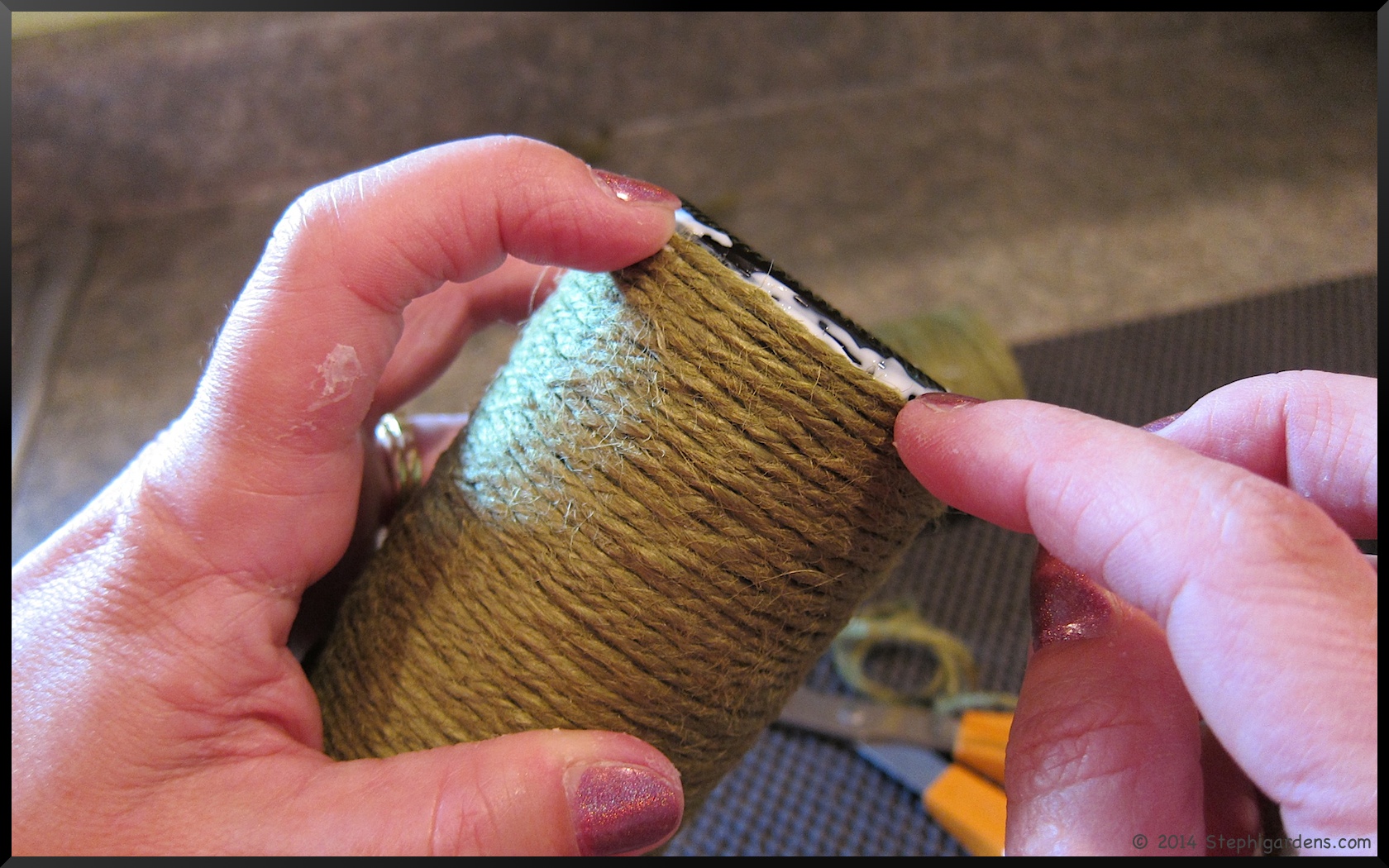
Gently wrap the last couple of rows.  The twine can have a tendency to want to slip off, but with glue and a gentle touch, it’ll stay.  If really troublesome, let each row sit for a few second to let the glue grab it before moving to the next row.

Yarn wrapped bottles

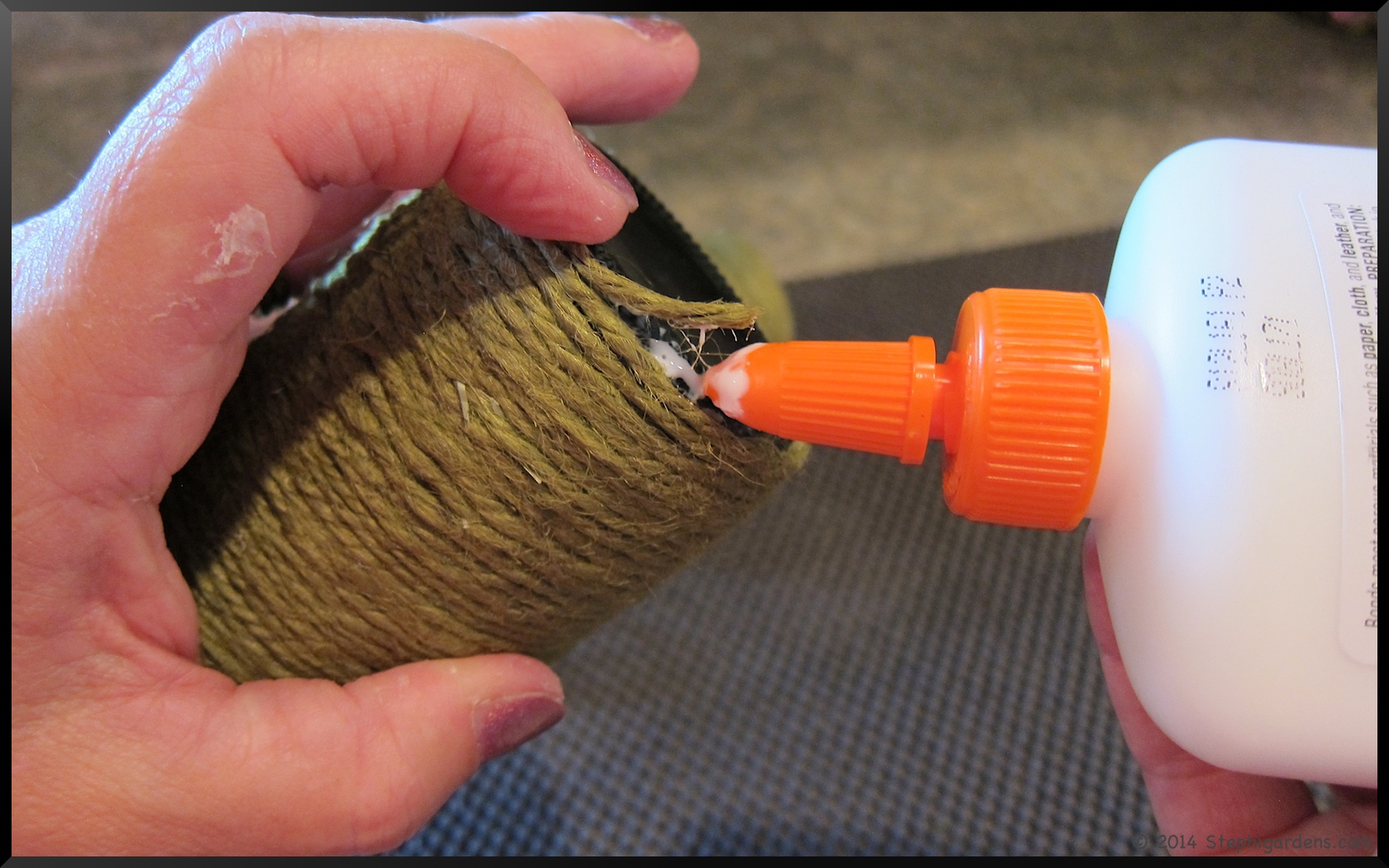
Cut the end and secure it with glue.  If you have any visible glue spots (trust me, it happens), it’s easily wiped off gently with a damp cloth once the glue is dry.

Yarn wrapped bottles

Now you have your finished project!  But you can add ornaments, decorations– whatever you want.  Then pick a new fun yarn or twine and you’re ready for the next one!

Yarn wrapped bottles

Yarn-Wrapped Bottle Gallery
 

Yarn wrapped bottles

Yarn wrapped bottles

Yarn wrapped bottles

Yarn wrapped bottles

Yarn wrapped bottles

Yarn wrapped bottles

Yarn wrapped bottles

Yarn wrapped bottles

Yarn wrapped bottles