2018 Garden Recap: Vegetables (Part 1) (aka Attack of the Squash Vine Borer)

In my last post, I wrote about how my flower gardens fared this year. Next up is the vegetable gardens.
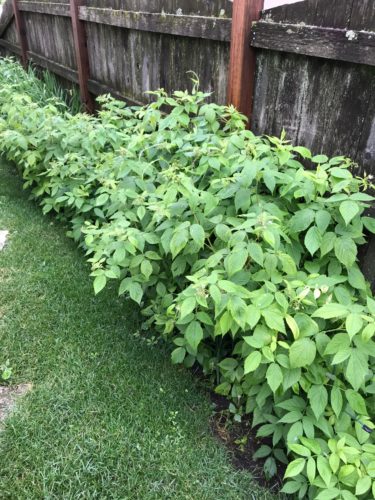
In a word, this year the vegetables gardens were a disaster. Not for any one reason, just a lot off bad things conspired to really take a toll and make it one of the worst years I’ve ever had gardening. Makes me long for the days when I gardened in New Jersey and everything just grew lush and beautifully. Except for the year I had hornworms on the tomatoes. Those were disgusting.

Back in the spring, I was so hopeful for a summer of fresh vegetables. But that was not to be. The squash and zucchini was looking great through early July. I was getting tasty Emerald Delight Zucchini (Botanical Interests) and Gold Hybrid Gourmet Gold (Burpee), and the vines were covered in flowers.
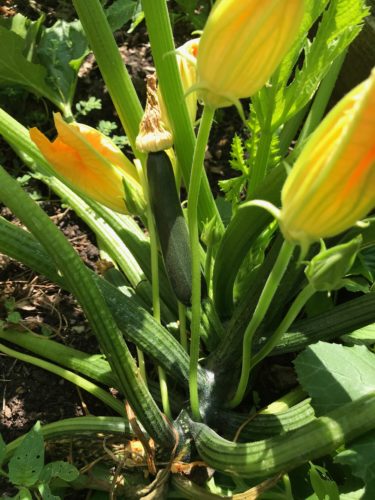
Then over about a week in early July, they just up and died.
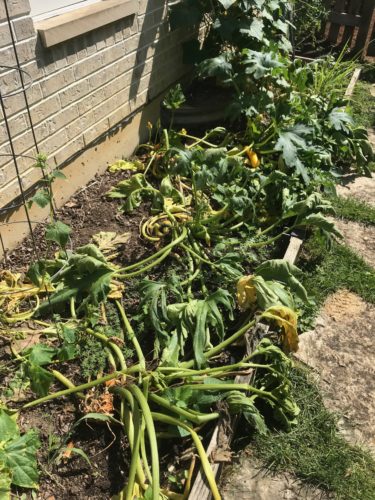
I thought it was powdery mildew, but it was so dramatic. I’ve had plenty of powdery mildew and it didn’t really look like it. I pulled it all out and threw it into a garden waste bag (you don’t want diseased plants hanging around your yard). Didn’t think much of until I was writing this post and wondered what had really happened. As soon as I started doing some investigating, it quickly it became quite obvious from the pictures that mine had been attacked by squash vine borers, not powdery mildew.
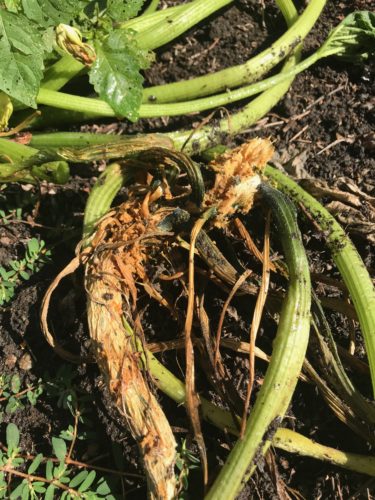
All that orange mess around the base of the plant is a moist orange sawdust-like material called frass, or insect droppings. It was everywhere. Yuck. That is a sign that the squash vine borer larvae is eating away at the material inside the stems of the plants. I never looked close enough to see them, but the evidence was pretty overwhelming. Here’s photos of the adult and larvae (Photo credit to the UMN Extension)
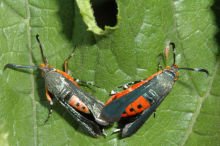
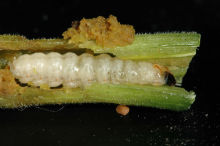
So what to do now? Obviously I totally lost this year’s crops, but how do I prevent this from happening again?

First off, I need to be better about practicing crop rotation. I pretty much never rotate crops to different garden areas, but obviously I need to be better about that. Squash vine borers spend the winter in the soil near their recently infected host plants, so I need to have next years plants as far away as possible.

Then, according to the UMN Extension, I will need to check for adult squash vine borers starting the end of June. I’m not sure if I’ve ever seen them, but I will be on the lookout after this. You can also try to use some kind of container filled with water with yellow food coloring added to attract and trap them.  Check each day to see if you’ve trapped any.

If you do find the squash vine borers in the area you’ll need to change things up a bit. Easiest is to practice crop rotation. You can also try planting other crops that aren’t as susceptible like butternut squash, cucumbers, melons and watermelons. Although none of them are really substitutes for summer squash and zucchini.

Try planting a second planting in early July after any adult borers have finished laying eggs on the mature plants. But, this is tough in the northern climates that already have a short growing season.

Try using a physical barrier.  Wrap a collar of aluminum foil around lower stems to prevent egg-laying. Alternatively, secure floating light fabric row covers over your squash until they start to flower. Don’t use row covers if the infected squash plants were planted in the same area as the previous year. This is because squash vine borers spend the winter in the soil near their host plants. When the adults emerge the following summer, they may be trapped under the row cover instead of being kept out.

Hopefully this was a one time event and I can go back to having way too much squash and zucchini for one family to eat. Whenever something like this happens, it really makes me appreciate the organic farmers who grow on a large scale and how precarious each year’s crop is. At least I can just pack it in for the year and go to my local farmer’s market.

There’s a lot more good information on how to deal with these pests at these sites:

I would like give a shout to the land-grant University Extensions and their educational and problem-solving assistance they provide to the public. These community outreach programs provide invaluable scientific knowledge and expertise on a variety of topics. I’ve watched a number of webinars on gardening topics from the University of Illinois Extension and have found them to be really interesting, useful and free!

Have you ever had a whole crop wiped out like this?

Next post will look at the rest of the vegetable garden–stay tuned!
2018 Garden Recap: Flowers

Now that the outdoor growing season has officially ended here in Chicago, I thought it was time to look back and see how things went.

It was definitely a mixed year weather-wise, but for the most part everything looked pretty good all summer. Except for the weed infestation that took a while to get under control!

Here’s some highlights:

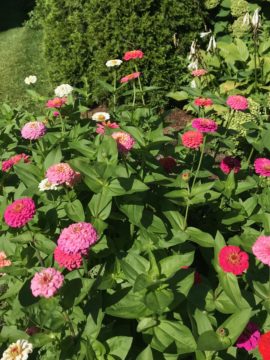
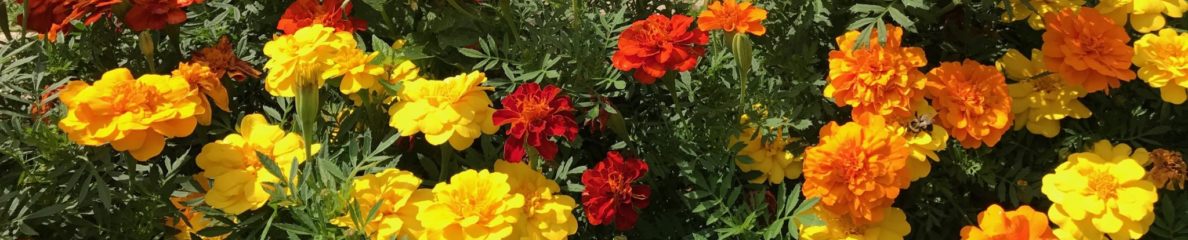
I was excited to get my zinnia and marigold beds laid down from seeds that I had collected from last years’ flower beds.

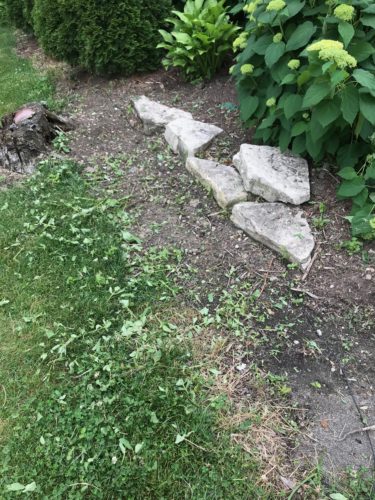
I waited for the soil to warm up enough, prepared the beds, separated out the seeds and spread them out over the soil, then watered.  The seedlings were about 3 inches when disaster struck! Some wayward weed-wacking had pulverized them after mistaking the seedlings for weeds.

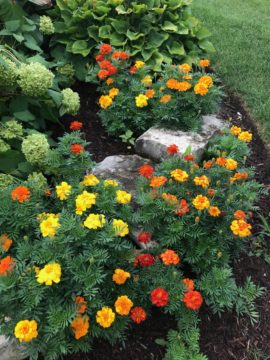
So back to ground zero, but it was now mid-June and everything was pushed back quite a bit. So, replanted what little seed I had left and added some new Burpee Cut and Come Again Zinnias and Burpee Boy O’Boy Marigold Mix.  Much to my delight, I did end up with beautiful flower beds before too long.

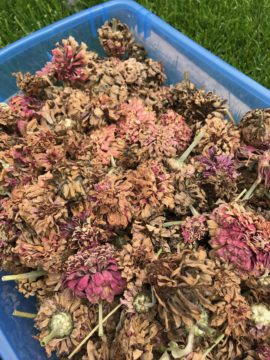
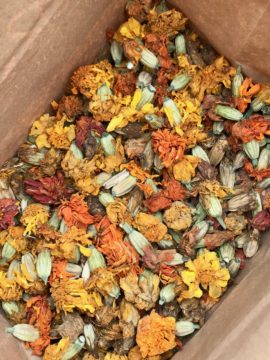
Like last year, I collected up all my seeds to keep for next spring.  Check out my previous post, Cheerful and Bright Zinnias Bed, for an easy how-to to get dense flower beds like these.

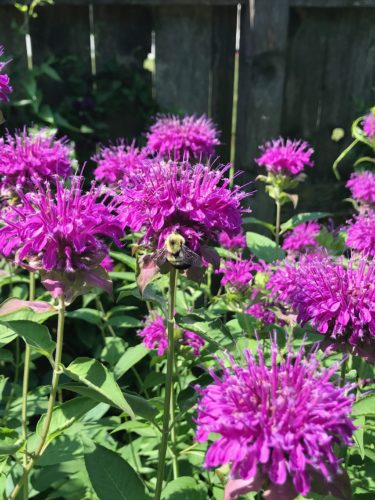
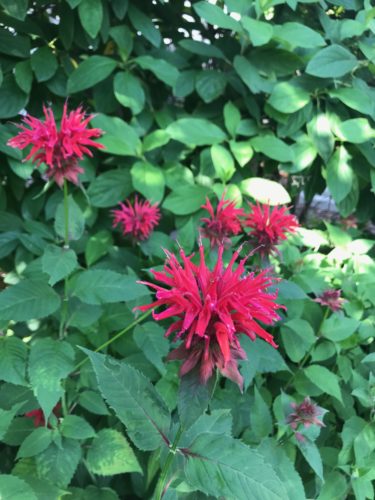
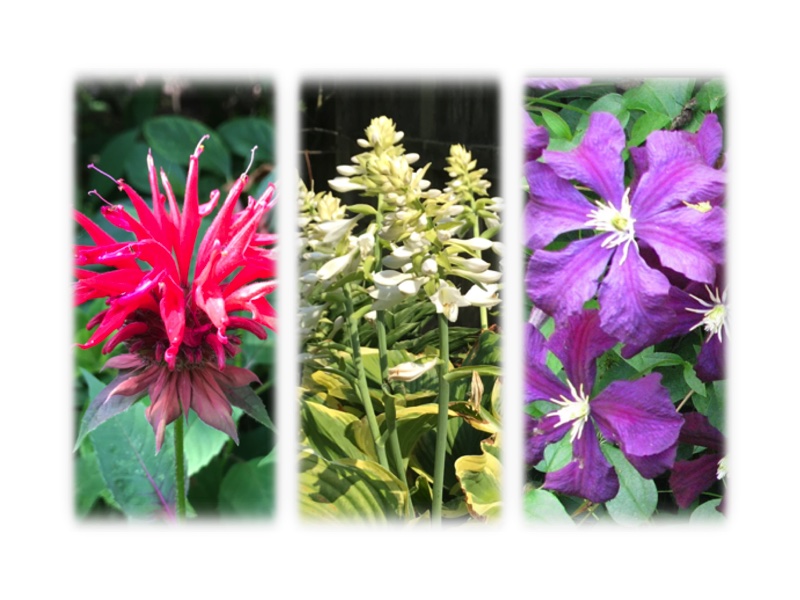
The Monarda added mid-summer festive colors and are always a favorite of the bees.

Monarda didyma ‘Purple Rooster’ Monarda

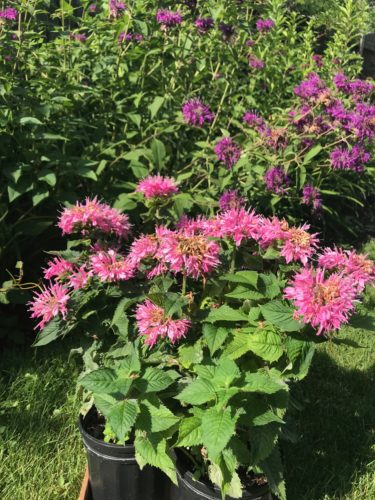
I’ve enjoyed the summer color from my current Monardas who have grown really well in their new locations (The Bee Balm is Very Happy). I added another variety this summer, Marje Pink Bee Balm (Monarda ‘Marje Pink’). Hopefully it grows as well as the other two have.

Monarda 'Marje Pink'

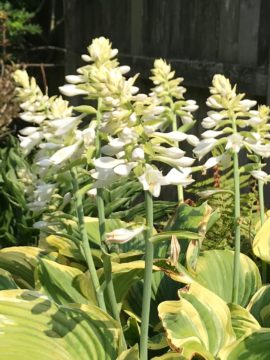
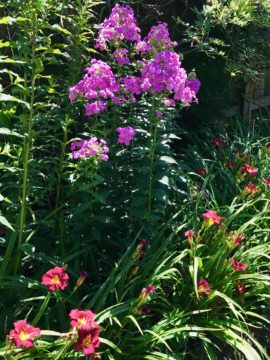
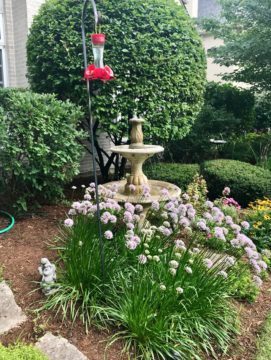
Other garden standbys did well this summer. Hostas, Daylilies, Phlox and the newly added Summer Beauty Allium (Allium Tanguticum ‘Summer Beauty’) added plenty of summer color

I moved some plants around and put some new ones in. We’ll see how they look in the spring!

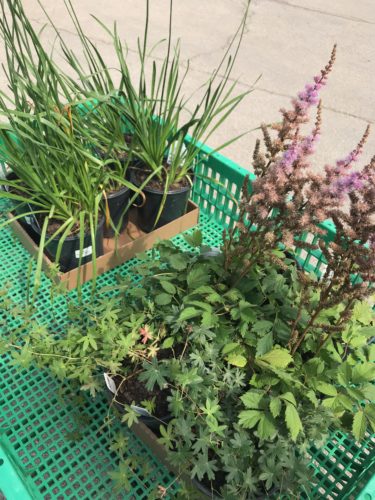
I replaced some scraggly looking daylilies next to the front walkway with the much neater Summer Beauty Allium (Allium Tanguticum ‘Summer Beauty’), and filled in some holes n the side and back gardens with Flames of Passion Avens (Geum ‘Flamers of Passion’), Max Frei Geranium (Geranium Sanguineum ‘Max Frei’), early summer blooming Pumila Astilbe (Astible Chinensis ‘Pumila’) and late summer blooming Visions Astilbe (Astible Chinensis ‘Visions’)

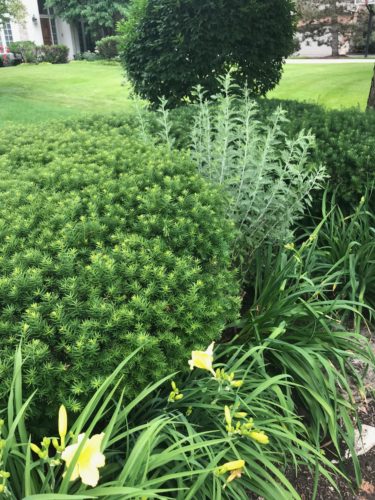
I also took out this Russian Sage that never looked quite right in the midst of the yews. I tried to transplant it, but I didn’t really like being moved mid-summer.  We’ll see if it comes up anywhere. I’m sure there will be some stragglers to remove and try again to transplant in the spring.

Overall pretty good year, but I’m excited to see what next spring will bring. Feel like it’s going to be a long winter…

Winter Has Arrived ❄️❄️

My husband had a running weather joke all summer, “Enjoy it now, it’ll be snowing in 3 months”. We’d all roll our eyes.

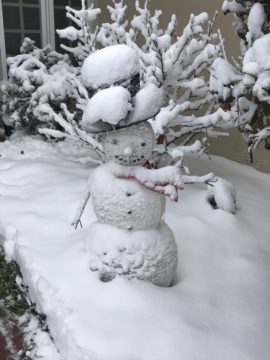
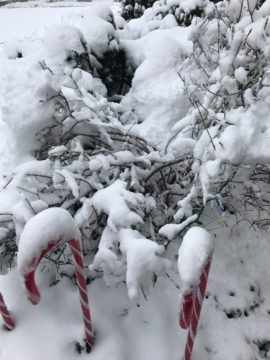
Well, he really wasn’t all that far off. We had the 5th biggest November snowfall last night, and it was a very messy storm.

Thankfully, my college kids had left Saturday to head back to school before the weather turned. We fared a bit better than many parts of Chicago, but we still got 3.9 inches of heavy, wet snow that knocked out our power for a few hours this morning.

That’s the kind that’s really tough to move around and really damaging to the trees and power lines. Luckily, we didn’t have too much damage and fared better than some of my friends.

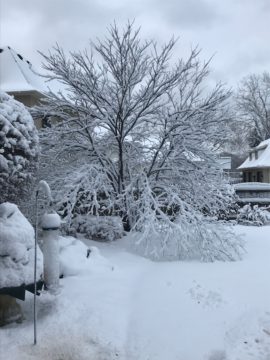
The backyard redbud was heavy with icy snow, practically touching the ground. No branches seem broken so it should be fine. I’m leaving it alone so I don’t make things worse for it.

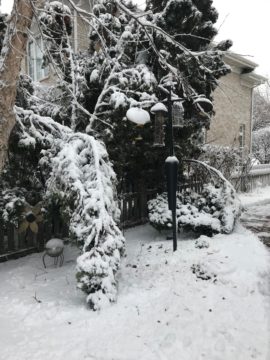
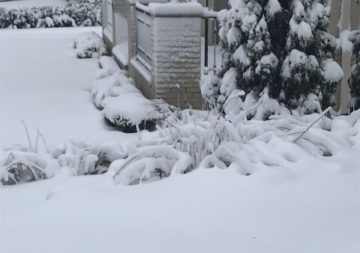
The arborvitae and other evergreens were all really sagging under the weight of the snow. Hopefully everything will bounce back once the snow melts. If they’re really bad like these, you can try and gently brush the heavy snow off the shrubs or trees with your hands or a broom as soon as it stops snowing, or even while it is snowing. But be careful to not be too rough and cause even more damage. Definitely don’t beat on the branches to break off ice.

Once the snow melts, if the branches aren’t popping back up you can try tying up the sagging branches to reshape the shrub. If you use ropes, be sure to loosen them every year so you don’t girdle the stem and kill it. Seems like during every storm my neighbor’s arborvitaes along the property line fall my way, so we have quite a system of woven ropes tying them up. Arborvitea make a great privacy fence, but the winter is really tough on them.

The yews and boxwoods are similarly drooping. I’ve had good luck with them bouncing back in the past so I tend to leave them alone.


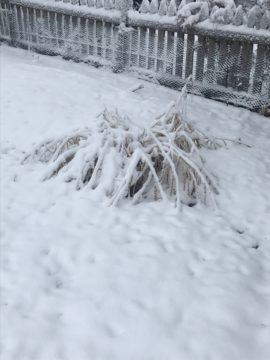
During the fall clean up, I always leave the grasses and hydrangeas for winter interest and bird habitat. Not sure what they’re going to look like after this snowfall though. It won’t affect their next year’s growth, but they may look crushed the rest of the winter. I’ll have to decide whether to cut them back or leave them once this snowfall melts.

Annabelle hydrangeas (seen above) bloom on new wood so late fall or winter pruning won’t affect next summer’s blossoms. Be sure before you do any winter pruning you know what kind of hydrangeas you have. Many have different pruning requirements depending on when they bloom and if it’s on new or old stems.

Ornamental grasses can be pruned back to the ground anytime after late fall. I like to leave mine and prune in the early spring. If you don’t think they look good, trim them to the ground in the fall or winter. If you do leave them, be sure to cut them back to a couple of inches in early spring before new growth starts. I’m guessing these will not look good this winter.

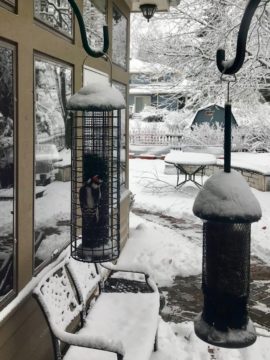
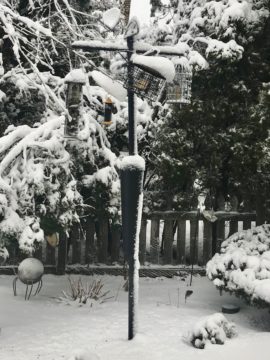
The snow made the bird feeders a bit cock-eyed. But the birds didn’t mind and seemed thrilled to have food available. The squirrels and juncoes kept the snow cleaned of any spills. I even had a red-bellied woodpecker visit the suet feeder this morning. No camera nearby, but trust me, he was beautiful!

How did your yard fare with this storm?


New Squirrel Proof Bird Feeders

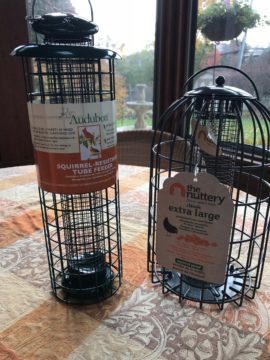
I had such success with my squirrel proof feeders (Who Won The Squirrels vs Feeder Contest?) that when I needed to replace my peanut feeder, I searched again for a squirrel proof version. I found two options that seemed like they would work and ended up ordering them both!

squirrel proof peanut bird feeder

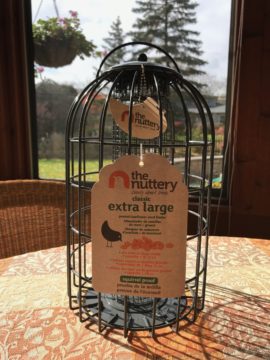
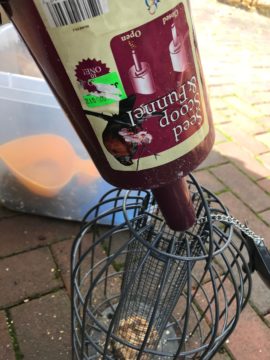
The first was the The Nuttery Classic X-large Peanut/Sunflower Seed Feeder (NT066). It seems to have a heavy duty outside cage to keep squirrels from chewing through the mesh. One complaint that I saw in the reviews was that its hard to fill. Using a handy seed funnel scoop I didn’t really have a problem.

I really liked that if the squirrels were able to get the top off, there’s a strong grate preventing them from emptying the feeder! A nice touch and definite plus. 

squirrel proof peanut bird feeder

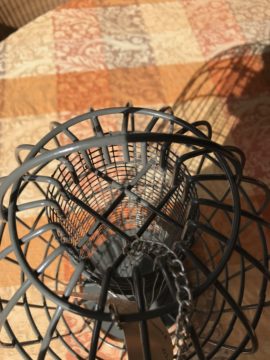
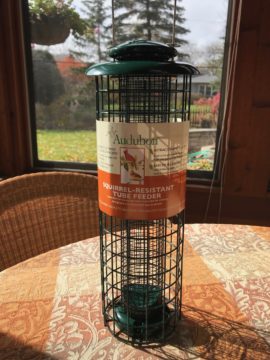
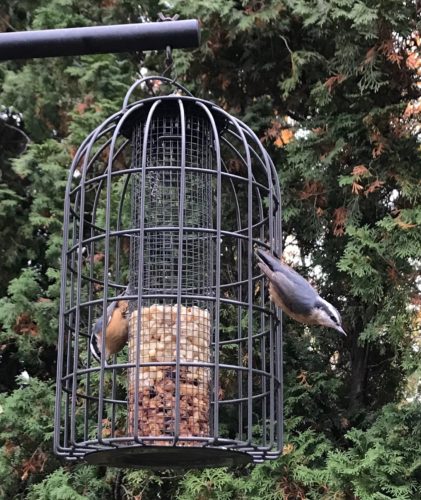
The second one was an Audubon Squirrel-Resistant Caged Screen Feeder (Model NACAGE).  Again, people’s biggest complaint was filling it. 

squirrel proof peanut bird feeder

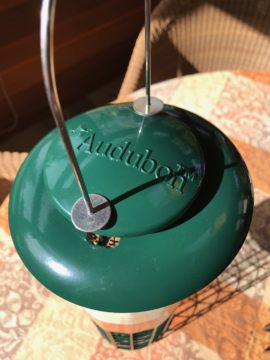
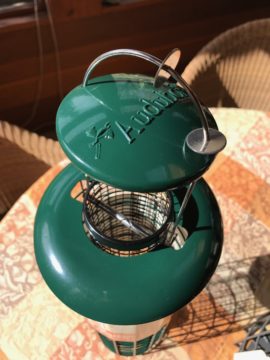
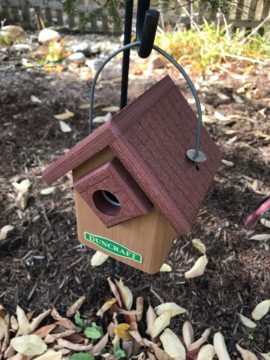
I think since I already was used to the disc method of locking down the top from my Duncraft Eco songbird house that the House Wrens love, lifting the lid isn’t a problem. Very effective against a squirrel getting it open. But, I do think it would have been nice if the wire loop would tilt out of the way when the top is up. It does get in the way of filling the feeder, but again using the funnel scoop or my Perky Pet Seed scoop, I was able to fill it ok.

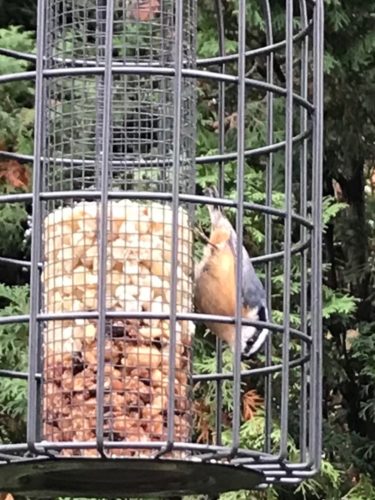
Now I waited for the birds! Why did I want a peanut feeder so badly?  For the nuthatches of course! Especially the Red-breasted Nuthatch. Apparently it’s an irruptive year for them and I have a couple that have been visiting my backyard with the White Breasted Nuthatch for a few weeks now.

peanut feeder

squirrel proof peanut bird feeder

They are the cutest, friendliest bird around.

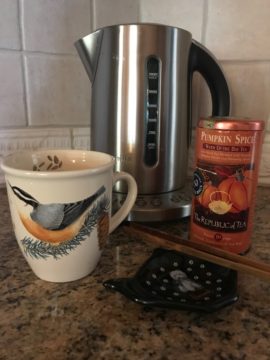
Definitely one of my favorites, as you can tell by my morning tea mug that I bought at my local Wild Bird Unlimited store. Of course this time of year my go to tea is Pumpkin Spice from Republic of Tea, and with water heated up in my electric Breville variable temperature kettle.

red breasted nuthatch coffee mug

I would point out that I wouldn’t need any of these squirrel  proof feeders if I had just placed my Squirrel Stopper Feeder Pole the required distance from a tree (check out these previous posts for more on the pole system and other feeders: This Birthday Was For The BirdsThe Feeders Are Ready for Winter).  But then I couldn’t see the feeder as well from the kitchen window. I would say though, I have never seen squirrels climb up the pole so I would still whole-heartedly recommend it!

FYI, after my local feed store closed, I was having trouble finding shelled peanuts for my feeders so I ended up ordering them from Amazon.  The birds couldn’t tell the difference and were happy for the treats.

So happy to finally not have the squirrels be a problem, now if I could say the same for the house sparrows and house finches.

Troll Hunt!

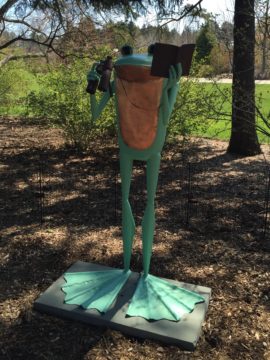
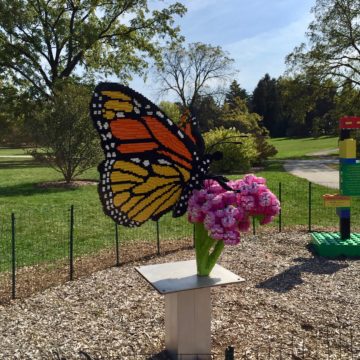
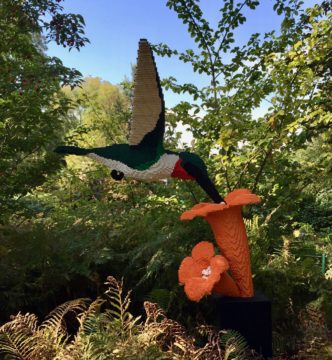
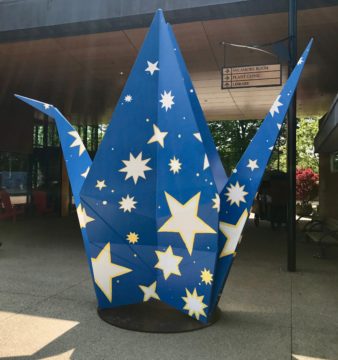
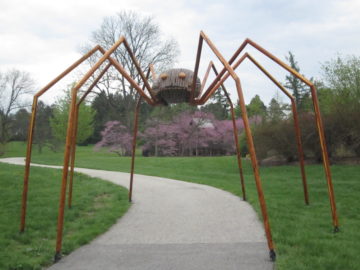
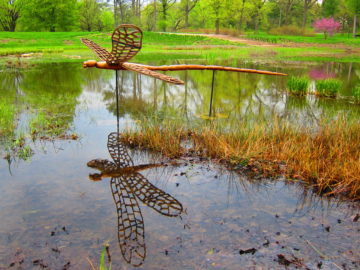
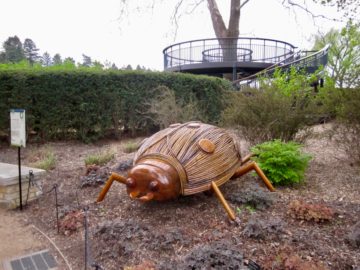
The last few summers the Morton Arboretum has had a “BIG” exhibit to bring people outdoors and celebrate nature. There’s been frogs, giant bugs, giant lego statues, and life size origami.

And this year, a Troll Hunt!

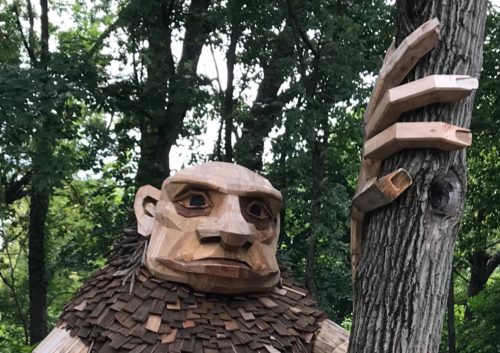
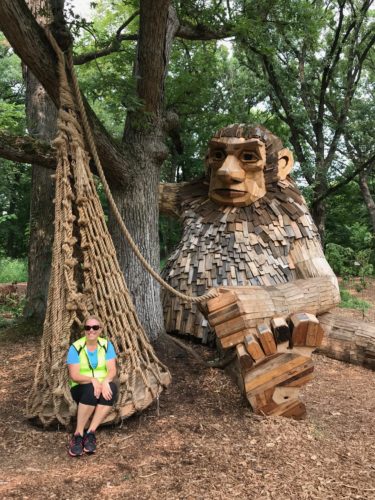
The Trolls are the design of Danish artist Thomas Dambo. These 15- to 30-foot-tall, and one 60-foot long, sculptures are created from reclaimed wood and other forest items to bring people out into nature and serve as protectors of our environment. This guy, Neils Bragger, definitely says, “Don’t mess with me or my woods!”.

This Troll Hunt exhibit is Dambo’s first large exhibit in the US and part of a worldwide fairy tale that Dambo is creating, “The Great Story of the Little People and the Giant Trolls“.  The first installment was in Copenhagen, the second in South Korea and the third now at the Arboretum. The Morton Arboretum is lucky to have it!

The faces, hands and feet were built from recycled wood in Dambo’s shop in Copenhagen and shipped to the Arboretum.

All year the Arboretum collected wood scraps, battered boards, fallen trees and branches, and the remains of pallets and packing crates which were added on site to create the massive Trolls including Furry Ema, who would like to trap some visitors!

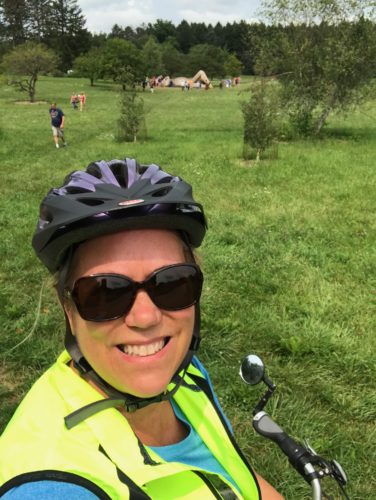
Unlike the past exhibits, to see the trolls does require some driving and walking, or in my case bike riding.

You can see some from the Arboretum roads, but to see them up close you need to leave the road and walk just a few feet or up to 3/4 of a mile to see them over pavement, wood-chipped, and mown grass trails. There is a Troll tram that will bring you to the sites and give you lots of interesting facts about the Trolls and the arboretum if you prefer to have someone else do the driving.

Any way you get there, be careful you don’t get eaten by Little Arturs!

Be sure to pick up the Troll Hunter’s Handbook at the Visitors Center. It looks like a kid’s adventure guide, but The Handbook will help you find the trolls and collect clues to locate the Troll’s secret hideout, which I sadly missed on this trip. I will be back! The Trolls are expected to be around through the end of the year, maybe longer if they hold up well. Check out this Arboretum page if you need more information and tips for your visit.

Of course, no trip the Arboretum is complete without seeing some of the amazing plant collection and finding something I need in my garden.

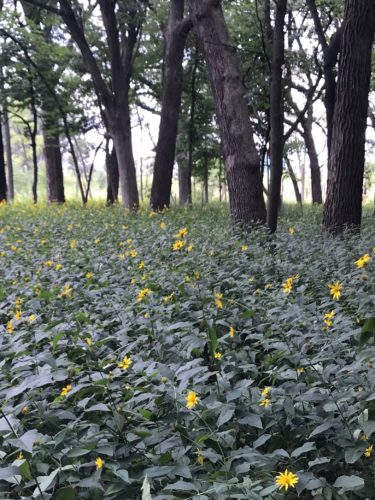
Pale-leaved Wood Sunflowers (Helianthus strumosus) were in full bloom on the forest edge on the East Side.

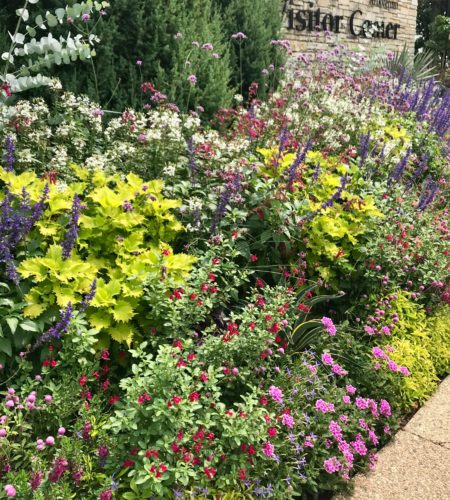
Always a stunning seasonal display in the garden in front of the visitor center!

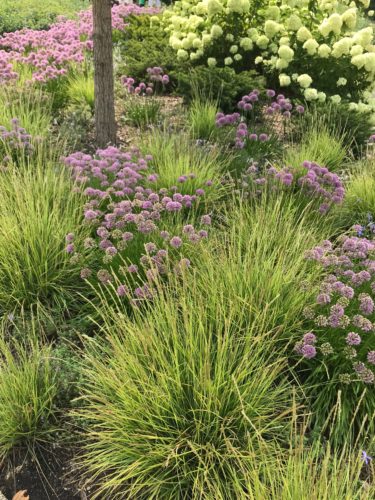
I may need to add some of this Autumn Moor Grass (Sesleria Autumnalis).  Looks great next to the Summer Beauty Allium (Allium senescens subsp. montanum ‘Summer Beauty’).


Have you been on the Troll Hunt? I’ll let you know on Instagram at Stephigardens when I find The Hideaway!


Weeds, Weeds, Weeds

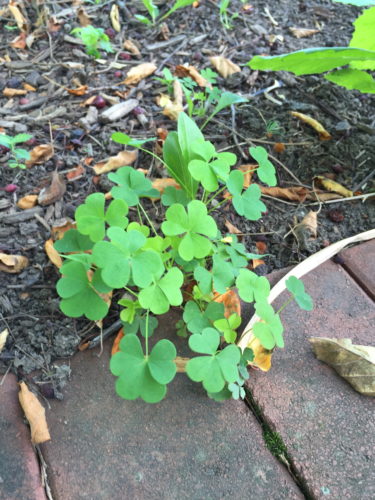
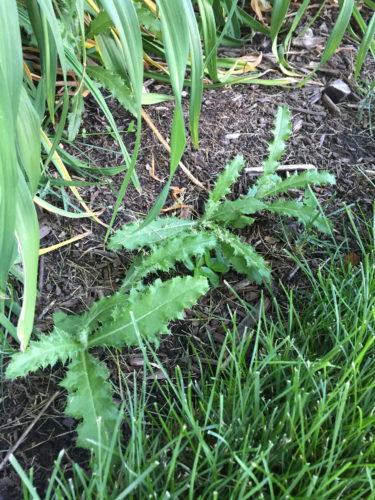
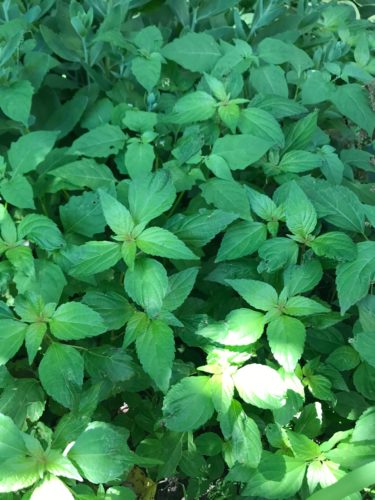
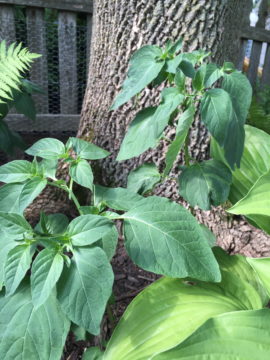
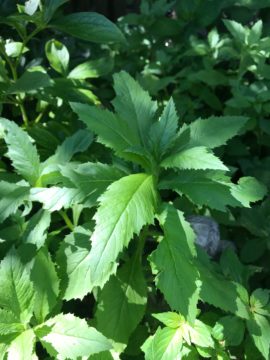
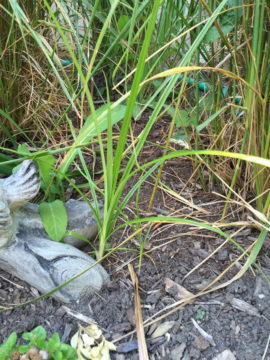
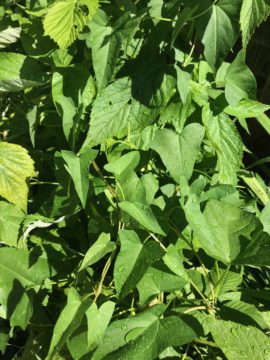
Just when I finally got the garden under control, I go on vacation and leave it to its own devices for a few days. I came home to an explosion of weeds. Where do they come from? I think I get the Preen down early enough, but that never seems to be the case. I don’t help matters by going and digging around after it’s down, messing up the protection it affords. So I pull and pull and pull. Among a long list, probably my most annoying weeds are Shepards Purse, Spotted/Prostate Spurge, Yellow Woodsorrel (Oxalis), Canadian Thistle and Three-seeded Mercury.

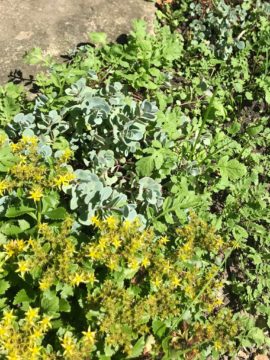
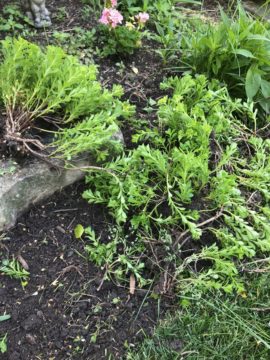
Shepards Purse (Capsella bursa-pastoris) has been a particularly stubborn issue for me since it blended into my succulent garden and was camouflaged by similar looking plants.

By the time I figured out it was actually a separate plant, it was everywhere. Because it’s so intertwined, the best I can do is just keep pulling it out whenever I can get to it. Between that and the grass, I finally just pulled up a whole section to tease the wanted plants from the unwanted. A lot of work, but so much better!

Spotted/Prostate Spurge (Euphorbia maculata/prostatais another weed that seems to grow with abandonment in my yard, It’s a low growing, small leaved, poor-soil and sun-loving weed. It’s virtually impossible to distinguish the two species, so they are often considered to be one. It’s also hard to distinguish from prostate knotweed (Polygonum aviculare), but only the spurges produce a milky-white latex fluid when broken (similar to a dandelion).

Prostrate spurge will tolerate some shade but thrives in harsh full-sun baked sites. It especially loves to grow in the gaps between the bricks on my patio.

Yellow Woodsorrel (Oxalis) is a pretty yellow-flowered clover looking flower that I actually enjoy because it reminds me of native wood sorrels, until it starts to take over. If not controlled early, it’ll spread by both its stems and seeds and then it just looks messy and weedy in the garden.

Canadian Thistle is a relatively new issue for me. Not sure where it came from, but it sure grows BIG and prickly. I was worried it came from the thistle I was feeding the goldfinches, but the “thistle” seeds are actually Nyjer ® seeds from the African yellow daisy (Guizotia abyssinica) and are sterilized to not germinate. Maybe since I’ve attracted goldfinches to the yard, they are somehow carrying the real thistle seeds as well. In any case, to get these out I need a thick pair of gloves and a hand weeder to pull it out or try a natural weedkiller if it’s just too big. As with most weeds, you can’t just cut them since they will regrow asap.

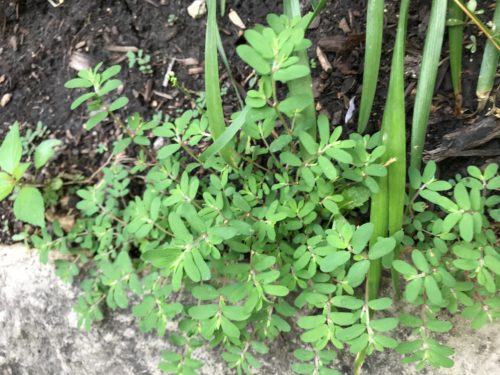
Three-seeded mercury (Acalypha rhomboidea) was a little more difficult to identify, but is actually quite widespread east of the Rockies. It’s a tall growing weed and belongs to the spurge (Euphorbia) family. It has a shallow tap root making it quite easy to pull out, which is about its only saving grace in my mind considering how widespread it is in my garden.

What else is growing like weeds in my garden?

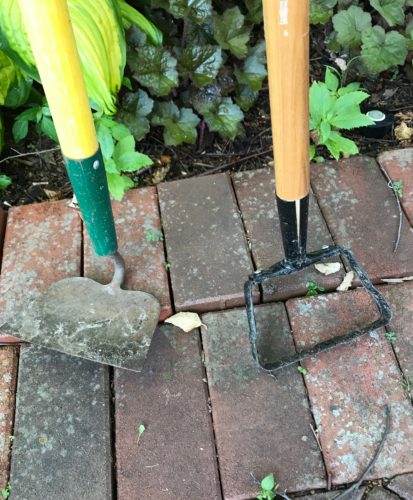
When I need a weed killer I use a natural mixture made from white vinegar and about a teaspoon of dish soap.  Put the mixture in a sprayer and on a hot, sunny day, give the plant a good soaking. I have mixed results, but it helps often enough. I like this methods as safer alternative to Round-up, and since I’m just dousing the leaves it shouldn’t affect the pH of the soil. I also have some trusty tools I like, a good old-fashioned hoe and my more recent addition, a Hula-Ho Weeder Cultivator for larger areas.

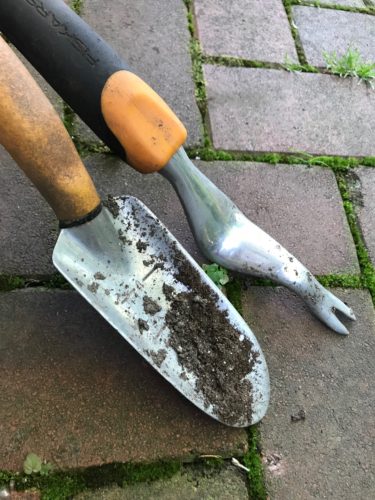
I also have a Fiskars hand weeder and Fiskars trowel for smaller areas or things with deeper roots. All the tools work better in most soil rather than dry. I try to weed after a rainfall or watering.

It is interesting that some of these weeds like Purslane and Lamb’s Quarters are edible and Shepards Purse is medicinal. I’m too much a of a chicken to trust my identification skills to try them though. Anyone try them?

What’s the biggest nuisance in your garden?  Had some recent conversations with friends about weeds and one has wild strawberries in her yard and the other has wild grapevines. Both sound bad!
First of the Season

I always love when I go over to the vegetable beds and I find my first ripe vegetable of the summer. It means that so much more goodness is on the way. I got a bit of a late start in the vegetable garden this year because of very poorly timed travel and a cold spring. Then this post got pushed back just a little bit because my computer broke and needed to go away for repairs 🙁 So I am definitely late with my first to harvest this year.

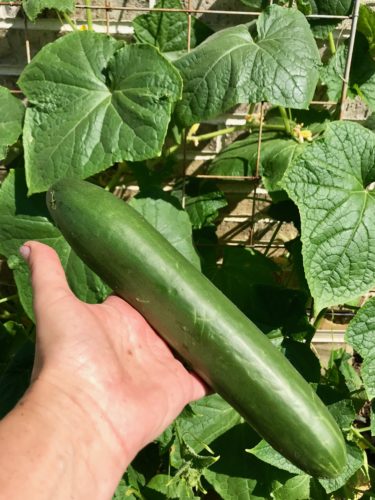
In any case, the first of the harvest winner this year was my Sweet Burpless Cucumber from Burpee.

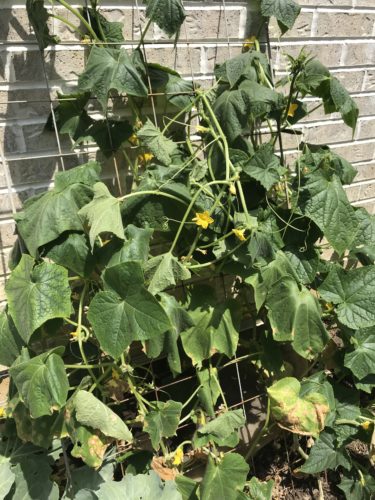
I’m growing 2 kinds of cucumbers this year, the sweet Burpless and Telegraph Improved (Botanical Interests), an English style cucumber. I meant to only grow the telegraph cucumber since I’ve really come to enjoy the thinner, soft-seeded variety, but decided at the last minute to plant my old stand-by as well. This has been a great year for cucumbers based on the vigor of the plants on the cucumber trellis. There are an abundance of flowers so there will be a good harvest.

One of my favorite cucumber recipes is a Sweet and Sour Cucumber Salad.  This is an easy recipe that can be made with thinly sliced or chopped cucumbers and makes a great side-dish for almost any summer dinner. It can easily be jazzed up with tomatoes, green peppers, kohlrabi- whatever is available in your garden that day.

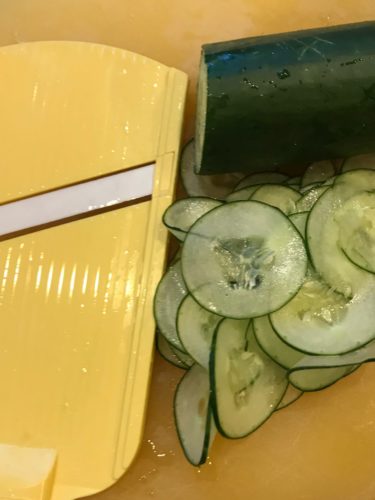
Start with your favorite cucumber and either slice it thinly, spiralize it or dice it. All make for a tasty salad. For making wafer thin slices, I love my Kyocera ceramic slicer. But be careful where you store it, it is REALLY sharp.

Earlier in the day I made my dressing:

Sweet and Sour Cucumber Salad
Print
Author:
Ingredients
  • ½ c Rice Wine Vinegar (unsalted)
  • ⅔ c water
  • 2½ T sugar
  • 3 cucumbers, sliced, diced or spiralized
  • optional: ½ medium thinly sliced medium red onion
Instructions
  1. Bring vinegar and water to a boil in a saucepan over medium heat. Stir in sugar to dissolve and simmer 15 min, stirring occasionally. Remove from heat and let cool to room temperature.
  2. Pour over prepared cucumbers in a bowl, toss to coat, chill in refrigerator until ready to serve.
  3. Extra dressing can be refrigerated and used within a week.

Then at dinner I have a wonderful side dish to go with whatever my husband has grilled that night!
How is your garden growing this year?


My Magnolia Saga

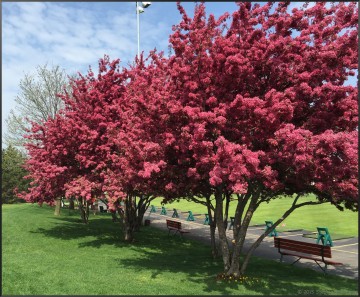
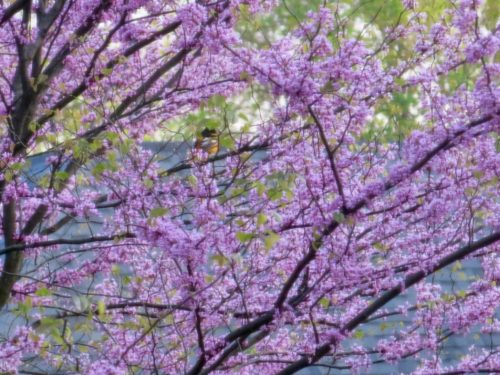
In my neighborhood, one of the things that truly announces that spring has arrived is the beautiful blooms of the Magnolias, Redbuds and flowering Crabapples.

We already had pink crabapple, so when one of our River Birch trees died about 10 years ago, we replanted nearby with a Redbud. It has grown beautifully and puts on quite a spring show. This year it was a favorite of my first-ever Northern Oriole in the backyard!

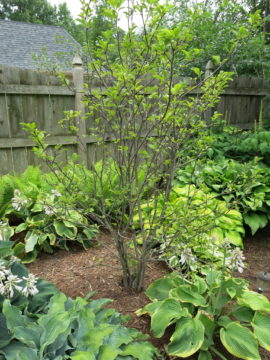
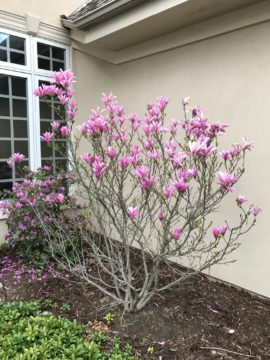
We sadly had a Freeman Maple die a few years back (So Long Beautiful Maple Tree), and three years ago decided it was time to add some more flowering trees. We picked a Jane Magnolia (Magnolia “Jane”) to add to our garden collection in this now very bare spot.

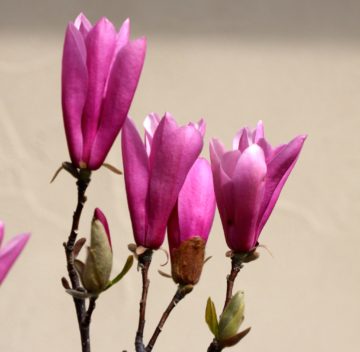
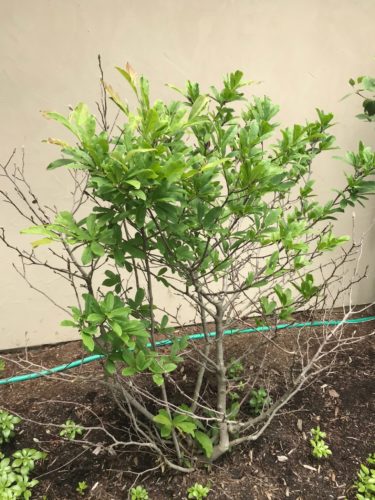
I had done a bit of research and was really hoping to add a yellow magnolia, but that year it was just too late to find one.  I ultimately decided on Jane Magnolia, one of the “The Little Girl Series,”  and is a hybrid between a lily magnolia ‘Nigra’  (Magnolia liliflora) and star magnolia ‘Rosea’(M. stellata).  The “Little Girl Series,” was named because each hybrid plant was given a girl’s name. I chose the hybrid Jane because it was the right color (reddish-purple outside and white inside), size (10 to 15 feet tall and wide) and with the late spring bloom time it is less likely to suffer frost damage in spring.

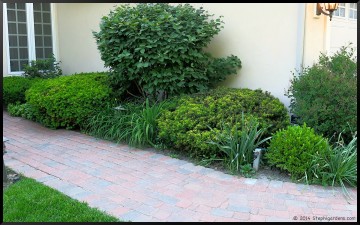
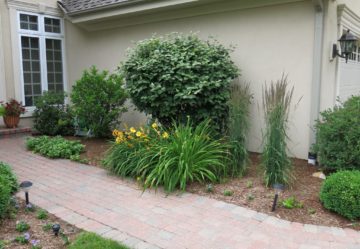
Since we were already doing some replanting, we also decided to remove a couple of unwieldy yews in the front bed and put in another magnolia and some grasses.

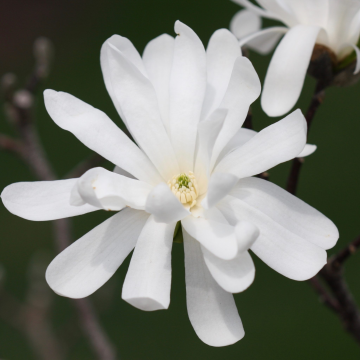
Where the yew closer to the front door was, we decided on a Star magnolia (Magnolia stellata).  This magnolia is more shrublike than most magnolias so it was more amenable to a smaller area like a front bed. In the other spot we planted three Karl Foerster Feather Reed Grasses (Calamagrostis acutiflora ‘Karl Foerster’) to add year round interest.

In they went and I couldn’t wait for the next spring.  But in the meantime, we had a very dry summer and a very tough spring. Despite my attentive care, neither transplant survived 😔.

Because I had them planted from a local nursery, both were covered by a warranty, so they were able to be replaced.  All seemed well until they bloomed….

Uh oh, I had white blooms in the backyard and pink blooms in the front yard! No doubt that this is wrong! Somehow the specimens had been mixed up and now my replanted plants needed to be replanted again😔  Magnolias are pretty hardy plants once they get going, but they can be a little finicky about being transplanted. Pretty sad to make the call to my landscaper to have them switched, but there’s no way I can have a Jane magnolia in the small bed by the front door.

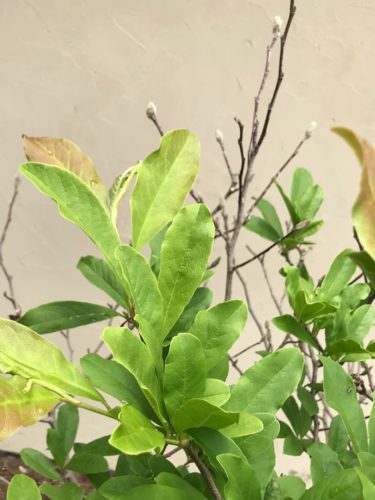
Fast forward to this spring. The Jane magnolia in the back looks great, had plenty of nice pink blooms and and is starting to shoot up lots of new growth. I think it’ll be ok!

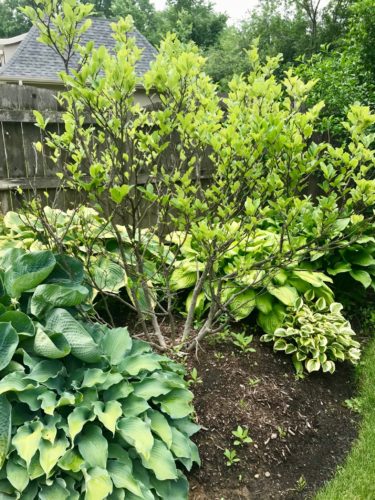
The front yard Star magnolia, however didn’t fare as well.  It had plenty of buds, but many didn’t bloom and many branches were dead.  But enough stayed alive that I think it’ll eventually it’ll be ok.  It also looks like it recently started sending up new sprouts near the base. Wish it had done better, but it’s been through a lot and I only get one replacement.  We’ll see how it looks next year.

Do you have magnolias? Any problems getting them to take off?


Spring Into Summer

You may have noticed I took another little break from blogging.  Nothing exciting going on, just got busy with some other projects. But, my garden is in full growing mode after a tough winter and spring. Winter was long, cold and at our place in Door Co, WI, very snowy.  Spring came slow and seemed as though wouldn’t ever arrive.

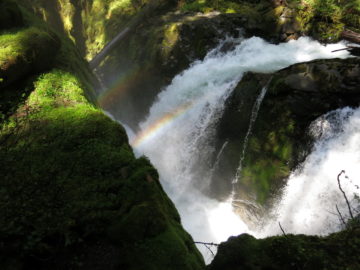
I was late getting the flowers and vegetables in the ground because of a combination of the ground being too cold, and some poorly timed travel plans.  Really, who plans a vacation right at the peak of planting season?  But, it was fun visiting Seattle and Olympic National Park, and having both college kids home for a visit.

Then finally, spring and summer arrived almost all at once. All the spring blooms seemed to explode at the same time making for a spectacular show.

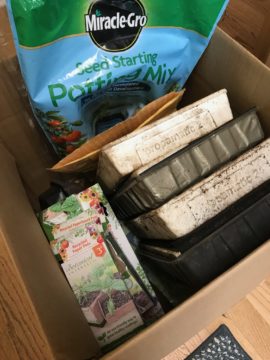
Back in early April, I started some of my favorite vegetables indoors;

  • English Telegraph Cucumber (Botanical Interests)
  • Sweet Burpless Hybrid Cucumber (Burpee)
  • Emerald Delight Zucchini (Botanical Interests),
  • Gold Hybrid Gourmet Gold (Burpee).
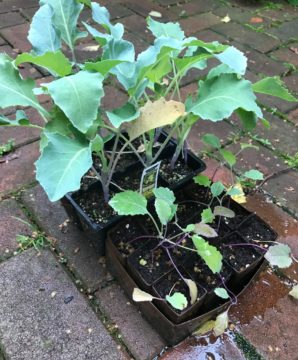
  • I tried growing Kohlrabi, but again they just didn’t grow well for me.  Luckily, my local nursery had plenty!
Mine in the front, nursery grown in the back


Outdoors in late April, I planted my early, cool temperature loving seeds including

More recently, I got the rest of the seeds planted including a second planting of the cool weather plants, and added Danvers and Calliope Carrots (Botanical Interests).  I also bought beautiful

  • Tomato (Sweet Million Cherry, Early Girl and Champion)
  • Sweet Pepper (Yolo Wonder, California Wonder and North Star)
  • Herbs for the “right outside the door” herb pots
  • cabbage and kohlrabi plants

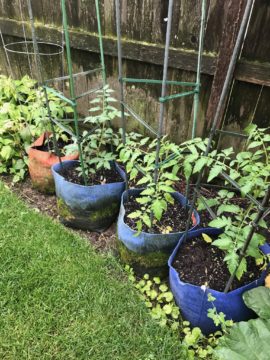
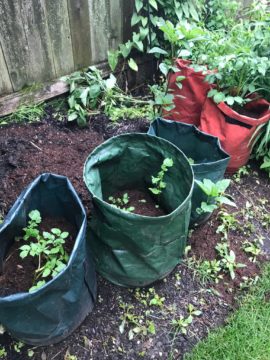
from Vern Goers, a local nursery. I was also gifted a lovely yellow pear tomato plant from my mom. (I’ve switched to growing my non-cherry tomatoes in bags to leave more room in the raised bed for the squash, zucchini, cucumbers and kohlrabi.)

I also got my bed of zinnias sowed, and this year added a bed of marigolds from seeds I collected last fall. Check out my previous post, Cheerful and Bright Zinnias Bed, for an easy how-to.

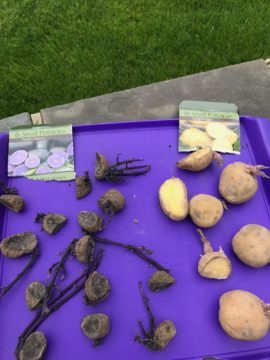
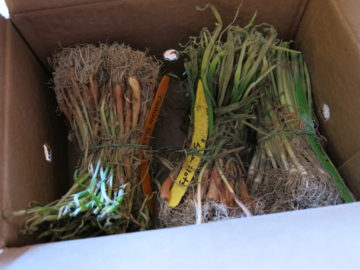
Last but not least, I got my potato bags going with three different varieties (for more info, visit these past potato posts) and planted lots of Lancelot leeks, shallots, and yellow sweet Spanish onions (Dixondale Farms).

Almost forgot, I got all my flower pots planted too!

So I think I’m all caught up for now, but lots more to write about! Hope you’ve had a good spring and your gardens are growing beautifully!

SaveSave

SaveSave

SaveSave

SaveSave

SaveSave