Happy New Year!
Its always fun the end of the years to see what was the most interesting posts to my readers. Sometime it’s posts from previous years, sometimes this year. Here’s the top 10 most viewed posts in 2018:
Casual Gardening and Living in the Suburbs
Happy New Year!
Its always fun the end of the years to see what was the most interesting posts to my readers. Sometime it’s posts from previous years, sometimes this year. Here’s the top 10 most viewed posts in 2018:
Chickens and Kauai. Not really two things I would have ever thought go together.
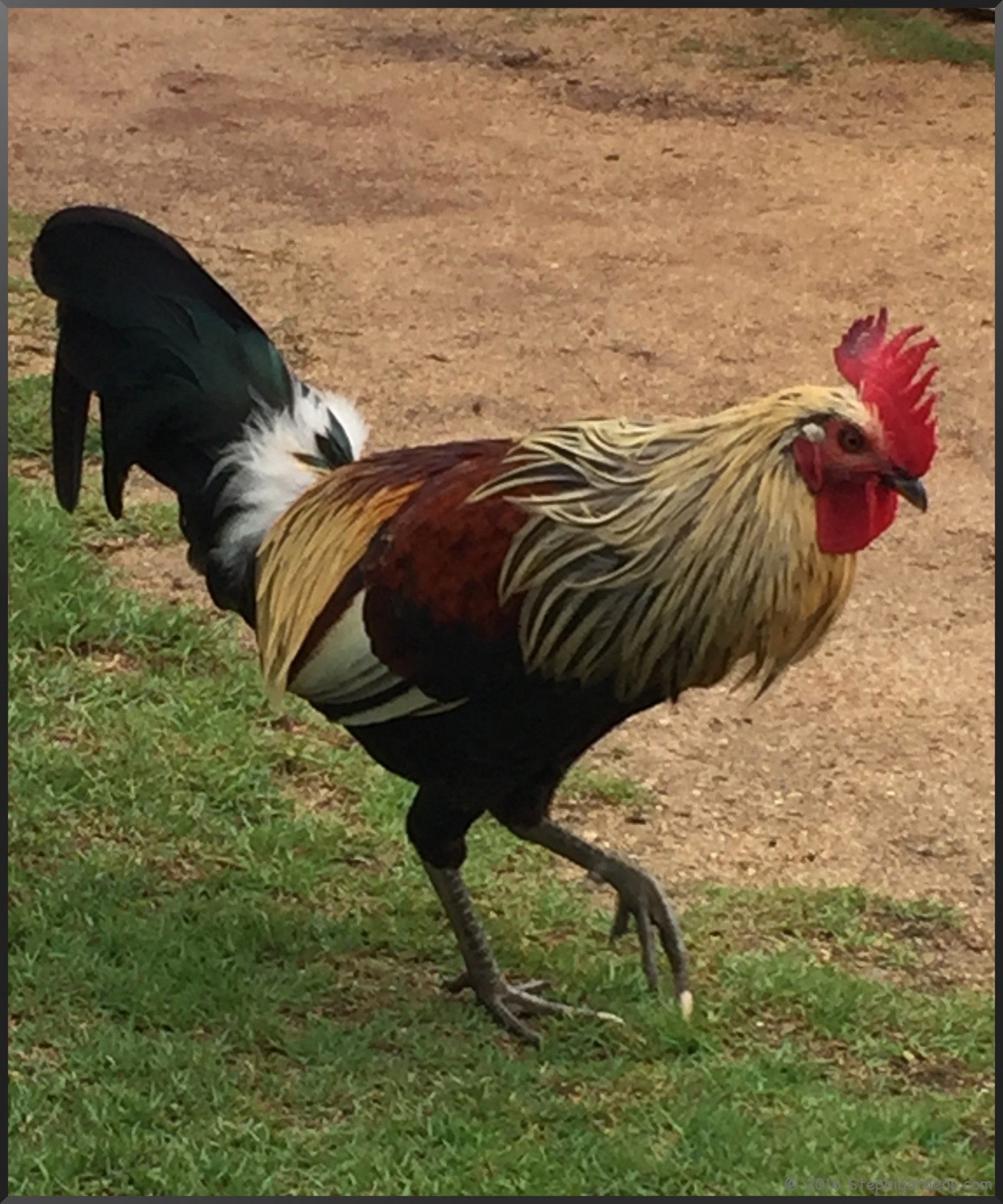
Hibiscus, beautiful ferns and gorgeous views, but not chickens. But they were everywhere. I should have known something was amiss when there were chickens and roosters in the rental car parking lot at the airport. We thought it cute and other than thinking it was odd, didn’t give it much thought. Then they were in the garden outside our hotel room, and again thought they were a novelty. That is until the rooster started crowing at the full moon around 3 am. We were already a bit delirious from the jet lag and that just added to the fog we were feeling.
But off we went to explore the island. We found this guy at the Iliau Nature Loop hike.
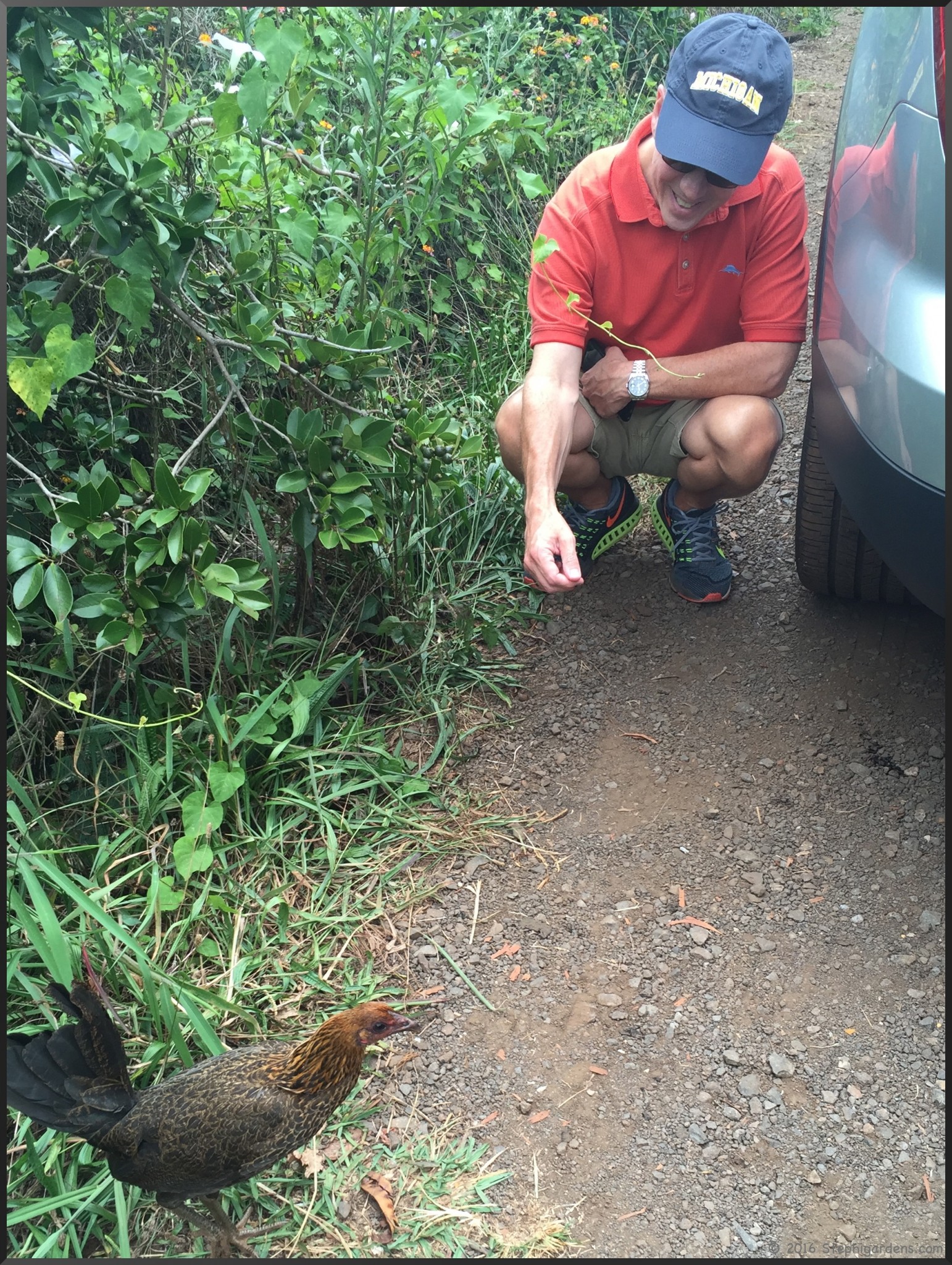
We were greeted when we left the car and actually escorted us down the trail a good ways.

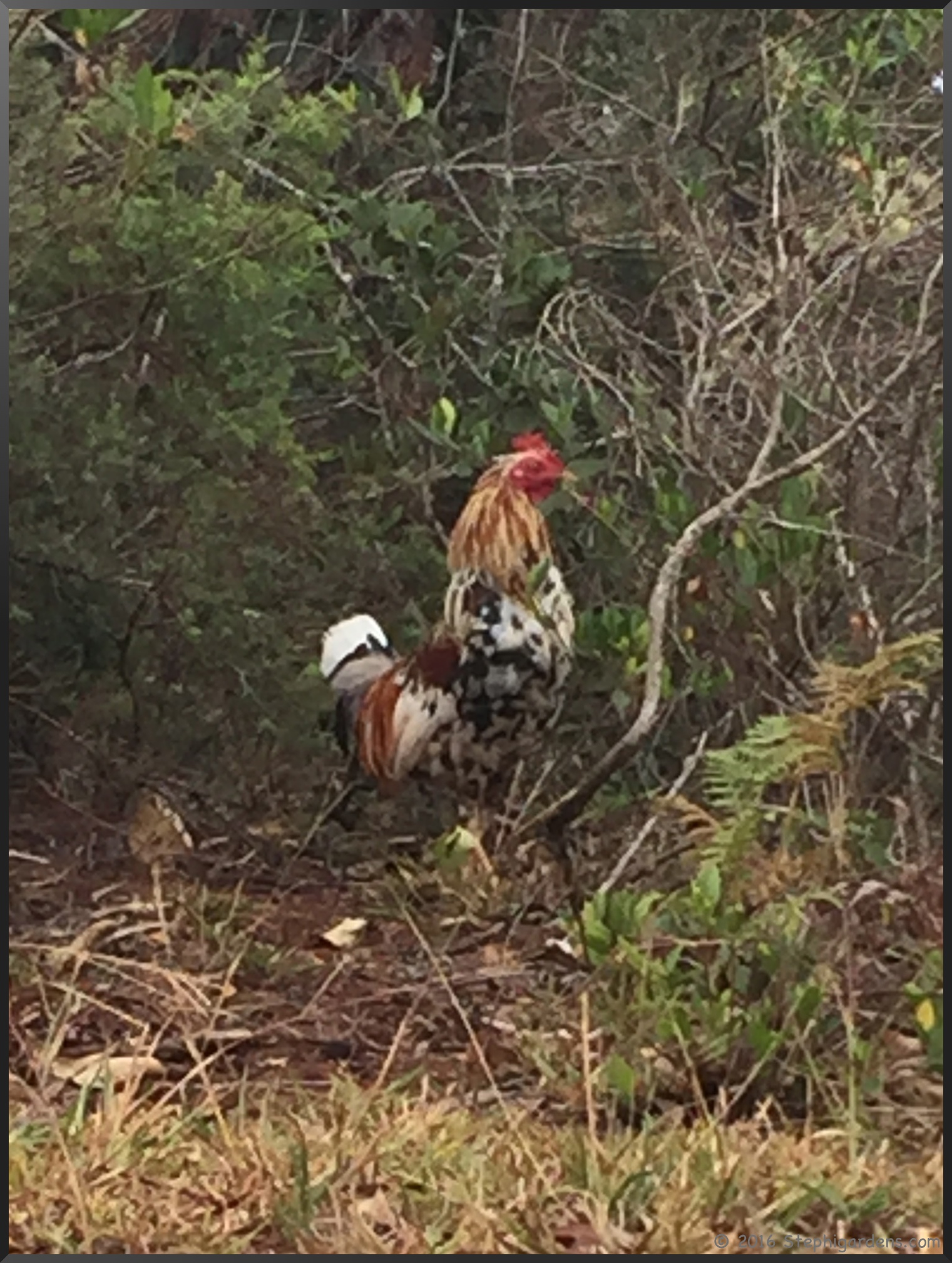
We had another trail mascot hiking on the Cliff trail in the Waimea Canyon.
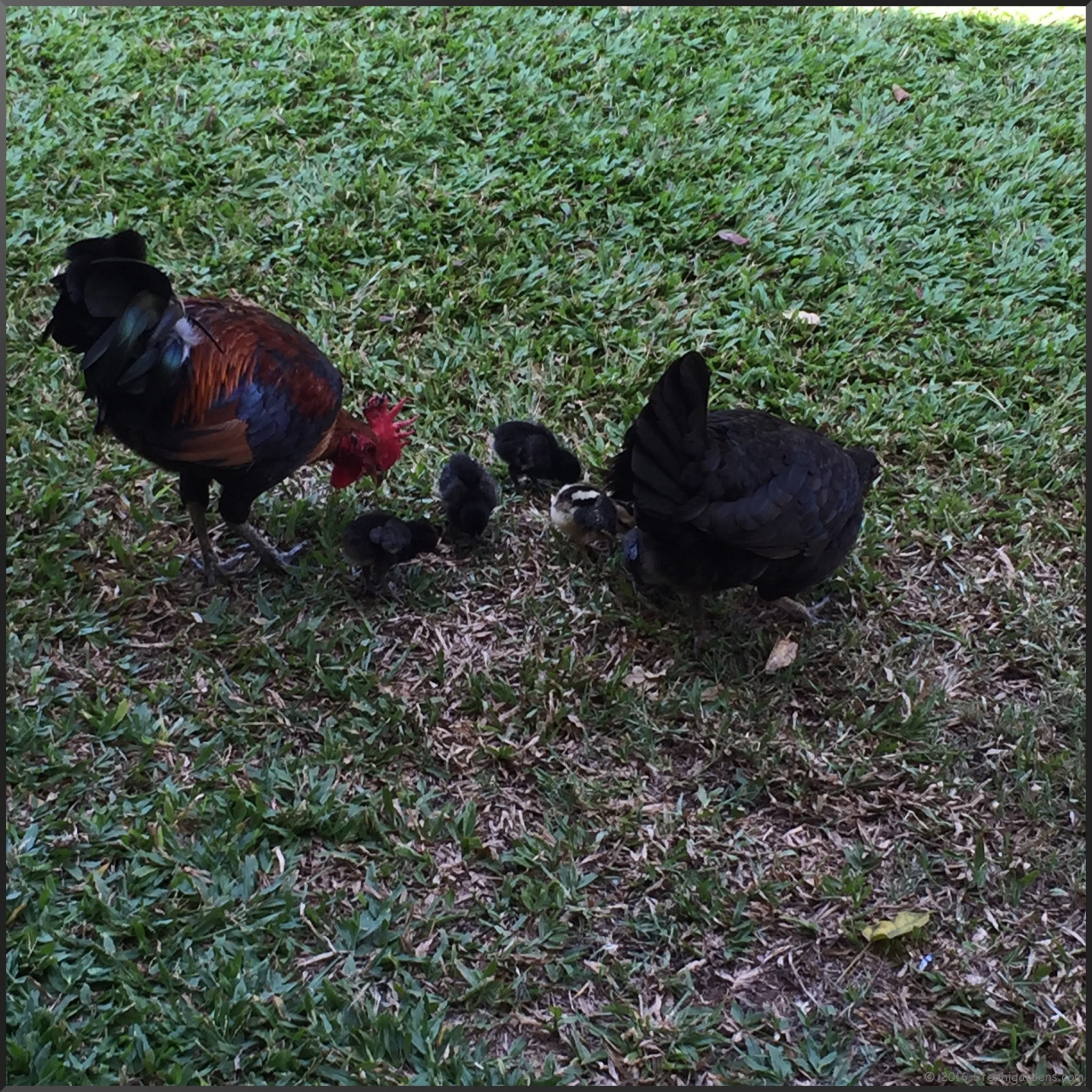
There were whole families on Poipu Beach.
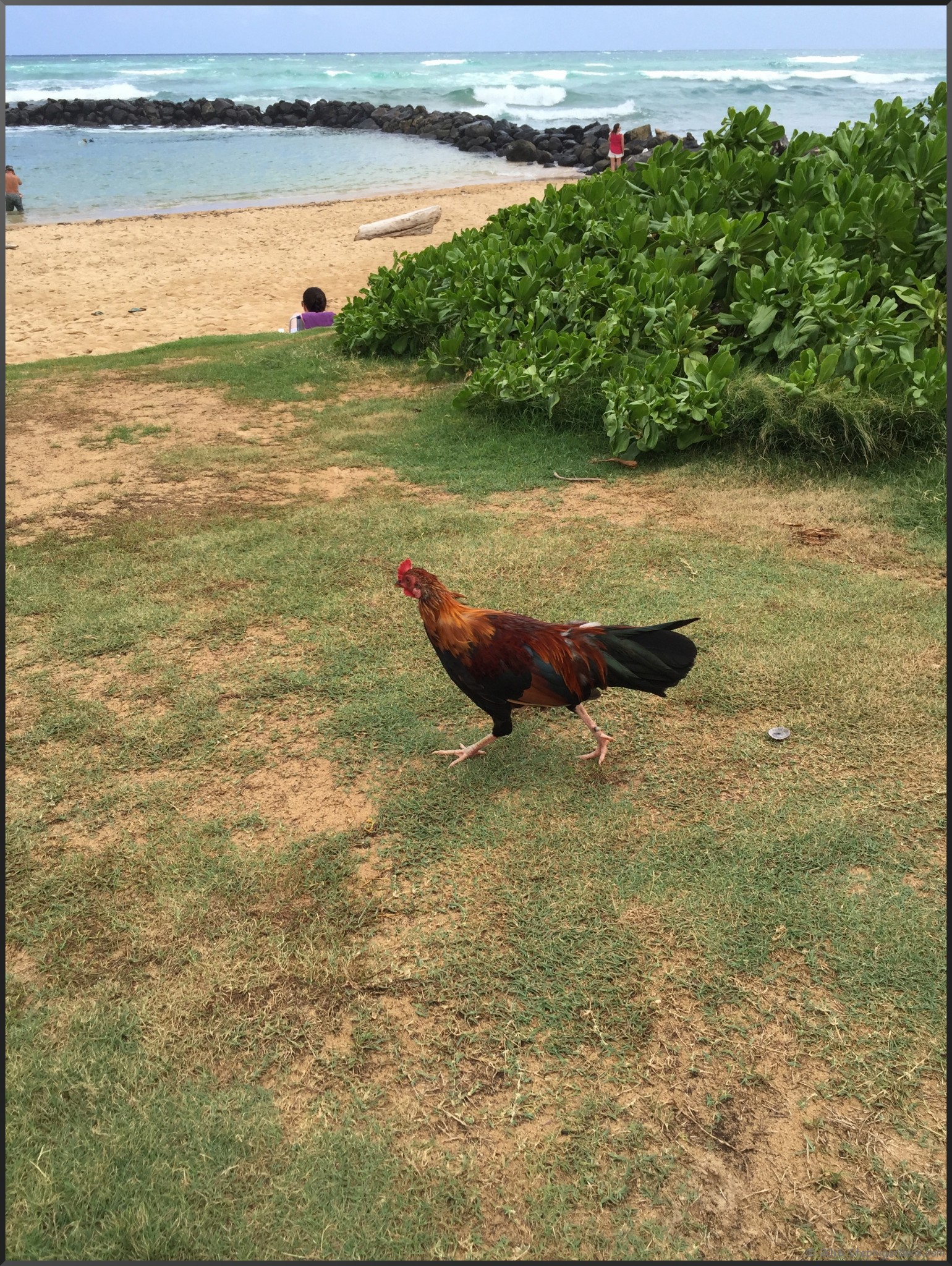
The strong winds at Lydgate Beach didn’t blow them away.
At the Wailua River State Park overlook, the parking turnout was overrun and we were actually in danger of running them over…
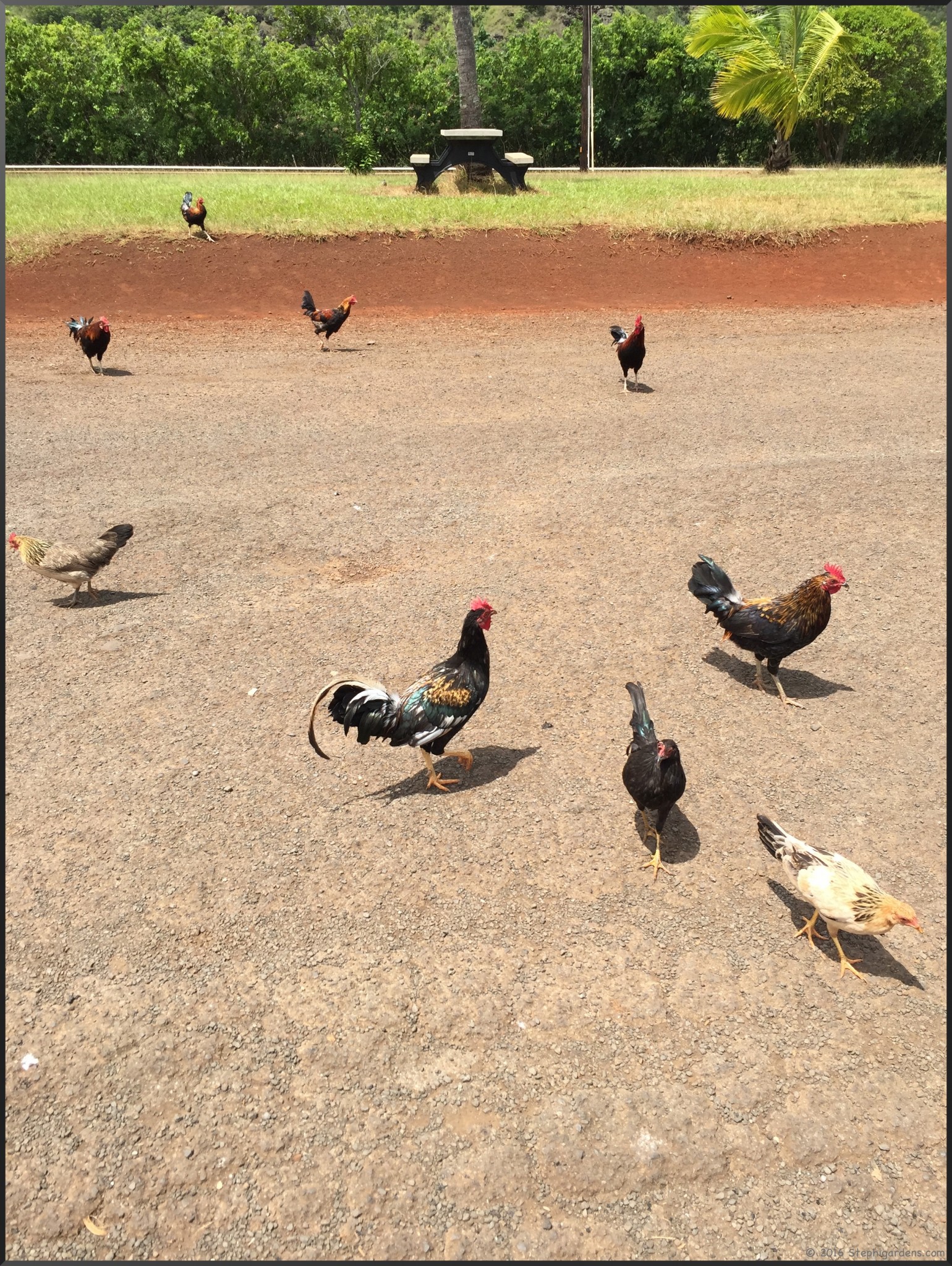
…or having them try to jump in the car.

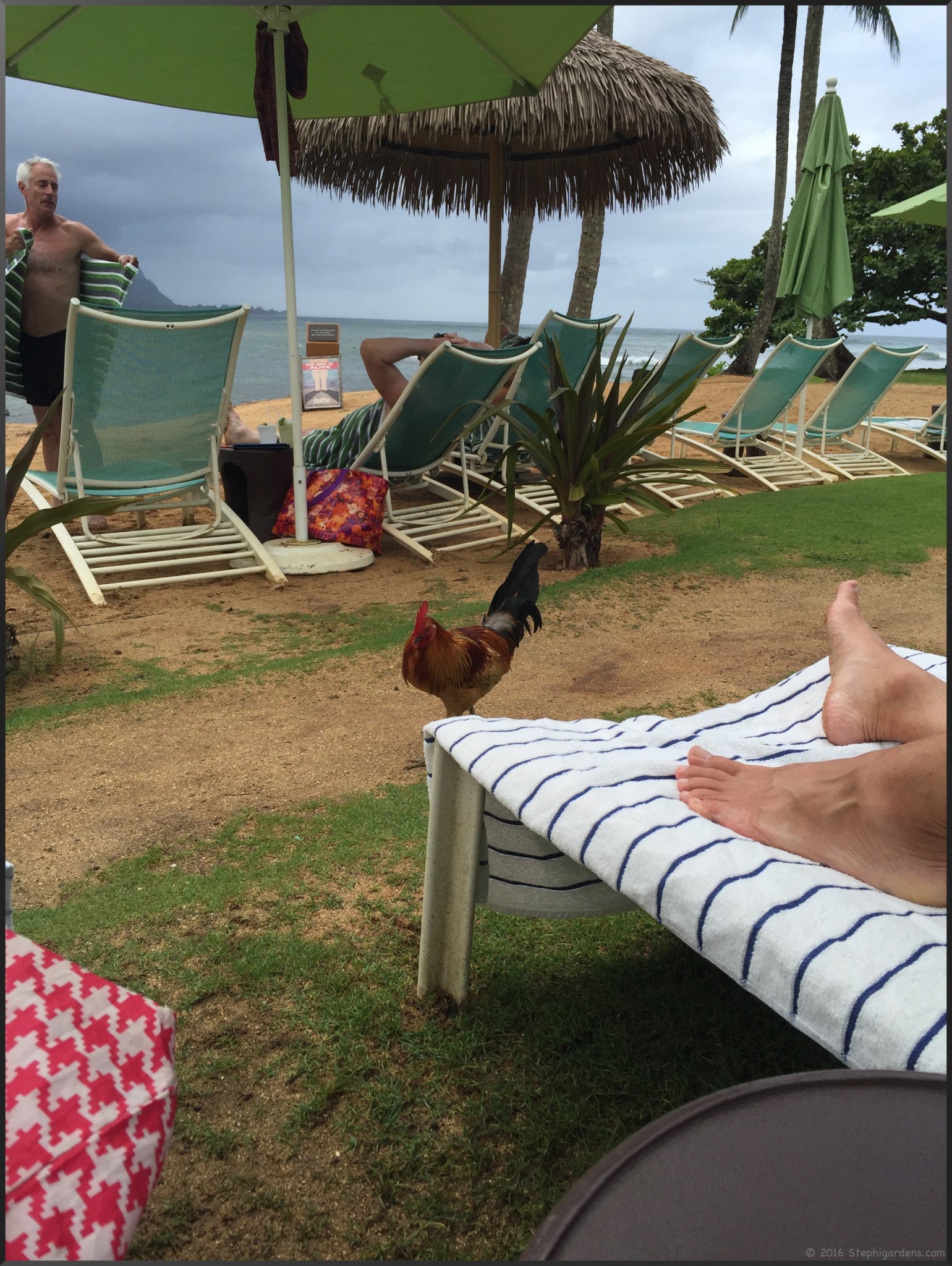
At Pu’u Poa Beach in Princeville, I think we were in this guys territory. He seemed ok with us there, but when another rooster wandered too close he was none too happy.
Hey, this isn’t a chicken! Finally got to see some Nene, the Hawaiian state bird.

So why so many chickens? The story goes that “mua” or red junglefowl were originally brought to Kauai by the Polynesians when they arrived in Hawaii. All seemed pretty much ok and in some kind of natural balance. That was, until hurricanes Iwa in 1982 and Iniki in 1992 wiped out pretty much everything and released domesticated chickens into the jungles to mate with the junglefowl. This resulted in the feral chickens we see everywhere today. The problem is certainly compounded by the lack of any natural predators like the mongoose found on all other Hawaiian Islands.
They can be quite a nuisance. Crowing at all hours of the night and day, scratching and damaging gardens and trees, leaving droppings everywhere and these feral birds are no good for eating unlike their ancestors. But on the flip side, they eat a lot of bugs, are important in keeping the nasty Hawaiian centipede in check and do provide entertainment, great photos and business opportunities for the locals and tourists. Plus researchers at Michigan State are studying them to find ways to develop hardier breeds of domesticated chickens.
For more information Nature.com has a great visual and article.
While we were visiting Kauai, in addition to all the gorgeous Hibiscus there were lots of other interesting plants to see and learn about. I wish I had more time to go plant exploring, but there was so much to do in so little time. Here’s a little of what we saw.
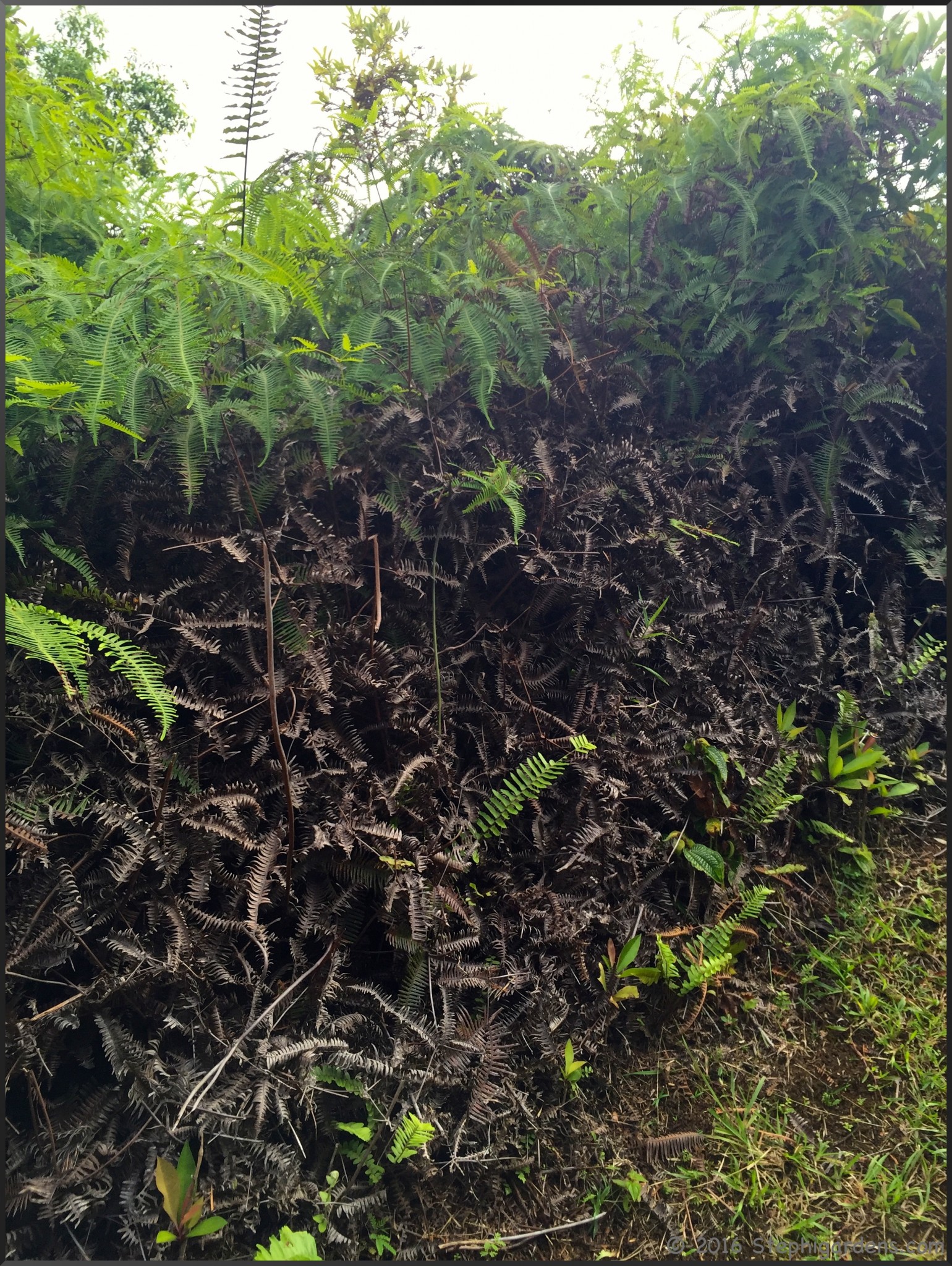
This old world fern is widespread across Kauai and other islands. It is a quick growing, thick and woody fern found on the sloping mountainsides. It serves an important function to prevent erosion and keep weaker rooted weeds and invasive species to a minimum. It is also one of the most dangerous plants a hiker can encounter. It’s not at all poisonous, but aside from the the woody stems that will scratch the heck out of anyone trying to bushwhack through it, it’s growth habits can give a hiker a false sense of where a cliff side may be. One step onto what looks like a soft mat of plant growth, can turn out to be a nasty fall down a cliff side. It’s new growth continues to grow on top of any plant, including itself.
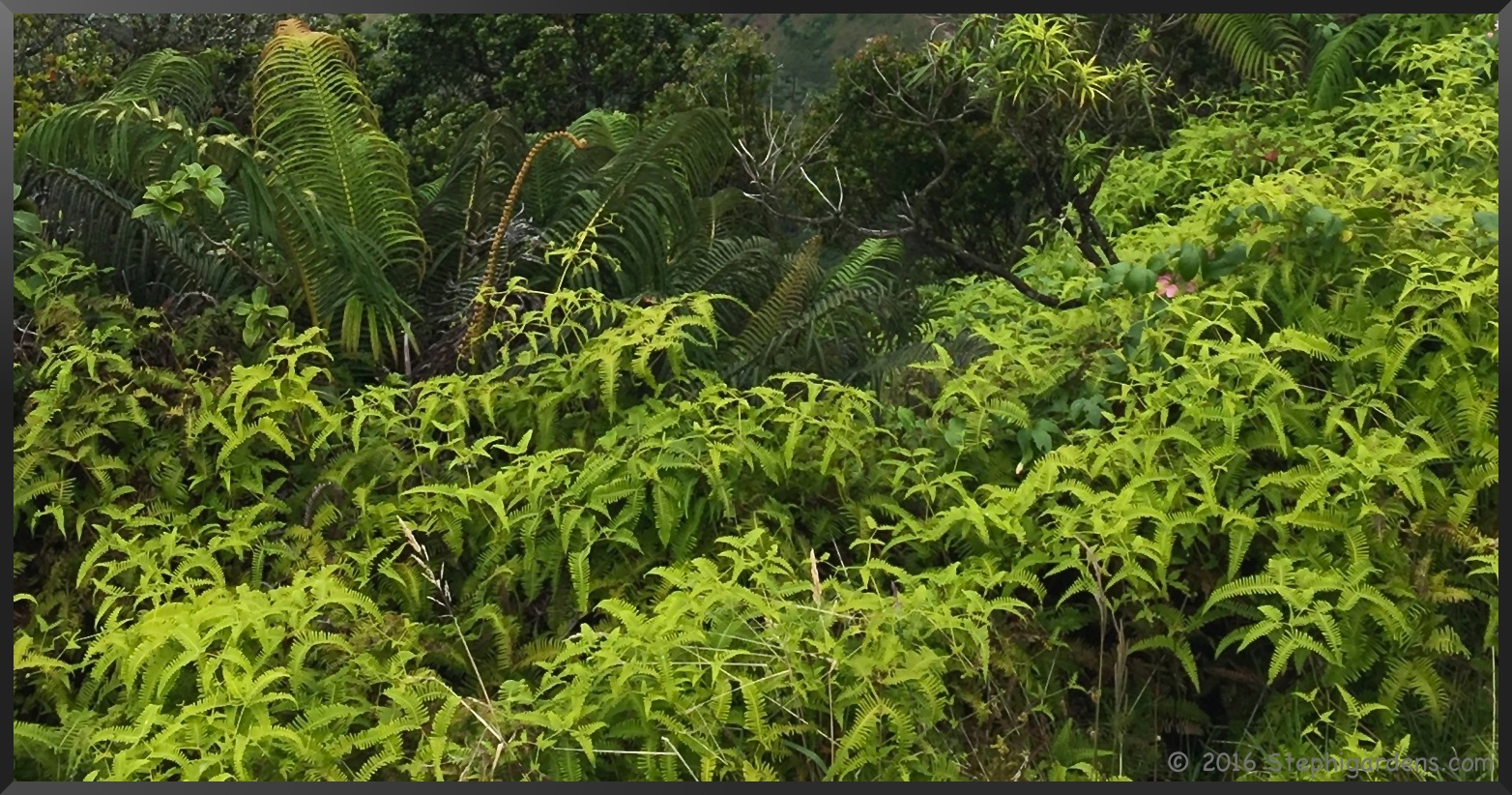
In areas where it’s been sheared, it’s easy to see all the dead growth underneath.

Strawberry guava is native to Brazil and considered a very dangerous invasive species in Hawaii. Like many invasive species, it interferes with the native ecosystem and is exceedingly hard to eradicate. On the positive side, the deep, red ripe fruits are edible and can be used for juice, jams, or just a tasty treat on a hike. I did try a few, but maybe mine weren’t quite ripe since I thought they were little tart.
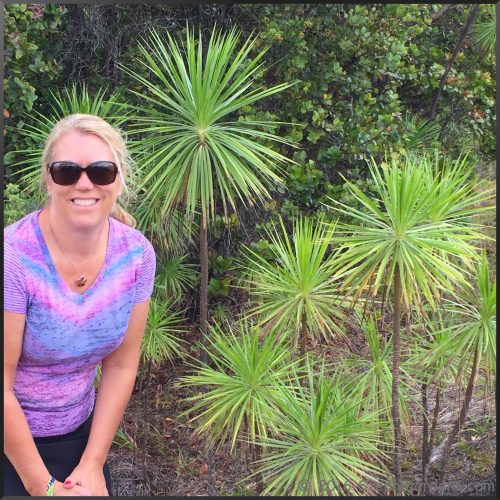
Iliau is an ancient plant only found on Kauai. We came across it on the Iliau Nature Loop trail, a pretty hiking trail on the scenic drive through the Waimea Canyon. Even if you only have a few minutes on your drive, this 0.3 mi scenic loop is well worth doing. Placards along the path describe many of the native plants you’ll find in this unique ecosystem. On the plaque at the beginning of the trail, the trails namesake plant the Iliau, is described as an ancient member of the sunflower family. It is a monocarpic plant, meaning it will only flower and bear fruit once, then it dies. It lives an average of 2-10 years, and the spectacular flowers can be seen from May to July.
Since we were there in August, we didn’t see any flowers, but the leaf stalks were nonetheless interesting.
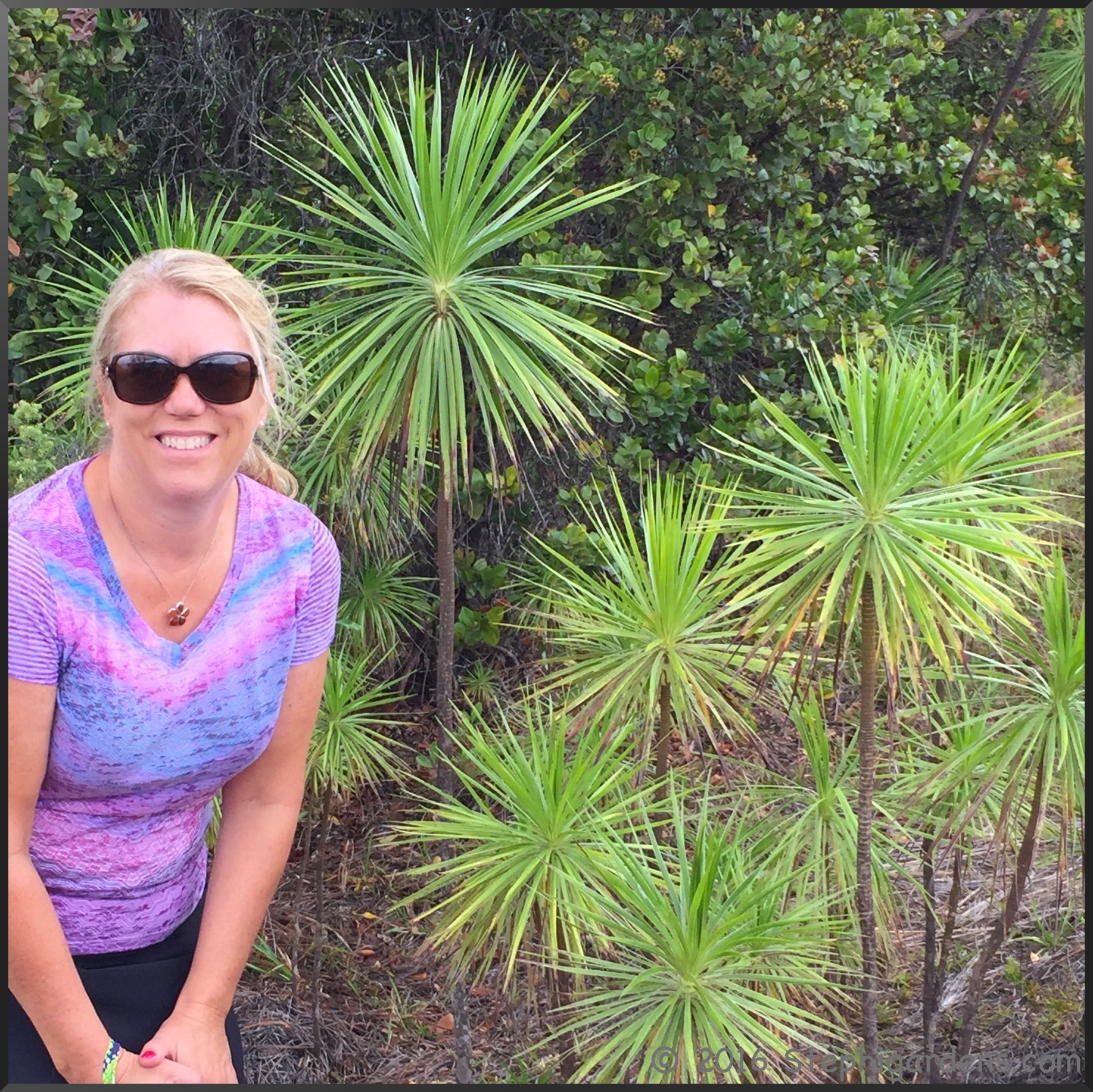
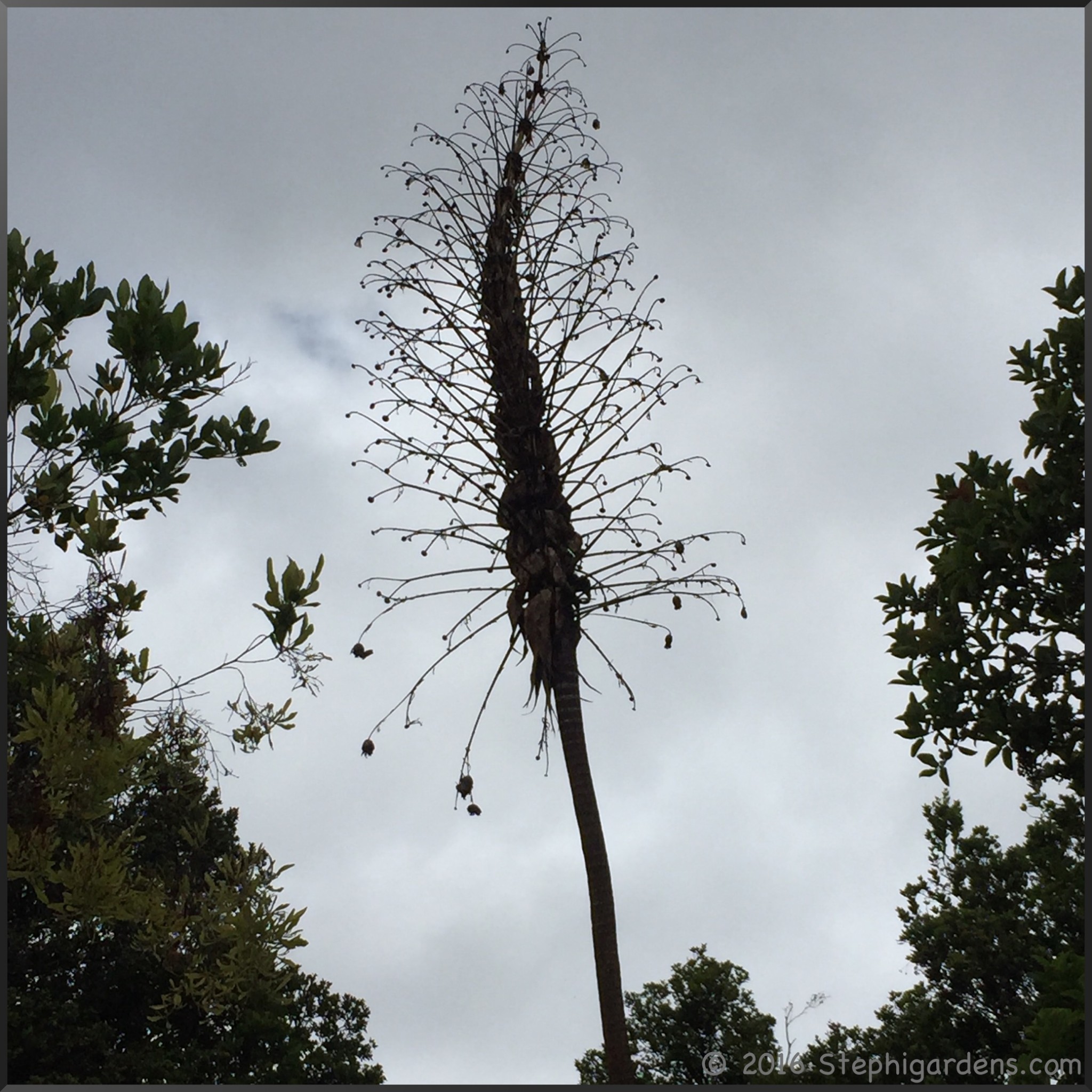
There were also plenty of seed stalks rising up across the horizon.
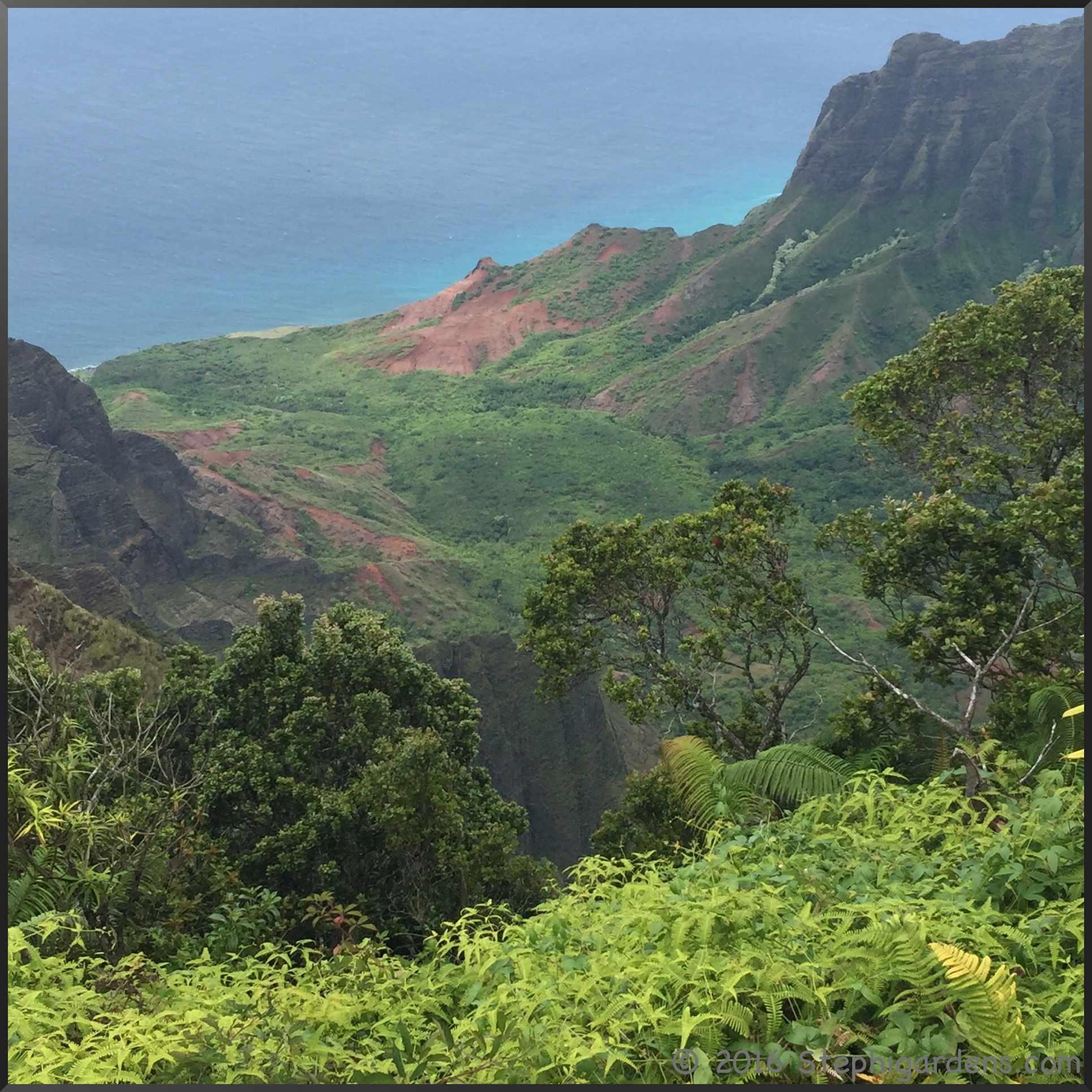
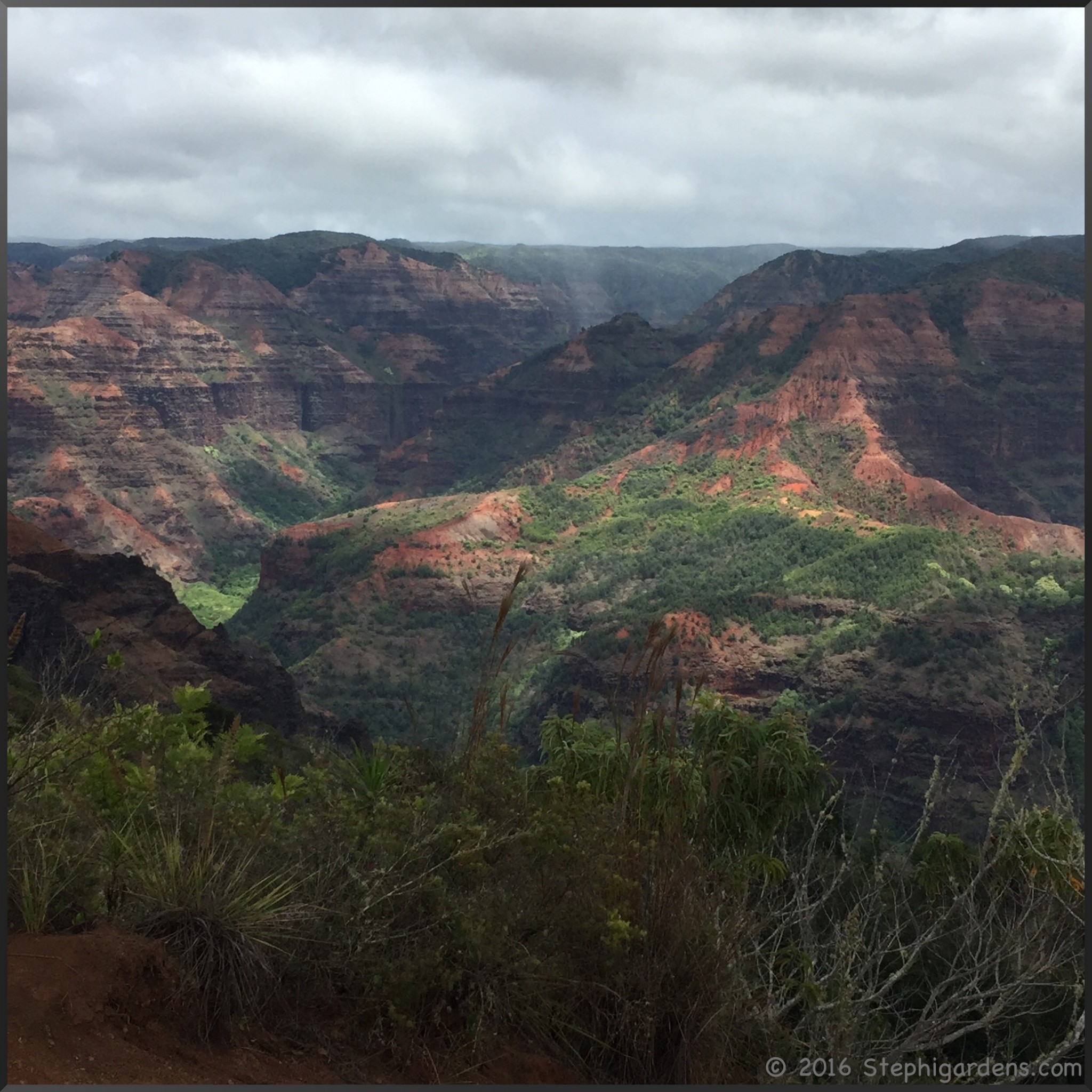
In addition to the plants along the way, the views of the canyon were just breathtaking. We were lucky to have a relatively clear day.
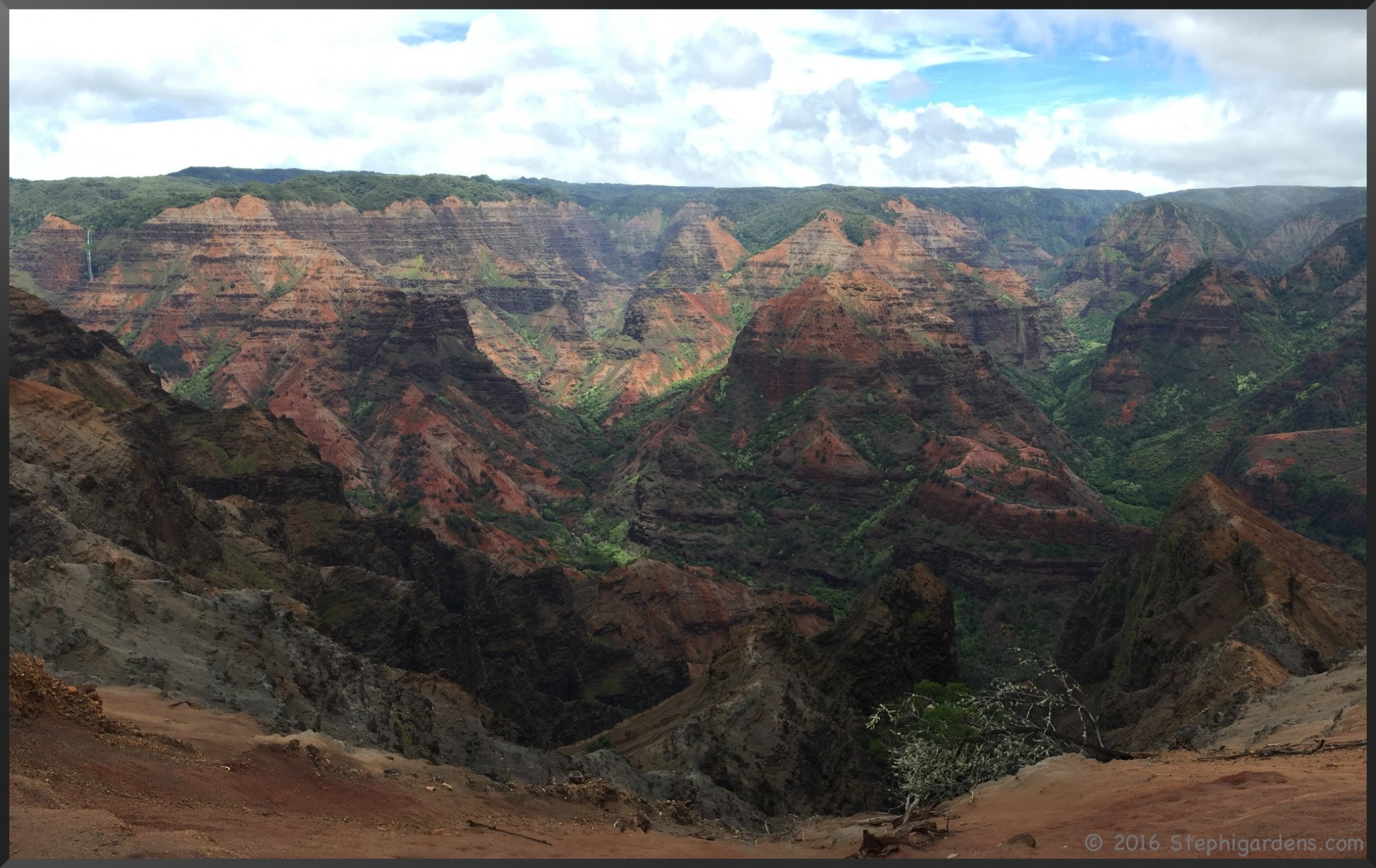
At least depending on the direction you are facing 🙂
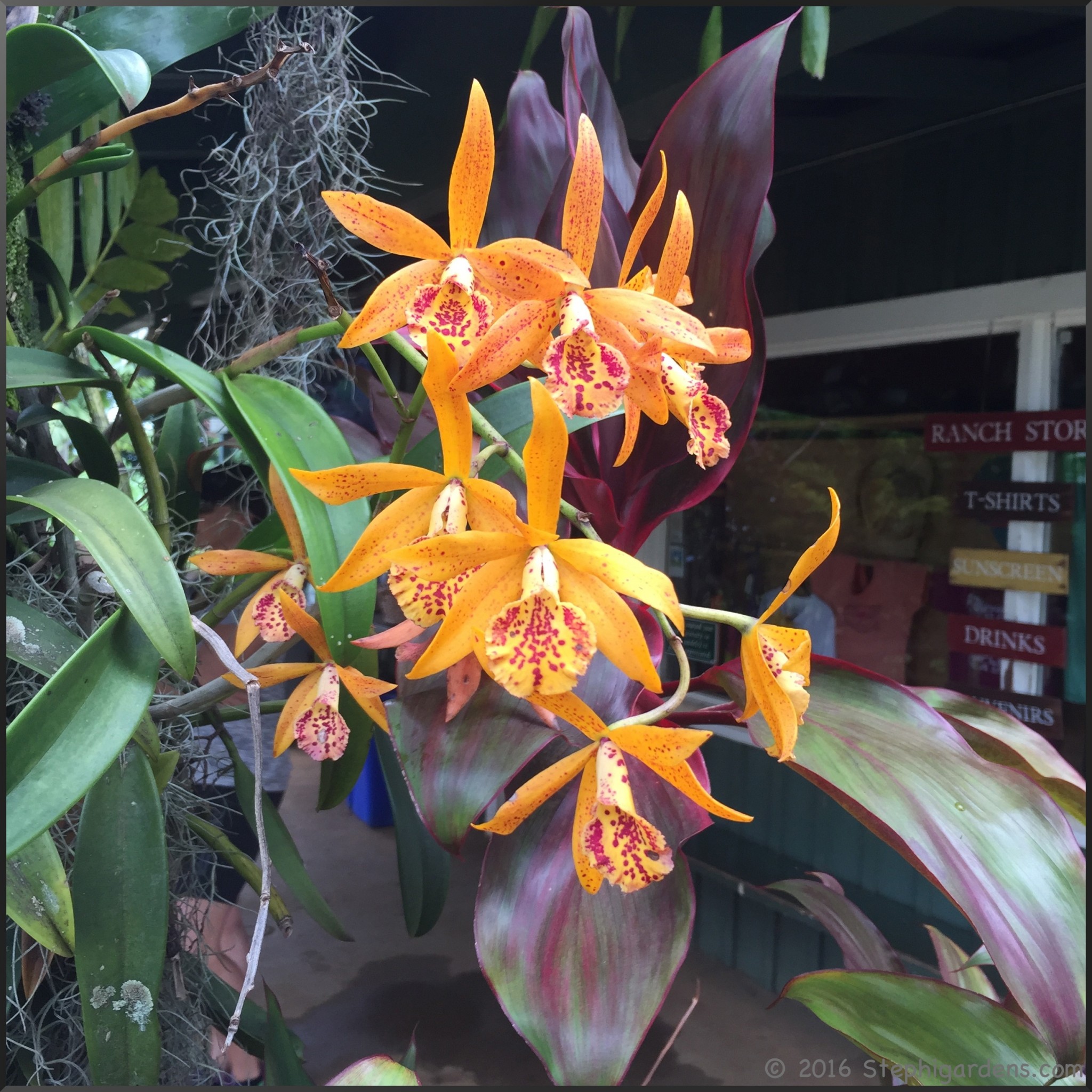
There were also plenty of “tree orchids” to add color just about everywhere.
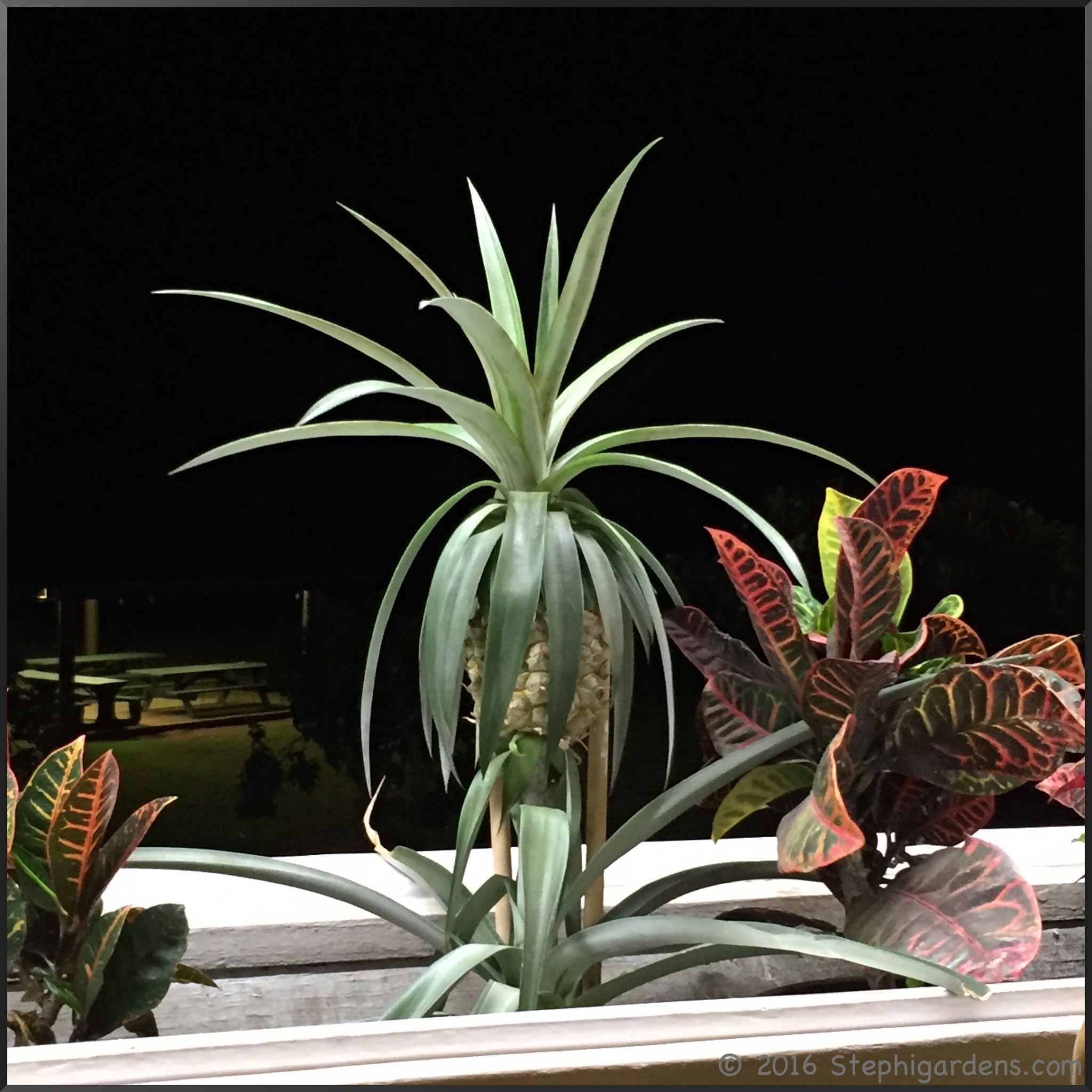
At dinner one night we had enjoyed this window box growing pineapples and crotons.
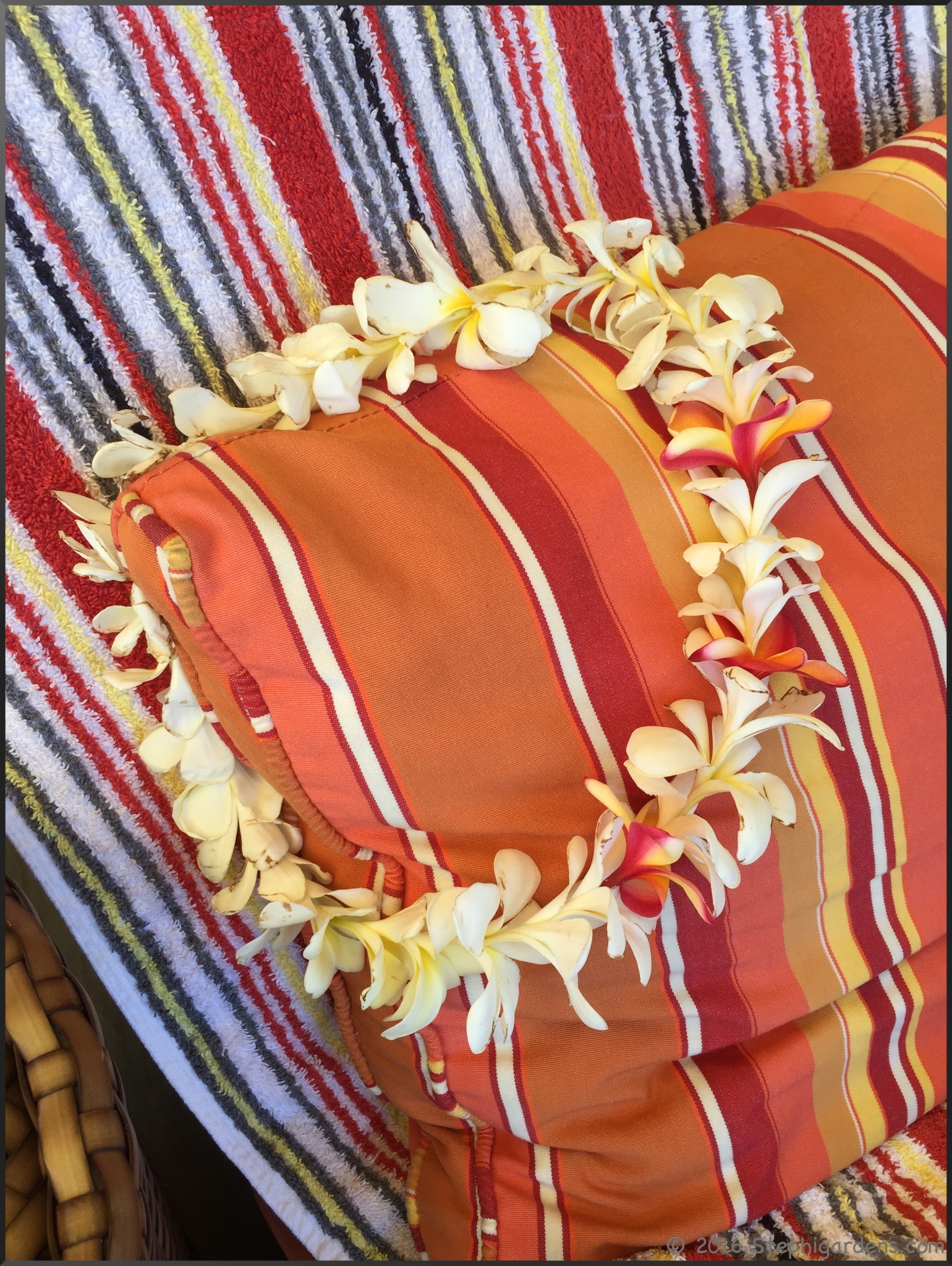
When in Hawaii is there anything better than a real flower lei? We got to make our own and learn about some of the customs associated with the tradition one afternoon while hanging out at the pool. Mine was made from the very fragrant plumeria, but unfortunately it didn’t stay fresh very long. Still smelled wonderful anyway.
There was plenty more to see and enjoy, but these were some of my favorites and most interesting!
I was fortunate to recently spend a week on the Hawaiian Island of Kauai. As you would imagine, the flowers are gorgeous and I especially loved all the hibiscus growing everywhere. No wonder they are the State Flower of Hawaii.
There are seven wild hibiscus found on the Hawaiian islands. We came across the Hawaiian White Hibiscus or Koki’o ke’oke’o (Hibiscus waimea) while visiting the scenic Waimea Canyon drive. These can be found natively only in the higher elevations of Kauai from the gorgeous Waimea Canyon to the ocean-facing valleys in the west and south-west.
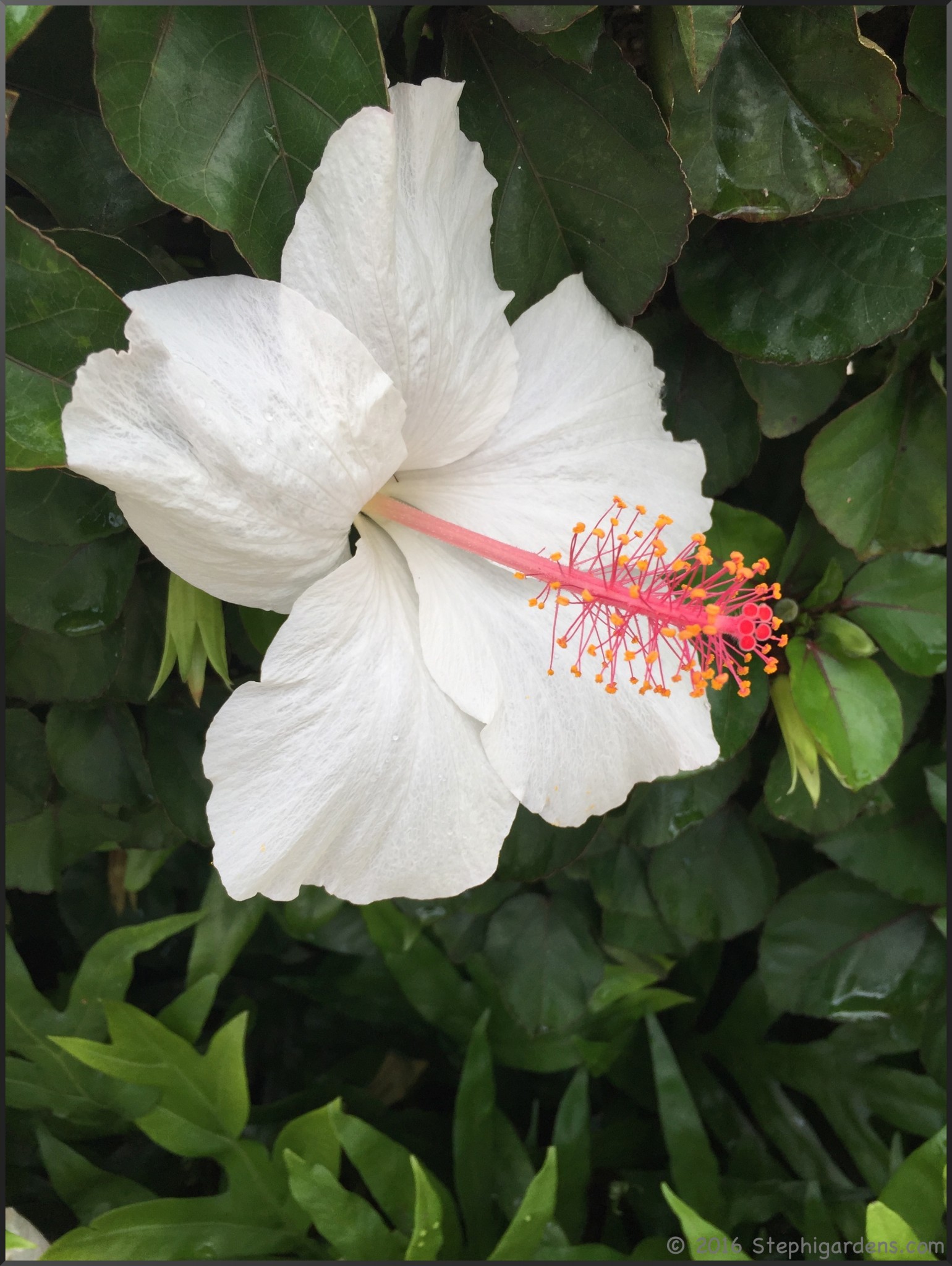
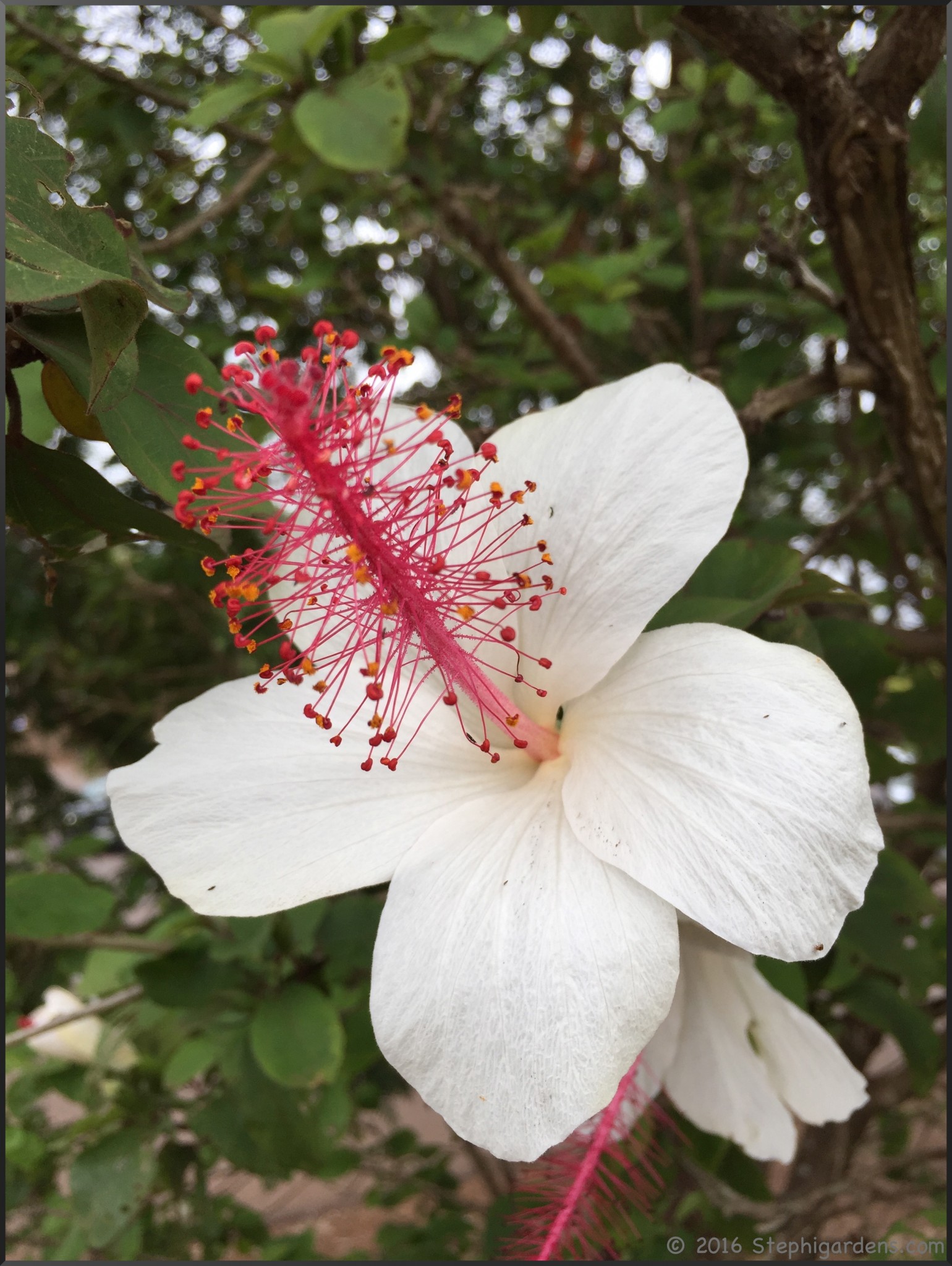
Most of the other hibiscus found in Hawaii are Chinese hibiscus and other hybrids. But, they are no less beautiful and add gorgeous splashes of color to the gardens of roadsides, homes and hotels. Actually most everywhere on the island.
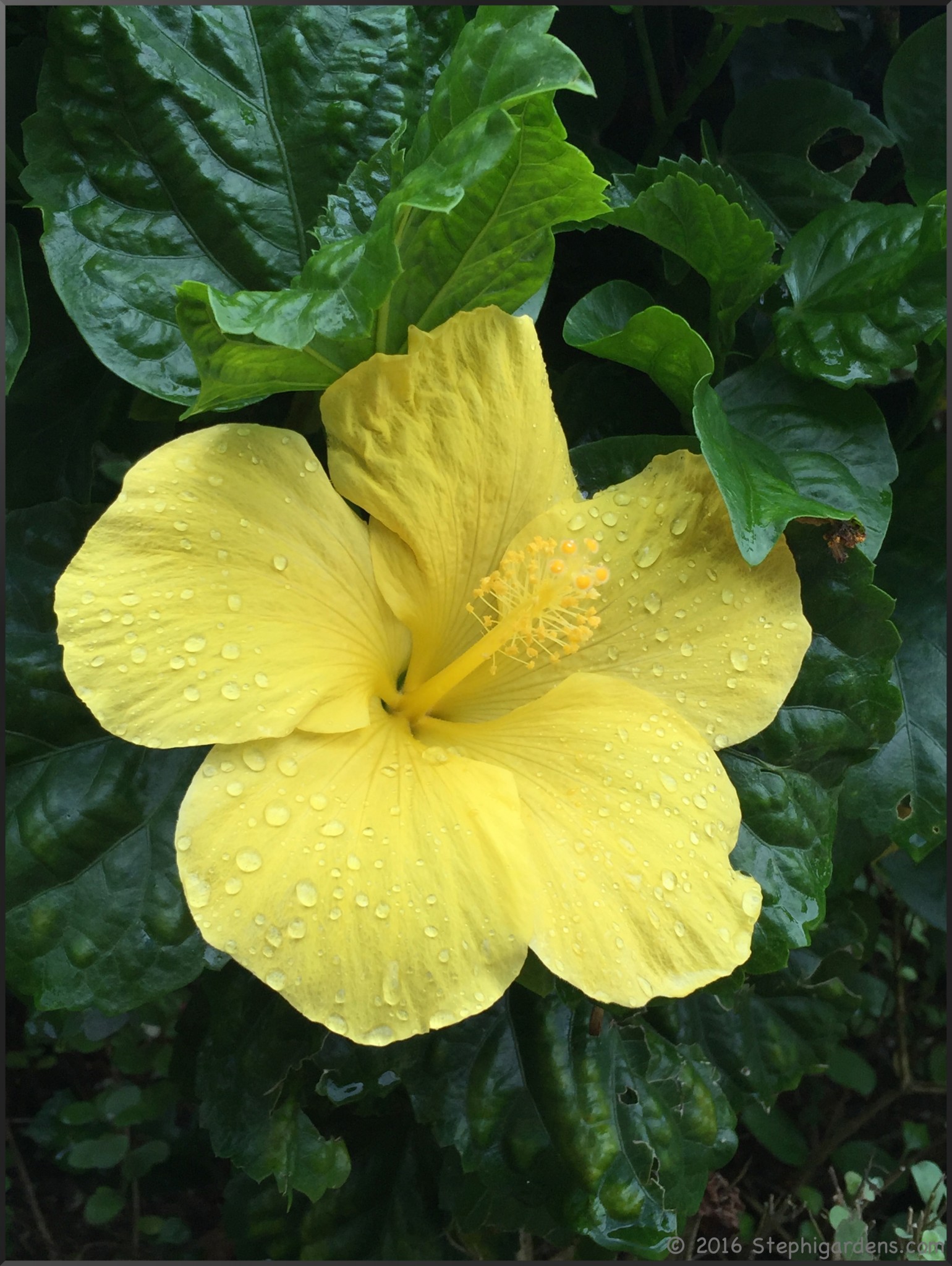
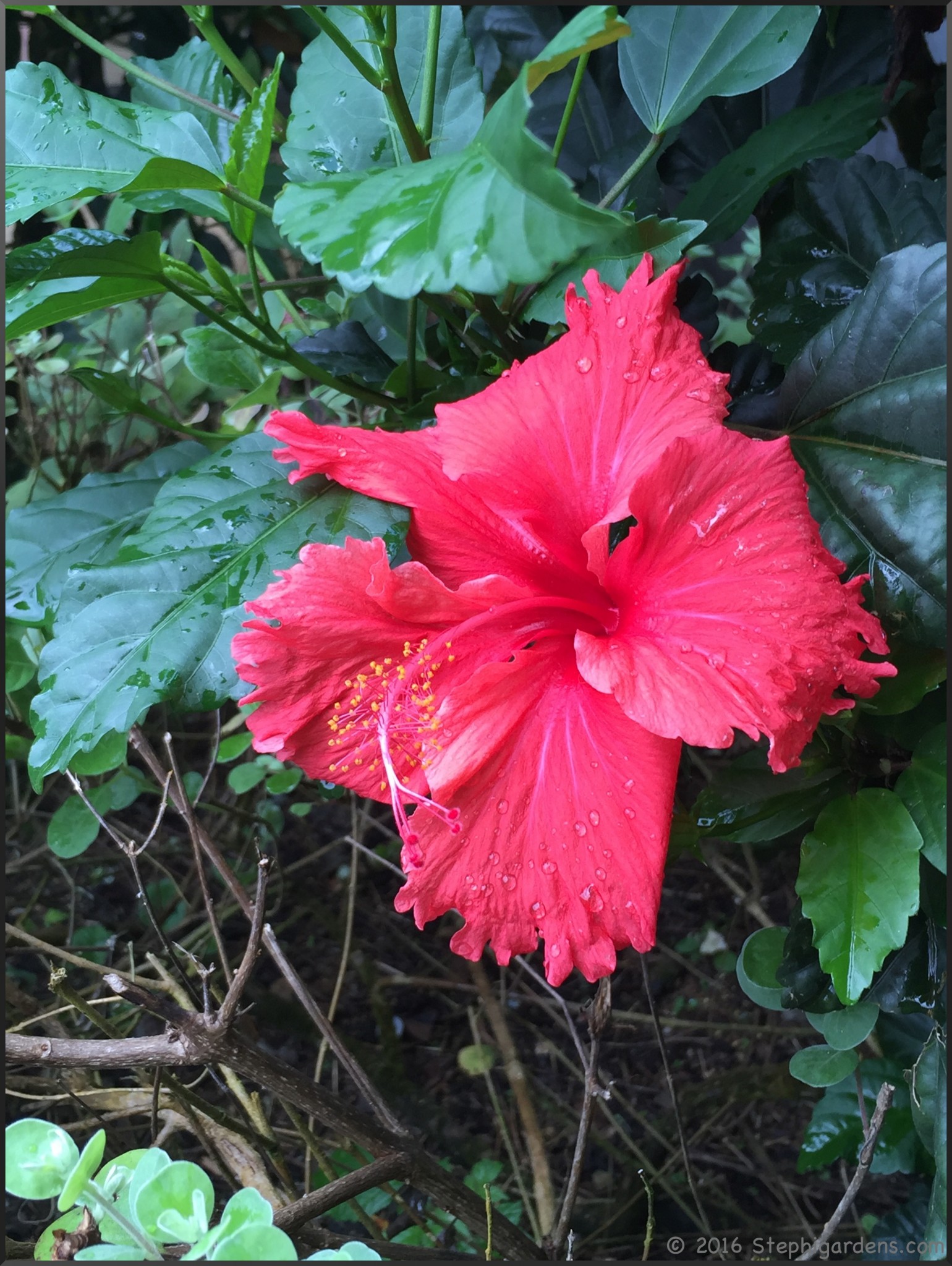
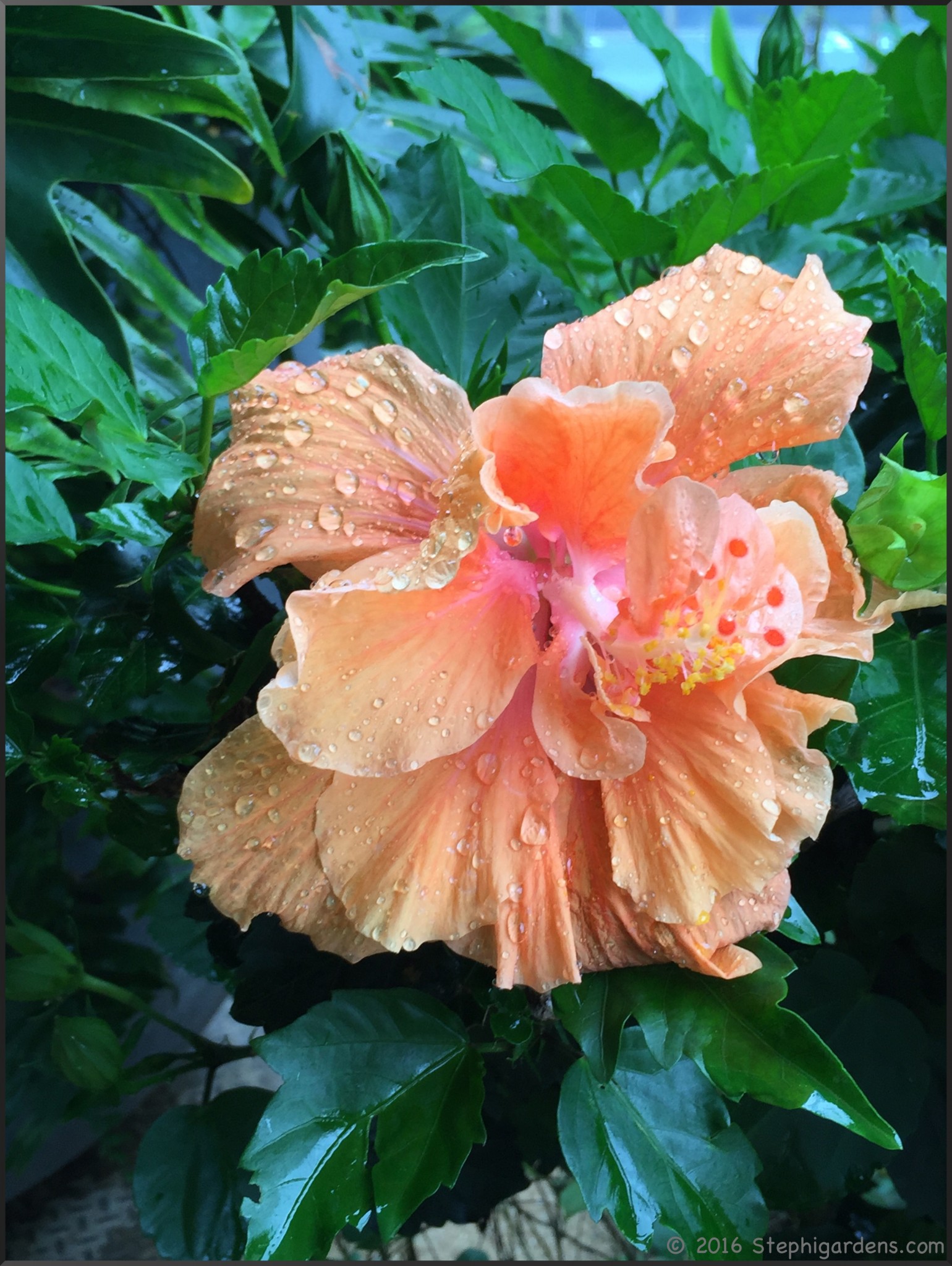
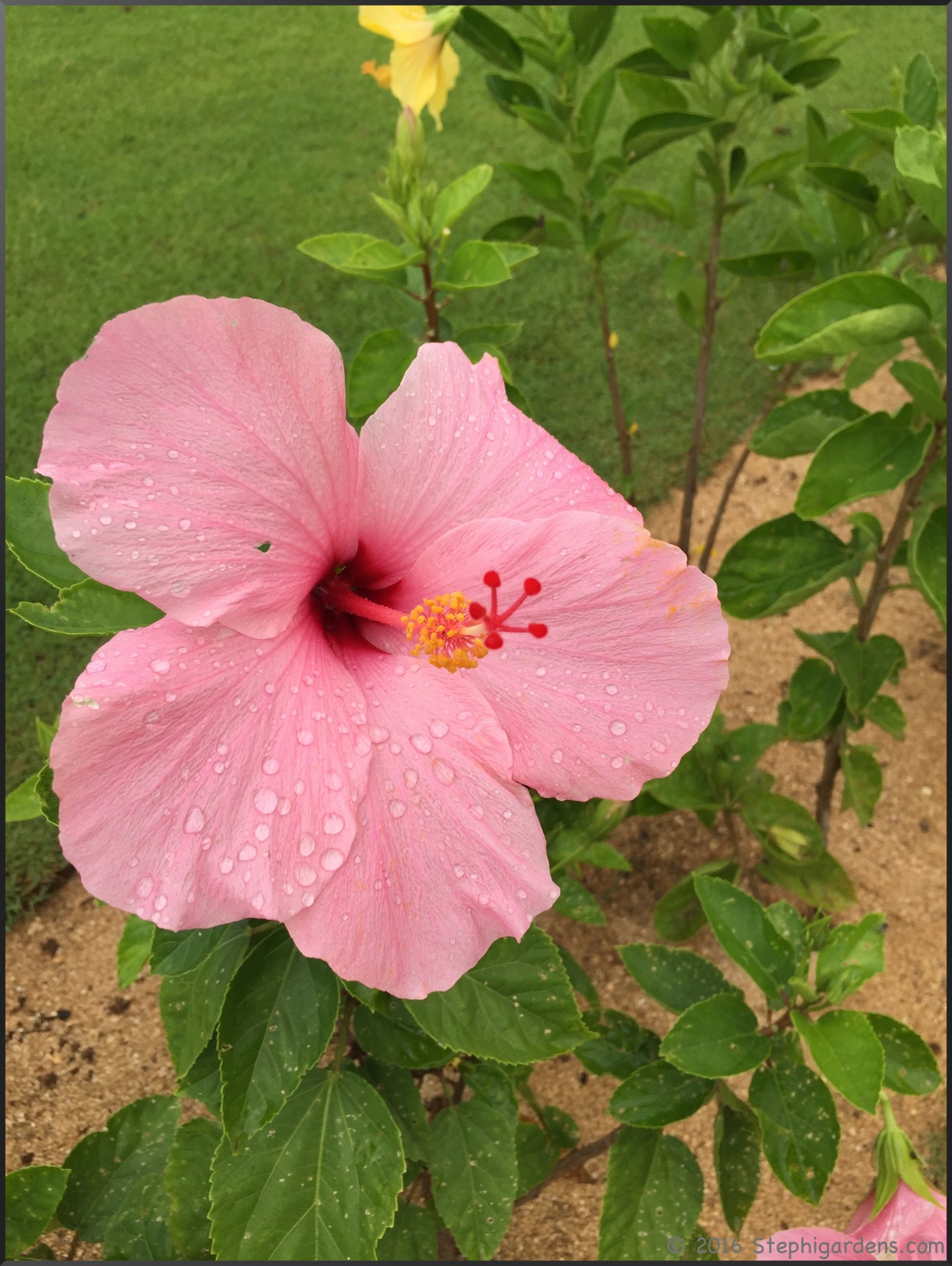
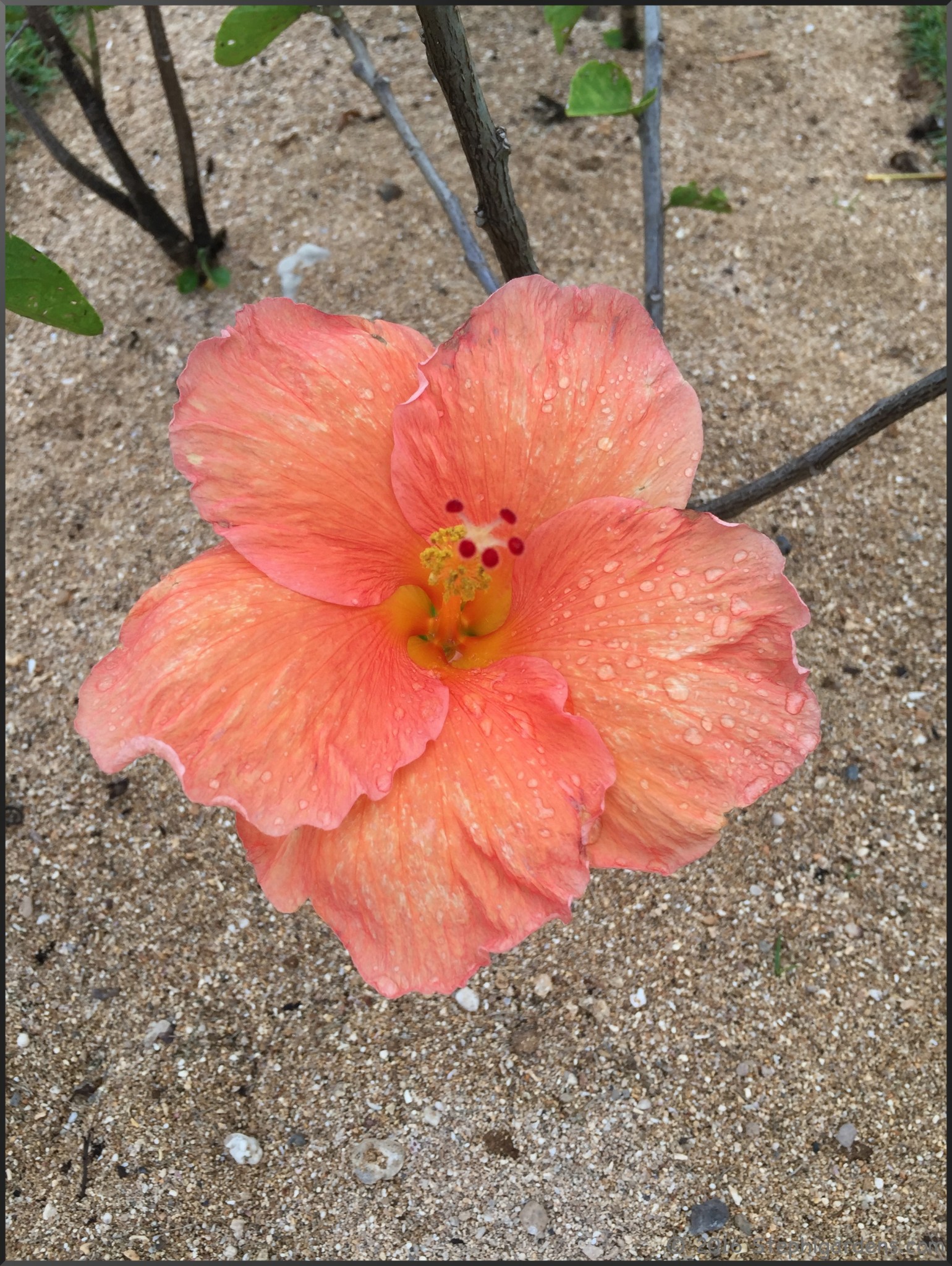

I might need to look into growing some hardy hibiscus back at home. Bring a little of the tropics to Chicago 🙂 Have you had luck growing hibiscus as a perennial in colder climates?