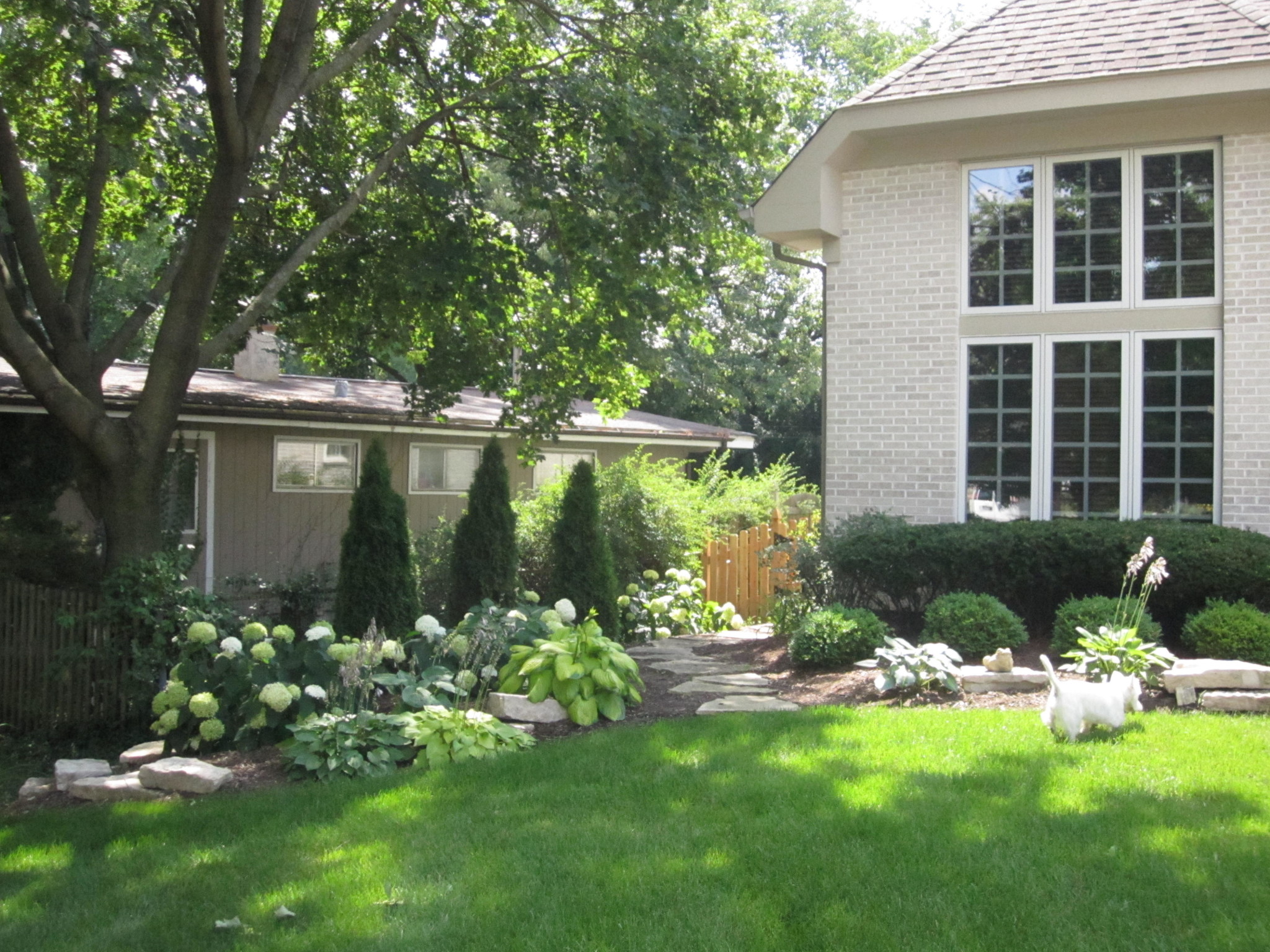
It’s Going to Be Cold Tonight!

May freeze warning, what to do??

It’s almost Mother’s Day and if you’re somewhere in the Midwest, mid-Atlantic or Northeast, you’re in for an unpleasant weather event the next couple of days. Brrr. Have we not dealt with enough this spring?
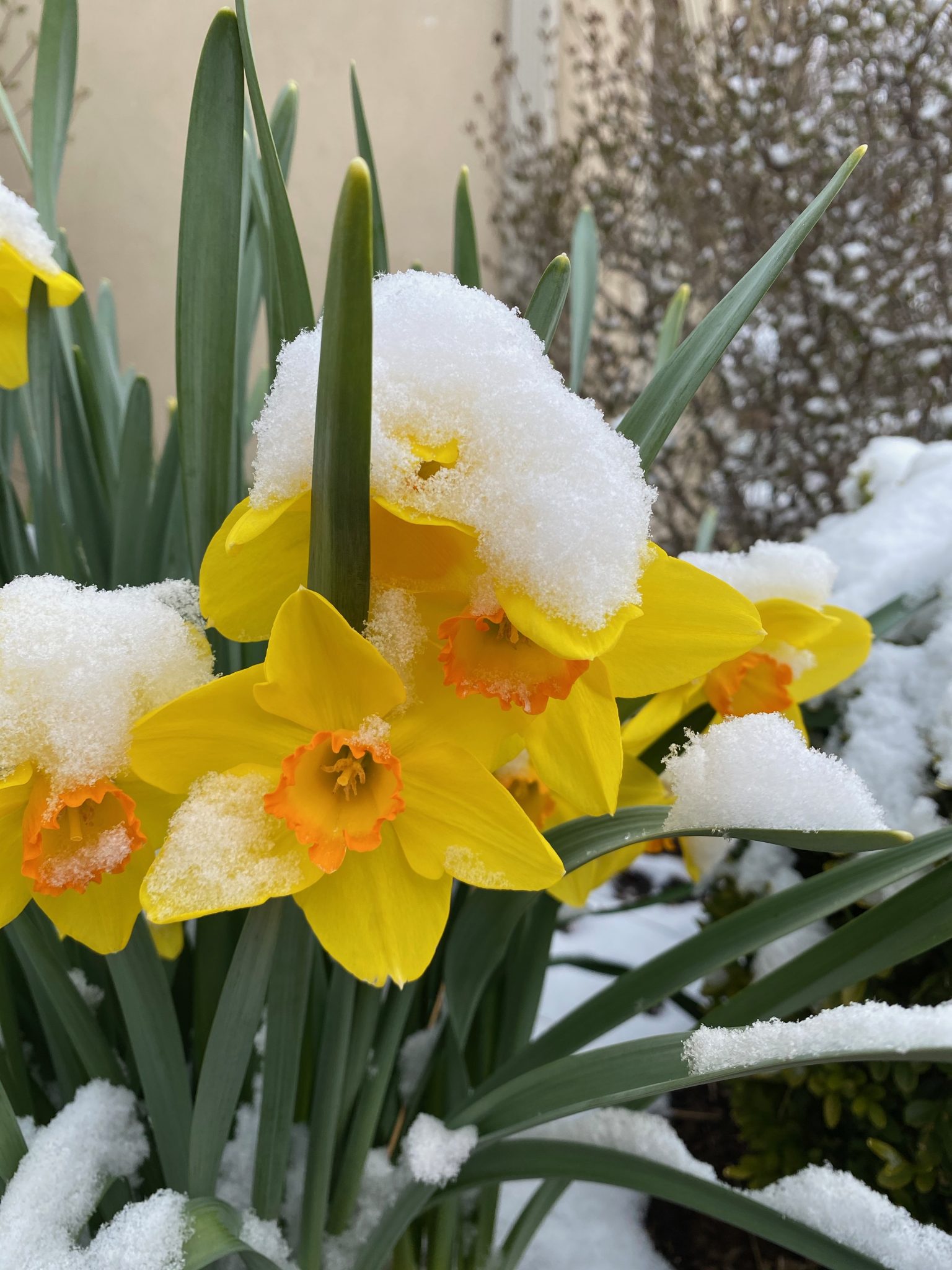
Hopefully, you’ve learned from past mistakes and haven’t planted those wonderful tender annuals and vegetables that all the garden centers already have out for purchase.
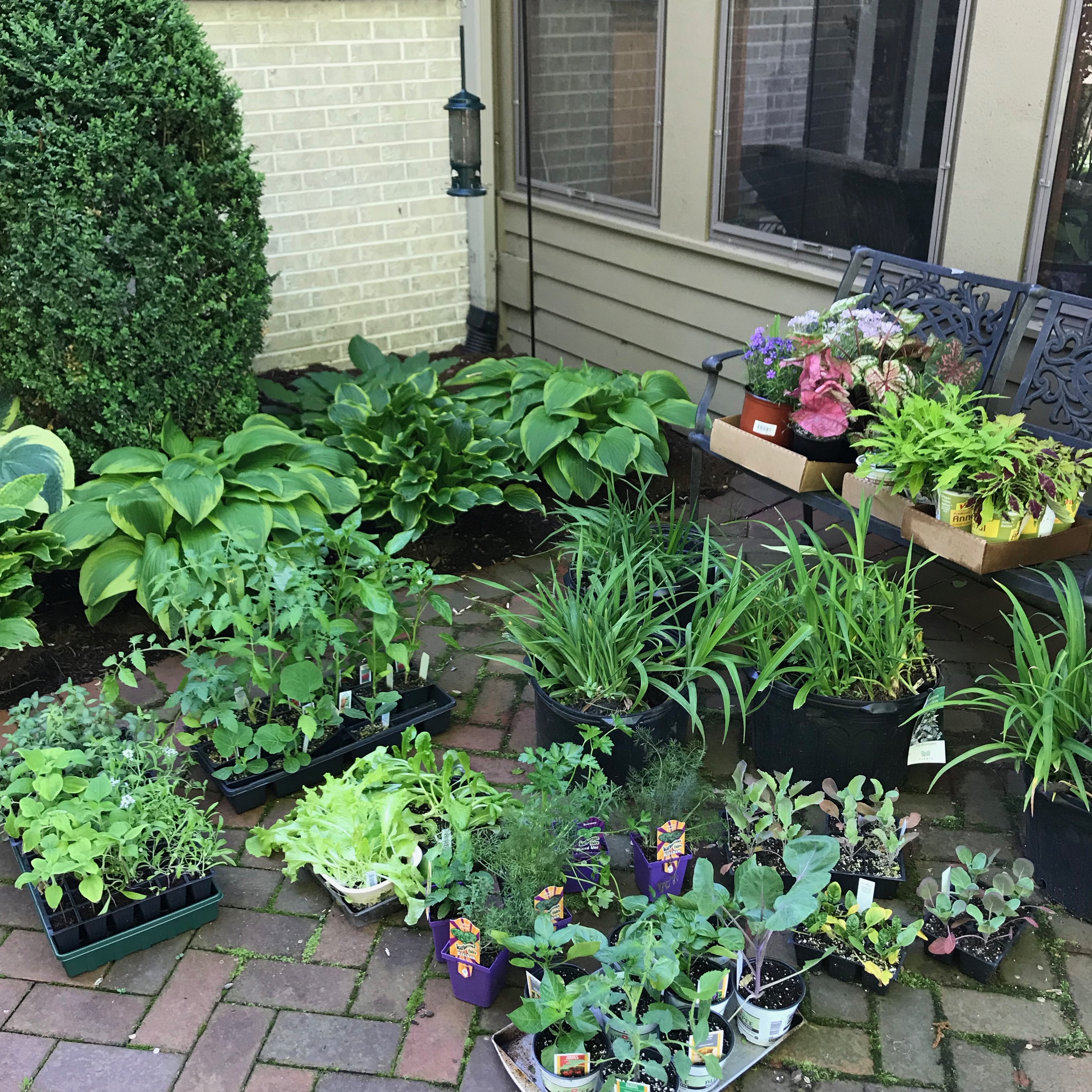
It’s always a good idea to know your growing zone, both your plant hardiness zone, based on the lowest expected winter temperatures, and your first and last frost dates. The spring frost date is what we are dealing with now. In my suburban Chicago location, based on Dave’s Garden’s info:

  • Almost certainly, you will receive frost from October 20 through April 17.
  • You are almost guaranteed that you will not get frost from May 24 through September 26.
  • Your frost-free growing season is around 155 days.

Right now we are in that in between time from mid April-Late May. I’ve learned that none of my seedlings leave the house for hardening off until close to Mother’s Day, about the middle of the in-between time.
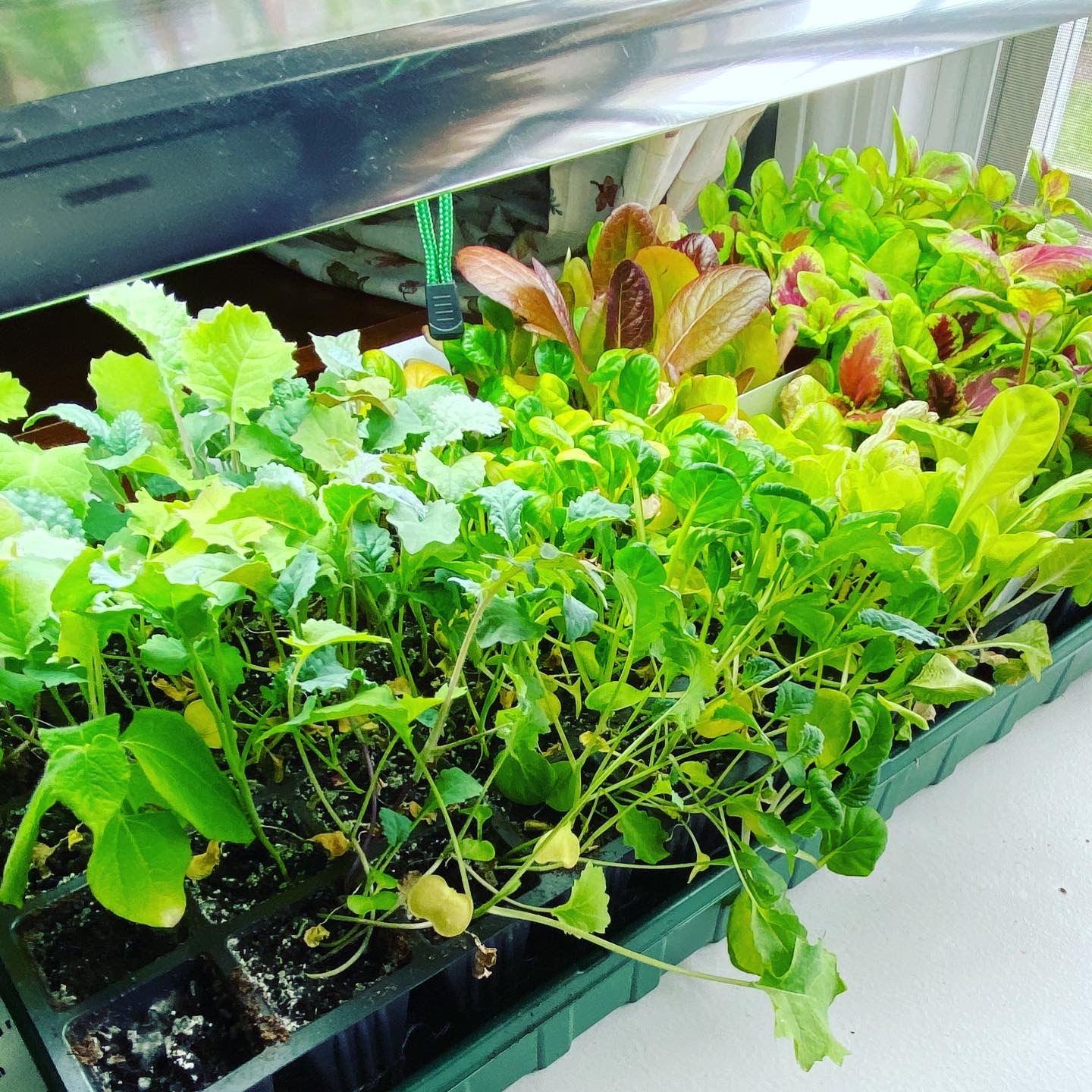
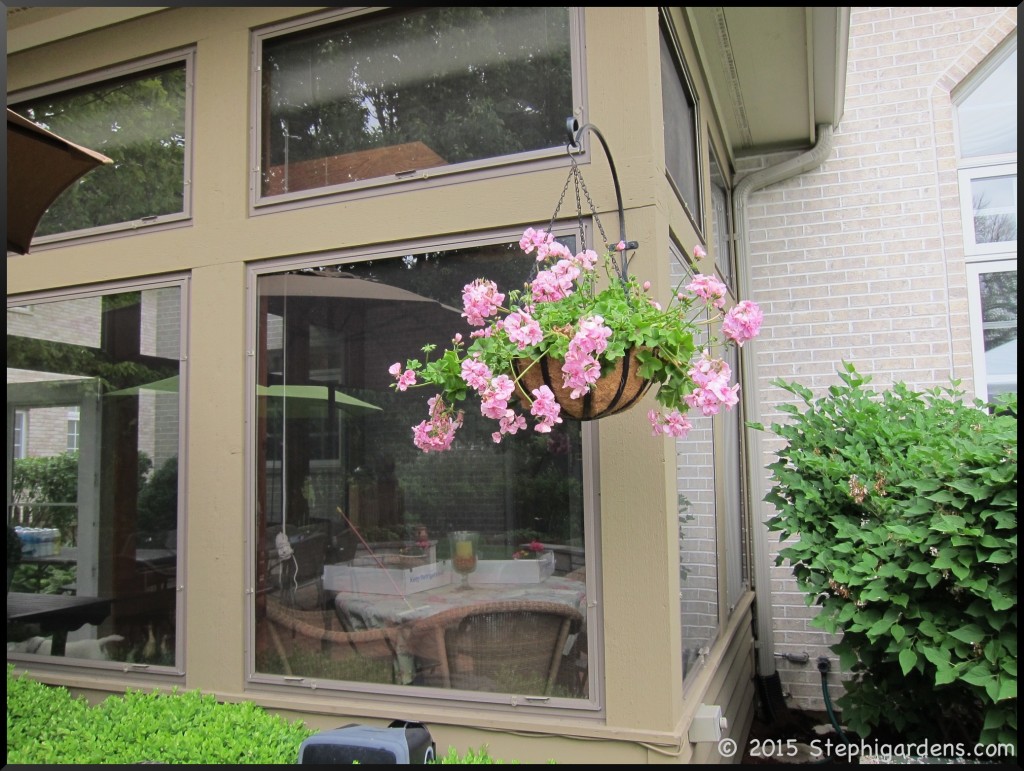
If it does get too cold, plants that are outside and waiting to be planted can spend time in the winterized three-season porch. For the most tender plants they can go in the mini-greenhouse on the porch, or even in the house, if they need even more protection.
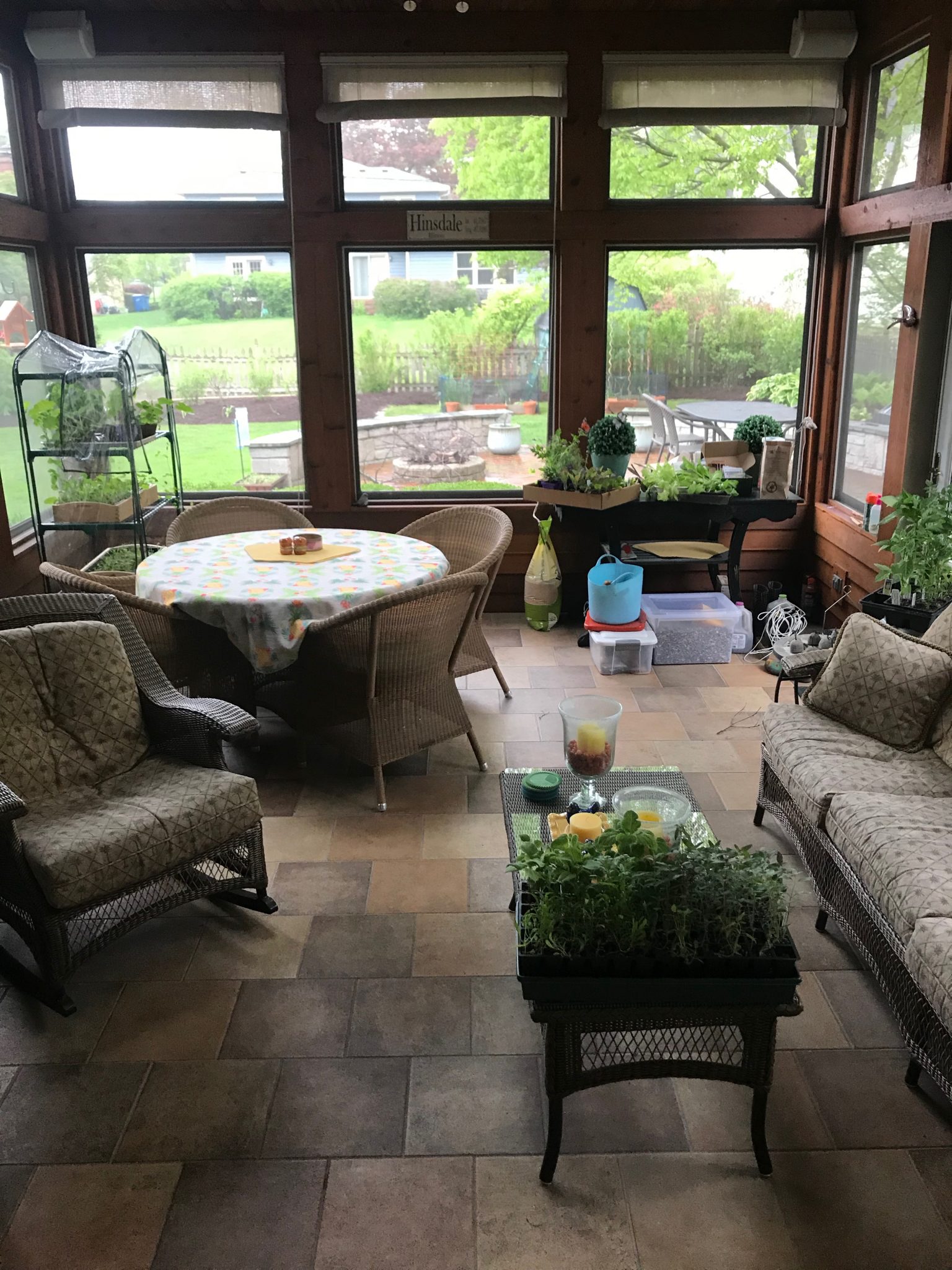
But what about all the perennials already leafing out and shrubs budding? Most spring plants will be ok. But if temperatures are predicted to be below 32ºF your more tender plants like geraniums, begonias, impatiens, peppers, and tomatoes need protecting!  A moderate freeze in the mid 20’s can be devastating to even more of your plants.

In my yard, I’m most worried about the hostas and early perennials that are pretty leafed out already, and flowering shrubs like the azaleas that haven’t flowered yet.
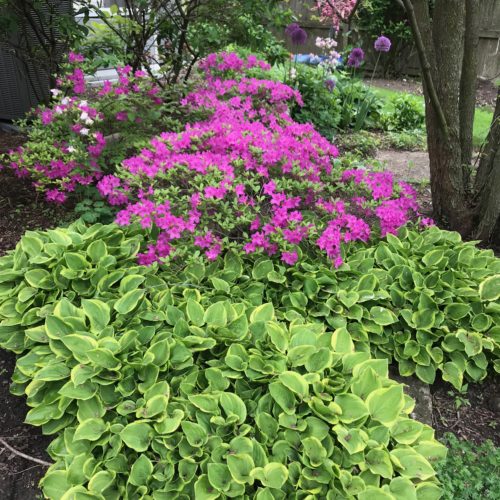
The magnolias and redbud are already in flower or done, so not so worried about them. But many others around the yard are just now coming into bloom.

If you know that the plants are likely to be damaged by an overnight frost, you need to cover them with a sheet, blanket, a frost blanket or even an overturned bucket.
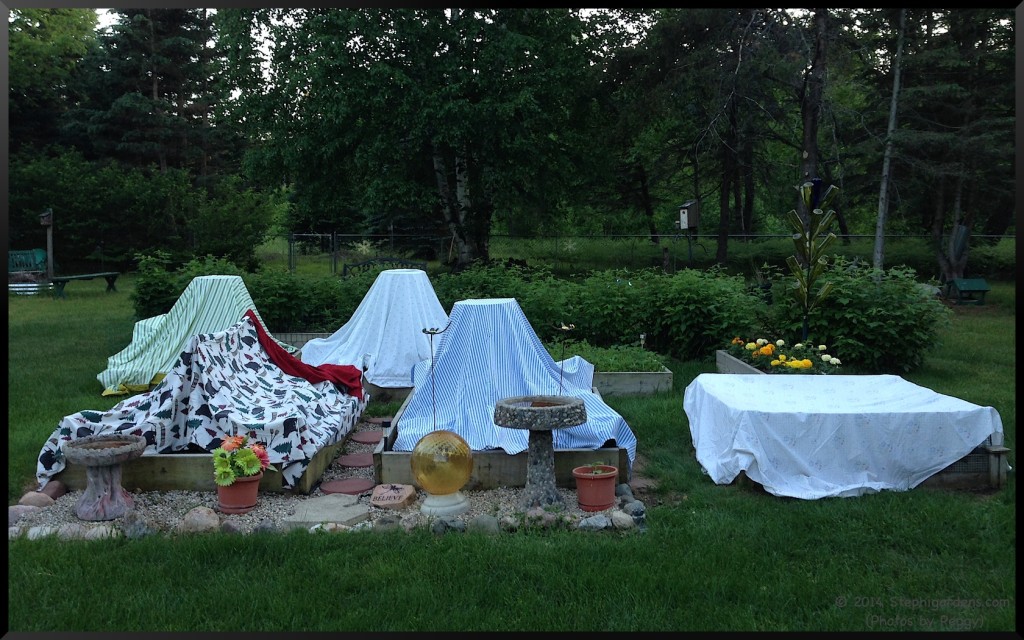
garden frost
This is my mom Peggy’s yard in Northern Michigan when she got hit with a late freeze a few years ago.

By tenting the sheets or frost blanket over the garden, it creates a warm air pocket around the plants from the warmed soil. If it’s thought to be colder than a light frost, you can add a layer of plastic over the blanket to trap even more warm air (but never put plastic right on the plants).  Be sure to remove the coverings first thing in the morning before condensation starts to form on the inside.  If still cold enough, the moisture could freeze on the plants and cause additional harm.  An actual hard freeze (below 28 º) requires even more elaborate weather protection, or you may just need to sigh and start over.

Plants like hostas will survive the frost or freeze, but will cause frost “cracks” or even cause portions of the leaves turn white and wilt. Damaged leaves will not come back, so trim them off and new leaves will continue to fill in throughout the summer. If a lot of the plant is damaged, the plant should survive, it’ll just be smaller than normal.
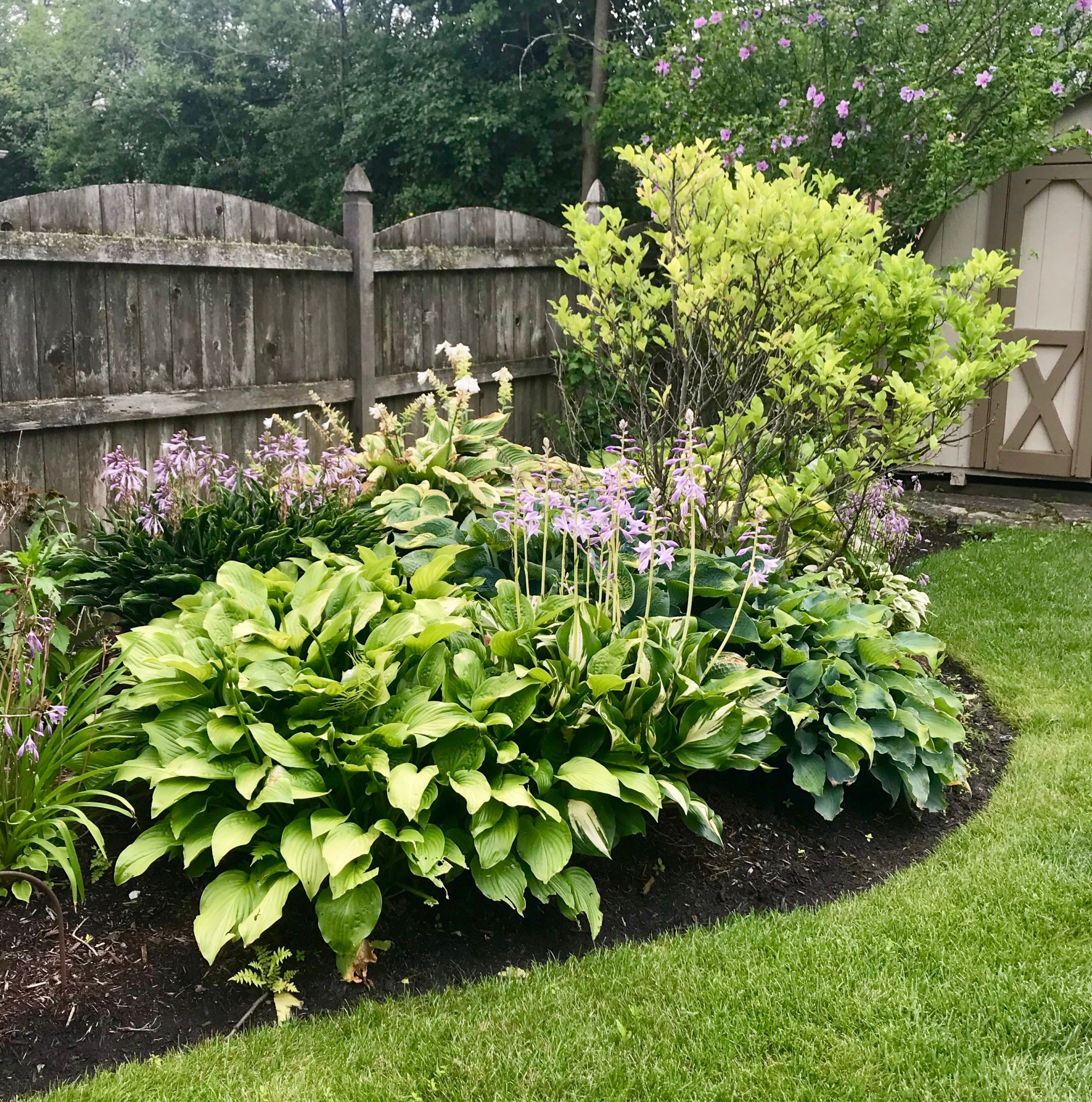
Most perennial flowers can take a light frost with temps between 32-35º degrees. A hard freeze with temps of 28º or lower will most likely kill the flowers, but not the plants. If you have beautiful spring flowers in your garden and you hear a hard freeze below 28º is in the forecast, maybe it’s time to bring spring inside by cutting those flowers and making a beautiful spring bouquet..

Two more thoughts for tonight:

Garlic and Shallots–Garlic and shallots will be fine at these temperatures. The leaves may turn a little yellow, but the growing bulbs will be fine.

Rhubarb–Rhubarb will be fine, but you can cover if desired. Some of the stems and leaves may get frozen and turn mushy as they thaw. Just cut those unwanted leaves and/or stems away. First year, no more harvesting or cutting, second year and later, be gentle in your harvest this year if a lot of the plant was damaged.

Wishing you all good luck tonight 🤞🤞. What are you doing to protect your plants?

Photo credits: Stephi Gardens, Photos by Peggy and Photos by Steve
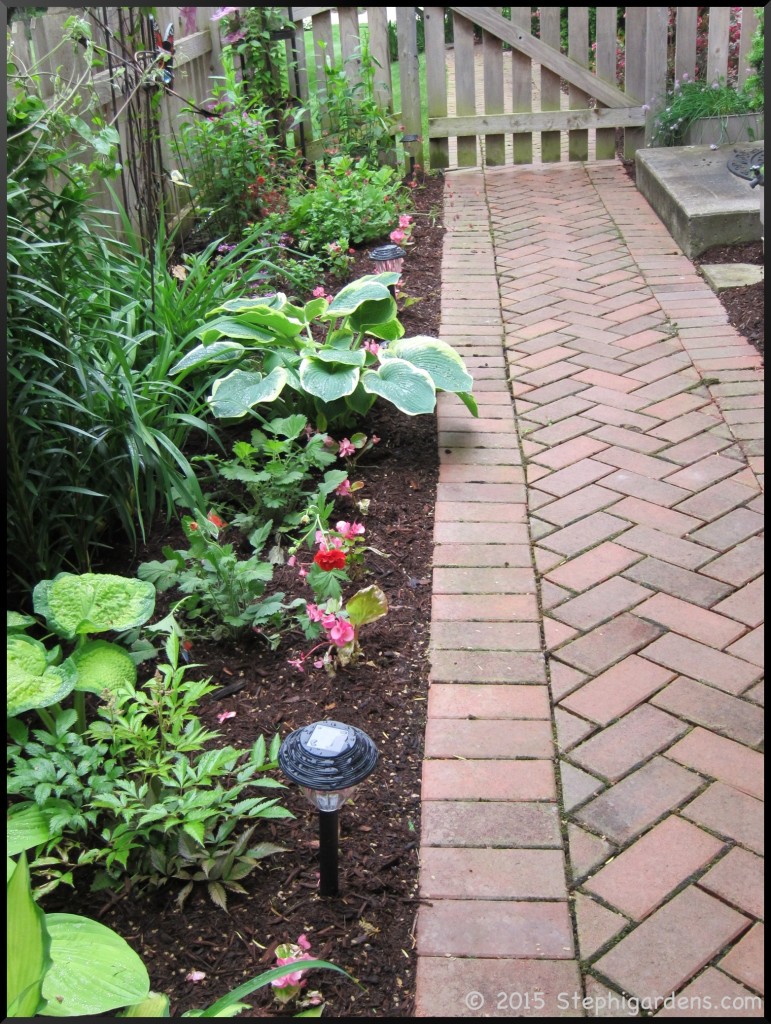
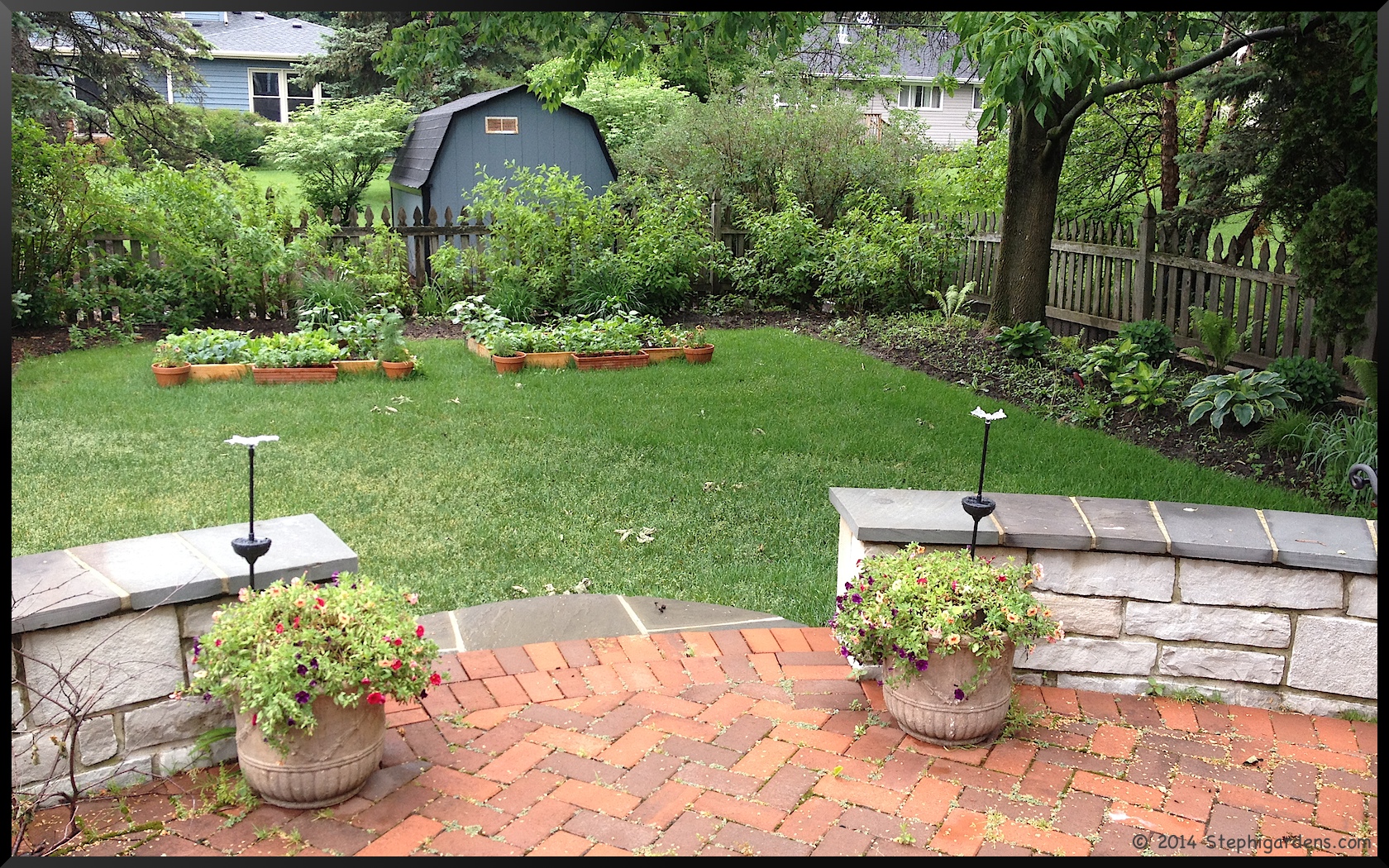
The Garden Was Party Perfect

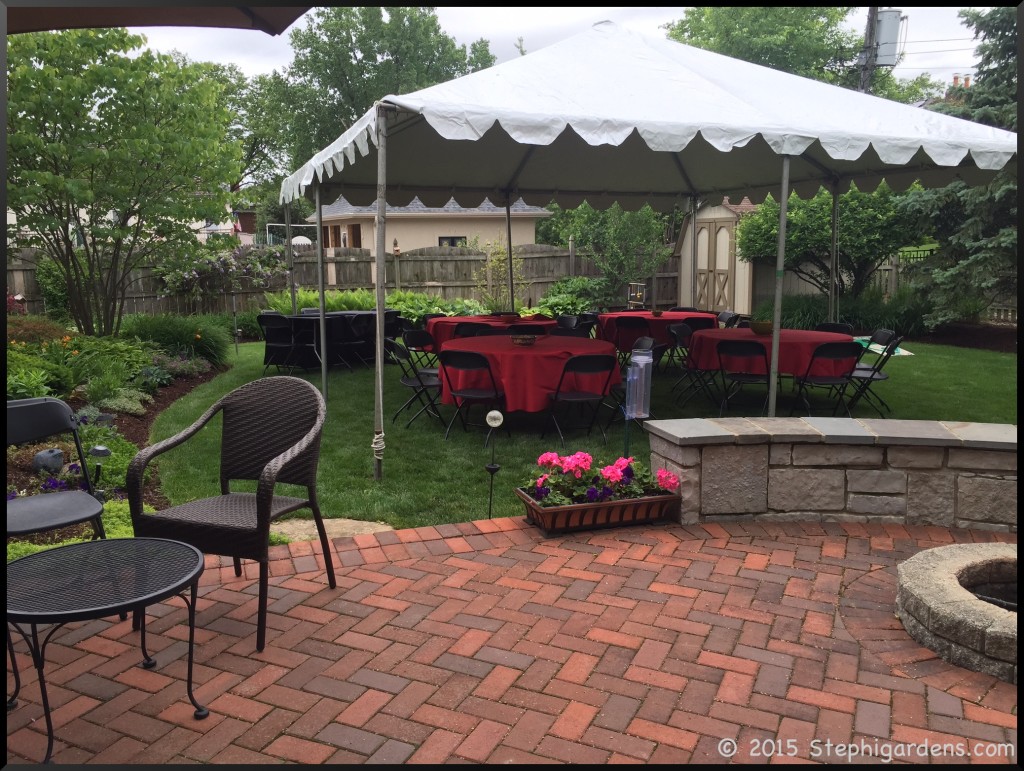
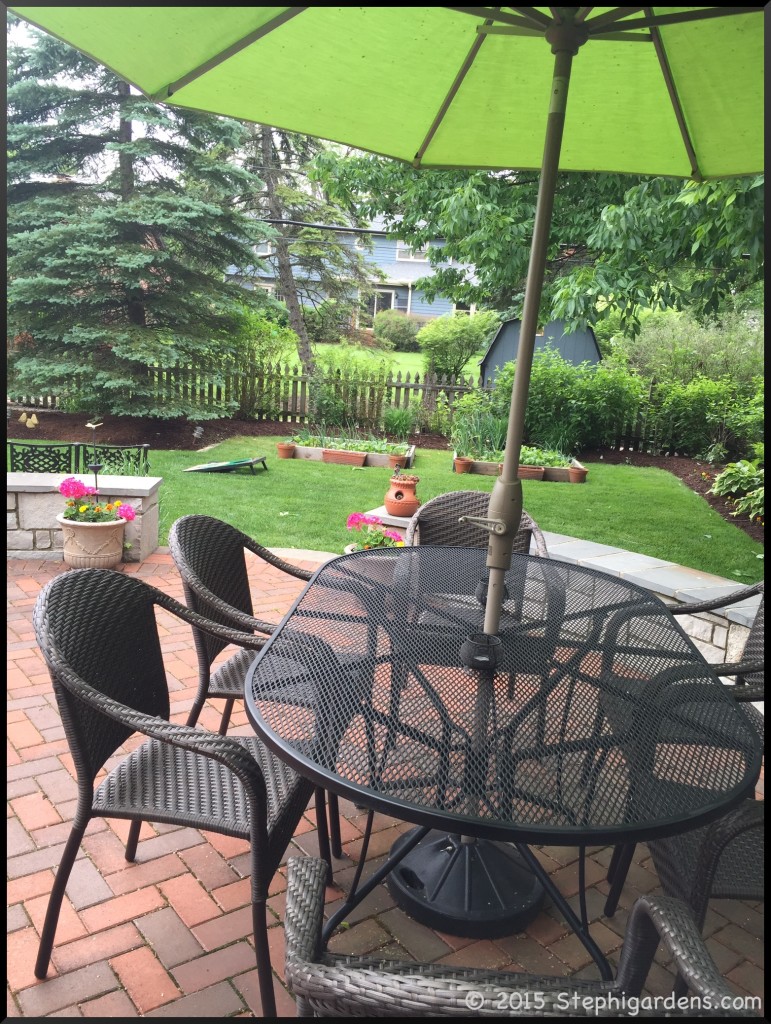
My goal this spring was was to get the garden in shape for my twin boys high school graduation festivities. While the weather barely cooperated, the gardens were helped by the cool spring and looked beautiful, green and lush.  Some of the spring shrubs were still blooming and overlapping with some of the early summer blooming vines and perennials.  What didn’t have color, I filled in with annuals from a local nursery.  Even the vegetable gardens seemed on their best behavior.  I think I am going to be spending a lot of time relaxing in the backyard this summer enjoying all this early spring work.
IMG_7095_2

IMG_7097_2

IMG_7098_2

IMG_7099_2

IMG_7096_2


IMG_7125_2


IMG_7100_2

IMG_7104_2

IMG_7109_2

IMG_7112_2

IMG_0003_2

IMG_0005_2

On personal note– this has been such a hectic year and I haven’t been blogging as much as I had hoped.  Now that my twins have finished their senior year and all that comes with it, I hope to be writing on a more regular basis.  Wondering where they’re going?  Here’s a hint…

IMG_0570 - Version 2


A Macro Look at the July Garden

IMG_8570

My husband (and mom and daughter) are much better photographers than I am, so I’m always excited when one of them wants to shoot some photos of my gardens.  Here’s some of what my husband saw the last couple of days through his macro lens.

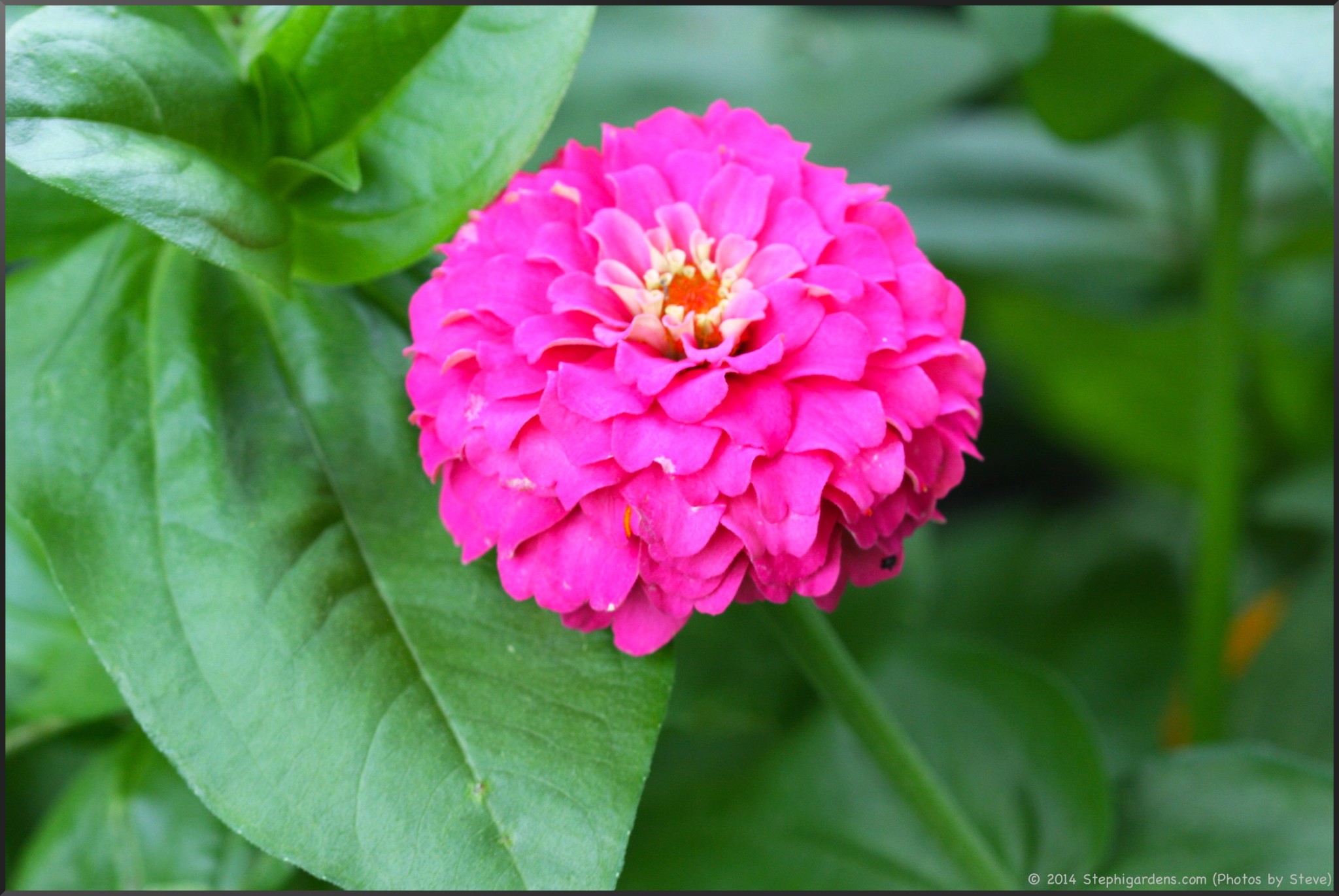
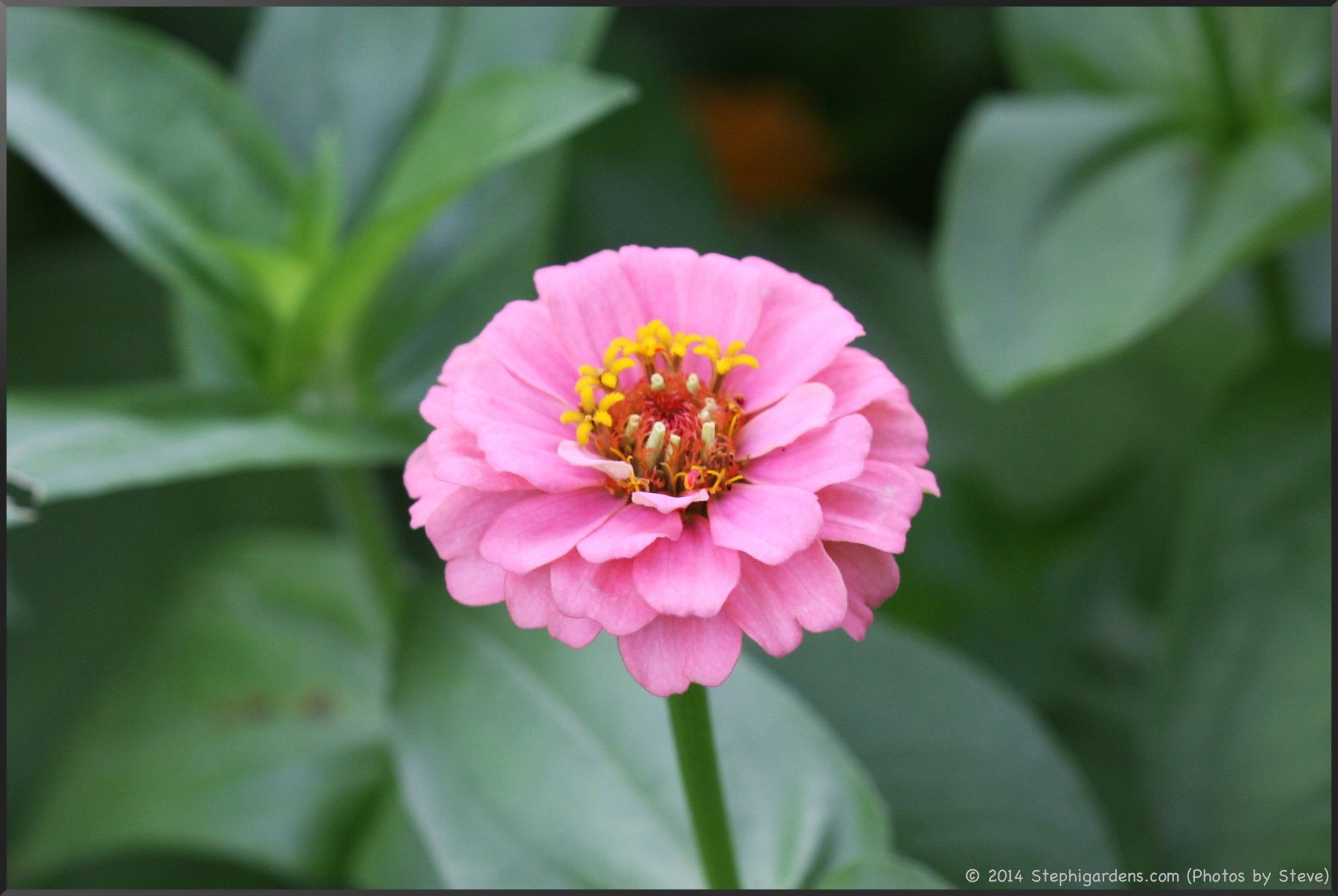
Brilliant Zinnias

cut and come again zinnia


cut and come again zinnia


zinnia

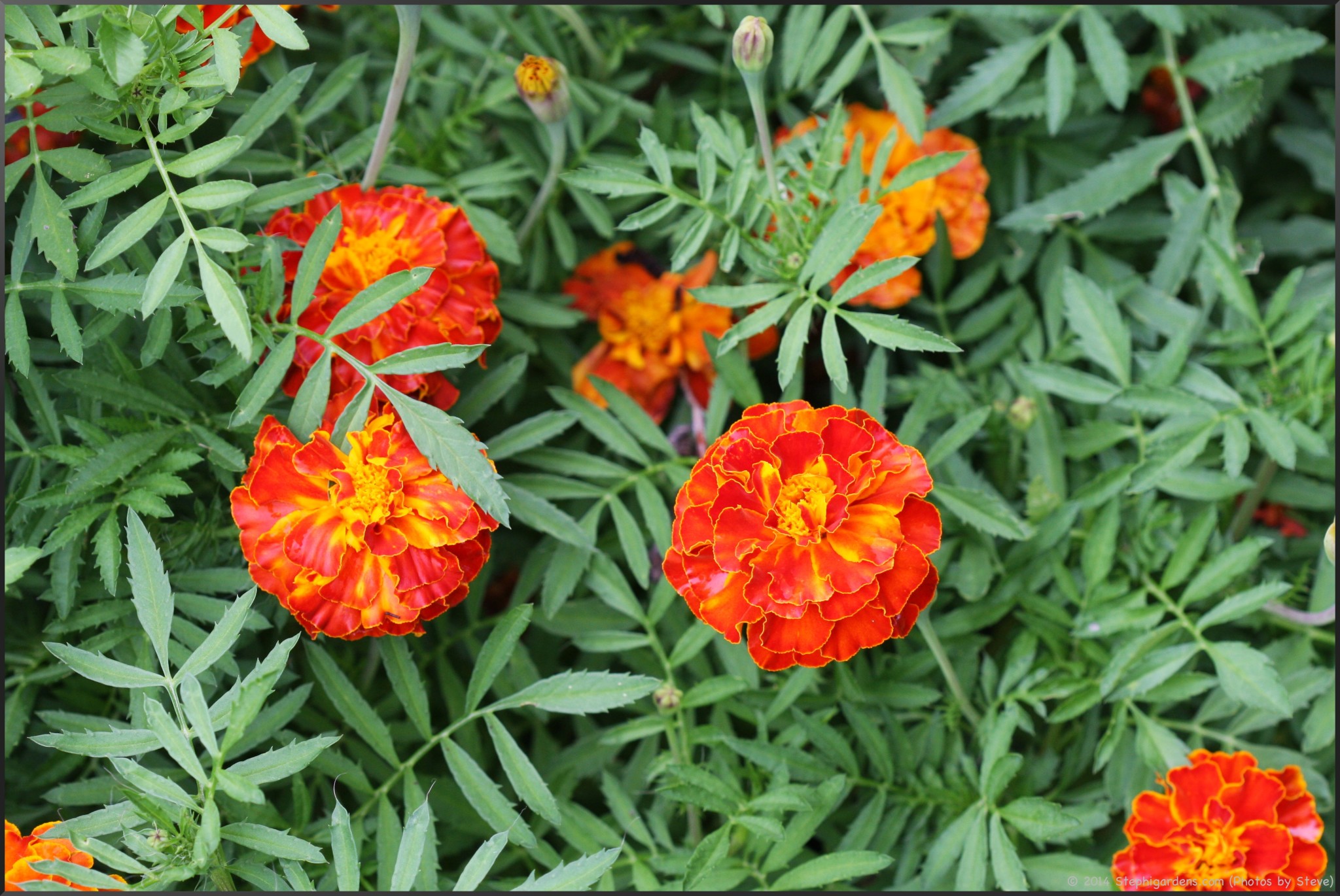
One of my favorite annuals–Marigolds

marigold

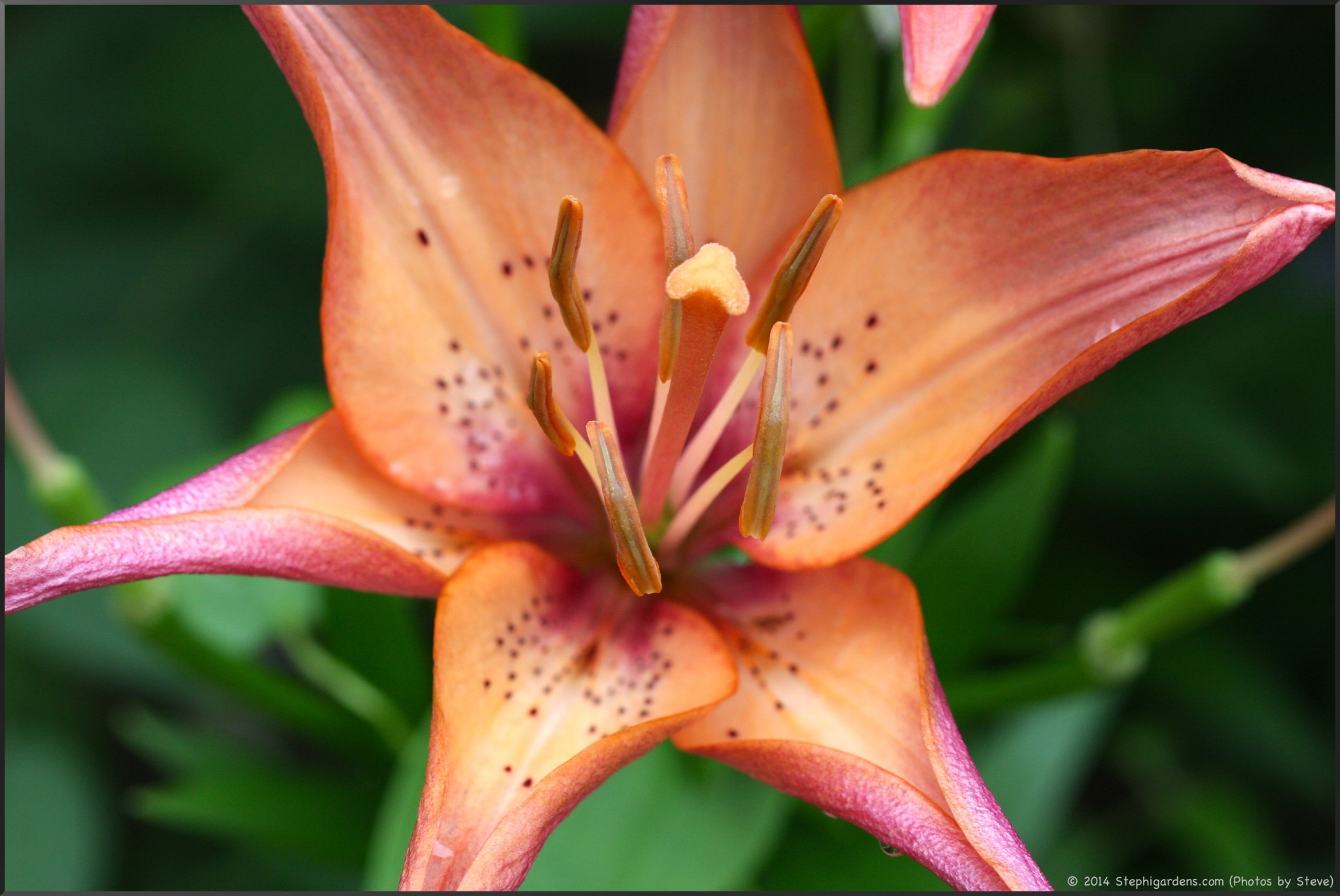
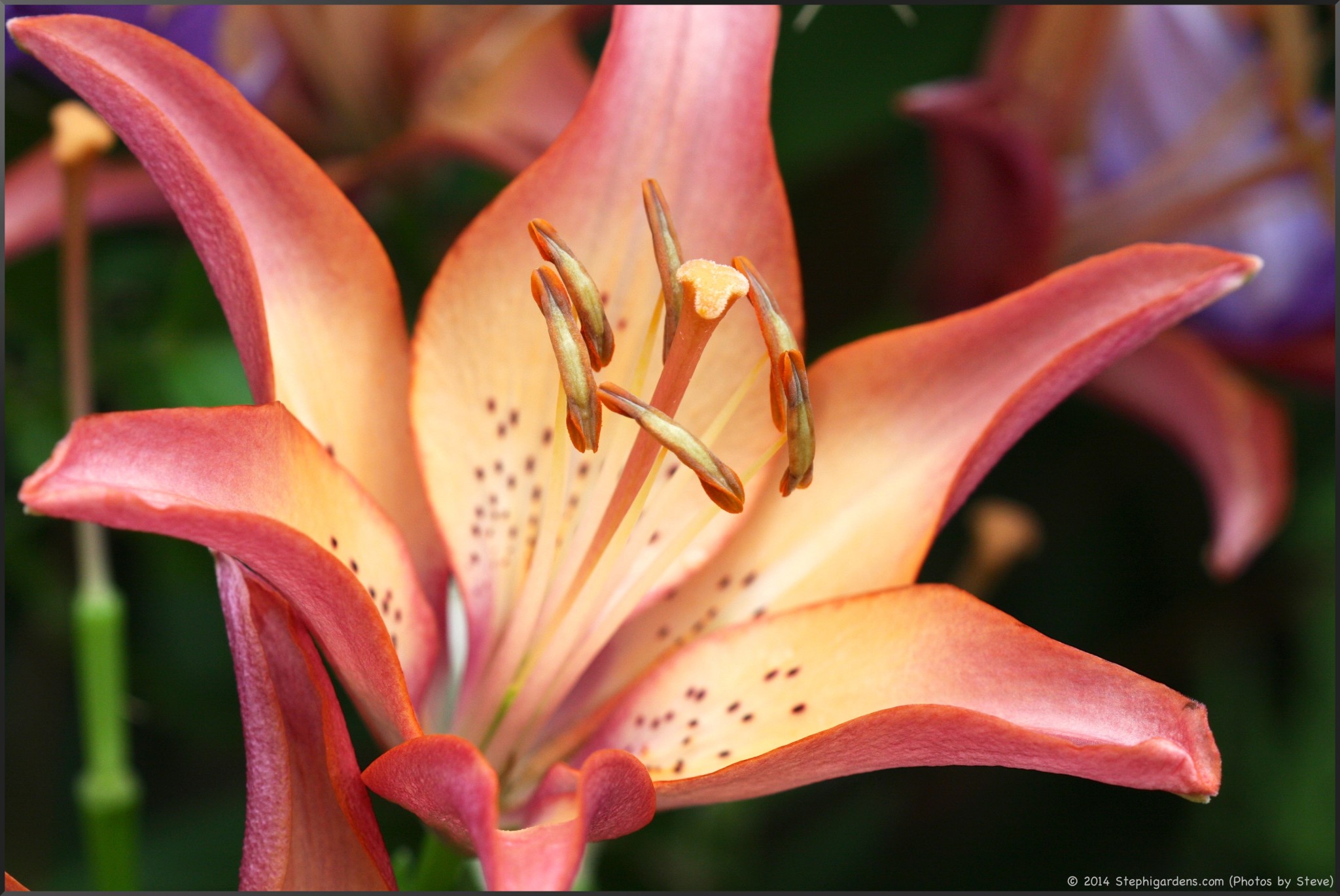
More asiatic lilies are blooming.  I didn’t miss them all.

asiatic lily


IMG_8541

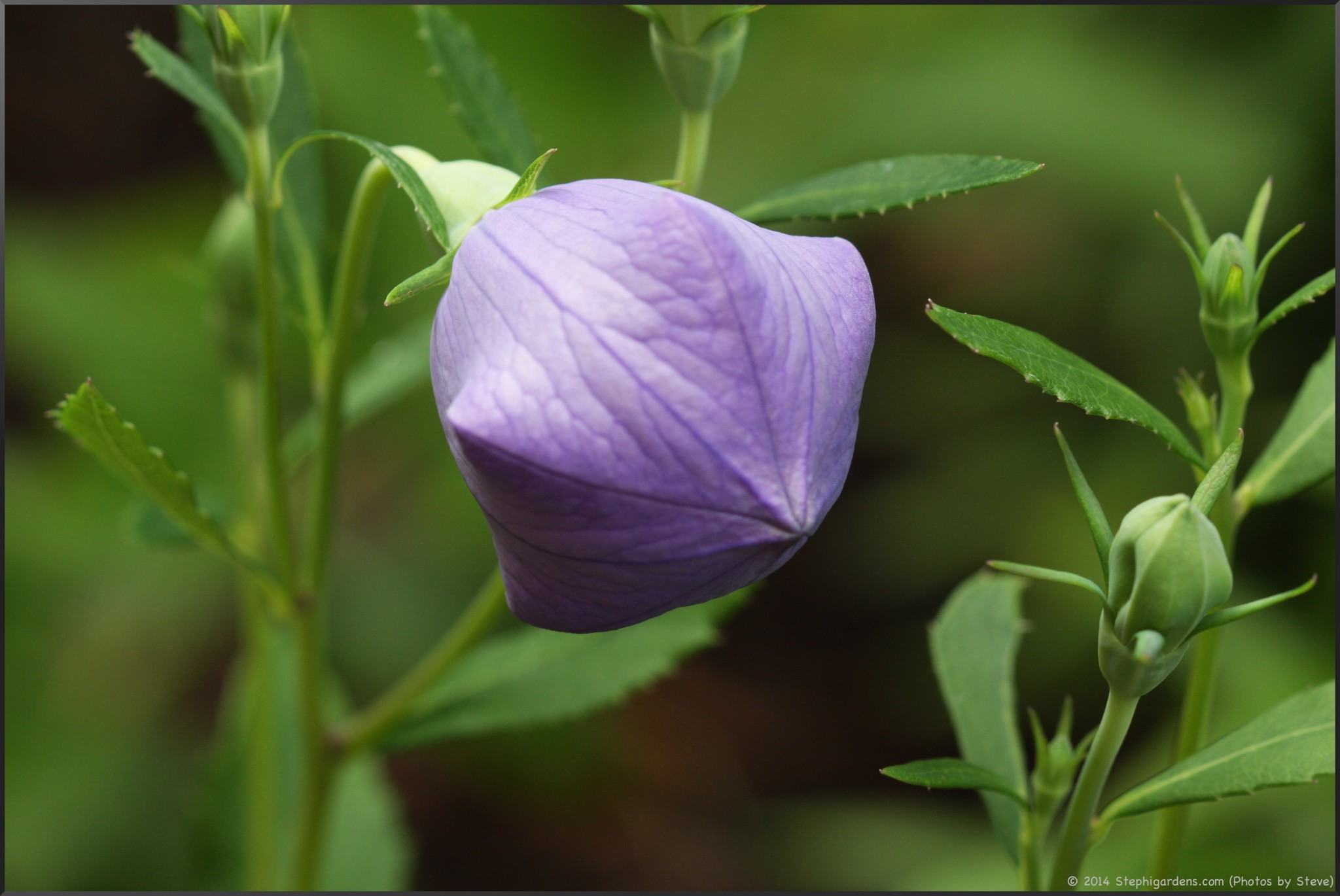
The Ballon Flowers are getting ready to bloom (Platycodon grandiflora).

Platycodon grandiflorus Ballon flower

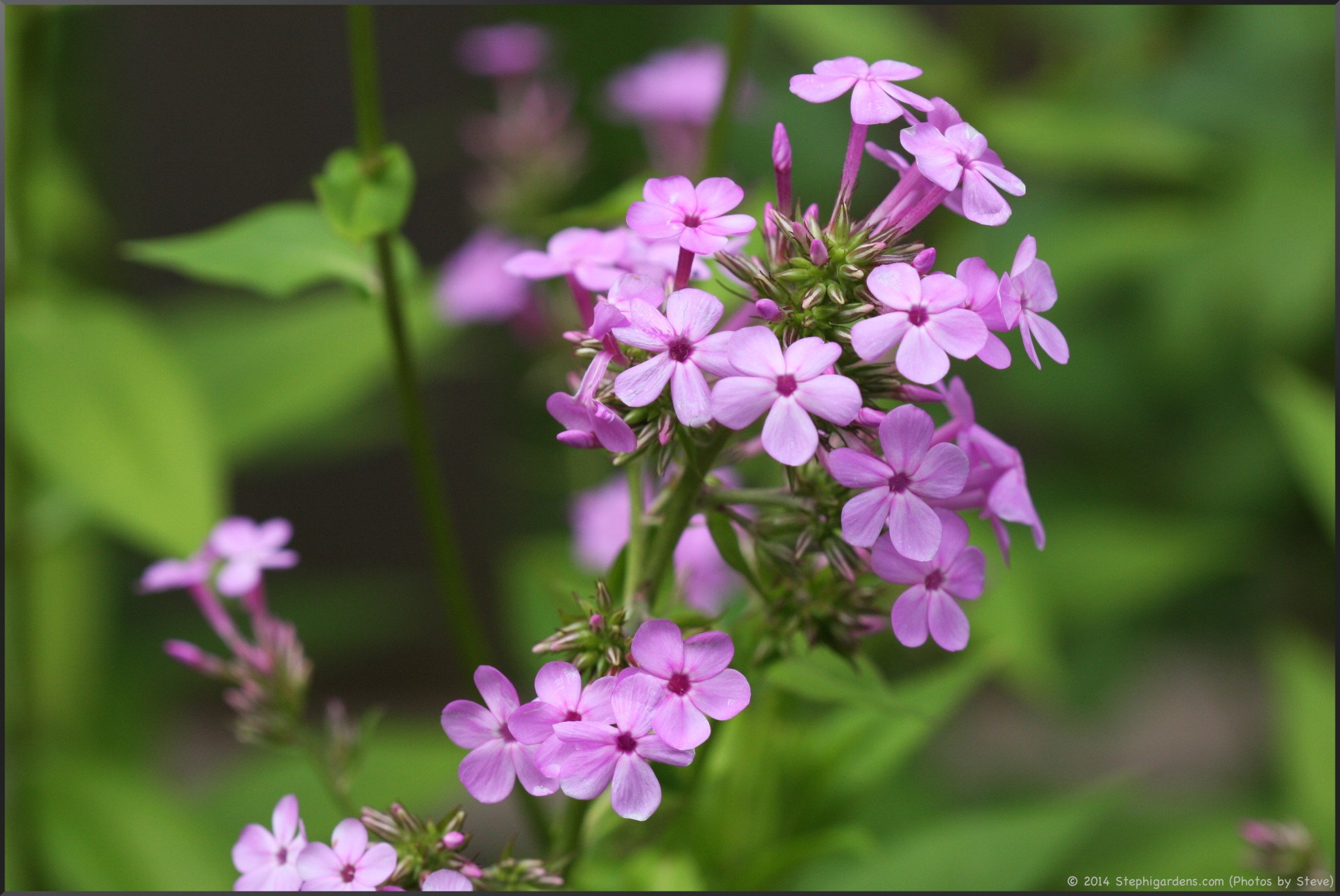
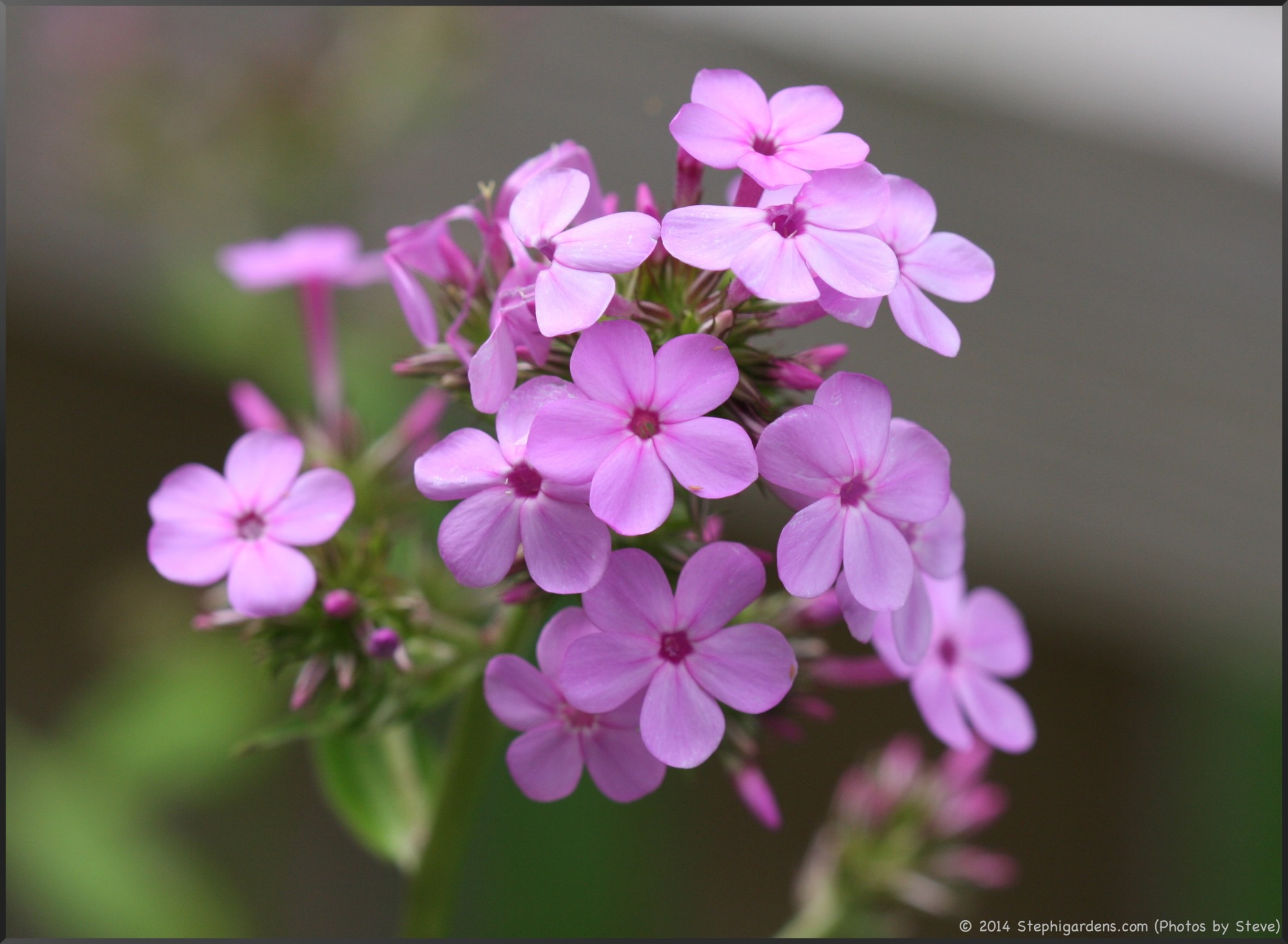
Jeana Garden Phlox 

Jeana Garden Phlox


Jeana Garden Phlox

Hostas are in bloom.  Maybe they’ll attract the hummingbirds or sphinx moths.

The huge, stunning Primal Scream Daylily.

Primal Scream Daylily


IMG_8570

Not the Marigolds!

Photos by Peggy

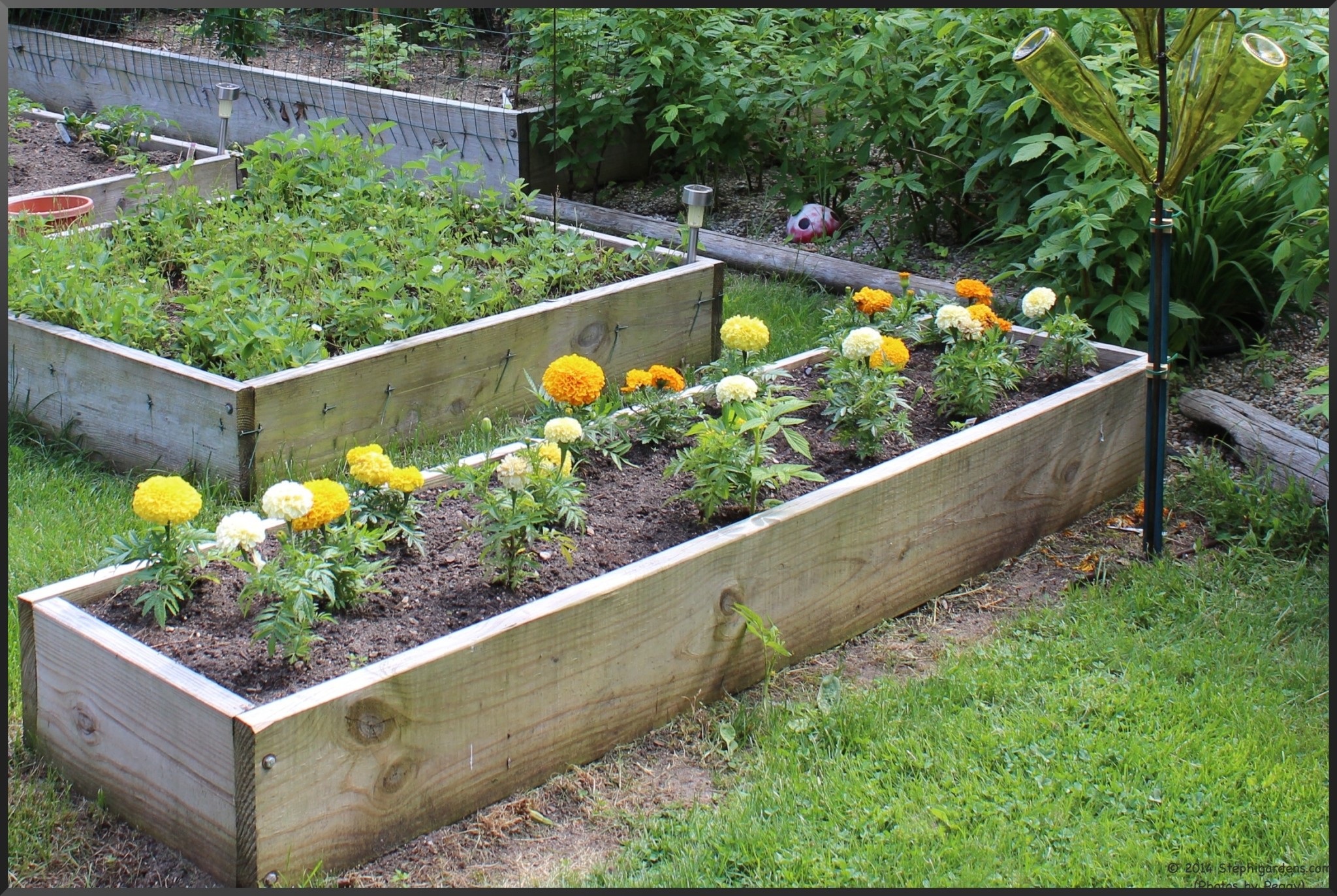
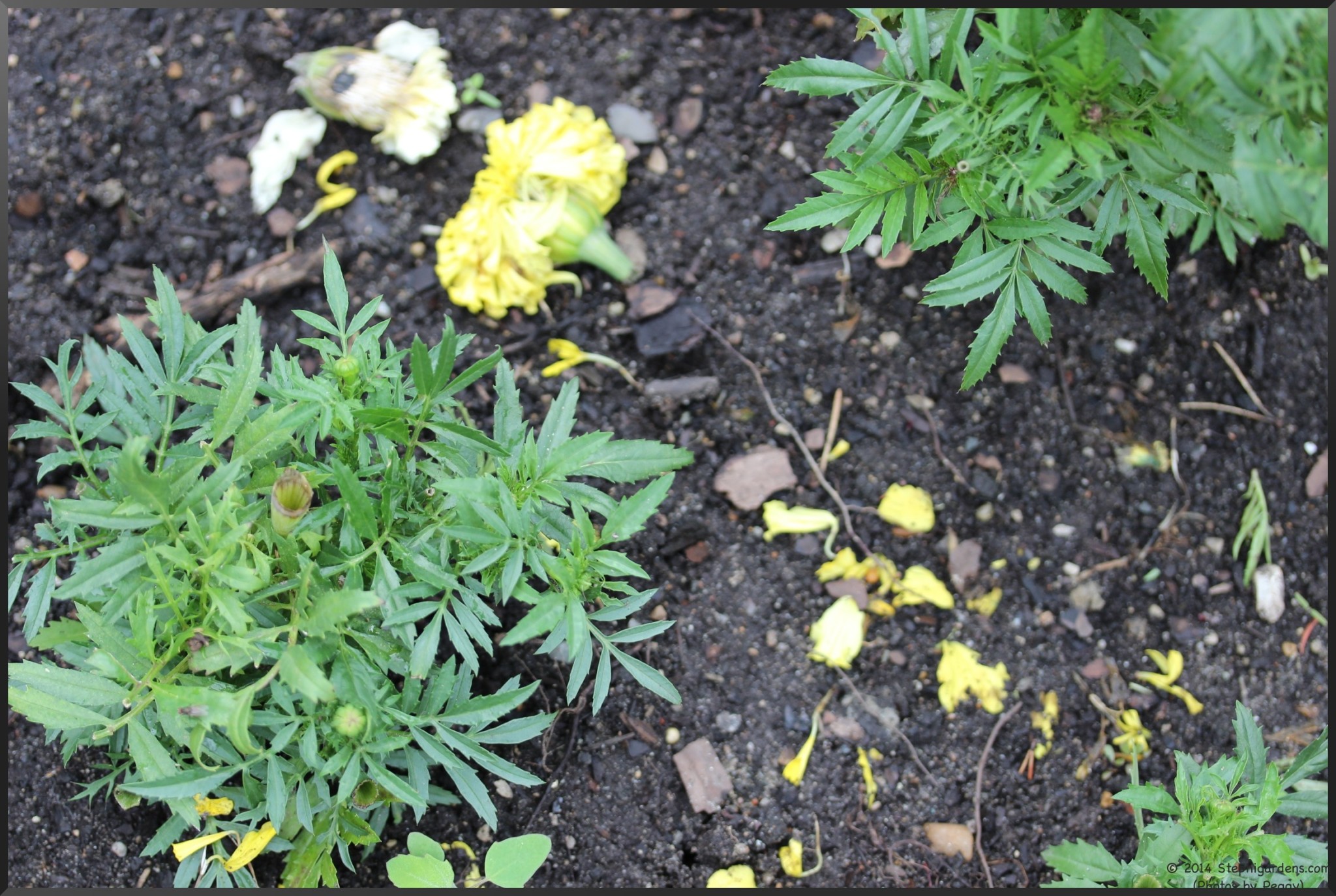
In one of my mom Peggy’s raised beds she had the beginnings of a beautiful bed of huge African Marigolds (Tagetes erecta).  If you love marigolds like I do, I couldn’t wait to see how this was going to look in the next few weeks.  Then, one morning she woke up to this…

Photos by Peggy

…and I got a frantic text outlining what had happened.  Many of the flowers had been cleanly nipped off and petals strewn everywhere.  We were puzzled as to how this happened.  Weren’t marigolds supposed to repel most garden varmints?Apparently not, after some research and this first hand experience.  This could have been the work of rabbits, chipmunks, squirrels, deer and even birds.  Based on critter observations and the bed being a little high for rabbits to get in, our best guess is the chipmunks.

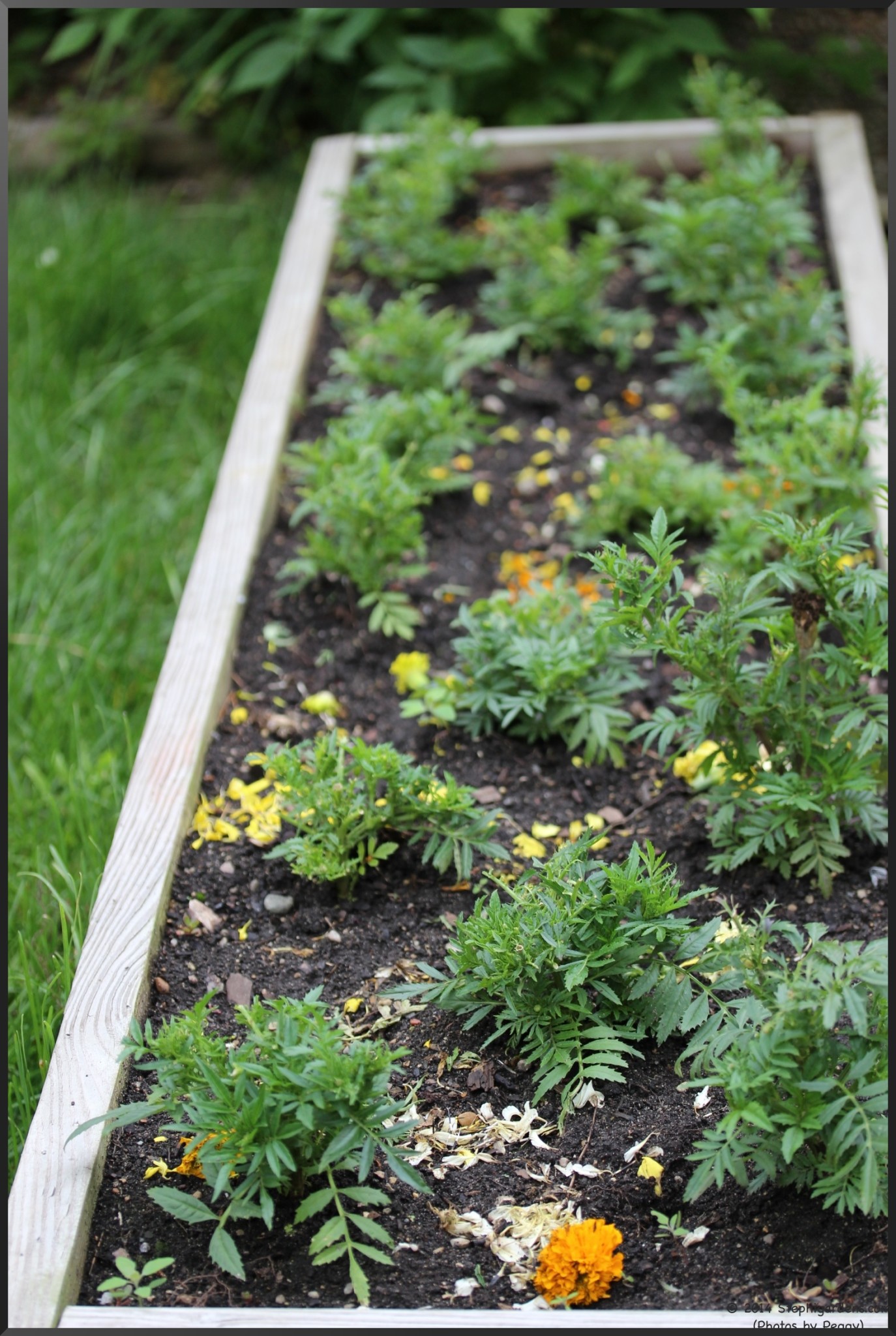
We were hoping this was a one night event and the critters would move on, but no such luck.  This was the bed the next day.

photos by peggy

All the flowers cleanly cut off and many shredded.  Very disappointing and frustrating.  Might be time to put a fence around the bed like some of the others that attract rabbits.   But, if it is chipmunks, a fence is not going to help.  She’ll need to be even more creative to keep them out, or throw in the towel on the marigolds.

While I haven’t had the same problems with my marigolds, through the years I’ve had more issues with slugs and earwigs.  They go more for the foliage, and can really do a lot of damage to the leaves.  Best way to diagnose these pests is to go out at night with a flashlight and see what’s going on.   When I had smaller gardens I had good luck with a pie plate of beer put out at night.  It is a bit gross in the morning, but it does work.  These days I have more issues with my hostas being attacked by slugs than I do my marigolds.  Because of the larger garden size, I now I use the organic Sluggo slug bait instead when things get bad.

Earwigs (which I just hate probably only second to palmetto bugs) can be beneficial in small numbers but a pest in larger numbers.  I’ve had luck trapping them in the beer filled tins with the slugs, or by placing rolled up damp newspapers in the garden at night.  In the morning, grab the newspapers and dunk them in a pail of water.  Some others have reported that using small tuna sized cans with about a 1/4 inch of cooking oil in it as traps works well too.

Have you ever woken up to find one of your gardens destroyed overnight?

Save

A View of the June Garden-Front yard

Yesterday, the backyard, now on to the front yard…

This is the area of biggest change.  In preparation for new construction, all the trees next door were taken down in early April.  We knew this was likely at some point (see Problem Areas) and had tried to plan ahead.  This garden contains arborvitae, annabelle hydrangeas, hostas and some annuals.  It went from almost full shade to full sun.  So far so good.  

Stephi Gardens

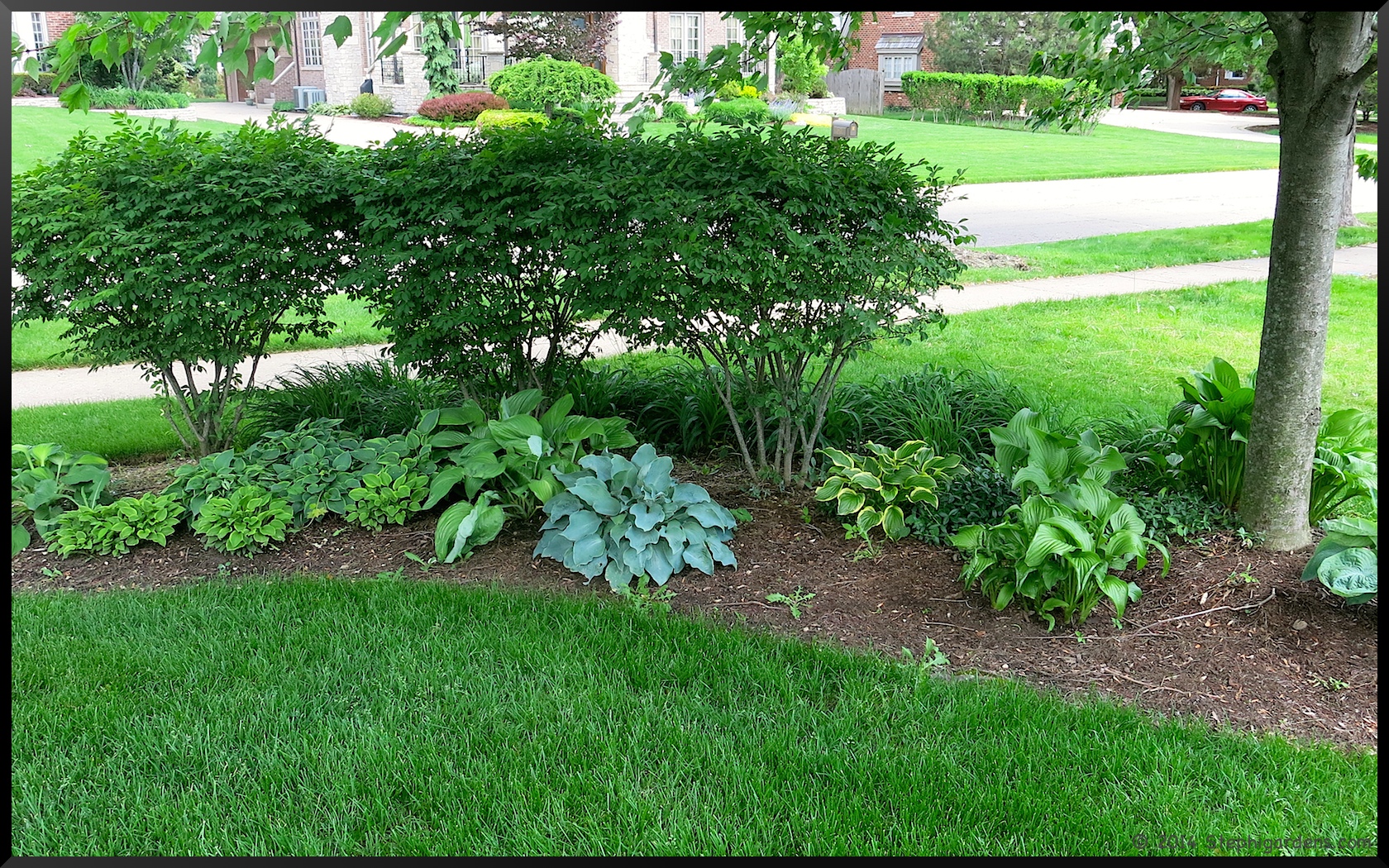
Under an Autumn Blaze Maple, we have some burning bushes, hostas, and daylilies.   

Stephi Gardens

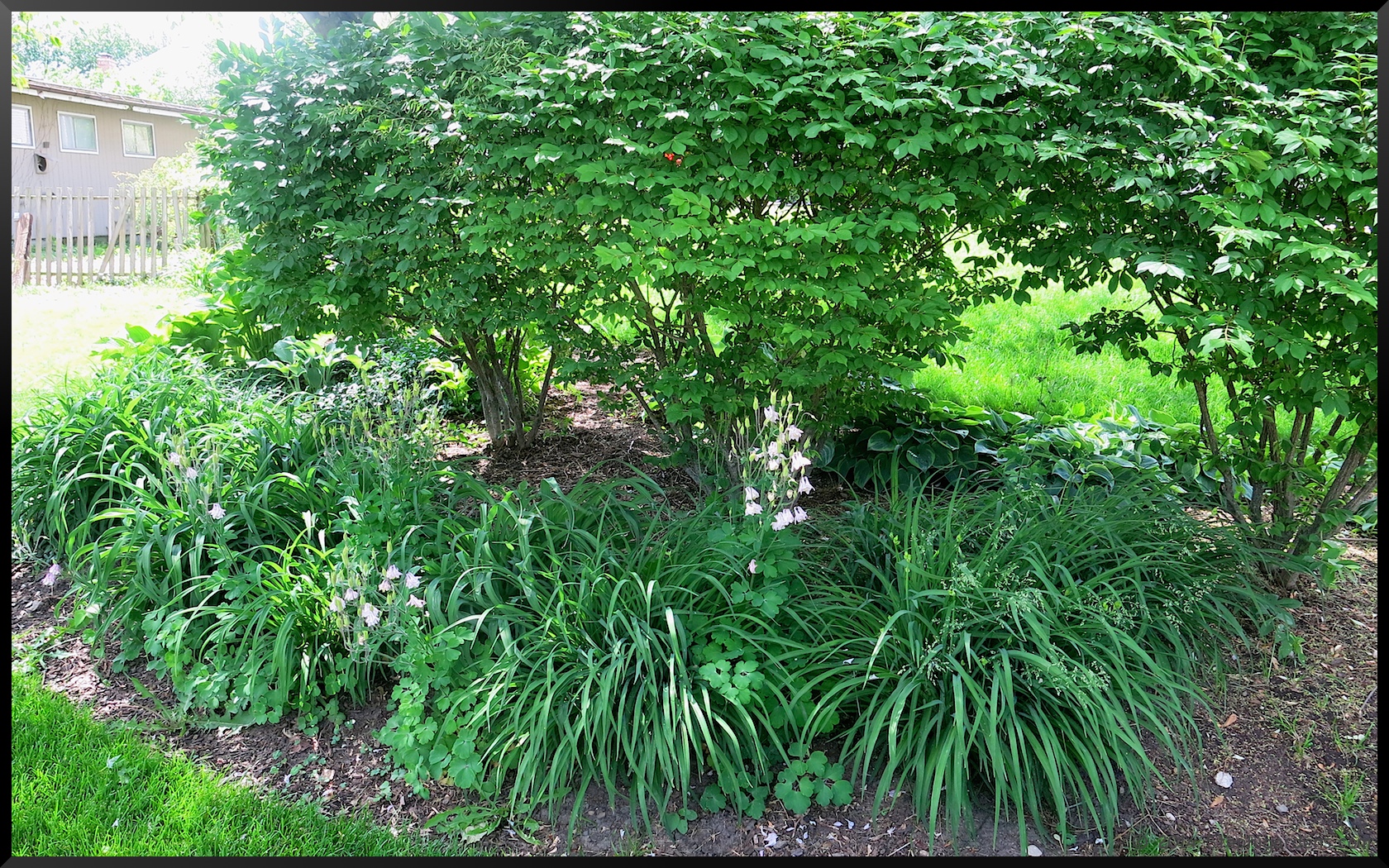
Also some Columbines that have travelled from the backyard.

Stephi Gardens

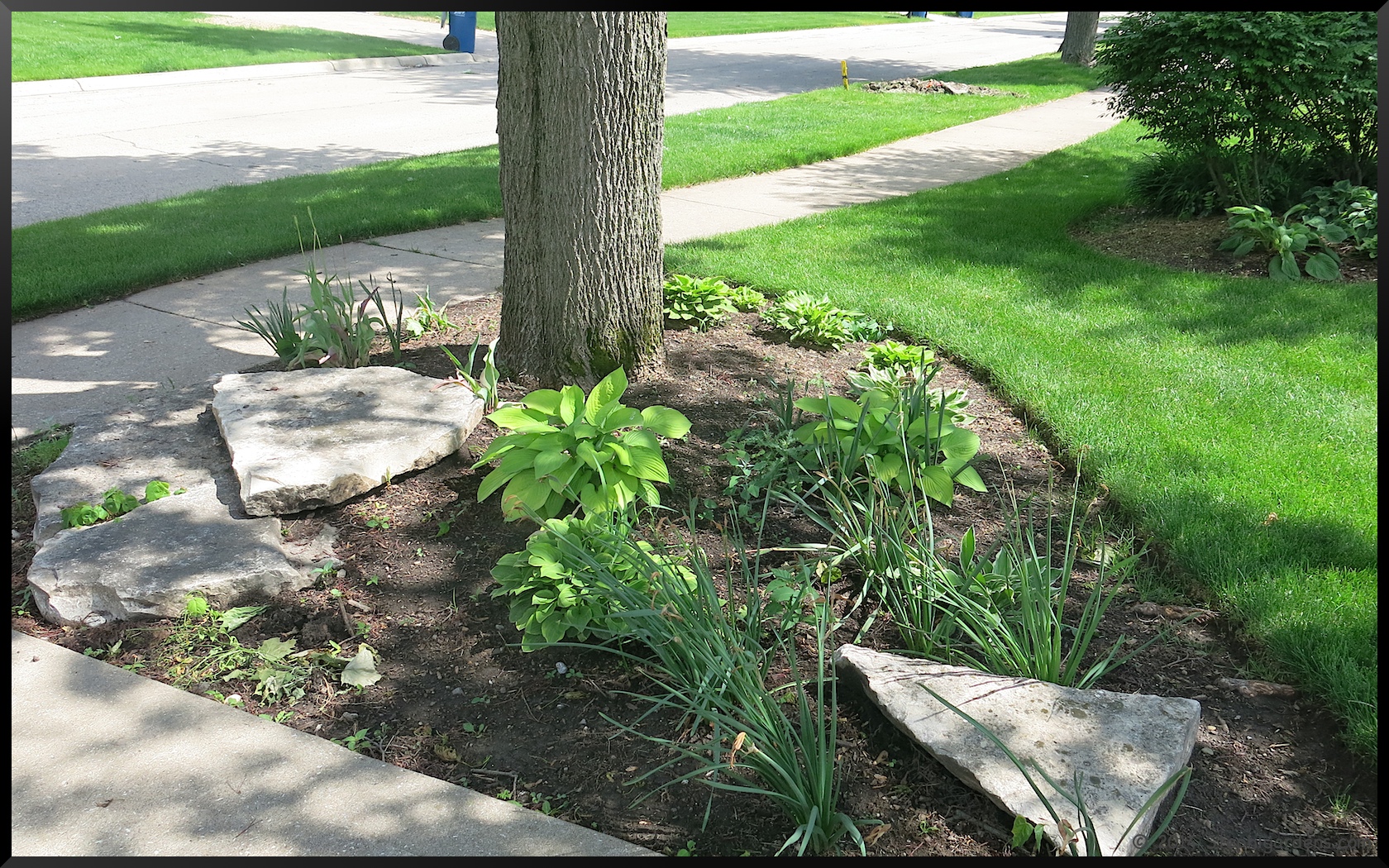
This was another problem area where nothing seemed to grow under a mature maple.  I was happy to see the hostas I planted last year came back nicely.  When I split some more, I’ll add them to continue to fill in the space.  We are a little worried about the health of this parkway maple. It’s pretty old and showing a lot of signs of being unhealthy.  But it’s still standing, for now.

Stephi Gardens

On the other side of the driveway, a few years ago a rather large maple fell down in a wind storm.  We replaced it with this Swamp White Oak (Quercus bicolor) that has finally seemed to take off after it’s brush with cicadas its second year.   Underneath are more densi yews, Russian Sage, daylilies and a burning bush.

Stephi Gardens

Back up to the house, there’s an awful lot of green since the Korean Lilac and Judd Viburnum have finished blooming.  The yews are a bit overgrown and the Rhododendron in the corner a bit spindly.  This may become the next area to fix up.

Stephi Gardens

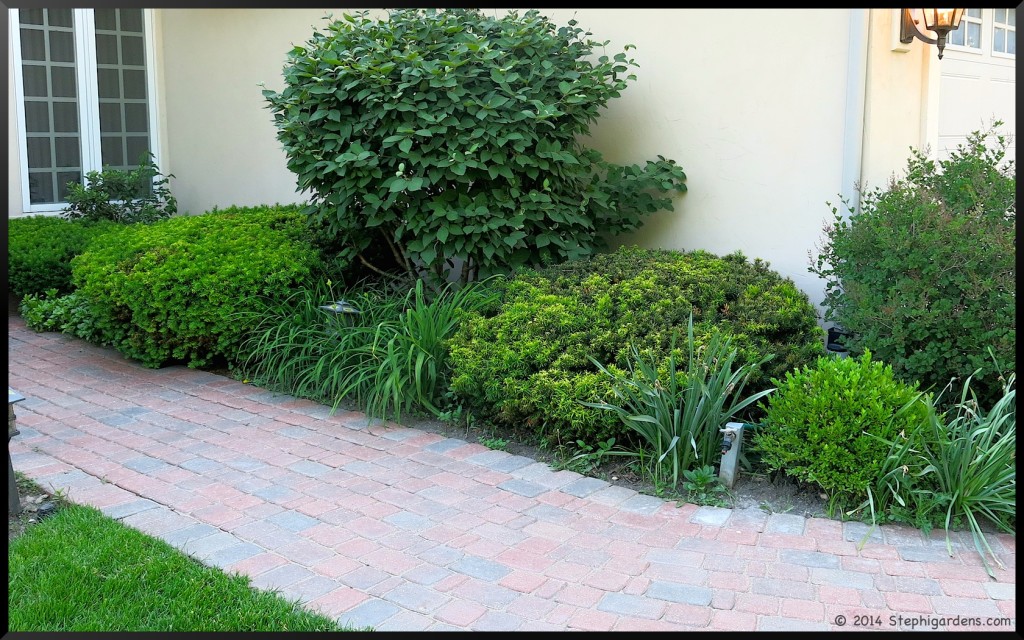
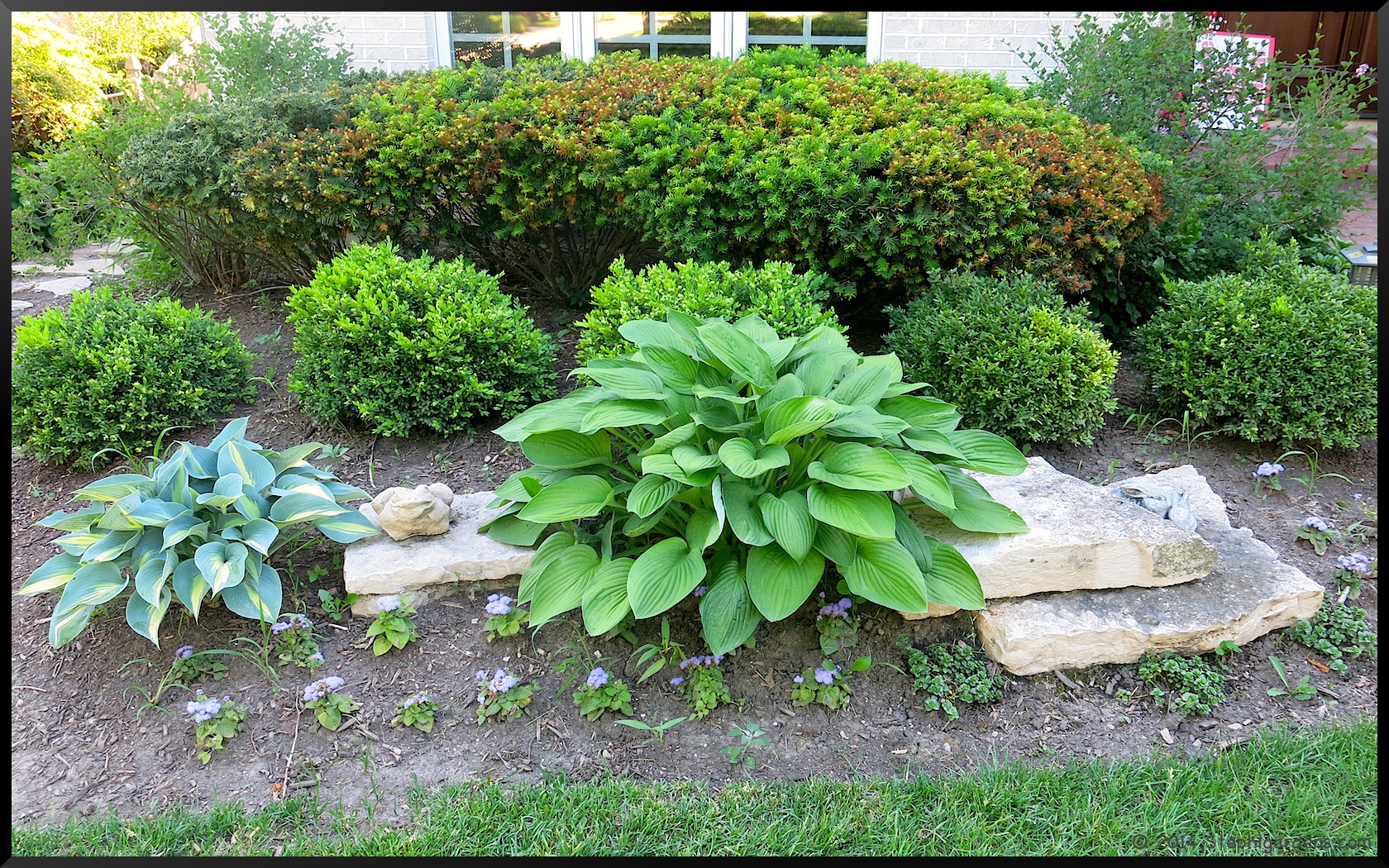
The yews took a bit of a beating this winter and will look fine after a trim.  The boxwoods and hostas are new last year and make a nice addition to the area (although the one hosta looks a little big for the space).  A little sprucing up and mulch and this area will be good to go.
Stephi Gardens

That’s most of the garden spaces that I write about and toil in.  Hopefully this summer will bring perfect garden weather.


SaveSave

A View of the June Garden-Backyard

I took a tour of my yard today to see how everything was looking. Other than a little late, most things were looking quite healthy. It seems I’m often focussed on the “little picture”, so it was nice to just step back and look at the “big picture”.

Starting in the back…

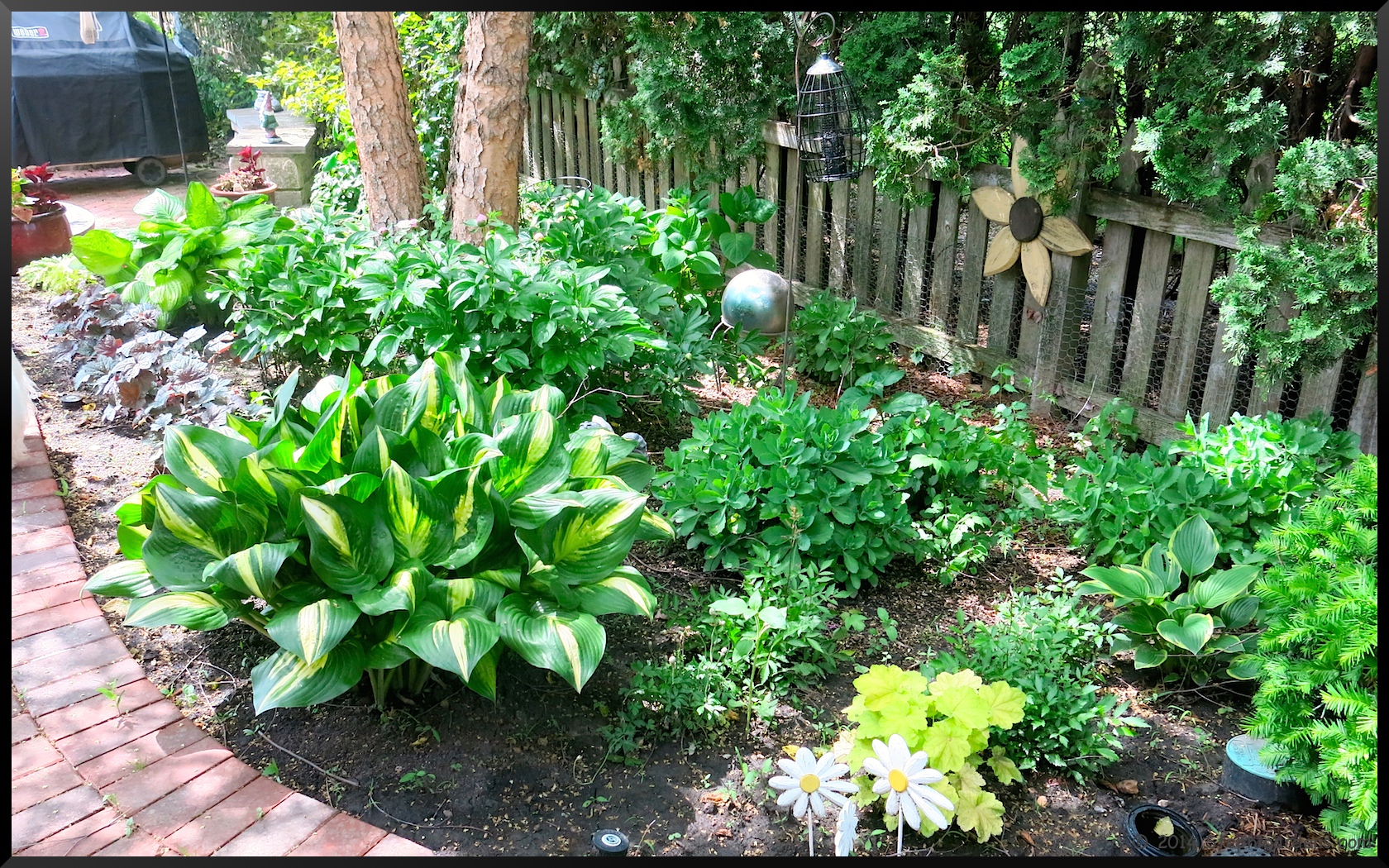
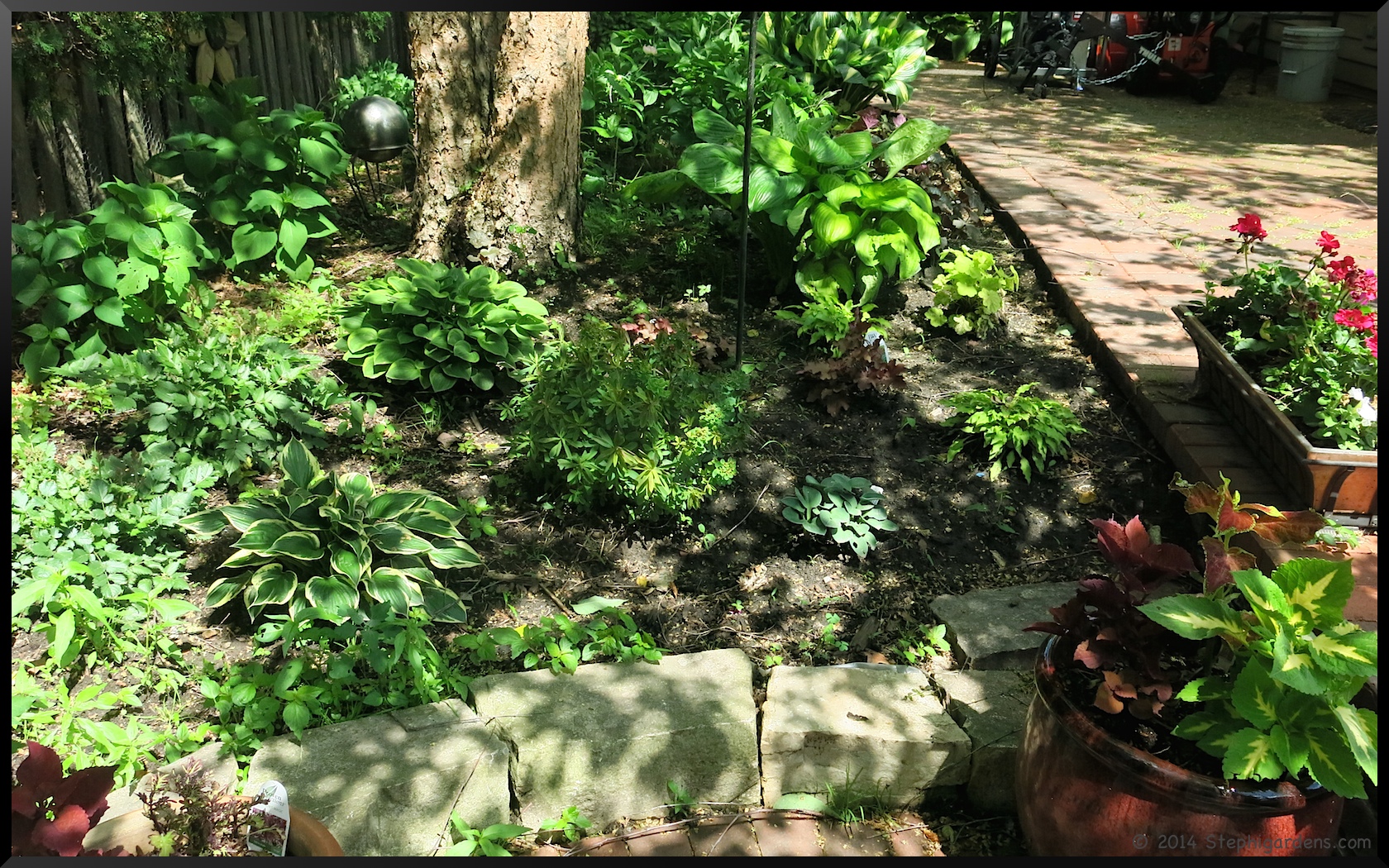
Hostas, sedum, peonies, windflowers, astilbe, heuchera, hydrangea, spurge and a River Birch fill this part shade bed that borders the patio. 

Stephi Gardens

Stephi Gardens

Off the back of the patio is the Purple Ash that looks quite healthy this year after it’s treatment for Emerald Ash Borer last year  (Attack of the Emerald Ash Borer: Part 1 and Part 2).   I recently split and transplanted some hostas,  ferns and sedum underneath it to make it look more like a garden rather than a dirt pile   I also added 3 Purple Beautyberry Bushes in the corner to join some raggedy looking Red Twig Dogwoods.  This also where my 2 new raised vegetable beds are located.   

Stephi Gardens

Finally, my Siberian Irises are blooming.  Only 2 blooms, but better than nothing!

Siberian Iris

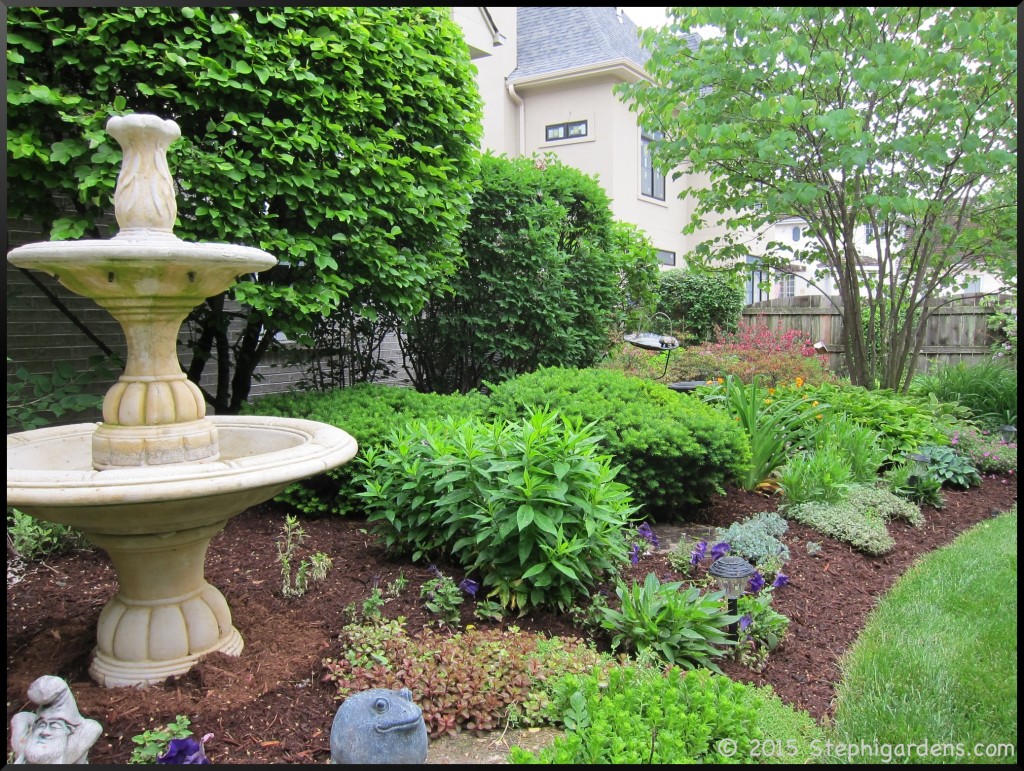
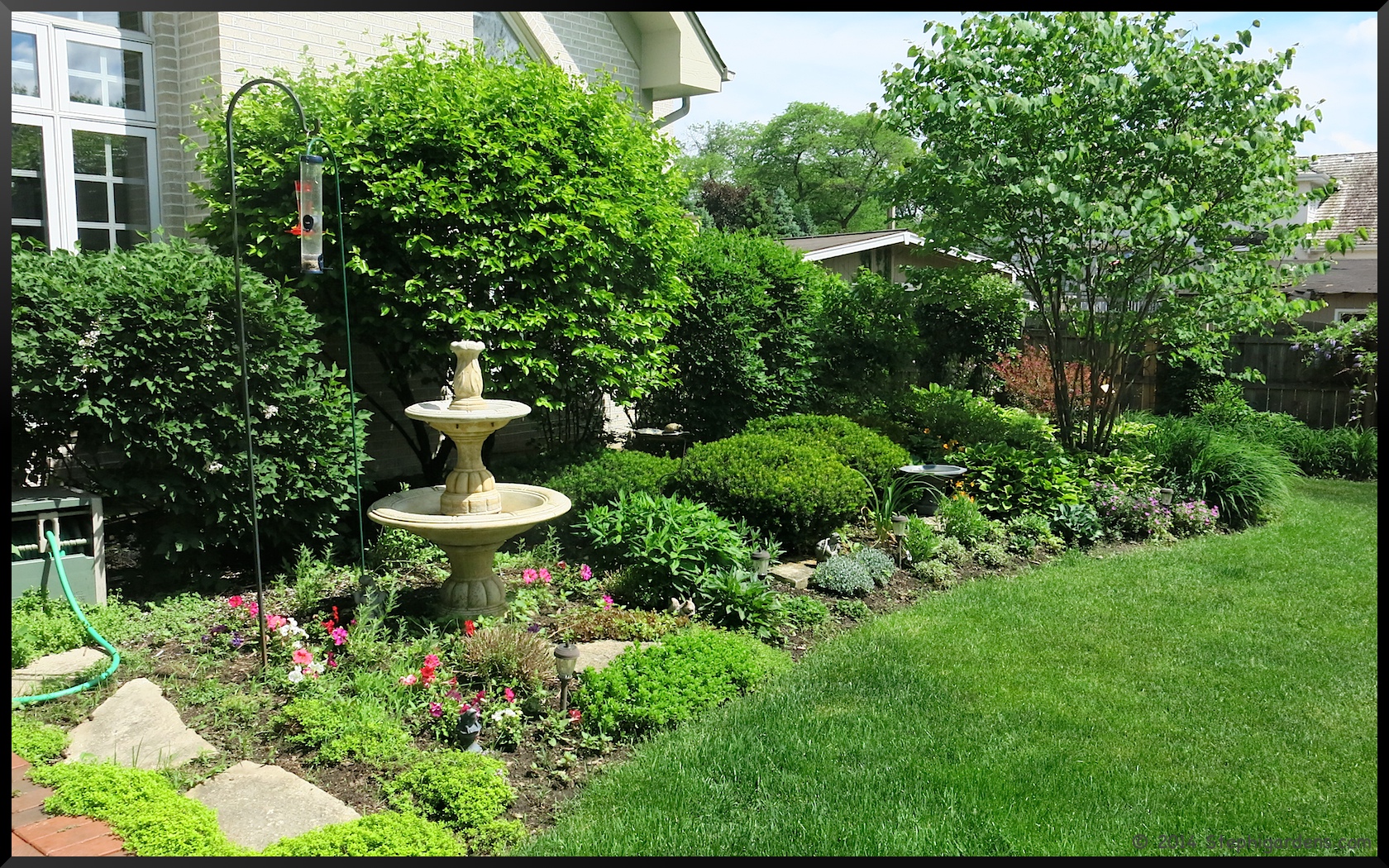
The back of the house is planted with Miss Kim lilacs, a Blackhaw viburnum, a Redbud, densi yews, an assortment of creeping sedums, creeping thyme, Russian sage, a few other perennial specimens,  hostas, daylilies and petunias.  

Stephi Gardens

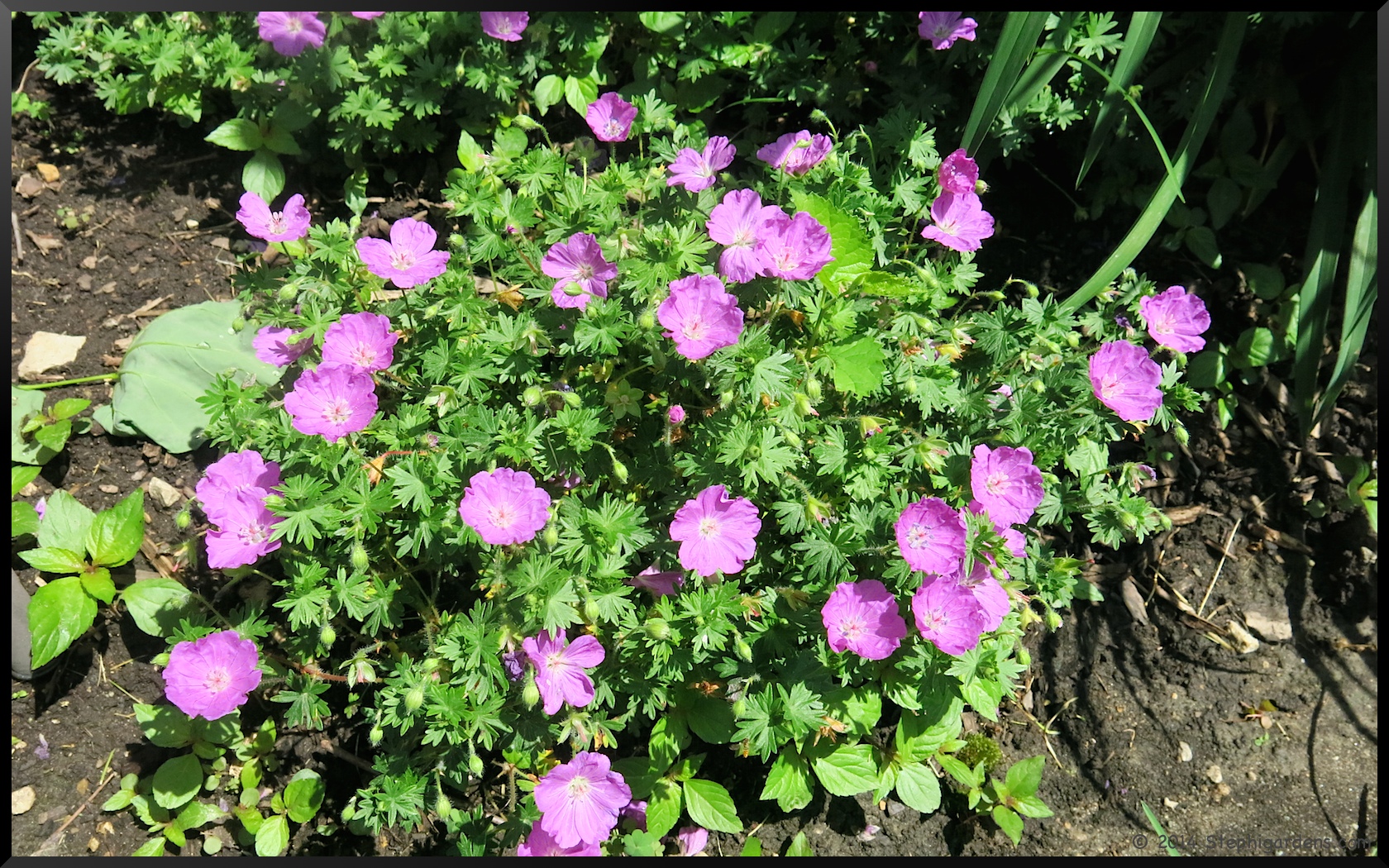
Johnson Blue Geranium

Johnson Blue Geranium

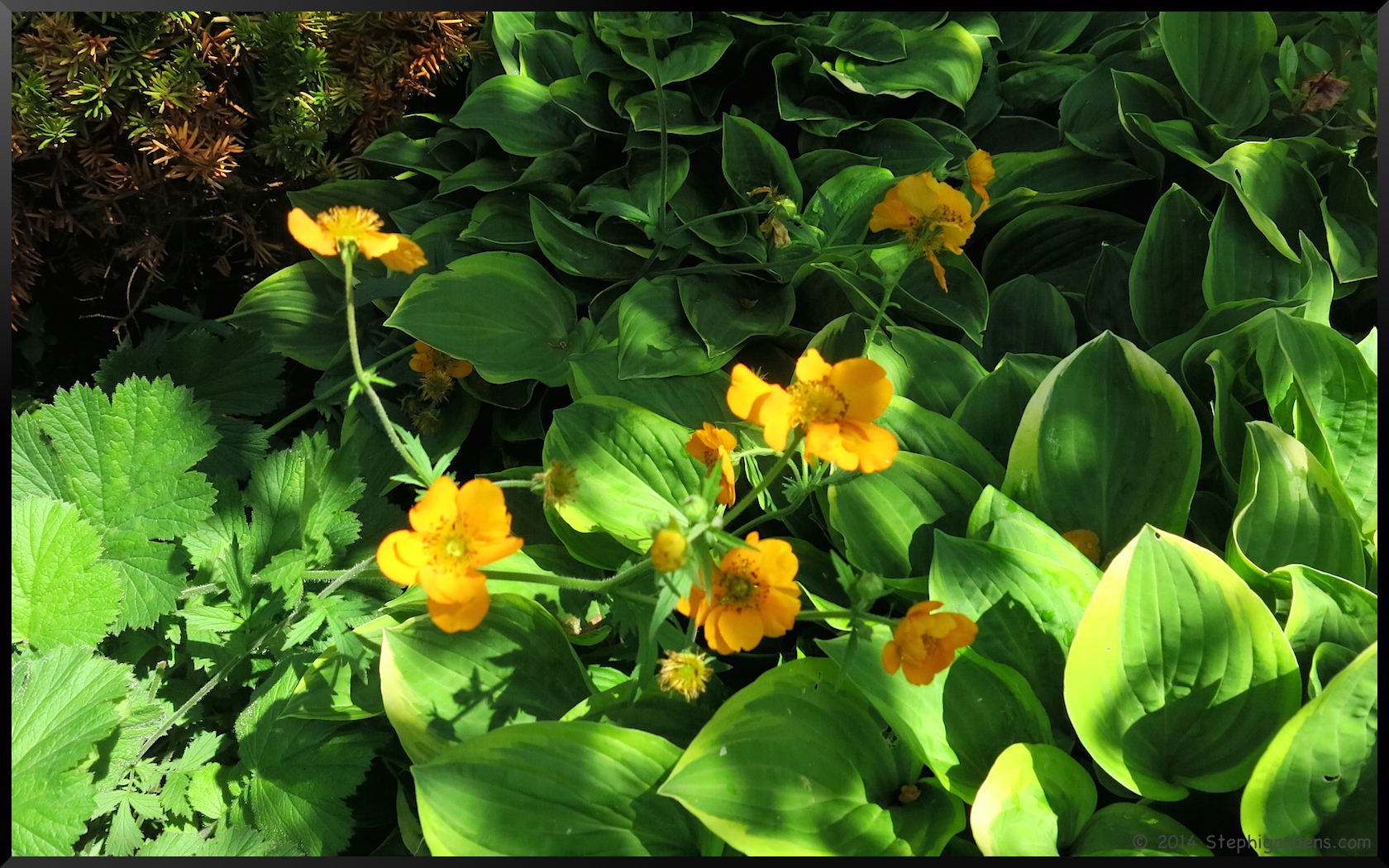
Tangerine Avens–my best guess is that it is Geum “Totally Tangerine”.

IMG_3357

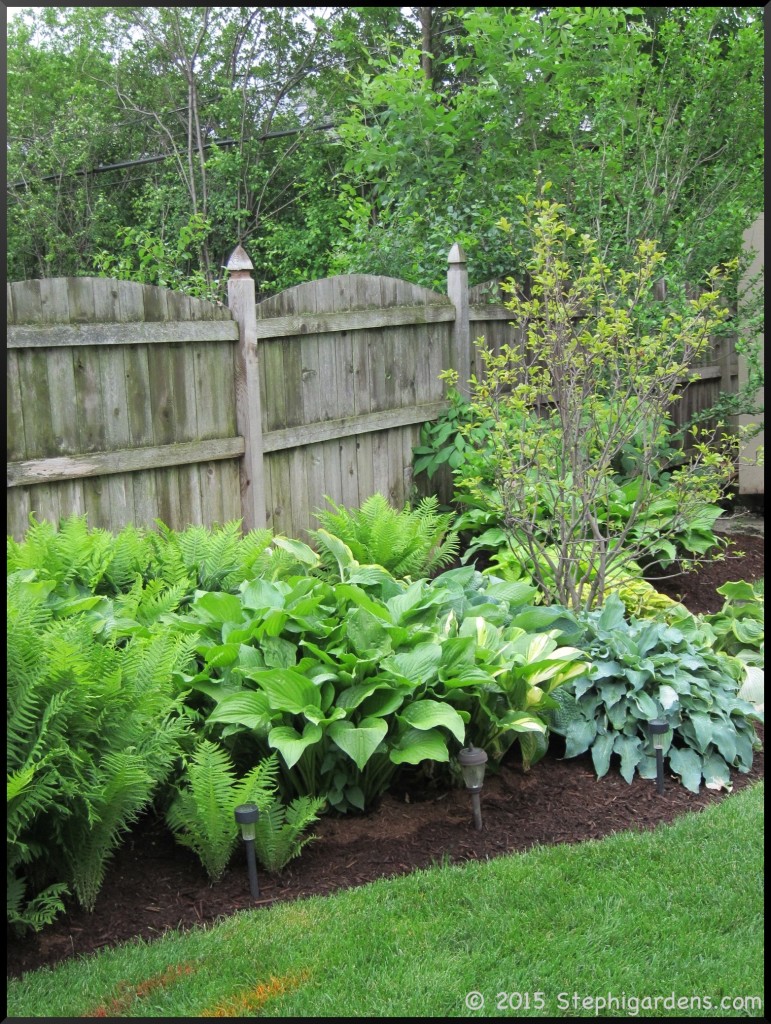
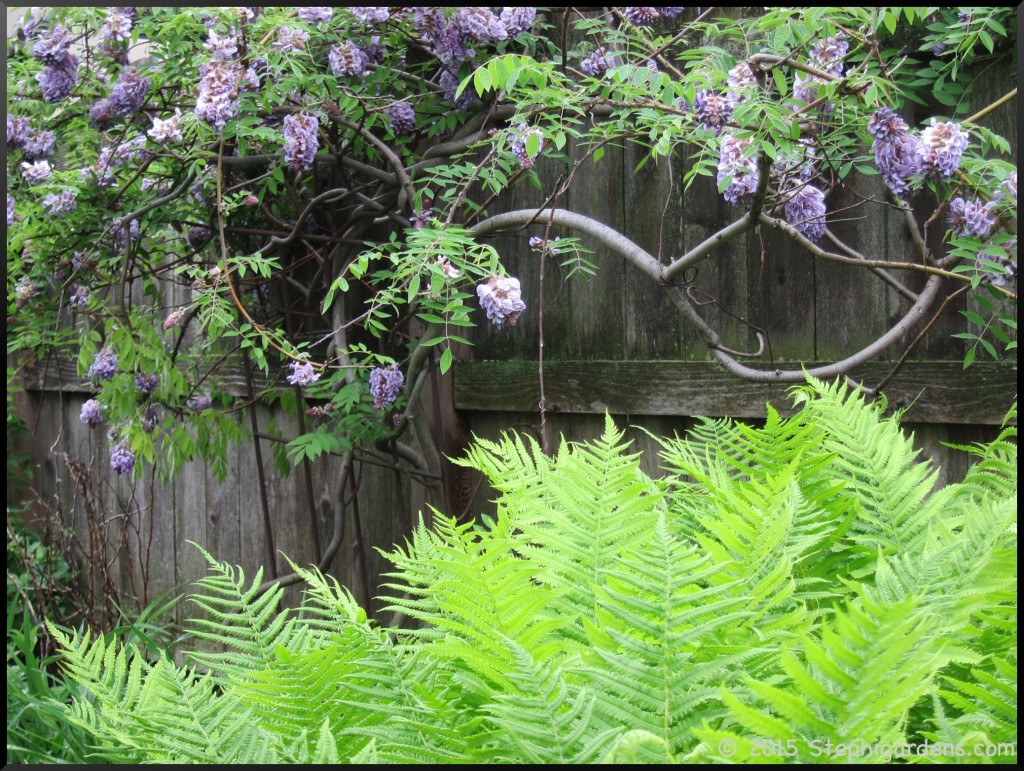
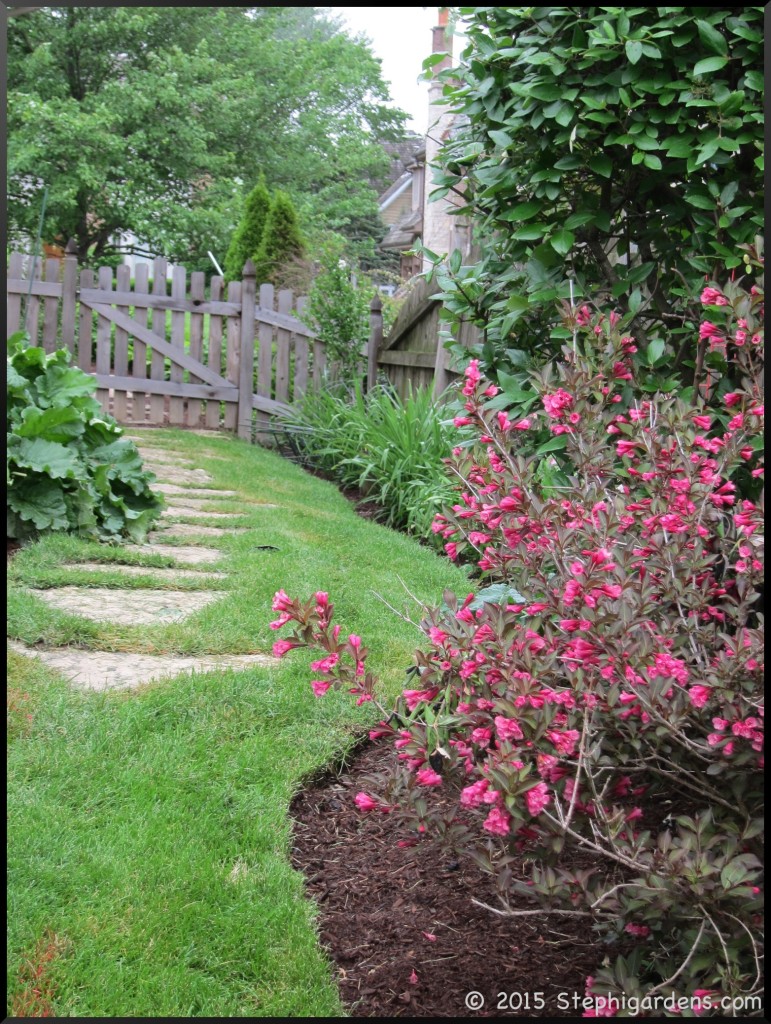
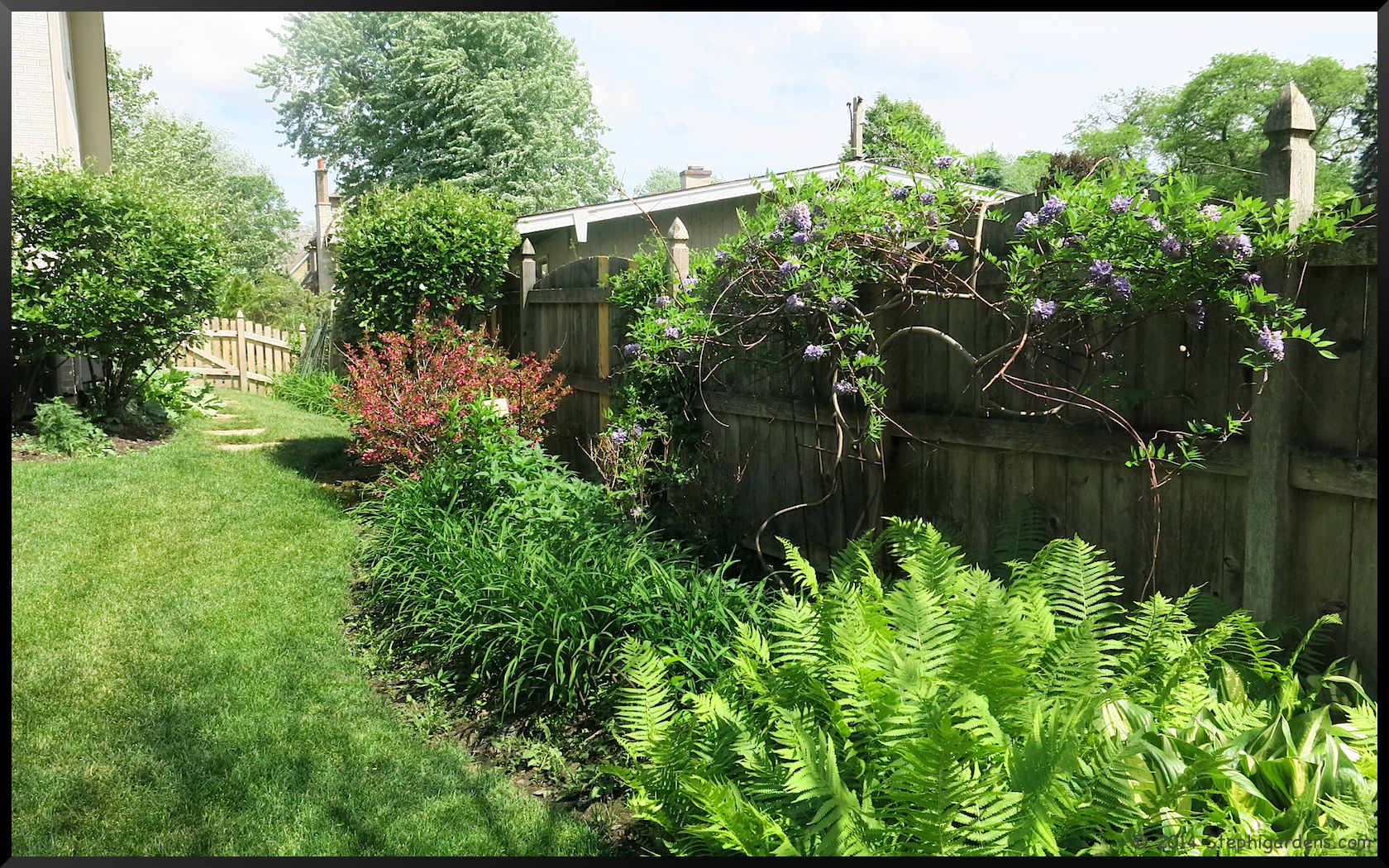
The side yard is undergoing some transition as the house next door is undergoing construction.  What used to be sun/part shade, is now full sun.  Along here are  ferns, hostas, phlox, bee balm, wisteria, knock-out roses, daylilies, weigeila and honeysuckle.  There is also a 15 yr old multi-stemmed Freeman’s Maple just outside the shot, but I’ll leave that for another day.  But here’s a hint, it’s June and it’s casting almost no shadow…

Stephi Gardens

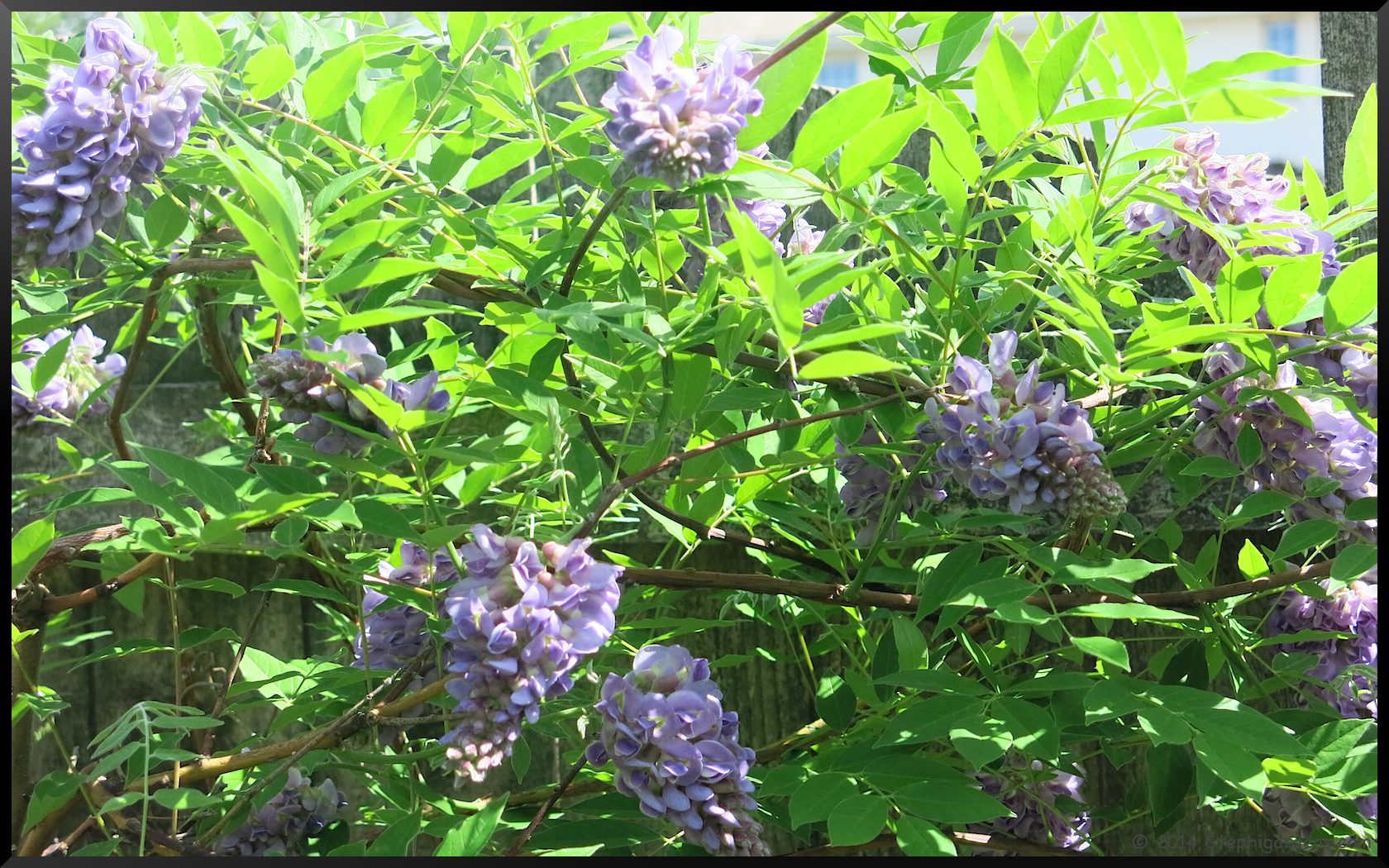
Wisteria is starting to bloom.

IMG_3360

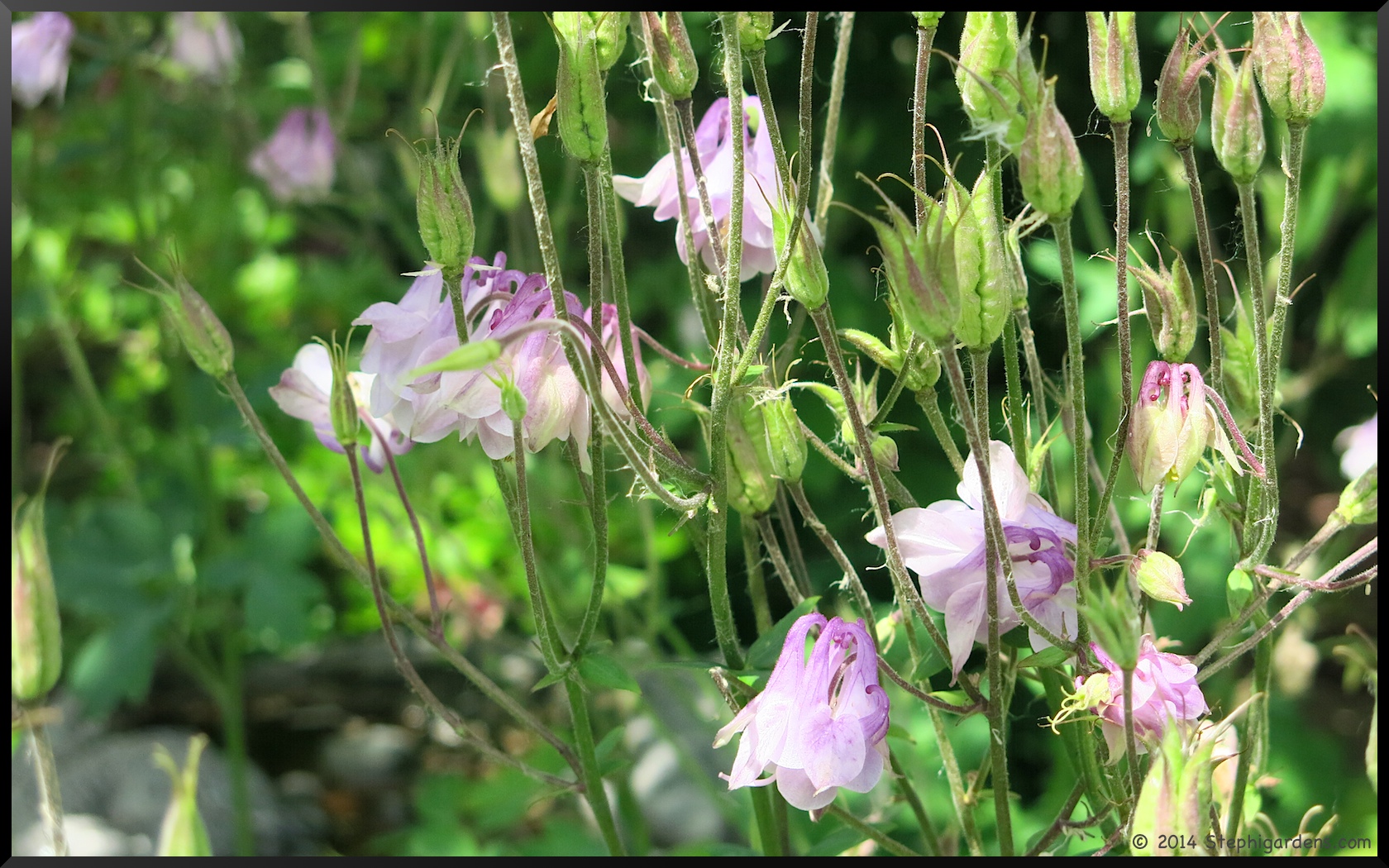
 All around the yard are these Columbines.  They just pop up unexpectedly and provide some pretty spring colors.  They’re a spreading plant that I don’t mind having out of place.  These all came from a gift of one plant soon after we moved in.  

IMG_3363

Tomorrow… Continuing around to the front yard…

Problem Areas

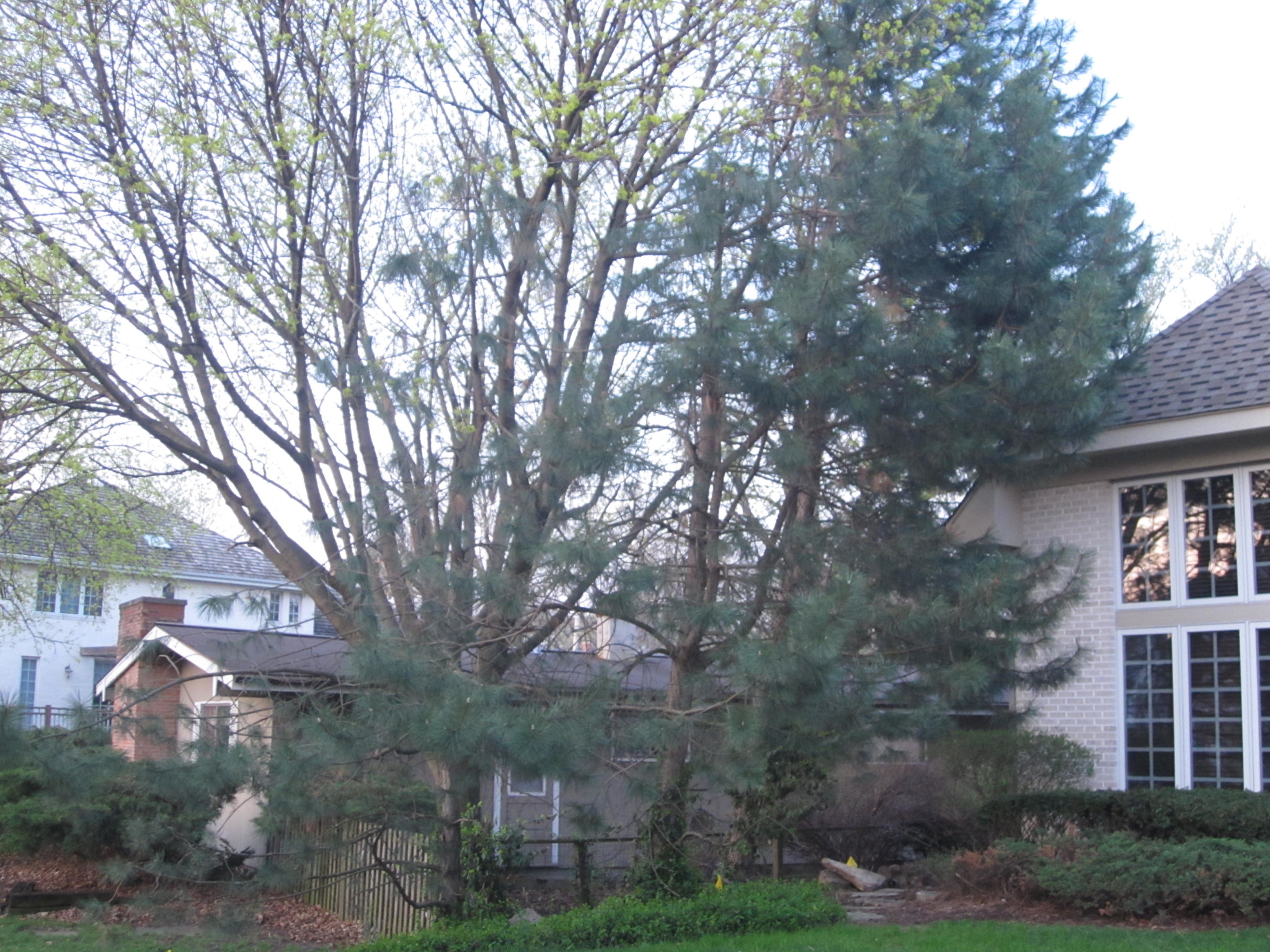
Everyone has problem areas in their yard.  This week, I’m going to show some of ours and some of the solutions we’ve finally come up with.  First was an area off the corner of the house.  When we first moved in, the landscaper designed the space to have 3 large Austrian Pines in the corner with some yews and junipers in front of the window.

IMG_4059
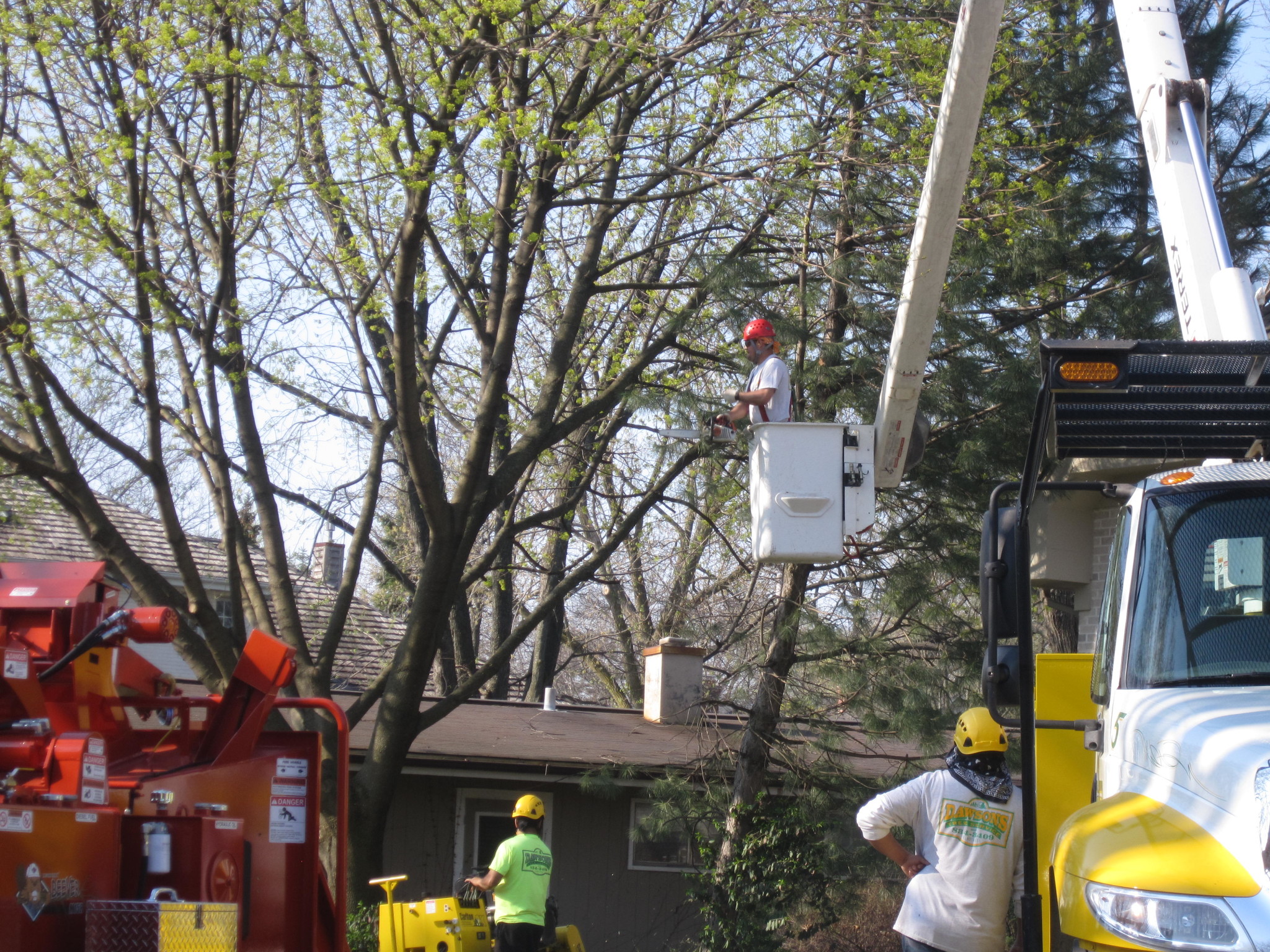
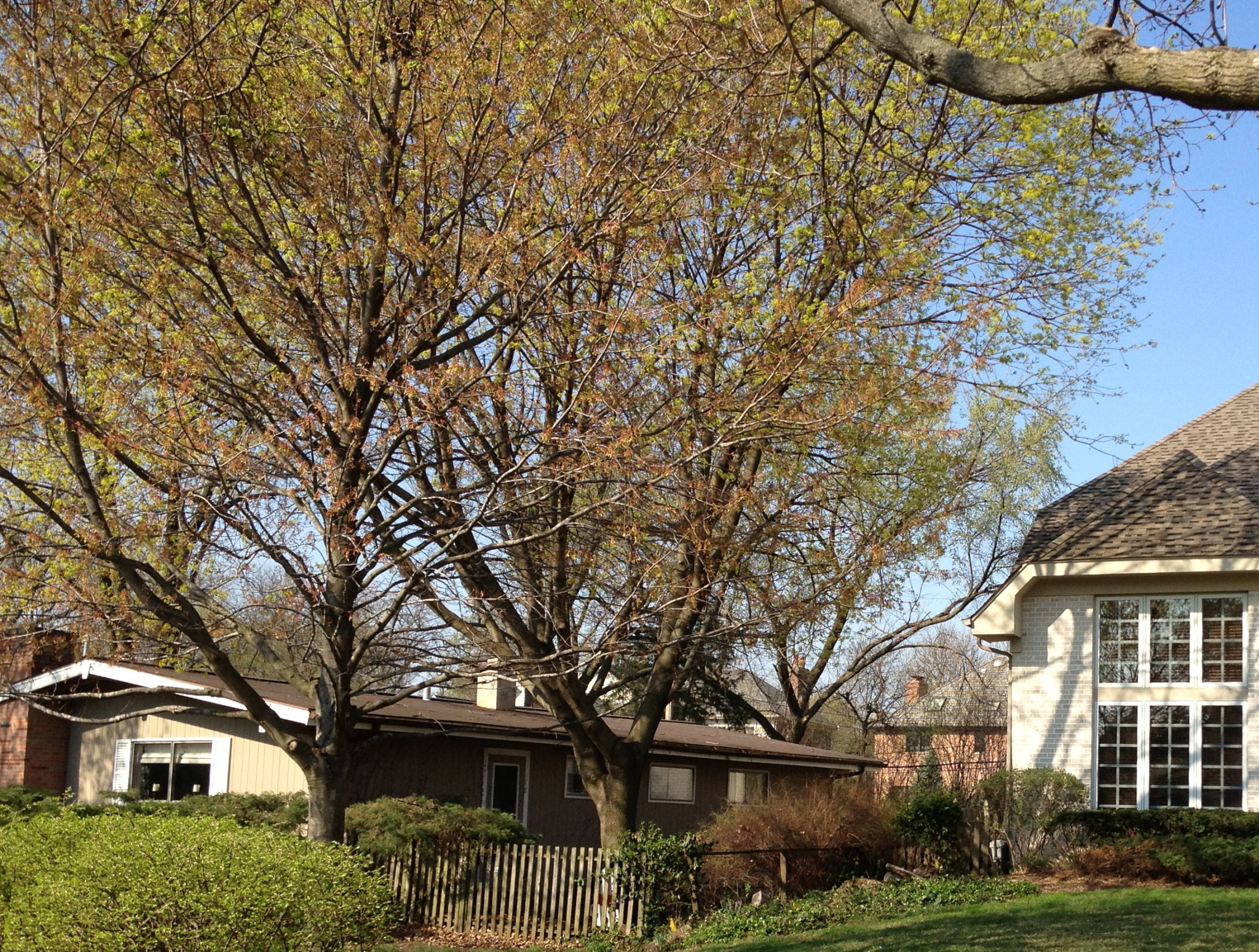
Little did we know that a self-planted maple was growing right next to it in my neighbors yard. It grew extremely rapidly to become one of the biggest trees around the property. It was so dense that it created too much shade for the Austrian Pines to grow properly (and killed off all her shrubs as well). So, last year we finally threw in the towel and had our trees removed to try and fix up this very noticeable part of the garden and house. In the process, we also took out the creeping junipers that were half dead as well from lack of sun.

IMG_4062

IMG_0375 - Version 2

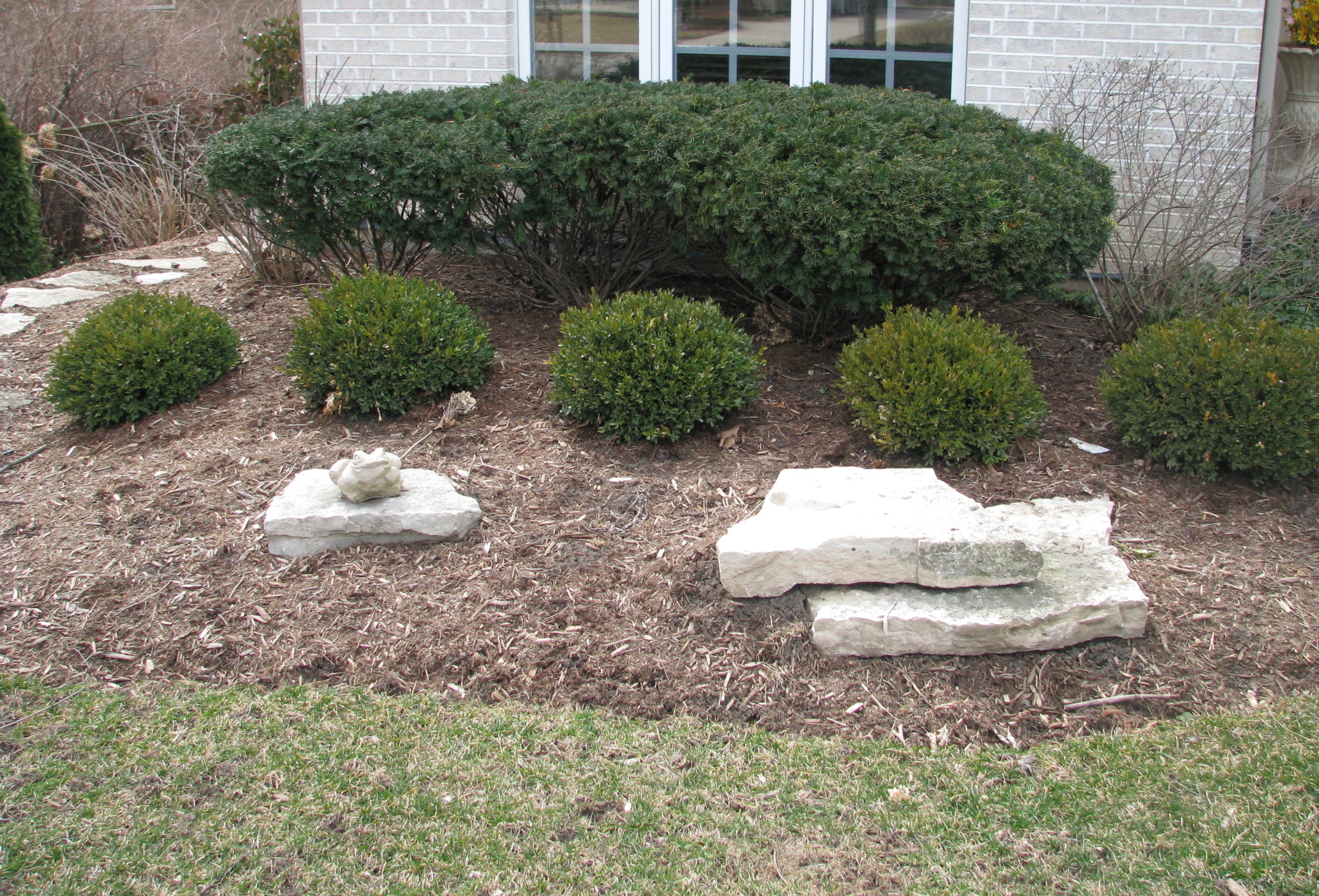
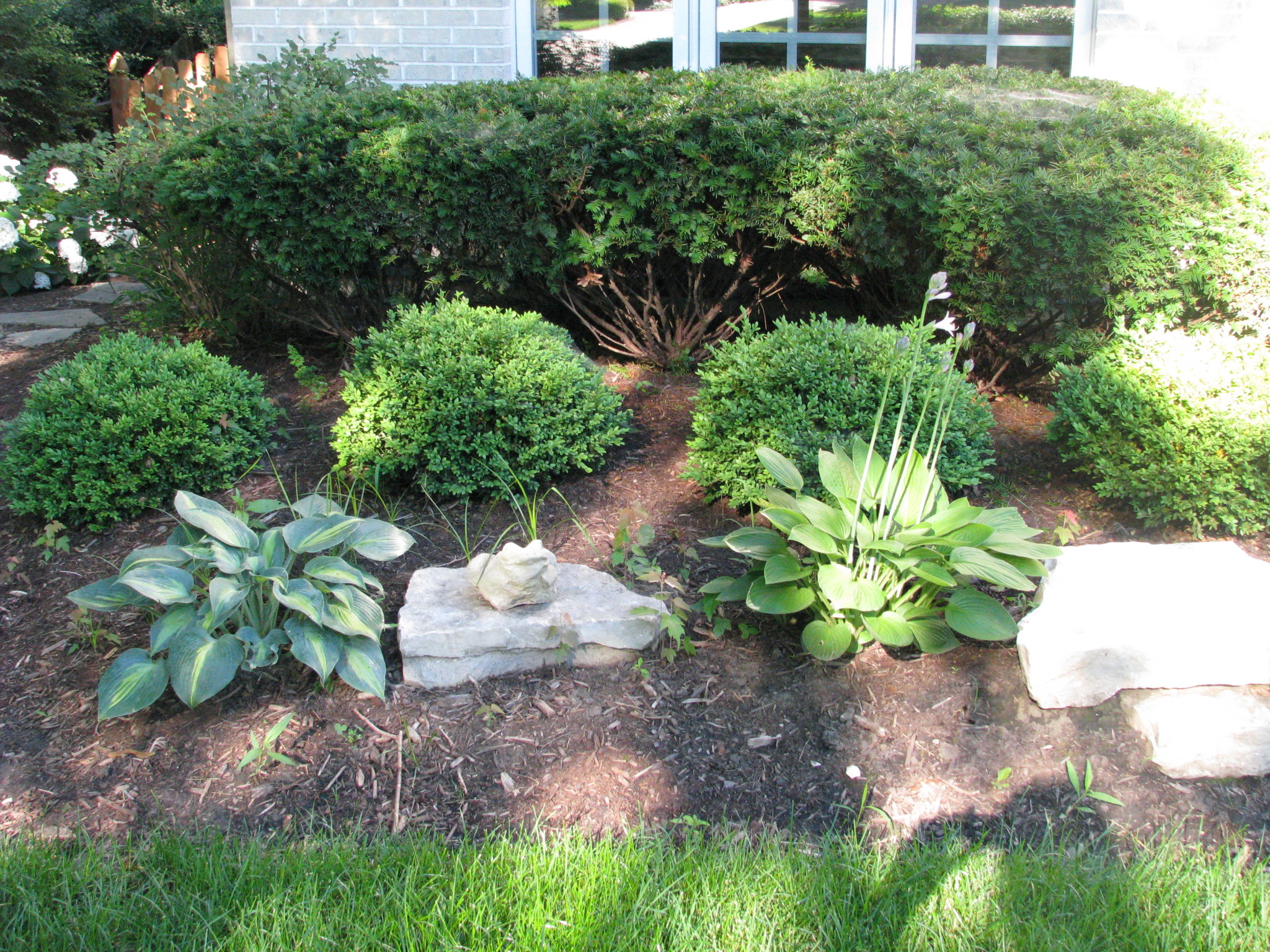
In the new garden we wanted some type of visual distraction from the neighbors fence since that’s where your eyes would go as you walk up the front walk. But, also wanted to keep it fairly low budget and therefore decided on 3  Arborvitaes. They’re one of the few evergreens that will tolerate shade, although their growth will be very slow. We didn’t want a full privacy hedge, just something to distract your eyes.  We happened to have 4 Annabelle hydrangeas on the side of the house that are far too big for the space and by mid season flop over into the main brick walkway to the back of the house. In this new shade garden we created, the hydrangeas would be a perfect plant. They can obviously tolerate the shade and can finally just grow as they want in an appropriate space. Of course, to fill in the rest, I moved some hostas from elsewhere in the yard. We also had some boxwoods added to give the space a more finished, less wild look.

IMG_0703

IMG_0801

IMG_2792

IMG_5512

We think this was a great improvement to the front yard. The only problem we had was that everything was planted/transplanted right before the drought hit last summer. I did a lot of watering to keep all the plants alive and they all survived the drought and the winter.