Uh Oh, Frost in MI Last Night

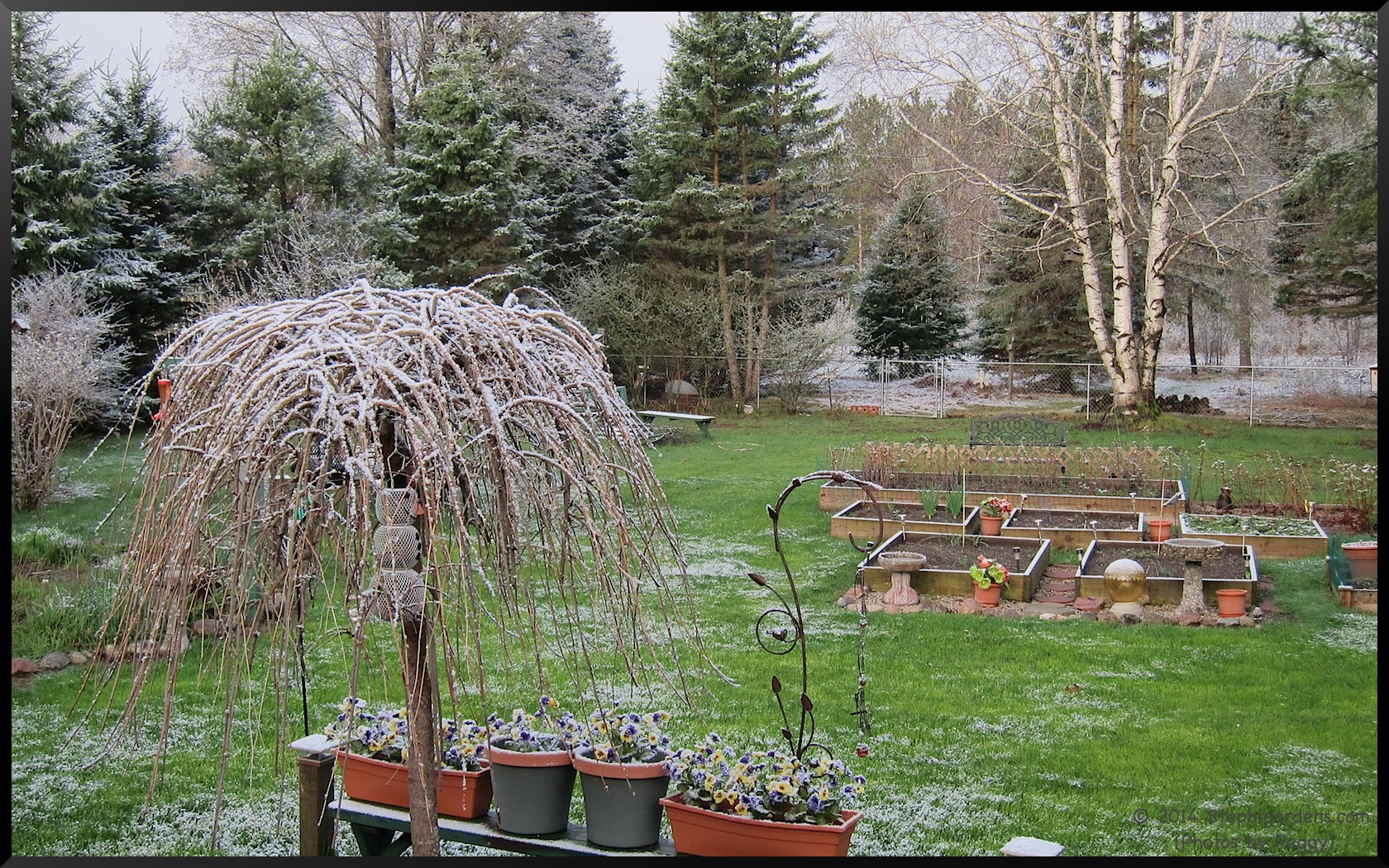
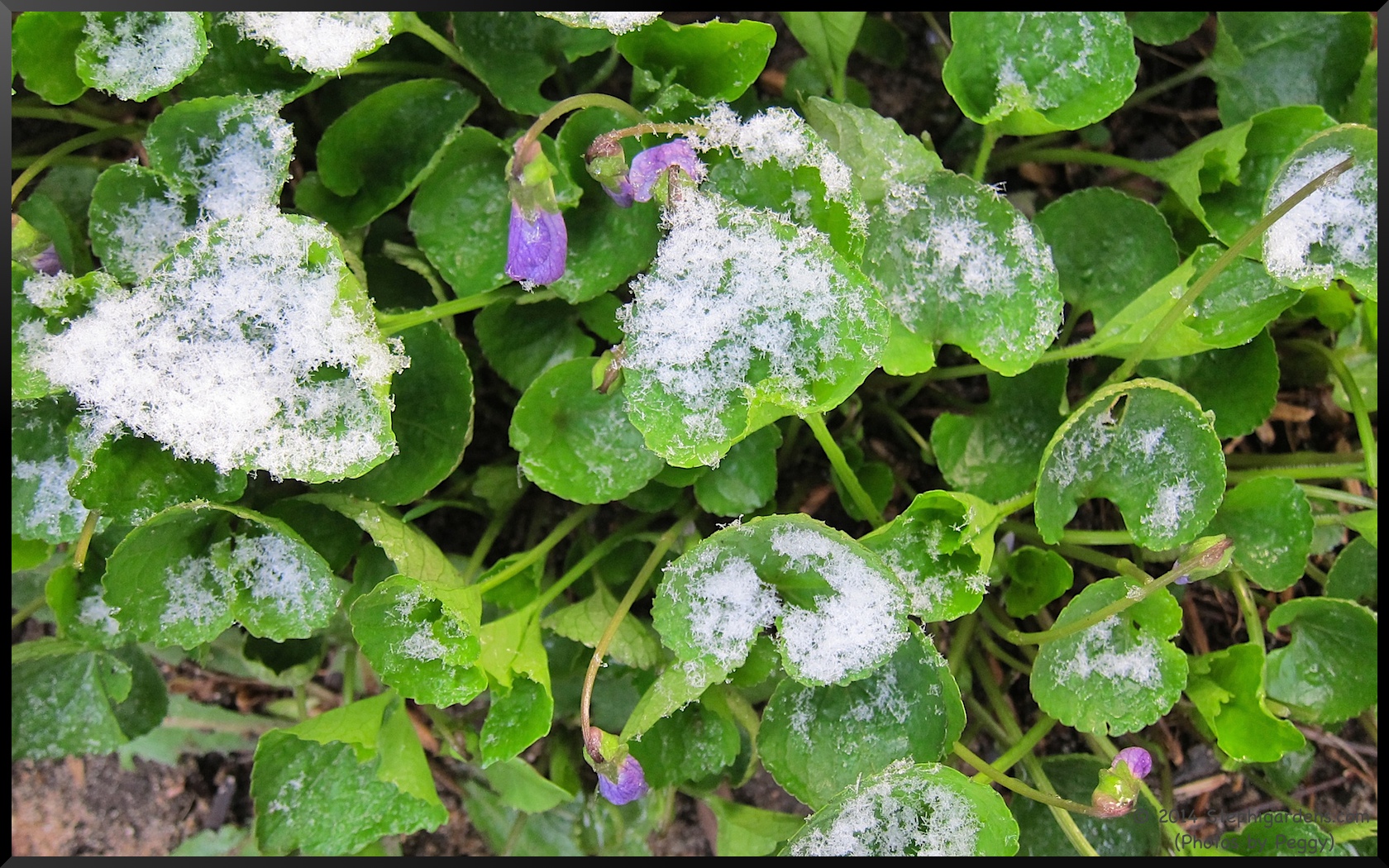
Last night the temperature at my mom Peggy’s house was predicted to get down to the low 30’s.  That means frost was a real possibility. If you saw her gardens in my post a couple of days ago (Gardening: All in the Family), you know her plants are well underway and many not able to survive a first.  So what to do?

Every plant has its own tolerance to cold.  Zinnias, Impatiens, Petunias?  Forget it, they like it warm.  Cold weather vegetables, strawberries, perennials?  Maybe leaves and flowers damaged initially, but they’ll be just fine.  The seed packet or container tag will give you some insight into what they can tolerate.  When in doubt, cover them.
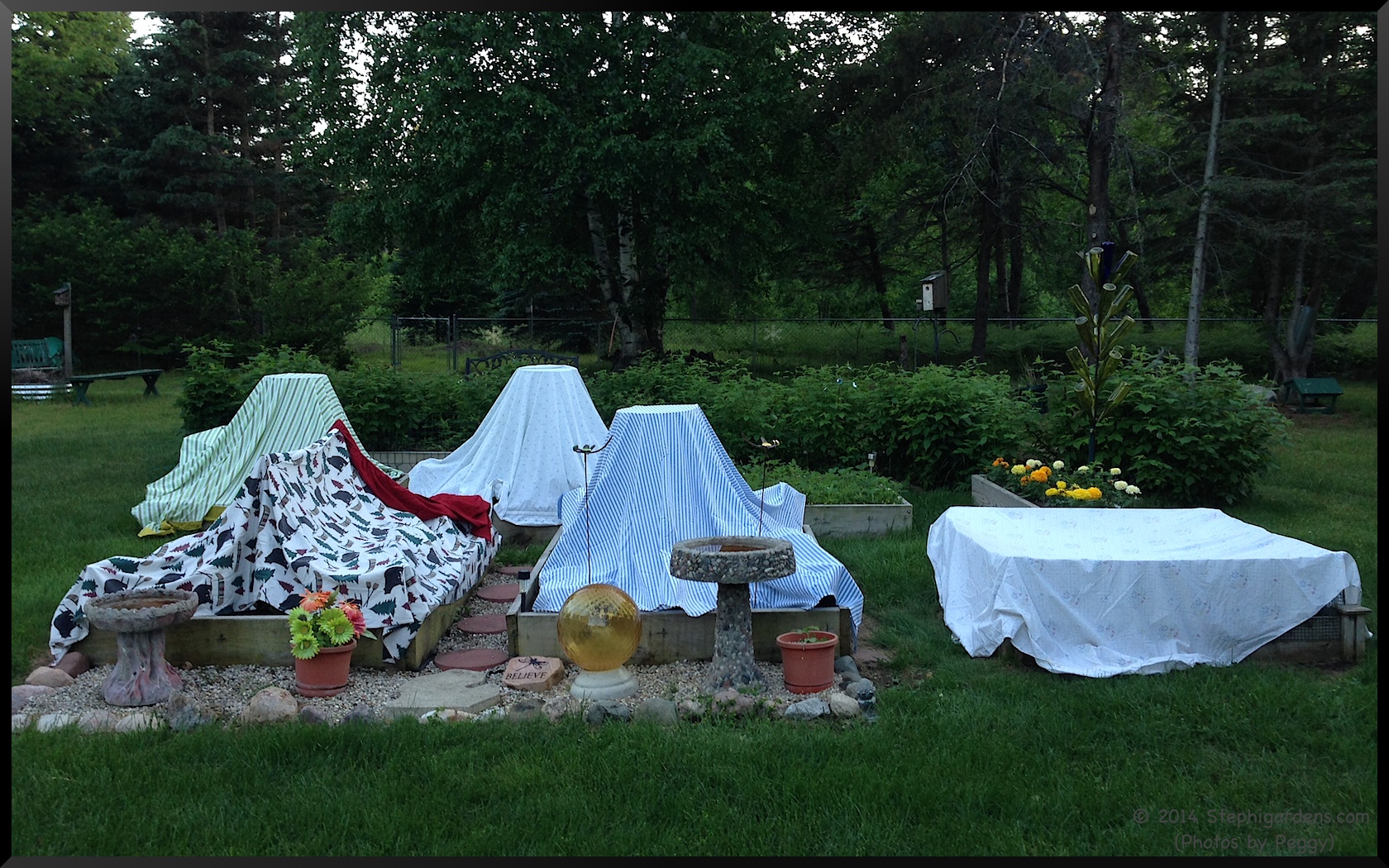
garden frost

If you know that the plants are likely to be damaged by an overnight frost, you need to cover them with a sheet or blanket.  My mom has a whole collections of sheets just for this purpose.  By tenting the sheets over the garden, it creates a warm air pocket around the plants.  If it’s thought to be colder than a light frost, you can add a a layer of plastic over the blanket to trap even more warm air (never right on the plants).  Be sure to remove the coverings first thing in the morning before condensation starts to form on the inside.  If still cold enough, the moisture could freeze on the plants and cause harm as well.  An actual freeze requires even more elaborate weather protection, or you may just need to sigh and start over.

Then say a little prayer and hope for the best.  Peggy’s plants looked good this morning.  It did get down to 31°, but warmed up quickly once the sun came up.  Hopefully that’s it for the cold weather.
Gardening: All in the Family

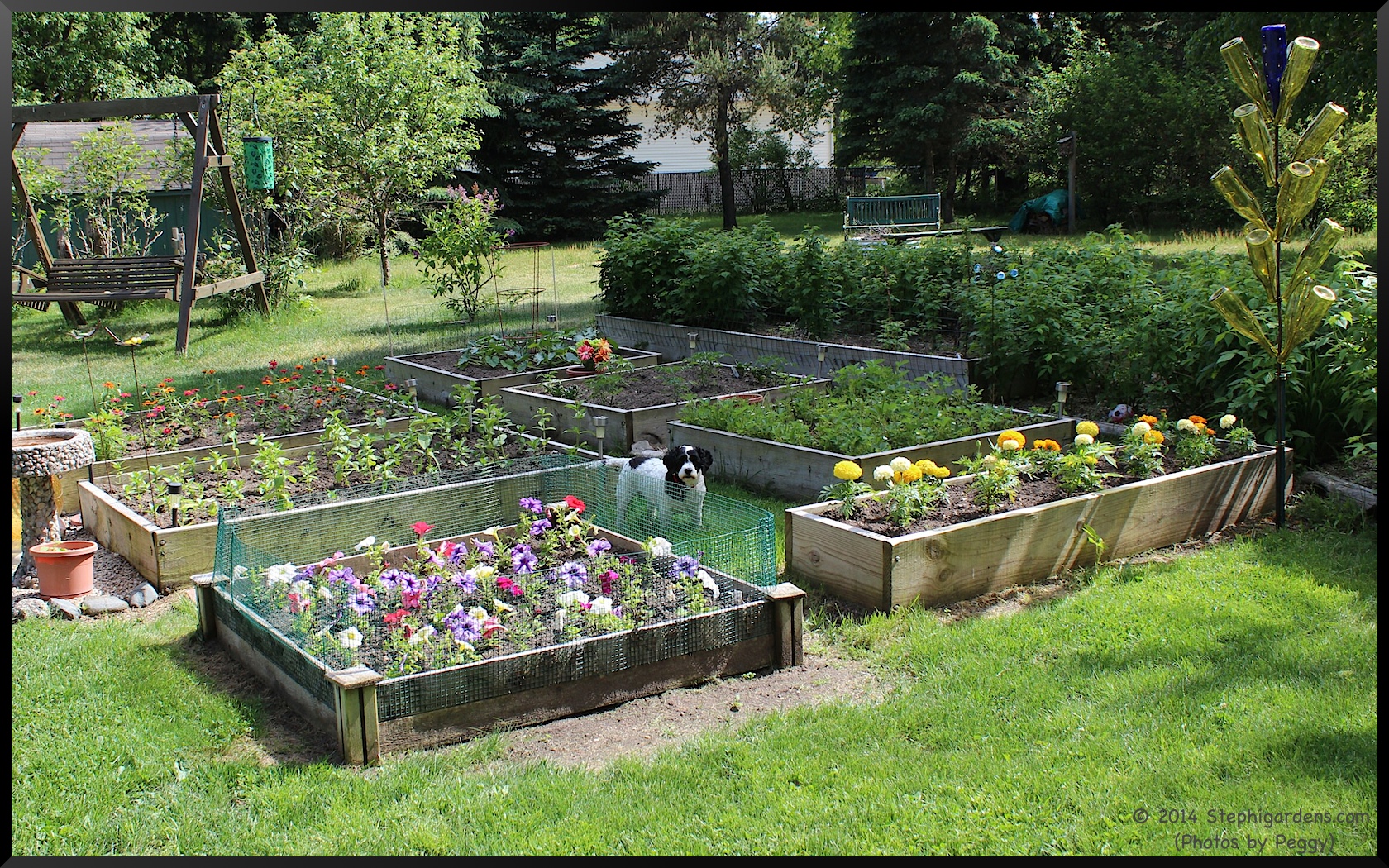
For as long as I can remember my mom had vegetable and flower gardens, sometimes big, sometimes small.  So did my grandparents.  All this interest in growing things rubbed off on me and hopefully I’ll pass it on to my kids.  With that in mind, I had my mom and daughter take us on a tour of their June gardens.  First my mom, Peggy, in northern Michigan.

So lucky to have the space of all these raised beds (check out all the raspberries in the back!).

photos by peggy

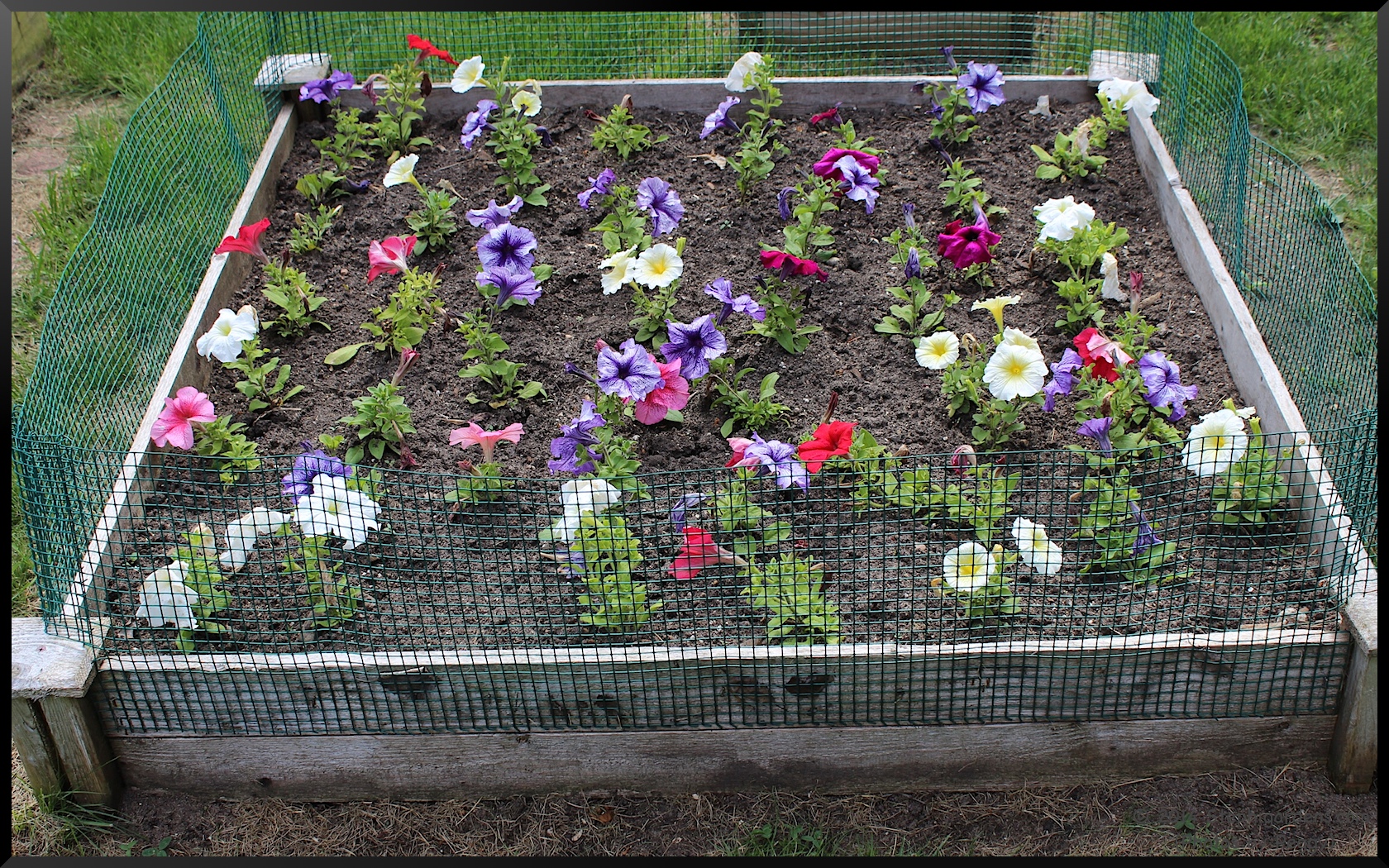
 Petunia garden protected from the rabbits

photos by peggy/stephi gardens

Zinnias!

photos by peggy/stephi gardens

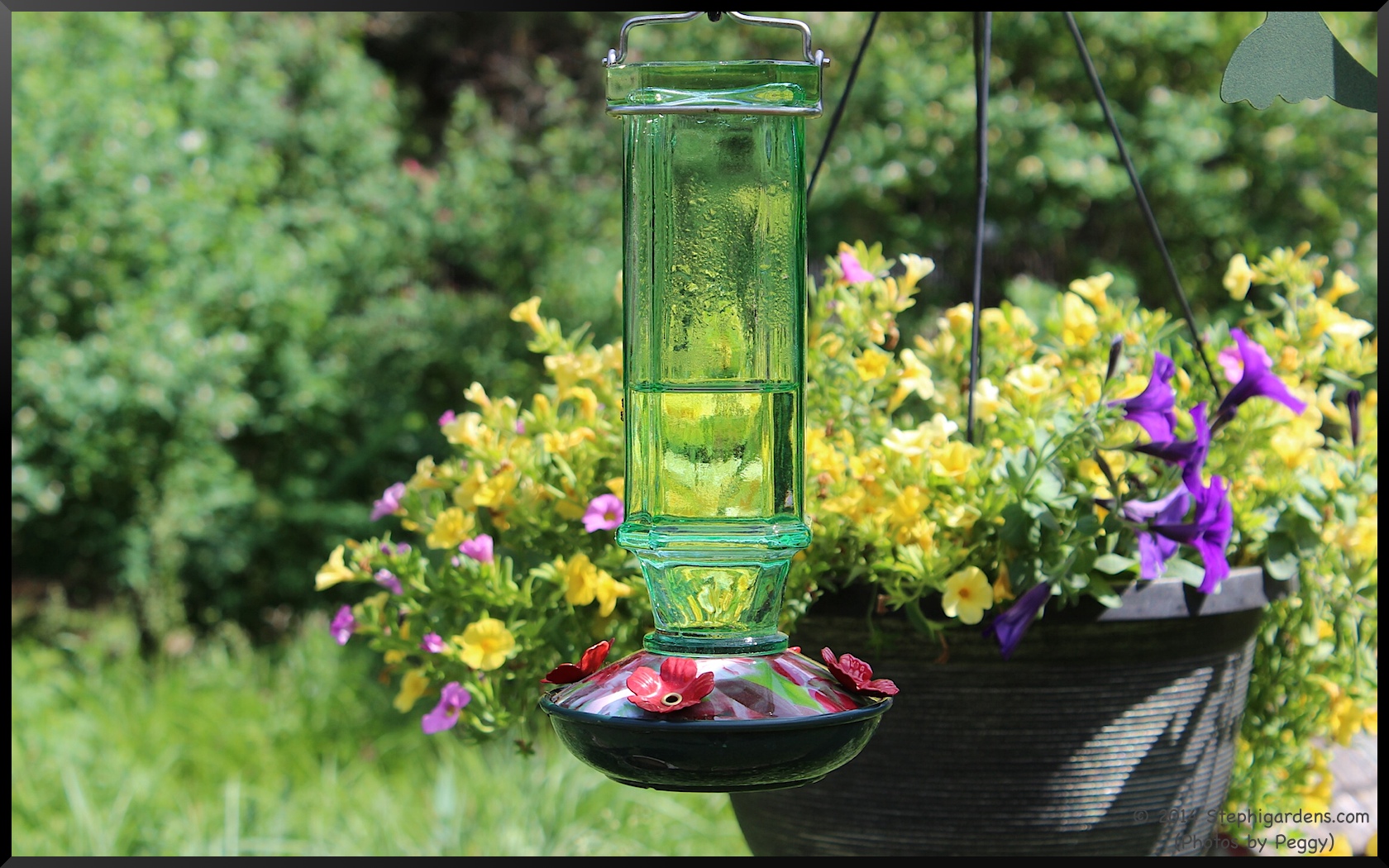
Hummingbirds are enjoying the flowers right now.  Soon they’ll be looking for some extra food.

photos by peggy/stephi gardens

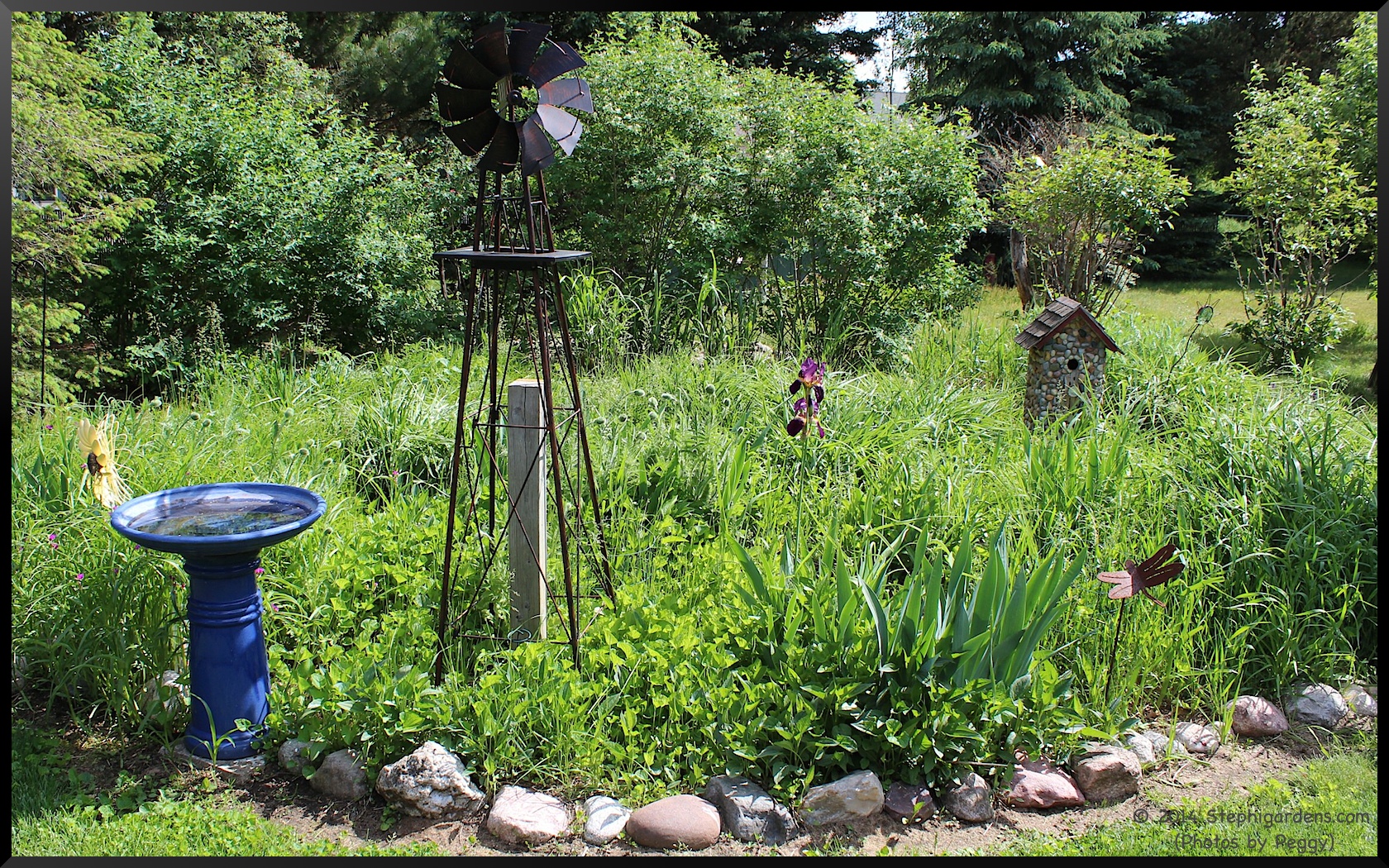
A more natural garden.

photos by peggy/stephi gardens


photos by peggy/stephi gardens

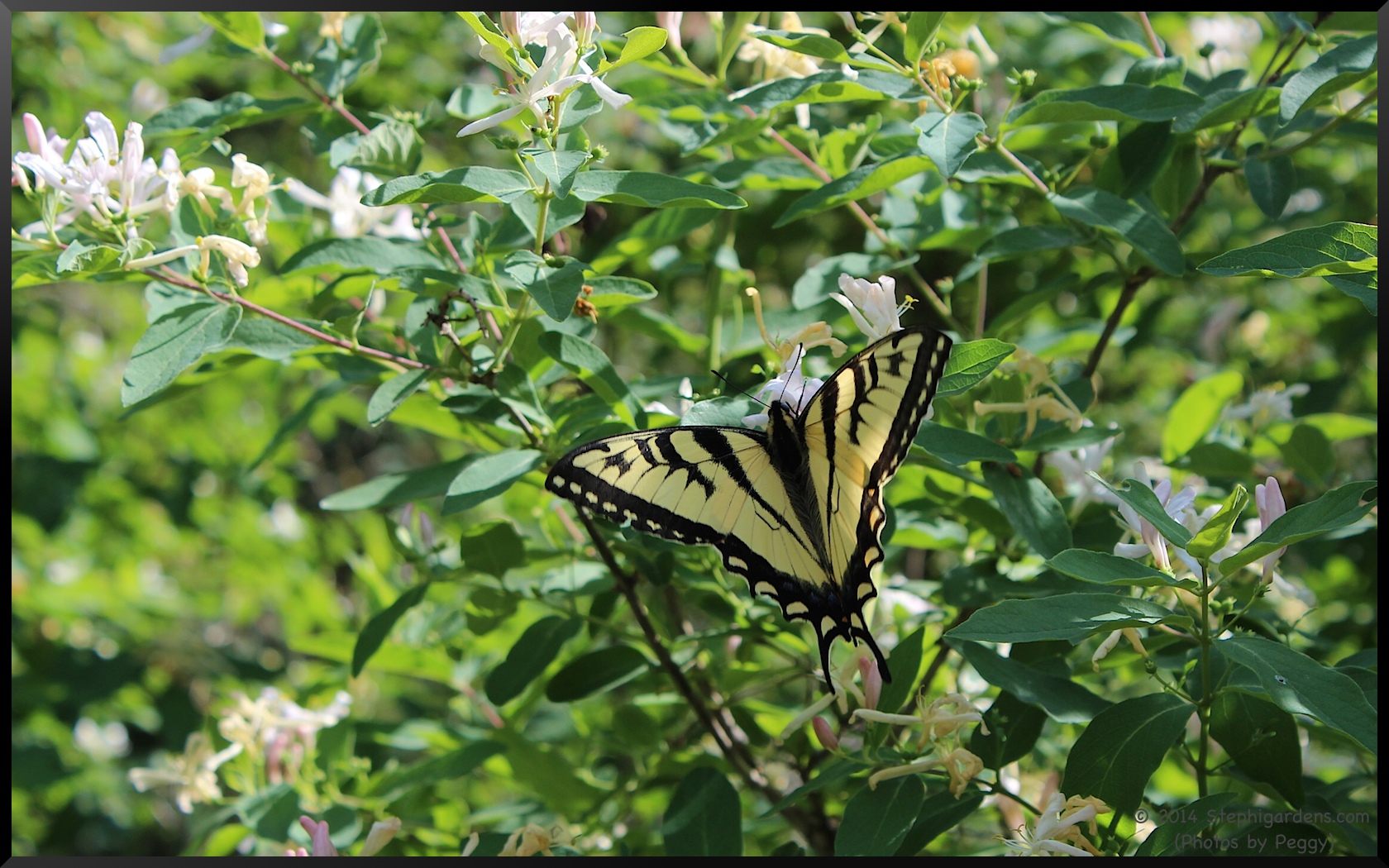
A lovely visitor–Tiger Swallowtail

photos by peggy/stephi gardens

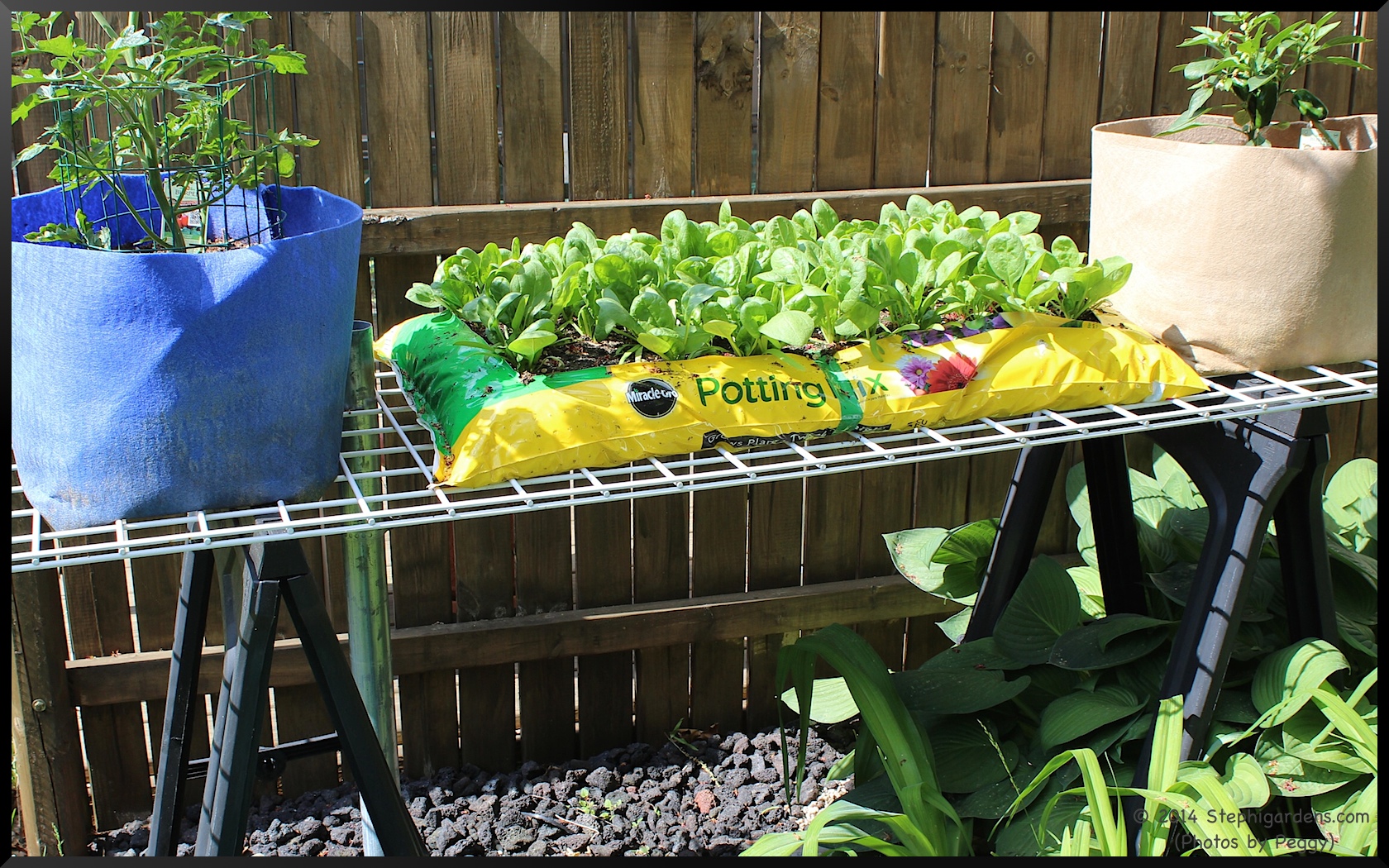
Salad in a bag!

photos by peggy/stephi gardens

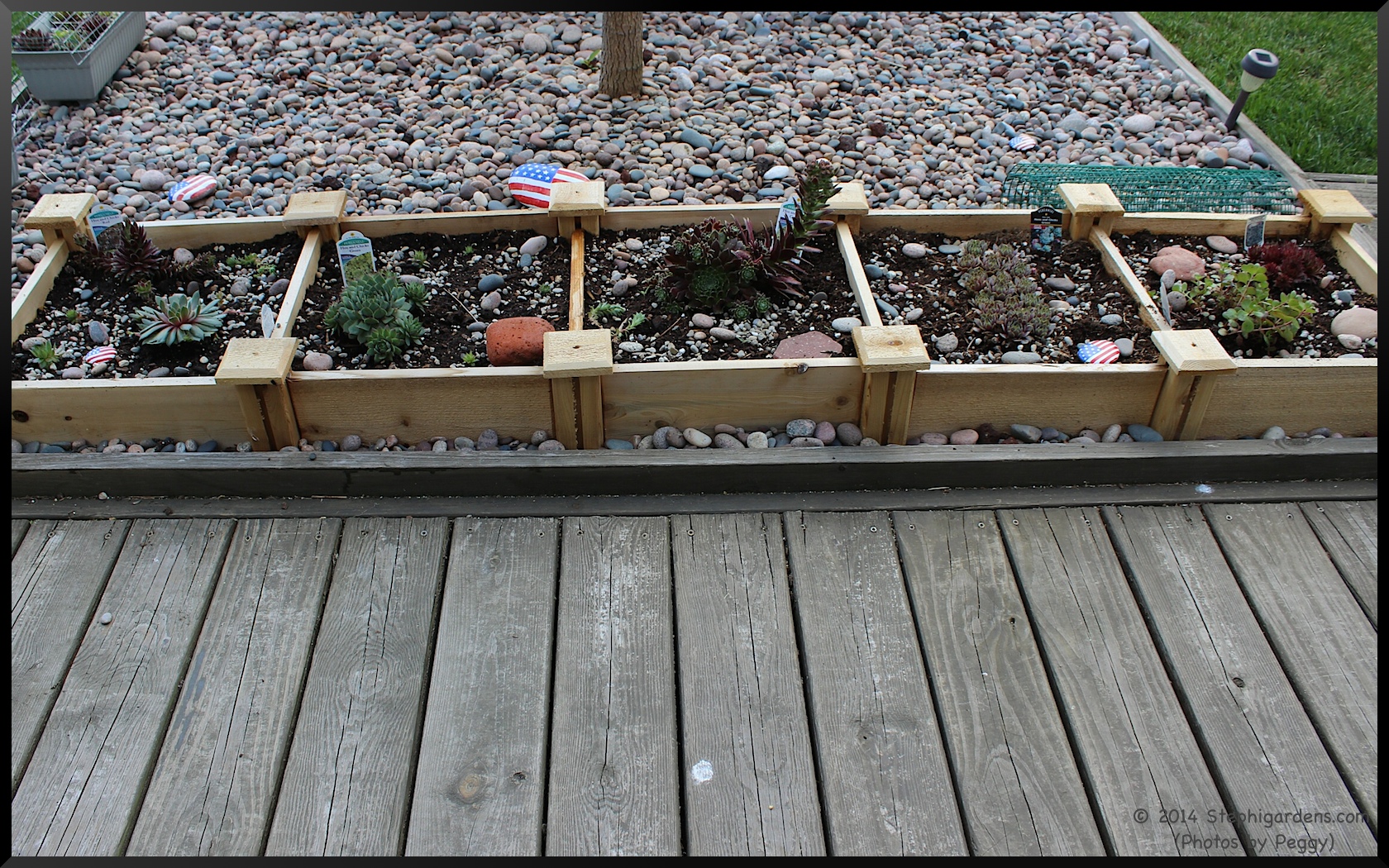
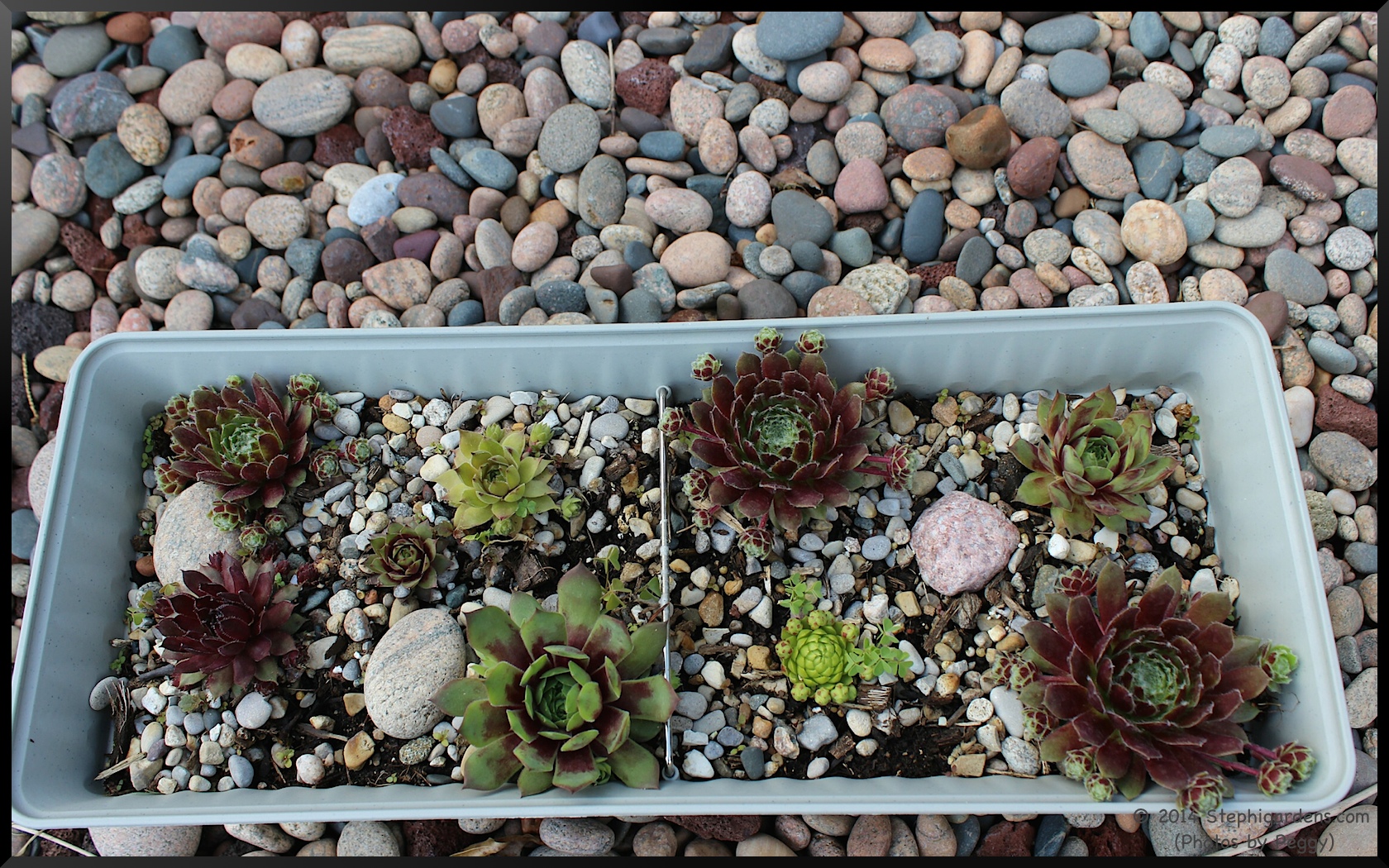
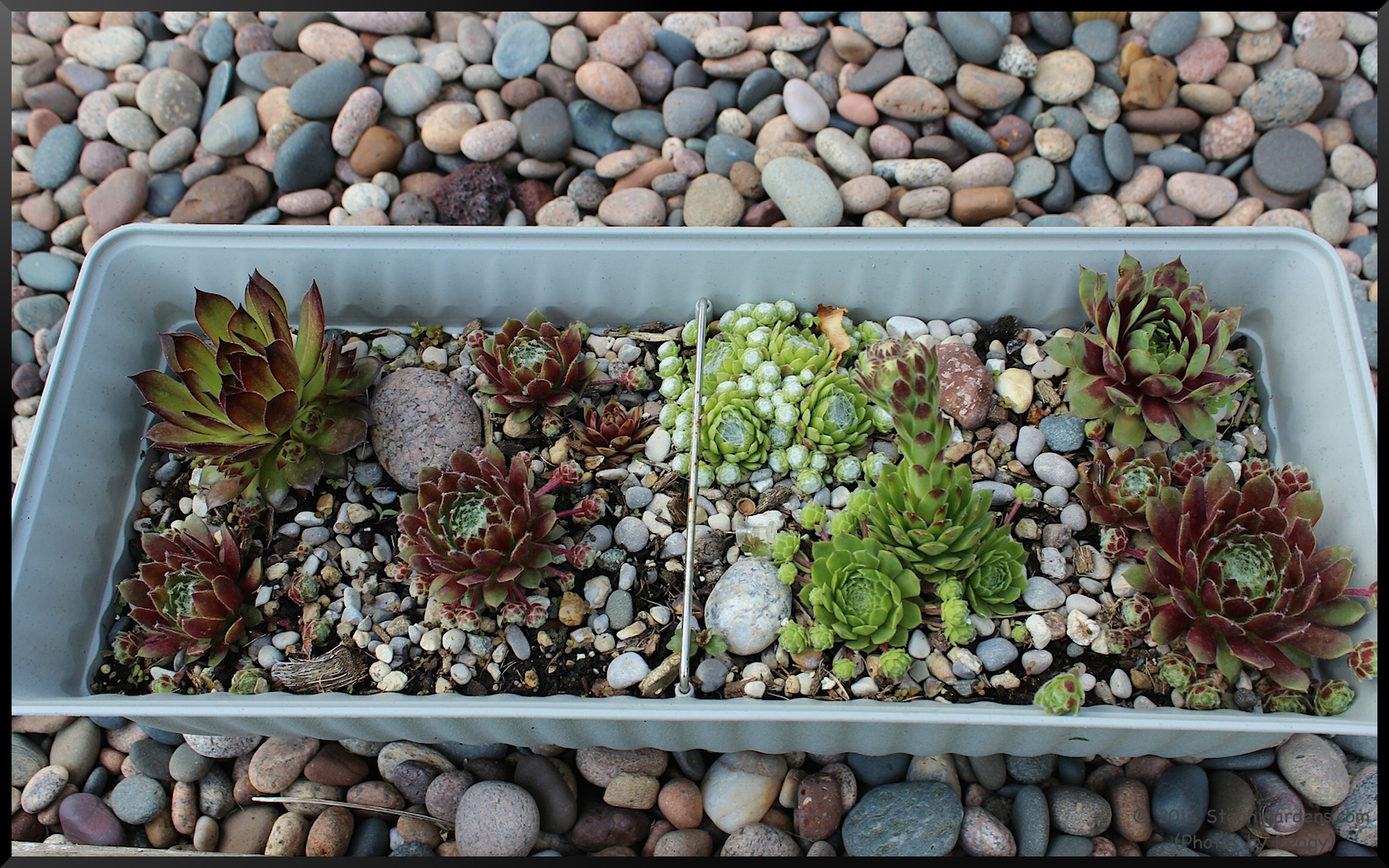
 Succulents!  This is a creative work in progress. I can’t wait to see what she does with this.  I know she’s got some great ideas.

photos by peggy/stephi gardens


photos by peggy/stephi gardens


photos by peggy/stephi gardens

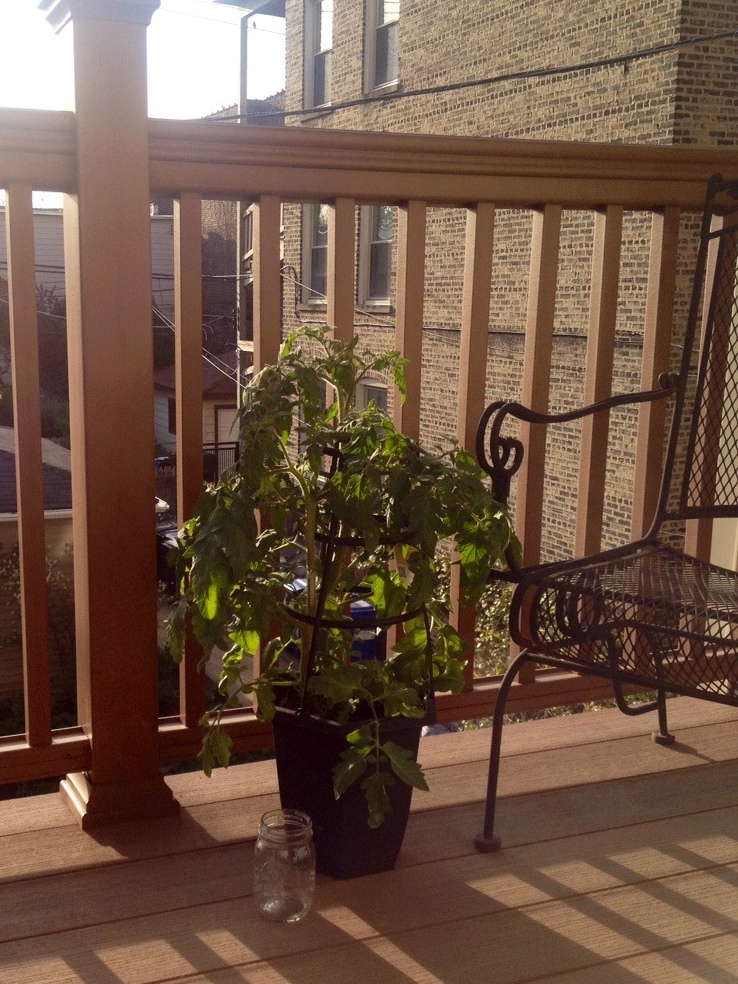
My daughter Emily lives in an apartment with some friends downtown.  When we were talking earlier in the spring, she was complaining about the price of tomatoes.  Soon after that, I happened to see a great looking potted patio tomato plant that would fit on her porch.

stephi gardens

She couldn’t have been more excited and has taken lovingly care of this plant.  It gets a hello and a glass of water from the mason jar every morning.  Recently I got a text that read “Mom!  2 of my tomatoes hatched!”  I hope they grow big, red and juicy for her.  I think she’ll be hooked then.

Do you have someone who inspired you, or have you inspired anyone else to garden? 

A View of the June Garden-Front yard

Yesterday, the backyard, now on to the front yard…

This is the area of biggest change.  In preparation for new construction, all the trees next door were taken down in early April.  We knew this was likely at some point (see Problem Areas) and had tried to plan ahead.  This garden contains arborvitae, annabelle hydrangeas, hostas and some annuals.  It went from almost full shade to full sun.  So far so good.  

Stephi Gardens

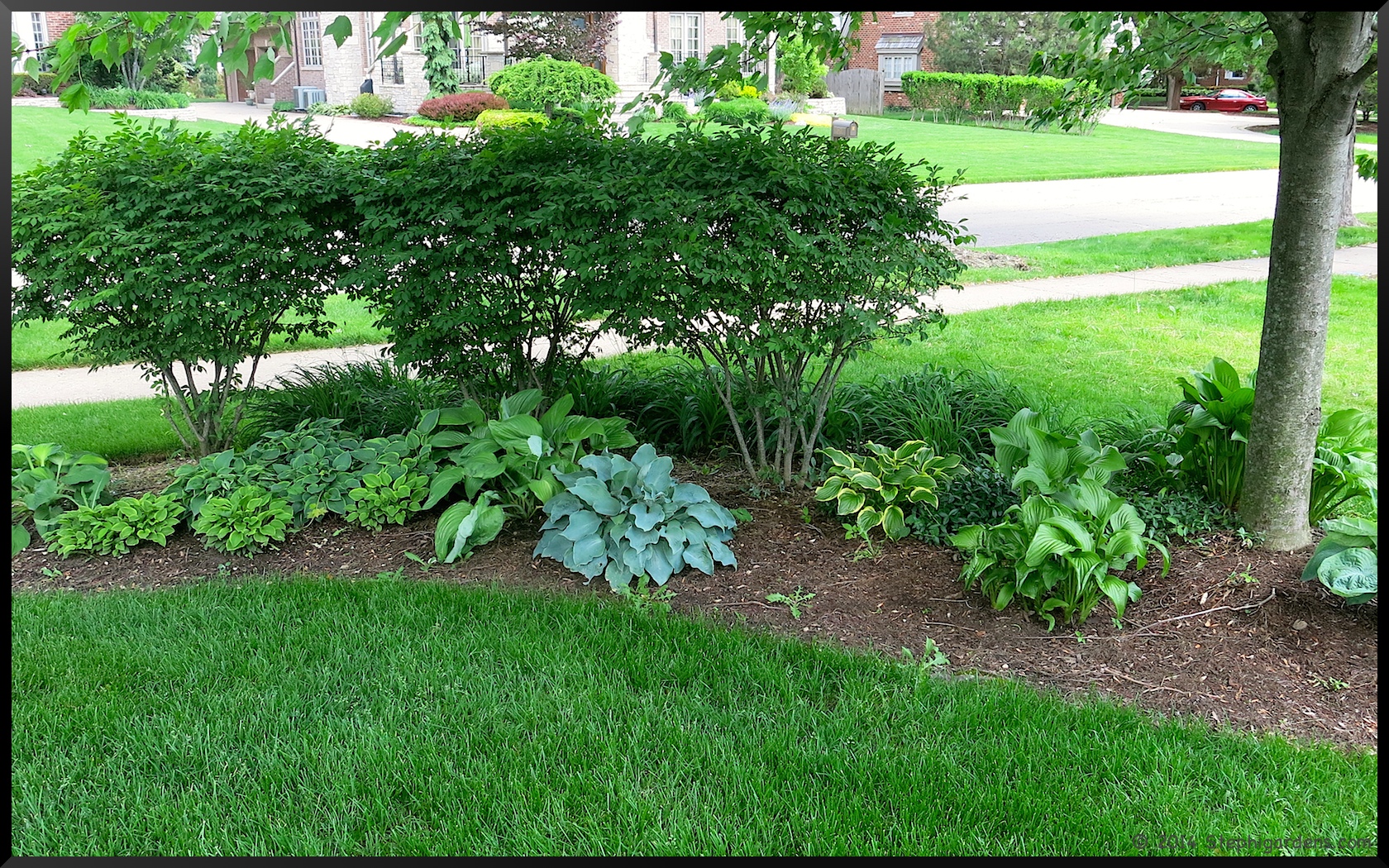
Under an Autumn Blaze Maple, we have some burning bushes, hostas, and daylilies.   

Stephi Gardens

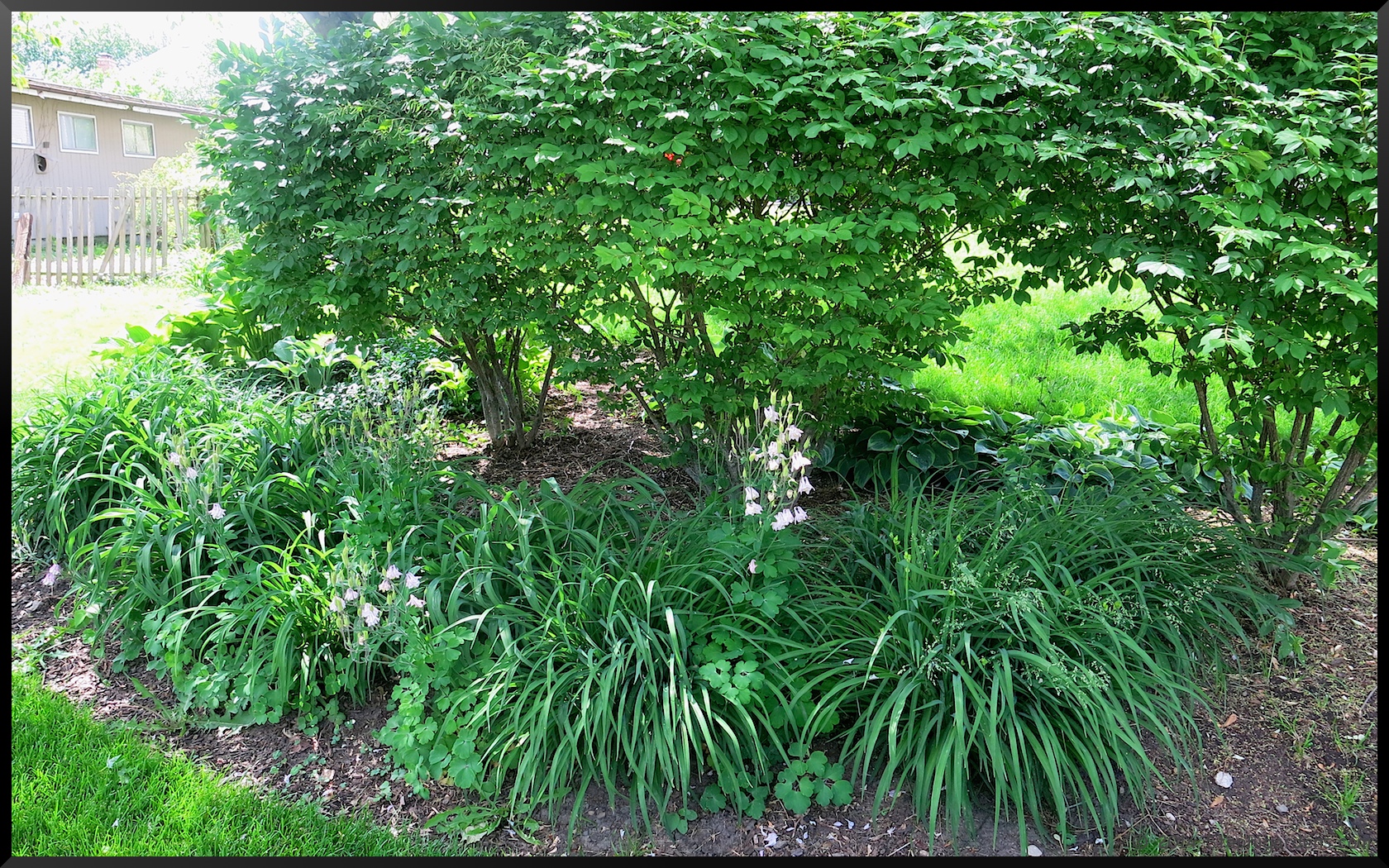
Also some Columbines that have travelled from the backyard.

Stephi Gardens

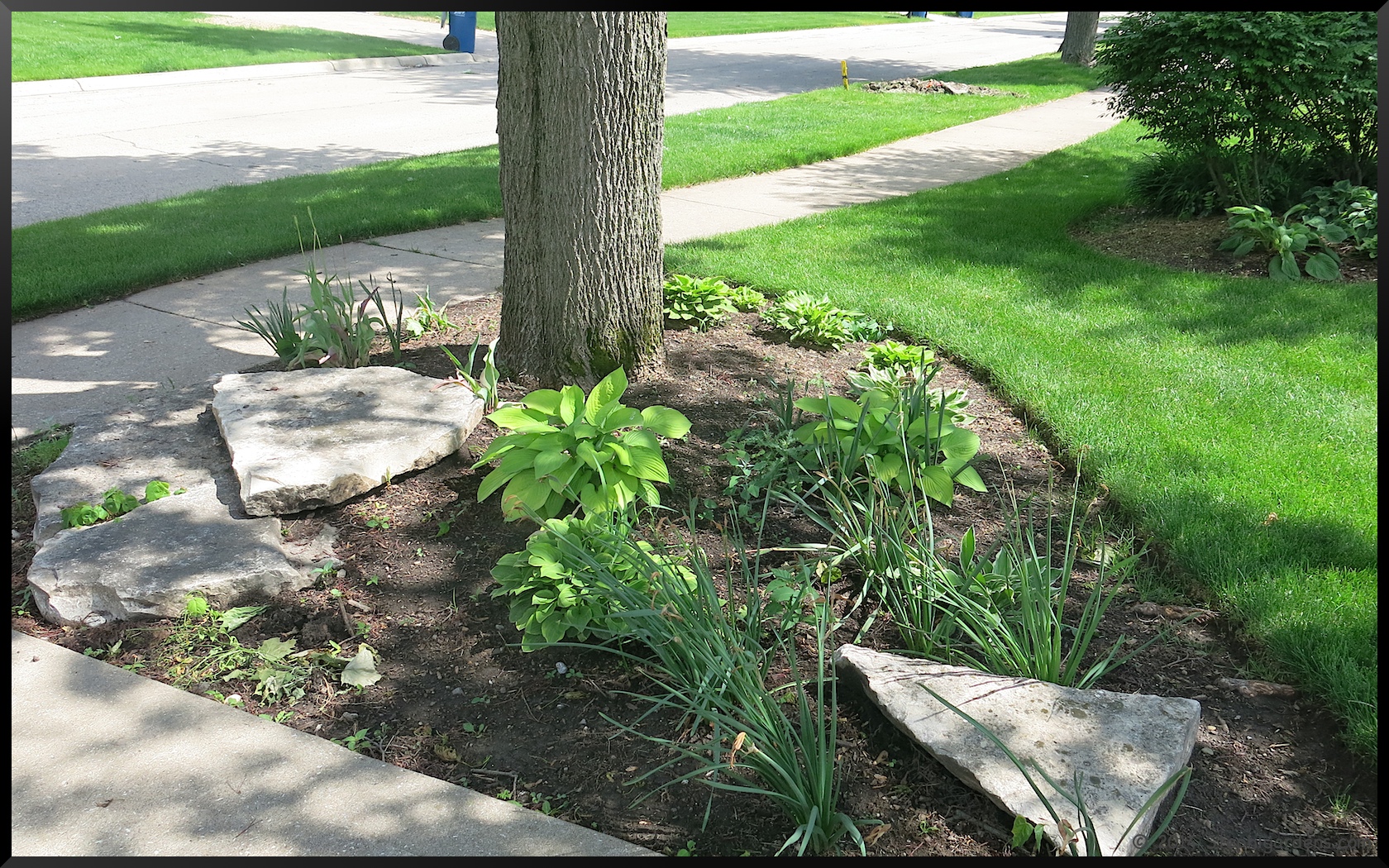
This was another problem area where nothing seemed to grow under a mature maple.  I was happy to see the hostas I planted last year came back nicely.  When I split some more, I’ll add them to continue to fill in the space.  We are a little worried about the health of this parkway maple. It’s pretty old and showing a lot of signs of being unhealthy.  But it’s still standing, for now.

Stephi Gardens

On the other side of the driveway, a few years ago a rather large maple fell down in a wind storm.  We replaced it with this Swamp White Oak (Quercus bicolor) that has finally seemed to take off after it’s brush with cicadas its second year.   Underneath are more densi yews, Russian Sage, daylilies and a burning bush.

Stephi Gardens

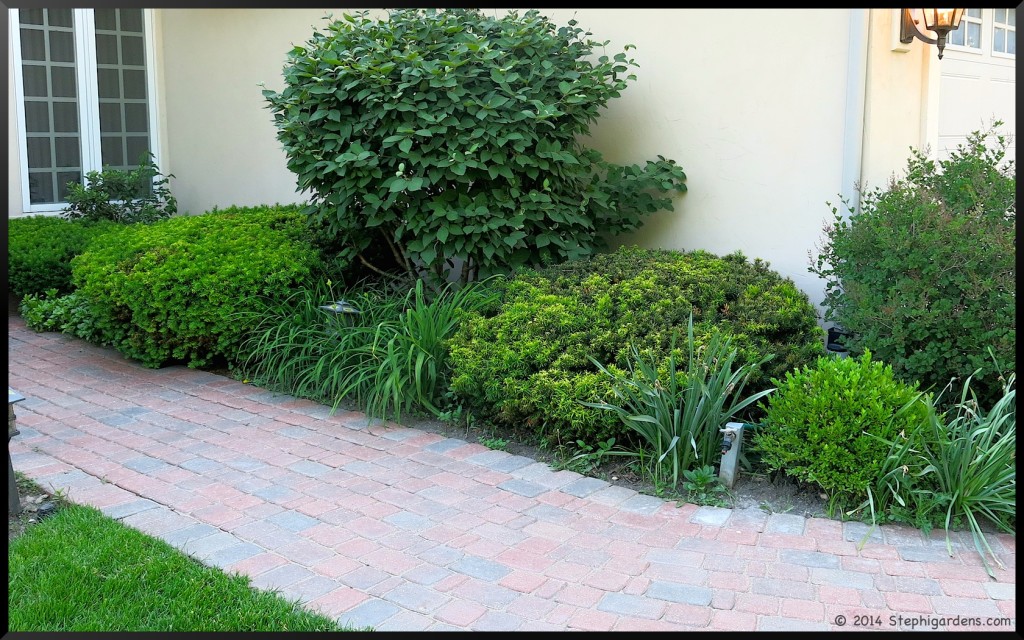
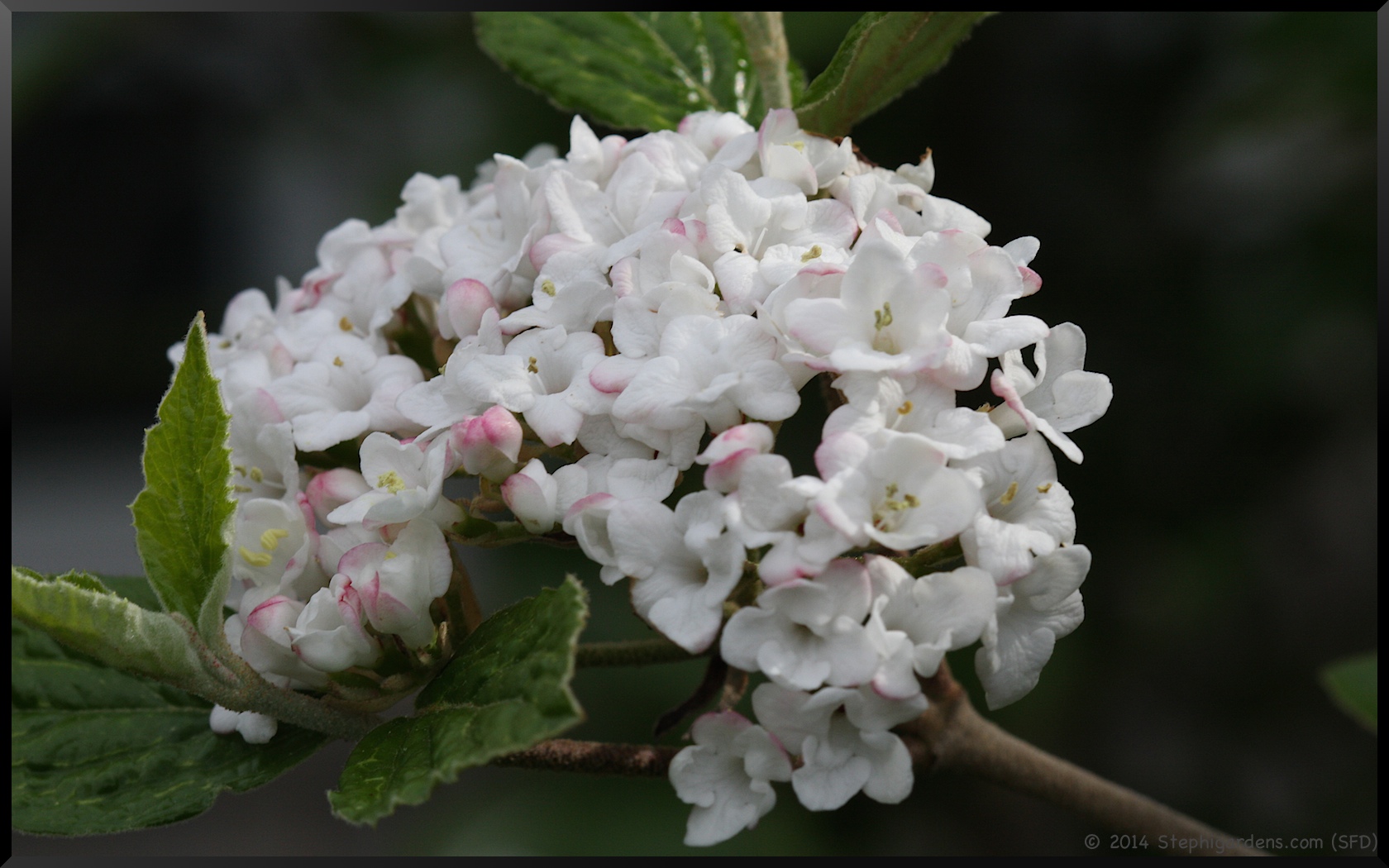
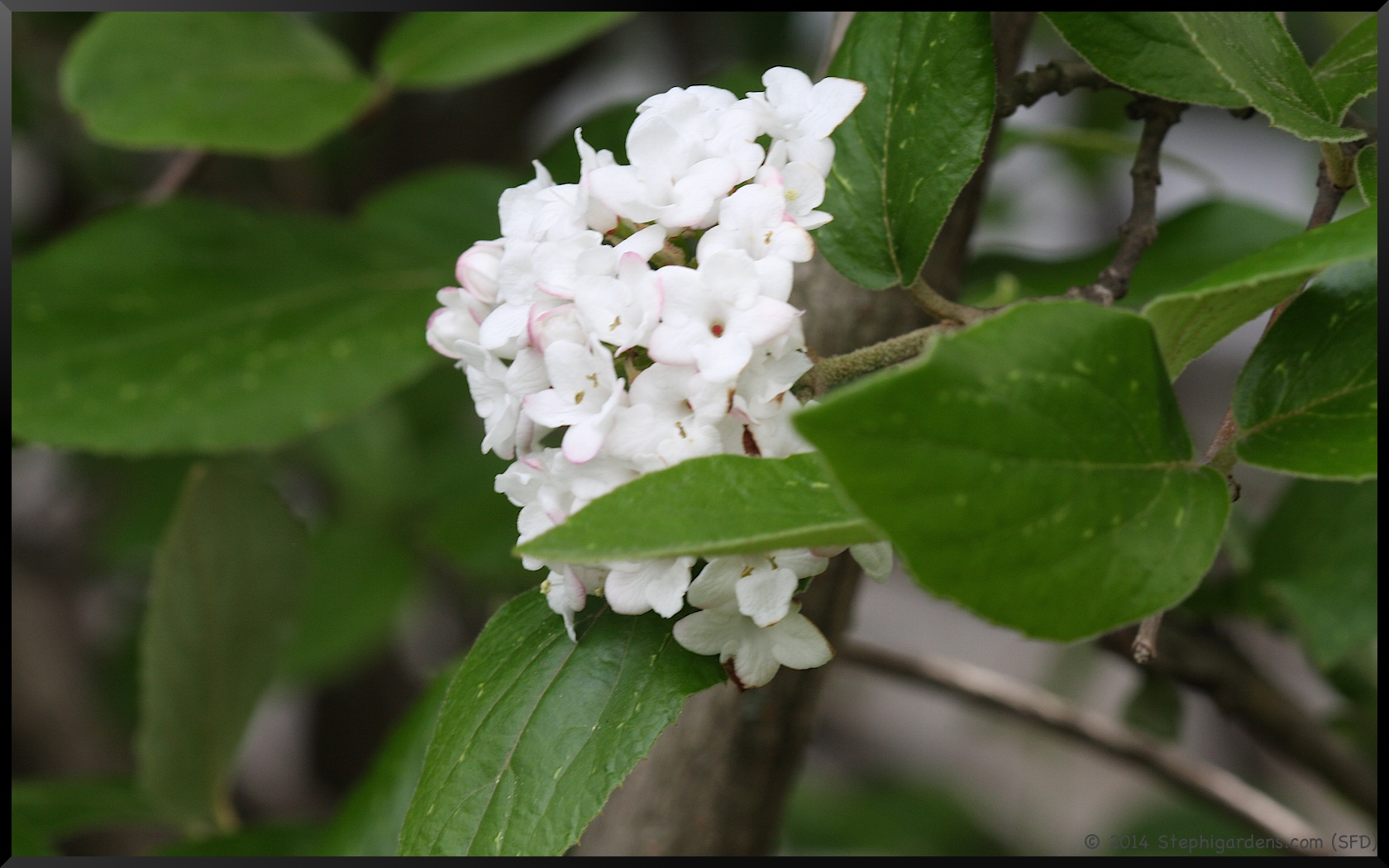
Back up to the house, there’s an awful lot of green since the Korean Lilac and Judd Viburnum have finished blooming.  The yews are a bit overgrown and the Rhododendron in the corner a bit spindly.  This may become the next area to fix up.

Stephi Gardens

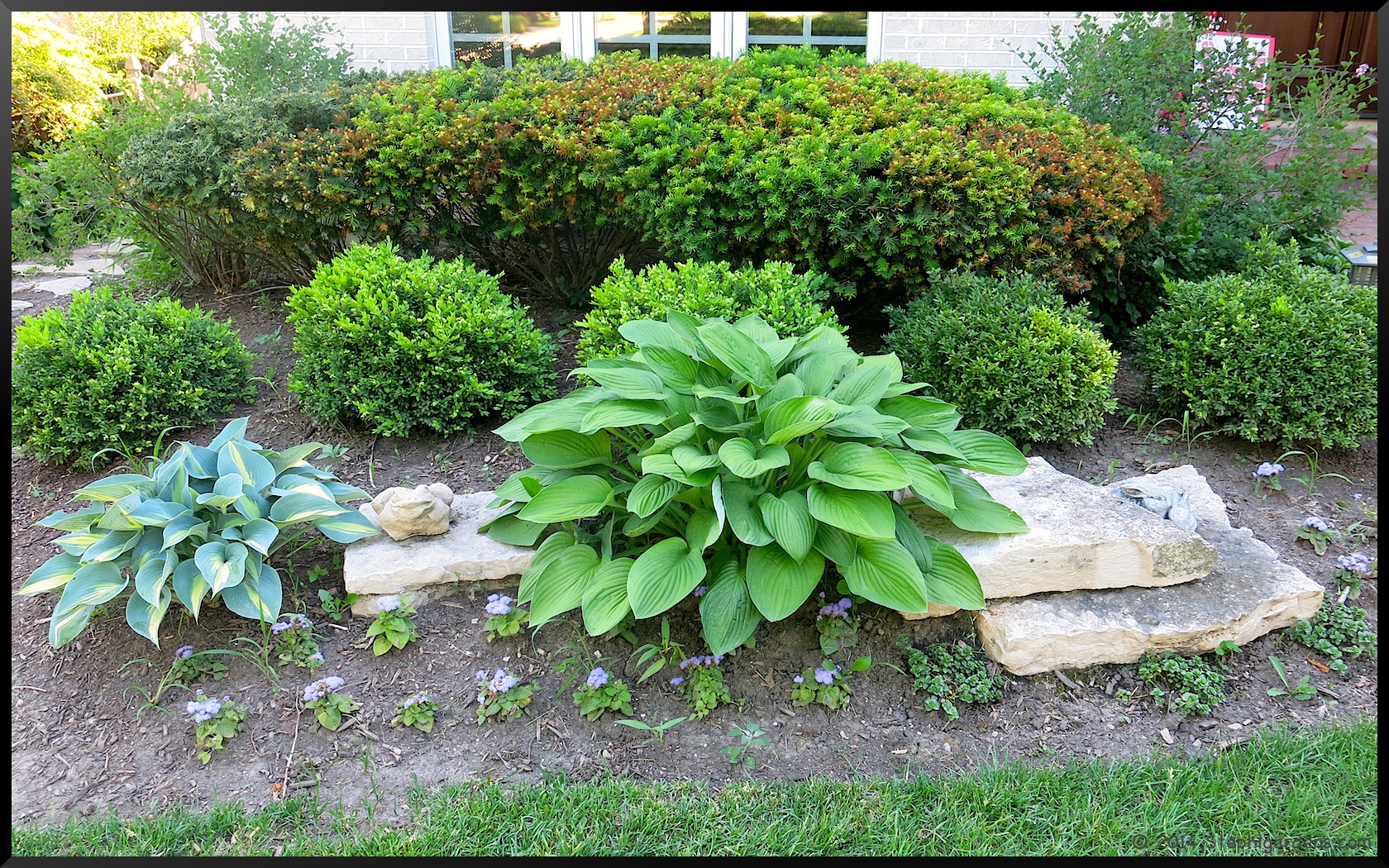
The yews took a bit of a beating this winter and will look fine after a trim.  The boxwoods and hostas are new last year and make a nice addition to the area (although the one hosta looks a little big for the space).  A little sprucing up and mulch and this area will be good to go.
Stephi Gardens

That’s most of the garden spaces that I write about and toil in.  Hopefully this summer will bring perfect garden weather.
 

SaveSave

A View of the June Garden-Backyard

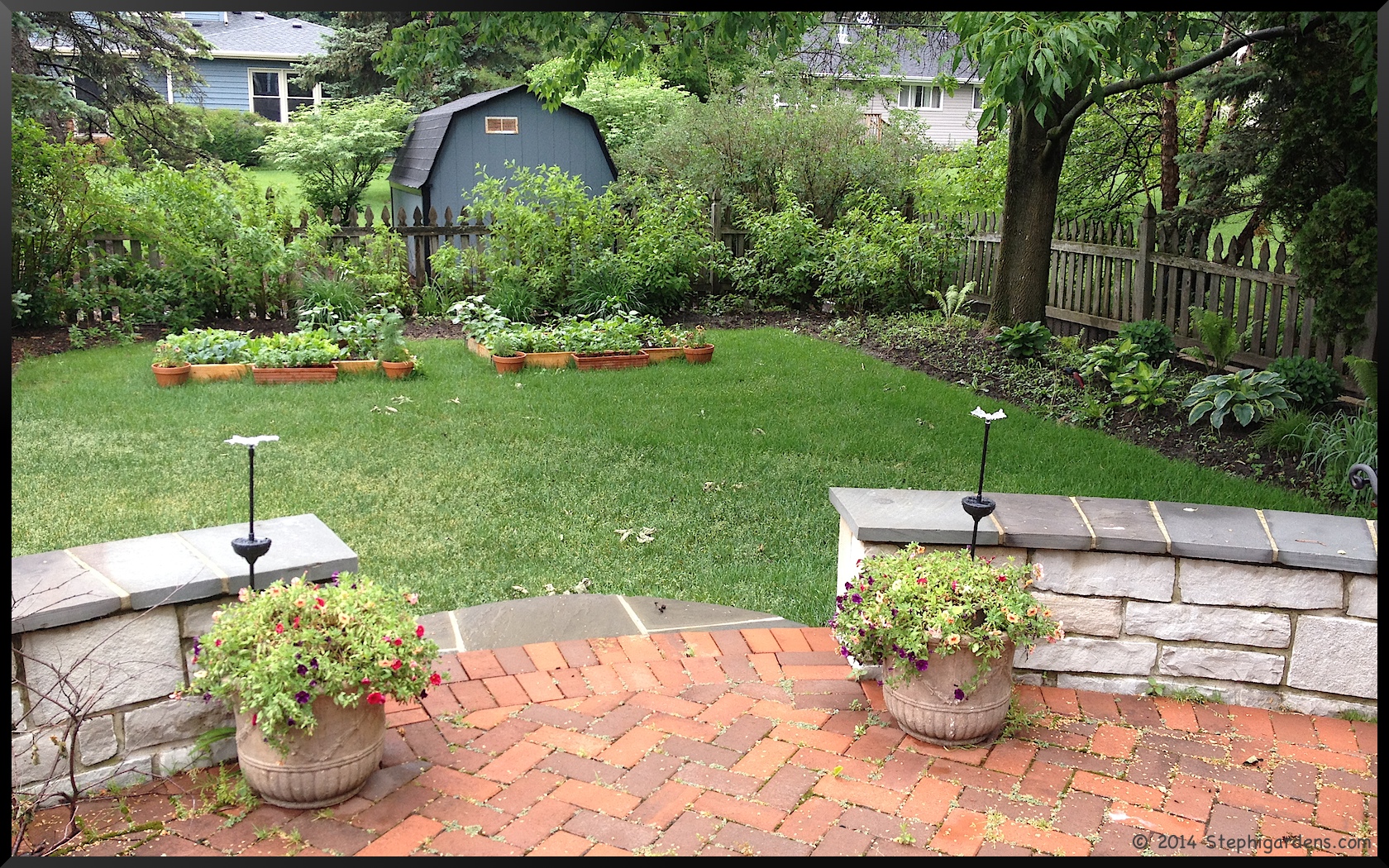
I took a tour of my yard today to see how everything was looking. Other than a little late, most things were looking quite healthy. It seems I’m often focussed on the “little picture”, so it was nice to just step back and look at the “big picture”.

Starting in the back…

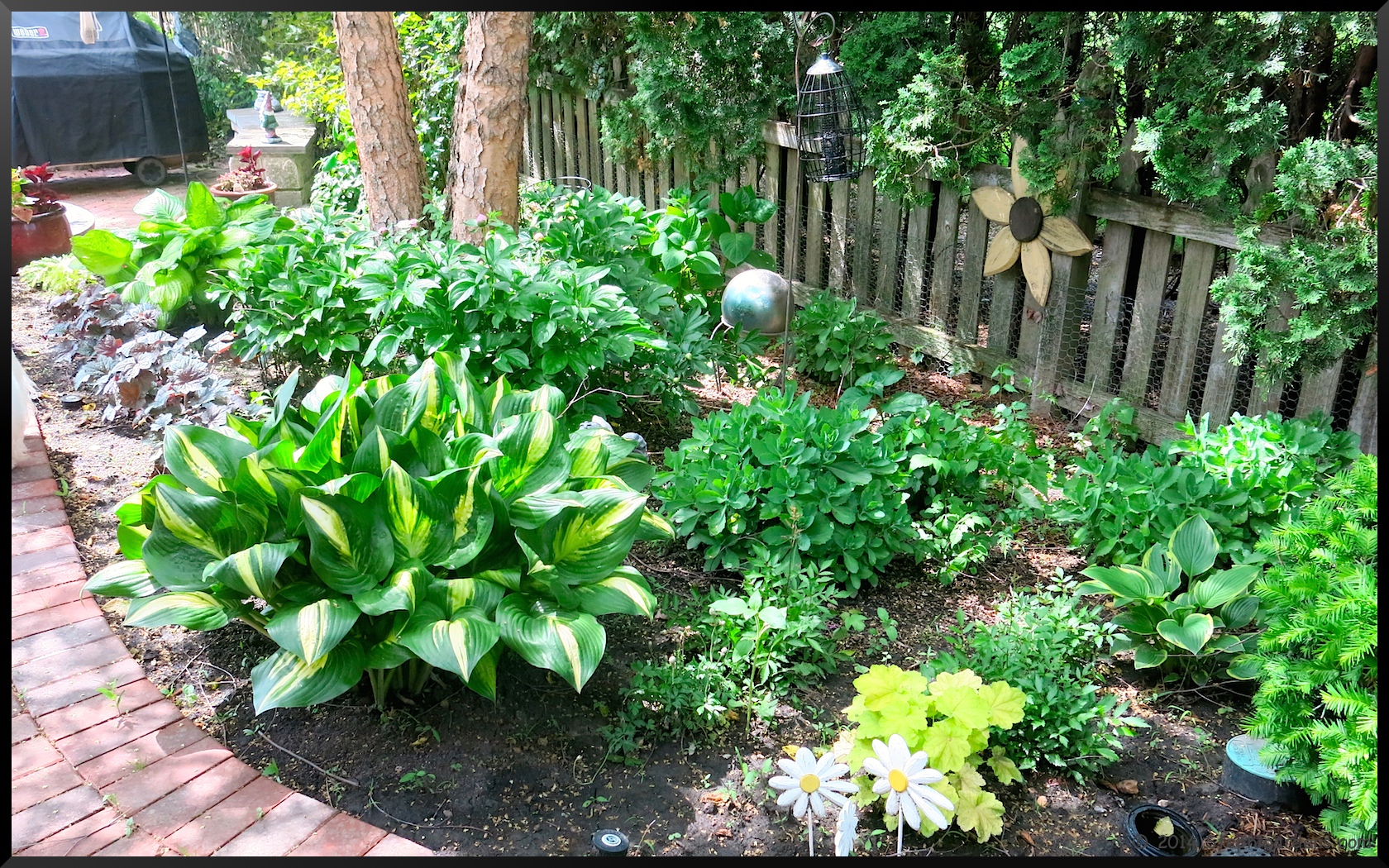
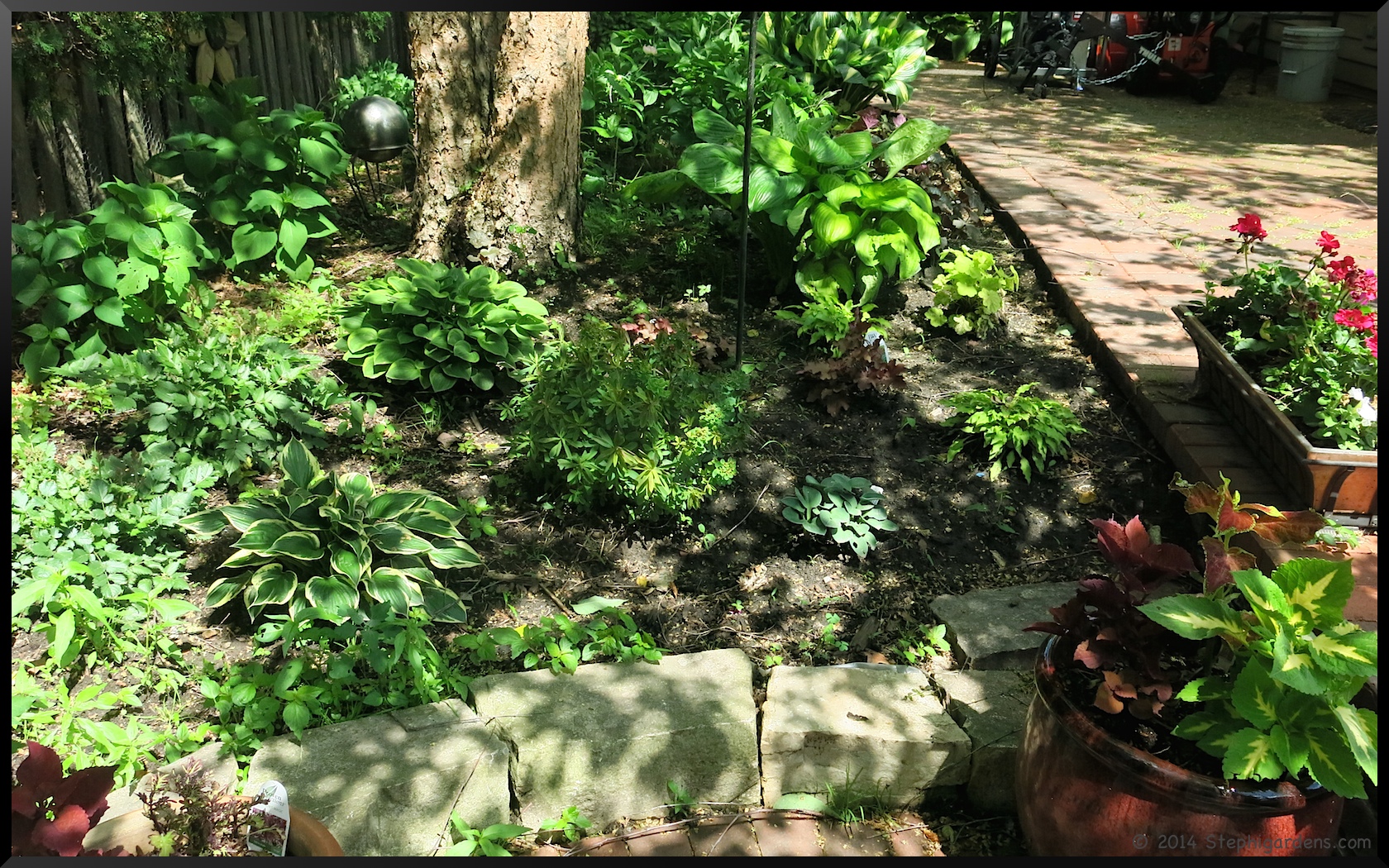
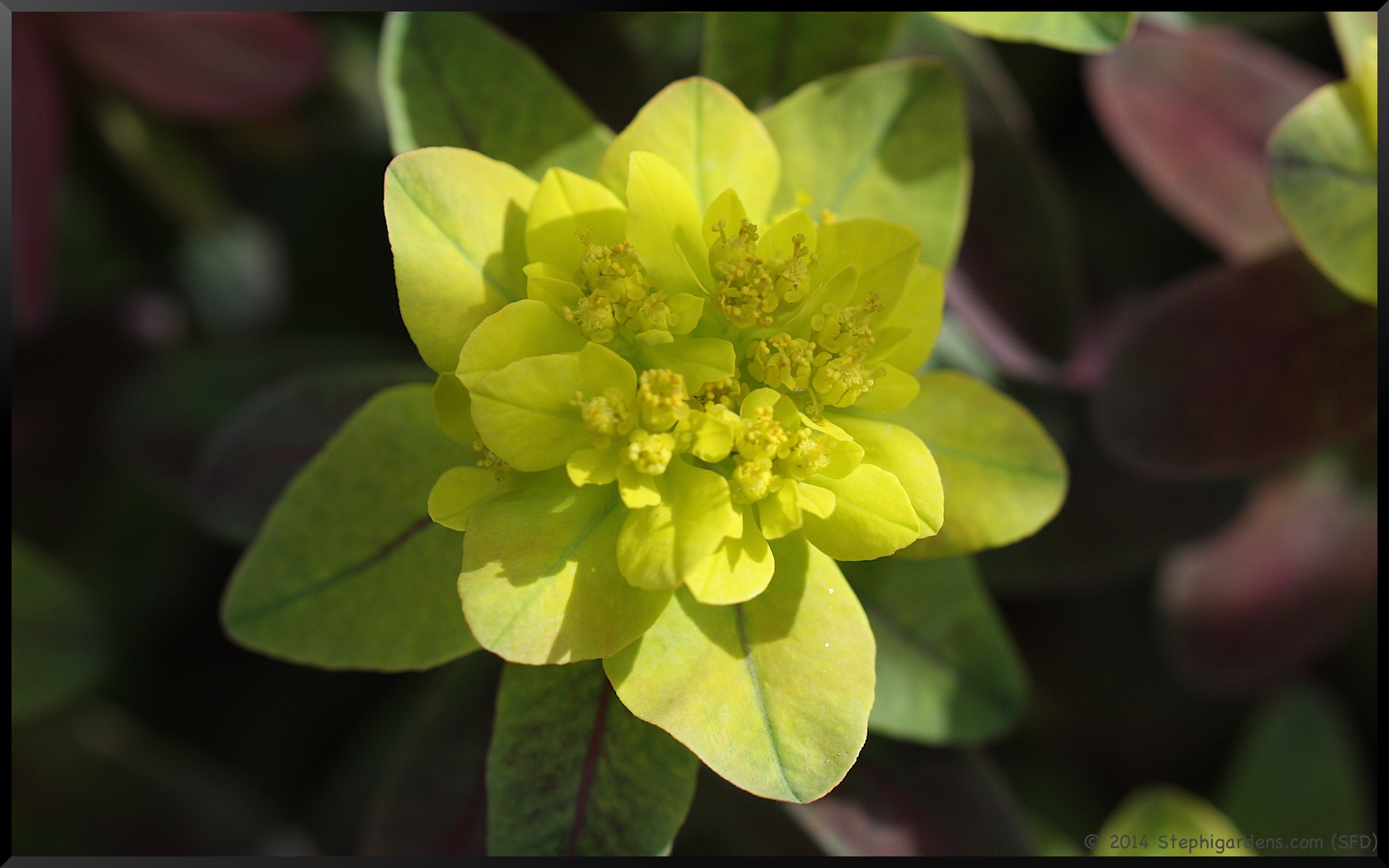
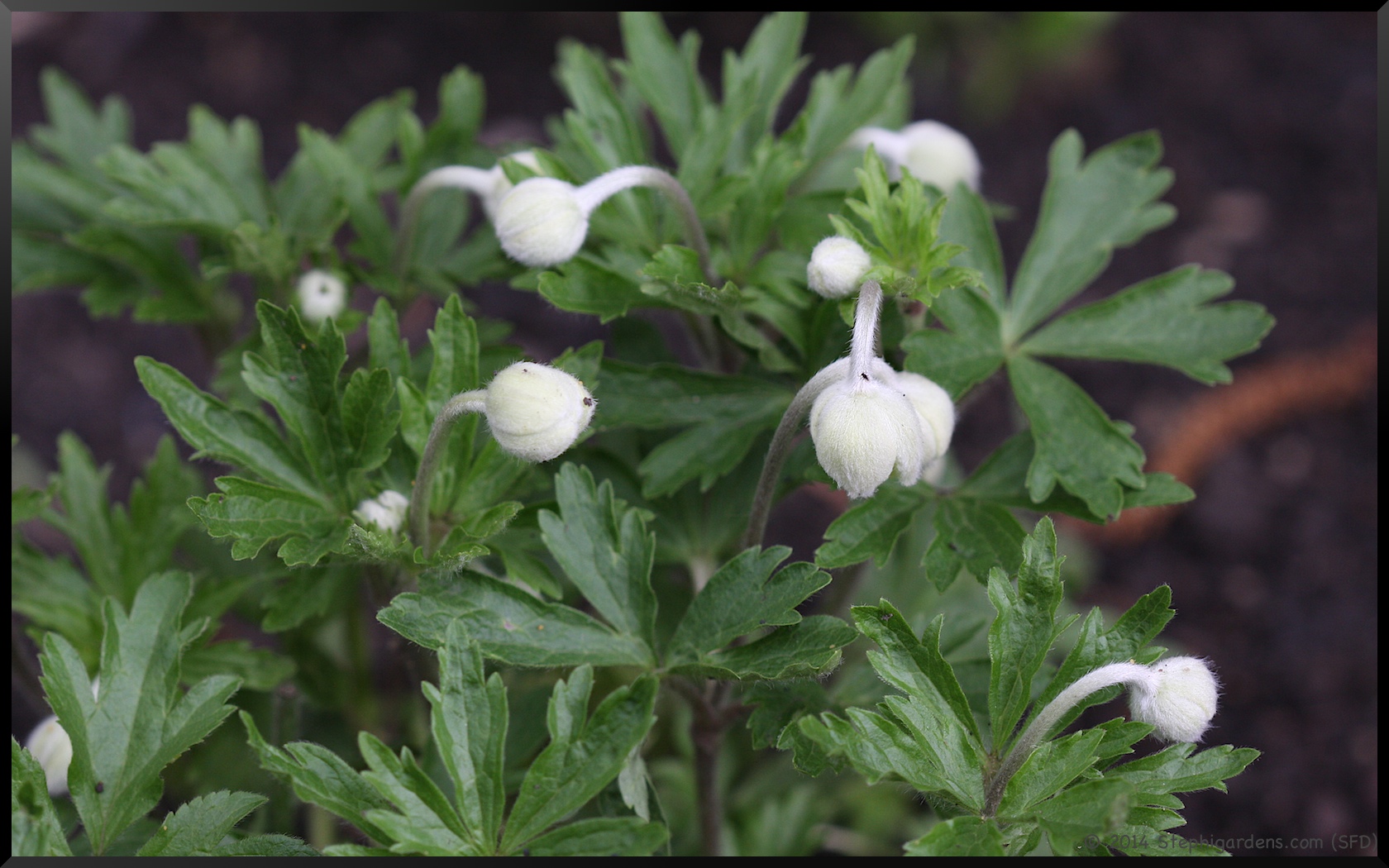
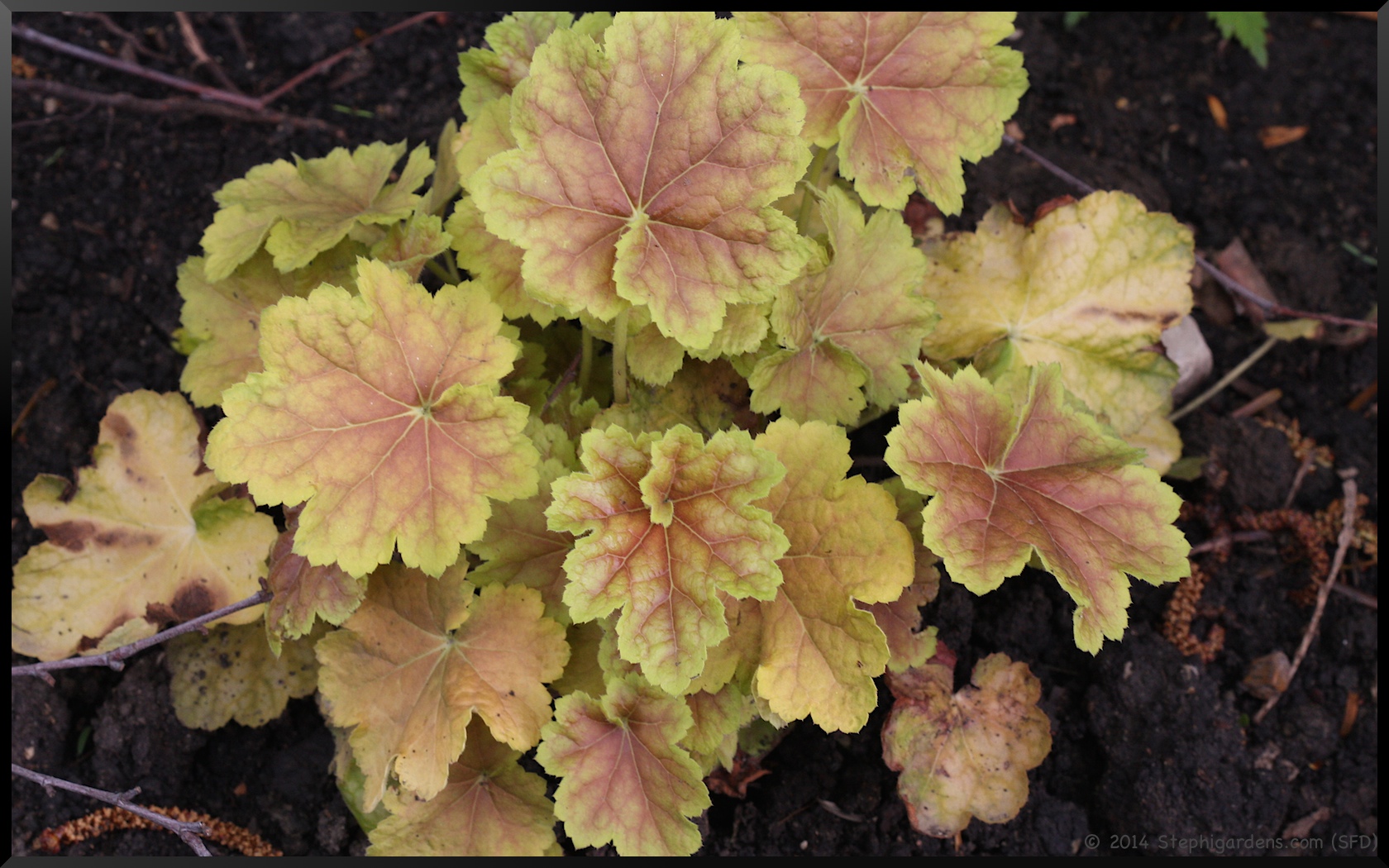
Hostas, sedum, peonies, windflowers, astilbe, heuchera, hydrangea, spurge and a River Birch fill this part shade bed that borders the patio. 

Stephi Gardens

Stephi Gardens

Off the back of the patio is the Purple Ash that looks quite healthy this year after it’s treatment for Emerald Ash Borer last year  (Attack of the Emerald Ash Borer: Part 1 and Part 2).   I recently split and transplanted some hostas,  ferns and sedum underneath it to make it look more like a garden rather than a dirt pile   I also added 3 Purple Beautyberry Bushes in the corner to join some raggedy looking Red Twig Dogwoods.  This also where my 2 new raised vegetable beds are located.   

Stephi Gardens

Finally, my Siberian Irises are blooming.  Only 2 blooms, but better than nothing!

Siberian Iris

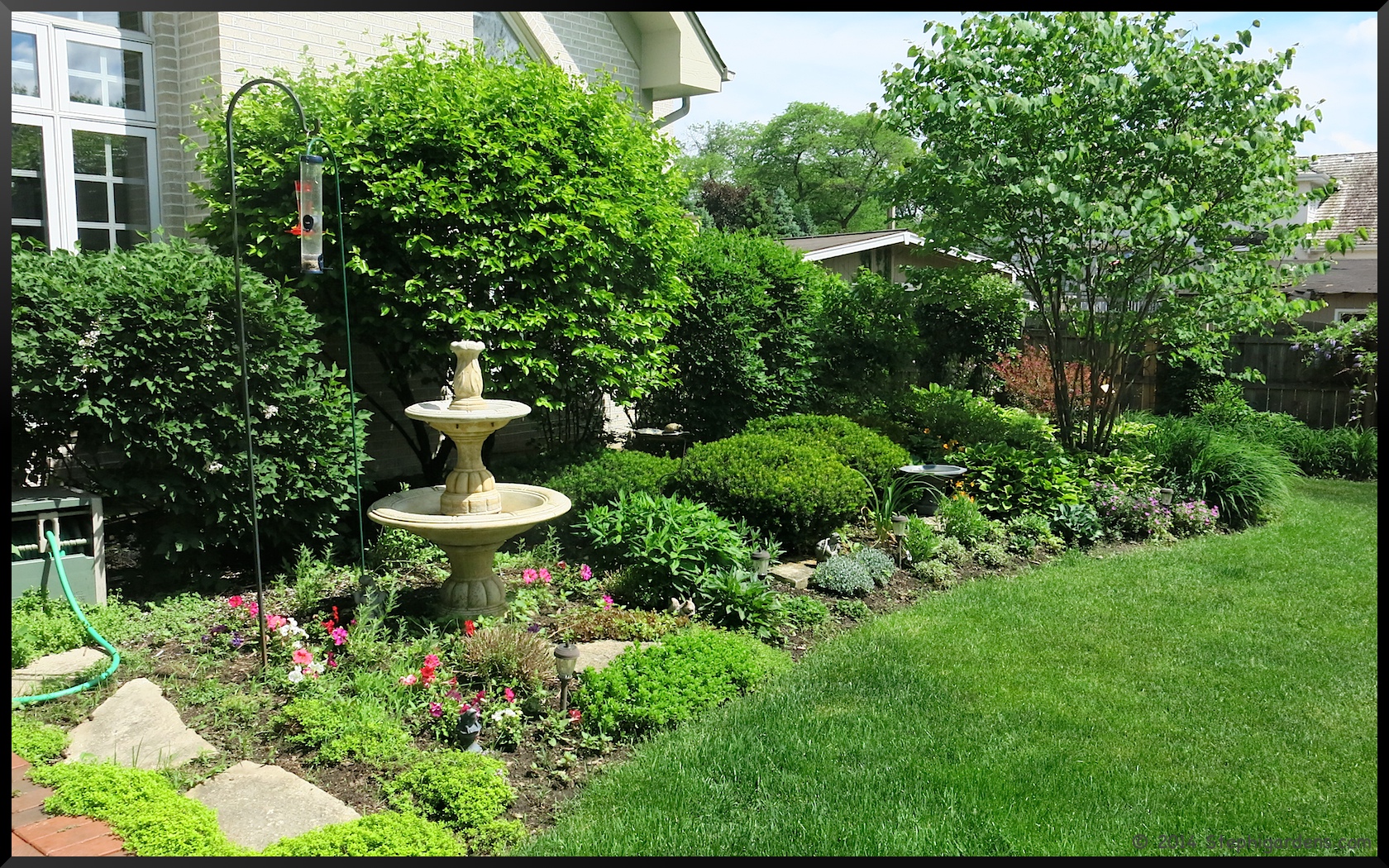
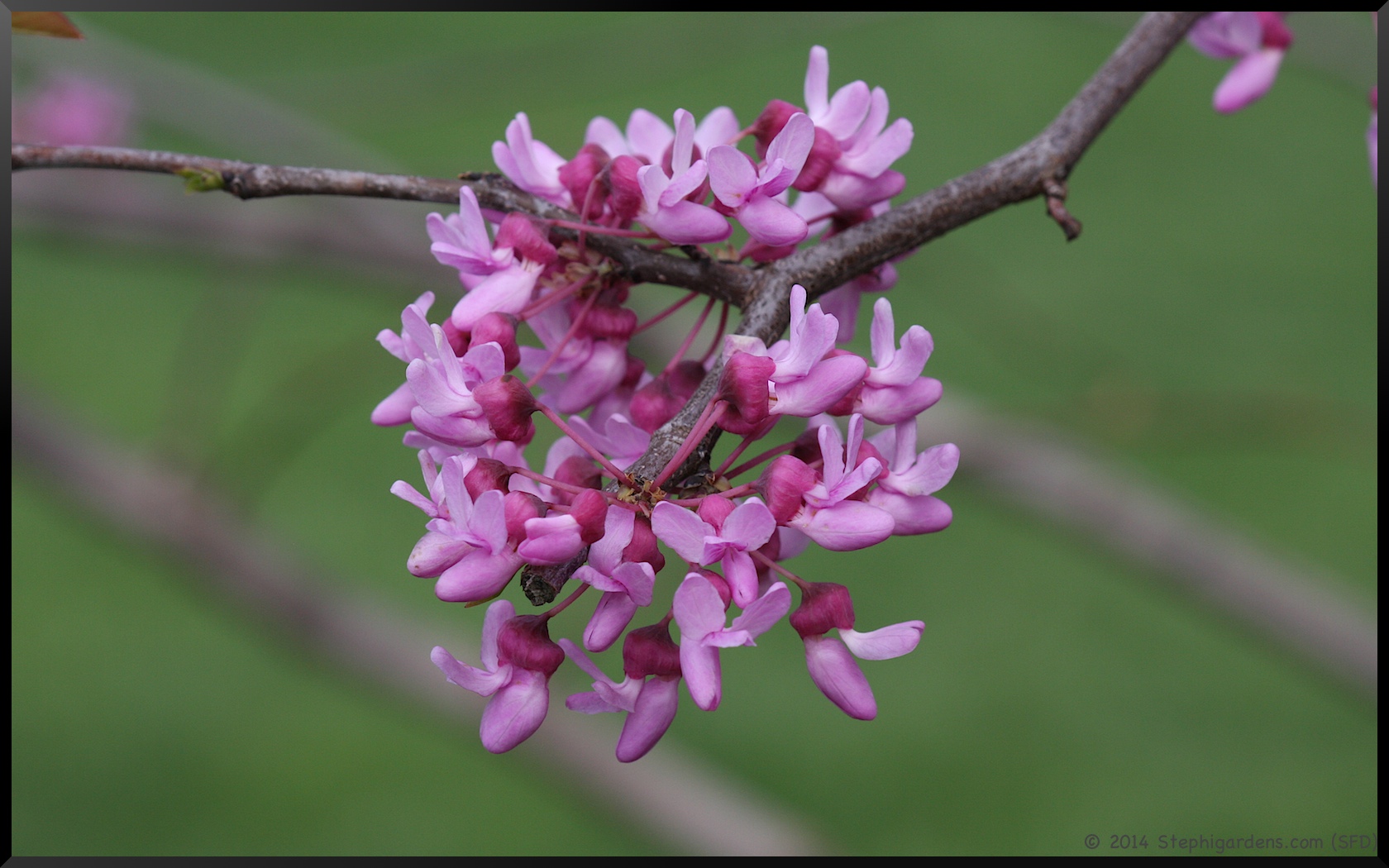
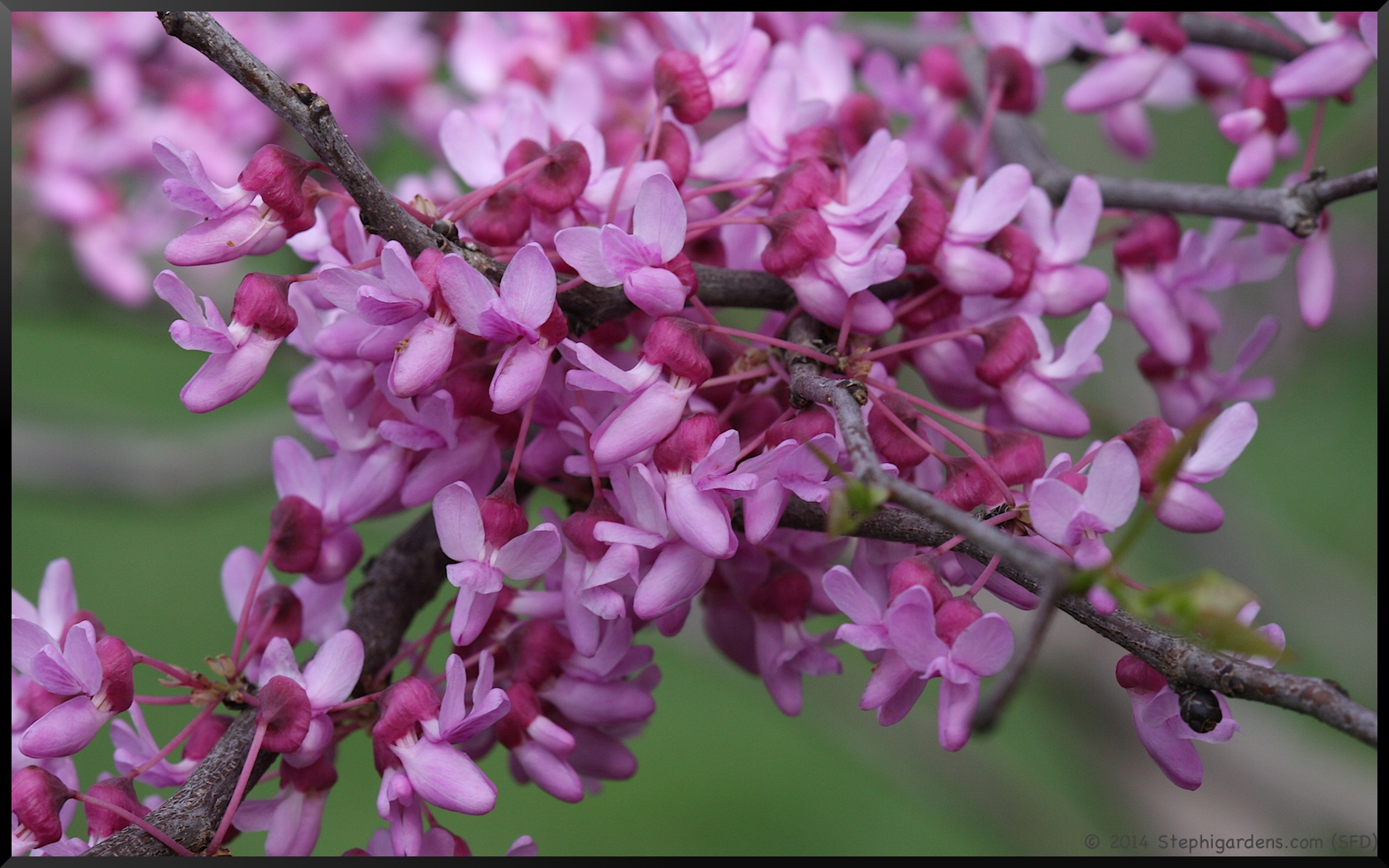
The back of the house is planted with Miss Kim lilacs, a Blackhaw viburnum, a Redbud, densi yews, an assortment of creeping sedums, creeping thyme, Russian sage, a few other perennial specimens,  hostas, daylilies and petunias.  

Stephi Gardens

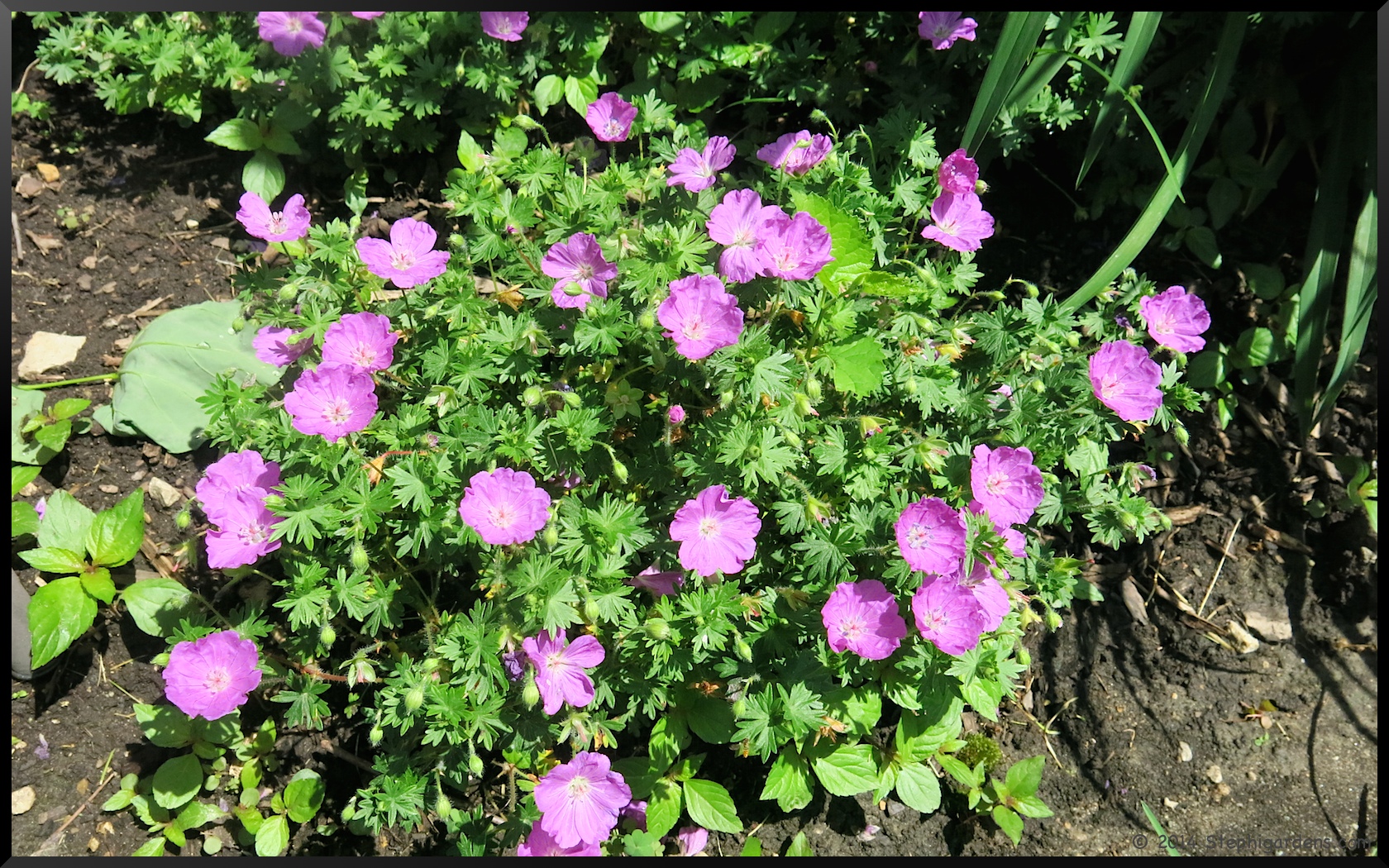
Johnson Blue Geranium

Johnson Blue Geranium

Tangerine Avens–my best guess is that it is Geum “Totally Tangerine”.

IMG_3357

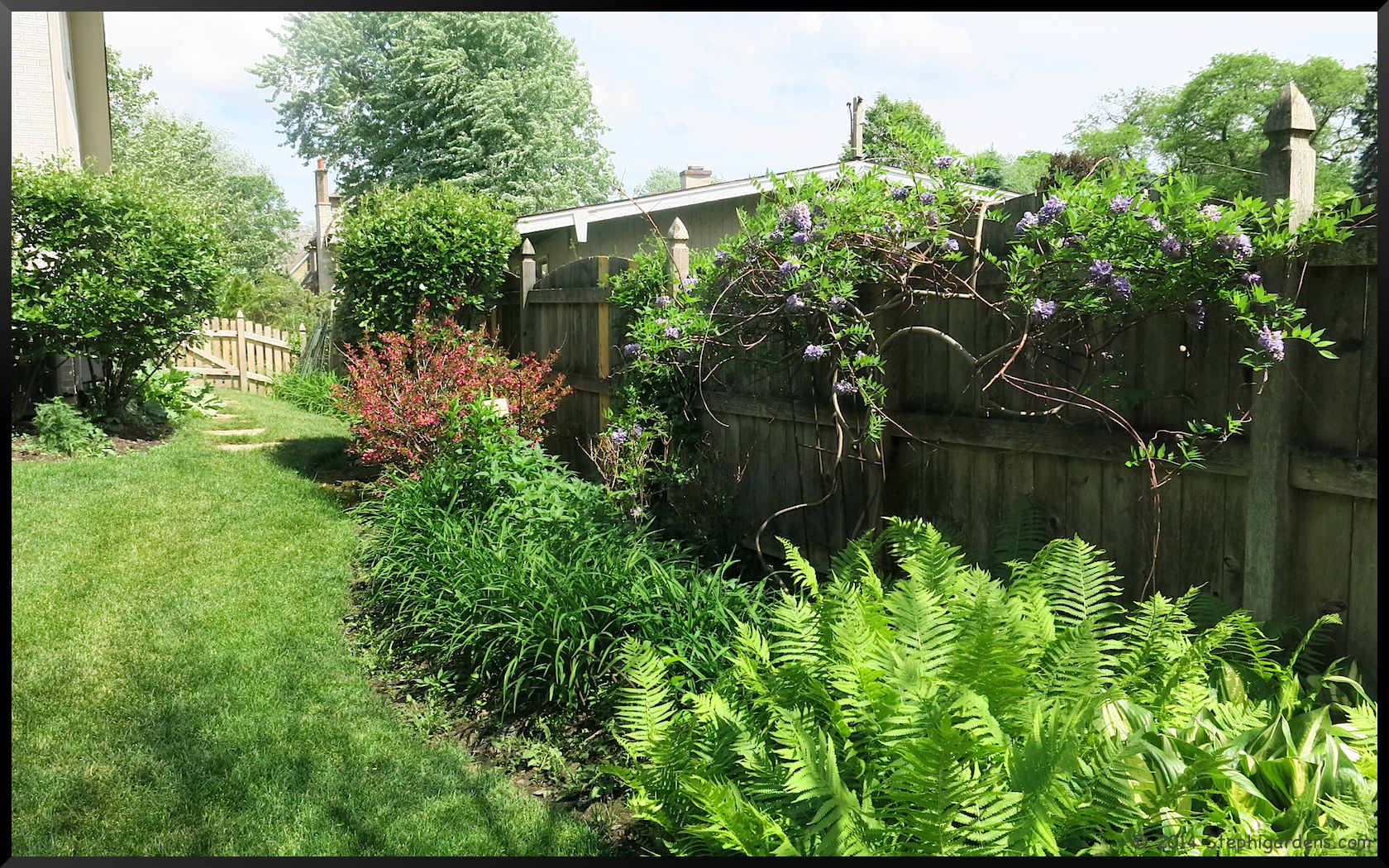
The side yard is undergoing some transition as the house next door is undergoing construction.  What used to be sun/part shade, is now full sun.  Along here are  ferns, hostas, phlox, bee balm, wisteria, knock-out roses, daylilies, weigeila and honeysuckle.  There is also a 15 yr old multi-stemmed Freeman’s Maple just outside the shot, but I’ll leave that for another day.  But here’s a hint, it’s June and it’s casting almost no shadow…

Stephi Gardens

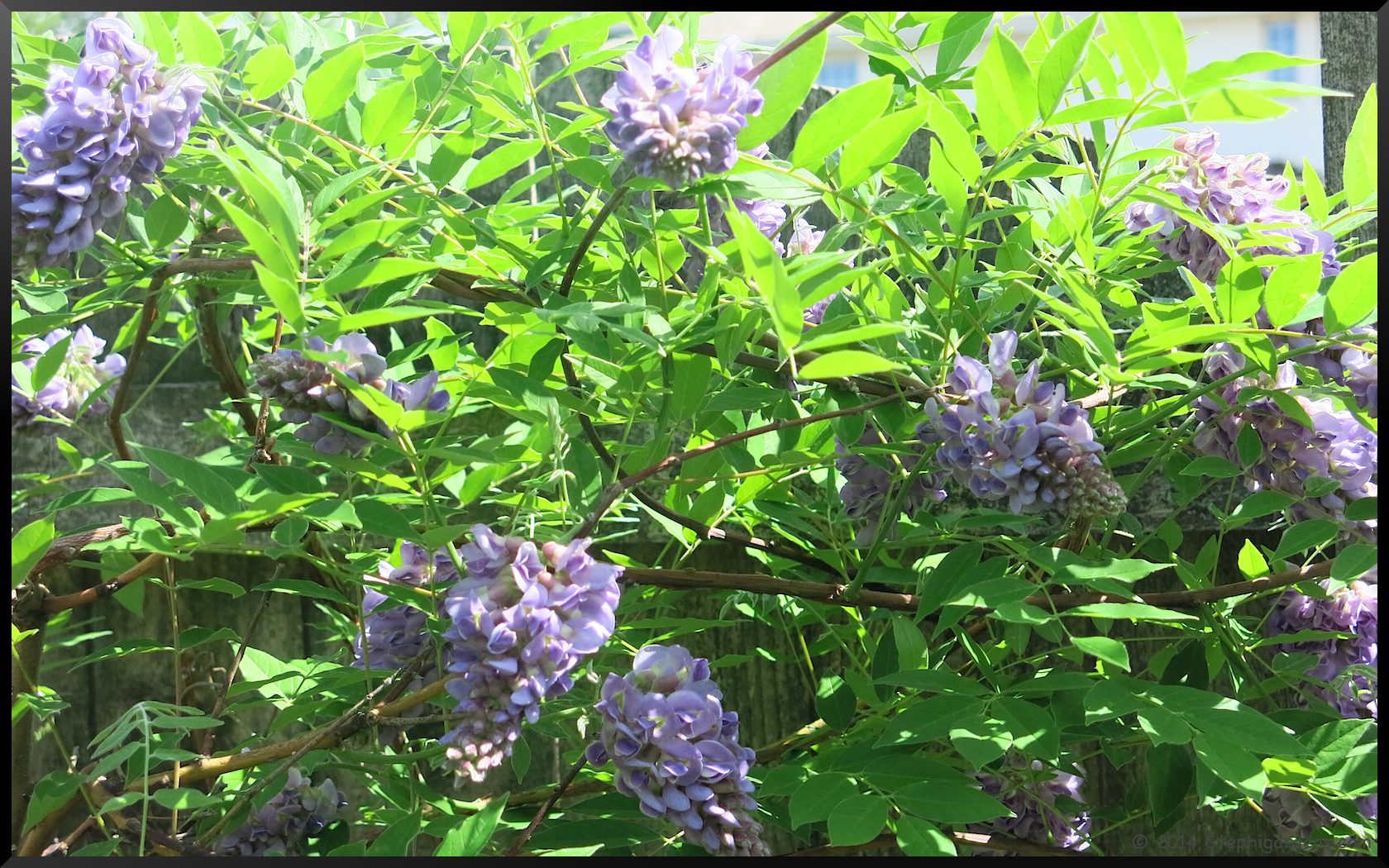
Wisteria is starting to bloom.

IMG_3360

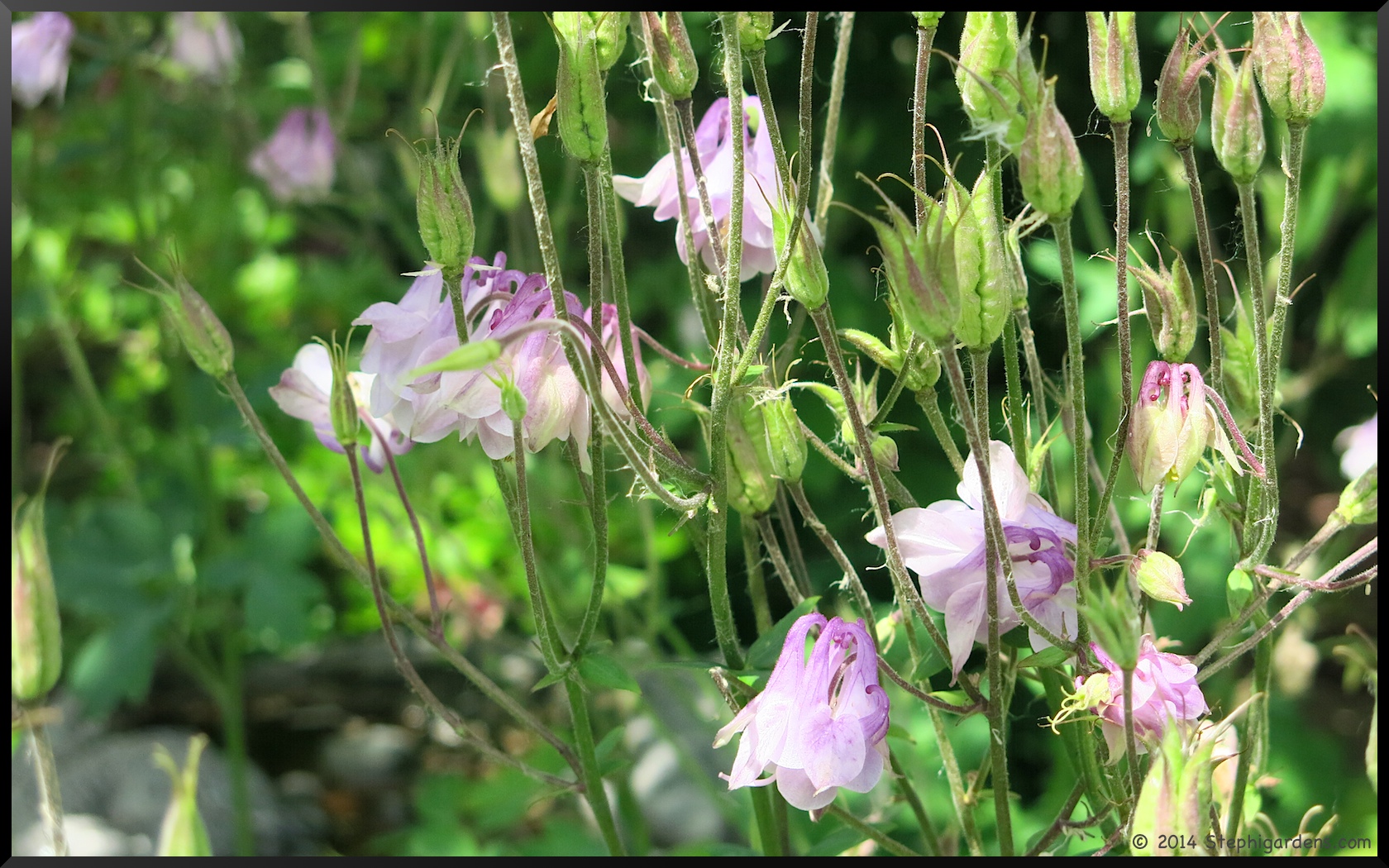
 All around the yard are these Columbines.  They just pop up unexpectedly and provide some pretty spring colors.  They’re a spreading plant that I don’t mind having out of place.  These all came from a gift of one plant soon after we moved in.  

IMG_3363

Tomorrow… Continuing around to the front yard…

May Vegetable Garden

I’ve been so busy in the garden, I haven’t had much time to write about it.  Hopefully I can catch up in the next few days.  Everything is in that wonderful, lush spring phase.  Well, almost everything, but more on that another day.

garden vegetables

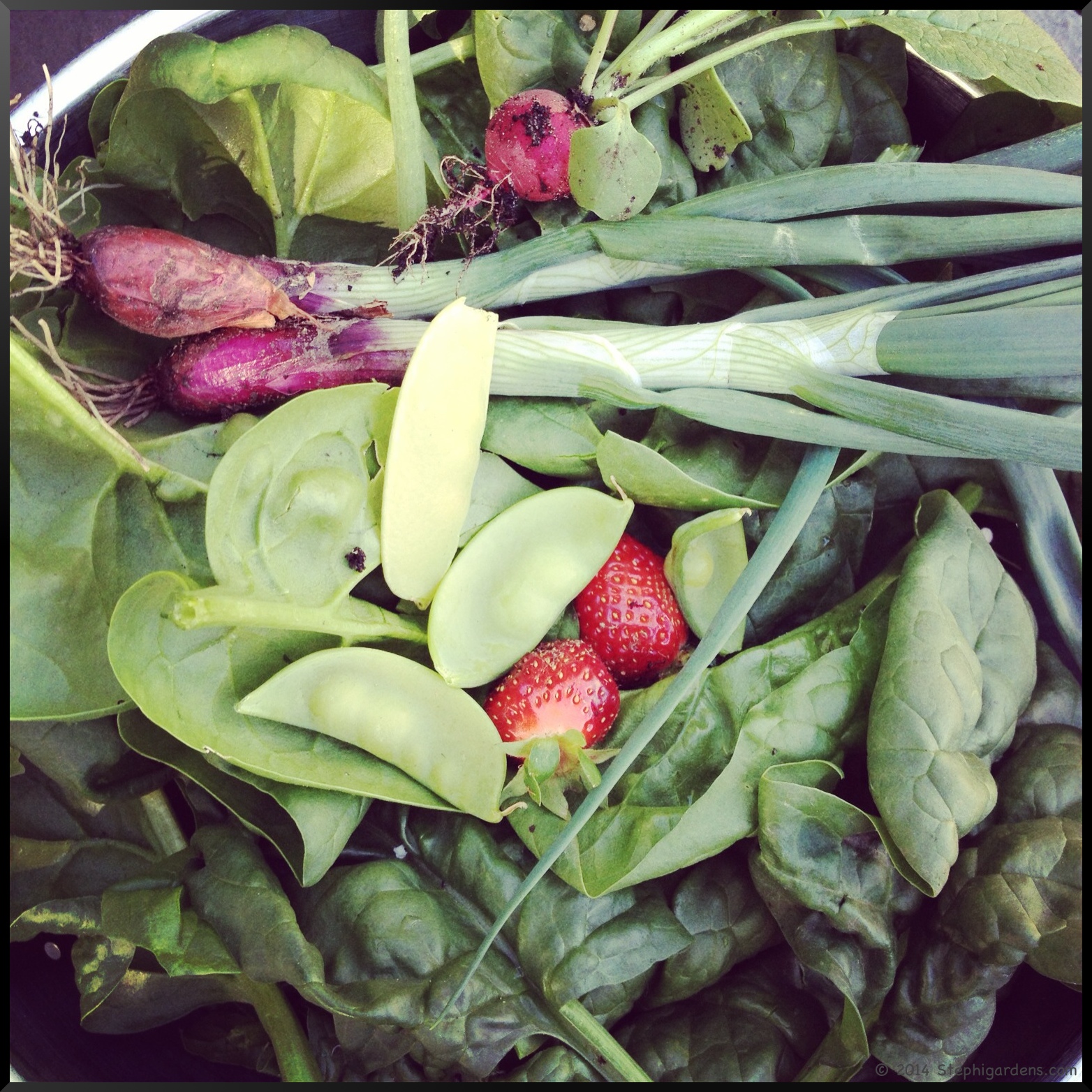
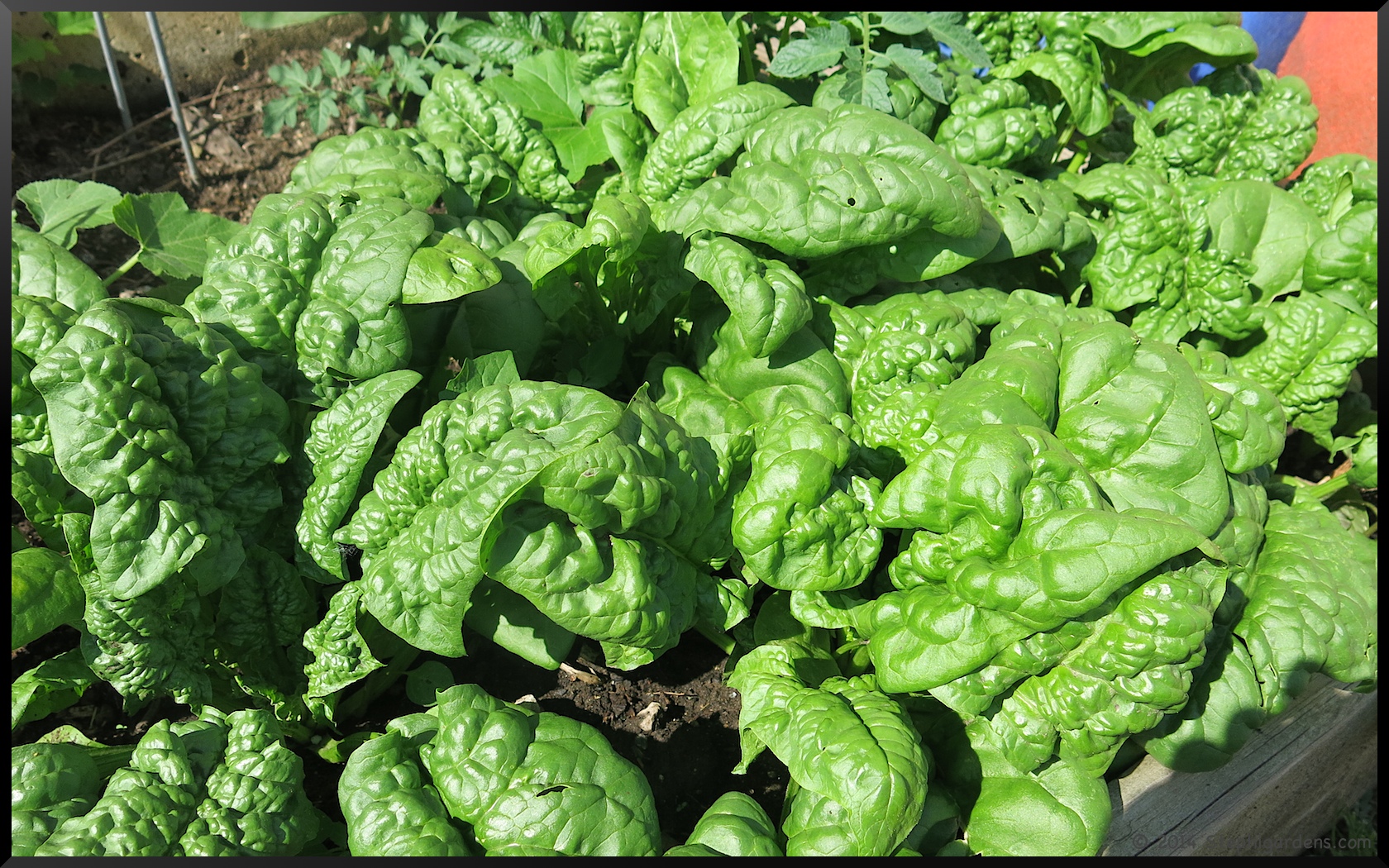
My raised vegetable beds are looking great.  I got my first harvest yesterday and we enjoyed a fresh vegetable side dish and a few small treats.   Most of the early seeds I planted in the side raised bed didn’t come up, but the spinach and a few stragglers survived the harsh spring.

garden spinach

garden spinach

In that bed, while the few early things are finishing up, I’ve planted tomatoes, onion starts, sugar snap peas, lots of squash, zucchini and cucumbers.  All the “messy” garden characters are nicely hidden on the side of the house with plenty of space to grow. All seem to be getting started nicely.

Raised bed garden

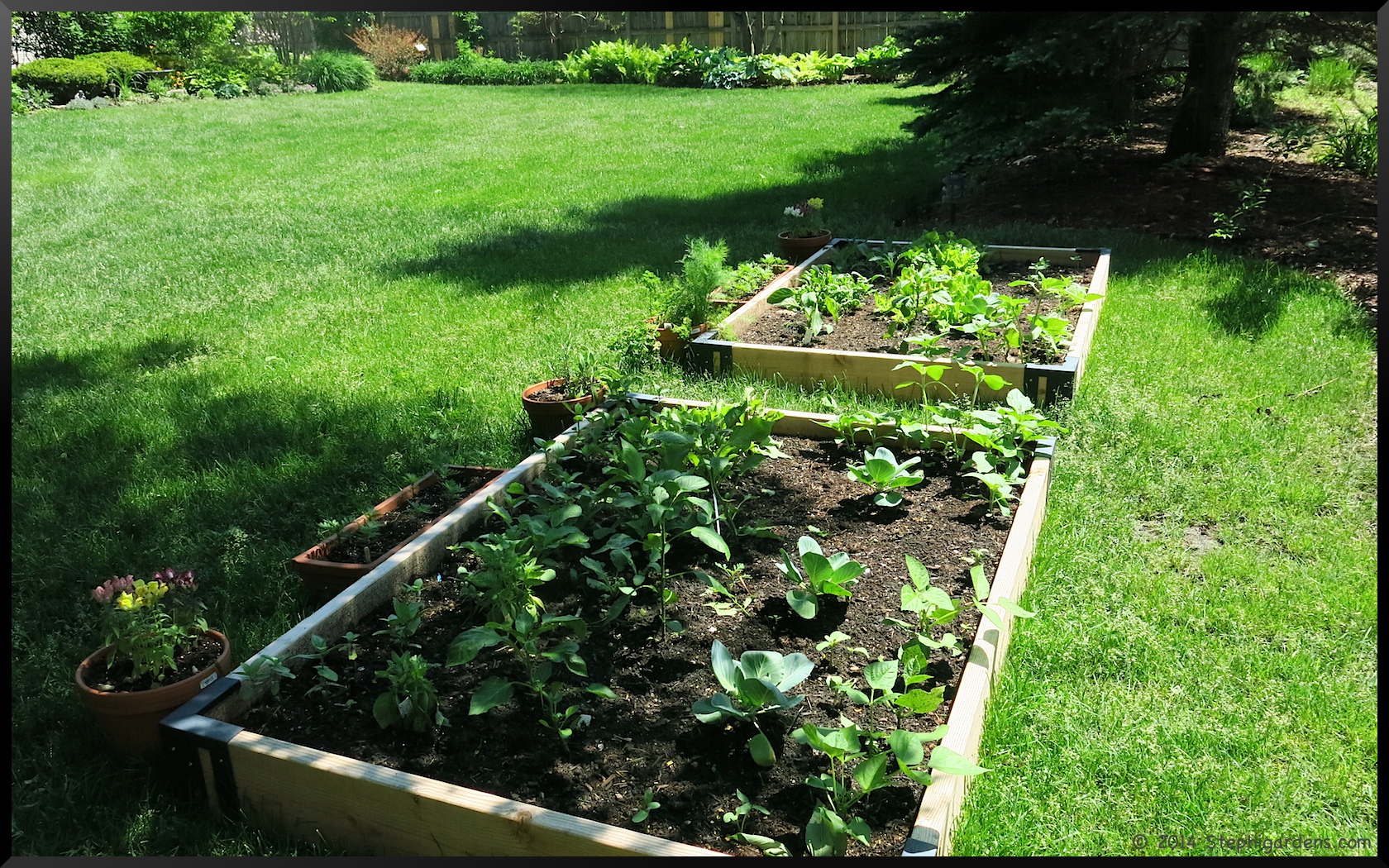
The new beds are also flourishing with vegetables, herbs and even some flowers.

Raised bed garden

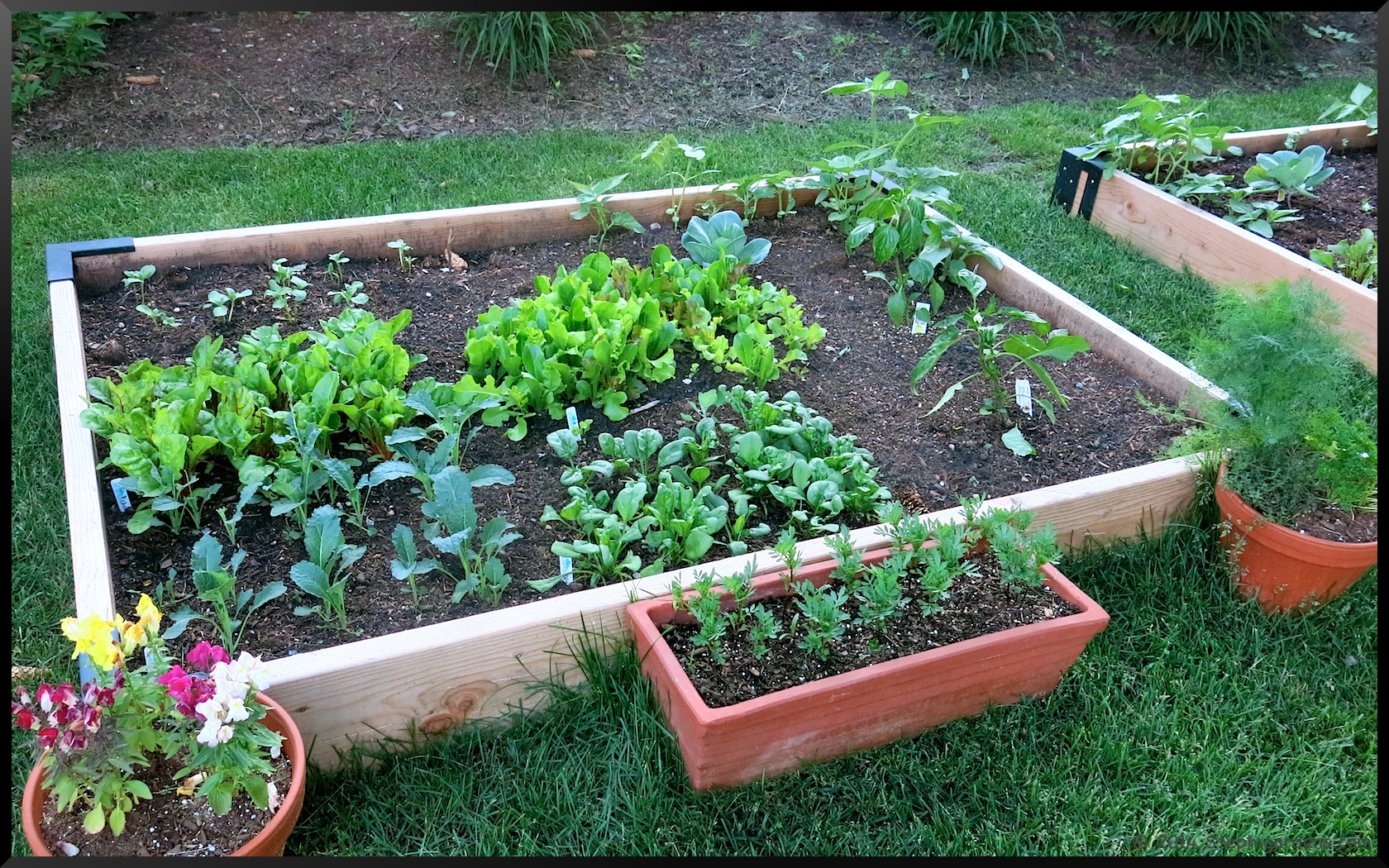
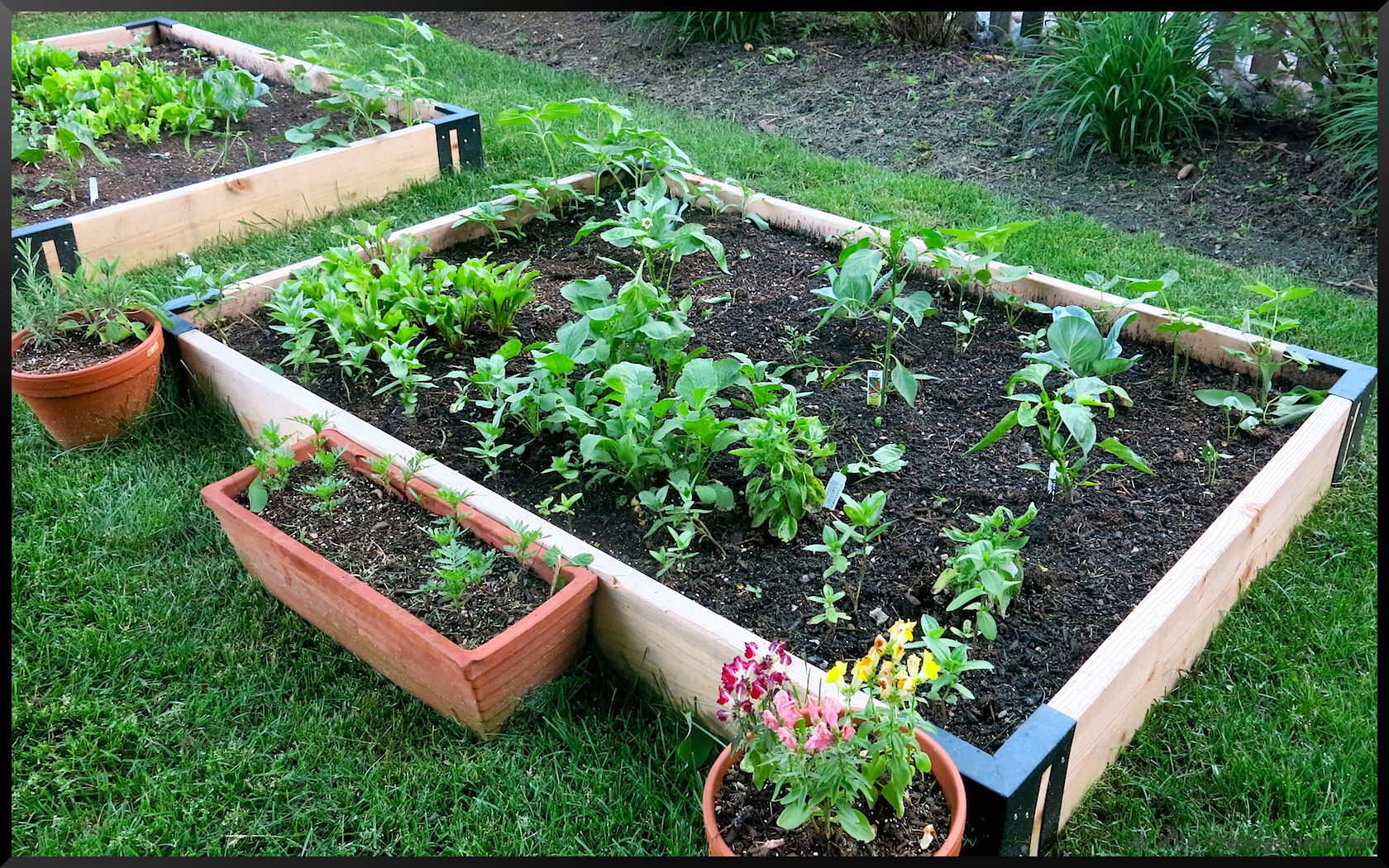
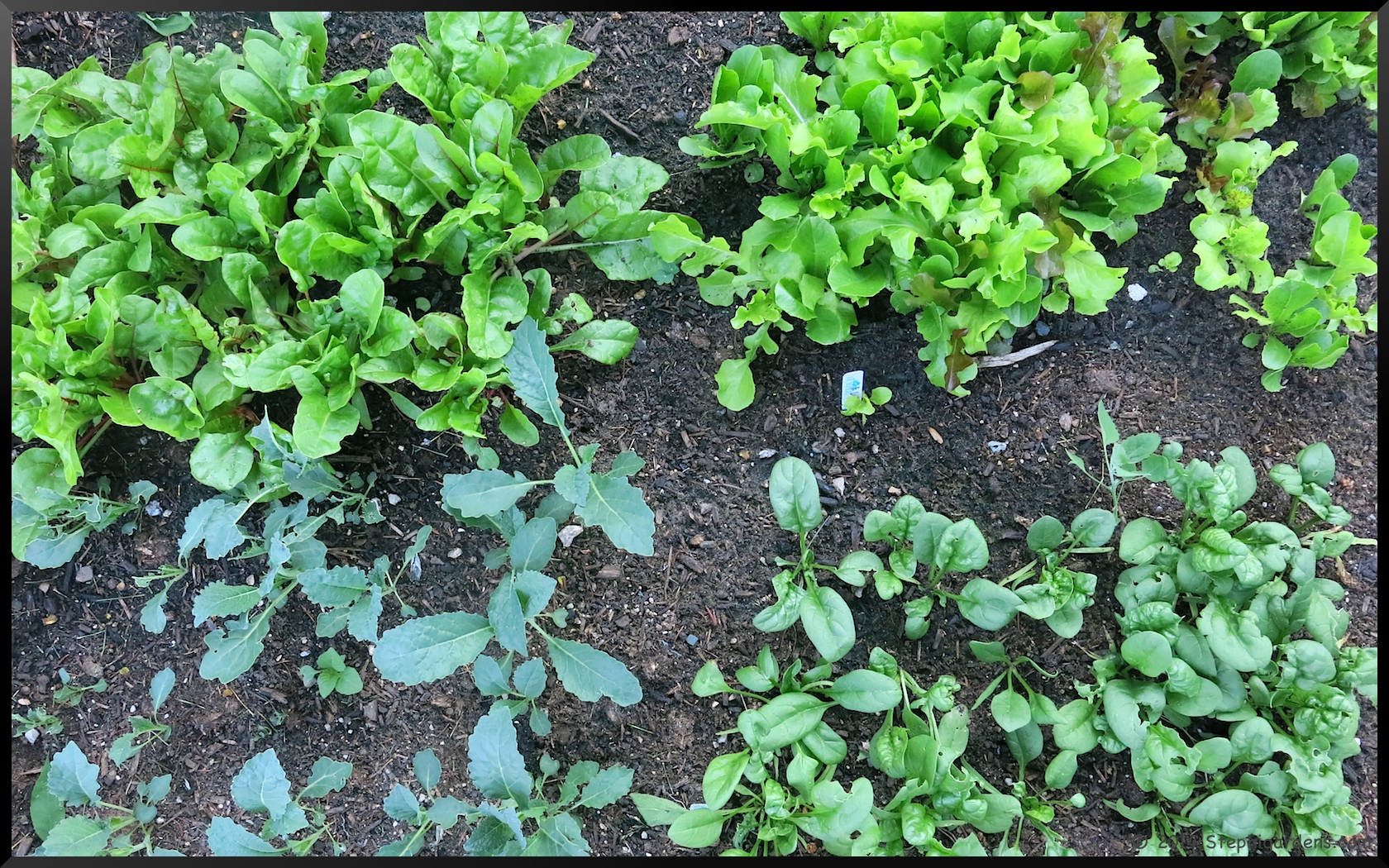
The “left” garden has swiss chard, kale, spinach, lettuce, bush beans, cabbage, green peppers, sunflowers and nasturtiums in it.  I expect it’ll get a little more shade as the summer goes on, so maybe the cool weather plants will have a bit of an extended life.

Raised bed garden

The “right” garden is chock full of more lettuce, radishes, cabbage, green peppers, bush beans, basil, sunflowers and zinnias.  In front are marigolds, potted herbs and snapdragons to give the beds some color.   I like my herbs in pots to keep them tidy and in place.  On the side of the house I have more herbs, including mint.  Mint should always be in some type of corralled container to prevent it from taking over.
Raised bed garden


Leafy greens

So far, no complaints on the appearance of the gardens.  I’m really trying hard to not let it get unruly.  Hopefully the flowers add a burst of color.  To further help that, in the background of the gardens I’ve added cosmos and daylilys.  This project may turn out to be even nicer than we expected.
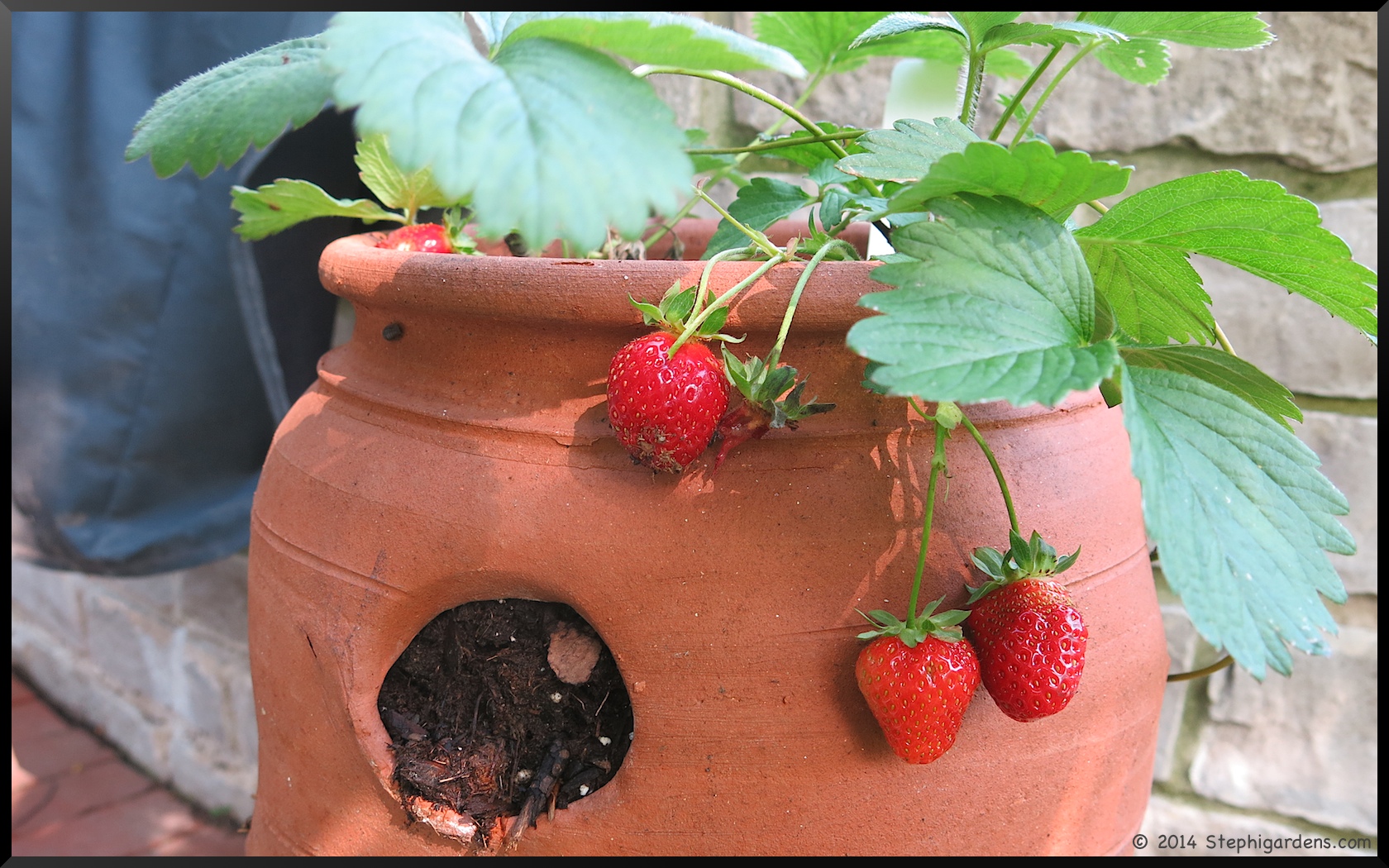
garden strawberry

Even the strawberry pot is looking great. Nothing like fresh from the vine fruit to remind you of what fruit is supposed to taste like.

Baby Robins Have Flown the Nest

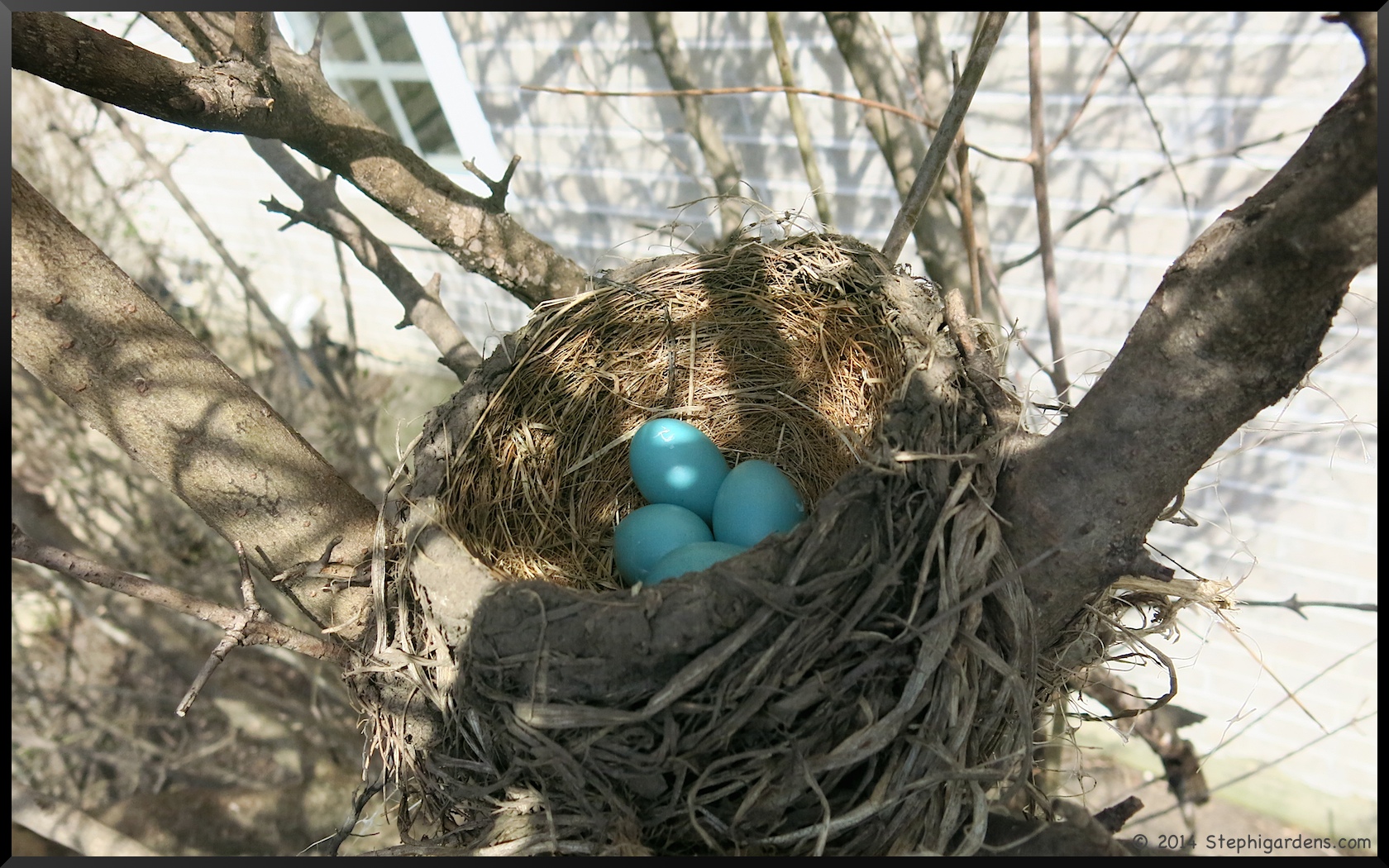
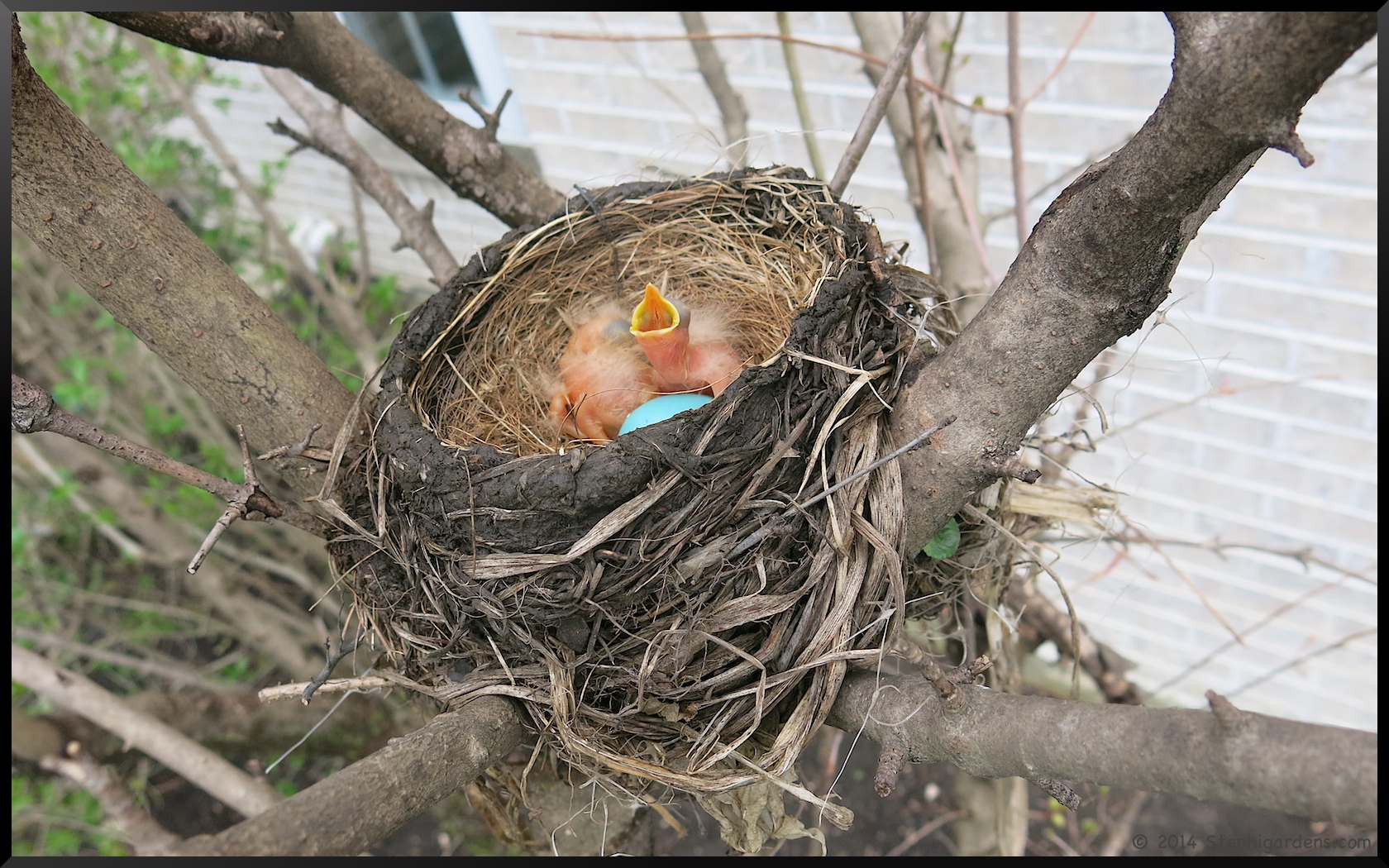
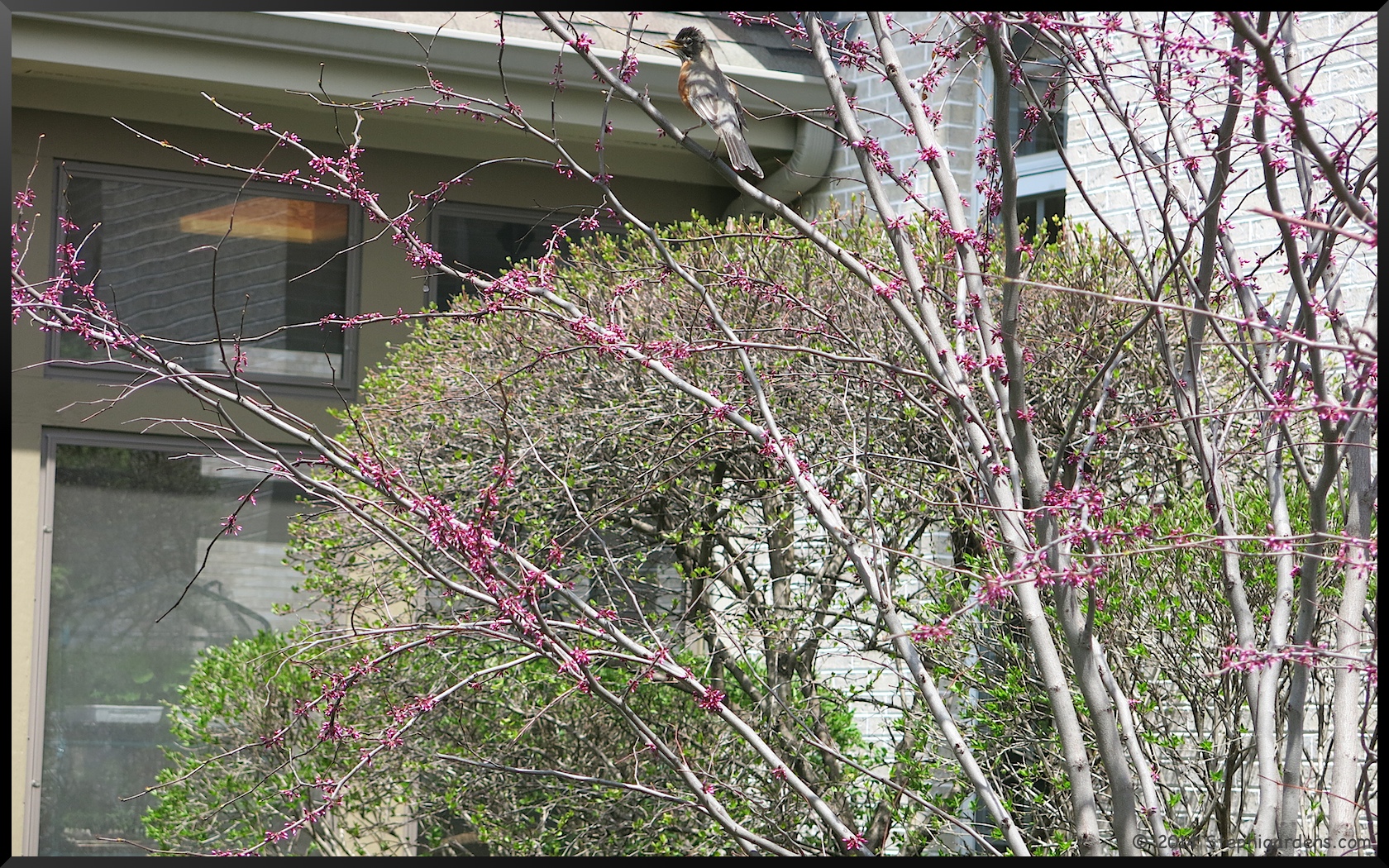
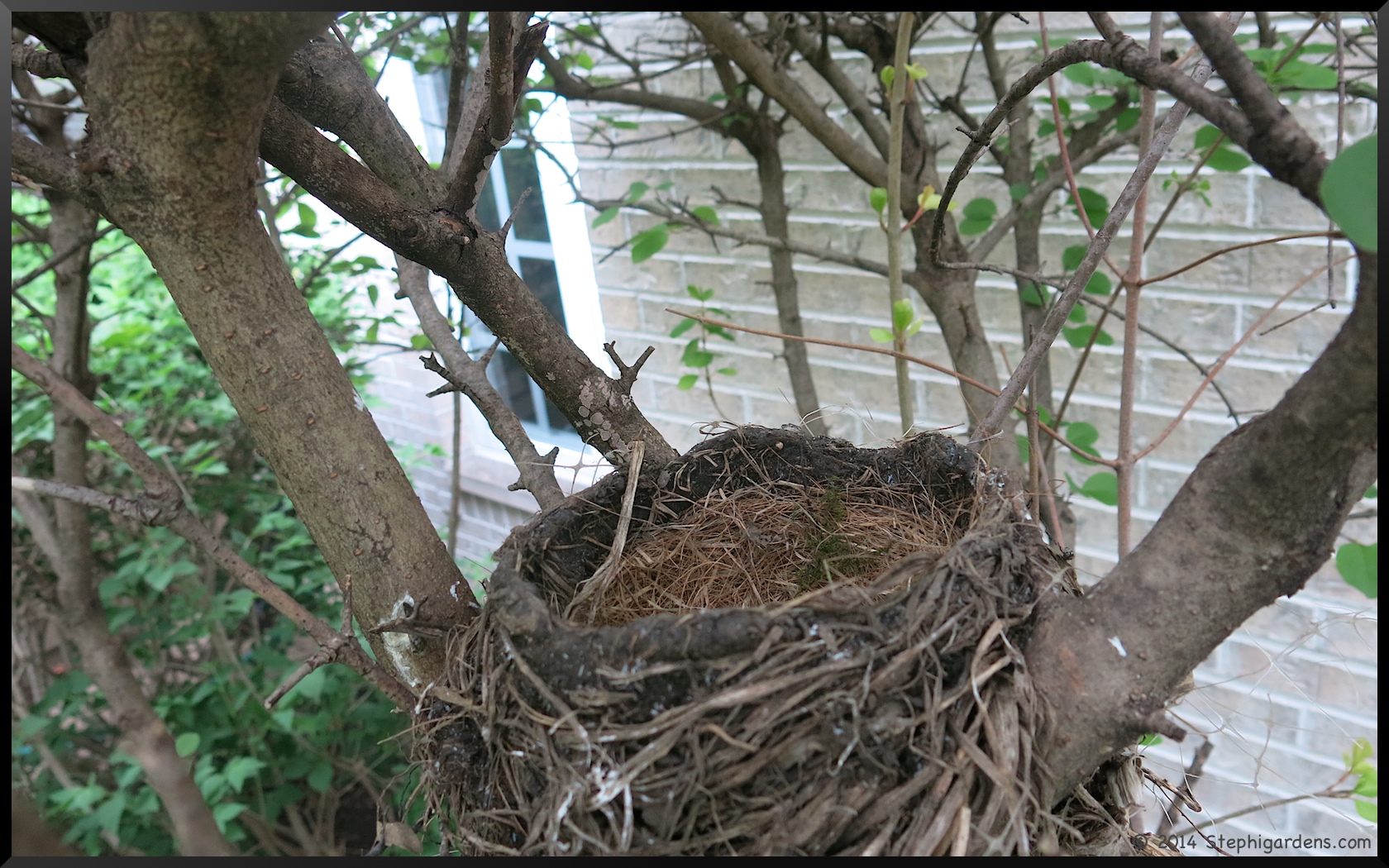
Most years, I have had at least one nesting pair of robins.  They seem to rotate between 3 or 4 places in the yard.  This year they chose to build their nest right on top of last year’s disintegrating nest.  They must have really like this spot!

robins nest

 Early April–4 eggs were laid

robins nest

12-14 days later three of the eggs hatched!  

robins nest

 4 days later

robins nest

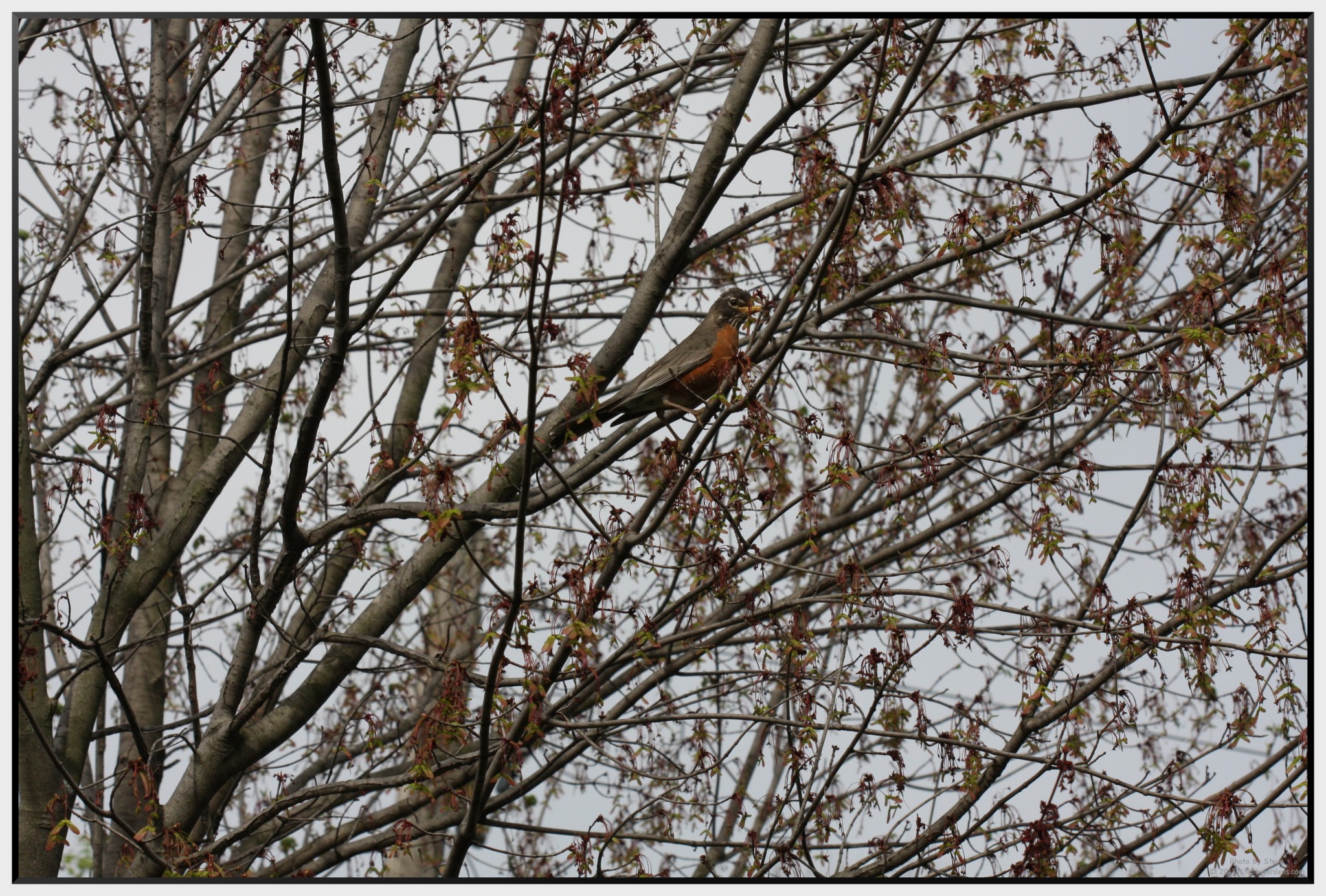
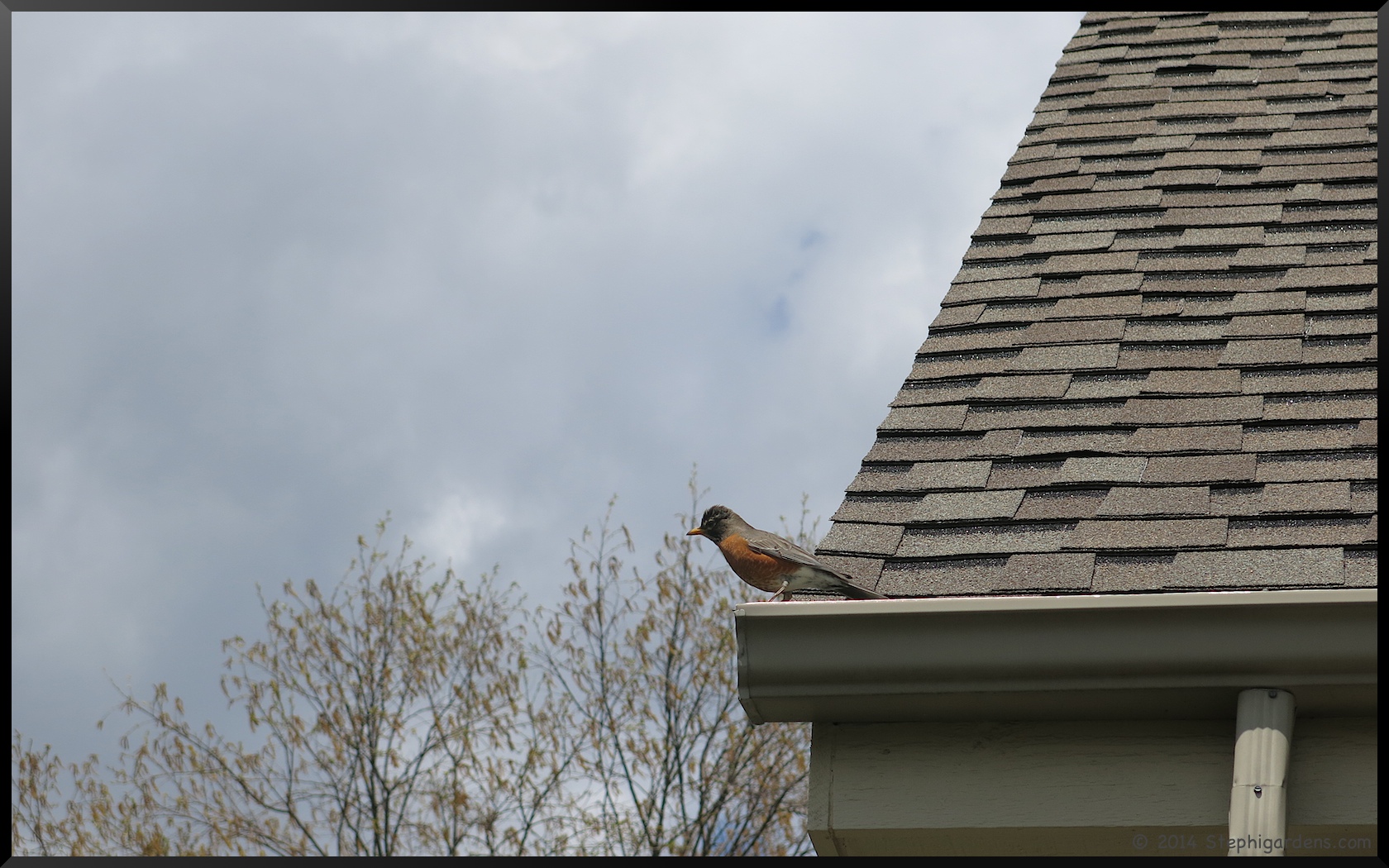
The parents really don’t like me snooping around!  What a racket they make trying to warn me off.

robin
robin

robin

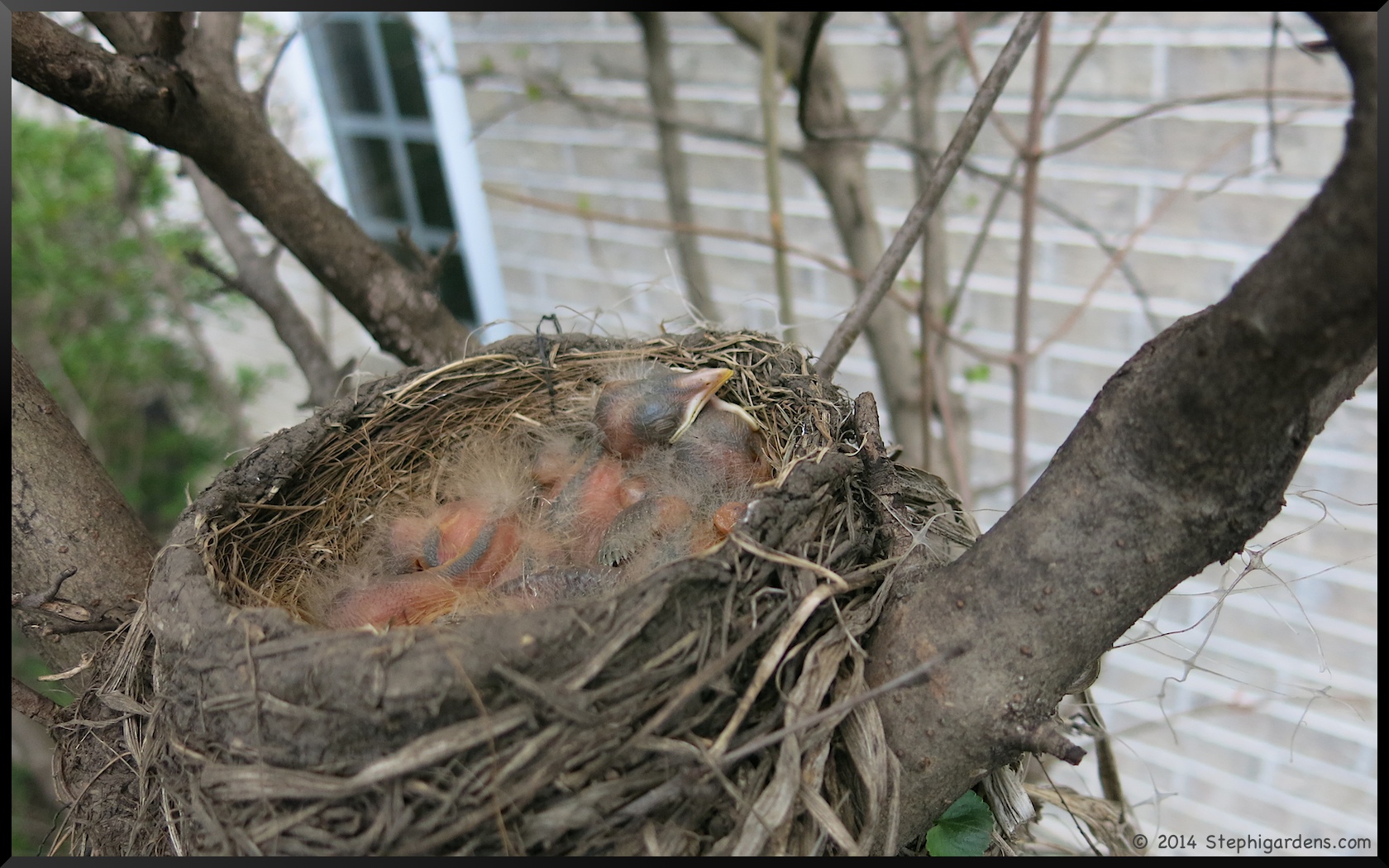
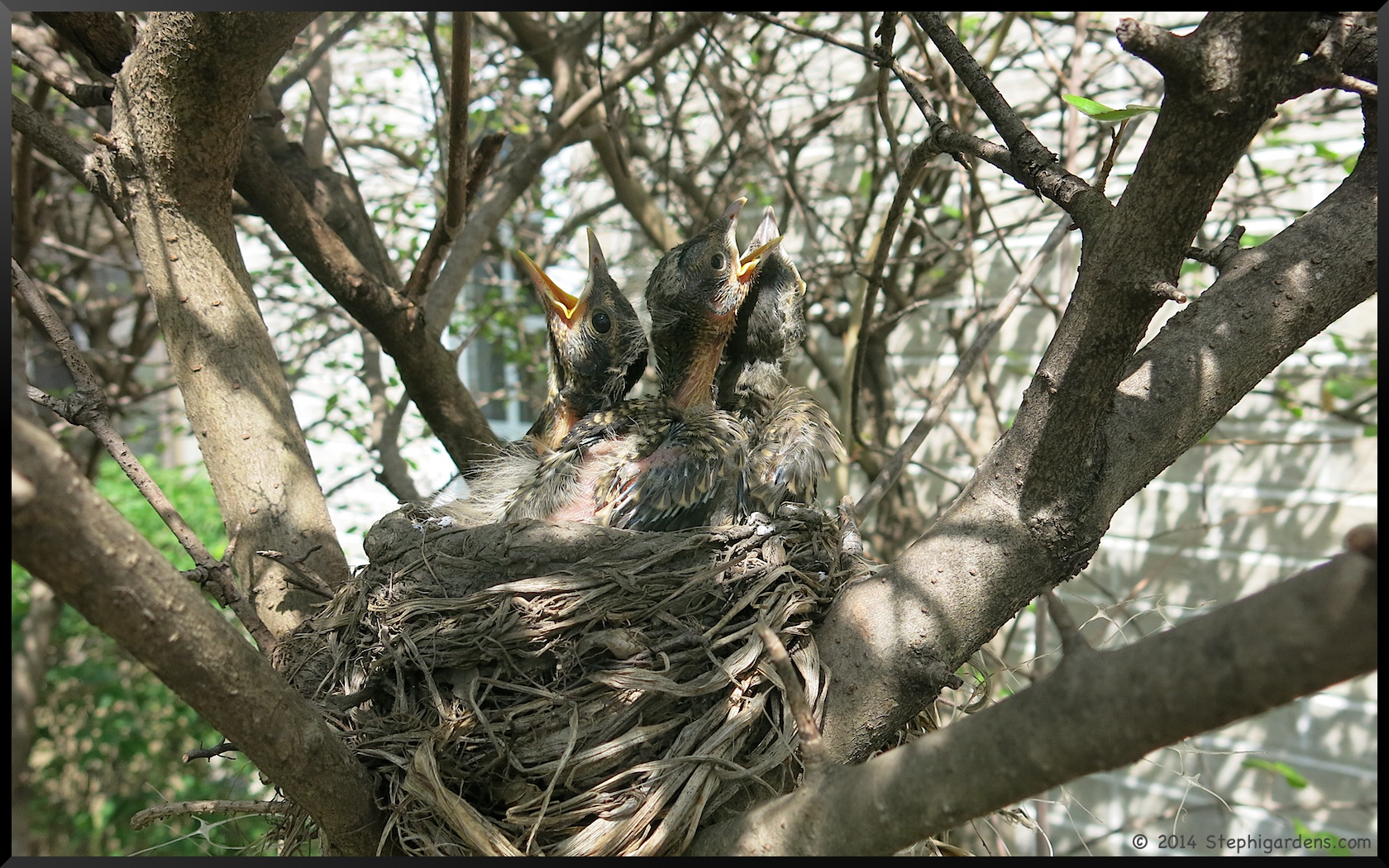
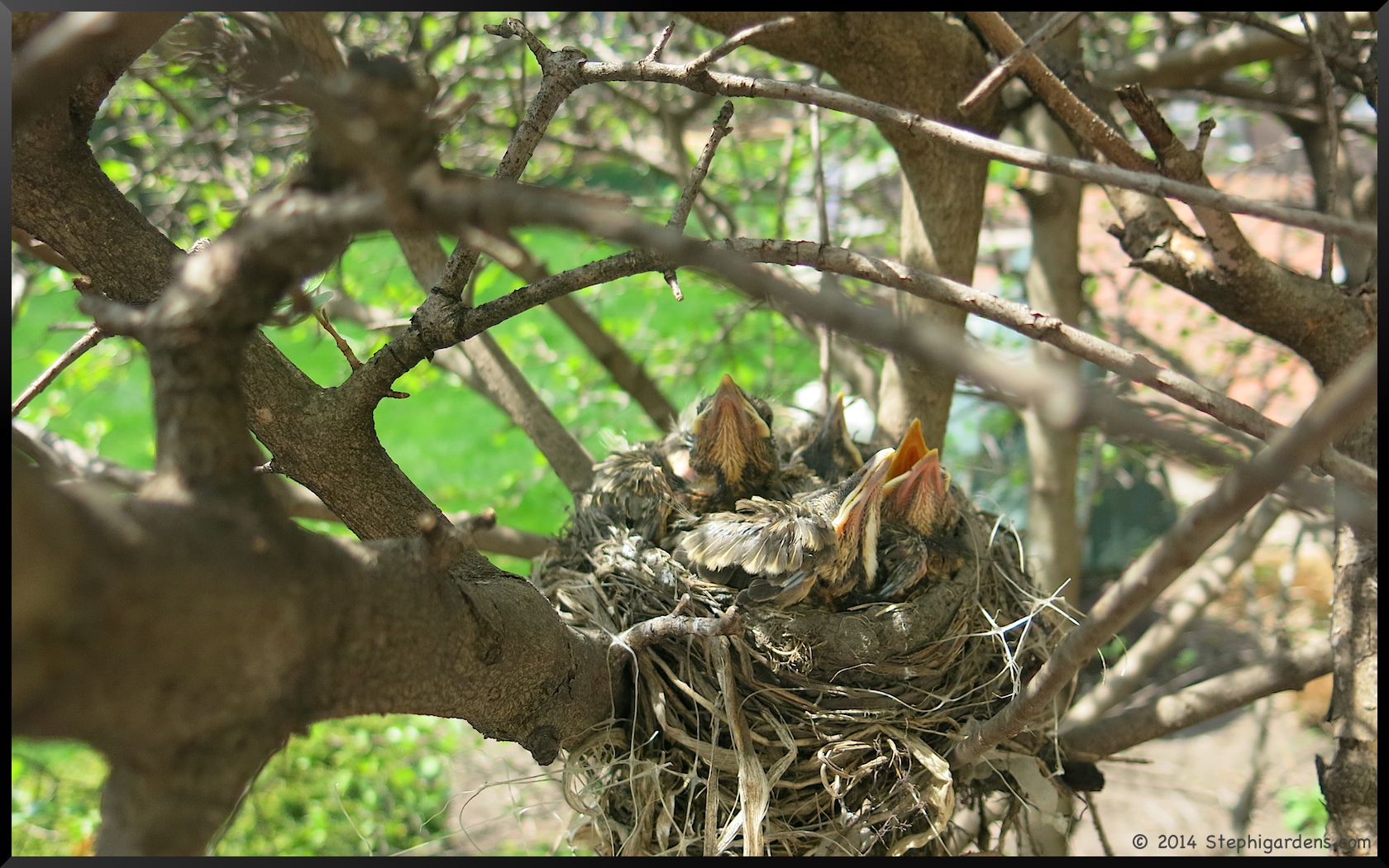
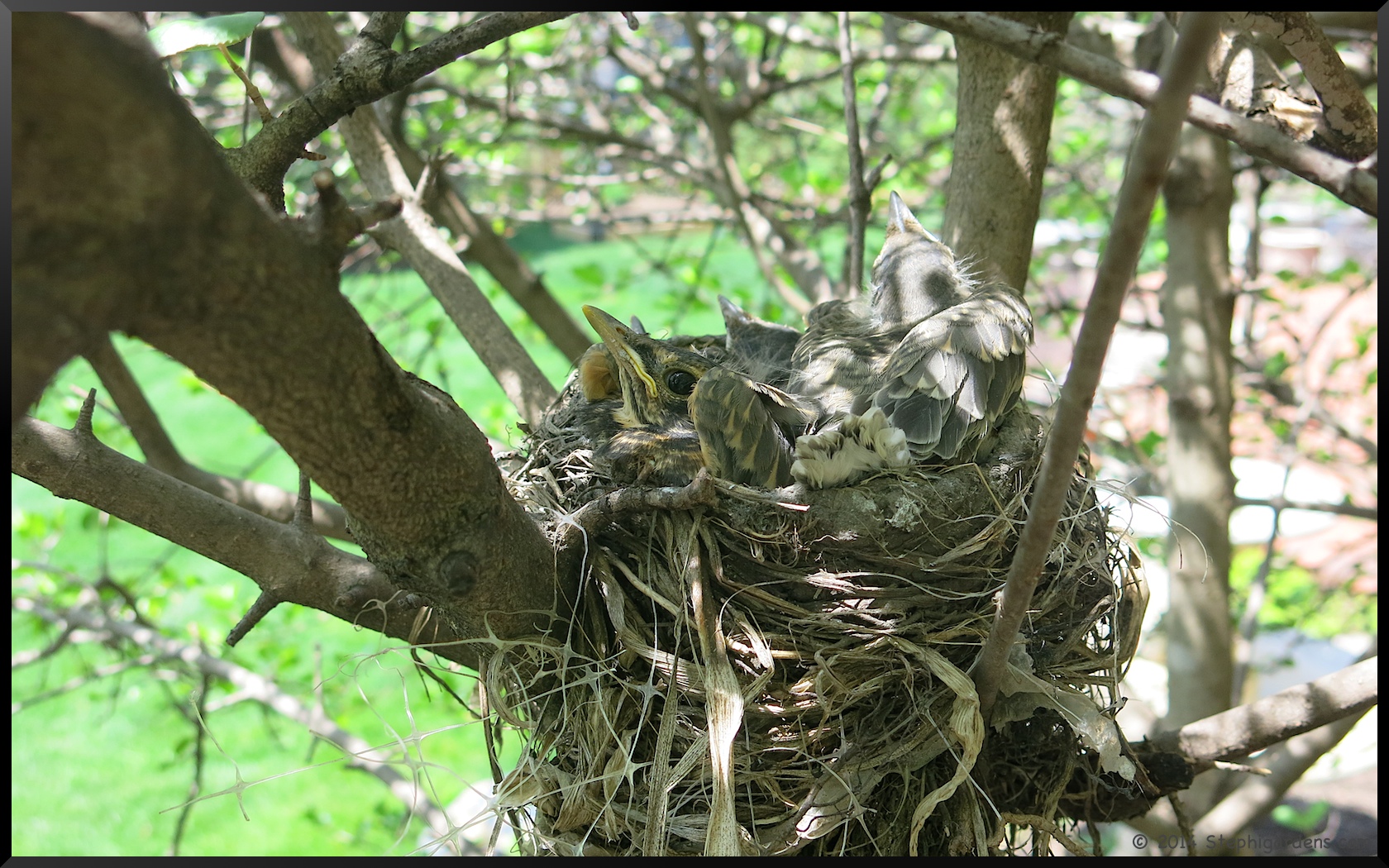
 About a week later, eyes are open and they are much bigger.  Still just as hungry!  Making a lot of noise, too.

robins nest

robins nest

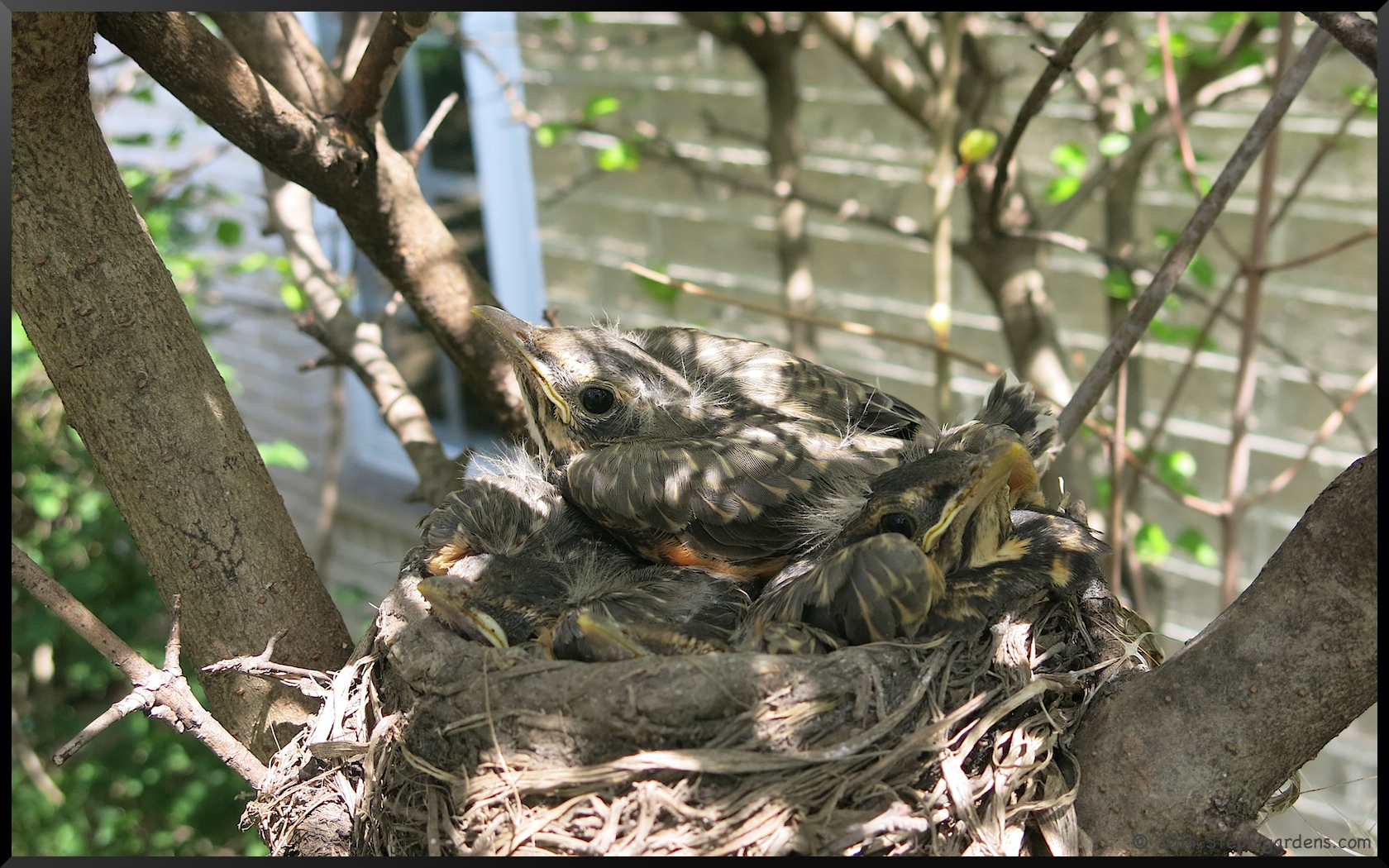
A few days later, the nest is a little cramped.

robins nest

robins nest

and then…they’re gone!

robins nest

In 14-16 days total, the nestlings go from newborn to fledgling.  Once they can fly, they hang around the nest for a 10-15 more days to become strong and independent young birds.  You can hear them noisily calling for mom (and food) with their high pitched, very noisy simple chirps.   Once the young birds are on their own, the parents may then start all over again 1 or 2 more times in a season.  Sometimes in the same nest, or they may build a new one.

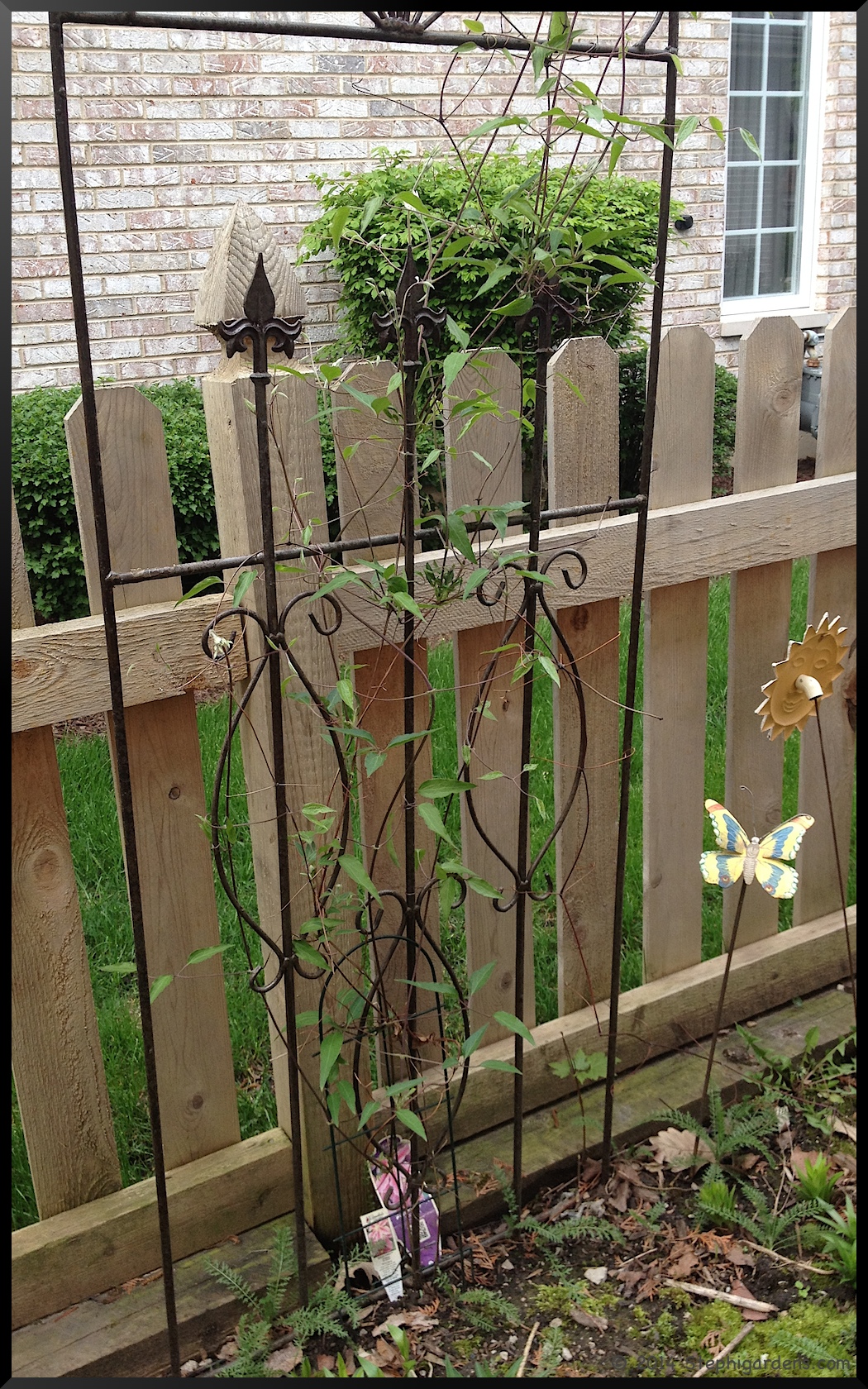
Checking in on the Clematis (and How do I Prune Them??)

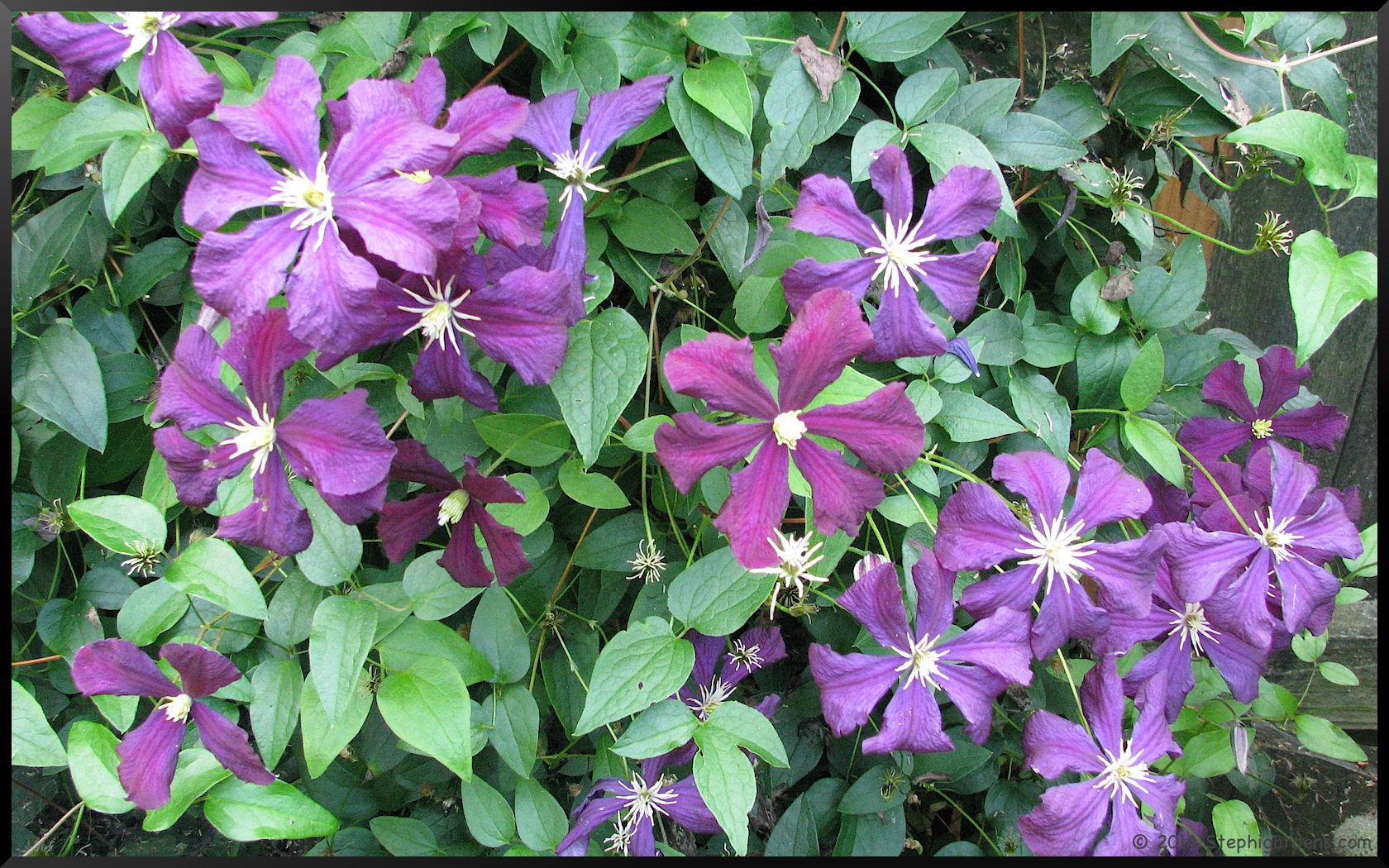
Clematis "Jackmanii superba"

One of my favorite plants in my garden are my clematis. I love how they climb and burst forth in mountains of delightful color.  Every year I worry about if they’ll make it through the winter, but so far so good. One of them I’ve had since we moved into the house almost 20 years ago. It’s moved a couple of times, but it’s no worse for the wear.

Clematis "Jackmanii superba"

I also worry a lot about pruning as well.  I just feel like I’m going to do it wrong and somehow kill it, or permanently wreck it.  So more often than not, I do nothing for a while and then timidly prune some off.  Instead, pruning clematis is necessary to keep it healthy and blooming profusely.

When and how to prune depends on what type it is.  It is also important to prune a young clematis the first 2 years to encourage strong roots to support a strong plant.  While tempting (and commonly done here), clematis should also not be pruned in the fall in colder climates since any warm weather will stimulate growth too early.

There’s lots of great websites describing how to prune a clematis, but simply put:

  • Type A or 1 blooms in early spring and should be pruned lightly to remove dead wood and neaten up the plant after blooming.  Flower buds are set the previous year on old wood.
  • Type B or 2 blooms in late spring or early summer and then sporadically after.  These can be pruned by thinning in very early spring and then again after the bloom.  Or, if really unruly, they can be cut back more severely to about a foot before any new growth begins.
  • Type C  or 3 tends to bloom in early to late summer.  These are the easiest to prune.  Before new growth begins cut the entire plant back to about a foot.

I think I can handle this. A little more care and my clematis will look even more spectacular!

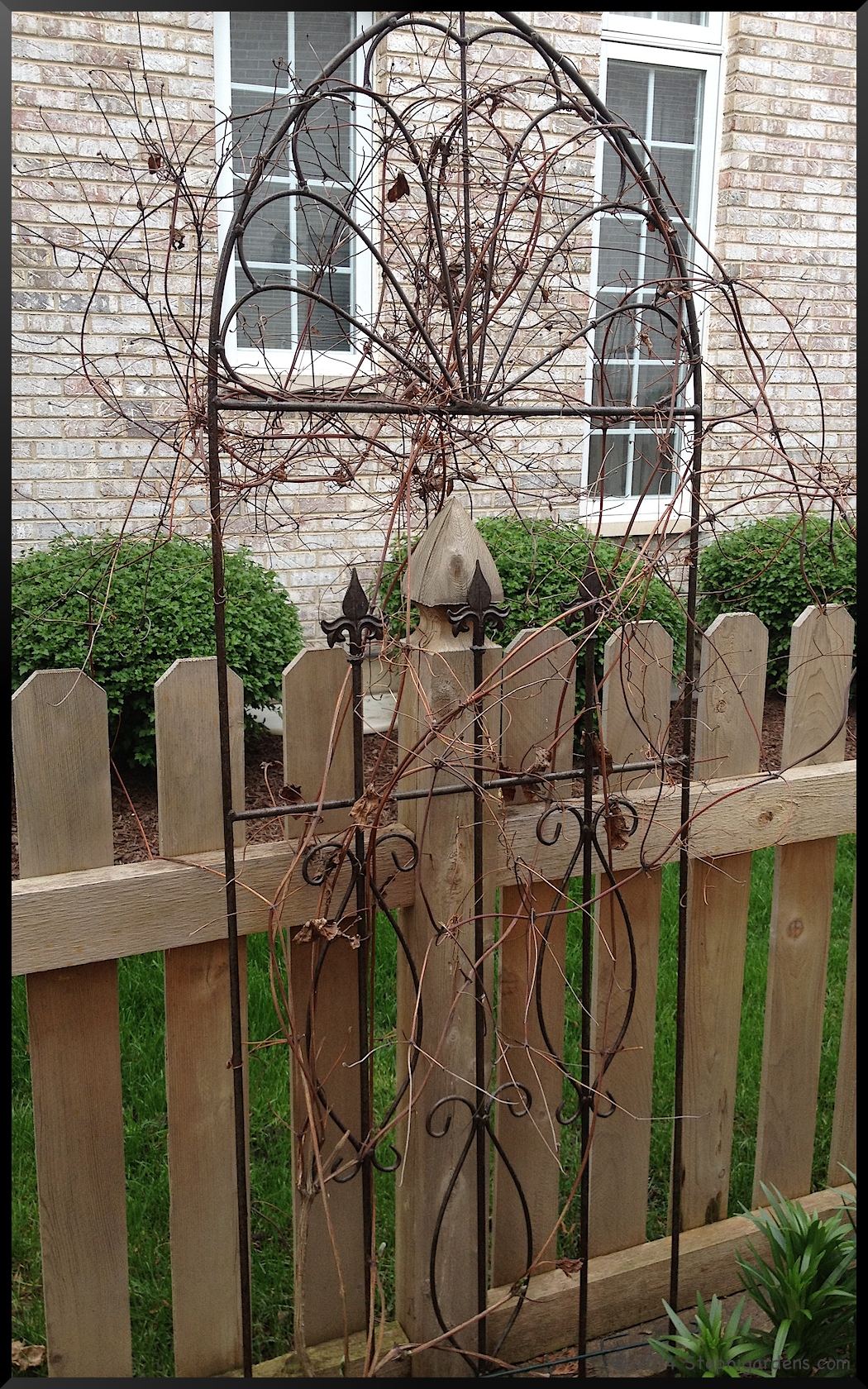
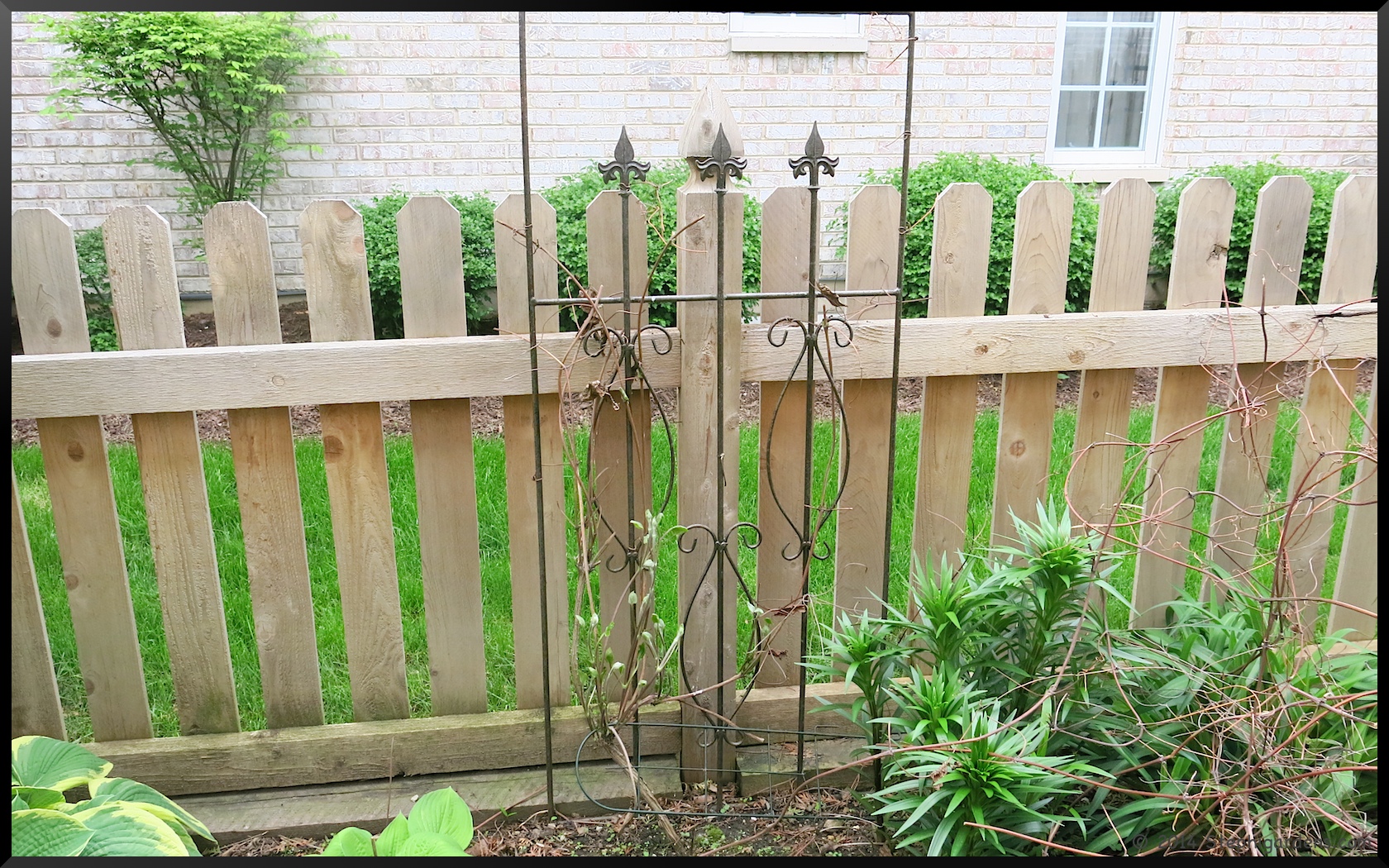
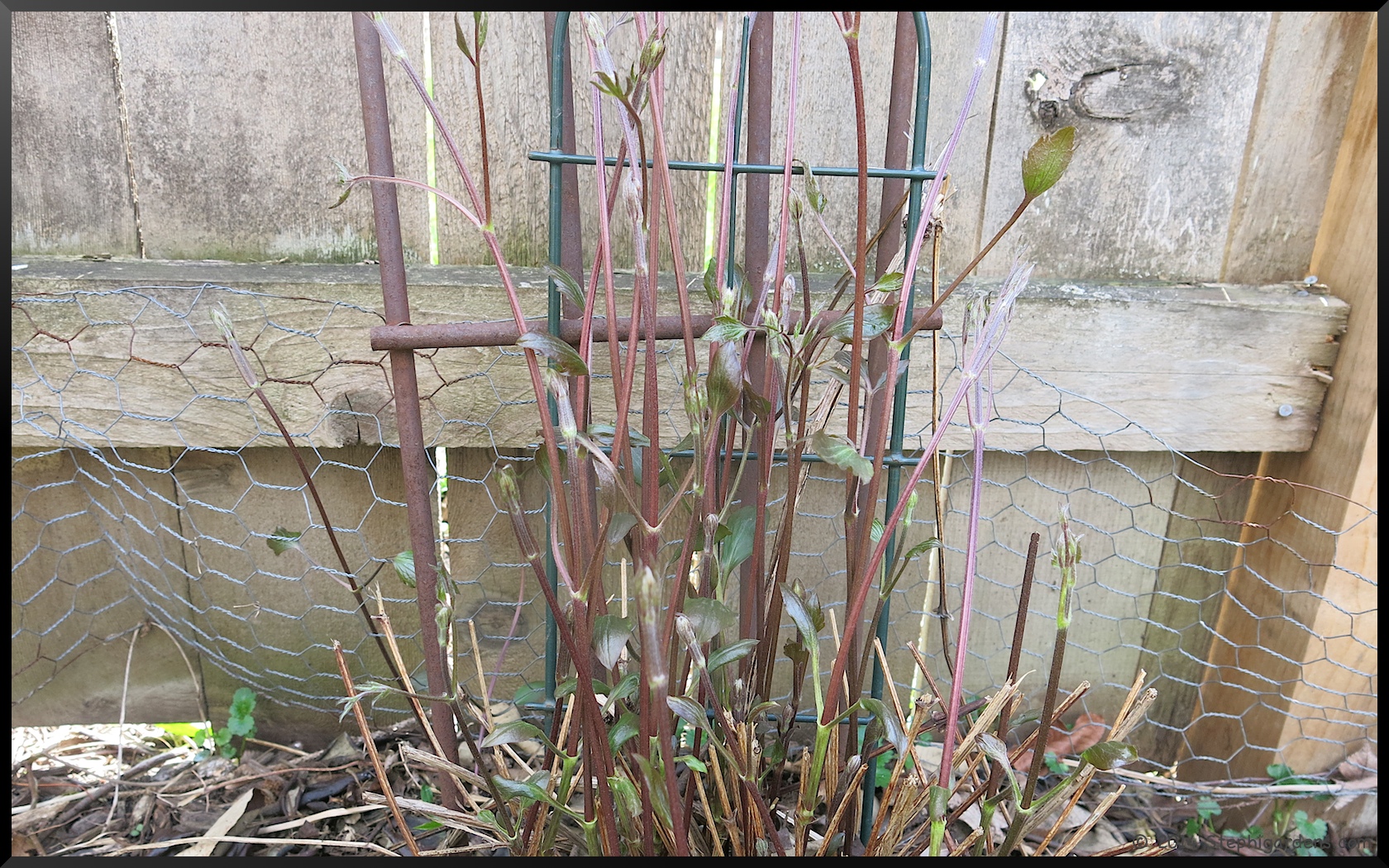
This Clematis “Jackmanii” has been moved a few times and was the slowest to bud this year.  I was worried it was dead, but happily buds began to emerge a couple of weeks ago.

Clematis "Jackmanii superba"

Clematis "Jackmanii superba"


Clematis “Jackmanii” is a Type 3 clematis for pruning.  Last week, once the new growth was established and I new it was alive, I took the opportunity to prune back the tangled mess of dead wood above the new growth.

Clematis "Jackmanii superba"

This one is my 20 year old Clematis “Jackmanii”.

Clematis "Jackmanii superba"


It’s been hard pruned periodically (in the fall, whoops) , and keeps coming back bushier and fuller each year.

Clematis "Jackmanii superba"

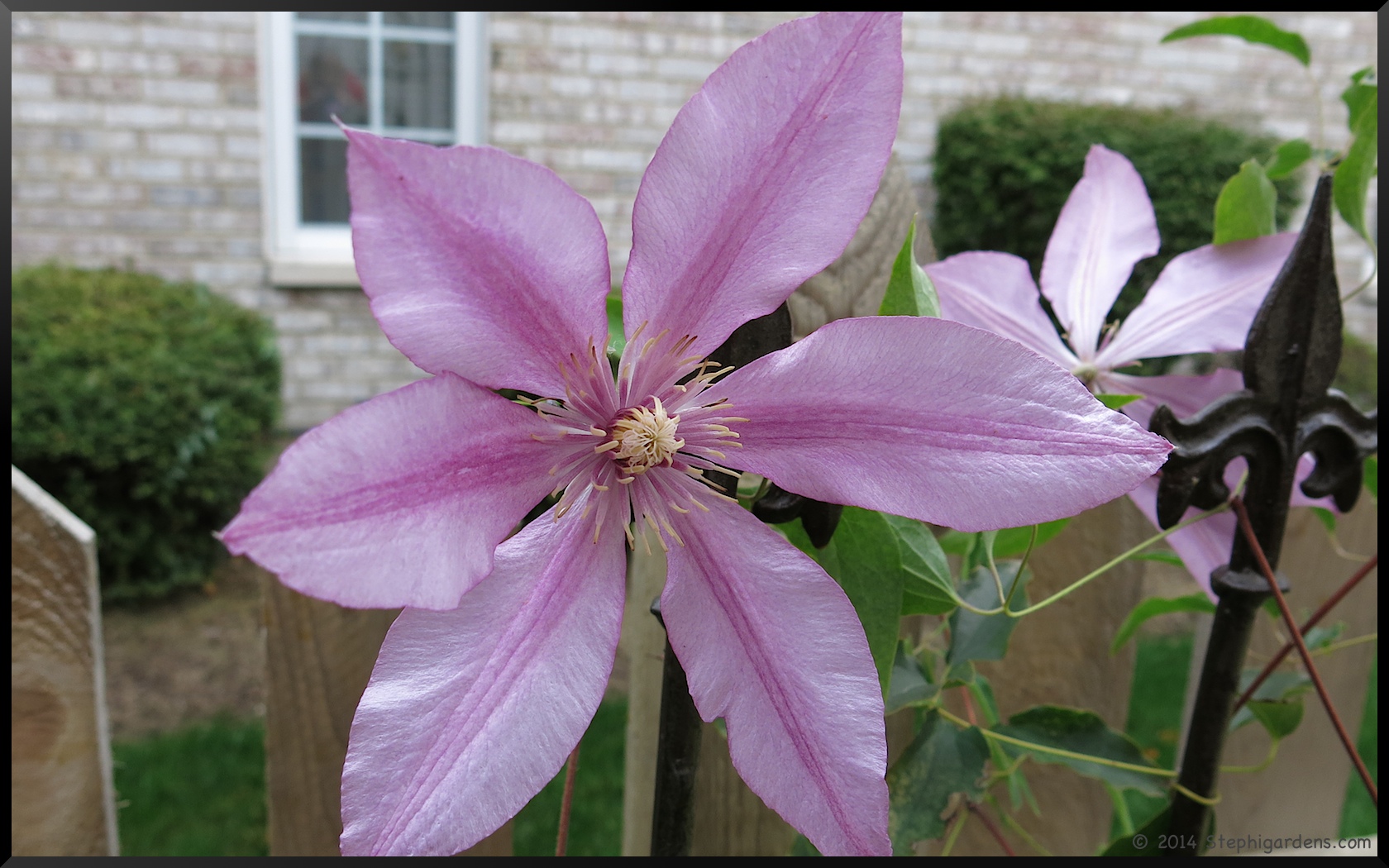
One of my recent clematis plantings is a clematis “Sugar Candy”.

Clematis "Sugar Candy"

This a type 2 clematis and hasn’t been pruned at all since it was planted.

Clematis "Sugar Candy"


It could probably use some freshening up, so I will give it a bit of a “haircut” this year after it has bloomed, and then again in the early spring next year.

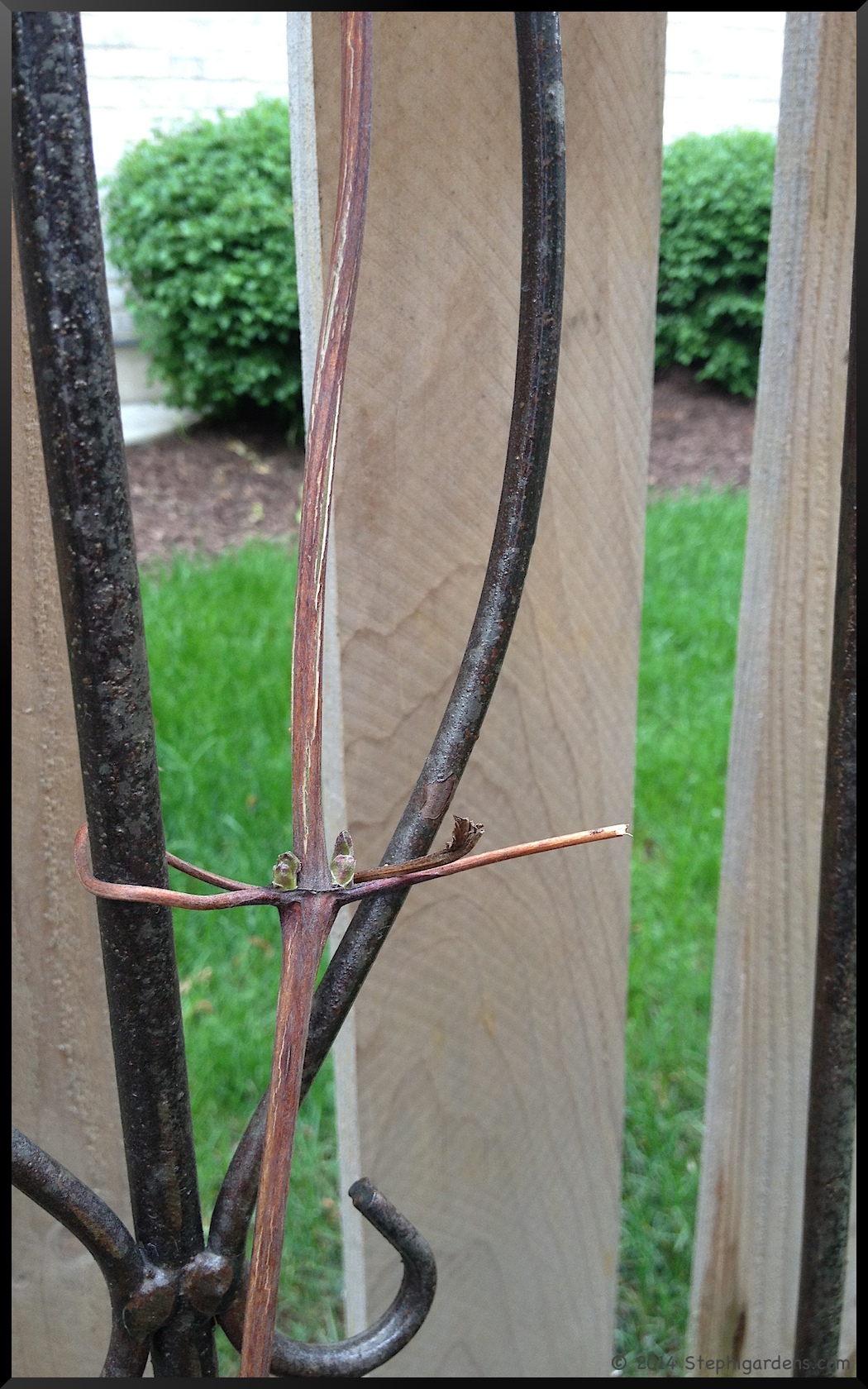
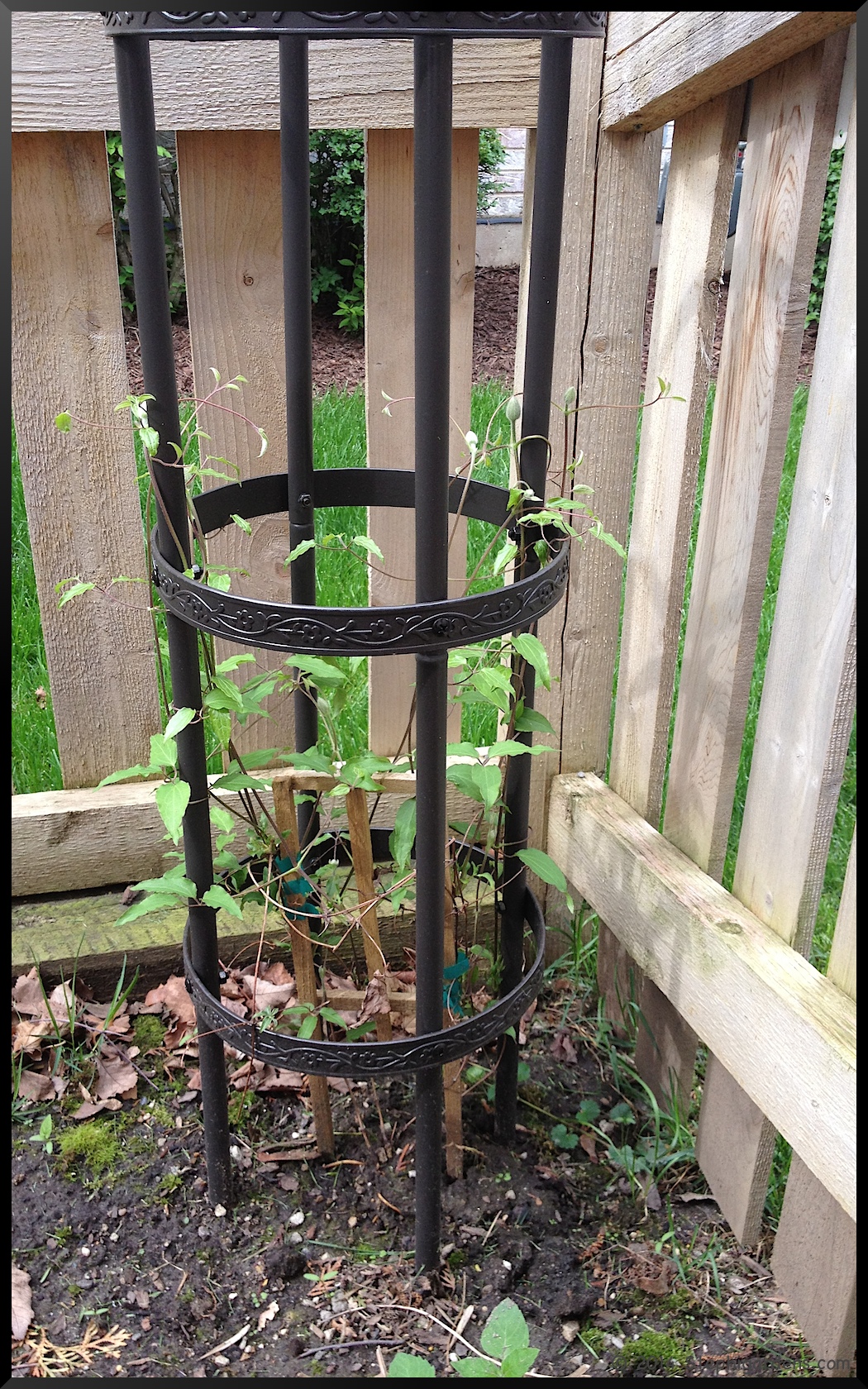
My newest one is unknown.  Somehow in less than 6 months, I have lost the name tag.  It is a clearance plant I got last fall, so I’m glad it came back this spring.  It’s going to be a nice surprise when it blooms and I can try to identify it.  I’l have a better idea as to how to prune it when I figure out what it is.

clematis


Do you have any clematis in your yard?  Are you comfortable pruning it?

Spring in Northern Michigan??

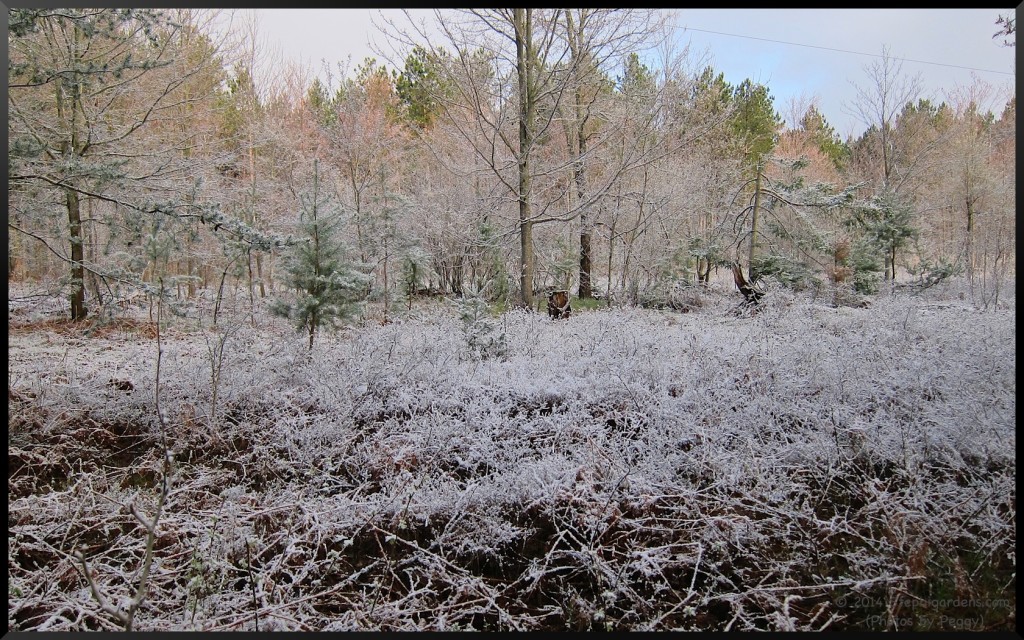
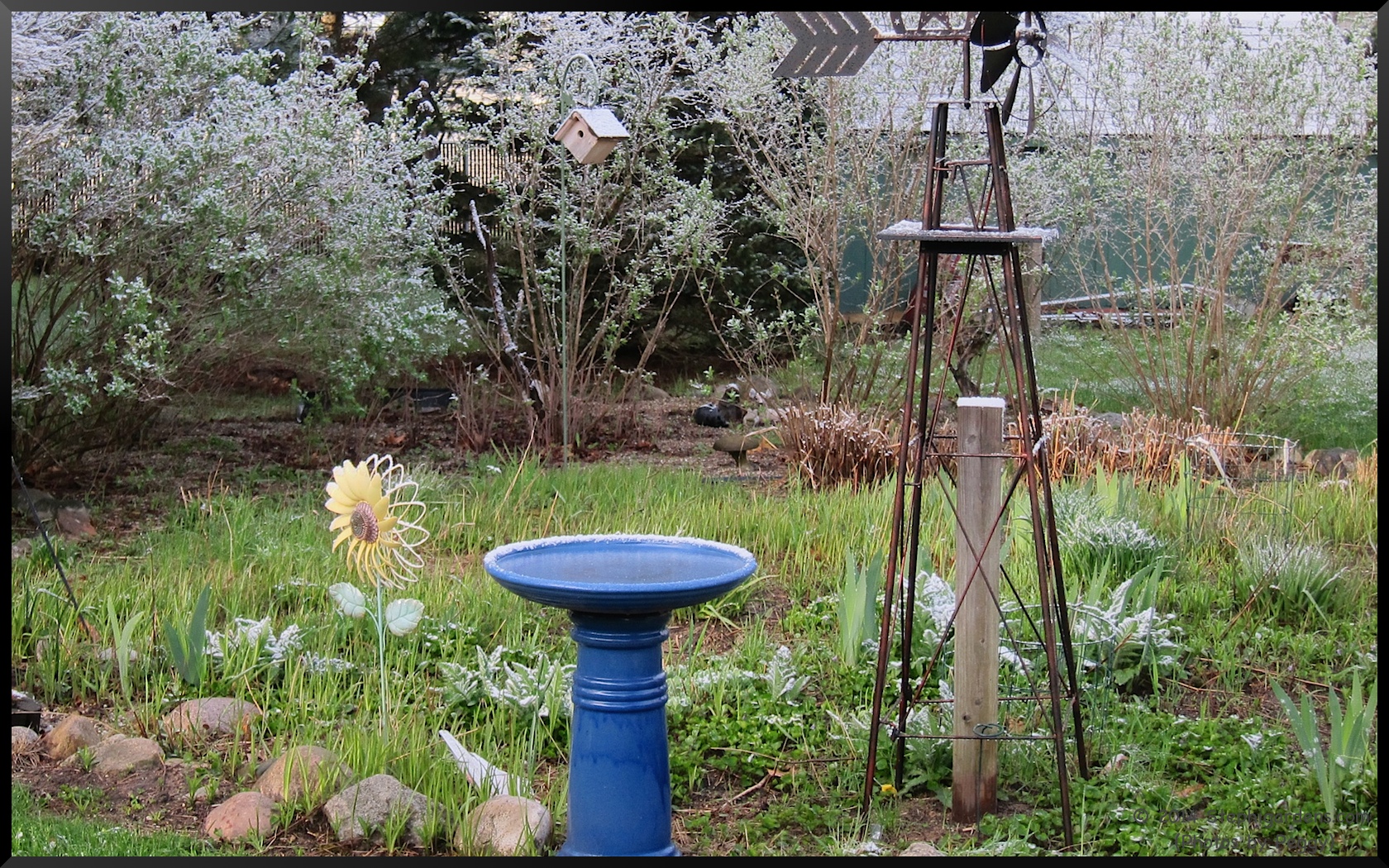
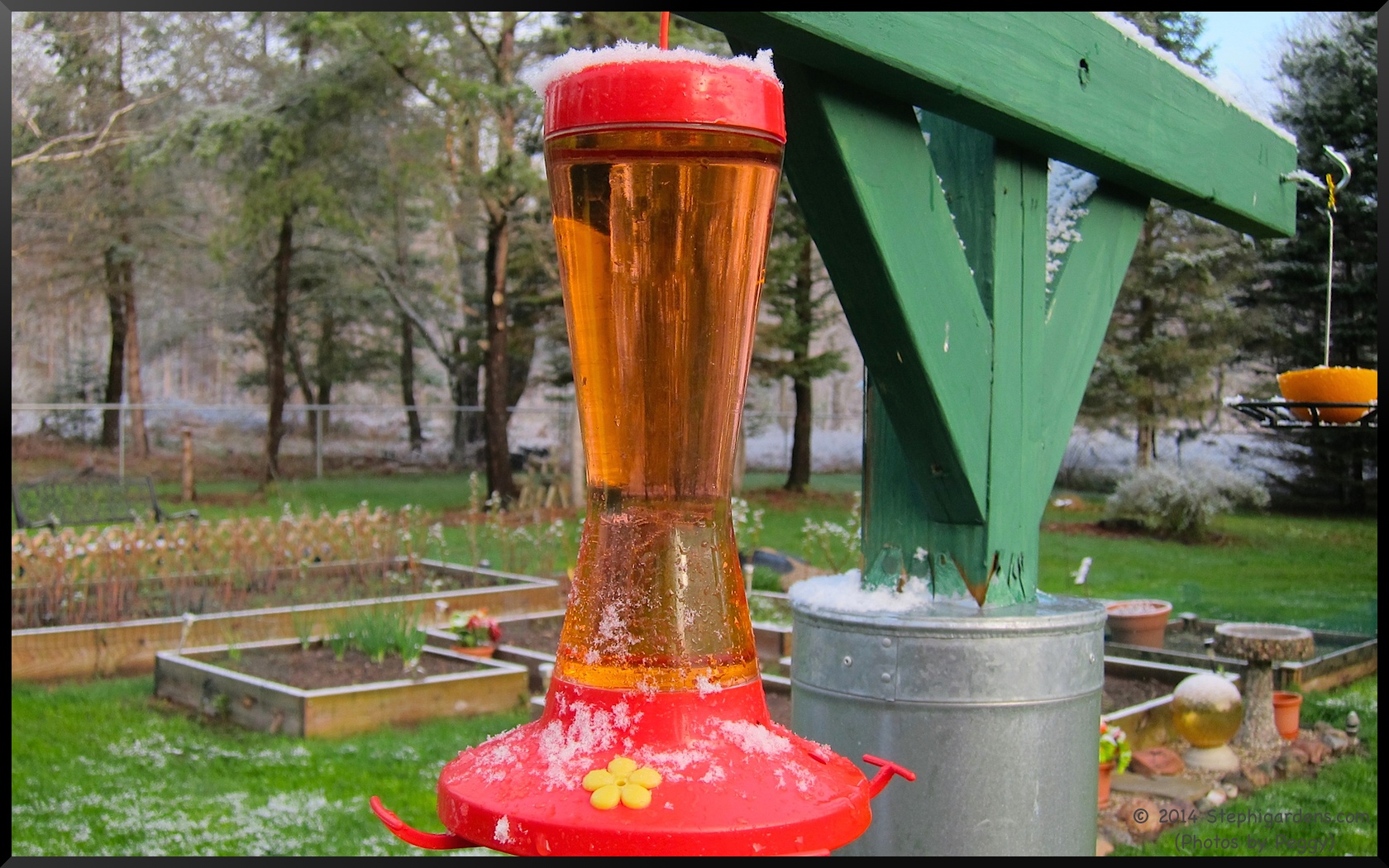
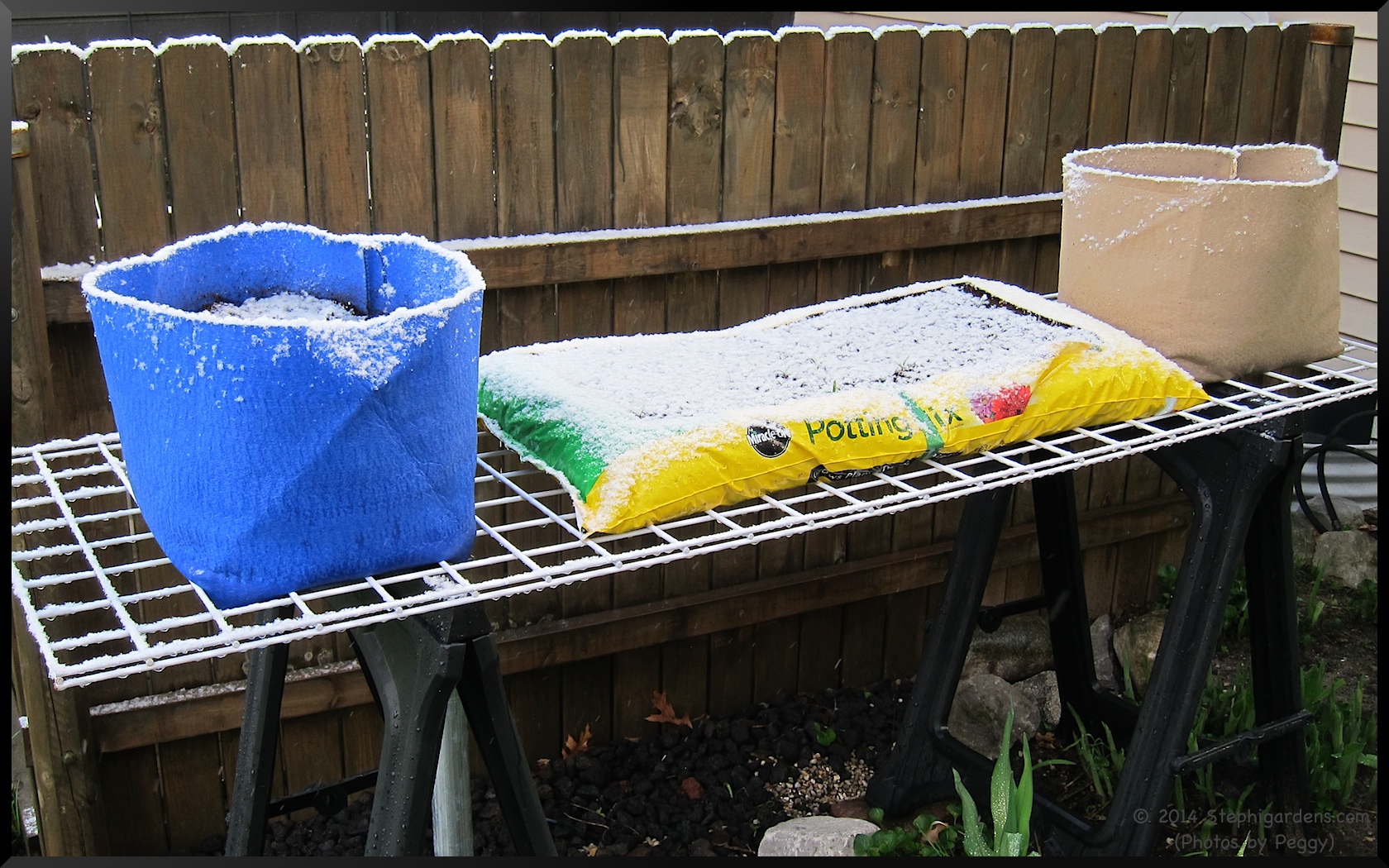
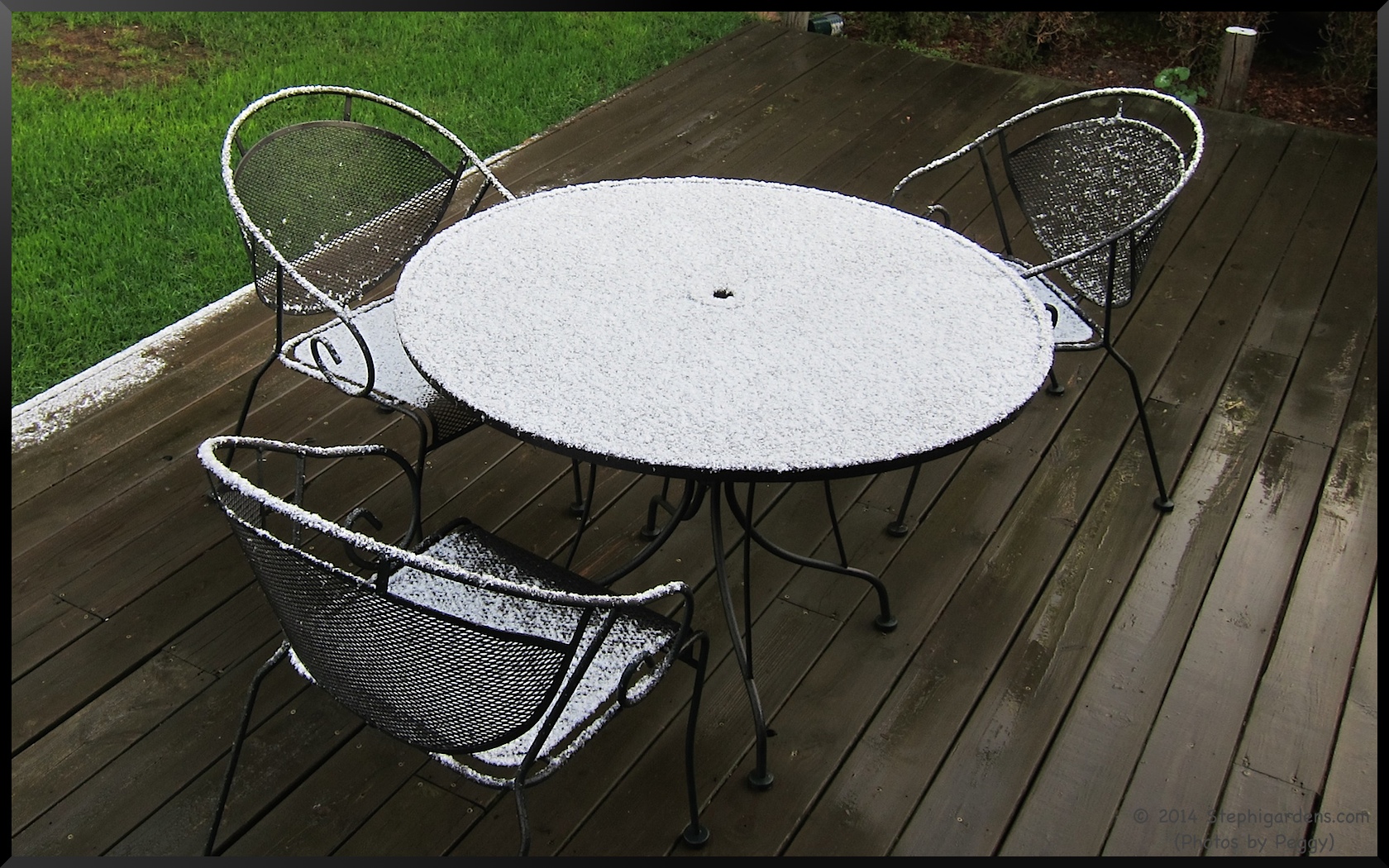
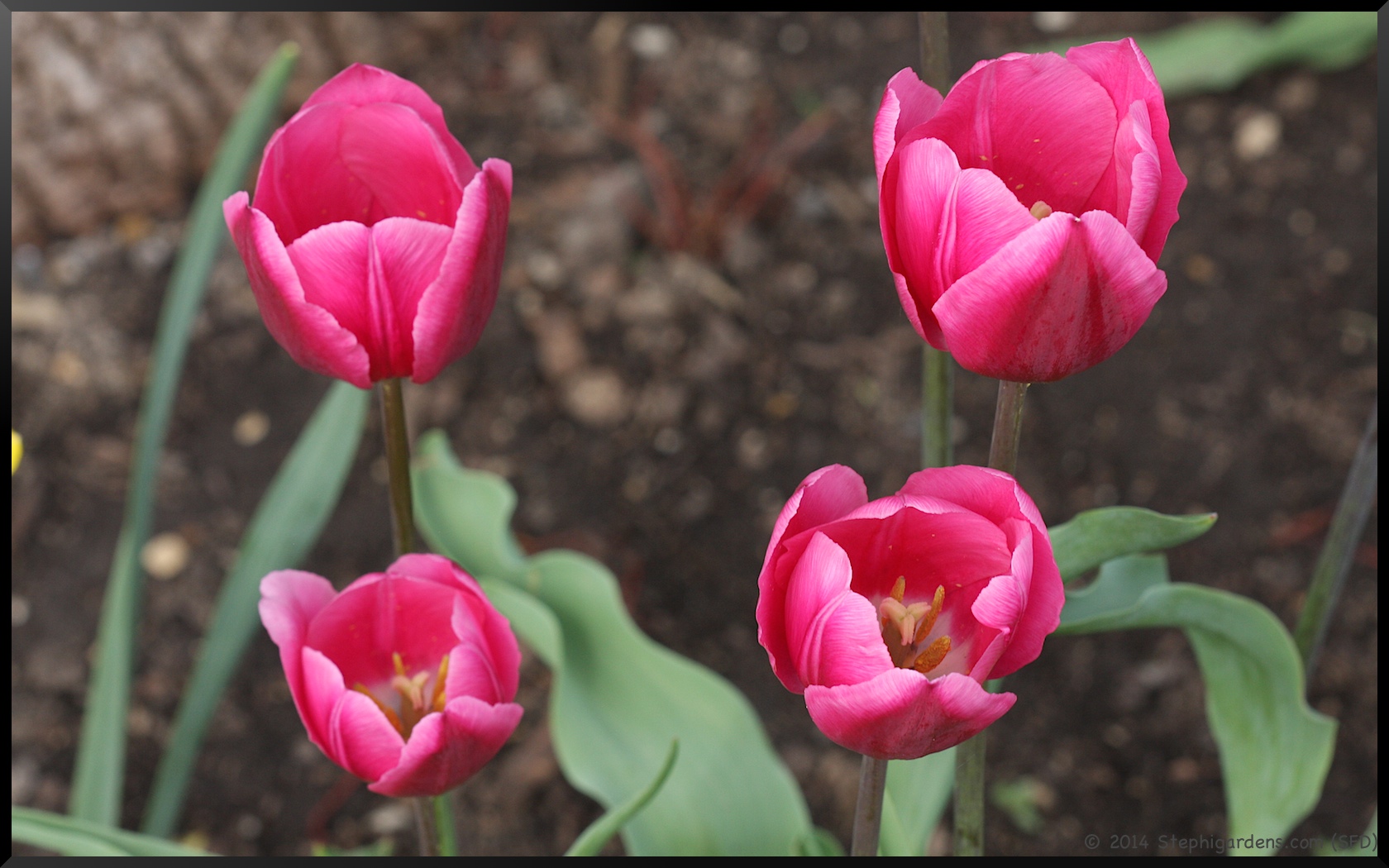
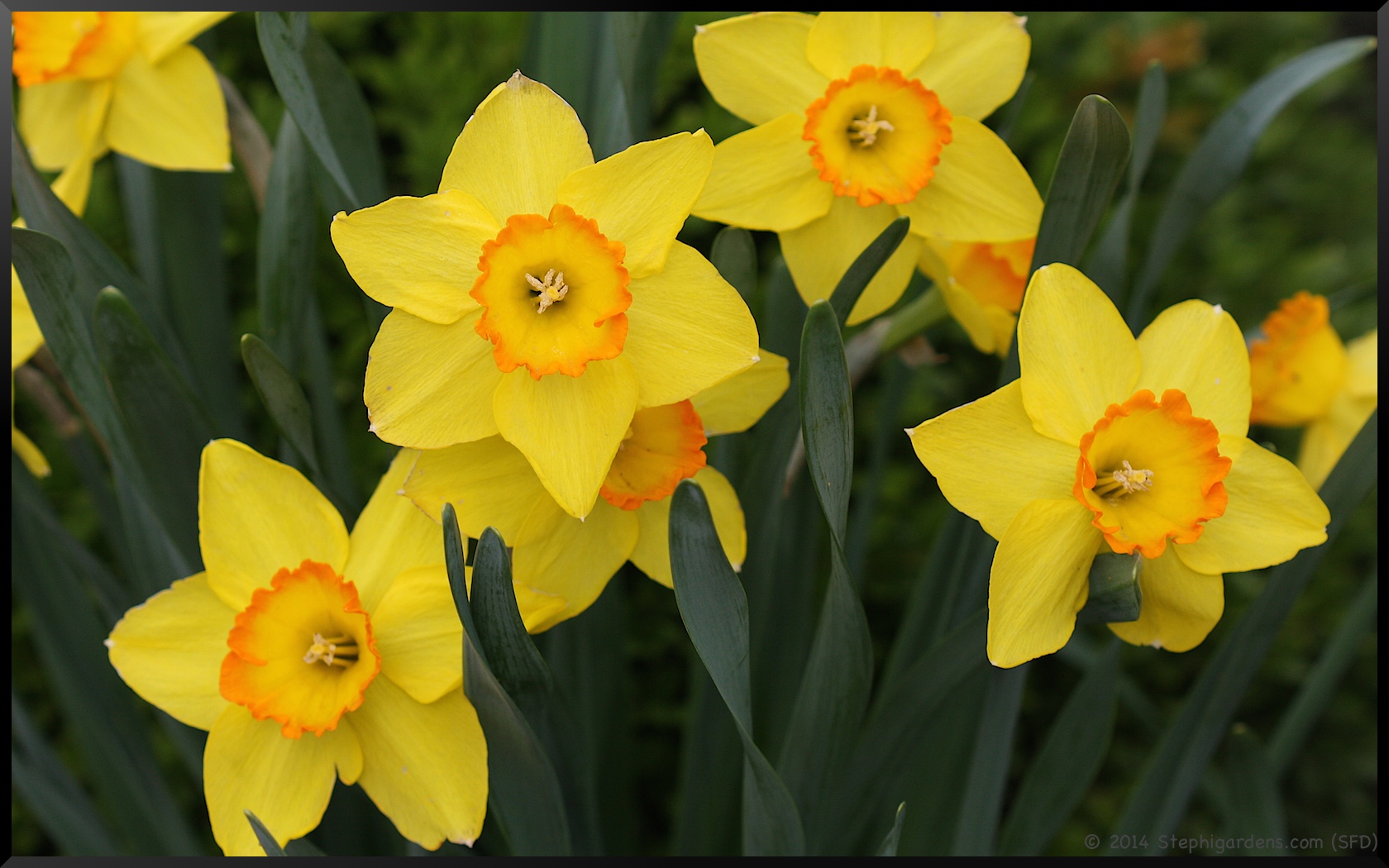
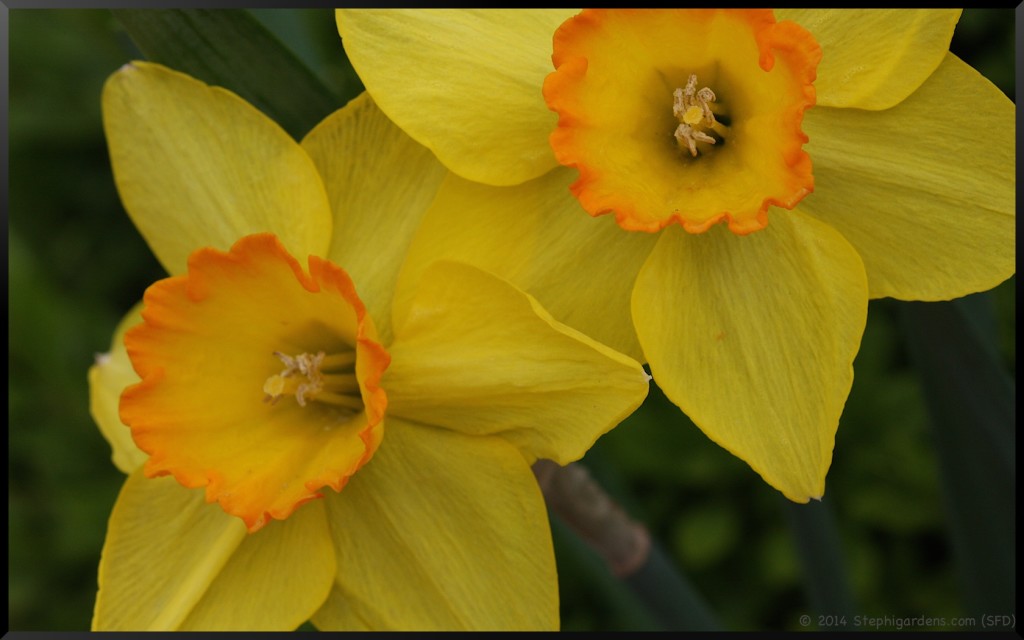
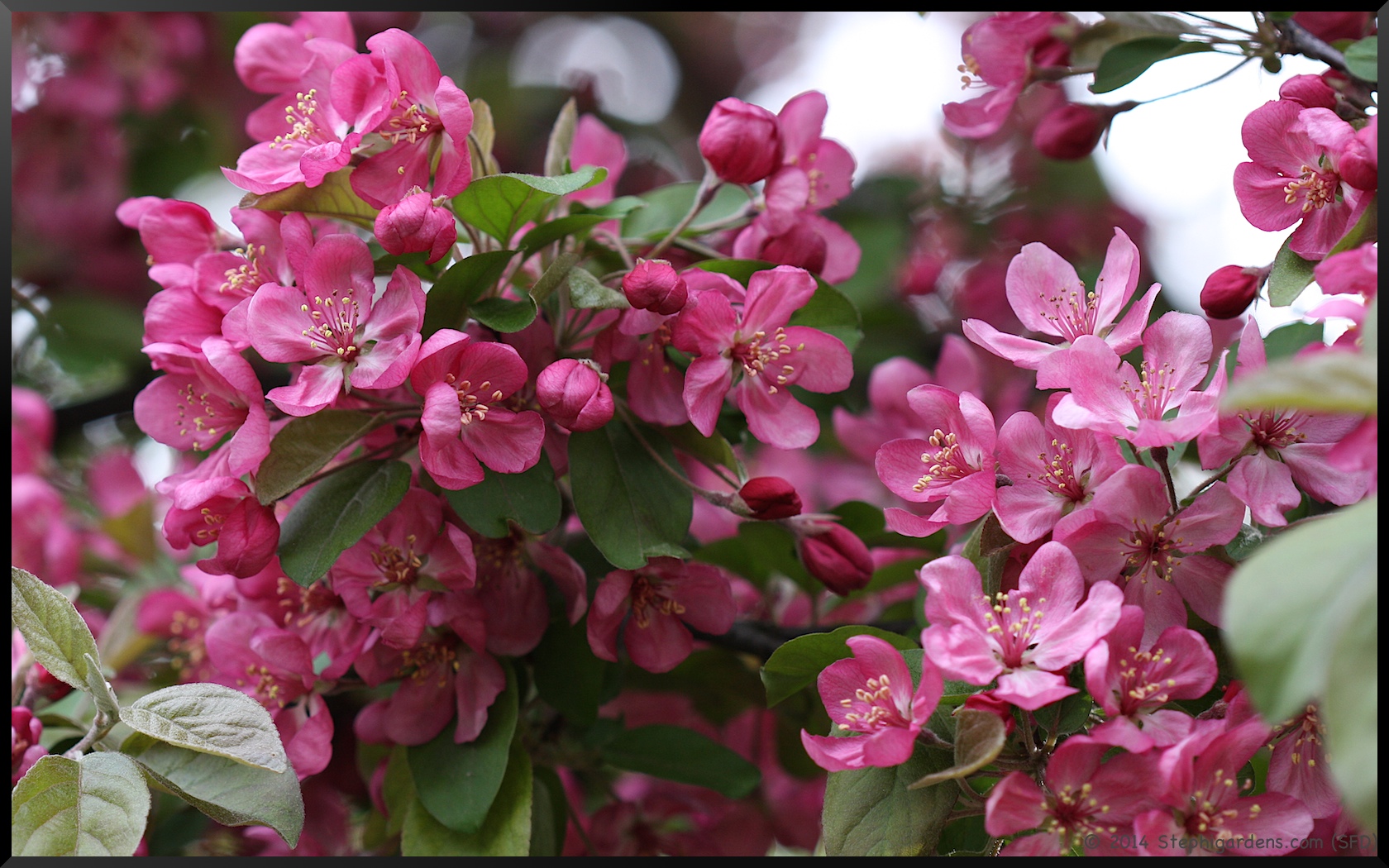
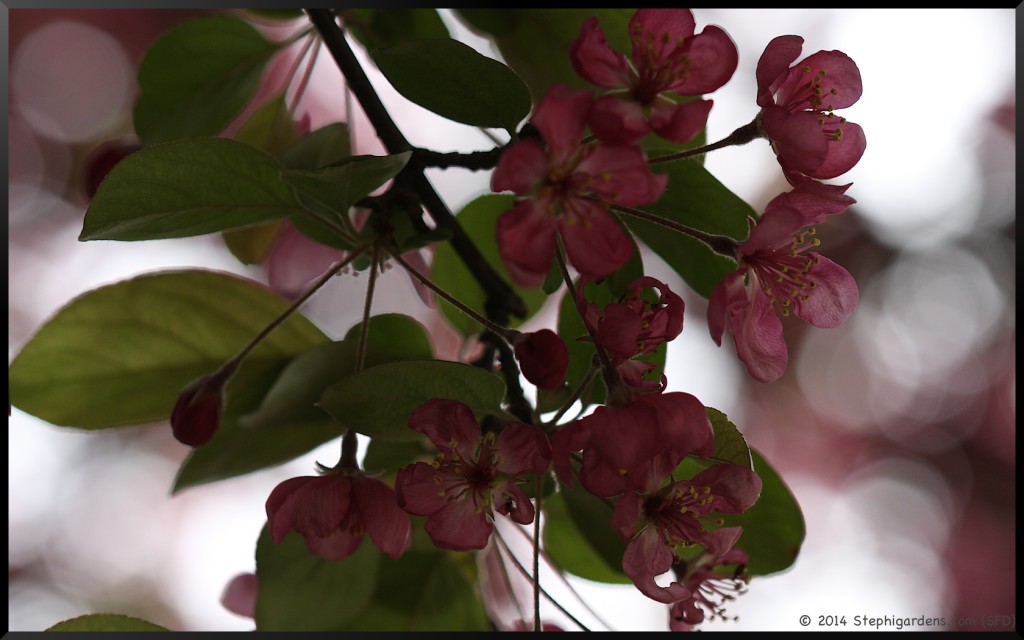
While I’ve had my share of bad winter and spring weather here in Chicago, it still isn’t nearly as harsh as it’s been at my mom Peggy’s house in Northern Michigan.  She’s still patiently (??) waiting for the soil to get warm enough to get her plants in the ground.  Just yesterday morning, there was yet another dusting of snow and overnight frosty temperatures in the low 30’s.  While it may be a nuisance, Peggy did get some beautiful pictures that for the moment make you forget it’s mid-May.

Michigan


Stephi Gardens: Photos by Peggy


Stephi Gardens: Photos by Peggy

Keeping the Orioles alive in the cold!

Hummingbird Feeder

Yum! Fresh oranges for the birds are a hit.

Hummingbird feeder

Everything is ready, except the weather!

Gardening in soil bag

Photos by Peggy


Stephi Gardens: Photos by Peggy

Has spring truly felt like it’s arrived at your house yet?  


Photos by Peggy


Assessing Winter’s Damage

While most of the garden has burst forth finally, quite a few things have been mighty slow, while others have obviously not survived the winter.  From what I’ve been hearing, everyone has suffered some loss in the garden from the long, cold, snowy winter.   In comparison to some, I think I’ve fared pretty well since I didn’t lose any major specimens.  Mostly I’ve had to just be patient as everything slowly unfolds this year.

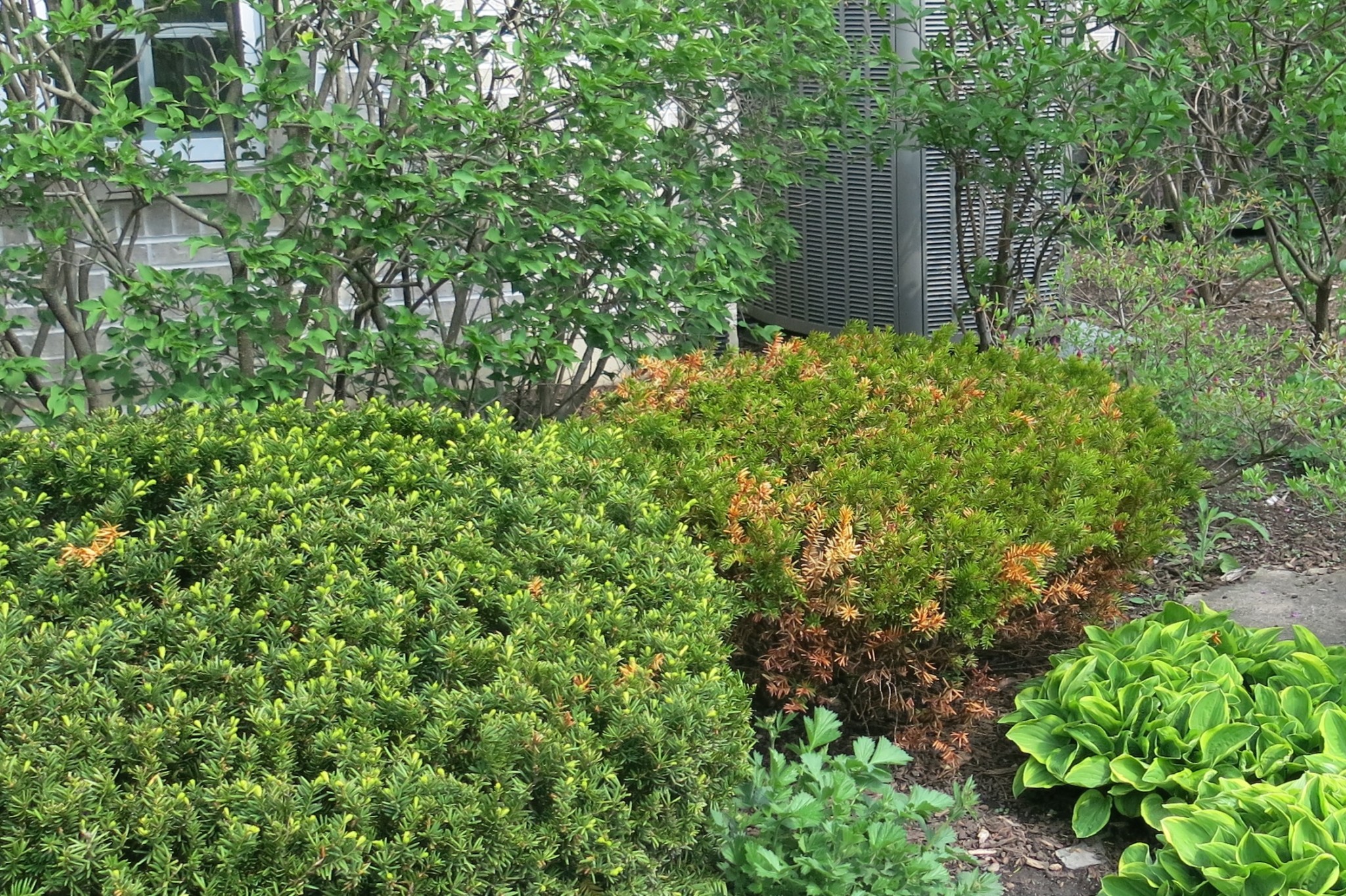
The trees and shrubs look pretty healthy, except for some winter burn on the yews.  Unfortunately, these dead spots will not recover and will need to be pruned out as soon as new growth can be seen.  Depending on how bad the damage is, it may look odd for a while until the shrub fills in.  Yews are one of the faster growing evergreens, so if I’m lucky it may fill in within one growing season.

Yew

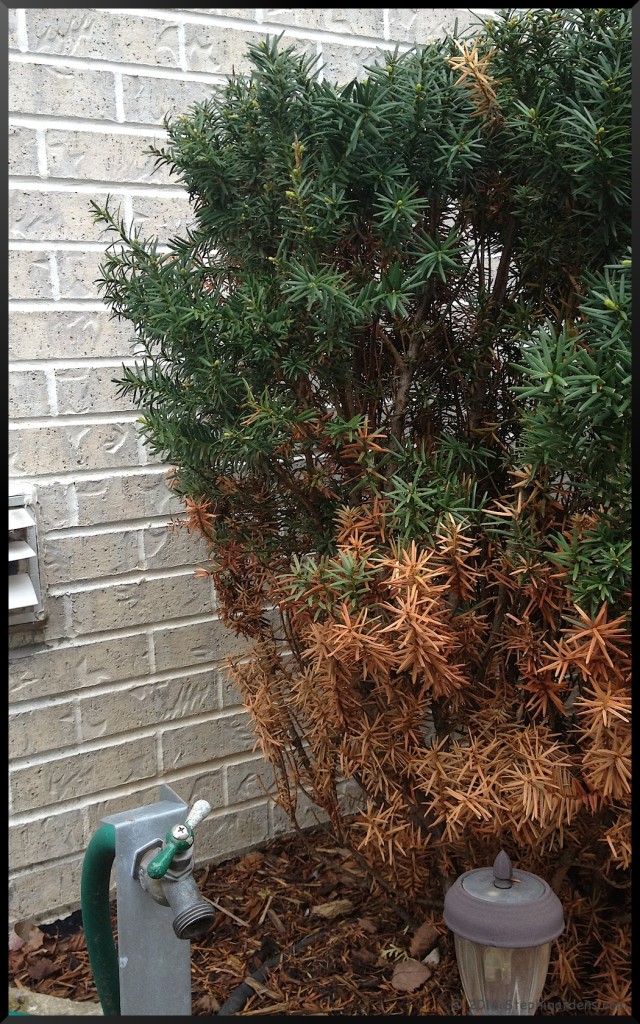
This yew below suffered the most damage.  That’s because it’s placed much too close to the dryer vent, which pumped out damaging warm air onto it all winter.  Not much I can do about that but prune off the dead branches and hope it isn’t too ugly after.

Yew; Winter Burn


Ninebark


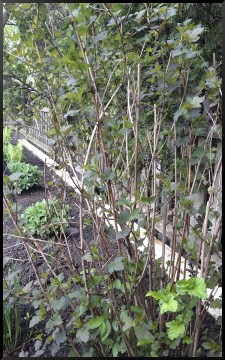
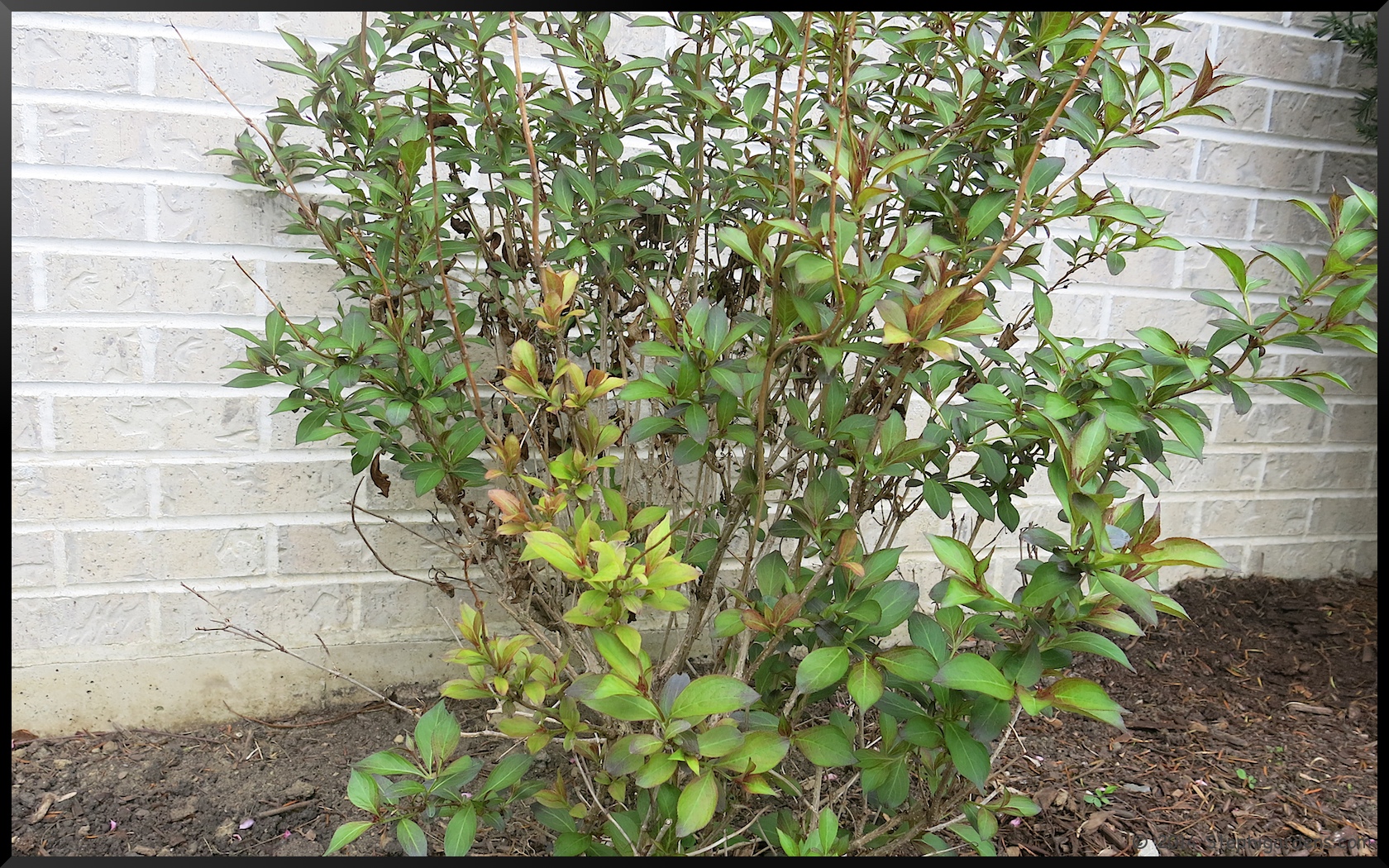
Some of the other shrubs, like the Ninebark and Weigela, have a fair amount of dead wood this year.  That’s easy enough to prune out after the new growth has emerged.  Don’t be in too much of a rush to prune, especially this year when things have leafed out so late.  Otherwise, you may be trimming out slow growth, rather than dead wood.


Weigela

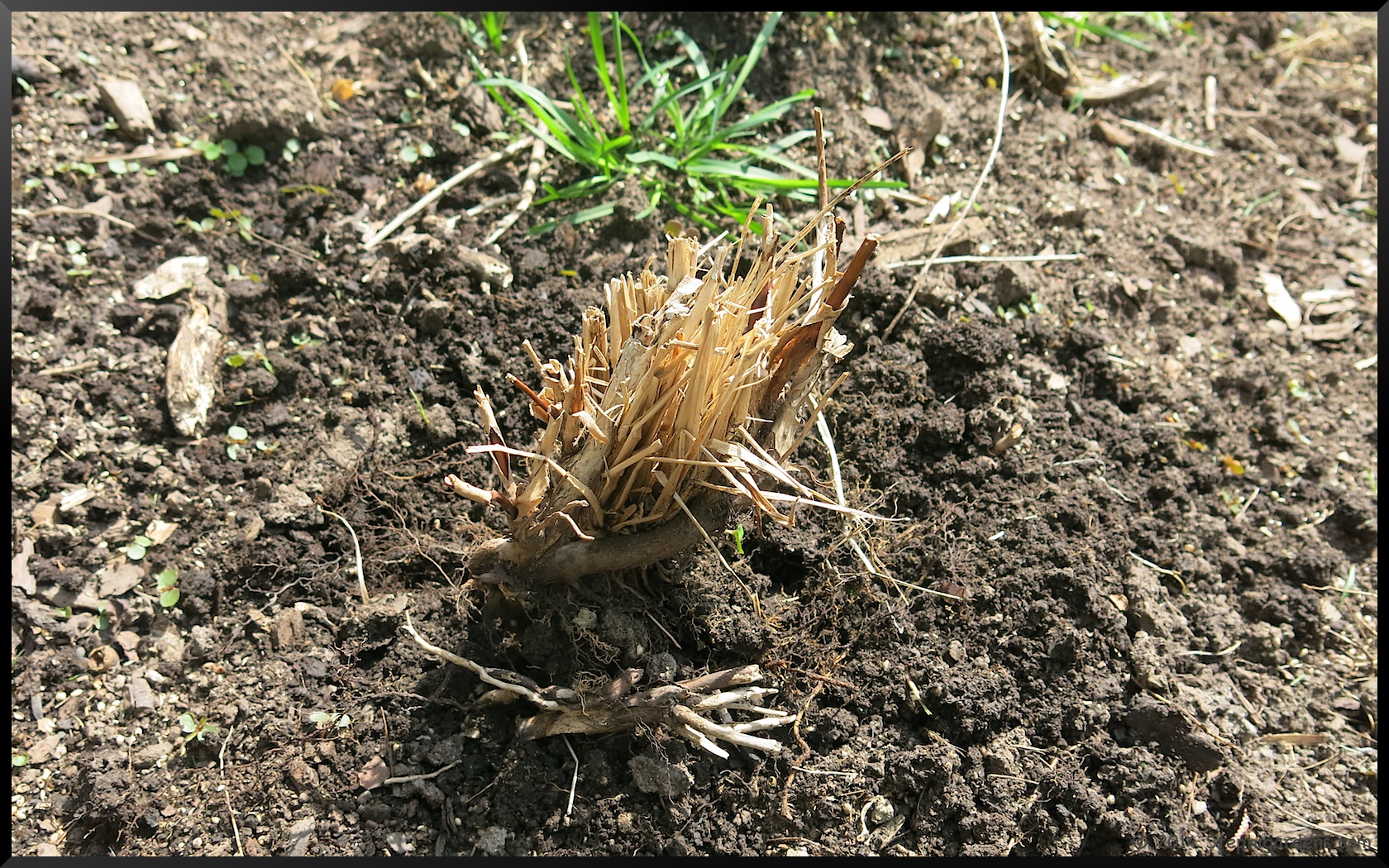
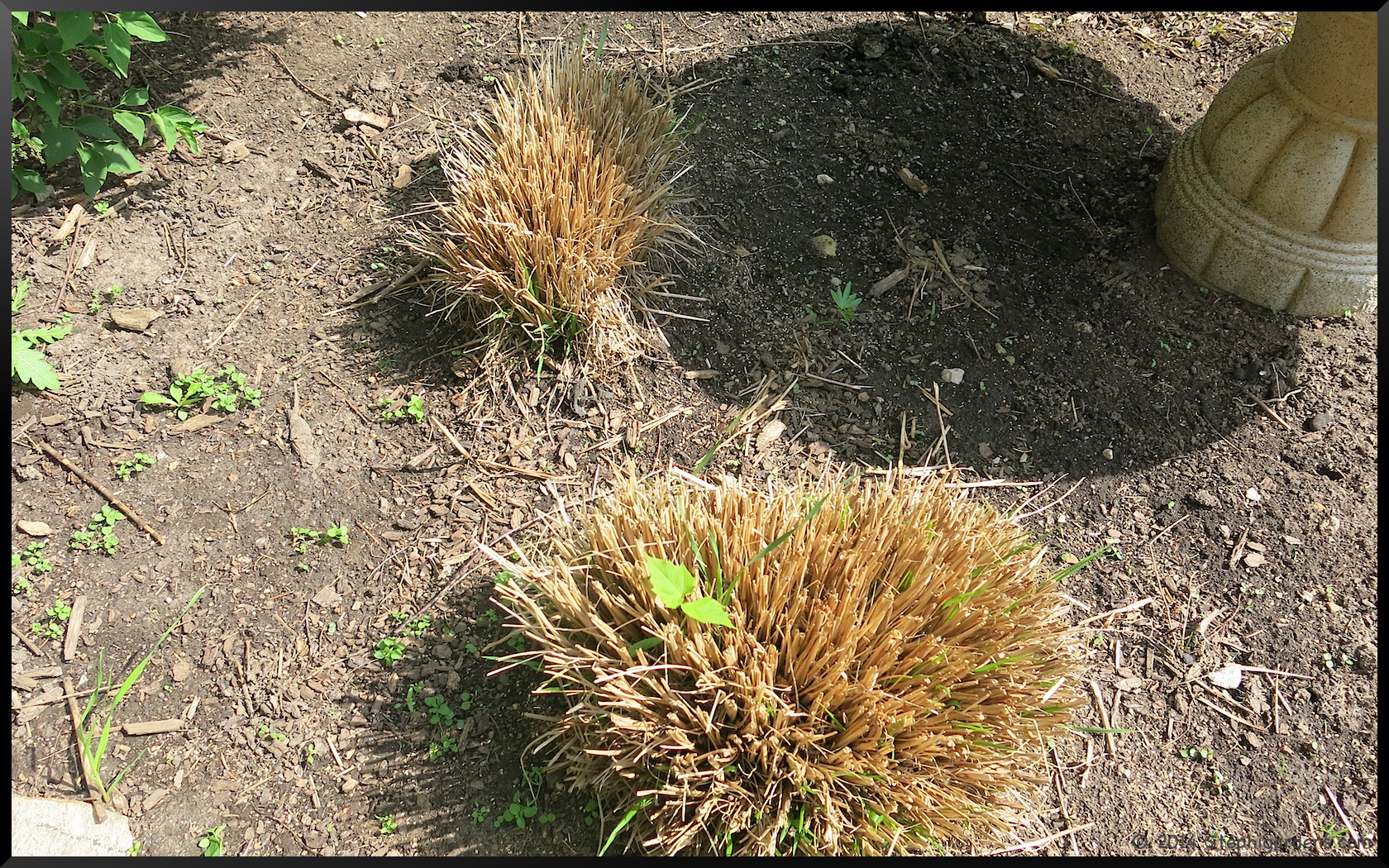
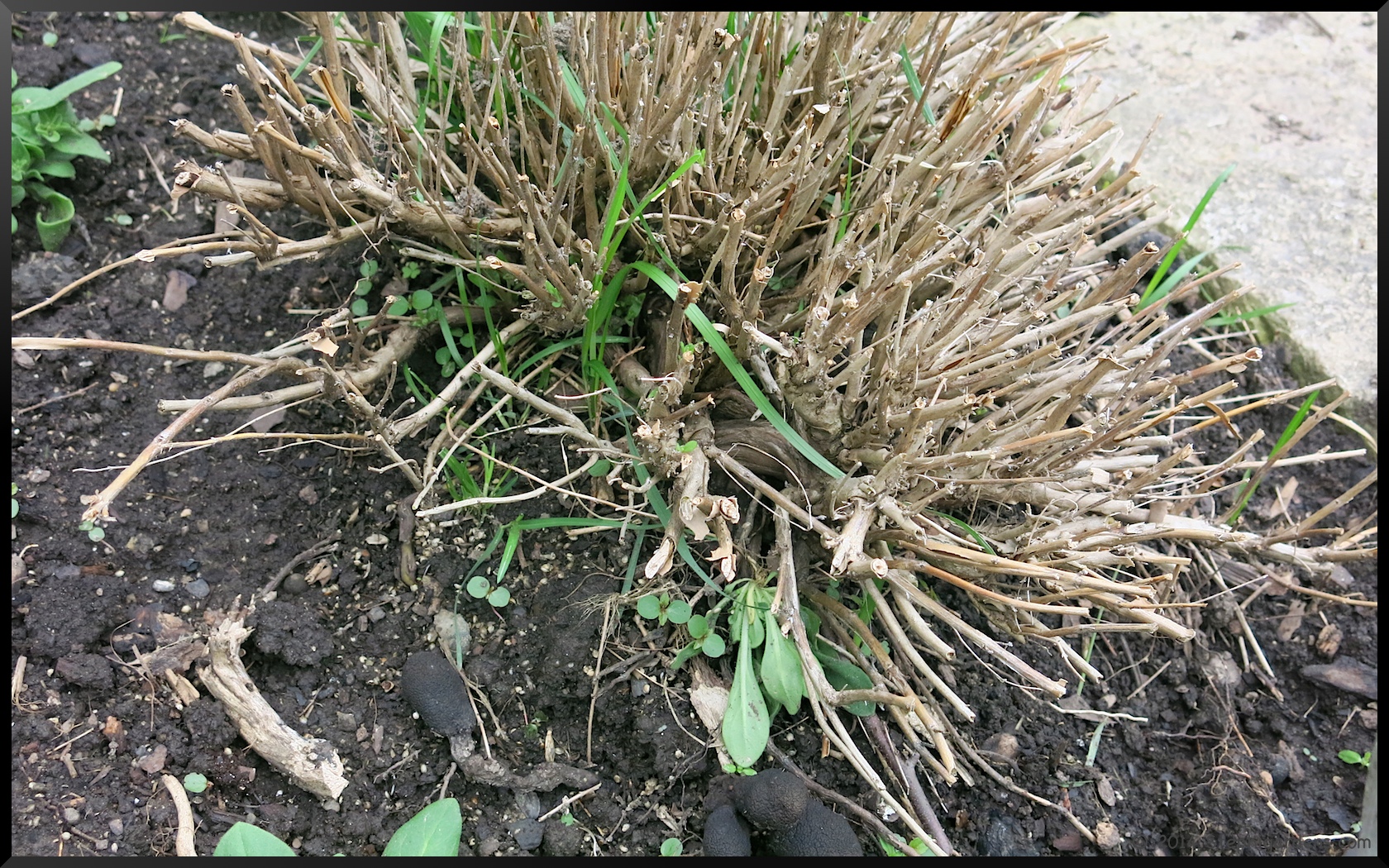
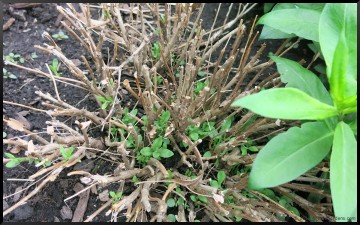
Three fountain grasses and a lavender plant also succumbed to the winter.   I watched them for a while and saw no signs of life, except some weeds that were moving in.  In this location, I’ve had trouble with the grasses in prior years, so this is a good time to remove them and try something different

Stephi Gardens

Stephi Gardens

Lavender
Lavender (surrounded by Dead Man’s fingers)


This lavender is barely showing signs of life.  But, it’s better than nothing.

LavenderLavender


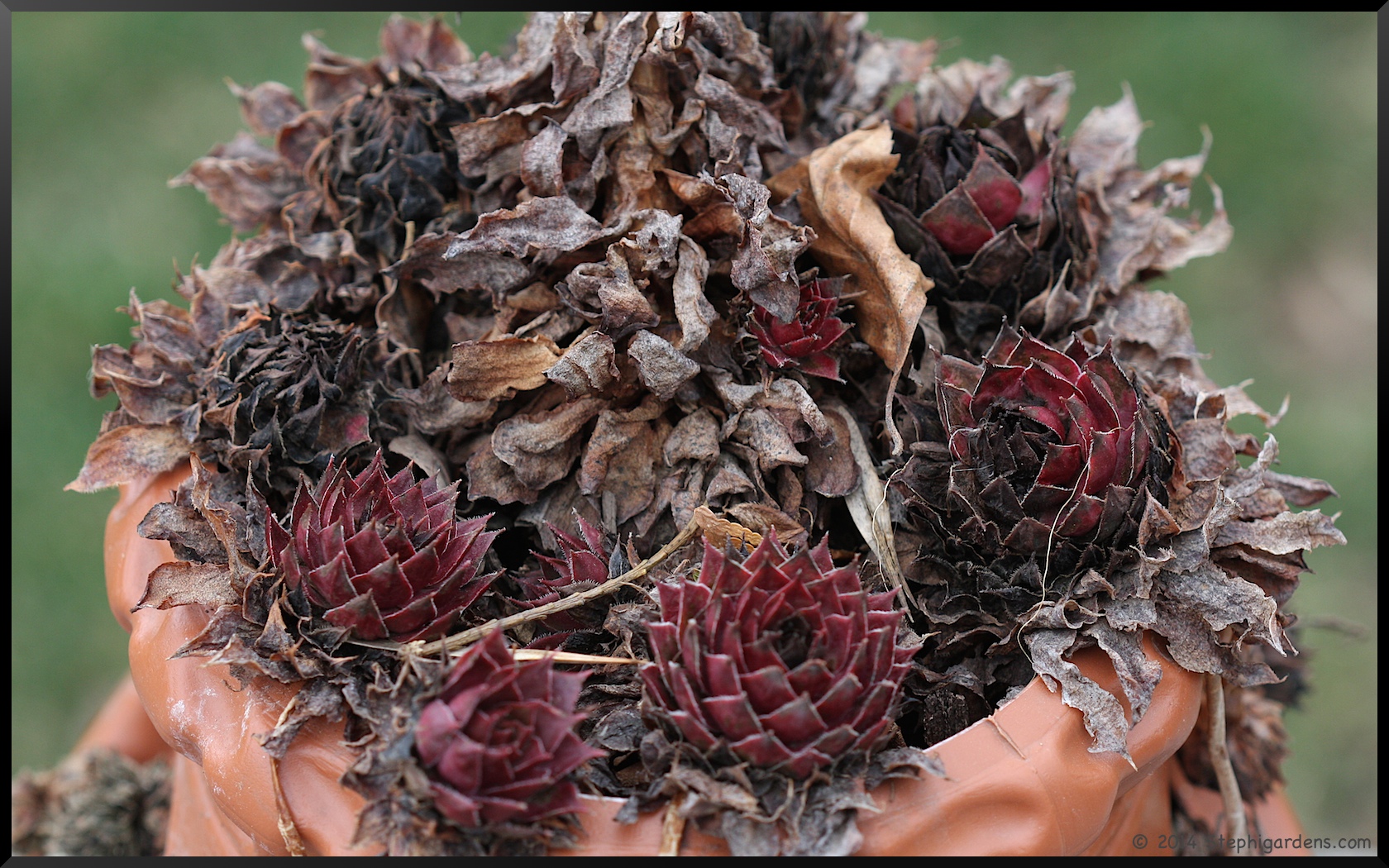
Earlier this spring, I thought the potted Hens and Chicks had survived their winter outdoors.  Unfortunately, that wasn’t the case. A couple weeks later, they are pretty much dried up and dead.  The red coloring faked me into thinking it was alive, but it was basically just freeze-dried!  This was the first time I left them in the pot outdoors instead of in the unheated porch.  Next year, back in the porch.  The ones that had been planted around some landscaping rocks also didn’t survive.   They were fairly established, so I’m disappointed they didn’t survive.  The rest of the sedums and succulents are just fine.

Hens and Chicks

How did your plants do this winter?