Winter Has Arrived ❄️❄️

My husband had a running weather joke all summer, “Enjoy it now, it’ll be snowing in 3 months”. We’d all roll our eyes.
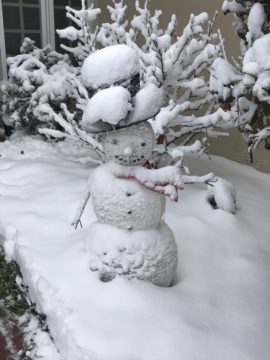
Well, he really wasn’t all that far off. We had the 5th biggest November snowfall last night, and it was a very messy storm.

Thankfully, my college kids had left Saturday to head back to school before the weather turned. We fared a bit better than many parts of Chicago, but we still got 3.9 inches of heavy, wet snow that knocked out our power for a few hours this morning.
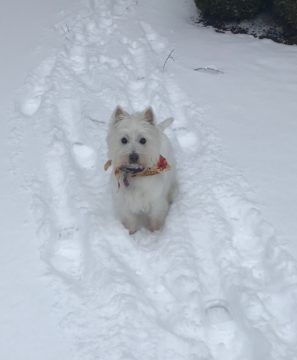
That’s the kind that’s really tough to move around and really damaging to the trees and power lines. Luckily, we didn’t have too much damage and fared better than some of my friends.
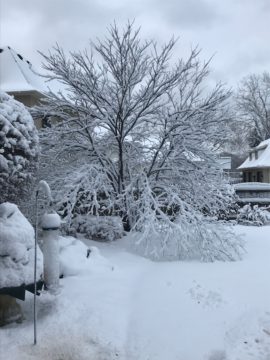
The backyard redbud was heavy with icy snow, practically touching the ground. No branches seem broken so it should be fine. I’m leaving it alone so I don’t make things worse for it.
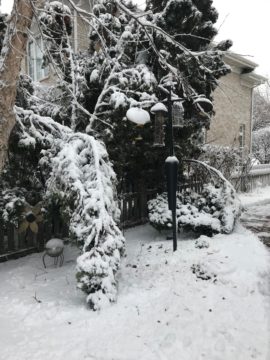
The arborvitae and other evergreens were all really sagging under the weight of the snow. Hopefully everything will bounce back once the snow melts. If they’re really bad like these, you can try and gently brush the heavy snow off the shrubs or trees with your hands or a broom as soon as it stops snowing, or even while it is snowing. But be careful to not be too rough and cause even more damage. Definitely don’t beat on the branches to break off ice.

Once the snow melts, if the branches aren’t popping back up you can try tying up the sagging branches to reshape the shrub. If you use ropes, be sure to loosen them every year so you don’t girdle the stem and kill it. Seems like during every storm my neighbor’s arborvitaes along the property line fall my way, so we have quite a system of woven ropes tying them up. Arborvitea make a great privacy fence, but the winter is really tough on them.
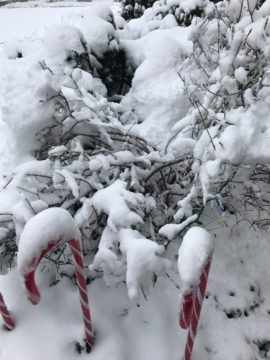
The yews and boxwoods are similarly drooping. I’ve had good luck with them bouncing back in the past so I tend to leave them alone.
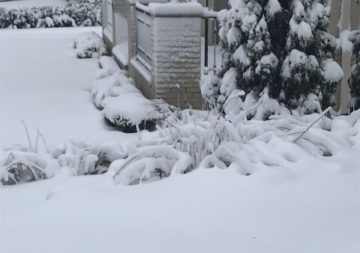

During the fall clean up, I always leave the grasses and hydrangeas for winter interest and bird habitat. Not sure what they’re going to look like after this snowfall though. It won’t affect their next year’s growth, but they may look crushed the rest of the winter. I’ll have to decide whether to cut them back or leave them once this snowfall melts.

Annabelle hydrangeas (seen above) bloom on new wood so late fall or winter pruning won’t affect next summer’s blossoms. Be sure before you do any winter pruning you know what kind of hydrangeas you have. Many have different pruning requirements depending on when they bloom and if it’s on new or old stems.
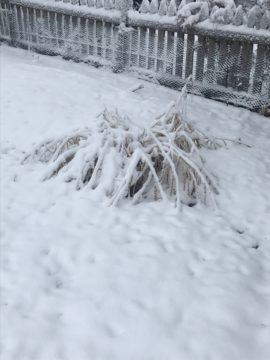
Ornamental grasses can be pruned back to the ground anytime after late fall. I like to leave mine and prune in the early spring. If you don’t think they look good, trim them to the ground in the fall or winter. If you do leave them, be sure to cut them back to a couple of inches in early spring before new growth starts. I’m guessing these will not look good this winter.
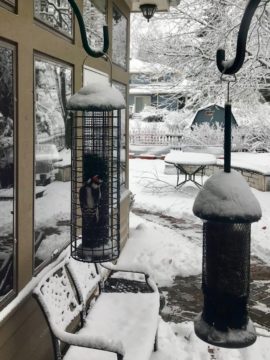
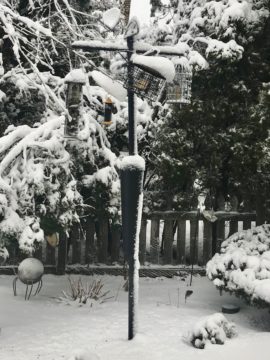
The snow made the bird feeders a bit cock-eyed. But the birds didn’t mind and seemed thrilled to have food available. The squirrels and juncoes kept the snow cleaned of any spills. I even had a red-bellied woodpecker visit the suet feeder this morning. No camera nearby, but trust me, he was beautiful!

How did your yard fare with this storm?
 

Assessing Winter’s Damage

While most of the garden has burst forth finally, quite a few things have been mighty slow, while others have obviously not survived the winter.  From what I’ve been hearing, everyone has suffered some loss in the garden from the long, cold, snowy winter.   In comparison to some, I think I’ve fared pretty well since I didn’t lose any major specimens.  Mostly I’ve had to just be patient as everything slowly unfolds this year.

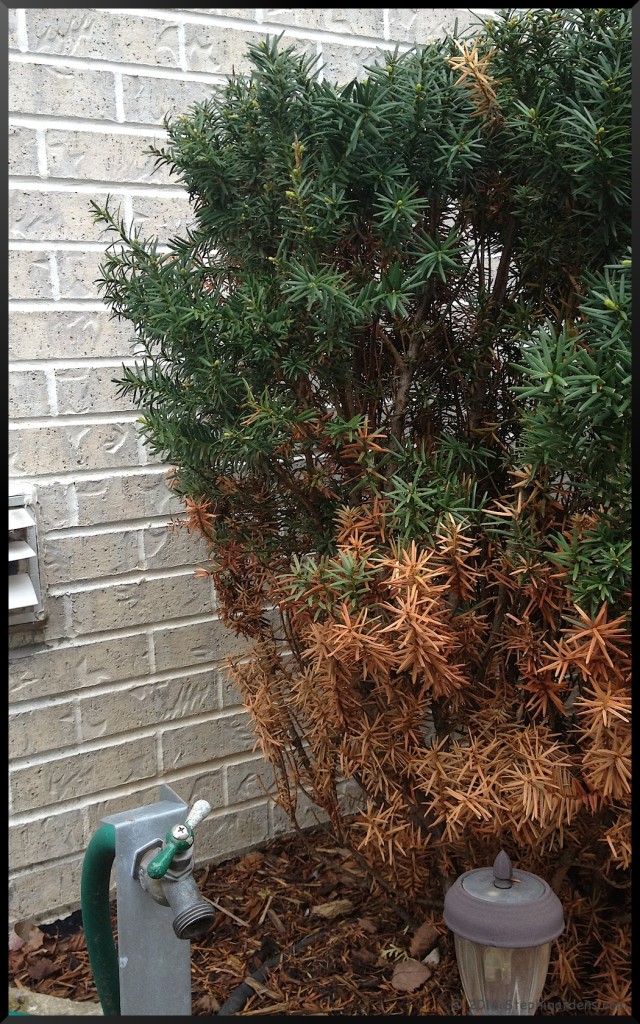
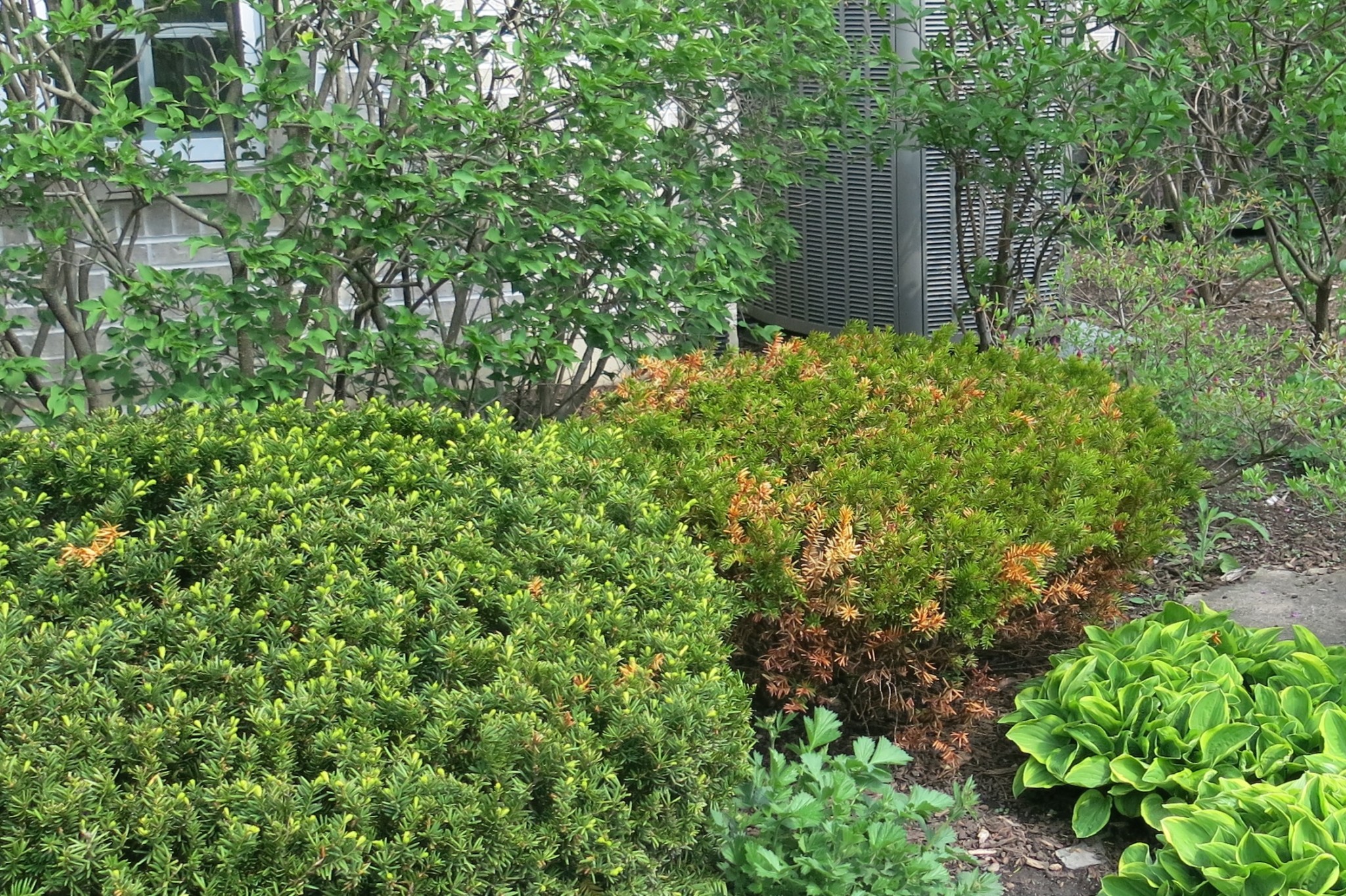
The trees and shrubs look pretty healthy, except for some winter burn on the yews.  Unfortunately, these dead spots will not recover and will need to be pruned out as soon as new growth can be seen.  Depending on how bad the damage is, it may look odd for a while until the shrub fills in.  Yews are one of the faster growing evergreens, so if I’m lucky it may fill in within one growing season.

Yew

This yew below suffered the most damage.  That’s because it’s placed much too close to the dryer vent, which pumped out damaging warm air onto it all winter.  Not much I can do about that but prune off the dead branches and hope it isn’t too ugly after.

Yew; Winter Burn


Ninebark


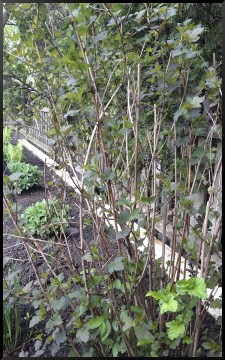
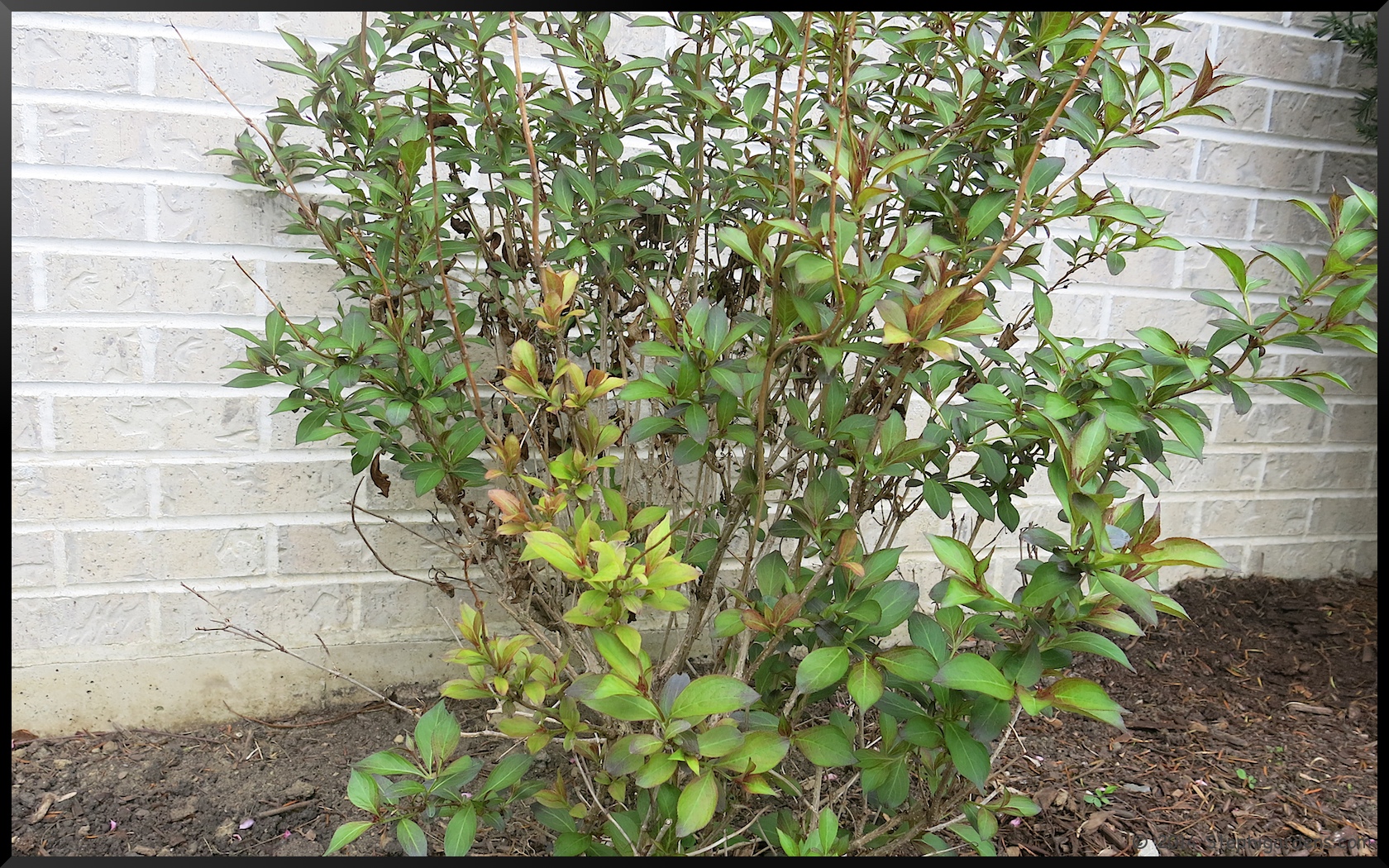
Some of the other shrubs, like the Ninebark and Weigela, have a fair amount of dead wood this year.  That’s easy enough to prune out after the new growth has emerged.  Don’t be in too much of a rush to prune, especially this year when things have leafed out so late.  Otherwise, you may be trimming out slow growth, rather than dead wood.


Weigela

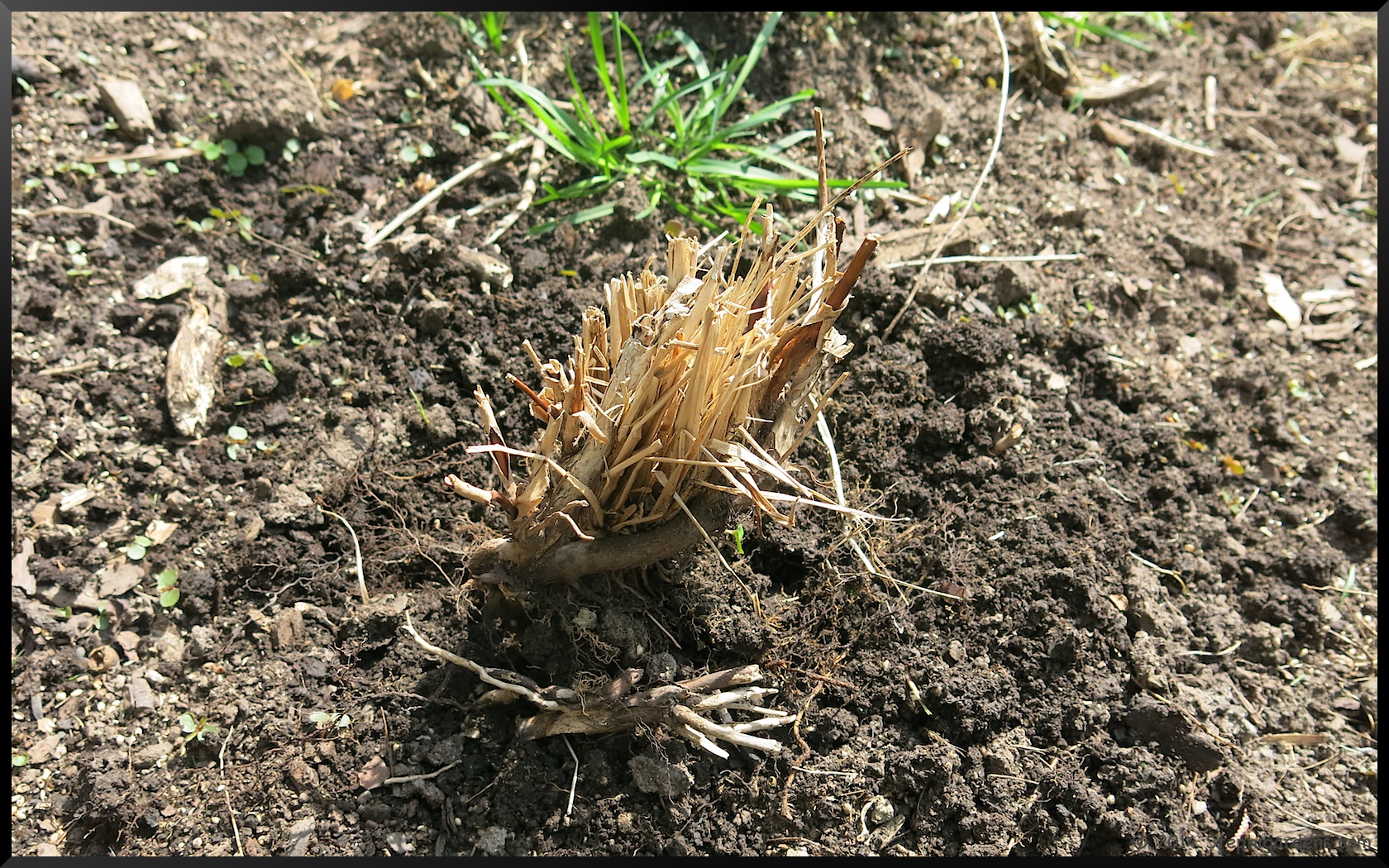
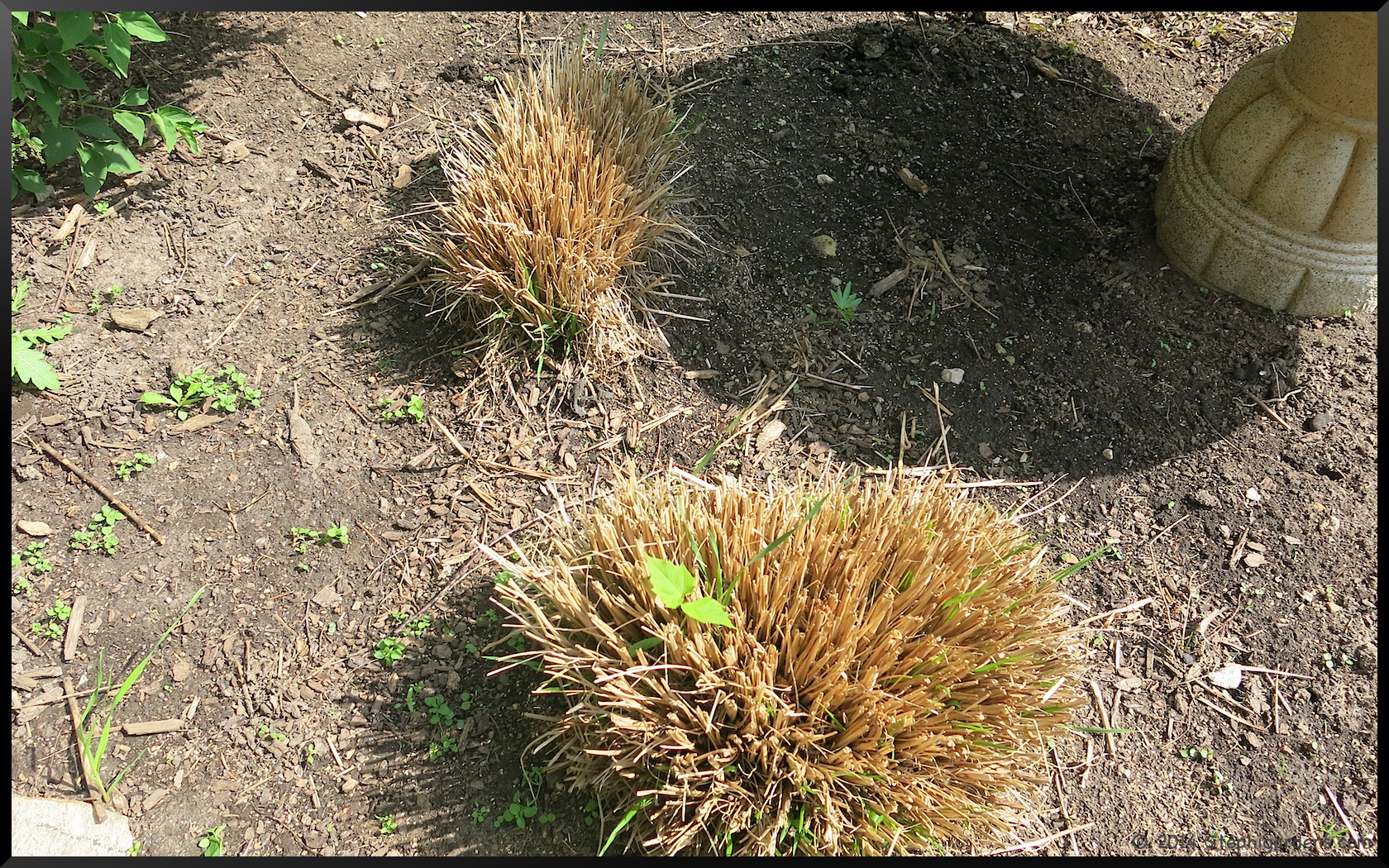
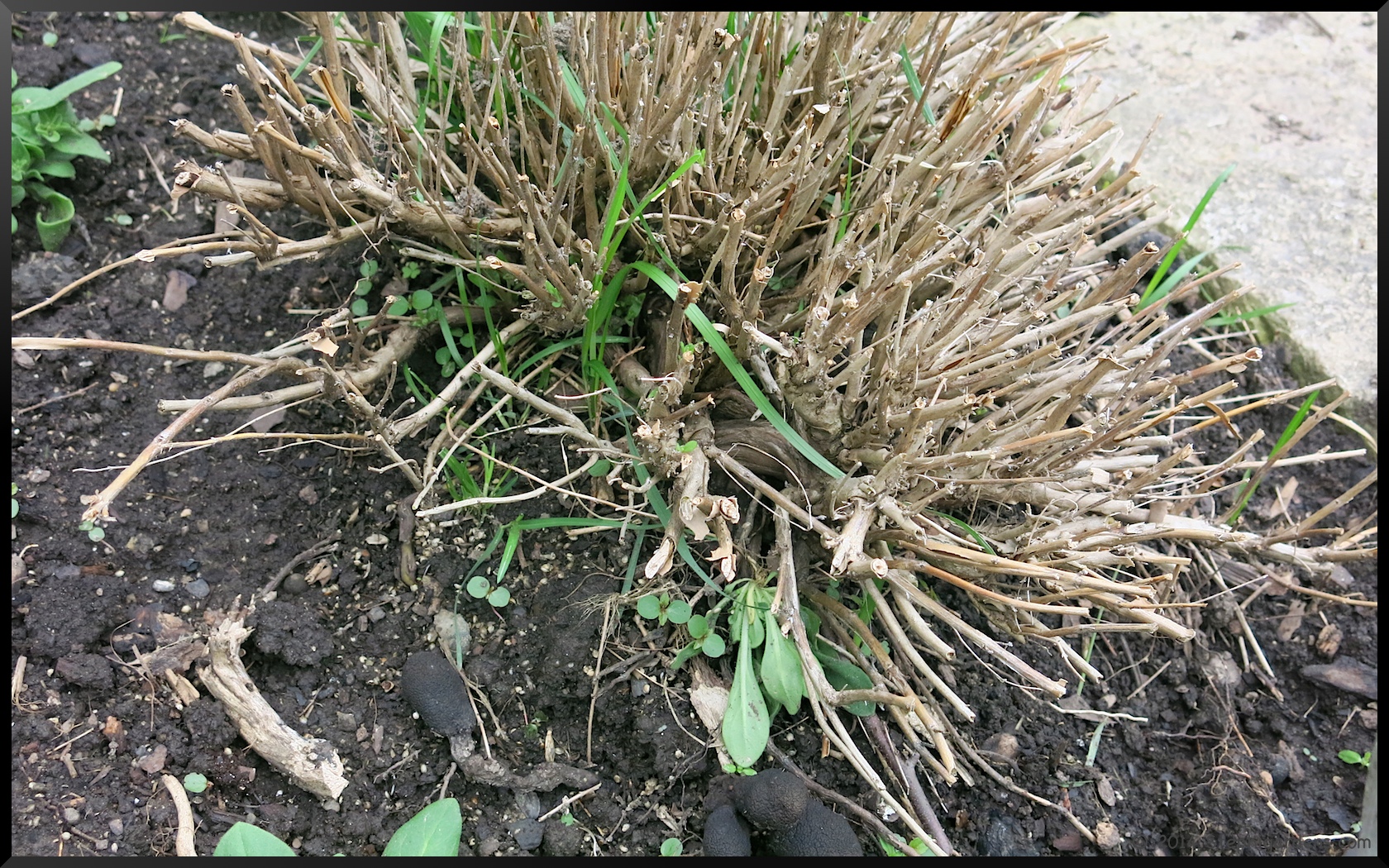
Three fountain grasses and a lavender plant also succumbed to the winter.   I watched them for a while and saw no signs of life, except some weeds that were moving in.  In this location, I’ve had trouble with the grasses in prior years, so this is a good time to remove them and try something different

Stephi Gardens

Stephi Gardens

Lavender
Lavender (surrounded by Dead Man’s fingers)


This lavender is barely showing signs of life.  But, it’s better than nothing.

LavenderLavender


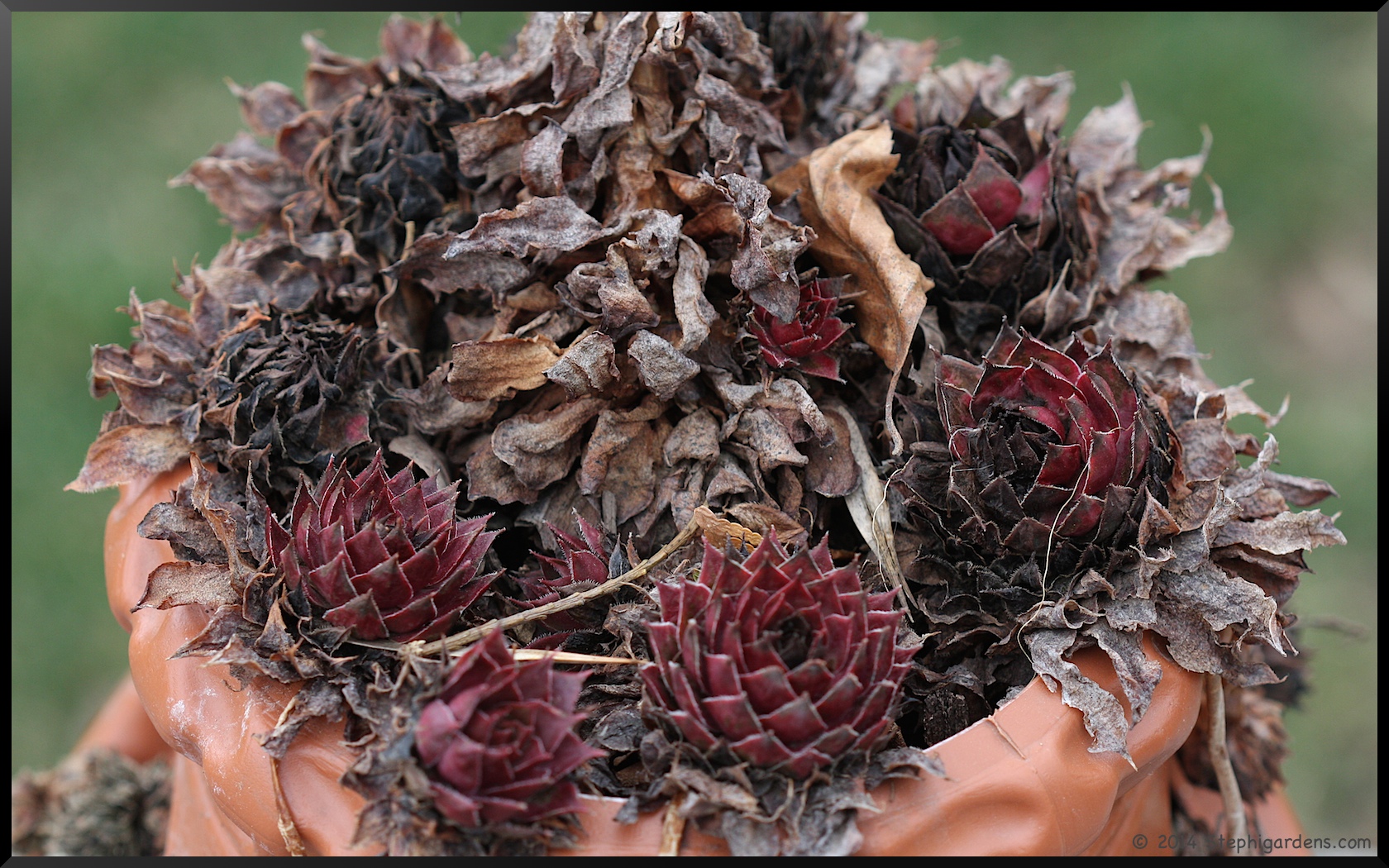
Earlier this spring, I thought the potted Hens and Chicks had survived their winter outdoors.  Unfortunately, that wasn’t the case. A couple weeks later, they are pretty much dried up and dead.  The red coloring faked me into thinking it was alive, but it was basically just freeze-dried!  This was the first time I left them in the pot outdoors instead of in the unheated porch.  Next year, back in the porch.  The ones that had been planted around some landscaping rocks also didn’t survive.   They were fairly established, so I’m disappointed they didn’t survive.  The rest of the sedums and succulents are just fine.

Hens and Chicks

How did your plants do this winter?


Problem Areas

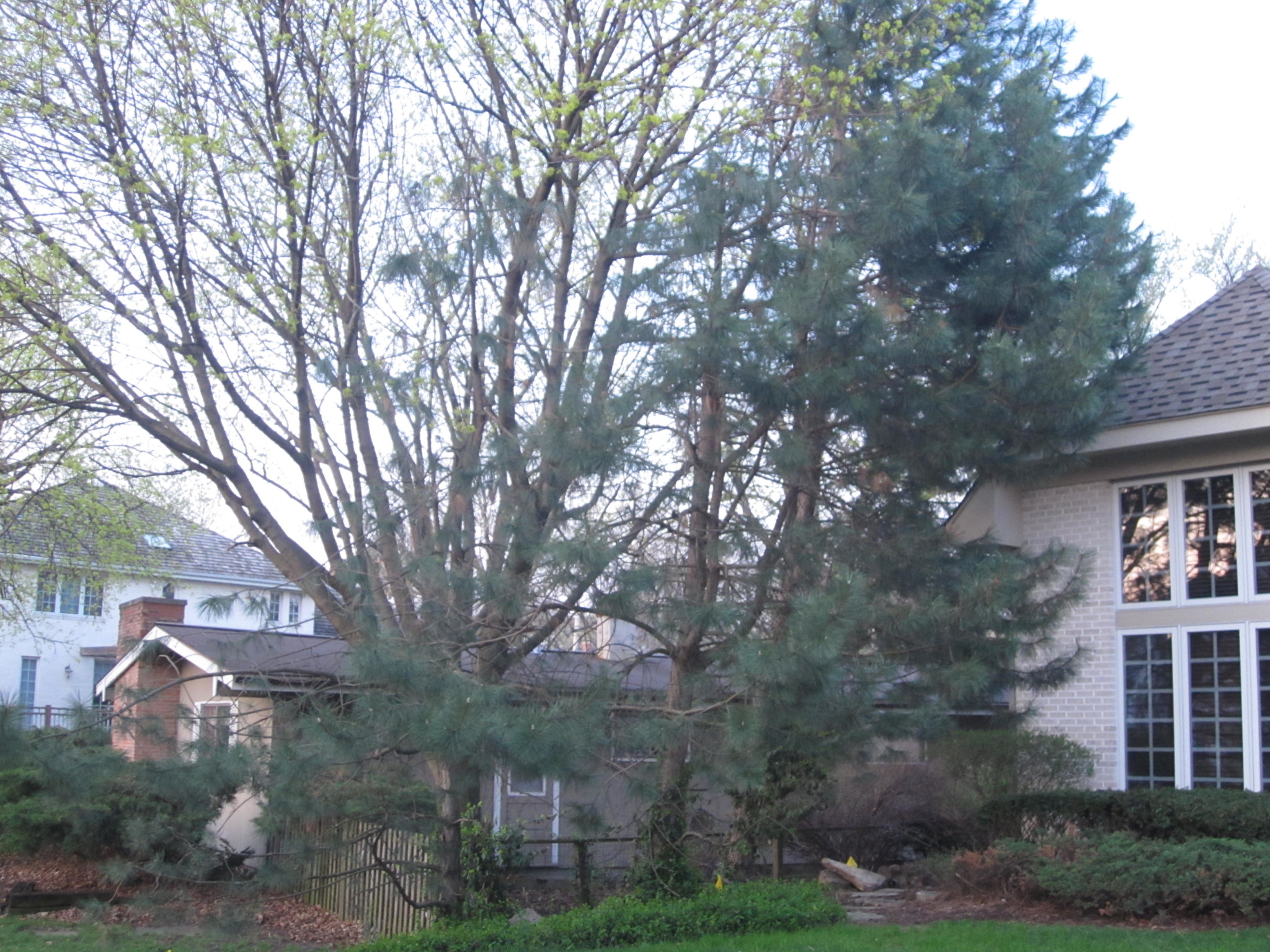
Everyone has problem areas in their yard.  This week, I’m going to show some of ours and some of the solutions we’ve finally come up with.  First was an area off the corner of the house.  When we first moved in, the landscaper designed the space to have 3 large Austrian Pines in the corner with some yews and junipers in front of the window.

IMG_4059
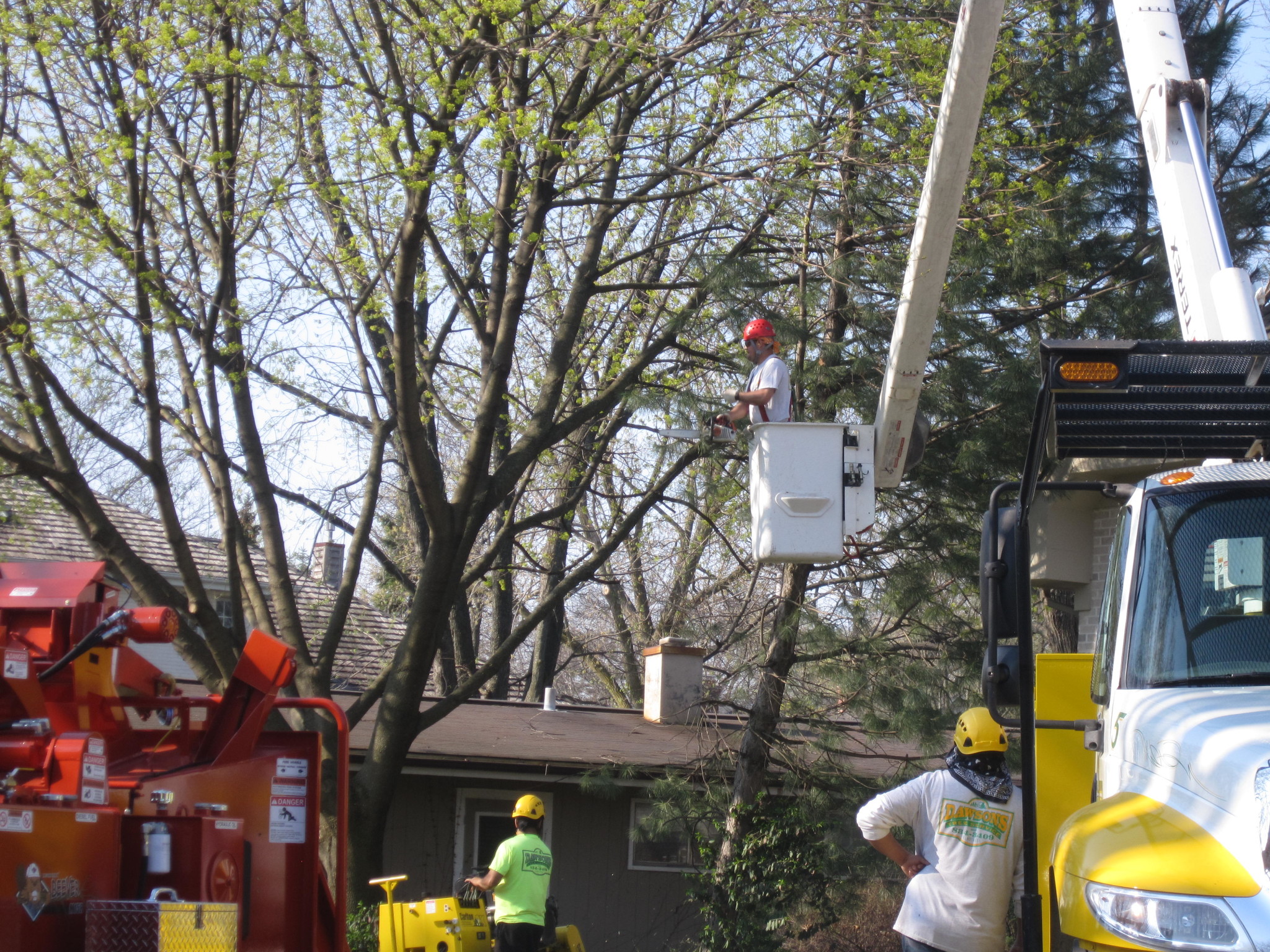
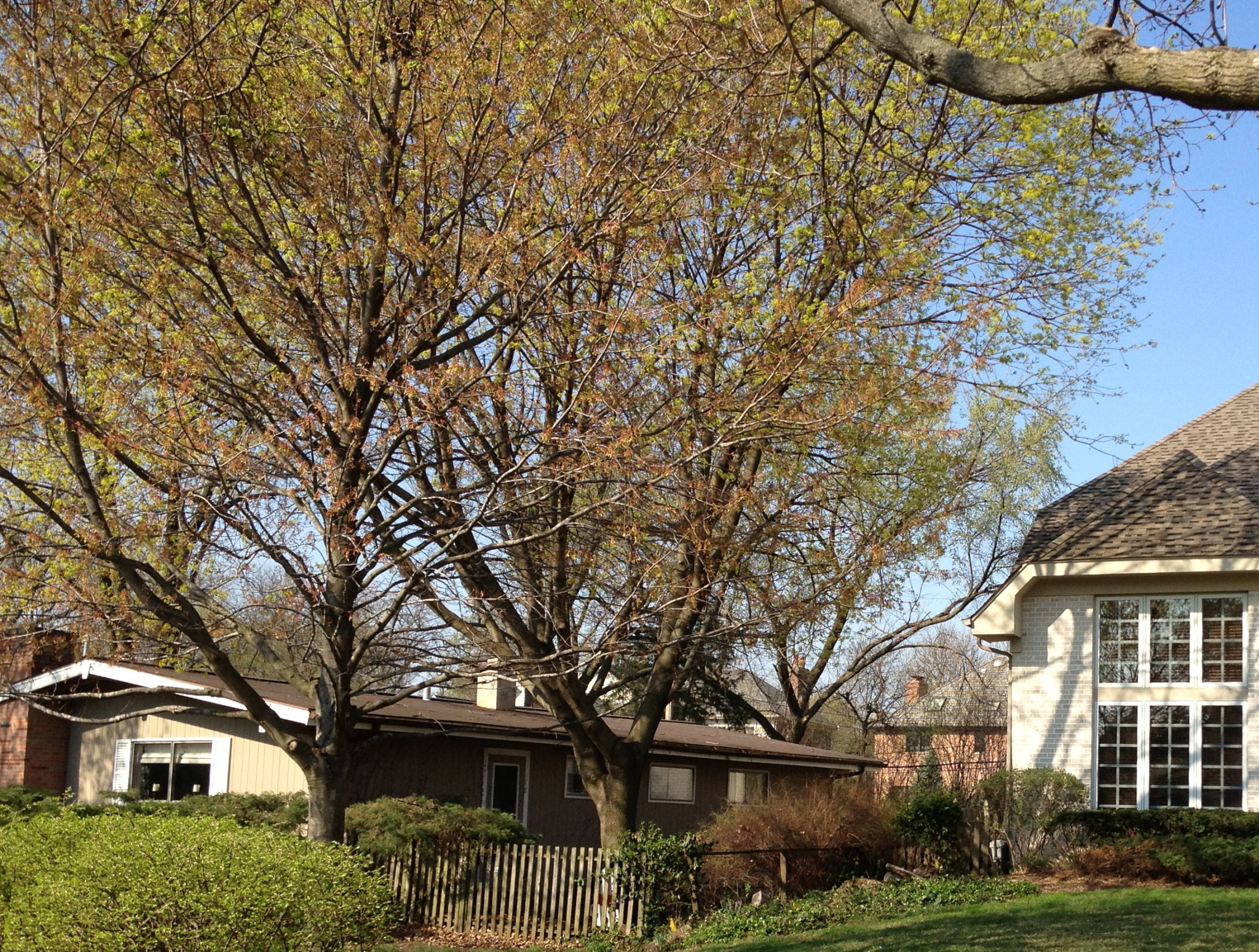
Little did we know that a self-planted maple was growing right next to it in my neighbors yard. It grew extremely rapidly to become one of the biggest trees around the property. It was so dense that it created too much shade for the Austrian Pines to grow properly (and killed off all her shrubs as well). So, last year we finally threw in the towel and had our trees removed to try and fix up this very noticeable part of the garden and house. In the process, we also took out the creeping junipers that were half dead as well from lack of sun.

IMG_4062

IMG_0375 - Version 2

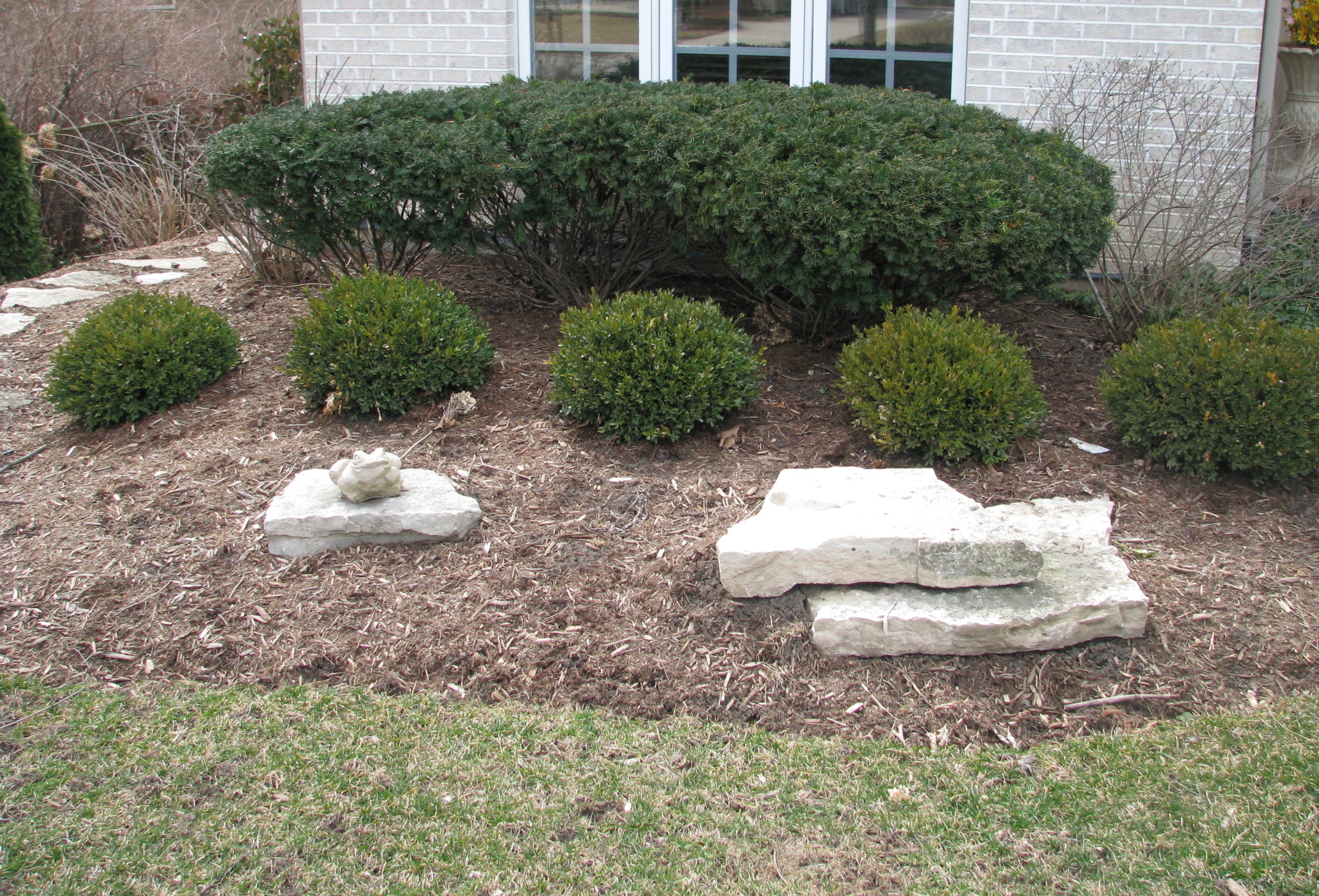
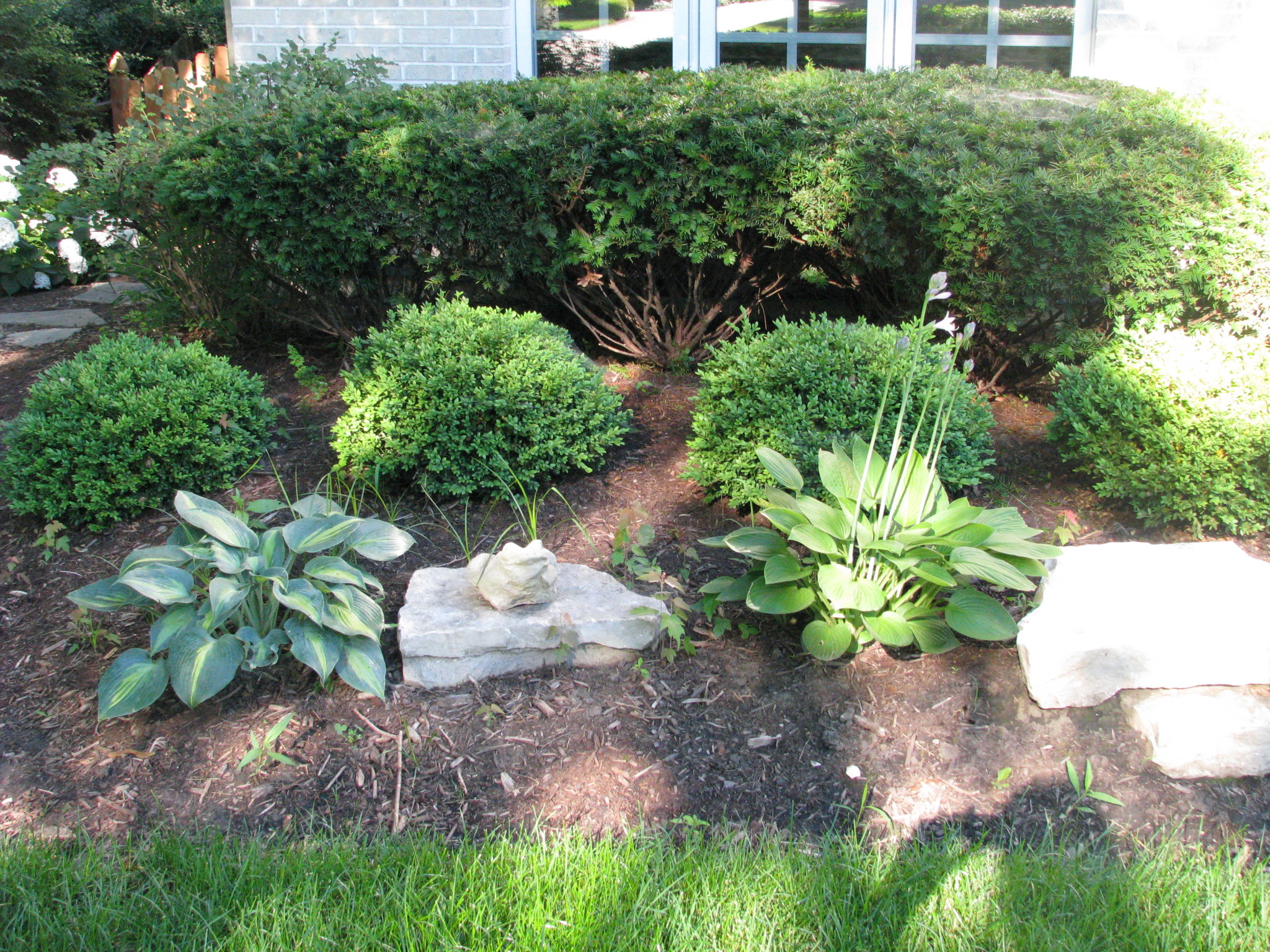
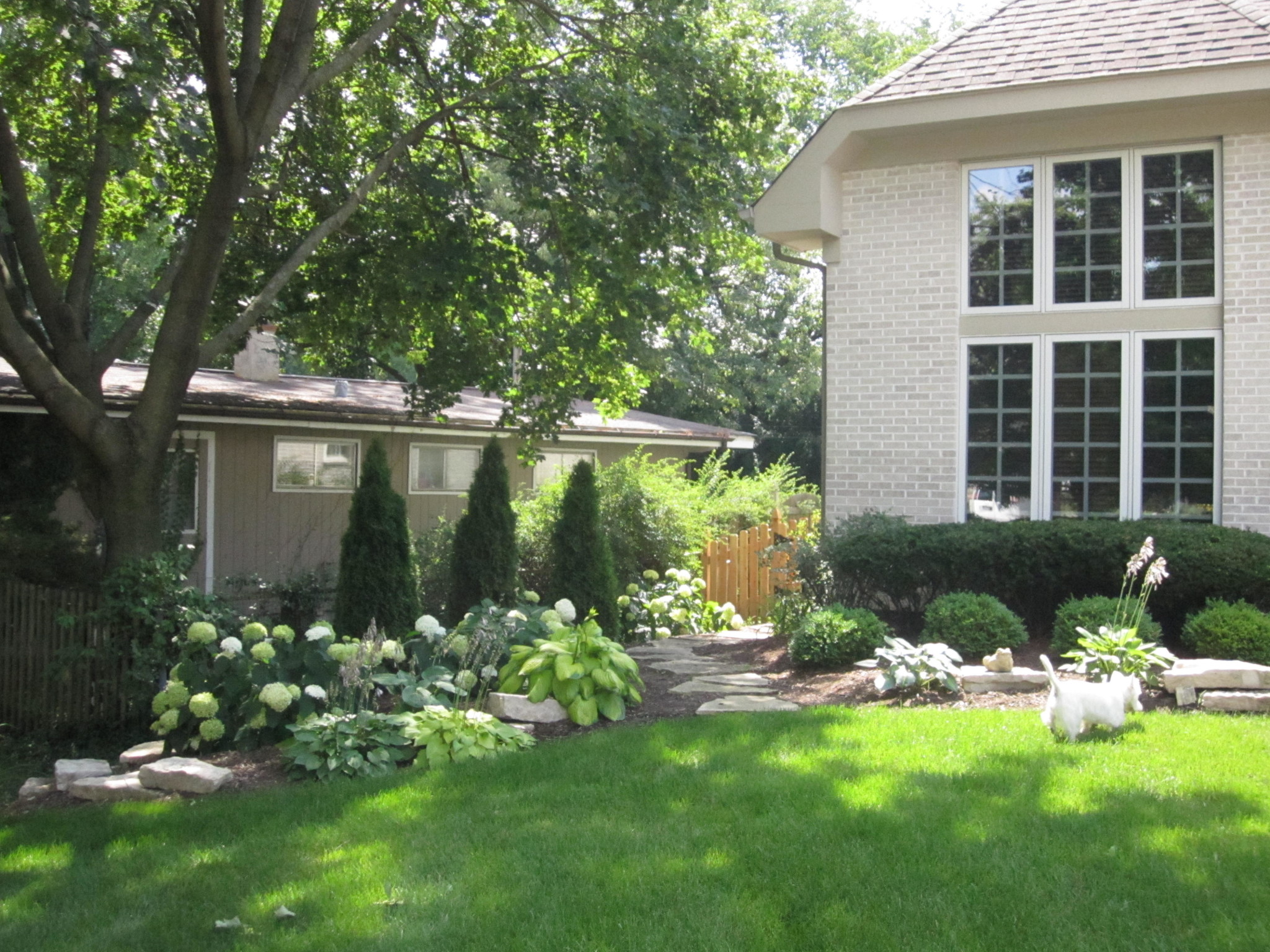
In the new garden we wanted some type of visual distraction from the neighbors fence since that’s where your eyes would go as you walk up the front walk. But, also wanted to keep it fairly low budget and therefore decided on 3  Arborvitaes. They’re one of the few evergreens that will tolerate shade, although their growth will be very slow. We didn’t want a full privacy hedge, just something to distract your eyes.  We happened to have 4 Annabelle hydrangeas on the side of the house that are far too big for the space and by mid season flop over into the main brick walkway to the back of the house. In this new shade garden we created, the hydrangeas would be a perfect plant. They can obviously tolerate the shade and can finally just grow as they want in an appropriate space. Of course, to fill in the rest, I moved some hostas from elsewhere in the yard. We also had some boxwoods added to give the space a more finished, less wild look.

IMG_0703

IMG_0801

IMG_2792

IMG_5512

We think this was a great improvement to the front yard. The only problem we had was that everything was planted/transplanted right before the drought hit last summer. I did a lot of watering to keep all the plants alive and they all survived the drought and the winter.