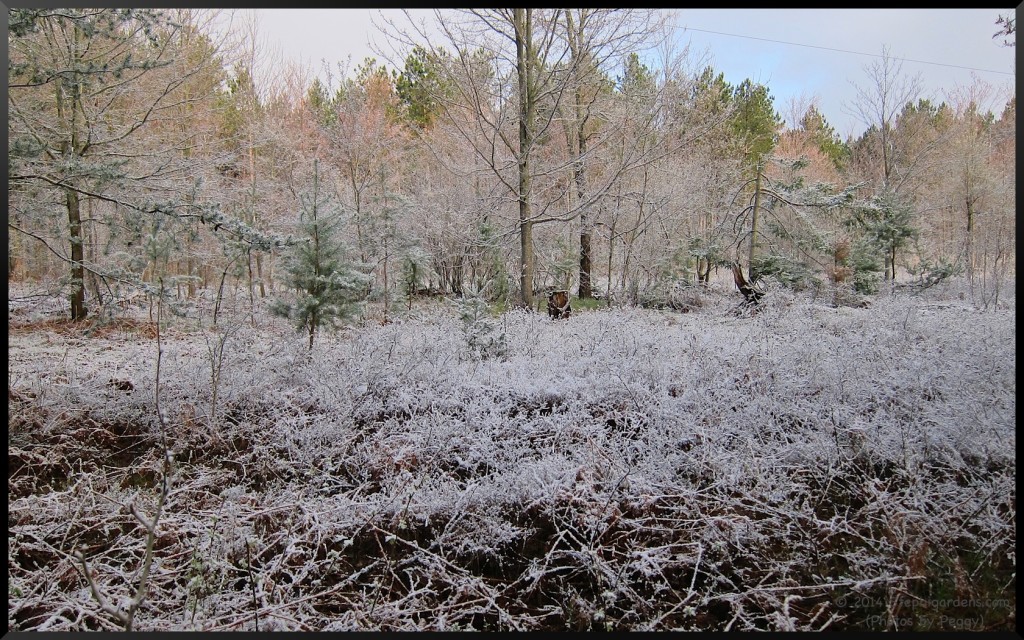
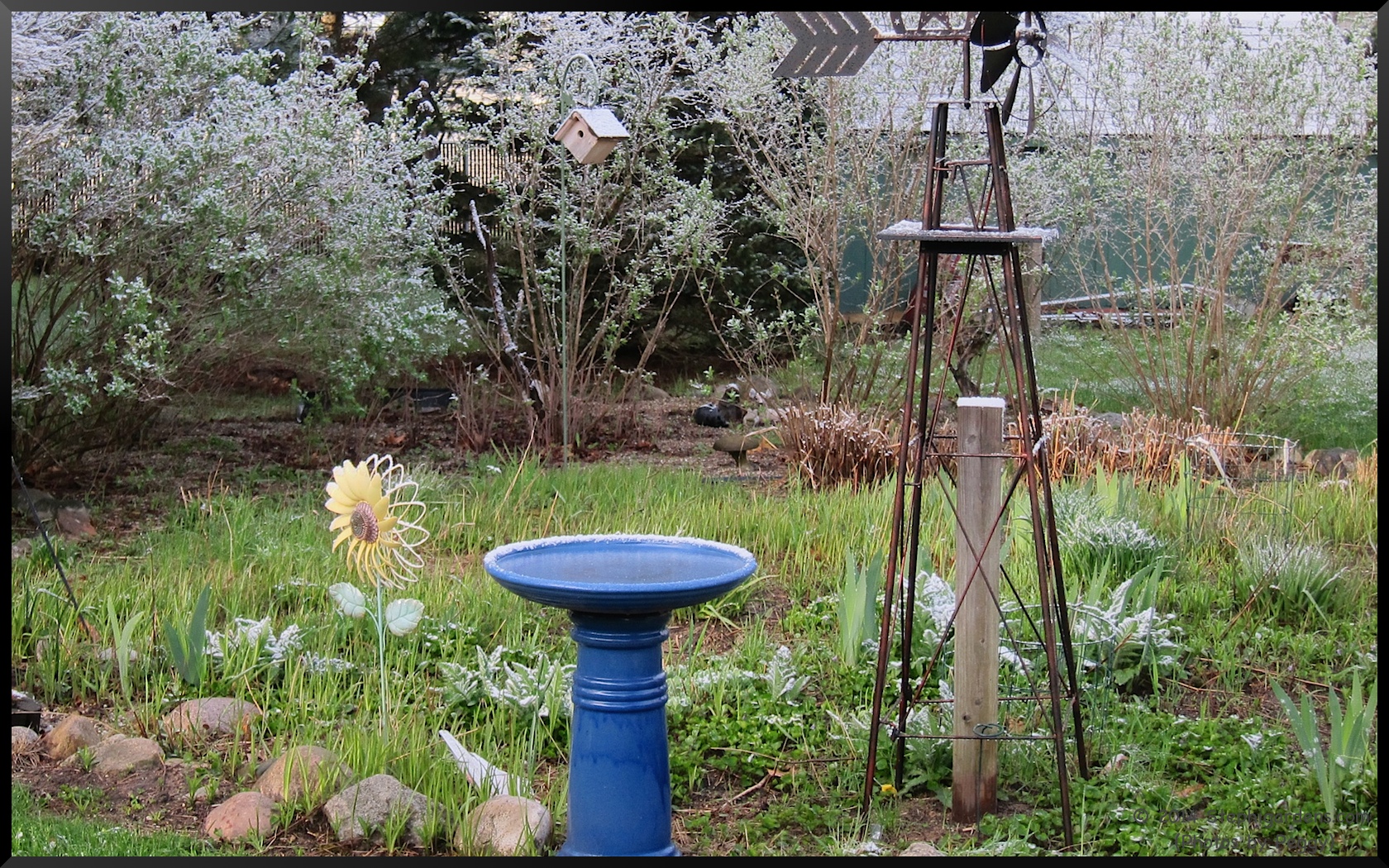
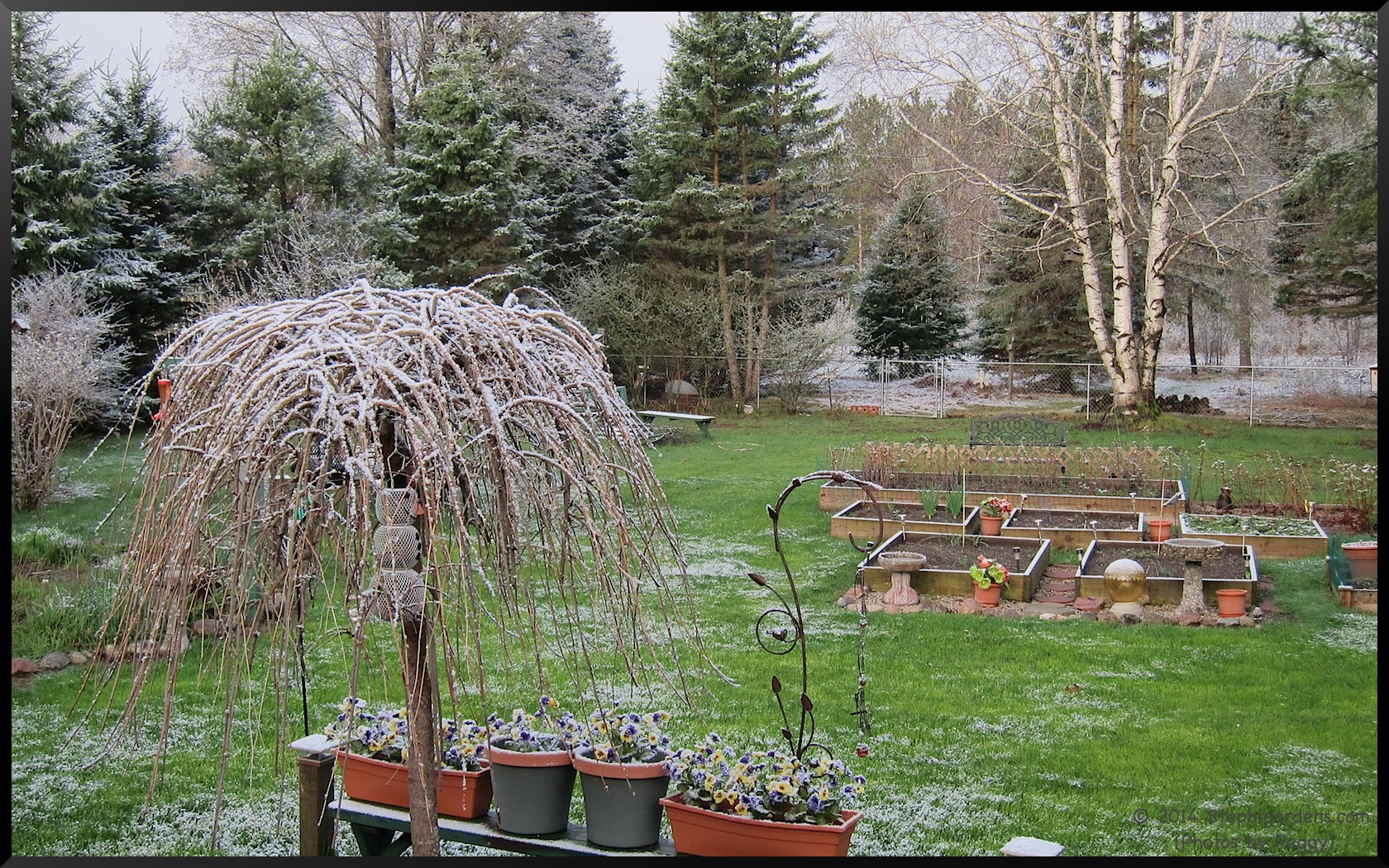
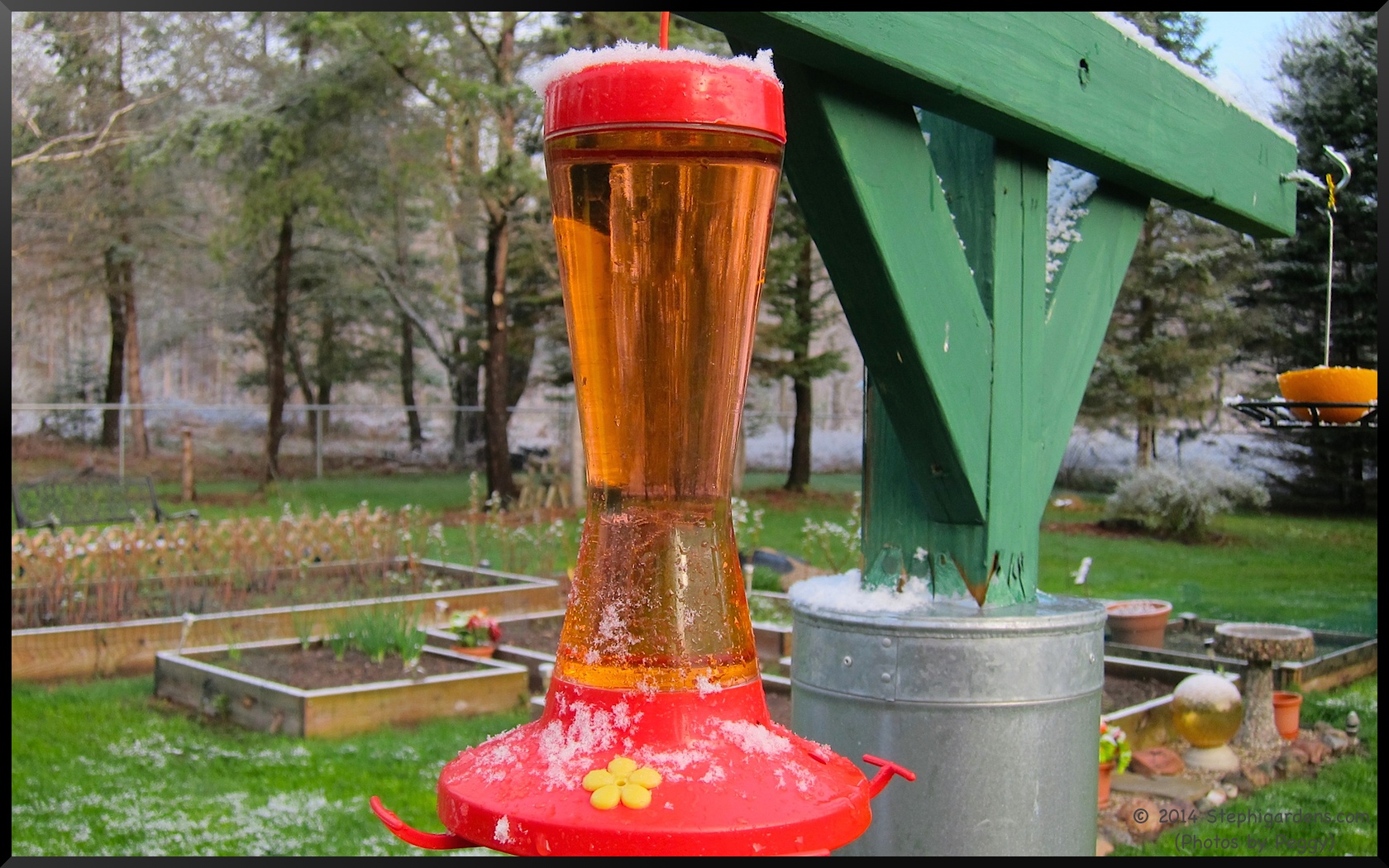
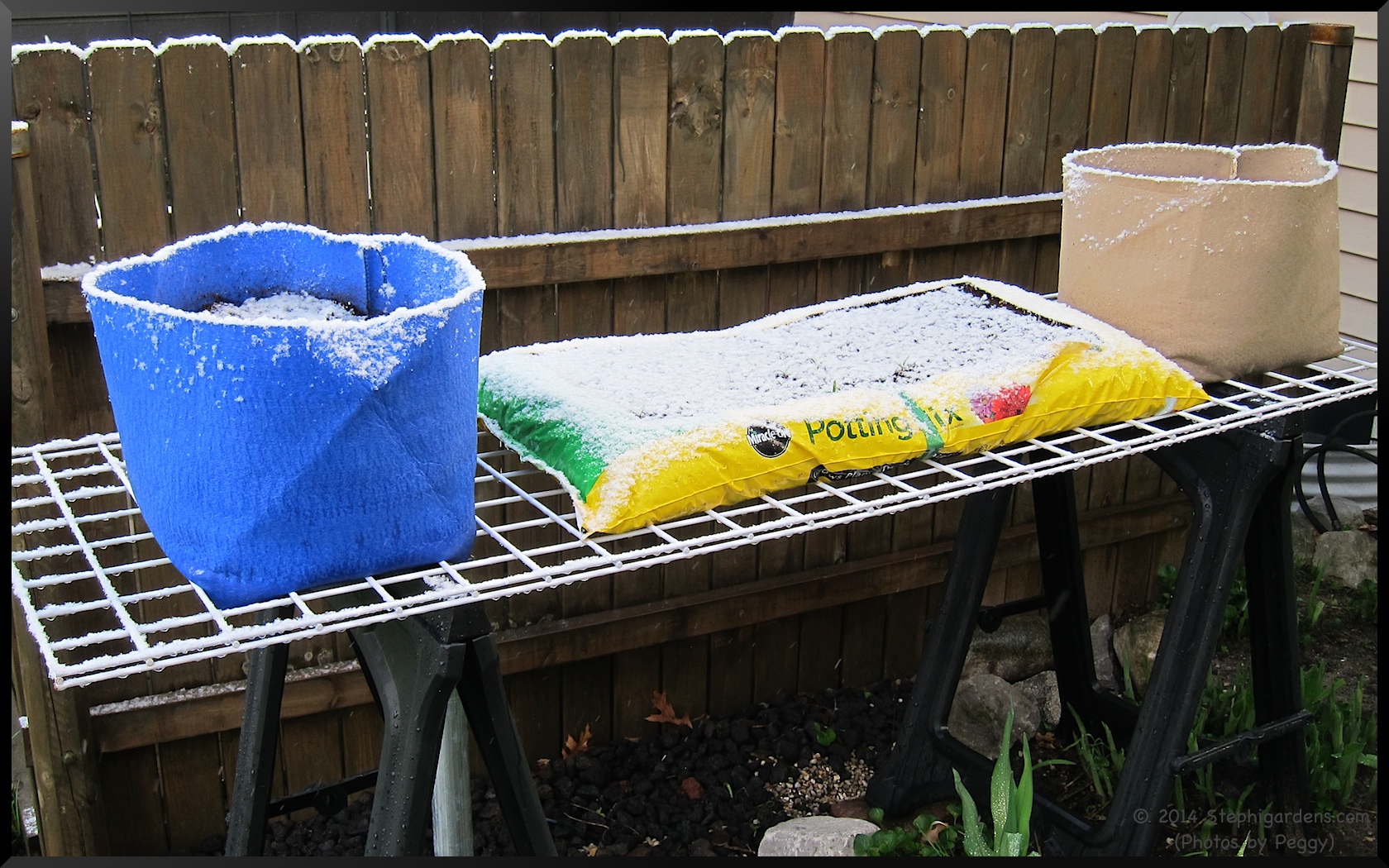
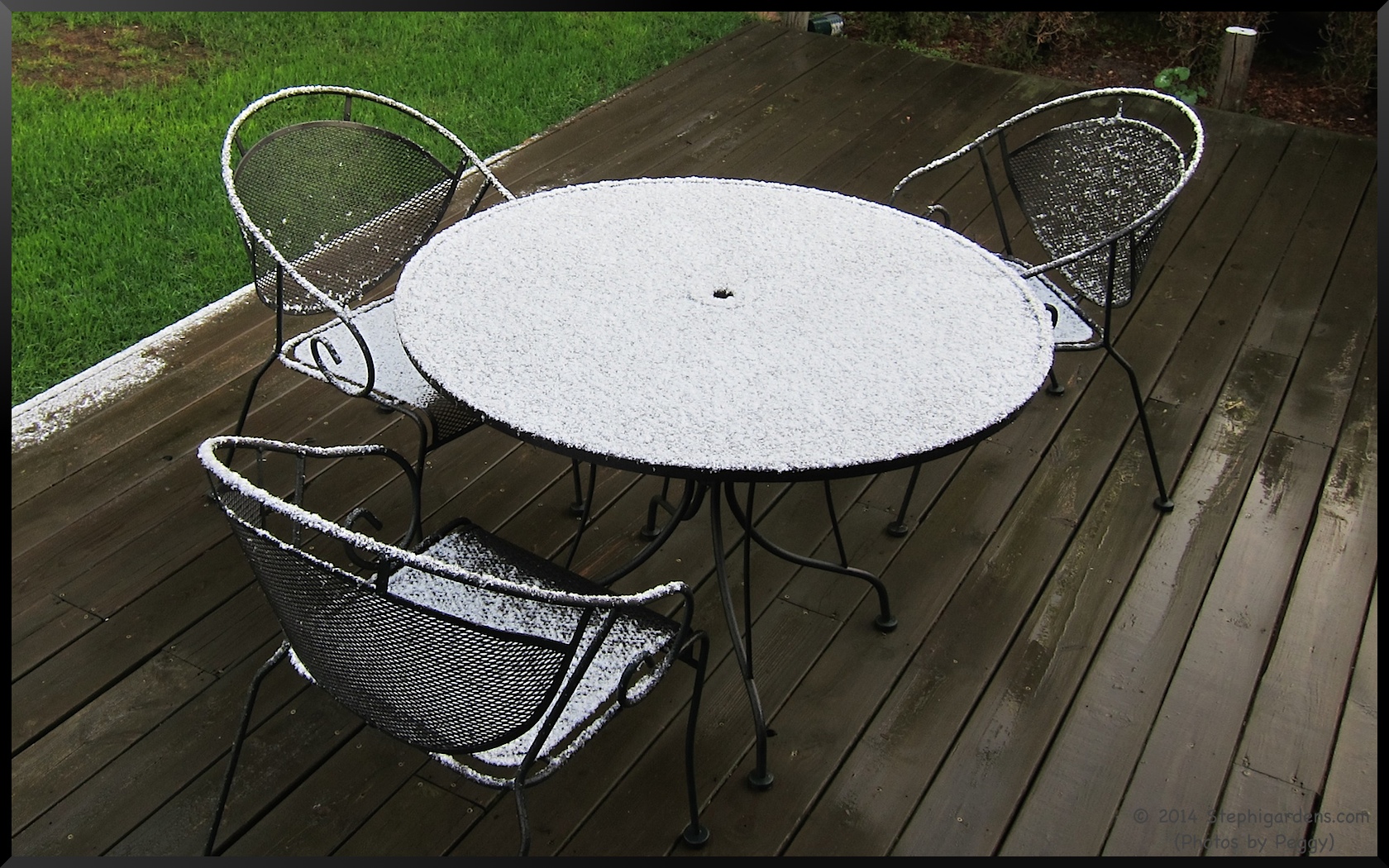
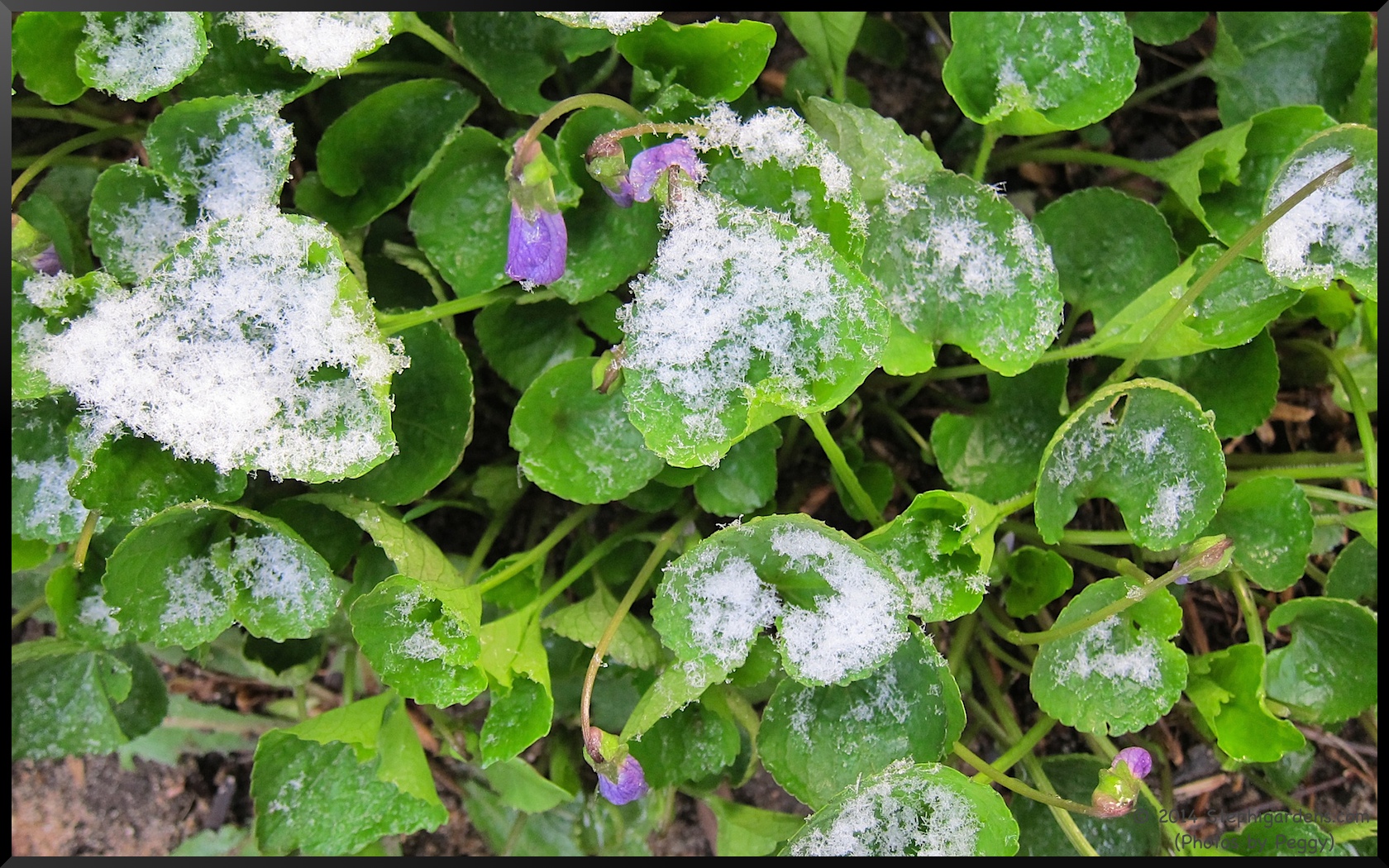
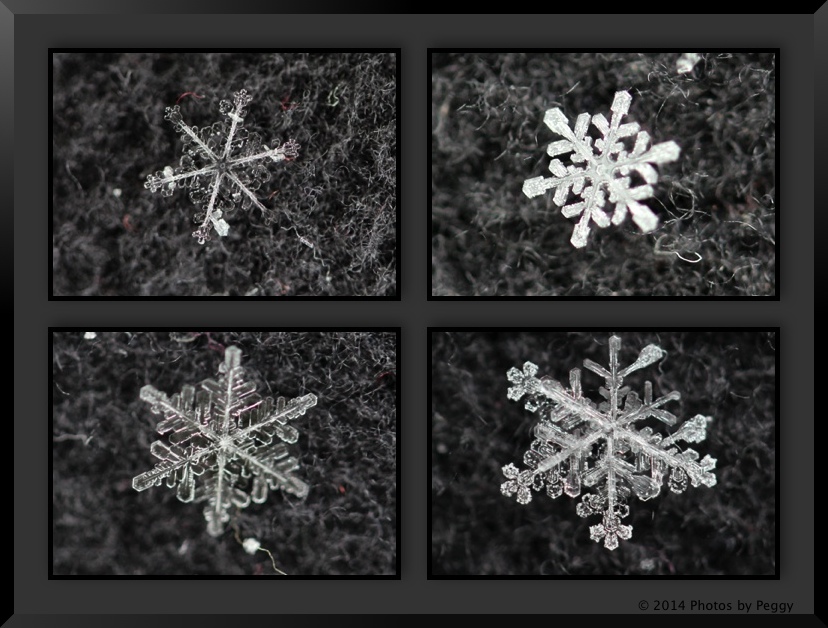
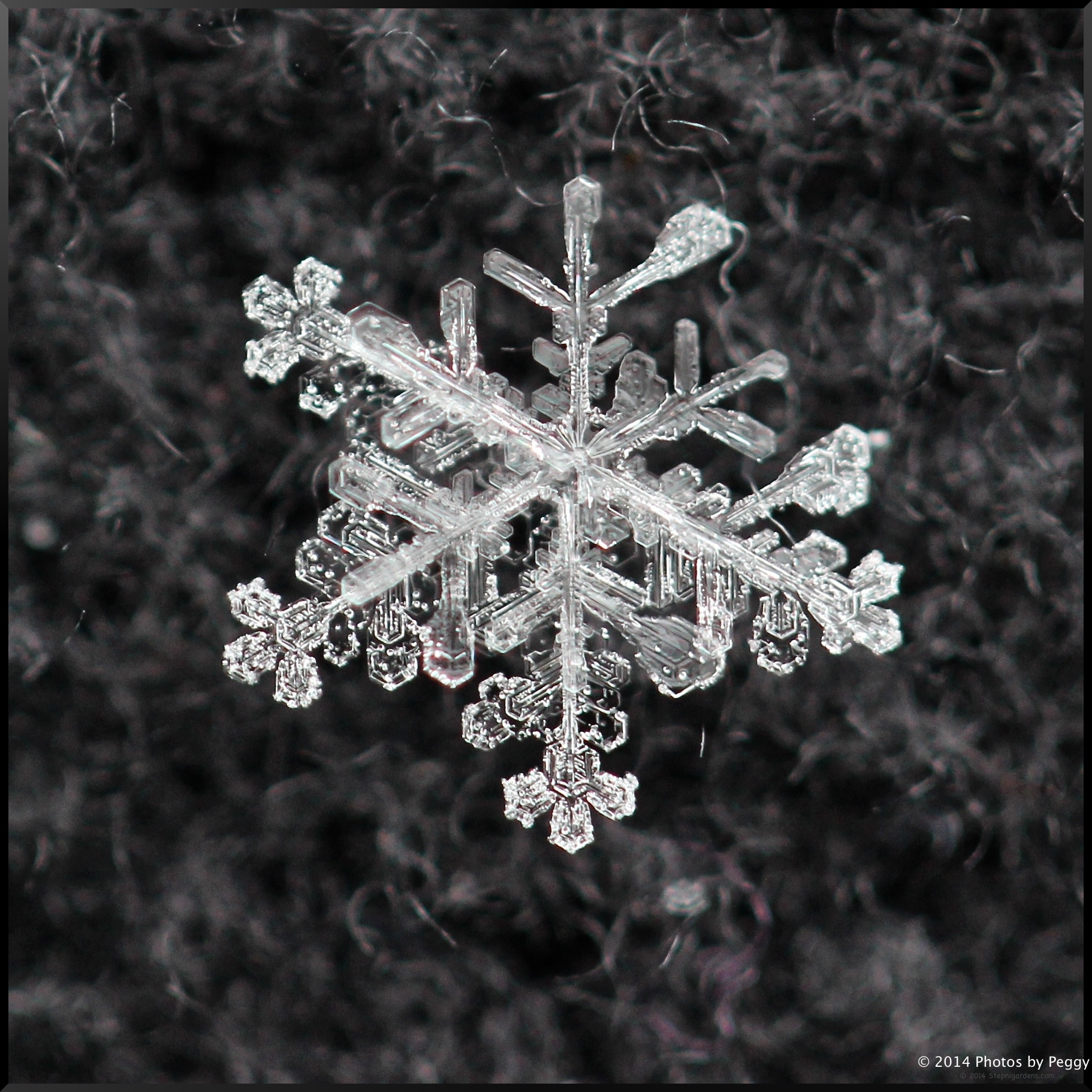
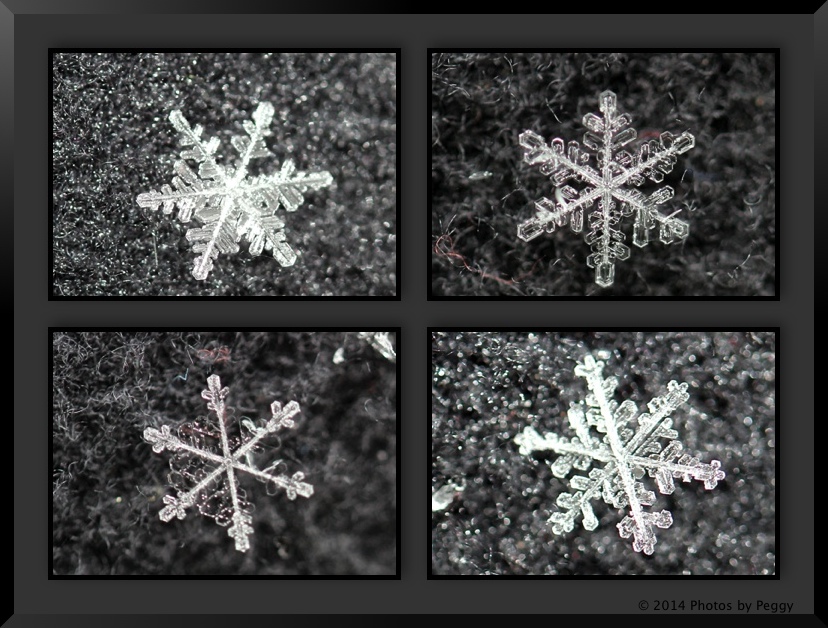
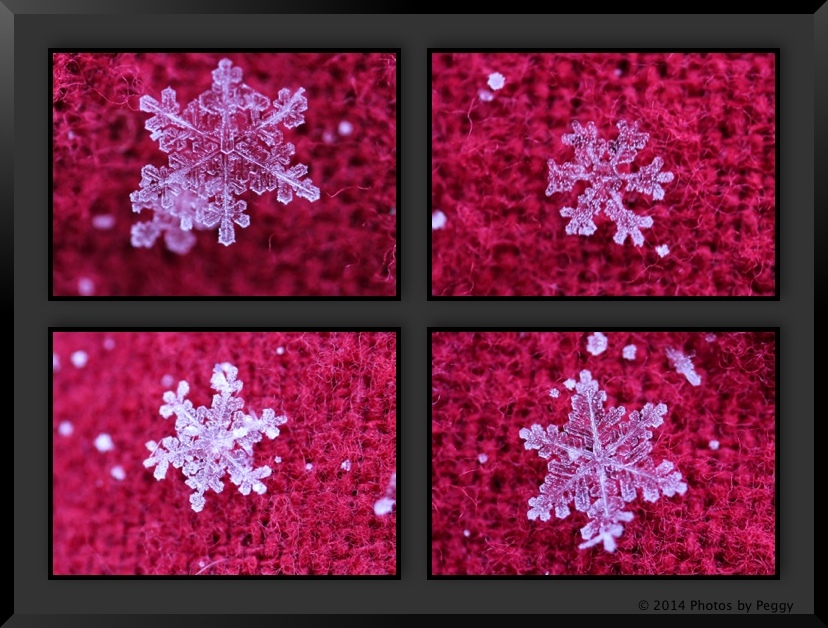
While I’ve had my share of bad winter and spring weather here in Chicago, it still isn’t nearly as harsh as it’s been at my mom Peggy’s house in Northern Michigan. She’s still patiently (??) waiting for the soil to get warm enough to get her plants in the ground. Just yesterday morning, there was yet another dusting of snow and overnight frosty temperatures in the low 30’s. While it may be a nuisance, Peggy did get some beautiful pictures that for the moment make you forget it’s mid-May.
Keeping the Orioles alive in the cold!
Yum! Fresh oranges for the birds are a hit.
Everything is ready, except the weather!
Has spring truly felt like it’s arrived at your house yet?
While most of the garden has burst forth finally, quite a few things have been mighty slow, while others have obviously not survived the winter. From what I’ve been hearing, everyone has suffered some loss in the garden from the long, cold, snowy winter. In comparison to some, I think I’ve fared pretty well since I didn’t lose any major specimens. Mostly I’ve had to just be patient as everything slowly unfolds this year.
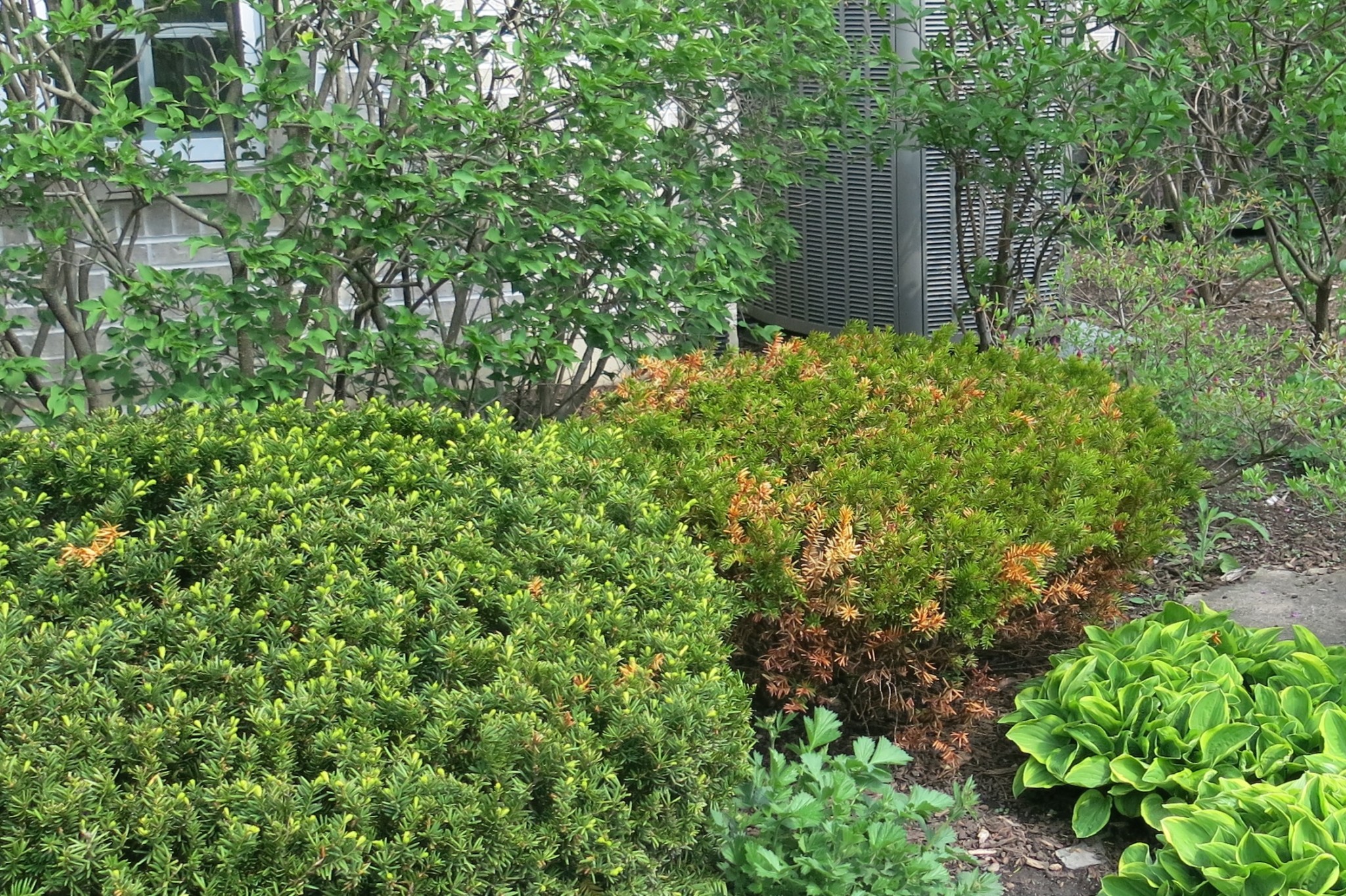
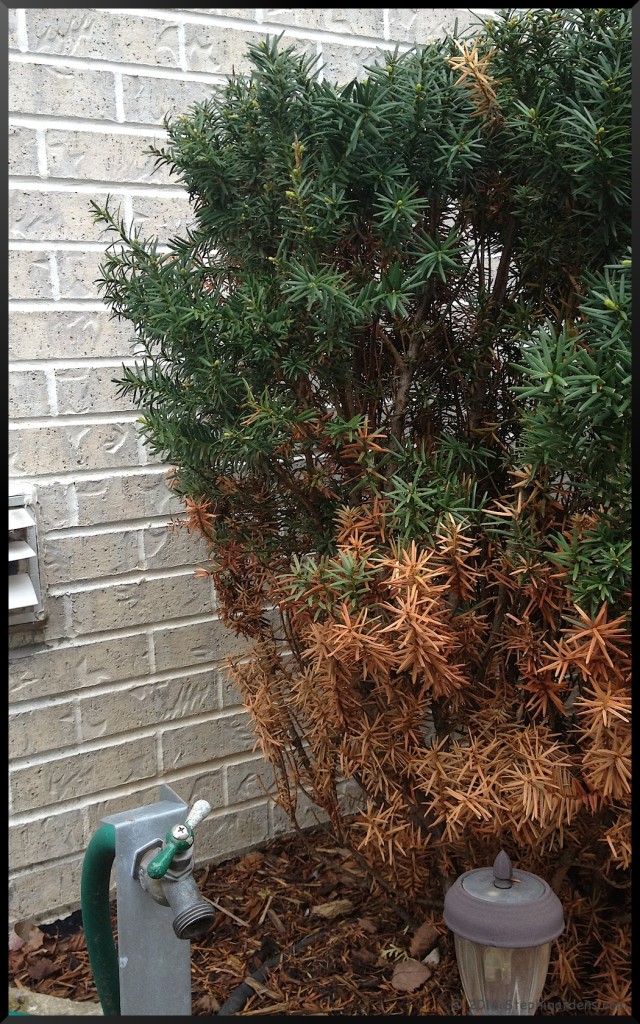
The trees and shrubs look pretty healthy, except for some winter burn on the yews. Unfortunately, these dead spots will not recover and will need to be pruned out as soon as new growth can be seen. Depending on how bad the damage is, it may look odd for a while until the shrub fills in. Yews are one of the faster growing evergreens, so if I’m lucky it may fill in within one growing season.
This yew below suffered the most damage. That’s because it’s placed much too close to the dryer vent, which pumped out damaging warm air onto it all winter. Not much I can do about that but prune off the dead branches and hope it isn’t too ugly after.
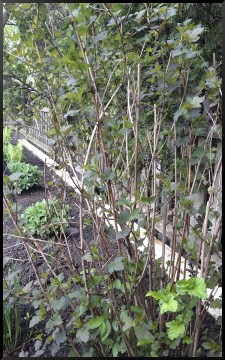
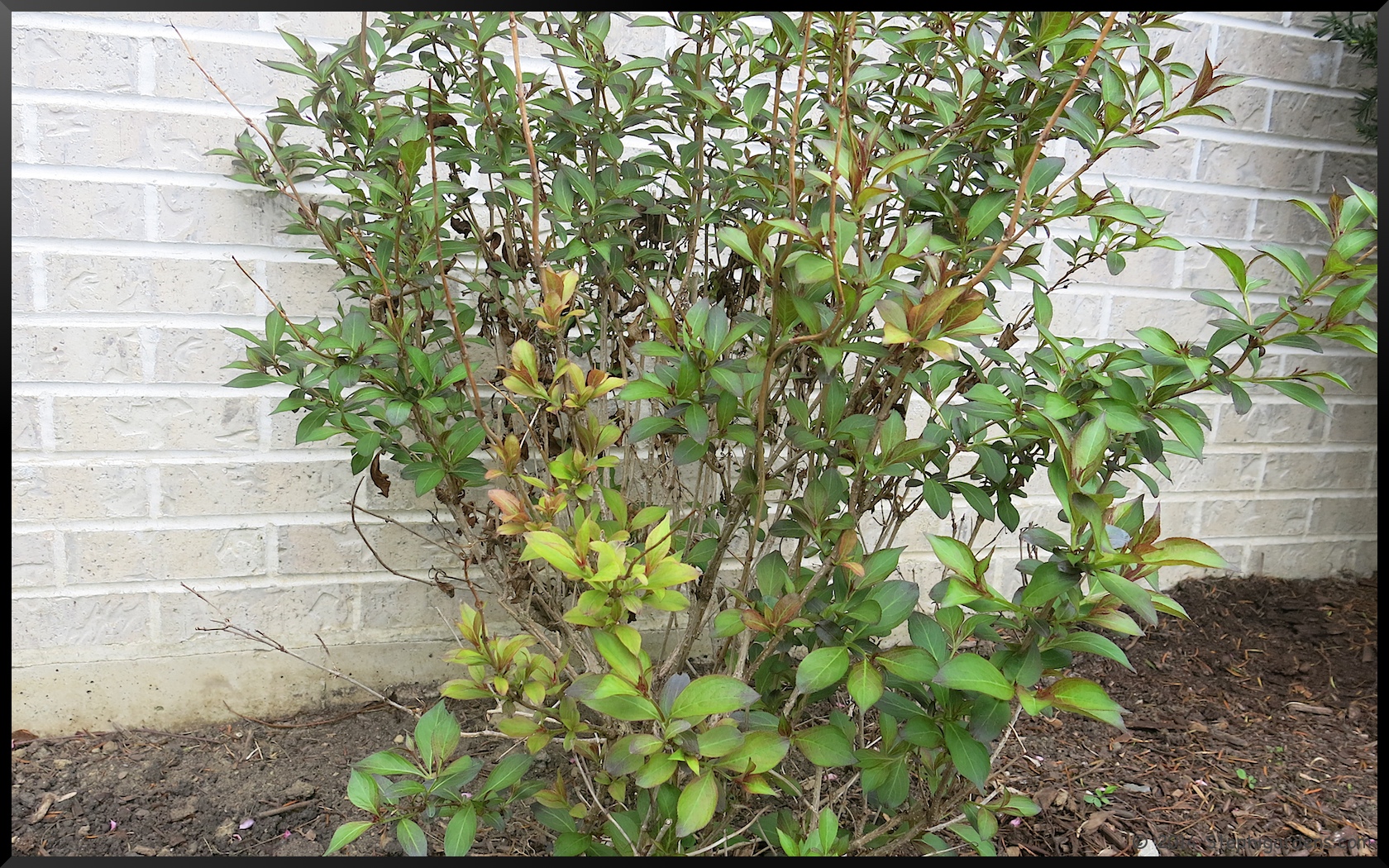
Some of the other shrubs, like the Ninebark and Weigela, have a fair amount of dead wood this year. That’s easy enough to prune out after the new growth has emerged. Don’t be in too much of a rush to prune, especially this year when things have leafed out so late. Otherwise, you may be trimming out slow growth, rather than dead wood.
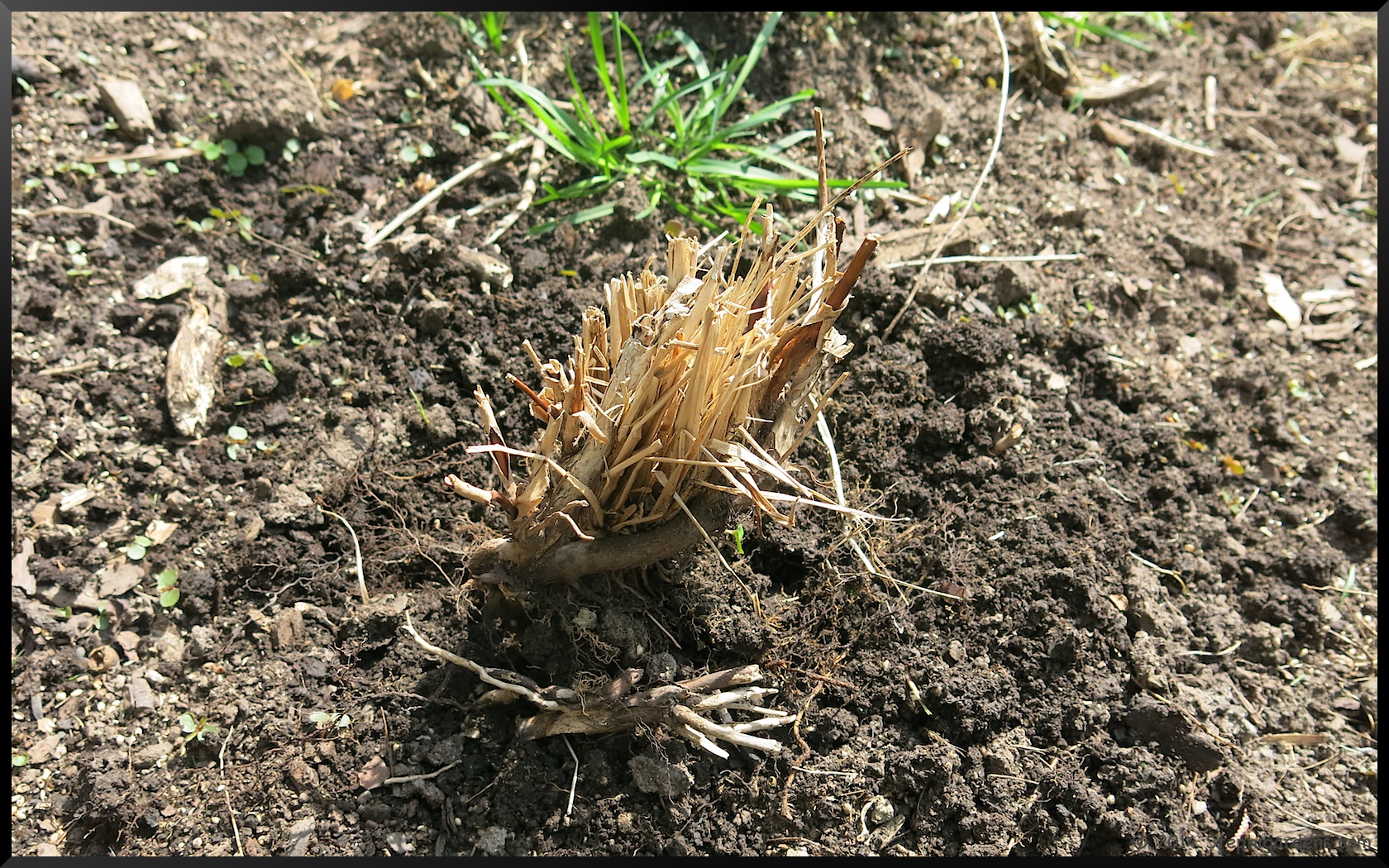
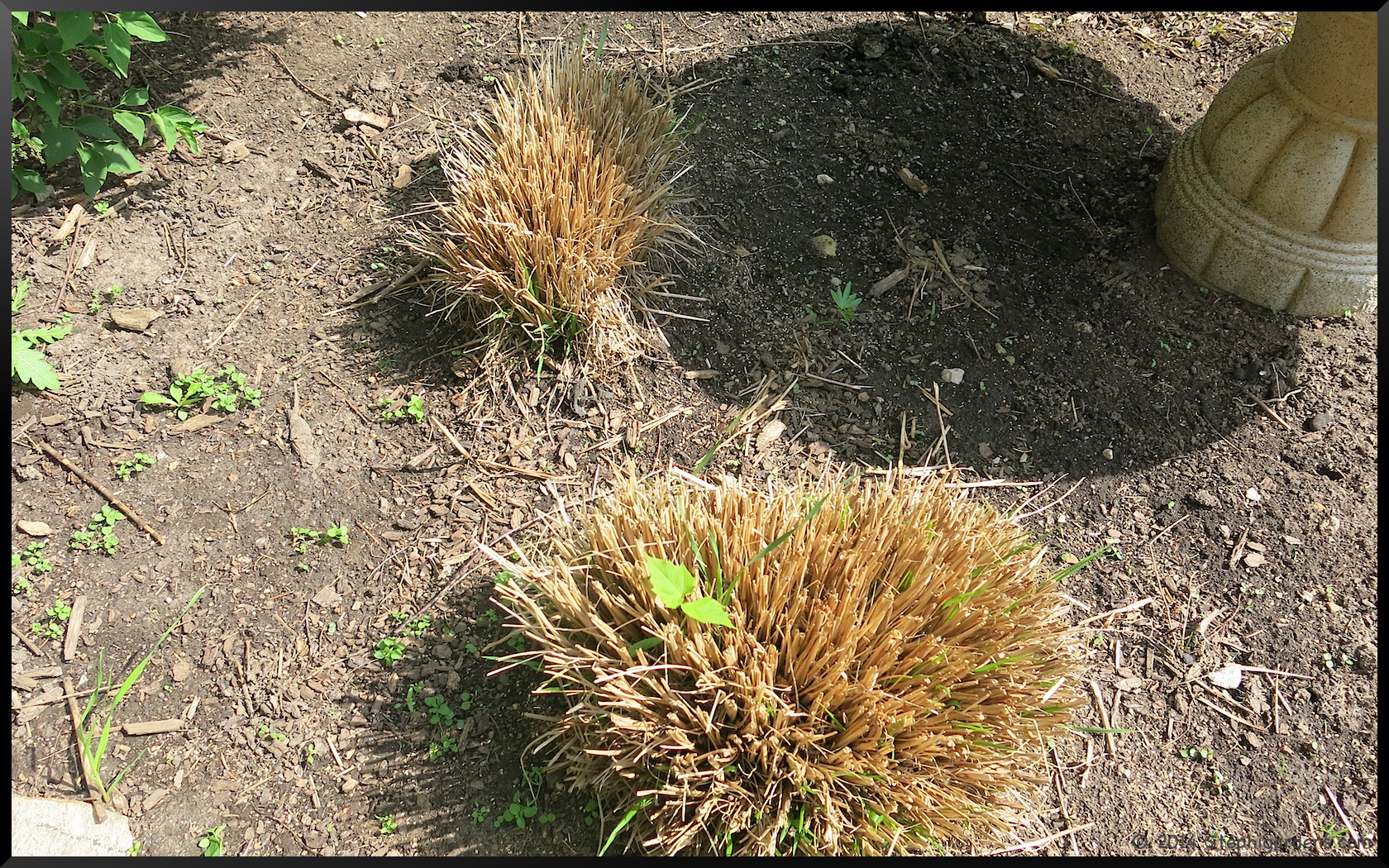
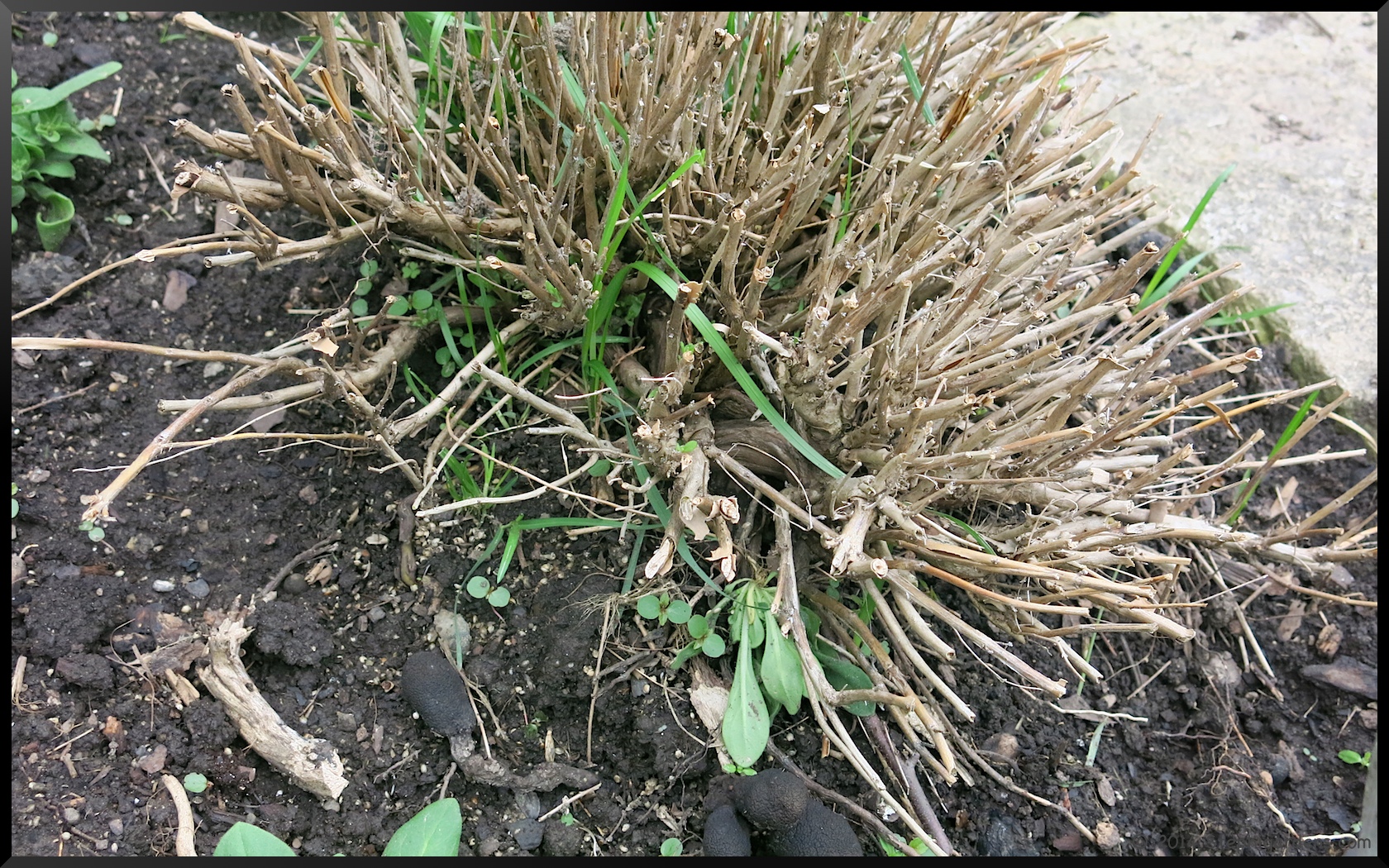
Three fountain grasses and a lavender plant also succumbed to the winter. I watched them for a while and saw no signs of life, except some weeds that were moving in. In this location, I’ve had trouble with the grasses in prior years, so this is a good time to remove them and try something different
Lavender (surrounded by Dead Man’s fingers)
This lavender is barely showing signs of life. But, it’s better than nothing.
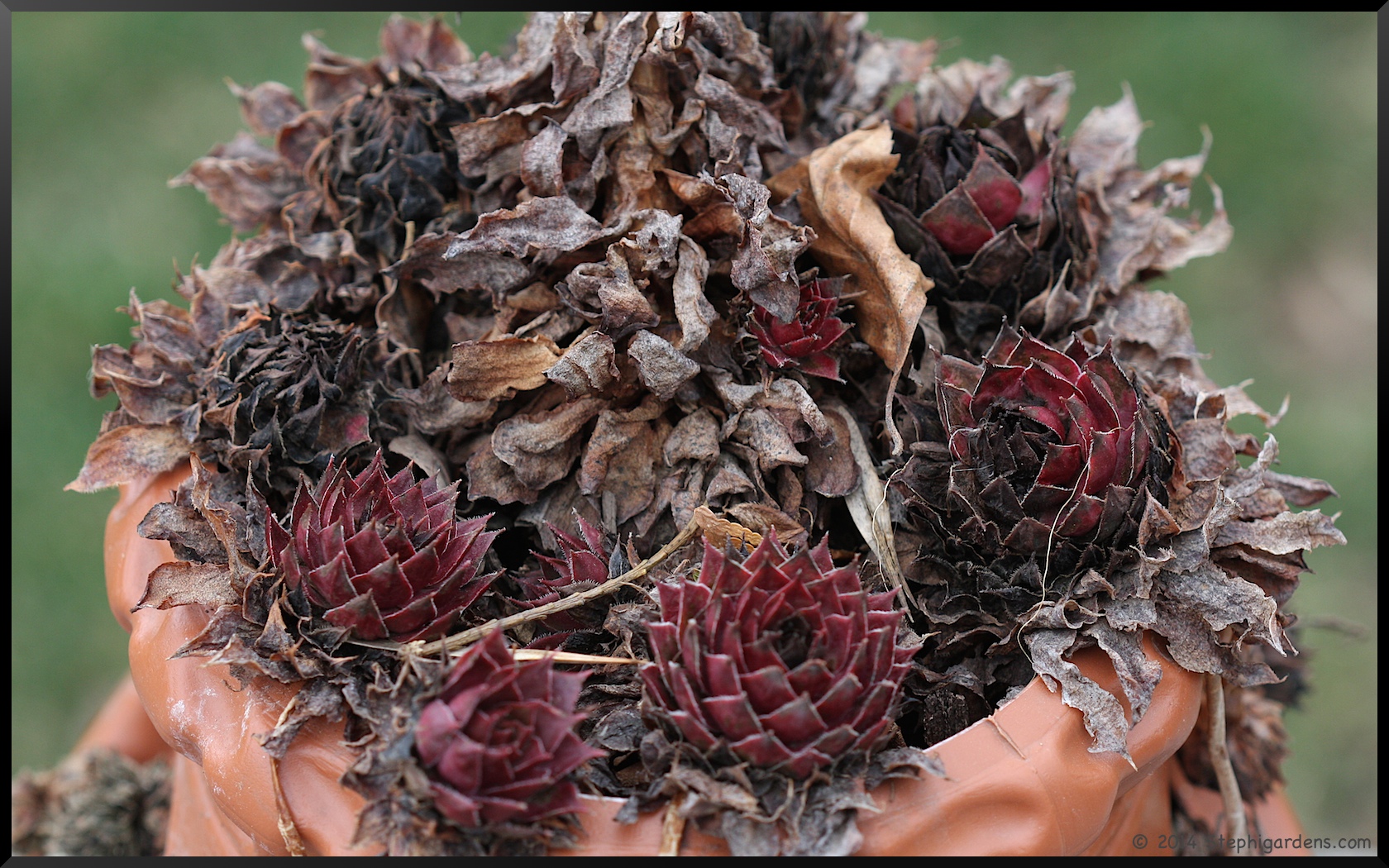
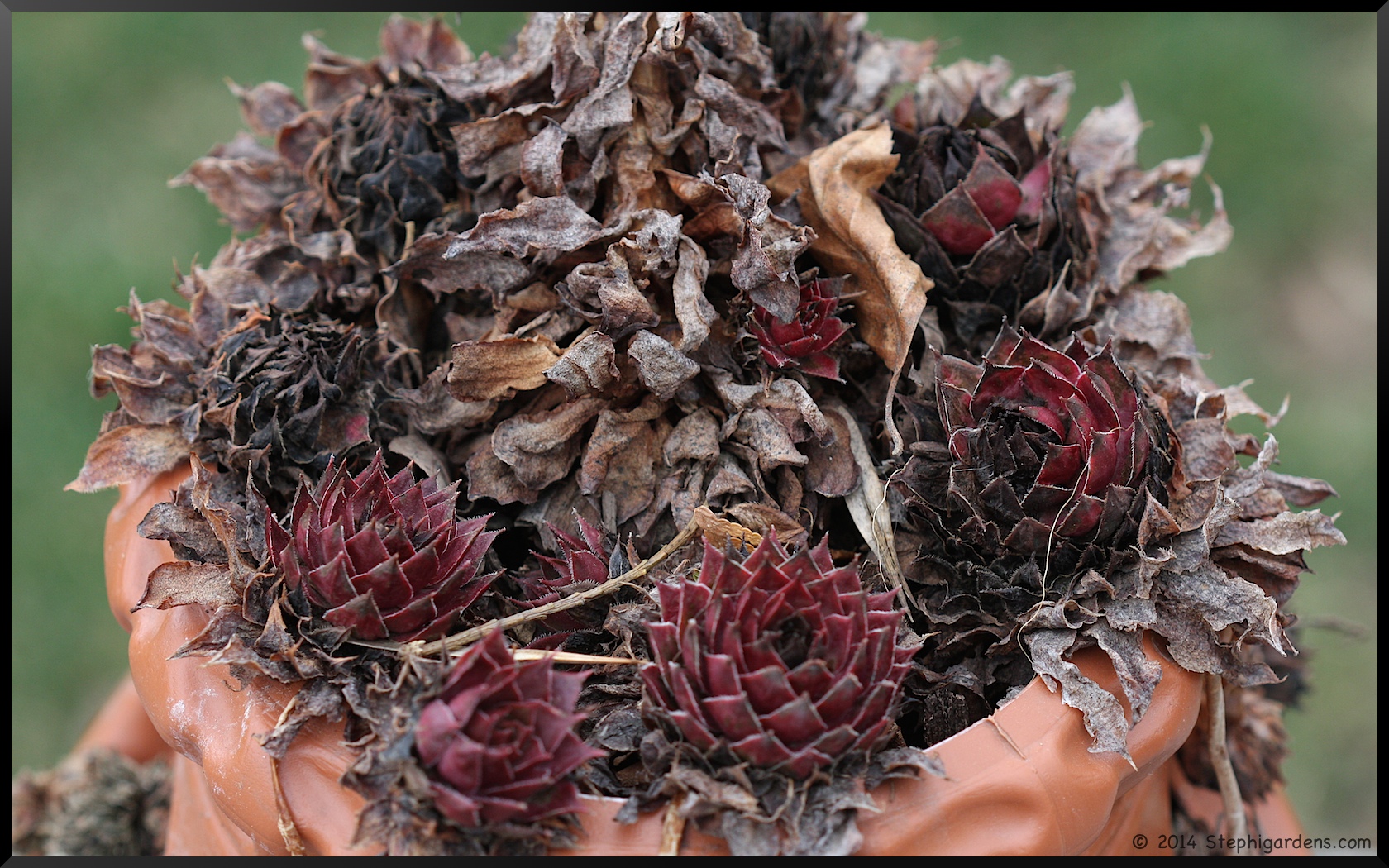
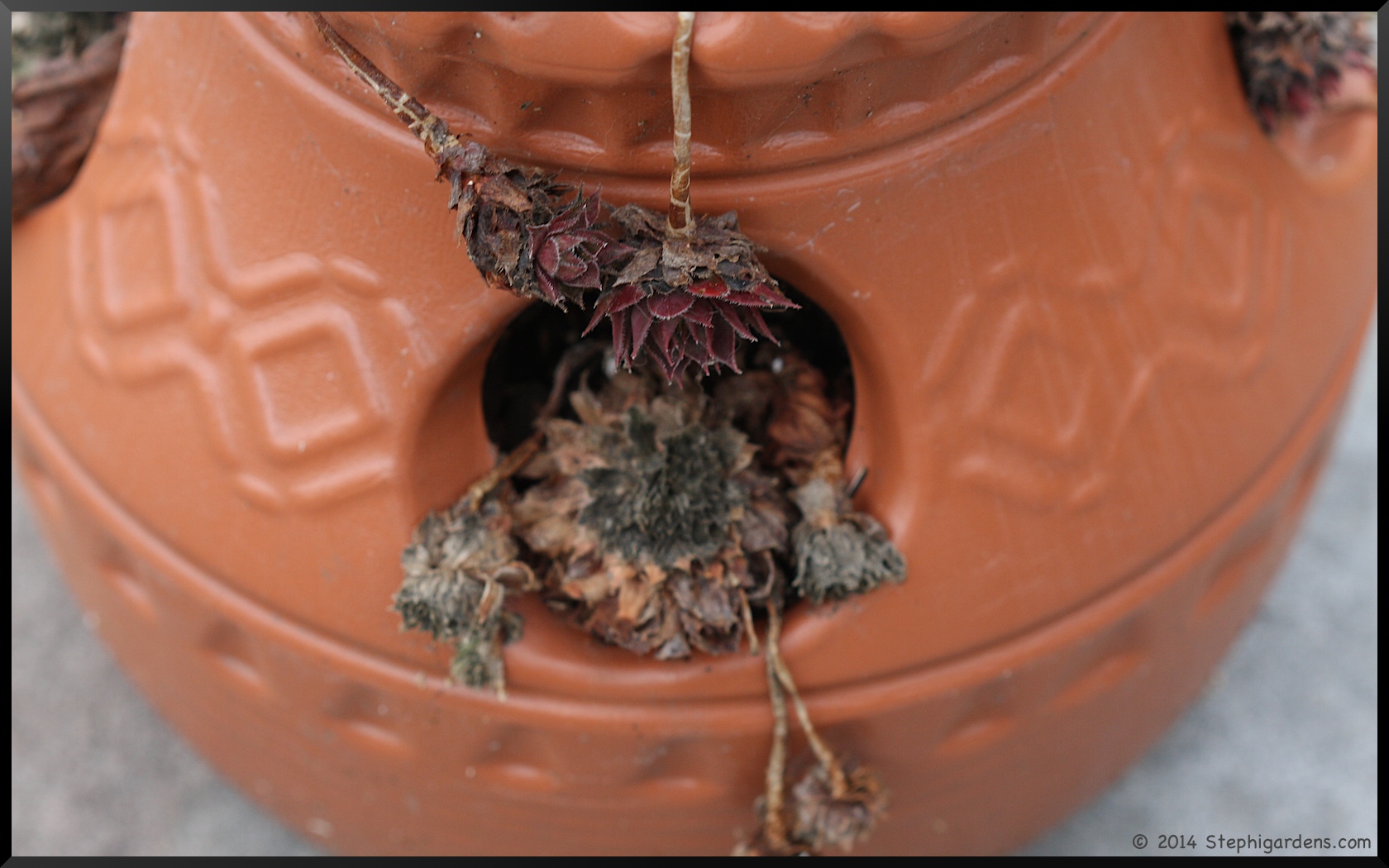
Earlier this spring, I thought the potted Hens and Chicks had survived their winter outdoors. Unfortunately, that wasn’t the case. A couple weeks later, they are pretty much dried up and dead. The red coloring faked me into thinking it was alive, but it was basically just freeze-dried! This was the first time I left them in the pot outdoors instead of in the unheated porch. Next year, back in the porch. The ones that had been planted around some landscaping rocks also didn’t survive. They were fairly established, so I’m disappointed they didn’t survive. The rest of the sedums and succulents are just fine.
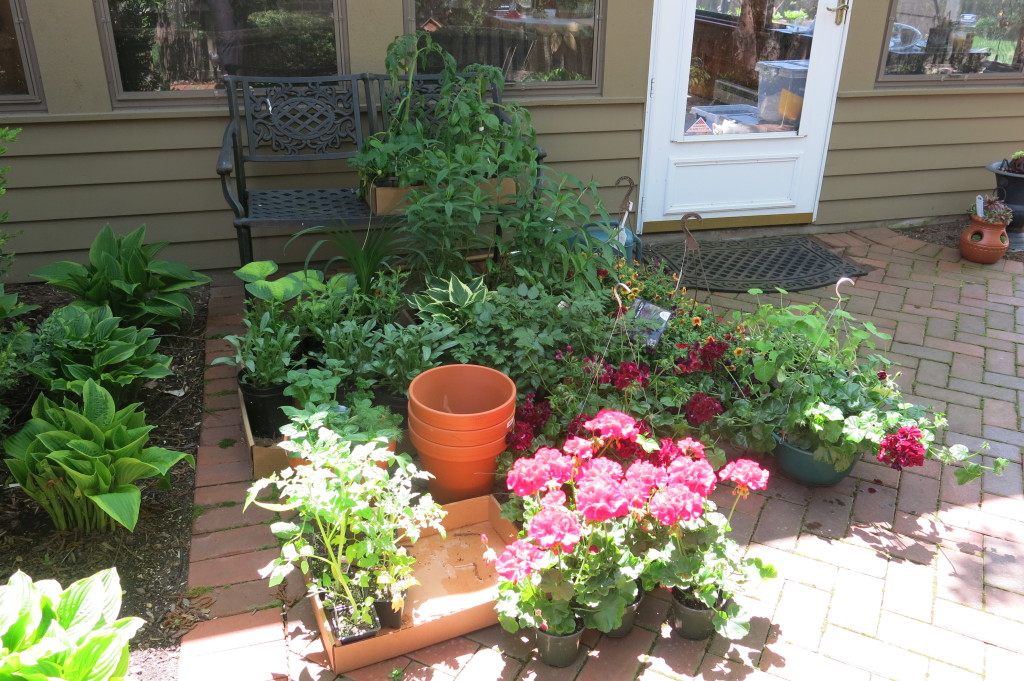
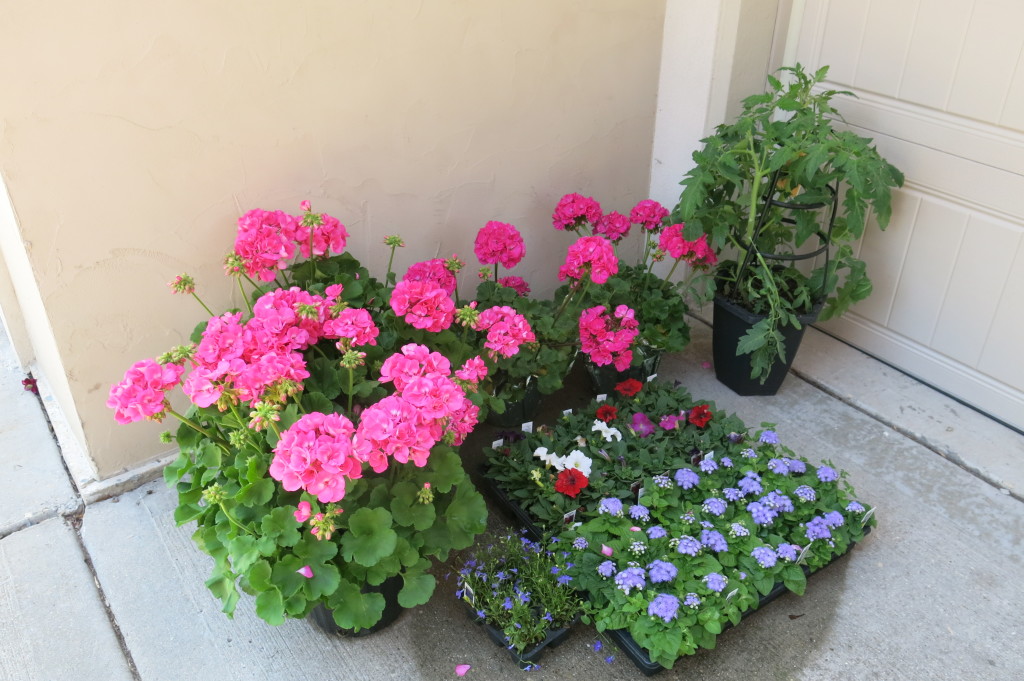
The race is on! Every year, I start to start seedlings and buy plants from various plant sales and trips to the nursery in anticipation of finally reaching that magical “last frost date” when I can finally start planting. Until then, the seedlings grow in self watering containers to reduce my ability to let them dry out (See Starting My Seedlings Indoors). The new annuals, perennials and plants for the front pots sit patiently in front of the garage, or in sheltered area on the back patio, just waiting for the weather to be good enough and me to have enough time to get all the new plants planted.
At this point the clock starts ticking, and my family starts asking, “How long are they going to sit there?” or, “Are they going to die there like last year?” Both are unfortunately valid questions. My best intentions are to get the new plants in the ground right away, but especially this time of year life usually intrudes and the seedlings can get leggy and tangled, and the new plants can be out there 3 weeks or so. In that case I admit, I have on occasion been a bit careless with the watering. I’ve learned to be careful of plants left in a sunny spot, or trays tucked under the eaves. Thus, the valid question of survival. Every year I’ve become better and this year so far so good. I am even babysitting some plants for a friend and a tomato plant that will go to my daughter’s apartment porch. So only a little extra pressure this year.
I’m hoping to get everything in this weekend, weather and track meets permitting.
I was getting coffee and picking up my bakery bread order last weekend at the local coffee shop. Next to the register was this bag of coffee grounds, just inviting me to take it home for the garden.
While we’re not huge coffee drinkers, we drink enough that there are a few handfuls of grounds headed to the the trash each week. Between that and the bag of grounds I brought home with me, I thought I should look into using grounds in the garden to see if I can help the environment and my garden at the same time. It seems that it’s not quite as simple as sprinkling it in the garden to get results. Of course there’s the anecdotes that it’s the magic potion that turns a so-so garden into a breathtaking place. But, from a more scientific point of view, that may not always be the case.
Here’s what I’ve learned:
Lab tests show that the grounds contain useful amounts of phosphorus and potassium, are a low-level source of nitrogen (about the same as grass clippings) and also contain minor amounts of calcium, magnesium, copper, and other trace minerals, carbohydrates, sugars, some vitamins, and some caffeine.
Coffee is acidic, but coffee grounds are closer to neutral so not really that useful for acid loving plants like azaleas
They are great in the compost bin, both for their nutrient value and their ability to make it “hot”. Add them as part of the “green material” not brown .
People have reported good results adding it to the soil around hostas, roses, and on their lawns. Especially when there is an underlying soil issue, like clay or damaged soil.
Use as transplant fertilizer for tomatoes, squash and leafy vegetables by placing a handful in the transplant hole. Seems to give those young transplants a nutritional boost.
Worms love coffee grounds (in moderation, of course). Use them in soil to attract worms to the garden, or in a worm composter.
Use to make a liquid feeder. Mix grounds with a bucketful of water and leave sit for a day or two to make a nice carmel colored tea to use as a liquid fertilizer.
Grounds placed around the base of plants are a slug deterrent. Seems to be an ant repellent as well.
I didn’t read anything about them being harmful to the garden in reasonable amounts, so I think this year the grounds will be sprinkled in some of the older gardens that could use a little perking up. I’m also planning to use them around my hostas as a slug repellant as they start to do their damage mid-summer. Maybe someday I’ll get a compost pile going and they’ll be a great addition, but that’s not in the cards right now though.
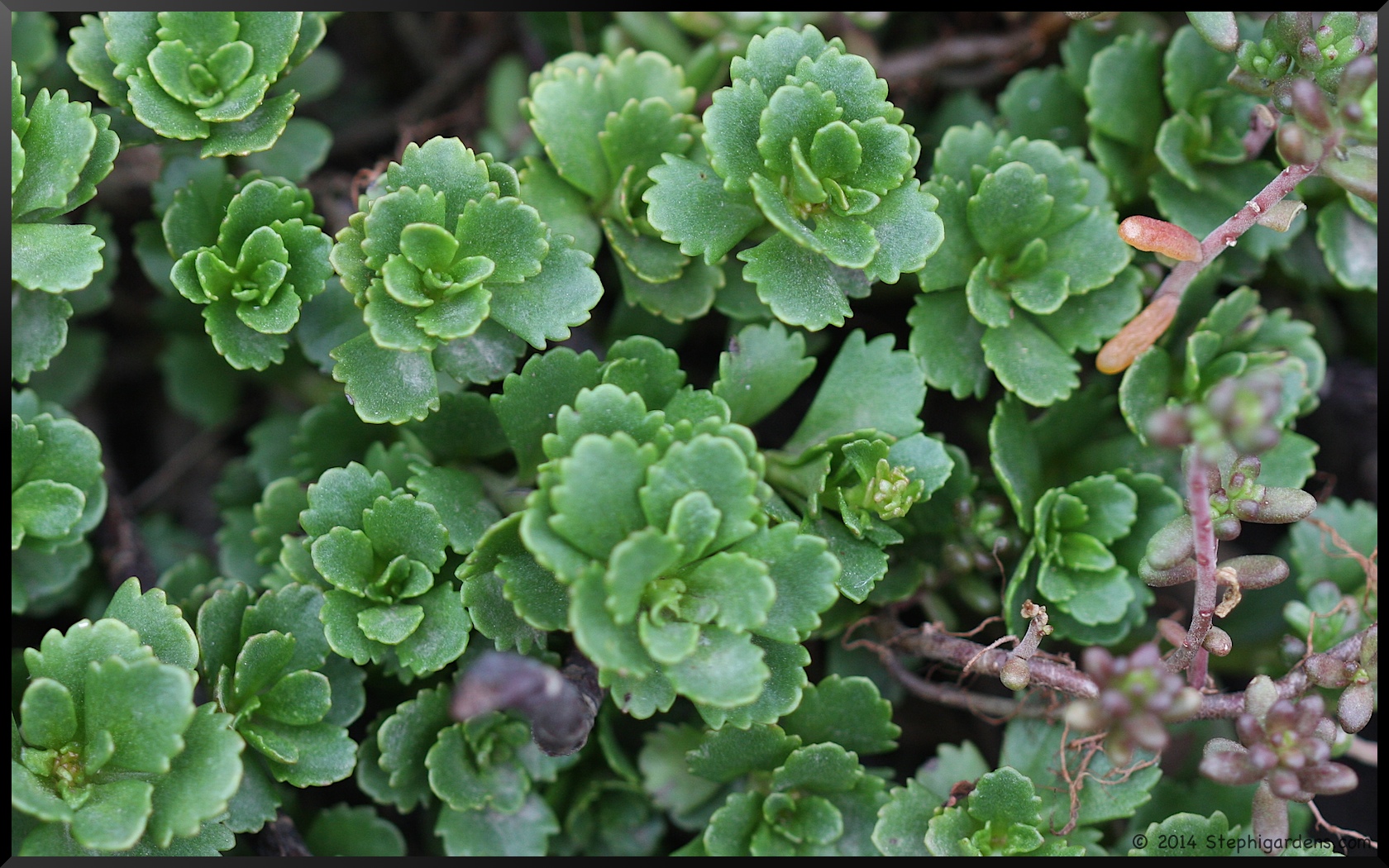
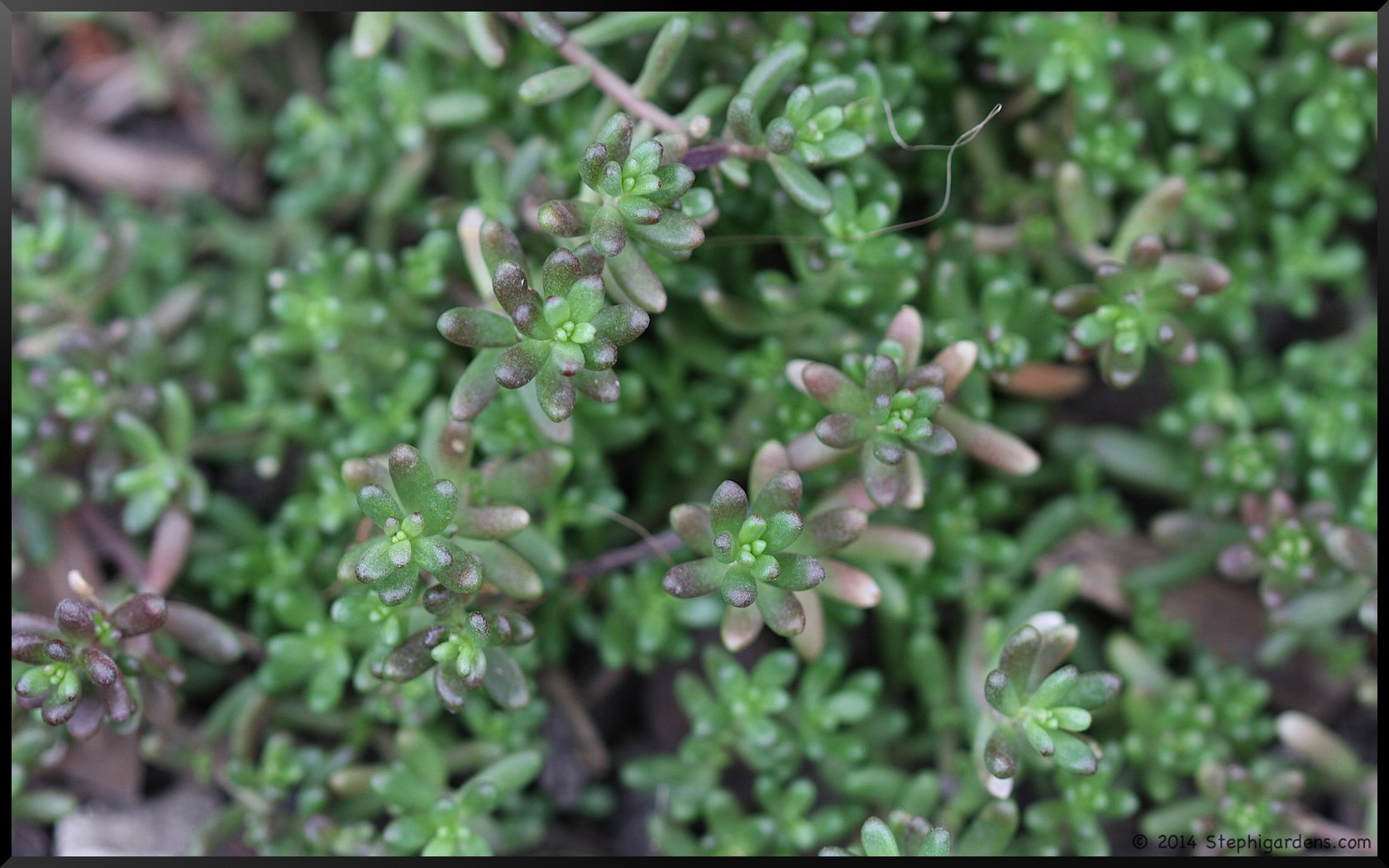
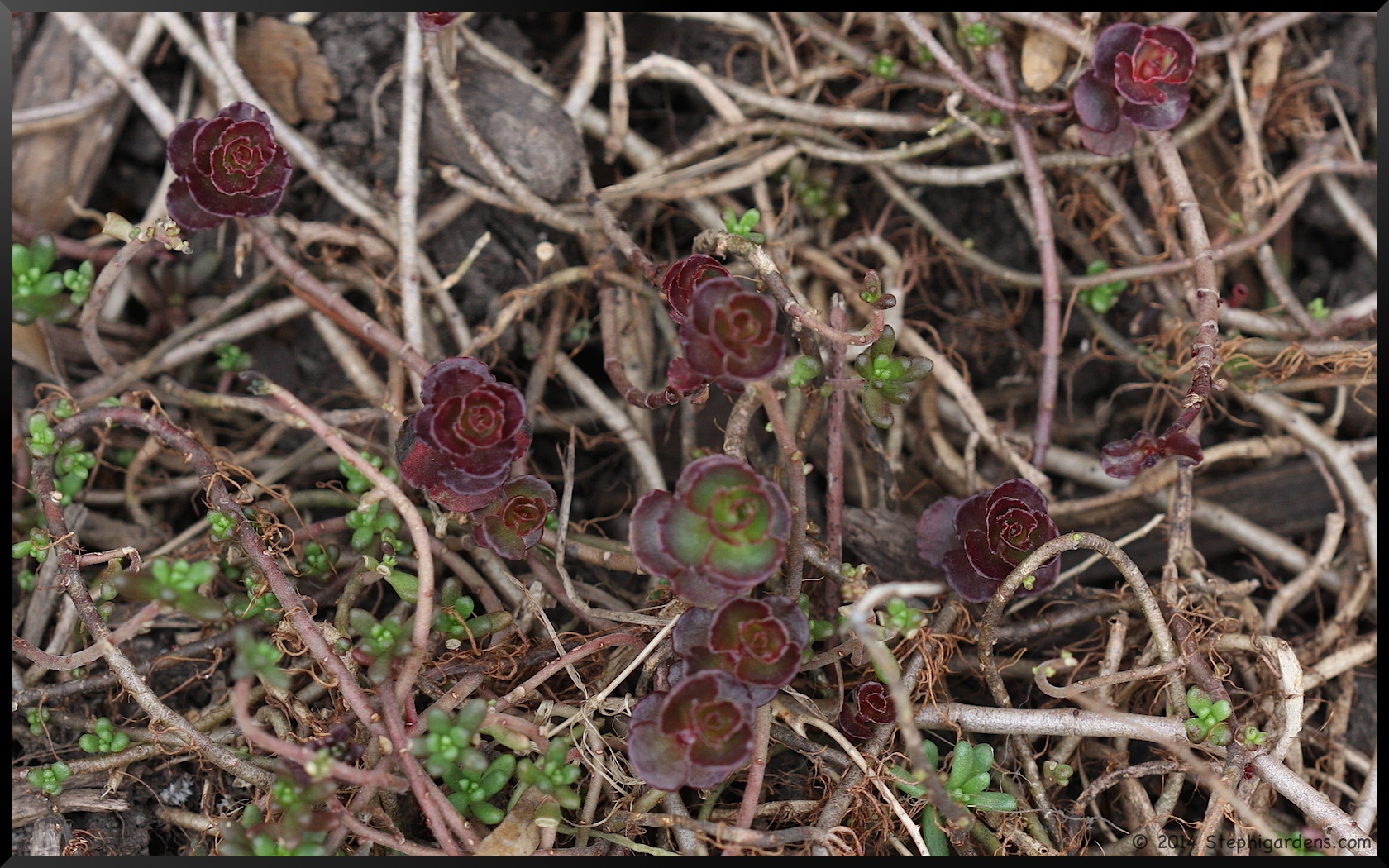
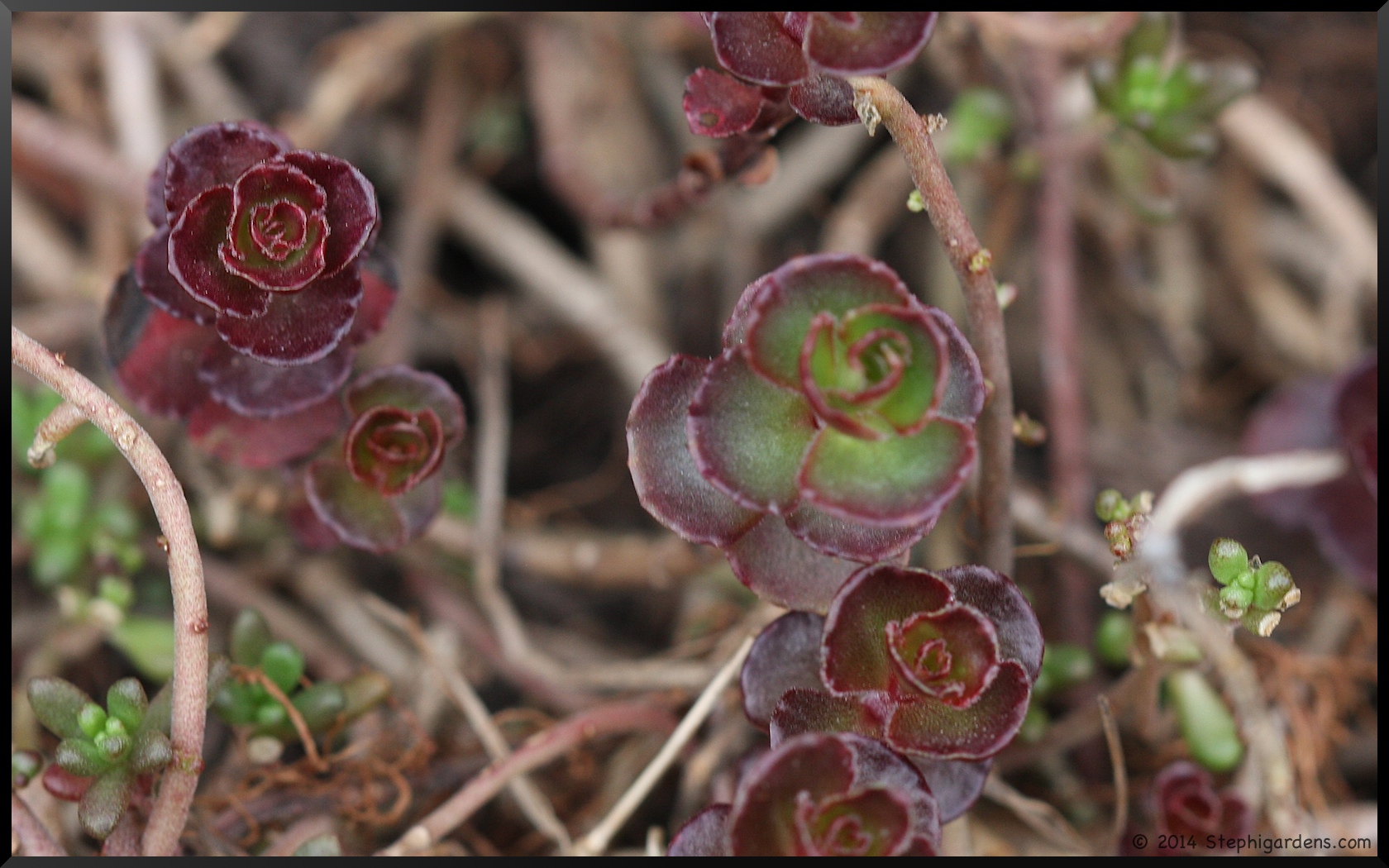
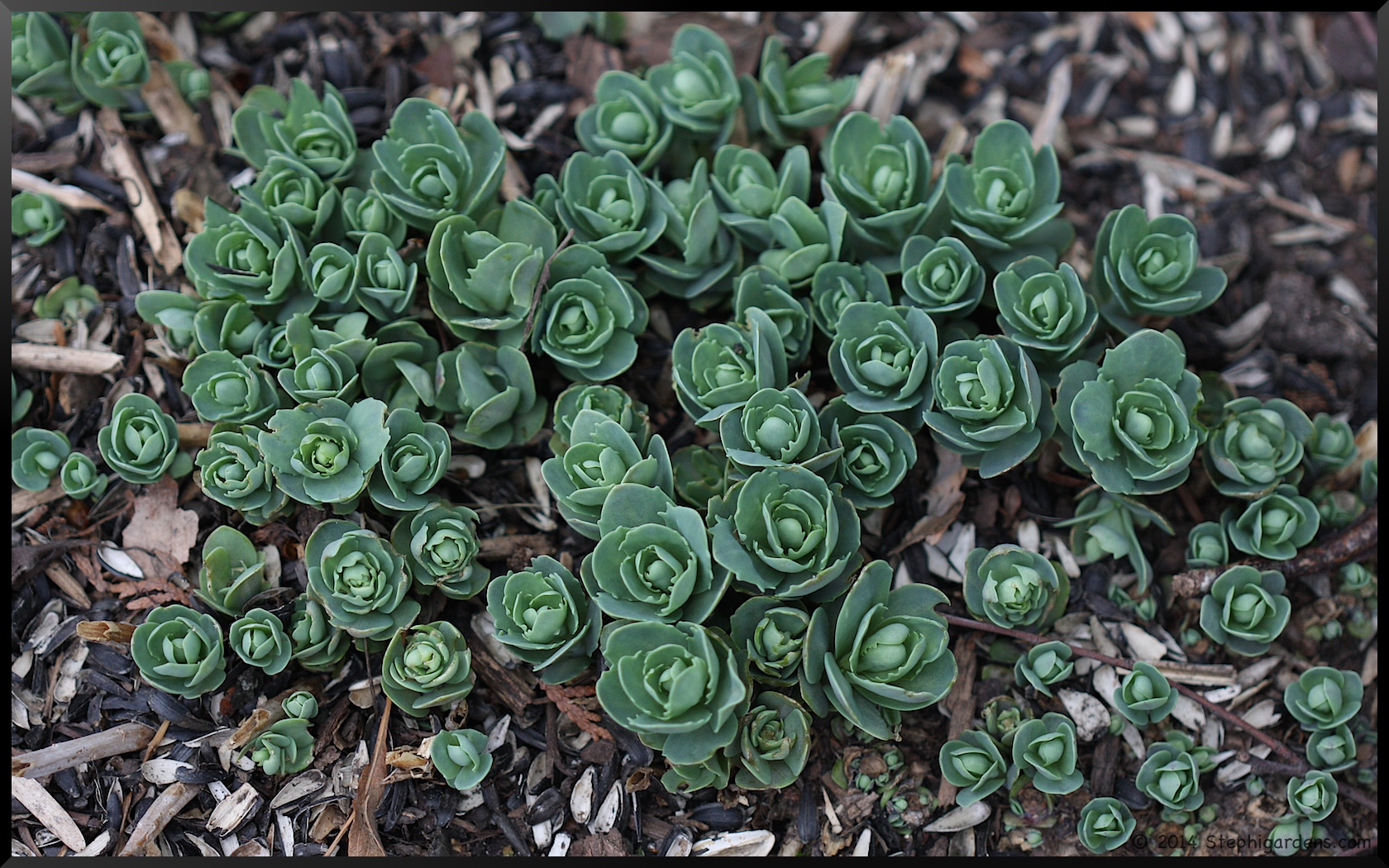
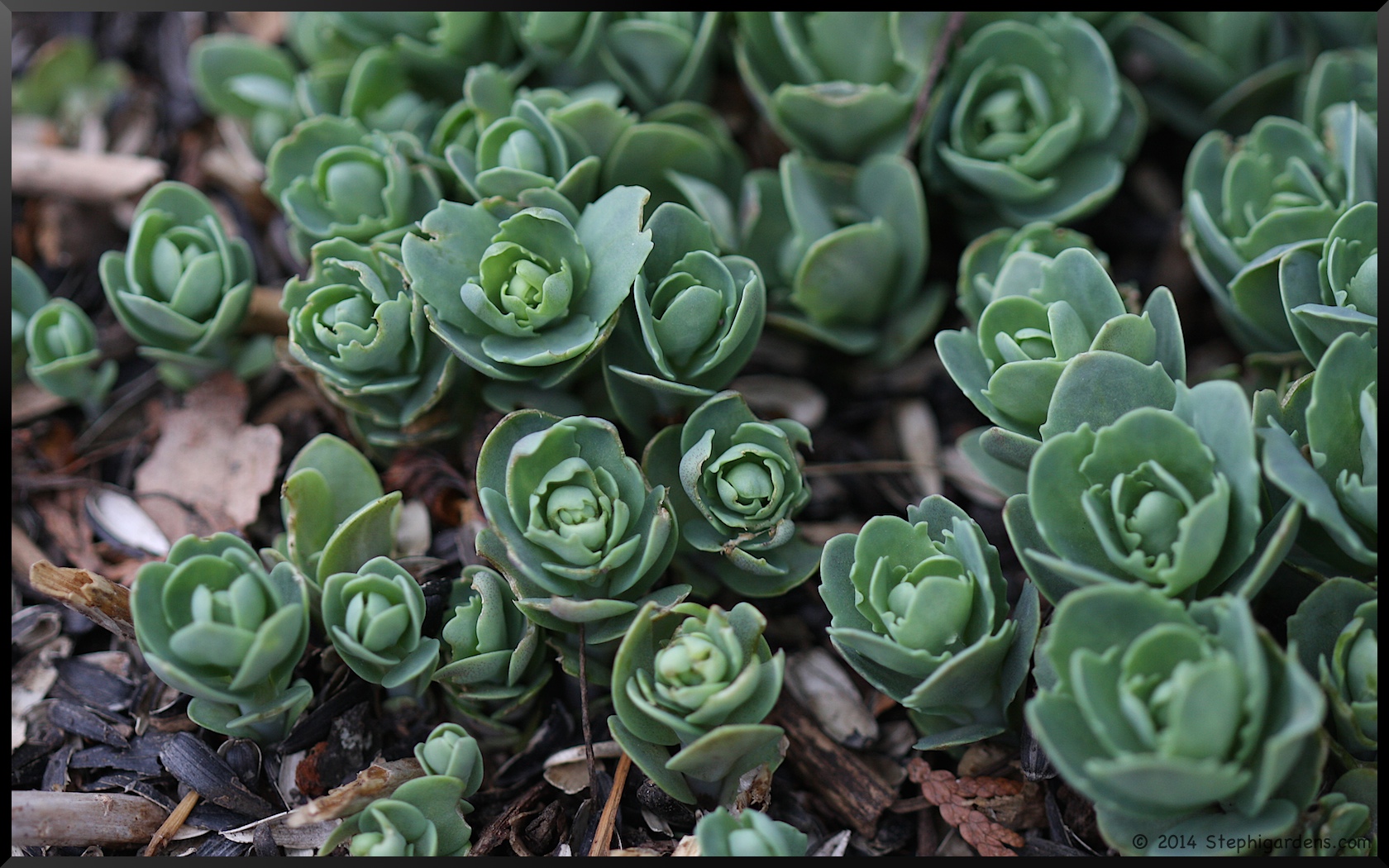
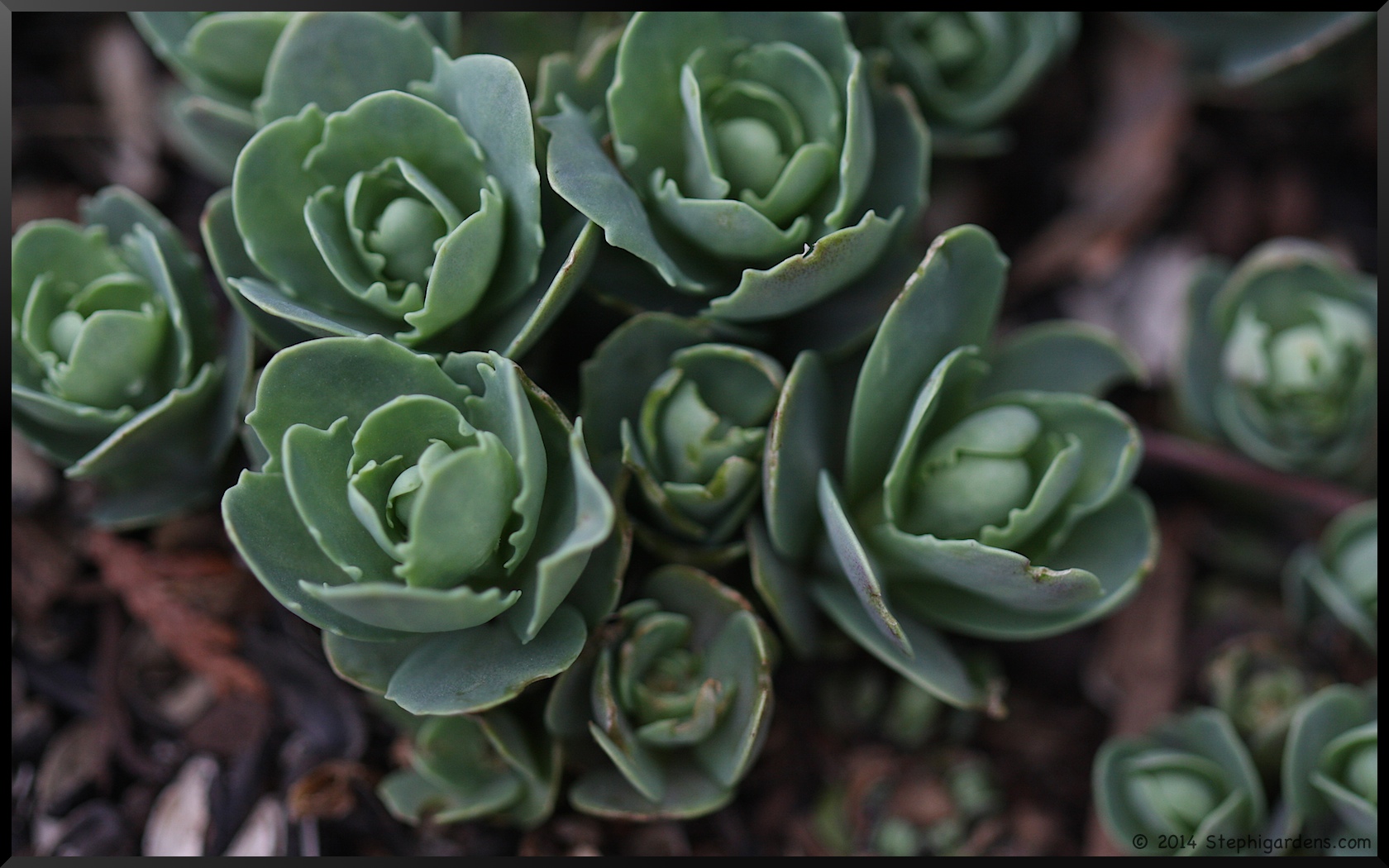
This winter was a particularly harsh one, so as new growth is starting I’m excited to see what has survived. Over the last few years, I’ve planted a number of sedums in hot dry areas that other plants have not fared well in. I also have almost too many Sedum “Autumn Joy” around the yard. Happily, many of them seem to have survived and are already greening up the garden.
Sedum “Autumn Joy”
I have clumps of Sedum “Autumn Joy” all around my yard that started from only a couple of plants. In my soil conditions, they are fast growers and easy to divide in only a few years. These are one of those plants that I’ve found that “less is more” when developing a landscape plan. They will fill in the space fairly quickly so don’t over plant. They are also one of the earlier plants to begin leafing out, despite them being a fall flowering plant.
Hens and Chicks
I don’t usually leave the potted Hens and Chicks out over the winter, but this was one of those winters that snuck up on me and I never got around to putting them on the porch. It seems that they mostly survived and don’t look much worse than normal. I did expect the center of this one to be dead since it had flowered so beautifully last summer. That marks the end of its life cycle. Depending on what the pot looks like in a couple of weeks, I’ll pull out all the dead parts and try to plant the chicks in the empty spots. Otherwise, I’ll pull it apart and plant the remaining plants in the garden.
I’m still looking for the Hens and Chicks that are in the garden to appear. They really don’t die back, so the fact that they are “missing” suggests maybe they didn’t survive the winter. Maybe they’ll surprise me.
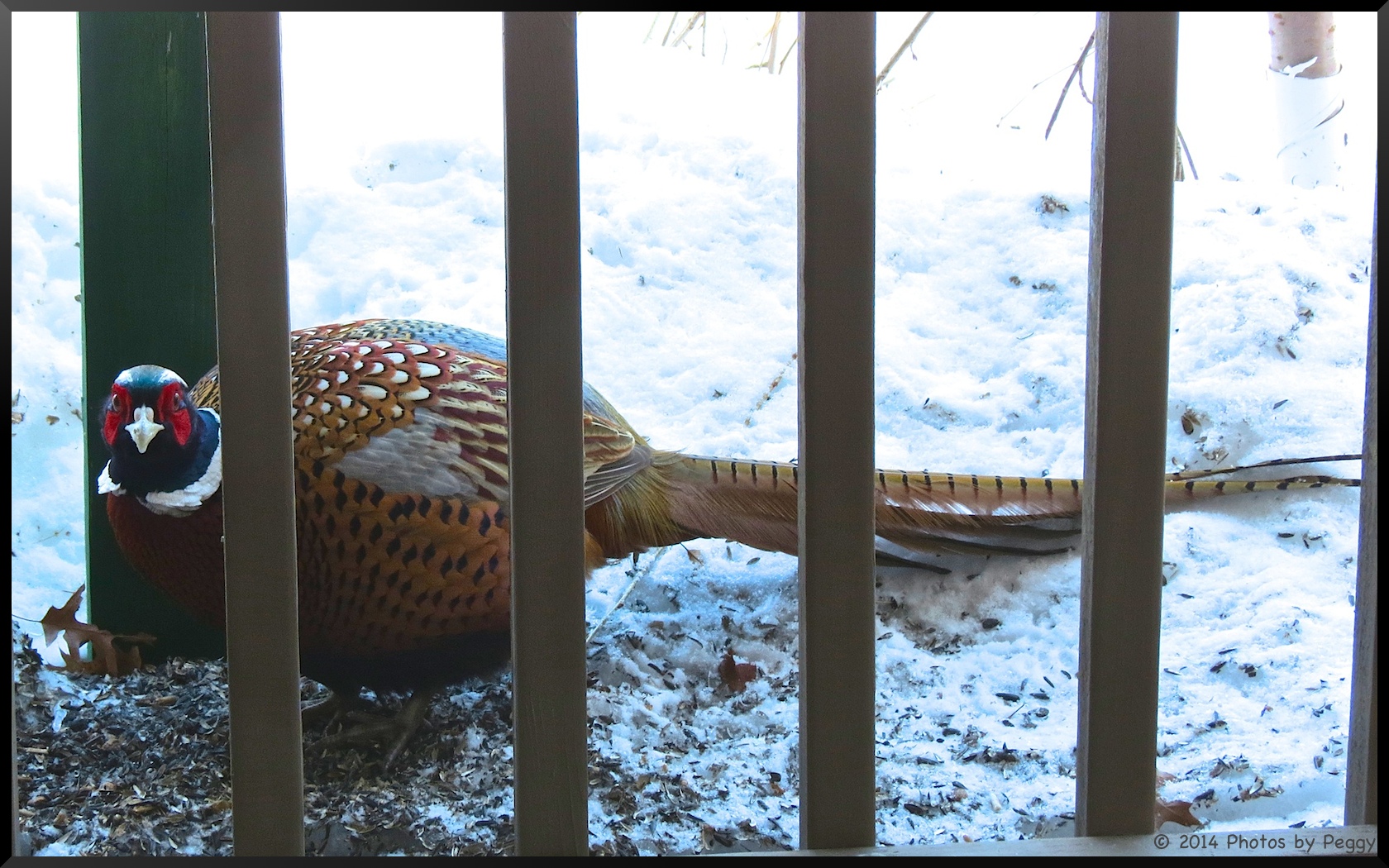
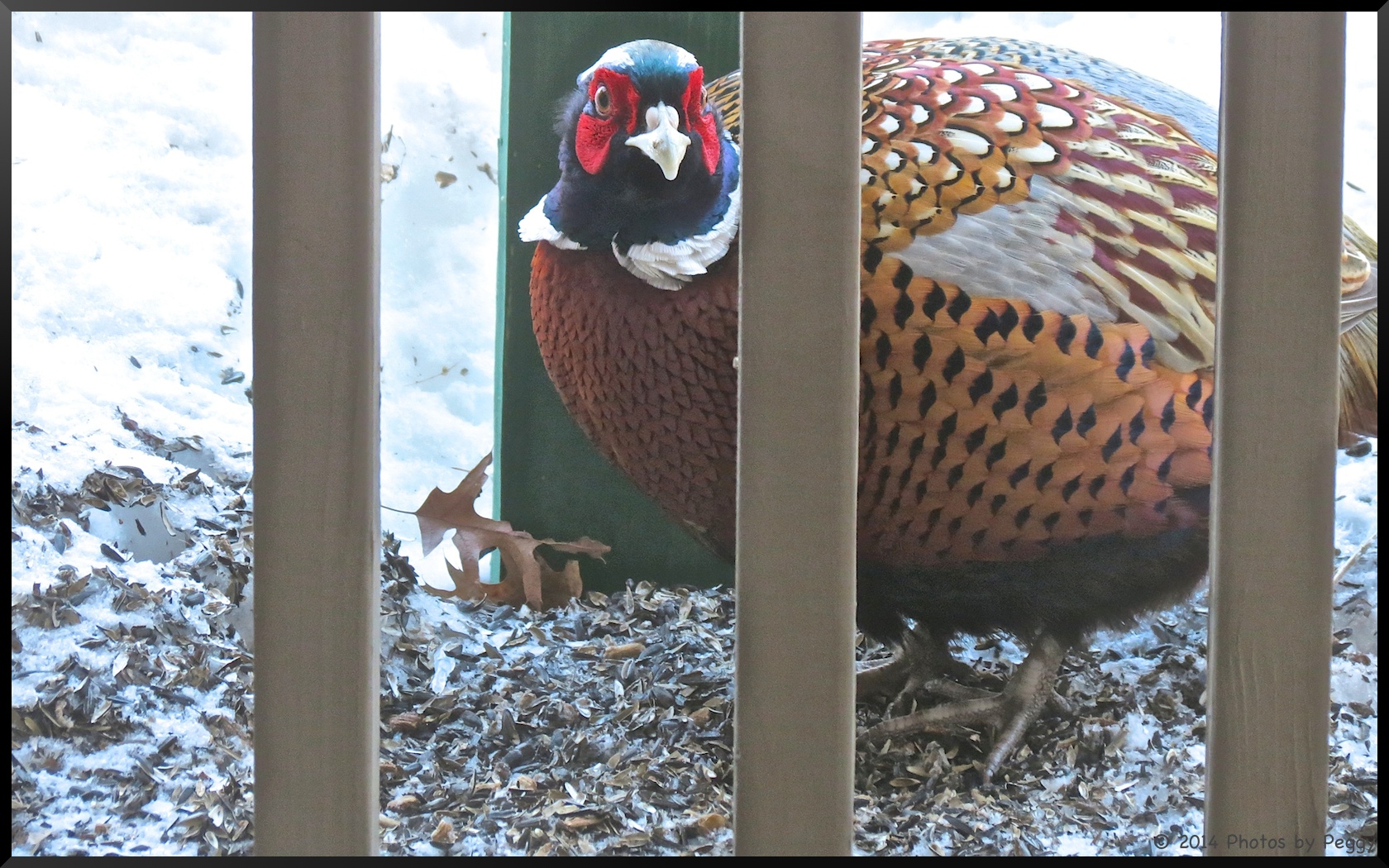
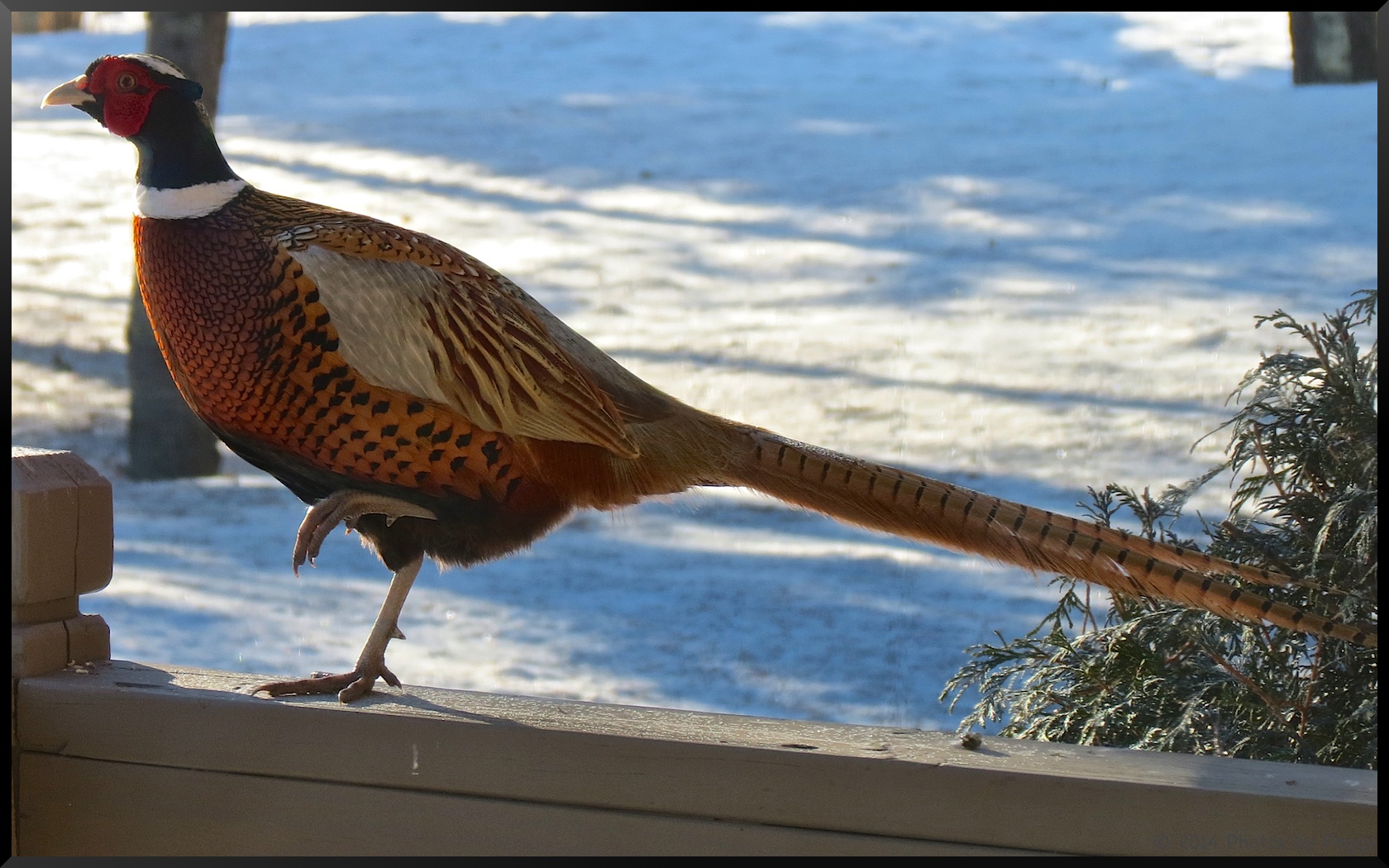
Over the last month or so, a male Ring-Necked Pheasant has taken up residence near Peggy’s house in Michigan. He’s been visiting the front porch feeder, enjoying the corn she’s been putting out for him. Haven’t seen a female yet, but maybe they’re just shy. By the way, this is a view through the front porch railing–the snow is piled so high he’s at up almost at eye level!
Because of the timing of his visit, the male Ring-necked Pheasants may be establishing his breeding territory. A male will become the “king” of his territory and exert dominance over any other males who try to intrude in his territory, which may cover several acres. Breeding females, who are rather dull brown in coloring, will gather in small groups in the territory of a single male. The females will nest in the fields or borderland areas and lay a dozen or more eggs. Within a few weeks, the young will head out on their own. Unfortunately, there is a high mortality rate from predators and humans of both the eggs and young birds. Hopefully there’ll be some baby pheasants wandering around Peggy’s yard this spring!
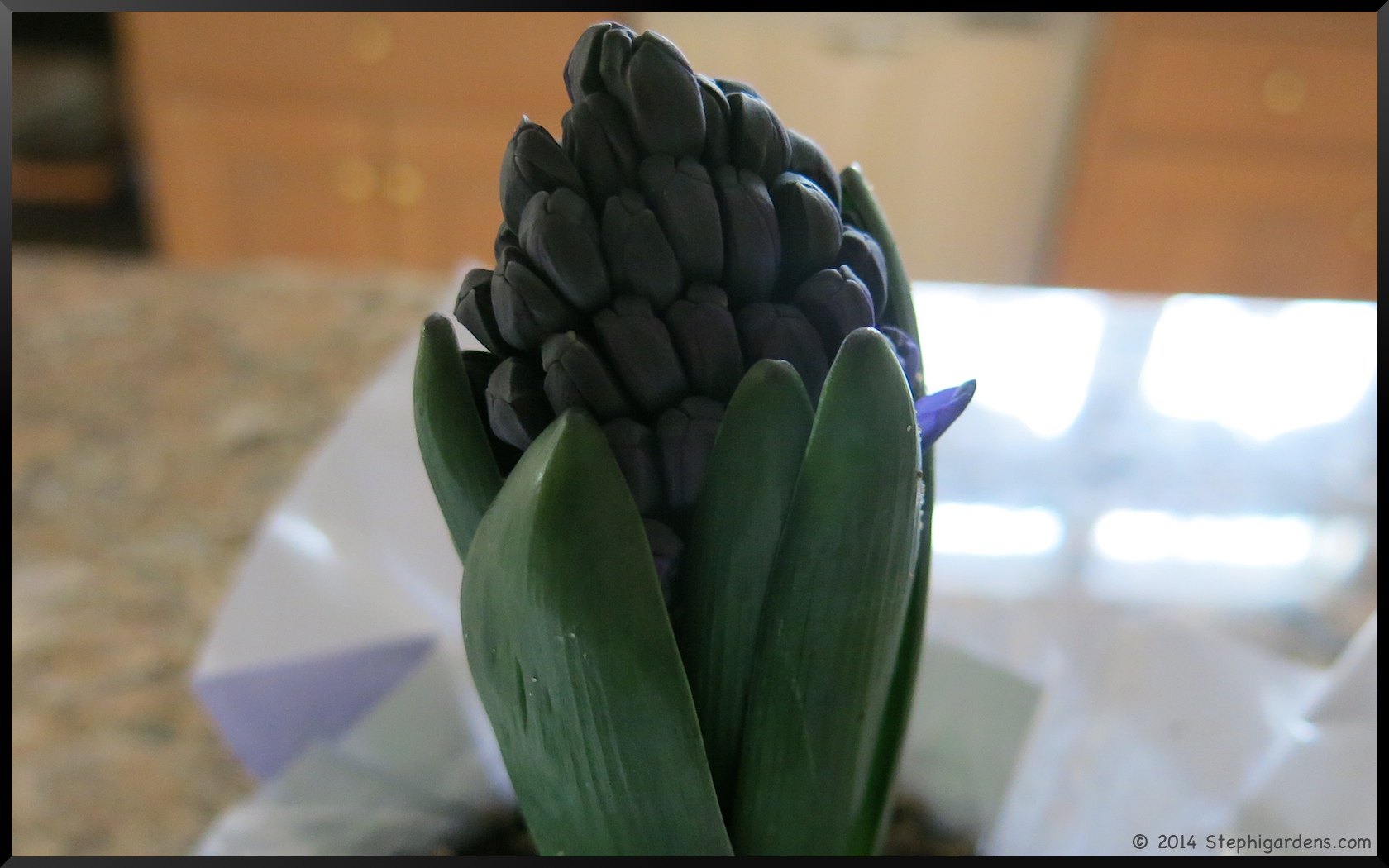
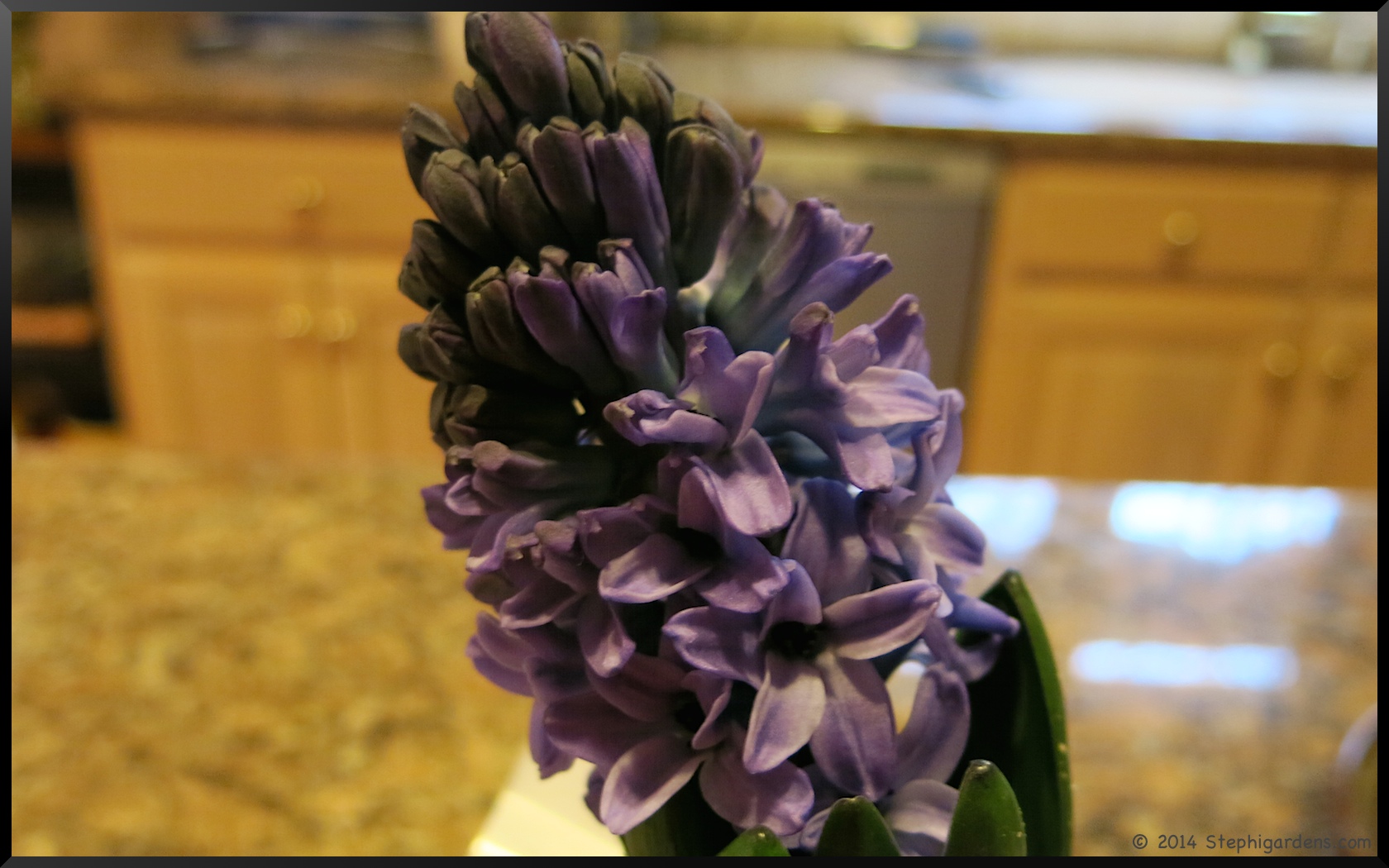
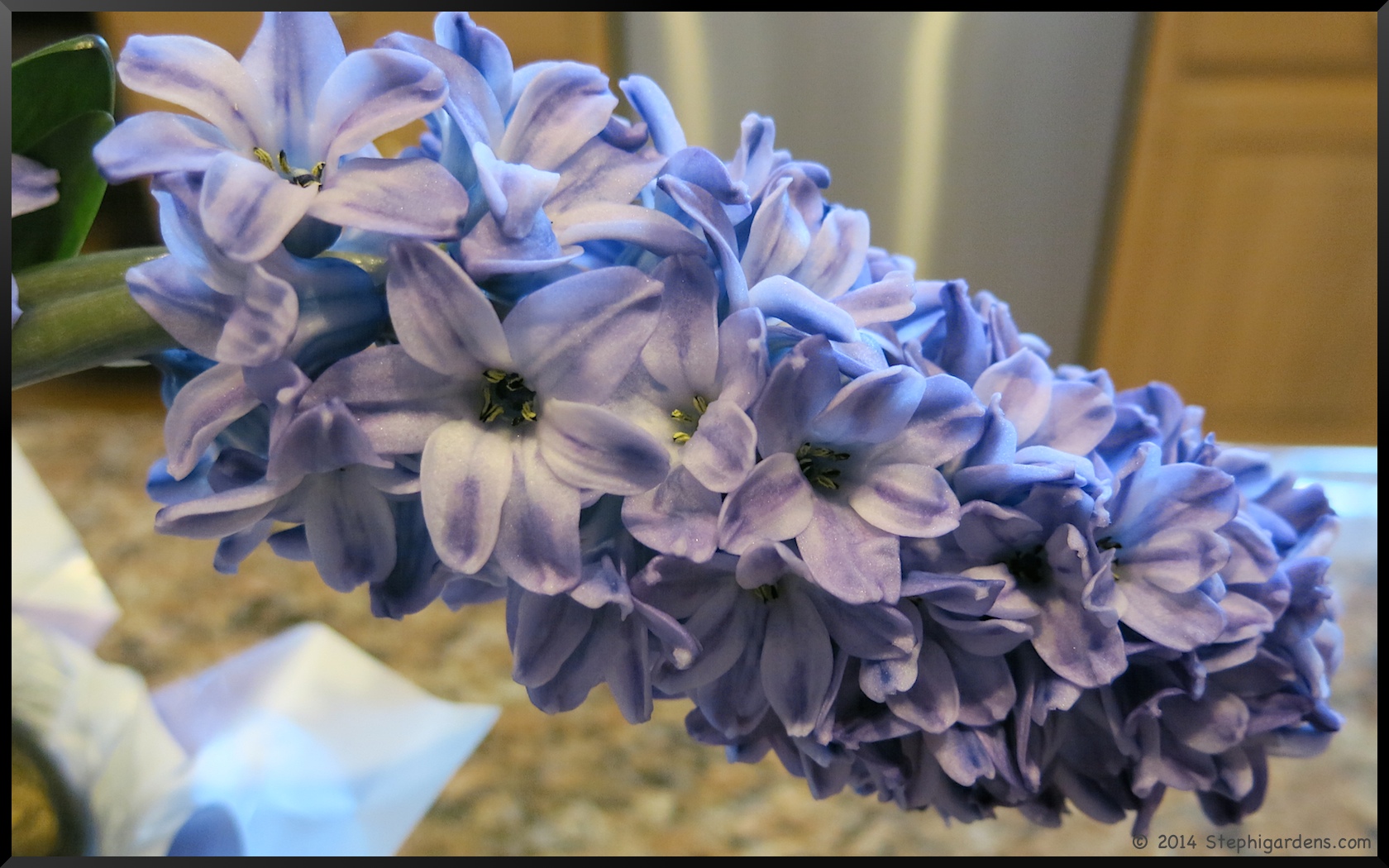
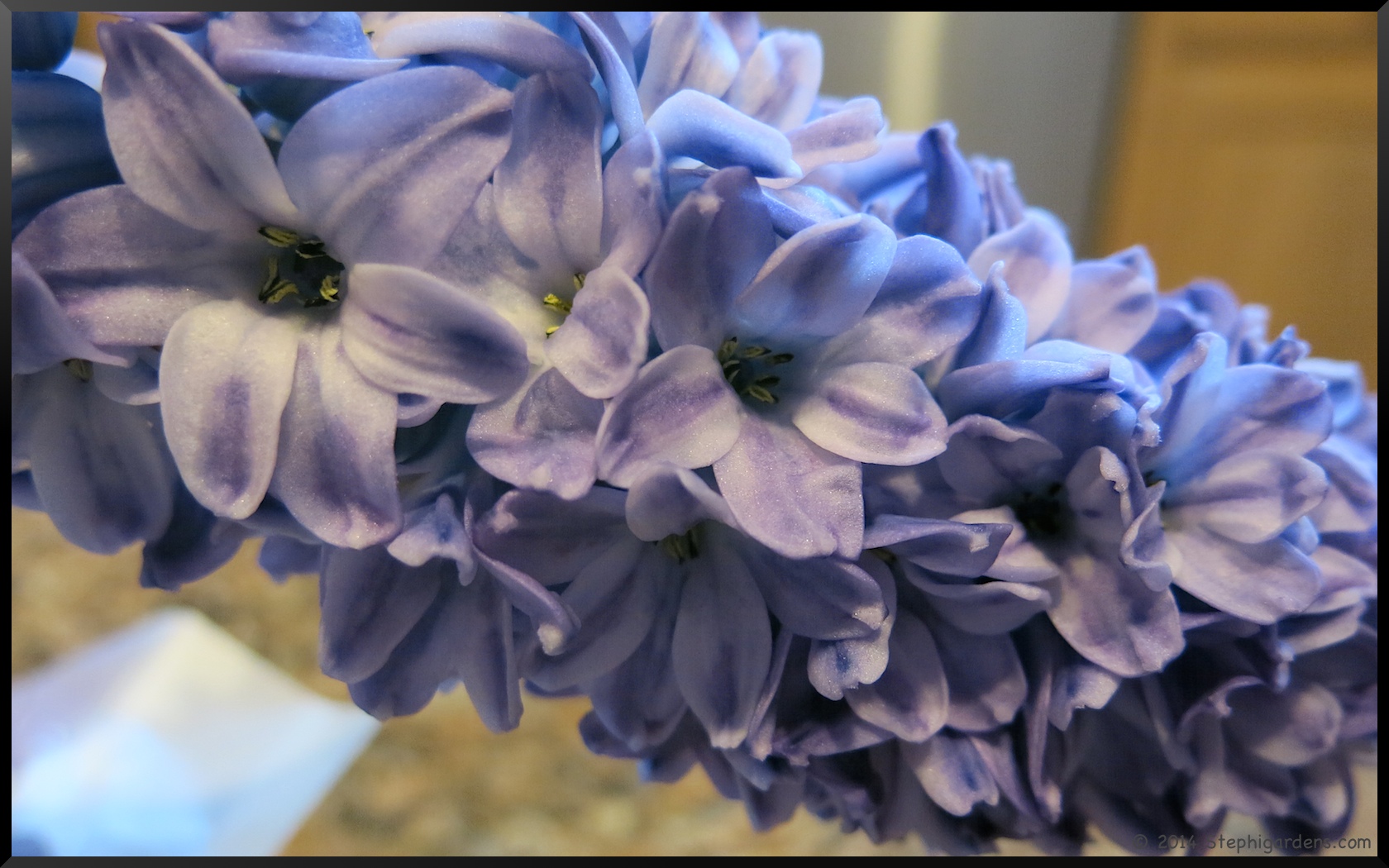
I’m one of those people who loves the smell of hyacinths. It’s a strong scent, and like oriental lilies, people tend to either love it or hate it. Mine haven’t come up in years outside, so every year when they finally show up in the grocery store, they start to show up in my kitchen. Day by day, they open…
Until they tip over. Ugh, why do they always do that?
But, still pretty and smelling wonderfully!
This week Stephi Gardens celebrates its First Anniversary!
I had been tossing around ideas for a blog for quite a while, but wasn’t quite sure how it was going to work, or if it would work. I’m glad I finally got started. Over this past year, I’ve had a lot of fun exploring my interests and sharing the experiences I’ve had.
I definitely couldn’t have done it without my family and friends supporting my endeavor, and I’m especially grateful for the fabulous advice, ideas and photos from my mom Peggy.
I’m looking forward to this coming year and all the interesting and fun things it’ll bring.
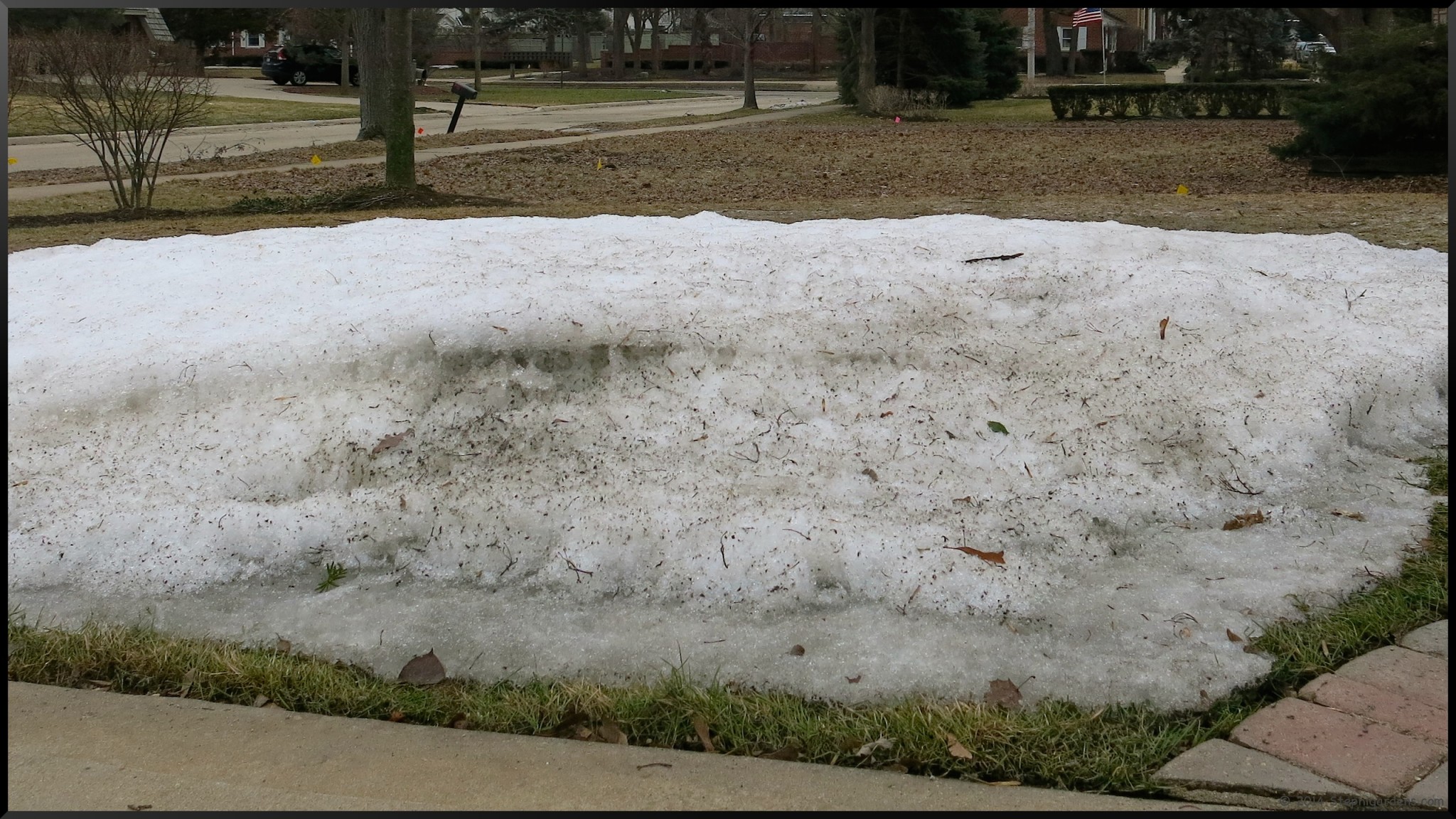
As I came home from Northern Michigan on the first day of spring, it was clear I was heading south by the disappearance of snow and the warming temperatures. By the time I arrived home, my car thermometer had risen over 25° into the balmy 50’s. Of course, my yard oddly always has the most snow left out of anyone on the block, or for that matter, the last 100 miles of the drive.
But, there are definite signs of spring to be had.
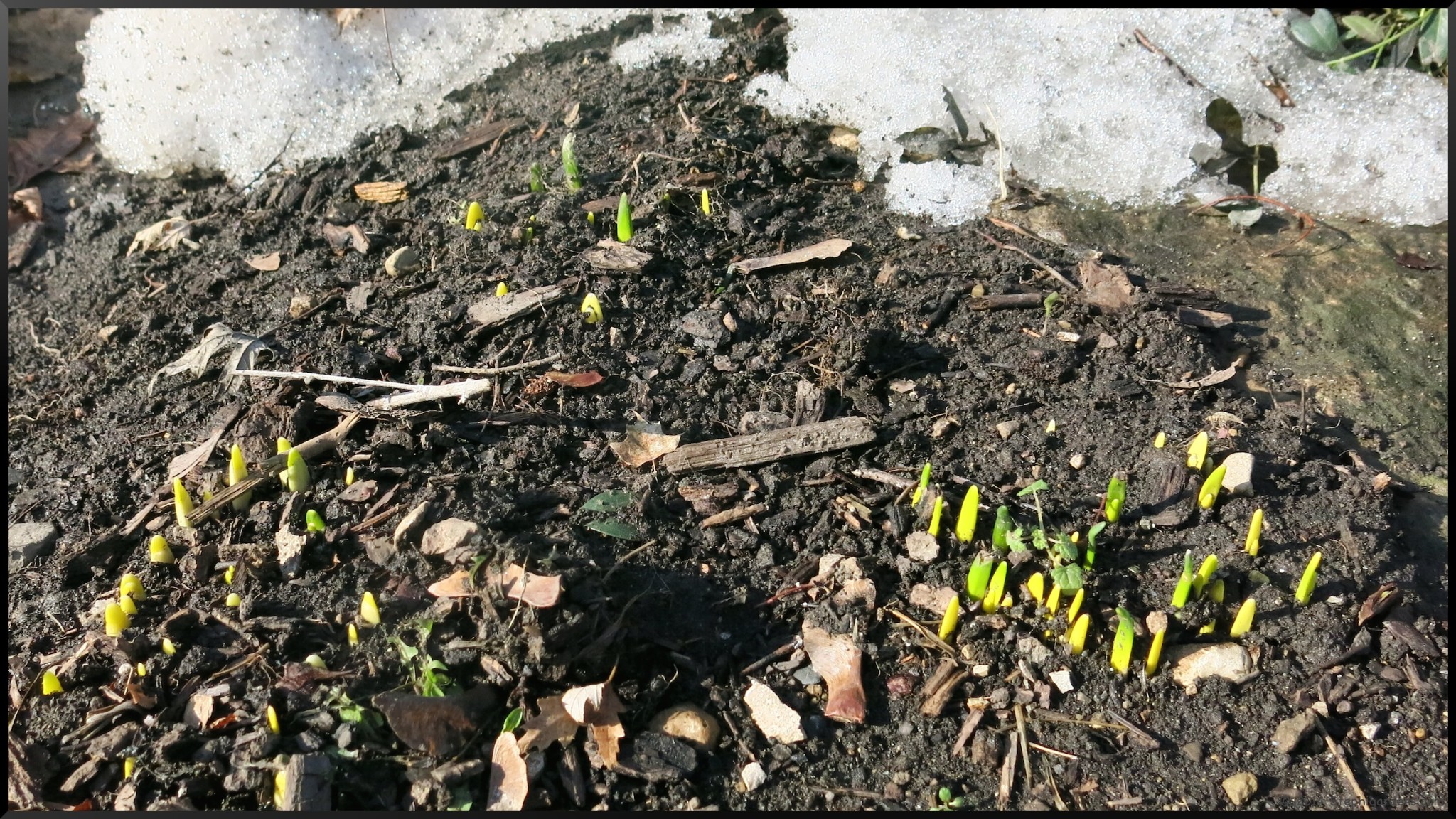
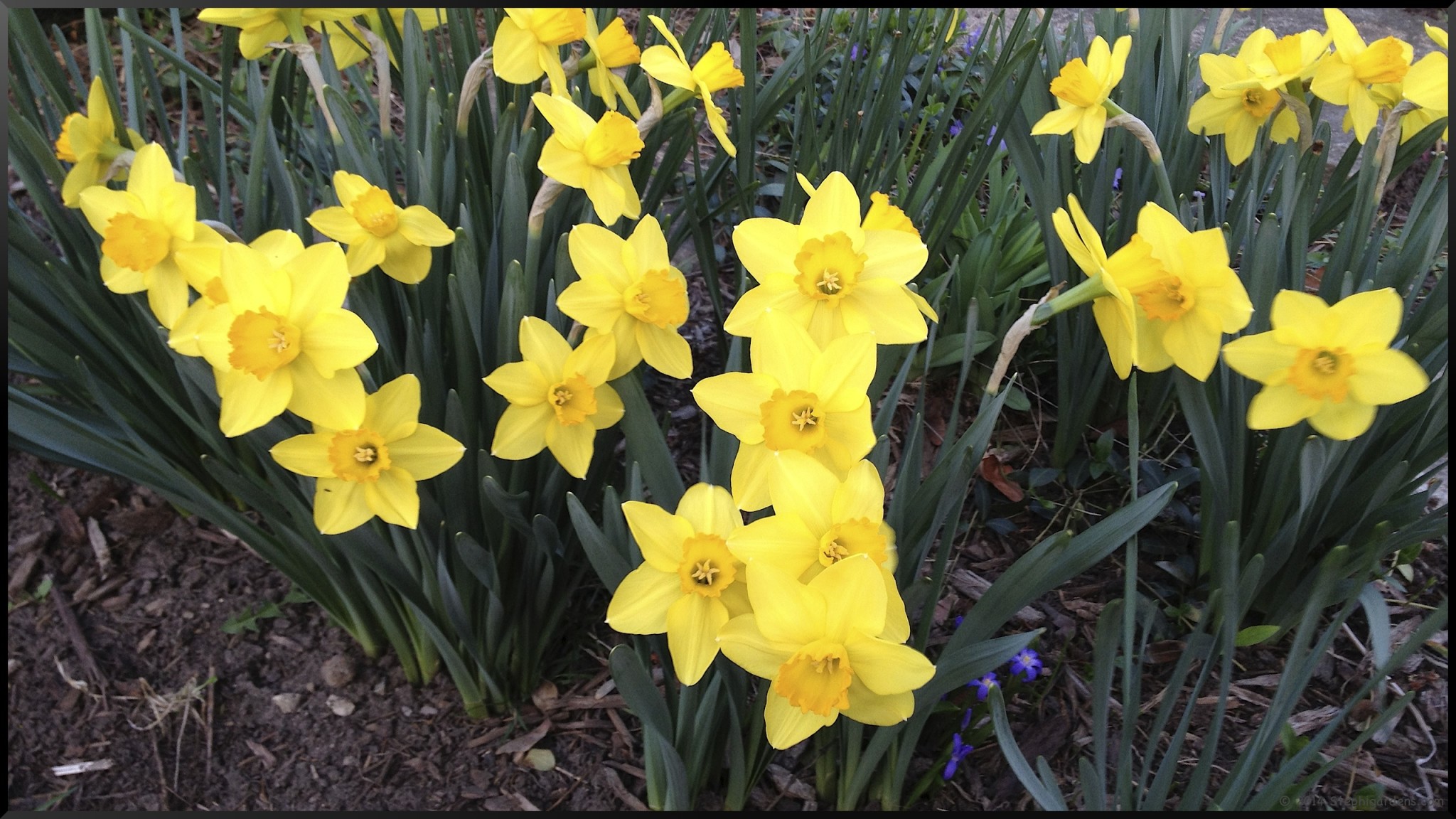
The daffodils are popping their heads out!
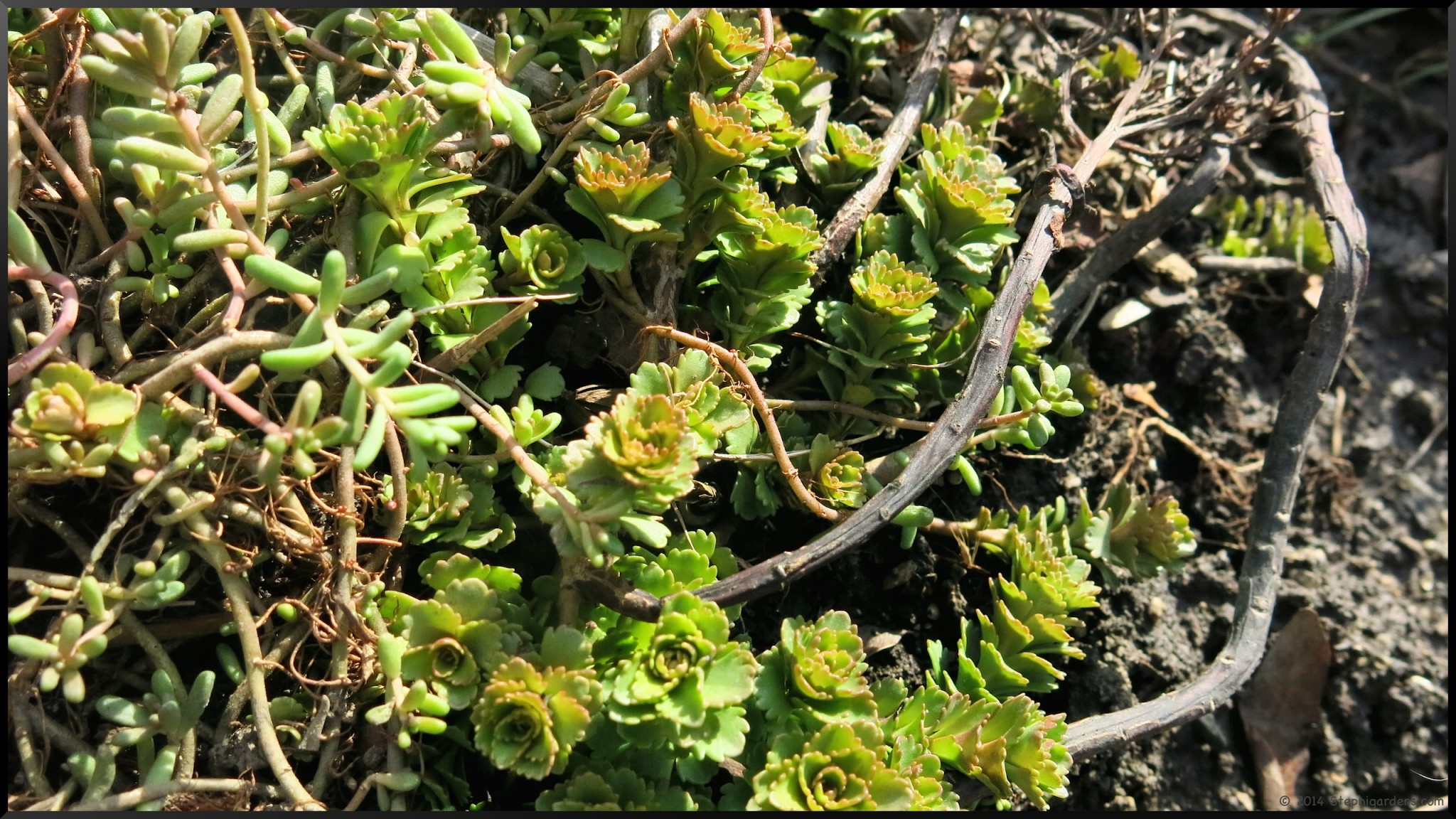
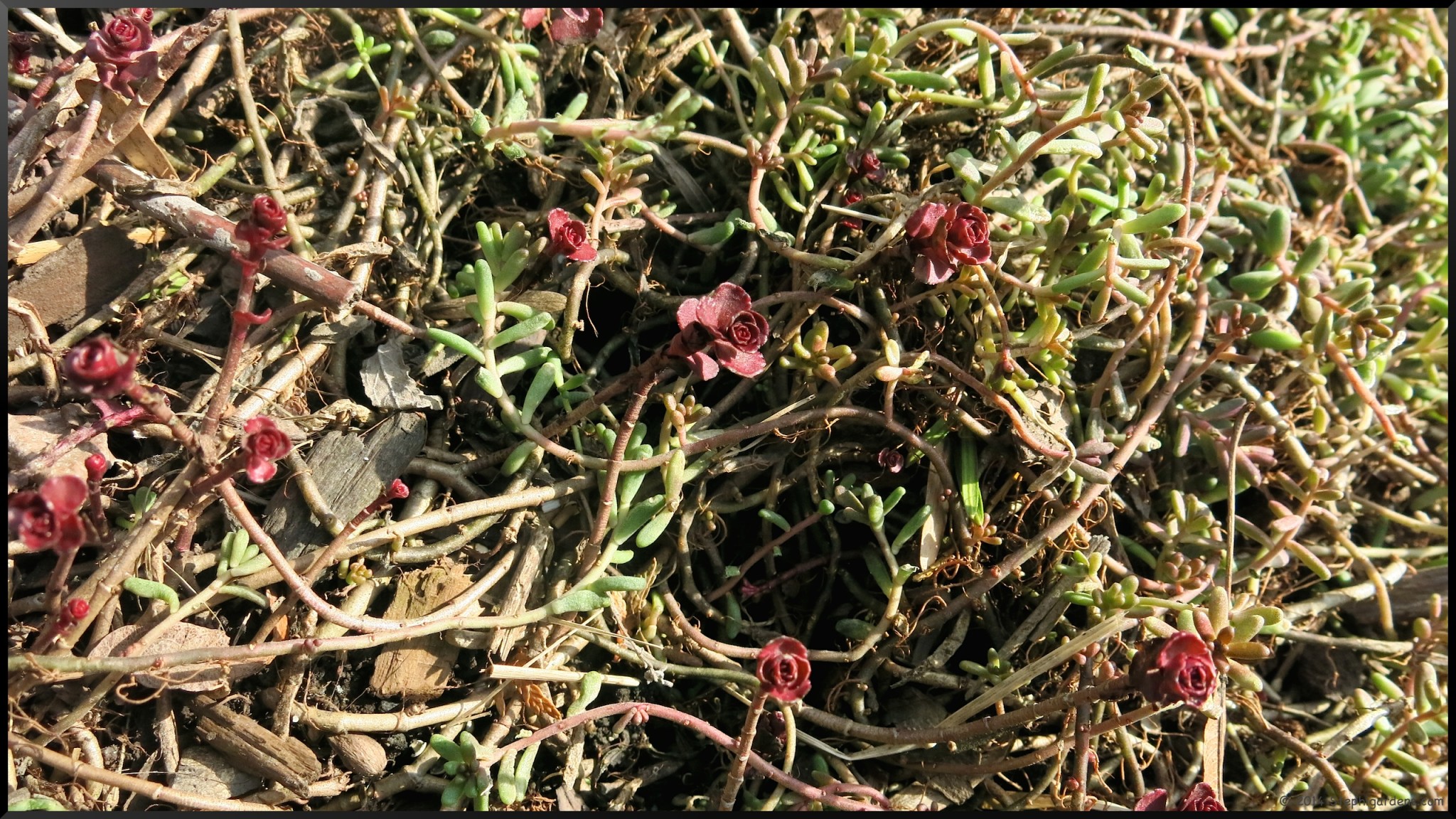
The sedum looks healthy and colorful.
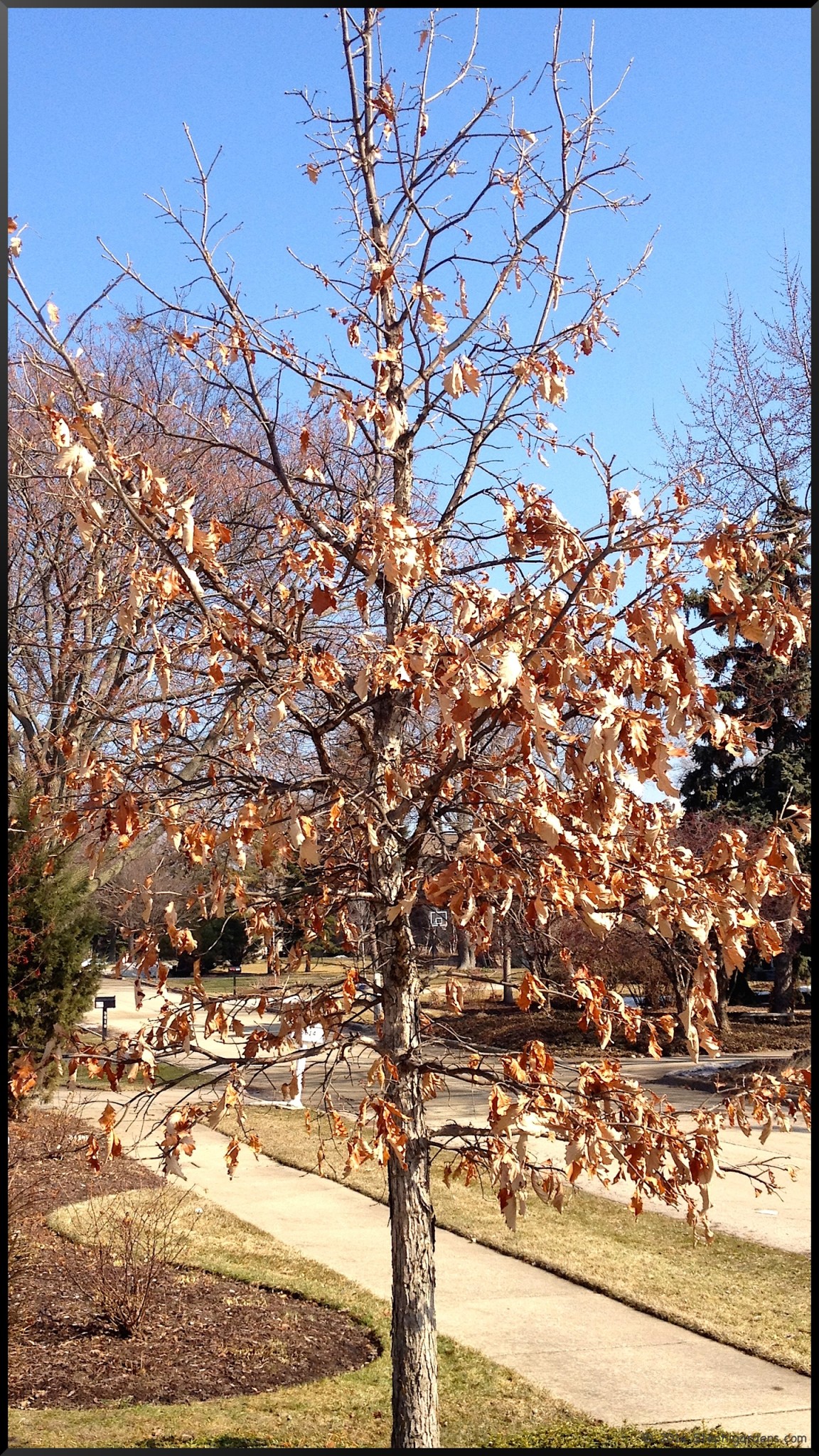
The White Oak is finally losing it’s leaves as buds begin to form.
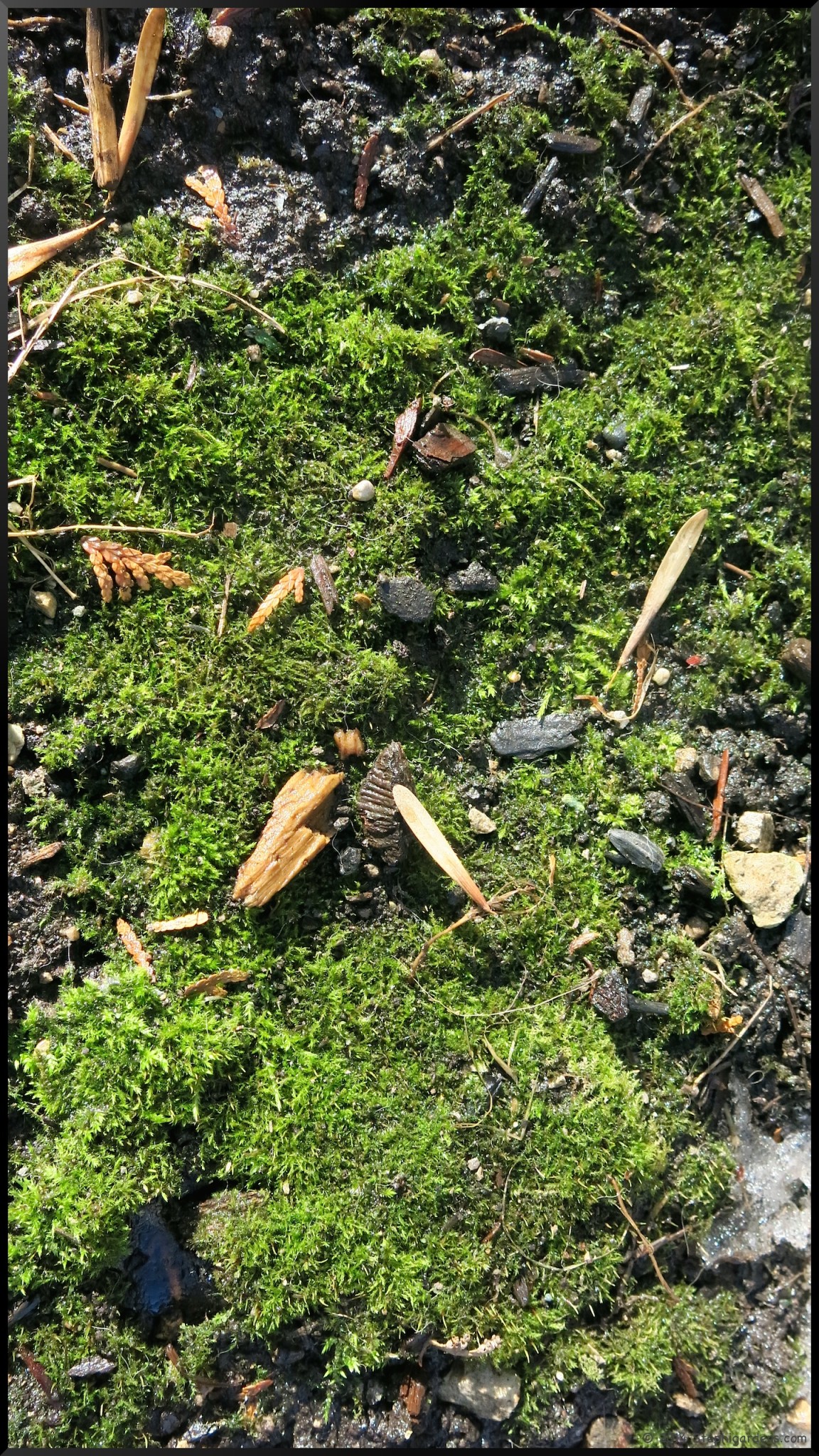
Moss is bright green and plentiful on the north side of the house
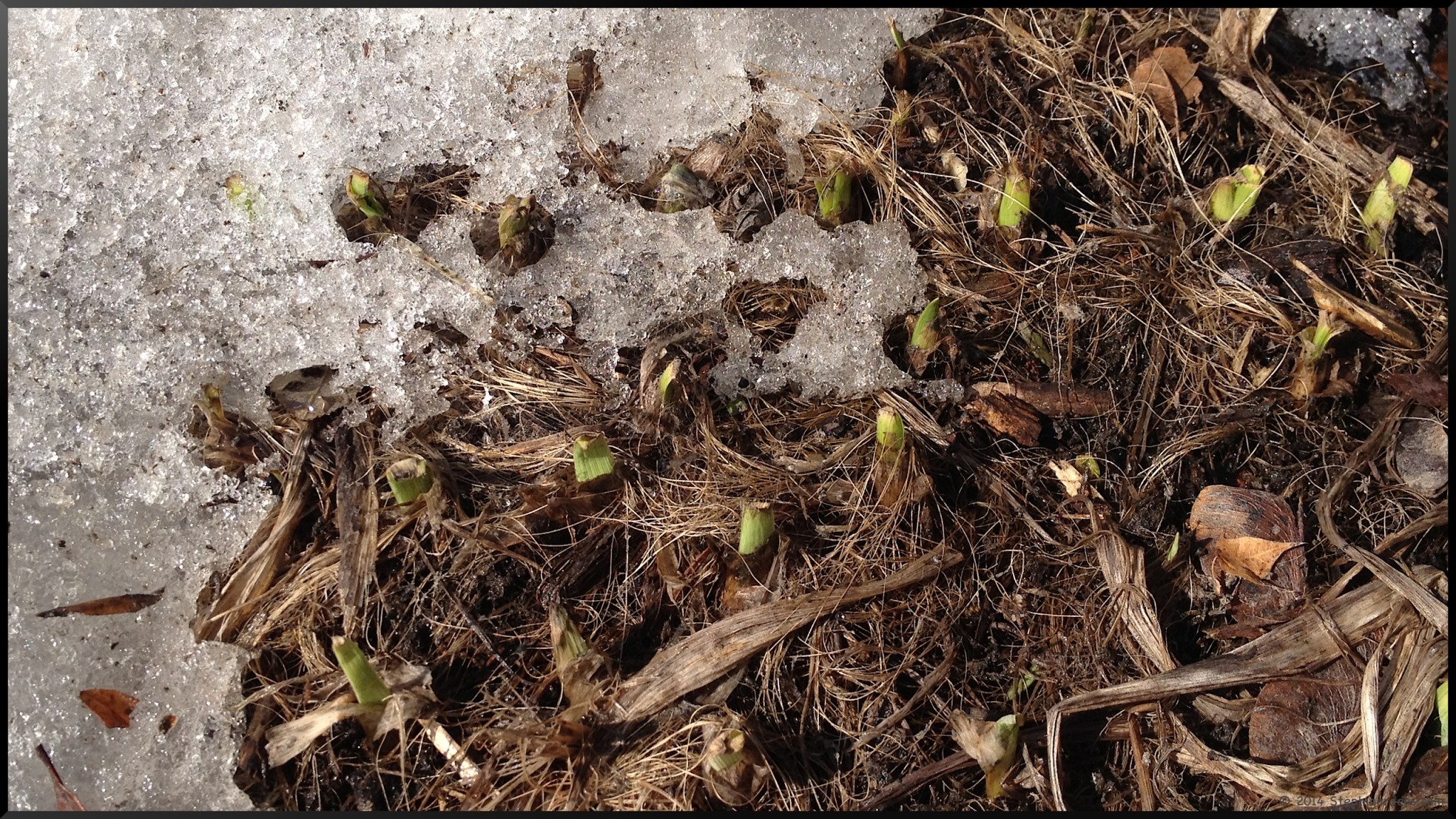
I’m puzzled by the emergence of day lilies and thankful that the hostas have not followed suit. More cold, unseasonable weather is approaching and I’d hate to have too much frost damage.
I’ve also noticed the House Finches and Robins have started to return, although they’ve been very shy around the camera. This time of year, I love wandering about the yard seeing what’s new. Every day brings a change somewhere. It is pretty muddy, so too early to really get much spring clean up done. Are you seeing signs of spring in your yard?
Bu then, as a reminder of how far behind we are, here’s a shot from last year on the same day! Soon, I keep thinking.
Happy First Day of Spring! Ok, a little late, but so is spring this year so I thought it was fine to still say it.
I spent the last few days up in Northern Michigan with my mom where there are very few signs of spring yet. The sun is definitely a bit brighter in the sky and the birds are chirping a bit earlier in the morning, but it is still pretty cold and there is still a lot of snow that needs to melt before any plants can start to grow. The lakes in the area are still completely frozen over. No ice-fishing huts anymore, but the ice is still thick enough for a pick-up truck to go speeding across the lake while we were there. Maybe their winter short cut across town?
Not a very inviting place to sit today!
Even without the signs of spring outside, there were plenty in the stores. The farm and feed stores are all ready to get going, so of course I had to pick up a few items I “needed”.
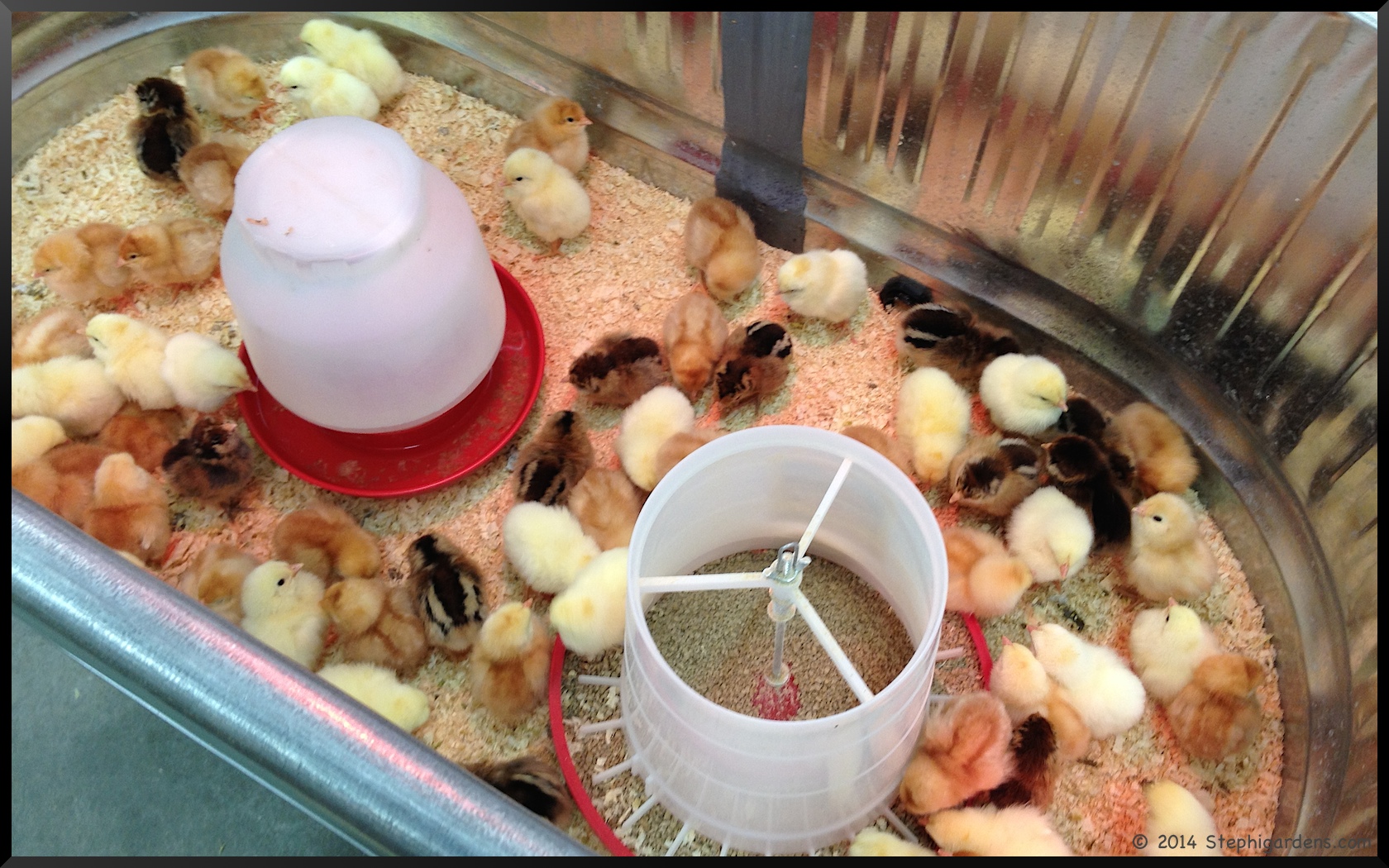
My husband is very glad I did not come home with one of these… although mostly I didn’t since I don’t think our zoning allows for raising farm animals in our backyards. They sure were cute and I’m wishing I could have farm fresh eggs every morning.
On the way back home, I stopped to visit a fairly new, unique specialty market, the Willow Mercantile in Cadillac, MI. Whether you’re visiting the Cadillac area or passing through on your way further north, it’s worth a stop. You can even mail order your “up-north” favorites from them.
They offer their own line of locally made preserves, salsas, butters and jarred vegetables, specialty olive oils and vinegars, locally grown vegetables and farm fresh meats, interesting treats from around the world, a huge selection of local MI craft beers and an extensive wine inventory. Everything a specialty food shopper would want! Then throw in some kitchen essentials and a nursery, and you have one fun place to visit and shop.
Just some of what I came home with.
I’m back home where temperatures are a bit warmer (50’s woohoo) and I’ll have some signs of spring in Chicago in tomorrow’s post.
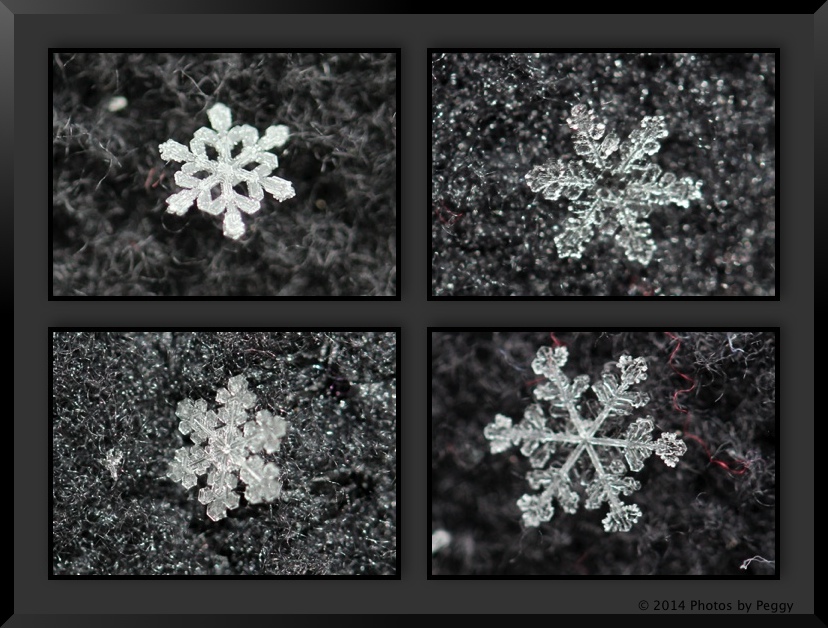
With all the snow that Michigan has received this winter, my mom Peggy decided to try and make something fun out of it. On days that it was warm enough to endure being outside, she experimented with taking pictures of individual snowflakes and came up with some amazing shots. I’ve always heard that every snowflake is different, but it’s hard to believe the individuality, complexity and beauty of each snowflake. Enjoy the wonders of nature–