November in Chicago

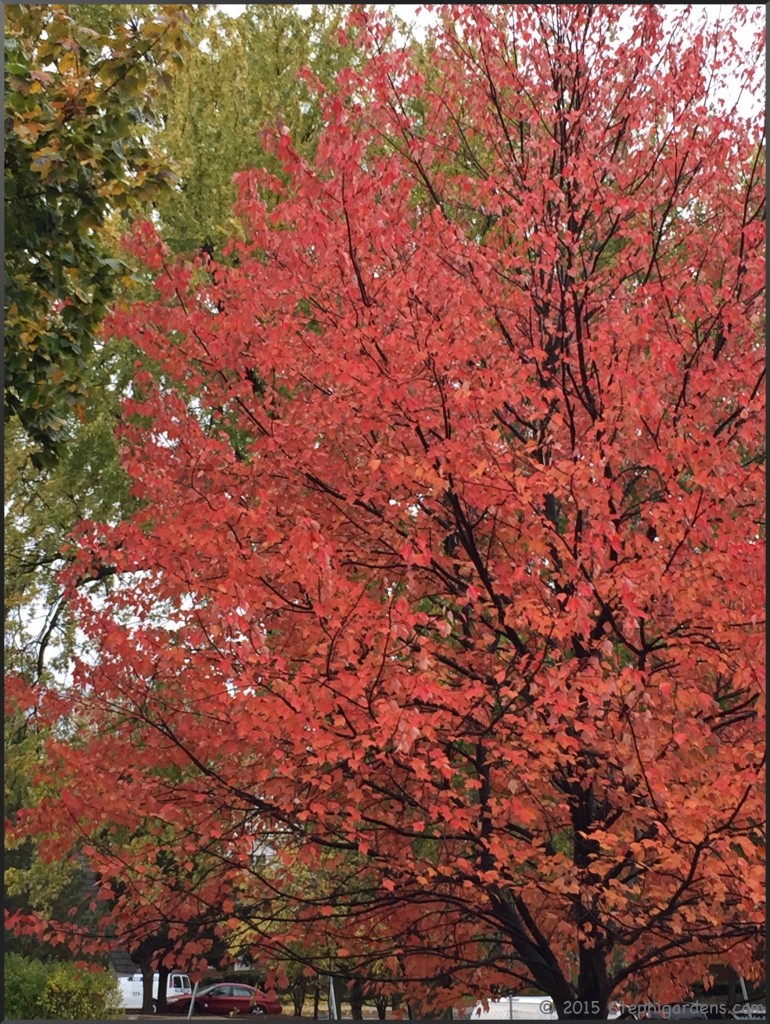
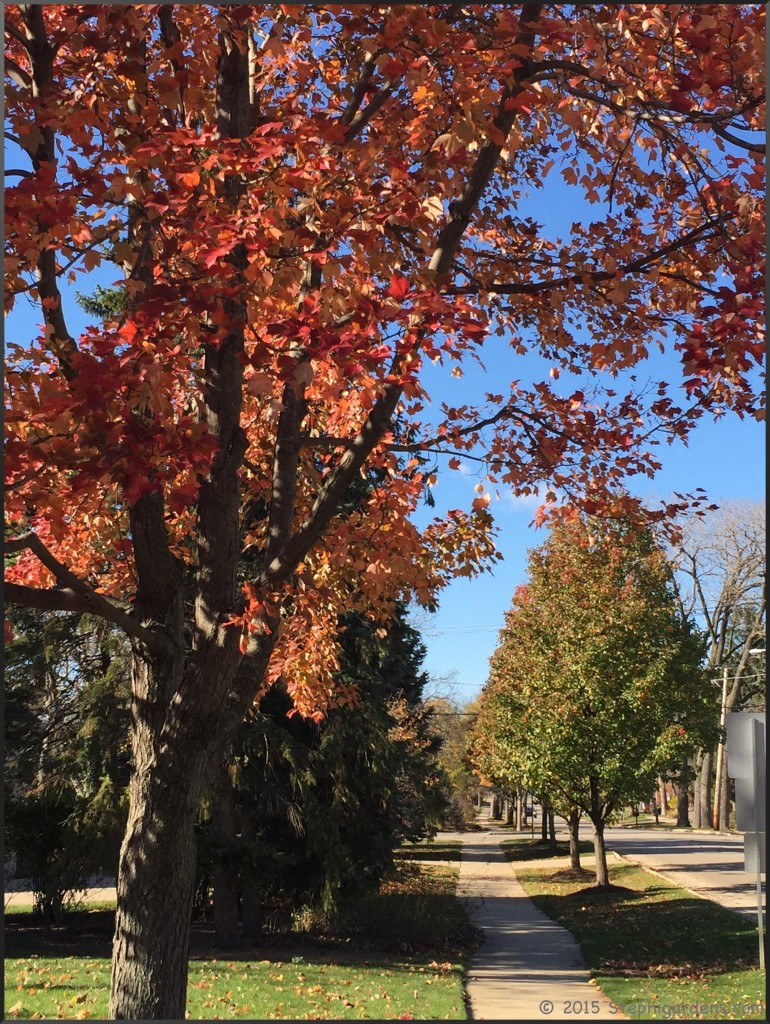
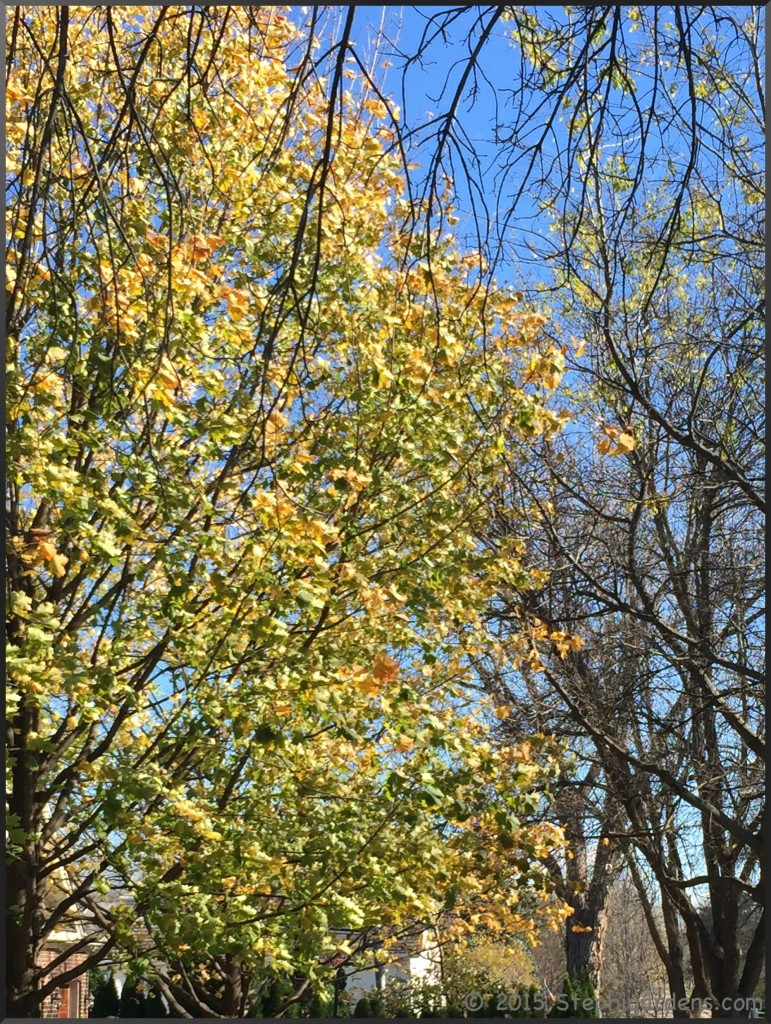
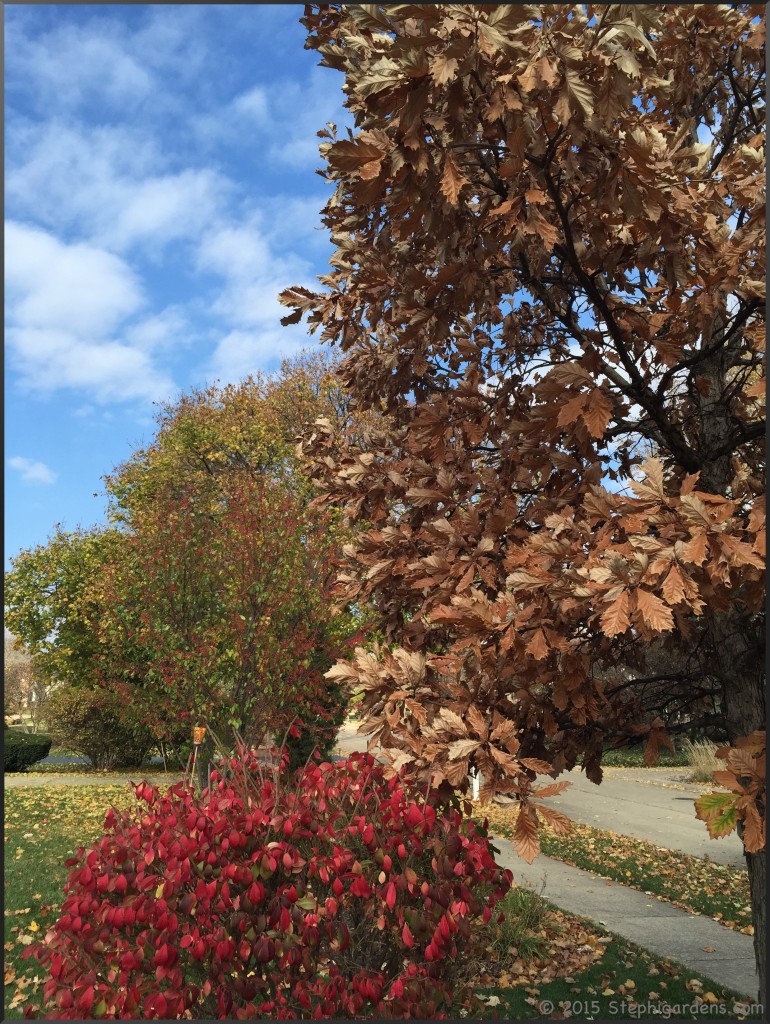
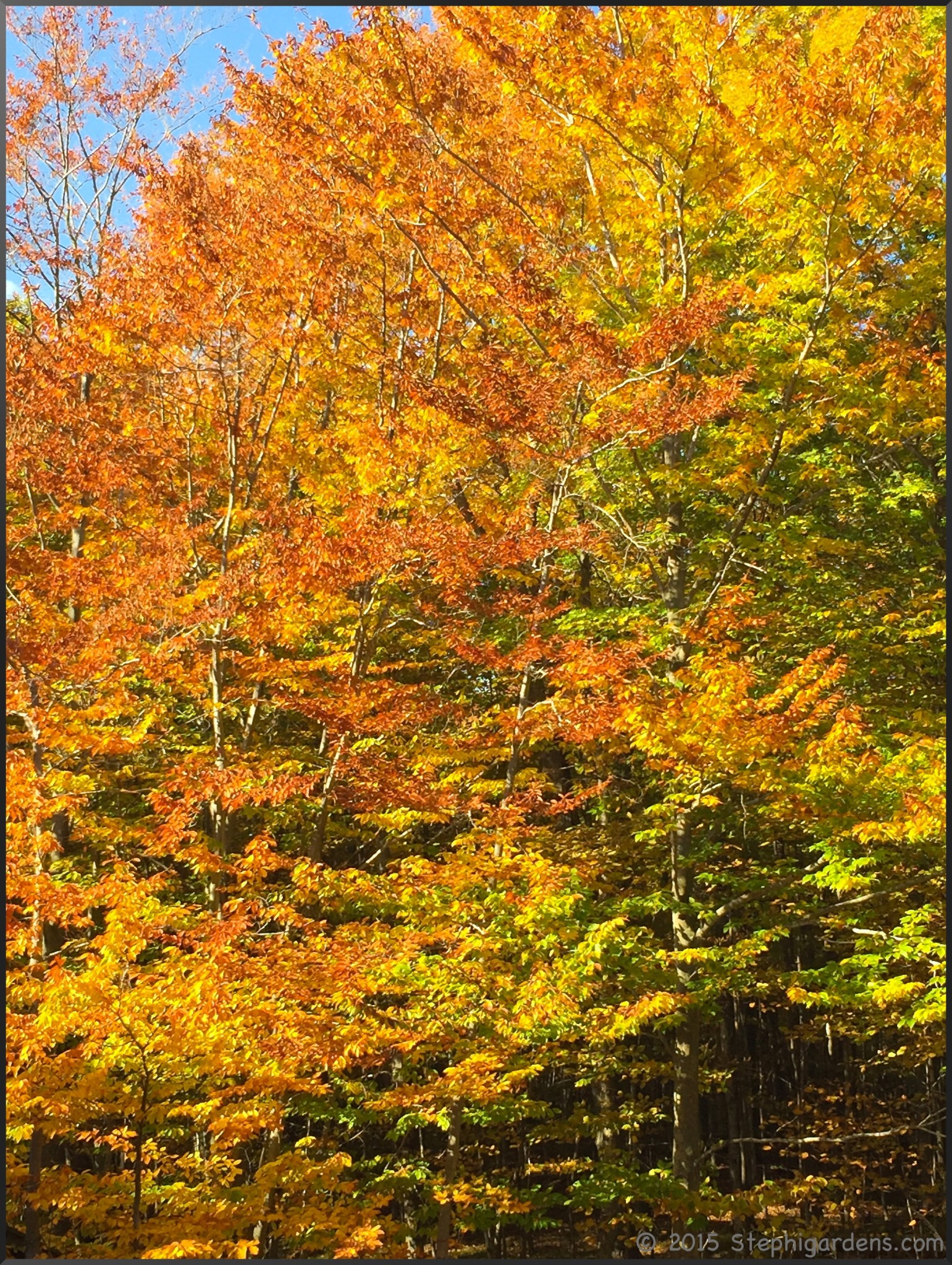
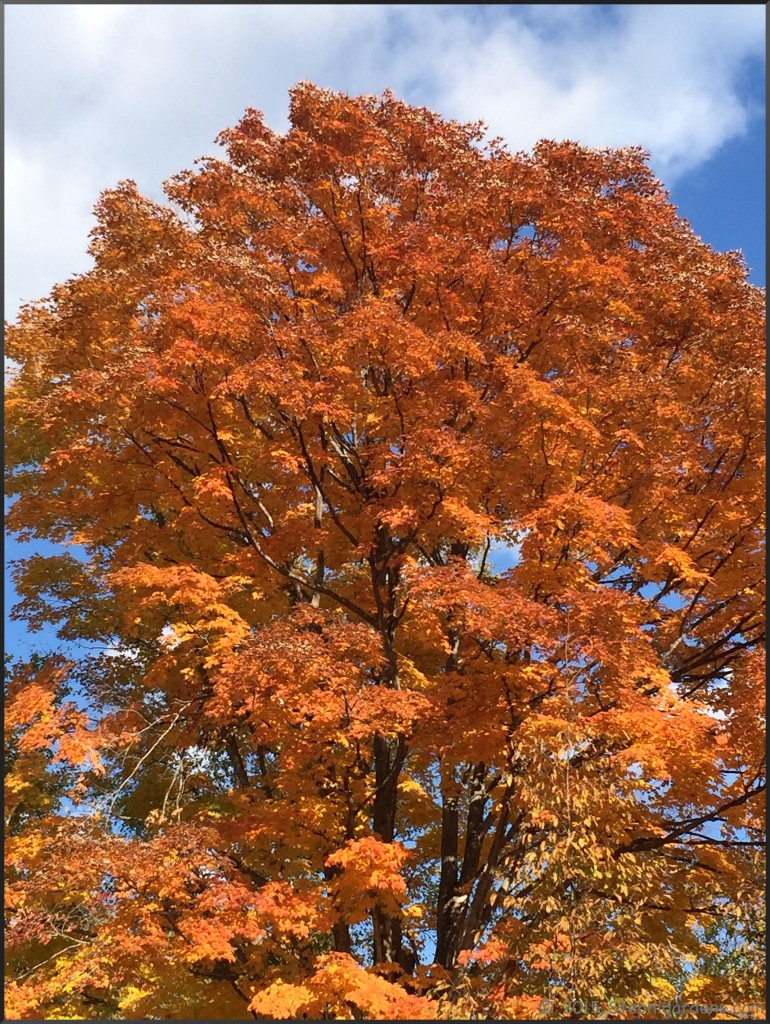
Watching fall unfold here in suburban Chicago has been an odd event this year.  There have been spectacular tree colors, but it’s been happening over the course of about 6 weeks instead of one glorious event.  So instead of enjoying a panorama of color like in Wisconsin and Michigan, I’ve been admiring individual trees for weeks.

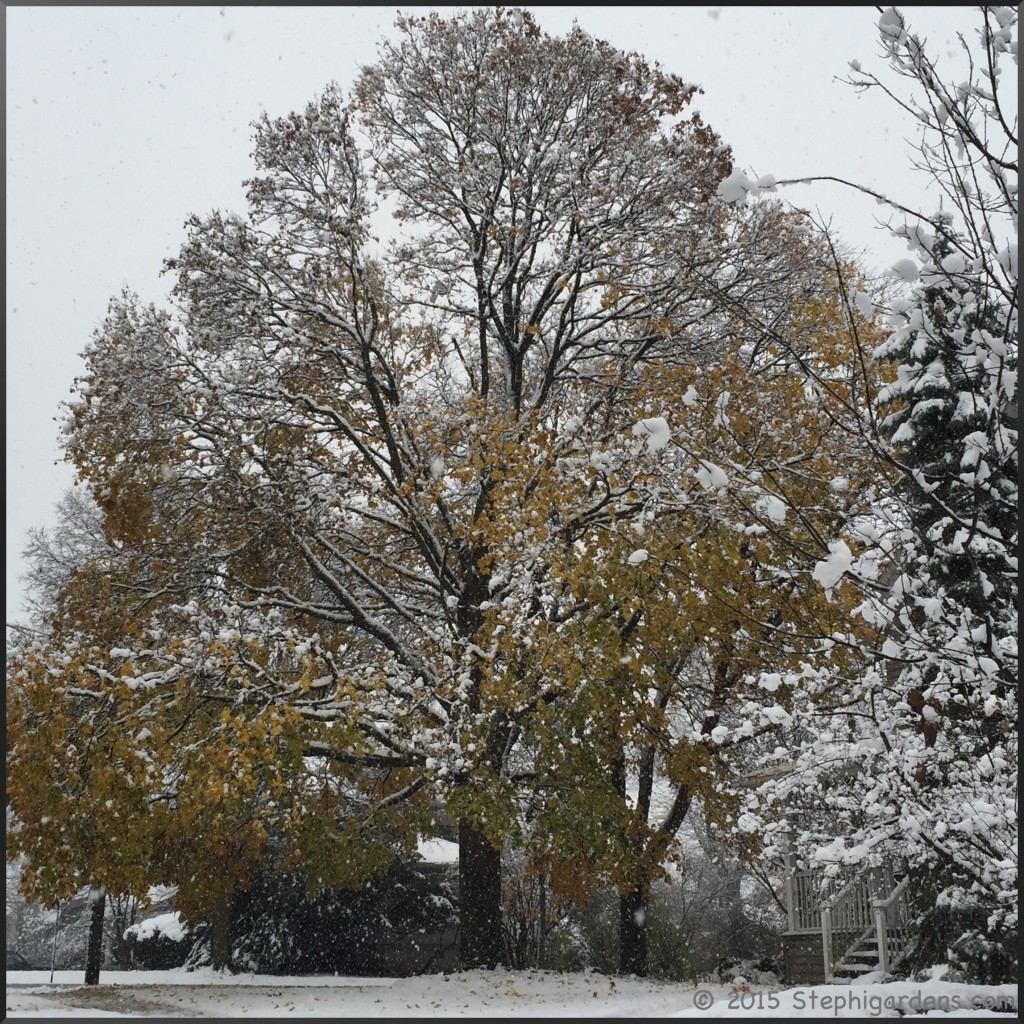
autumn blaze maple

IMG_3836

Even at this late November date, there are trees that are still showing green or color dappled leaves, right next to a tree that has already dropped all its leaves.

IMG_3841

Now if it was just a particular type of tree, like an oak, that’d be understandable since they always hold their brown leaves well into winter (and sometimes spring).  But it’s random maples, viburnums, burning bushes and others.

IMG_3794

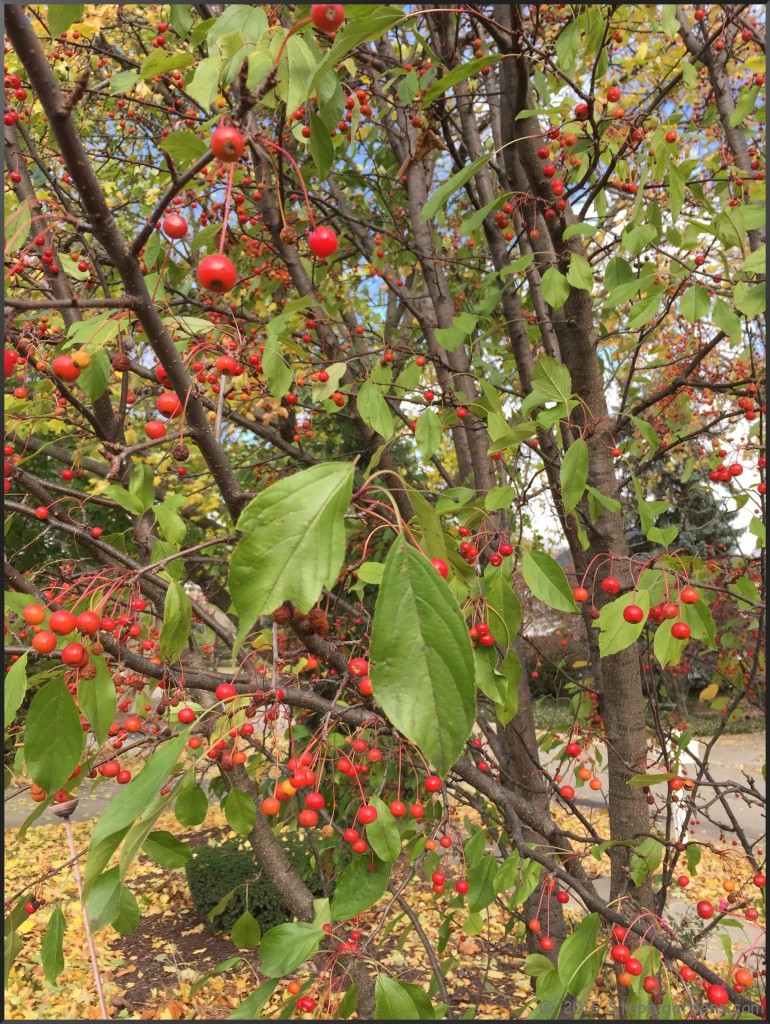
I’ve never seen this serviceberry have so much fruit!

serviceberry fruit

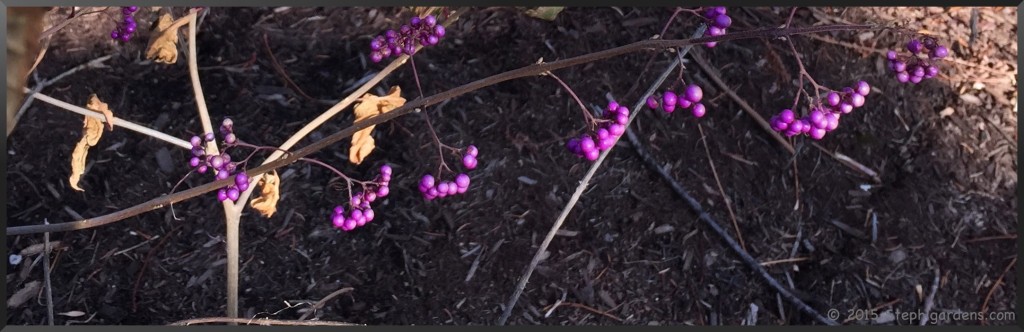
The Purple Pearls Beautyberry Bushes (Callicarpa x NCCX1), after a very slow start had a great fall display of purple berries to liven up the yard.  (Beautyberry Bushes, Did They Survive the Winter?)

beautyberry bush

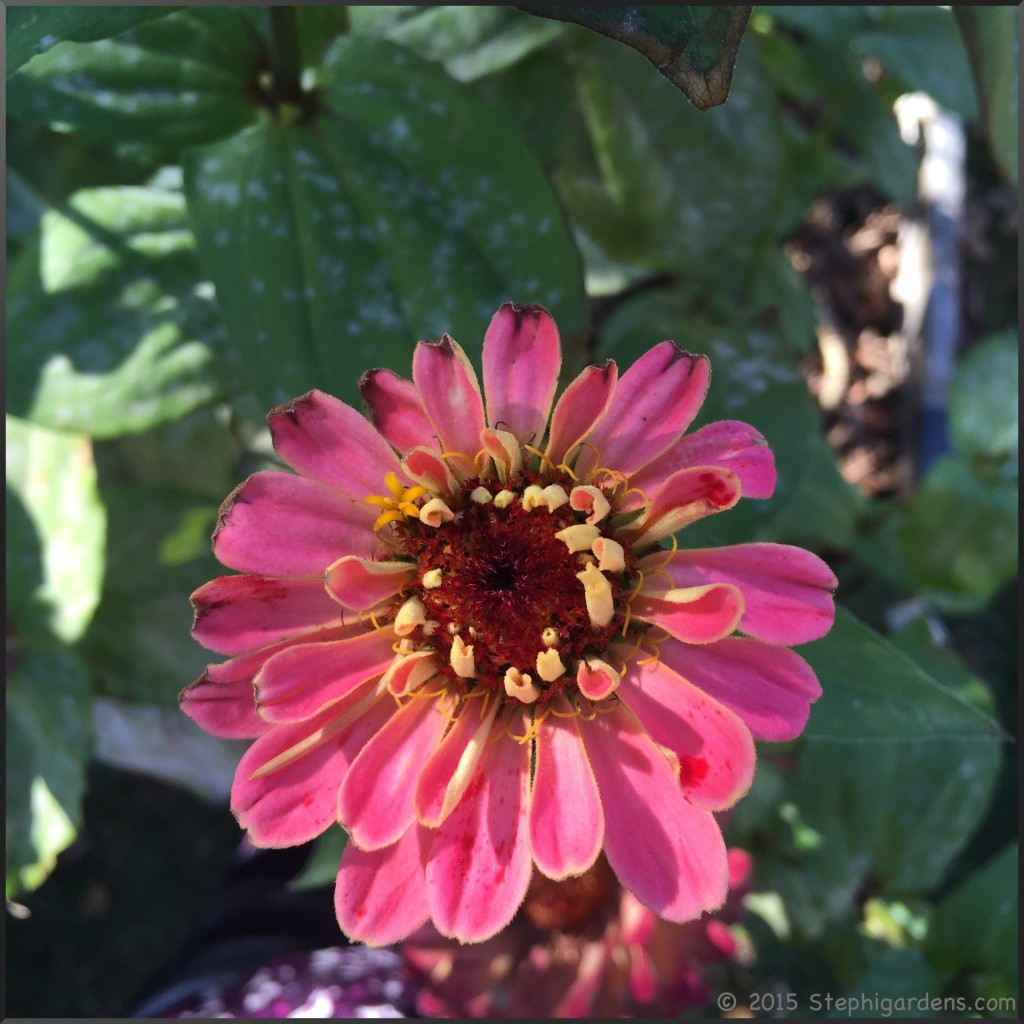
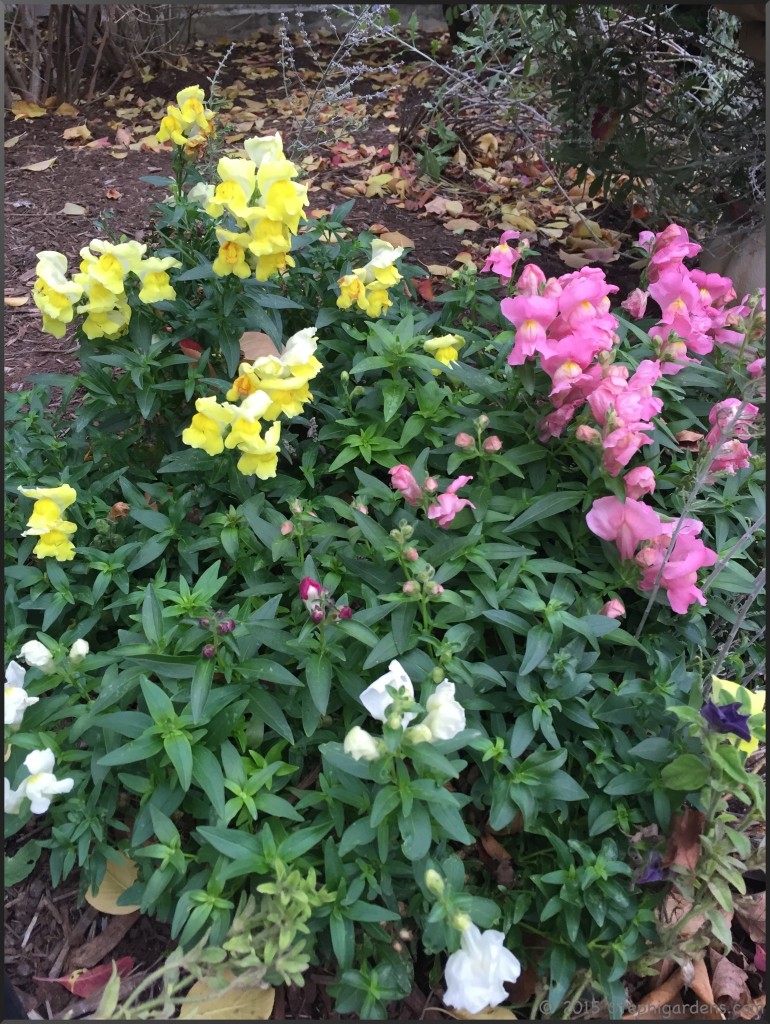
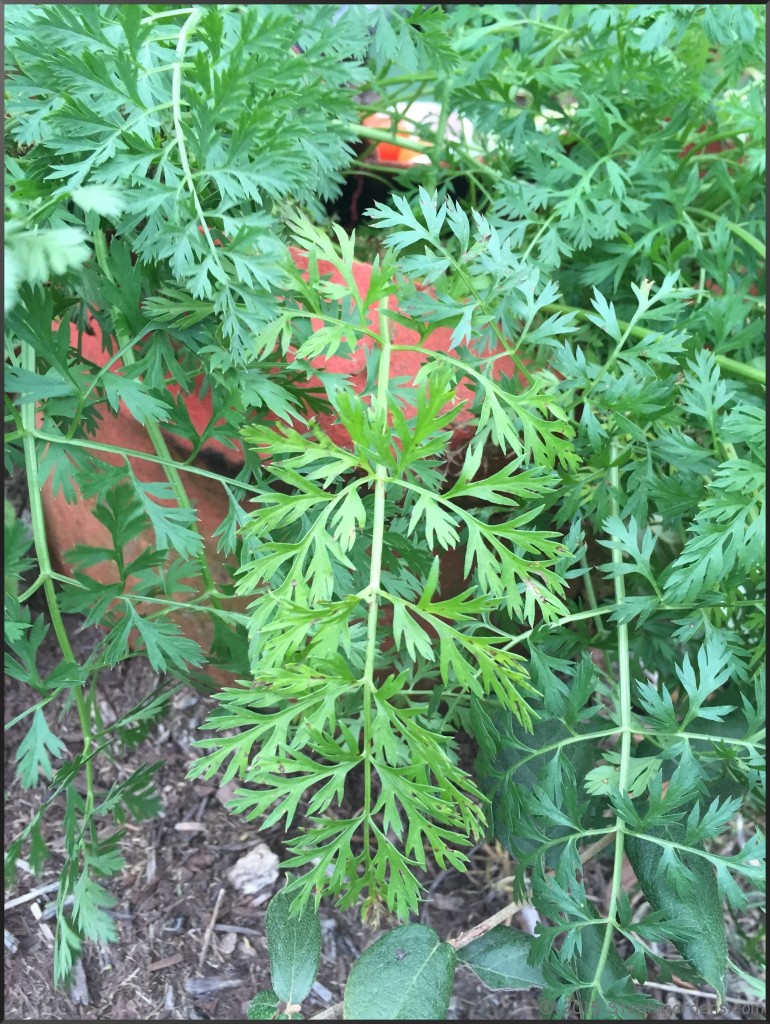
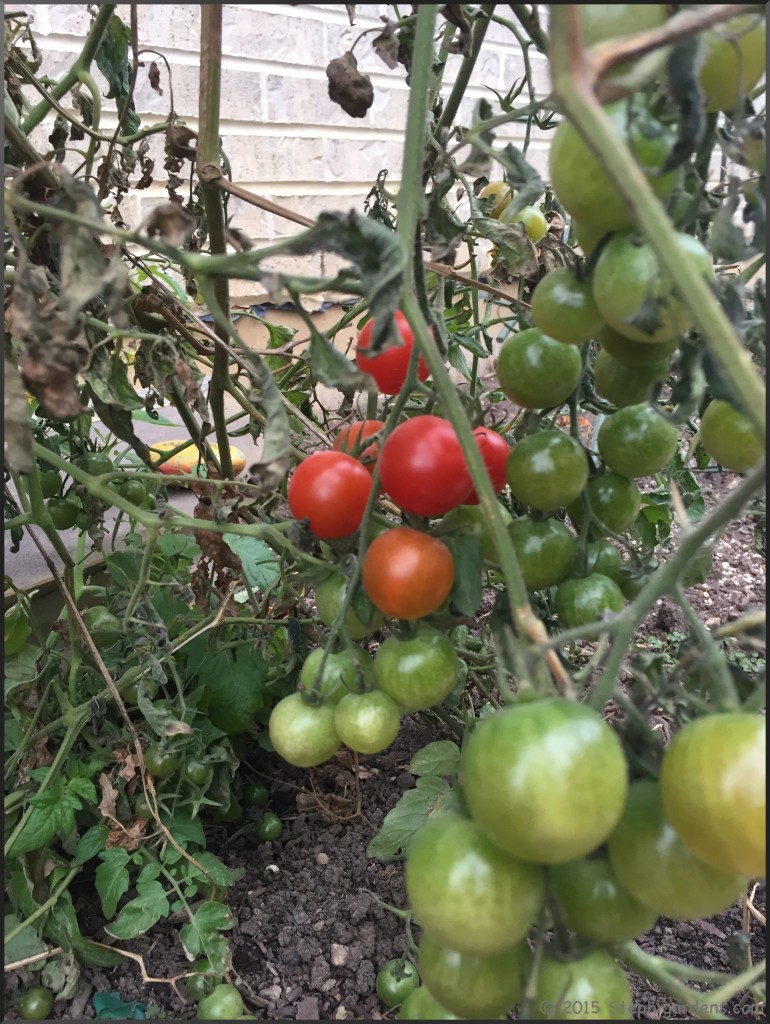
Some flowers and vegetables haven’t minded the mild fall.

IMG_3700

IMG_3810

IMG_3814

sweet hundreds tomatoes

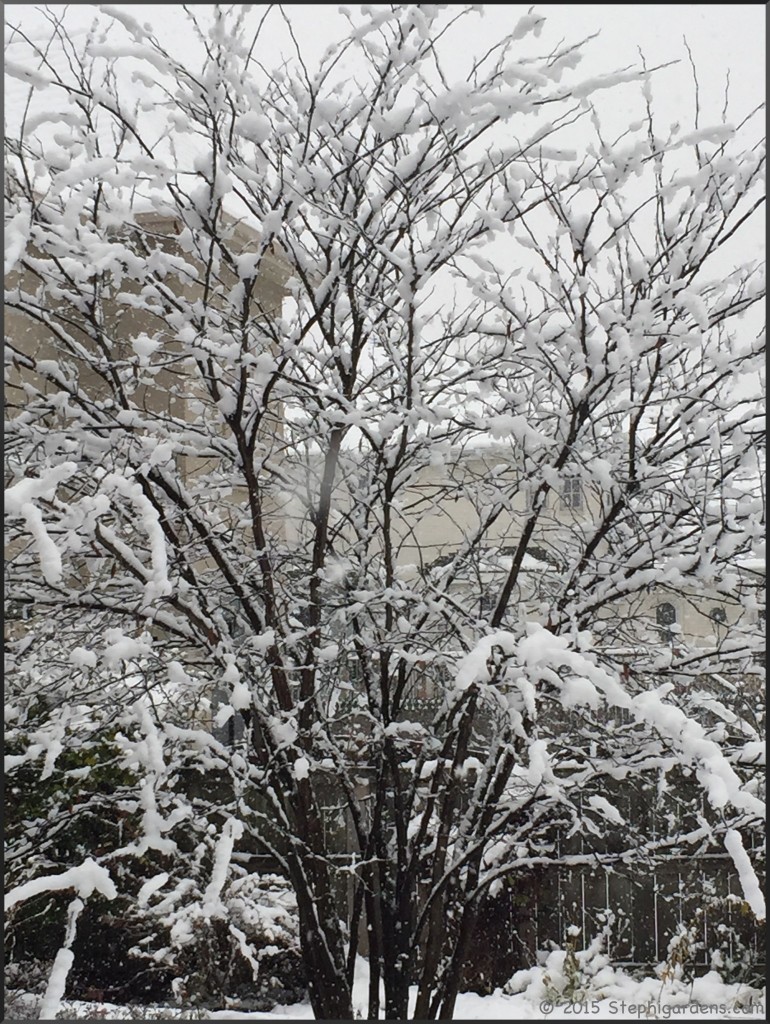
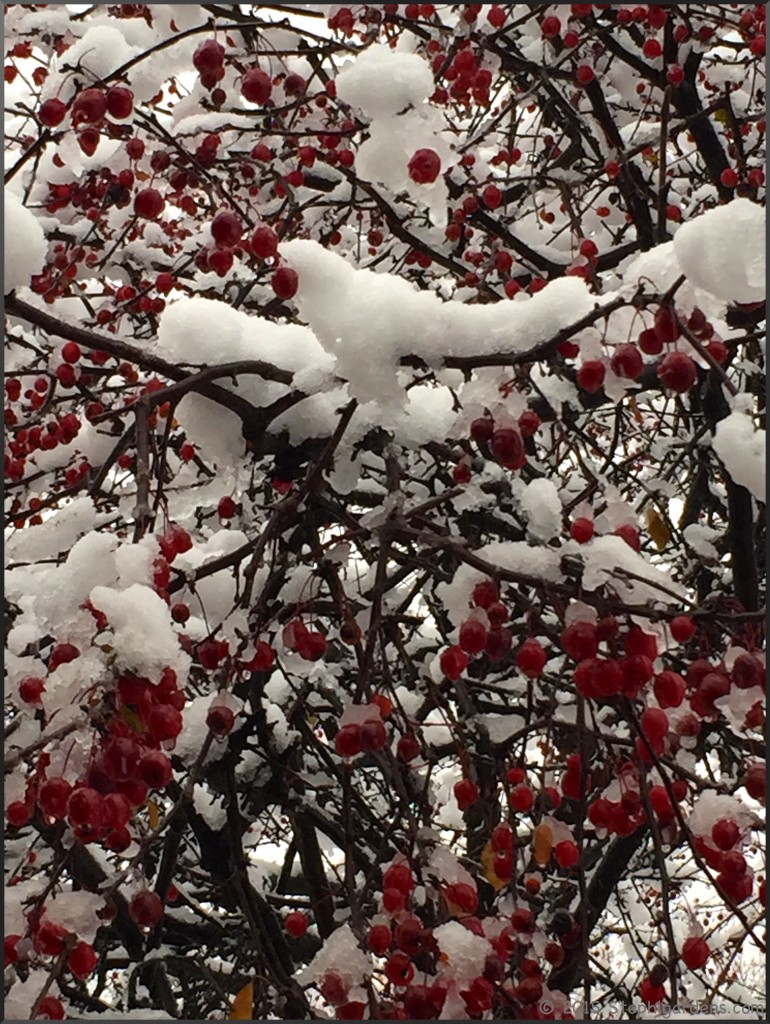
And then, even with leaves in the trees the week of thanksgiving the snow has arrived! Lots of heavy, wet snow.  The kind that looks really pretty, but is tough on the trees and shrubs. And the back!

IMG_3918

redbud in winter

IMG_3921

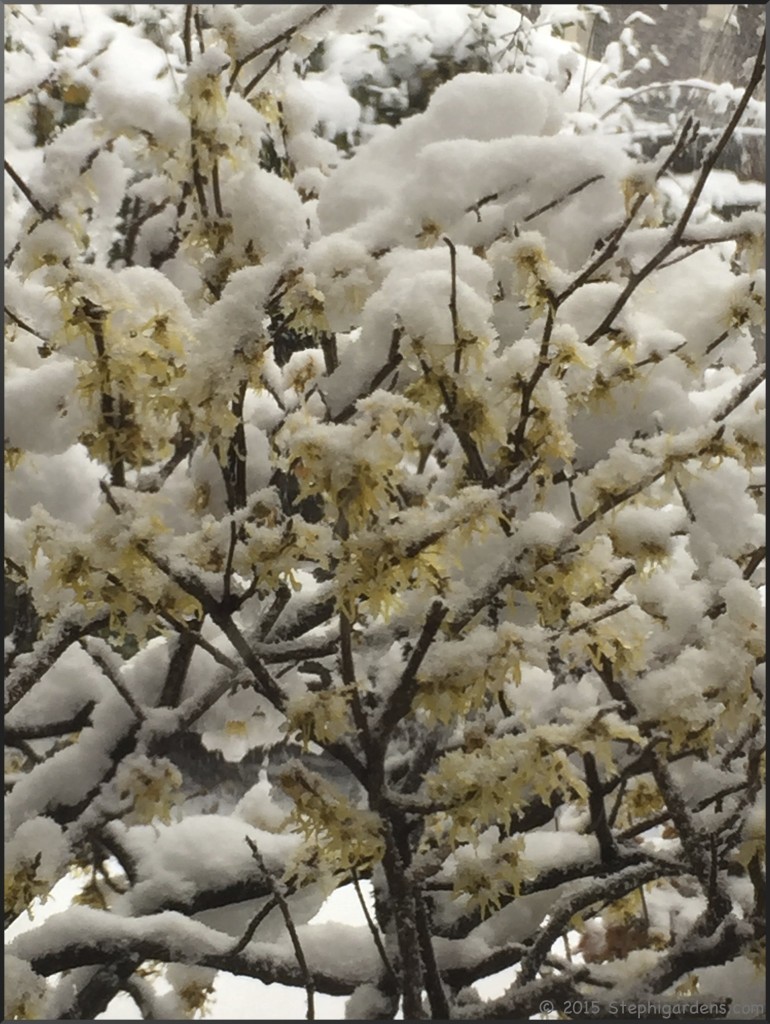
The Common Witch hazel was blooming prolifically this fall after having some changes to the surrounding bushes giving it more space and sun.

witch hazel flowers

crabtree fruit

 How was your fall?


Fall in Door County, Wisconsin

Fall in Door County

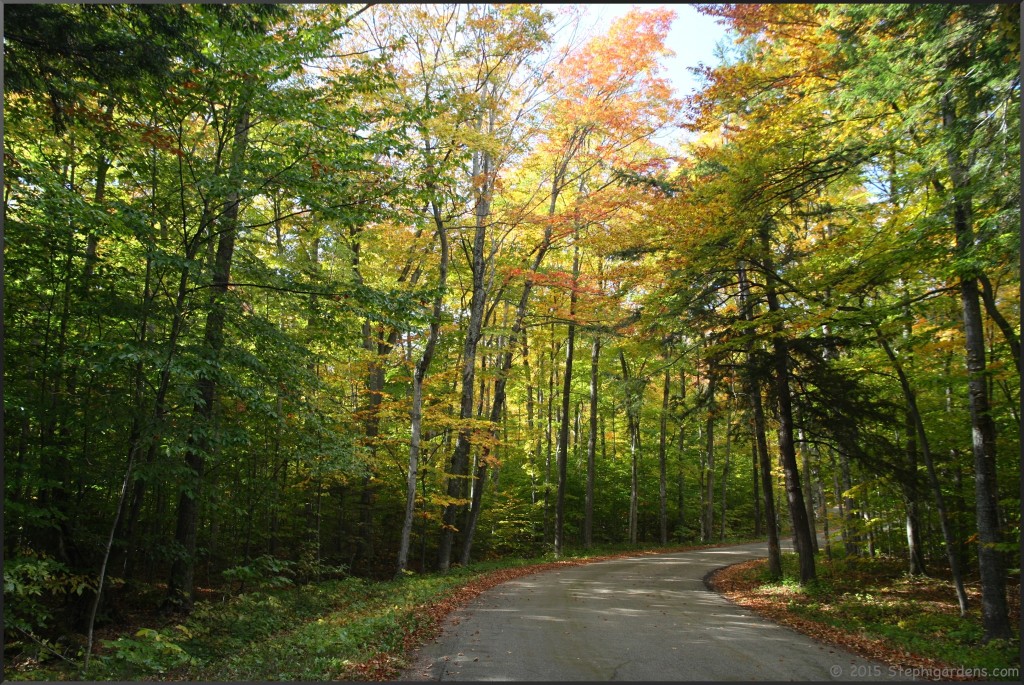
In addition to going to Northern Michigan for the weekend (Fall in Northern Michigan/Stumbling Upon Club-Mosses), Steve and I  made a trip up to Door County, Wisconsin the third week of October.  It was definitely peak colors that week and it was spectacular.

The day started like this!  Sunrise over Lake Michigan.

Sunrise in Bailey's Harbor

After breakfast, we started to explore…

Fall in Door County

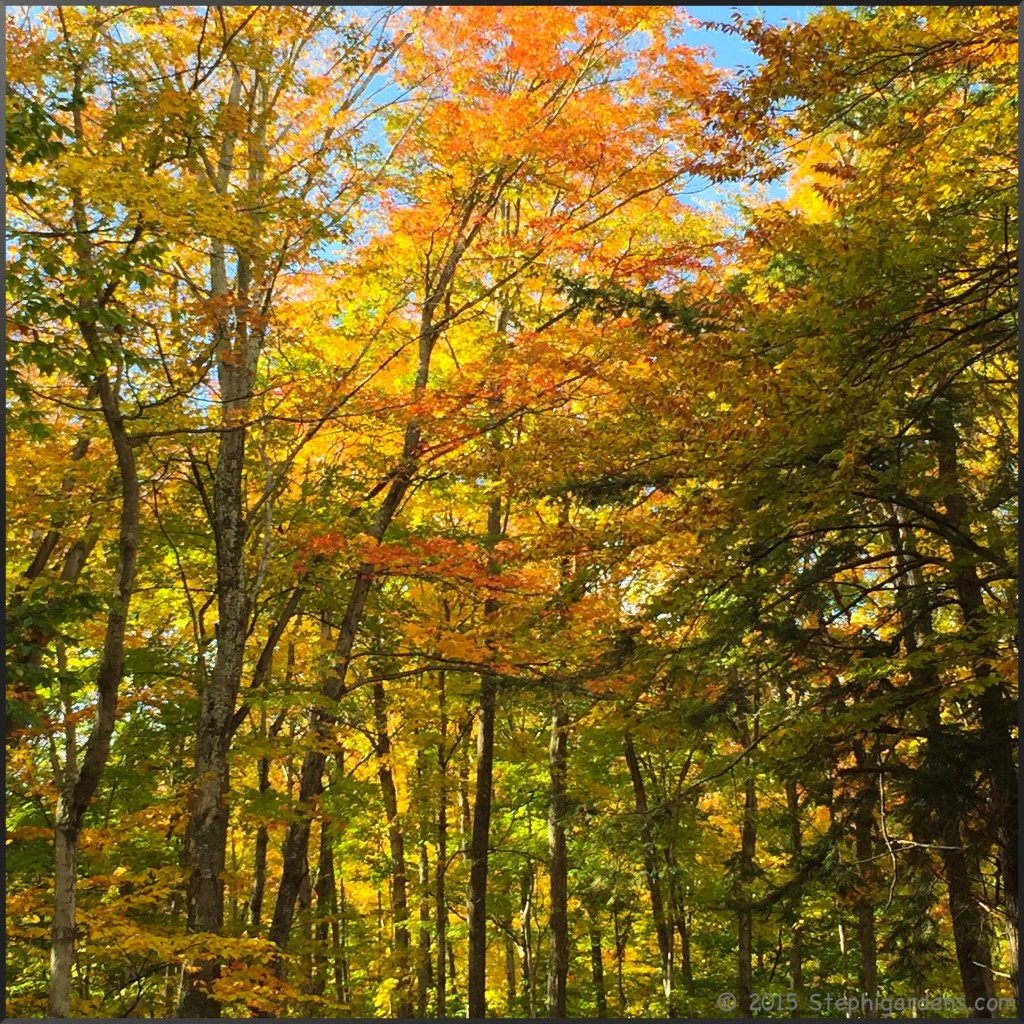
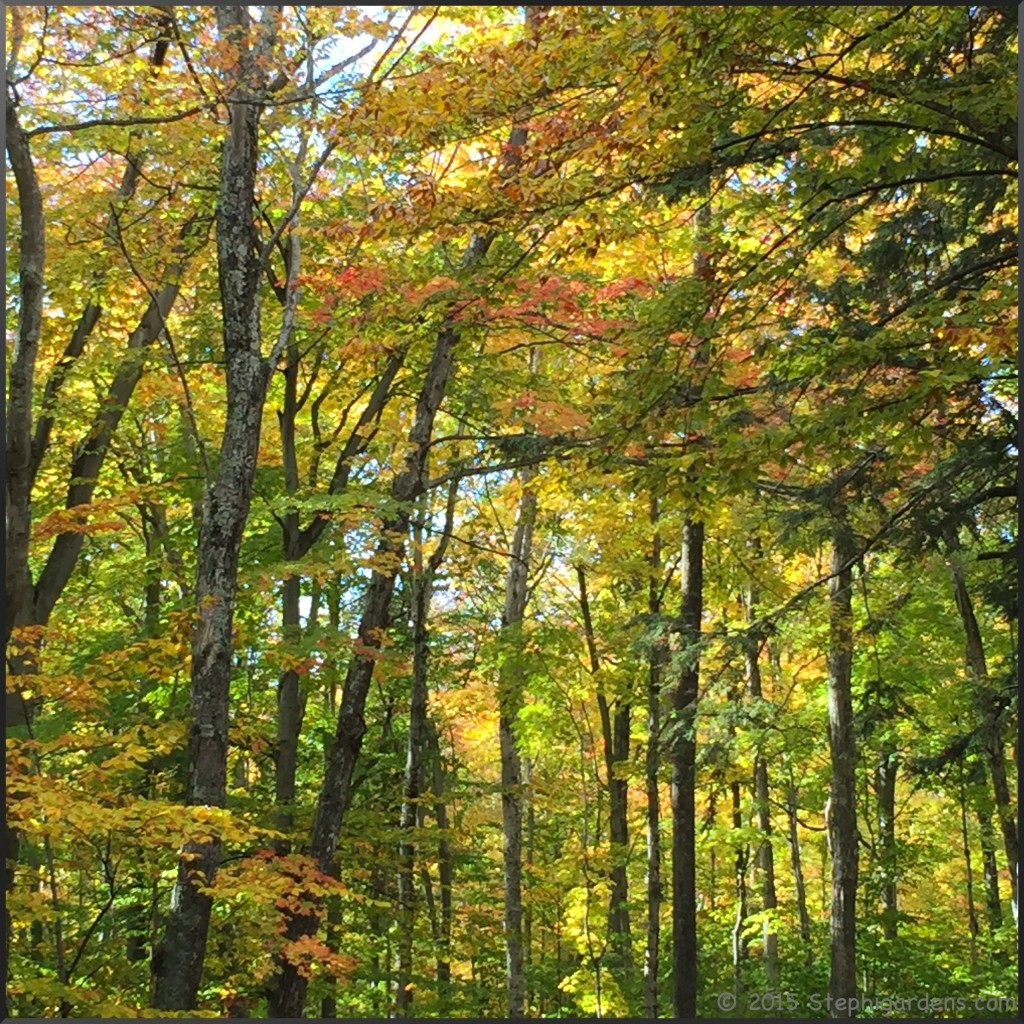
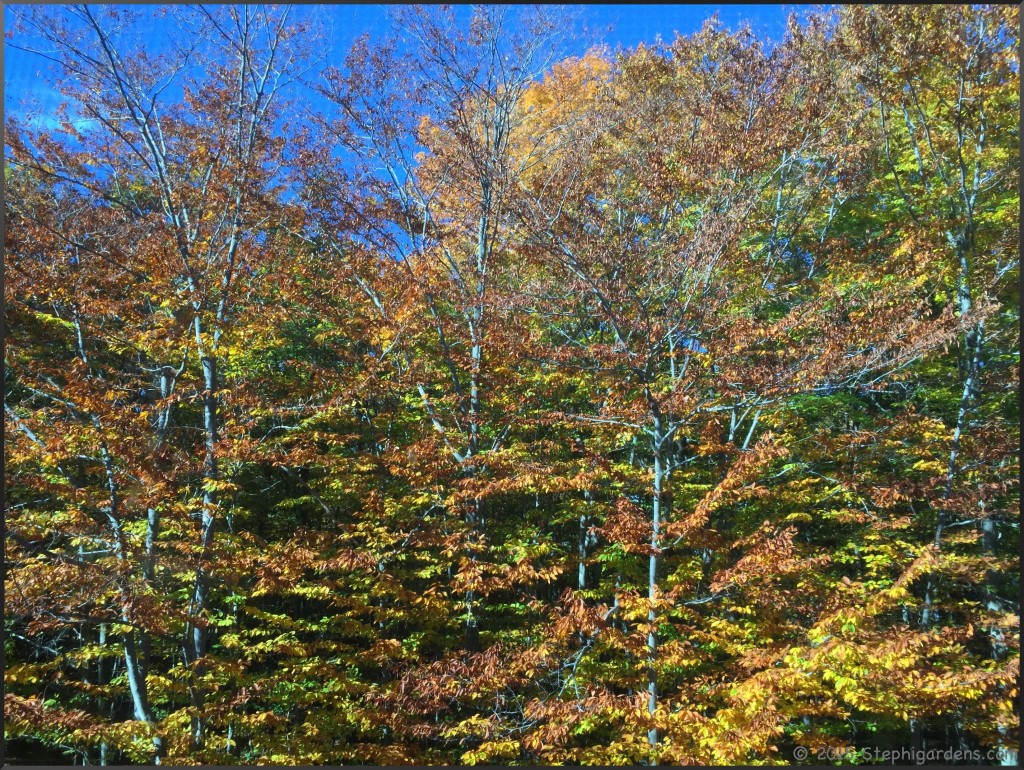
The forests of Door County are full of hardwoods like Sugar Maple, Beech, Ash, Red Oak, White Oak and Paper Birch.

Fall in Door County

Fall in Door County

Fall in Door County

Fall in Door County

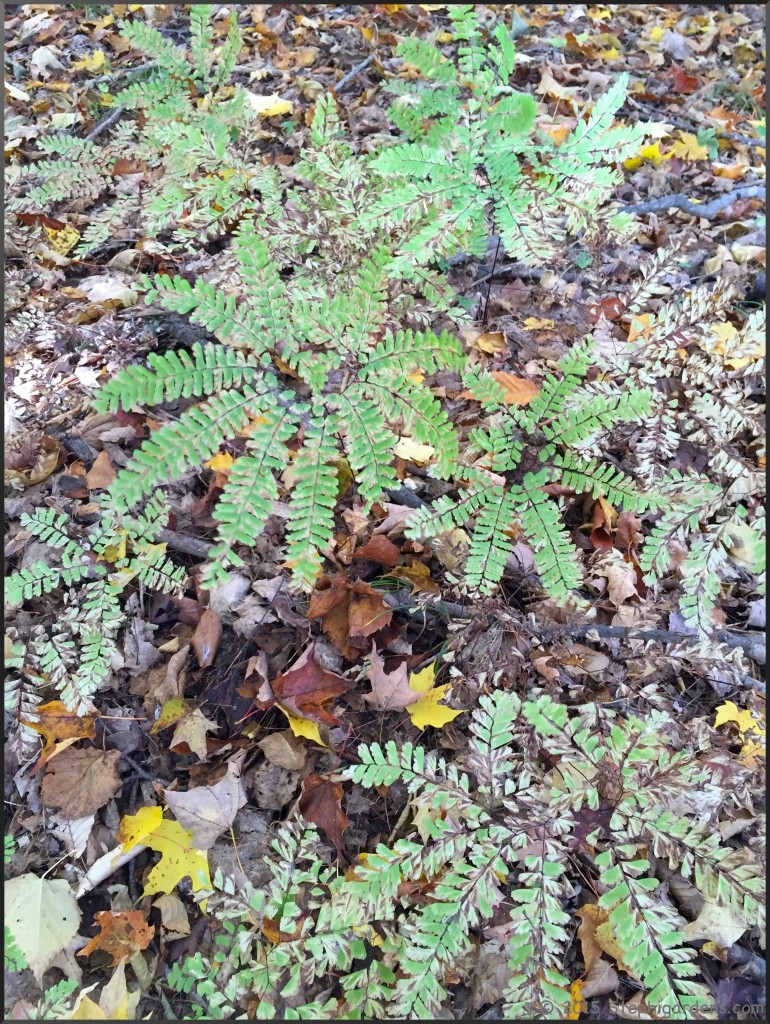
Looking down we were surprised to see these Maidenhair Ferns (Adiantum pedatum). Always a fun find!

Maidenhair fern

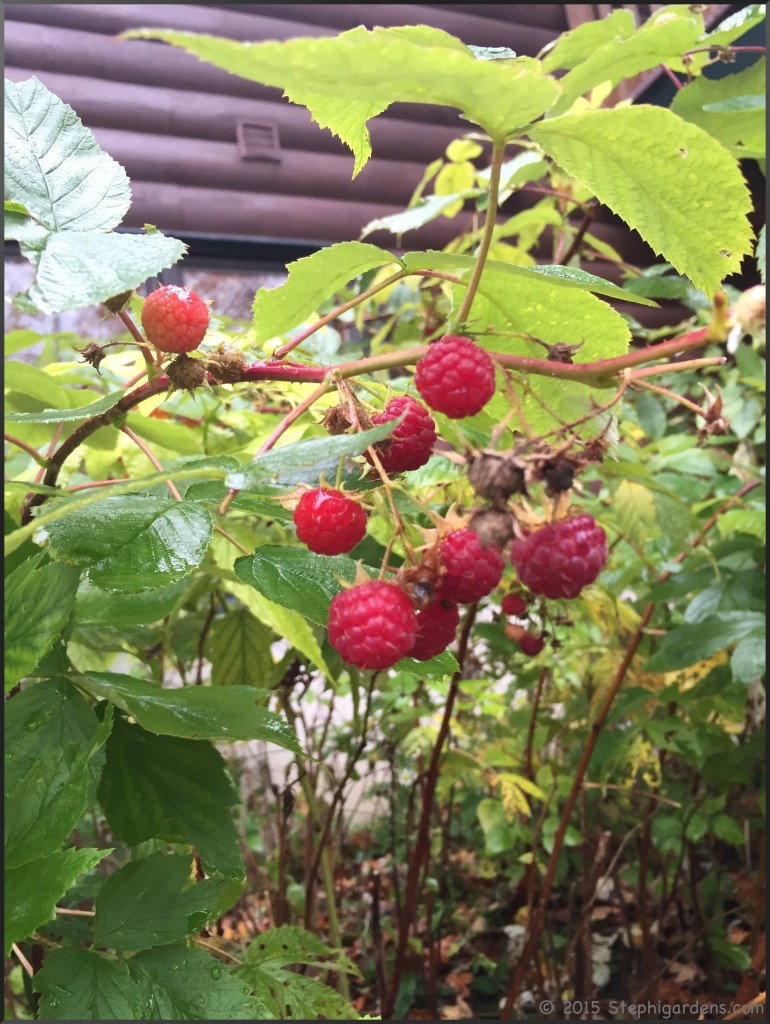
Even this late, the raspberry garden is still full of juicy raspberries.

everbearing raspberries

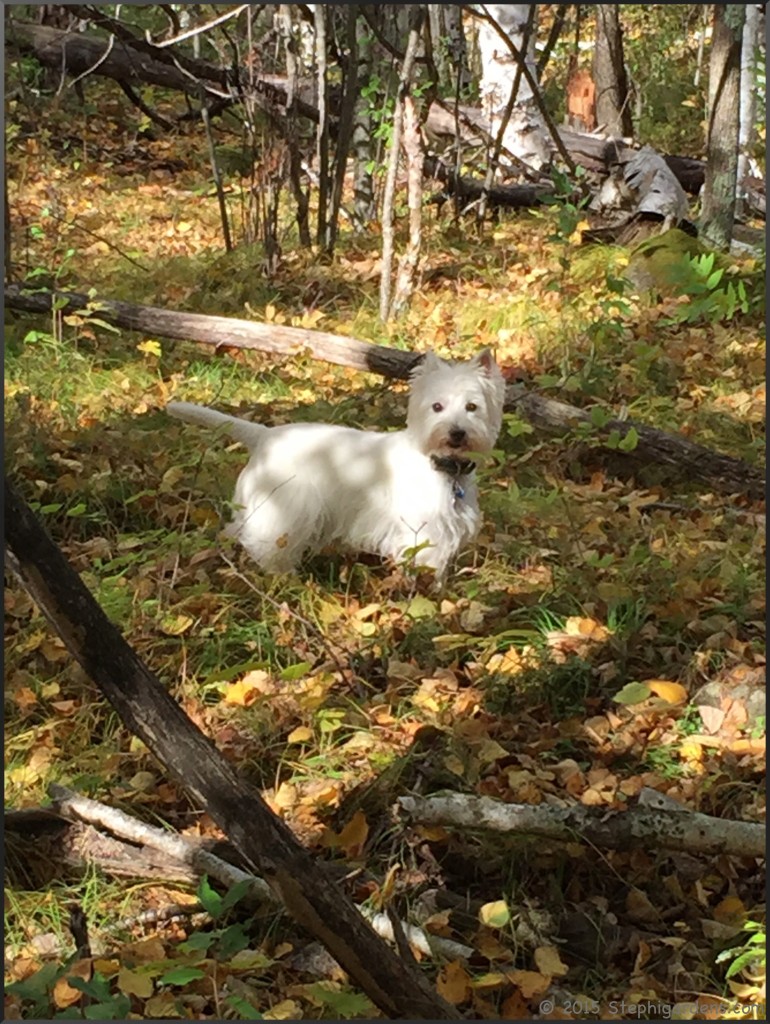
Of course, Daisy is enjoying the fall woods as well!

Westie


Fall in Northern Michigan/Stumbling Upon Club-Mosses

Over the last couple of weeks I’ve been lucky enough to travel around the upper Midwest and see an amazing explosion of fall color.

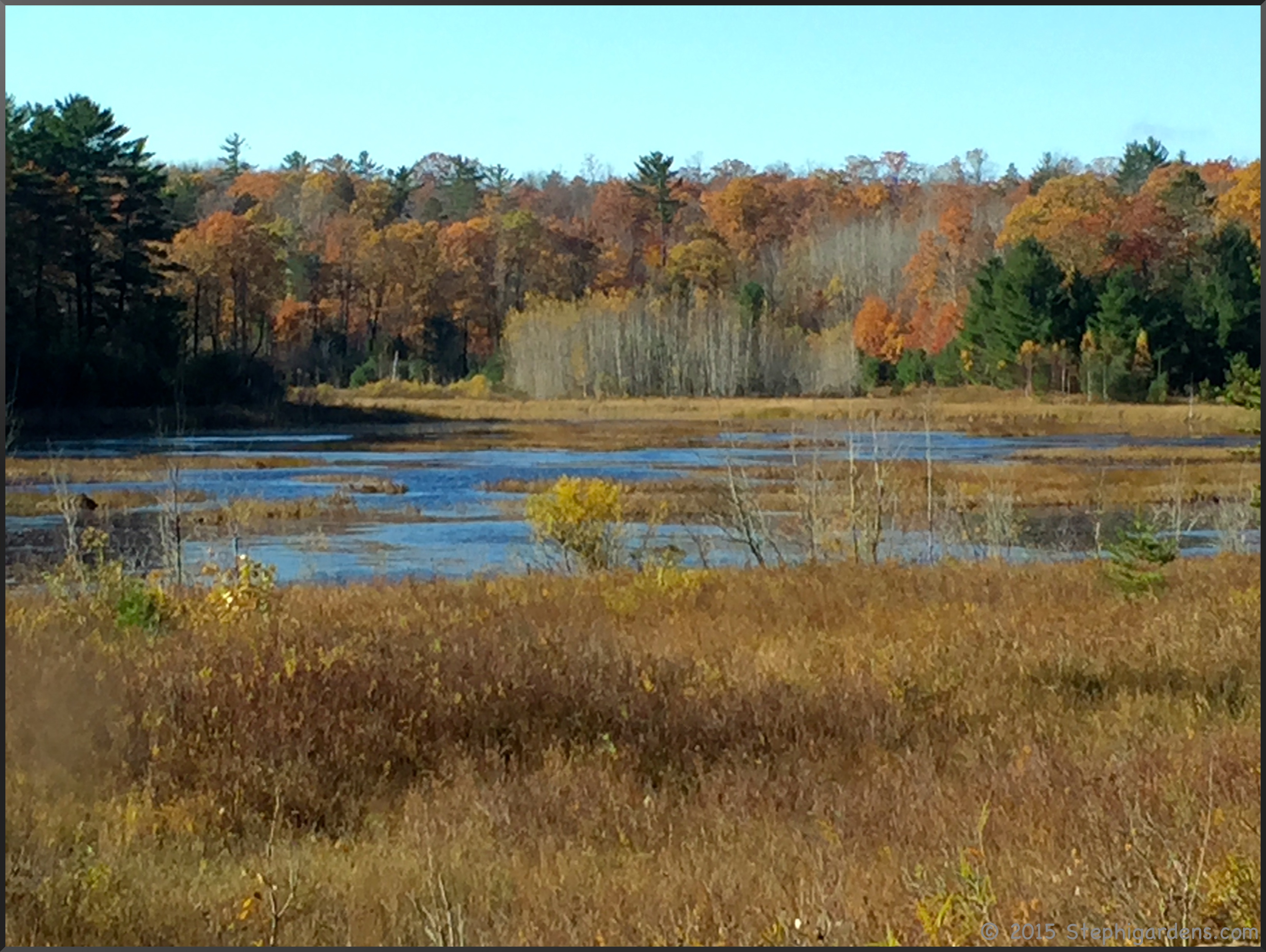
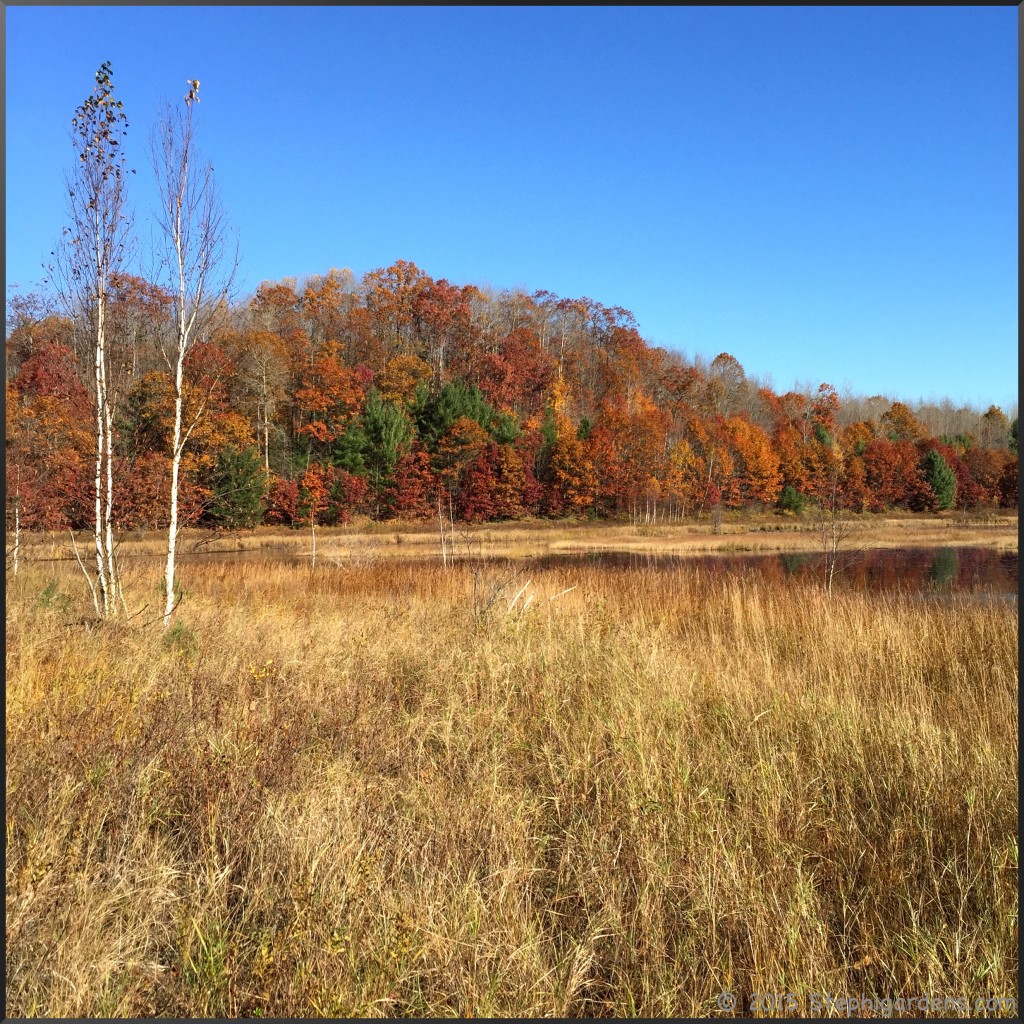
I spent one of those weekends visiting my mom Peggy in Northern Michigan.   Once the rain finished, we went out to the woods to have a look at some of the beautiful places Peggy likes to visit.  Even though it may not have been peak color time, the textures and colors of the Northern Michigan forests that weekend were still stunning.

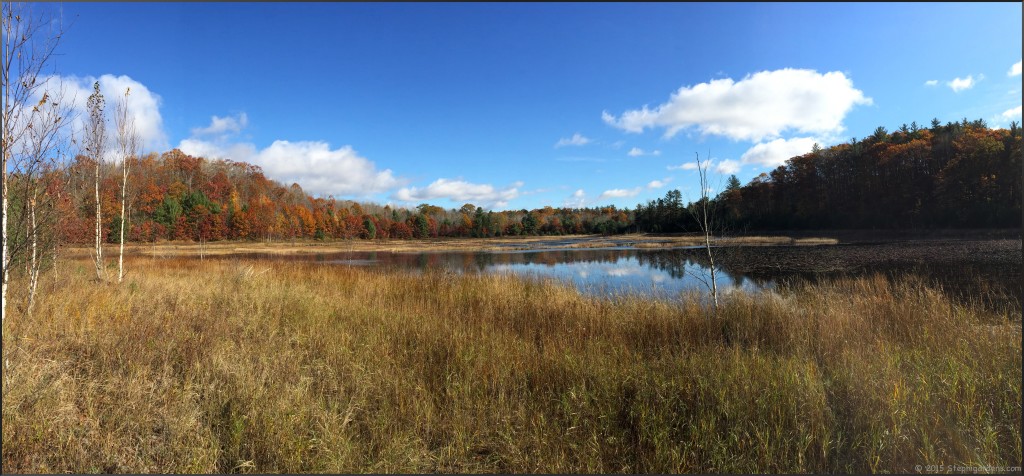
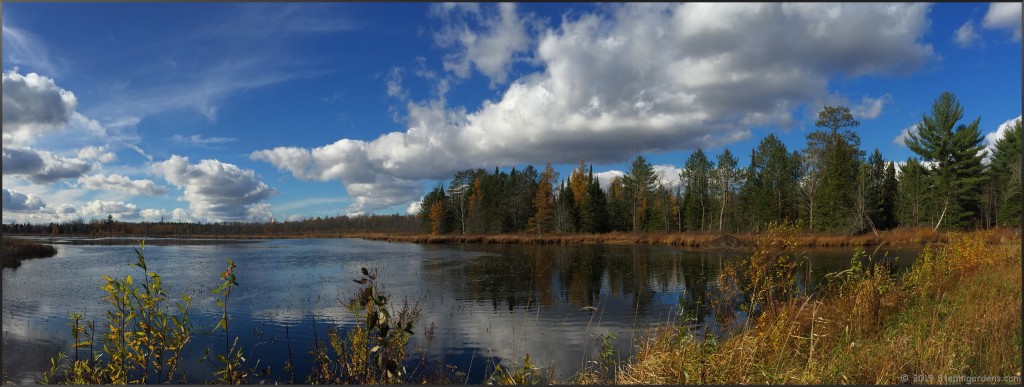
Fall in Wexford County, Michigan

Fall in Wexford County, Michigan

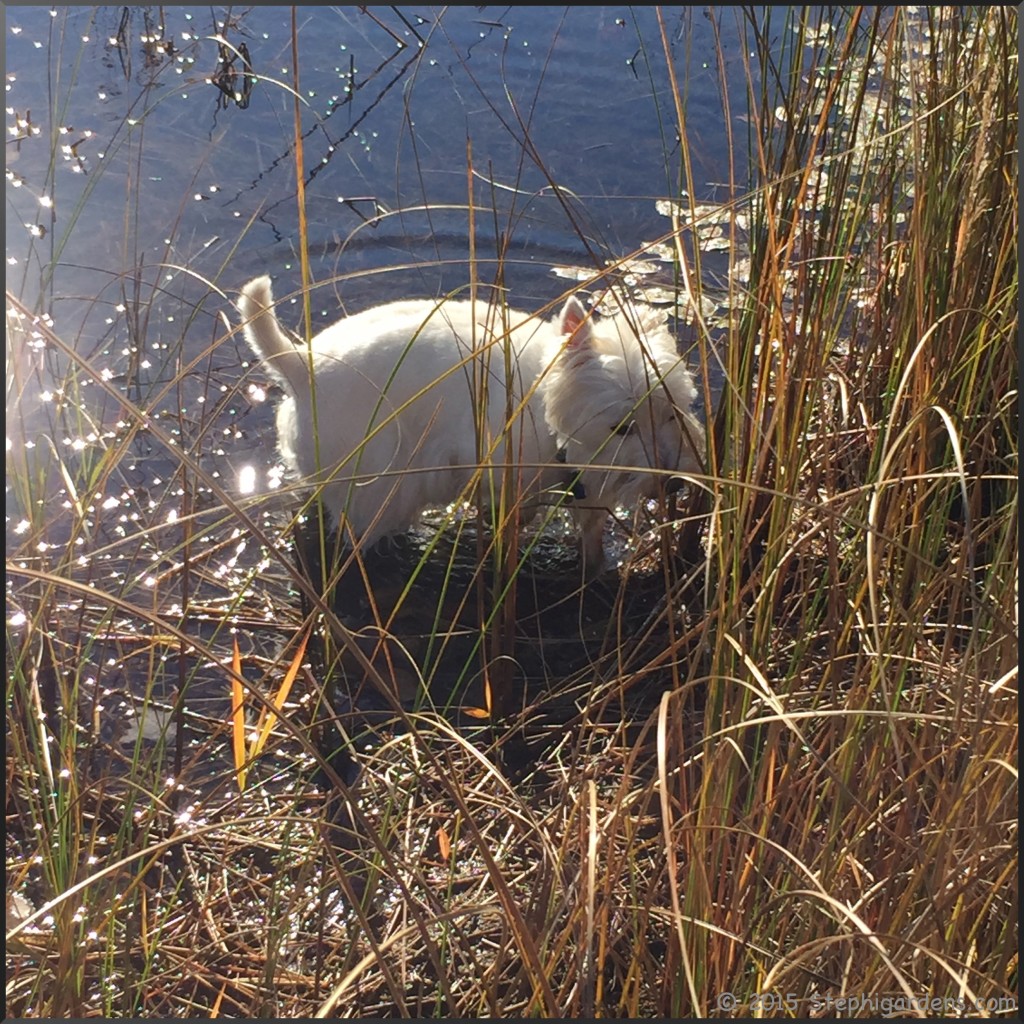
Daisy decided it was warm enough to go in the water.  She’s become much more daring in her old age.

Fall in Wexford County, Michigan

We had some fun taking panoramic pictures.

Fall in Wexford County, Michigan

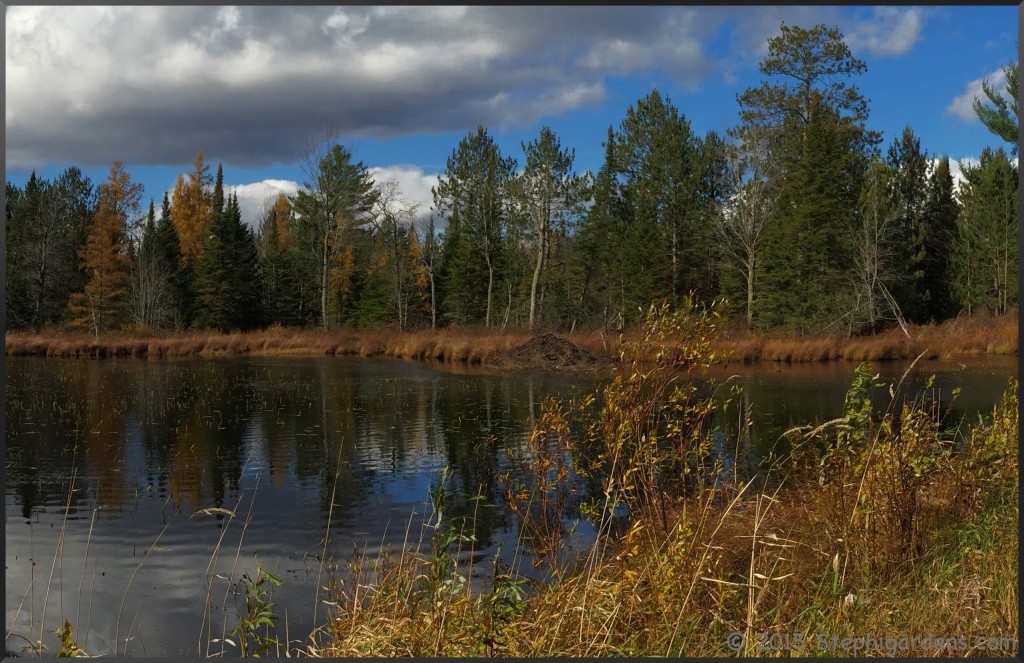
After lunch, we headed to a new spot to check out a beaver house.

Fall in Wexford County, Michigan

We didn’t see any beavers, but saw some very active muskrats enjoying the warm fall day.

beaver house

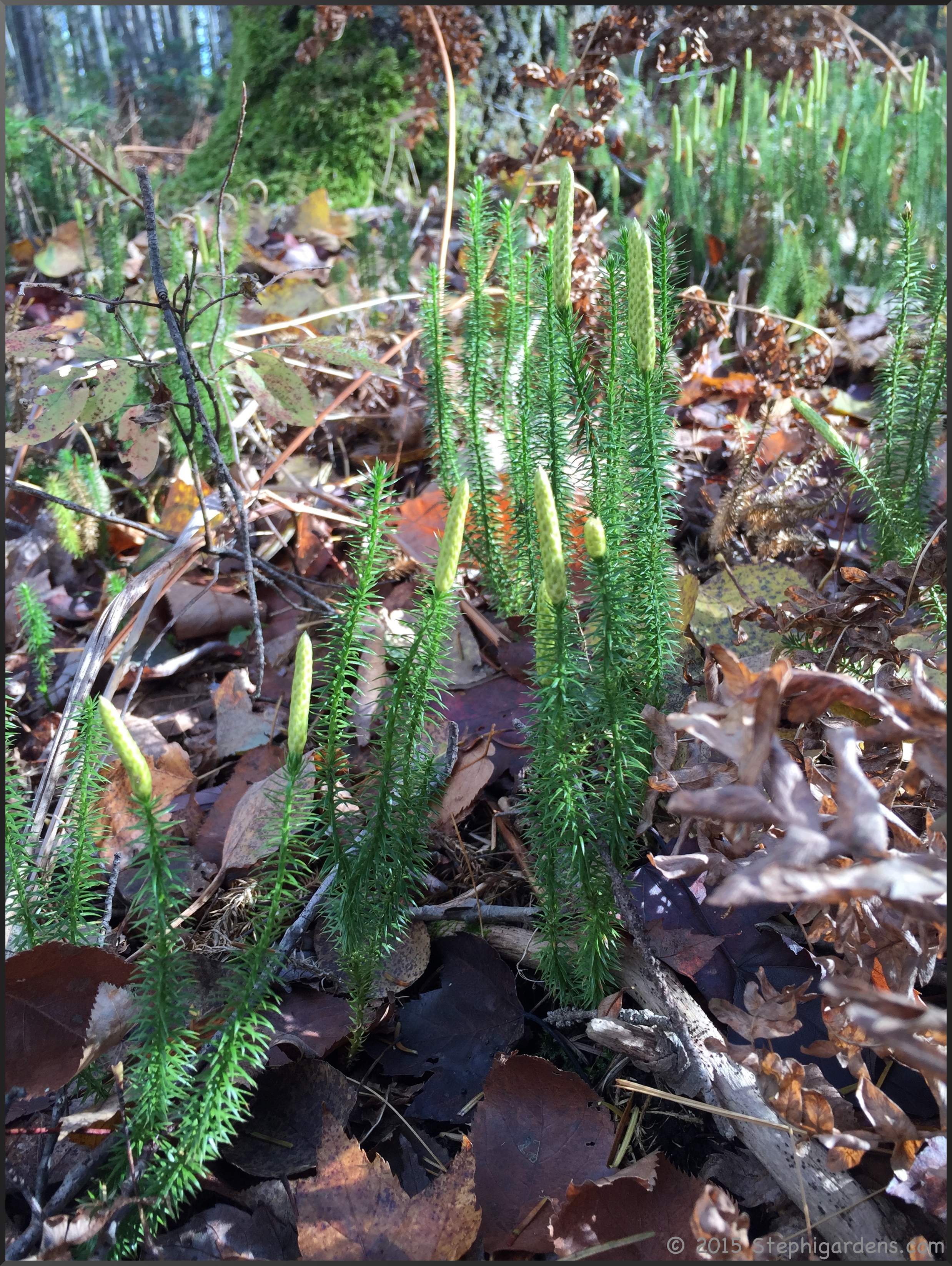
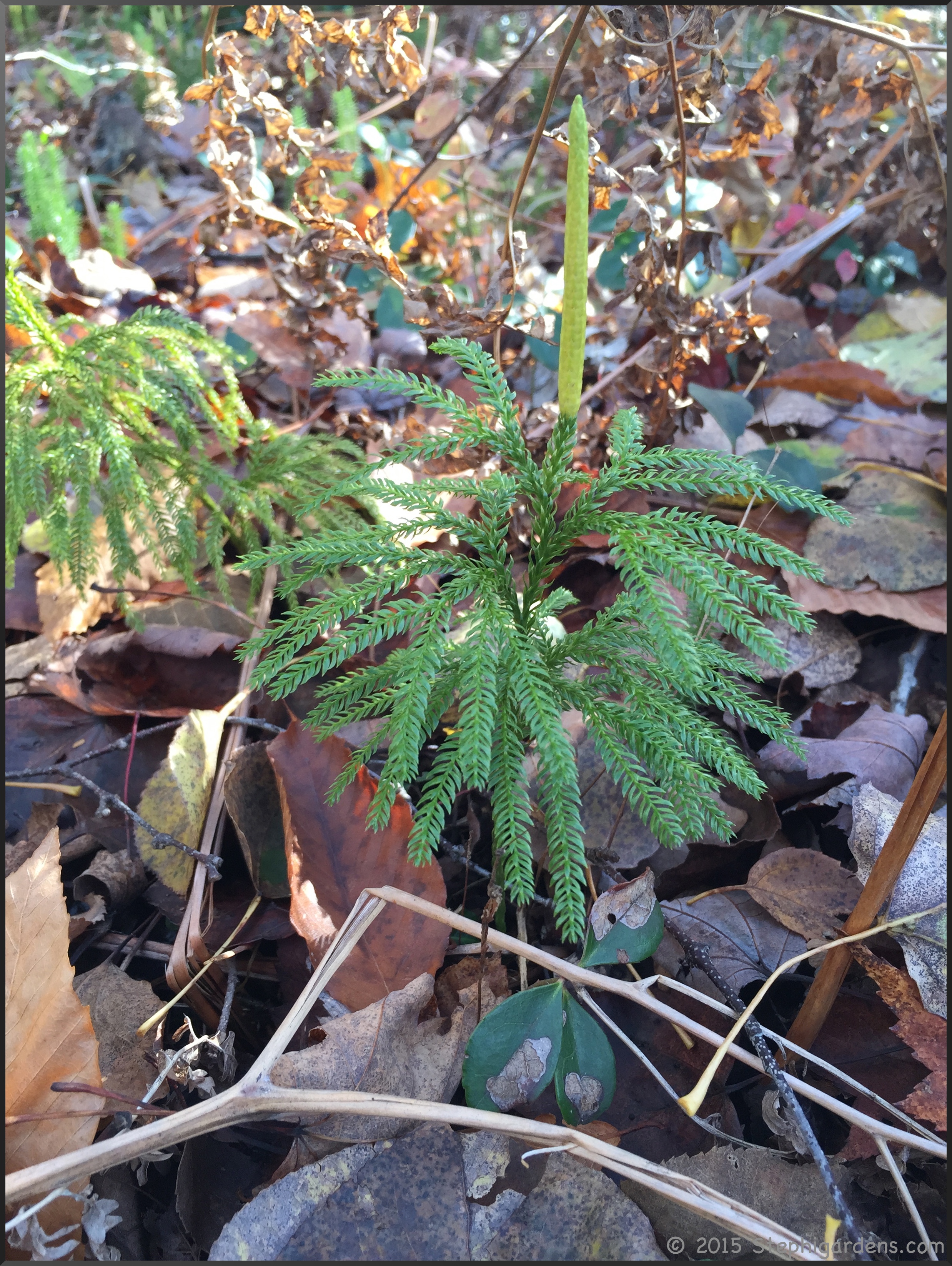
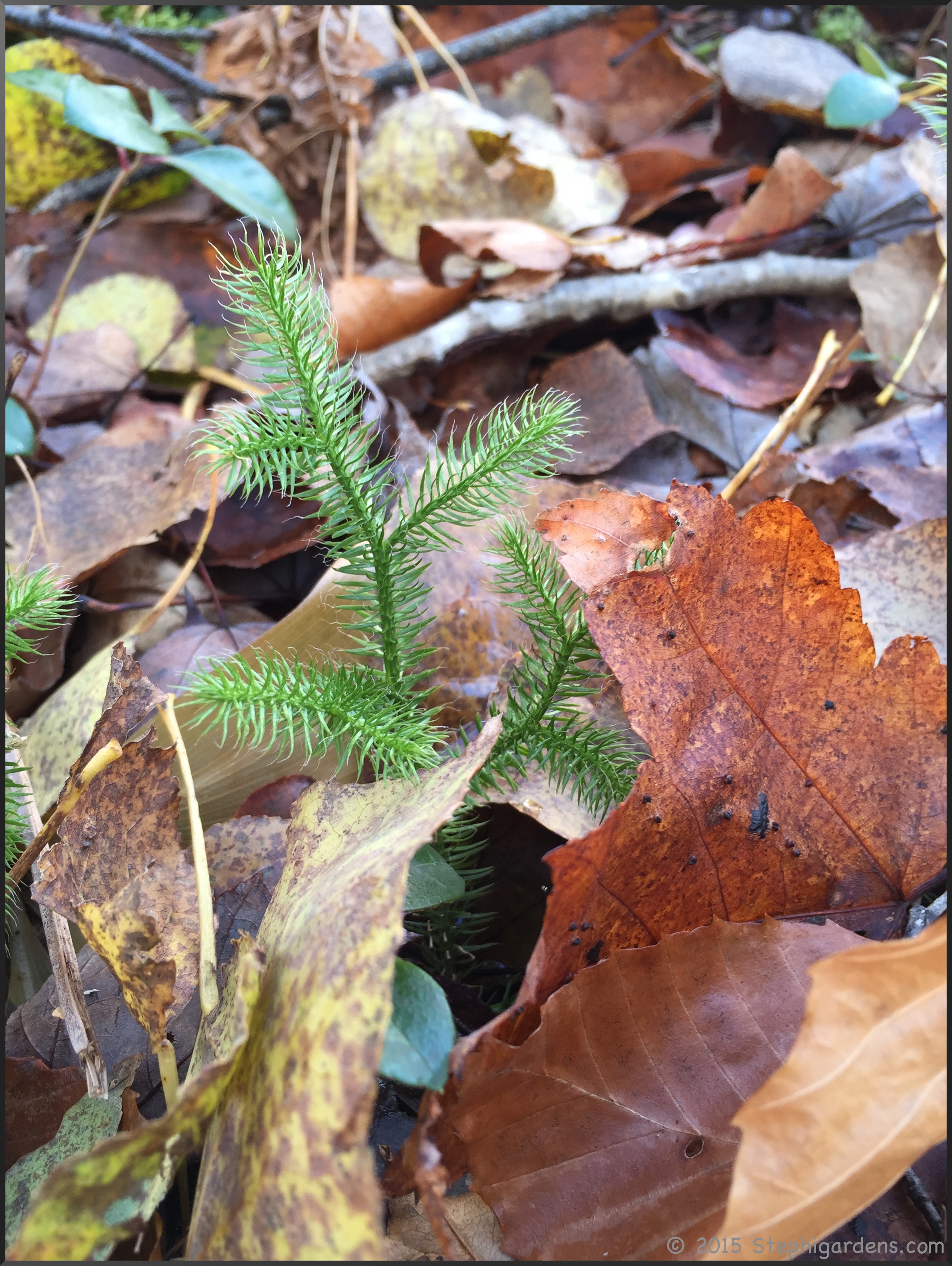
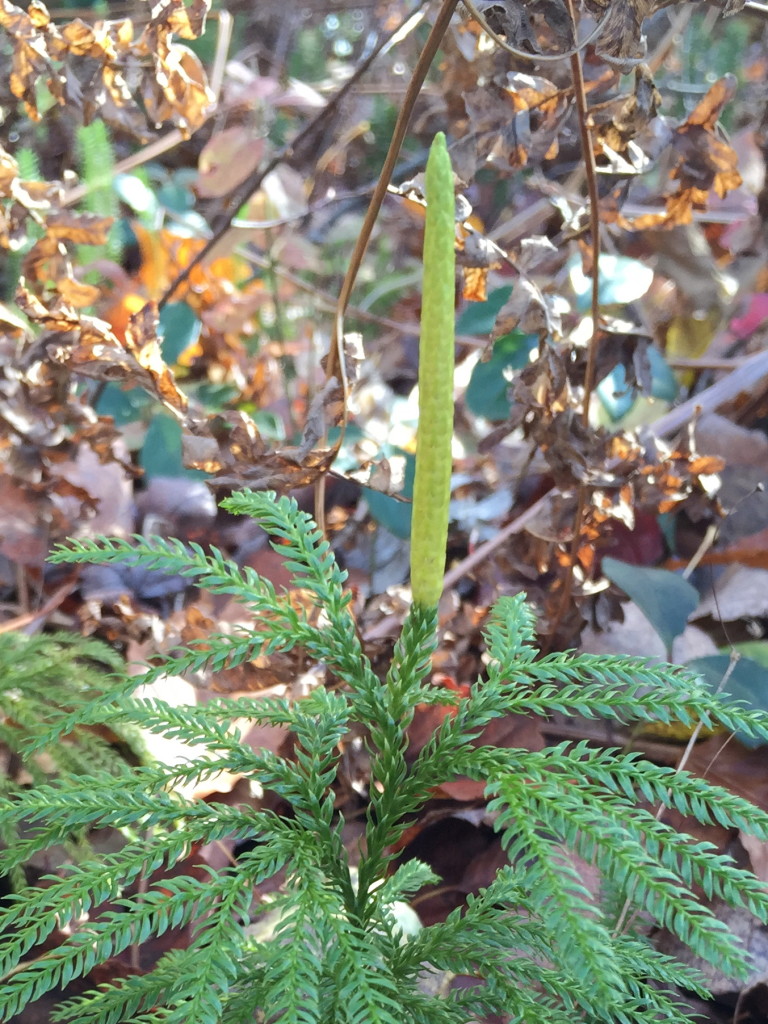
On the walk back to the car, we were poking around in the woods.  I was particularly intrigued by the club-mosses that were so easy to spot this time of year.  I shot some pictures of my find, and then noticed my mom was also taking pictures.  She had seen the same thing in another spot and they had captured her interest as well!

Spinulum annotinum Stiff Clubmoss
Spinulum annotinum (Stiff Club-moss)

While we were looking at the Spinulum annotinum, we realized that there were a number of other species of club-mosses in the area.

Dendrolycopodium obscurum Tree Clubmoss
Dendrolycopodium obscurum (Tree Club-Moss)
Lycopodium clavatum Running Ground Pine
Lycopodium clavatum (Running Ground Pine)

Club-mosses are perennial, evergreen plants related to ferns and horsetails.   They spread by runners, either above or below ground (rhizomes) and get their name from the club-like, spore producing strobili found on top of many club-moss species.

IMG_3495 - Version 2

Club-mosses were often collected for Christmas decorations, but these are very slow growing plants and are now protected in most states.

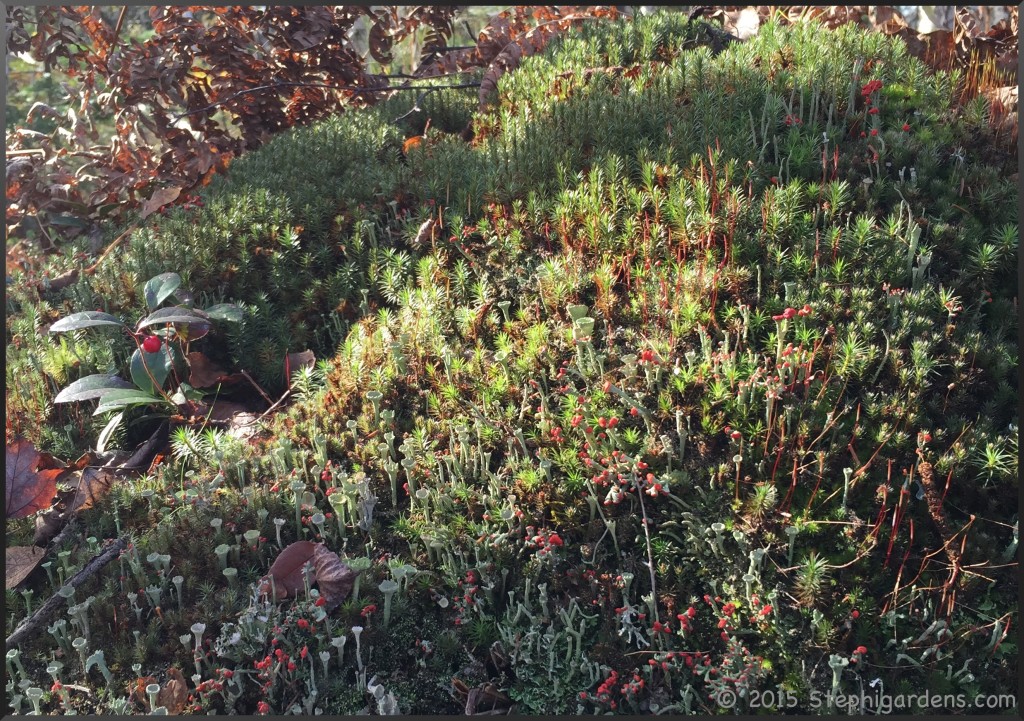
As a bonus, there were lots of British Soldiers (Cladonia cristatella), Pixie Cups (Cladonia chlorophaea complex) and Wintergreen (Gaultheria procumbens) in the area.

British Soldiers, Pixie Cups and Wintergreen

I’m always amazed at the fascinating things you can find just a few feet off the beaten trail.

Interesting Club-Moss Resources:

Dripping Faucet vs. Korean Lilac

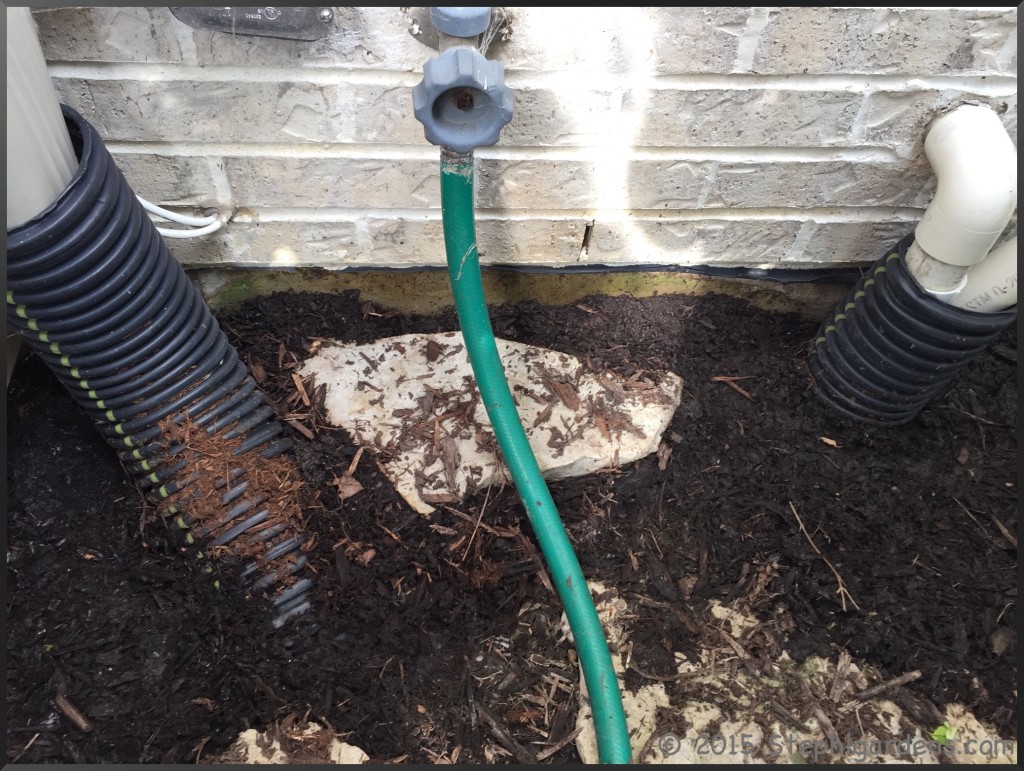
For years our outdoor faucets have leaked. Sometimes it’s the hose connection, or the faucet dripping when it’s open at certain positions, or sometimes just all the time when they are open. If it’s the hose connection, that’s easily solved with a new washer.  But, when we’ve tried to have the faucets fixed any improvements were short lived so we just do the best we can to minimize the waste. Then this happened…

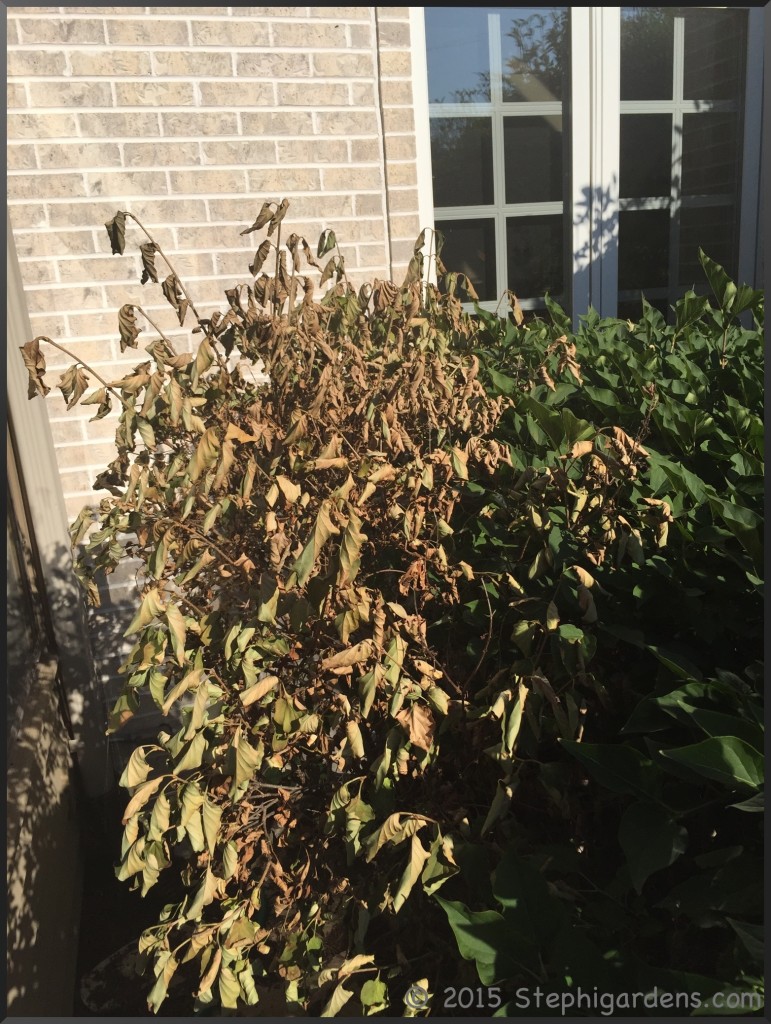
Korean Lilac

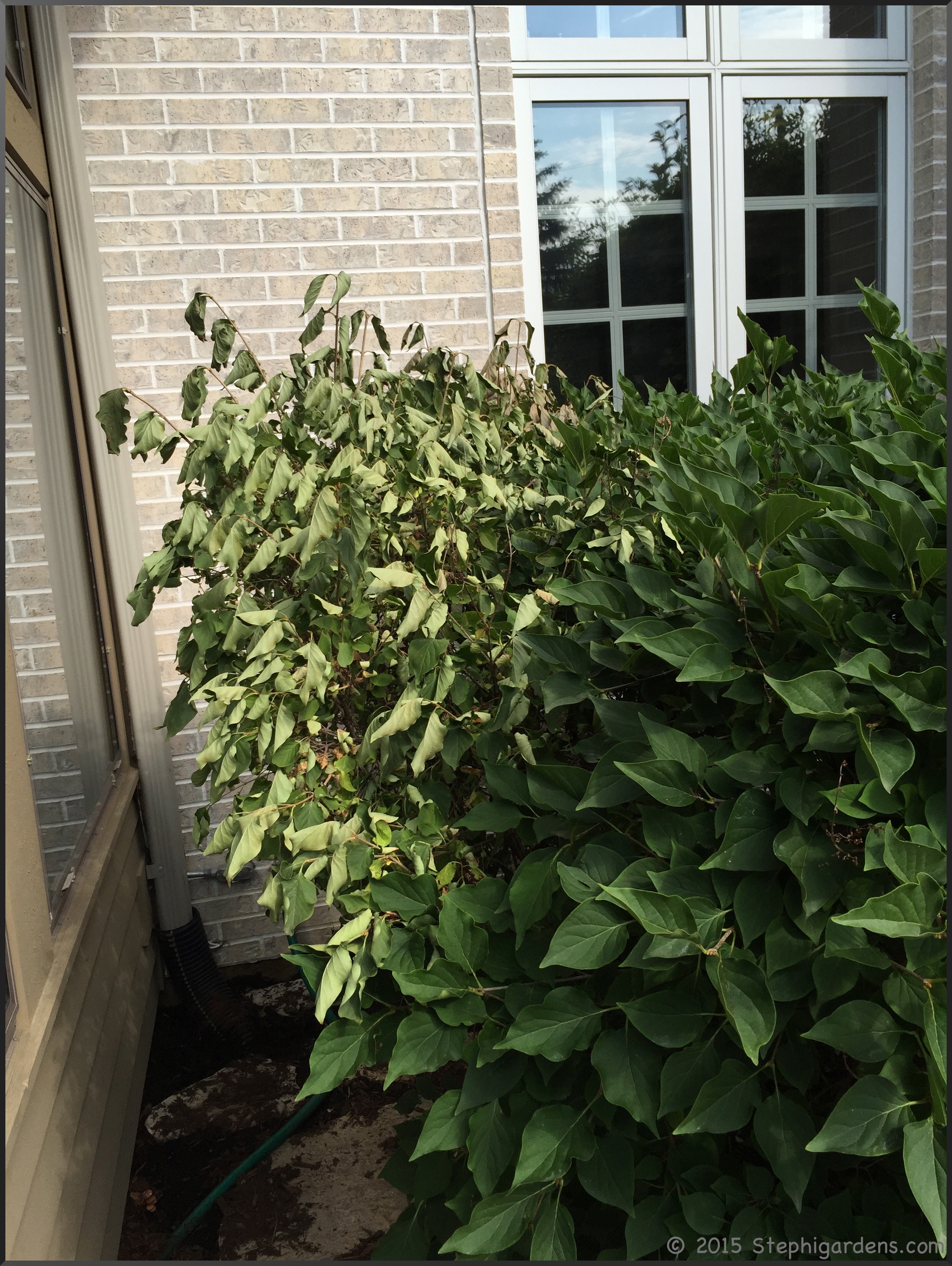
The 20 yr old Korean Lilac in the back suddenly started showing signs of severe stress for what I thought was no logical reason.

Korean Lilac

As I walked back to inspect, I quickly realized the entire area was sopping wet.  Usually in the past that meant an issue with the drainage system, but not this time.  It was the faucet dripping!

Stephi gardens

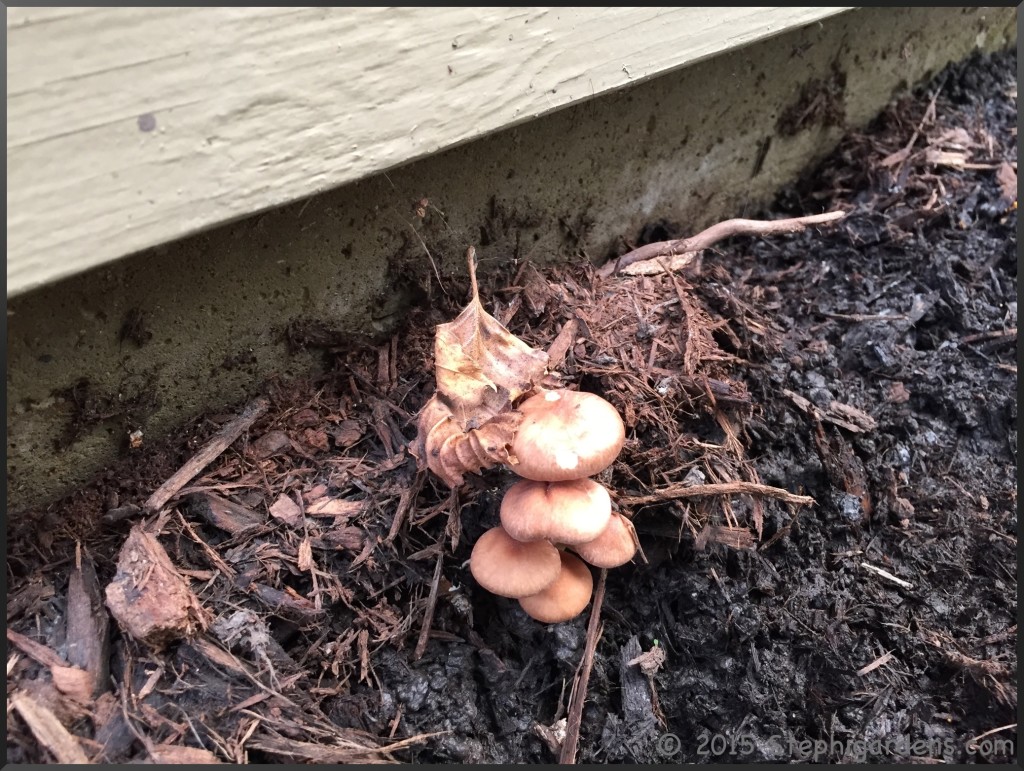
We usually leave the faucet on and control the water with a hose extender that is easier to access.  I’m not one for crawling around in the bushes every time I want to water the plants or use the hose.  What I didn’t realize was that the faucet had starting dripping quite severely.  The mushrooms in the area should have been my first clue, but again, I don’t go back there very often.

mushrooms

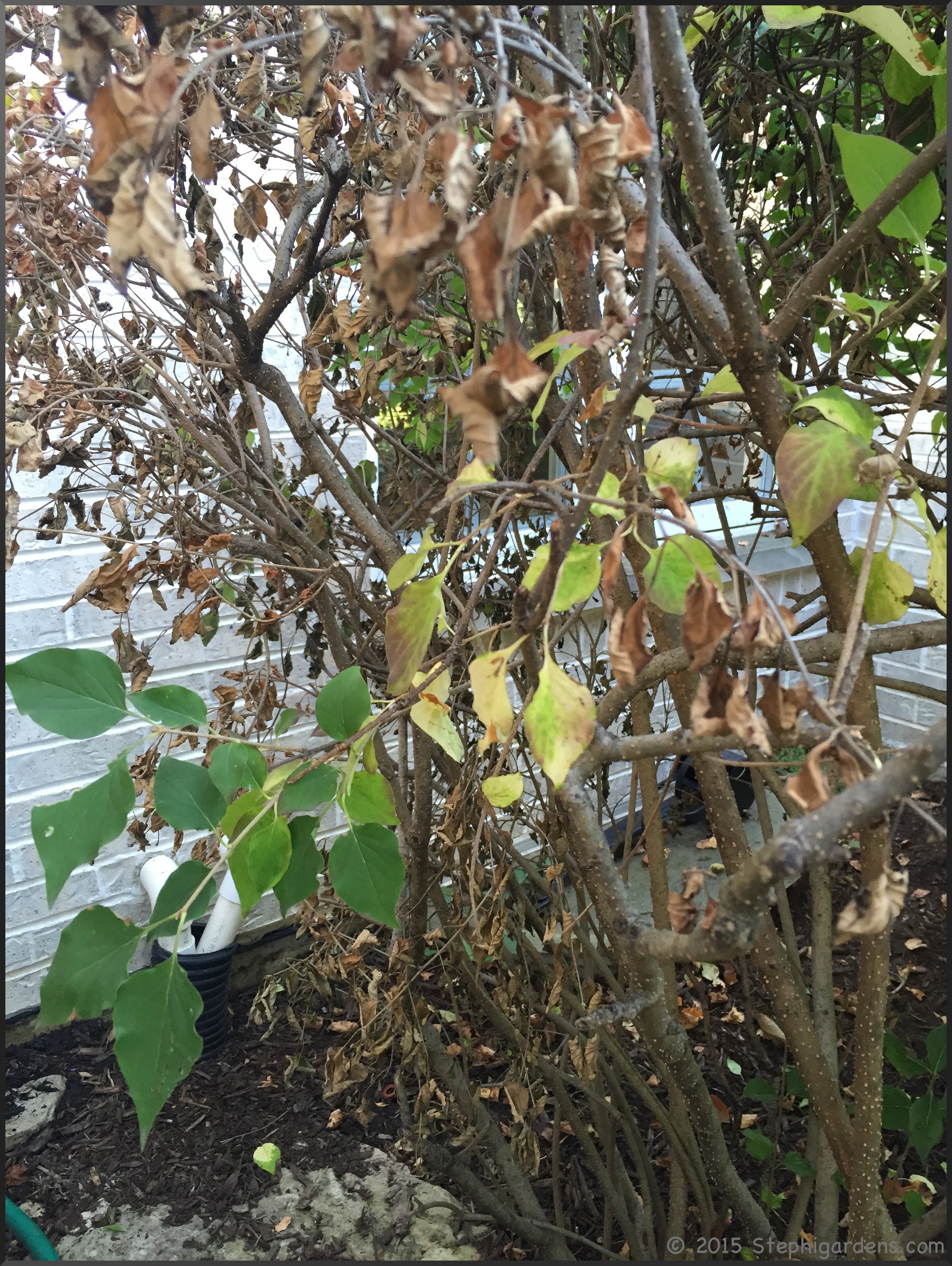
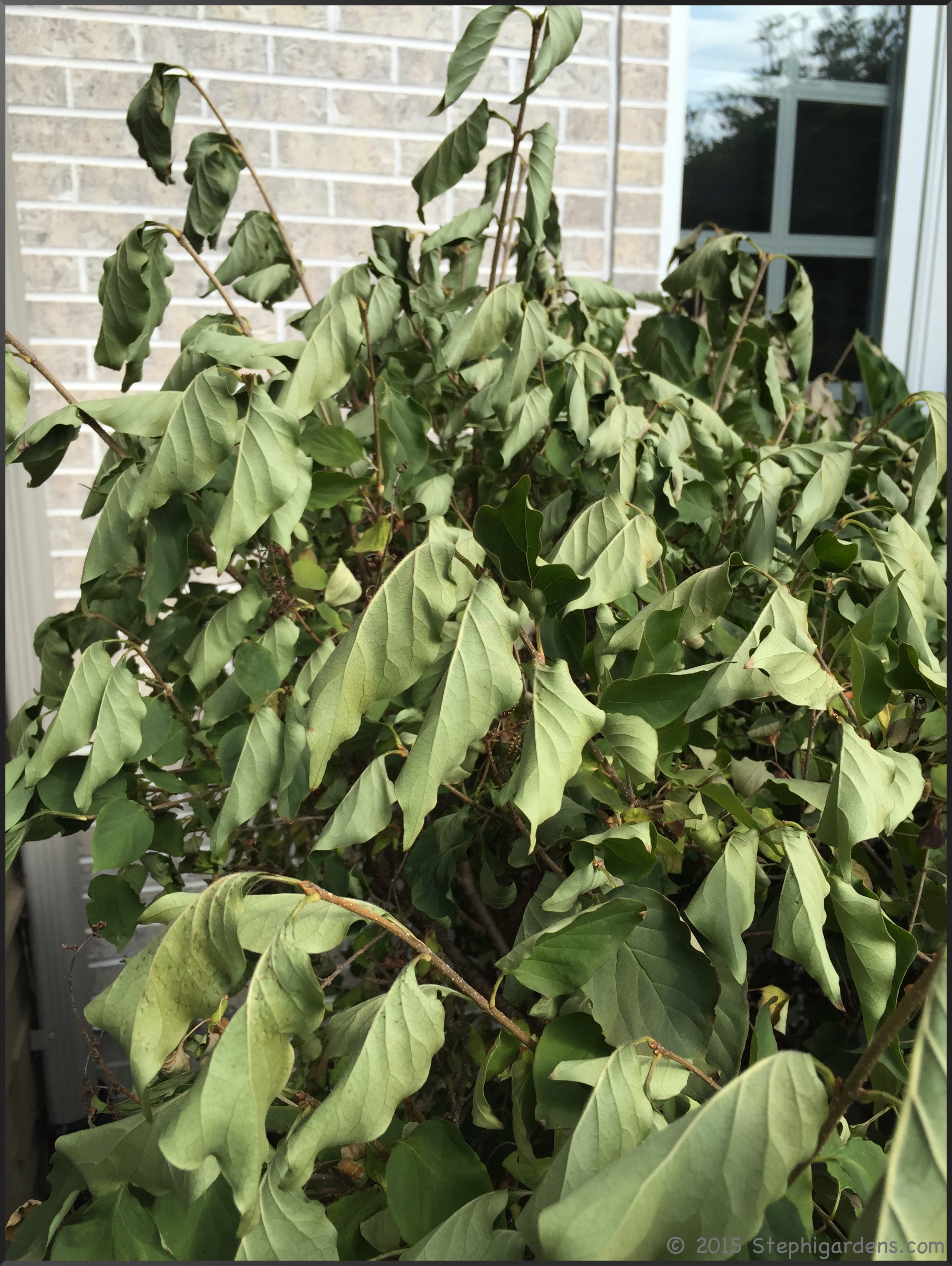
I got the water turned off and hoped for the best.  A week later and looking worse.

korean lilac

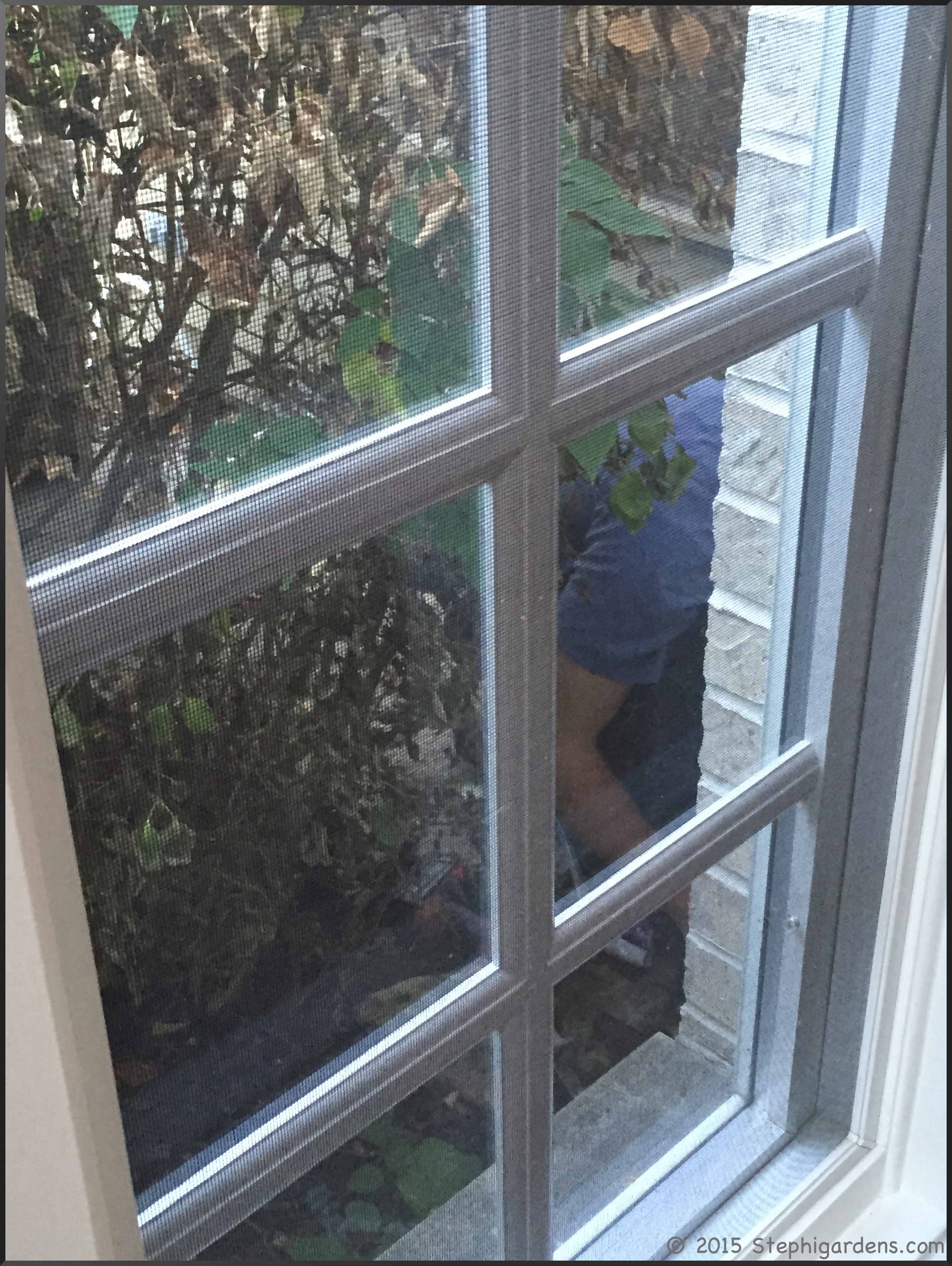
It was time to finally deal with the leackey faucets so I don’t waste any more water and damage any more plants.  This is actually not a simple job, so we had to call a plumber in.  I am not going to do any soldering of copper pipes in the house (or outside for that matter).

IMG_3003

Yay! My new faucet.  We had the front one done too while were at it.  No more leaky faucets, wasted water or damaged plants!

outdoor faucet

While it pretty much looks terrible, there’s still a few green branches on the lilac. Maybe there’s hope.  We’ll just have to wait until spring.

korean lilac


Warding off the Vampires|Harvesting Garlic

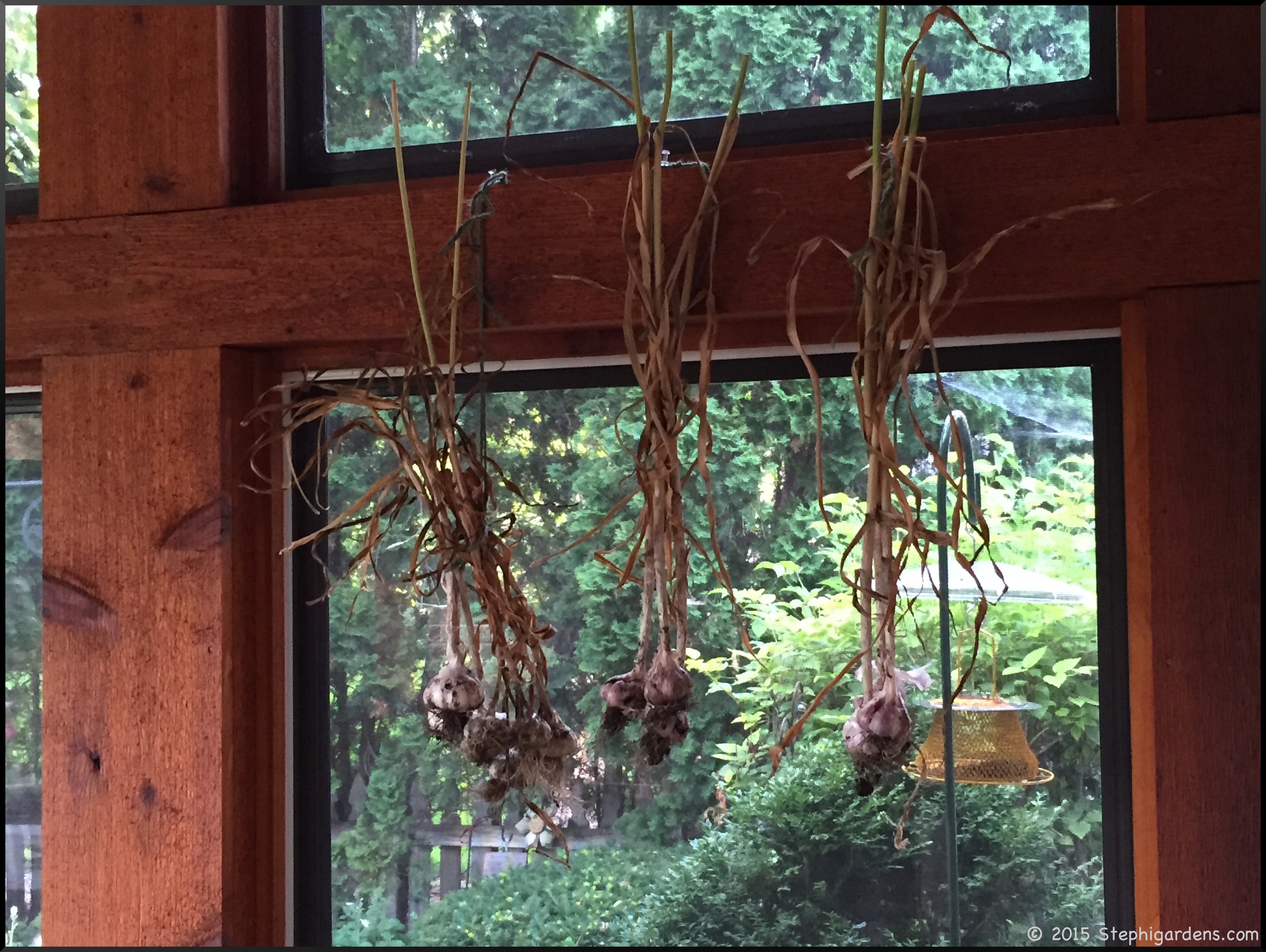
Well not really, but that’s what I think of when I see the garlic curing in the screen room.
Garlic

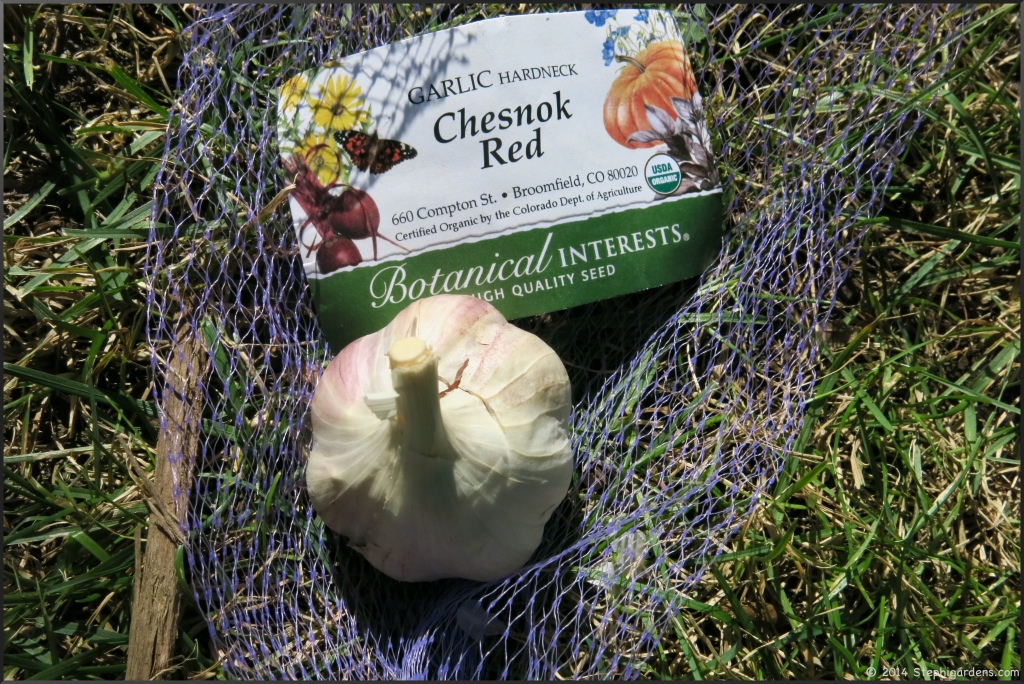
Last fall I planted garlic for the first time (see “Planting Garlic”) and I can happily say I probably have enough harvested this summer to carry me through the winter.  I planted 3 different varieties, 2 hardneck (Chesnok Red and Purple Glazer) and 1 soft neck (California Early) from Botanical Interests.
chesnok red garlic

Softneck varieties tend to grow in a wider variety of climates and can be grown in warmer areas, last longer in storage and are good for braiding.  They also tend to be a little milder in taste.  Hardneck varieties require some time in frozen ground, so are not recommended for warmer climates.   In the spring, they produce a tall edible stem called a “scape”  that should be cut and can be used as a mild garlic seasoning.  The hard neck varieties are also generally known for their stronger taste.

I planted the cloves in 2 different locations and one location definitely did better than the other.  Within a couple of weeks of planting, green sprouts could be see popping up as expected.  Then winter settled in and the garlic just had to hibernate and do its thing. I tried to mark it clearly, but as usual by spring I only sort of knew where it was planted and which variety was which.  Typical 🙁

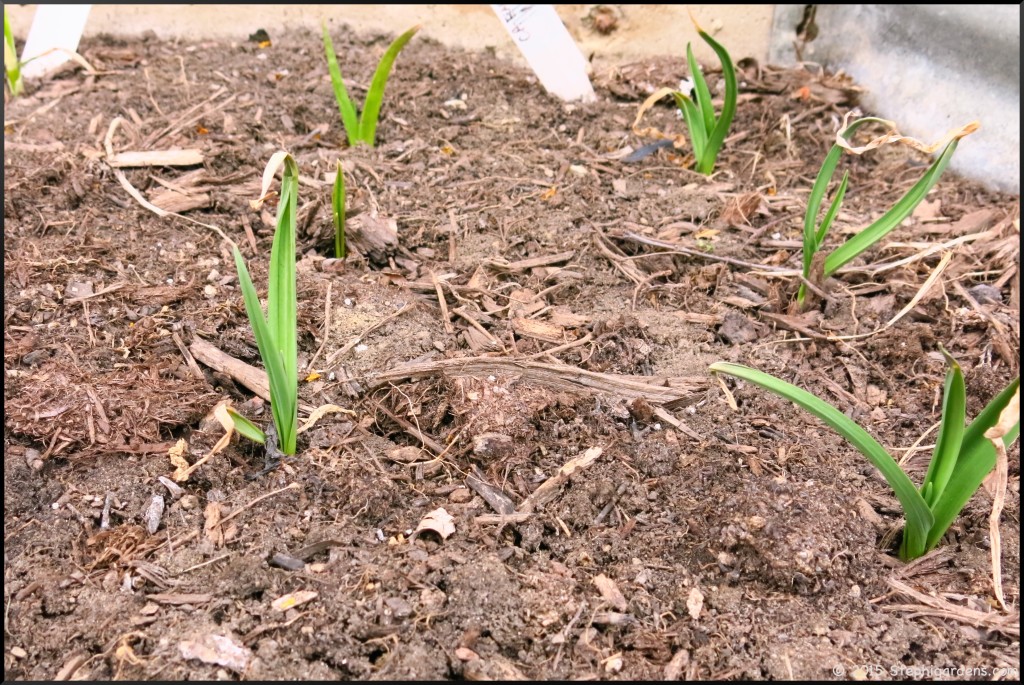
By early spring, the garlic was sprouting.
garlic

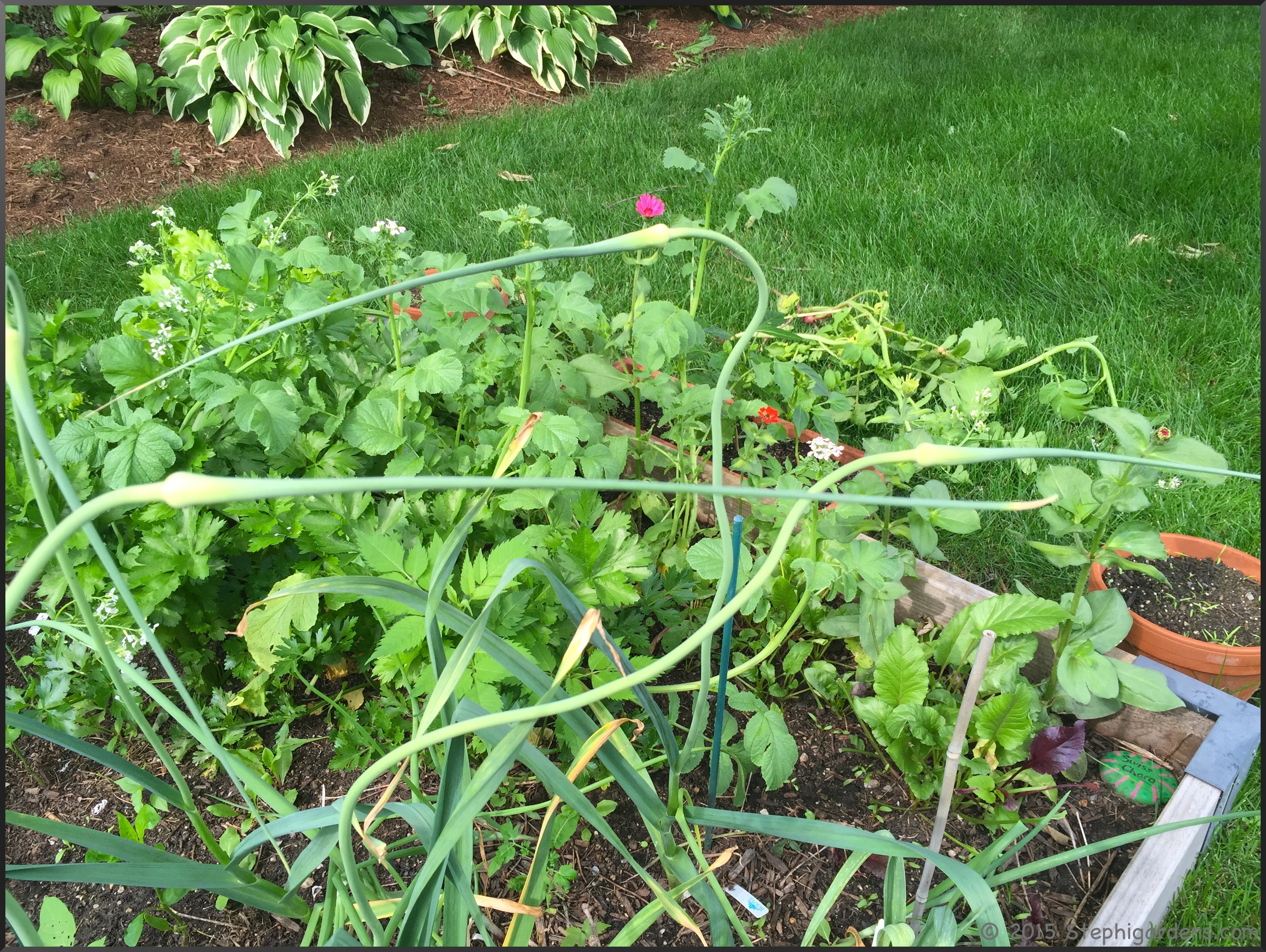
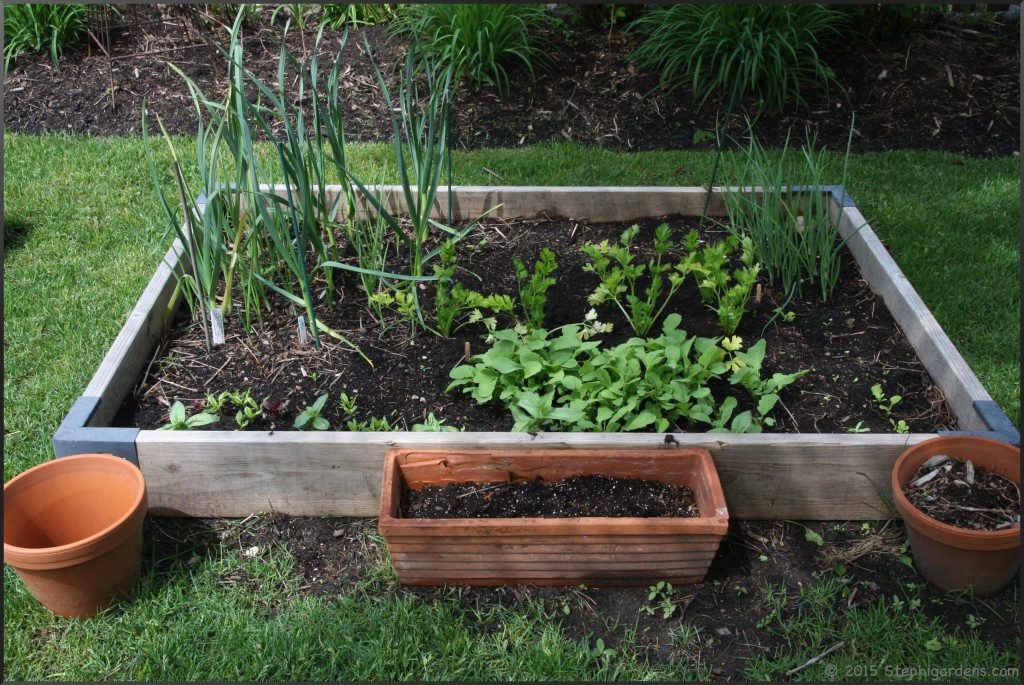
By late spring the hardneck varieties were sending up scapes.  I trimmed them to send the plant’s energy into producing healthy garlic heads, but unfortunately didn’t get around to using them in any recipes.  Next time for sure.
garlic

garlic

By July, the garlic was ready for harvest.  How do you know when to harvest?  It can be a little tricky, but usually you want to wait until several lower leaves turn brown, but the top leaves are still green.  Harvesting the garlic is easy, but you need to be gentle.  Unlike onions, you can’t just yank it out of the ground.  Too easy to damage the head or accidentally tear off the leaves.  Garlic also cures better when the leaves are still on.

So grab a trowel and dig gently around the bulbs to loosen the soil.  Be careful not to hit the heads and damage the tight cluster of cloves.
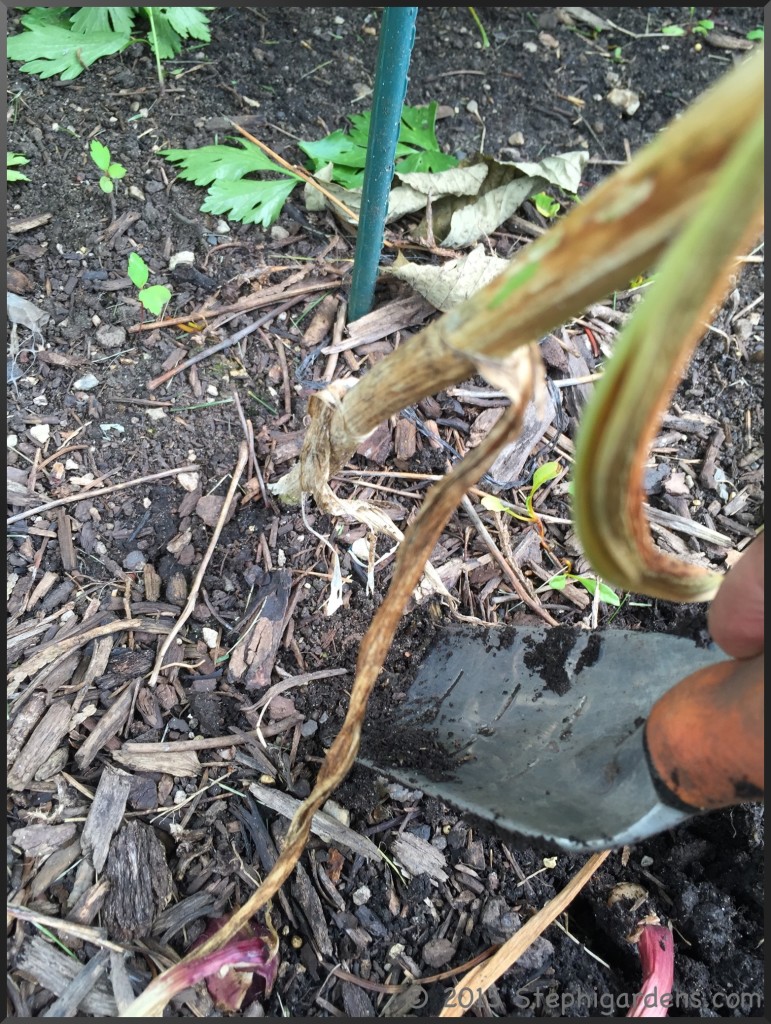
garlic
Gently pull to release the garlic from the soil.
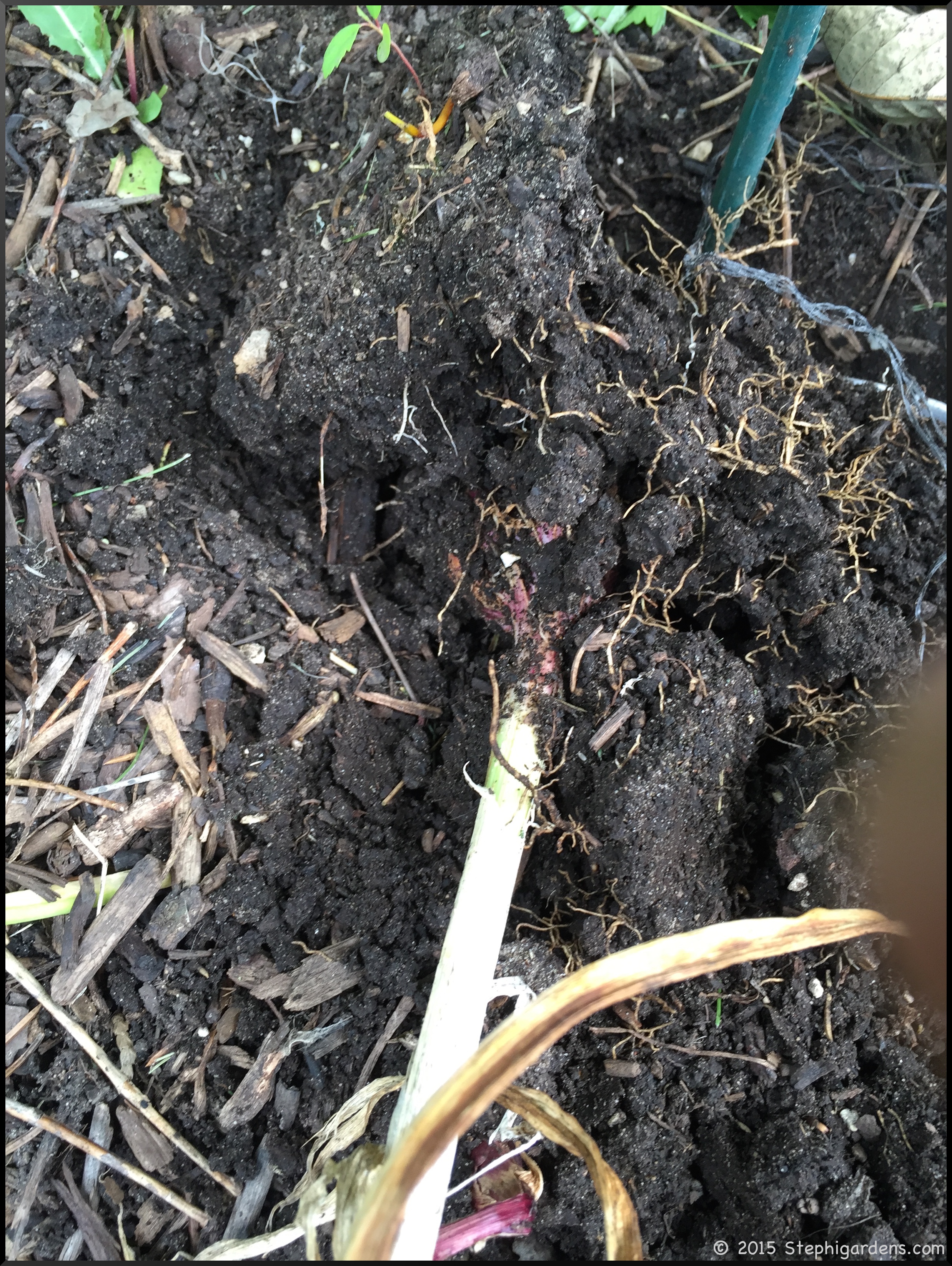
Garlic

Gently shake off the dirt, without disturbing the head.  It’s fine to leave some dirt on the head and roots, it’ll come off easier when it’s dry.
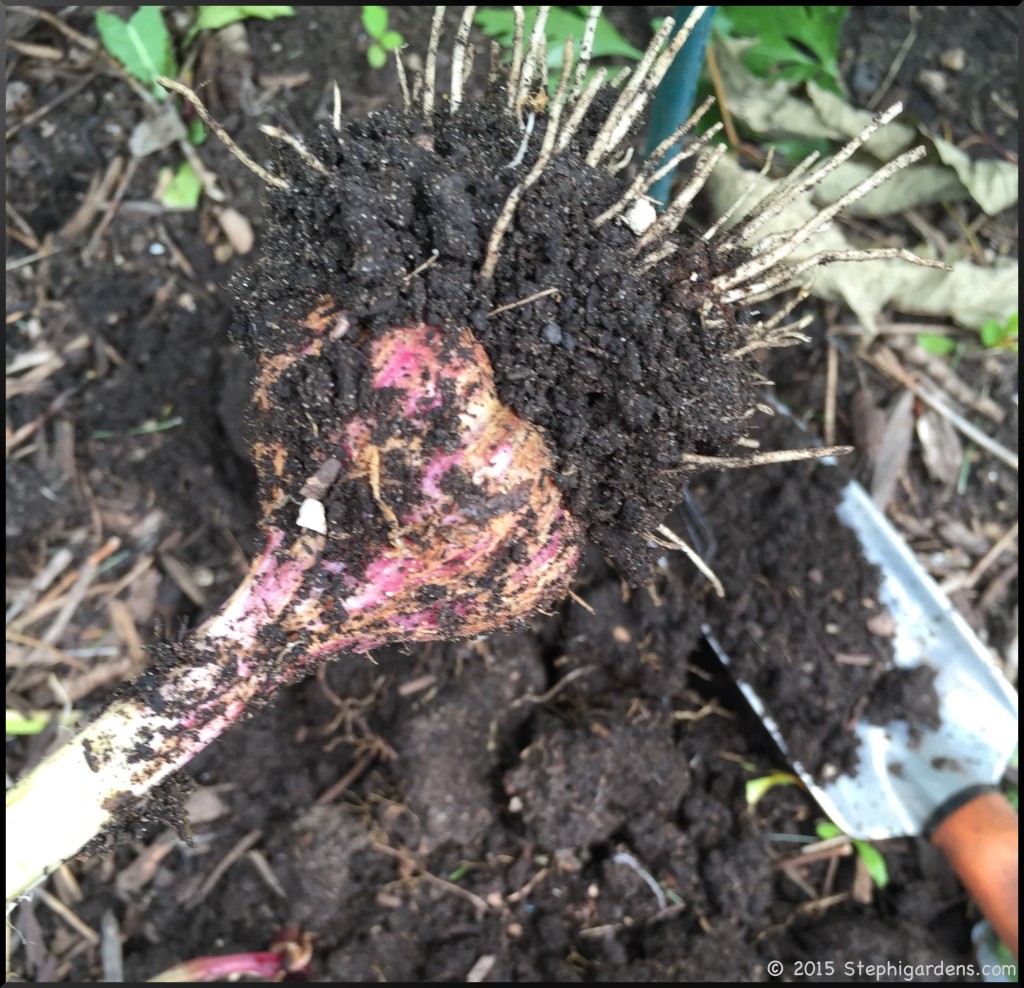
Garlic

Now it’s time to find a spot to cure the garlic so that it’ll be ready to store for the winter.  Garlic should be cured in a protected area, like a garage or porch, out of direct sunlight and where there is reasonable air circulation.  It should be hung with the leaves  and roots still attached.  I hung mine in the screen porch.  On particularly hot days, I turned on the overhead fan to keep the air circulating.

Garlic

Curing can take three to eight weeks and you know it’s done when the roots are dry and shriveled, the leaves completely brown and dried, and the skin feels dry and papery.  This step should not be skipped or the garlic will not last properly through the winter.

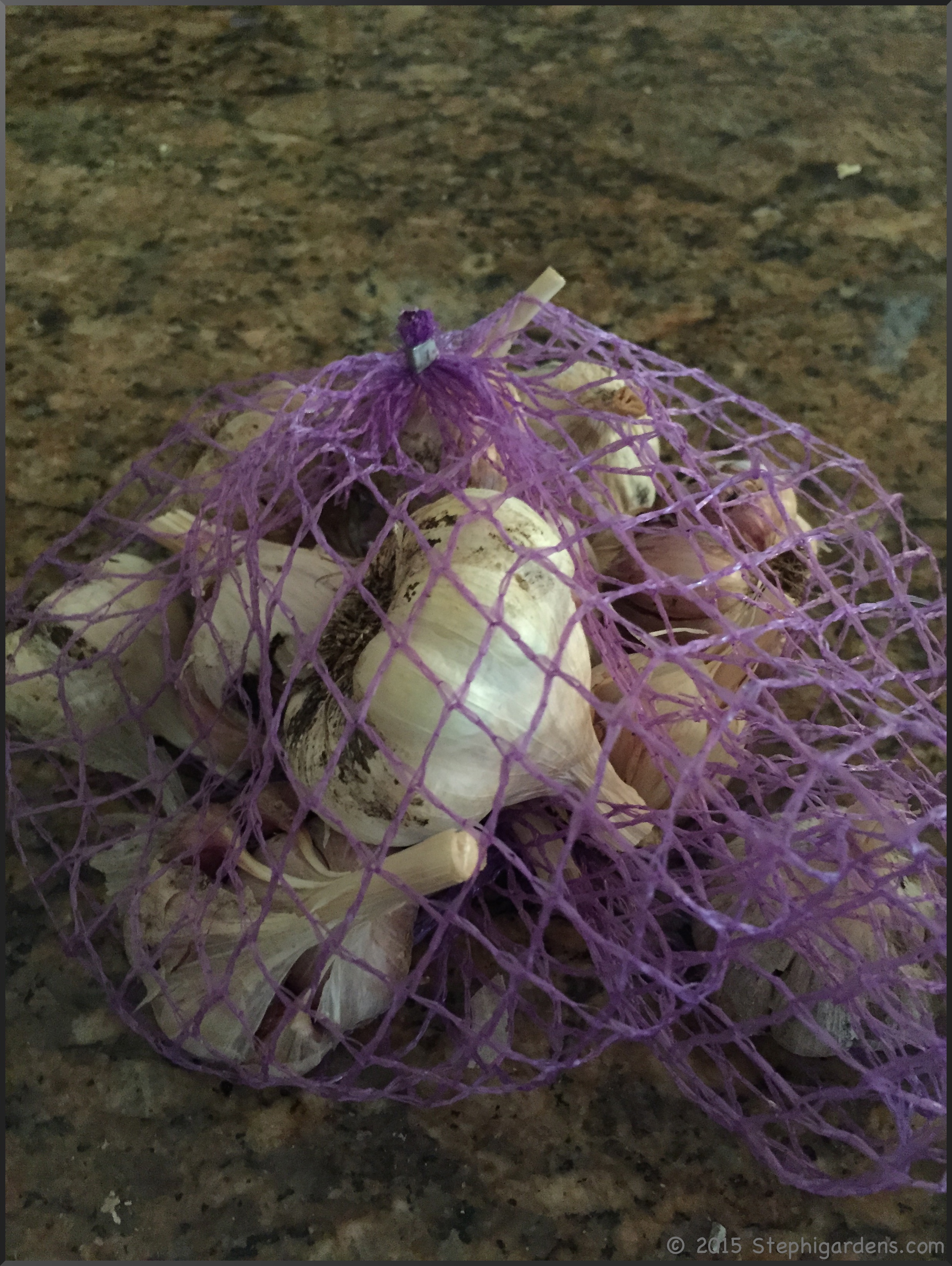
Once done, the leaves and roots are trimmed off, and the remaining dirt gently brushed off.  Be careful not to expose any of the cloves.  The garlic is now ready for storage.   Garlic can be stored in any type of breathable, dry container such as mesh bags, paper bags, cardboard boxes or ceramic pots with holes.  Under perfect home storage conditions, the garlic should keep for 6-8 months.  Ideally to achieve that, the garlic should be stored in a cool, dark room with good air circulation.  Not always easy to do, but just do the best you can.  I am going to store some in an unfinished part of my basement and the rest in an open container in the coolest cupboard in the kitchen.  Kind of a test to see what works better.
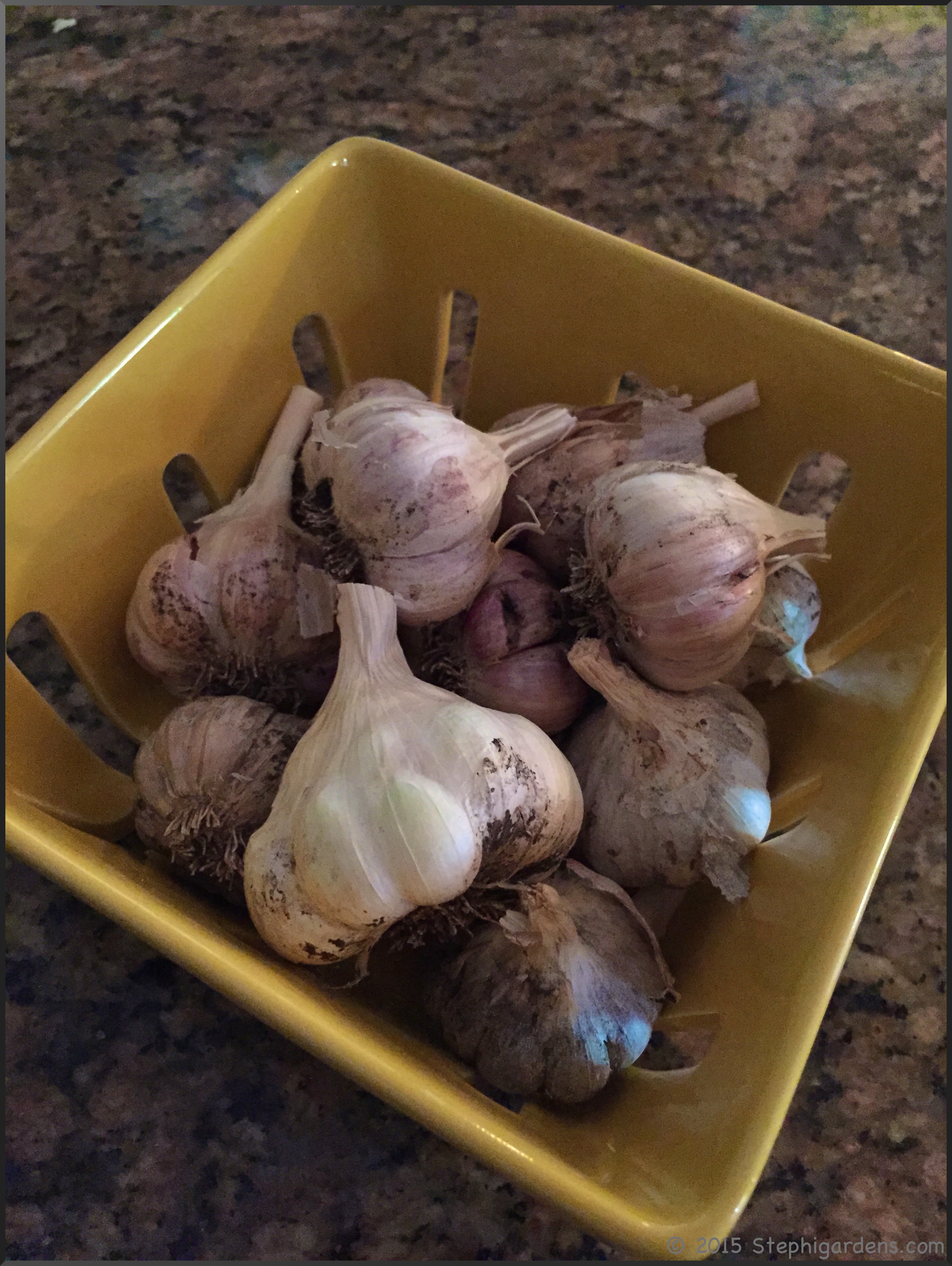
garlic

garlic

No matter what you do to store the garlic, never put it in the refrigerator or store in a sealed container.  That will lead to early sprouting and the garlic will quickly become bitter, soft and moldy.  Time to toss it if it starts to sprout, it’s spoiling at this point.  Most importantly, NEVER  store raw garlic in oil at room temperature.  This can lead to botulism and death!

As a last resort if your garlic seems like it’s not going to last as long as you’d like, it can be safely frozen.  It will change the flavor and texture to freeze raw, so to help preserve the flavor the peeled cloves can be put in oil and stored in the freezer (but again, not in oil at room temperature).  Other ways to store garlic include drying, dehydrating or even turning it into garlic butter.

I’ve already ordered more garlic for next year.  I was a little late ordering, so this year I ordered Music, Purple Glazer and Susanville garlic from Territorial Seed Company.   Can’t wait to get it in the ground.  It’s not too late to order yours, but act quickly.  Lots of varieties have already sold out so you may need to check around a few sites.   Planting season is 6-8 weeks before the likely hard frost date for your area, so it is quickly coming upon us here in zone 5.  Some reputable places to try are Botanical Interests,  Territorial Seed Company and Burpee Seeds.  Do you have a favorite place to order from?

Wherever you decide to order it from, don’t try to use the garlic you buy from the grocery store.  Much of that garlic, unless locally grown, has been treated to prolong its life during storage and transportation.  Some may sprout, but anything you get to grow from them will be of undesirable quality.

Happy Planting!

Save
August, Oops, September Garden Update

A while back I thought I was getting caught up, but then sending twins off to college this fall proved to be quite a time consuming effort!  So the garden has been a bit on auto pilot for a little while now.  Thank goodness it got off to such a good start this spring.  Here’s some tidbits on what I would have written about, if I had had the time 🙂
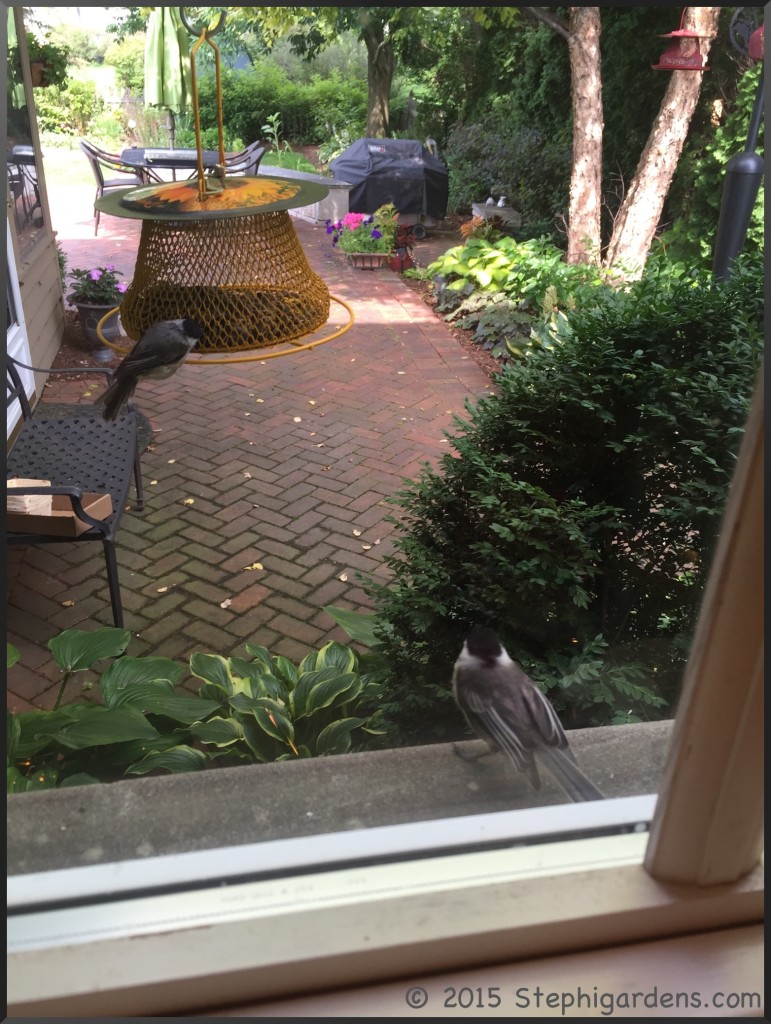
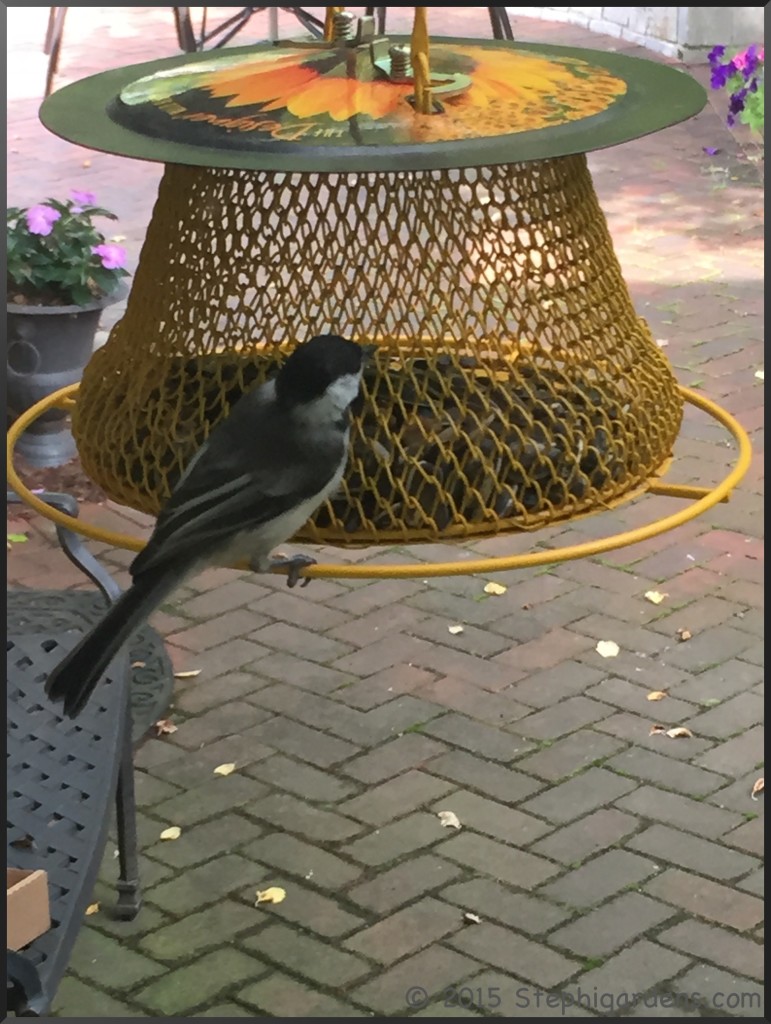
There was a family of chickadees that must have nested and fledged near my feeders.  For weeks, I was so entertained by the hilarious antics of the 3 young chickadees that truly behaved like little kids.
baby chickadee

baby chickadee

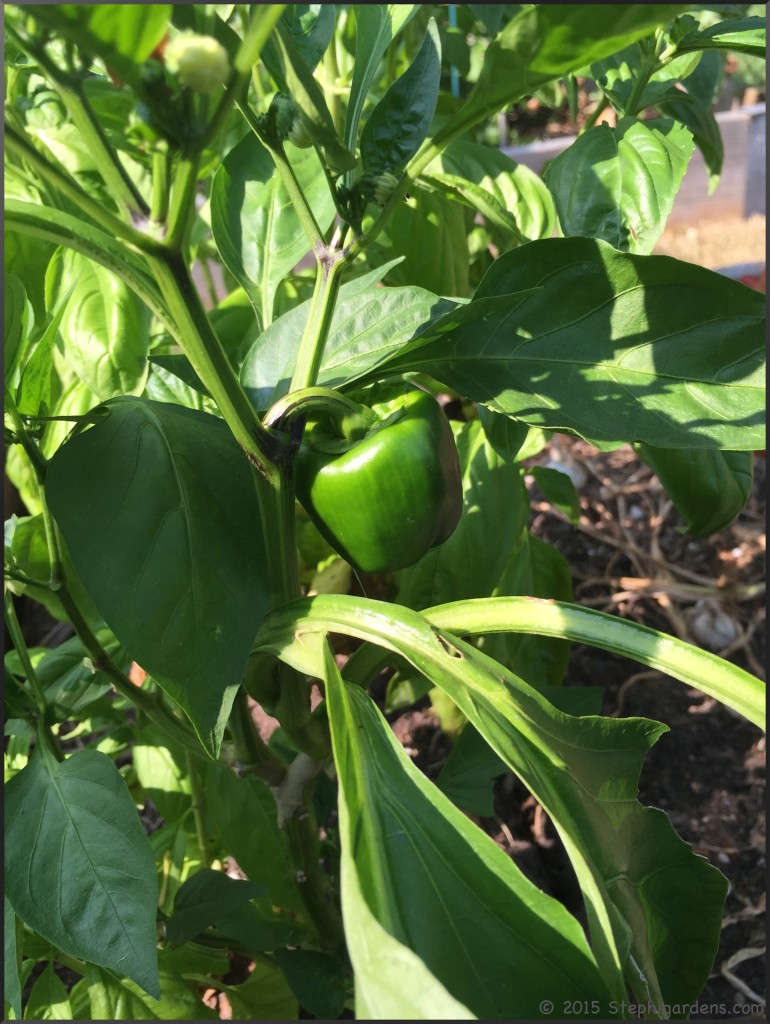
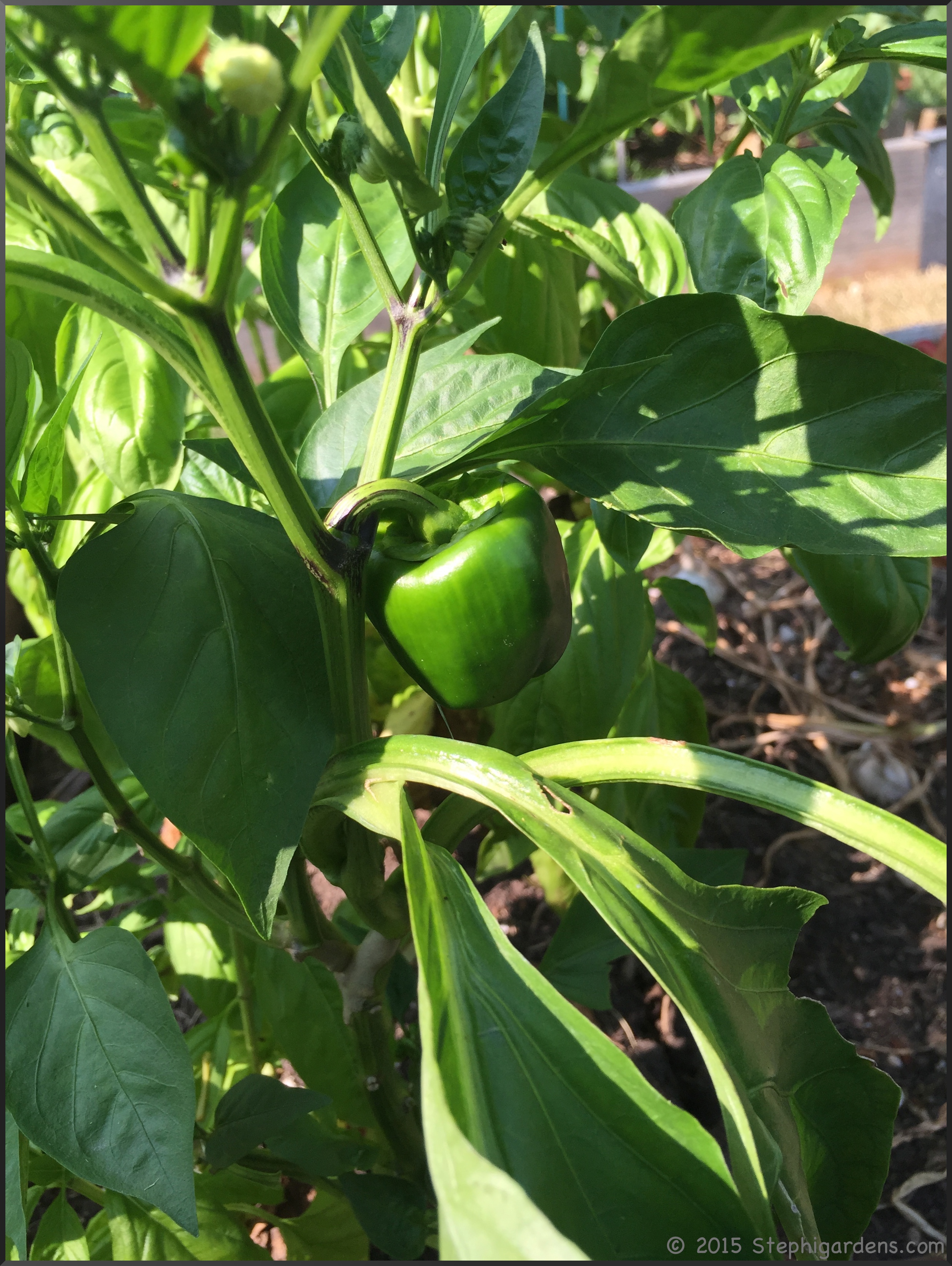
I got a lot more green peppers and Mariachi hot peppers as the summer went on.  Unfortunately, Daisy was not at all dissuaded by munching on the hot peppers and continued to eat almost all this year’s pepper harvest (Little White Pepper Thief).

green pepper

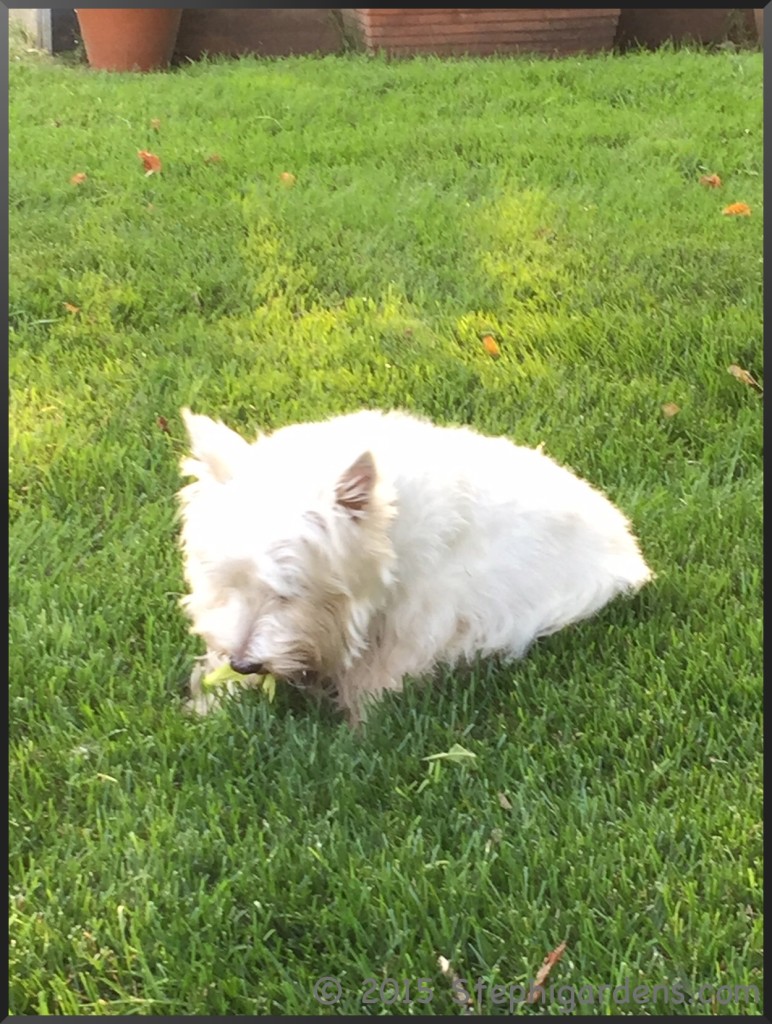
Surveying the garden for her latest snack…

Westie

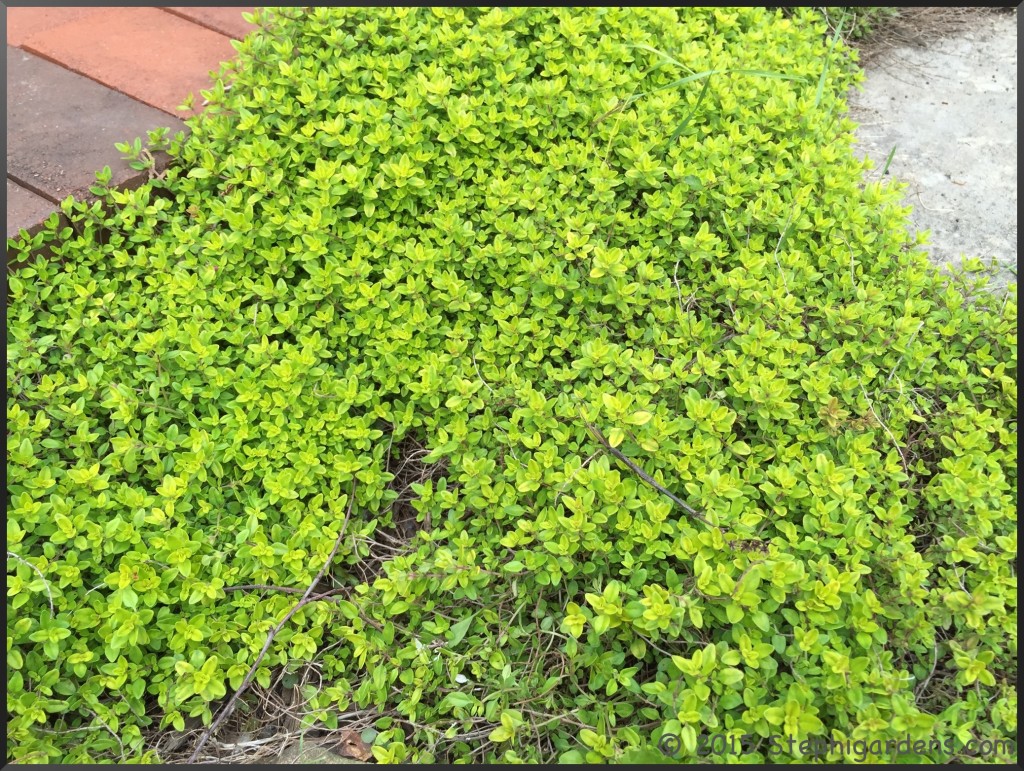
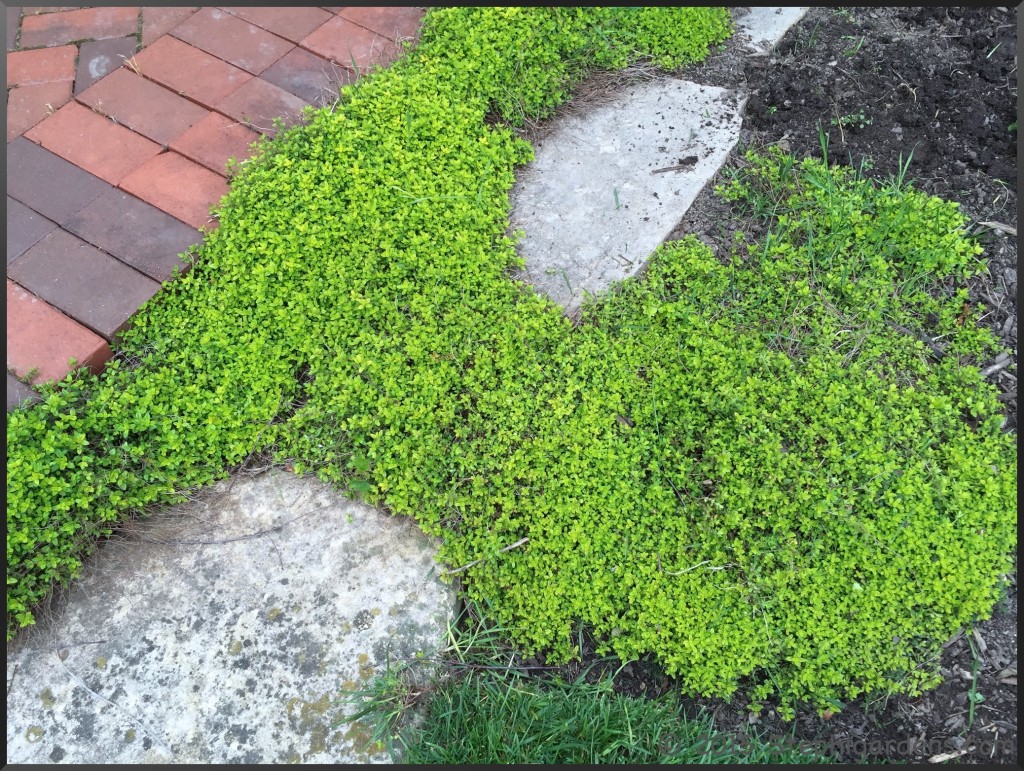
A couple of years ago this patch of creeping thyme was a disaster.  I wrote about it in my earlier post, Creeping Thyme Problems.  I was skeptical that the severe pruning was going to help, but it has.  It looks gorgeous and lush, and smells awesome when I walk on it to get to the garden hose.  So if in doubt, cut away, it’ll be better for it!

Creeping Thyme

Creeping Thyme

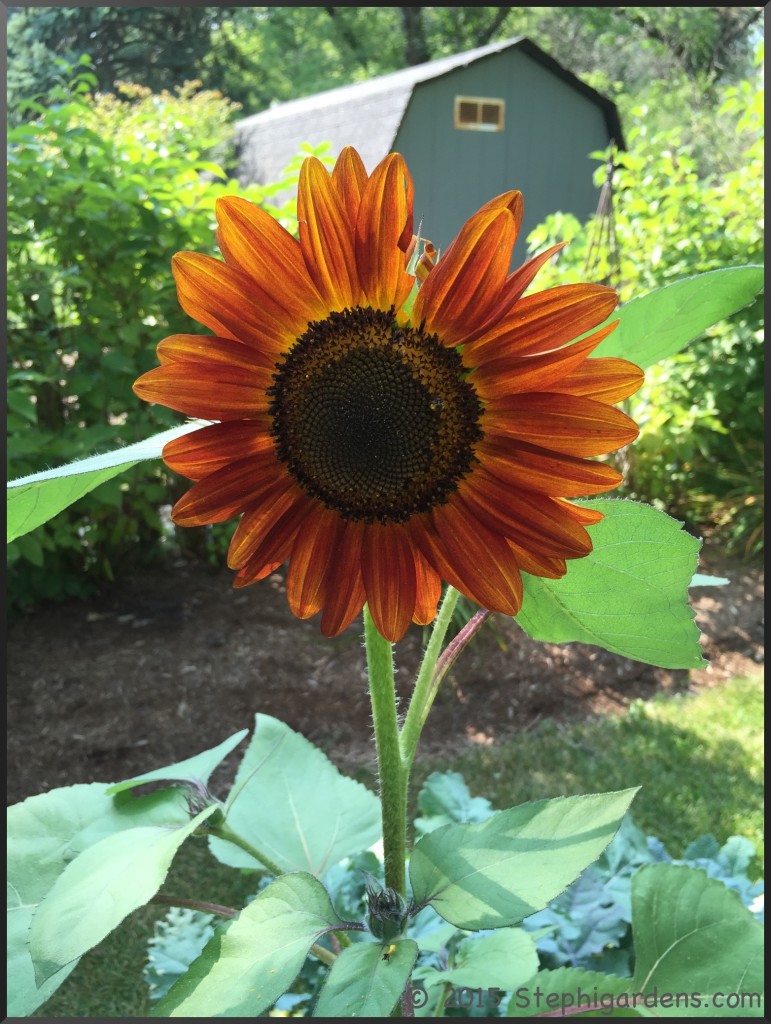
I didn’t get many sunflowers this year thanks to the bunnies.  But I did get this one, beautiful Evening Sun Sunflower.  Made me smile.

Evening Sun sunflower

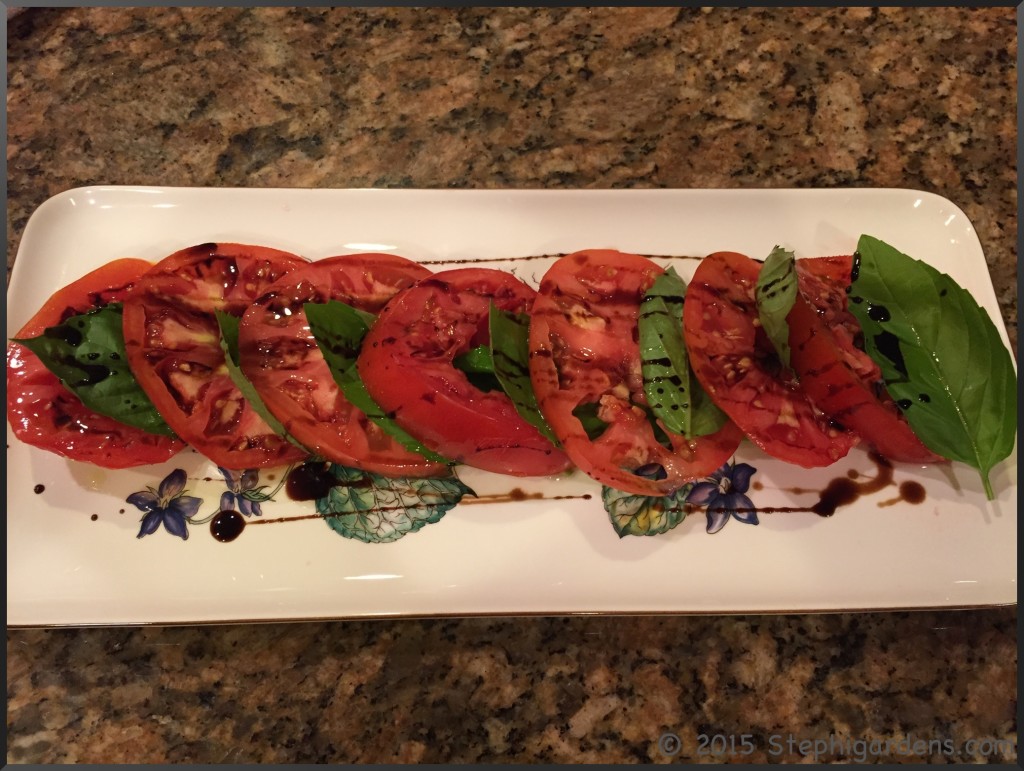
Thankfully Daisy doesn’t seem have found the tomatoes or basil. I don’t ever seem to tire of fresh tomato salads.

tomato basil salad

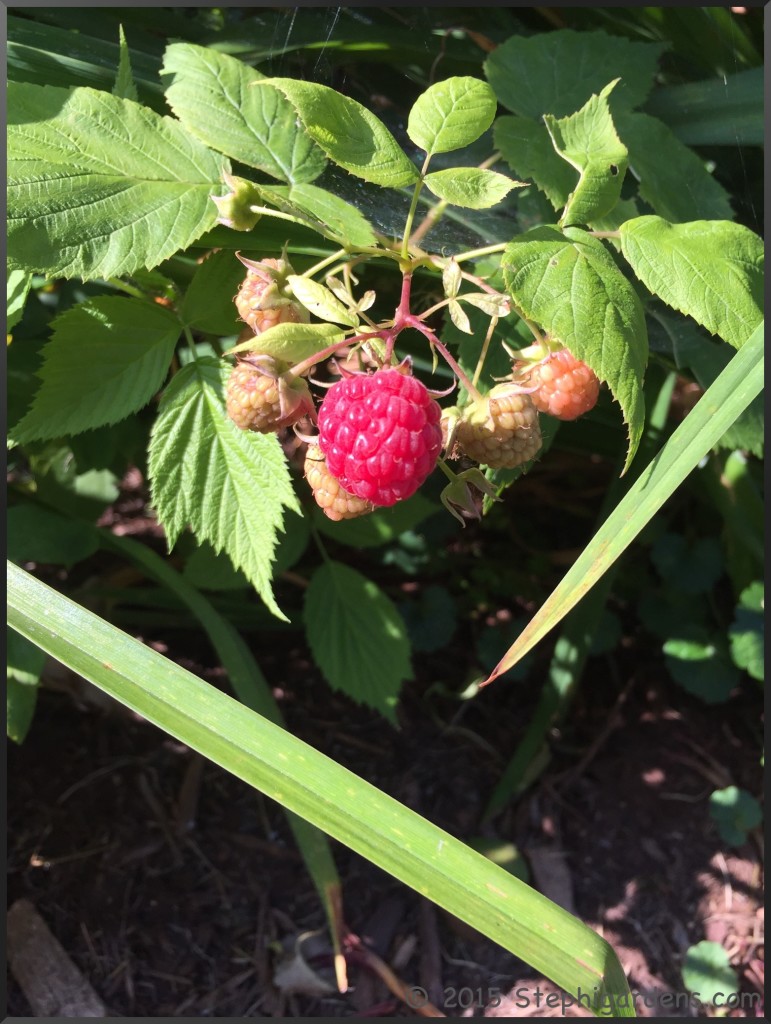
The raspberries I planted in the spring flourished over the summer.  I even got a few tasty raspberries in the late summer.  Looking forward to having the plants mature and getting lots of berries.   What did I plant?  See my previous post “My Raspberries and Strawberry Plants Are Here!”

raspberries

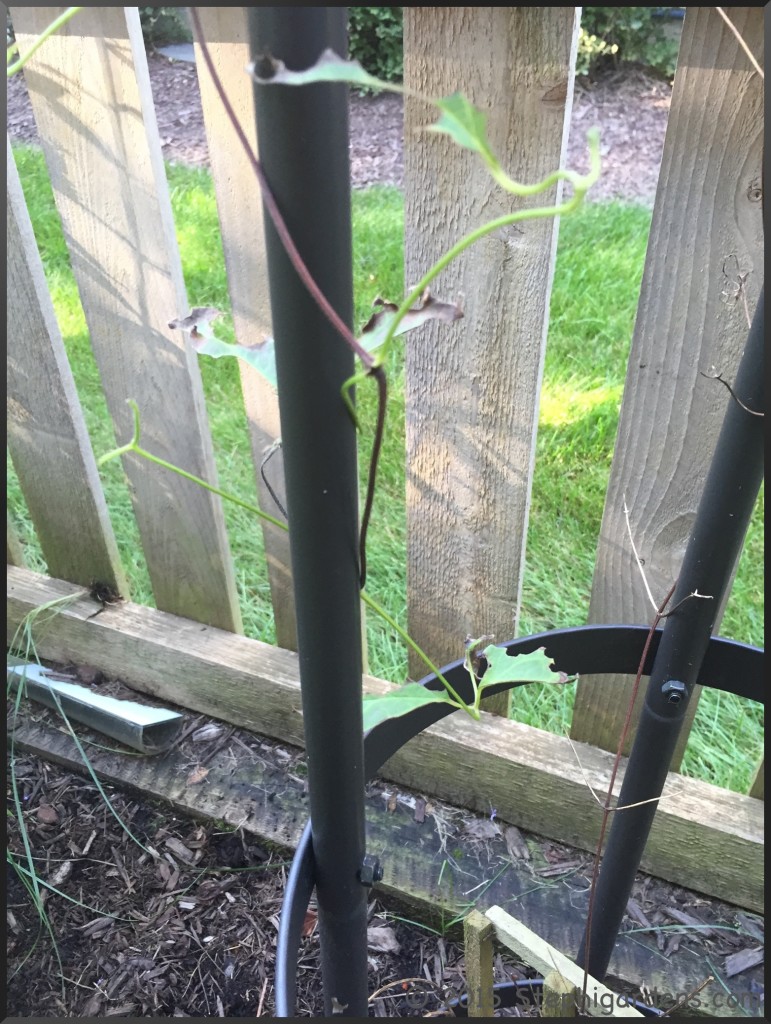
Two of my clematis plants got a terrible case of Clematis Stem Wilt earlier this spring (What’s Wrong With the Clematis and Clematis Stem Wilt).  I was hopeful that the plants would survive and I think they did.  Both plants put up a couple of new, healthy looking stems that looked good until the last few days when something has decided to munch on the leaves.  We’ll see in the spring how they look.  At least there’s hope.

clematis

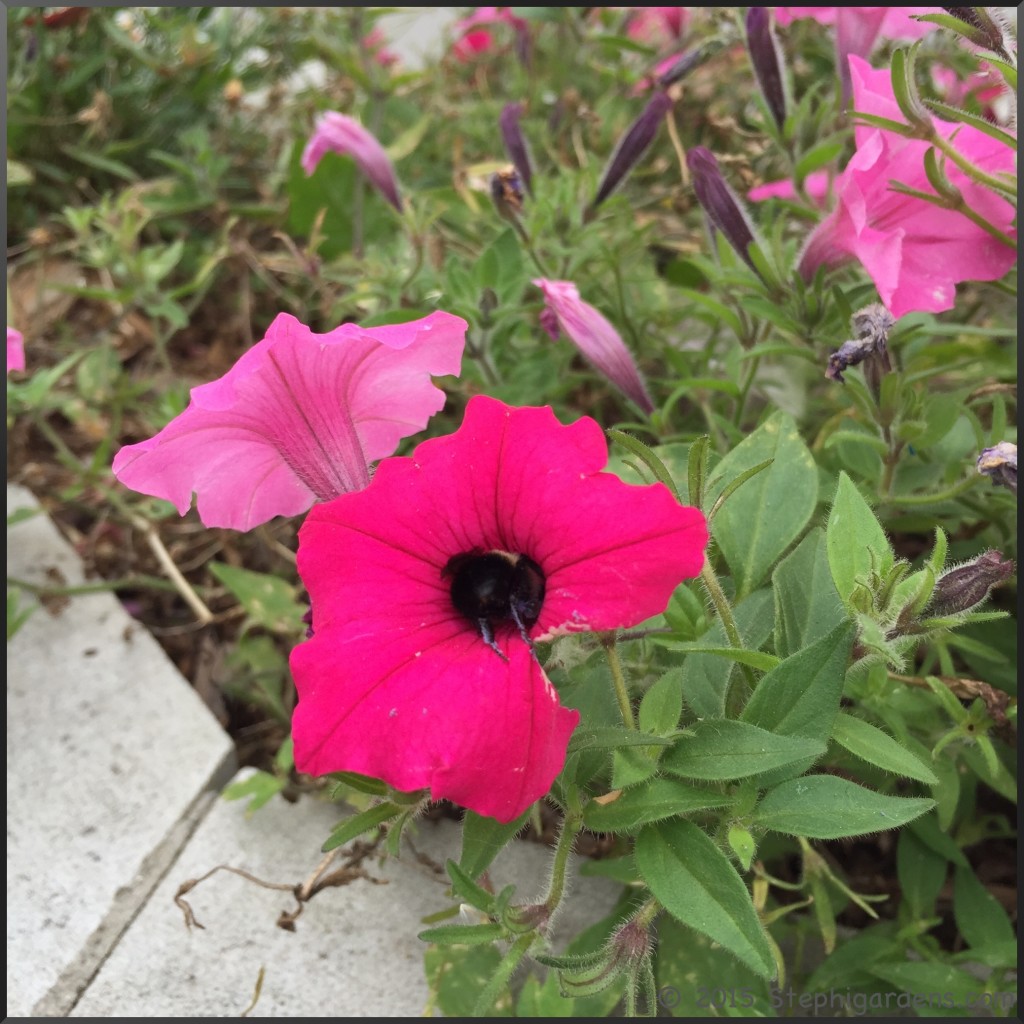
The petunias were home to lots of pollinators.  This bumblebee was fun to watch as he dove deep into each flower.  He seemed to really prefer the dark pink over light pink.  While I have no decent pictures, I had hummingbirds also visit my yard late this summer.  I don’t always get them, so it has been a treat the last few weeks to have them visit.

petunia

How was your garden this year?

(BTW Go Hokies! Go Blue!)

Little White Pepper Thief

Now that I had replanted my peppers after a “failure to thrive” issue (Not a Great Year for Sweet Peppers), I was all set to harvest bushels of sweet green and red peppers.

Green pepper

But the new plants just didn’t seem to be putting out many peppers.  I thought I saw peppers growing, but then they’d be gone.  It wasn’t the rabbits, none of the leaves were ever touched.  It was very puzzling.

Until we were out barbequing one night, and  Daisy went exploring around the yard like she always does.

westie

Westie

Westie

Right in front of us, she went over to the garden and popped a pepper right off the plant, laid down and munched happily away!

westie

Now I have to add dogs to the list of garden pests!

westie

Summer Sunday Visit to the Chicago Botanic Garden

This past weekend, we had the pleasure of having my husband’s cousin visit from Australia.  In trying to decide what to do, we tossed around heading downtown (hmm, Lollapalooza weekend), heading to Brookfield Zoo, Morton Arboretum or maybe even up north to the Chicago Botanic Gardens.  Much to my surprise, it turns out he’s quite the garden fan himself, so off we all went to the Botanic Gardens.

It’s been quite a while since we had been to the CBG, so I wasn’t quite sure what to expect.  I was more than pleasantly surprised and it was well worth the drive!  I loved seeing the different gardens, plant grouping ideas and especially seeing it through Australian eyes.  We spent the day comparing growing notes and found many similarities, but of course lots of differences given the much warmer weather where he lives.

Here’s just a little bit of what we saw–

Chicago Botanical Gardens
Pretty sun garden. I’ve only used Lantana in pots and love the display as a planted annual. I’m trying to figure out how to grow my own from seeds or cuttings, but in zone 5 it doesn’t look very easy.
Chicago Botanical Gardens
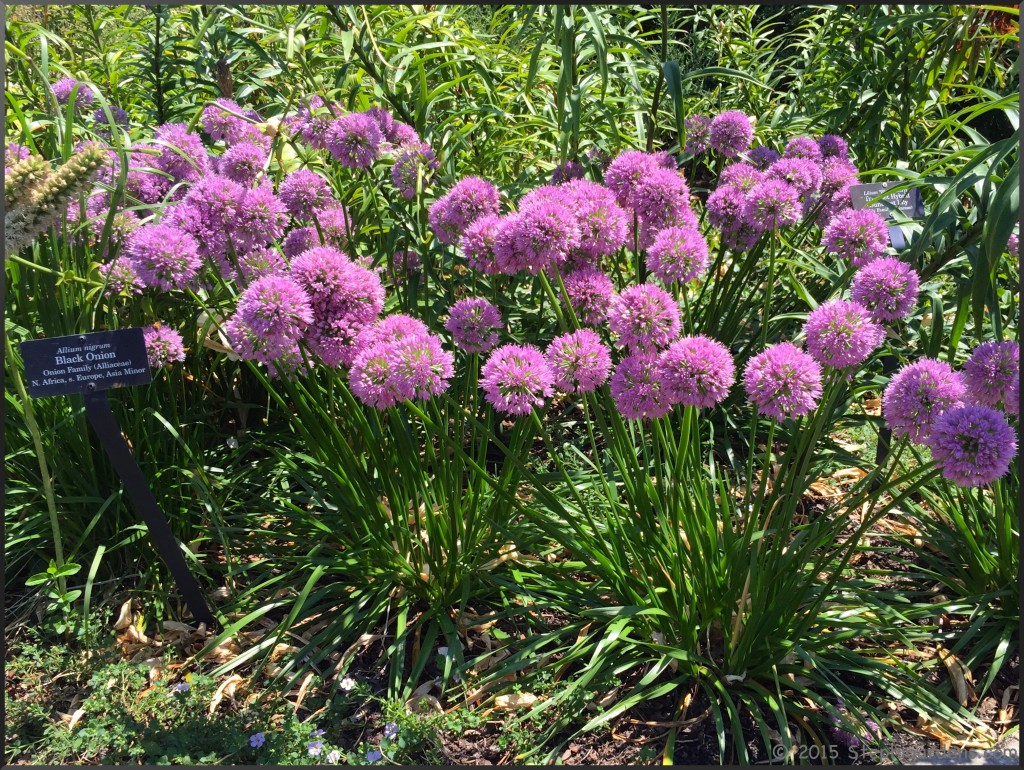
I think it’s time for some Allium in the spring and summer garden.  While this is labelled Allium nigrum, according to CBG’s “What’s In Bloom 8/1/15” this would be the summer blooming Allium “Millennium”.
Chicago Botanical Gardens
This is a beautiful Physic Garden, a garden filled with plants of medicinal value. Reminds me of my first science fair project, a research project on the medicinal value of local native plants. I got second place to a model of an eye.
Chicago Botanical Gardens
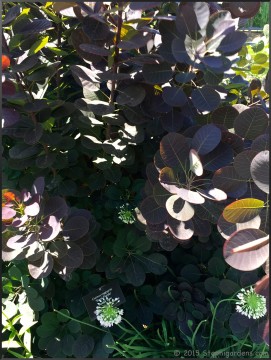
Smoke Tree (Cotinus coggygria “Royal Purple”). I need to find someplace for this interesting shrub/small tree. Seems to be manageable with pruning, and the color and form are so interesting.

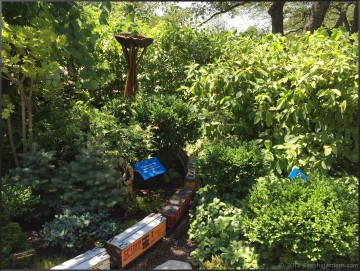
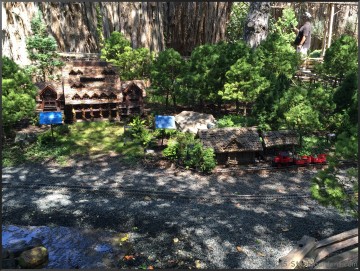
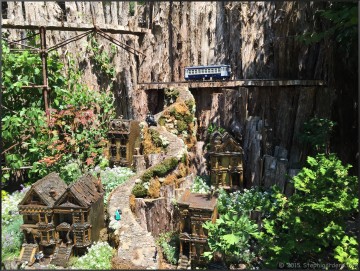
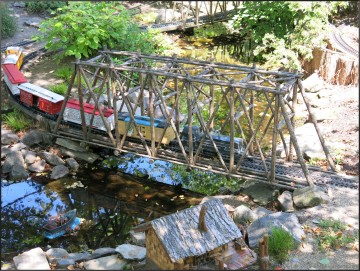
We went through the model railroad exhibit.  It was a fun trip across the country, with all the models (except the trains) made from nature. 
Chicago Botanical Gardens

Chicago Botanical Gardens

Chicago Botanical Gardens

Chicago Botanical Gardens

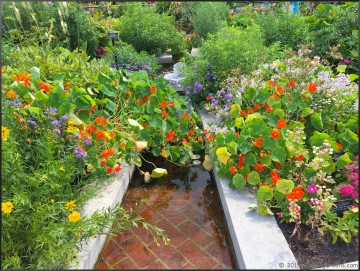
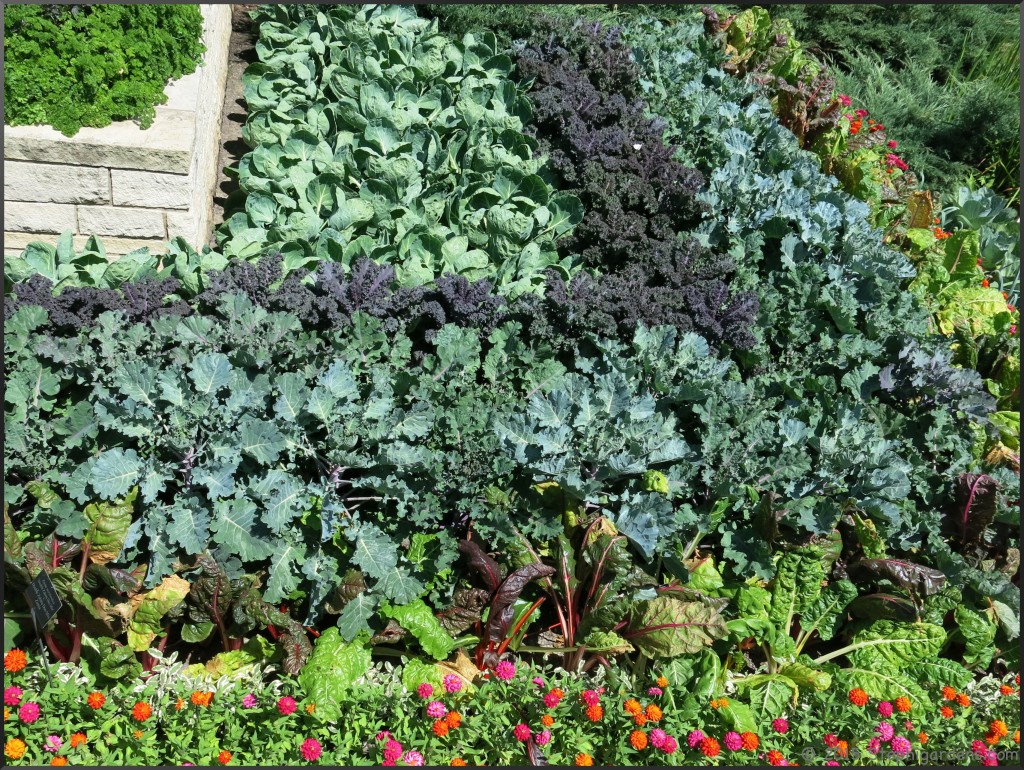
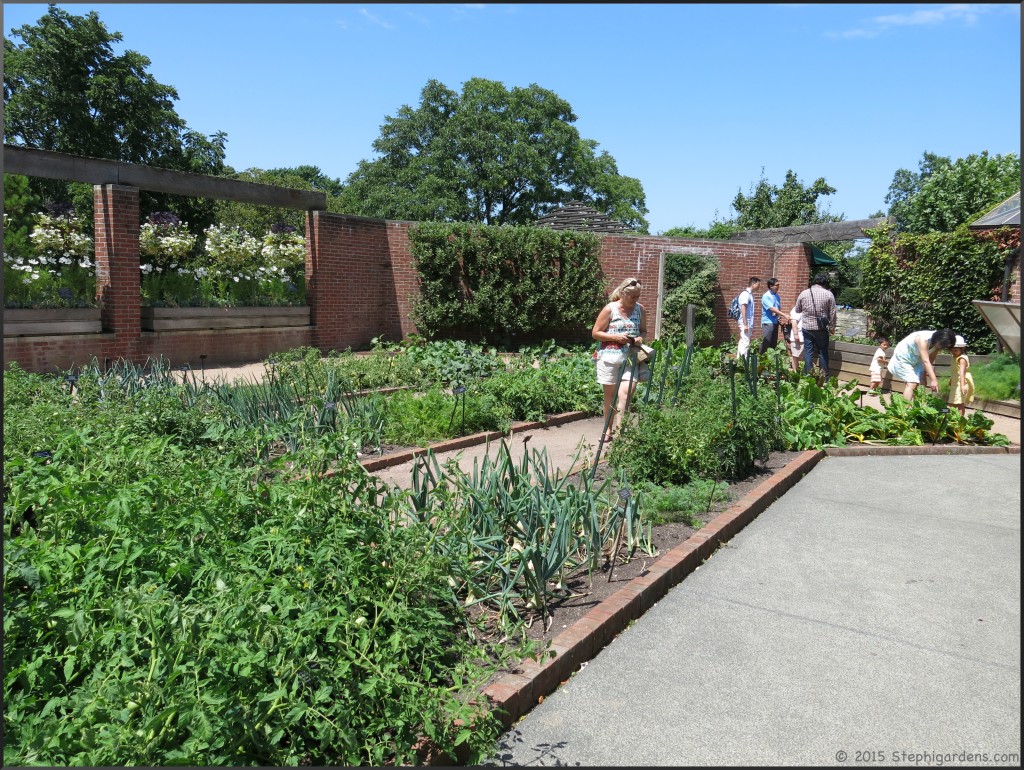
Then came the vegetable gardens…

Chicago Botanical Gardens
Looks more like a decorative border, than an edible border.
Chicago Botanical Gardens
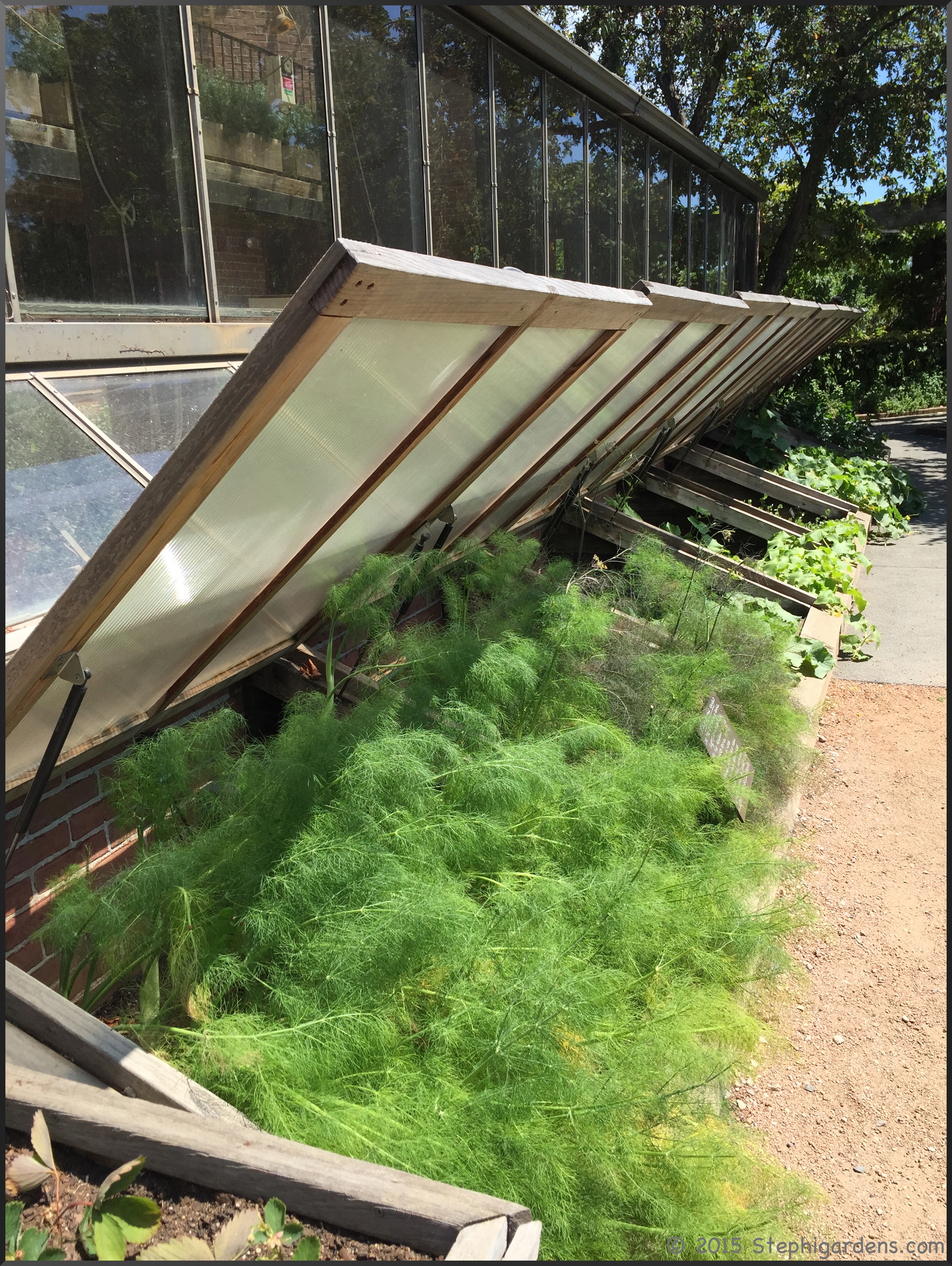
I’ve toyed with the idea of building cold frames over my raised beds to extend the season. These were filled with fennel, which apparently are not friendly garden inhabitants. Most other plants will not grow well next to them, and if grown near dill will cross pollinate and will alter the flavor of both.
Chicago Botanical Gardens
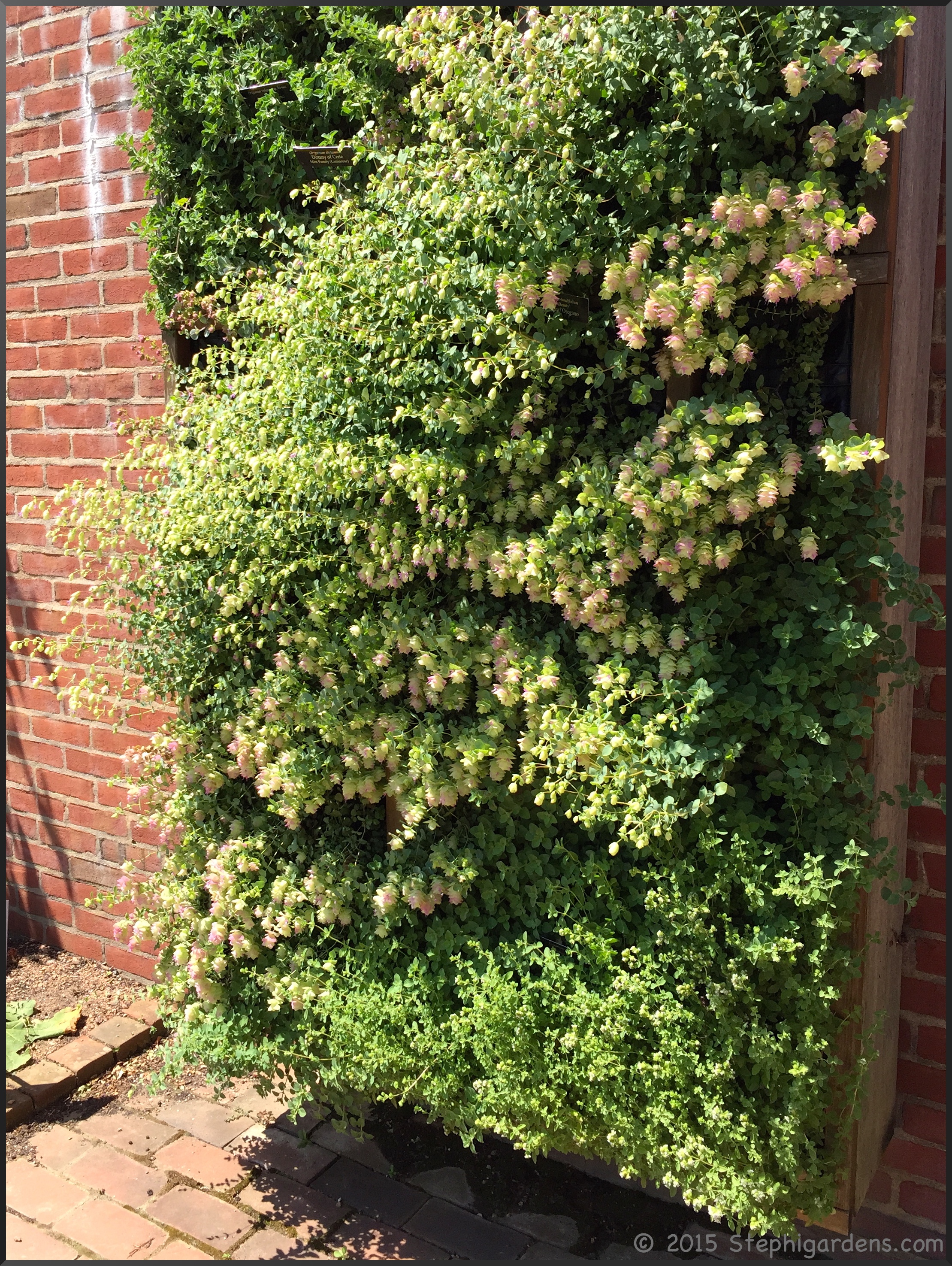
A great example of a vertical garden.
Chicago Botanical Gardens
Tomatoes and onions. Their tomatoes look about as messy as mine.
Chicago Botanical Garden
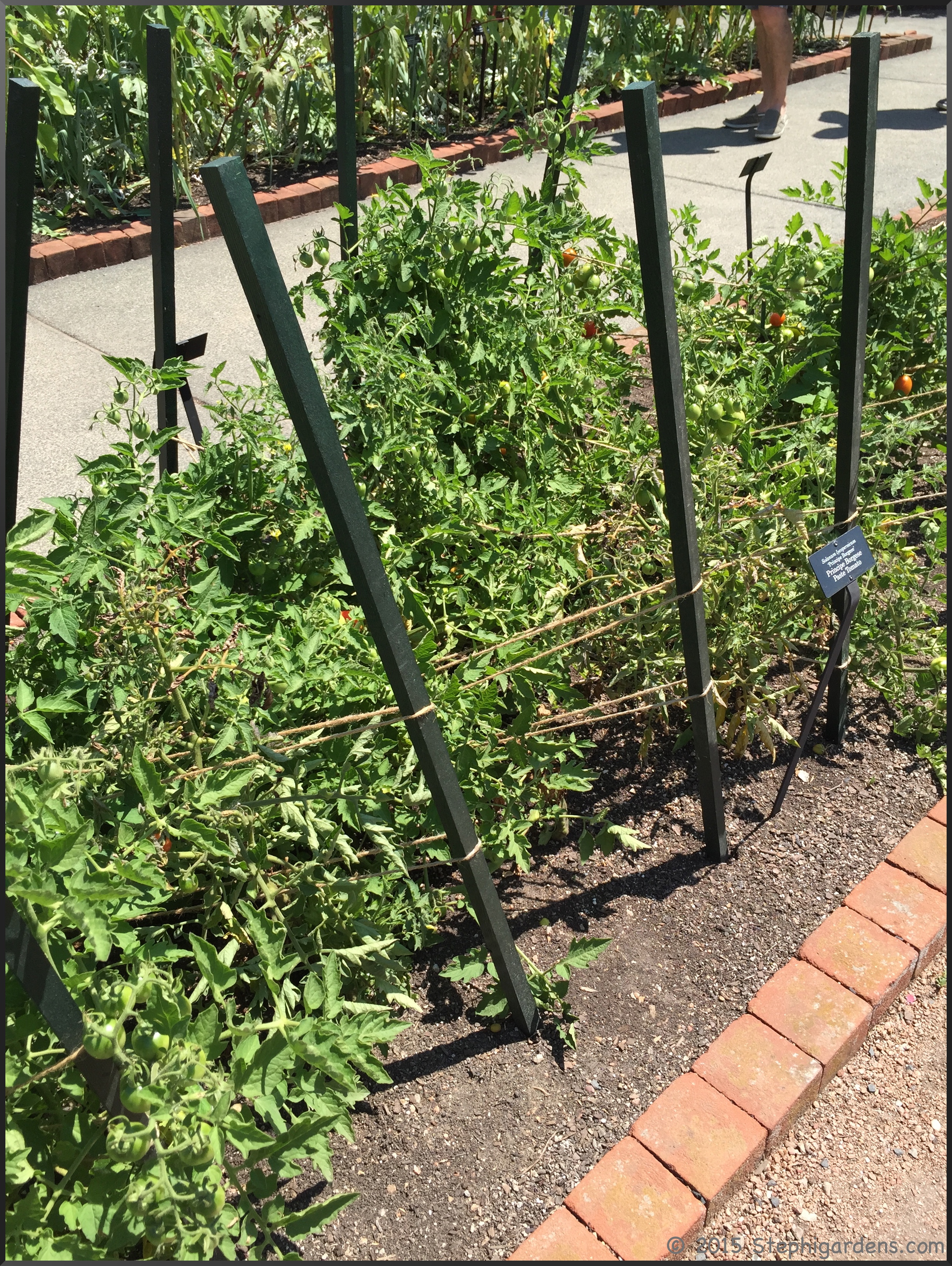
I’m always looking for new ways to trellis and contain my tomatoes. I like the zig-zag idea for a narrow garden space. Seems pretty easy to handle the twine.

Then the storms moved in and we couldn’t go in the butterfly house.  Got a rain-check so we’ll be back!

Chicago Botanical Gardens

Have you been to a local botanical garden lately?  Where is your favorite?

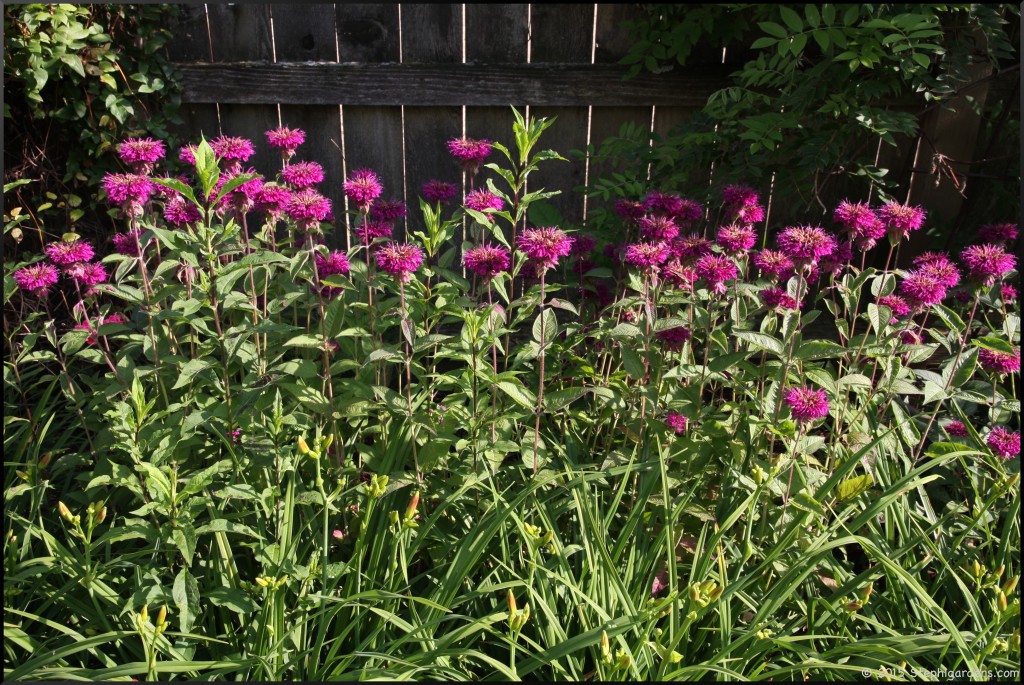
The Bee Balm Is Very Happy

Sometimes you just pick the wrong place to plant a plant.  That happened to me with a bright red Bee Balm (Monarda variety unknown). As I wrote about before (Time For the Yarrow To Go), this particular Bee Balm had been planted underneath a newly planted River Birch which is now almost 20 years old.  As you might expect, in the intervening years it has plunged everything underneath into mostly shade, rather than the dappled light shade when it was newly planted.

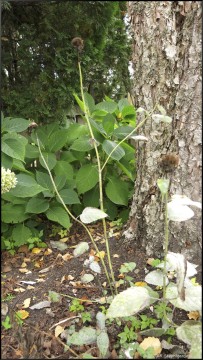
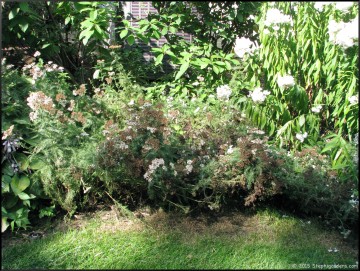
For many years I just ignored the Bee Balm since it didn’t really bother me; it was just another scraggly plant that bloomed well enough.  It did tend to get powdery mildew which was unsightly and probably unhealthy for it.  (But, looking at the pictures, it really should have bothered me long before it did.)

Red Bee Balm

A couple of years ago, around the same time that the Bee Balm was actually starting to bother me, I also felt it was time for the very messy yarrow to go.  It was taking up one the best full sun spots in the yard and was not performing well in it.

yarrow

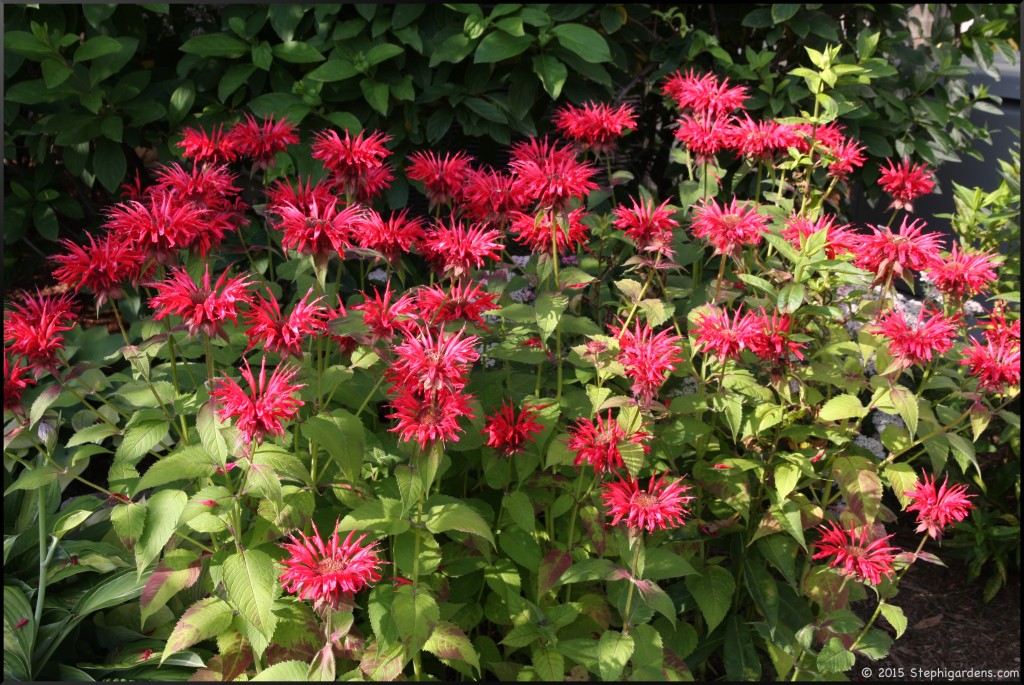
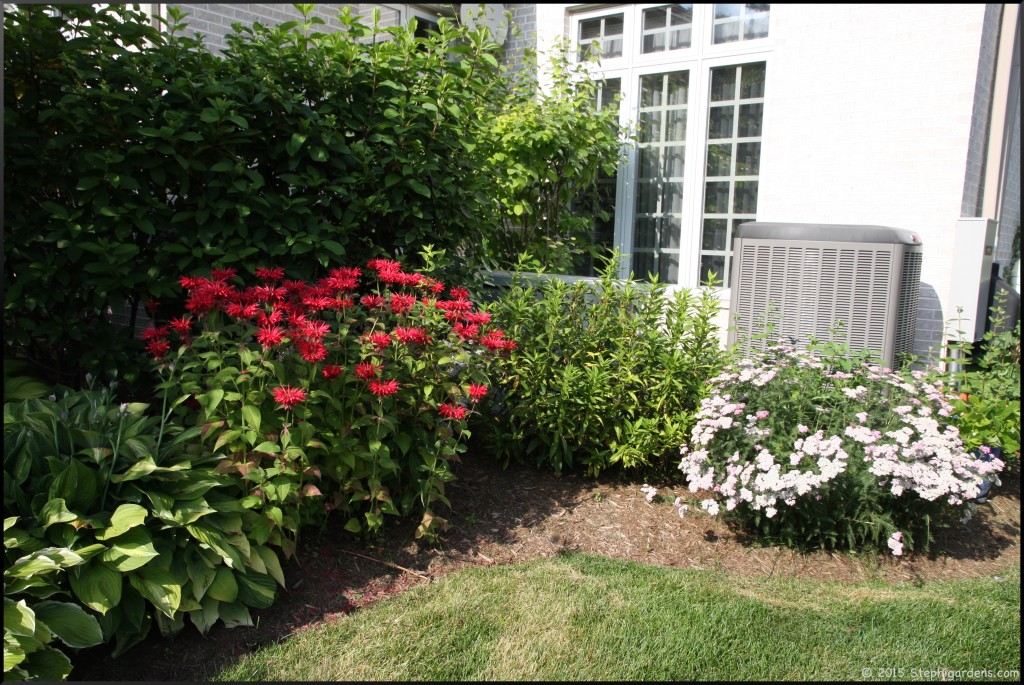
So out came the yarrow and in went the Bee Balm.  Now, two years later the Bee Balm is blooming spectacularly!

IMG_0105

It looks so much better in this spot in the yard, and even the small patch of yarrow that snuck back looks good.  The butterflies and bees are quite happy, too.

yarrow

Finally all the Bee Balm around my yard is happy!

Monarda Purple Rooster

Not a Great Year For Sweet Peppers

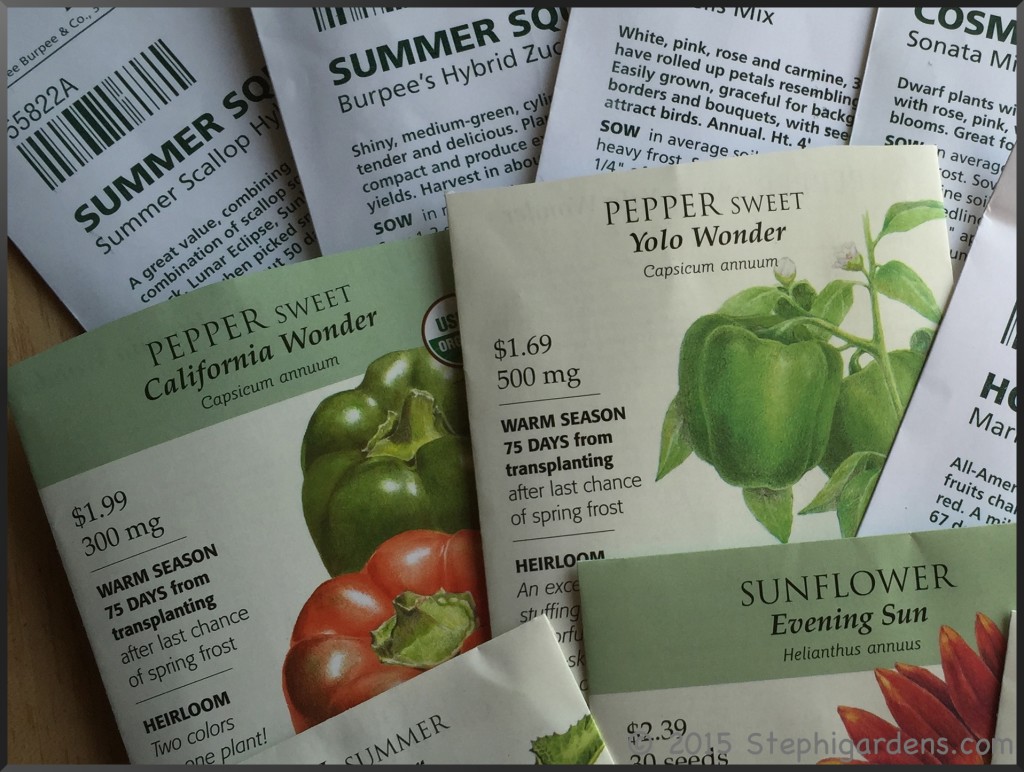
I had a great experience with YOLO Wonder and California Wonder sweet peppers last year after buying them as nice healthy plants at the Morton Arboretum Plant Sale.  The plants produced tons of delicious peppers.  Since I knew I was going to miss the plant sale this year because I was out of town, I decided to grow my own.  

green peppers

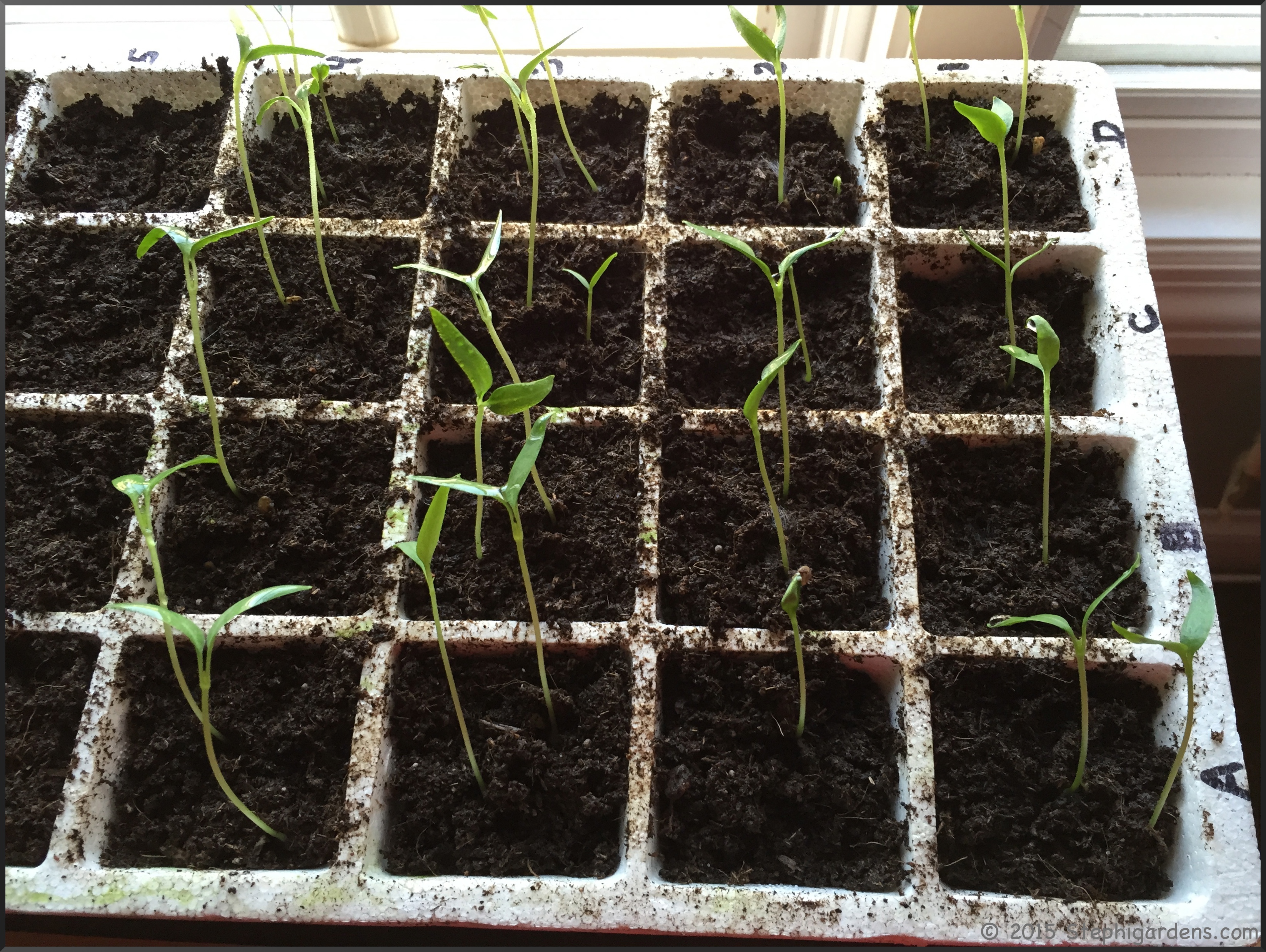
I started them indoors about 2-4 weeks later than I should have. I didn’t think that would be a big deal, but I was wrong. Especially this year.

green peppers

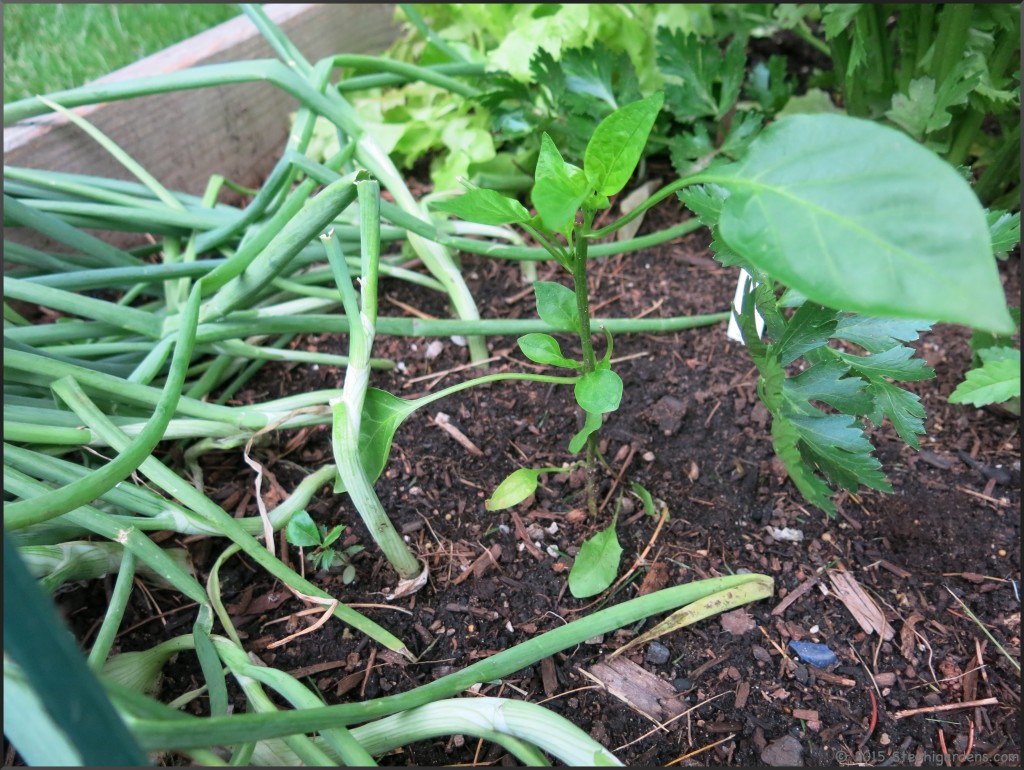
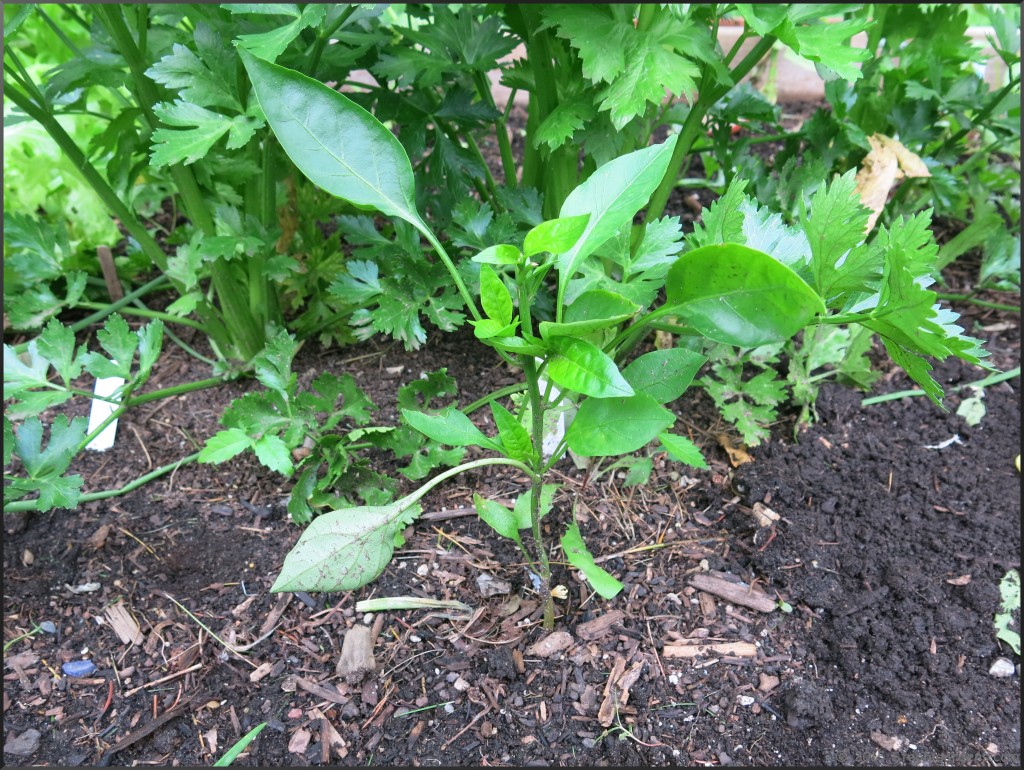
I transplanted them in late May, and this is what they looked like in late June.  June was an especially cool and rainy month, so combined with the late seed starting, there is no way I’m going to get any peppers from these plants.

green peppers

green peppers

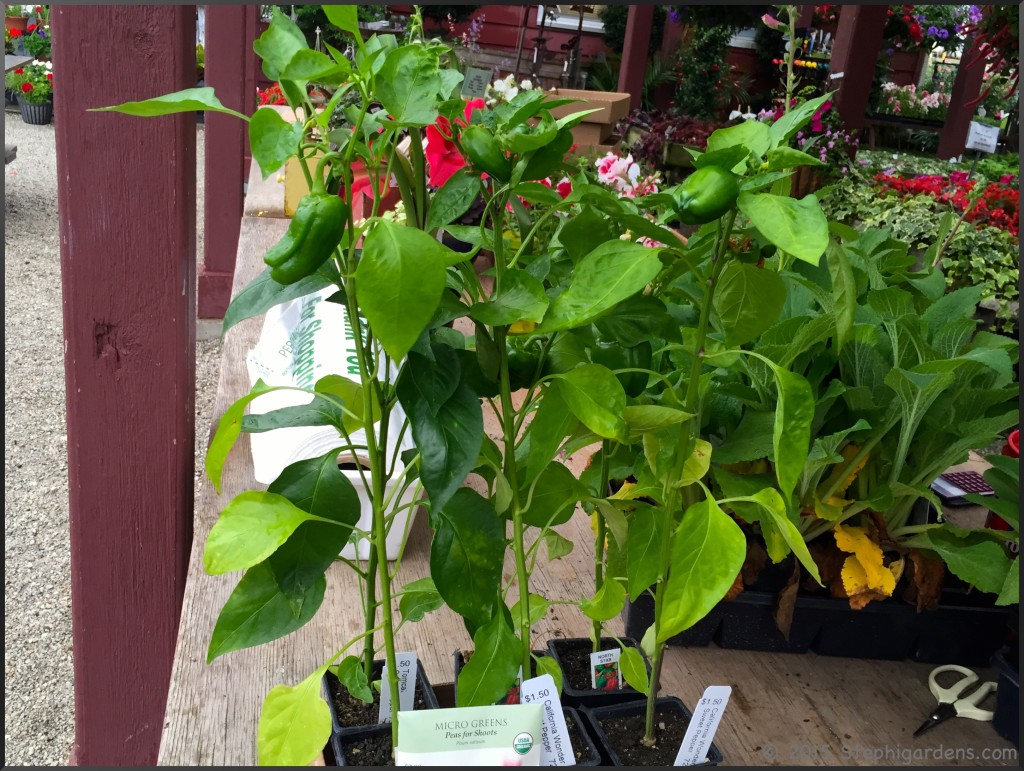
So what to do?  I could wait and see what happens, but it really doesn’t look promising.  Instead I called my local family run nursery to see if they had any pepper plants left.  Bingo!  They did and even still had lots of interesting kinds.  Look at these great plants, peppers already set, ready to go.  I picked up North Star, California Wonder, Tomcat and Big Bertha varieties.

green peppers

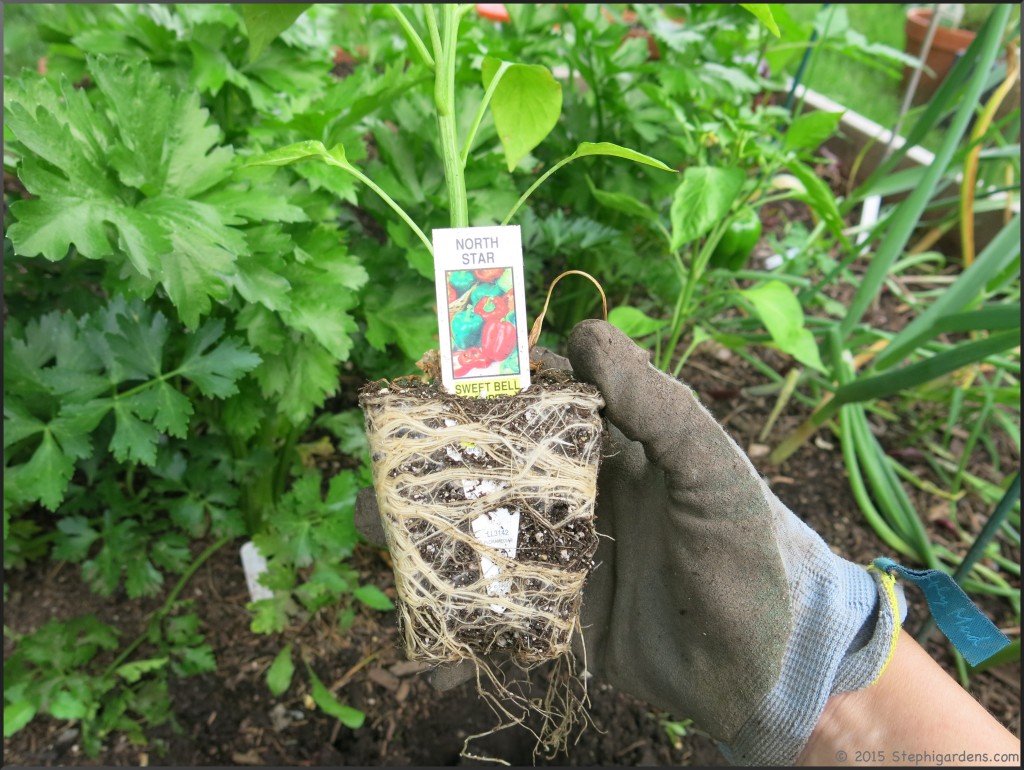
They were a little root bound, but that is to be expected buying them this late.  I just rubbed open the roots on the bottom and they’ll be fine.

green peppers

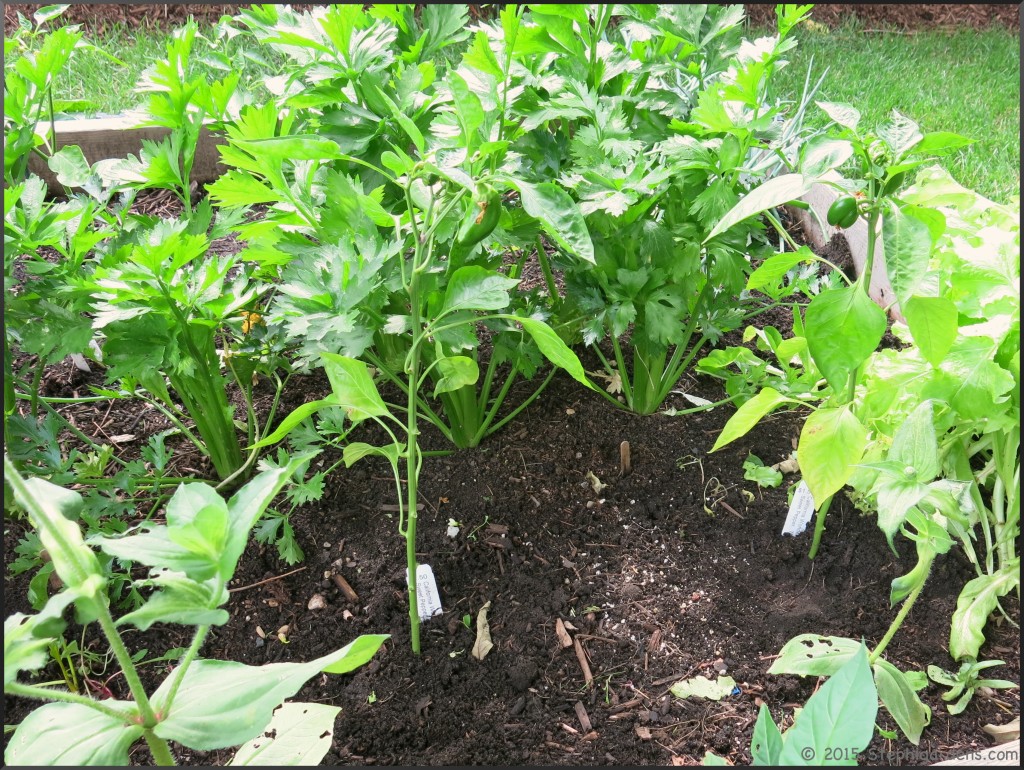
So much better and already mid-July and I have peppers (and some great looking celery).

green peppers

Sometimes in the garden you just need to cut your losses.  Next year, the pepper seeds are going in on time.  Or maybe I’ll just leave growing peppers to my friends at the nursery and stick to growing the things they don’t carry myself.