Happy New Year!
Its always fun the end of the years to see what was the most interesting posts to my readers. Sometime it’s posts from previous years, sometimes this year. Here’s the top 10 most viewed posts in 2018:



Casual Gardening and Living in the Suburbs
Happy New Year!
Its always fun the end of the years to see what was the most interesting posts to my readers. Sometime it’s posts from previous years, sometimes this year. Here’s the top 10 most viewed posts in 2018:
Now that the outdoor growing season has officially ended here in Chicago, I thought it was time to look back and see how things went.
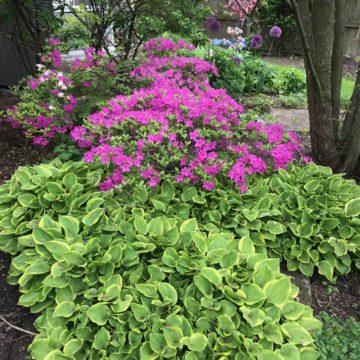
It was definitely a mixed year weather-wise, but for the most part everything looked pretty good all summer. Except for the weed infestation that took a while to get under control!
Here’s some highlights:
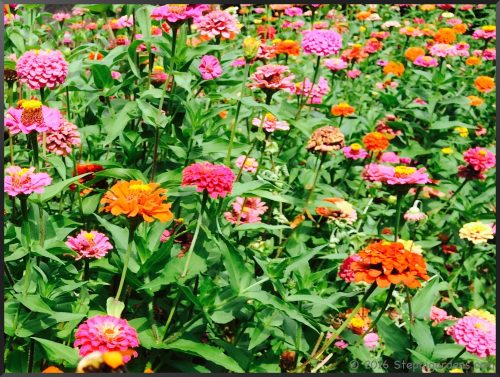
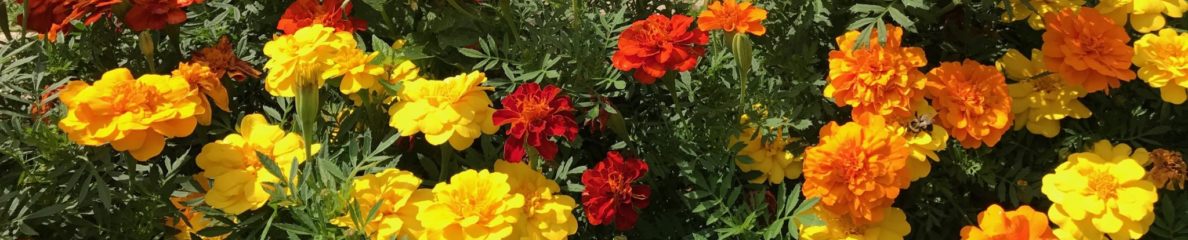
I was excited to get my zinnia and marigold beds laid down from seeds that I had collected from last years’ flower beds.
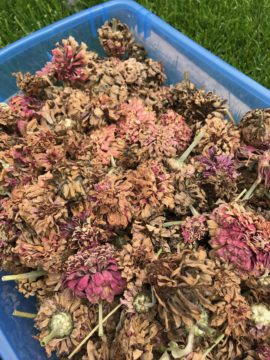
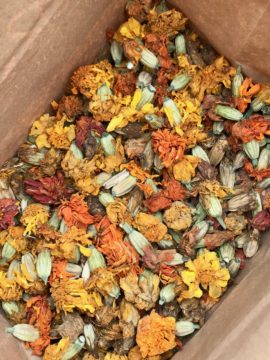
I waited for the soil to warm up enough, prepared the beds, separated out the seeds and spread them out over the soil, then watered. The seedlings were about 3 inches when disaster struck! Some wayward weed-wacking had pulverized them after mistaking the seedlings for weeds.
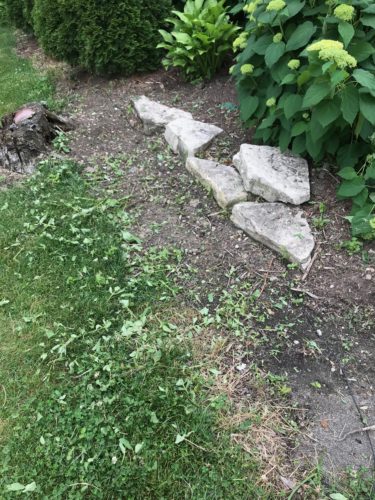
So back to ground zero, but it was now mid-June and everything was pushed back quite a bit. So, replanted what little seed I had left and added some new Burpee Cut and Come Again Zinnias and Burpee Boy O’Boy Marigold Mix. Much to my delight, I did end up with beautiful flower beds before too long.
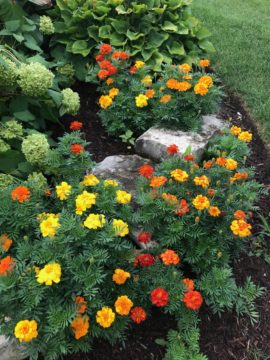
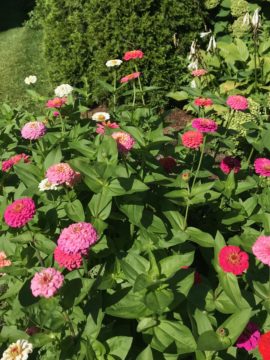
Like last year, I collected up all my seeds to keep for next spring. Check out my previous post, Cheerful and Bright Zinnias Bed, for an easy how-to to get dense flower beds like these.
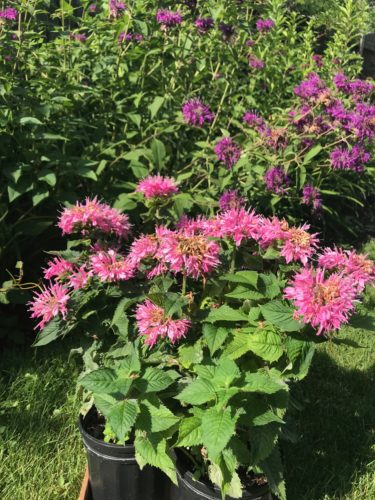
The Monarda added mid-summer festive colors and are always a favorite of the bees.
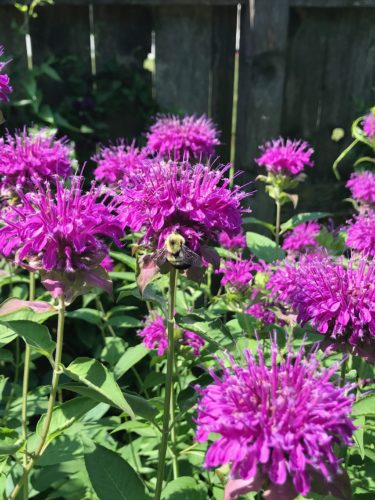
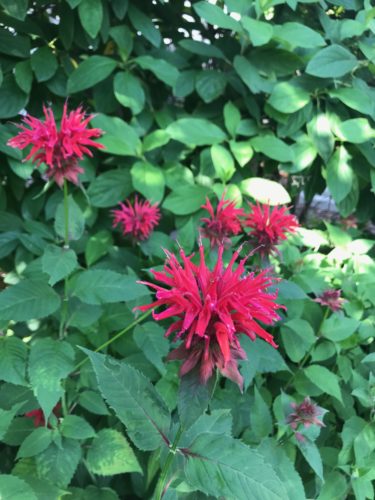
I’ve enjoyed the summer color from my current Monardas who have grown really well in their new locations (The Bee Balm is Very Happy). I added another variety this summer, Marje Pink Bee Balm (Monarda ‘Marje Pink’). Hopefully it grows as well as the other two have.
Other garden standbys did well this summer. Hostas, Daylilies, Phlox and the newly added Summer Beauty Allium (Allium Tanguticum ‘Summer Beauty’) added plenty of summer color
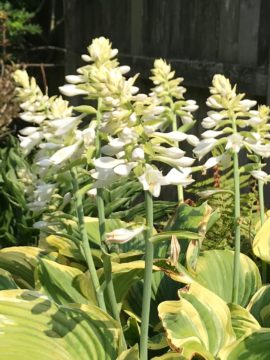
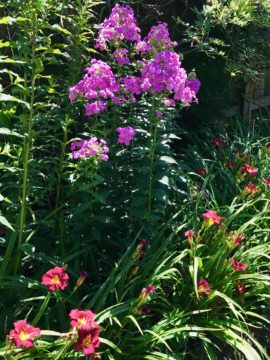
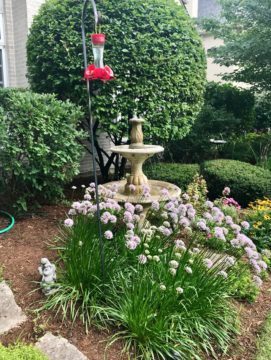
I moved some plants around and put some new ones in. We’ll see how they look in the spring!
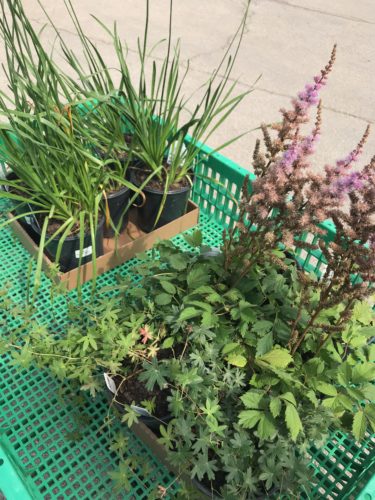
I replaced some scraggly looking daylilies next to the front walkway with the much neater Summer Beauty Allium (Allium Tanguticum ‘Summer Beauty’), and filled in some holes n the side and back gardens with Flames of Passion Avens (Geum ‘Flamers of Passion’), Max Frei Geranium (Geranium Sanguineum ‘Max Frei’), early summer blooming Pumila Astilbe (Astible Chinensis ‘Pumila’) and late summer blooming Visions Astilbe (Astible Chinensis ‘Visions’)
I also took out this Russian Sage that never looked quite right in the midst of the yews. I tried to transplant it, but I didn’t really like being moved mid-summer. We’ll see if it comes up anywhere. I’m sure there will be some stragglers to remove and try again to transplant in the spring.
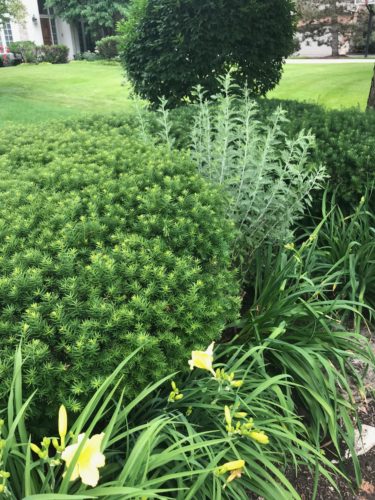
Overall pretty good year, but I’m excited to see what next spring will bring. Feel like it’s going to be a long winter…
Each year I head to the local garden store to pick out flowers for the planters. The results are rarely the same from year to year since I just pick what I like at that moment. Sometimes I might like yellows, other times maybe purples, sometimes more upright, others lots of vines. This year for the front stoop I was in apparently in a pink/purple mood.
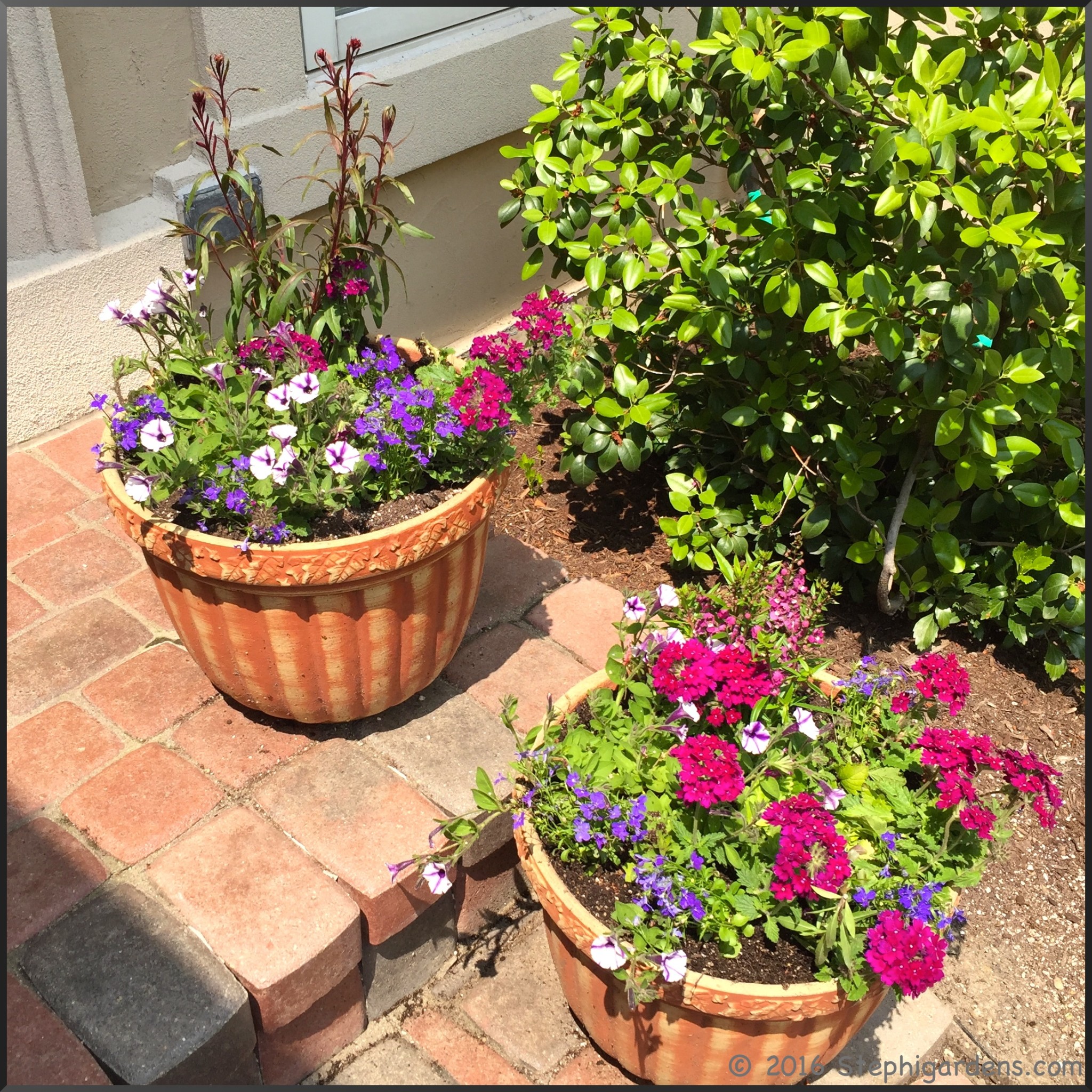
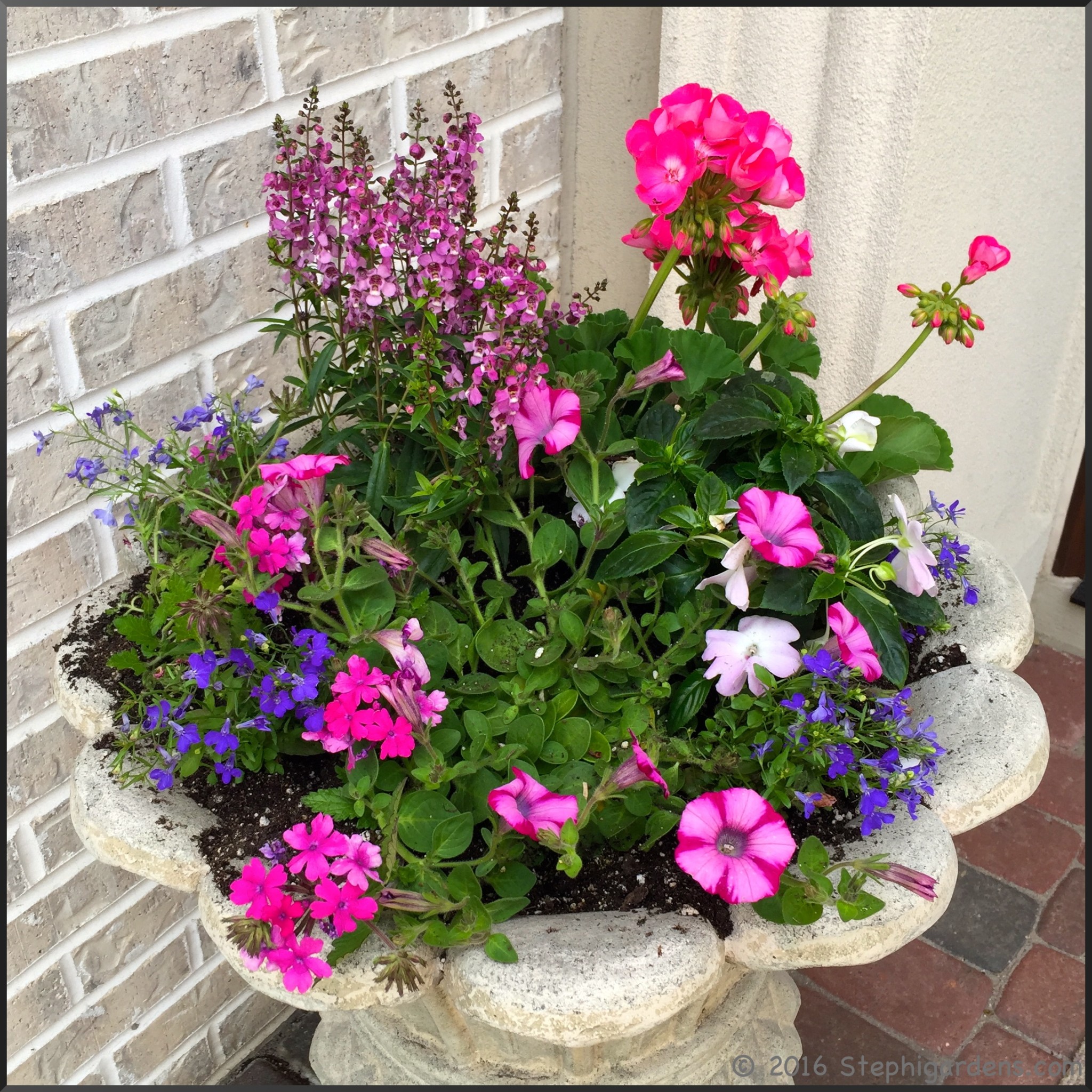
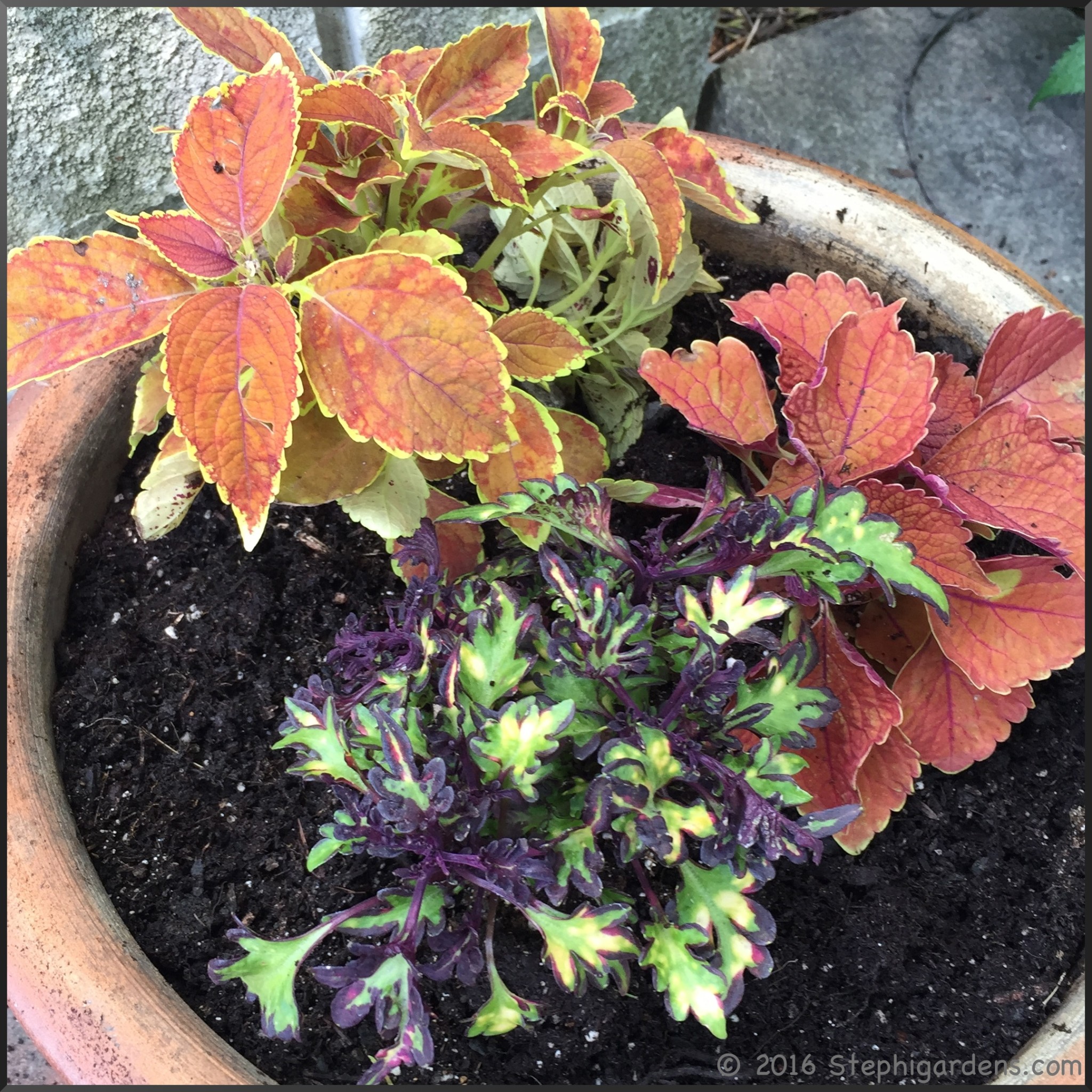
In the backyard, I am a creature of habit. In two shady planters near the grill, I always put in coleus. My local garden shop carries a great selection of coleus so every year I can mix and match.
The one lesson I learned through the years is check the height of the plants. They can range from a few inches to a couple of feet, so match accordingly. Otherwise that favorite may be completely dwarfed by its neighbor.

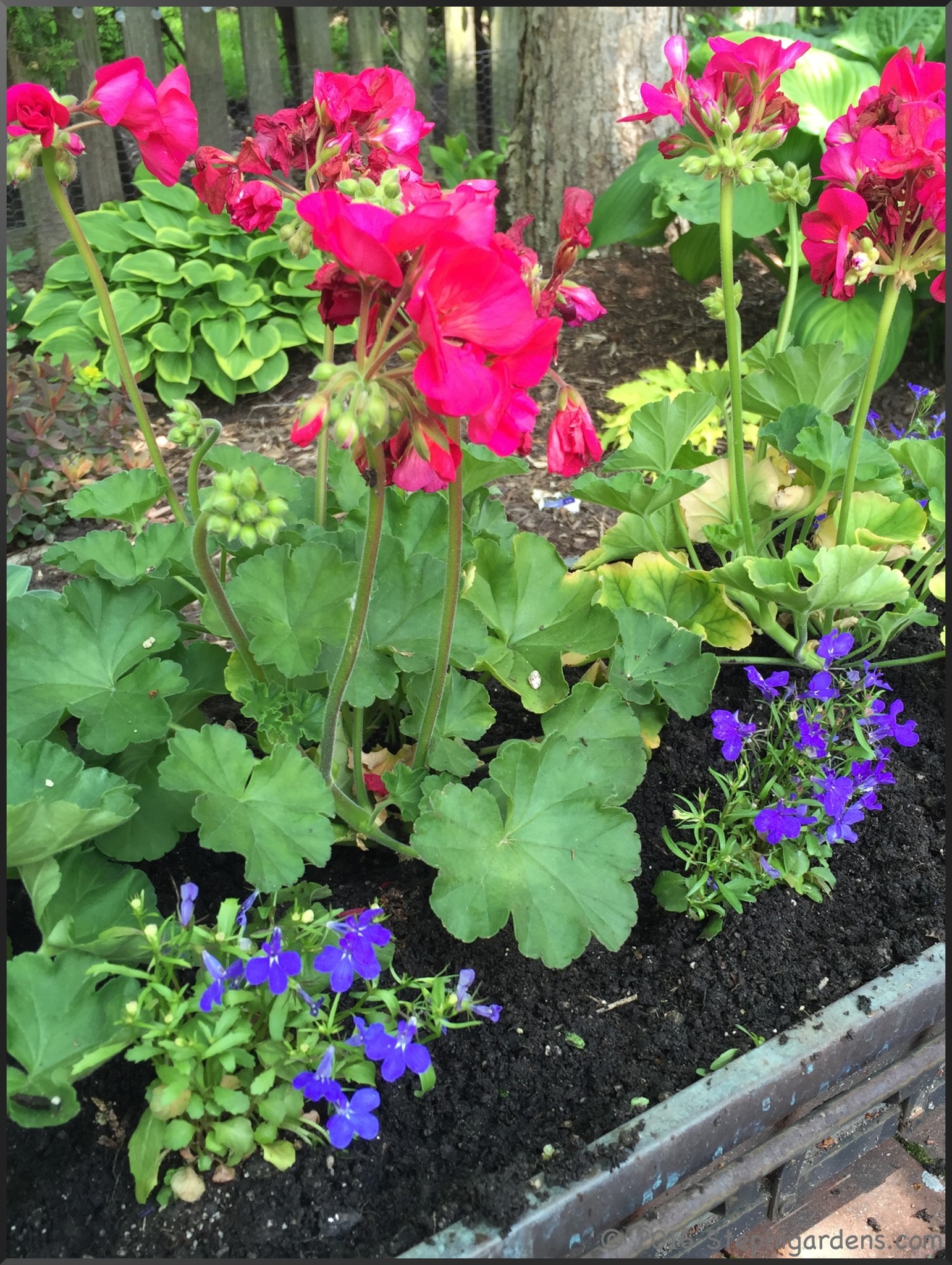
Then there’s two long planters in the backyard that always have geraniums and something low. Usually it’s petunias, but this year I switched it up and used an annual lobelia. I did notice in the first few hot days that they need a lot more water than the petunias. Need to stay on top of that! But they do look stunning next to the hot pink geraniums.
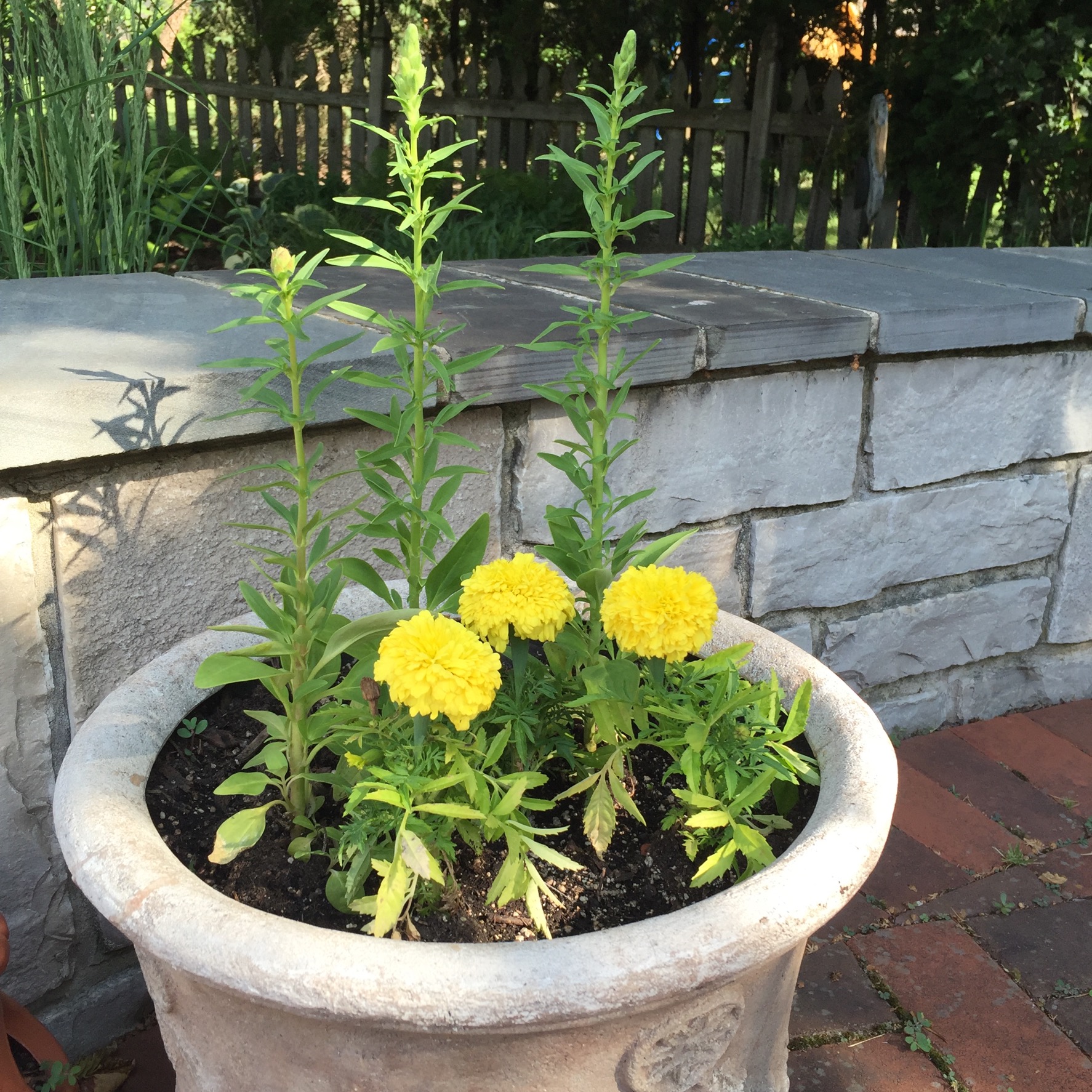
The last two planters have had a variety of things going on. I haven’t really decided what I like in them. As it came time to plant them this year, I realized I was missing marigolds in the garden. They’ve been a mainstay in my garden ever since my first garden in NJ. I miss how well they grew there, but as one of my favorites, I keep them somewhere in my yard. It’s definitely one of those love/hate plants for gardeners. This year they went in the planters with some snapdragons. The snapdragons aren’t blooming yet, but soon will be attracting the butterflies and hummingbirds.
These are all recently planted, so I’m hoping they’d ill in nicely through the summer. With enough water and some periodic fertilizer they should look great.
As comparison, here’s some what these planters looked like last year…

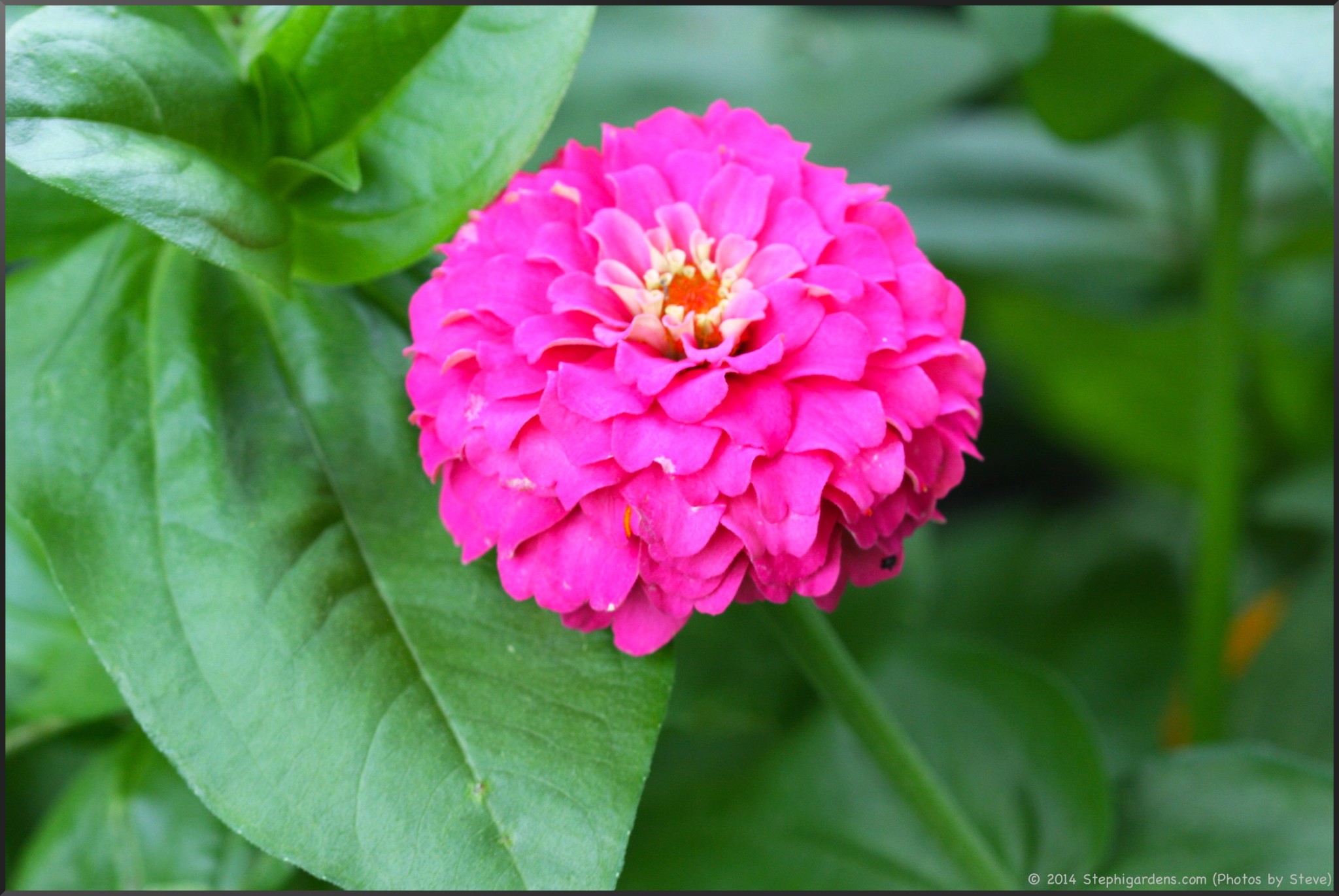
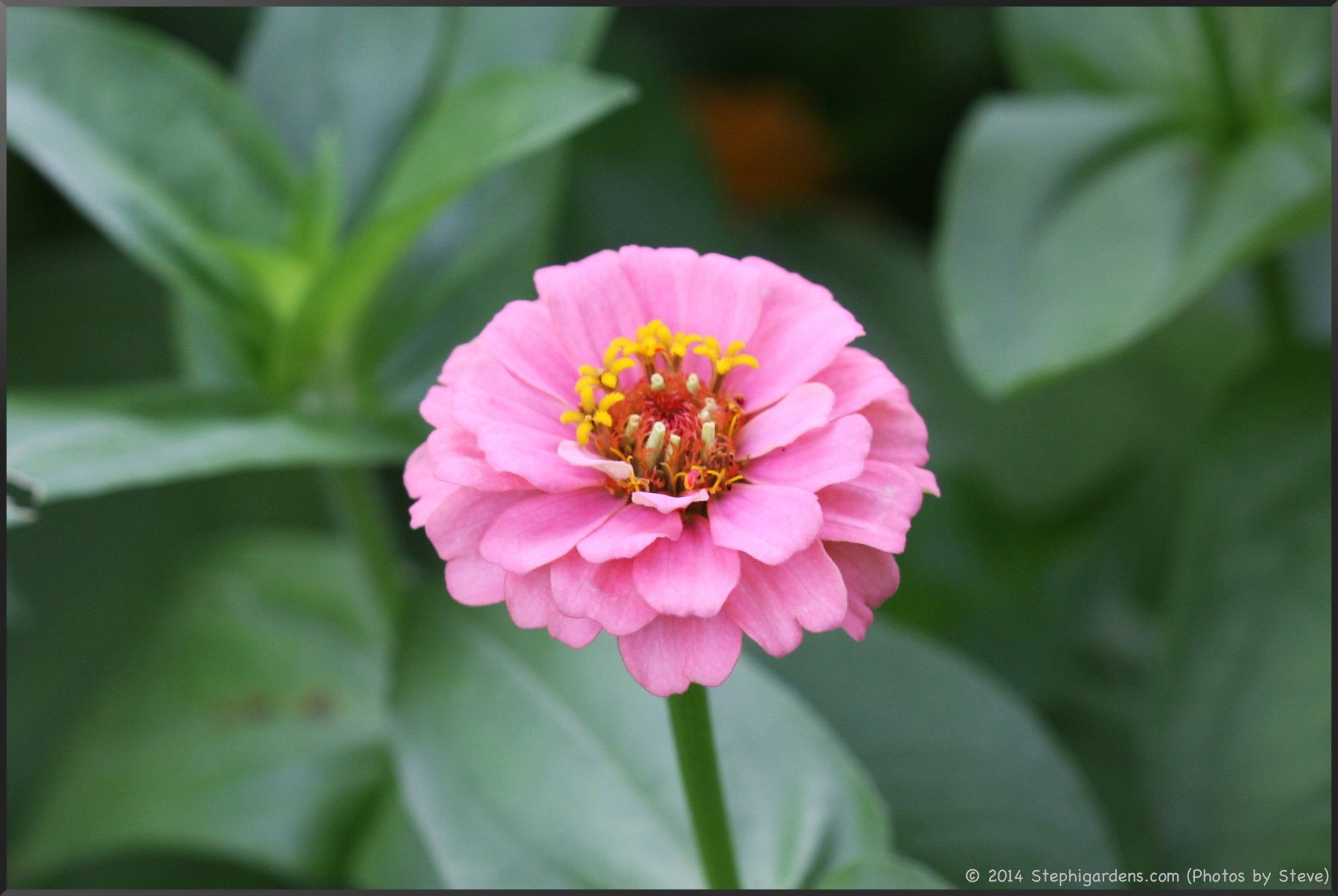
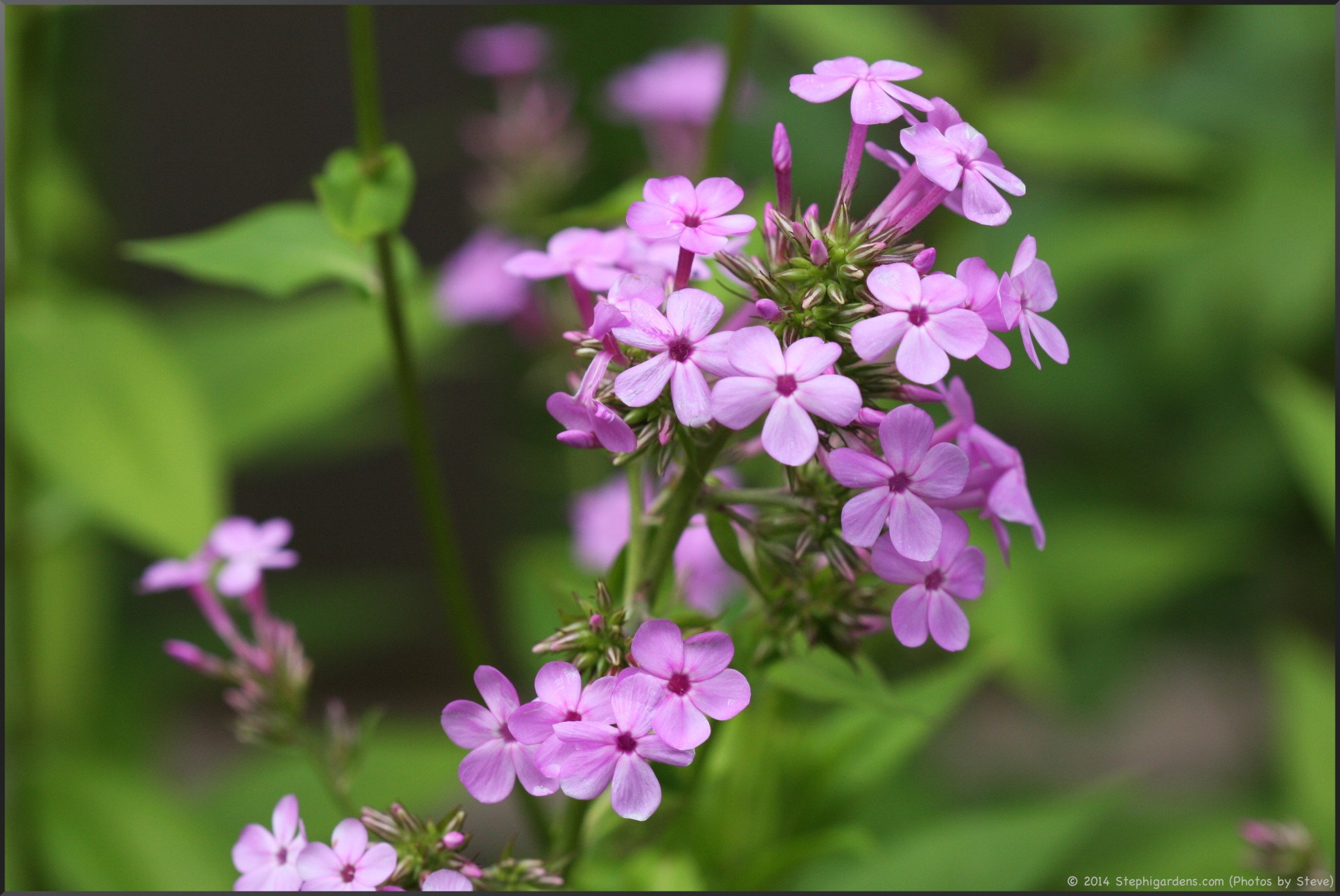
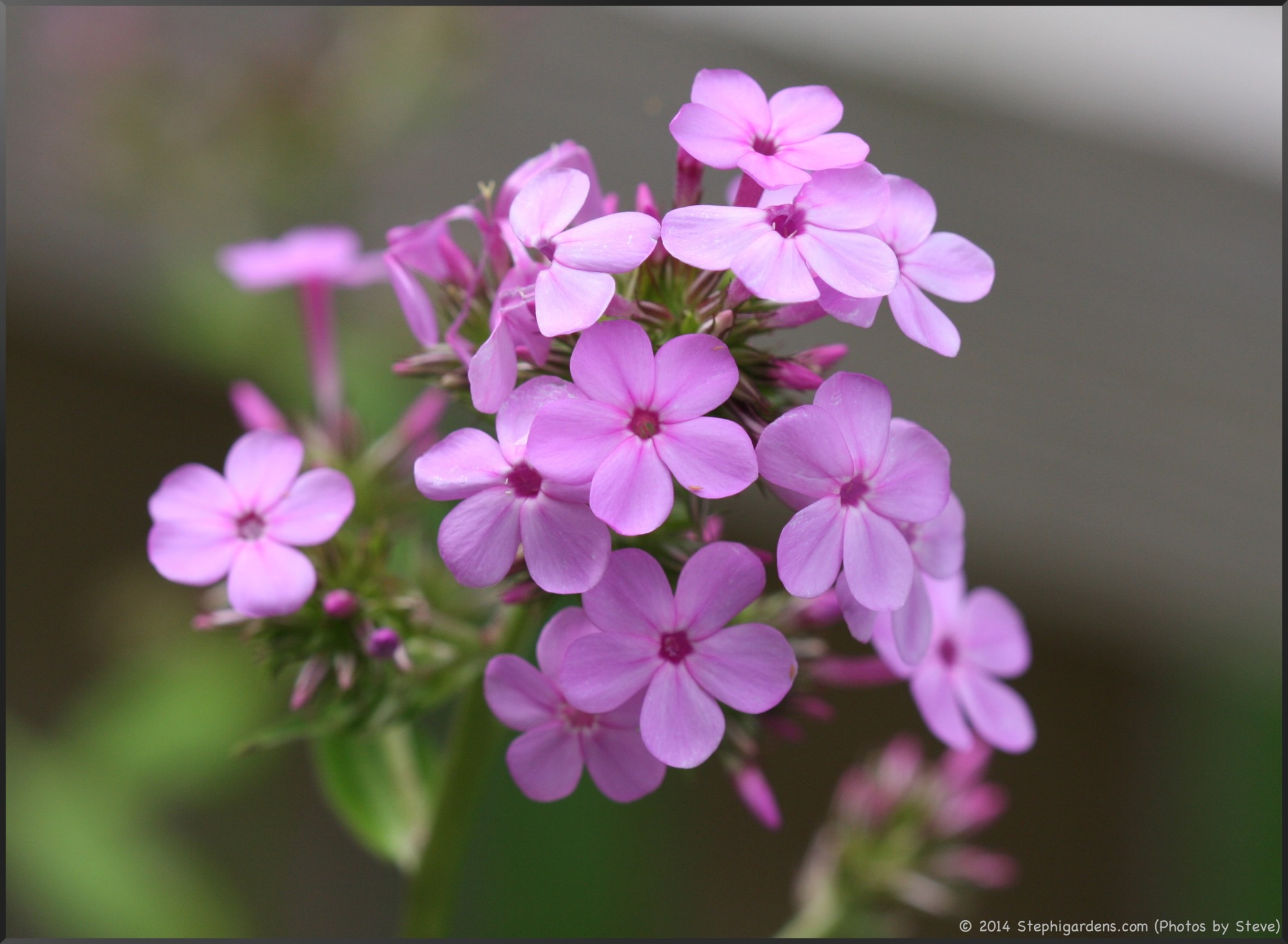
My husband (and mom and daughter) are much better photographers than I am, so I’m always excited when one of them wants to shoot some photos of my gardens. Here’s some of what my husband saw the last couple of days through his macro lens.

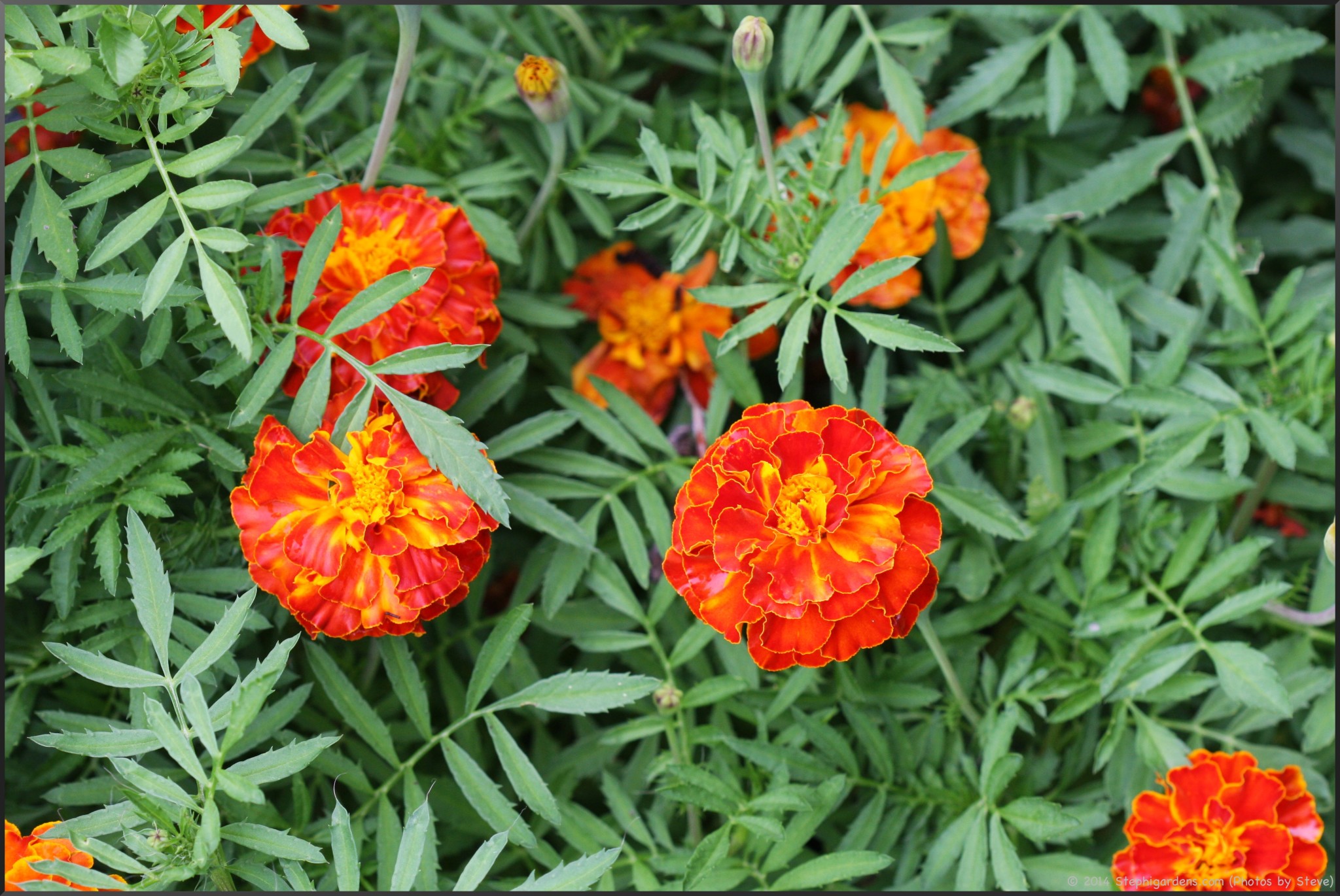
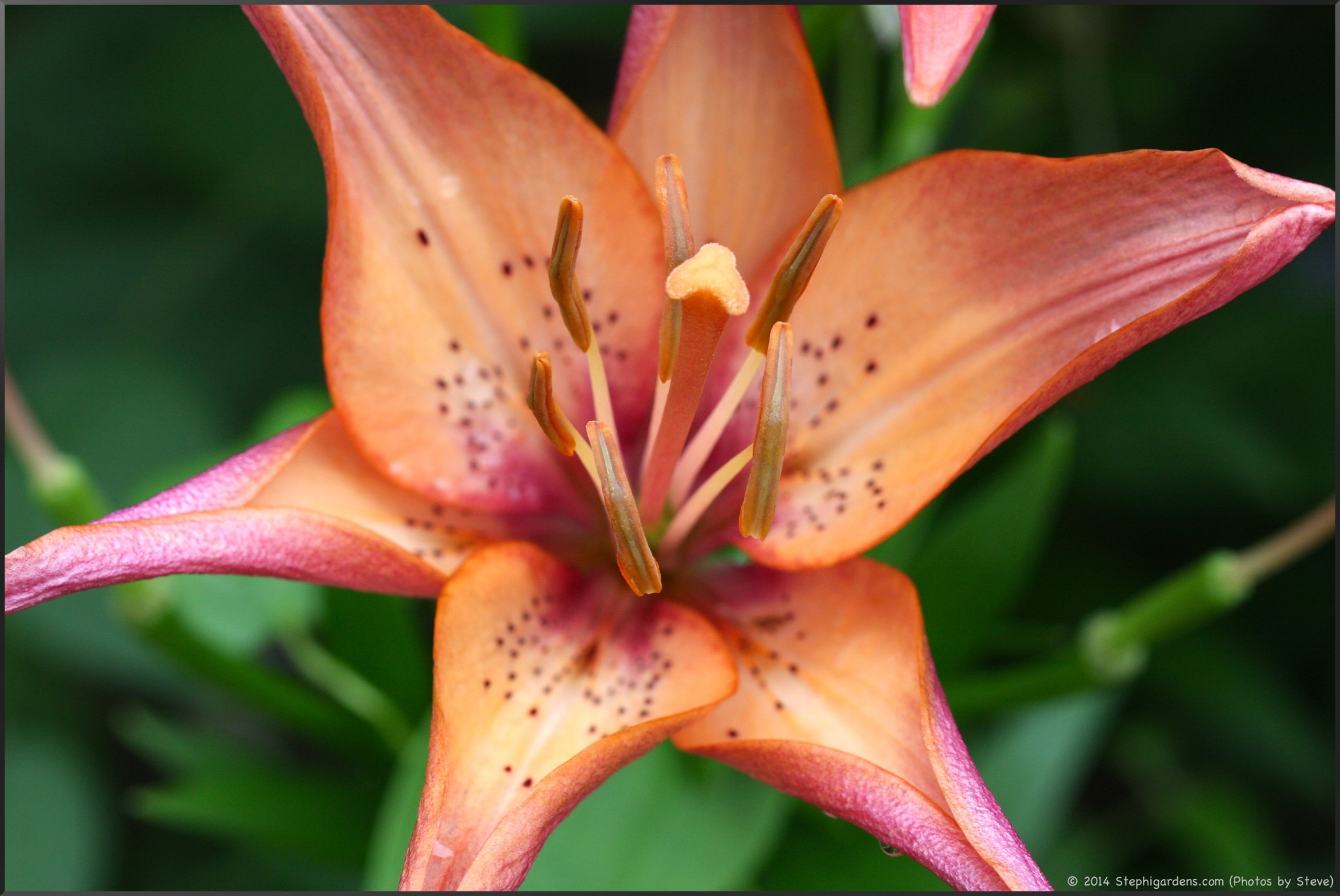
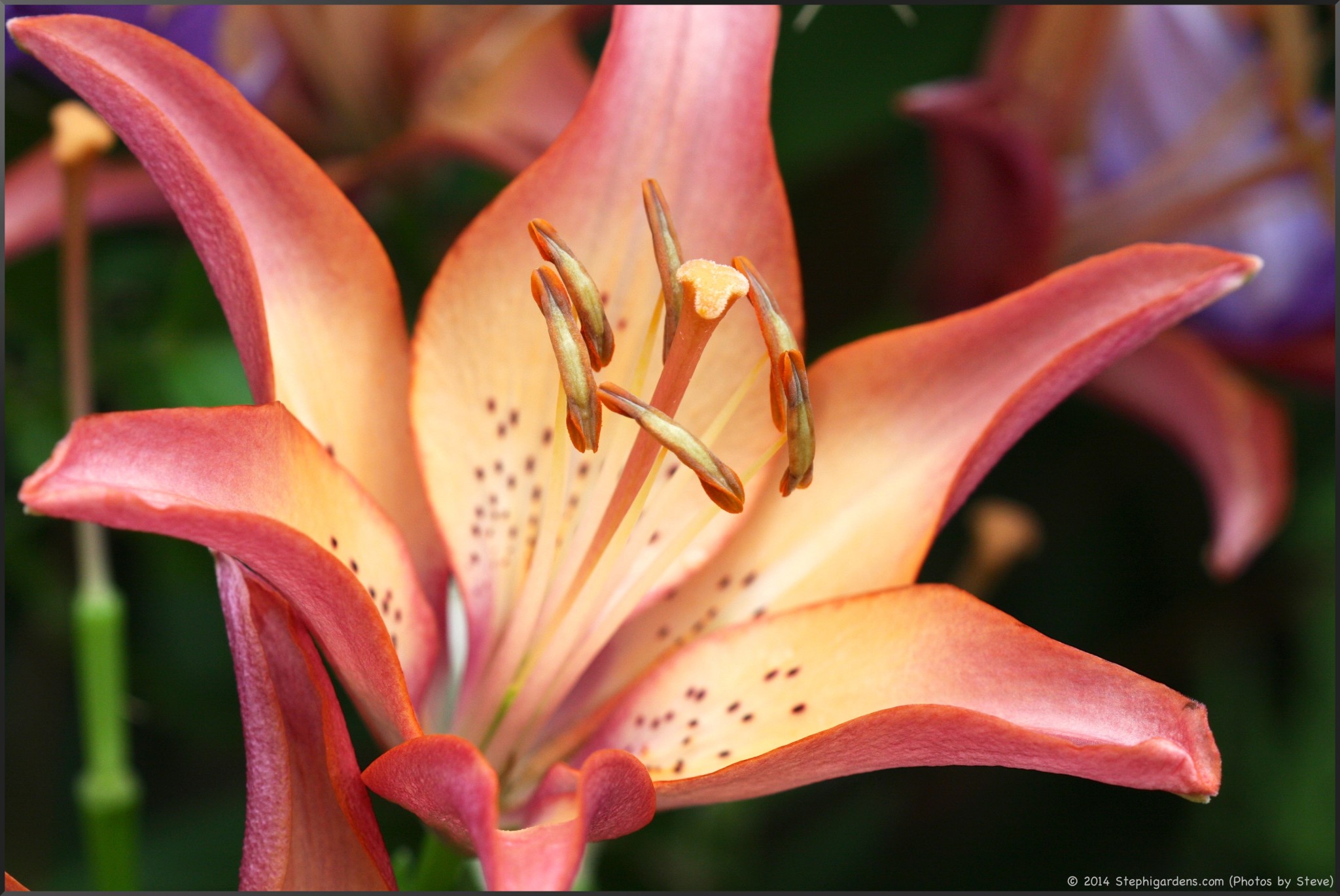
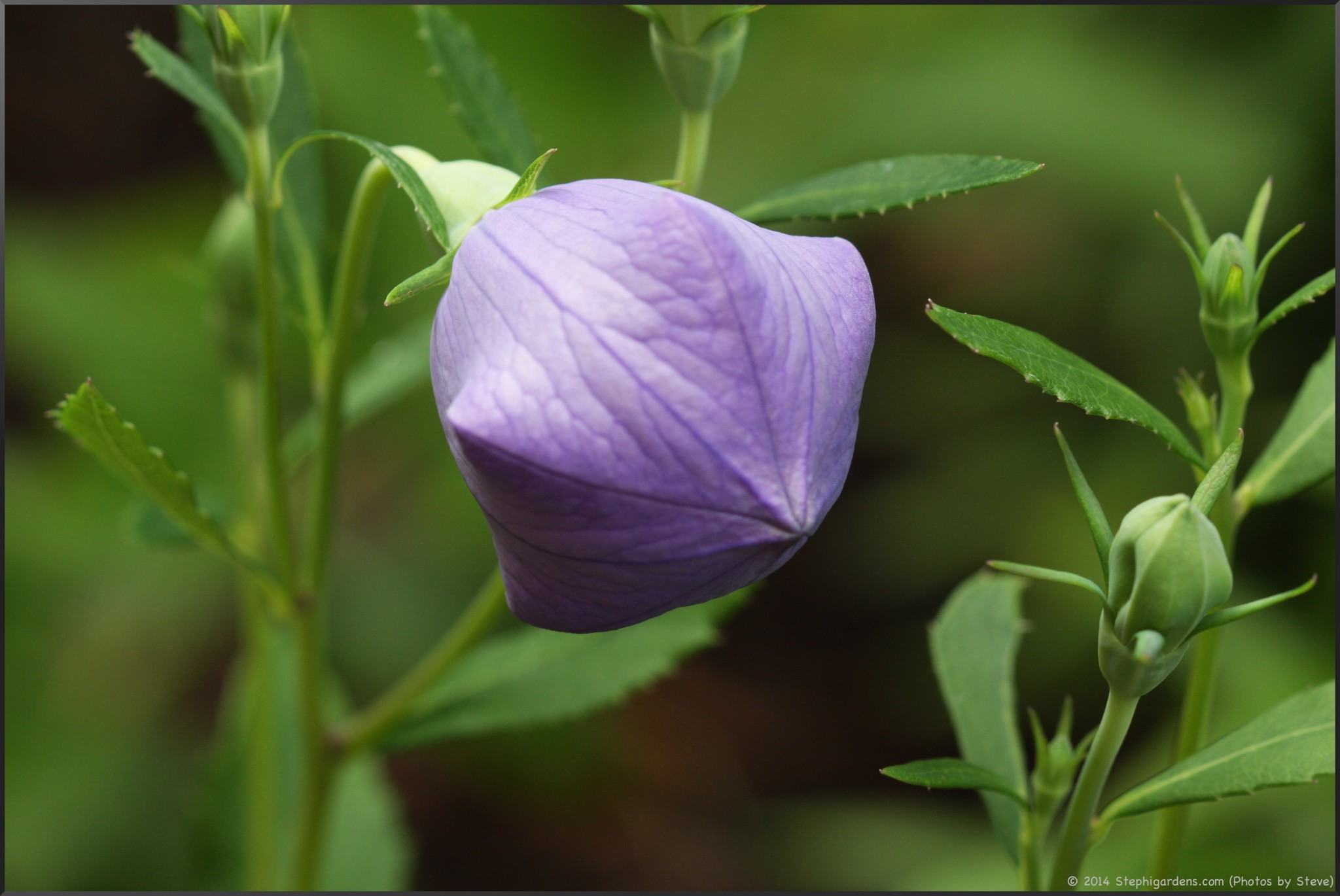


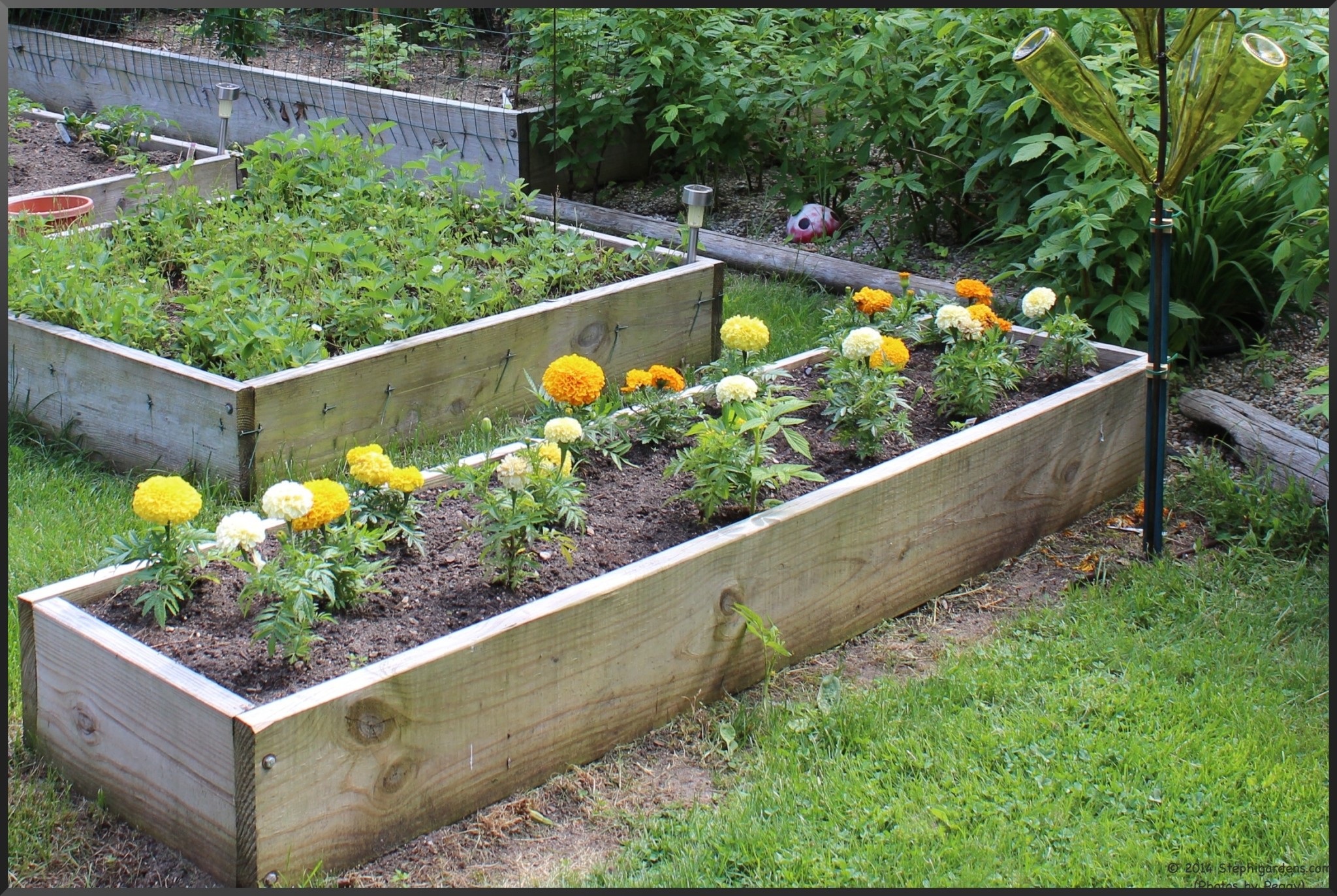
In one of my mom Peggy’s raised beds she had the beginnings of a beautiful bed of huge African Marigolds (Tagetes erecta). If you love marigolds like I do, I couldn’t wait to see how this was going to look in the next few weeks. Then, one morning she woke up to this…
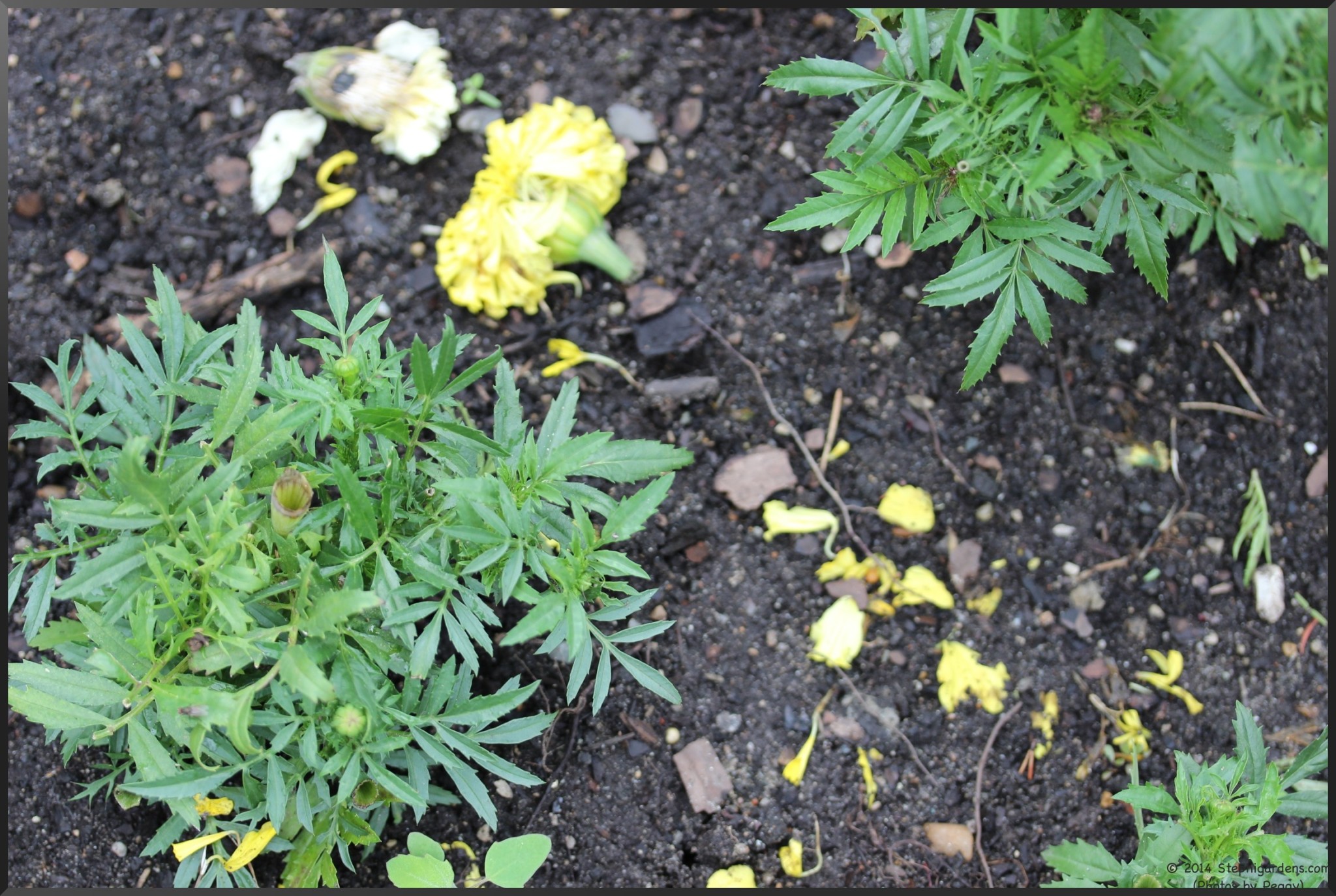
…and I got a frantic text outlining what had happened. Many of the flowers had been cleanly nipped off and petals strewn everywhere. We were puzzled as to how this happened. Weren’t marigolds supposed to repel most garden varmints?Apparently not, after some research and this first hand experience. This could have been the work of rabbits, chipmunks, squirrels, deer and even birds. Based on critter observations and the bed being a little high for rabbits to get in, our best guess is the chipmunks.
We were hoping this was a one night event and the critters would move on, but no such luck. This was the bed the next day.
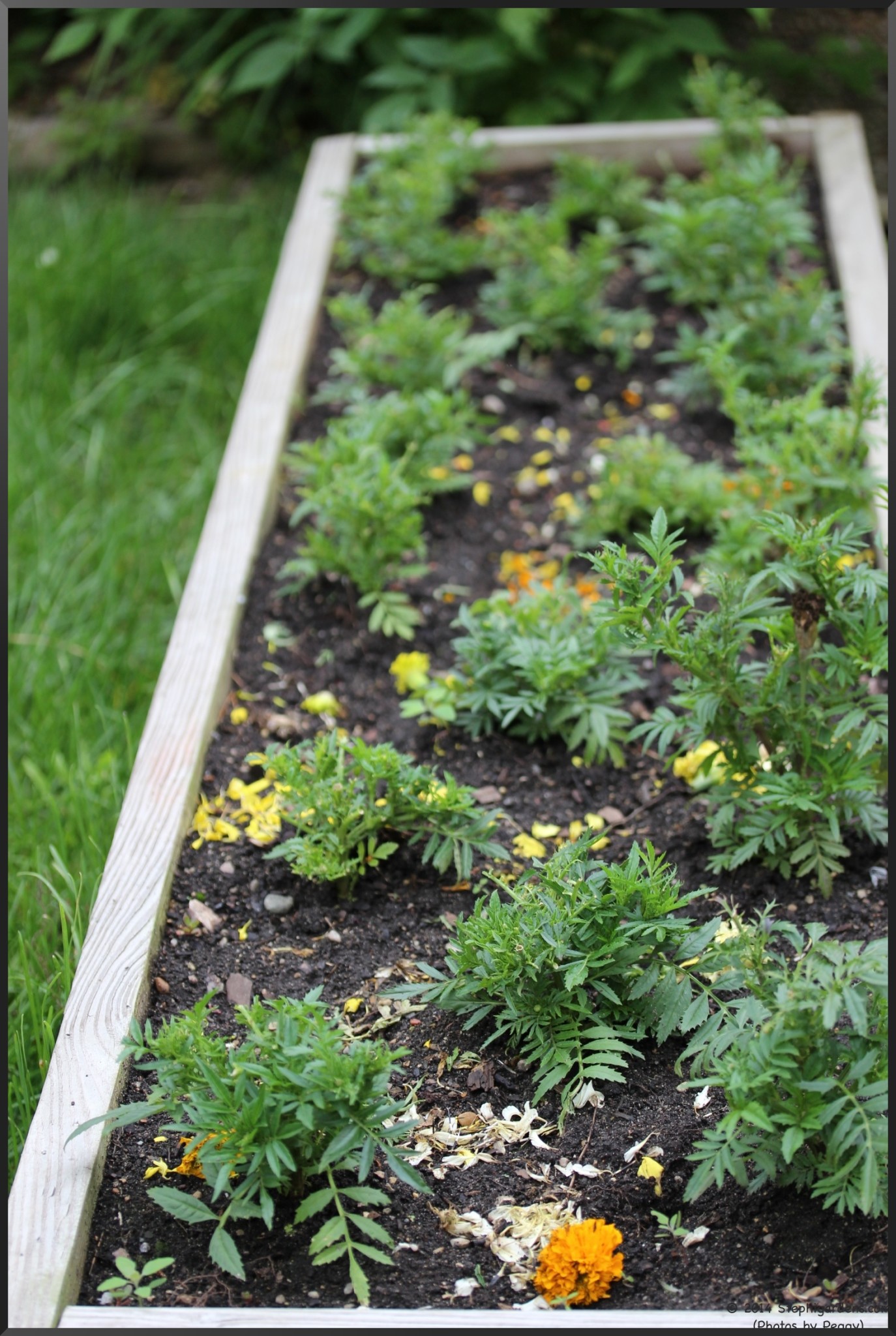
All the flowers cleanly cut off and many shredded. Very disappointing and frustrating. Might be time to put a fence around the bed like some of the others that attract rabbits. But, if it is chipmunks, a fence is not going to help. She’ll need to be even more creative to keep them out, or throw in the towel on the marigolds.
While I haven’t had the same problems with my marigolds, through the years I’ve had more issues with slugs and earwigs. They go more for the foliage, and can really do a lot of damage to the leaves. Best way to diagnose these pests is to go out at night with a flashlight and see what’s going on. When I had smaller gardens I had good luck with a pie plate of beer put out at night. It is a bit gross in the morning, but it does work. These days I have more issues with my hostas being attacked by slugs than I do my marigolds. Because of the larger garden size, I now I use the organic Sluggo slug bait instead when things get bad.
Earwigs (which I just hate probably only second to palmetto bugs) can be beneficial in small numbers but a pest in larger numbers. I’ve had luck trapping them in the beer filled tins with the slugs, or by placing rolled up damp newspapers in the garden at night. In the morning, grab the newspapers and dunk them in a pail of water. Some others have reported that using small tuna sized cans with about a 1/4 inch of cooking oil in it as traps works well too.
Have you ever woken up to find one of your gardens destroyed overnight?