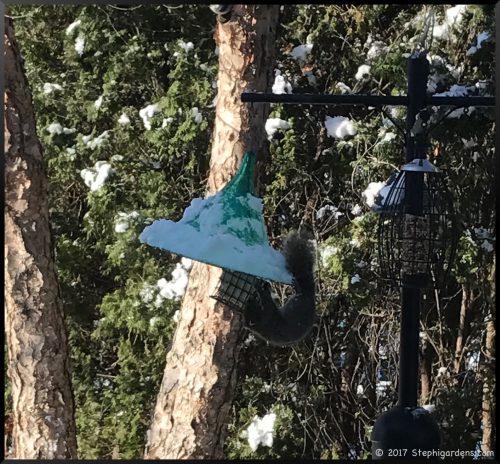
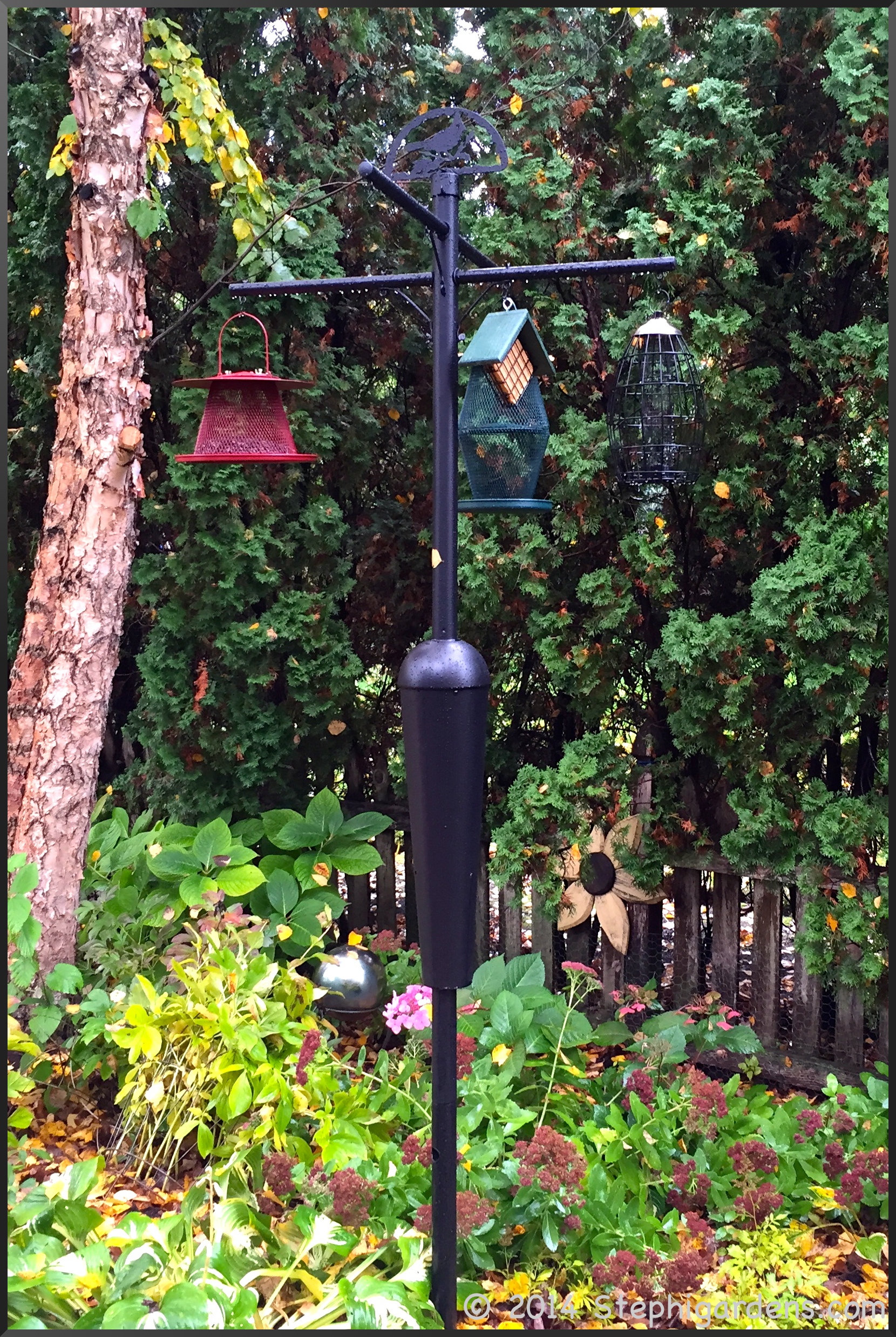
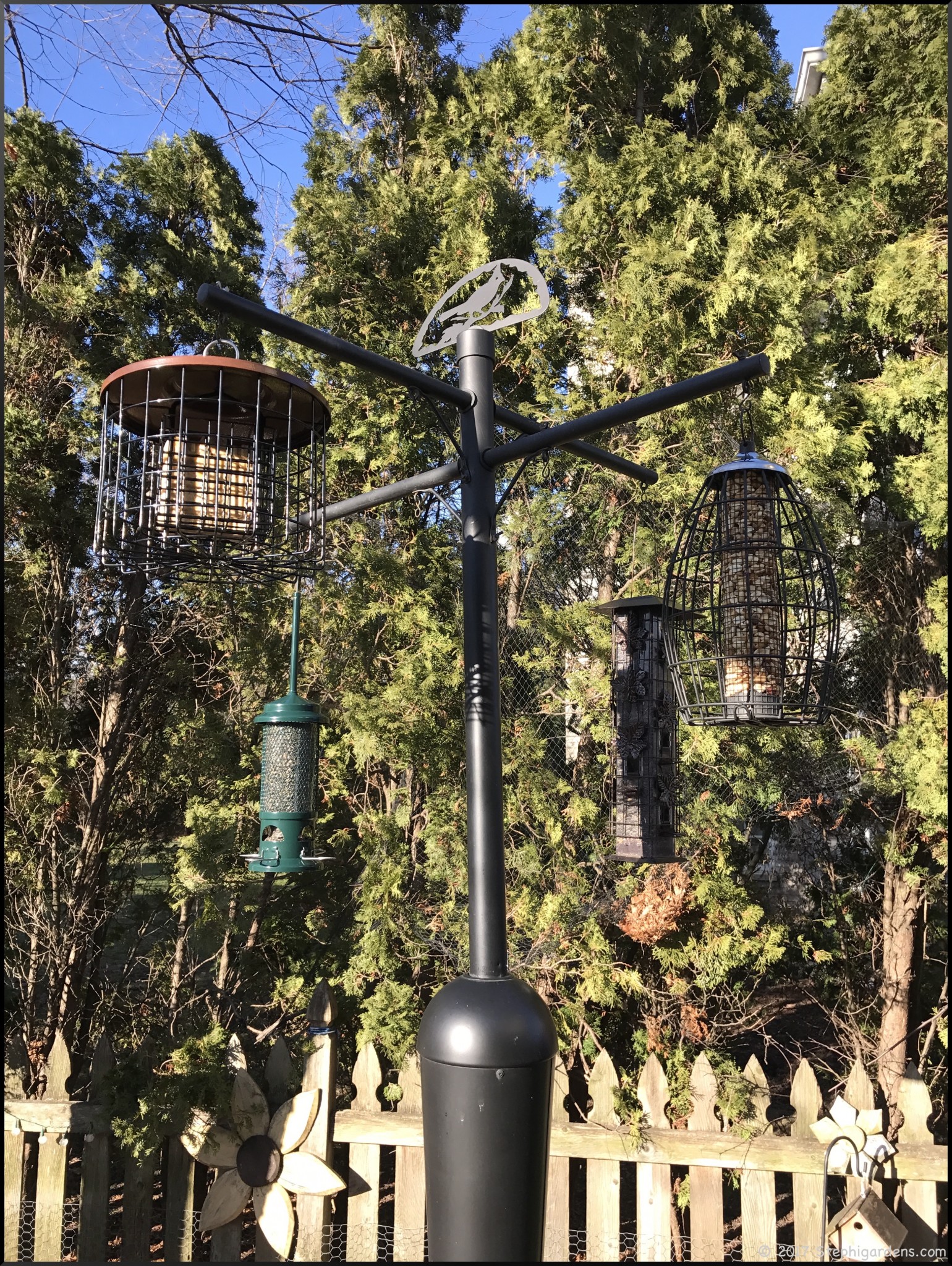
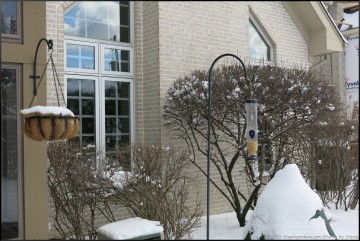
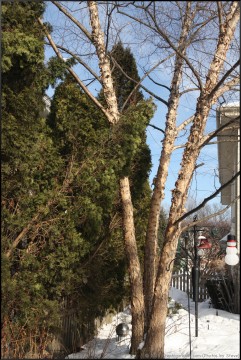
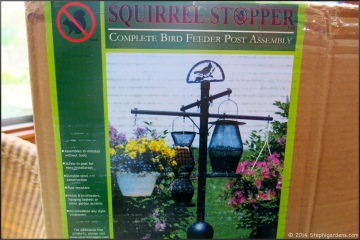
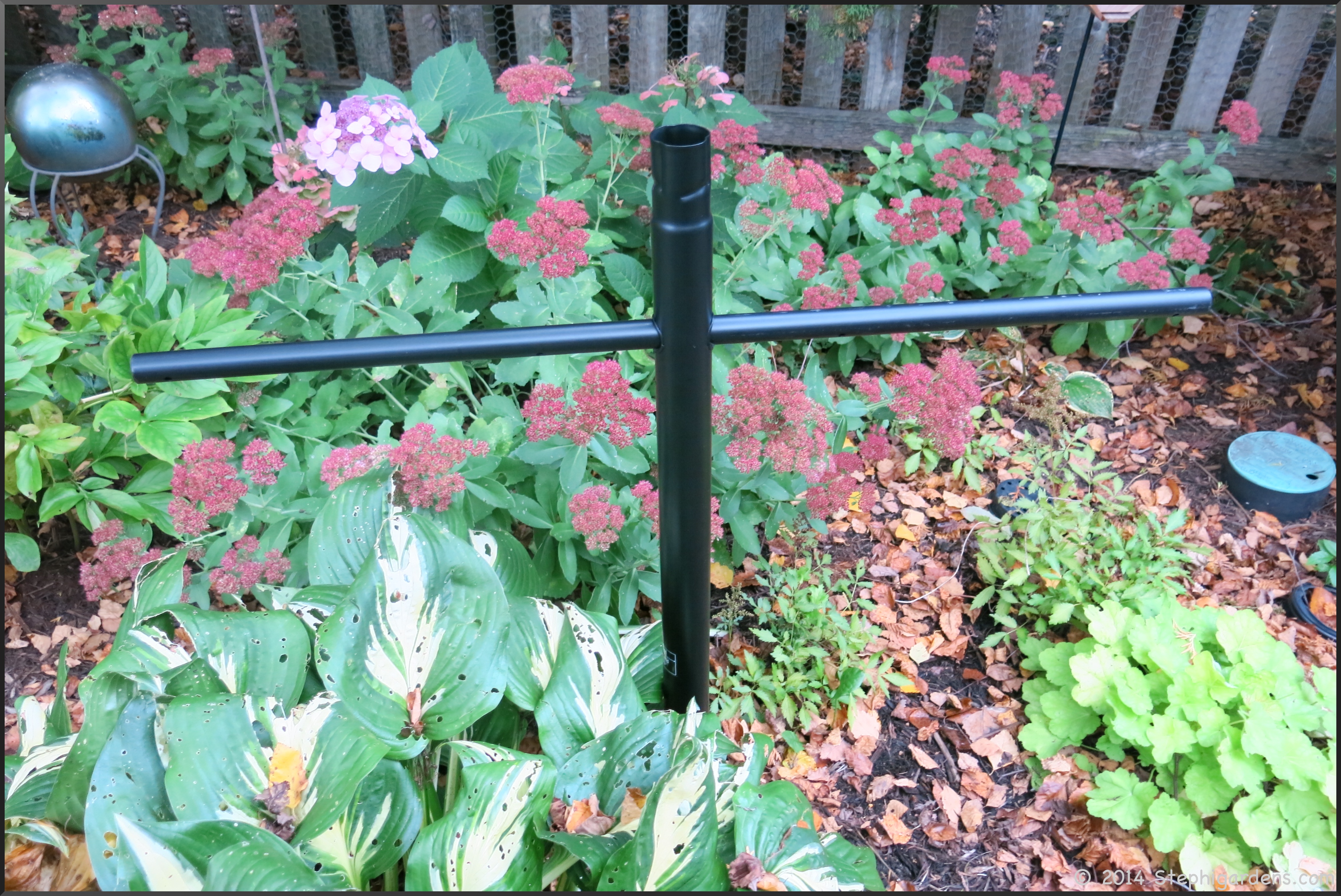
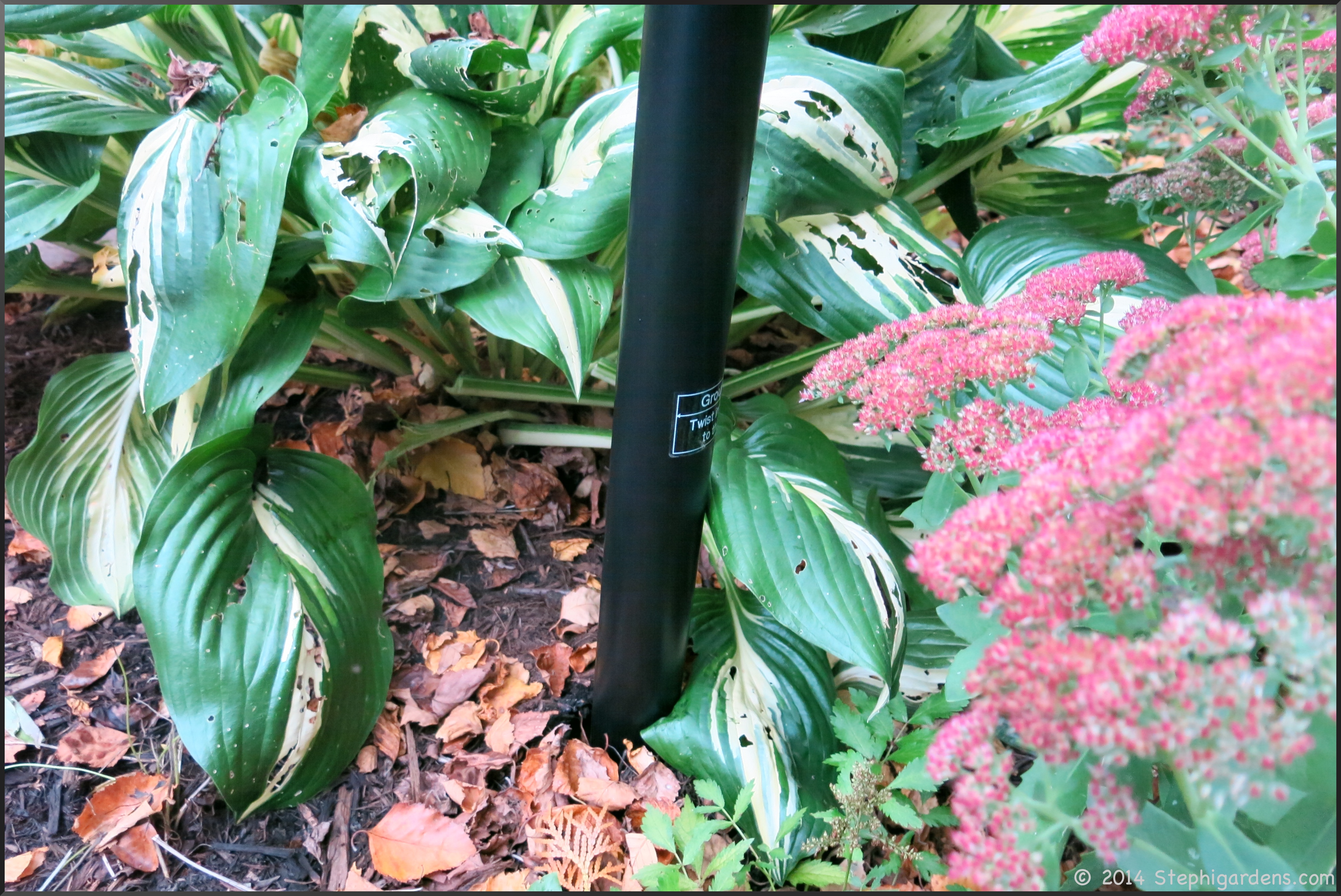
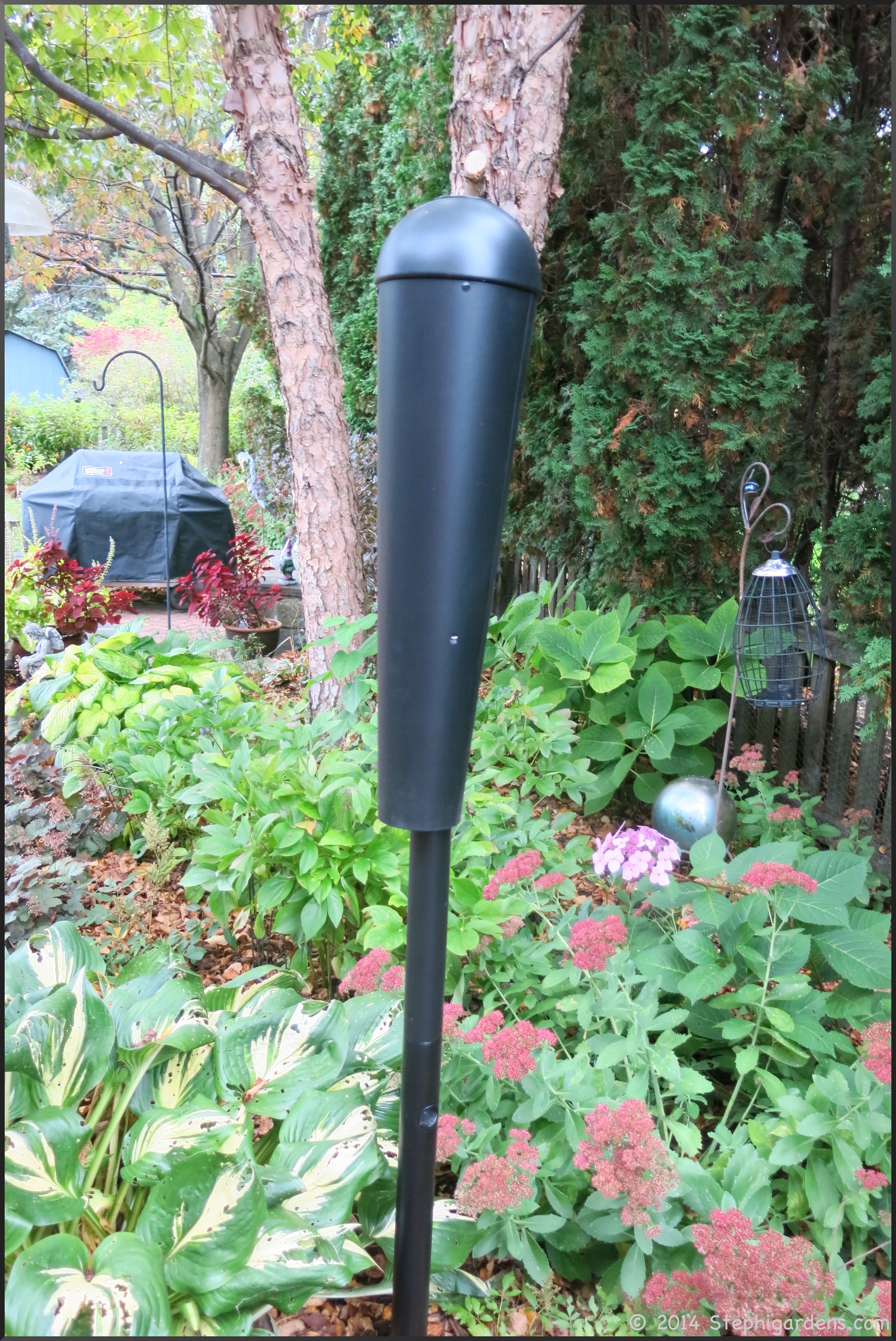
I’ve had an ongoing issue with squirrels ravaging my bird feeders. I bought a great Squirrel Stopper pole, but because I wanted to see the birds from my kitchen window, and despite clear instructions not too, I placed it too close to a nearby tree and arborvitaes. So, those very acrobatic squirrels have had fun feasting at my feeders!
In a post earlier this winter, I wrote about finally investing in some well reviewed squirrel proof feeders to try and attract more birds than squirrels to my yard (Happy New Year’s To My Backyard Birds!). So did they work?
Happy New Year! I hope this day finds you all well and looking forward to this new year. I’ve been away a bit from blogging, but one of my goals for this year is to keep up much better. So much has happened this summer and fall with great gardening and travel, so I’ll spend the winter catching up!
On to the birds—
Like most people, I have a heck of a time finding balance between feeding the birds and feeding the pesky squirrels. I really love my squirrel-proof pole, but it’s only as good as your placement.
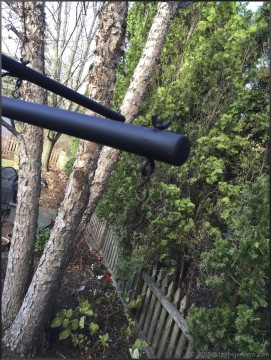
In my case, for me to have it in a perfect viewing spot from the kitchen window, it is just too close to the tree. Since squirrels are quite the acrobats, the pole really needs to be at least 10 feet from any object than can jump from. BTW, I have never seen a squirrel successfully climb up the pole! Since I’m not willing to move it, I either need to put up with feeding the squirrels or try some other feeders or shields.
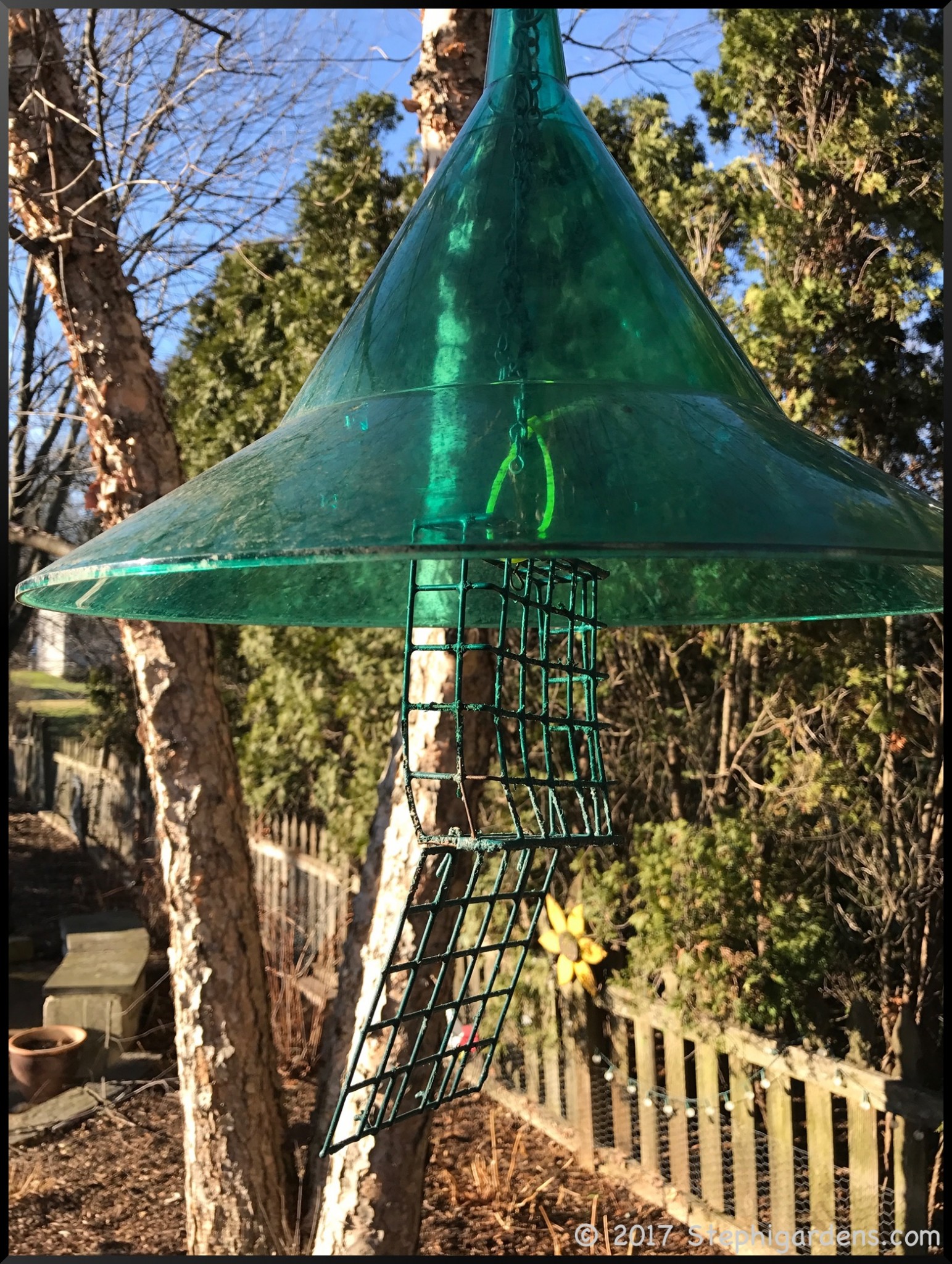
I tried the clear dome feeder covers and decided those were really only good to keep the finch socks dry. I tried tying shiny ribbons around the tree to distract the squirrels and that only made it look like trash had become trapped on the tree somehow. I also tried the Squirrelaway Baffle, which also got great reviews. But, alas, my squirrels finally outwitted it 🙁 It did work pretty well with the suet feeder tucked up there, but regular feeders it was able to s-t-r-e-t-c-h and reach around to grab it.
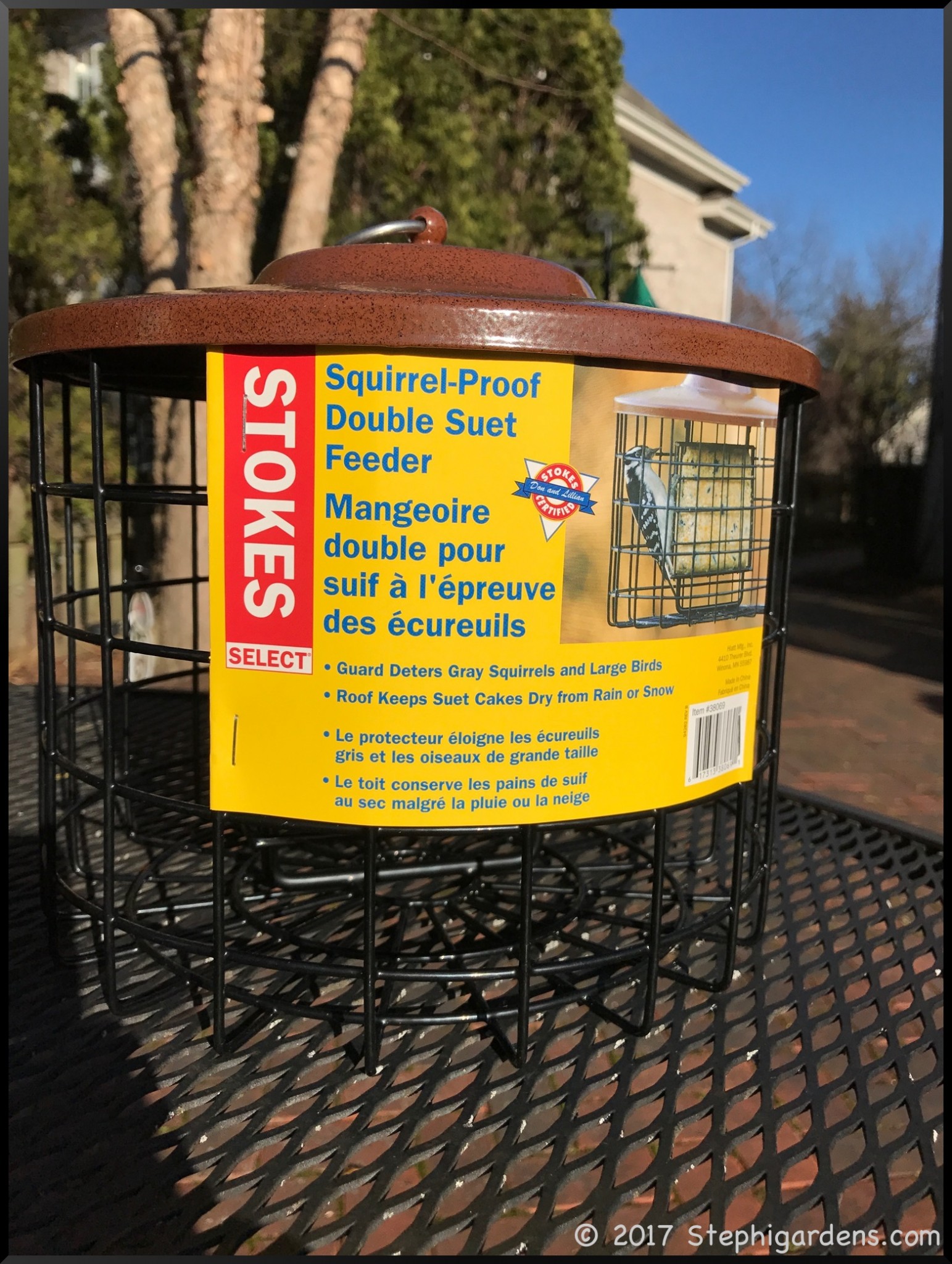
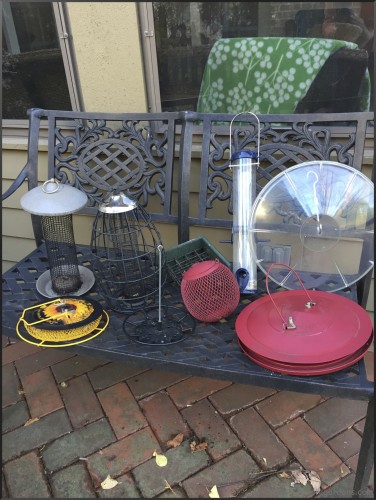
My last attempt was to try some of the squirrel proof feeders. Since it was recently Christmas, I added a couple to my Christmas wish list. I also had a couple around that I dusted off.
Here’s what I’m trying:
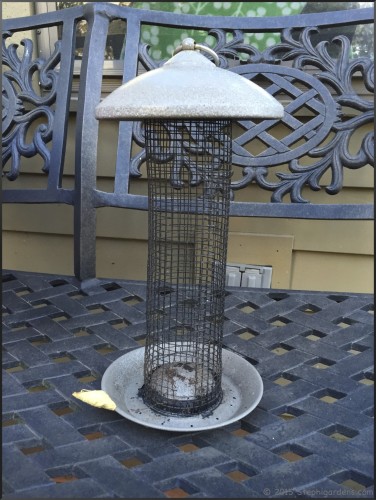
Peanut Feeder– I’ve had this one a couple of years and the nuthatches and downy’s just love it. I’m not sure the brand, but I got it at a Tractor Supply Store. No squirrels can get into it. But, the other day I must not have screwed on the top as tight as I should have since it was missing one morning. I found it quite a ways away from the pole, so someone had quite a feast!
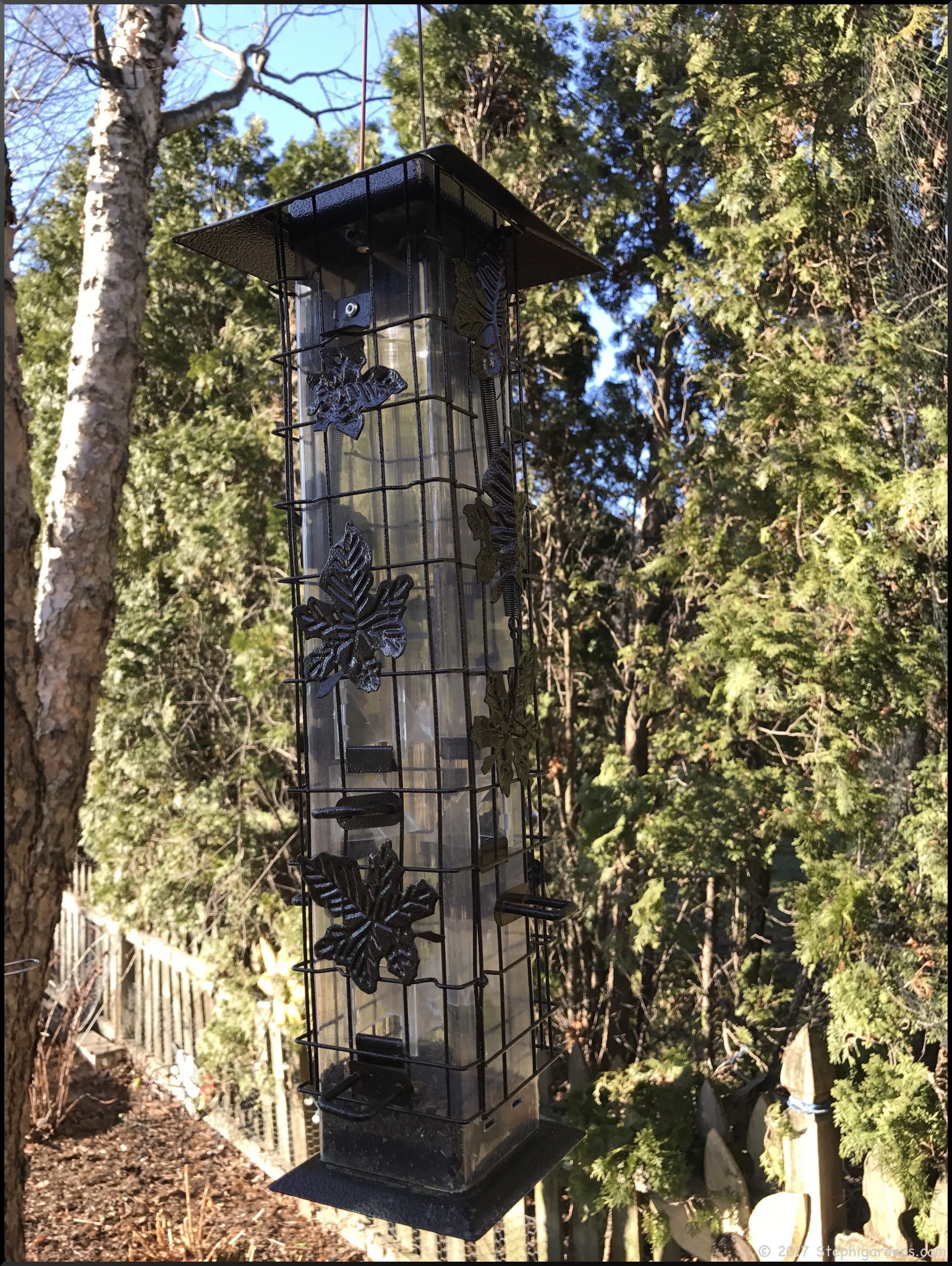
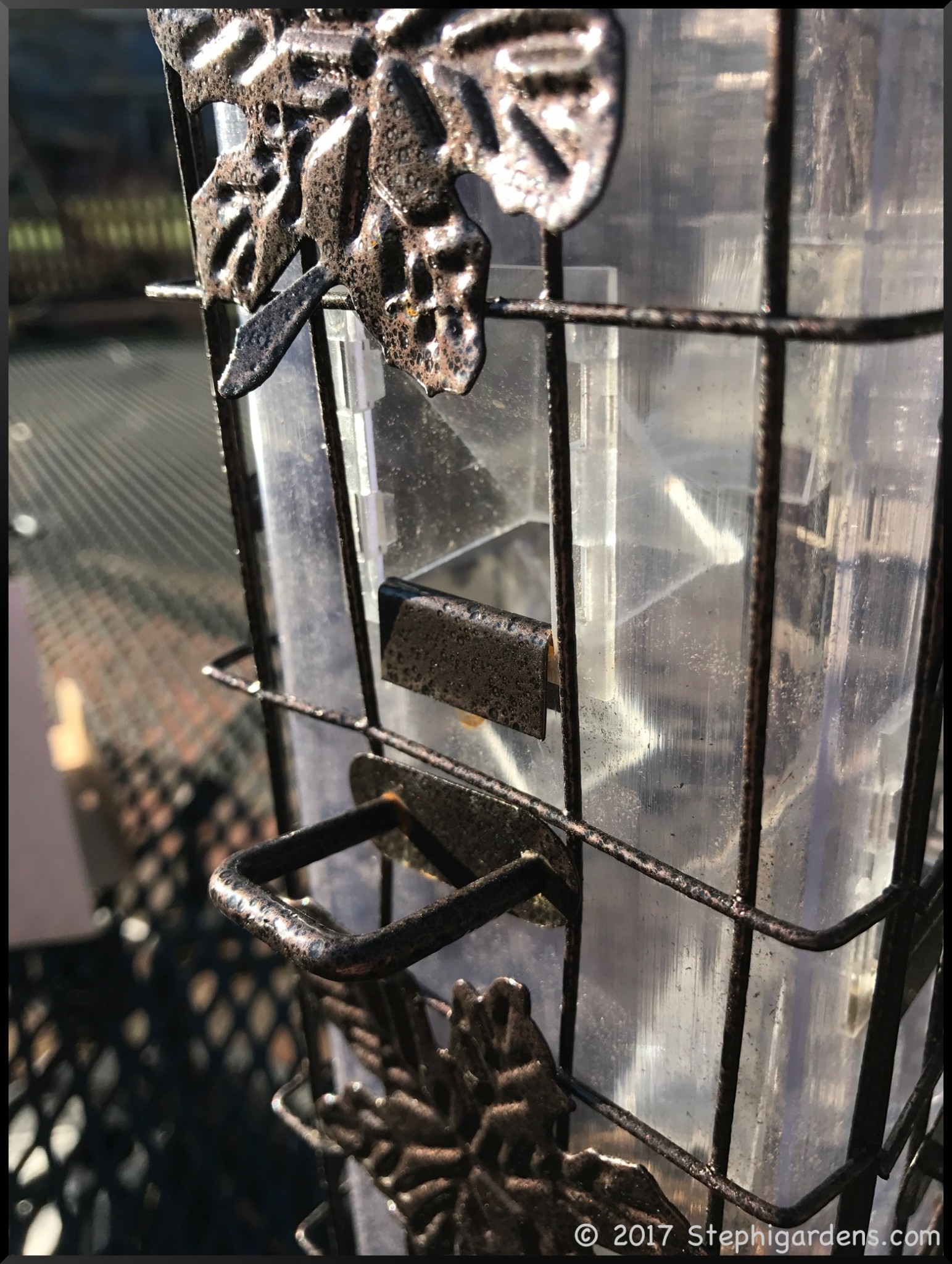
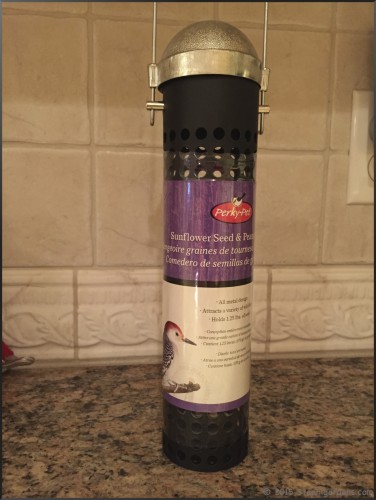
Sunflower Seed Feeder–I just put out this Perky-Pet Squirrel-Be-Gone®Wild Bird Feeder and hope it lives up to it’s name. If a squirrel gets onto it, the outer wire cage lowers and closes the feeder slots.
My only concern is the plastic tube. Hope my squirrels aren’t chewers.
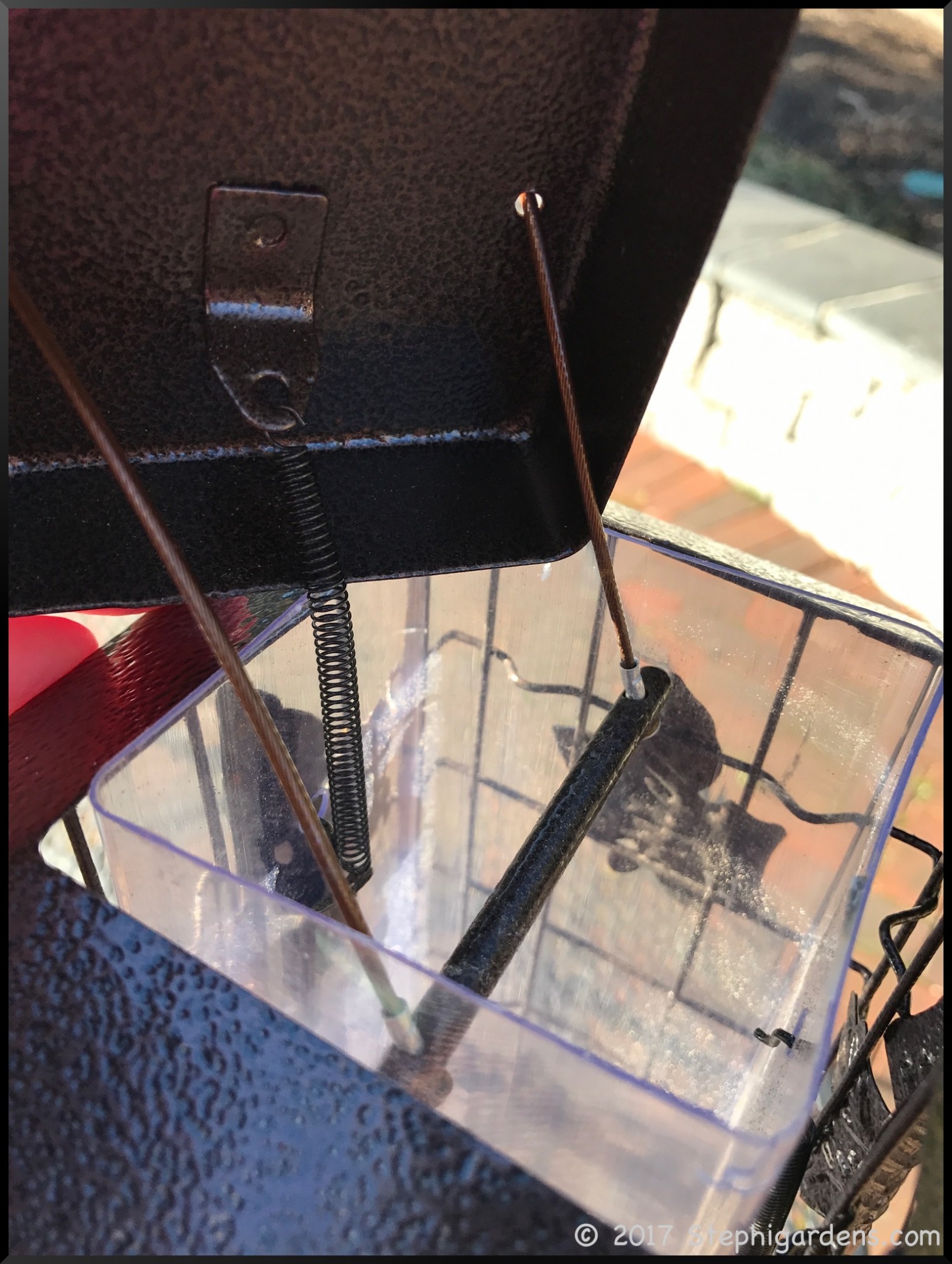
The top seems really good and tight to keep them out.
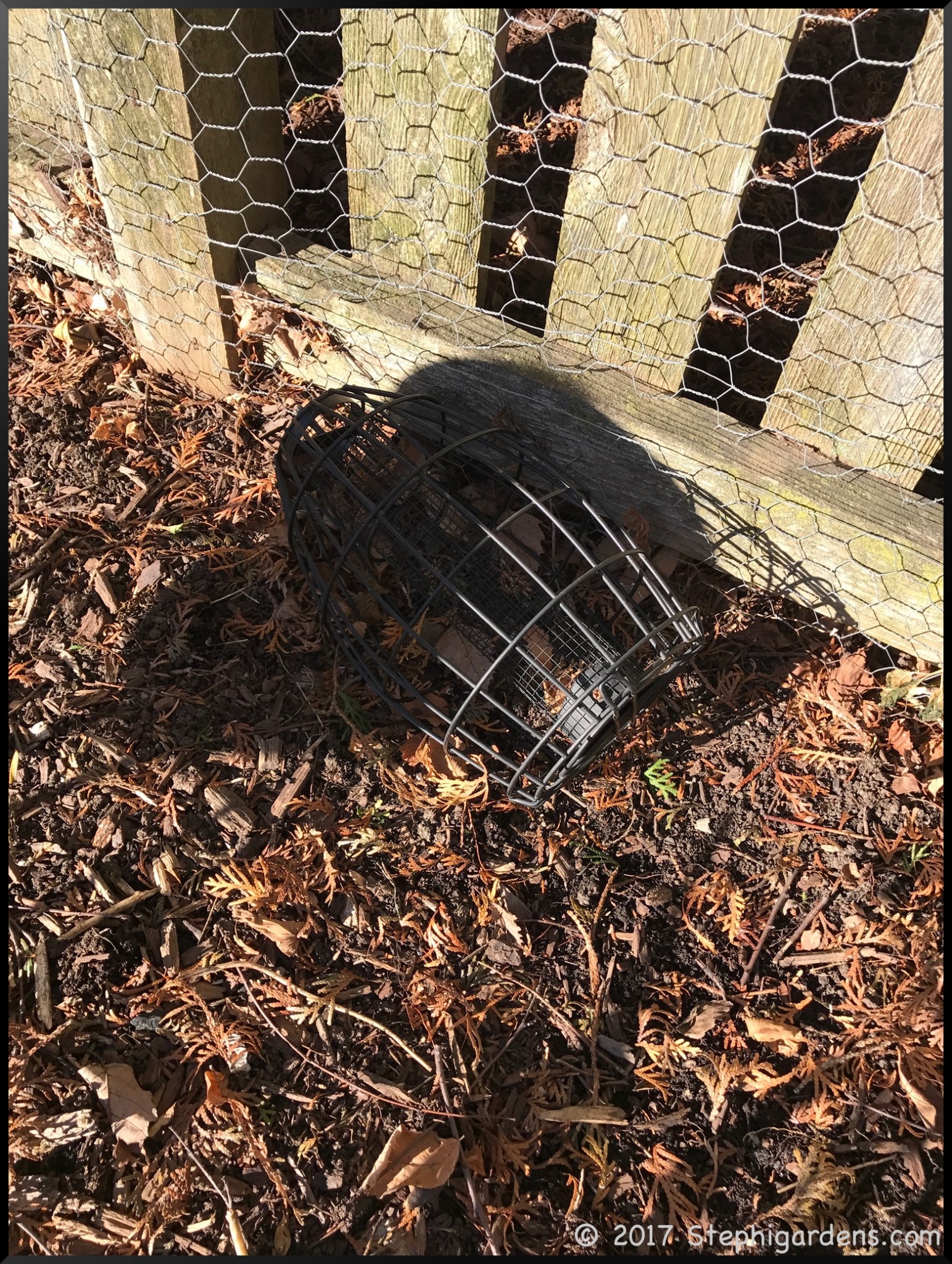
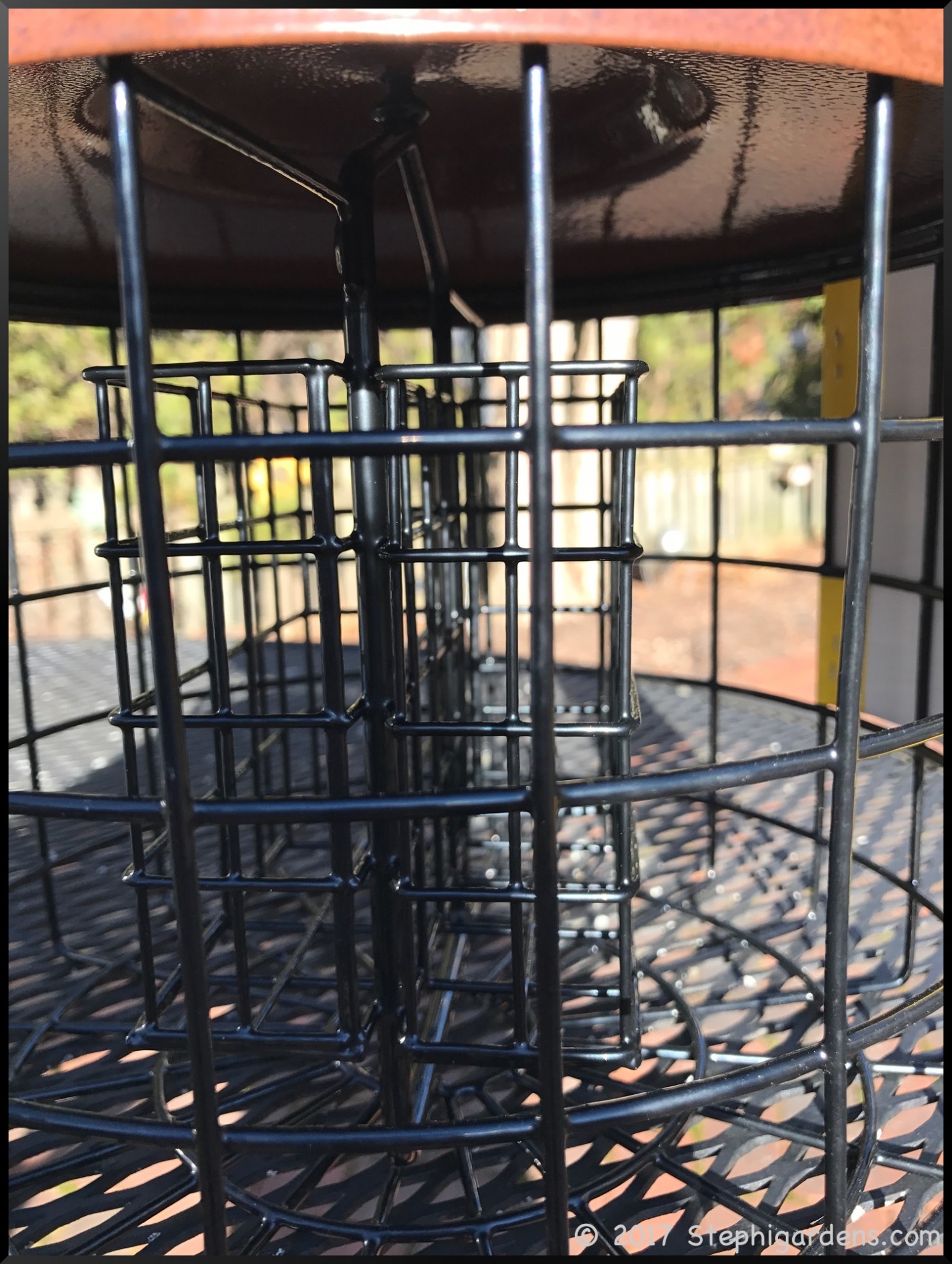
My new suet feeder– I’ve really tried to used shields with my suet feeders and they worked for a while. Then this happened. Maybe I just didn’t figure out how to get the feeder hidden in their well enough, or I just have super smart squirrels. Either way a new approach was needed.
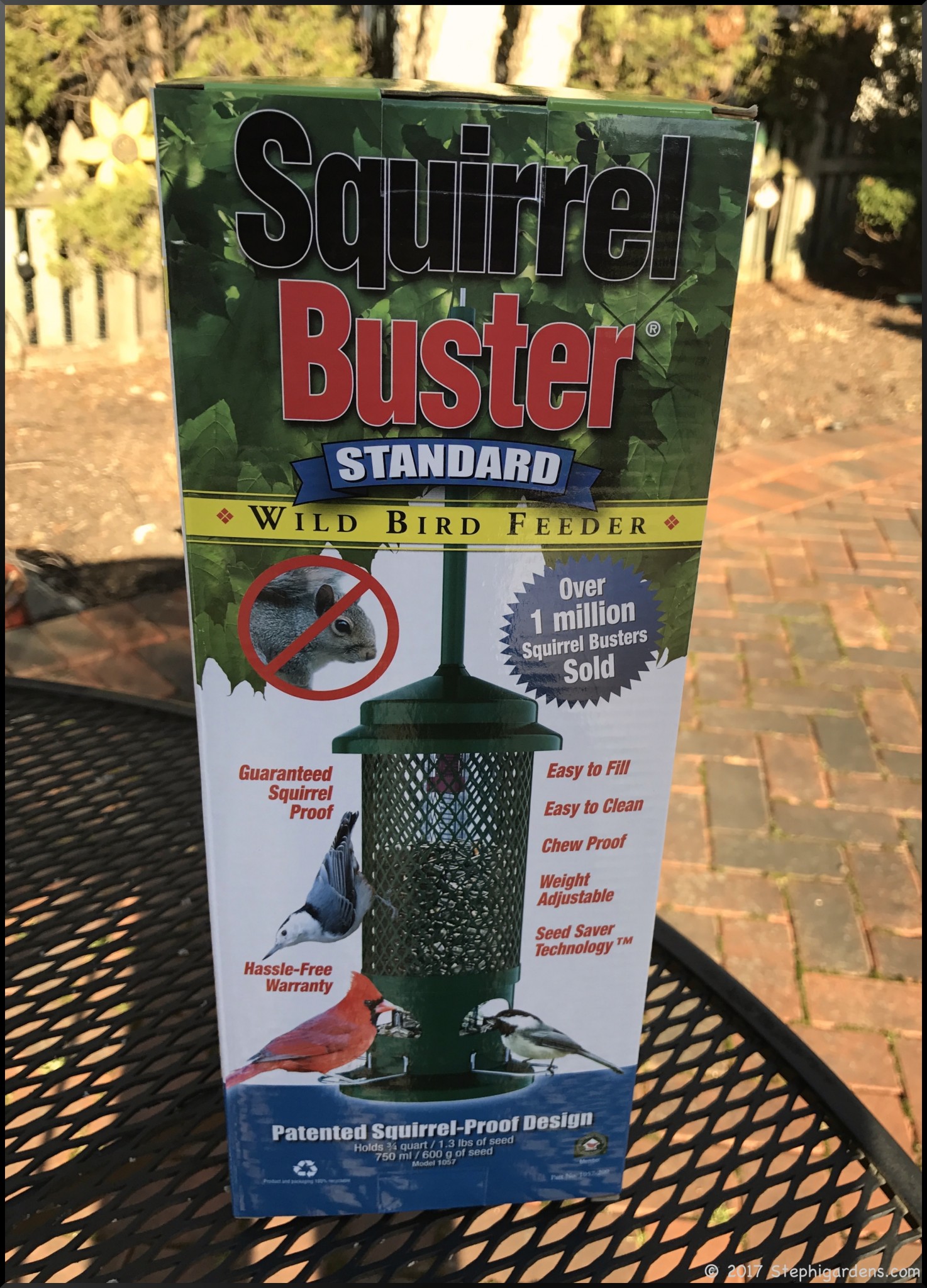
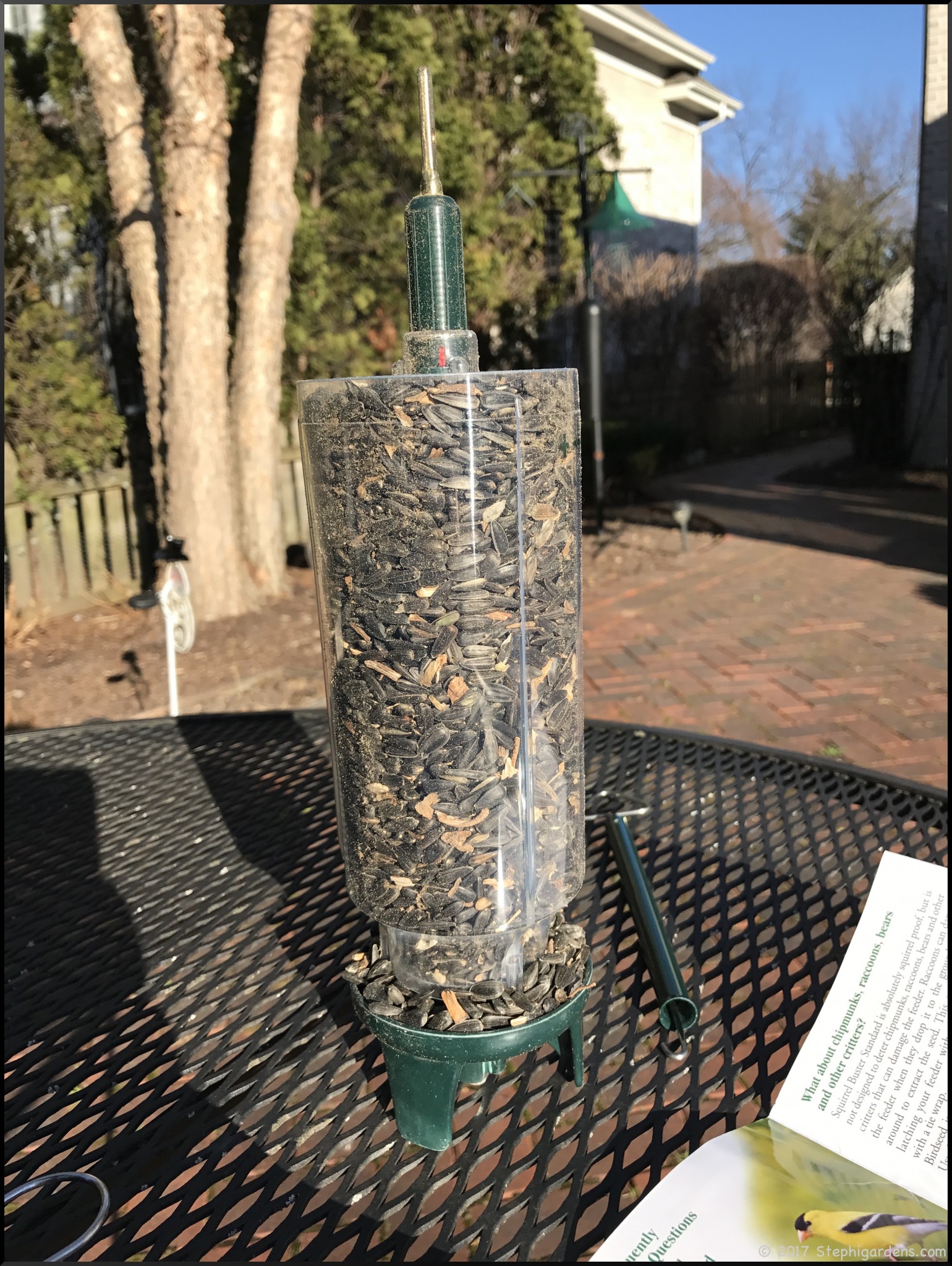
Black Oil Sunflower Feeder– And lastly, my new favorite! A Brome 1057 Squirrel Buster Standard Wild Bird Feeder. This seems to be everyone’s favorite brand, and I was pleasantly surprised at how well it seems to be made. Comes with really good instructions in case you want to adjust the closure weight.
I chose this one because it has perches that Cardinals seems to like. They were the trickiest to find a squirrel proof feeder for since they like to perch instead of cling. Worst case scenario, they seem to be happy with the spills.
So here we have it. All ready for the birds and hopefully will have outsmarted the squirrels.
I’ll keep you posted! How do you outsmart the squirrels?
P.S. To help keep the sparrows and house finches away from my more expensive seeds, I usually place a couple of other feeders farther away in the yard filled with a cheaper wild bird seed mixtures. That seems to keep them happy!
I don’t really feed the birds over the summer because there’s plenty of natural food around for them. But as the plants die back, seeds become scarcer and the cold sets in, I get the feeders out. I have to admit, I’m pretty sloppy when I put things away, so they really needed cleaning and checking out for any problems.
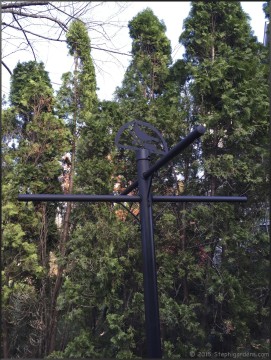
First up was the Squirrel Stopper Feeder Pole. I still love this pole set-up for keeping off the squirrels and hanging a good assortment of feeders. I just wish I hadn’t put it up so close to a tree that the squirrels can jump from (they warned me in the instructions!). But, I decided to sacrifice for the ability to watch the birds so easily. I will say that to the pole designers credit, NO squirrel has climbed up the pole.
But, back to cleaning. I had been noticing a little rust and accumulated bird dirt on the poles, so after wiping it down, my husband Steve sanded the rust spots and sprayed a little Rustoleum on it.
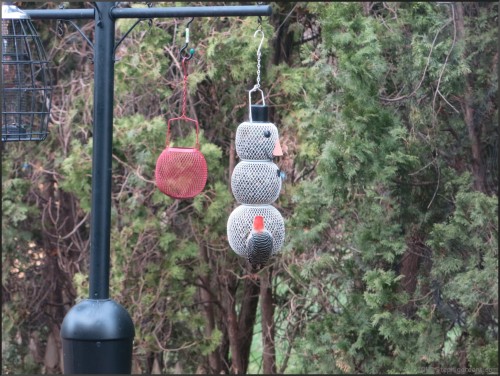
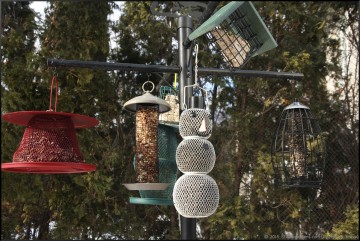
Now ready for the feeders. I have feeders for peanuts, suet, sunflower seeds, a fun Perky Pet Seed Ball for the chickadees, a No/No Cardinal Feeder and cheerful a No/No Sunflower Feeder.
I wiped down the wire feeders and scrubbed out the tube feeders with a long handled brush using a dilute bleach solution (1 part bleach:9 parts water and rinse thoroughly). While checking the feeders, I did notice some issues with a couple. The squirrels had chewed a hole in the peanut feeder. Right through the wire mesh.
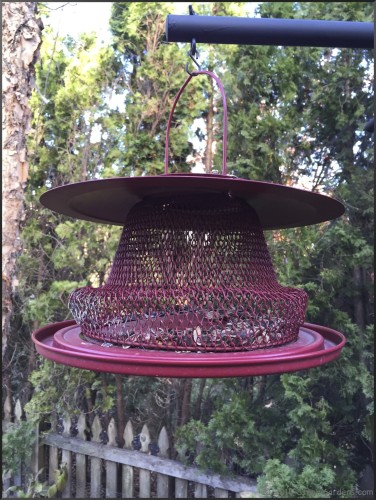
The squirrels have also chewed away at the No/No Cardinal Feeder, but other than making it a little oddly shaped, haven’t made any holes. The cardinals don’t seem to mind.
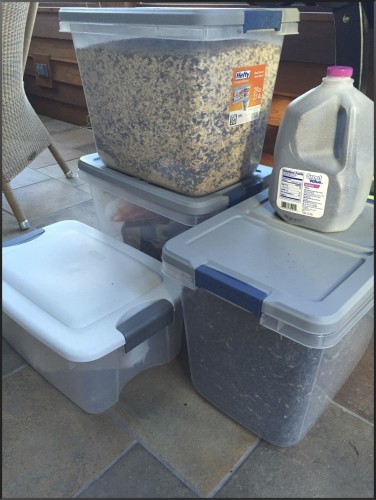
The seed bins were full and ready, too. Although, I did notice that I am out of shelled peanuts so I need to make another trip to the feed store.
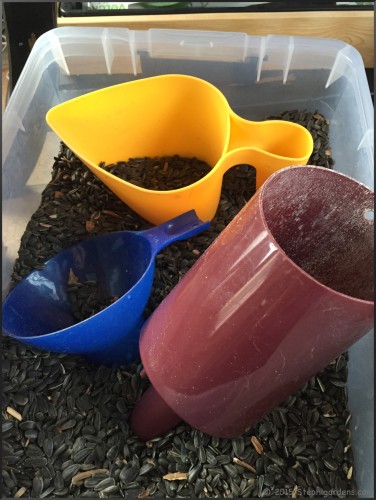
Here’s some of my favorite feeder “scoops” and funnels. This small investment has made the process of filling the feeders a lot easier and less messy.
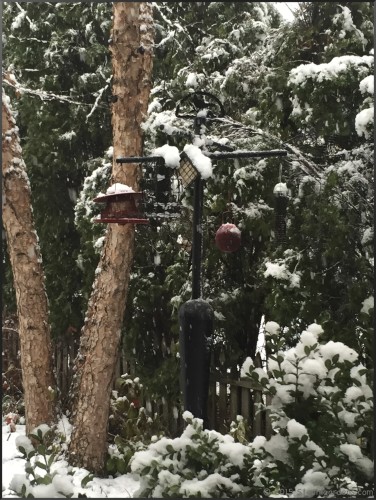
All finished and ready for winter! If you know anything about our current winter here in Chicago, you know that this “finished” picture was taken a few weeks ago during the one snowfall we’ve had so far.
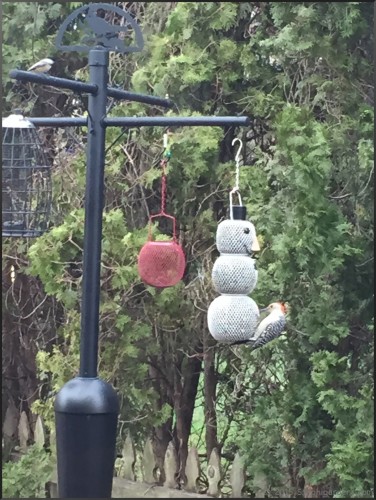
Then in addition to the usual birds that arrived almost immediately–chickadees, nuthatches, juncos, cardinals, goldfinches, downy woodpeckers–I had an extra special visitor at my Snowman Feeder. A Northern Flicker!
What’s your favorite feeder? Any interesting birds in your yard this winter?
February is finally done and it was quite a month for much of the country. It finished here in Chicago as tied with 1875 for the coldest February ever, with an average temperature of 14.6°F, and the third snowiest with just under 27 inches. I hope March will not be anywhere near as record breaking.
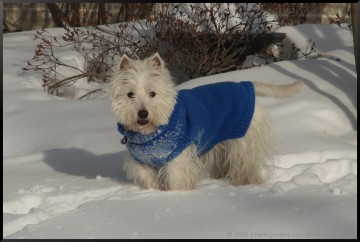
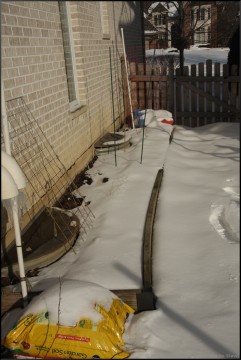
I took the last day of the month to go around with Daisy and see how things were looking. Snowy would be the best description.
I have no idea how the plants are faring this year. I’ll have to just be patient and wait and see.
This is what I call the “sparrow corner”. The sparrows love having their own feeder filled with inexpensive food, and have spent all winter flitting back and forth from the viburnum to the feeder. Keeps them occupied and away from the other feeders.
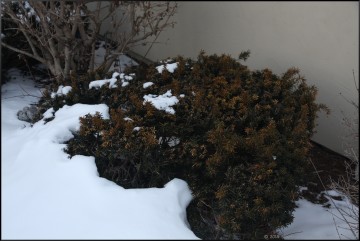
Like most winters, the arborvitae and yews took the worst beating. The “privacy fence” of arborvitae are actually beginning to look better than they did earlier this month, so maybe it’ll last another year.
The yews still show winter burn and snow damage from last year, and I’m expecting that they’ll look worse this year. They’ve been crushed by all the snow once again. Maybe I’ll be pleasantly surprised. and they’ll bounce back. Or it’ll give me chance to start over again 🙂
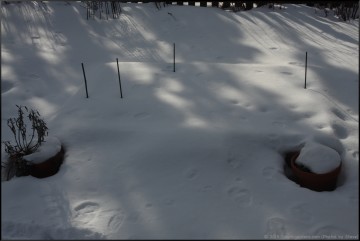
The vegetable gardens in the back and side yards are well insulated and just waiting for spring, which can’t come fast enough. The sticks mark the overwintering garlic.
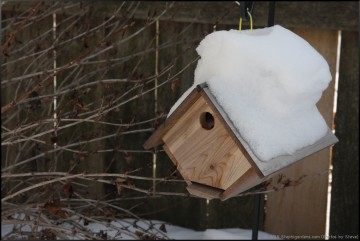
This birdhouse doesn’t look very inviting. Last year I put them out too late, so no one made it their home. Hopefully this spring.
My feeders on the feeder pole have been a hit (This Birthday Was For The Birds)! Cardinals, red-breasted nuthatches, white-breasted nuthatches, downy woodpeckers, chickadees, goldfinches, purple finches and house finches are daily visitors. Juncoes happily scavenge anything that spills on the ground.
At least it’s been a lot sunnier lately and my solar snowman finally cheerfully lights up the night.
Every year, my husband asks me what I want for my birthday. I’m usually not very helpful, but this year I knew just what I wanted!
Last fall, I decided a little late I was going to get back in the bird feeding business. It had been a while, as evidenced by one of my old feeders currently working only as home to a wasp’s nest. Soon after I got the poles and feeders sort of set out, the ground froze and my temporary locations became permanent.
Needless to say, the birds, and the squirrels, were happy with my feeders and locations. I am glad that I kept at it. With the winter as harsh as it was, the birds needed all the help they could get. Plus it added some fun to the never-ending winter.
This year, my plan was to be a lot more prepared. I needed to plan a little better where I was going to put the feeders, and get some better squirrel proof feeders. I’m not nearly as handy around power tools as my mom is, so I wasn’t going to build anything myself. Shopping around, the better pole systems were a bit pricey, which is where my birthday comes in. For my birthday I got a fabulous pole system and a couple of new feeders.
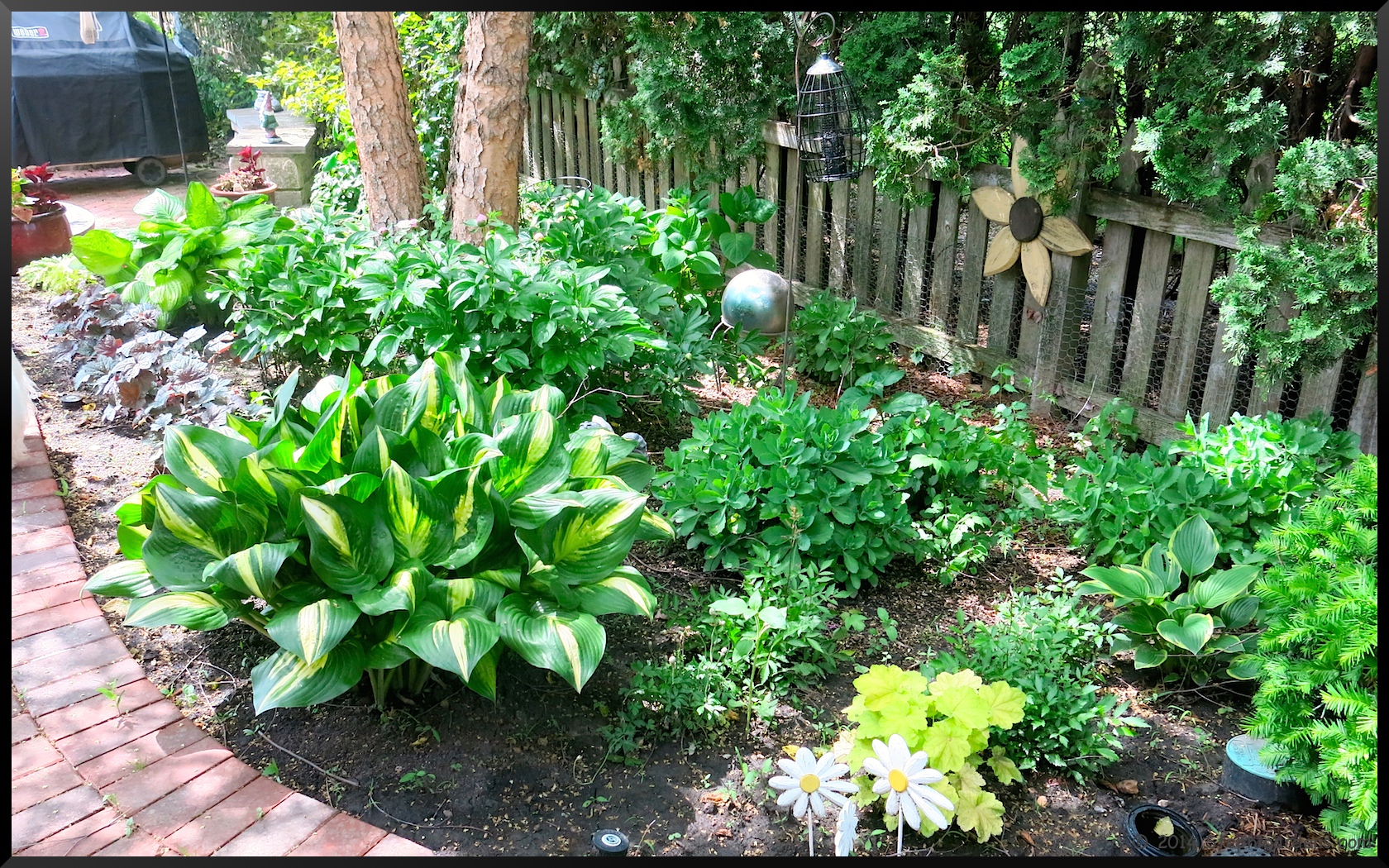
It seemed really sturdy and almost universally squirrel-proof according to the reviewers. Next decision was where to put it. I wanted it to be where I could see the visitors easily from the house, but not attractive to jumping squirrels. While this feeder seems quite effective in stopping climbing squirrels, it won’t protect from the jumpers. While my mom was here visiting, we scoped out a spot that hopefully is far enough away from the river birch and arborvitae, and a perfect view from the kitchen window. It’s going to be right behind the big hosta, about 10 ft from the tree trunk and 6 ft from the arborvitae. I’m hoping they can’t get a good jump off the floppy arborvitae branches.
Setting up the feeder—
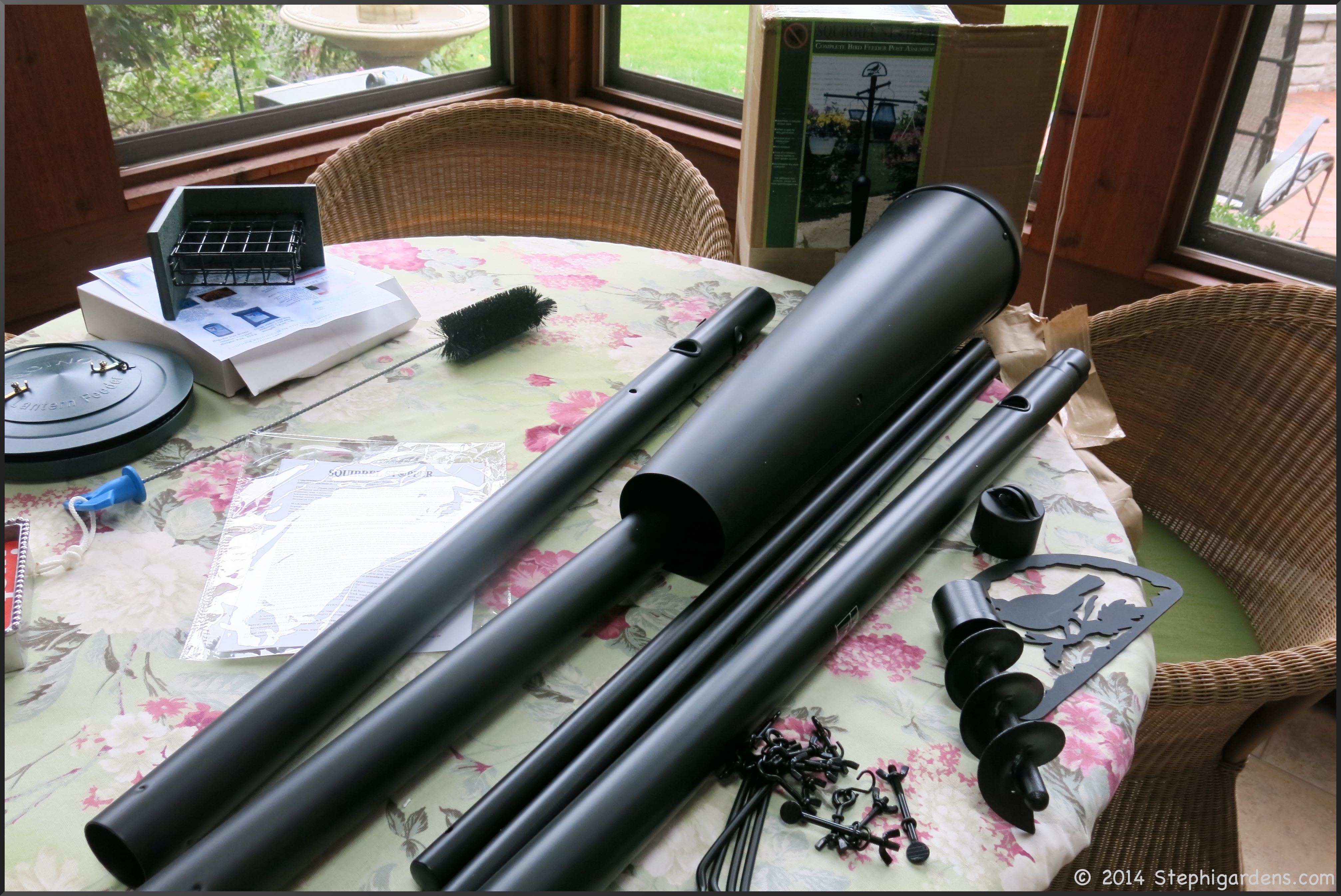
I was really impressed with the thickness and sturdiness of the poles.Time to start putting it in the ground. You use one of the upper cross beams as the leverage to twist in the auger. It was a little tough to insert the pole throughout the hole, but using water as the lubricant, I got it in finally. Then it took two of us to twist it into the wonderful midwest ground. Somehow we picked the only spot free of tree roots and got it in the first time!You do need to get it in the ground all the way to the line, otherwise it’s too tall and it’s tough to reach the feeder hooks. Hint: Do it right the first time. No way was I going to disassemble it to finish twisting it into the ground. We ended up using one of my metal shepherd’s crooks to finish twisting. Nothing else was strong enough to take the pressure.The rest of the pieces slipped together easily.Finished!
I got a couple of new feeders to go with the pole set. The red one is a No-No Cardinal Feeder. I never had a real cardinal feeder out last winter, and instead went out every day and tossed some sunflower seeds on the snowman statue’s head until it fell over and cracked from the cold. Kind of a wasteful way to put it out, but it worked in a pinch and the squirrels and juncos didn’t complain. I also got a new suet feeder, mostly because it looked nice.
On my way tomorrow to pick up new seed for the season. Are you ready for the birds this winter?