2018 Garden Recap: Flowers

Now that the outdoor growing season has officially ended here in Chicago, I thought it was time to look back and see how things went.
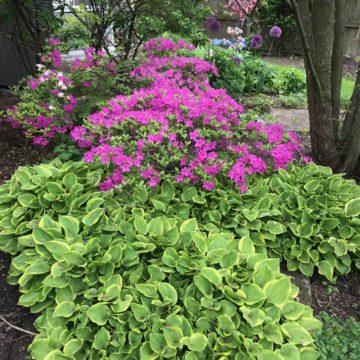
It was definitely a mixed year weather-wise, but for the most part everything looked pretty good all summer. Except for the weed infestation that took a while to get under control!

Here’s some highlights:

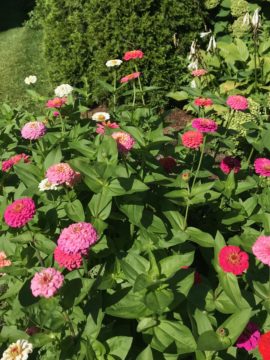
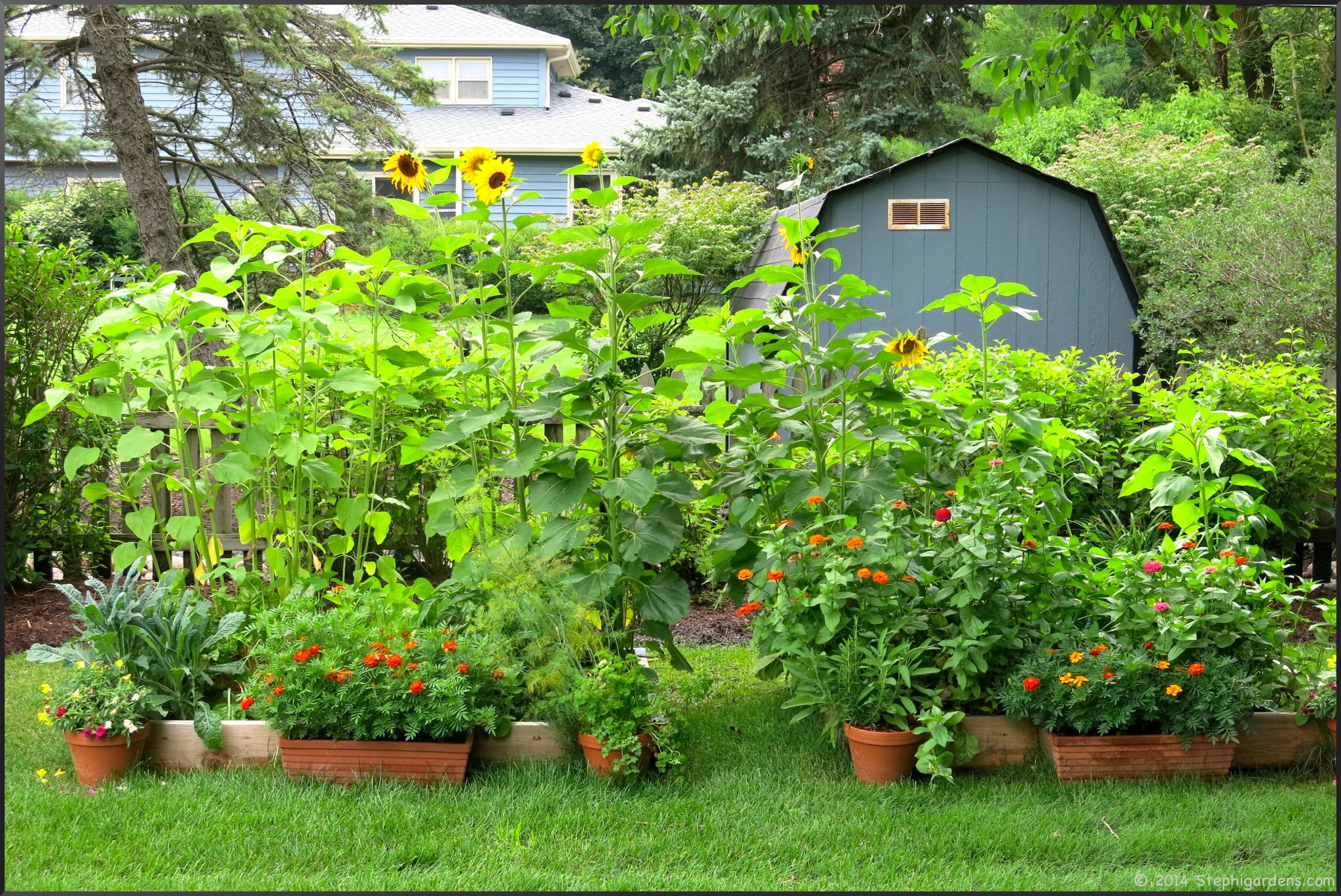
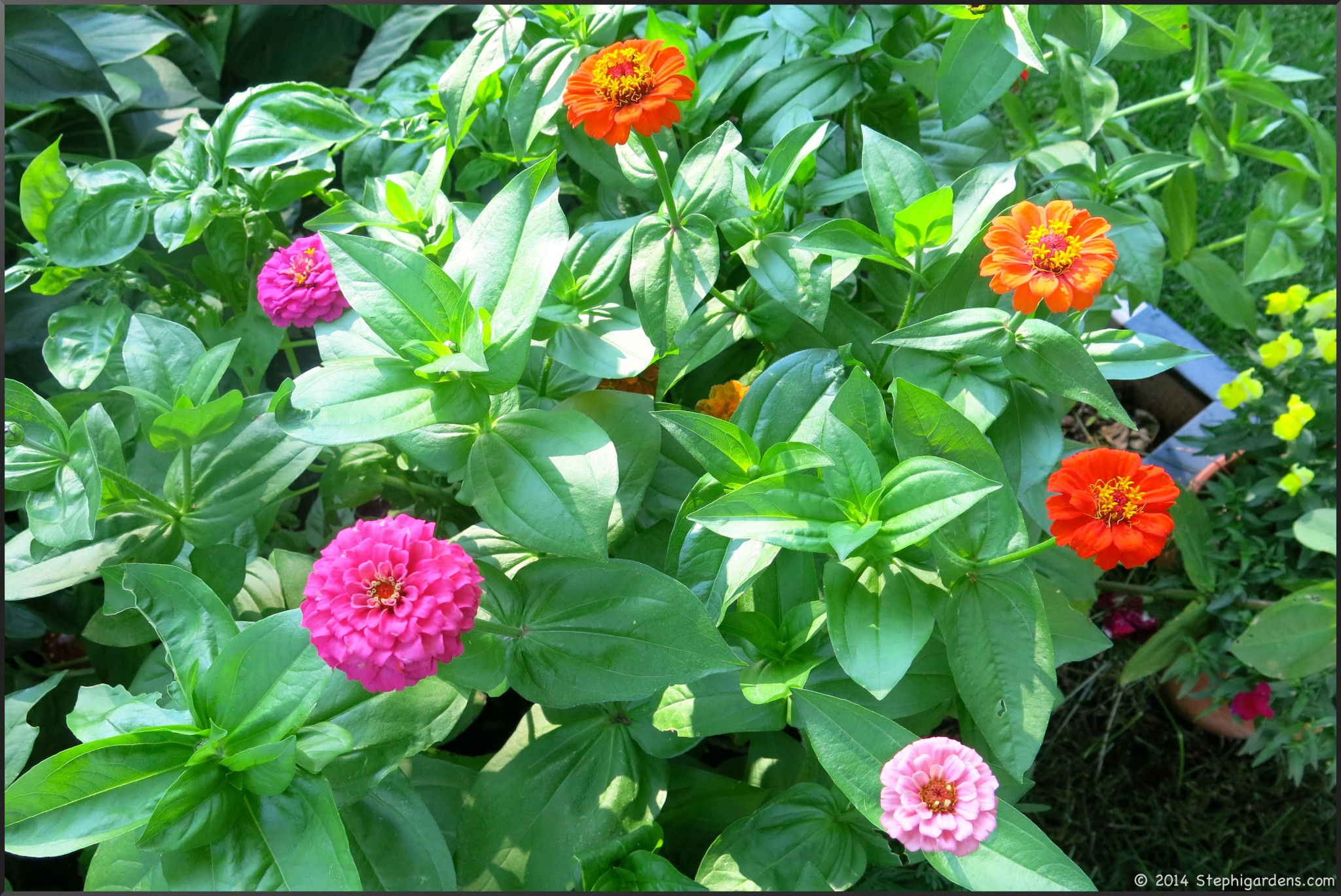
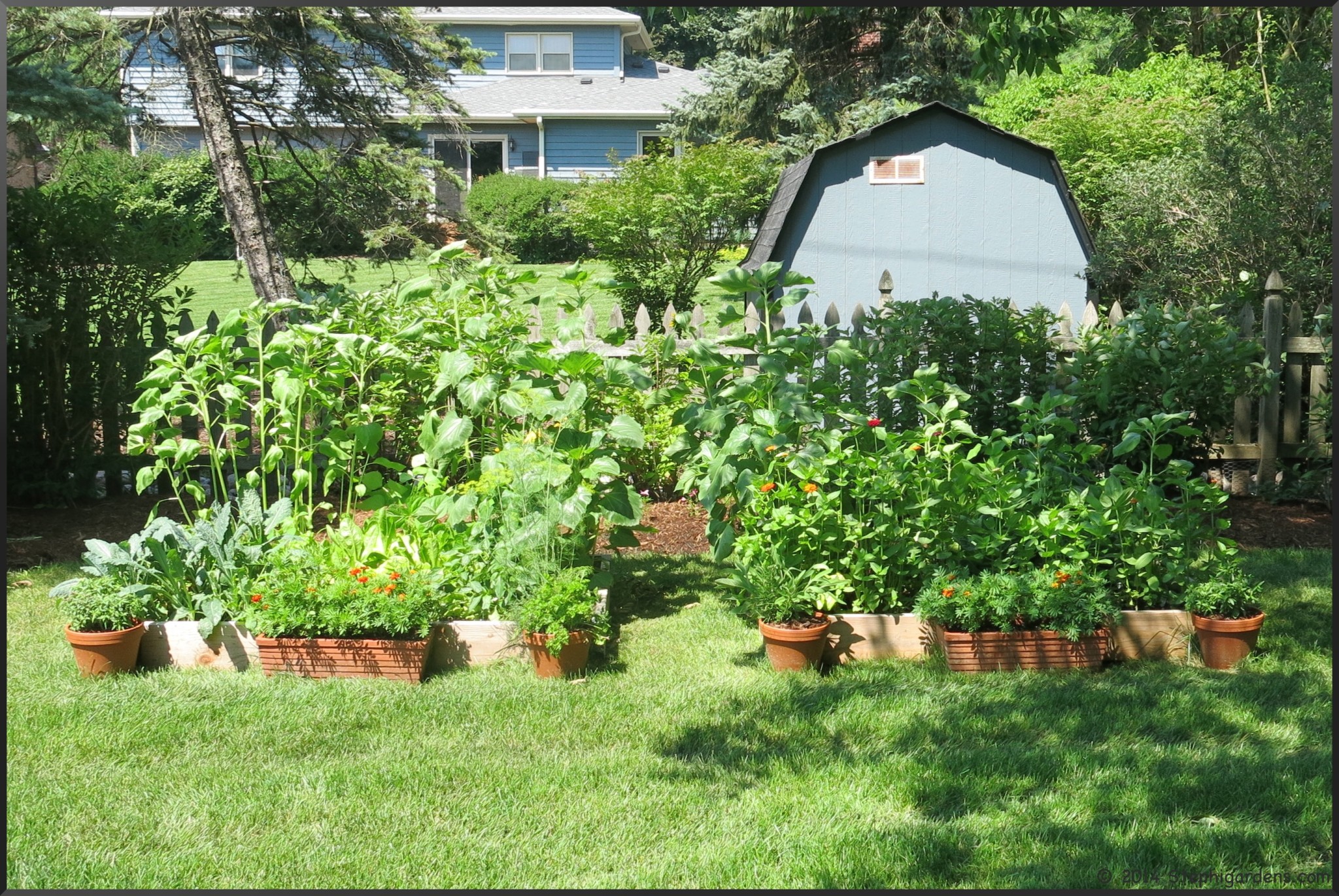
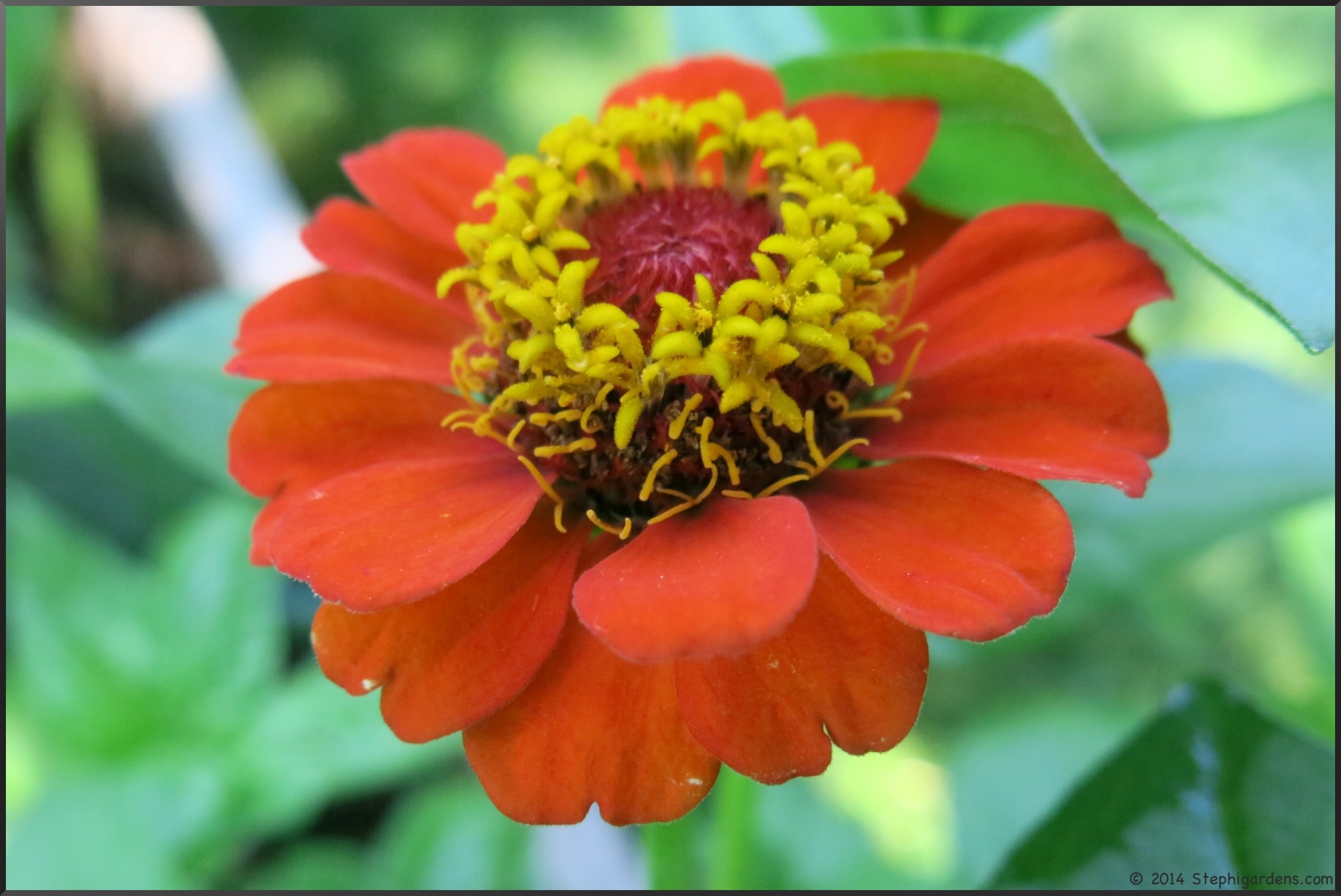
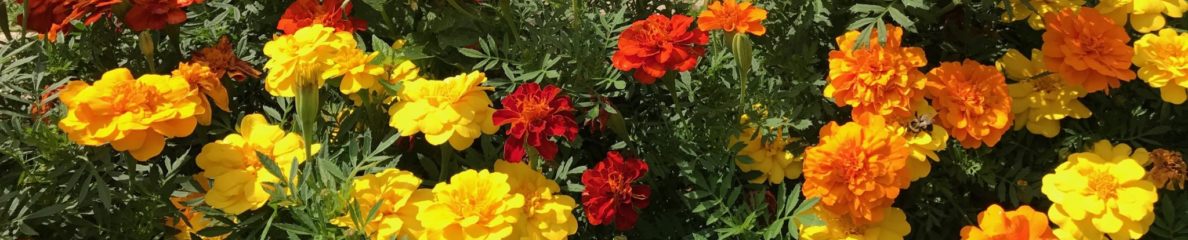
I was excited to get my zinnia and marigold beds laid down from seeds that I had collected from last years’ flower beds.
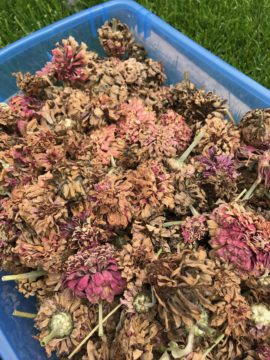
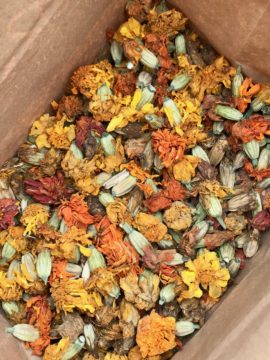
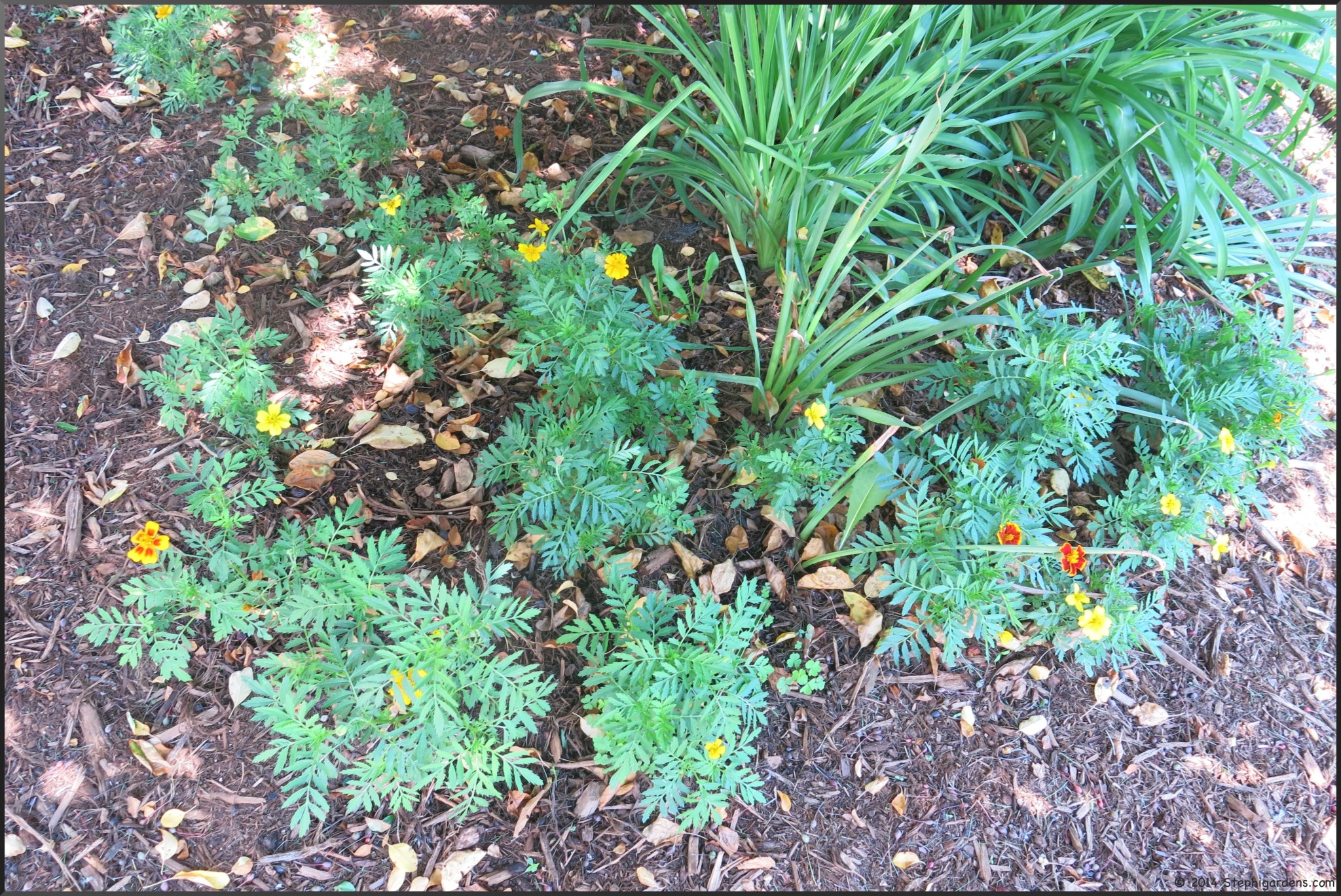
I waited for the soil to warm up enough, prepared the beds, separated out the seeds and spread them out over the soil, then watered.  The seedlings were about 3 inches when disaster struck! Some wayward weed-wacking had pulverized them after mistaking the seedlings for weeds.
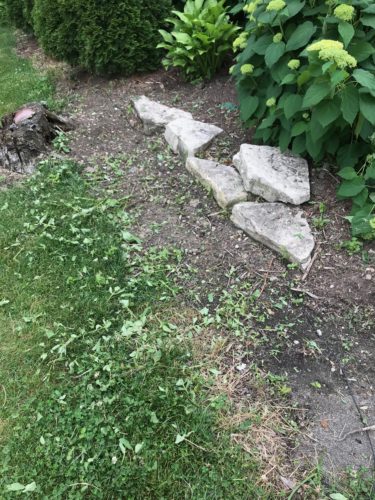
So back to ground zero, but it was now mid-June and everything was pushed back quite a bit. So, replanted what little seed I had left and added some new Burpee Cut and Come Again Zinnias and Burpee Boy O’Boy Marigold Mix.  Much to my delight, I did end up with beautiful flower beds before too long.
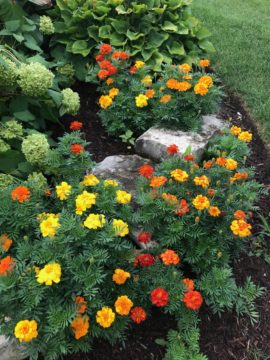
Like last year, I collected up all my seeds to keep for next spring.  Check out my previous post, Cheerful and Bright Zinnias Bed, for an easy how-to to get dense flower beds like these.

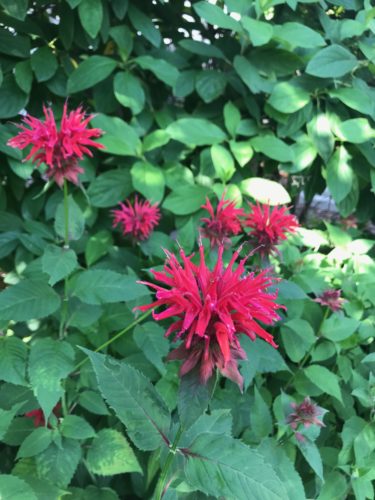
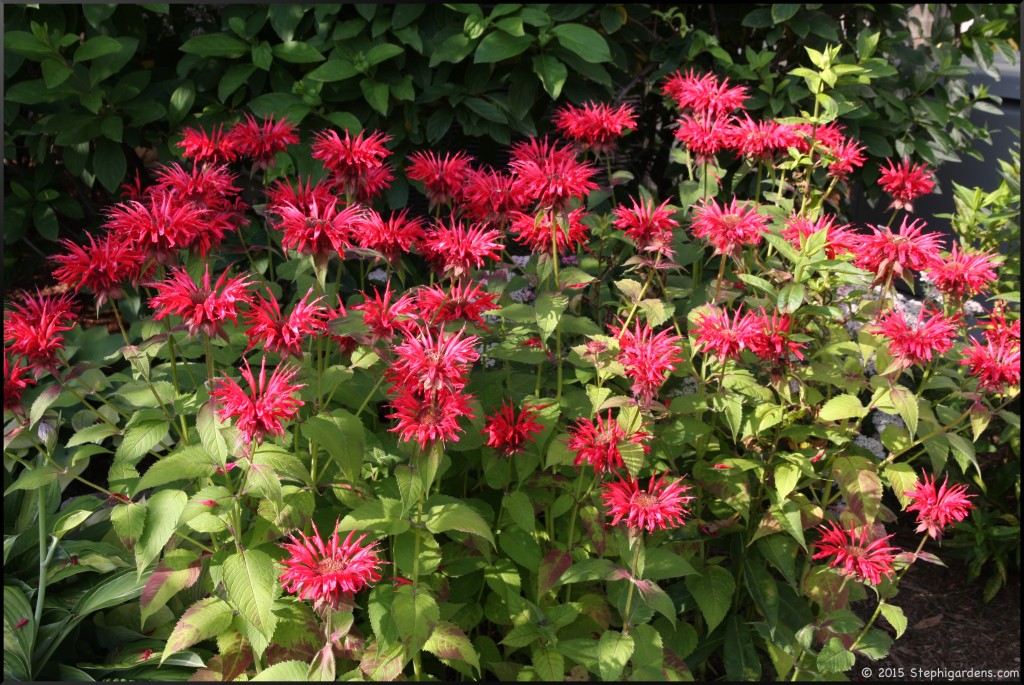
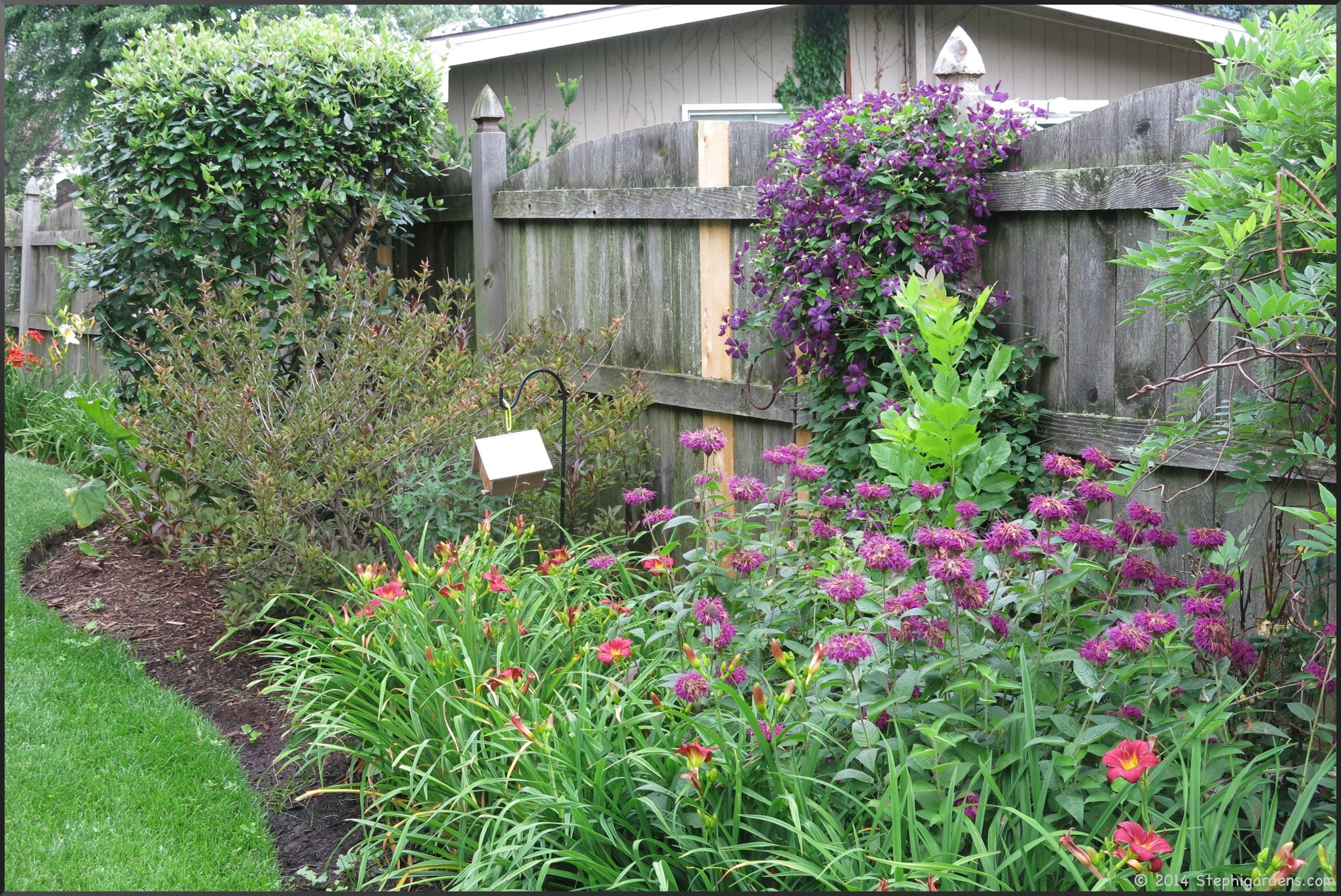
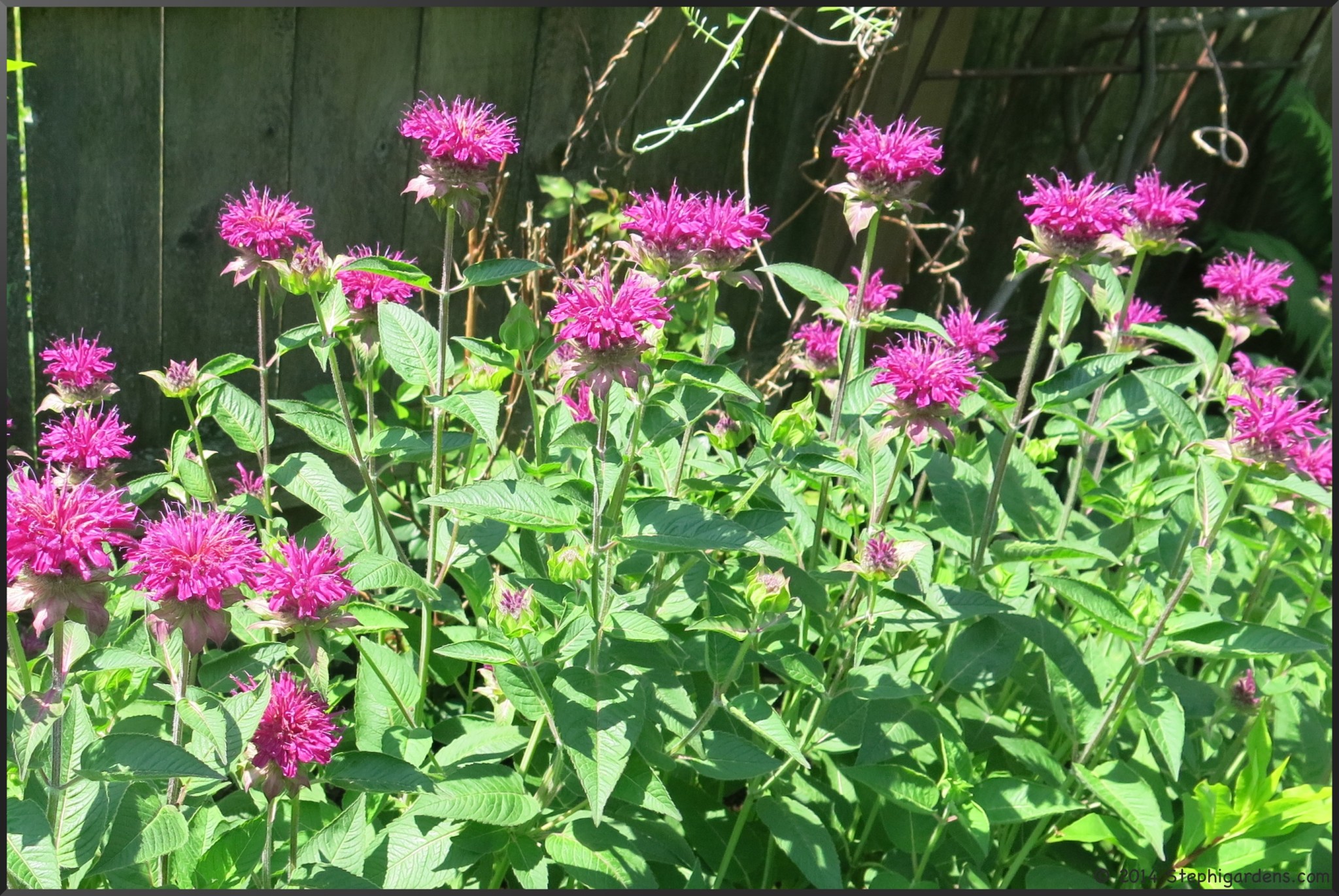
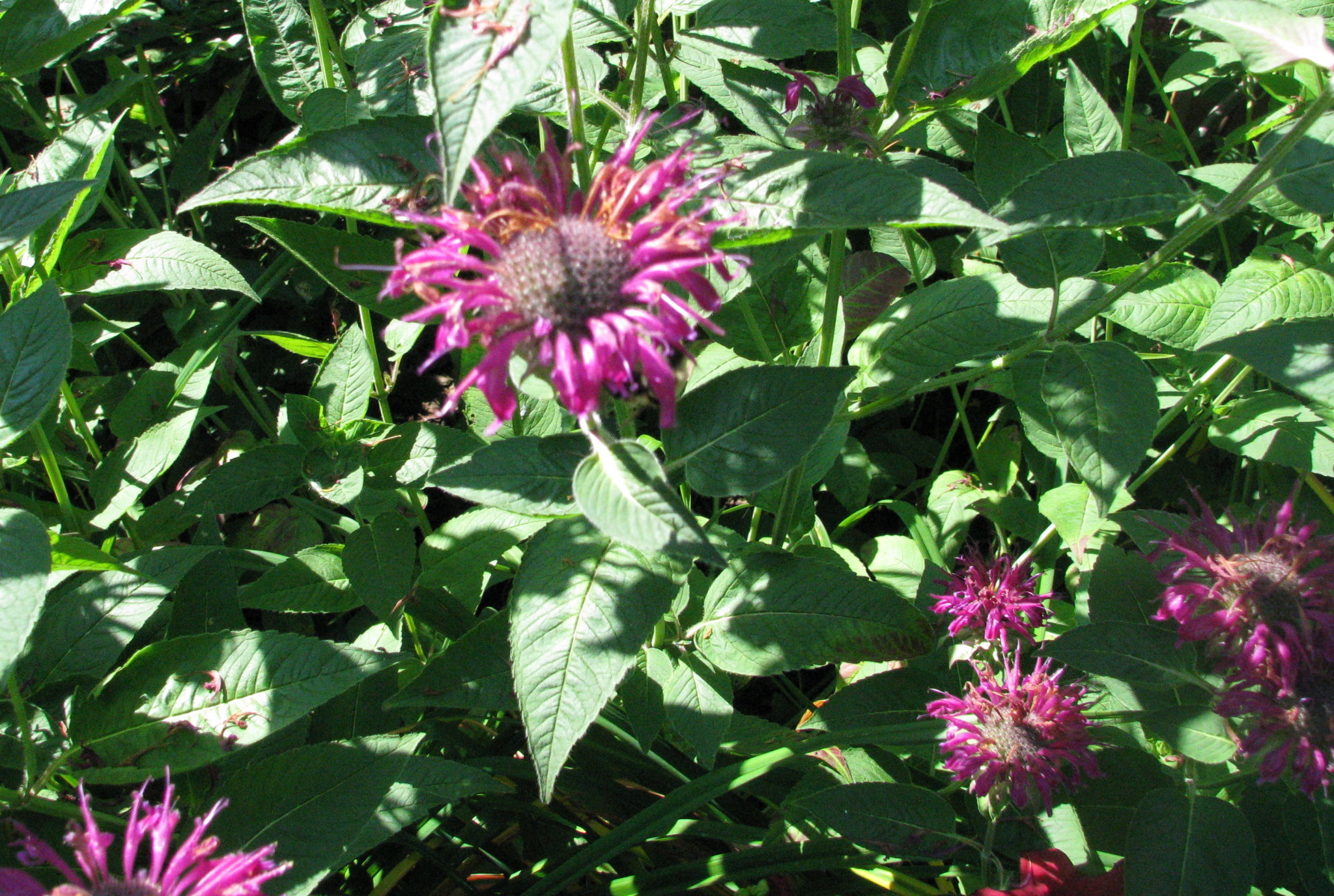
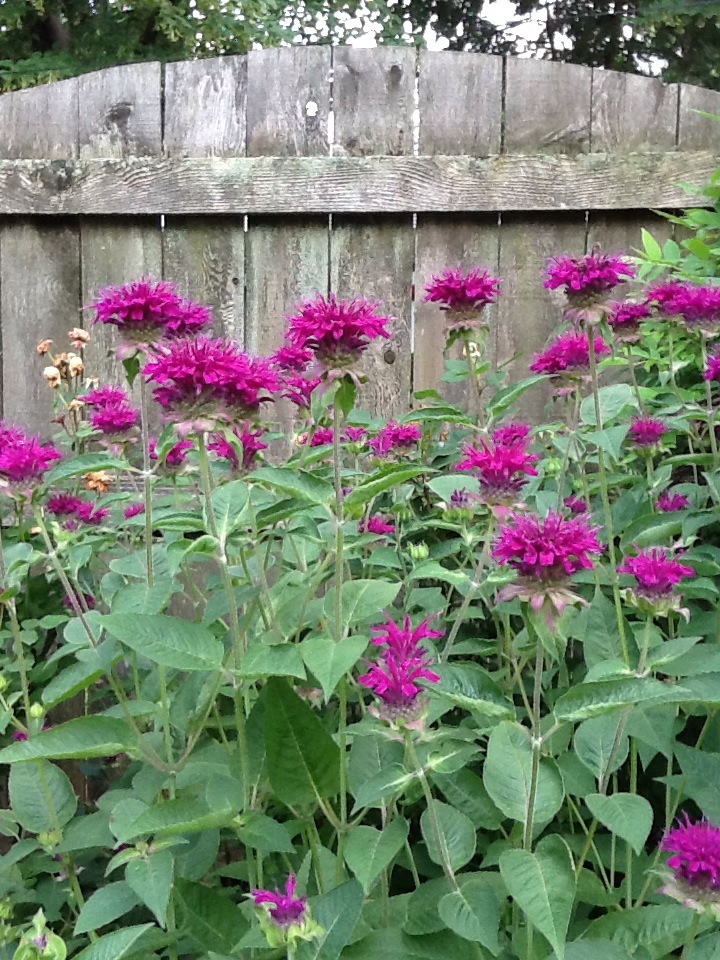
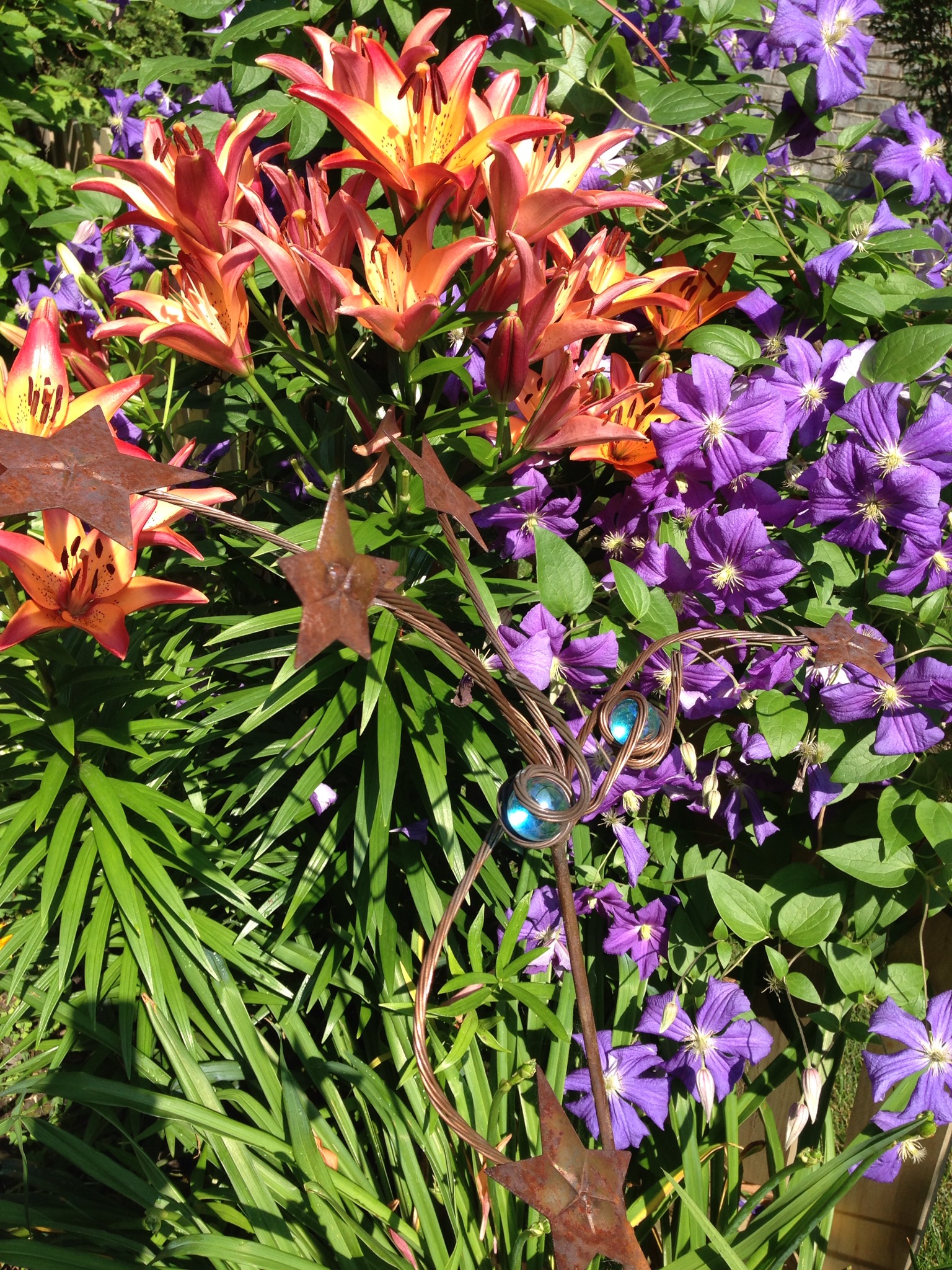
The Monarda added mid-summer festive colors and are always a favorite of the bees.
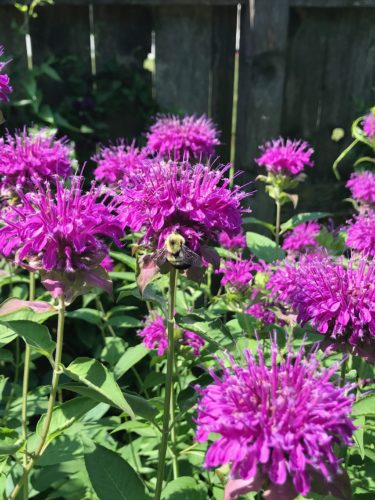
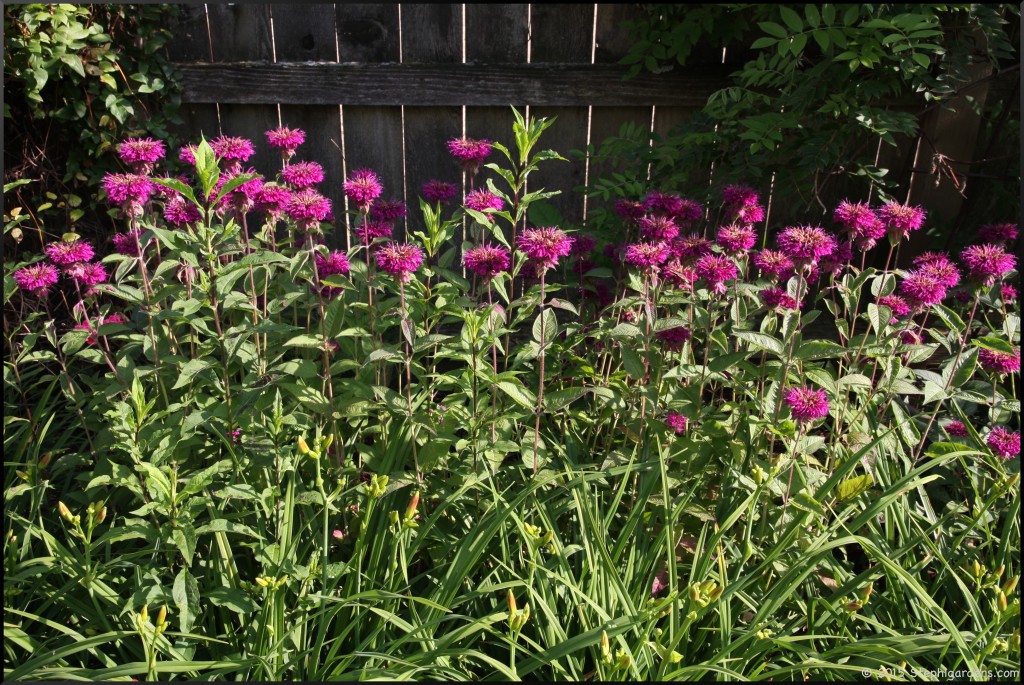
Monarda didyma ‘Purple Rooster’ Monarda

I’ve enjoyed the summer color from my current Monardas who have grown really well in their new locations (The Bee Balm is Very Happy). I added another variety this summer, Marje Pink Bee Balm (Monarda ‘Marje Pink’). Hopefully it grows as well as the other two have.
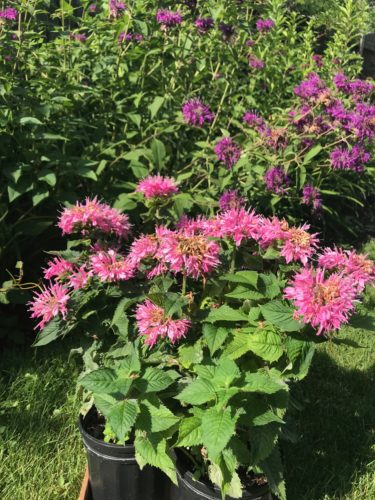
Monarda 'Marje Pink'

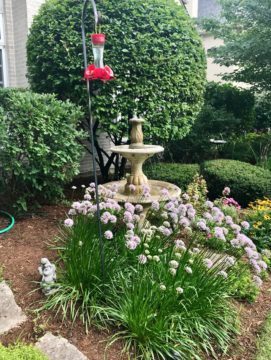
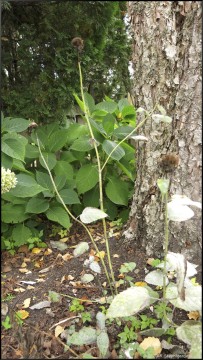
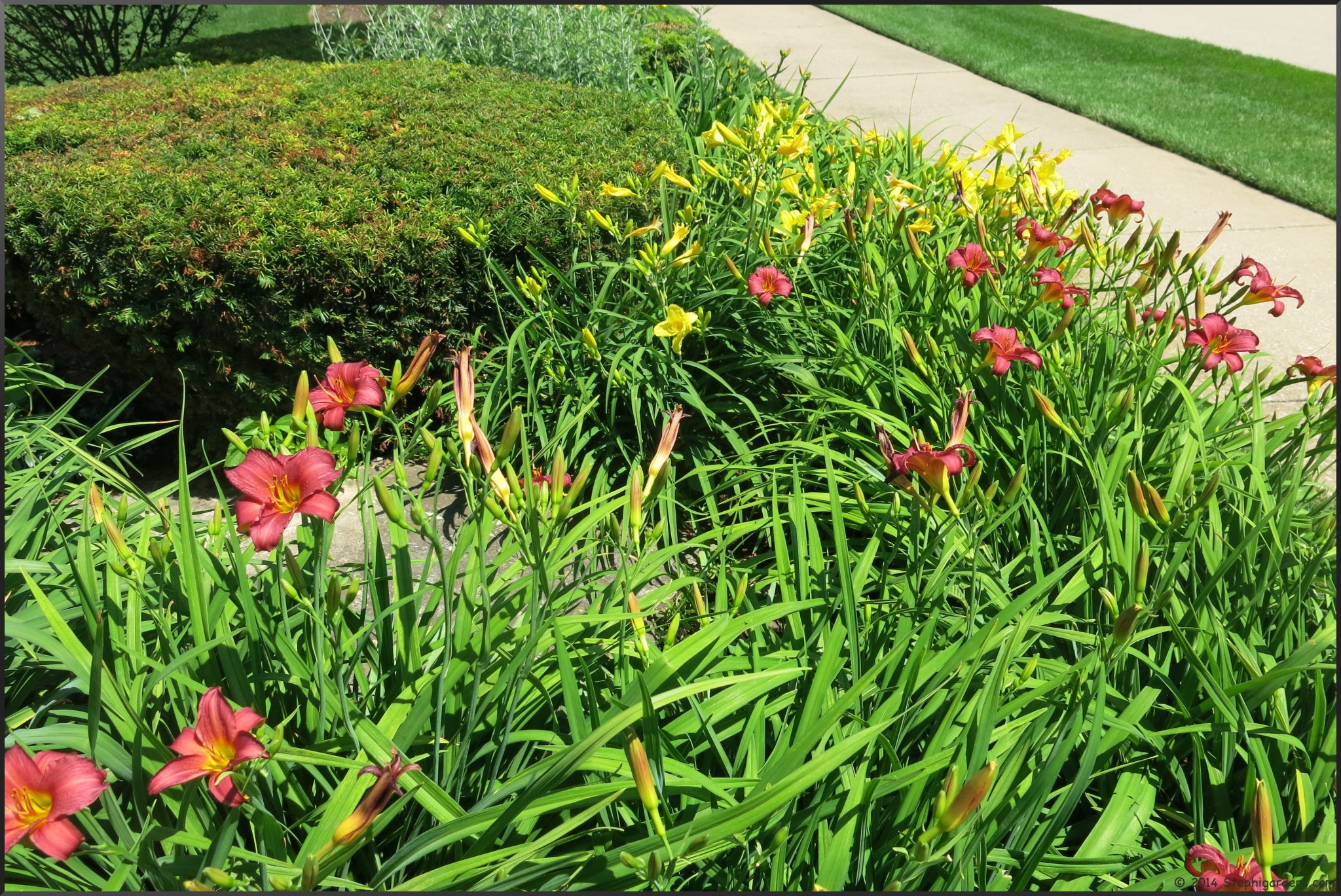
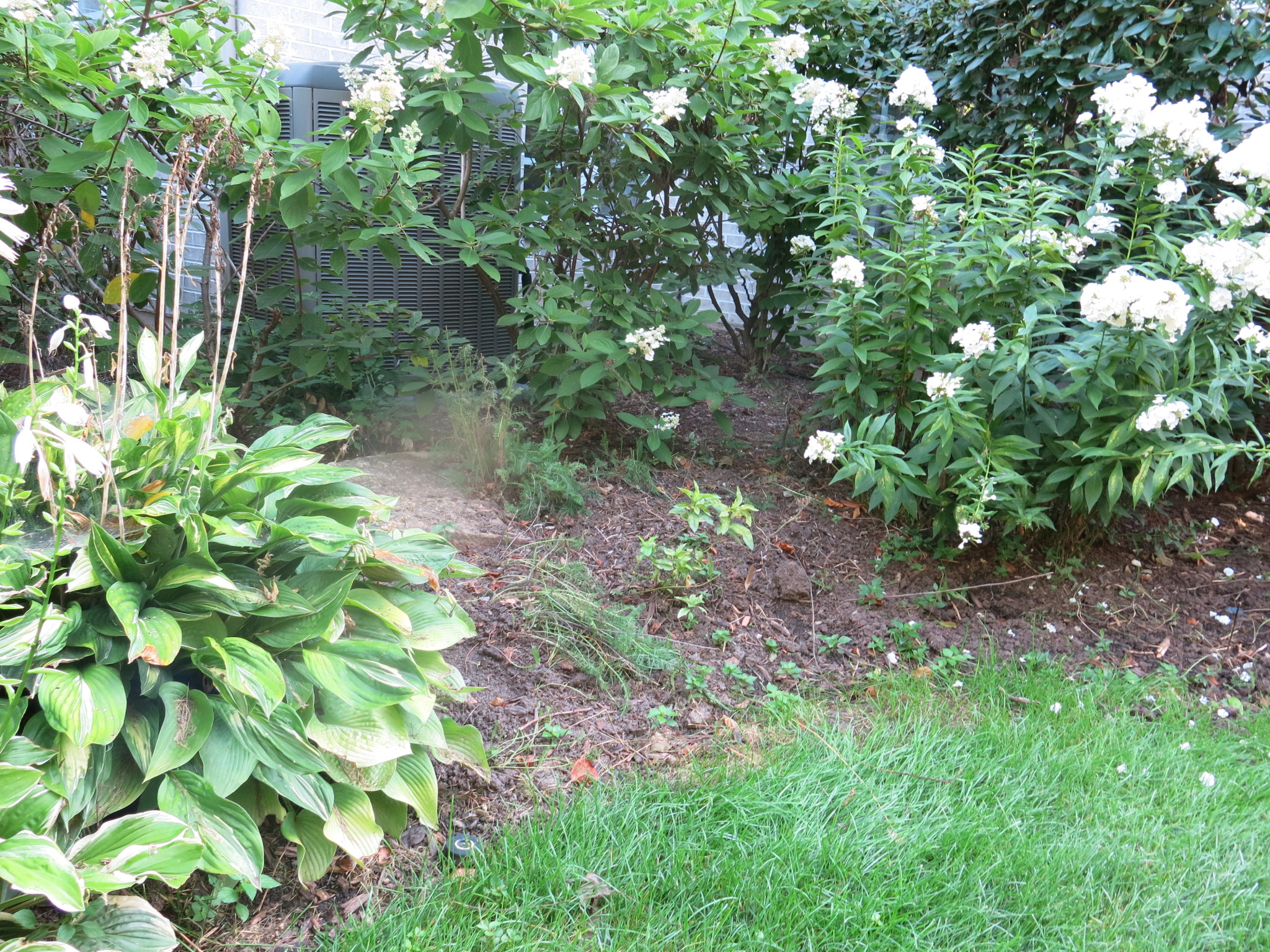
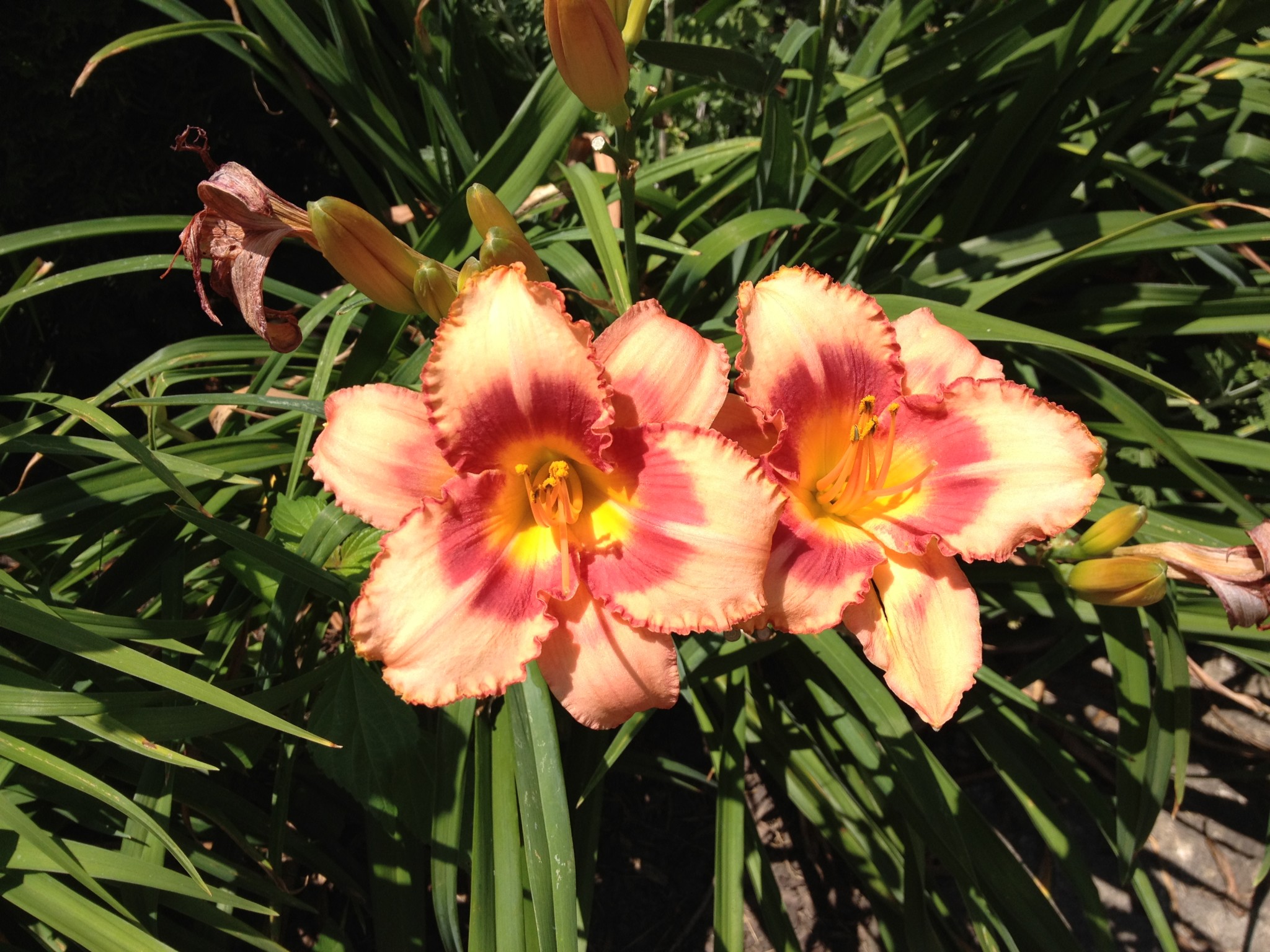
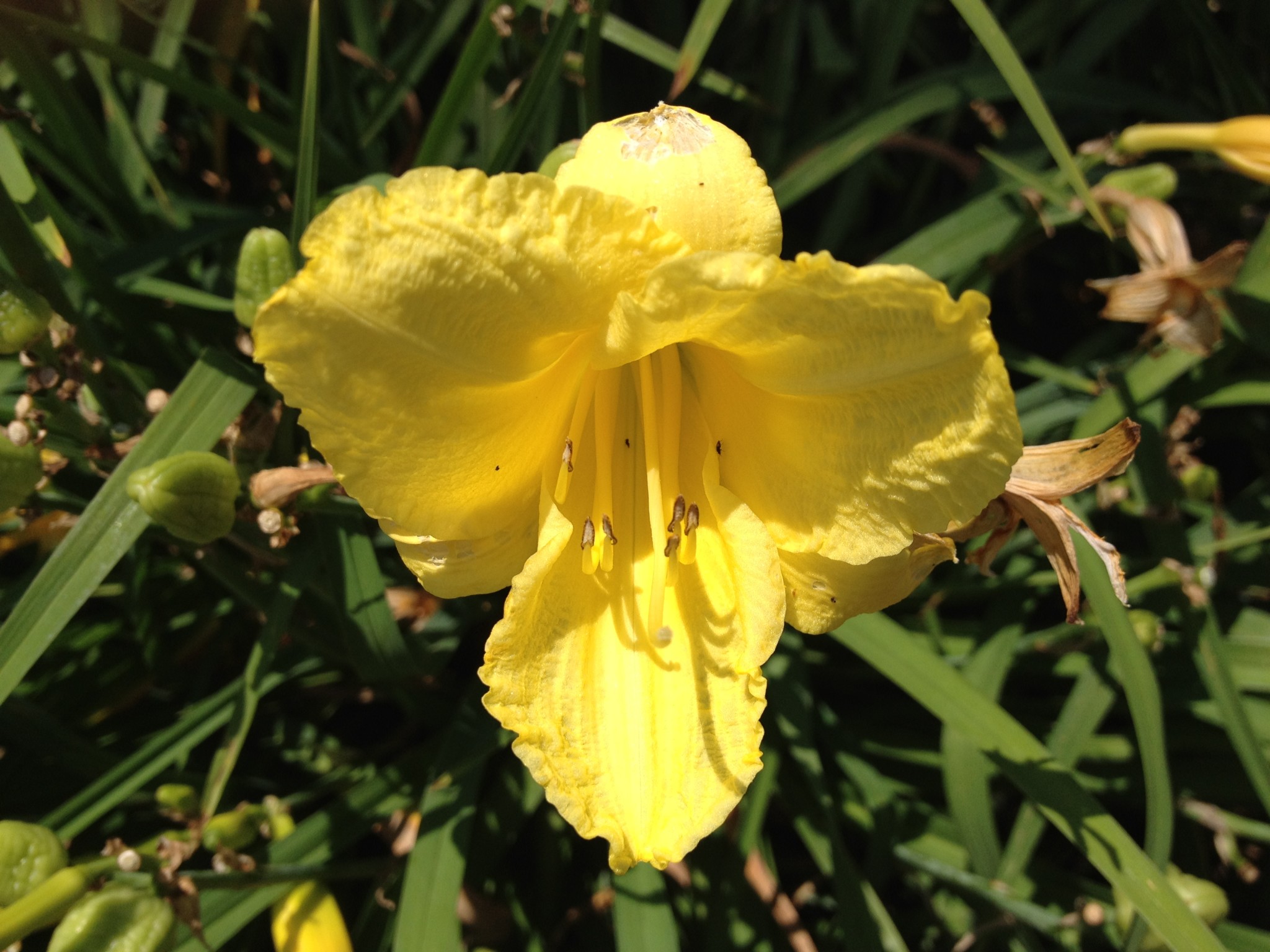
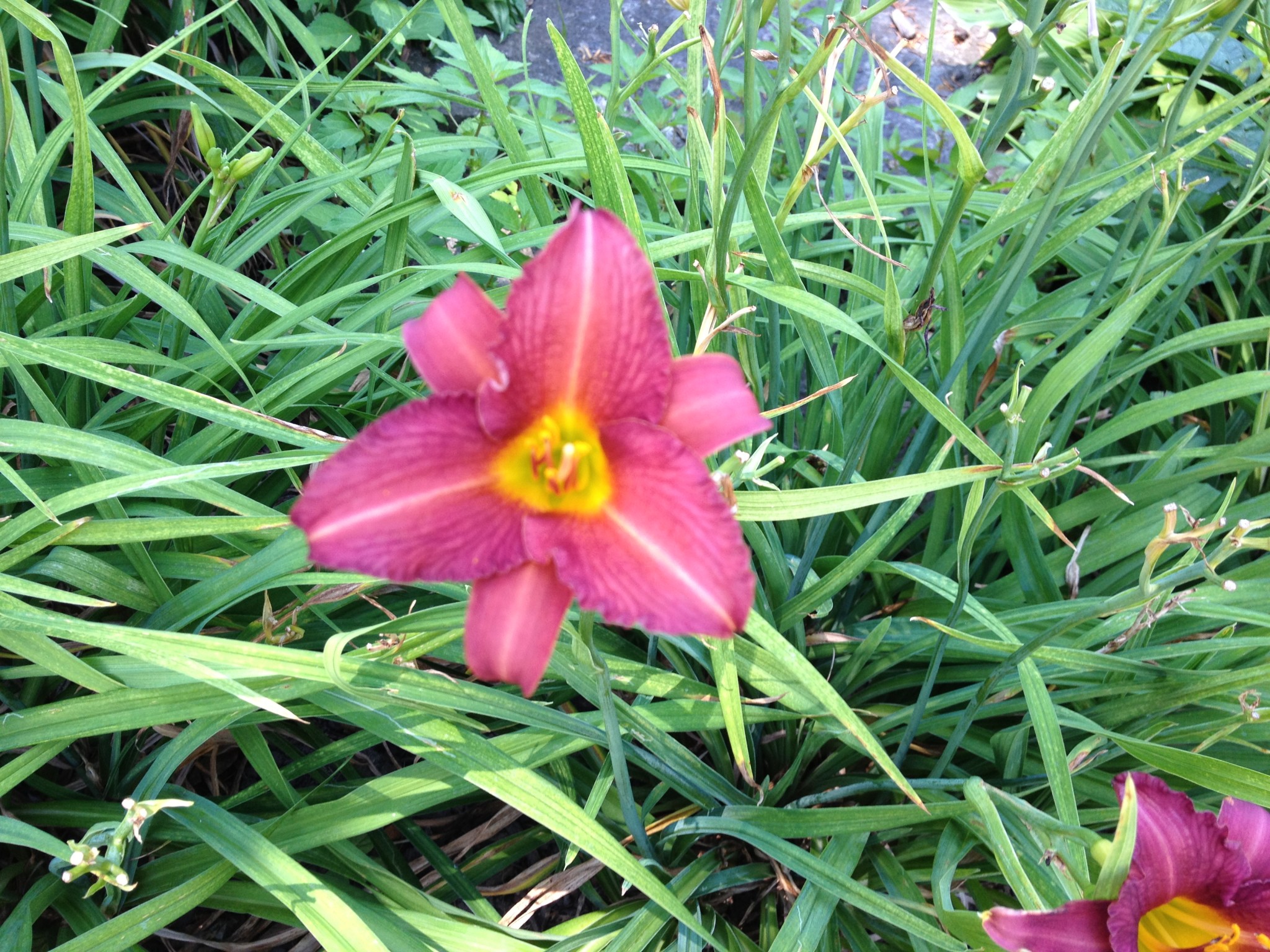
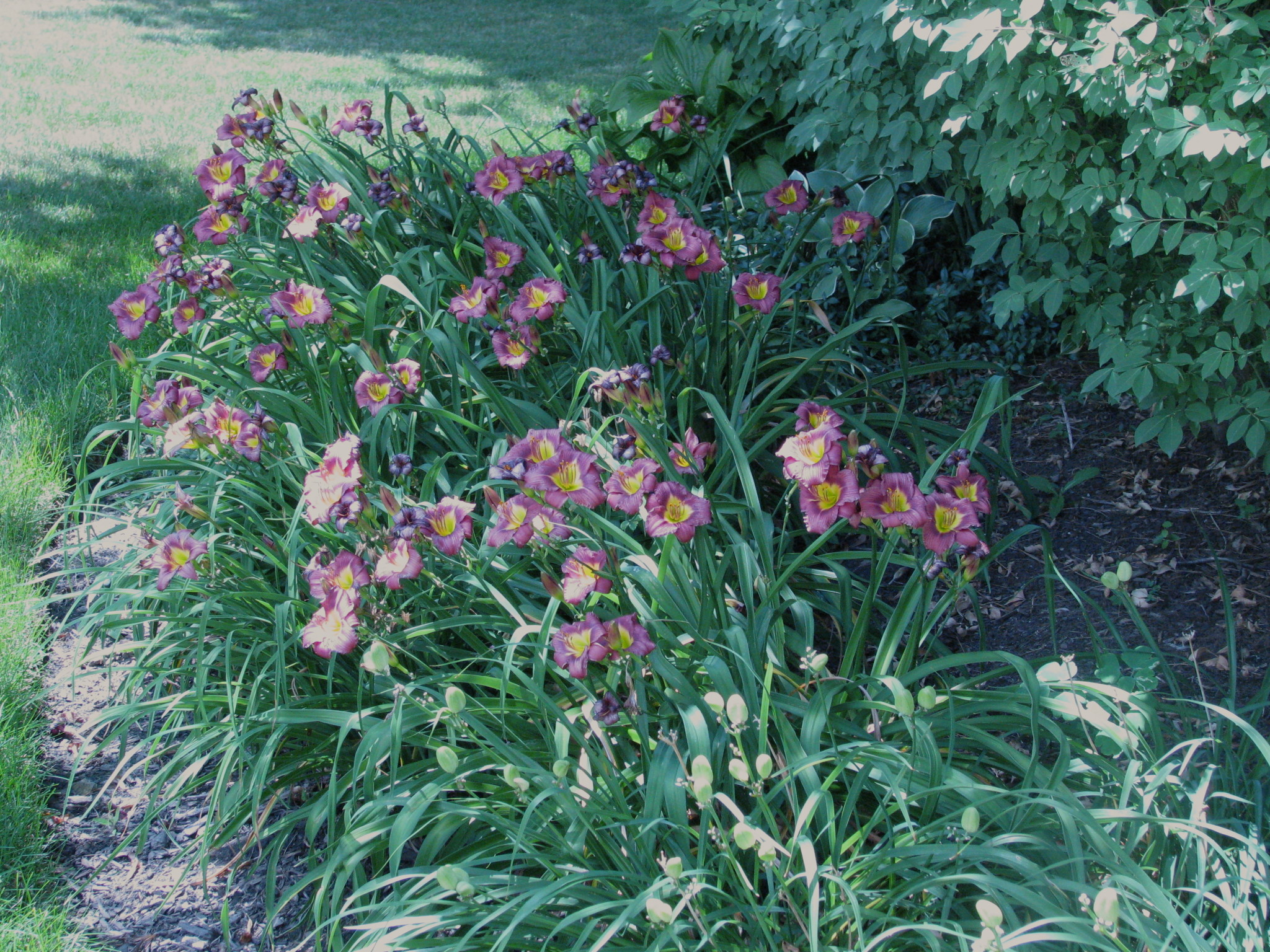
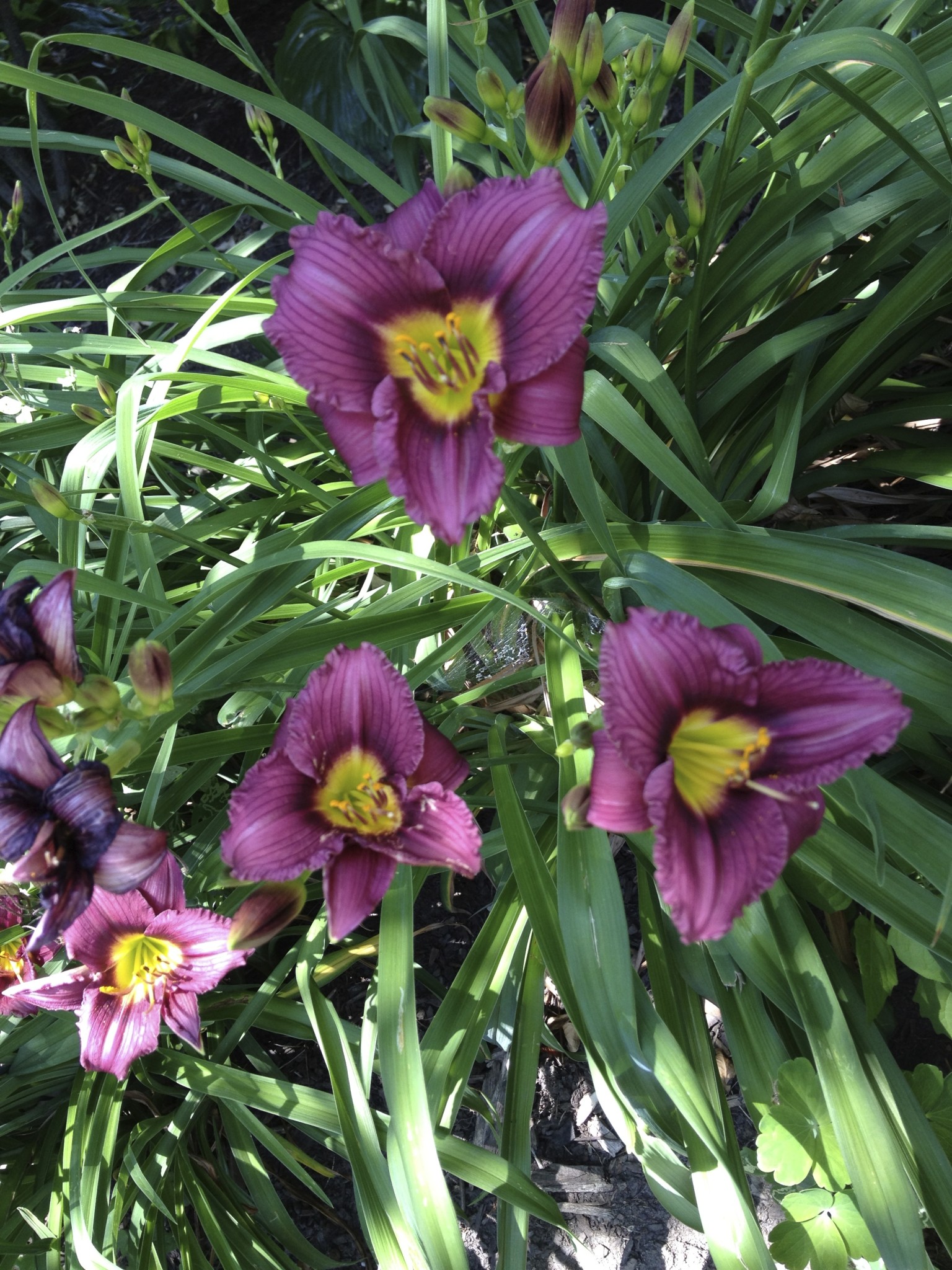
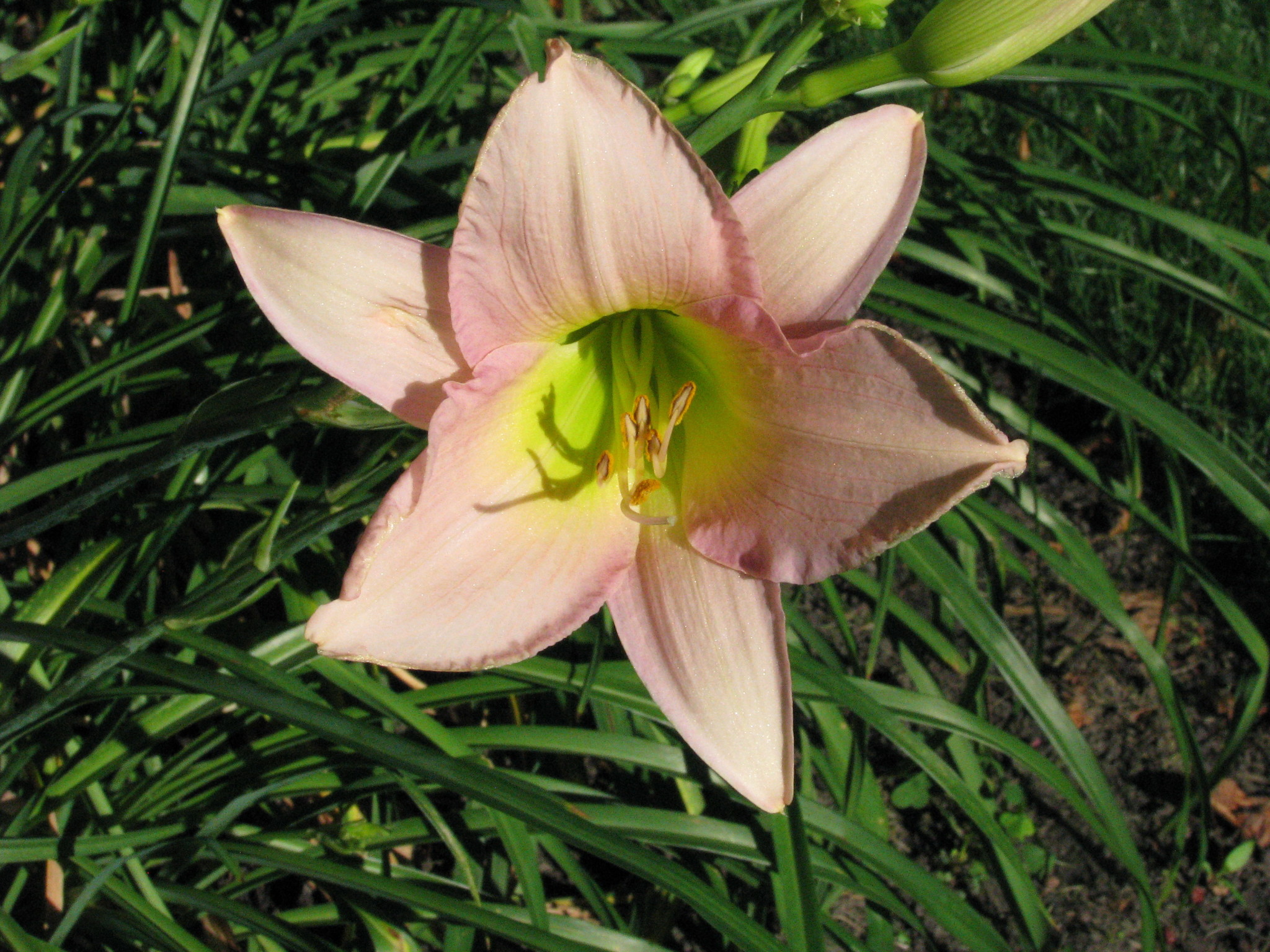
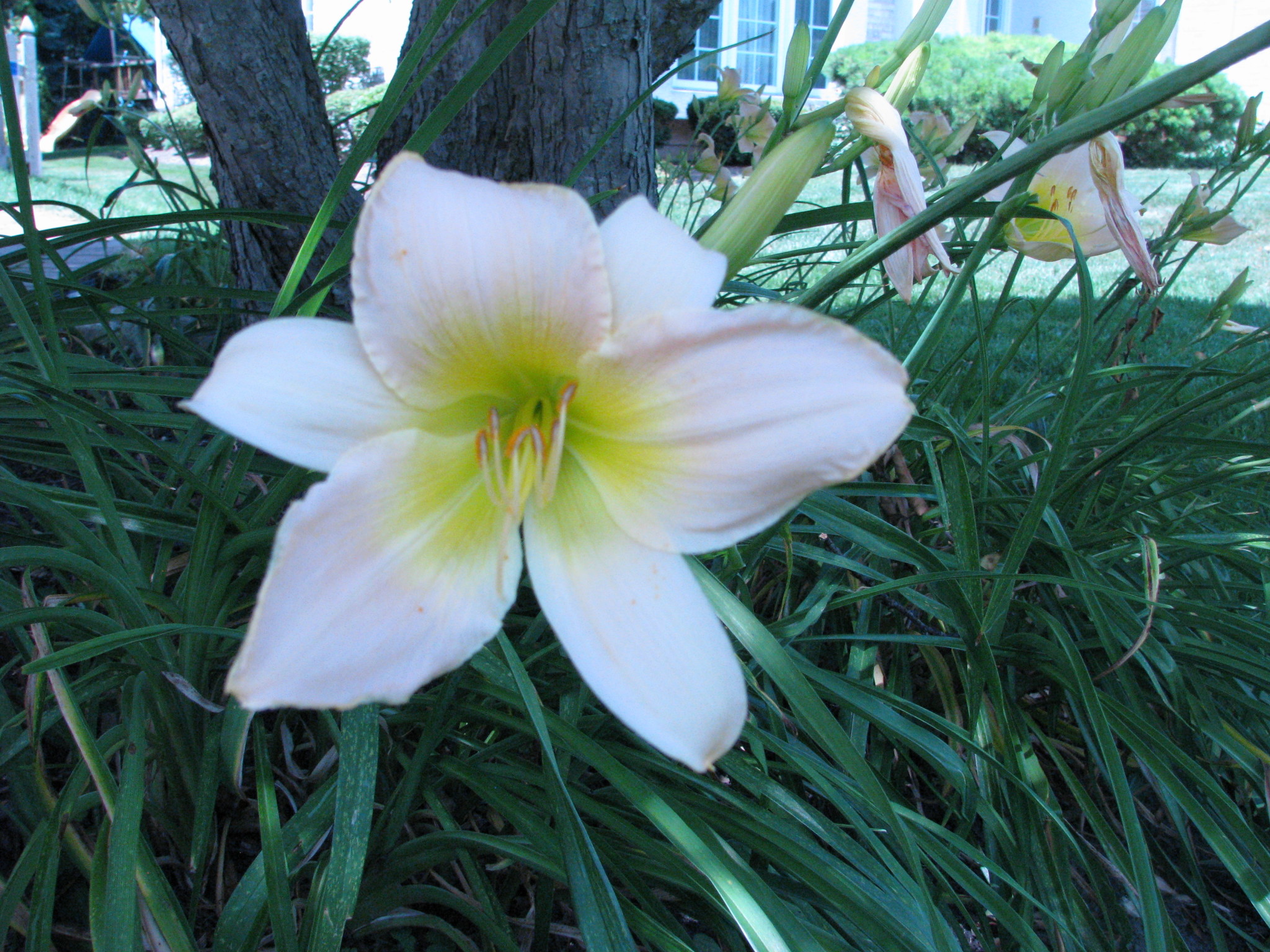
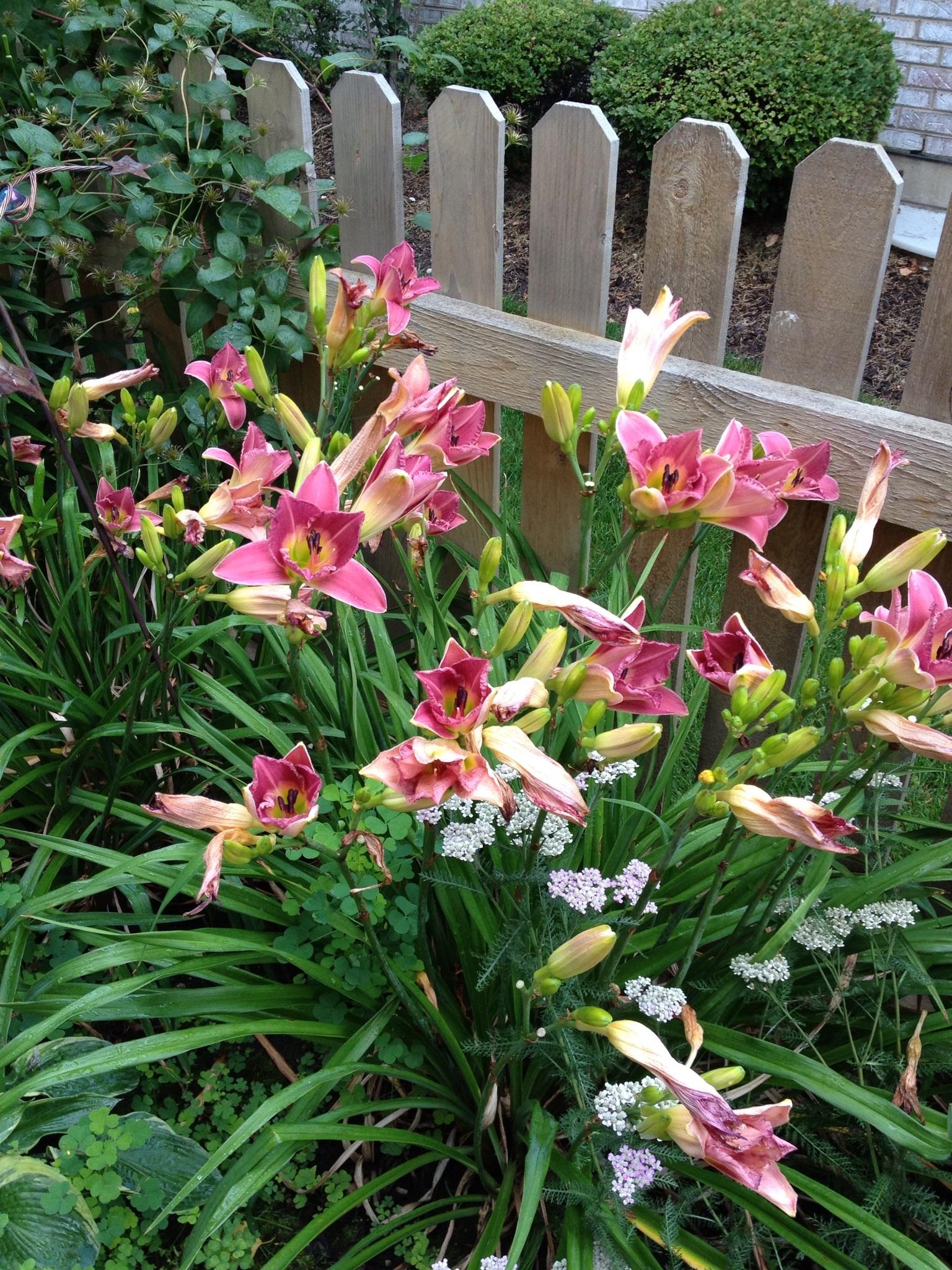
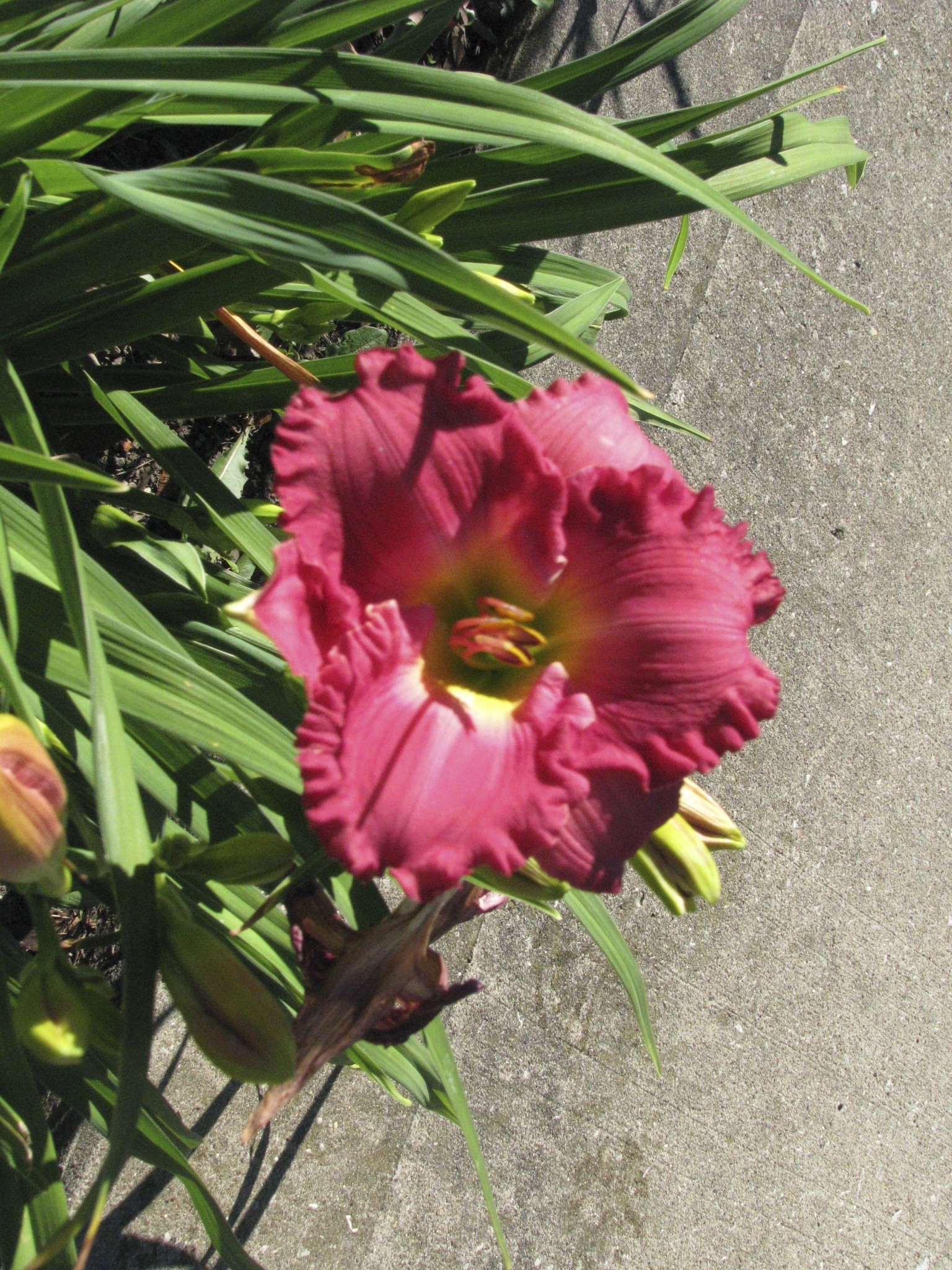
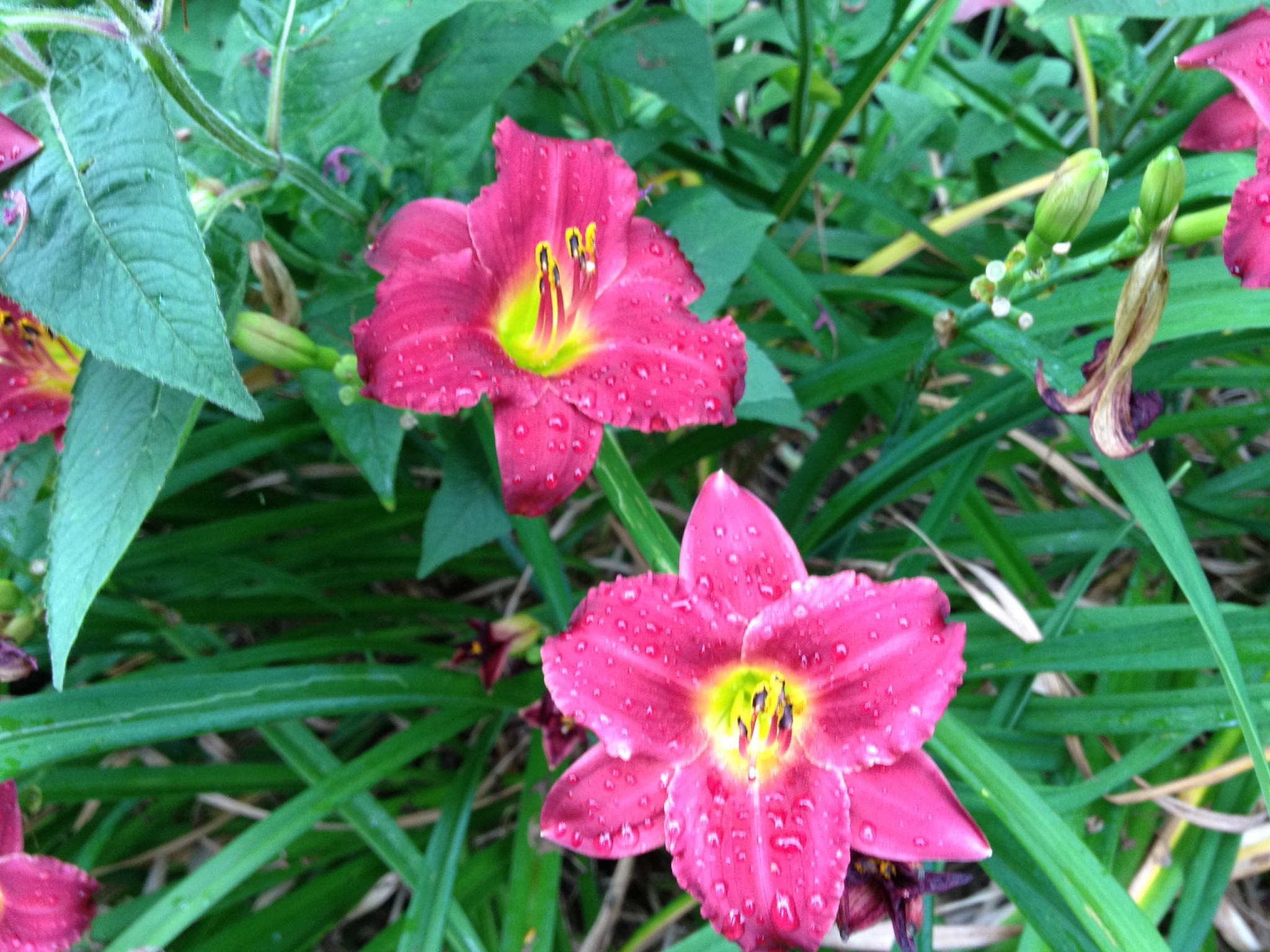
Other garden standbys did well this summer. Hostas, Daylilies, Phlox and the newly added Summer Beauty Allium (Allium Tanguticum ‘Summer Beauty’) added plenty of summer color
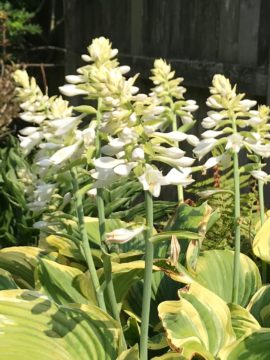
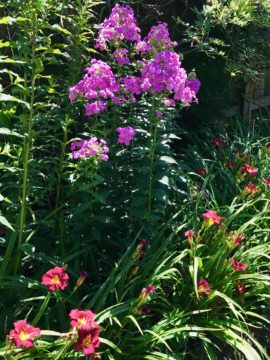
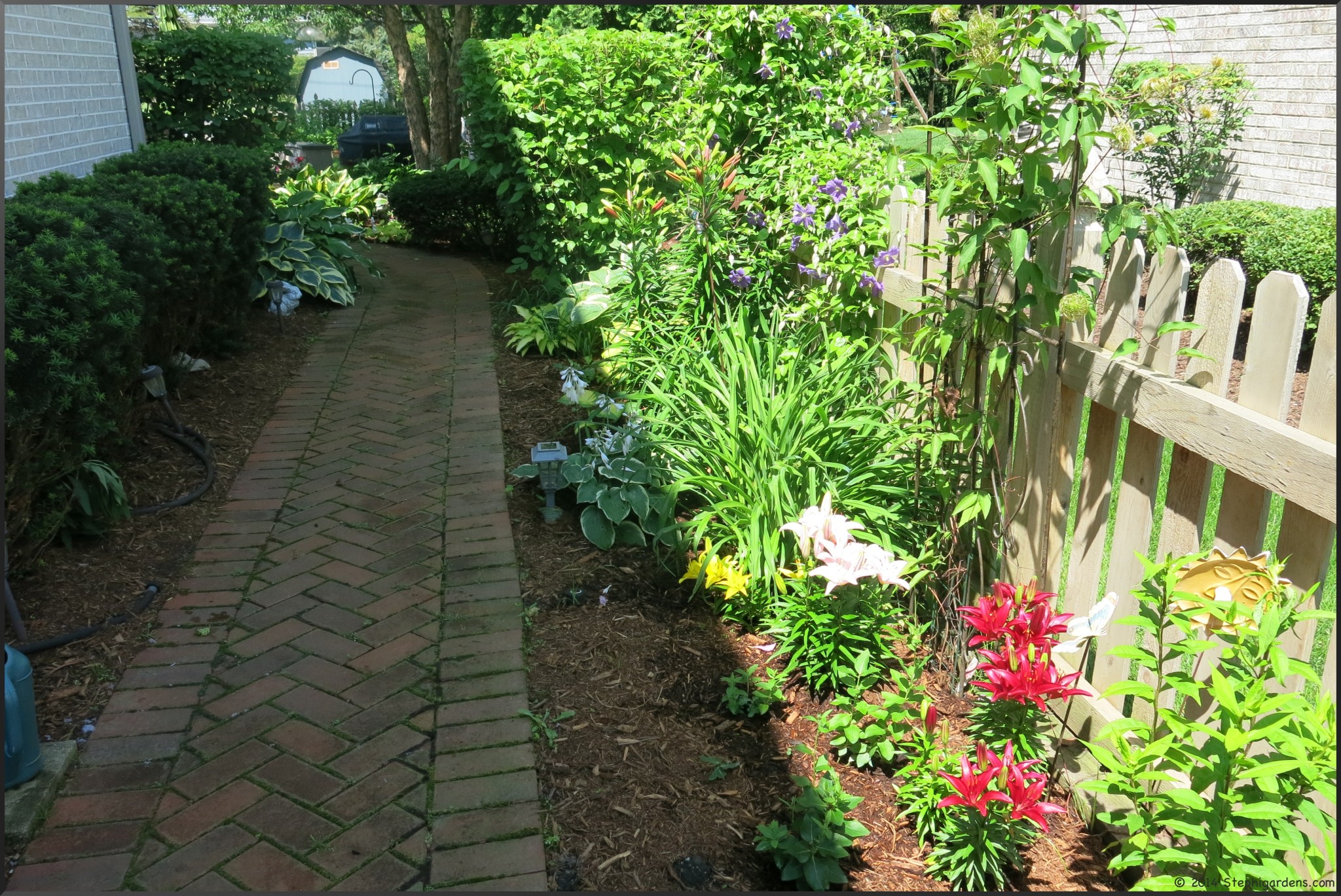
I moved some plants around and put some new ones in. We’ll see how they look in the spring!
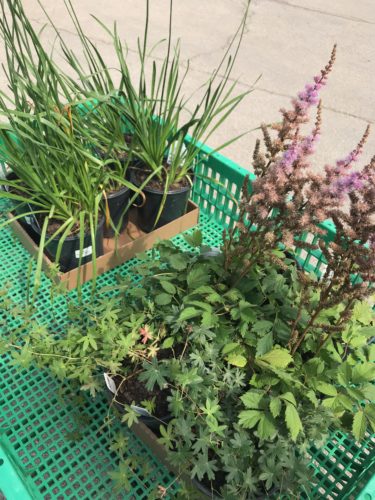
I replaced some scraggly looking daylilies next to the front walkway with the much neater Summer Beauty Allium (Allium Tanguticum ‘Summer Beauty’), and filled in some holes n the side and back gardens with Flames of Passion Avens (Geum ‘Flamers of Passion’), Max Frei Geranium (Geranium Sanguineum ‘Max Frei’), early summer blooming Pumila Astilbe (Astible Chinensis ‘Pumila’) and late summer blooming Visions Astilbe (Astible Chinensis ‘Visions’)

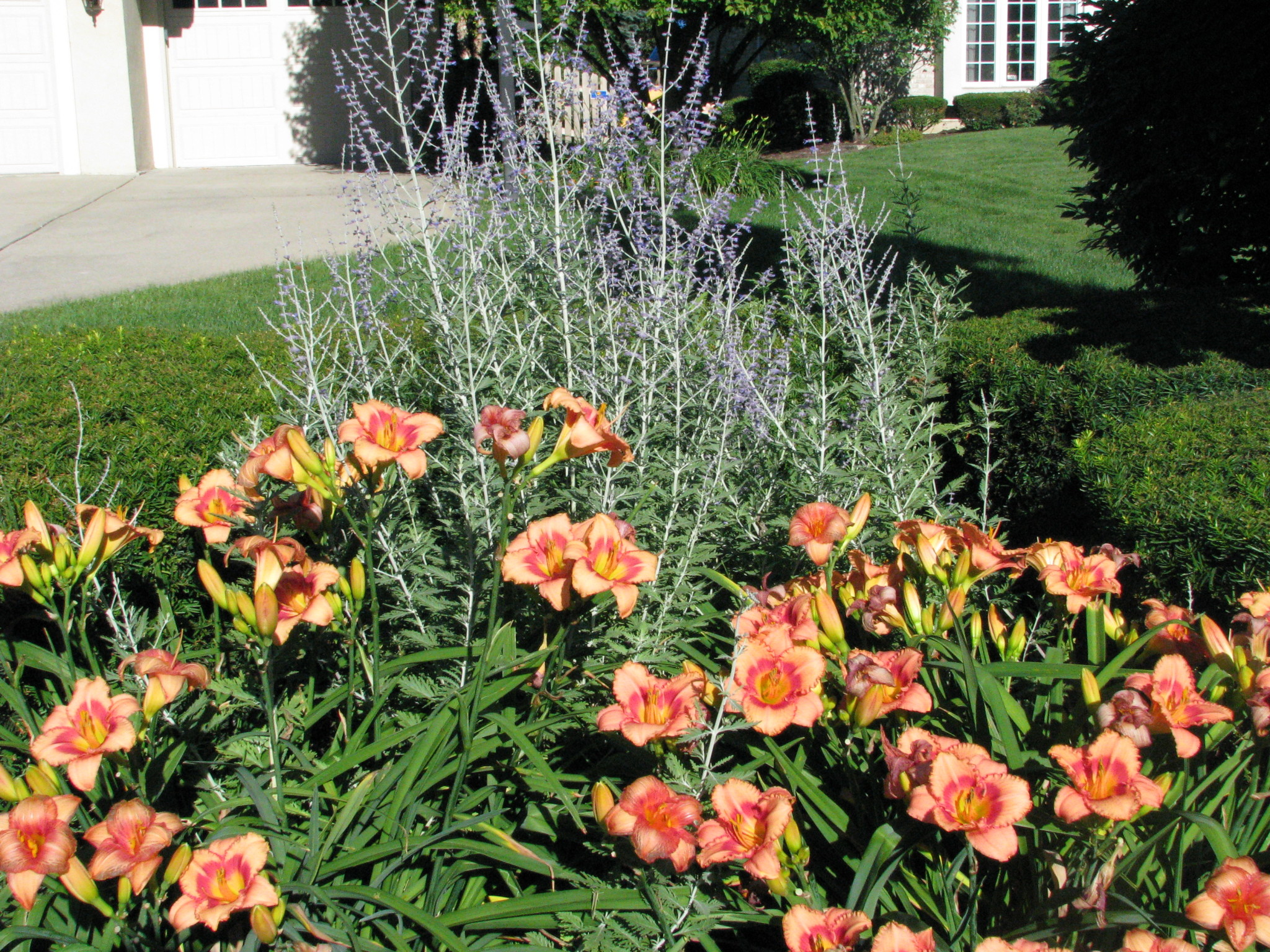
I also took out this Russian Sage that never looked quite right in the midst of the yews. I tried to transplant it, but I didn’t really like being moved mid-summer.  We’ll see if it comes up anywhere. I’m sure there will be some stragglers to remove and try again to transplant in the spring.
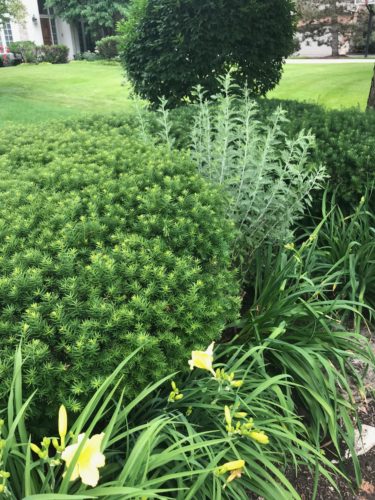
Overall pretty good year, but I’m excited to see what next spring will bring. Feel like it’s going to be a long winter…

Welcoming Pollinators to the Garden


Every year I wonder if any pollinator friends will visit my gardens.  I usually can count on the bees arriving early, but how about butterflies, hummingbirds and hummingbird moths?

sphynx moth
Hummingbird Clearwing Moth (Hemaris thysbe)

I’ve tried to plant mostly pollinator friendly flowers and over the years I’ve seen a steady improvement in the number of pollinators in my yard.  Bee Balm, Phlox, Petunias, Snapdragons, Hosta among others.

Bee Balm Continue reading “Welcoming Pollinators to the Garden”

The Bee Balm Is Very Happy

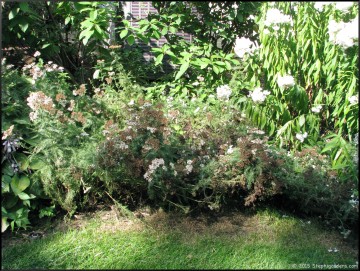
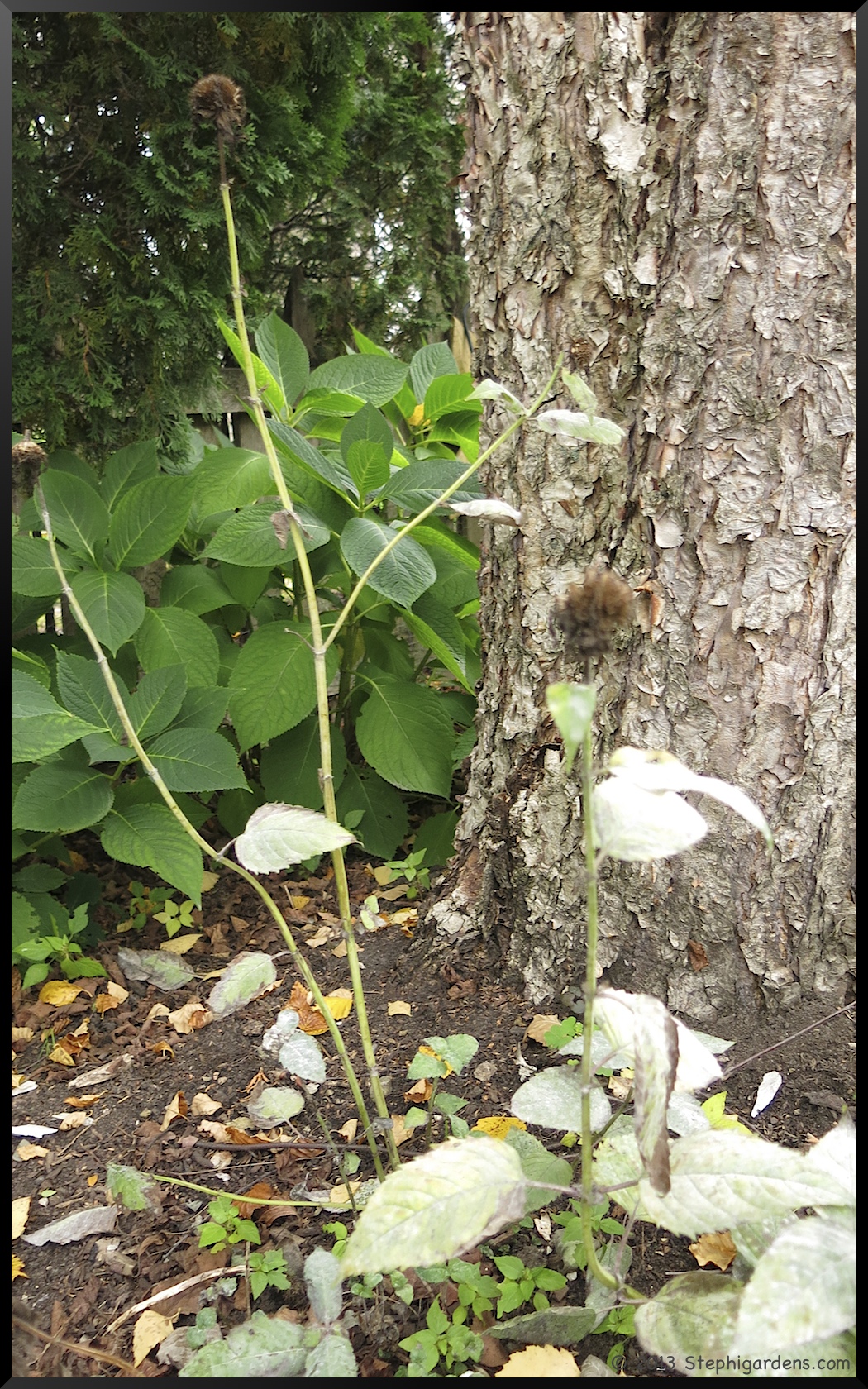
Sometimes you just pick the wrong place to plant a plant.  That happened to me with a bright red Bee Balm (Monarda variety unknown). As I wrote about before (Time For the Yarrow To Go), this particular Bee Balm had been planted underneath a newly planted River Birch which is now almost 20 years old.  As you might expect, in the intervening years it has plunged everything underneath into mostly shade, rather than the dappled light shade when it was newly planted.

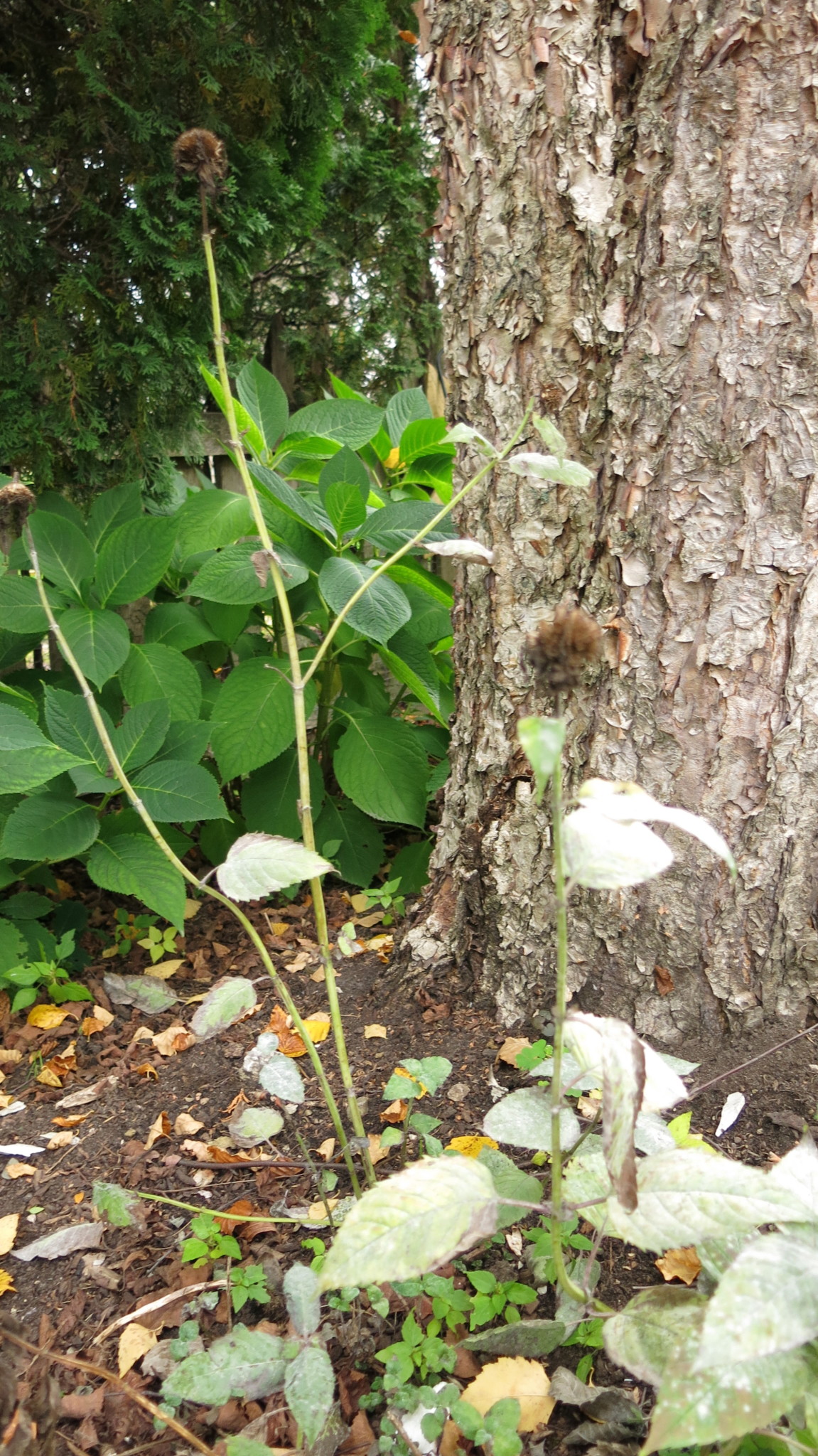
For many years I just ignored the Bee Balm since it didn’t really bother me; it was just another scraggly plant that bloomed well enough.  It did tend to get powdery mildew which was unsightly and probably unhealthy for it.  (But, looking at the pictures, it really should have bothered me long before it did.)

Red Bee Balm

A couple of years ago, around the same time that the Bee Balm was actually starting to bother me, I also felt it was time for the very messy yarrow to go.  It was taking up one the best full sun spots in the yard and was not performing well in it.

yarrow

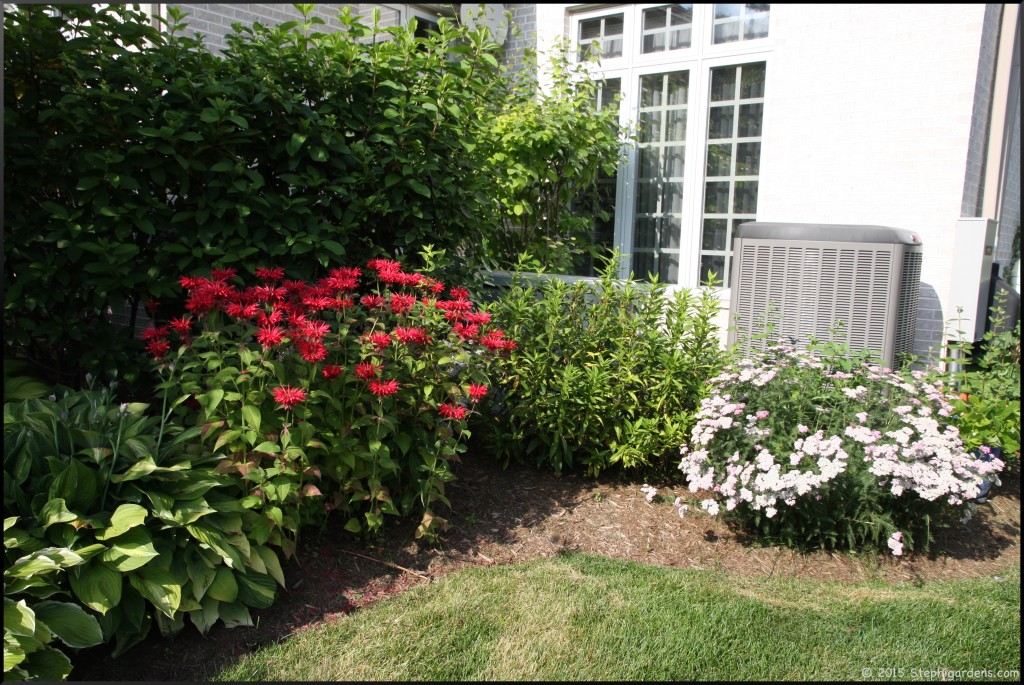
So out came the yarrow and in went the Bee Balm.  Now, two years later the Bee Balm is blooming spectacularly!

IMG_0105

It looks so much better in this spot in the yard, and even the small patch of yarrow that snuck back looks good.  The butterflies and bees are quite happy, too.

yarrow

Finally all the Bee Balm around my yard is happy!

Monarda Purple Rooster

After Vacation

Stephi Gardens

After a wonderful beach vacation and some college tours, we’re finally back home. As expected, the weather has been crazy while we were gone. The temperatures were just about average, but rainfall was almost double the normal amount. Included in this total was a single storm that dumped almost 2 inches of rain in under 2 hours and knocked out our power for almost 15 hours. Nothing like being on vacation and getting the call that the basement is flooded. Thank goodness for friends who went above and beyond to help.

So how did the garden fare? Quite well actually. With the fairly constant rain and average temperatures (and in some cases even a bit below average), I came home to a bit of a jungle. The last few years, by July we’ve been struggling with hot/dry conditions and the plants begin struggling. Not this year! I think I’ve had the sprinklers on once and that was just to test the system. Here’s some after vacation shots…
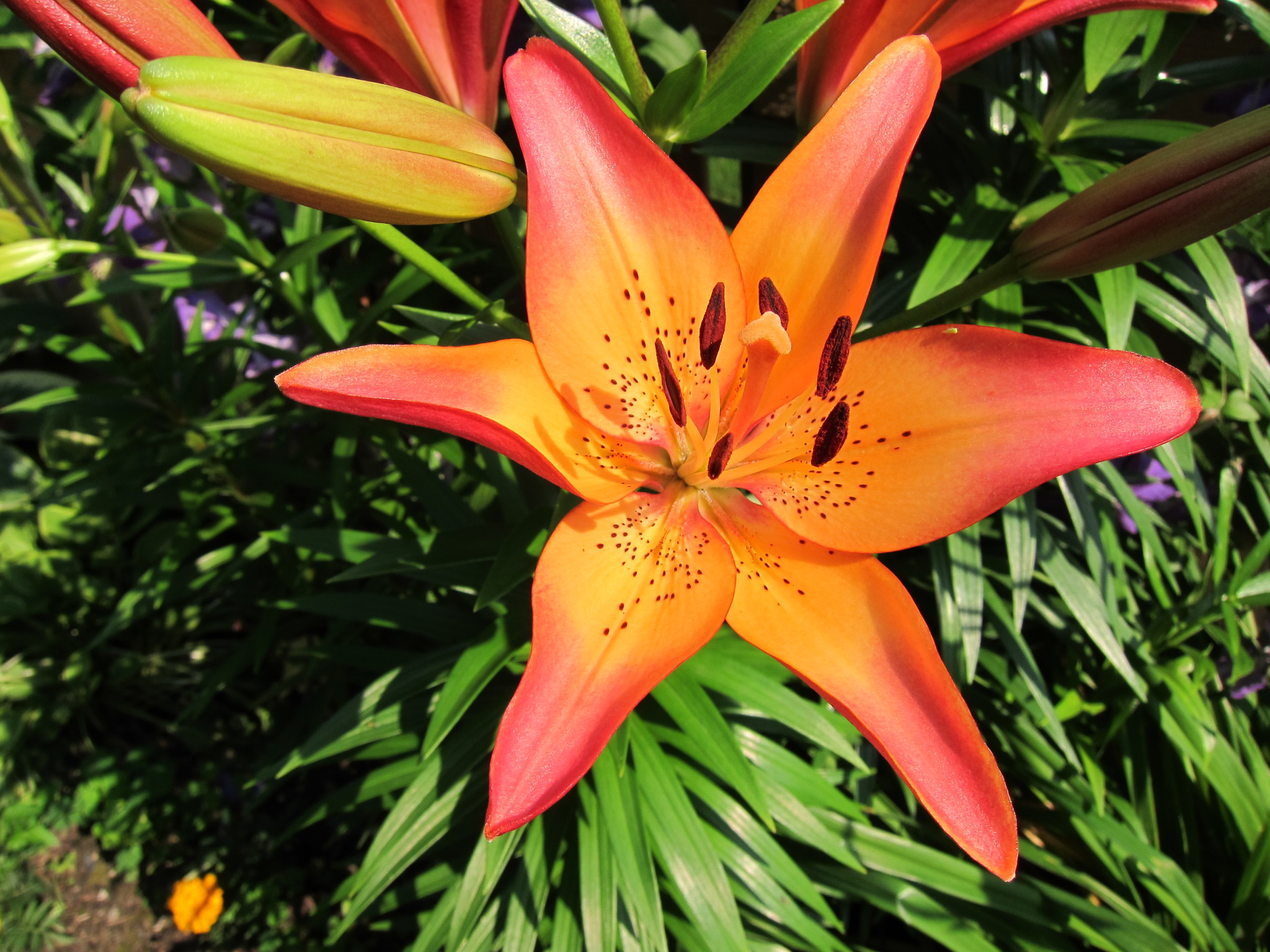
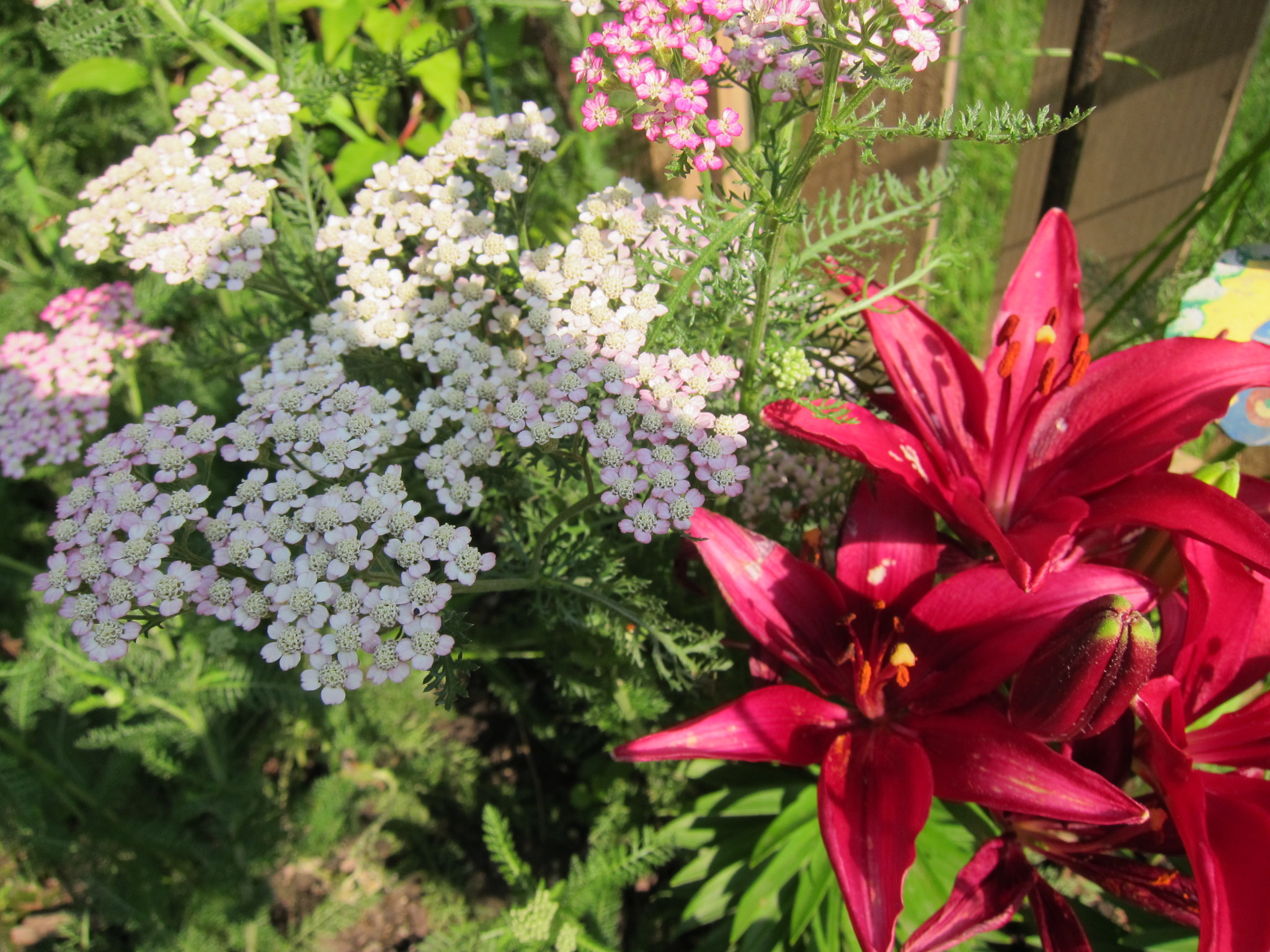
Many of the flowers are in full bloom and flourishing with the moderate temperatures and plenty of rain.  Although, I did miss most of the asiatic lily’s blooms.  They are mostly finished for the season.

zinnia

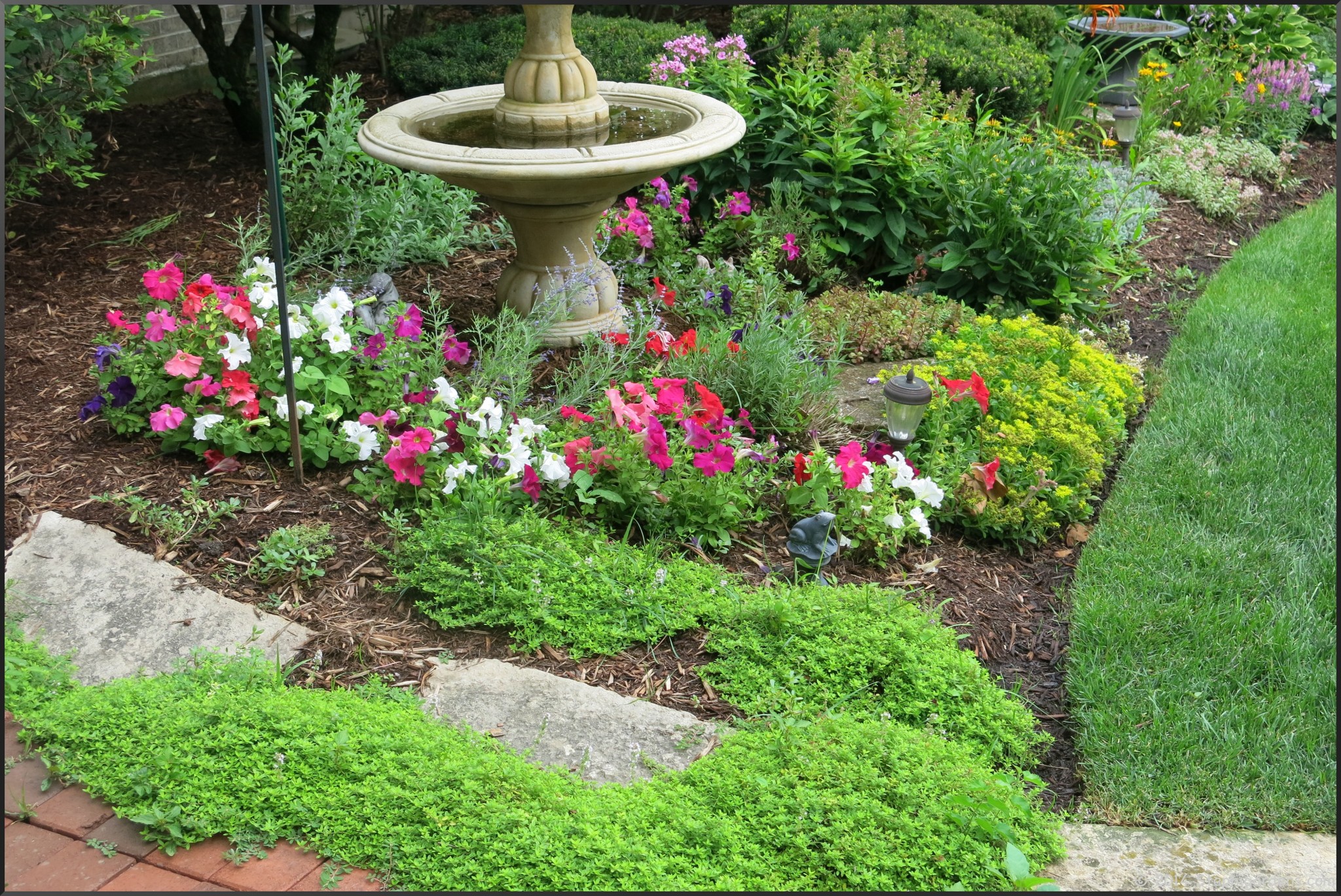
Notice how beautiful the creeping thyme looks (Problems with Creeping Thyme).  Still waiting for the hummingbirds to find my flowers and feeder.

Stephi Gardens

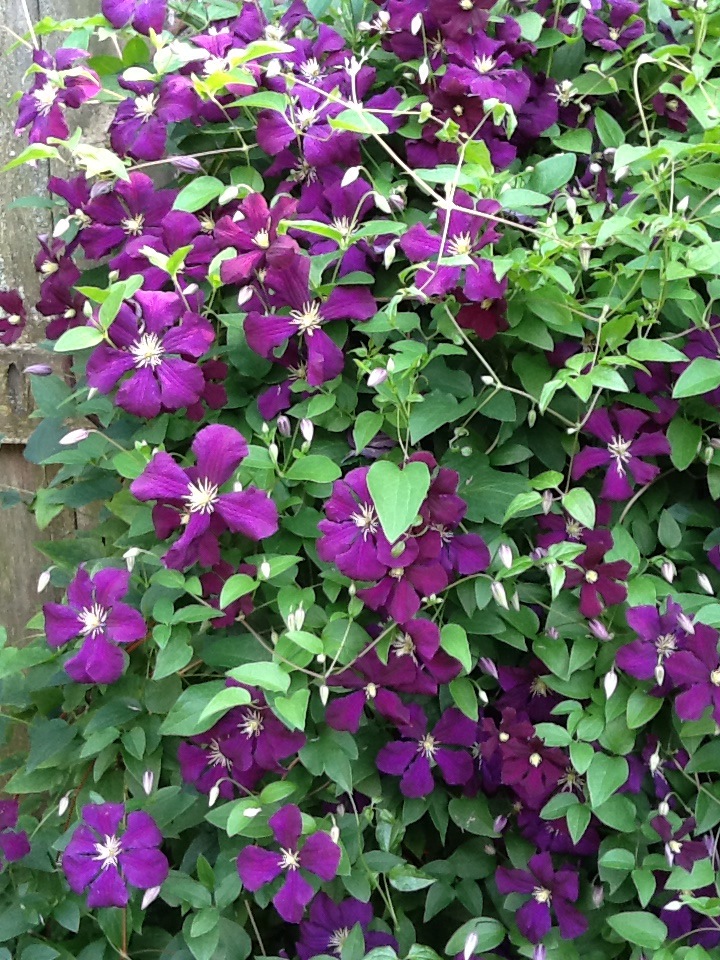
The Purple Rooster Bee Balm is still blooming and attracting bees.   But now the accompanying Jackmanii Clematis and Pardon Me daylilies are also blooming.

Stephi Gardens


Stephi Gardens


daylilies and Russian sage

With all the rain , this garden is doing well despite the change from full shade to full sun.

annabelle hydrangea

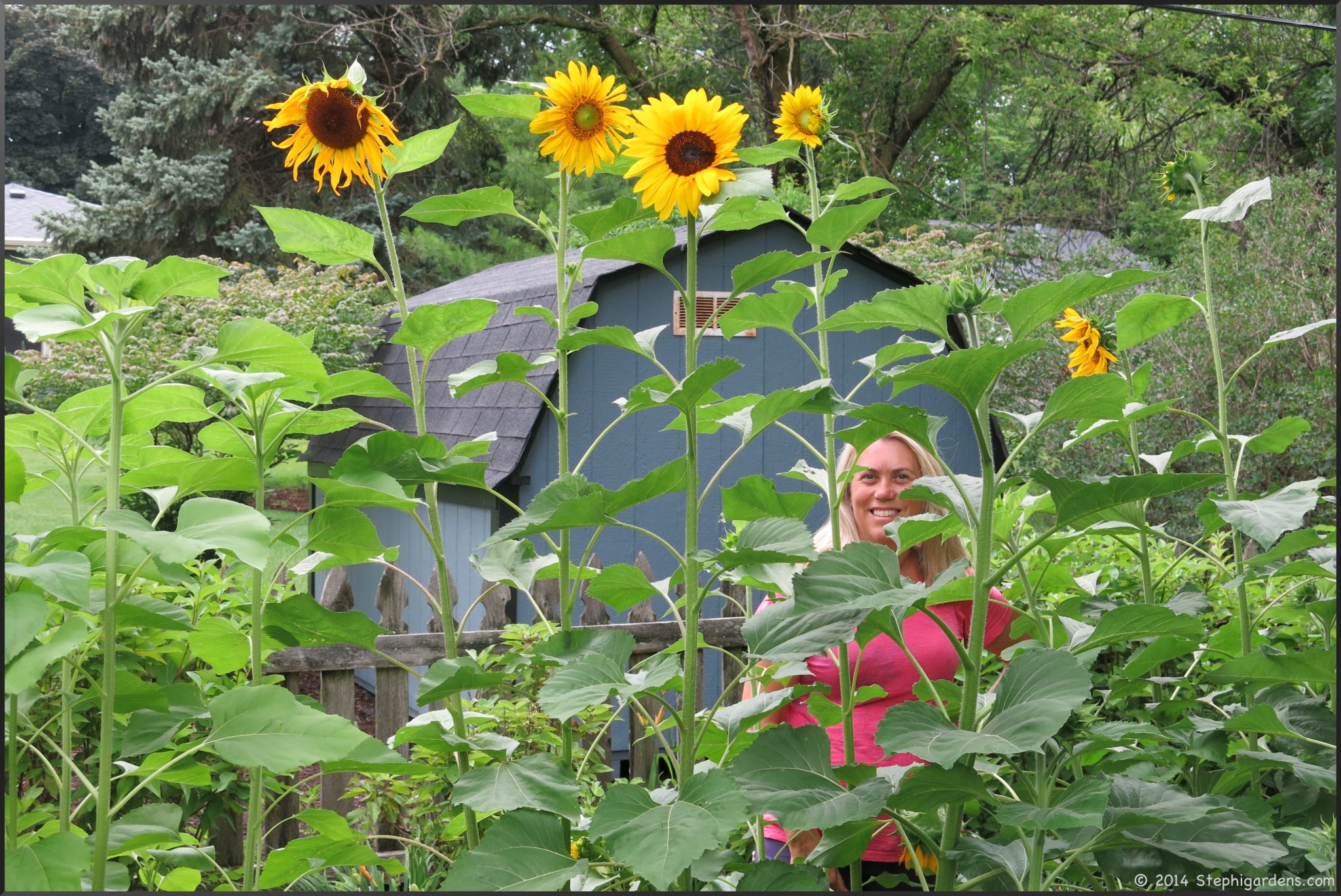
The sunflowers have become gigantic!  Before we left they were probably only about 4 ft tall (see Before Vacation), now they are easily 7 ft-8 ft and attracting lots of bees.

sunflowers

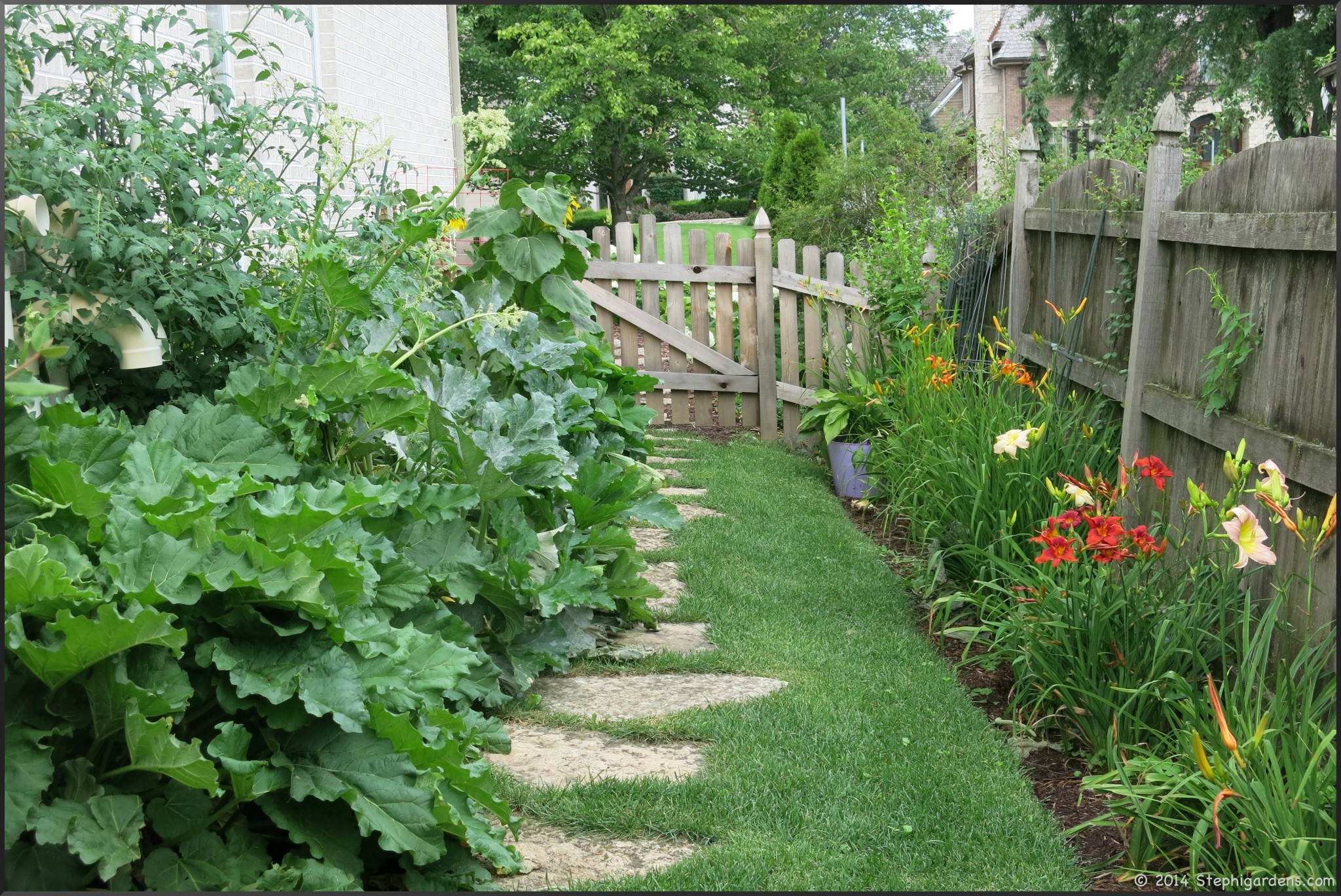
The vegetable gardens are flourishing, but need some attention to prune back some of the wildness.

Stephi Gardens


Stephi Gardens

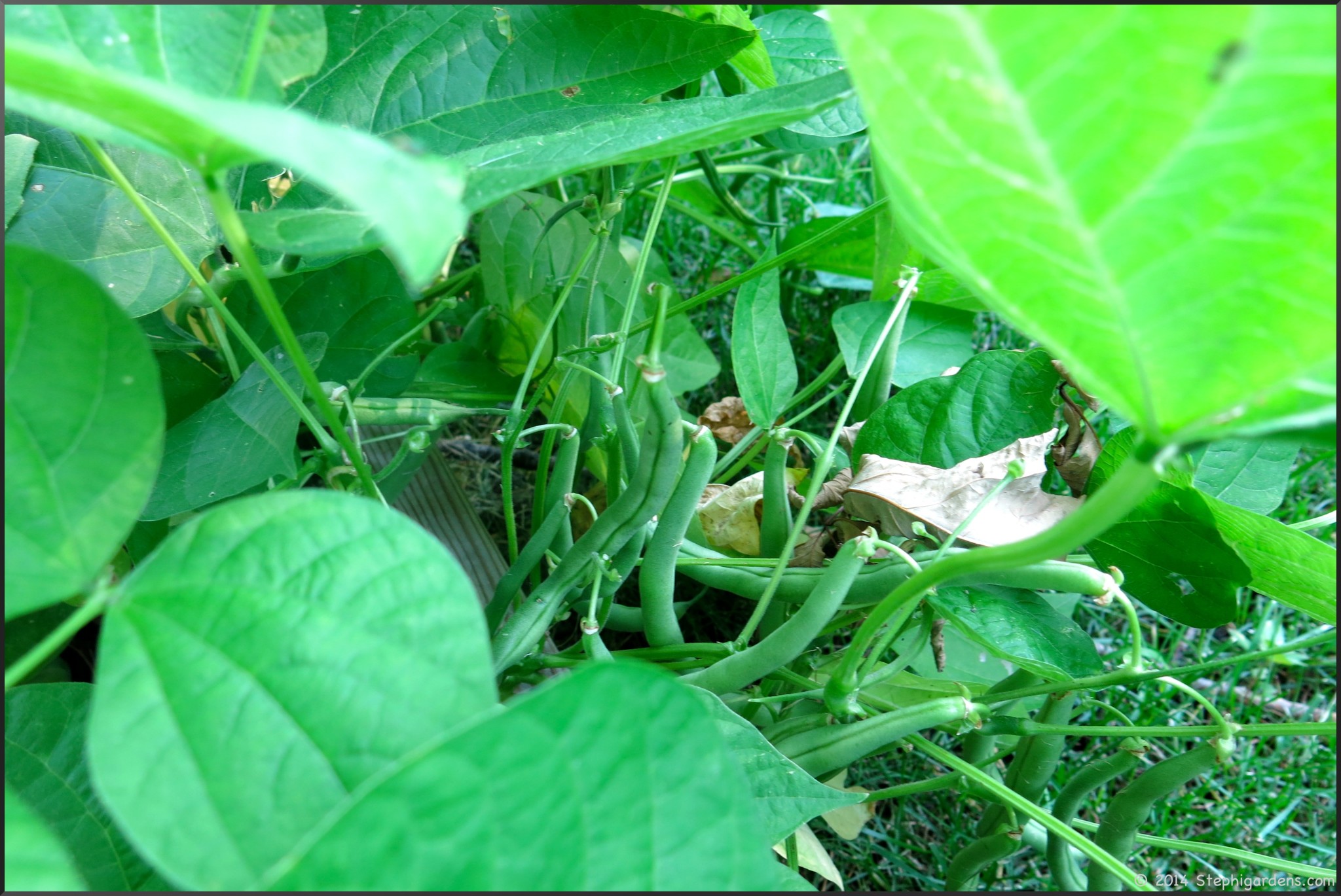
I have a nice bunch of bush beans to harvest.

bush beans

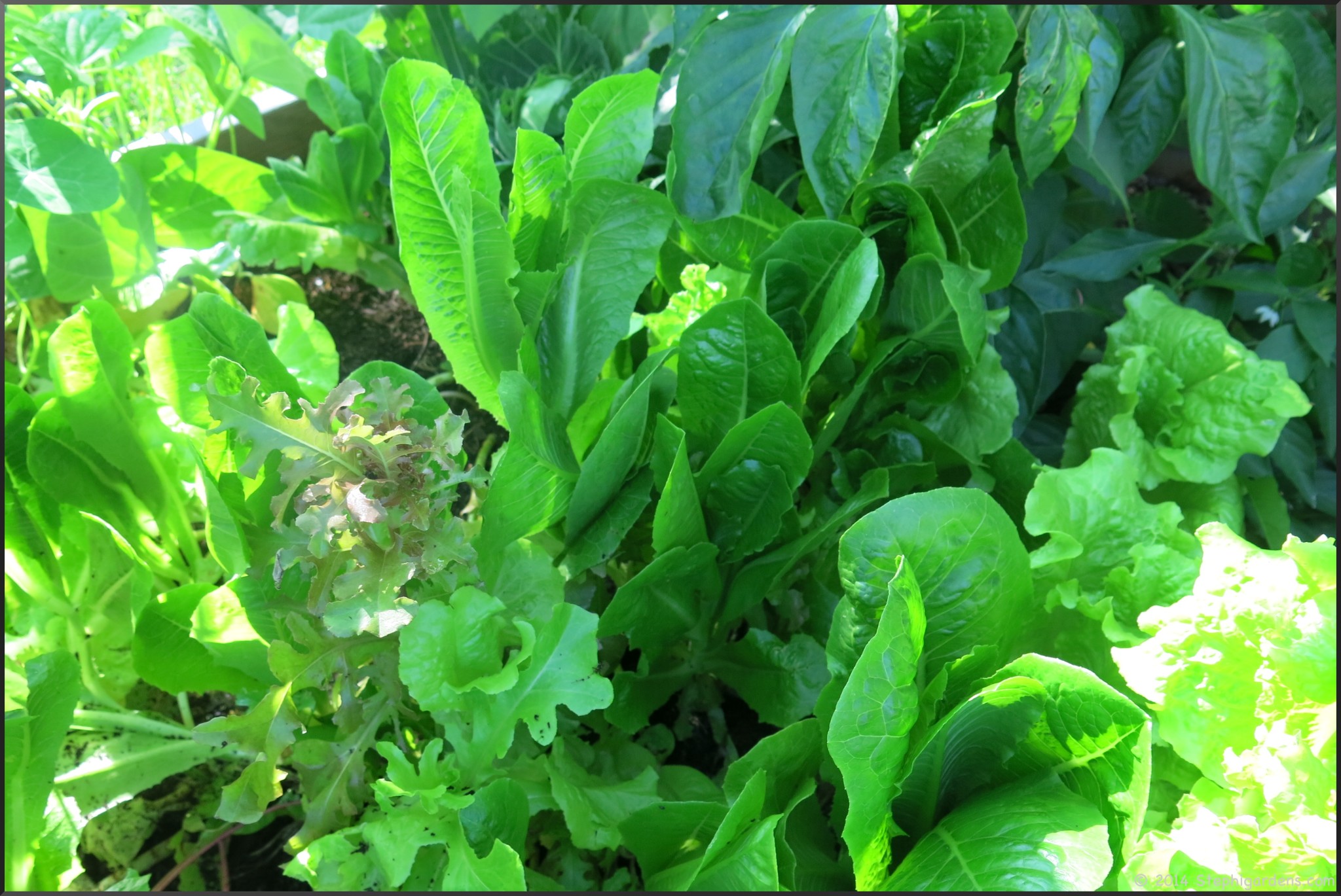
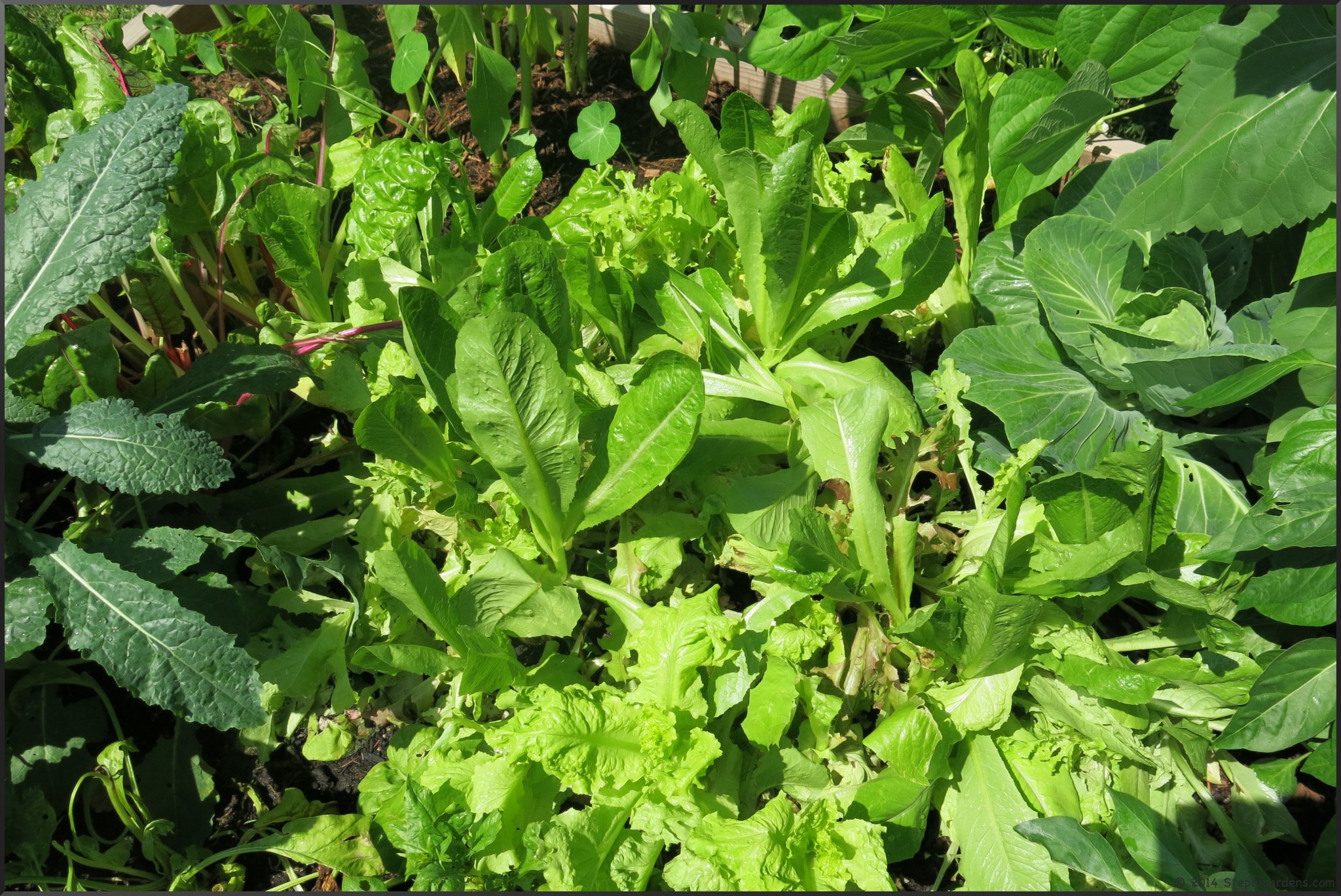
The lettuce is still hanging in there. My idea to plant them in the partly shady corner of the garden has paid off.

lettuce

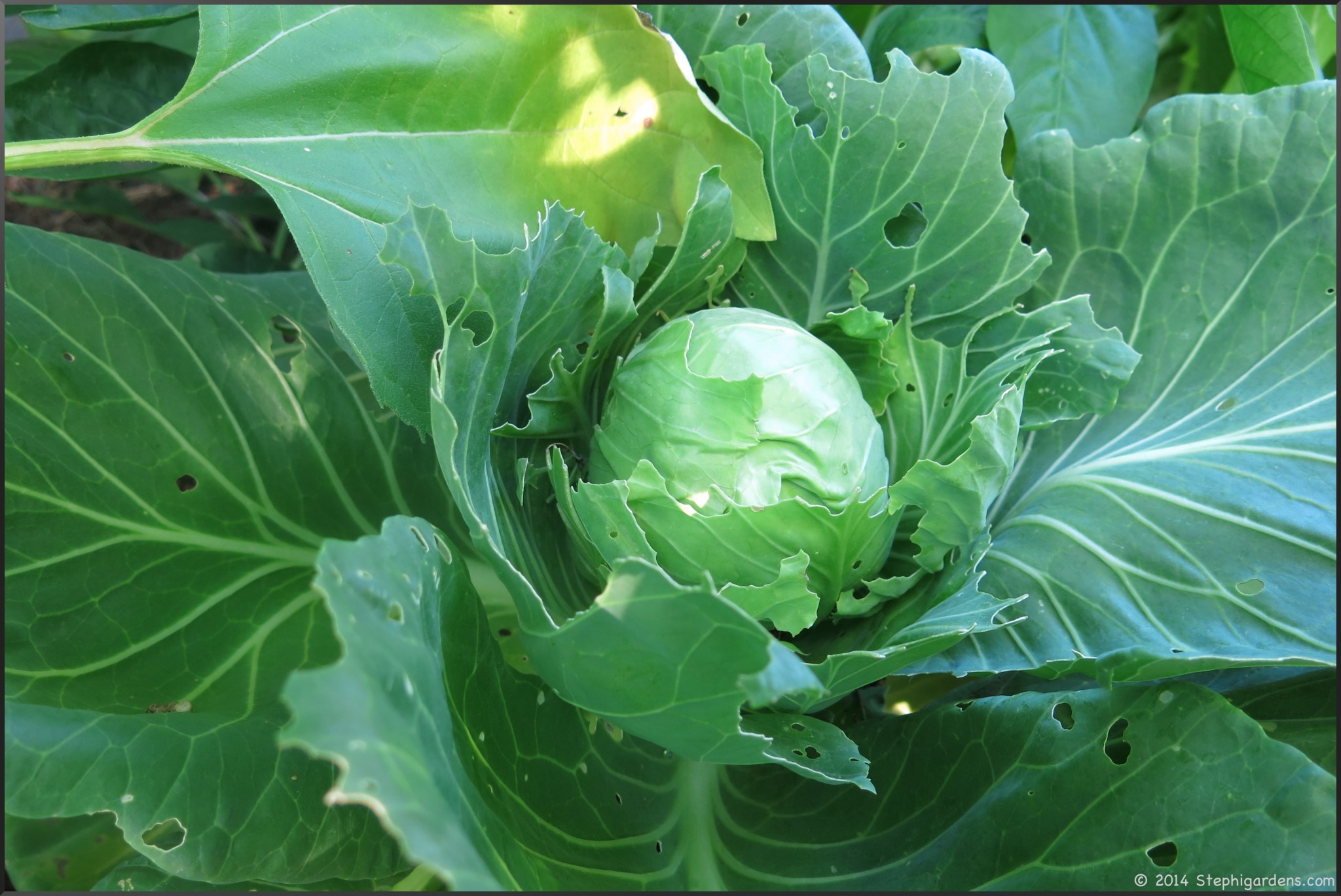
First time for cabbage and they’re looking great.

cabbage

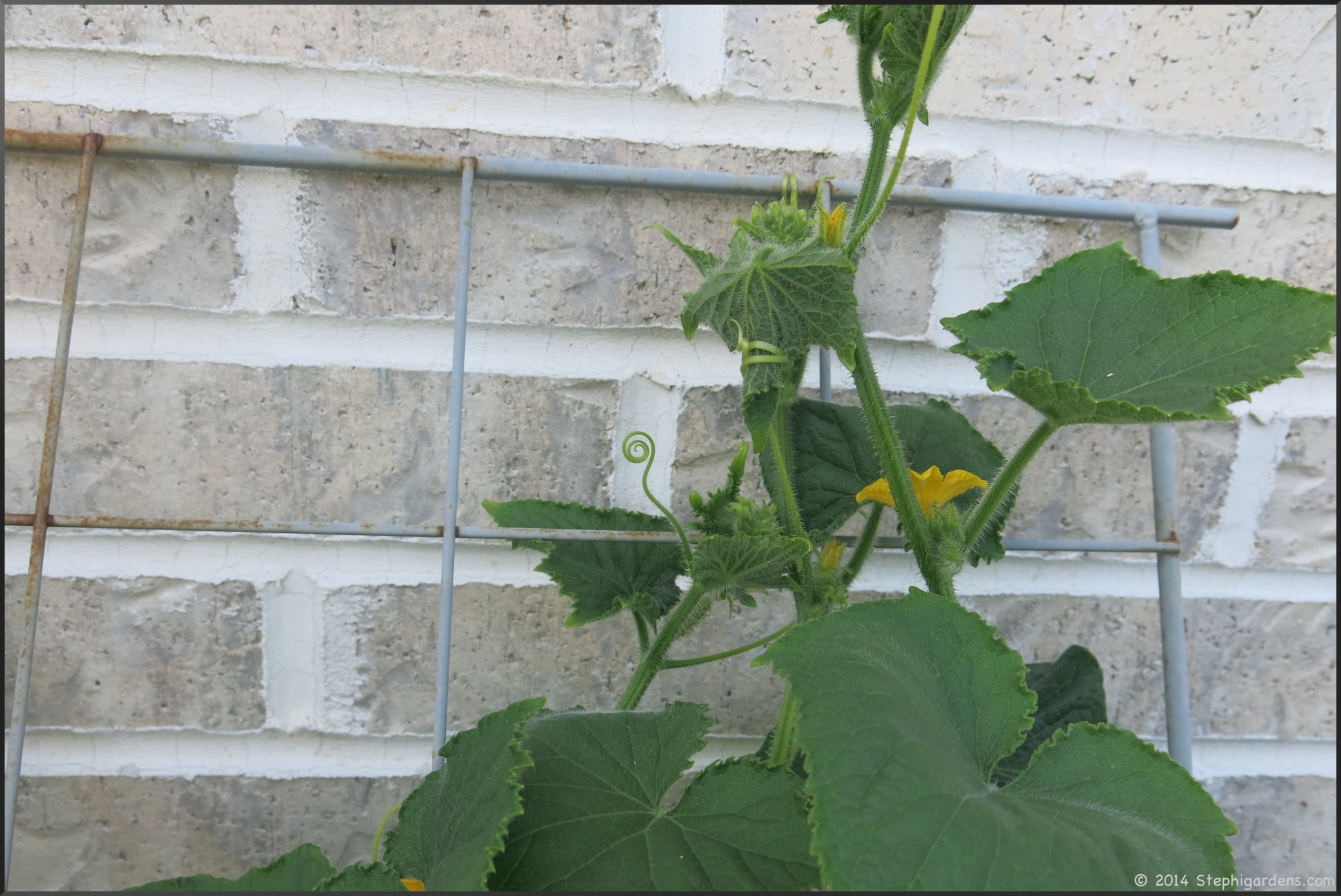
Cucumbers were slow to get going, but I’ll have plenty soon enough.

cucumber

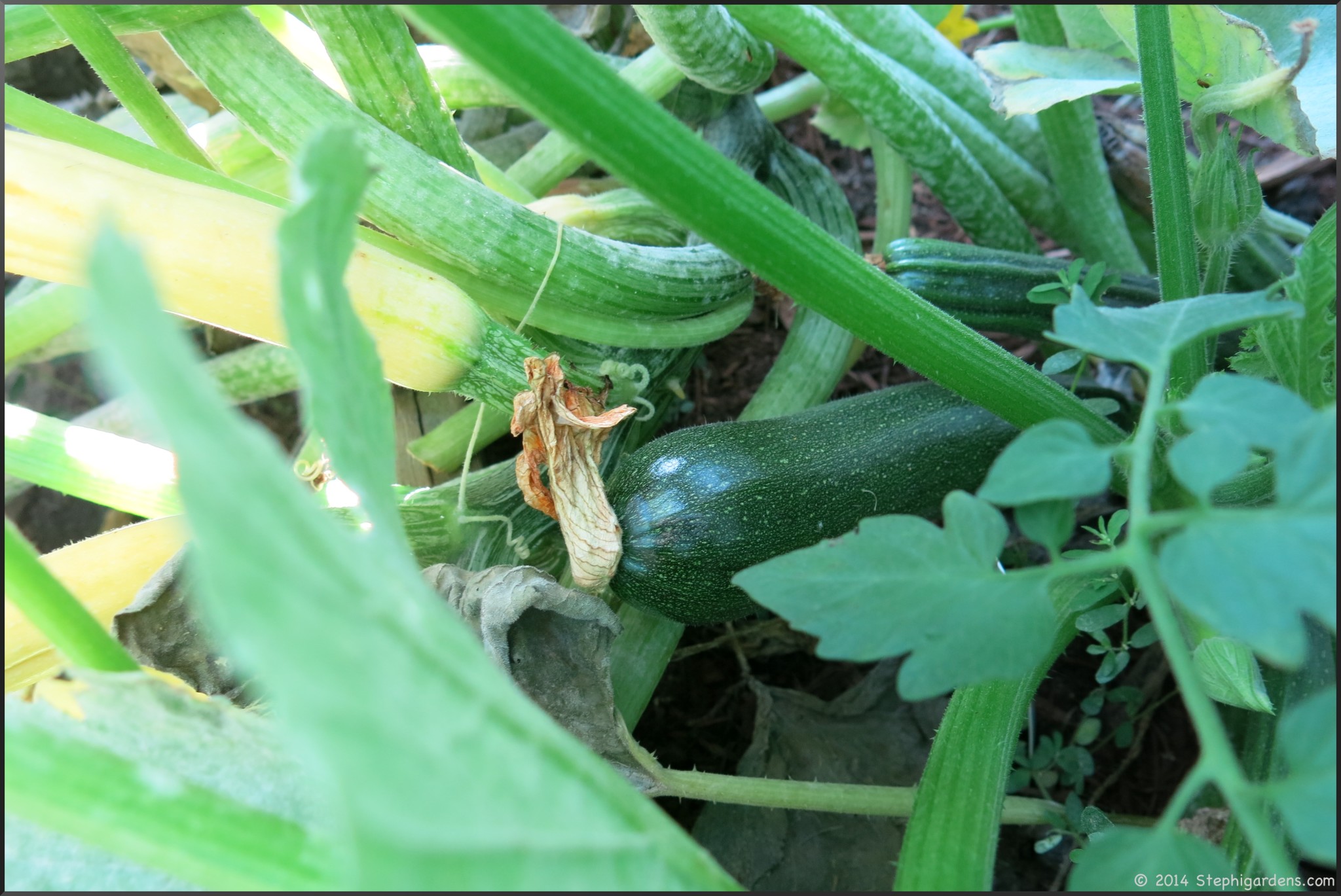
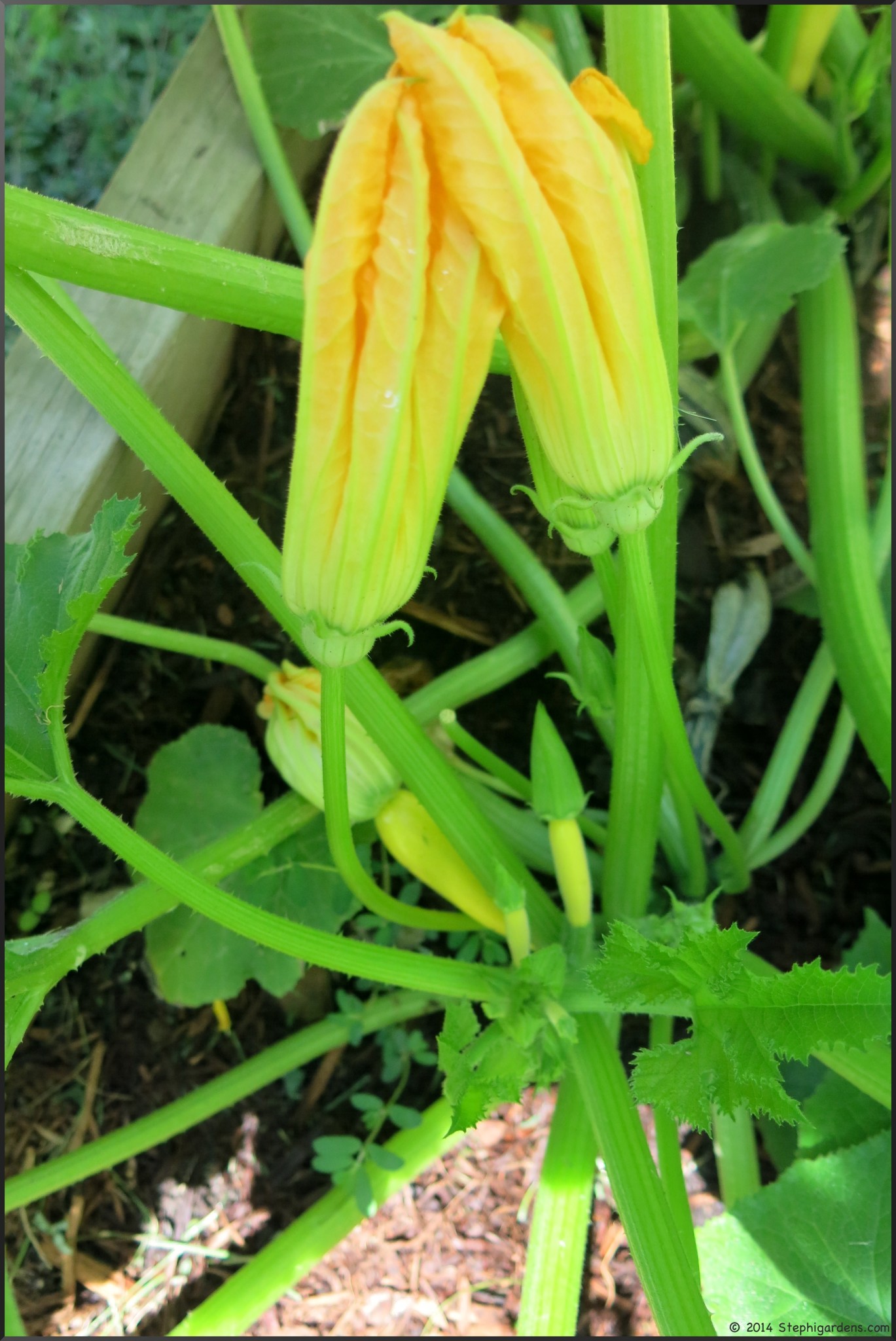
Zucchini and summer squash are plentiful.  Hoping to get some small tender ones harvested before they turn into baseball bats (see Giant Zucchini).  Somehow I’ve lost the garden markers labelling the squash varieties, so it’s a bit of a mystery what all the different squashes are.

zucchini

So, overall, I’d say everything fared pretty well this year (definitely better than the basement).   Looking forward to the continued blooms and vegetable harvests!

Me and my giant sunflowers!

sunflowers

Before Vacation

It’s always tough to go leave the garden and go on vacation.  It seems like something (or everything) is ready to just burst out in color or ripen just in time to go away. Or the weather can you throw you a curve ball and get crazy hot/cold or dry/wet. Very unpredictable. I assumed this year was no different, so right before we left I had my daughter Emily take some pictures to do a little before and after.

Some of the flowers were already in full bloom and likely will be past peak before we get back…

asian lily


yarrow


Bee balm


daylilies

Some were ready to bloom and I can only hope I don’t miss the show…

Stephi Gardens


Stephi Gardens


marigolds


Jackmanii clematus

The vegetables were flourishing.  The cooler weather vegetables were starting to show signs of stress and looking ready to bolt, but still fine to harvest for a little while longer.  Peppers, squash and beans were almost ready, so my friend who is helping with dog sitting and plant watering should get some treats.  I’d hate for them to go to waste and there’ll be plenty more.  Tomatoes are growing like gang-busters, but not expecting any ripe ones quite yet.

Stephi Gardens


lettuce


summer squash


Stephi Gardens

Vacations are always a little tricky to be sure everything stays healthy in the garden.  Right before we left for almost 2 weeks, I gave everything a watering with Miracle-Gro fertilizer and dead-headed everything that would benefit from it.  I set the sprinkler to try and optimize waterings, and had a friend also check on things and keep the pots watered.  I also tried to be sure the plants that needed staking were supported so things wouldn’t be too out of hand when I got back.

How do your gardens fare when you go on vacation?

Moving Some Rocks

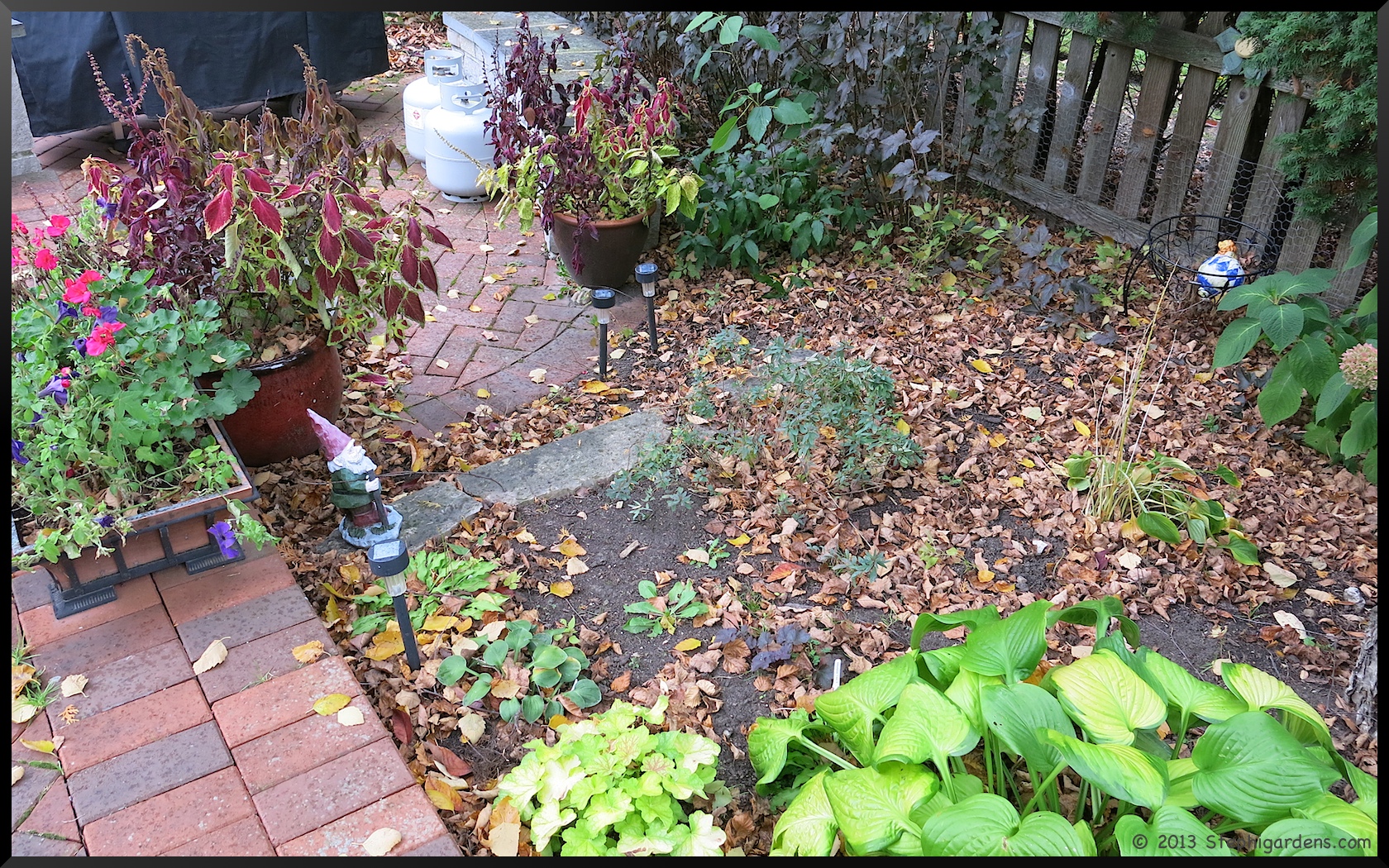
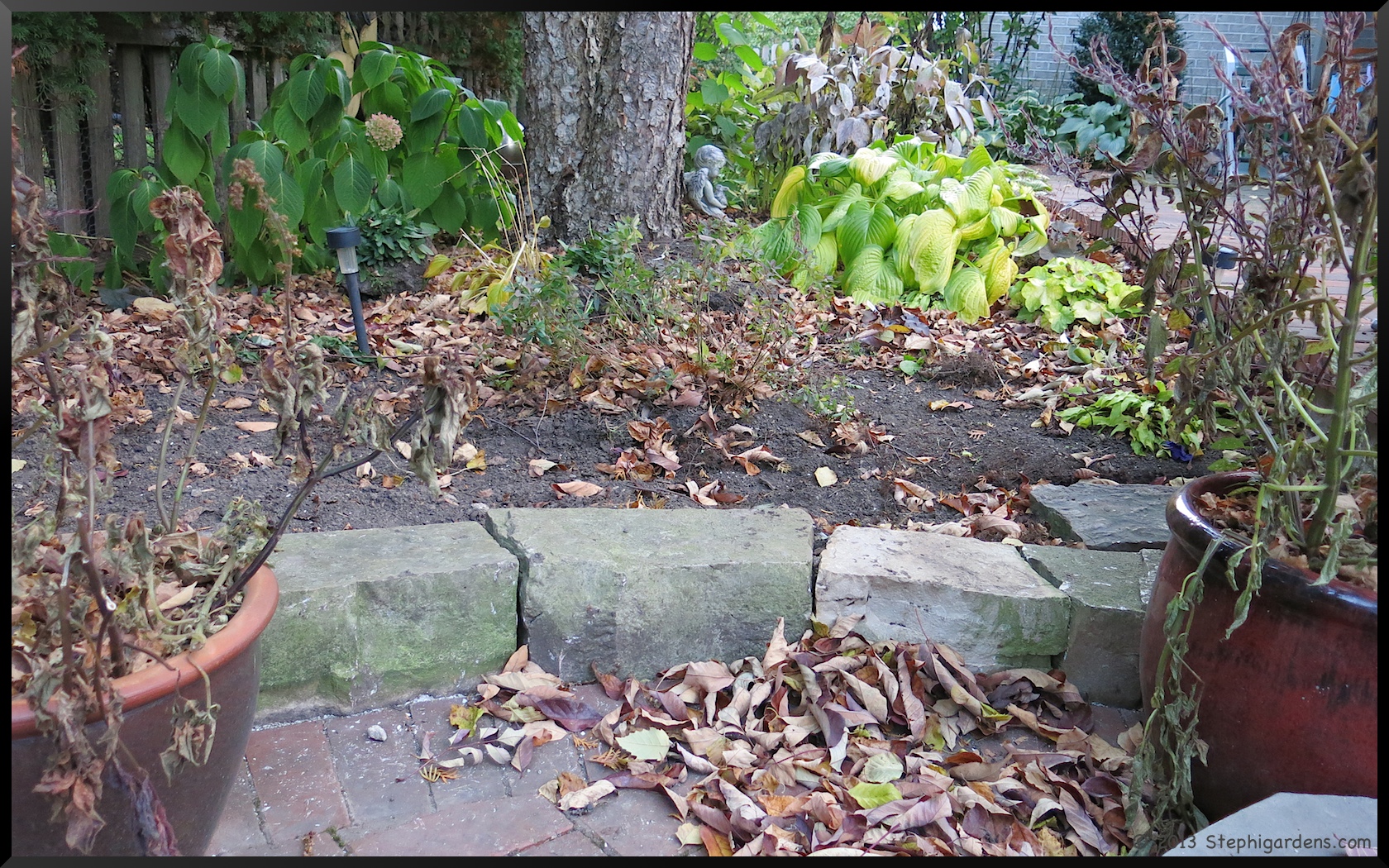
The last couple of weeks, I’ve been trying to get some spots in the garden in order before it got too cold. One is shown here:

Stephi Gardens

Stephi Gardens

It’s a spot that in theory should be a good way to have dealt with the slope of the garden as opposed to the level patio. The problem that developed was that the small foot or so of garden that aligns with the lower grill area, just has become a place for dirt, leaves and other random outdoor junk to collect and wash onto the patio. Plants haven’t seemed to want to grow very well there, so it just became an a dirty eyesore. We had originally planted purple tuurtleheads and bee balm in the area, then added some other plants as things died back.

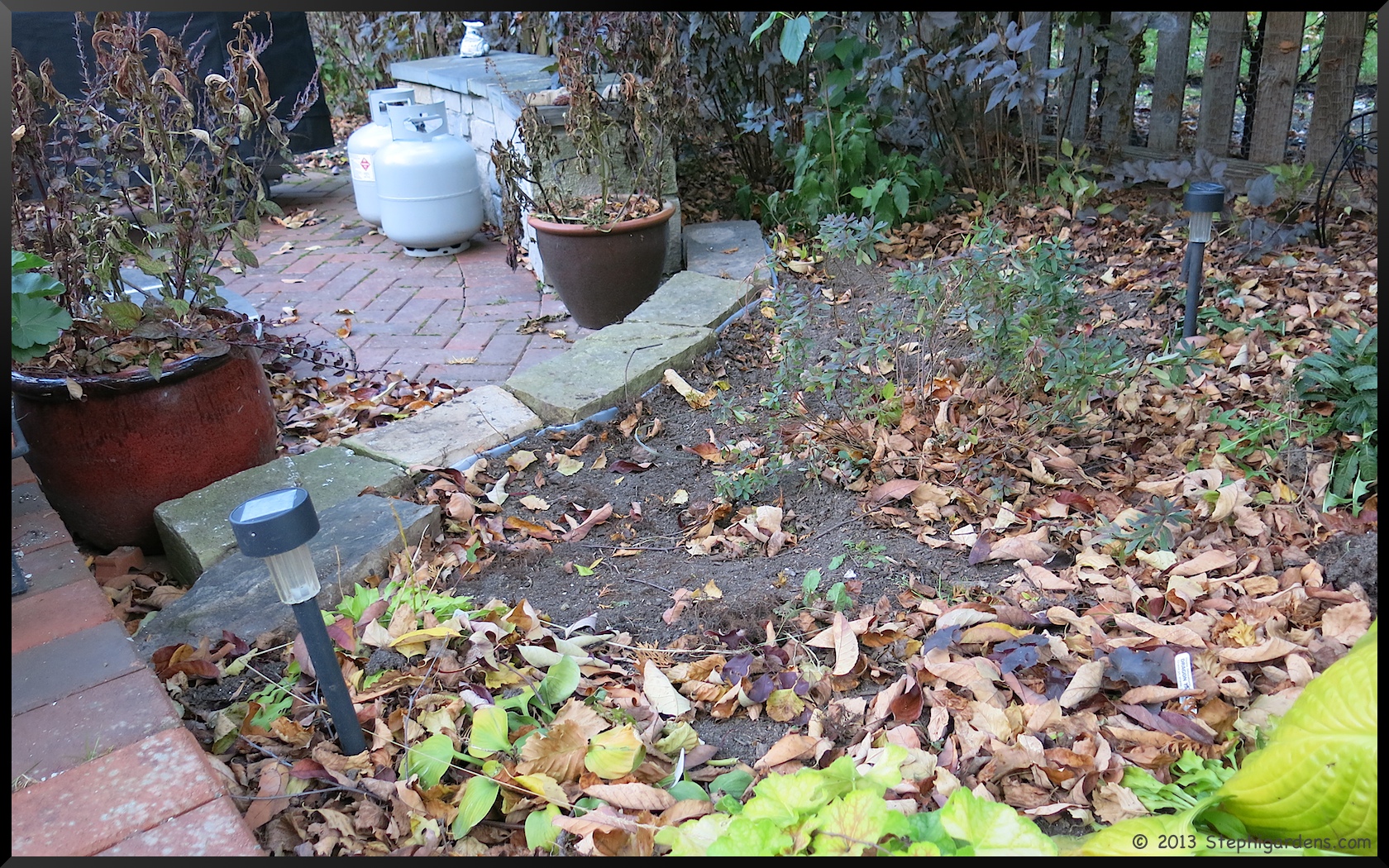
So finally this year, I decided this area needed a change. I had the stones moved forward to the edge of the brick and some plastic added to keep the dirt from washing in. There’ll be a bit of a slope, but it can’t be worse than the ugliness of what I am dealing with now. Neither of those original plants did great in this locations, so what’s left of them I’m moving them to other spots.

Moving the plants–a clump of turtlehead roots

Purple Tutleheads
and some very scraggly bee balm that needs more sunlight.

Bee Balm

The spurge that does do well here, I’ll split in the spring.  It’s about 5 years old so probably ready to split.  I’ve also been been finding such interesting Coral Bells (Heuchera) lately and they seem to like it here.  I’ll try to add some more of them and some interesting hosts and astilbe to round it out.  I’m hoping this impoves the look and keeps the patio a little cleaner.

Here’s what it looks like now, honestly not much better, but getting too cold to really do much.  The rest of the plants to be added and moved will need to be done in the spring.  At least I’m ready!

Stephi Gardens

Stephi Gardens


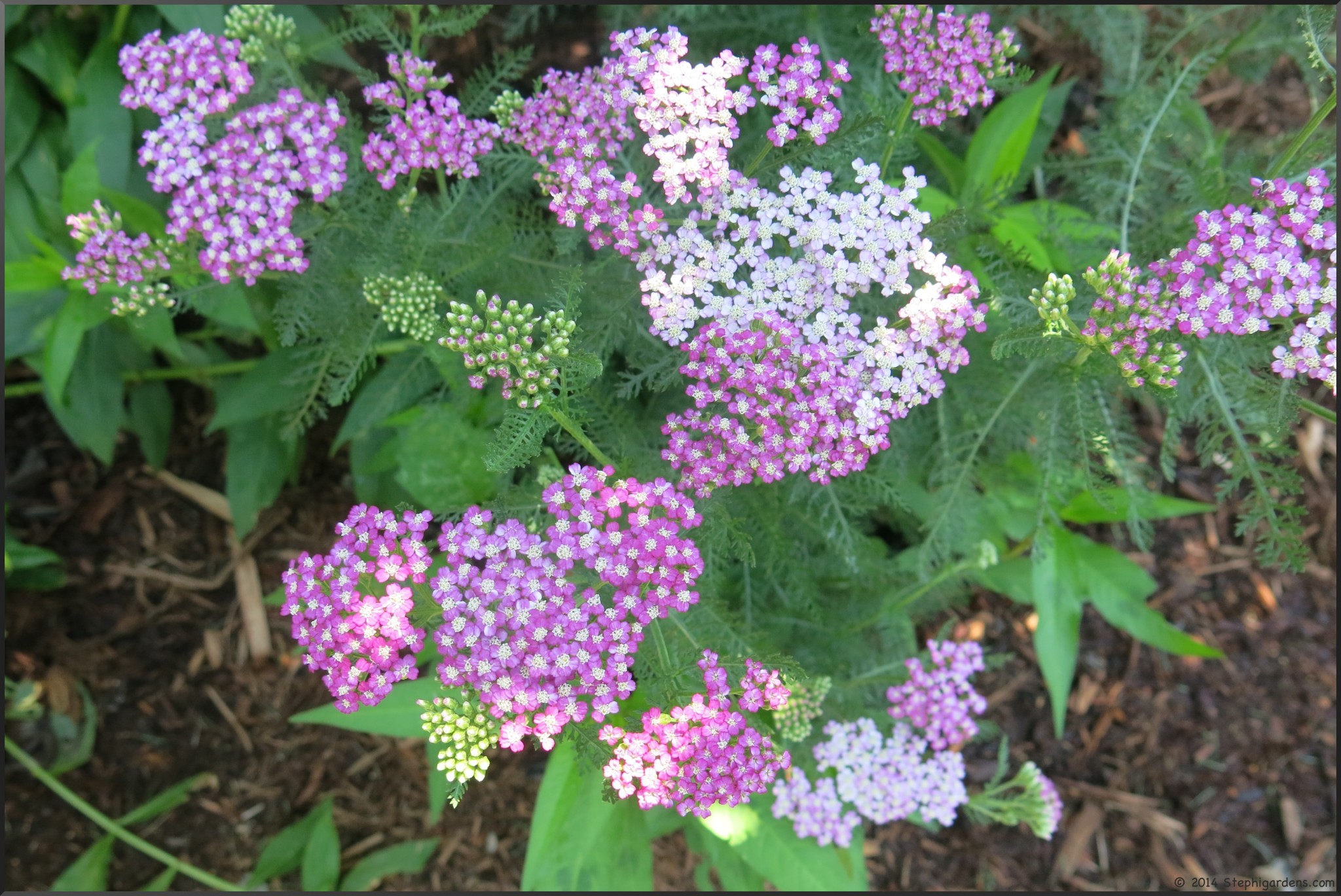
Time for the Yarrow to Go

I posted before about the problems I was having with my yarrow and I’ve finally decided it’s time to go.   It’s been a garden invader for years and especially this year, just downright ugly.

IMG_0974

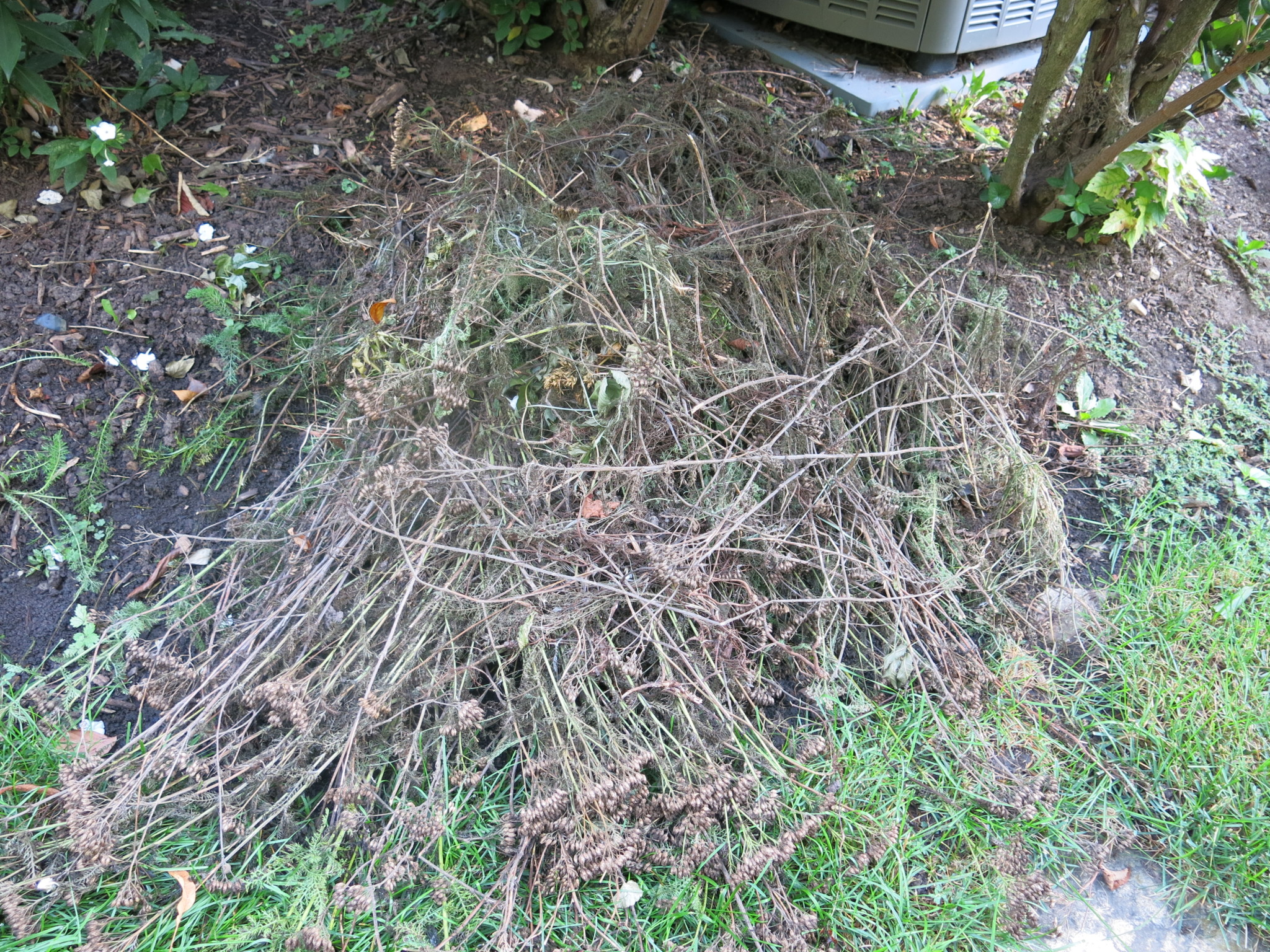
So I pulled it out.

IMG_0366
IMG_0367
This left an ugly gaping hole, but by next spring it’ll have something new in it’s place.  I’m thinking I’ll move the red Bee Balm (variety unknown) that is currently almost in full shade under a River Birch.

IMG_0546

That was one of those mistakes made by a landscaper before I knew to ask questions and look into plant choices myself.  Sure, it was only lightly shaded back when the tree was planted almost 15 years ago.  But now, it’s dappled full shade and much too shady to grow a sun loving plant like Bee Balm.  I get a few meager flowers each year, but mostly it’s leggy, sparse and often gets a powdery mildew.  Time for a new home. There’s plenty of great shade loving plants that can take it’s place.


Daylilies: Part 2

Some close ups of the daylilies in my yard. I’m still working on the identification part, so if I have something wrong, or you know what I can’t find yet, please let me know!
I realized that part of my identification problem was thinking that the daylily was the wrong color. For example, the Catherine Woodbury. I searched for the longest time under peach daylilies, but it wasn’t until I searched for all tall, traditional bloom types that it popped up. They were under lavender, so I went back out and sure enough, there’s the lavender. As the flowers are fading it becomes even more striking. I’m trying to use that trick with the 2 species that I’m still not sure of.

IMG_0813
Strawberry Candy and Russion Sage
IMG_2895
Strawberry Candy
IMG_2897
Going Bananas
IMG_2783
Going Bananas
IMG_2901
Purple D’Oro
IMG_0840
Purple D’Oro
IMG_2905
Purple D’Oro
IMG_0815
Catherine Woodbury
IMG_2985
Catherine Woodbury
IMG_0845
Catherine Woodbury
Royal Palace Prince
Royal Palace Prince
Royal Palace Prince
Royal Palace Prince
IMG_0811
unknown-late blooming

IMG_2990
unkown–late blooming
Same unknown as previous picture. Mixed with Bee Balm

Now that I’ve spent some time studying the daylilies in my own yard, I’ve been noticing all the different daylilies around me. In the neighborhood, parking lots, storefront gardens–I’m surprised at all the varieties that I never noticed before.

Japanese Beetles

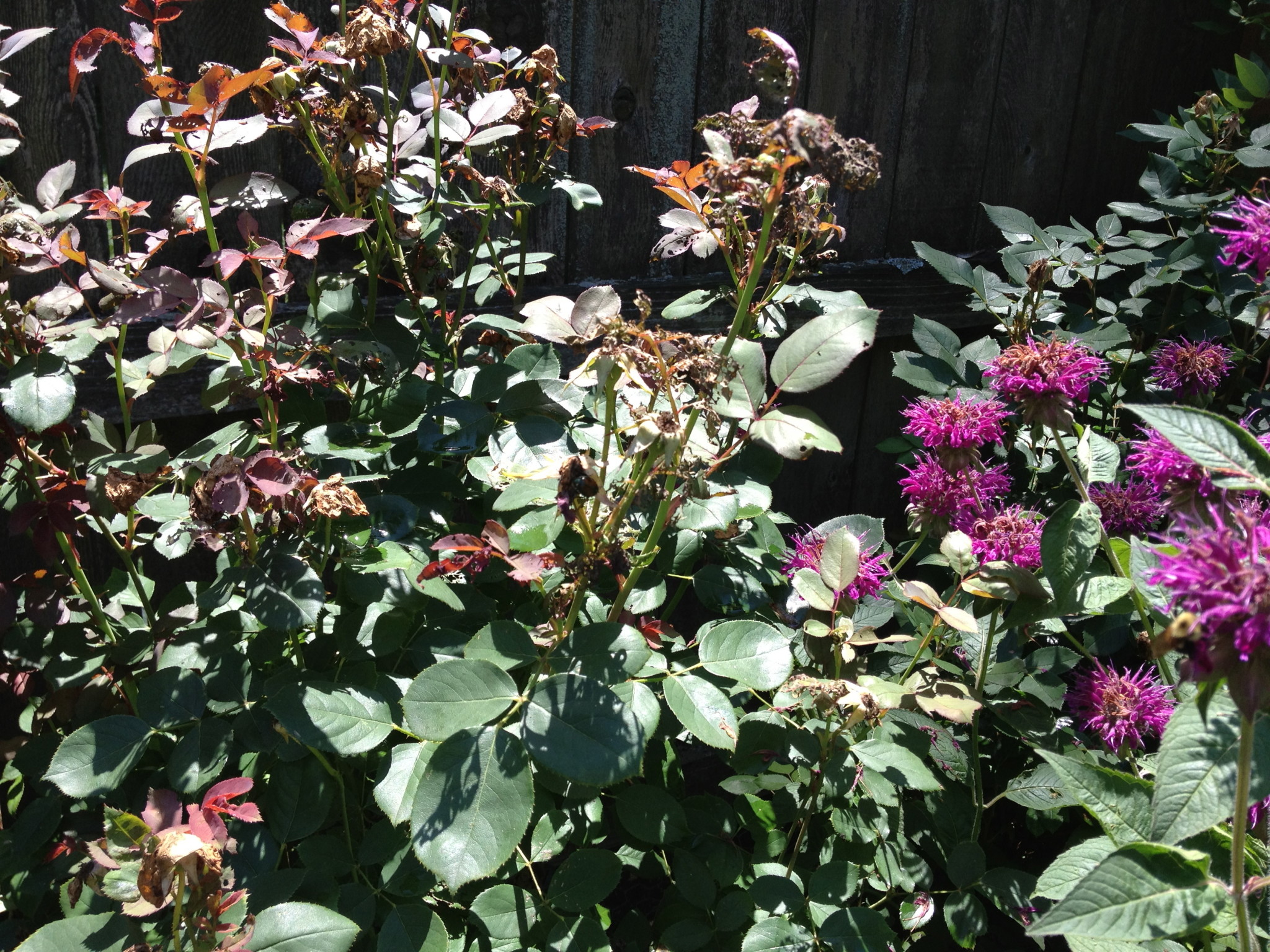
If you have rose bushes, you probably have Japanese Beetles.  Mine arrived after my Knock-Out Roses roses finished their first bloom and are really making a mess of the plants.  Most years I just let it go, but these are new, 3rd year plants and are finally looking great so I’d like them to stay healthy for next year’s show.

IMG_2909

IMG_0819

There are a lot of choices for dealing with Japanese Beetles and I am going to try a product that contains Neem Oil.  Traps seem to be only good for attracting even more Japanese Beetles to your yard and many other insecticides can be  harmful to good bugs like bees and ladybugs.  This is especially important for where I am spraying, since the roses are right next to Bee Balm, which really does attract those big, beneficial bumblebees.

IMG_0822

Neem oil affects only insects that chew and eat leaves, which beneficial bugs like bees and ladybugs don’t do.  The active ingredients in the oil interferes with the insect’s hormonal balance leading to “confusion” and ultimately death.  It should be sprayed every 7 or 14 days depending on the level of infestation.  I’m planning on spraying on the every 7 day cycle to begin with, and I’ll follow up in a couple of weeks to see if I can go to every 14 days for the rest of the summer.

Word of warning–One rather unpleasant thing that happened to me was that when I started spraying, a whole bunch of Japanese Beetles came flying off the rose bushes and a few got tangled in my hair. Gross!  I had no idea there were so many on the plant.  I only saw a few, so I guess where there’s a few, there’s a lot!  No wonder there was so much damage to the plants.