I Love Raspberry Season! (and yes, you need to prune them)

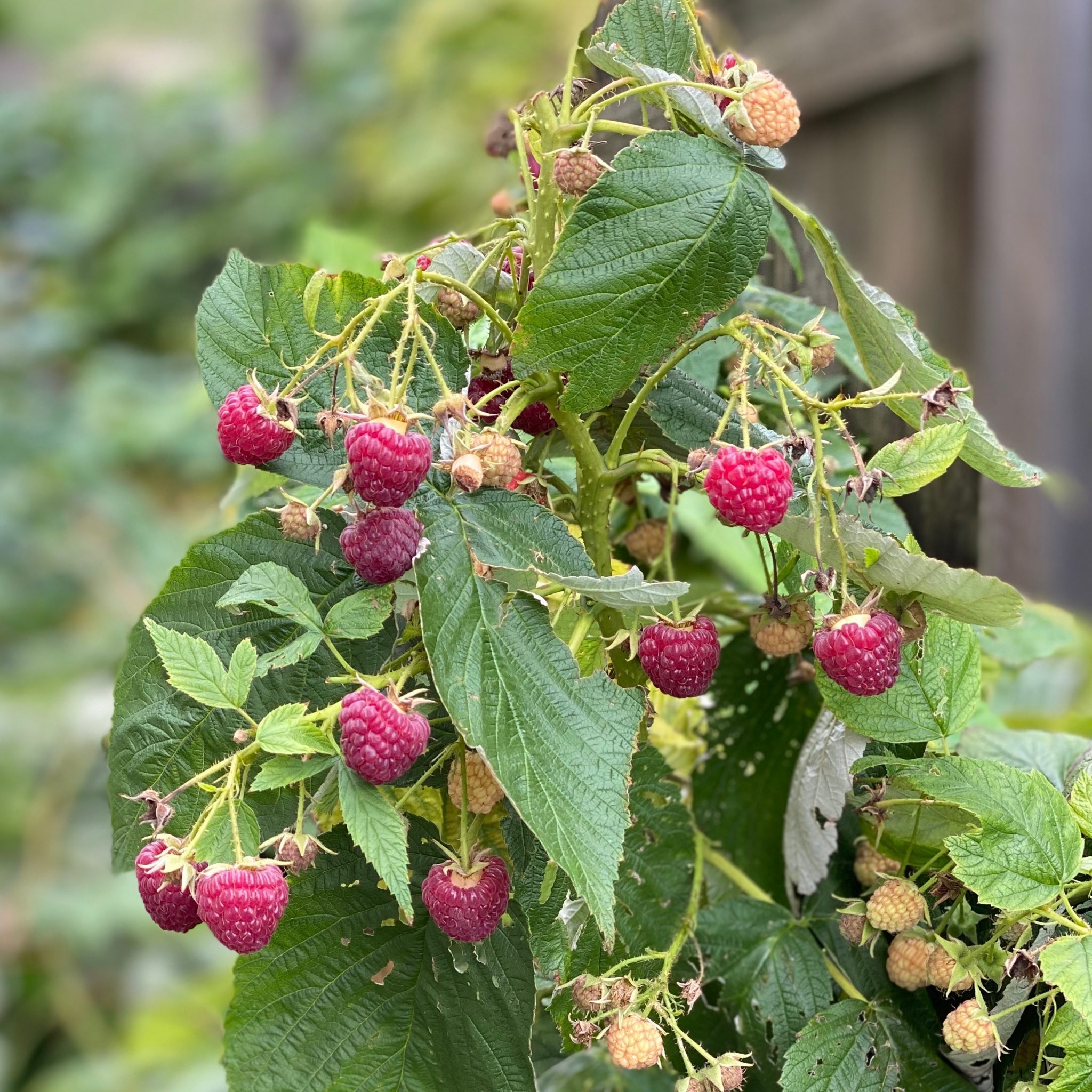
About five years ago, I planted two varieties of raspberries, Heritage and Caroline, both everbearing types from Burpee. (My Raspberry and Strawberry Plants are Here!)
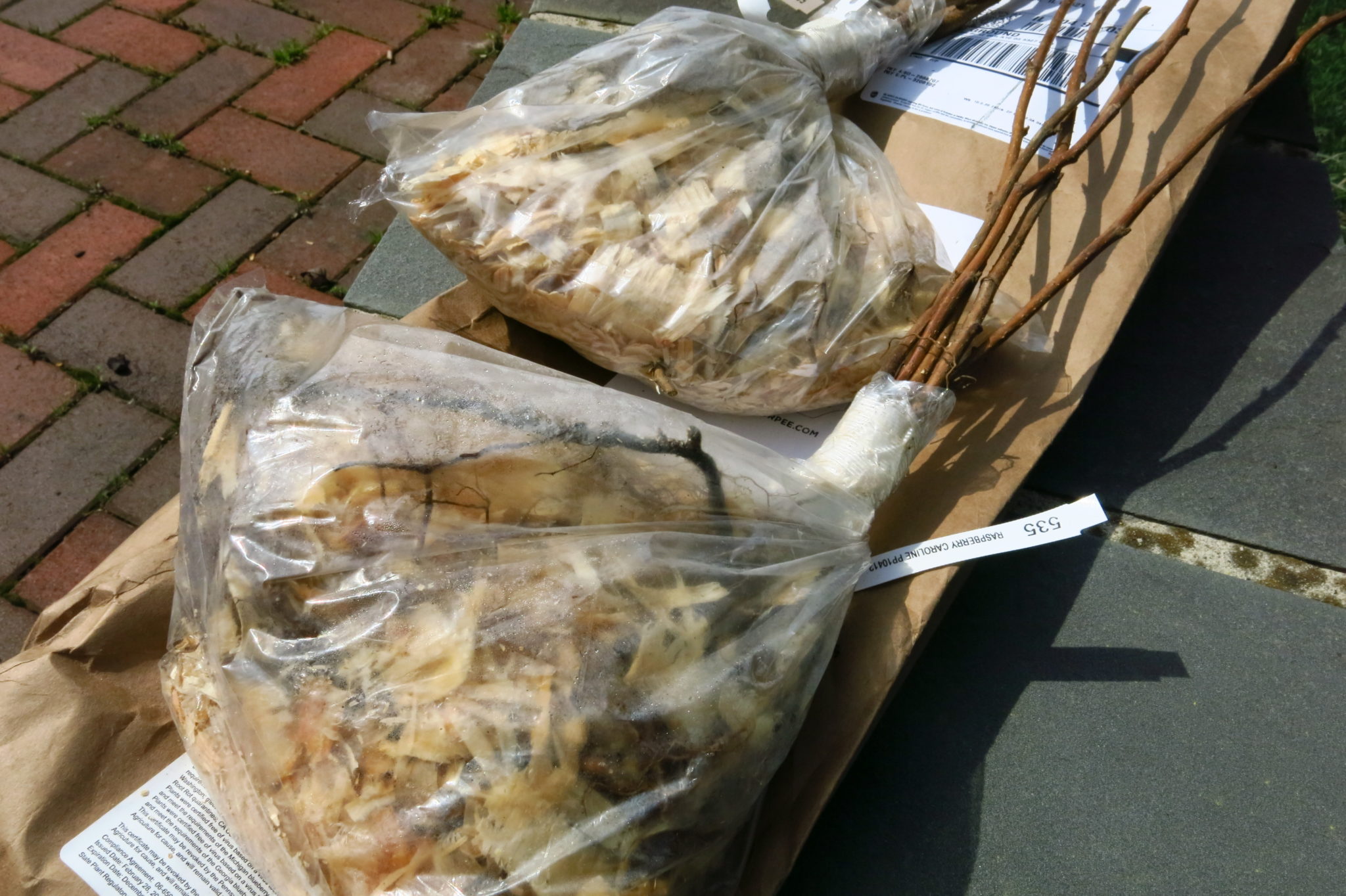
Standard Disclosure: This post contains affiliate links. I may receive a commission from purchases you make through the links in this post

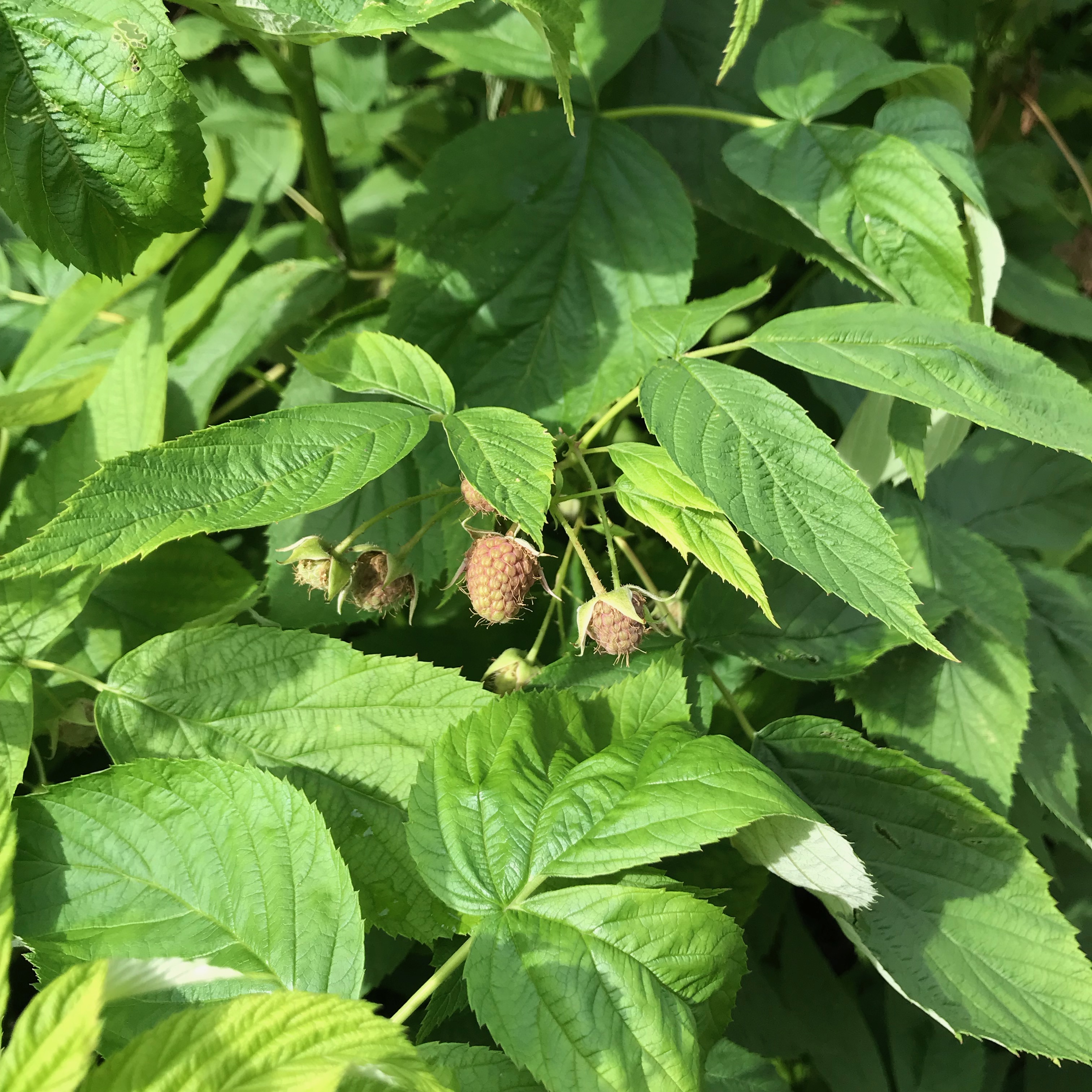
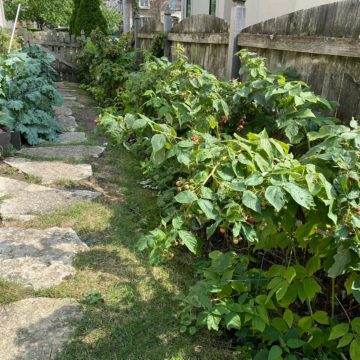
Not knowing how they spread, I now have some combo of them both, or even possibly just one that was hardier. Who knows? In any case, they have finally matured and have been producing an abundance of delicious raspberries.
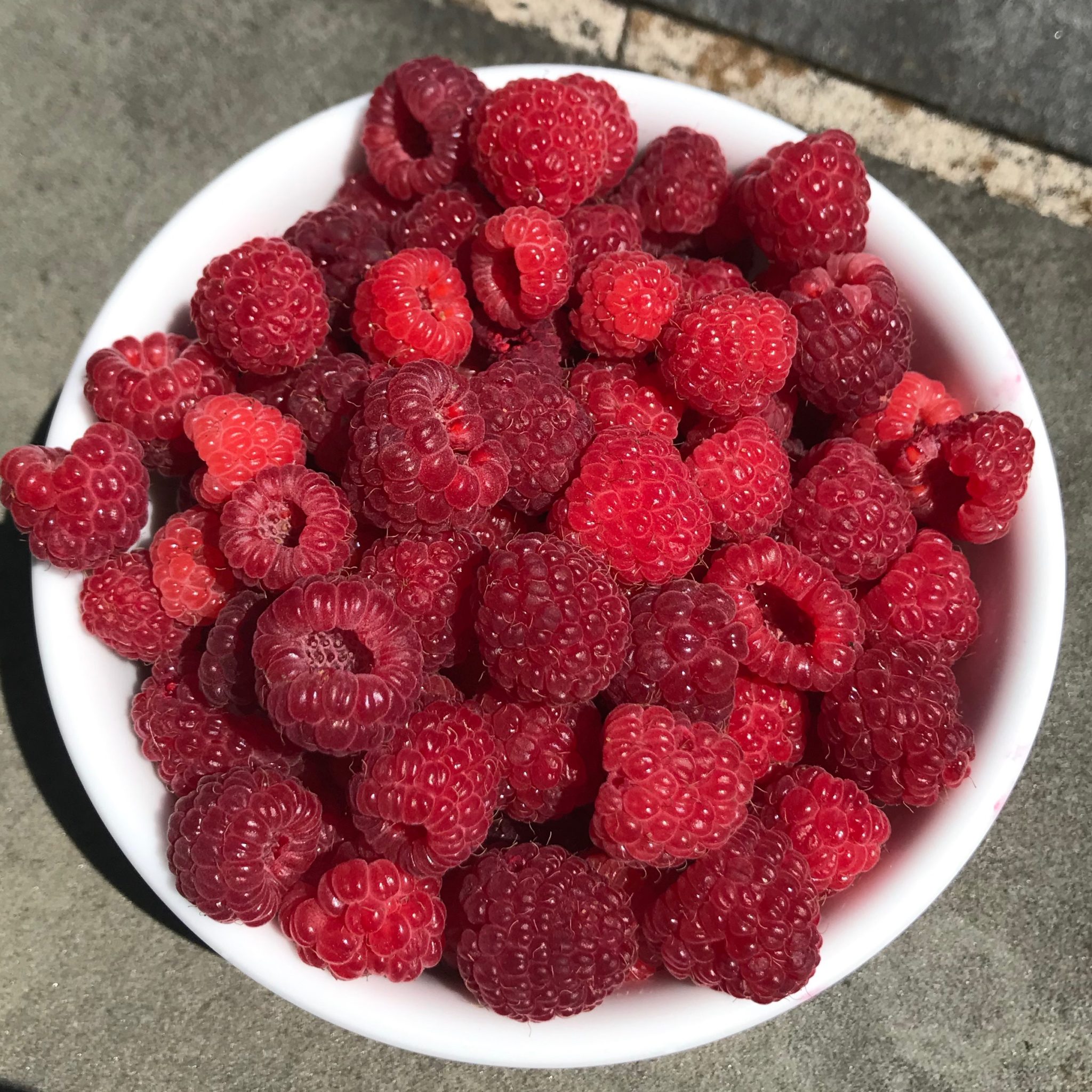
I’ve been very nervous to prune the plants for fear of killing them. Unfortunately that’s been known to happen to anyone who has grown raspberries, especially in northern gardens. But they’ve become quite unruly, and there’s a lot of dead canes.

Everbearing varieties produce fruit once in early fall on the tips of the one-year-old canes (primocanes) and the following summer on the lower part of the now second year canes (floricanes). I need to prune out the second year floricanes either after they produce fruit in late summer, or in March or early April. These plants are done and will produce no more fruit. New canes grow every year, so any healthy raspberry planting has a combination of both one- and two-year-old canes.

Sounds easy enough, but I’m always nervous pruning new plants.

Here’s a before picture. Truly a tangled mess of thorny canes.
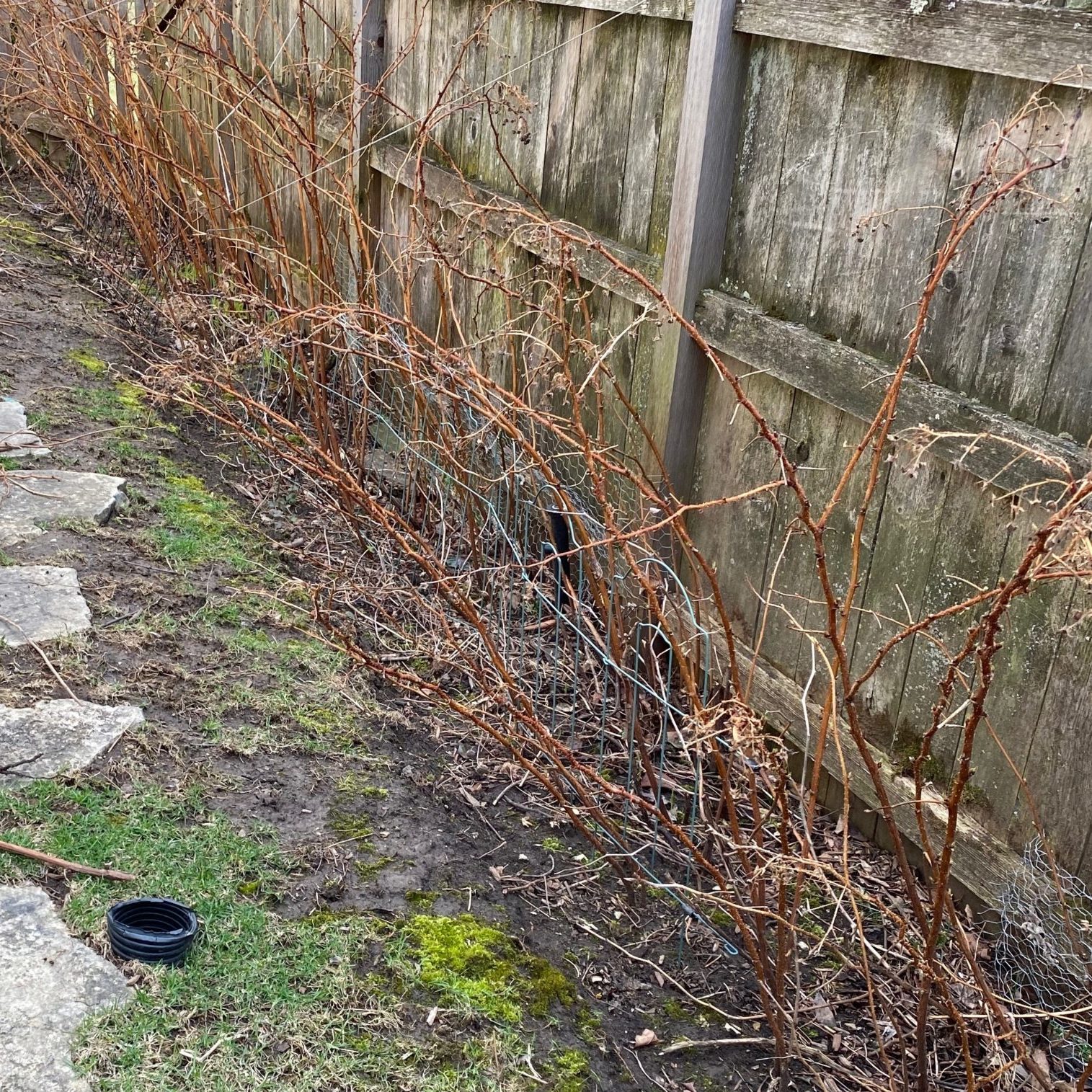
In order to do the job, I need the right tools:

  • Garden pruners, I love my Felco F8 pruners,
  • A good pair of garden gloves. I started with my regular garden gloves and then went and got a good pair of thick work gloves. Too many thorns!

First I started by taking out any dead, broken, or diseased canes, as well as any canes that sprout up outside the row footprint.

Raspberries grow best in a 2-3 ft row, so prune away the suckers to keep them in their space.
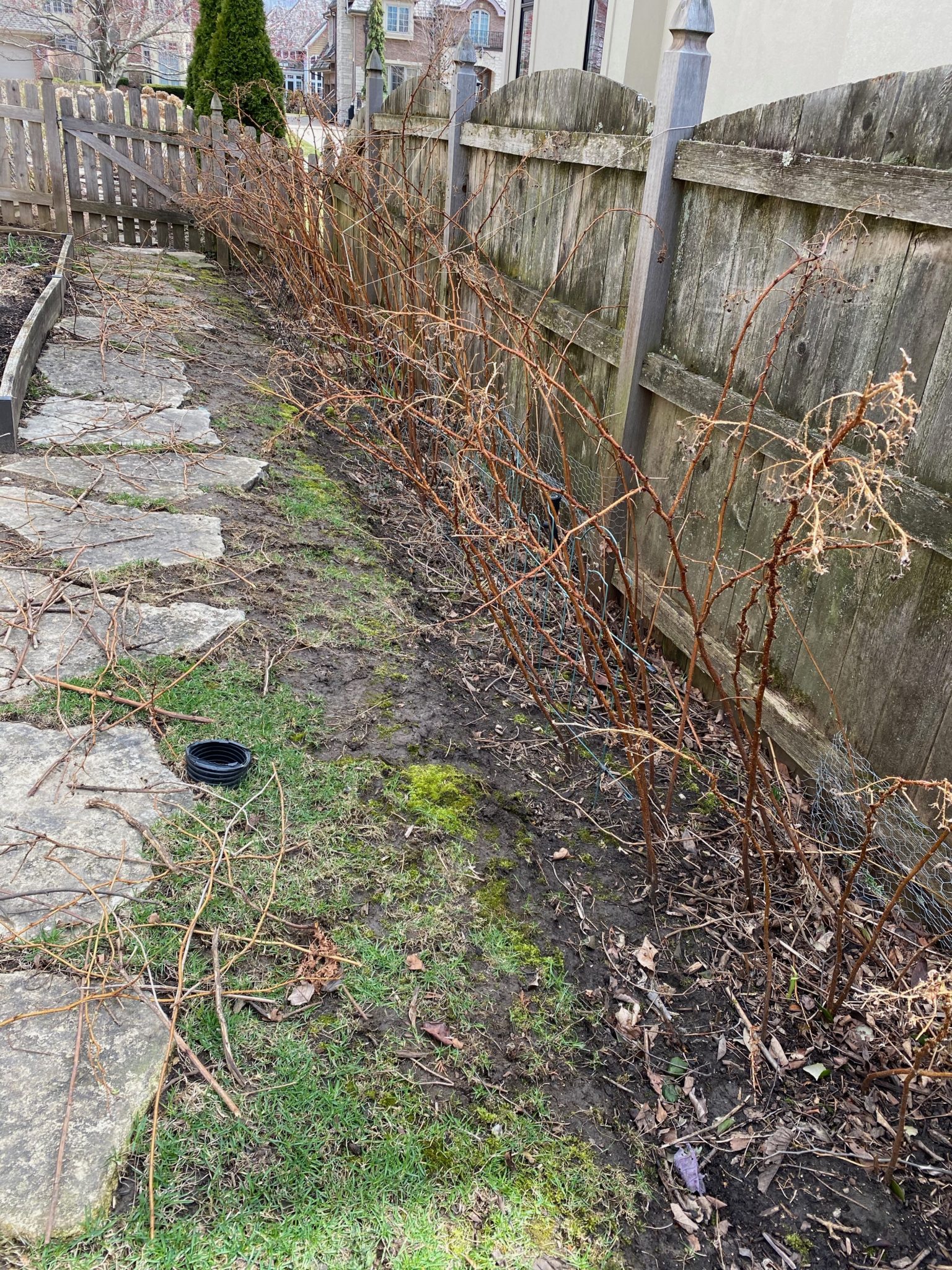
Then look for anything that seems to have brown, peeling scaly bark and cut those to the ground.
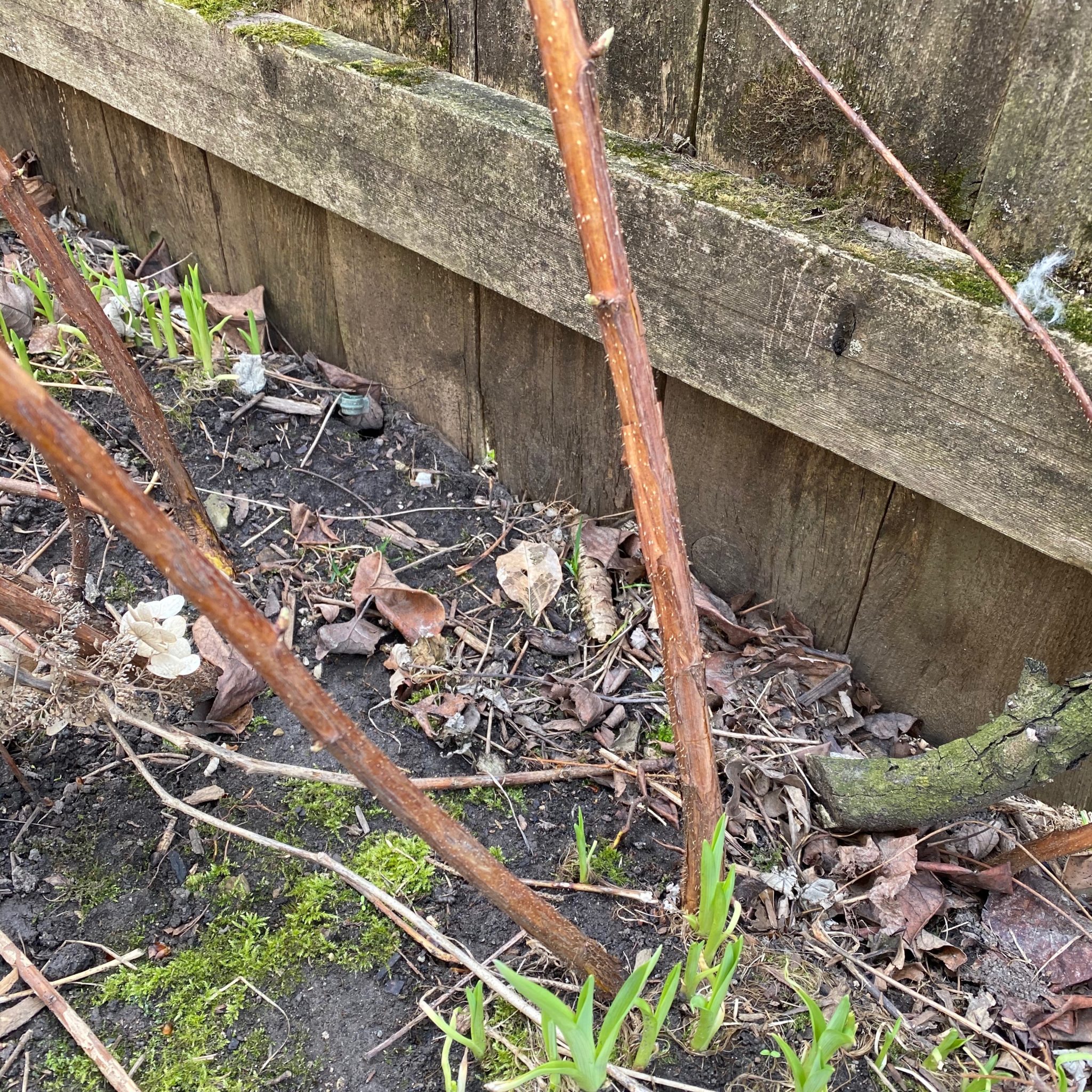
Now how to decide from what is left what is a floricane and what is a primocane?

Floricanes will be brown or grayish in color, harder and more brittle in texture, and may have fruit remnants low on the canes. The floricanes should be pruned to the ground and removed. No need to leave any stubs, they are done.

Primocanes will look fresher and possibly green. The primocanes may also have remnants of fruit at their tips. Primocanes can either be left alone, or trimmed. I trimmed mine by pruning off the top 1/4 or so, to bring their height back to a manageable size. I also trimmed off any fruiting remains to clean them up.
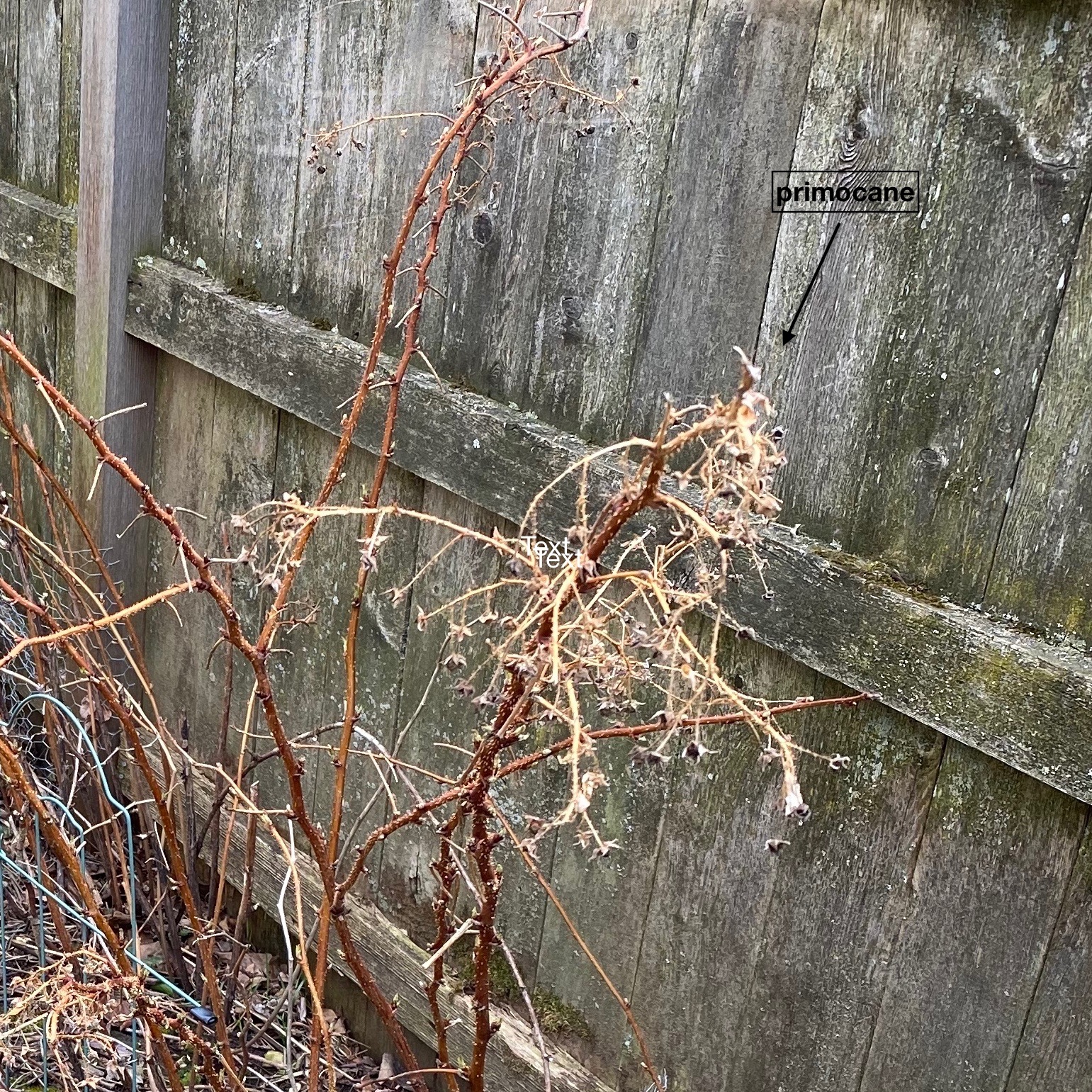
Done! What a difference!
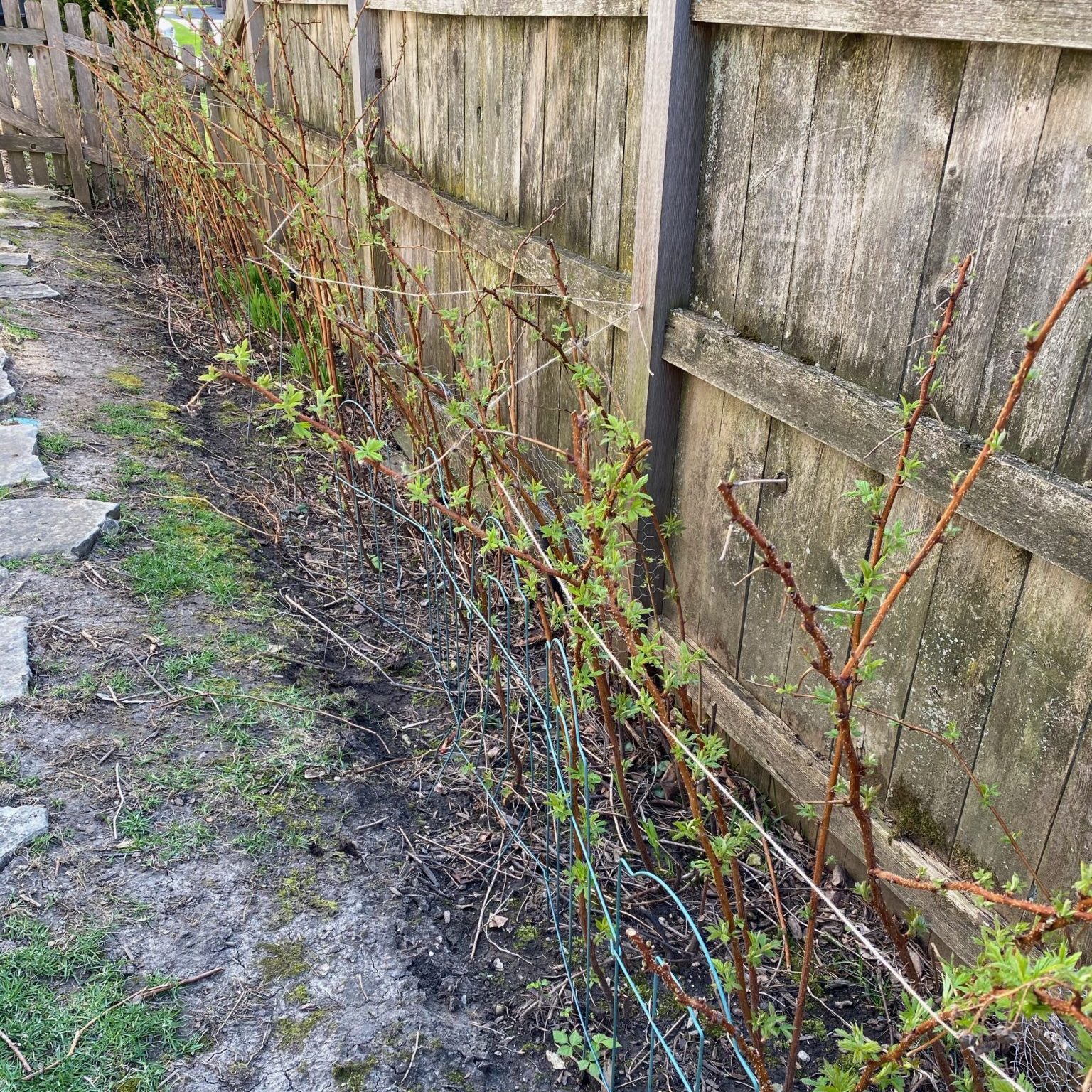
Now that we are in fall, and the fall harvest is huge, I can really see the “fruits of my labor” (sorry, couldn’t resist)
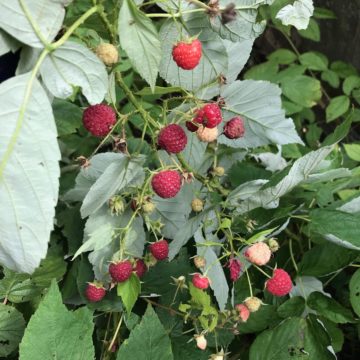
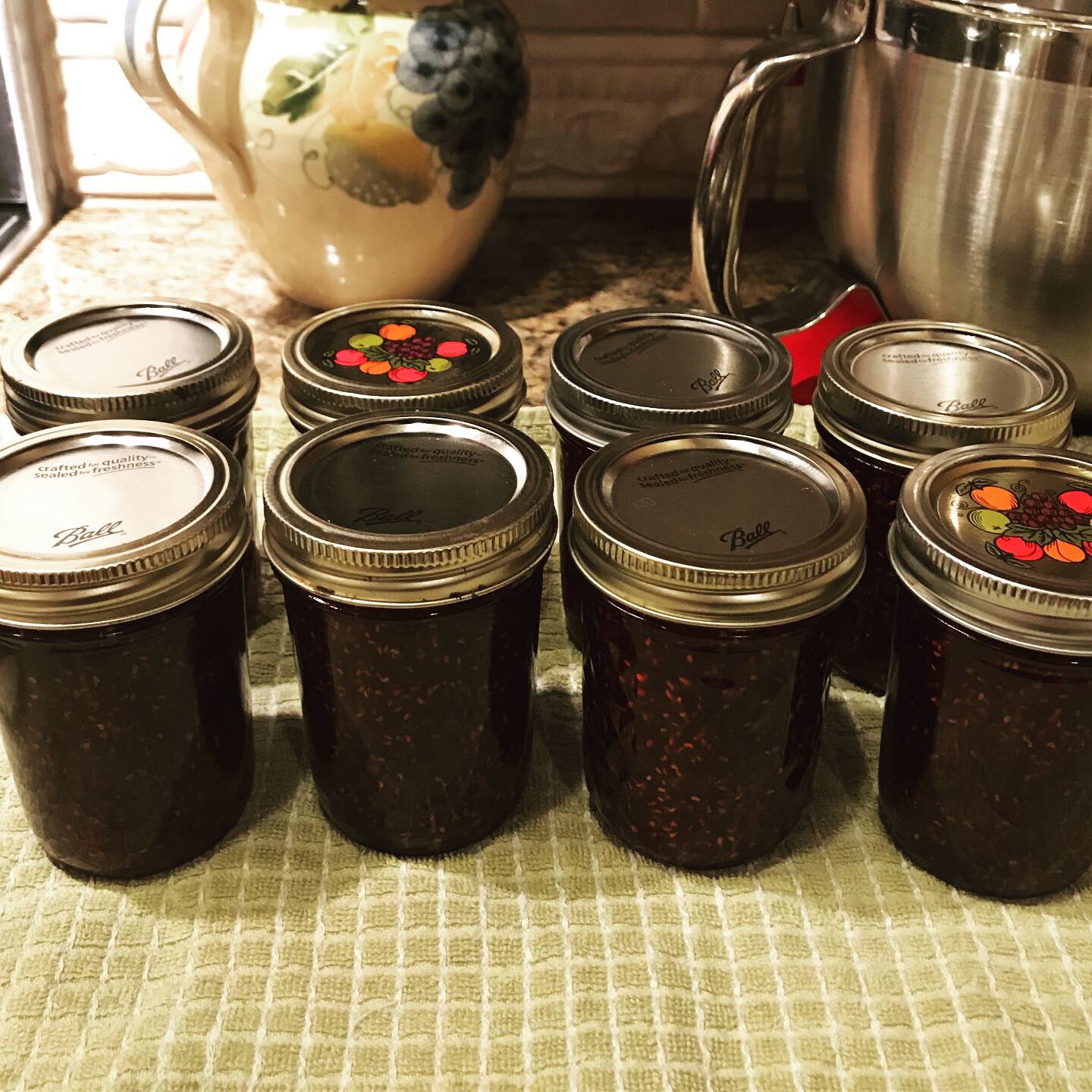
Time for some raspberry jam!!!
Some other raspberry tips:

For new raspberry plants, prune back the canes to 4 to 5 feet tall in late winter during the first couple of years after planting. This will ensure that the bush gets plenty of light, which is essential for fruit production and creating a healthy bush. It’s not recommended to cut all canes back to the ground in northern gardens with short growing seasons and early fall frosts. There’s just not enough time for the plants to put energy into both growing healthy canes and fruit.

Need to tie back your raspberry canes? I’ve found strips of torn sheets to work better than garden twine. After a short time, the twine breaks from rubbing against the thorns and needs to be replaced frequently.

One-crop summer-bearing type of raspberries can be pruned right after the summer harvest. Cut to the ground any canes that have fruited. These kinds of raspberries produce fruit on the second year canes, so once fruited they are done.
Spring 2020: Garden Roundup-Veggies

I’ve had a lot of time during this pandemic to plan and tend to this year’s garden. I can’t say I’ve minded this part, I’ve actually really enjoyed the time to get back to basics in the garden.

Like usual, I started a number of vegetables in the house from seeds and shopped for the rest at the local nursery (shout out to Vern Goers Greenhouse that was thankfully open, with appropriate restrictions of course).

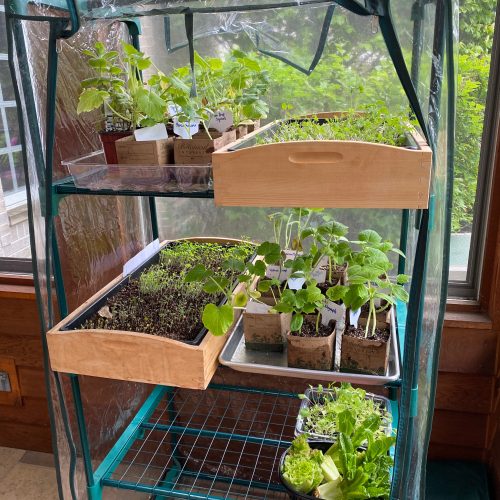
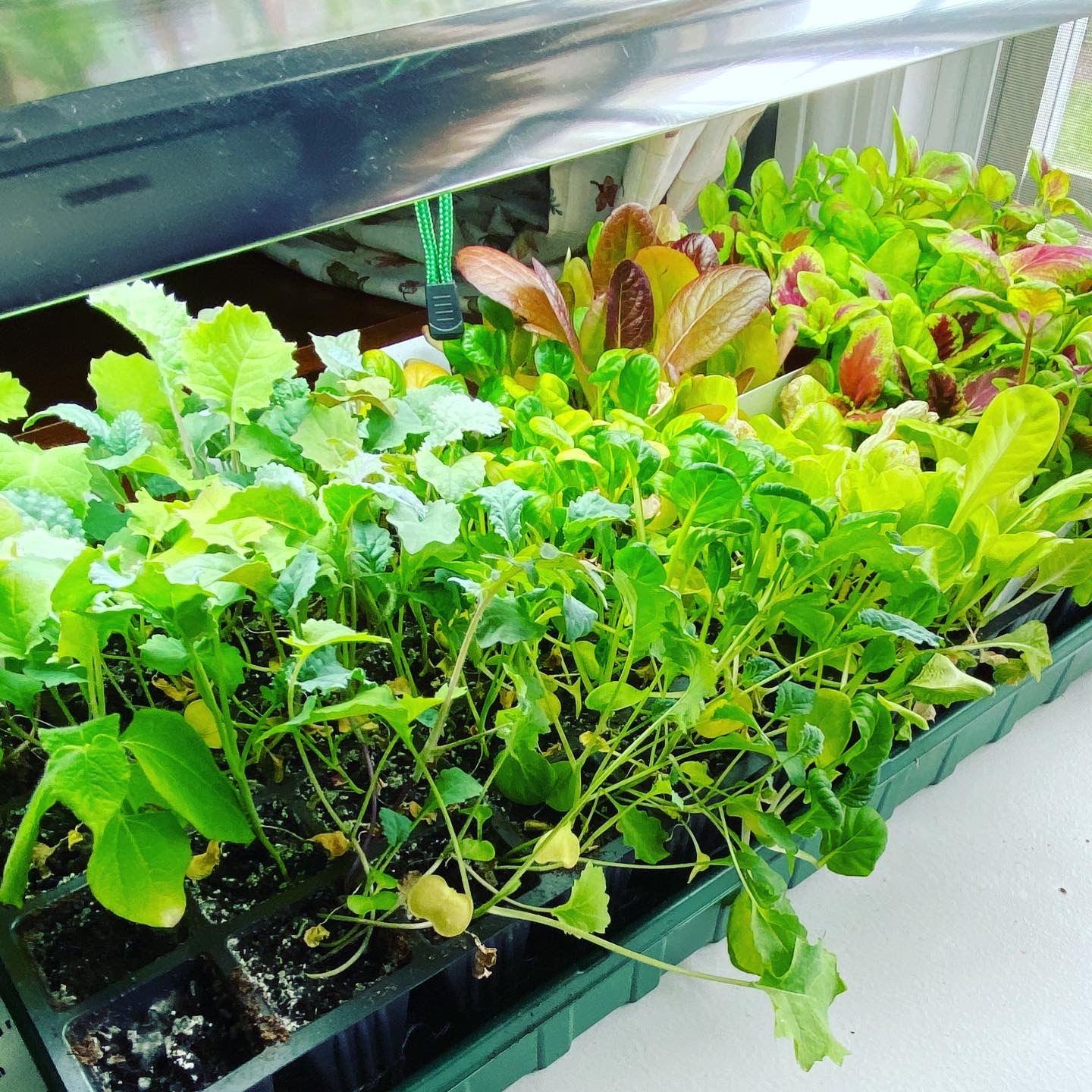
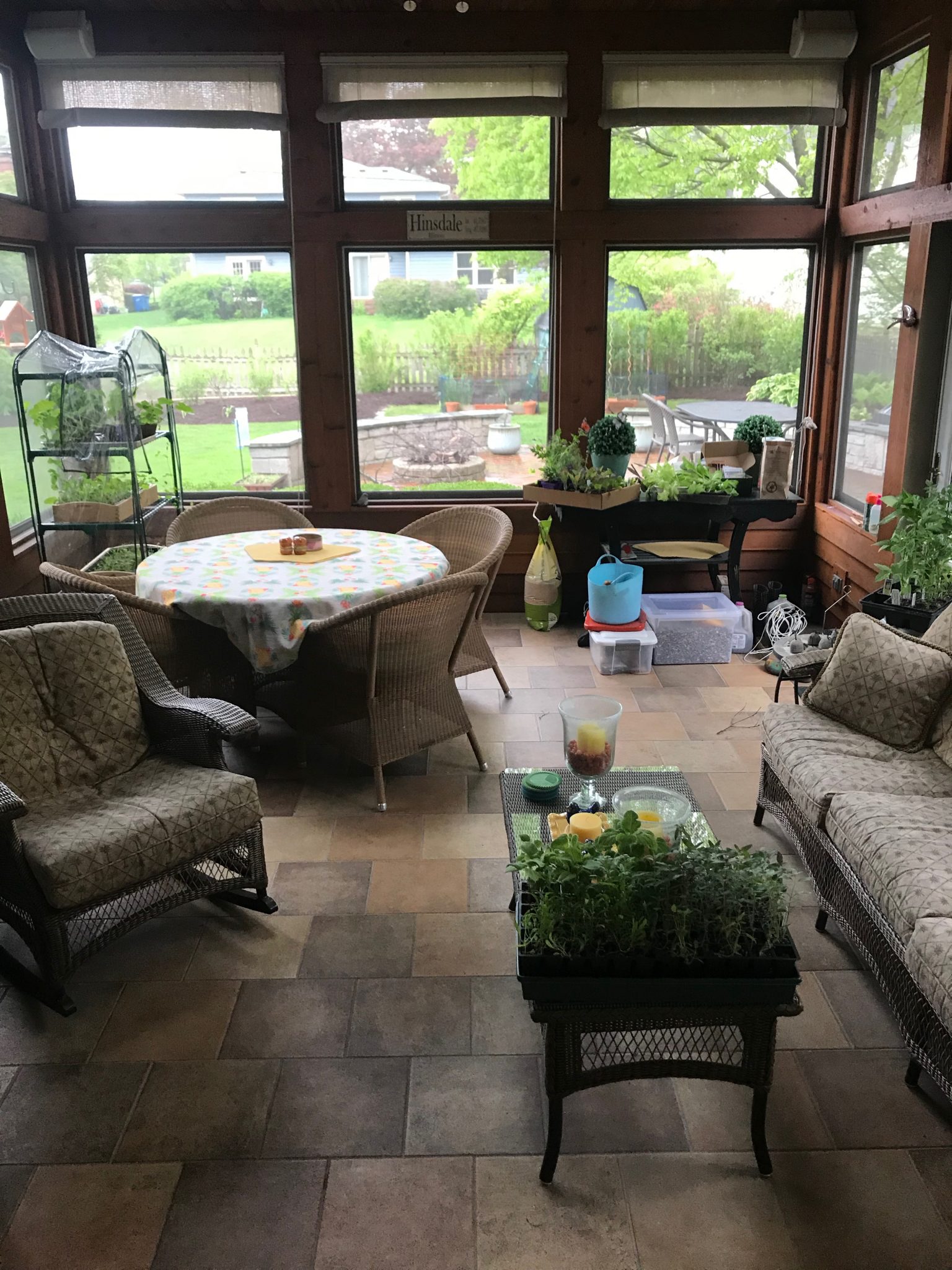
We had a bad cold snap in early May, so I kept everything nice and cozy under grow-lights in the house and in the mini greenhouse on the porch.

I am so looking forward to a summer of fresh vegetables straight from the garden.

What did I grow this year from seeds in the house?

What seeds am I starting outside?

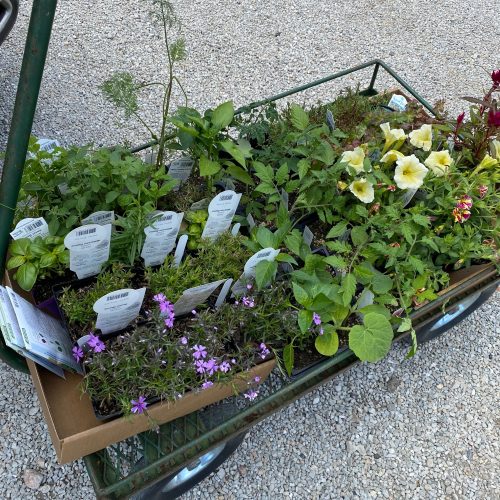
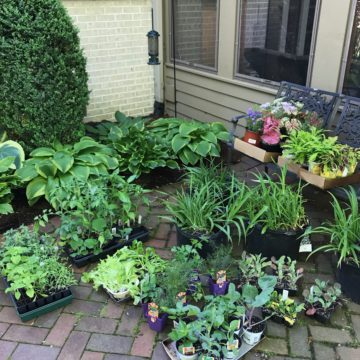
What plants did I buy?

  • Redarling Brussel Sprouts
  • Sun Gold Tomato
  • Early Girl Bush Tomato
  • Juliet Tomato
  • Sweet Million Cherry Tomato
  • San Marzano Tomato
  • California Wonder Sweet Pepper
  • North Star Sweet Pepper
  • Habanero Peppers
  • Kohlrabi

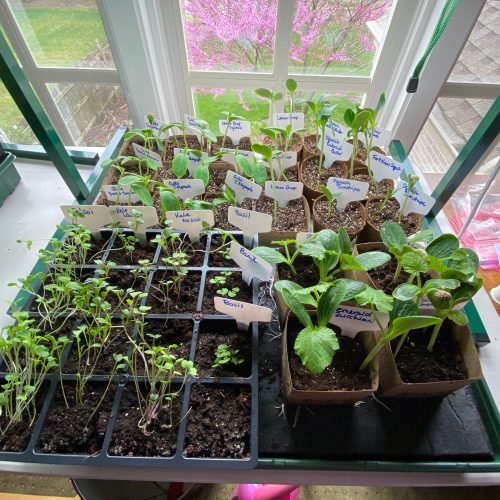
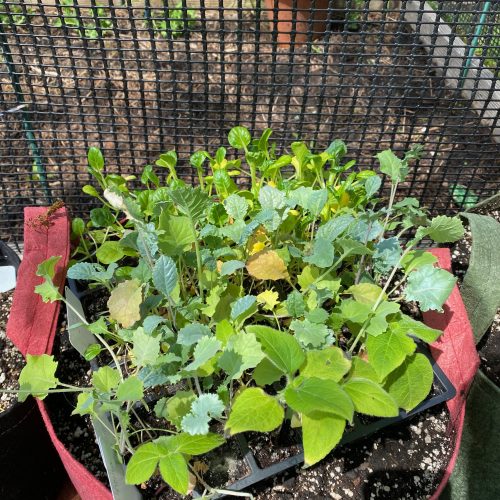
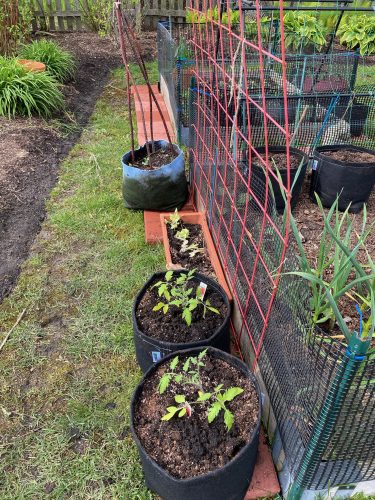
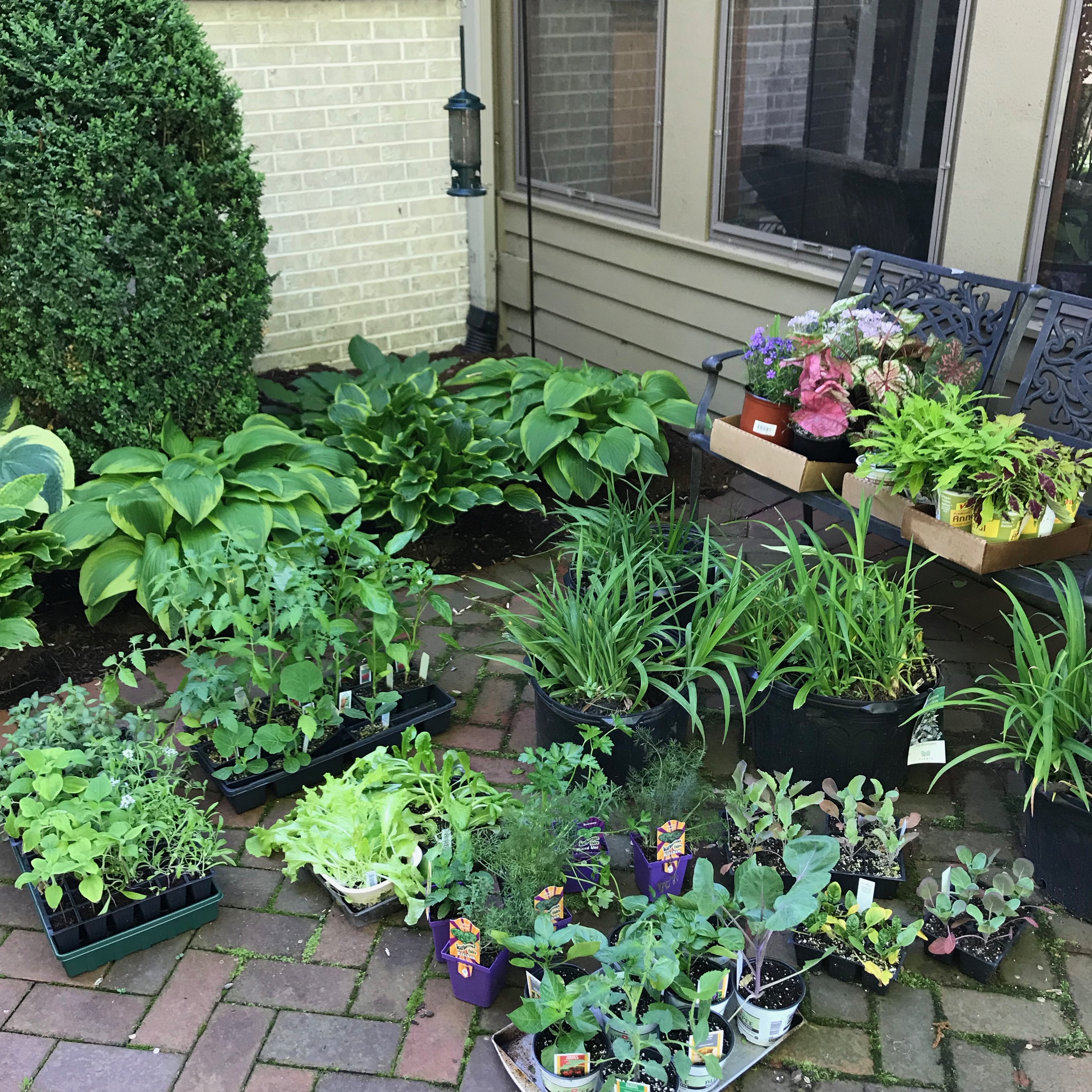
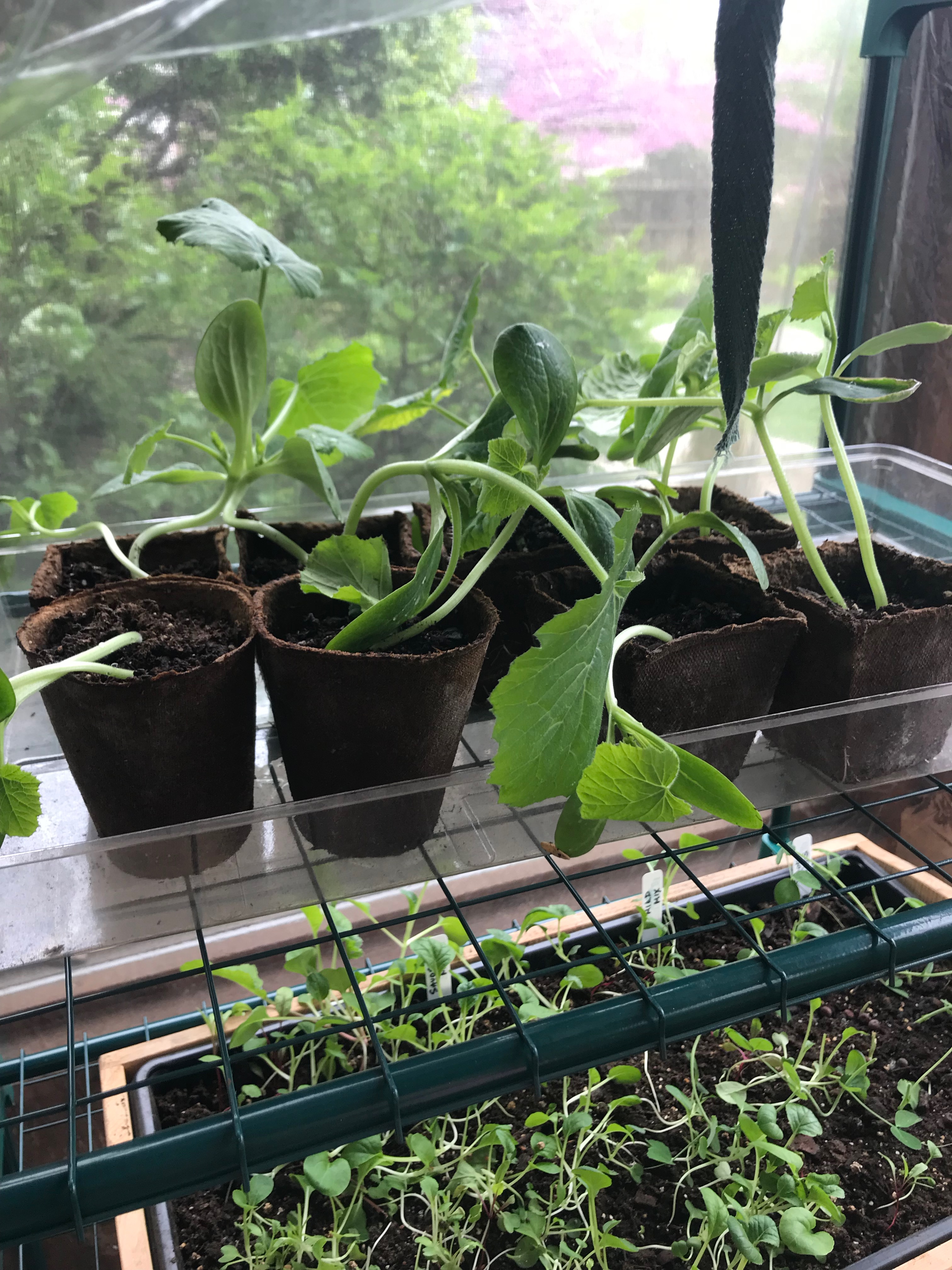
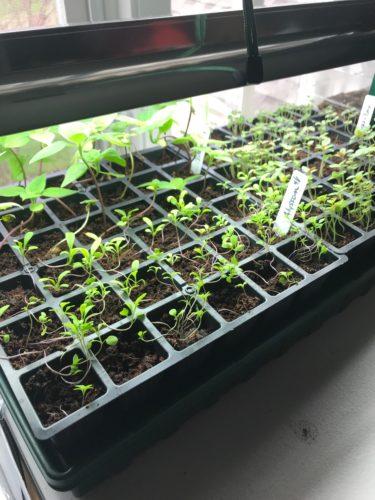
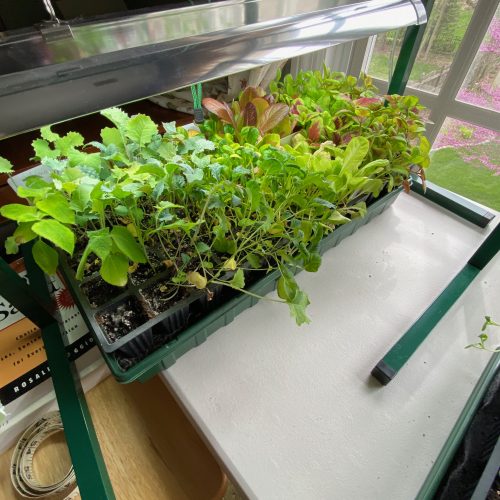
Here’s some of the seedlings I grew in the house, all ready to plant. Some I planted in one of the raised beds, others in my new fabric root bags.

What did I try new this year?

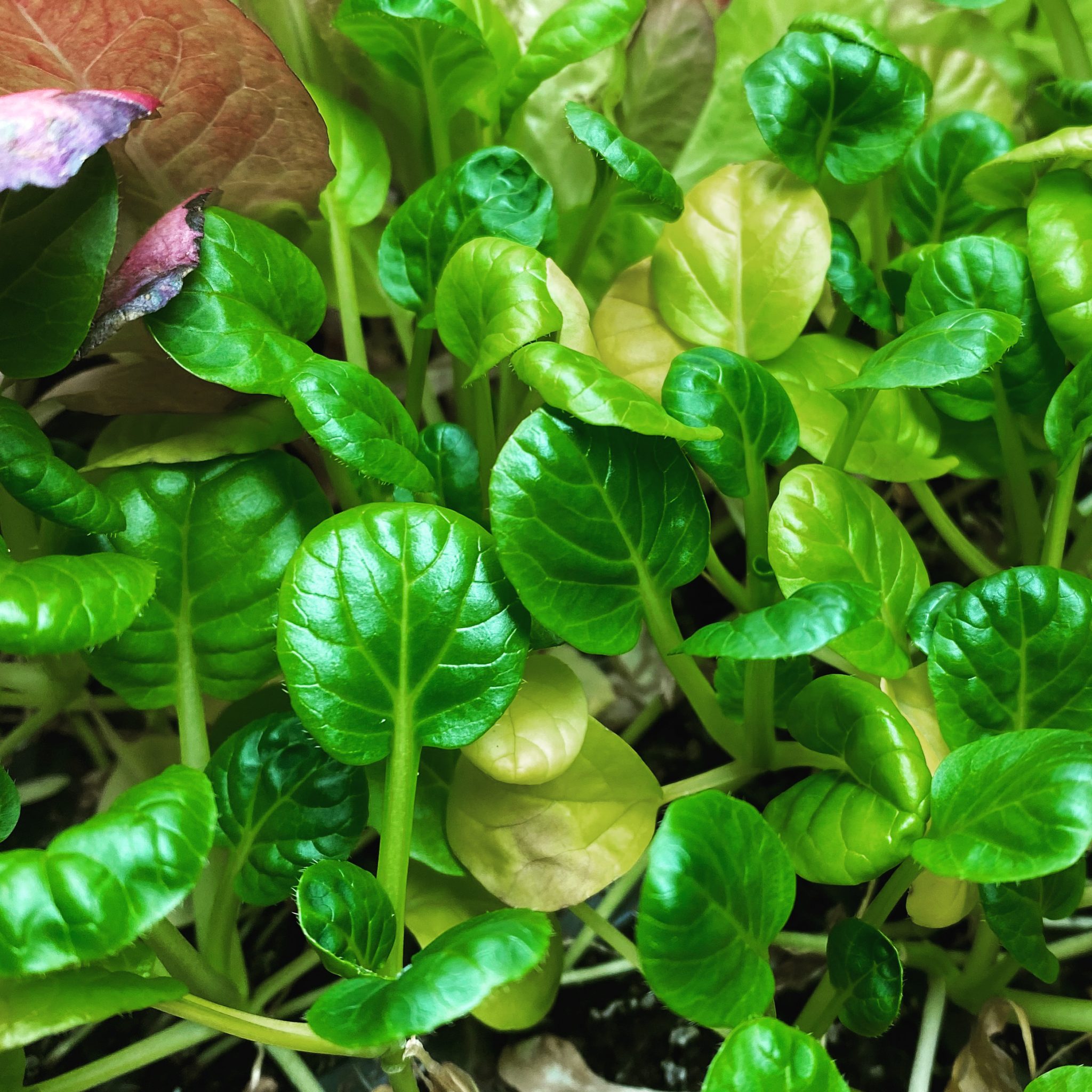
Tatsoi! I didn’t even know this was a thing until it popped up on an Instagram post by Baker Creek Heirloom Seeds. We’ve had to change up our diet a bit to eliminate high oxalate foods like rhubarb, spinach and swiss chard because of kidney stones. 🥺 So out of the garden they went. Instead, I am growing an abundance of kale (which I’m not a huge fan of but learning to like it), lettuce, microgreens, sprouts, brussel sprouts and this new tatsoi green.

According to Baker Creek Heirloom Seeds, “Tatsoi is nicknamed Vitamin Green, and rightfully so. This gourmet green is known as one of the richest sources of vitamin C and it is replete with other incredible vitamins, minerals, and health-promoting compounds! It’s super sweet and easy to love, with a mild and refreshing flavor. The low-growing rosettes are comprised of tiny, glossy spoon-shaped leaves that boast crisp and juicy mouth-feel.” As a bonus for us, it’s related to cabbage/mustard, so low in oxalates! I can’t wait to try it out.

What else is new?

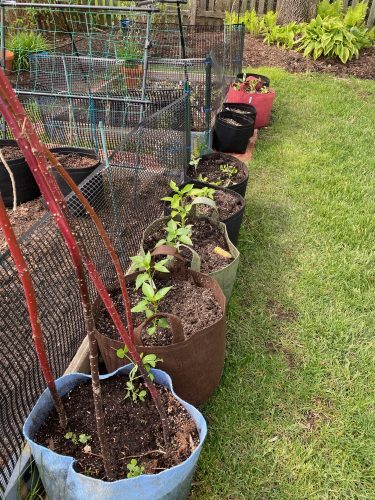
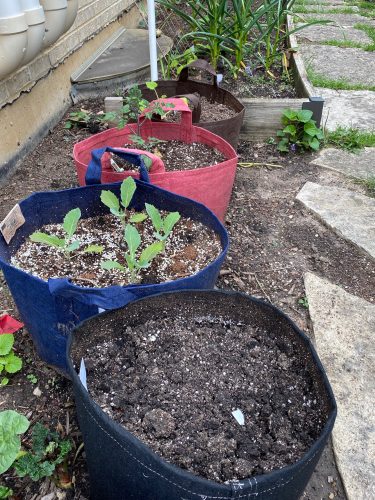
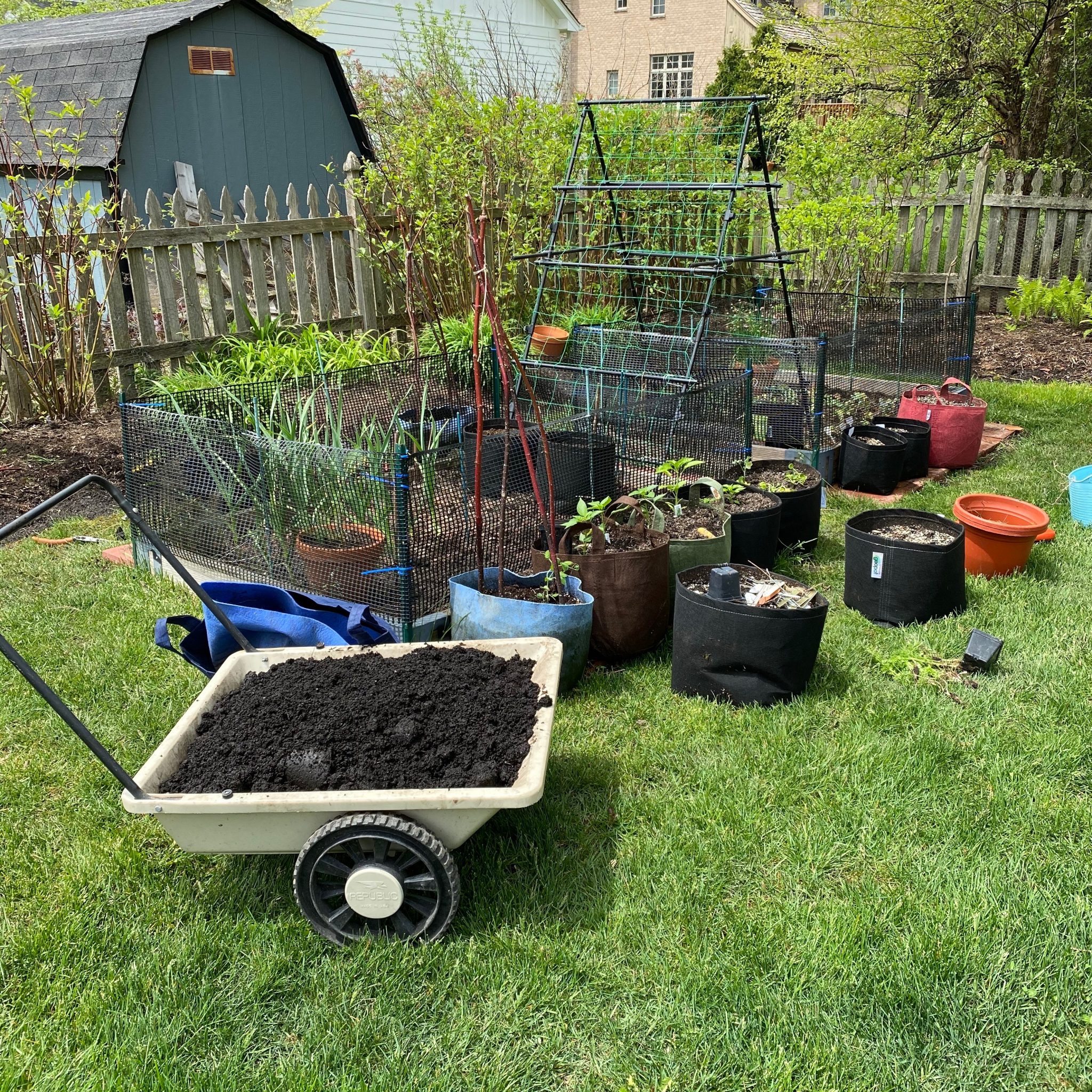
Lots more fabric grow bags! I couldn’t really expand my gardens very easily, so went in a different direction. I bought a variety of sized bags from A.M. Leonard and GeoPot and a LOT of potting soil/compost/peat. Watch for a future post on this adventure. I have so much more garden space, I’m making another trip to the nursery!

One more thing…

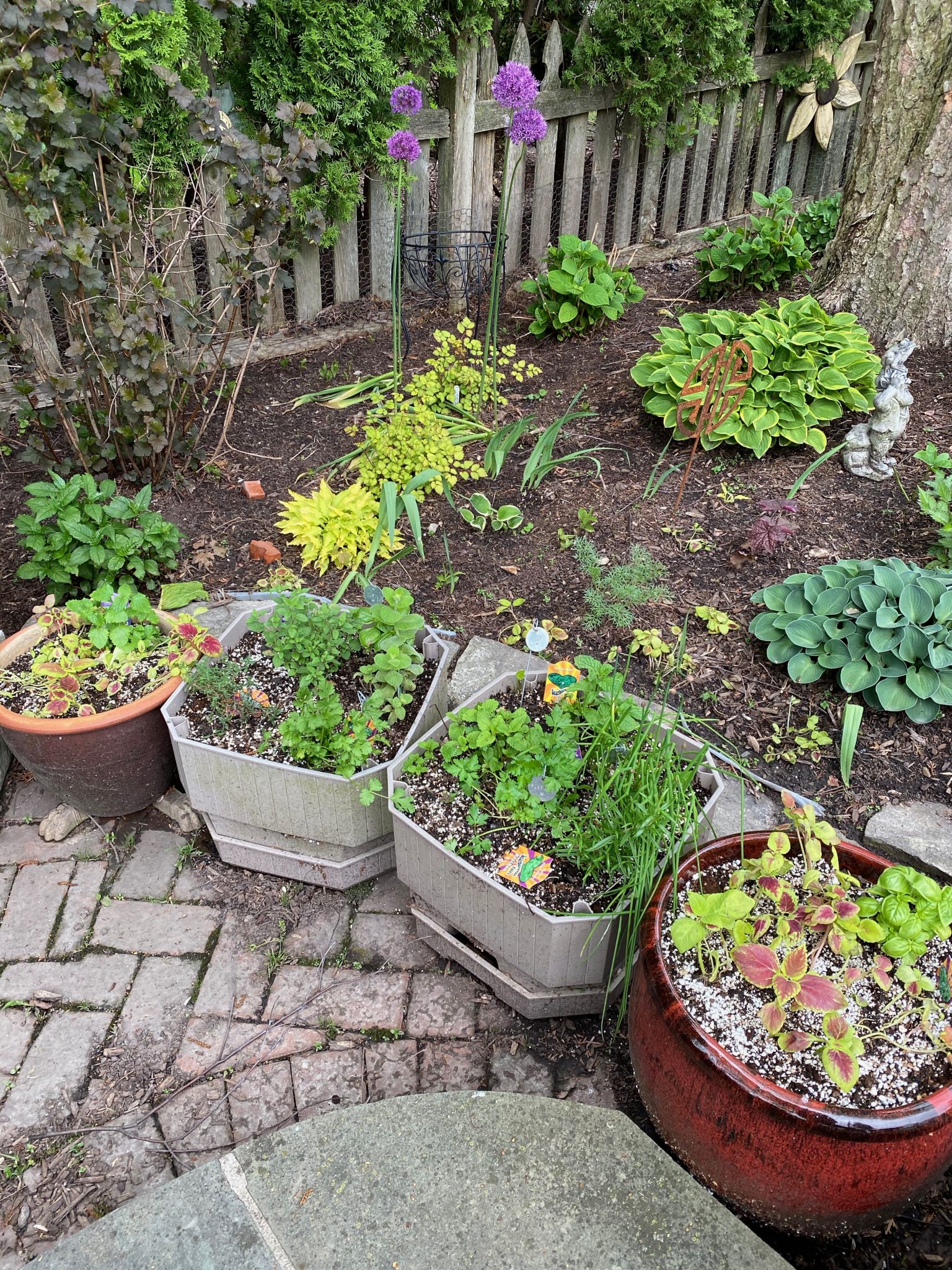
My herb garden has always been on the north side of the house. right outside the side door. Very convenient. The herbs grew “fine”, but they really could have used more sun. I finally decided to move them since I had the time to think where they should go.

They are a little further away near the grill, but still convenient. Definitely will get a lot more sun. On either side are the coleus pots I plant every year. They add some pretty interest to the area and attract pollinators. I started then from seeds inside this year instead of buying them. Much less expensive and easier under the circumstances. But I think I should have started them earlier. They’re a little small right now, but with some sun and heat, they’ll take off.

How is your vegetable garden this year?

It’s Going to Be Cold Tonight!

May freeze warning, what to do??

It’s almost Mother’s Day and if you’re somewhere in the Midwest, mid-Atlantic or Northeast, you’re in for an unpleasant weather event the next couple of days. Brrr. Have we not dealt with enough this spring?

Hopefully, you’ve learned from past mistakes and haven’t planted those wonderful tender annuals and vegetables that all the garden centers already have out for purchase.

It’s always a good idea to know your growing zone, both your plant hardiness zone, based on the lowest expected winter temperatures, and your first and last frost dates. The spring frost date is what we are dealing with now. In my suburban Chicago location, based on Dave’s Garden’s info:

  • Almost certainly, you will receive frost from October 20 through April 17.
  • You are almost guaranteed that you will not get frost from May 24 through September 26.
  • Your frost-free growing season is around 155 days.

Right now we are in that in between time from mid April-Late May. I’ve learned that none of my seedlings leave the house for hardening off until close to Mother’s Day, about the middle of the in-between time.

If it does get too cold, plants that are outside and waiting to be planted can spend time in the winterized three-season porch. For the most tender plants they can go in the mini-greenhouse on the porch, or even in the house, if they need even more protection.

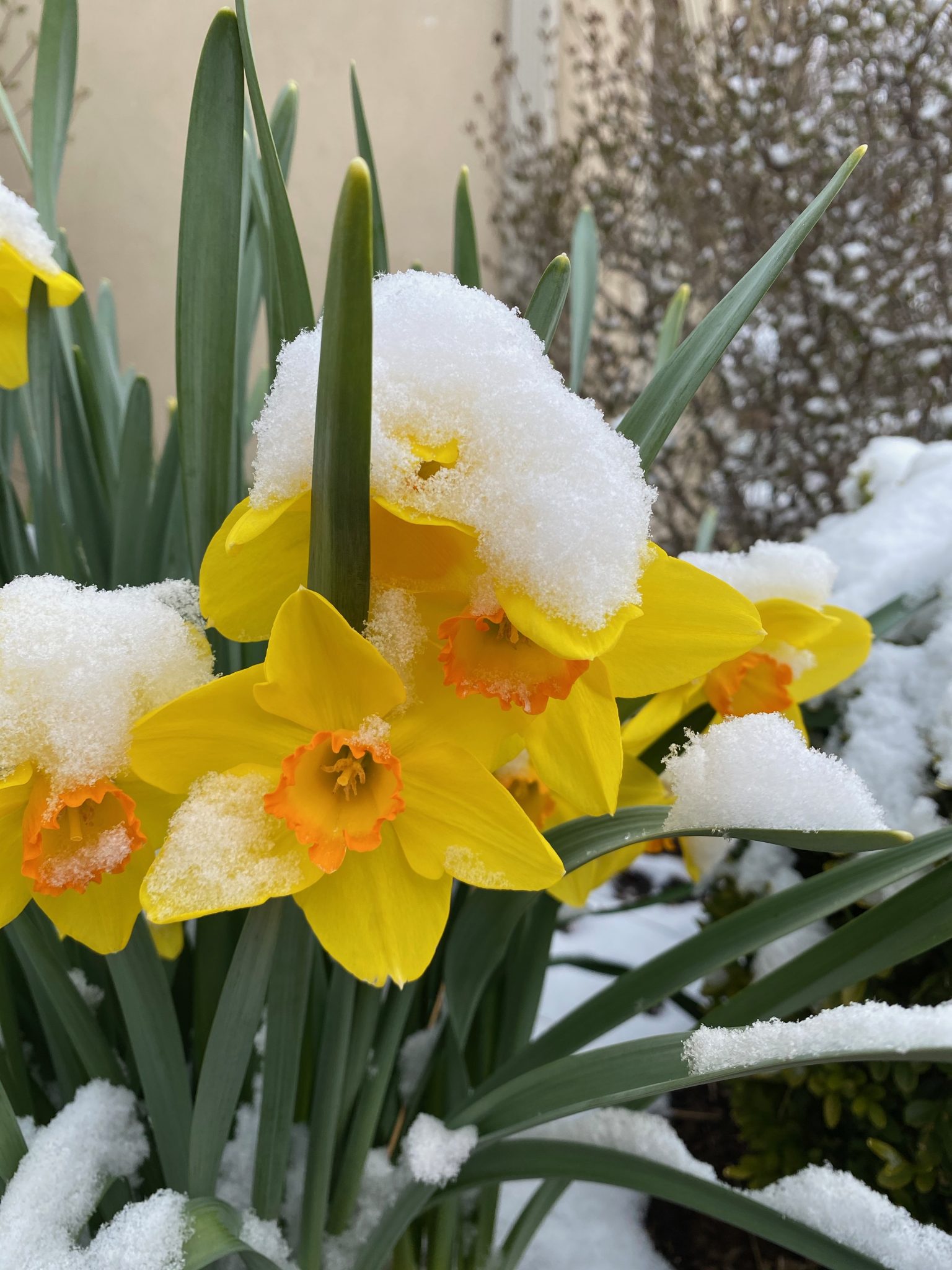
But what about all the perennials already leafing out and shrubs budding? Most spring plants will be ok. But if temperatures are predicted to be below 32ºF your more tender plants like geraniums, begonias, impatiens, peppers, and tomatoes need protecting!  A moderate freeze in the mid 20’s can be devastating to even more of your plants.

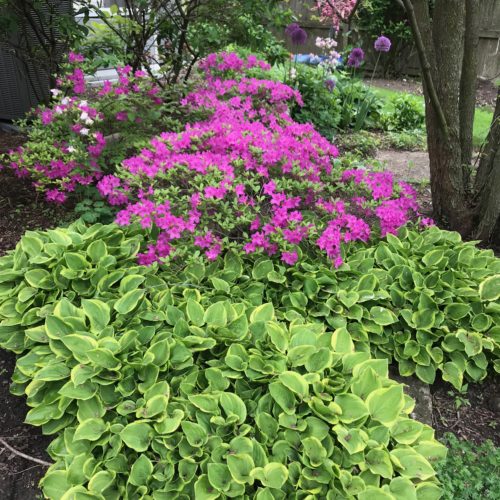
In my yard, I’m most worried about the hostas and early perennials that are pretty leafed out already, and flowering shrubs like the azaleas that haven’t flowered yet.

The magnolias and redbud are already in flower or done, so not so worried about them. But many others around the yard are just now coming into bloom.

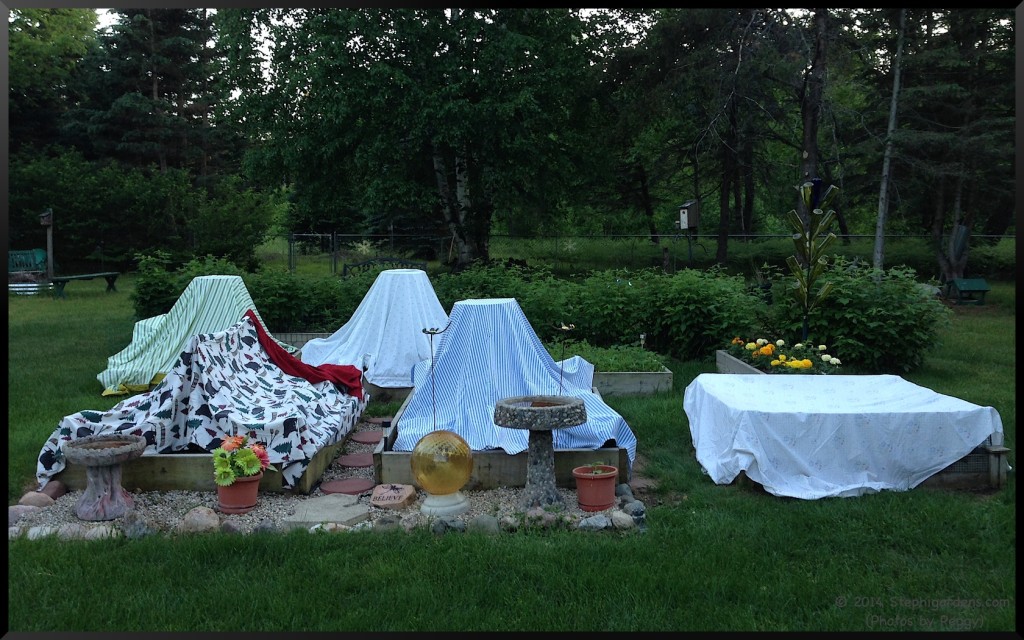
If you know that the plants are likely to be damaged by an overnight frost, you need to cover them with a sheet, blanket, a frost blanket or even an overturned bucket.

garden frost
This is my mom Peggy’s yard in Northern Michigan when she got hit with a late freeze a few years ago.

By tenting the sheets or frost blanket over the garden, it creates a warm air pocket around the plants from the warmed soil. If it’s thought to be colder than a light frost, you can add a layer of plastic over the blanket to trap even more warm air (but never put plastic right on the plants).  Be sure to remove the coverings first thing in the morning before condensation starts to form on the inside.  If still cold enough, the moisture could freeze on the plants and cause additional harm.  An actual hard freeze (below 28 º) requires even more elaborate weather protection, or you may just need to sigh and start over.

Plants like hostas will survive the frost or freeze, but will cause frost “cracks” or even cause portions of the leaves turn white and wilt. Damaged leaves will not come back, so trim them off and new leaves will continue to fill in throughout the summer. If a lot of the plant is damaged, the plant should survive, it’ll just be smaller than normal.

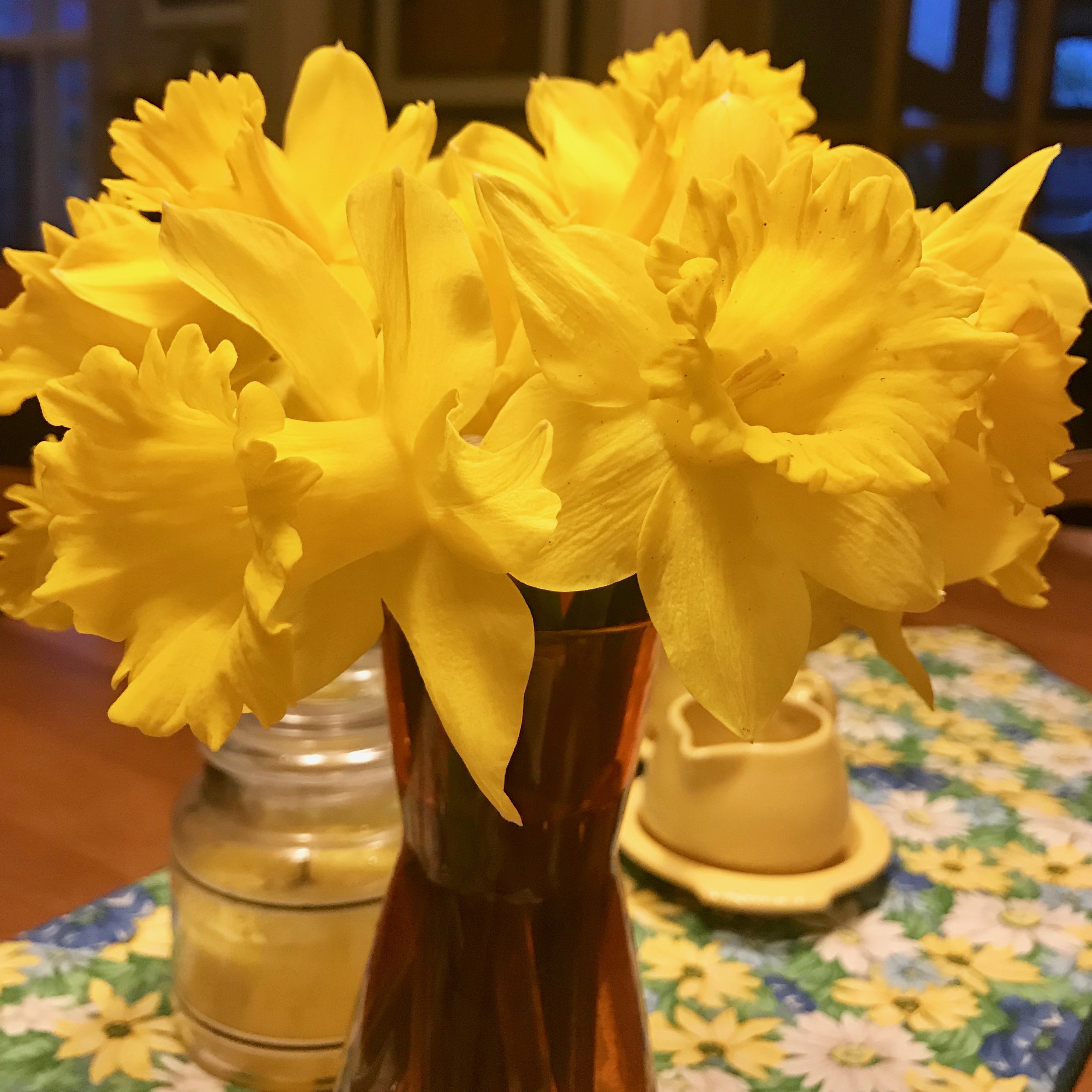
Most perennial flowers can take a light frost with temps between 32-35º degrees. A hard freeze with temps of 28º or lower will most likely kill the flowers, but not the plants. If you have beautiful spring flowers in your garden and you hear a hard freeze below 28º is in the forecast, maybe it’s time to bring spring inside by cutting those flowers and making a beautiful spring bouquet..

Two more thoughts for tonight:

Garlic and Shallots–Garlic and shallots will be fine at these temperatures. The leaves may turn a little yellow, but the growing bulbs will be fine.
Rhubarb–Rhubarb will be fine, but you can cover if desired. Some of the stems and leaves may get frozen and turn mushy as they thaw. Just cut those unwanted leaves and/or stems away. First year, no more harvesting or cutting, second year and later, be gentle in your harvest this year if a lot of the plant was damaged.

Wishing you all good luck tonight 🤞🤞. What are you doing to protect your plants?

Photo credits: Stephi Gardens, Photos by Peggy and Photos by Steve

It’s Garlic Time!

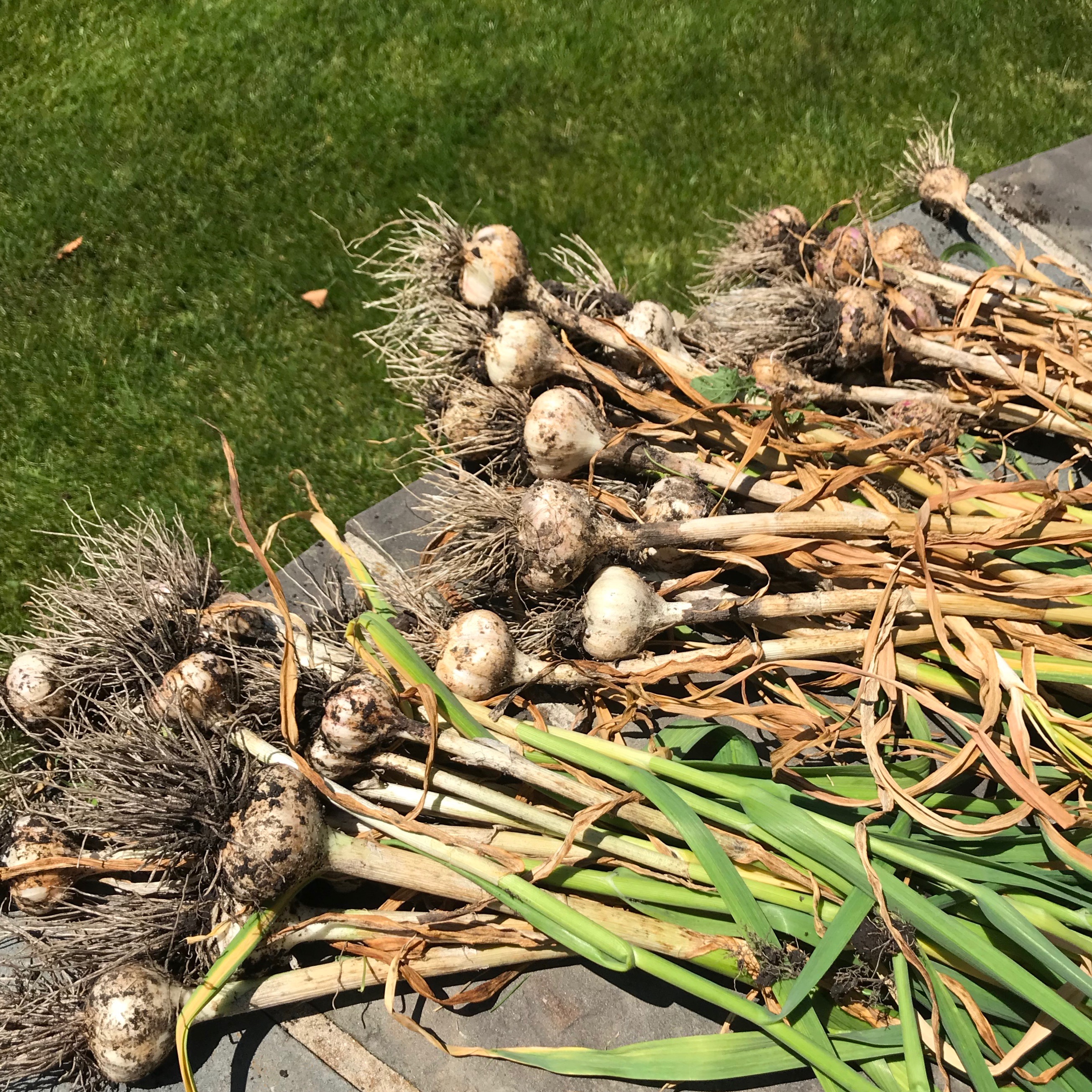
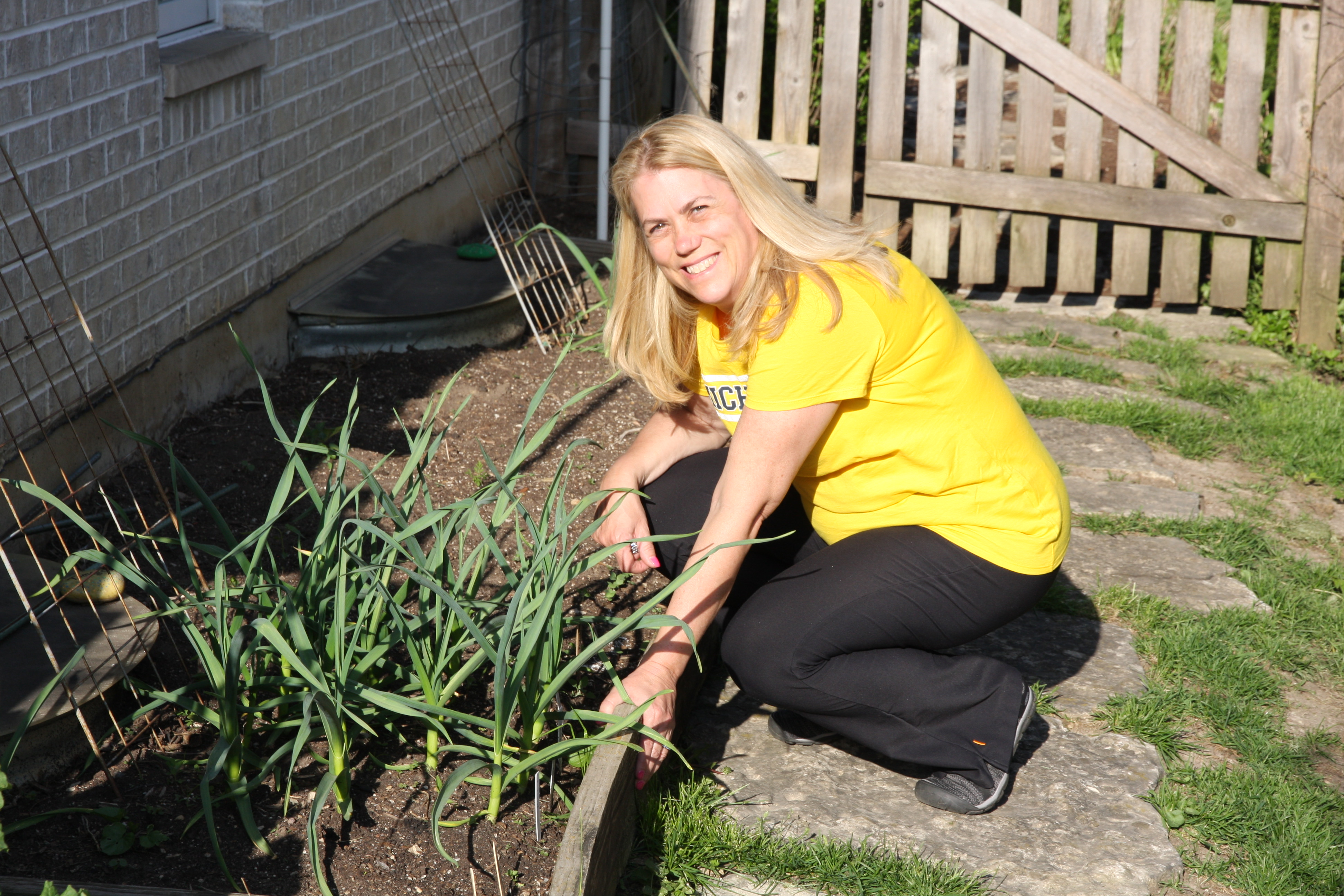
If you’ve followed my blog at all, you know I love to grow garlic. I recently harvested this season’s crop and right now is the perfect time to order your garlic bulbs for fall planting.

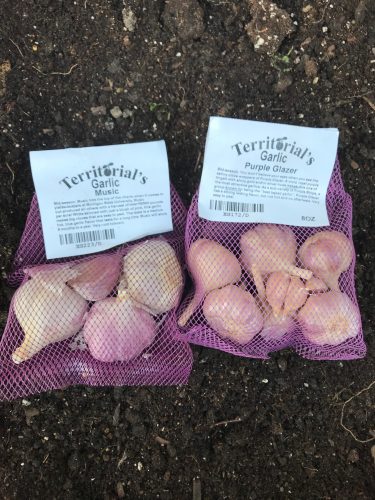
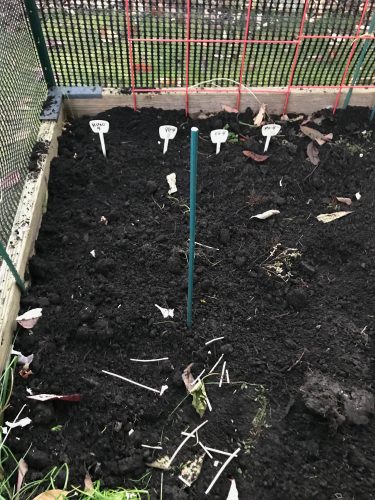
While a lot of things in the garden didn’t do well this year, it was a banner year for garlic in my home garden, but unfortunately not so much in the Wisconsin garden. I grew two hardneck varieties this year, Purple Glazer and Music, both from Territorial Seeds. Before planting, I replenished the soil with some new garden soil and compost. After a while, soil in raised beds sink and new soil and nutrients need to be added.

Garlic comes in two types, hardneck and softneck. Hardneck varieties require some time in frozen ground, so are not recommended for warmer climates. In the spring, they produce a tall edible stem called a “scape” and are generally known for their stronger taste. Softneck varieties tend to grow in a wider variety of climates, last longer in storage and are good for braiding. They also tend to be a little milder in taste. For whatever reason, I’ve had much better luck with hardneck varieties in my northern Zone 5b garden.


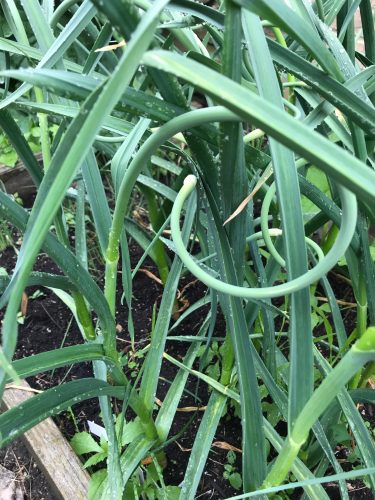
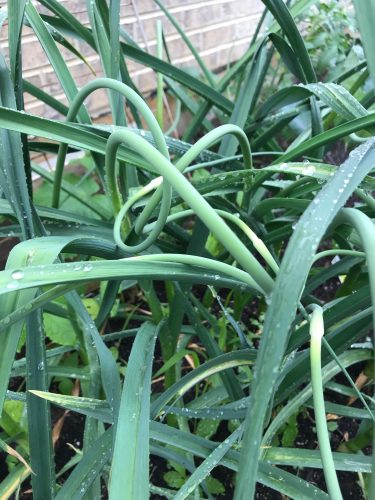
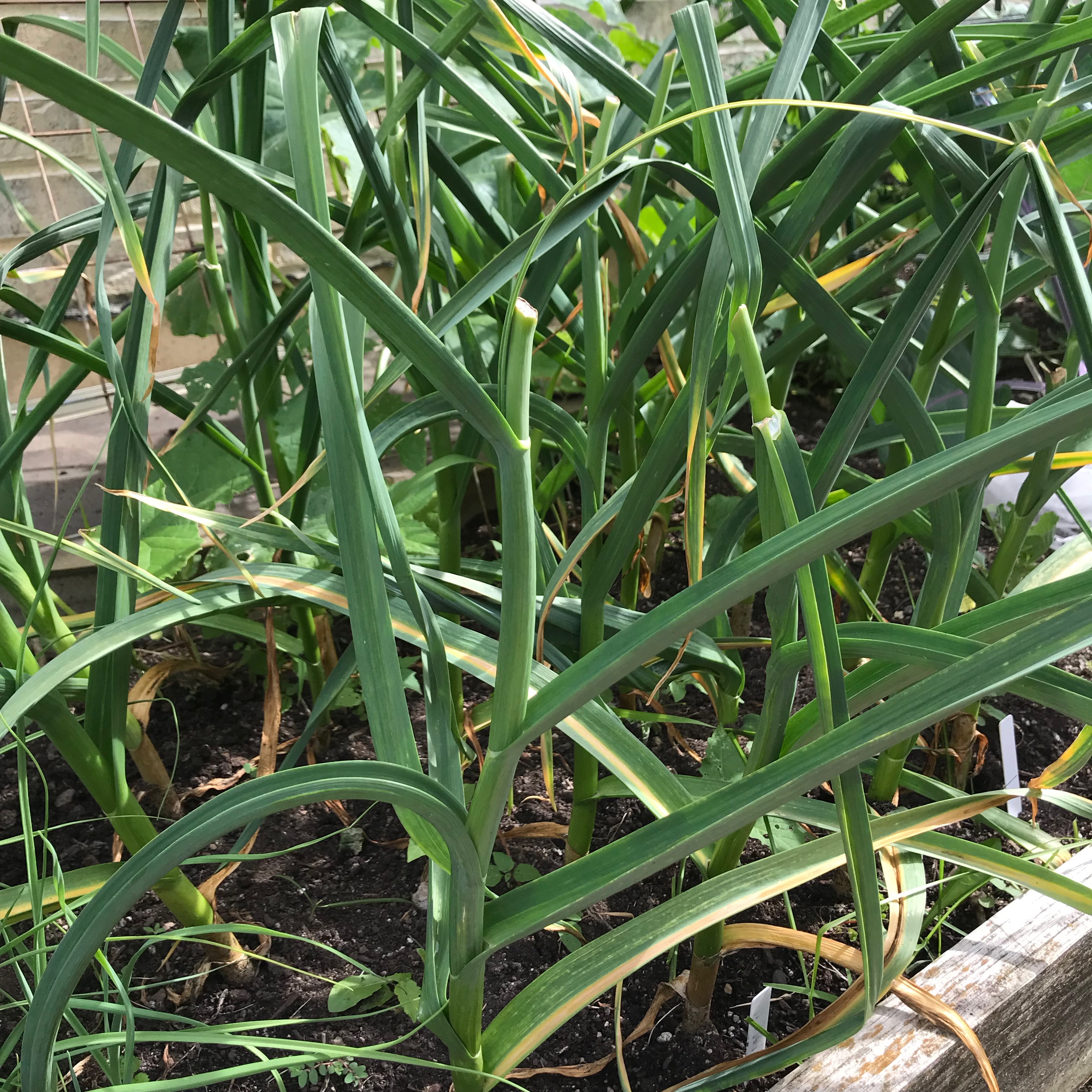
Late spring, the garlic scapes appeared.

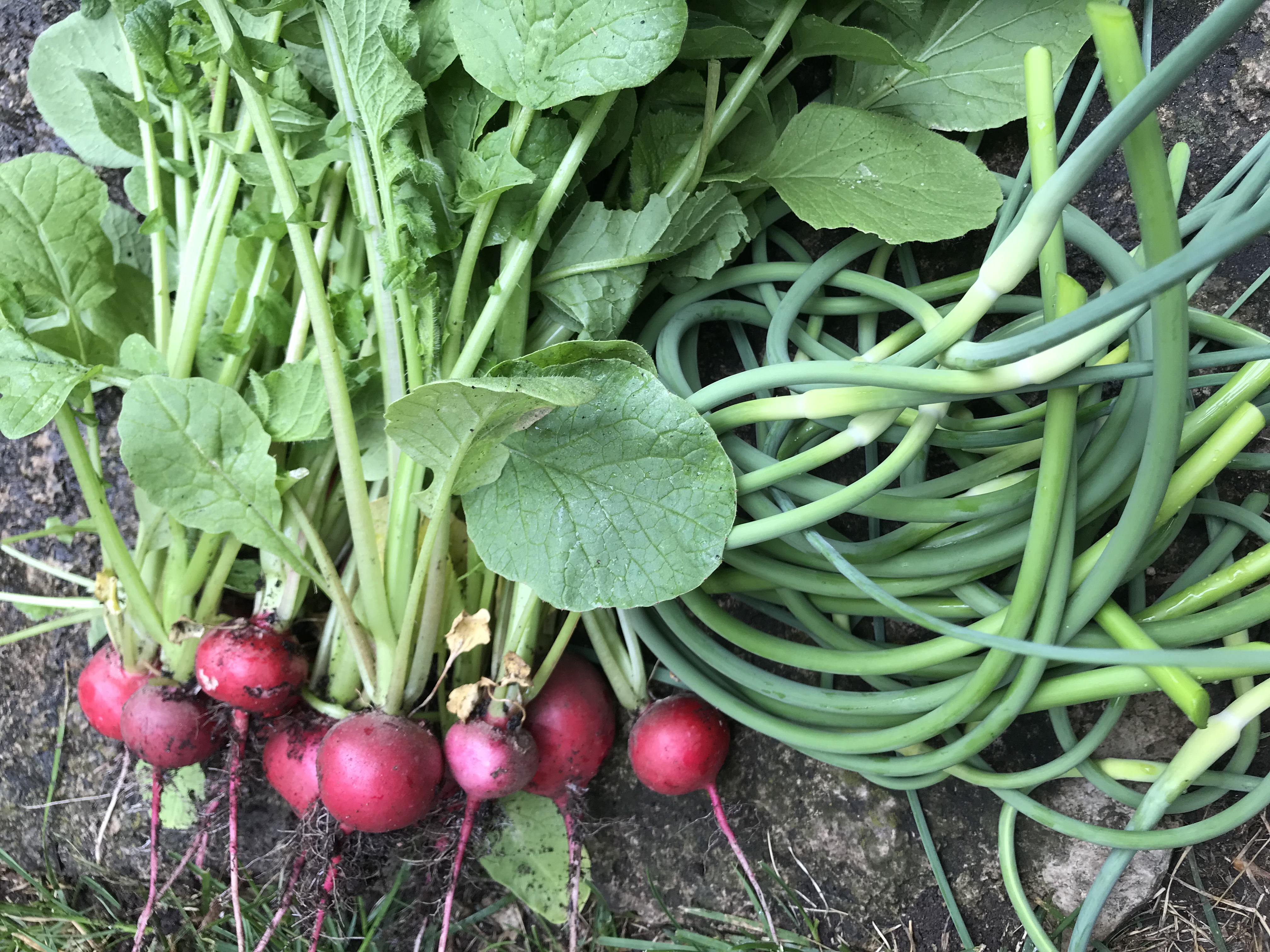
Garlic scapes are the garlic flower stalks that twist and turn when young, and end with a terminal pod containing garlic bulbils. It’s these young, tender, twisting and turning scapes that are a delicacy to eat. Removing them also tells the garlic to put its energy into making the garlic bulb and not producing new seeds.

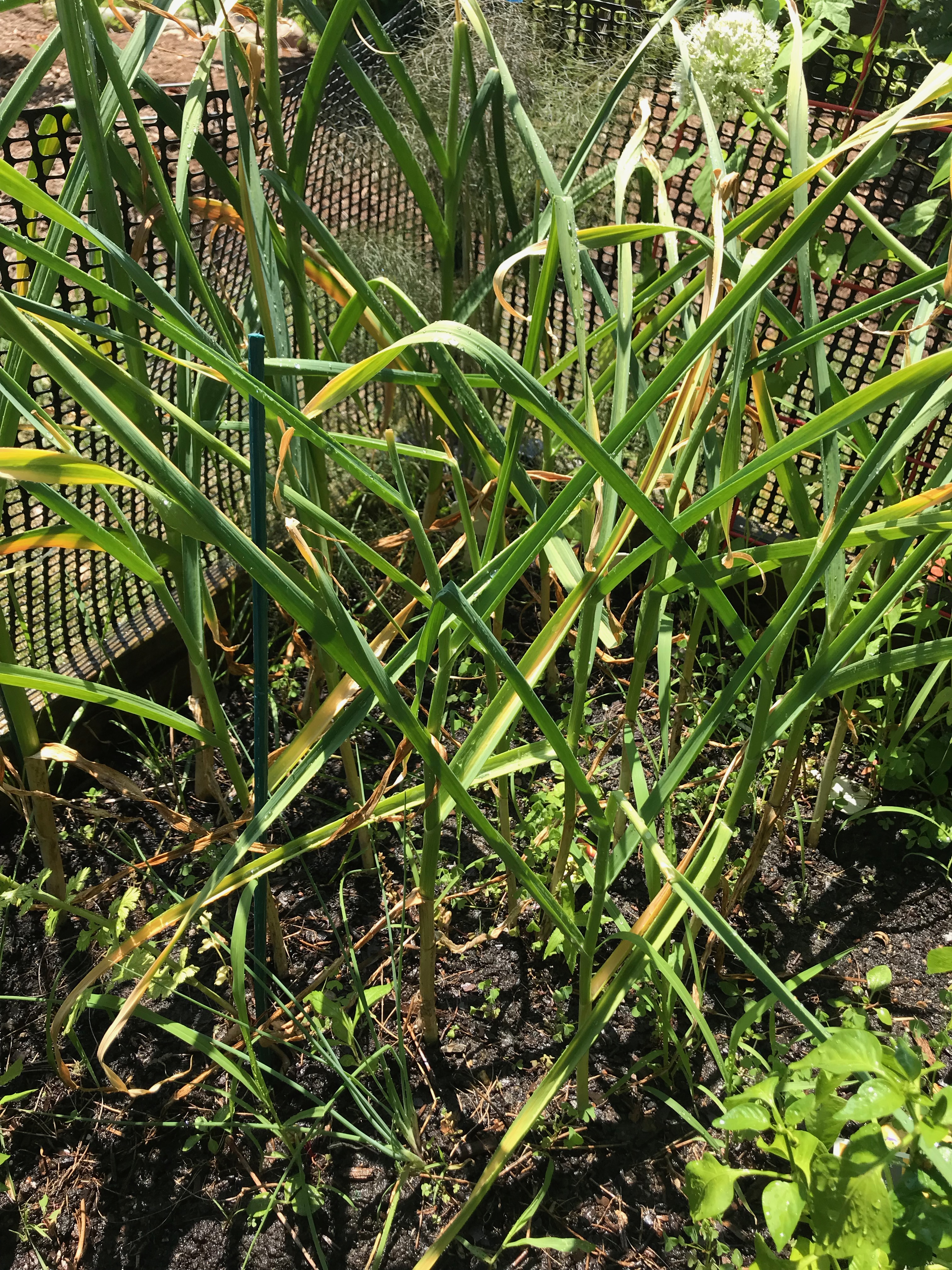
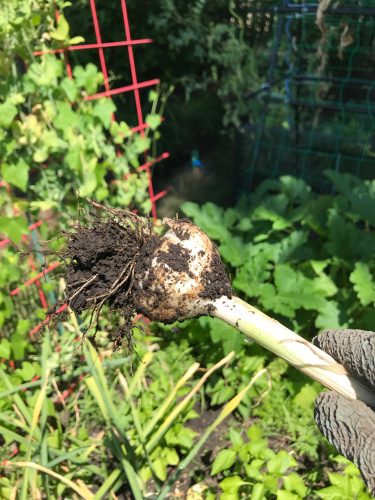
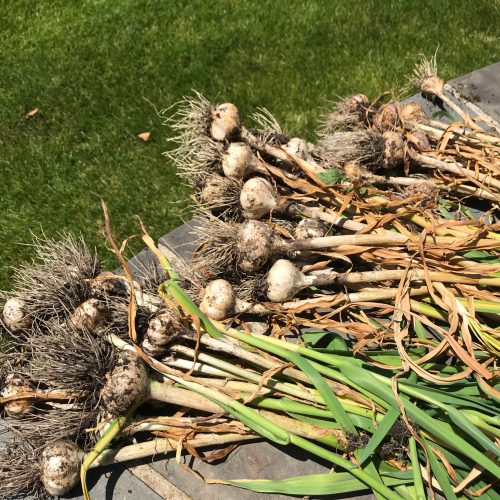
Mid summer, when the lower leaves are starting to turn brown, but the upper level are still green, the garlic is ready to harvest. Harvesting the garlic is easy, but you need to be gentle.  Unlike onions, you can’t just yank it out of the ground.  Too easy to damage the head or accidentally tear off the leaves.  Garlic also cures better when the leaves are still on.

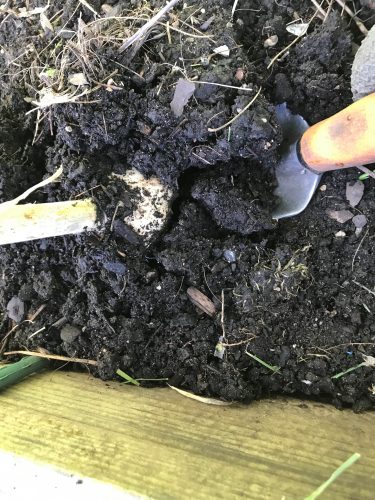
So grab a trowel and dig gently around the bulbs to loosen the soil.  Be careful not to hit the heads and damage the tight cluster of cloves.

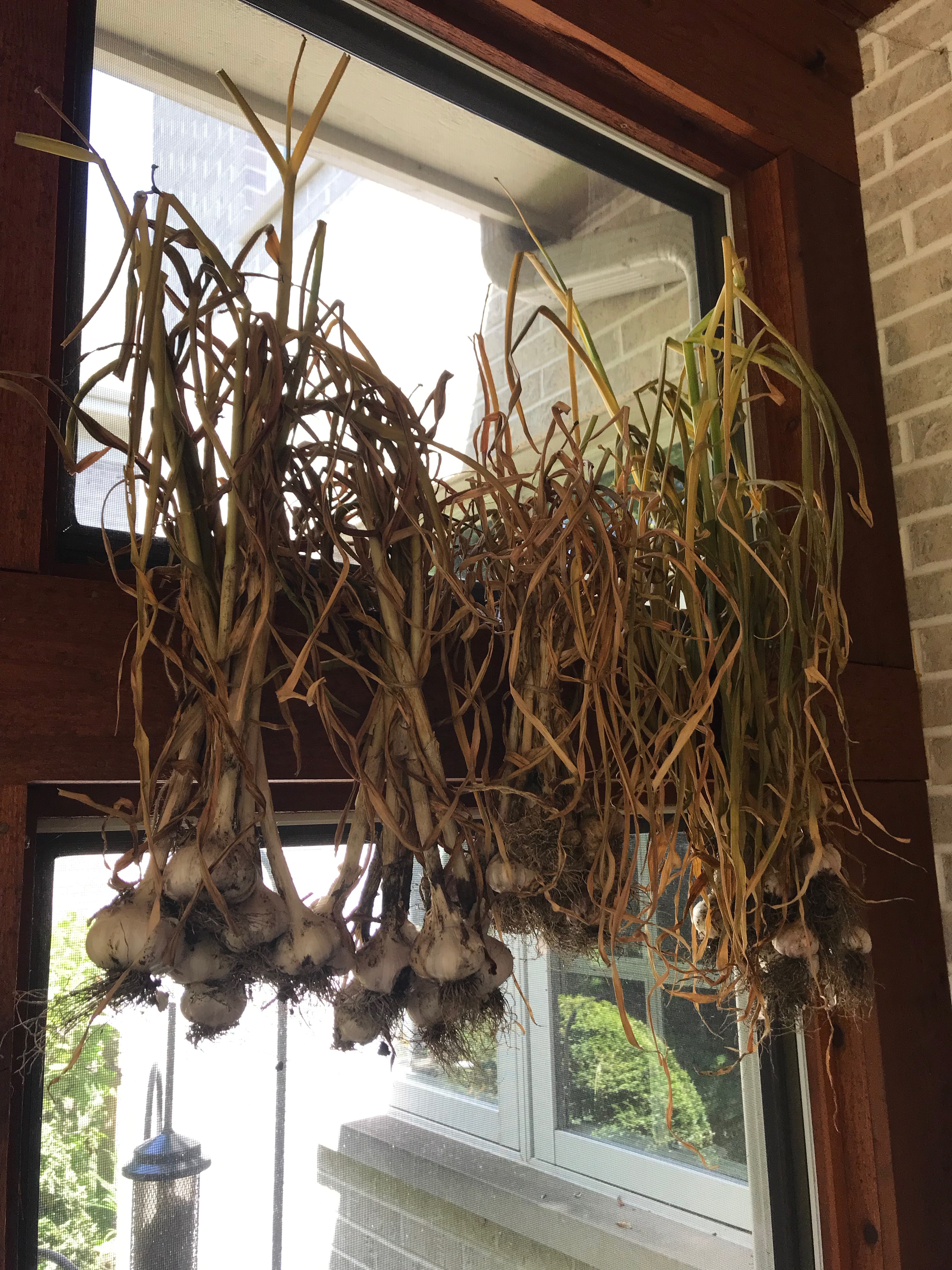
Then it’s time to find a spot to cure the garlic so that it’ll be ready to store for the winter.  Garlic should be cured in a protected area, like a garage or porch, out of direct sunlight and where there is reasonable air circulation.  It should be hung with the leaves and roots still attached. Even some dirt is fine.  I hung mine in the screen porch.  On particularly hot days, I turn on the overhead fan to keep the air circulating. After 3-4 weeks, I’ll trim the leaves and roots, and gently clean off the remaining dirt. Then I’ll store it in a cool, dry spot to use all winter.

Now that I’ve harvested this year’s crop, time to plan for next year. I’ve already placed my order for Music and Duganski garlic from Territorial Seeds.

I’ve had really good luck with Music, which is a mid-season porcelain type. It’s one of the larger garlics I’ve grown, has creamy white cloves, a medium hot, true garlic flavor and has a long shelf life. Duganski is similar to the Purple Glazer I grew this year, both being mid-season purple stripe types, but is a bit stronger flavored. I love the beautiful purple cloves that purple stripe types have, but thought I’d try something little different this year.

Garlic doesn’t ship until late September or early October depending on your location, so I have a little bit to wait until they arrive. Good thing because its spot is currently growing a second season of beets and swiss chard.

Want to grow garlic this year? I’d recommend ordering soon for best selection. I’ve had good experiences with garlic from Territorial Seeds, Botanical Interests, and Burpee. Just don’t plant the garlic you buy in the grocery store!

Want more information in growing garlic? Check out some of my other garlic posts or get tips from:

Me checking out the early garlic!

How Are the Burpee 2020 New Varieties Doing Mid-Summer?

Despite the weather and “other issues”, I think it’s turning into a pretty good garden year.

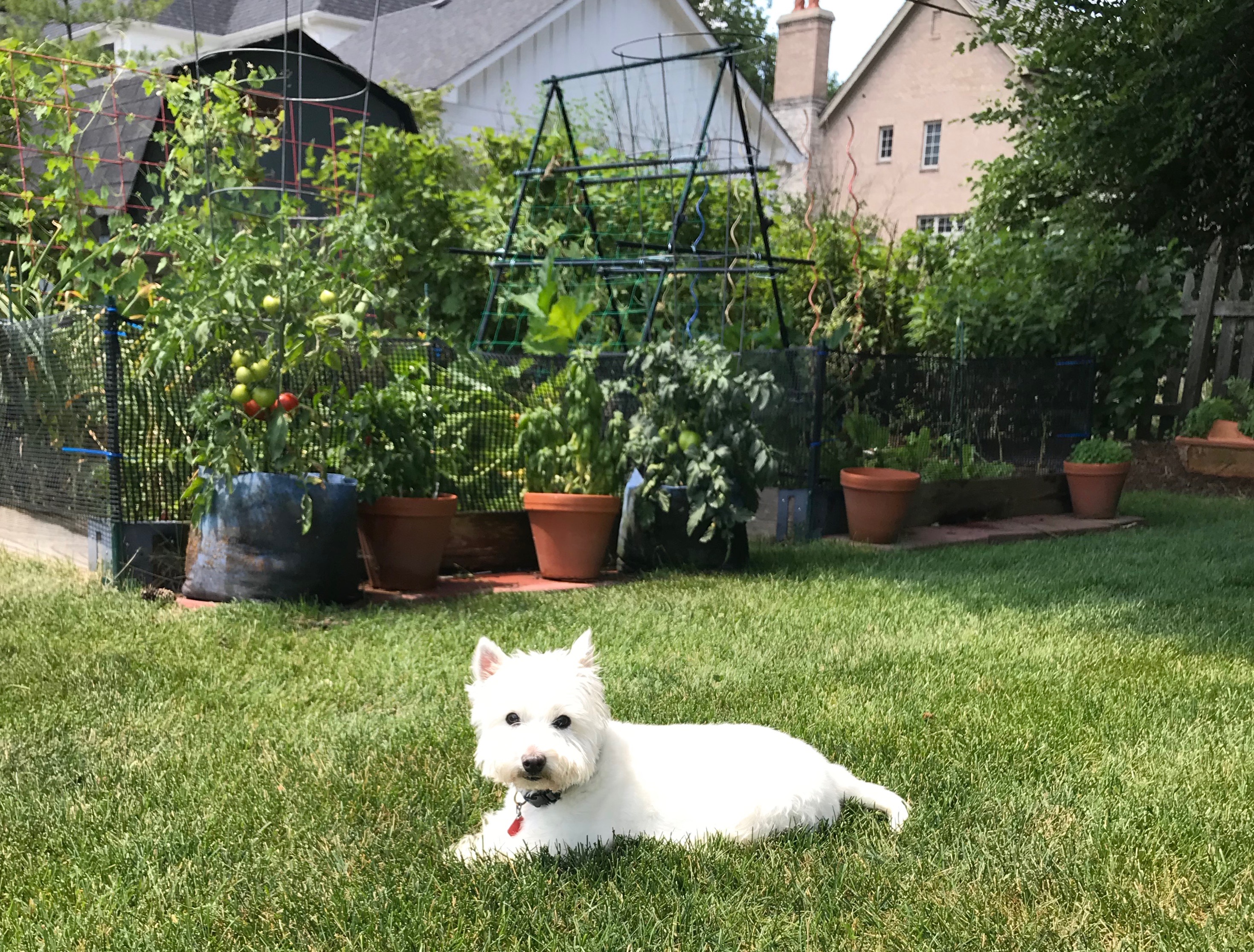
Happy Sweet 16 Daisy! ❤️🐾🐾❤️

I really enjoyed getting the 2020 Burpee New Varieties in May (“Yay, My Burpee Home Garden Plants Have Arrived“), and they are looking fabulous! Definitely loving the summer heat that has finally arrived.

How are they doing?

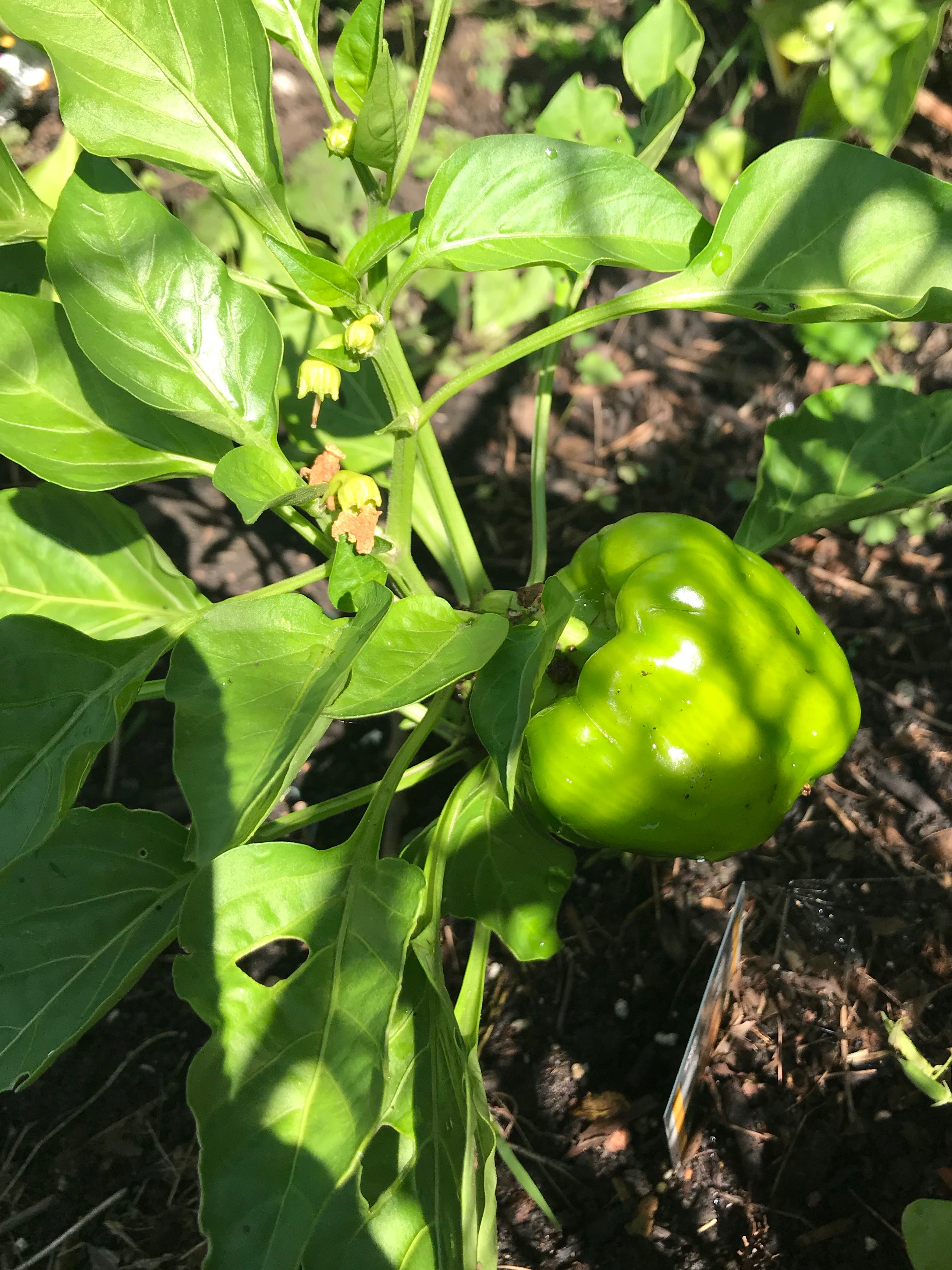
The sweet peppers have tons of flowers and look healthy and strong. The Yellow Mardi Gras Fun Series F1 Snack Pepper already has a large pepper ready to start changing colors. I can see the first hints of yellow.

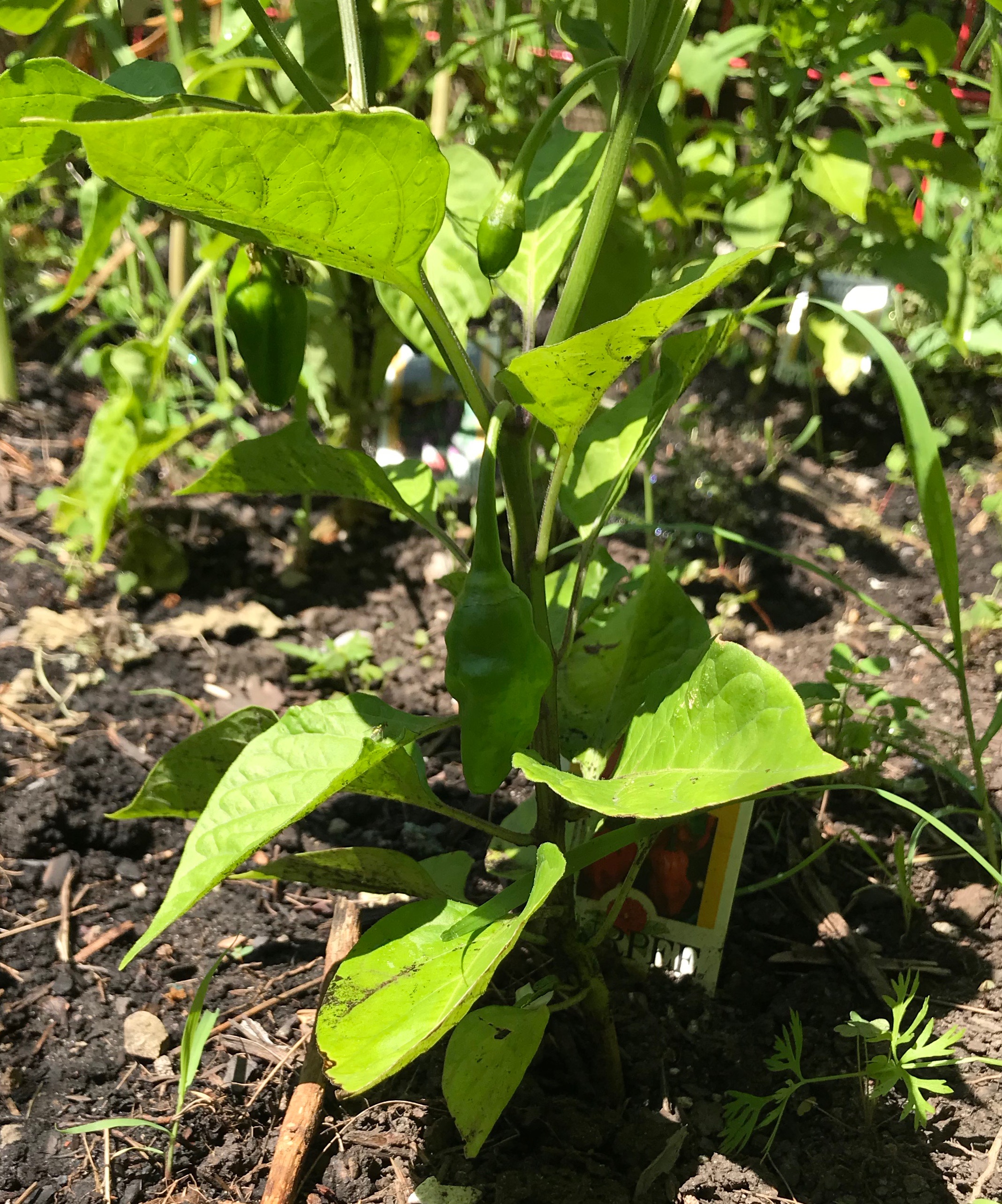
The Roulette F1 Sweet Pepper, a “sweet habanero with lots of flavor”, has 2 little peppers and lots of flowers for more to come. I don’t usually use much heat in my food so I’m excited to try these mild, but flavorful peppers. I will definitely find a tasty recipe to use them in! Any suggestions?

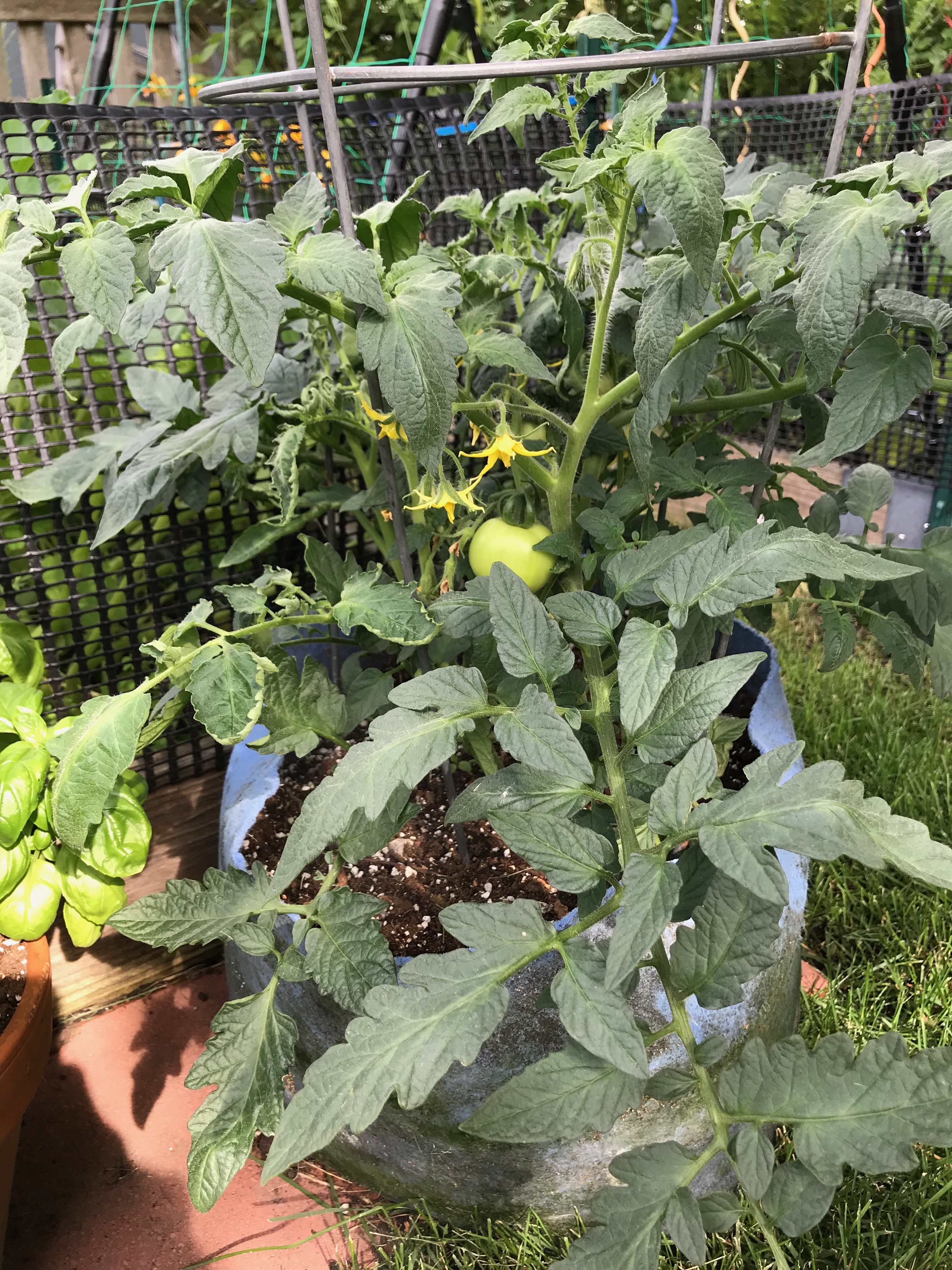
The Grand Slam F1 Slicer Tomato, described as a “great slicer tomato, ideal for containers; determinate variety”, is liking the grow bag I planted it in. It’s growing in a nice, tidy compact shape that I would expect from a determinate variety, and has plenty of flowers and green tomatoes. I did put a cage around it for support since it looks like it’ll be a heavy producer.

The days to harvest for this variety is 74 days, so just a little later to ripen than the Early Girl Bush (68 days) that is growing near it. She never disappoints with the first tasty tomatoes of the season. Ready to pick the first one! What should make with it? Maybe it’ll be an ALT (avocado, lettuce and tomato) sandwich so I can savor the freshness.

When I pick what varieties to grow, I do like to stagger the days to maturity a little bit so everything doesn’t arrive at once. But I also like to err on the early side to make the most off the shorter growing season here in the midwest.

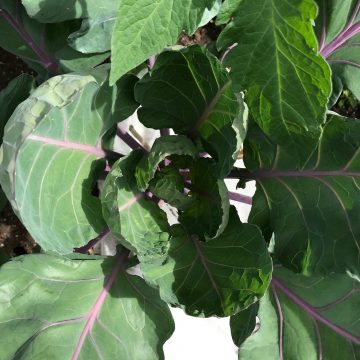
I’ve been intrigued by the Redarling F1 Brussel Sprout (reddish purple, flavorful sprouts).

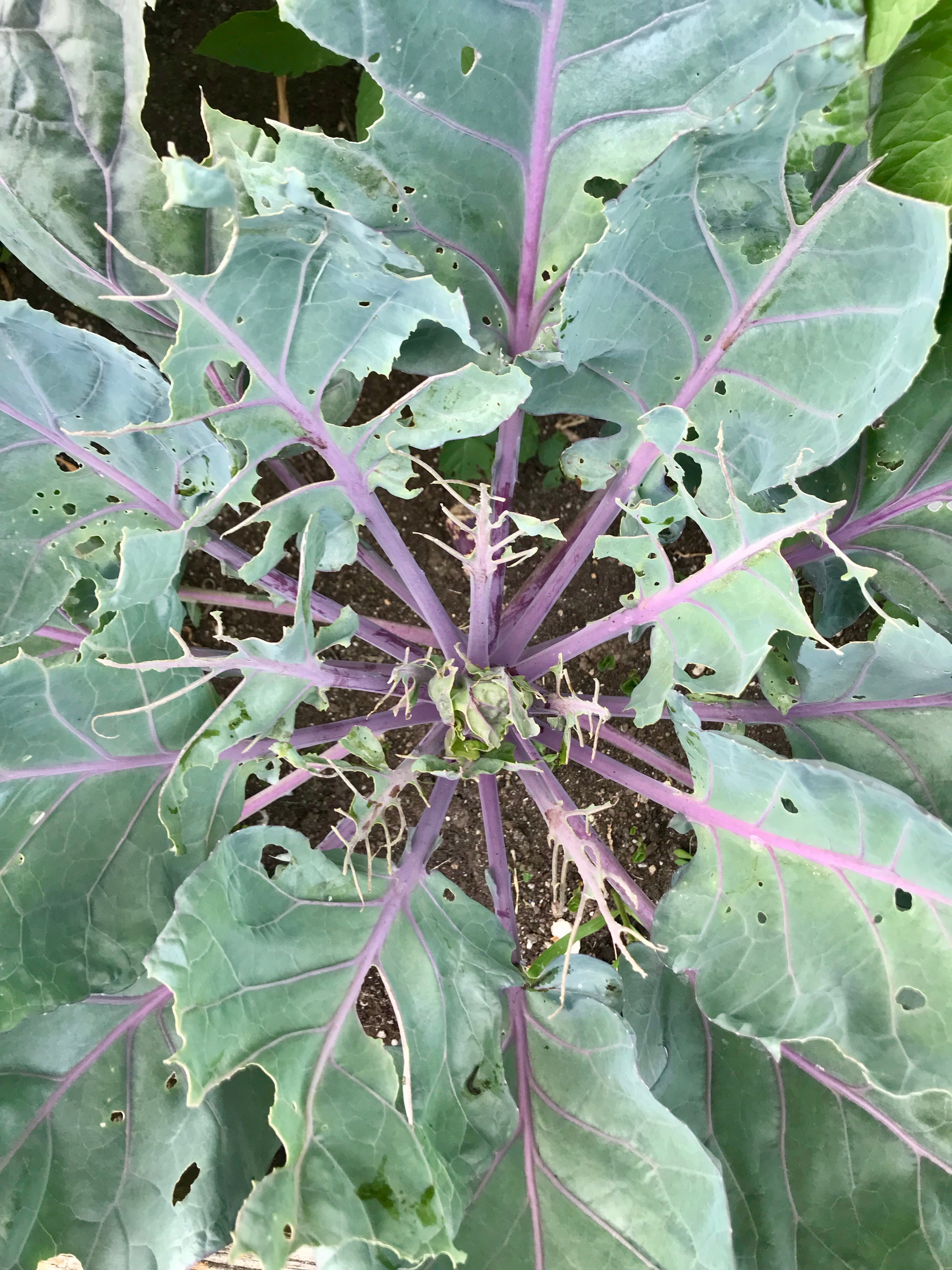
I’ve never grown brussel sprouts before and so far so good. There was a bit of cabbageworm damage on it and the nearby cabbages, but I think it’s ok. I’ve been searching for the little worms to pick off, but haven’t seen them yet. They are sneaky little things. I may have to resort to dusting this year with some Bacillus thuringiensis var. kurstaki, which is one of the safest, natural ways to kill off the caterpillars. I do have this issue every year with the cabbage and kohlrabi, so next year may try some companion planting of thyme and sage to repel the damaging worms.  Who doesn’t like more herbs in their garden?

The only Burpee plant not doing well was the Lemon Drop Squash that the rabbits unfortunately got to. Would love to try it again, but this time behind the safety of a rabbit fence. Who wouldn’t love to have little lemon sized yellow squashes?

So far so good, can’t wait to start tasting them! Hopefully they taste as good as they look.

Here’s some more photos of the birthday pup!


Giant Rhubarb and a June Veggie Garden Review

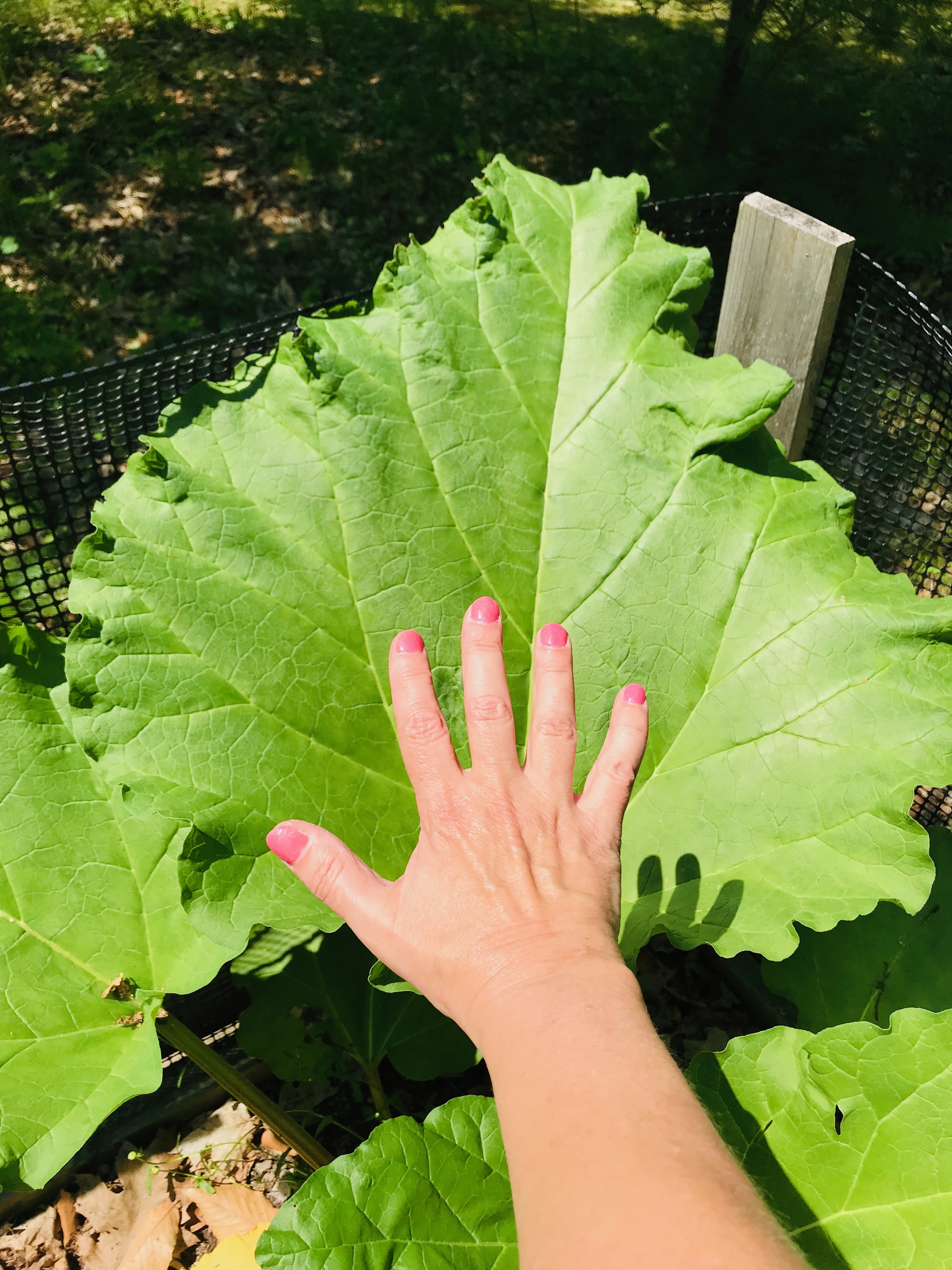
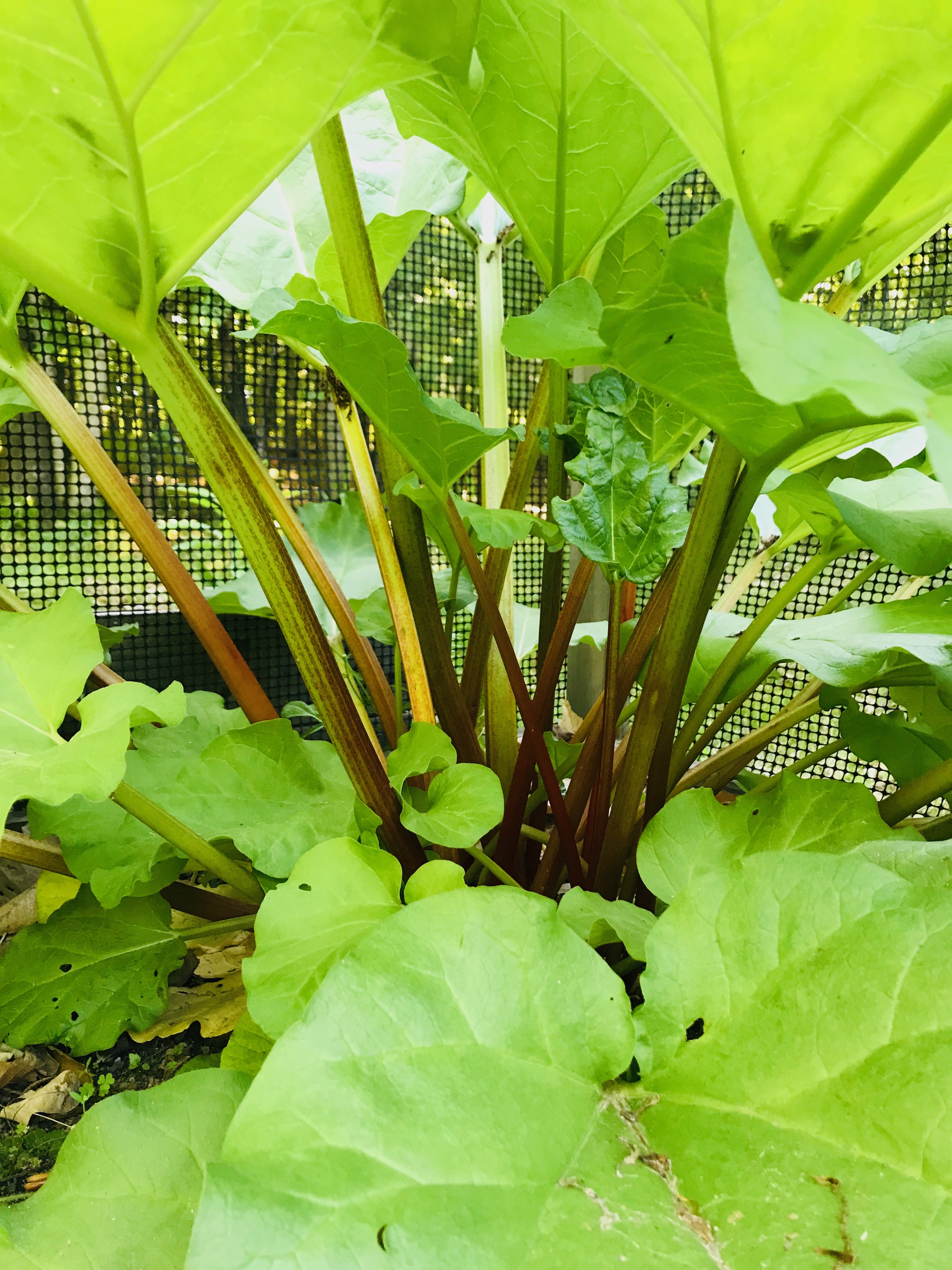
Giant rhubarb!

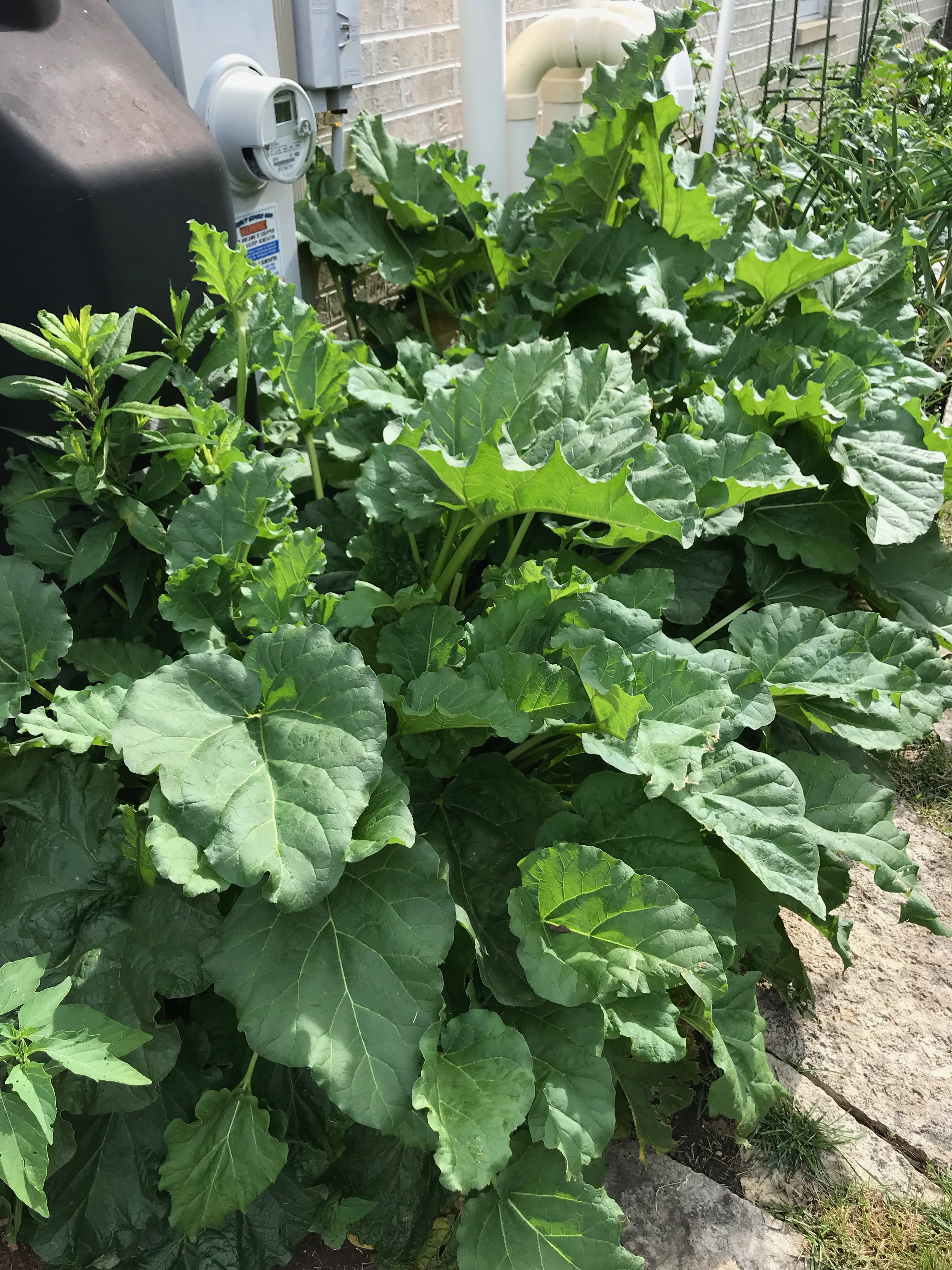
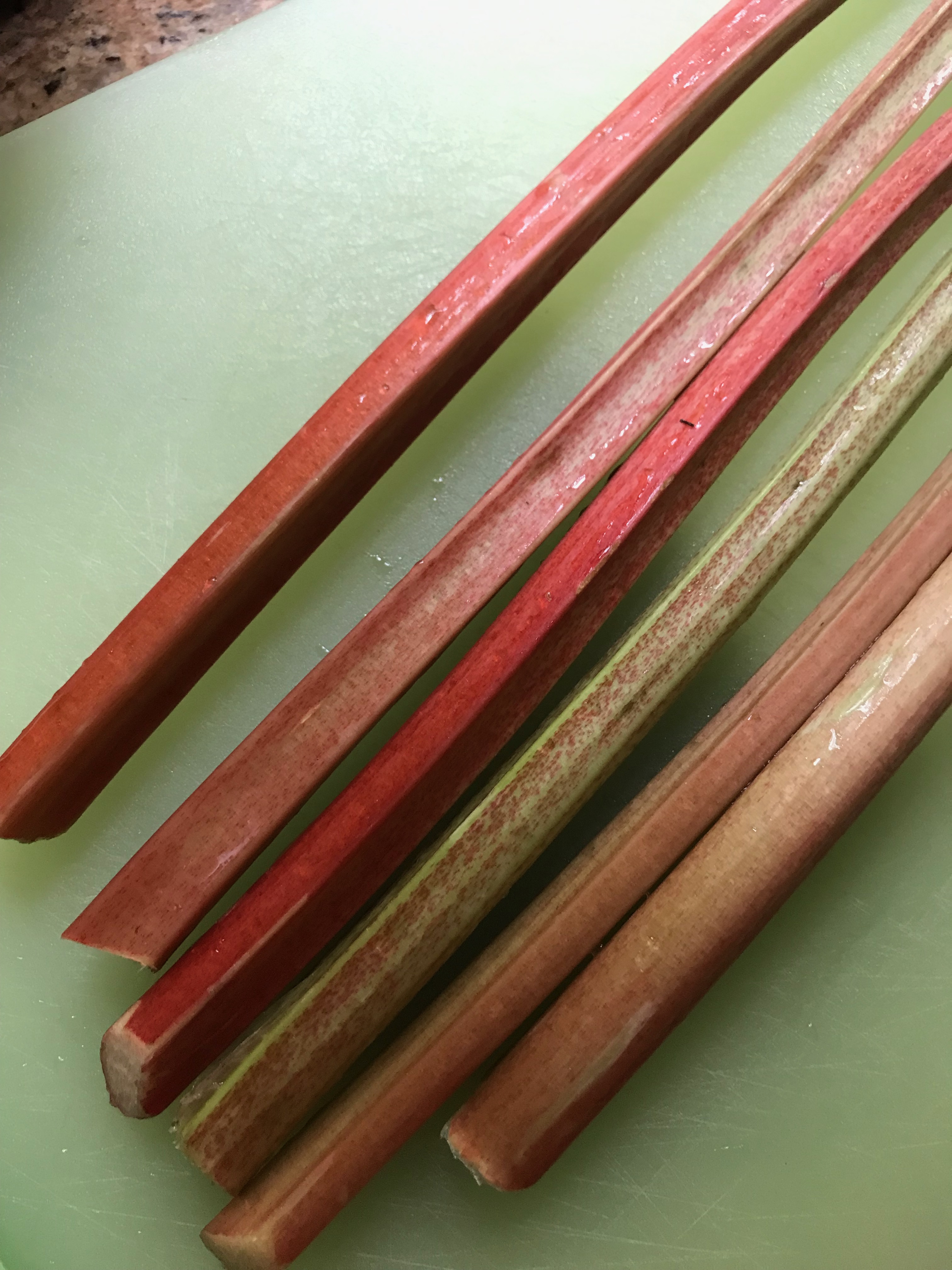
While the spring has been tough on some plants, others have flourished. Rhubarb is one of the things that has flourished. I have two plantings, my original here at home that I got from my mom, and a second I got from one of her friends when I complained that mine wasn’t very red.

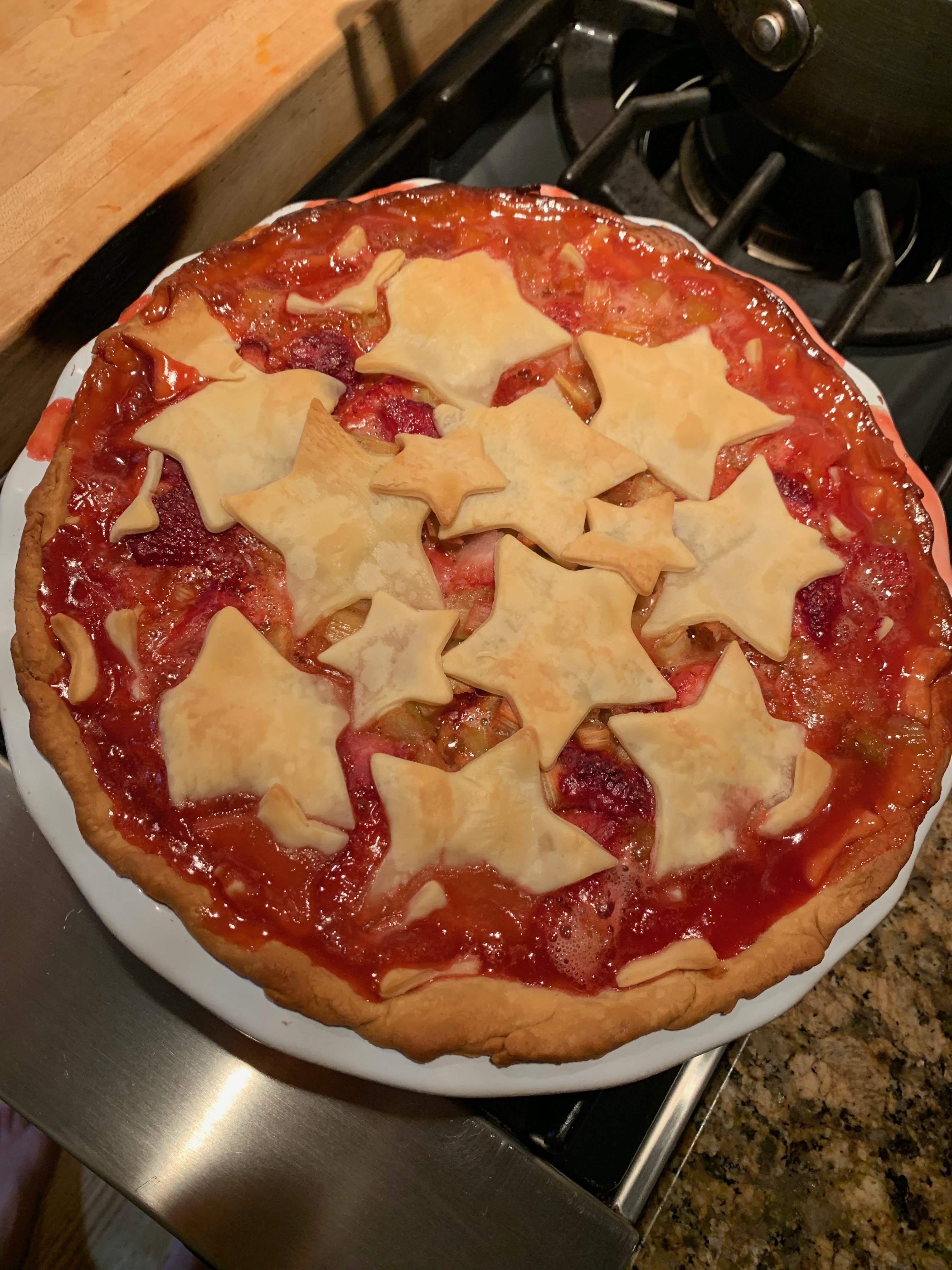
My original plants taste great, but the stalks were more green than red. Apparently there’s many varieties of rhubarb that run from green to red, and green ones will never turn red. So now I have a green variety and red variety! Both are mature plants so I can harvest freely, but I never cut more than 1/2 -2/3 of the stalks and stop around late July to let the plant get ready for fall. What did I do today with my harvest? A 4th of July Strawberry Rhubarb Pie for my daughter and boyfriend who are visiting for the weekend!

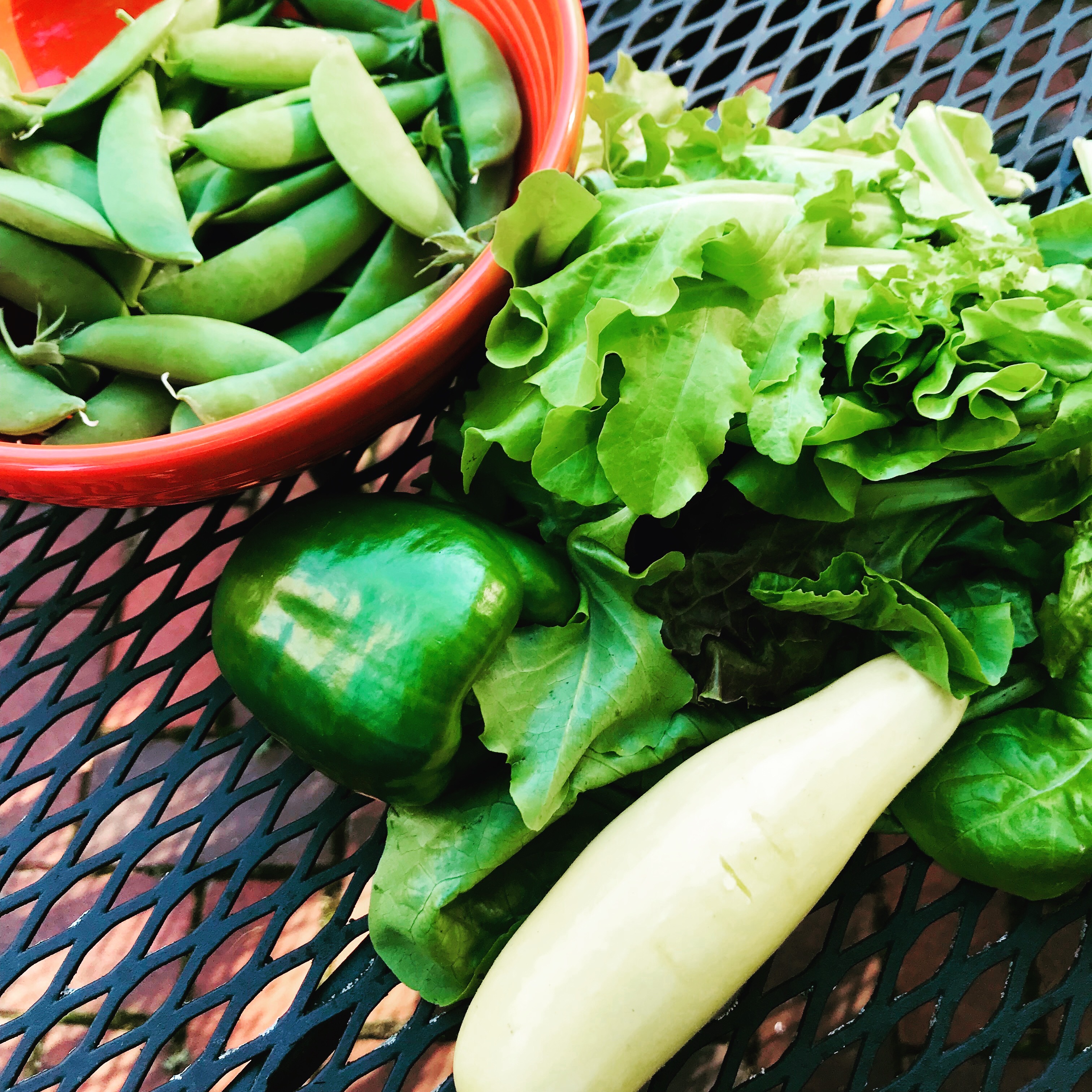
How’s everything else doing? Fine would be the word I use, and for gardening that’s not a bad thing. I got my first full salad harvest the other day. The lettuce hasn’t bolted yet due to the cooler weather we’ve had, the Sugar Snap Peas are plentiful and I got my first YOLO Wonder green pepper and Summer Stripe squash.

Everything else is blooming beautifully and I’m looking forward to lots of July harvests.

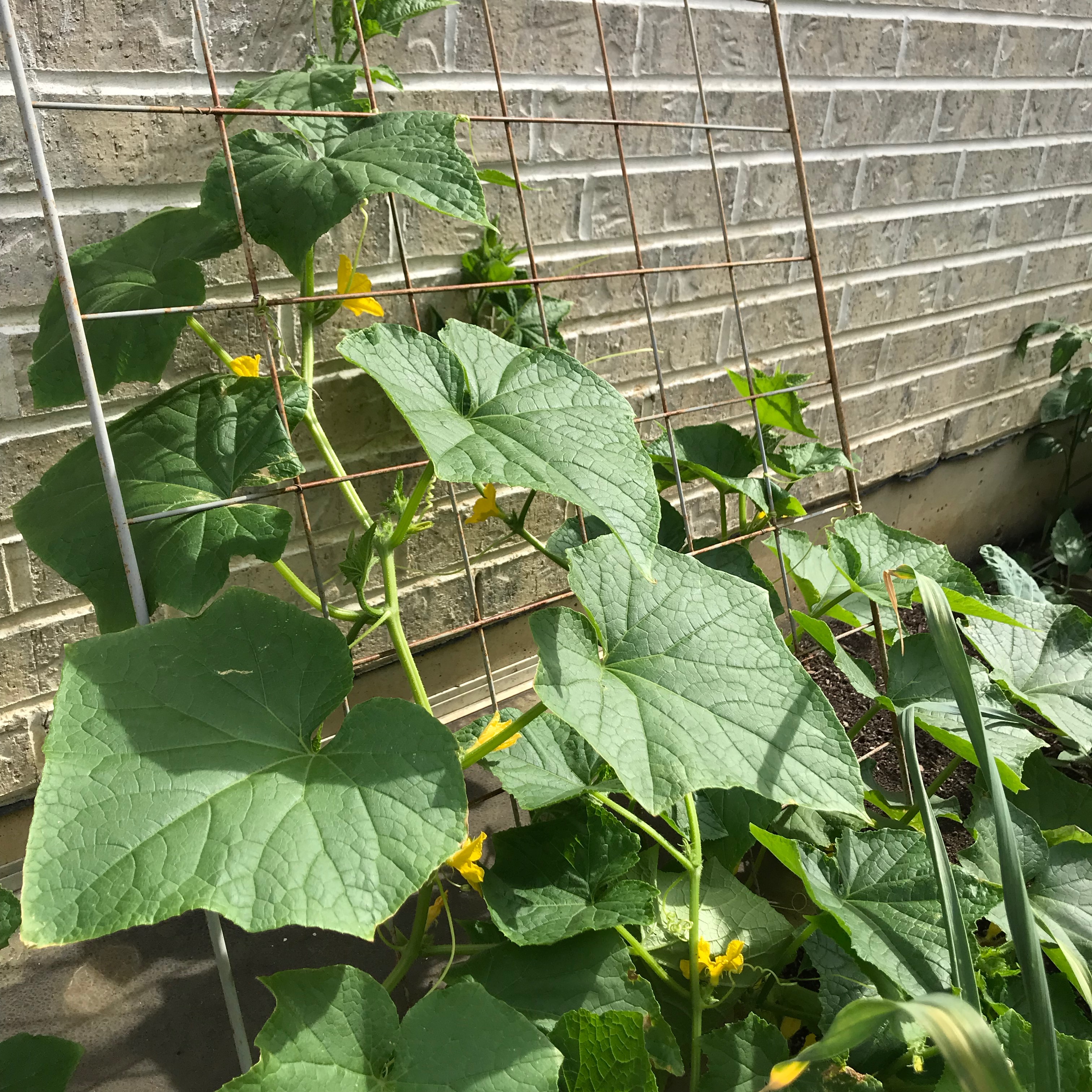
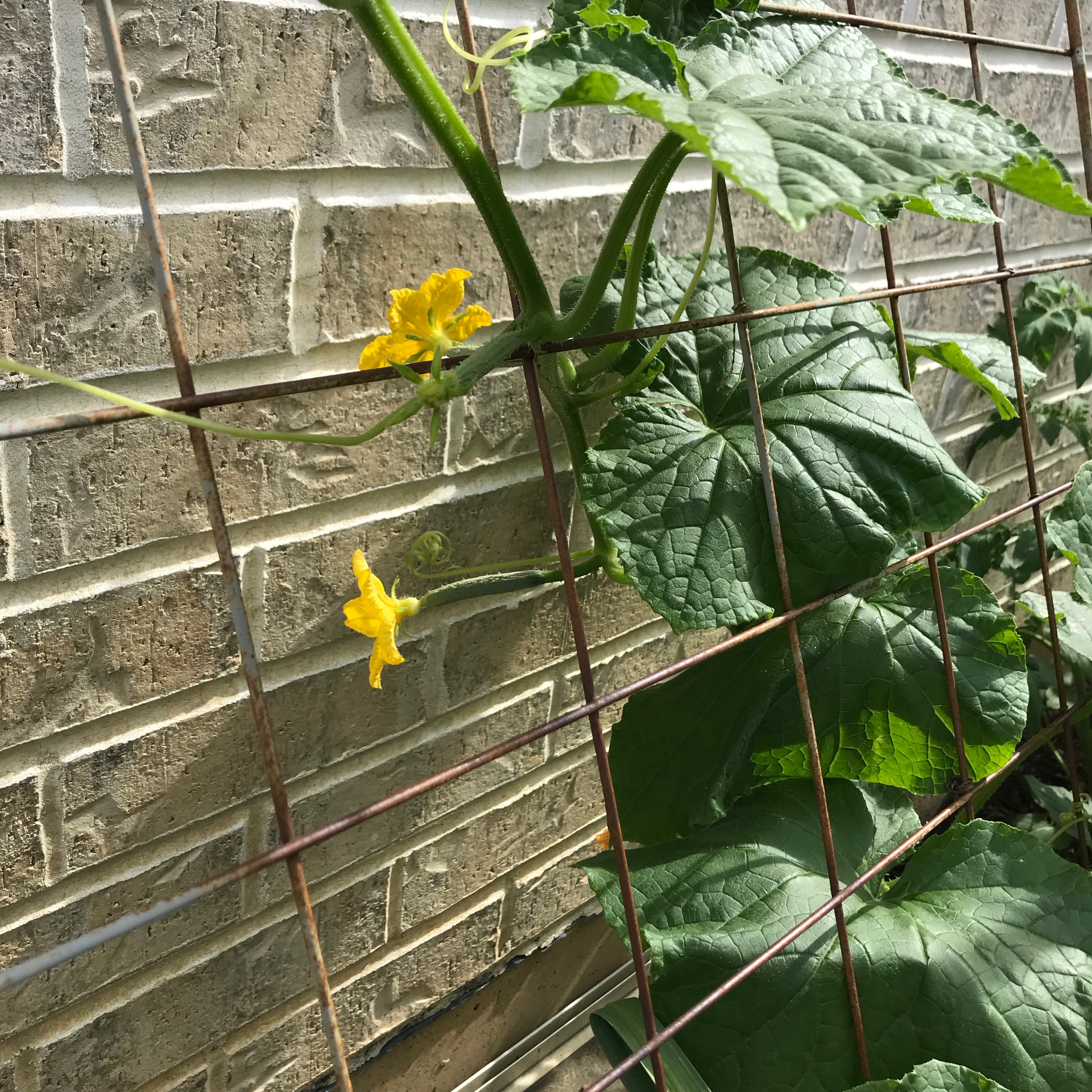
Sweet Success Burpless and Telegraph Cucumbers are looking excellent climbing their trellises

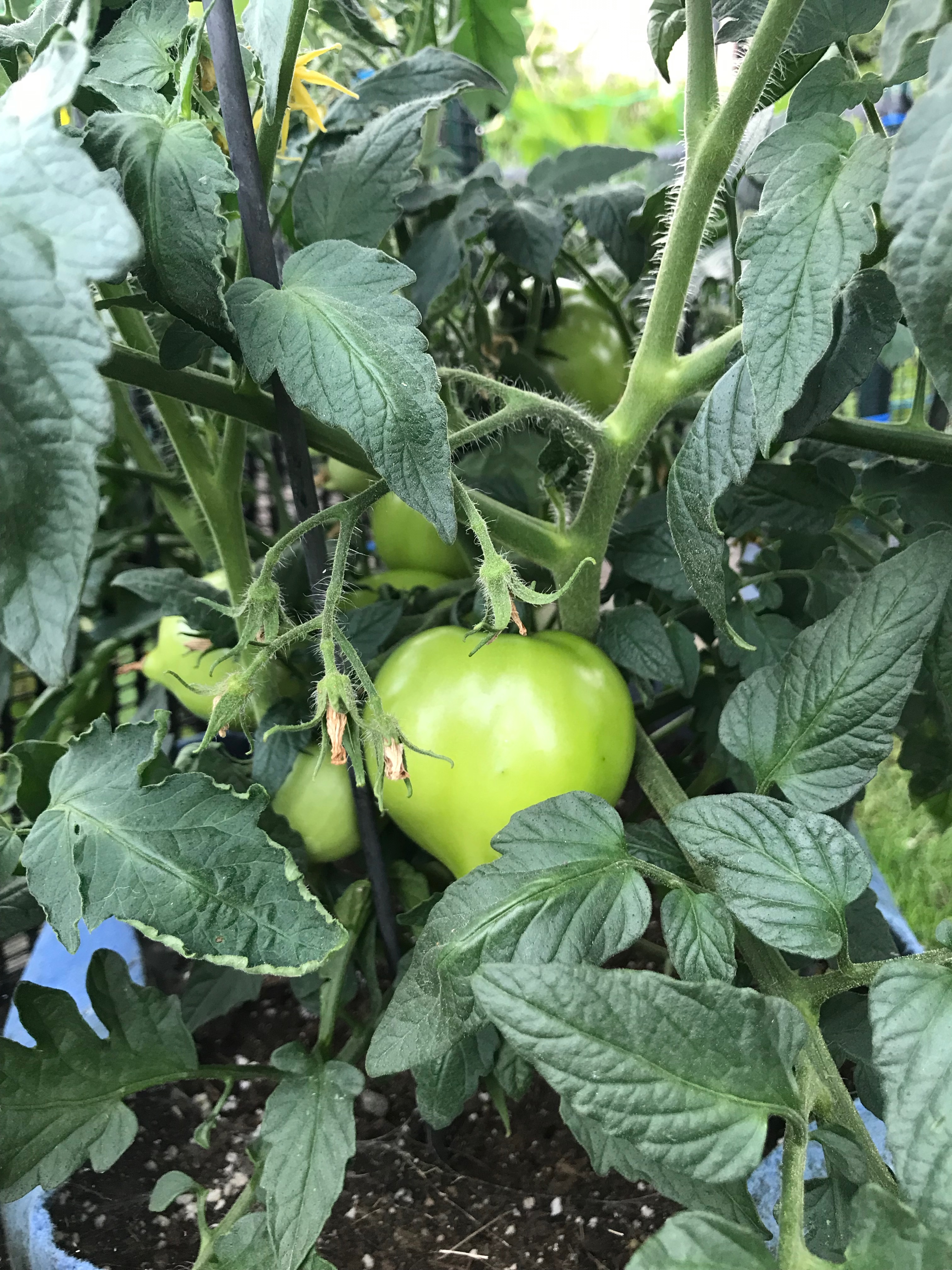
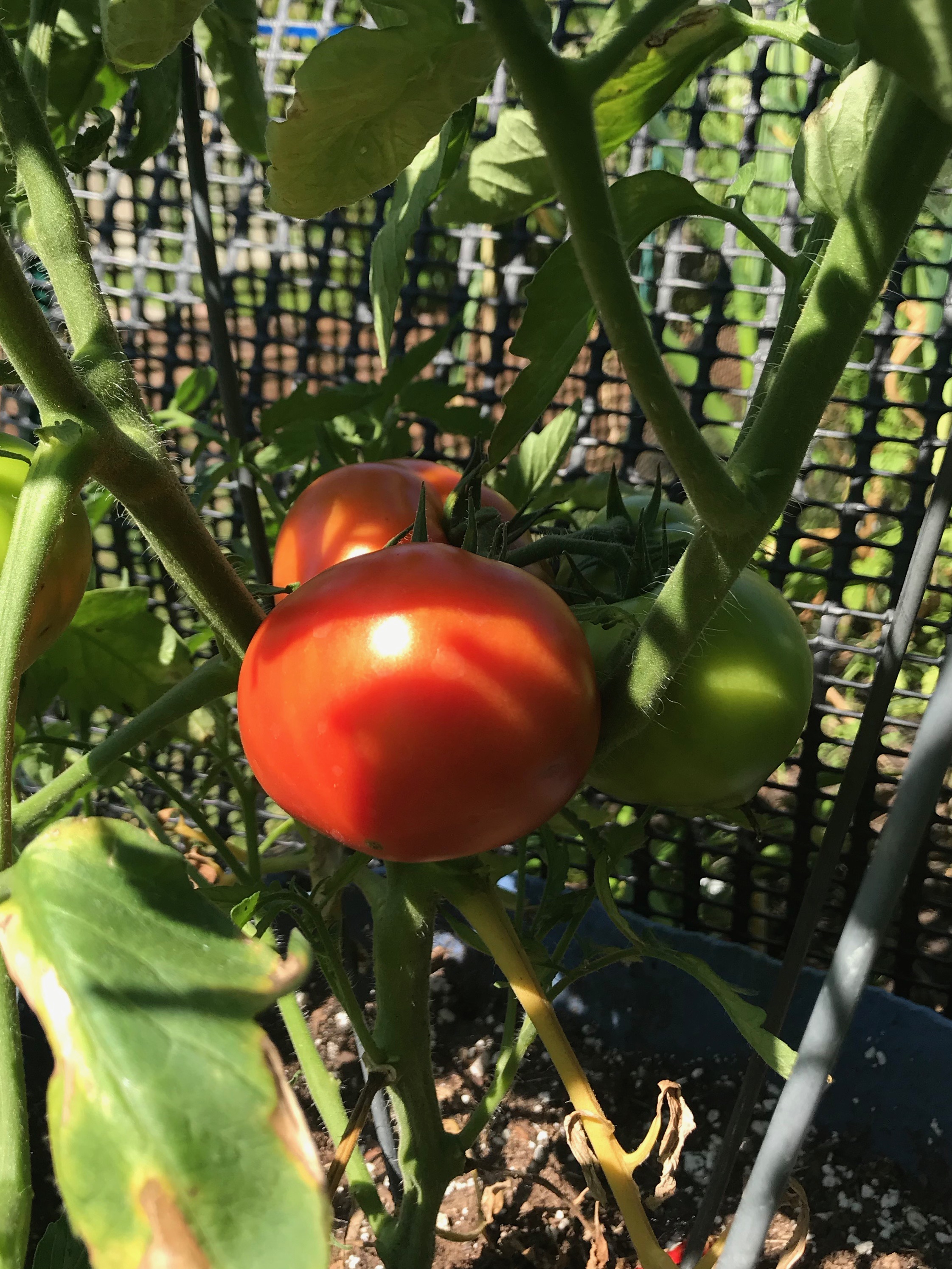
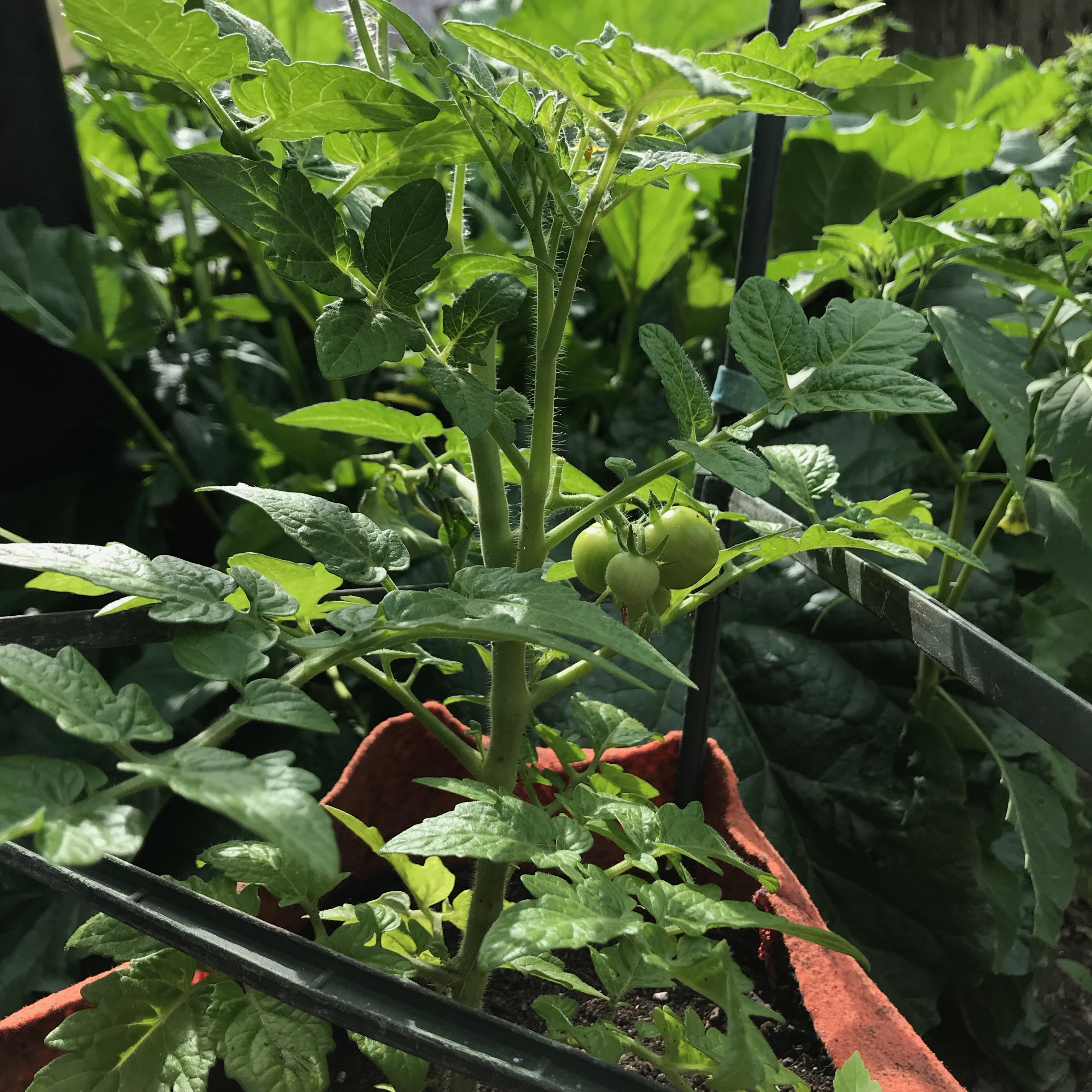
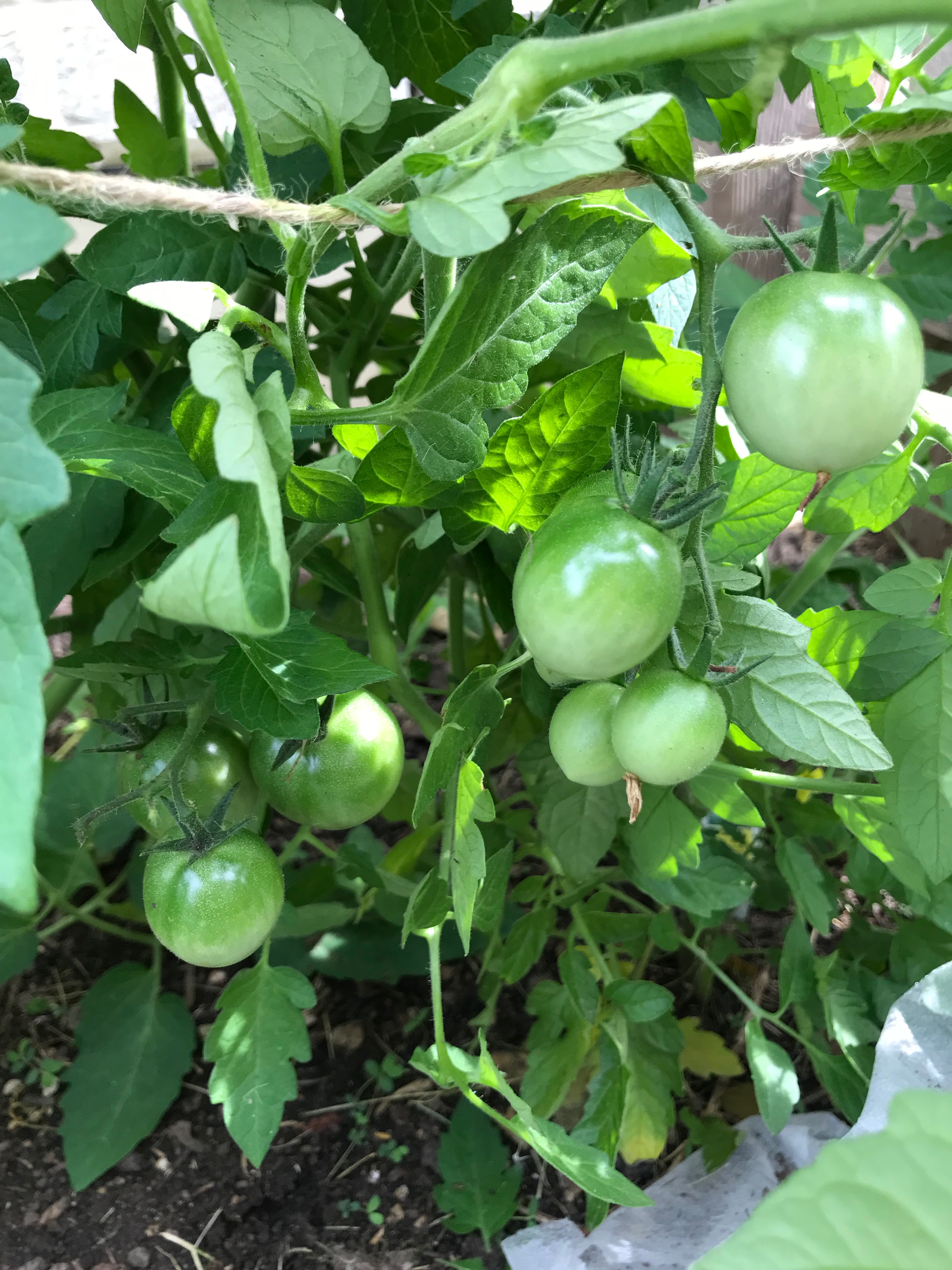
…All the tomatoes are looking great. Lots of flowers and green tomatoes just teasing me with their abundance.

I’m growing Husky Cherry Red, a bush type cherry tomato, and indeterminate Yellow Cherry and the larger Juliet Grape tomatoes.

Husky Cherry Red Tomato

Yellow Cherry Tomato

Slicer tomato varieties are Burpee Early Girl, and 2 bush types, Grand Slam F1 Slicer Tomato (a Burpee Home Garden 2020 new variety) and Early Girl Bush. From the looks of it, I’m going to be having a great tomato harvest!

Grand Slam F1 Slicer Tomato

I’m really liking the bush varieties I’m growing. In the past, I’ve grown some slicer tomatoes in grow bags, but since they were indeterminate varieties they became really gangly and hard to deal with. These are nice and compact, great for a patio or porch, and seem to be producing equal to their wilder cousins.

Do I grow roma tomatoes? I used to, but I don’t have the space to grow enough to use for sauce etc, so I leave those to buy at the Farmer’s Market.

What else is growing?

My Burpee Home Garden 2020 new variety Redarling F1 Brussel Sprout, is looking awesome. I hope it begins to “sprout” soon.

Best of the rest…

Is your garden doing “fine”?

Yay! My Burpee Home Garden Plants Have Arrived

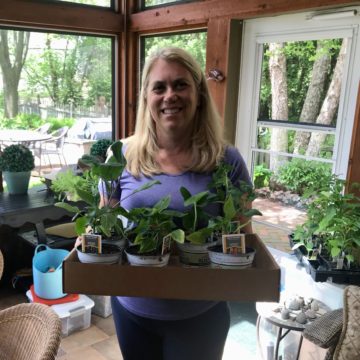
One of the perks of being named one of Burpee Home Gardens 2019 Gardener’s of the Year is that I was going to receive a box containing some of their 2020 New Varieties. I have been anxiously awaiting its delivery, but glad it didn’t come any sooner than this week. For many of us, spring was really late and they’d be sitting in the house or my mini greenhouse waiting to be planteed.

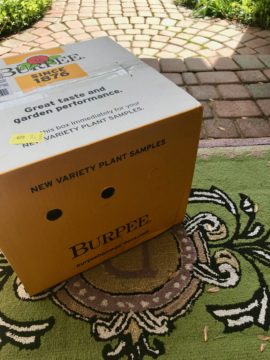
But yesterday they arrived! I couldn’t have been more excited opening the door to this box of goodies. It’s like Christmas for gardeners 🙂

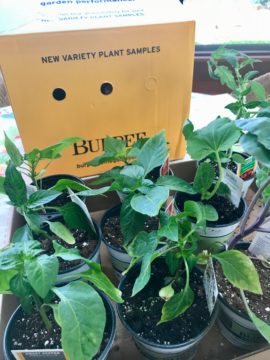
I’ve never ordered “plant” plants before, so I was curious how they’d arrive. I’ve ordered bare root perennials, but not actual potted plants. They were just fine, healthy and no worse for the wear. Inside the box were 9 plants, each wrapped in their own safe packaging. Again, like Christmas.

My box contained:

These are all some of my favorite vegetables, so very excited and honestly a little nervous, to be gifted this amazing vegetable care package. Can I get them to grow well? What is going to be the year’s garden pest? Can I keep the rabbits and my pup who loves peppers away from the plants (Little White Pepper Thief)? Who knows, that’s the fun!

I put them outside with the rest of the plants last night to get hardened off since for once it wasn’t going to be unseasonably cold overnight. Sooner they’re in the ground, sooner I’ll have my first harvest!

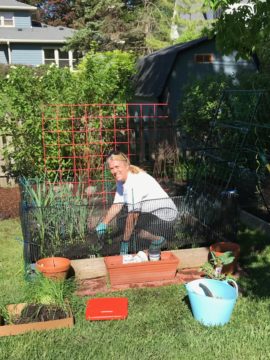
I already had my spots picked out for them and in the ground they went today with my other recent purchases from the local nursery. I actually think it’s going to be the perfect temperature the next few days to allow the plants to get established.

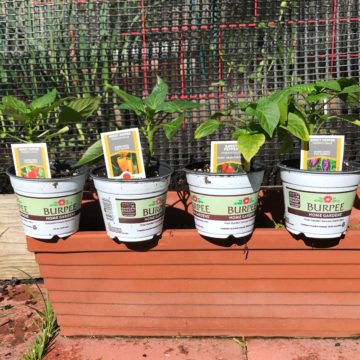
It’s going to be a pepper party in the garden with these colorful Mardi Gras Snack Peppers!

I’m still trying to decide if I need to protect the Lemon Drop Squash from the squash vine borer.

It’s not in the same bed that had the squash vine borer attack last year, but it is kind of close. I have a couple of weeks to think about it, but I think I’ll put some traps out and then use the aluminum foil approach to protect the stem just in case. I have netting, but  squash vine borers spend the winter in the soil near their recently infected plants and that just would trap any adults inside the netting instead of out. I am going to net the squash in the other raised bed where I have the rest of the squash and zucchini plants growing on a trellis.

I’ll keep you posted on the plants progress throughout the summer!

btw, the University of Minnesota Extension is a great resource for SVB infection.

Looking for these plants in your neighborhood? Check out this retailer list from Burpee Home Gardens 

Are you trying anything new this year?


(Note: While I received these plants as a gift from Burpee Home Garden, all opinions and reviews are a reflection of my own unbiased experience)

Seedlings on the Move

I’ve been anxiously awaiting Mother’s Day, and not just because I get to be the center of attention, but because it signals the official beginning of the outdoor garden season in my area.

Generally once Mother’s Day passes, I can start planting the warm weather plants without too much fear of a cold snap. Some things like zinnias, I will still wait a couple more weeks to make sure the ground is nice and warm. It finally seems like the vegetable seedlings I started in the house are ready to move outside. The flowers will wait a few more days (Finally Planting Season is Beginning).  About 4 weeks ago I started:


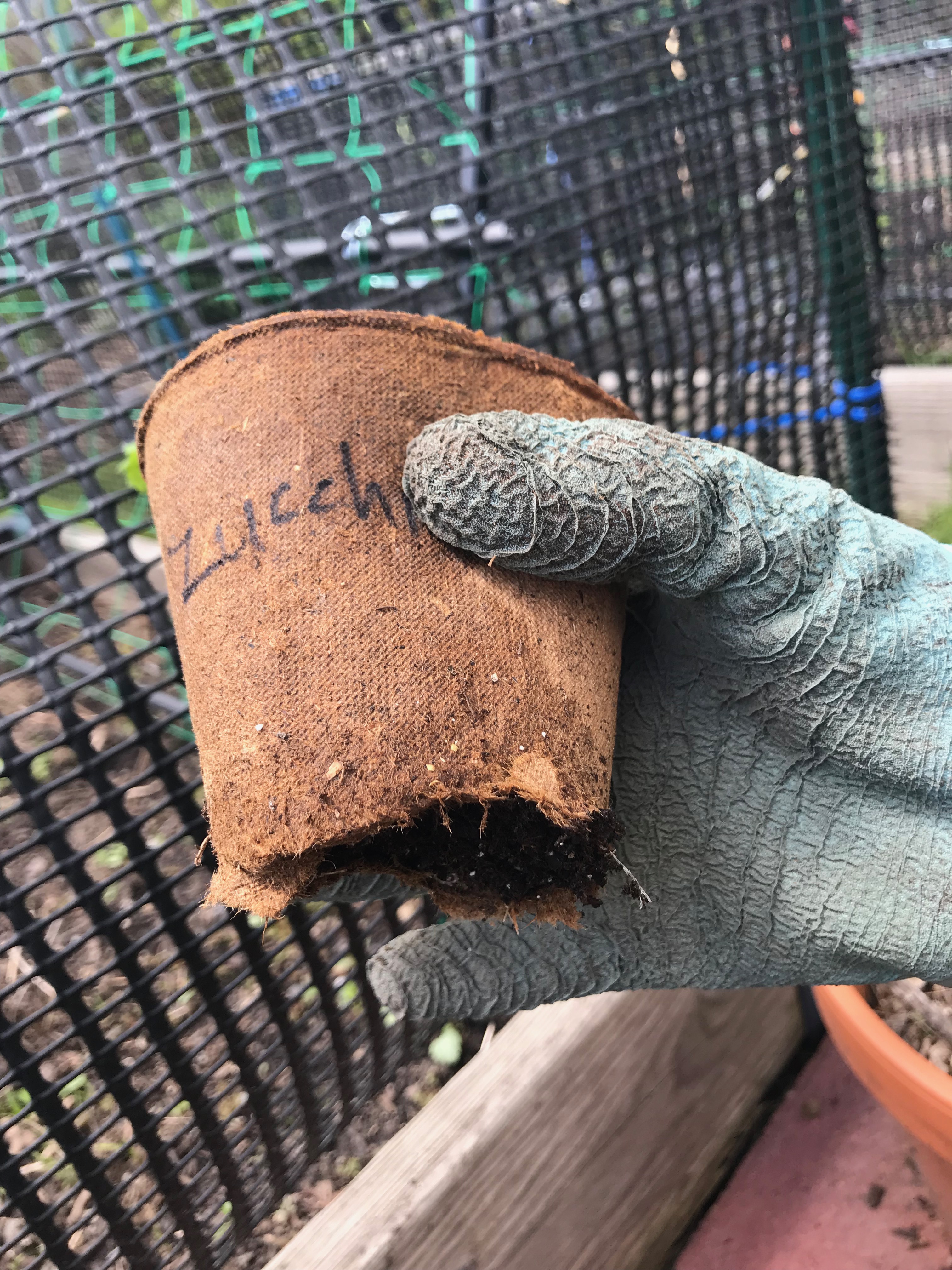
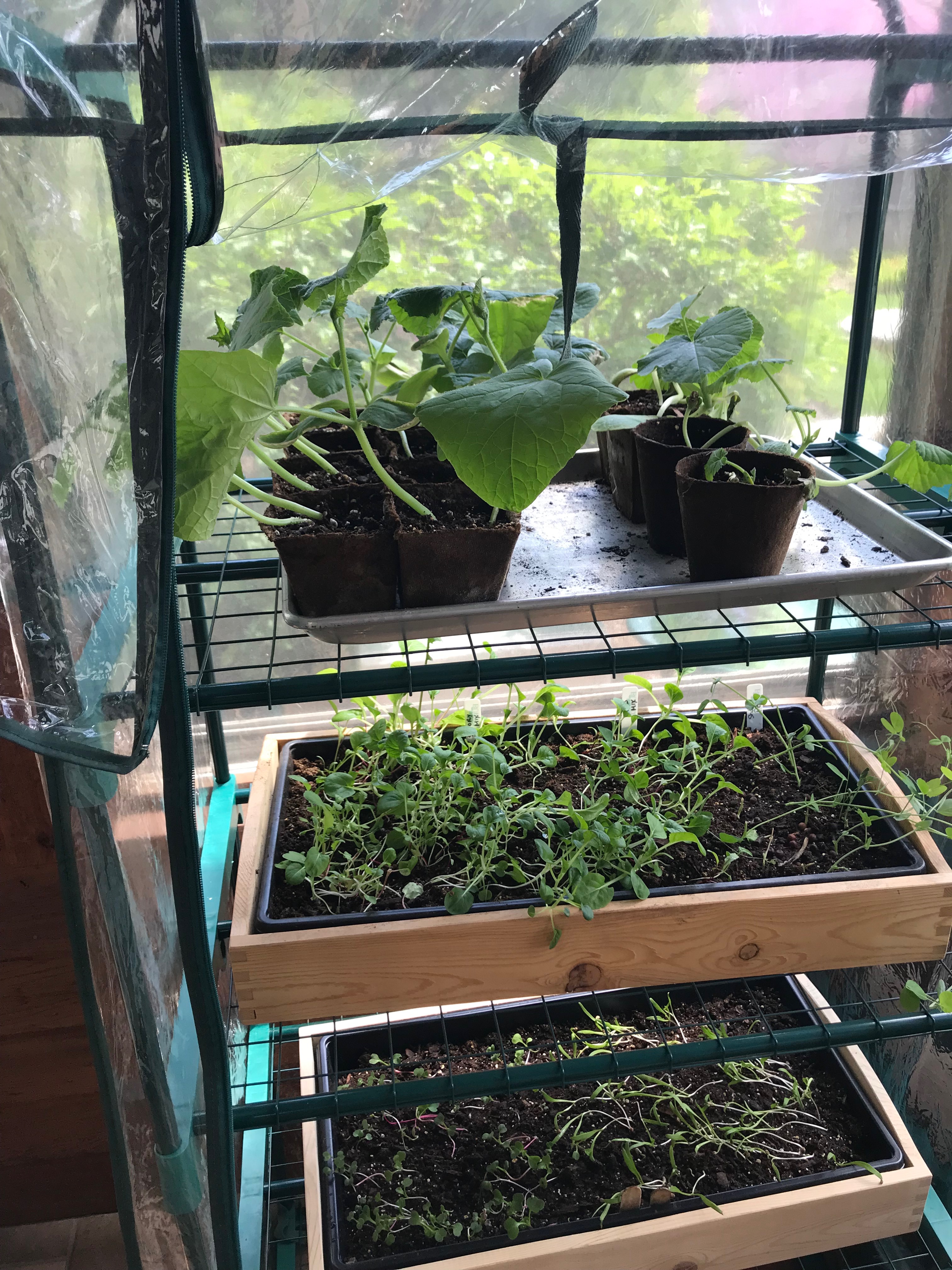
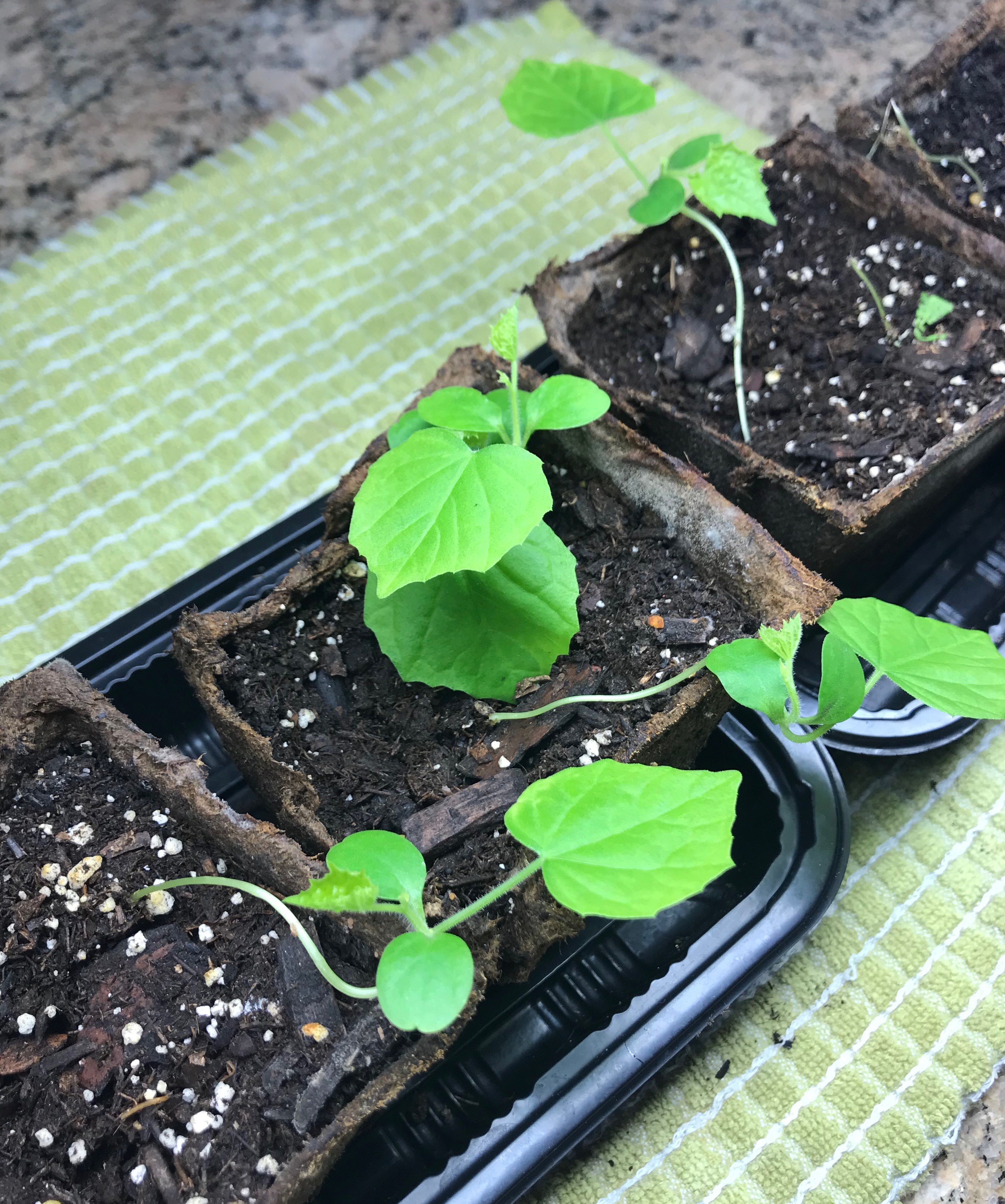
Squash, cucumbers and zucchini really don’t like to have their roots disturbed, so they can be finicky when you transplant them. It’s recommended to start them outdoors, but I’ve had good luck growing them in peat pots or other biodegradable pots to give them a head start. After they get nice and strong in the house, I move them to my mini greenhouse for a couple of days, then outdoors in the shade for a couple more. Then, when they’re ready to plant I gently tear the bottom off the pot and plant the whole pot.

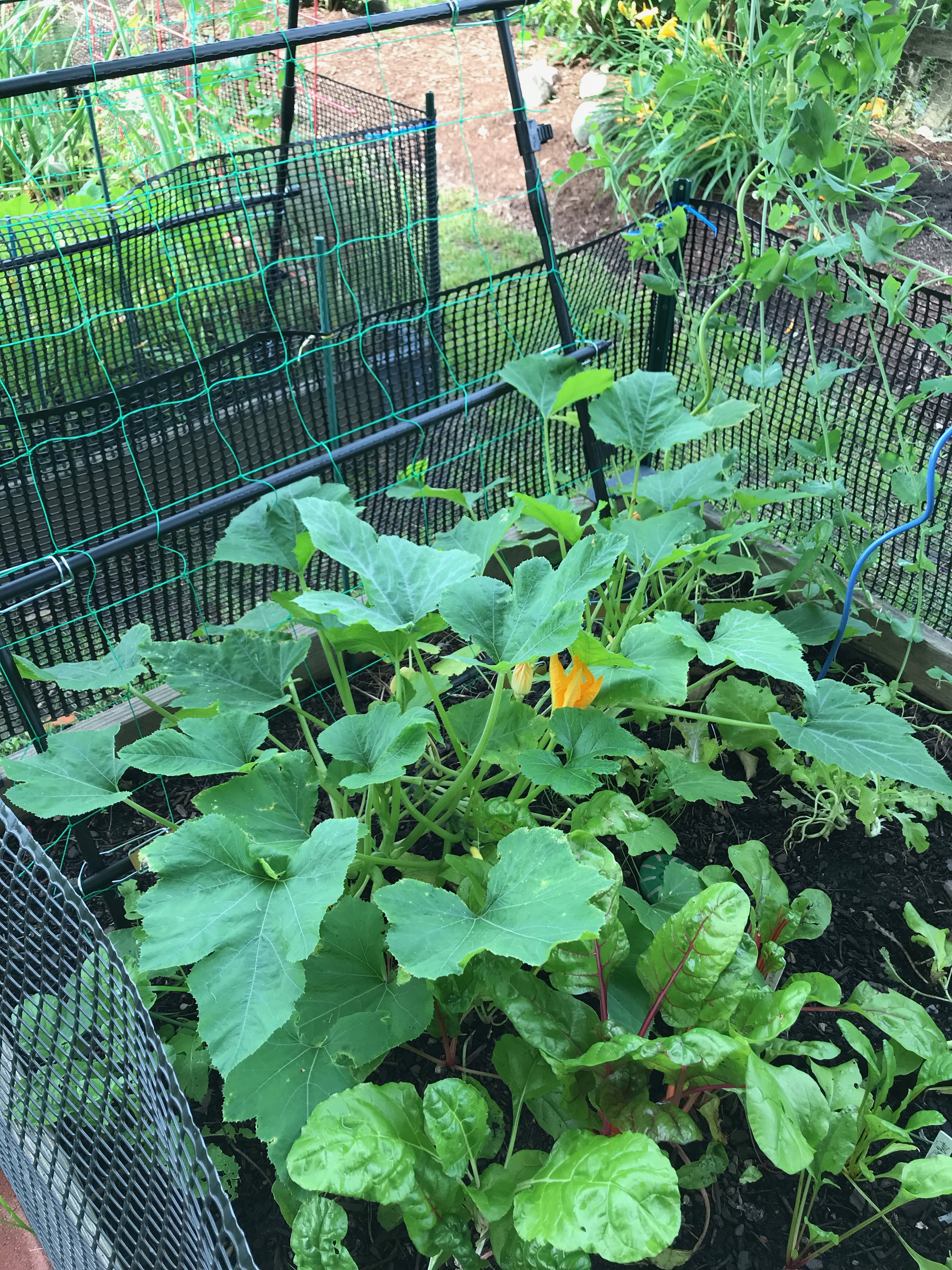
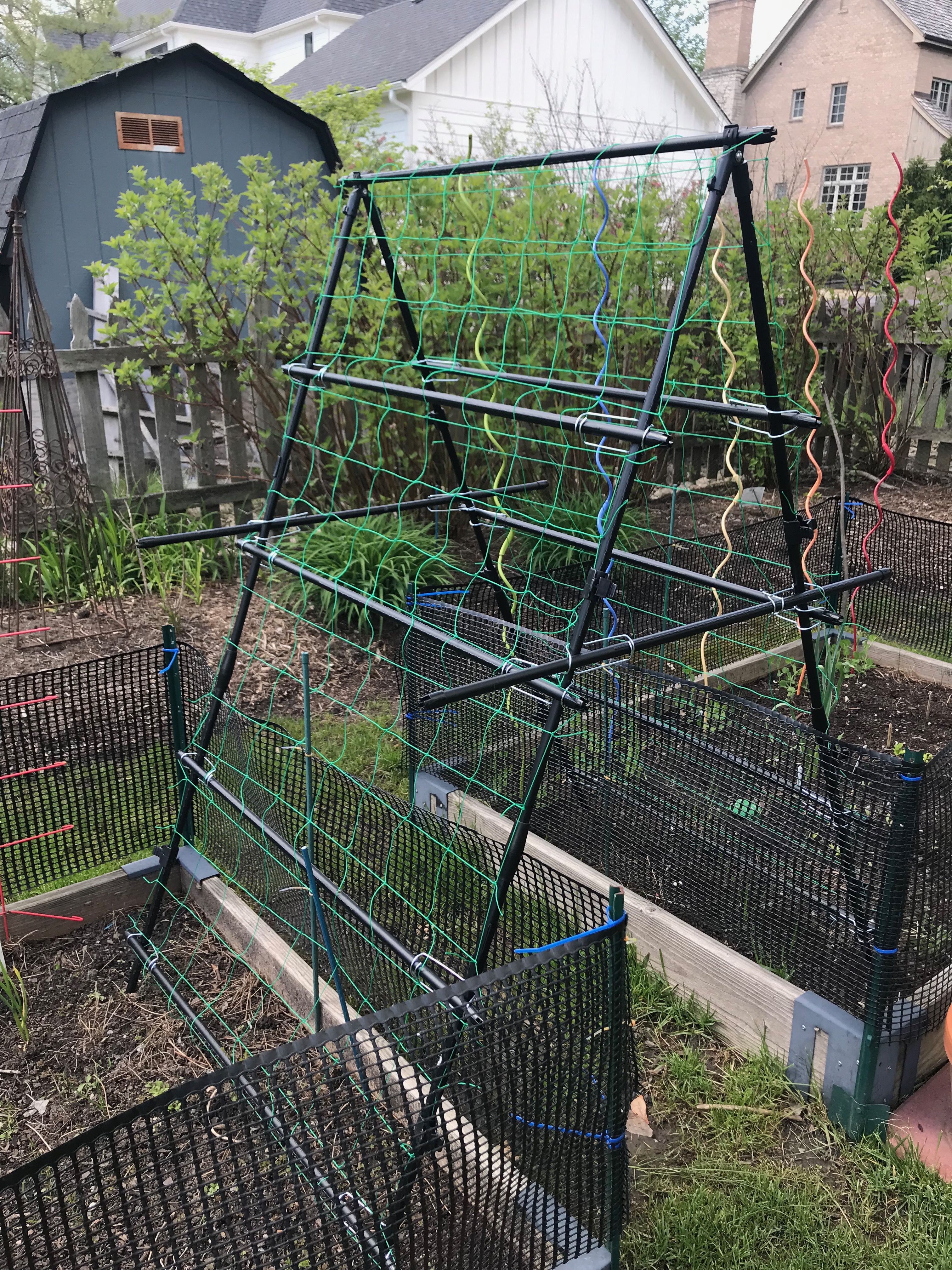
I’m super excited to try out my new trellis for the zucchini and squash. I had to move the zucchini and squash because of last year’s squash vine borer attack.  The other vegetable beds don’t have the space to let them grow free on the ground so I’m trying the trellis. 

It was pretty easy to put together, but best as a two-person job. Gardener’s Supply Company has a nice video to show how to assemble it. It’s made of plastic, so won’t rust but seems plenty strong enough to hold zucchini and squash. I’ll let you know as the season progresses.

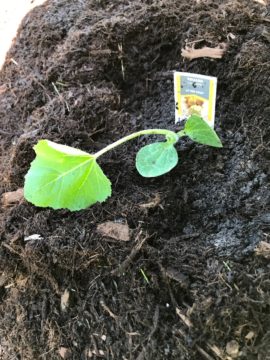
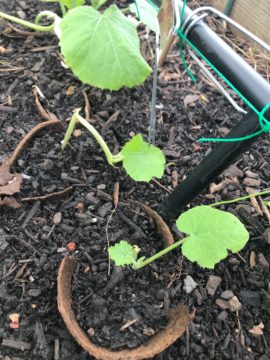
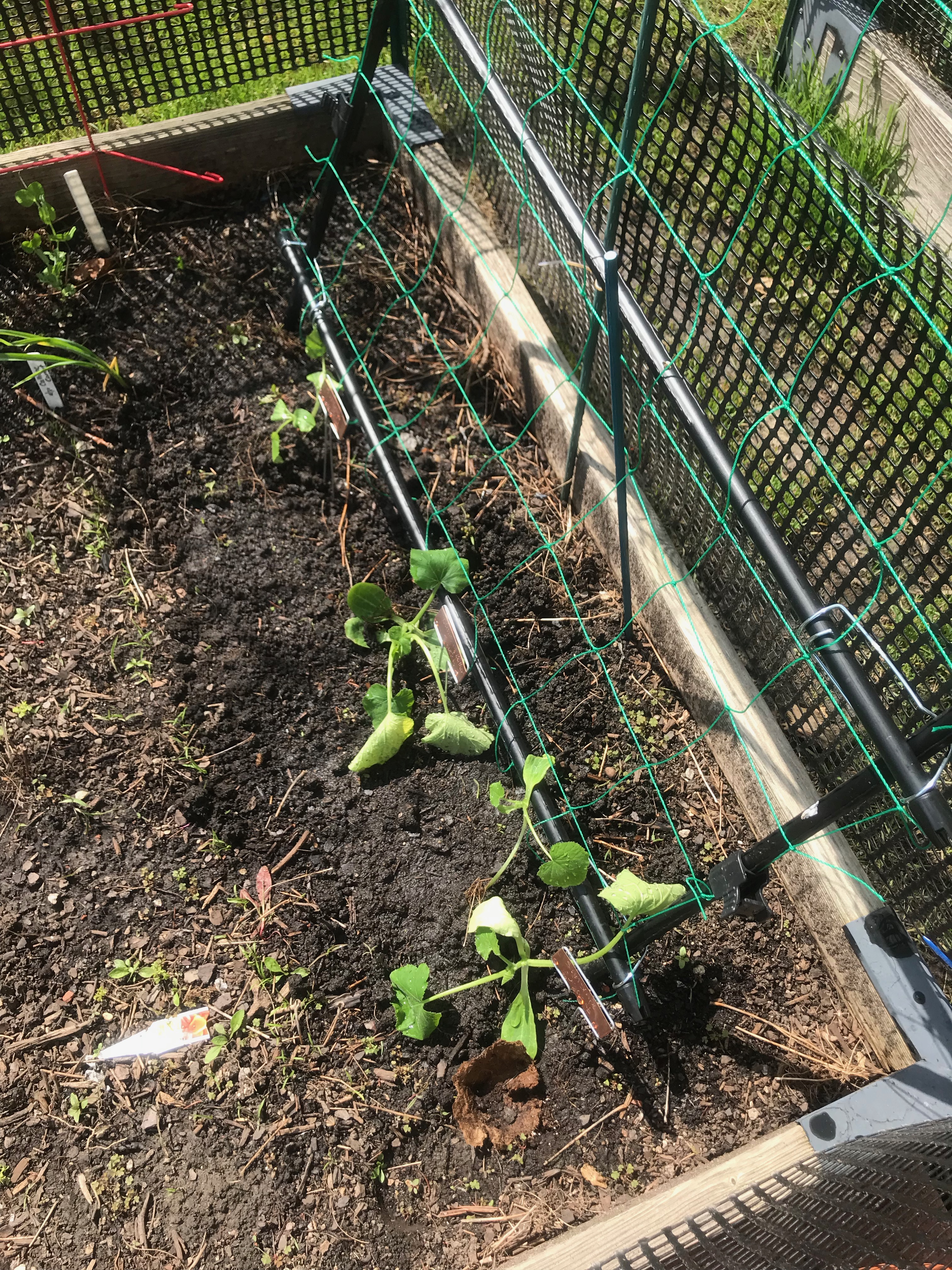
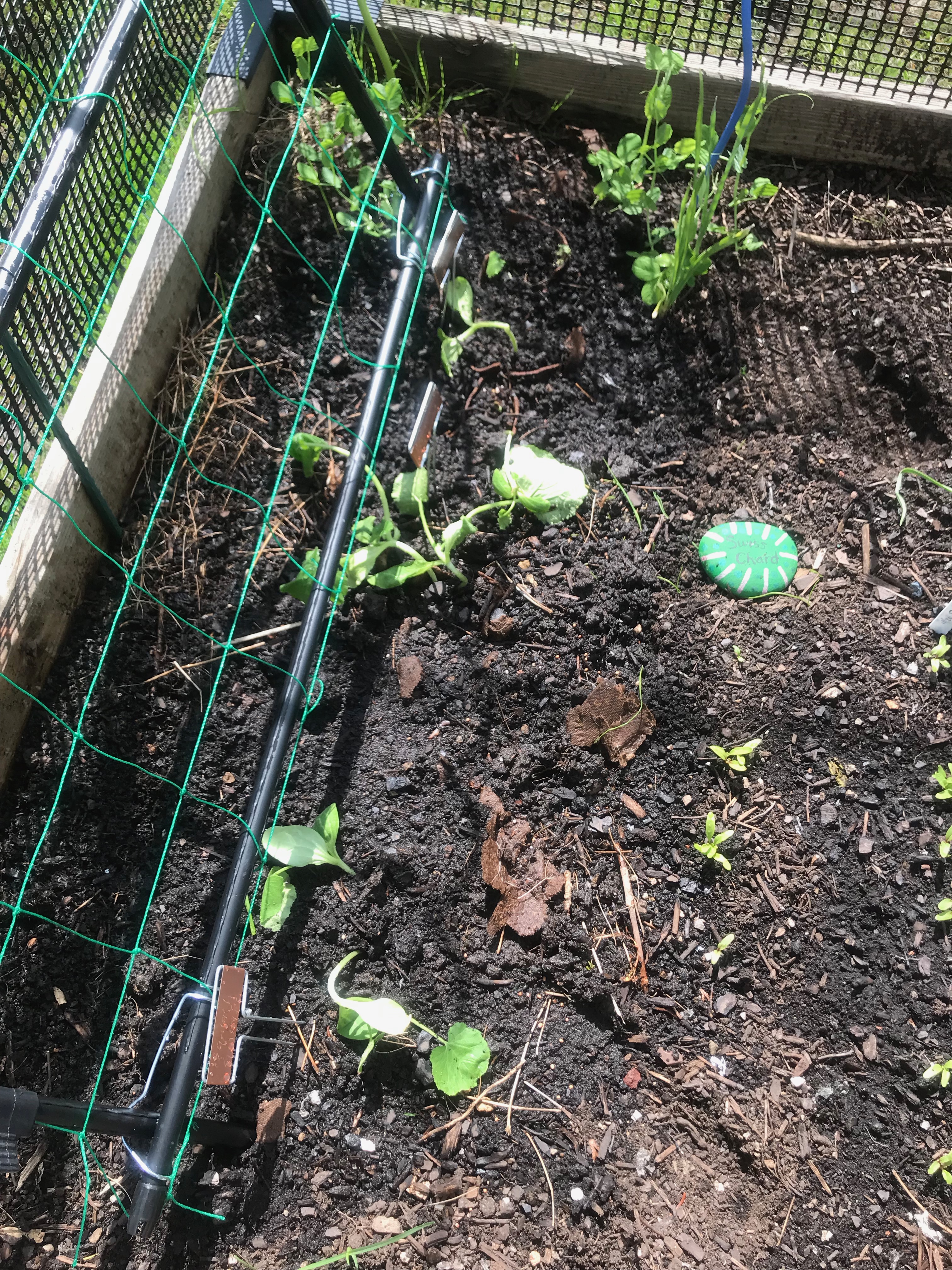
I got the squash, zucchini and cucumbers in the ground, but had a little incident with some of the zucchini. They hadn’t grown as robustly as the others, and I wasn’t as gentle as I should have been.

I broke the main stem, which is really easy to do if you’re not careful. Sometimes it heals, but it’s iffy. I planted it anyway and will hope for the best. So far it seems to be holding its own.

I usually try to have a backup in the same pot and thin them after they’ve become established in there ground, but in this case it didn’t grow. I also usually grow more plants than I need and hold some in reserve in case there’s an “incident”. If they all grow in the first couple of weeks, wonderful, I have plants to share.  

My “spares” in the greenhouse with my microgreens.

So far so good! A few days later and everything is looking good, even after some cool and stormy weather. Btw, for our small family 2-4 zucchini plants and 4 squash plants provides more than enough for us and some to share.

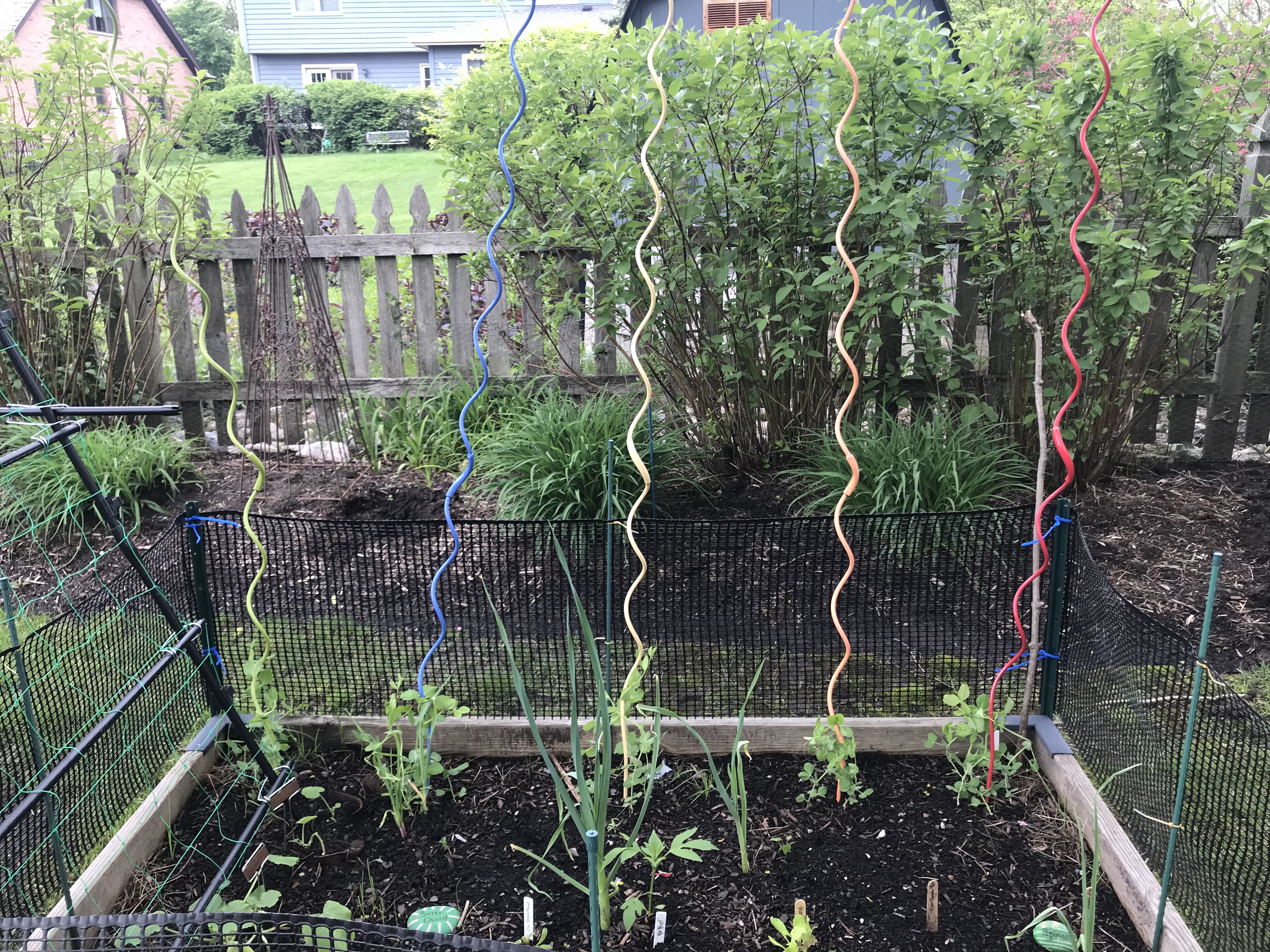
My sugar snap peas are doing great in this cool weather and starting to climb up the rainbow spiral stakes and pea trellis. I originally had the stakes “out of order”, but the science nerd in me couldn’t let that be. 🌈 I reorganized them, but from the front of the bed they were backwards, oh well, close enough.

rainbow gardener's supply company rainbow stakes

Last but not least, my mouse cucamelon plants are off to a very slow start and still in the house under the grow lights. I hope they get going soon, I’m looking forward to one of latest food trends!

Finally Drying Out

I know everything is relative, but boy have we had a lot of precipitation this past week. It started with a snowy April weekend, which I thankfully missed by being up north in Door County. Came home to spring plants that were no worse for the wear.

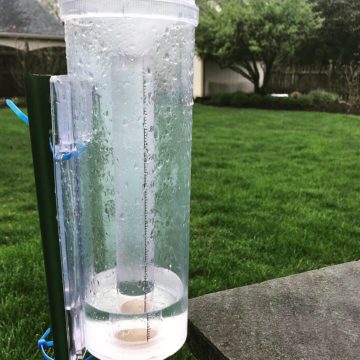
Then it kept raining, bringing the weeks total to 6.1 inches. My Stratus rain gauge isn’t usually this full from an overnight rain

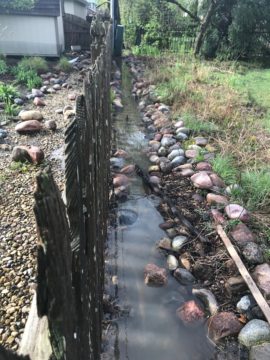
Streams are full, retention ponds are full, and apparently according to the news the storm sewers are full too. So is the swale that runs between our yards.

This swale, or “moon scape” as my husband calls it, obviously needs some explaining, since it looks nothing like it did a couple of years ago (It’s Been a Rainy Month). Watch for what happened in an upcoming post and how we’re fixing it.

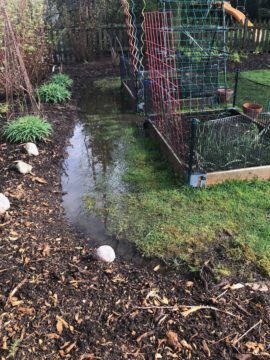
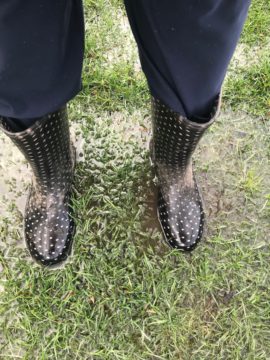
In general, the drainage of the whole yard needs some work. Over the years, enough has been altered or settled so that the water just doesn’t run off like it should and I get puddles like this. Luckily for the raised beds, they drain like they should even when sitting in a puddle.

In the meantime, it’s a good day for my slogger rain boots to muck around the yard in.

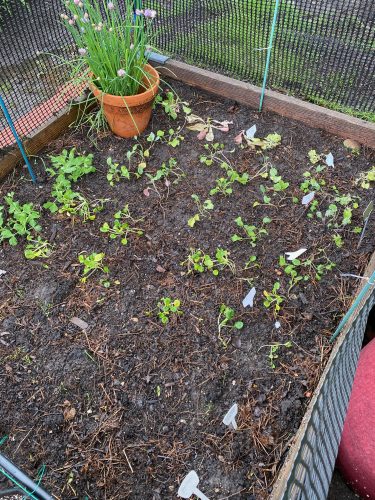
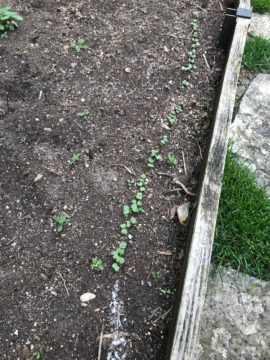
It’s been a bit cold, so the seeds we planted a couple of weeks ago are just now coming up. At least they weren’t washed away. The cool weather is definitely helping the radishes, which I never have much luck with. I know these radishes don’t look like much compared to the gardens from my southern friends, but up north this is pretty exciting.  I’m going to plant a second row of the cold and cool weather veggies this week.

What have I planted outdoors already?

Looking forward to getting some garden fresh veggies on my table!

Many Hands in the Garden

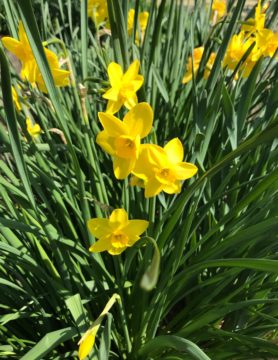
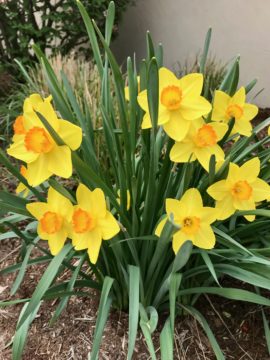
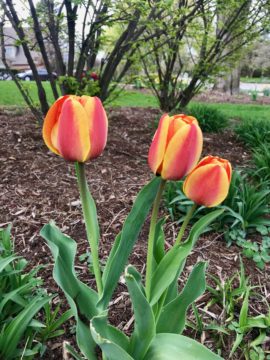
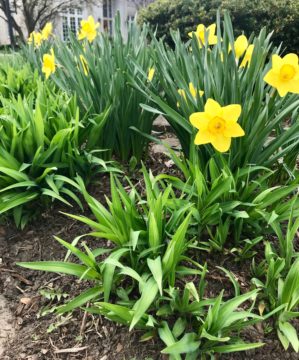
It’s finally starting to look like spring! The daffodils and tulips are blooming.

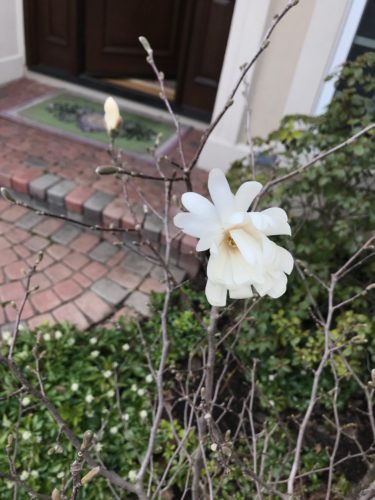
The Star Magnolia, focus of My Magnolia Saga, is showing signs of life and trying to bloom…

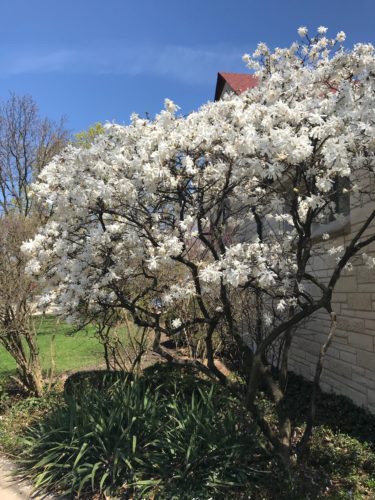
…although around town they are in full bloom.

And the hostas, daylillies, astilbe and peonies are all bursting out from the ground.

In the house, the seeds are sprouted and the next set are ready to be planted.

Why so many hands in the garden this year? It’s hard write this down, but I am currently not able to garden or do anything strenuous for about a month following recent surgery for breast cancer <<sigh>>. I went for my screening yearly mammogram back in February, and after lots of testing was ultimately diagnosed with a Stage 1 invasive breast cancer. Boy, was I not prepared for this and there’s definitely no good time to get a bad diagnosis. I’m still waiting to find out exactly what the next steps are after surgery (there’s a lot of waiting) and a little stressed out over what family events I may or may not have to miss. But every day, I am so thankful that this was caught early and my prognosis is excellent after treatment. I’m also thankful for my husband and kids, and all my family and friends who have reached out with support and to help in any way they can.

So while my hands may be out of the garden for a bit, I’ve also realized a garden can be a very healing place when going through a stressful life event. I can still plan and enjoy the beauty and smells of the spring blooms. I am also blessed by many who have offered to help make sure I get things growing and cared for in a timely fashion, and keep my life as normal as possible. This will be a village garden this year.

It may not be a great year for my garden, but that’s what this blog is all about. Real life experiences of a casual suburban gardener. And gardeners get sick sometimes.