2018 Garden Recap: Flowers

Now that the outdoor growing season has officially ended here in Chicago, I thought it was time to look back and see how things went.
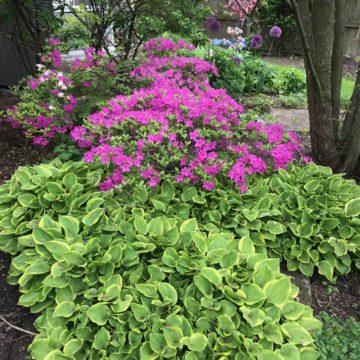
It was definitely a mixed year weather-wise, but for the most part everything looked pretty good all summer. Except for the weed infestation that took a while to get under control!

Here’s some highlights:

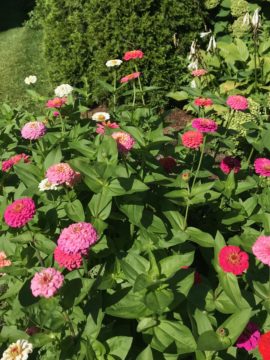
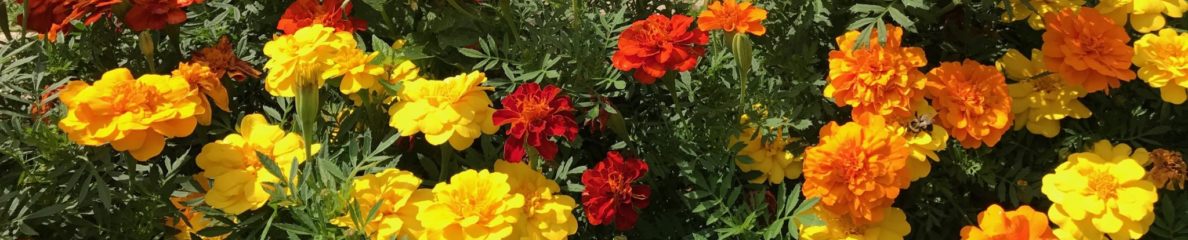
I was excited to get my zinnia and marigold beds laid down from seeds that I had collected from last years’ flower beds.
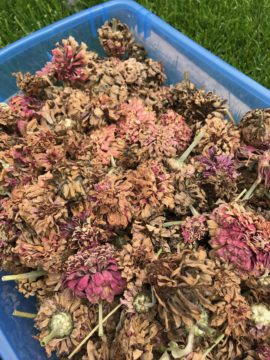
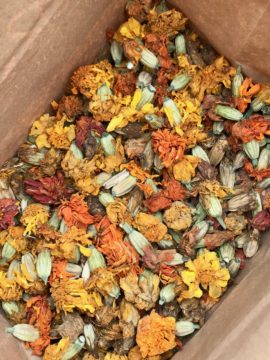
I waited for the soil to warm up enough, prepared the beds, separated out the seeds and spread them out over the soil, then watered.  The seedlings were about 3 inches when disaster struck! Some wayward weed-wacking had pulverized them after mistaking the seedlings for weeds.
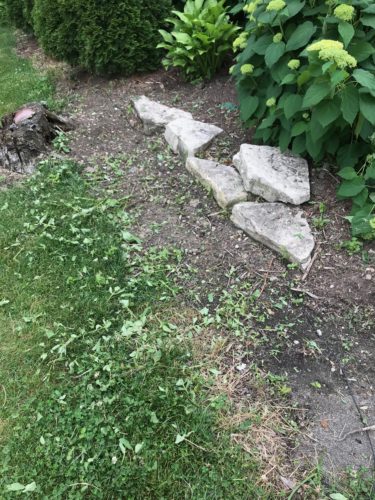
So back to ground zero, but it was now mid-June and everything was pushed back quite a bit. So, replanted what little seed I had left and added some new Burpee Cut and Come Again Zinnias and Burpee Boy O’Boy Marigold Mix.  Much to my delight, I did end up with beautiful flower beds before too long.
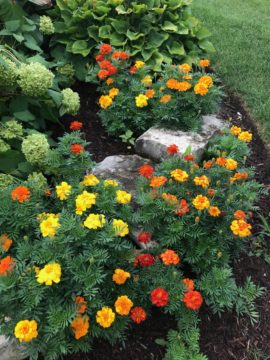
Like last year, I collected up all my seeds to keep for next spring.  Check out my previous post, Cheerful and Bright Zinnias Bed, for an easy how-to to get dense flower beds like these.

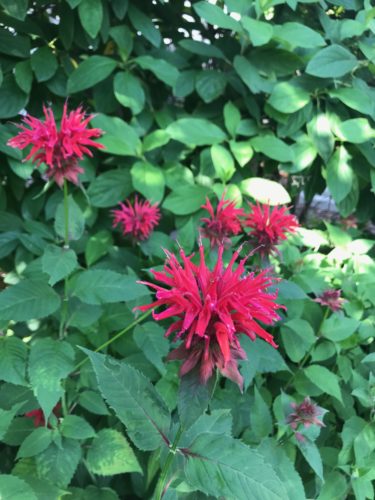
The Monarda added mid-summer festive colors and are always a favorite of the bees.
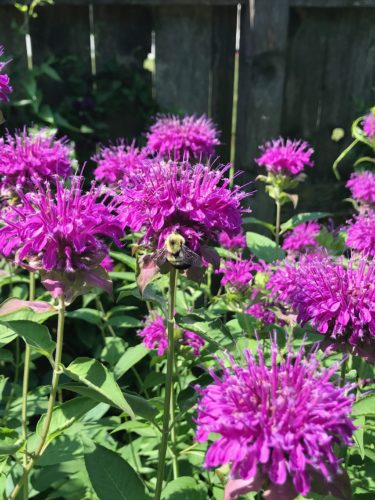
Monarda didyma ‘Purple Rooster’ Monarda

I’ve enjoyed the summer color from my current Monardas who have grown really well in their new locations (The Bee Balm is Very Happy). I added another variety this summer, Marje Pink Bee Balm (Monarda ‘Marje Pink’). Hopefully it grows as well as the other two have.
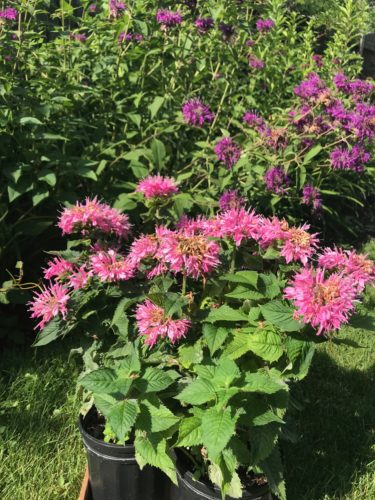
Monarda 'Marje Pink'

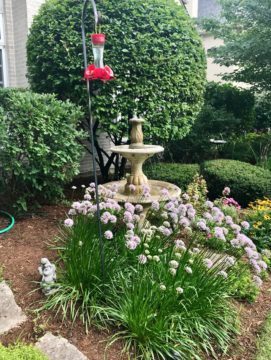
Other garden standbys did well this summer. Hostas, Daylilies, Phlox and the newly added Summer Beauty Allium (Allium Tanguticum ‘Summer Beauty’) added plenty of summer color
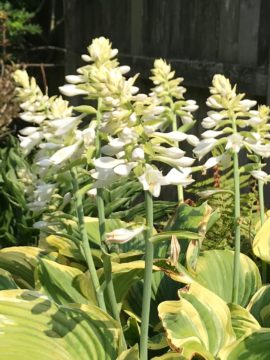
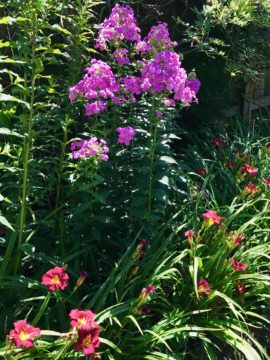
I moved some plants around and put some new ones in. We’ll see how they look in the spring!
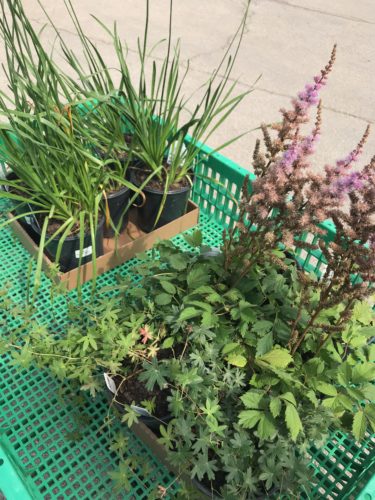
I replaced some scraggly looking daylilies next to the front walkway with the much neater Summer Beauty Allium (Allium Tanguticum ‘Summer Beauty’), and filled in some holes n the side and back gardens with Flames of Passion Avens (Geum ‘Flamers of Passion’), Max Frei Geranium (Geranium Sanguineum ‘Max Frei’), early summer blooming Pumila Astilbe (Astible Chinensis ‘Pumila’) and late summer blooming Visions Astilbe (Astible Chinensis ‘Visions’)

I also took out this Russian Sage that never looked quite right in the midst of the yews. I tried to transplant it, but I didn’t really like being moved mid-summer.  We’ll see if it comes up anywhere. I’m sure there will be some stragglers to remove and try again to transplant in the spring.
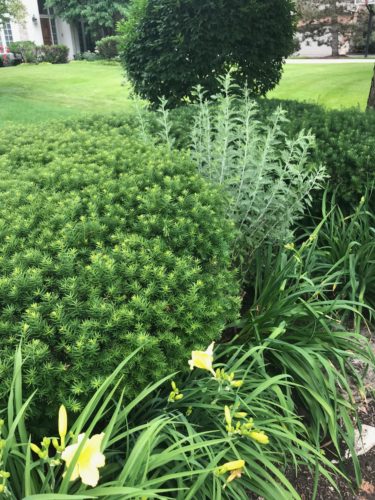
Overall pretty good year, but I’m excited to see what next spring will bring. Feel like it’s going to be a long winter…
Troll Hunt!

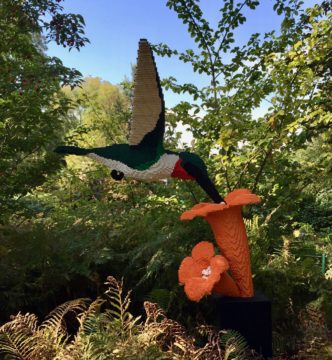
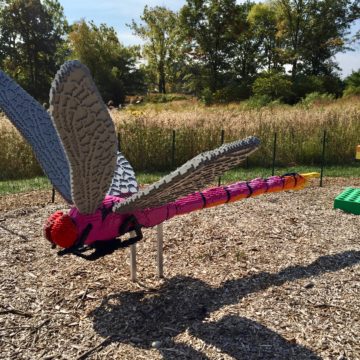
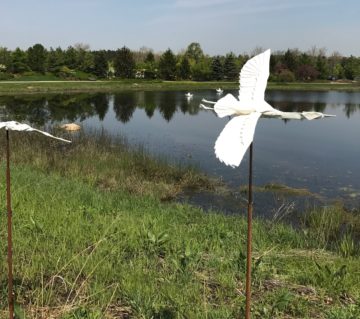
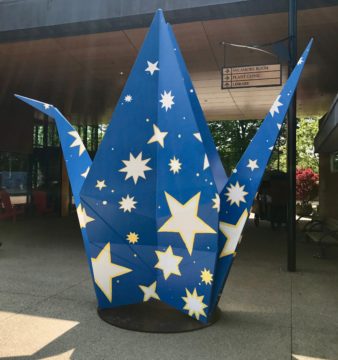
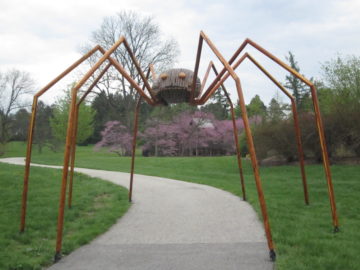
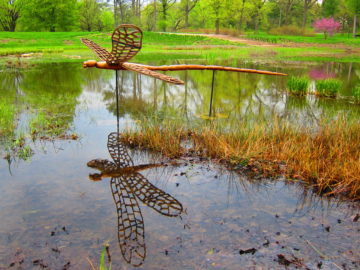
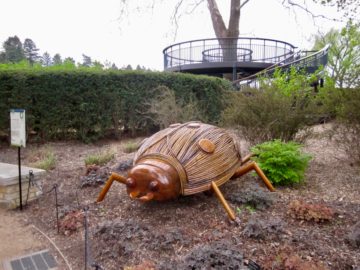
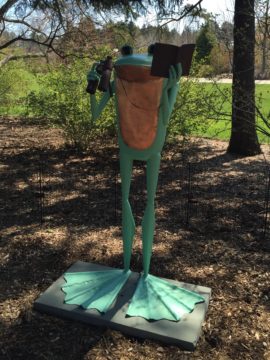
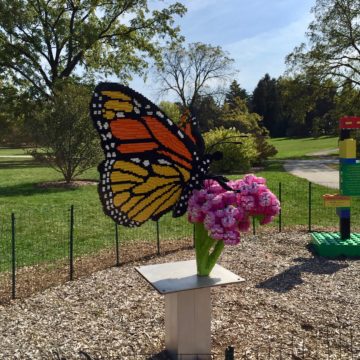
The last few summers the Morton Arboretum has had a “BIG” exhibit to bring people outdoors and celebrate nature. There’s been frogs, giant bugs, giant lego statues, and life size origami.

And this year, a Troll Hunt!

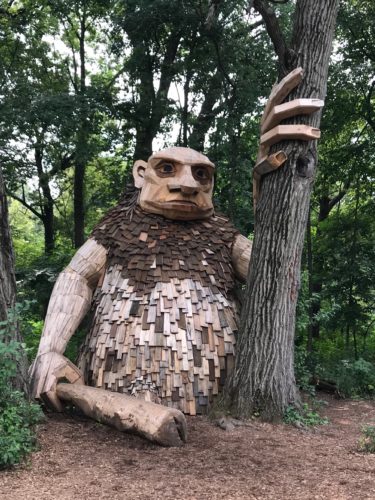
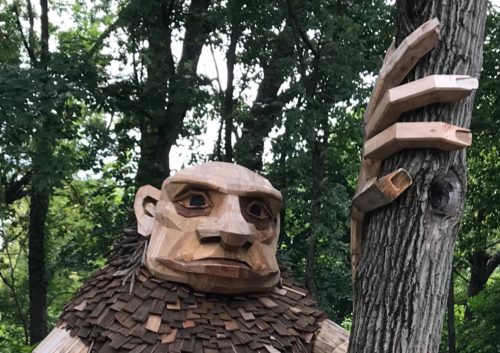
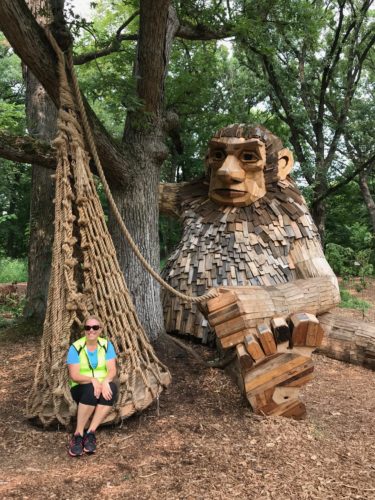
The Trolls are the design of Danish artist Thomas Dambo. These 15- to 30-foot-tall, and one 60-foot long, sculptures are created from reclaimed wood and other forest items to bring people out into nature and serve as protectors of our environment. This guy, Neils Bragger, definitely says, “Don’t mess with me or my woods!”.

This Troll Hunt exhibit is Dambo’s first large exhibit in the US and part of a worldwide fairy tale that Dambo is creating, “The Great Story of the Little People and the Giant Trolls“.  The first installment was in Copenhagen, the second in South Korea and the third now at the Arboretum. The Morton Arboretum is lucky to have it!

The faces, hands and feet were built from recycled wood in Dambo’s shop in Copenhagen and shipped to the Arboretum.

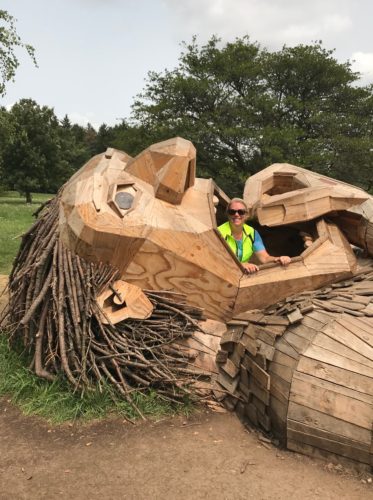
All year the Arboretum collected wood scraps, battered boards, fallen trees and branches, and the remains of pallets and packing crates which were added on site to create the massive Trolls including Furry Ema, who would like to trap some visitors!

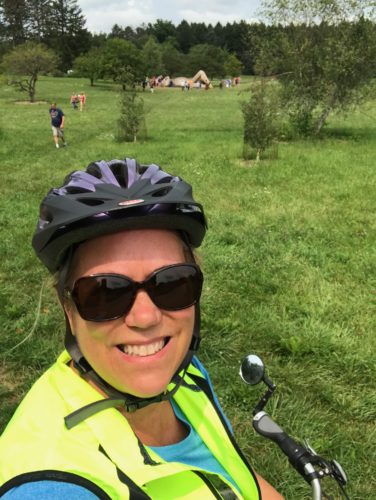
Unlike the past exhibits, to see the trolls does require some driving and walking, or in my case bike riding.

You can see some from the Arboretum roads, but to see them up close you need to leave the road and walk just a few feet or up to 3/4 of a mile to see them over pavement, wood-chipped, and mown grass trails. There is a Troll tram that will bring you to the sites and give you lots of interesting facts about the Trolls and the arboretum if you prefer to have someone else do the driving.

Any way you get there, be careful you don’t get eaten by Little Arturs!

Be sure to pick up the Troll Hunter’s Handbook at the Visitors Center. It looks like a kid’s adventure guide, but The Handbook will help you find the trolls and collect clues to locate the Troll’s secret hideout, which I sadly missed on this trip. I will be back! The Trolls are expected to be around through the end of the year, maybe longer if they hold up well. Check out this Arboretum page if you need more information and tips for your visit.

Of course, no trip the Arboretum is complete without seeing some of the amazing plant collection and finding something I need in my garden.

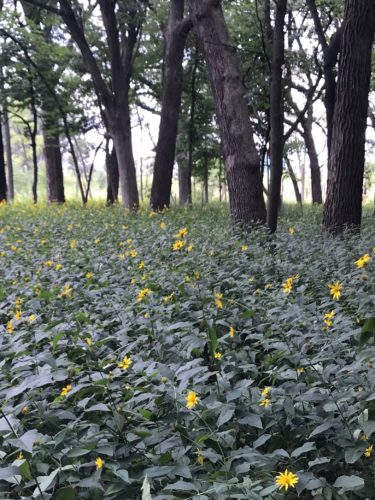
Pale-leaved Wood Sunflowers (Helianthus strumosus) were in full bloom on the forest edge on the East Side.

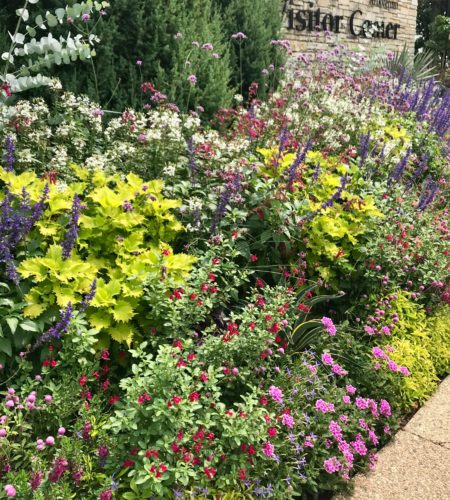
Always a stunning seasonal display in the garden in front of the visitor center!

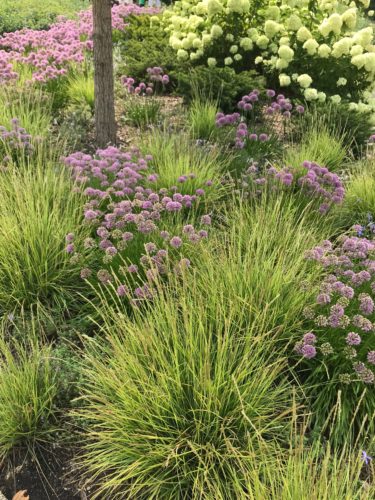
I may need to add some of this Autumn Moor Grass (Sesleria Autumnalis).  Looks great next to the Summer Beauty Allium (Allium senescens subsp. montanum ‘Summer Beauty’).


Have you been on the Troll Hunt? I’ll let you know on Instagram at Stephigardens when I find The Hideaway!


Nature Walk on Earth Day

It was a beautiful day for a walk, so I headed out to the Morton Arboretum to walk and celebrate Earth Day.  Spring flowers were in abundance!

Here’s what I saw:

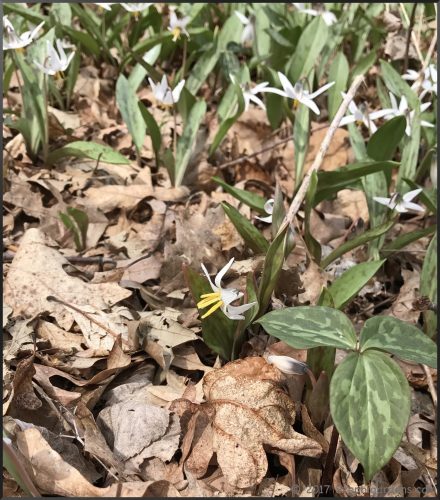
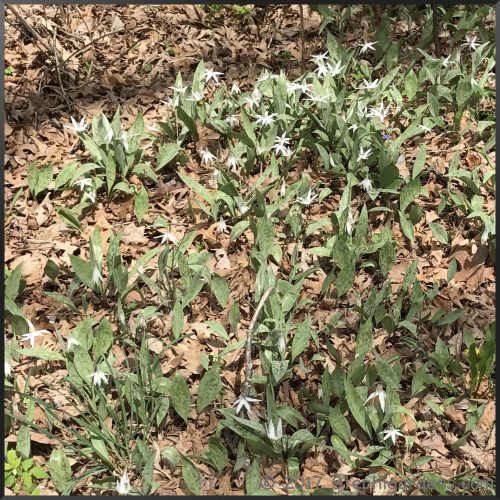
White Trout Lily (Erythronium albidum)
Immature plants produce a single leaf and no flower, while mature plants produce a pair of leaves and a single flower. Colonies often have far more leaves than flowers.

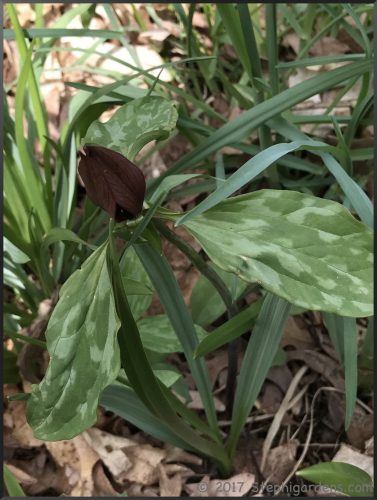
Prairie Trillium (Trillium recurvatum)

This poisonous plant never really “opens” like other trilliums. The drooping sepals and stalked leaves are clues that you have this trillium and not the very similar Toad Shade.

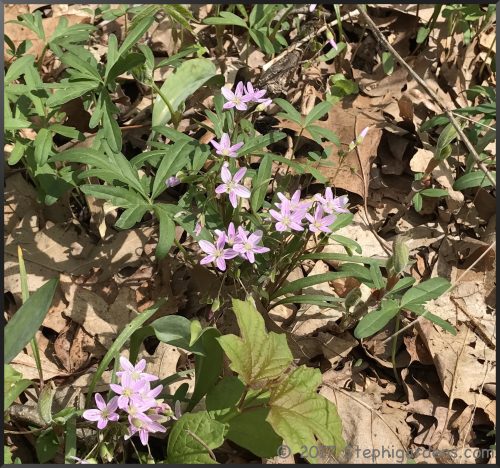
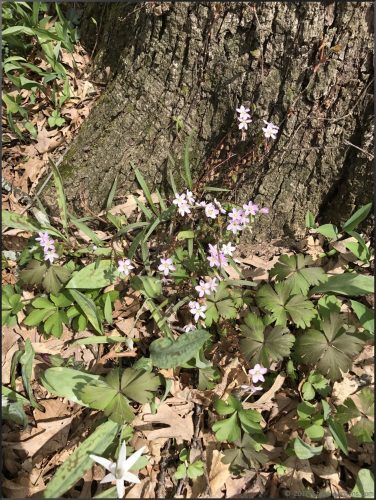
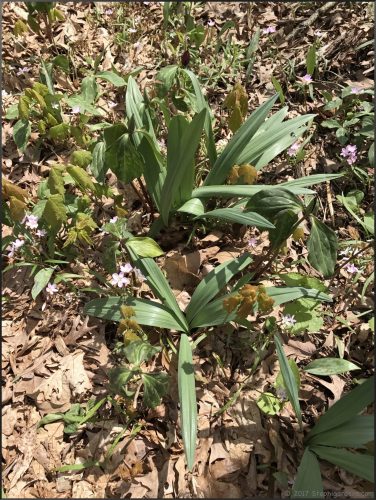
Virginia Springbeauty (Claytonia virginica)

This small flower is a sure sign that spring has arrived! You’ll find them open on warm sunny days and closed during cloudy weather and at night. These are stunning as a sweeping sea of pink in the forest.

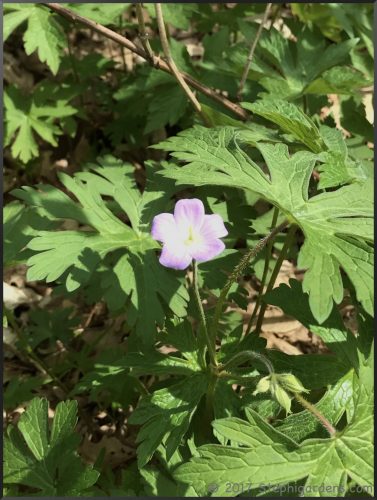
Wild Geranium (Geranium maculatum)

Wild geraniums are easily identified by their large palmately lobed leaves and their beak-like seed capsules that point upwards.

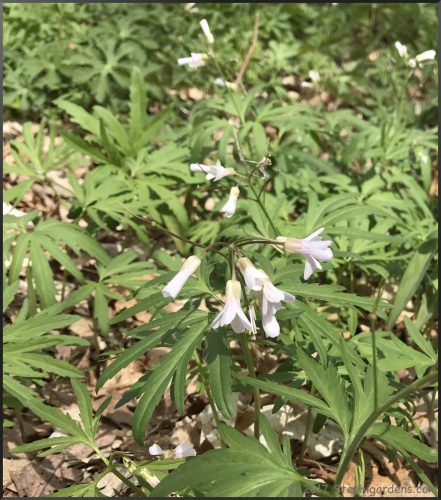
Cutleaf Toothwort (Cardamine concatenata)

This fragrant flower is easy to spot and identify by its toothed leaf pattern. By the end of spring, both the flowers and foliage will disappear until next year.

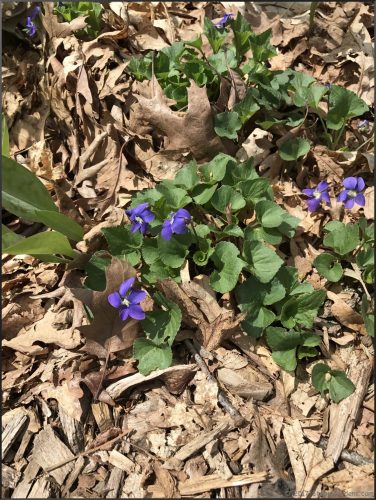
Common Blue Violet (Viola sororia)

While I often find these as weeds in my yard, their deep purple flowers are a cheerful find amidst all the decaying fall leaves.

Lily of the Valley (Convallaria majalis)

This escaped ornamental plant, which can be mistaken for Wild Leeks (Spring Leeks (aka Ramps), will soon show it’s distinct white flowers.  Unlike leeks, all parts of this plant are highly toxic.  If it doesn’t smell like onions or garlic, don’t eat it!

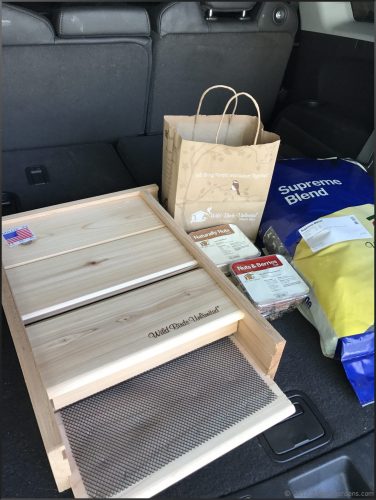
After my hike in the spring woods, I stopped by my local Wild Birds Unlimited store to stock up on sunflower seeds and suet for the birds and to buy a bat house to encourage bats to our place in Wisconsin. The staff at WBU is a great source of info for what’s going on in your local bird world, and I find the best birding supplies there. Today, I heard the hummingbirds are back already so time to get the feeders out (Hummingbird Nectar)!

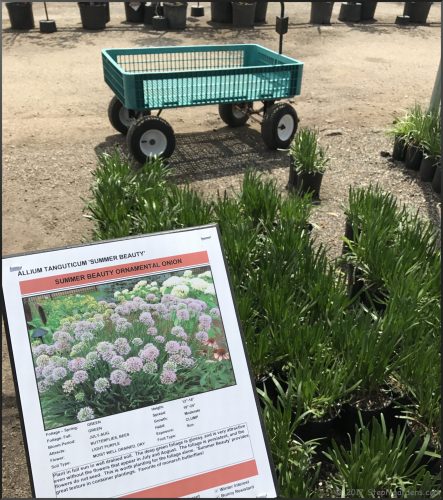
Then as a last fun nature day stop, I went by a local nursery to buy some Summer Beauty Allium (Allium tanguticum).  I have a hot, dry sunny spot where oddly nothing seems too happy to grow.  I’ve been seeing these in similar locations in public gardens so I’ll give them a try. They produce a pretty pom-pom flower display mid-summer, are sterile so aren’t invasive, are pollinator favorites, and rabbits stay away from them.  All around sounds pretty good to me.

Did you get out and enjoy this spring day!