It’s Going to Be Cold Tonight!

May freeze warning, what to do??

It’s almost Mother’s Day and if you’re somewhere in the Midwest, mid-Atlantic or Northeast, you’re in for an unpleasant weather event the next couple of days. Brrr. Have we not dealt with enough this spring?
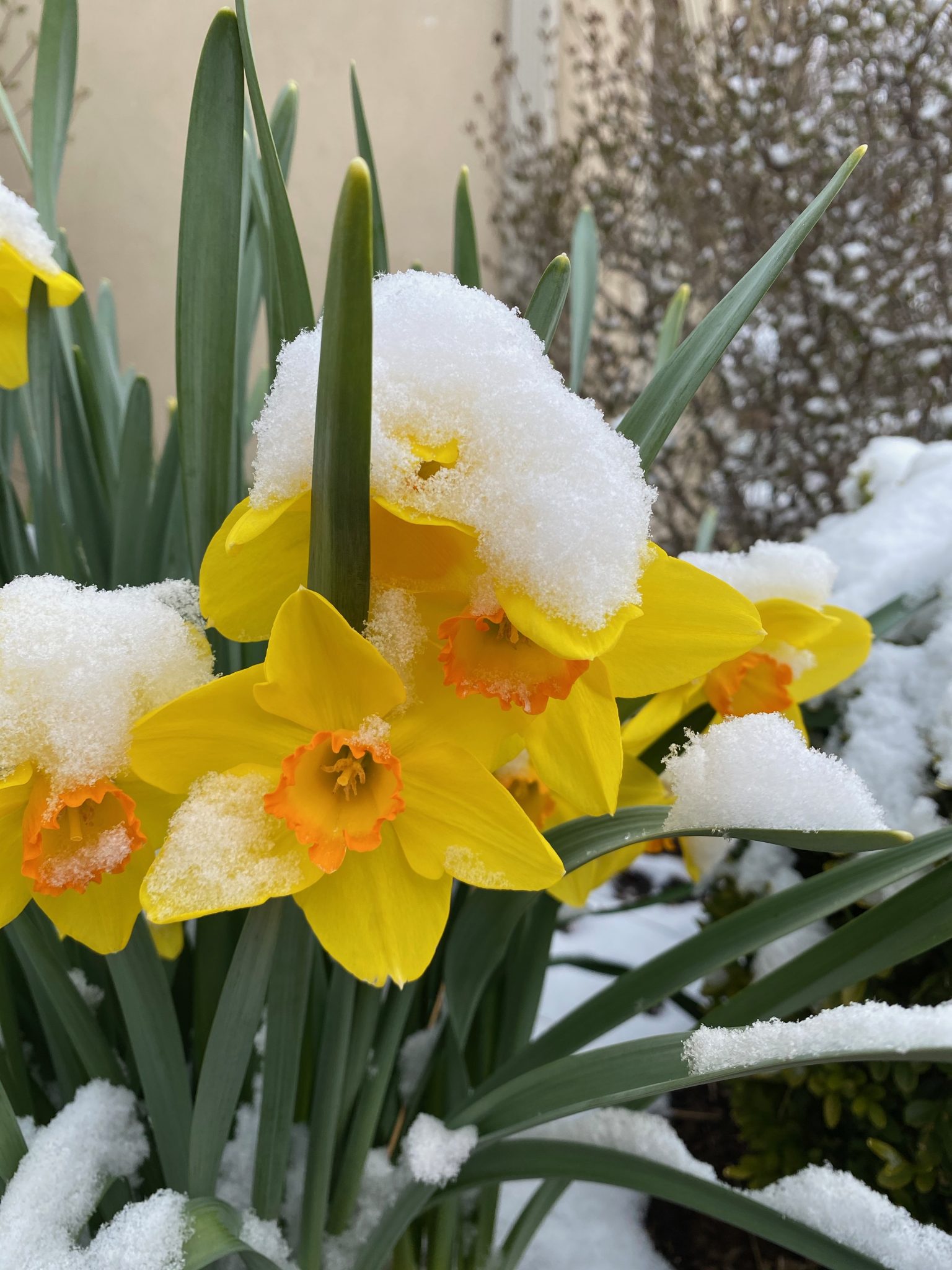
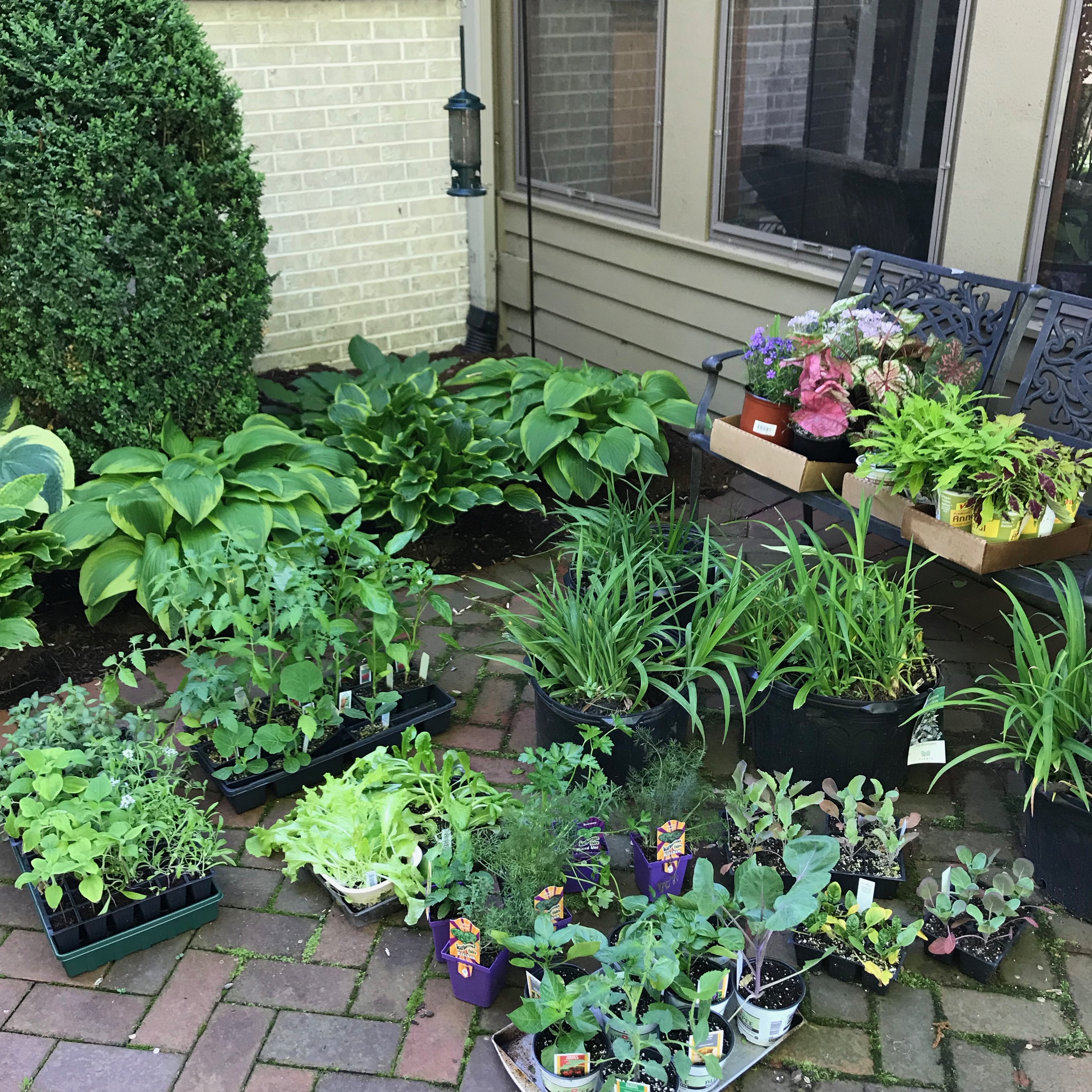
Hopefully, you’ve learned from past mistakes and haven’t planted those wonderful tender annuals and vegetables that all the garden centers already have out for purchase.
It’s always a good idea to know your growing zone, both your plant hardiness zone, based on the lowest expected winter temperatures, and your first and last frost dates. The spring frost date is what we are dealing with now. In my suburban Chicago location, based on Dave’s Garden’s info:

  • Almost certainly, you will receive frost from October 20 through April 17.
  • You are almost guaranteed that you will not get frost from May 24 through September 26.
  • Your frost-free growing season is around 155 days.

Right now we are in that in between time from mid April-Late May. I’ve learned that none of my seedlings leave the house for hardening off until close to Mother’s Day, about the middle of the in-between time.
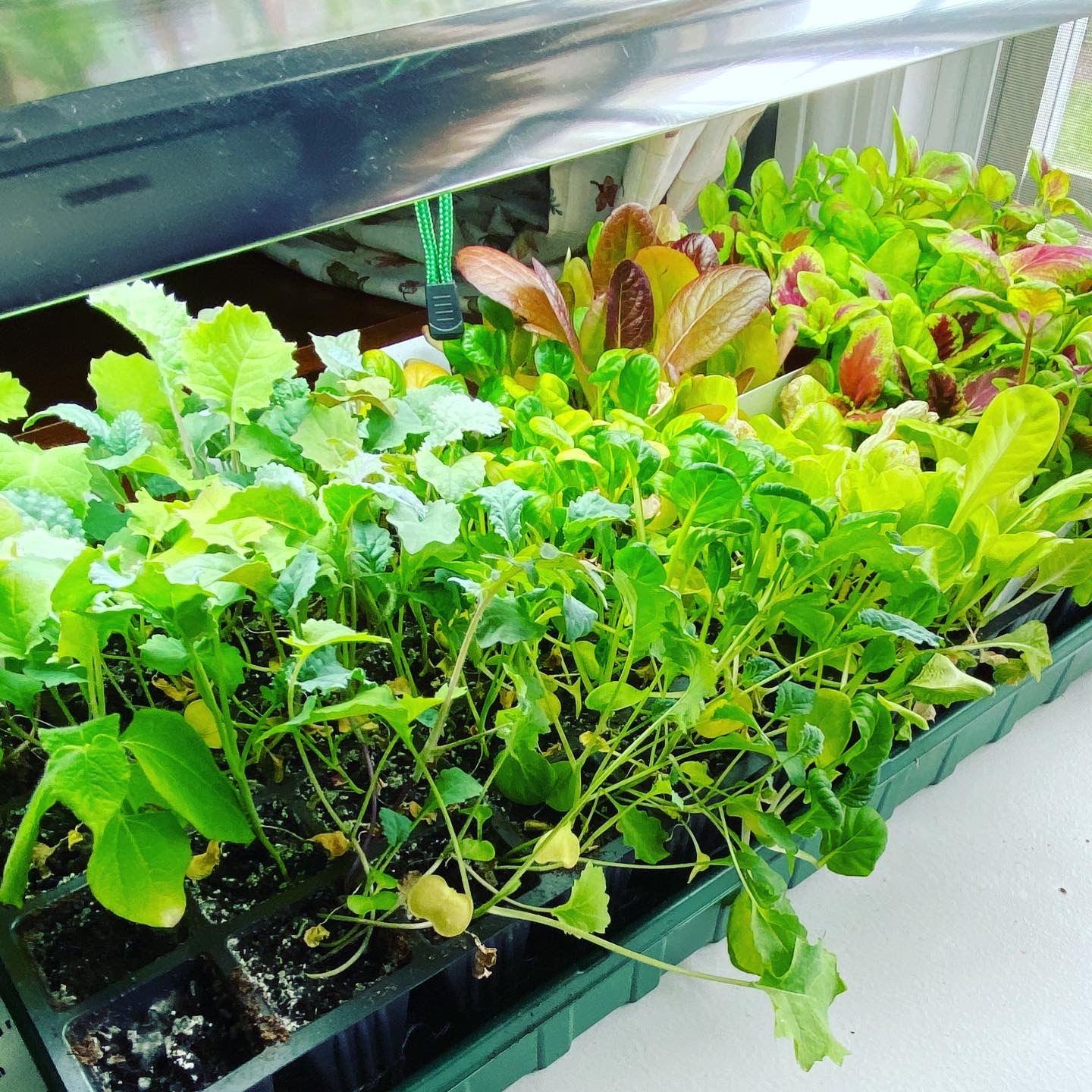
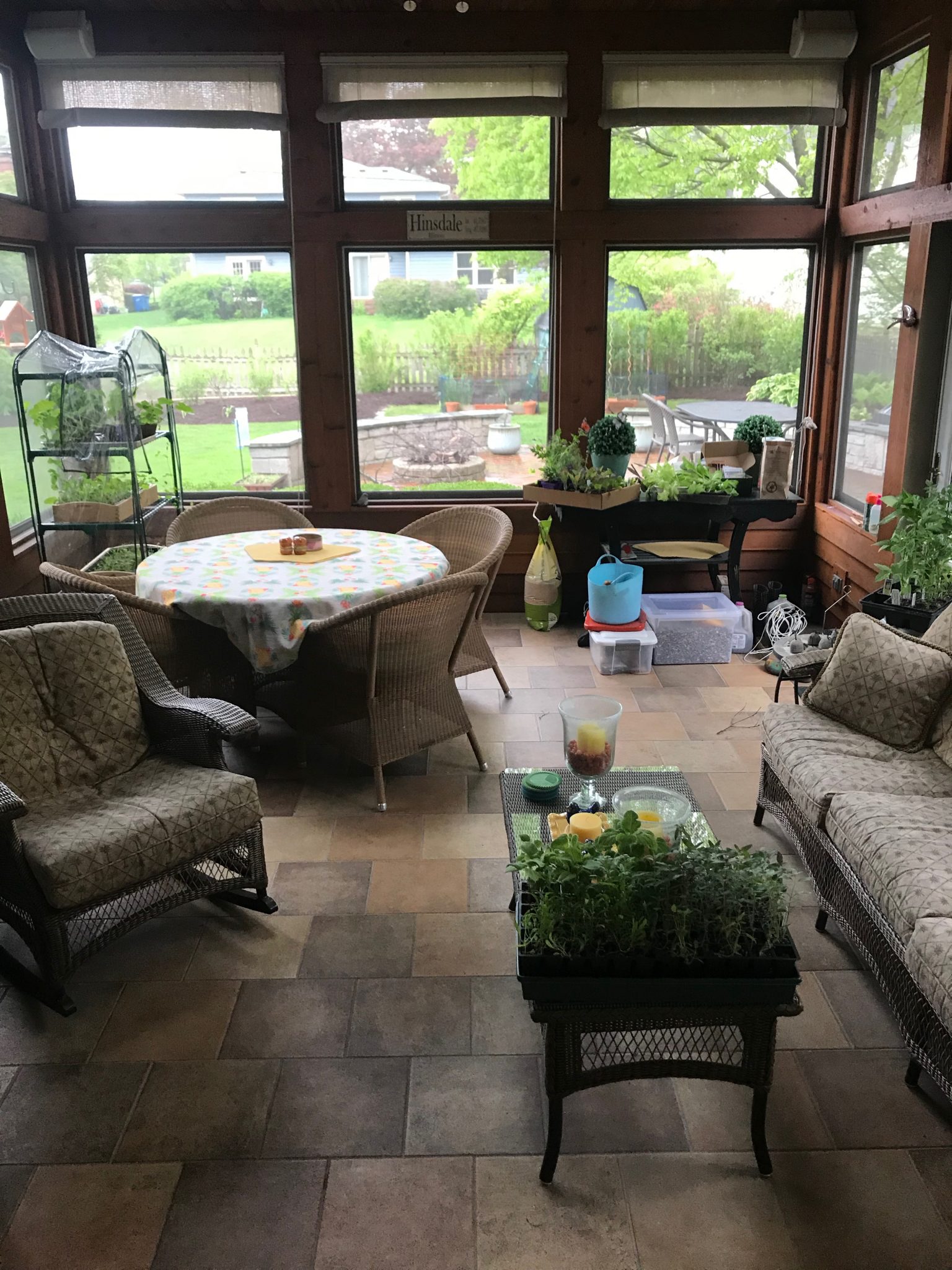
If it does get too cold, plants that are outside and waiting to be planted can spend time in the winterized three-season porch. For the most tender plants they can go in the mini-greenhouse on the porch, or even in the house, if they need even more protection.
But what about all the perennials already leafing out and shrubs budding? Most spring plants will be ok. But if temperatures are predicted to be below 32ºF your more tender plants like geraniums, begonias, impatiens, peppers, and tomatoes need protecting!  A moderate freeze in the mid 20’s can be devastating to even more of your plants.

In my yard, I’m most worried about the hostas and early perennials that are pretty leafed out already, and flowering shrubs like the azaleas that haven’t flowered yet.
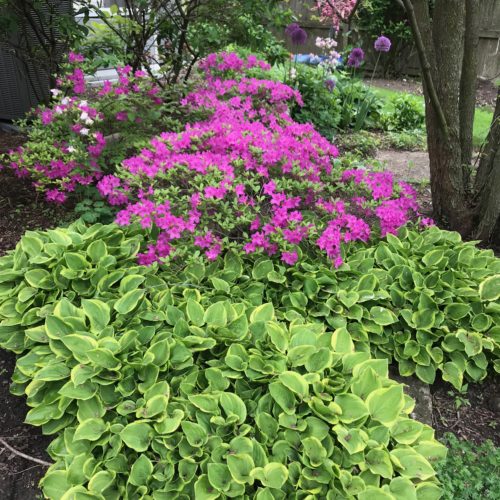
The magnolias and redbud are already in flower or done, so not so worried about them. But many others around the yard are just now coming into bloom.

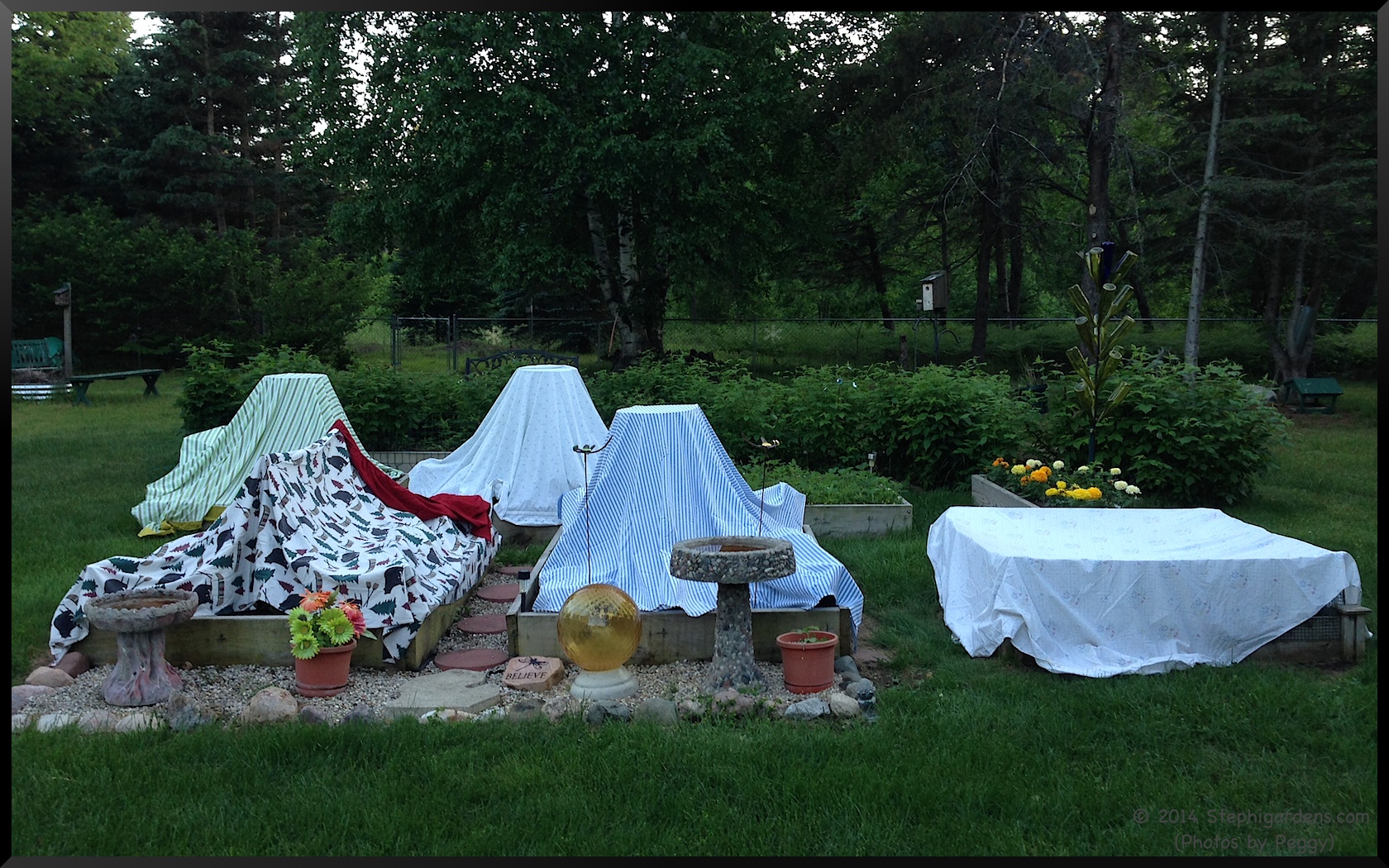
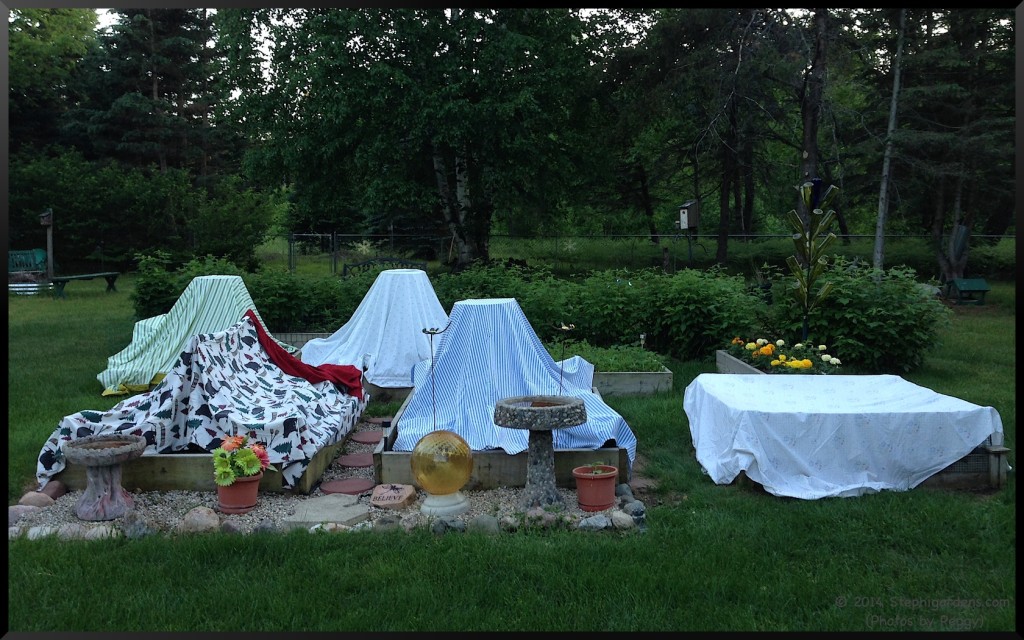
If you know that the plants are likely to be damaged by an overnight frost, you need to cover them with a sheet, blanket, a frost blanket or even an overturned bucket.
garden frost
This is my mom Peggy’s yard in Northern Michigan when she got hit with a late freeze a few years ago.

By tenting the sheets or frost blanket over the garden, it creates a warm air pocket around the plants from the warmed soil. If it’s thought to be colder than a light frost, you can add a layer of plastic over the blanket to trap even more warm air (but never put plastic right on the plants).  Be sure to remove the coverings first thing in the morning before condensation starts to form on the inside.  If still cold enough, the moisture could freeze on the plants and cause additional harm.  An actual hard freeze (below 28 º) requires even more elaborate weather protection, or you may just need to sigh and start over.

Plants like hostas will survive the frost or freeze, but will cause frost “cracks” or even cause portions of the leaves turn white and wilt. Damaged leaves will not come back, so trim them off and new leaves will continue to fill in throughout the summer. If a lot of the plant is damaged, the plant should survive, it’ll just be smaller than normal.
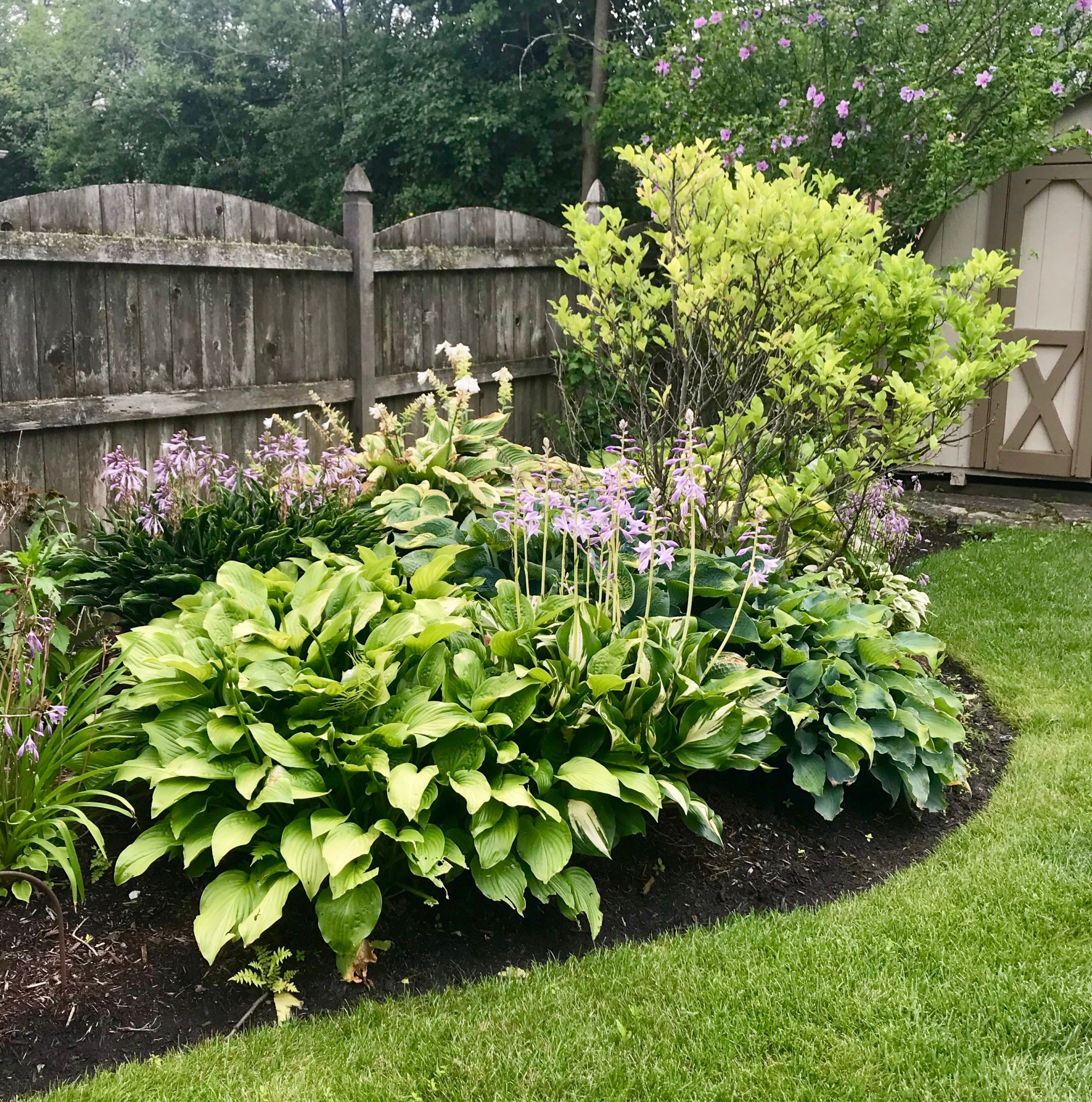
Most perennial flowers can take a light frost with temps between 32-35º degrees. A hard freeze with temps of 28º or lower will most likely kill the flowers, but not the plants. If you have beautiful spring flowers in your garden and you hear a hard freeze below 28º is in the forecast, maybe it’s time to bring spring inside by cutting those flowers and making a beautiful spring bouquet..

Two more thoughts for tonight:

Garlic and Shallots–Garlic and shallots will be fine at these temperatures. The leaves may turn a little yellow, but the growing bulbs will be fine.

Rhubarb–Rhubarb will be fine, but you can cover if desired. Some of the stems and leaves may get frozen and turn mushy as they thaw. Just cut those unwanted leaves and/or stems away. First year, no more harvesting or cutting, second year and later, be gentle in your harvest this year if a lot of the plant was damaged.

Wishing you all good luck tonight 🤞🤞. What are you doing to protect your plants?

Photo credits: Stephi Gardens, Photos by Peggy and Photos by Steve
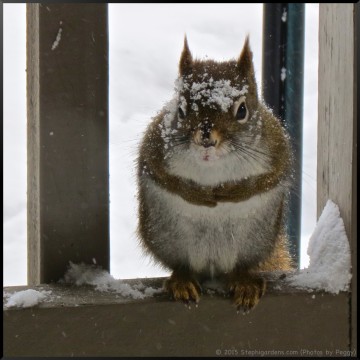
Winter Weariness

photo by peggy

While we may not be having the horrendous weather some of my friends on the East Coast are having, we in Chicago, Michigan and the rest of the Midwest are having our own winter frustrations.

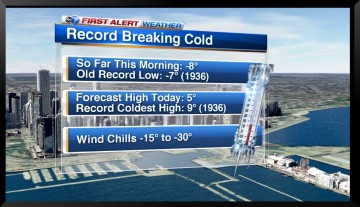
This winter started out not too bad, but January and February have really kicked it up a notch.  Record snow, record cold, Old Man Winter is really piling it on, especially tough on top of last winter.

Today’s news…

weather chart

It’s hard to even think about the garden.  I haven’t really been in the mood to look at the seed catalogues that are piling up or to get ready to start any seedlings yet.  I feel like spring is never going to come.  But I know, all of a sudden this will be over and spring will sneak up on us.  Hopefully sooner than later.

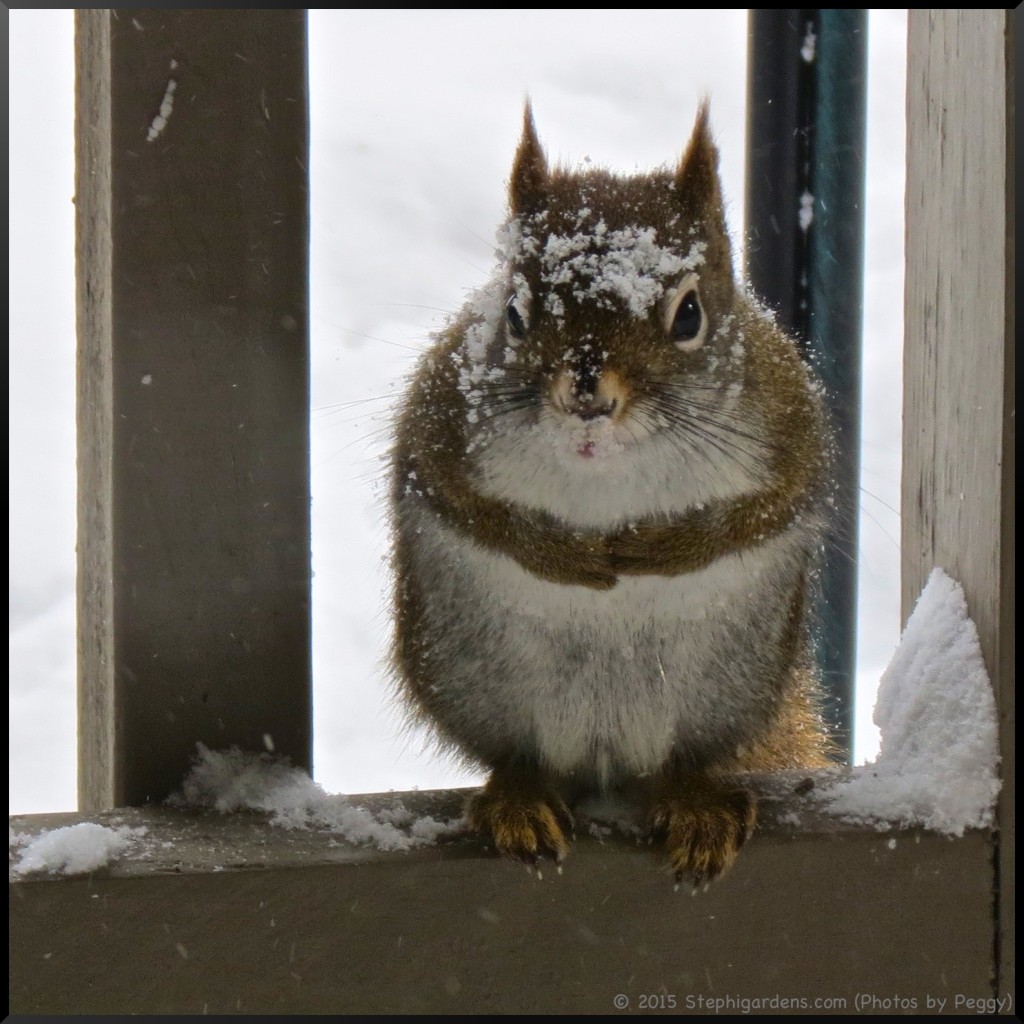
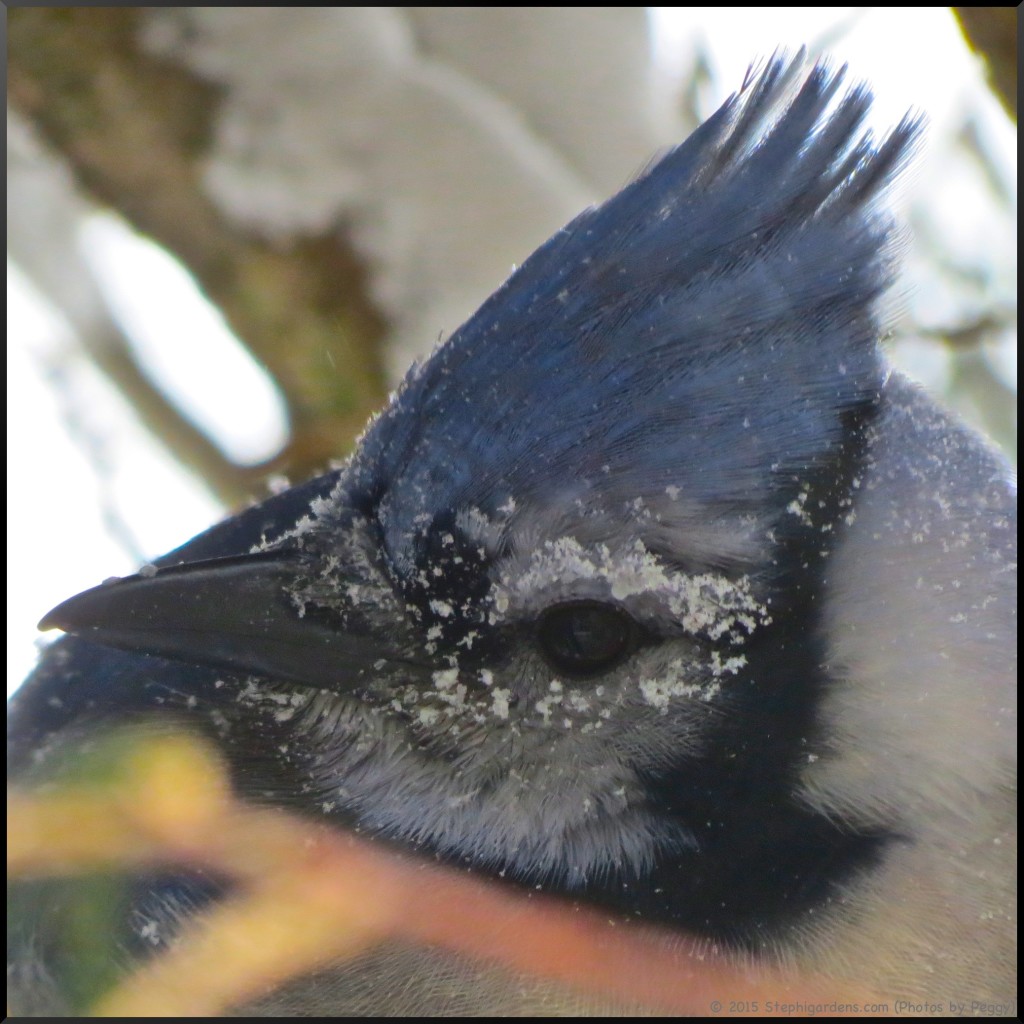
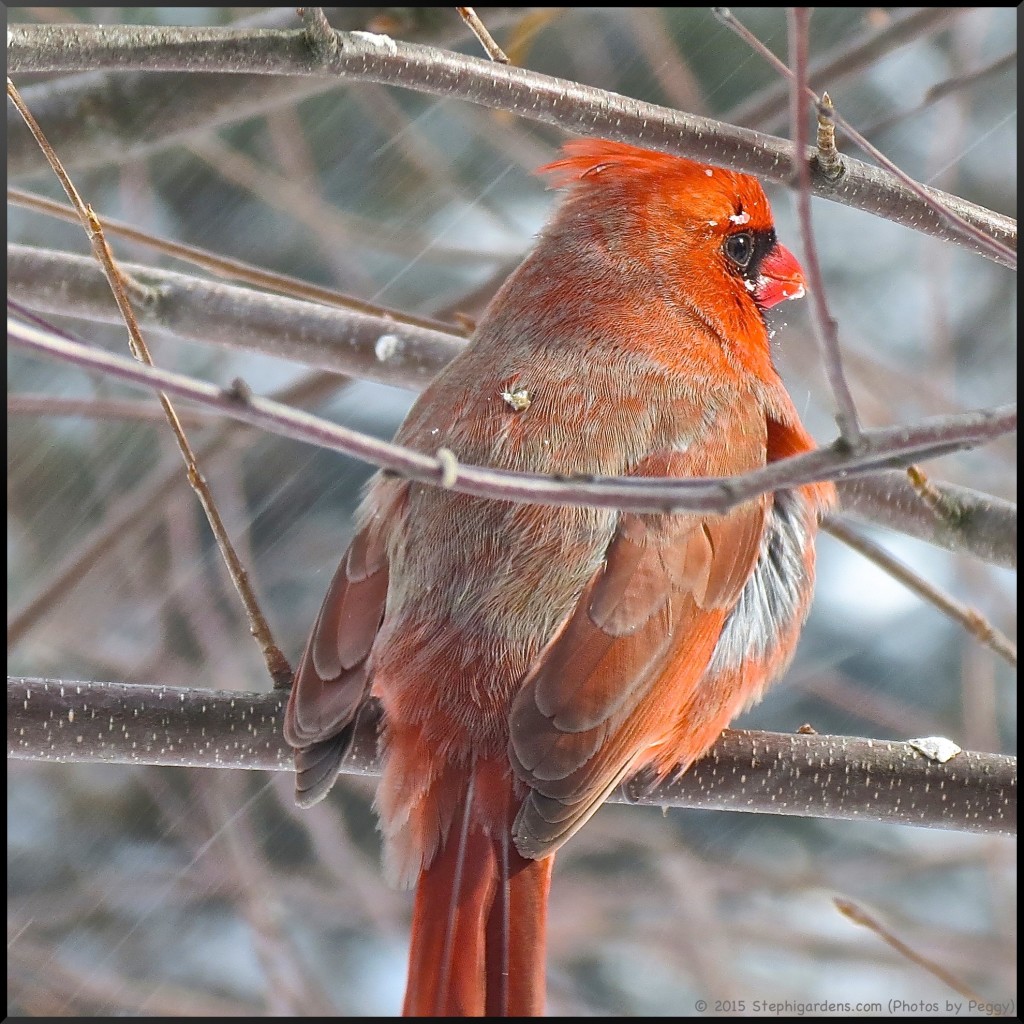
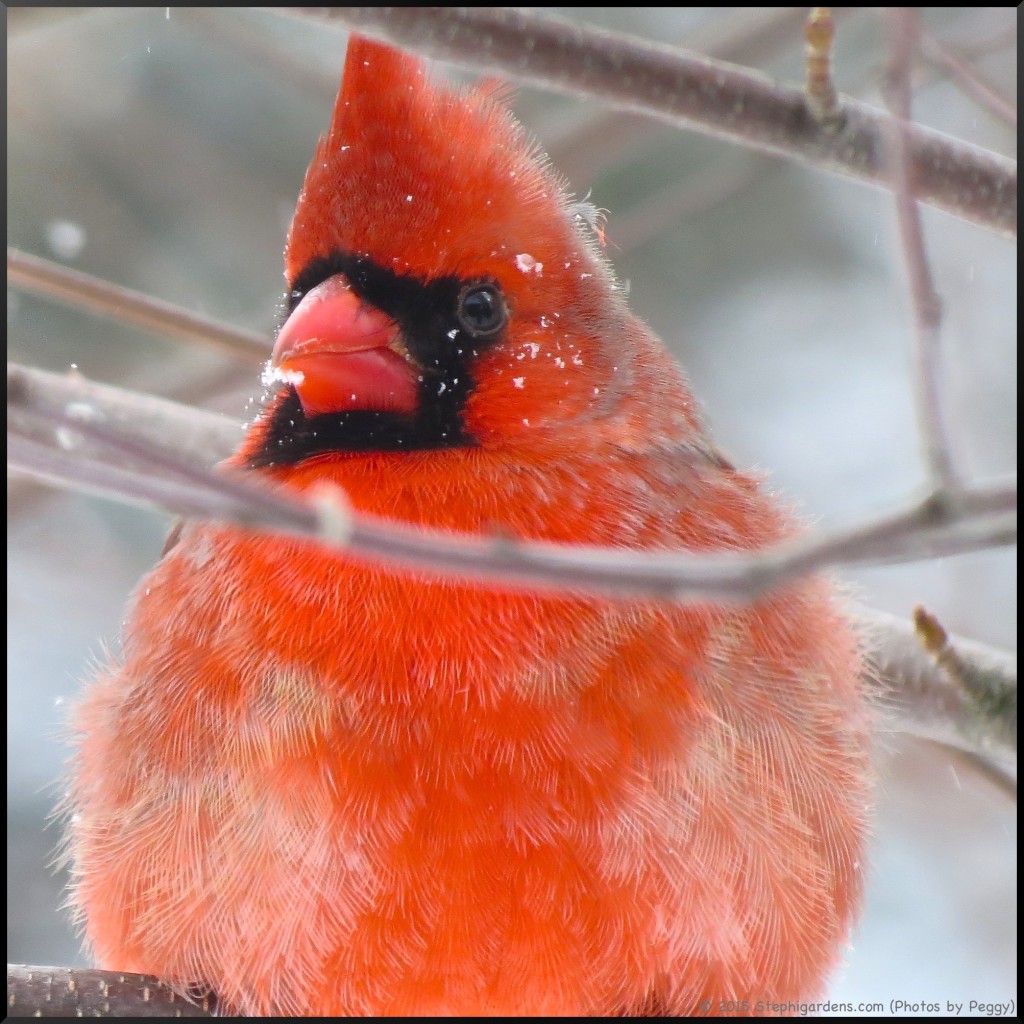
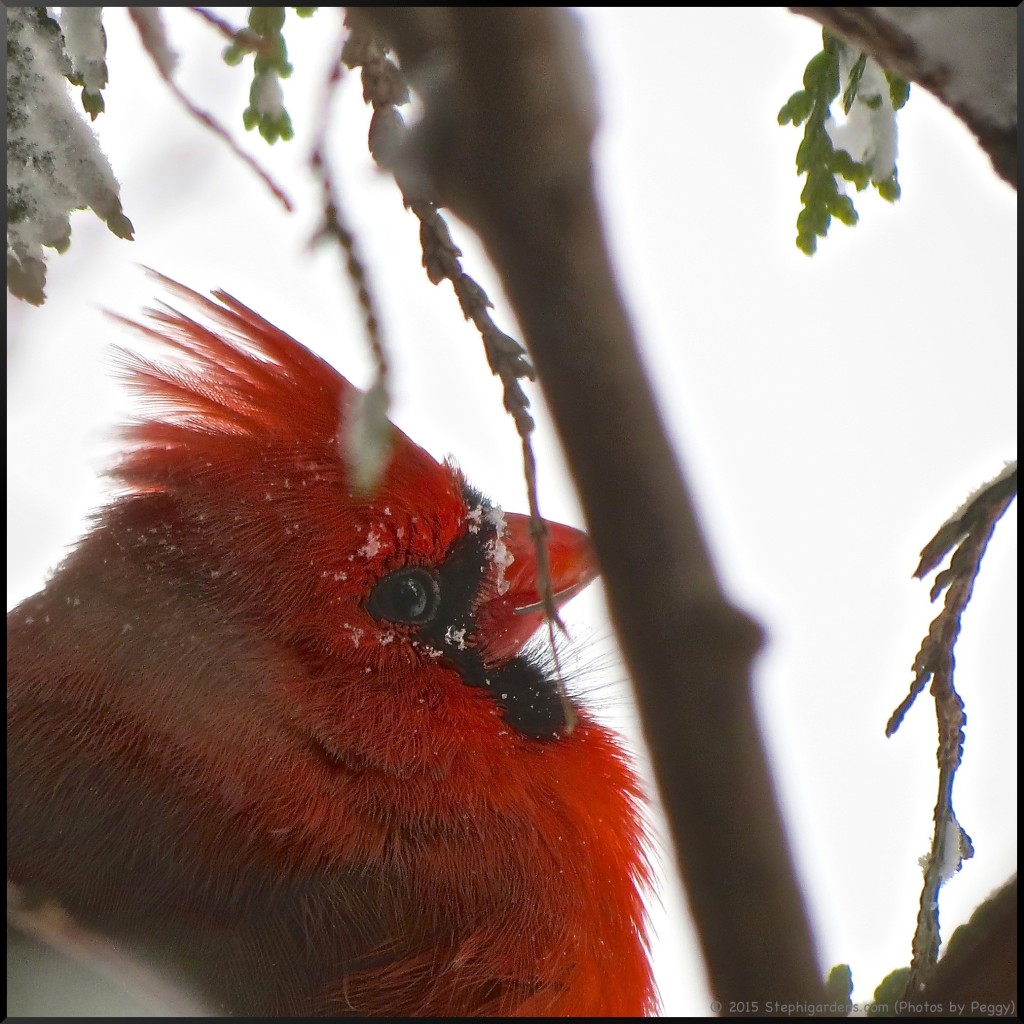
My mom made use of a recent blizzardy day, where she couldn’t even see the neighbors house, to takes some photos of the feathered and furry friends who are thankful for her food.

photos by peggy


Photo by


IMG_1498_2


IMG_1495_2


IMG_1488_2

I think these photos made the cold, snowy, wintry day a lot better!  Hope you enjoyed them, too.

(Photo Credit: Weather graphic from Tracy Butler/ABC 7 Chicago)

A Disturbance at the Birdfeeders

Many of us are used to having unwelcome visitors to our feeders and gardens. Squirrels, rabbits, even deer are common visitors to our yards.   Whole businesses are out there dedicated to creating garden pest deterrents and squirrel-proof bird feeders.  But, nothing is a match for what came to visit Peggy’s feeders.

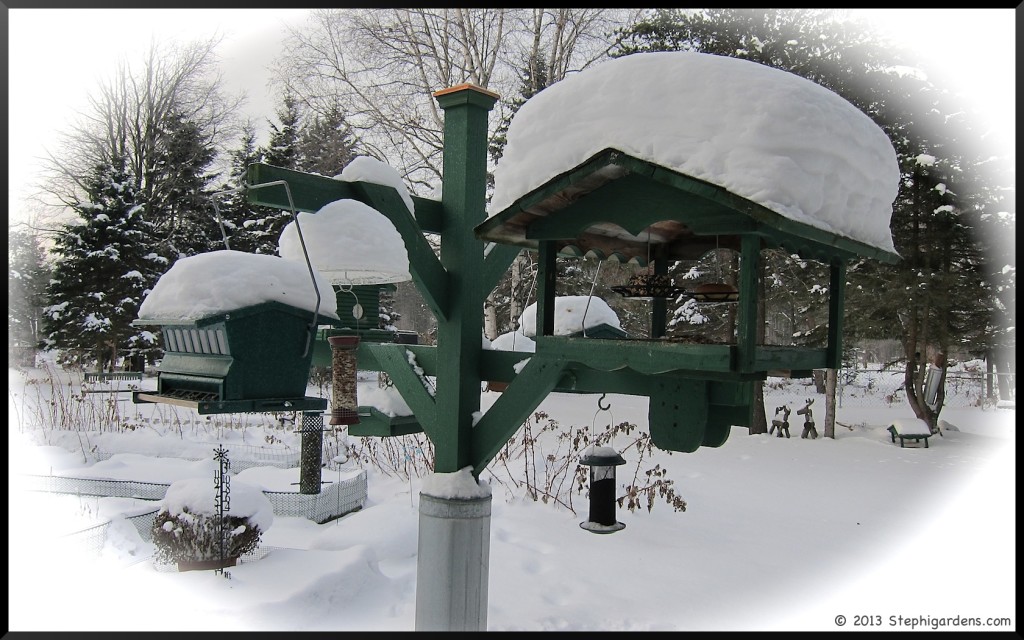
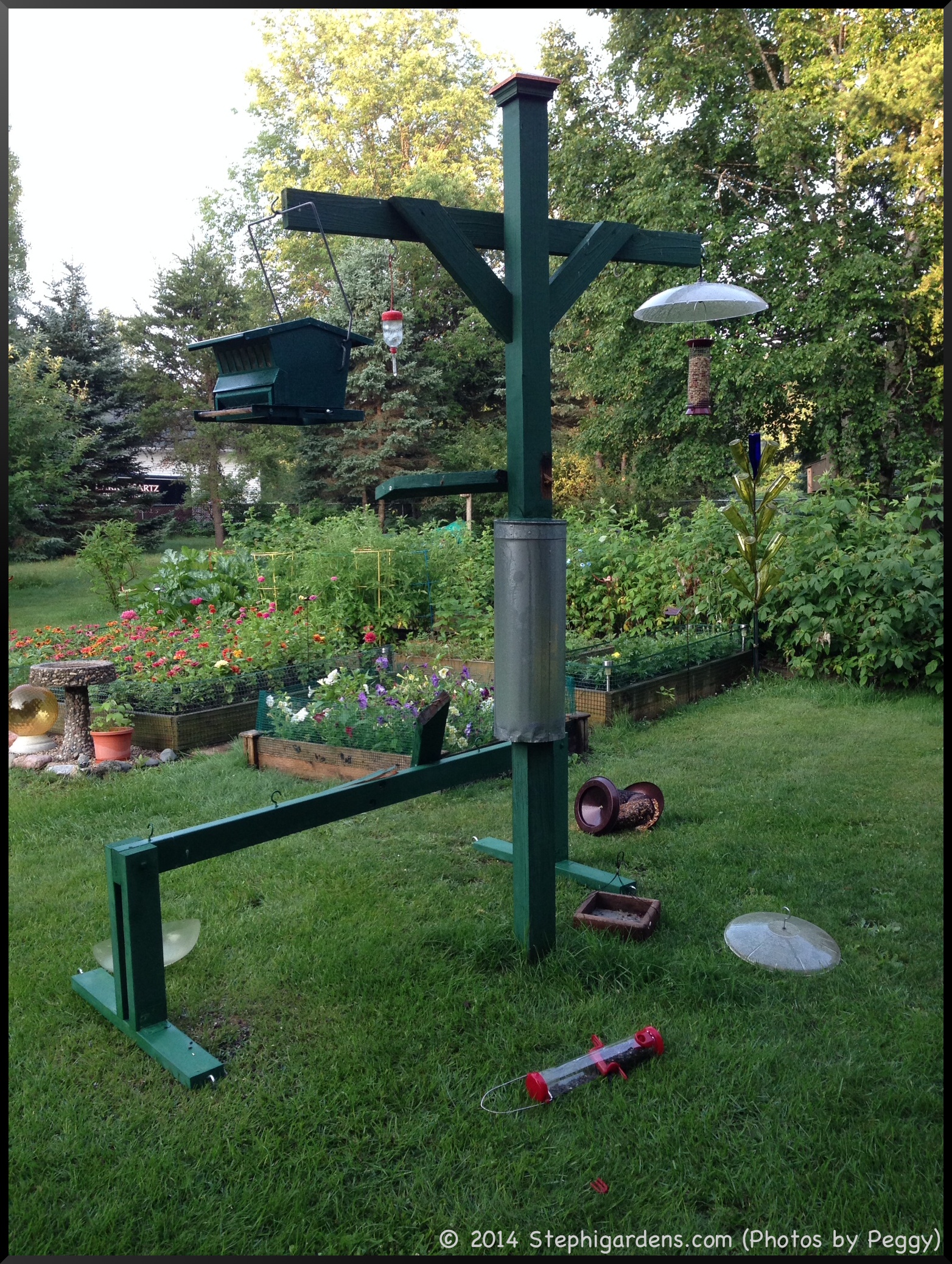
Here’s a before…

Bird feeders on a pole

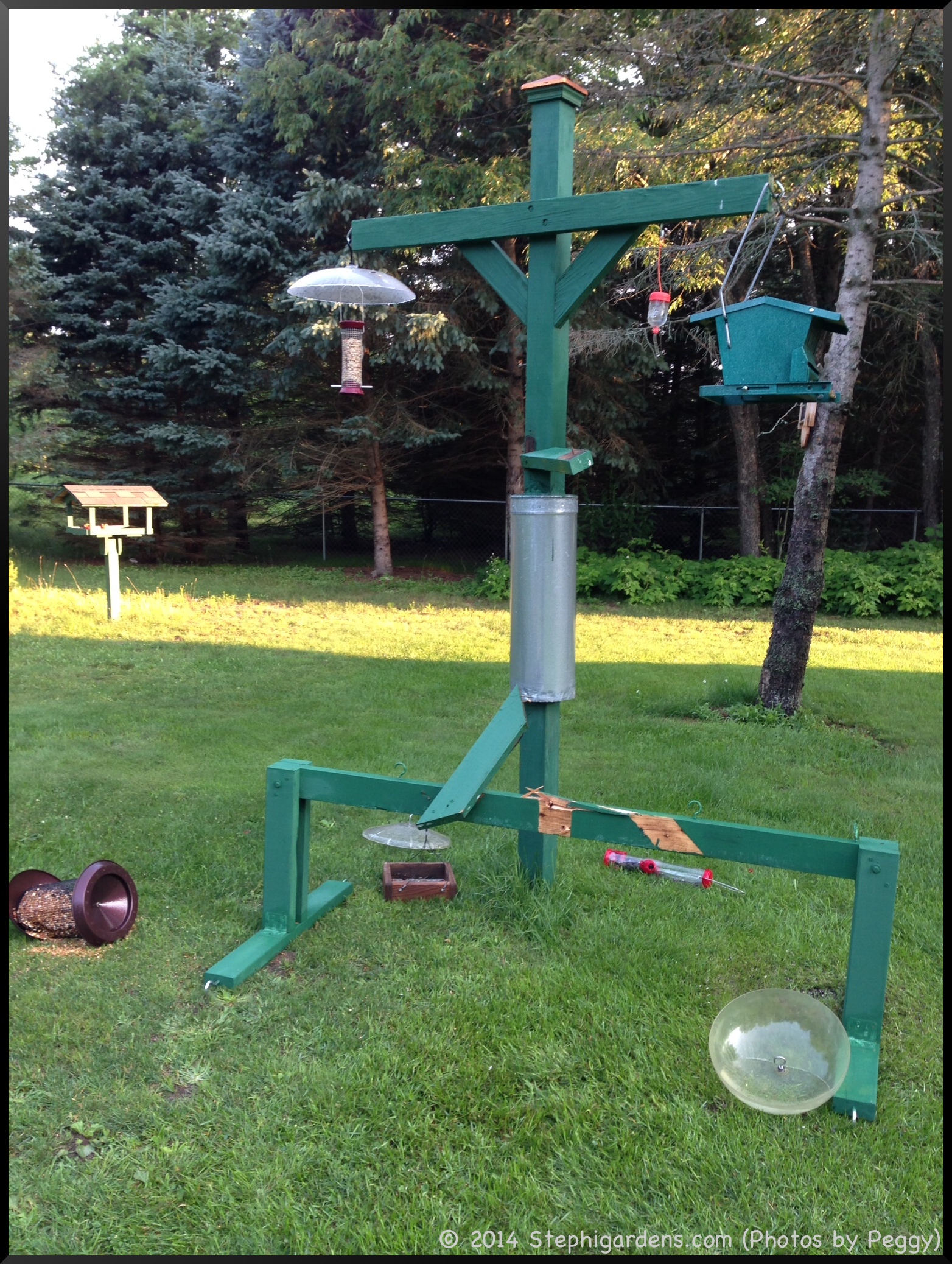
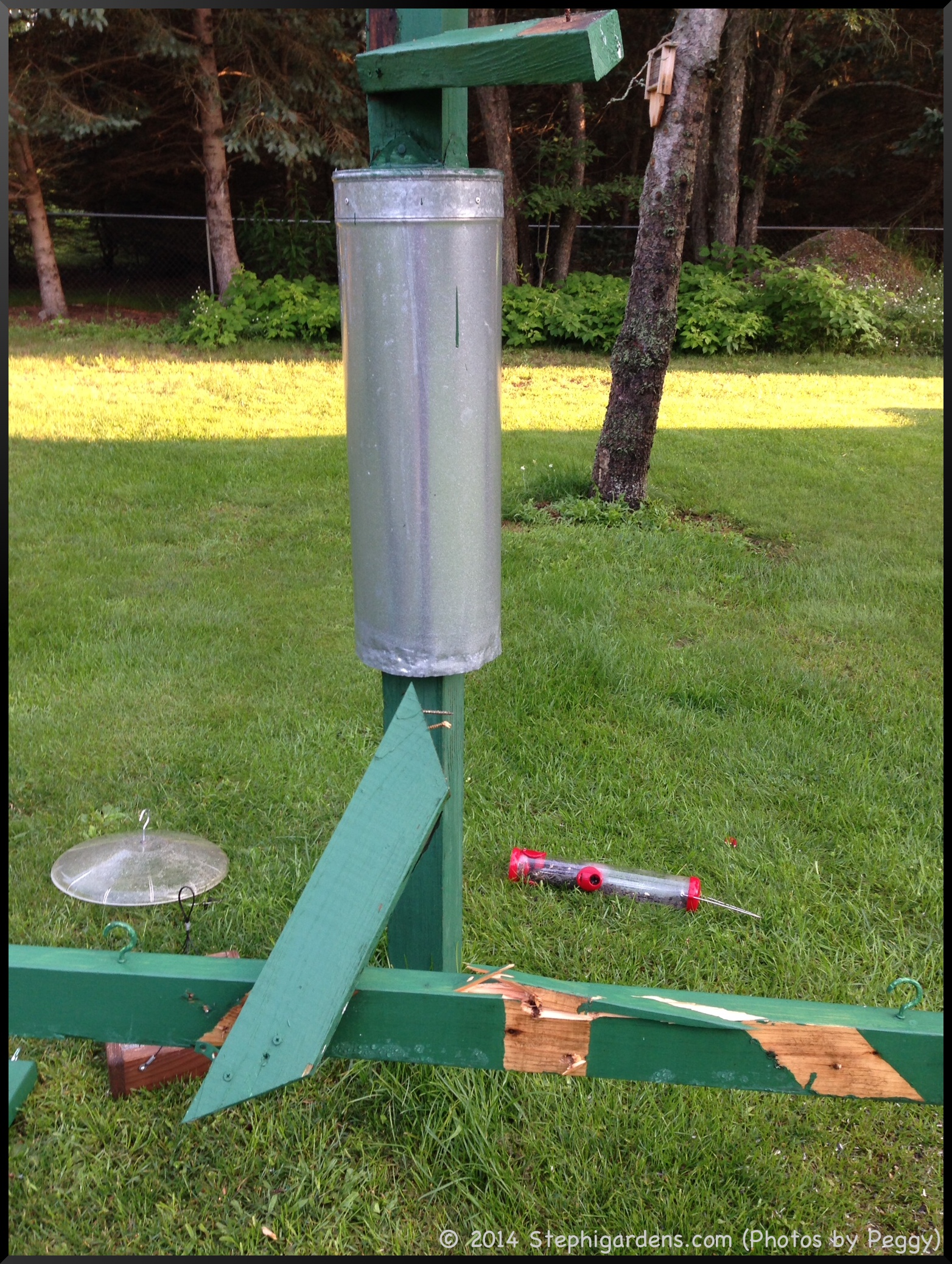
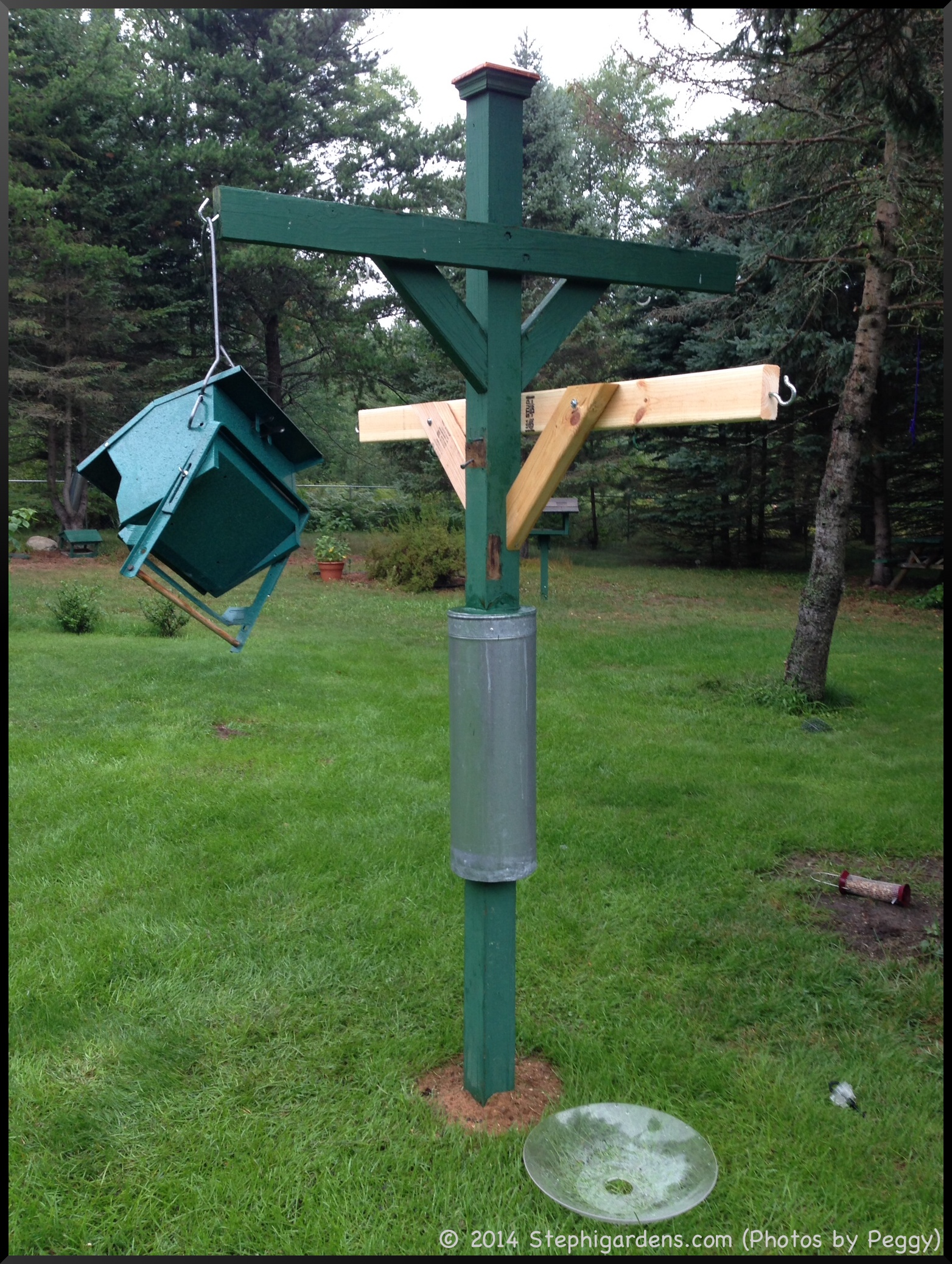
Then, one morning a couple of weeks ago, this is what she woke up to…

black bear damage

Never in the more than 10 years in her house had she ever seen anything like this.  The only thing that can do this kind of damage is a black bear.  And a very large, strong bear it must have been given the size and sturdiness of the feeder stand.  The cross beam had been ripped right off the bolts holding it on.

black bear damage


black bear damage

Feeders were ripped apart.

black bear damage

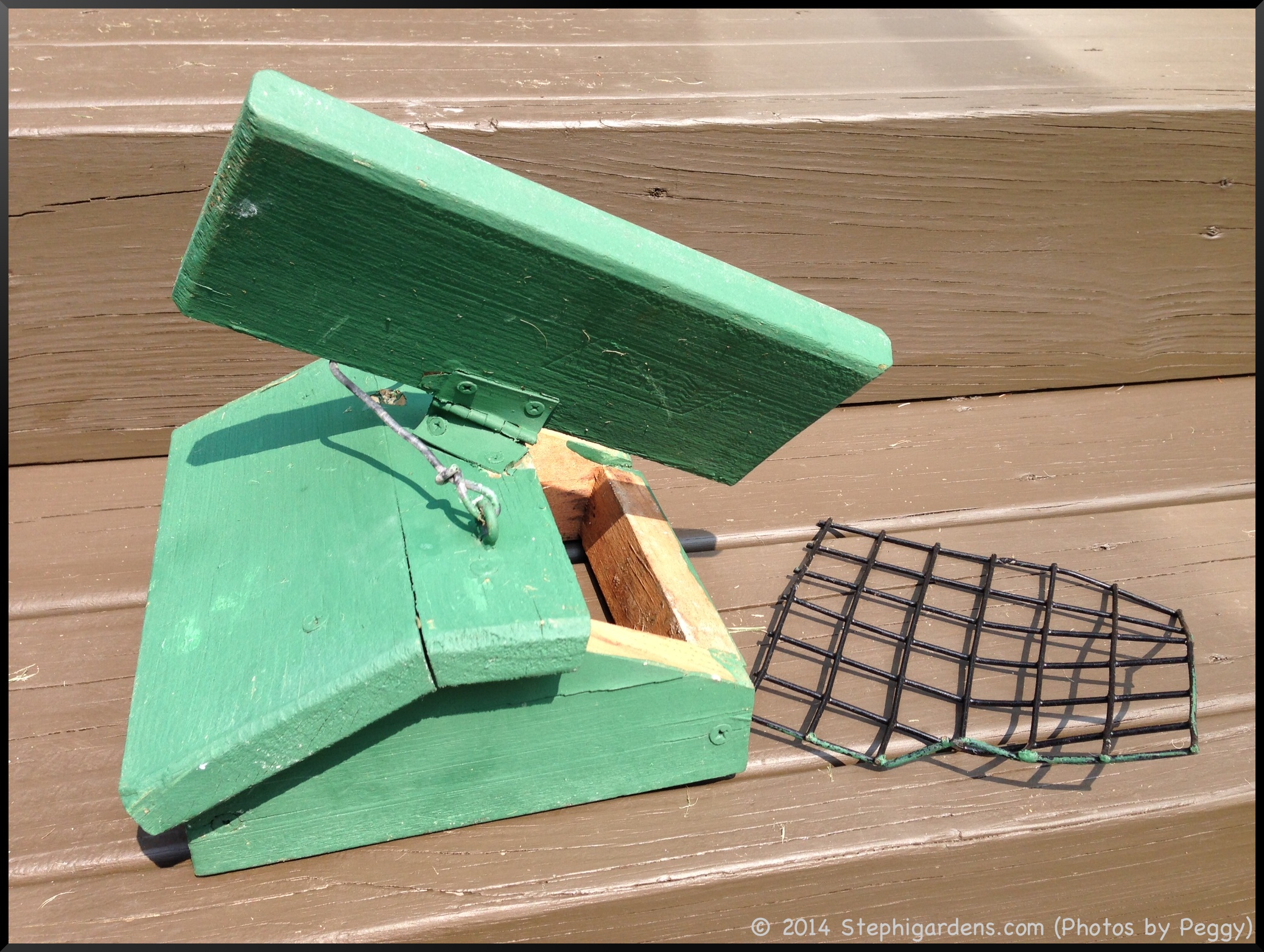
This homemade suet feeder was impressively ripped open, bending the old steel hinge and ripping off the wire cage.  This was actually the bear’s favorite.  He carried it off into the field behind her house where Nikki, Peggy’s dog, was able to track it down.

Black Bear damage

Peggy put out a animal-cam to try and get a photo of the bear if it decided to come back.  Mostly she just got shots of herself working in the yard and mowing the grass.   It took her while, and with the help of some friends she was able to get everything fixed and back together.

I’d like to show a “ta da look how great it looks’ photo,  but wouldn’t you know, the bear chose THAT NIGHT to come back again.  Not just to her feeder, but to a few others on the block as well.  Unfortunately, all she got on the animal-cam was a big black blur.

black bear damage


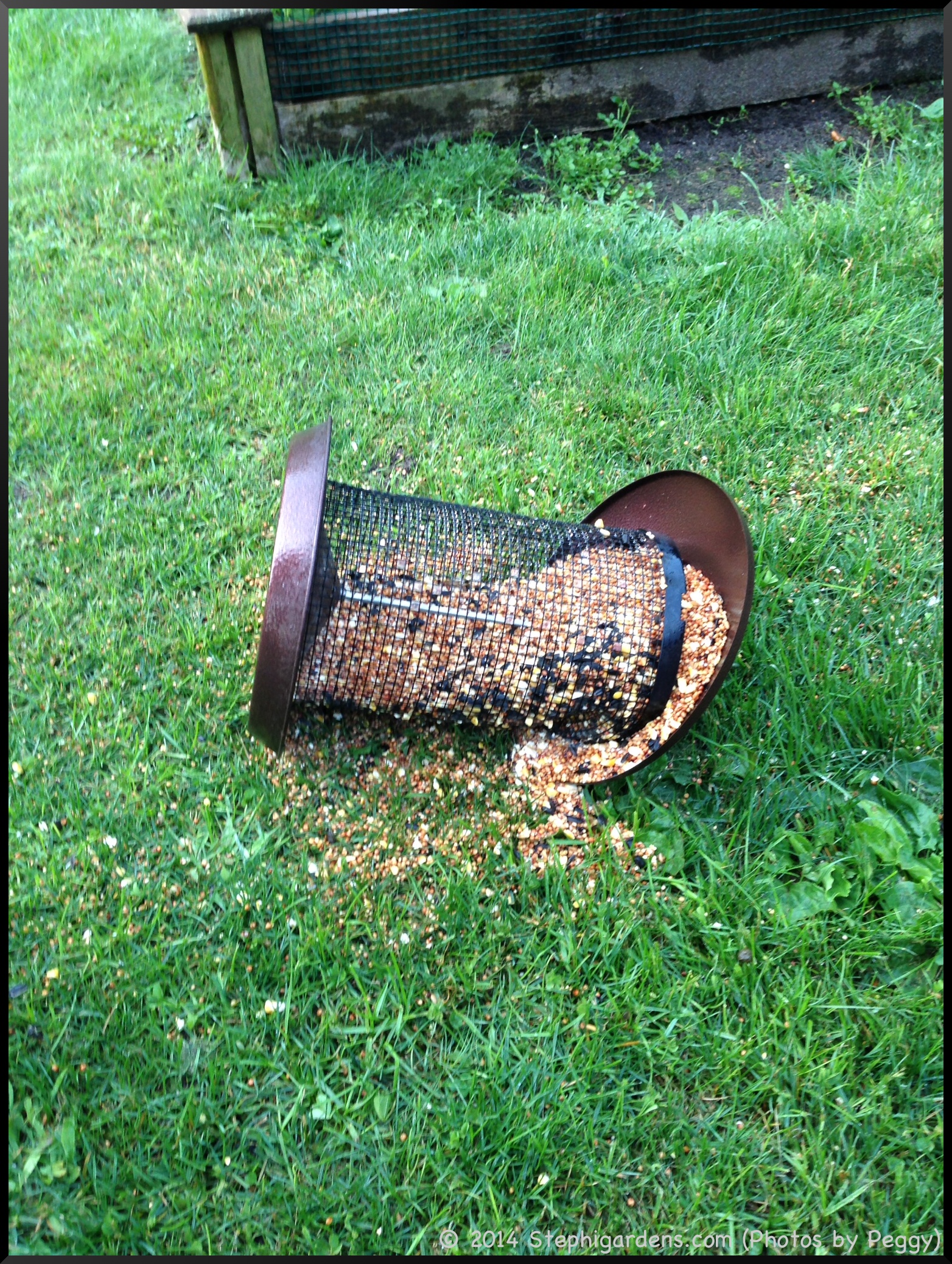
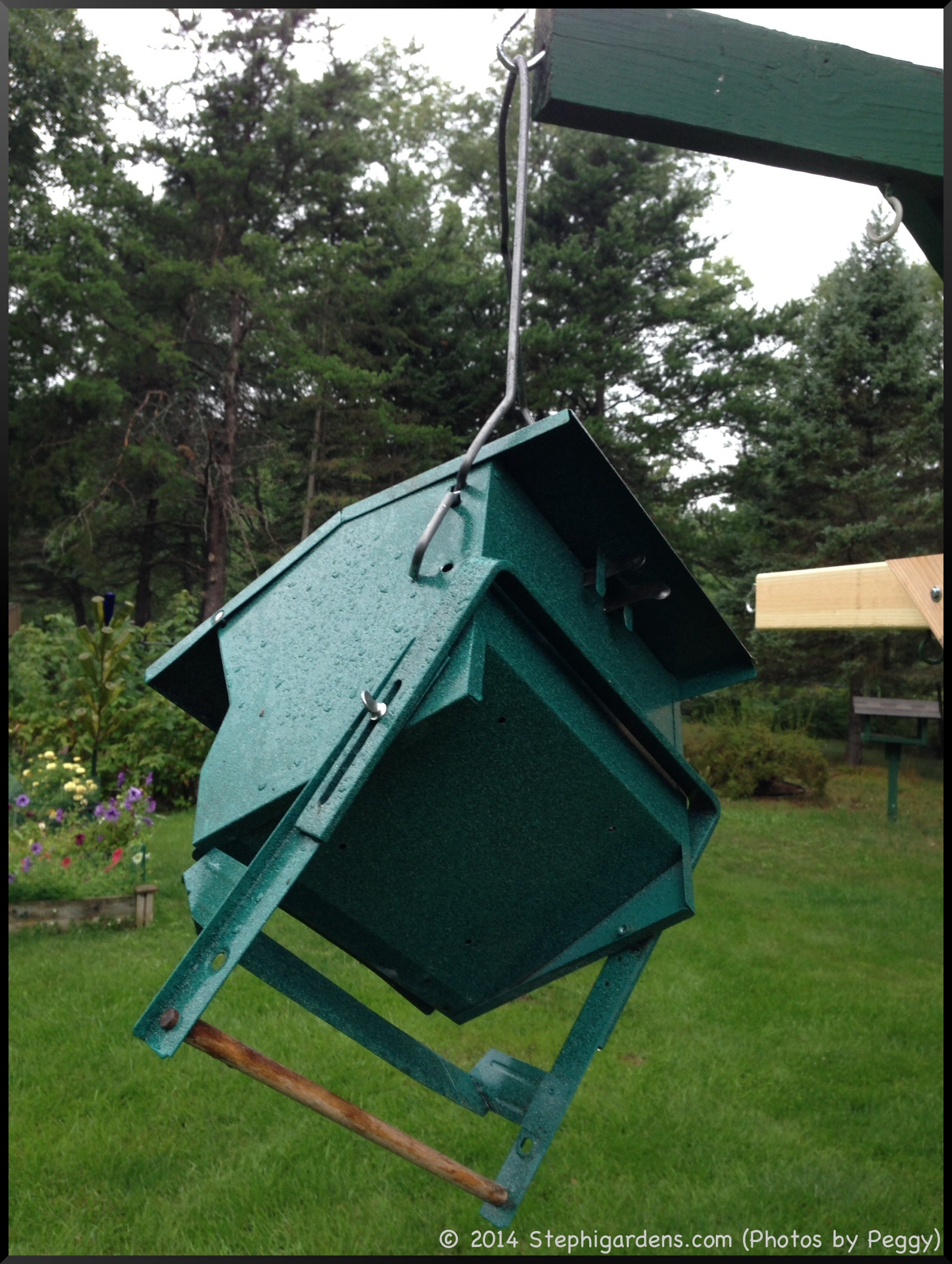
bird feeder

This time, the bear wasn’t able to rip down the arm, but did do some pretty bad damage to her more expensive feeders.  Again, with the help of friends, she was able to repair them and now takes them in every night.  It’s a nuisance, but having a bear visit your yard is a bigger nuisance.  Once it gets cold and the bears head into hibernation, she can start leaving them out again. Nikki will be happy too.  She hasn’t been too thrilled about going out at night.

July Meadow Wildflowers

We were out on a bike ride over the weekend enjoying the meadow wildflowers that were in bloom (or prairie wildflowers as we call them here in Illinois).  I tried to take some pictures, but between the camera lens being dirty, the mosquitos being so ferocious we needed to keep moving, and taking moving shots of flowers don’t work so well, no good shots.  Luckily, my mom Peggy was out hiking in a meadow near her house in Michigan and saw many of the same flowers.  Here’s some great shots of what she saw.

Photos by Peggy
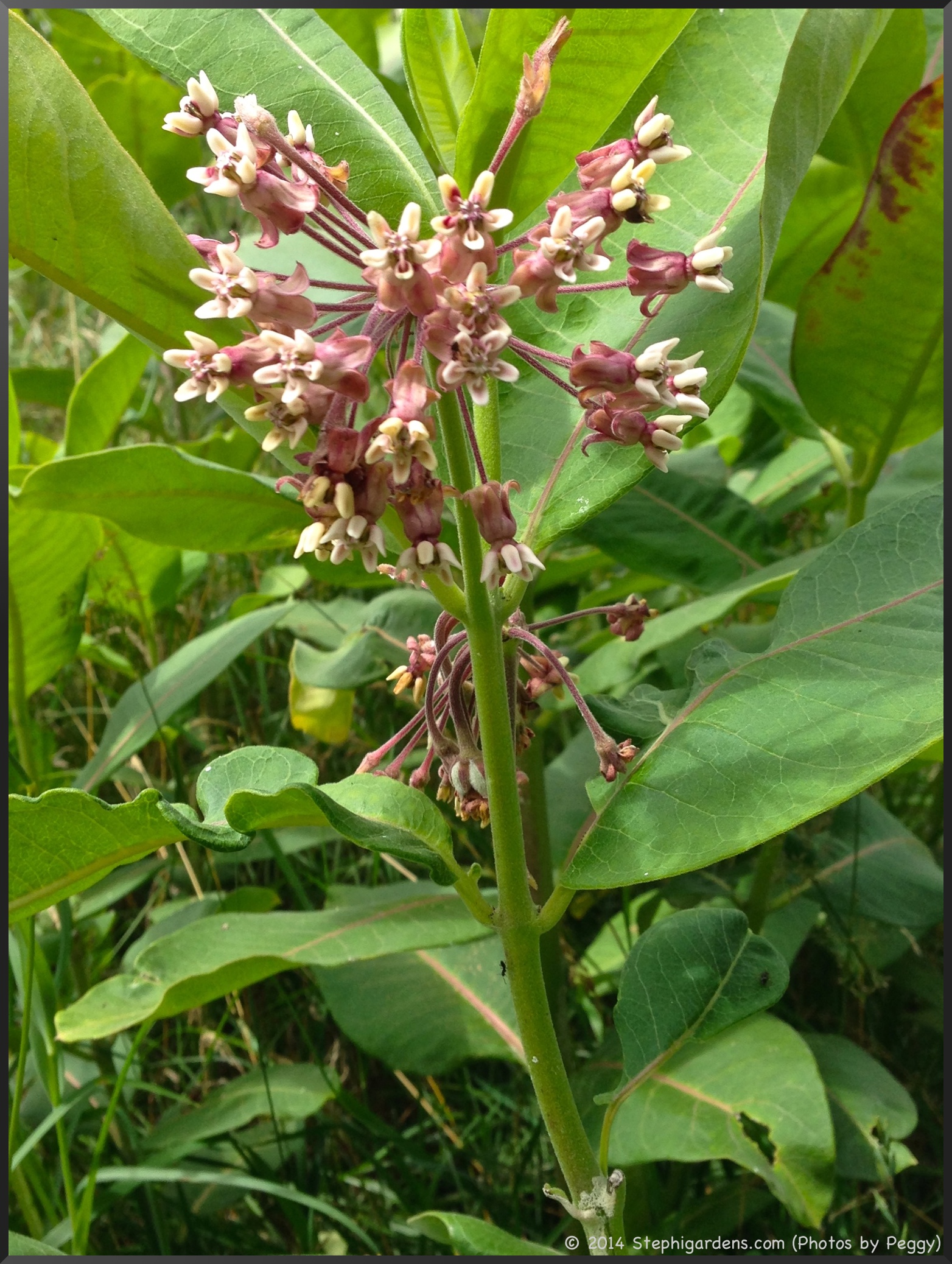
Common Milkweed

Photos by Peggy
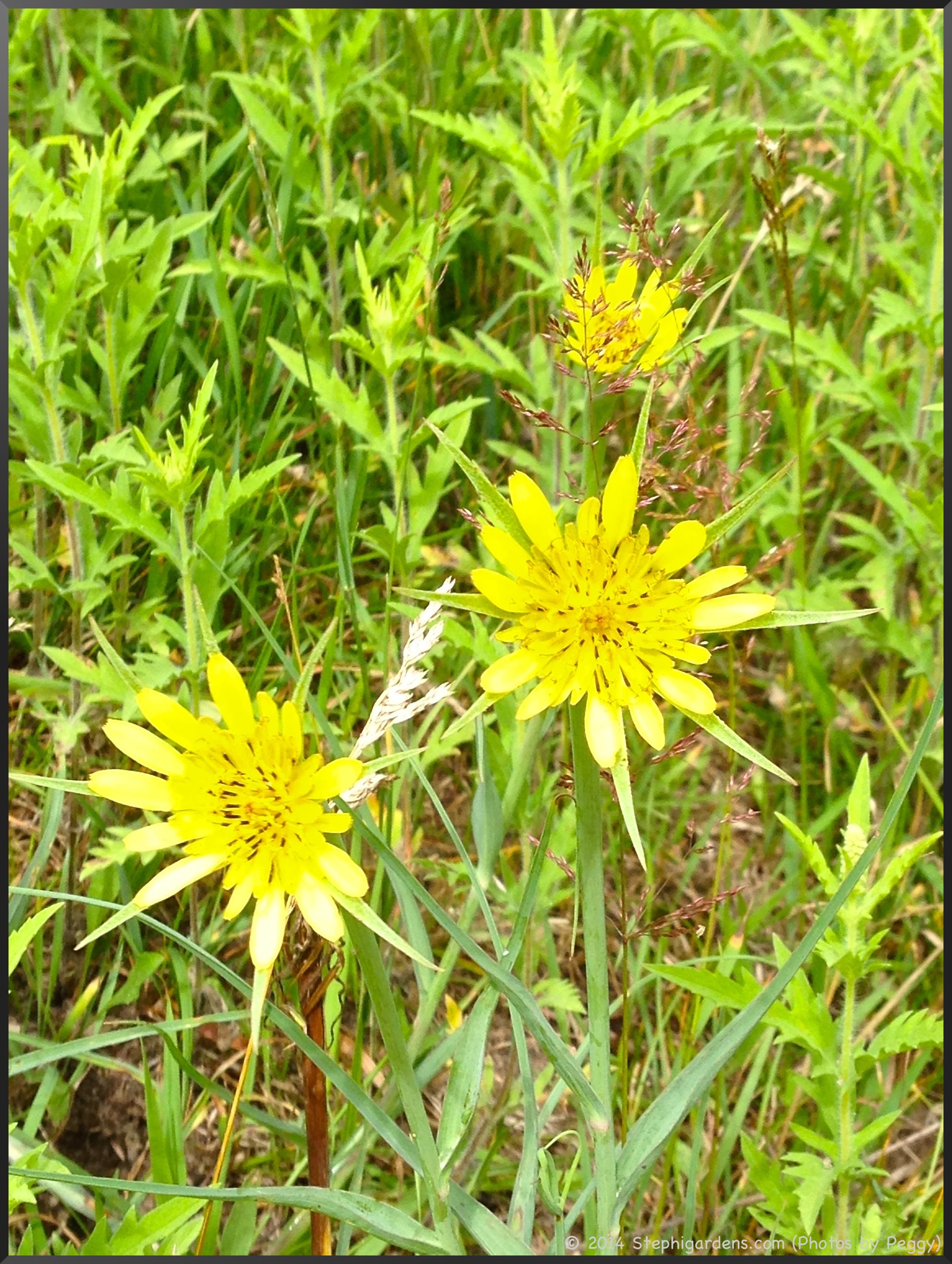
Yellow Goatsbeard

Photos by Peggy
Oxeye Daisy

Photos by Peggy
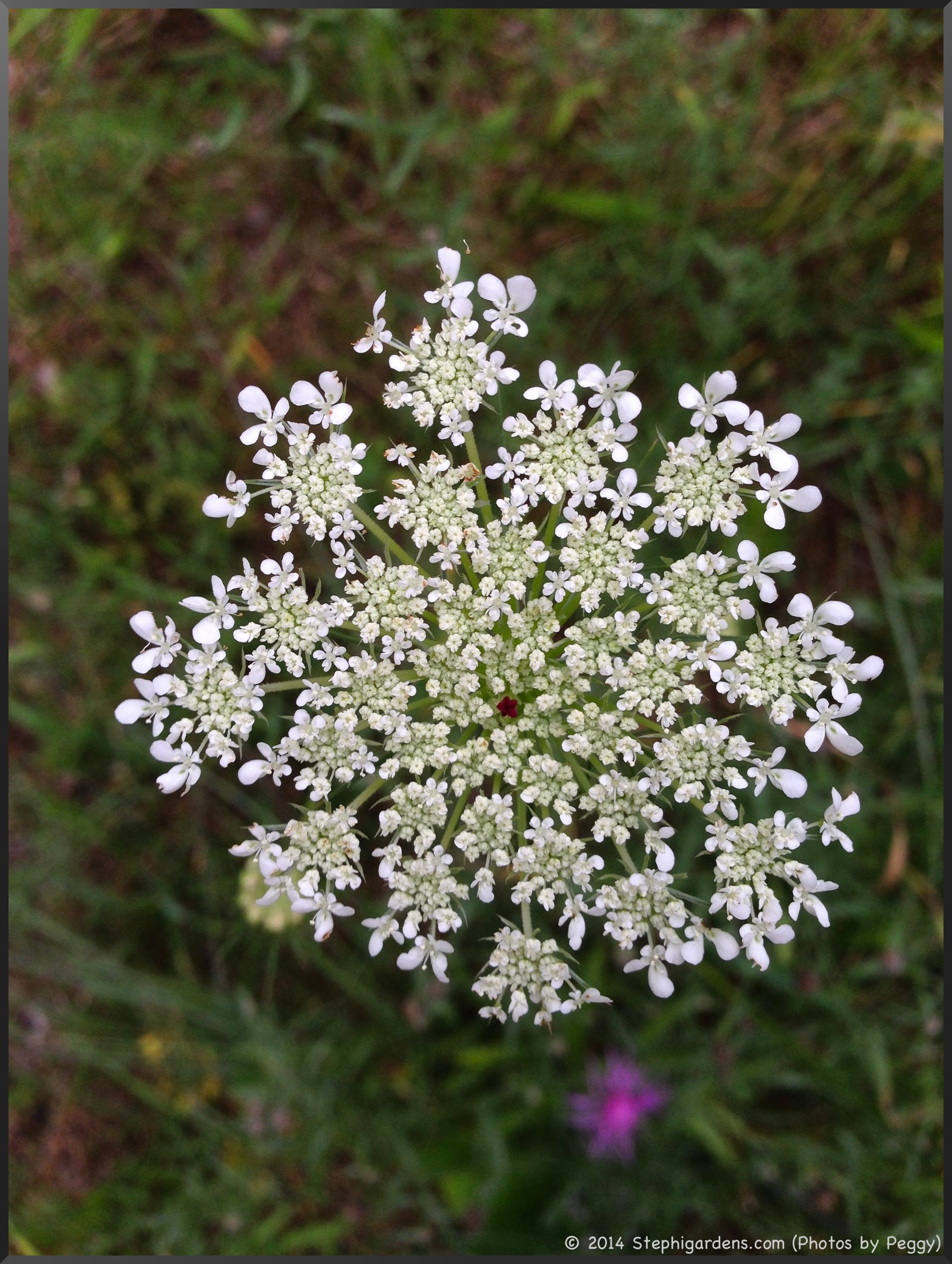
Queen Anne’s Lace

Photos by Peggy
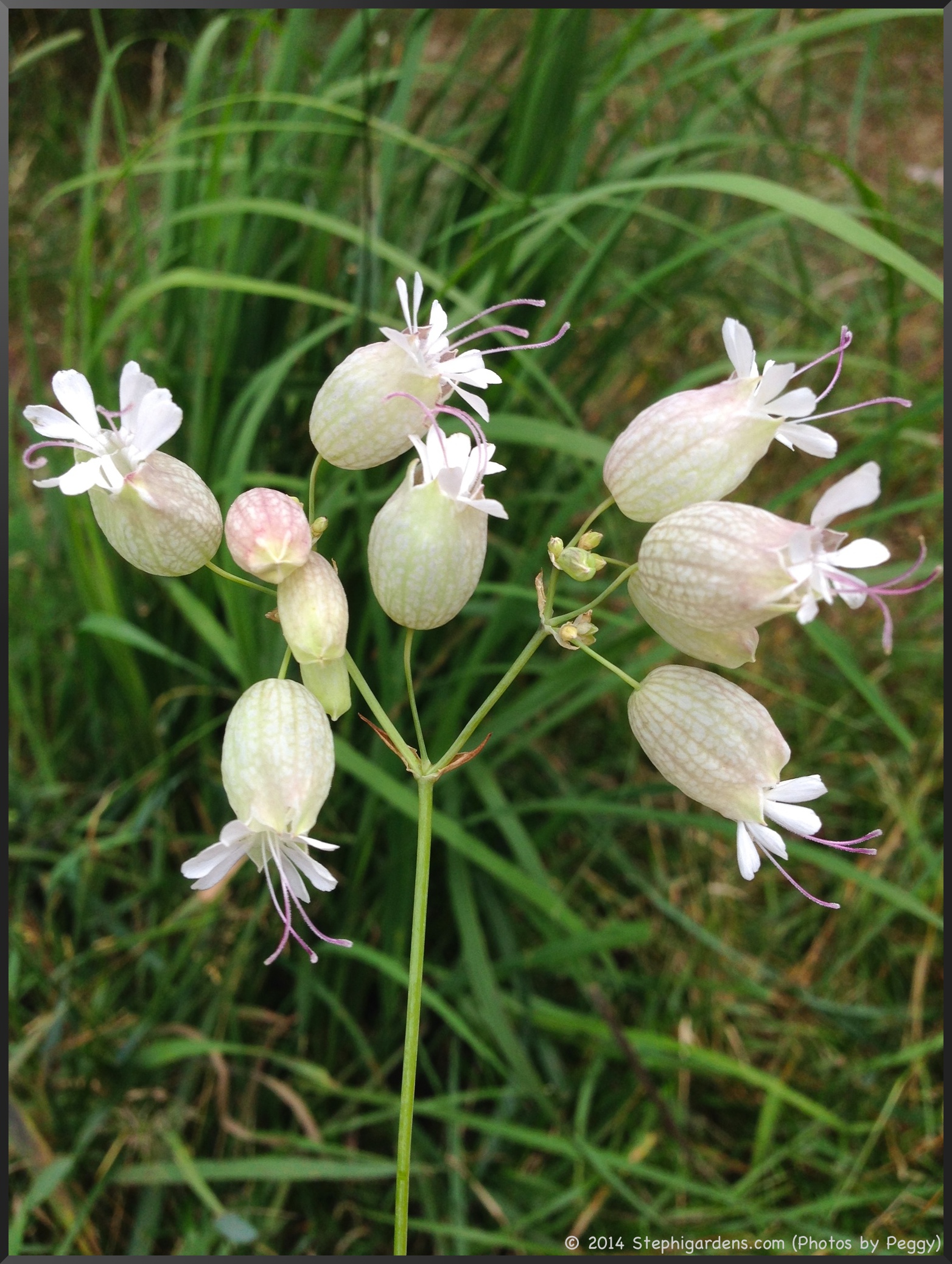
Bladder Campion

Photos by Peggy
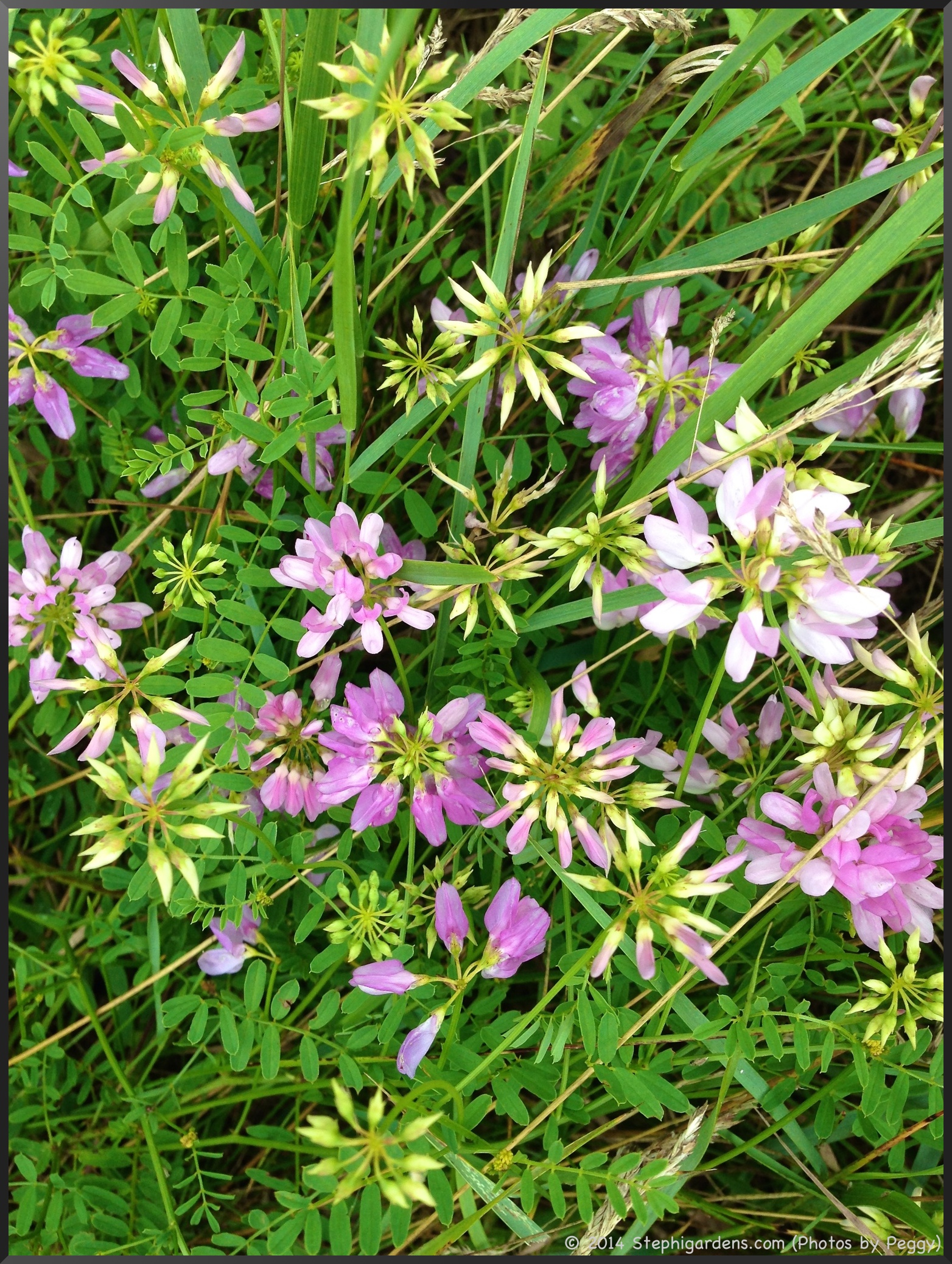
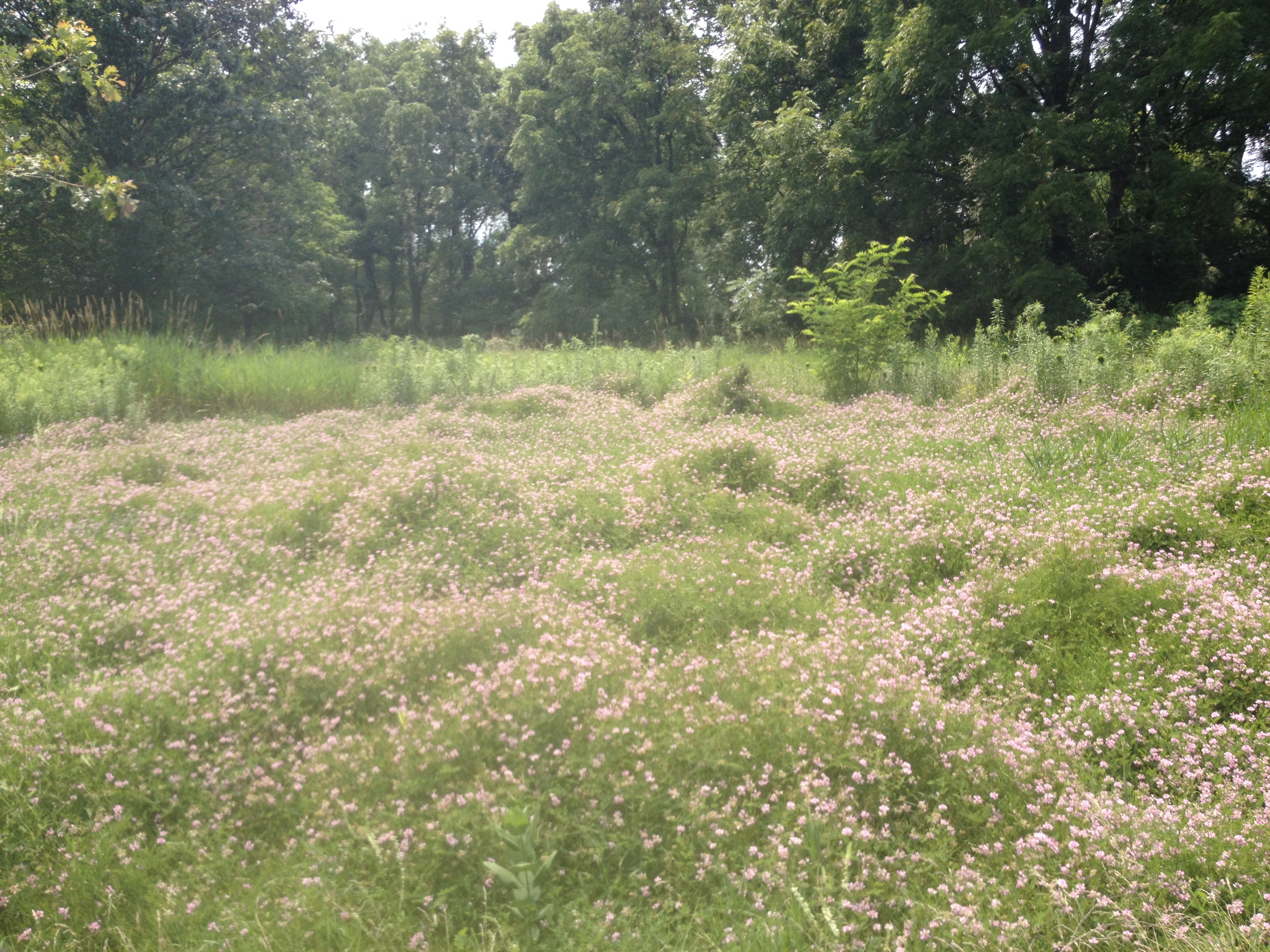
Crown Vetch

Photos by Peggy
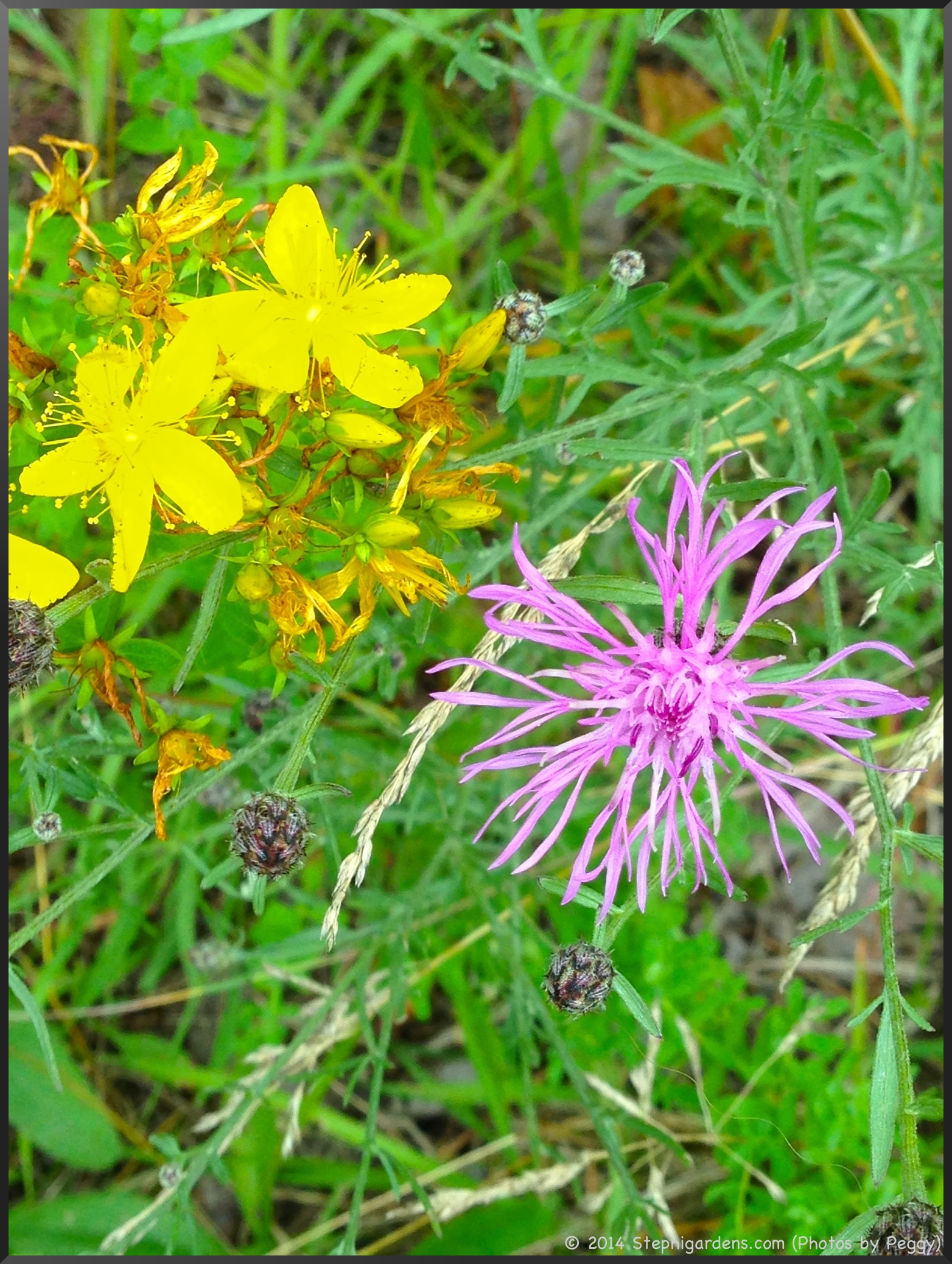
Common St. Johnswort and Spotted Knotweed

Photos by Peggy
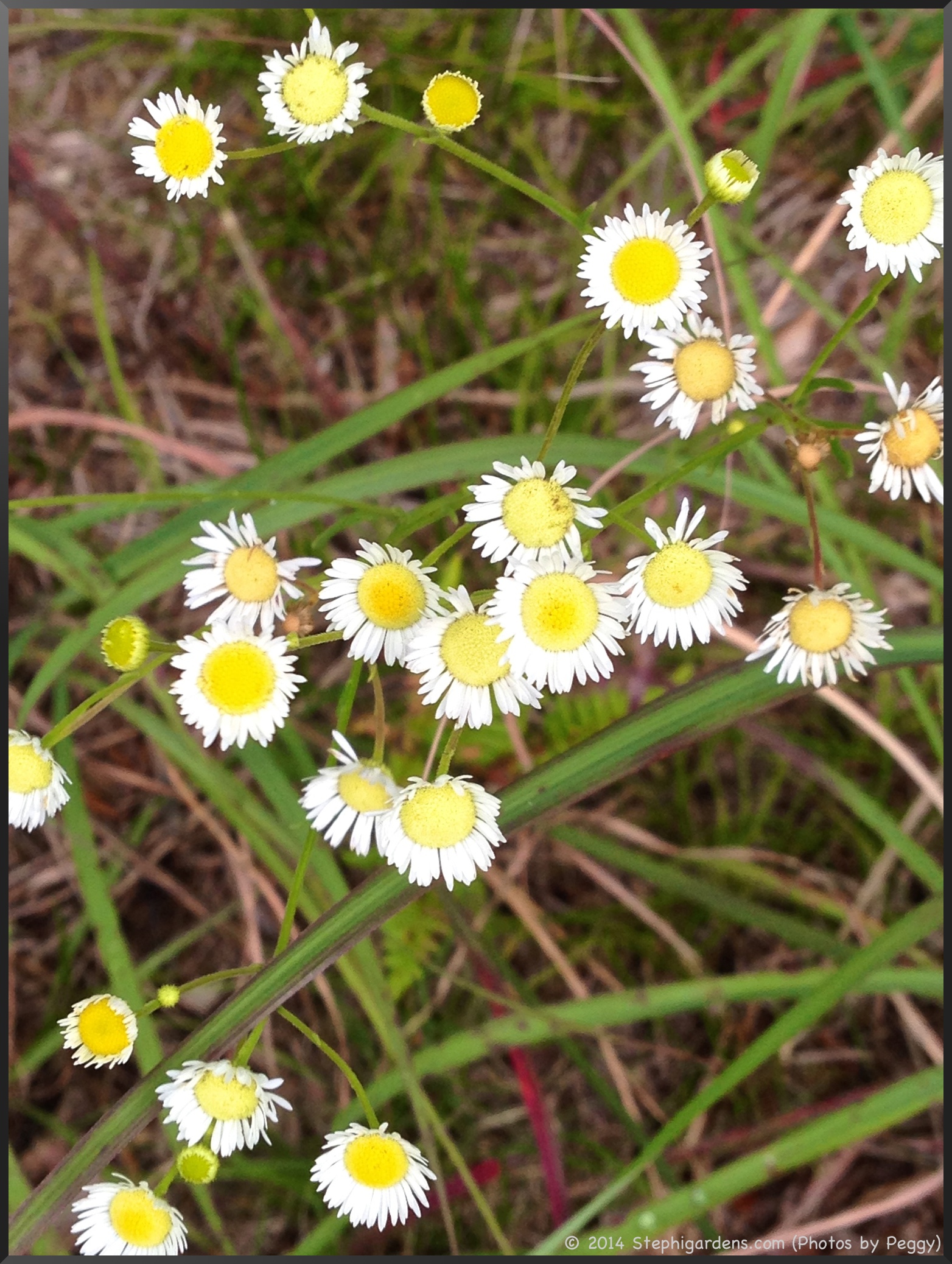
Prairie Fleabane

Photos by Peggy
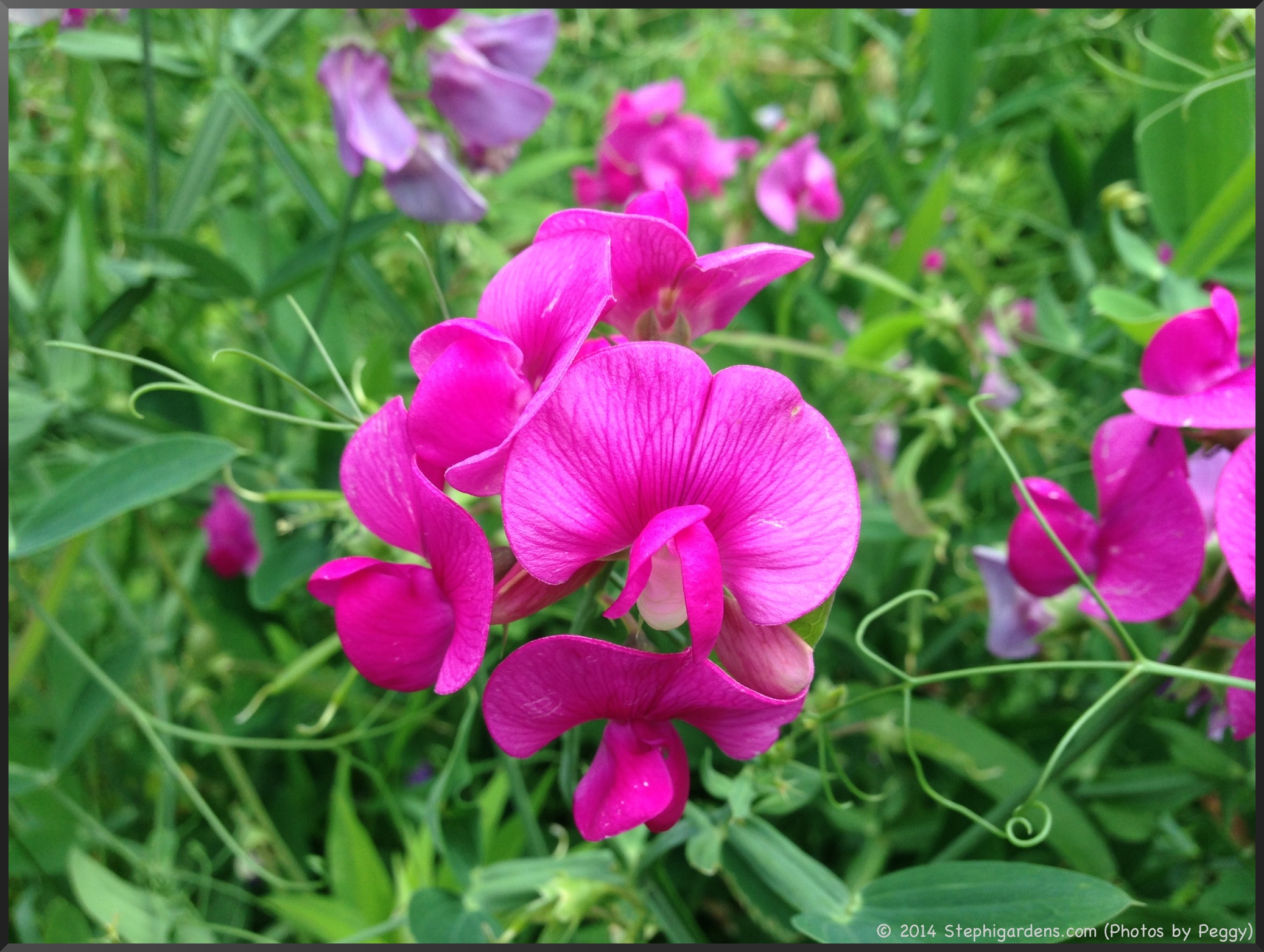
Everlasting Pea

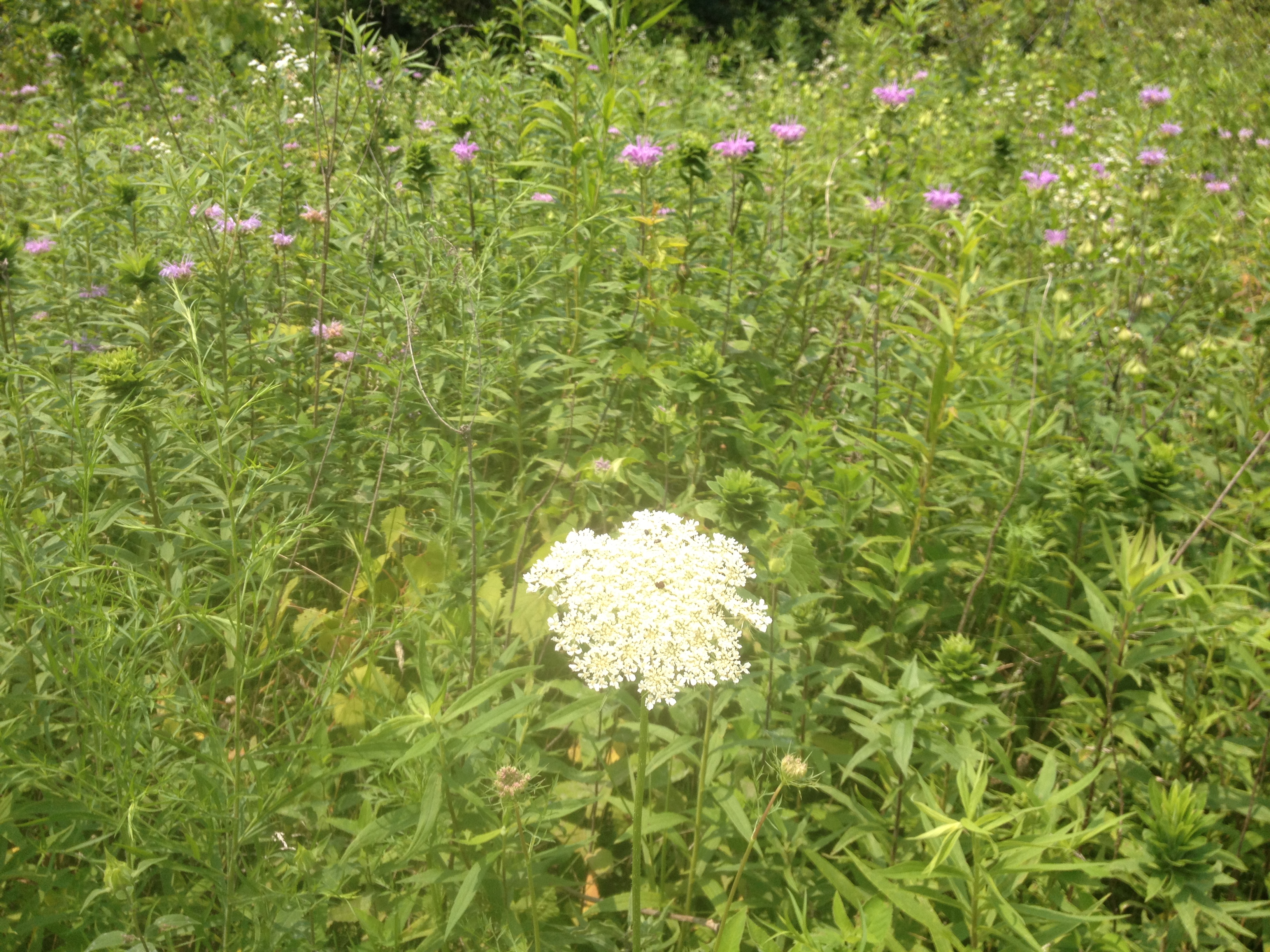
If I had been able to show my pictures, I would have added Wild Bergamot, Tall Bellflower, Red Clover and Yellow Coneflowers.   It was also a day for interesting birds in the bike path.  We scared off Robins (of course), a Catbird, a Brown Thrasher and Red-Winged Blackbirds.  Maybe next time I’ll get some prairie pictures! In case you’re wondering what mine turned out like…

IMG_7038

Next bike ride, I’ll clean my lens and bring bug spray !


Uh Oh, Frost in MI Last Night

Last night the temperature at my mom Peggy’s house was predicted to get down to the low 30’s.  That means frost was a real possibility. If you saw her gardens in my post a couple of days ago (Gardening: All in the Family), you know her plants are well underway and many not able to survive a first.  So what to do?

Every plant has its own tolerance to cold.  Zinnias, Impatiens, Petunias?  Forget it, they like it warm.  Cold weather vegetables, strawberries, perennials?  Maybe leaves and flowers damaged initially, but they’ll be just fine.  The seed packet or container tag will give you some insight into what they can tolerate.  When in doubt, cover them.

garden frost

If you know that the plants are likely to be damaged by an overnight frost, you need to cover them with a sheet or blanket.  My mom has a whole collections of sheets just for this purpose.  By tenting the sheets over the garden, it creates a warm air pocket around the plants.  If it’s thought to be colder than a light frost, you can add a a layer of plastic over the blanket to trap even more warm air (never right on the plants).  Be sure to remove the coverings first thing in the morning before condensation starts to form on the inside.  If still cold enough, the moisture could freeze on the plants and cause harm as well.  An actual freeze requires even more elaborate weather protection, or you may just need to sigh and start over.

Then say a little prayer and hope for the best.  Peggy’s plants looked good this morning.  It did get down to 31°, but warmed up quickly once the sun came up.  Hopefully that’s it for the cold weather.

Gardening: All in the Family

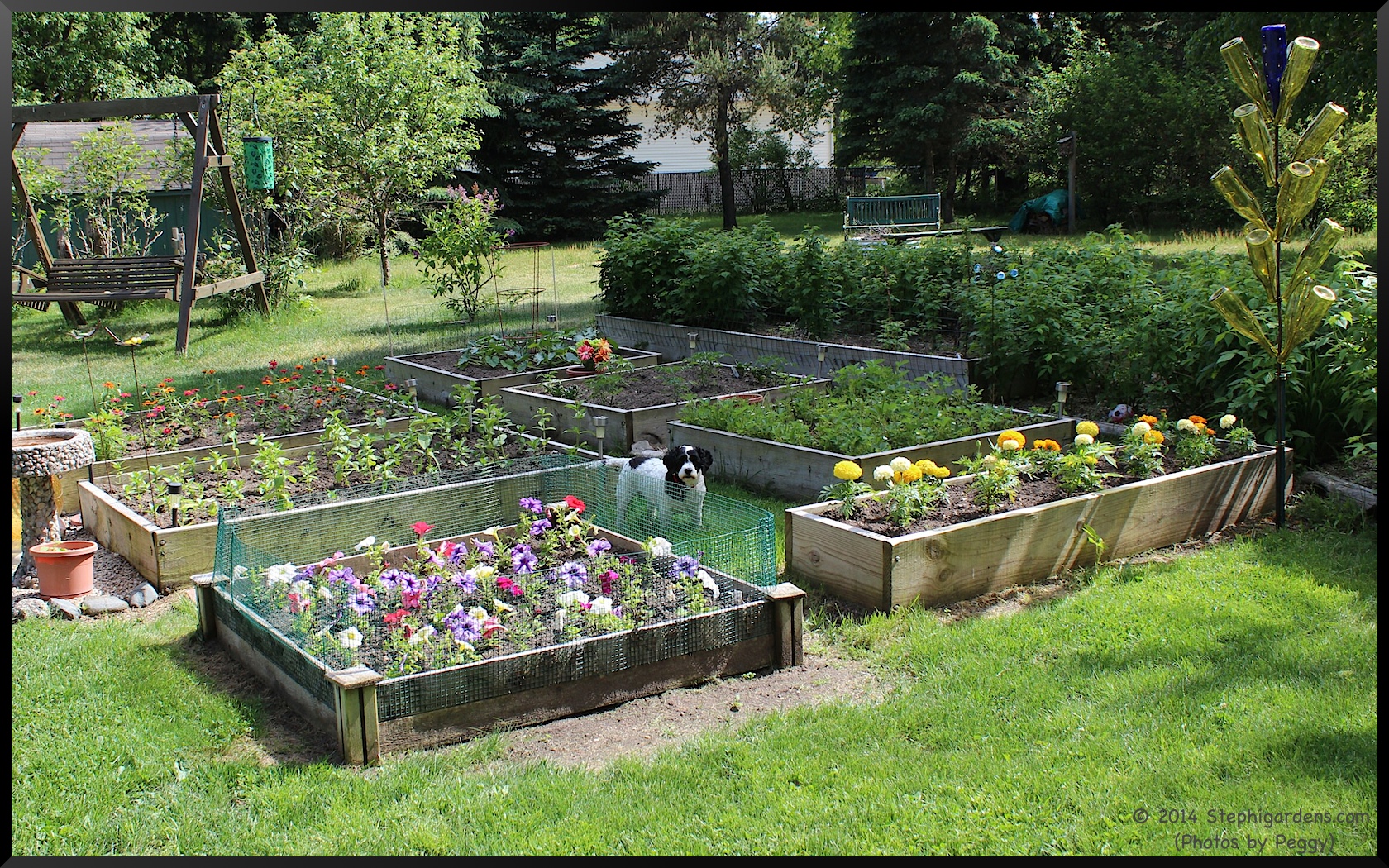
For as long as I can remember my mom had vegetable and flower gardens, sometimes big, sometimes small.  So did my grandparents.  All this interest in growing things rubbed off on me and hopefully I’ll pass it on to my kids.  With that in mind, I had my mom and daughter take us on a tour of their June gardens.  First my mom, Peggy, in northern Michigan.

So lucky to have the space of all these raised beds (check out all the raspberries in the back!).

photos by peggy

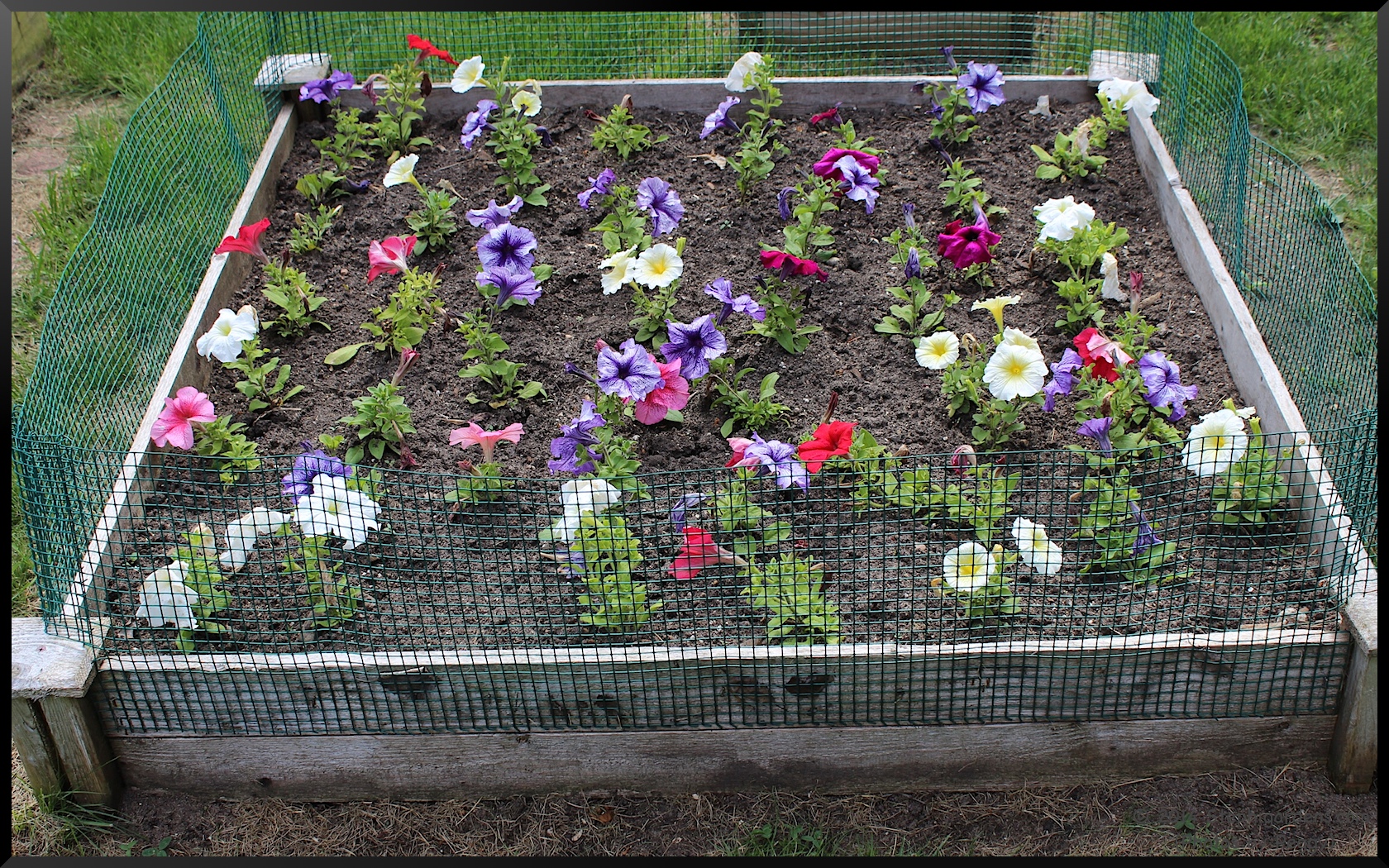
 Petunia garden protected from the rabbits

photos by peggy/stephi gardens

Zinnias!

photos by peggy/stephi gardens

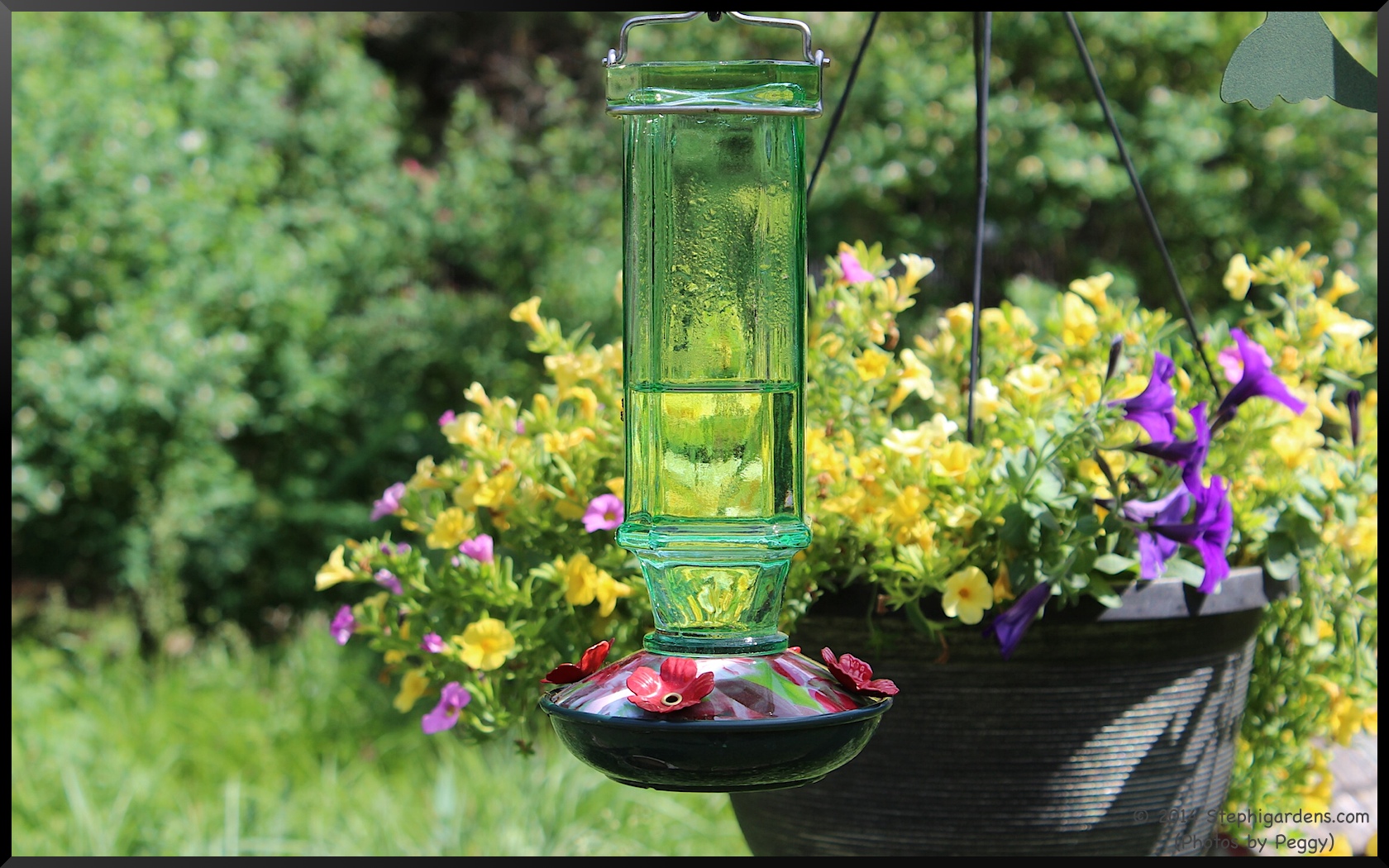
Hummingbirds are enjoying the flowers right now.  Soon they’ll be looking for some extra food.

photos by peggy/stephi gardens

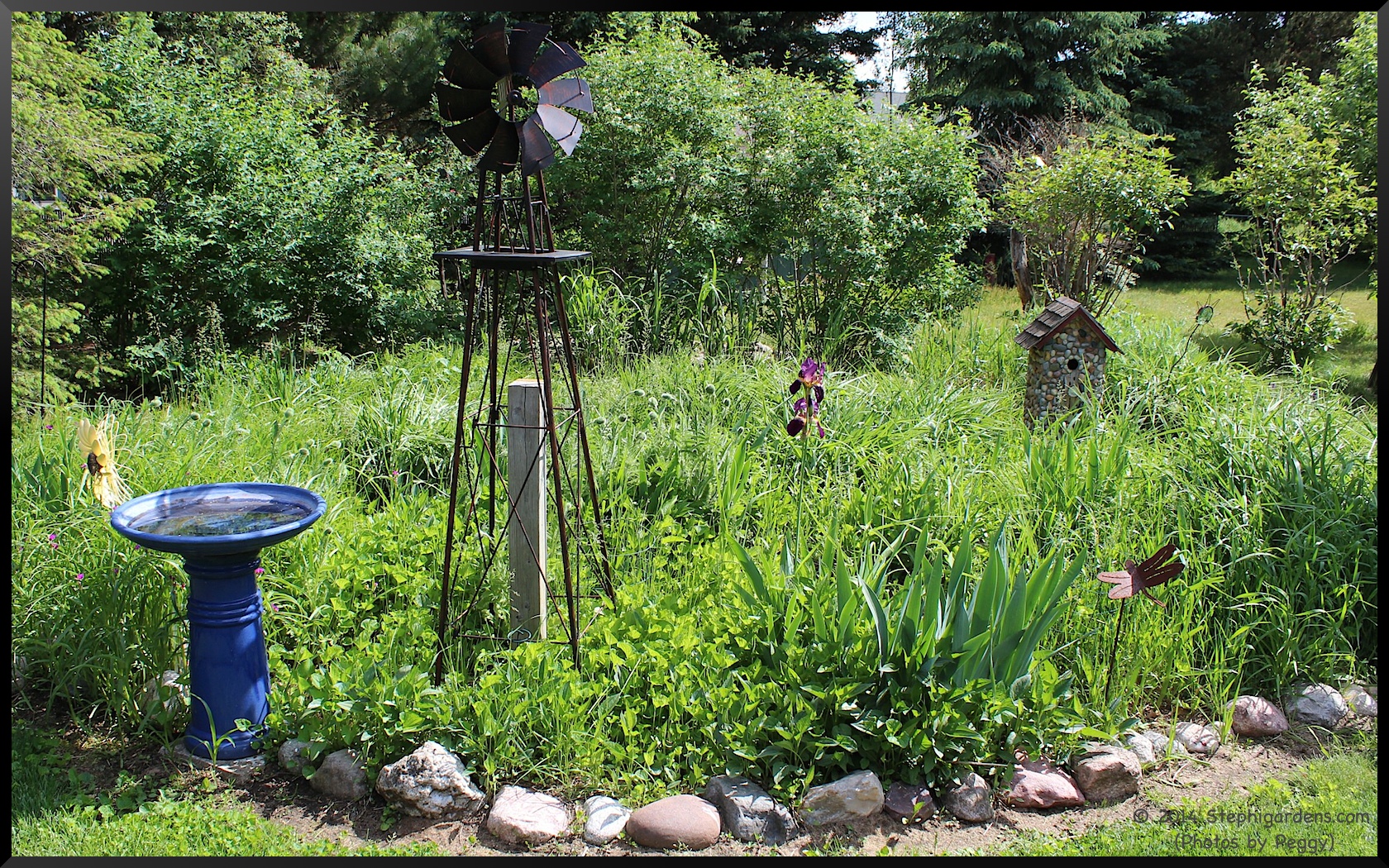
A more natural garden.

photos by peggy/stephi gardens


photos by peggy/stephi gardens

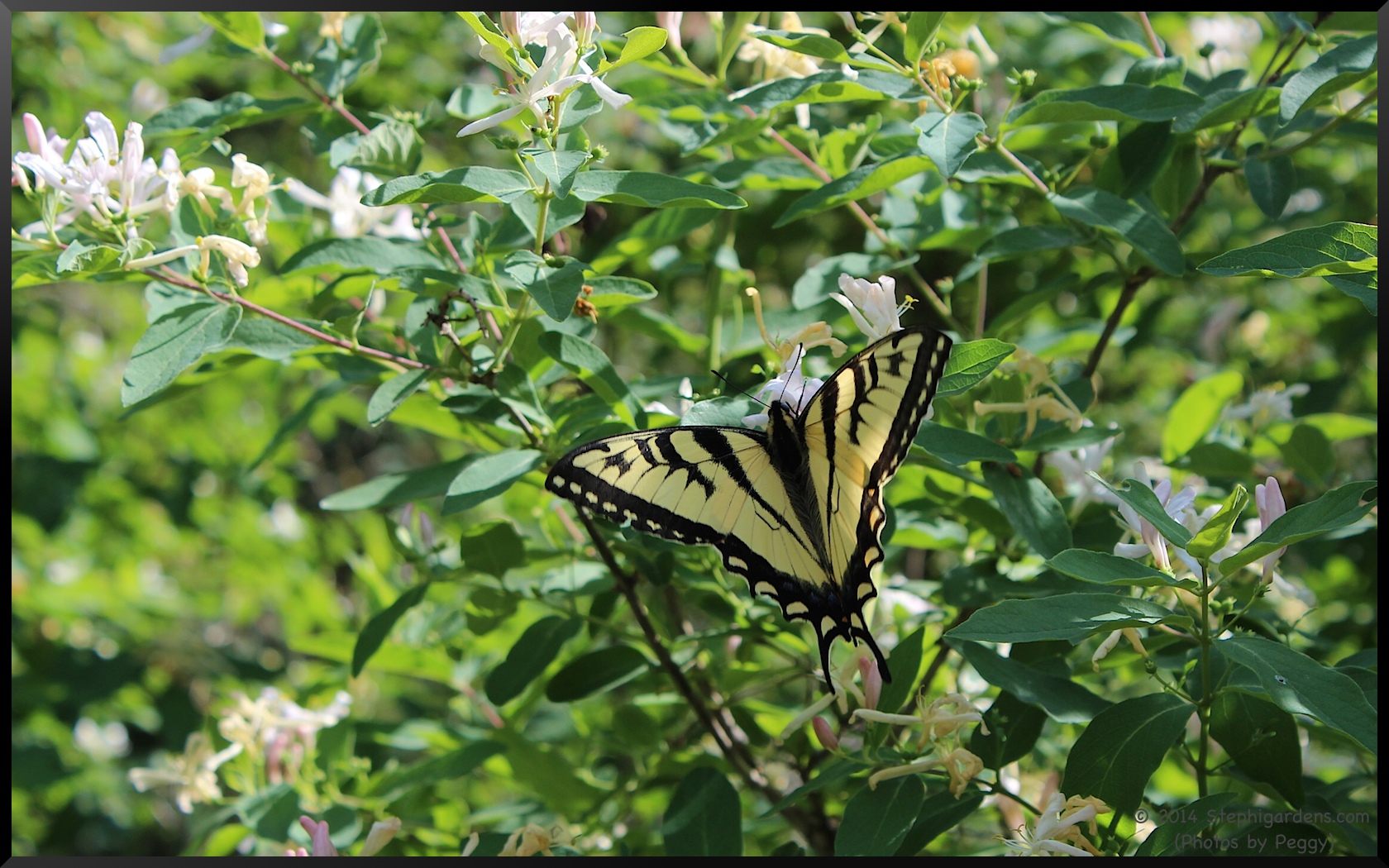
A lovely visitor–Tiger Swallowtail

photos by peggy/stephi gardens

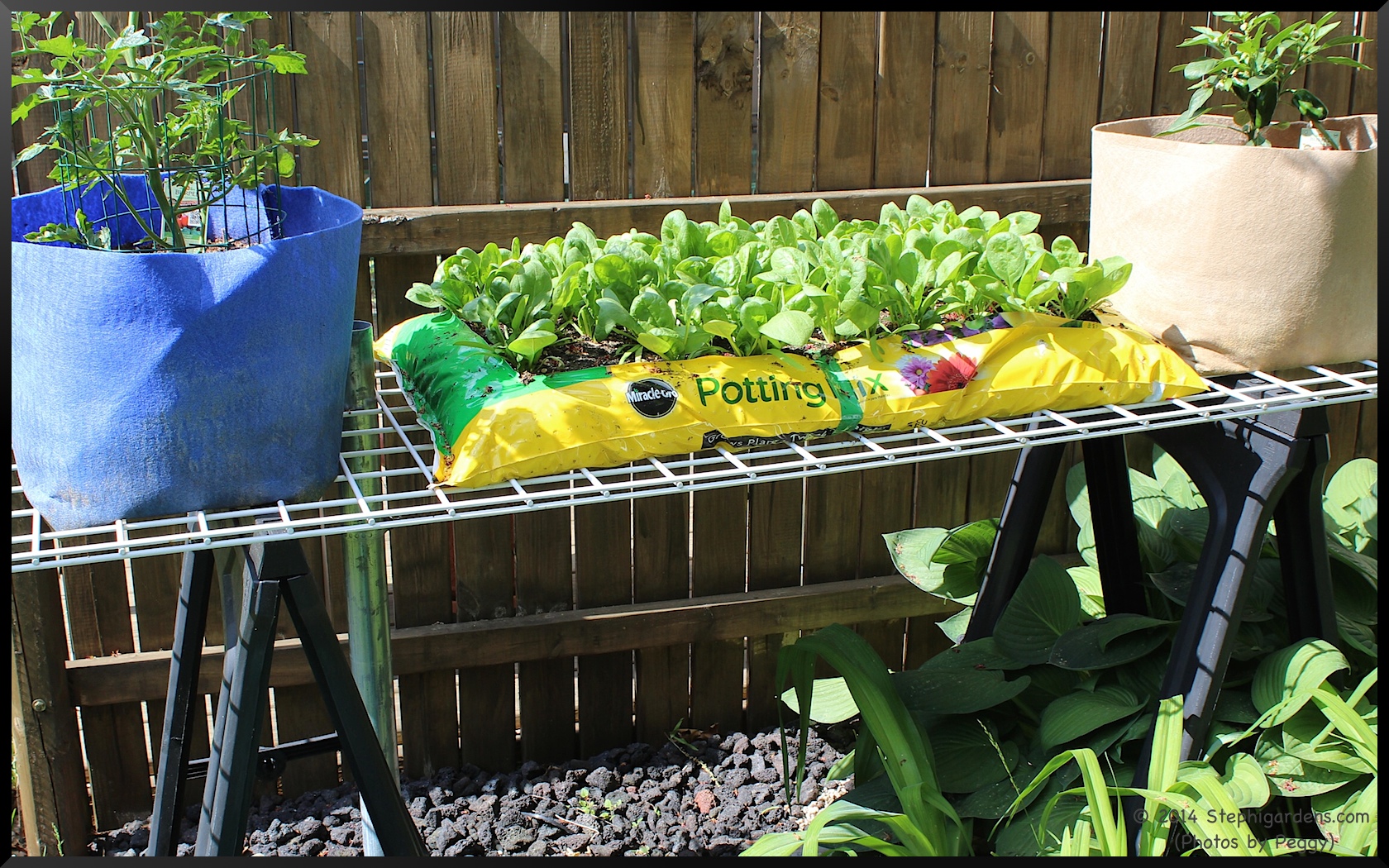
Salad in a bag!

photos by peggy/stephi gardens

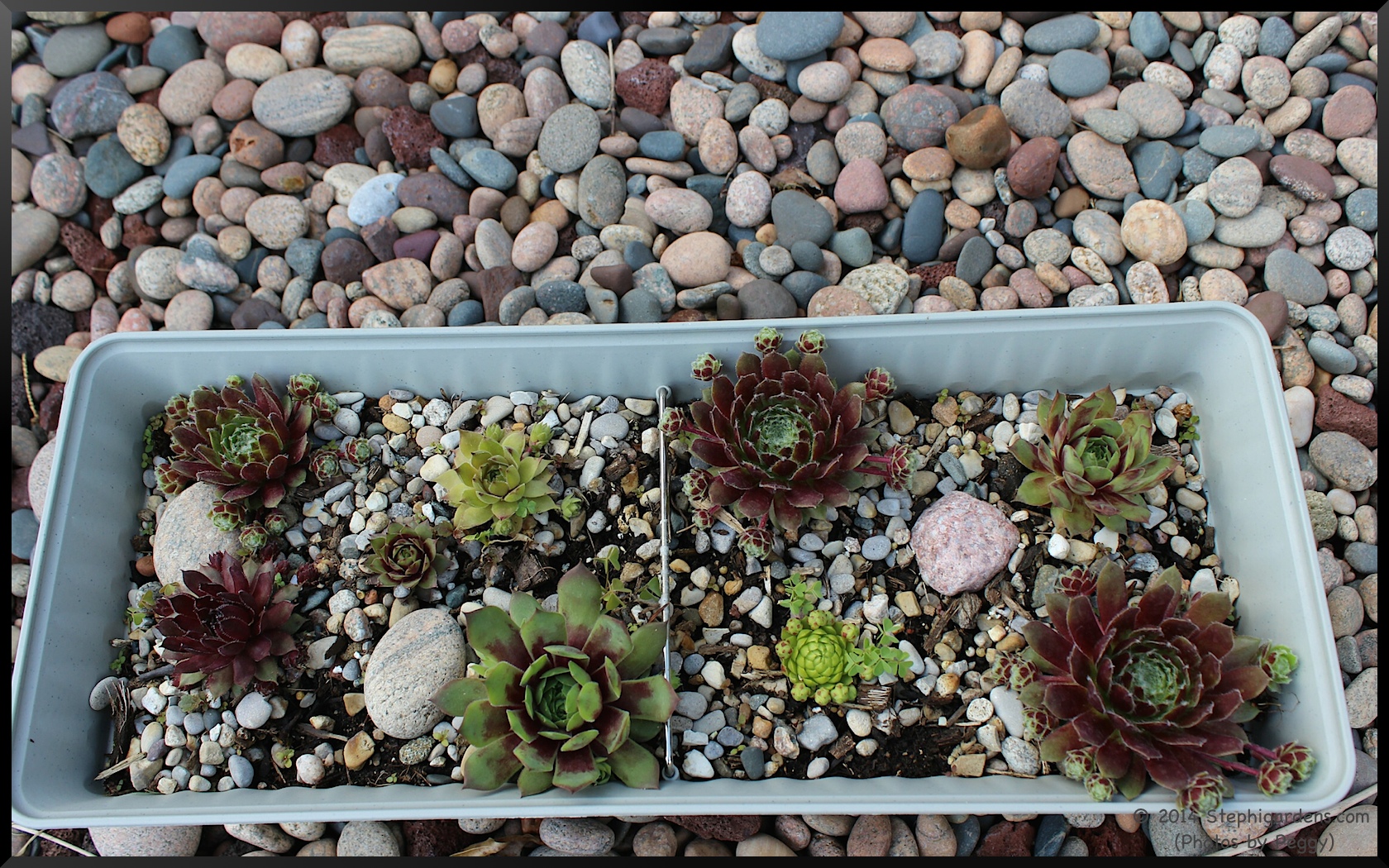
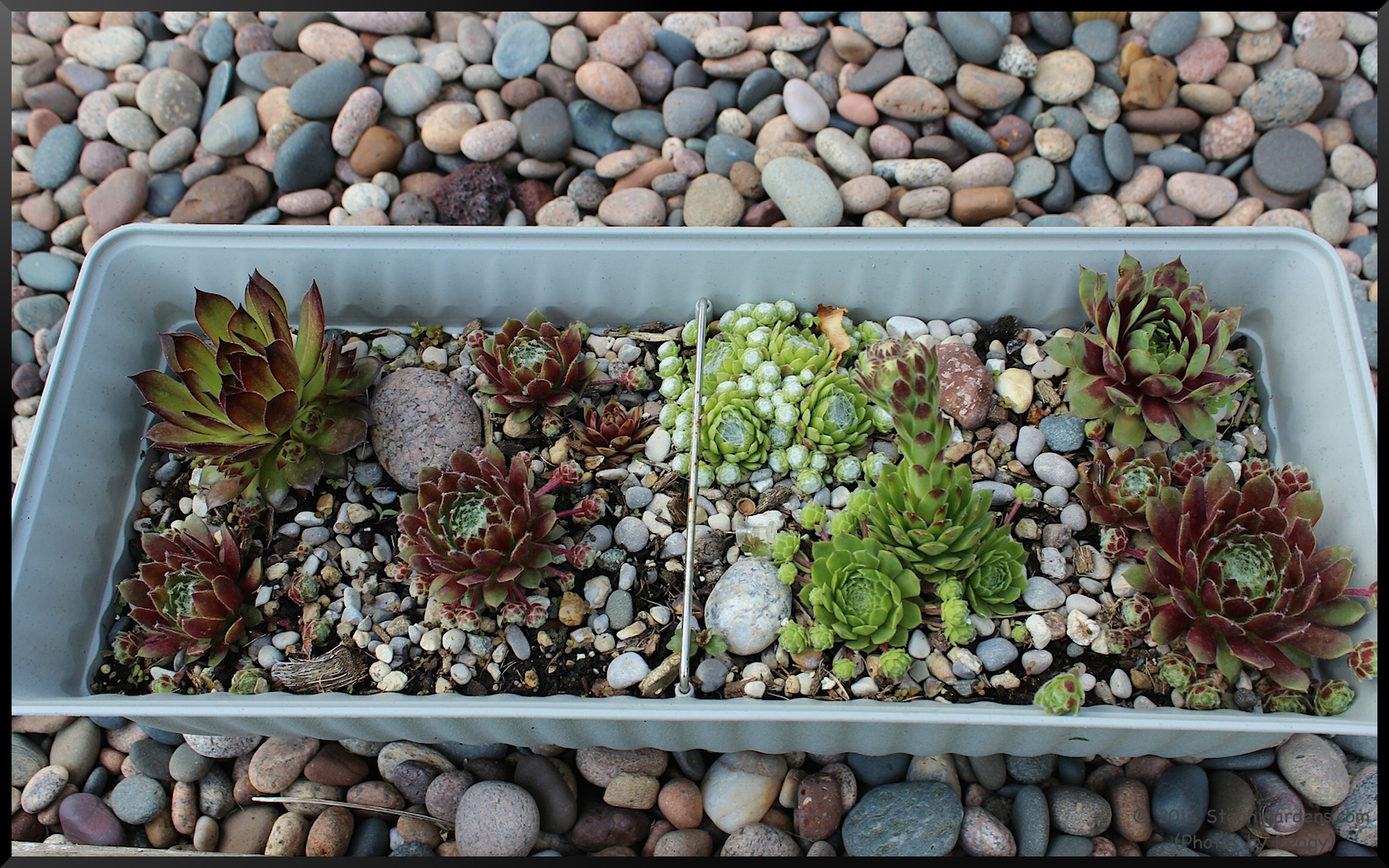
 Succulents!  This is a creative work in progress. I can’t wait to see what she does with this.  I know she’s got some great ideas.

photos by peggy/stephi gardens


photos by peggy/stephi gardens


photos by peggy/stephi gardens

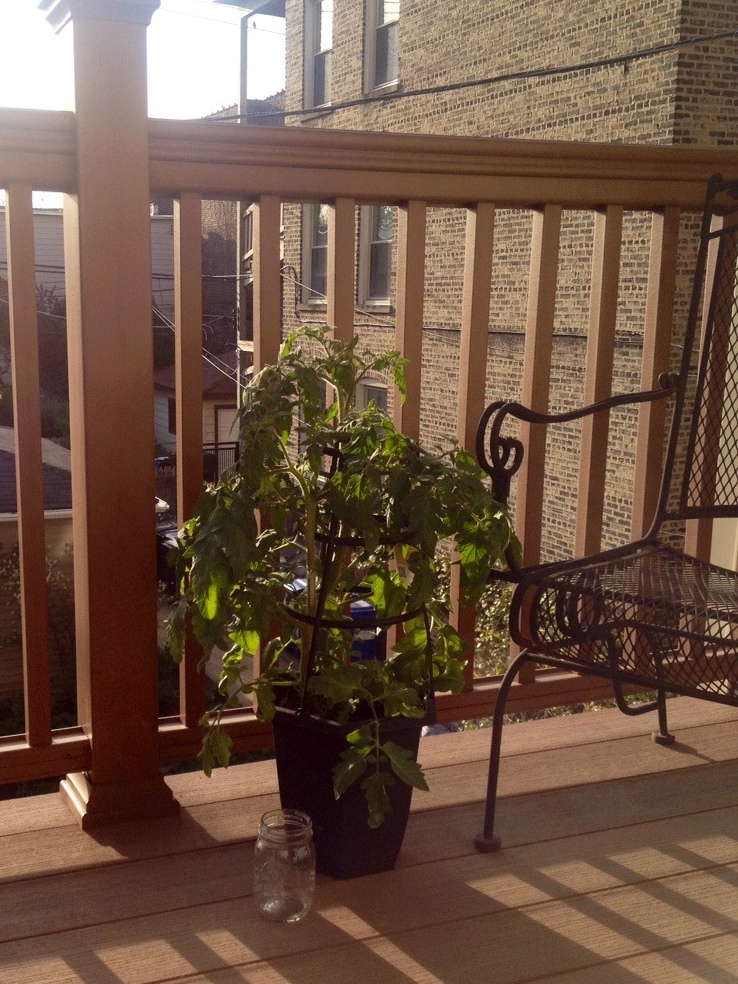
My daughter Emily lives in an apartment with some friends downtown.  When we were talking earlier in the spring, she was complaining about the price of tomatoes.  Soon after that, I happened to see a great looking potted patio tomato plant that would fit on her porch.

stephi gardens

She couldn’t have been more excited and has taken lovingly care of this plant.  It gets a hello and a glass of water from the mason jar every morning.  Recently I got a text that read “Mom!  2 of my tomatoes hatched!”  I hope they grow big, red and juicy for her.  I think she’ll be hooked then.

Do you have someone who inspired you, or have you inspired anyone else to garden? 

Spring in Northern Michigan??

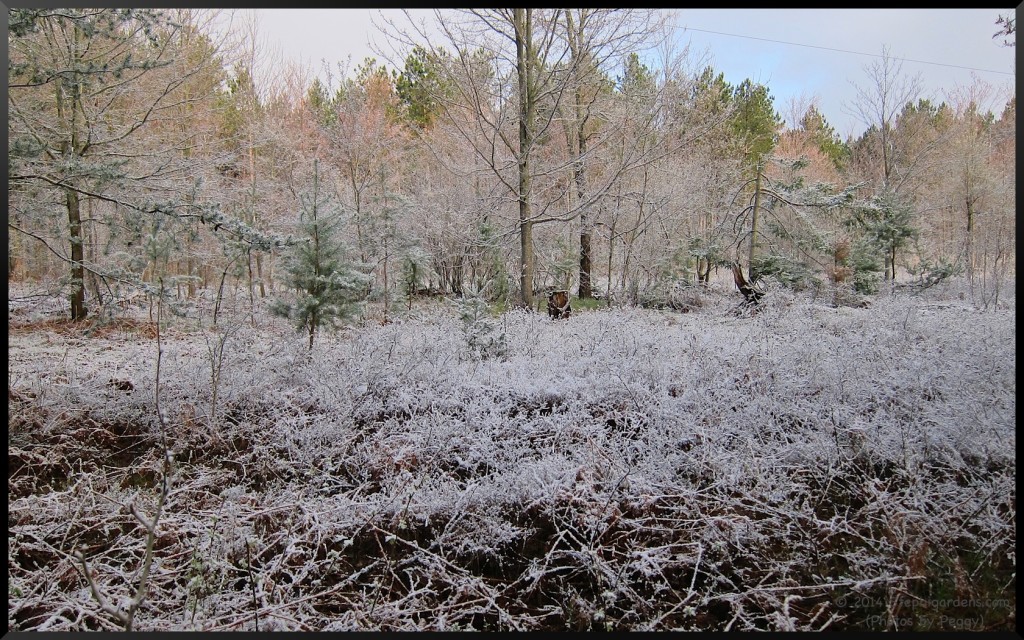
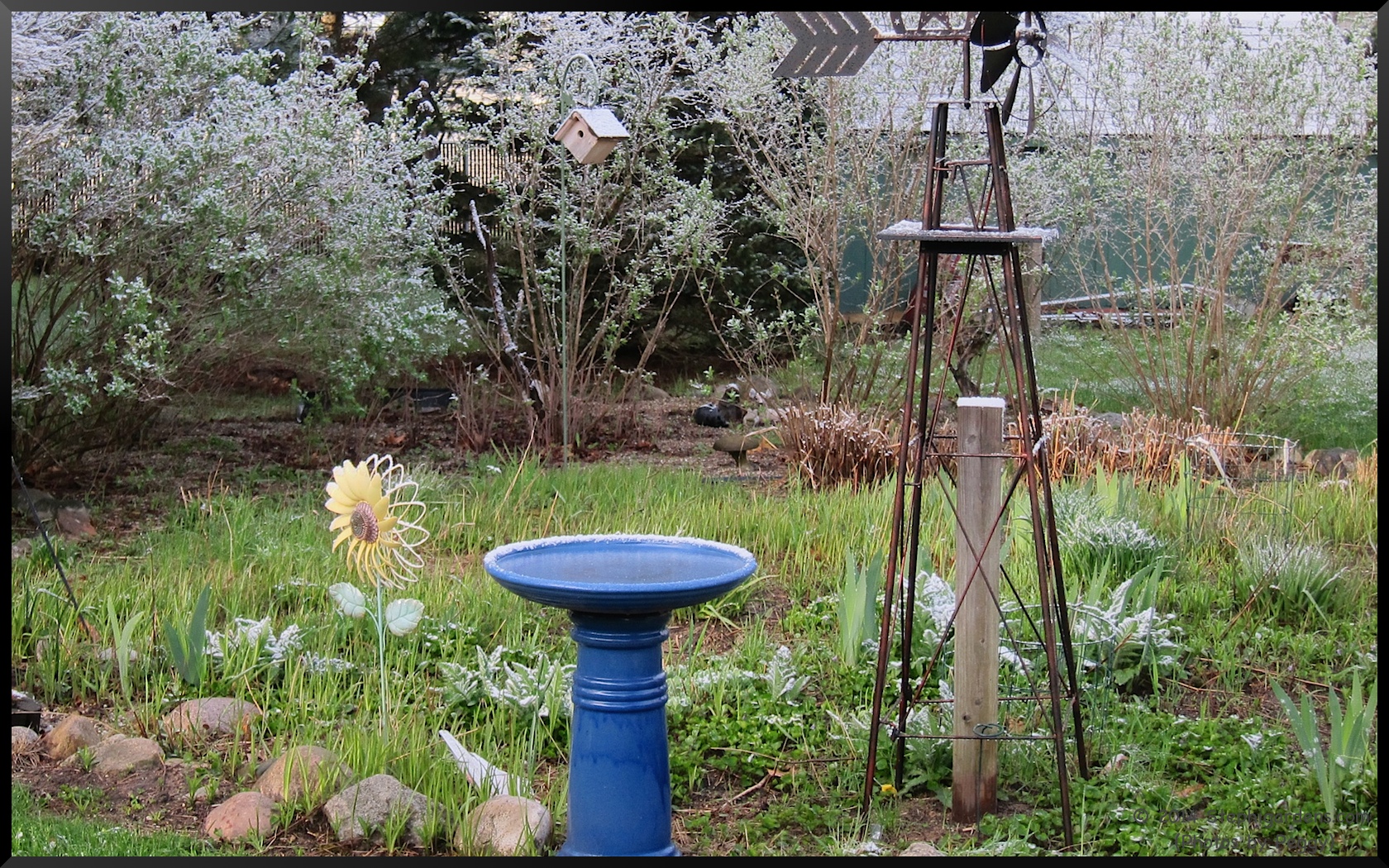
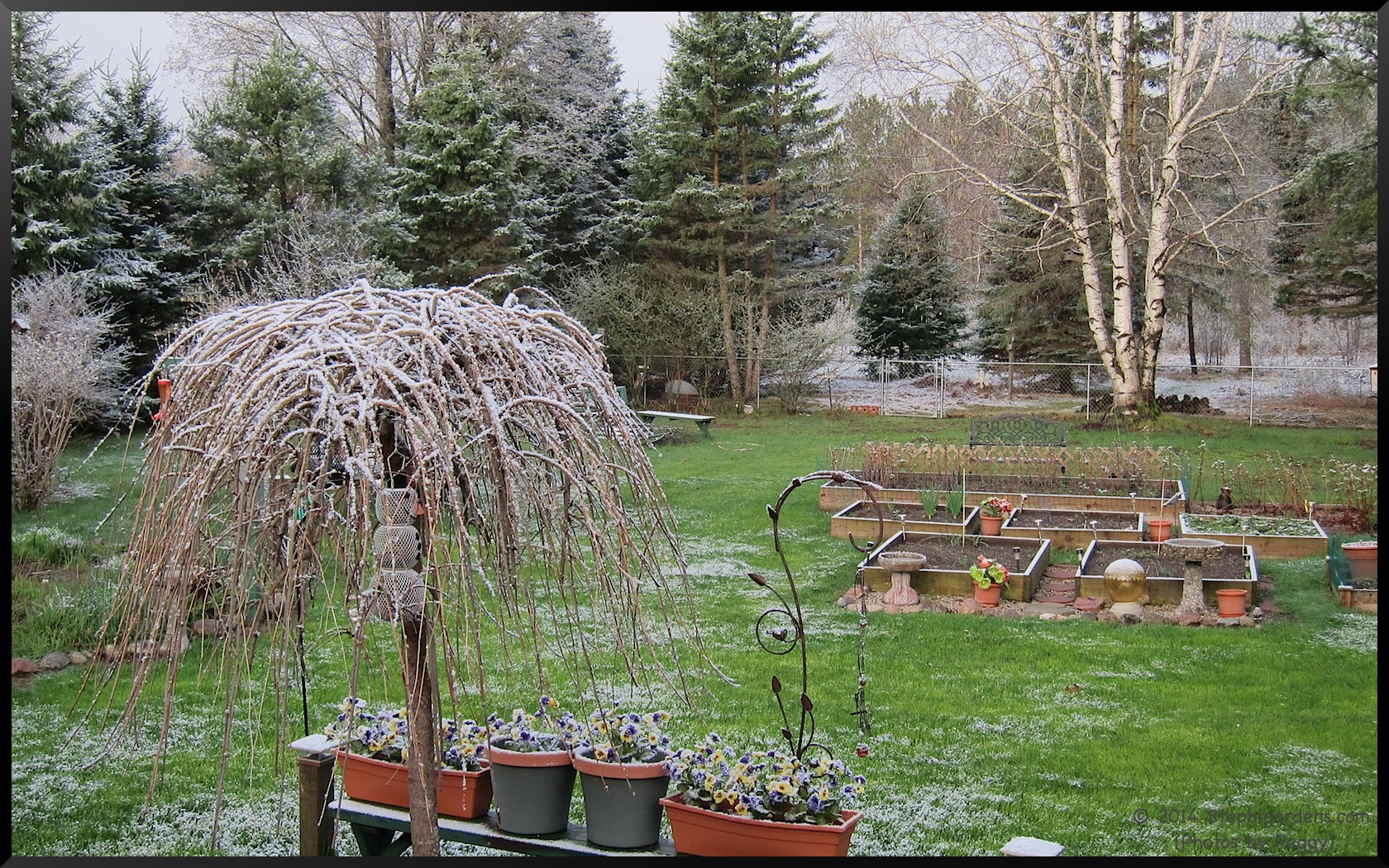
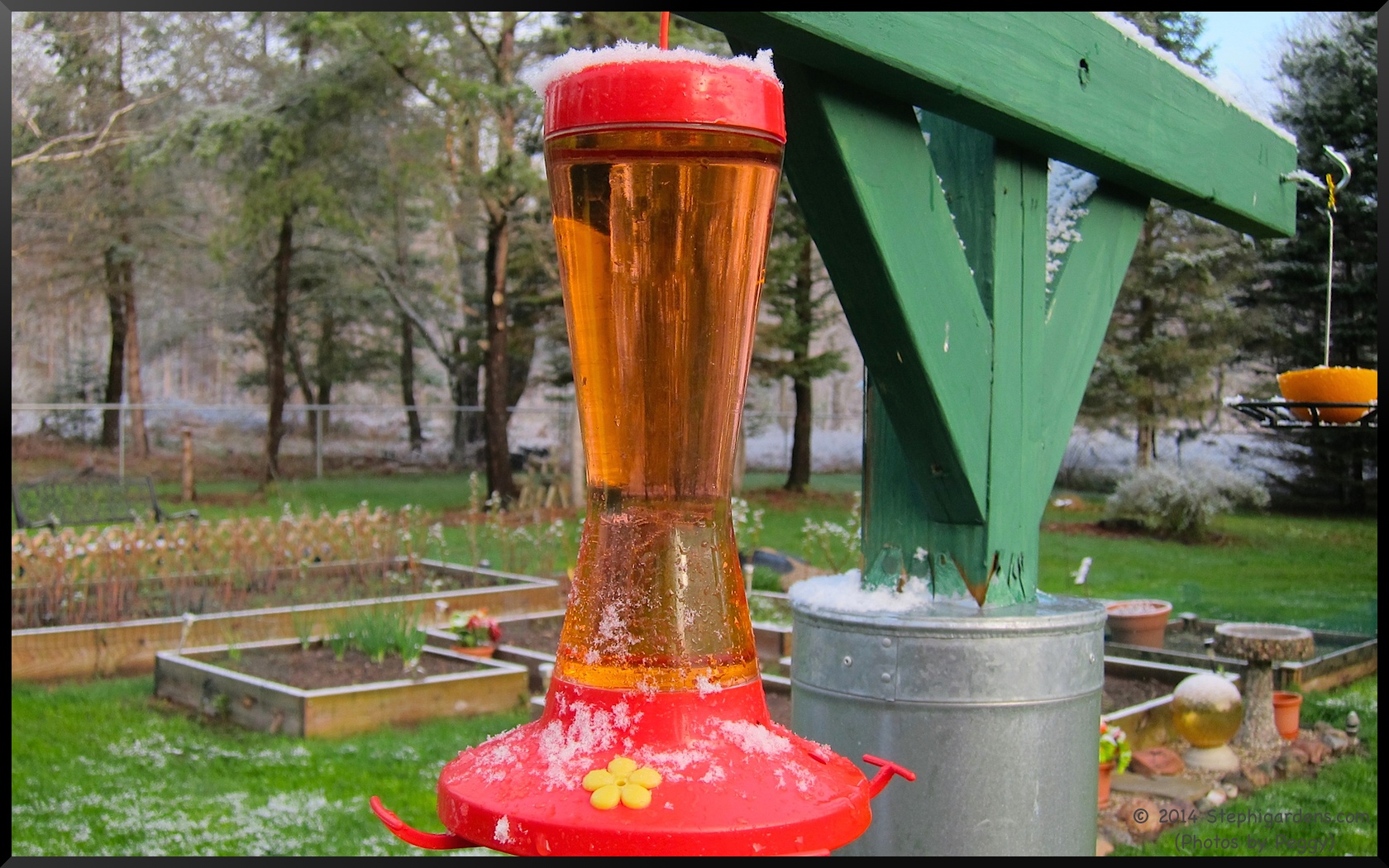
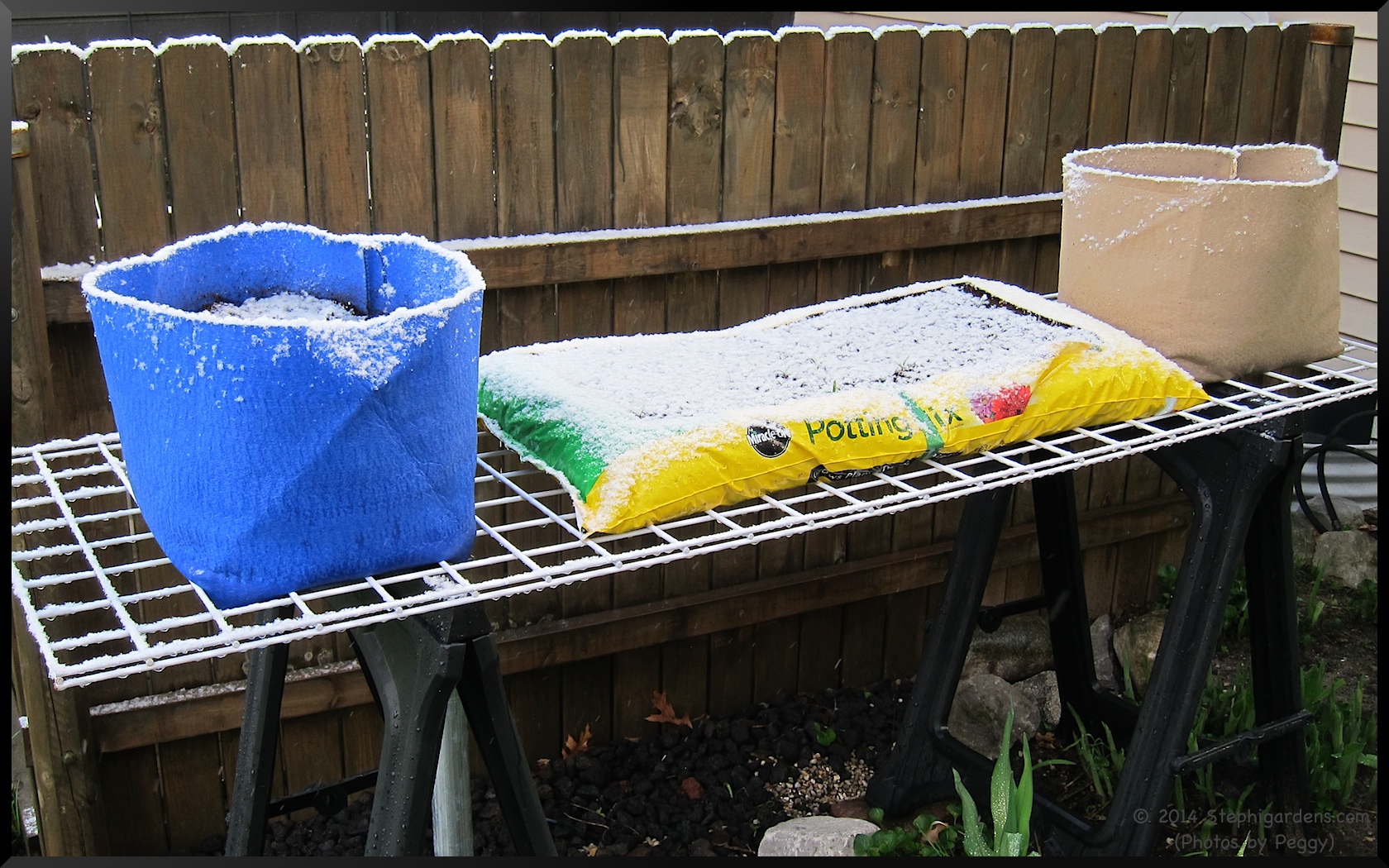
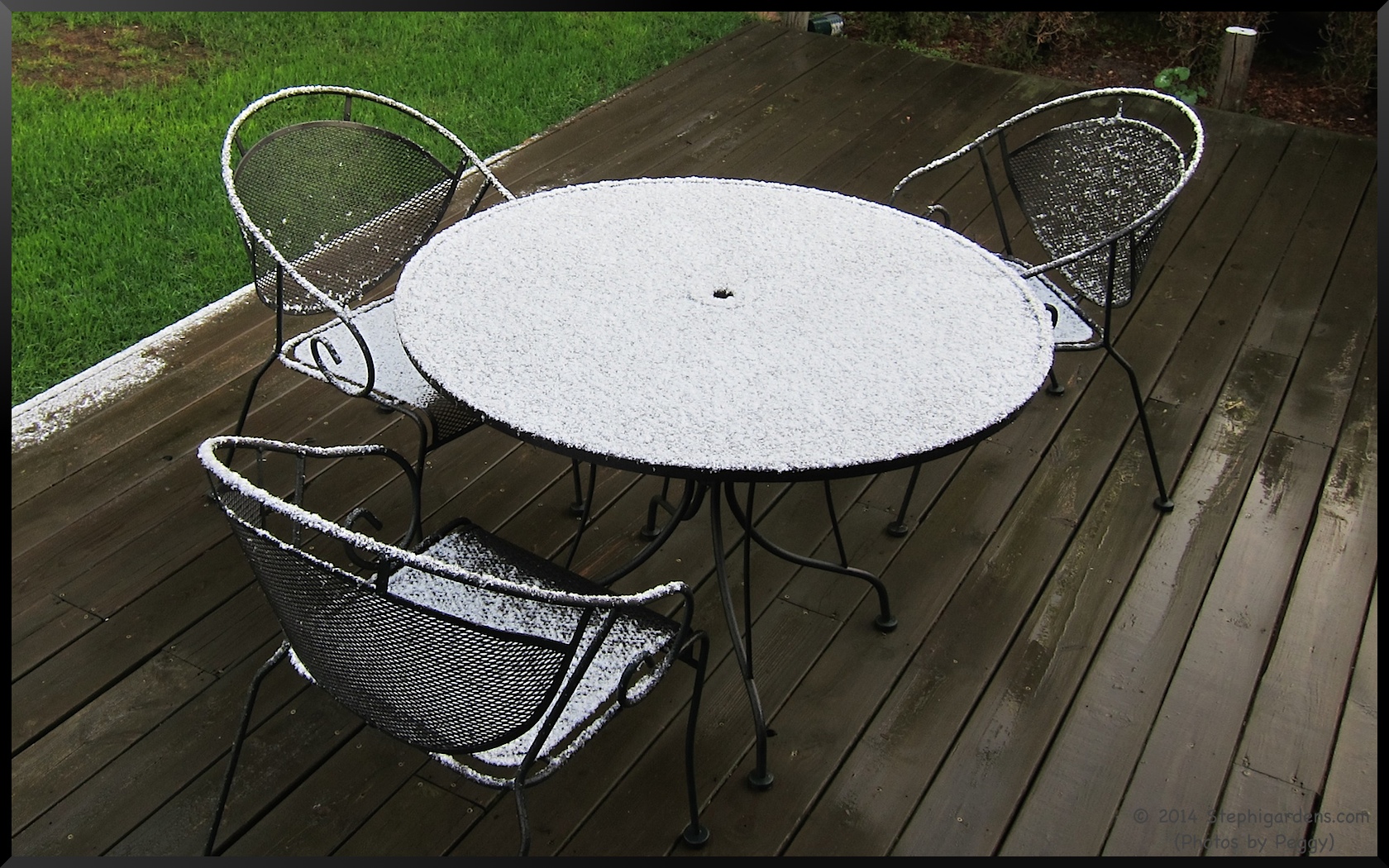
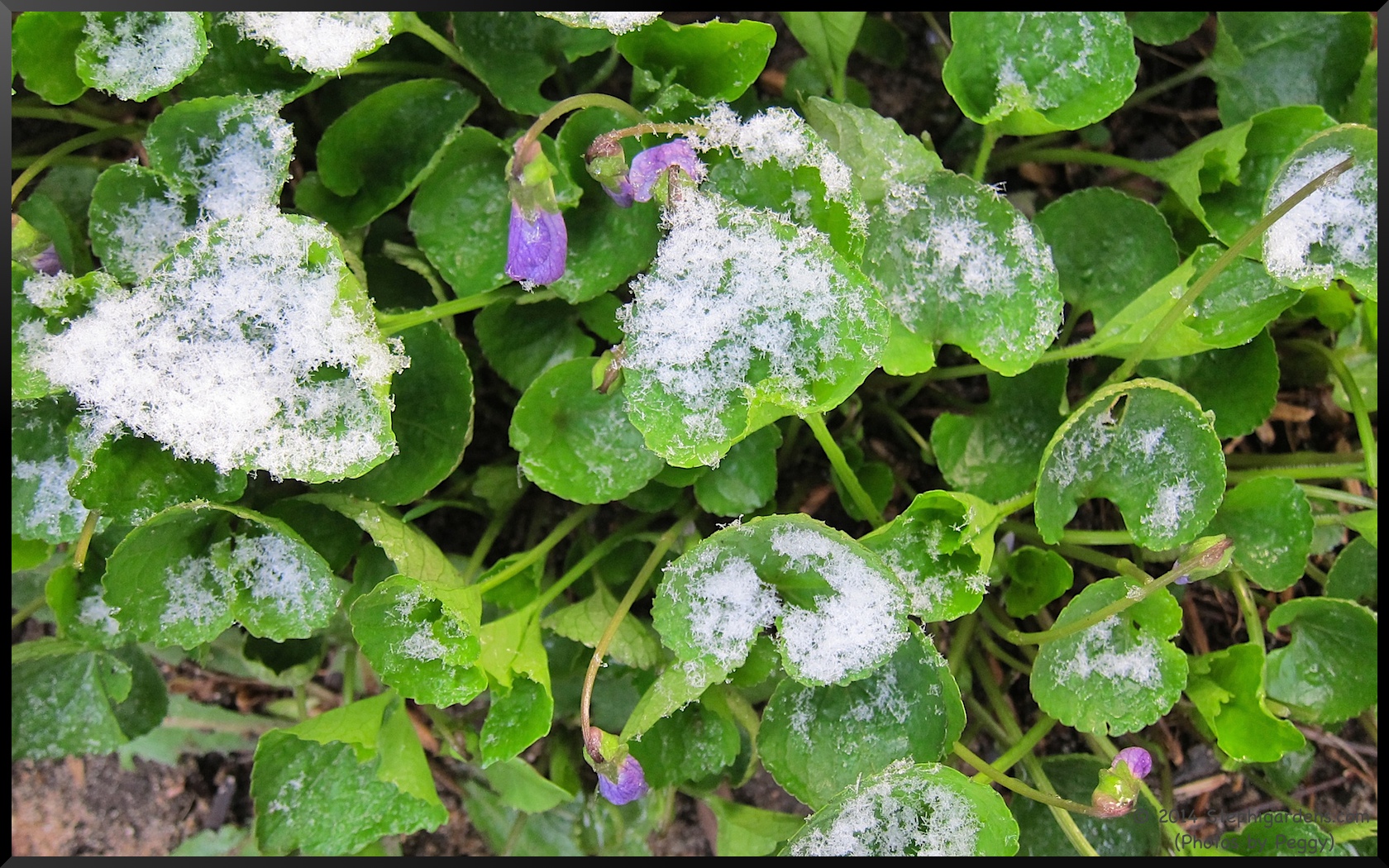
While I’ve had my share of bad winter and spring weather here in Chicago, it still isn’t nearly as harsh as it’s been at my mom Peggy’s house in Northern Michigan.  She’s still patiently (??) waiting for the soil to get warm enough to get her plants in the ground.  Just yesterday morning, there was yet another dusting of snow and overnight frosty temperatures in the low 30’s.  While it may be a nuisance, Peggy did get some beautiful pictures that for the moment make you forget it’s mid-May.

Michigan


Stephi Gardens: Photos by Peggy


Stephi Gardens: Photos by Peggy

Keeping the Orioles alive in the cold!

Hummingbird Feeder

Yum! Fresh oranges for the birds are a hit.

Hummingbird feeder

Everything is ready, except the weather!

Gardening in soil bag

Photos by Peggy


Stephi Gardens: Photos by Peggy

Has spring truly felt like it’s arrived at your house yet?  


Photos by Peggy


An Unusual Visitor to Peggy’s Feeders

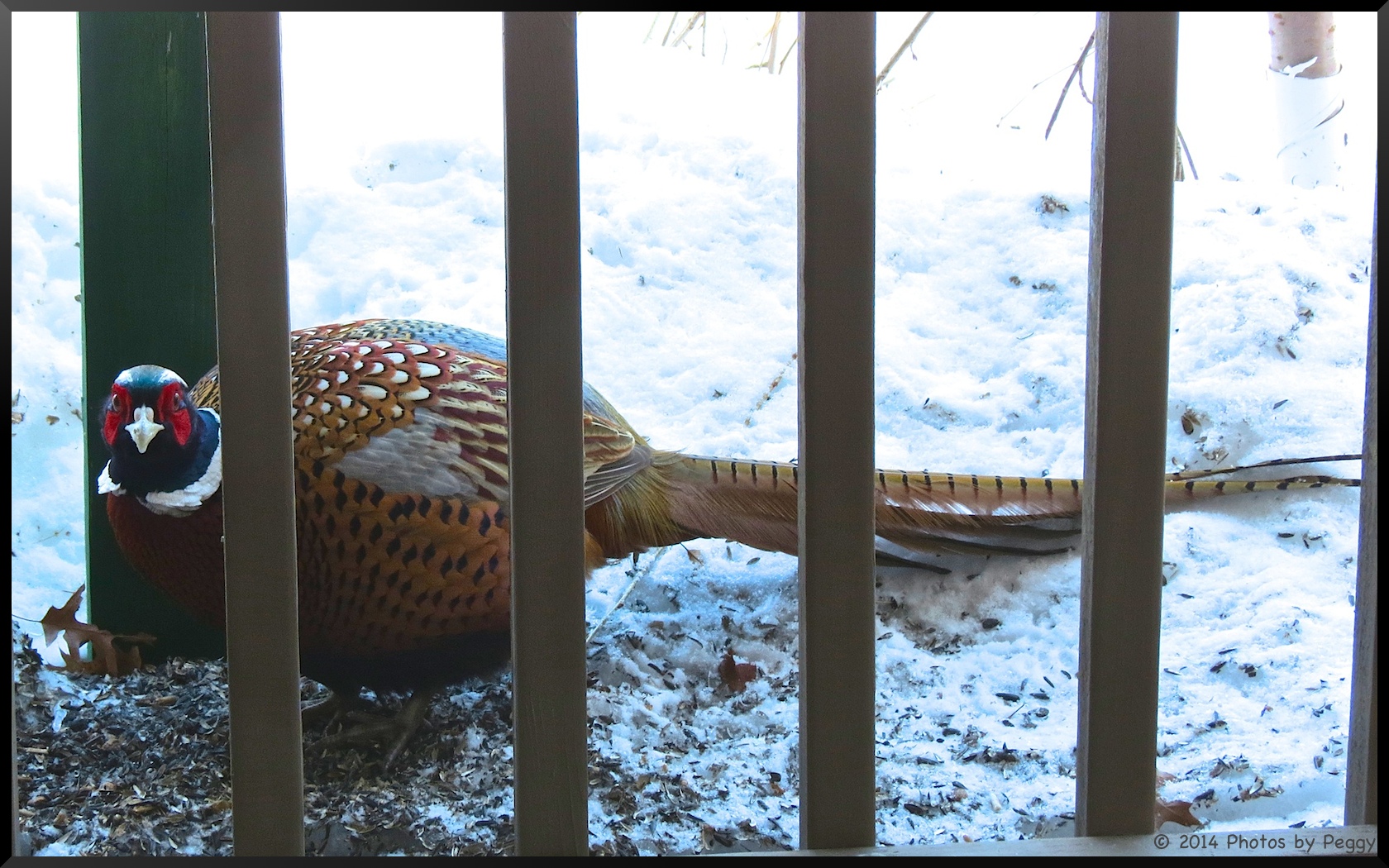
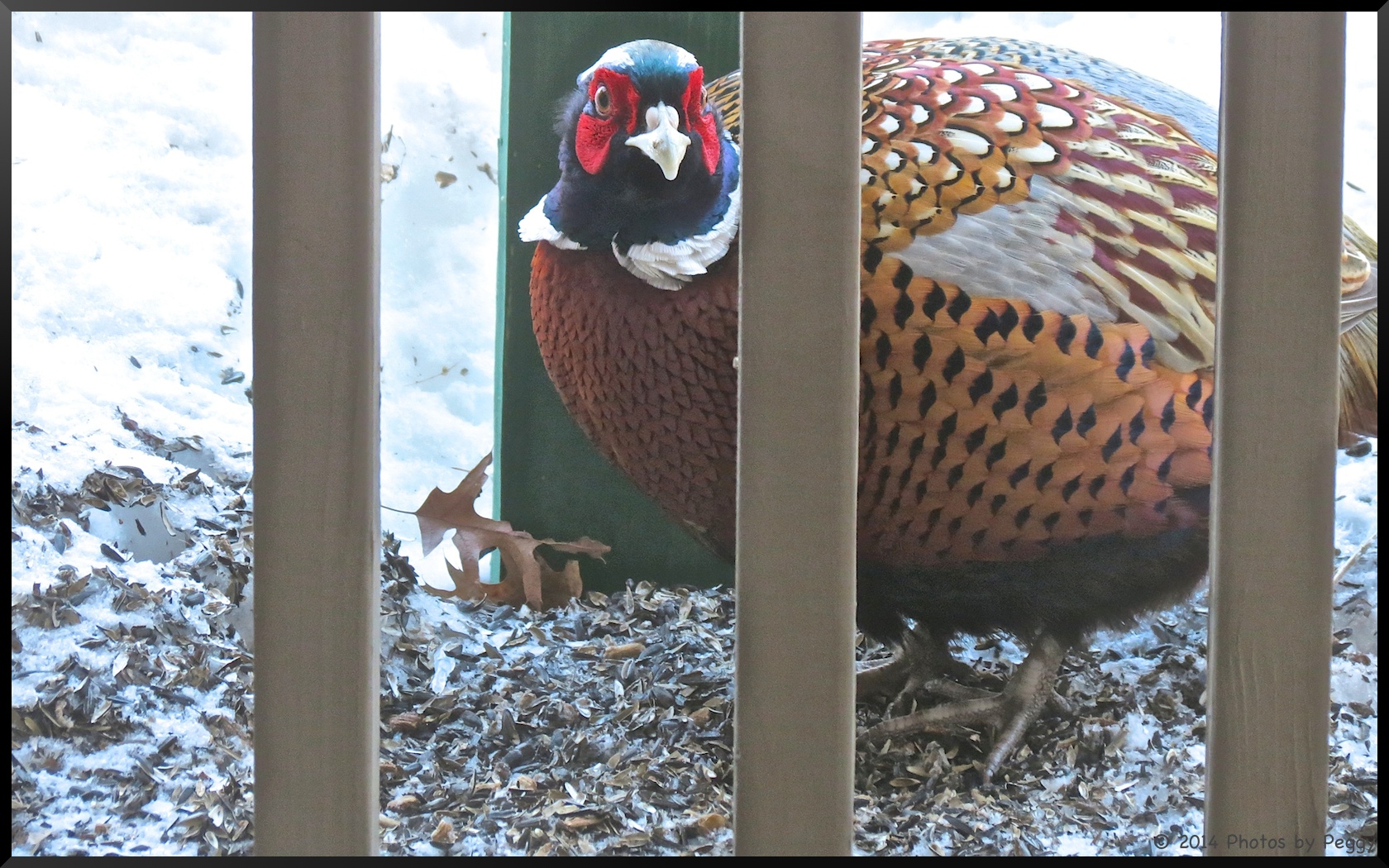
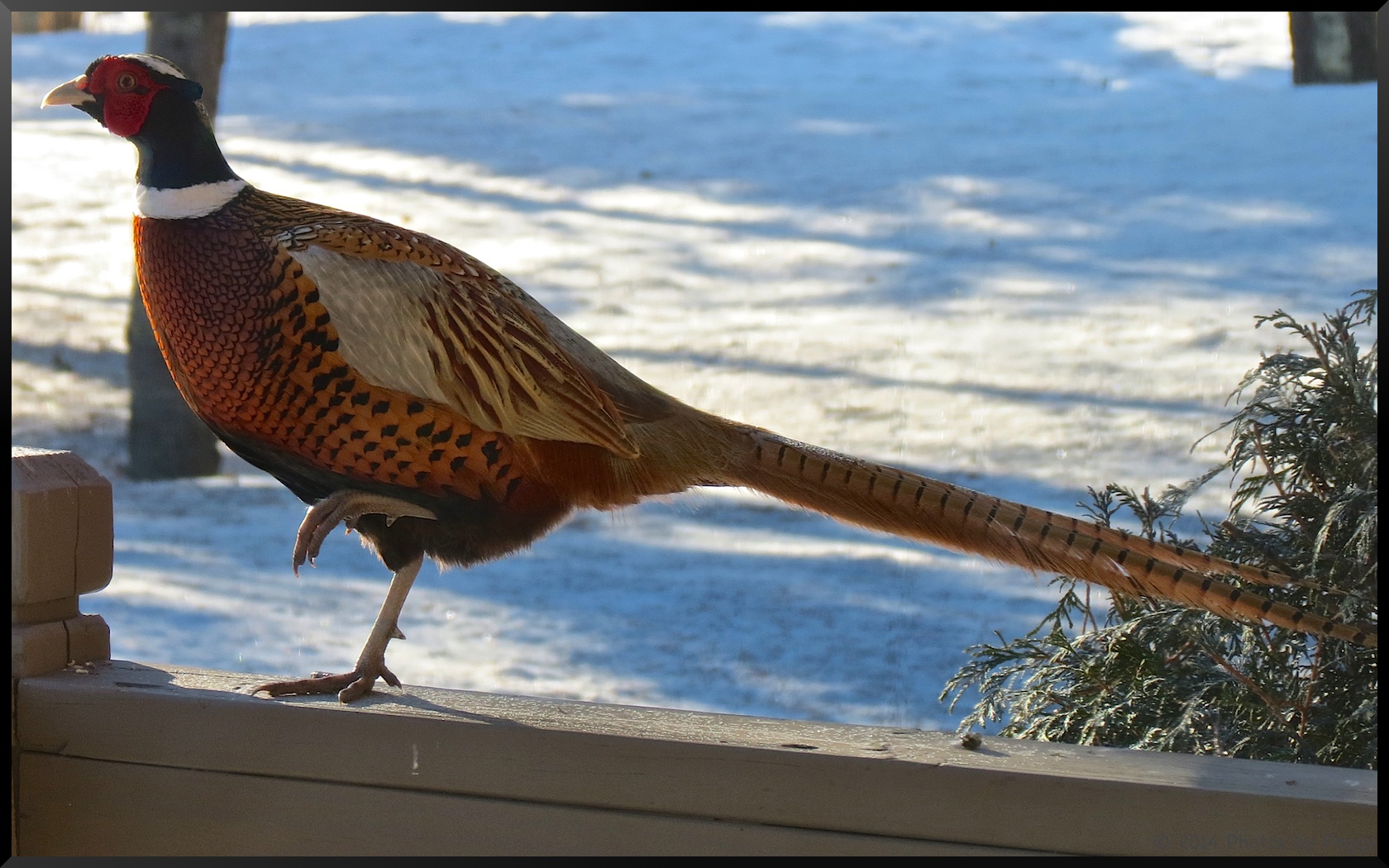
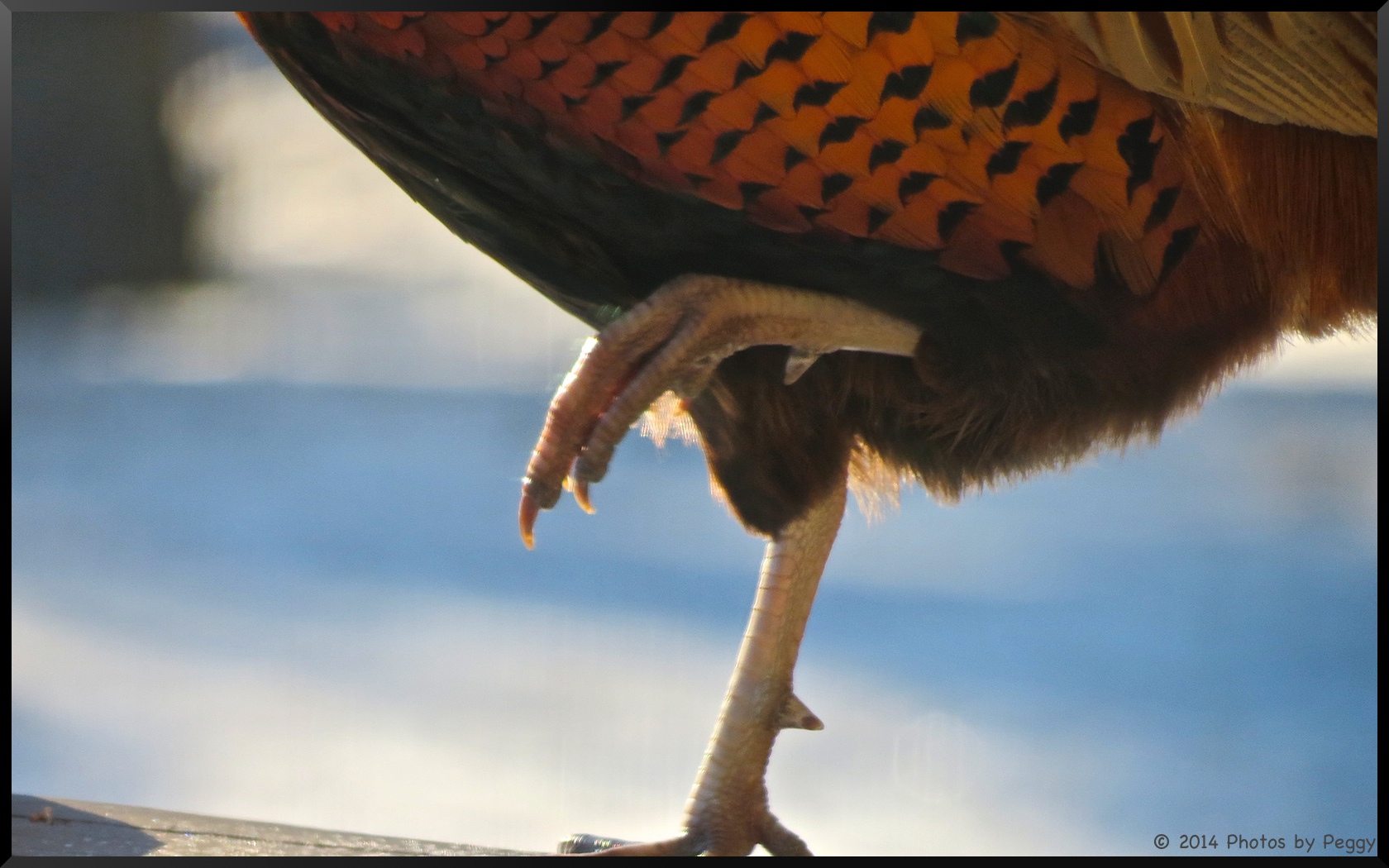
Ring-Necked Pheasant

Over the last month or so, a male Ring-Necked Pheasant has taken up residence near Peggy’s house in Michigan.  He’s been visiting the front porch feeder, enjoying the corn she’s been putting out for him.  Haven’t seen a female yet, but maybe they’re just shy. By the way, this is a view through the front porch railing–the snow is piled so high he’s at up almost at eye level!

Because of the timing of his visit, the male Ring-necked Pheasants may be establishing his breeding territory.   A male will become the “king” of his territory and exert dominance over any other males who try to intrude in his territory, which may cover several acres.  Breeding females, who are rather dull brown in coloring,  will gather in small  groups in the territory of a single male.  The females will nest in the fields or borderland areas and lay a dozen or more eggs.  Within a few weeks, the young will head out on their own. Unfortunately, there is a high mortality rate from predators and humans of both the eggs and young birds. Hopefully there’ll be some baby pheasants wandering around Peggy’s yard this spring!

 
Ring-Necked Pheasant


Ring-Necked Pheasant


Ring-Necked Pheasant


Ring-Necked Pheasant


Photos by Peggy


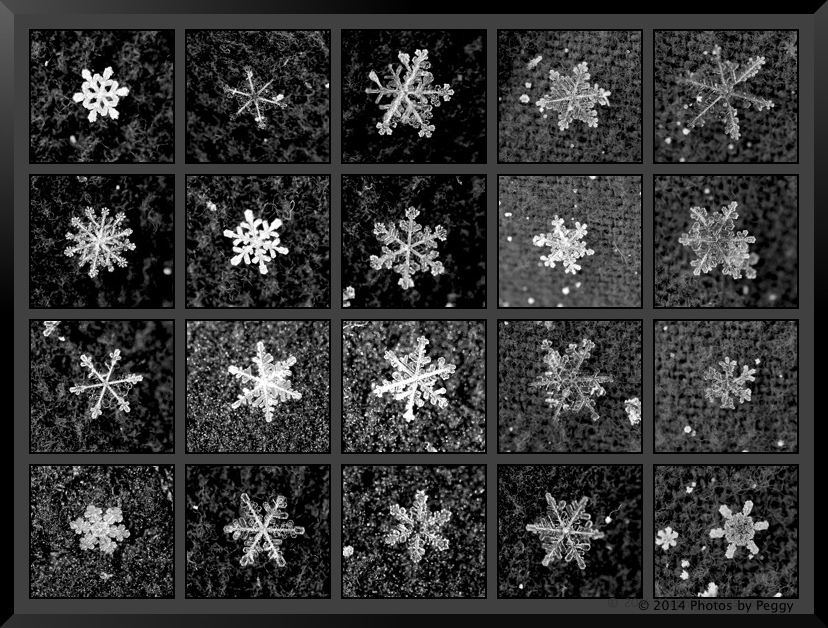
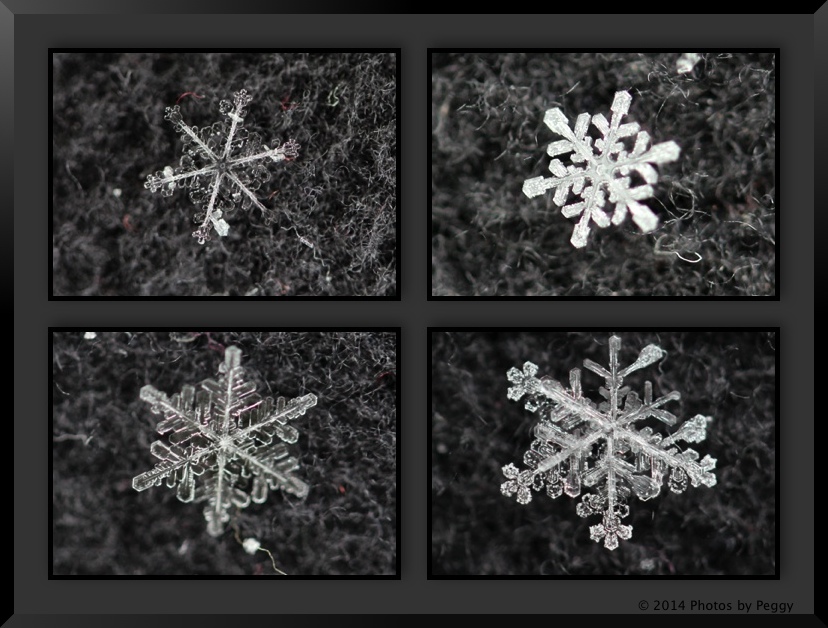
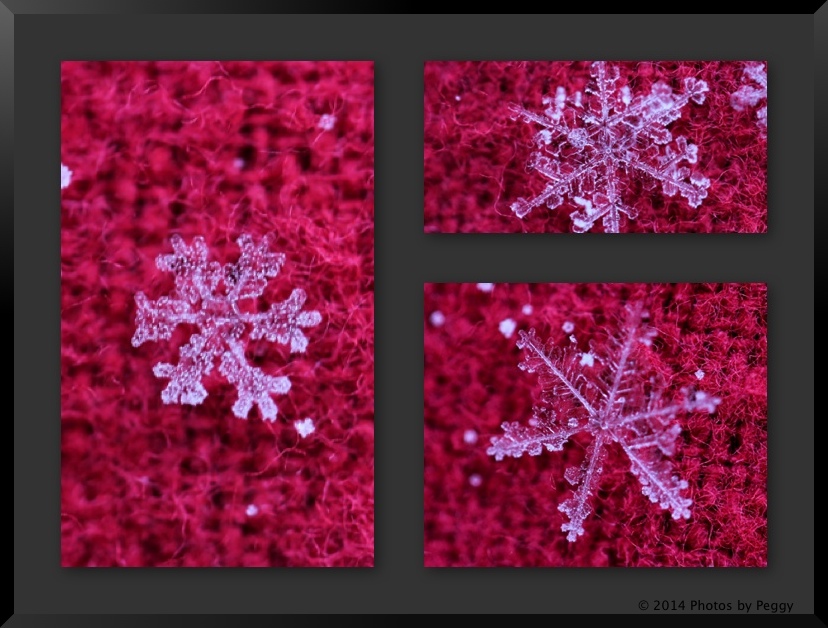
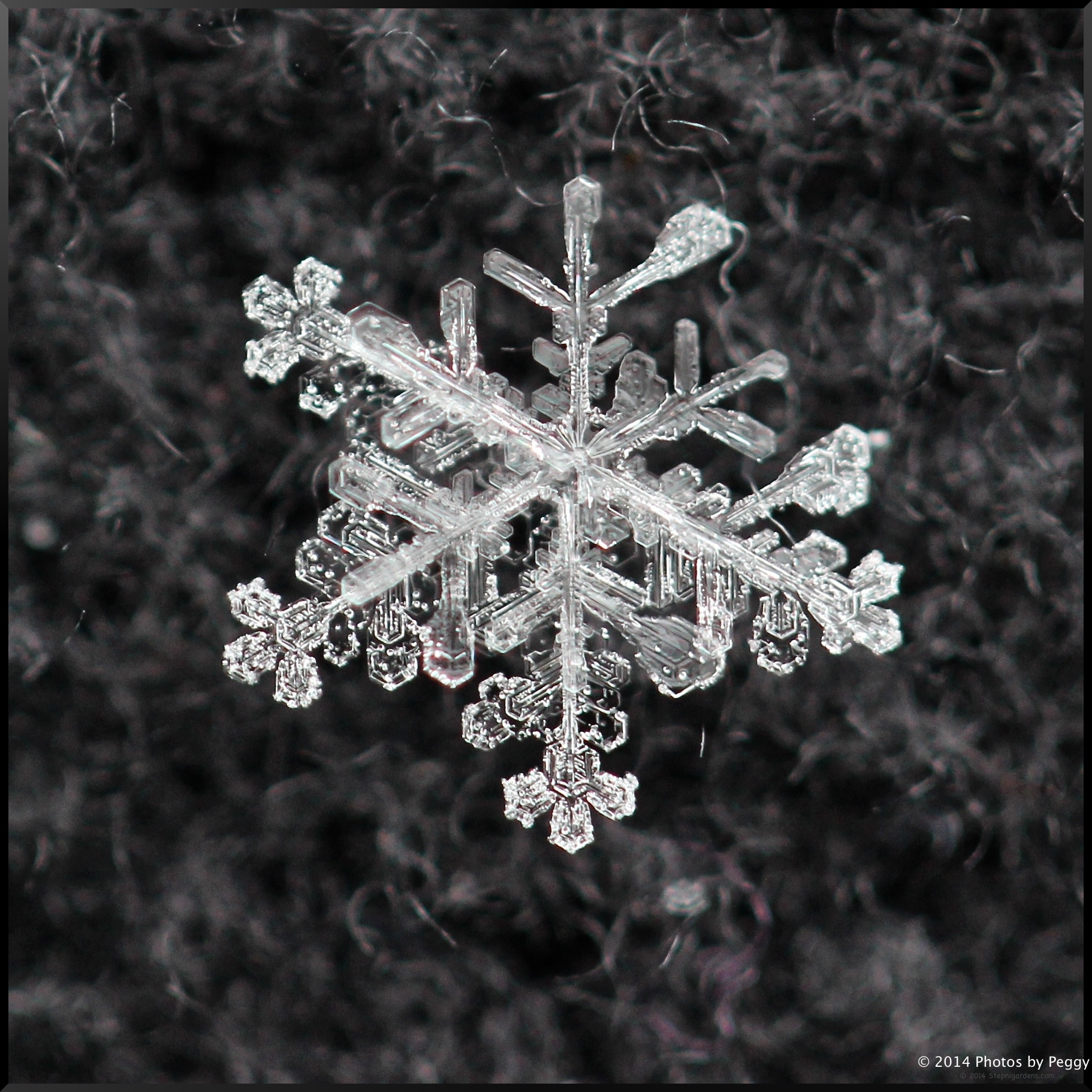
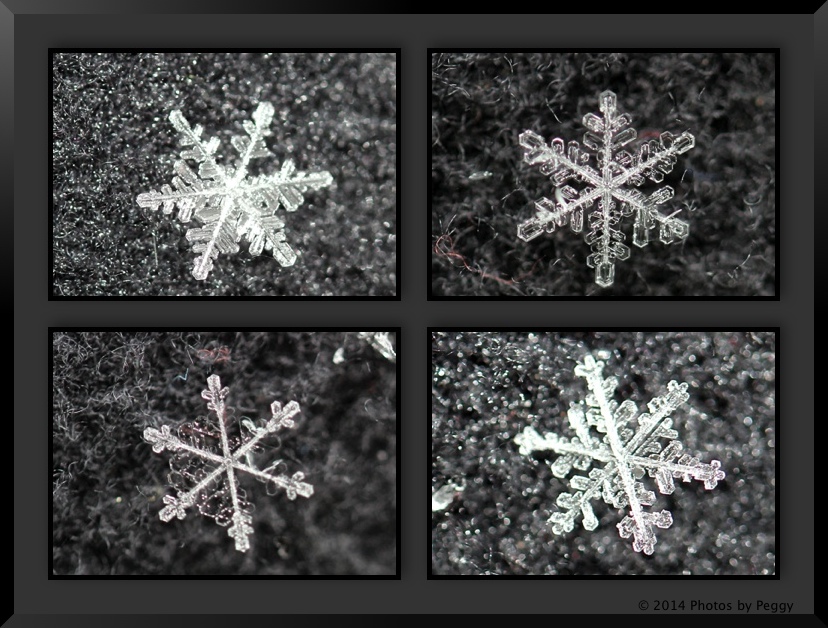
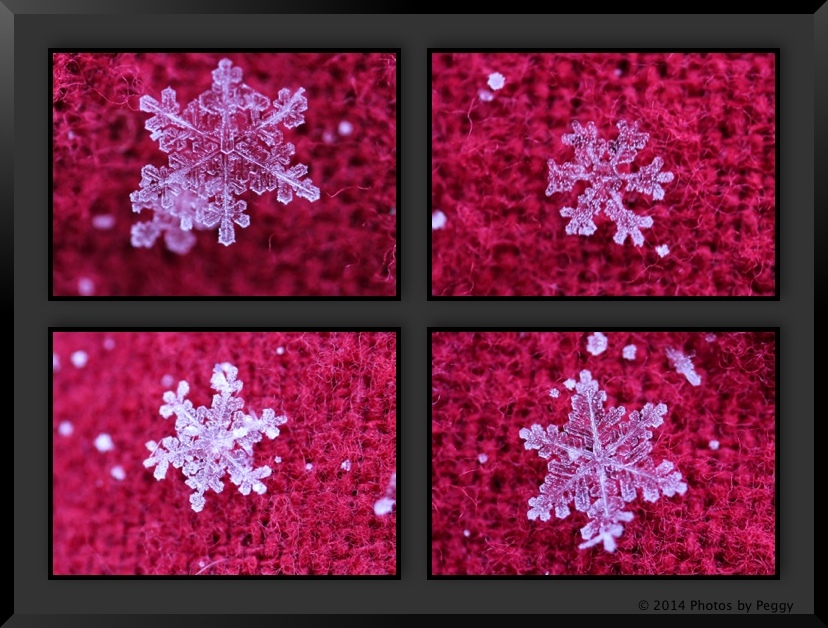
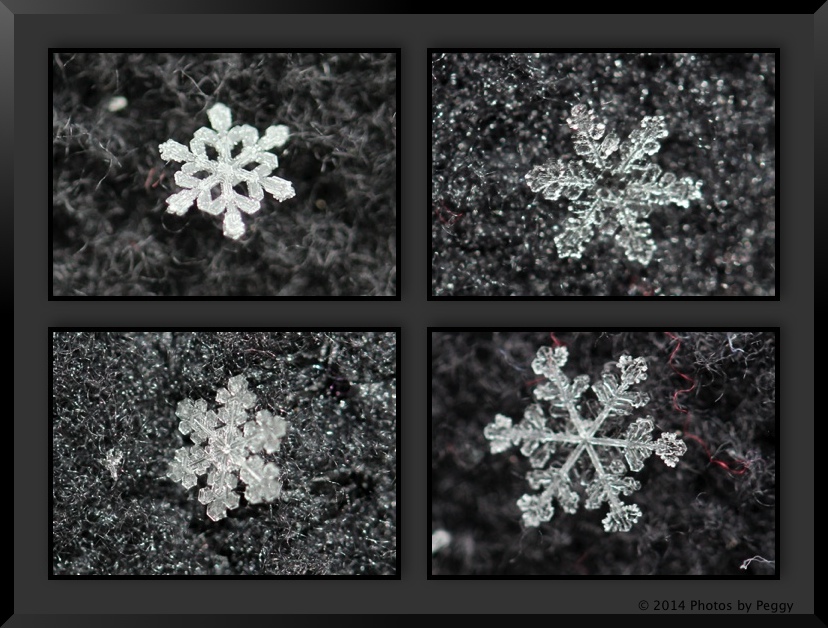
Peggy’s Snowflakes


snowflakes

With all the snow that Michigan has received this winter, my mom Peggy decided to try and make something fun out of it.  On days that it was warm enough to endure being outside, she experimented with taking pictures of individual snowflakes and came up with some amazing shots.  I’ve always heard that every snowflake is different, but it’s hard to believe the individuality, complexity and beauty of each snowflake.   Enjoy the wonders of nature–
snowflakes


snowflakes


snowflakes


snowflakes


snowflakes


snowflakes


snowflakes


snowflakes

Photos by Peggy

Trips Down Memory Lane

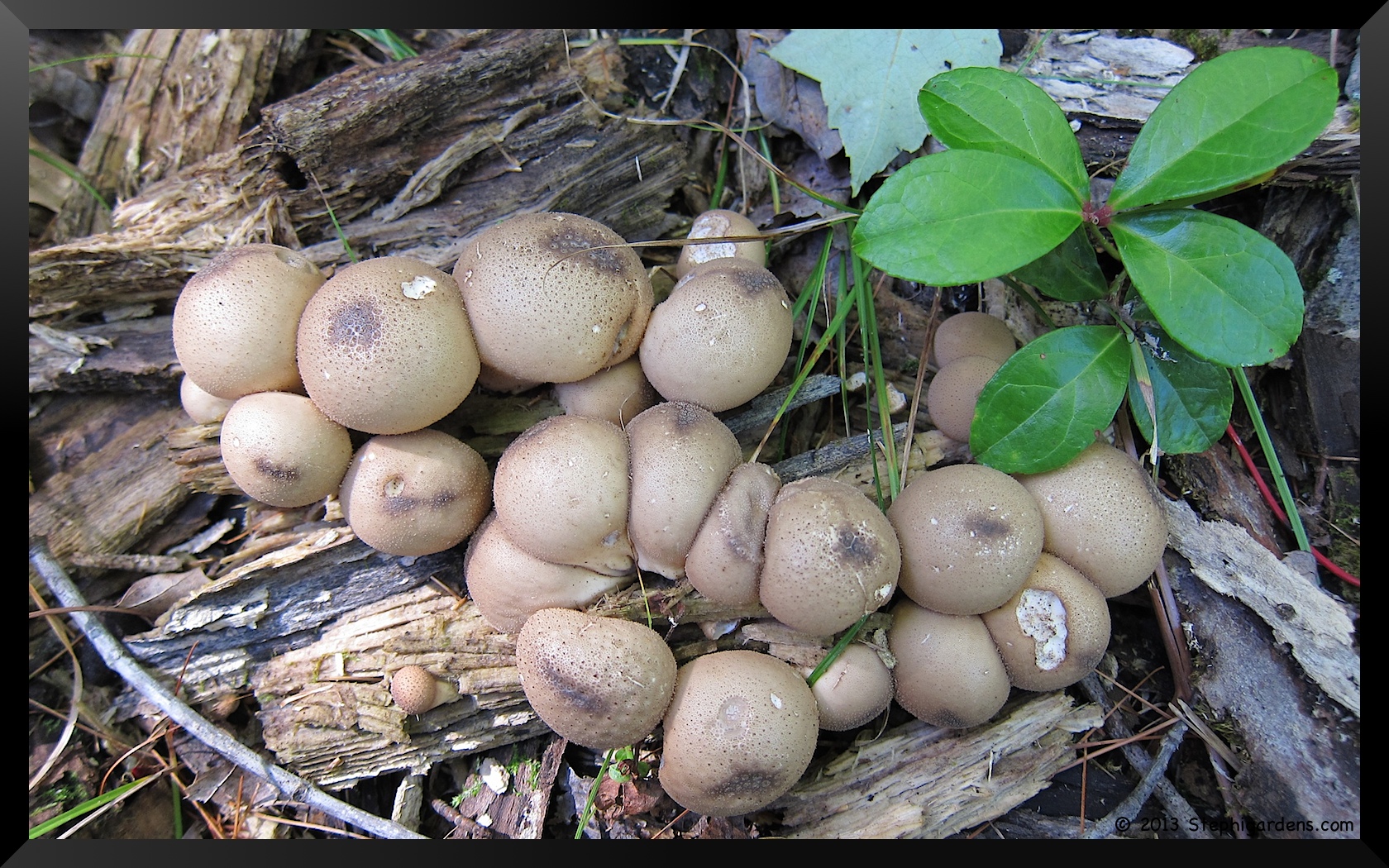
One of the things I’ve really enjoyed while blogging is having my memory jogged by reading other blogs.  For example, reading about lichens and mushrooms on  another site brought back memories of when I was in high school and my family went to a huge Audubon gathering in the Allegheny State Park called the Allegheny Nature Pilgrimage.  Even though we went more than 30 years ago, I remember it being an amazing weekend gathering of nature enthusiasts.  Everyone got to choose from lots of interesting walks led by specialists in their areas and participate in scheduled group events.  I was really surprised to see that it is celebrating its 56th year.  If I lived closer, I would definately be going!
Turkey Tail Fungi

One walk that really stood out and stuck with me was one on mushrooms and ferns.  I really enjoyed learning about their biology and how to identify them in the field.  That afternoon was probably one of the reasons I sought out taking Botany as a biology elective in college.

Puffballs

Then somewhere along the line that interest was forgotten.  I still have a bookshelf full of bird and flower books and always carry them along with me on hikes and trips.

IMG_2570

But the ferns and mushrooms, forgotten.  There on the bookshelf is also my fern book, bought in 1984 according to the date written on the inside cover, but barely touched.  I guess I never actually bought any of my own mushroom and lichen books either.  I must have just used my mom’s “library”.

IMG_2573

I think it’s time to open this untouched book and see what is inside.  I think it’s also time to take a trip to a local bookstore and see what local reference books they might have to offer.  I find that specialized bookstores, like the one at the Morton Arboretum or in a National Park, carry the best local flora and fauna books.  They tend to stock what their local experts recommend.  I’ll let you know what I find—