23rd Annual Great Backyard Bird Count

It’s that time of year again! The 23rd Annual Great Backyard Bird Count (GBBC) is this weekend, Friday, February 14, through Monday, February 19, 2020.

During this weekend, volunteers from around the world count the birds they see for at least 15 minutes, on one or more days of the count and then enter their checklists at birdcount.org. It can be as simple as looking out your window, or going out to your favorite birding spot and report on what you see.
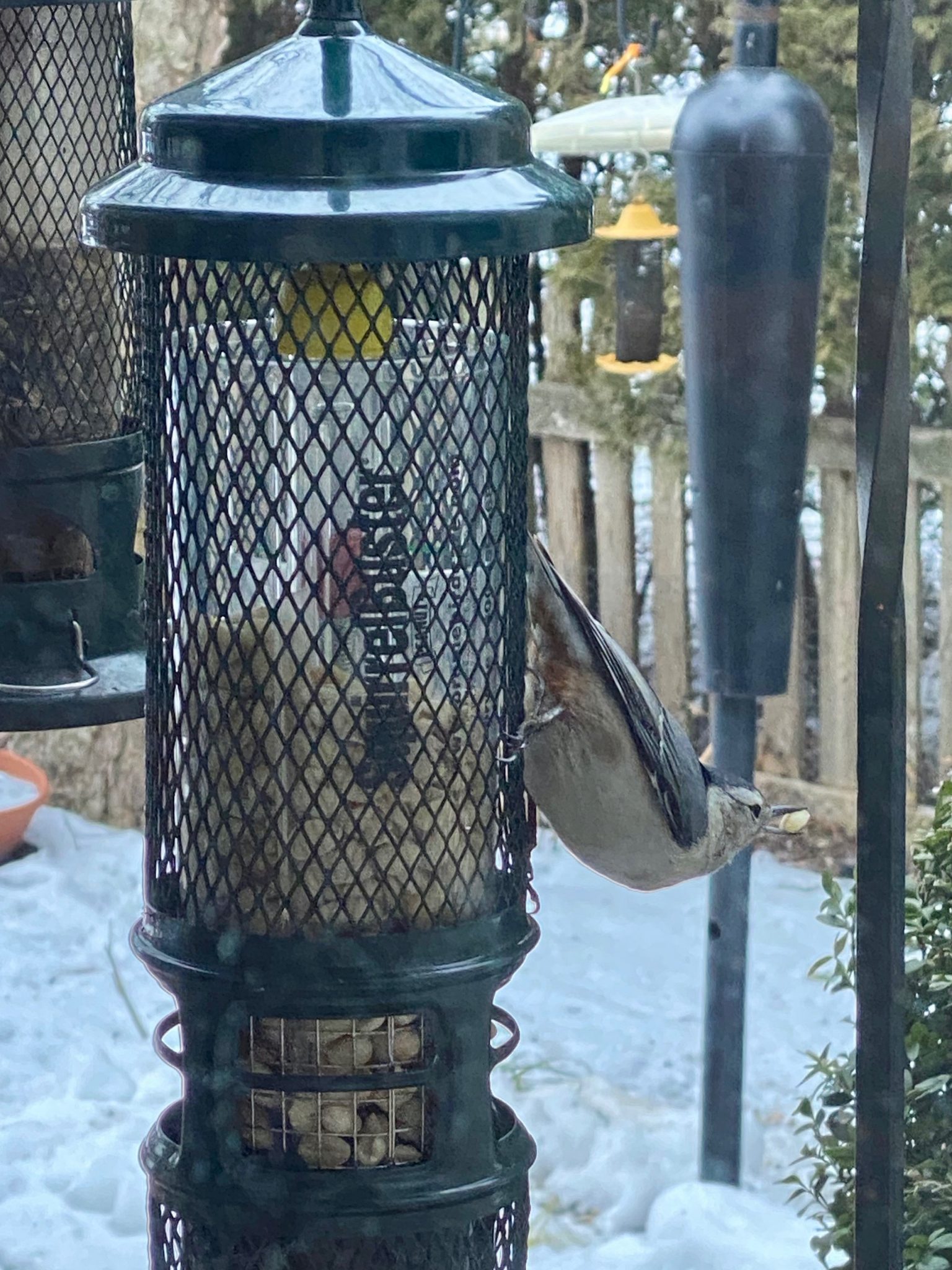
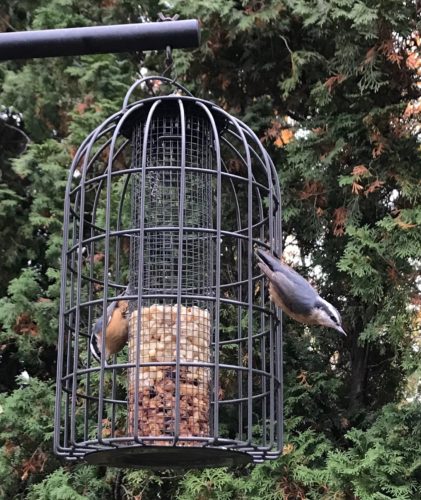
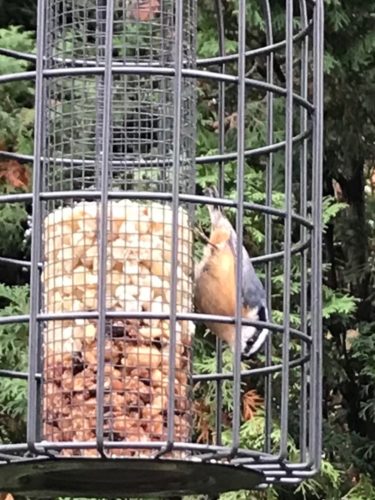
White-breasted nuthatch at my new Squirrel Buster Peanut + feeder from Brome. Filled with shelled peanuts it’s a great feeder for attracting nuthatches and woodpeckers.

Why does this matter?

There was a recent study in the journal Science last fall that described the decline in the overall number of North American birds by 29% since 1970. Birds also face a number of issues that certainly could affect their future numbers. Citizen science projects like the GBBC give scientists at the Cornell Lab of Ornithology and the National Audubon Society valuable information on where the birds are, how their numbers might be changing overall or regionally, and how they may be adjusting to new habitats. You can learn more about the GBBC at https://gbbc.birdcount.org.

Wondering what the #1 reported bird is in the U.S.?

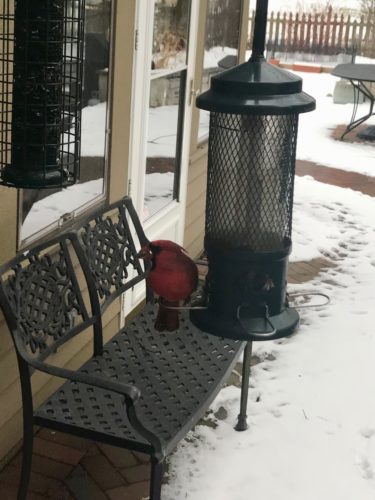
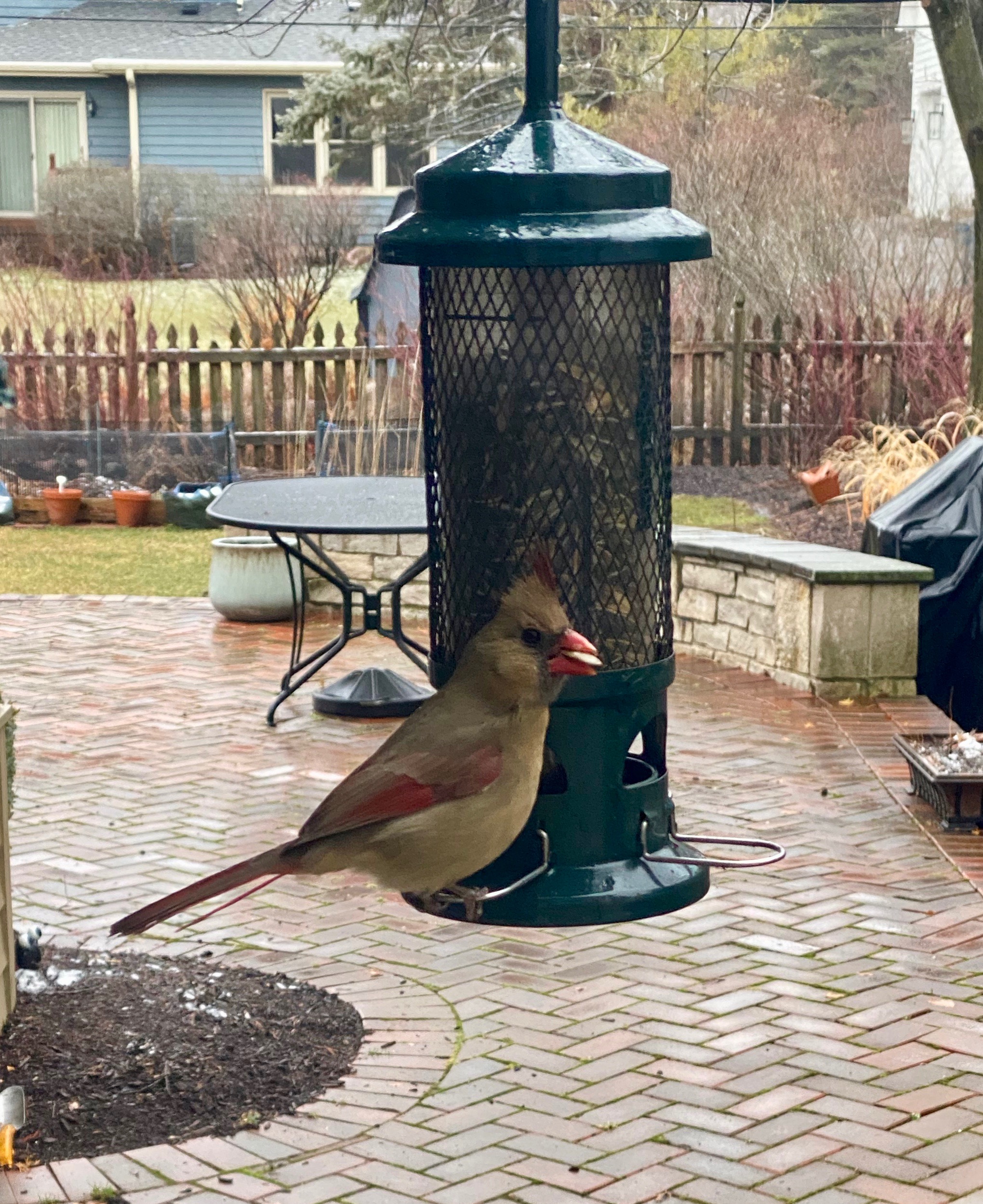
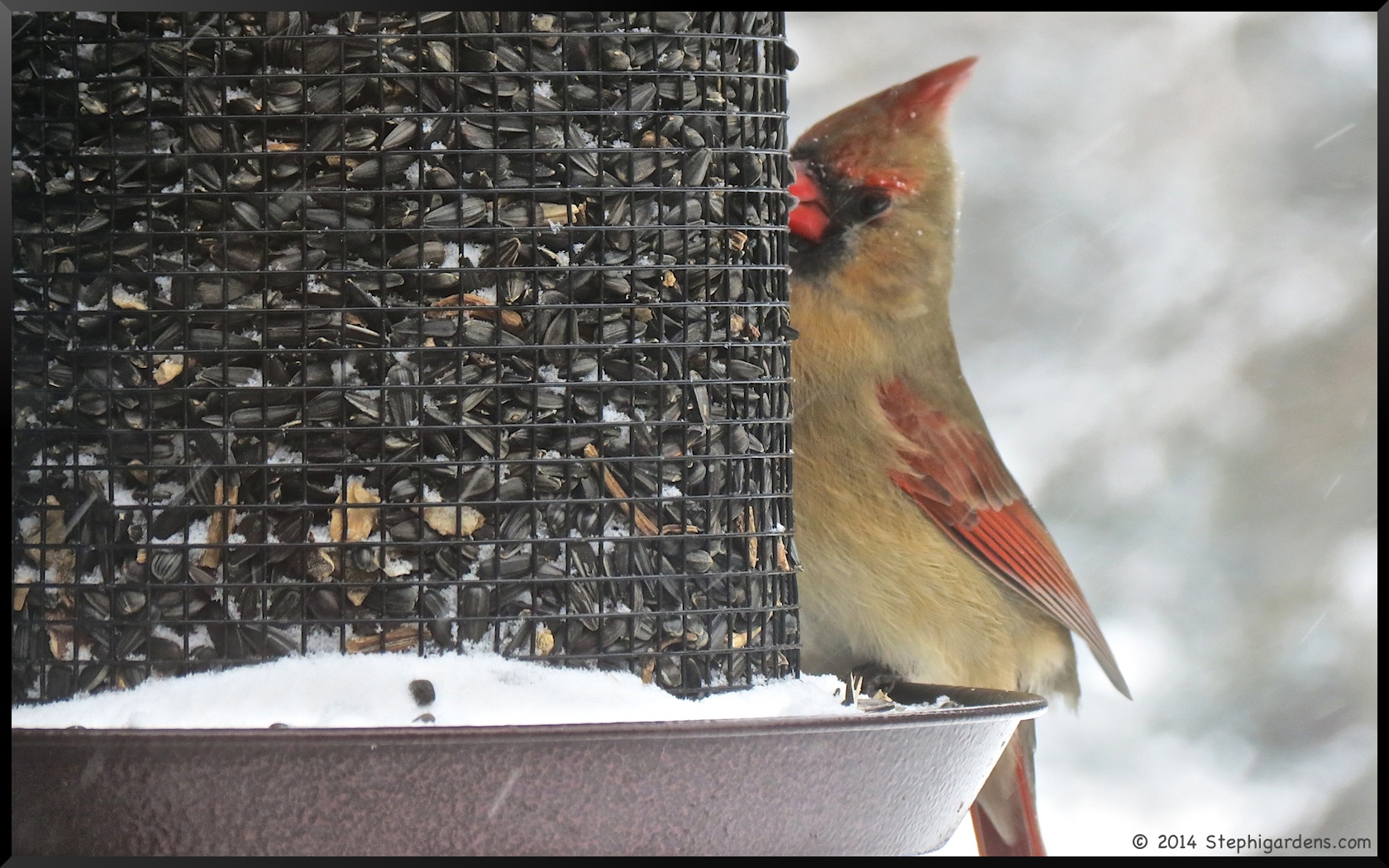
Most years it’s been the Northern Cardinal, a favorite at my feeders. I have this Squirrel Buster Standard Squirrel-proof Bird Feeder from Brome with perches perfect for cardinals right outside the kitchen window. I fill it with striped sunflower seeds which have a thicker shell than black-oiled sunflower seeds. House sparrows and house finches can’t really eat them, but are just fine for the cardinals. Makes dishwashing much more entertaining watching these beautiful birds.
What did I report this morning in my 15 min of watching my feeders in the backyard?

  • 1 Northern Cardinal (female)
  • 1 White-breasted nuthatch
  • 3 Black-capped chickadees
  • 2 Juncoes
  • 6 House sparrows
  • 4 House finches
  • 1 Downy woodpecker
  • 1 squirrel – no, I didn’t really report it, but it was there eating the crumbs off the ground so I’ll count it.
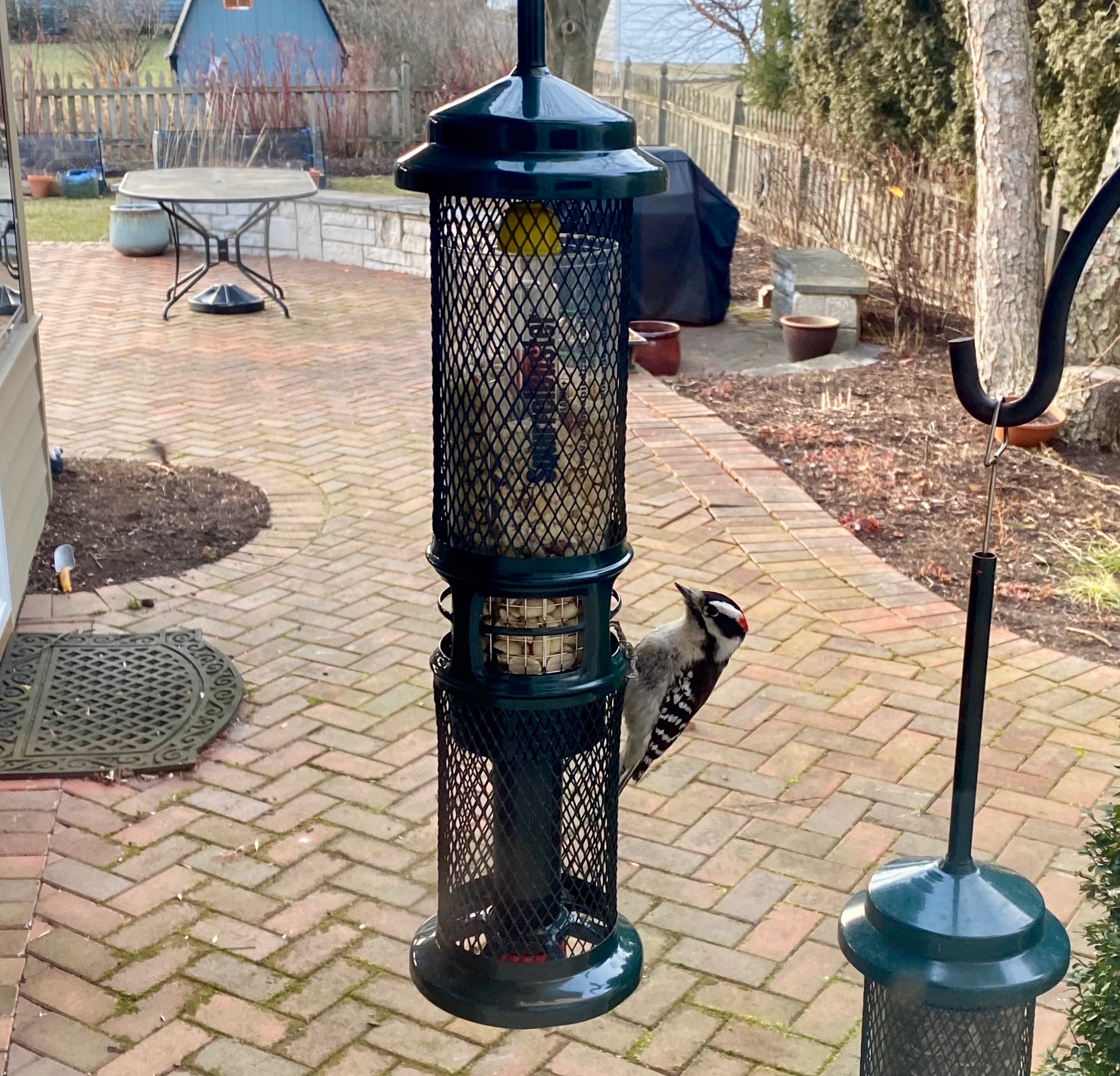
Too bad there wasn’t anything unusual today, but happy to have anything in addition to the ever present and obnoxious house sparrows and house finches.

Need help identifying what you see? Check out these mobile apps, these online resources, or order my favorite bird book for beginner to intermediate birders, Birds of North America: A Guide to Field Identification.

Interested in what everyone else is seeing? On the GBBC website you can explore real-time maps and charts that show what others are reporting.  Be sure to check out the Explore a Region tool to see what everyone else is seeing in your area. Want to have your own checklist specific to your area? Check this tool out.

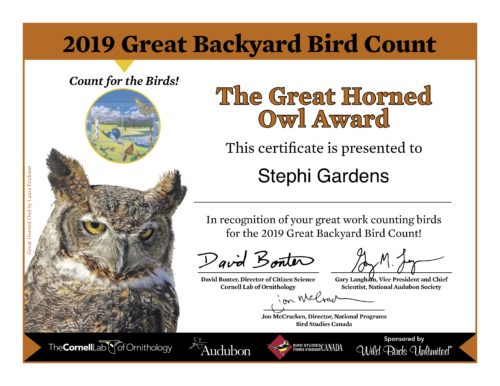
I did my part!
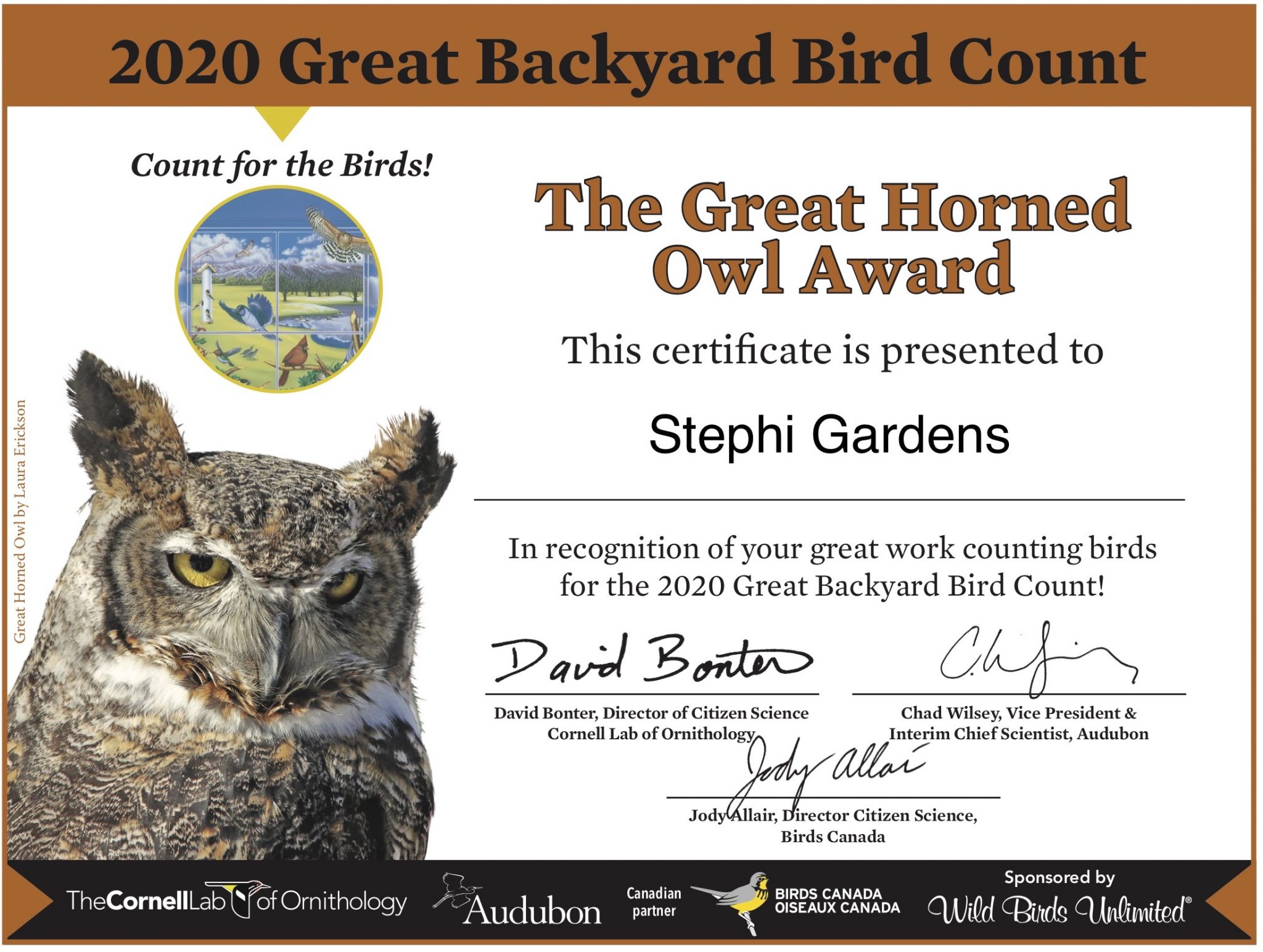
You can get your own certificate, just follow this link.

Want to help count birds all year round? You can keep counting throughout the year with eBird, which uses the same system as the Great Backyard Bird Count to collect, store, and display data any time, all the time. I love this tool to see what birds others are seeing (and where) when I’m out and about.

Happy Birding! Hope you see something interesting, but even if you don’t, know you’ve made a difference for science. Let me know what you saw this weekend!

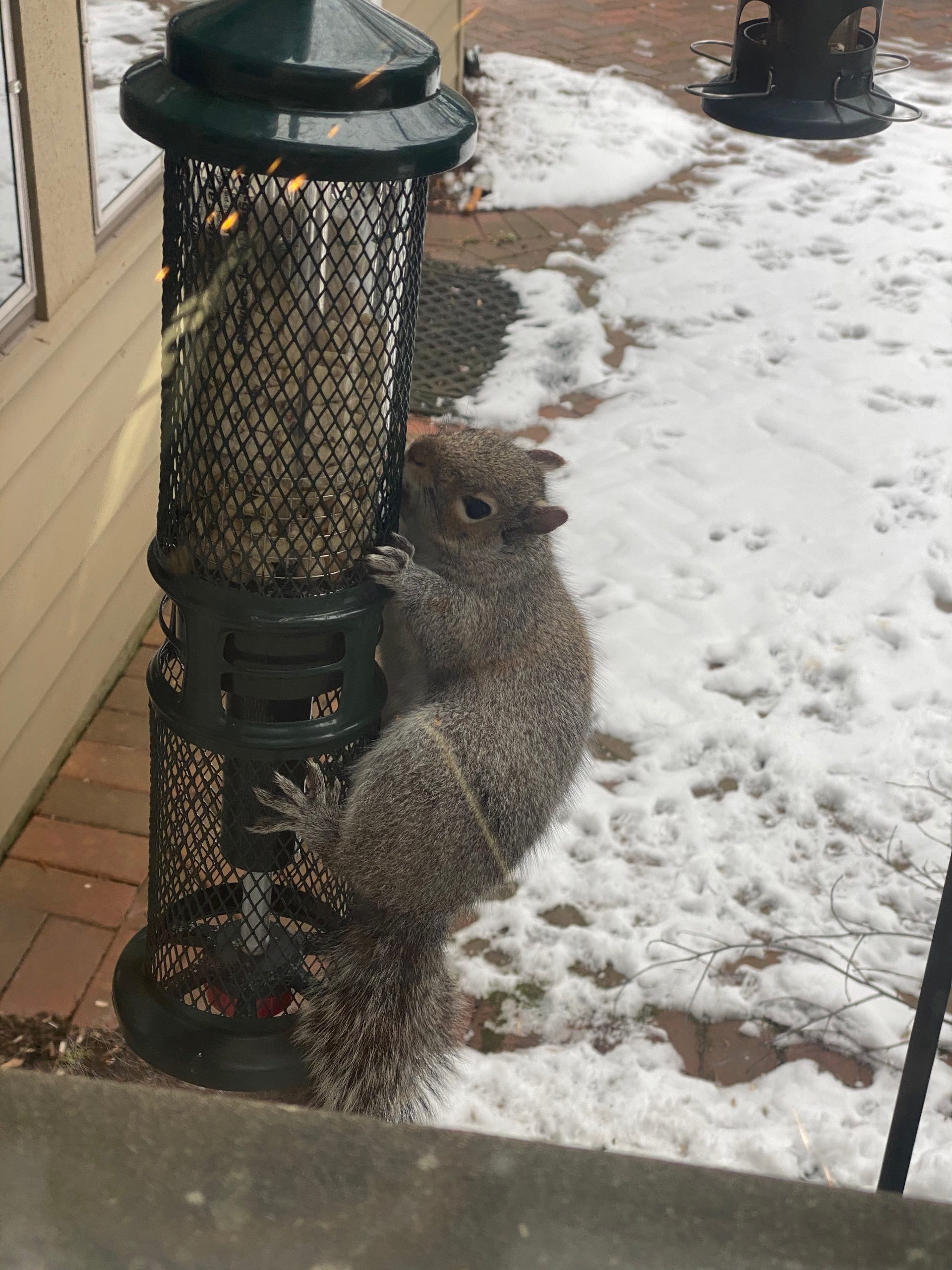
BTW, these Brome feeders really do keep out the squirrels! This guy tried a few times and has since given up.
Bird Count Time

It’s that time of year again! The 22nd Annual Great Backyard Bird Count is this weekend, Friday, February 15, through Monday, February 18, 2019.

This is a wonderful citizen science project that helps researchers at the Cornell Lab of Ornithology and the National Audubon Society learn more about how birds are doing, and how to protect them and the environment we share.

peanut feeder

It can be as simple as looking out your window for as little as 15 min, or go out to your favorite birding spot and report on what you see. Every report is important to create a worldwide snapshot of where all the birds are at one moment. Scientists use this information to investigate how weather and climate change influence bird populations, why some birds like winter finches appear in large numbers during some years but not others, how the timing of birds’ migrations compare with past years, how are bird diseases, such as West Nile virus, affecting birds in different regions and have there been changes in bird diversity in cities versus suburban, rural, and natural areas?

Once you’ve counted your birds, you can log your sightings online at birdcount.org. This morning I counted 2 red-breasted nuthatches, 1 downy woodpecker, 4 house finches, 6 house sparrows and 1 female cardinal. I’ll report again tomorrow morning and hopefully one of my unusual visitors like the Red-bellied Woodpecker or Coopers Hawk decides to visit.

Need help identifying what you see? Check out these mobile apps, these online resources, or order my favorite bird book for beginner to intermediate birders, Birds of North America: A Guide to Field Identification.

This is a male cardinal from a few days ago. He was just frozen there at the feeder with the striped sunflowers in his beak. Not sure what he was doing, but he sat like this probably for a minute or so.

In the past, I generally didn’t have red-breasted nuthatches this time of year. They’d come through on migration for a couple of weeks and then move on elsewhere. This is exactly the type of data they are looking for.

squirrel proof peanut bird feeder

Interested in what everyone else is seeing? On the GBBC website you can explore real-time maps and charts that show what others are reporting.  Be sure to check out the Explore a Region tool to see what everyone else is seeing in your area. Want to have your own checklist specific to your area? Check this tool out.

Want to help count birds all year round? You can keep counting throughout the year with eBird, which uses the same system as the Great Backyard Bird Count to collect, store, and display data any time, all the time. I love this tool to see what birds others are seeing (and where) when I’m out and about.

I did my part 😊

You can get your own certificate, just follow this link.
Happy Birding! Hope you see something interesting, but even if you don’t, know you’ve made a difference for science.

Great Backyard Bird Count

Great Backyard Bird Count
February 14-17, 2014

Cardinal

Since 1998, birders of all kinds have come together for a four day bird count in February. Counting birds at the same time every year provides a snapshot into the overall health of bird populations around the world.

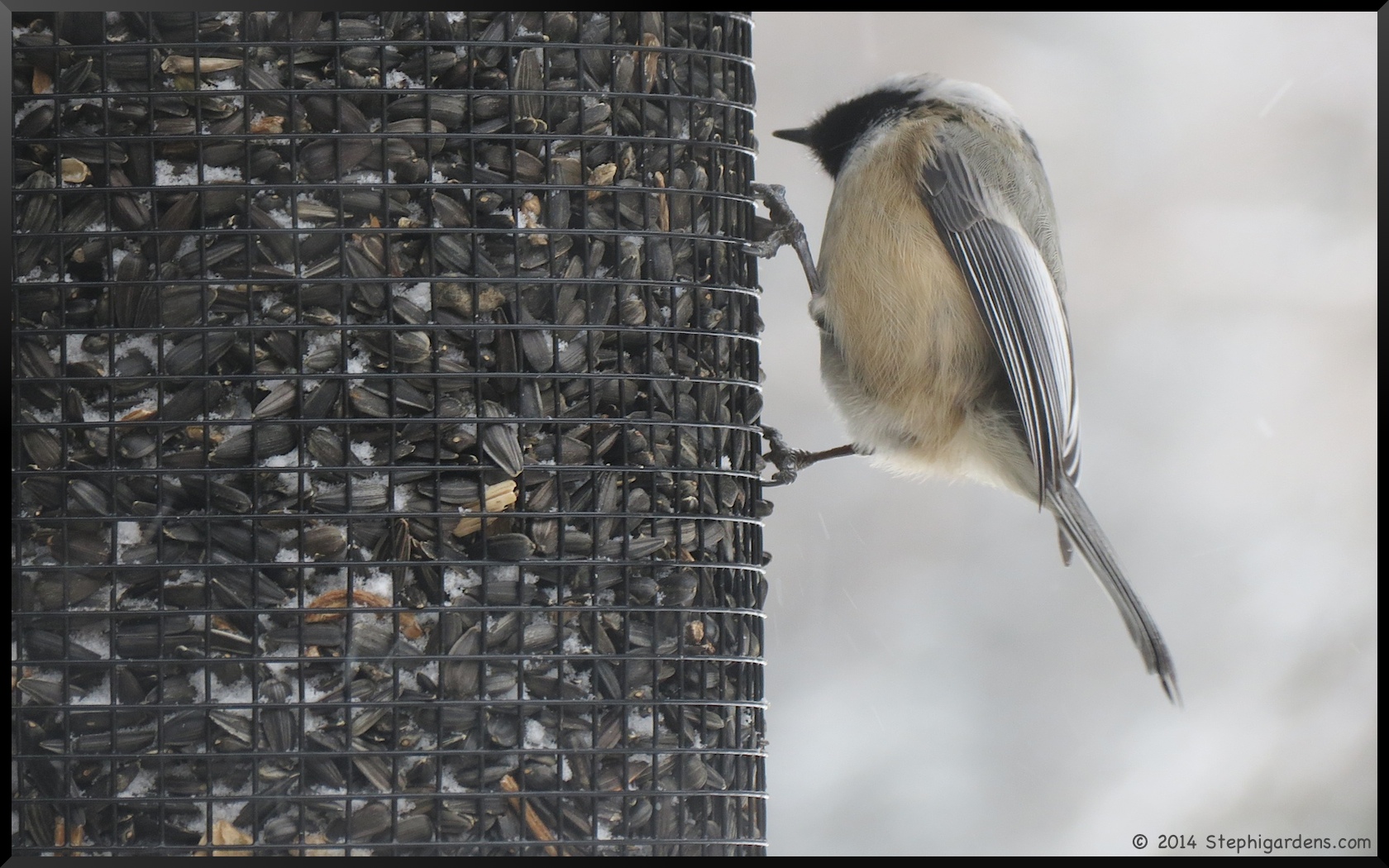
Chickadee

Years ago as a service project,  my Girl Scout Troop participated in this event.  It was really fun teaching the girls about what they were possibly going to see in their backyards, and introducing them to thinking a little more about their natural surroundings. The girls loved it!

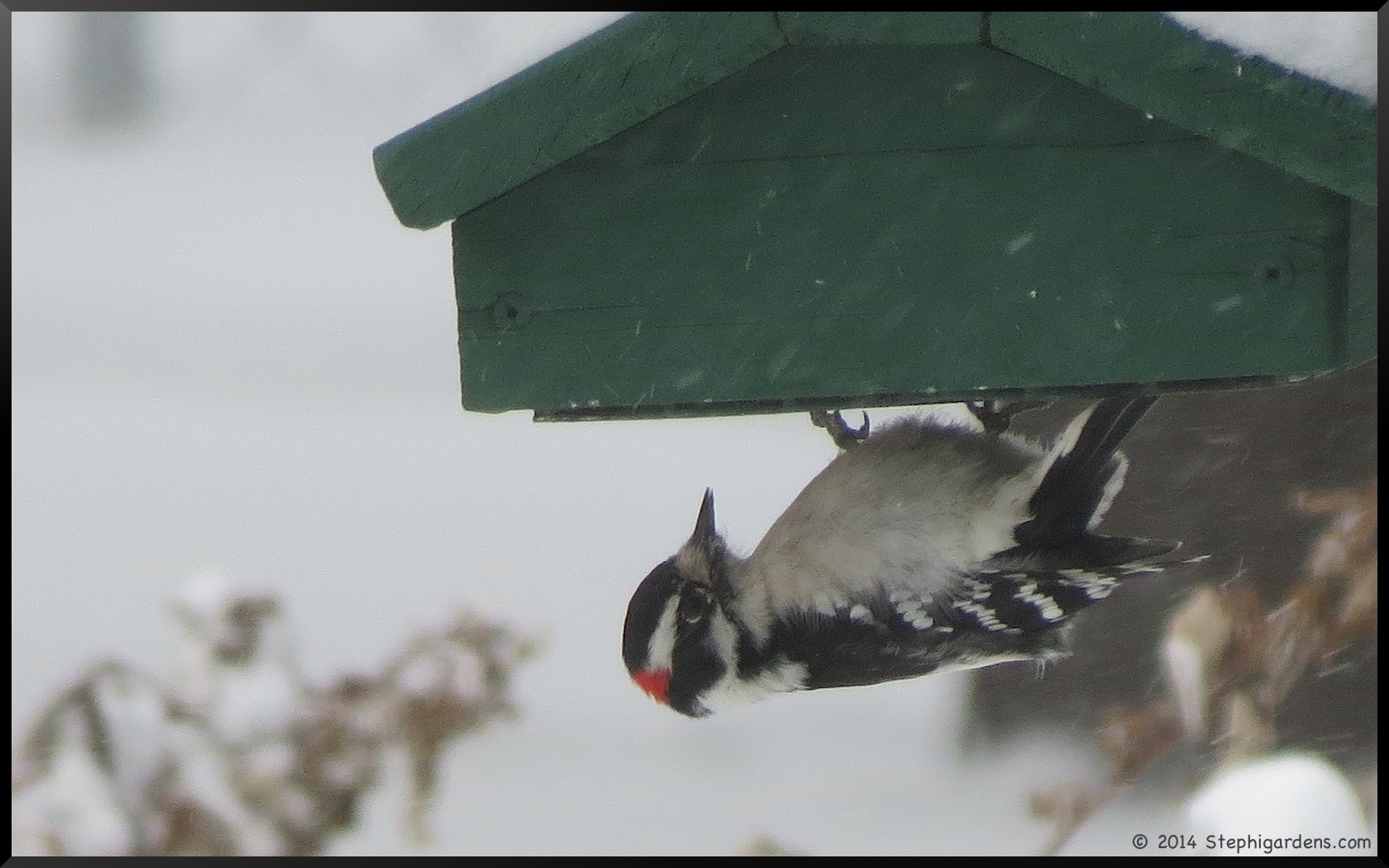
Downy Woodpecker

It’s super easy to participate. Simply tally the numbers and kinds of birds you see for at least 15 minutes on one or more days of the count, You can count from any location, any time of day, anywhere in the world.

To get more information and register your observations, go to the GBBC site.

GBBC

This project is a joint venture between the Audubon Society, The Cornell Lab,  and Bird Studies Canada.  It is also made possible by support by Wild Birds Unlimited and the National Science Foundation.

Are you participating? Did you see anything unusual?

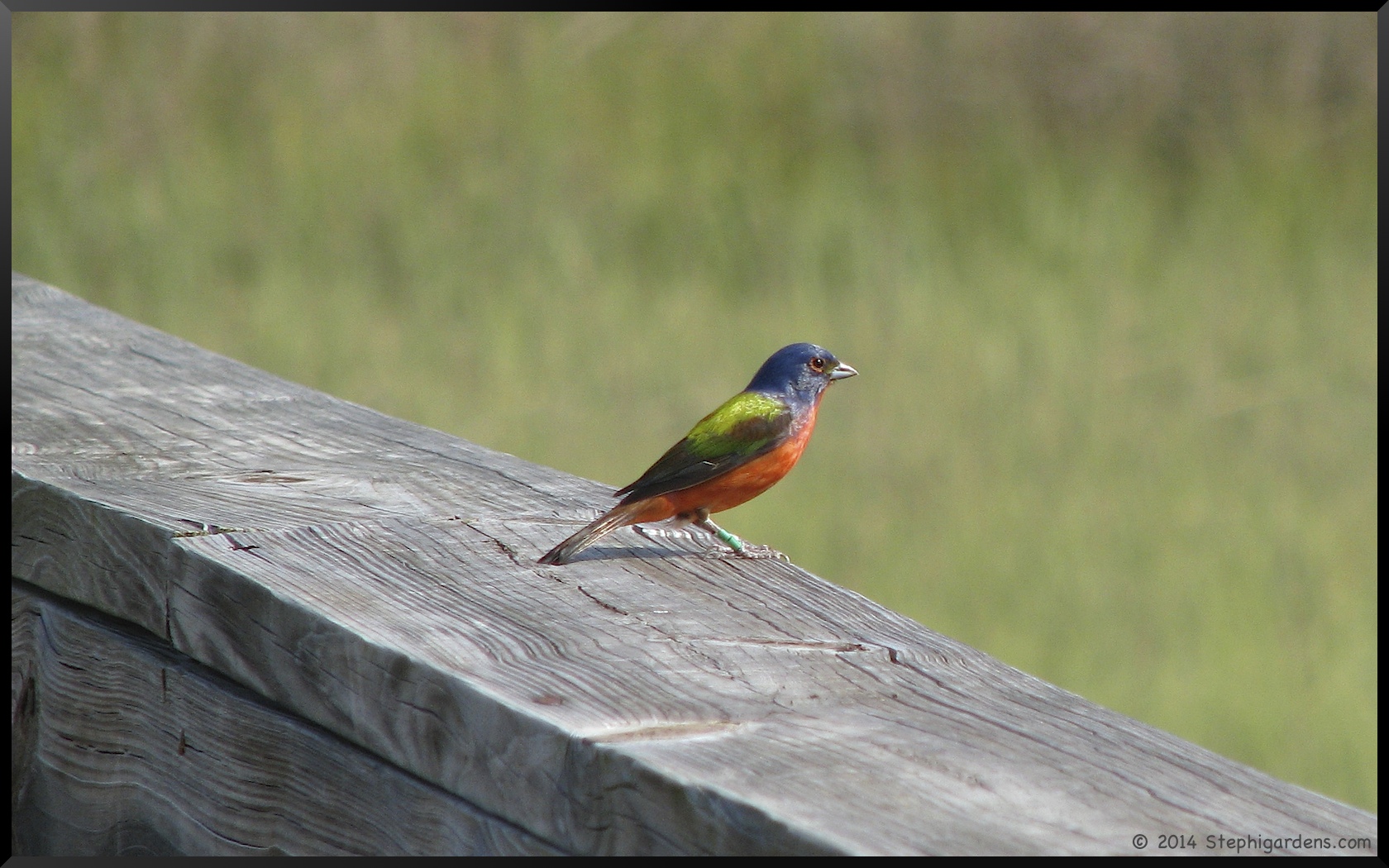
This Painted Bunting would be highly unusual to see in my backyard, but it was one of my most exciting sightings!

Painted Bunting

Photos by Peggy and Stephi

Nest Cams

Over the winter, I have enjoyed watching birdfeeder cams (see previous post “Birdfeeder Cams“). Now that spring is around the corner somewhere, it’s time to start following some of the nest cams.

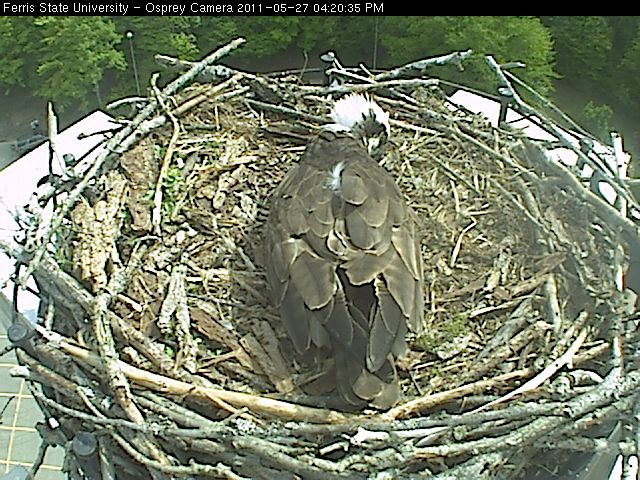
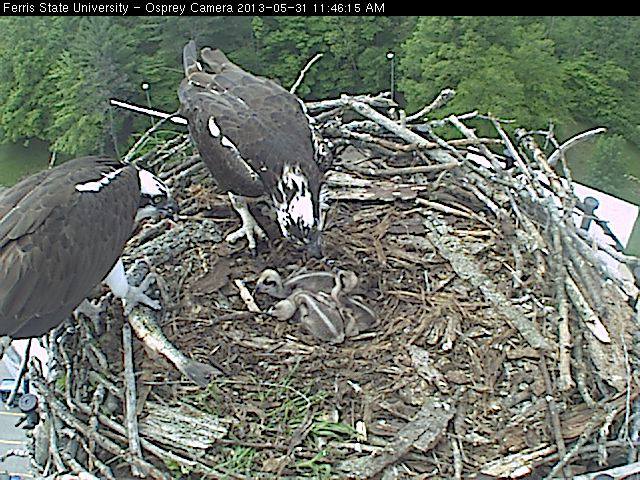
The first nest cam that I began following is the Ferris State University (MI) Osprey Cam.  They’ve been streaming video of a nesting pair of ospreys in their parking lot for five years.  It’s still a little early for the Ospreys to be back yet, so the cameras are not up and running.  They usually return the end of March/early April.  You can check their Facebook page for updates as to when things will get going again for the year.

Here’s a shot from last year.  See the car in the left corner?  That’s me!!

Ferris State Osprey Cam

Here’s another shot from the cam last year w of the whole family.

Ferris State Osprey Cam

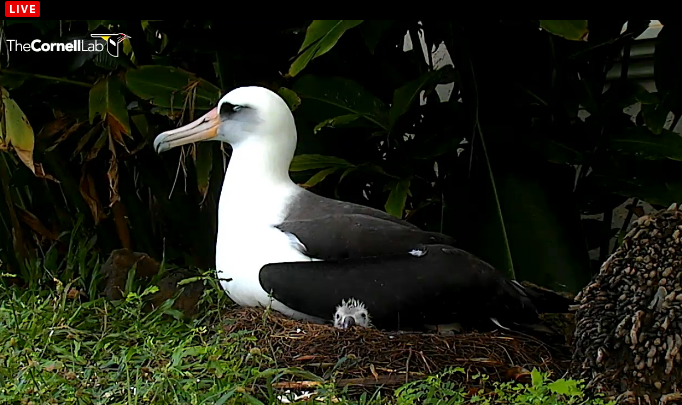
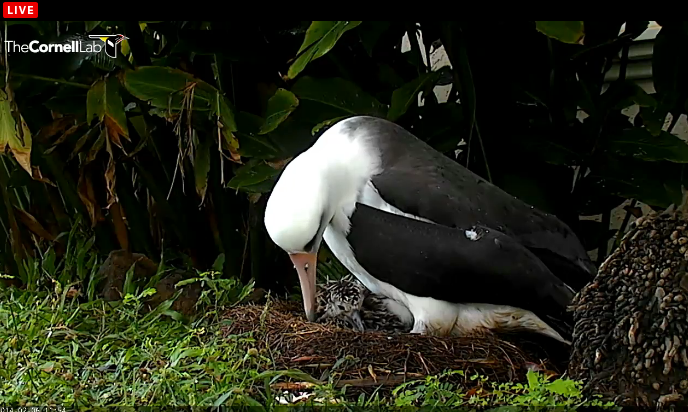
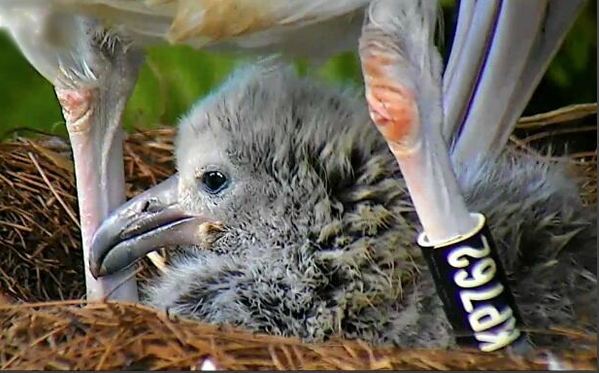
Until the Ospreys are back, I’ve been watching some other nests.  In Hawaii, a pair of Laysan Albatrosses recently laid one egg, which hatched successfully about 2 months later on January 27th.  This nest is in the yard of a personal residence near a bluff overlooking the Pacific Ocean.   The chick will take 5-6 months to grow to adult size and take flight.  During that time, it may spend up to 17 days alone, as the parents go on long foraging trips out into the ocean.  Once the fledgling takes flight, it will leave the nest and not return to land for the next 3-5 years.

With the weather the way it is here, how can you not enjoy watching this family?

Laysan Albatrosses Nest Cam

Laysan Albatrosses Nest Cam

Laysan Albatrosses Nest Cam

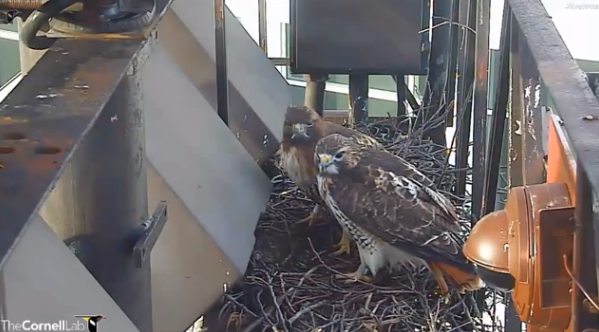
Also on the Cornell Lab site, high above the athletic fields you can watch a pair of Red-Tailed Hawks that have been nesting at Cornell University for the last four years.  Big Red, and her mate Ezra, have just arrived back and have begun to rebuild their nest again.This will be the third year these bird’s nest activity has been streamed.  To learn more about Big Red and Ezra, be sure to check out their FAQ page.

Interesting place to build a nest, but they seem to like it.

Cornell Red-Tailed Hawk Nest Cam

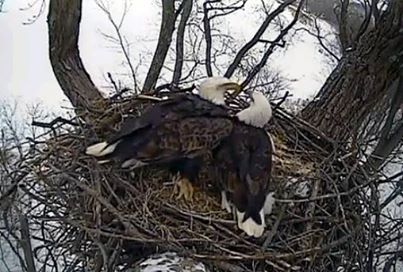
The Decorah Eagles site in Decorah, IA, follows a breeding pair of Bald Eagles that have been together since the winter of  2007-08.  Since 2008, they have hatched and fledged 14 eaglets.  They expect this year’s first egg to be laid around February 17th.   So far, the pair has been busy setting up their nest and getting ready.  I’m always so surprised how early Eagles will lay their eggs in such cold climates.  I’ve seen them sit there, covered in snow with the wind howling, keeping those eggs safe and warm.  This nest cam is part of the non-profit Raptor Resource Project which specializes in the preservation of birds of prey.

Decorah Eagles

This is just a few of the nest cams that are out there.  As more come back on-line for the season, I’ll mention them.  If you have a favorite bird, I’m pretty sure someone has a nest cam on it.  Nest cams have really multiplied the last few years and for the most part, people are respectful of the birds.  It’s a great way to follow the trials and tribulations that these birds go through, from predators, to finding food, to fighting the elements.  It’s really exciting to finally see the babies take flight and then one day take off, never to come back.  Then it’s time to cross your fingers and wait and see if mom and dad come back again next year.

Birdfeeder Cams

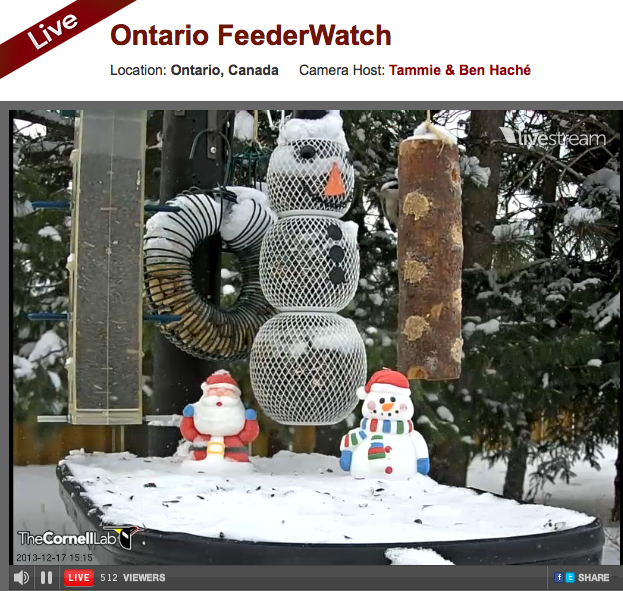
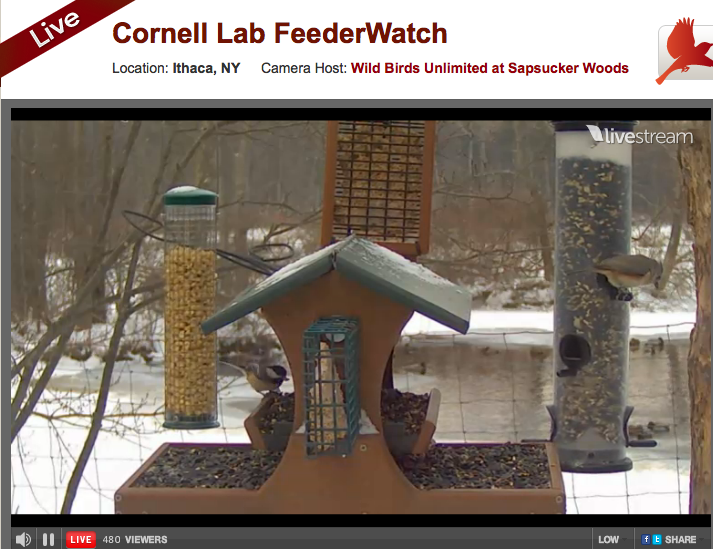
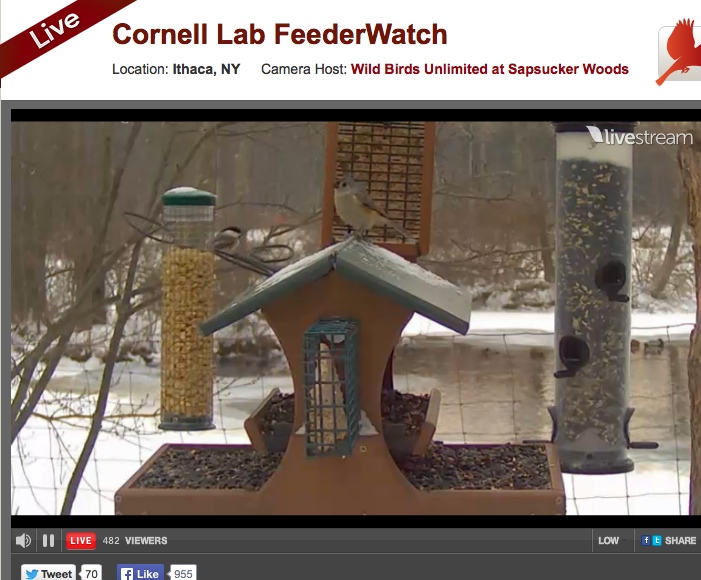
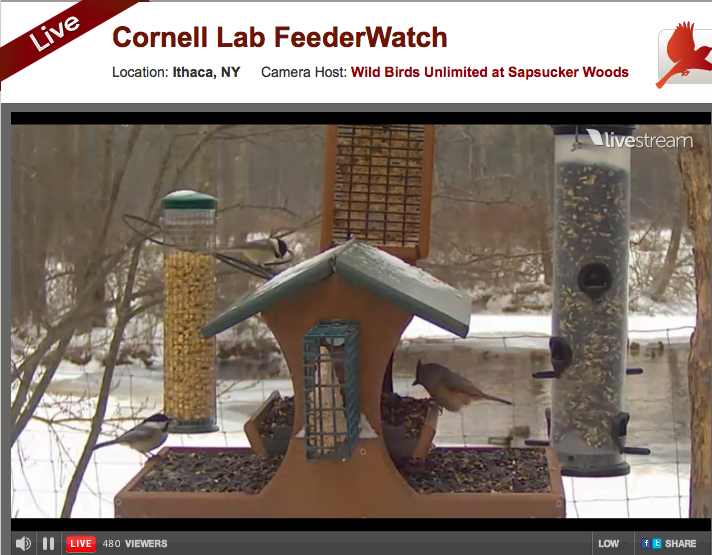
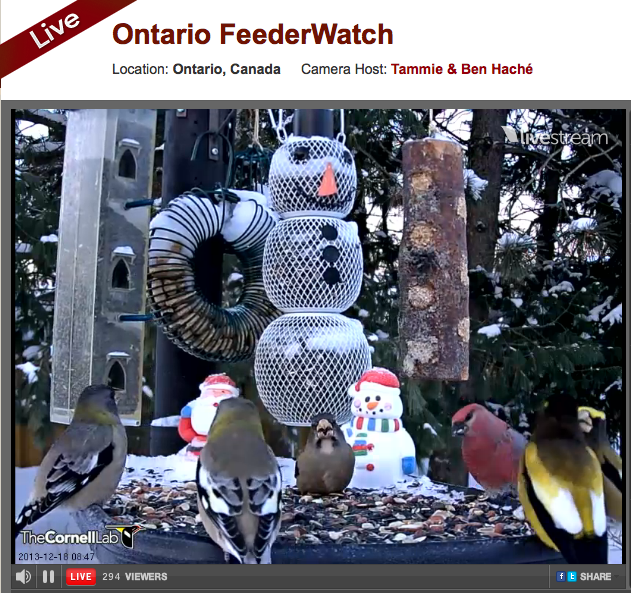
From my computer, I can’t really see much outside. Even if I did, my feeder (yes, only one right now) doesn’t usually attract a wide variety of birds.  I do enjoy watching the Goldfinches, Chickadees and Juncoes, but they are often overrun by the usual suburban fare.  So, I’ve taken to watching the bird cams that have popped up the last few years.  Many watch nests, but those are pretty quiet or off-line right now.  Instead, in the winter I mainly watch the bird feedercams run by the Cornell Lab of Ornithology: All About Birds.  They have 2 feeders that have cameras on them.  One in Ontario, Canada, and the other at the Cornell Labs in Ithaca, New York.  The Ontario site is in a large, diverse, residential backyard in northern Ontario and is only on during the day.  (update: this feeder is no longer art of their live feed, but there’s many others to choose from). The Cornell Labs site is located on the edge of Sapsucker Woods, right near a pond.  It’s supported generously by Wild Birds Unlimited and runs 24 hours a day.  Both are great locations for attracting birds and they get a variety of visitors.  If you have some time to watch , it’s a nice diversion, especially when your own yard isn’t all that interesting.   It’s also nice sometimes to just have it open in the background.  You can hear all the visitors and it makes you feel like you are there.

Here’s what I saw today:

Ontario was a little quiet today, probably due to snow and wind.  The Chickadees did venture out, though.  I love the holiday theme!

Cornell Lab Feederwatch

The Cornell labs location was quite busy today.  Lots of Chickadees, the Tufted Titmouse visited for a while, and ducks swam in the pond.  There were also some sparrows that were a little tricky to identify, but the consensus from watchers was that they were American Tree Sparrows.  I have to admit I am not very good at identifying LBJ’s (little brown jobs).

Cornell Lab Feederwatch

Cornell Lab Feederwatch

Cornell Lab FeederCam

I visited quickly this morning before my post was scheduled to go out and the Ontario feeder was a having a gathering of Grosbeaks!  

Cornell Lab Feederwatch

Do you watch any Feedercams?