Spring in Chicago has been on and off again the last couple of months. We were teased with early warm weather and everything started popping out, but then winter seemed to come back and bring everything to a halt. But now, everything has just exploded in color.
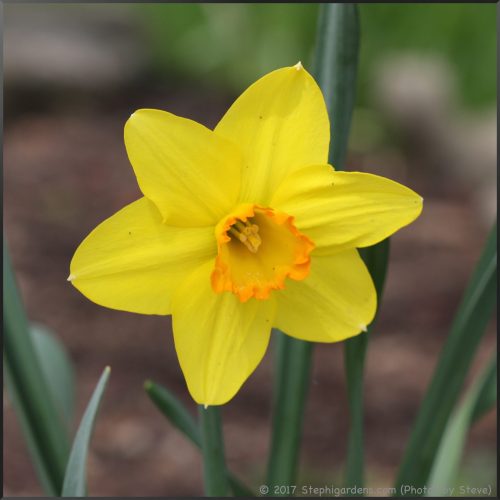
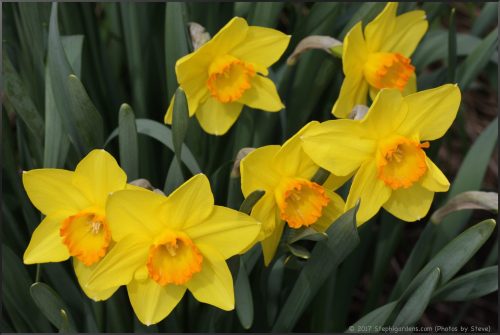
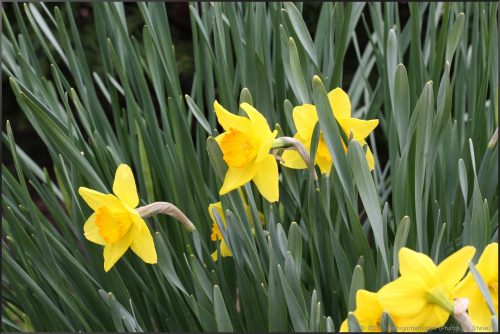
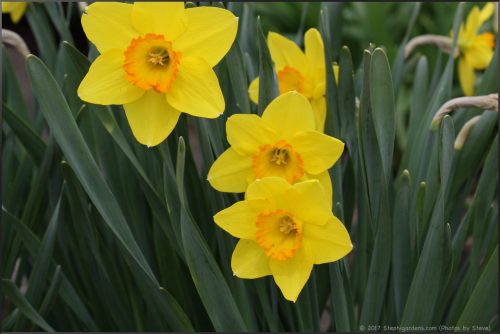
Of all the wonderful spring blooms, my favorite is the daffodil.
After 20 years, last fall I added more daffodil bulbs to the ever dwindling display and I was not disappointed at my efforts.
We have two new magnolias that have done really well this year. Unfortunately, unbeknownst to me they were reversed when planted last spring. I’ll have to have them replanted once they finish blooming and we’ll be back to square one with needing to baby them all summer again 🙁
The Jane Magnolia (Magnolia x ‘Jane‘) is one of the “Little Girl” Magnolias. It’s considered a late blooming magnolia and its blooms are a spectacular deep pink.
The other magnolia we planted is a Star Magnolia (Magnoliastellata ‘Royal Star’) which has large, fragrant, white double flowers.
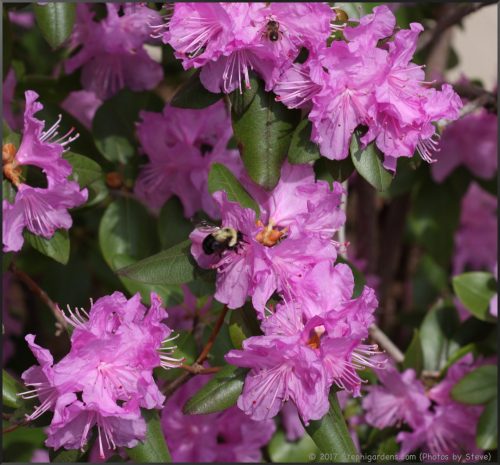
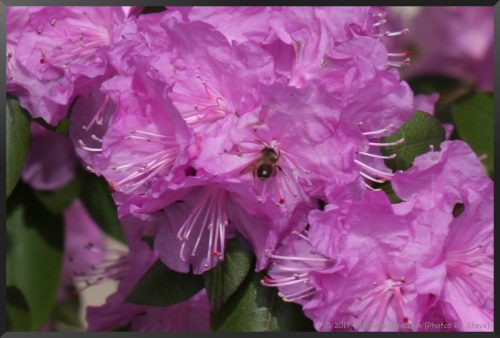
Even the bumblebees enjoyed this spring day on the rhododendron!
I love this time of year. Everything is so fresh, green and bright!
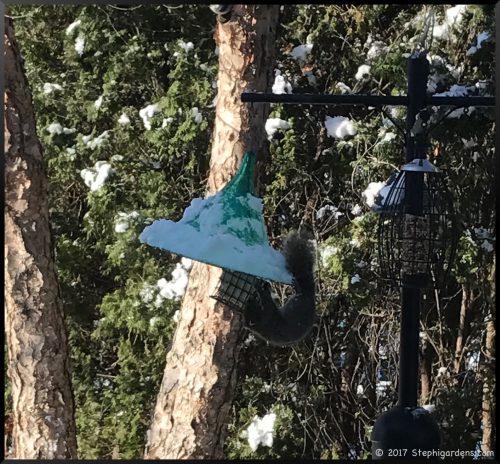
I’ve had an ongoing issue with squirrels ravaging my bird feeders. I bought a great Squirrel Stopper pole, but because I wanted to see the birds from my kitchen window, and despite clear instructions not too, I placed it too close to a nearby tree and arborvitaes. So, those very acrobatic squirrels have had fun feasting at my feeders!
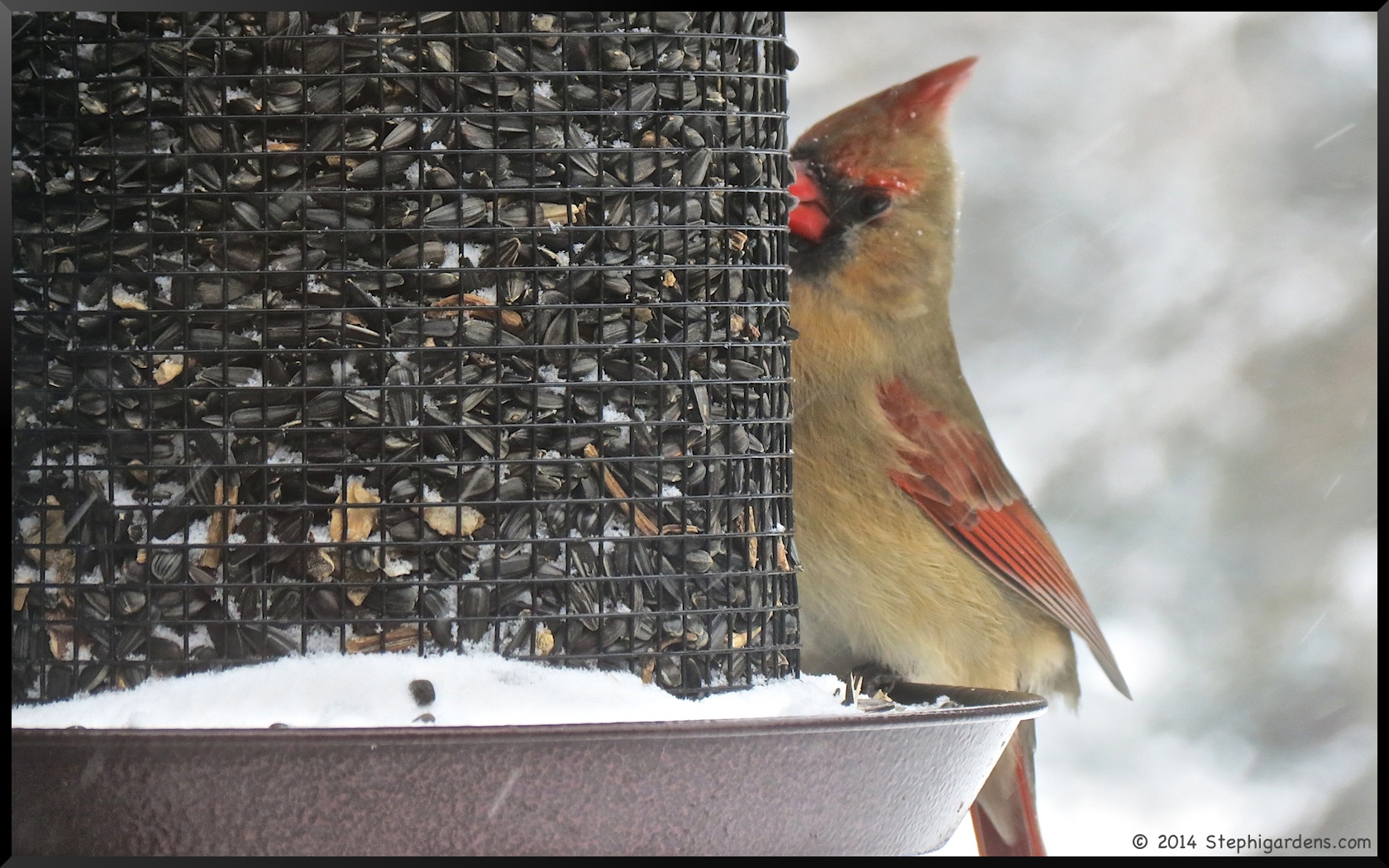
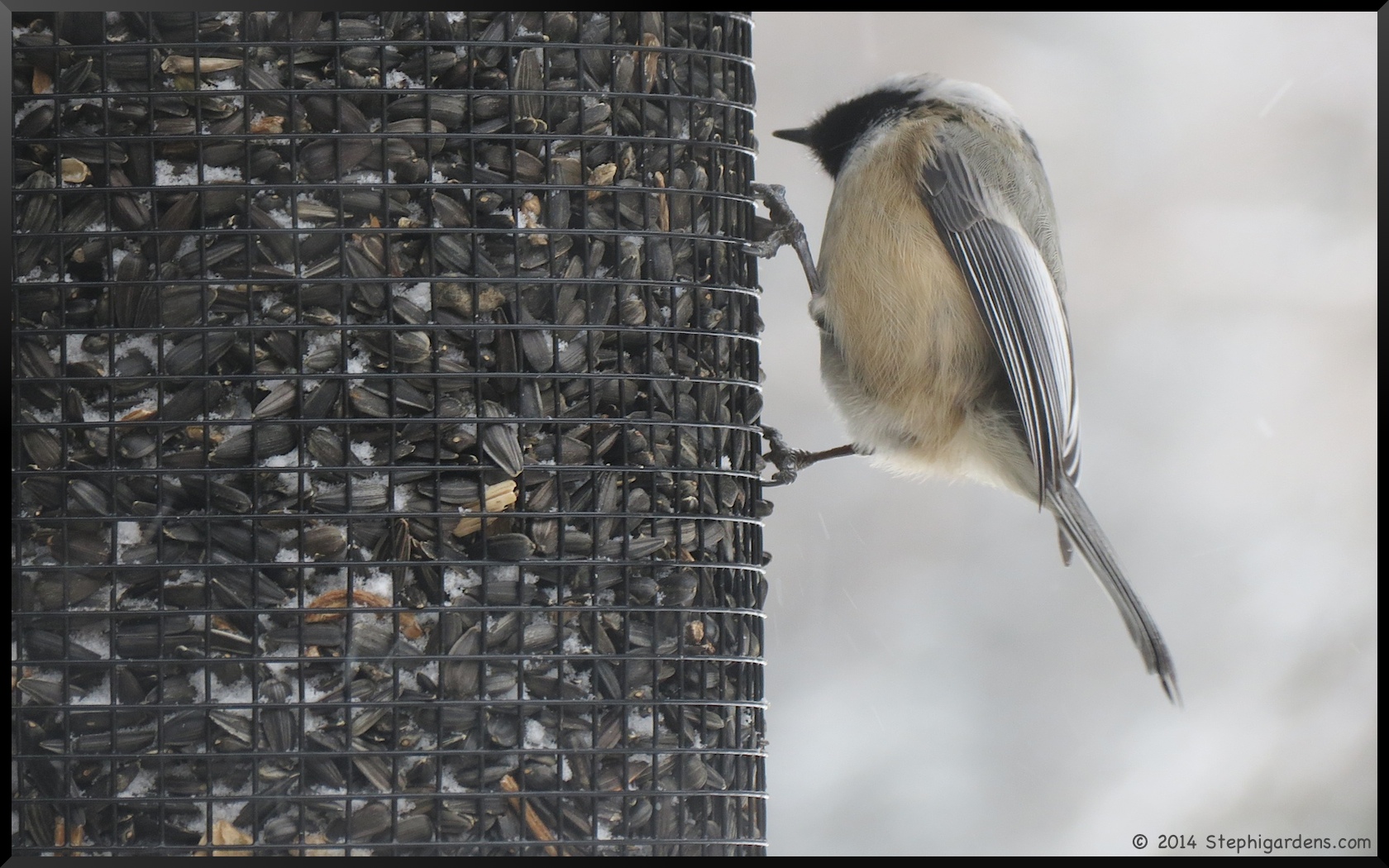
In a post earlier this winter, I wrote about finally investing in some well reviewed squirrel proof feeders to try and attract more birds than squirrels to my yard (Happy New Year’s To My Backyard Birds!). So did they work?
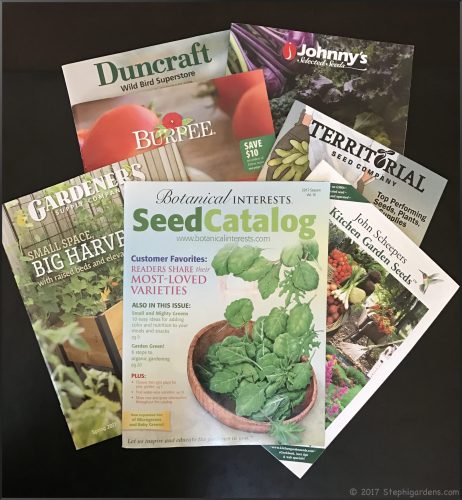
It’s always fun to spend time in January and February going through all the seed and garden catalogs to see what I am going to grow this year.
It’s also during that time, I wish I had bigger gardens and more sun to really plant huge vegetable and flower gardens. But I have what I have, so I’m limited in what I can plant and can honestly barely take care of that. After many years of experimenting, I’ve settled into growing particular vegetables we like best, but often changing up the varieties, and then throwing in a few new things for fun.
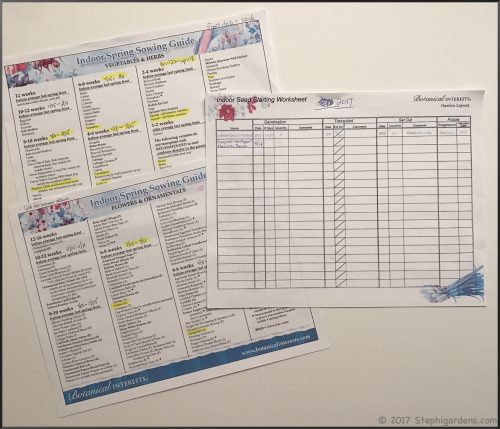
Now’s the time to get started with any indoor sowing that needs to be done to give plants a head start in my northern climate. As in prior years, I’ve printed out my very handy planting guides from Botanical Interests and noted the sowing dates by counting the weeks backwards from my average last frost date.
If you don’t know your average last frost date, you can find it easily on Dave’s Garden.
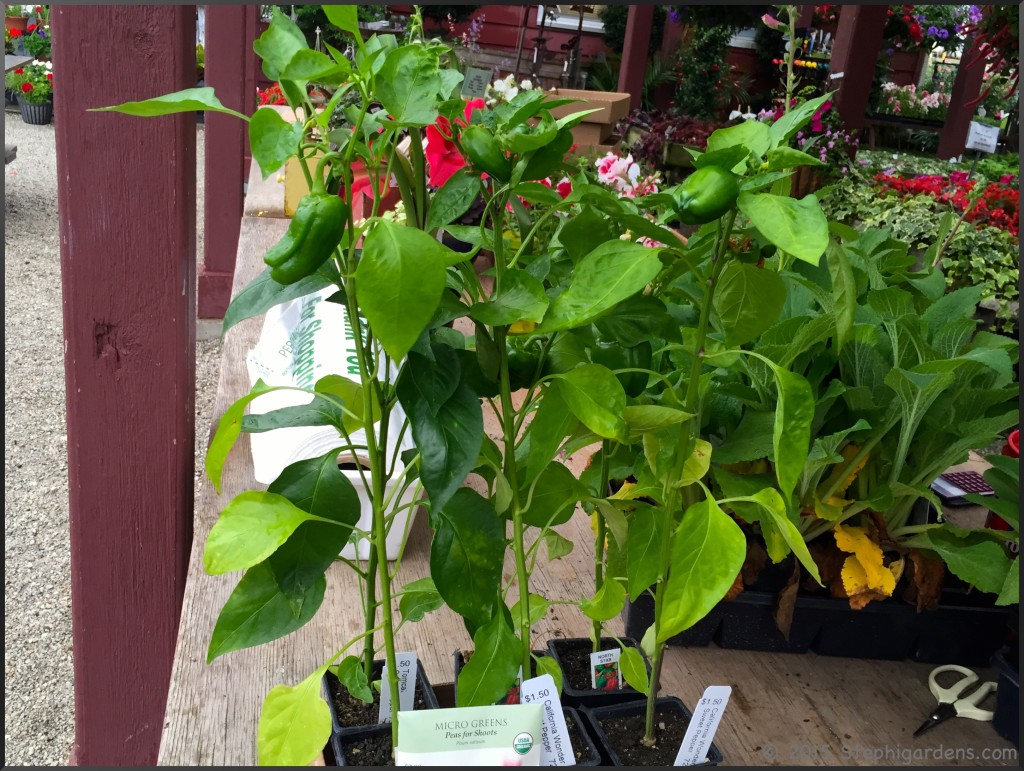
Like usual, I’ll get my tomatoes and sweet peppers from a local nursery (shout out to Vern Goers Greenhouse) who grows multiple varieties of both. Pretty much any variety I want I can get from them, and they’ll be stronger and healthier than anything I’d grow.
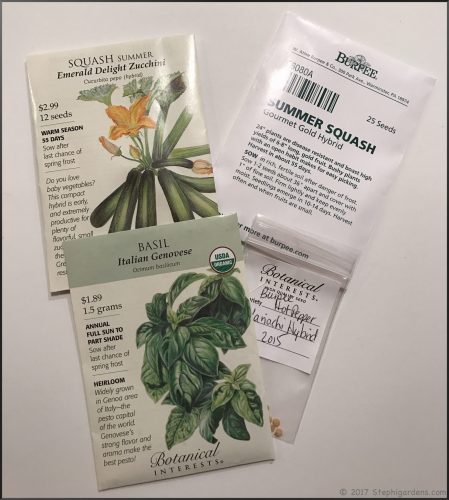
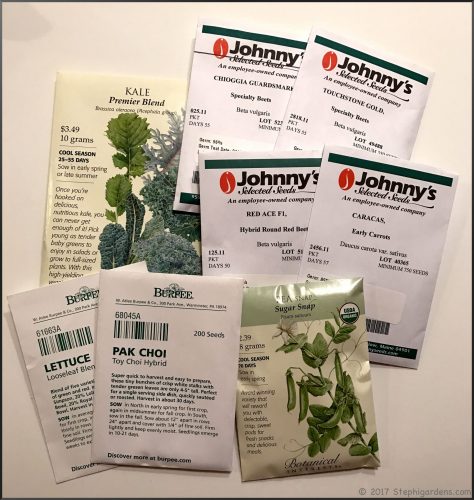
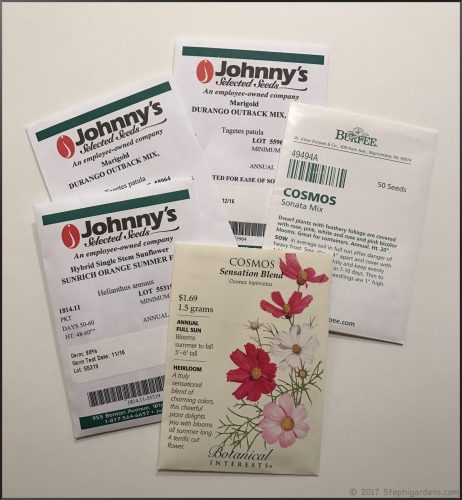
So what am I growing this year? I usually get my seeds from Botanical Interests and Burpee, depending on who has my favorite varieties. This year, I have also ordered some seeds from Johnny’s Selected Seeds since I was already ordering leek plant sets and seed potatoes from them.
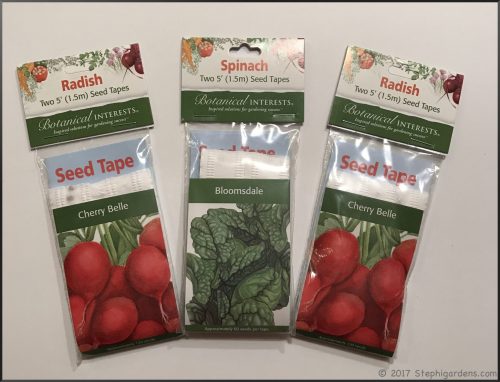
I’m also trying something new this year, seed tapes. Seed tapes are supposed to make it easier to plant small seeds and reduce the need for thinning. It’s biodegradable and can be cut to fit your space. Looks handy! I’m going to try it for spinach and radishes this year.
Since we don’t have any spring parties scheduled, I’m going to grow more of my own annuals from seed. As always, I’m growing marigolds and plenty of my new favorite cosmos.
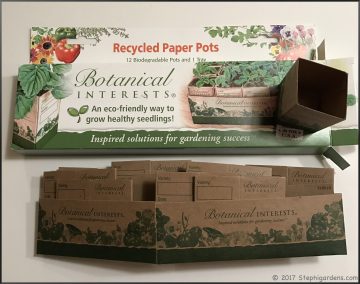
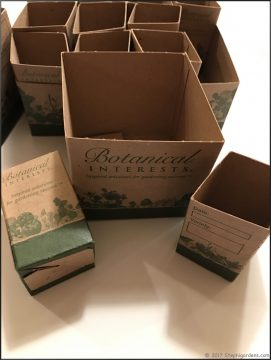
Plants can be grown right from seed and when time to transplant, the bottom tears off and the remaining pot and plant go right in the ground. Sounds great for my cucumbers and squashes.
I’m also finally investing in a grow light. I tend to grow very leggy seedlings that do ok, but a grow light is going to help the seedlings grow faster, healthier and better for transplanting. My mom Peggy bought the Hydrofarm JumpStart JSV2 2-Foot T5 Grow Light System a couple of years ago and had great luck with it. Her plants looked great when I was visiting last week, so I just ordered the same light set. Looking forward to not having a leggy, tangled mess of plants 🙂
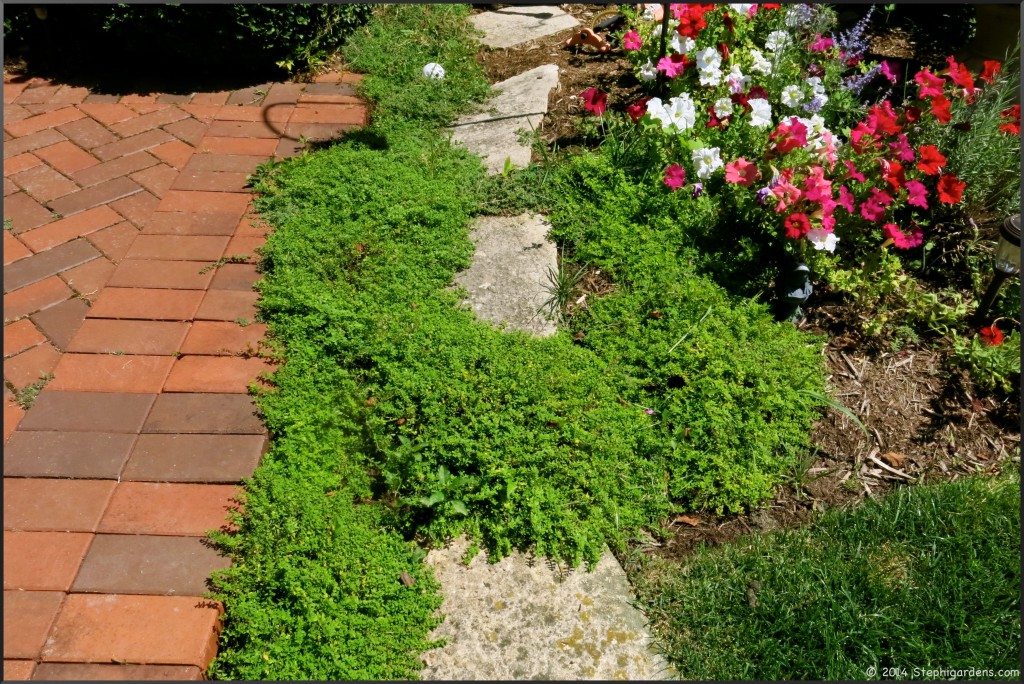
A couple of years ago I wrote a post, “Creeping Thyme Problems“, about my patch of creeping thyme that was totally a disaster. This post has also become one of my most popular, so I must not be alone in having ugly creeping thyme!
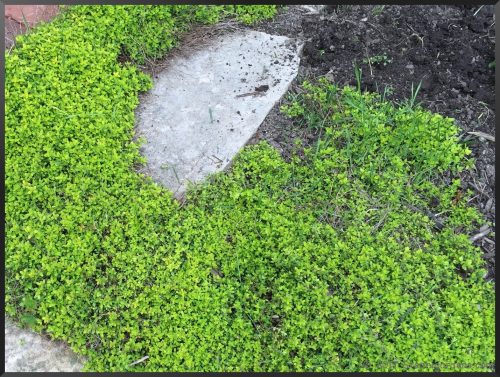
A couple years later, I’ve pruned it a bit more each year to keep it fresh and it’s still looking great. Except for the grass that has crept in.
If you’ve tried to get the grass out of ground cover mid-summer, it’s a thankless job. I tried to bribe the kids, but to no avail.
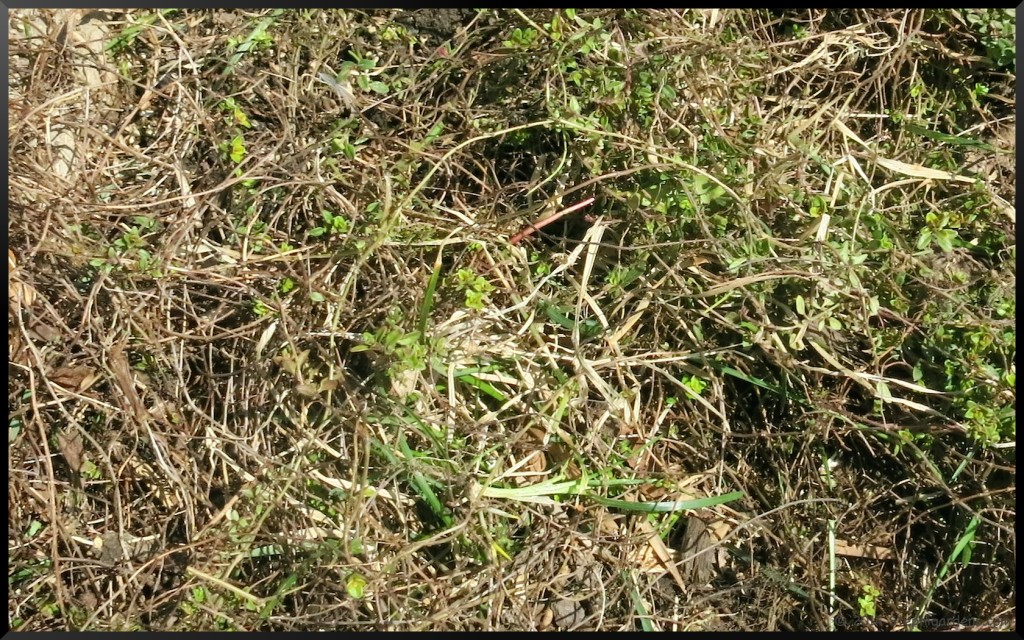
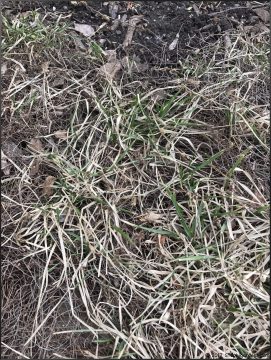
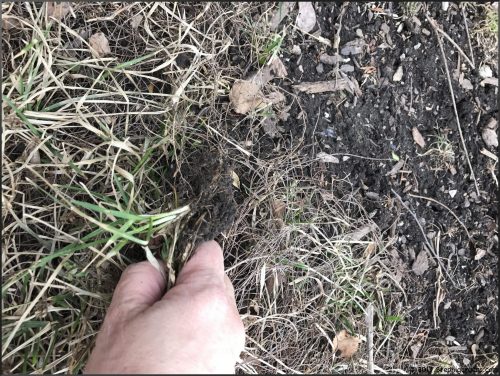
While walking around the yard checking everything out a few days ago, I noticed that the grass was greening up and was easy to spot and pull out while the creeping thyme was still dormant.
Definitely easier than pulling it out mid-summer when everything is green and thick. You need to get right down to the grass roots, otherwise you’ve just “cut” the grass and it’ll come right back. Since the thyme is dormant, it’s easy to find the roots and not have to dig around and disturb everything.
This is a new job I’m adding to my spring garden prep list that will hopefully save me weeding time in the heat of the summer. It’s also a useful time to pull out the creeping charlie that is starting to green up and “creep’ its way around the garden.
Looking forward to thick lush creeping thyme that smells great when I walk on it this summer!
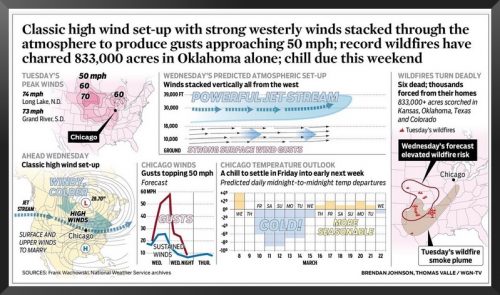
Like many across the Midwest and Northeast, we had an extremely windy week last week.
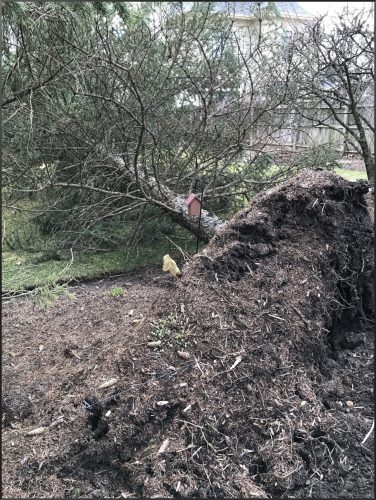
On Wednesday at O’Hare airport, they measured gusts of 58 mph which was the highest since 1991, coincidentally the year we moved to Chicago. In my neighborhood, gusts of 62 mph were observed and the average sustained wind speed was close to 30 mph. That, coupled with an extremely wet past couple of months led to this…
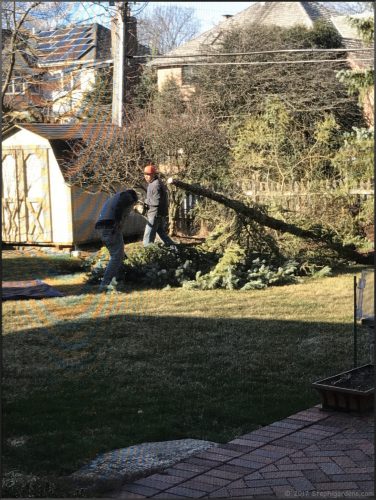
Down came a 20+yr old Colorado Blue Spruce that was just not able to handle the soggy soil and high sustained winds. Usually a spruce is able to adapt to most soil conditions, including a moderate tolerance to flooding. They also withstand wind better than most other spruces because of a moderately deep root system and they make good privacy shields because of their density.
We knew this was a wet area in the yard because of its proximity to the swale and raised it up when planting to help with drainage. For over 20 years it did just fine. But, water soaked soil is definitely not as strong as dry, and it was no match for sustained high winds. The same thing happened to our neighbor’s tree in an area that was also frequently wet.
We had the guys with chain saws come out to remove it.
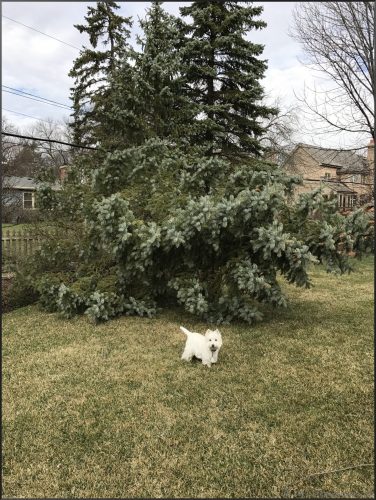
And now part of our privacy shield has a gaping hole in a pretty ugly part of the yard.
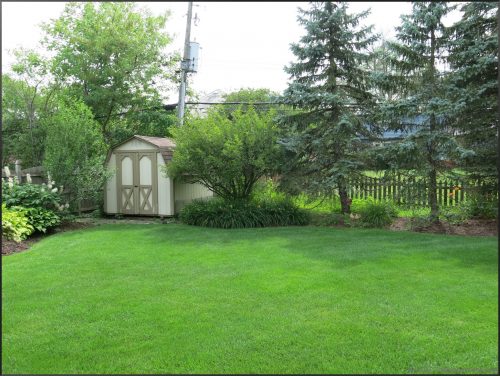
Before:
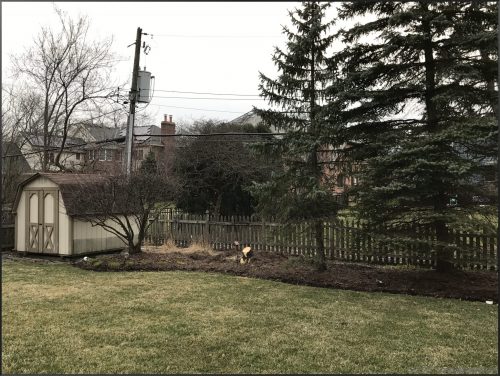
After:
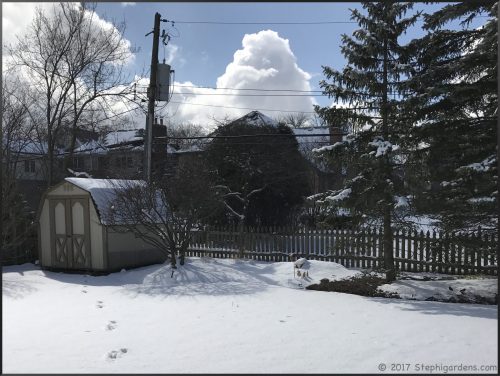
and the next day when winter reappeared for a last gasp in March. Not nearly as bad as the East coast, but still an unwelcome last gasp.
Yikes! These pictures remind me a bit of before and after weight loss ads. Not really fair because of the different seasons, but you get the idea. I need to think on this for a little bit about what to put in. I don’t usually think it’s a good idea to replace a lost garden planting with the same item since there’s a reason it didn’t work out. It also a really disappointing loss since to the left of the shed is where we lost a 20+ year Freeman Maple tree a couple of years ago (read about it here).
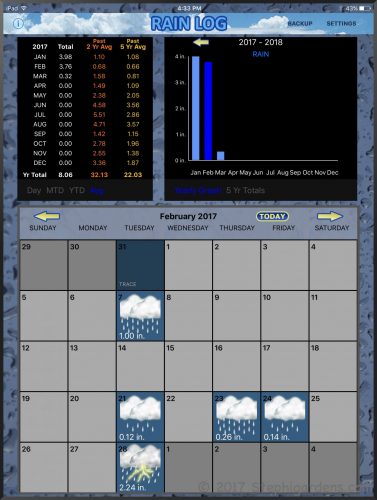
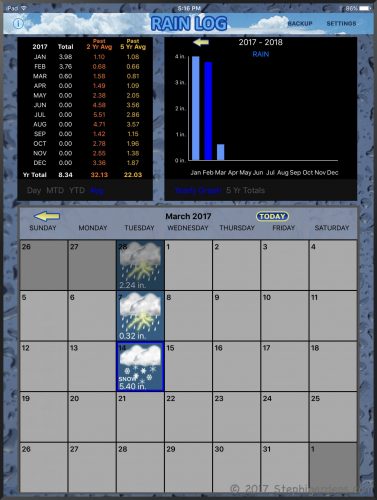
So how much rain have I received this year so far? Since I like knowing the amount of rain in my yard, not just the very large general Chicago area, in a previous post How Much Rain Did We Get? I described measuring rain with best rain gauge around, a Stratus Rain Gauge. I keep track of the rain and snow in a great app “Rain Log” and this is my data for February and March.
We are way ahead of average for the year! Normally we would get about 5 inches to date and we’ve already had over 8 inches of rain, in a few very soaking rain events.
Want to track the weather close to your own house? Check out my favorite local weather sites that gather information from thousands of citizen scientists who report their weather every day at WeatherUnderground and CoCoRaHS.
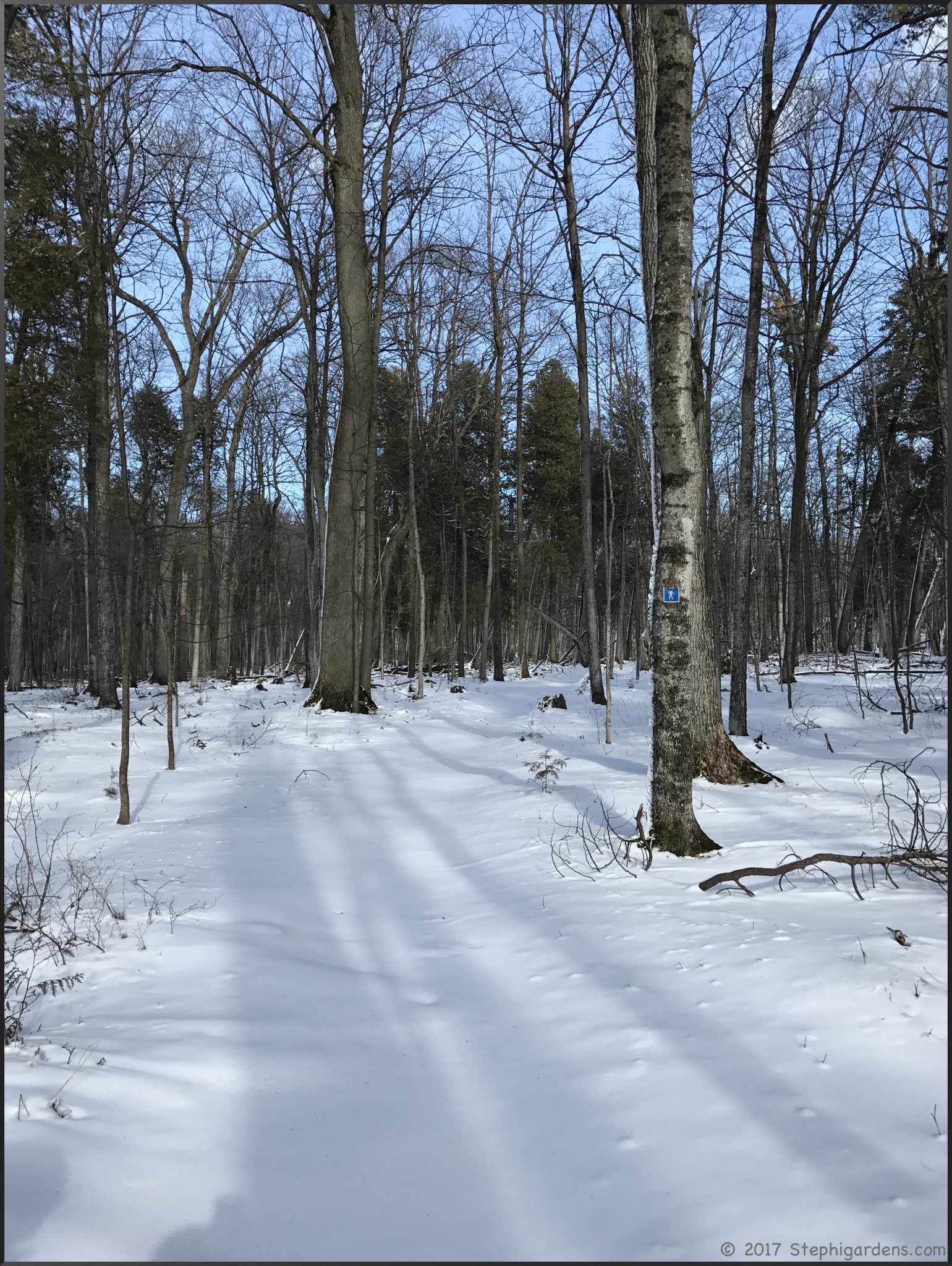
We were out winter hiking in Peninsula State Park, when we thought it’d be fun to take a short cut through the interior on the little used Trail Trampers Delight trail. Someone had fun naming that trail! Just beautiful and so quiet after a fresh overnight snowfall. Yes, there’s a trail there 🙂
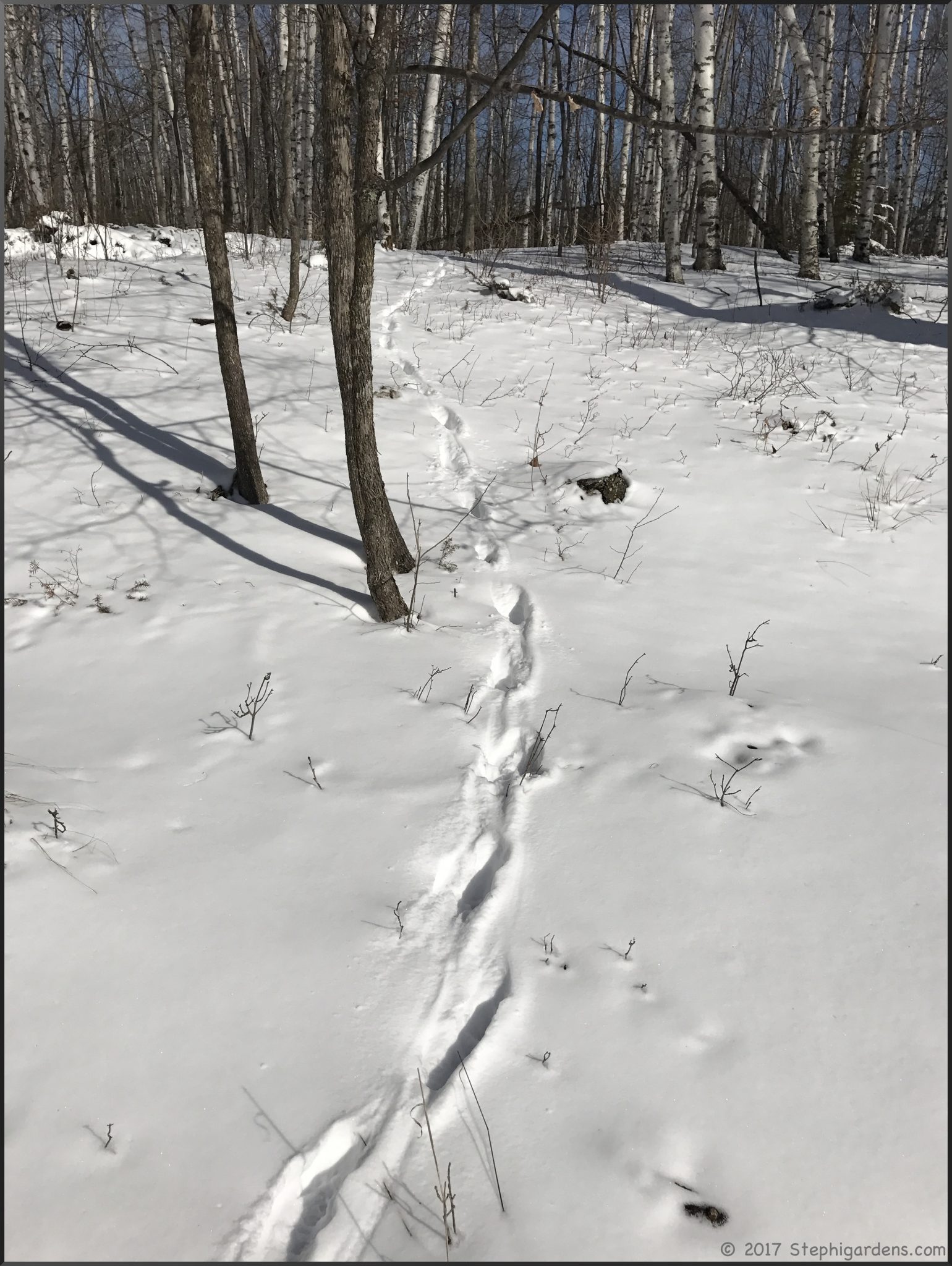
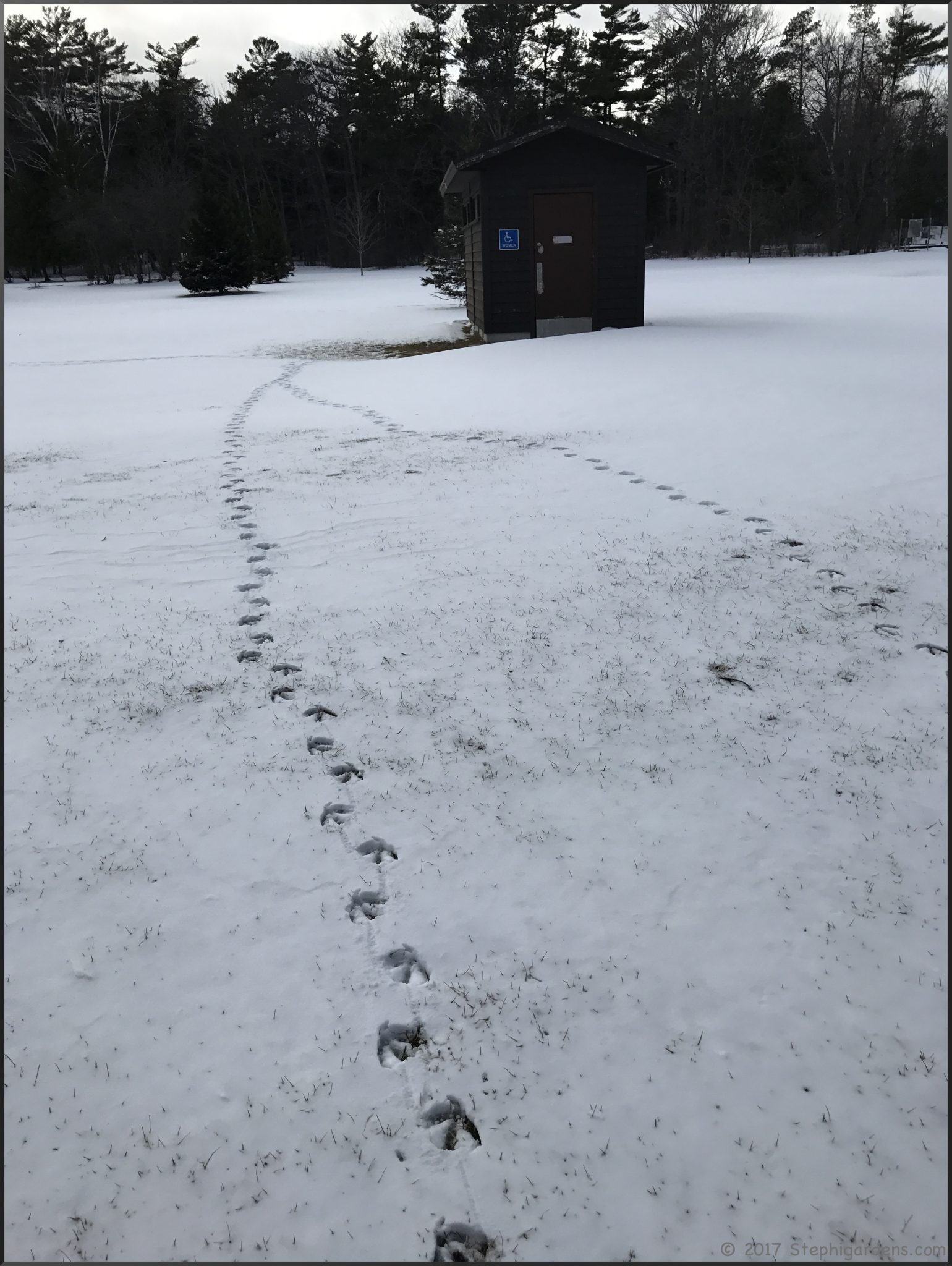
Lots of animal trails snaking through the fresh snow…like this coyote catching up to friends.
and this Canadian Goose apparently taking a trip to the outhouse 🙂
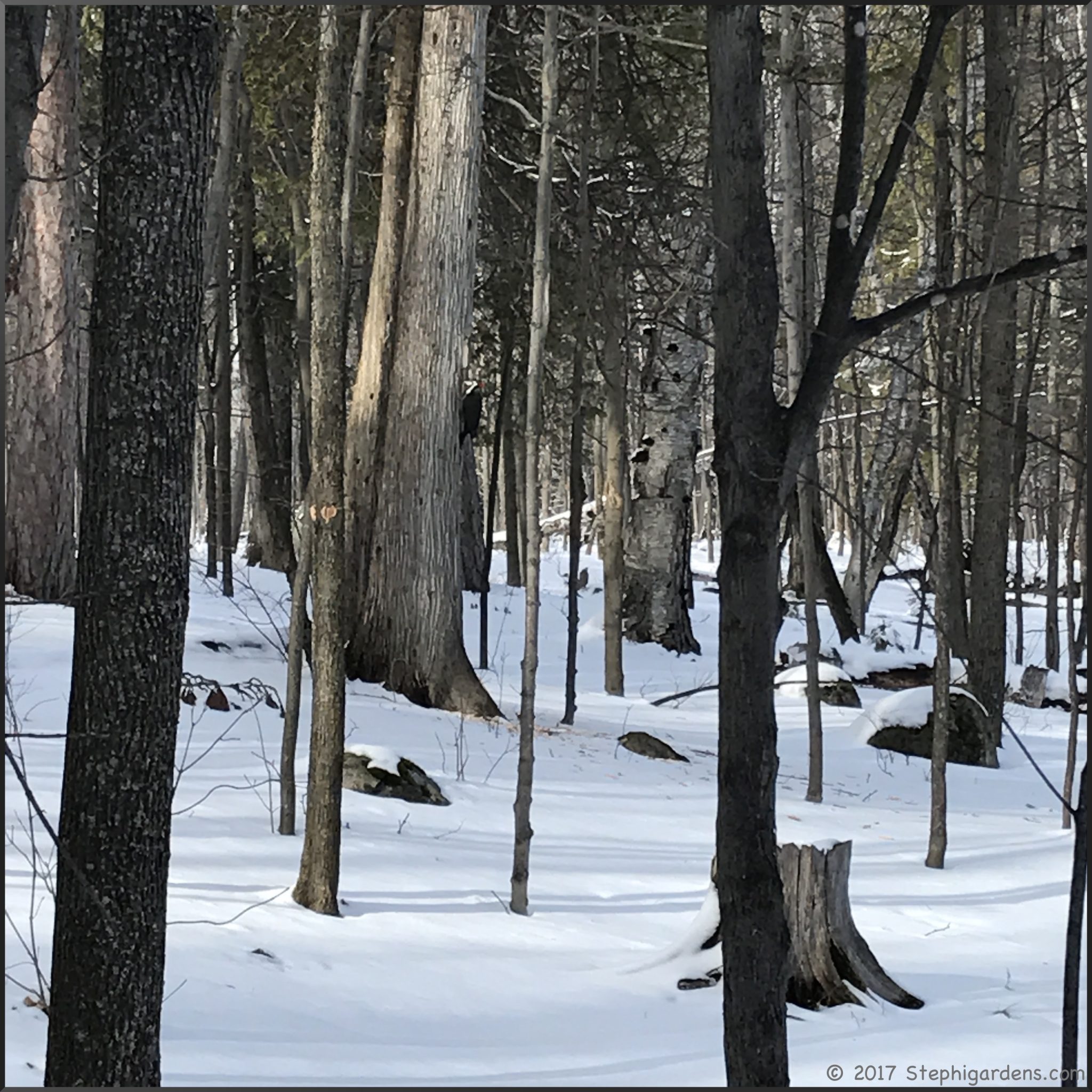
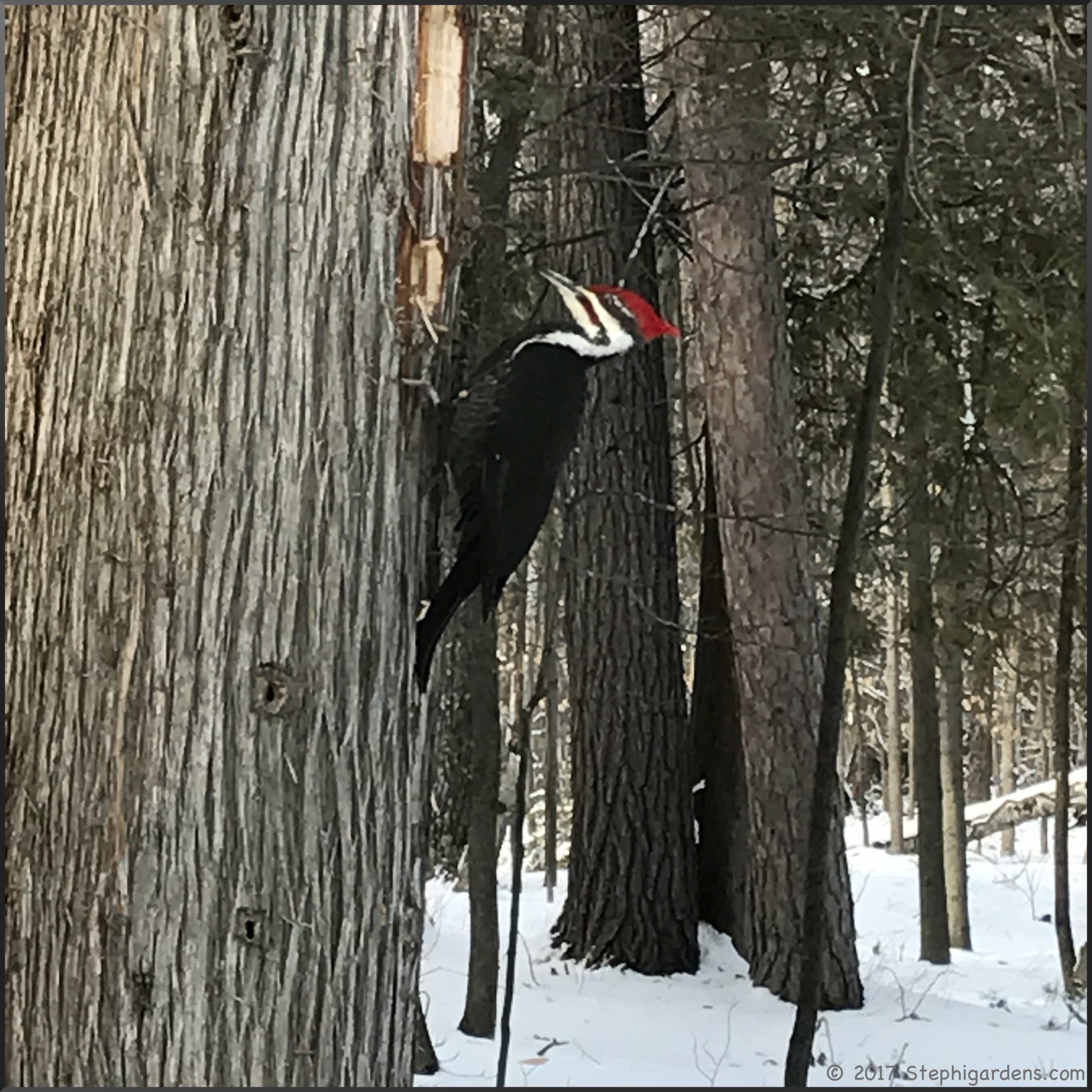
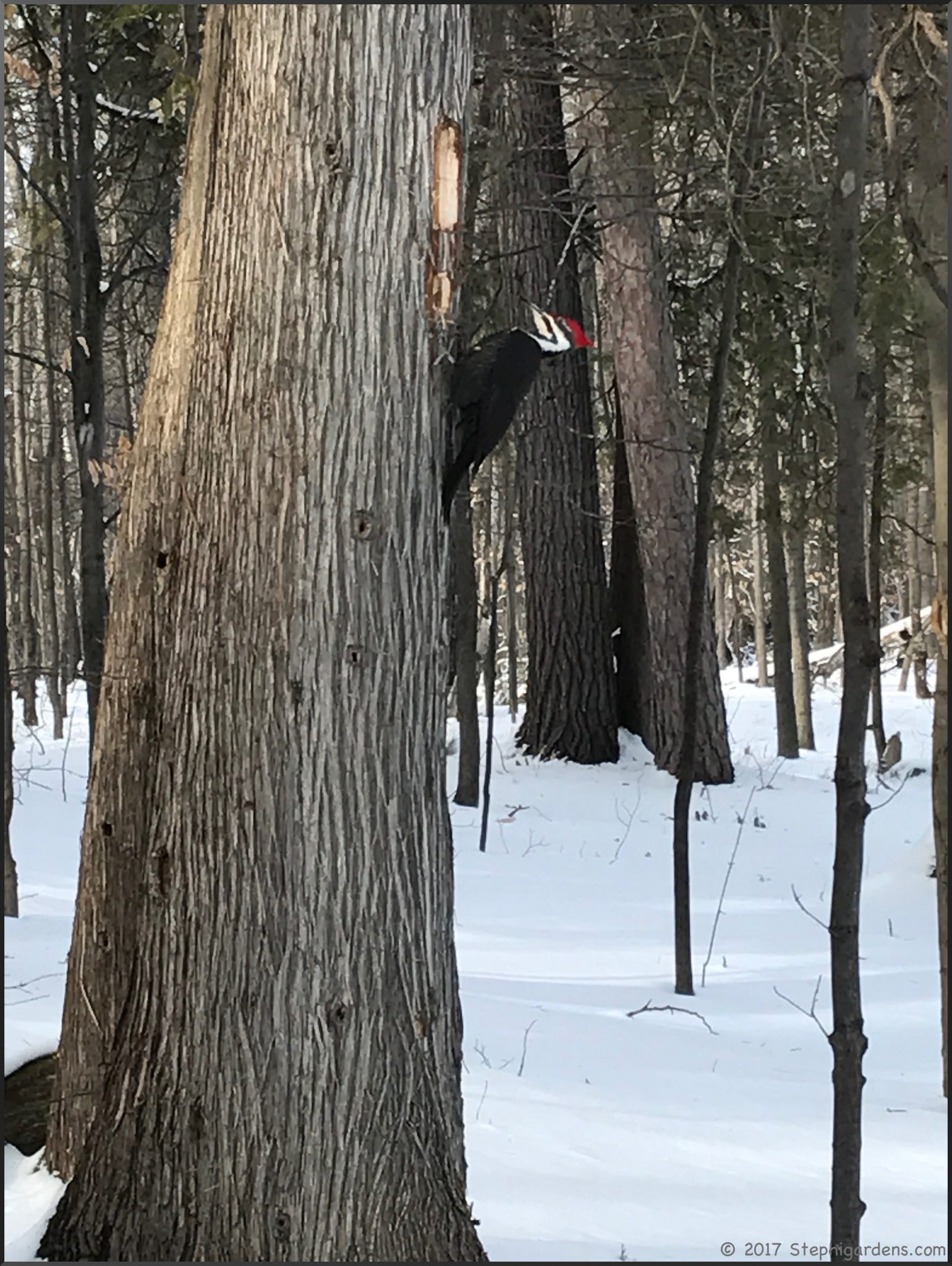
But the most exciting part of the trip was the Pileated Woodpecker that didn’t show any fear of us and just went about his business. We had seen one earlier on the walk, but he was a little too far and high to really get a good look.
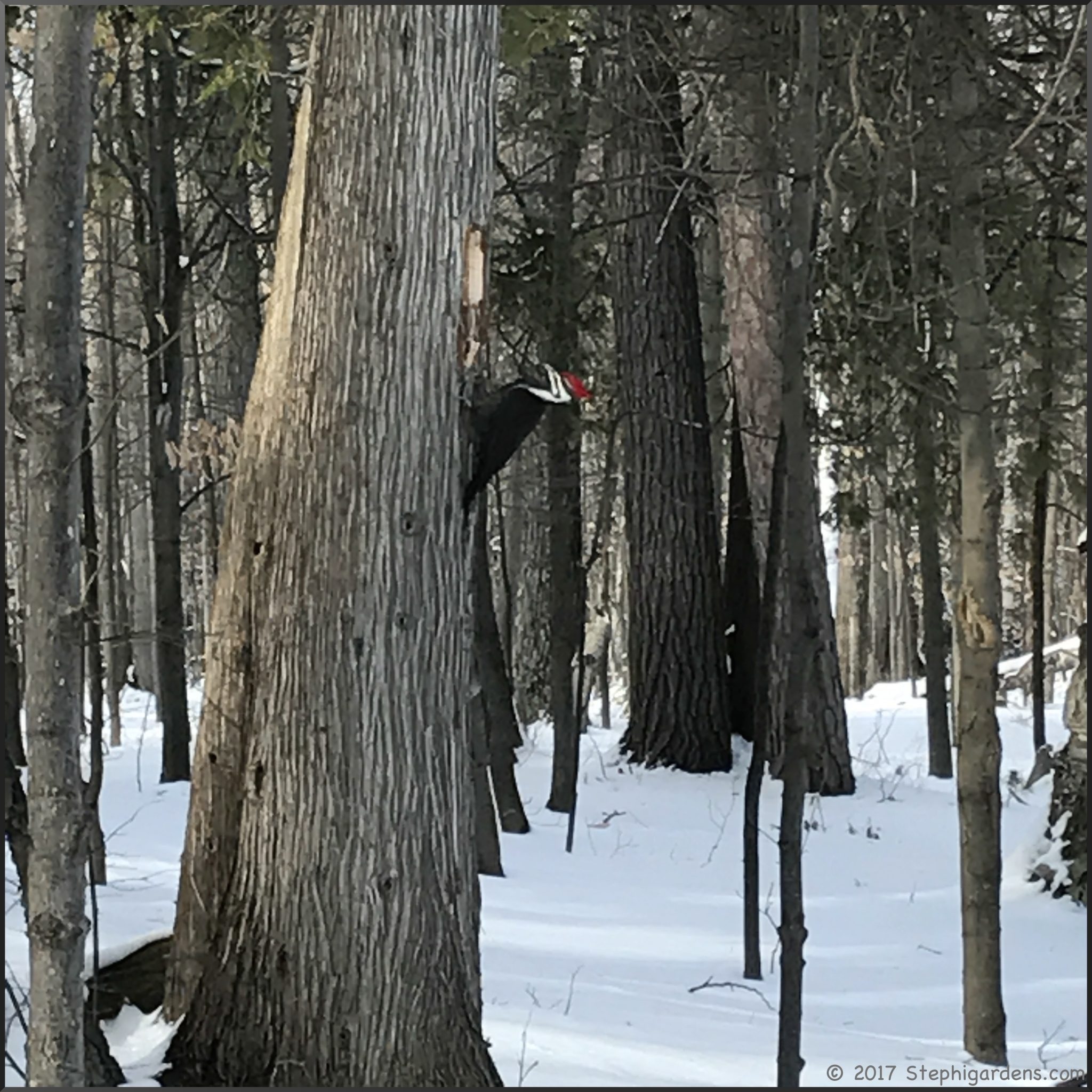
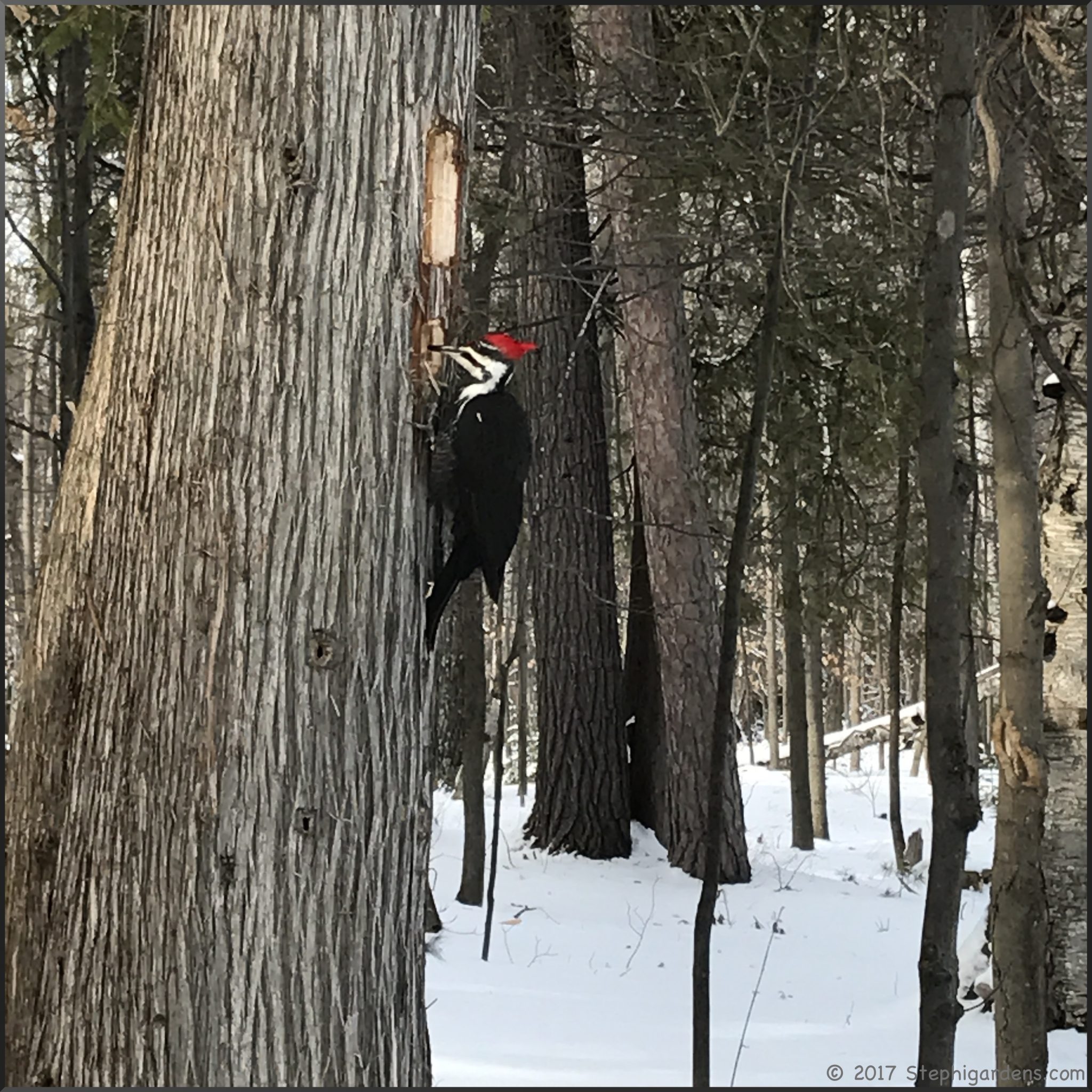
But this one flew in front of us and landed about about 30 feet away at eye level. He went hungrily to work. You can see all the large chunks of wood that he’s been pecking out suggesting a lot of very recent activity.
Steve headed in for a closer look. Wish he had bought his good camera but in this case the handy iphone will have to do.
Getting ready. There’s a lot of power behind that hit.
They also carve out the distinctive rectangular hole quite purposefully. We watched him at times pecking from the side to wedge out a loose shaving.
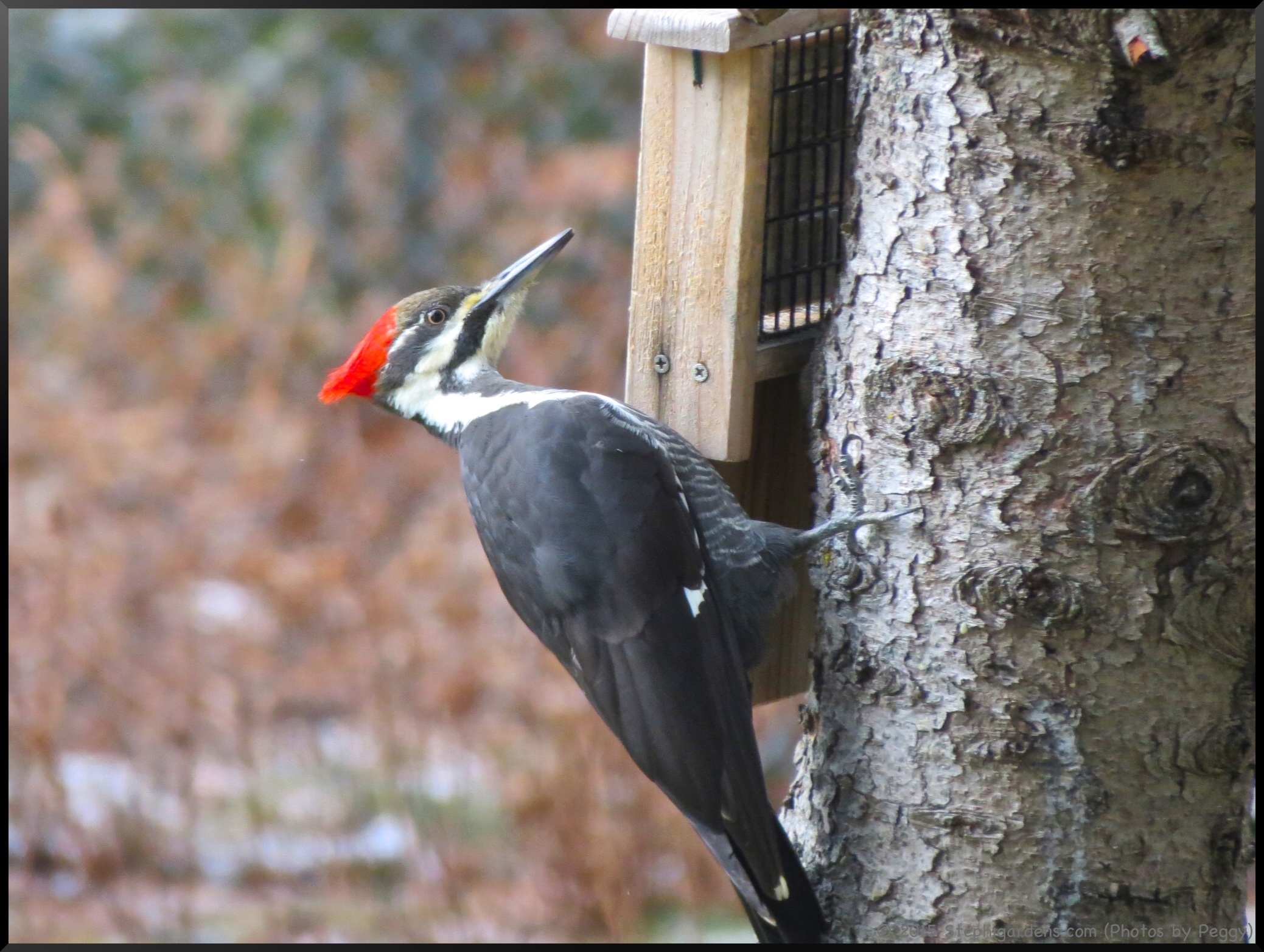
The male Pileated has an entirely red crest, and the female a dark forehead. The male also has a red stripe on his face that is missing on the female. So this one is we’ve been watching is a male. There was another nearby, probably his mate. Pileated Woodpeckers stay together as a pair all year round, and rarely tolerate others in its territory.
I decided I wanted a closer look and the Pileated and I began a little game of hide and seek. I wasn’t quite as stealthy so he moved around back and kept poking his head out to see if I was there.
Movie time!
Watching this makes my head hurt and would certainly give me a concussion, or kill me, if I tried to strike a tree with that kind of force. Scientists estimate that a woodpecker may strike the tree with forces greater than 1000 G’s, far more than a human can withstand. We can certainly learn some things from a woodpecker.
To begin with, their strong neck muscles diffuse the blow and a third eyelid protect their eyes. A woodpeckers brain and skull and also specially designed to withstand the G forces. The brain is surrounded by trabeculae, tiny beamlike projections of bone that form a spongy bone mesh that protects the brain, and the brain fills the skull so there is no “sloshing around” on impact. There’s also a hyoid bone, which in humans it is found in the middle of the neck. In a woodpecker, this bone wraps around the skull to act as a seatbelt to keep it in place and further minimize the impact on the bird’s brain. Even the beak itself helps in minimizing brain injury. While the outer beak appears longer than the lower, the actual bone structure of the lower is longer and stronger, sending much of the impact to the lower parts of the skull, away from the brain. Scientists are continuing to study these amazing birds and hopefully learn from them to protect human brains who sustain repeated impacts, like football players.
Of course, I have to show one of my mom Peggy’s backyard photos. This female (note the gray on the cap and no red cheek bar) was visiting her suet feeder. How lucky she is to have these spectacular visitors to her backyard.
Photo credits: most photos by Steve; last picture is a Photo by Peggy
As I was reading comfortably on the couch one afternoon, out of the corner of my eye something BIG went by the window. Now there’s always a gaggle of birds out there because of the feeder I have hung in that area, but they don’t usually make me think, “What was that!” Of course I have to investigate, hoping whatever it was remained nearby. It did!
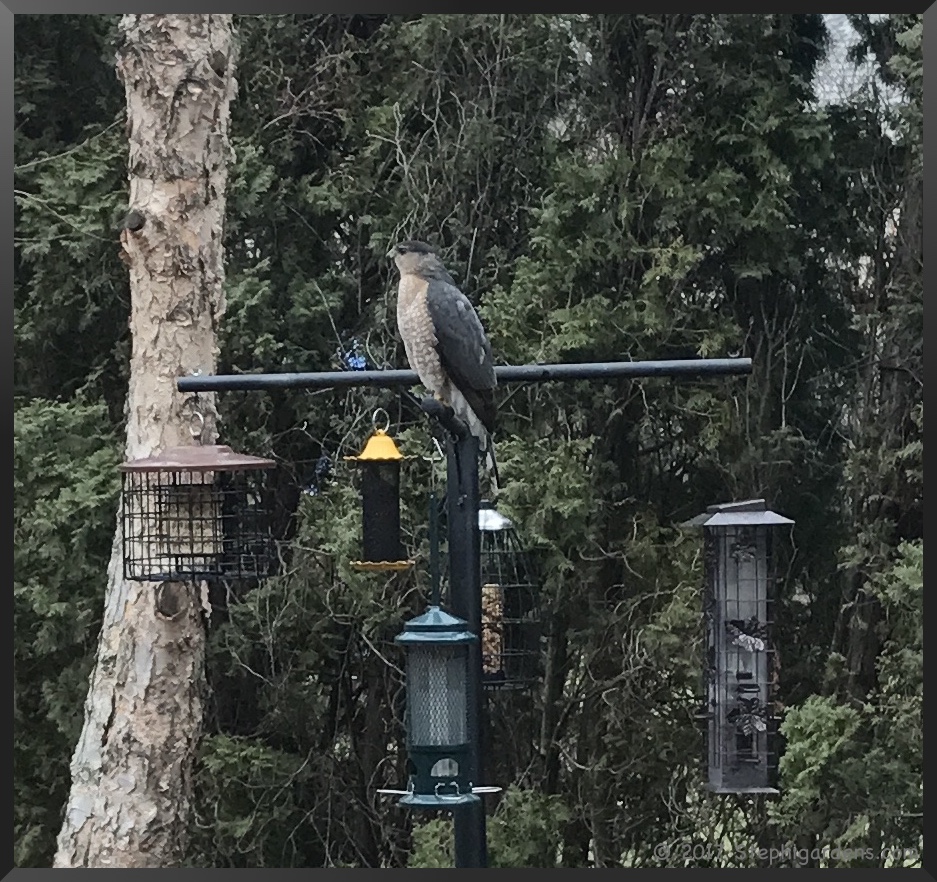
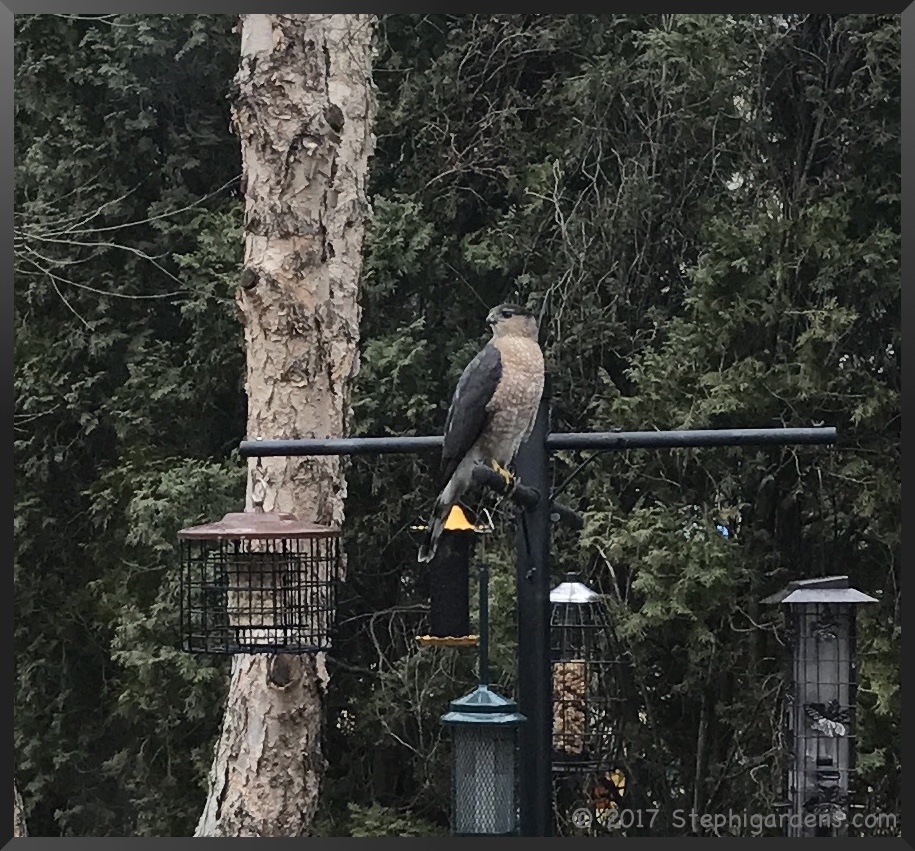
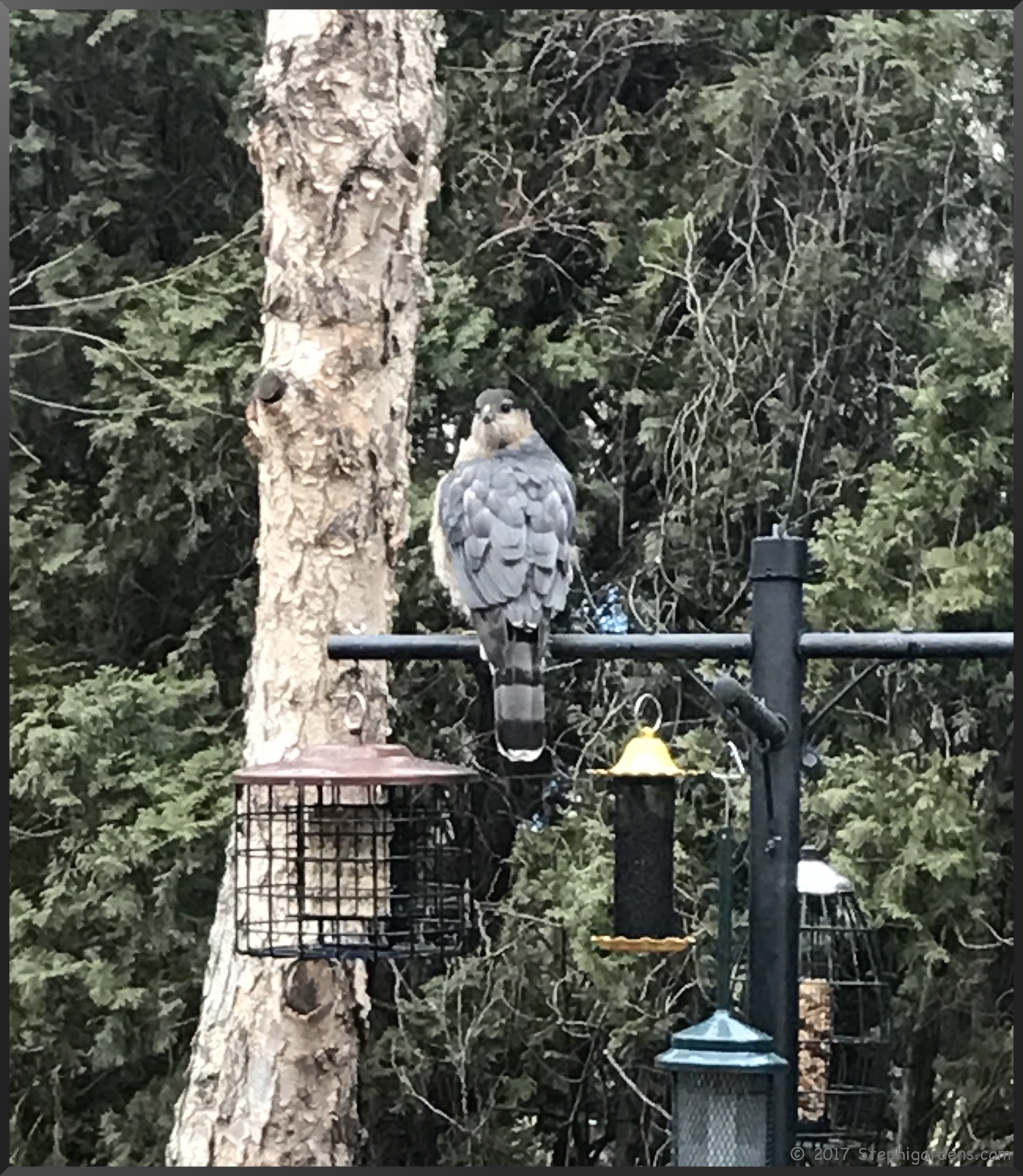
A beautiful Cooper’s Hawk (Accipiter cooperii) had landed on the top of my feeder pole and sat there surveying the area. Presumably looking for food, but smartly everyone had scattered. He posed for a while so I could see his beautiful blue gray back and get a good look at his tail. The rounded tail is a pretty strong marker that it’s a Cooper’s Hawk and not the very similar Sharp-shinned Hawk (Accipiter striatus) which has a straight, squared off tail.
Then it turned around so I could see it’s breast which was mottled rust and white.
It’s actually can be pretty difficult to tell the difference between the Cooper’s Hawk and Sharp-shinned Hawk. Cooper’s Hawks tend to be larger, more the size of a crow, Sharp-shinned, more the size of a Blue Jay. Cooper’s Hawks have a much bigger, distinct head in proportion to their body and look as though they are wearing a dark cap because of the light coloring of their nape. They are typically woodland birds, but are increasingly likely to be found in suburban areas. Sharp-shinned Hawks nest almost exclusively in conifers and heavily wooded forests and are less frequent visitors to the suburbs.
A Cooper’s Hawks main diet is primarily small to medium birds and occasionally mammals like chipmunks, rabbits, mice, squirrels, and bats. They can be an unwelcome visitor to in a yard if they seem to have taken up residence because of the abundance of birds attracted to feeders. Removing the feeders for a few days should be enough to have them move on. But, honestly if having a hawk around helped reduced the squirrel population, I may not mind having it visit occasionally.
Fortunately this one didn’t stick around long, although I know it lives somewhere in the area since it’s been to my yard a few times this winter. Luckily, I saw it in the neighborhood over the weekend and could report it as part of the Great Backyard Bird Count.
After flying off the pole, it rested on a patio table, then moved on.
It was fun to see, but I hope I’m not providing dinner by attracting songbirds to my yard with feeders.
Wondering what I’m reading? See the latest list of books I’ve read (and liked) on the right.
Any Hawks in your yard? Or a favorite book you’ve read lately?
Since 1998, birders of all kinds have come together for a four day bird count in February. Counting birds at the same time every year provides a snapshot into the overall health of bird populations around the world. It can also help scientists learn more about such things as
Will the weather and climate change influence bird populations?
How will the timing of this year’s birds’ migrations compare with past years?
How are bird diseases, such as West Nile virus, affecting birds in different regions?
What kinds of differences in bird diversity are apparent in cities versus suburban, rural, and natural areas? Have they changed?
Years ago as a service project, my Girl Scout Troop participated in this event. It was really fun teaching the girls about what they were possibly going to see in their backyards, and introducing them to thinking a little more about their natural surroundings. The girls loved it!
It’s super easy to participate. Register online and then simply tally the numbers and kinds of birds you see for at least 15 minutes on one or more days of the count. You can count from any location, any time of day, anywhere in the world!
To get more information and register your observations, go to the GBBC site.
Are you participating? Did you see anything unusual?
Need help identifying what you see? Here’s a few of my favorite birding books:
You can even get lists of birds seen specifically in your area from the GBBC website. This is a great way to narrow down what you are trying to identify.
This winter I’ve been seeing a Cooper’s Hawk on my feeder pole. I hope he shows up while I’m counting!
I know you’re supposed to drink a lot of water throughout the day, but I’m just not a big fan. I’d much rather have iced tea.
But, I know I need to drink more water. So what to do?? I finally found that creating a seemingly endless combination of fruit, herbs and vegetable infused water did the trick.
Using a pitcher specially designed to hold the fruit in an infusion rod, it’s easy to make, keep fresh, refill and clean. I really like the Prodyne Fruit Infusion Flavor Pitcher.
It’s a BPA free, clear acrylic pitcher that has a slotted, removable rod that can be filled with your favorite flavors. Since the pitcher is not dishwasher safe, I found the OXO Good Grips Bottle Brush perfect for cleaning the pitcher and tube. Also, since you’re trying to be your healthiest it’s a good idea to use filtered water. A Brita filter pitcher is useful to have around to keep fresh, filtered water handy.
Along with the taste benefits, infused water can provided lots of health benefits! Here’s just a few of the reasons to drink infused water.
Fruits like lemon, oranges, limes, strawberries, watermelon, pineapple and raspberries are all high in Vitamin C.
Lemons are alkaline to the body, contain citric acid and can help prevent kidney stones.
Strawberries, raspberries, blackberries, blueberries, limes, ginger, basil, pineapple and cantaloupe have anti-inflammatory properties.
Strawberries, honeydew melon, papaya and cucumber are high in B-complex vitamins.
Strawberries, raspberries, blackberries, blueberries, watermelon, limes, basil, pineapple, cantaloupe are good anti-oxidants.
Raspberries, strawberries and blackberries are anti-aging
Oranges and limes contain calcium for good bone health. Strawberries and blueberries contain vitamins that are also good for bone health.
Lemons, limes, cucumbers, ginger and basil aid in digestion.
Strawberries, cucumbers, papaya and cantaloupe are high in B-vitamins
Watermelon is high in lycopene to aid in heart health and betacarotene for eye health
All fruits and vegetables will have varying amounts of vitamins, minerals and phytonutrients to provide additional health benefits.
Infused water is simple to make. To a clean infuser rod add your fruit, vegetables, and herbs.
I like to use organic varieties and farm fresh whenever possible. Be sure to wash the fruit thoroughly, remove seeds, peel and slice or cube if necessary. Attach the infuser rod to the pitcher top and fill pitcher with filtered water. Depending on the ingredients added, you may want to add less (think lemon or ginger) or more (think berries) to get the right taste. Similarly, milder flavored berries take longer to infuse than the stronger citrus fruits.
Generally, I can keep the refrigerated infused water a few days IF the ingredients are always covered with water. Clean and remake after a few days, or whenever it begins to taste too weak or strong, the water gets cloudy, or ingredients don’t look fresh any longer.
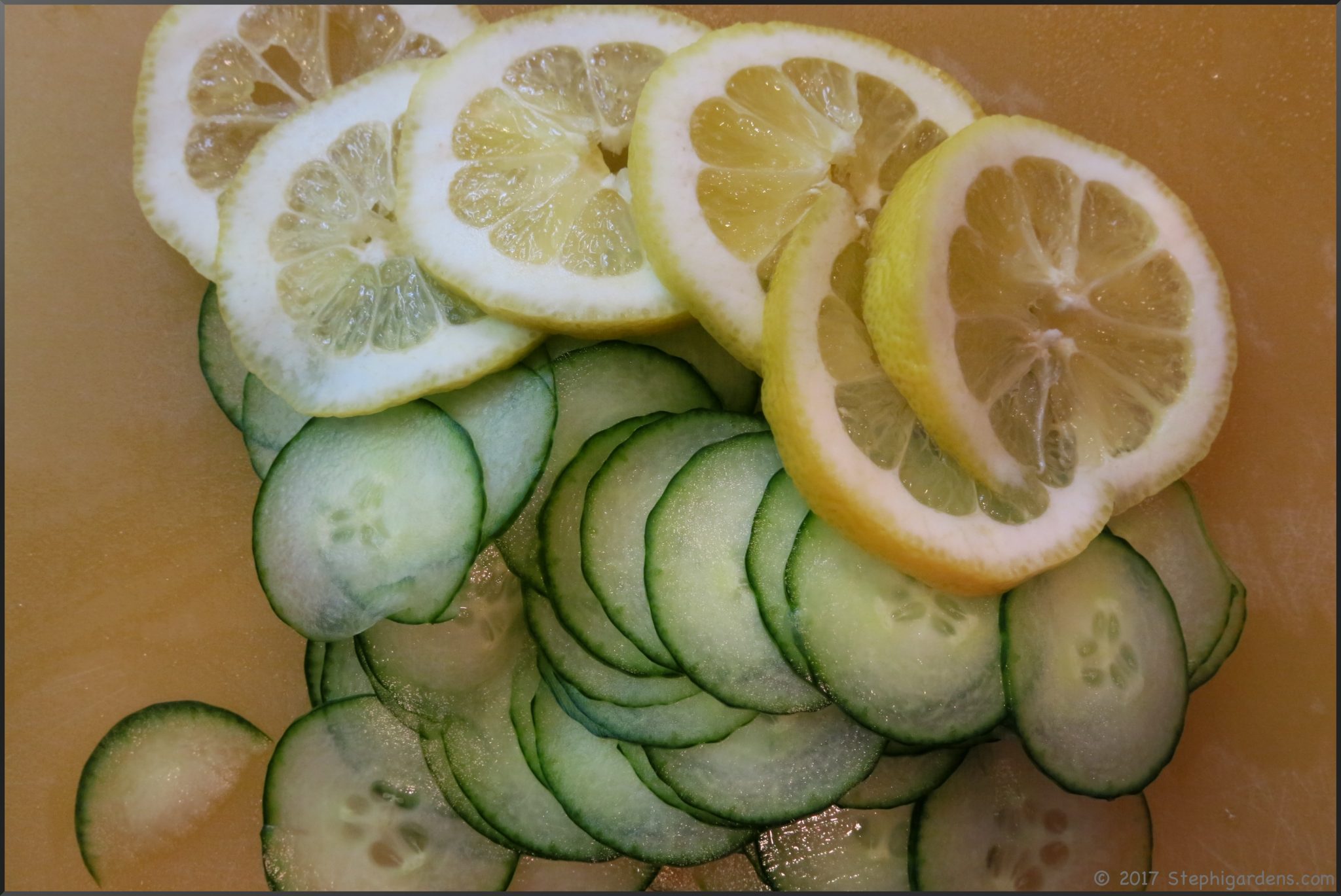
Looking for recipes? You can use your imagination and use 1 or more ingredients to make your water. Some of my favorite combos are strawberry basil, strawberry mint, lemon blueberry, lemon blueberry basil, lemon lime, orange ginger basil and cucumber mint.
If you don’t want to always have a pitcher around, or don’t have any more space in your fridge, I have friends who carry their infused water made right in their 24 oz tervis tumbler or specially designed infuser water bottles.
What’s your favorite infused water flavor? I’m always looking for new combos!
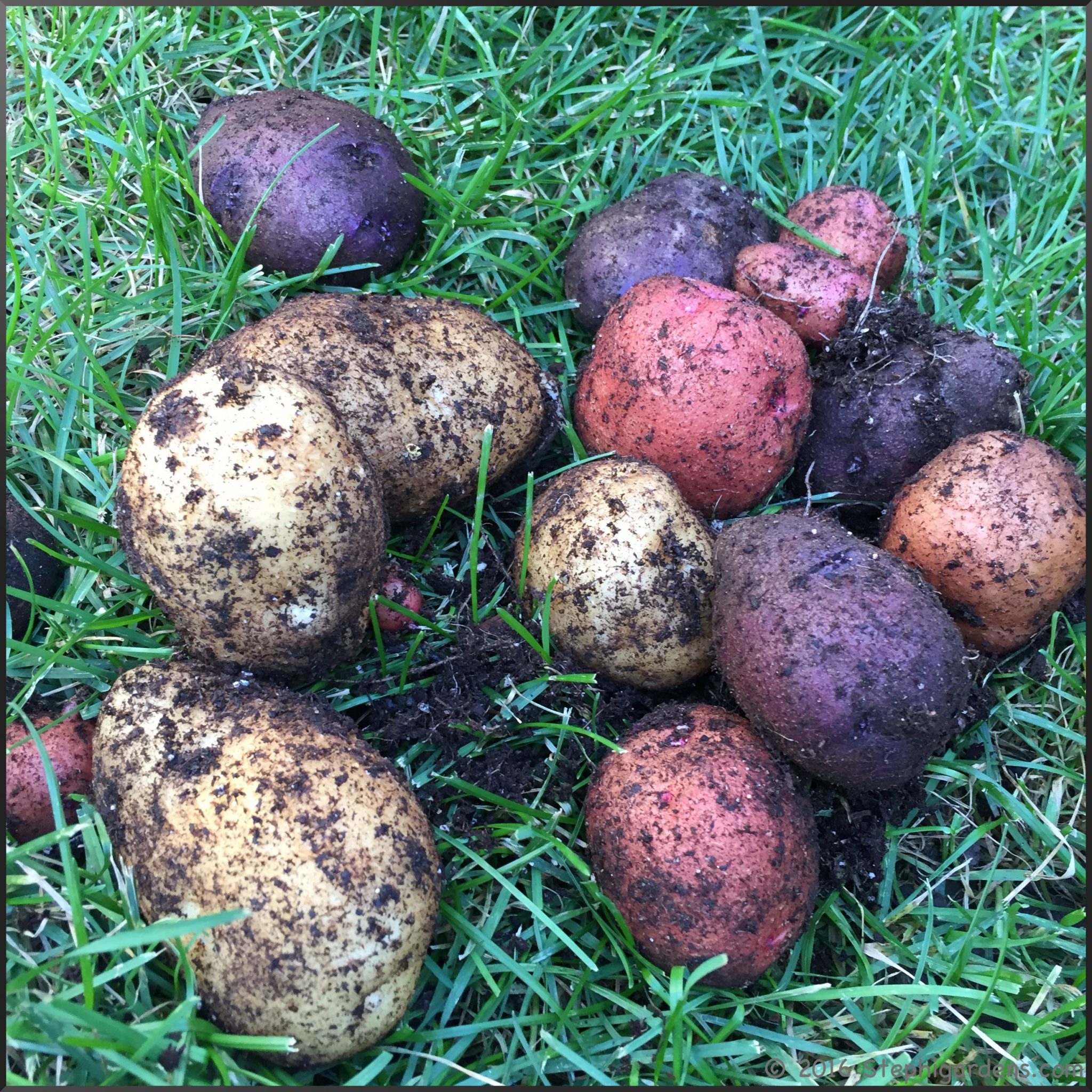
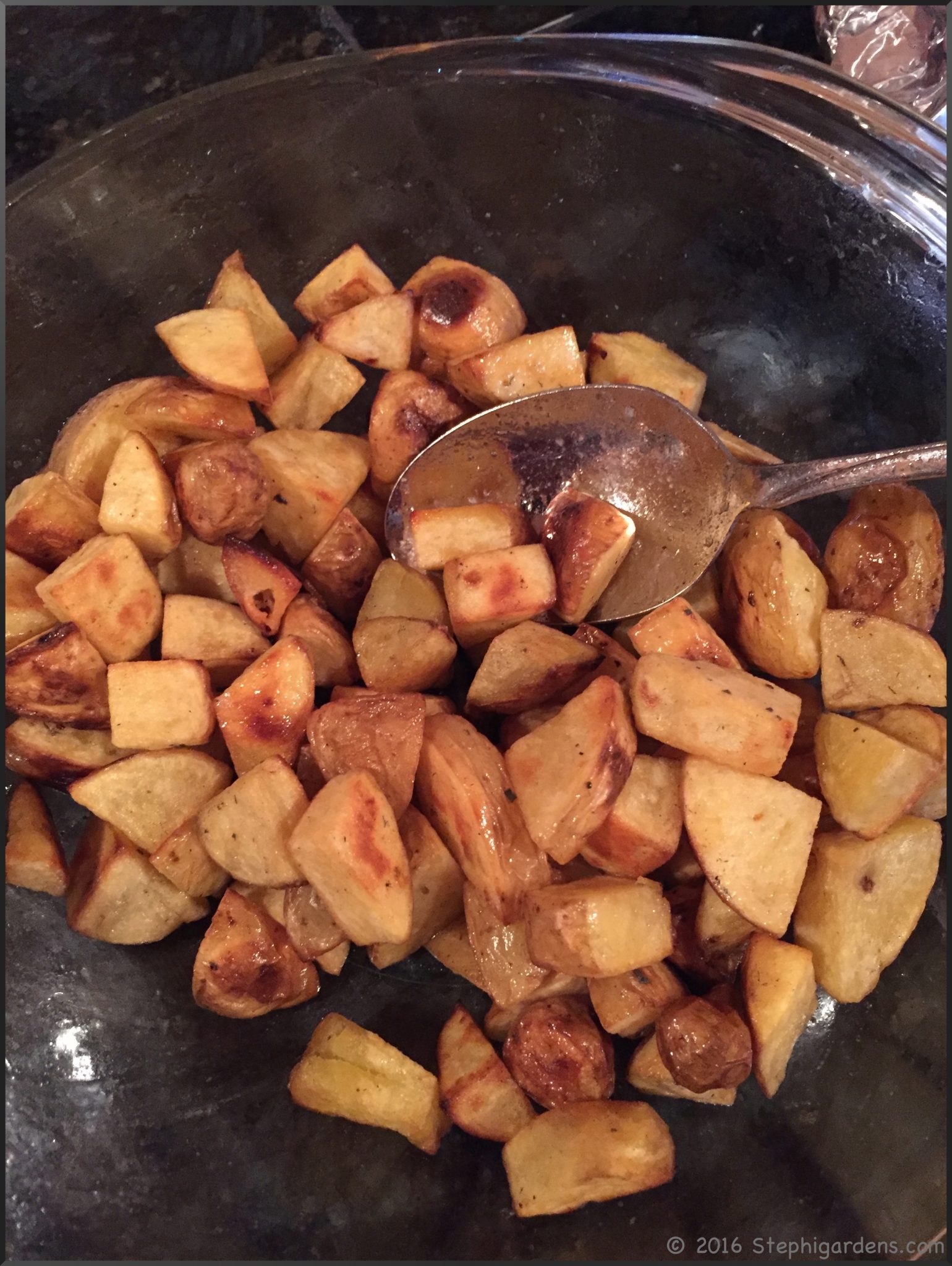
Now that I’ve planted and grown all those potatoes last year, what was my favorite way to eat them? Roasting on the grill!
This is a great simple recipe that can be adapted for the grill or the oven. Pick your favorite potatoes. I mainly used thin skinned Yukon Gold or an assortment of the Red, White and Blue blend potatoes that I grew last summer.
Wash and dry 1 1/2 pounds of potatoes and cut into quarters or cubes depending on the size of your potatoes. You’re looking for even pieces of about 1 inch cubes. In a large bowl, toss the potato cubes and with 2 Tbsp extra-virgin olive oil and salt (if desired).
Preheat a grill pan over indirect high heat for about 10 min. Add the potatoes. To keep grill flare-ups to a minimum, I recommend spooning on the potatoes rather than dumping them onto the pan.
Grill the potatoes 30-45 minutes, keeping gill cover closed as much as possible, and turn 2-3 times until golden brown and fork tender.
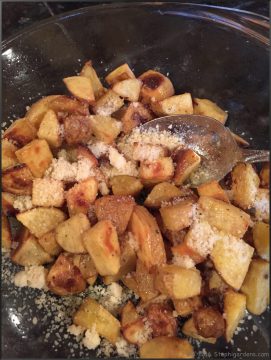
When finished, remove potatoes, place in a aluminum foil “boat”, pan or heat safe bowl. Don’t cover or the potatoes will lose their awesome crispness. Toss with 1/2 c feta (or grated or shredded Parmesan cheese), 2 Tbsp fresh chopped parsley and freshly ground black pepper.
Cooking Notes:
Great with any of your favorite grated or shredded cheeses.
Change up the seasoning–cook with sliced onions or add chives, garlic salt, dash of cayenne powder–endless ideas.
You can par cook the oiled potatoes in the microwave before grilling to speed things up. Cook 2-3 minutes on potato setting, check with a fork. Done when just getting soft, but can’t get fork all the way through.
Not grilling, cook in a 400°F oven.
Easily adapted for fewer or more people
Low sodium? Omit the salt and cut back on cheese as desired