My Raspberry and Strawberry Plants are Here!

My mom grows the best raspberries in her garden.  There is nothing better than going out in her yard and picking a handful of just the most delicious ripe berries or having some of her homemade raspberry jam.  So I decided it was time to try and grow some myself.  I ordered them earlier this winter from Burpee and they just arrived, ready to plant.  Of course, while I was ordering them I was tempted by the strawberries as well and ordered some of them too.

Now I don’t have nearly the space she does, so I hope I’m not creating a monster by planting plants that like to spread like berry plants do.  But, it’s worth a try to get those fresh berries in my own yard.

The plants arrived as bare-root stock, which mostly means they look dead.  I’ve had plants before come this way, so I’m not worried.
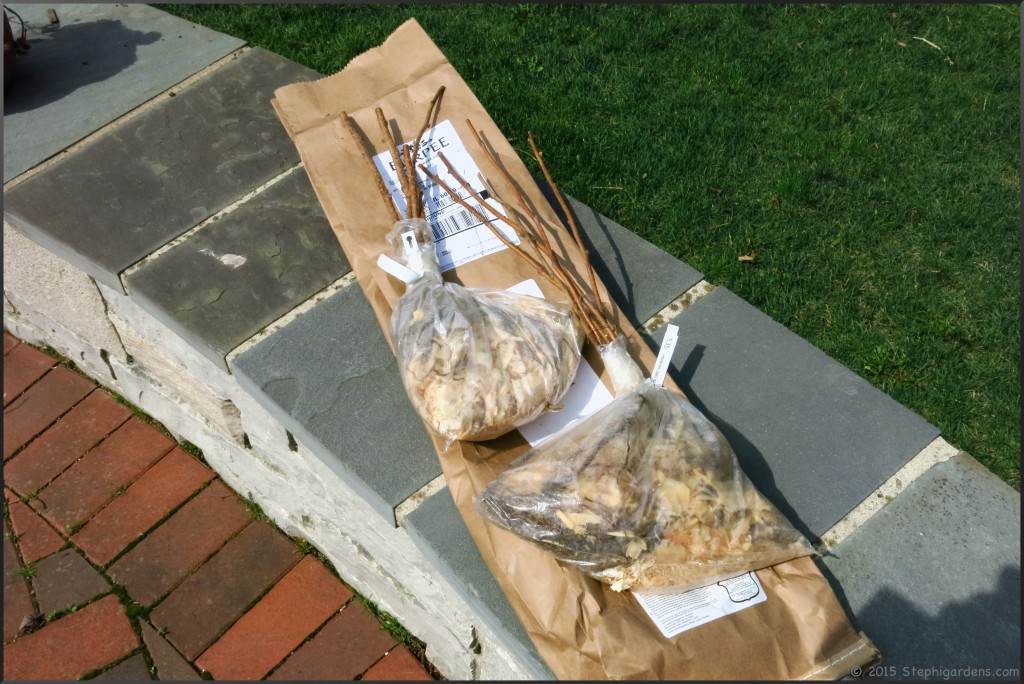

raspberries

Much to my surprise, my new plants came from my old stomping grounds, Erie County NY!
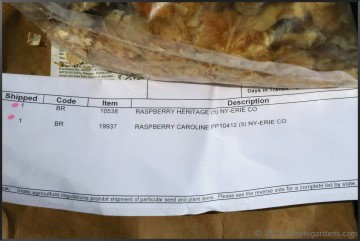
raspberries

Because I was indecisive, I order 2 different everbearing varieties:  Heritage and Caroline.  Everbearing varieties will produce two crops, one in July and the other in the fall.  Both of these varieties seem to work well in my area so we’ll see if one is better than the other.

I spread them out in a couple of different garden areas that get a fair amount of sun.  Right now, they look like dead sticks, but in the next few weeks they should start to grow.
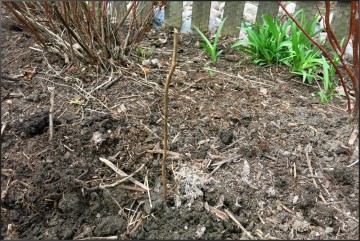
raspberries

While I was shopping for the raspberries, the strawberry ads caught my eye.  I had grown a couple of plants last year that put out a few tasty strawberries, so I thought more would be better.
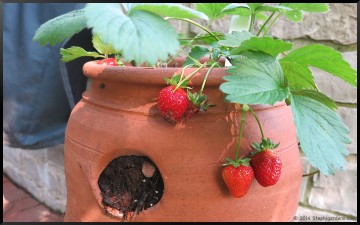
garden strawberry

After a little research, I added 25 Evie-2 plants to my order.  I probably don’t need so many plants, but that’s how they came.  Unfortunately, before they came Burpee sent me a note that their vendor had a production problem and they wouldn’t be able to send them to me so they were issuing a refund.  But, for my inconvenience they were sending complimentary Seascape Strawberry plants which I very much appreciated.

Both Evie-2 and Seascape are day-neutral strawberries that produce flowers and fruit all season, as long as the temperatures are between 40°F and 85°F, regardless of day length.  Unlike everbearing varieties that produce 2 or 3 distinct crops per season, day-neutral produce continuously.  A summer full of strawberries sounds good to me.

The plants come as bare-root stock and are sent at the right time for my planting area.   Once they arrive they need to be planted as soon as possible.
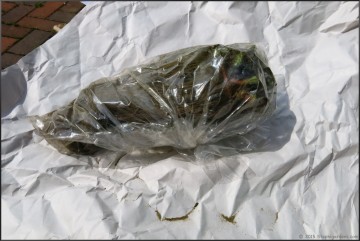
Seascape Strawberries

Before planting, it’s recommended that they be soaked for two hours.
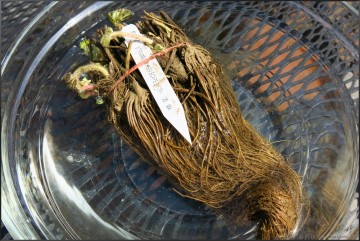
IMG_4832

Once good and soaked they are ready to plant.  I don’t really have a great place for them, so I decided to plant them in a bit of a no-man’s land garden area that I’ve been putting some iris’s (that never seem to bloom but just take up space) and extra grasses in.
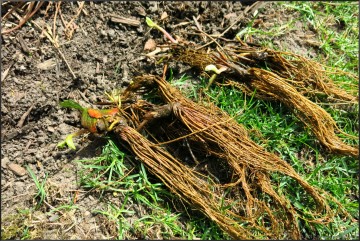
IMG_4838

I dug a small hole for each and spread out the roots in the hole.  Cover with soil and water them in.
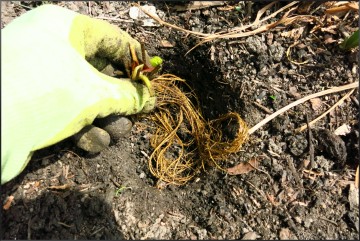
IMG_4840

A couple of days later, we had an unusually late freeze so I covered the tender new plants with a sheet to protect them from the very cold overnight temperatures.  We got down to 29°F, which hopefully hasn’t done any damage to any of my emerging plants.
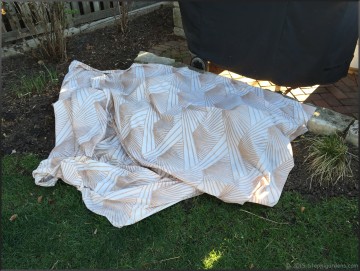
IMG_9811

The plants look just fine the next morning.  Can’t wait for those berries!
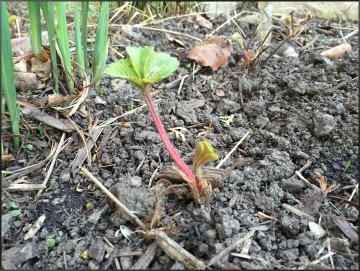
IMG_9815

But, while the strawberries looked great, I had bought a basil plant at a local store  a few days before.  I knew it was too early to plant and moved it into the screen porch that night.  But alas, still too cold and it is now a very sorry looking basil plant 🙁  I will try to give it some TLC in the house before taking it back out to plant.  
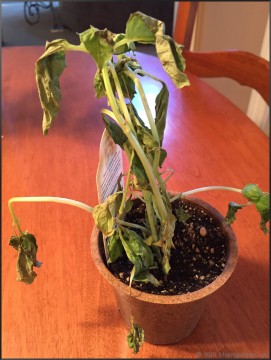
basil

Have you grown berries successfully?  Did they overgrow everything or was it ok? Peggy says the trick is to just mow over any stray raspberry shoots.

Hopefully the cold spring isn’t hurting your gardens this spring.
Spring in Virginia

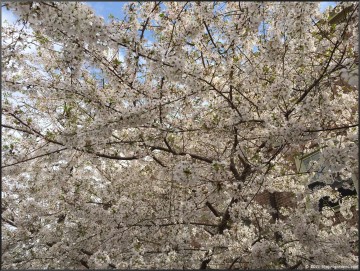
We had the chance to go to Virginia last weekend to make one last visit to two colleges before the May 1 deadline requires my twins to make a decision as to their plans next year.   Aside from the great admitted student tours, it was a real treat to leap ahead a couple of weeks into full blown spring.  We’ve had a few nice days here and there in Chicago and some spring flowers are starting to bloom, but not anywhere near peak yet.

All the trees were in full bloom!  Pink and white everywhere.

IMG_9627

IMG_9668

This one was puzzling since it was white and pink??

IMG_9678

The bees were out already hard at work!

IMG_9667

Brightly colored tulips and daffodils were everywhere. (Even the yews looked healthy and green, unlike many of mine.)

IMG_9674

What beautiful splashes of color!

IMG_9693

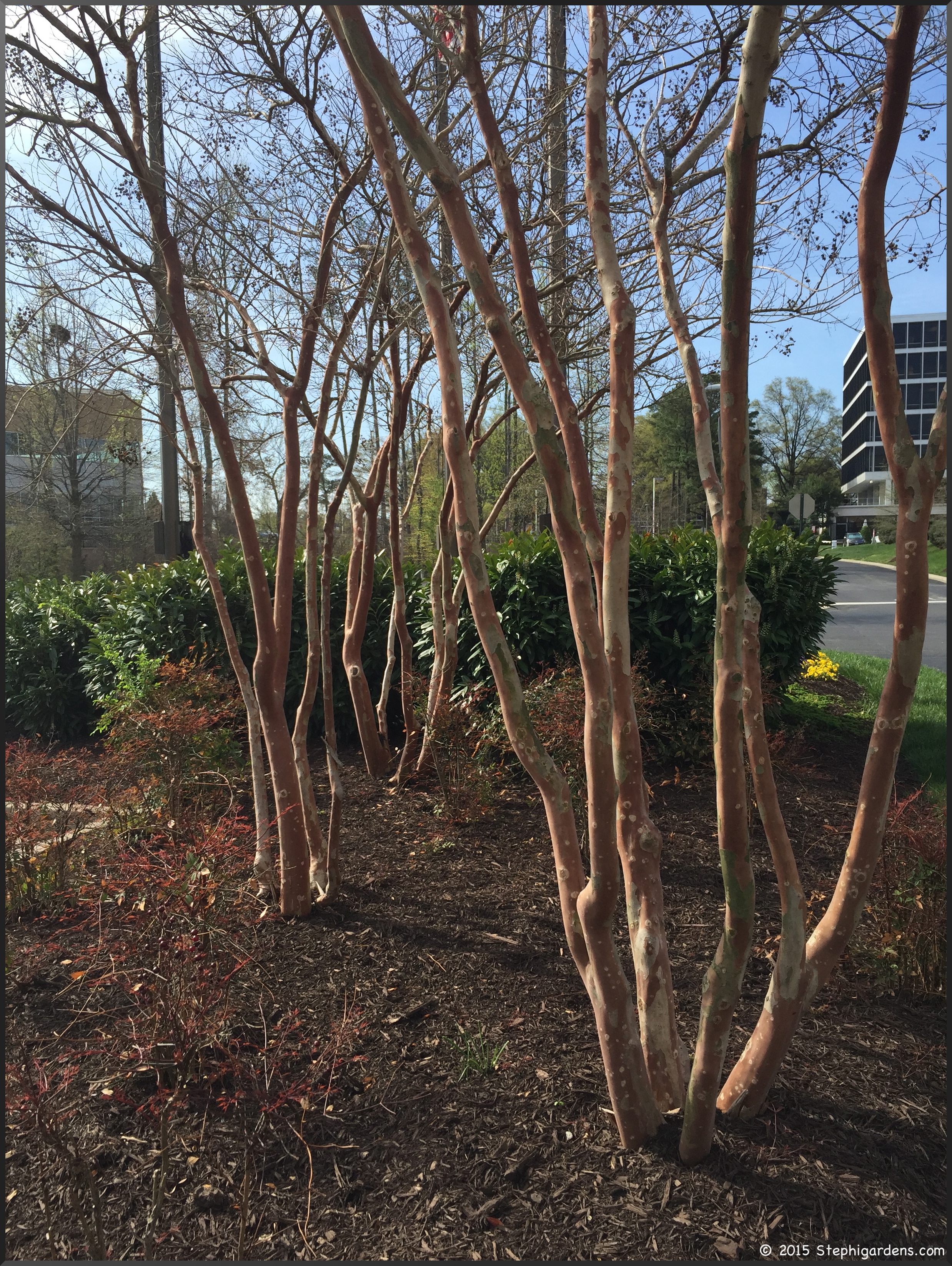
Crepe Myrtles are everywhere.  They bloom in the summer, but their bark is also so interesting I thought I’d add them to the post.  We can’t grow them here, but back in NJ my favorite plant in my garden was a dwarf crepe myrtlette.  I hated leaving it behind when we moved.

IMG_9689

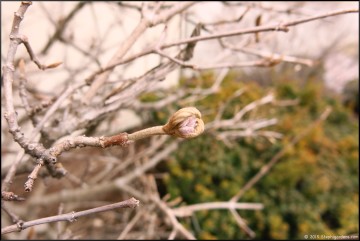
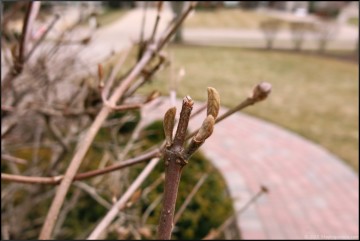
Now that I’m back home, I’ll get to see the second round of spring come alive very soon.  Our Redbud, Crabtree and Judd Viburnum are just starting to bud and the daffodils just bloomed in the last couple of days.  Spring is here!

Time to Sow Seeds Indoors

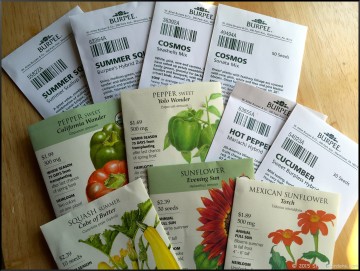
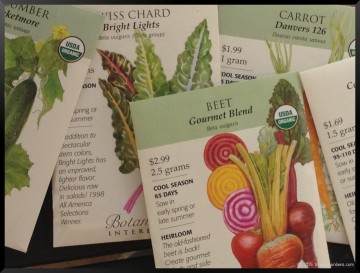
After my last post where I realized that spring was indeed coming, I figured I’d better open my boxes from Botanical Interests and Burpee that were still sitting by the front door and see what I had bought.  I know I’m still ok with timing since I usually don’t start anything until after spring break.  Oops, forgot I was going grow my own peppers this year rather than buying them and they need 8-10 weeks in the house before going outside!  Better get a move on!

Stephi gardens
Seeds to be started indoors

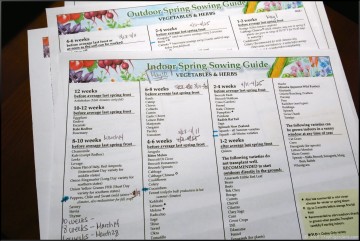
I found this great Seed Sowing Guide on the Botanical Interests website that very clearly lays out when seeds need to be started, both indoors and out.  I printed off my sheets and started calculating.

botanical Interests

Even though my last frost date is April 22nd, I’m generally not comfortable assuming I can plant tender seedlings before Mother’s Day Weekend.  So using that as my planting weekend, I calculated back when I needed to get things started.

First up is the peppers ASAP since I’m behind a week or so, then in a couple of weeks I’ll start the cucumbers and squash.  I’m not growing as many flowers myself this year because we’ll be having a high school graduation party the end of May for my twin boys.  I am going to splurge and go for some instant color this year.  But, I will start some cosmos and sunflowers for me to enjoy later in the summer.

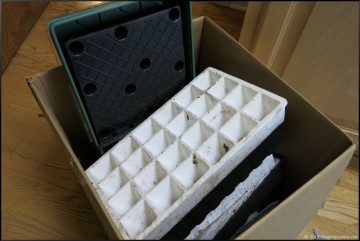
As I described in my earlier posts, Starting My Seeds Indoors and Starting Seeds Indoors, I really like the APS system from Gardeners Supply Company (recently replaced by the GrowEase system)  So I hauled the box of seed starting supplies from the basement, bought a new bag of seed starting soil and got planting.

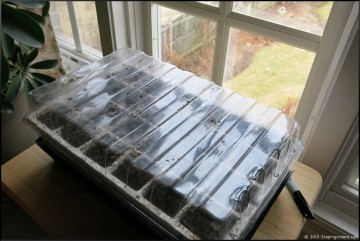
APS seed starting system
My fancy storage container for my seed starting supplies
APS seed starting system
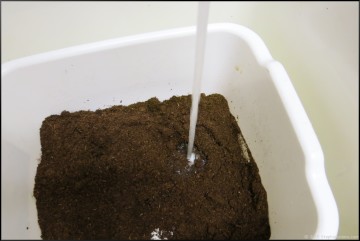
Moisten the seed starting mix. Make it damp, not sopping. Also, use seed starting mix, not potting or garden soil.
APS seed starting system
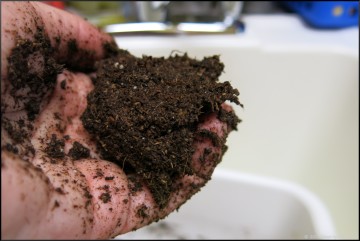
Should feel moist and be able to form a loose ball
APS seed starting system
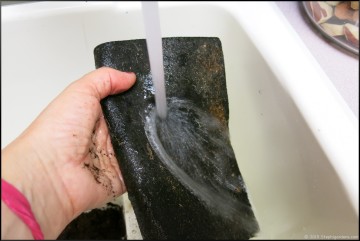
Moisten thoroughly the capillary mat and set up the APS tray system.
APS seed starting system
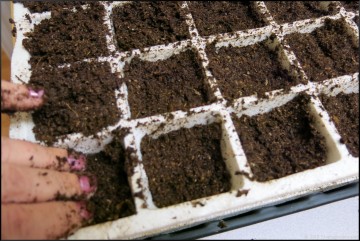
Fill the cells with soil. Tamp down the soil to compress it. Forms a better root ball for transplanting.

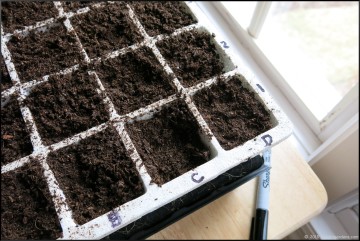
And here’s my new “trick” this year.  I always have trouble knowing what seeds are planted in which cell.  I usually use popsicle sticks, but they just get in the way of the lid and sometime the writing fades.  This year I marked off a grid like a map and made a log to go with it.  So simple, not sure why I didn’t think of it before!

APS seed starting system

Now I just need to be sure I don’t lose my paper log!

pepper seeds
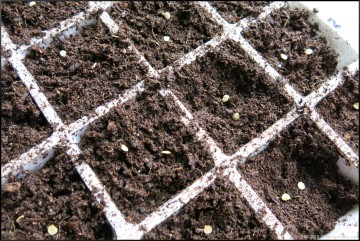
Plant the seeds, 2-3 to a cell (you’ll thin later).  Cover the seeds with a thin layer of soil so they are at the right depth according to the seed package directions.

APS seed starting system

Peppers are ready, looking forward to seeing them sprout.  In a couple of weeks, I’ll start the rest of the indoor seeds, and I’ll also get the cold weather seeds sowed outside.  It’s always iffy as to whether I get anything to grow this early outside, but I keep trying.

SaveSave

SaveSave

SaveSave

Spring Snuck Up On Me

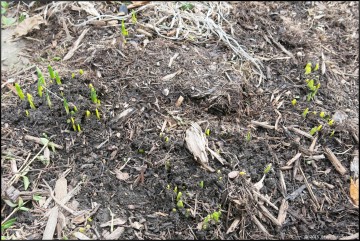
Just when we were feeling like spring would never come, the weather turned and the snow melted.  Always interesting to see what’s been going on under the snow after all those months.  When we see those early signs of life it gives us hope that the garden will once again be bursting forth in beauty in no time.

Here’s some of what I saw on a recent walk around the yard.

The daffodils are sprouting…

daffodils

The azaleas and Judd viburnum are budding…

snowdrop

IMG_4690

judd viburnum

The Geum “Flames of Passion” I planted last fall greened up almost instantly when the snow started melting away…

Geum ‘Flames of Passion’

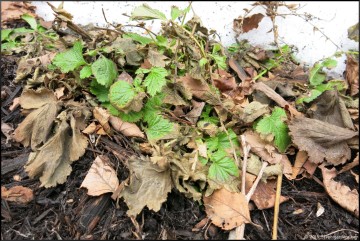
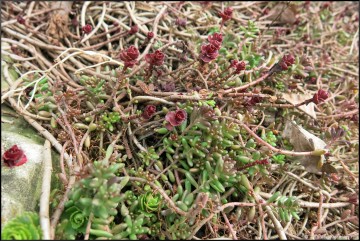
The sedums have survived the winter…  Here’s Sedum spurium ‘Blaze’…

sedum

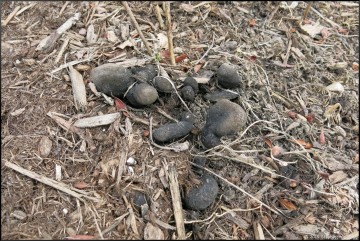
The Dead Man’s Fingers I had in the yard last year have returned in a new spot.  Still looking as odd as ever…

dead man's fingers

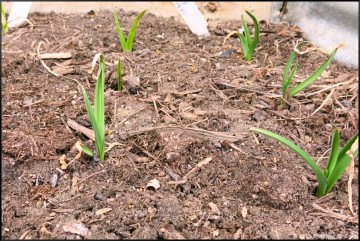
The garlic I planted last fall has already been sprouting.  So exciting!

garlic

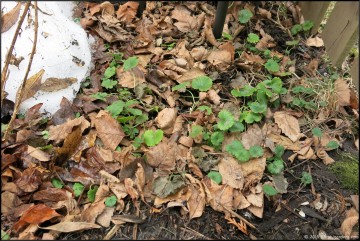
The ever present Creeping Charlie is already creeping :(…

creeping charlie

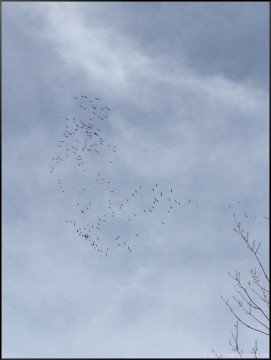
The high flying, but very noisy, Sandhill Cranes are on the move back home…

sandhill cranes

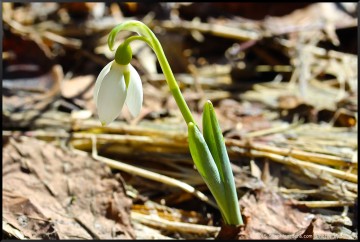
And lastly, Peggy saw this beautiful snowdrop in her Michigan yard. Definitely a special harbinger of spring. 

snowdrop

I had better get moving on my indoor seed planting.  I was lulled into thinking spring wasn’t coming!

Have you had signs of spring in your yard?

Enough of February 2015

February is finally done and it was quite a month for much of the country. It finished here in Chicago as tied with 1875 for the coldest February ever, with an average temperature of 14.6°F, and the third snowiest with just under 27 inches.  I hope March will not be anywhere near as record breaking.

I took the last day of the month to go around with Daisy and see how things were looking. Snowy would be the best description.

IMG_9728

I have no idea how the plants are faring this year. I’ll have to just be patient and wait and see.

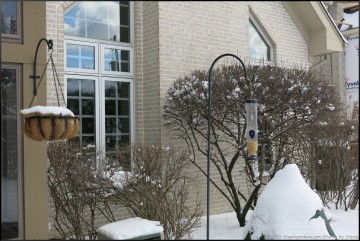
This is what I call the “sparrow corner”. The sparrows love having their own feeder filled with inexpensive food, and have spent all winter flitting back and forth from the viburnum to the feeder. Keeps them occupied and away from the other feeders.

IMG_4659

IMG_9707

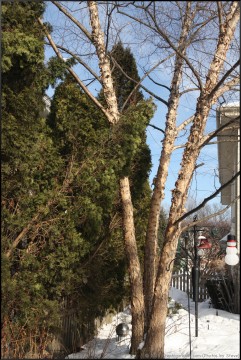
Like most winters, the arborvitae and yews took the worst beating. The “privacy fence” of  arborvitae are actually beginning to look better than they did earlier this month, so maybe it’ll last another year.

IMG_9702

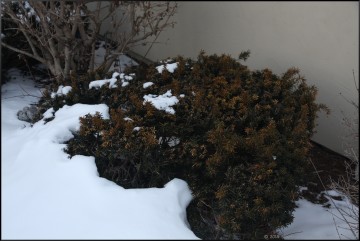
The yews still show winter burn and snow damage from last year, and I’m expecting that they’ll look worse this year. They’ve been crushed by all the snow once again. Maybe I’ll be pleasantly surprised. and they’ll bounce back. Or it’ll give me chance to start over again 🙂

IMG_9735

IMG_9733

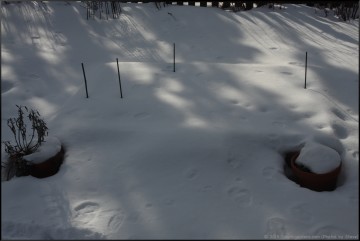
The vegetable gardens in the back and side yards are well insulated and just waiting for spring, which can’t come fast enough. The sticks mark the overwintering garlic.

IMG_9700

IMG_9713

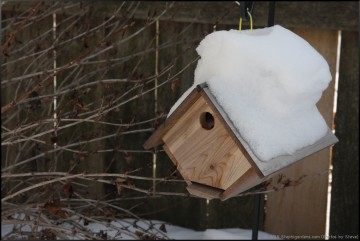
This birdhouse doesn’t look very inviting. Last year I put them out too late, so no one made it their home. Hopefully this spring.
IMG_9717

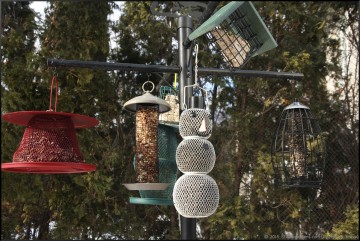
My feeders on the feeder pole have been a hit (This Birthday Was For The Birds)! Cardinals, red-breasted nuthatches, white-breasted nuthatches, downy woodpeckers, chickadees, goldfinches, purple finches and house finches are daily visitors. Juncoes happily scavenge anything that spills on the ground.

IMG_9731

At least it’s been a lot sunnier lately and my solar snowman finally cheerfully lights up the night.

IMG_4674 (1)

How are your plants faring? Are you worried?

Harvesting Fall Beets

As I’m getting ready to plan out this year’s vegetables, I know I want to include beets.  Again.

Botanical Interests

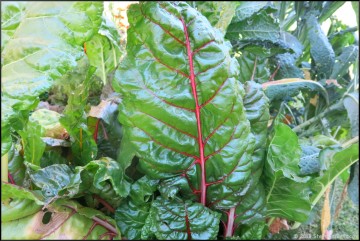
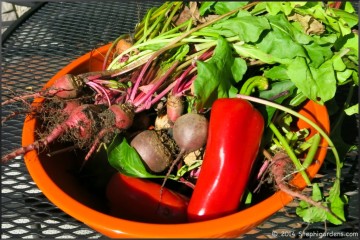
I thought I had planted beets last spring for the first time ever, but somewhere along the growing season I forgot, or thought they never came up.  All summer I thought I had grown 2 plots of swiss chard, which actually amounted to a lot of swiss chard.  We just ate them all, never noticing any difference.  When I decided the gardens were done for the season and it was time to harvest whatever was left, out came what I had thought was the swiss chard.  But, lo and behold, there were beets attached to a whole bunch of them.

beets
Hmm, swiss chard or beets (These are beets, I think)

Ok, time to think about that.  It was then I realized these were the beets I had planted.  The same ones that that hadn’t ever grown, and mysteriously turned into swiss chard.

Now this was exciting.  I had quite a few beets from this harvest.
beets

But, beets are not something I ever remember eating.  Maybe we had them from a can when I was a kid, but even then I’m sure I didn’t eat any.

So I headed to the web to figure out how best to cook these little garden treasures…

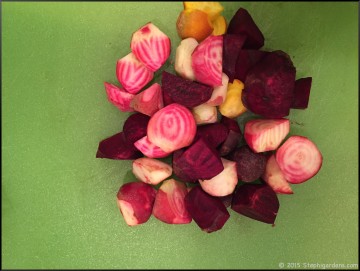
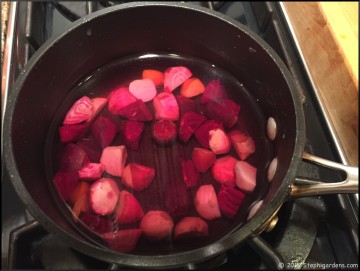
Since this was the first time cooking them, I kept it simple and just quartered and boiled them for about 20 minutes until they were soft.  I loved the variety of colors and patterns of the beets!  My fingers turned a bit pink too, but that’s ok.

Beets

beets

We ate them just as they were, but I’m sure you could season them to your own taste.

I am definitely growing lots of them again this year, and marking them clearly!  And apparently beet greens taste a lot like swiss chard, so we’ll just continue to eat them as well.

Winter Weariness

photo by peggy

While we may not be having the horrendous weather some of my friends on the East Coast are having, we in Chicago, Michigan and the rest of the Midwest are having our own winter frustrations.

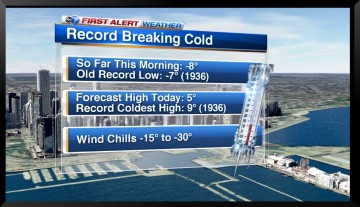
This winter started out not too bad, but January and February have really kicked it up a notch.  Record snow, record cold, Old Man Winter is really piling it on, especially tough on top of last winter.

Today’s news…

weather chart

It’s hard to even think about the garden.  I haven’t really been in the mood to look at the seed catalogues that are piling up or to get ready to start any seedlings yet.  I feel like spring is never going to come.  But I know, all of a sudden this will be over and spring will sneak up on us.  Hopefully sooner than later.

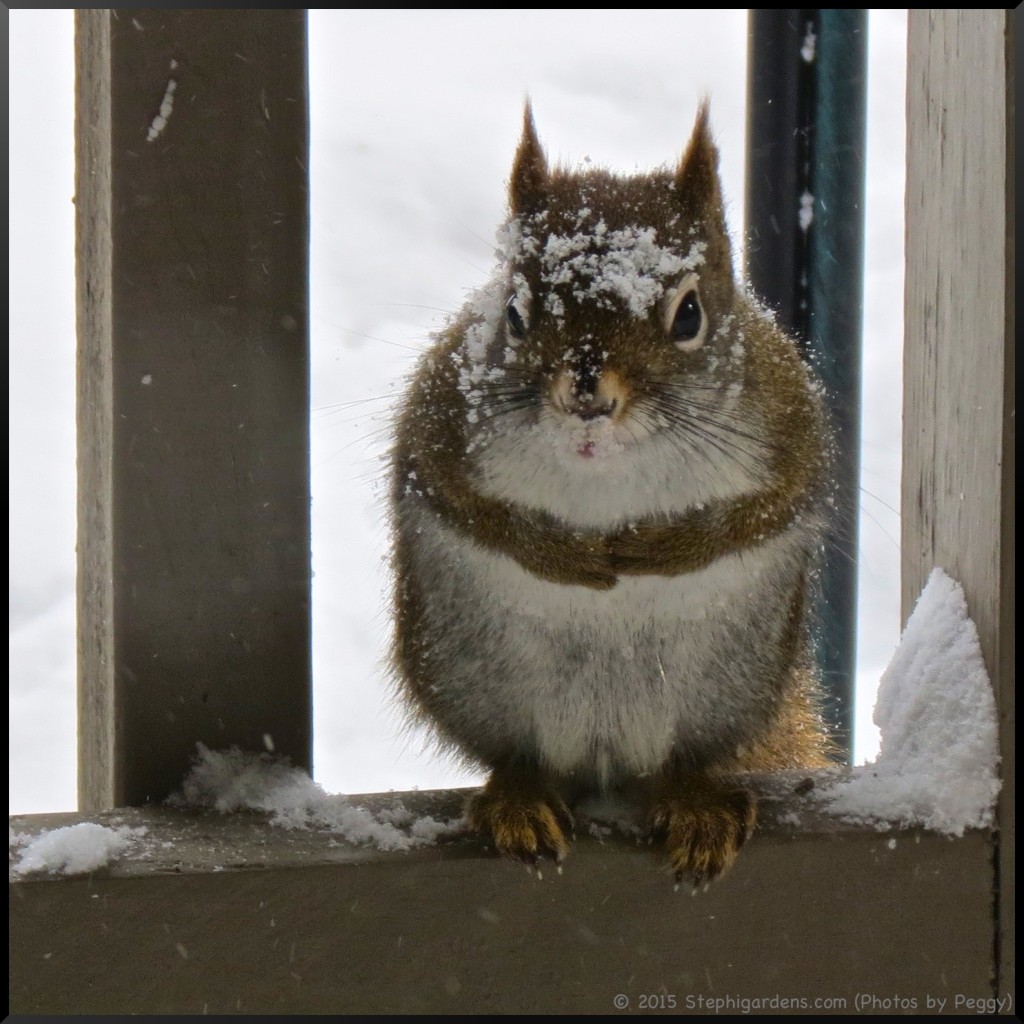
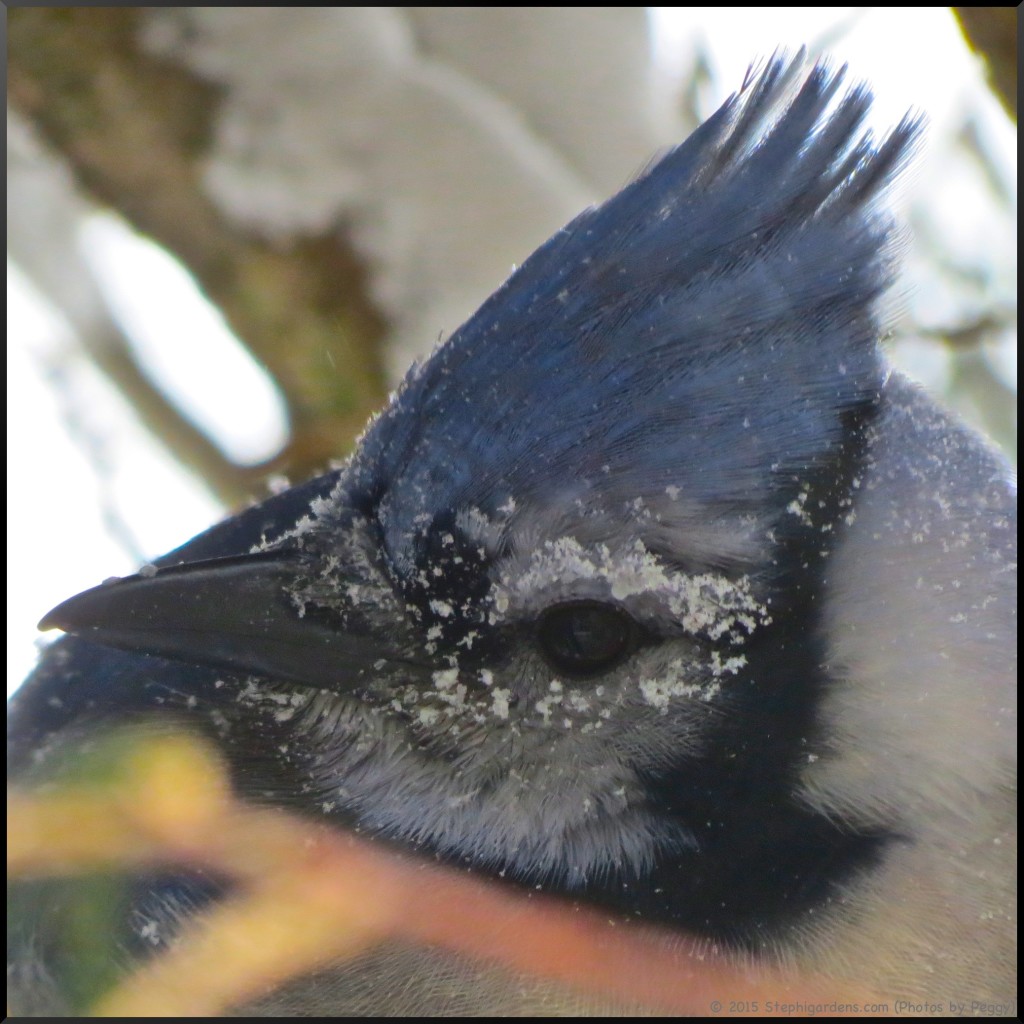
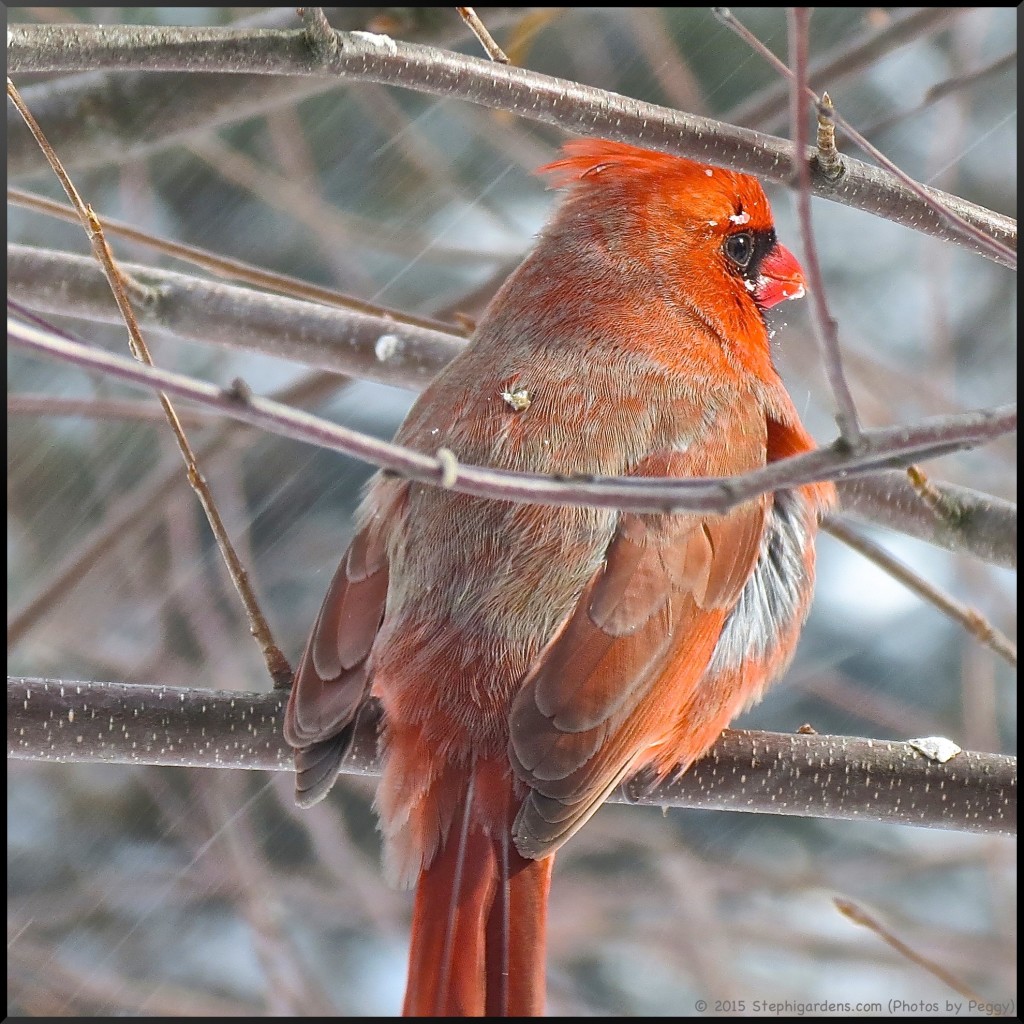
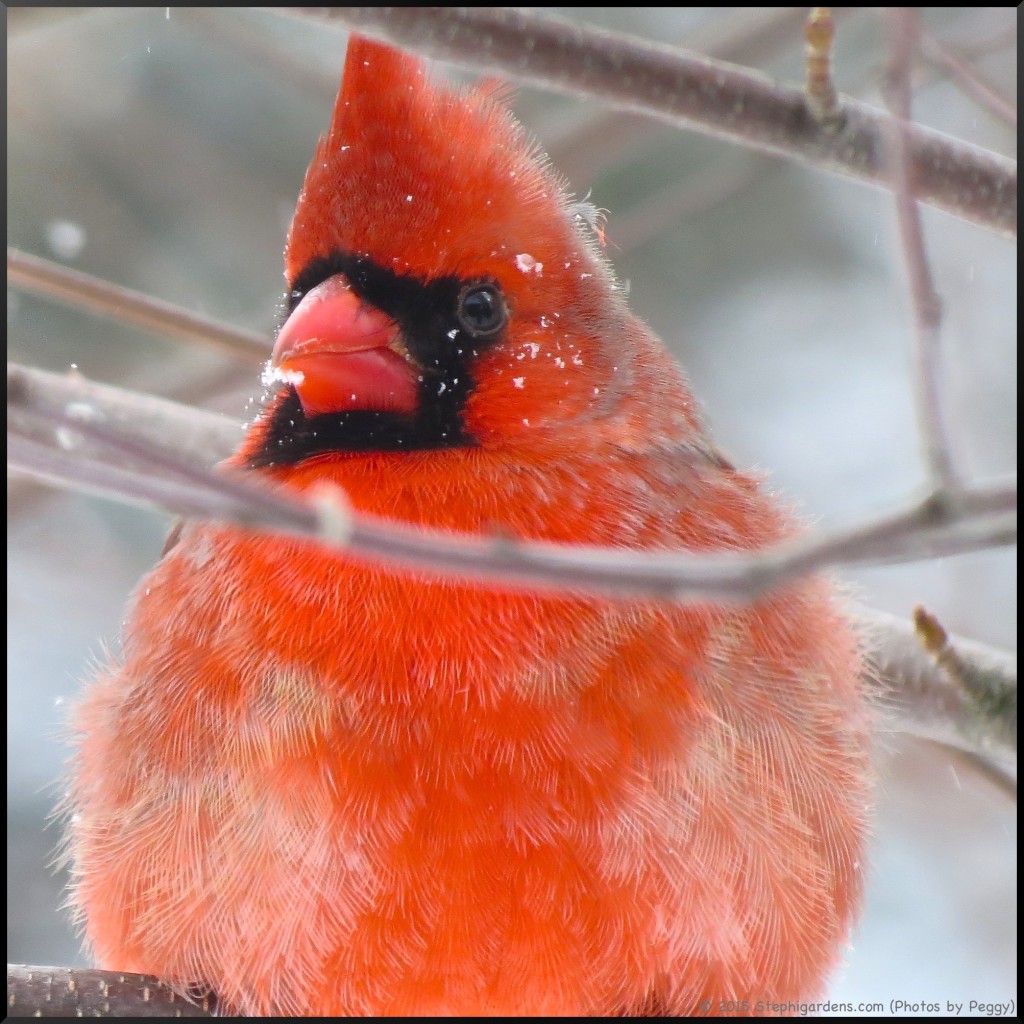
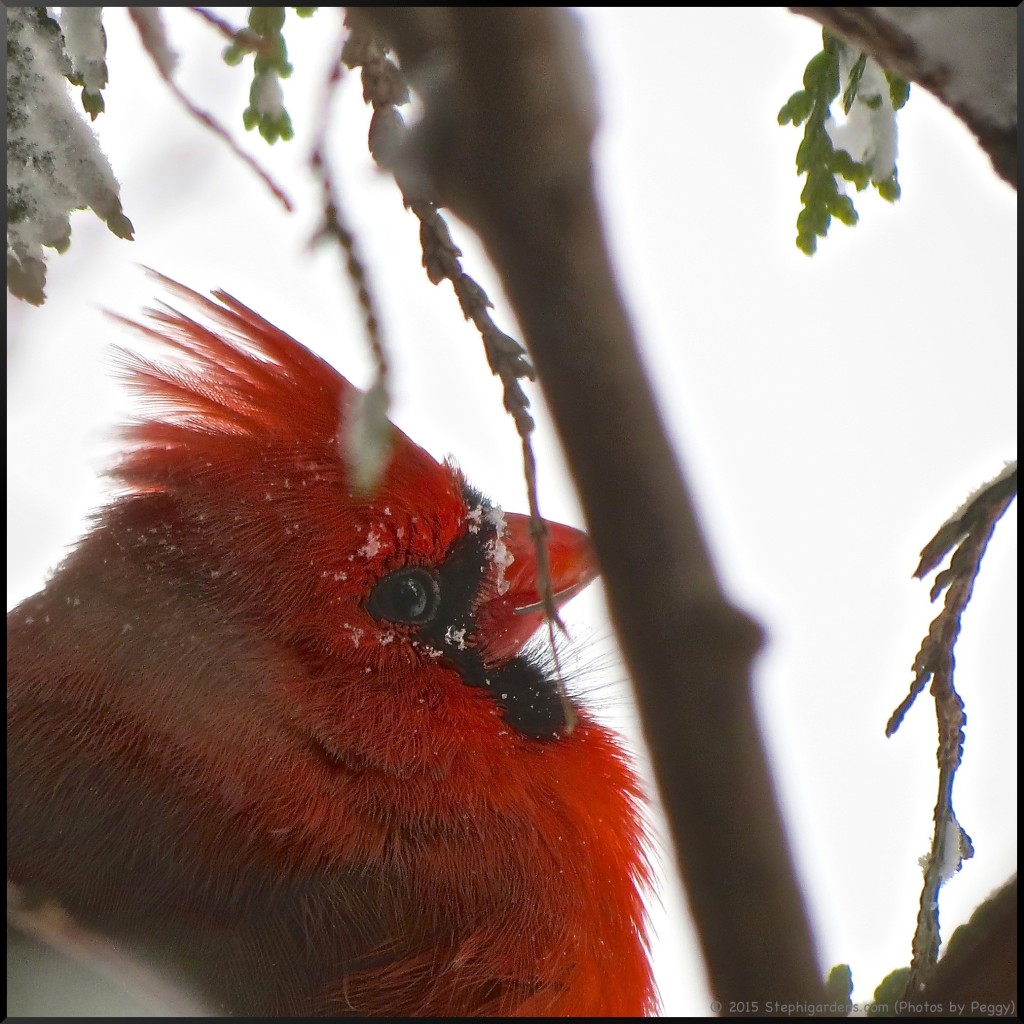
My mom made use of a recent blizzardy day, where she couldn’t even see the neighbors house, to takes some photos of the feathered and furry friends who are thankful for her food.

photos by peggy


Photo by


IMG_1498_2


IMG_1495_2


IMG_1488_2

I think these photos made the cold, snowy, wintry day a lot better!  Hope you enjoyed them, too.

(Photo Credit: Weather graphic from Tracy Butler/ABC 7 Chicago)

Kitchen Lettuce

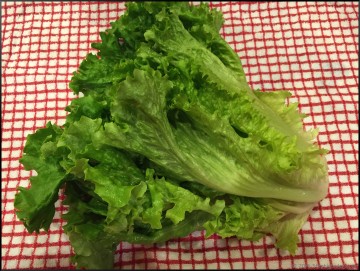
I saw on Pinterest lots of pins about how you can grow some vegetables from the remains of store-bought or farm-raised vegetables. I thought I’d give it a try with some green leafy lettuce I bought at the grocery store.

Stephi Gardens

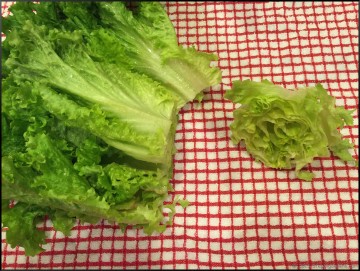
First, I cut off the end off the head of lettuce.

Stephi Gardens

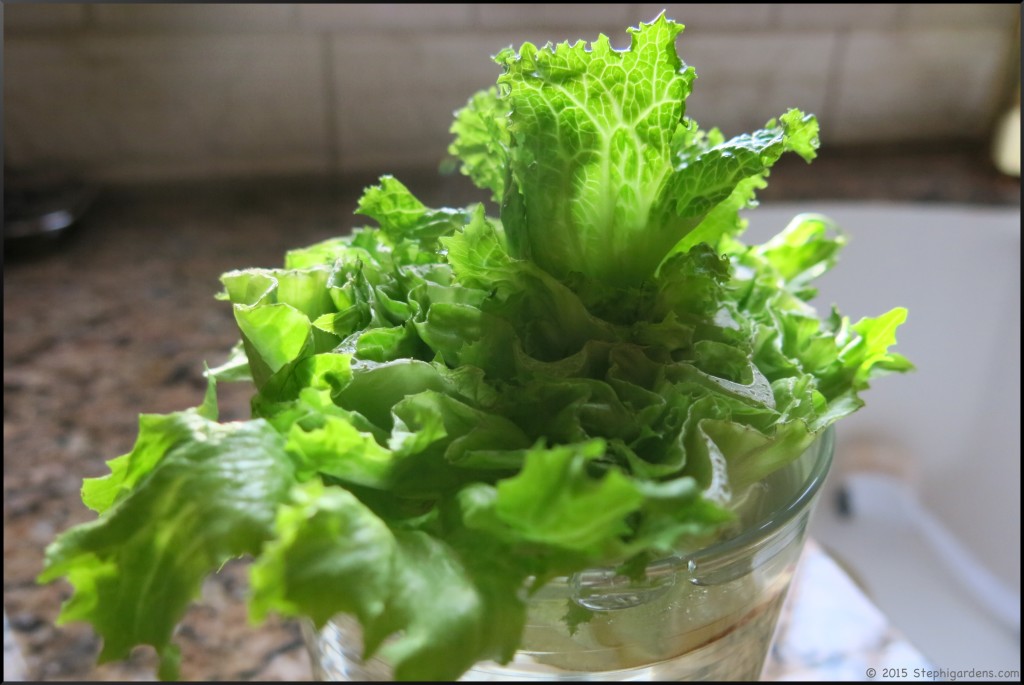
I wrapped the washed lettuce leaves, wrapped in damp paper towels and placed them in the fridge drawer for use this week.  The cut of root end, I placed in a glass of water and put it near the kitchen window.

Within a week or so, the first leaf started to grow.  I changed the water every few days to keep it fresh.

Stephi Gardens

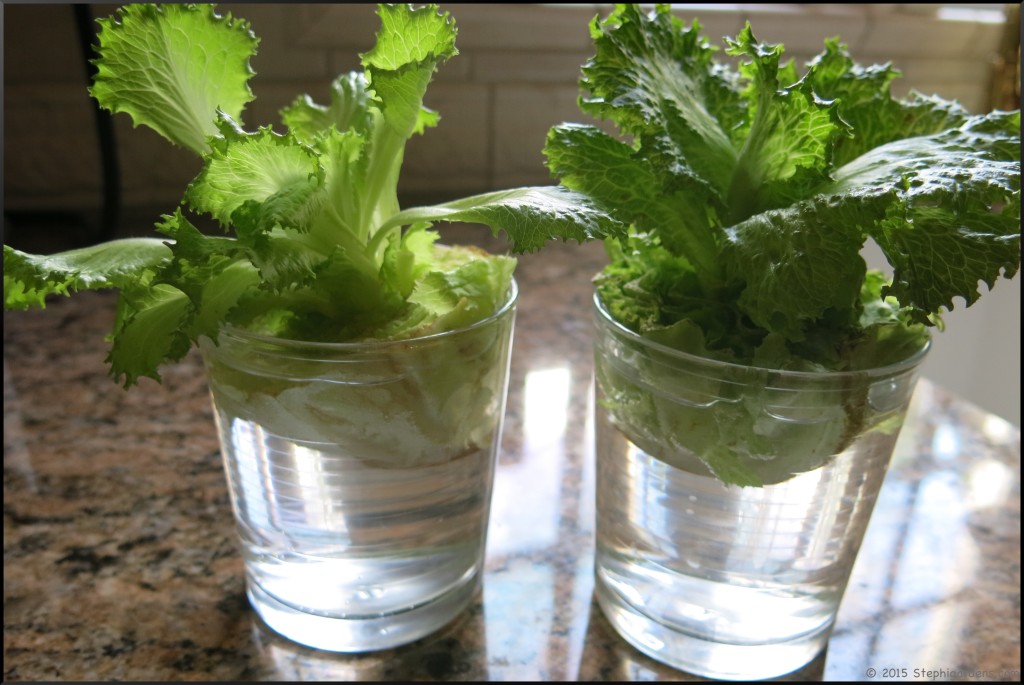
Almost 3 weeks later, I was getting enough leaves to start to think about harvesting the lettuce for some sandwiches.  Along the way, I added another lettuce root and watched them both grow.

IMG_3081

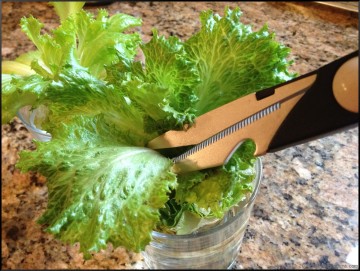
A few days later, it was time.  I just snipped off what I wanted and let the rest continue to grow.

Stephi Gardens

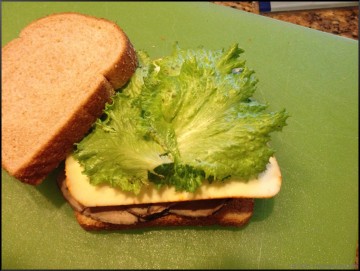
Yummy fresh sandwich for lunch!

Stephi Gardens

It was fresh and tasty, but does take patience to get enough lettuce to use.  I didn’t end up with enough for a salad, but it was great for sandwiches.  A larger container with more lettuce cuttings would easily produce enough for salad.

Have you grown anything on your countertop?

The Blue Jays are Back (and That’s Not a Good Thing)

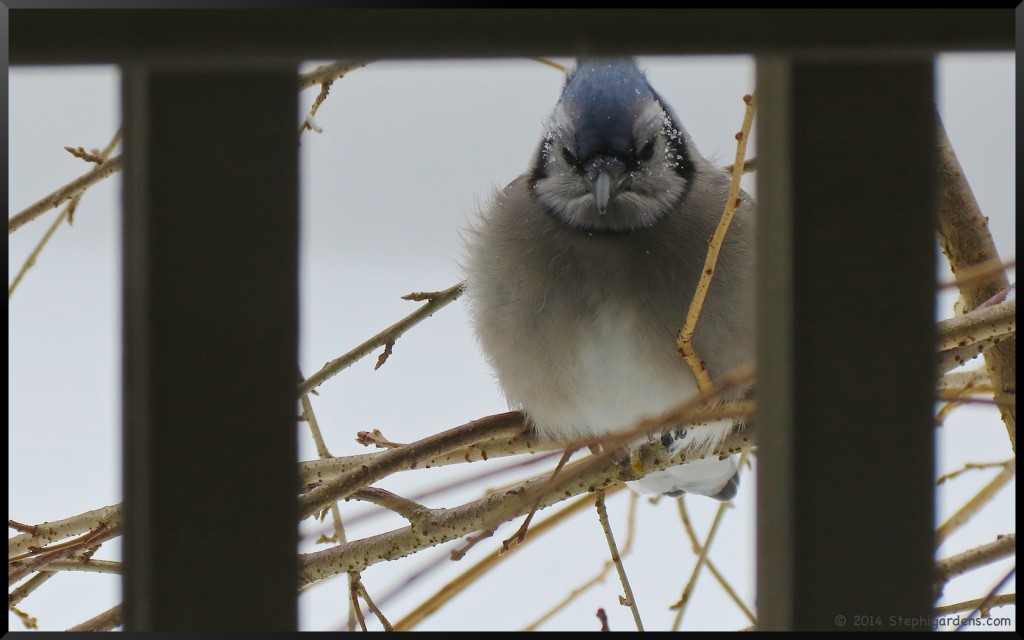
Blue Jay

My mom, Peggy, has had an ongoing issue with blue jays in her yard.  As I wrote before in Bullies at the Bird Feeder, they can be a real nuisance at her feeders.  They eat an obnoxious amount of bird seed and really act as bullies when other birds try to eat.

Now the latest problem is that they are arriving first thing on the morning in groups of up to 35 and staying to dine for 3-4.  You can only imagine how fast they can clean out the feeders and certainly scare off any other bird who may want to eat breakfast.

So what to do?  I guess Mom could have given up and just stopped feeding the birds altogether, but that would make for a very unhappy backyard.  Instead, she worked to makes the feeders blue jay unfriendly.

First, some of the feeders like the platforms and cardinal feeders just had to come down. Luckily the cardinals and mourning doves were able to find enough seed on the ground to keep them happy.  On occasion they’ll even find nice handfuls of sunflower seeds set out on the ground for them.  For cardinals, this works best in the early morning or late afternoon.

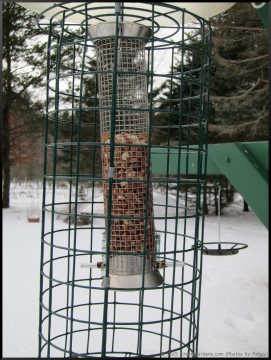
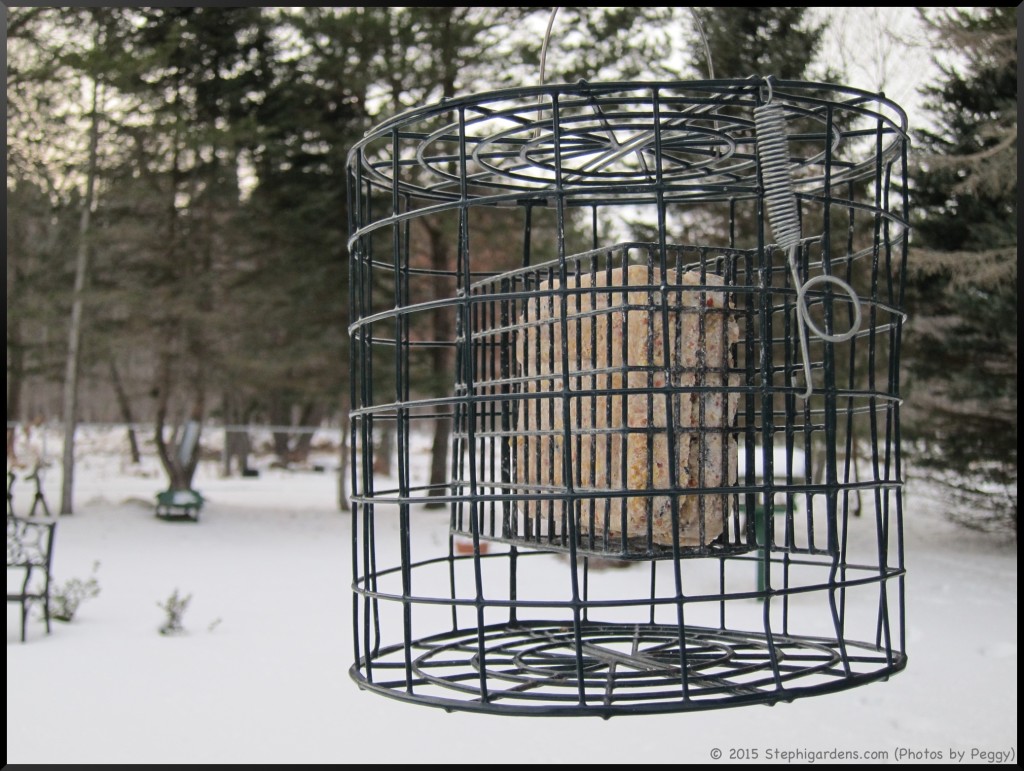
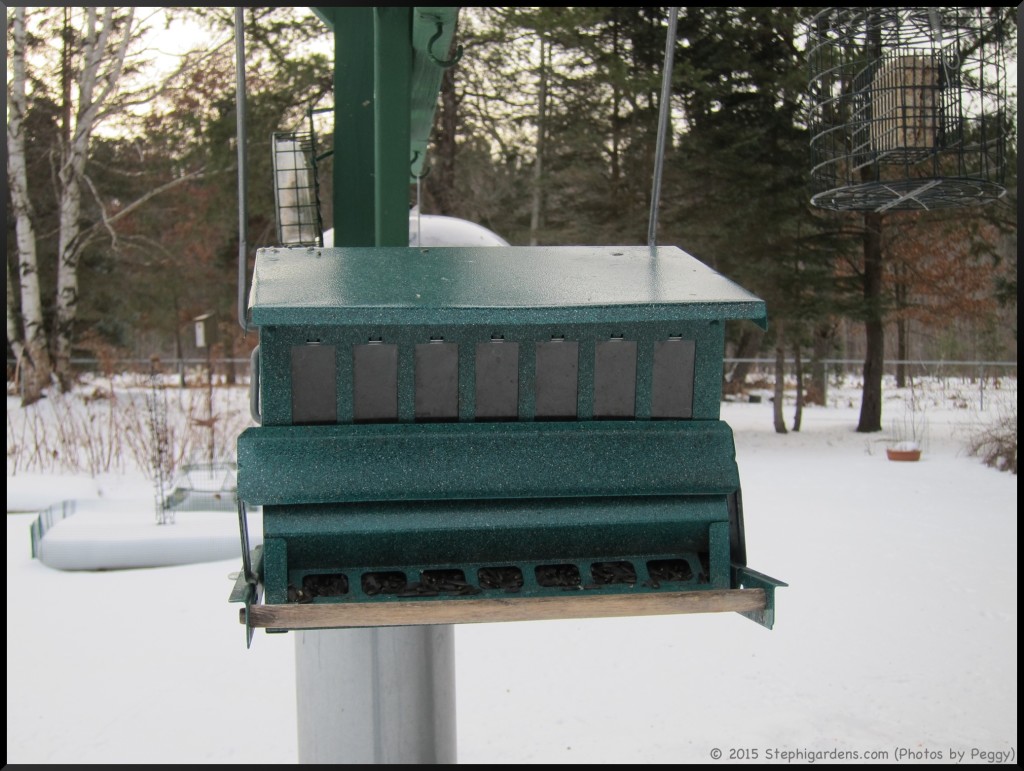
Then, some of the others were put in cages that would allow the smaller birds access, but keep out the bigger birds like blue jays out.

Photos by Peggy

The downy and hairy woodpeckers can still get in and enjoy the suet.

Photos by Peggy

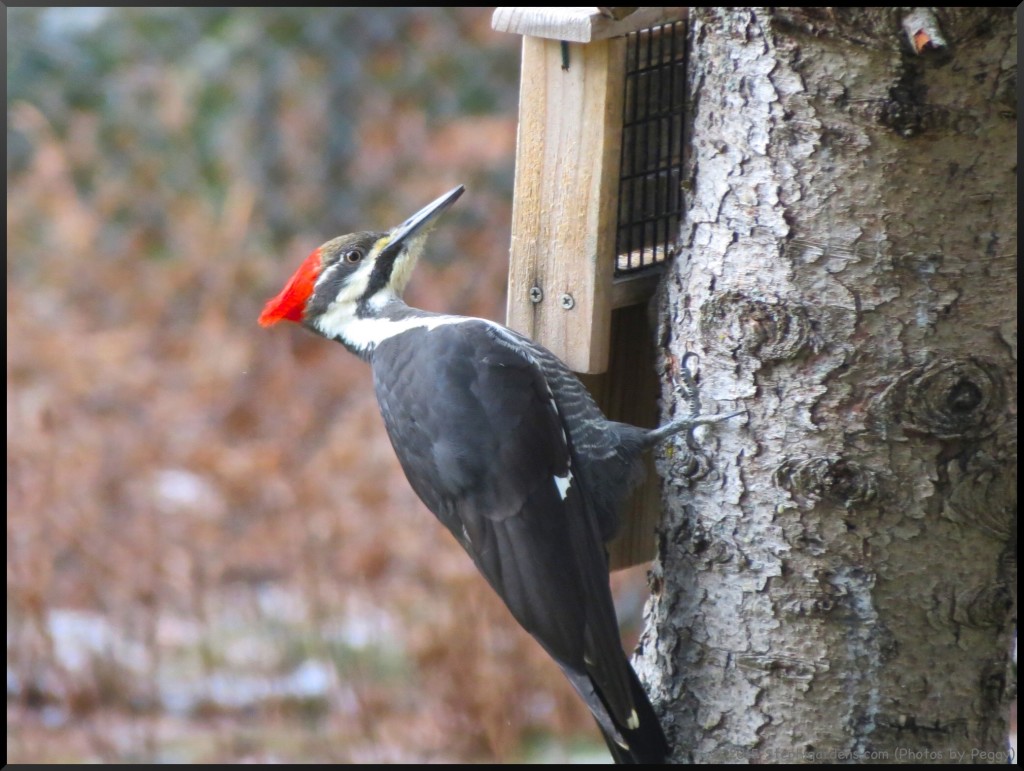
The pileated woodpeckers prefer to visit another suet feeder that the blue jays haven’t seemed to find!

Photos by Peggy

The weighted squirrel proof bird feeder can be set to keep off larger birds like the blue jays.  It’s settings are sensitive enough that the cardinals and smaller birds can still feed on here.

Photos by Peggy

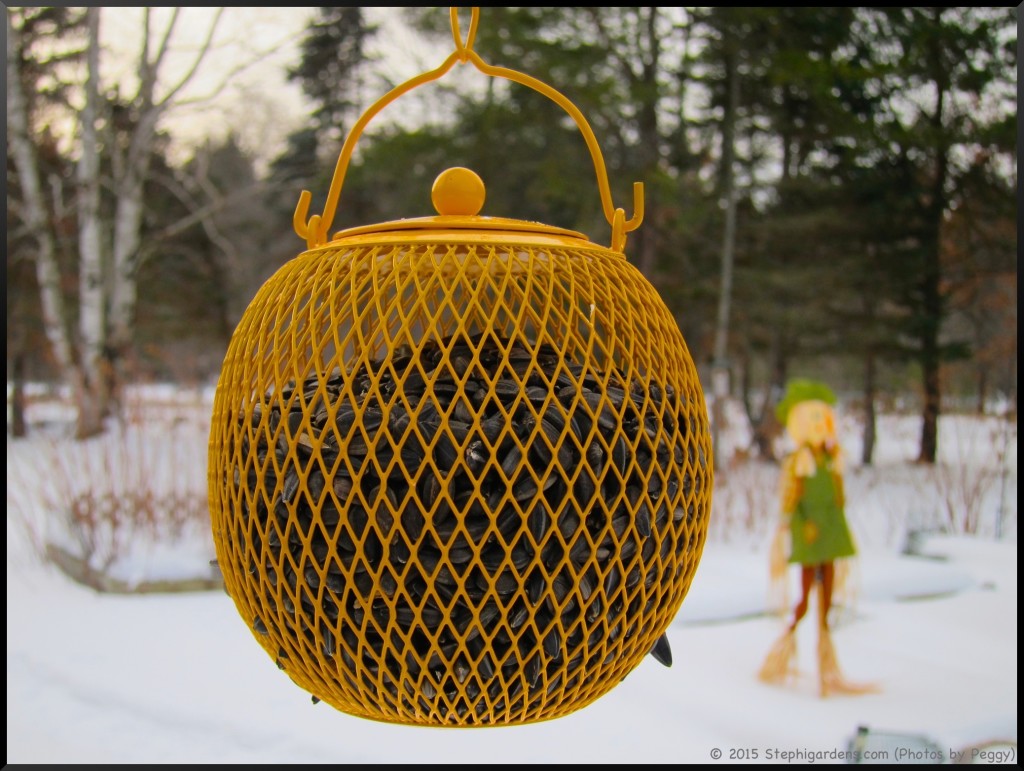
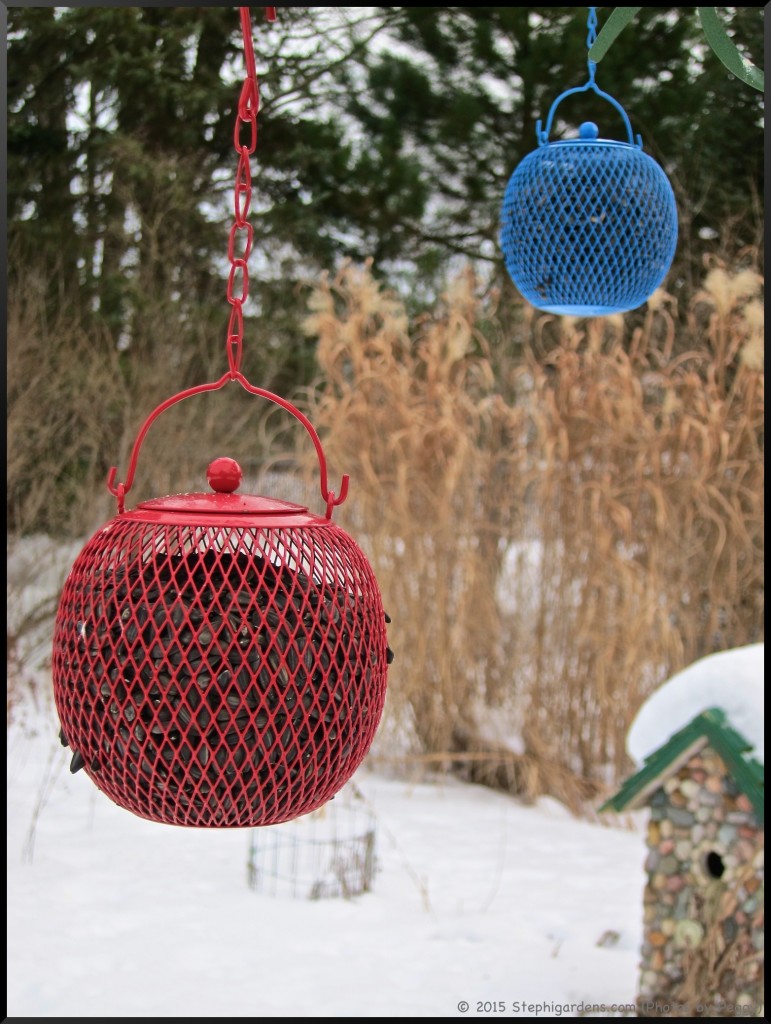
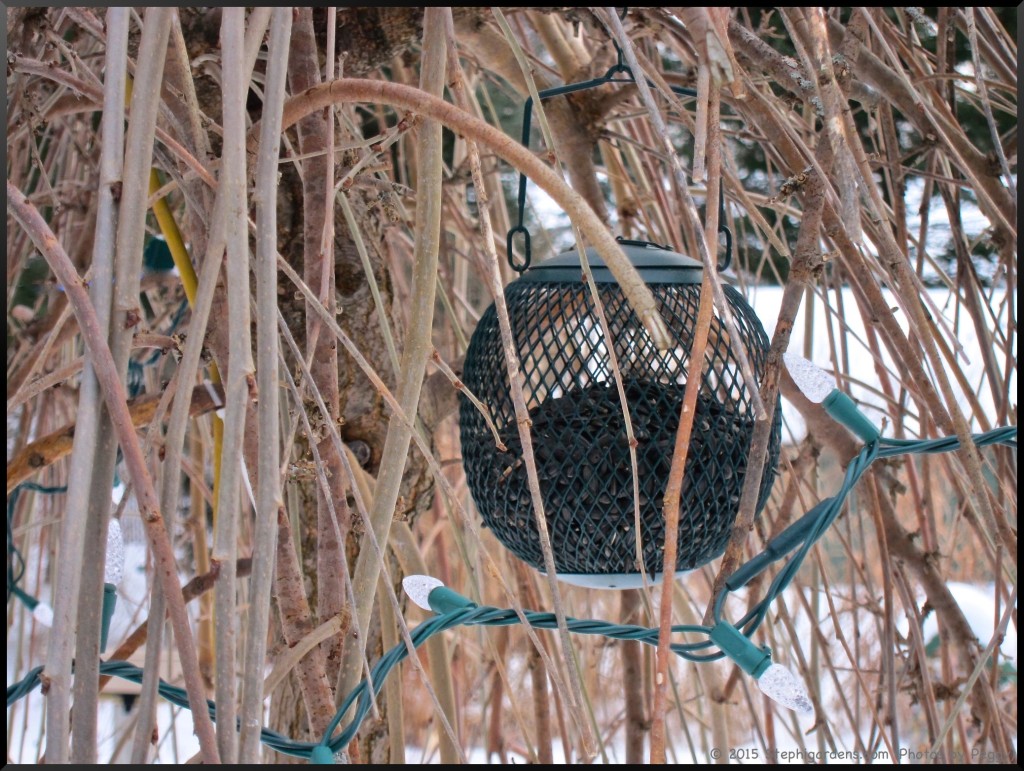
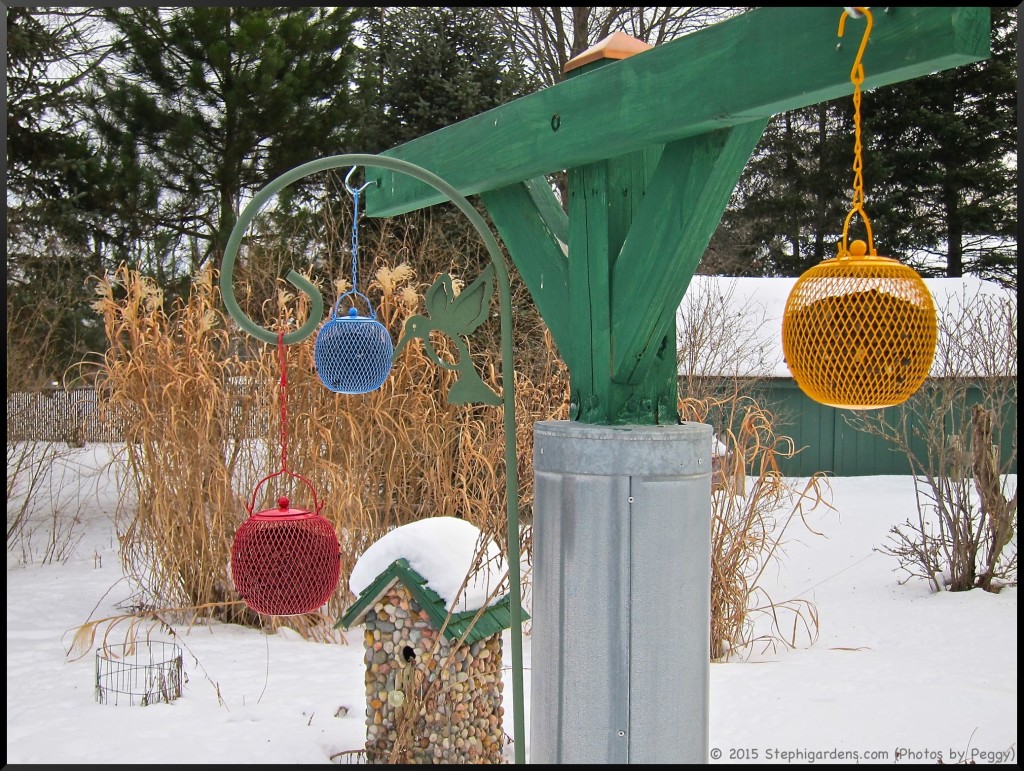
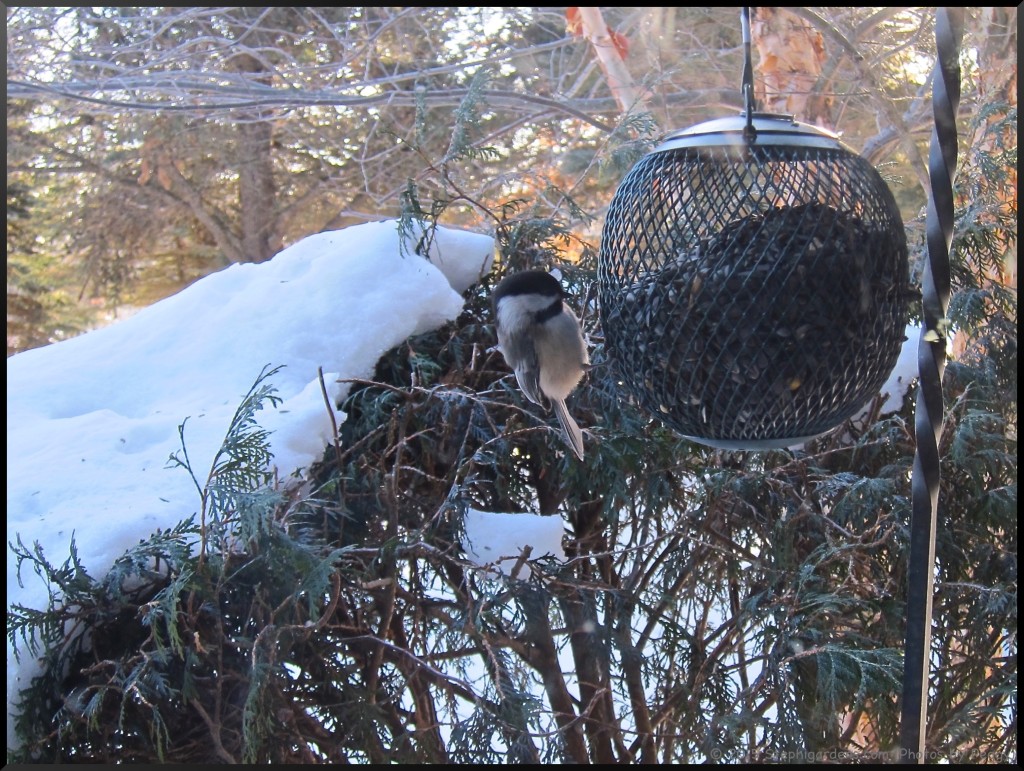
The most popular feeders in Peggy’s yard are actually the colorful and fun little sunflower seed ball feeders.  The clinging birds are constantly on them and the blue jays haven’t been able to figure these out.

Photos by Peggy

Photos by Peggy

Photos by Peggy

Photos by Peggy

Photos by Peggy

The oddity Mom’s encountered with these feeders is the pine siskins’ habit of just pulling out seeds and dropping them.  Maybe they’re looking for just the right one?  Still no waste though, since the ground feeding juncoes are just fine hanging out under the feeders and eating the treats.

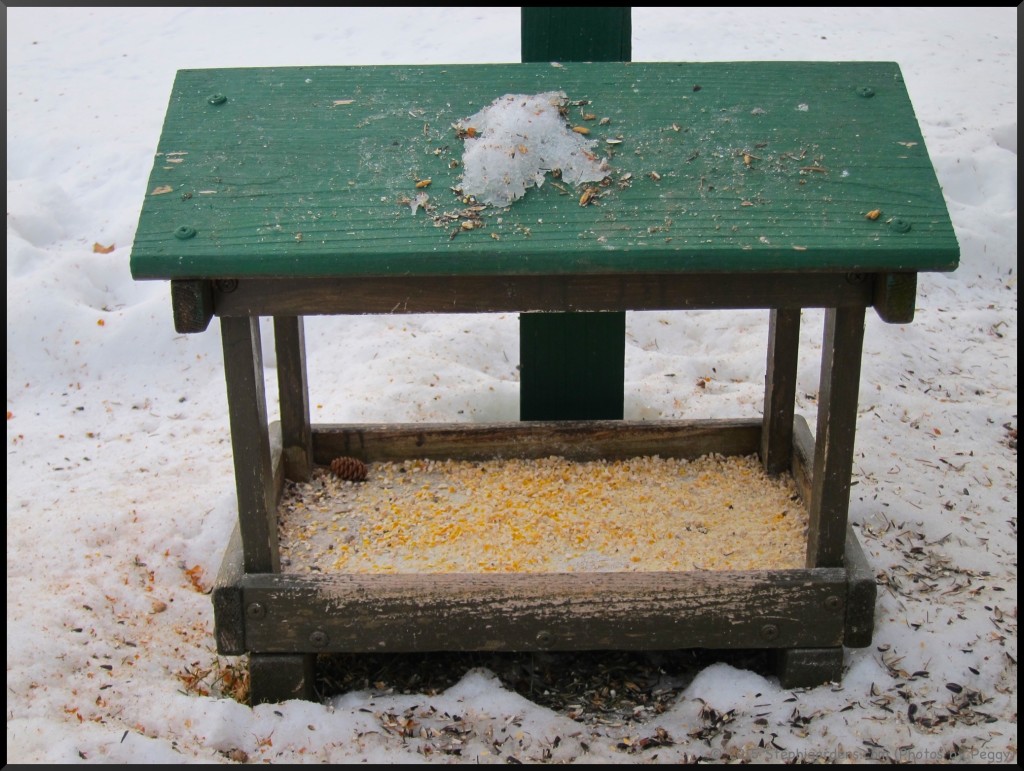
Lastly, this ground feeder is filled with cracked corn enjoyed by an assortment of birds and bunnies.  I asked Mom why she’d be feeding the bunnies.  She said it was better they eat the cracked corn than eat her plants!  Can’t argue with that!

Photos by Peggy

Have you had to adjust your feeders for some nuisance birds?