Clematis Stem Wilt: An Update to Something’s Wrong With The Clematis

Yesterday, I wrote about the terrible condition of two of my clematis plants (Something’s Wrong With The Clematis).
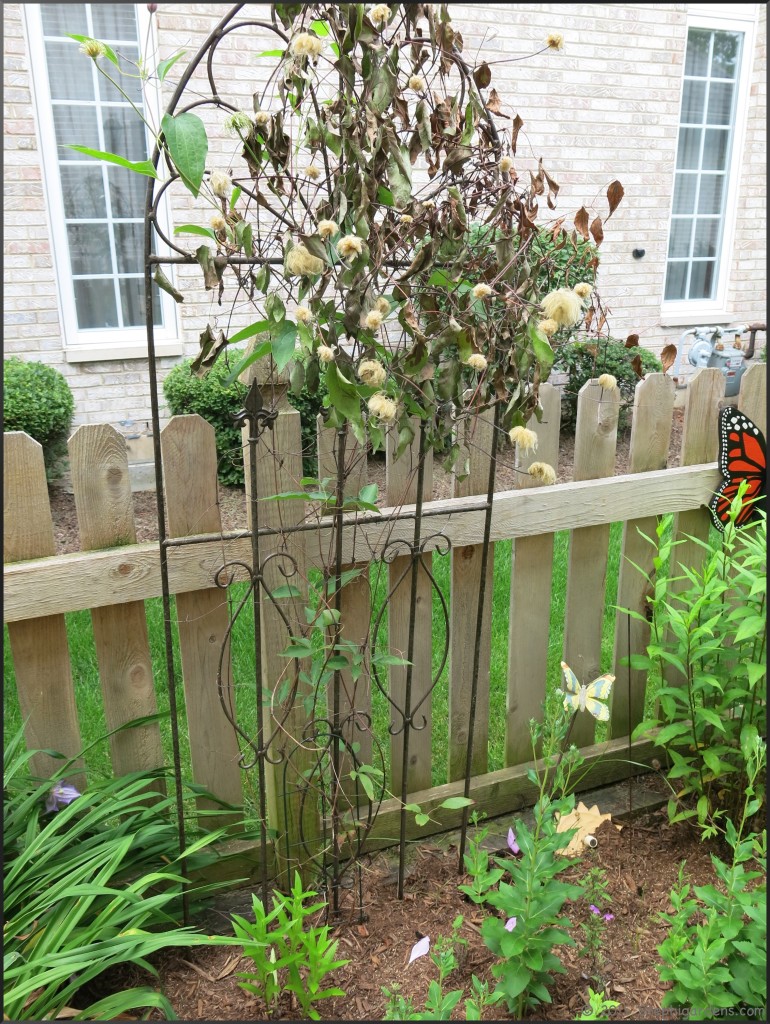
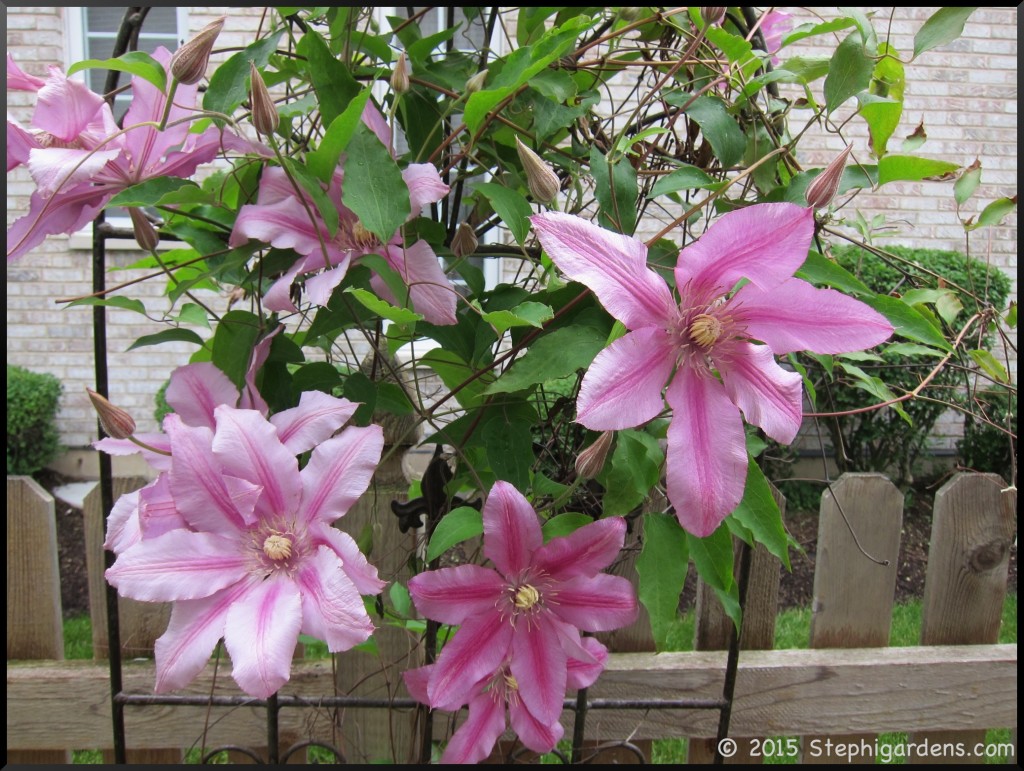
Clematis "Sugar Candy"

This morning, after an interesting discussion on Facebook, I called the Morton Arboretum Plant Hotline.  They are a great local resource for what’s going on with plants in the area.

They said it sounded like my clematis have clematis stem wilt.  Yikes! That’s not good, but not awful.

According to the Arboretum and the Missouri Botanical Garden clematis stem wilt is a fungal infection that comes on suddenly just as the plant is about to bloom.  Yep, exactly what I saw.
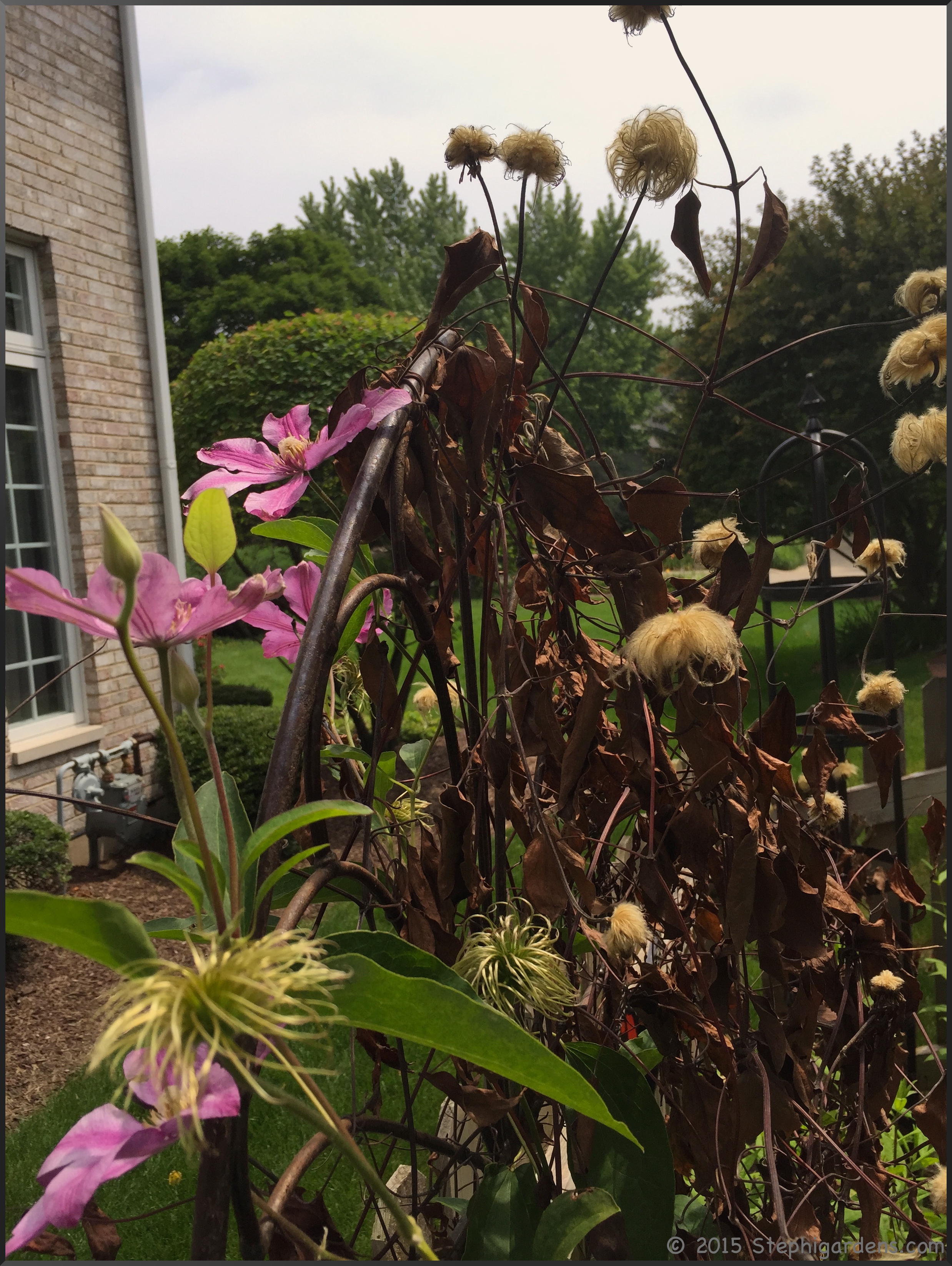
Clematis "Sugar Candy"

Within just a few days the stem and leaves turn black and start to die.  It may only affect a singe stem, or the whole plant.

Again, exactly what I’ve seen.  One has only some of the stems dying, the other all.
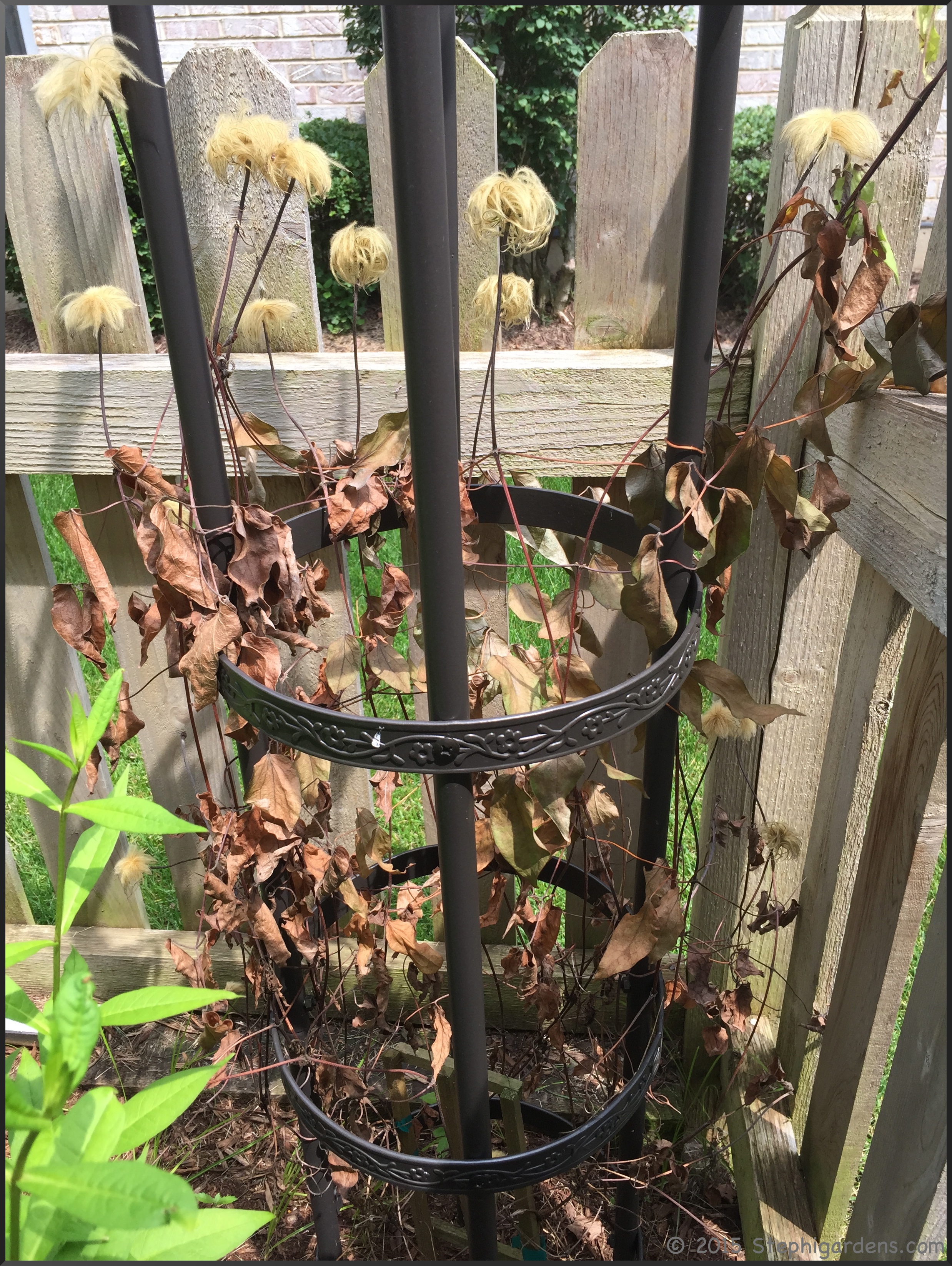
Clematis "Sugar Candy"

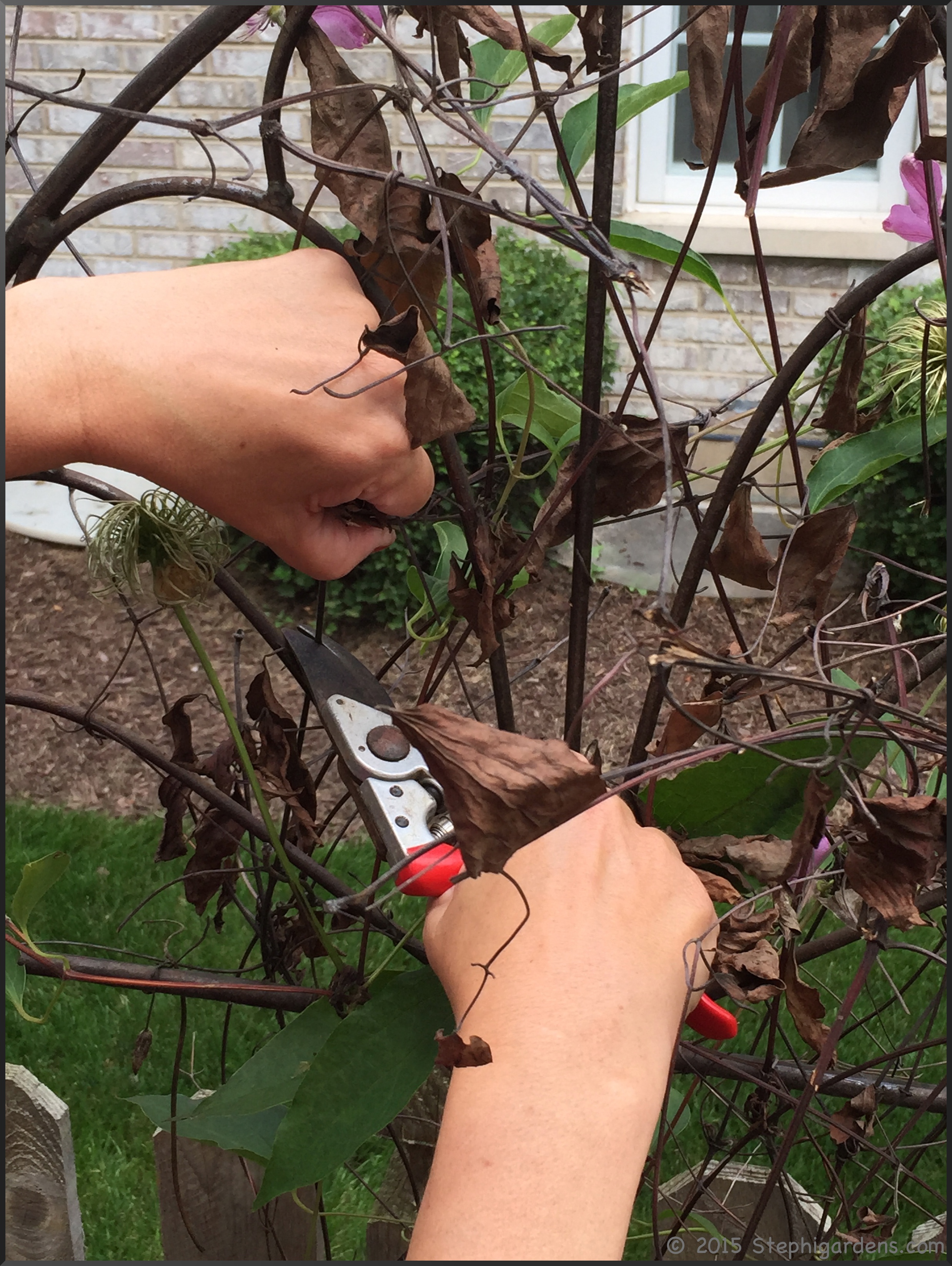
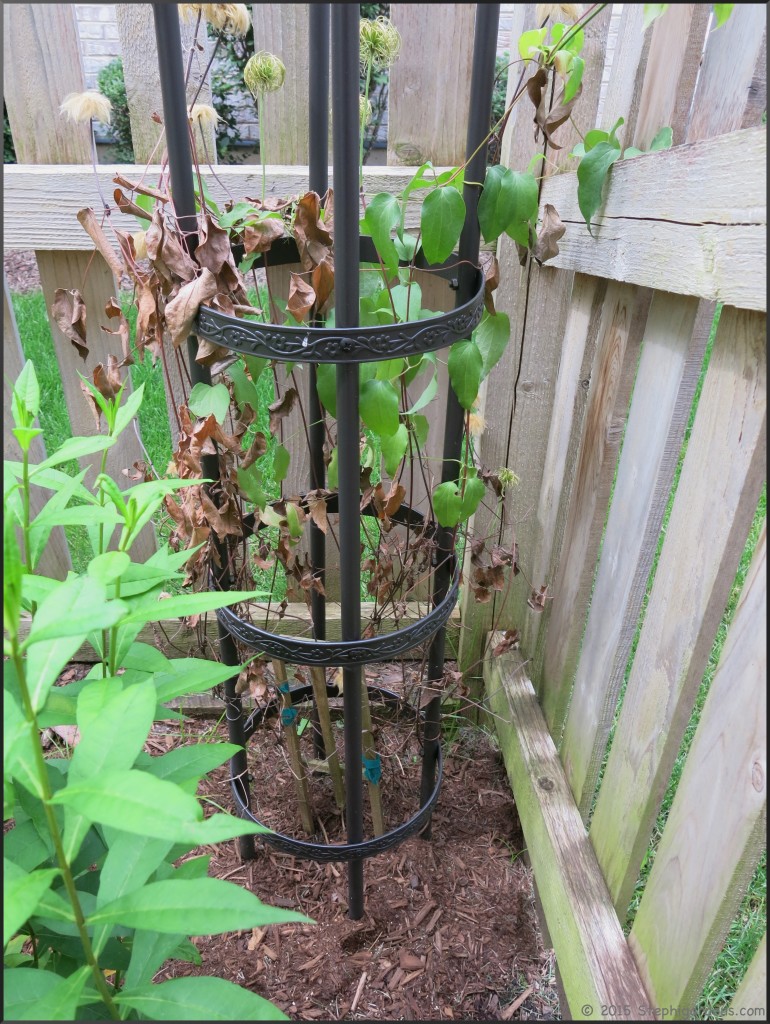
Pretty much the only way to treat it is to cut back and remove the infected stems and leaves.  Also, clean up any dead leaves underneath the plant so that the spores don’t stay in the soil and reinfect the plant.  Don’t forget to disinfect your pruning tools afterwards to keep them clean.  So that’s what I did today.
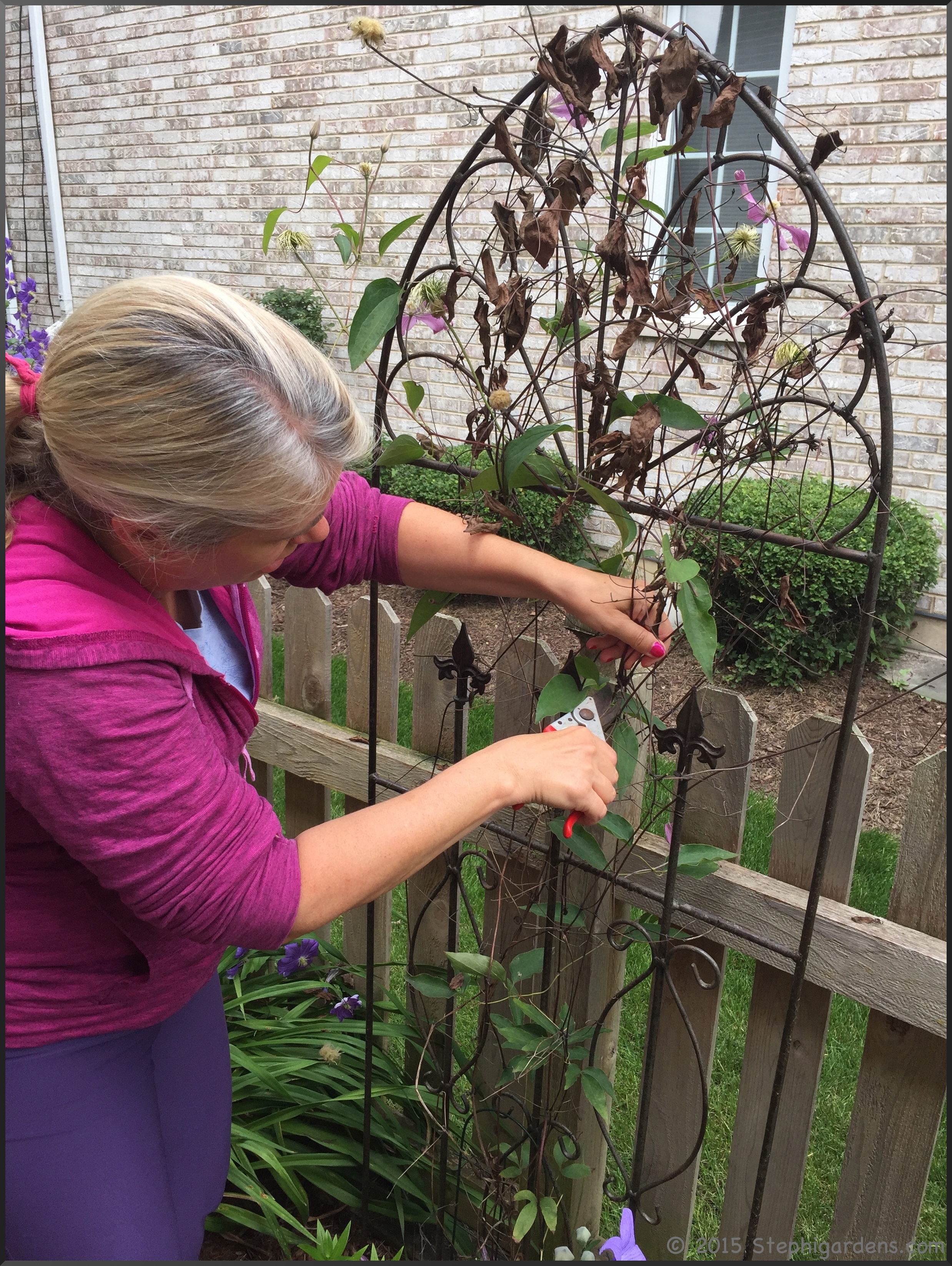
clematis wilt

clematis wilt

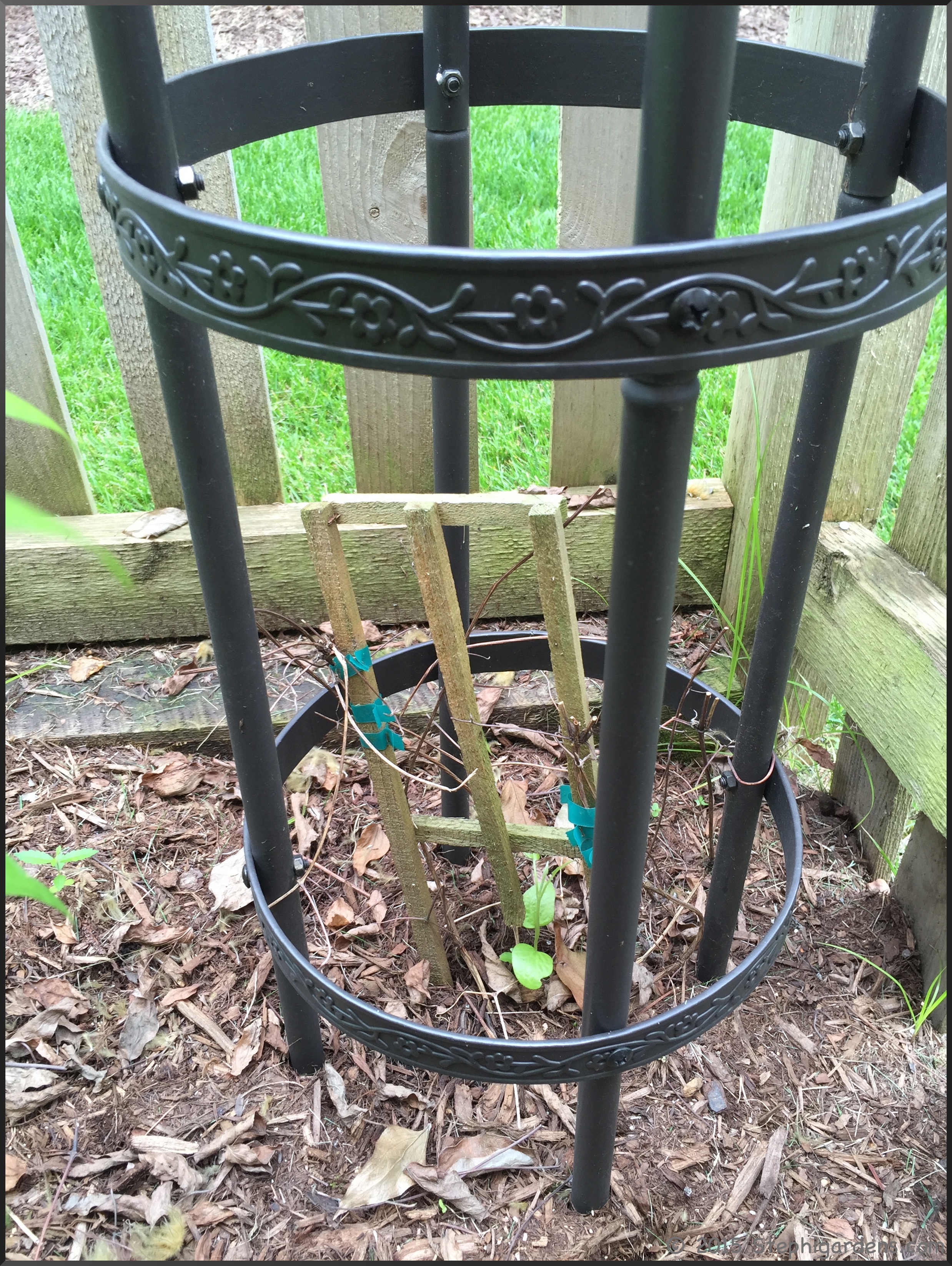
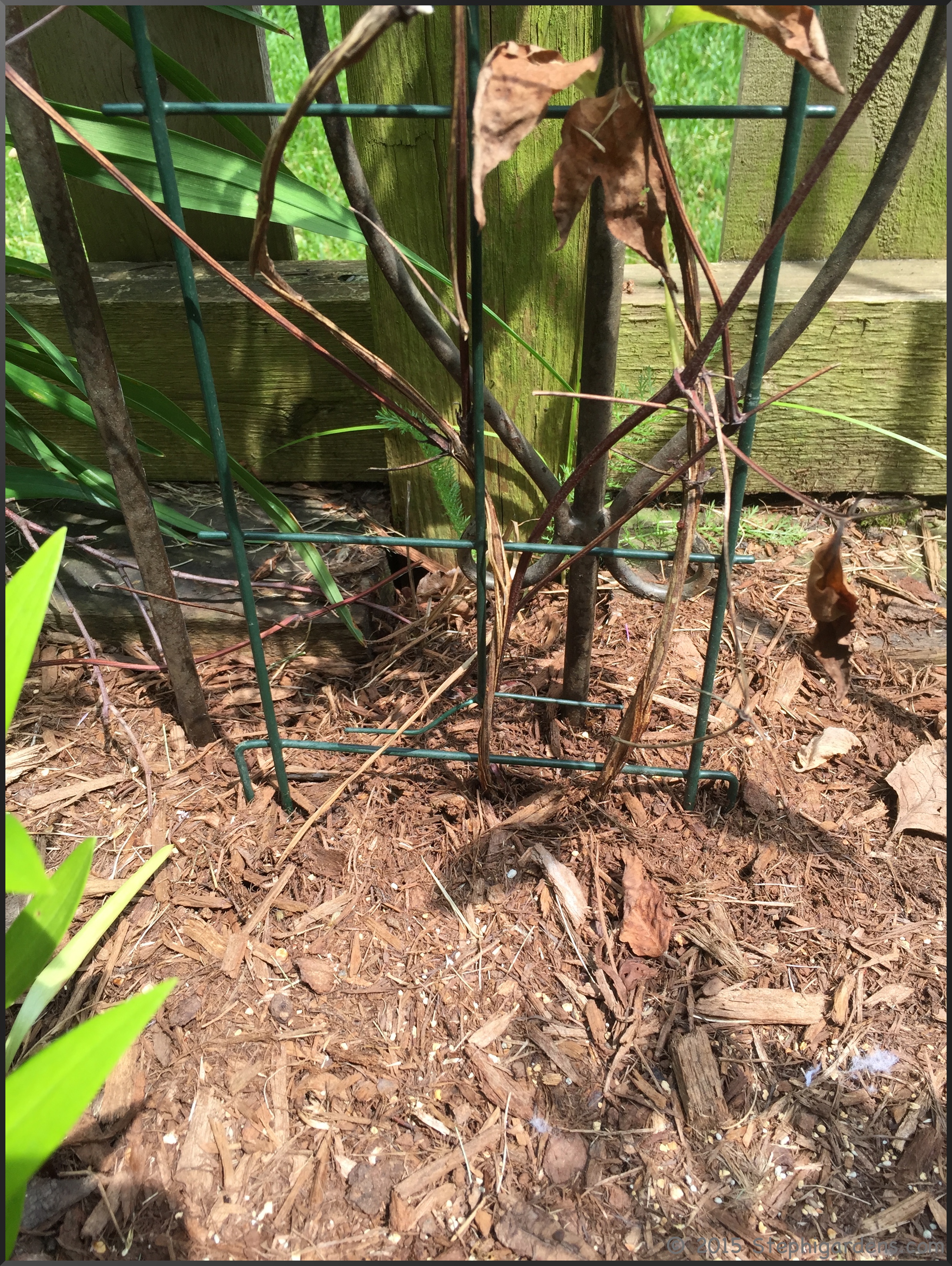
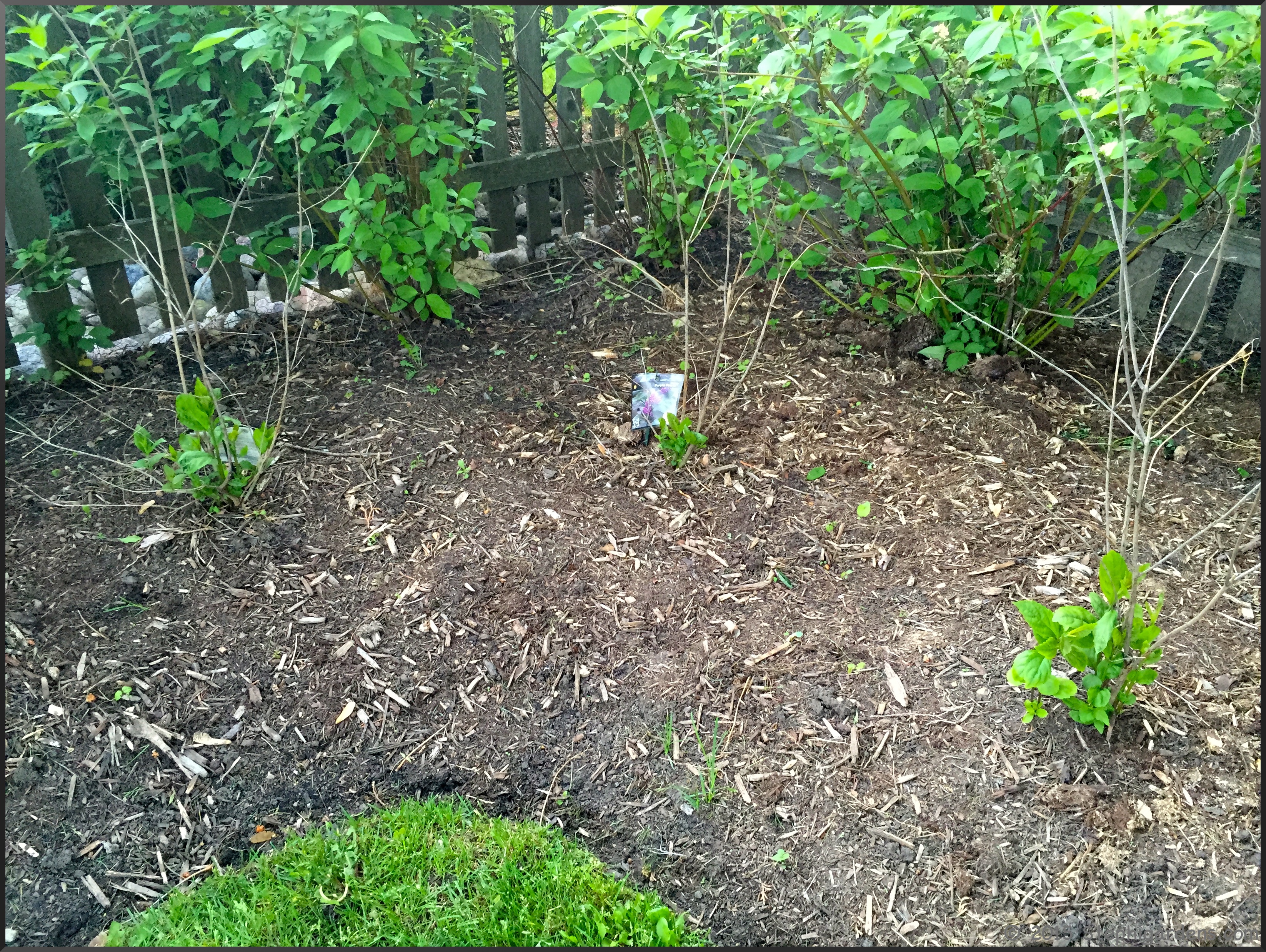
Here’s what they looked like when I was finished.
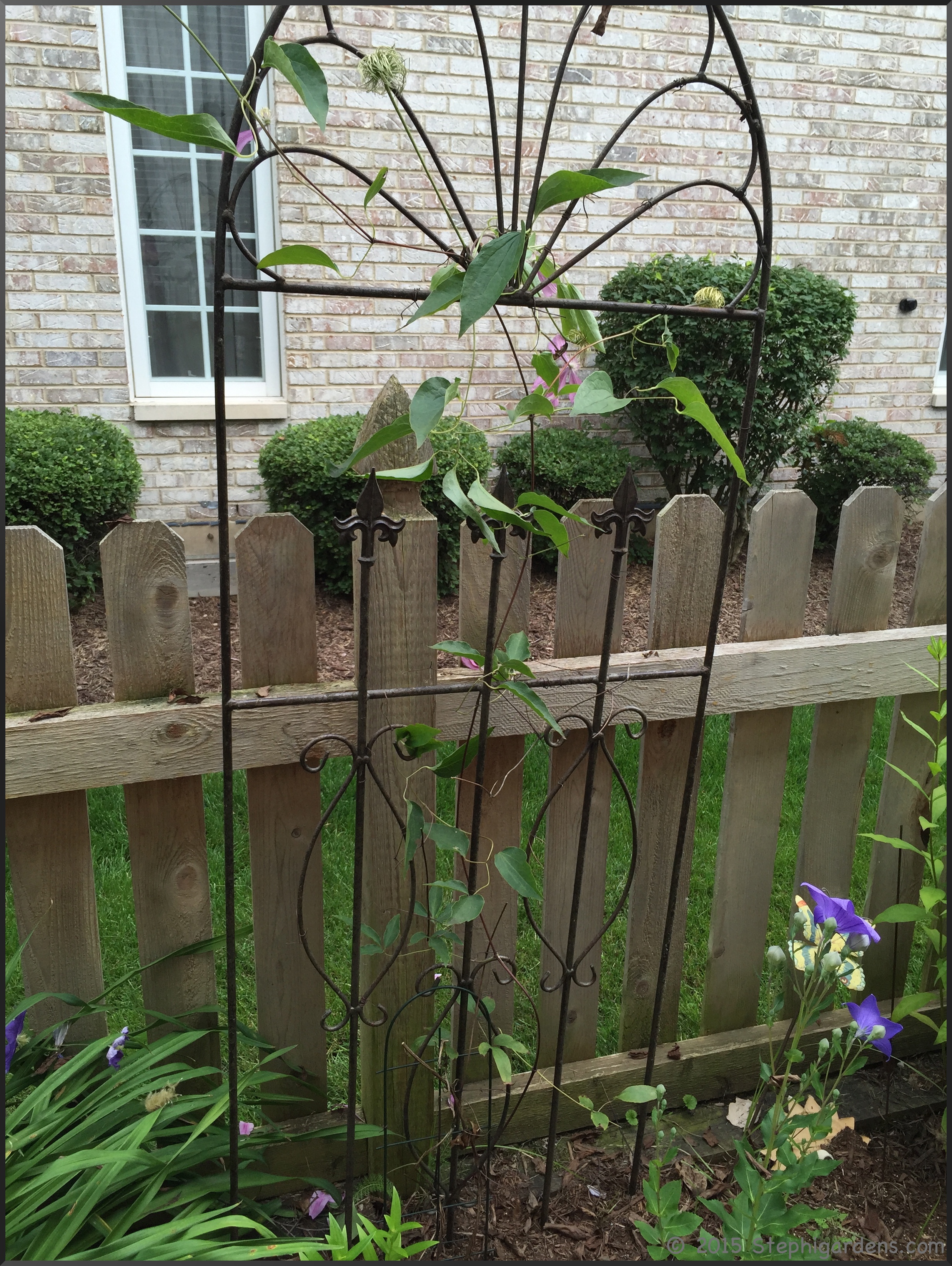
clematis wilt

clematis wilt

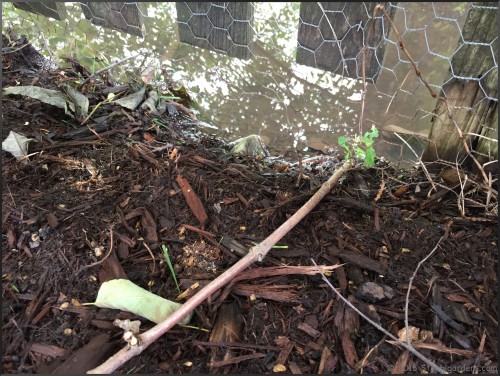
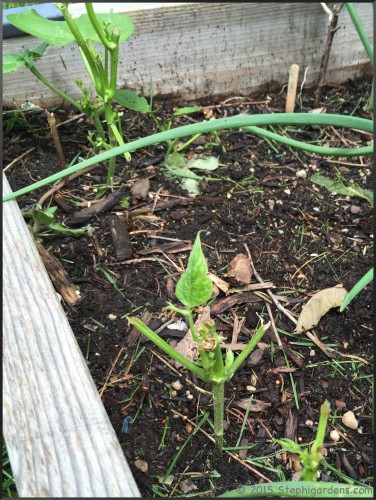
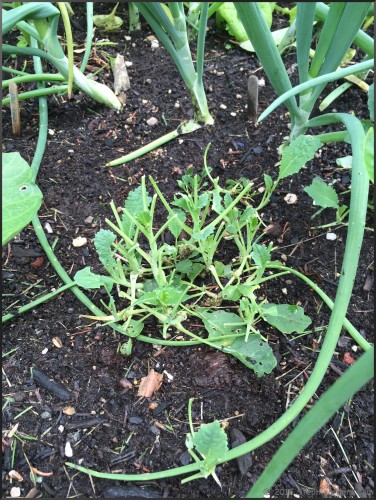
The one above has a mysterious new small plant growing right in the center.  I’m hoping it is the clematis already recovering and not a random weed.  We’ll see.
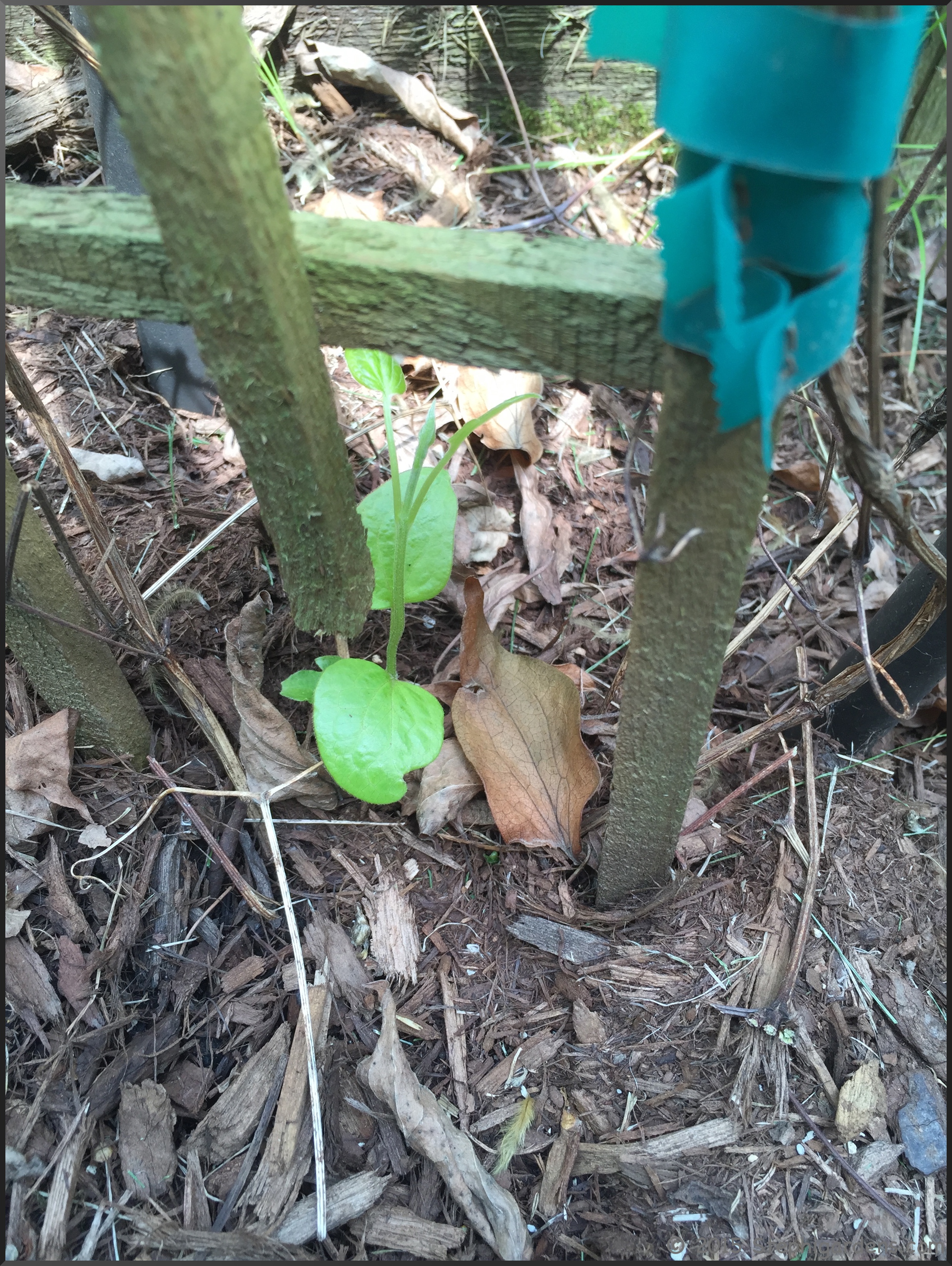
clematis wilt

Large flowered clematis seem to be more susceptible than small flowered, something to consider if this becomes a chronic problem. And as with most fungal infections, a cool and damp environment can contribute to the infections.  The good news is that the plants usually recover.

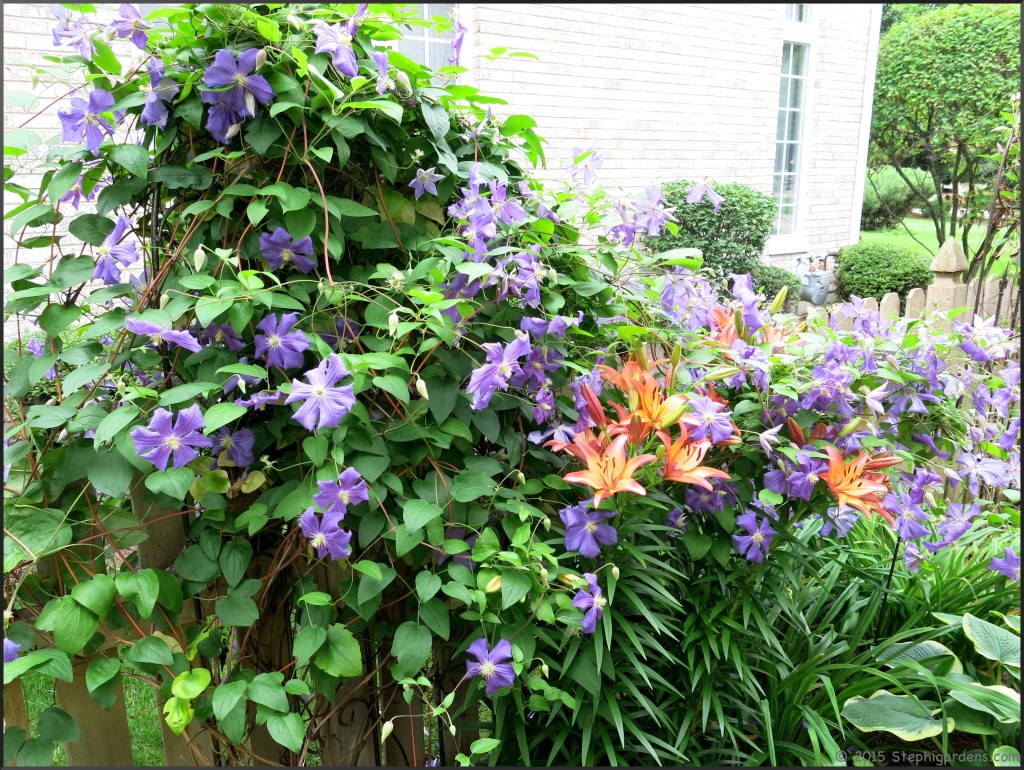
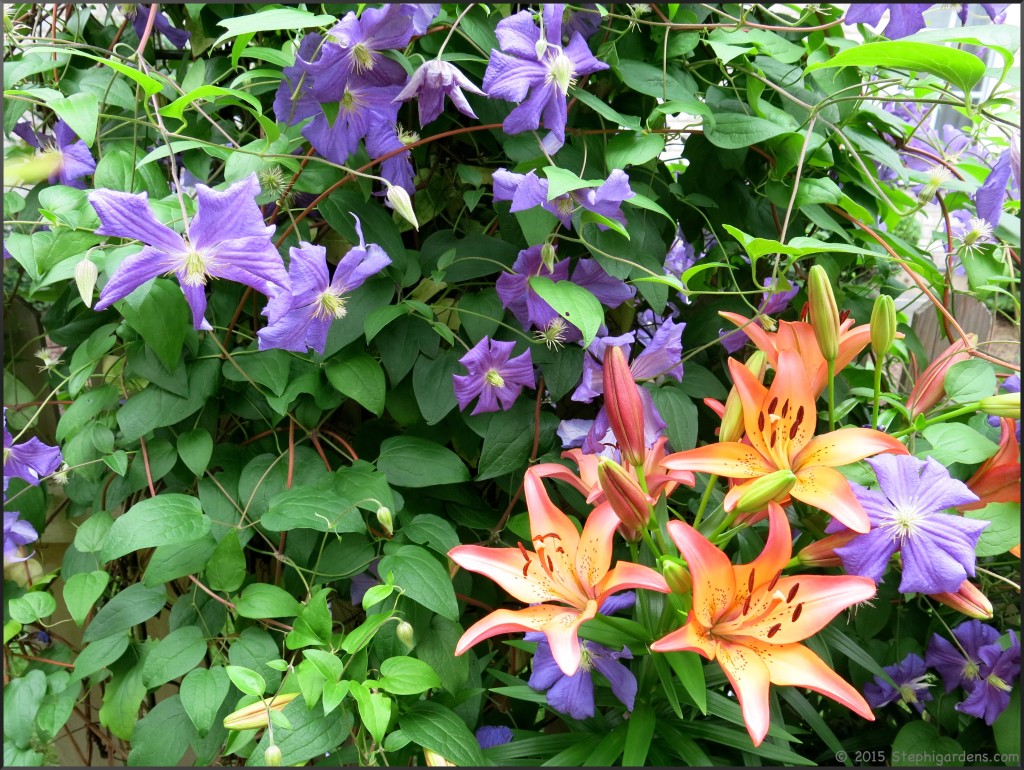
The odd part for me is how close the stunning clematis jackmanii variety is to the infected clematis.  It looks about the best I can ever remember.  Not much I can do about it except remove all the infected stems and leaves and say a little prayer.
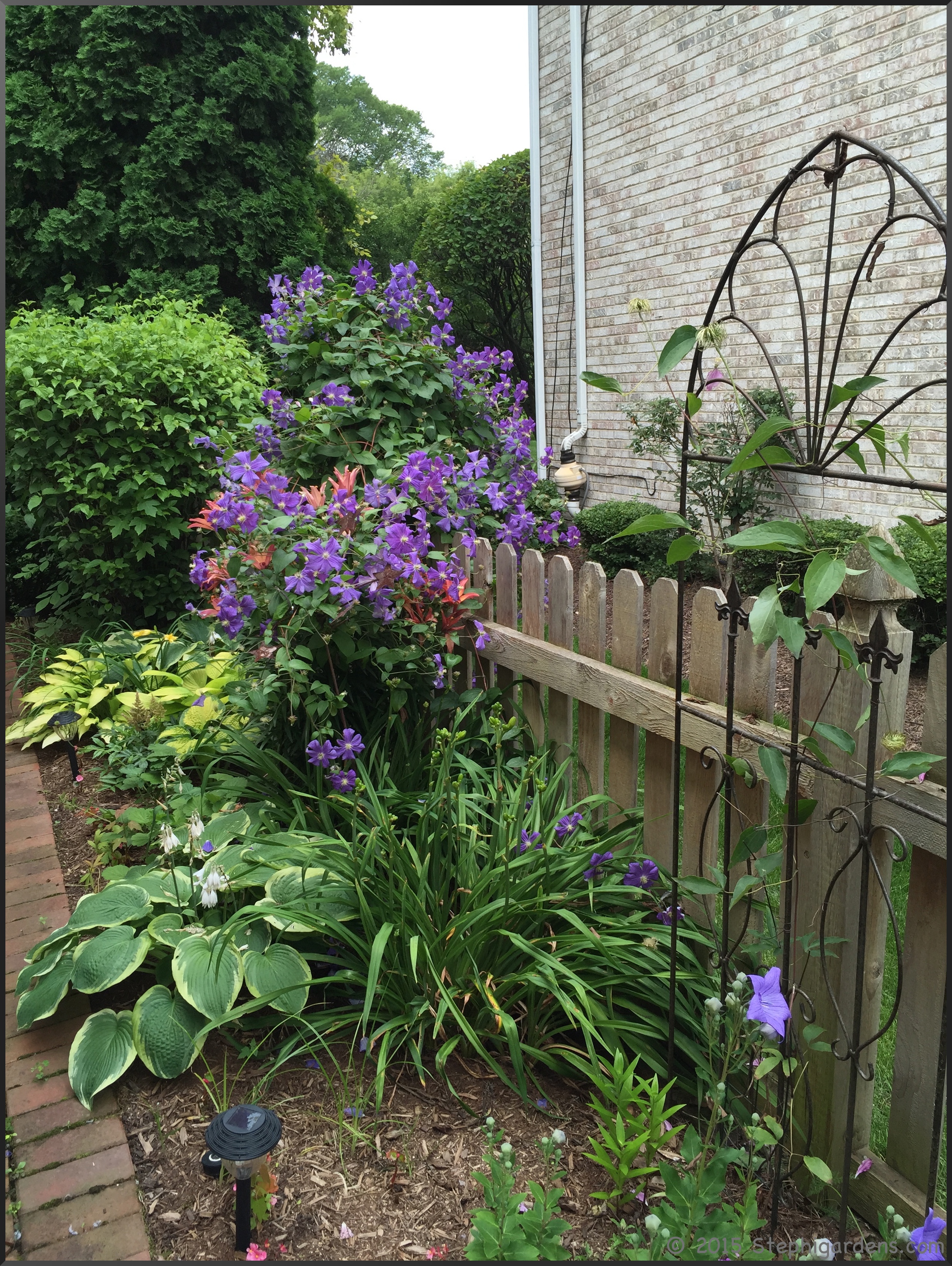
IMG_1358

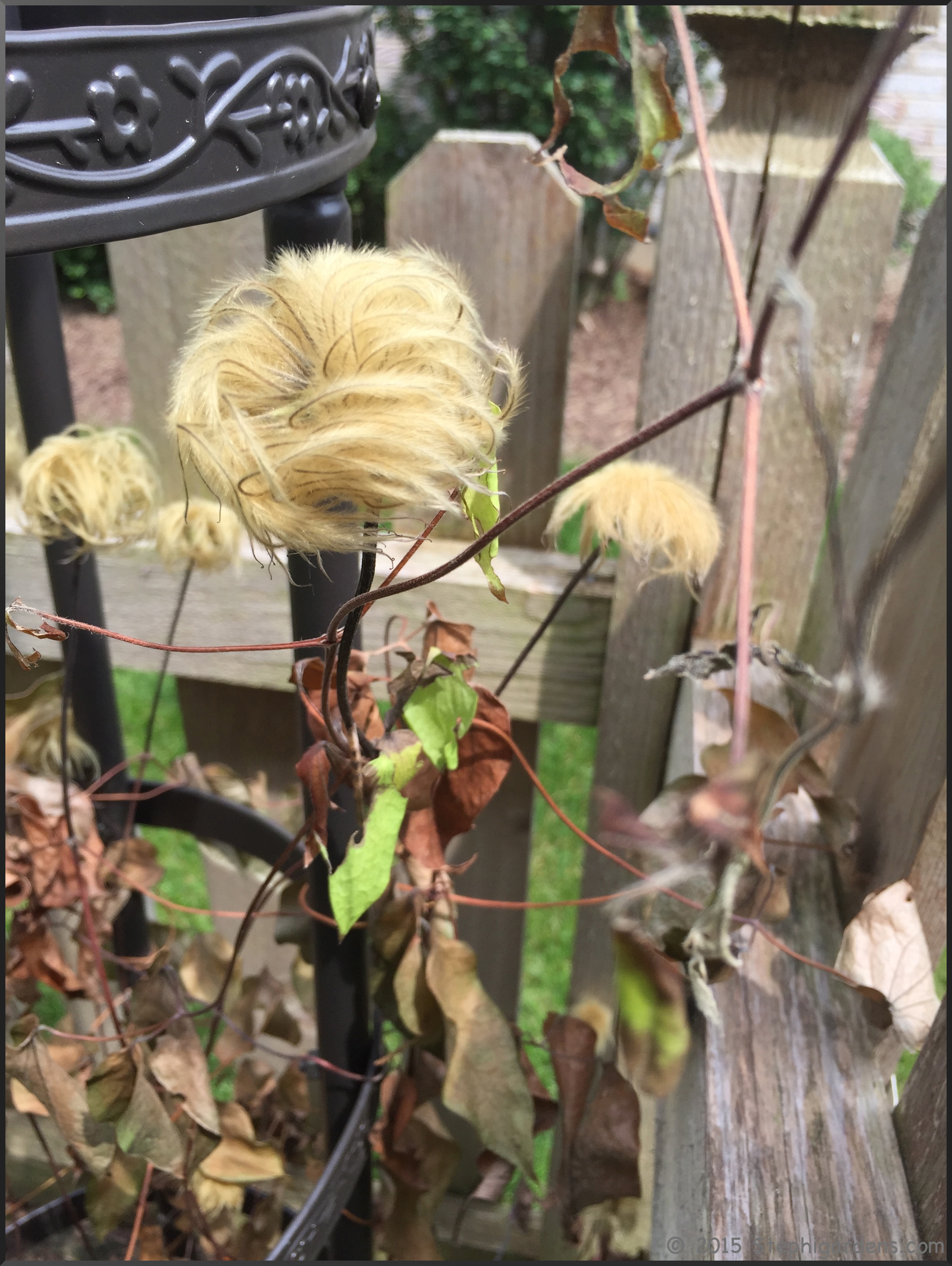
As I was cleaning up I was looking at the clematis seed heads.  So interesting and pretty in its own right.
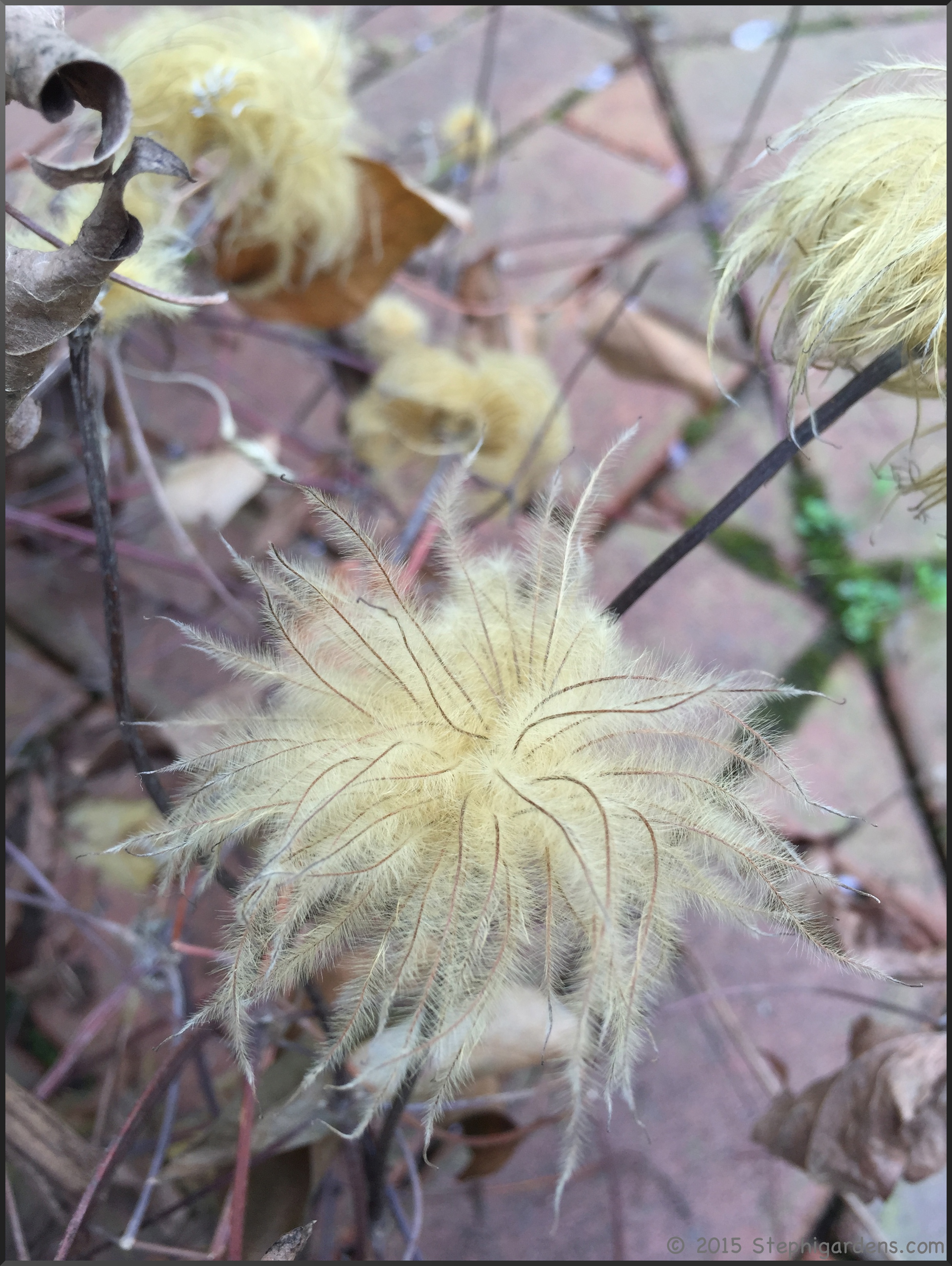
clematis wilt

Hopefully your clematis are finding this a good year and the stem wilt doesn’t show up in your yard.
 

Something’s Wrong With The Clematis

Usually, my clematis are one of the stalwarts of my garden.

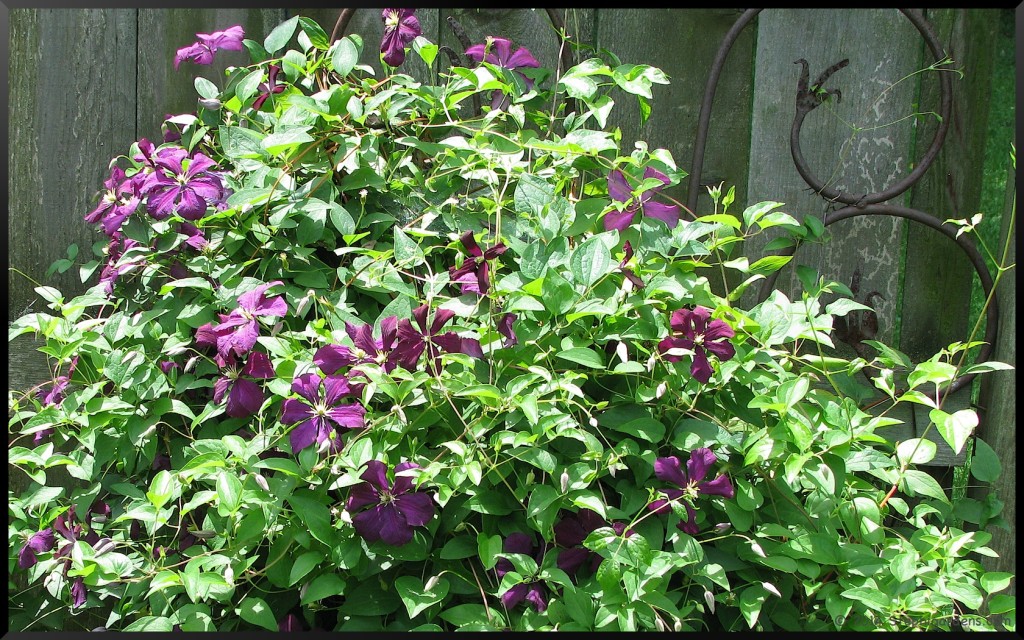
Clematis "Jackmanii superba"

They grow beautifully with very little attention.  But this year, after being gone to Yosemite for a few days, I came home to both my Clematis “Sugar Candy” looking like this:

Clematis "Sugar Candy"

Clematis "Sugar Candy"

It was really puzzling. My two ideas as to what was happening where that somehow some stems were cut down low by an animal or accidentally during weeding, or round-up was used in the area without me knowing.  Although, that seems less likely since only the clematis seem to be affected and it seems to be stem specific.

I looked carefully at the base to see if there was anything obvious that I could see.  There didn’t seem to be anything I could see.

Clematis "Sugar Candy"

After another week or so, things weren’t looking any better.  One of the plants does seem to still have a thriving stem and continues to bloom.

Clematis "Sugar Candy"

The other barely has any green remaining so my hope for that one surviving are not very high.

Clematis "Sugar Candy"

But there are two lonely green leaves, so maybe???

Clematis "Sugar Candy"

So what to do?  Before fall, I’m going to carefully prume out all the dead stems.  Once the clematis goes dormant it would be impossible to tell live from dead.  Then basically wait and see how it does next year.  I probably won’t prune them as I have in the past (Checking in on the Clematis) to let them recover.

On the flip side, The Clematis “Jackmanii” is doing spectacularly well this year and is overgrowing everything in its path.  Not sure why, but I’m not complaining.

Clematis jackmanii

Clematis jackmanii

How’s your clematis doing?

(I do wish I could have taken better pictures, but it’s been so cloudy and gray.  Dead plants and gray skies don’t make for a cheerful image 🙂 )

Oh Those Pesky Rabbits

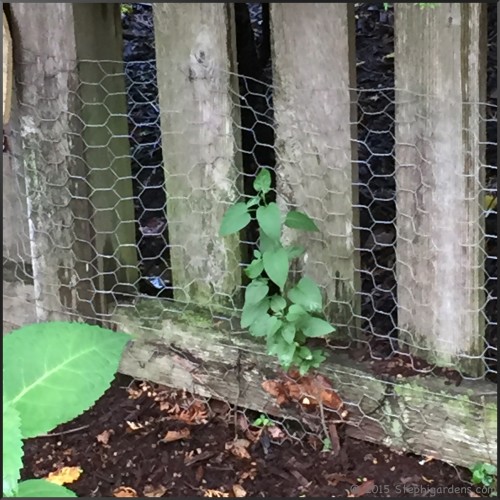
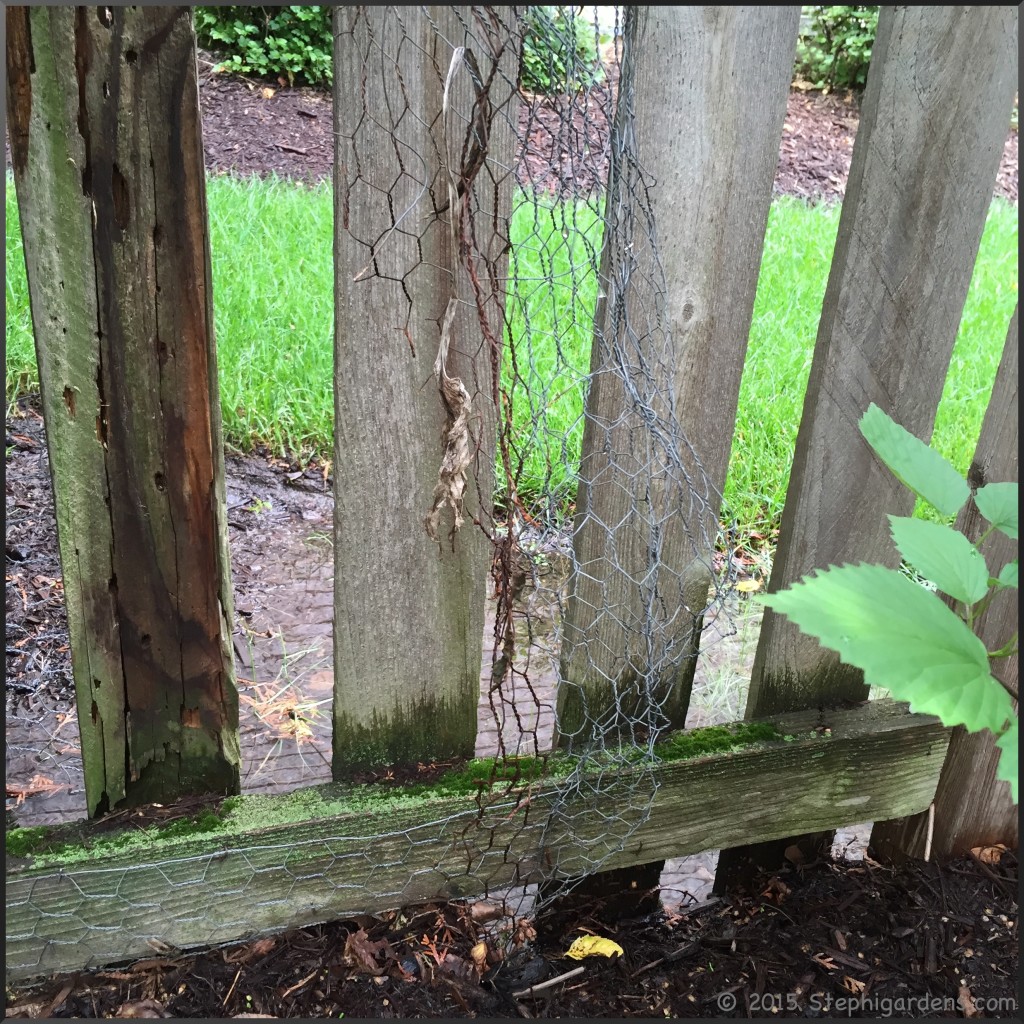
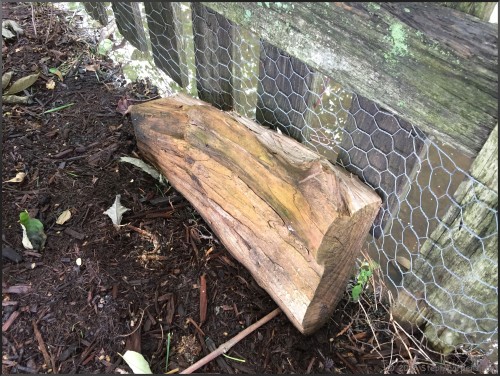
A few years ago, I had chicken wire installed all around the bottom of the picket fence in the backyard.  That solved the rabbit problem for many years.

rabbit fence

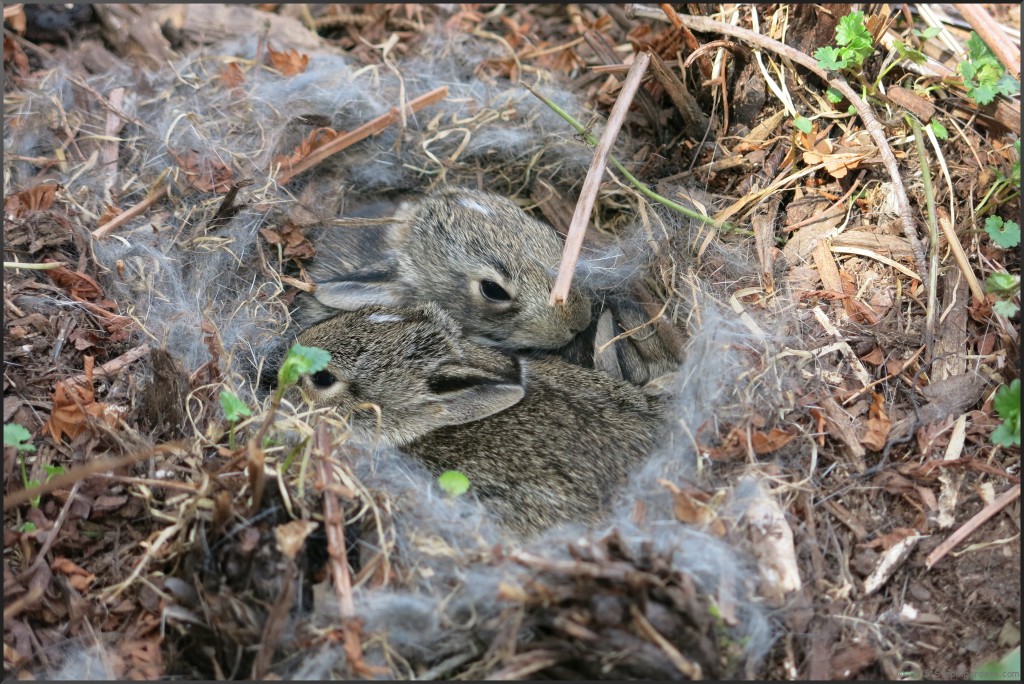
Over the years, the fence got bent, damaged, removed and generally became “holey”.  My first clue that this was going to be bad this year was the very cute baby bunnies I found in the yard.
rabbit nest

They disappeared out of the yard shortly after I found them, but they certainly had plenty of places to get in and out of the yard quite easily.

IMG_0746


IMG_0751

I’ve done some temporary fixes, but I’ll get my boys who just got back from a church volunteer work trip to use their new construction skills to fix the holes more permanently.

IMG_0747

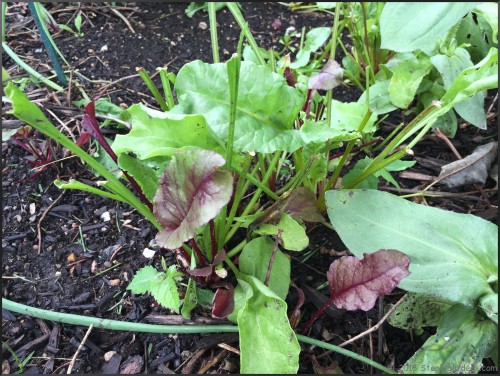
Here’s some of the damage the rabbits did when I wasn’t paying attention 🙁

Beets are looking sparse…

IMG_0748

The beans are almost nonexistent…

IMG_0744

and Kale seems to be a favorite…

IMG_0742

They also wiped out most of the early lettuce, swiss chard and spinach, so I’ve replanted and maybe with this cool weather I’ll get a mid-summer harvest.

Do you battle rabbits and other critters?

It’s Been A Rainy Month

Our weird weather continues.  Seems like it’s either too hot, too cold, too rainy or too dry and we keep getting into the top 10 for something.  In that vein, this June we are having the 5th wettest June ever and we still have a few days to go. At my house we’ve had 6 inches of rain so far, with some in the rain gauge to be read tomorrow morning.

IMG_0744

(Have I said how much I love my Rain Log app for my iPhone and my rain gauge?)

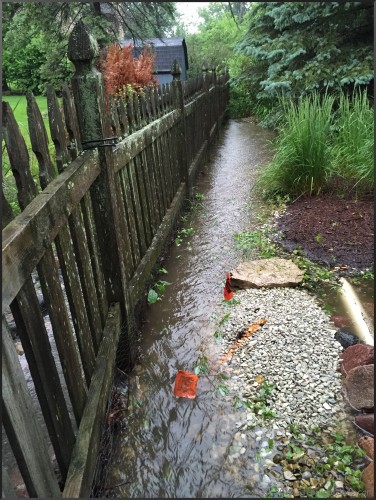
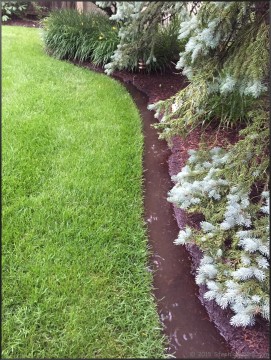
So how is the yard faring?  The swale between the yards is working as it should to let water run down the block. This is also the “no-man’s land” of the yard. It serves it’s purpose of shedding water and is well hidden by a row of blue spruce (raised up to keep their water-unfriendly roots dry). I’m amazed my fence is still standing after all these years of rain.
IMG_0776

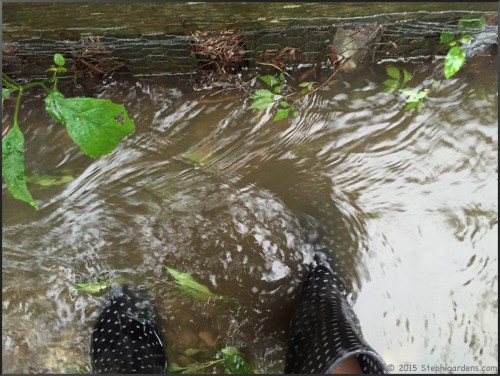
It’s also days like this that I’m glad I have my tall slogger rain boots to check everything out in.

rain boots

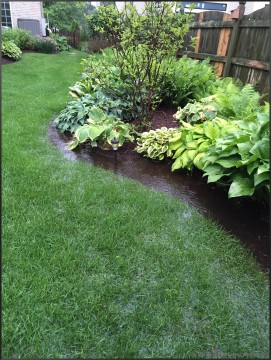
We have channels of water that run around the beds.  They seem to drain as they should and keep the water from puddling on the plants and trees.

IMG_0773

IMG_0774

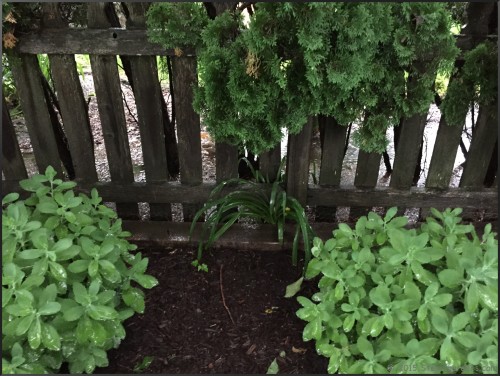
We’ve had a new problem the last few years with the neighbor’s water washing right over our side beds instead of towards the back.  This was causing some terrible erosion, so we added some timbers last summer to redirect the water to the back swale where it should be.   Seems to be working perfectly!

IMG_0770

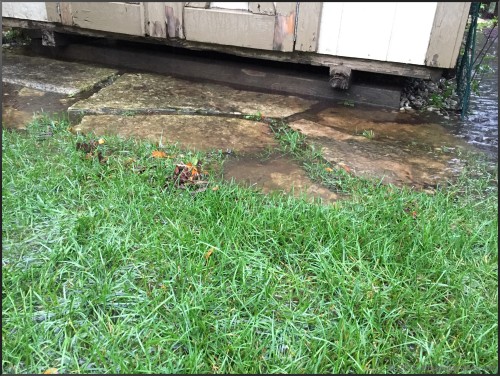
We also had trouble with our shed which is situated in the low spot of the yard. We had it raised up and now it’s as dry as can be and the door will stop rotting away.  I’ll write about that soon.  It was quite a job, but a necessary one.  Looks like we need to do some repair work to pretty it up a bit.
IMG_0779

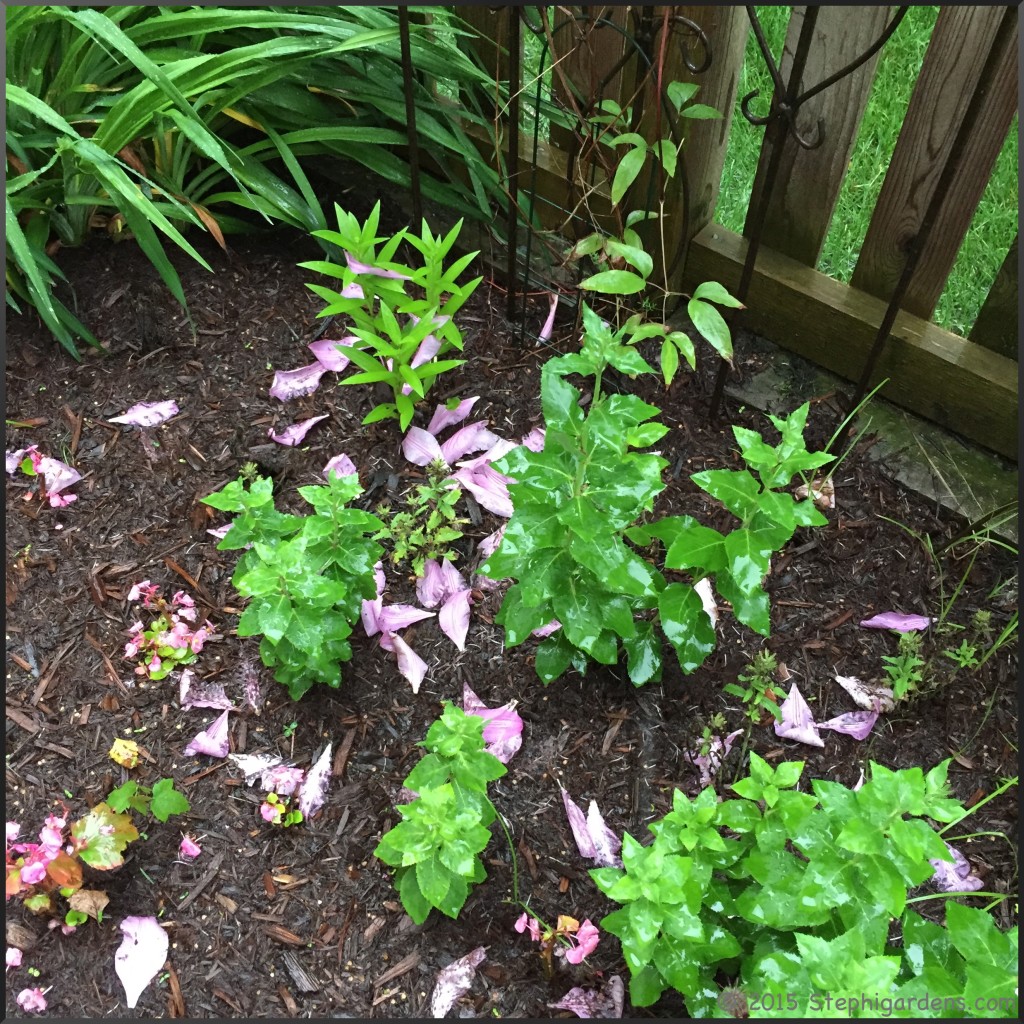
Then there was the pile of clematis flower that got knocked off.  The early blooming clematis “Sugar Candy” was in full bloom, but this is what it looked like after a particularly bad rain storm.

clematis

I was just in Yosemite National Park in California and the difference between our lush, if not water saturated, greenery and their parched, drought stricken landscape was dramatic.  I would gladly share!

More Baby Birds

All around the yard I hear the immature chirps of fledglings.  Some are probably the baby cardinals I wrote about in my last post (A Rare Treat: A Cardinal’s Nest At Eye Level).  Others are probably robins that nest frequently in the yard, although this year I haven’t seen any of their nesting spots.

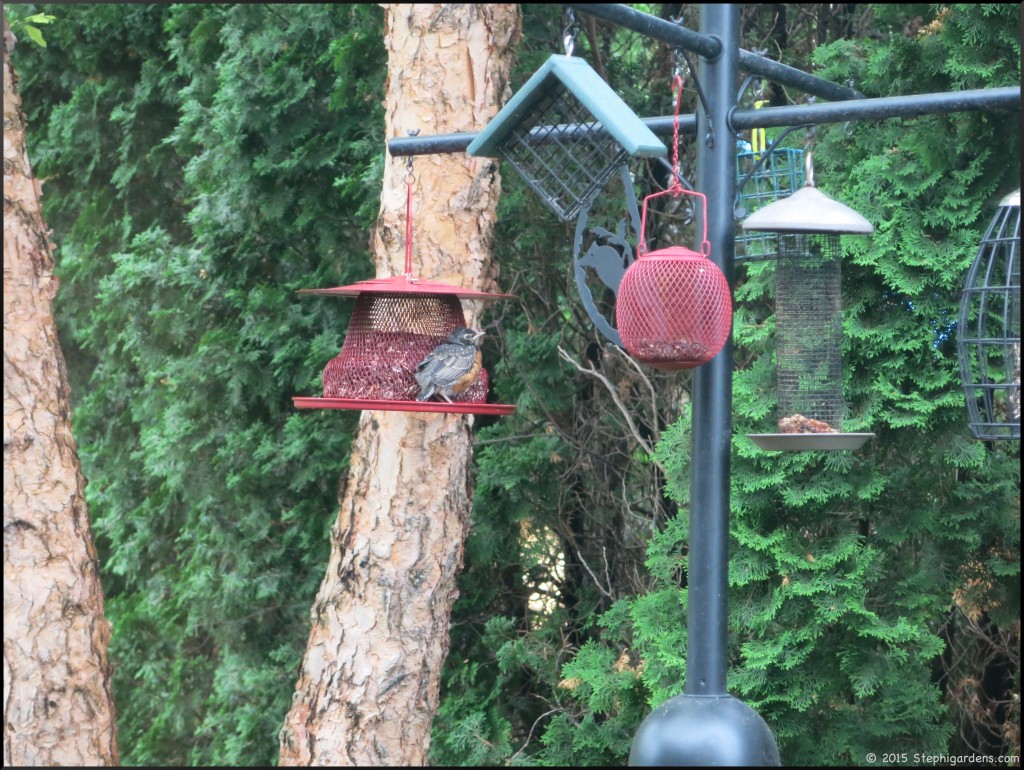
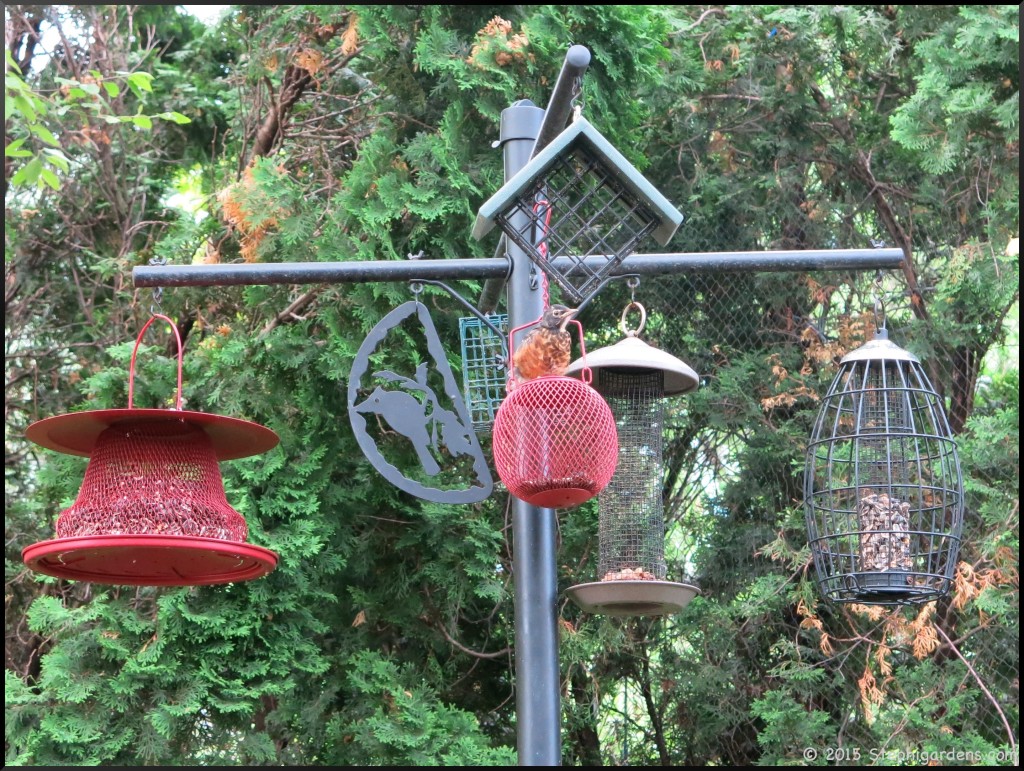
As I looked out the kitchen window the other day, something looked odd on the No-No Cardinal feeder.

fledgling robin

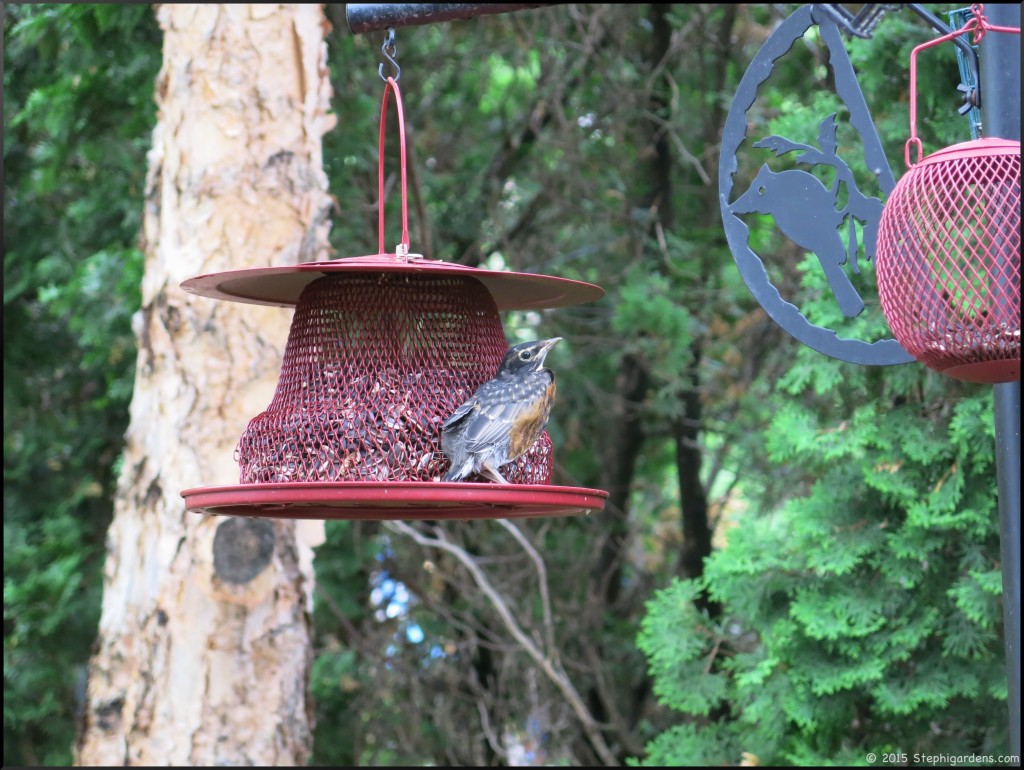
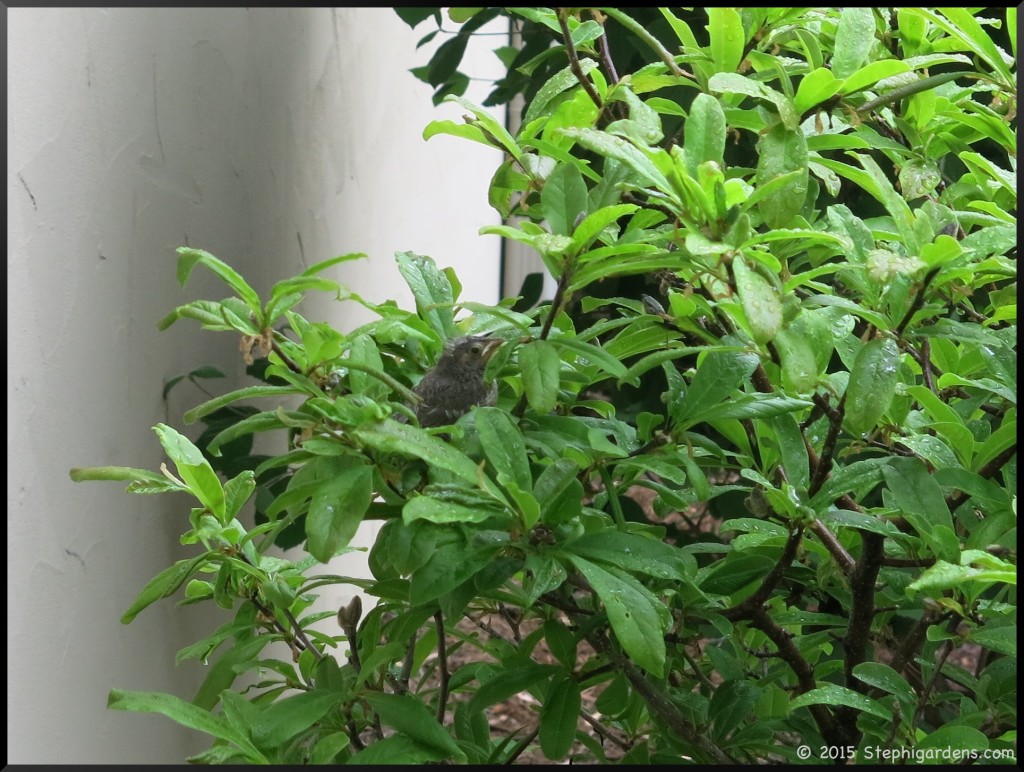
Upon closer look, it was a fledgling robin.  Obviously, robins don’t eat from feeders, or eat sunflower seeds, so the little guy got a little confused and landed on the closest thing he could.
He did not look happy about his predicament!

fledgling robin

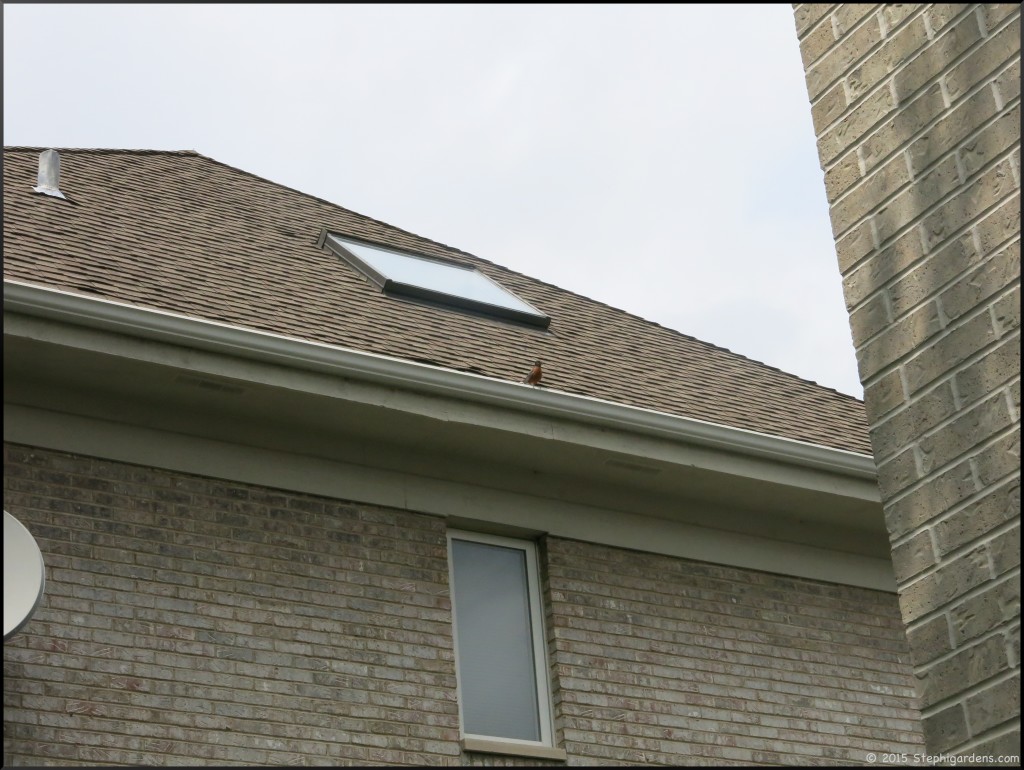
I watched him for a while, as did his mom/dad.
robin

After a while, he got up the nerve to try to find a new, safer place to roost.  But, didn’t make it very far.  Poor guy 🙁  That’s him on top of the  No-No Seed Ball Feeder.

fledgling robin

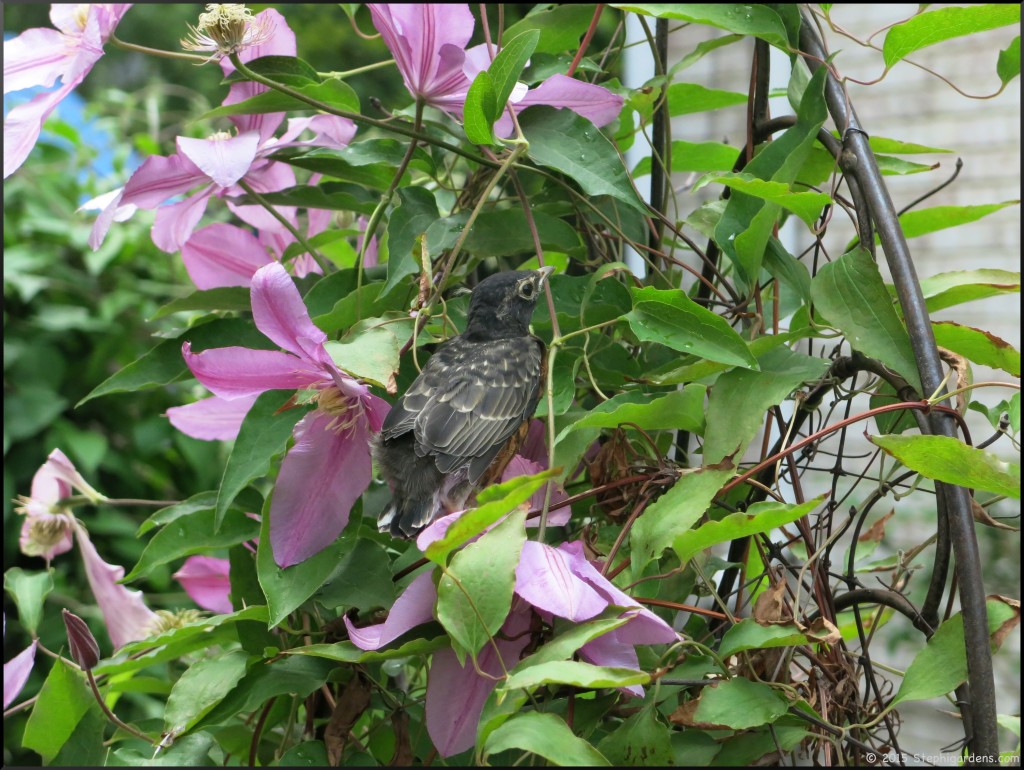
Definitely not where he wanted to be, so off he jumped/flew again.  This time landing in one of the clematis about 10 feet away.  Again, not a great place but at least less precarious.

fledgling robin

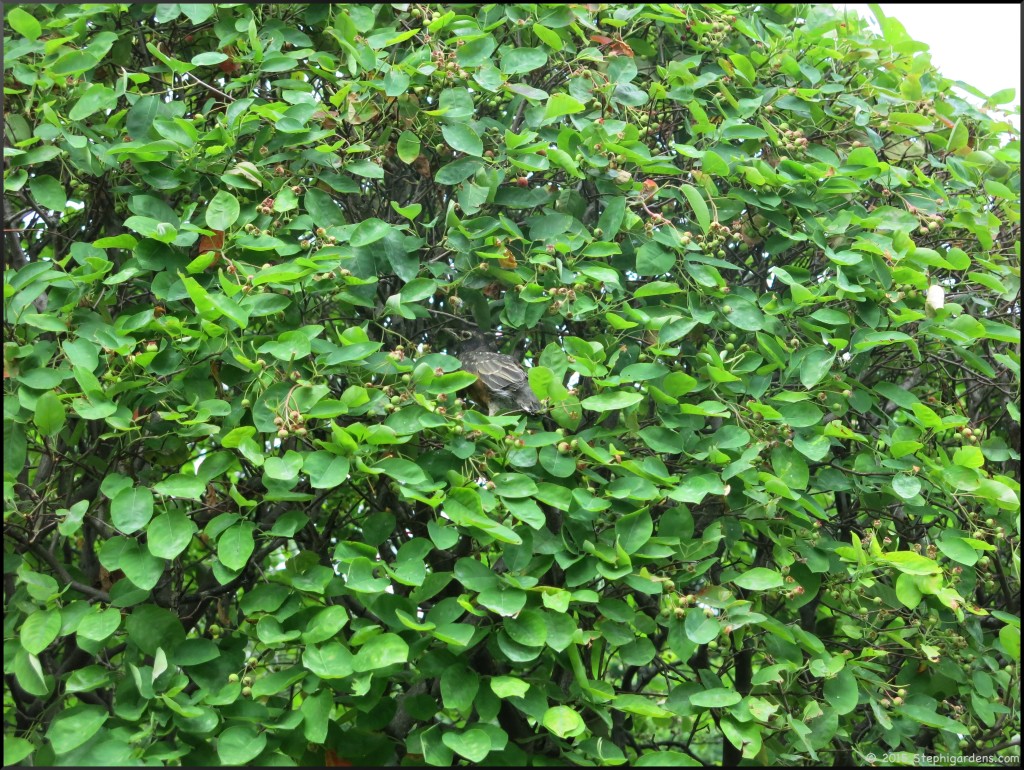
He stayed there for a while until he finally made his way to the neighbor’s serviceberry where I think he was much happier.

fledgling robin

Quite an adventure for this little guy.  I could sense his relief once he got into the bush.  I’m guessing his mom found him soon after and hopefully she had some food for him.

A Rare Treat: A Cardinal’s Nest At Eye Level

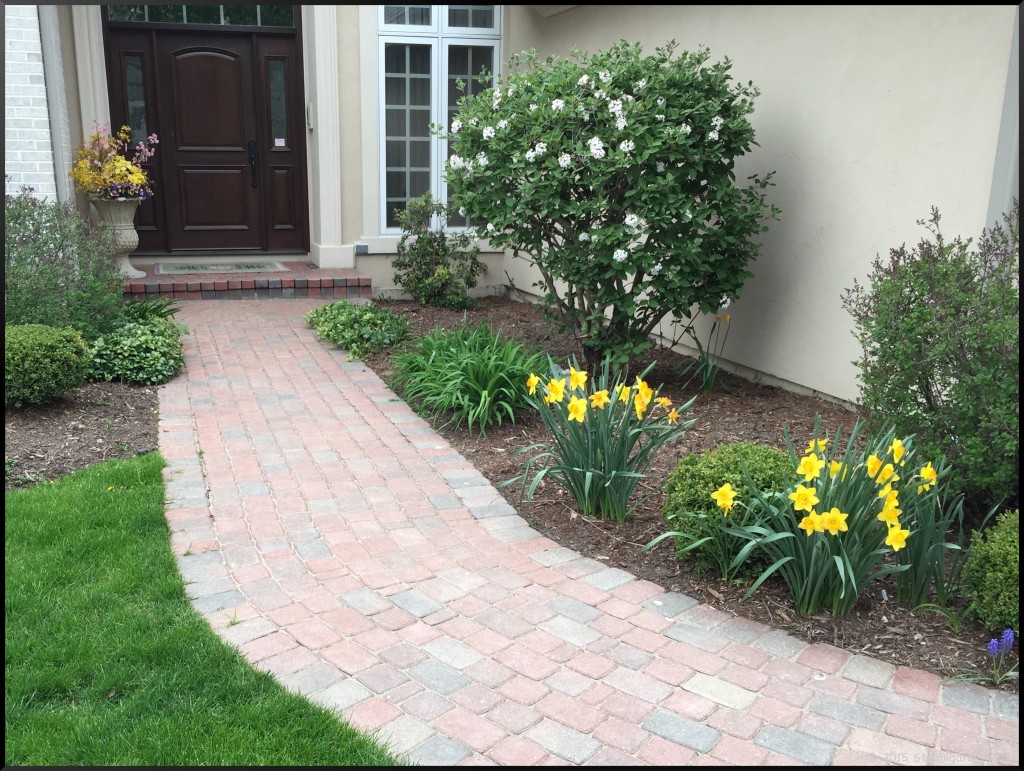
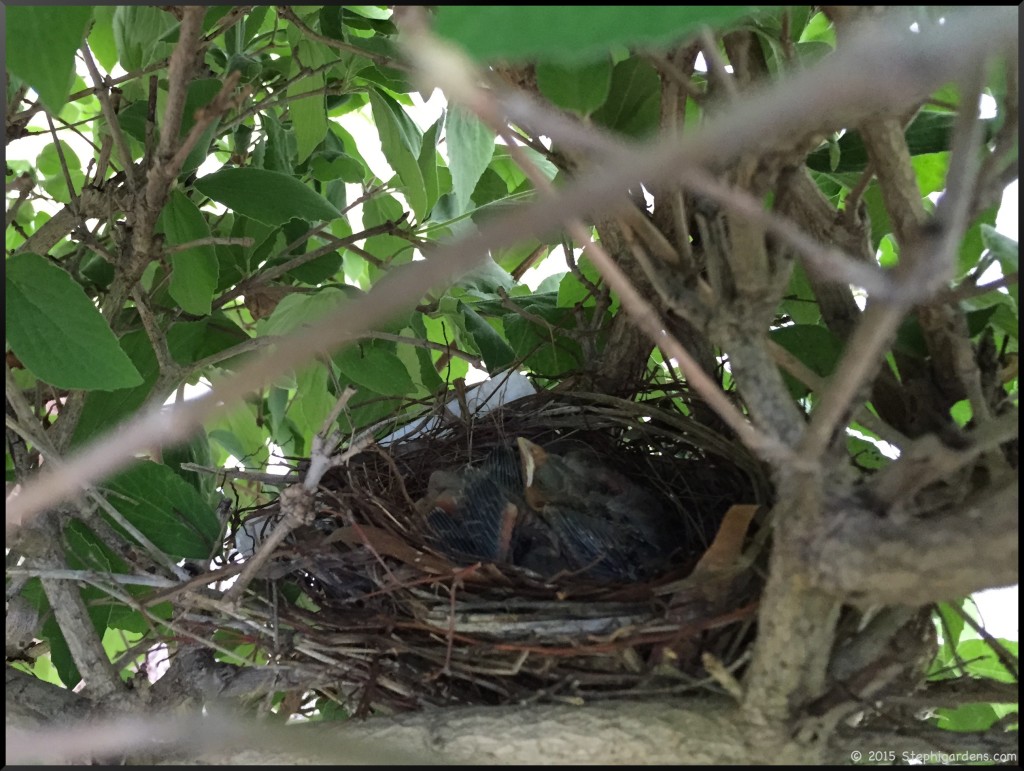
Right outside my front door is a Judd Viburnum that has been home to many robin’s nests throughout the years

Judd Viburnum

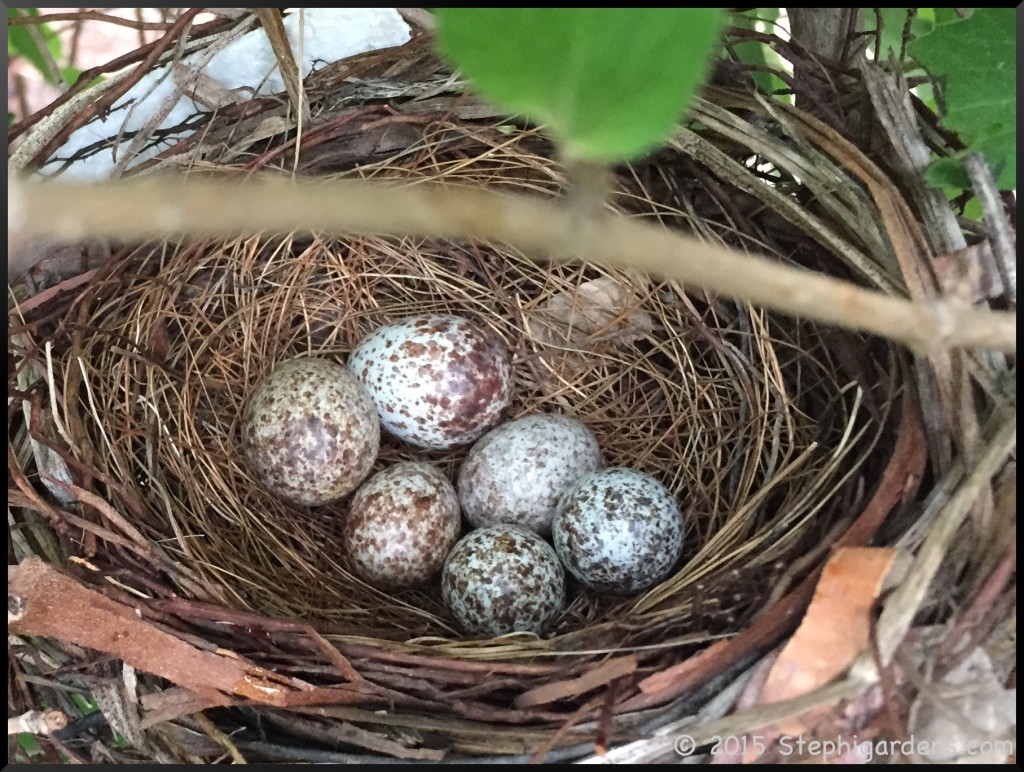
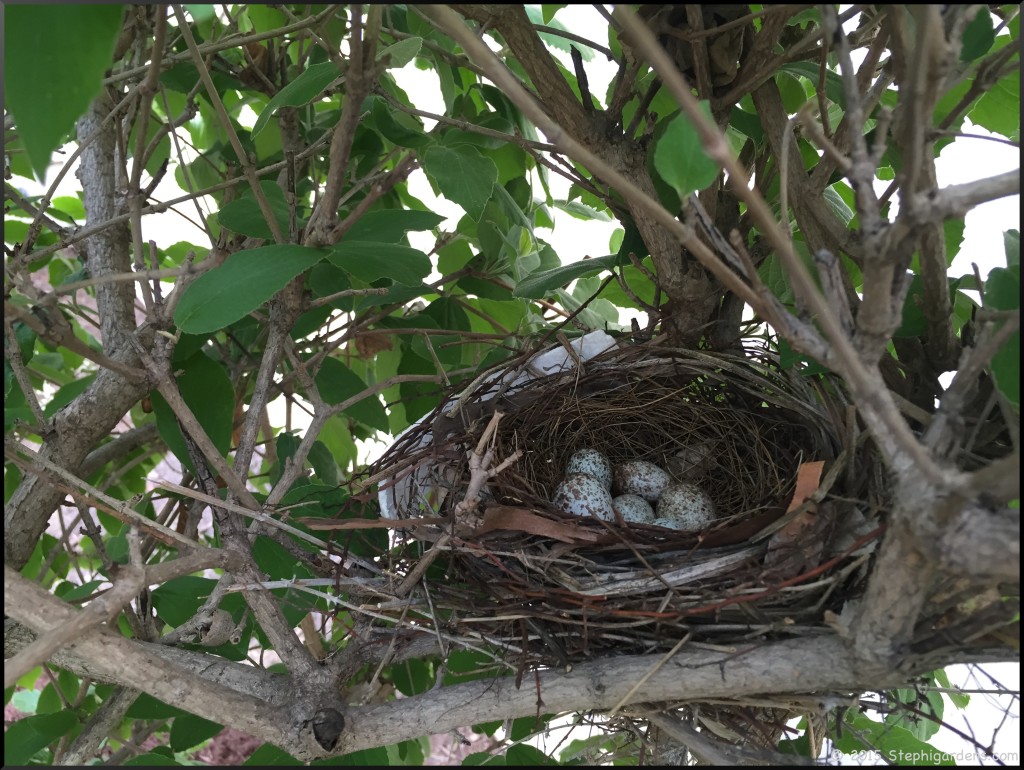
This year, we saw some busy birds flying in and out, so of course I had to investigate.  I assumed it was a robin as before, but a quick peak at the eggs and nest materials, it was clearly not a robin.

cardinal eggs

cardinal eggs

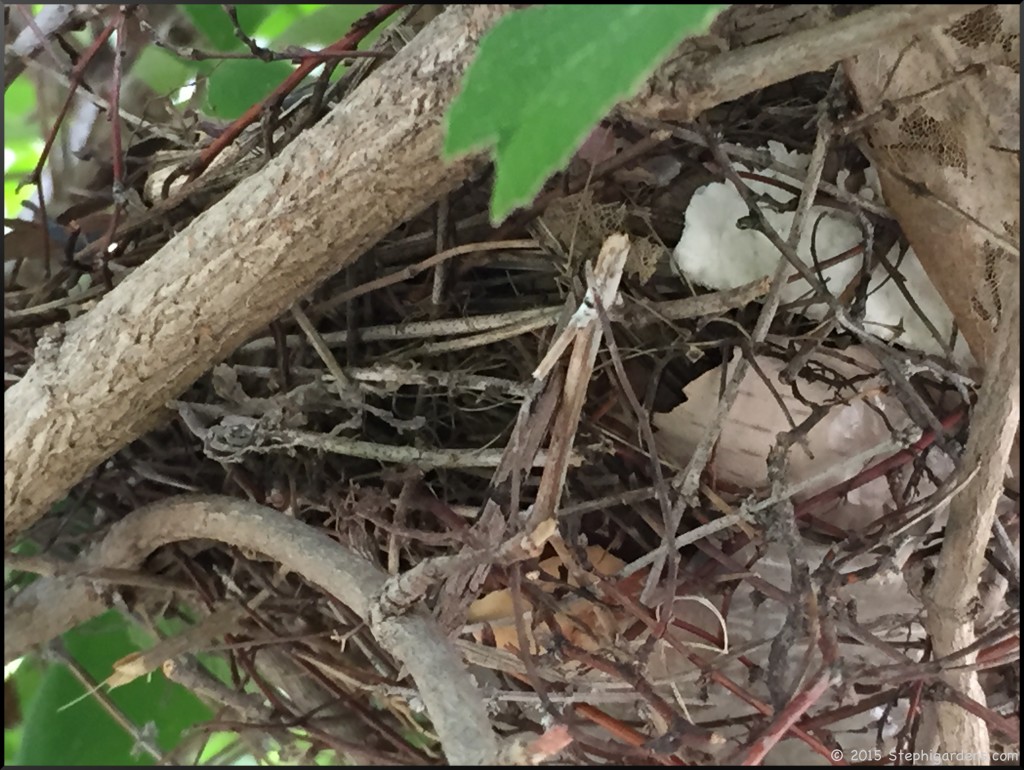
cardinal nest

So what were they?  House sparrow?  Maybe, eggs look similar, but not in a typical location.  Cardinal?  Never saw a cardinal nest before but definitely fits.
Location–dense shrubs
Height–4-6 ft from the ground
Material–thin twigs, stems, bark, vines,  dead leaves, rags, paper, and other fine material (no mud like in a robin’s nest)
Eggs–glossy white or pale green and have gray, brown, or reddish speckling throughout, which is usually more dense along the larger end.

Looks like I have a cardinal nesting nearby!

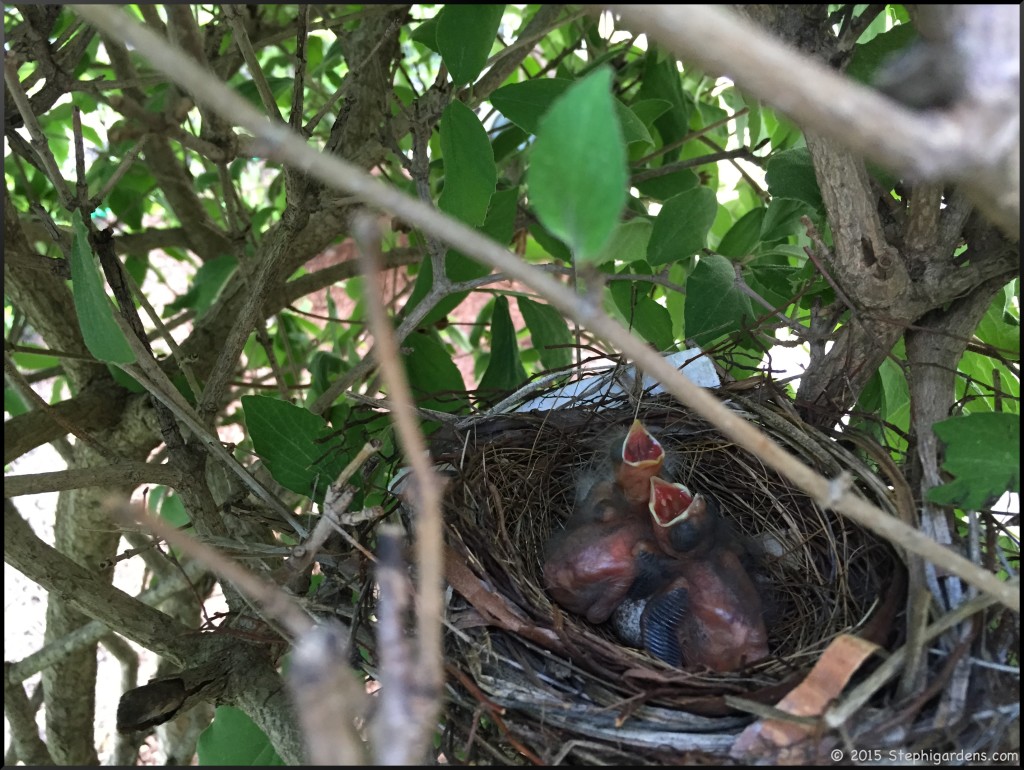
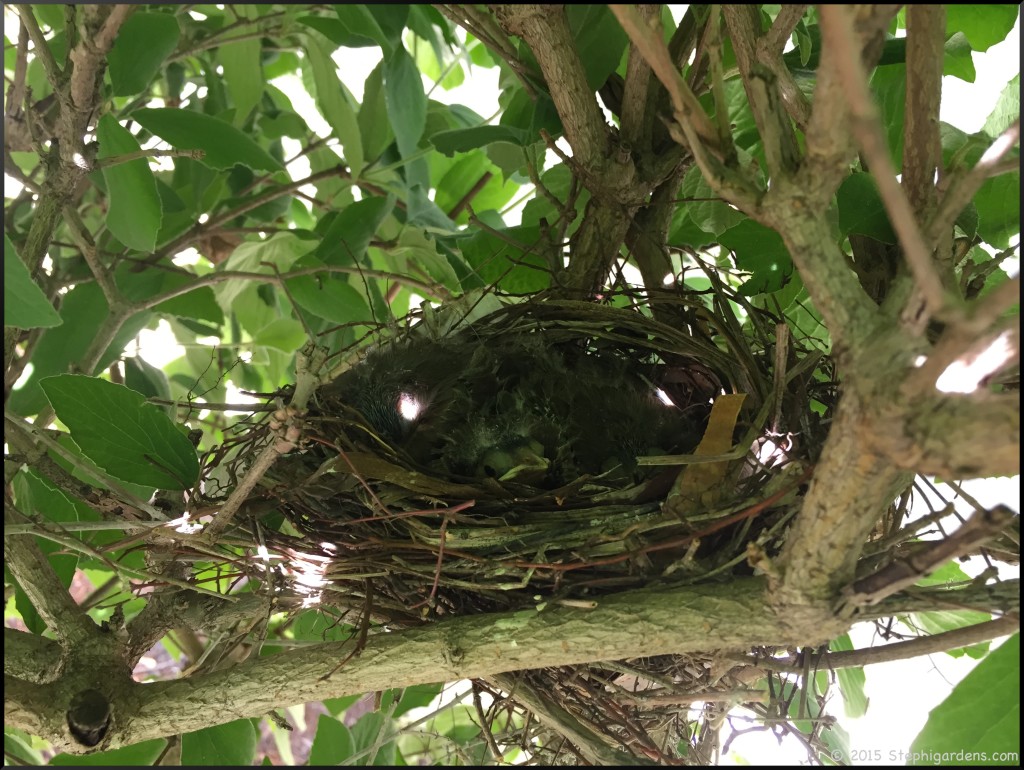
Within four days of seeing the eggs, the babies had hatched.  They were very noisy and hungry, and I saw momma cardinal coming and going very frequently with food no doubt.

cardinal hatchlings

I checked back three days later and their eyes were open and they were still very noisy.  Not sure how many there were.  I could see three for sure, but hard to tell if there was a couple more hidden in there somewhere.

cardinal hatchlings

Another three days and they were growing nicely and starting to be a lot more interactive with their mother’s calls.  In this shot, the babies had been chirping, the mom saw me from a nearby tree and gave a sharp chirp.  Everyone huddled down and got really quiet.

cardinal hatchlings

The next day, when I went to peak at them  there were none left in the nest and this one little guy in a bush nearby trying to stay dry in a rain shower.

cardinal fledgling

Mom and Dad weren’t far away in the maple tree keeping an eye on them.  By that evening, they were all gone.

female cardinal

I could still hear the babies chirping in the yard for a few more days as the parents kept an eye on them until they’re ready to be completely on their own.

The Garden Was Party Perfect

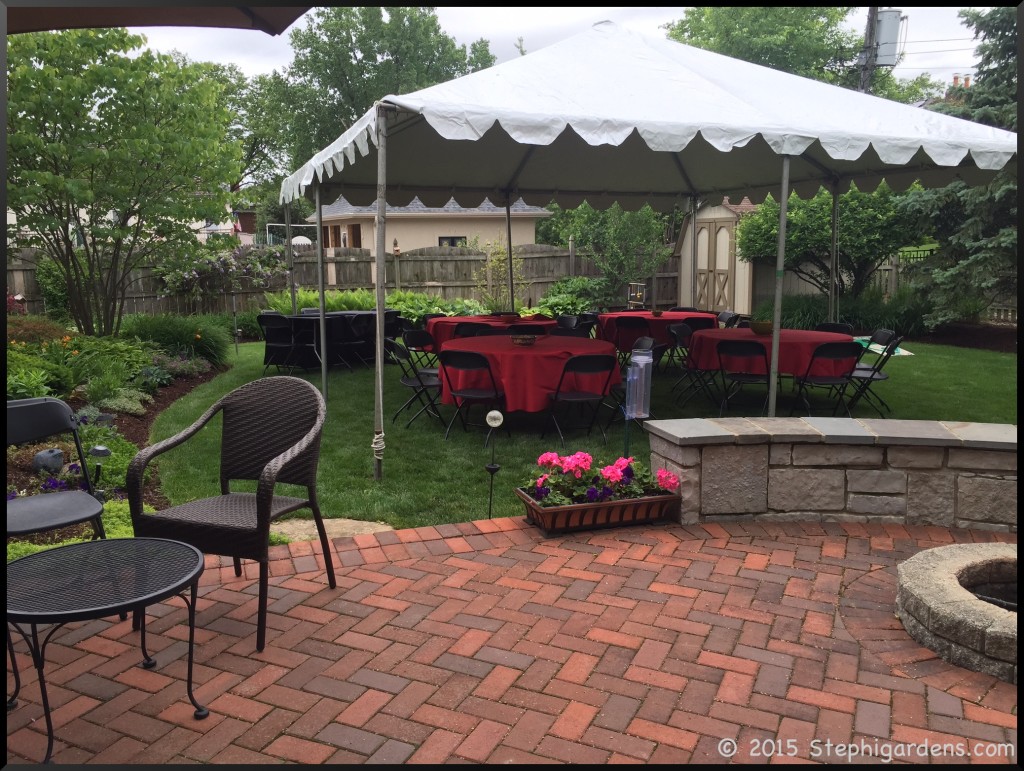
My goal this spring was was to get the garden in shape for my twin boys high school graduation festivities. While the weather barely cooperated, the gardens were helped by the cool spring and looked beautiful, green and lush.  Some of the spring shrubs were still blooming and overlapping with some of the early summer blooming vines and perennials.  What didn’t have color, I filled in with annuals from a local nursery.  Even the vegetable gardens seemed on their best behavior.  I think I am going to be spending a lot of time relaxing in the backyard this summer enjoying all this early spring work.

IMG_7095_2

IMG_7097_2

IMG_7098_2

IMG_7099_2

IMG_7096_2


IMG_7125_2


IMG_7100_2

IMG_7104_2

IMG_7109_2

IMG_7112_2

IMG_0003_2

IMG_0005_2

On personal note– this has been such a hectic year and I haven’t been blogging as much as I had hoped.  Now that my twins have finished their senior year and all that comes with it, I hope to be writing on a more regular basis.  Wondering where they’re going?  Here’s a hint…

IMG_0570 - Version 2


Beautyberry Bushes–Did They Survive The Winter?

Callicarpa

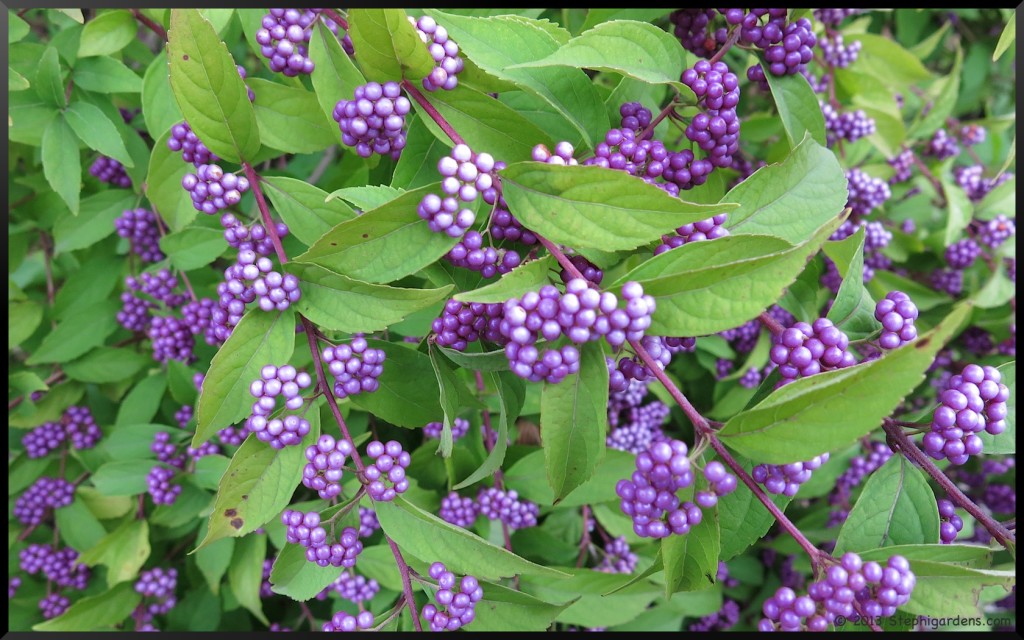
Last year, I wrote about buying three Purple Pearls Beautyberry Bushes (Callicarpa x NCCX1) at the Morton Arboretum Plant Sale.  I had seen them the fall before in the parking lot there and thought they were just stunning with all those amazing, unusual purple berries (see Purple Beautyberry Bush).  I had to plant them in my yard!

Beautyberry Bush

For a first year plant, they looked fine last fall and I was looking forward to even healthier, bigger shrubs this year.  Like many of us around the country, this was a tough winter and of course I worried about what would survive and what wouldn’t.  So as everything awakened from winter, I was mostly happy to see things leafing out and looking healthy.

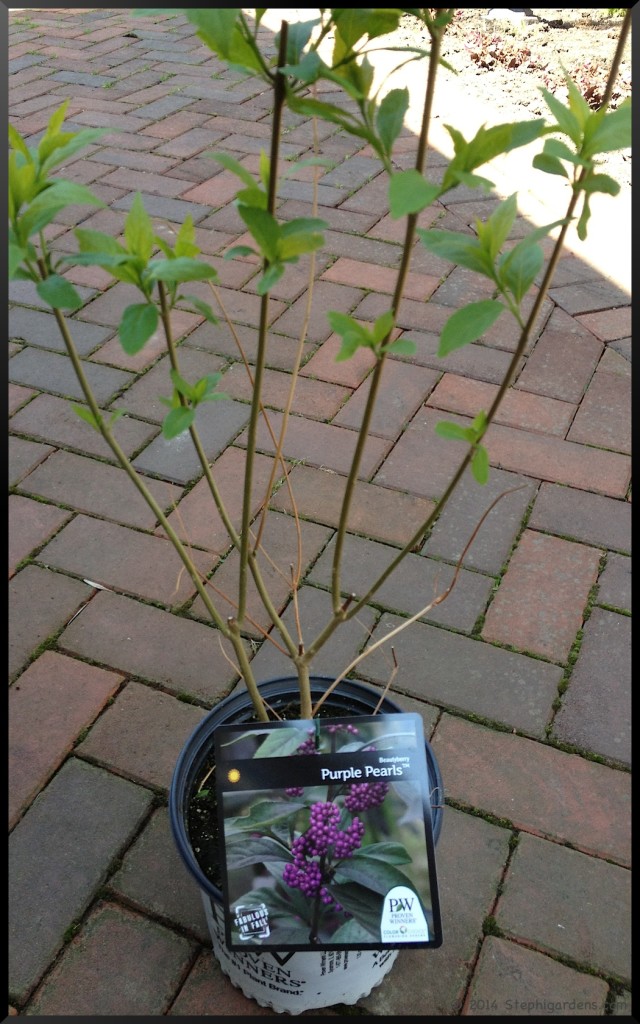
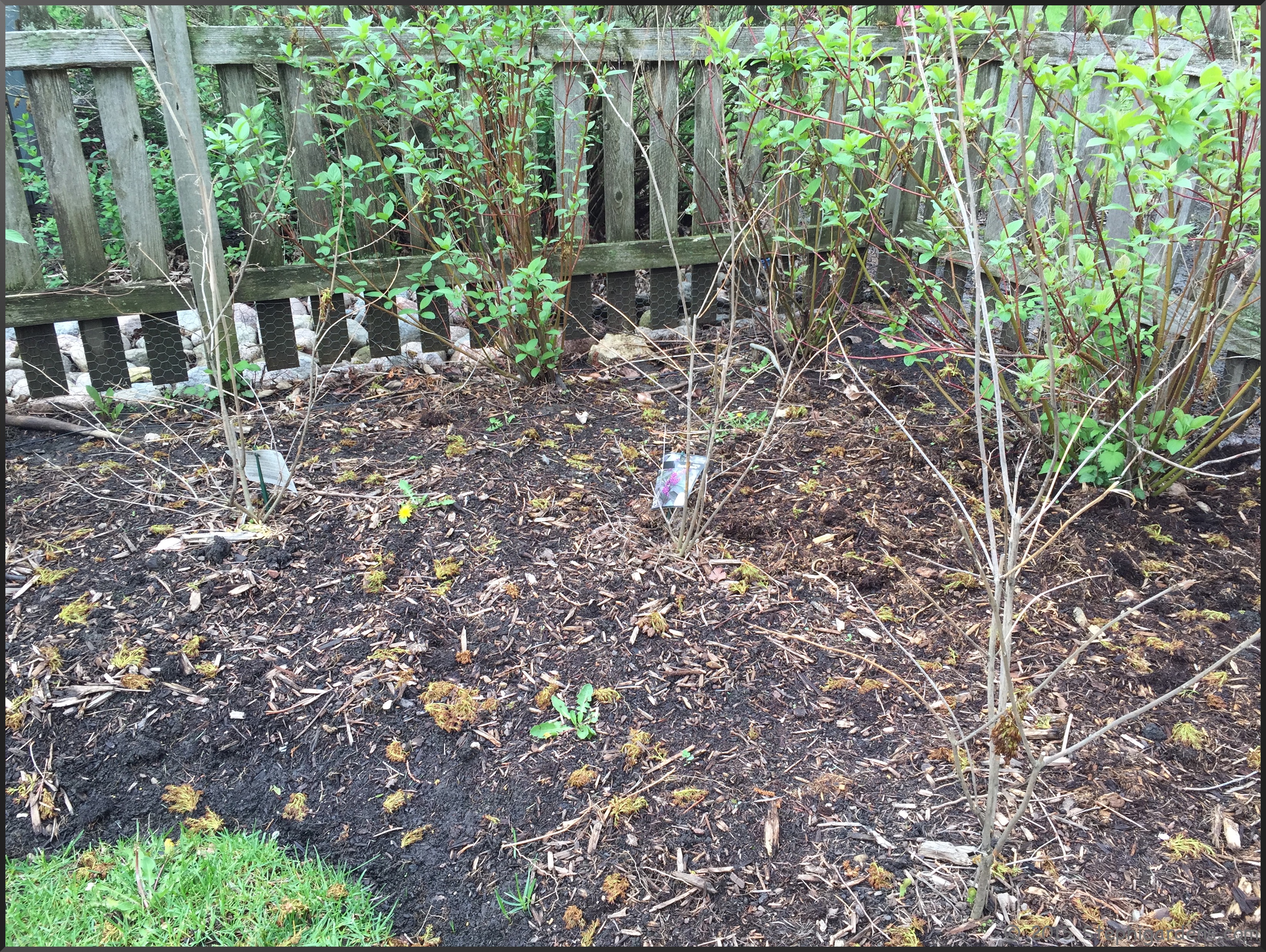
But not the Beautyberry Bushes.  By late April, they looked like nothing more than 3 dead sticks when everything else was already leafing out.

Callicarpa

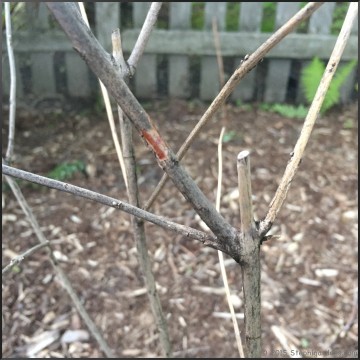
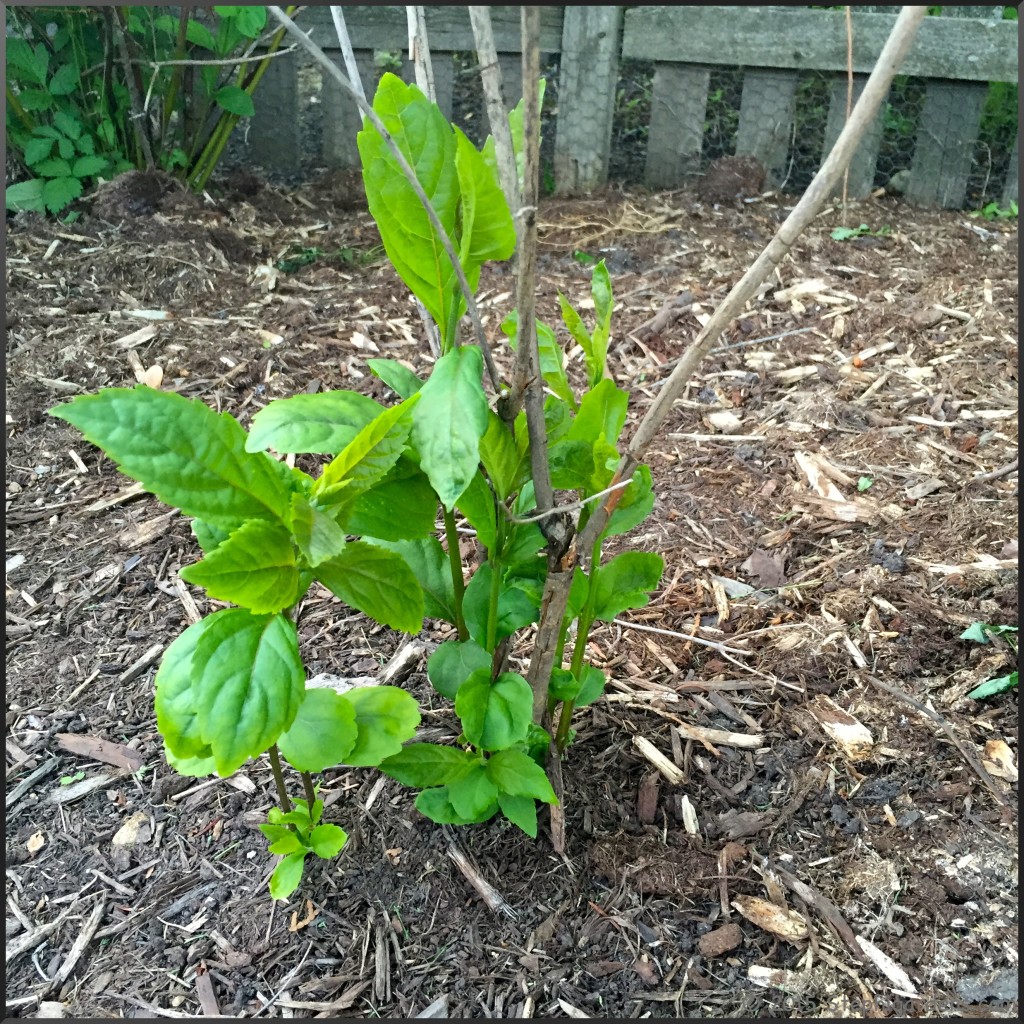
But, it just didn’t seem like they were dead.  The branches had some spring to them and if I scraped a small piece of bark it seemed fleshly underneath.

Callicarpa

But they really looked dead.  I was worried, but not ready to yank them out yet.

One of the great services that the Morton Arboretum provides is a free plant clinic where you can call or bring in a specimen and they can try to help you.  I finally got around to calling and spoke with the nicest women who happened to have them in her yard too.  She said hers looked just like mine and that they tend to leaf out a lot later than most shrubs.  The also regrow mostly from the base.  so I should be patient.

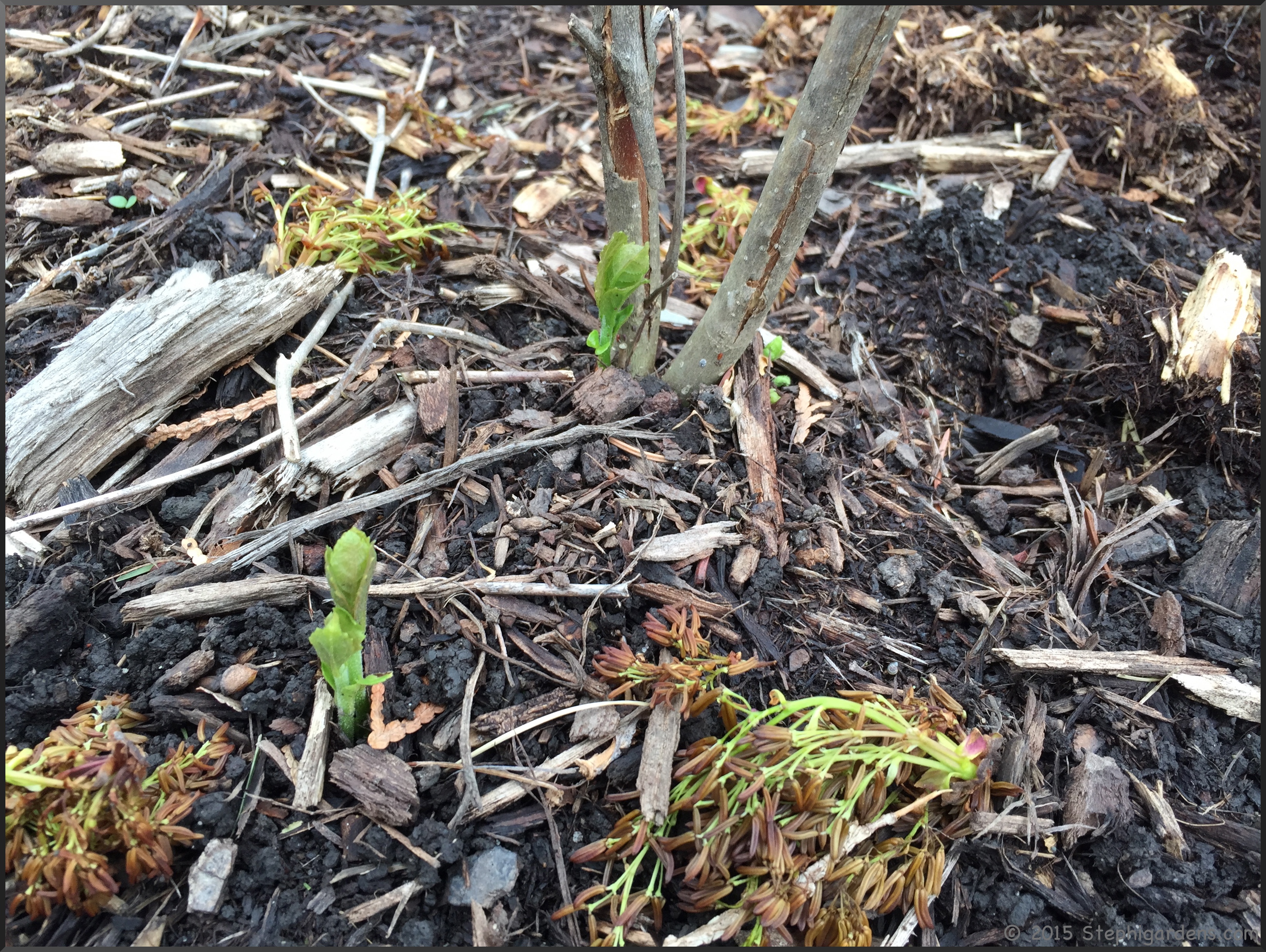
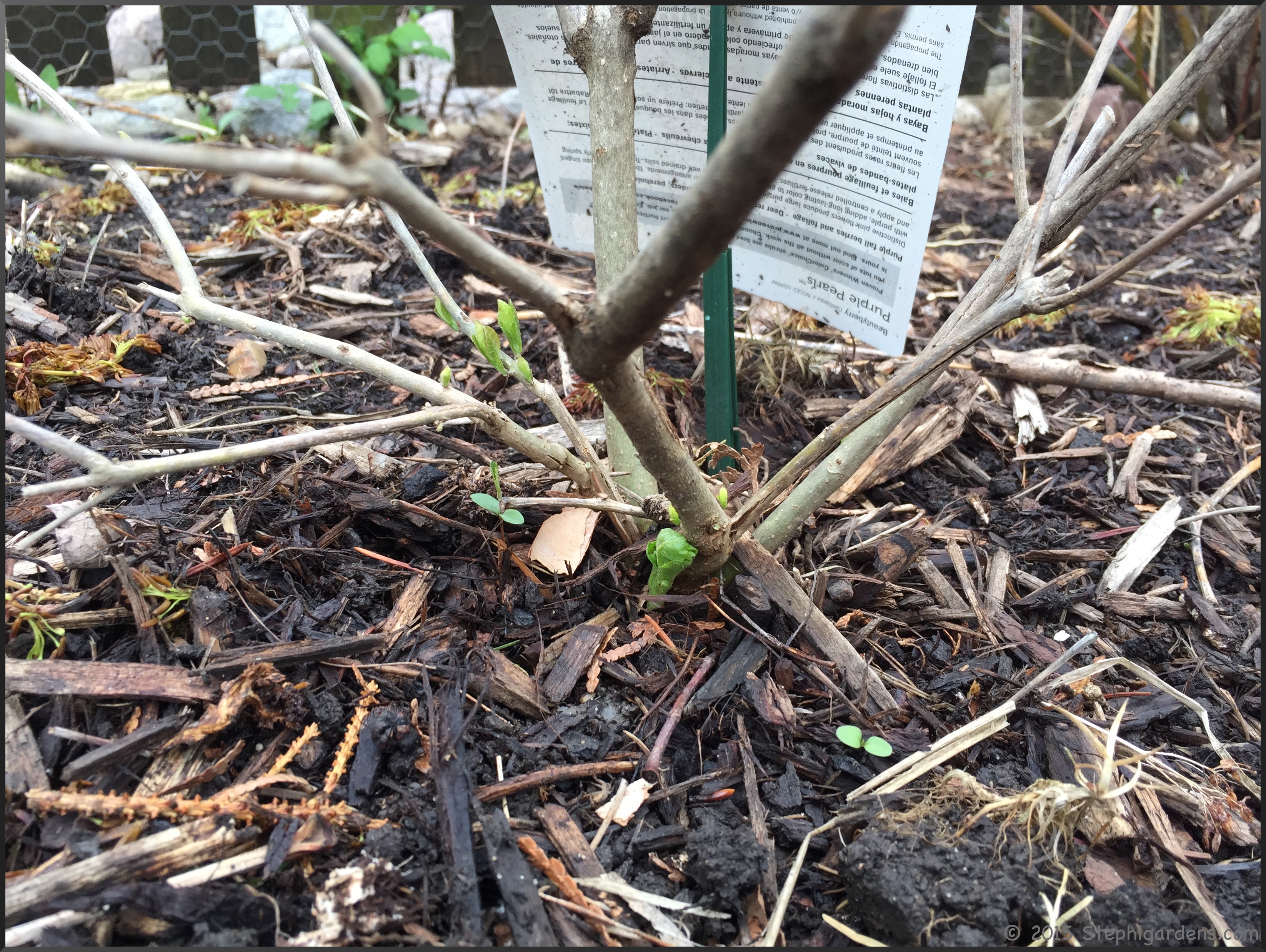
It had been a couple of days since I had looked at them, so now I was curious.  Lo and behold, little sprouts of green had just emerged!

Callicarpa

Callicarpa

They were alive!  Even now, 3 weeks later they are still way behind many of the other shrubs, but I can be patient.  At least they survived!

Callicarpa


Callicarpa


An Amazing Spring For The Flowering Trees

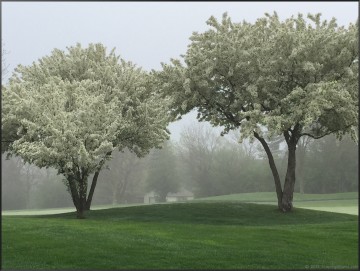
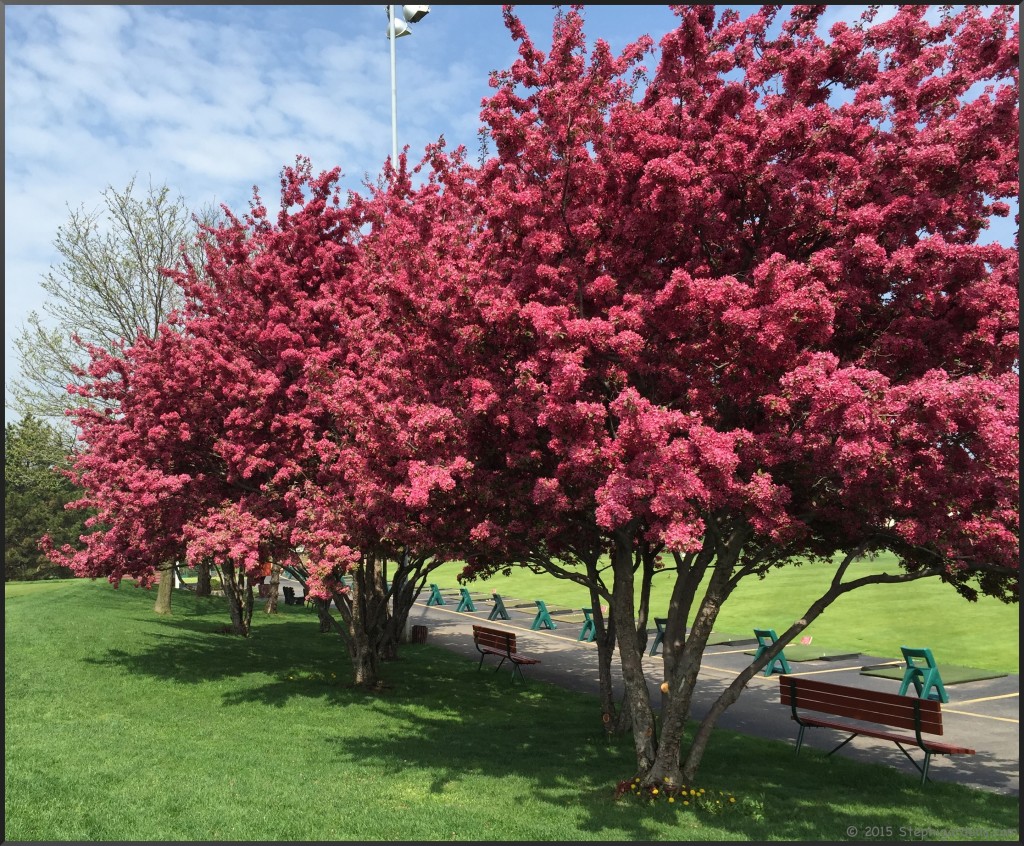
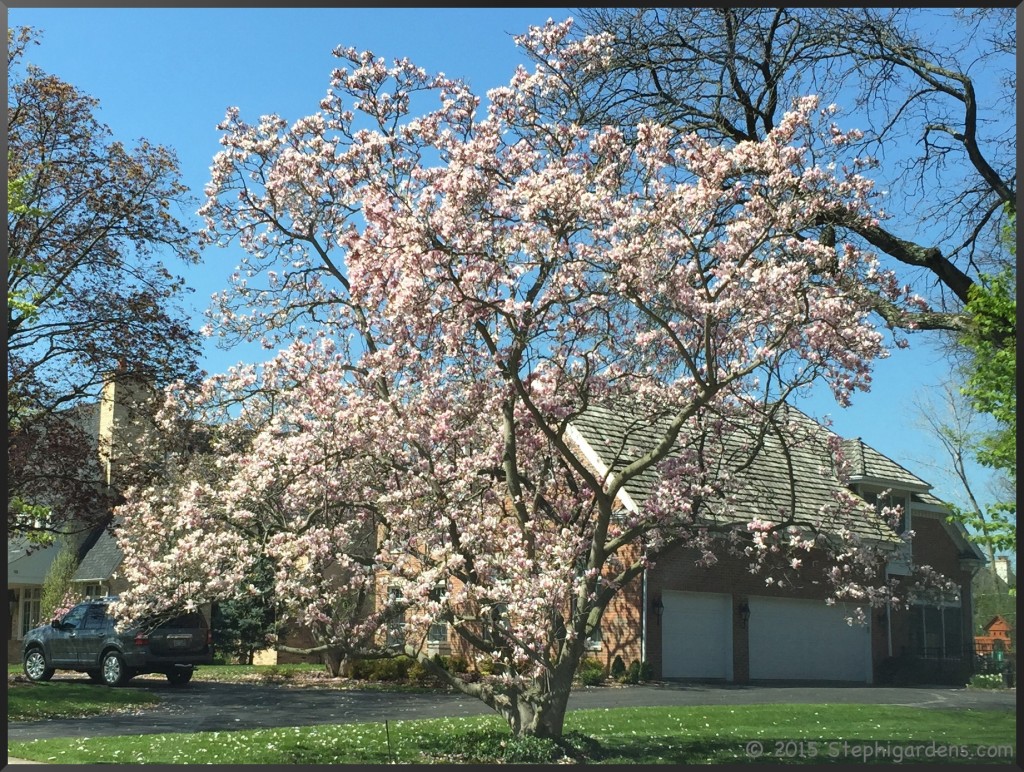
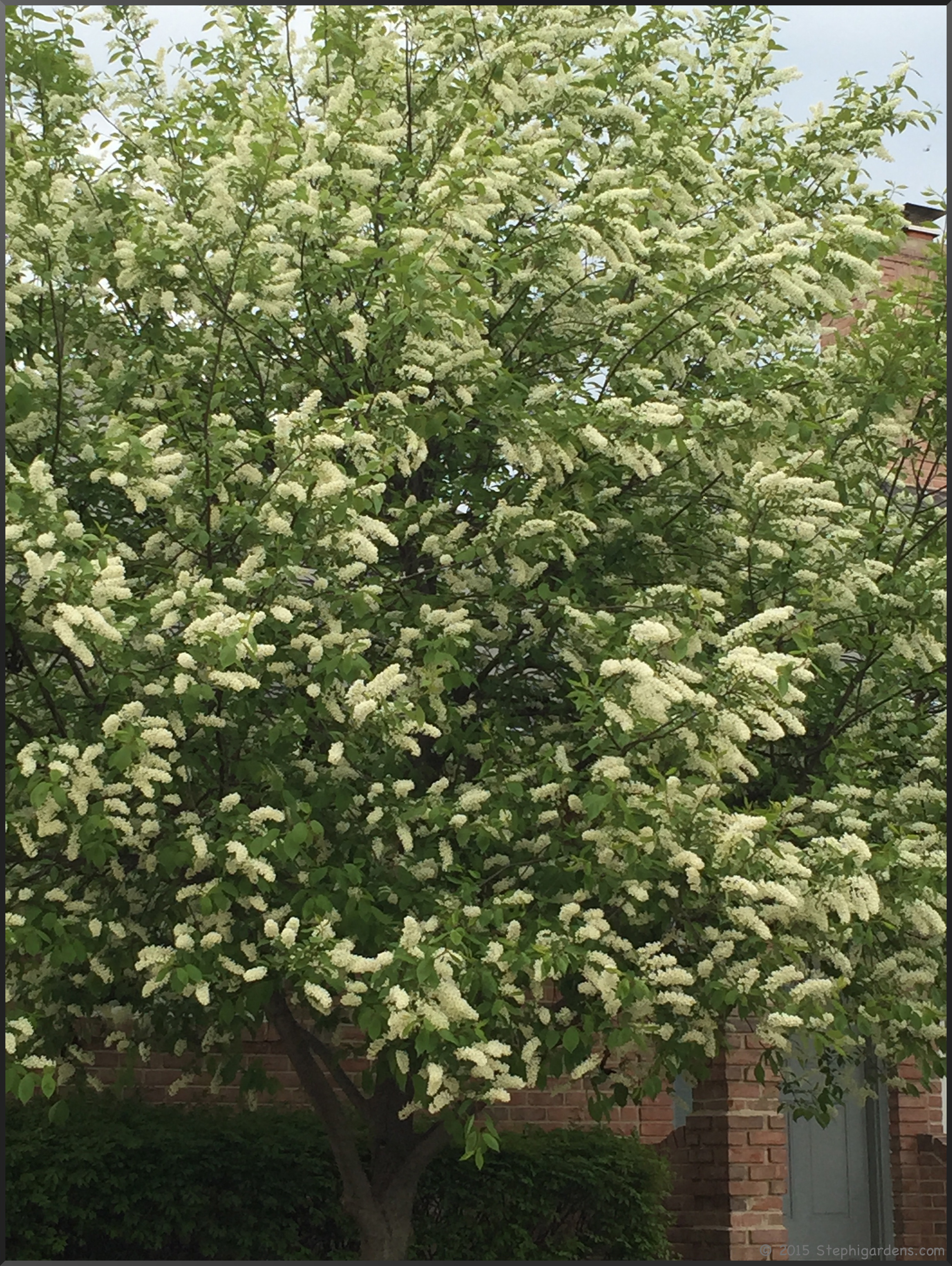
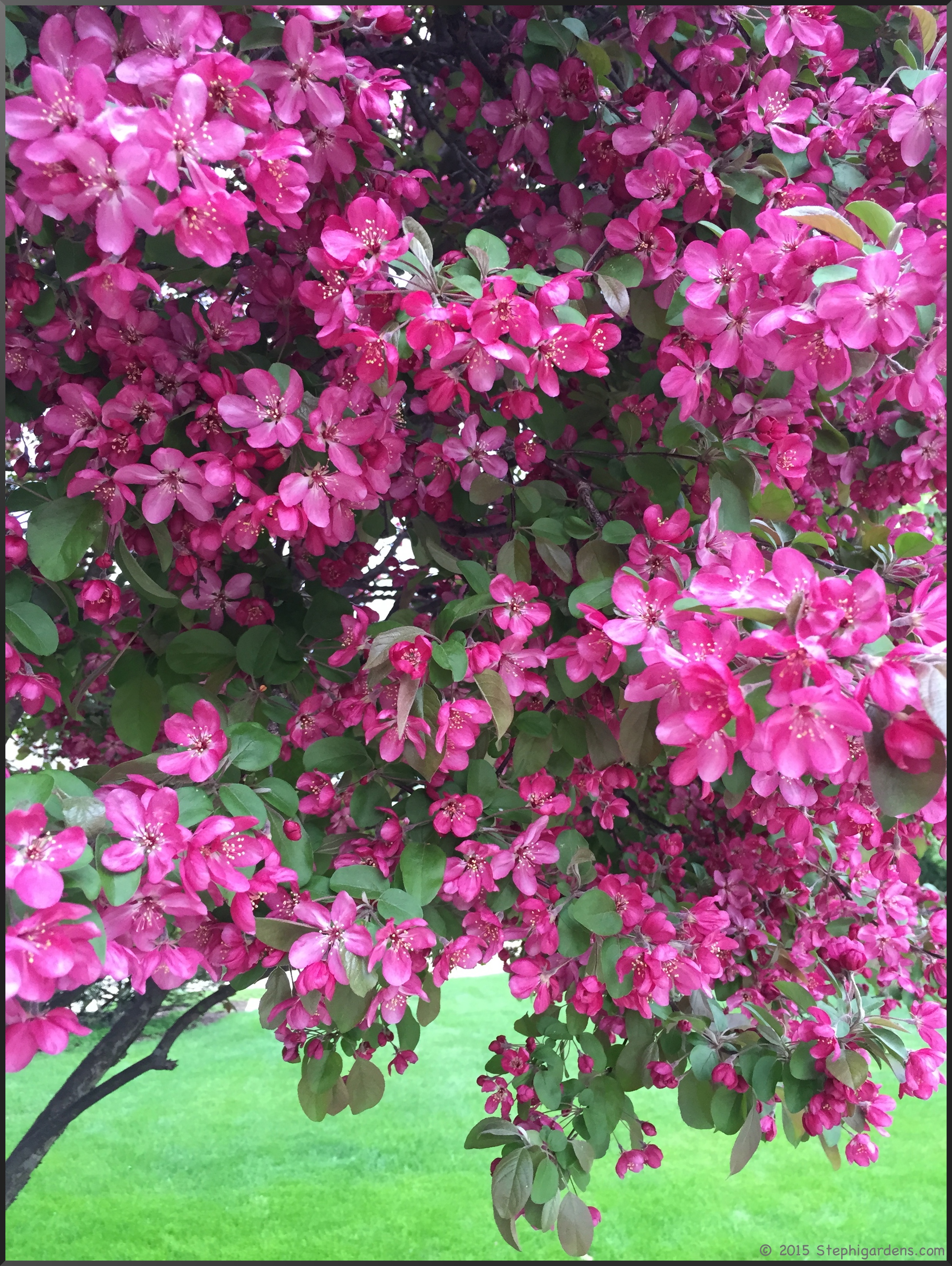
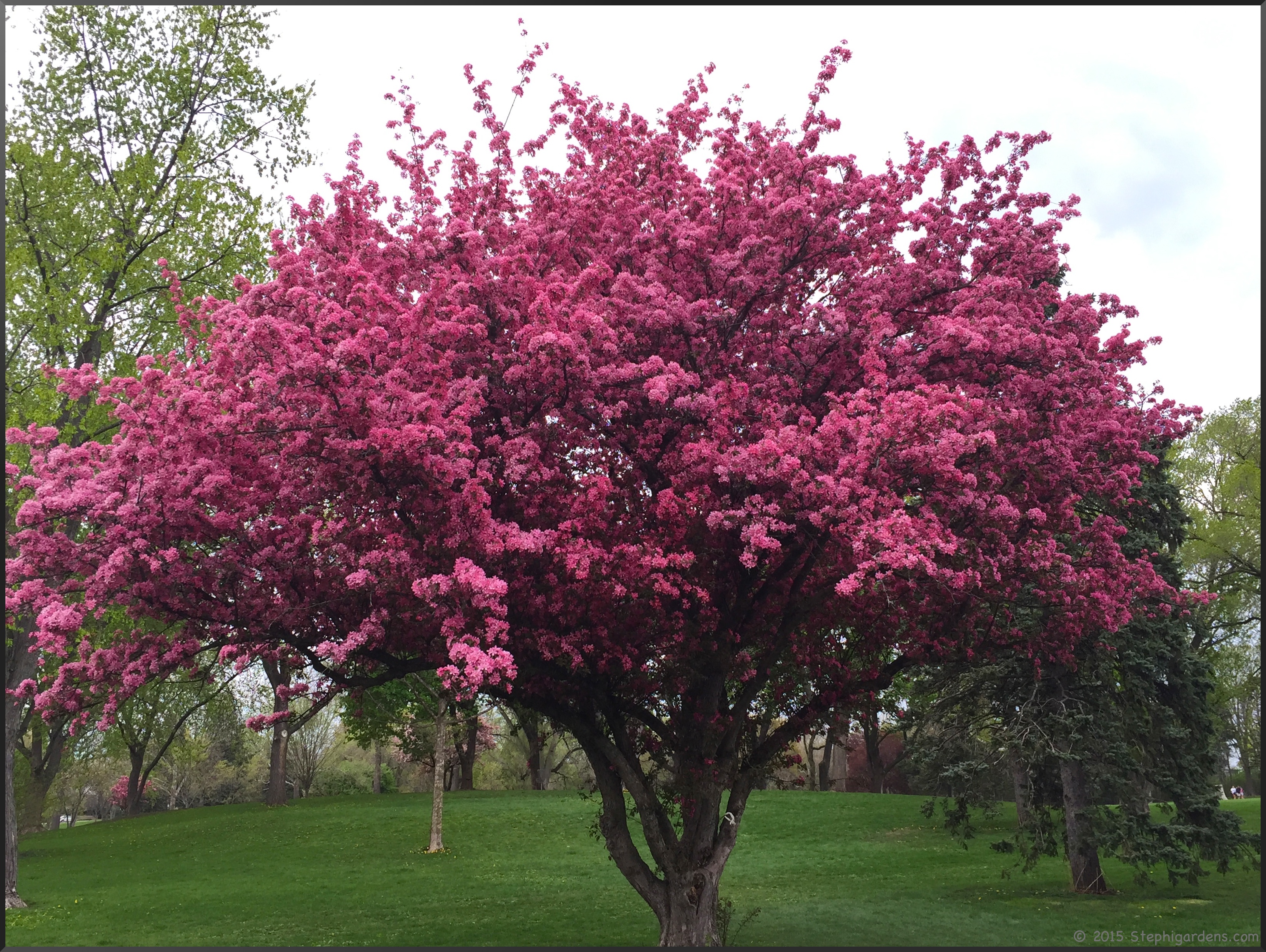
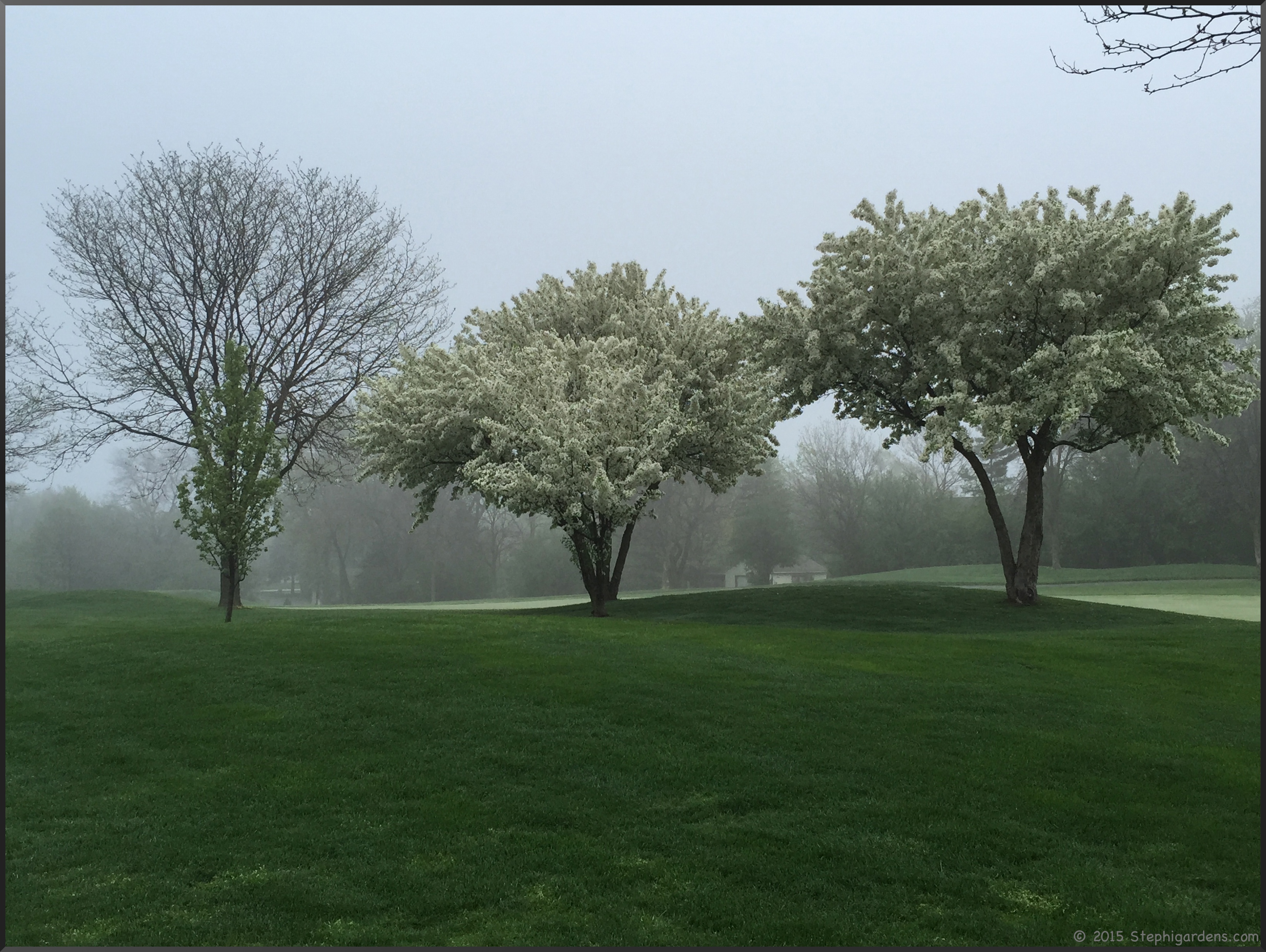
This spring, despite (or maybe in spite of) the poor weather the trees exploded in color like I have never seen before.

flowering crab


flowering crabtree


IMG_9842


IMG_9950


flowering crabtree


flowering crabtree

How were your flowering trees this year?  I need to replace the maple tree we lost last year (So Long Beautiful Maple Tree) so I’m thinking a magnolia is in order.  I’m so inspired by all the spring color this year.

Sadly, while all these trees are blooming so many ash trees are succumbing to the Emerald Ash Borer (Emerald Ash Borer:Part 1, Part 2)

IMG_0051

Spring Surprises

 As I was walking around the yard the other day, a few surprises caught my eye.  

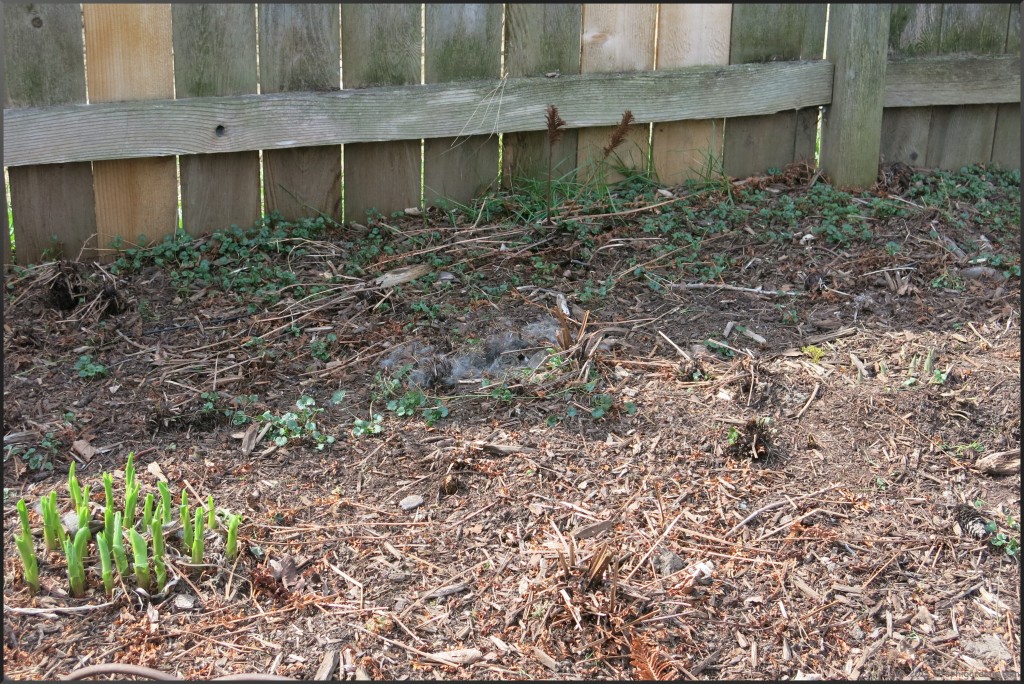
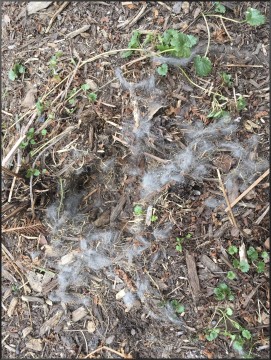
Why was there fuzz in the garden?

rabbit nest

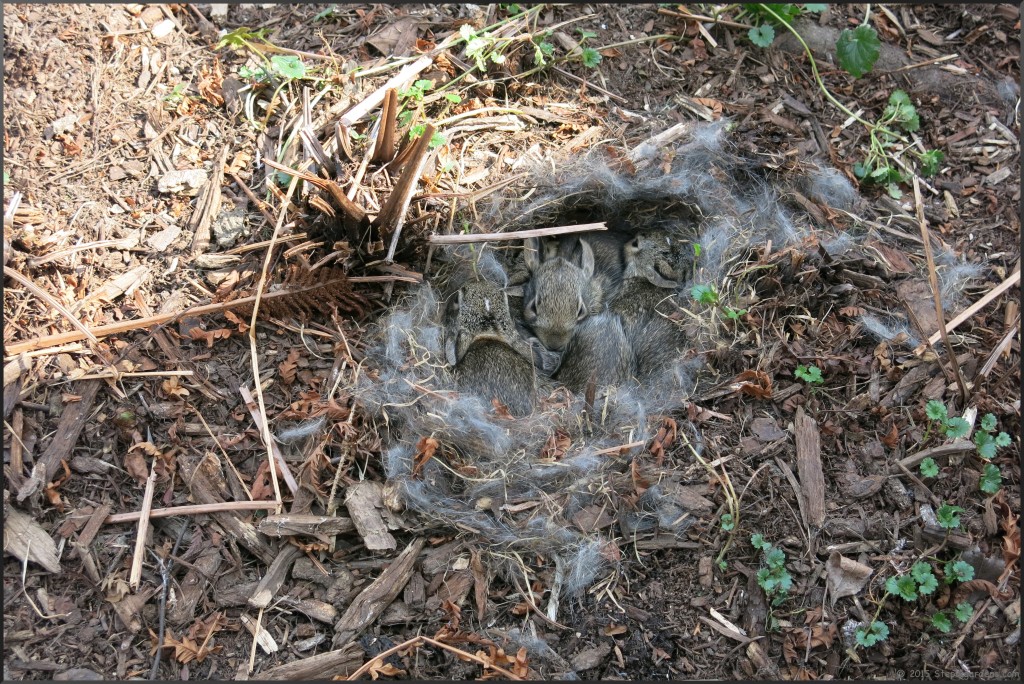
On closer inspection this is what I saw!

rabbit nest

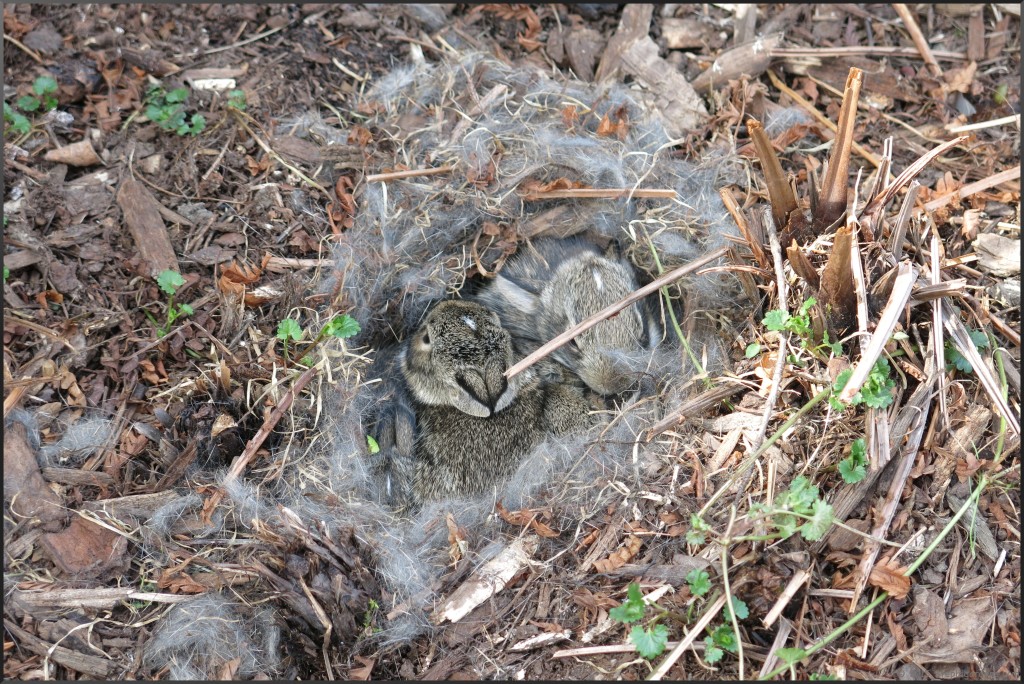
rabbit nest

As best as I could tell, there were 4 babies snuggled in the nest

rabbit nest

The next day I went to show my husband…Gone!

rabbit nest

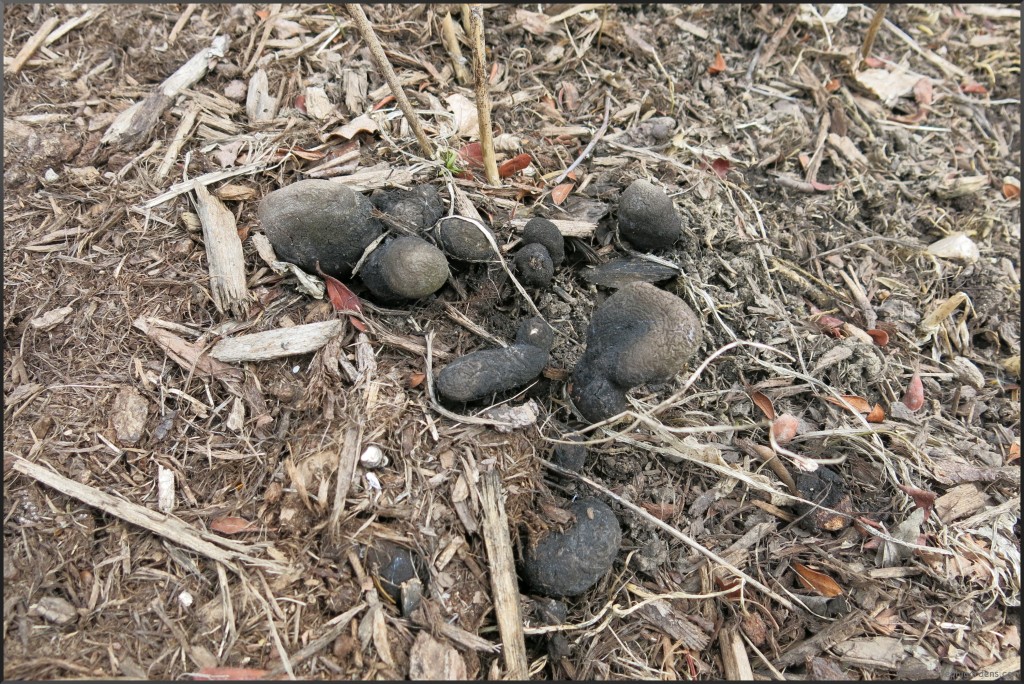
The Dead Man’s Fingers were back (Dead Man’s Fingers) although in a new spot.  I’m not sure why they showed up in a new location and what they might be growing on.  But, still as oddly interesting as before.

Dead Man's Fingers

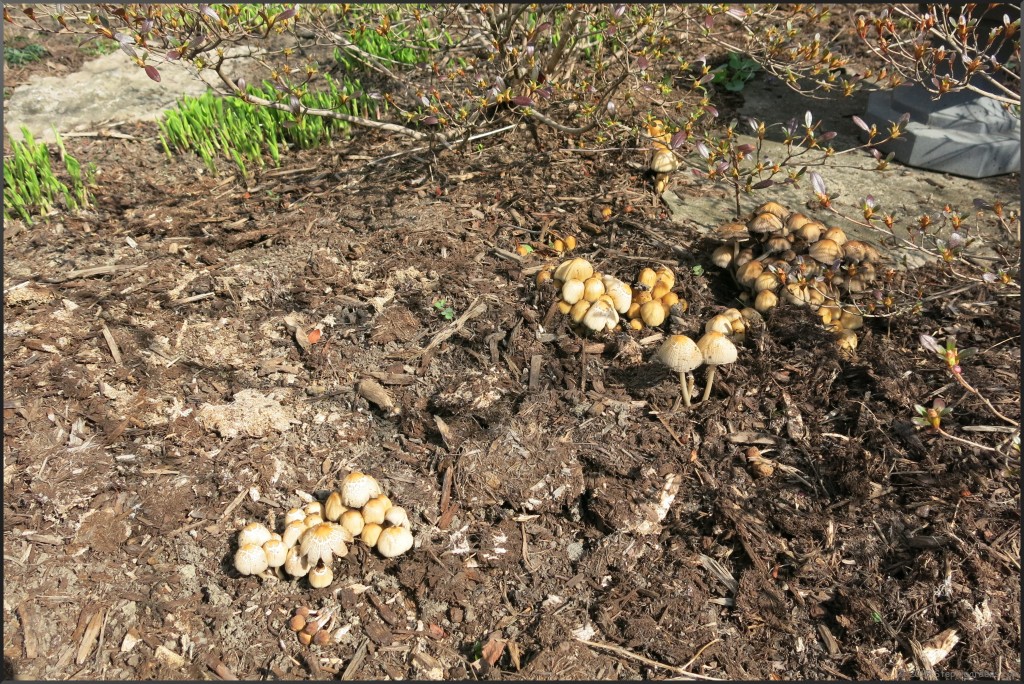
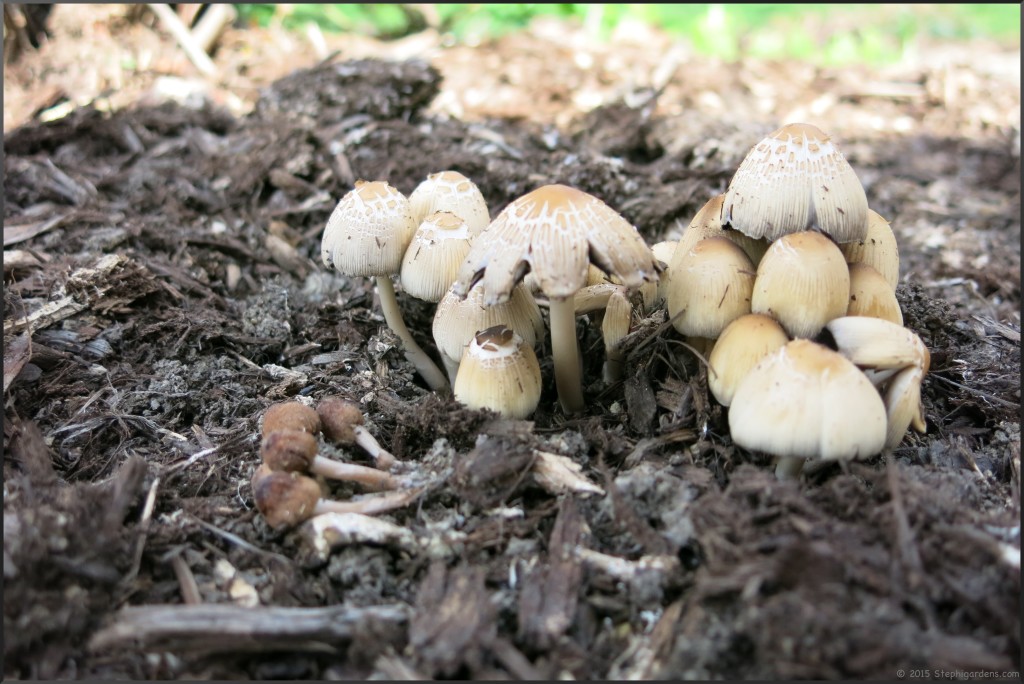
We had a bit of a mushroom farm going after a nice spring rain.

mushrooms

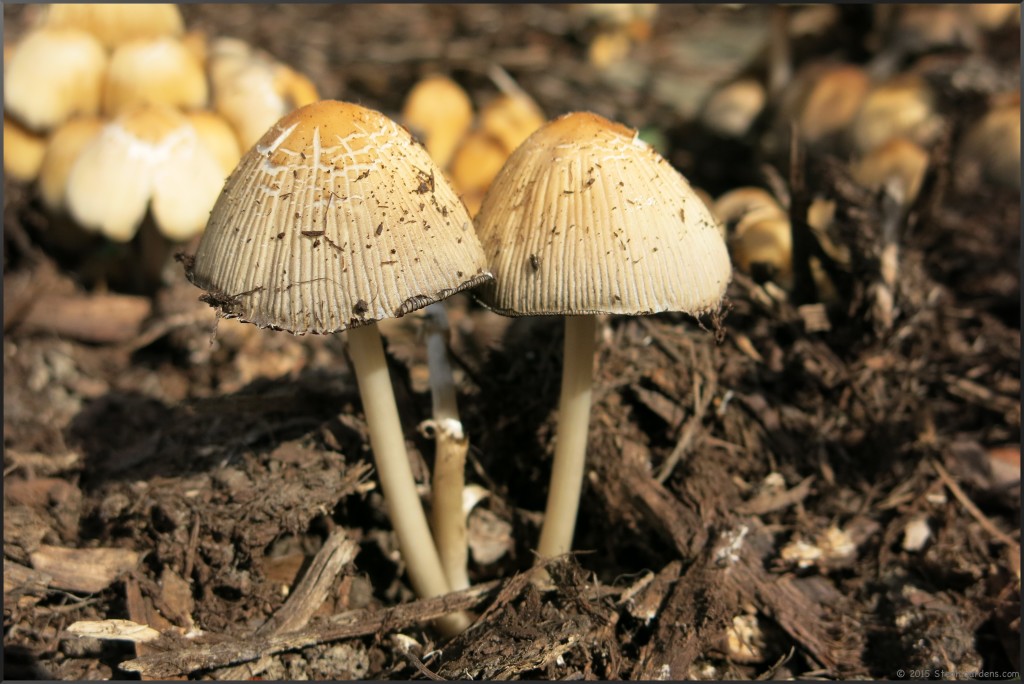
I love looking up close at mushrooms I thought they were all the same, but on closer inspection actually quite different.

mushrooms


mushrooms

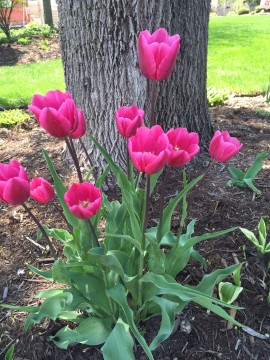
These tulips are some of the oldest flowers in my garden.  Most tulips here are considered annuals because of cold or rodents, but these keep coming back year after year.  Sometimes better than others, too.  This year they are stunning!  

Pink tulips

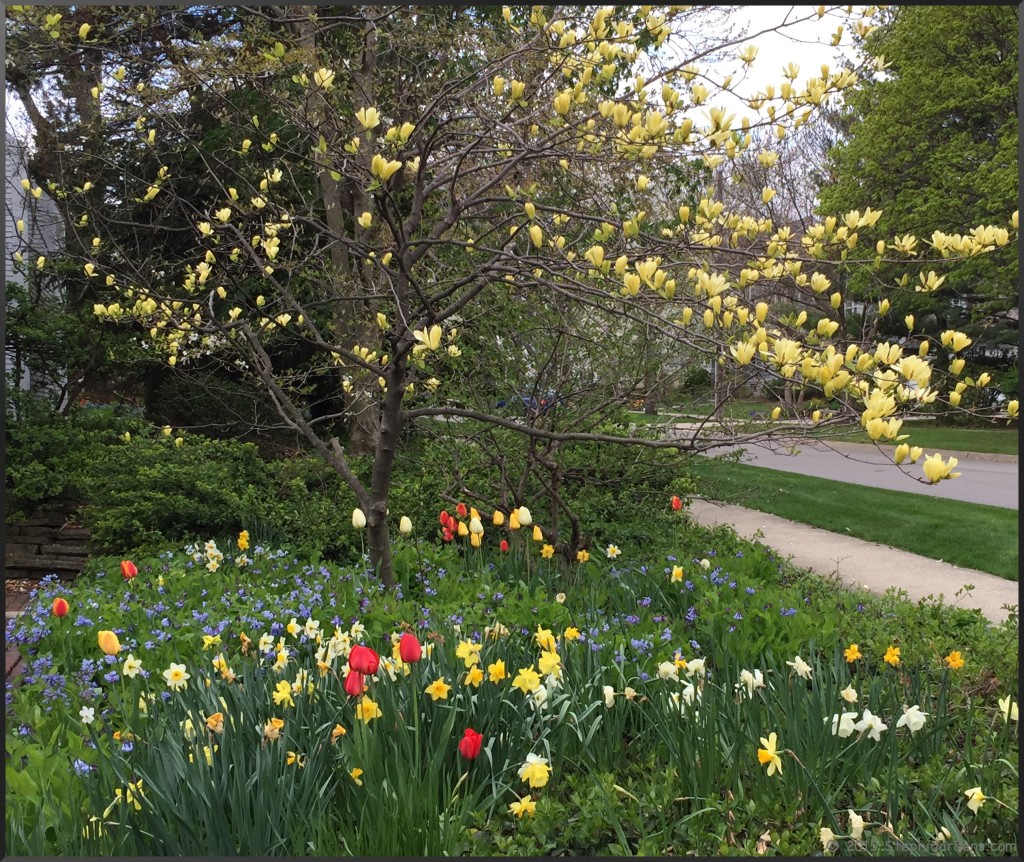
And lastly, while I was out on a recent walk with a friend we came across a beautiful yellow magnolia.  In an area with an abundance of the usual, but of course striking pink magnolias, this was quite a surprise.  

yellow magnolia

We loved the assortment of spring flowers underneath.  What a beautiful spring garden.  I may need to plant one of those trees…

Have you had any spring garden surprises?