Fall Mushrooms in Door County, WI

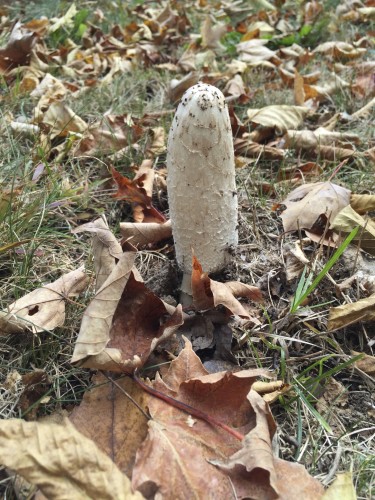
I was surprised to see so many mushrooms on a recent fall trip to Door County, WI.  I know many varieties grow well into fall, but with the mild El Ninõ winter we seem to be having, many plants including mushrooms are lasting well past their usual growing seasons.  The Coprinus comatus (Shaggy Mane) was the first mushroom that caught my eye.  It was popping right up through the gravel driveway.  

Each morning was this most interesting stalk–
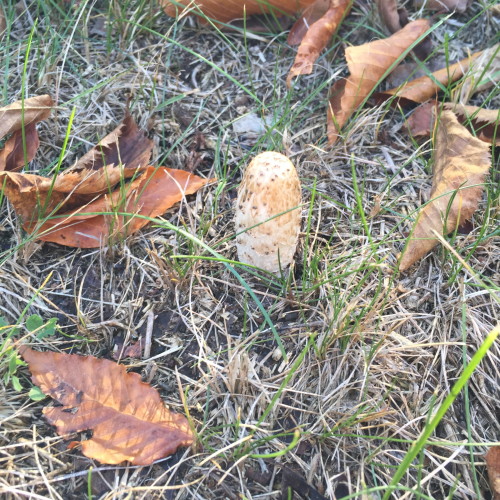
Coprinus comatus (Shaggy Mane)


Coprinus comatus (Shaggy Mane)

But the next morning, each new mushroom looked like this!  Something found them to be very tasty so I never was able to see it grow any further.
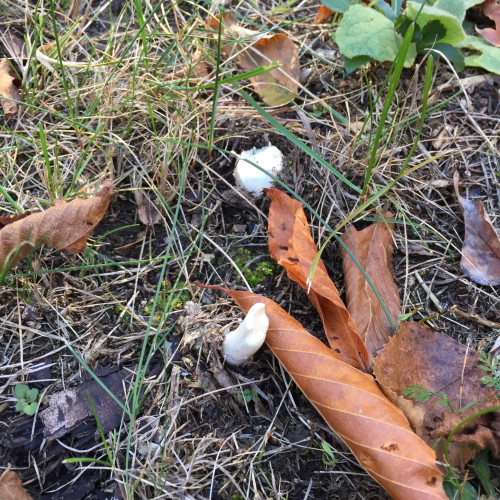
Coprinus comatus (Shaggy Mane)

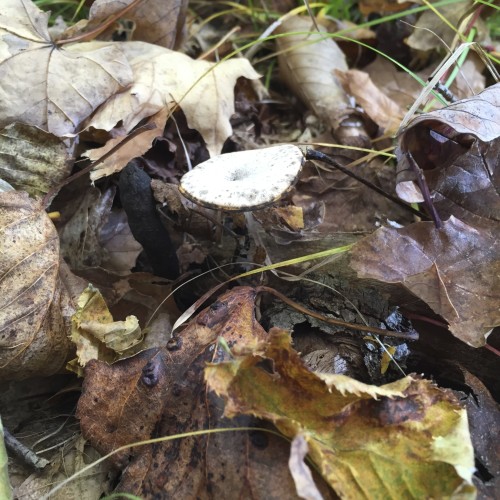
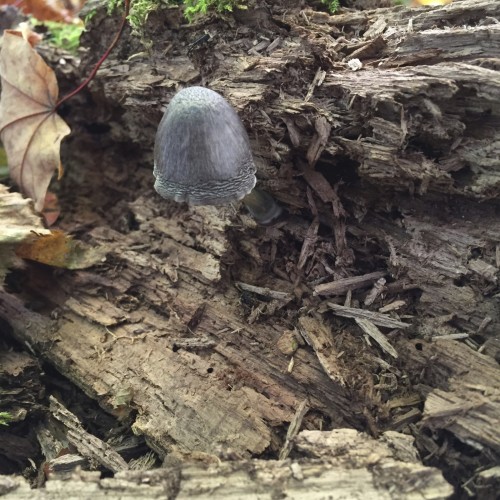
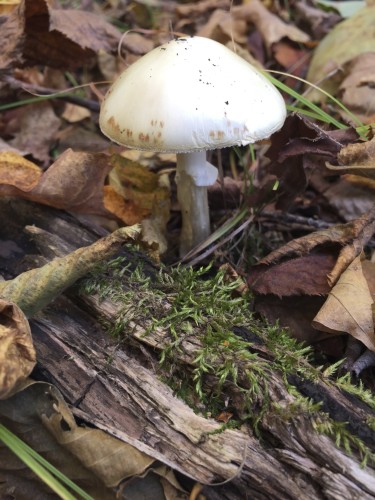
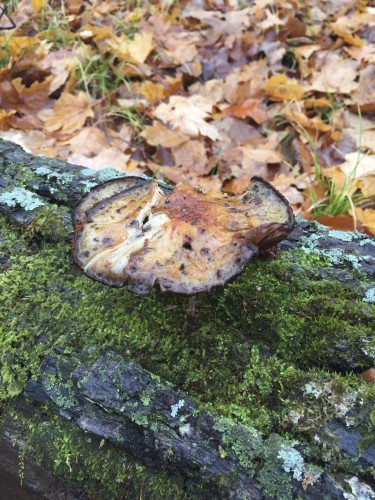
As I walked in the hardwood woods, I came across a surprising number of other mushrooms.  When I later tried to identify these, I realized had nowhere close to enough information to be sure what was what.  At a minimum, these are some field notes that I need to make next time if I hope to make an identification:

  • size of overall mushroom and cap
  • what is the location; note nearby trees; on ground or tree
  • look underneath–gills or no gills; gill description
  • flesh texture (hairy, smooth, woody etc), color, odor
  • stem description

There’s additionally more scientific methods to assist the identification of  mushrooms, but I think these simple observations would have probably allowed me to identify  most of the mushrooms I saw on my walk.

So, in the absence of knowing what I was looking at, here’s the unlabeled photos of the mushrooms I saw.  If you happen to know what these are, I’d love some assistance.
IMG_3635

IMG_3344

IMG_3341

Rozites caperata, Gypsy Mushroom.

Out mushroom hunting in Door County or elsewhere?  Here’s a a few resources I found quite useful:


Fall in Door County, Wisconsin

Fall in Door County

In addition to going to Northern Michigan for the weekend (Fall in Northern Michigan/Stumbling Upon Club-Mosses), Steve and I  made a trip up to Door County, Wisconsin the third week of October.  It was definitely peak colors that week and it was spectacular.

The day started like this!  Sunrise over Lake Michigan.

Sunrise in Bailey's Harbor

After breakfast, we started to explore…

Fall in Door County

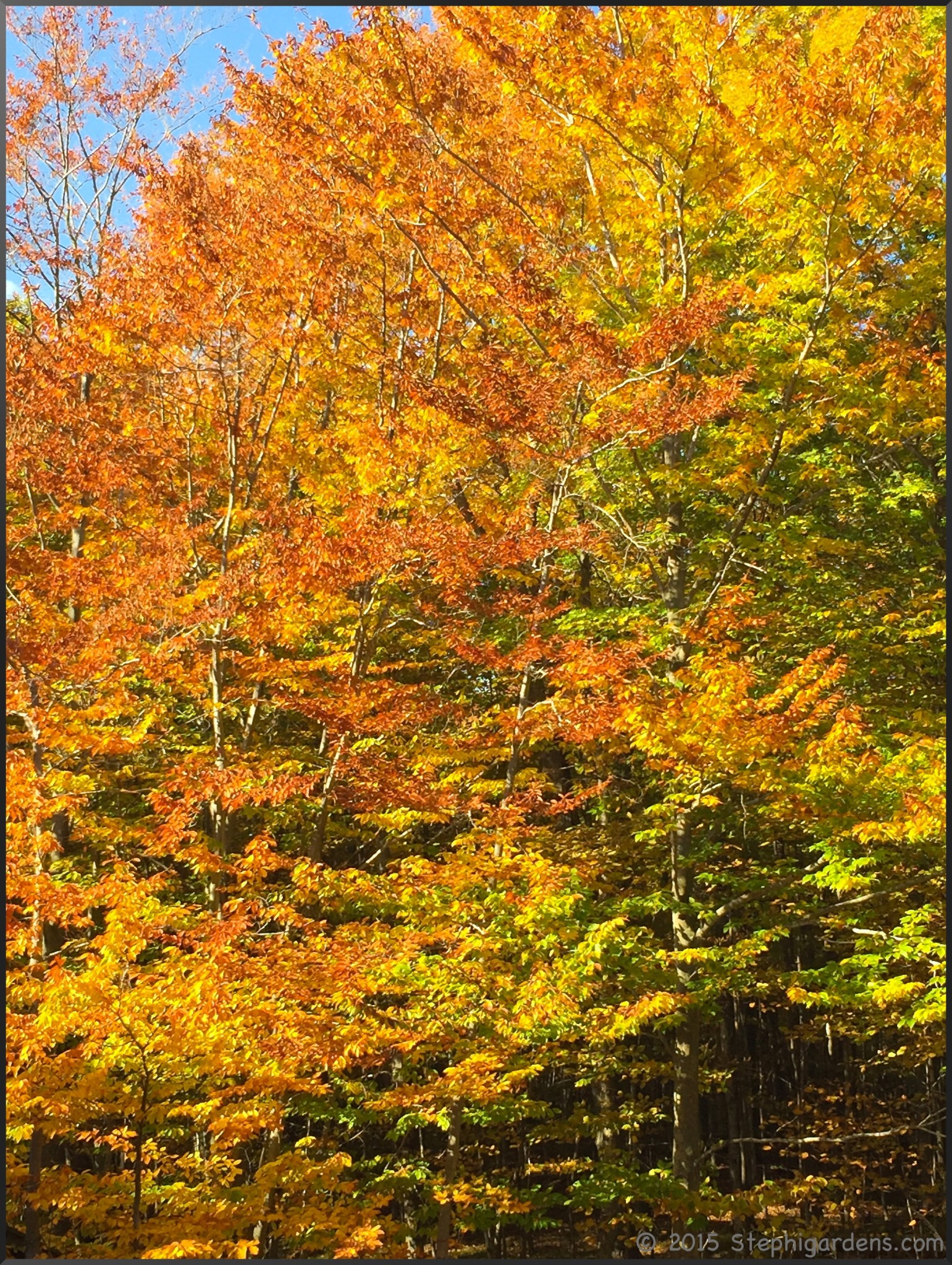
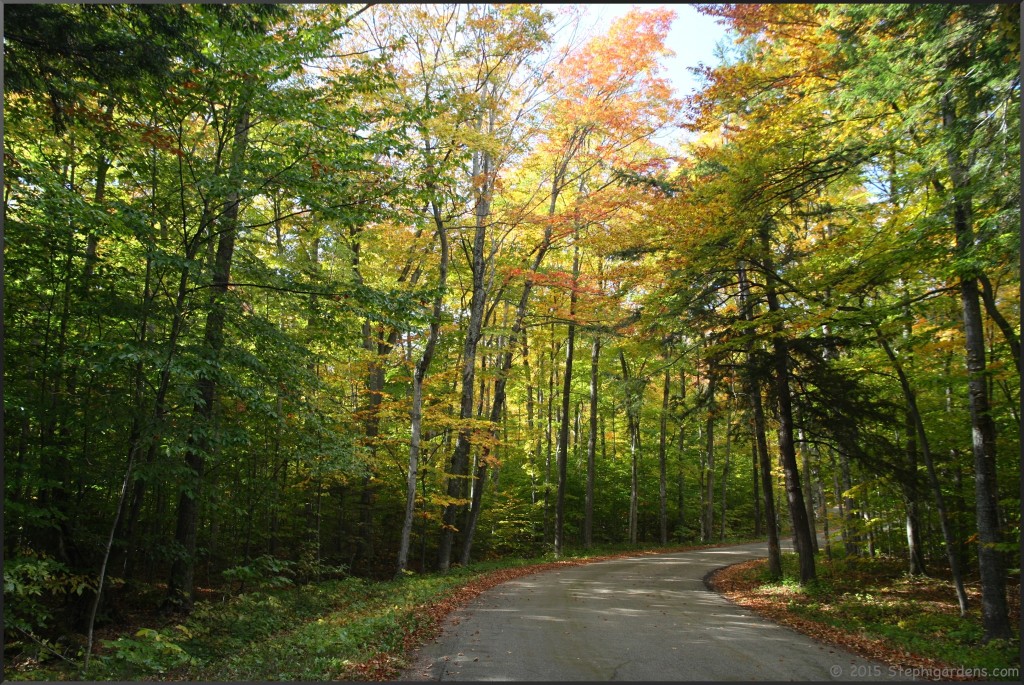
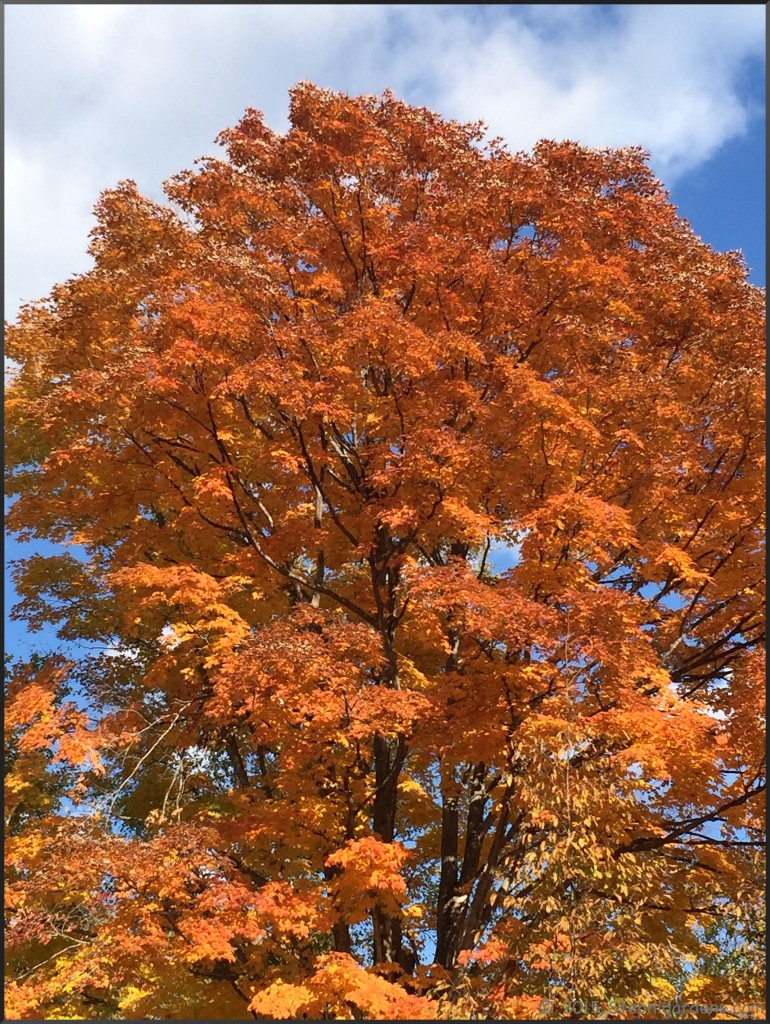
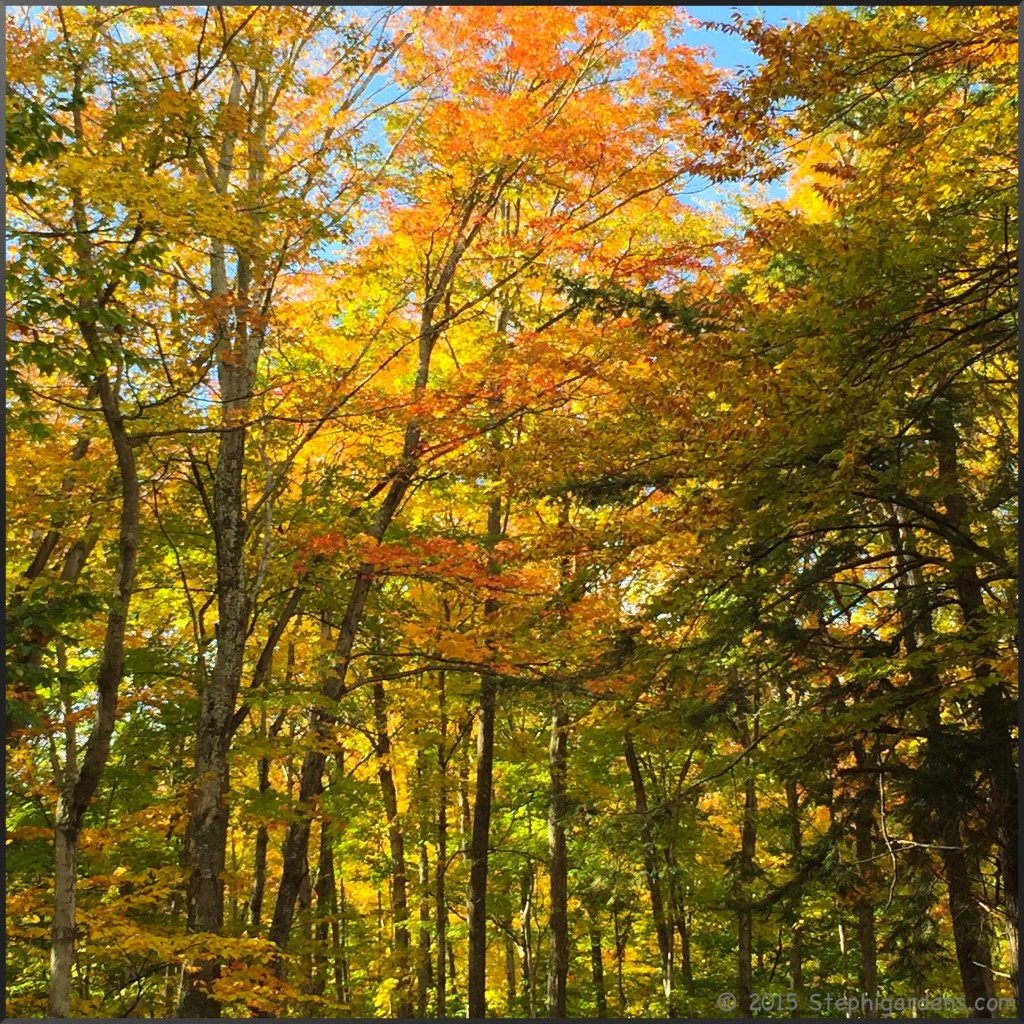
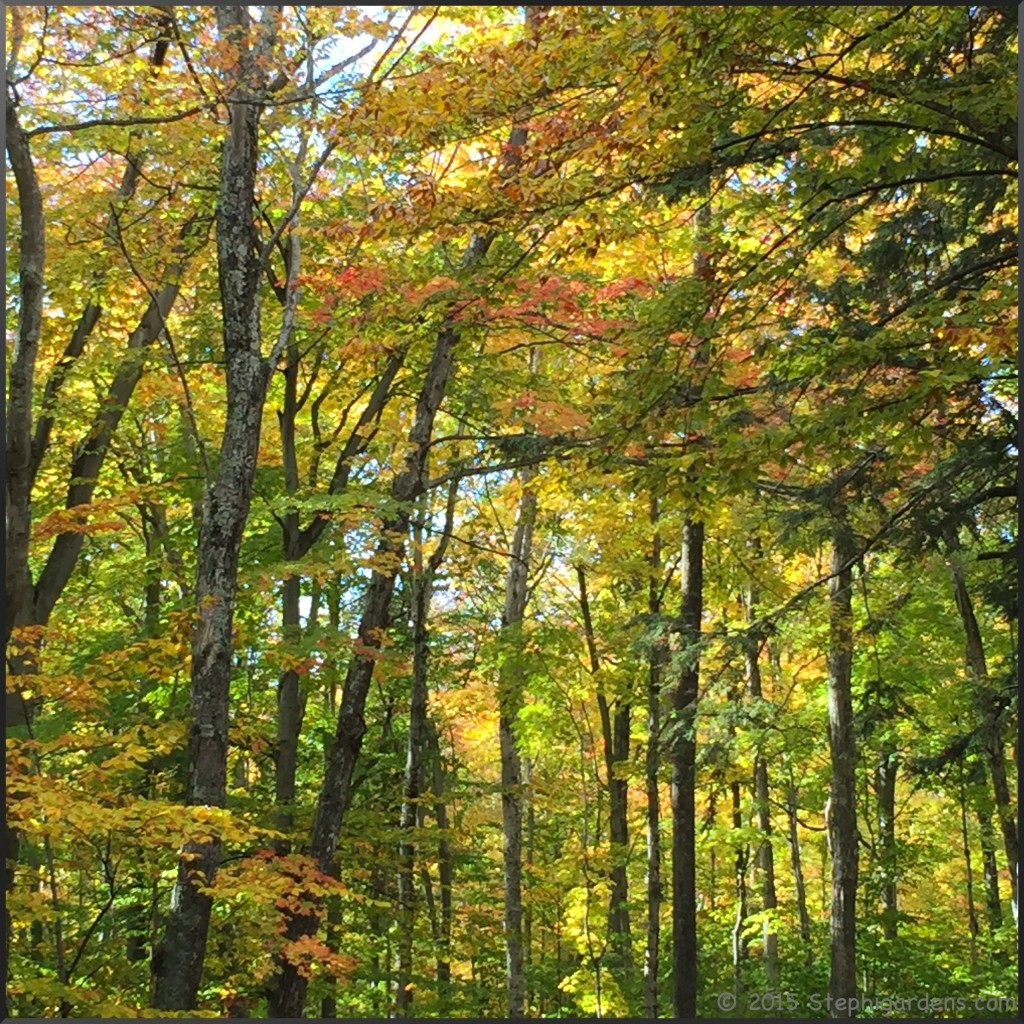
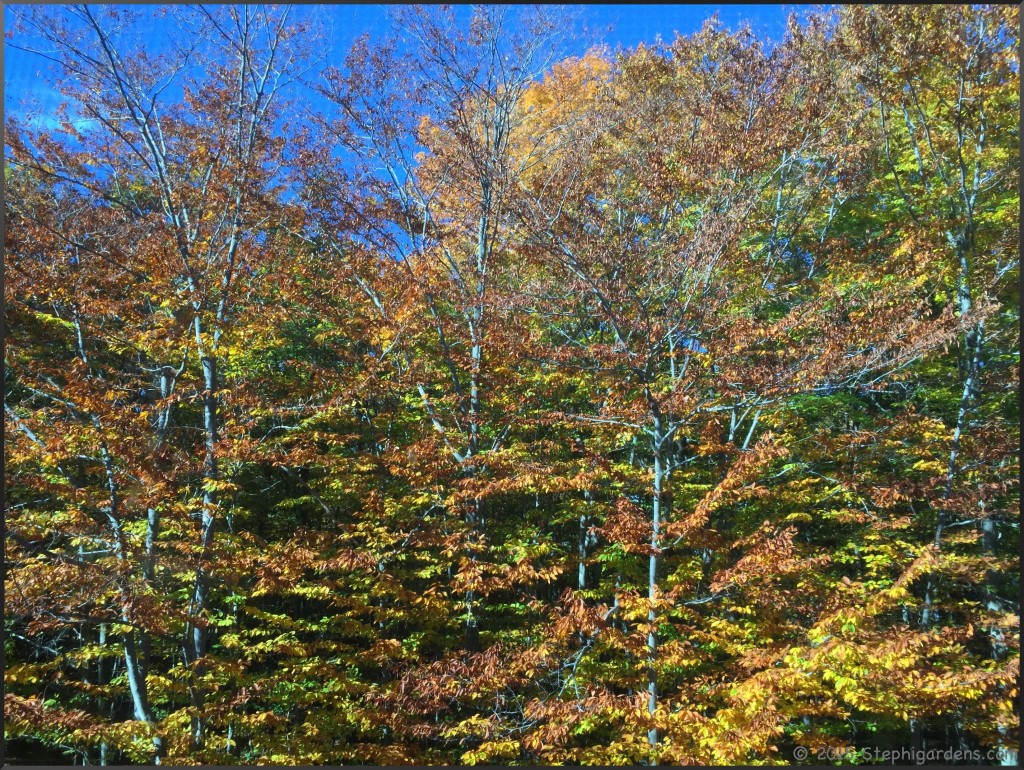
The forests of Door County are full of hardwoods like Sugar Maple, Beech, Ash, Red Oak, White Oak and Paper Birch.

Fall in Door County

Fall in Door County

Fall in Door County

Fall in Door County

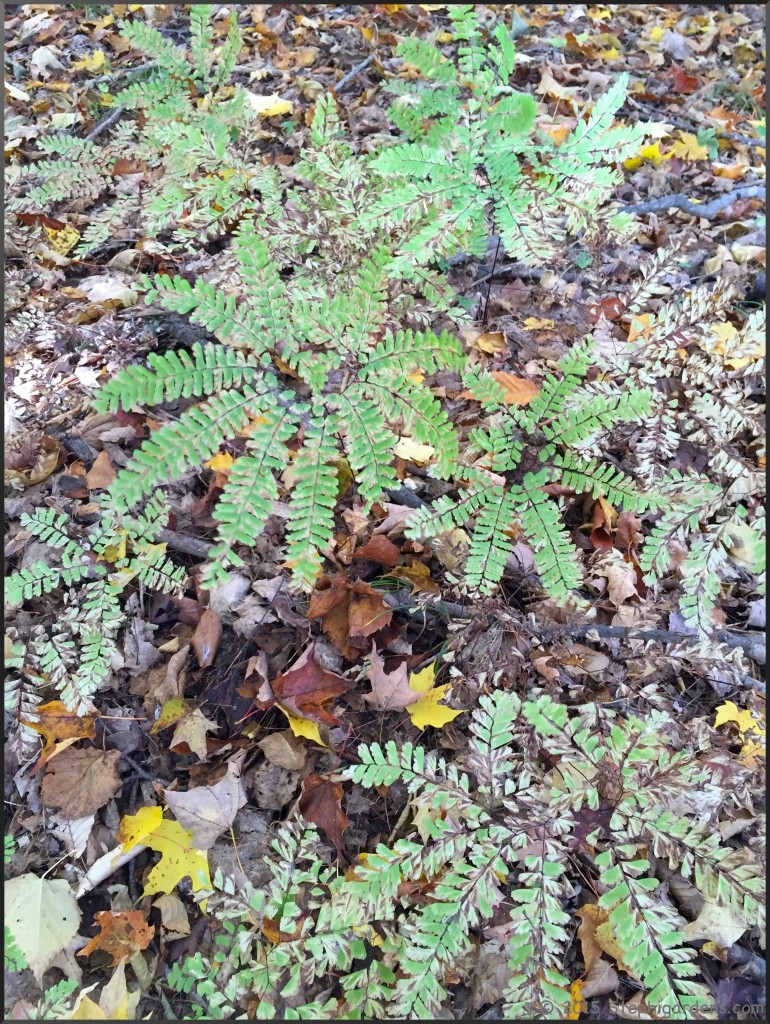
Looking down we were surprised to see these Maidenhair Ferns (Adiantum pedatum). Always a fun find!

Maidenhair fern

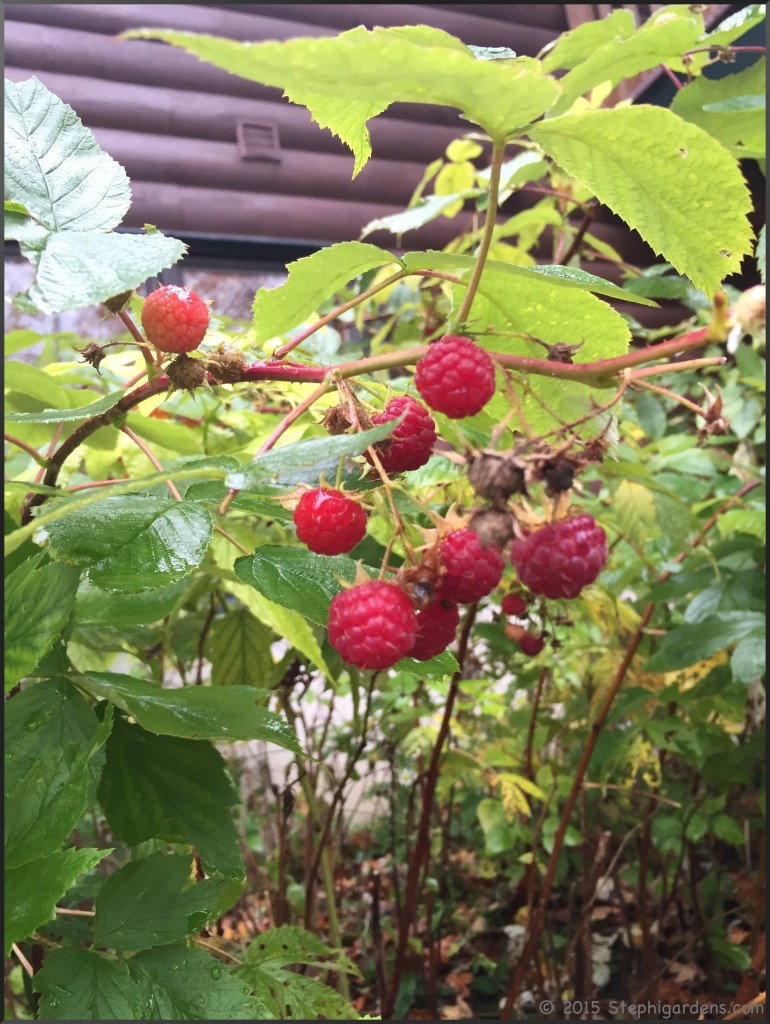
Even this late, the raspberry garden is still full of juicy raspberries.

everbearing raspberries

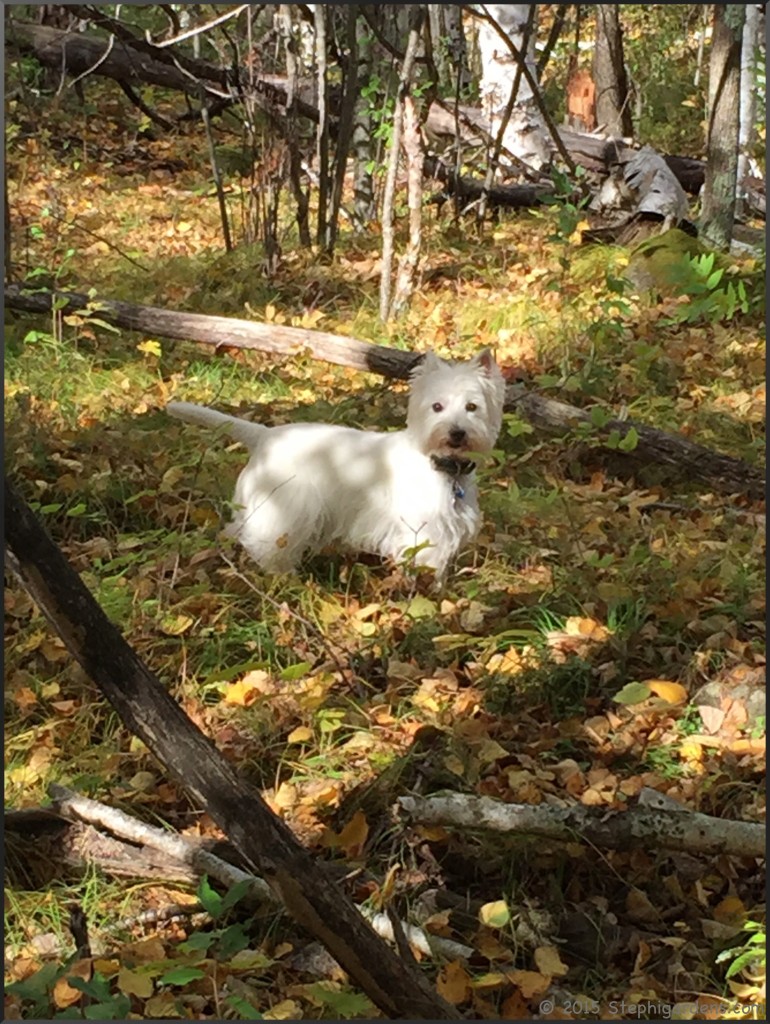
Of course, Daisy is enjoying the fall woods as well!

Westie


Fall in Northern Michigan/Stumbling Upon Club-Mosses

Over the last couple of weeks I’ve been lucky enough to travel around the upper Midwest and see an amazing explosion of fall color.

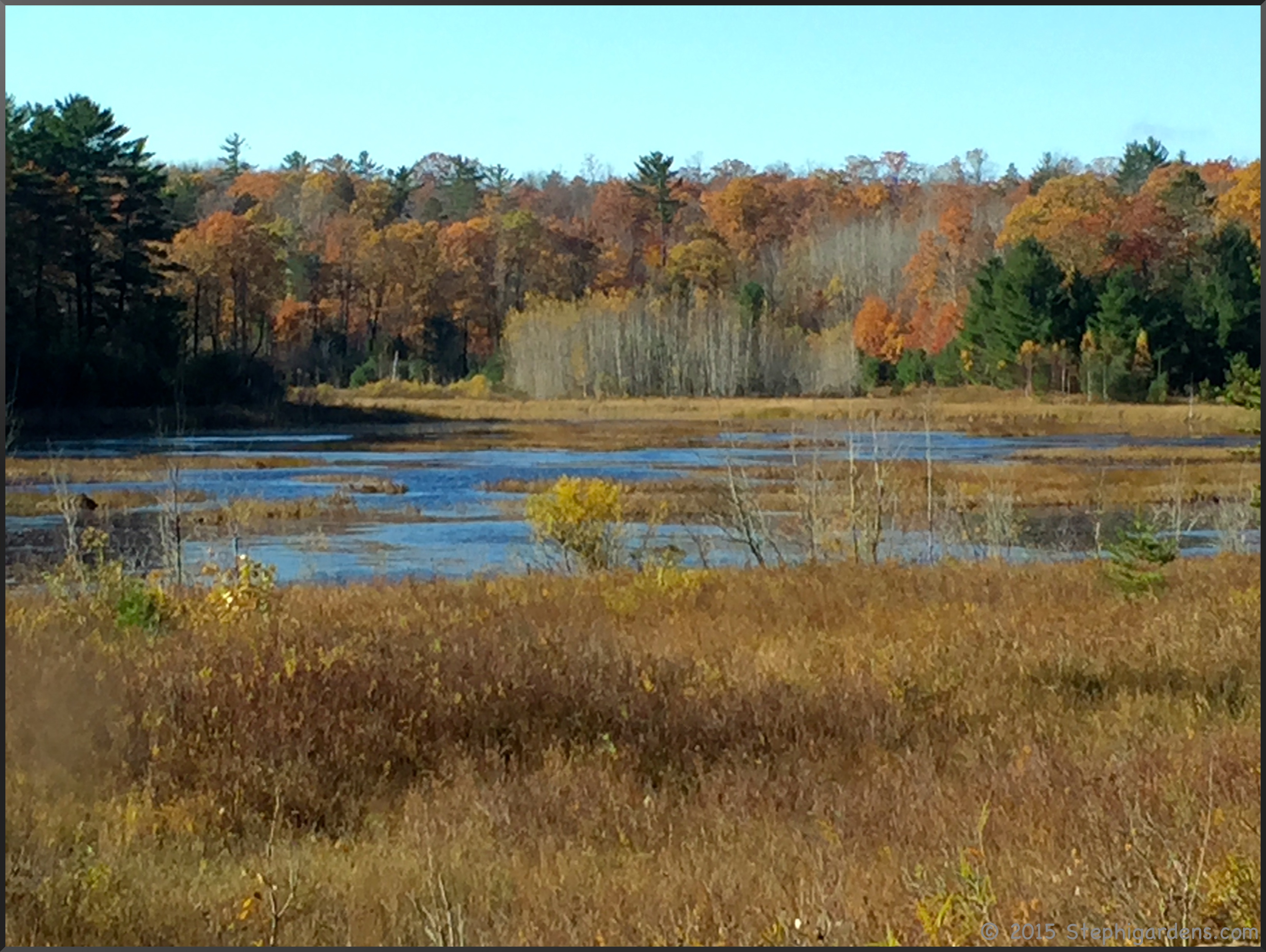
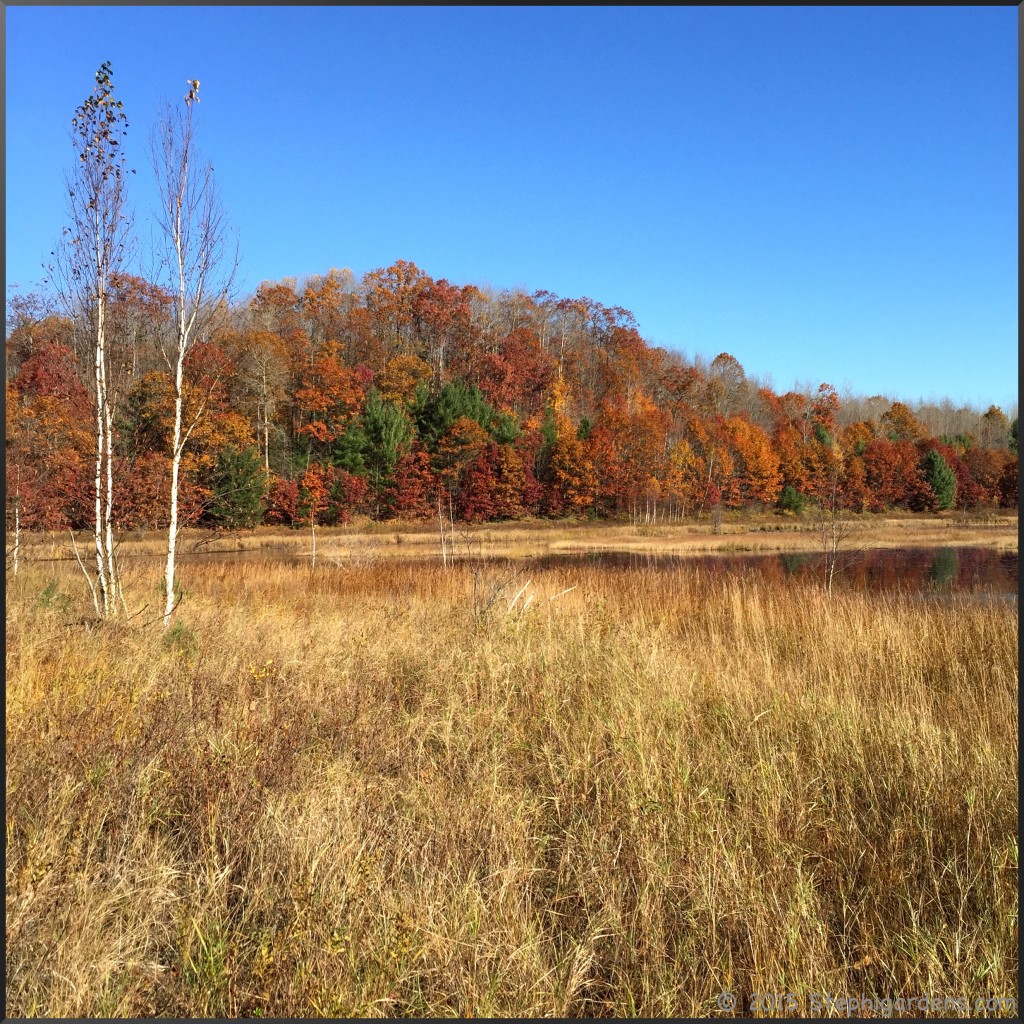
I spent one of those weekends visiting my mom Peggy in Northern Michigan.   Once the rain finished, we went out to the woods to have a look at some of the beautiful places Peggy likes to visit.  Even though it may not have been peak color time, the textures and colors of the Northern Michigan forests that weekend were still stunning.

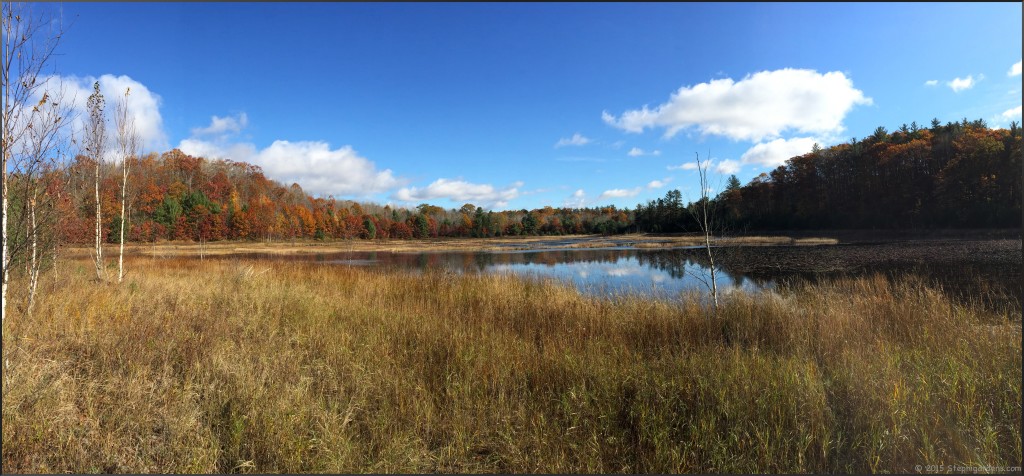
Fall in Wexford County, Michigan

Fall in Wexford County, Michigan

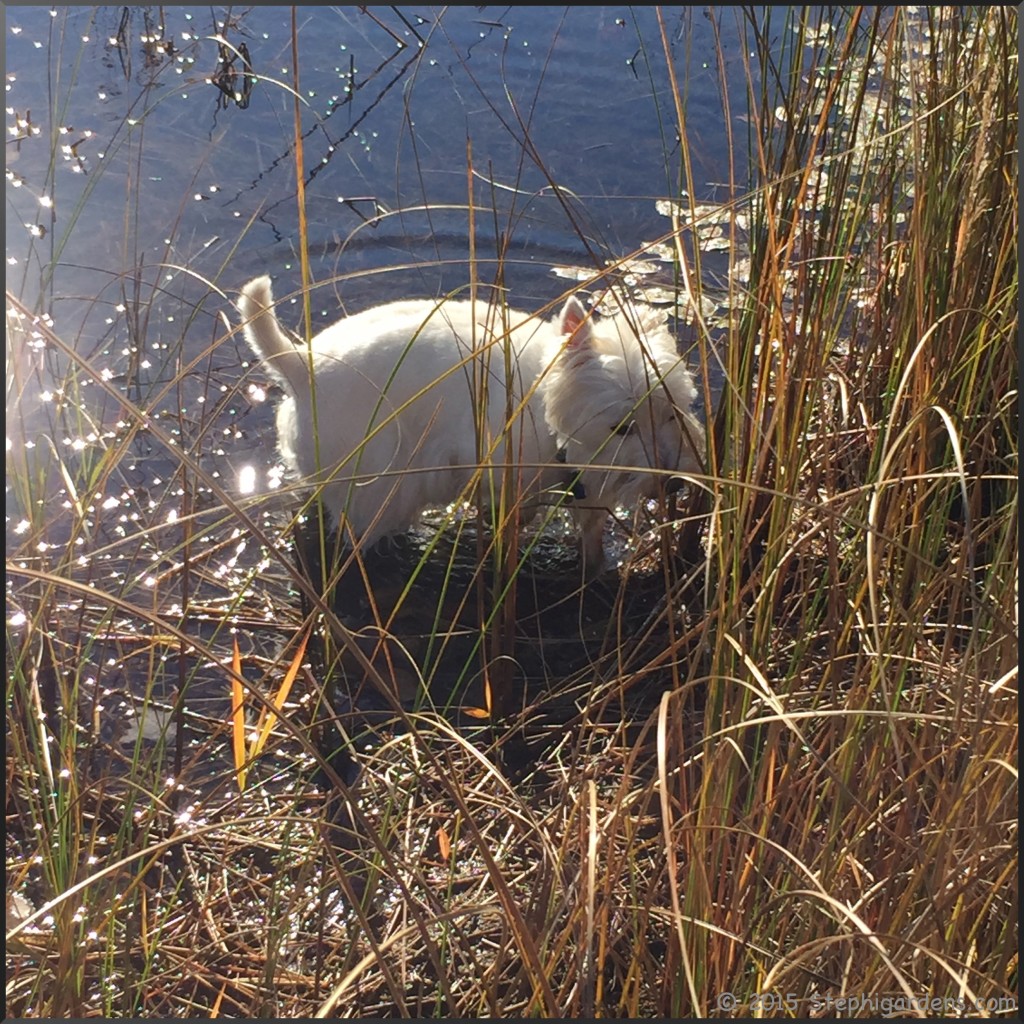
Daisy decided it was warm enough to go in the water.  She’s become much more daring in her old age.

Fall in Wexford County, Michigan

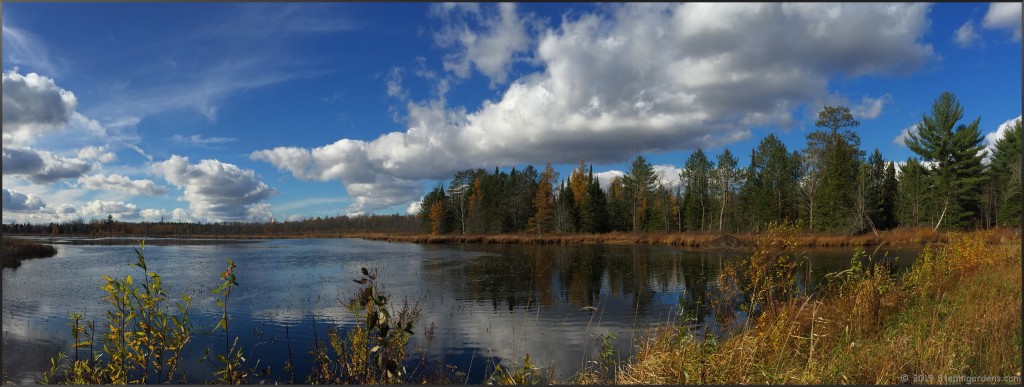
We had some fun taking panoramic pictures.

Fall in Wexford County, Michigan

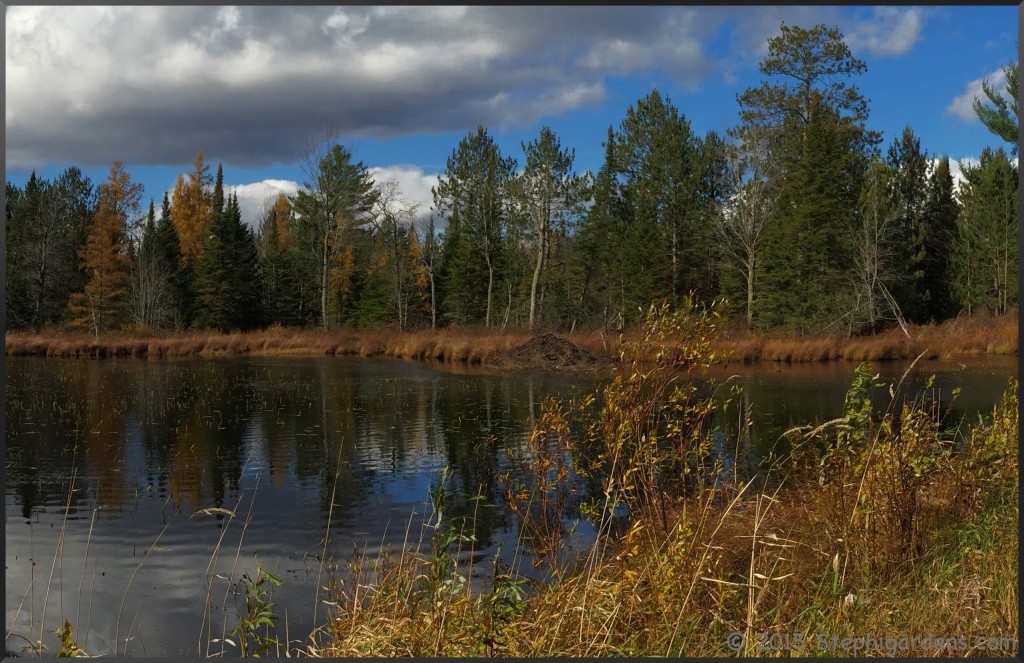
After lunch, we headed to a new spot to check out a beaver house.

Fall in Wexford County, Michigan

We didn’t see any beavers, but saw some very active muskrats enjoying the warm fall day.

beaver house

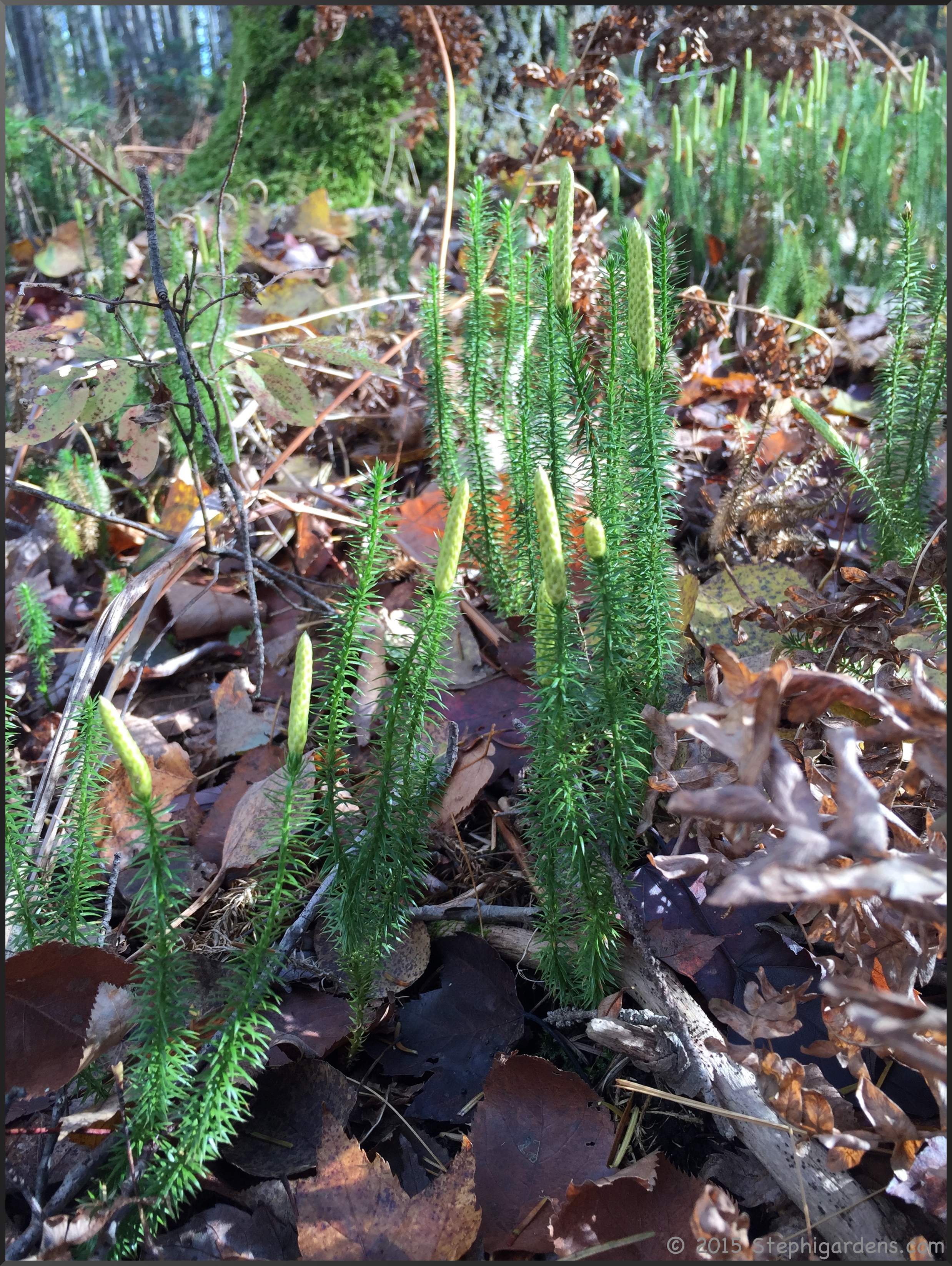
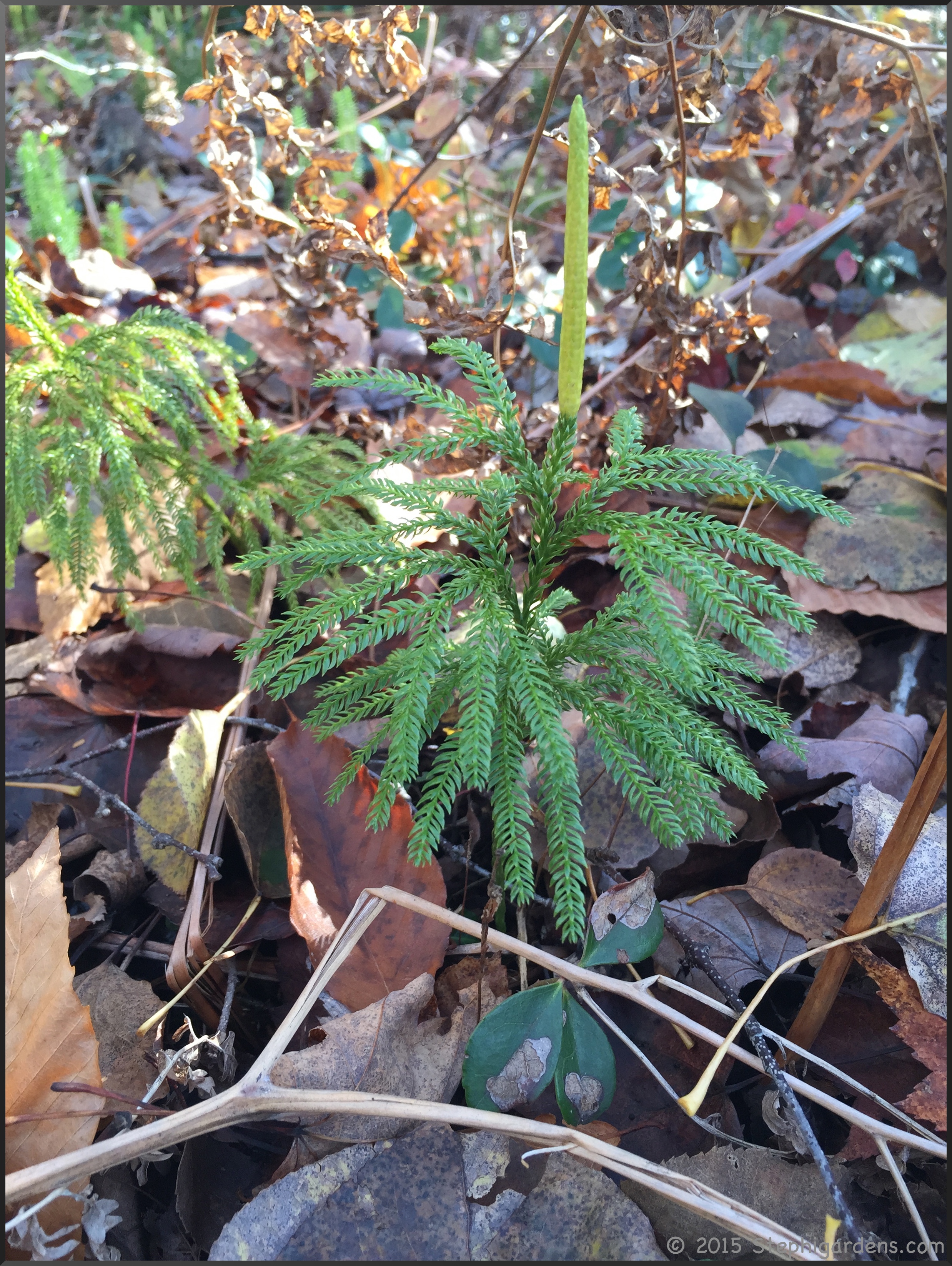
On the walk back to the car, we were poking around in the woods.  I was particularly intrigued by the club-mosses that were so easy to spot this time of year.  I shot some pictures of my find, and then noticed my mom was also taking pictures.  She had seen the same thing in another spot and they had captured her interest as well!

Spinulum annotinum Stiff Clubmoss
Spinulum annotinum (Stiff Club-moss)

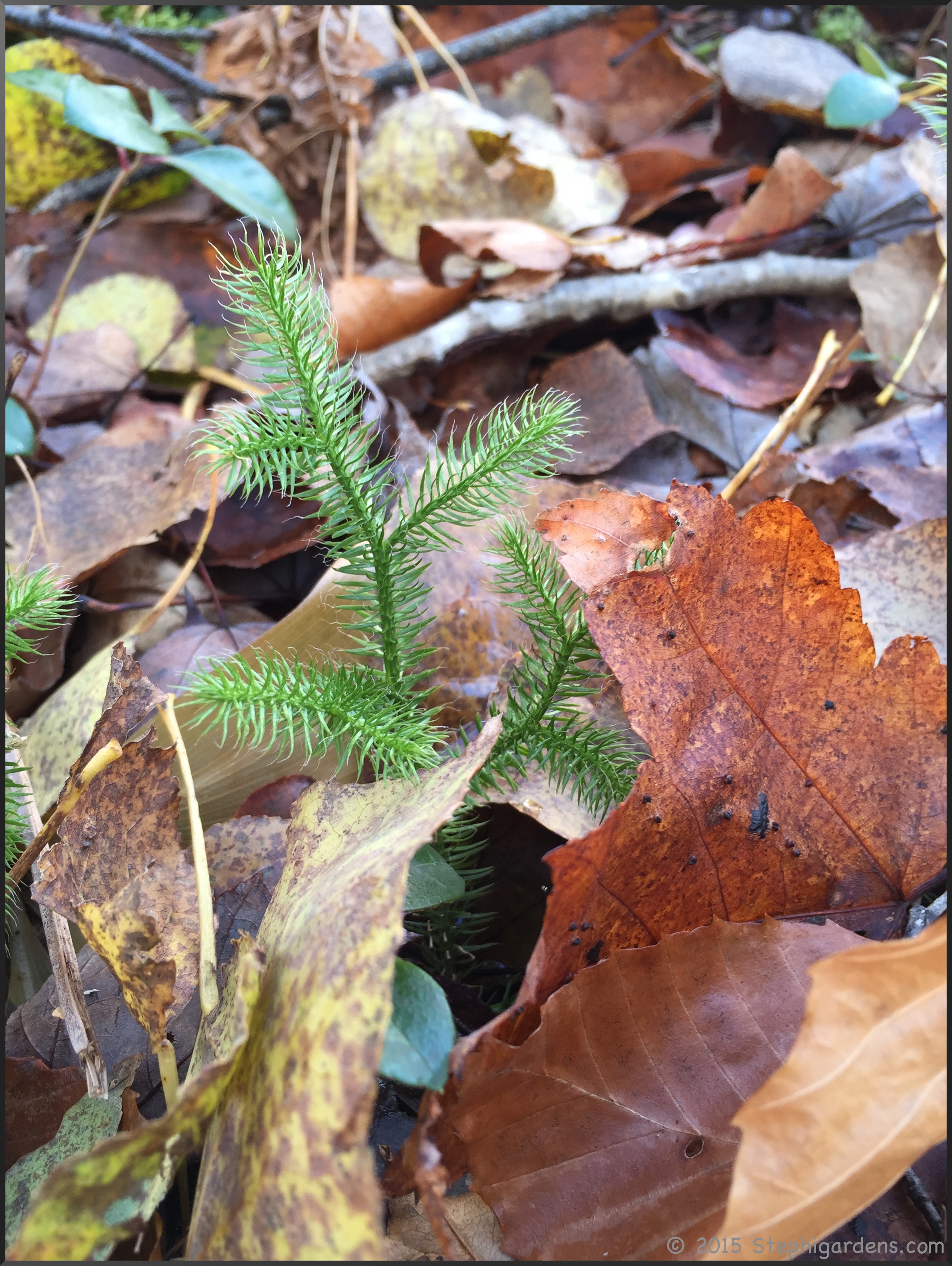
While we were looking at the Spinulum annotinum, we realized that there were a number of other species of club-mosses in the area.

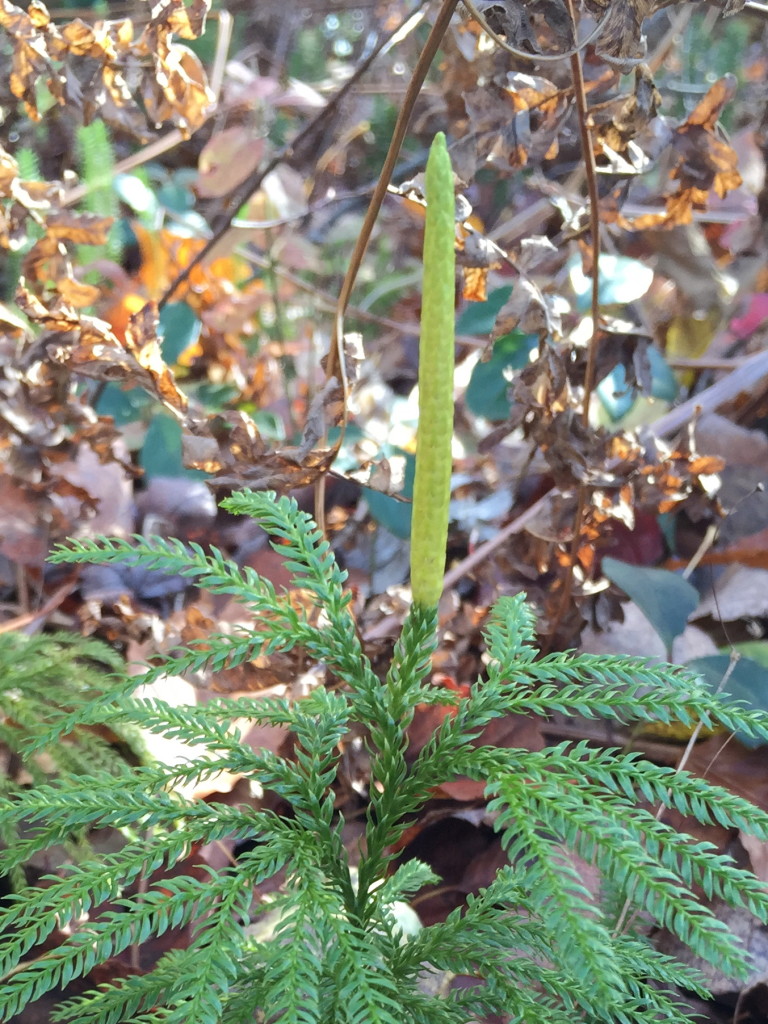
Dendrolycopodium obscurum Tree Clubmoss
Dendrolycopodium obscurum (Tree Club-Moss)
Lycopodium clavatum Running Ground Pine
Lycopodium clavatum (Running Ground Pine)

Club-mosses are perennial, evergreen plants related to ferns and horsetails.   They spread by runners, either above or below ground (rhizomes) and get their name from the club-like, spore producing strobili found on top of many club-moss species.

IMG_3495 - Version 2

Club-mosses were often collected for Christmas decorations, but these are very slow growing plants and are now protected in most states.

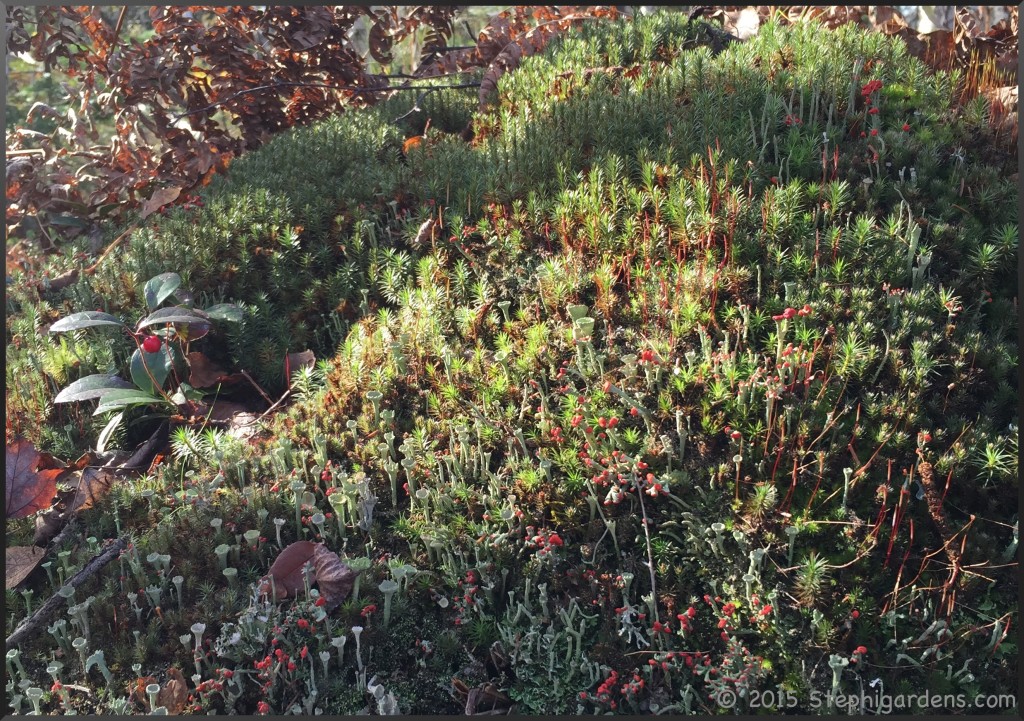
As a bonus, there were lots of British Soldiers (Cladonia cristatella), Pixie Cups (Cladonia chlorophaea complex) and Wintergreen (Gaultheria procumbens) in the area.

British Soldiers, Pixie Cups and Wintergreen

I’m always amazed at the fascinating things you can find just a few feet off the beaten trail.

Interesting Club-Moss Resources:

More Baby Birds

All around the yard I hear the immature chirps of fledglings.  Some are probably the baby cardinals I wrote about in my last post (A Rare Treat: A Cardinal’s Nest At Eye Level).  Others are probably robins that nest frequently in the yard, although this year I haven’t seen any of their nesting spots.

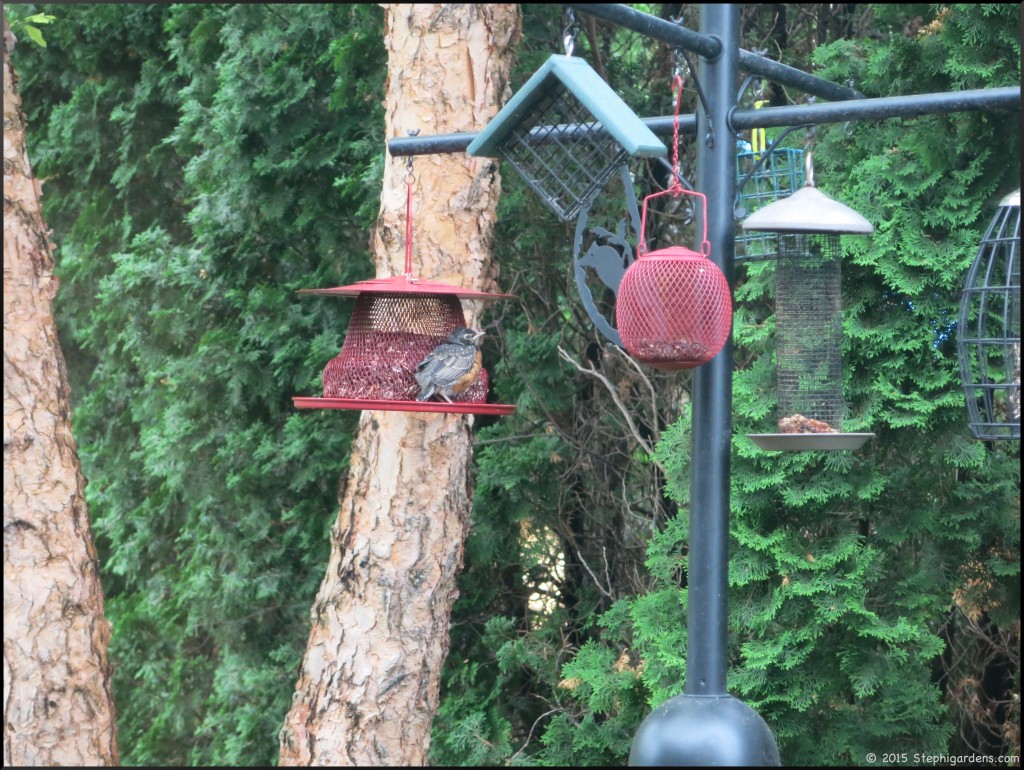
As I looked out the kitchen window the other day, something looked odd on the No-No Cardinal feeder.

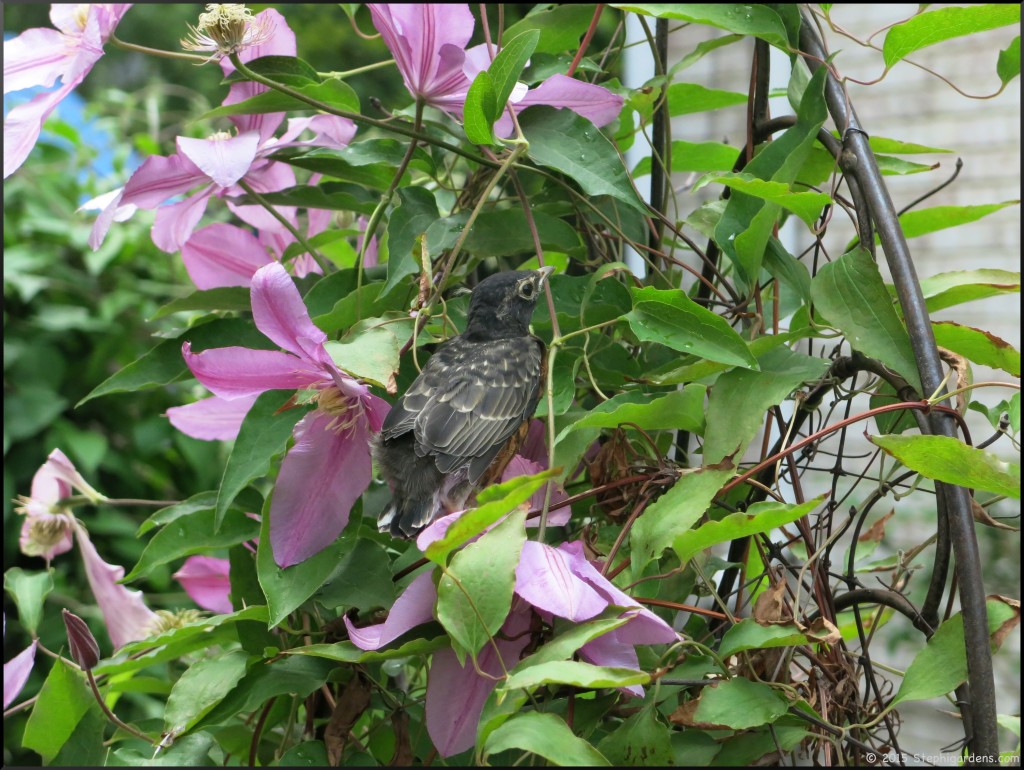
fledgling robin

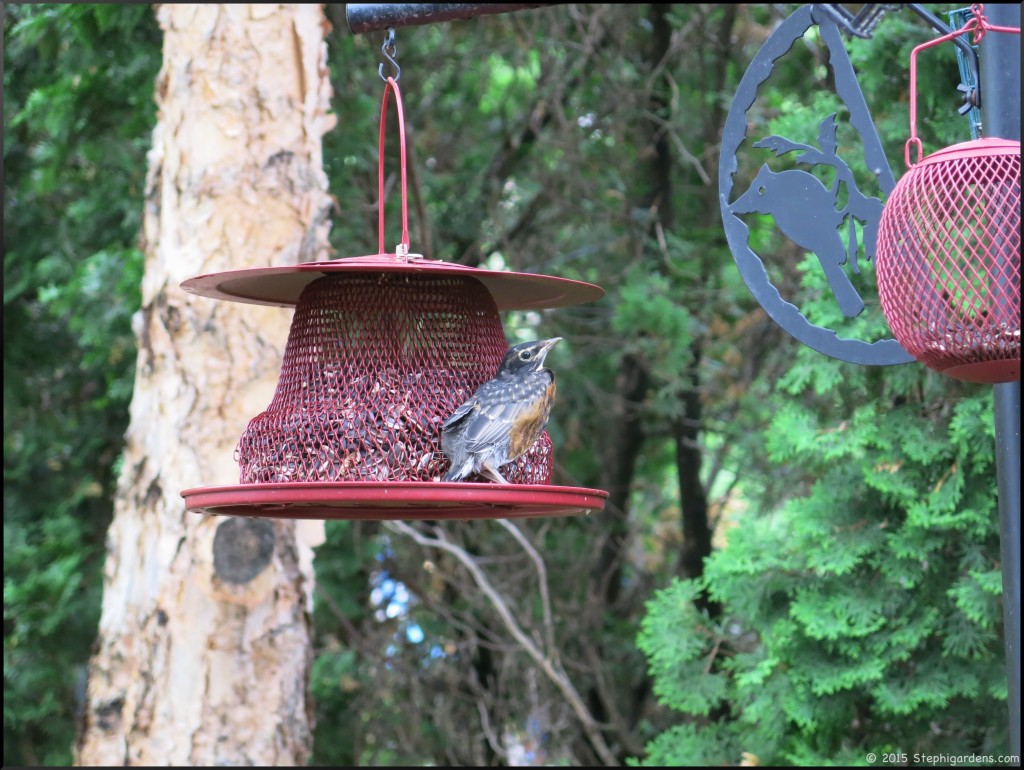
Upon closer look, it was a fledgling robin.  Obviously, robins don’t eat from feeders, or eat sunflower seeds, so the little guy got a little confused and landed on the closest thing he could.

He did not look happy about his predicament!

fledgling robin

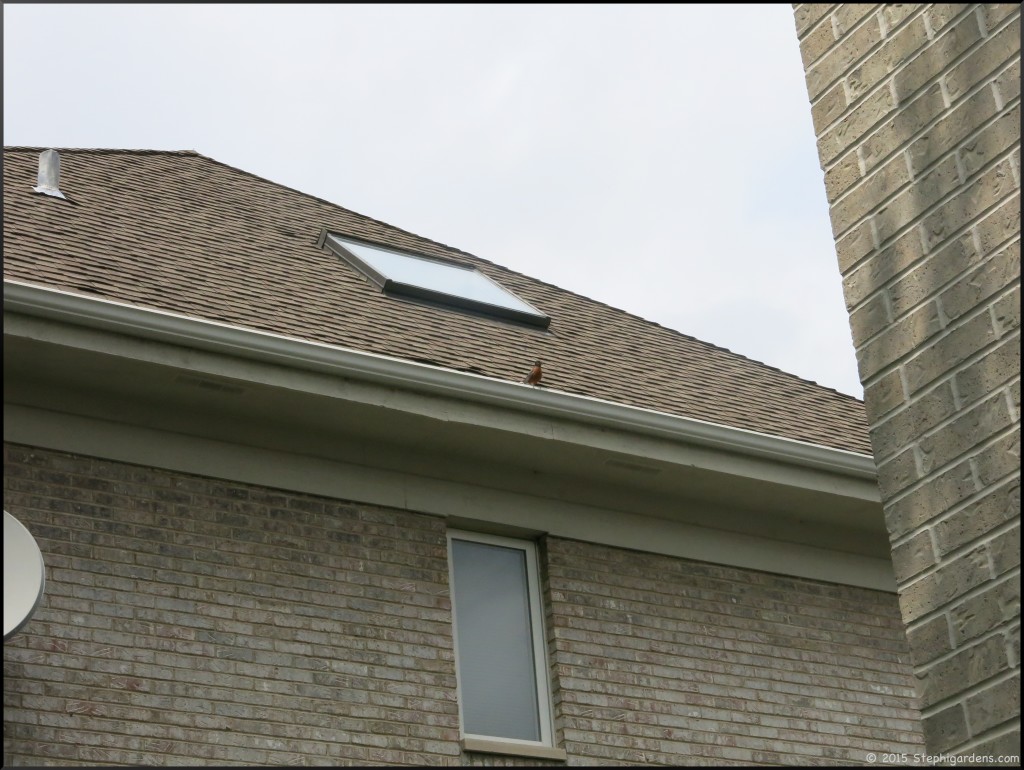
I watched him for a while, as did his mom/dad.

robin

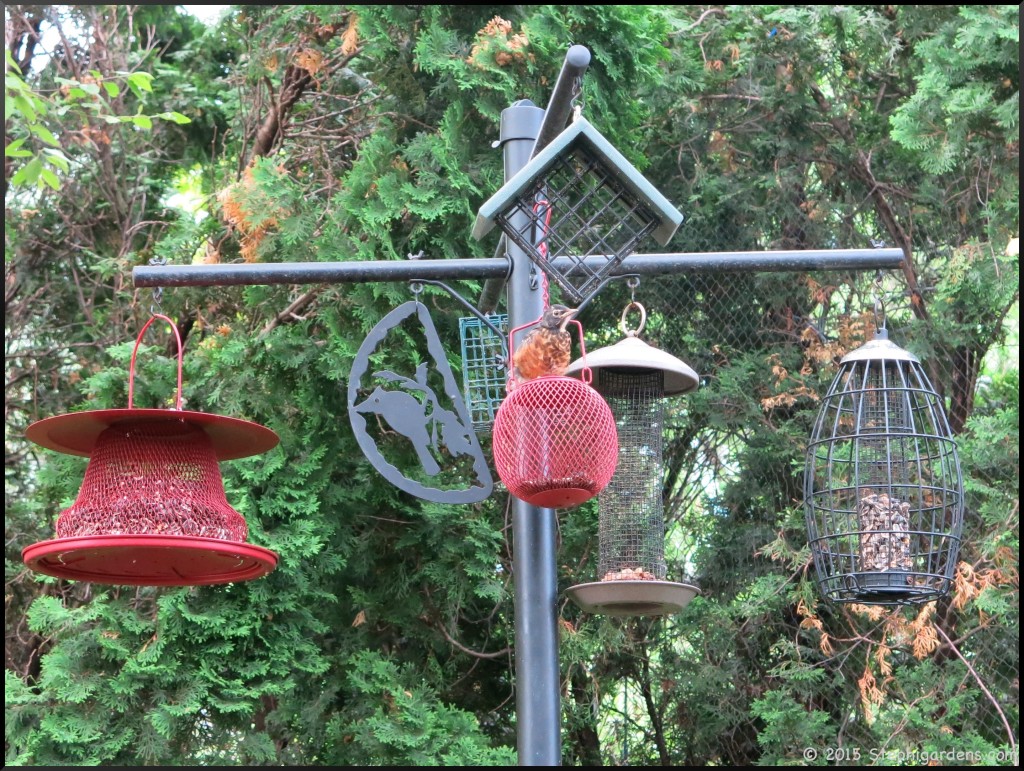
After a while, he got up the nerve to try to find a new, safer place to roost.  But, didn’t make it very far.  Poor guy 🙁  That’s him on top of the  No-No Seed Ball Feeder.

fledgling robin

Definitely not where he wanted to be, so off he jumped/flew again.  This time landing in one of the clematis about 10 feet away.  Again, not a great place but at least less precarious.

fledgling robin

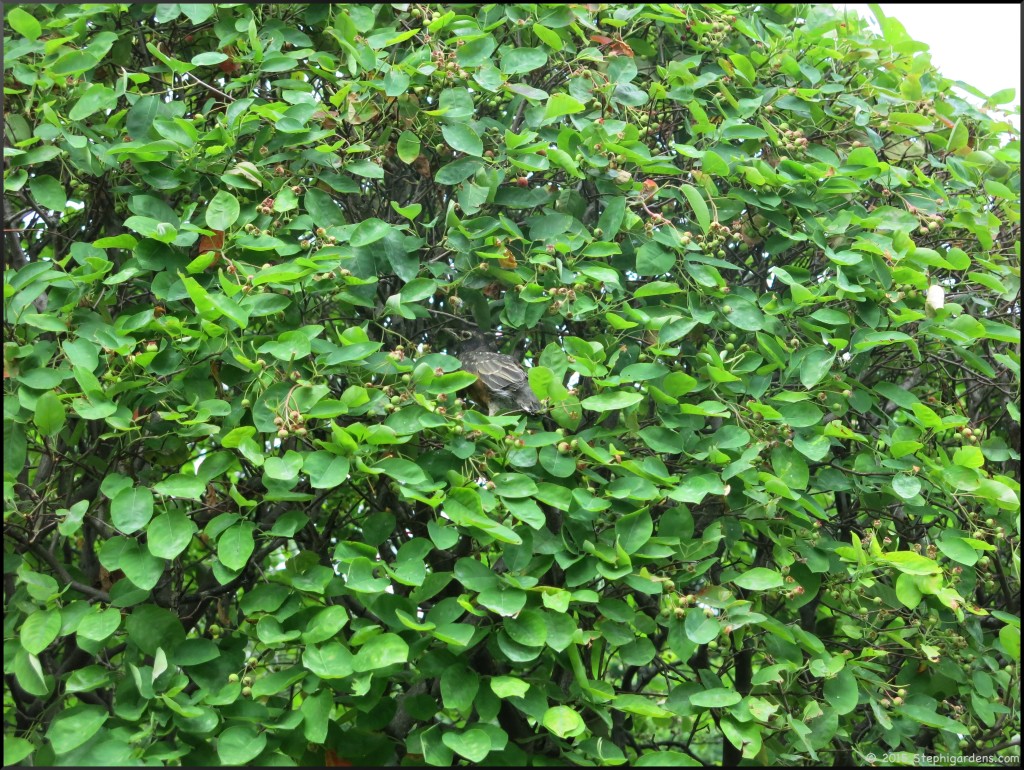
He stayed there for a while until he finally made his way to the neighbor’s serviceberry where I think he was much happier.

fledgling robin

Quite an adventure for this little guy.  I could sense his relief once he got into the bush.  I’m guessing his mom found him soon after and hopefully she had some food for him.

A Rare Treat: A Cardinal’s Nest At Eye Level

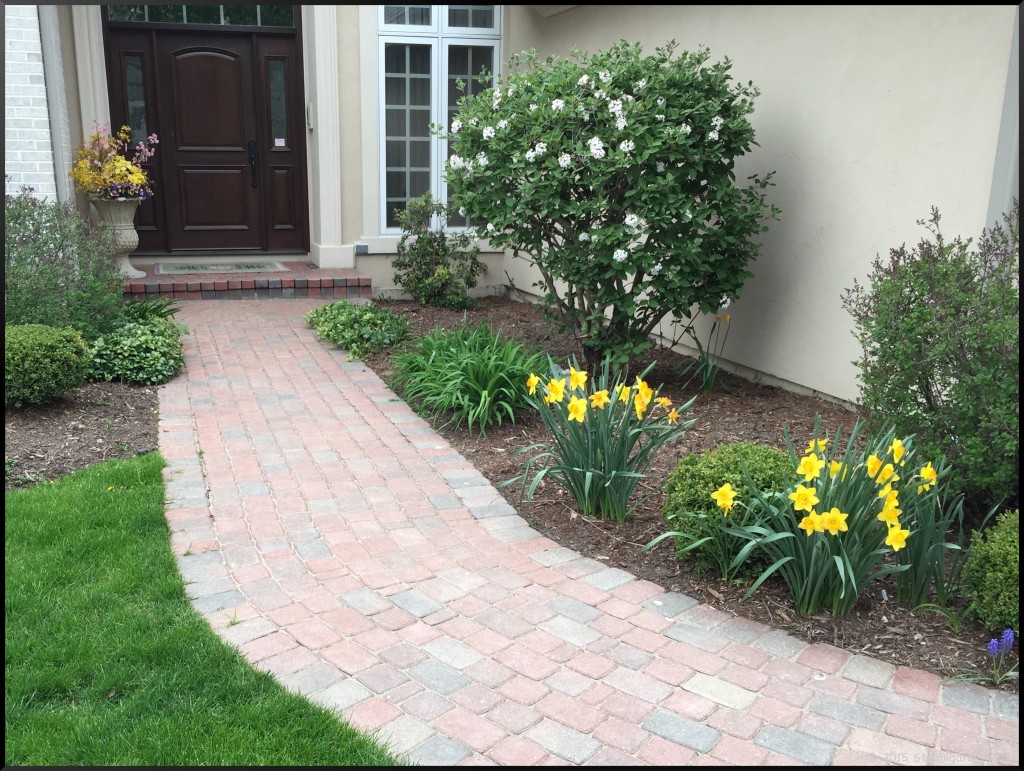
Right outside my front door is a Judd Viburnum that has been home to many robin’s nests throughout the years

Judd Viburnum

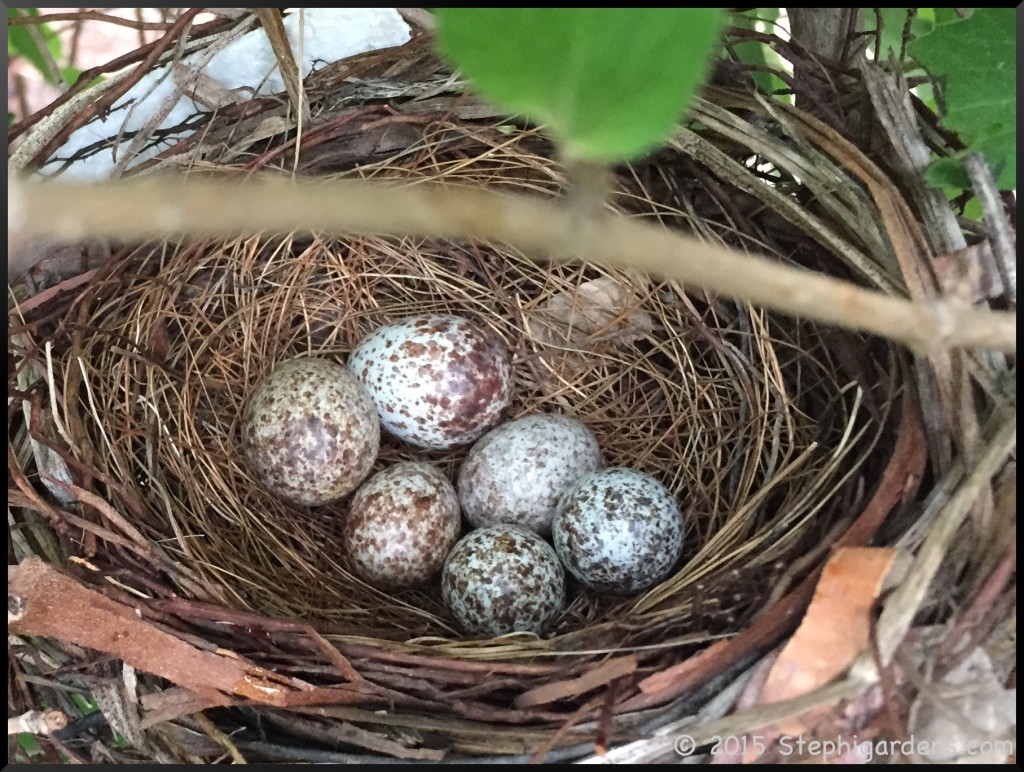
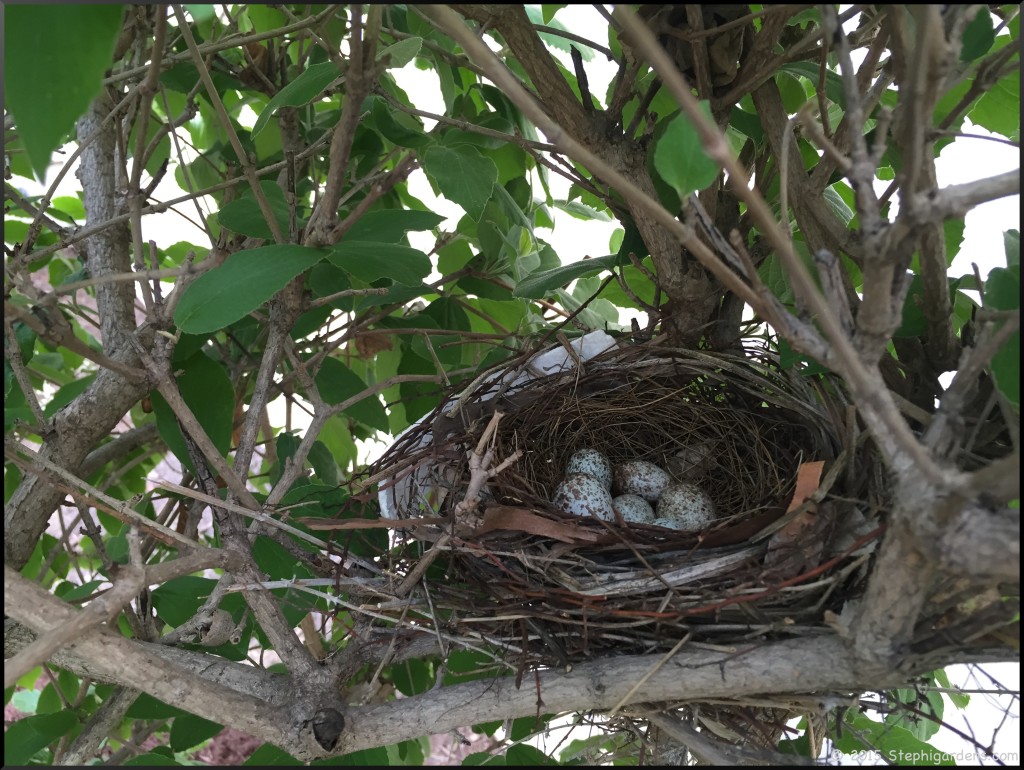
This year, we saw some busy birds flying in and out, so of course I had to investigate.  I assumed it was a robin as before, but a quick peak at the eggs and nest materials, it was clearly not a robin.

cardinal eggs

cardinal eggs

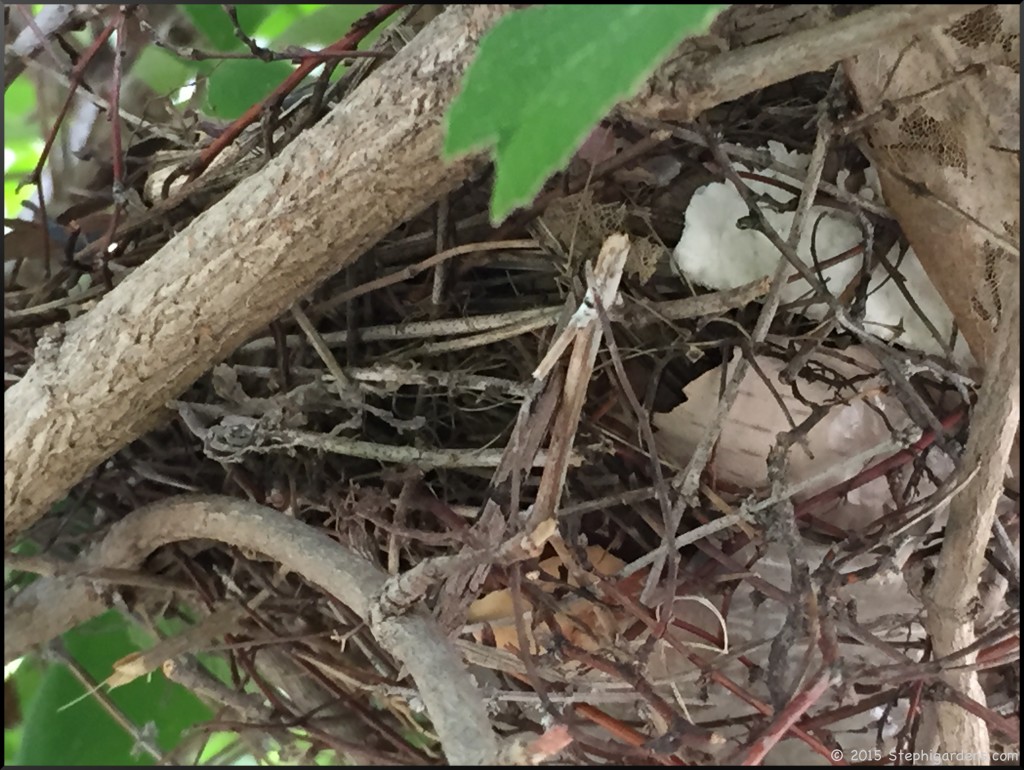
cardinal nest

So what were they?  House sparrow?  Maybe, eggs look similar, but not in a typical location.  Cardinal?  Never saw a cardinal nest before but definitely fits.
Location–dense shrubs
Height–4-6 ft from the ground
Material–thin twigs, stems, bark, vines,  dead leaves, rags, paper, and other fine material (no mud like in a robin’s nest)
Eggs–glossy white or pale green and have gray, brown, or reddish speckling throughout, which is usually more dense along the larger end.

Looks like I have a cardinal nesting nearby!

Within four days of seeing the eggs, the babies had hatched.  They were very noisy and hungry, and I saw momma cardinal coming and going very frequently with food no doubt.

cardinal hatchlings

I checked back three days later and their eyes were open and they were still very noisy.  Not sure how many there were.  I could see three for sure, but hard to tell if there was a couple more hidden in there somewhere.

cardinal hatchlings

Another three days and they were growing nicely and starting to be a lot more interactive with their mother’s calls.  In this shot, the babies had been chirping, the mom saw me from a nearby tree and gave a sharp chirp.  Everyone huddled down and got really quiet.

cardinal hatchlings

The next day, when I went to peak at them  there were none left in the nest and this one little guy in a bush nearby trying to stay dry in a rain shower.

cardinal fledgling

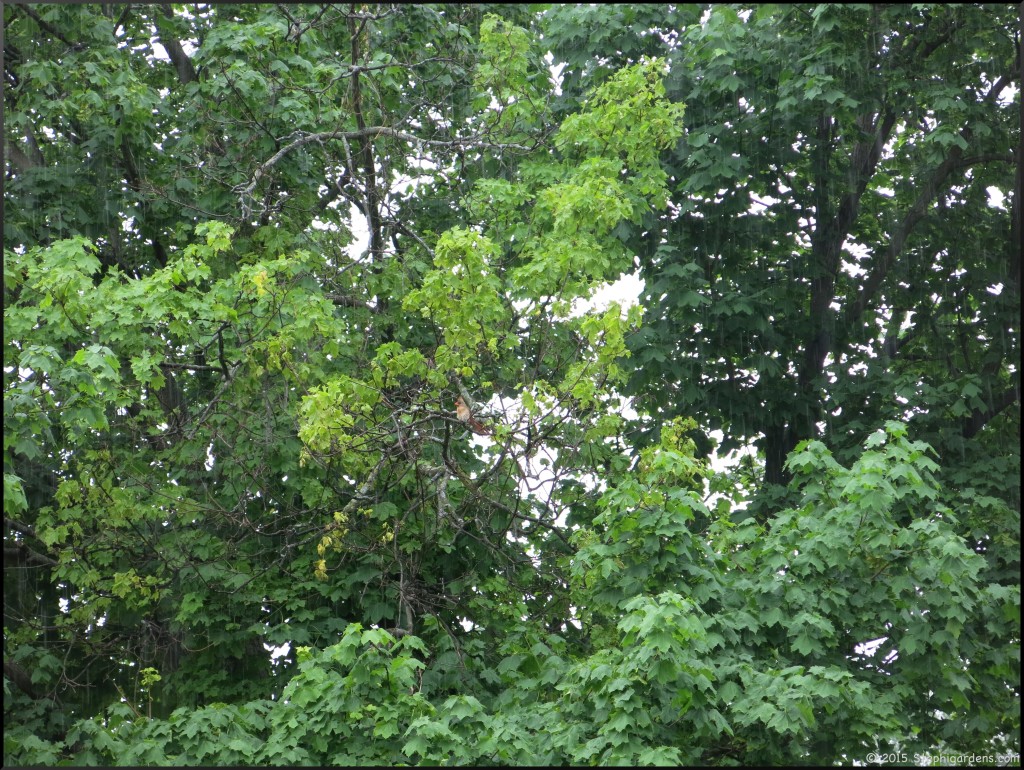
Mom and Dad weren’t far away in the maple tree keeping an eye on them.  By that evening, they were all gone.

female cardinal

I could still hear the babies chirping in the yard for a few more days as the parents kept an eye on them until they’re ready to be completely on their own.

Spring Surprises

 As I was walking around the yard the other day, a few surprises caught my eye.  

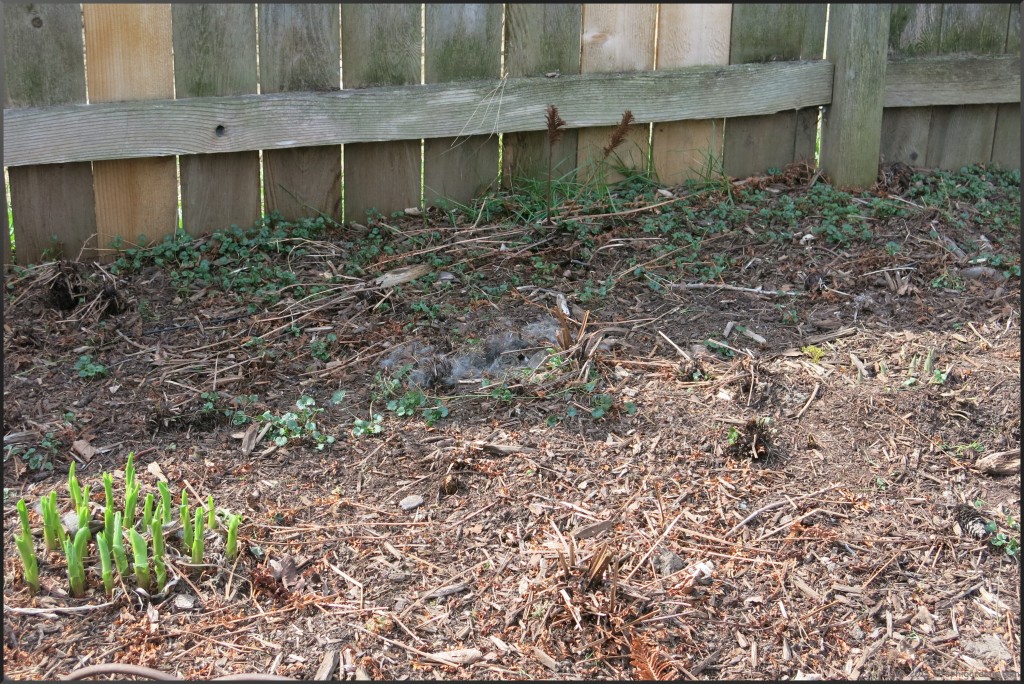
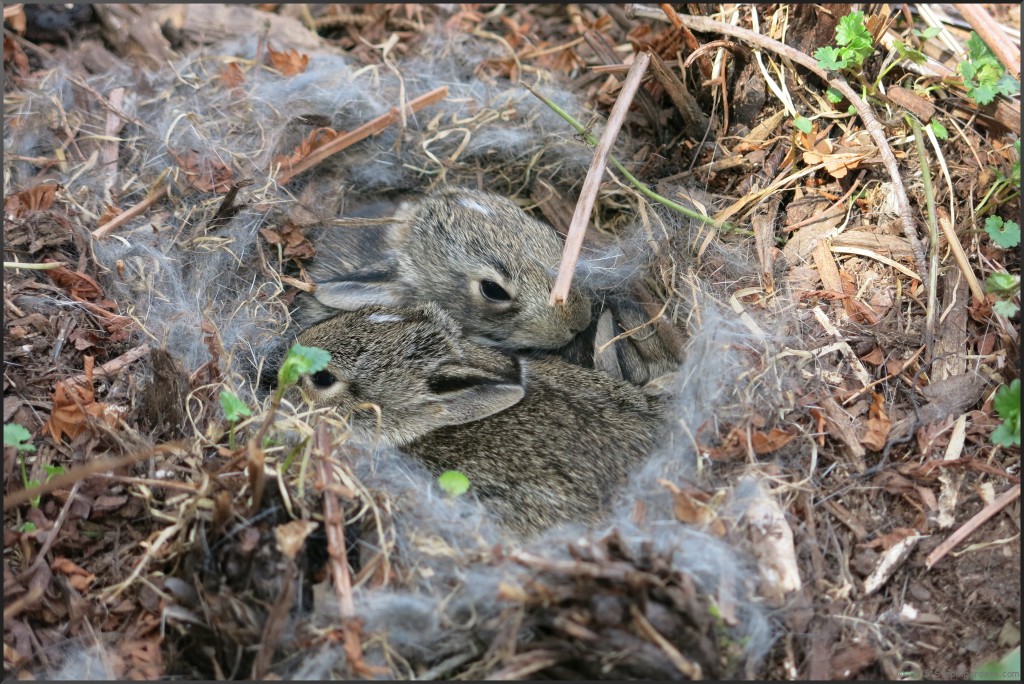
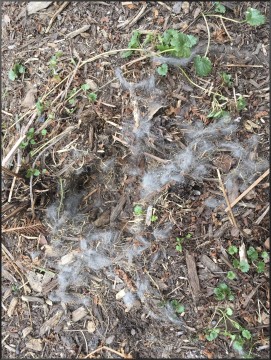
Why was there fuzz in the garden?

rabbit nest

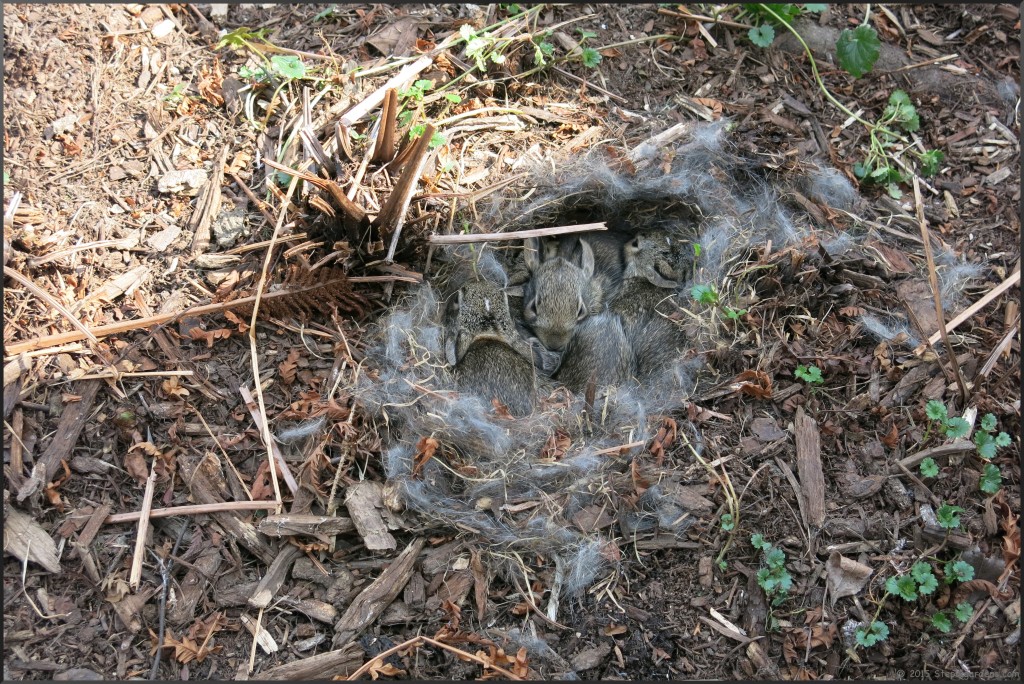
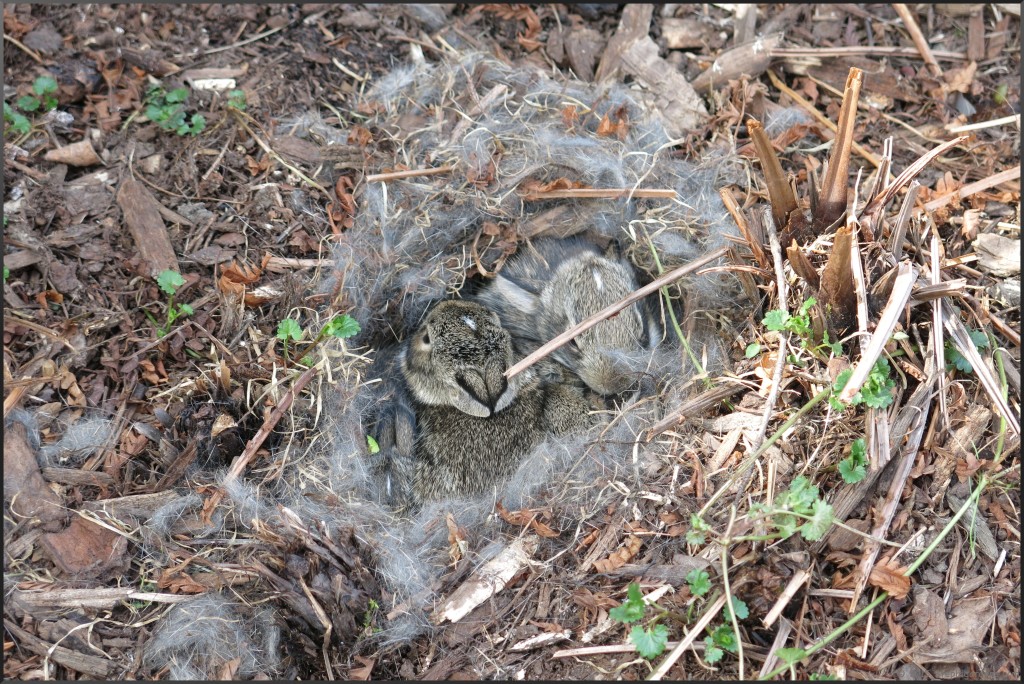
On closer inspection this is what I saw!

rabbit nest

rabbit nest

As best as I could tell, there were 4 babies snuggled in the nest

rabbit nest

The next day I went to show my husband…Gone!

rabbit nest

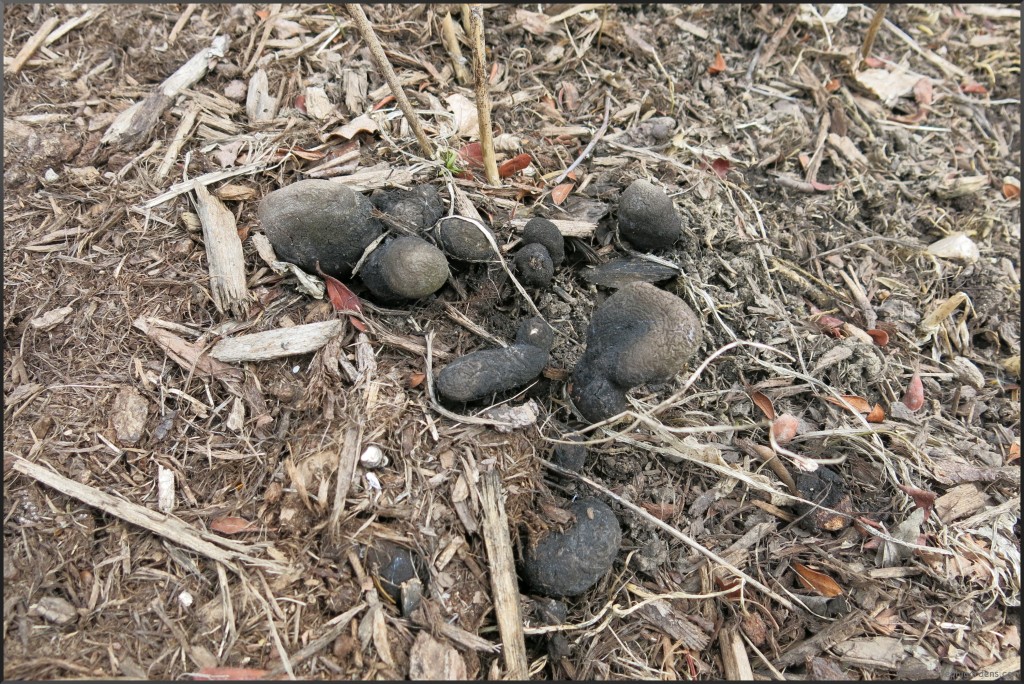
The Dead Man’s Fingers were back (Dead Man’s Fingers) although in a new spot.  I’m not sure why they showed up in a new location and what they might be growing on.  But, still as oddly interesting as before.

Dead Man's Fingers

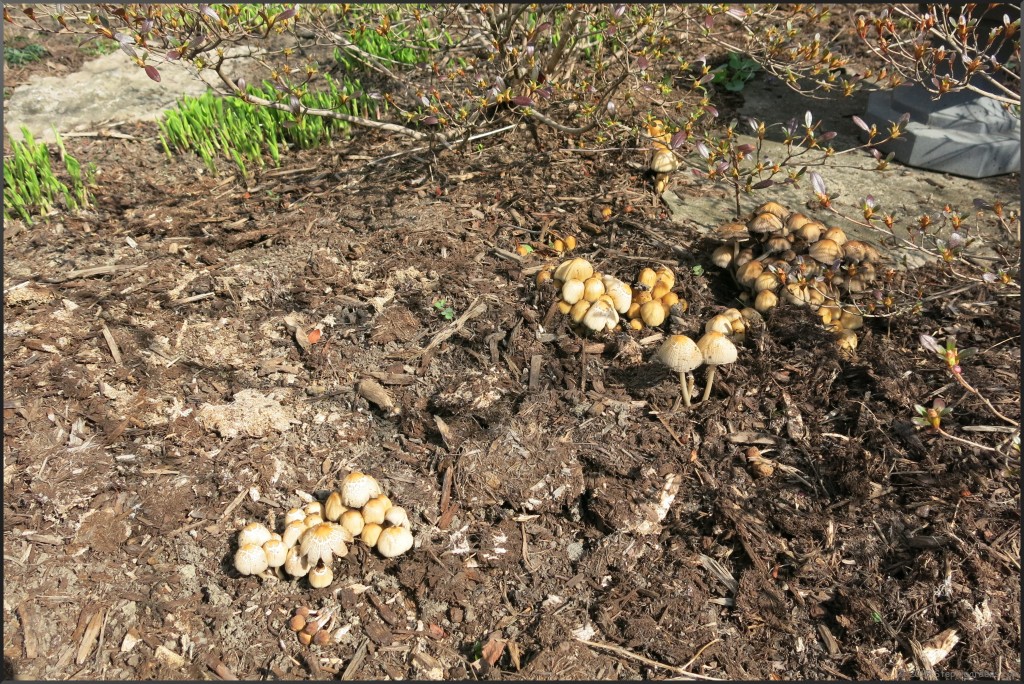
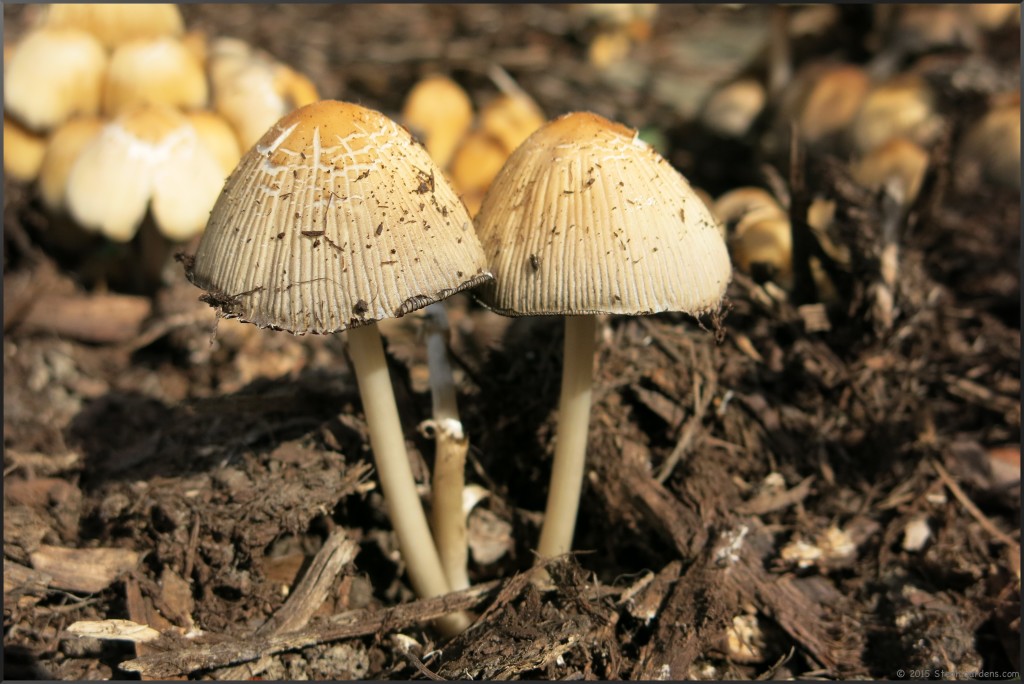
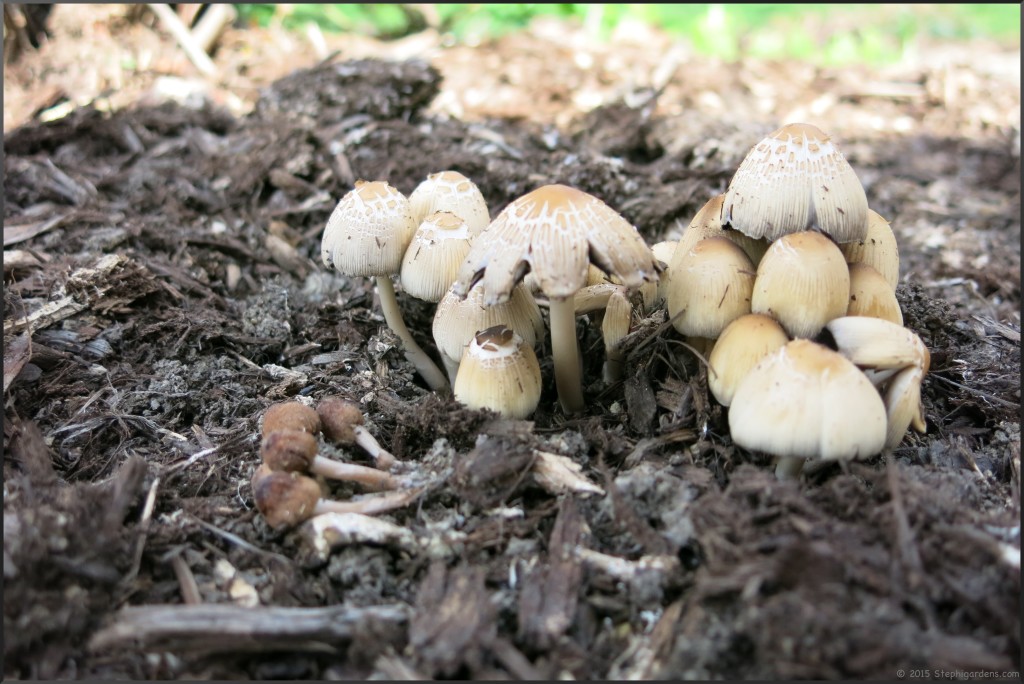
We had a bit of a mushroom farm going after a nice spring rain.

mushrooms
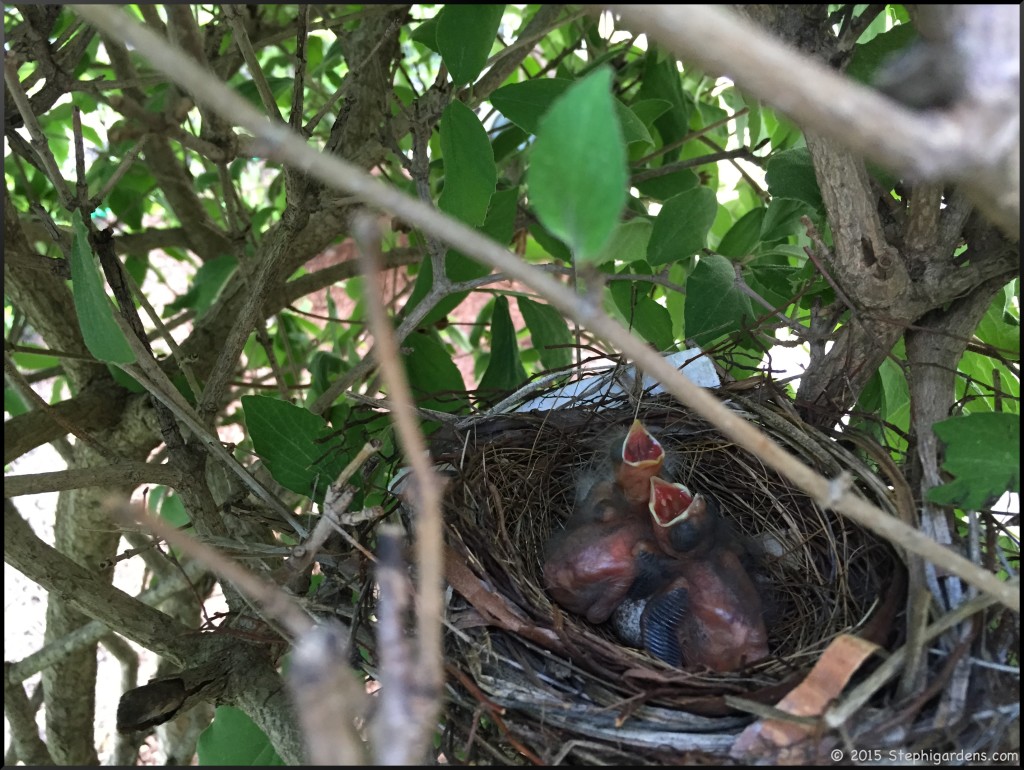
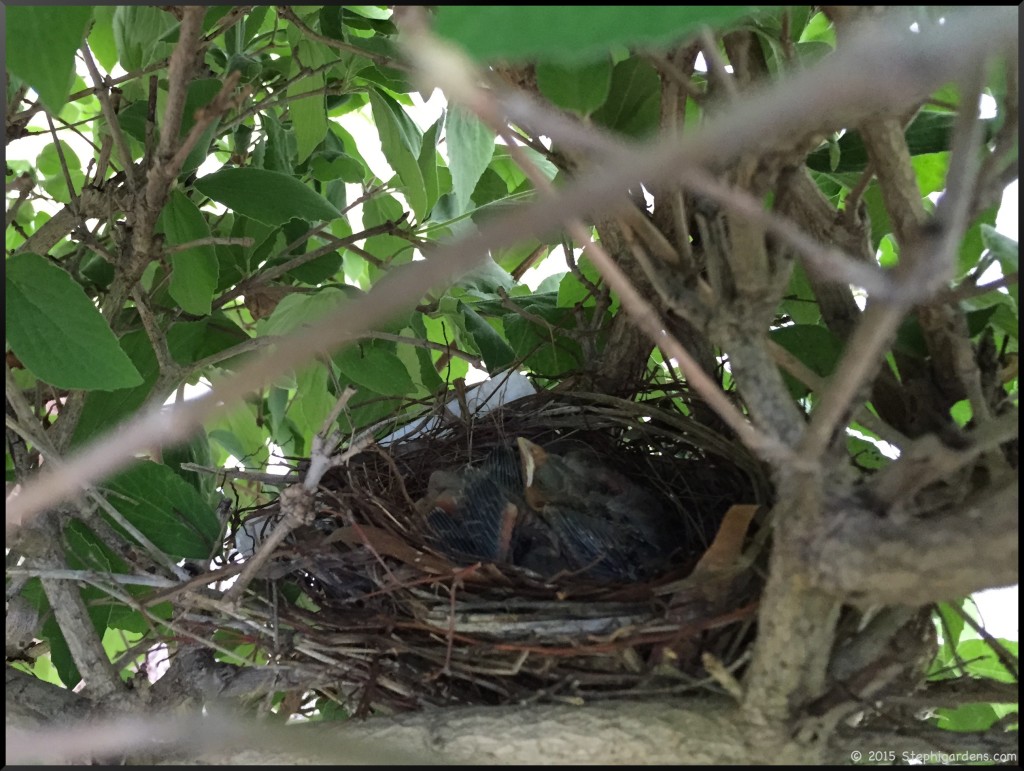
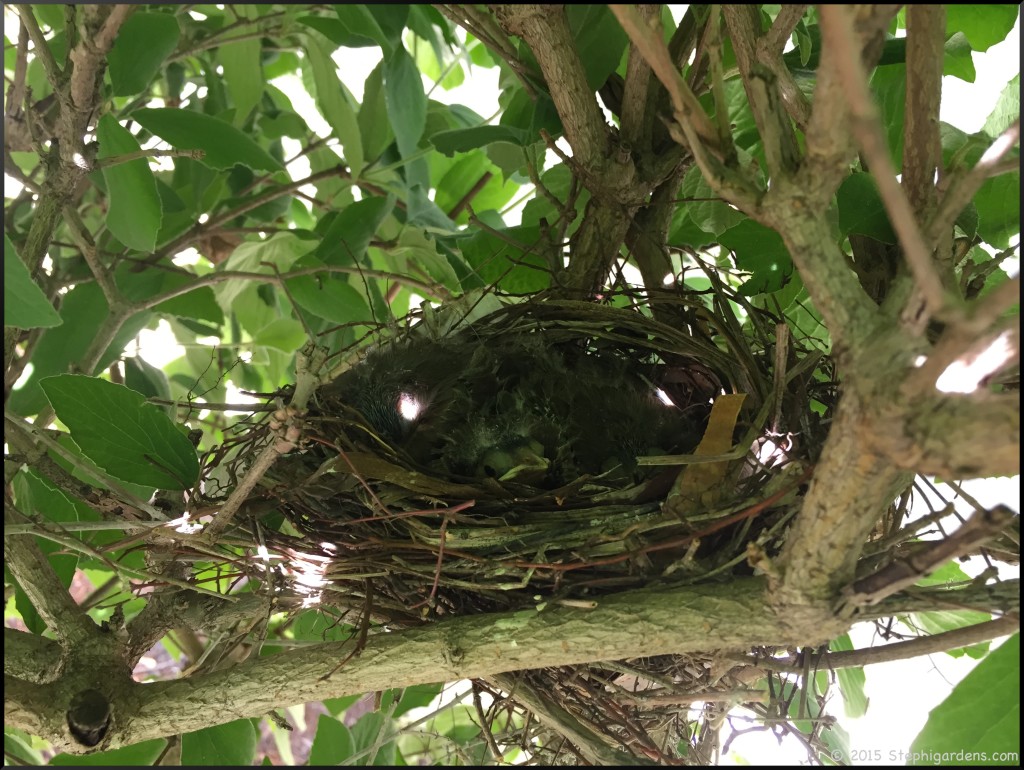
I love looking up close at mushrooms I thought they were all the same, but on closer inspection actually quite different.
mushrooms
 

mushrooms
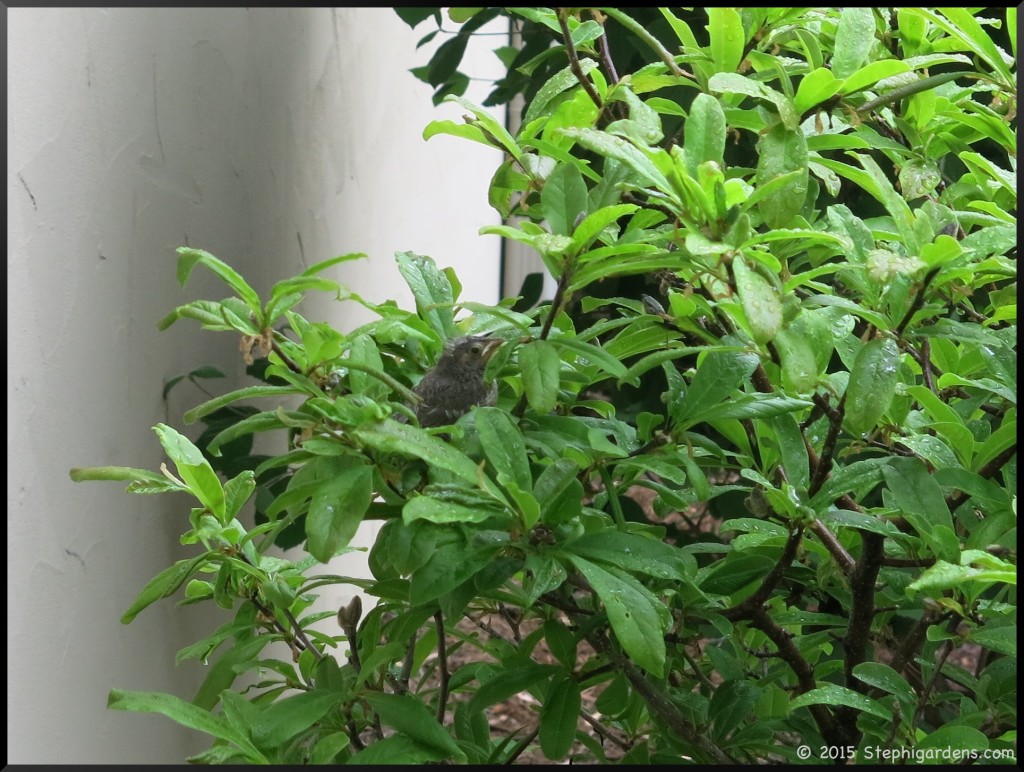
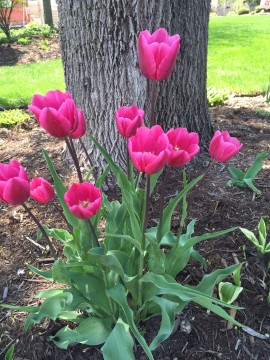
These tulips are some of the oldest flowers in my garden.  Most tulips here are considered annuals because of cold or rodents, but these keep coming back year after year.  Sometimes better than others, too.  This year they are stunning!  

Pink tulips

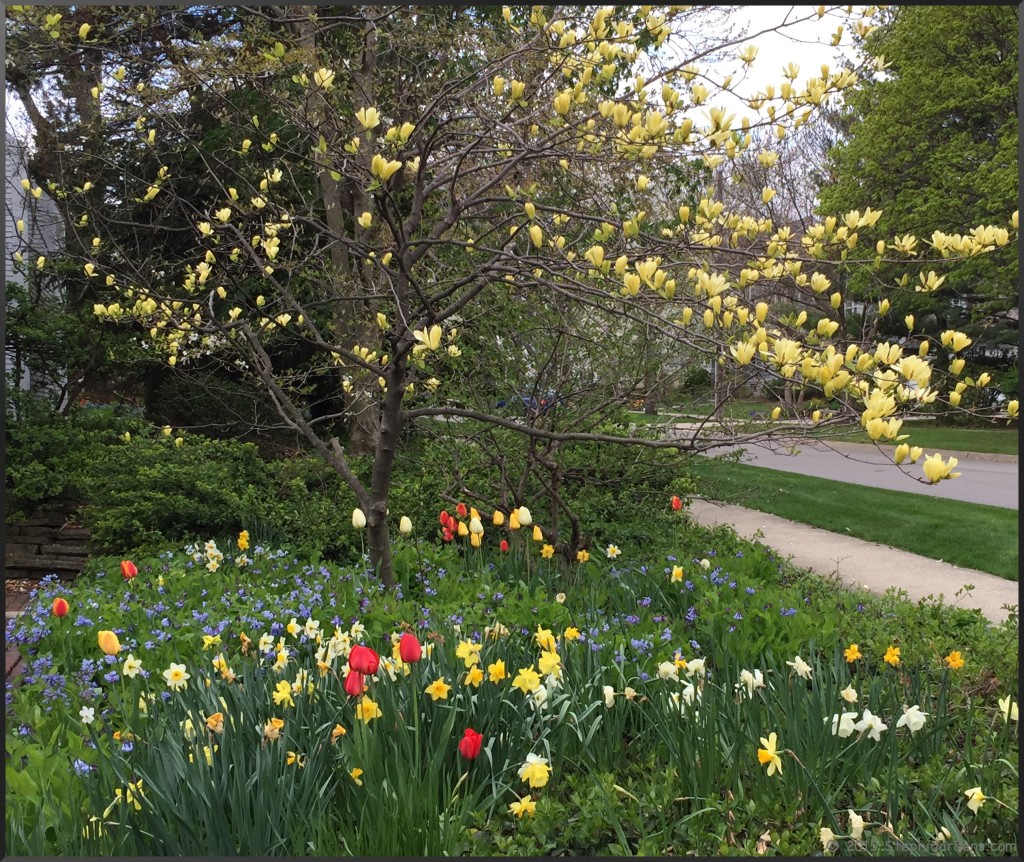
And lastly, while I was out on a recent walk with a friend we came across a beautiful yellow magnolia.  In an area with an abundance of the usual, but of course striking pink magnolias, this was quite a surprise.  

yellow magnolia

We loved the assortment of spring flowers underneath.  What a beautiful spring garden.  I may need to plant one of those trees…

Have you had any spring garden surprises?

Spring Snuck Up On Me

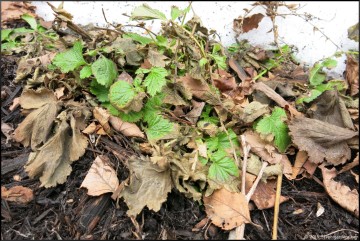
Just when we were feeling like spring would never come, the weather turned and the snow melted.  Always interesting to see what’s been going on under the snow after all those months.  When we see those early signs of life it gives us hope that the garden will once again be bursting forth in beauty in no time.

Here’s some of what I saw on a recent walk around the yard.

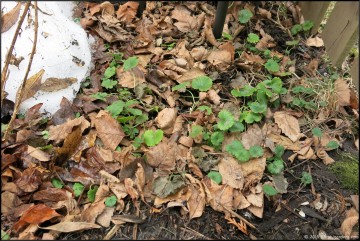
The daffodils are sprouting…

daffodils

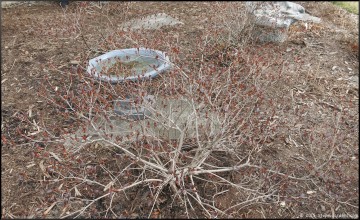
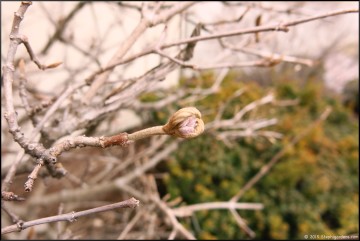
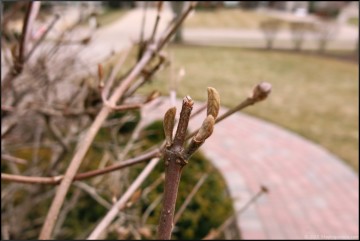
The azaleas and Judd viburnum are budding…

snowdrop

IMG_4690

judd viburnum

The Geum “Flames of Passion” I planted last fall greened up almost instantly when the snow started melting away…

Geum ‘Flames of Passion’

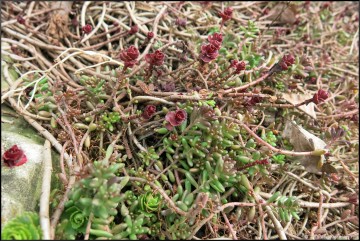
The sedums have survived the winter…  Here’s Sedum spurium ‘Blaze’…
sedum

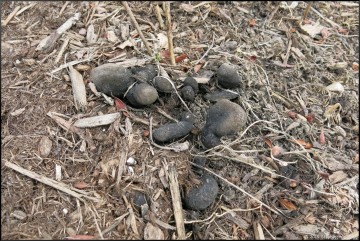
The Dead Man’s Fingers I had in the yard last year have returned in a new spot.  Still looking as odd as ever…

dead man's fingers

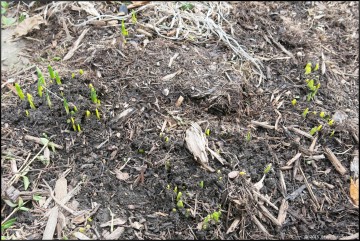
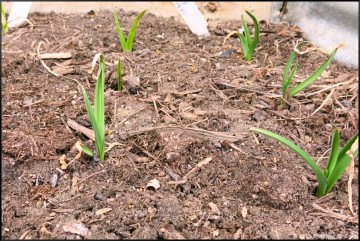
The garlic I planted last fall has already been sprouting.  So exciting!

garlic

The ever present Creeping Charlie is already creeping :(…

creeping charlie

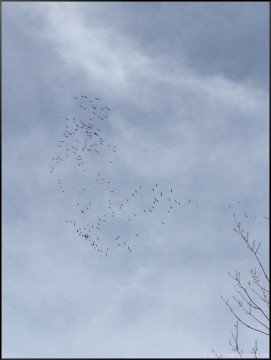
The high flying, but very noisy, Sandhill Cranes are on the move back home…

sandhill cranes

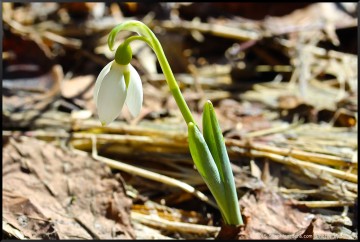
And lastly, Peggy saw this beautiful snowdrop in her Michigan yard. Definitely a special harbinger of spring. 

snowdrop

I had better get moving on my indoor seed planting.  I was lulled into thinking spring wasn’t coming!

Have you had signs of spring in your yard?

Winter Weariness

photo by peggy

While we may not be having the horrendous weather some of my friends on the East Coast are having, we in Chicago, Michigan and the rest of the Midwest are having our own winter frustrations.

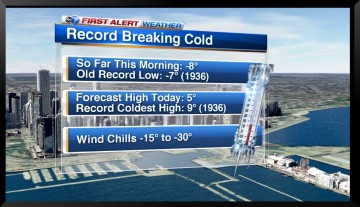
This winter started out not too bad, but January and February have really kicked it up a notch.  Record snow, record cold, Old Man Winter is really piling it on, especially tough on top of last winter.

Today’s news…

weather chart

It’s hard to even think about the garden.  I haven’t really been in the mood to look at the seed catalogues that are piling up or to get ready to start any seedlings yet.  I feel like spring is never going to come.  But I know, all of a sudden this will be over and spring will sneak up on us.  Hopefully sooner than later.

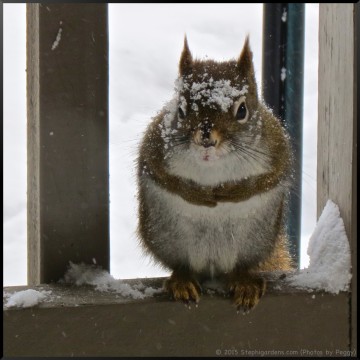
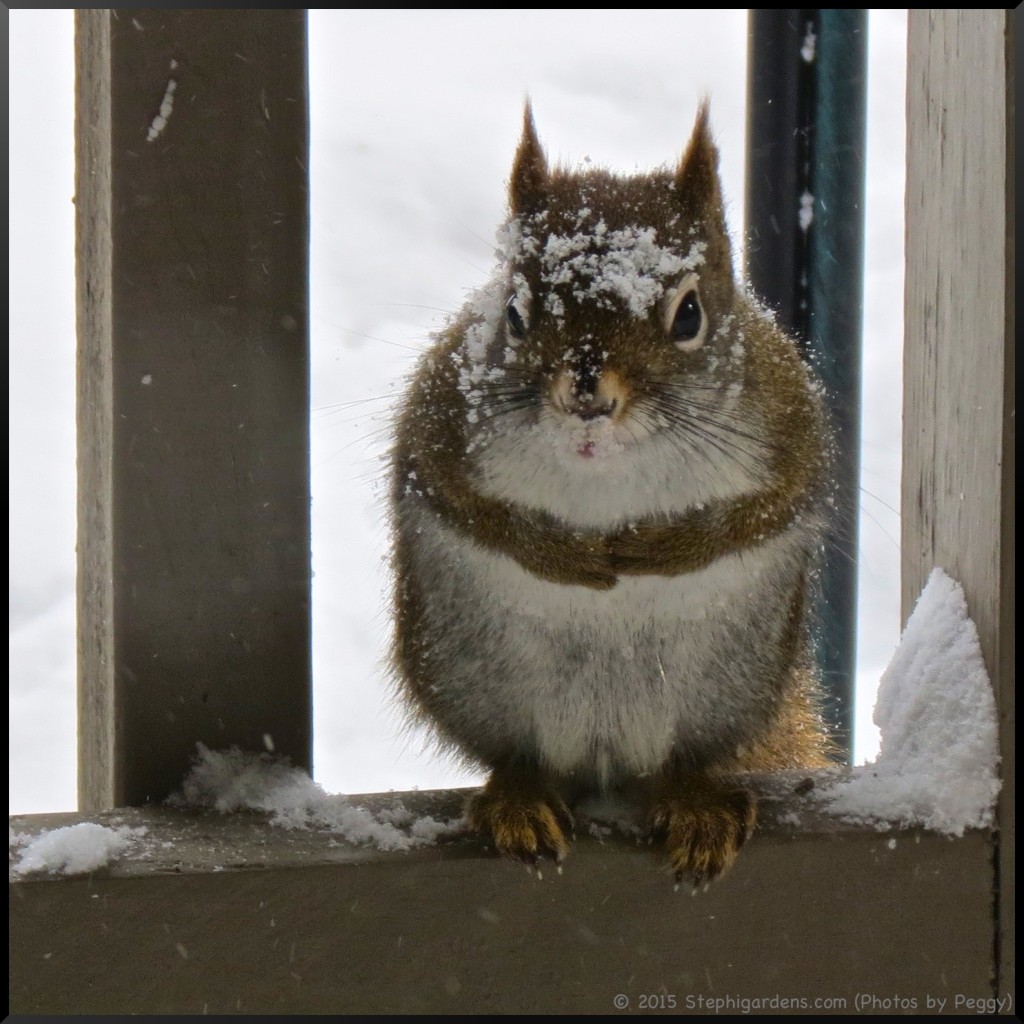
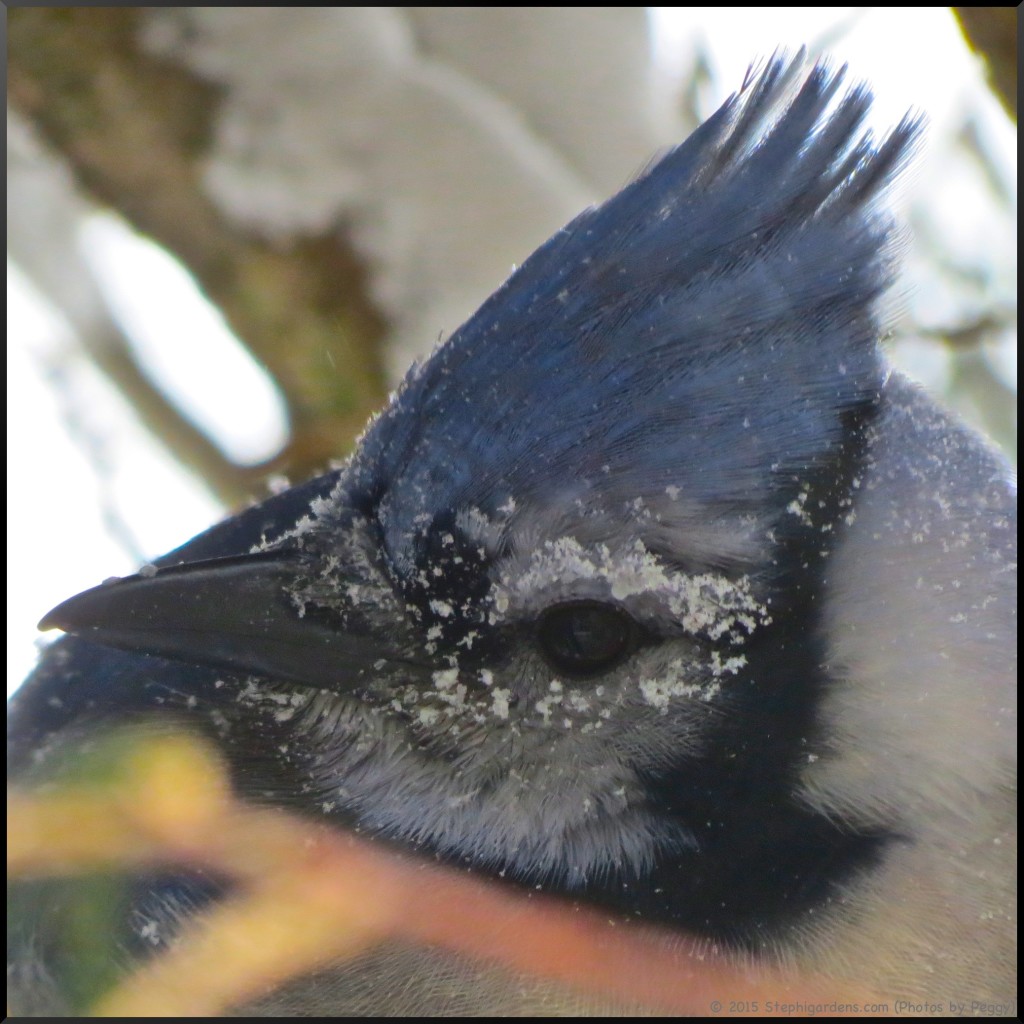
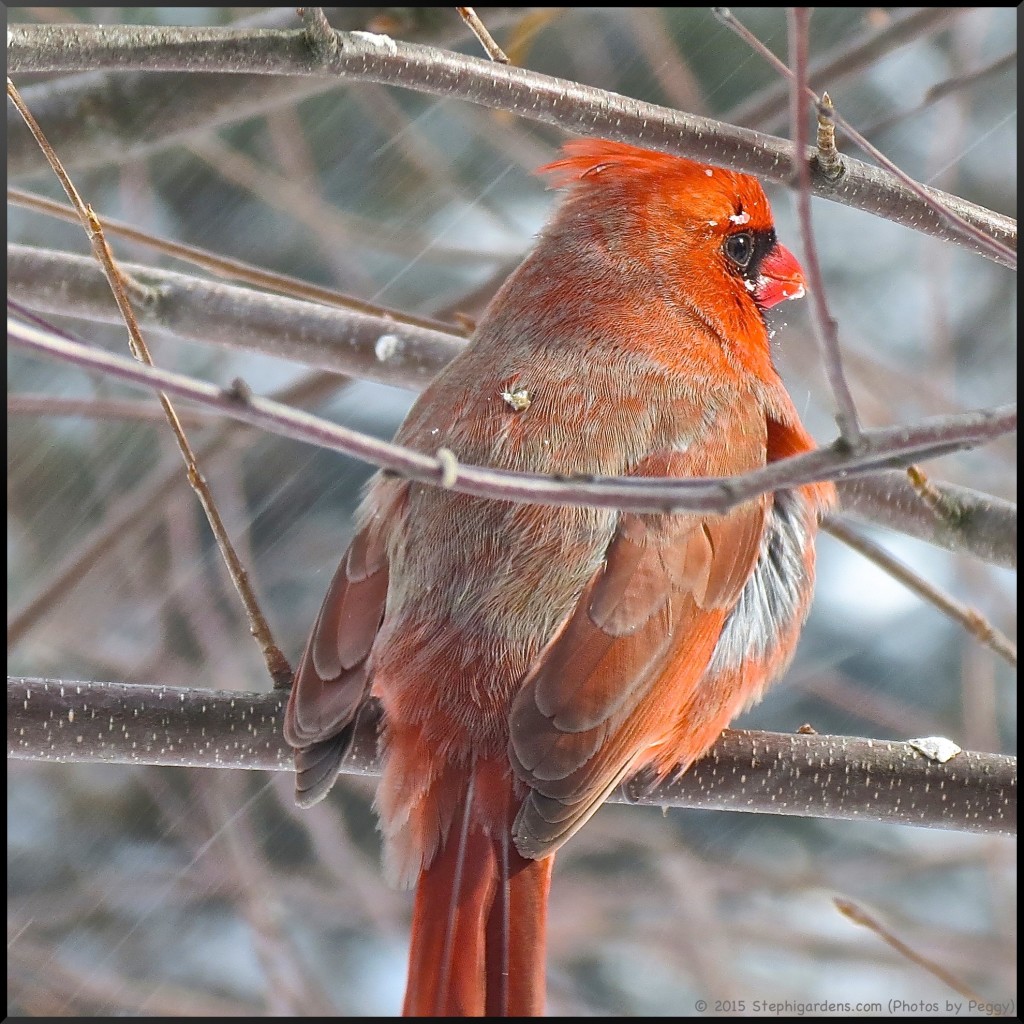
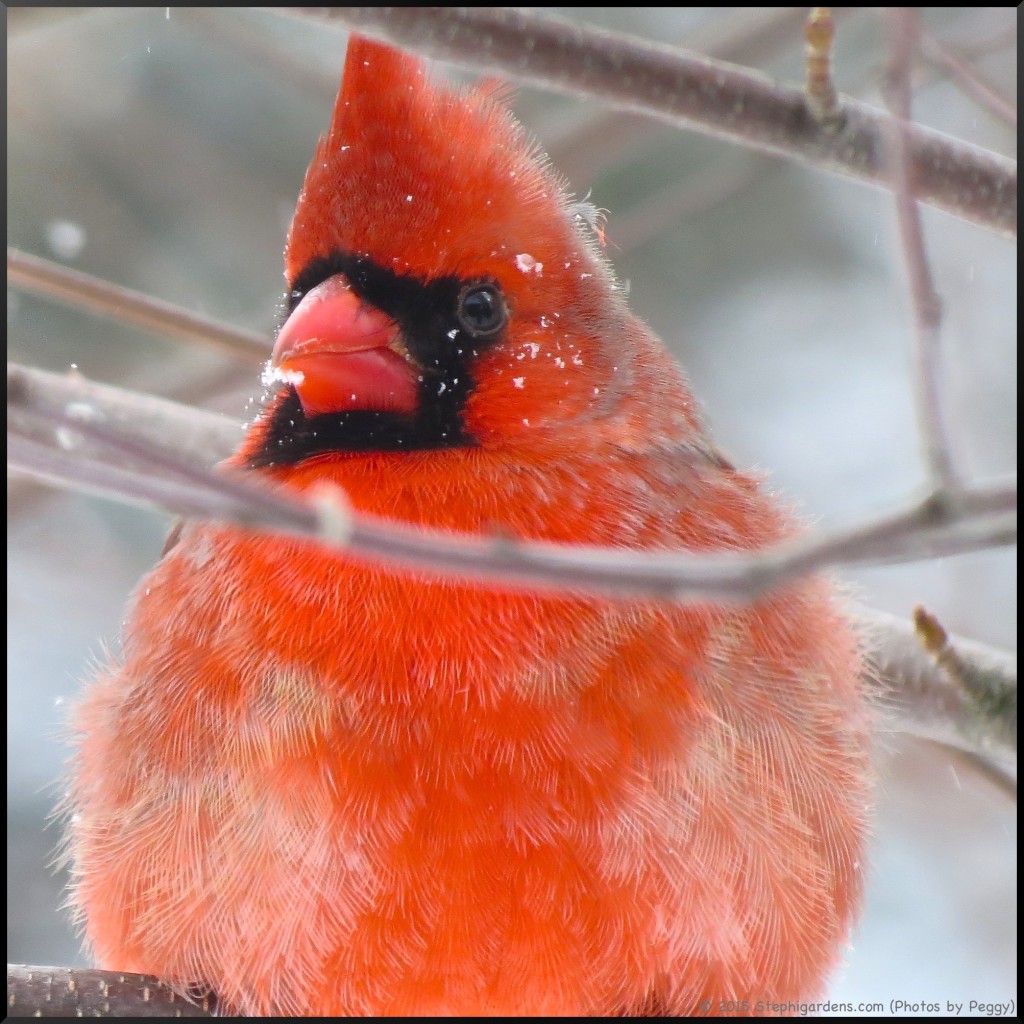
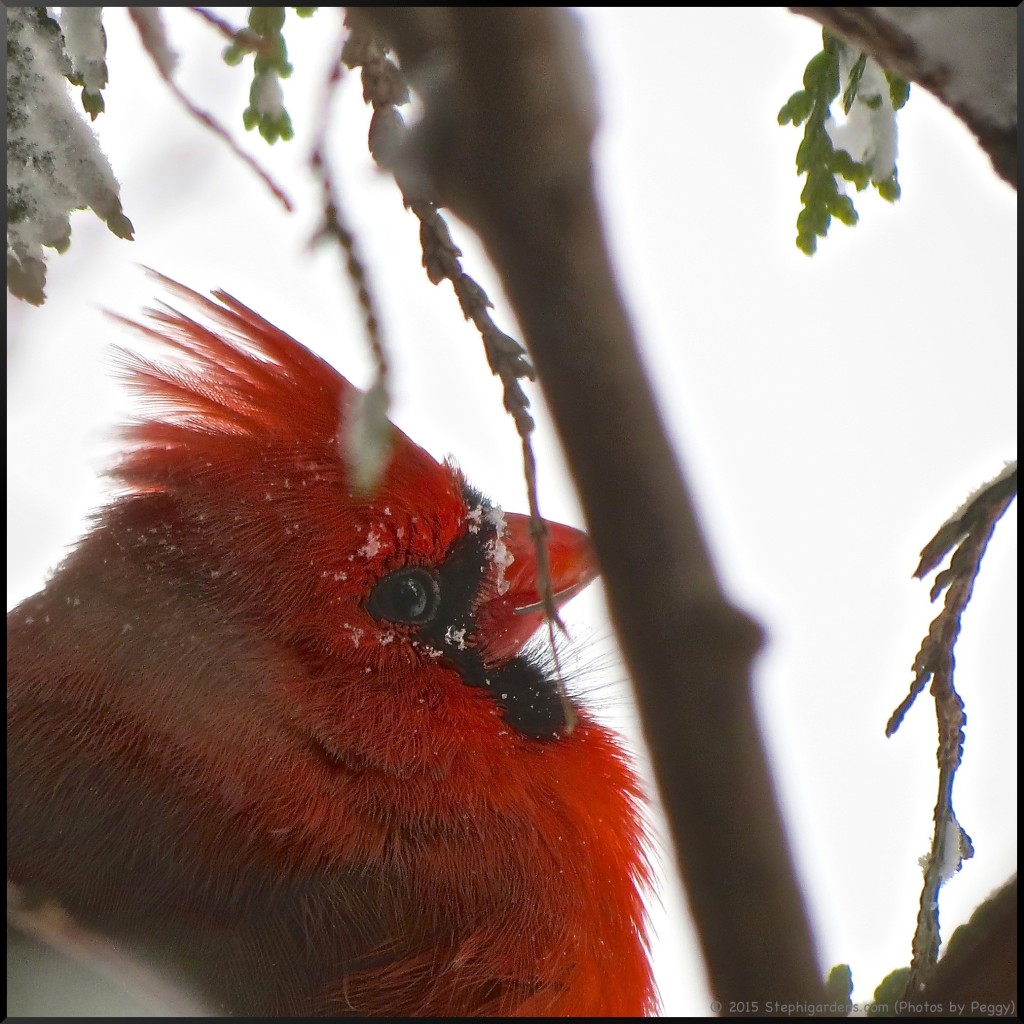
My mom made use of a recent blizzardy day, where she couldn’t even see the neighbors house, to takes some photos of the feathered and furry friends who are thankful for her food.

photos by peggy


Photo by


IMG_1498_2


IMG_1495_2


IMG_1488_2

I think these photos made the cold, snowy, wintry day a lot better!  Hope you enjoyed them, too.

(Photo Credit: Weather graphic from Tracy Butler/ABC 7 Chicago)

The Blue Jays are Back (and That’s Not a Good Thing)

Blue Jay

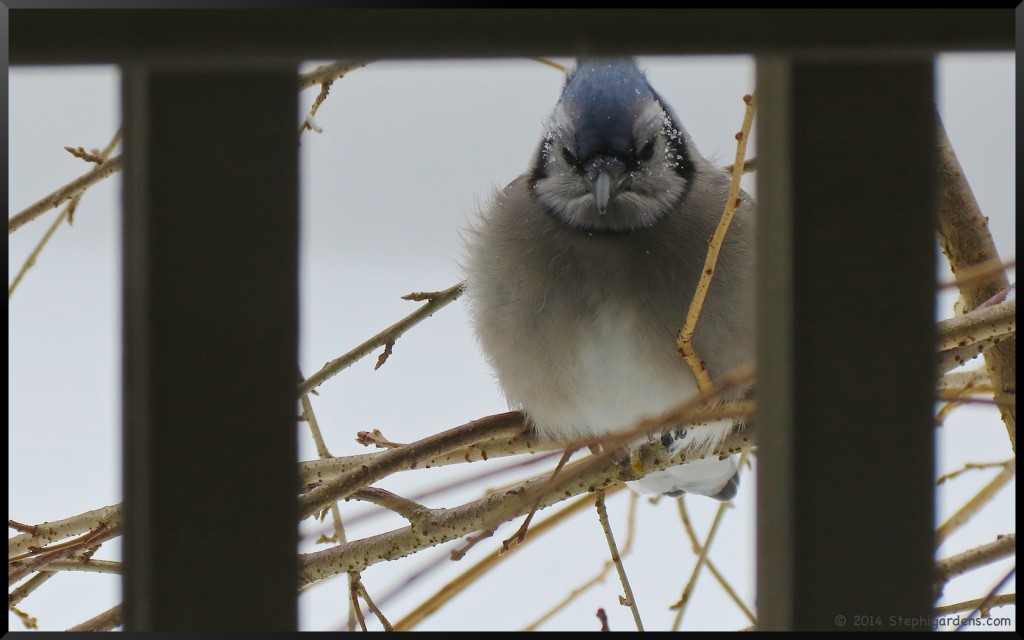
My mom, Peggy, has had an ongoing issue with blue jays in her yard.  As I wrote before in Bullies at the Bird Feeder, they can be a real nuisance at her feeders.  They eat an obnoxious amount of bird seed and really act as bullies when other birds try to eat.

Now the latest problem is that they are arriving first thing on the morning in groups of up to 35 and staying to dine for 3-4.  You can only imagine how fast they can clean out the feeders and certainly scare off any other bird who may want to eat breakfast.

So what to do?  I guess Mom could have given up and just stopped feeding the birds altogether, but that would make for a very unhappy backyard.  Instead, she worked to makes the feeders blue jay unfriendly.

First, some of the feeders like the platforms and cardinal feeders just had to come down. Luckily the cardinals and mourning doves were able to find enough seed on the ground to keep them happy.  On occasion they’ll even find nice handfuls of sunflower seeds set out on the ground for them.  For cardinals, this works best in the early morning or late afternoon.

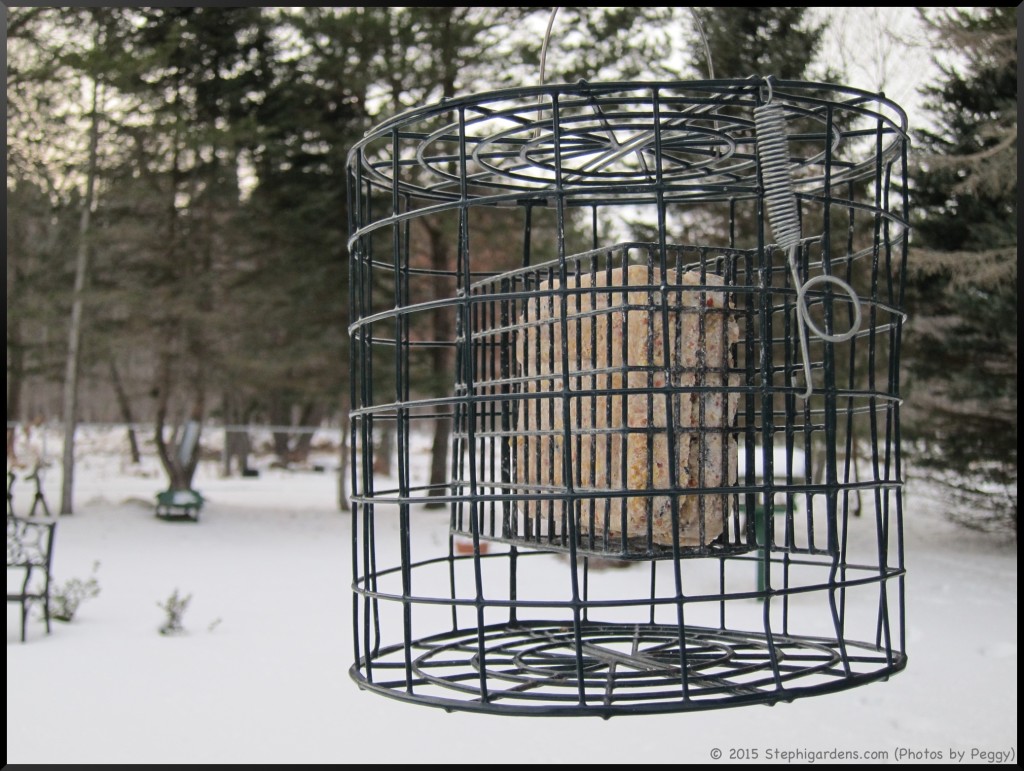
Then, some of the others were put in cages that would allow the smaller birds access, but keep out the bigger birds like blue jays out.

Photos by Peggy

The downy and hairy woodpeckers can still get in and enjoy the suet.

Photos by Peggy

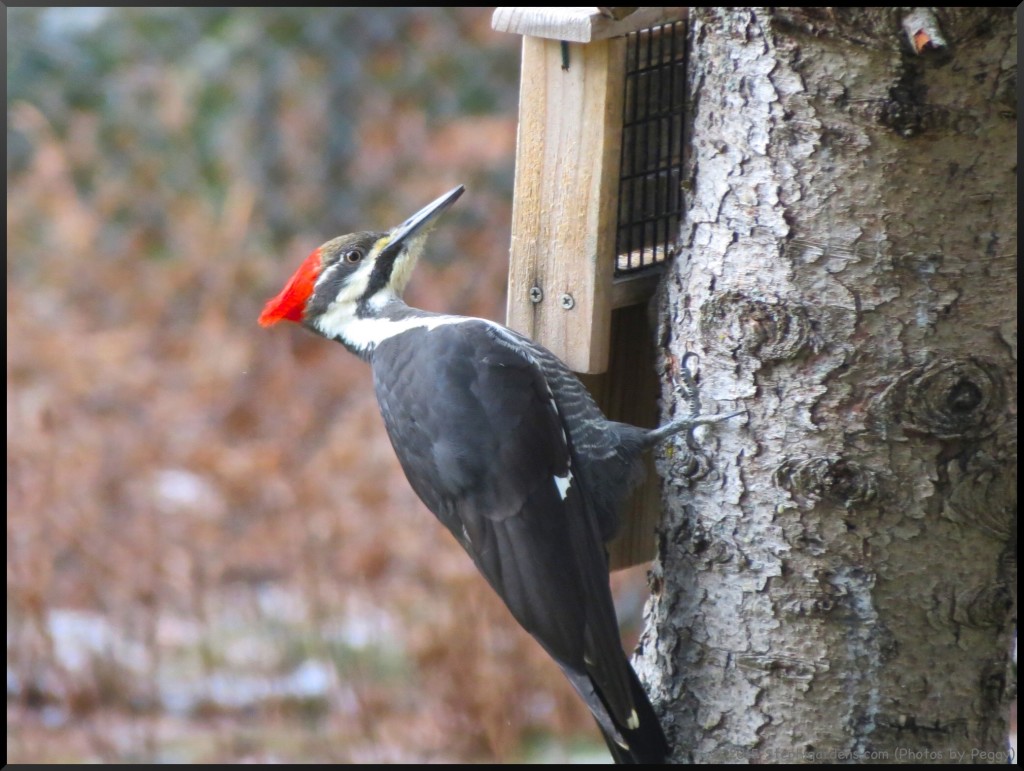
The pileated woodpeckers prefer to visit another suet feeder that the blue jays haven’t seemed to find!

Photos by Peggy

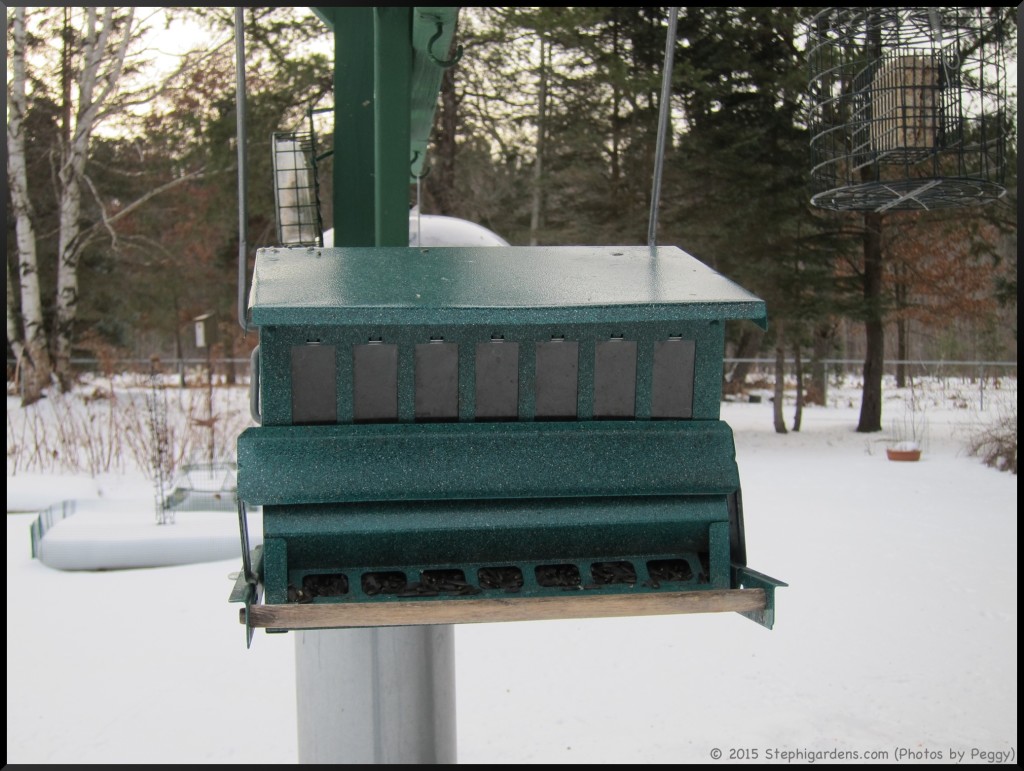
The weighted squirrel proof bird feeder can be set to keep off larger birds like the blue jays.  It’s settings are sensitive enough that the cardinals and smaller birds can still feed on here.

Photos by Peggy

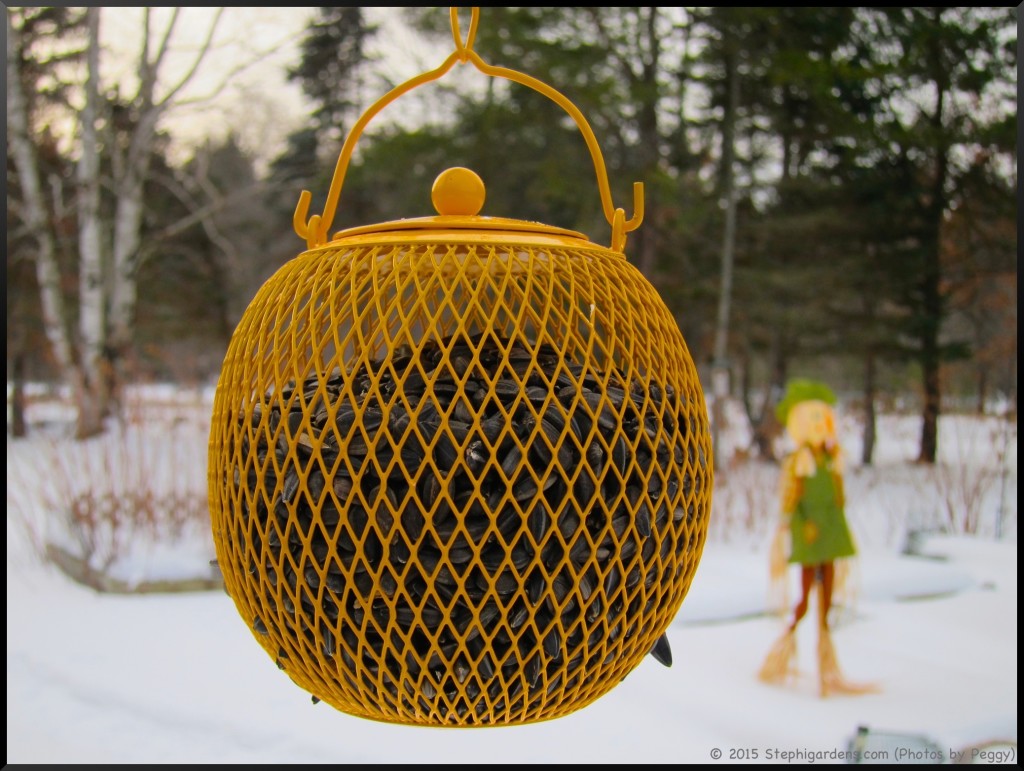
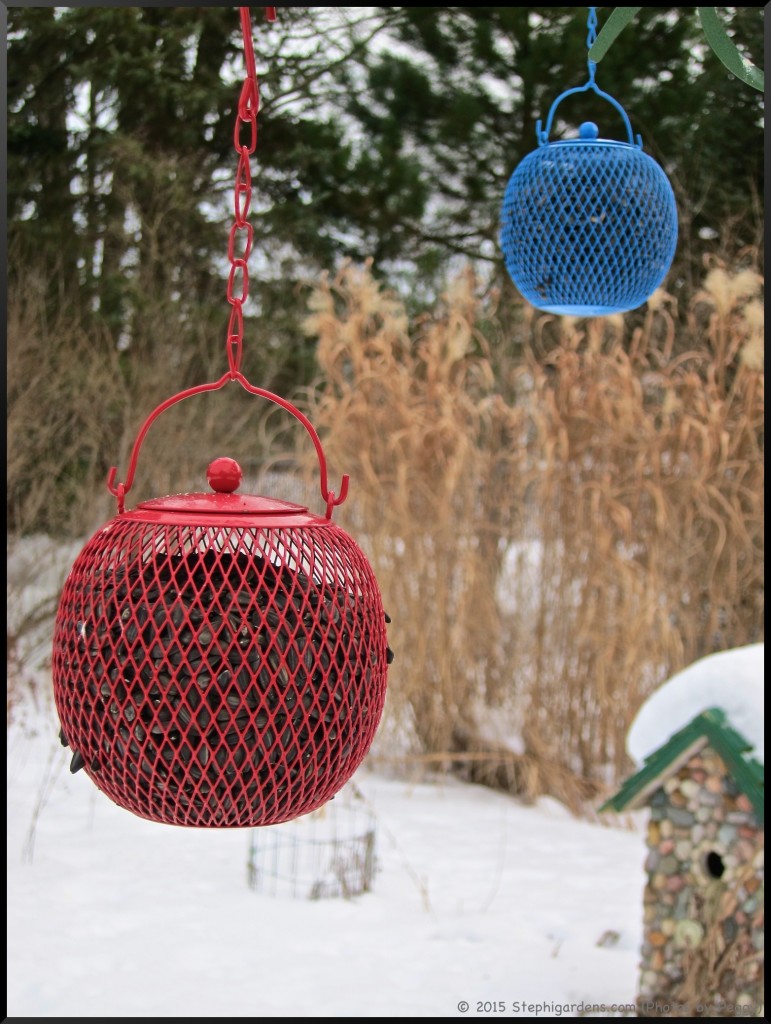
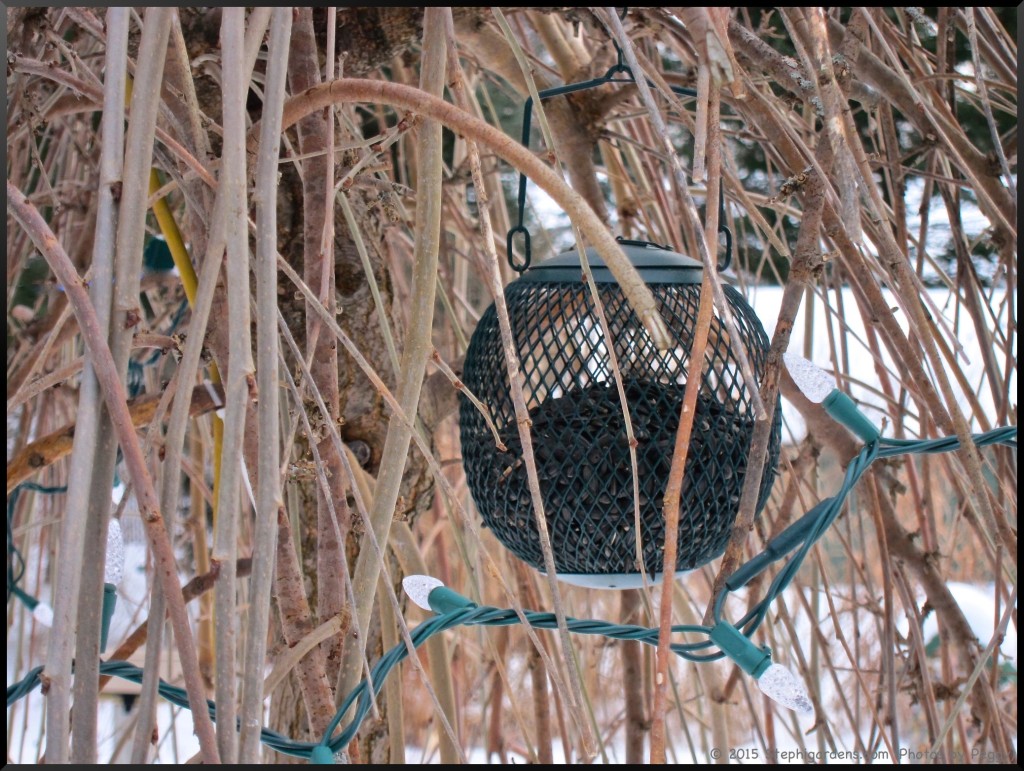
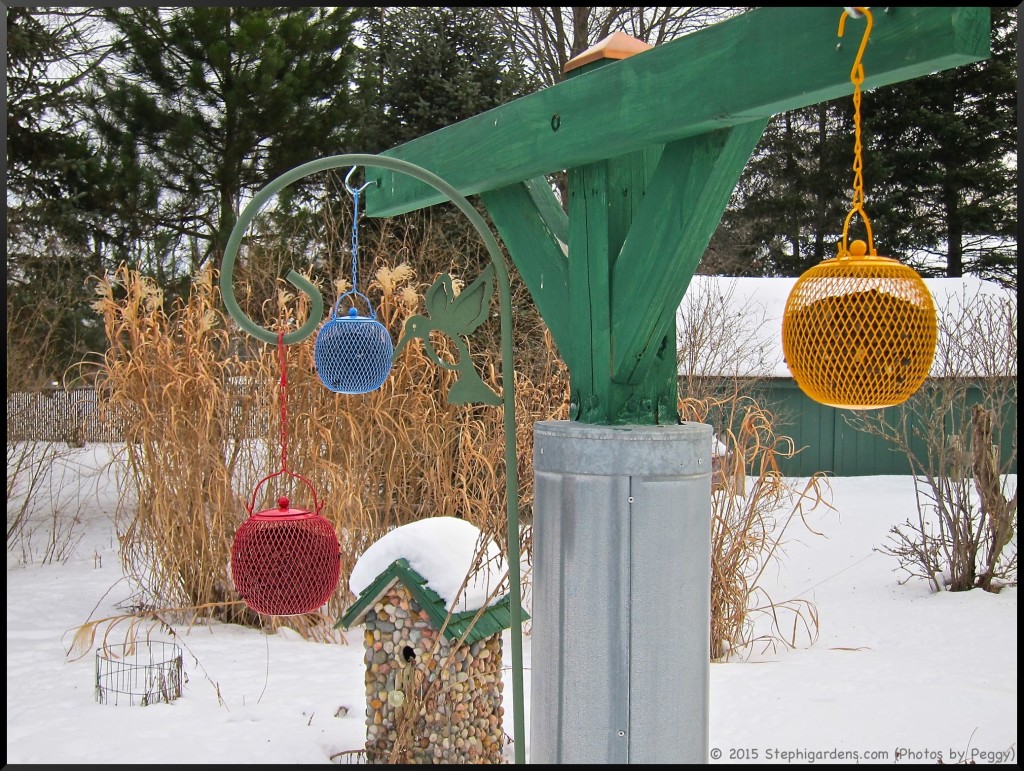
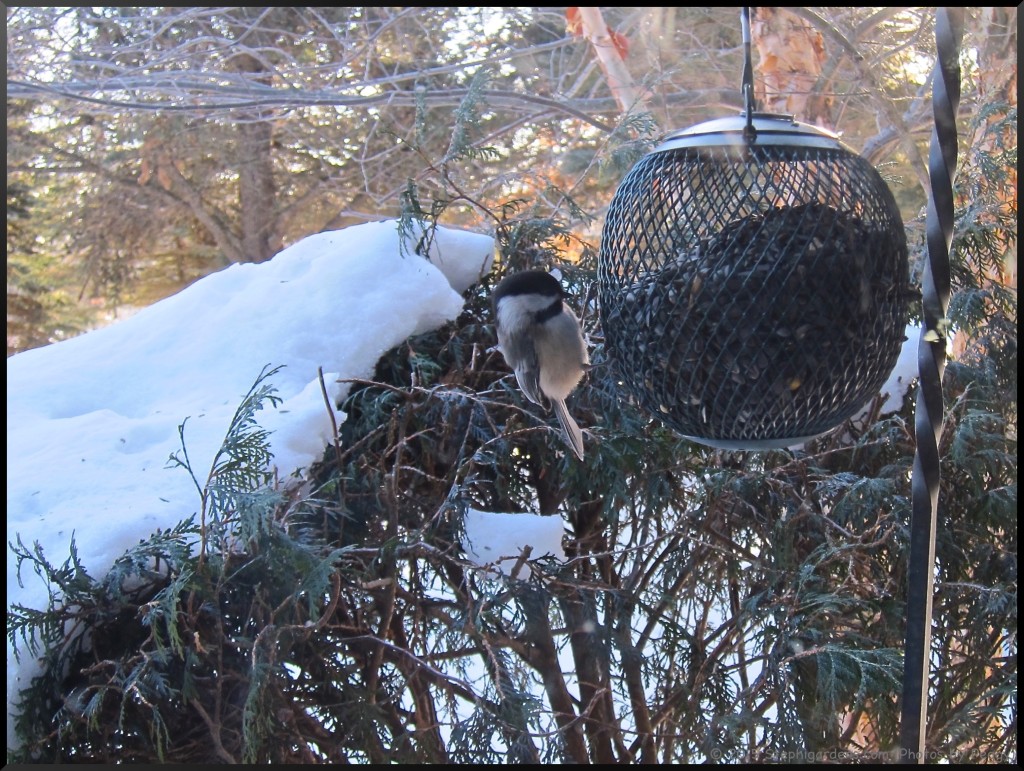
The most popular feeders in Peggy’s yard are actually the colorful and fun little sunflower seed ball feeders.  The clinging birds are constantly on them and the blue jays haven’t been able to figure these out.

Photos by Peggy

Photos by Peggy

Photos by Peggy

Photos by Peggy

Photos by Peggy

The oddity Mom’s encountered with these feeders is the pine siskins’ habit of just pulling out seeds and dropping them.  Maybe they’re looking for just the right one?  Still no waste though, since the ground feeding juncoes are just fine hanging out under the feeders and eating the treats.

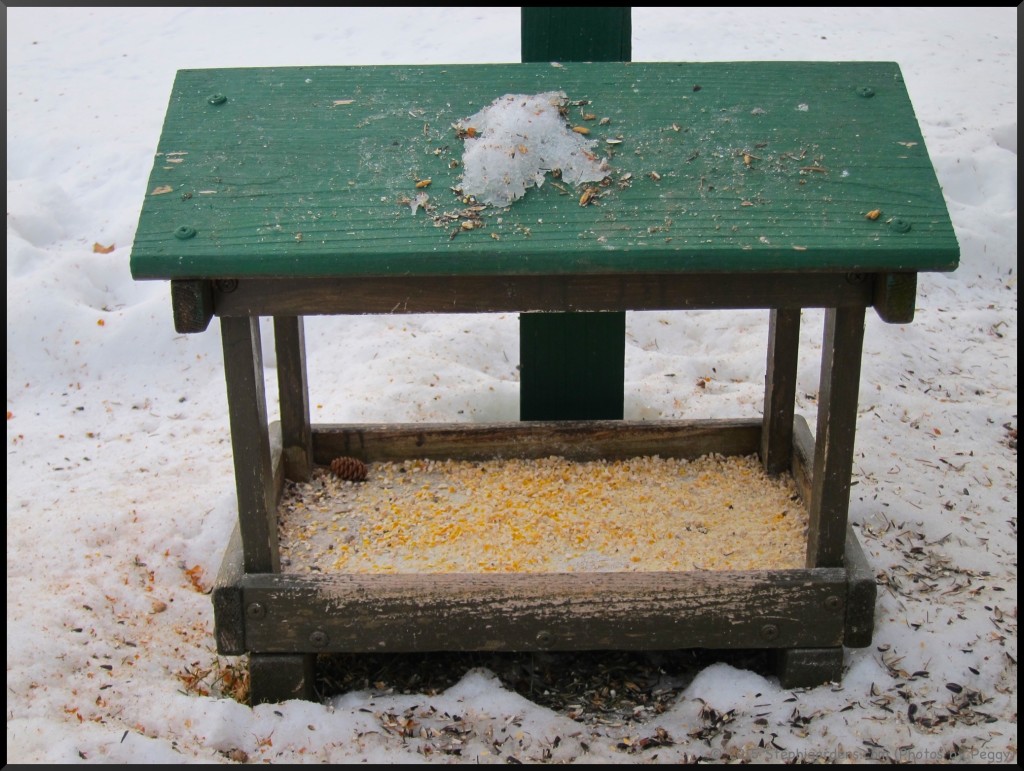
Lastly, this ground feeder is filled with cracked corn enjoyed by an assortment of birds and bunnies.  I asked Mom why she’d be feeding the bunnies.  She said it was better they eat the cracked corn than eat her plants!  Can’t argue with that!

Photos by Peggy

Have you had to adjust your feeders for some nuisance birds?

Superbowl Snowstorm

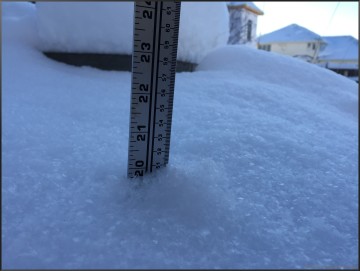
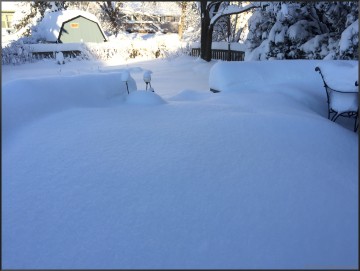
Much of the country has been having their share of big winter snowstorms and we here in Chicago got ours this past weekend. The snow started Saturday late afternoon, and didn’t end until the lake effect finale finally moved on around 6 am Monday morning.  All total, this end up the as the 5th biggest single snowfall. At my house, I measured 19.75 in of snow.

Stephi Gardens

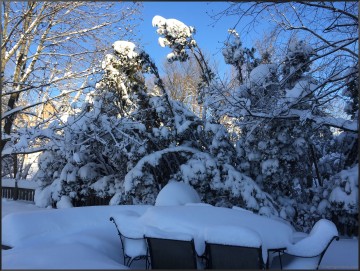
The plows had a lot of trouble keeping up.   But I have to admit, it was one of those really pretty snows, at least until the wind picked up and the bushes started collapsing under the weight of the snow.

Stephi Gardens

Stephi Gardens

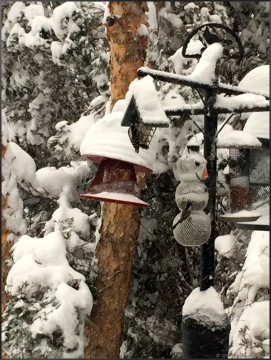
The birds were really thankful for the feeders, even if they were covered in snow! The goldfinches, chickadees, cardinals, juncoes, red-breasted and white-breasted nuthatches, downy woodpeckers, purple finches, and house sparrows all ventured out in the snow to visit the feeders.

No squirrels around all weekend, they must be hunkered down in their nests.

Stephi Gardens

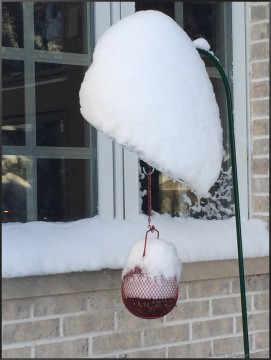
The snow in the NoNo sunflower ball didn’t bother the chickadees and goldfinches.  They were visiting all day, except of course, when I was out there shooting the picture.

Stephi Gardens

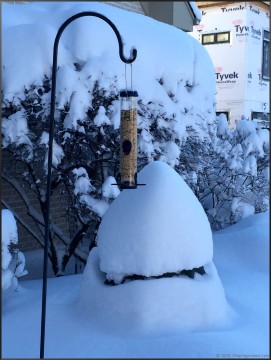
This tube feeder is my “sparrow’ feeder.

Stephi Gardens

The heated birdbath kept the water thawed pretty well during the storm.  This is the first winter I’ve had one out.  I was lucky enough to get it as a hand-me-down when my mom got a new one.  They’re not here now, but in the winter the birds like a place to get an easy drink.

Stephi Gardens

The arborvitaes are not faring very well with all this snow.  Hopefully they literally bounce back once the snow melts.

winter arborvitae

Daisy and I are not going out there!

Stephi Gardens

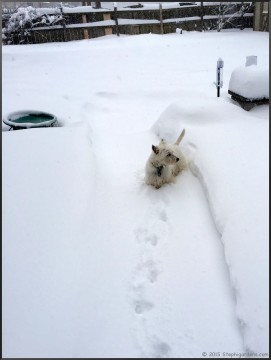
So instead we made a path for Daisy to get around.  Those little legs are not made for deep snow!   I also have to thank my boys for shoveling paths to all the bird feeders when they were snowblowing and shoveling on their snow day off of school.   This snow was too deep for me as well.  This is much better!

Westie

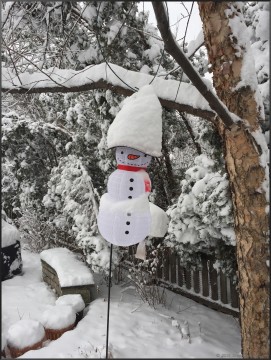
But, my snowman  didn’t mind at all!

Stephi Gardens

When the sun came out after the storm was done, the sky was a beautiful sapphire blue.

Stephi Gardens