Poster Child of Pollinators: Monarch Butterflies

From the time I started this post to finally getting back to finish it, a lot has happened. Who would have imagined where we are today, outside of a fictional story. I hope this post is finding you safe and well in this time of uncharted territory. We are doing ok. As are many families, we are dealing with the logistics of the new normal. We worry about our kids living around the country (including NYC) and their heath and job security, our moms and family scattered around the country, and a remote learning situation for the one still in grad school. It is stressful, but we are managing. Hopefully you and your family are too.

Thankfully since going out isn’t an option for the foreseeable future, I do like to cook and am using this as an opportunity to see what treasures my freezer holds.
In the next couple of weeks, I’m planning on posting about what we’re doing to keep busy, and how I’m getting the garden ready for spring. Spring sure can’t come fast enough for sure.  And please Stay Home, it’s really important.

On to something more cheerful! Who doesn’t love a butterfly? From the first of the season, to the summer caterpillars, to the late summer ones flitting on zinnias, they just bring a smile to my face.
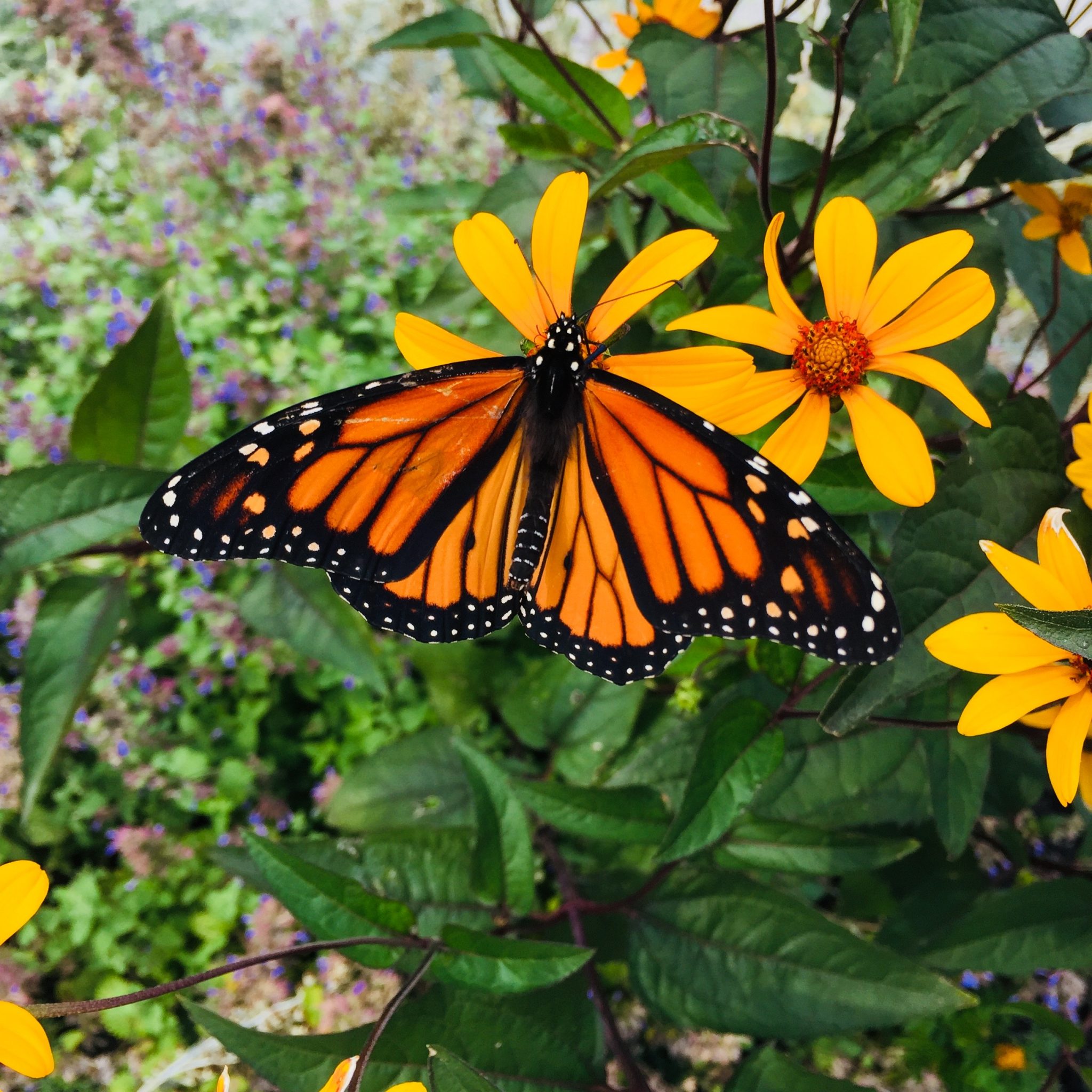
But, while they entertain us with their beauty, they also serve a vital function in nature. Along with bees, wasps, moths, flies, beetles and even birds and bats, they are necessary for the reproduction of almost all flowering plants and for the pollination of about one-third of our food plants.
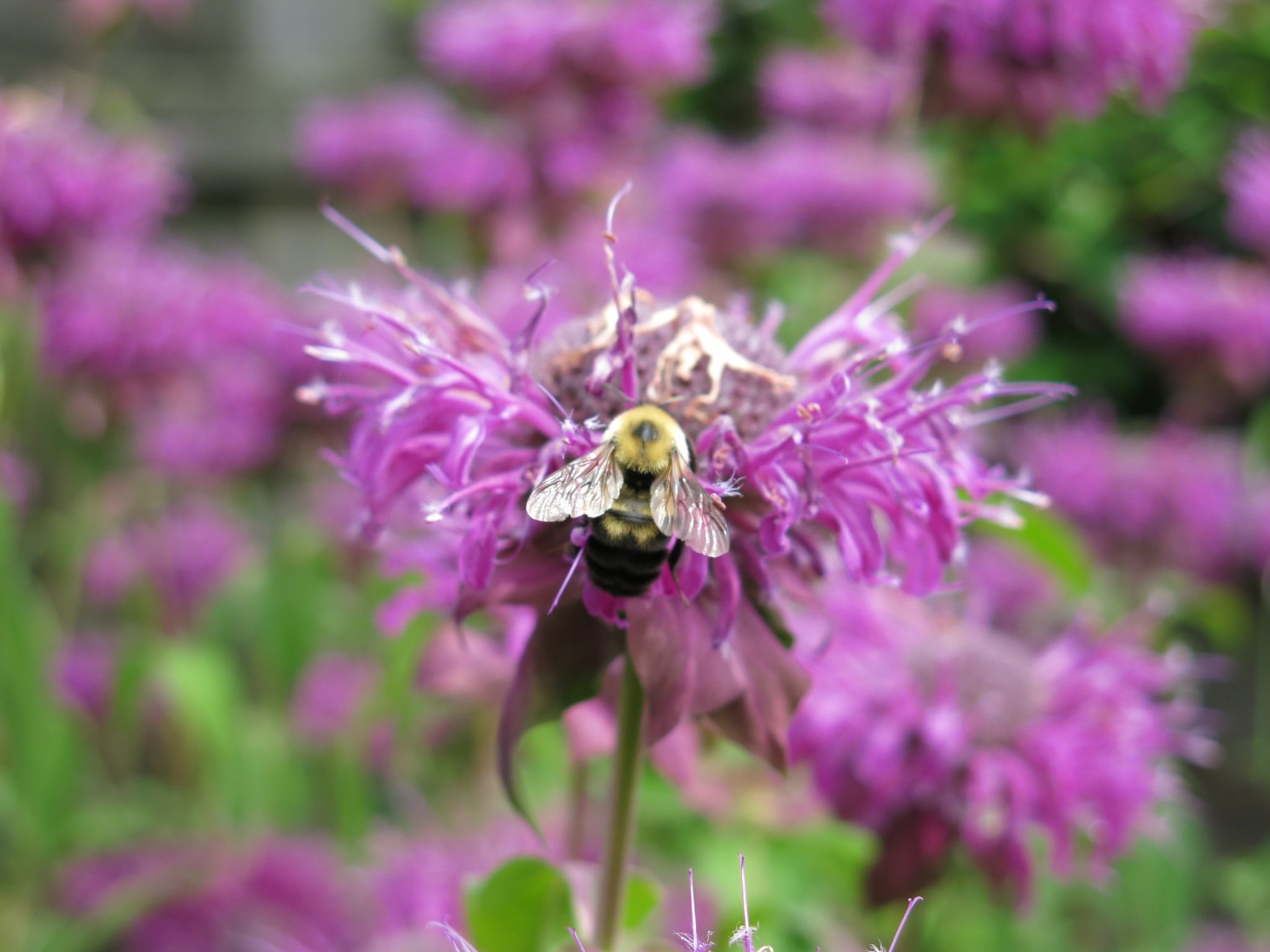
Monarchs may not be the most efficient pollinator species, but they are generally considered the poster child for all pollinators. They are amazing, inspiring creatures that are able bring people together to protect pollinators. Creating habitat for monarchs, including milkweed and nectar sources, aids in their survival and benefits many other important pollinator species. 
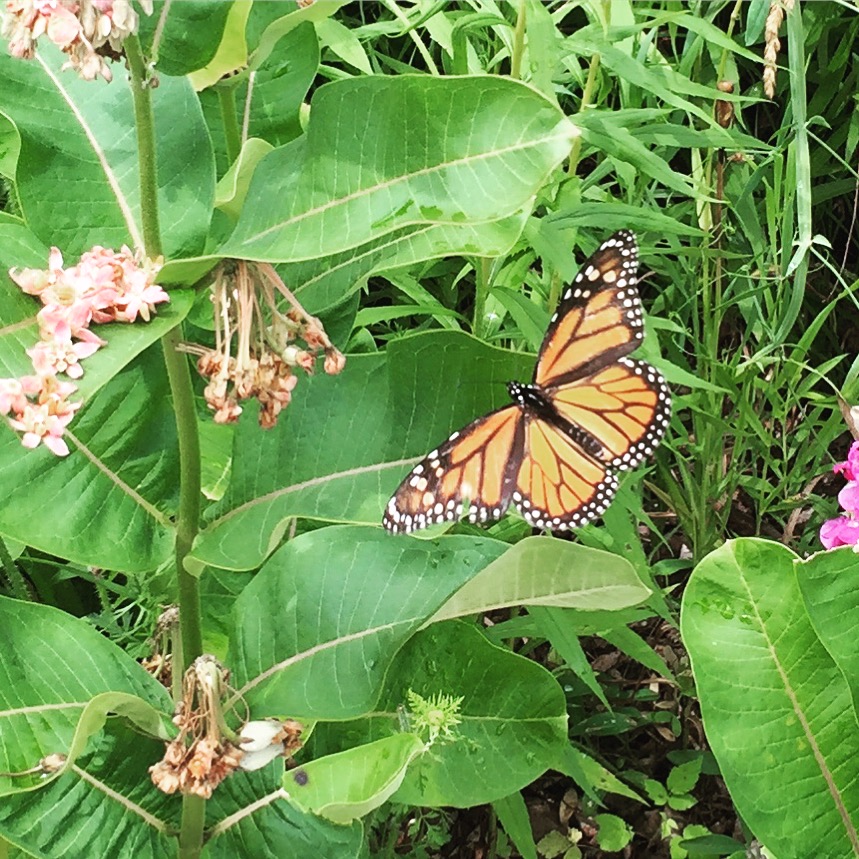
Monarchs live mainly in prairies, meadows, grasslands and along roadsides in North America. Most monarchs will live only a few weeks, but a second wave emerges in late summer and early fall. These fall butterflies live for eight or nine months and accomplish an amazing, lengthy migration to California and Central Mexico. There they spend the winter before coming back up north in the spring. 

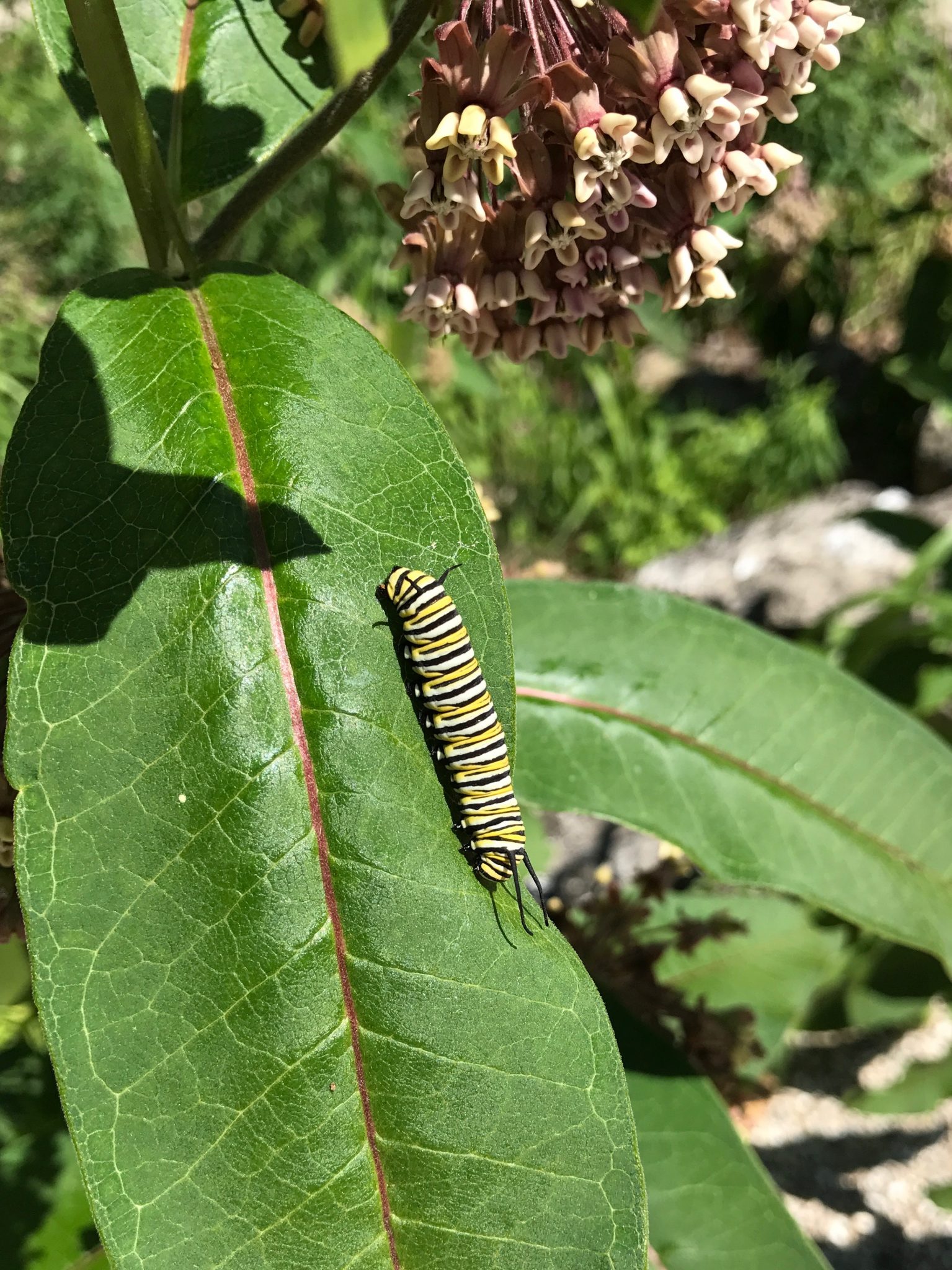
Monarchs, like other butterflies and moths, undergo complete metamorphosis, meaning that they have an egg, larva (caterpillar), pupa (chrysalis), and adult stage. Milkweed plants play a crucial role in the life cycle of monarchs. 

Monarch life cycle
Photo credit: Monarch Joint Venture

Adult monarchs will feed a variety of plants. But female monarchs will only lay eggs on milkweed, which makes sense since the caterpillars will only eat milkweed leaves. Milkweed plants are the the sole food source for the growing caterpillar and it eats almost constantly for about two weeks.
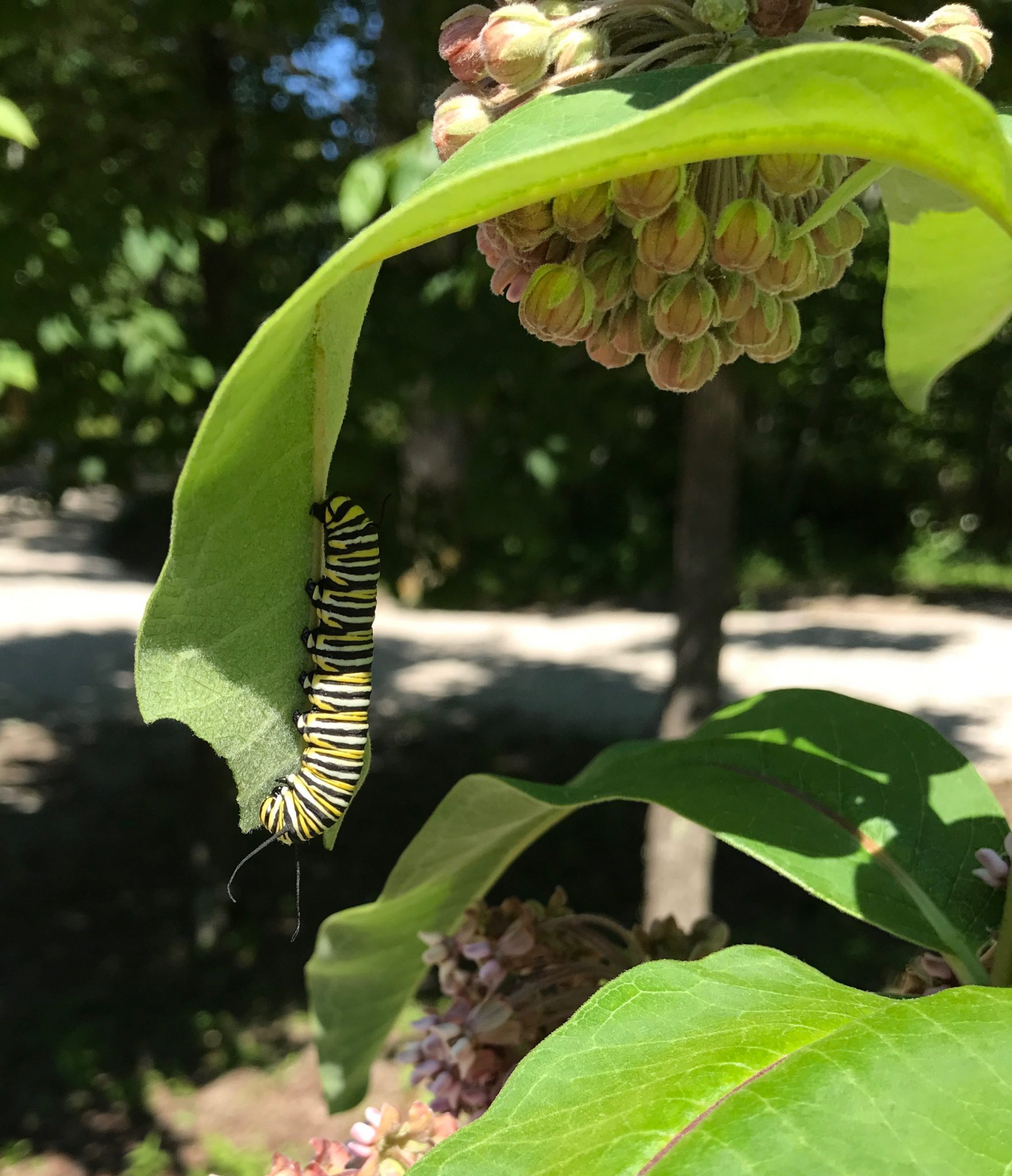
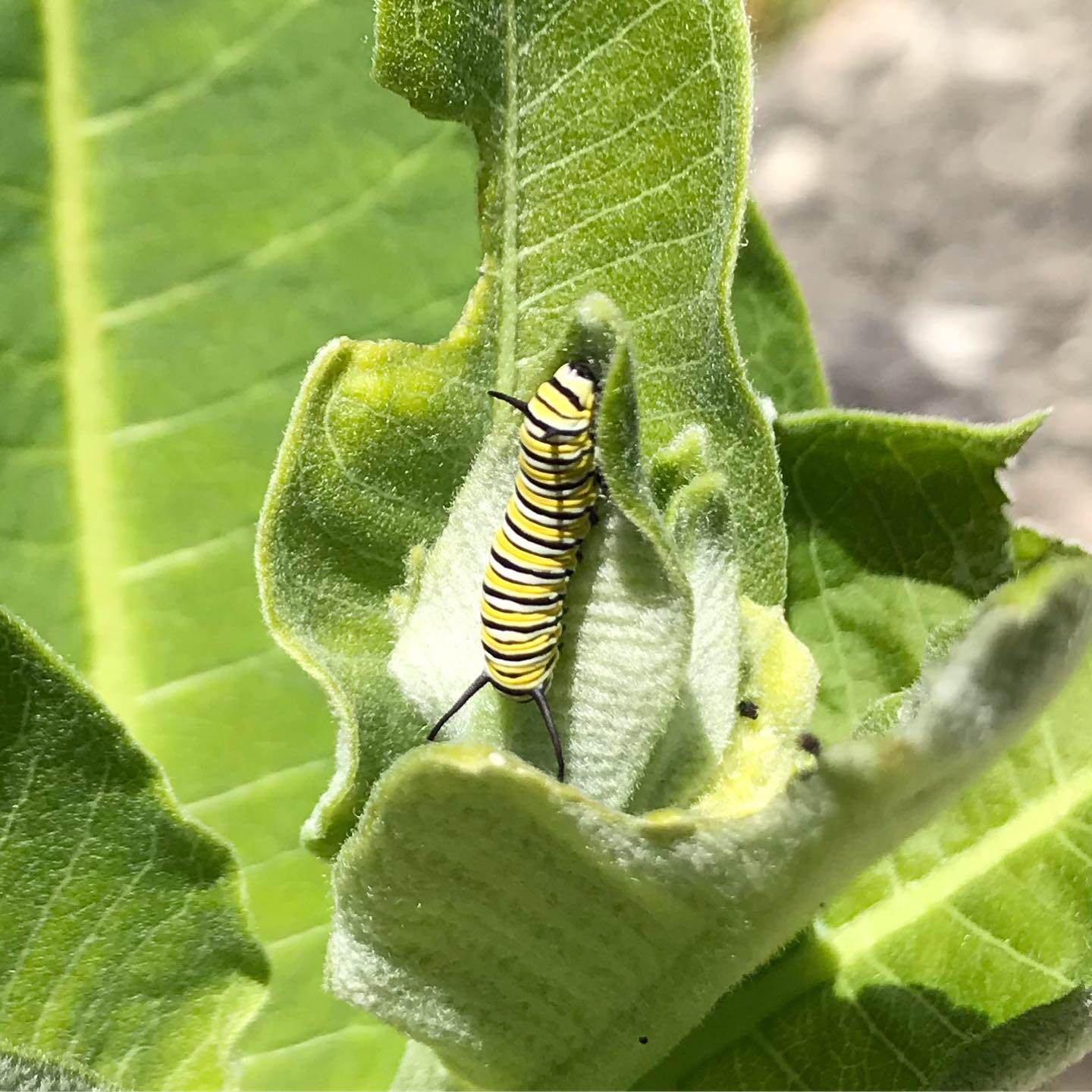
When full grown, the caterpillar will crawl away from the milkweed to a safe location where it forms a silk pad and hangs upside down in a J shape. It sheds its skin one last time to expose the bright green chrysalis. In 8 to 15 days, an adult monarch emerges.
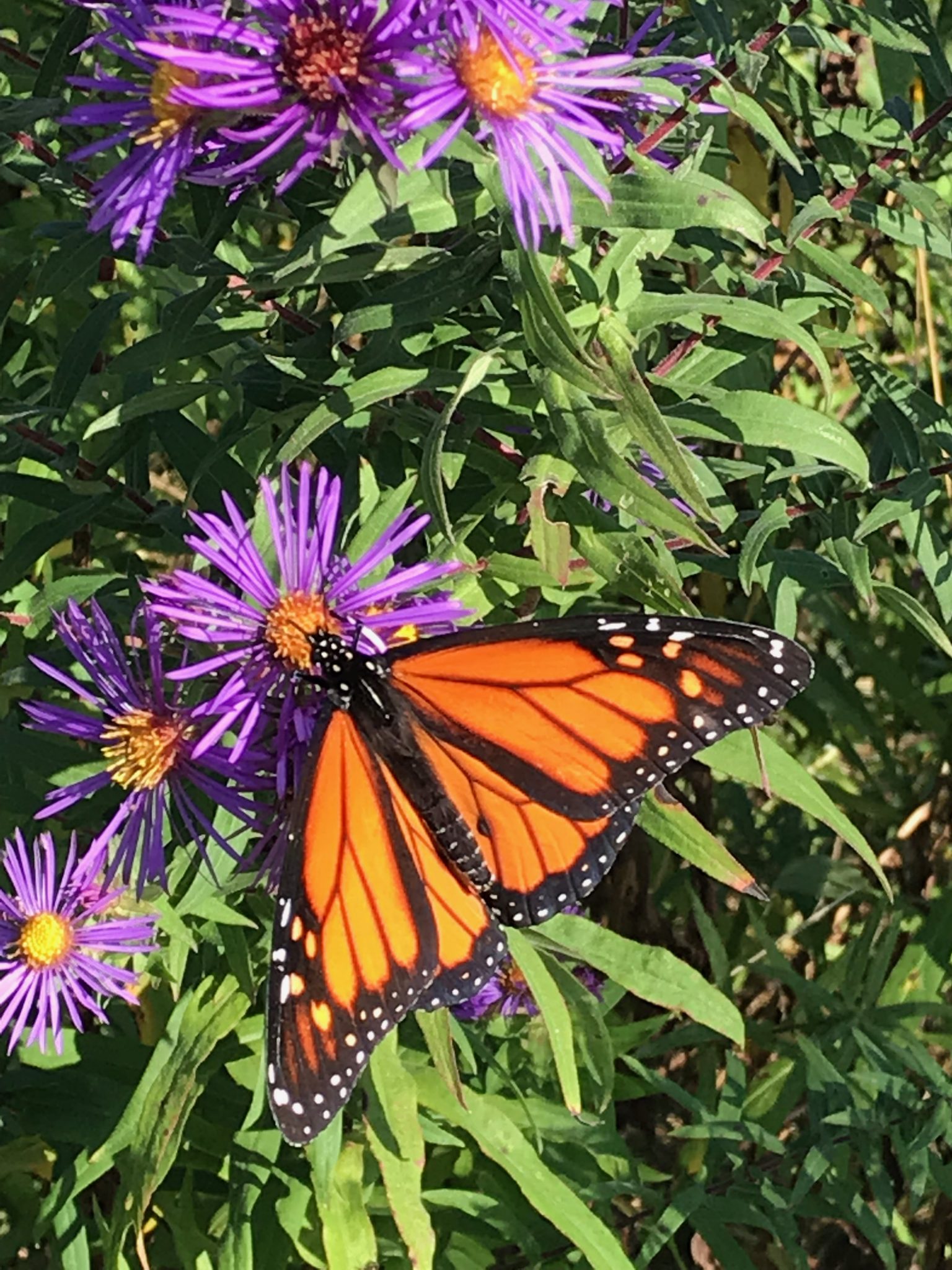
Monarchs and other pollinators are under threats to their survival, and their loss could negatively impact our agricultural food sources and natural plant ecosystems.

  • There’s been a loss of habitat, specifically loss of milkweed in their summer breeding locations and their general habitat in their over-wintering locations.
  • Climate changes can impacting migratory routes and habitat conditions.
  • Insecticides and herbicides have caused widespread loss of butterflies and milkweed leading to steep declines in their numbers.
  • Especially toxic is the neonicotinoids, which are widely used on farms and urban landscapes. While these insecticides are thought to be minimally harmful to humans and other mammals is minimal, they are extremely toxic to arthropods, including butterflies and bees.

So how can we help? Butterfly gardens, full of attractive flowers and milkweed can make a huge difference.
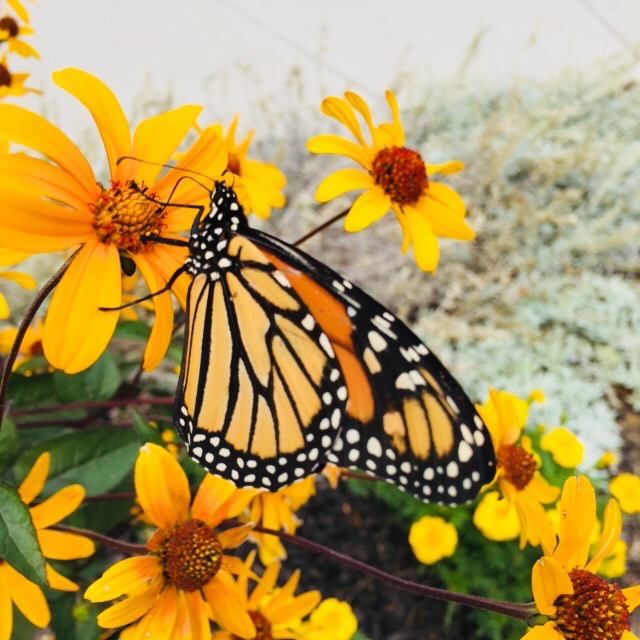
In my next post, look for how I plant wild milkweed to create habitat for the monarchs.

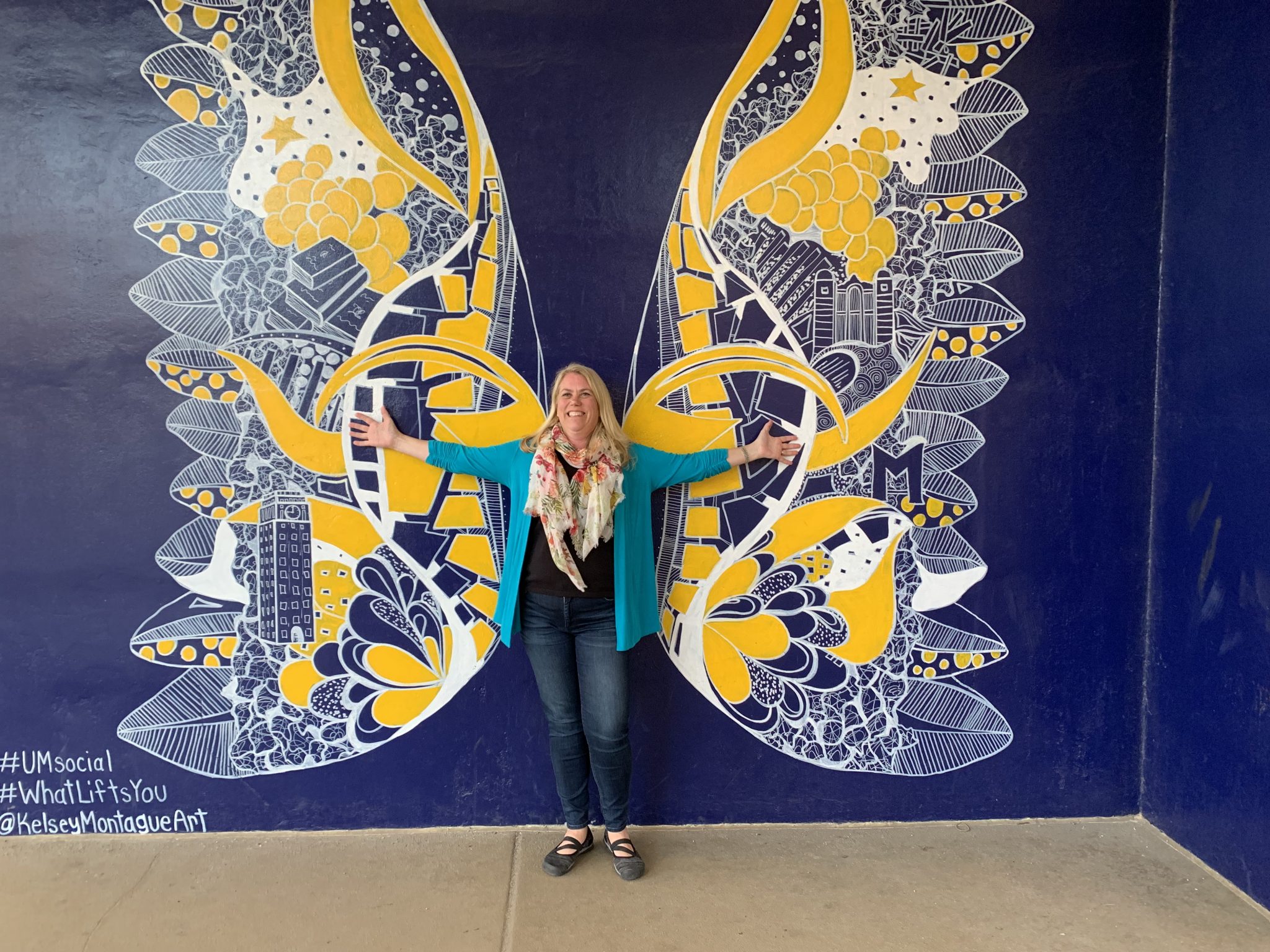
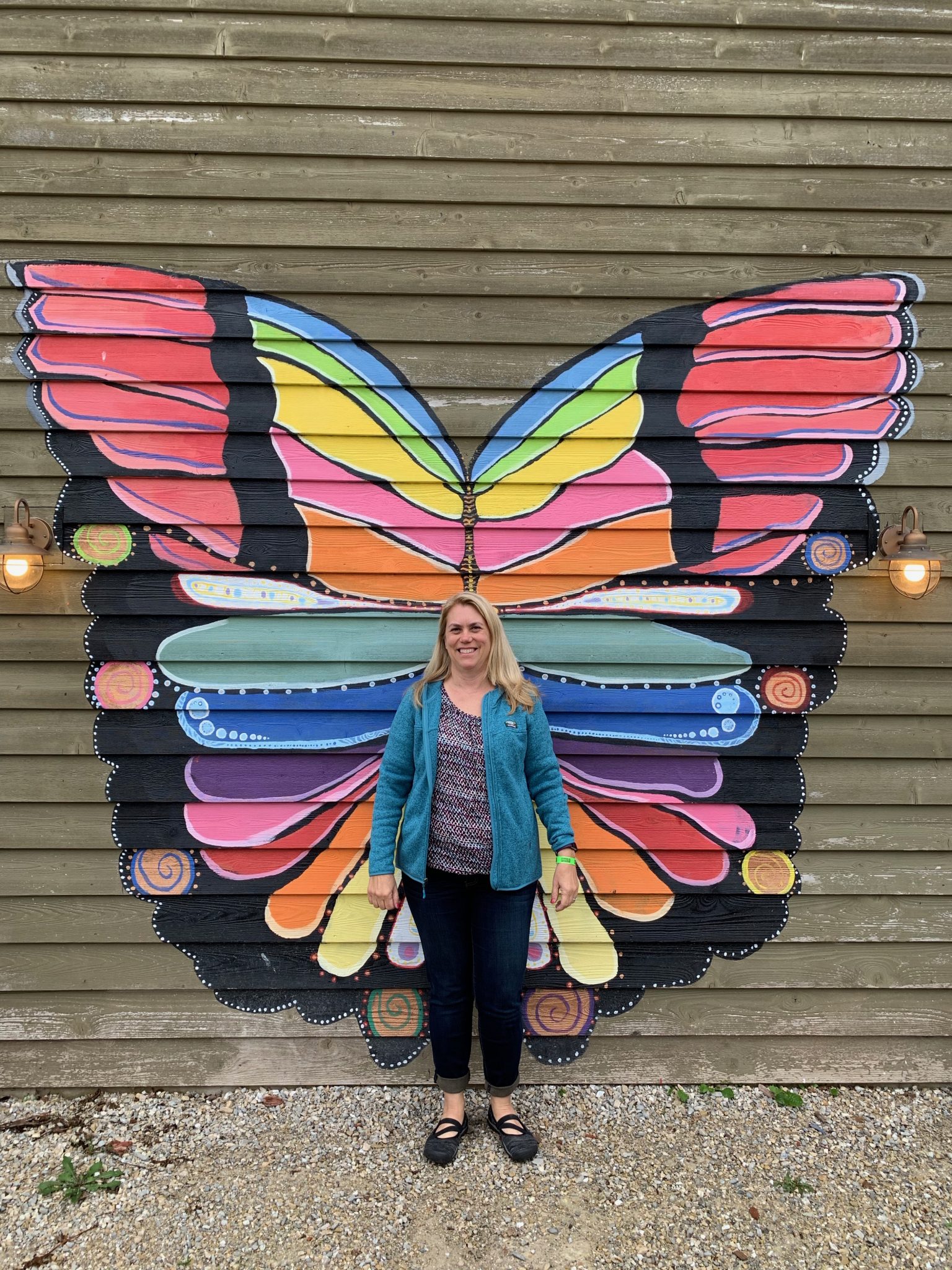
In the meantime, here’s me with some fun butterfly murals at the University of Michigan and the Hands On Art Center in Door Co , WI ! I need to keep my eyes open for more.
Thanks to my mom Peggy, for her great photos of the monarchs. Haven’t used her pictures in a while, but they are always so much better than mine ❤️❤️ 🦋

23rd Annual Great Backyard Bird Count

It’s that time of year again! The 23rd Annual Great Backyard Bird Count (GBBC) is this weekend, Friday, February 14, through Monday, February 19, 2020.

During this weekend, volunteers from around the world count the birds they see for at least 15 minutes, on one or more days of the count and then enter their checklists at birdcount.org. It can be as simple as looking out your window, or going out to your favorite birding spot and report on what you see.

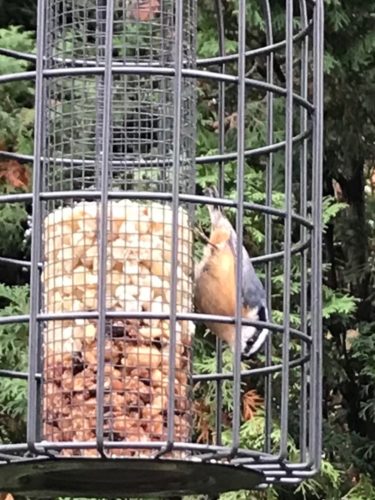
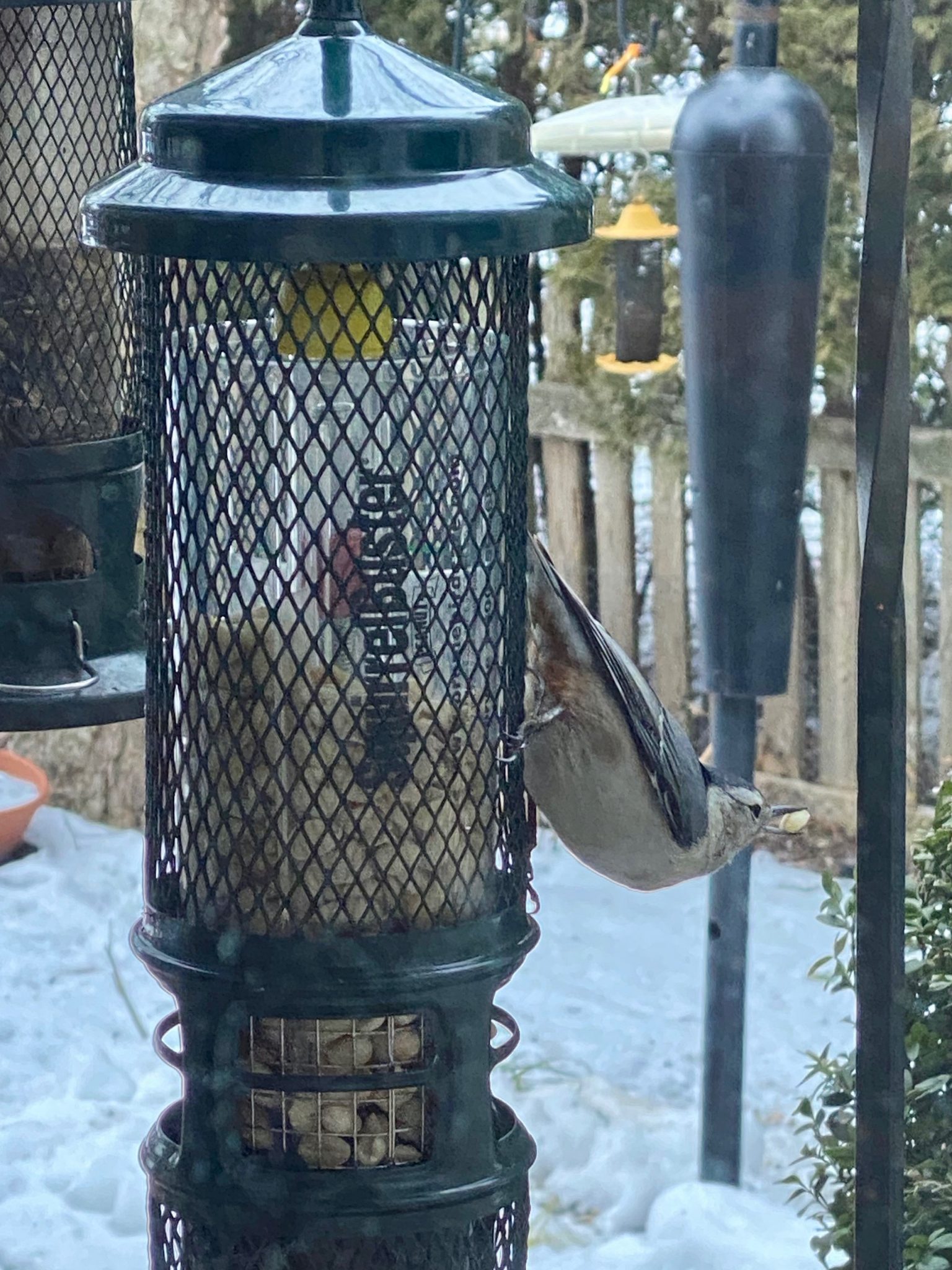
White-breasted nuthatch at my new Squirrel Buster Peanut + feeder from Brome. Filled with shelled peanuts it’s a great feeder for attracting nuthatches and woodpeckers.

Why does this matter?

There was a recent study in the journal Science last fall that described the decline in the overall number of North American birds by 29% since 1970. Birds also face a number of issues that certainly could affect their future numbers. Citizen science projects like the GBBC give scientists at the Cornell Lab of Ornithology and the National Audubon Society valuable information on where the birds are, how their numbers might be changing overall or regionally, and how they may be adjusting to new habitats. You can learn more about the GBBC at https://gbbc.birdcount.org.

Wondering what the #1 reported bird is in the U.S.?

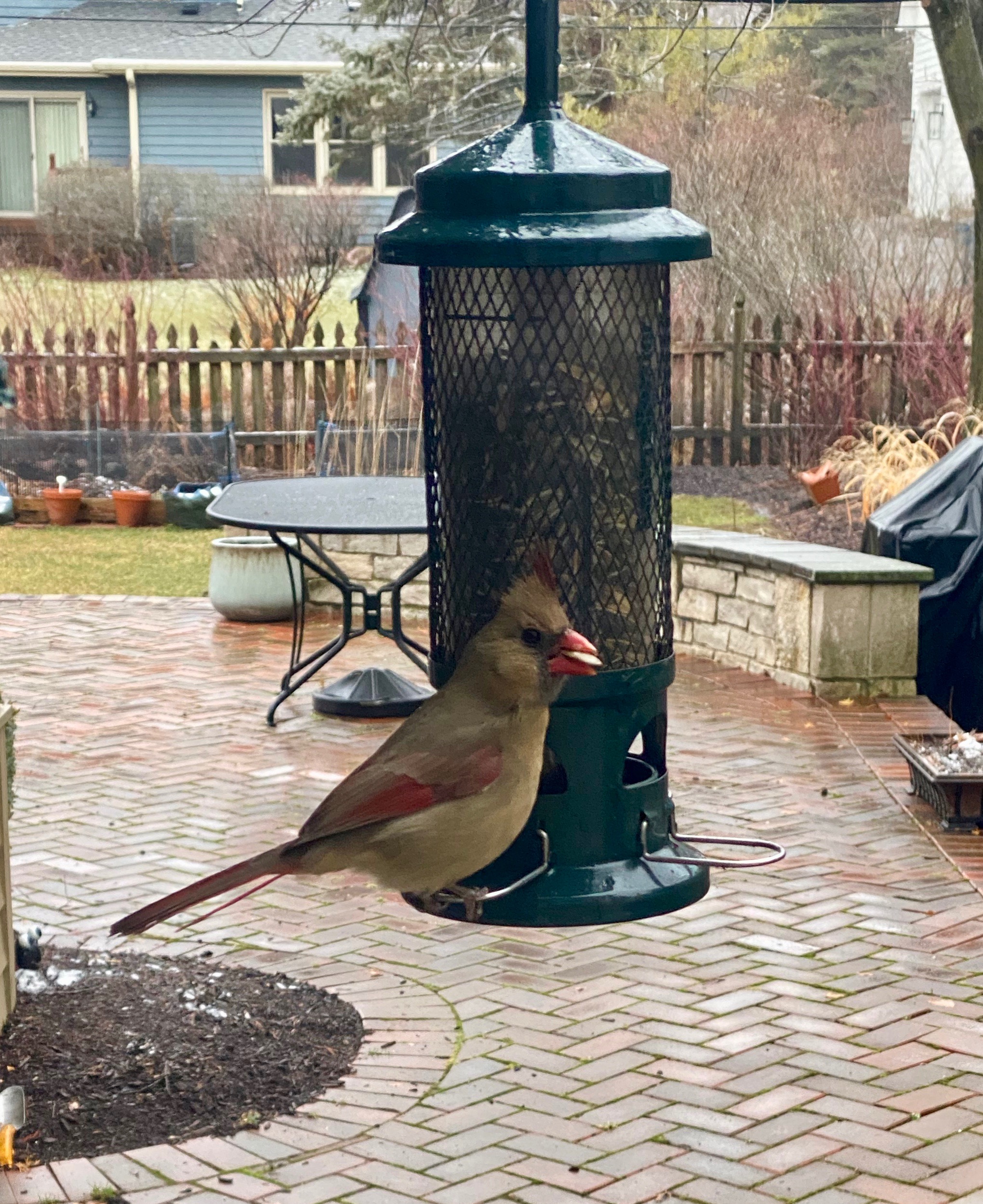
Most years it’s been the Northern Cardinal, a favorite at my feeders. I have this Squirrel Buster Standard Squirrel-proof Bird Feeder from Brome with perches perfect for cardinals right outside the kitchen window. I fill it with striped sunflower seeds which have a thicker shell than black-oiled sunflower seeds. House sparrows and house finches can’t really eat them, but are just fine for the cardinals. Makes dishwashing much more entertaining watching these beautiful birds.

What did I report this morning in my 15 min of watching my feeders in the backyard?

  • 1 Northern Cardinal (female)
  • 1 White-breasted nuthatch
  • 3 Black-capped chickadees
  • 2 Juncoes
  • 6 House sparrows
  • 4 House finches
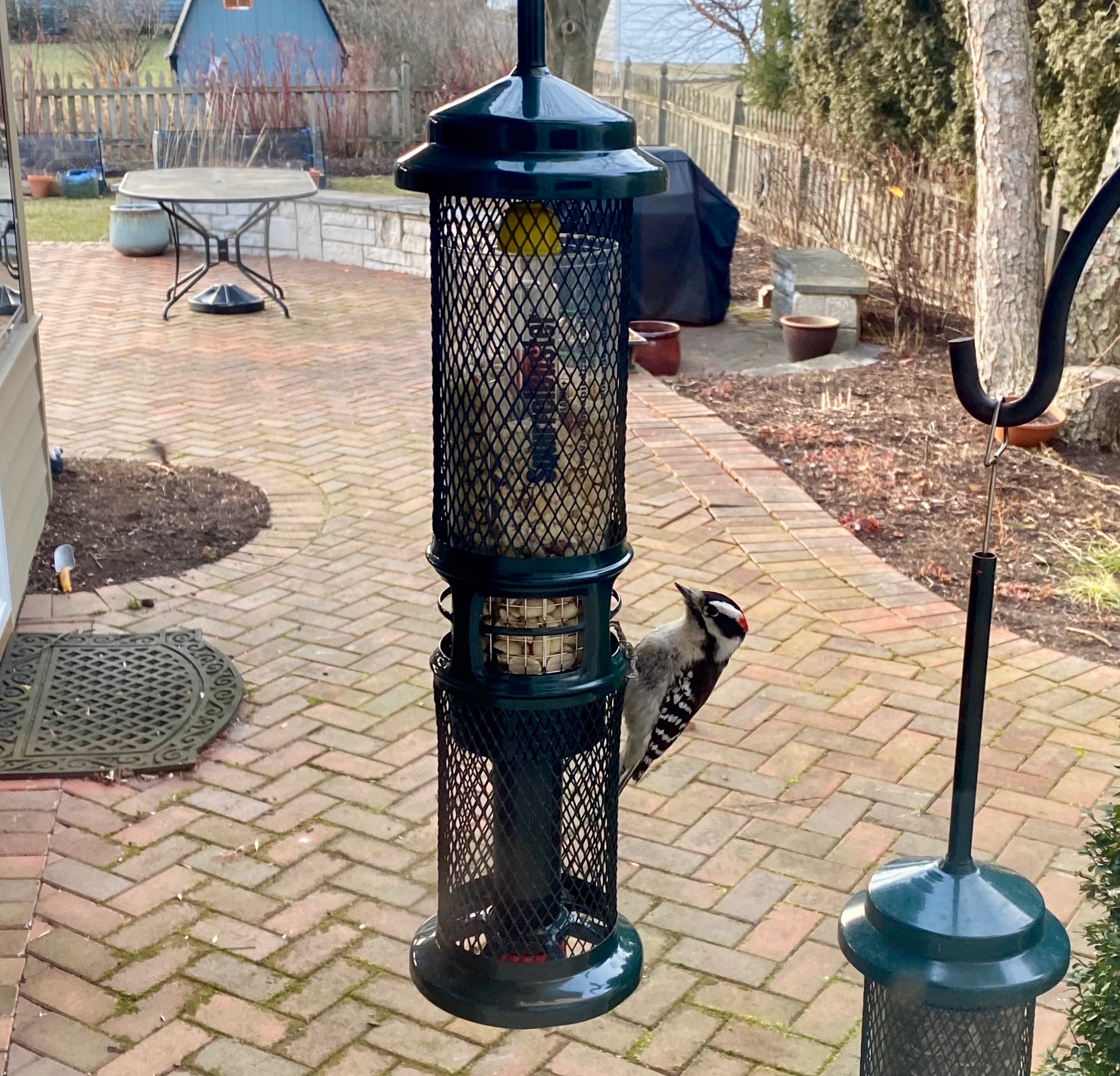
  • 1 Downy woodpecker
  • 1 squirrel – no, I didn’t really report it, but it was there eating the crumbs off the ground so I’ll count it.

Too bad there wasn’t anything unusual today, but happy to have anything in addition to the ever present and obnoxious house sparrows and house finches.

Need help identifying what you see? Check out these mobile apps, these online resources, or order my favorite bird book for beginner to intermediate birders, Birds of North America: A Guide to Field Identification.

Interested in what everyone else is seeing? On the GBBC website you can explore real-time maps and charts that show what others are reporting.  Be sure to check out the Explore a Region tool to see what everyone else is seeing in your area. Want to have your own checklist specific to your area? Check this tool out.

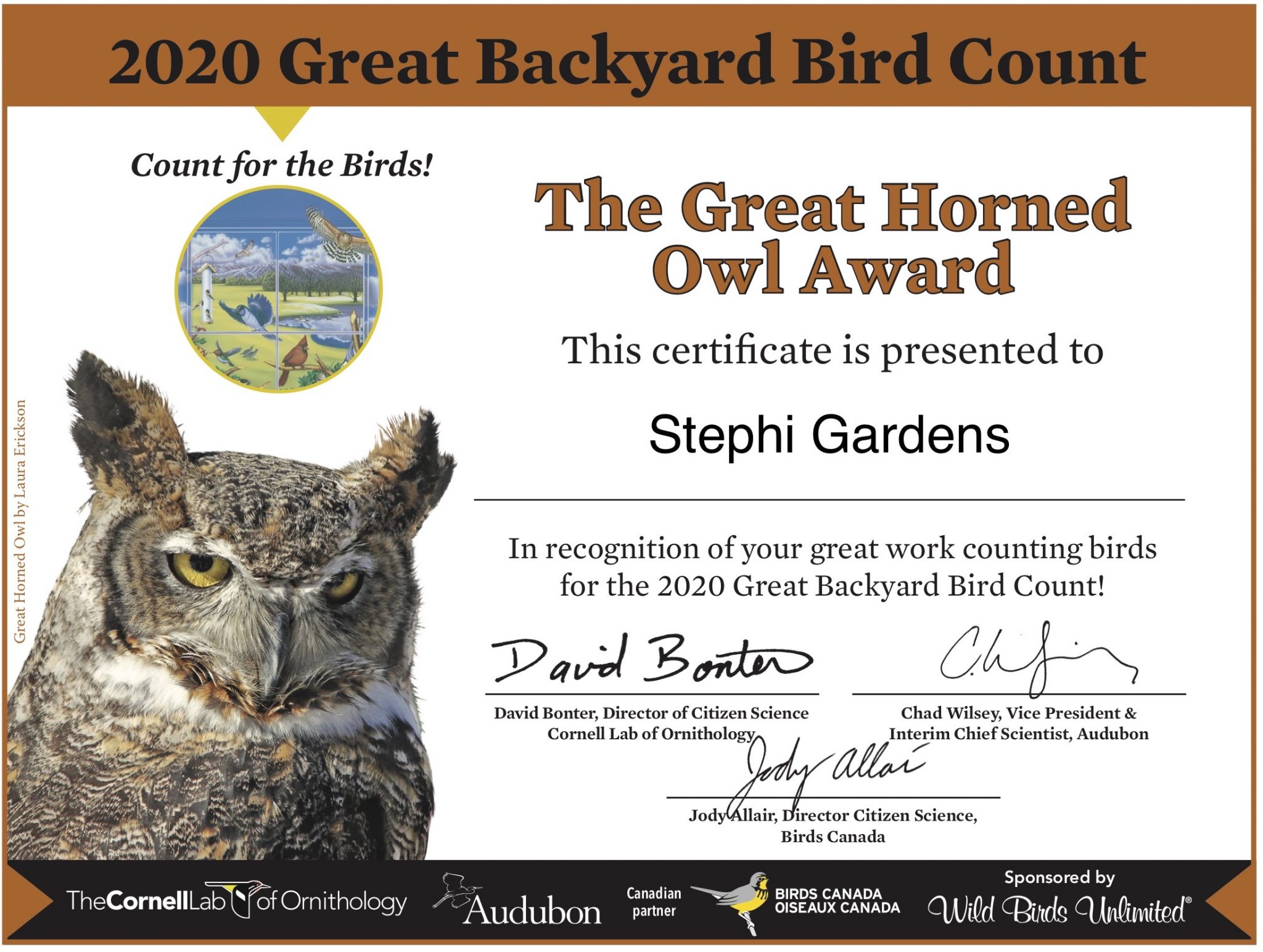
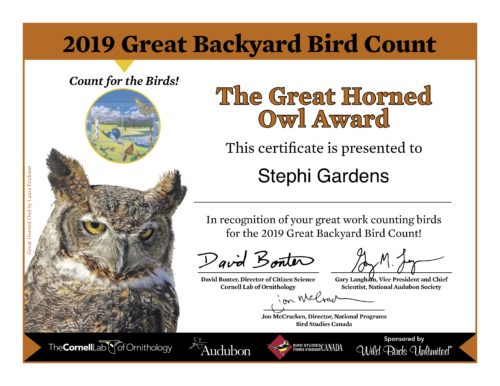
I did my part!

You can get your own certificate, just follow this link.
Want to help count birds all year round? You can keep counting throughout the year with eBird, which uses the same system as the Great Backyard Bird Count to collect, store, and display data any time, all the time. I love this tool to see what birds others are seeing (and where) when I’m out and about.

Happy Birding! Hope you see something interesting, but even if you don’t, know you’ve made a difference for science. Let me know what you saw this weekend!

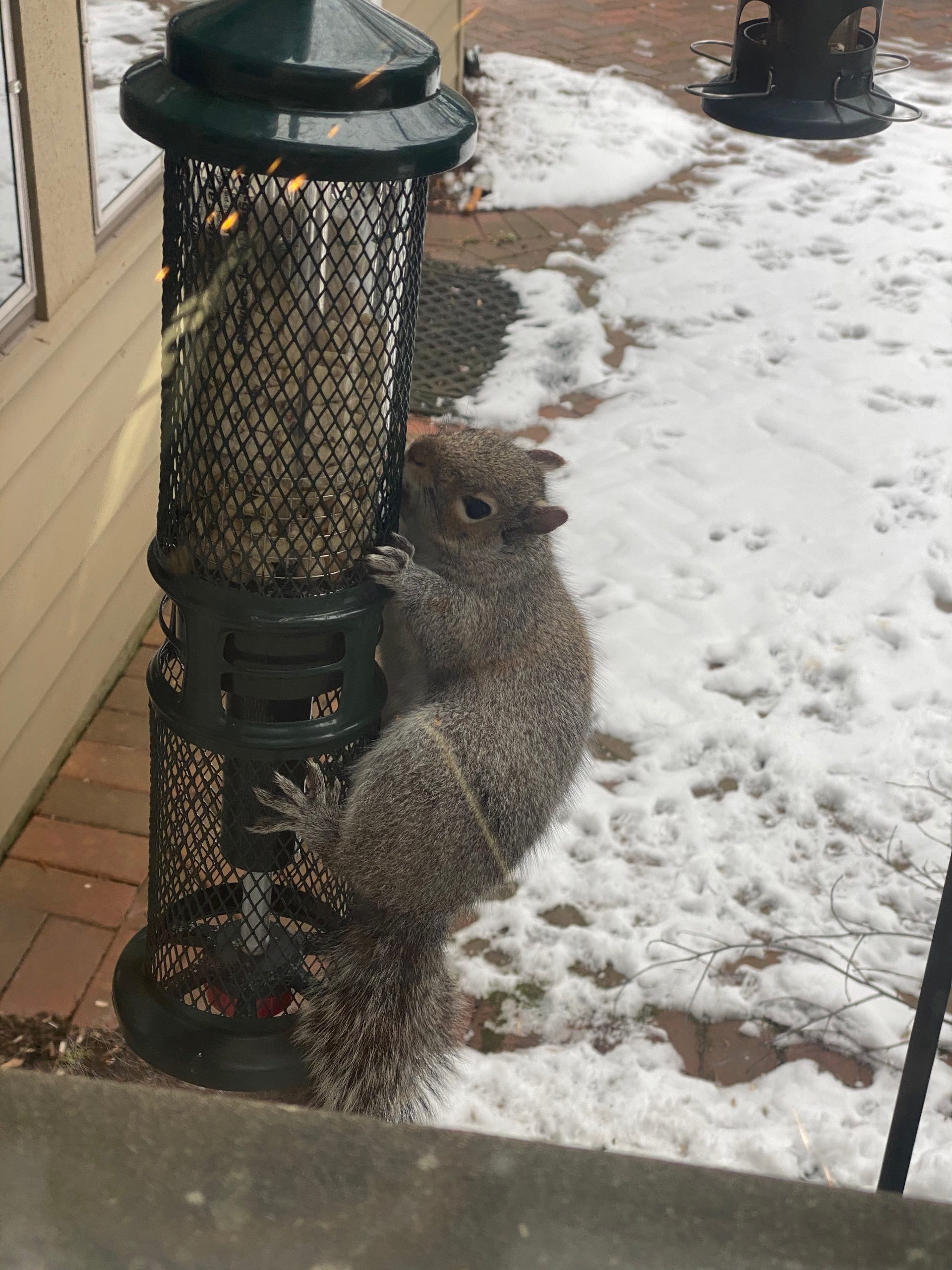
BTW, these Brome feeders really do keep out the squirrels! This guy tried a few times and has since given up.

A Skunk is not a Chipmunk

I have an ongoing battle with chipmunks. They’re generally cute, but boy can they wreak havoc. They’ve caused the sinking of my front walkway by tunneling underneath, and last year they took a big bite out of every ripe tomato in my garden. We had the walkway raised, and then added rodent proof fencing down about 2 feet. So far so good at that location, but they’ve reappeared the last couple of years and are tunneling under new areas of the walkway.

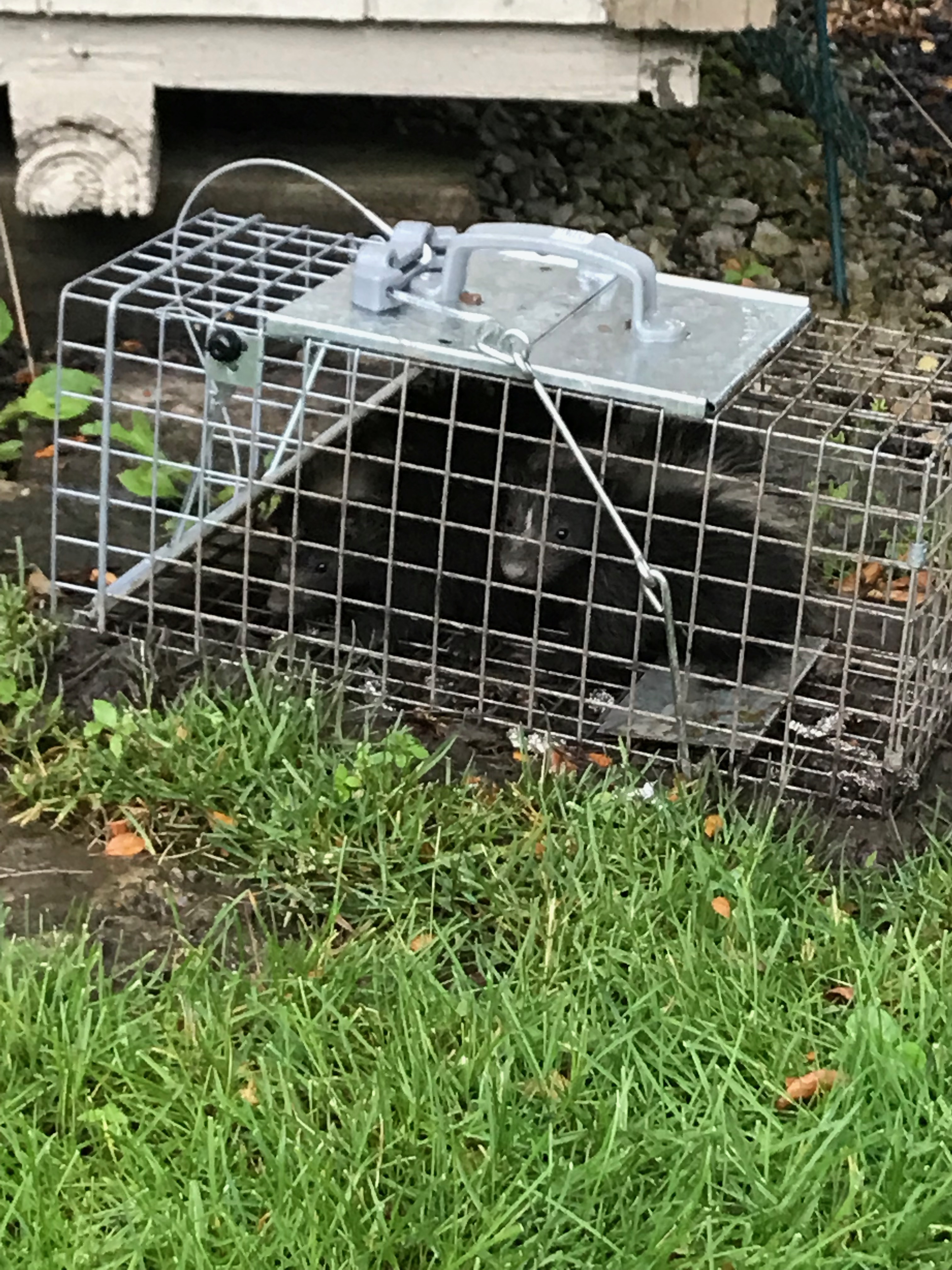
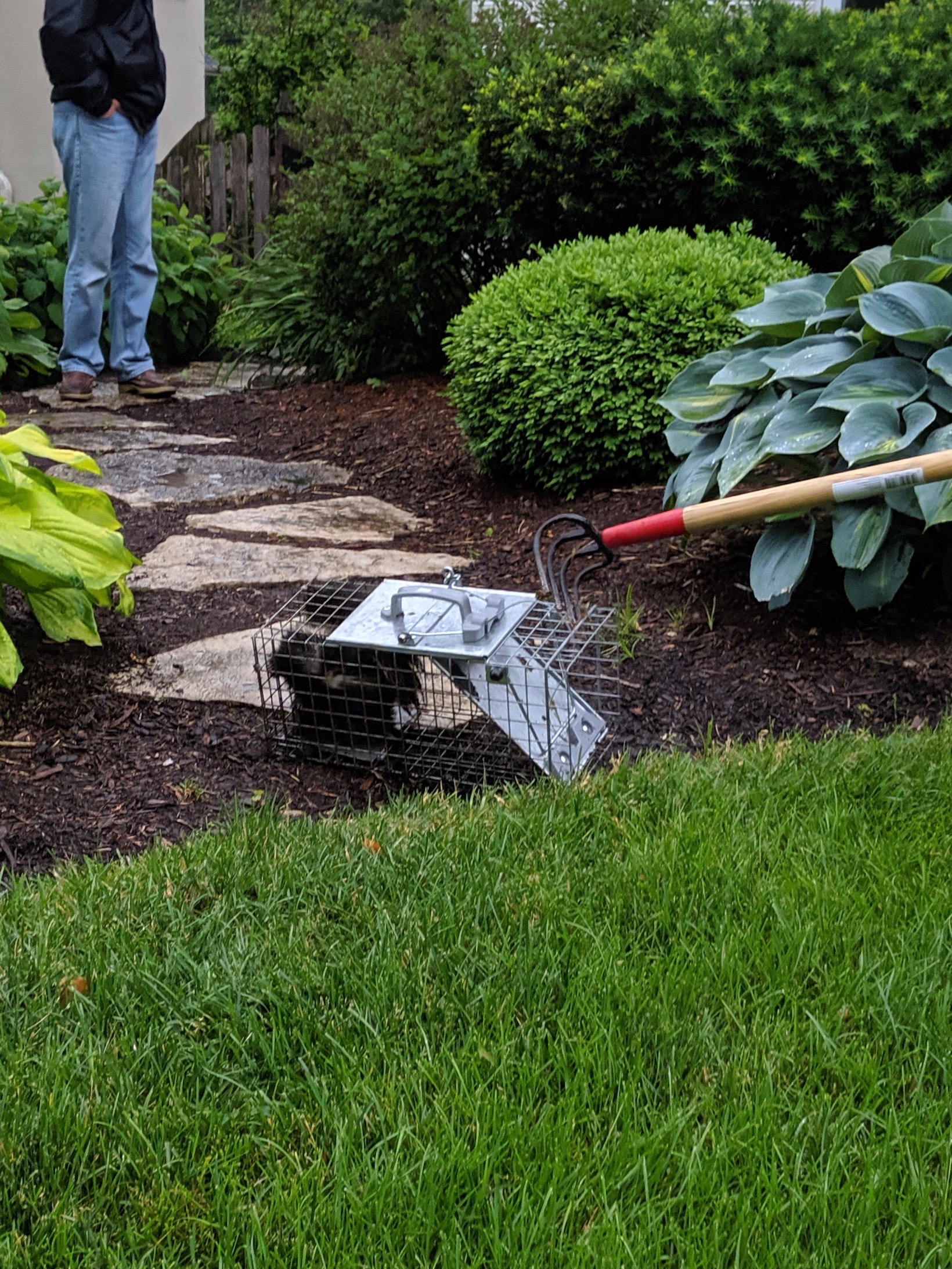
What to do? I got out my trusty small Havahart animal trap to try and catch a few. After a few days of nothing, I was hoping they had moved on to greener pastures. But around dusk the other night, there was something in the live trap. We thought we had accidentally caught a big fat rabbit, but as we got closer we realized it was a SKUNK. Yikes! We were not expecting that!

havahart

I know we occasionally smell skunk in the area, and we’ve had a couple of skunk vs dog incidents over the years, but hadn’t smelled anything recently.

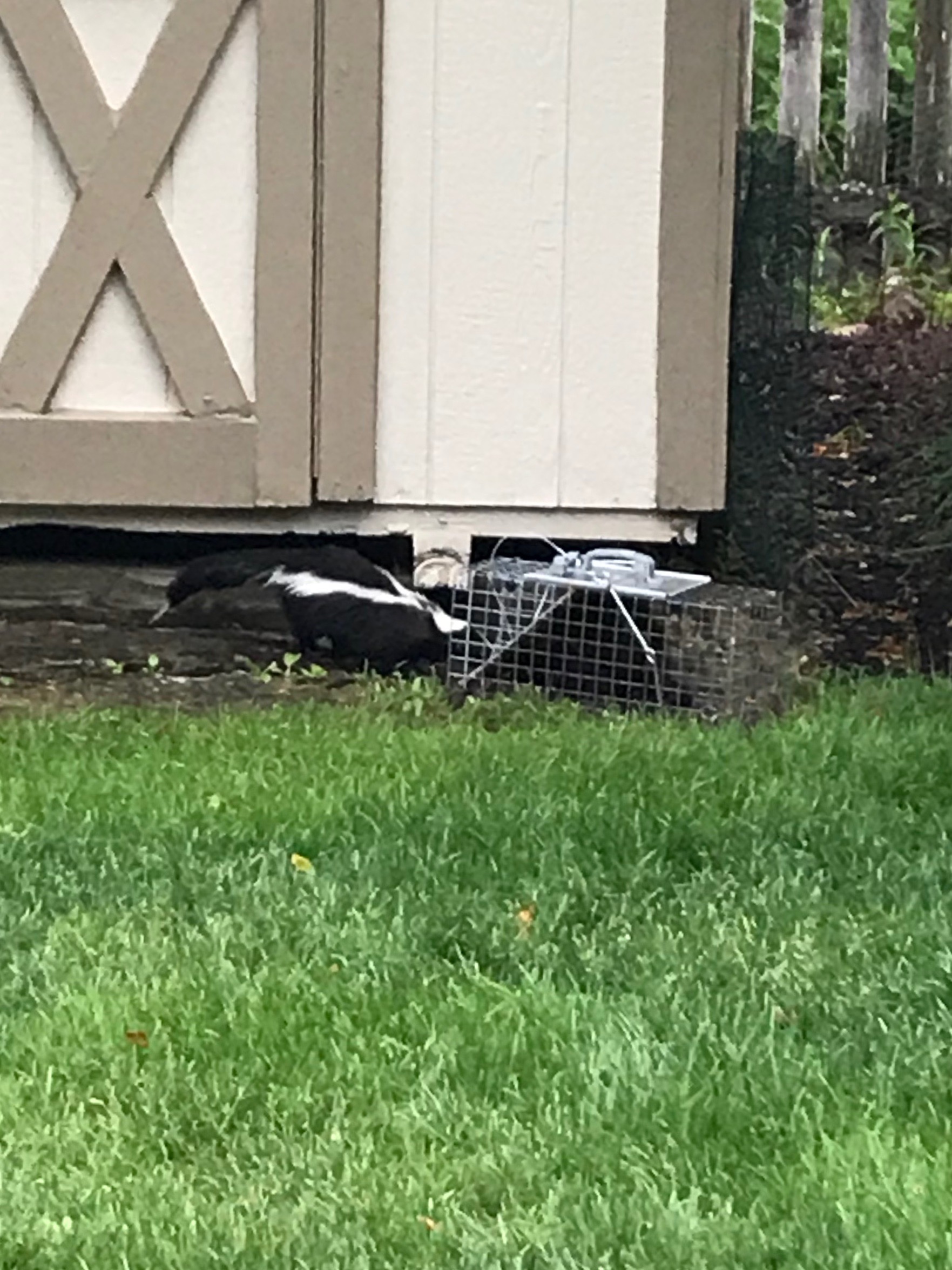
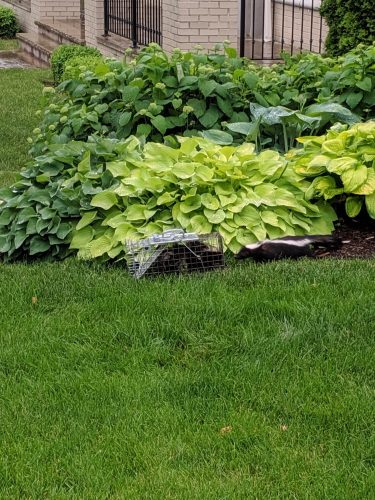
Getting a slightly closer look, my son noticed that there are not one, but 2 skunks in the cage! That’s a slightly bigger problem for sure! They looked like juveniles and that was confirmed when the mom showed up to make matters worse.

havahart

I know from my mom’s experience a few years back with a brood of skunks in her yard that when they are very young they can’t spray yet. But when that exactly ends is anyone’s guess as her neighbor found out when he tried to capture his little skunk family. The next option is to throw a towel over the cage, block their view so they won’t spray, and get it opened to let them out to be on their merry way. But I had to deal with the mom too.

I needed a different plan. Luckily the only garden tool not in the shed guarded by the skunks was my 3-prong cultivator, aka “cage grabber”.

We made noise and the mom retreated under the shed long enough to grab the cage and drag it away from her. Since the trap was a newer “Easy Set Havahart Trap” I could grab the handle to open the trap without getting very close to it.

Then we waited to see what would happen….

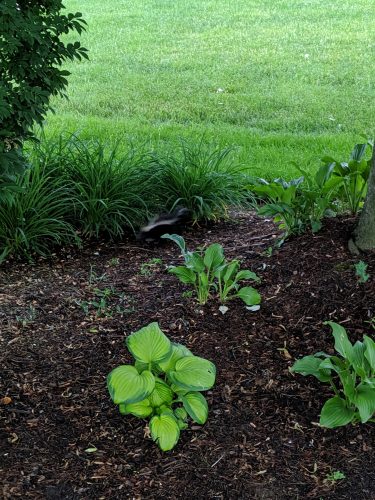
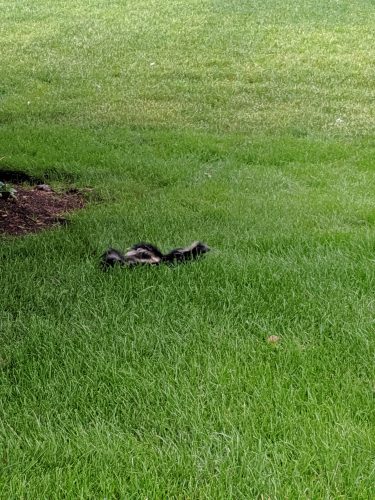
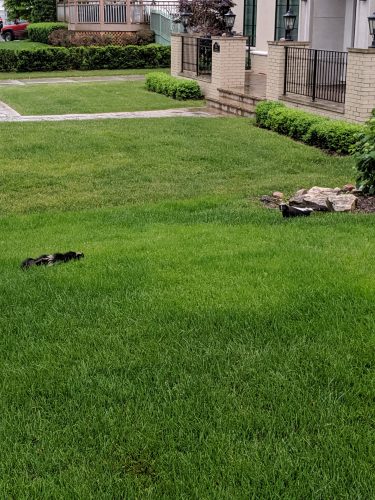
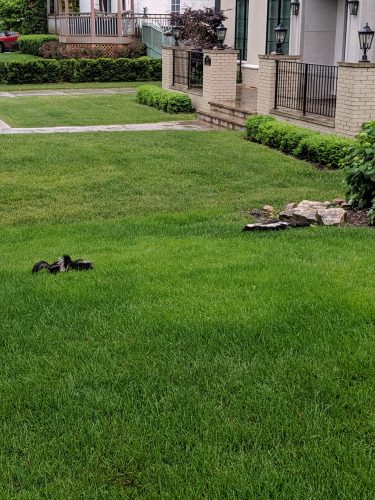
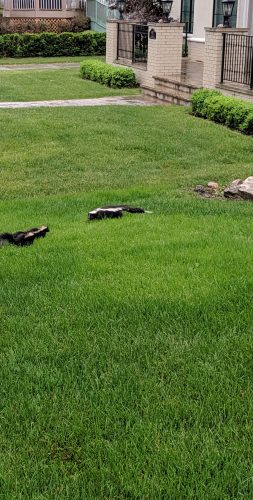
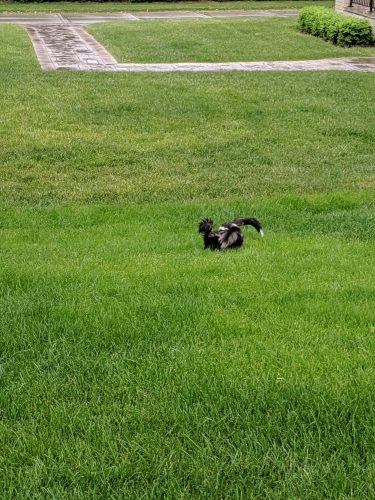
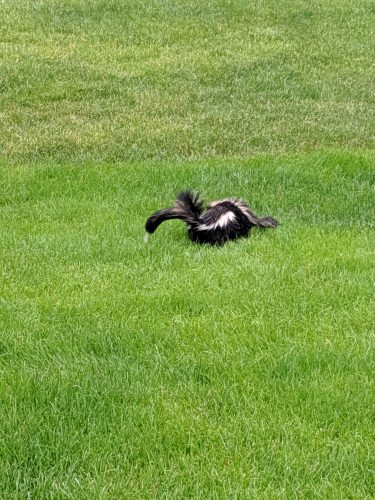
Off they went as a happy reunited family of skunks. In the meantime, Daisy is on short leash when she goes out in the evening!

Bird Count Time

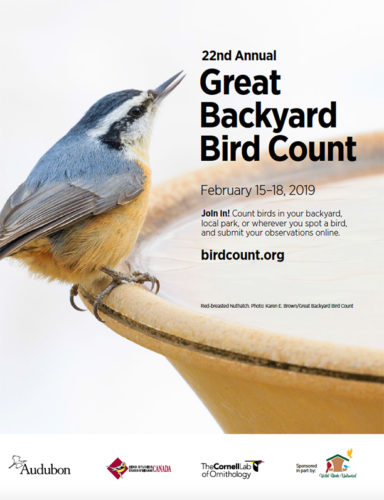
It’s that time of year again! The 22nd Annual Great Backyard Bird Count is this weekend, Friday, February 15, through Monday, February 18, 2019.

This is a wonderful citizen science project that helps researchers at the Cornell Lab of Ornithology and the National Audubon Society learn more about how birds are doing, and how to protect them and the environment we share.

peanut feeder

It can be as simple as looking out your window for as little as 15 min, or go out to your favorite birding spot and report on what you see. Every report is important to create a worldwide snapshot of where all the birds are at one moment. Scientists use this information to investigate how weather and climate change influence bird populations, why some birds like winter finches appear in large numbers during some years but not others, how the timing of birds’ migrations compare with past years, how are bird diseases, such as West Nile virus, affecting birds in different regions and have there been changes in bird diversity in cities versus suburban, rural, and natural areas?

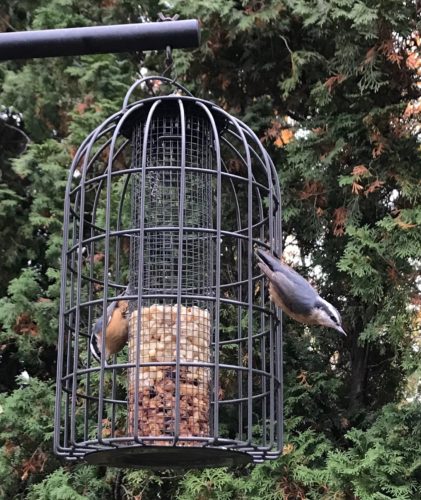
Once you’ve counted your birds, you can log your sightings online at birdcount.org. This morning I counted 2 red-breasted nuthatches, 1 downy woodpecker, 4 house finches, 6 house sparrows and 1 female cardinal. I’ll report again tomorrow morning and hopefully one of my unusual visitors like the Red-bellied Woodpecker or Coopers Hawk decides to visit.

Need help identifying what you see? Check out these mobile apps, these online resources, or order my favorite bird book for beginner to intermediate birders, Birds of North America: A Guide to Field Identification.

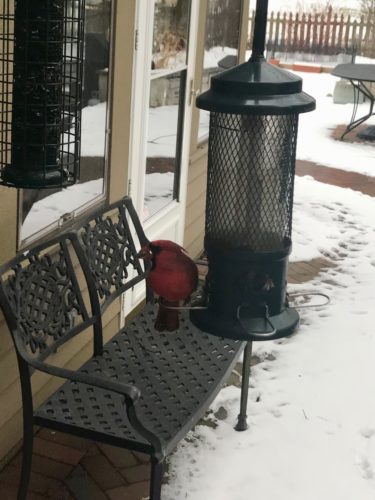
This is a male cardinal from a few days ago. He was just frozen there at the feeder with the striped sunflowers in his beak. Not sure what he was doing, but he sat like this probably for a minute or so.

In the past, I generally didn’t have red-breasted nuthatches this time of year. They’d come through on migration for a couple of weeks and then move on elsewhere. This is exactly the type of data they are looking for.

squirrel proof peanut bird feeder

Interested in what everyone else is seeing? On the GBBC website you can explore real-time maps and charts that show what others are reporting.  Be sure to check out the Explore a Region tool to see what everyone else is seeing in your area. Want to have your own checklist specific to your area? Check this tool out.

Want to help count birds all year round? You can keep counting throughout the year with eBird, which uses the same system as the Great Backyard Bird Count to collect, store, and display data any time, all the time. I love this tool to see what birds others are seeing (and where) when I’m out and about.

I did my part 😊

You can get your own certificate, just follow this link.
Happy Birding! Hope you see something interesting, but even if you don’t, know you’ve made a difference for science.

This Crazy Winter

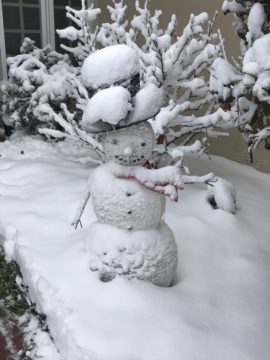
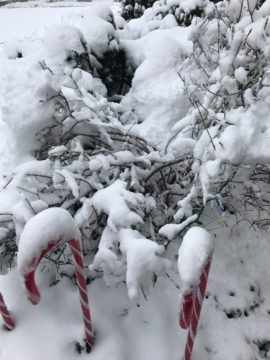
The winter of 2019 is definitely one for the books. We’ve been through snow, rain, crazy temperatures swings, a winter thunderstorm, the polar vortex…and now another ice storm has hit the Chicago area.

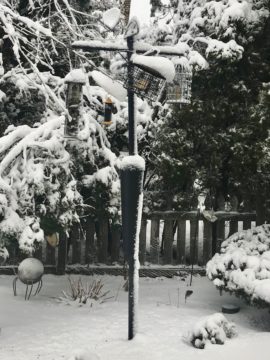
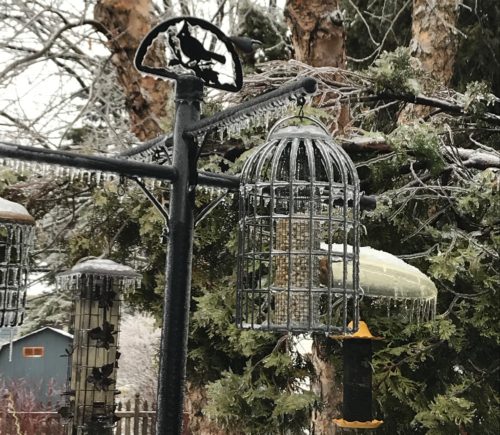
As temperatures hovered around freezing, the precipitation has rotated between rain, sleet, freezing rain and snow. Aside from the treacherous driving and walking, the ice made for beautiful scenery. Pretty much everything outside, like my feeder pole and feeders, were covered in ice and icicles. If you look closely at the icy peanut feeder, you can see one of the red-breasted nuthatches that is spending the winter in my yard on the peanut feeder.

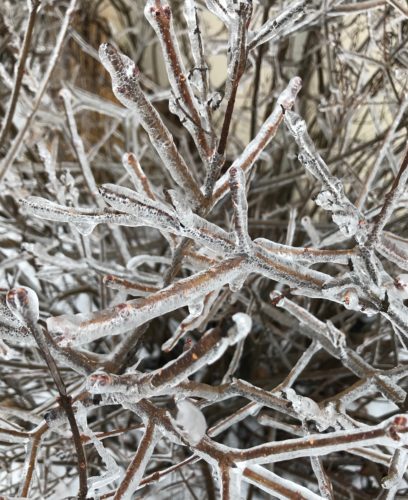
Looking around the yard everything, like this Dwarf Korean Lilac, was encased in a thick layer of ice.
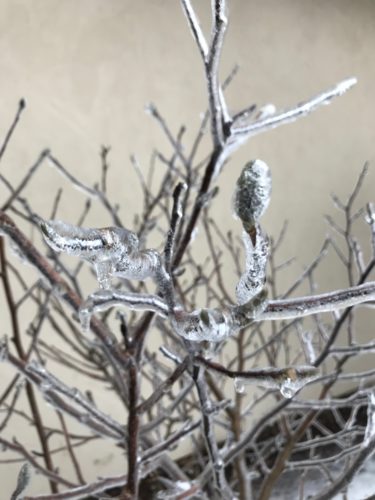
The buds on the star magnolia were similarly encased. The spring flower buds are actually protected by the layer of ice as long as I don’t try to knock the ice off.

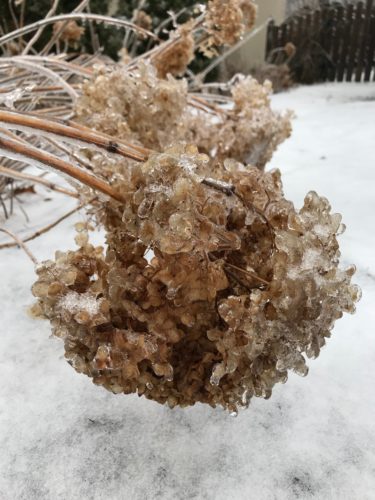
The annabelle hydrangeas are hanging heavy…

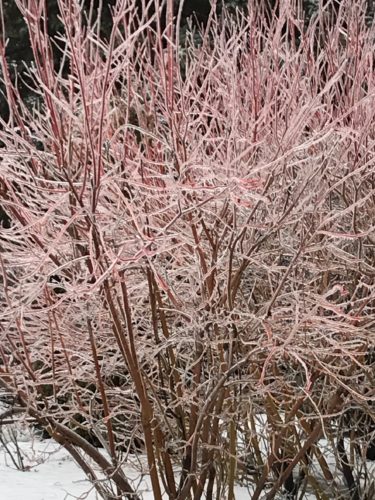
And the neighbors red-twig dogwoods are truly showing their winter colors.

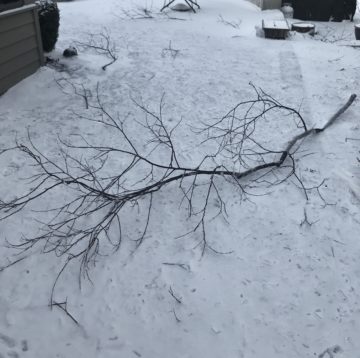
What do do about the ice? Not much you can do without inflicting more damage to weak branches and spring buds. Best to just wait and hope that it thaws soon. The wind has been howling tonight, which means probably even more breakage since the weight of the ice makes everything really heavy. The river birch has been dropping branches all over the patio.

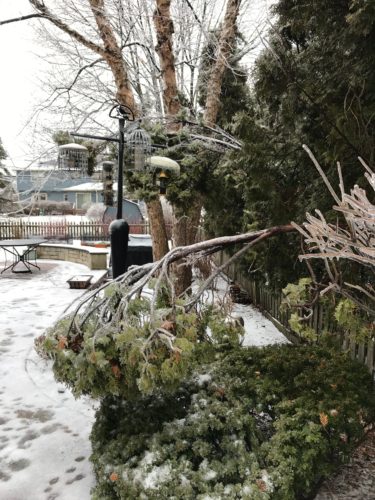
The arborvitaes are really having a rough winter between the heavy snow earlier this winter and now the ice. Only thing to do at this point is be patient. Multi-stemmed evergreens like arborvitae can be protected in the fall by tying up loosely with cloth, burlap or twine. But these are my neighbors shrubs, so all I can do is in the spring tie up the branches that have fallen on my side.
The Morton Arboretum has a great article on Winter Injury to Shrubs and Plants.

How are your plants fairing this winter?

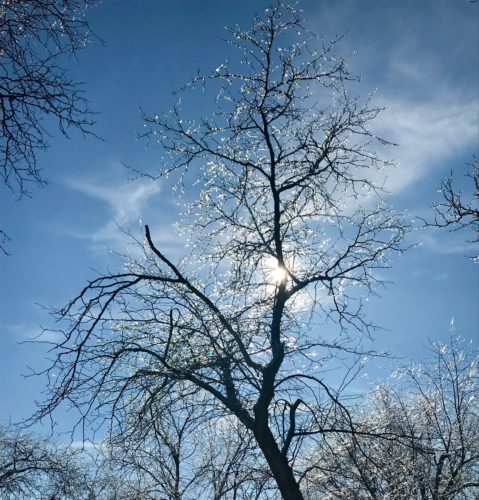
Bonus photo: The sun came out today and made everything super sparkly!


Winter Has Arrived ❄️❄️

My husband had a running weather joke all summer, “Enjoy it now, it’ll be snowing in 3 months”. We’d all roll our eyes.

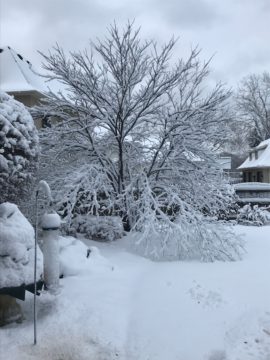
Well, he really wasn’t all that far off. We had the 5th biggest November snowfall last night, and it was a very messy storm.

Thankfully, my college kids had left Saturday to head back to school before the weather turned. We fared a bit better than many parts of Chicago, but we still got 3.9 inches of heavy, wet snow that knocked out our power for a few hours this morning.

That’s the kind that’s really tough to move around and really damaging to the trees and power lines. Luckily, we didn’t have too much damage and fared better than some of my friends.

The backyard redbud was heavy with icy snow, practically touching the ground. No branches seem broken so it should be fine. I’m leaving it alone so I don’t make things worse for it.

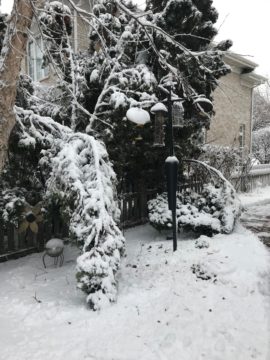
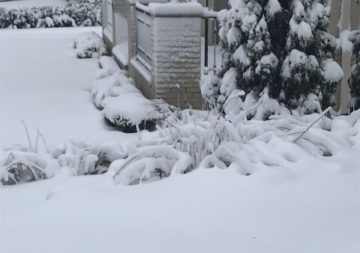
The arborvitae and other evergreens were all really sagging under the weight of the snow. Hopefully everything will bounce back once the snow melts. If they’re really bad like these, you can try and gently brush the heavy snow off the shrubs or trees with your hands or a broom as soon as it stops snowing, or even while it is snowing. But be careful to not be too rough and cause even more damage. Definitely don’t beat on the branches to break off ice.

Once the snow melts, if the branches aren’t popping back up you can try tying up the sagging branches to reshape the shrub. If you use ropes, be sure to loosen them every year so you don’t girdle the stem and kill it. Seems like during every storm my neighbor’s arborvitaes along the property line fall my way, so we have quite a system of woven ropes tying them up. Arborvitea make a great privacy fence, but the winter is really tough on them.

The yews and boxwoods are similarly drooping. I’ve had good luck with them bouncing back in the past so I tend to leave them alone.


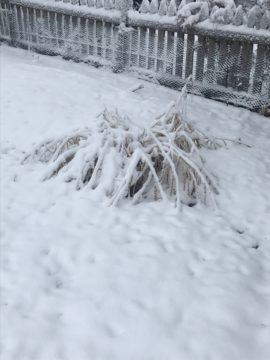
During the fall clean up, I always leave the grasses and hydrangeas for winter interest and bird habitat. Not sure what they’re going to look like after this snowfall though. It won’t affect their next year’s growth, but they may look crushed the rest of the winter. I’ll have to decide whether to cut them back or leave them once this snowfall melts.

Annabelle hydrangeas (seen above) bloom on new wood so late fall or winter pruning won’t affect next summer’s blossoms. Be sure before you do any winter pruning you know what kind of hydrangeas you have. Many have different pruning requirements depending on when they bloom and if it’s on new or old stems.

Ornamental grasses can be pruned back to the ground anytime after late fall. I like to leave mine and prune in the early spring. If you don’t think they look good, trim them to the ground in the fall or winter. If you do leave them, be sure to cut them back to a couple of inches in early spring before new growth starts. I’m guessing these will not look good this winter.

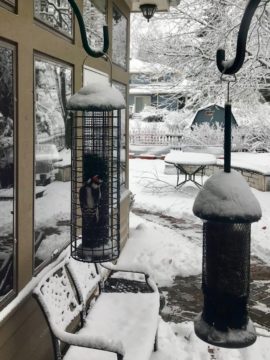
The snow made the bird feeders a bit cock-eyed. But the birds didn’t mind and seemed thrilled to have food available. The squirrels and juncoes kept the snow cleaned of any spills. I even had a red-bellied woodpecker visit the suet feeder this morning. No camera nearby, but trust me, he was beautiful!

How did your yard fare with this storm?


New Squirrel Proof Bird Feeders

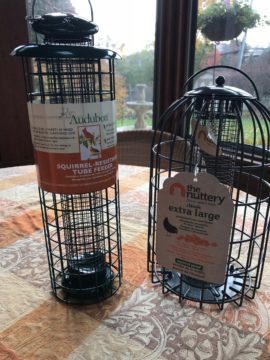
I had such success with my squirrel proof feeders (Who Won The Squirrels vs Feeder Contest?) that when I needed to replace my peanut feeder, I searched again for a squirrel proof version. I found two options that seemed like they would work and ended up ordering them both!

squirrel proof peanut bird feeder

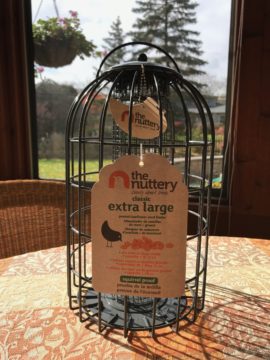
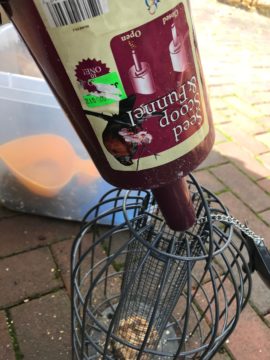
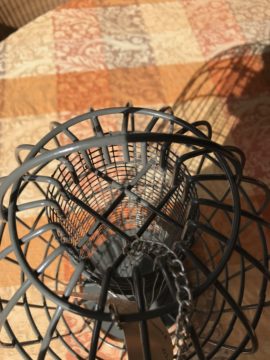
The first was the The Nuttery Classic X-large Peanut/Sunflower Seed Feeder (NT066). It seems to have a heavy duty outside cage to keep squirrels from chewing through the mesh. One complaint that I saw in the reviews was that its hard to fill. Using a handy seed funnel scoop I didn’t really have a problem.

I really liked that if the squirrels were able to get the top off, there’s a strong grate preventing them from emptying the feeder! A nice touch and definite plus. 

squirrel proof peanut bird feeder

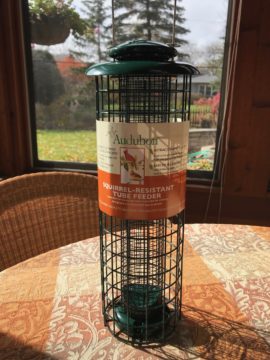
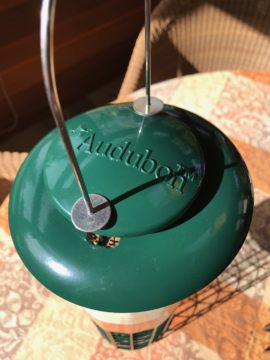
The second one was an Audubon Squirrel-Resistant Caged Screen Feeder (Model NACAGE).  Again, people’s biggest complaint was filling it. 

squirrel proof peanut bird feeder

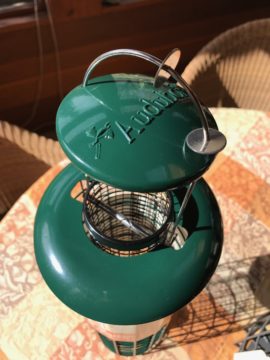
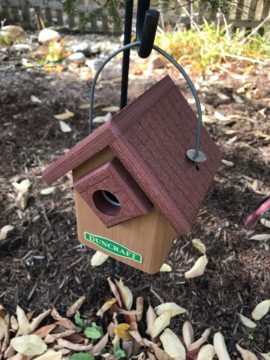
I think since I already was used to the disc method of locking down the top from my Duncraft Eco songbird house that the House Wrens love, lifting the lid isn’t a problem. Very effective against a squirrel getting it open. But, I do think it would have been nice if the wire loop would tilt out of the way when the top is up. It does get in the way of filling the feeder, but again using the funnel scoop or my Perky Pet Seed scoop, I was able to fill it ok.

Now I waited for the birds! Why did I want a peanut feeder so badly?  For the nuthatches of course! Especially the Red-breasted Nuthatch. Apparently it’s an irruptive year for them and I have a couple that have been visiting my backyard with the White Breasted Nuthatch for a few weeks now.

peanut feeder

squirrel proof peanut bird feeder

They are the cutest, friendliest bird around.

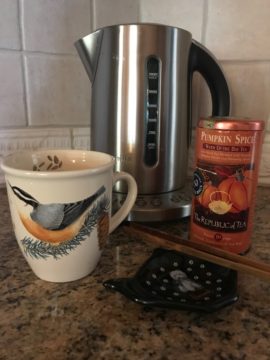
Definitely one of my favorites, as you can tell by my morning tea mug that I bought at my local Wild Bird Unlimited store. Of course this time of year my go to tea is Pumpkin Spice from Republic of Tea, and with water heated up in my electric Breville variable temperature kettle.

red breasted nuthatch coffee mug

I would point out that I wouldn’t need any of these squirrel  proof feeders if I had just placed my Squirrel Stopper Feeder Pole the required distance from a tree (check out these previous posts for more on the pole system and other feeders: This Birthday Was For The BirdsThe Feeders Are Ready for Winter).  But then I couldn’t see the feeder as well from the kitchen window. I would say though, I have never seen squirrels climb up the pole so I would still whole-heartedly recommend it!

FYI, after my local feed store closed, I was having trouble finding shelled peanuts for my feeders so I ended up ordering them from Amazon.  The birds couldn’t tell the difference and were happy for the treats.

So happy to finally not have the squirrels be a problem, now if I could say the same for the house sparrows and house finches.

Troll Hunt!

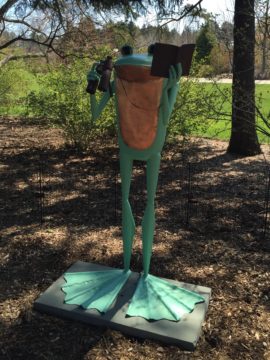
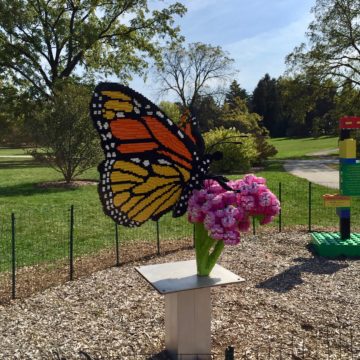
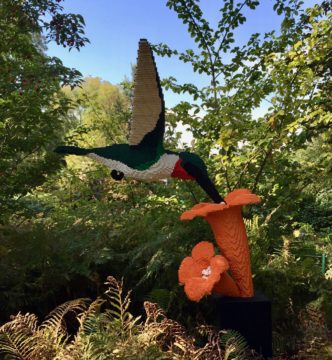
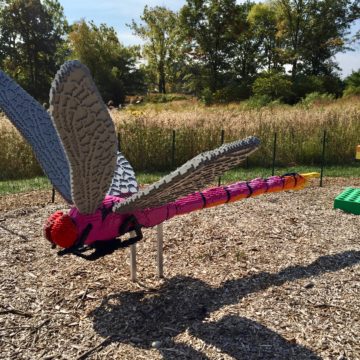
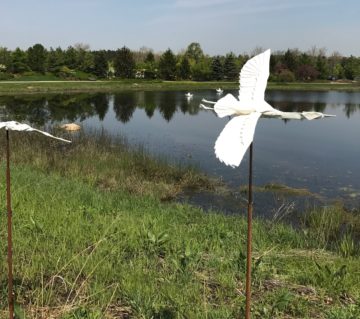
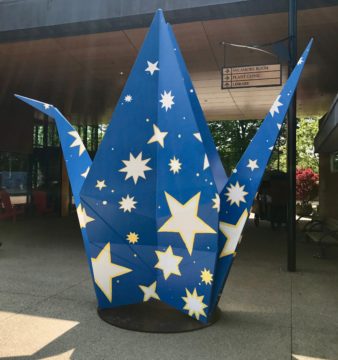
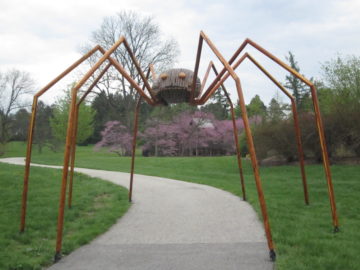
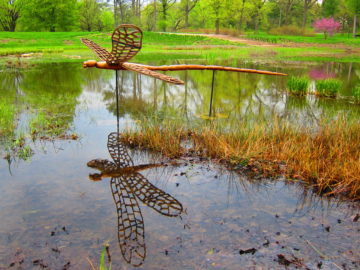
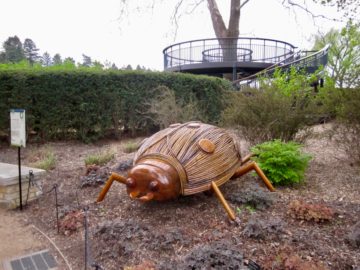
The last few summers the Morton Arboretum has had a “BIG” exhibit to bring people outdoors and celebrate nature. There’s been frogs, giant bugs, giant lego statues, and life size origami.

And this year, a Troll Hunt!

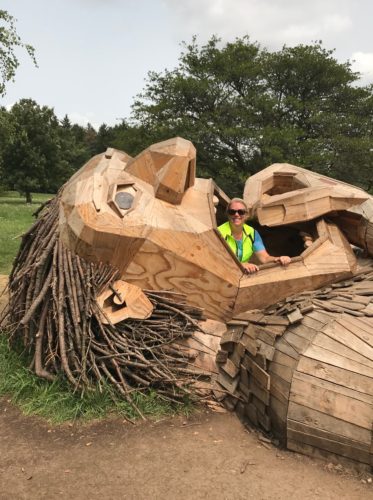
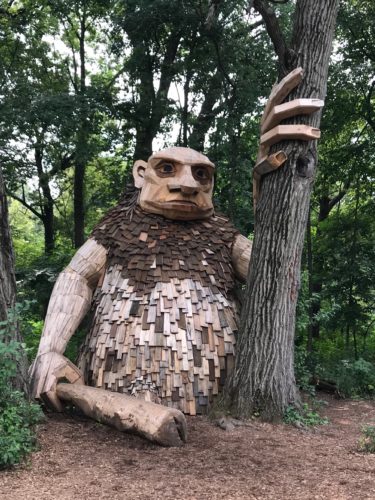
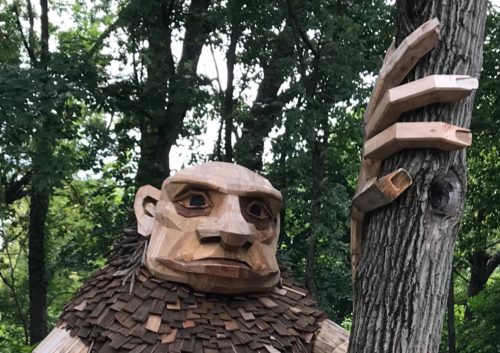
The Trolls are the design of Danish artist Thomas Dambo. These 15- to 30-foot-tall, and one 60-foot long, sculptures are created from reclaimed wood and other forest items to bring people out into nature and serve as protectors of our environment. This guy, Neils Bragger, definitely says, “Don’t mess with me or my woods!”.

This Troll Hunt exhibit is Dambo’s first large exhibit in the US and part of a worldwide fairy tale that Dambo is creating, “The Great Story of the Little People and the Giant Trolls“.  The first installment was in Copenhagen, the second in South Korea and the third now at the Arboretum. The Morton Arboretum is lucky to have it!

The faces, hands and feet were built from recycled wood in Dambo’s shop in Copenhagen and shipped to the Arboretum.

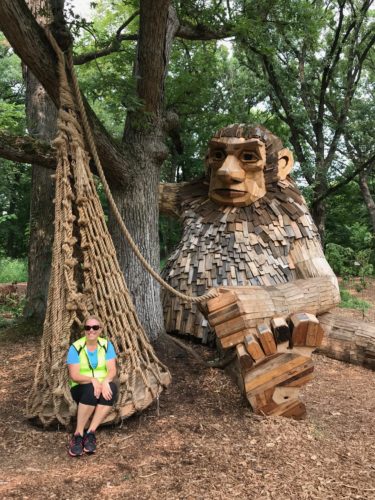
All year the Arboretum collected wood scraps, battered boards, fallen trees and branches, and the remains of pallets and packing crates which were added on site to create the massive Trolls including Furry Ema, who would like to trap some visitors!

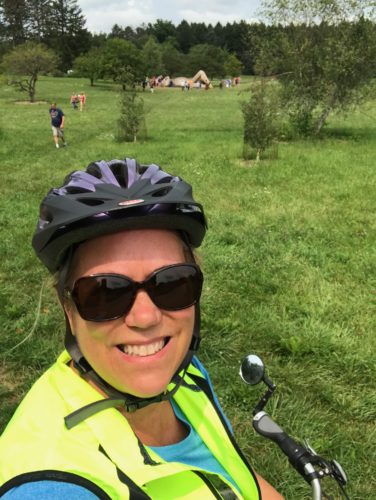
Unlike the past exhibits, to see the trolls does require some driving and walking, or in my case bike riding.

You can see some from the Arboretum roads, but to see them up close you need to leave the road and walk just a few feet or up to 3/4 of a mile to see them over pavement, wood-chipped, and mown grass trails. There is a Troll tram that will bring you to the sites and give you lots of interesting facts about the Trolls and the arboretum if you prefer to have someone else do the driving.

Any way you get there, be careful you don’t get eaten by Little Arturs!

Be sure to pick up the Troll Hunter’s Handbook at the Visitors Center. It looks like a kid’s adventure guide, but The Handbook will help you find the trolls and collect clues to locate the Troll’s secret hideout, which I sadly missed on this trip. I will be back! The Trolls are expected to be around through the end of the year, maybe longer if they hold up well. Check out this Arboretum page if you need more information and tips for your visit.

Of course, no trip the Arboretum is complete without seeing some of the amazing plant collection and finding something I need in my garden.

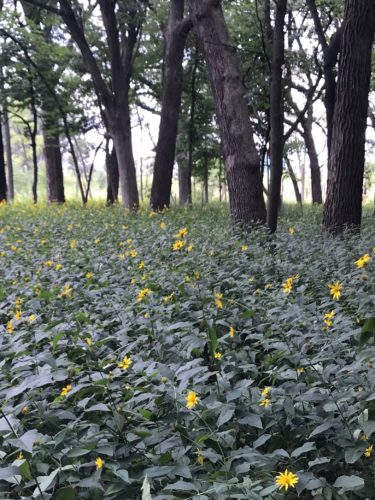
Pale-leaved Wood Sunflowers (Helianthus strumosus) were in full bloom on the forest edge on the East Side.

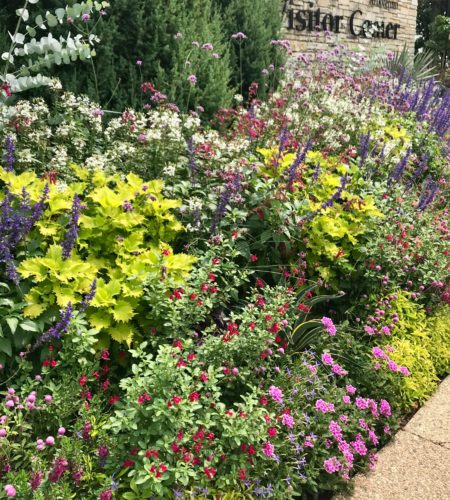
Always a stunning seasonal display in the garden in front of the visitor center!

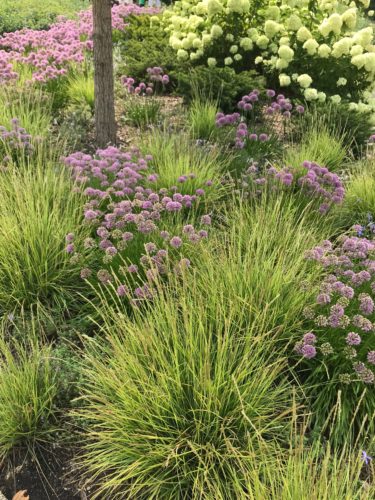
I may need to add some of this Autumn Moor Grass (Sesleria Autumnalis).  Looks great next to the Summer Beauty Allium (Allium senescens subsp. montanum ‘Summer Beauty’).


Have you been on the Troll Hunt? I’ll let you know on Instagram at Stephigardens when I find The Hideaway!


My Magnolia Saga

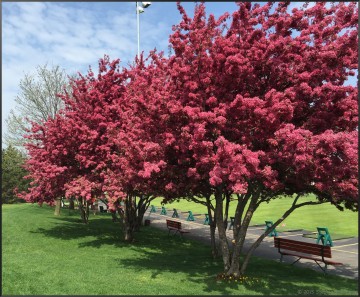
In my neighborhood, one of the things that truly announces that spring has arrived is the beautiful blooms of the Magnolias, Redbuds and flowering Crabapples.

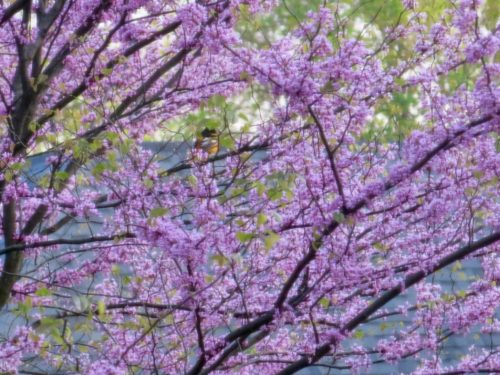
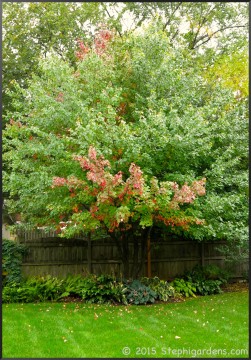
We already had pink crabapple, so when one of our River Birch trees died about 10 years ago, we replanted nearby with a Redbud. It has grown beautifully and puts on quite a spring show. This year it was a favorite of my first-ever Northern Oriole in the backyard!

We sadly had a Freeman Maple die a few years back (So Long Beautiful Maple Tree), and three years ago decided it was time to add some more flowering trees. We picked a Jane Magnolia (Magnolia “Jane”) to add to our garden collection in this now very bare spot.

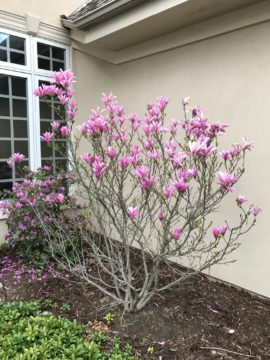
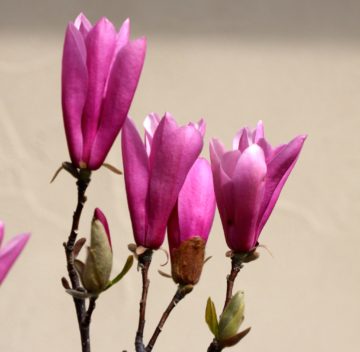
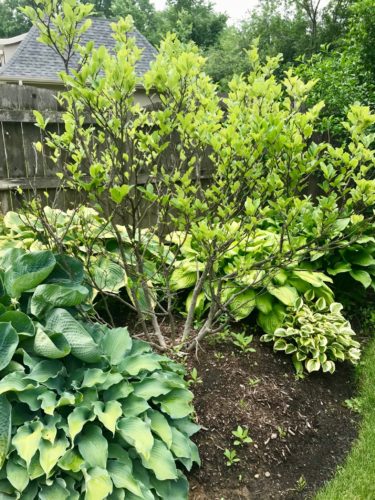
I had done a bit of research and was really hoping to add a yellow magnolia, but that year it was just too late to find one.  I ultimately decided on Jane Magnolia, one of the “The Little Girl Series,”  and is a hybrid between a lily magnolia ‘Nigra’  (Magnolia liliflora) and star magnolia ‘Rosea’(M. stellata).  The “Little Girl Series,” was named because each hybrid plant was given a girl’s name. I chose the hybrid Jane because it was the right color (reddish-purple outside and white inside), size (10 to 15 feet tall and wide) and with the late spring bloom time it is less likely to suffer frost damage in spring.

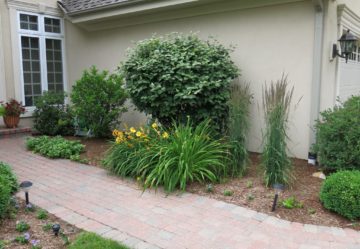
Since we were already doing some replanting, we also decided to remove a couple of unwieldy yews in the front bed and put in another magnolia and some grasses.

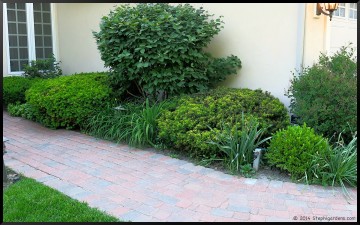
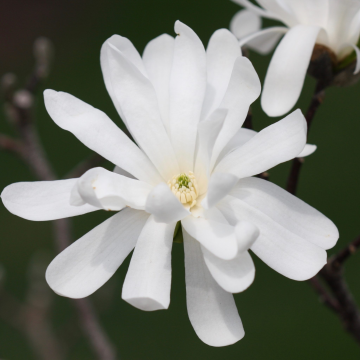
Where the yew closer to the front door was, we decided on a Star magnolia (Magnolia stellata).  This magnolia is more shrublike than most magnolias so it was more amenable to a smaller area like a front bed. In the other spot we planted three Karl Foerster Feather Reed Grasses (Calamagrostis acutiflora ‘Karl Foerster’) to add year round interest.

In they went and I couldn’t wait for the next spring.  But in the meantime, we had a very dry summer and a very tough spring. Despite my attentive care, neither transplant survived 😔.

Because I had them planted from a local nursery, both were covered by a warranty, so they were able to be replaced.  All seemed well until they bloomed….

Uh oh, I had white blooms in the backyard and pink blooms in the front yard! No doubt that this is wrong! Somehow the specimens had been mixed up and now my replanted plants needed to be replanted again😔  Magnolias are pretty hardy plants once they get going, but they can be a little finicky about being transplanted. Pretty sad to make the call to my landscaper to have them switched, but there’s no way I can have a Jane magnolia in the small bed by the front door.

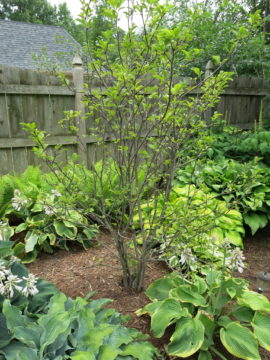
Fast forward to this spring. The Jane magnolia in the back looks great, had plenty of nice pink blooms and and is starting to shoot up lots of new growth. I think it’ll be ok!

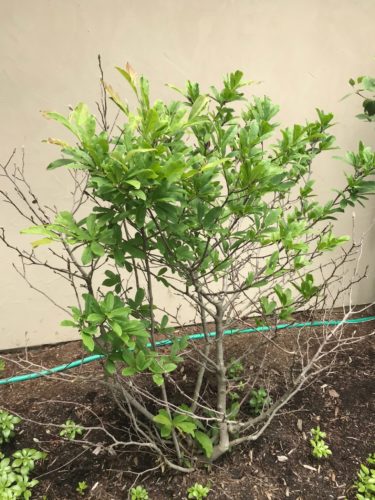
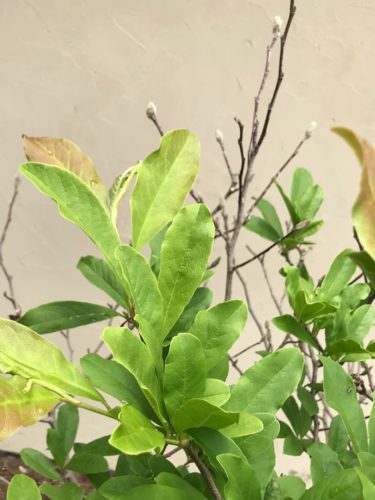
The front yard Star magnolia, however didn’t fare as well.  It had plenty of buds, but many didn’t bloom and many branches were dead.  But enough stayed alive that I think it’ll eventually it’ll be ok.  It also looks like it recently started sending up new sprouts near the base. Wish it had done better, but it’s been through a lot and I only get one replacement.  We’ll see how it looks next year.

Do you have magnolias? Any problems getting them to take off?


Lime in the Planter?

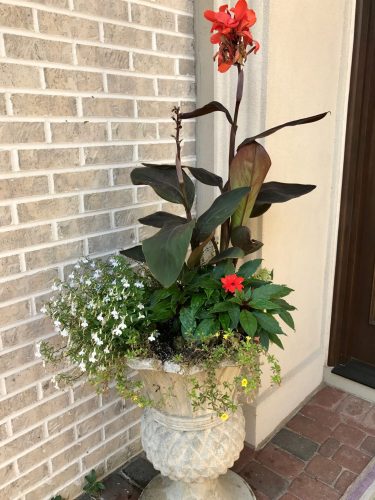
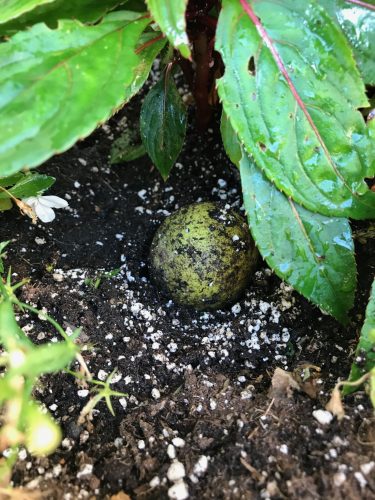
I went out to water the front planters the other day and there was dirt and plants all over the front stoop, and a big hole dug in the the tall planter.

Then I saw what looked like a lime in the center of the planter. Now maybe that wouldn’t be so weird, except this is Chicago and limes don’t grow here.

So what was going on?

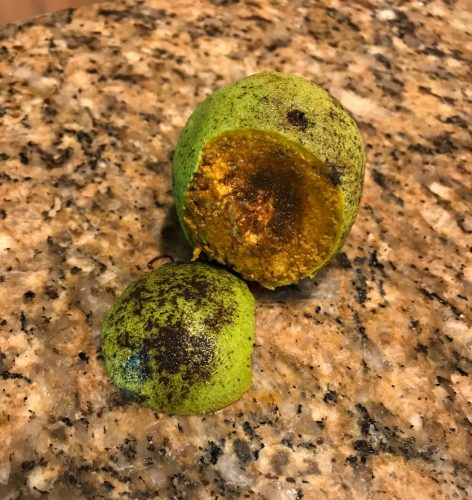
Cutting it open showed me it wasn’t a lime, butt instead a black walnut. Hmm… So I changed my question to why was there a black walnut in the planter on my front stoop. My best guess is a very creative squirrel. All over my yard I have signs of squirrel activity as they get ready for winter.

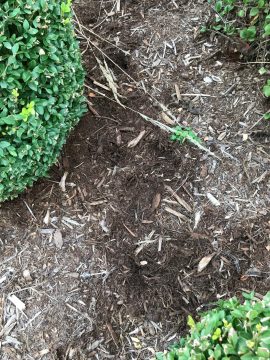
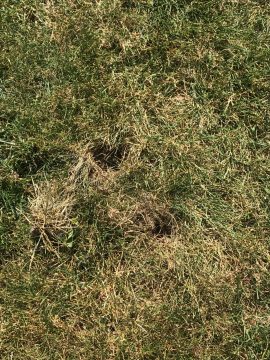
Every fall they seem to get very active burying their winter food in my grass and gardens. I don’t really mind, it’s kind of like free aerating. As long as they stay away from my bird feeders!

But, I still don’t understand the black walnut. The closest black walnut tree is over as block away, and after carrying it so far why put its such a difficult spot? But then there’s a lot about squirrel behavior that seems puzzling. Add this to the list 🙂