Milkweed for the Monarchs

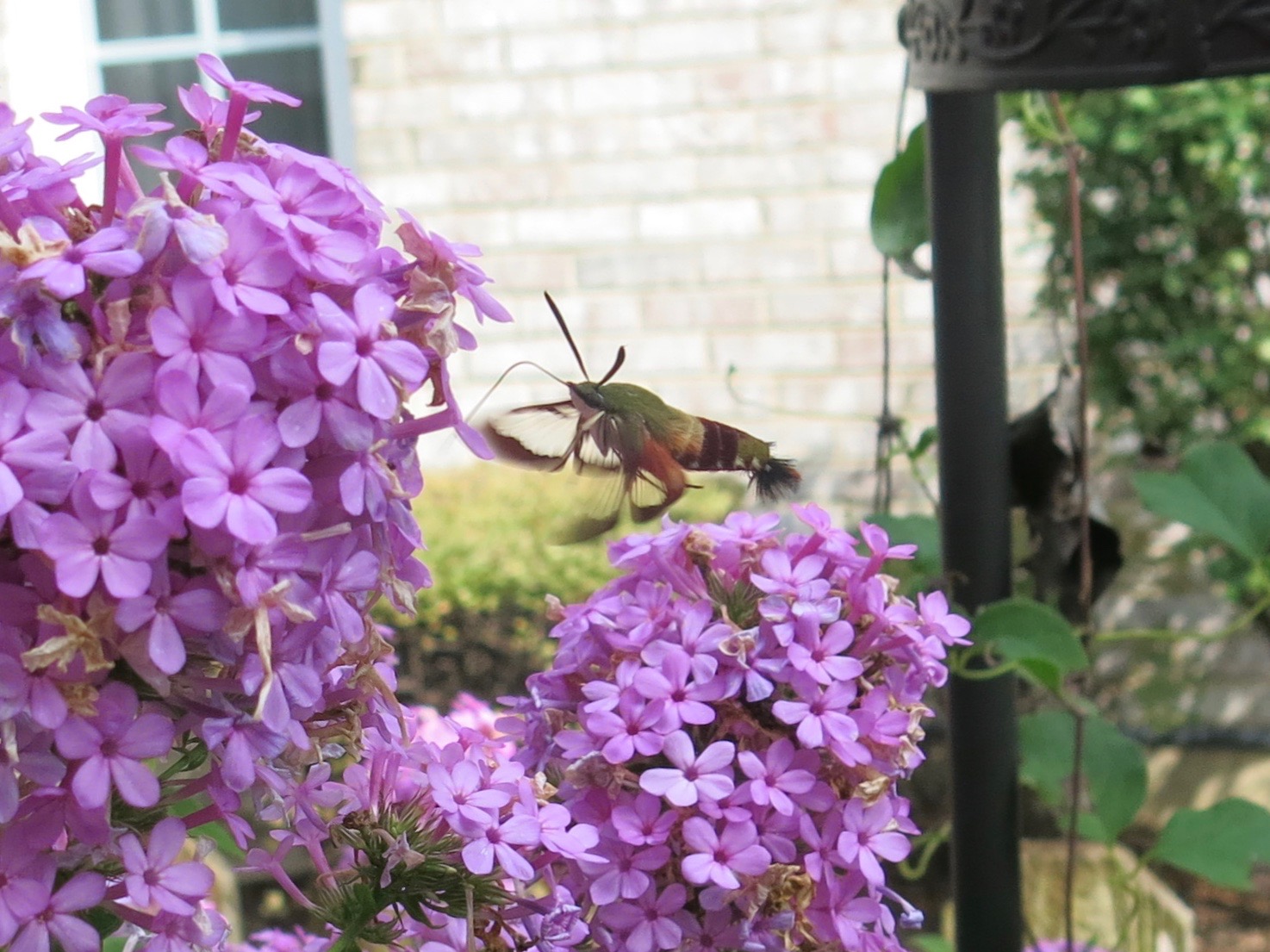
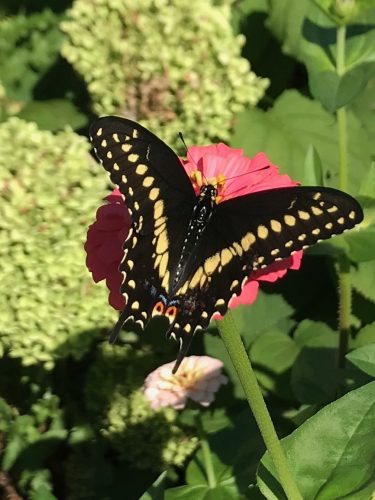
In my last post, “Poster Child of Pollinators: Monarch Butterflies” I introduced you to the beautiful monarch butterflies that are a vital part of the ecosystem.
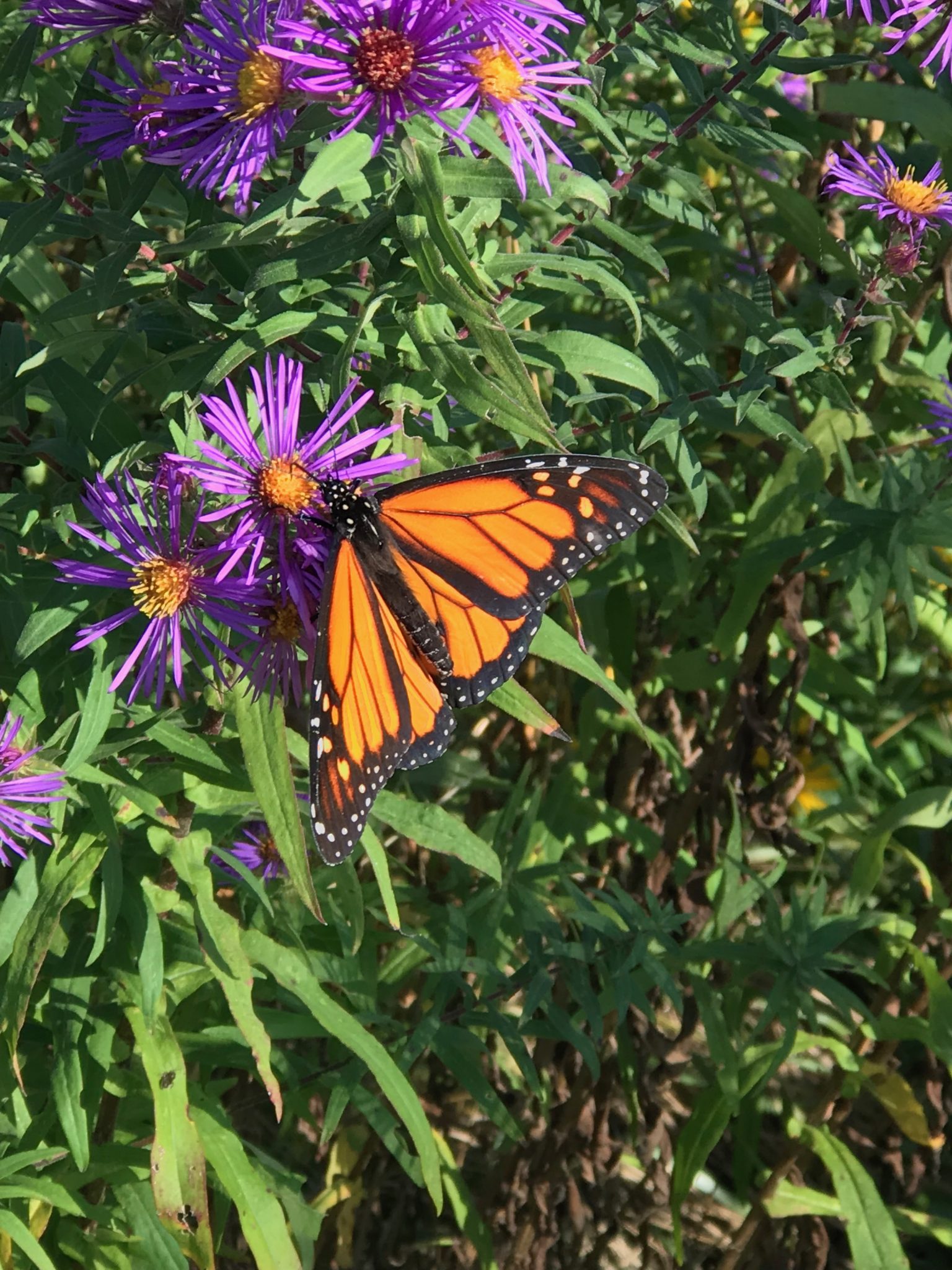
They are necessary for the reproduction of almost all flowering plants and for the pollination of about one-third of our food plants. But pollinators, including monarchs, are also in danger from many fronts. What can we do?

One easy way to help is to be sure your garden includes a wide variety of pollinator friendly plants that flower throughout the season.

In my northern zone 5b garden, some of my favorite perennials and shrubs are bee balm, phlox, coreopsis, coneflower, hostas, astilbe, lavender, allium,sedum, spireas, and viburnums.
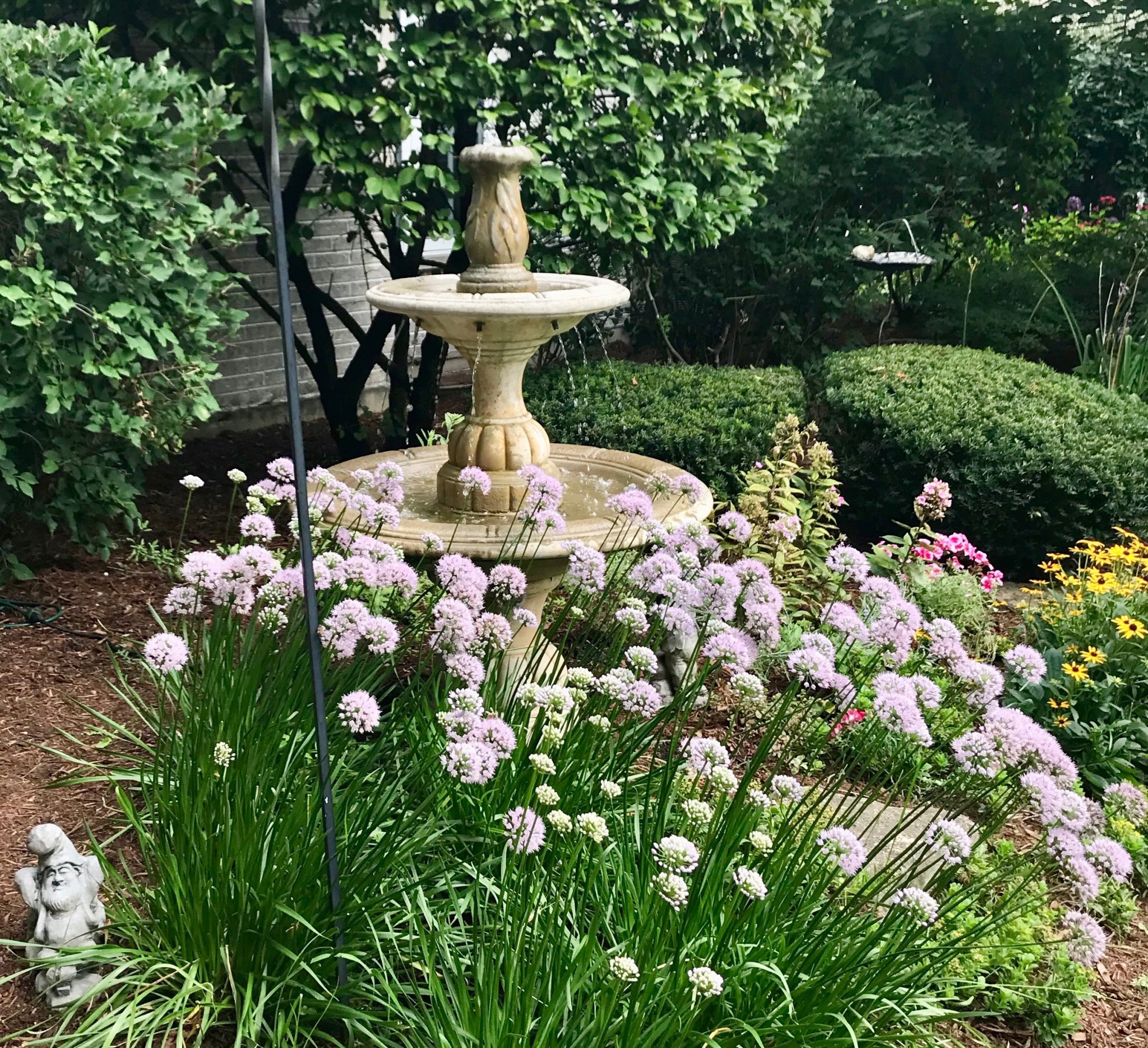
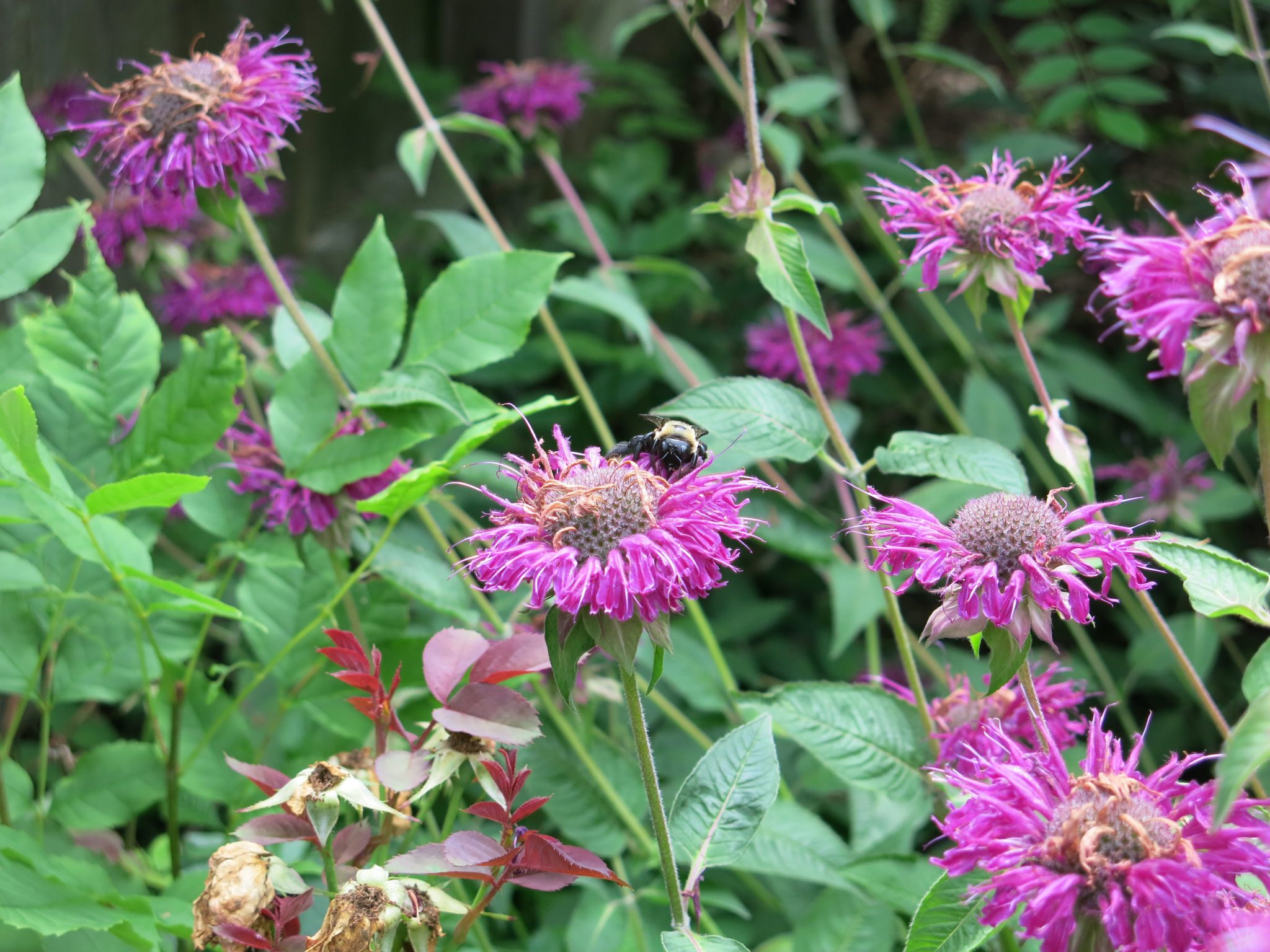
Some annuals and herbs that are especially attractive are petunias, snapdragons, milkweed, dill, fennel, zinnias, cosmos, and lantana.
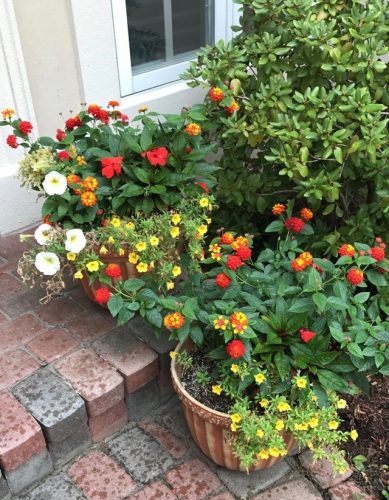
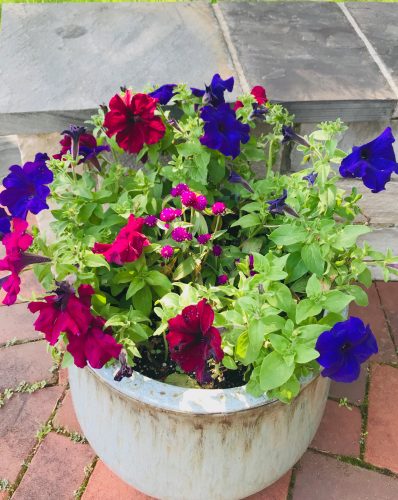
Try also whenever possible to plant native species and limit your use of pesticides and herbicides.

Monarch butterflies are unique in that for part of their life cycle they require milkweed. The monarch larval phase, better known as the caterpillar, eats only milkweed, so any disruption of milkweeds will affect monarch numbers.
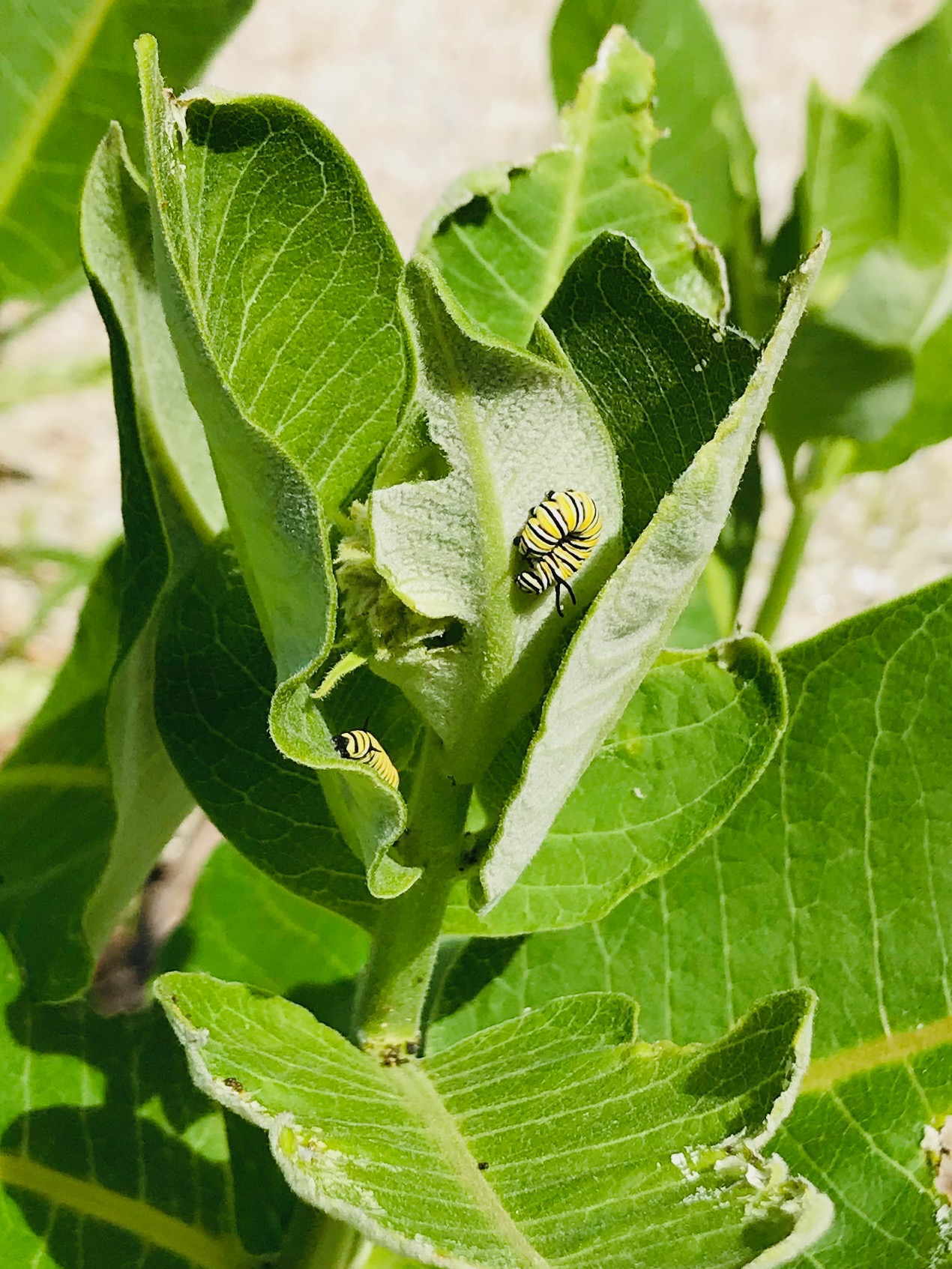
You can buy milkweed seeds from a variety of sources. One of my favorites is Botanical Interests. Be sure to pick a species that is native to your area and follow the instructions. Milkweed can be a little tricky to grow and the seeds require stratification to germinate. Stratification is a scientific term for exposing the seeds to a period of damp, cold temperatures, like what happens in nature over the winter. This is followed by warming the seeds up to germinate. Botanical Interests has a great Milkweed Sow and Grow guide to help explain how to do this. You still have time, but you need to order seeds soon. You can also often find plants at some local nurseries a bit later in the spring. Or you can collect your own in the fall!
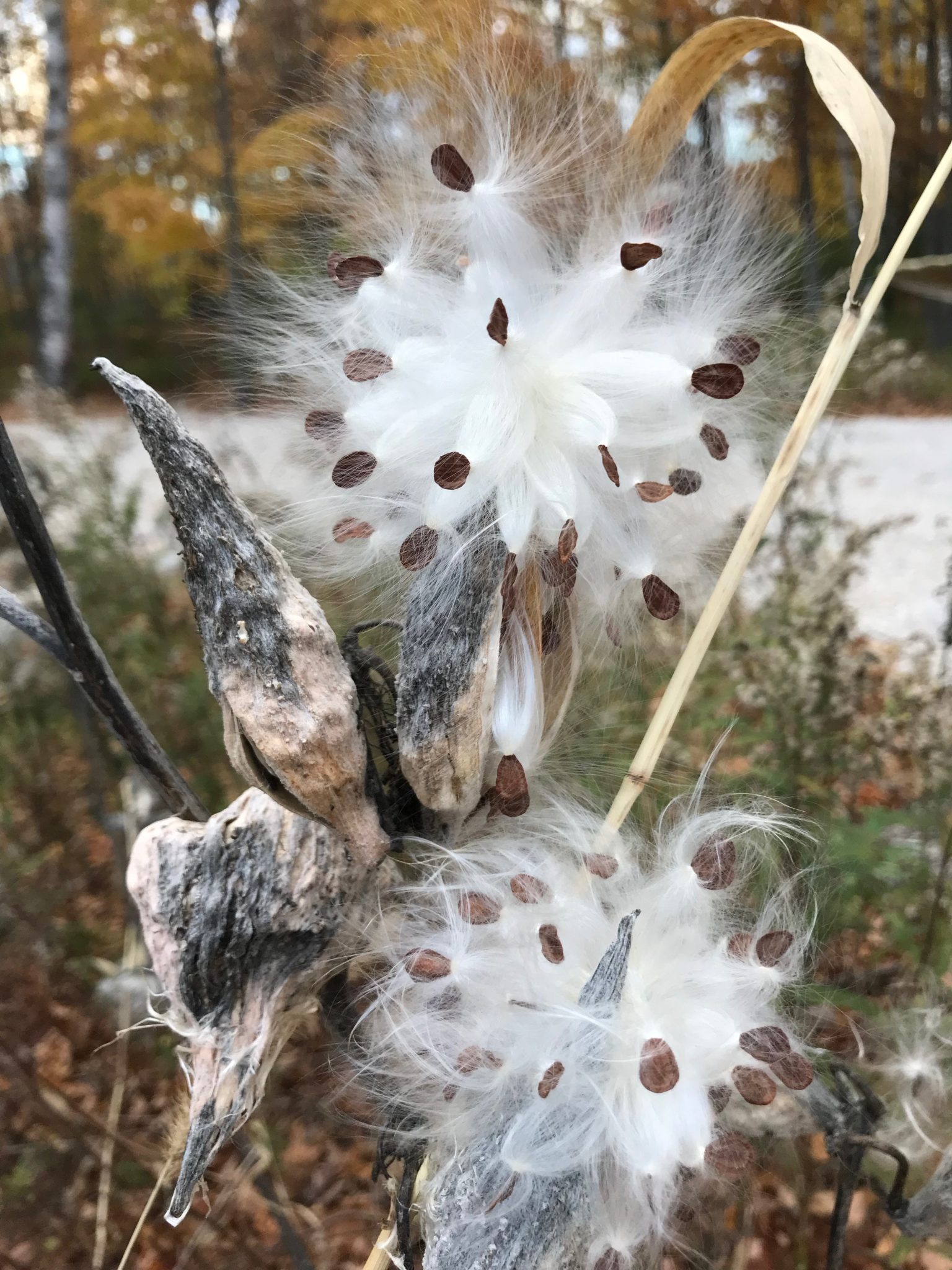
At our place in Door County, WI, I begin collecting the browning milkweed pods in the late fall and store them in a basket in the very cold, damp garage for the winter. This mimics the stratification process in nature.
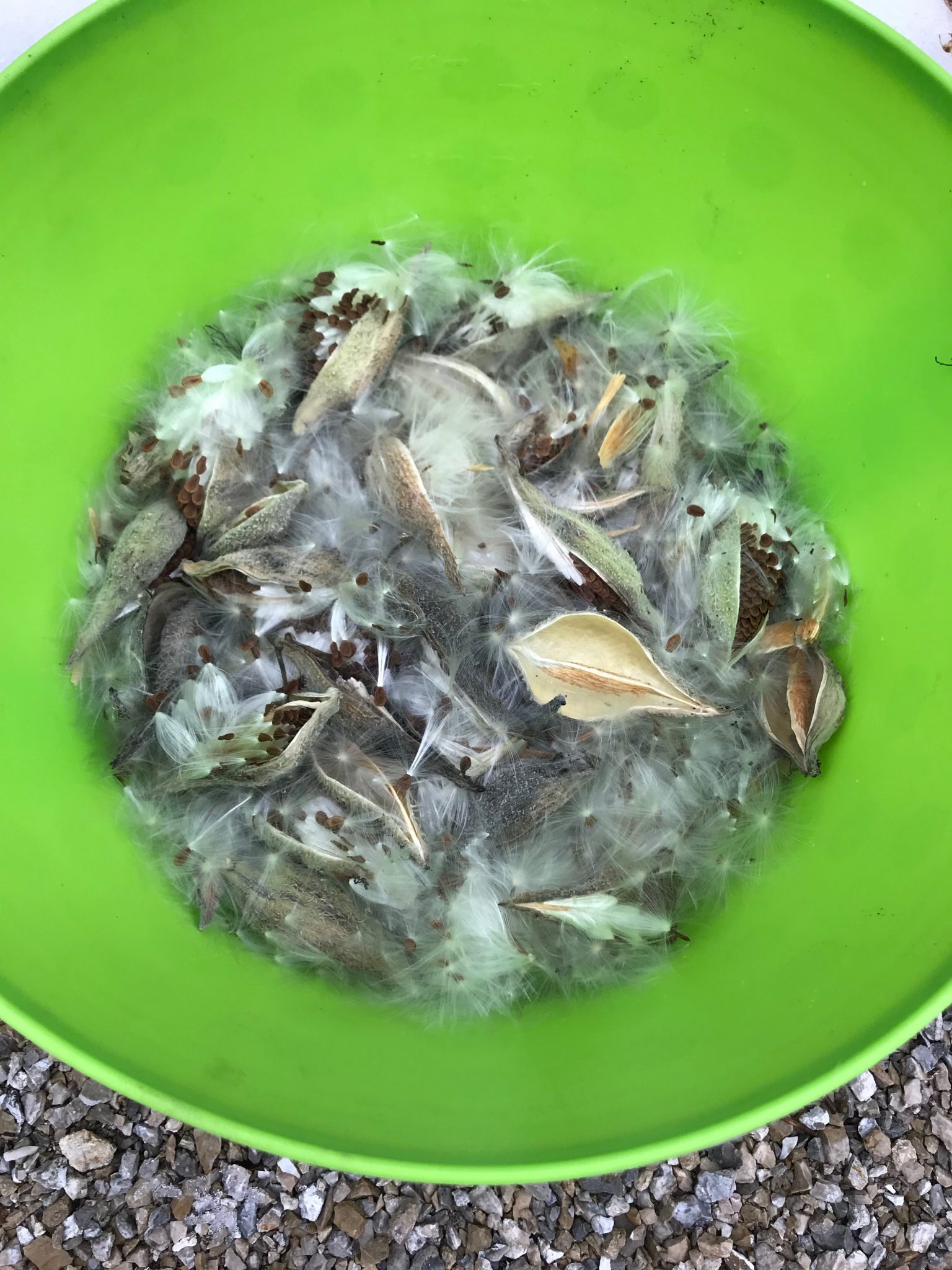
In late spring, once the snow has melted, I open all the pods and separate the seeds from the white fluff as best as I can.
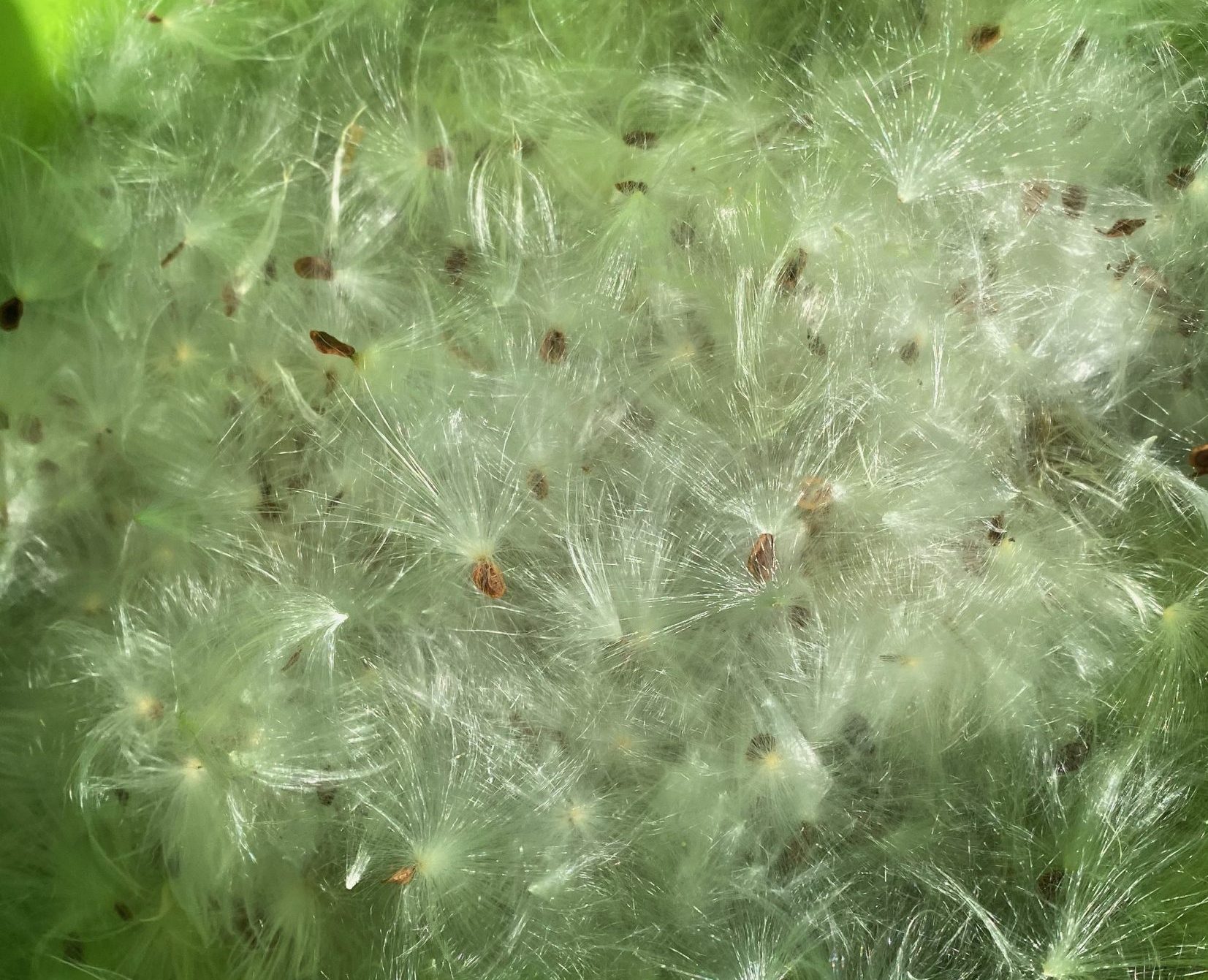
You can separate the seeds from the fluff by putting it all in a paper bag with some pennies and shake it up. Or just disperse the seeds with the fluff. Just be careful, the first year I did that I ended up seeding the gravel driveway with a lot of milkweed ☺️
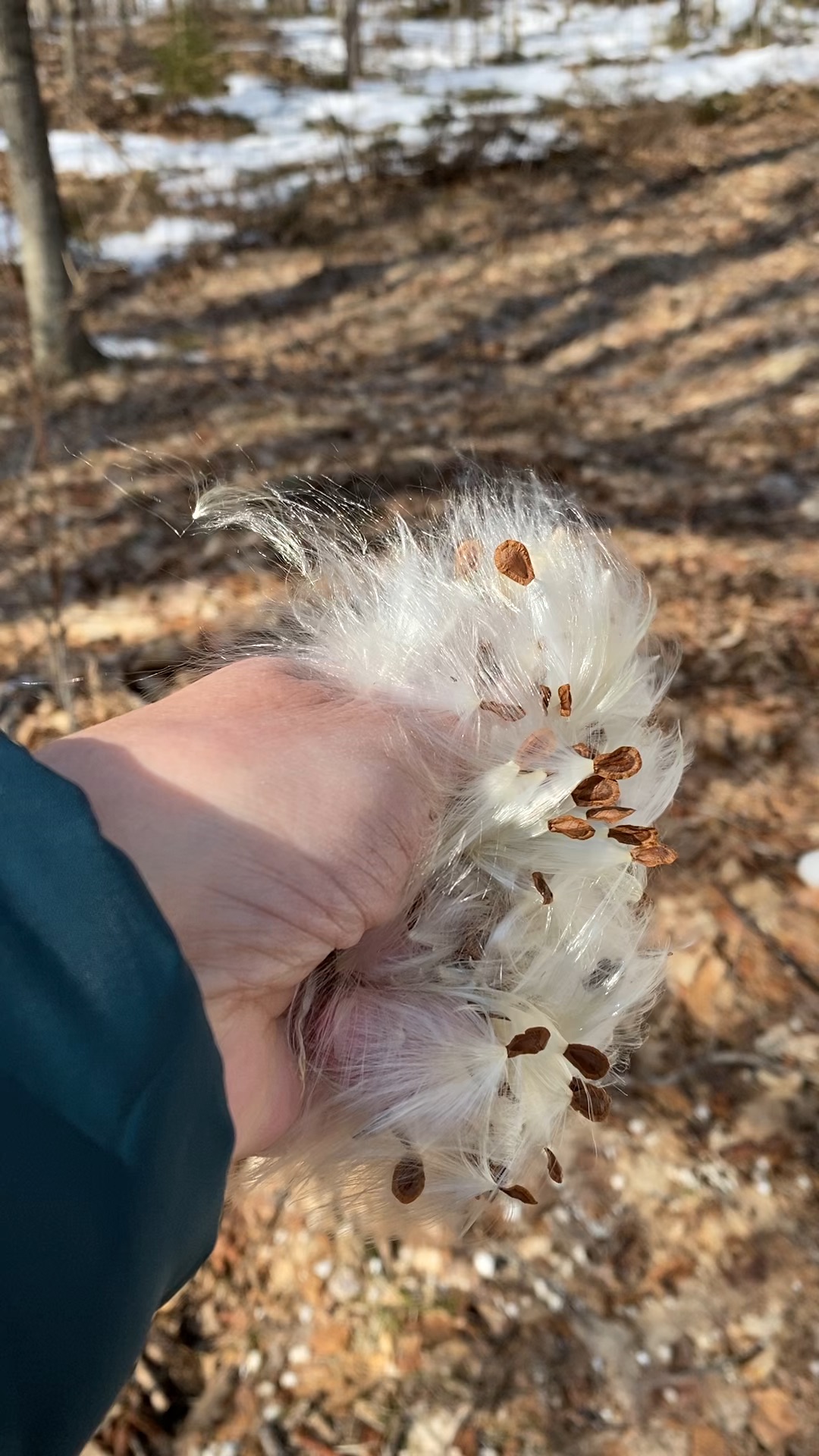
With a mixture of seeds and fluff/seeds I am ready to put on my Mother Nature hat and spread the seeds in the field and roadside areas on our property and then wait.
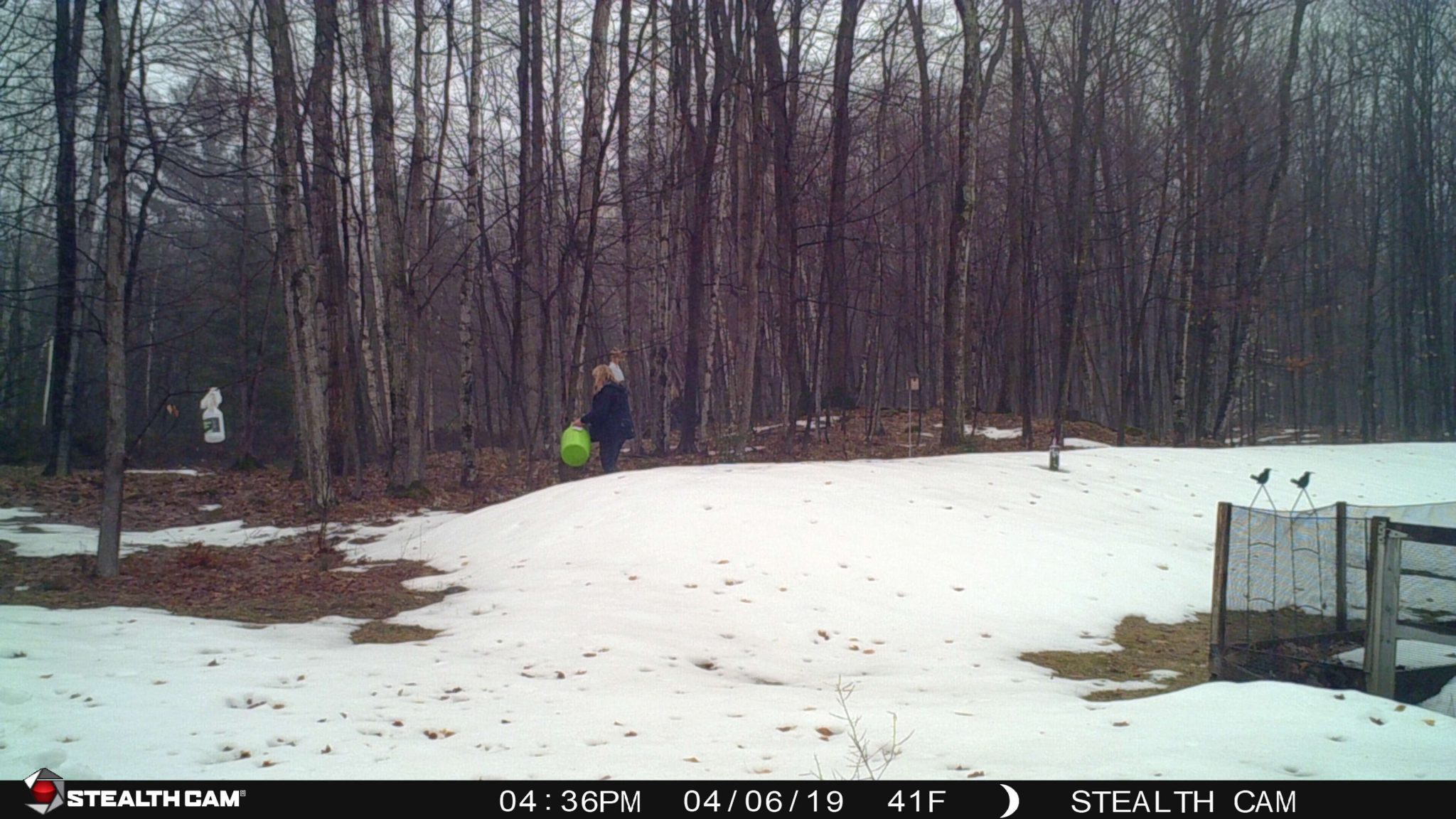
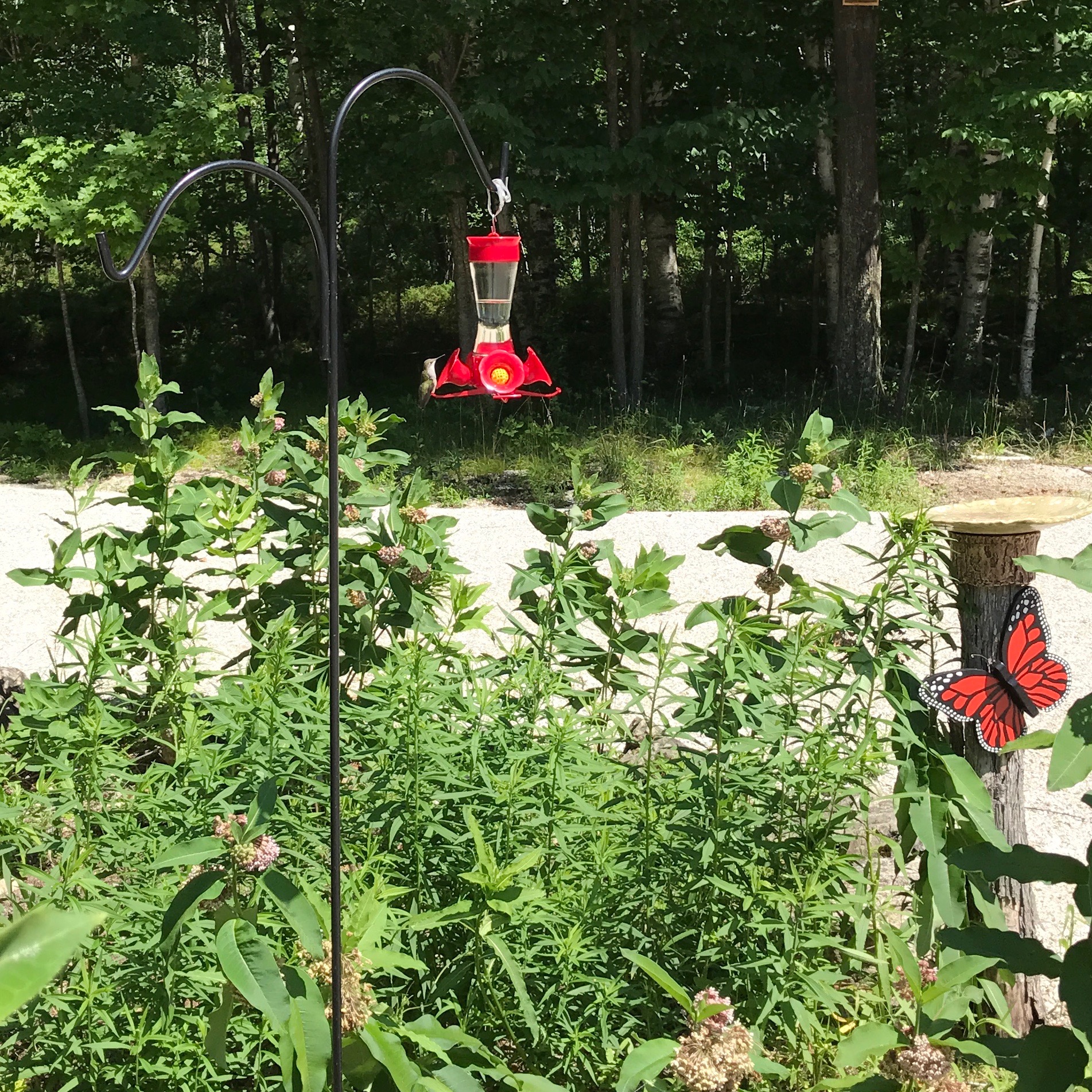
I’ve greatly increased the number of milkweed plants on our property this way and made it much more attractive to the monarchs and other pollinators!
Rear Garden Refresh

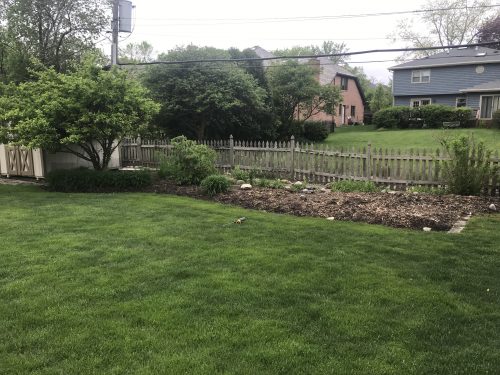
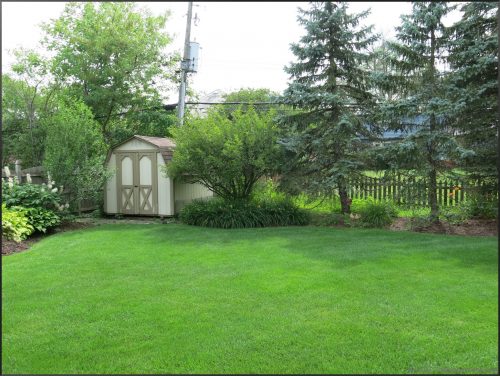
Along the back fence line we had three big spruces that afforded us privacy from the rear neighbors. But age, disease, weather and water were not their friend. After one fell down and the second came perilously close to falling down, we ended taking them out April. My previous posts, “Another Tree Toppled” and “Spruce Down“, tell the whole sad story.

They had been on the decline for a while, but it was still a big loss to have them come down.

But it gave me a chance to rethink what we’d like to have there. Because of the wetness of the swale area and widespread spruce Cytospora canker, it was not an option to replant more spruce. Arborvitae make a great privacy hedge, would also not do well in that location so I had to go in a different direction.

One of my complaints about many of the shrubs we have is that they have to be pruned yearly to be appropriate for the space.

Here was a chance to create a hedge of shrubs that could be allowed to grow naturally. It’d eventually be dense enough to provide privacy in the summer and a distraction in the winter.

What to plant? I knew I needed Zone 5 hardiness and the growing conditions weren’t ideal for many shrubs, so I settled on viburnums as the main plantings. There’s a large selection of varieties, each with different flowering patterns, fall colors and sizes. I then included a couple of hydrangeas to add some floral interest in the front.

Interesting fact about planting Viburnum dentatums, like I planned, is that they are not self pollinating. They need to have a different cultivar planted nearby with a similar flowering time to have adequate pollination and berry production. I didn’t know this before researching this new bed, and it explains why my other viburnums never really seemed to set many berries.

We planted:

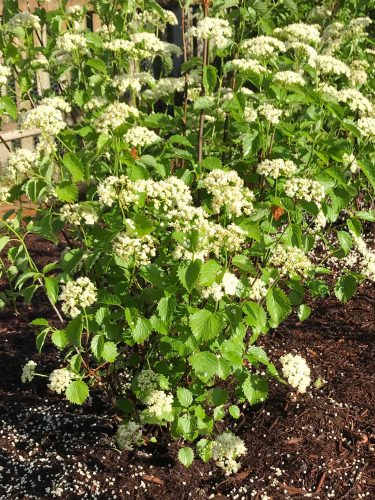
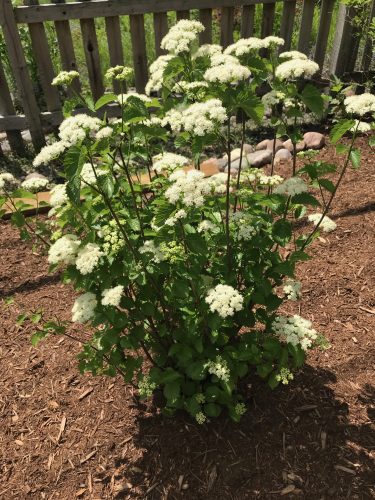
(2) Chicago Lustre® Arrowwood Viburnum (Viburnum dentatum ‘Synnestvedt’) These large viburnums will grow 10′ to 12′ in height with an 8′ to 10′ spread, has glossy foliage, produces creamy white flowers in mid- to late June and are highly attractive to birds for food and shelter. The fall berries are dark metallic blue and the leaves turn a mild purple-red. This viburnum is one of the Chicagoland Grows® varieties

(2) Blue Muffin™ Arrowwood Viburnum (Viburnum dentatum ‘Christom’) This viburnum is a more compact variety,  growing 5 to 7 feet high and 6 to 8 feet wide. It has medium green foliage, showy white flowers in mid-late June and turns orange to red in the fall. The abundant berries are a showy bright blue and a favorite of birds.

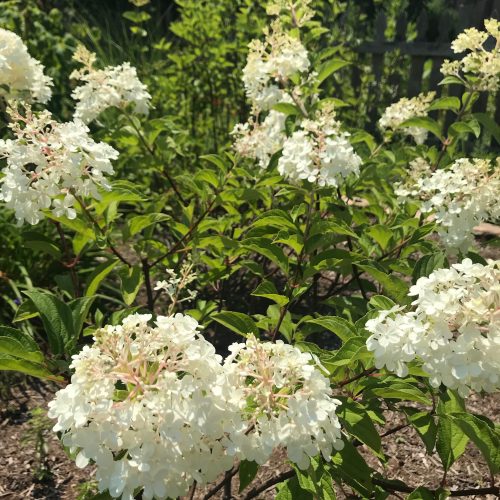
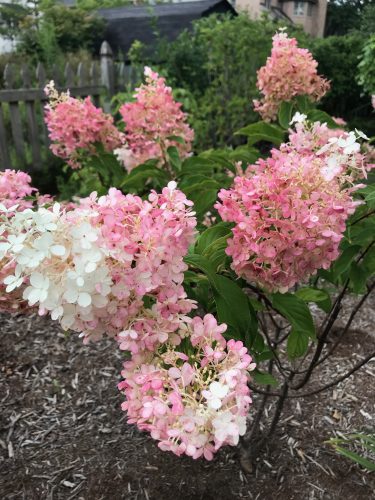
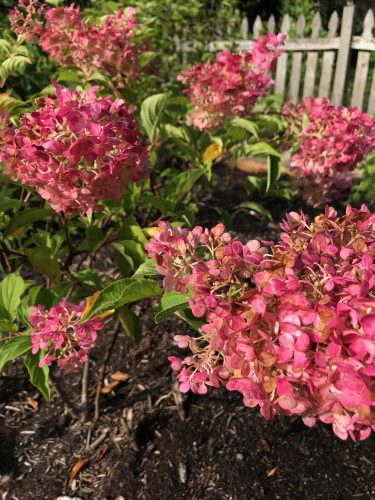
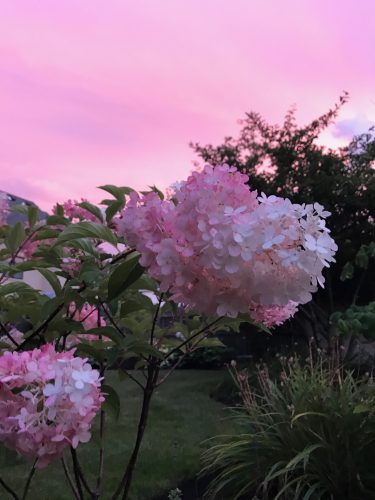
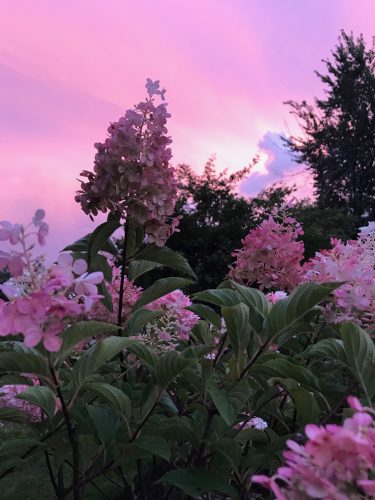
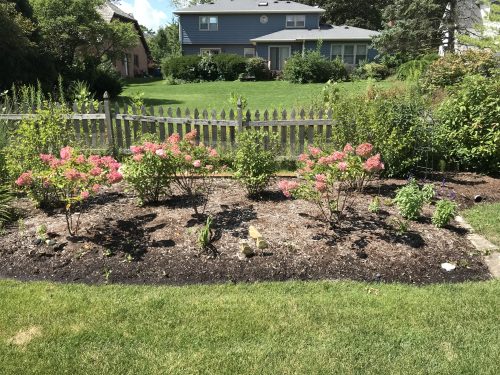
(3) Vanilla Strawberry Panicle Hydrangea (Hydrangeapaniculata ‘Renhy’ Vanilla Strawberry) This hydrangea grows 6 to 8 ft high and 4-5 ft wide and flowers as beautifully as the name sounds. The large flowery panicles (7” by 5”) develop in mid-summer, beginning white and finally maturing late summer to pinkish-red. The strawberry red flower color typically lasts for 3-4 weeks prior to flowers turning brown in the fall.

And what a beautiful show! Especially when the flowers match the sky.

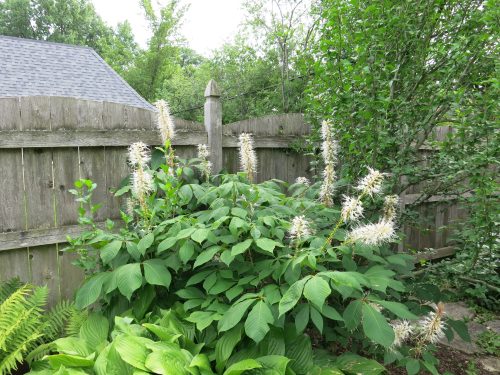
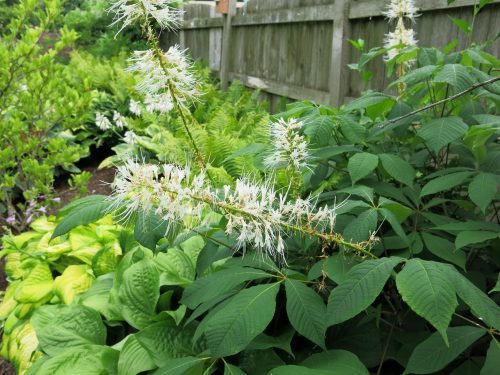
In addition to the new plantings, there was an existing Bottlebrush Buckeye and Sargent Crab, which I decided were nice enough specimens to keep. The bottlebrush buckeye is a wide-spreading plant, growing 8 to 12 feet high and 12 to 15 feet wide. It blooms in early July, producing interesting long fluffy white flower clusters. This plant had already been moved once because it wasn’t in an appropriate space for it, so I hope it’s happier in this new location.

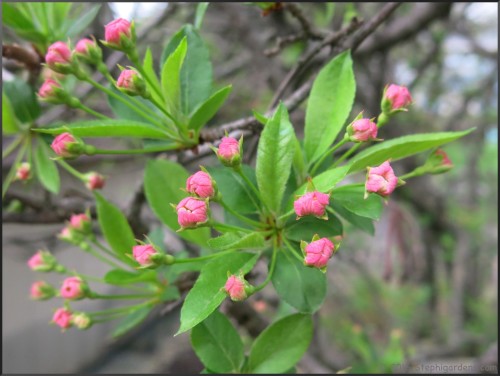
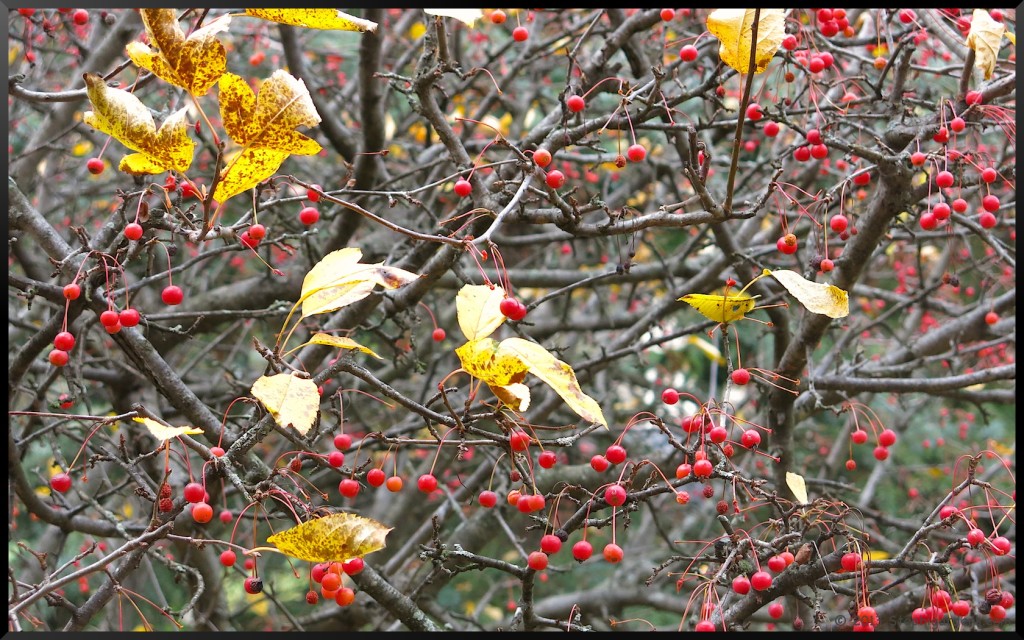
The Sargent Crab is a 6 to 10 foot dwarf crabapple. In spring, pink buds open to a profusion of fragrant, white flower clusters. This tree has also been moved a couple of times and settled into this location about 10 years ago. It’s been a very hardy specimen, and the berries seem to attract Cedar Waxwings to my backyard. That makes it a keeper!

I purposefully didn’t overdo the number of shrubs I planted.

In the past, I’ve been advised to plant too many plants that look great in a year or two, only to have to remove them a few years later because of overcrowding. Very wasteful. So this time I’ll be patient and have a healthy shrub border in a few years. In the meantime, I’ll enjoy the interesting colors and textures and fill in the spaces with some annuals.

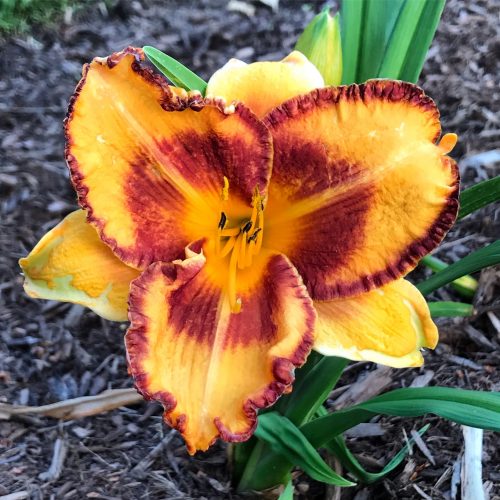
I may have also added a few interesting daylilies even though I swore I was done buying any more. But how could I have passed up planting a VT Spirit Daylily (Hemerocallis VT Spirit), to celebrate one of my boys graduating this year??? Go Hokies 😉

Have you had a chance you redo an entire garden? How did it turn out?

Happy New Year 2020: A Look Back To 2019

Happy New Year’s from my house to yours!

2019 was in “interesting” year at my house.

The Good

It had lots of excitement, like being picked as one of Burpee Home Gardens 2019 Gardeners of the Year!

I tried a bunch of new plants in the garden.

We took some wonderful vacations.

But, most exciting was proudly watching my twin boys graduate from college–Go Hokies and Go Blue!!

I’ll be playing catch up writing about all these experiences this winter as the garden goes into hibernation for a few months!

The Bad

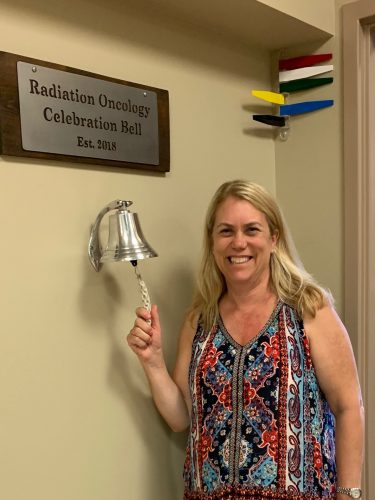
But all things don’t always go smoothly and aren’t all great. I kept up with the blog as best as I could this year, but as I mentioned earlier, I was diagnosed with stage 1 breast cancer in March. That took much longer to deal with than I expected, but I am looking forward to putting this behind me. I feel really lucky that it was caught early, but I still had to endure a lumpectomy, radiation, physical therapy and now hormone therapy (but no chemo, phew). I also feel really lucky to have had my family and so many friends, near and far, around me. All your help, positive messages and meals were invaluable!

I did panic a bit over how I was going to be the July BHG 2019 Gardener of the Month and undergo cancer treatment. But in reality, that push to keep me in the garden proved to be so helpful. Keeping active despite everything else going on really helped keep me distracted and maintain a positive outlook. That peacefulness and excitement I feel working outside in the garden, gave my mind and body some time to heal from the demands of treatment. Maybe things weren’t ideal this year (or less ideal than usual), but with help from my husband and my very trusted landscaper who listened carefully to all my instructions, I was able to keep up with the gardens and enjoy bloom and harvest time.

There’s a lot of evidence that working in a garden, or just enjoying nature, works wonders for the healing process. I have to agree.

We also sadly said goodbye to our Daisy in October at the very old age of 16. She’s been with us since the boys were in 1st grade, so her absence is greatly felt. Miss you, pretty girl ❤️❤️

So after all that, here’s hoping that 2020 will be a wonderful, healthy and happy one for all of us ❤️❤️

Looking forward to getting back to writing!

One more thing–Here’s my PSA–get your yearly mammograms, they save lives! Also, check out the National Air Quality Assessment map to see if unbeknownst to you, you’re sitting under a toxic cloud from nearby industry. My community fought back and we got the ethylene oxide spewing Sterigenics closed! Visit Stop Sterigenics for more information.

2019 Stephi Gardens Holiday Gift Ideas

This has been a very hectic December at my house. Are you as behind in Christmas shopping and preparations as I am? Here’s some (slightly late) holiday gift giving ideas from things I love!

Friends: Some of the links below are affiliate links, which means I earn a small commission for each sale. All reviews are my own and are not influenced by any compensation I may receive.

Gardening:

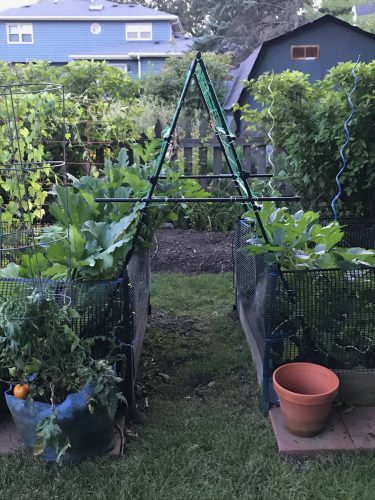
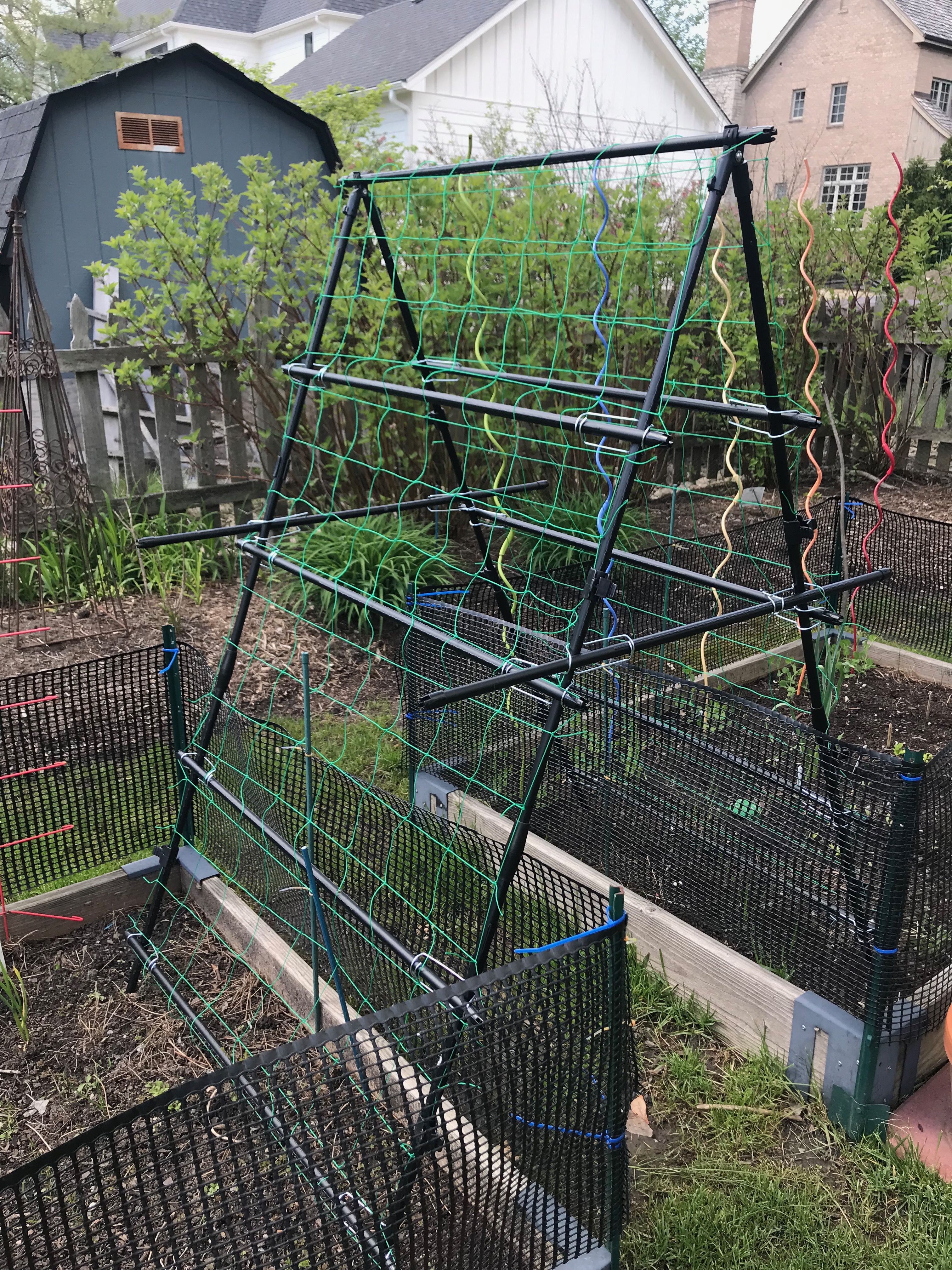
Titan A-Frame Trellis: I’ve always grown cucumbers on trellises, but this year I tried it for my summer squash and zucchini. It didn’t look like the Pinterest squash trellises, but it saved space and was super convenient. The trellis was pretty easy to put together, and Gardener’s Supply Company has a nice video to show how to assemble it. It’s made of plastic, so won’t rust but is plenty strong enough to hold zucchini and squash. It’d work great for any climbing vegetables!

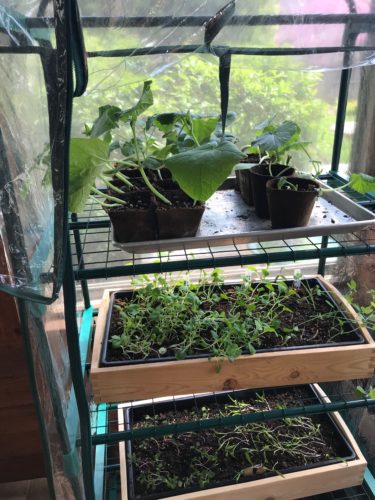
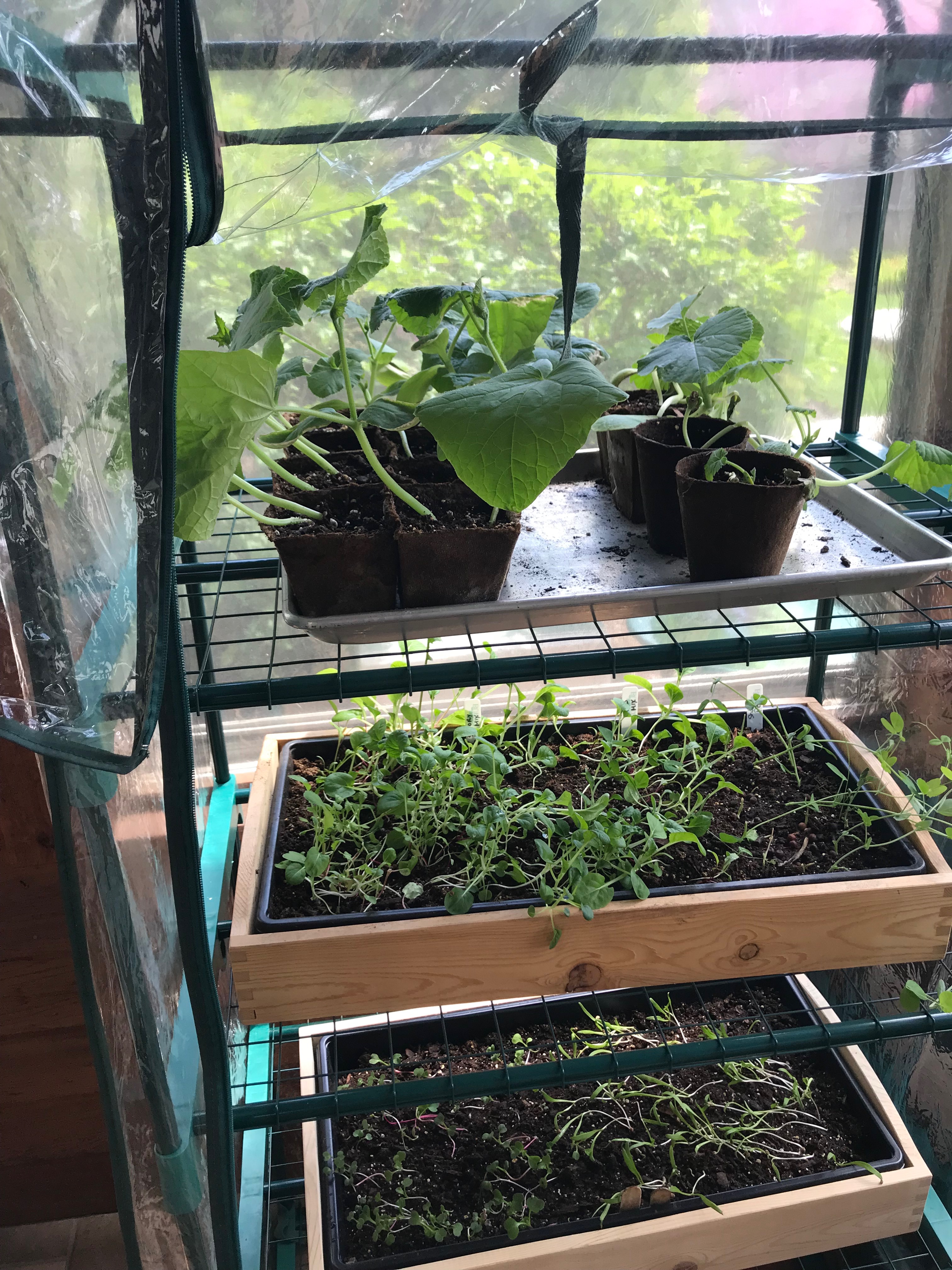
Mini Greenhouse: I start a number of my vegetables inside the house in the spring, and before they can go in the ground they need to spend some time outdoors to harden off. With our unpredictable Midwestern weather, that can be tricky to do. I don’t know what I’d do without my Gardman 4-Tier Mini Greenhouse. It’s super handy to keep the most tender of vegetables and annuals safe from cool spring nights until it’s planting time. As a bonus, it’s a handy place to grow microgreens.

Gardman Mini greenhouse

Grow Bags: In addition to raised bed gardening, another way to add space and grow really healthy vegetables is in grow bags. I’ve had mine from Gardeners Supply Company for years and have grown carrots, tomatoes, peppers and potatoes in them. Their BPA-free fabric is really strong, yet allows for breathing and “root pruning”. No root bound plants in these bags! I’m adding more to my garden this year!

My grow bags full of carrots

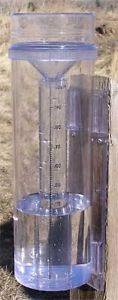
Stratus Rain Gauge: I was forever trying to figure out how much rain we got during a storm, or how little during a drought. And not in general, like somewhere in the greater Chicago area, or at one of the airports, but in my backyard. It’s a huge help to know how much to water the garden, and to satisfy my curiosity. You can read more about my rain measuring adventures in a previous post, “How Much Rain Did We Get?“. If you want to get super nerdy, I actually found a handy plastic ruler for measuring snow in tenths of inches. Much easier than converting all the time 🙂

Stratus rain gauge

Of course, gift cards to any local garden center or catalog seed company are always appreciated! Some to consider are Burpee, Botanical Interests, and Territorial Seeds.

Reading

I love to read! This year so far I’ve read 41 books. On the right sidebar of my blog you can see the latest books I’ve read and would recommend. I do read “bad” books, but don’t worry, I leave them off.

You can also find me on Goodreads at https://www.goodreads.com/stephigardens. Friend me, I love to see what everyone else is reading!

What were some of my favorites this year? Top spot would be Dan Egan’s The Death and Life of the Great Lakes. Anyone who grew up near the Great Lakes will appreciate this journalists very readable history of man’s influence on the Great Lakes. I spent most of the book shaking my head in disbelief over the things that we’ve done to the lakes, but remain hopeful about the amazing resiliency of the Lakes to remain viable. From the building of the canals, St. Lawrence Seaway, lampreys, salmon, zebra mussels, asian carp, water levels, it’s all there. Much food for thought!

I also throughly enjoyed reading:

What were your favorite books of the year?

Cooking

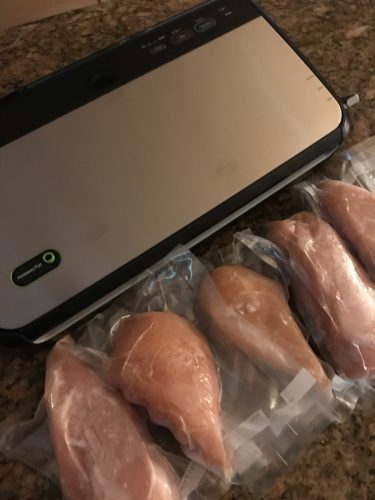
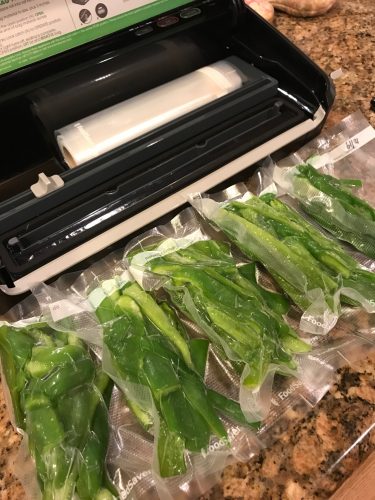
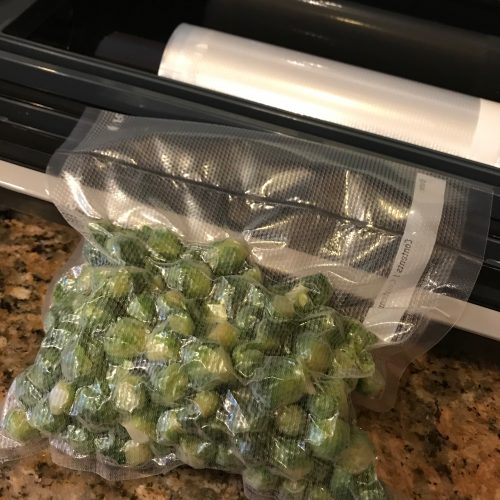
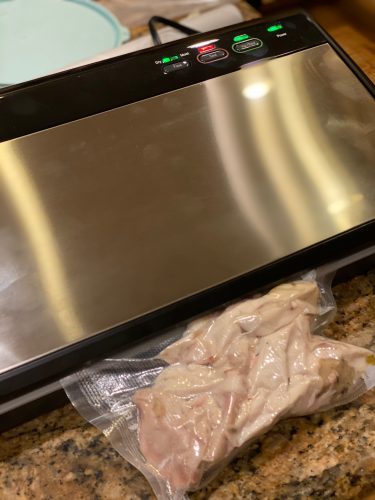
FoodSaver Vacuum Sealer: I have no idea what took me so long to get one of these amazing kitchen gadgets. My friend was telling me about hers and I knew I needed one. I’ve been vacuum sealing meat, fresh vegetables, soups, and even banana bread (ok, that took a little practice). I’m so excited to have frozen food that still tastes fresh and be freezer-burn free. Plus, everything fits better in the freezer! I bought the FoodSaver FM2435 Vacuum Sealing System & Starter Kit and I’m thrilled with it.

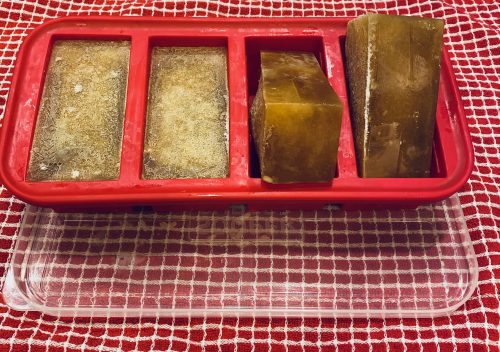
Souper Cubes: I make a lot of soup and broth and have all kinds of containers for the freezer. I came across these amazing silicone freezing trays that are perfect for freezing soups and broths in perfect portions. No more messy freezer bags full of broth. They also have a clear fitting lid to keep the soups fresh in the freezer and make for easy stacking. Need a new healthy soup cookbook? My latest favorite is Clean Soups: Simple, Nourishing Recipes for Health and Vitality by Rebecca Katz.

I’m really a sucker for kitchen gadgets. Who doesn’t need a…

Be sure to check out my Holiday gift ideas from 2018 for more suggestions, and my Favorite Things page.

Happy Shopping and Happy Holidays!

It’s Garlic Time!

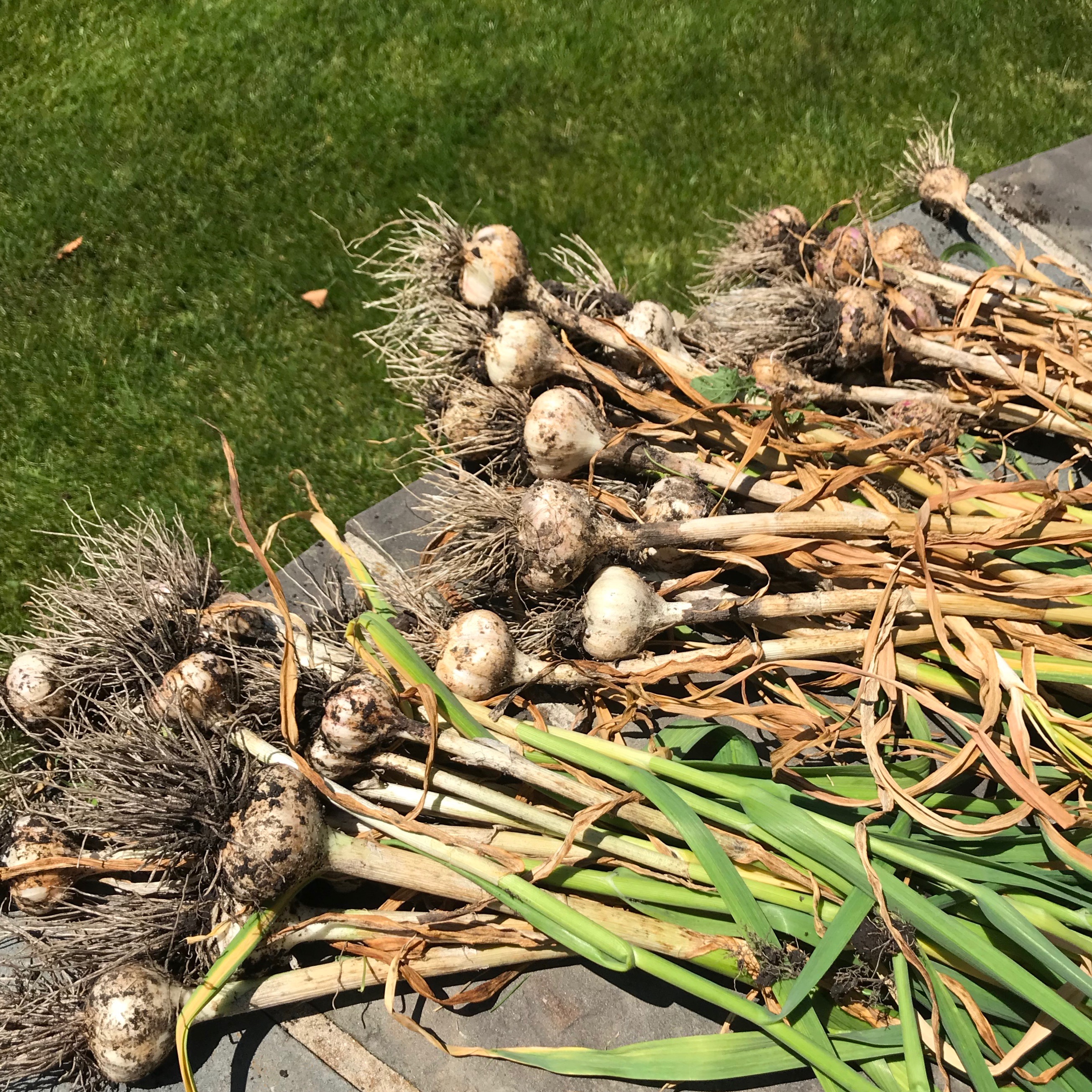
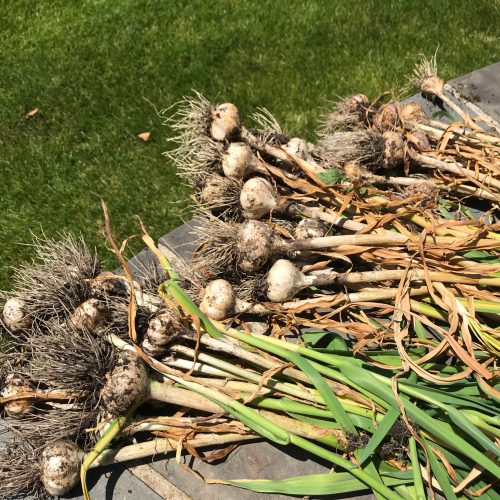
If you’ve followed my blog at all, you know I love to grow garlic. I recently harvested this season’s crop and right now is the perfect time to order your garlic bulbs for fall planting.

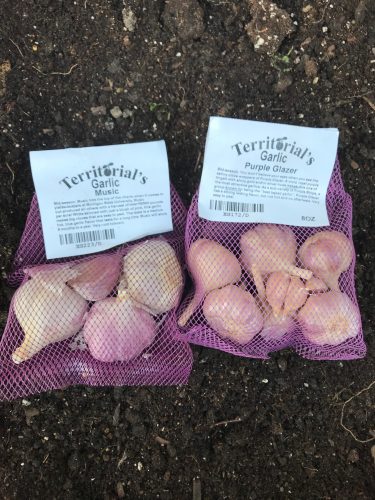
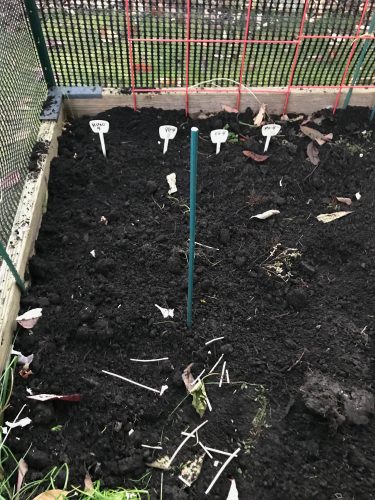
While a lot of things in the garden didn’t do well this year, it was a banner year for garlic in my home garden, but unfortunately not so much in the Wisconsin garden. I grew two hardneck varieties this year, Purple Glazer and Music, both from Territorial Seeds. Before planting, I replenished the soil with some new garden soil and compost. After a while, soil in raised beds sink and new soil and nutrients need to be added.

Garlic comes in two types, hardneck and softneck. Hardneck varieties require some time in frozen ground, so are not recommended for warmer climates. In the spring, they produce a tall edible stem called a “scape” and are generally known for their stronger taste. Softneck varieties tend to grow in a wider variety of climates, last longer in storage and are good for braiding. They also tend to be a little milder in taste. For whatever reason, I’ve had much better luck with hardneck varieties in my northern Zone 5b garden.

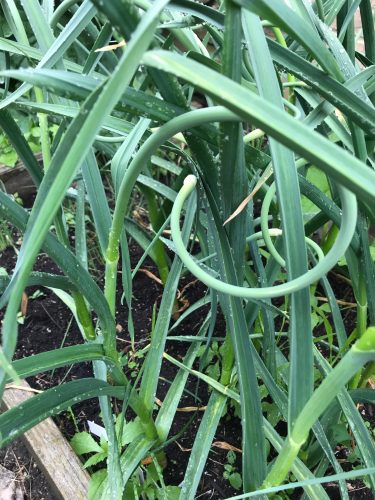
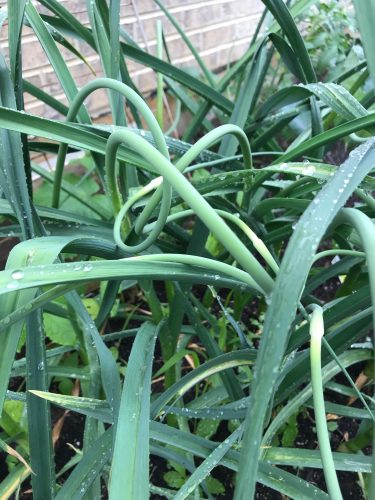
Late spring, the garlic scapes appeared.

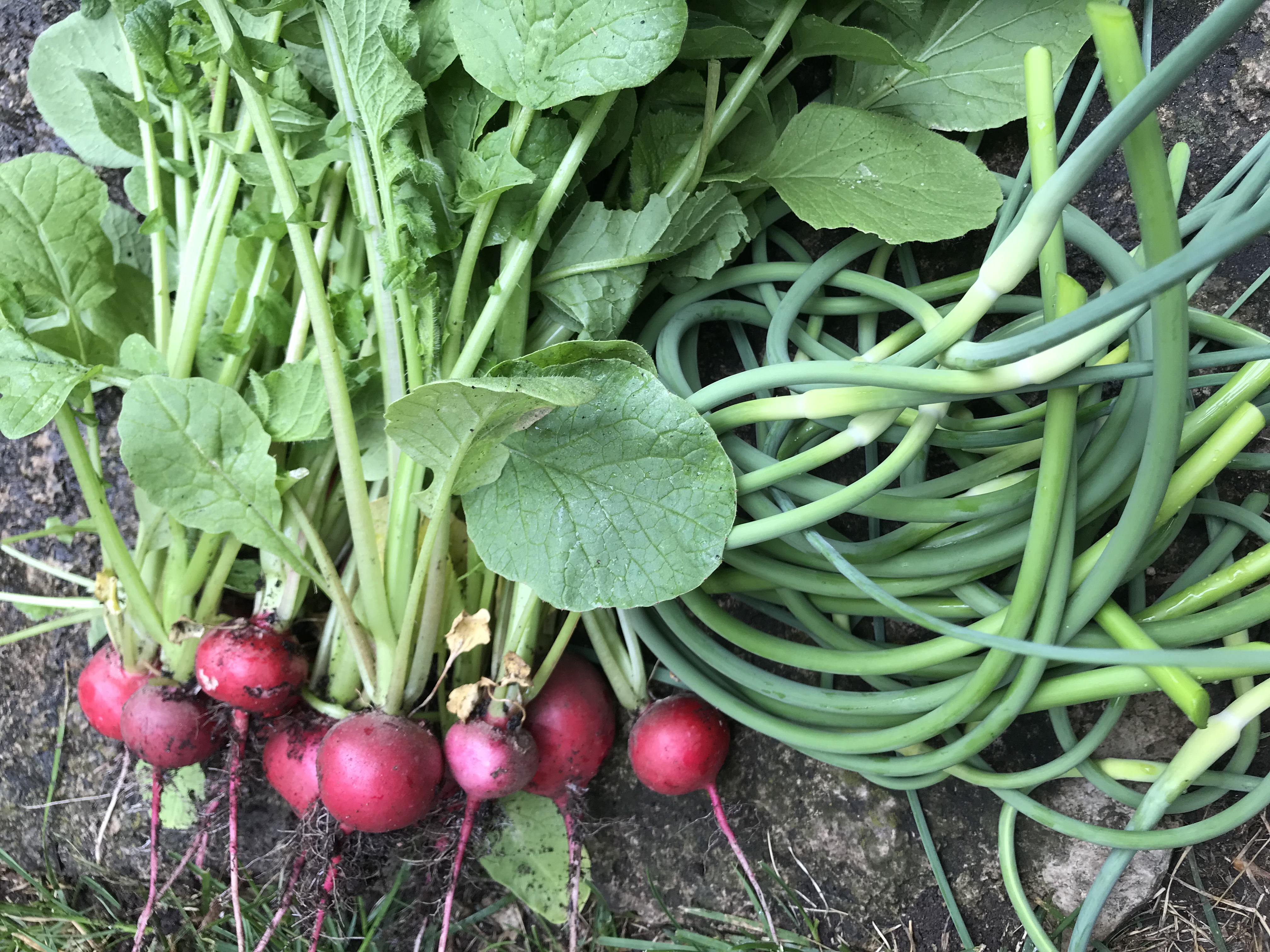
Garlic scapes are the garlic flower stalks that twist and turn when young, and end with a terminal pod containing garlic bulbils. It’s these young, tender, twisting and turning scapes that are a delicacy to eat. Removing them also tells the garlic to put its energy into making the garlic bulb and not producing new seeds.

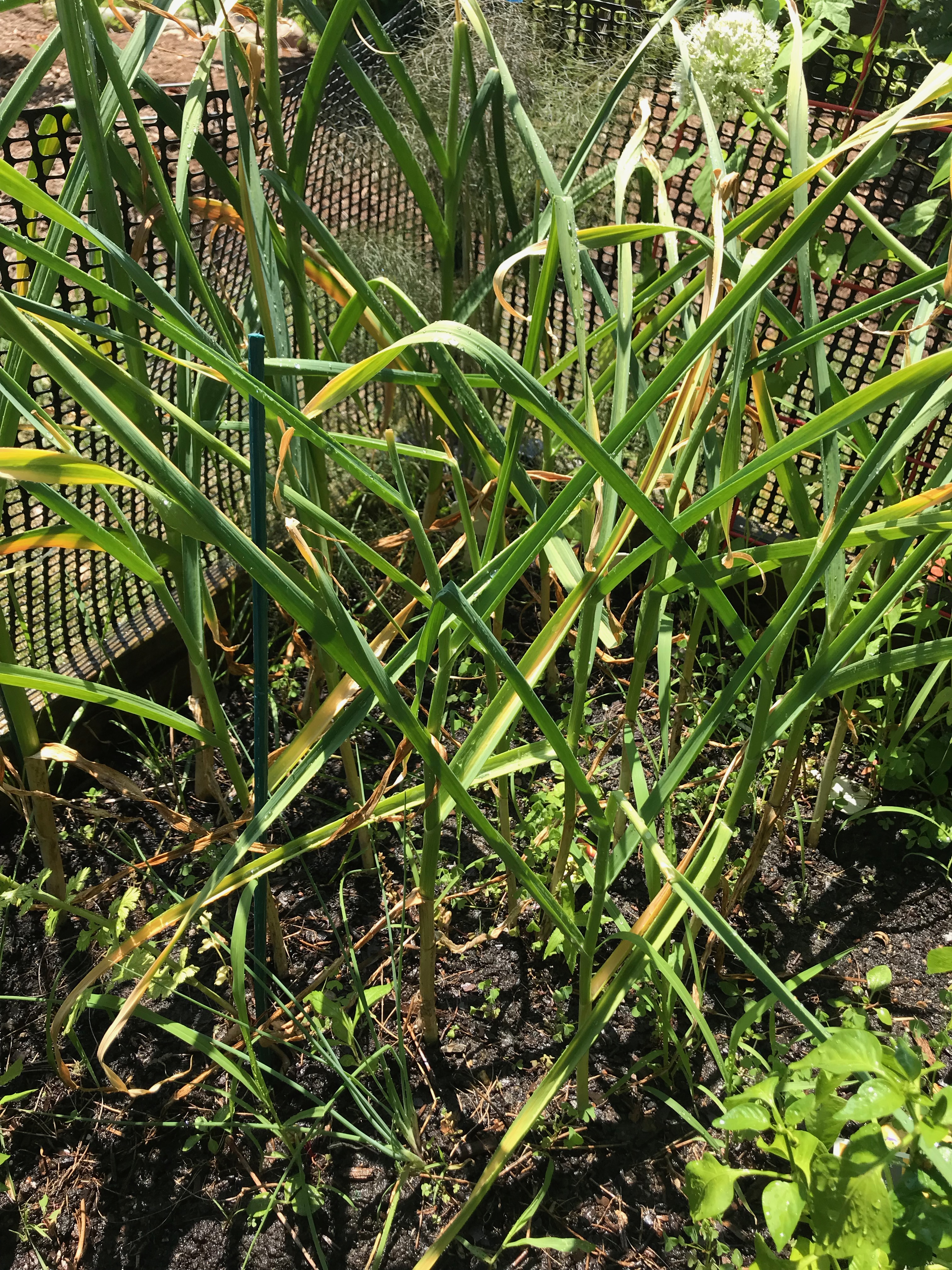
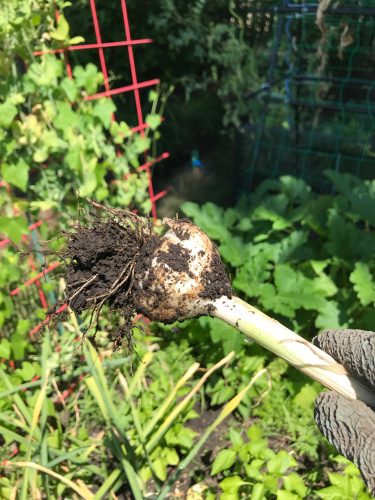
Mid summer, when the lower leaves are starting to turn brown, but the upper level are still green, the garlic is ready to harvest. Harvesting the garlic is easy, but you need to be gentle.  Unlike onions, you can’t just yank it out of the ground.  Too easy to damage the head or accidentally tear off the leaves.  Garlic also cures better when the leaves are still on.

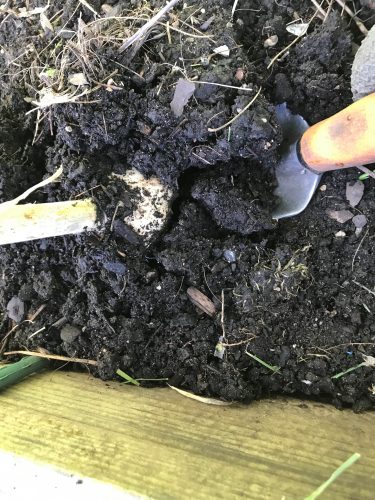
So grab a trowel and dig gently around the bulbs to loosen the soil.  Be careful not to hit the heads and damage the tight cluster of cloves.

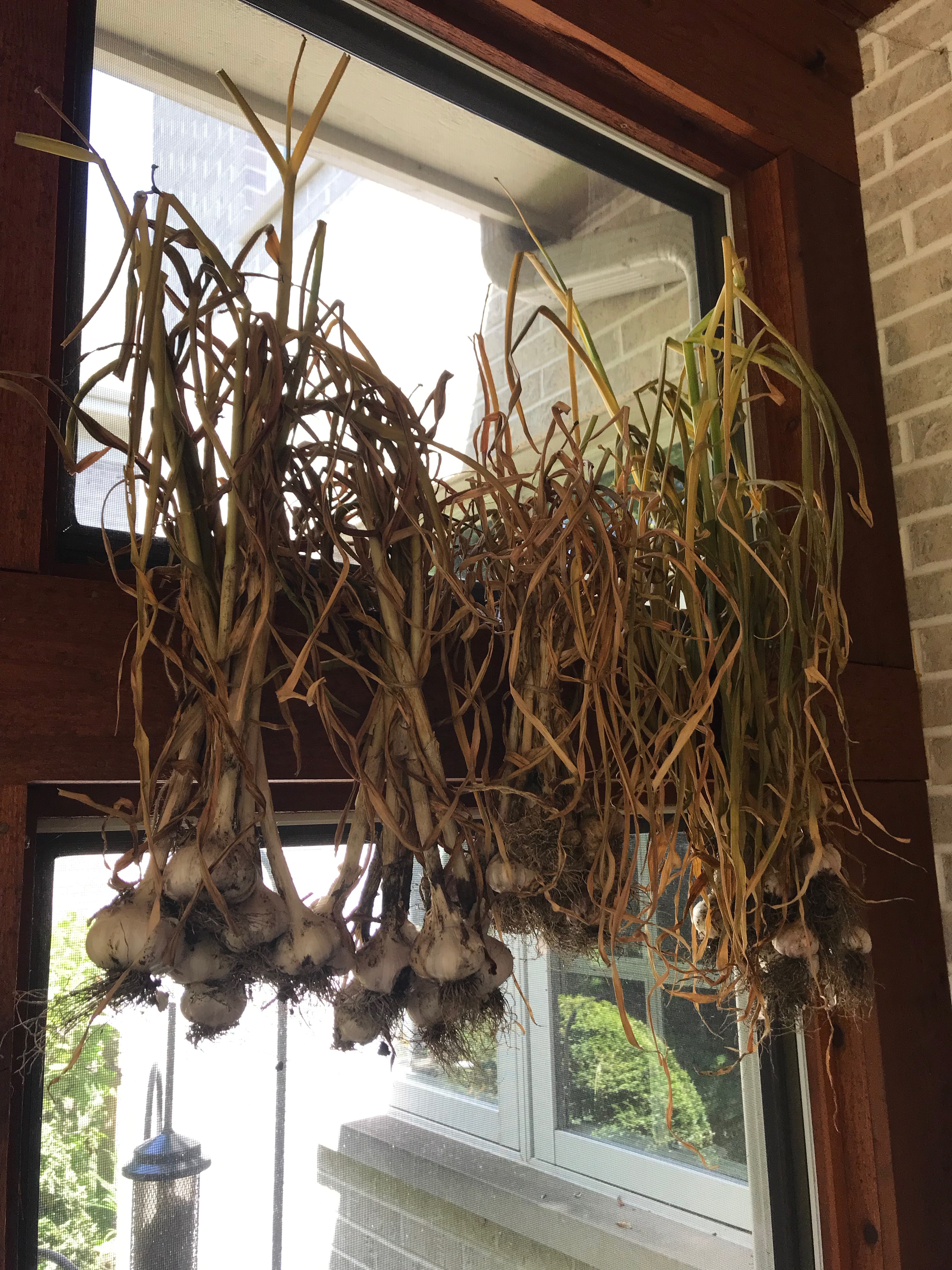
Then it’s time to find a spot to cure the garlic so that it’ll be ready to store for the winter.  Garlic should be cured in a protected area, like a garage or porch, out of direct sunlight and where there is reasonable air circulation.  It should be hung with the leaves and roots still attached. Even some dirt is fine.  I hung mine in the screen porch.  On particularly hot days, I turn on the overhead fan to keep the air circulating. After 3-4 weeks, I’ll trim the leaves and roots, and gently clean off the remaining dirt. Then I’ll store it in a cool, dry spot to use all winter.

Now that I’ve harvested this year’s crop, time to plan for next year. I’ve already placed my order for Music and Duganski garlic from Territorial Seeds.

I’ve had really good luck with Music, which is a mid-season porcelain type. It’s one of the larger garlics I’ve grown, has creamy white cloves, a medium hot, true garlic flavor and has a long shelf life. Duganski is similar to the Purple Glazer I grew this year, both being mid-season purple stripe types, but is a bit stronger flavored. I love the beautiful purple cloves that purple stripe types have, but thought I’d try something little different this year.

Garlic doesn’t ship until late September or early October depending on your location, so I have a little bit to wait until they arrive. Good thing because its spot is currently growing a second season of beets and swiss chard.

Want to grow garlic this year? I’d recommend ordering soon for best selection. I’ve had good experiences with garlic from Territorial Seeds, Botanical Interests, and Burpee. Just don’t plant the garlic you buy in the grocery store!

Want more information in growing garlic? Check out some of my other garlic posts or get tips from:

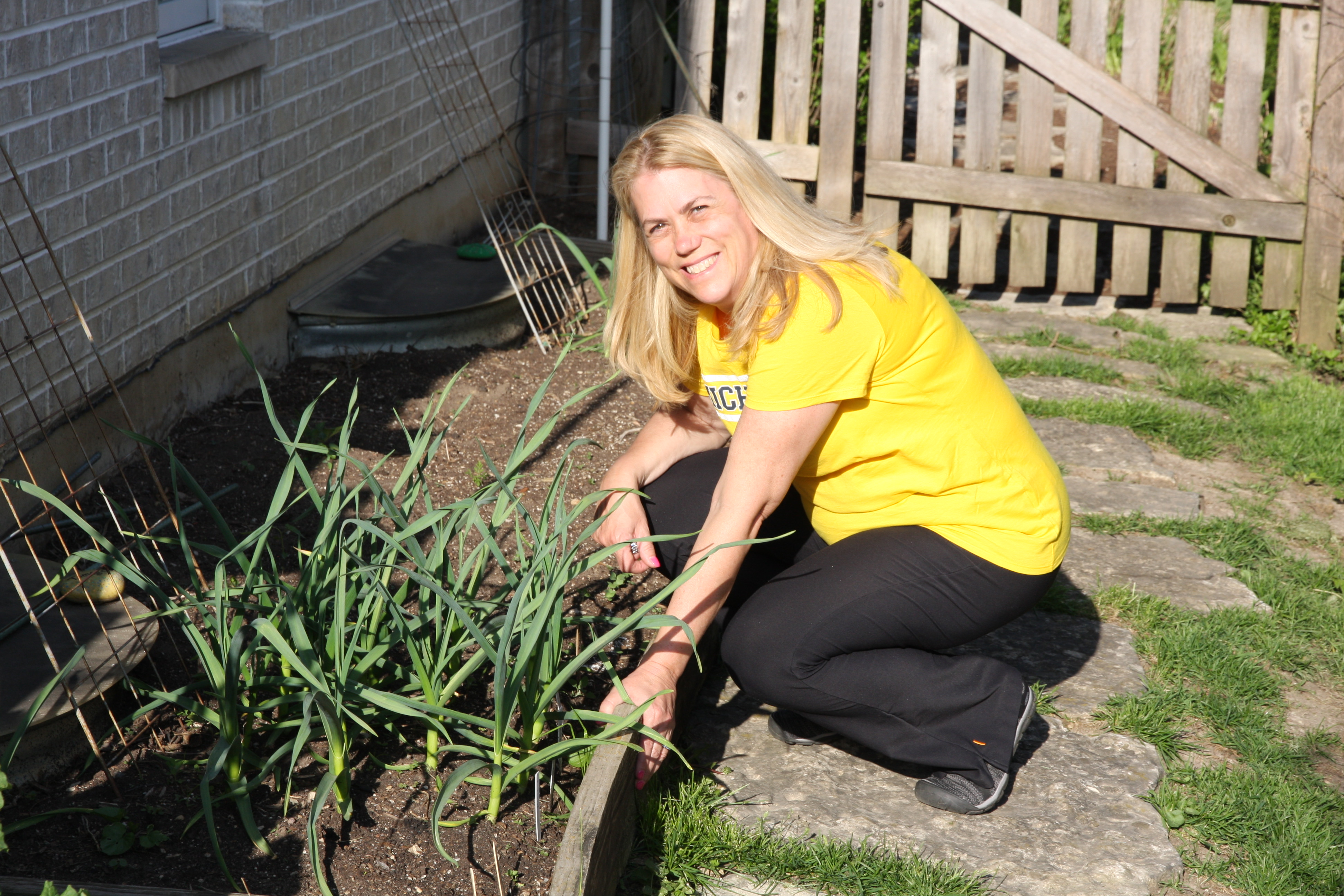
Me checking out the early garlic!

How Are the Burpee 2020 New Varieties Doing Mid-Summer?

Despite the weather and “other issues”, I think it’s turning into a pretty good garden year.

Happy Sweet 16 Daisy! ❤️🐾🐾❤️

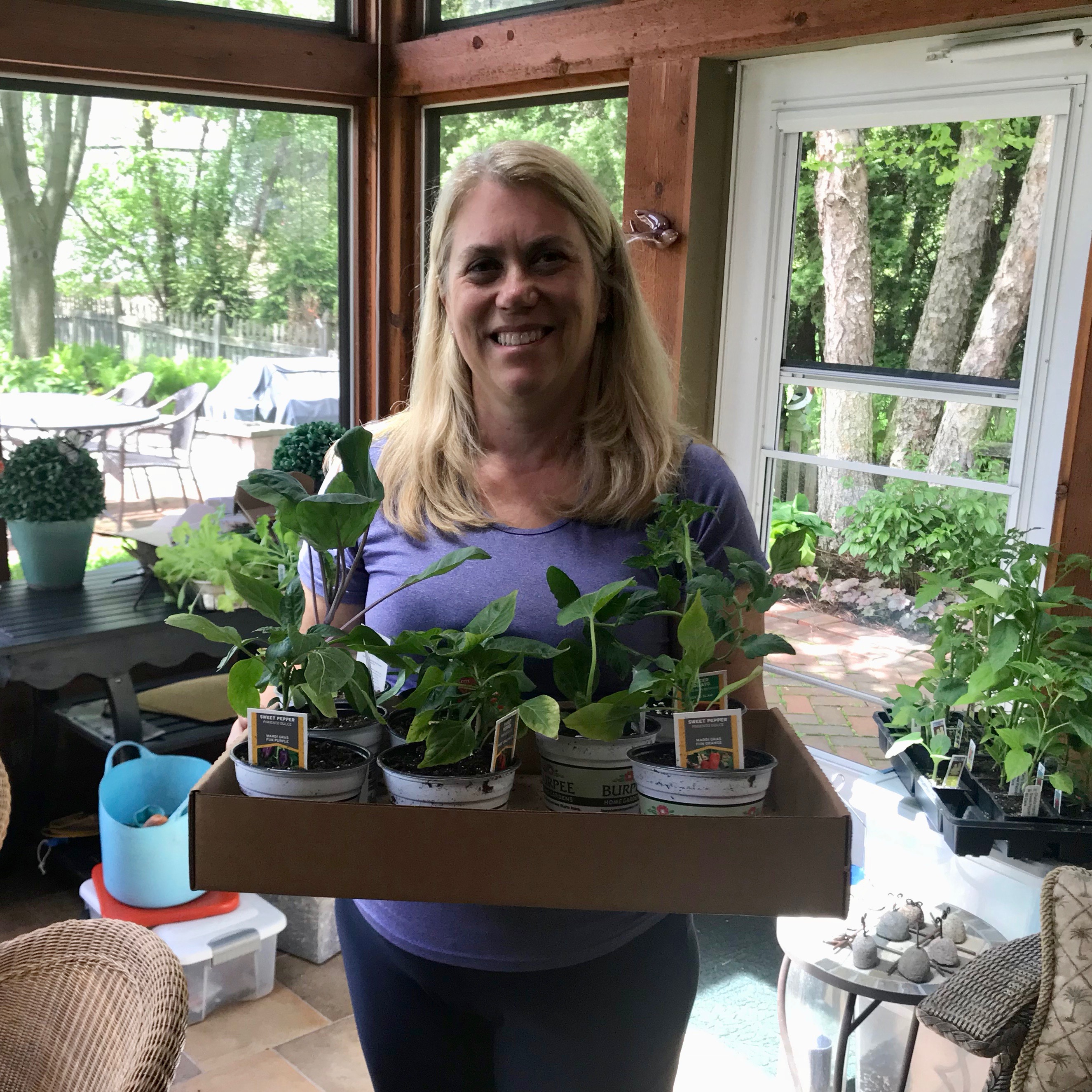
I really enjoyed getting the 2020 Burpee New Varieties in May (“Yay, My Burpee Home Garden Plants Have Arrived“), and they are looking fabulous! Definitely loving the summer heat that has finally arrived.

How are they doing?

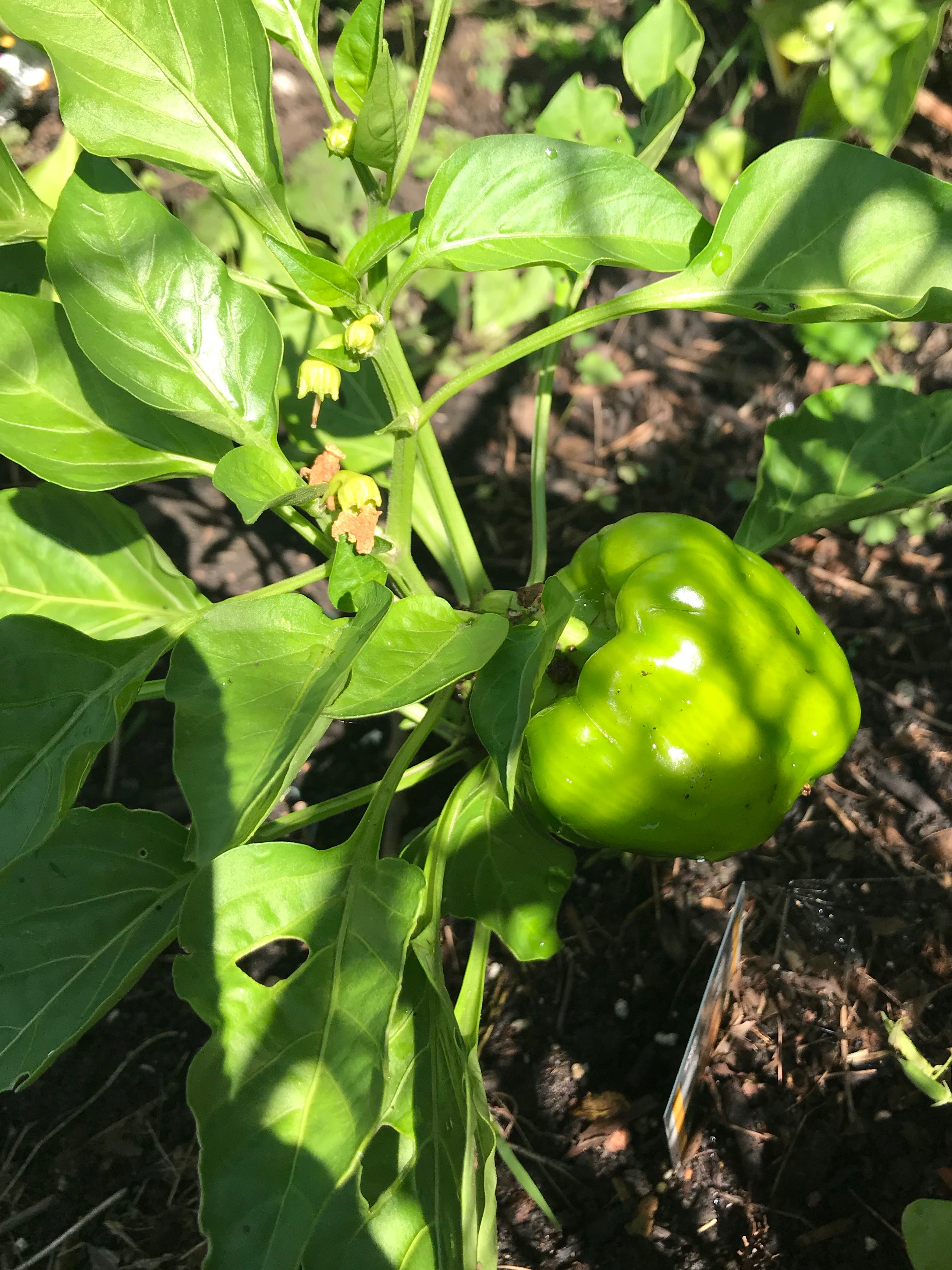
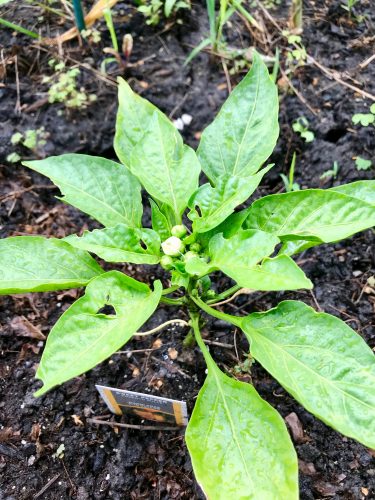
The sweet peppers have tons of flowers and look healthy and strong. The Yellow Mardi Gras Fun Series F1 Snack Pepper already has a large pepper ready to start changing colors. I can see the first hints of yellow.

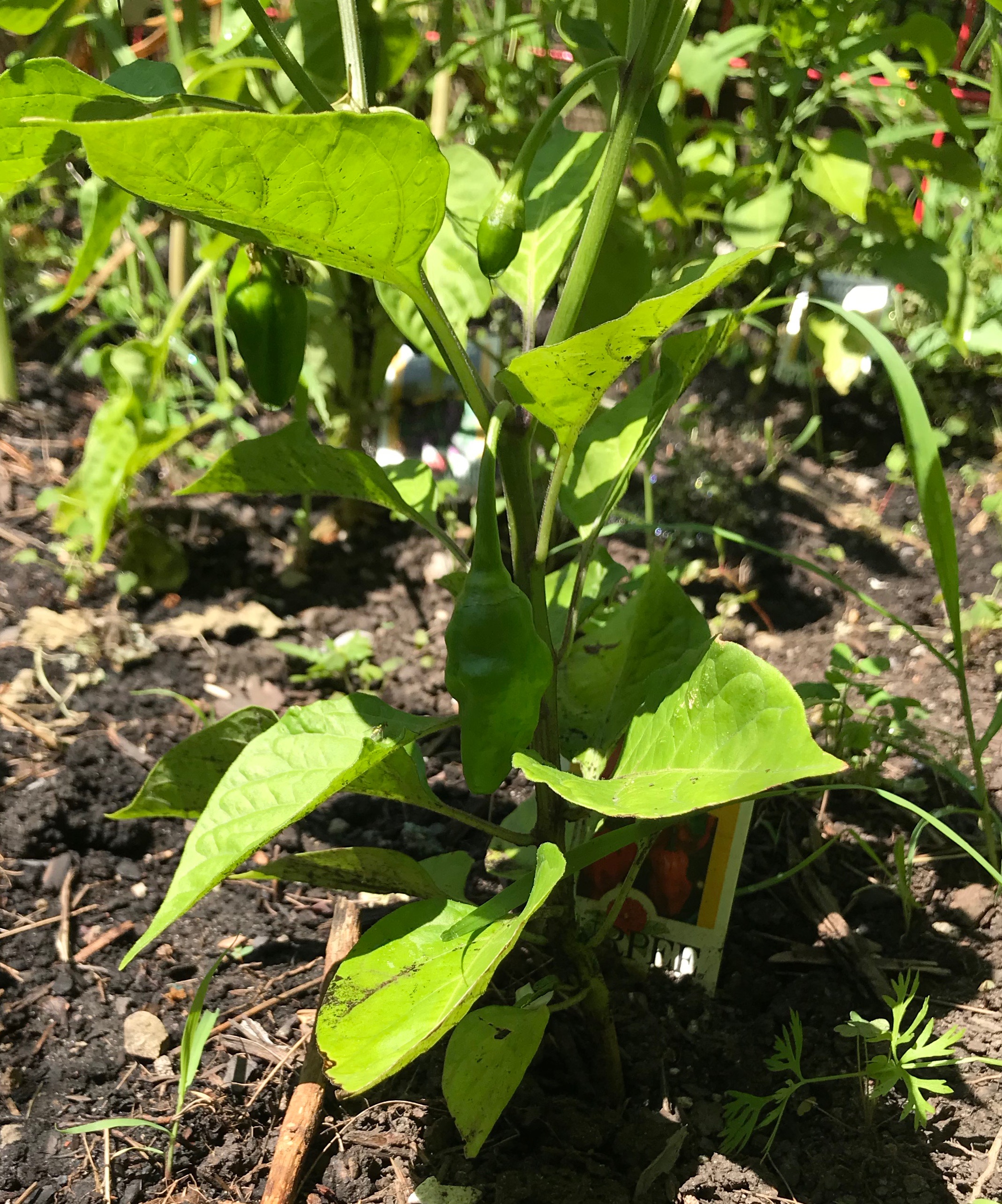
The Roulette F1 Sweet Pepper, a “sweet habanero with lots of flavor”, has 2 little peppers and lots of flowers for more to come. I don’t usually use much heat in my food so I’m excited to try these mild, but flavorful peppers. I will definitely find a tasty recipe to use them in! Any suggestions?

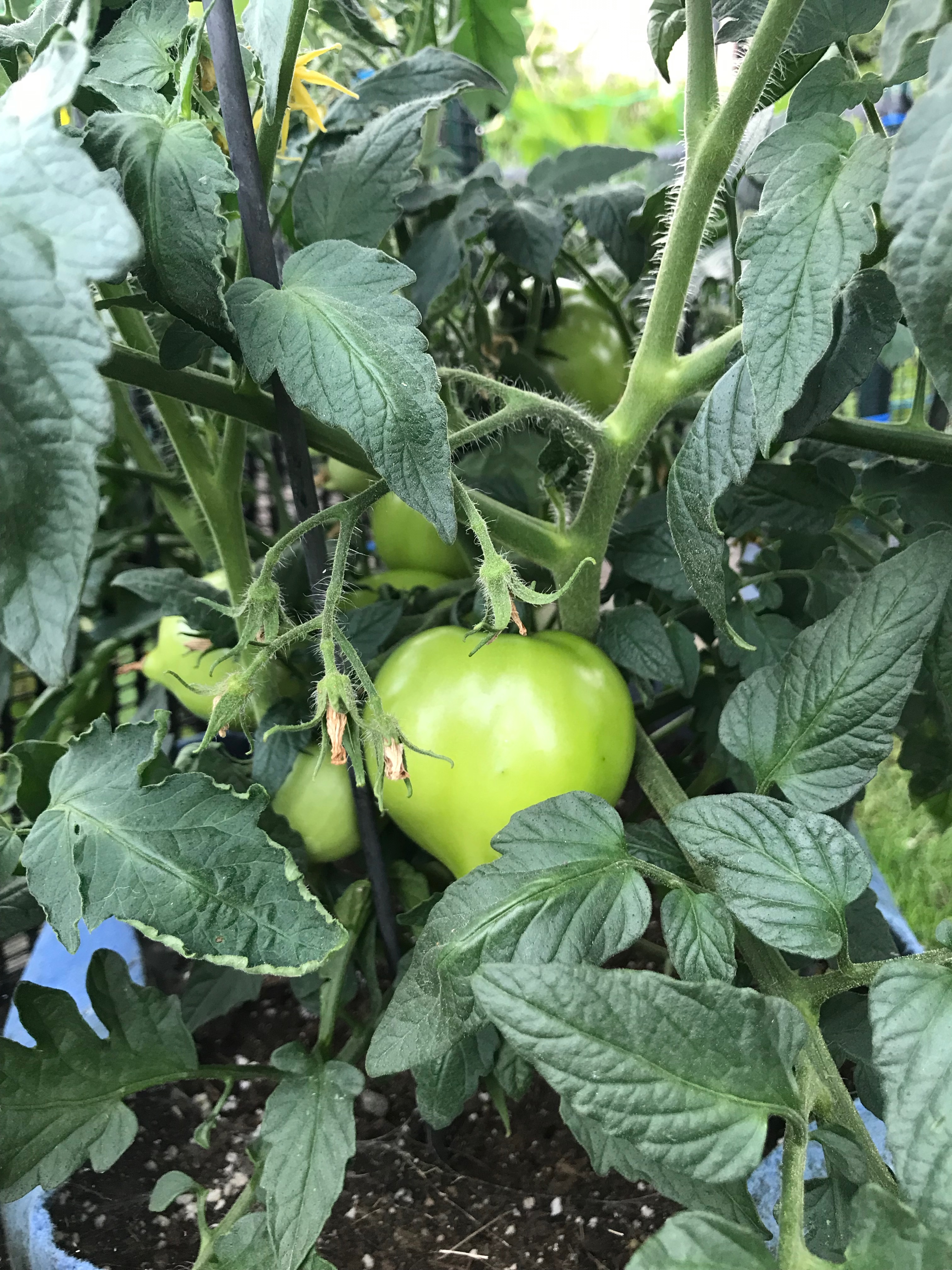
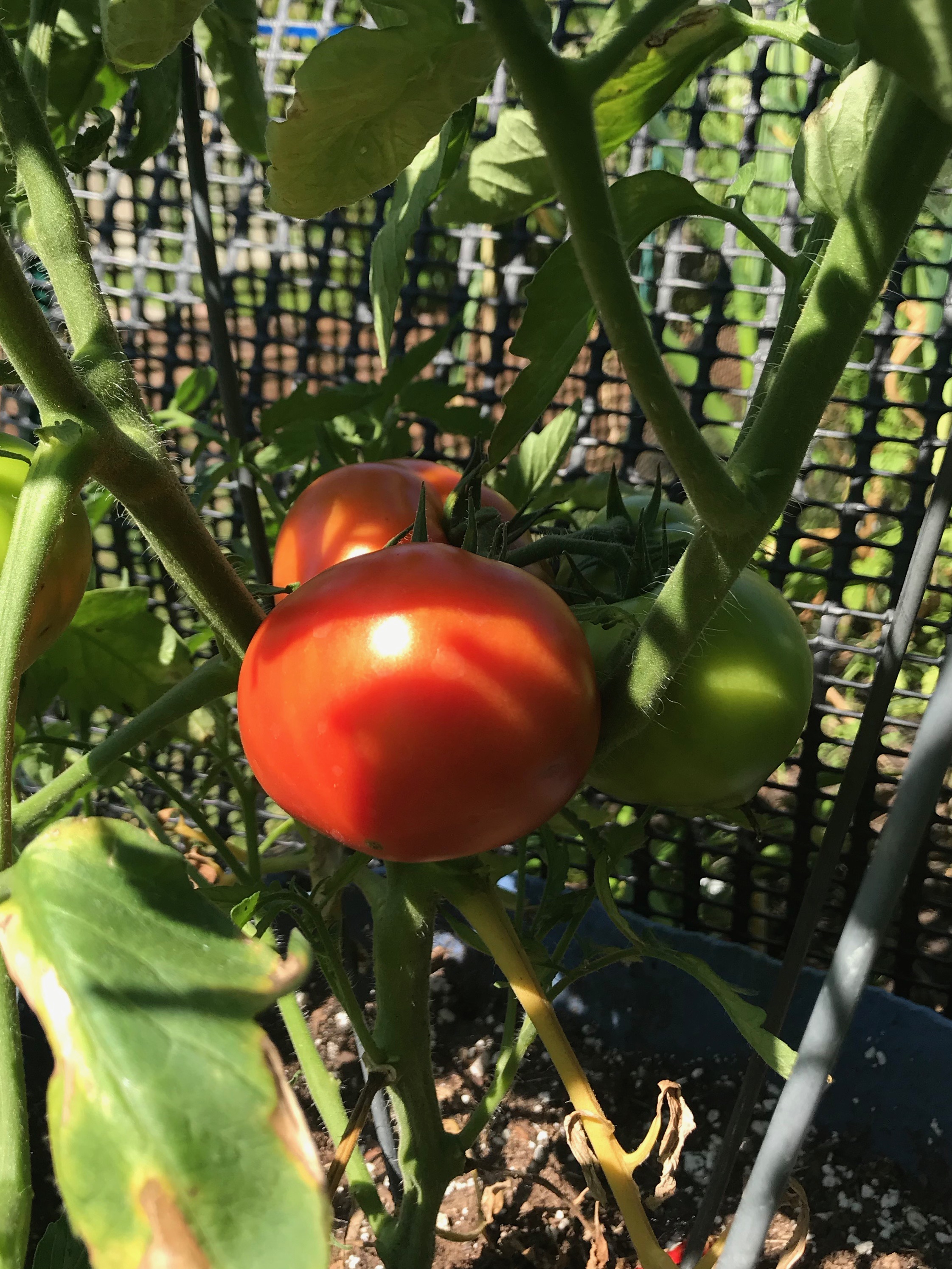
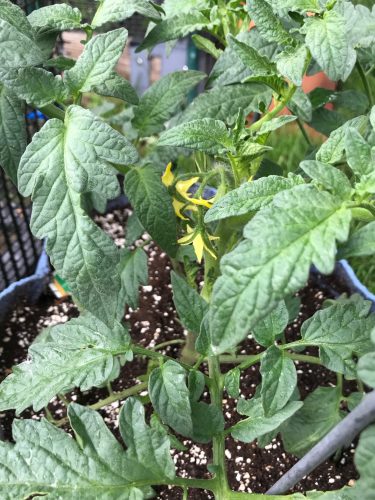
The Grand Slam F1 Slicer Tomato, described as a “great slicer tomato, ideal for containers; determinate variety”, is liking the grow bag I planted it in. It’s growing in a nice, tidy compact shape that I would expect from a determinate variety, and has plenty of flowers and green tomatoes. I did put a cage around it for support since it looks like it’ll be a heavy producer.

The days to harvest for this variety is 74 days, so just a little later to ripen than the Early Girl Bush (68 days) that is growing near it. She never disappoints with the first tasty tomatoes of the season. Ready to pick the first one! What should make with it? Maybe it’ll be an ALT (avocado, lettuce and tomato) sandwich so I can savor the freshness.

When I pick what varieties to grow, I do like to stagger the days to maturity a little bit so everything doesn’t arrive at once. But I also like to err on the early side to make the most off the shorter growing season here in the midwest.

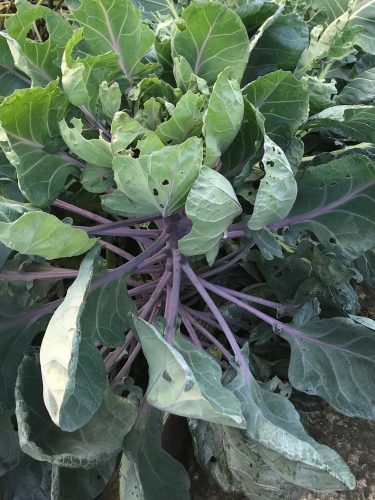
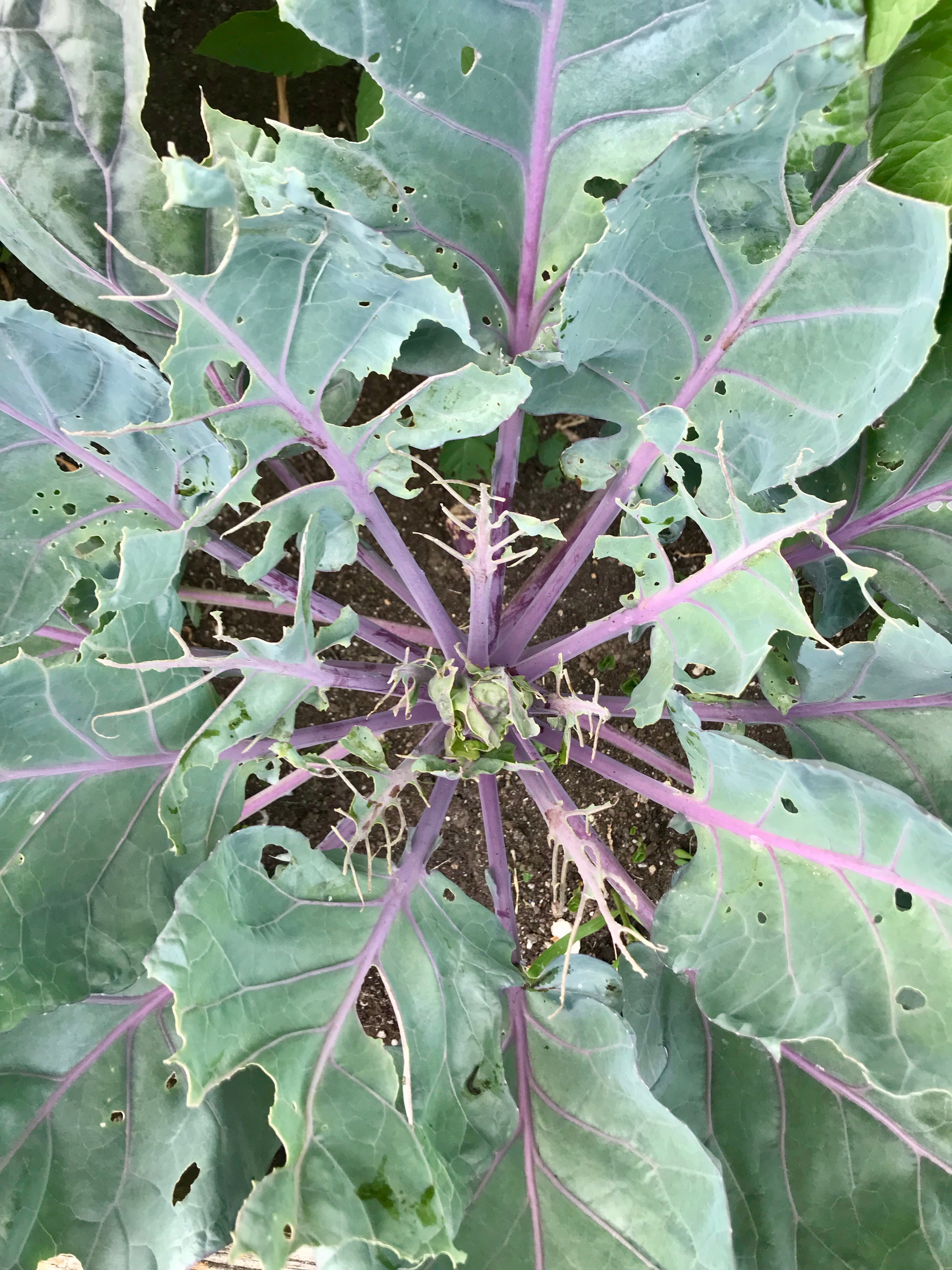
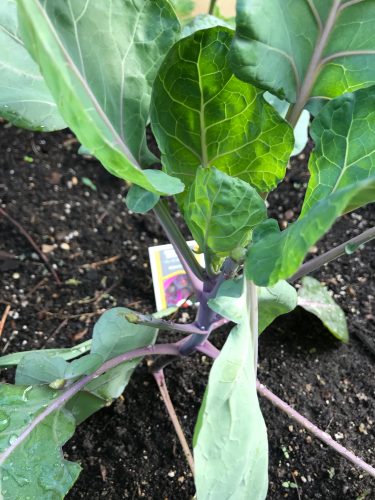
I’ve been intrigued by the Redarling F1 Brussel Sprout (reddish purple, flavorful sprouts).

I’ve never grown brussel sprouts before and so far so good. There was a bit of cabbageworm damage on it and the nearby cabbages, but I think it’s ok. I’ve been searching for the little worms to pick off, but haven’t seen them yet. They are sneaky little things. I may have to resort to dusting this year with some Bacillus thuringiensis var. kurstaki, which is one of the safest, natural ways to kill off the caterpillars. I do have this issue every year with the cabbage and kohlrabi, so next year may try some companion planting of thyme and sage to repel the damaging worms.  Who doesn’t like more herbs in their garden?

The only Burpee plant not doing well was the Lemon Drop Squash that the rabbits unfortunately got to. Would love to try it again, but this time behind the safety of a rabbit fence. Who wouldn’t love to have little lemon sized yellow squashes?

So far so good, can’t wait to start tasting them! Hopefully they taste as good as they look.

Here’s some more photos of the birthday pup!


It’s July! Time to Celebrate Being One of Burpee Home Gardens Gardeners of the Month

It’s July and it’s my turn to be featured on the Burpee Home Gardens blog and Instagram site as one of their 2019 Monthly Gardeners of the Year. You can see the announcement in my previous post, Burpee Home Garden 2019 Gardeners of the Month-I’m July! Still so exciting! I’ve loved seeing all the other gardener’s experiences and sharing mine. Check out the Burpee HG blog post about me on their website and you can follow them on Instagram at @BurpeeHG. So much gardening fun there! Of course you can also follow me on Instagram at @StephiGardens.

I’ve copied the blog post below, but I encourage you to check out the other monthly gardeners’ write-ups on the Burpee HG website. It’s quite an interesting cross section of gardeners. I’ve enjoyed following them all on Instagram.

******************************************************************

Gardener of the Month: July 2019

Burpee  Edible Gardening Team Members

 The Casual Gardener – @stephigardens

“Casual doesn’t mean not caring!”

July’s Gardener of the Month is a great inspiration to those who don’t always have as much time to spend in the garden as they wish they could. @Stephigardens says she knows her limits as to what she can take care of, so she keeps things on the smaller side. She loves planning and trying new things each year. She also shares what she learns each year through her blog (StephiGardens.com). Her goal is to inspire people to “try new things, explore the amazing outdoors and not worry about doing everything perfectly.”

What inspired you to start gardening?
My mom has probably been my biggest inspiration and resource for all things outdoors. My grandparents and parents always had flowers and vegetables growing in their backyards, and as long as I can remember, I’ve always loved plants and nature. So it was natural that I’d create my own garden space for vegetables, flowers, and as a bonus provide a sanctuary for pollinators and birds. I love sitting on the patio enjoying the flowers, the days’ harvests or watching an array of birds come to the feeders in my suburban backyard. Without my garden, I would be one very unhappy suburbanite.

Describe your garden:
I have a fairly traditional suburban yard and I recently had a friend describe my garden as “a pleasing riot of color and shape”. I grow what brings me joy. I love splashes of color, am fascinated by the textures of plants, and love fresh vegetables. One “rule” is that my garden will always have vegetables and marigolds.

Do you cook? What’s your favorite dish to make with your harvest?
I have always loved to cook. My favorite dishes highlighting my garden harvests are stir-fries, either as a simple vegetable side dish like sautéed radishes with balsamic vinegar or as a main dish with chicken or shrimp with an oriental flair. I go in the garden, see what’s ripe, and stir it up! It’s always different.

Some other favorite recipes:
http://stephigardens.com/cucumbers-mid-summer

This is a freezer slaw recipe I got from a friend when I mentioned I had a lot of cabbage one year. http://stephigardens.com/freezer-slaw

Another is a great Squash or Tomato Au Gratin-perfect for those late summer days when these veggies are abundant. http://stephigardens.com/zucchini-and-squash-mid-summer

Do you have any other hobbies?
Lots of them! I enjoy reading, cooking, traveling and needlepoint (nature prints of course). I’m also an avid outdoors person, enjoying birdwatching (have 203 on my lifetime list), hiking, kayaking and biking.

Favorite veggie?
I love growing garlic. Cucumbers and zucchini come in a close second, but in reality anything fresh from the garden is amazing (except kale, I’ve decided I really don’t like kale).

Any pets?
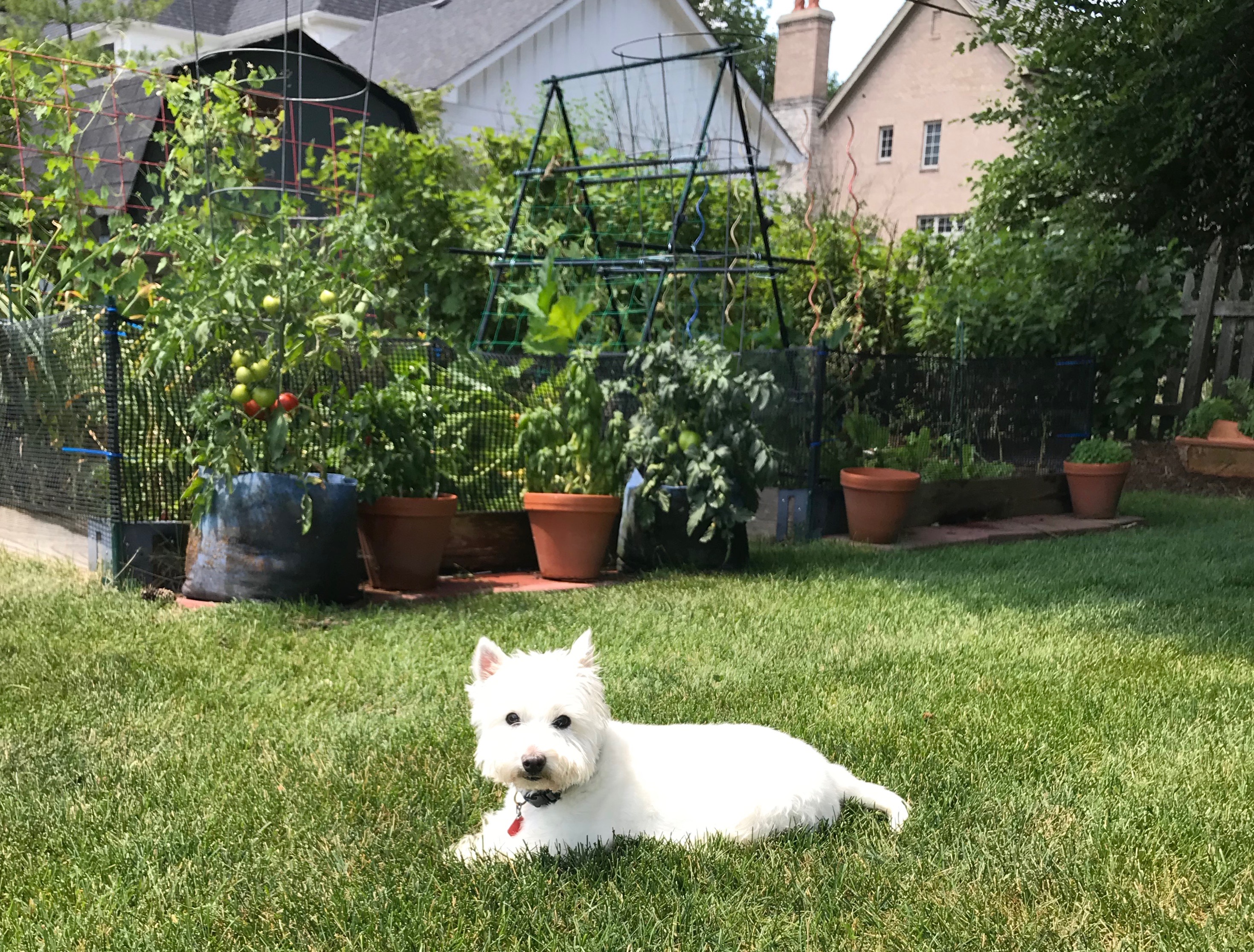
A Westie named Daisy, who loves green peppers fresh from my garden! https://stephigardens.com/little-white-pepper-thief

If you could describe yourself as a color, what color would you be and why?
Not really a description of myself as a color, but my favorite color is yellow. It reminds me of sunshine and warmth, something missing a lot of the year in the Midwest. I find it really cheerful and have always tried to paint a room yellow in the places I’ve lived, and even had a yellow car. You’ll also find yellow flowers in my garden.

Anything else you’d like to share?
Having a Midwestern garden means a very short growing season. We need to pack a lot into a few months so every day is an exciting adventure outdoors!
At Burpee Home Gardens, we’ve heard from many of our Midwestern gardeners (and others!) that have had a late start to the summer gardening season because of the rain. You can still have a successful July and beyond! If you’re looking for advice or help with your garden or any of your plants, visit us at www.burpeehomegardens.com/GardenHelp/.

Back From Vacation

May is probably not the best time to take a vacation, but this was a big year in the Stephi Gardens household. My twin boys graduated from college, thankfully, 2 weeks apart! In celebration, we planned a family trip with all three kids, which if you have older kids you know is no small feat. Off to Norway we went, thanks to IcelandAir who had an amazing airfare sale last fall. It was beautiful, and we had a great family time.

But, in the heart of planting and growing season, my garden couldn’t be left unattended. So in addition to a pet sitter for Daisy, I hired a friend’s daughter to be my garden sitter to be sure everything was going to be ok when I got back. Her family has an amazing backyard garden, so I knew it would be in good hands.

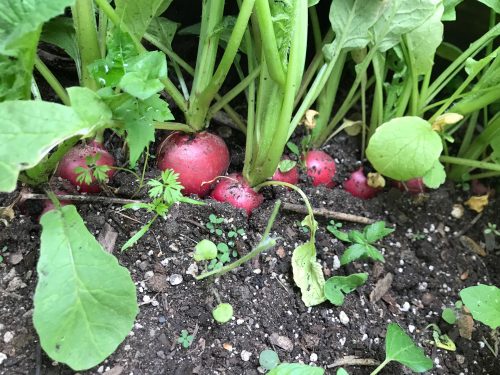
How did everything look? Great, except for a few things the rabbits got at 🙁 The sugar snap peas and radishes have been thrilled with the cool, wet weather we’ve been having.

The Burpee Home Gardens 2020 new plants have been doing really well. All the Mardi Gras Fun Series F1 Snack Peppers are showing flower buds, the Grand Slam F1 Slicer Tomato is flowering and growing nicely in a tomato bag and the Redarling F1 Brussel Sprout is growing tall.

But much to my great disappointment, the Lemon Drop Squash got clipped by a pesky rabbit, who also munched on the kohlrabi leaves for dessert.

I was so looking forward to these little lemon sized squashes. I’ll be looking for them for next year’s garden.

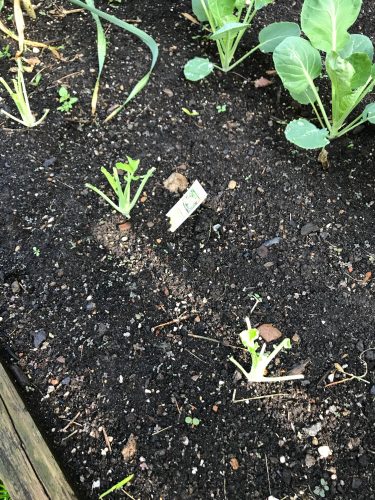
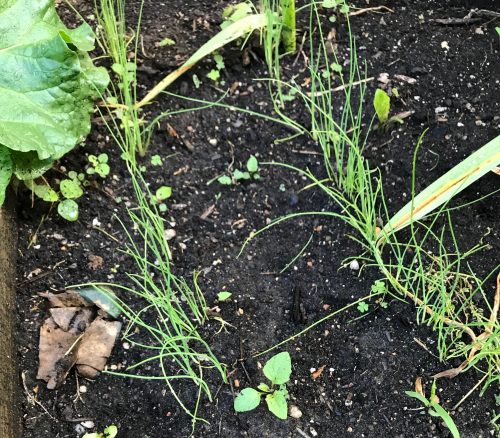
What else is of interest? After not having a great harvest from the leek starter plants last year, I decided to try them from seeds. The American Flag leek seeds (Botanical Interests) are growing like gangbusters and will need to be thinned soon. Luckily, elsewhere in the garden I had some stragglers overwinter from last year’s harvest, so along with garden fresh spinach, I’m making my favorite Shrimp, Leek and Spinach Pasta for dinner tonight.

Are you having dinner from the garden yet?

It’s Peony Week!

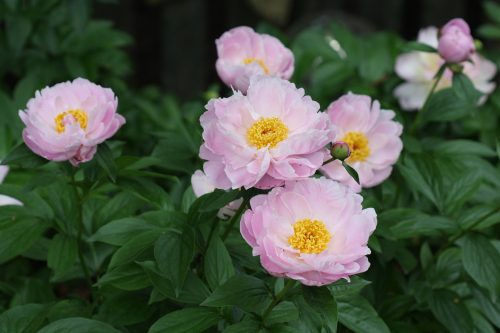
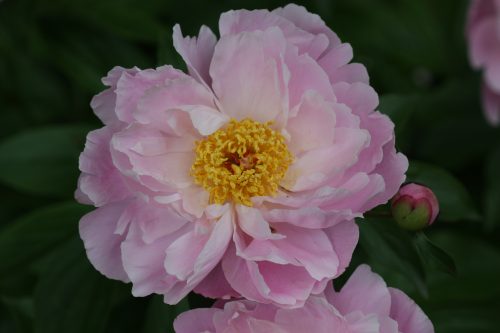
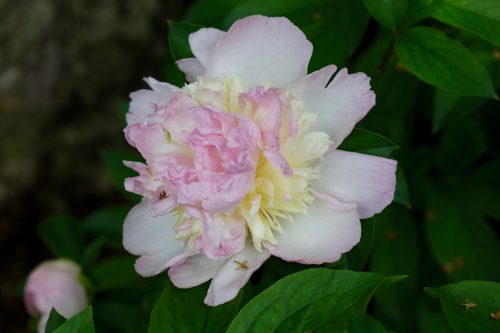
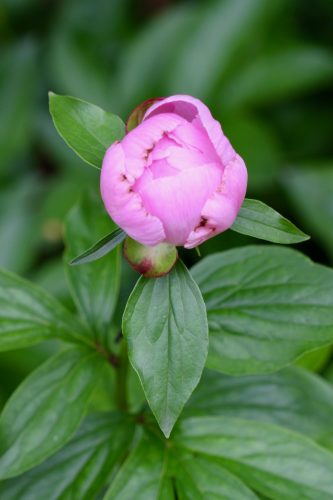
I feel like a broken record, but it’s been a weird spring. Things are definitely not blooming at the right time, but when they do they’re gorgeous. Helps to not have the dog days of summer set in yet. One of the stunners in the garden right now are my peonies.

Usually they stagger blooming a couple of weeks apart, but this year it’s all at once making for an explosion of pink.

I’ve never had much luck having blooms last very long in the house.  I usually cut a pretty bloom and within a day, the petals have dropped.  But, I learned a couple of tricks this year.  First, I cut the stem with a bud almost ready to burst into flower, put it into a vase, and by the next morning I had beautiful blooms that last days.  

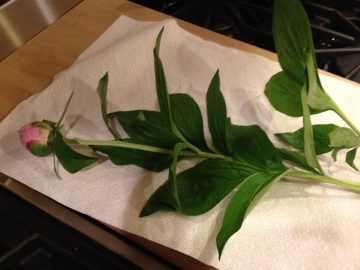
The second trick I learned was from a Fine Gardening Quick Tip Video on how to save peonies to bloom later on.  I was skeptical, but it actually worked.

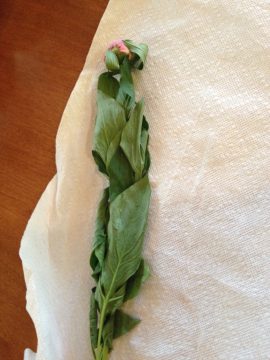
Cut your flower bud and wrap them immediately and place in refrigerator.

When you want to have them bloom, take them out of the refrigerator.  I let mine stay in for four days.  It looked pretty wilted and I had my doubts, but I unwrapped it and put it in the vase.

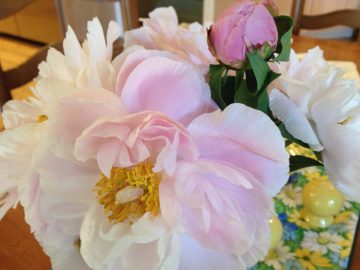
Within a few hours, the leaves started to perk up and by the next morning I had an absolutely stunning flower that went on to bloom for days!
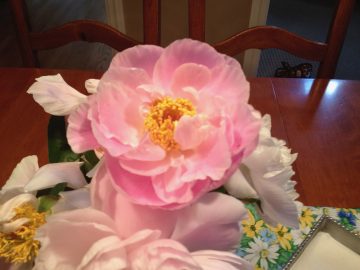
The refrigerated bud is the bright pink bud in the center of the arrangement.

The stunning flower the next day was no worse for the wear and I had beautiful peonies to admire after the ones in the garden were all finished.

(some parts excerpted from a previous post “Peonies” published June 12, 2013)

Guest photo credits:  first four are Photos by Steve

Seedlings on the Move

I’ve been anxiously awaiting Mother’s Day, and not just because I get to be the center of attention, but because it signals the official beginning of the outdoor garden season in my area.

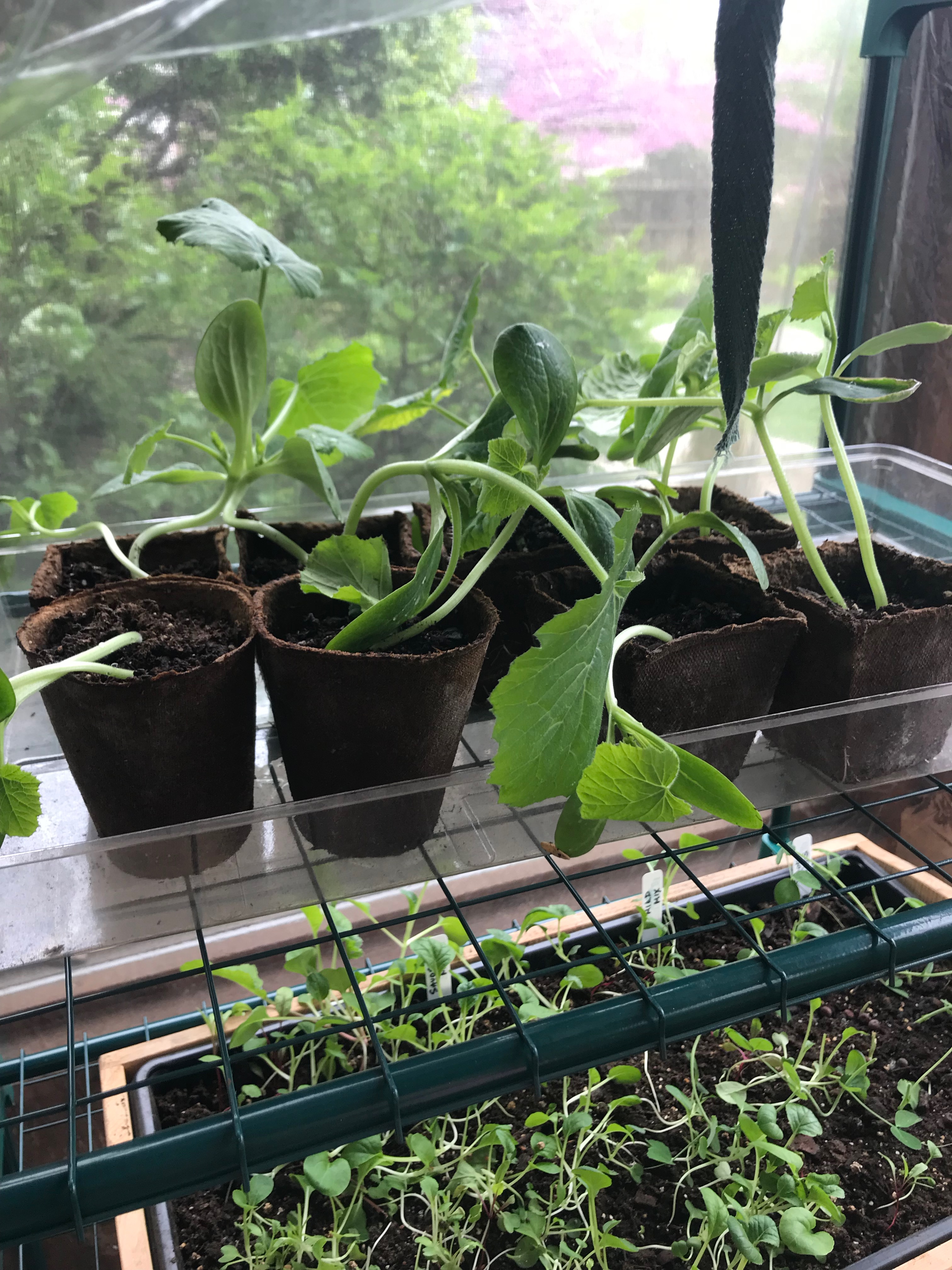
Generally once Mother’s Day passes, I can start planting the warm weather plants without too much fear of a cold snap. Some things like zinnias, I will still wait a couple more weeks to make sure the ground is nice and warm. It finally seems like the vegetable seedlings I started in the house are ready to move outside. The flowers will wait a few more days (Finally Planting Season is Beginning).  About 4 weeks ago I started:


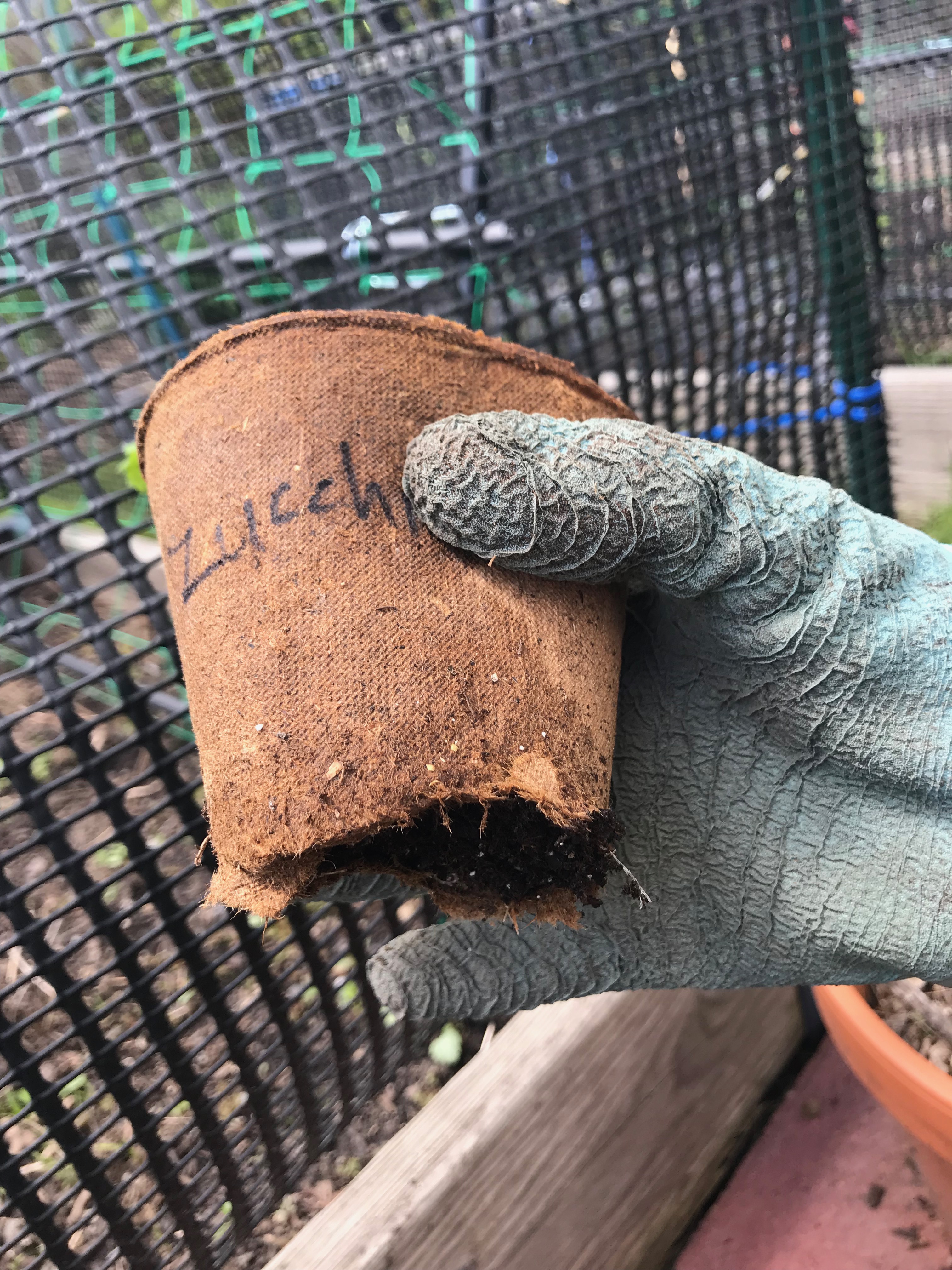
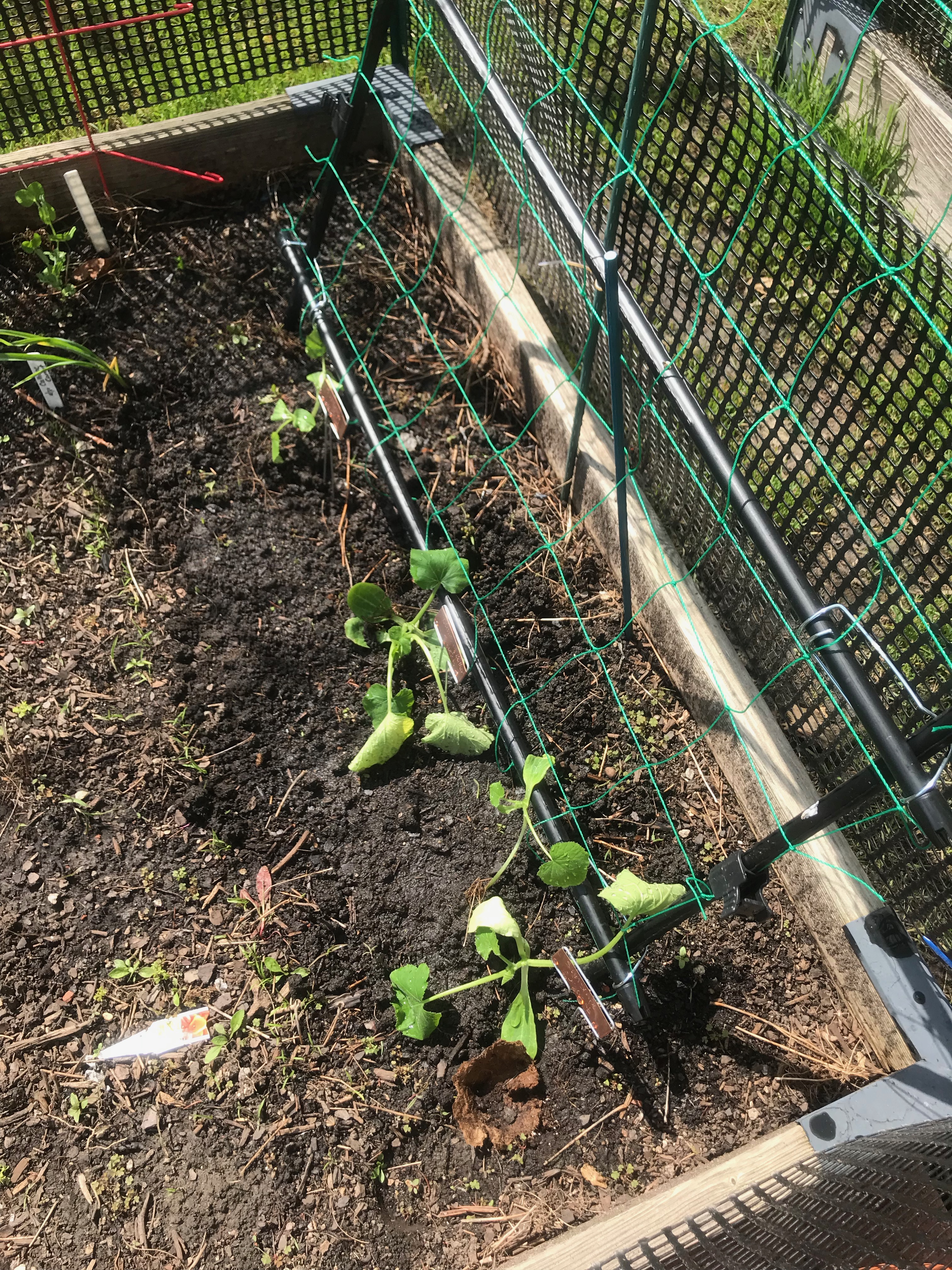
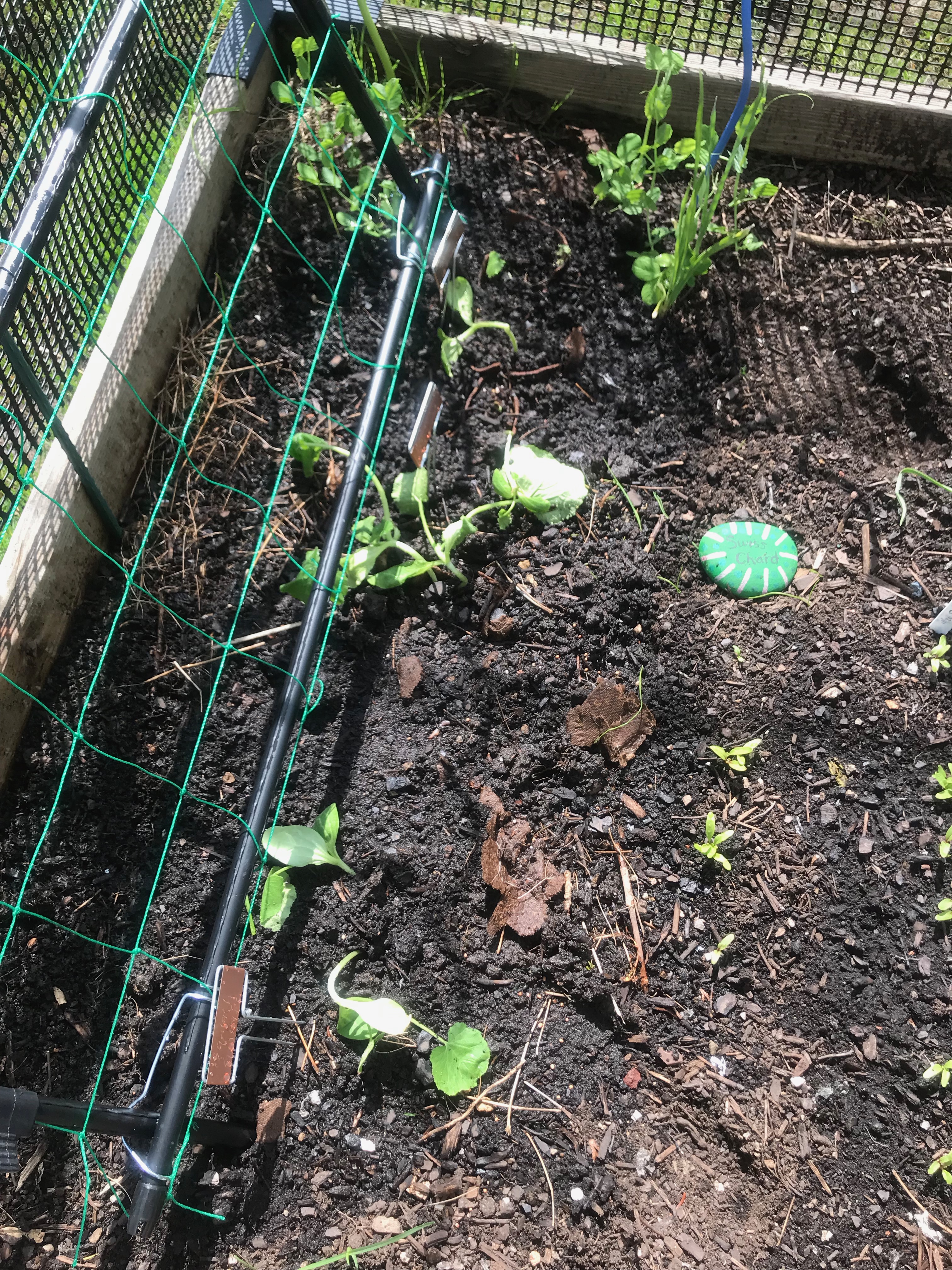
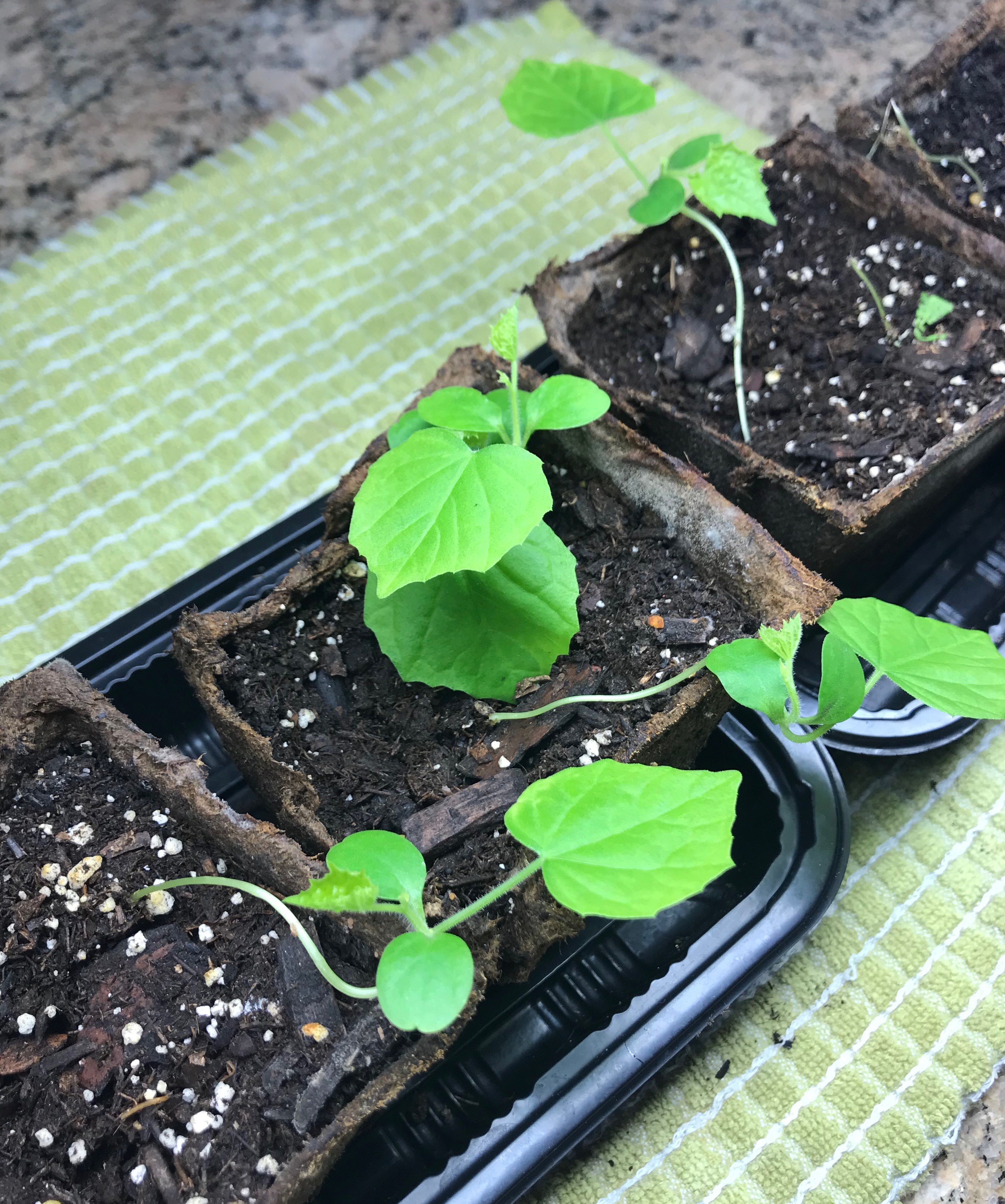
Squash, cucumbers and zucchini really don’t like to have their roots disturbed, so they can be finicky when you transplant them. It’s recommended to start them outdoors, but I’ve had good luck growing them in peat pots or other biodegradable pots to give them a head start. After they get nice and strong in the house, I move them to my mini greenhouse for a couple of days, then outdoors in the shade for a couple more. Then, when they’re ready to plant I gently tear the bottom off the pot and plant the whole pot.

I’m super excited to try out my new trellis for the zucchini and squash. I had to move the zucchini and squash because of last year’s squash vine borer attack.  The other vegetable beds don’t have the space to let them grow free on the ground so I’m trying the trellis. 

It was pretty easy to put together, but best as a two-person job. Gardener’s Supply Company has a nice video to show how to assemble it. It’s made of plastic, so won’t rust but seems plenty strong enough to hold zucchini and squash. I’ll let you know as the season progresses.

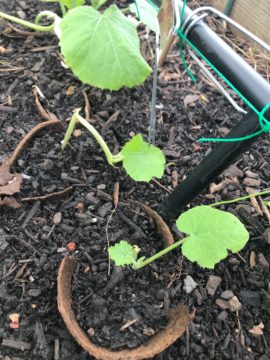
I got the squash, zucchini and cucumbers in the ground, but had a little incident with some of the zucchini. They hadn’t grown as robustly as the others, and I wasn’t as gentle as I should have been.

I broke the main stem, which is really easy to do if you’re not careful. Sometimes it heals, but it’s iffy. I planted it anyway and will hope for the best. So far it seems to be holding its own.

I usually try to have a backup in the same pot and thin them after they’ve become established in there ground, but in this case it didn’t grow. I also usually grow more plants than I need and hold some in reserve in case there’s an “incident”. If they all grow in the first couple of weeks, wonderful, I have plants to share.  

My “spares” in the greenhouse with my microgreens.

So far so good! A few days later and everything is looking good, even after some cool and stormy weather. Btw, for our small family 2-4 zucchini plants and 4 squash plants provides more than enough for us and some to share.
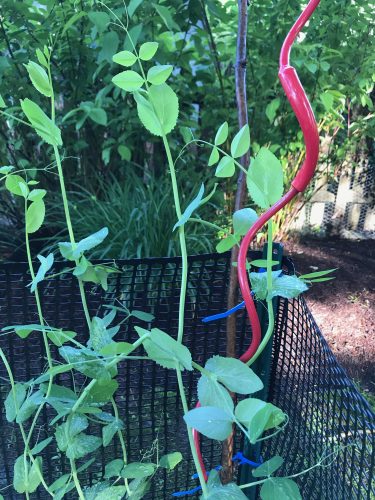
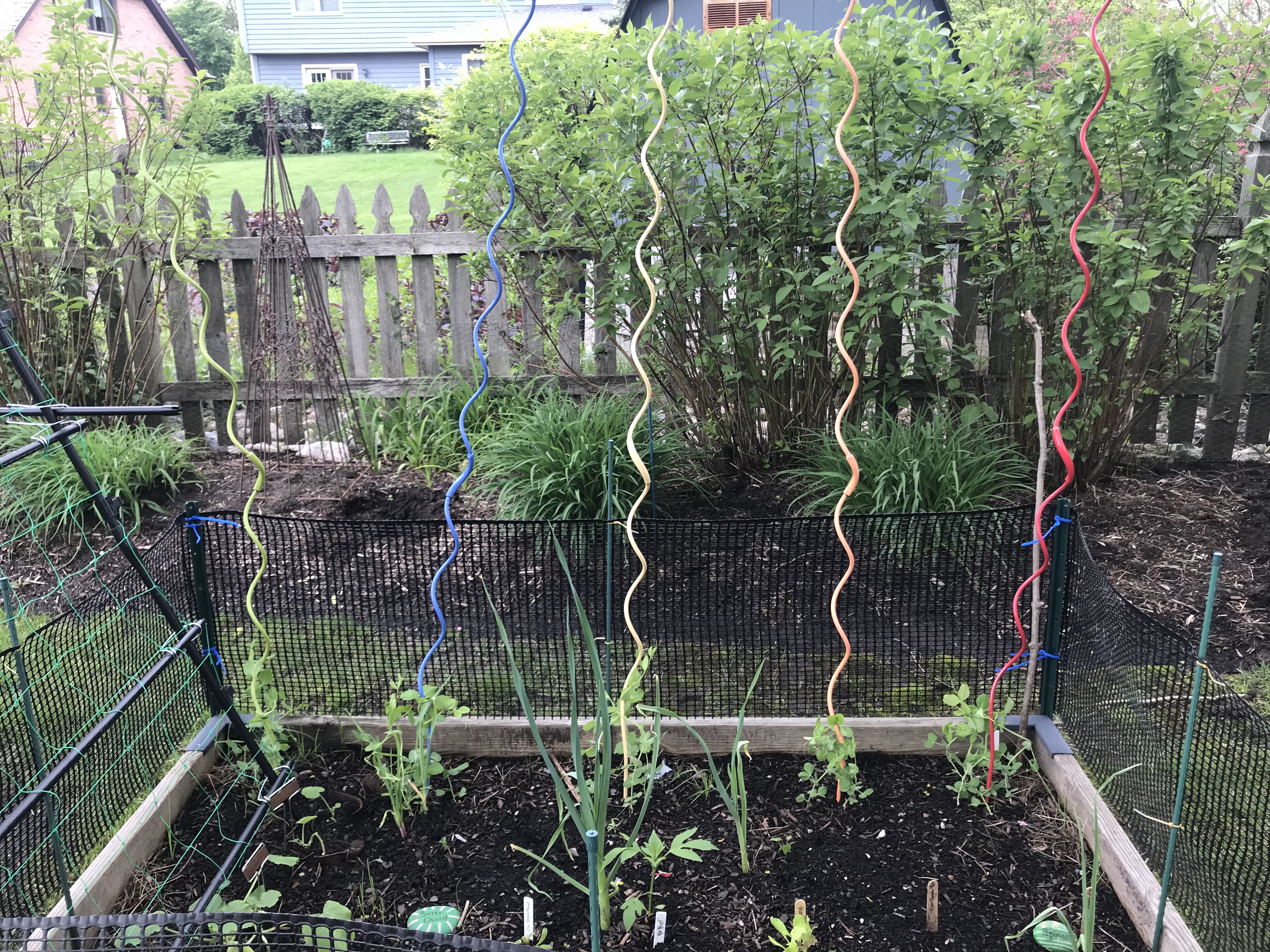
My sugar snap peas are doing great in this cool weather and starting to climb up the rainbow spiral stakes and pea trellis. I originally had the stakes “out of order”, but the science nerd in me couldn’t let that be. 🌈 I reorganized them, but from the front of the bed they were backwards, oh well, close enough.

rainbow gardener's supply company rainbow stakes

Last but not least, my mouse cucamelon plants are off to a very slow start and still in the house under the grow lights. I hope they get going soon, I’m looking forward to one of latest food trends!