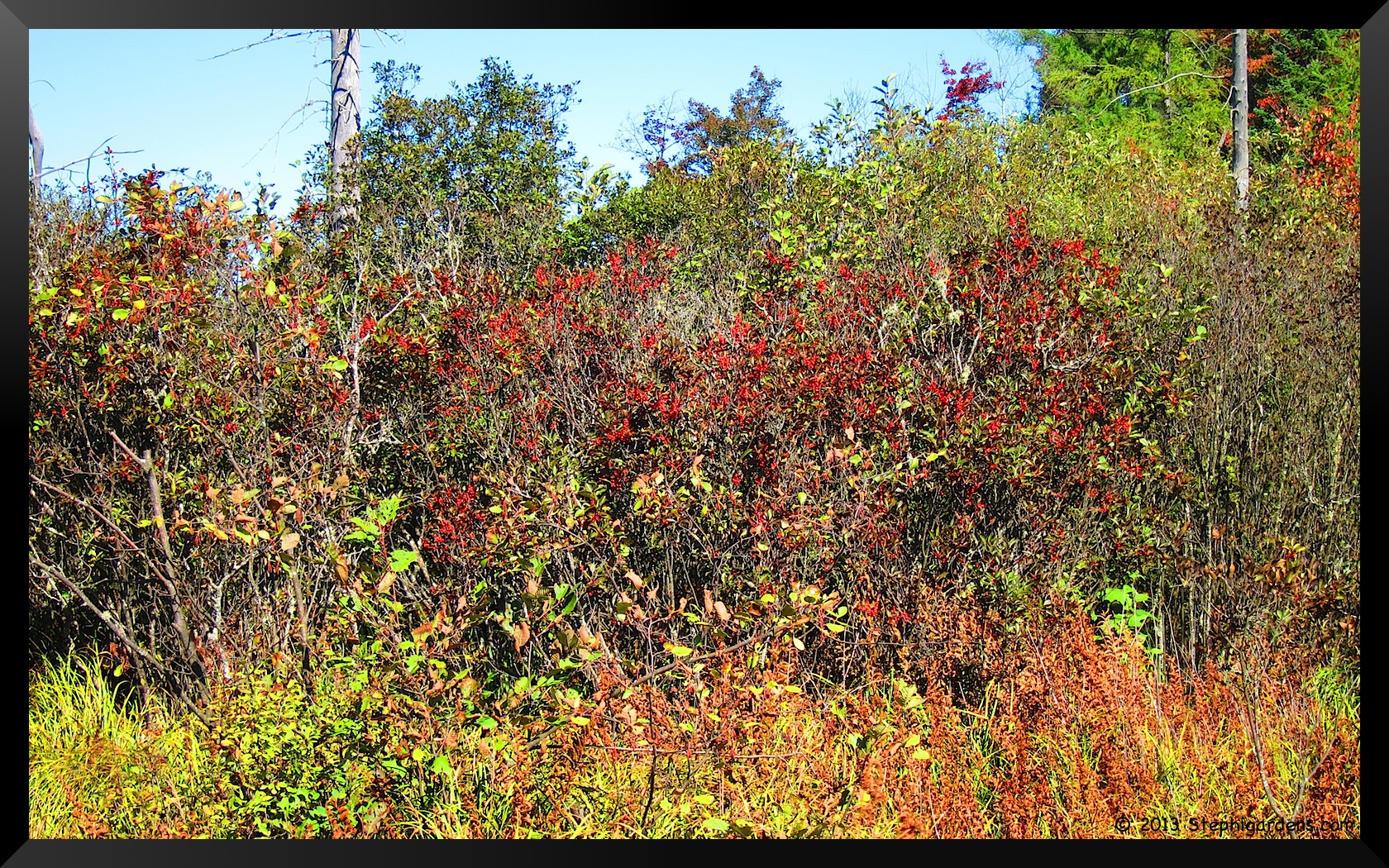
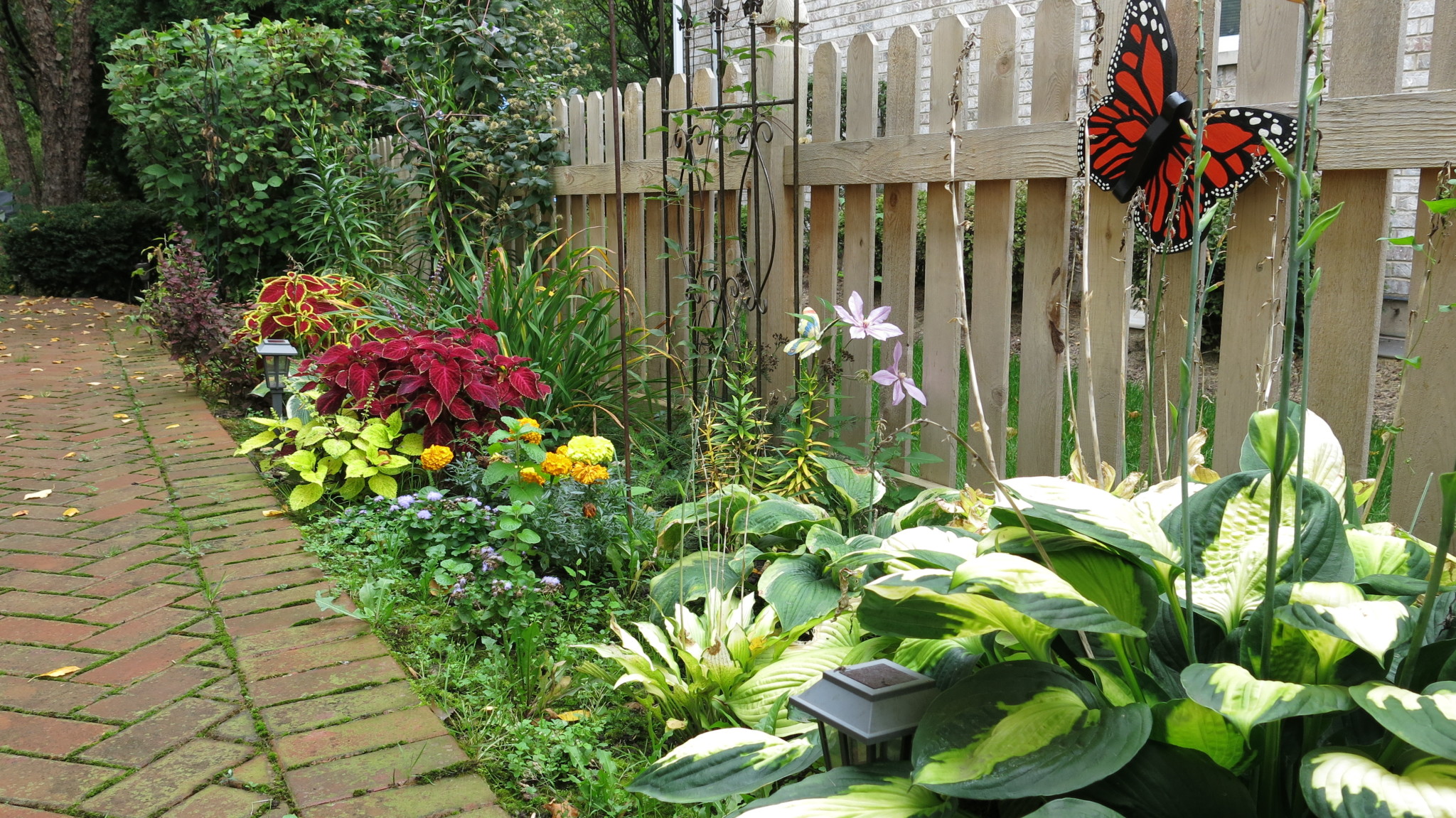
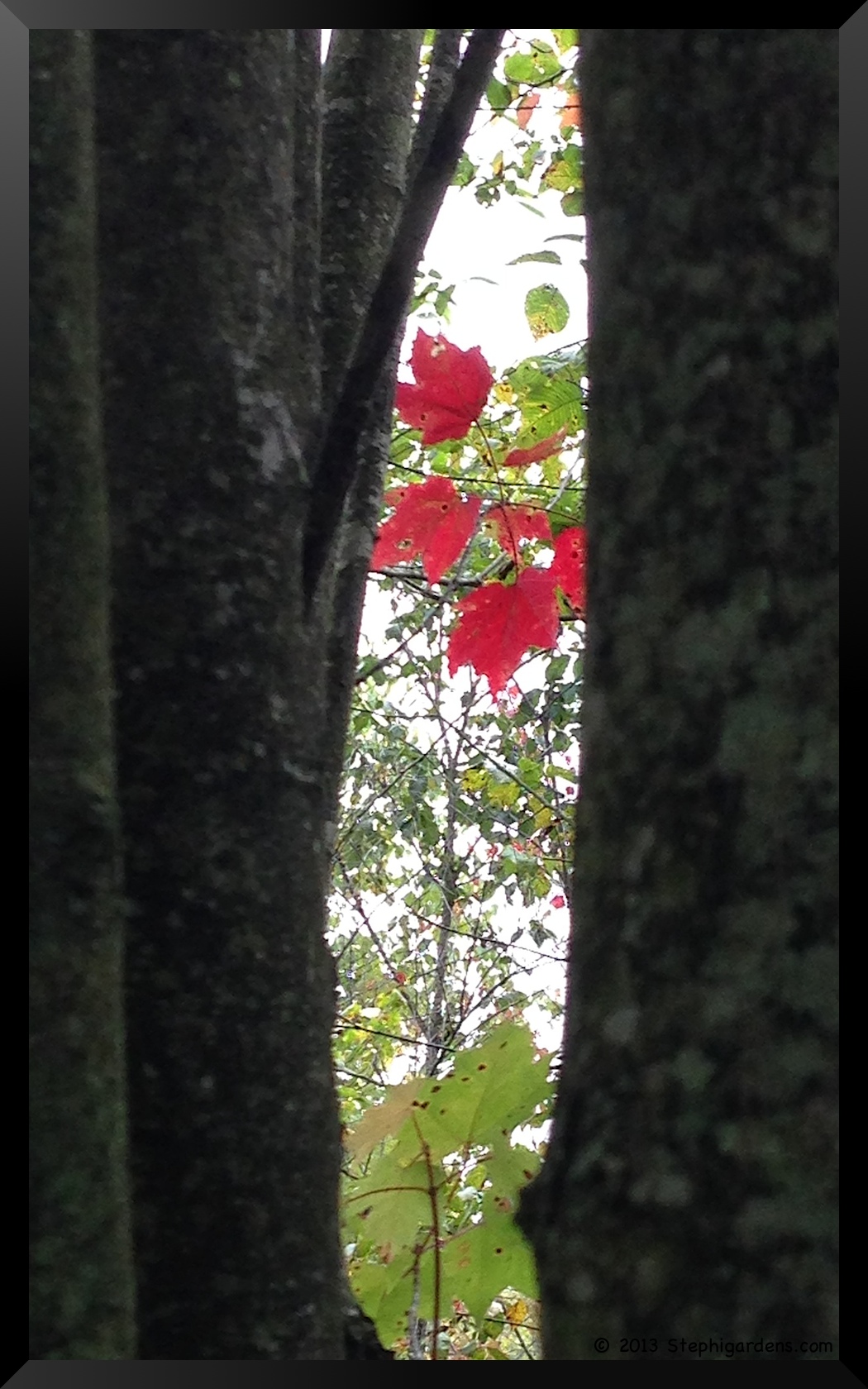
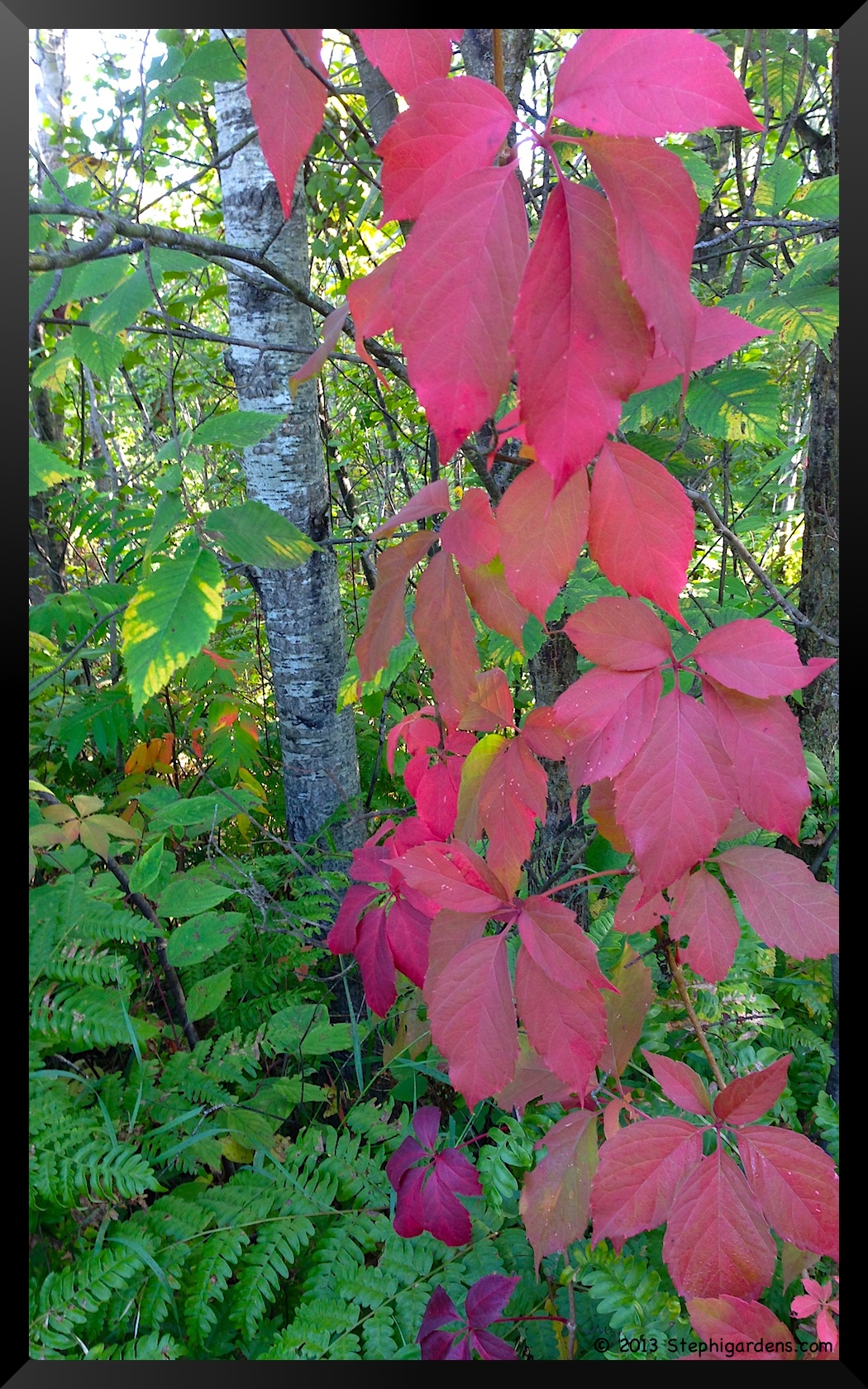
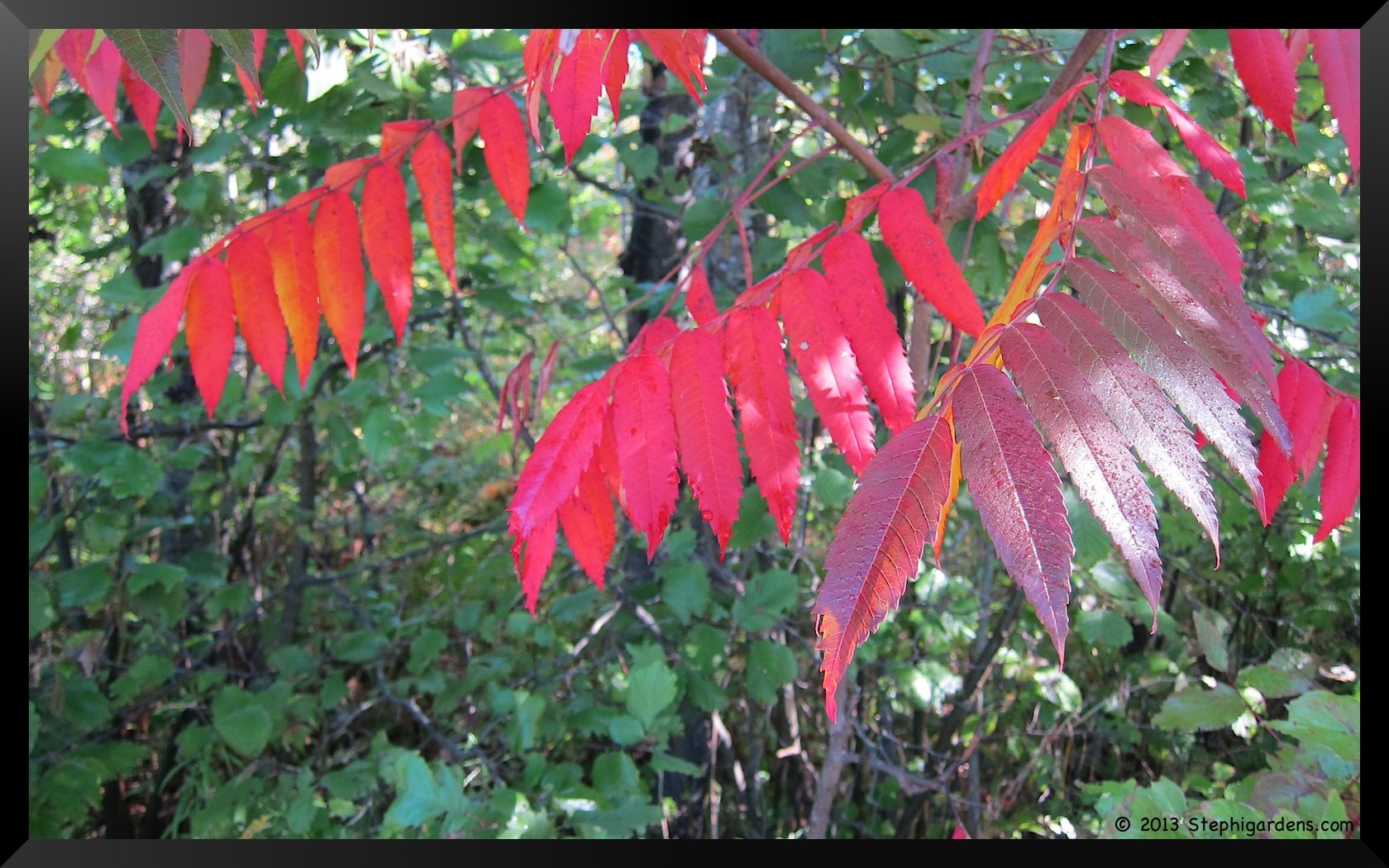
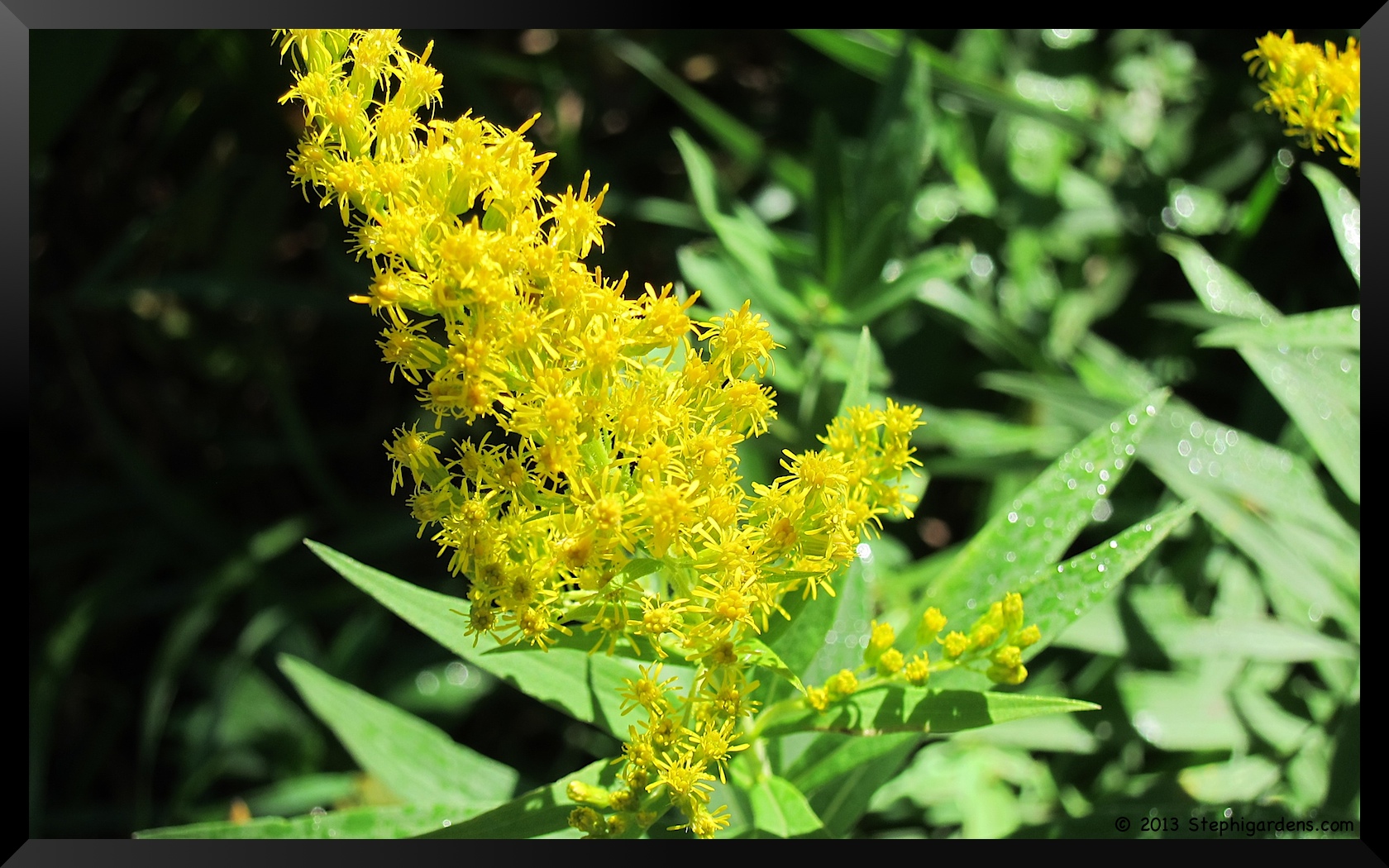
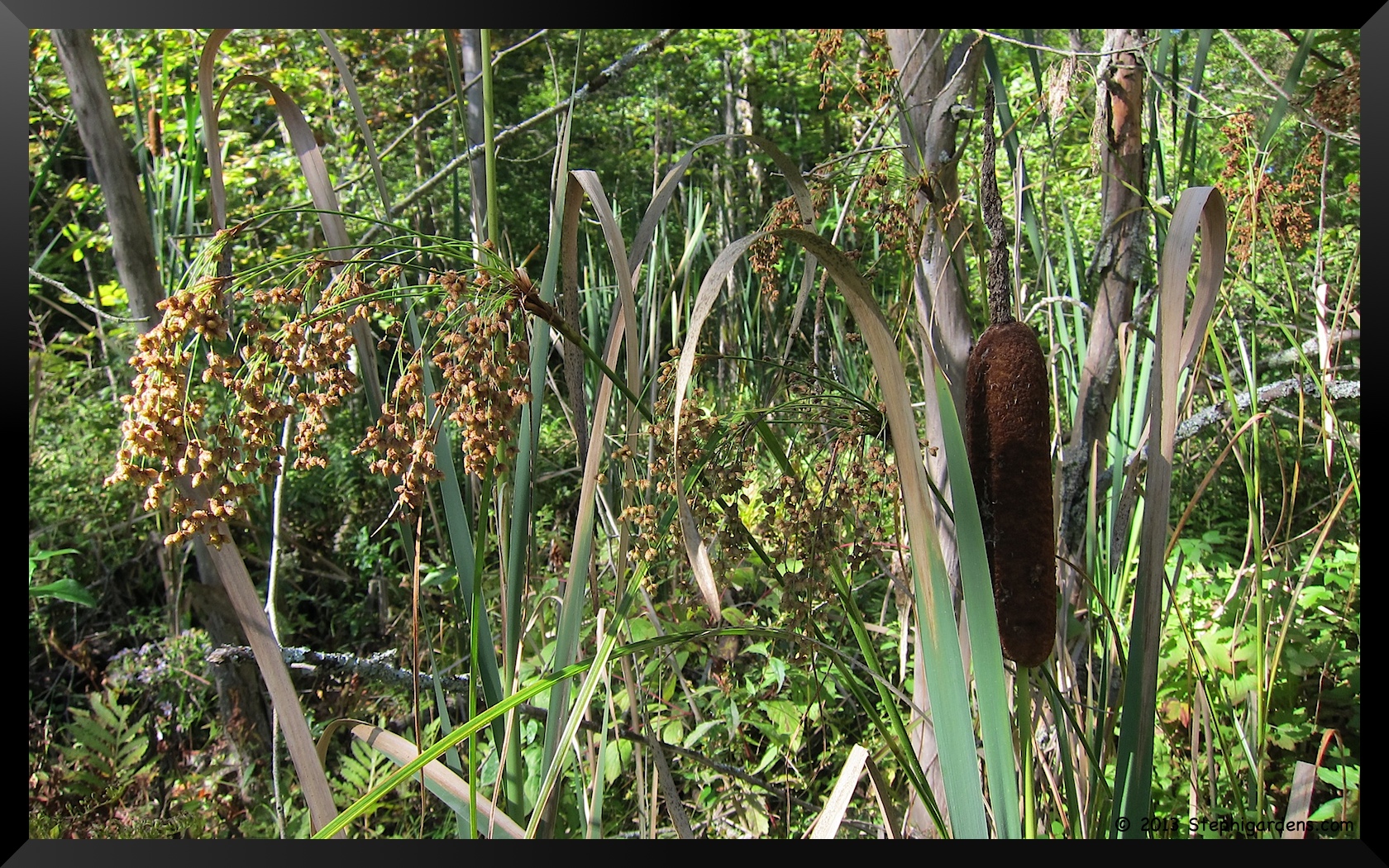
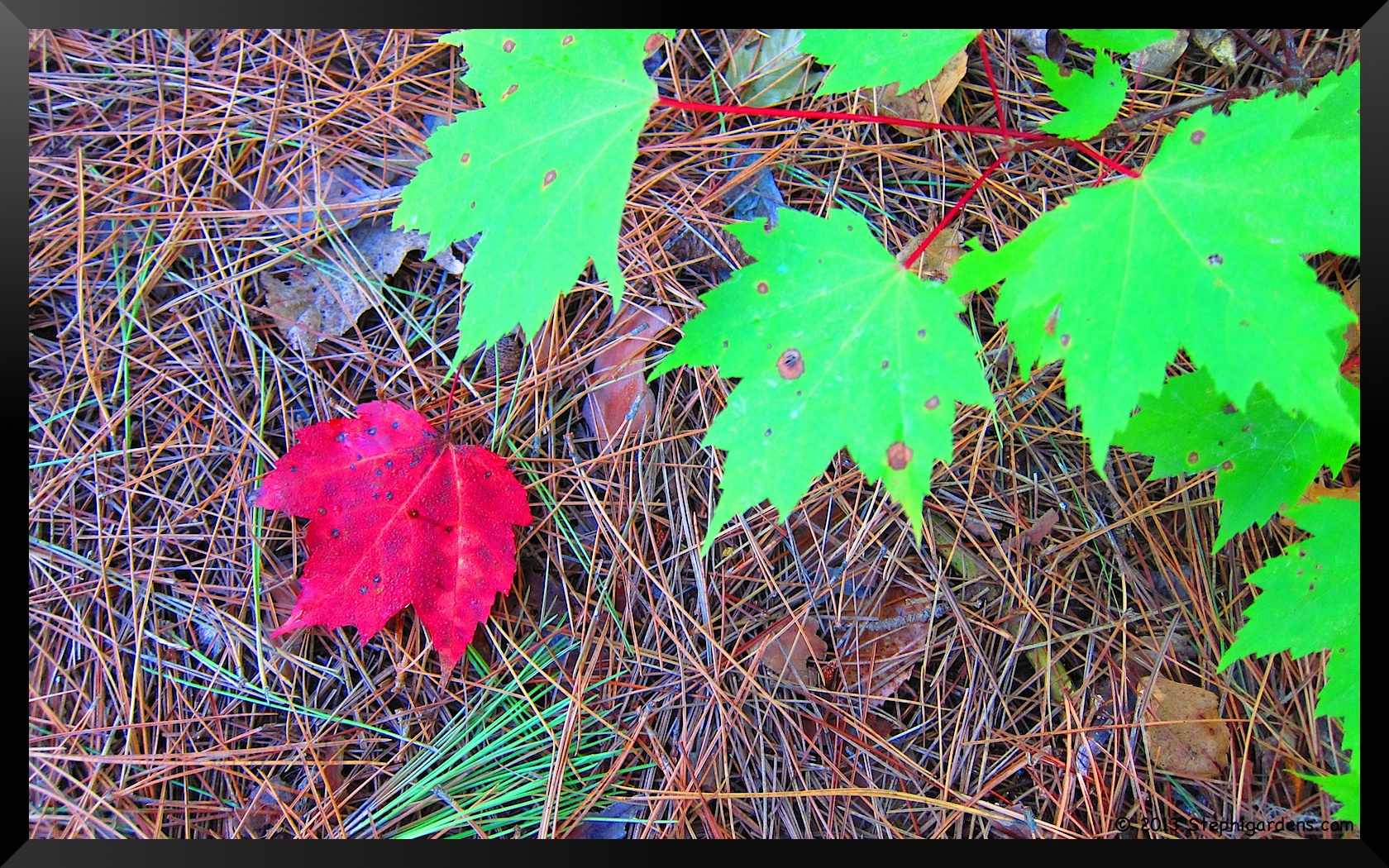
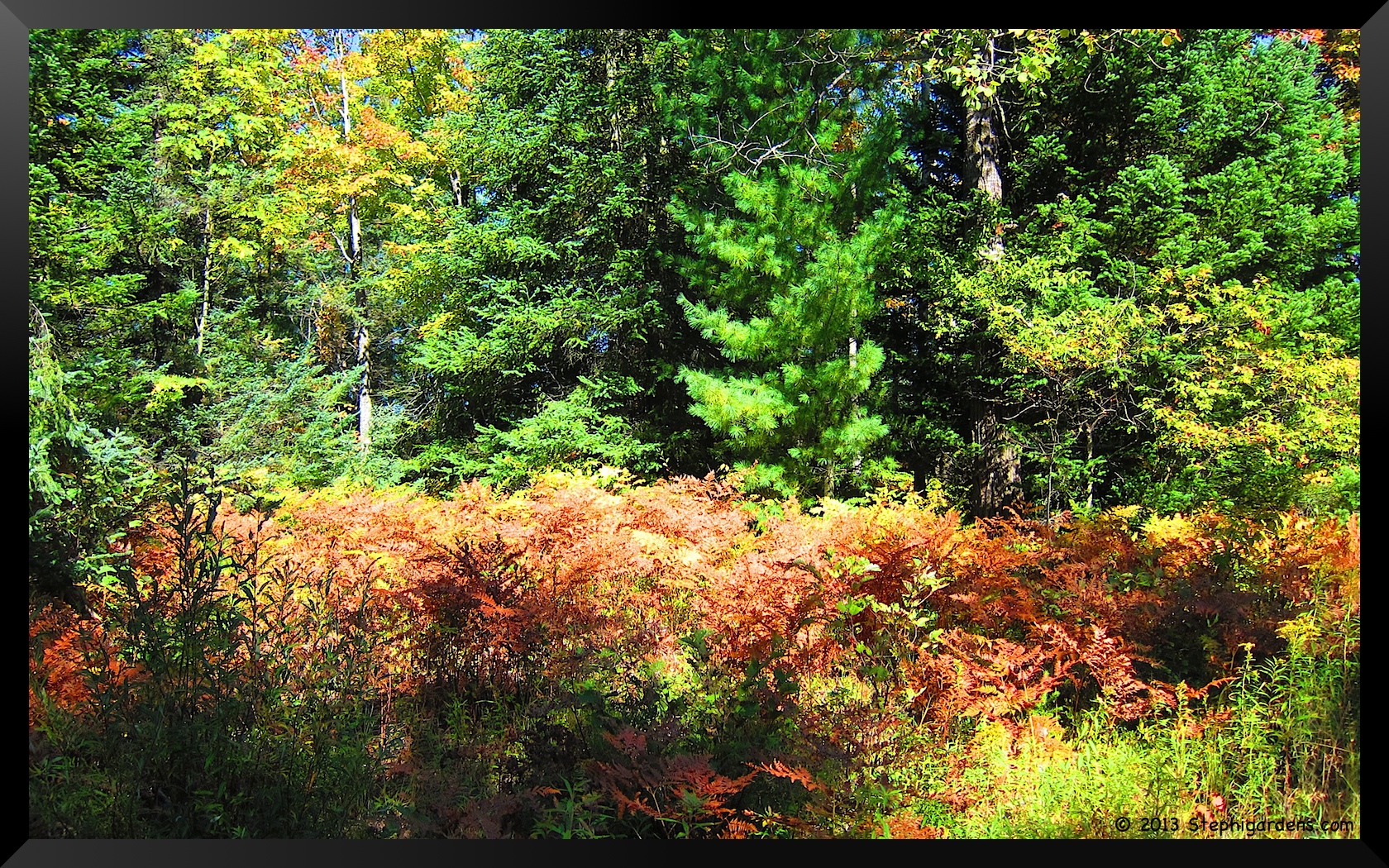
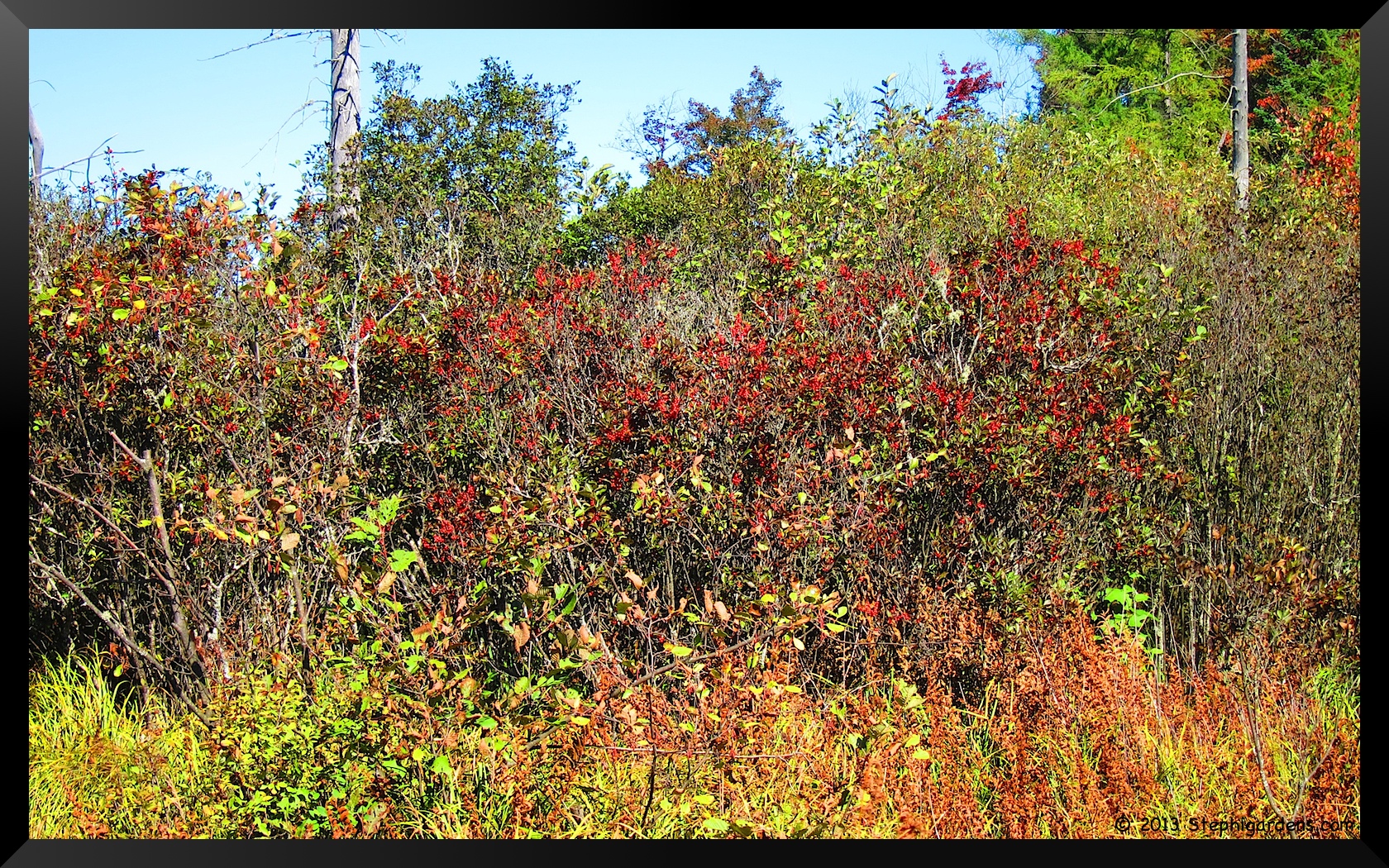
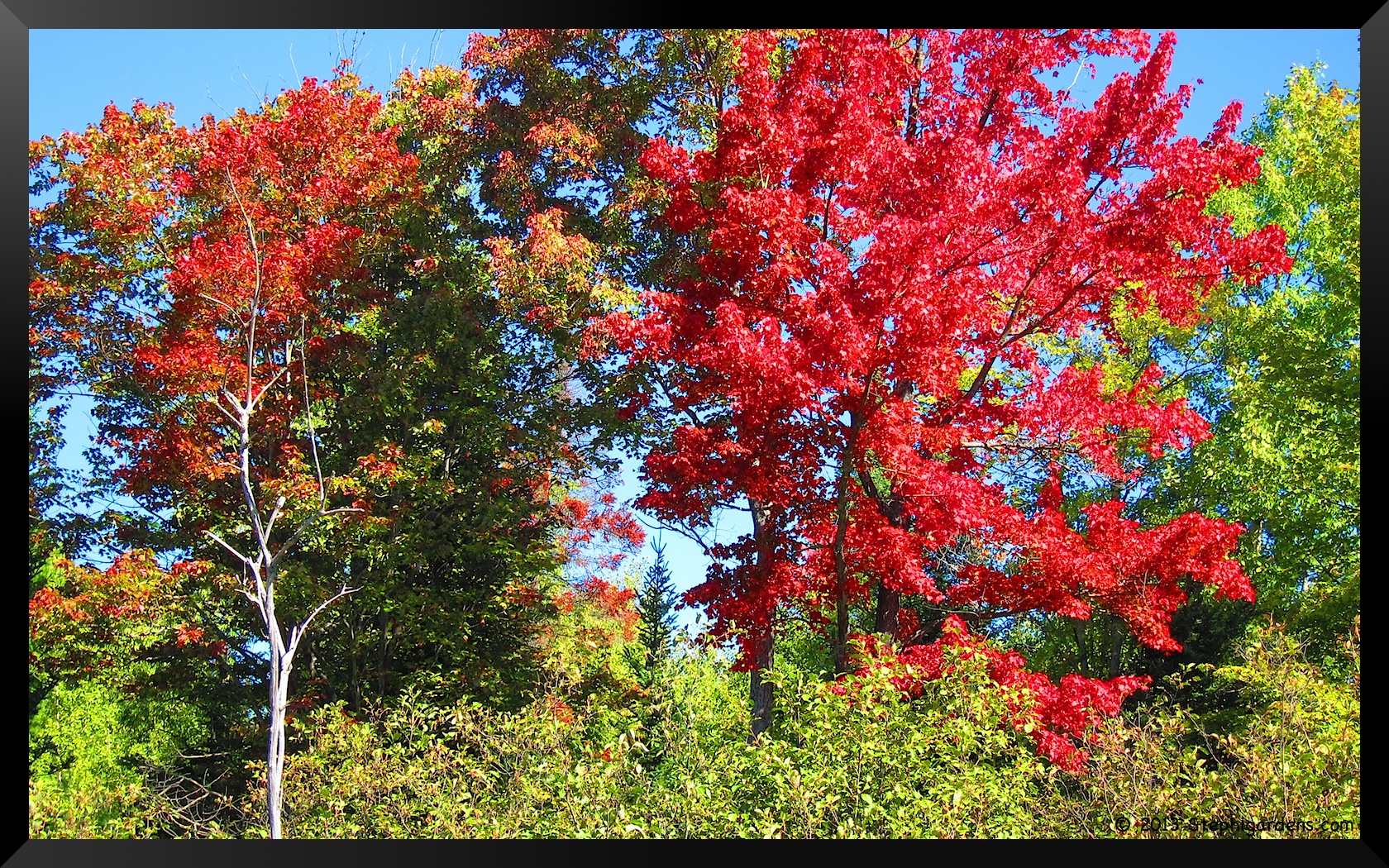
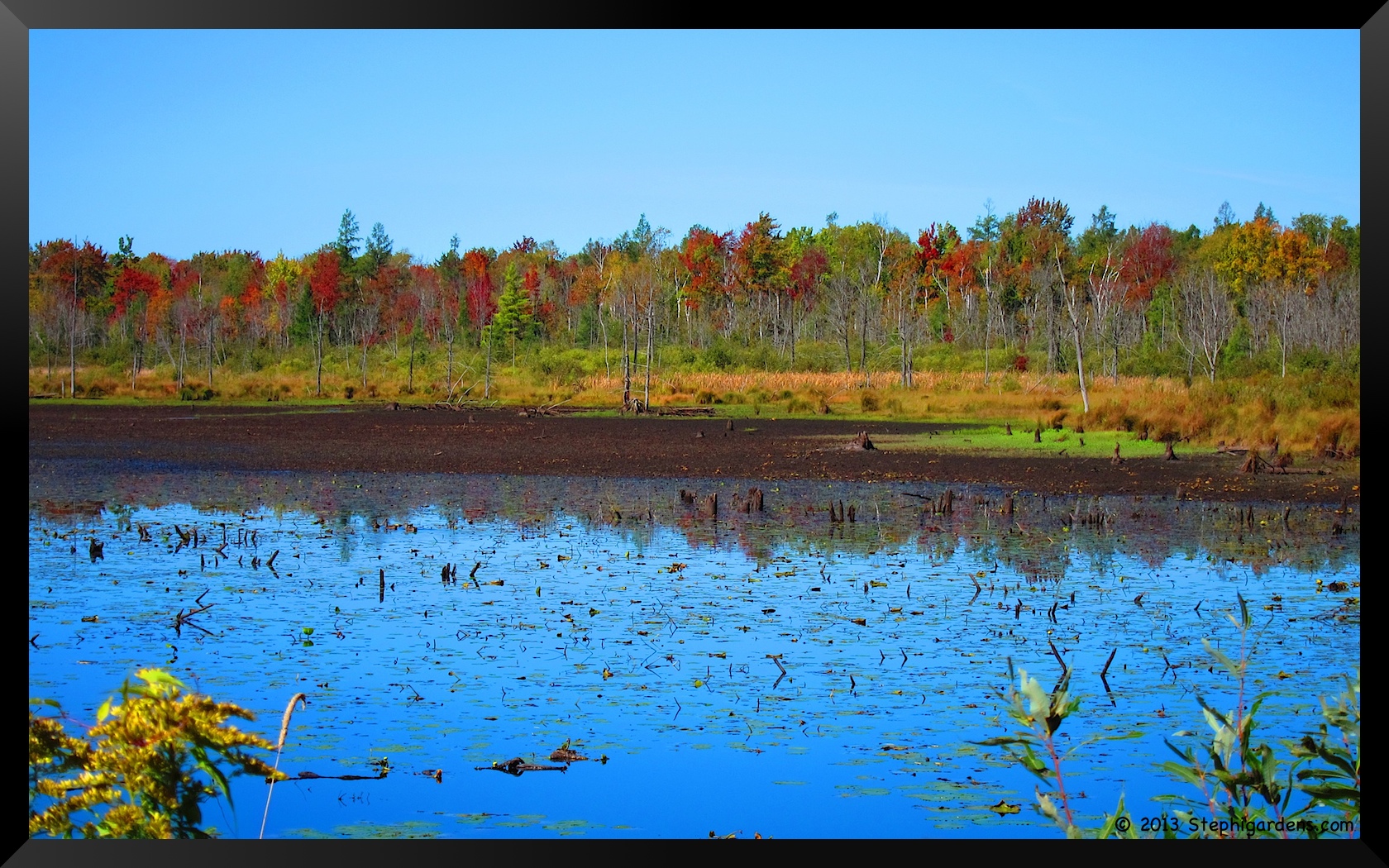
It was brought to my attention that following the good and the bad should be the ugly. But since I thought the bad was ugly enough, I thought I’d spare you the ugly! Instead, I thought I’d just continue to post some of the beautiful Michigan fall photos from Peggy.
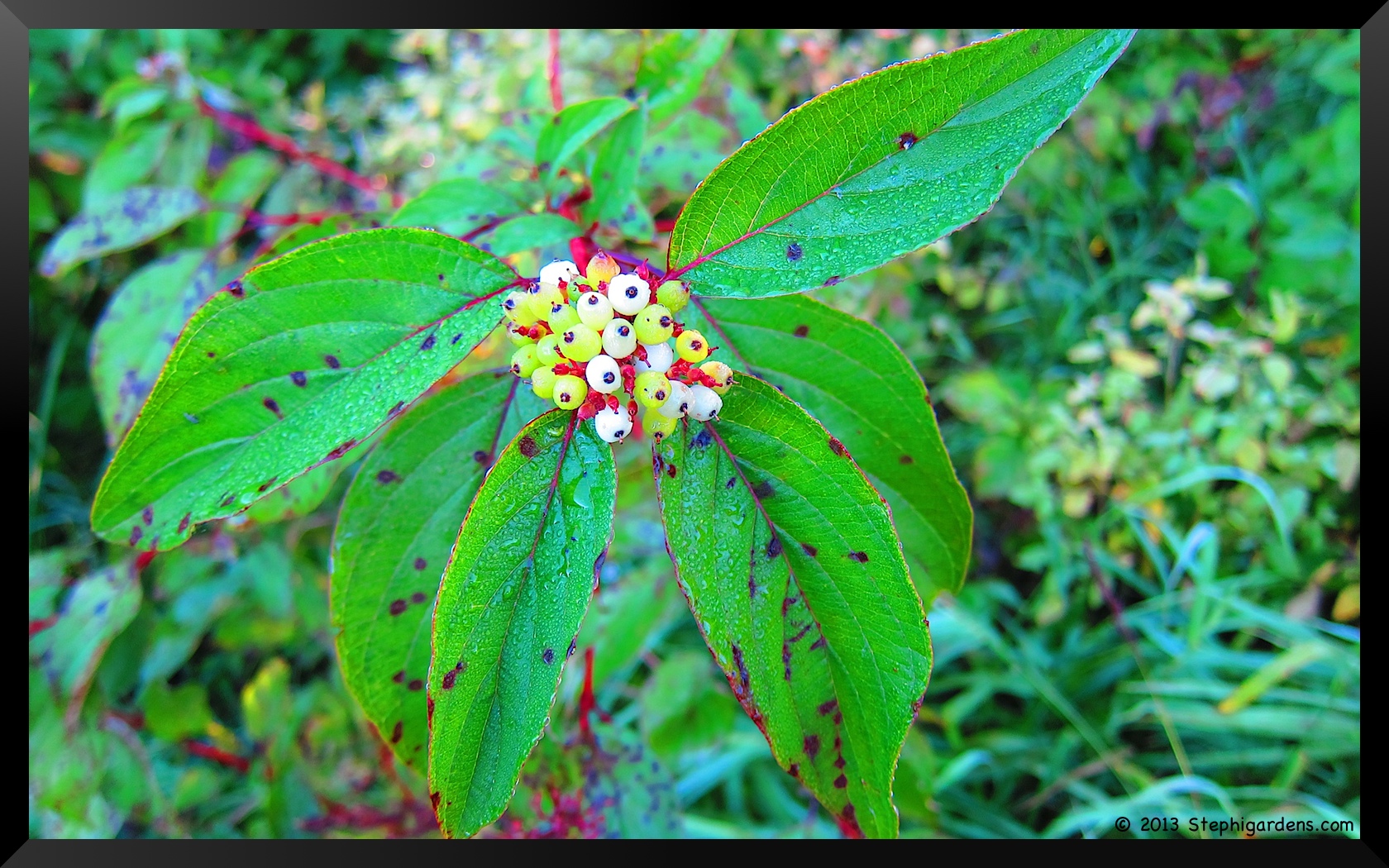
Gray Dogwood
Winterberry or Michigan Holly
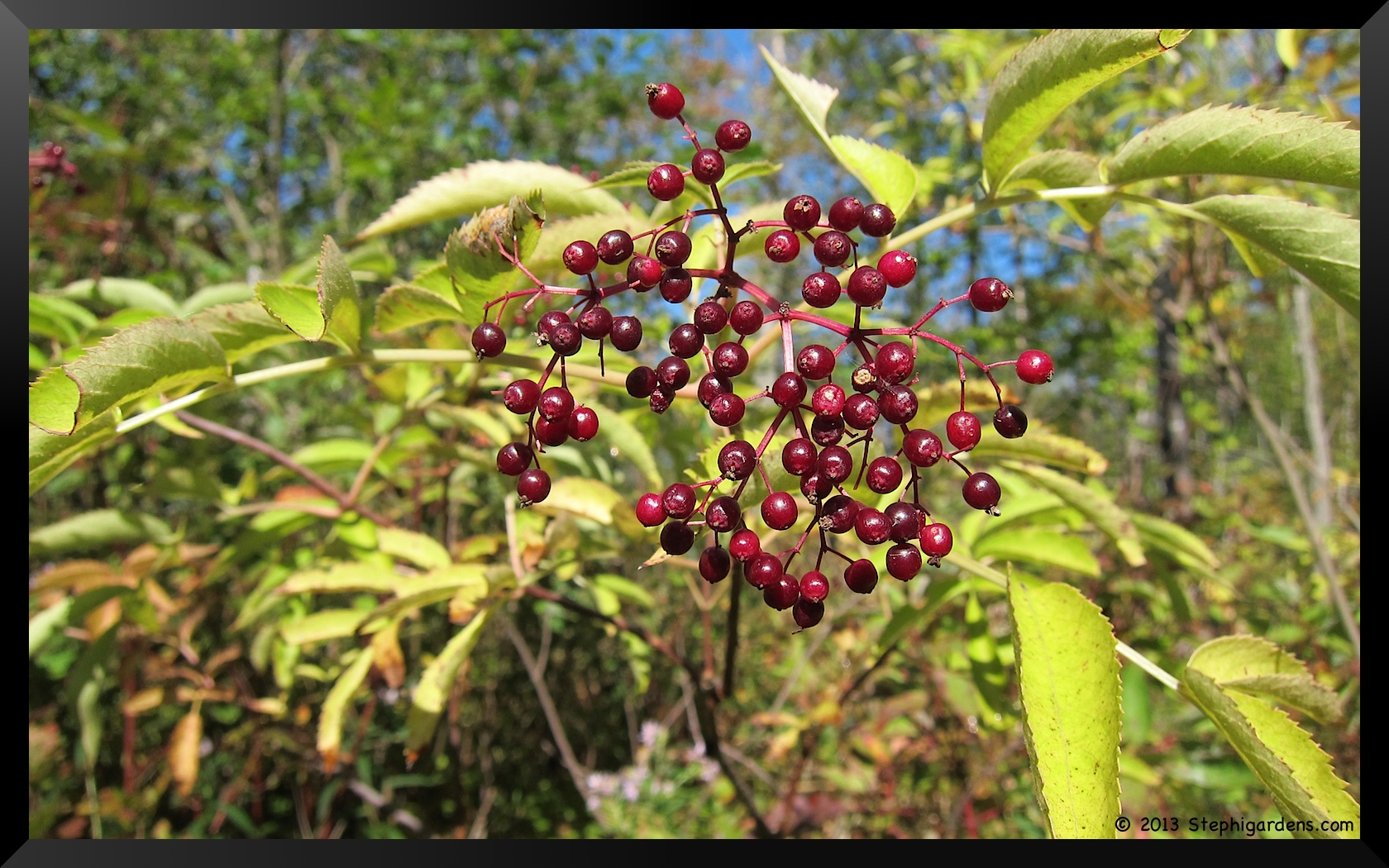
Elderberies
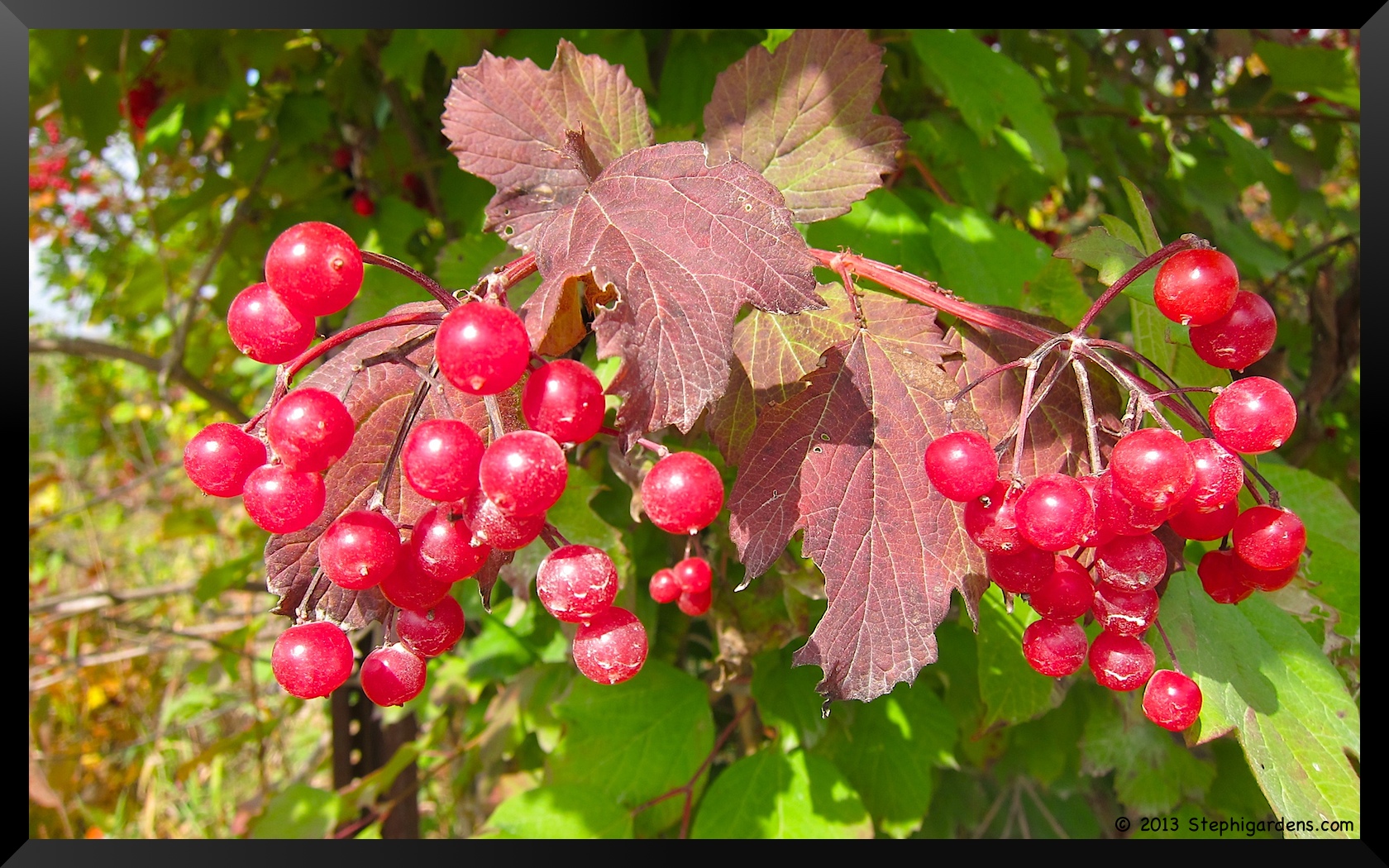
Viburnum trilobum
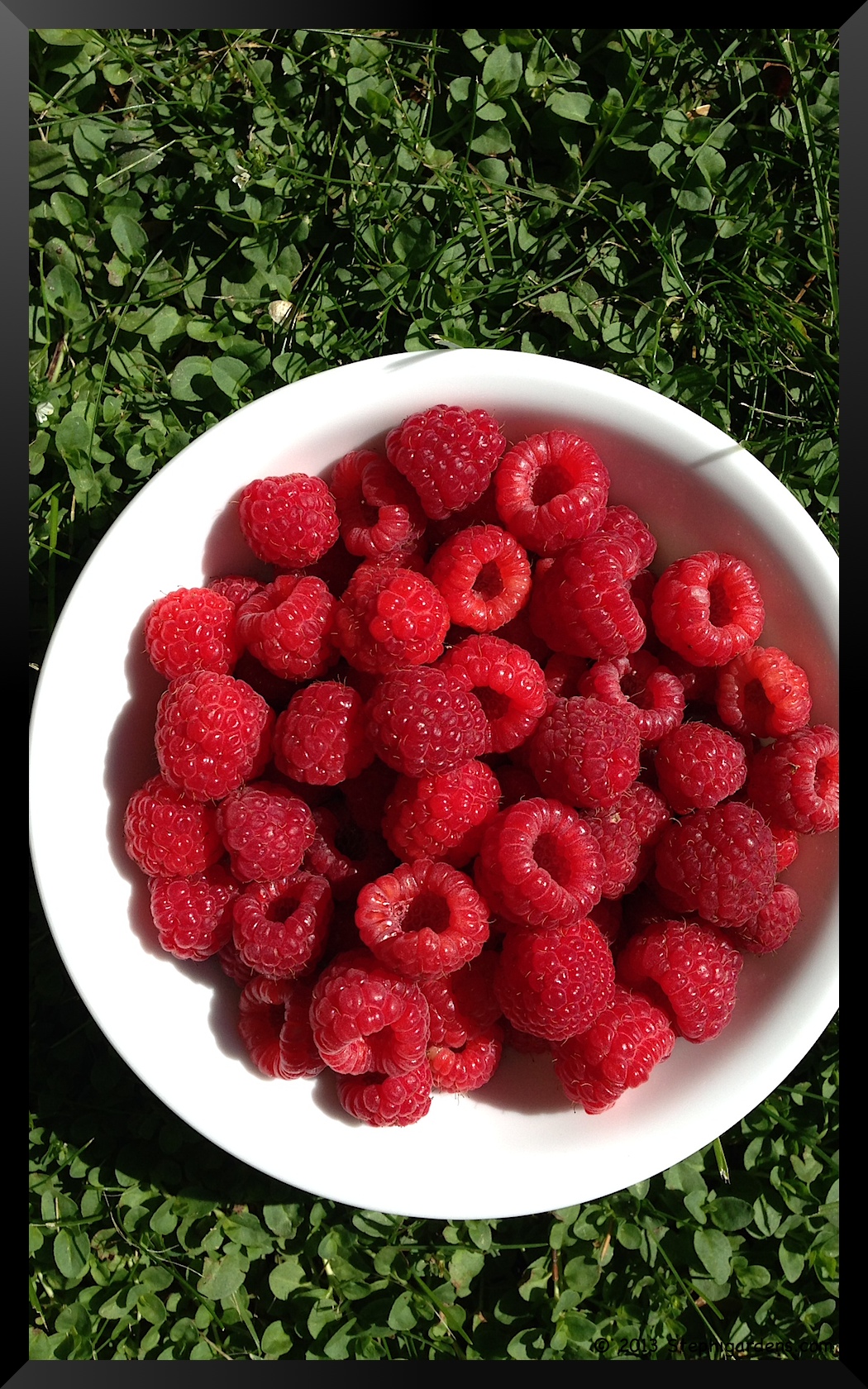
The birds and animals aren’t the only ones to have yummy berries to eat– The garden raspberries are still producing berries!
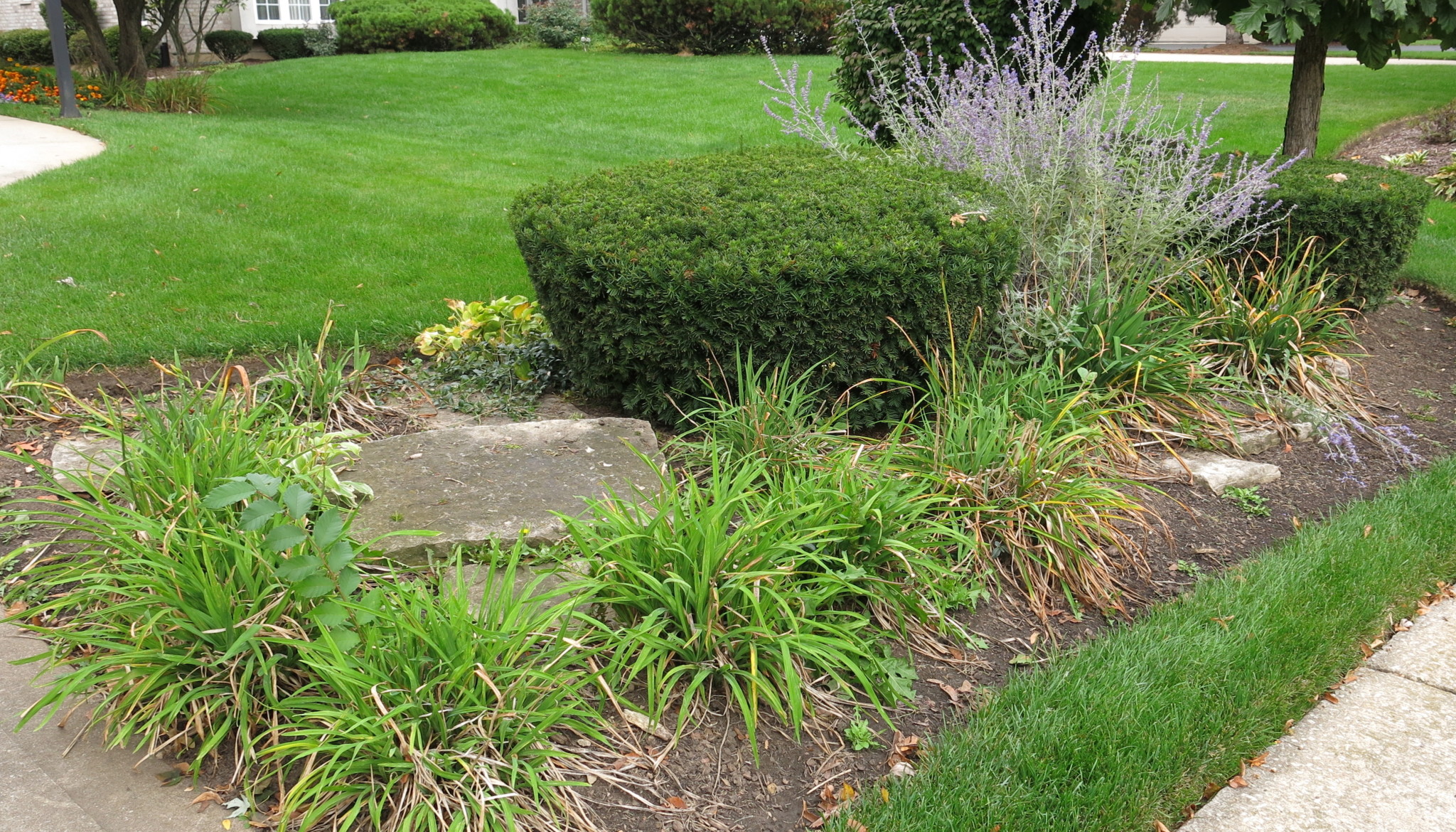
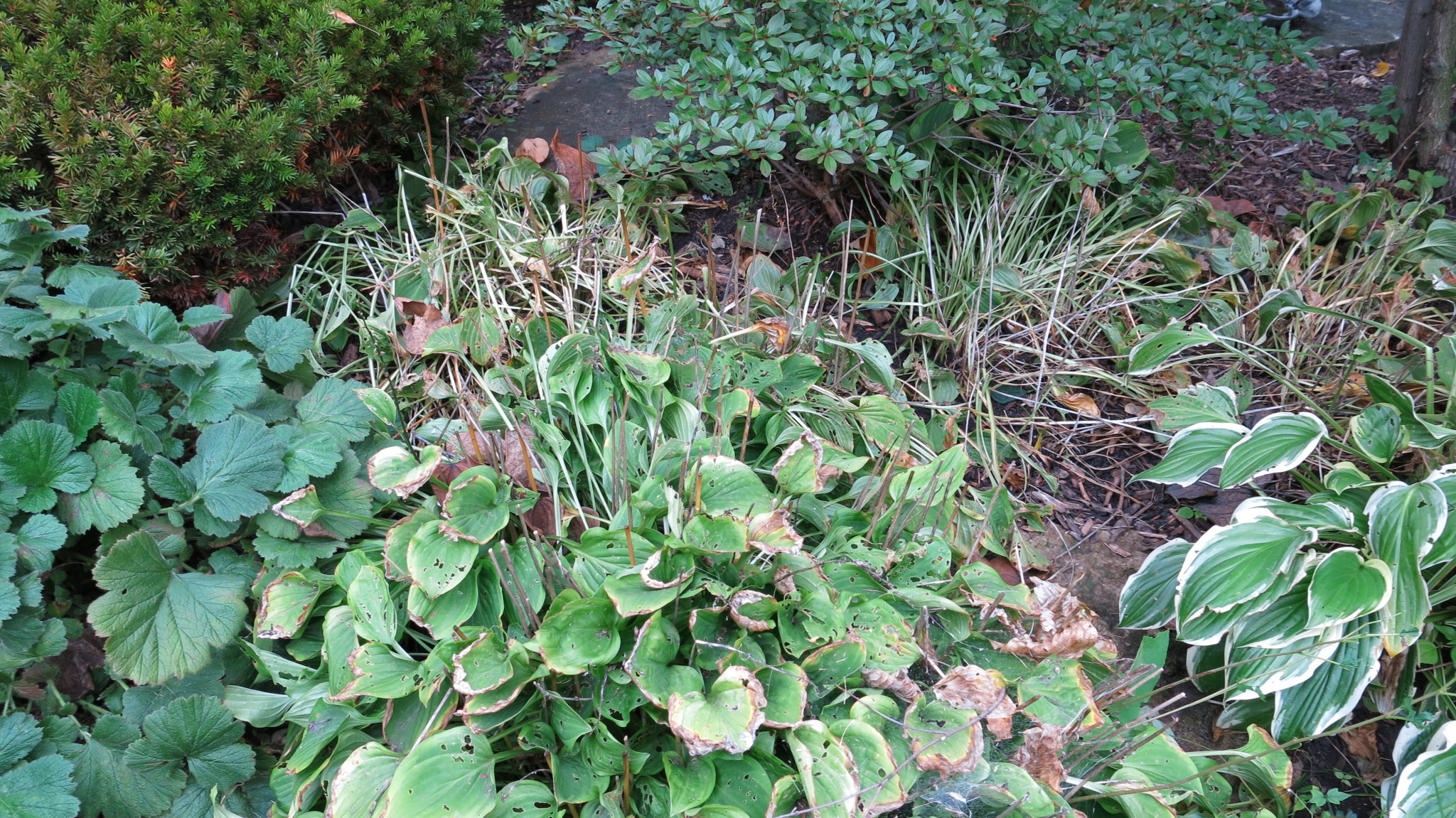
It’s the beginning of October and the days are getting shorter, the nights growing colder. While yesterday I posted about the good things in the fall garden, there are also a lot of plants and beds that are really past their prime. Whether it’s overgrown, or the plants need to be trimmed back, or just haven’t aged well, they really detract from the pretty parts of the yard. Here’s some of the plants and spaces that don’t make me smile.
Those beautiful daylilys are really past their prime!
I’m not even sure what happened to these hostas??? Slugs, rabbits, too much sun, water???
Some beds are just not right and need plants moved/and or added. Will be doing that soon!
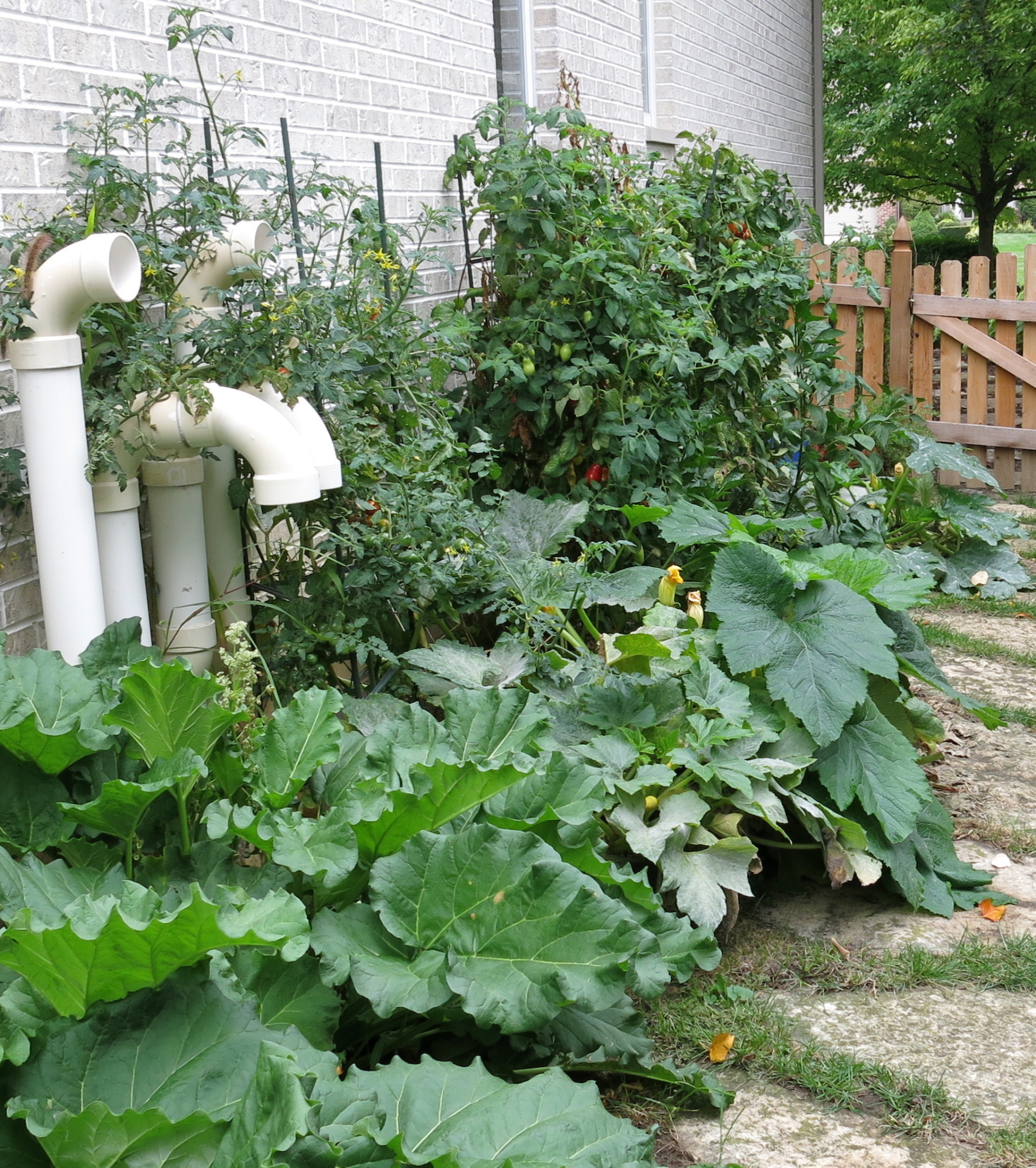
My vegetable garden is just too small and becomes overgrown every year. But, I think I finally have a plan to expand the garden!
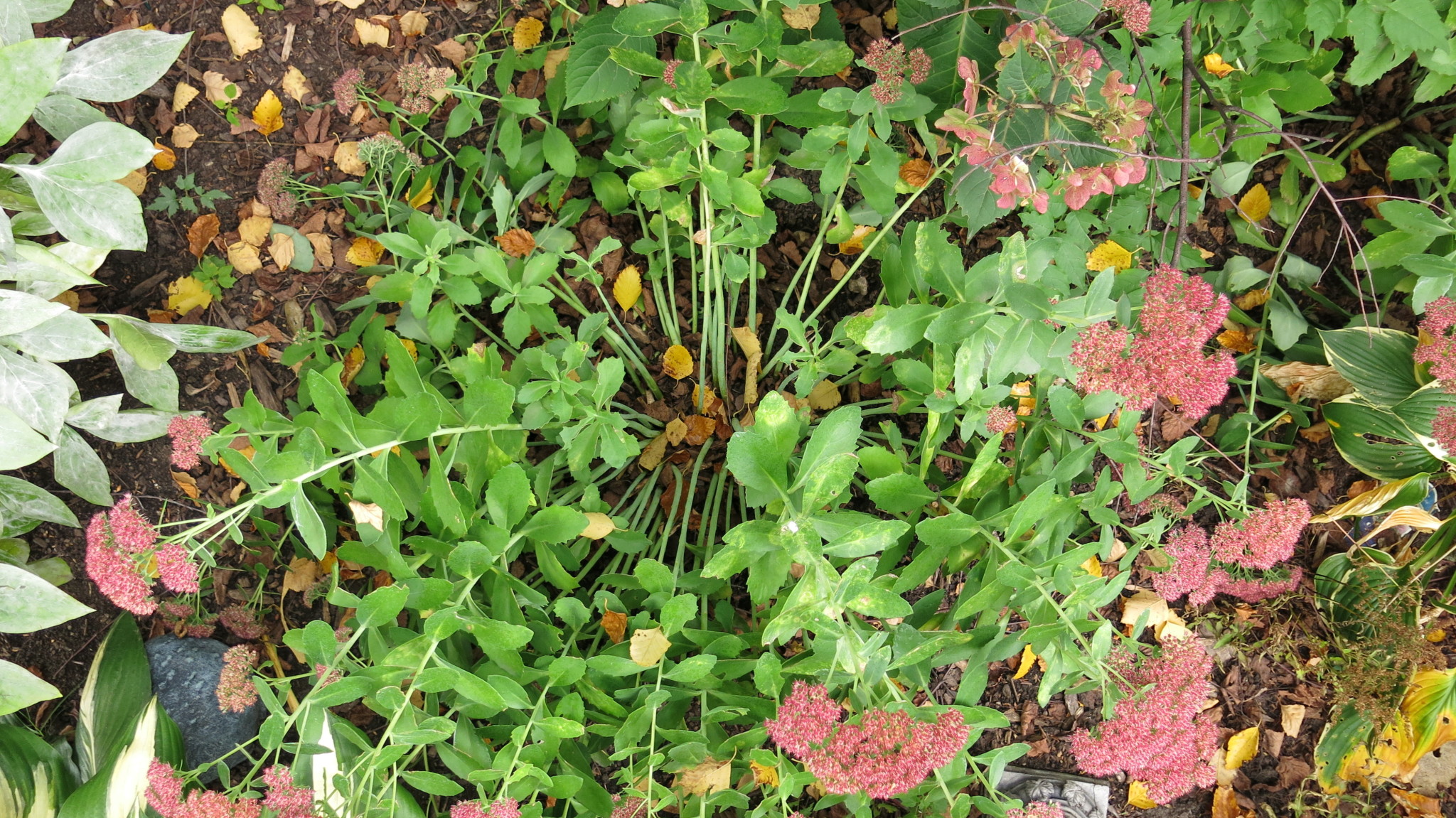
Plants need to be split. Need to get on that, too!
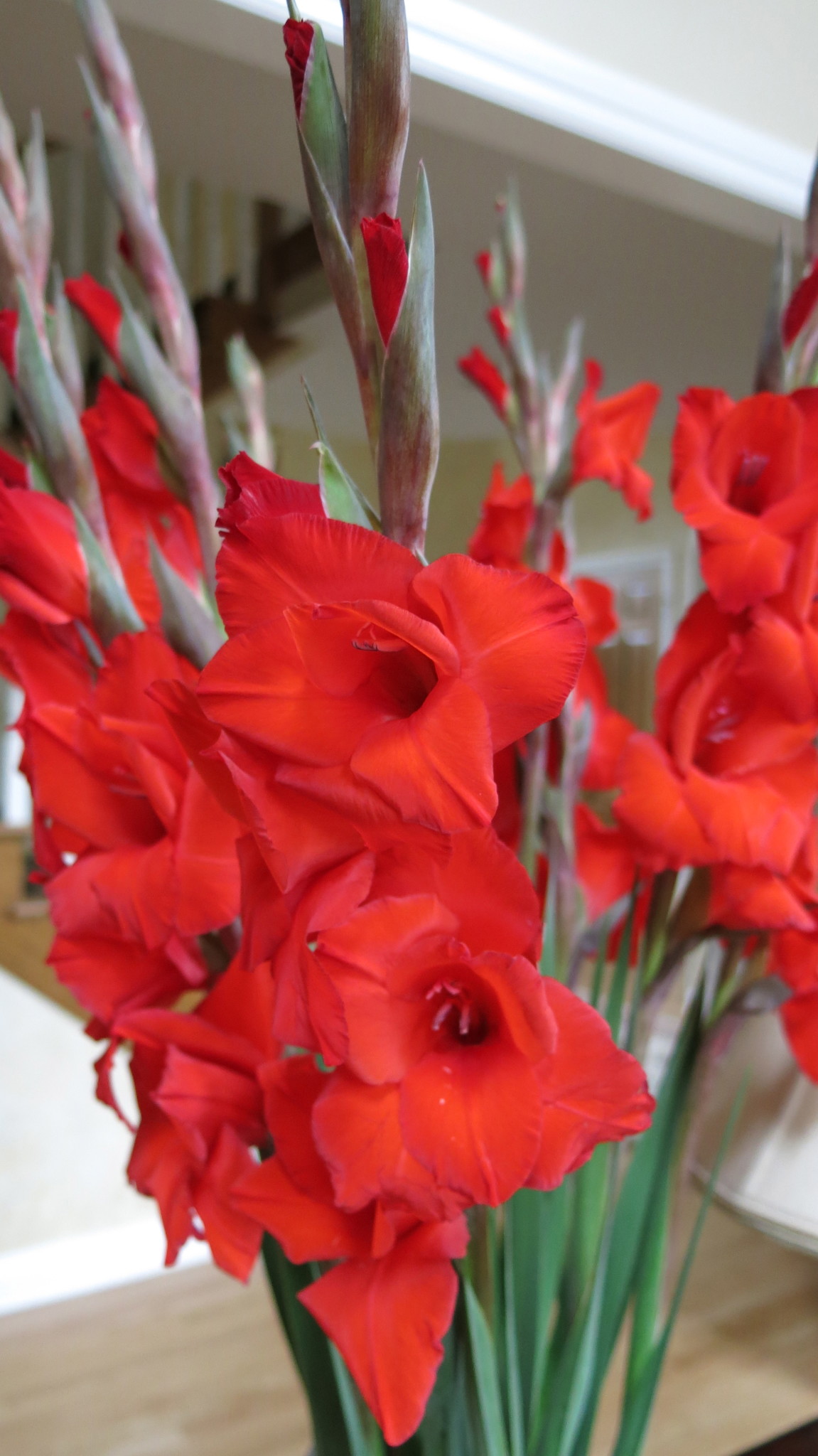
After looking at all this mess, I went to the farmers market and pick up a lovely bunch of gladiolas!
It’s the beginning of October and the days are getting shorter, the nights growing colder. These are the last gasps for the garden before it settles into the winter hibernation. In some ways, fall gardens can be very pretty. I’m always surprised at the plants that continue to bloom well in to fall, some even looking their best. And of course, there are the things that take all summer to finally show their colors. Here’s some of the plants and areas of my garden that make me smile.
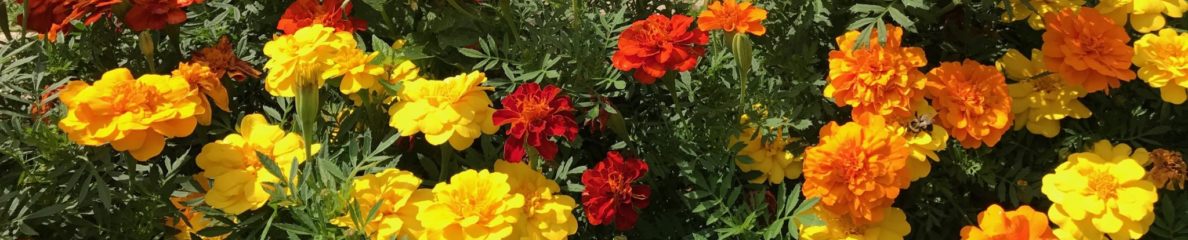
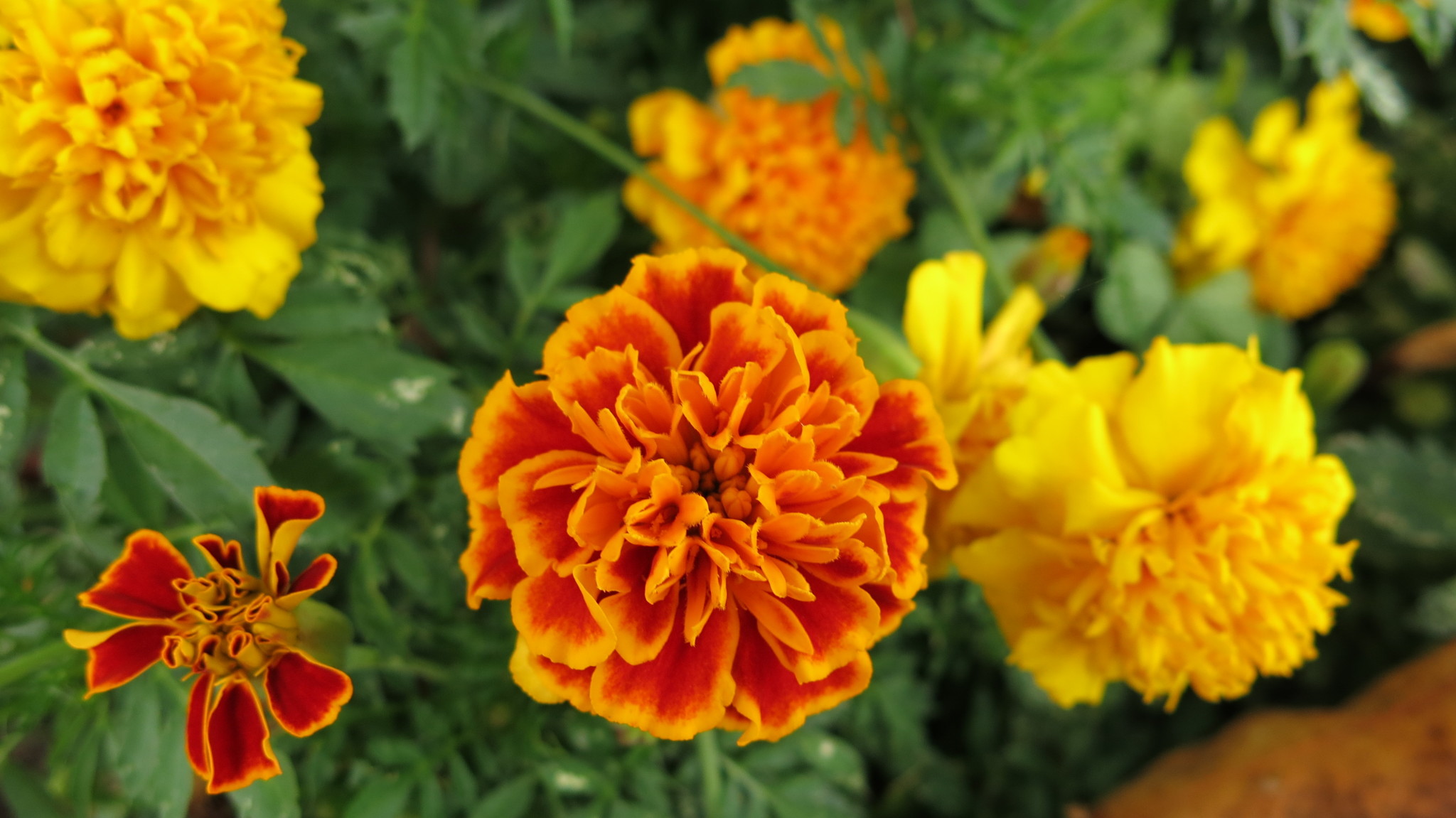
Marigolds
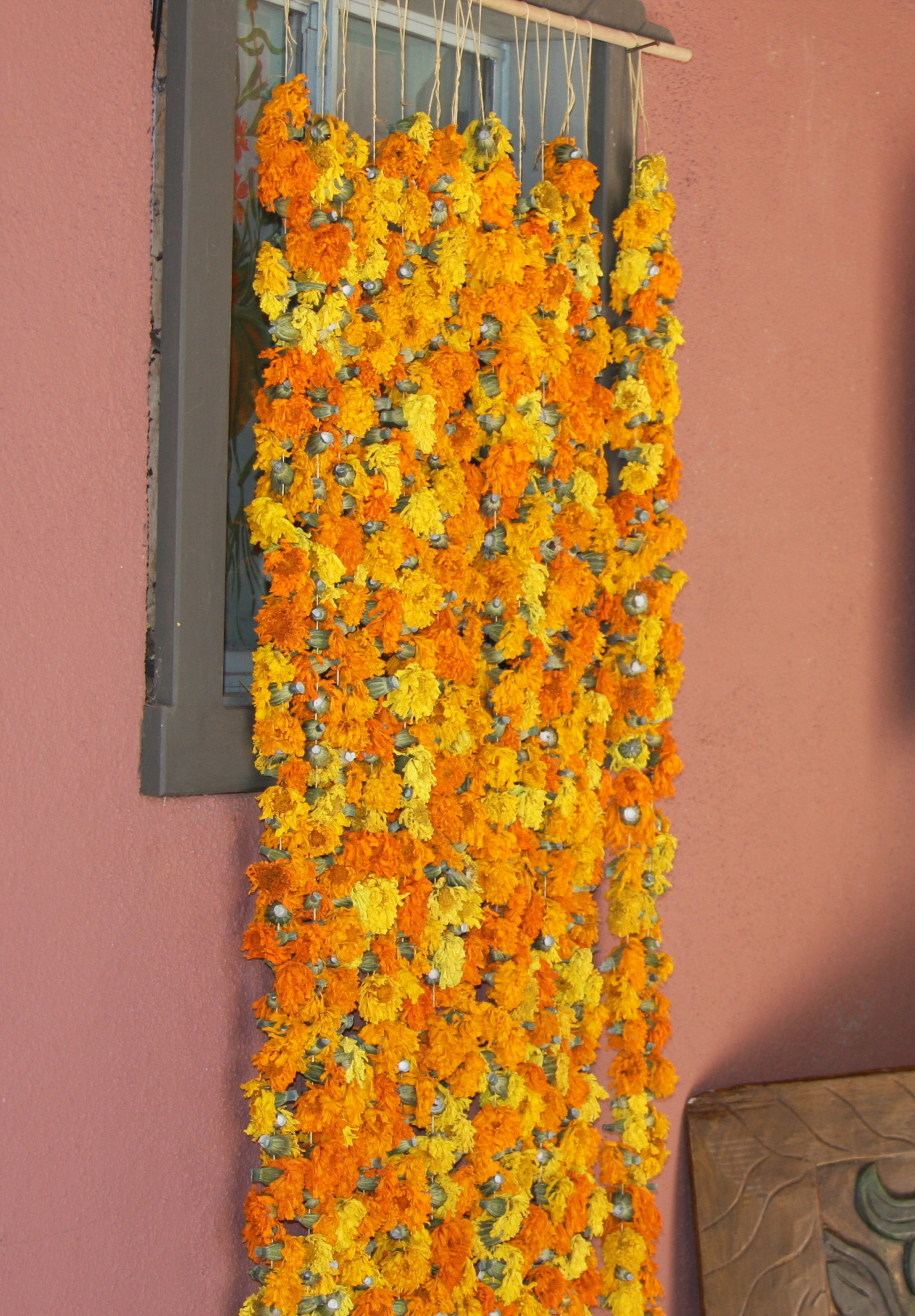
One of my favorite flowers is the marigold. I love the smell (although I might be the only one) and the colors. They always seems to just come alive in the fall and it has always had a place of prominence in my garden. I’m also reminded of a trip to Taos, NM, where I saw the prettiest marigold chains. One year when an early frost was going to wipe out the flowers prematurely, I made one myself that hung beautifully in the kitchen.
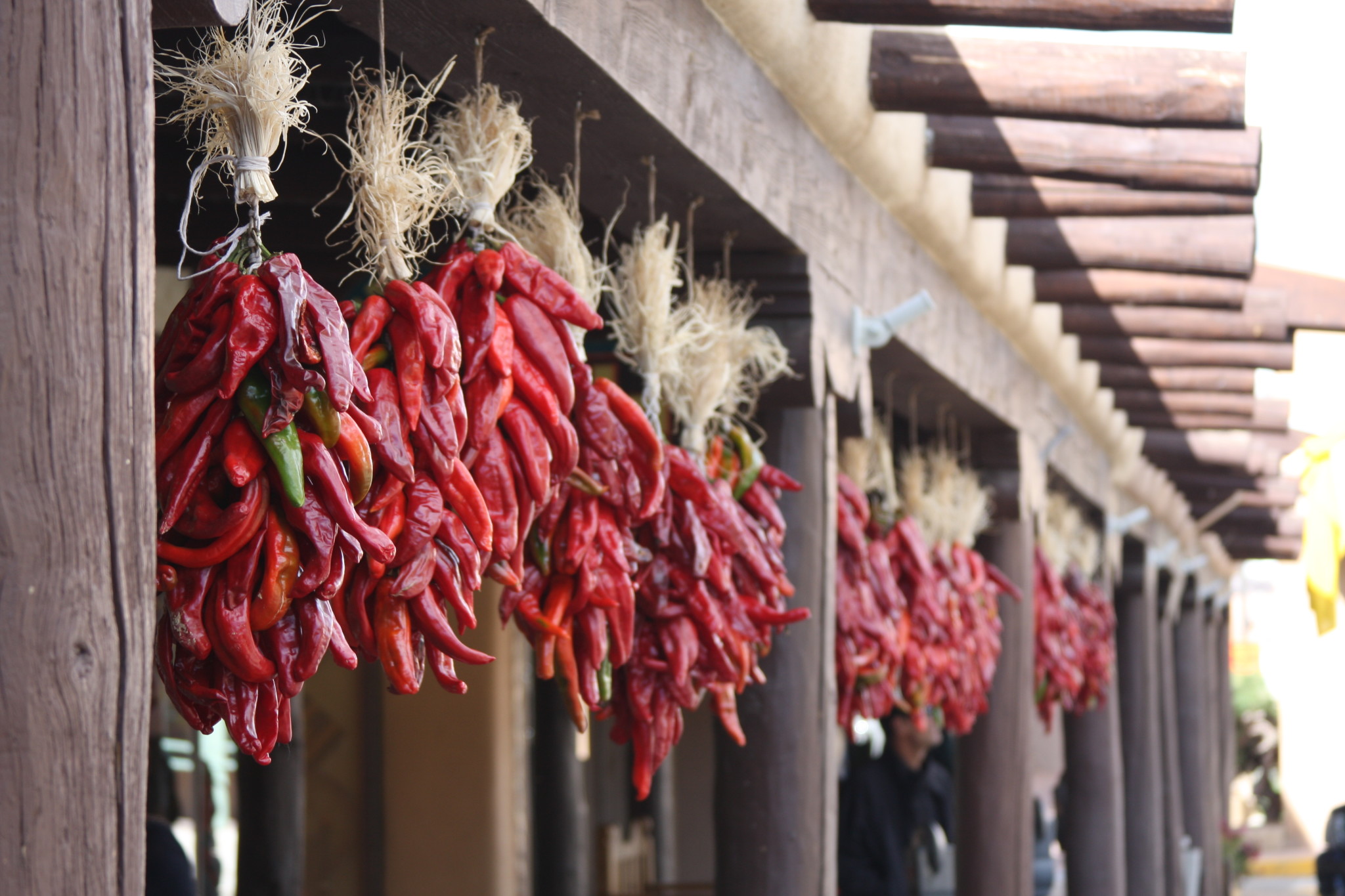
(There were also lots of bundles of hot peppers that just looked pretty hanging there)
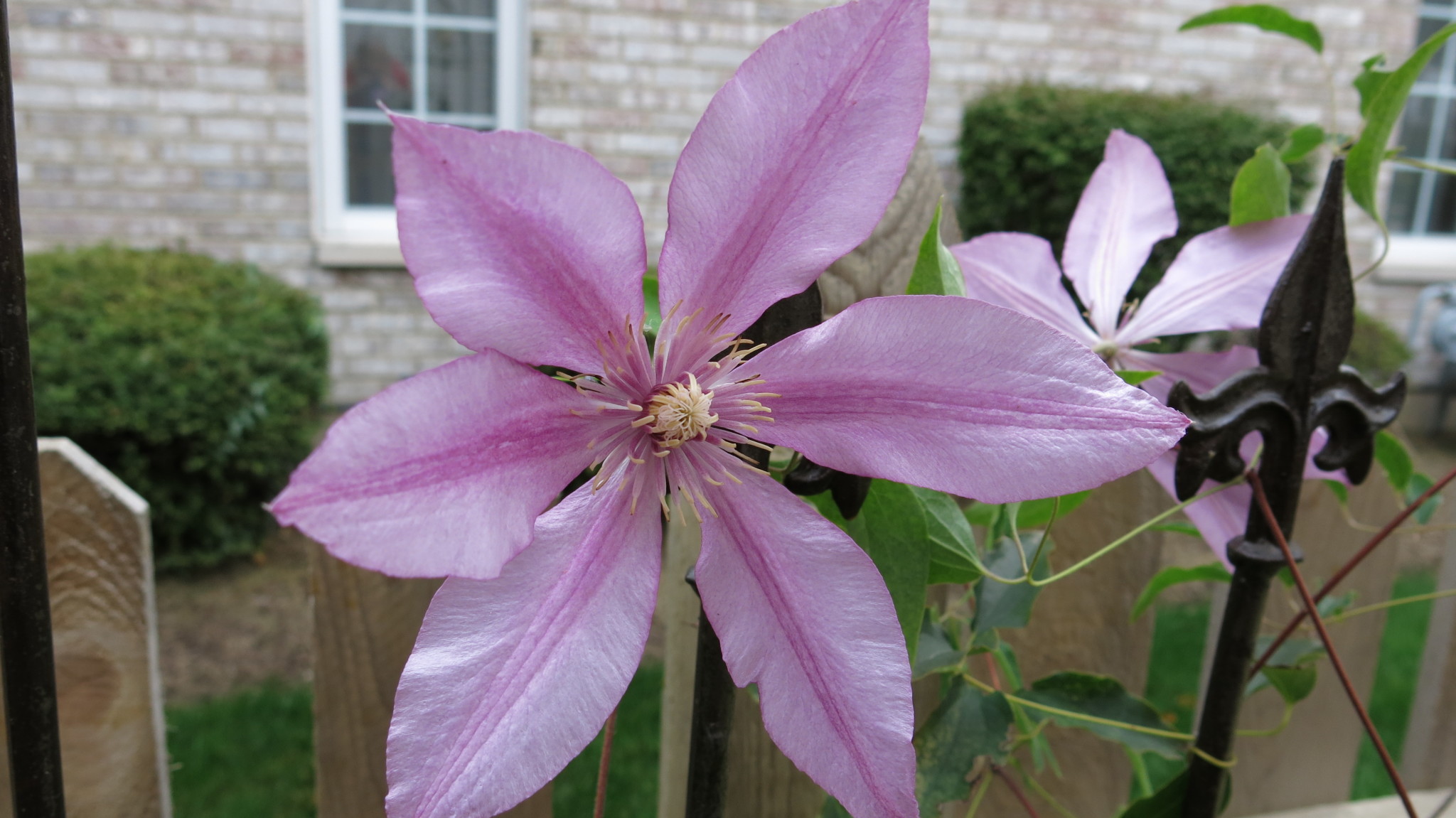
There’s lots of color in the garden...
And interest…
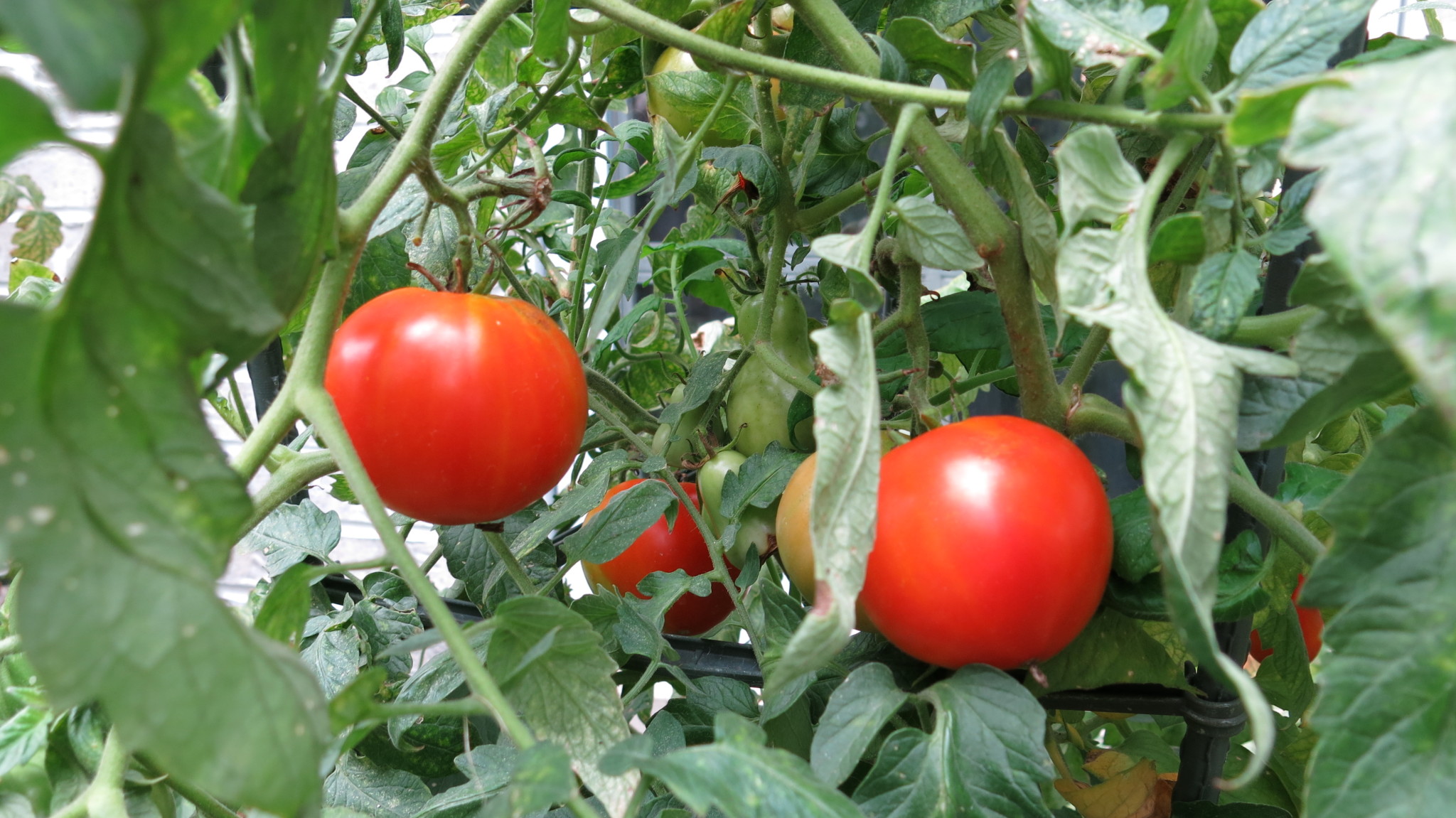
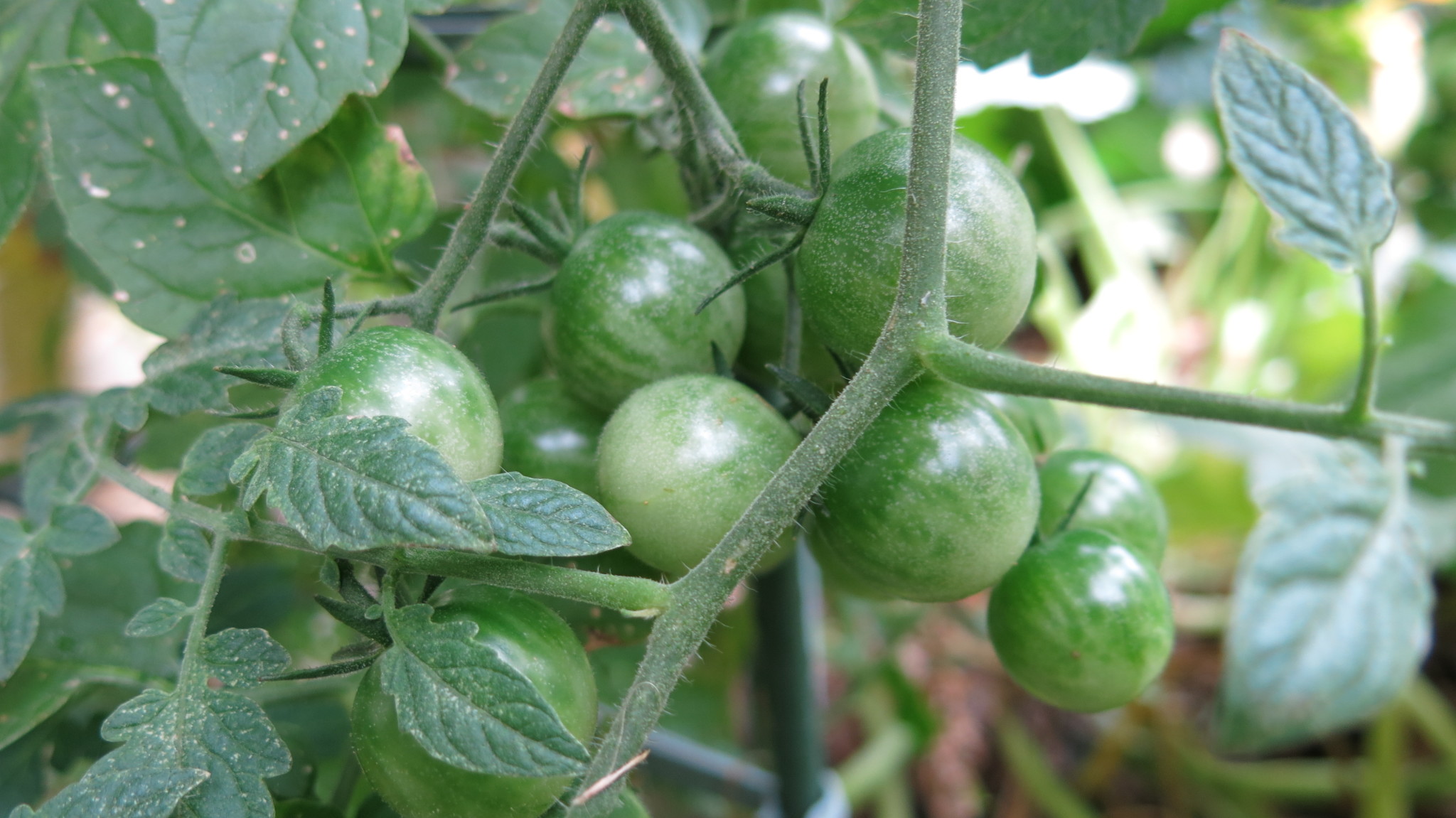
And vegetables are still coming, as long as we don’t have a frost!
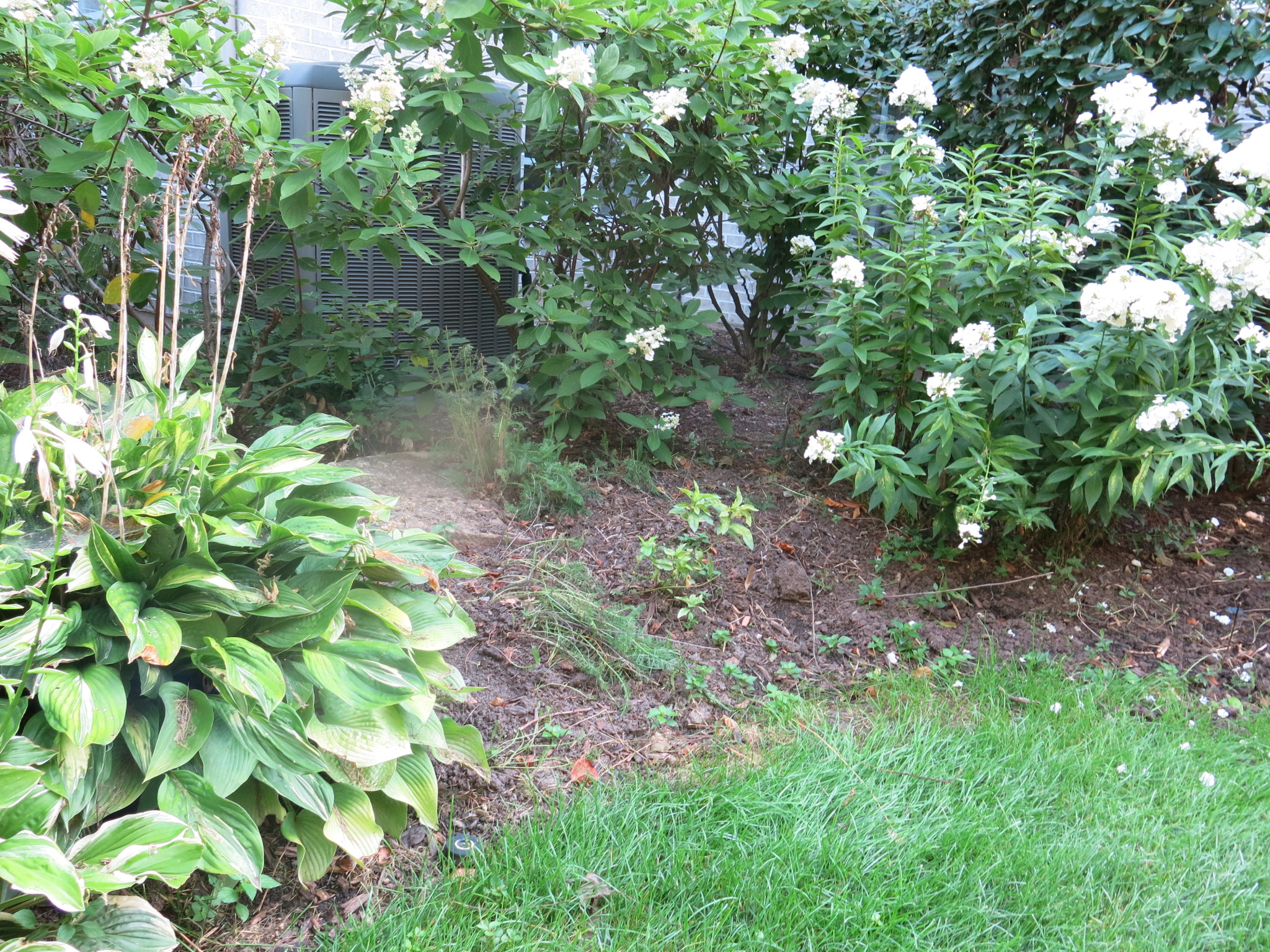
I posted before about the problems I was having with my yarrow and I’ve finally decided it’s time to go. It’s been a garden invader for years and especially this year, just downright ugly.
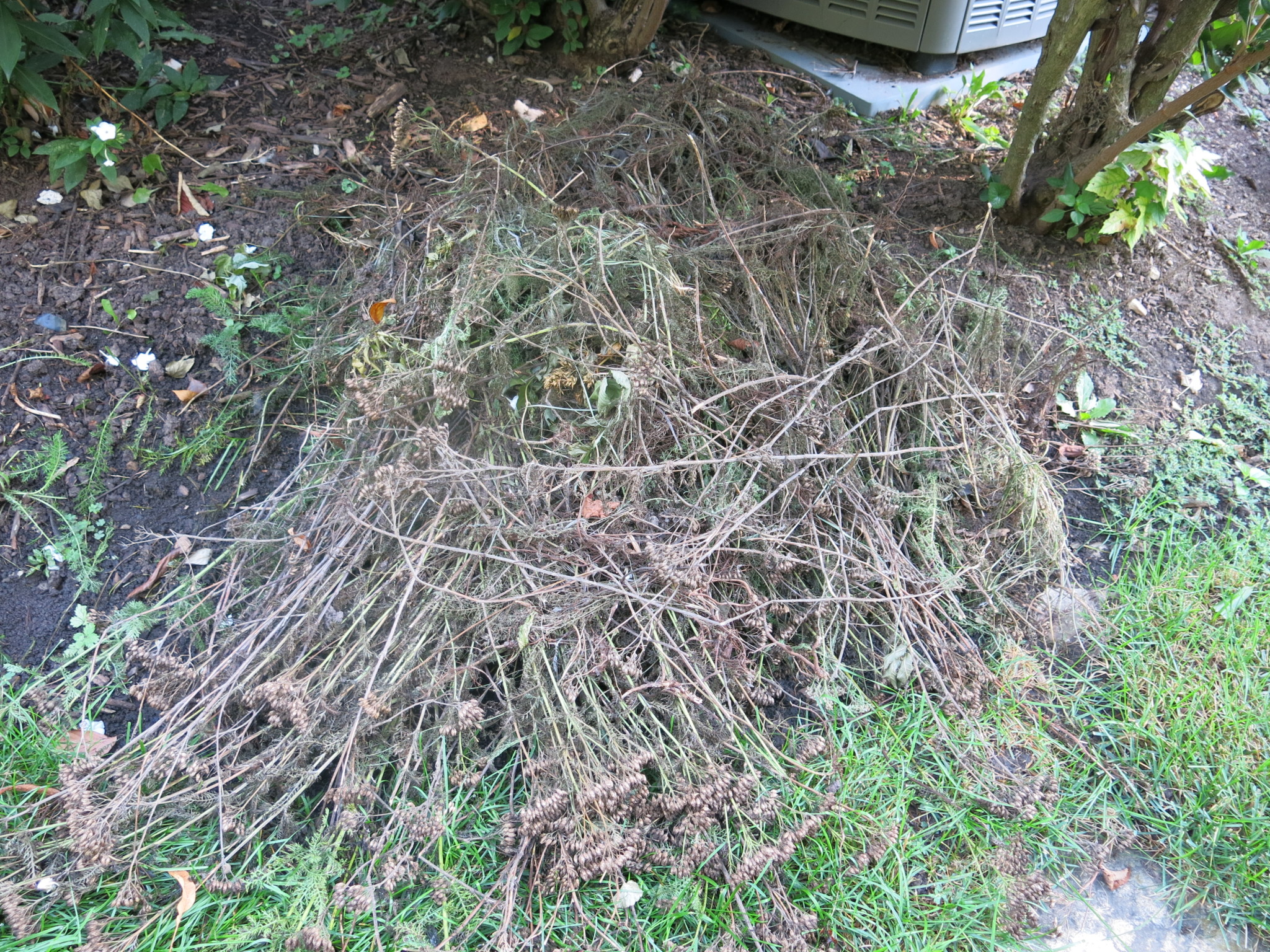
So I pulled it out.
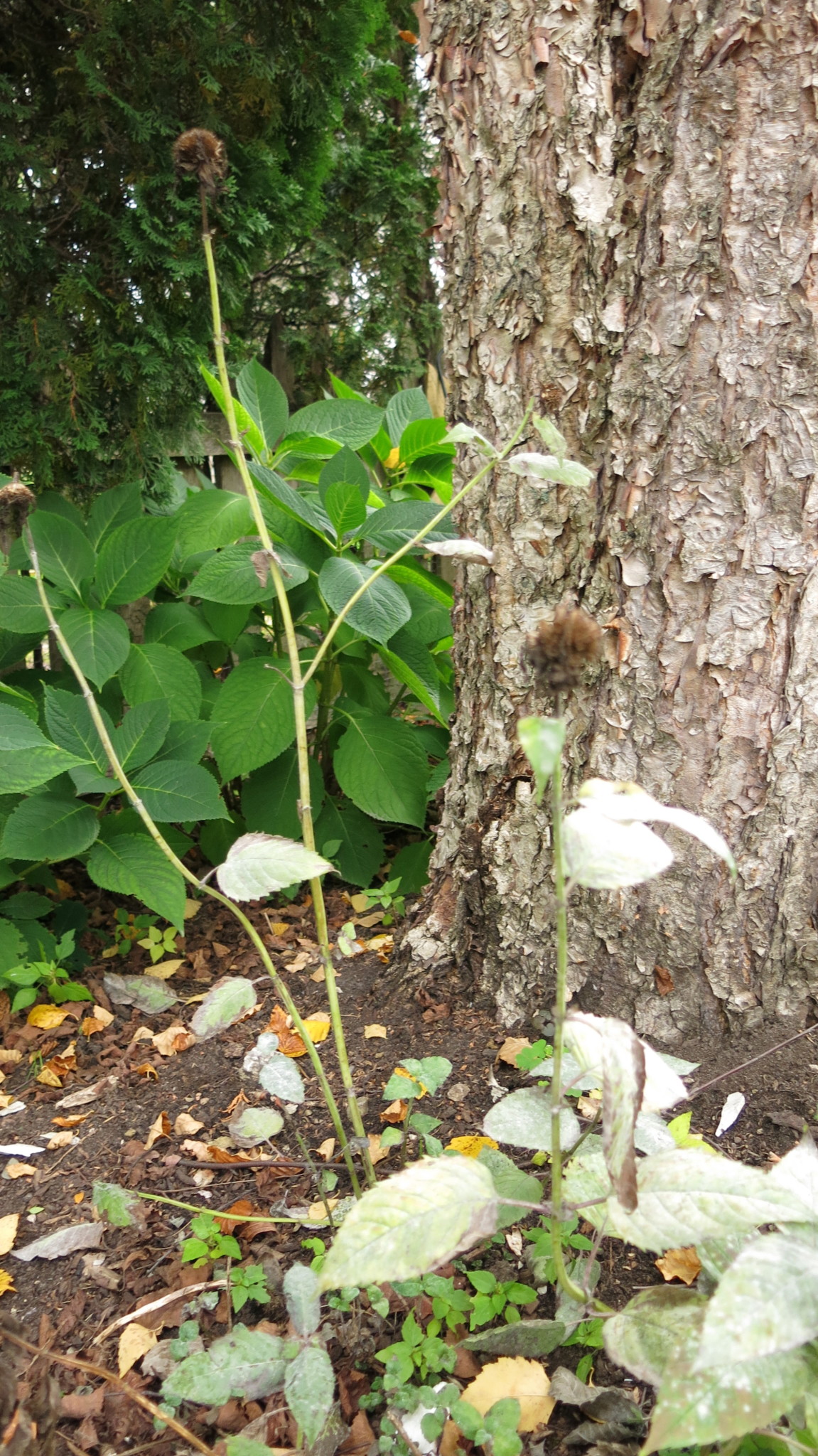
This left an ugly gaping hole, but by next spring it’ll have something new in it’s place. I’m thinking I’ll move the red Bee Balm (variety unknown) that is currently almost in full shade under a River Birch.
That was one of those mistakes made by a landscaper before I knew to ask questions and look into plant choices myself. Sure, it was only lightly shaded back when the tree was planted almost 15 years ago. But now, it’s dappled full shade and much too shady to grow a sun loving plant like Bee Balm. I get a few meager flowers each year, but mostly it’s leggy, sparse and often gets a powdery mildew. Time for a new home. There’s plenty of great shade loving plants that can take it’s place.
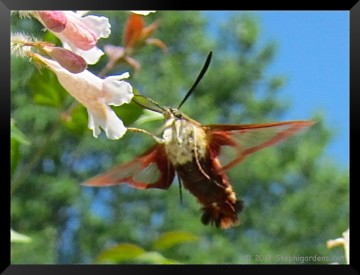
After I saw the very cool White Lined Sphinx Moth last week in my backyard, I heard from my mom and other family members that they too were seeing similar Hummingbird Moths in Michigan. My mom was able to get a picture of this Hummingbird Clearwing Moth (Hemaris thysbe) feeding in her backyard.
I am just fascinated by these great pollinators and I’m amazed I have never seen one before. Or at least I don’t think I’ve seen any of these before. Maybe I was seeing them and just though it was a hummingbird, or a giant bumblebee if it was another type of Hummingbird Moth (Snowberry clearwing (Hemaris diffinis)). I will definitely be keeping my eyes open because these guys are really worth finding and watching.
Have you been seeing them in your garden? Which ones?
The other night I was outside helping grill around dusk. Right next to the grill, I have planters with geraniums, petunias and coleus.
Flitting around the petunias that night was this hummingbird-dragonfly-bug-like thing. Its wings were beating so fast, I really couldn’t get a handle on what it was. All I could really tell was that it was not a hummingbird, but was definitely getting nectar from the petunias, checking out the other flowers, distinctively patterned and very pretty. I meant to try to look it up, but I really didn’t know what I was looking for.
Then, oddly enough, the next morning my radio alarm comes on and there is an interview with a local garden specialists about the recent explosion of something called a White Line Sphinx Moth (Hyles lineata). That was it, made my ID pretty easy. For some reason that I haven’t been able to figure out, they’ve been spotted in higher numbers lately in the Midwest, including Chicago.
White Line Sphinx Moths, also known as Hawk Moths, are fairly large moths and behave much like a hummingbird, flitting about, hovering above flowers and using its very long tongue (or proboscis) to reach into the flower and drink the nectar. The caterpillar phase of this moth is also unusually large (3 inches or more) and has a distinct hornlike appendage. They look similar to the very destructive tomato hornworm, but are not as much of a garden pest.
I hope they stick around a bit, it was fun to watch.
Photo Credit: Larry Lamsa (Creative Commons licensing)
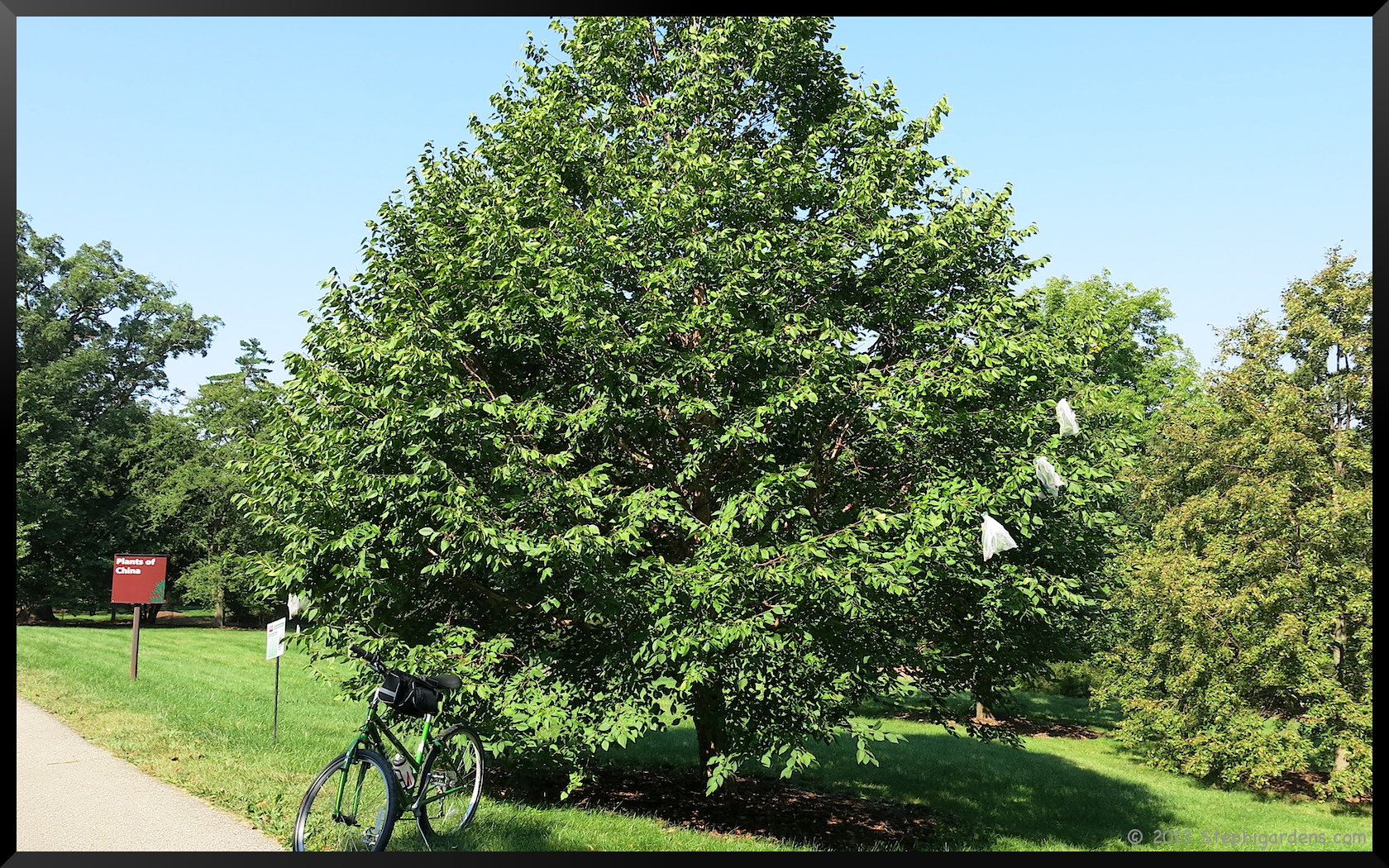
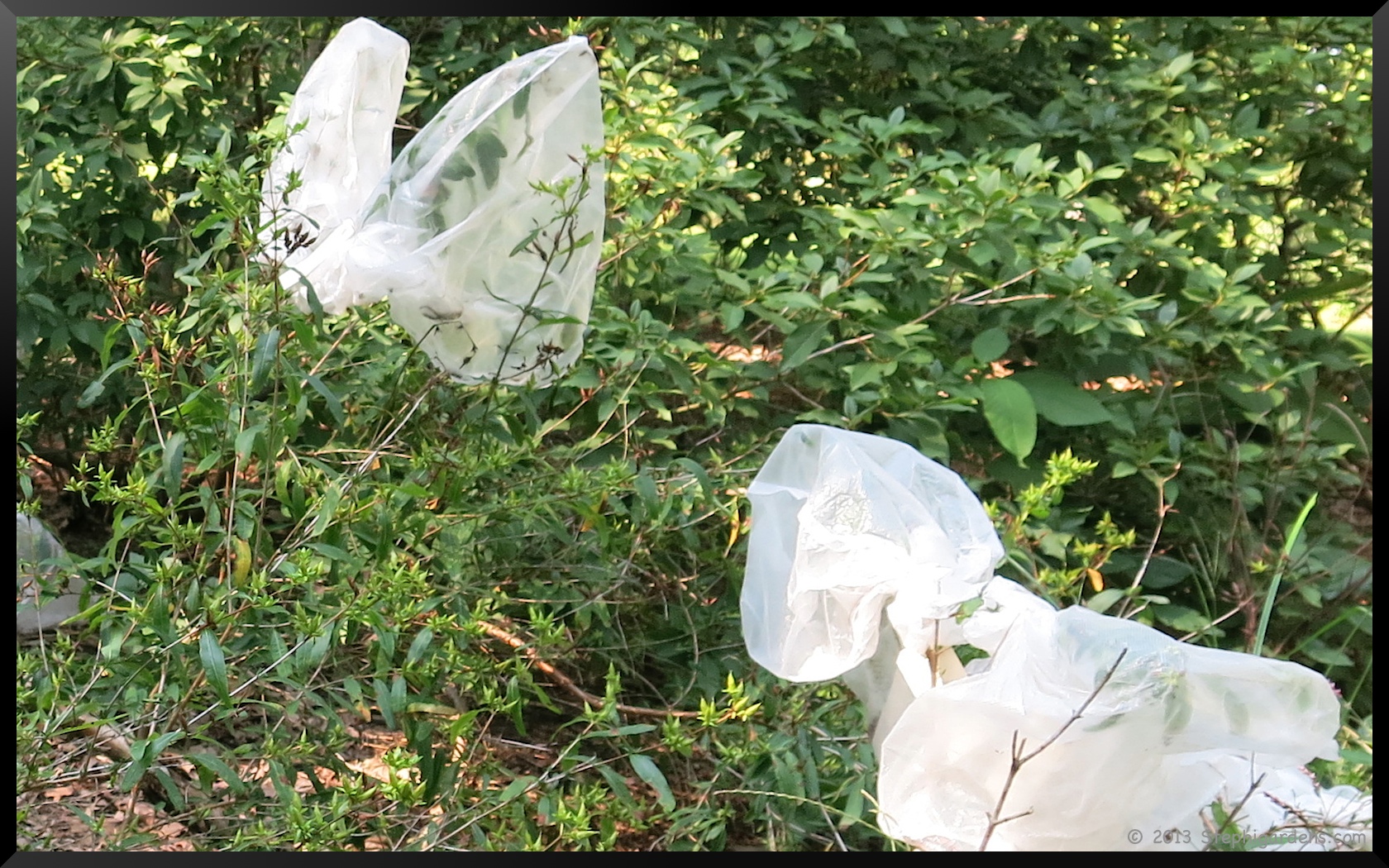
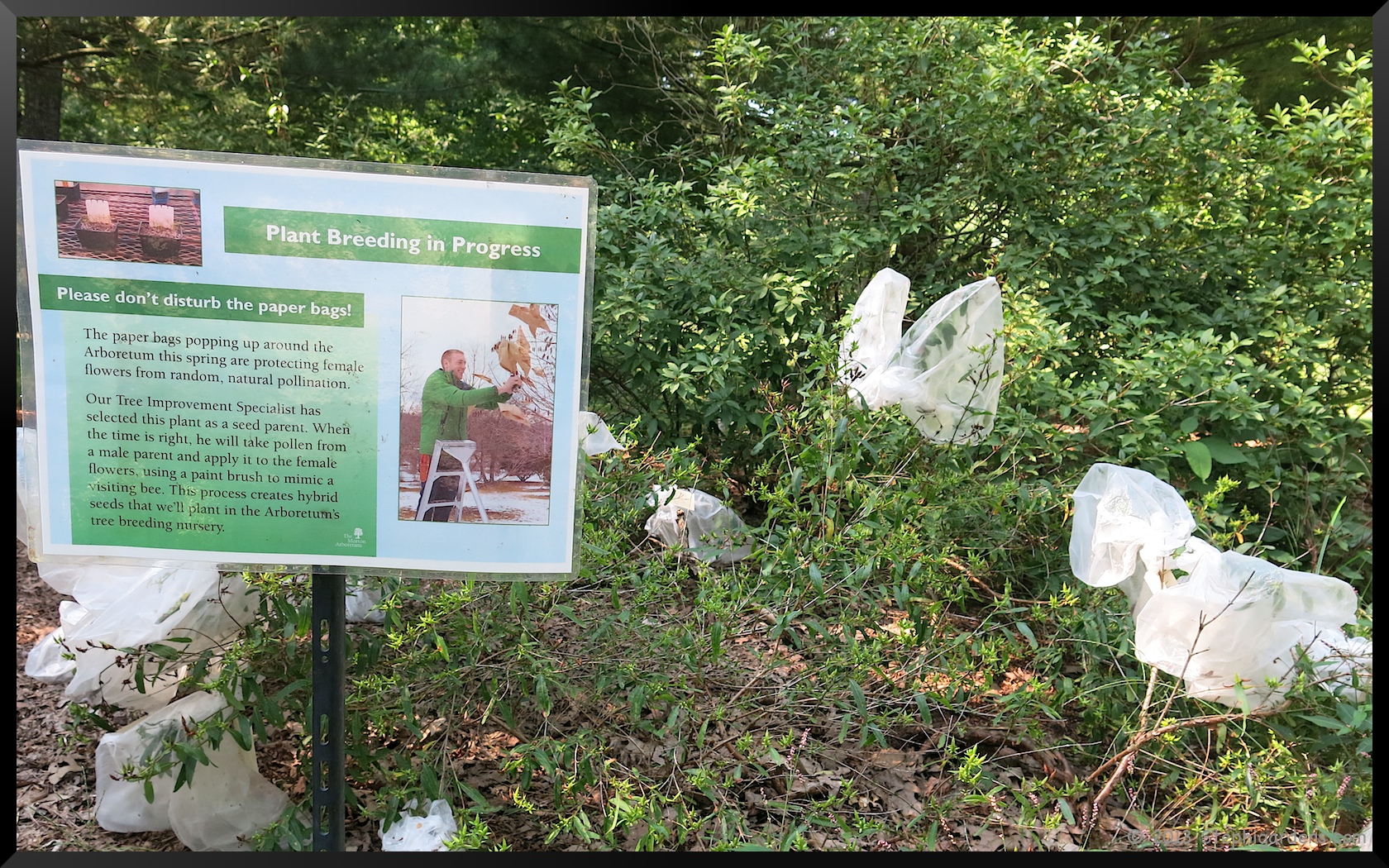
I was out riding my bike earlier this week at the Morton Arboretum in Lisle, IL, when I came across a few plants and trees with paper bags on them.
Paperbark Hazelnut Corylus fargesii
Shrubby St. Johnswort
Hypernicum prolificum
I assumed they were either doing pest control or trapping. But, because the Arboretum is great about explaining everything, there were signs that I finally stopped to read.
The bags were actually placed on the female flowers of a selected plant that is to become part of the Arboretum’s own tree and plant hybridization breeding program, or as part of the Chicagoland Grows consortium plant introduction program. The other partners in that program are the Chicago Botanic Garden and the Ornamental Growers Association of Northern Illinois (OGA). These programs aim to produce new hybrids that are better suited to the local midwest growing conditions, or that are more resistant to newly introduced pests. The plants then become available commercially and offer homeowners and landscapers dependable plants. The profits are put back into the program to continue this important work. You can find these cultivars at these retail nurseries.
So in the future, if you see a Shrubby St. Johnswort or Paperbark Hazelnut (which by the way is a really nice looking tree) being sold under the name “Chicagoland Grows”, this plant and tree I saw this week might have been part of the genetic mix that produced it. In the meantime, I am definitely going to check out the cultivars that have already been introduced at my local nursery.
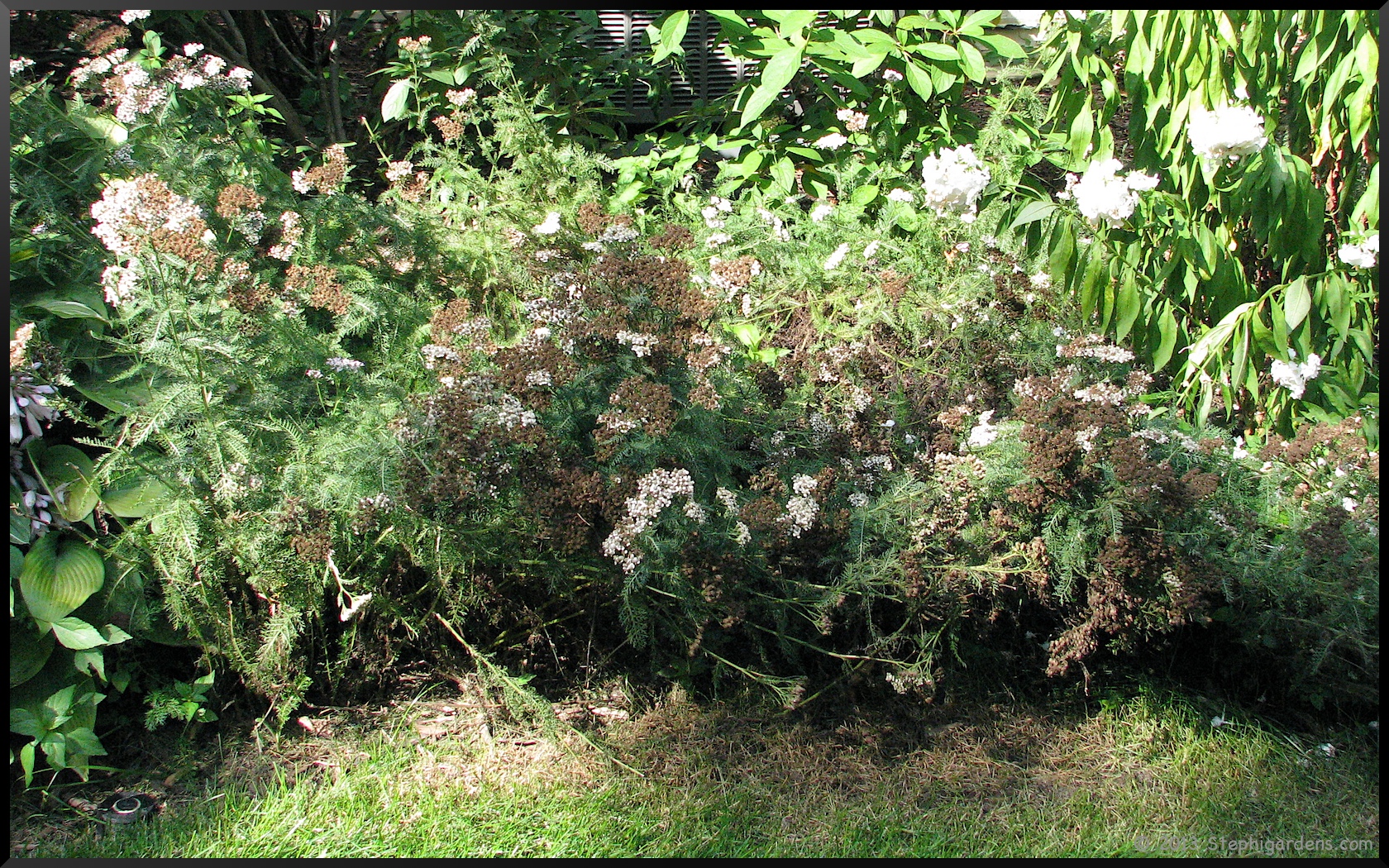
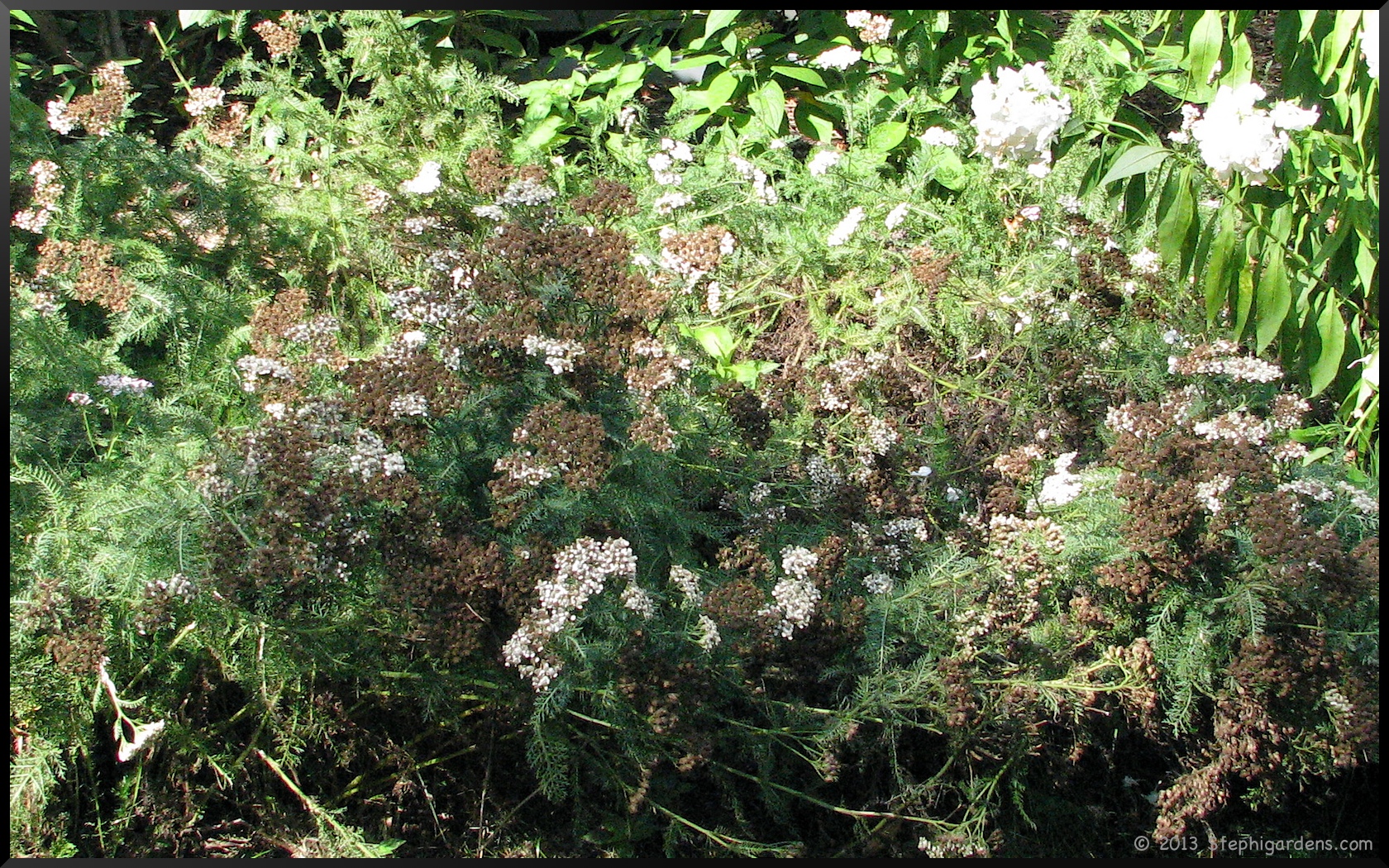
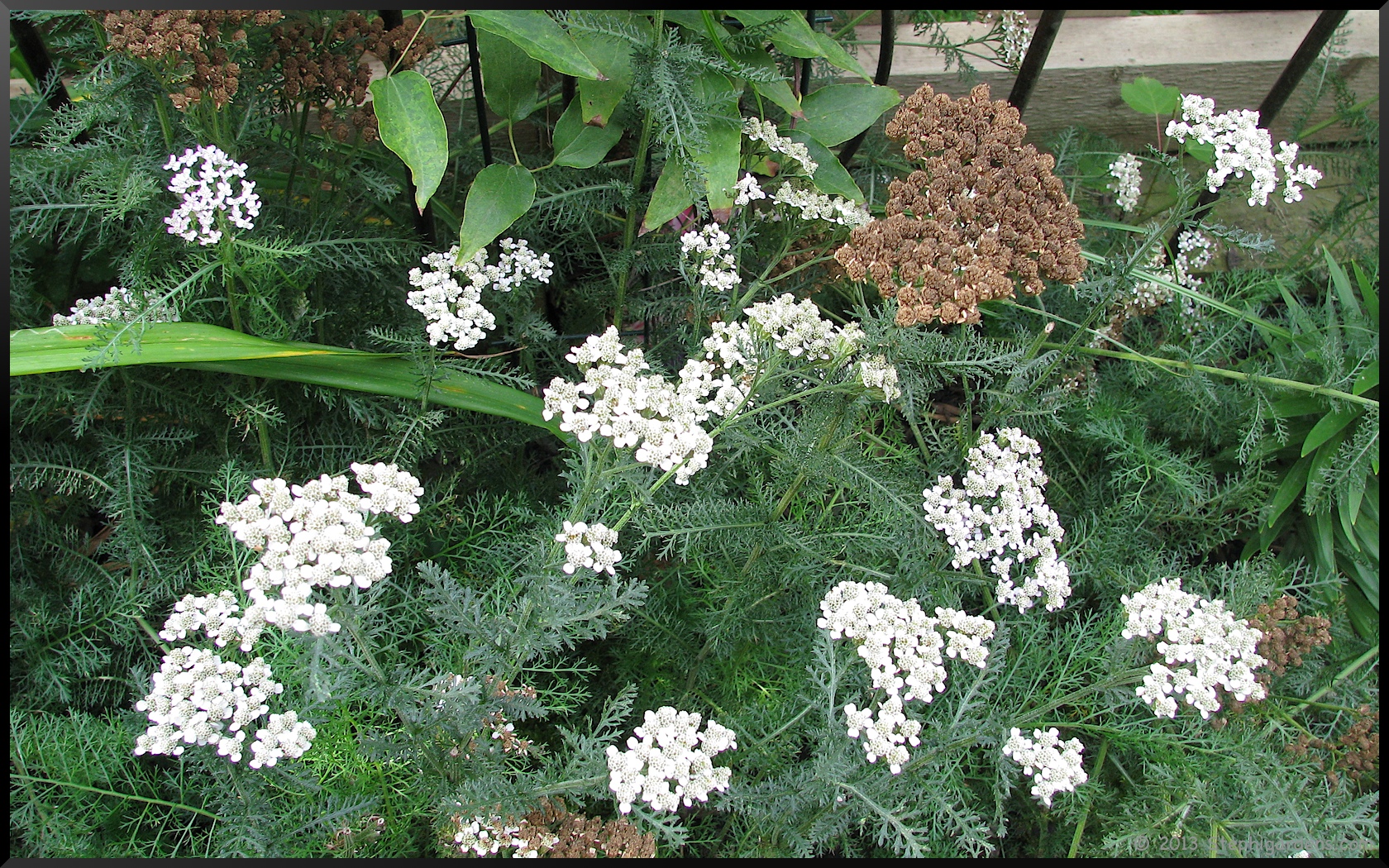
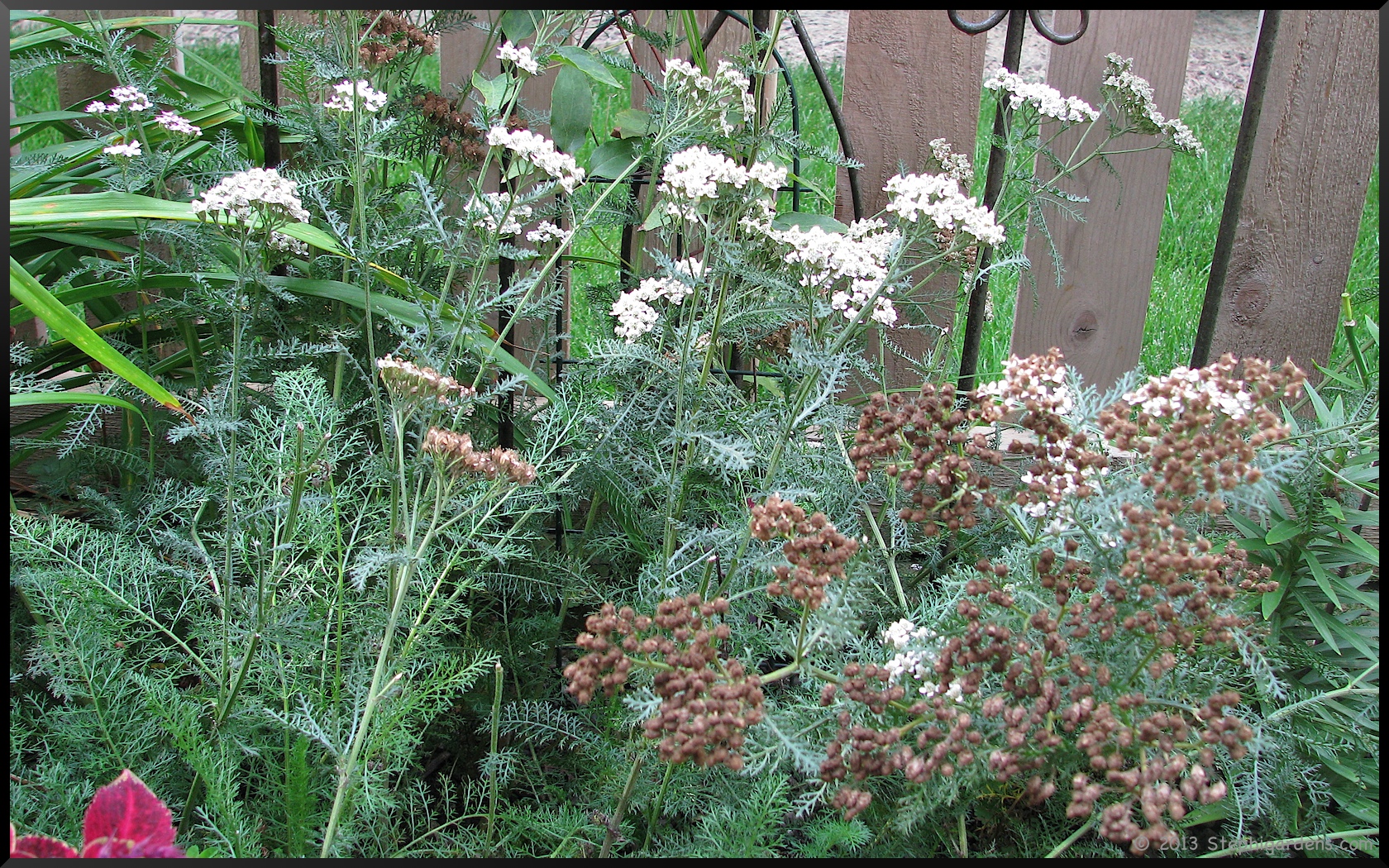
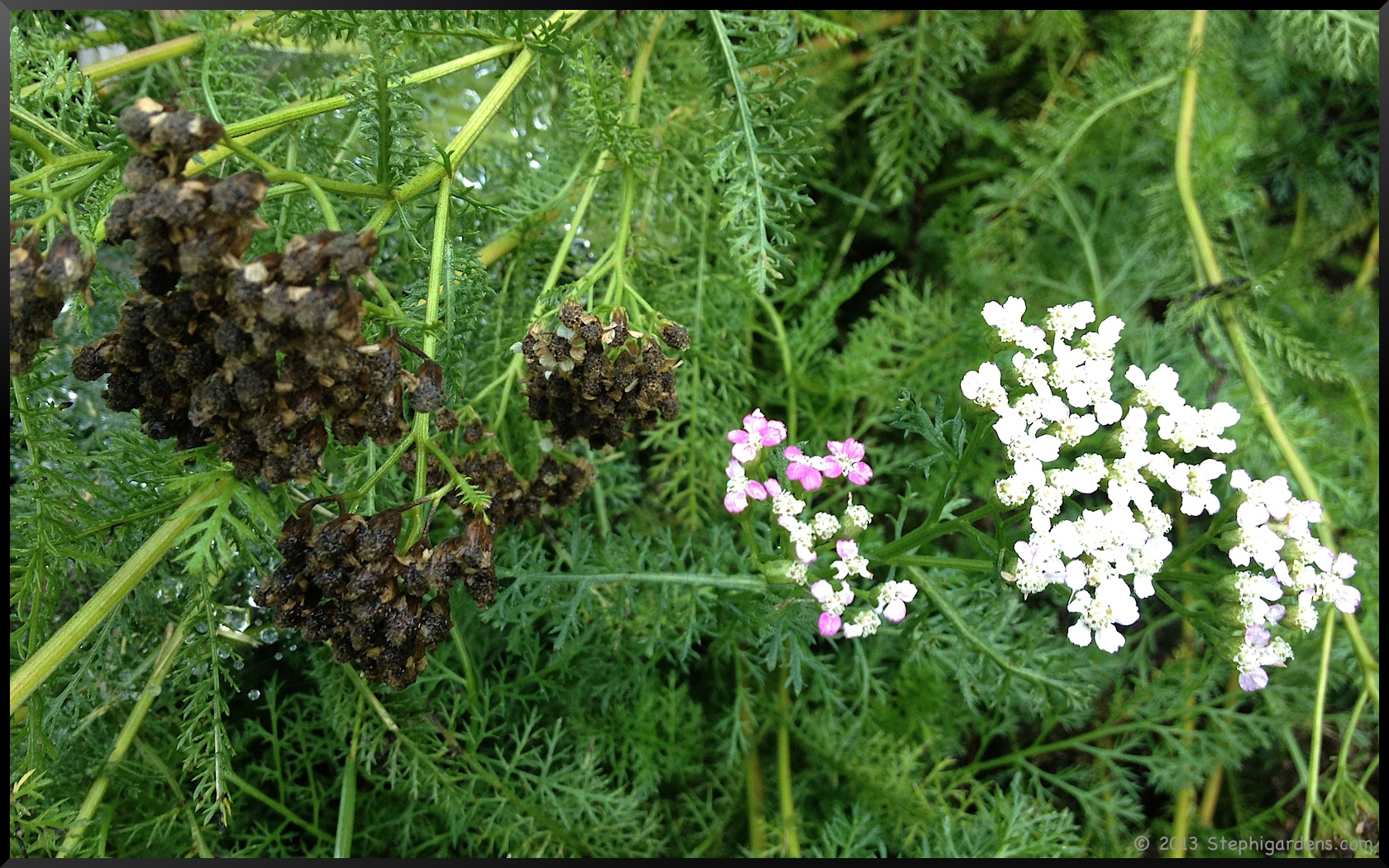
I have had yarrow in my gardens for years, but I think that as much as I’ve tried to embrace it, I have finally decided I just don’t like it. I love it in the wild, out in the prairies and fields, but in the garden it tends to be messy, overgrown, floppy, often rather dead looking and spreads to places I don’t want it. I currently have two gardens with white yarrow in them. I have moved it around a few times trying to find a nice place for it (and also seem to always leave a little bit behind). I also have a single Oertel’s Rose Yarrow plant remaining that I got from the Morton Arboretum Plant Sale about 5 years ago. I actually think that one is a much better specimen and may make the cut as I pull out the yarrow this fall. This is what mine look like this year:
I also have a single tidy Oertel’s Rose Yarrow plant mixed in oddly with the white. It’s hard to see in this light, but it is a beautiful rose, purple color on medium height stems.
What has been your experience with yarrow in the garden?