Fall Mushrooms in Door County, WI

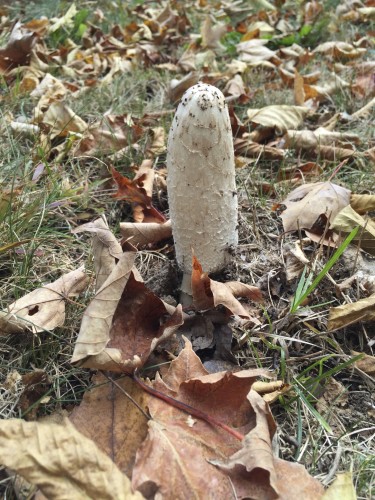
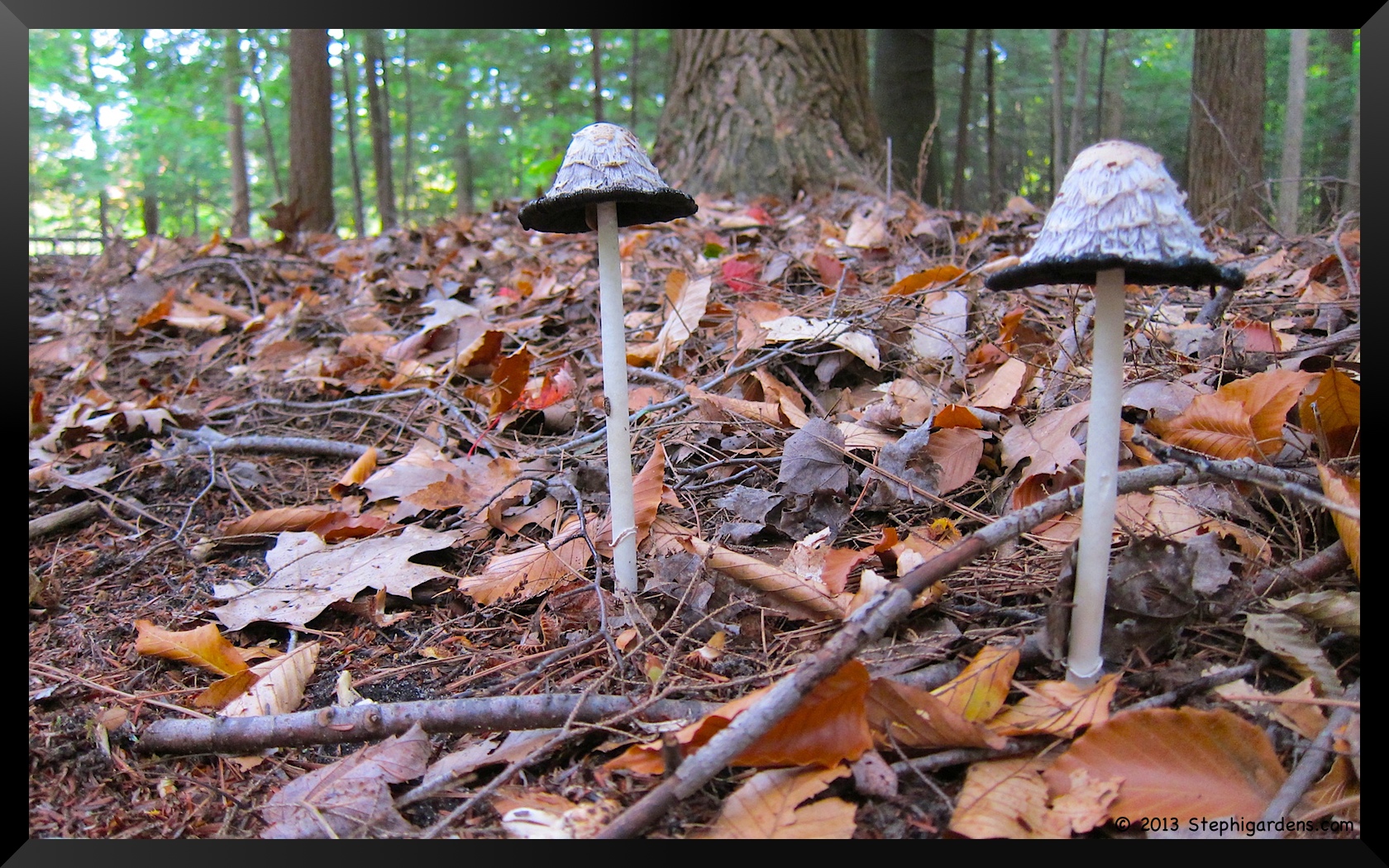
I was surprised to see so many mushrooms on a recent fall trip to Door County, WI.  I know many varieties grow well into fall, but with the mild El Ninõ winter we seem to be having, many plants including mushrooms are lasting well past their usual growing seasons.  The Coprinus comatus (Shaggy Mane) was the first mushroom that caught my eye.  It was popping right up through the gravel driveway.  

Each morning was this most interesting stalk–
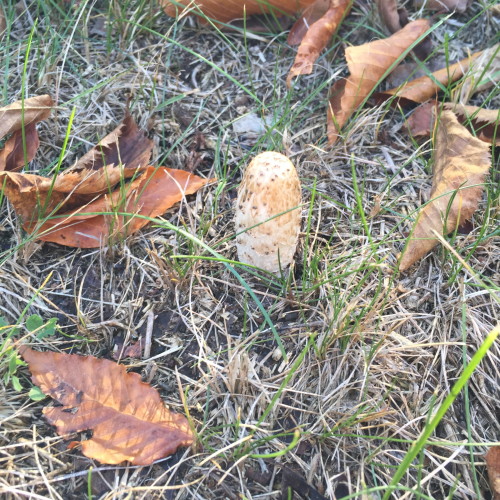
Coprinus comatus (Shaggy Mane)


Coprinus comatus (Shaggy Mane)

But the next morning, each new mushroom looked like this!  Something found them to be very tasty so I never was able to see it grow any further.
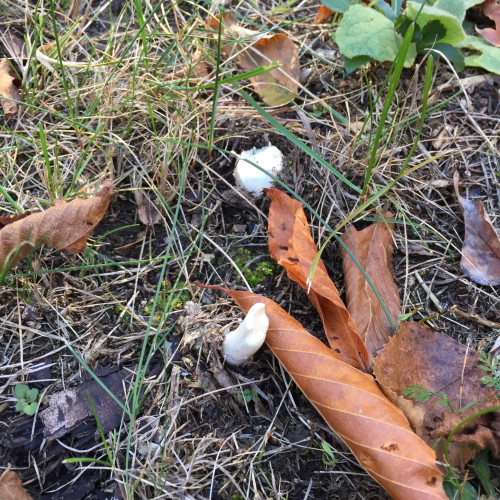
Coprinus comatus (Shaggy Mane)

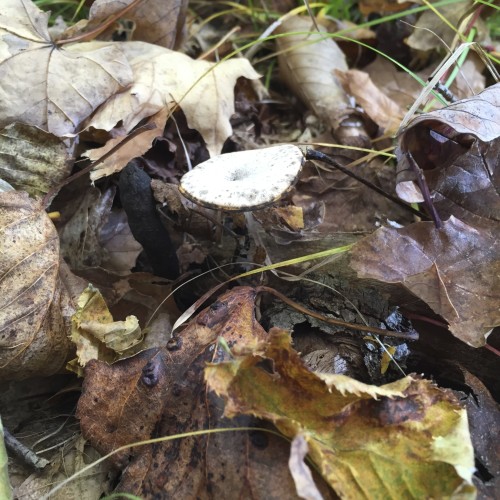
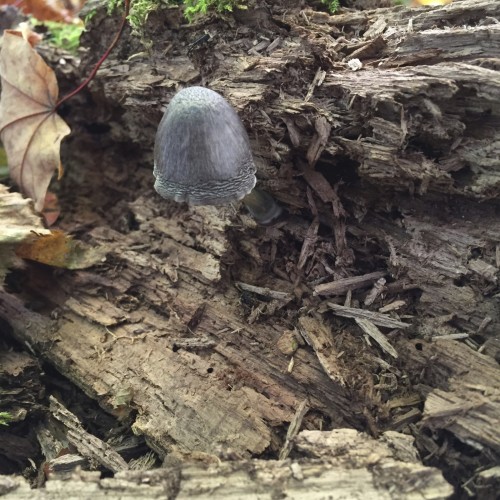
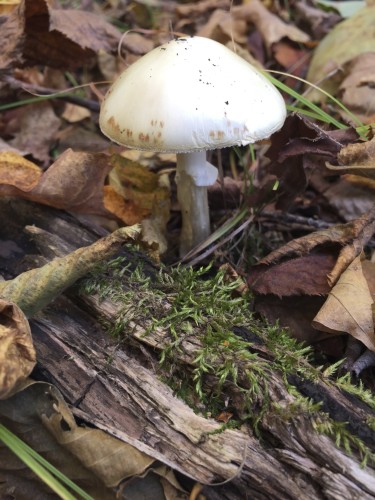
As I walked in the hardwood woods, I came across a surprising number of other mushrooms.  When I later tried to identify these, I realized had nowhere close to enough information to be sure what was what.  At a minimum, these are some field notes that I need to make next time if I hope to make an identification:

  • size of overall mushroom and cap
  • what is the location; note nearby trees; on ground or tree
  • look underneath–gills or no gills; gill description
  • flesh texture (hairy, smooth, woody etc), color, odor
  • stem description

There’s additionally more scientific methods to assist the identification of  mushrooms, but I think these simple observations would have probably allowed me to identify  most of the mushrooms I saw on my walk.

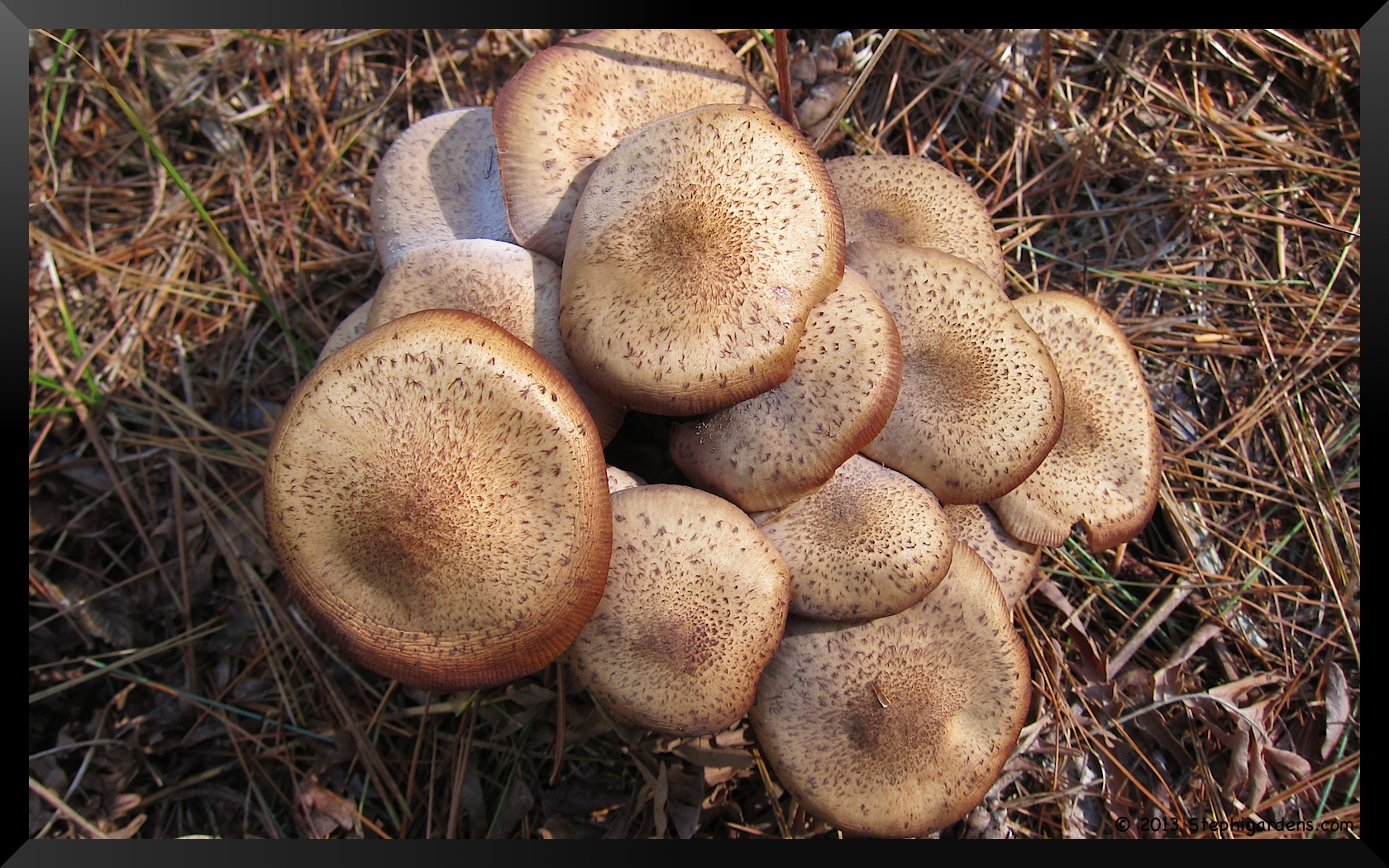
So, in the absence of knowing what I was looking at, here’s the unlabeled photos of the mushrooms I saw.  If you happen to know what these are, I’d love some assistance.
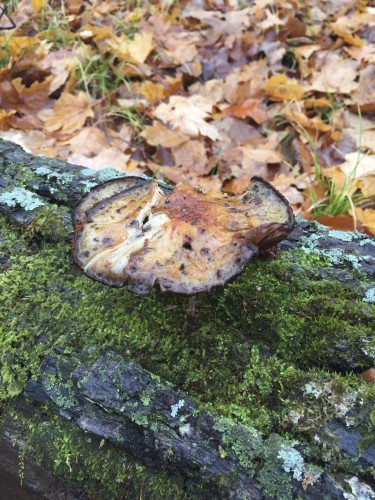
IMG_3635

IMG_3344

IMG_3341

Rozites caperata, Gypsy Mushroom.

Out mushroom hunting in Door County or elsewhere?  Here’s a a few resources I found quite useful:


Spring Surprises

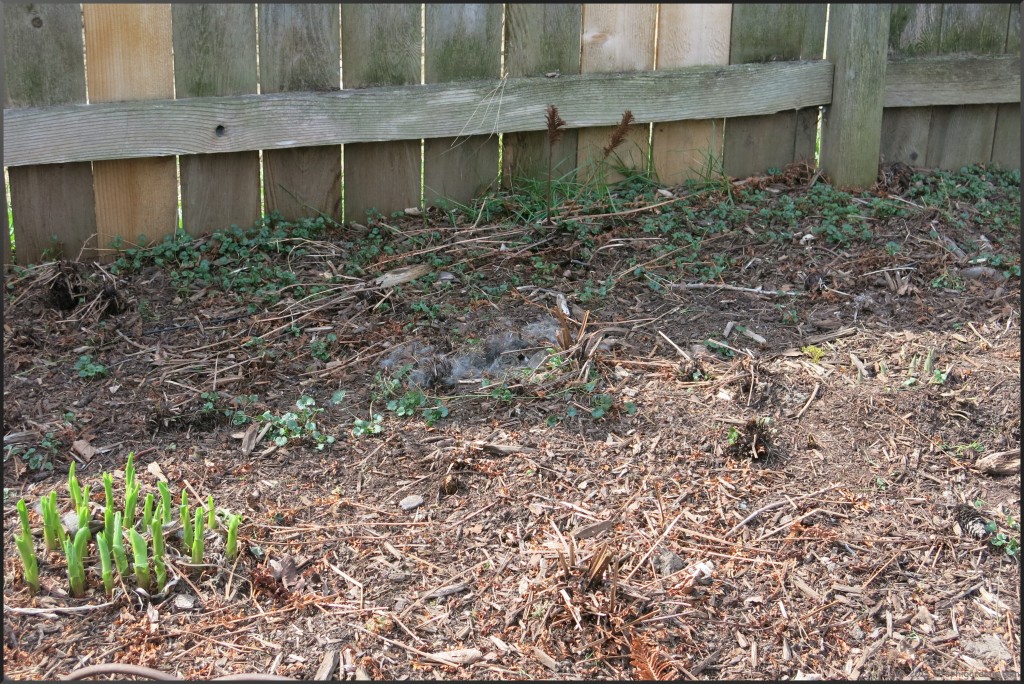
 As I was walking around the yard the other day, a few surprises caught my eye.  

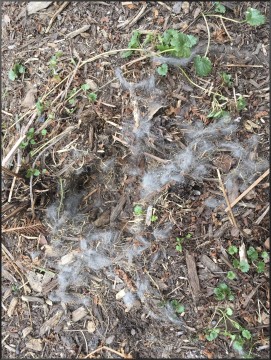
Why was there fuzz in the garden?

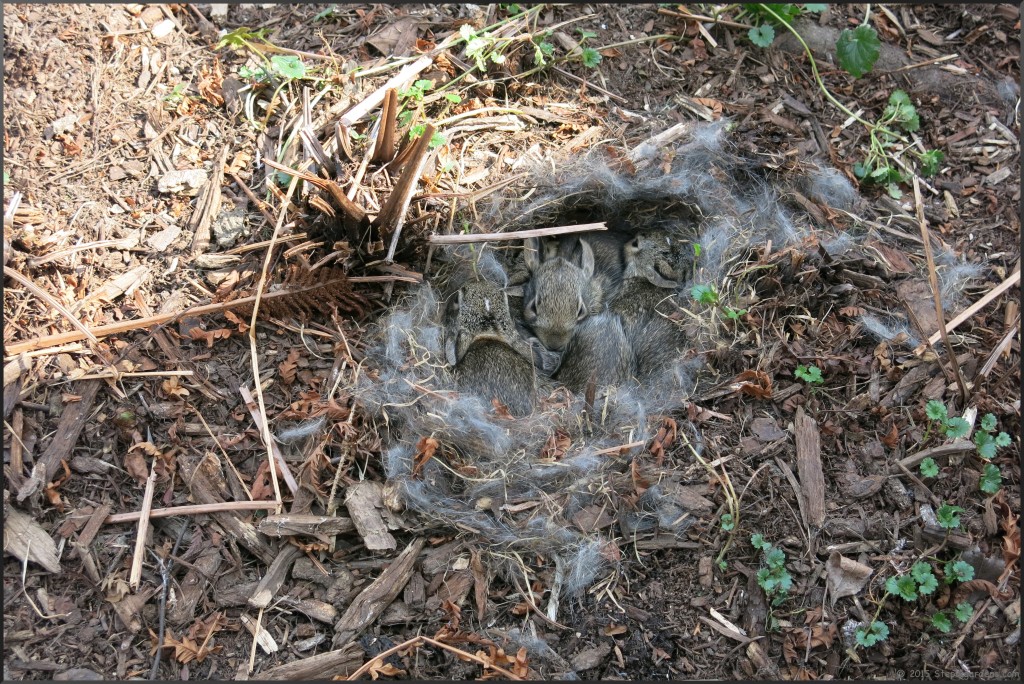
rabbit nest

On closer inspection this is what I saw!

rabbit nest

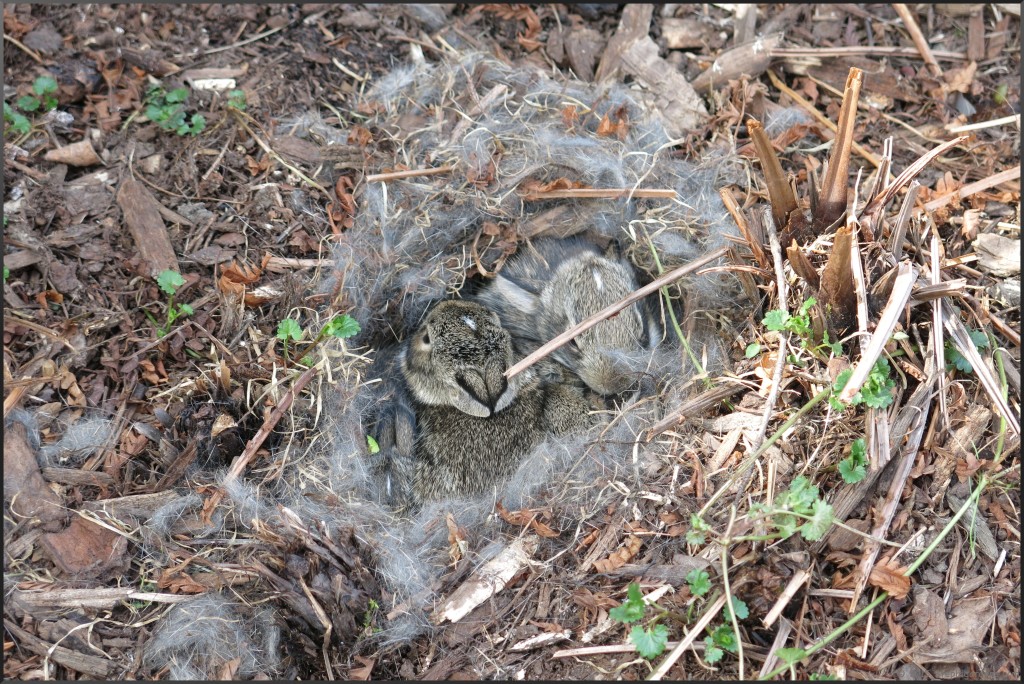
rabbit nest

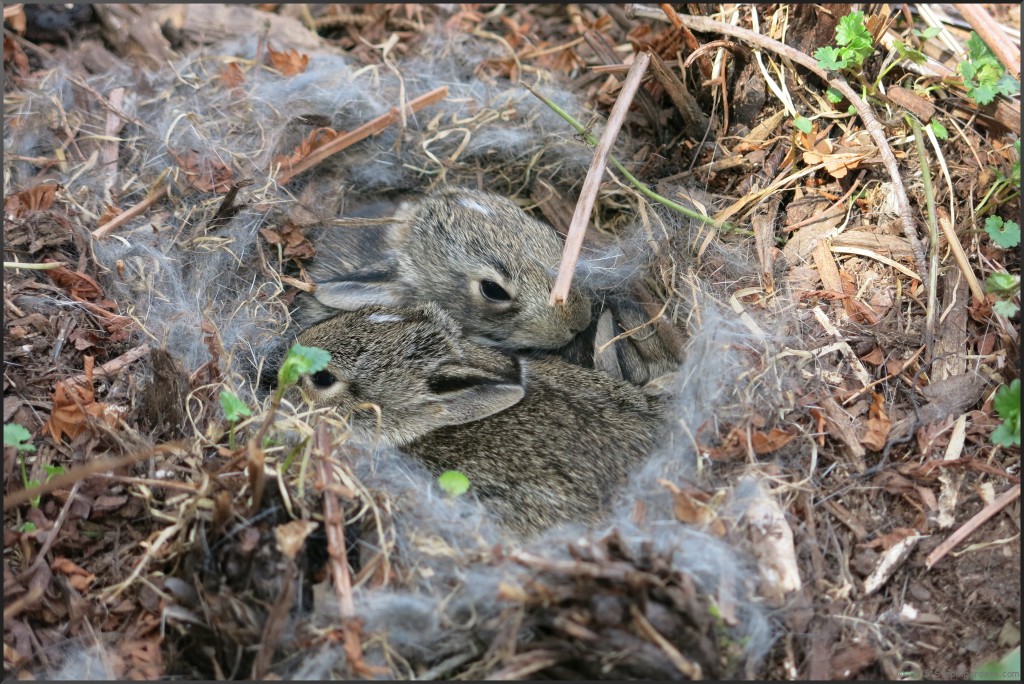
As best as I could tell, there were 4 babies snuggled in the nest

rabbit nest

The next day I went to show my husband…Gone!

rabbit nest

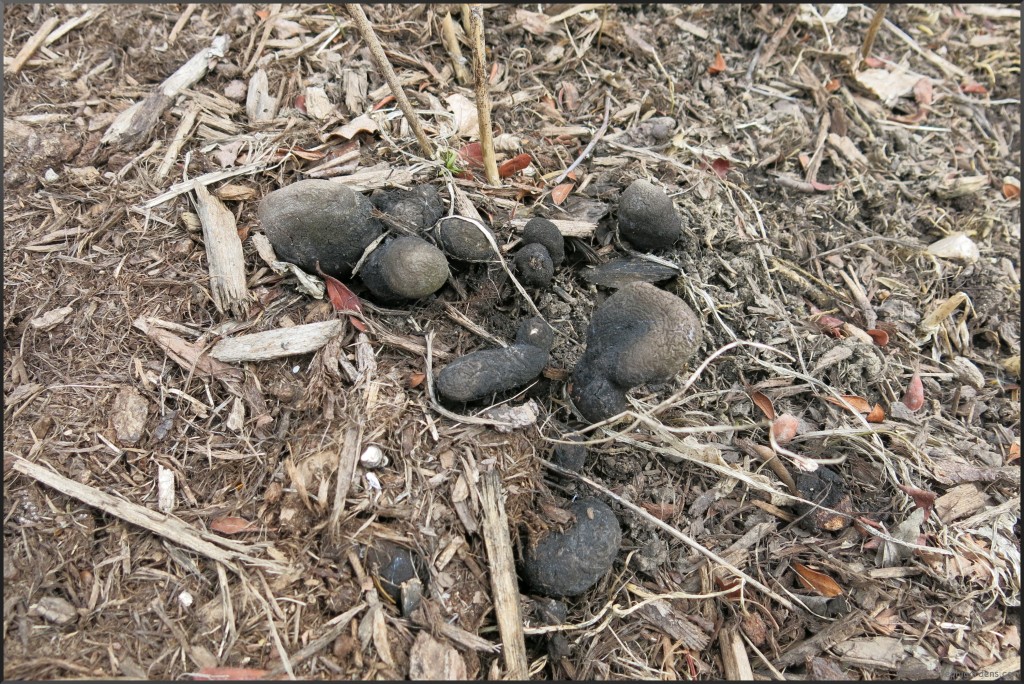
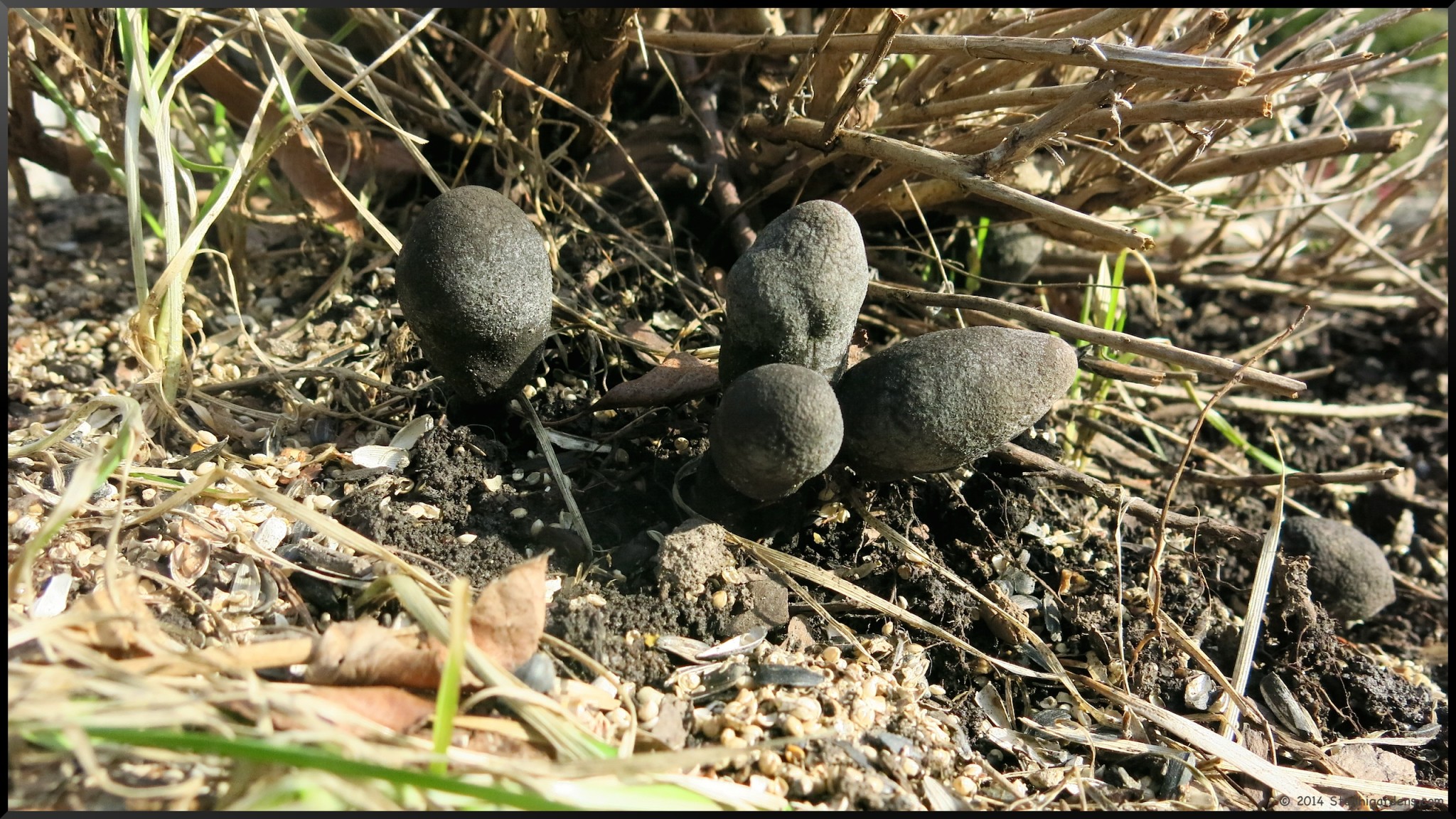
The Dead Man’s Fingers were back (Dead Man’s Fingers) although in a new spot.  I’m not sure why they showed up in a new location and what they might be growing on.  But, still as oddly interesting as before.

Dead Man's Fingers

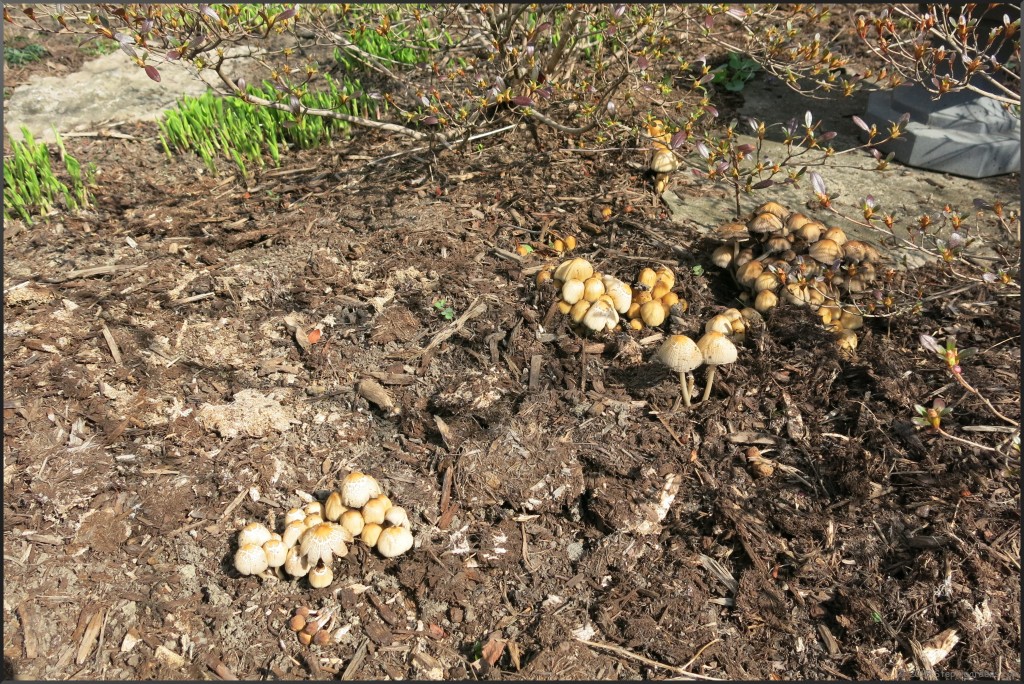
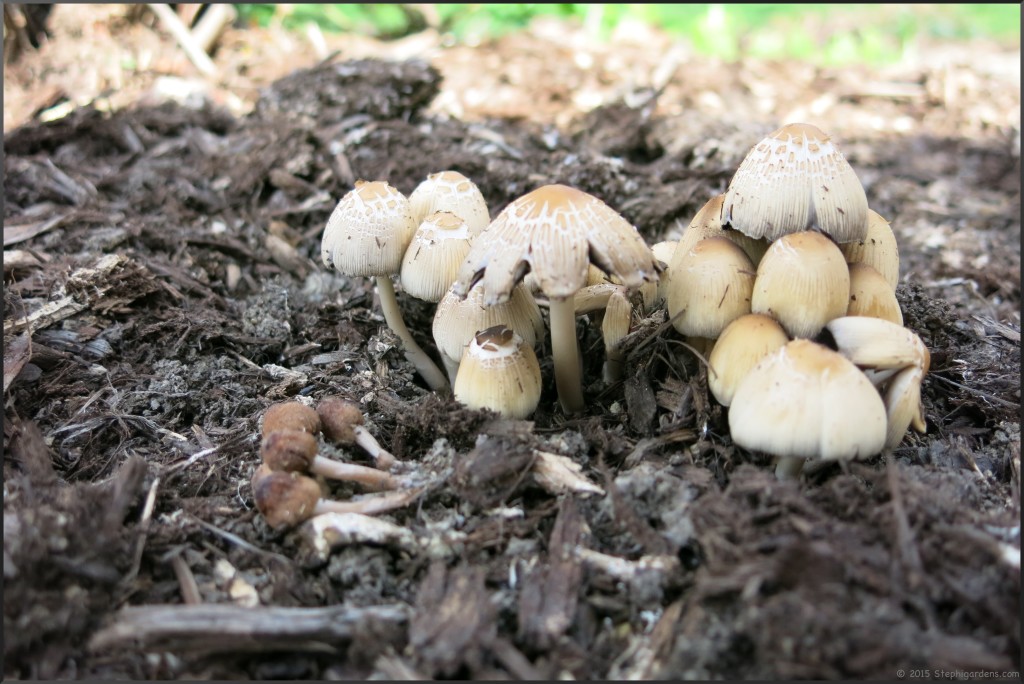
We had a bit of a mushroom farm going after a nice spring rain.

mushrooms

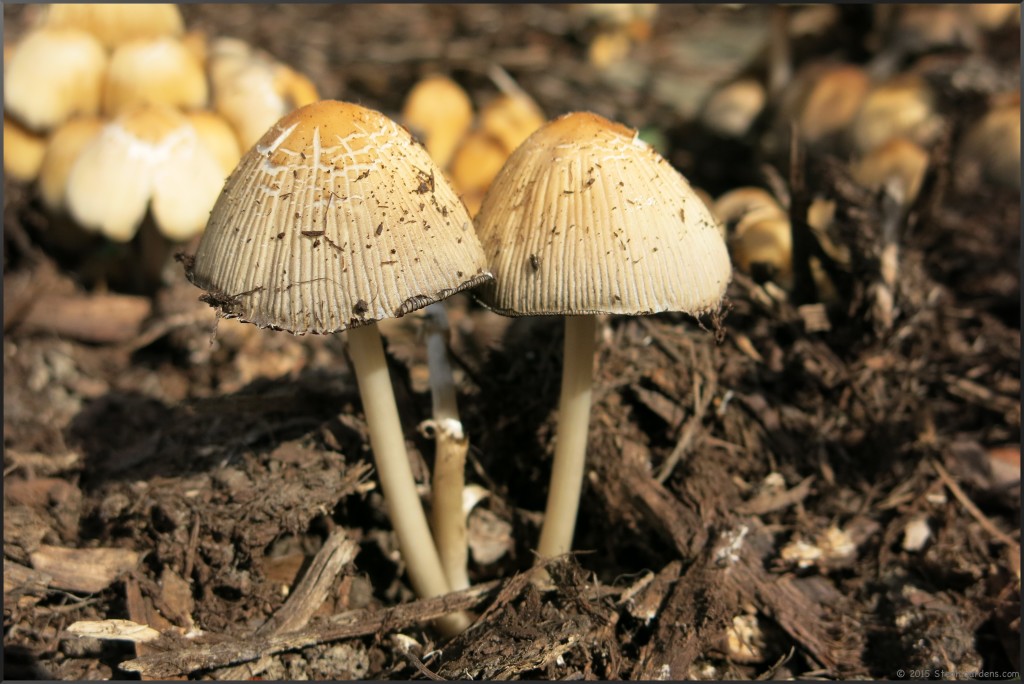
I love looking up close at mushrooms I thought they were all the same, but on closer inspection actually quite different.

mushrooms


mushrooms

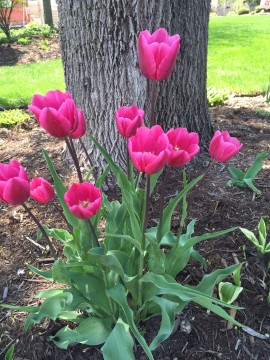
These tulips are some of the oldest flowers in my garden.  Most tulips here are considered annuals because of cold or rodents, but these keep coming back year after year.  Sometimes better than others, too.  This year they are stunning!  

Pink tulips

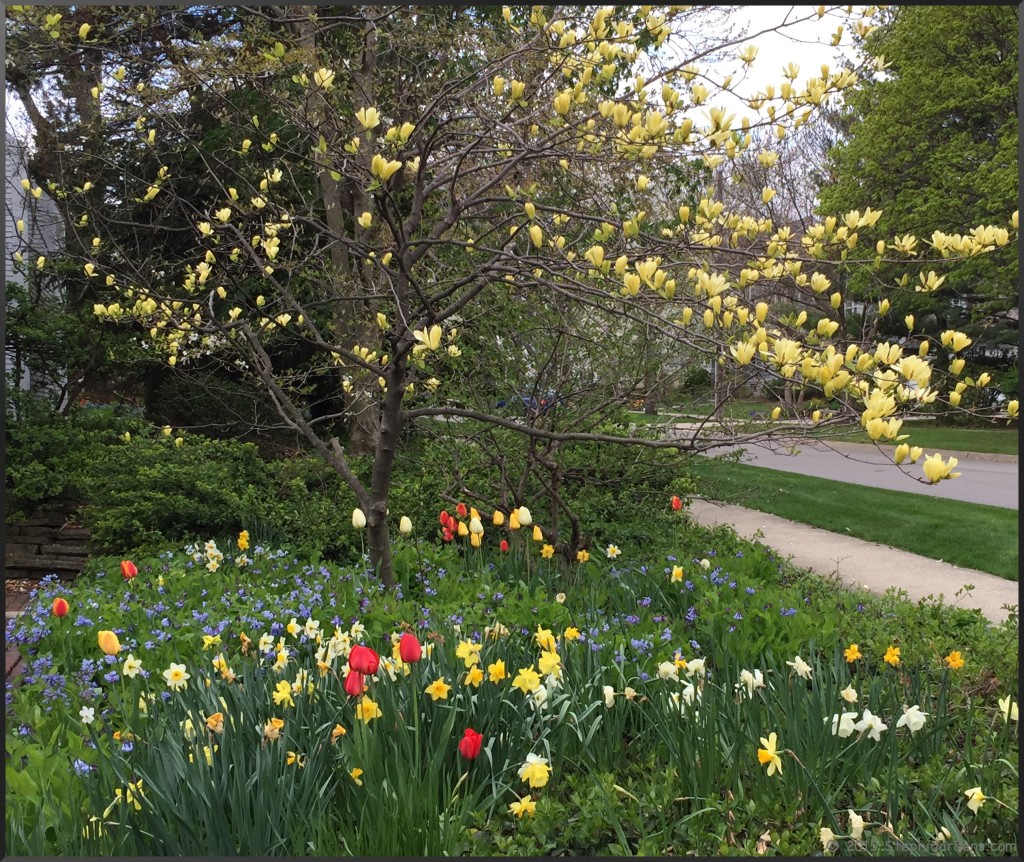
And lastly, while I was out on a recent walk with a friend we came across a beautiful yellow magnolia.  In an area with an abundance of the usual, but of course striking pink magnolias, this was quite a surprise.  

yellow magnolia

We loved the assortment of spring flowers underneath.  What a beautiful spring garden.  I may need to plant one of those trees…

Have you had any spring garden surprises?

Dead Man’s Fingers

As the snow melted, I went out looking for any signs of life to announce spring is coming.  While out there, I came across these odd looking things.

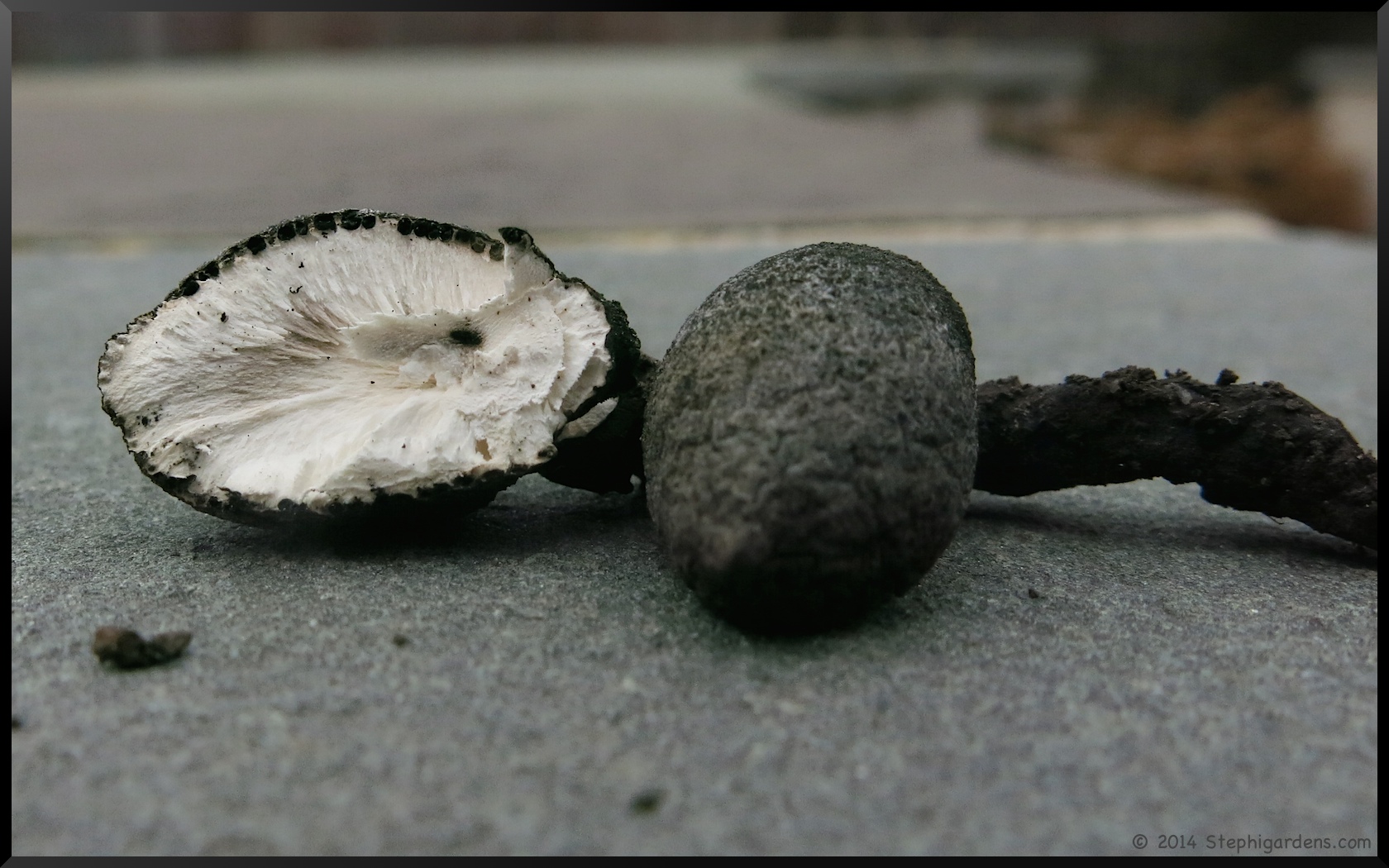
Xylaria polymorpha

At first I thought it was something left by Daisy or another animal sometime this winter. After poking at it a bit out of curiosity, it was not.  Instead, my best guess is that they are Xylaria polymorphs, or Dead Man’s Fingers.  They are very hard black knobs and the centers are a very tough white spore mass.

 Xylaria polymorpha (Dead Man's Fingers)

Xylaria polymorphs are not poisonous, but also not edible.  They usually grow on hardwood stumps or decaying logs, but in this case they seem to be growing on hardwood mulch.  There once was a maple tree in this location, so it is possible that there are some root remnants of that in the soil that it is growing on.  Has anyone seems these growing on mulch before?

Trips Down Memory Lane

One of the things I’ve really enjoyed while blogging is having my memory jogged by reading other blogs.  For example, reading about lichens and mushrooms on  another site brought back memories of when I was in high school and my family went to a huge Audubon gathering in the Allegheny State Park called the Allegheny Nature Pilgrimage.  Even though we went more than 30 years ago, I remember it being an amazing weekend gathering of nature enthusiasts.  Everyone got to choose from lots of interesting walks led by specialists in their areas and participate in scheduled group events.  I was really surprised to see that it is celebrating its 56th year.  If I lived closer, I would definately be going!

Turkey Tail Fungi

One walk that really stood out and stuck with me was one on mushrooms and ferns.  I really enjoyed learning about their biology and how to identify them in the field.  That afternoon was probably one of the reasons I sought out taking Botany as a biology elective in college.

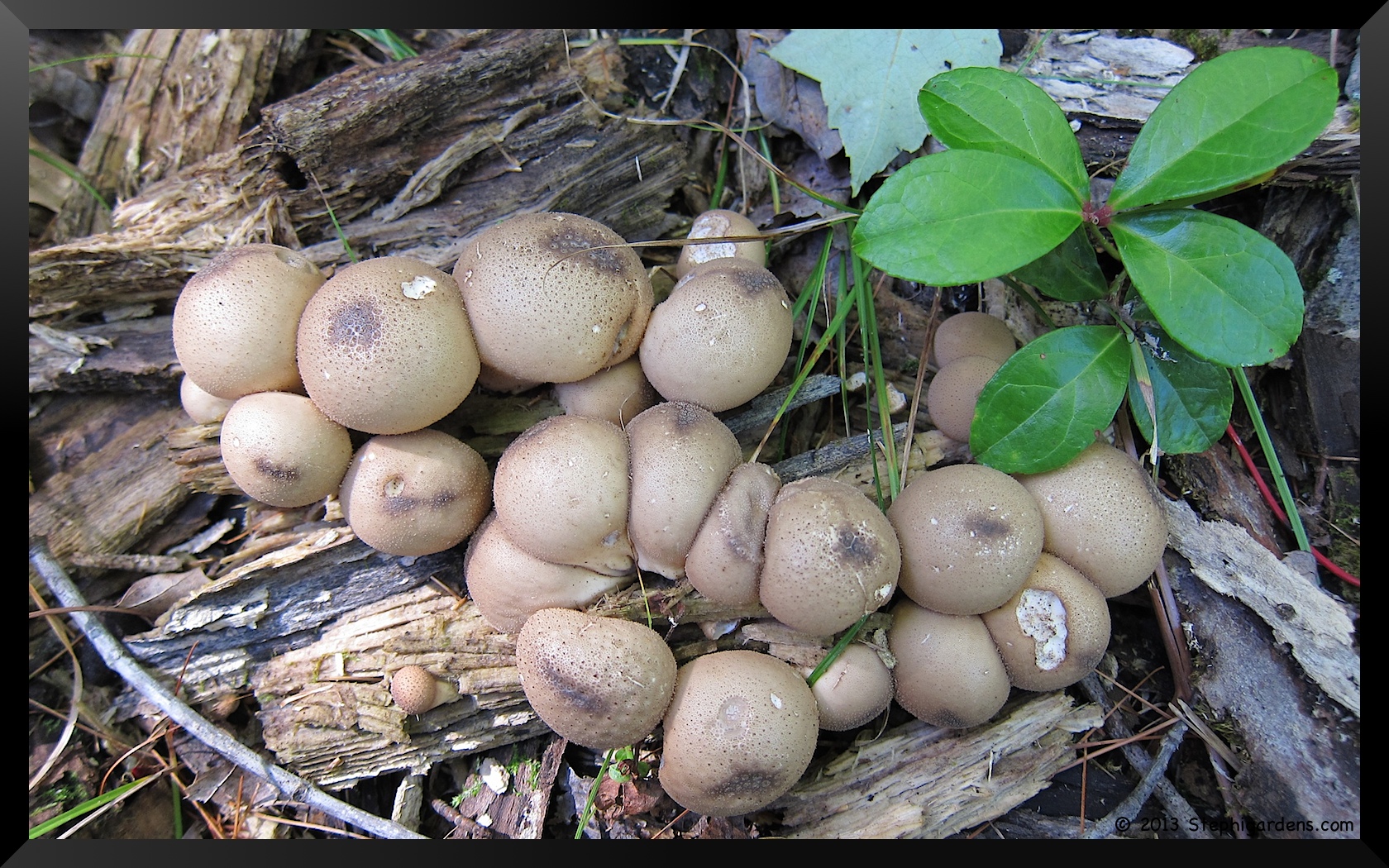
Puffballs

Then somewhere along the line that interest was forgotten.  I still have a bookshelf full of bird and flower books and always carry them along with me on hikes and trips.

IMG_2570

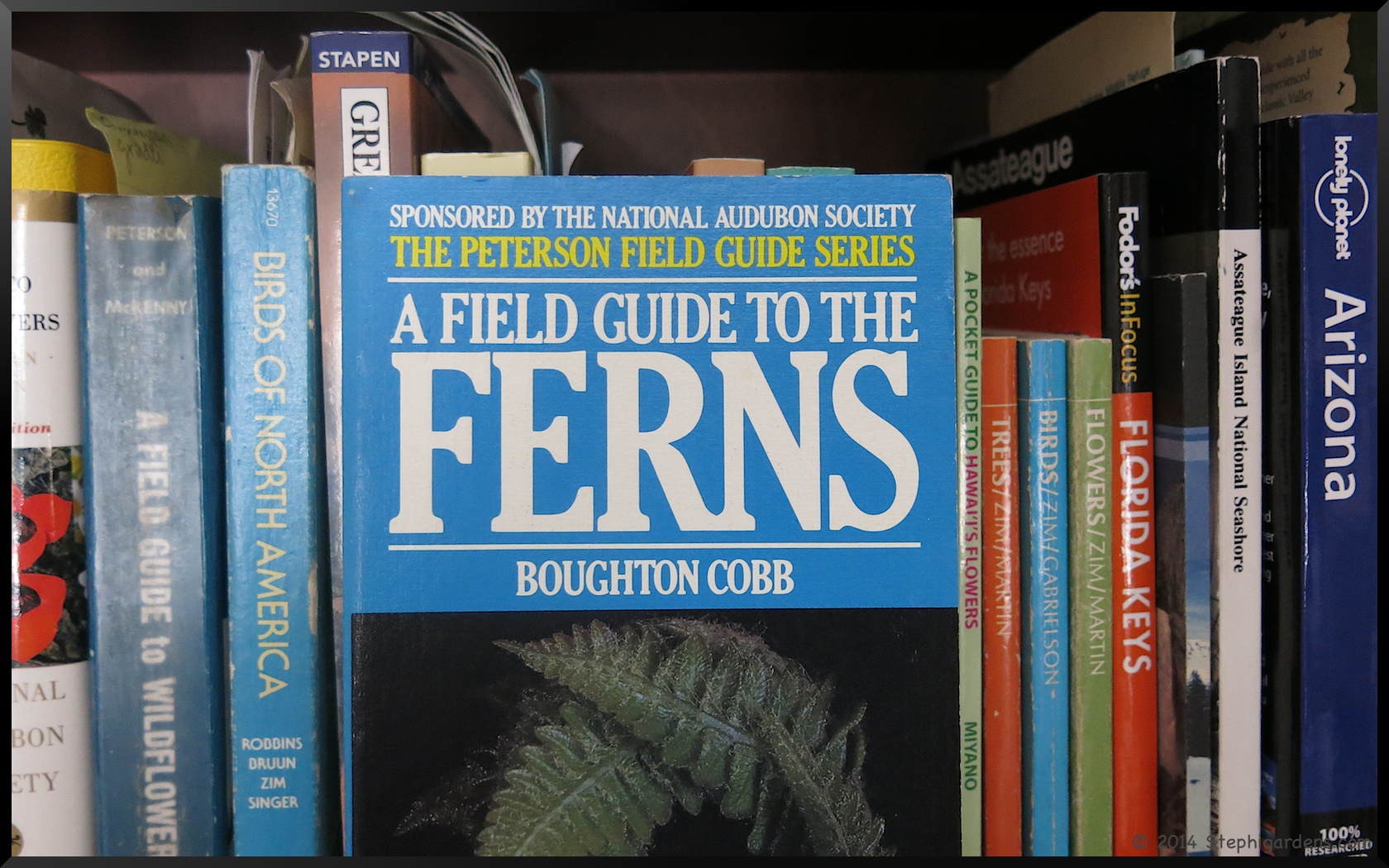
But the ferns and mushrooms, forgotten.  There on the bookshelf is also my fern book, bought in 1984 according to the date written on the inside cover, but barely touched.  I guess I never actually bought any of my own mushroom and lichen books either.  I must have just used my mom’s “library”.

IMG_2573

I think it’s time to open this untouched book and see what is inside.  I think it’s also time to take a trip to a local bookstore and see what local reference books they might have to offer.  I find that specialized bookstores, like the one at the Morton Arboretum or in a National Park, carry the best local flora and fauna books.  They tend to stock what their local experts recommend.  I’ll let you know what I find—