Milkweed for the Monarchs

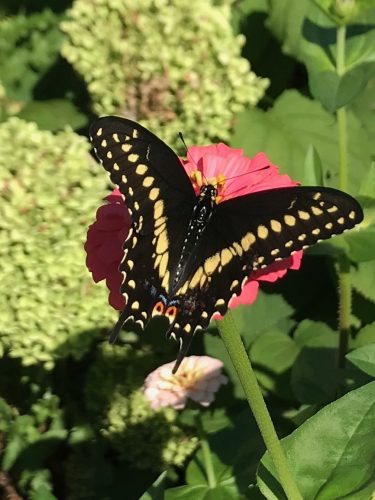
In my last post, “Poster Child of Pollinators: Monarch Butterflies” I introduced you to the beautiful monarch butterflies that are a vital part of the ecosystem.
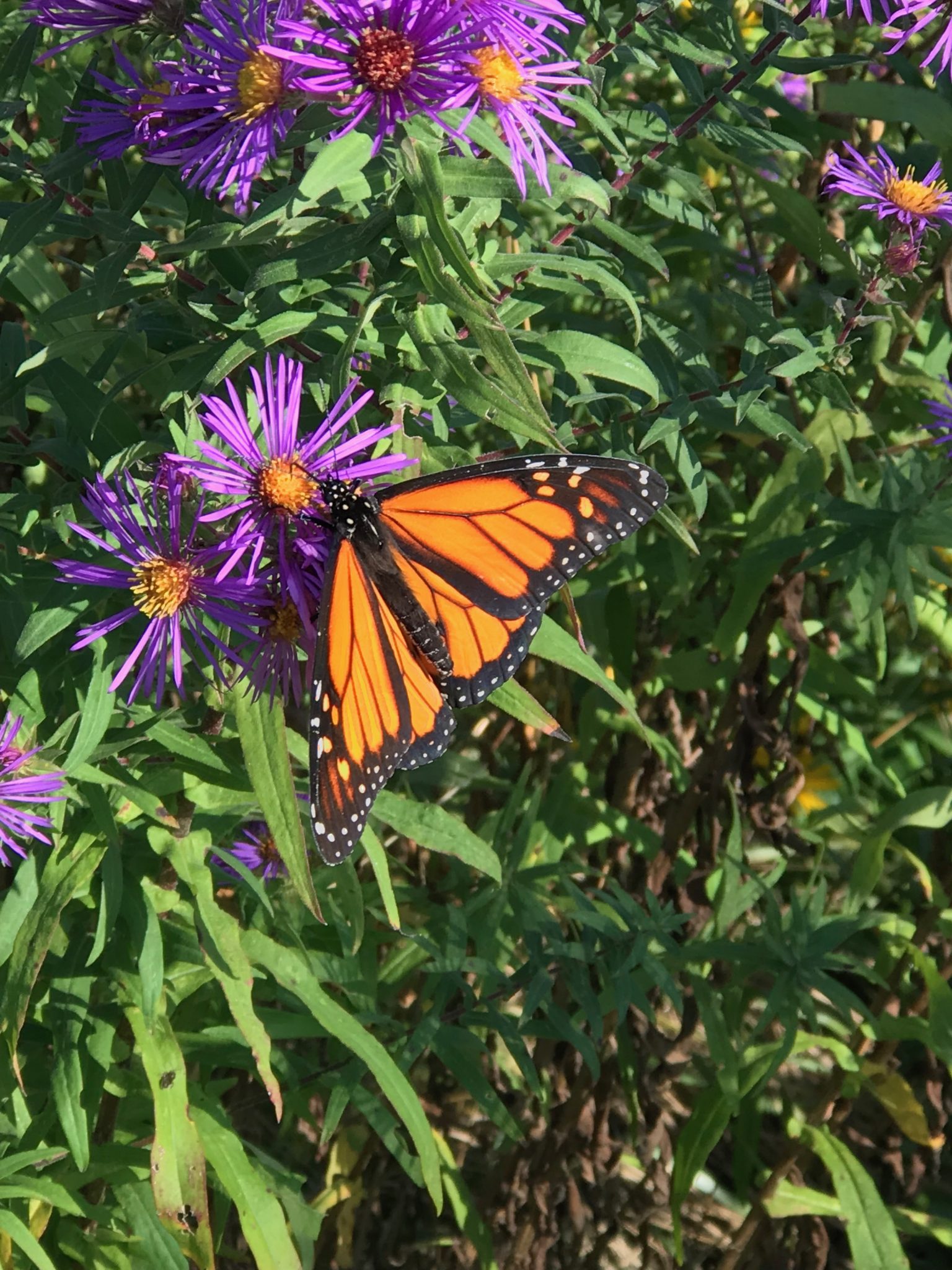
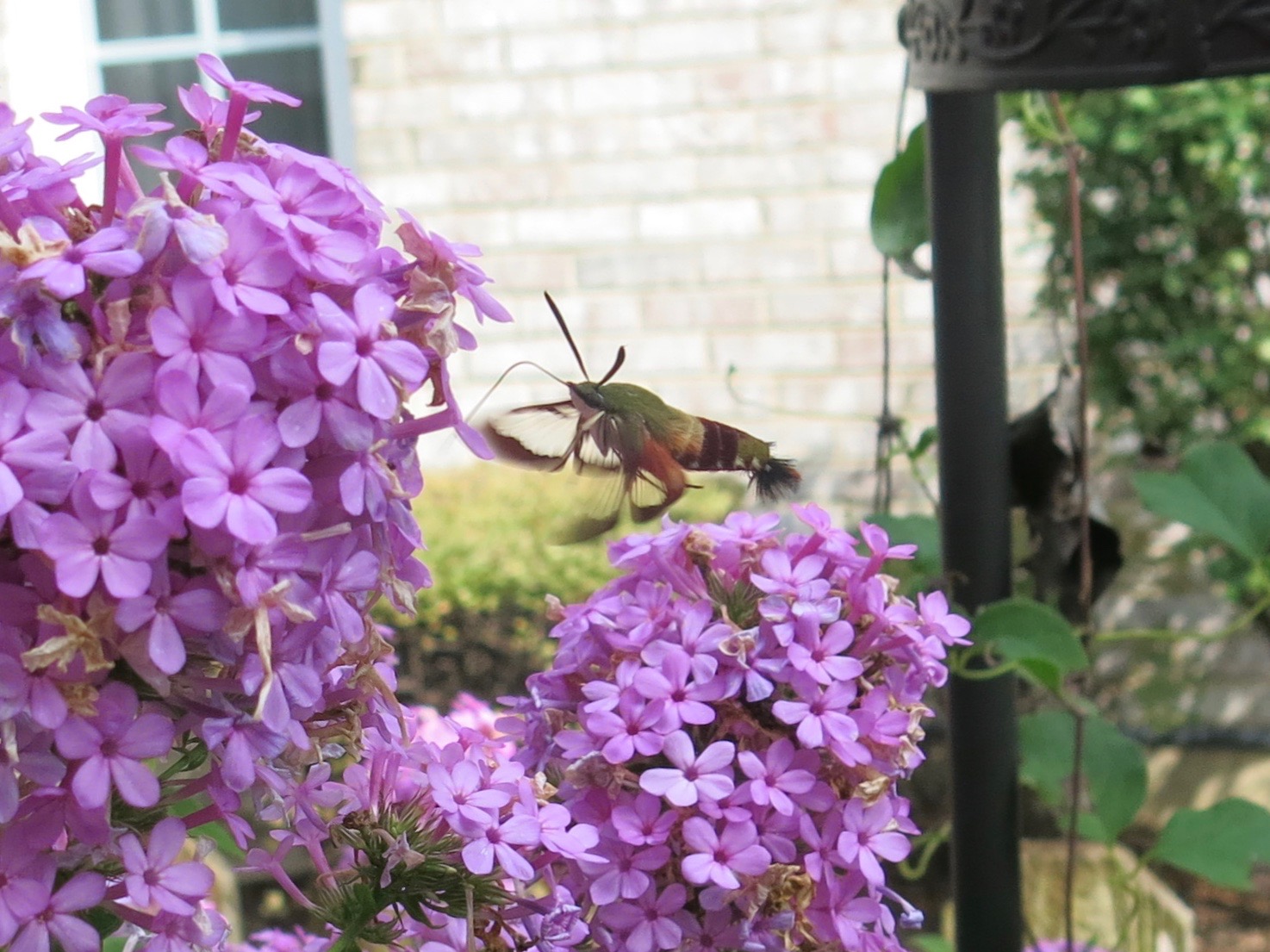
They are necessary for the reproduction of almost all flowering plants and for the pollination of about one-third of our food plants. But pollinators, including monarchs, are also in danger from many fronts. What can we do?

One easy way to help is to be sure your garden includes a wide variety of pollinator friendly plants that flower throughout the season.

In my northern zone 5b garden, some of my favorite perennials and shrubs are bee balm, phlox, coreopsis, coneflower, hostas, astilbe, lavender, allium,sedum, spireas, and viburnums.
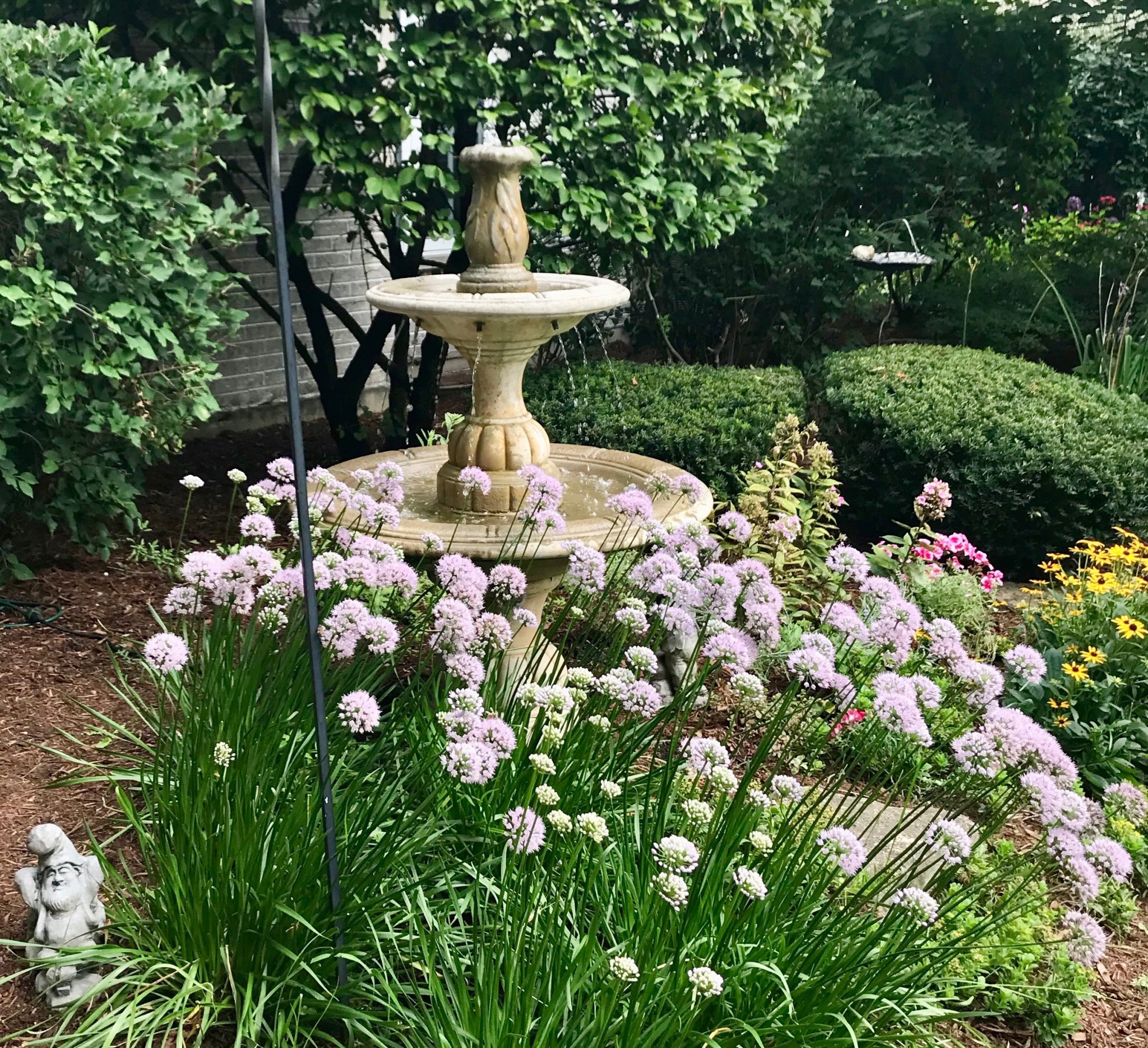
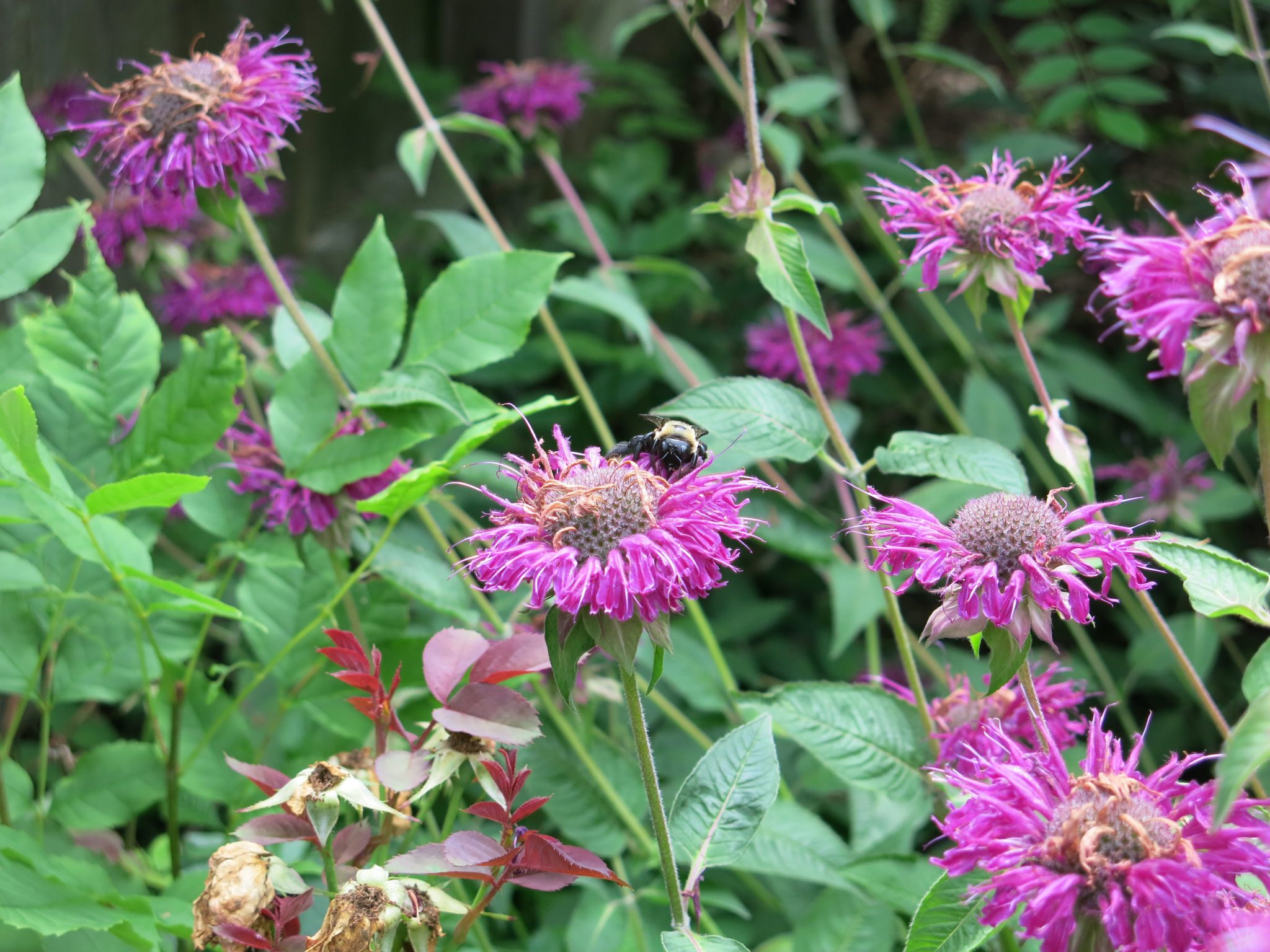
Some annuals and herbs that are especially attractive are petunias, snapdragons, milkweed, dill, fennel, zinnias, cosmos, and lantana.
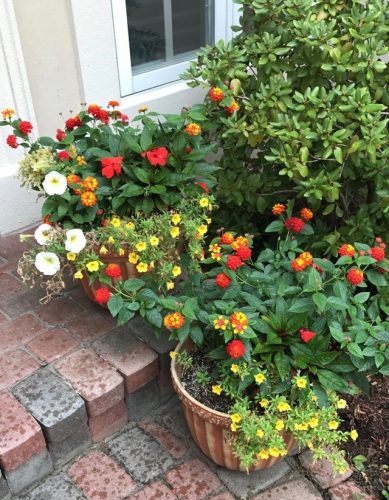
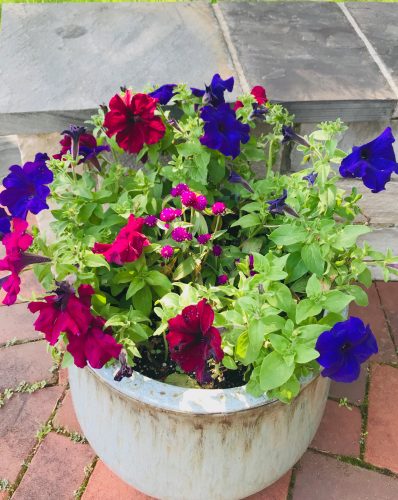
Try also whenever possible to plant native species and limit your use of pesticides and herbicides.

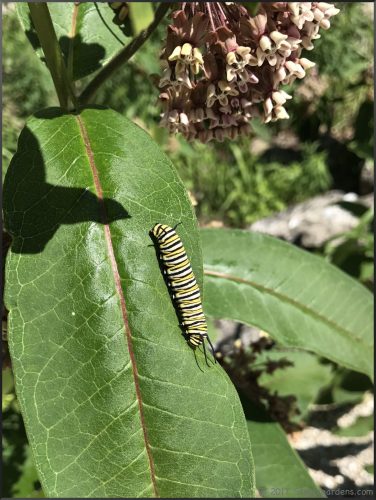
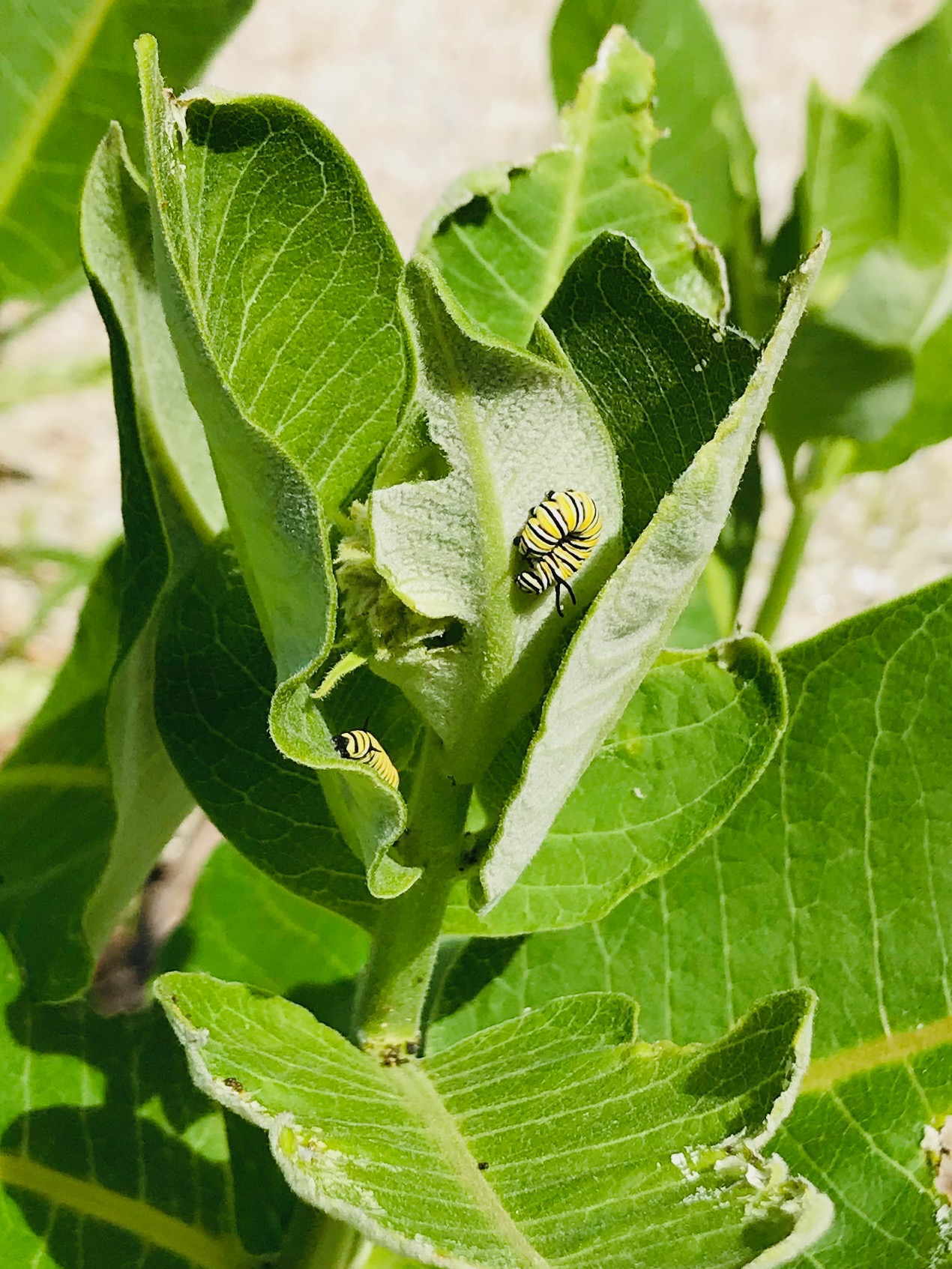
Monarch butterflies are unique in that for part of their life cycle they require milkweed. The monarch larval phase, better known as the caterpillar, eats only milkweed, so any disruption of milkweeds will affect monarch numbers.
You can buy milkweed seeds from a variety of sources. One of my favorites is Botanical Interests. Be sure to pick a species that is native to your area and follow the instructions. Milkweed can be a little tricky to grow and the seeds require stratification to germinate. Stratification is a scientific term for exposing the seeds to a period of damp, cold temperatures, like what happens in nature over the winter. This is followed by warming the seeds up to germinate. Botanical Interests has a great Milkweed Sow and Grow guide to help explain how to do this. You still have time, but you need to order seeds soon. You can also often find plants at some local nurseries a bit later in the spring. Or you can collect your own in the fall!
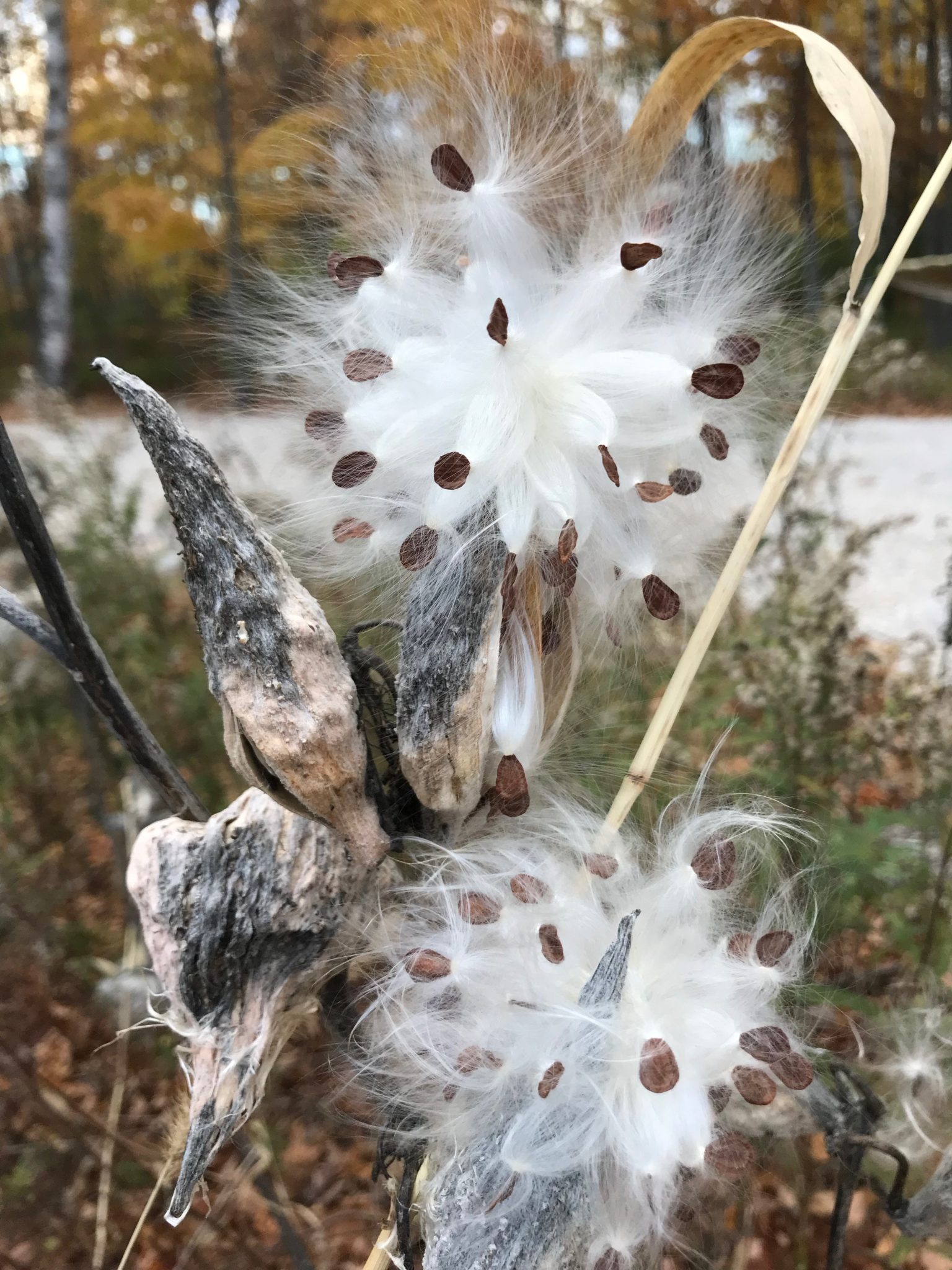
At our place in Door County, WI, I begin collecting the browning milkweed pods in the late fall and store them in a basket in the very cold, damp garage for the winter. This mimics the stratification process in nature.
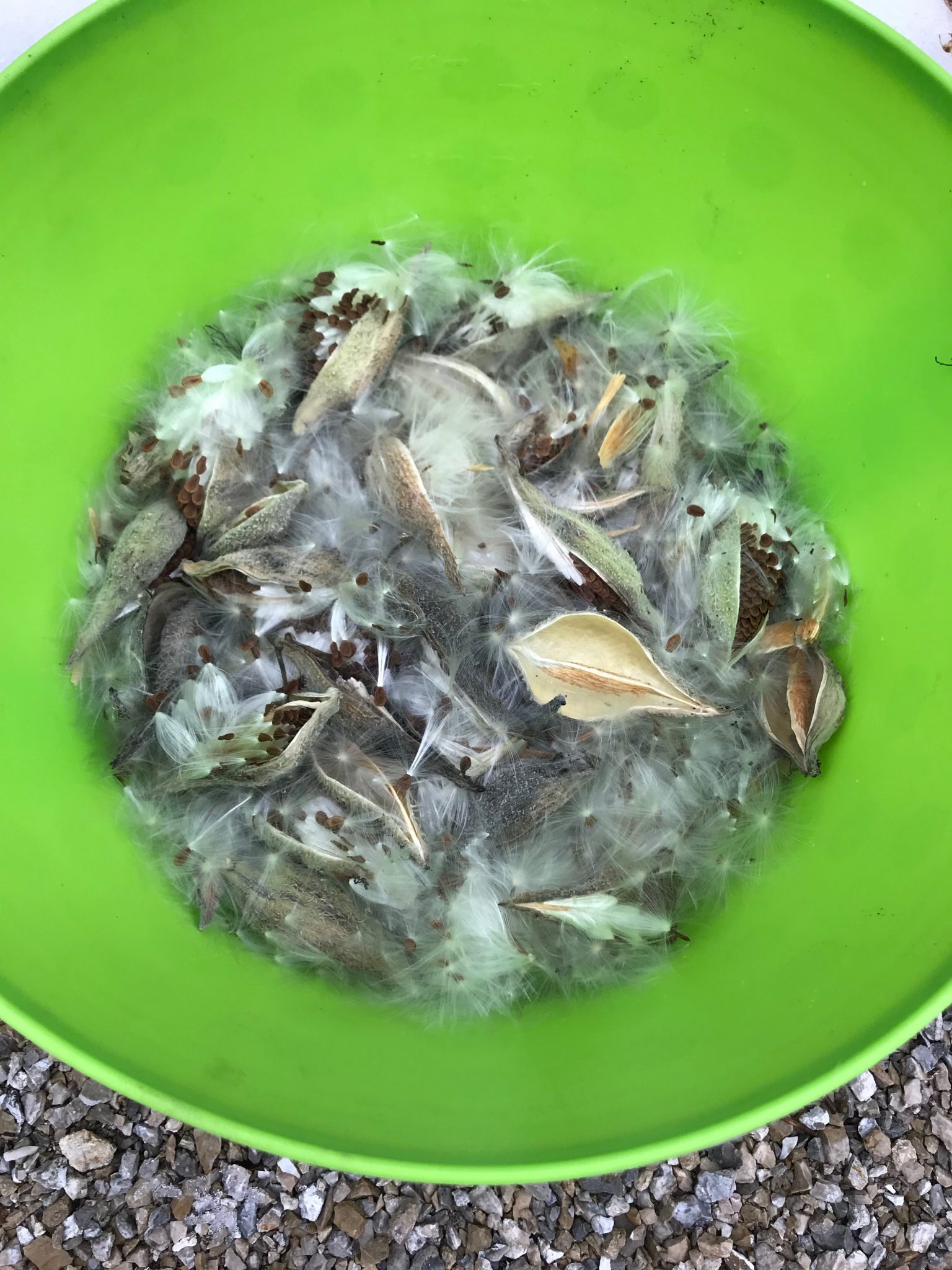
In late spring, once the snow has melted, I open all the pods and separate the seeds from the white fluff as best as I can.
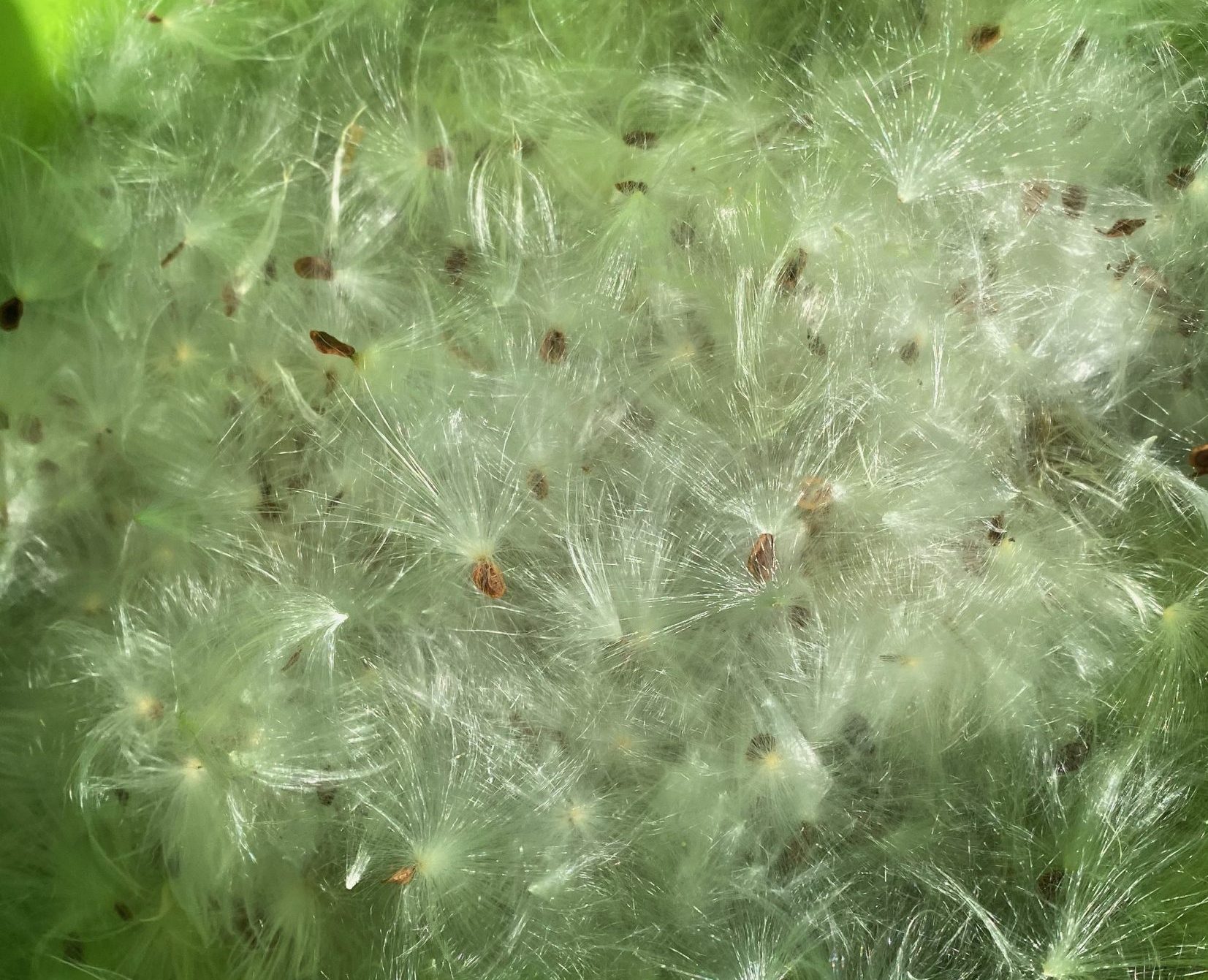
You can separate the seeds from the fluff by putting it all in a paper bag with some pennies and shake it up. Or just disperse the seeds with the fluff. Just be careful, the first year I did that I ended up seeding the gravel driveway with a lot of milkweed ☺️
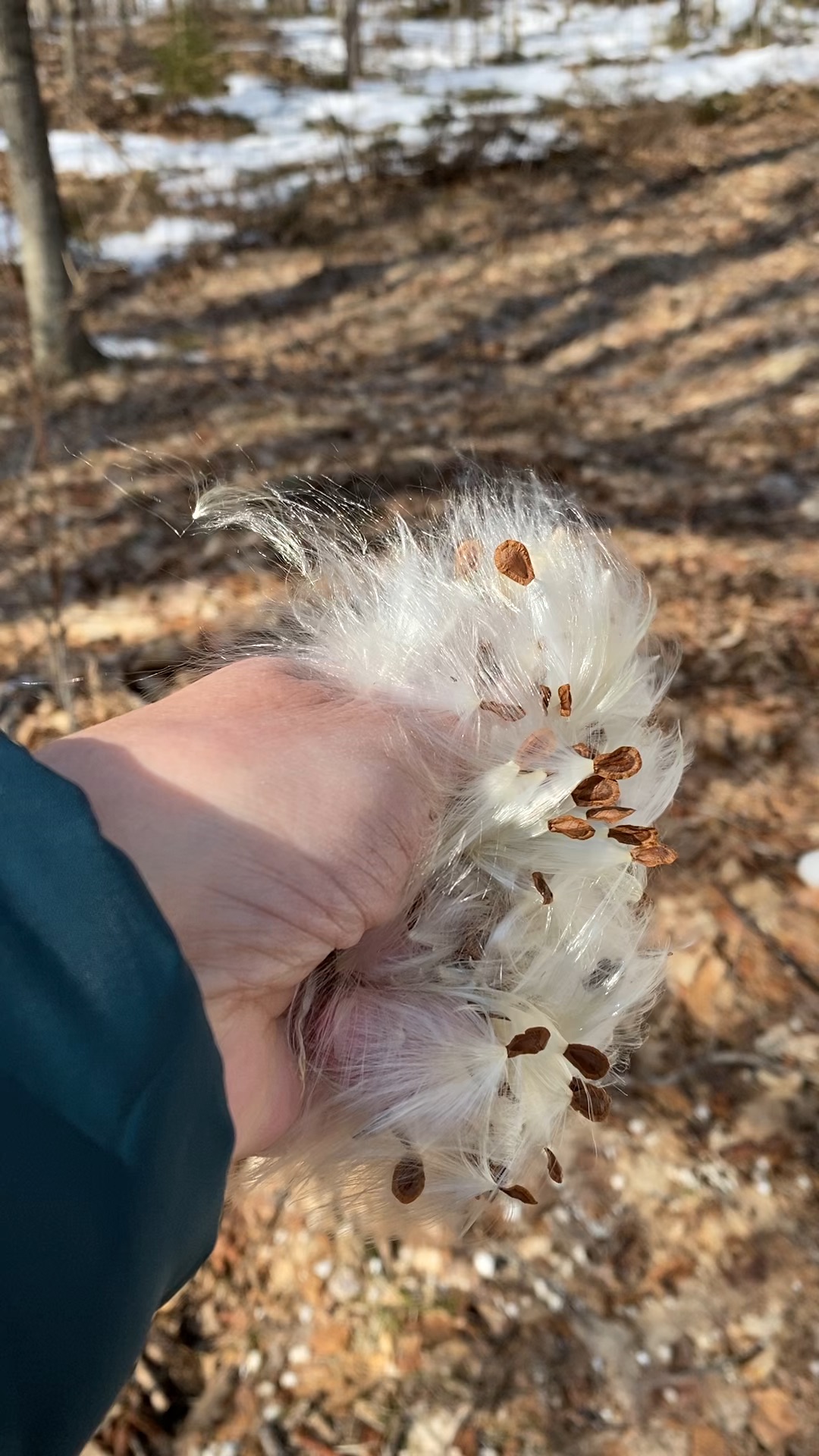
With a mixture of seeds and fluff/seeds I am ready to put on my Mother Nature hat and spread the seeds in the field and roadside areas on our property and then wait.
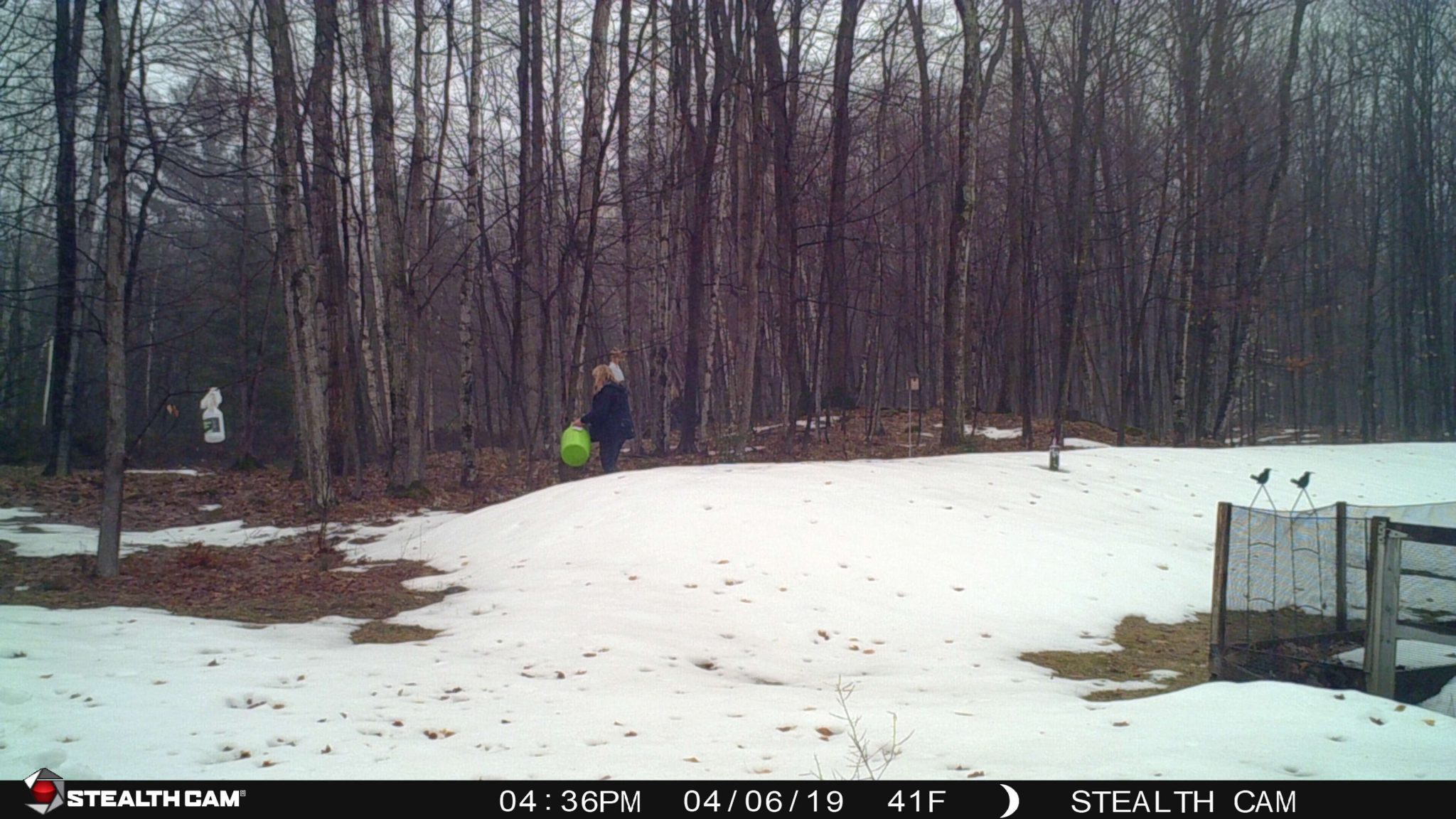
I’ve greatly increased the number of milkweed plants on our property this way and made it much more attractive to the monarchs and other pollinators!
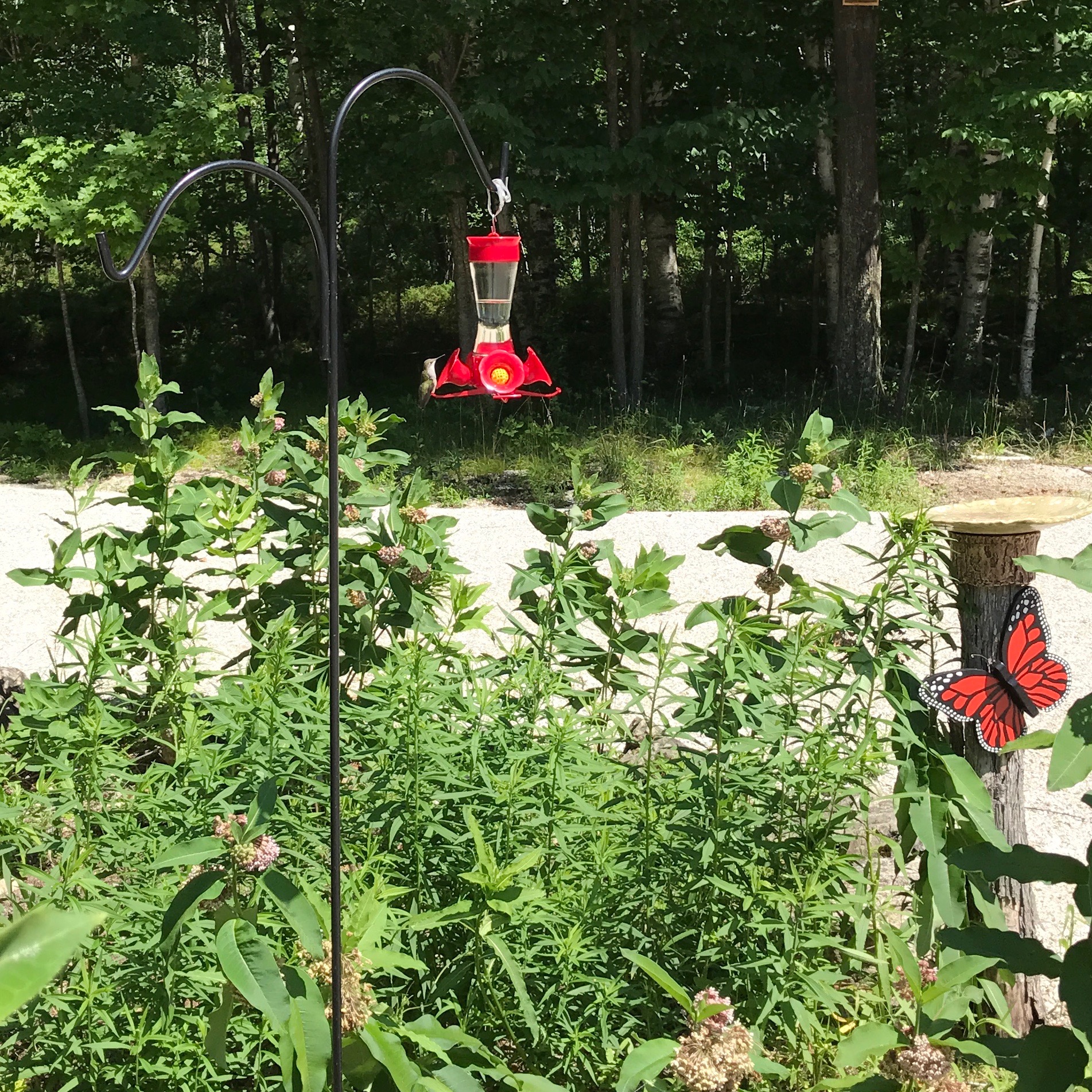
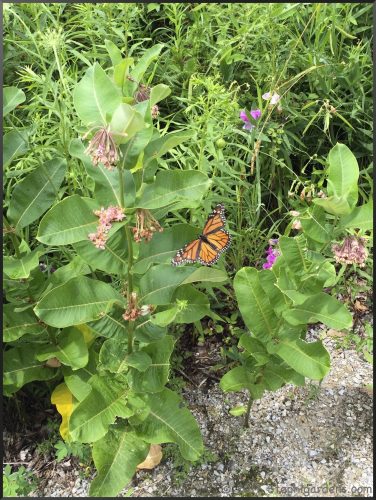
I Planted Milkweed…

And the monarchs came!

Last fall at our WI cabin, I scattered milkweed seeds from native milkweed that had sparsely grown in what I call the “loop” in the center of the circular driveway.  It’s a native area anchored by three Hop Hornbeam (Ostrya virginiana) trees.

There’s lots of advice on how to collect milkweed seeds from the pods on the internet, but I took the simple route of waiting until late in the fall when the pods were starting to open up on their own, and then pulled out the seeds. While still attached to the sticky silk, I just floated the seeds around the loop garden and around the edges of the woods. It was a fun afternoon project even without young kids to help!

By spreading the seeds in the fall, I didn’t need to worry about artificial seed stratification, the process of simulating the cold winter and warm, wet spring, that you need to go through to get milkweed seeds to germinate efficiently. Then I waited to see what would come up, and where, since the downside of my method was the wind blowing things in unexpected directions.

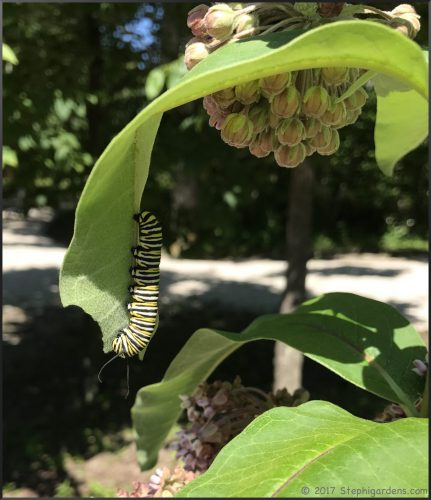
I was happy to see this spring that the number of milkweed had really multiplied all over the loop and the edges of the driveway and forest. Then this past weekend I found them! Two big, fat healthy monarch caterpillars munching away.

I can’t remember the last time I saw big monarch caterpillars like these. I’m hoping when we’re there next time, I’ll find monarch chrysalis. But they can be tricky to find since they will attach to almost any hard surface in the area, not necessarily near the milkweed.

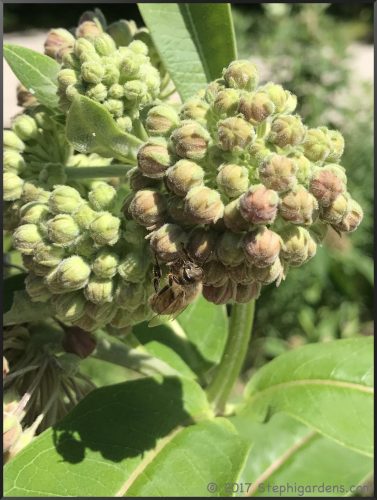
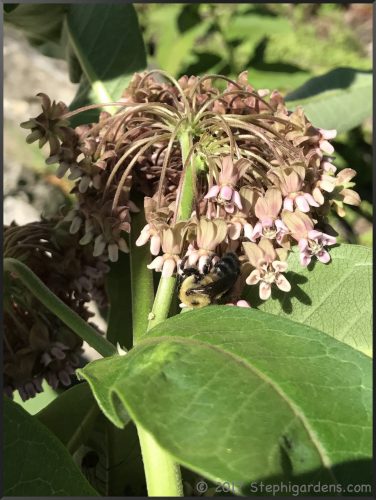
What else is enjoying my milkweed?  The bees of course.

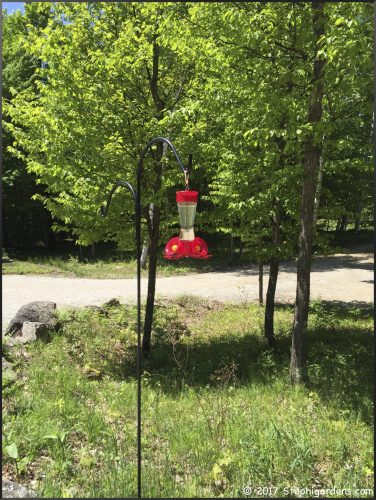
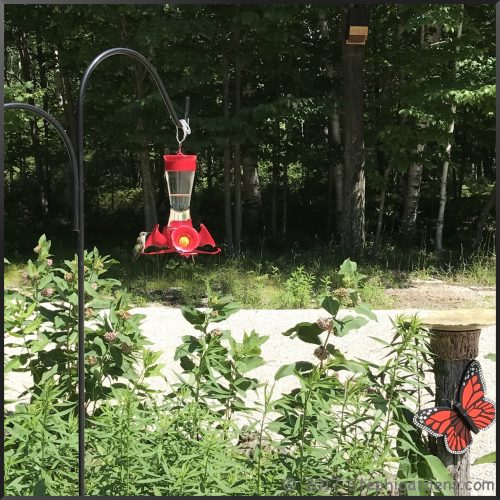
Hummingbirds will also enjoy milkweed occasionally, but mine tend to prefer my feeder by far.

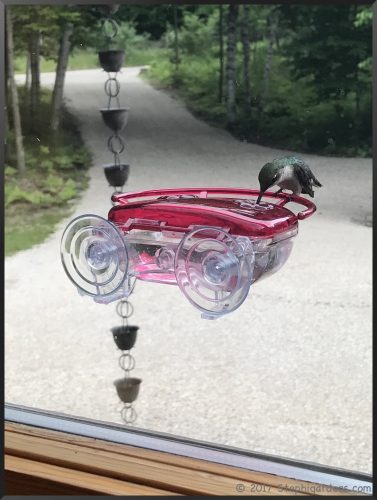
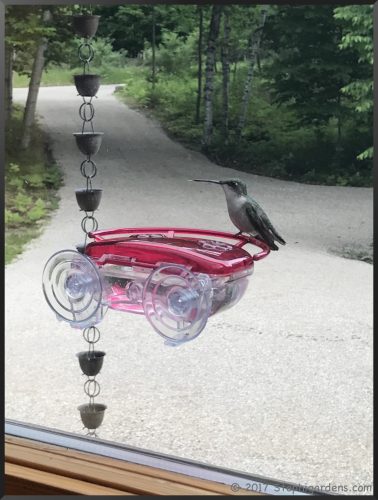
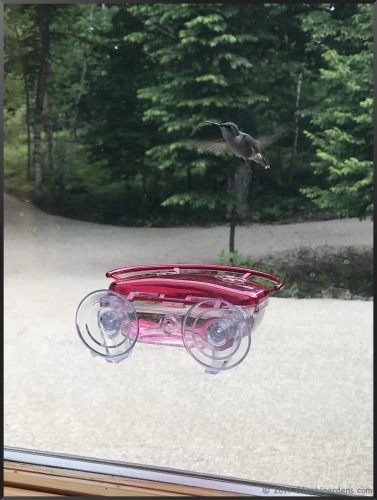
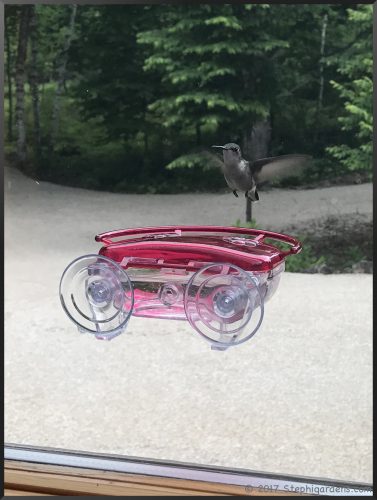
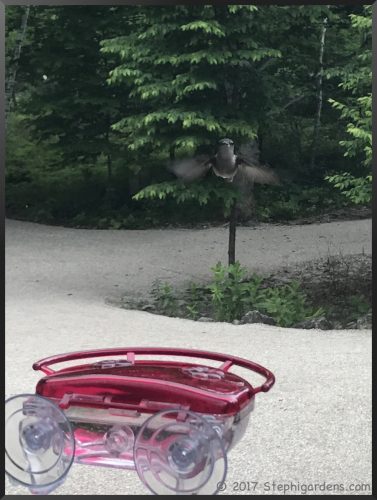
As a hummingbird bonus, I recently added a little window feeder and they love it! This day a female came to visit. The male is a little more camera shy.

Need help making hummingbird nectar? See my previous post on an easy how-to.

Save

Save

Hummingbirds and Monarchs

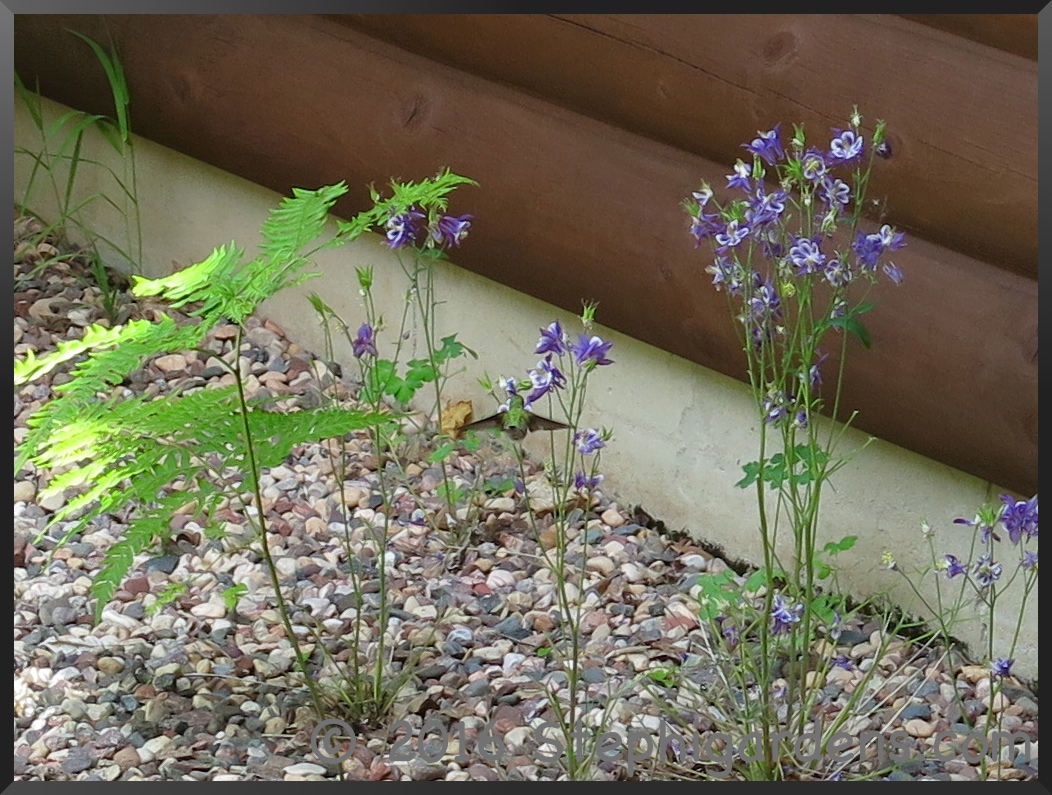
While I’ve planted a lot of flowers and plants that attract pollinators like hummingbirds and butterflies at home, my WI garden is much more natural, but equally full of attractive plants.

IMG_6098 (1)

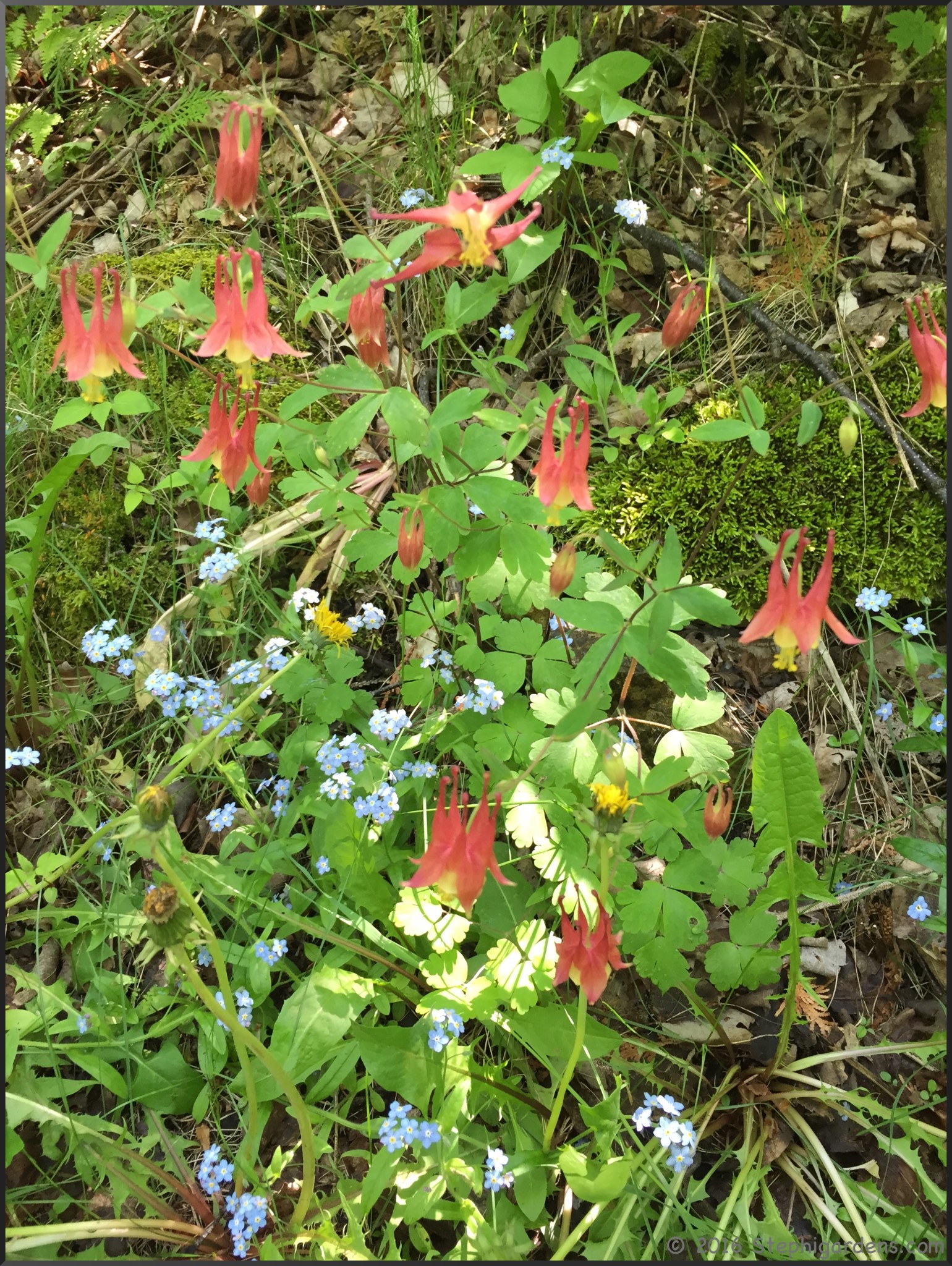
This wild columbine at the woods’ edge is a natural attractant, while other native and cultivated flowering plants can be found in the garden.

Ruby-throated hummingbird

Continue reading “Hummingbirds and Monarchs”

Sunday Feature: My Michigan

A Sunday photo collage of things that remind me of many summers spent in Northern and Upper Peninsula Michigan. One sighting can throw me back to being 10 years old.

Sandy two tracks that are everywhere, taking you on an adventure.

image
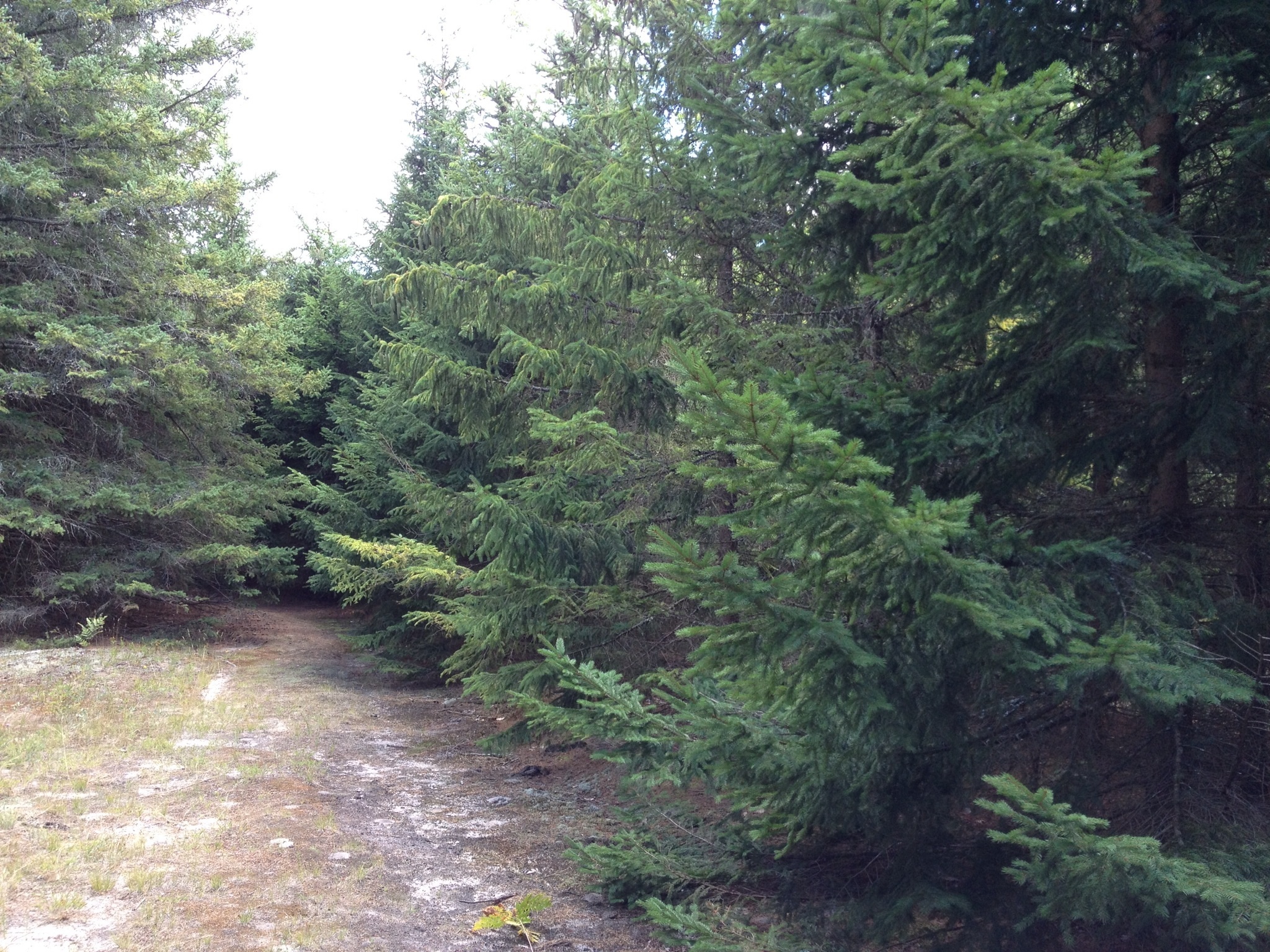
Sandy trails heading off into pine woods.

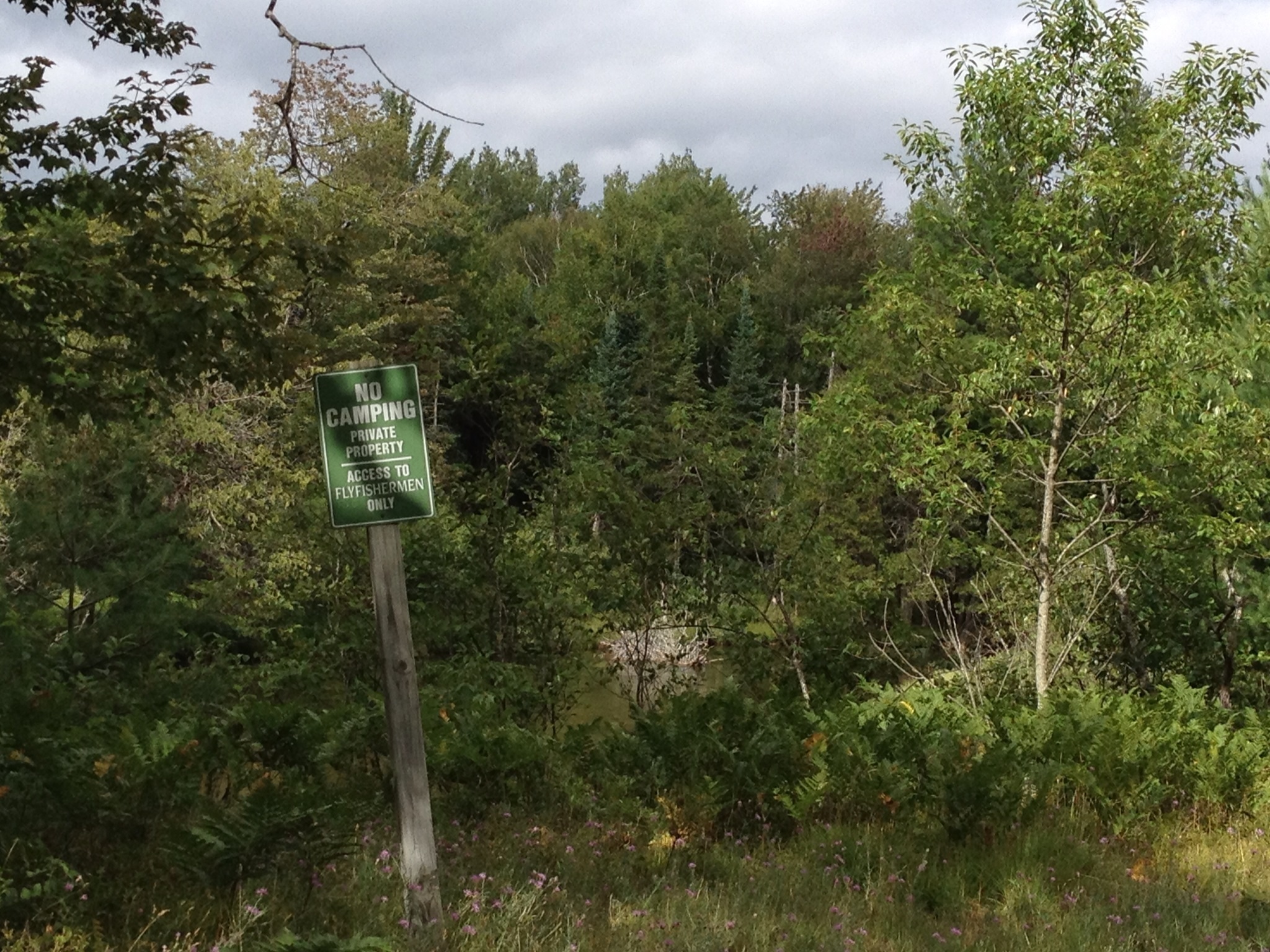
Roadside pullouts that allow easy access to streams, lakes, and any beautiful spot you may want to visit

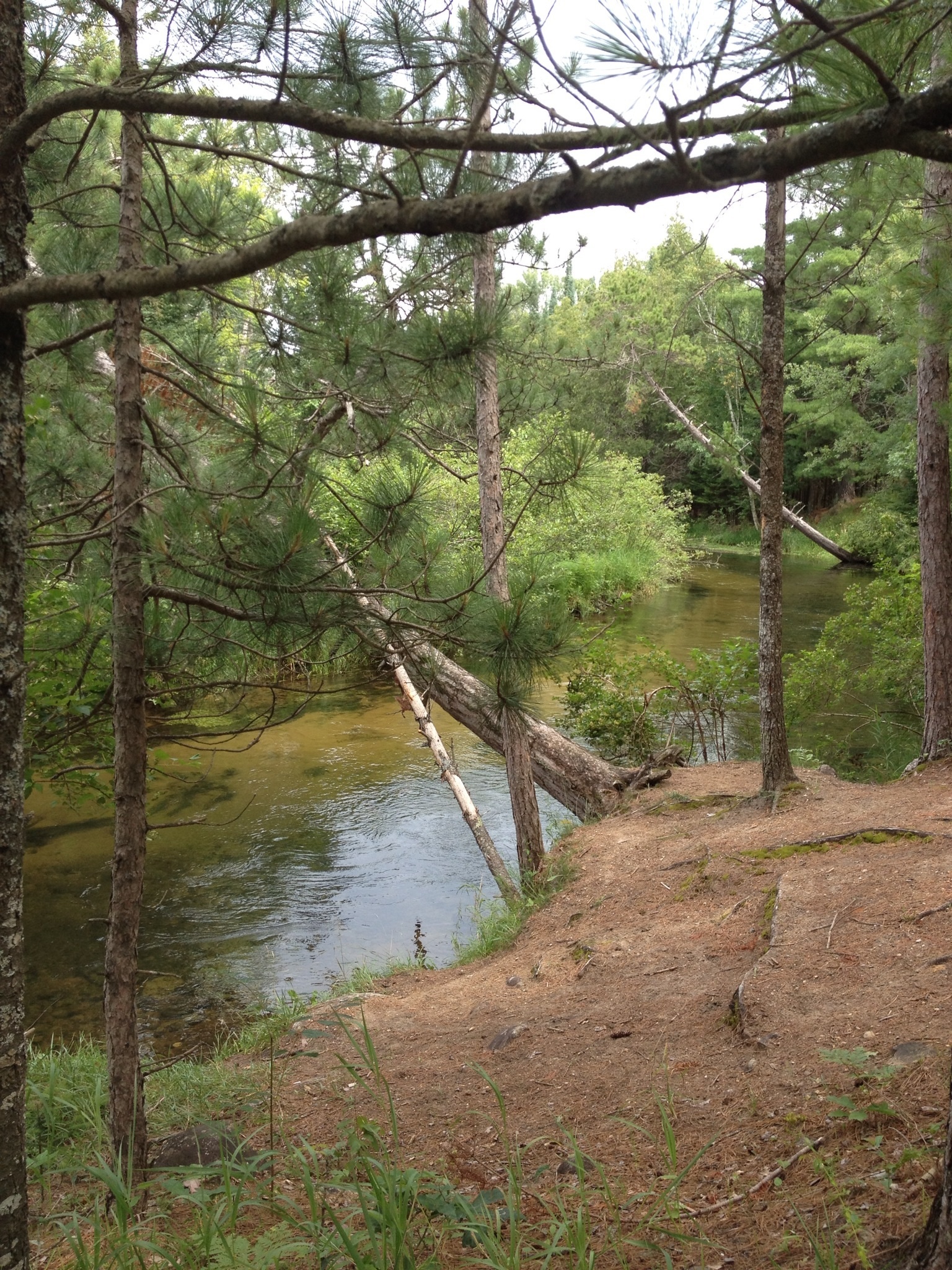
Trout Streams
Trout Streams

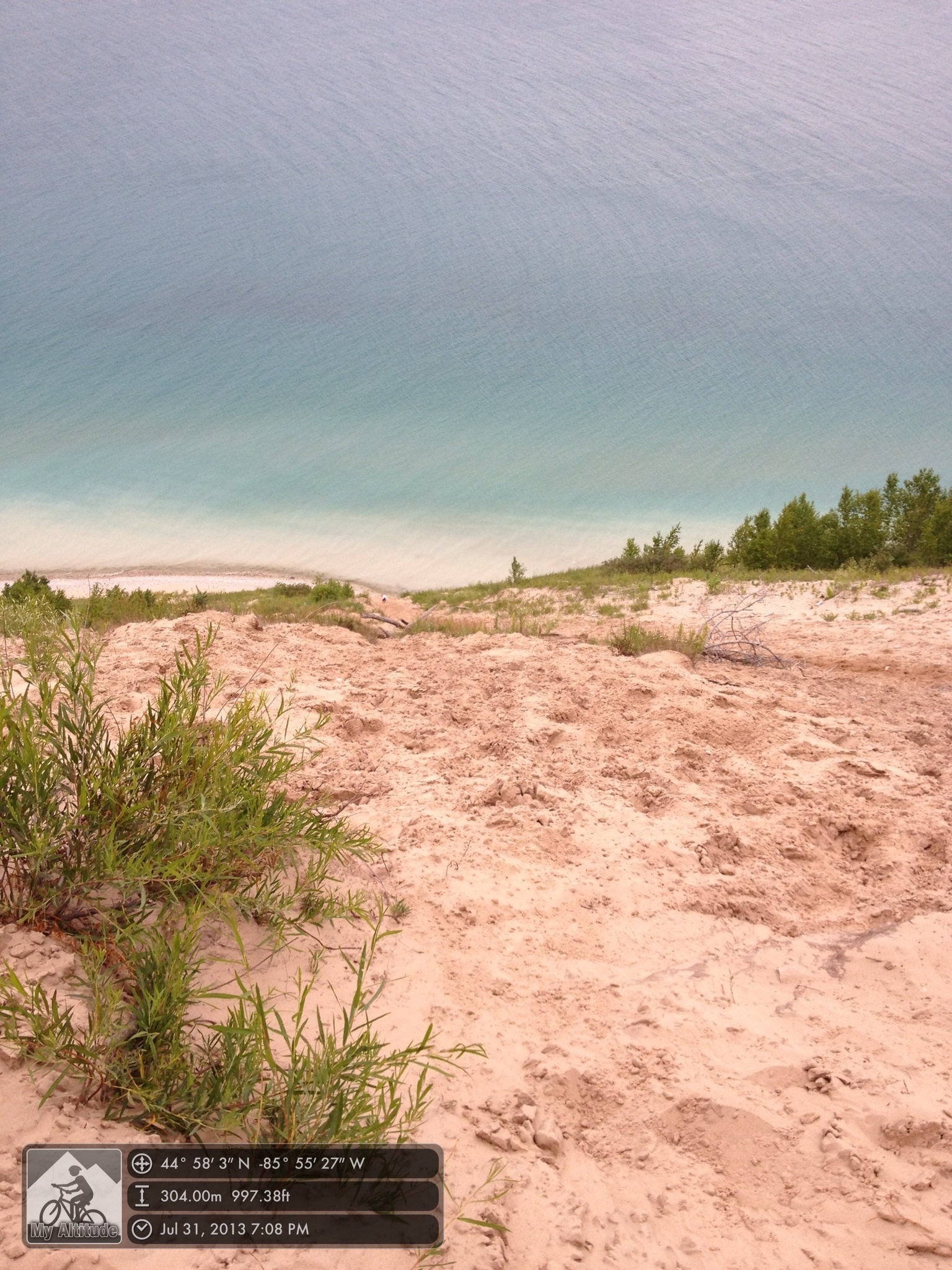
Sand Dunes and beautiful views of Lake Michigan

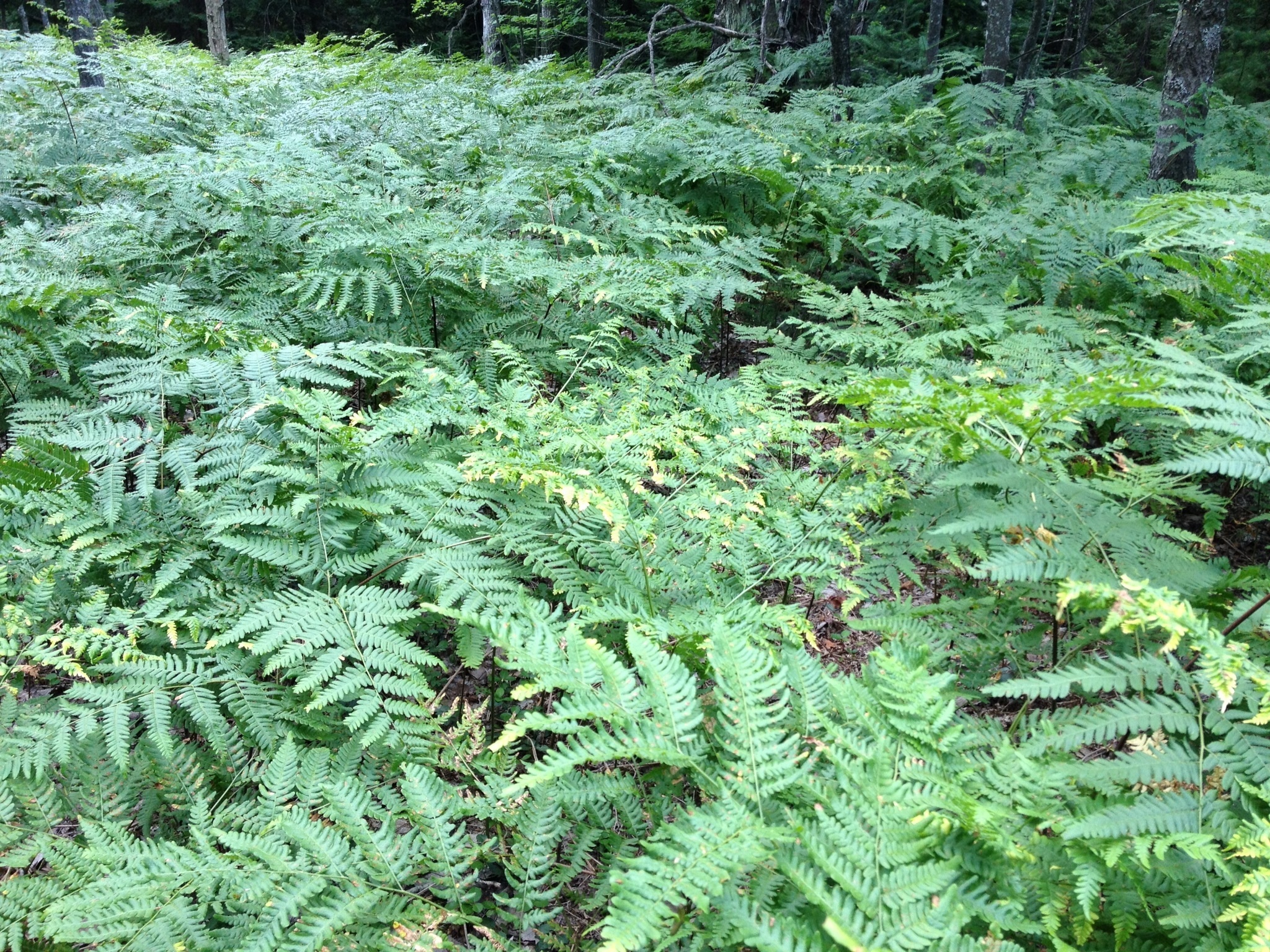
Bracken Ferns
Bracken Ferns

Reindeer Lichen crunching underfoot

Pixie cups (found usually with British Soldiers but couldn't find them this year)
Pixie cups (found usually with British Soldiers but couldn’t find them this year)

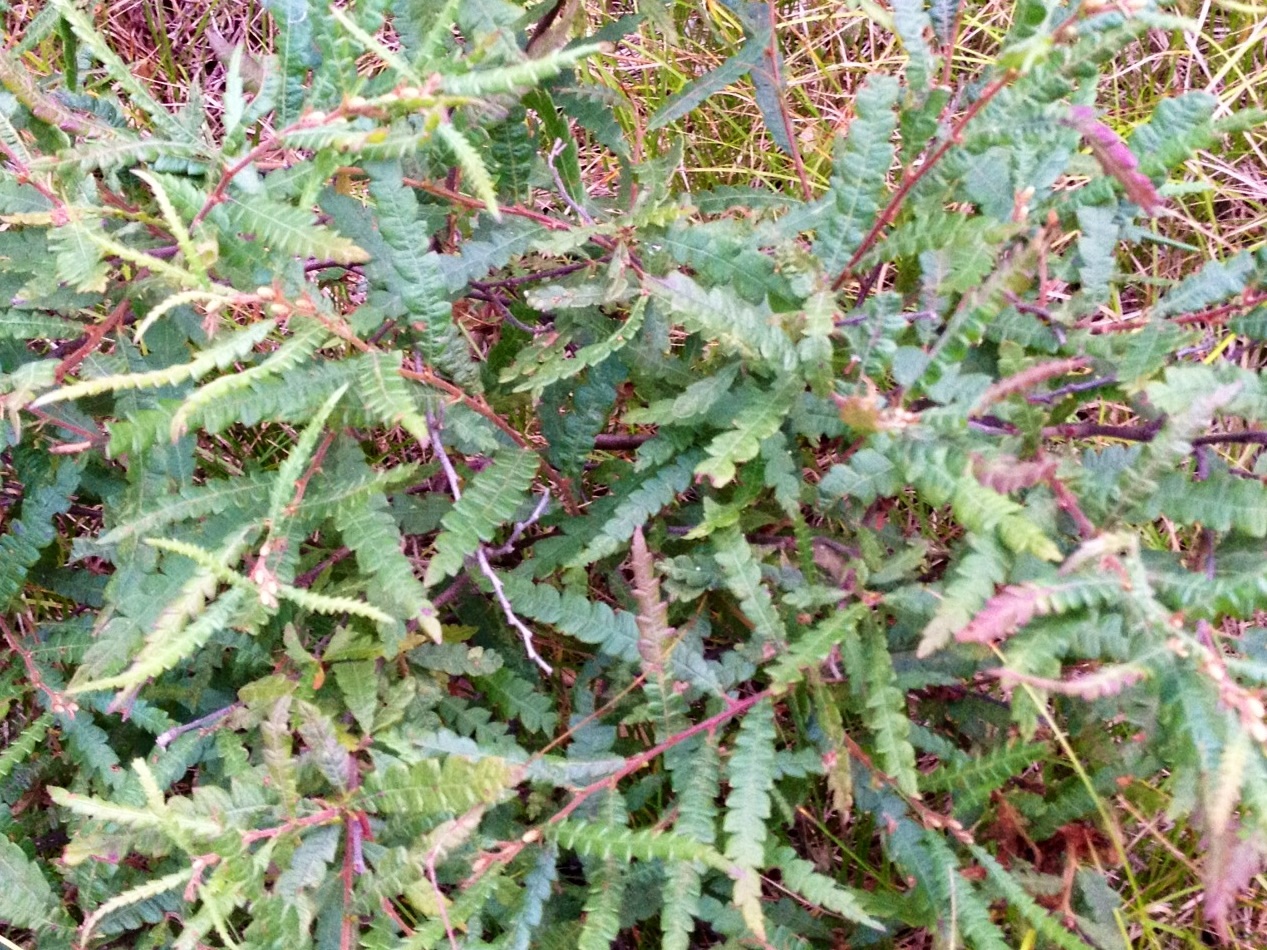
The smell of Sweet Ferns

Milkweed, but absent the monarchs this year
Milkweed, but absent the Monarchs this year

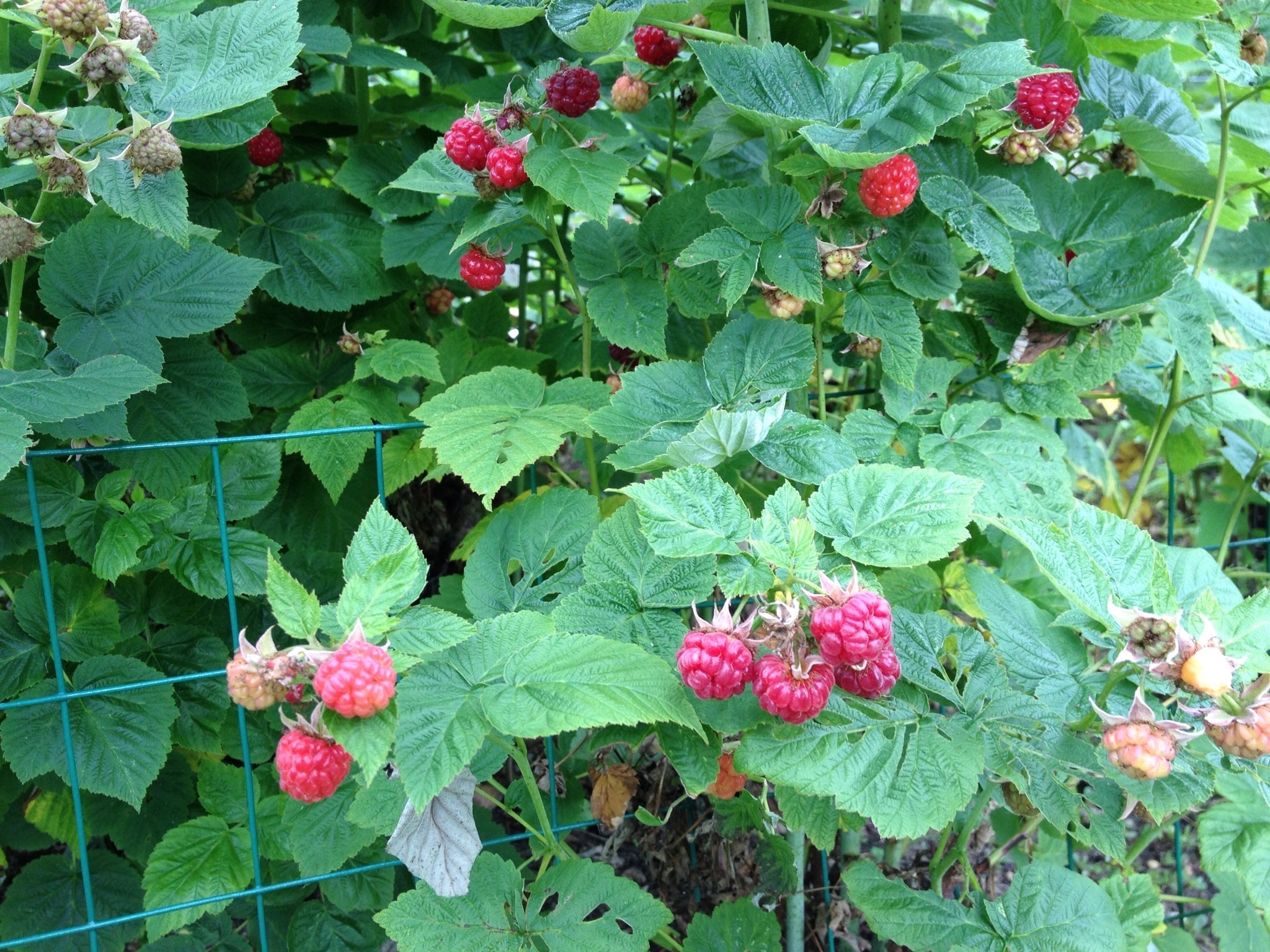
Abundant raspberries grown in gardens and in the wild

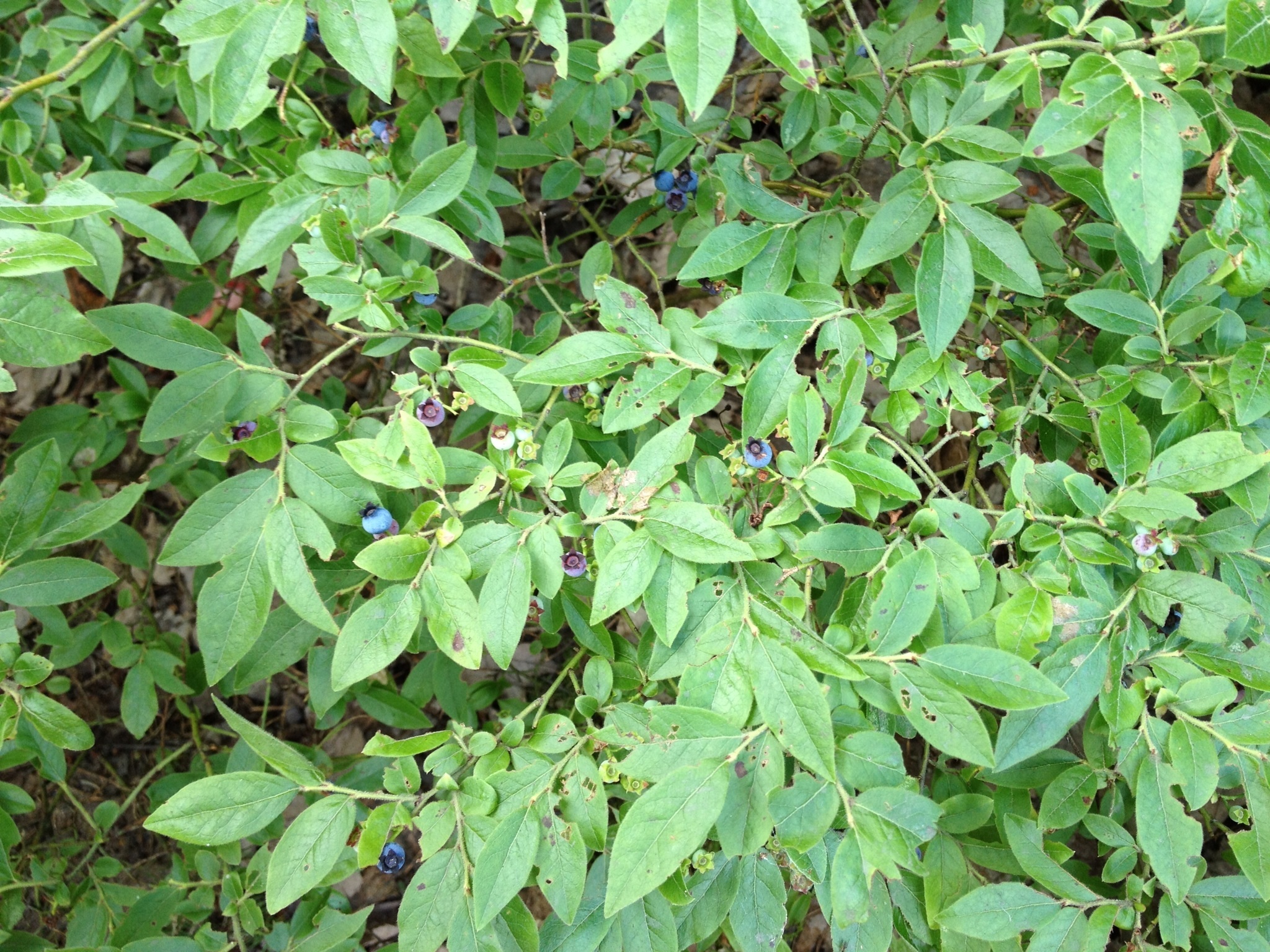
Wild Blueberries collected for blueberry pancakes while camping