May freeze warning, what to do??
It’s almost Mother’s Day and if you’re somewhere in the Midwest, mid-Atlantic or Northeast, you’re in for an unpleasant weather event the next couple of days. Brrr. Have we not dealt with enough this spring?
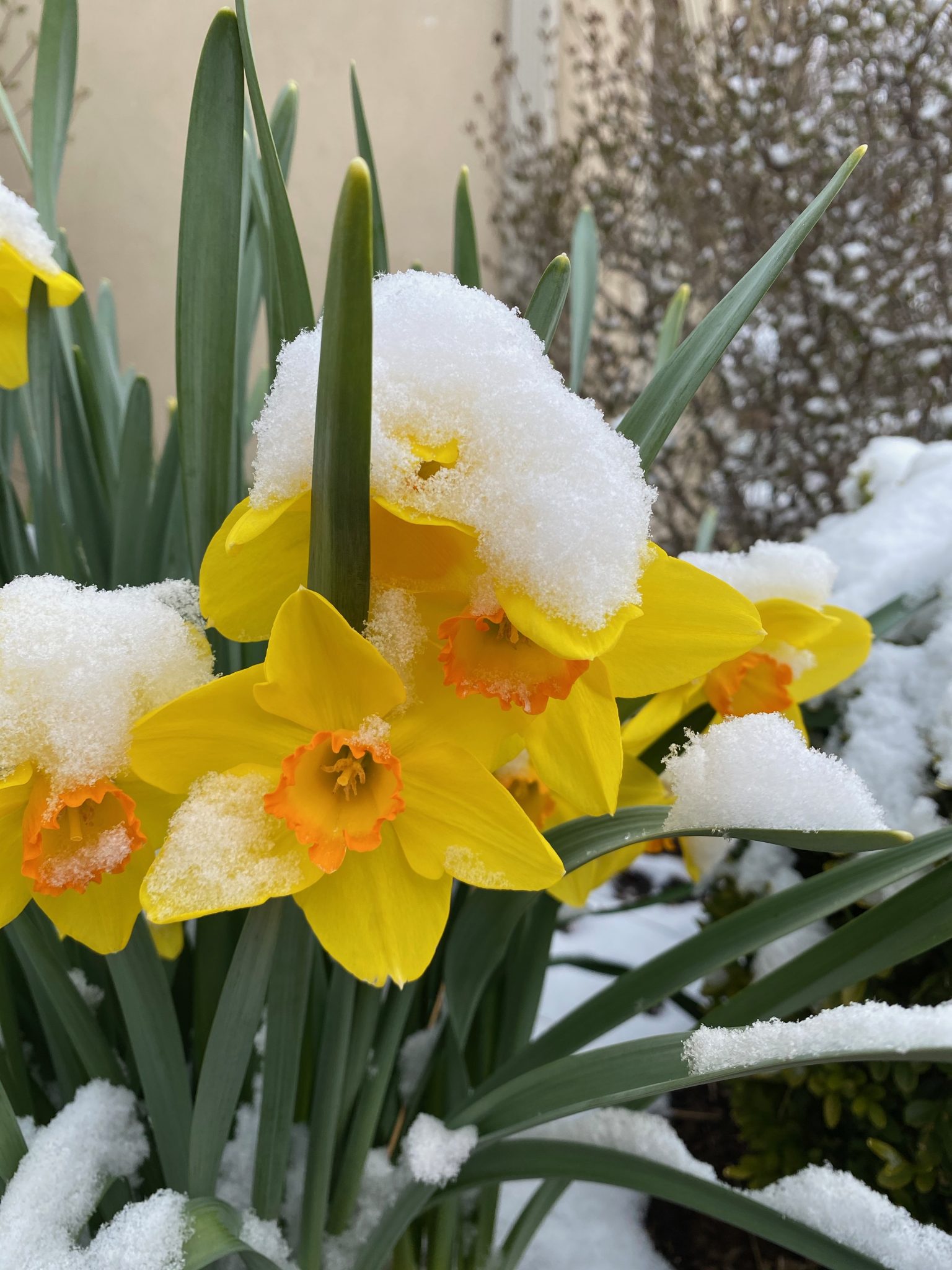
Hopefully, you’ve learned from past mistakes and haven’t planted those wonderful tender annuals and vegetables that all the garden centers already have out for purchase.
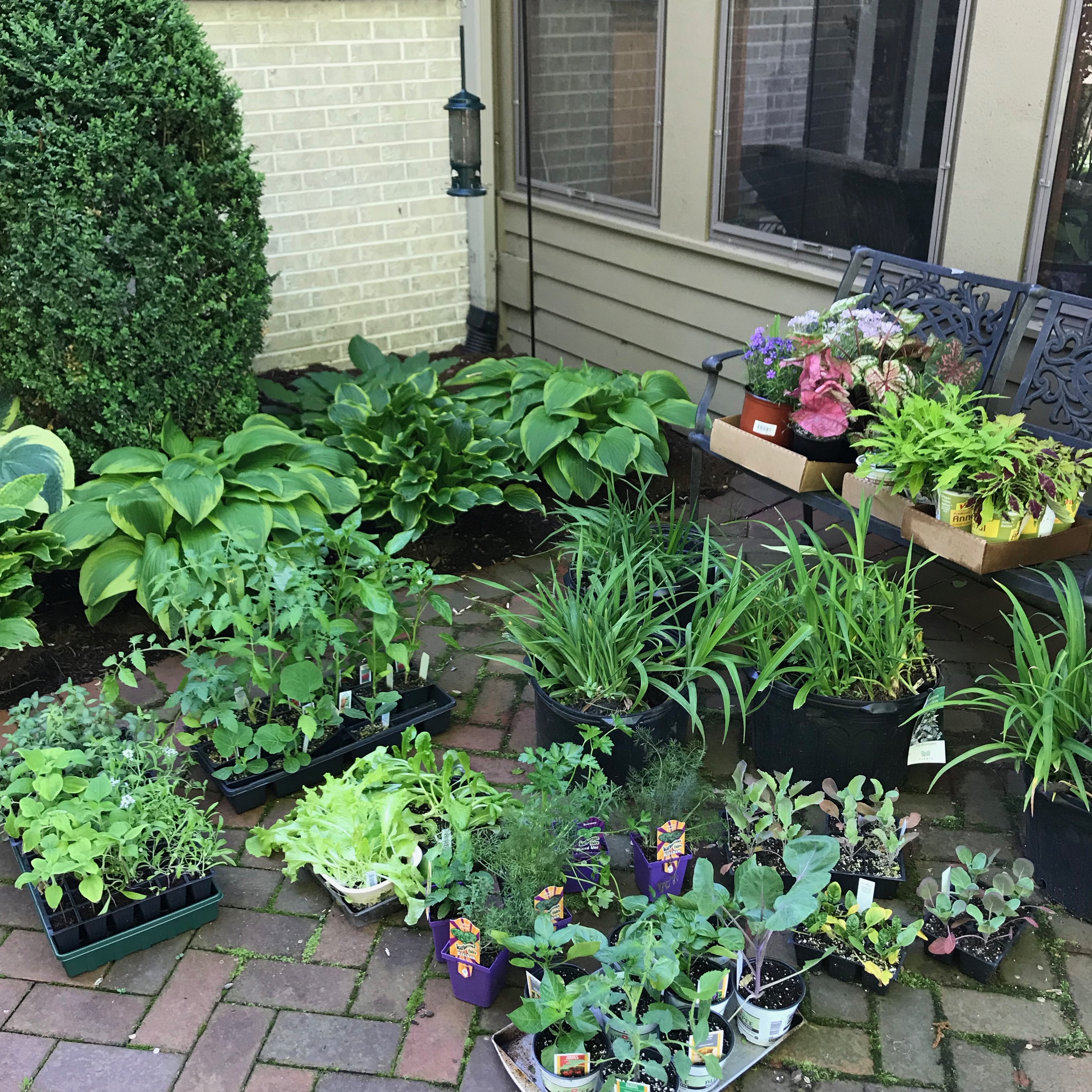
It’s always a good idea to know your growing zone, both your plant hardiness zone, based on the lowest expected winter temperatures, and your first and last frost dates. The spring frost date is what we are dealing with now. In my suburban Chicago location, based on Dave’s Garden’s info:
- Almost certainly, you will receive frost from October 20 through April 17.
- You are almost guaranteed that you will not get frost from May 24 through September 26.
- Your frost-free growing season is around 155 days.
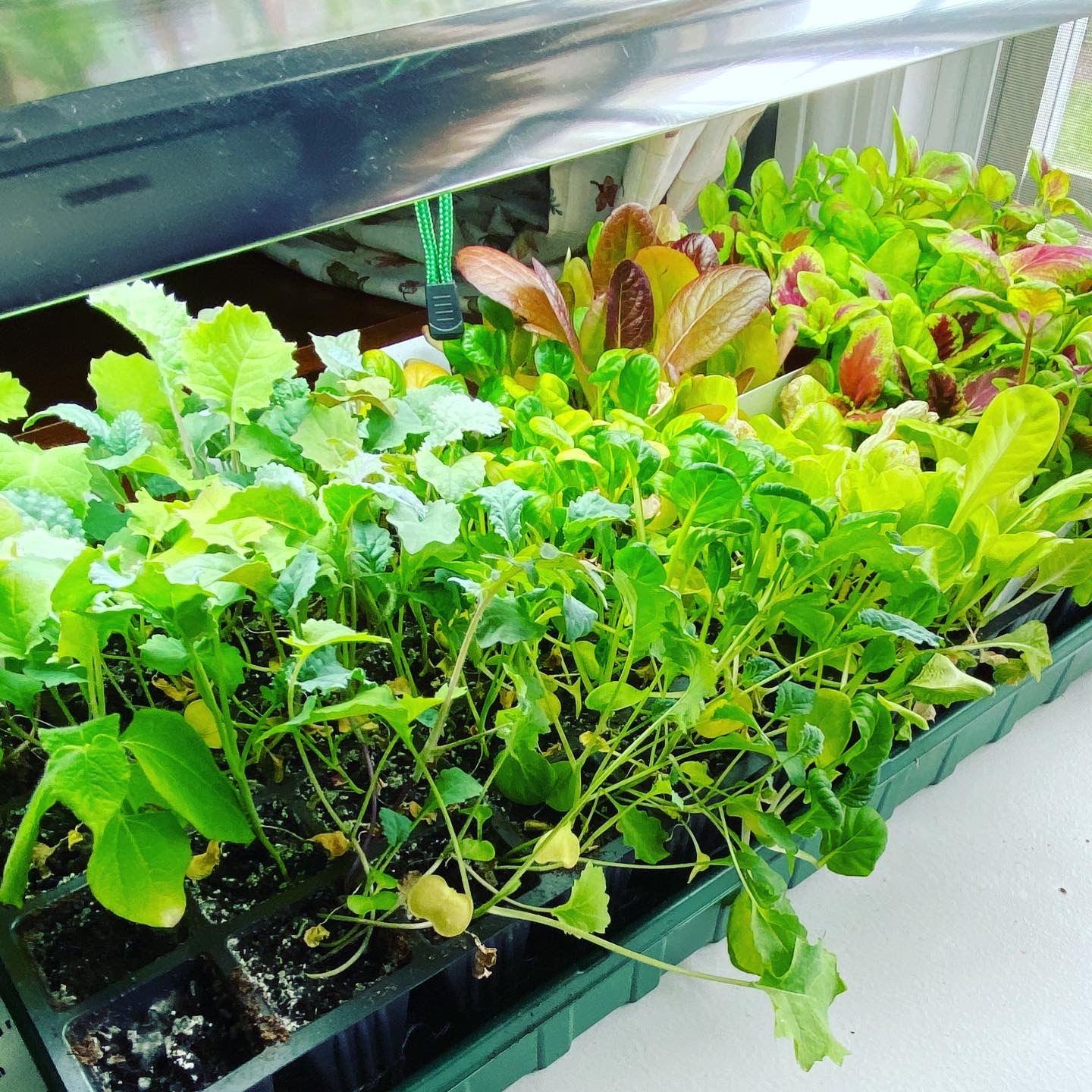
Right now we are in that in between time from mid April-Late May. I’ve learned that none of my seedlings leave the house for hardening off until close to Mother’s Day, about the middle of the in-between time.
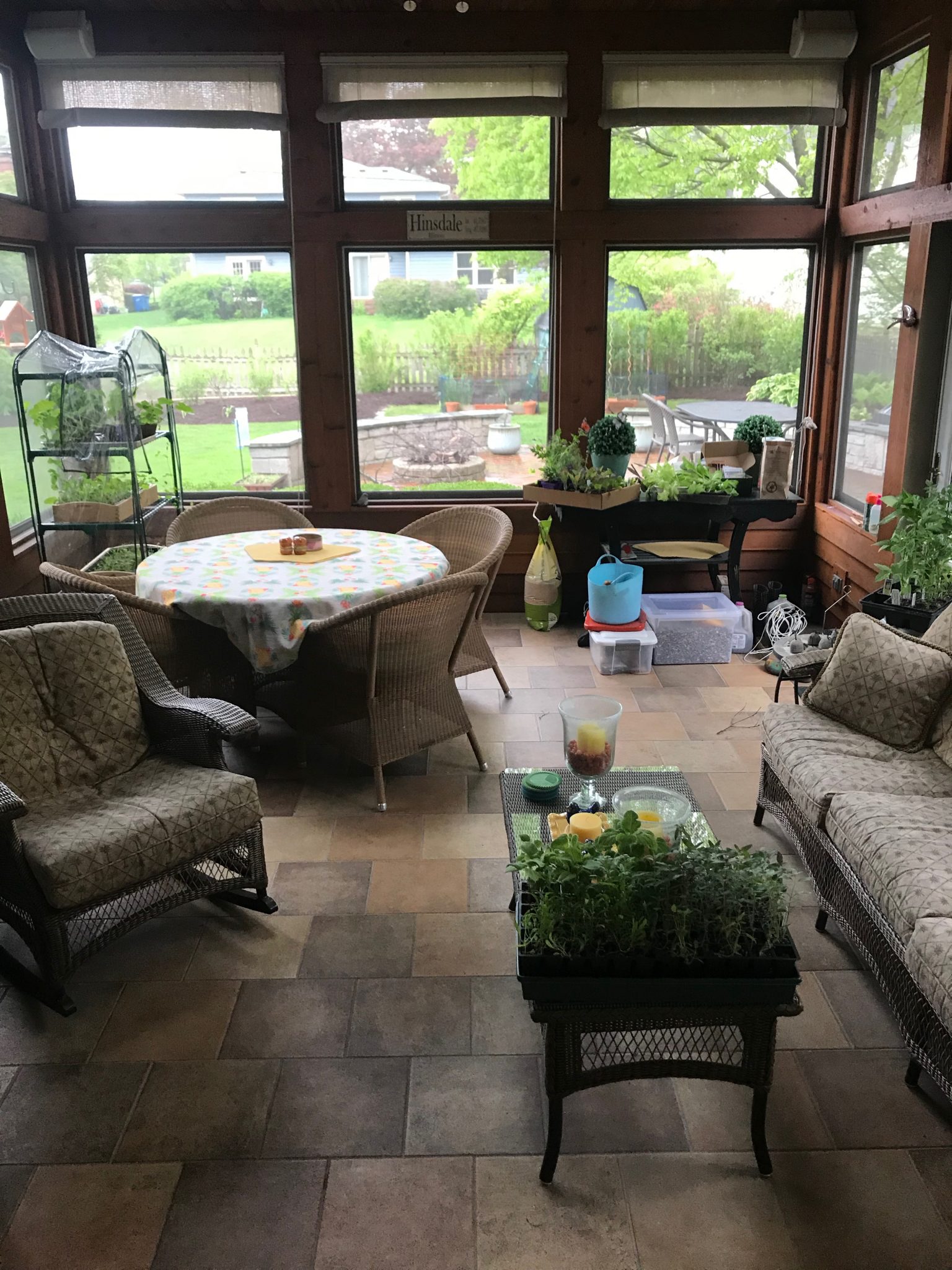
If it does get too cold, plants that are outside and waiting to be planted can spend time in the winterized three-season porch. For the most tender plants they can go in the mini-greenhouse on the porch, or even in the house, if they need even more protection.
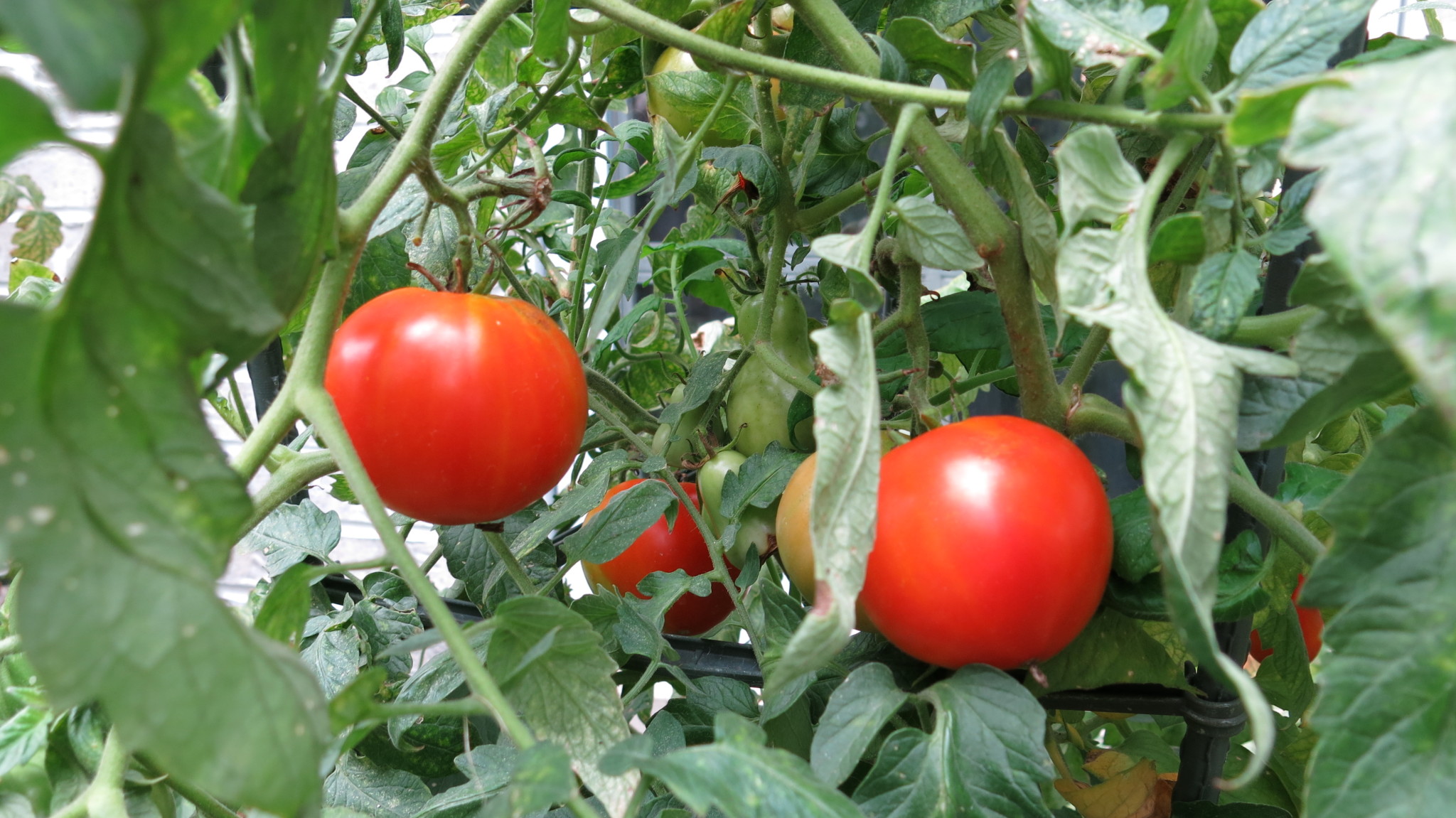
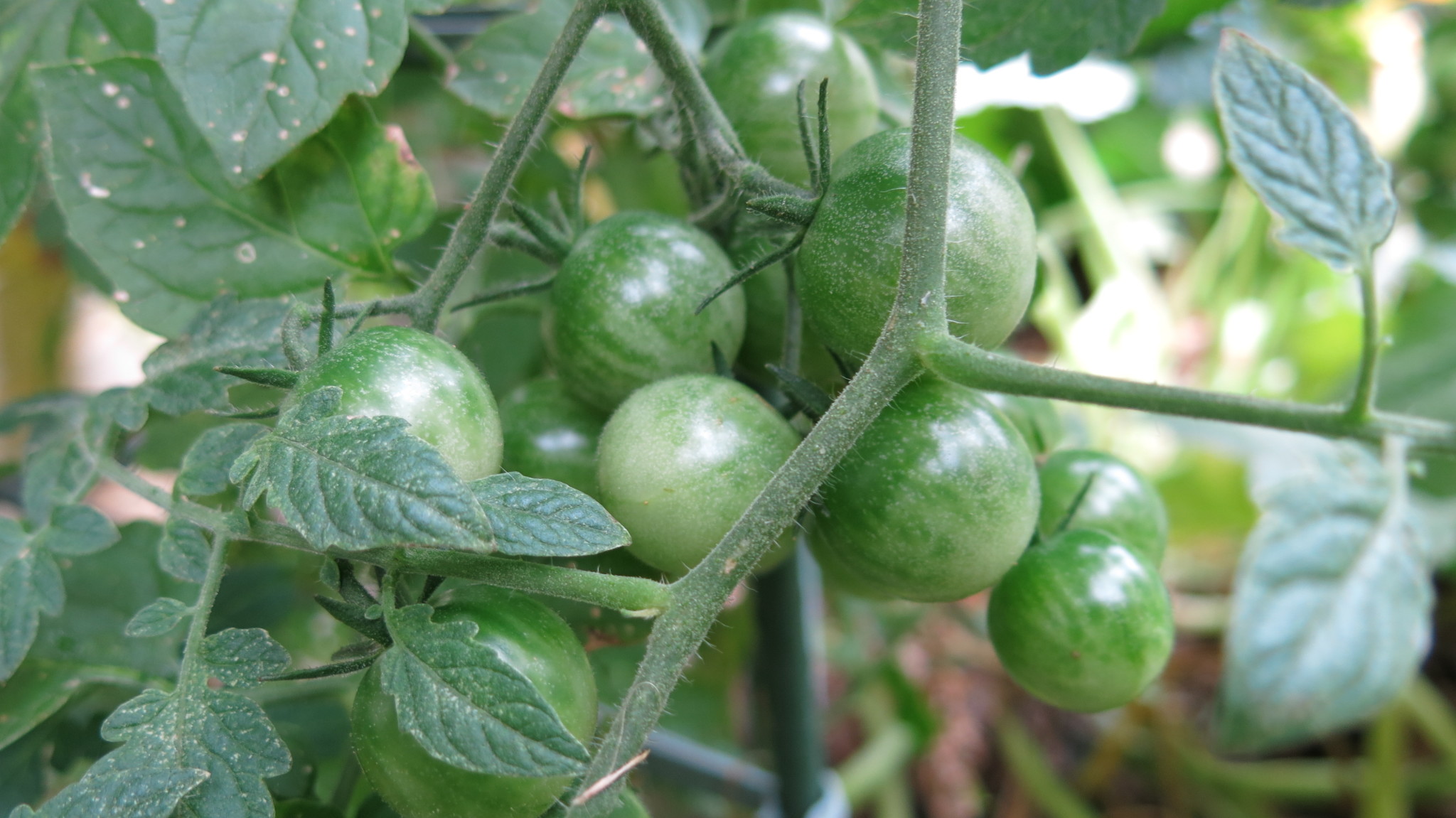
But what about all the perennials already leafing out and shrubs budding? Most spring plants will be ok. But if temperatures are predicted to be below 32ºF your more tender plants like geraniums, begonias, impatiens, peppers, and tomatoes need protecting! A moderate freeze in the mid 20’s can be devastating to even more of your plants.
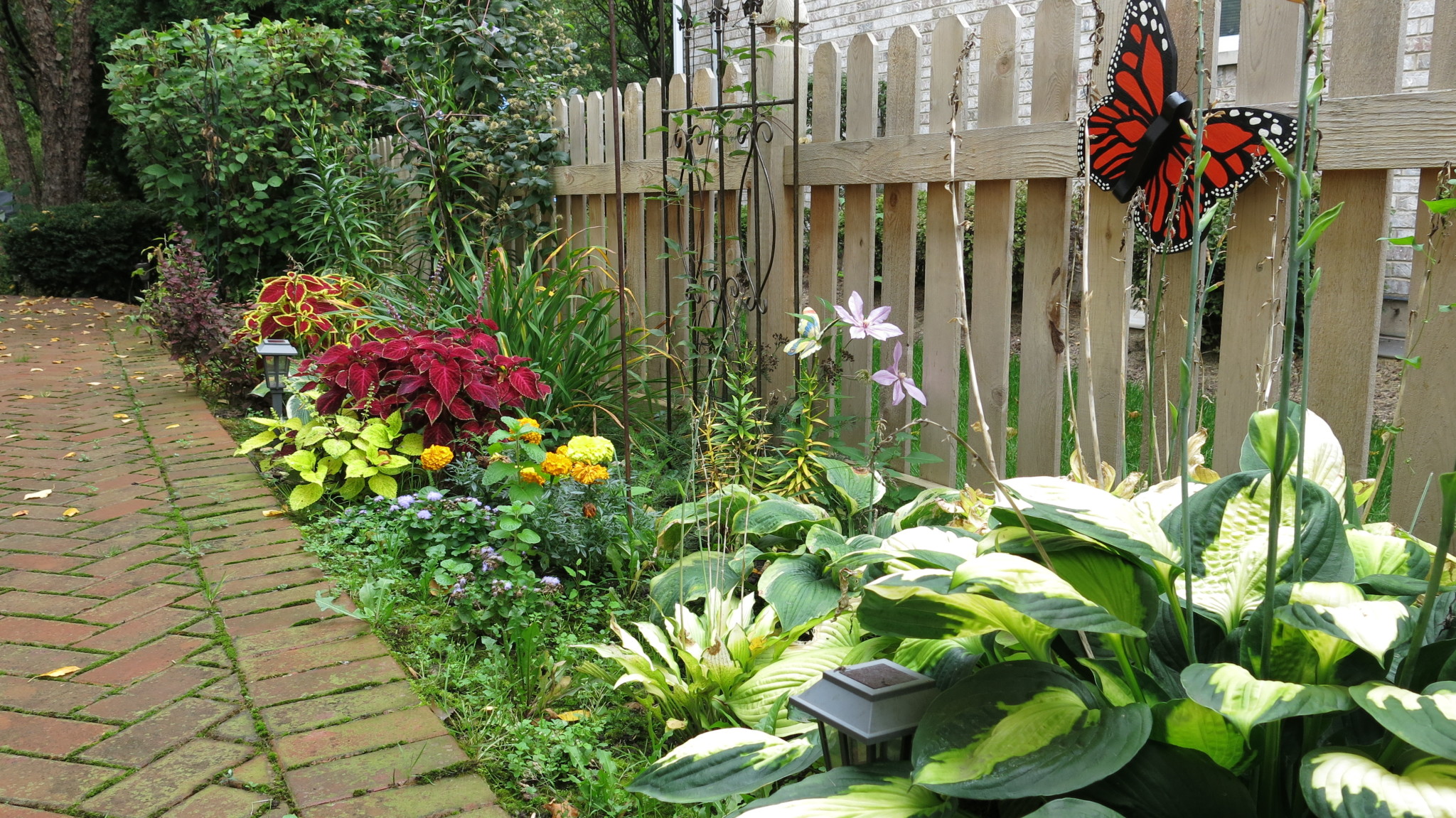
In my yard, I’m most worried about the hostas and early perennials that are pretty leafed out already, and flowering shrubs like the azaleas that haven’t flowered yet.
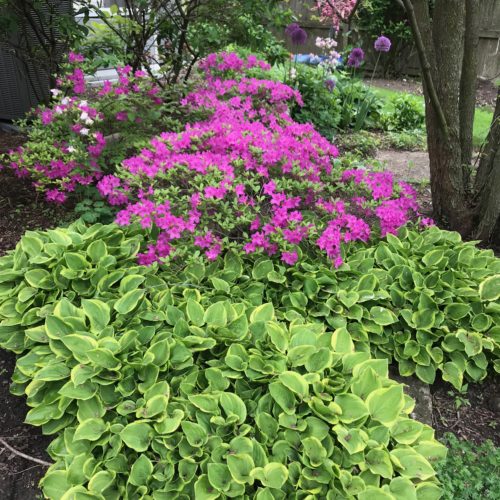
The magnolias and redbud are already in flower or done, so not so worried about them. But many others around the yard are just now coming into bloom.
If you know that the plants are likely to be damaged by an overnight frost, you need to cover them with a sheet, blanket, a frost blanket or even an overturned bucket.
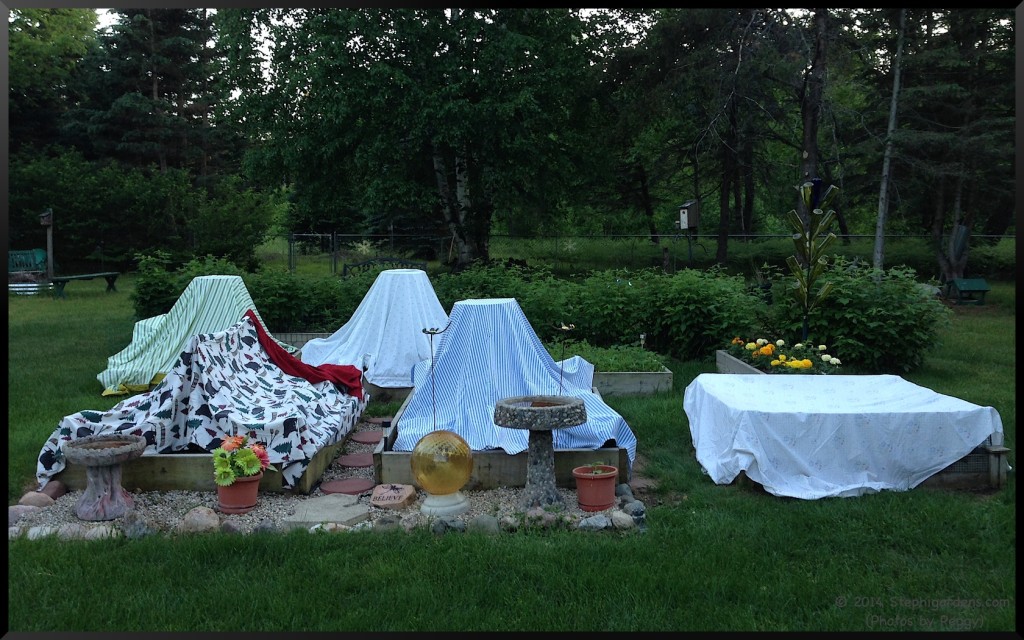
By tenting the sheets or frost blanket over the garden, it creates a warm air pocket around the plants from the warmed soil. If it’s thought to be colder than a light frost, you can add a layer of plastic over the blanket to trap even more warm air (but never put plastic right on the plants). Be sure to remove the coverings first thing in the morning before condensation starts to form on the inside. If still cold enough, the moisture could freeze on the plants and cause additional harm. An actual hard freeze (below 28 º) requires even more elaborate weather protection, or you may just need to sigh and start over.
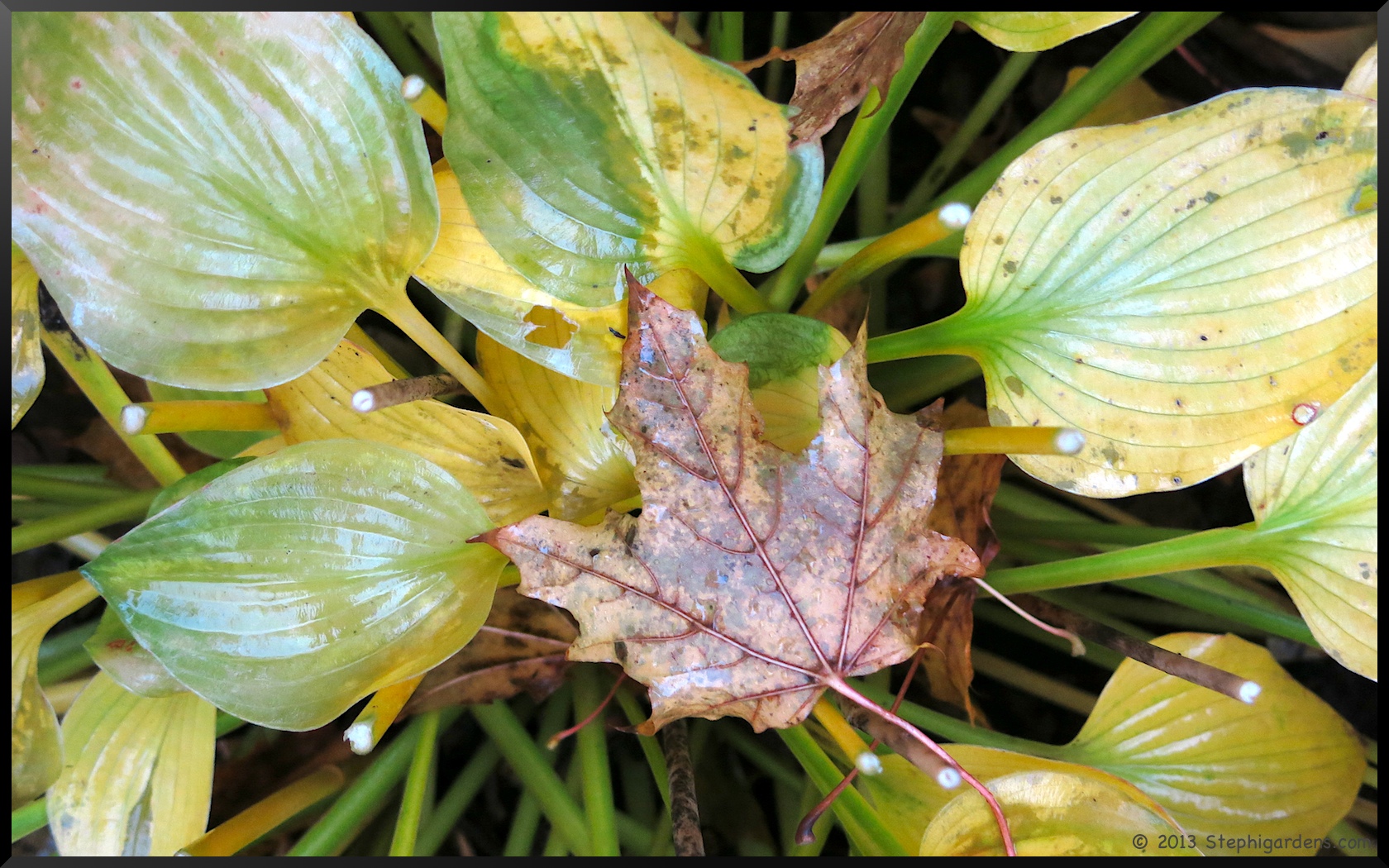
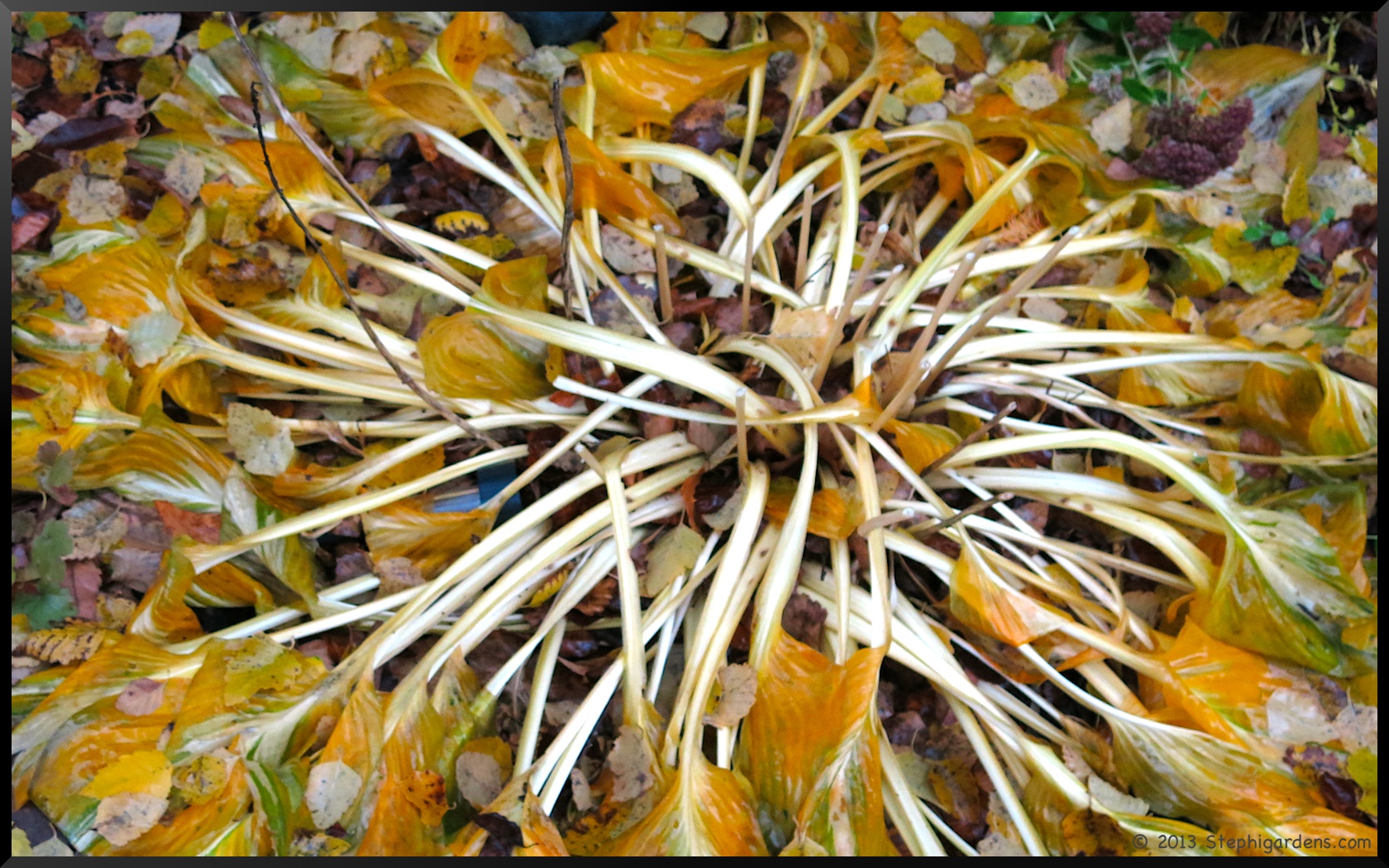
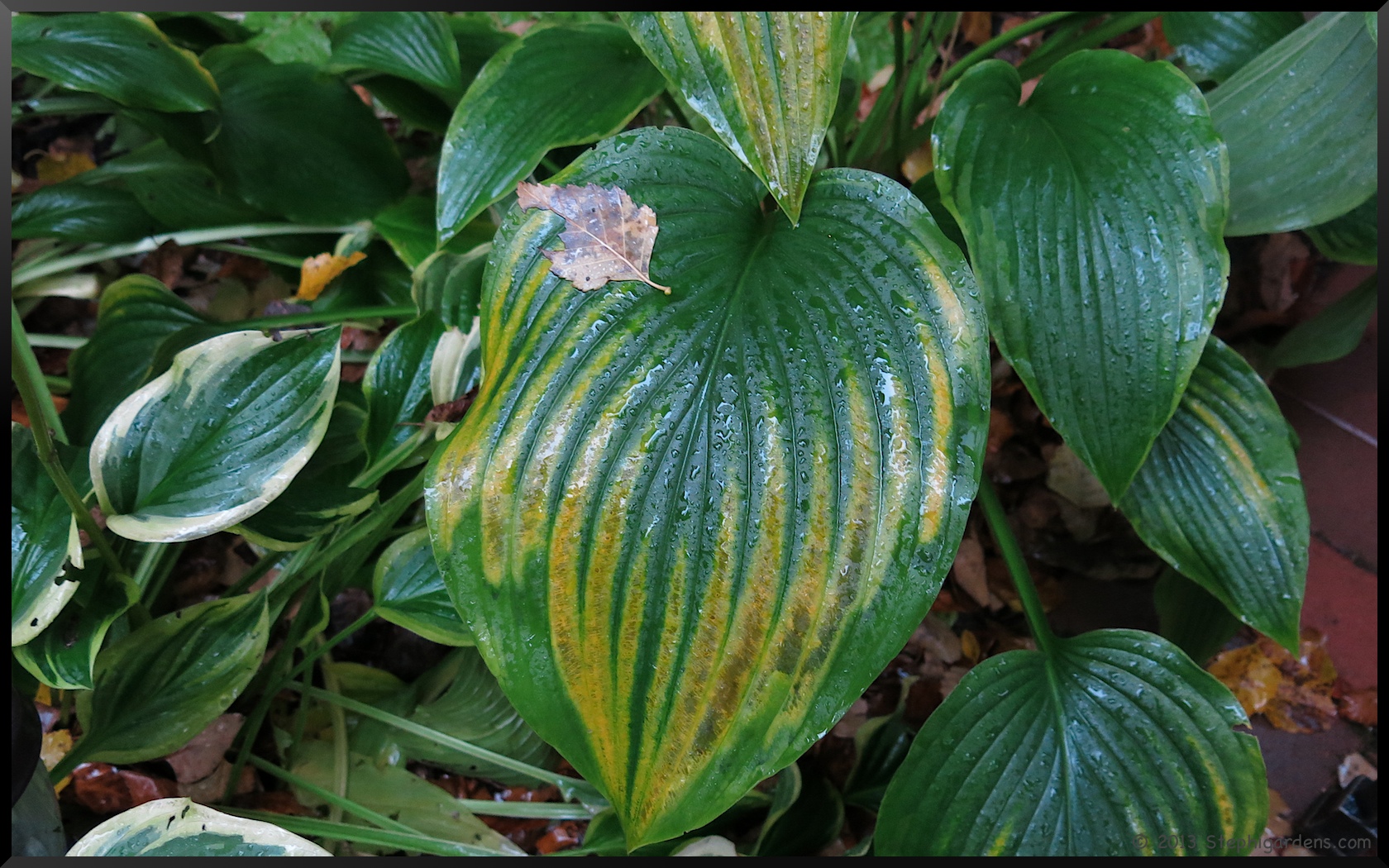
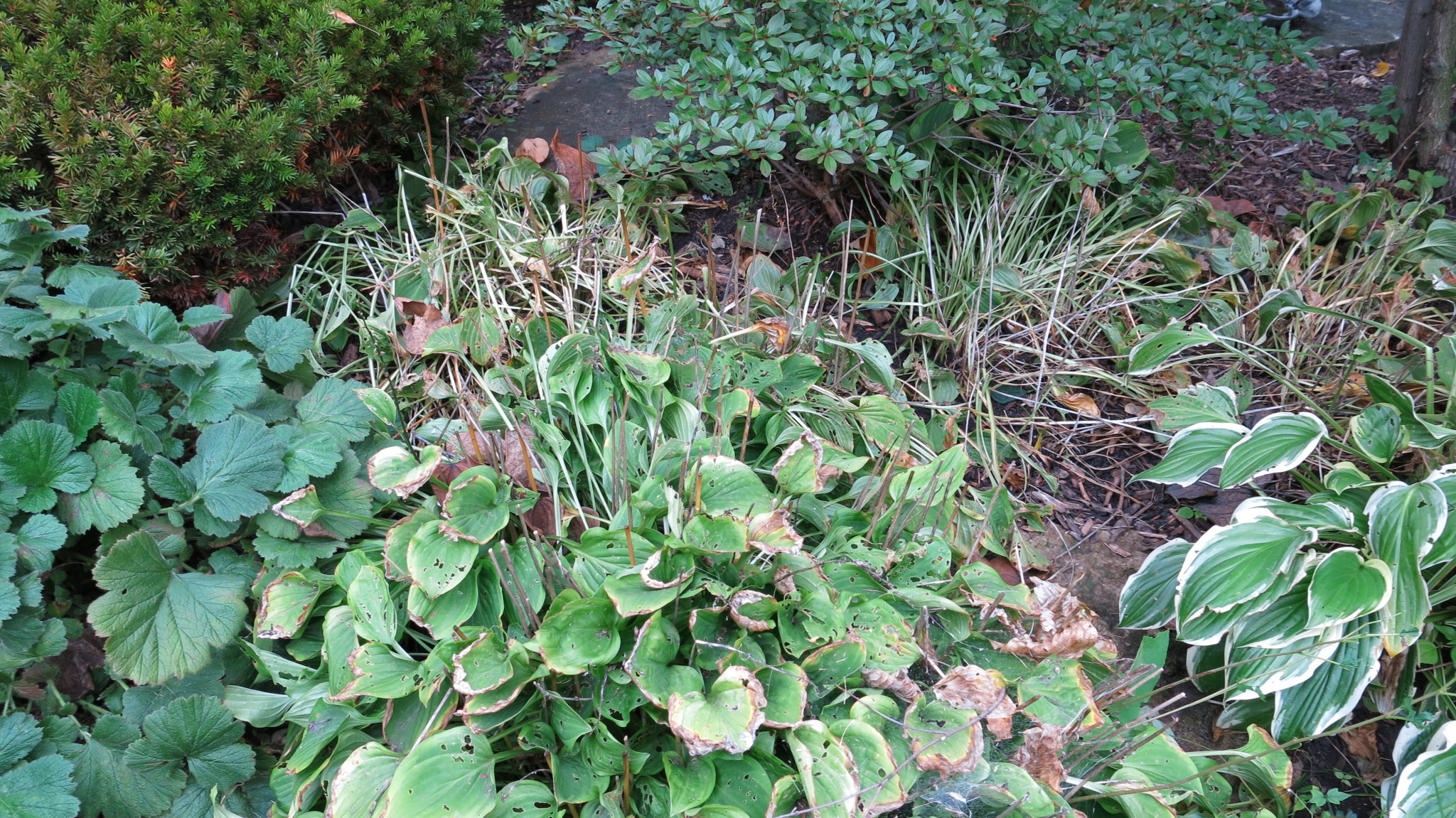
Plants like hostas will survive the frost or freeze, but will cause frost “cracks” or even cause portions of the leaves turn white and wilt. Damaged leaves will not come back, so trim them off and new leaves will continue to fill in throughout the summer. If a lot of the plant is damaged, the plant should survive, it’ll just be smaller than normal.
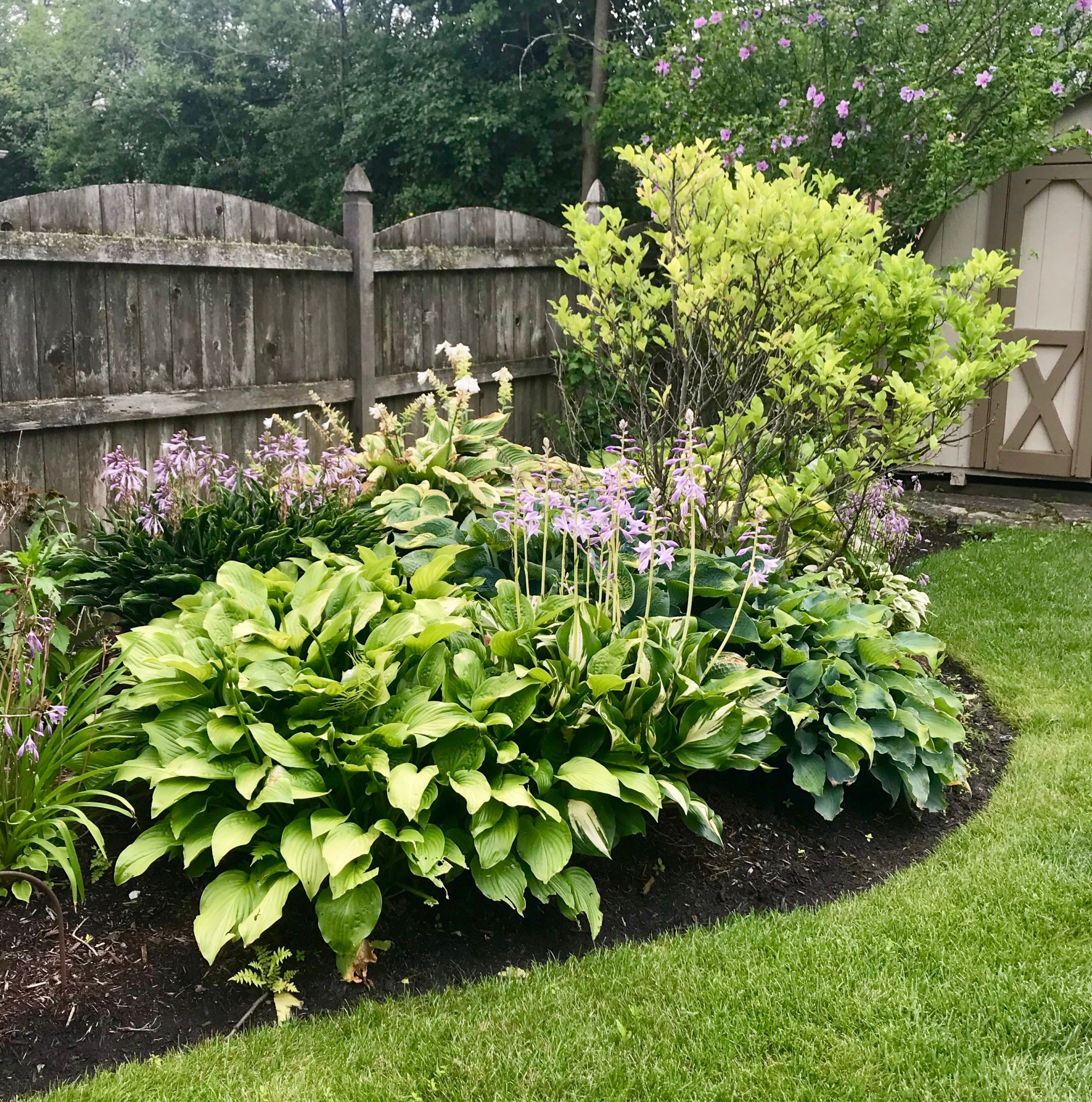
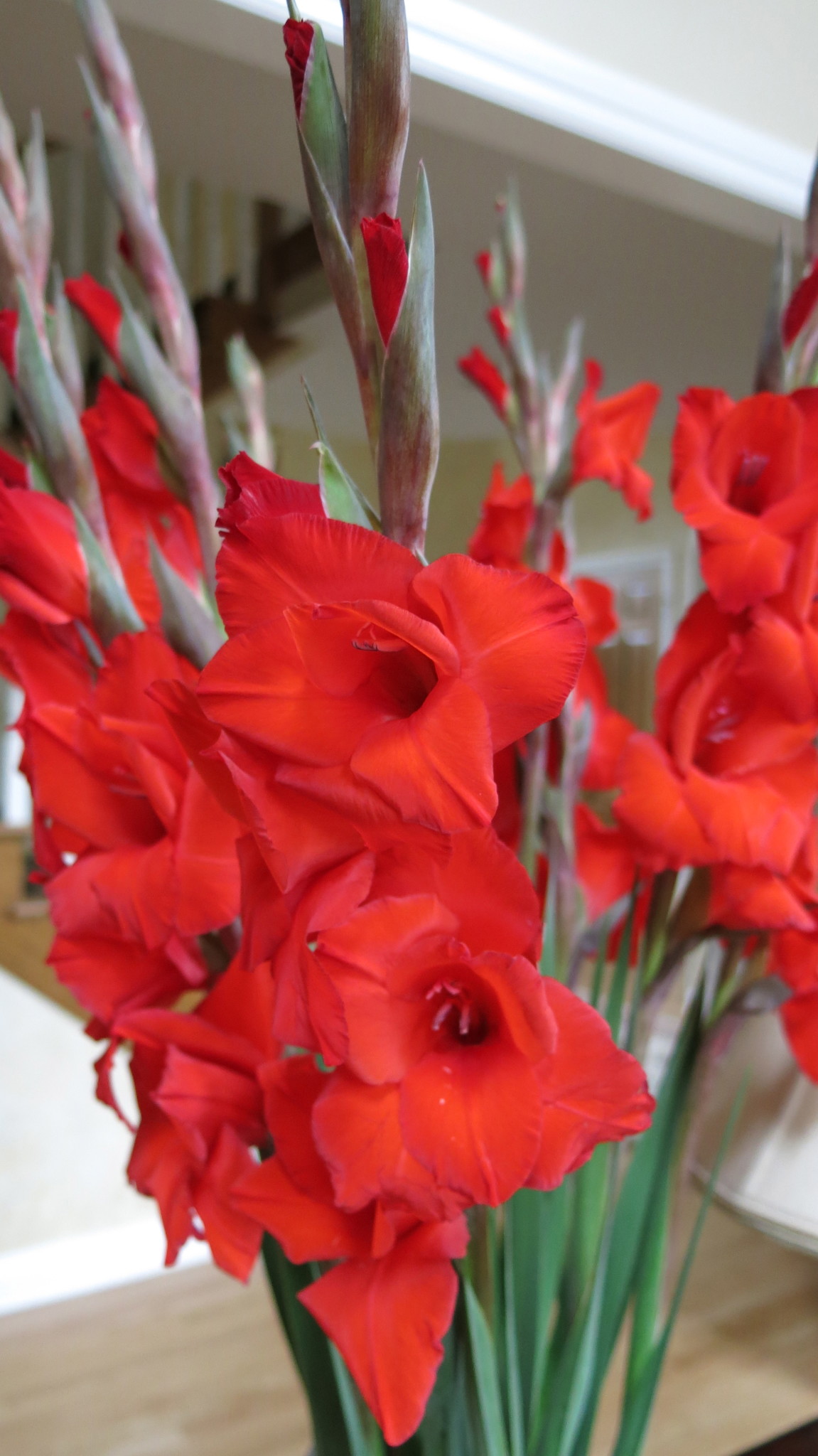
Most perennial flowers can take a light frost with temps between 32-35º degrees. A hard freeze with temps of 28º or lower will most likely kill the flowers, but not the plants. If you have beautiful spring flowers in your garden and you hear a hard freeze below 28º is in the forecast, maybe it’s time to bring spring inside by cutting those flowers and making a beautiful spring bouquet..
Two more thoughts for tonight:
Garlic and Shallots–Garlic and shallots will be fine at these temperatures. The leaves may turn a little yellow, but the growing bulbs will be fine.
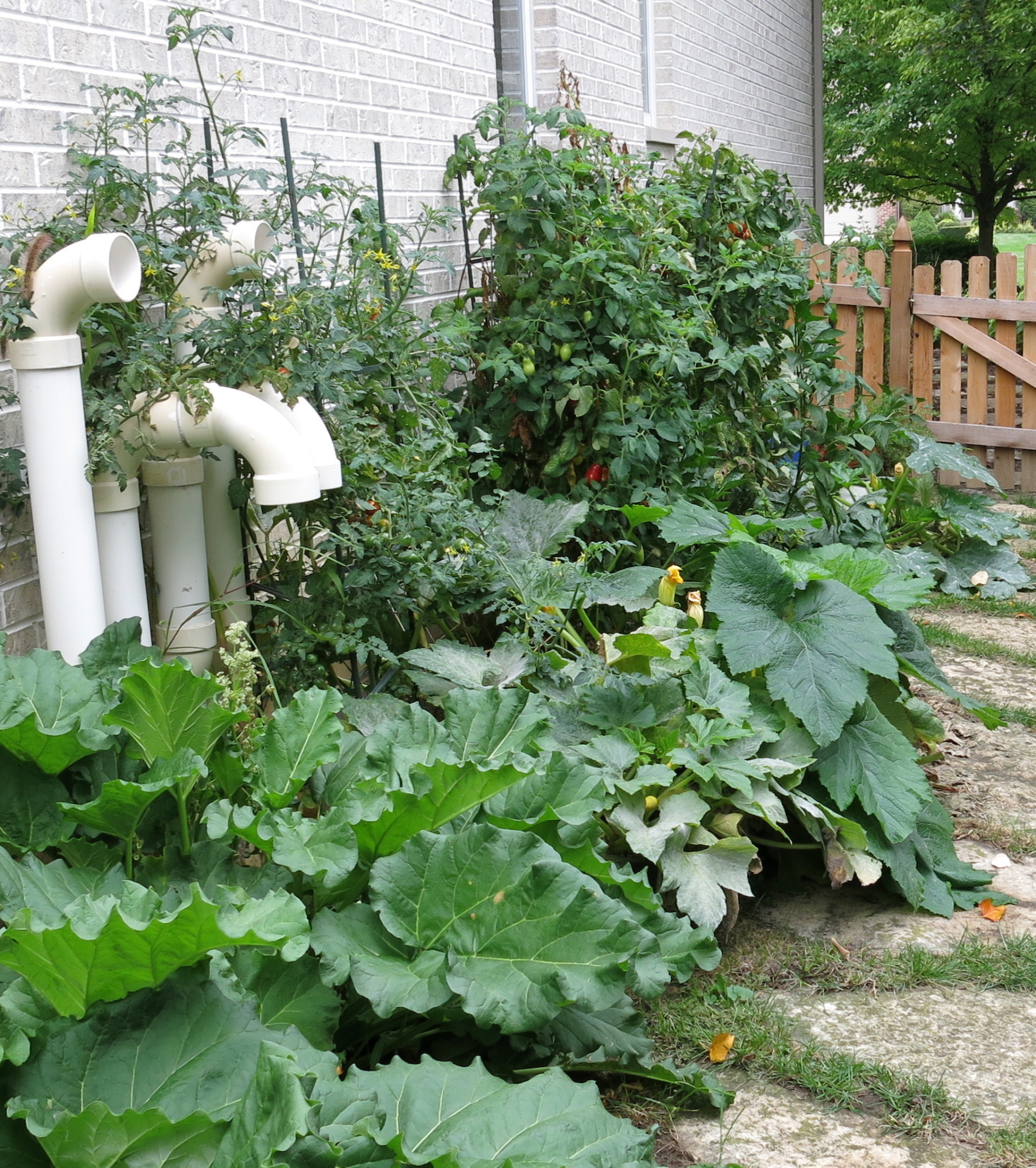
Rhubarb–Rhubarb will be fine, but you can cover if desired. Some of the stems and leaves may get frozen and turn mushy as they thaw. Just cut those unwanted leaves and/or stems away. First year, no more harvesting or cutting, second year and later, be gentle in your harvest this year if a lot of the plant was damaged.
Wishing you all good luck tonight 🤞🤞. What are you doing to protect your plants?
Photo credits: Stephi Gardens, Photos by Peggy and Photos by Steve