I Love Raspberry Season! (and yes, you need to prune them)

About five years ago, I planted two varieties of raspberries, Heritage and Caroline, both everbearing types from Burpee. (My Raspberry and Strawberry Plants are Here!)
Standard Disclosure: This post contains affiliate links. I may receive a commission from purchases you make through the links in this post

Not knowing how they spread, I now have some combo of them both, or even possibly just one that was hardier. Who knows? In any case, they have finally matured and have been producing an abundance of delicious raspberries.

I’ve been very nervous to prune the plants for fear of killing them. Unfortunately that’s been known to happen to anyone who has grown raspberries, especially in northern gardens. But they’ve become quite unruly, and there’s a lot of dead canes.

Everbearing varieties produce fruit once in early fall on the tips of the one-year-old canes (primocanes) and the following summer on the lower part of the now second year canes (floricanes). I need to prune out the second year floricanes either after they produce fruit in late summer, or in March or early April. These plants are done and will produce no more fruit. New canes grow every year, so any healthy raspberry planting has a combination of both one- and two-year-old canes.

Sounds easy enough, but I’m always nervous pruning new plants.

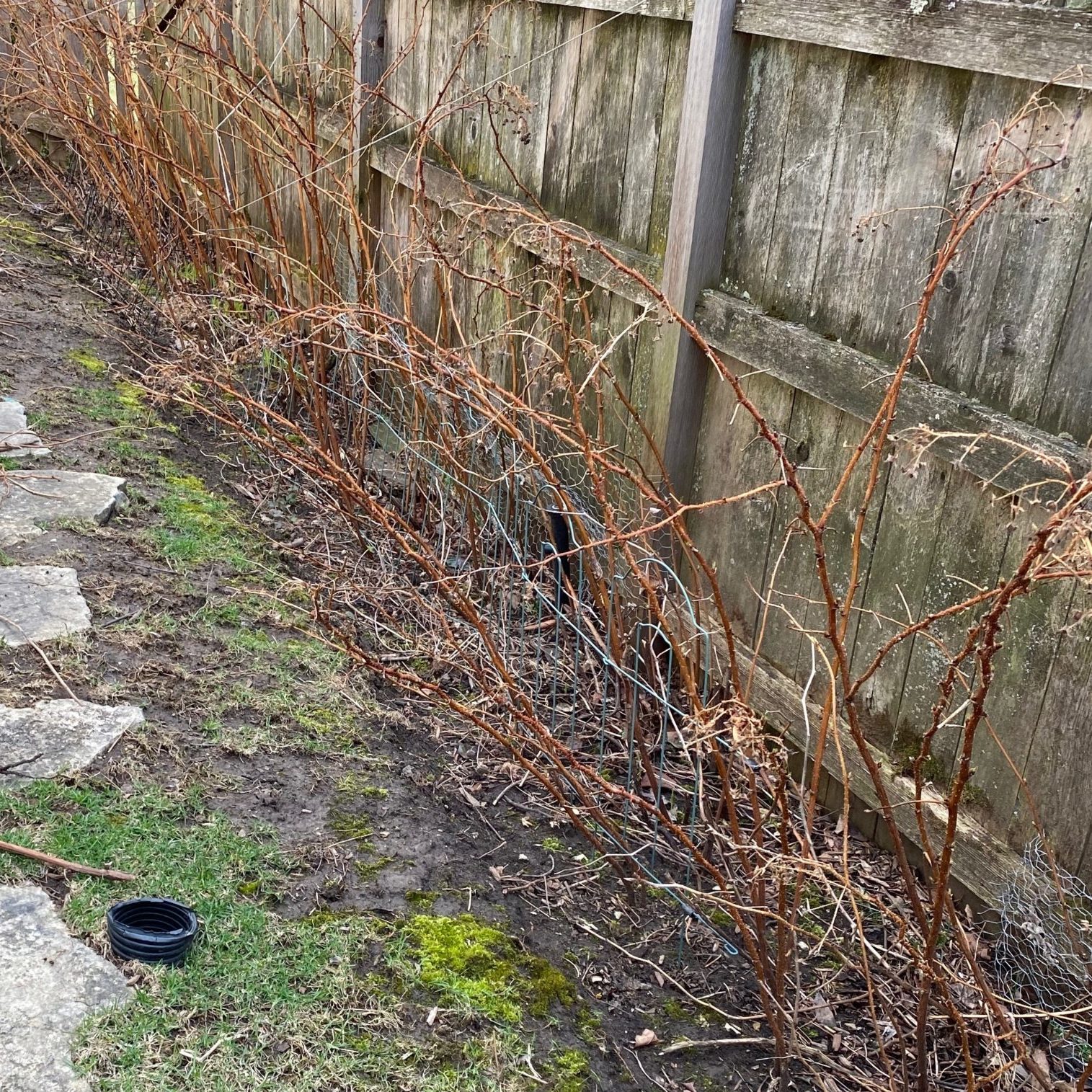
Here’s a before picture. Truly a tangled mess of thorny canes.
In order to do the job, I need the right tools:

  • Garden pruners, I love my Felco F8 pruners,
  • A good pair of garden gloves. I started with my regular garden gloves and then went and got a good pair of thick work gloves. Too many thorns!

First I started by taking out any dead, broken, or diseased canes, as well as any canes that sprout up outside the row footprint.

Raspberries grow best in a 2-3 ft row, so prune away the suckers to keep them in their space.
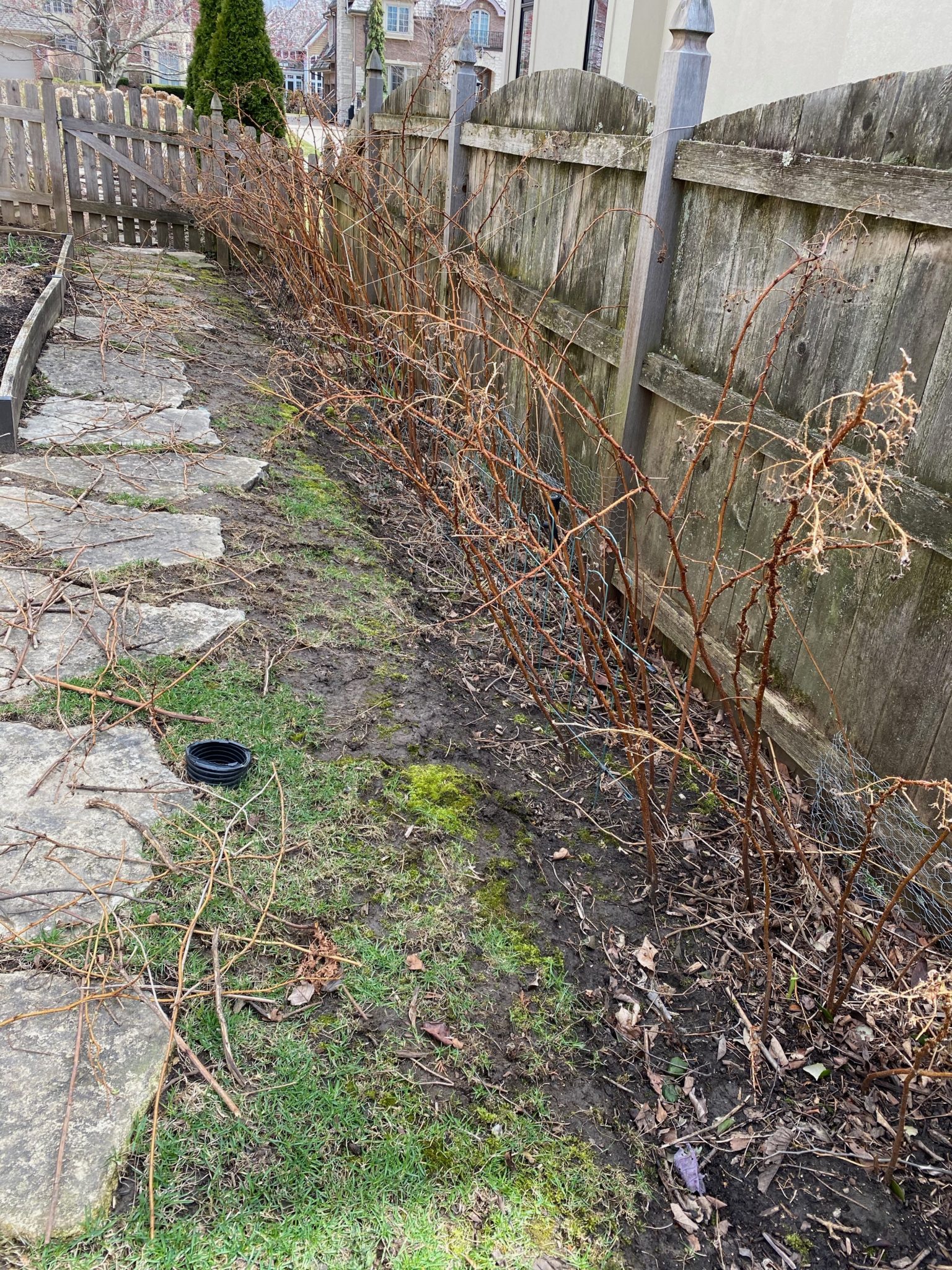
Then look for anything that seems to have brown, peeling scaly bark and cut those to the ground.
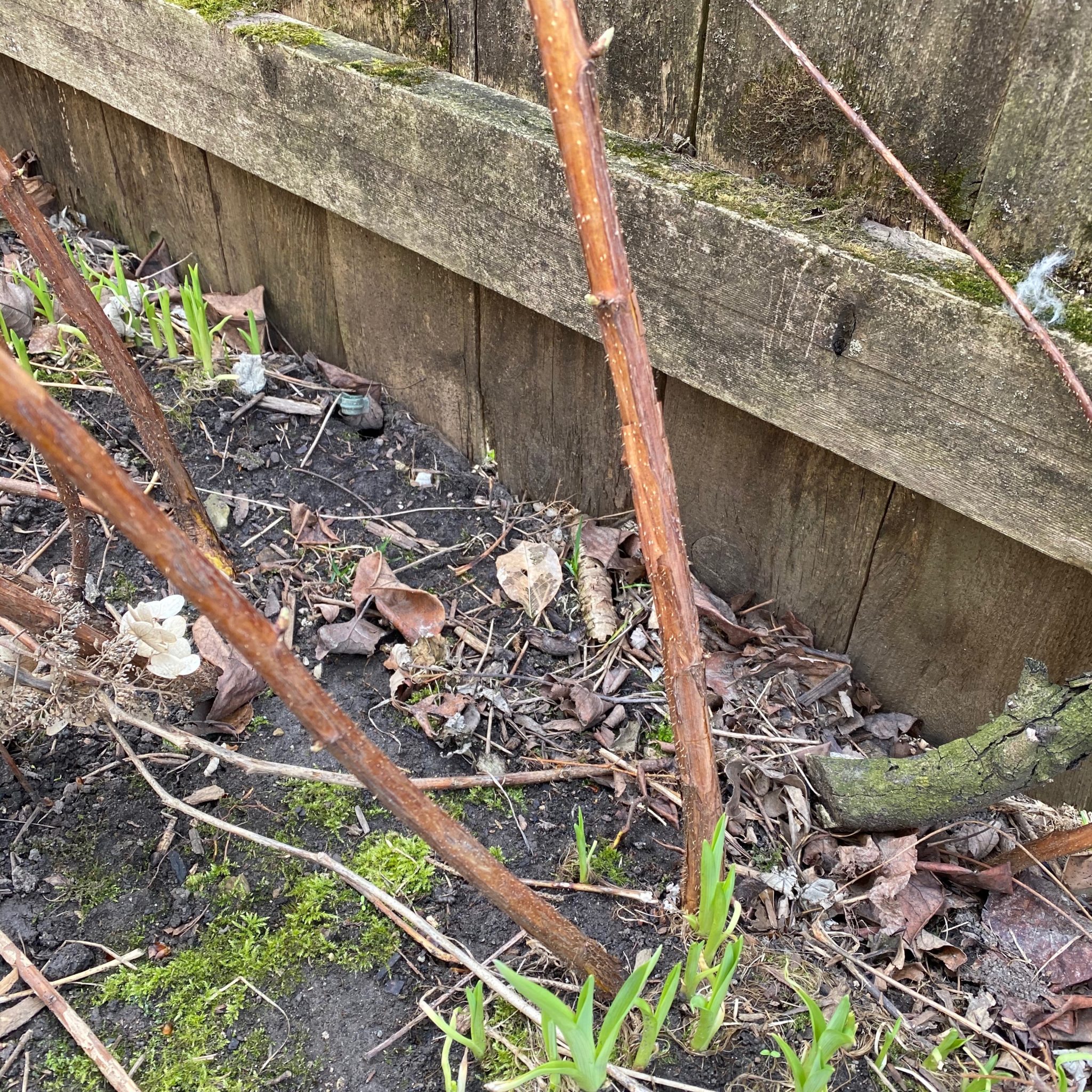
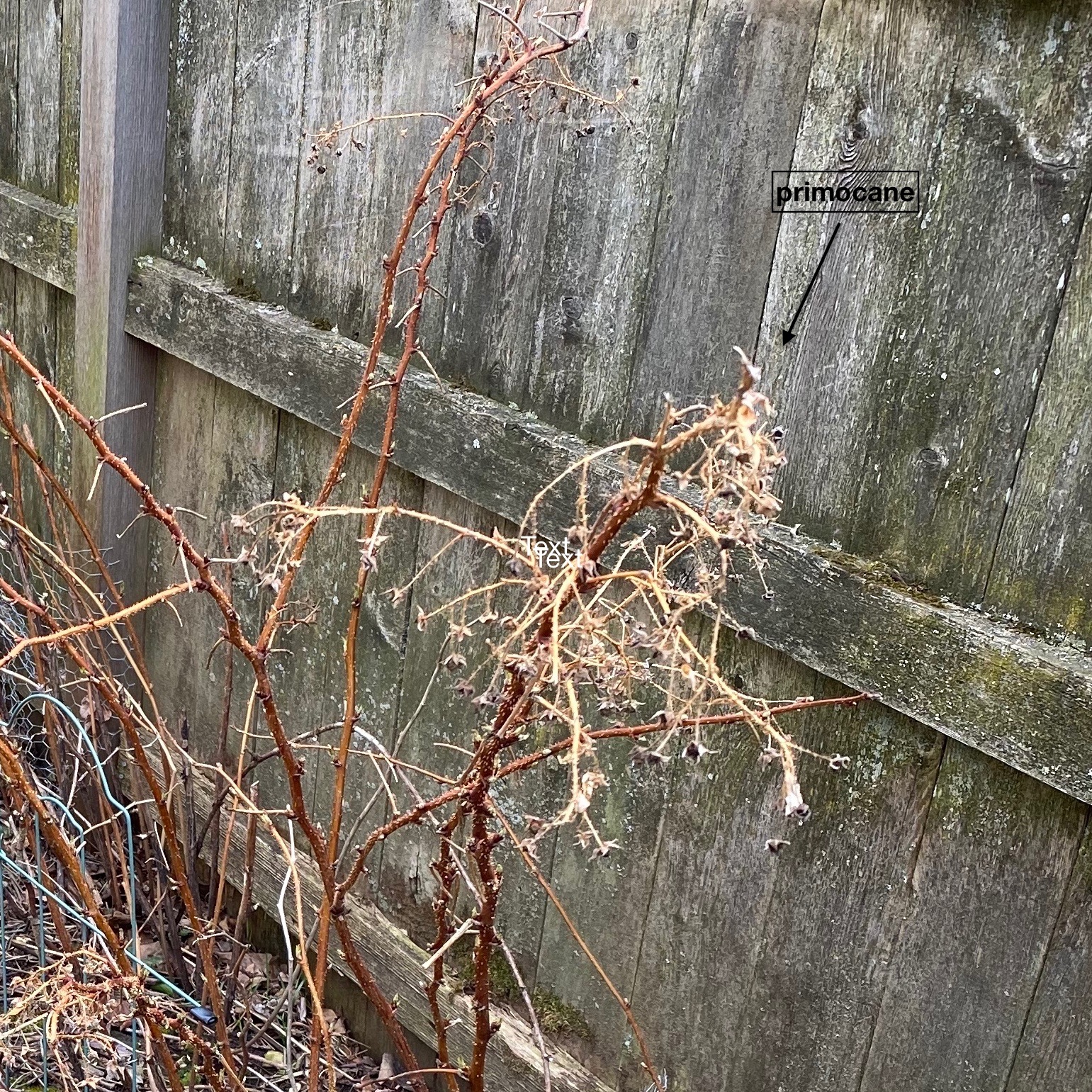
Now how to decide from what is left what is a floricane and what is a primocane?

Floricanes will be brown or grayish in color, harder and more brittle in texture, and may have fruit remnants low on the canes. The floricanes should be pruned to the ground and removed. No need to leave any stubs, they are done.

Primocanes will look fresher and possibly green. The primocanes may also have remnants of fruit at their tips. Primocanes can either be left alone, or trimmed. I trimmed mine by pruning off the top 1/4 or so, to bring their height back to a manageable size. I also trimmed off any fruiting remains to clean them up.
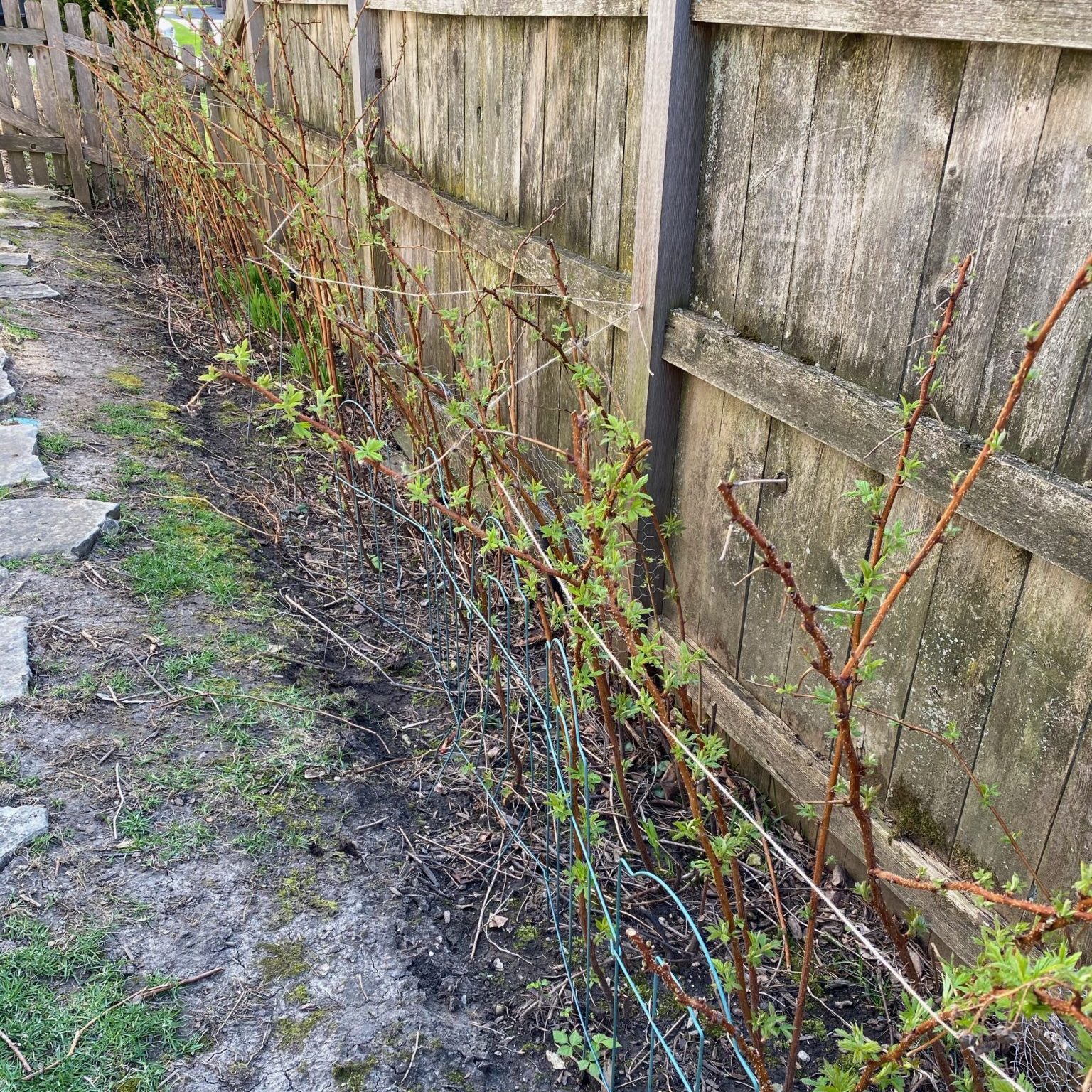
Done! What a difference!
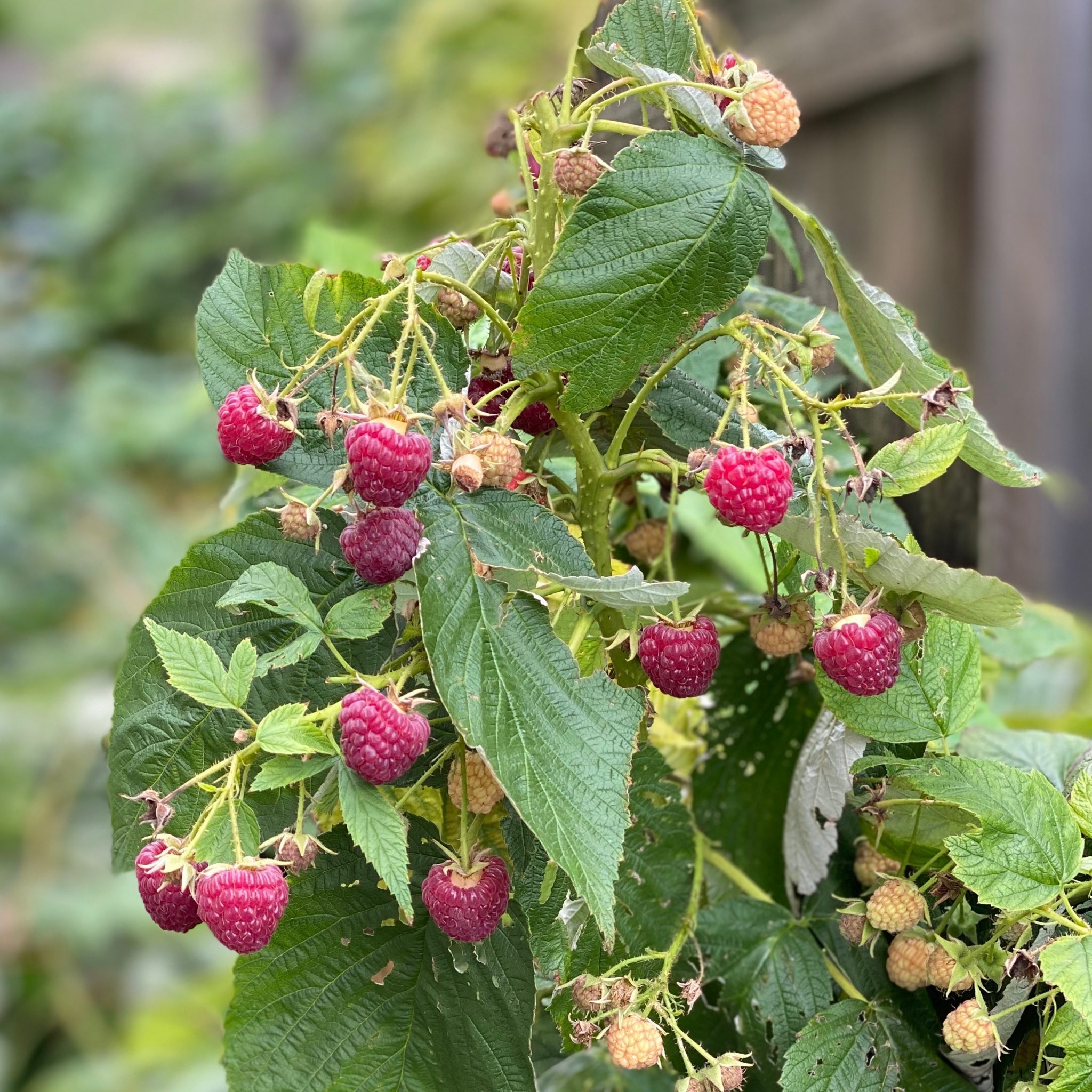
Now that we are in fall, and the fall harvest is huge, I can really see the “fruits of my labor” (sorry, couldn’t resist)
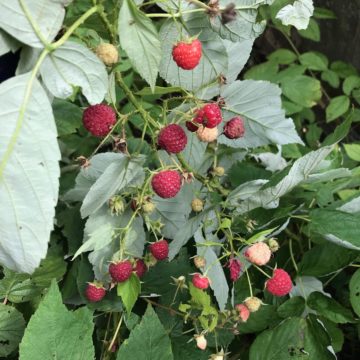
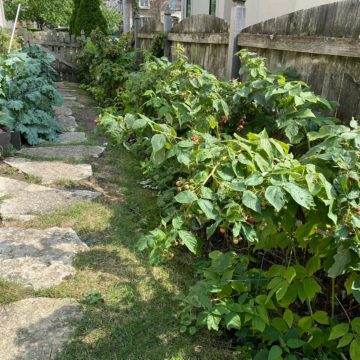
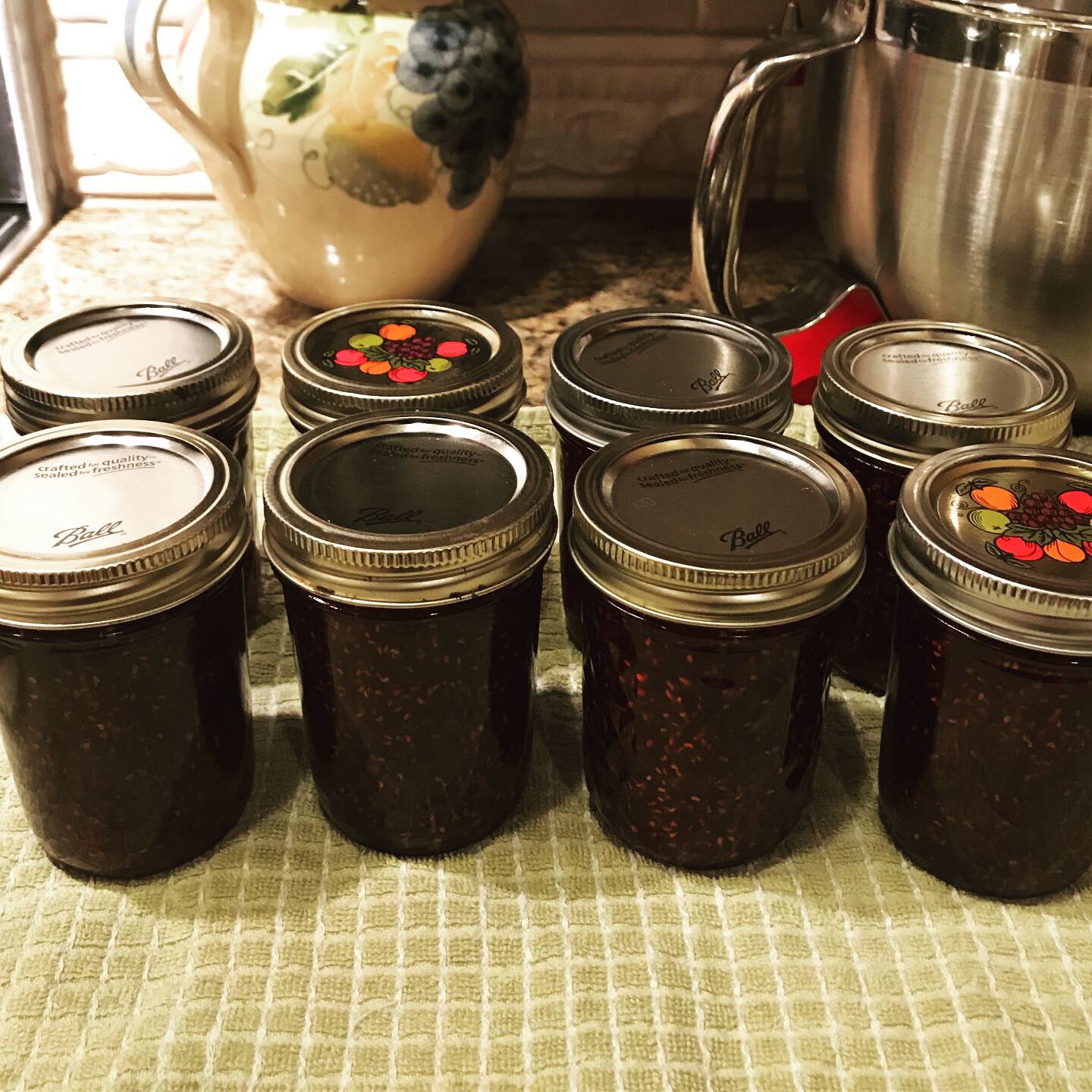
Time for some raspberry jam!!!
Some other raspberry tips:

For new raspberry plants, prune back the canes to 4 to 5 feet tall in late winter during the first couple of years after planting. This will ensure that the bush gets plenty of light, which is essential for fruit production and creating a healthy bush. It’s not recommended to cut all canes back to the ground in northern gardens with short growing seasons and early fall frosts. There’s just not enough time for the plants to put energy into both growing healthy canes and fruit.

Need to tie back your raspberry canes? I’ve found strips of torn sheets to work better than garden twine. After a short time, the twine breaks from rubbing against the thorns and needs to be replaced frequently.

One-crop summer-bearing type of raspberries can be pruned right after the summer harvest. Cut to the ground any canes that have fruited. These kinds of raspberries produce fruit on the second year canes, so once fruited they are done.

My Raspberry and Strawberry Plants are Here!

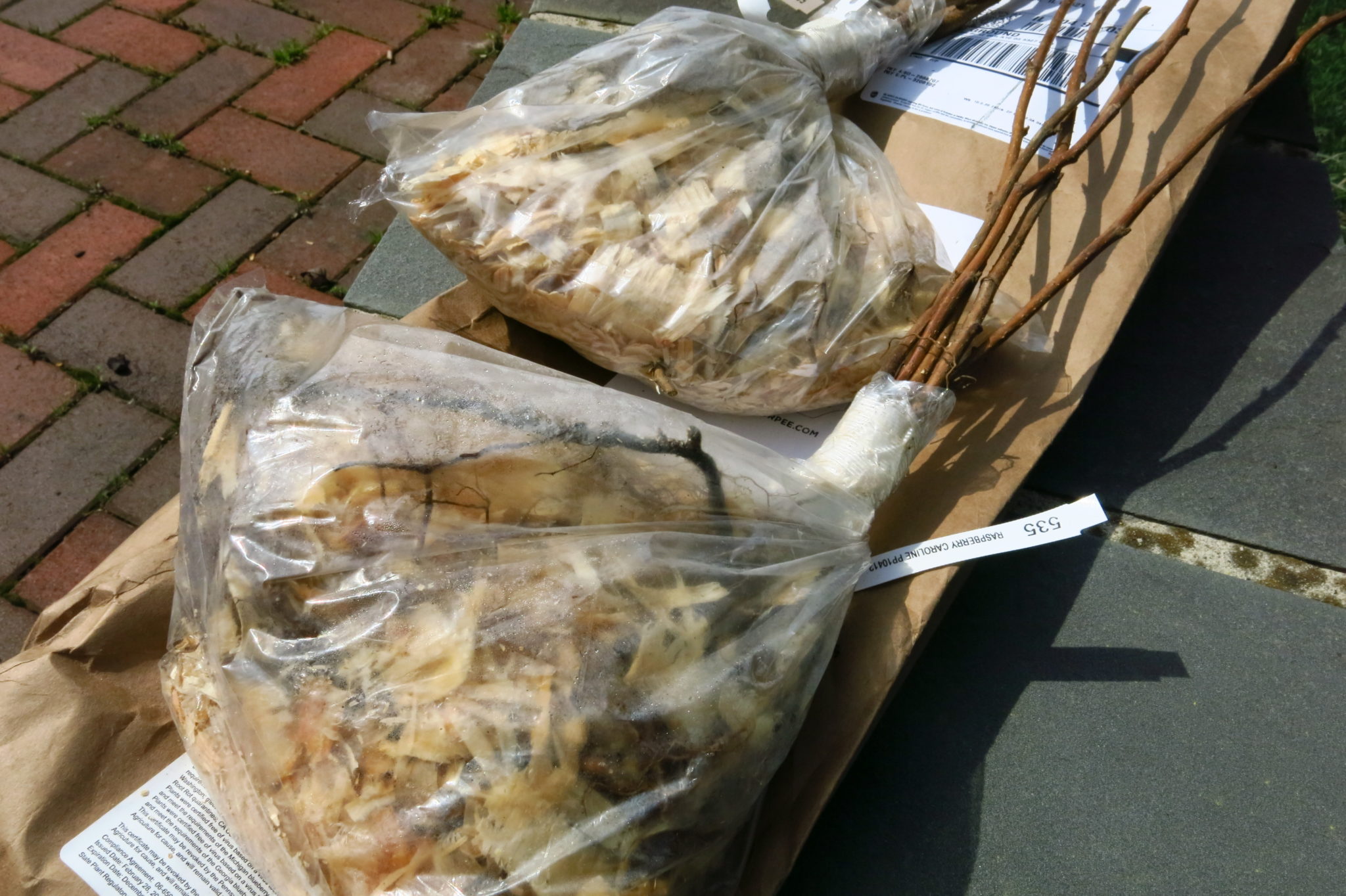
My mom grows the best raspberries in her garden.  There is nothing better than going out in her yard and picking a handful of just the most delicious ripe berries or having some of her homemade raspberry jam.  So I decided it was time to try and grow some myself.  I ordered them earlier this winter from Burpee and they just arrived, ready to plant.  Of course, while I was ordering them I was tempted by the strawberries as well and ordered some of them too.

Now I don’t have nearly the space she does, so I hope I’m not creating a monster by planting plants that like to spread like berry plants do.  But, it’s worth a try to get those fresh berries in my own yard.

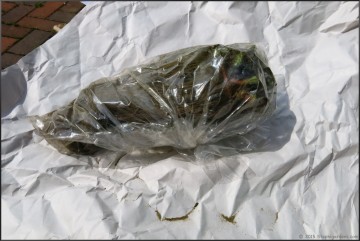
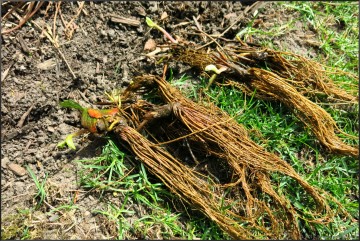
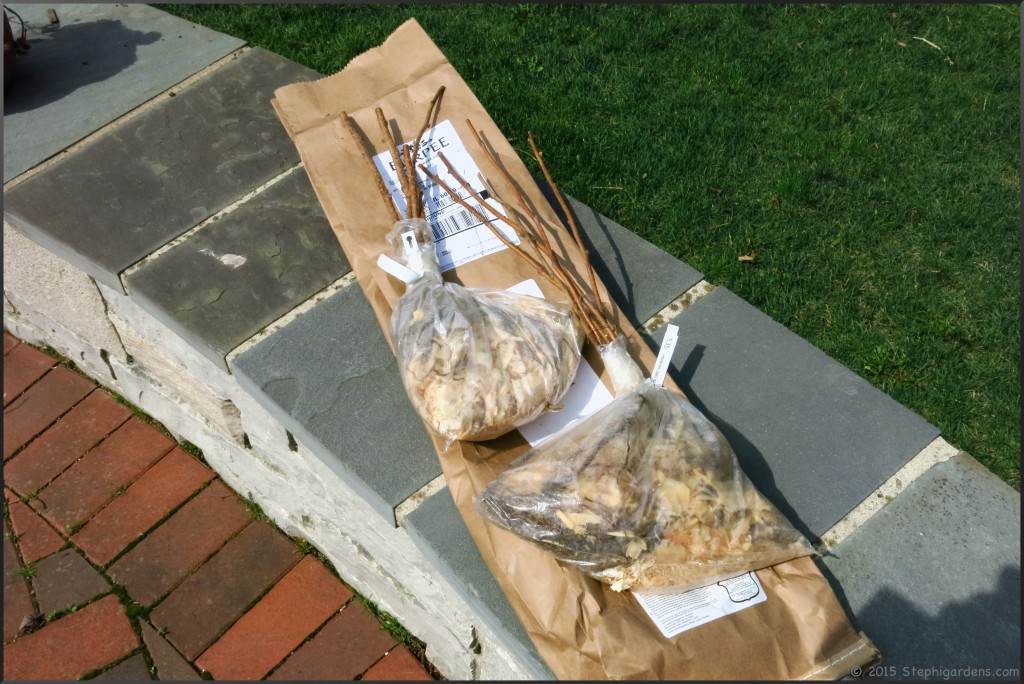
The plants arrived as bare-root stock, which mostly means they look dead.  I’ve had plants before come this way, so I’m not worried.


raspberries

Much to my surprise, my new plants came from my old stomping grounds, Erie County NY!

raspberries

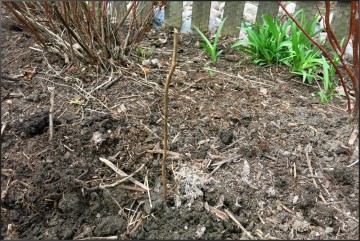
Because I was indecisive, I order 2 different everbearing varieties:  Heritage and Caroline.  Everbearing varieties will produce two crops, one in July and the other in the fall.  Both of these varieties seem to work well in my area so we’ll see if one is better than the other.

I spread them out in a couple of different garden areas that get a fair amount of sun.  Right now, they look like dead sticks, but in the next few weeks they should start to grow.

raspberries

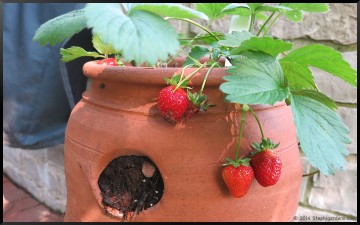
While I was shopping for the raspberries, the strawberry ads caught my eye.  I had grown a couple of plants last year that put out a few tasty strawberries, so I thought more would be better.

garden strawberry

After a little research, I added 25 Evie-2 plants to my order.  I probably don’t need so many plants, but that’s how they came.  Unfortunately, before they came Burpee sent me a note that their vendor had a production problem and they wouldn’t be able to send them to me so they were issuing a refund.  But, for my inconvenience they were sending complimentary Seascape Strawberry plants which I very much appreciated.

Both Evie-2 and Seascape are day-neutral strawberries that produce flowers and fruit all season, as long as the temperatures are between 40°F and 85°F, regardless of day length.  Unlike everbearing varieties that produce 2 or 3 distinct crops per season, day-neutral produce continuously.  A summer full of strawberries sounds good to me.

The plants come as bare-root stock and are sent at the right time for my planting area.   Once they arrive they need to be planted as soon as possible.

Seascape Strawberries

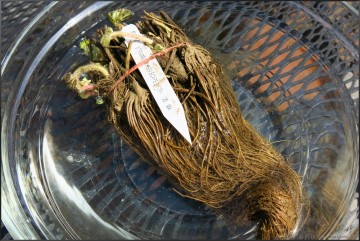
Before planting, it’s recommended that they be soaked for two hours.

IMG_4832

Once good and soaked they are ready to plant.  I don’t really have a great place for them, so I decided to plant them in a bit of a no-man’s land garden area that I’ve been putting some iris’s (that never seem to bloom but just take up space) and extra grasses in.

IMG_4838

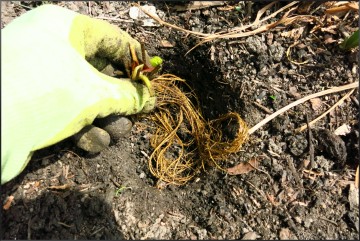
I dug a small hole for each and spread out the roots in the hole.  Cover with soil and water them in.

IMG_4840

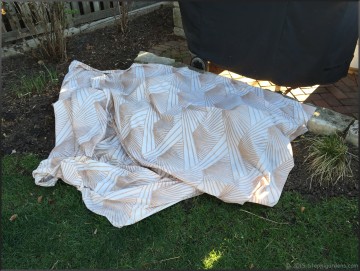
A couple of days later, we had an unusually late freeze so I covered the tender new plants with a sheet to protect them from the very cold overnight temperatures.  We got down to 29°F, which hopefully hasn’t done any damage to any of my emerging plants.

IMG_9811

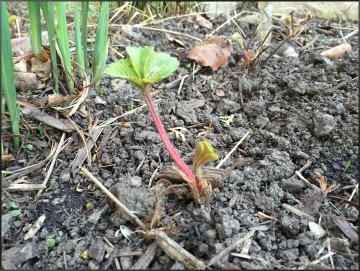
The plants look just fine the next morning.  Can’t wait for those berries!

IMG_9815

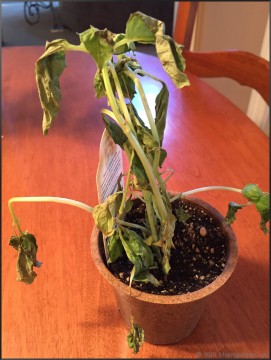
But, while the strawberries looked great, I had bought a basil plant at a local store  a few days before.  I knew it was too early to plant and moved it into the screen porch that night.  But alas, still too cold and it is now a very sorry looking basil plant 🙁  I will try to give it some TLC in the house before taking it back out to plant.  

basil

Have you grown berries successfully?  Did they overgrow everything or was it ok? Peggy says the trick is to just mow over any stray raspberry shoots.

Hopefully the cold spring isn’t hurting your gardens this spring.