Gardening: All in the Family

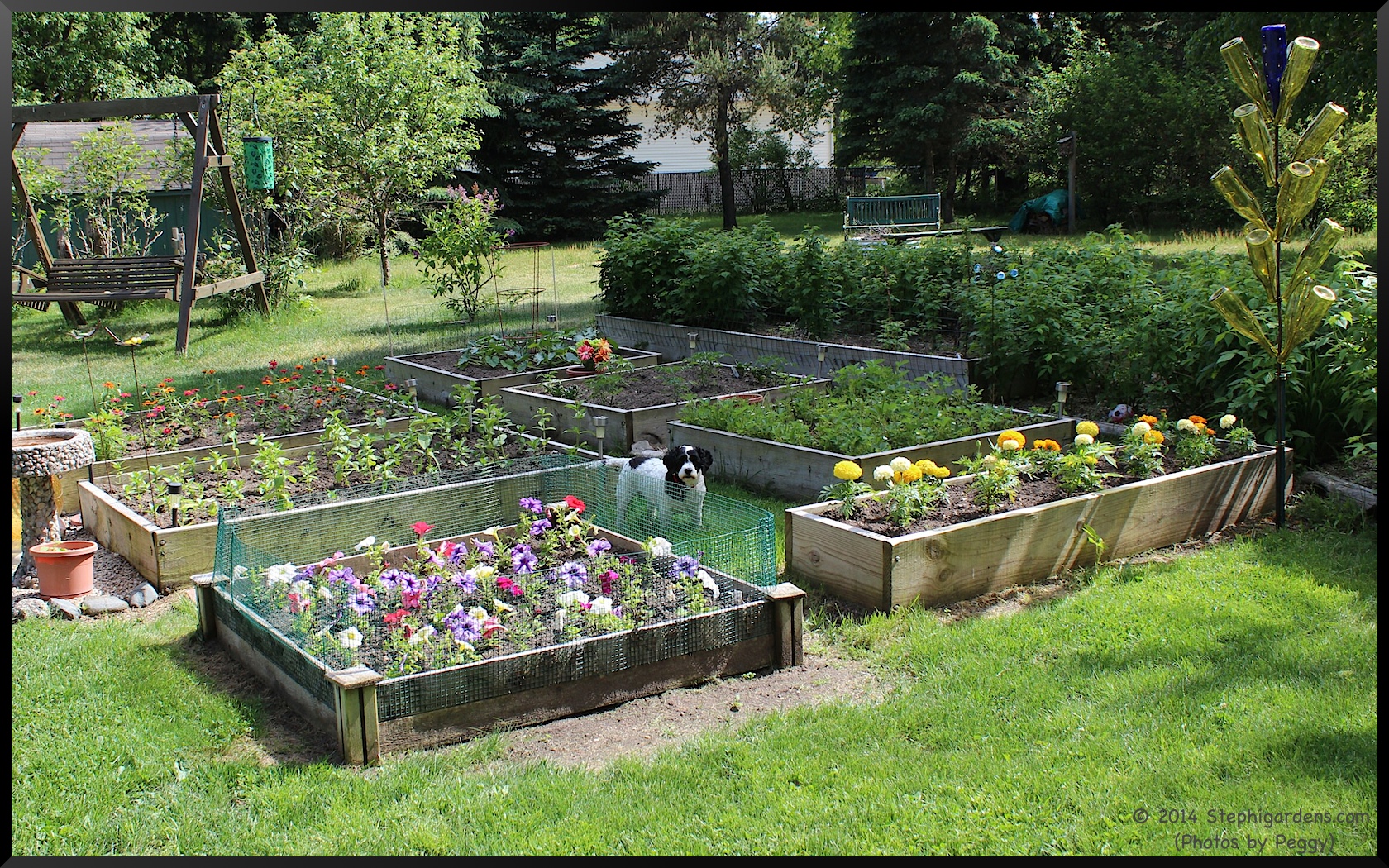
For as long as I can remember my mom had vegetable and flower gardens, sometimes big, sometimes small.  So did my grandparents.  All this interest in growing things rubbed off on me and hopefully I’ll pass it on to my kids.  With that in mind, I had my mom and daughter take us on a tour of their June gardens.  First my mom, Peggy, in northern Michigan.

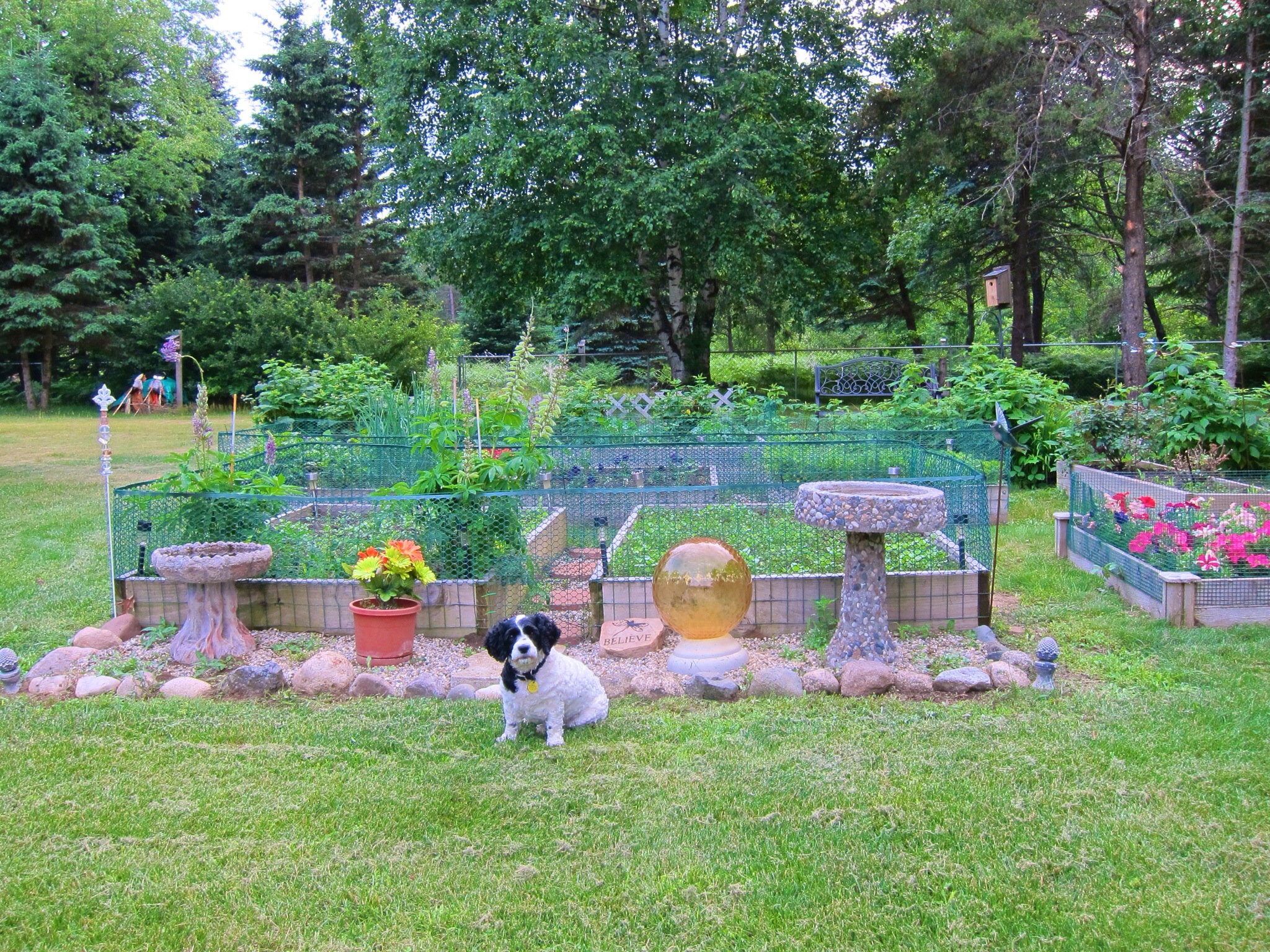
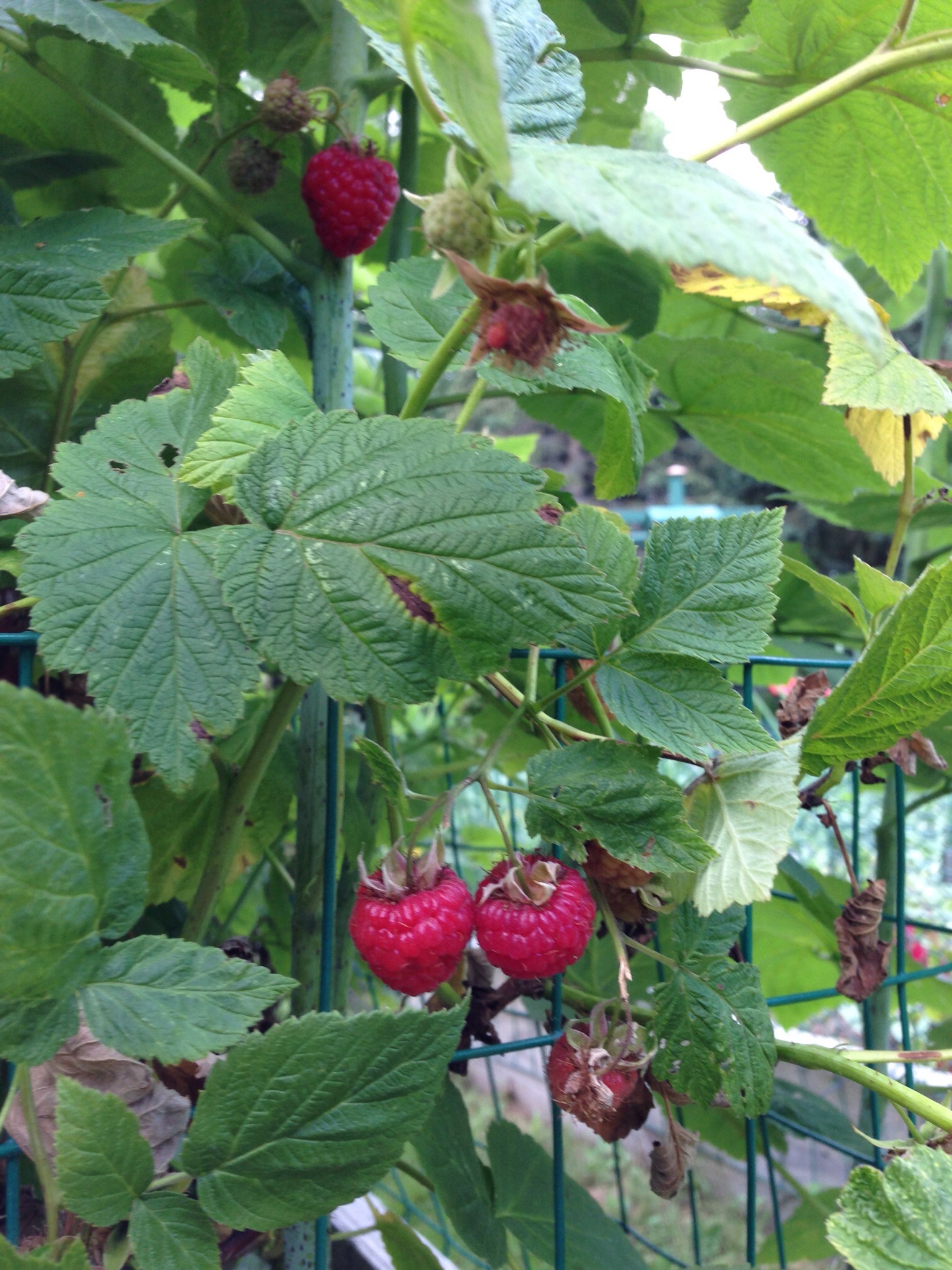
So lucky to have the space of all these raised beds (check out all the raspberries in the back!).
photos by peggy

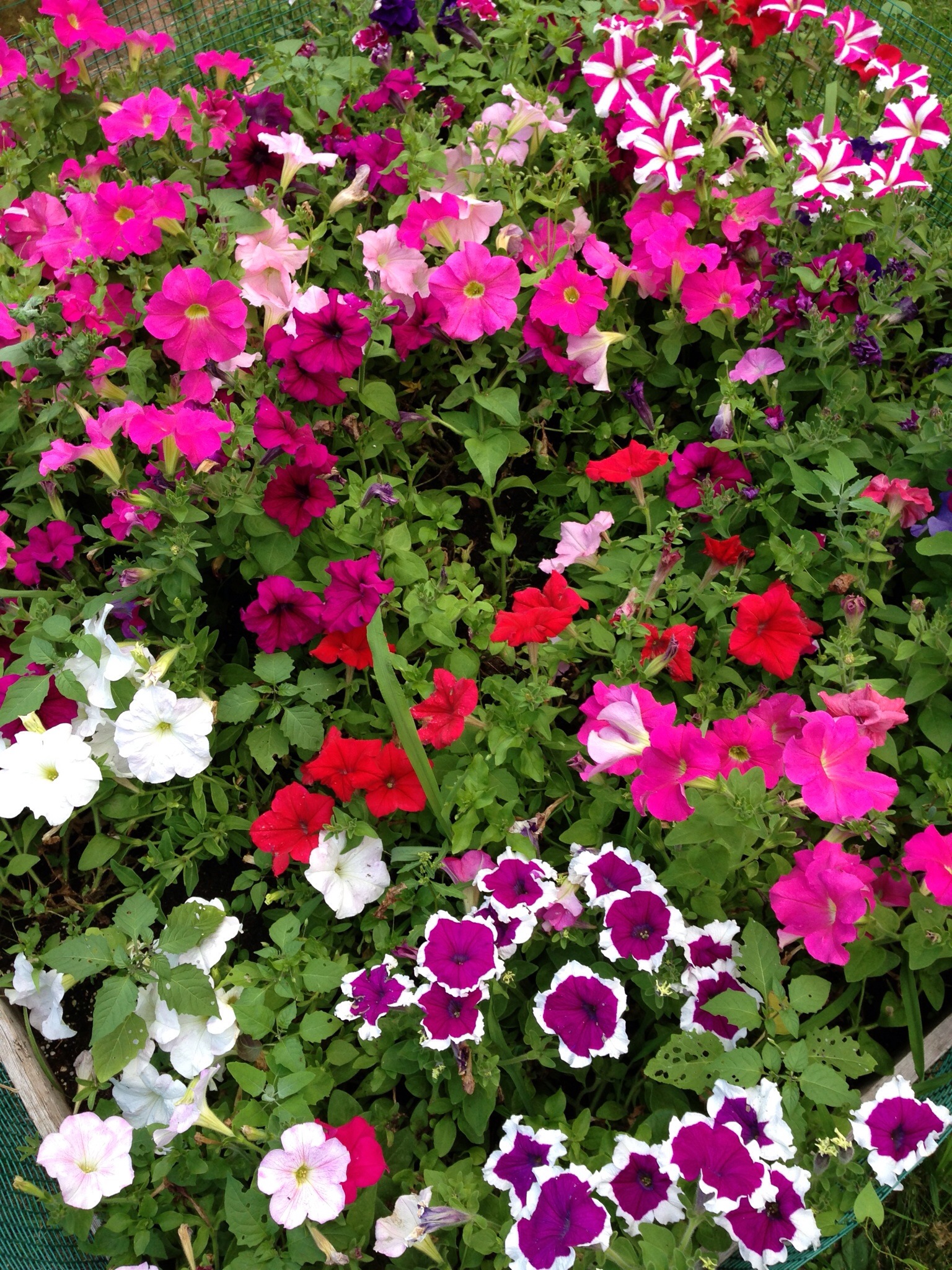
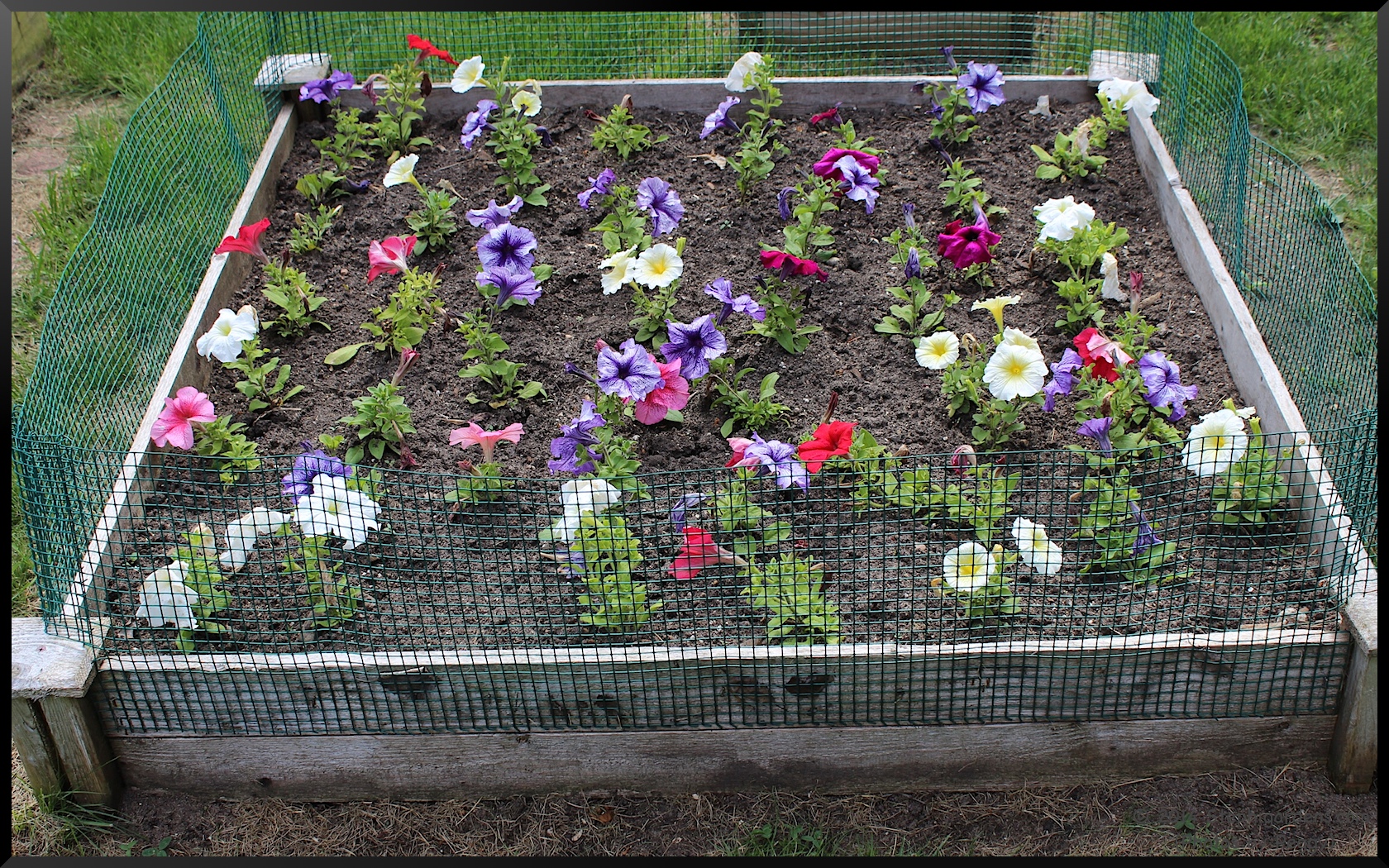
 Petunia garden protected from the rabbits
photos by peggy/stephi gardens

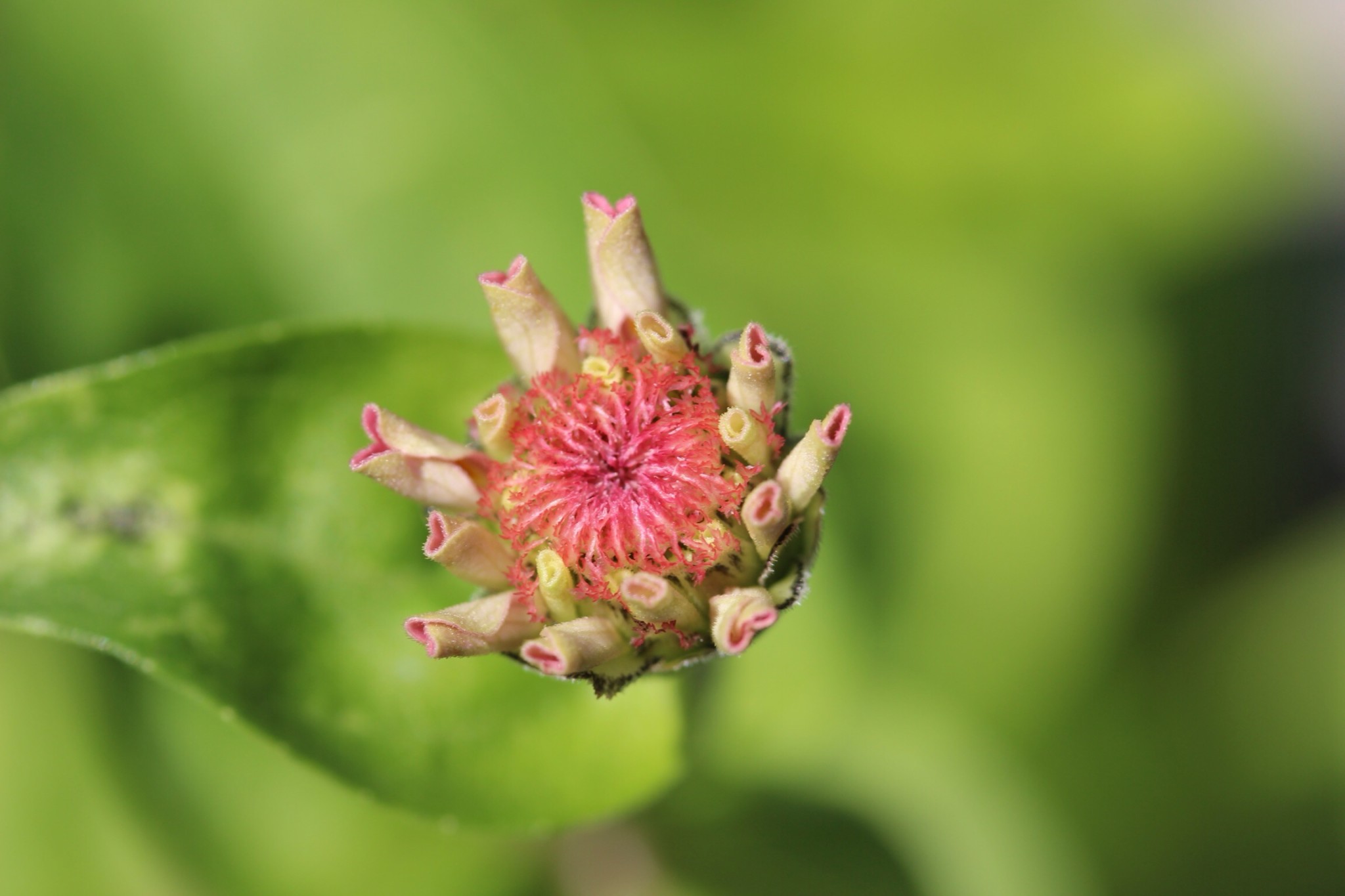
Zinnias!

photos by peggy/stephi gardens

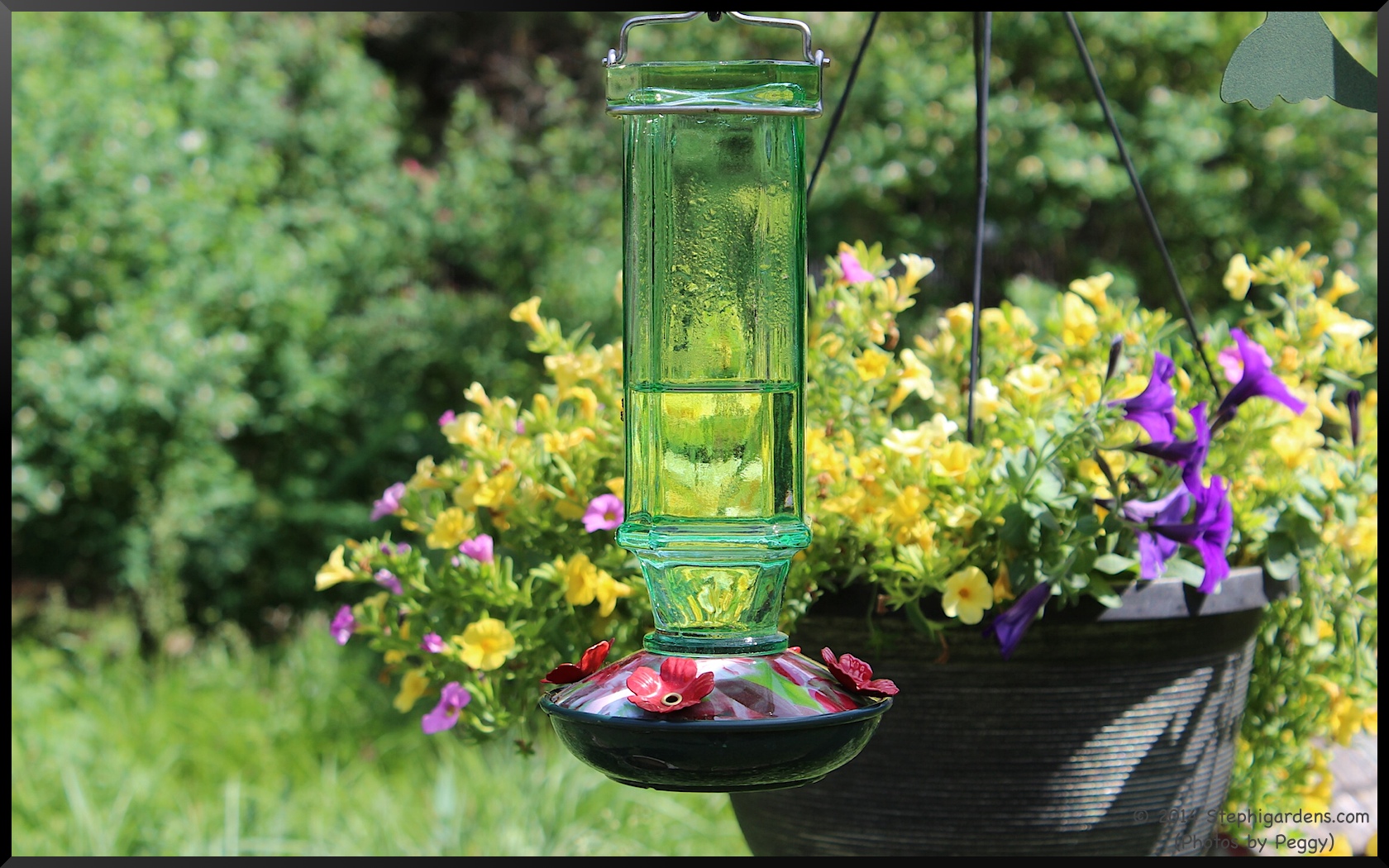
Hummingbirds are enjoying the flowers right now.  Soon they’ll be looking for some extra food.
photos by peggy/stephi gardens

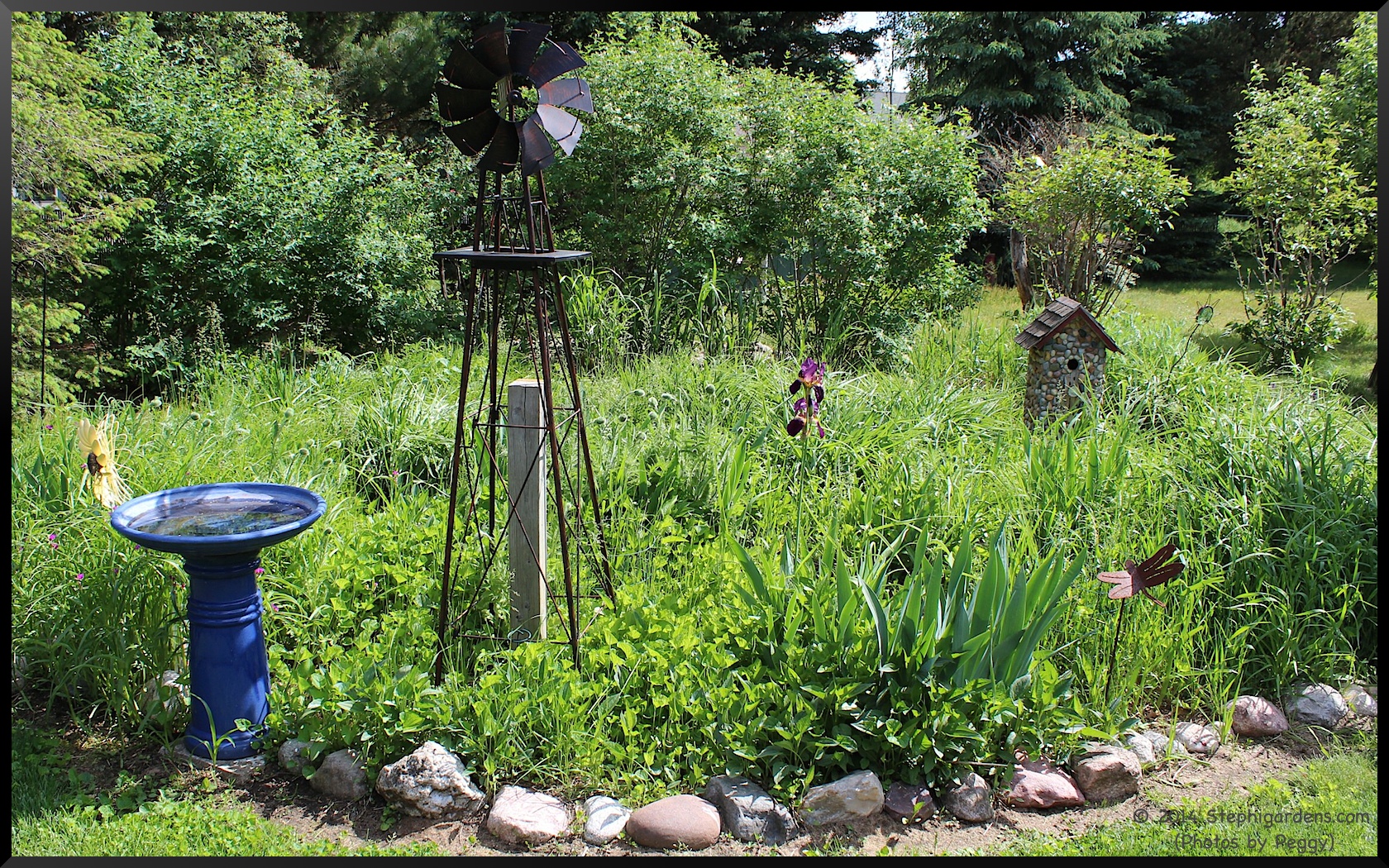
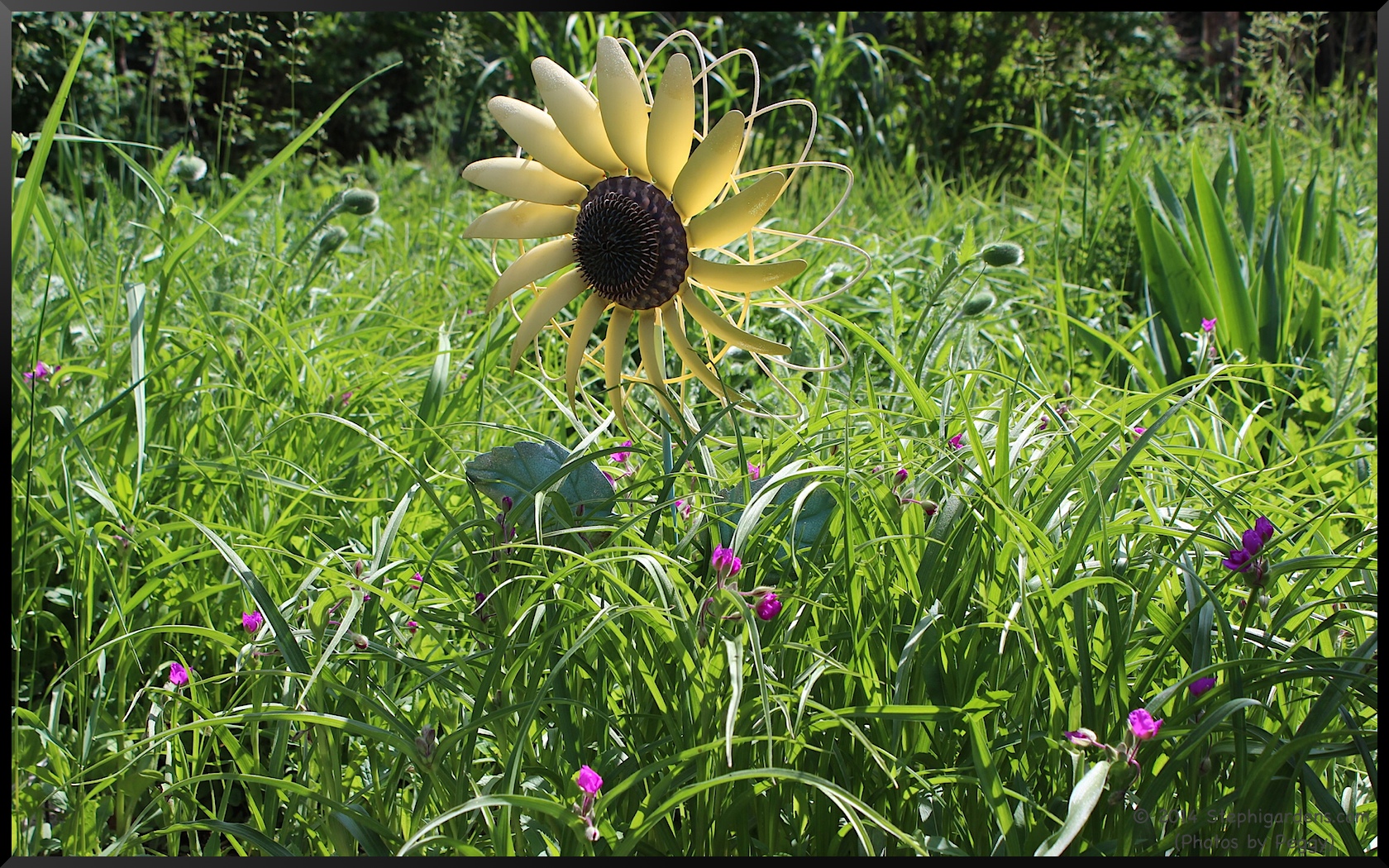
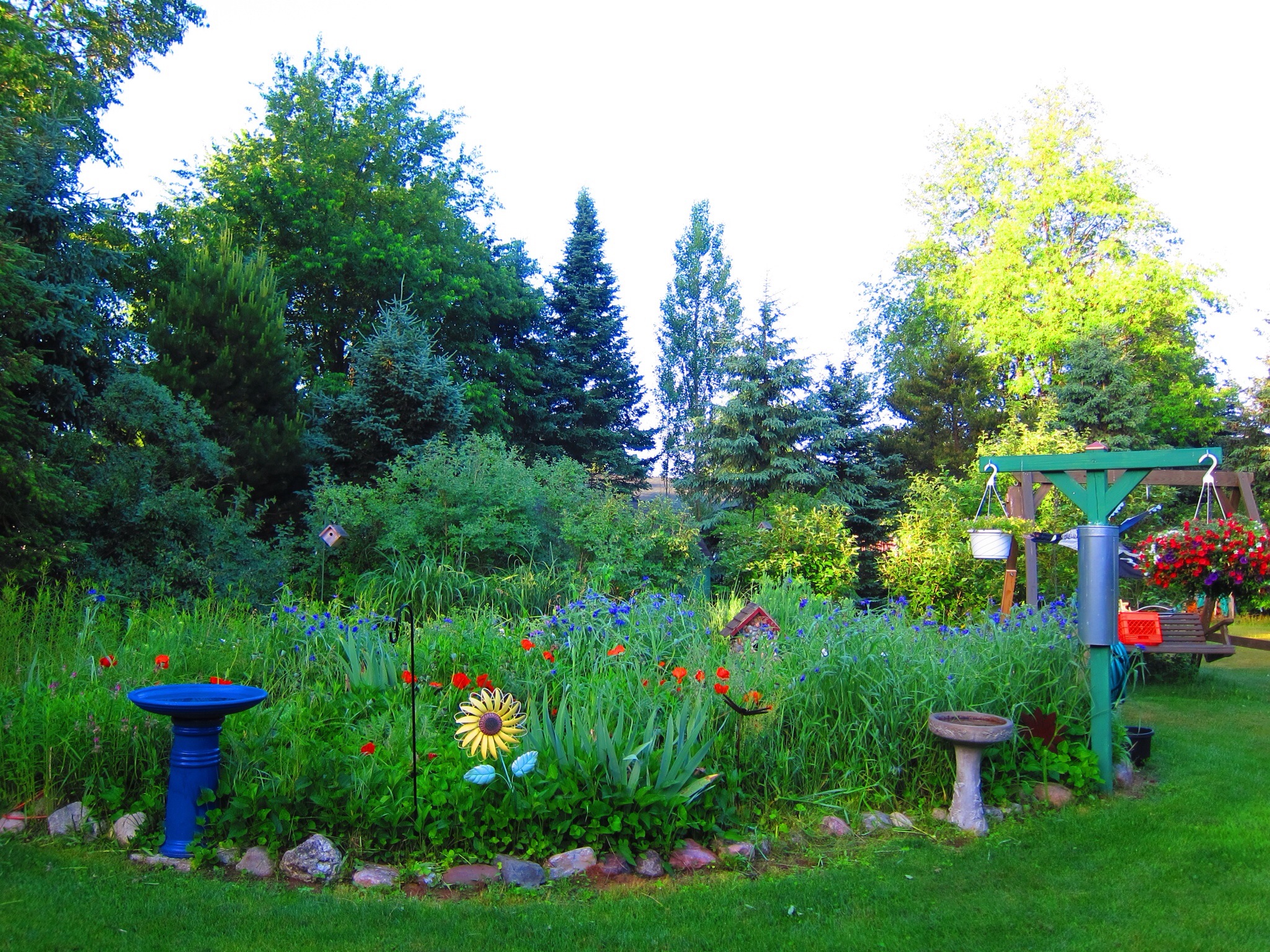
A more natural garden.

photos by peggy/stephi gardens


photos by peggy/stephi gardens

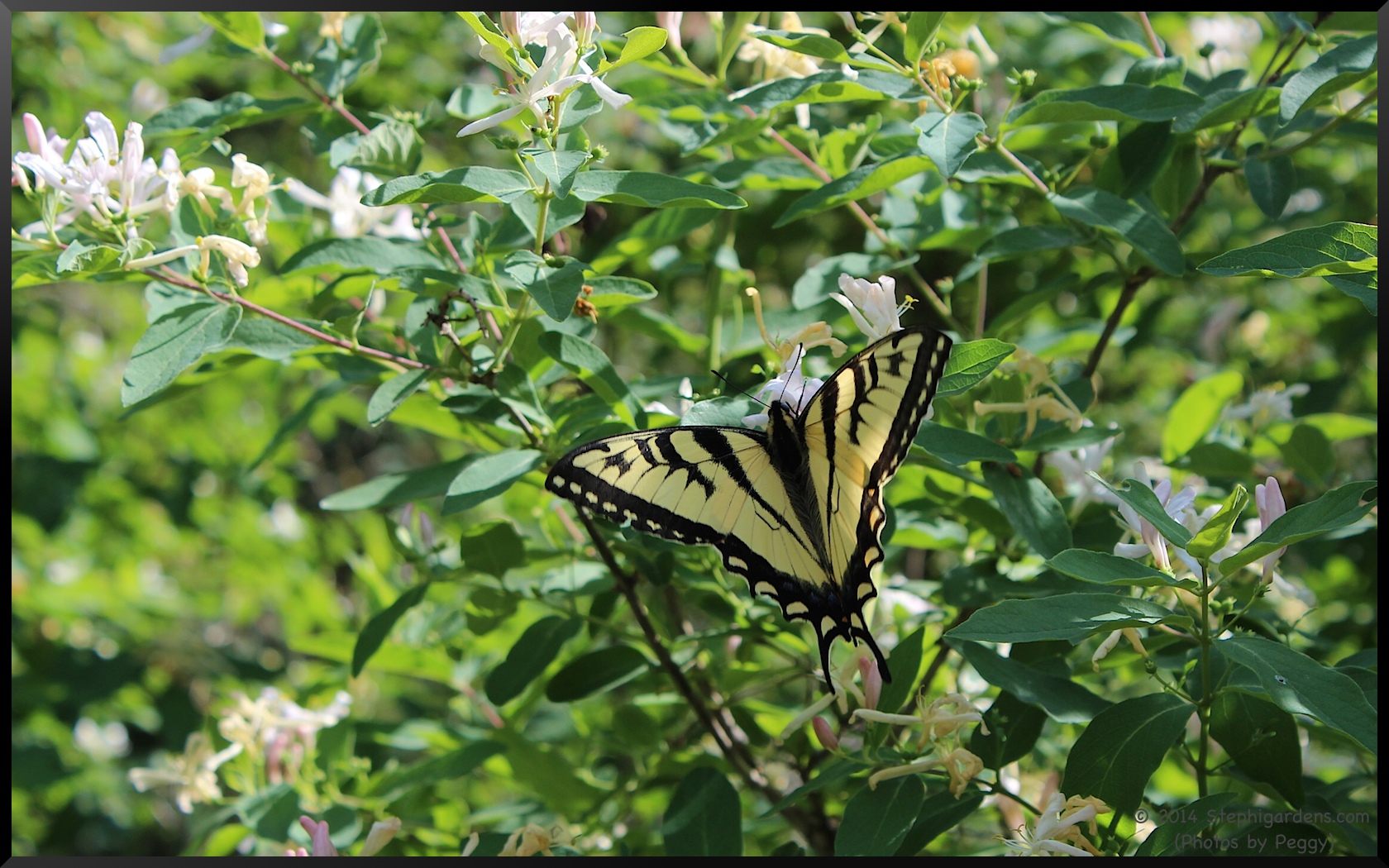
A lovely visitor–Tiger Swallowtail

photos by peggy/stephi gardens

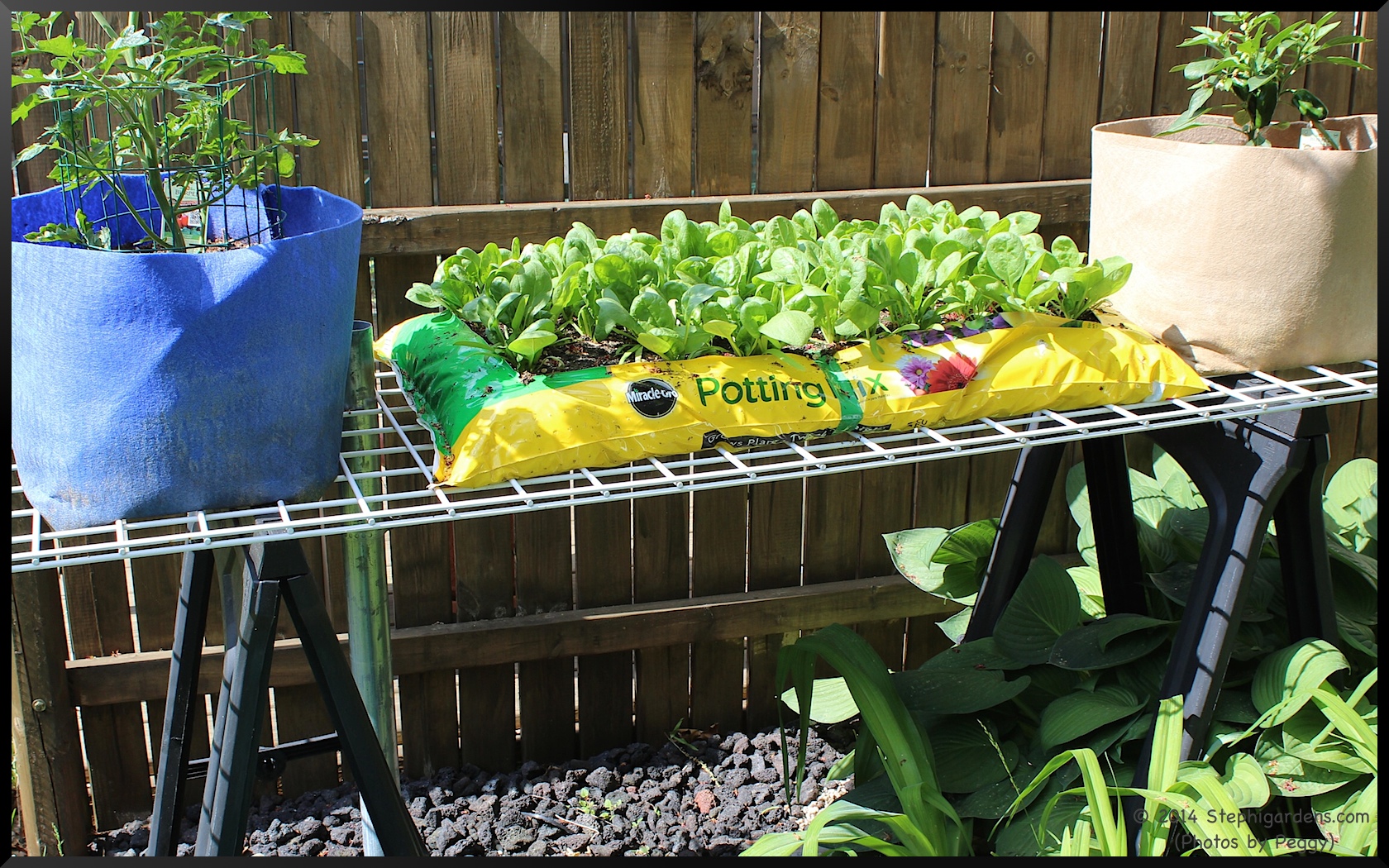
Salad in a bag!

photos by peggy/stephi gardens

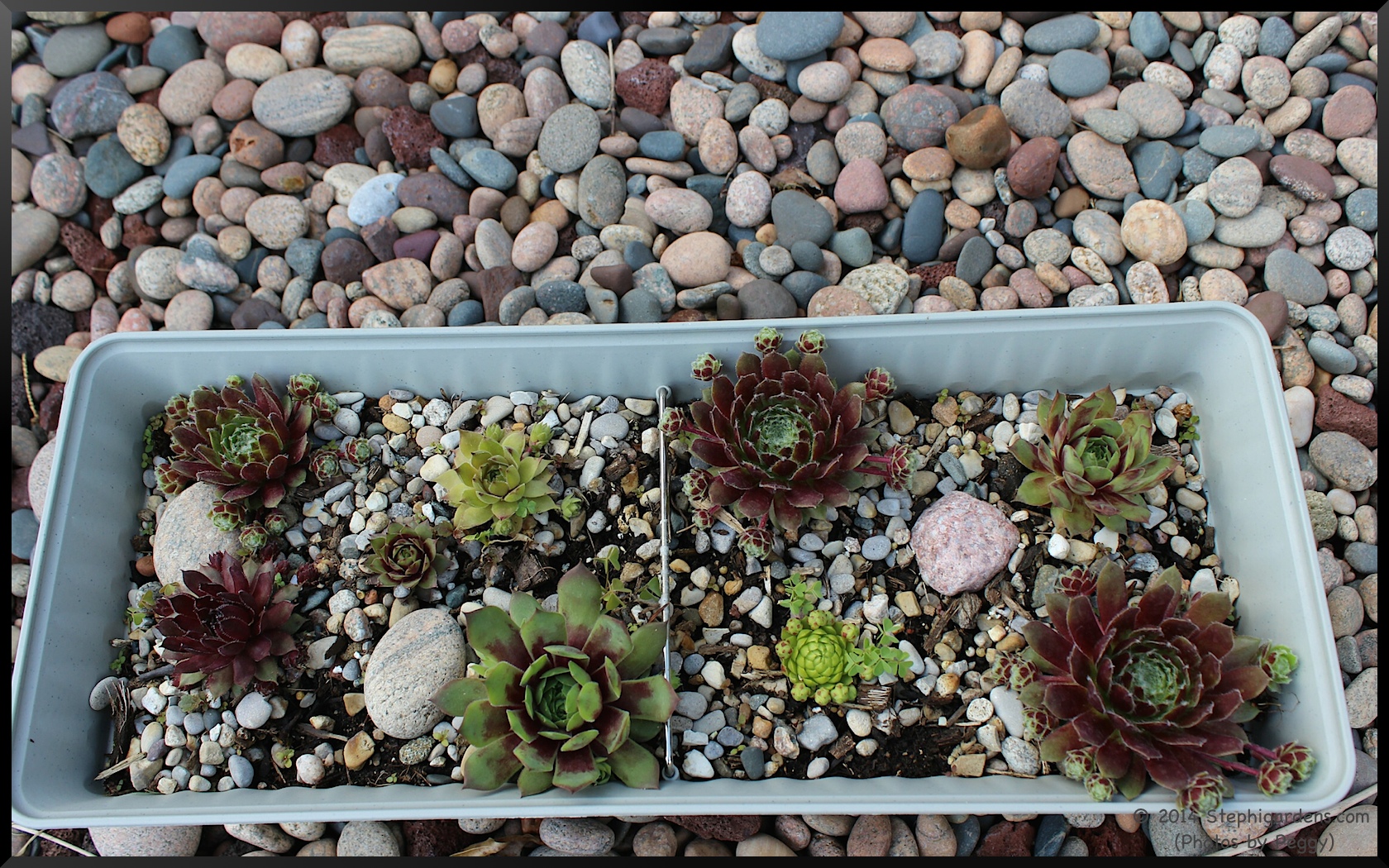
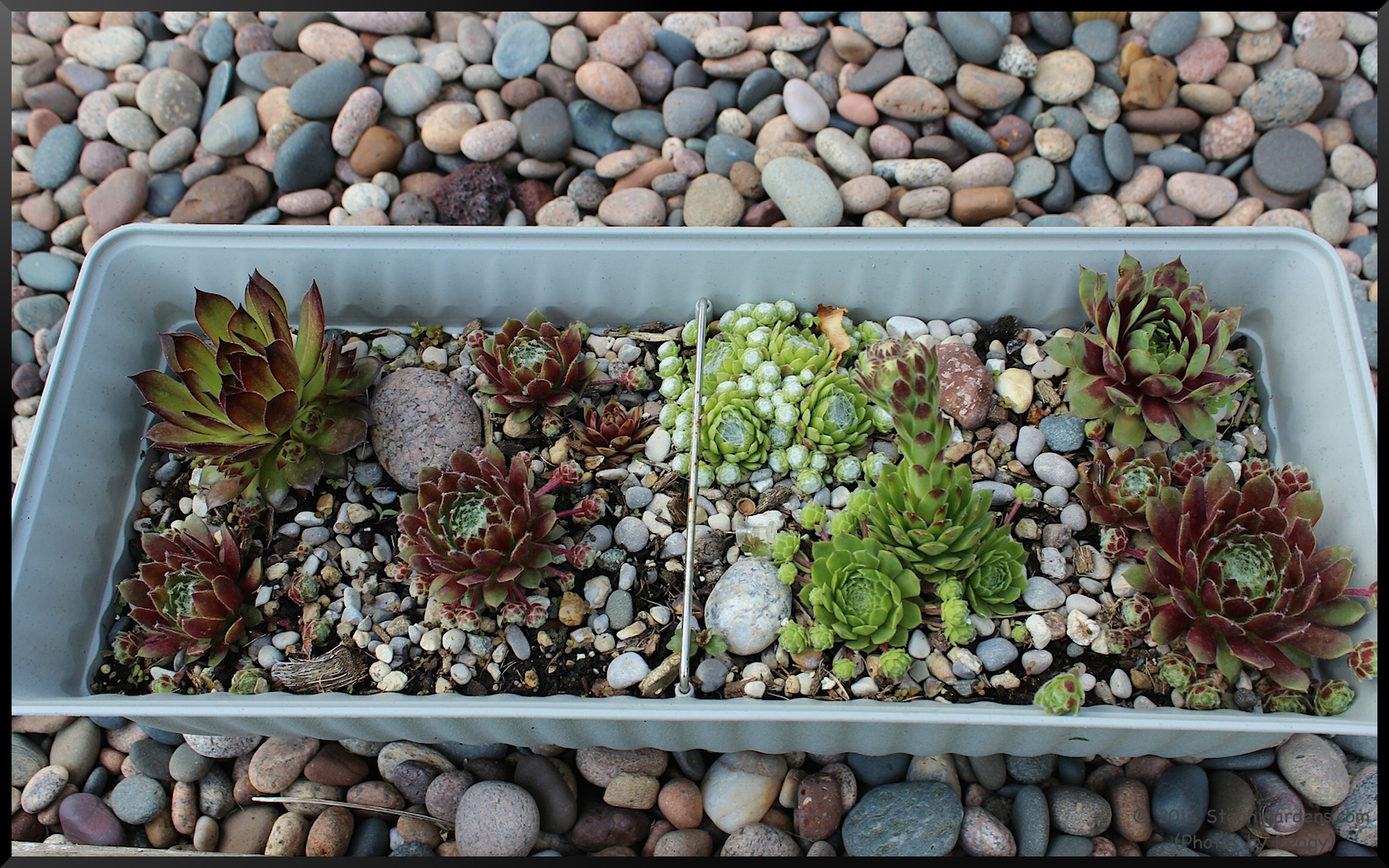
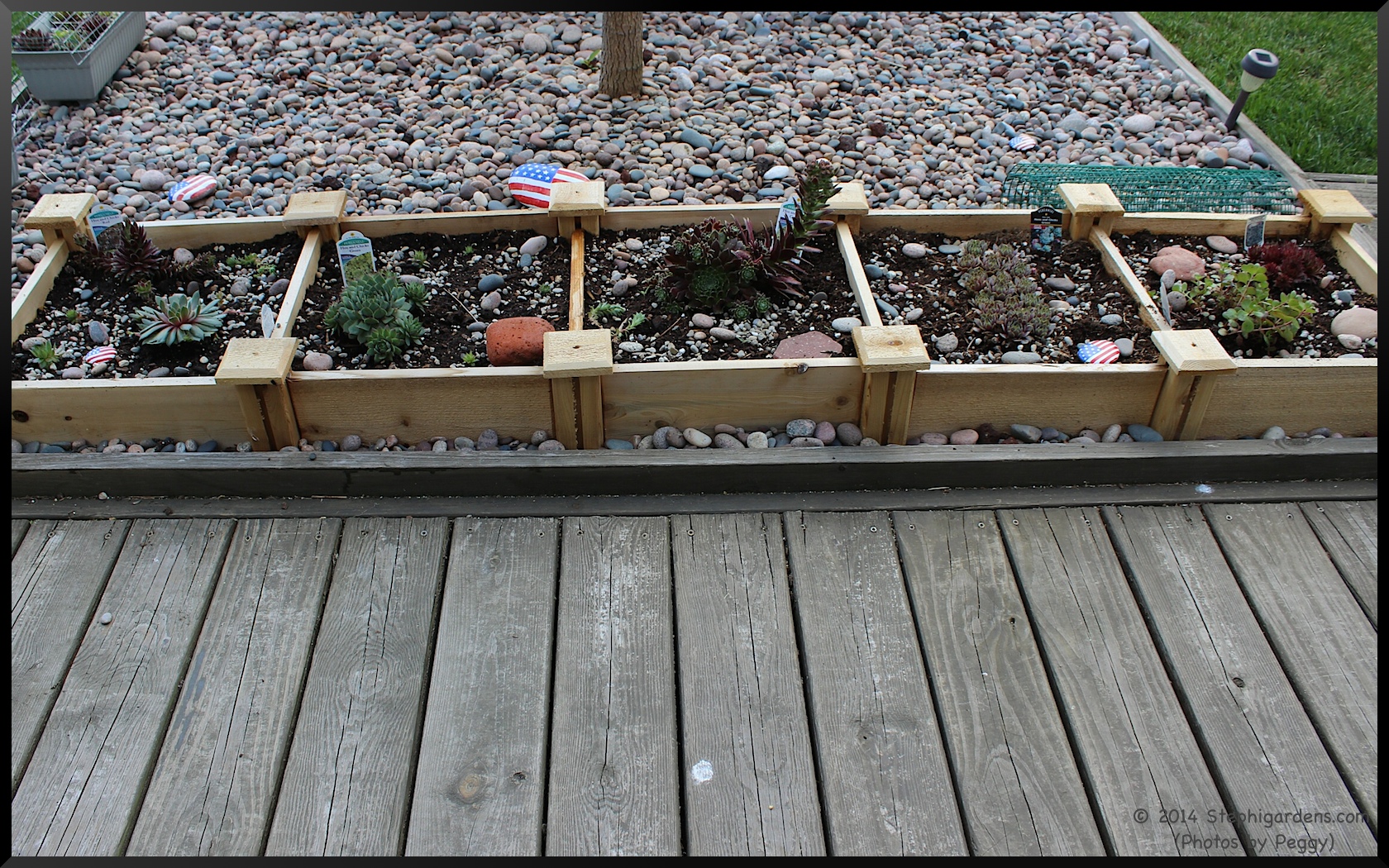
 Succulents!  This is a creative work in progress. I can’t wait to see what she does with this.  I know she’s got some great ideas.
photos by peggy/stephi gardens


photos by peggy/stephi gardens


photos by peggy/stephi gardens

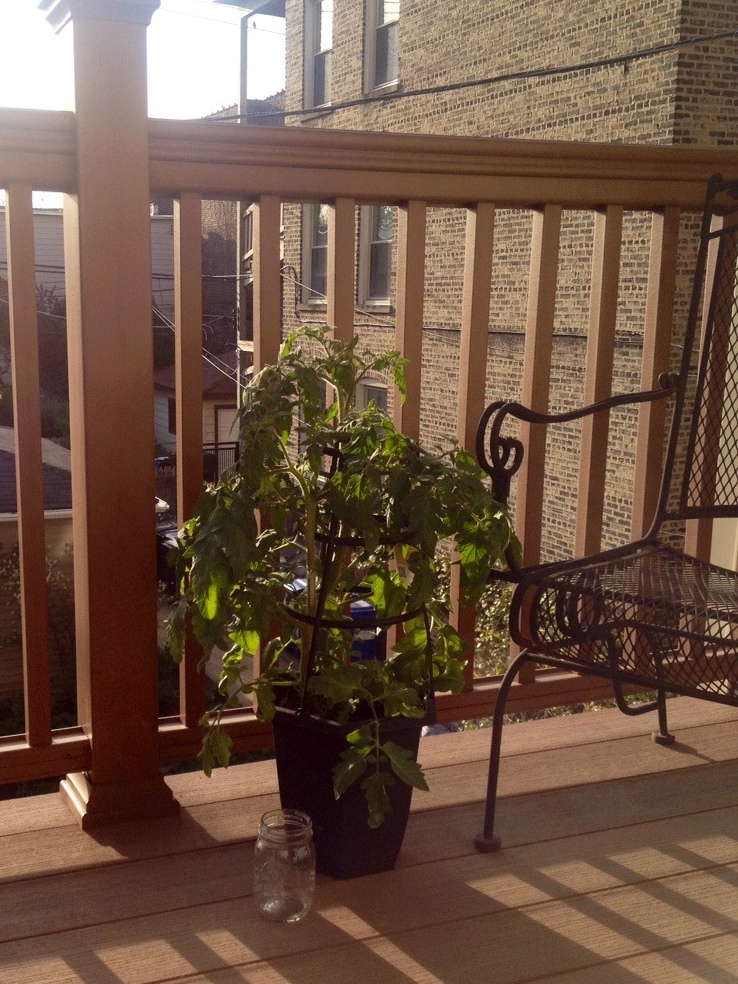
My daughter Emily lives in an apartment with some friends downtown.  When we were talking earlier in the spring, she was complaining about the price of tomatoes.  Soon after that, I happened to see a great looking potted patio tomato plant that would fit on her porch.
stephi gardens

She couldn’t have been more excited and has taken lovingly care of this plant.  It gets a hello and a glass of water from the mason jar every morning.  Recently I got a text that read “Mom!  2 of my tomatoes hatched!”  I hope they grow big, red and juicy for her.  I think she’ll be hooked then.

Do you have someone who inspired you, or have you inspired anyone else to garden? 
Assessing Winter’s Damage

While most of the garden has burst forth finally, quite a few things have been mighty slow, while others have obviously not survived the winter.  From what I’ve been hearing, everyone has suffered some loss in the garden from the long, cold, snowy winter.   In comparison to some, I think I’ve fared pretty well since I didn’t lose any major specimens.  Mostly I’ve had to just be patient as everything slowly unfolds this year.

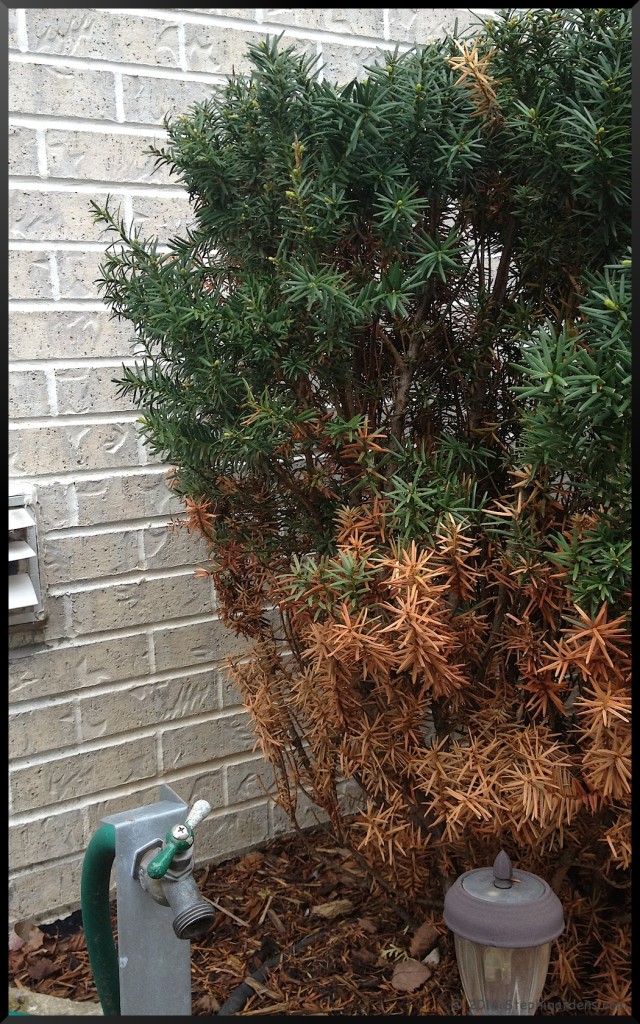
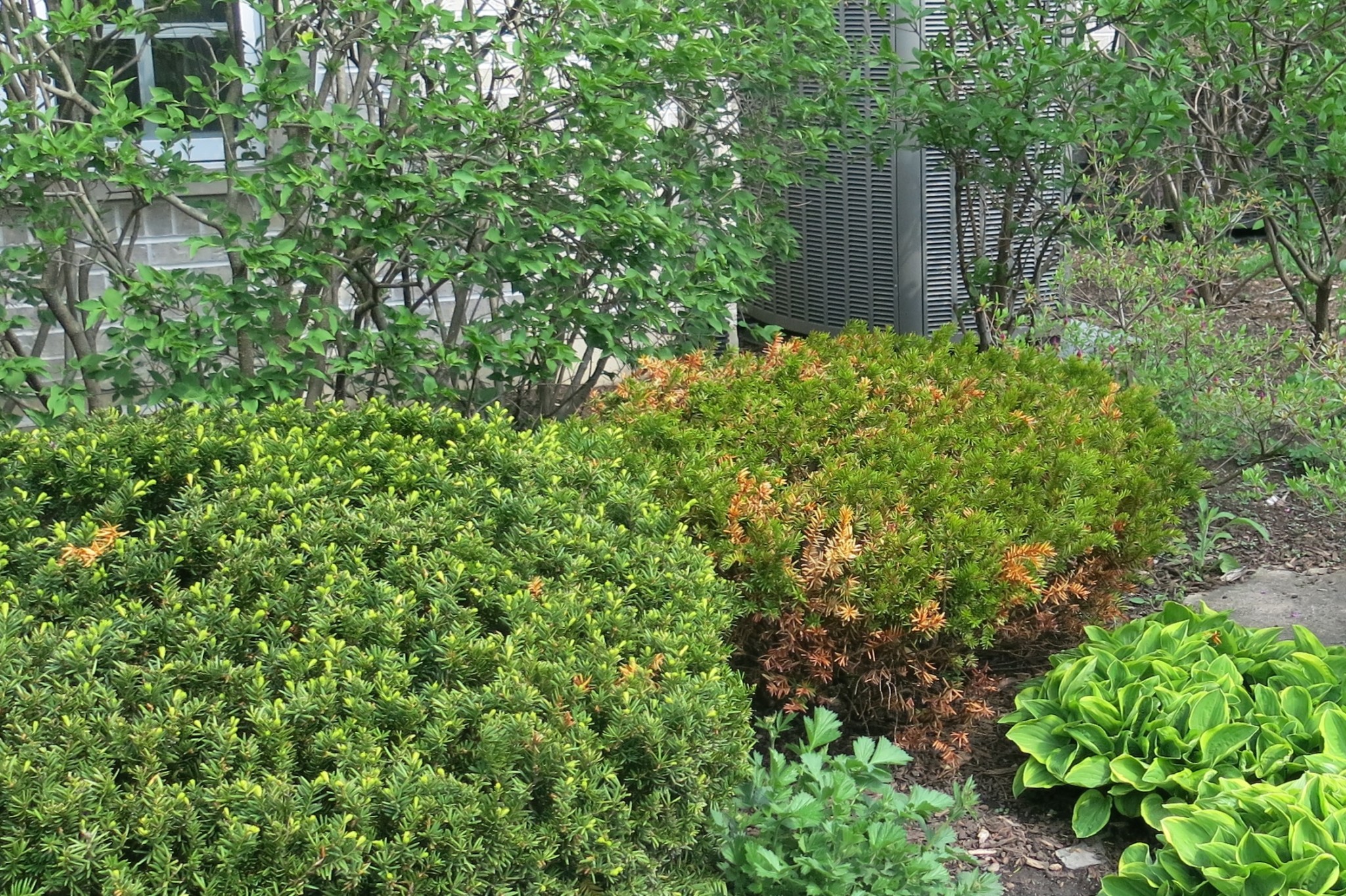
The trees and shrubs look pretty healthy, except for some winter burn on the yews.  Unfortunately, these dead spots will not recover and will need to be pruned out as soon as new growth can be seen.  Depending on how bad the damage is, it may look odd for a while until the shrub fills in.  Yews are one of the faster growing evergreens, so if I’m lucky it may fill in within one growing season.

Yew

This yew below suffered the most damage.  That’s because it’s placed much too close to the dryer vent, which pumped out damaging warm air onto it all winter.  Not much I can do about that but prune off the dead branches and hope it isn’t too ugly after.

Yew; Winter Burn


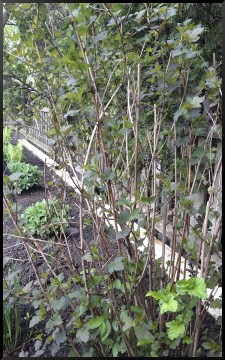
Ninebark


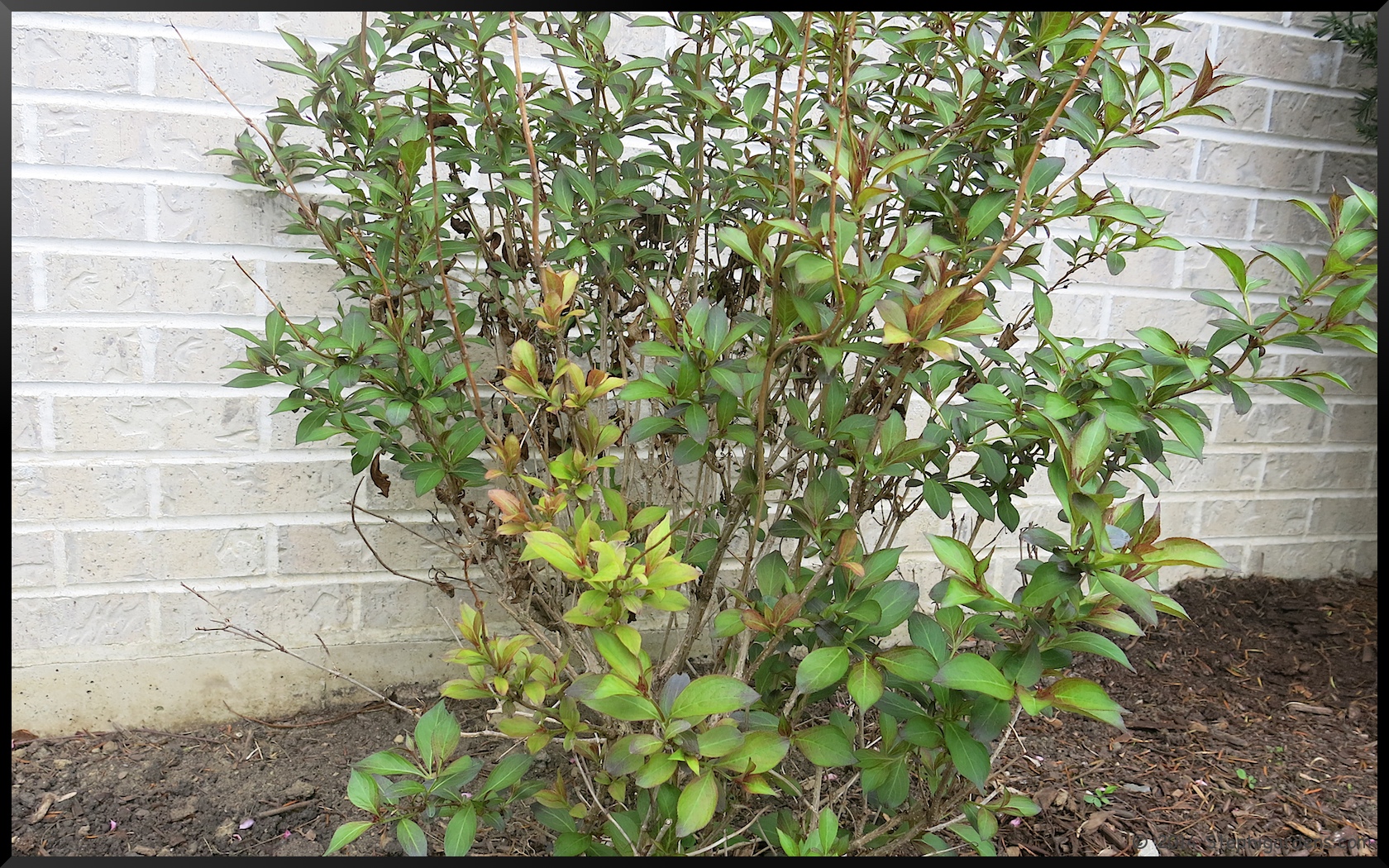
Some of the other shrubs, like the Ninebark and Weigela, have a fair amount of dead wood this year.  That’s easy enough to prune out after the new growth has emerged.  Don’t be in too much of a rush to prune, especially this year when things have leafed out so late.  Otherwise, you may be trimming out slow growth, rather than dead wood.


Weigela

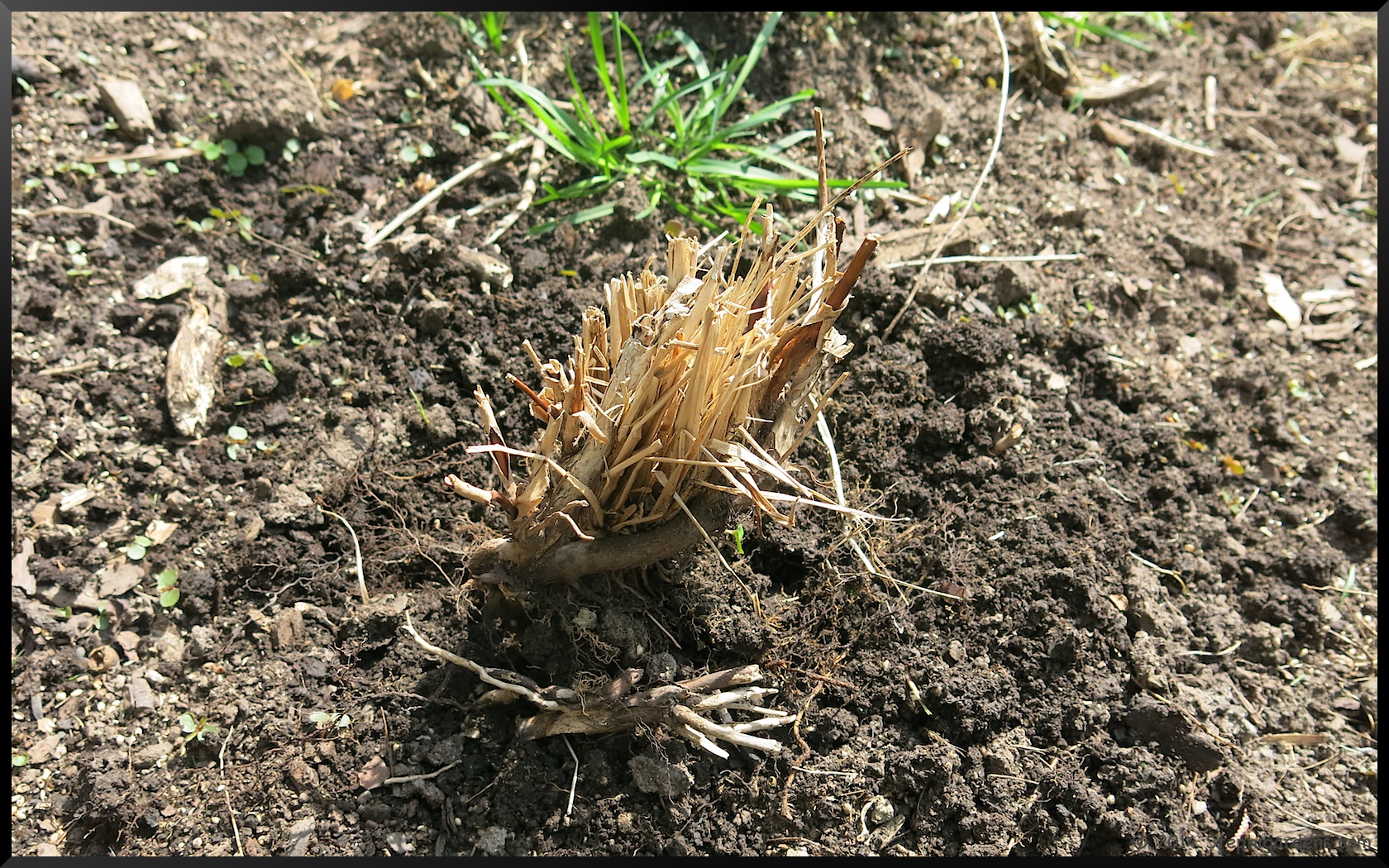
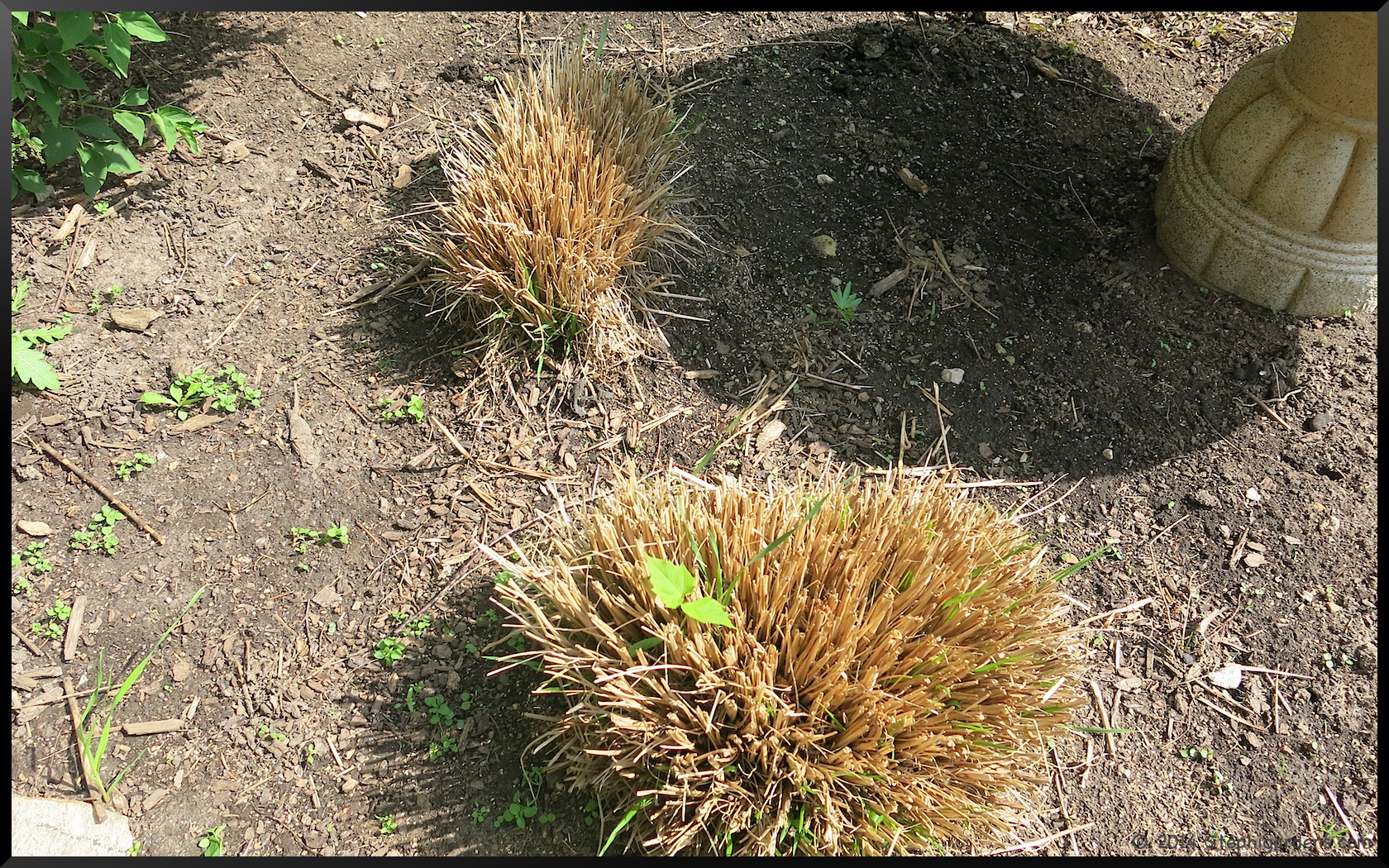
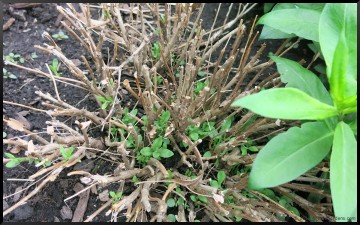
Three fountain grasses and a lavender plant also succumbed to the winter.   I watched them for a while and saw no signs of life, except some weeds that were moving in.  In this location, I’ve had trouble with the grasses in prior years, so this is a good time to remove them and try something different

Stephi Gardens

Stephi Gardens

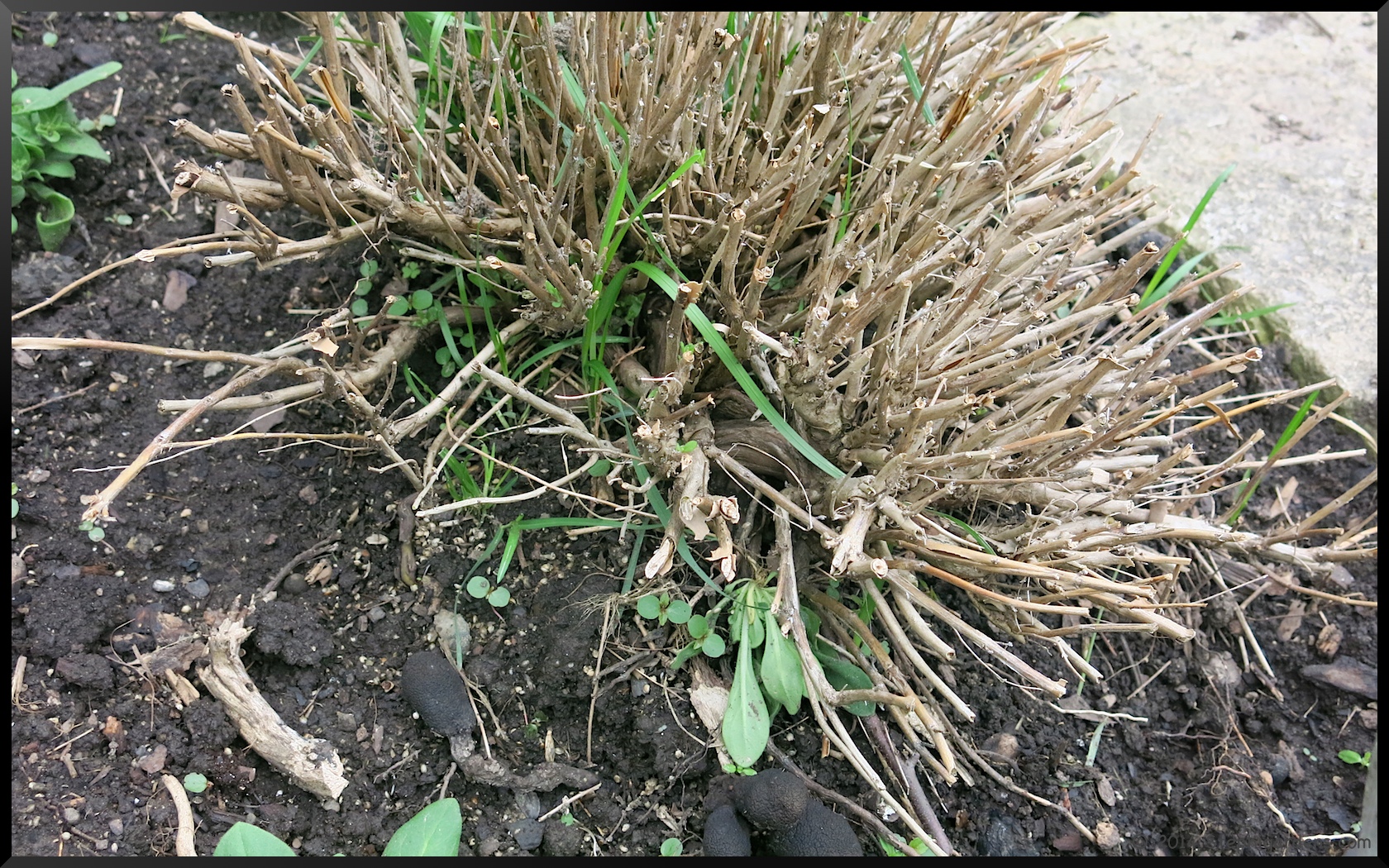
Lavender
Lavender (surrounded by Dead Man’s fingers)


This lavender is barely showing signs of life.  But, it’s better than nothing.

LavenderLavender


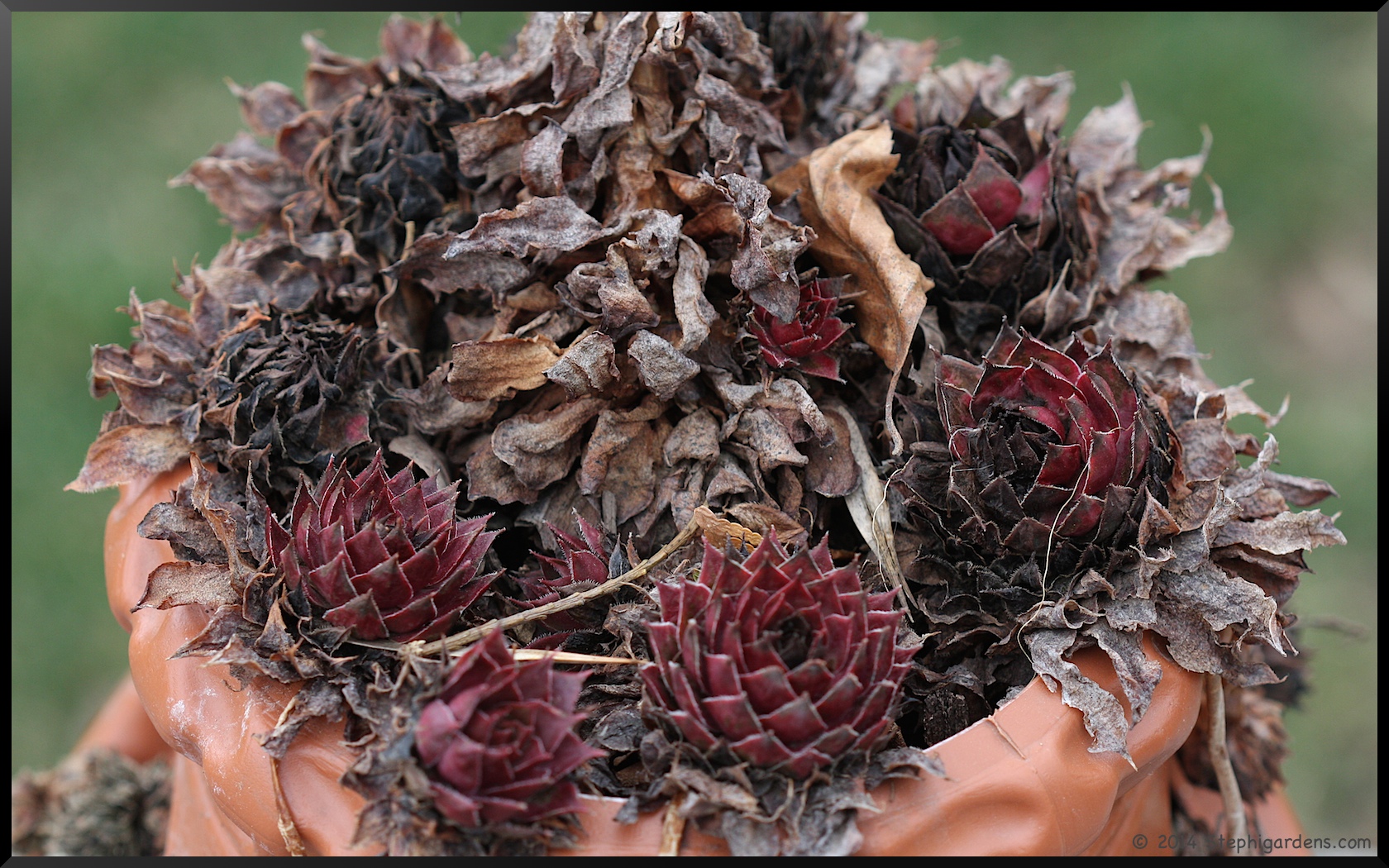
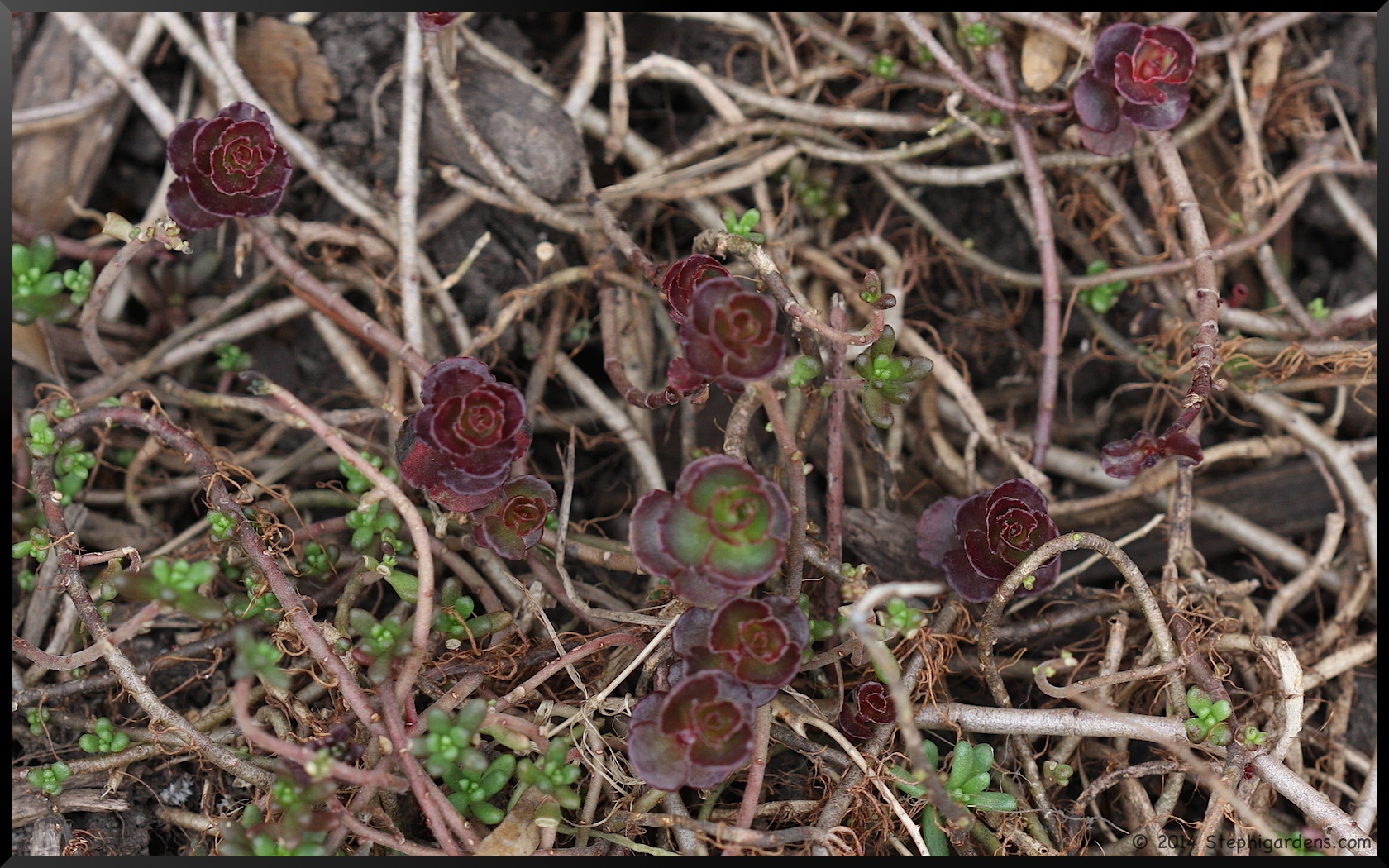
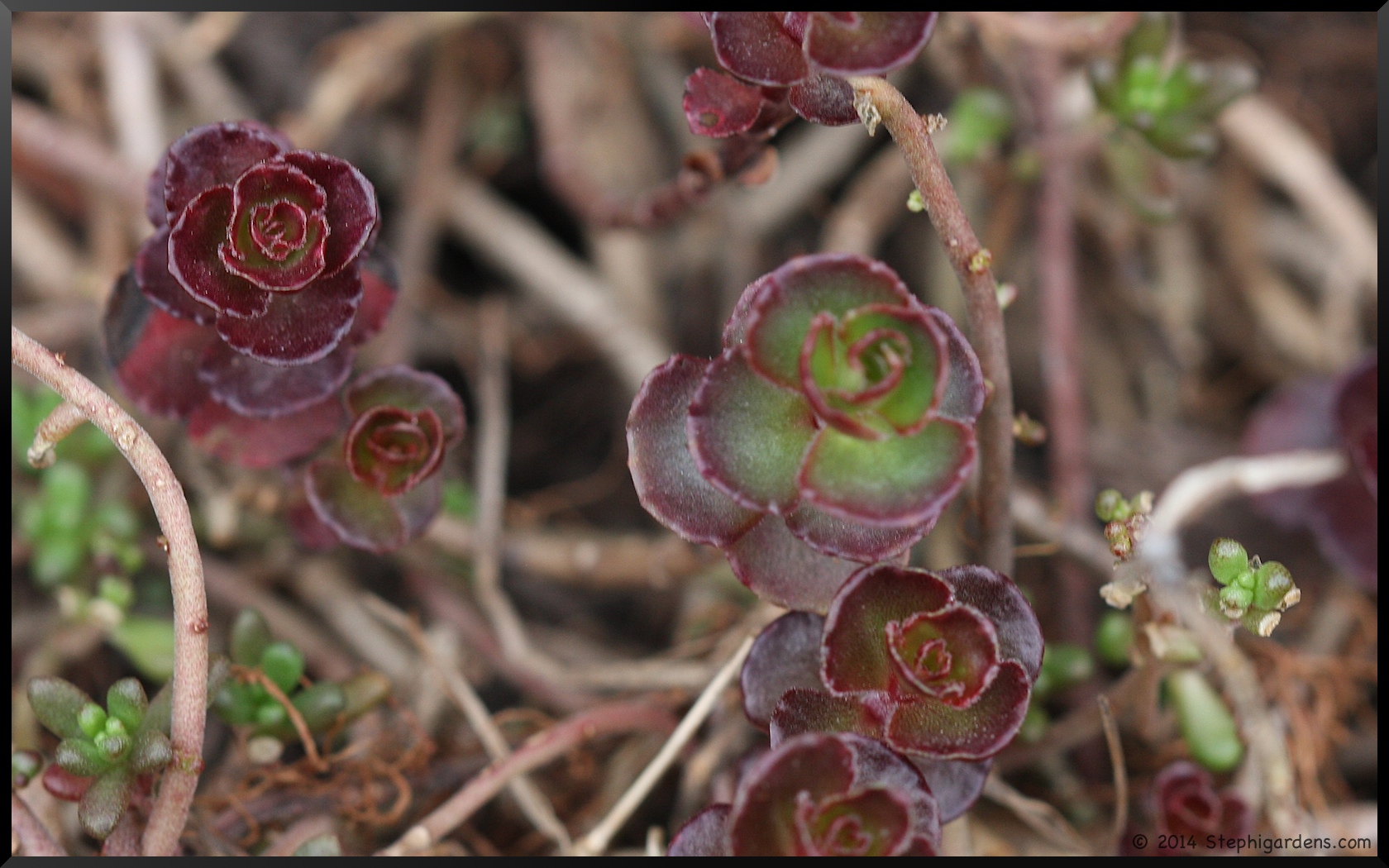
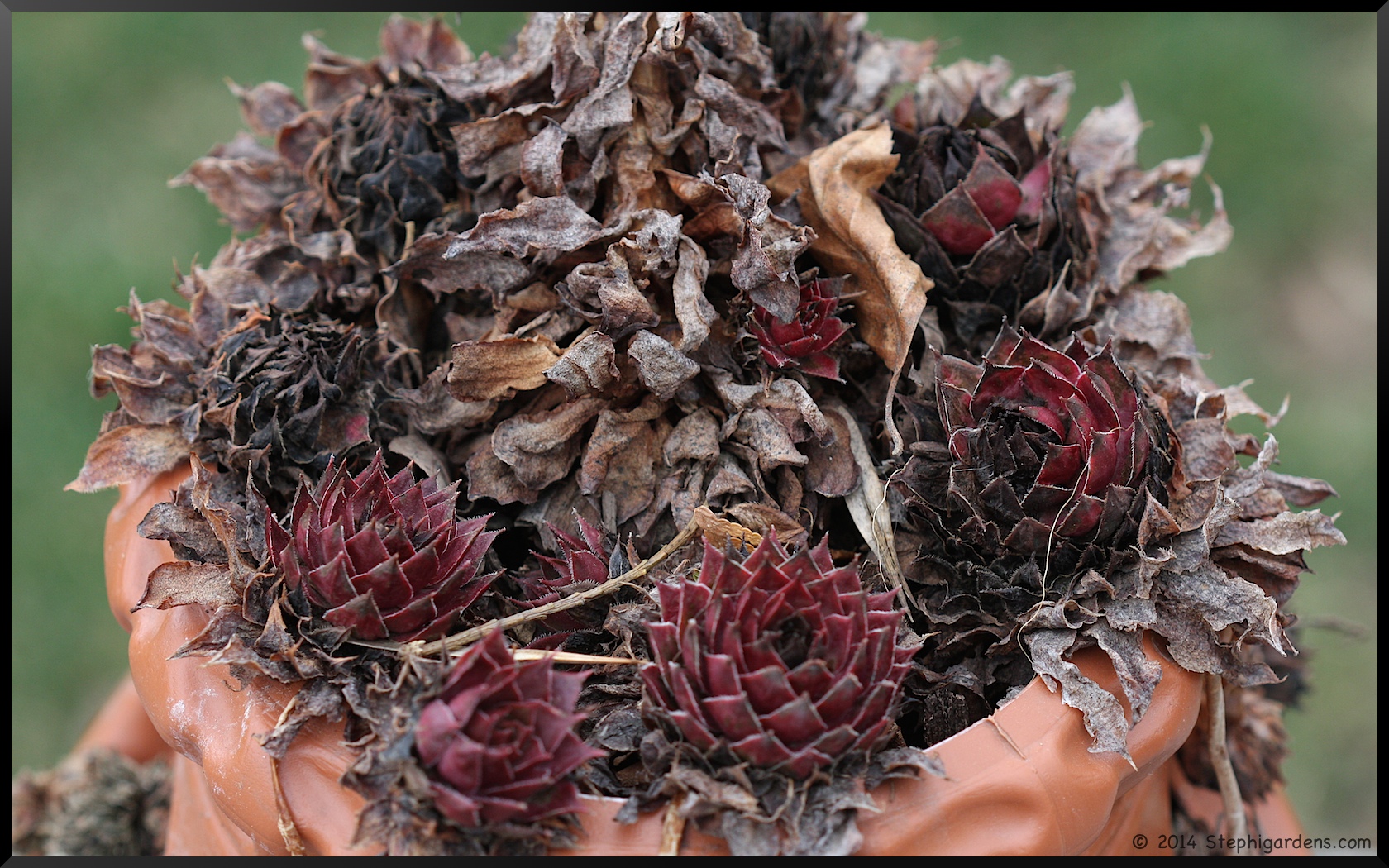
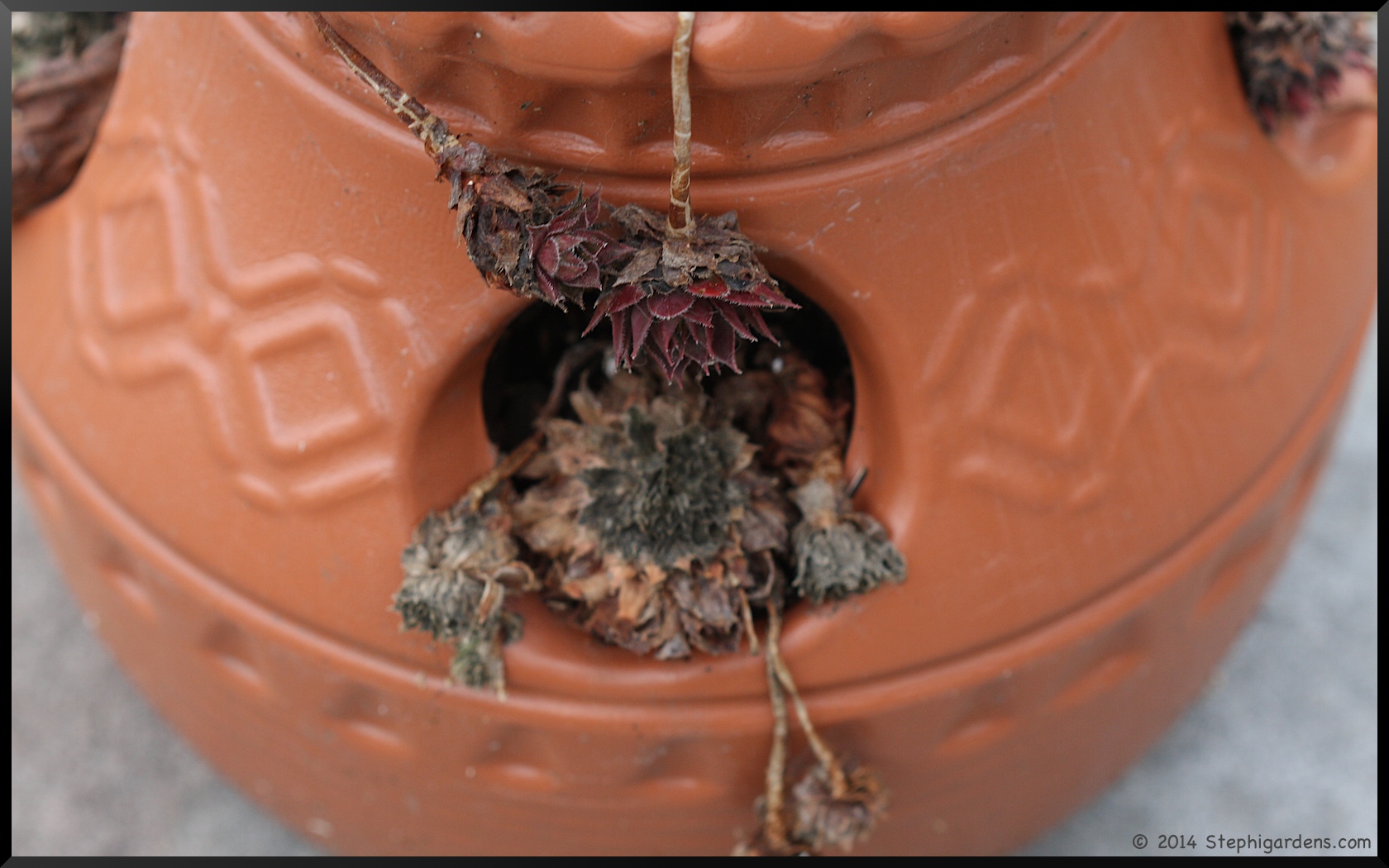
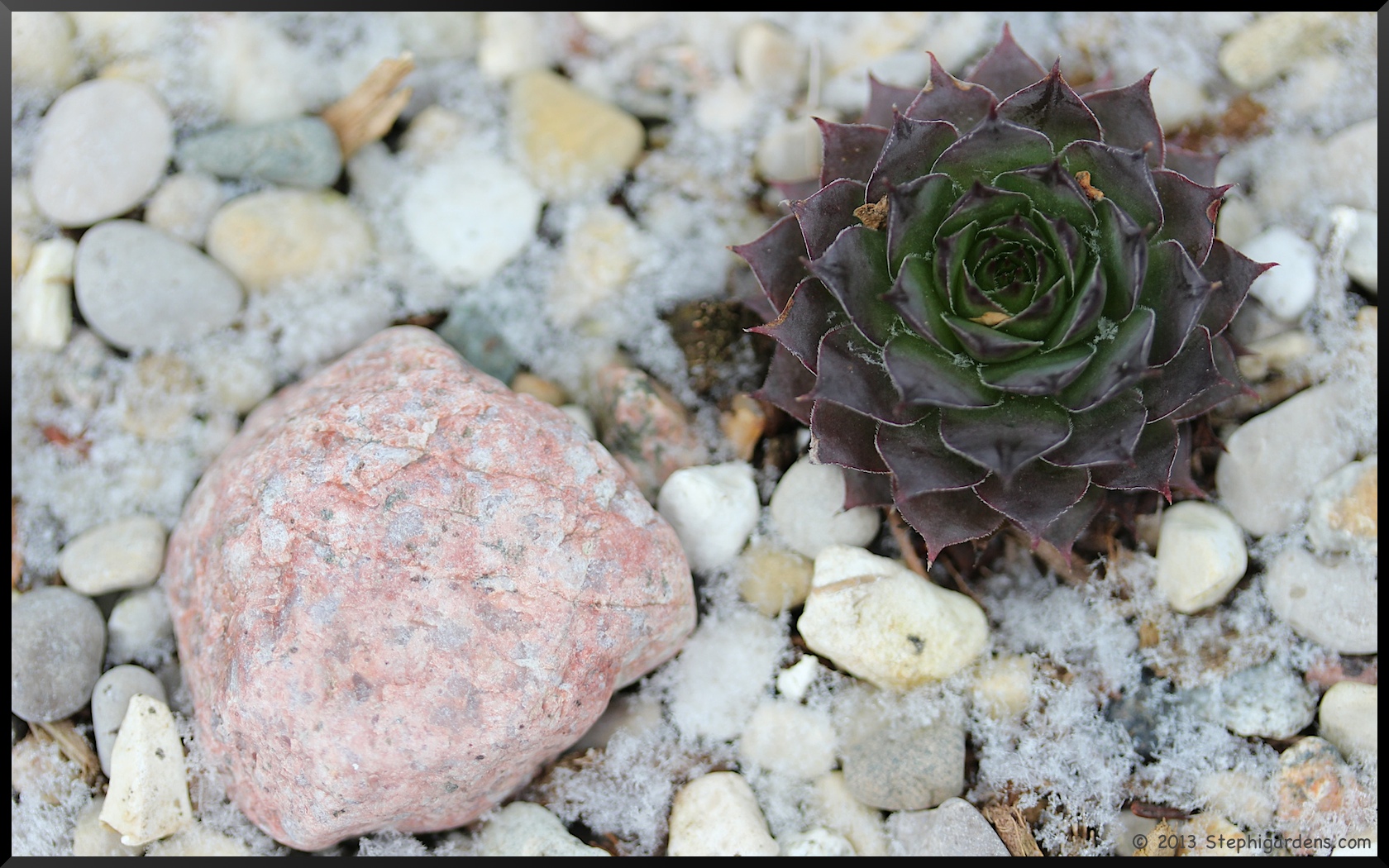
Earlier this spring, I thought the potted Hens and Chicks had survived their winter outdoors.  Unfortunately, that wasn’t the case. A couple weeks later, they are pretty much dried up and dead.  The red coloring faked me into thinking it was alive, but it was basically just freeze-dried!  This was the first time I left them in the pot outdoors instead of in the unheated porch.  Next year, back in the porch.  The ones that had been planted around some landscaping rocks also didn’t survive.   They were fairly established, so I’m disappointed they didn’t survive.  The rest of the sedums and succulents are just fine.

Hens and Chicks

How did your plants do this winter?
 

Spring Sedums

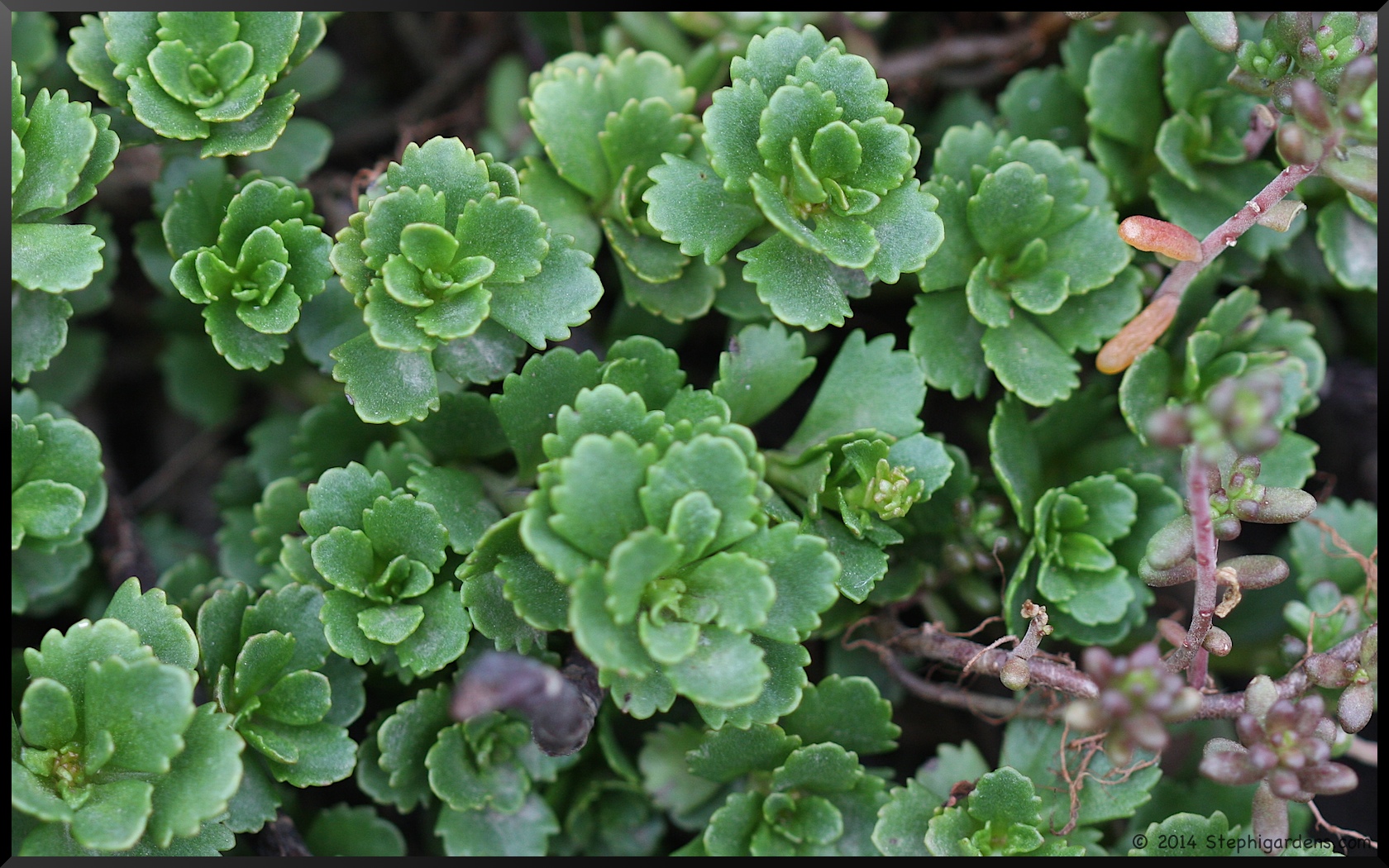
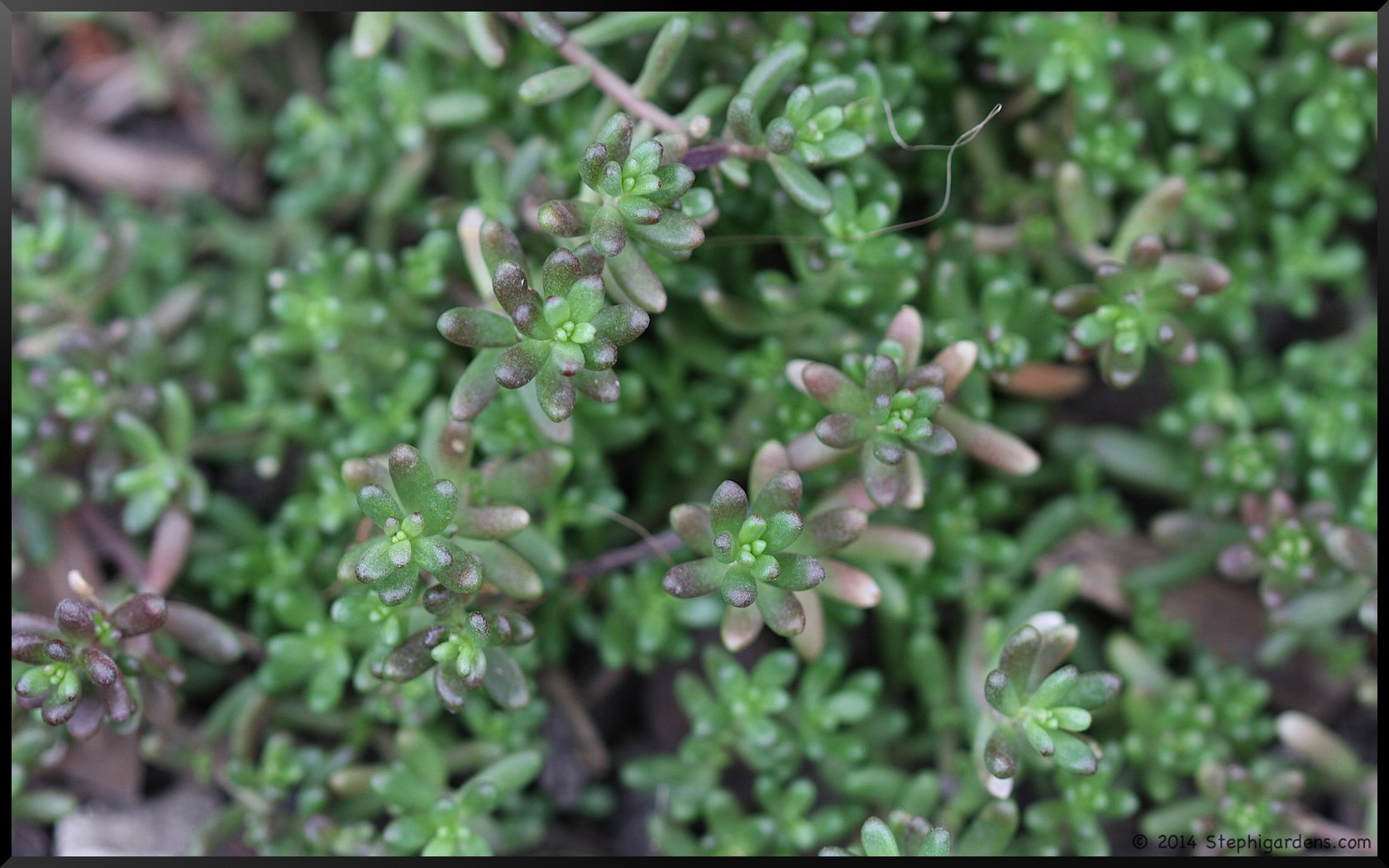
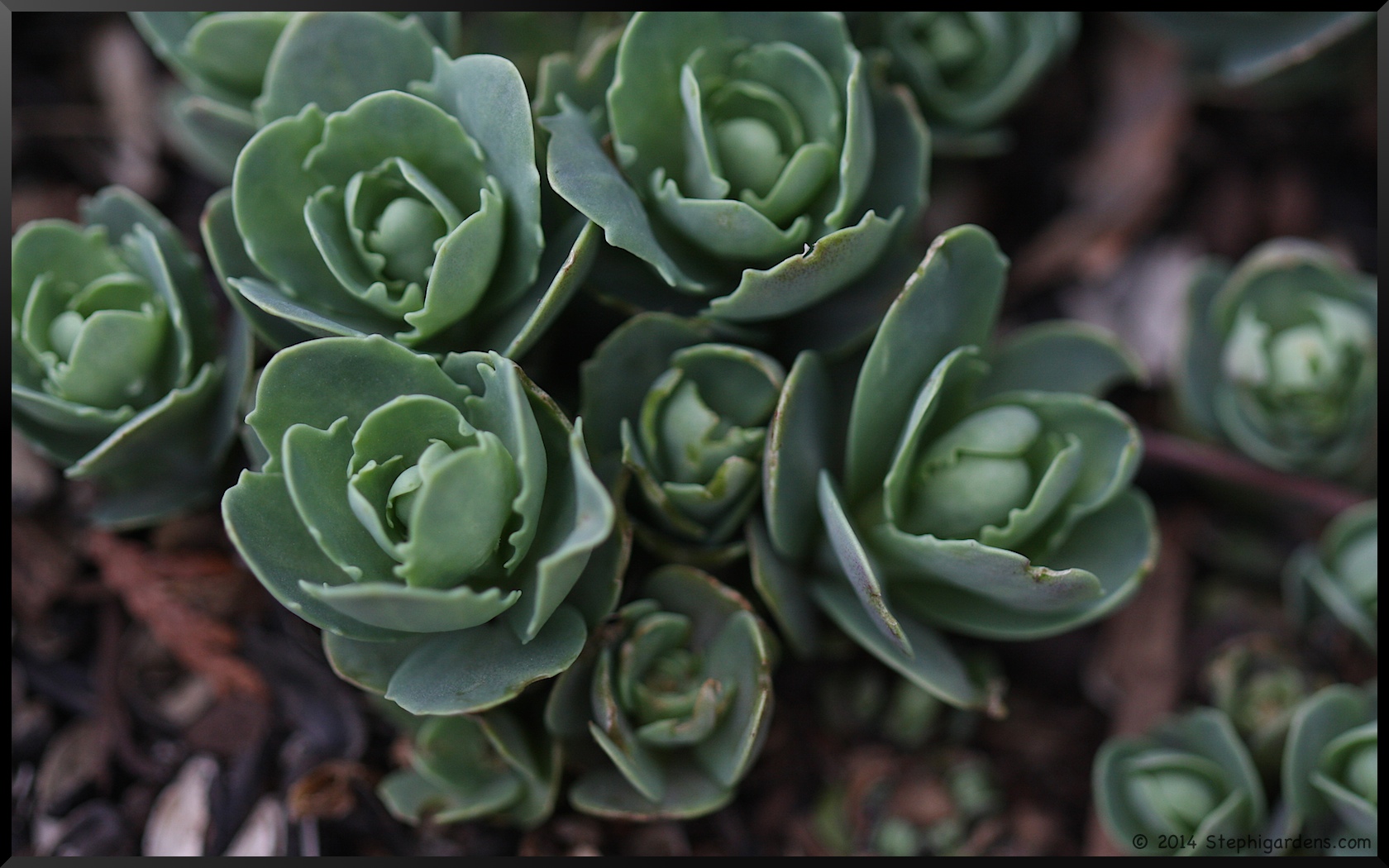
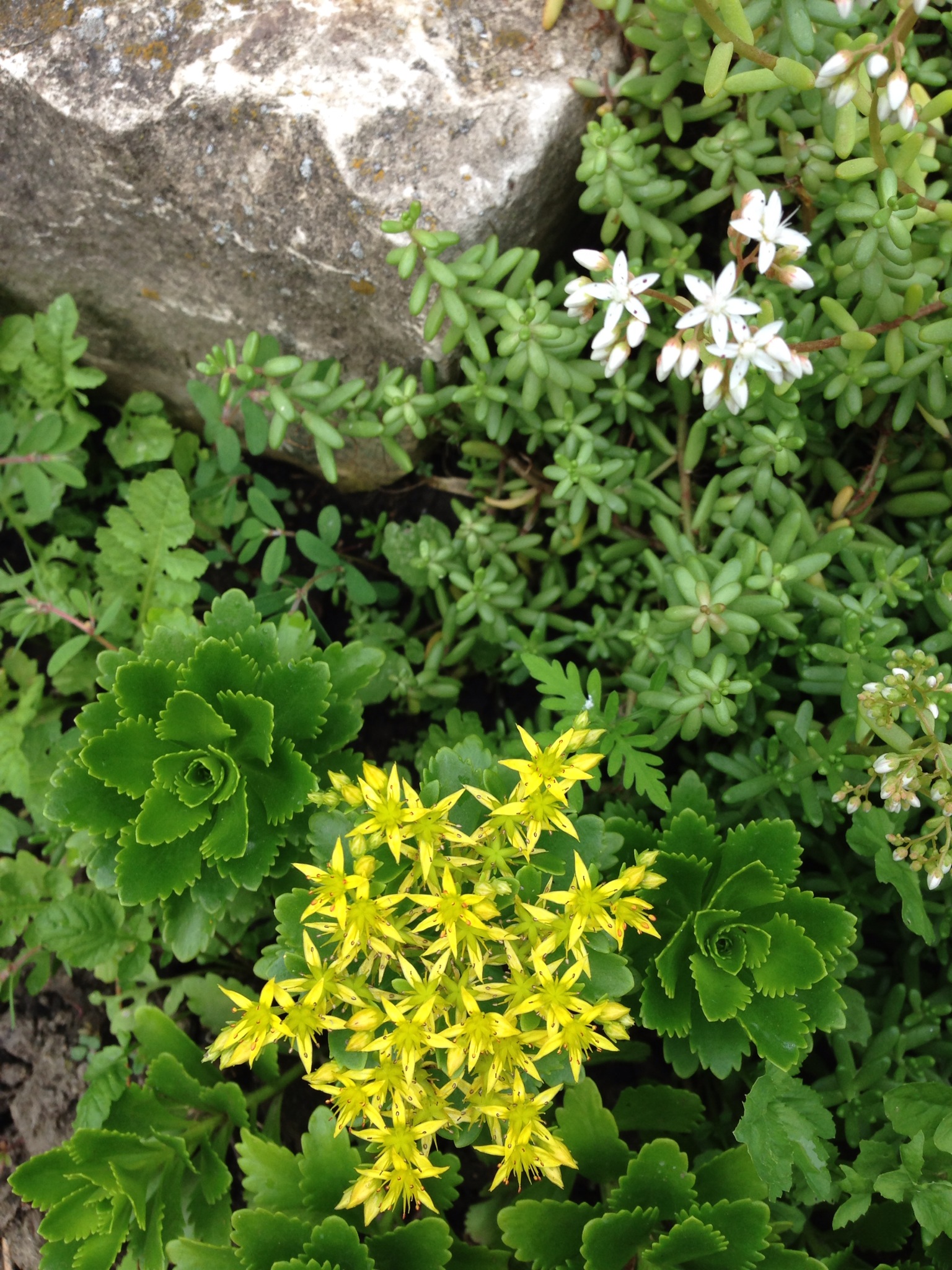
This winter was a particularly harsh one, so as new growth is starting I’m excited to see what has survived. Over the last few years, I’ve planted a number of sedums in hot dry areas that other plants have not fared well in. I also have almost too many Sedum “Autumn Joy” around the yard. Happily, many of them seem to have survived and are already greening up the garden.

Sedum takesimense “Gold Carpet”
IMG_8192
Sedum album “Coral Carpet”
Sedum album 'Coral Carpet'
Sedum spurium ‘Blaze’
Sedum spurium 'Blaze'


SEDUM spurium 'Blaze'

Sedum “Autumn Joy”
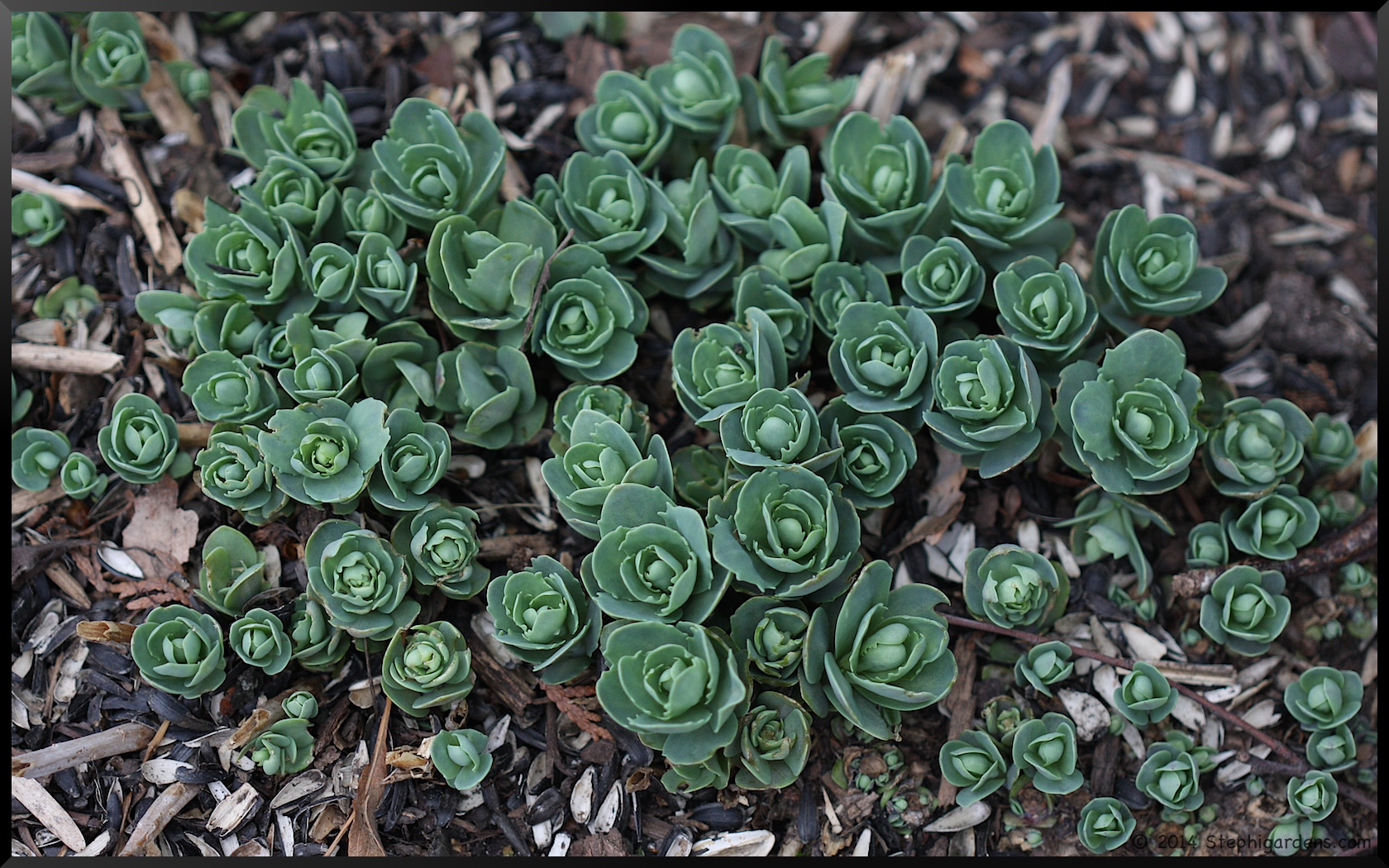
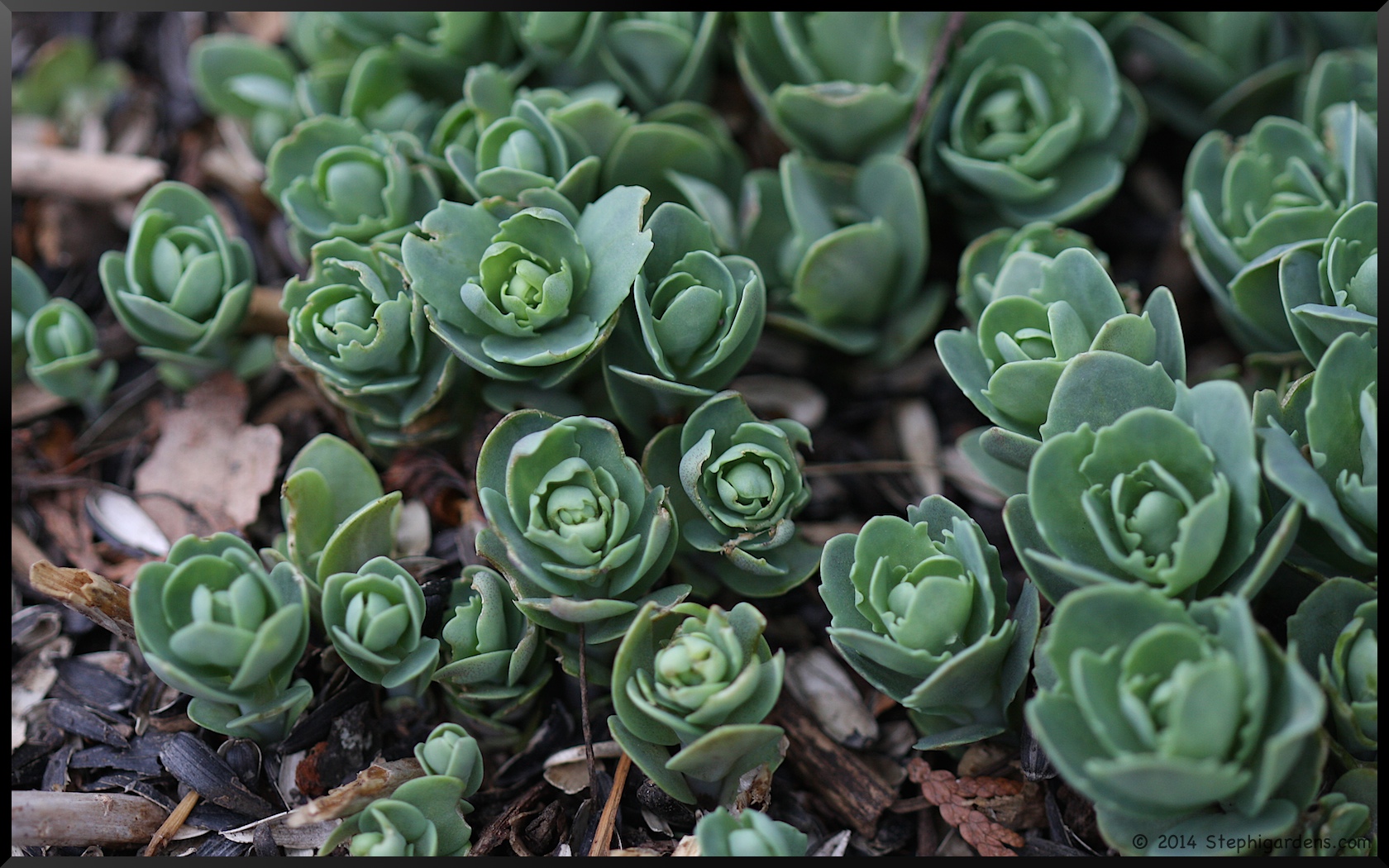
I have clumps of Sedum “Autumn Joy” all around my yard that started from only a couple of plants. In my soil conditions, they are fast growers and easy to divide in only a few years.  These are one of those plants that I’ve found that “less is more” when developing a landscape plan. They will fill in the space fairly quickly so don’t over plant.  They are also one of the earlier plants to begin leafing out, despite them being a fall flowering plant.

Sedum "Autumn Joy"


Sedum "Autumn Joy"


Sedum "Autumn Joy"

 Hens and Chicks
I don’t usually leave the potted Hens and Chicks out over the winter, but this was one of those winters that snuck up on me and I never got around to putting them on the porch.  It seems that they mostly survived and don’t look much worse than normal.  I did expect the center of this one to be dead since it had flowered so beautifully last summer.  That marks the end of its life cycle.  Depending on what the pot looks like in a couple of weeks, I’ll pull out all the dead parts and try to plant the chicks in the empty spots.  Otherwise, I’ll pull it apart and plant the remaining plants in the garden.

Hens and Chicks


Hens and Chicks

I’m still looking for the Hens and Chicks that are in the garden to appear.  They really don’t die back, so the fact that they are “missing” suggests maybe they didn’t survive the winter.  Maybe they’ll surprise me.

How did your succulents do over the winter?

Photos by Steve

Hens and Chicks

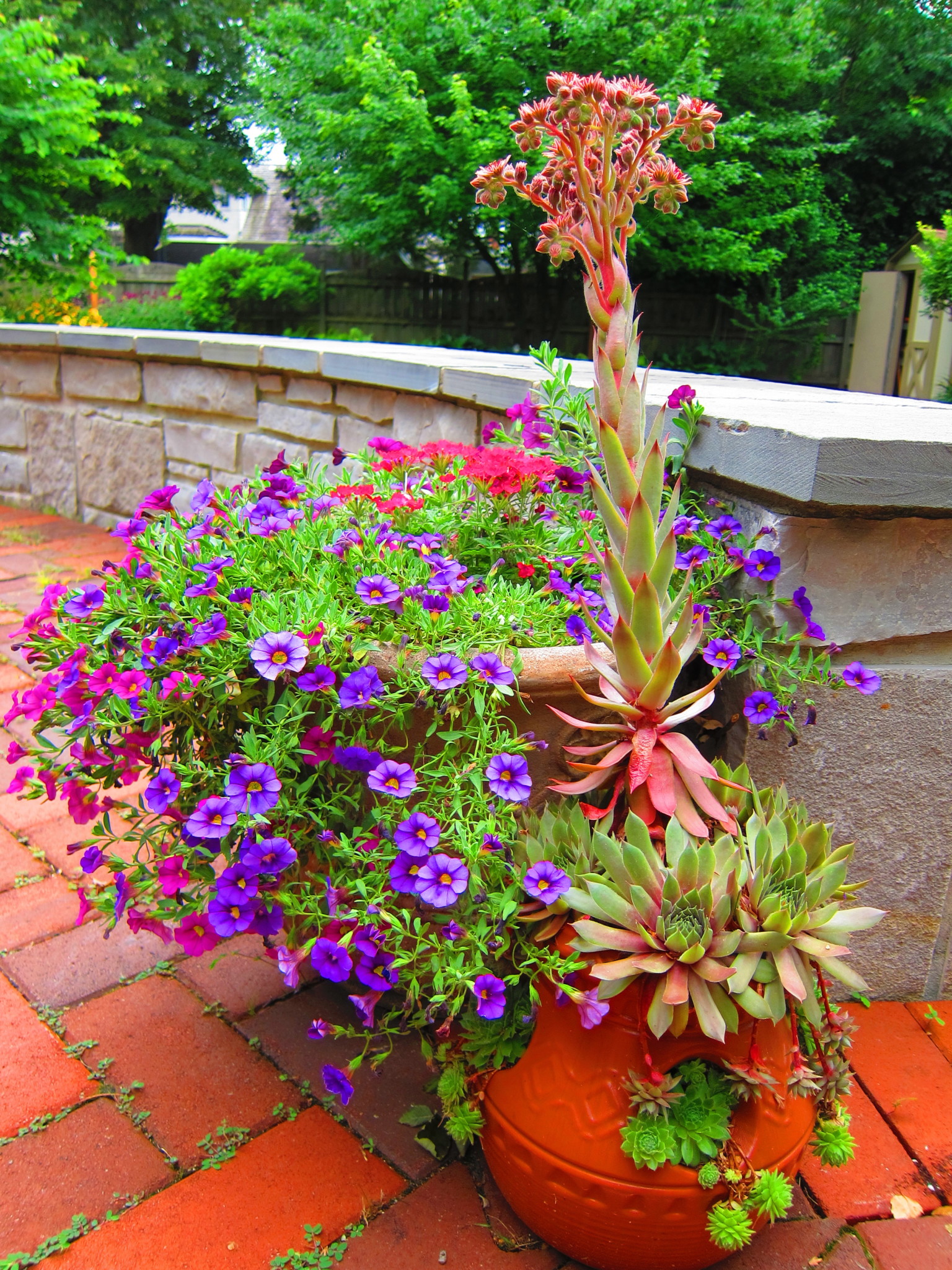
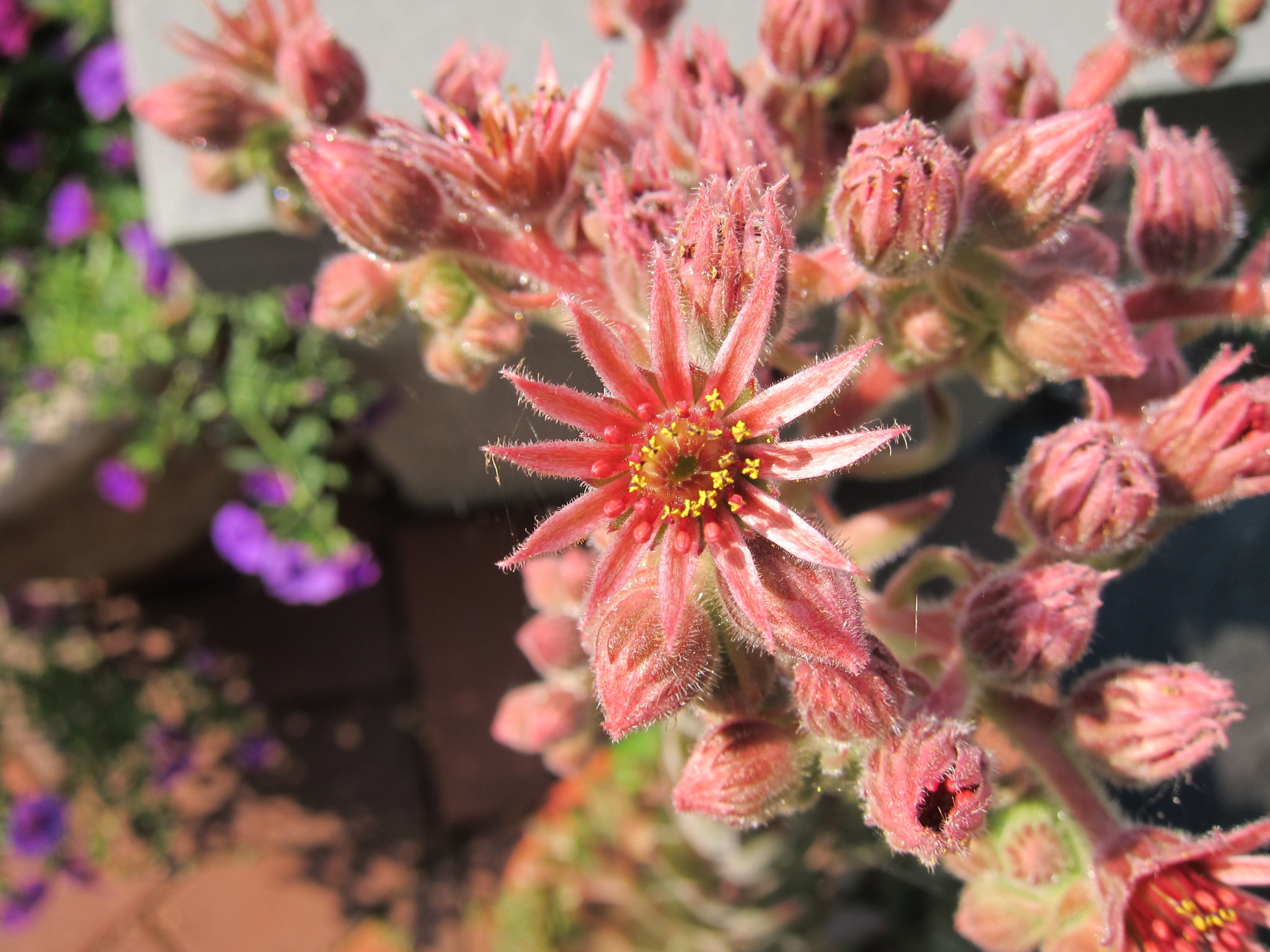
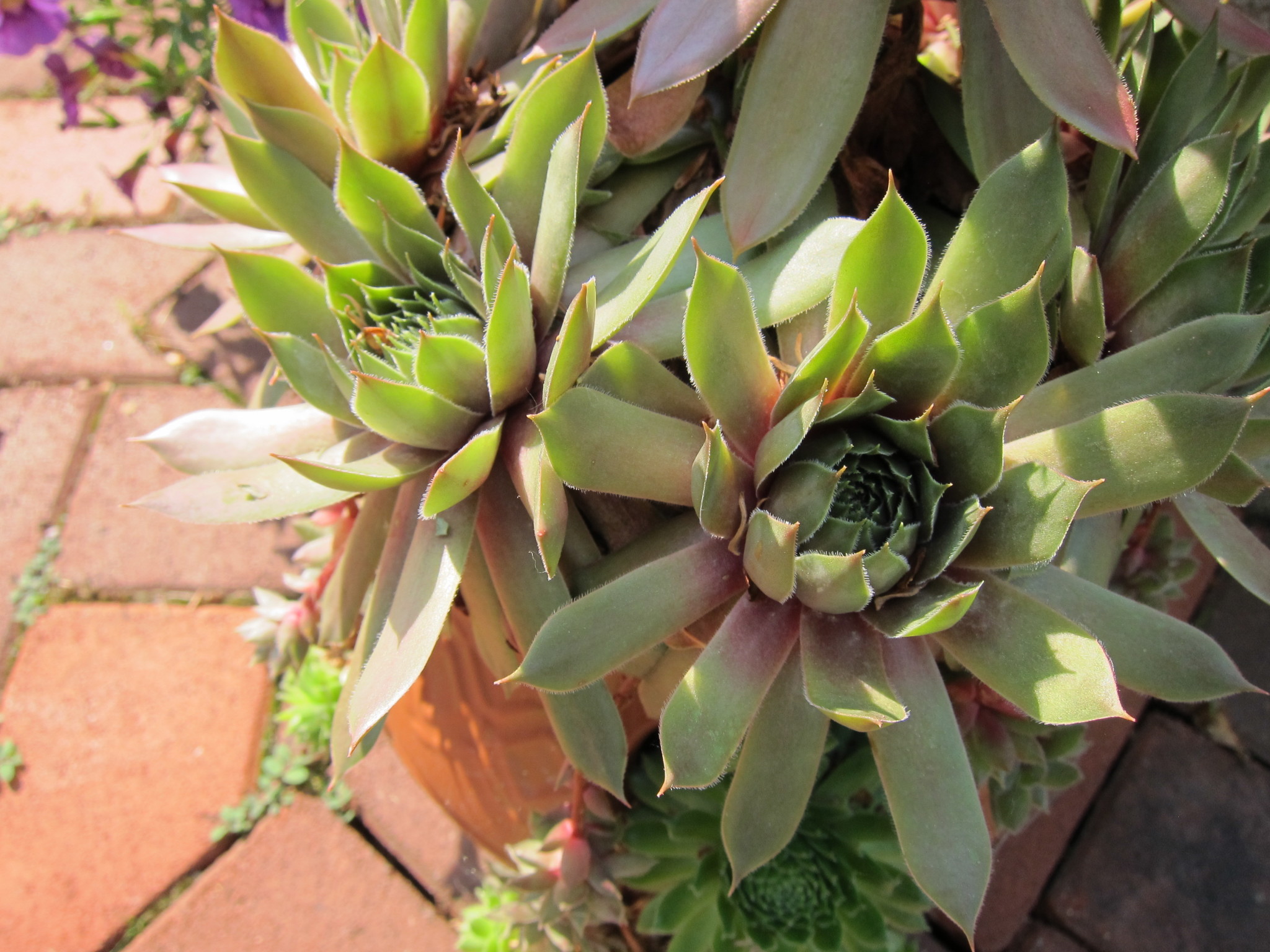
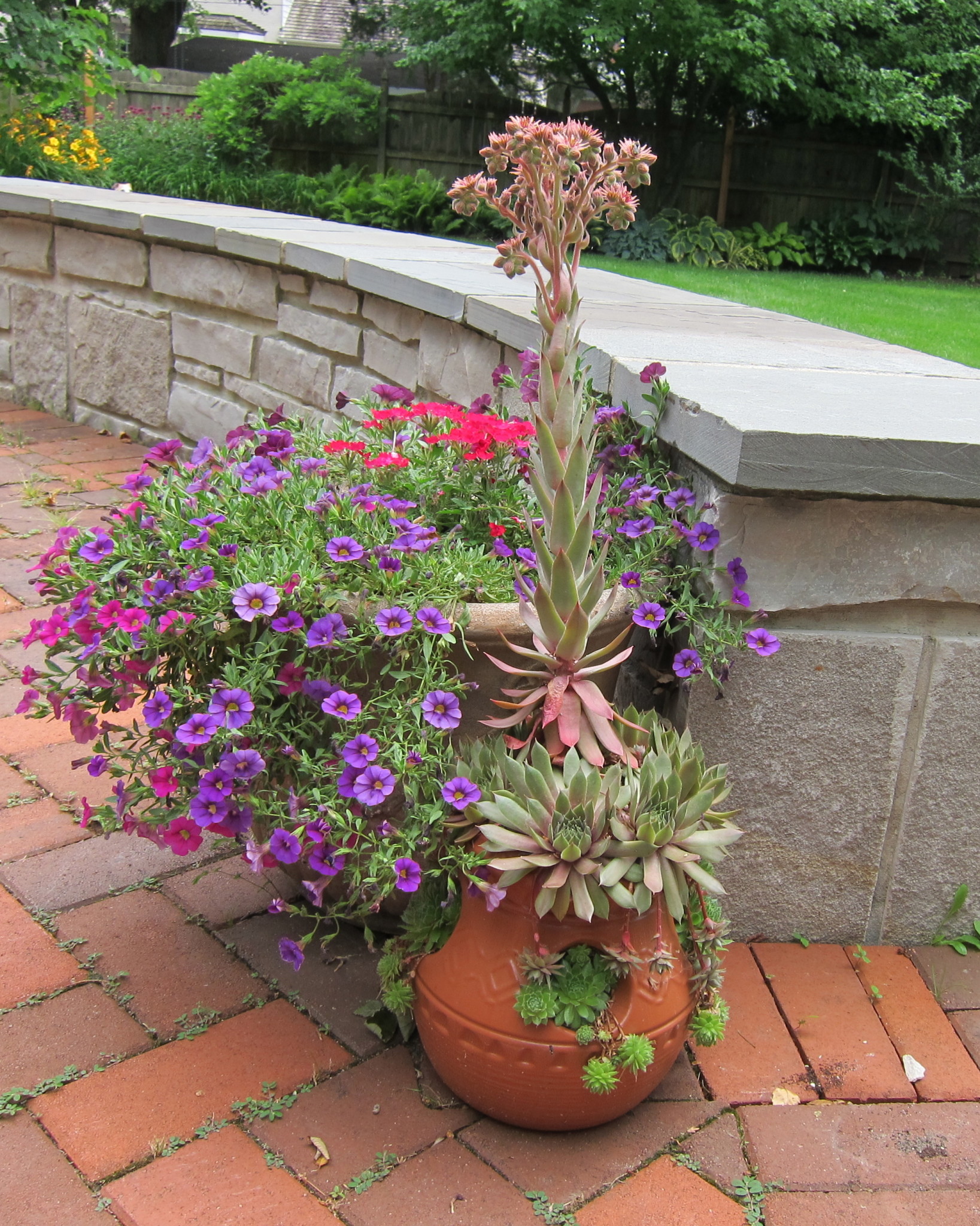
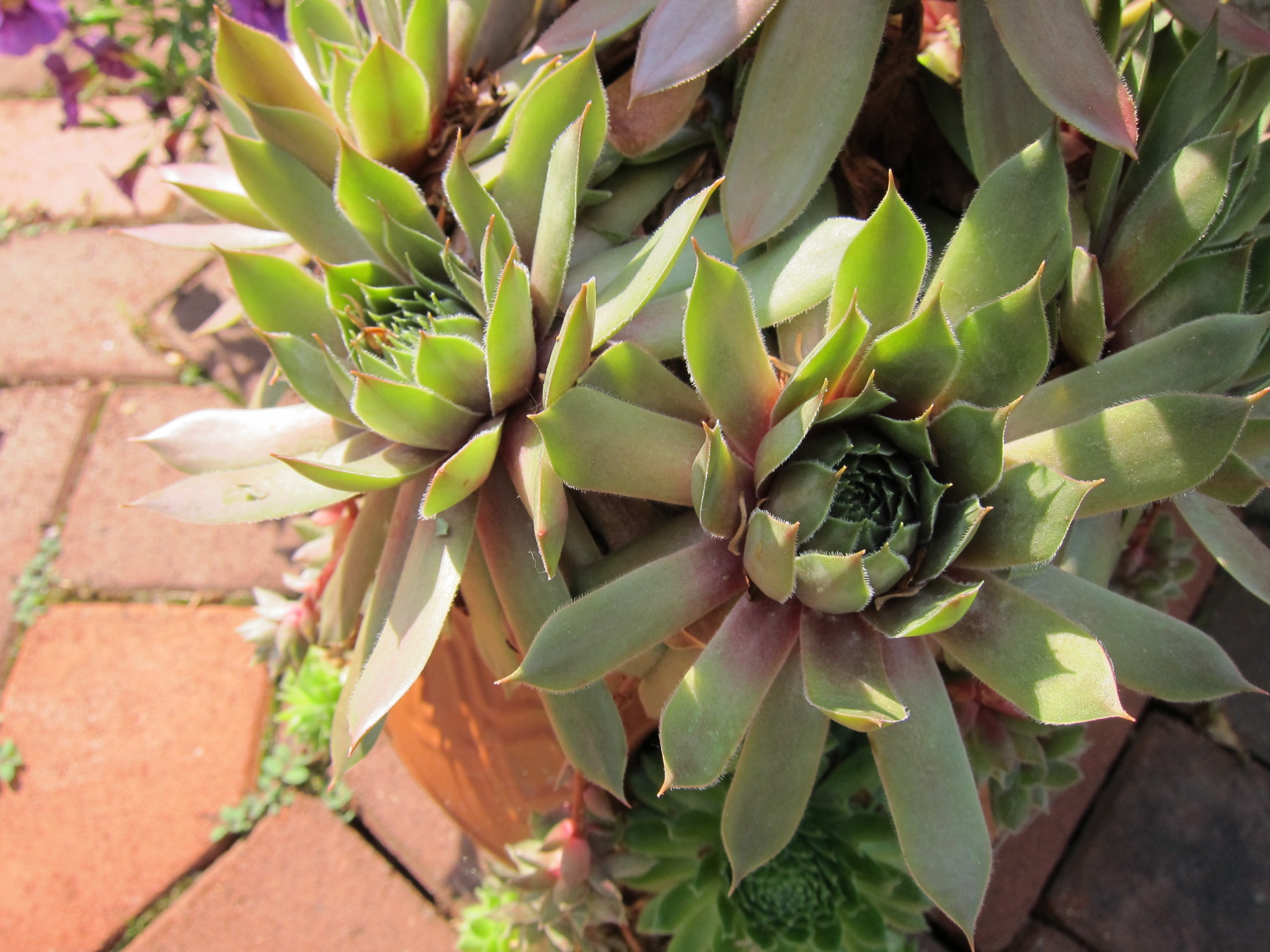
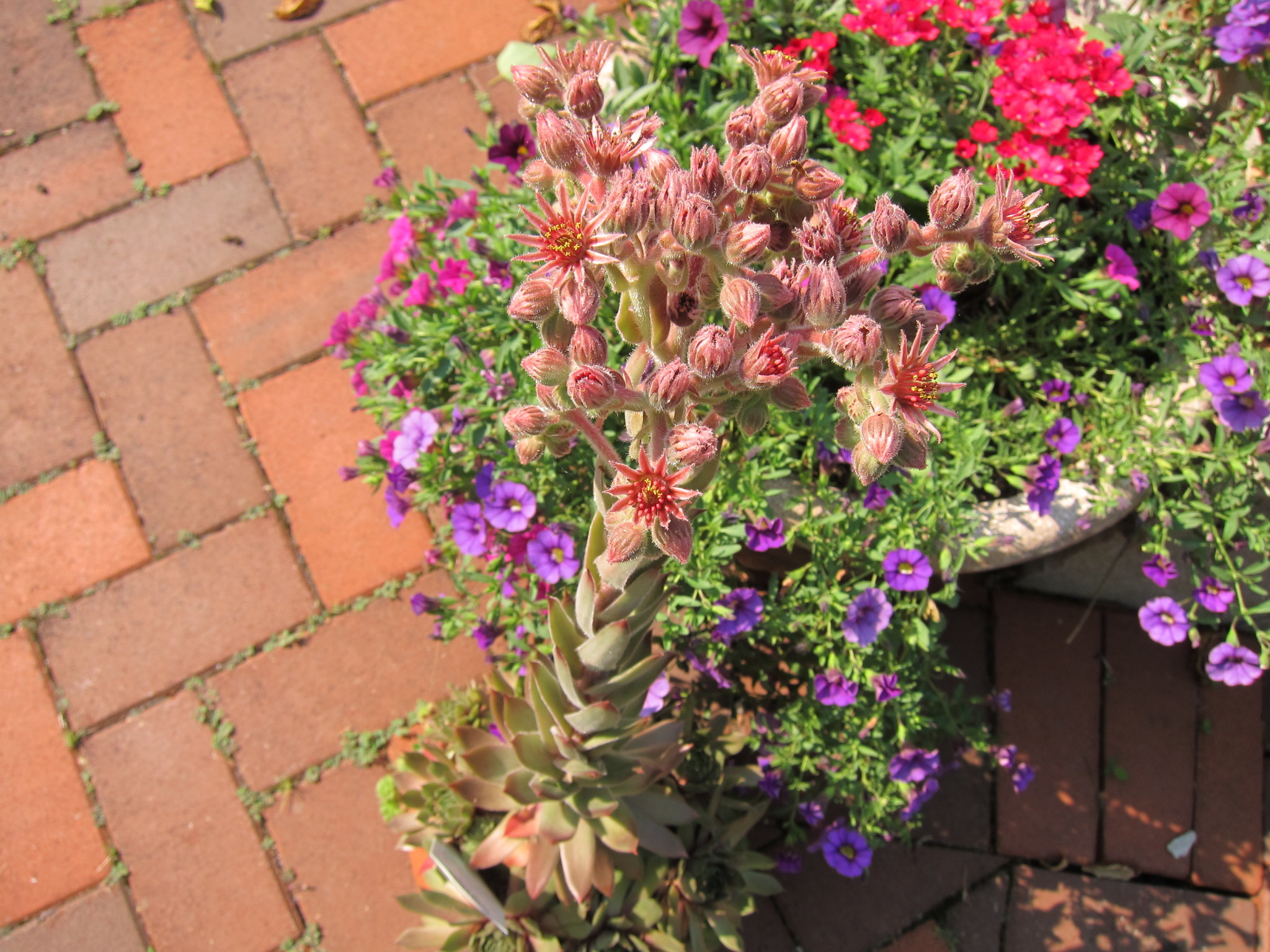
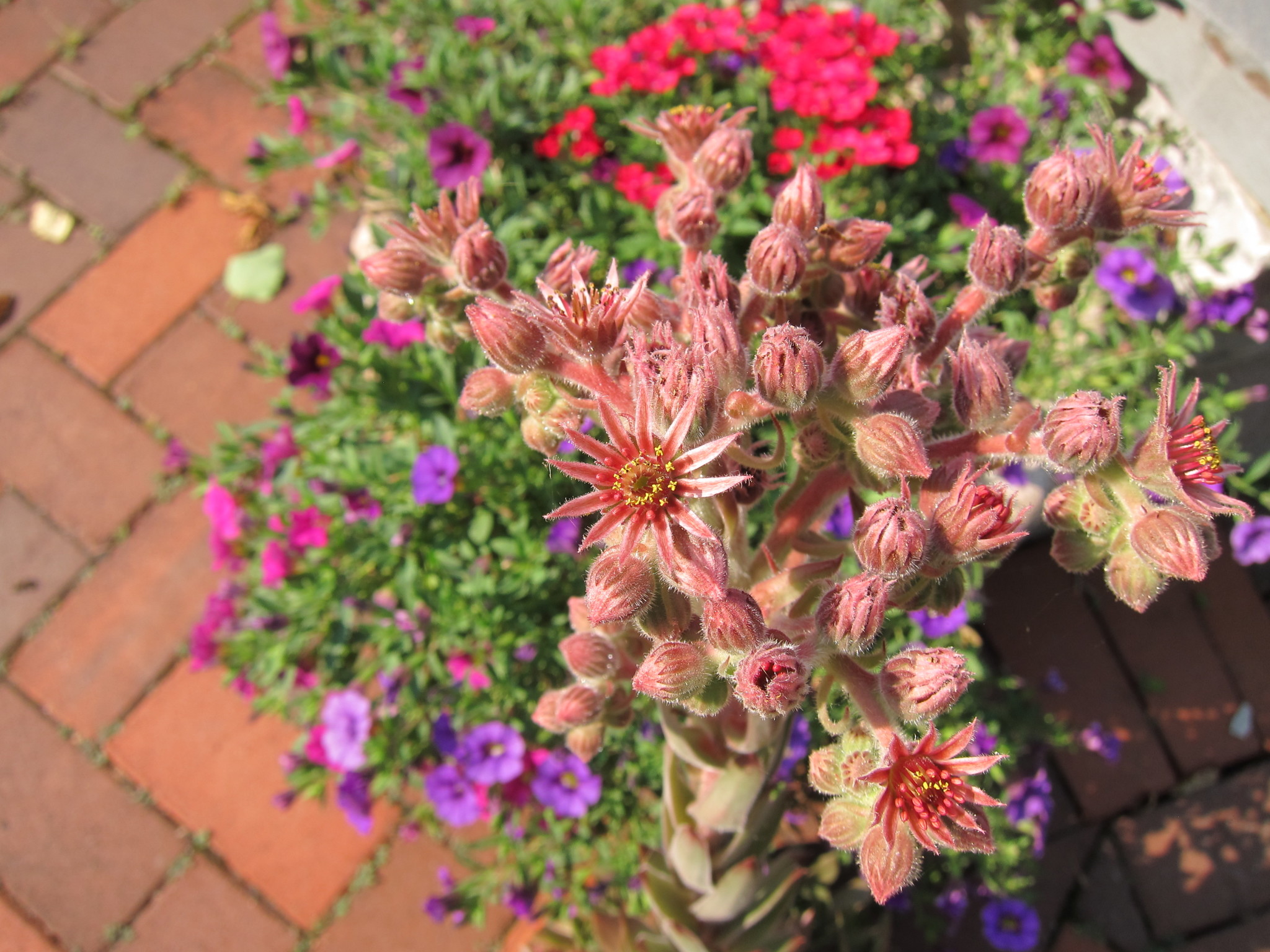
The past few years, in the spring I’ve bought pretty inexpensive pre-made containers of Hens and Chicks (Sempervivum) at the grocery store of all places.  They don’t require much care, love sun, and are so interesting to watch grow, shoot off chicks and grow flowers if you’re lucky.  In fact, I’ve found the less attention the better.  No fertilizer and not much water seems to be the key.

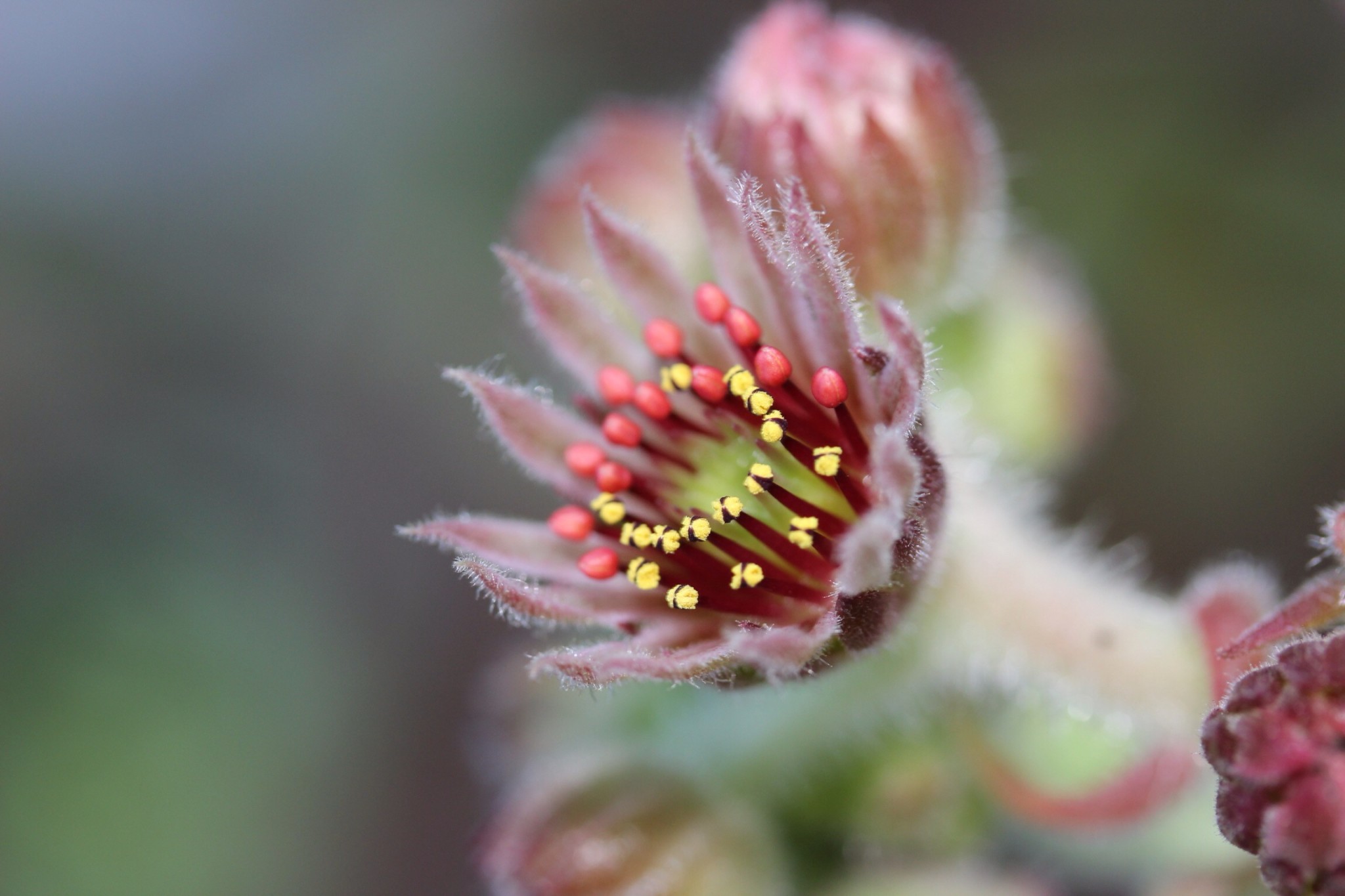
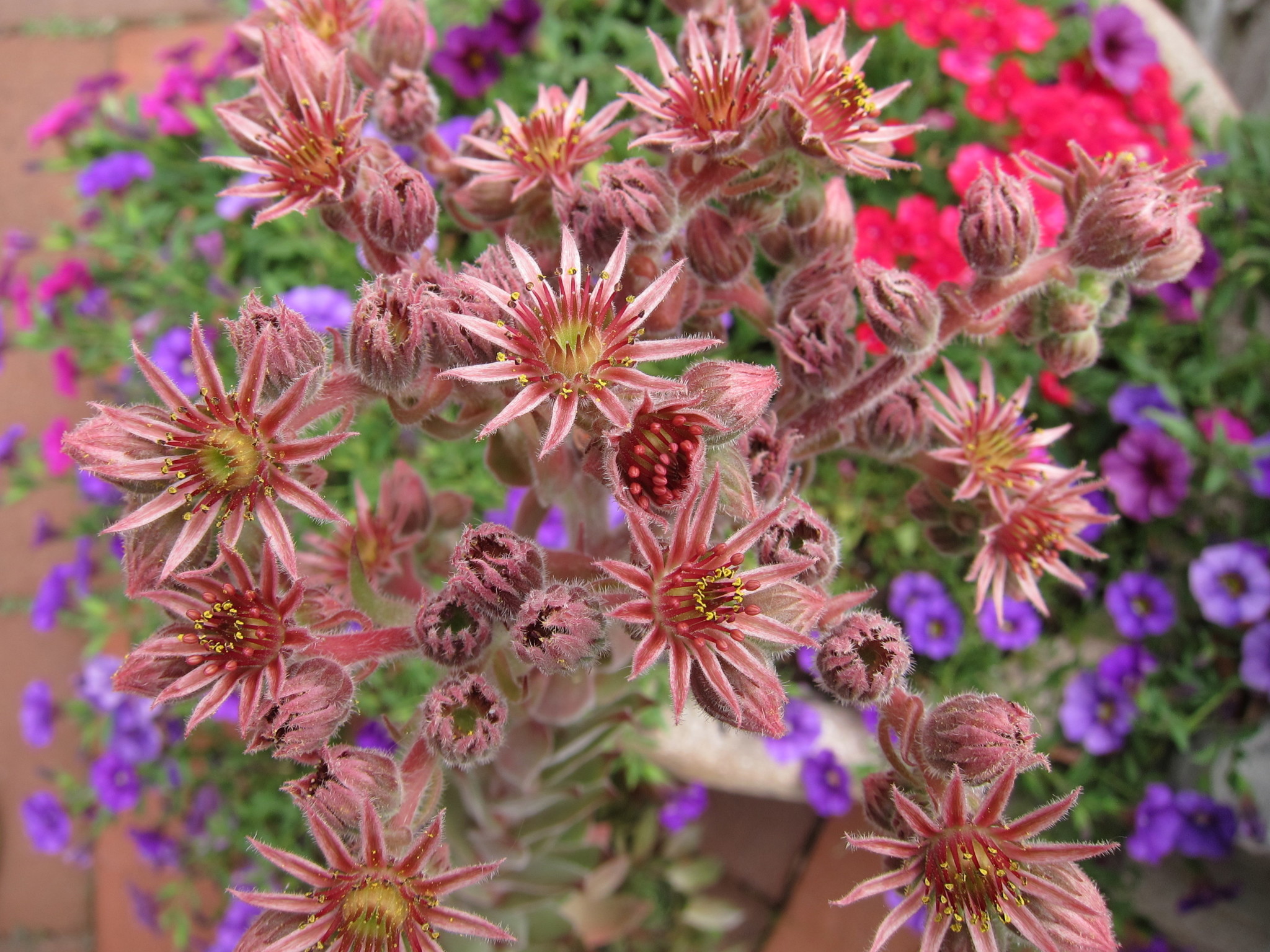
It’s really such a welcome surprise when a flower stalk starts to appear, but a little sad also, because that’s the beginning of the end for that “mother hen”.  These plants belong to a family of plants that flower once, and then die leaving all its little chicks behind (and an ugly dead spot in the pot, but that’s what the chicks are useful for).  Flower stalk are one of the more bizarre looking things on an already interesting plant.  They can be only a few inches tall, or can grow a foot or more.  The one that I have blooming right now is the biggest I’ve ever seen.  It’s been growing for over a month now and just started blooming last week.
IMG_5322 IMG_5320 IMG_5307 IMG_5306 IMG_5304 IMG_5298

(Photos by Peggy)