2018 Garden Recap: Vegetables (Part 2)

Now that we’ve mostly recovered from a record breaking, bone-chilling winter, it looks like spring may finally be coming. I thought it was time to get back to one final review of last year’s gardens before the spring growing season is fully upon me. I checked in on the flowers, 2018 Garden Recap: Flowers and started reviewing the veggies here, 2018 Garden Recap: Vegetables (Part 1). Time to finish the veggies!

As I wrote back in December, my vegetable garden was not very successful for a bunch of reasons. In Veggies Part 1, I described the attack on my squash by the very devastating squash vine borers. But that was only one of the things that hindered my garden this year.

So what else happened? First there were the chipmunks who have a taste for ripe tomatoes. I planted my tomatoes in bags this year to free up space in the main raised bed.
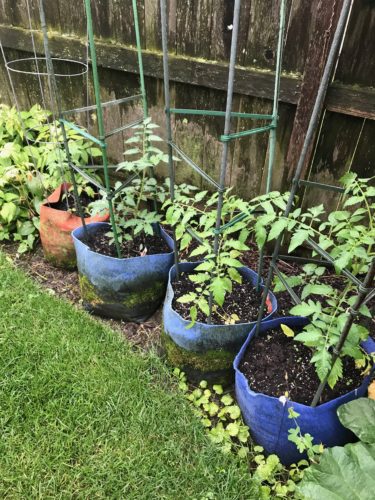
They grew fine in the bags, but the cold spring got them off to a slow start. Just as I finally started to get red, ripe tomatoes, the chipmunks helped themselves and took a nice big bit out of each one. 😡 They did it to so many I actually entertained the idea of just cutting off the bit side and eating the other. Decided not to…

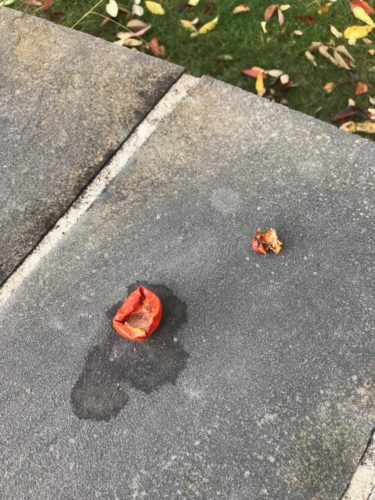
One chipmunk truly had a sinister sense of humor and dragged a ripe tomato across the yard to taunt me by leaving the remnants on the back patio.
I had trouble with the garlic and leeks this year as well. A lot didn’t come up in the spring and what did grow was small.

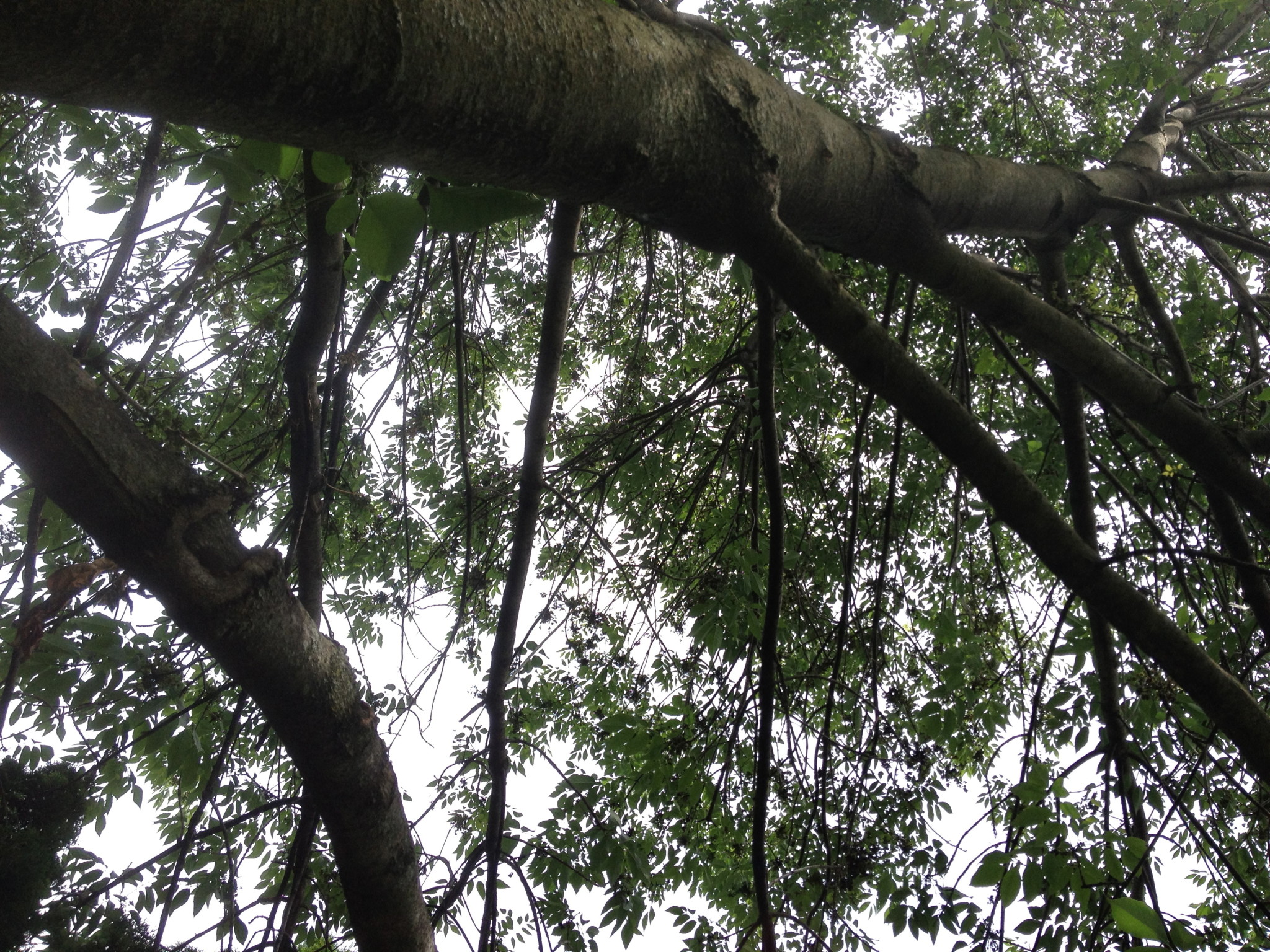
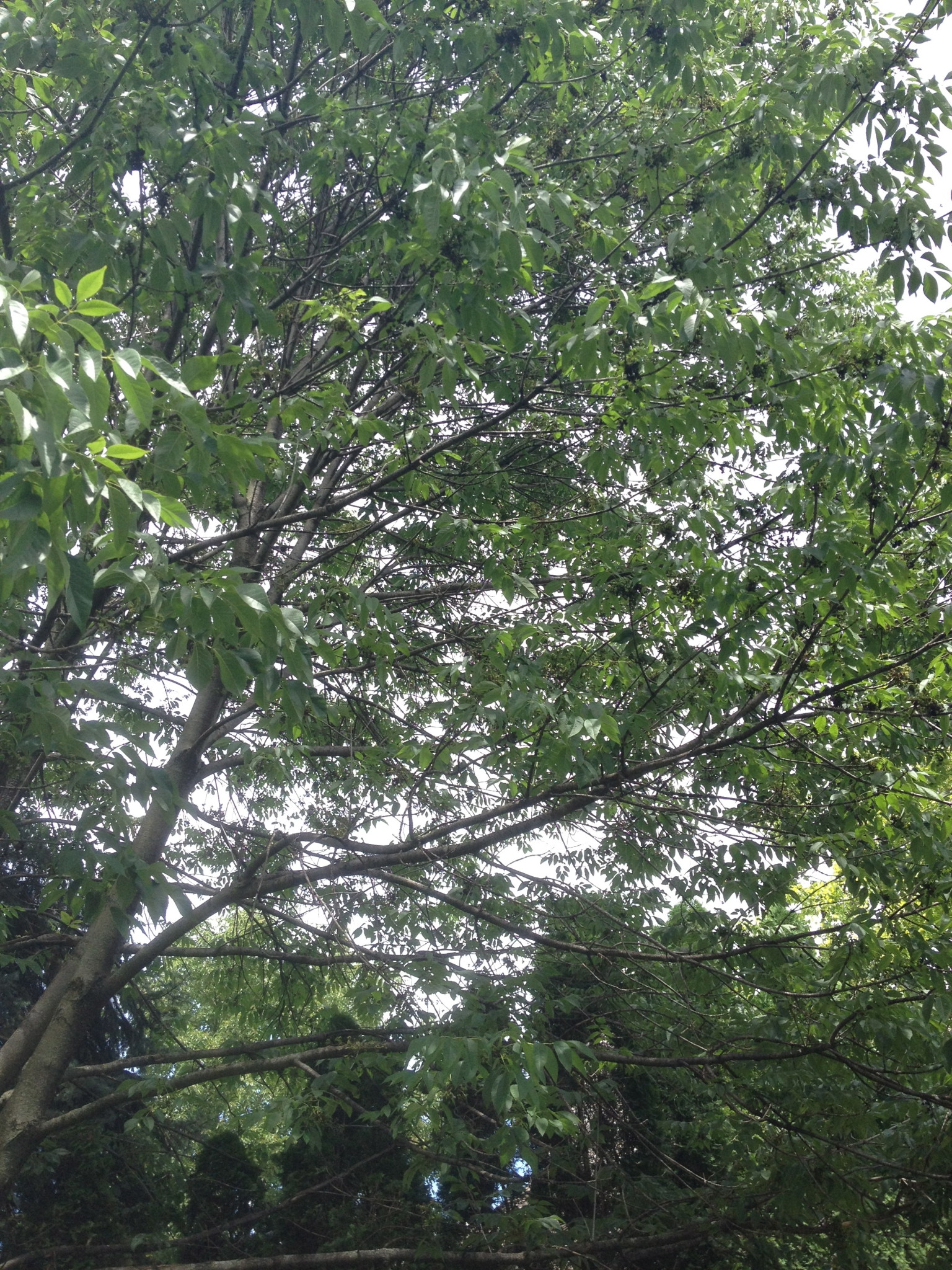
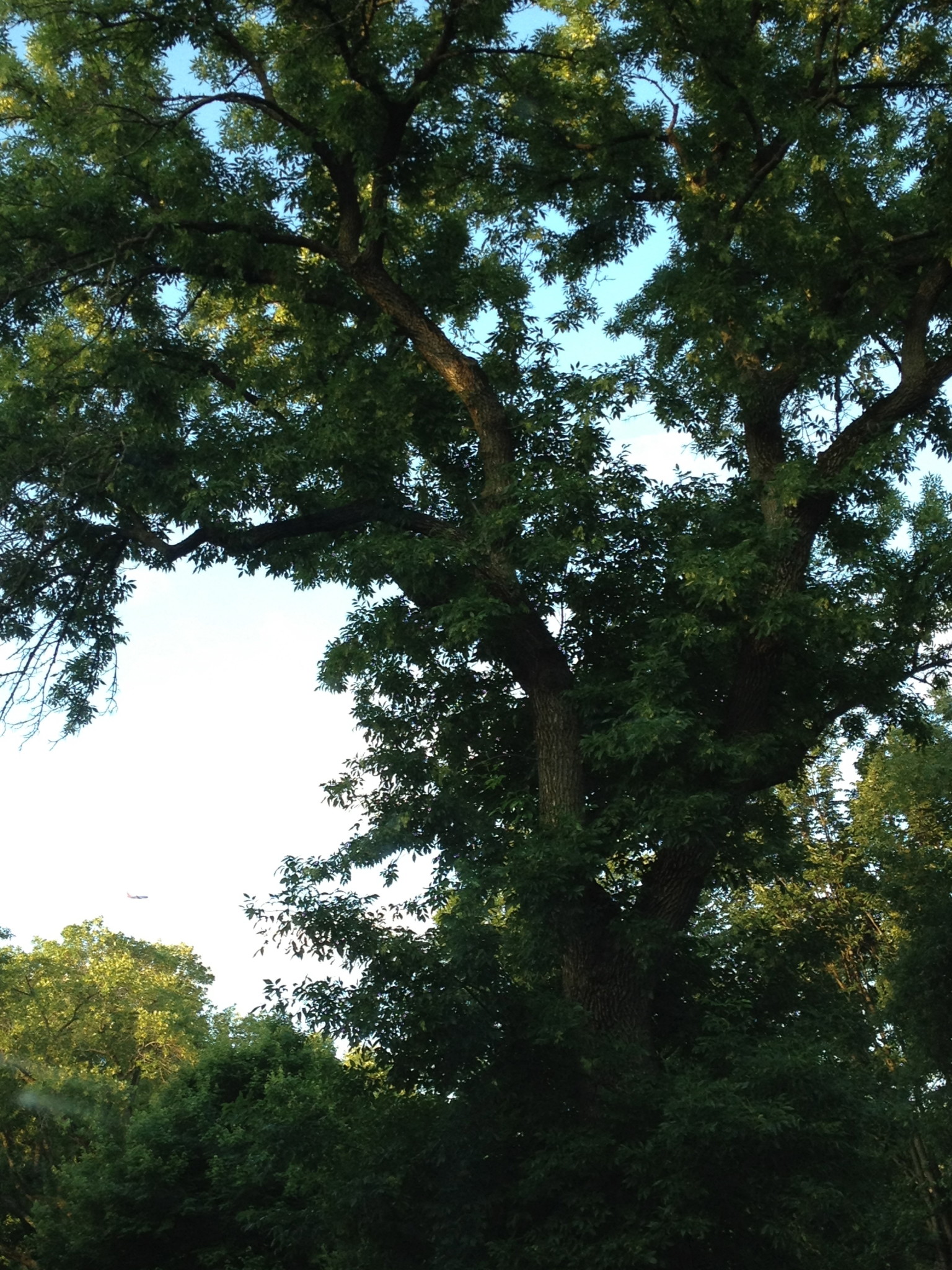
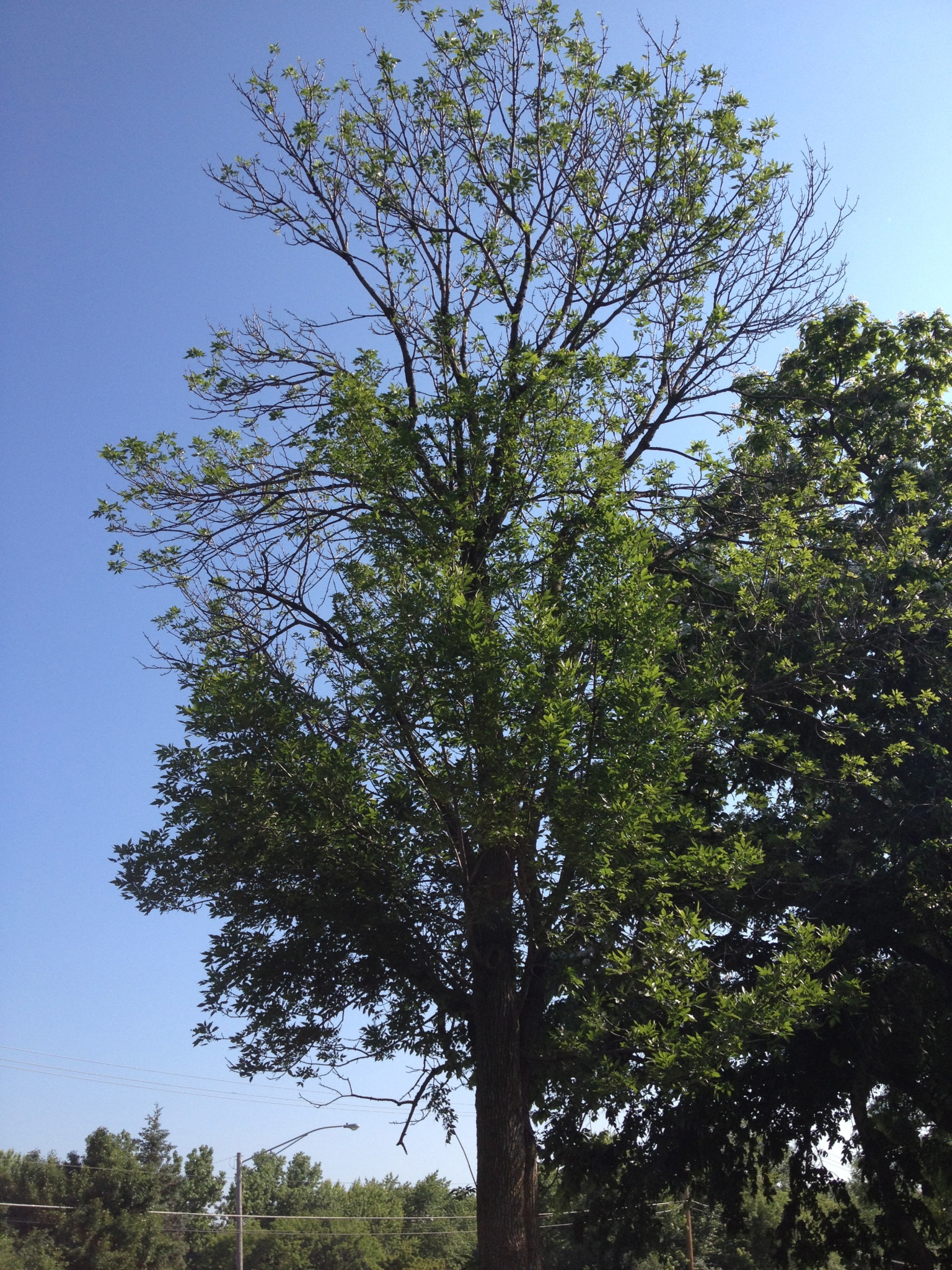
The previous winter and spring were tough, so that may have had an impact. But more importantly, I hadn’t realized how shady that this particular raised garden had become from the thriving ash tree nearby. When I put the gardens in, the ash was suffering pretty badly from an Emerald Ash Borer infestation and was pretty thin. We had been treating it for years, but a few years ago switched to a trunk injection treatment. I’m thrilled the ash is doing so well, but I need to rethink what I plant in that particular bed going forward. Need to leave autopilot and do some planning.

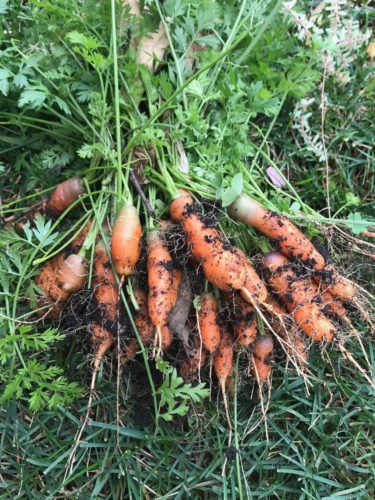
What was successful? Carrots! I had one of my best carrot harvests this year. I switched varieties this year from Danvers to Little Finger Baby Carrots from Botanical Interests, so that may have helped. I also changed out the dirt in the carrot bag so maybe some fresh soil and nutrients was also needed.
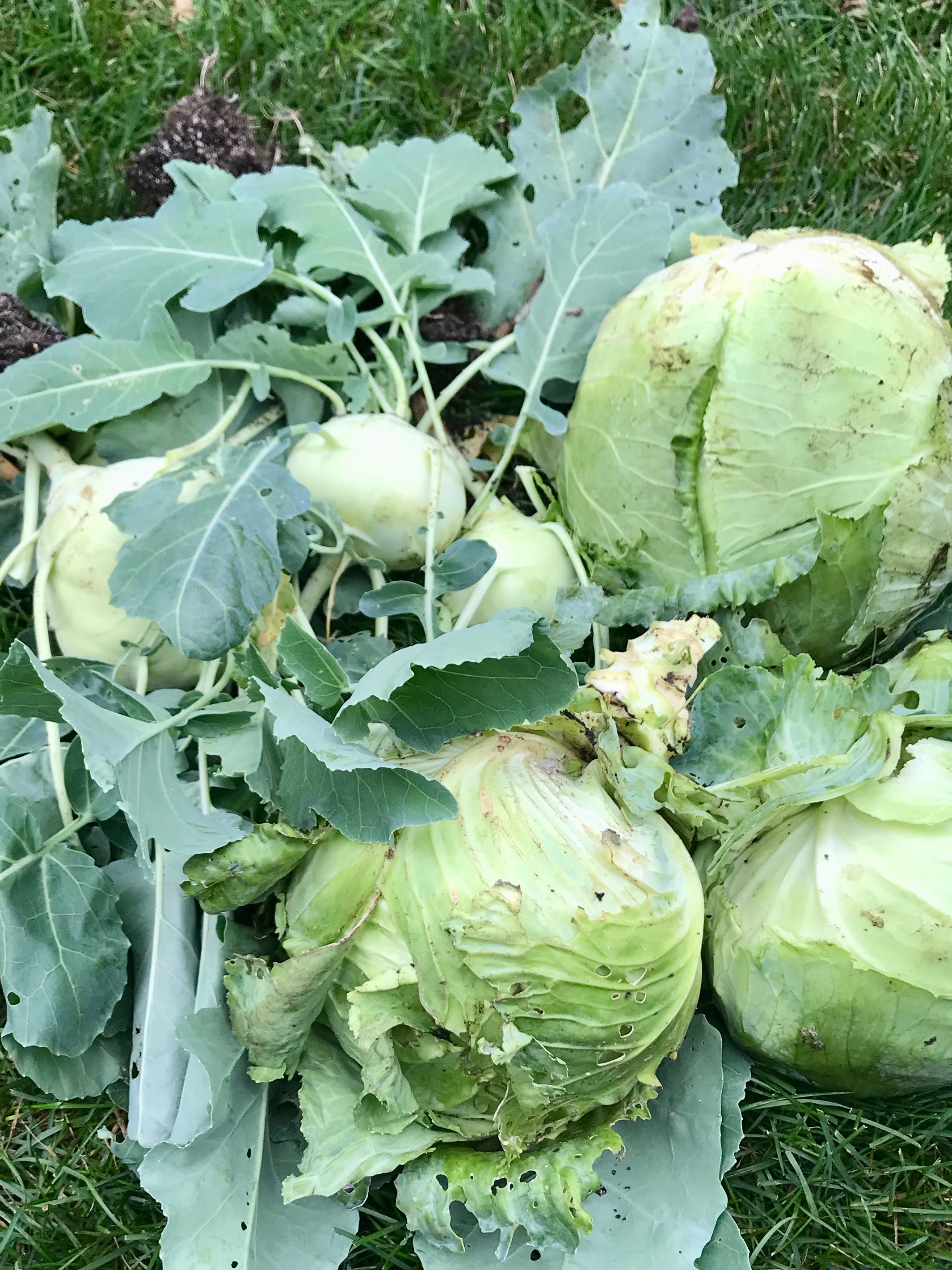
Cabbage and kohlrabi grew unusually well this year. I got the plants from a local nursery and the weather must have been just right for them to grow huge. That was a lot for the two of us, but luckily they store really well.
Rainbow swiss chard (Burpee) was also a great grower late into the fall, especially in the shady raised garden bed.
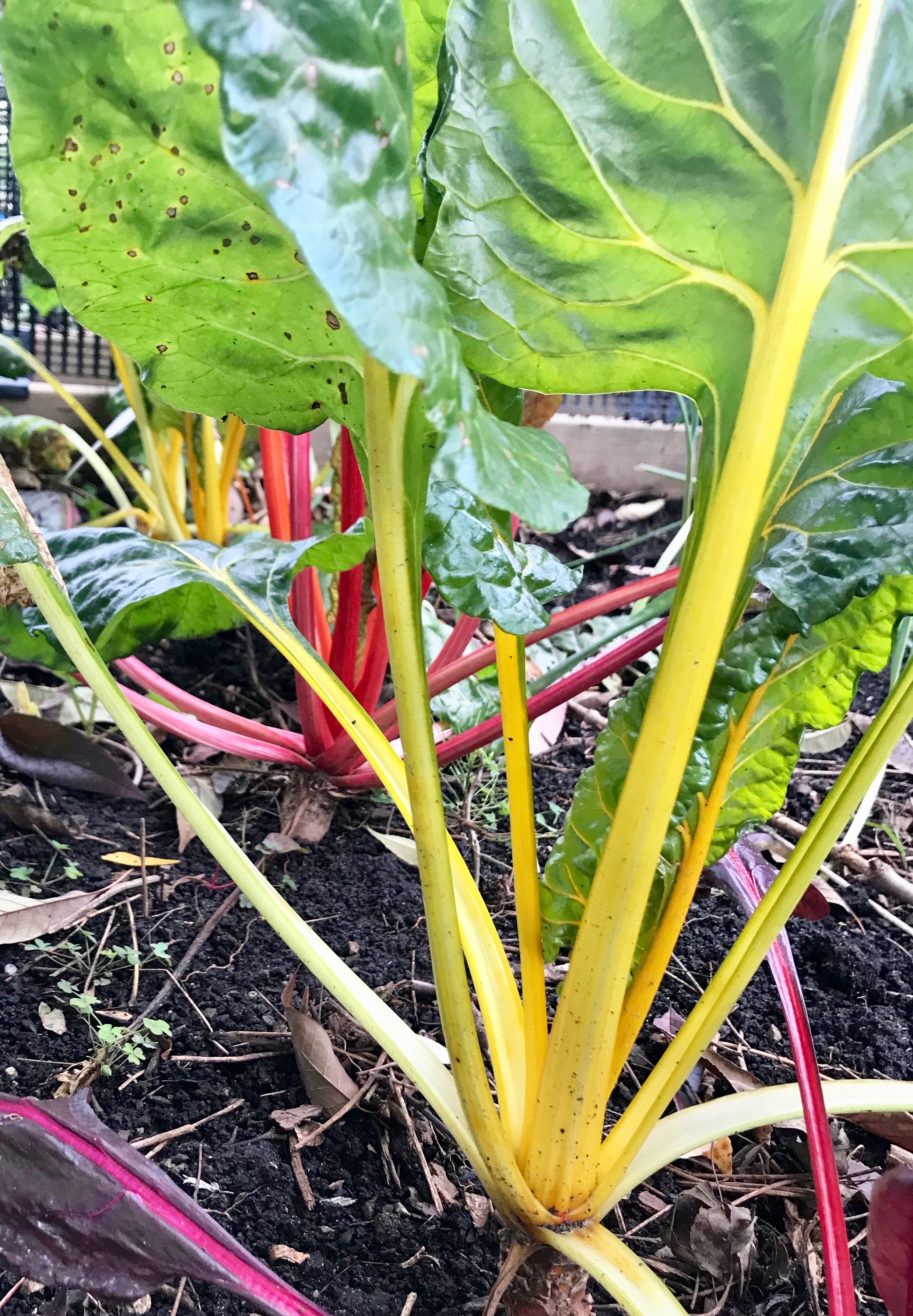
What to do with all that swiss chard? I’ve decided that I am not a huge fan of kale (even though it is probably the vegetable of the decade) so I pretty much use swiss chard in place of kale in recipes. I use a lot of swiss chard in stir fries and love this recipe for Creamy Polenta with Sausage and Chard from Real Simple.

I’ve done some seed shopping for next year already, and have been thinking of a bunch of garden projects to tackle first thing when the weather cooperates! Starting to think that spring might actually come. Just need to get through March.
An Amazing Spring For The Flowering Trees

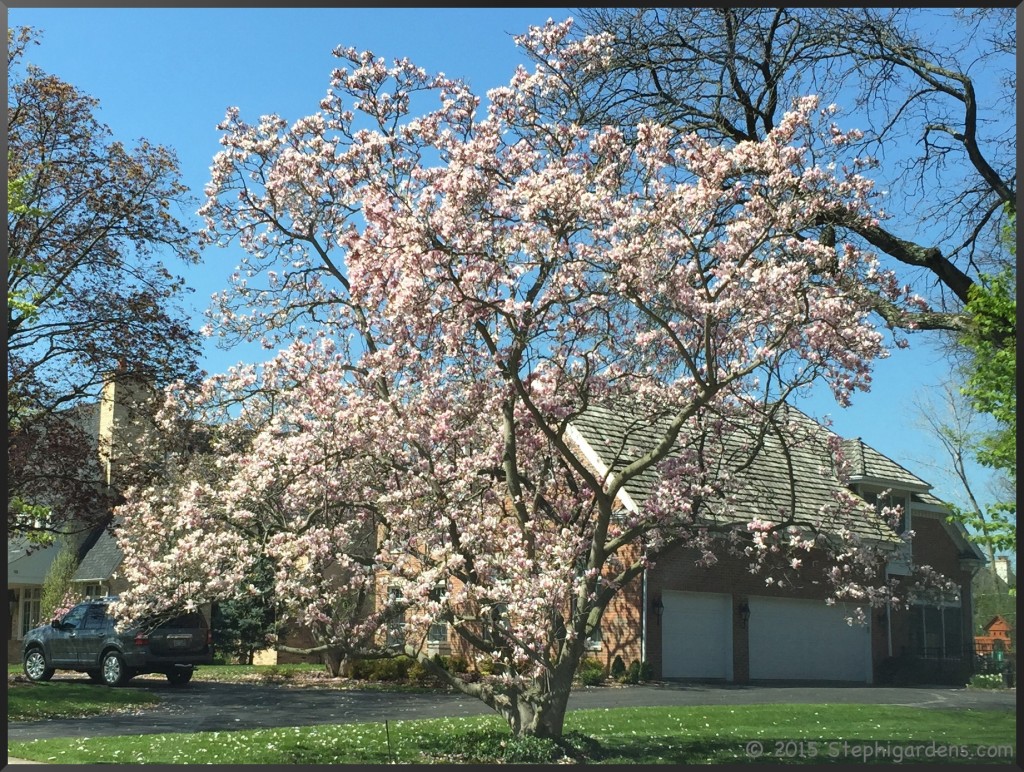
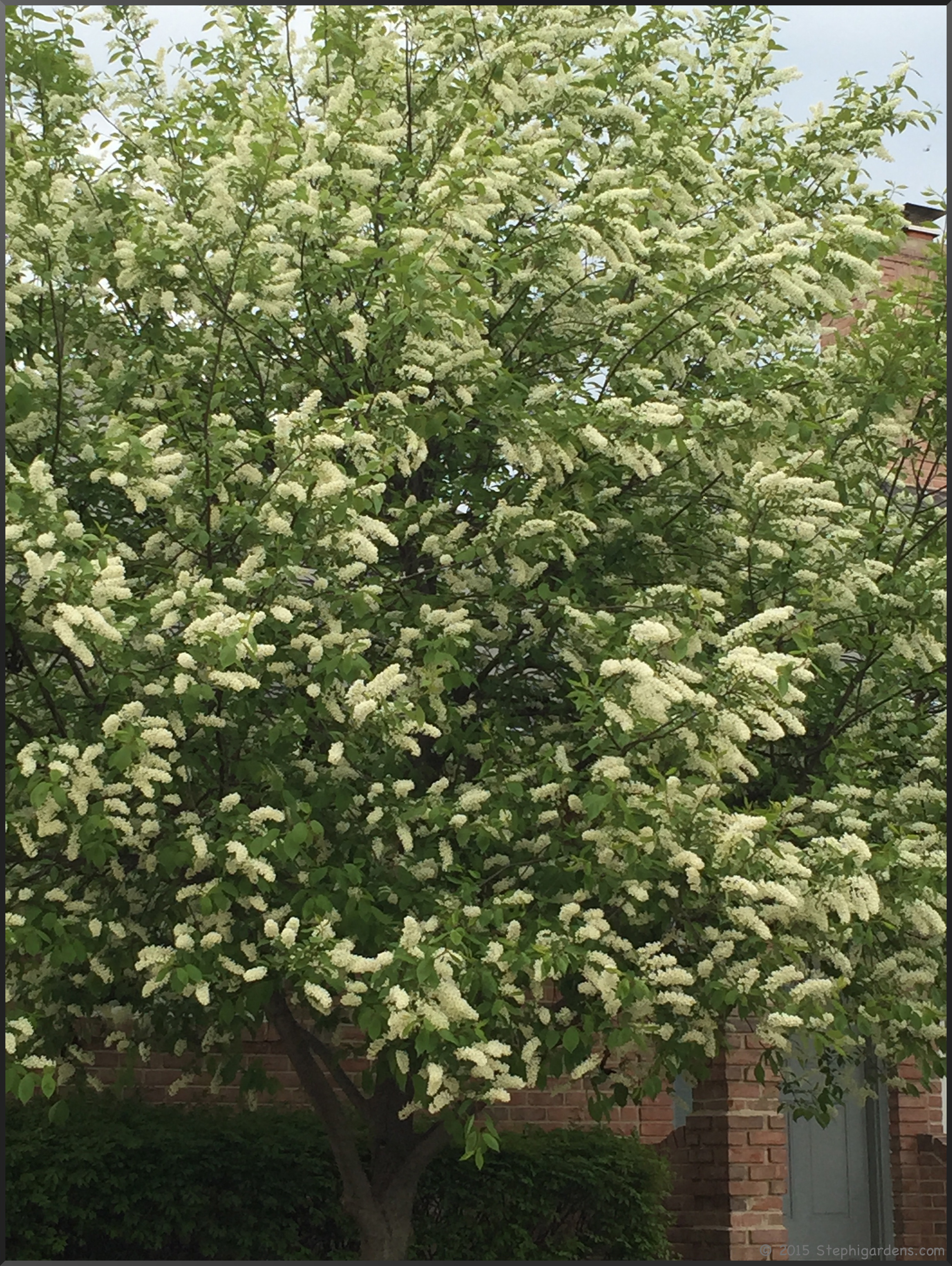
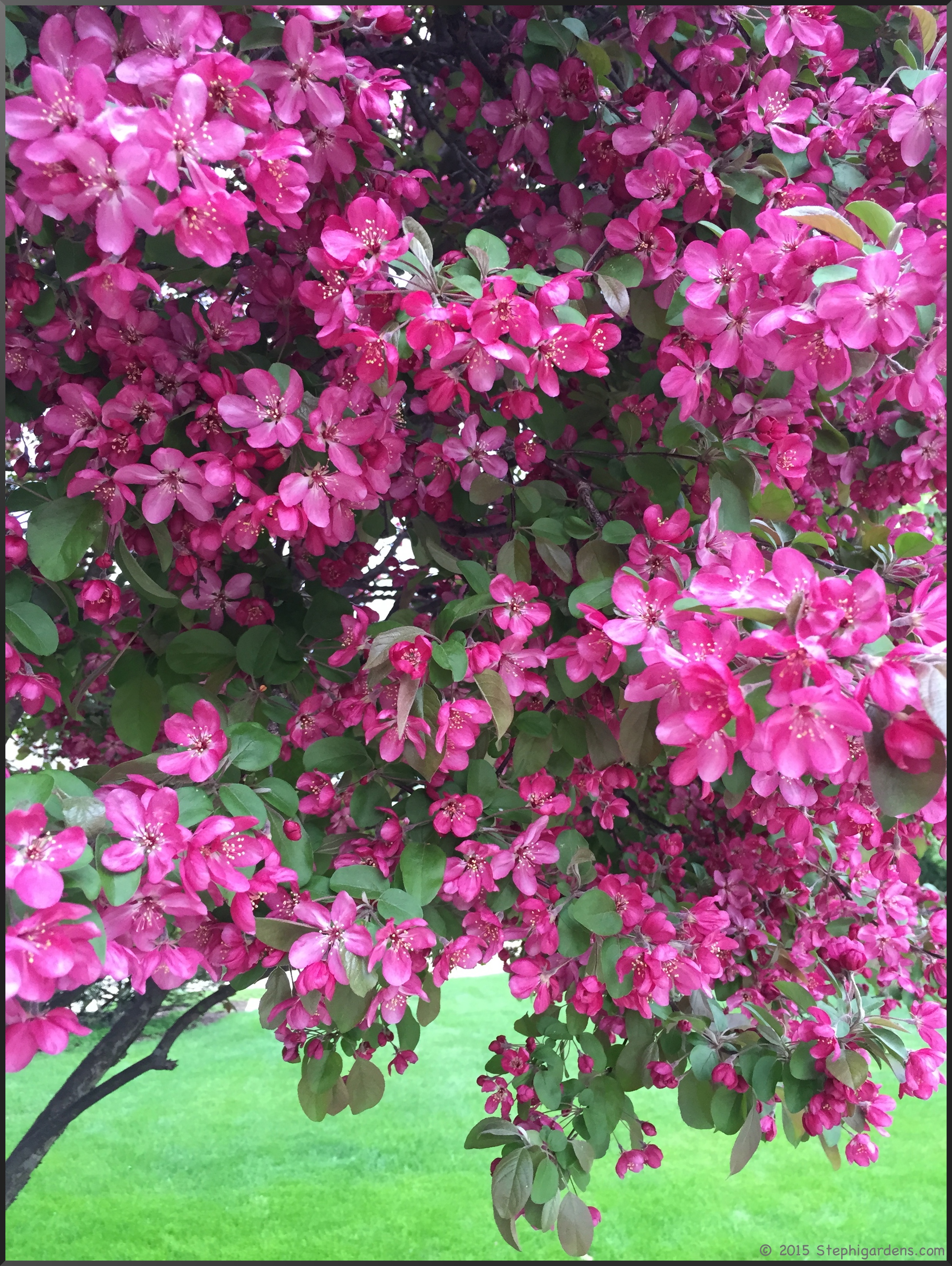
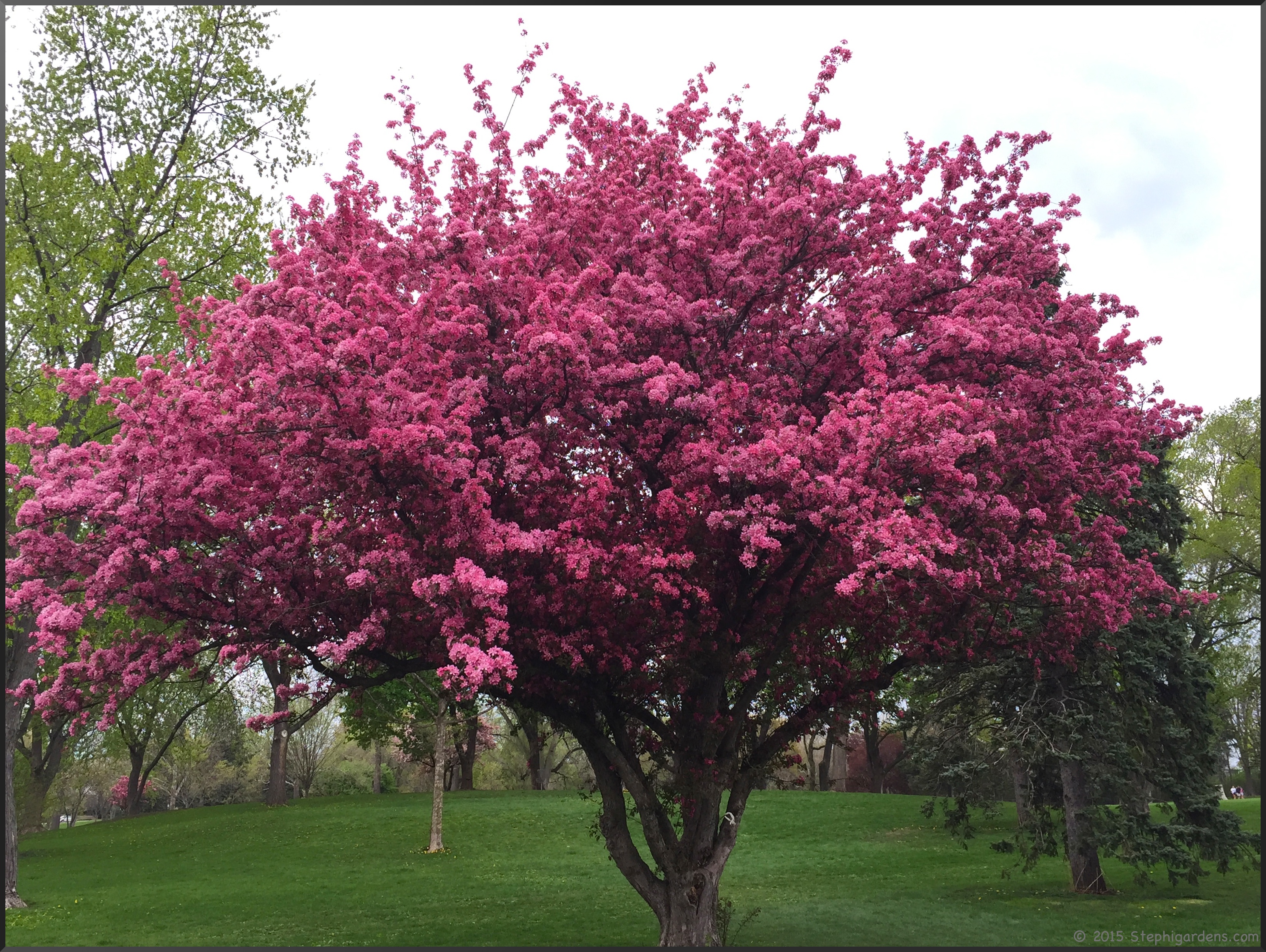
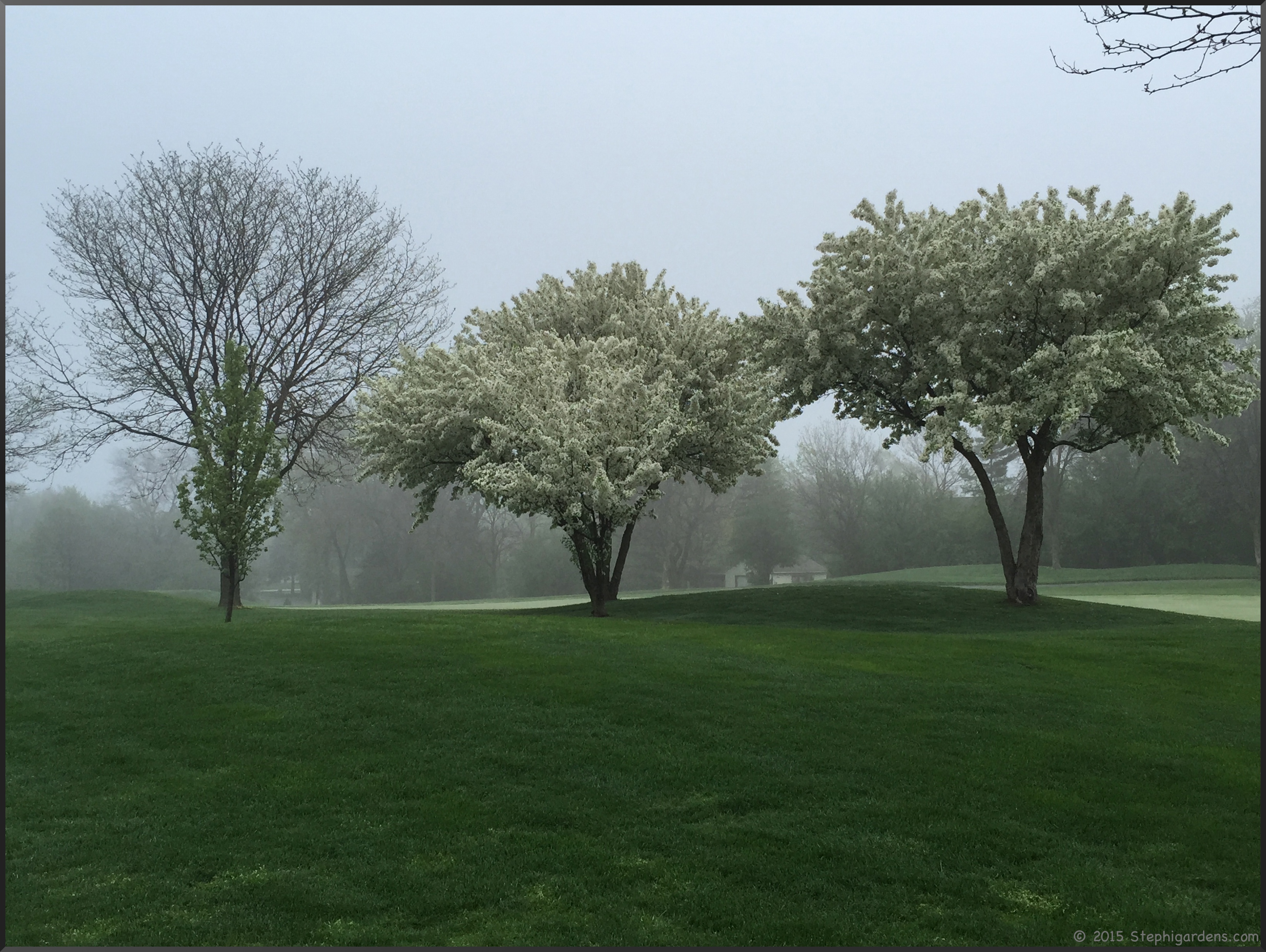
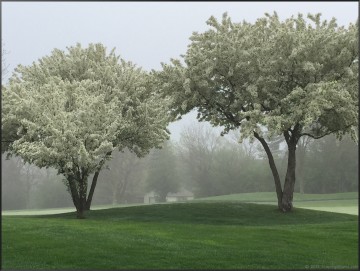
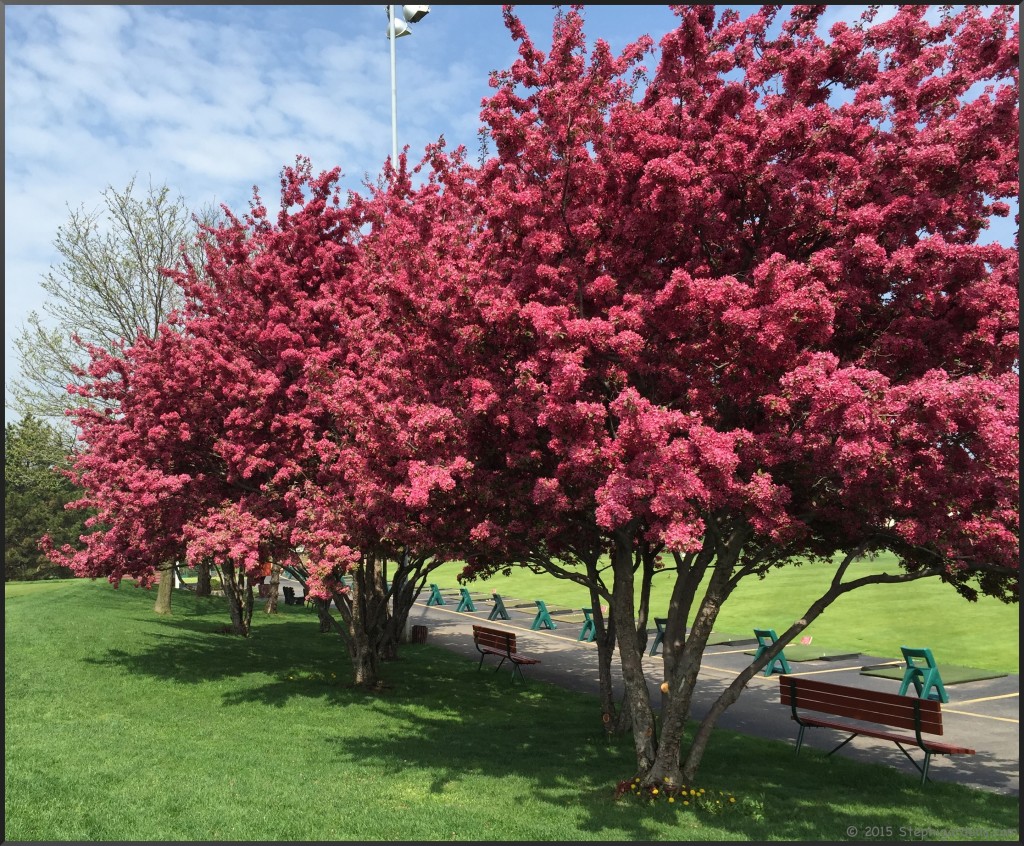
This spring, despite (or maybe in spite of) the poor weather the trees exploded in color like I have never seen before.

flowering crab


flowering crabtree


IMG_9842


IMG_9950


flowering crabtree


flowering crabtree

How were your flowering trees this year?  I need to replace the maple tree we lost last year (So Long Beautiful Maple Tree) so I’m thinking a magnolia is in order.  I’m so inspired by all the spring color this year.

Sadly, while all these trees are blooming so many ash trees are succumbing to the Emerald Ash Borer (Emerald Ash Borer:Part 1, Part 2)

IMG_0051

So Long Beautiful Maple Tree

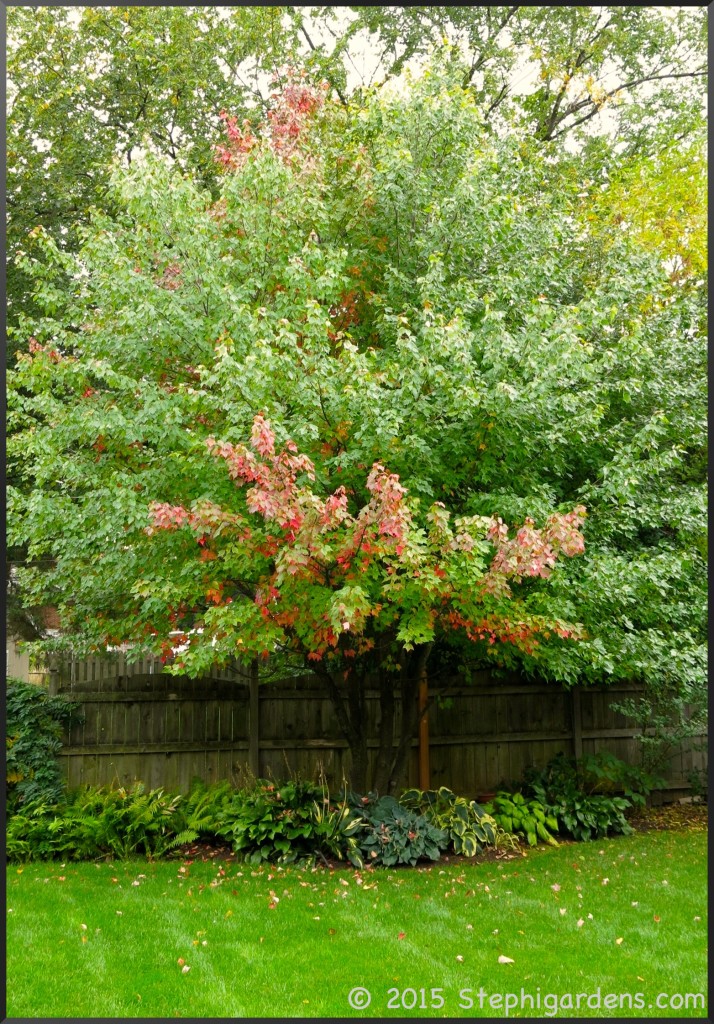
One of the major casualties in my garden this year was an 18 year old branched Freeman Maple that was one of the anchors of the backyard.

Multi stemmed Freeman Maple Autumn Blaze

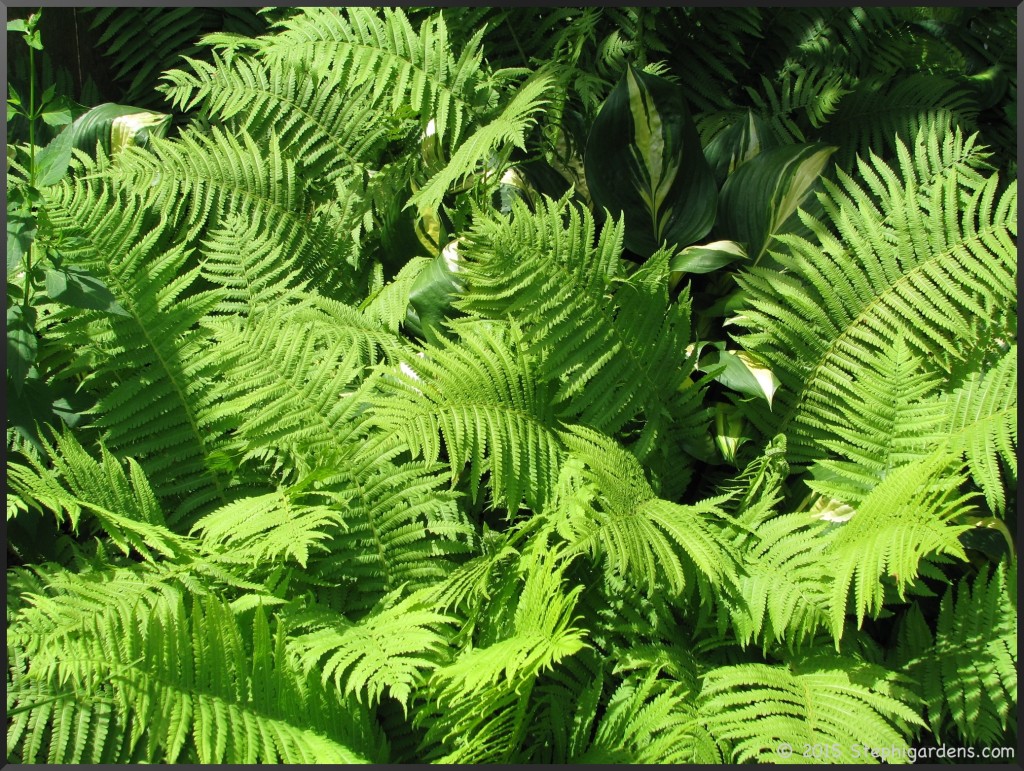
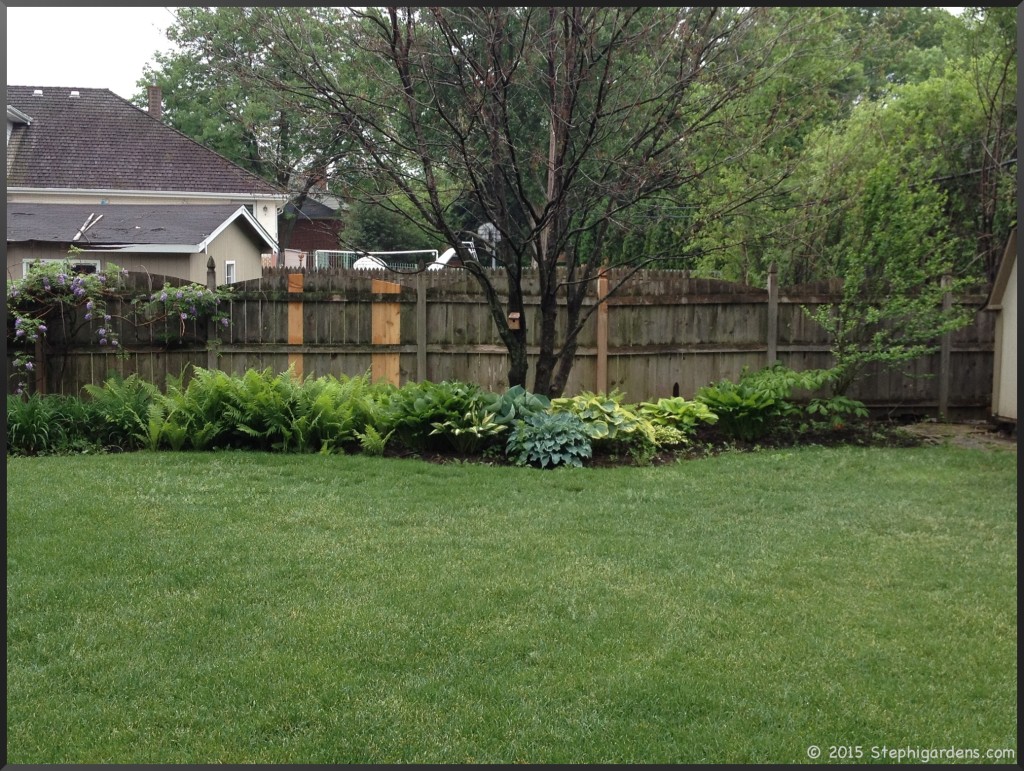
When we moved in about 20 years ago, along the side property line was a row of very scraggly Siberian Elms that were nearing the end of their life spans and dangerously dropping large branches in every wind storm.  We decided to remove those and put in a specimen tree.  The maple provided great shade and was surrounded by a hosta and fern garden.

ferns

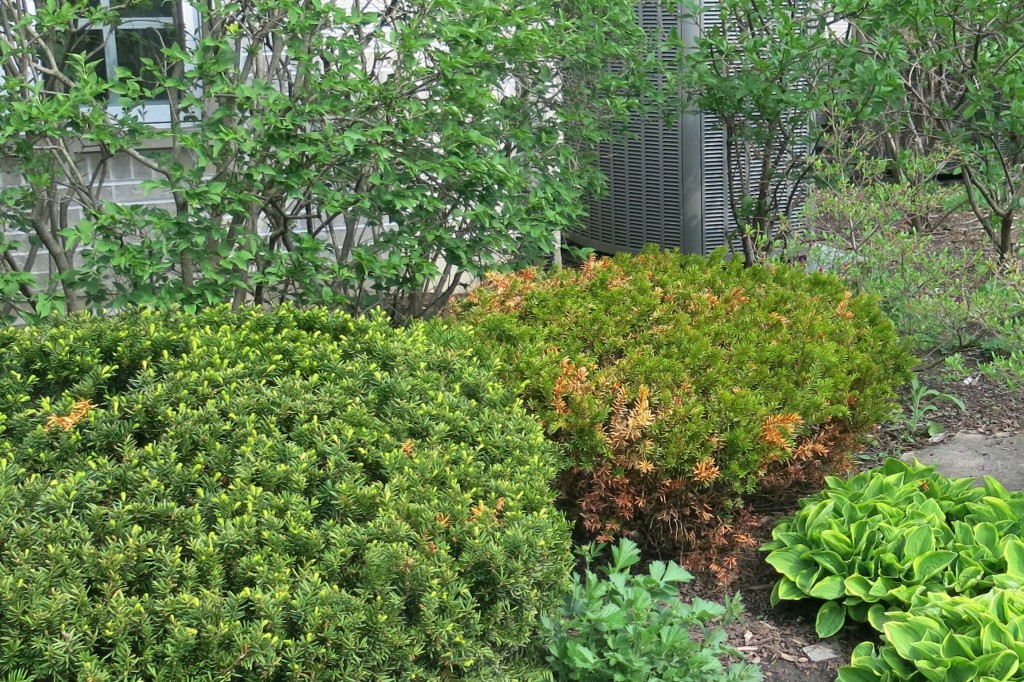
Last winter/spring, we had a couple of things happen on that side of the yard that likely contributed to the demise of this beautiful tree.  First was the unusually cold winter we had.  There were a lot of garden casualties reported in the Chicago blogging world and I had a few also, including some yews and grasses.

Yew

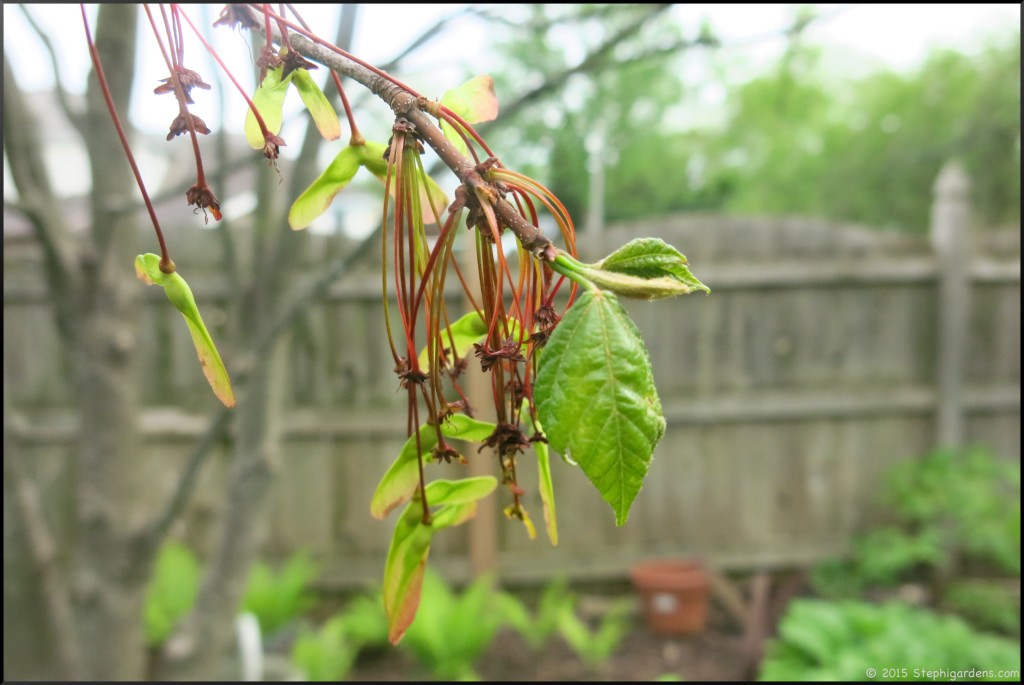
But, the maple looked fine as spring came, sending out buds, leaves and seeds.

Multi stemmed Freeman Maple Autumn Blaze


Multi stemmed Freeman Maple Autumn Blaze

It was also so established that it really should have survived just fine and no other maples in the area looked as though they were struggling.

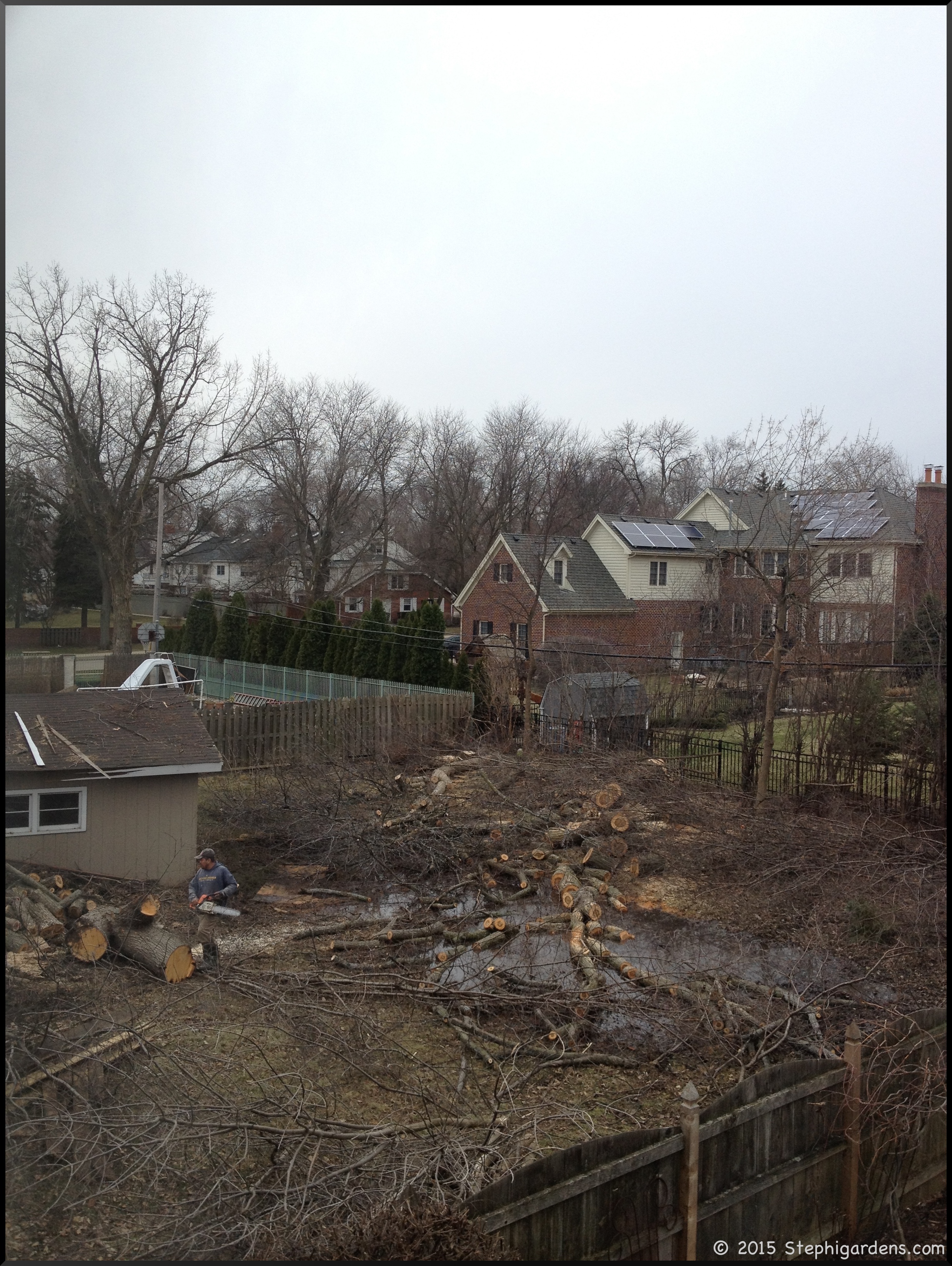
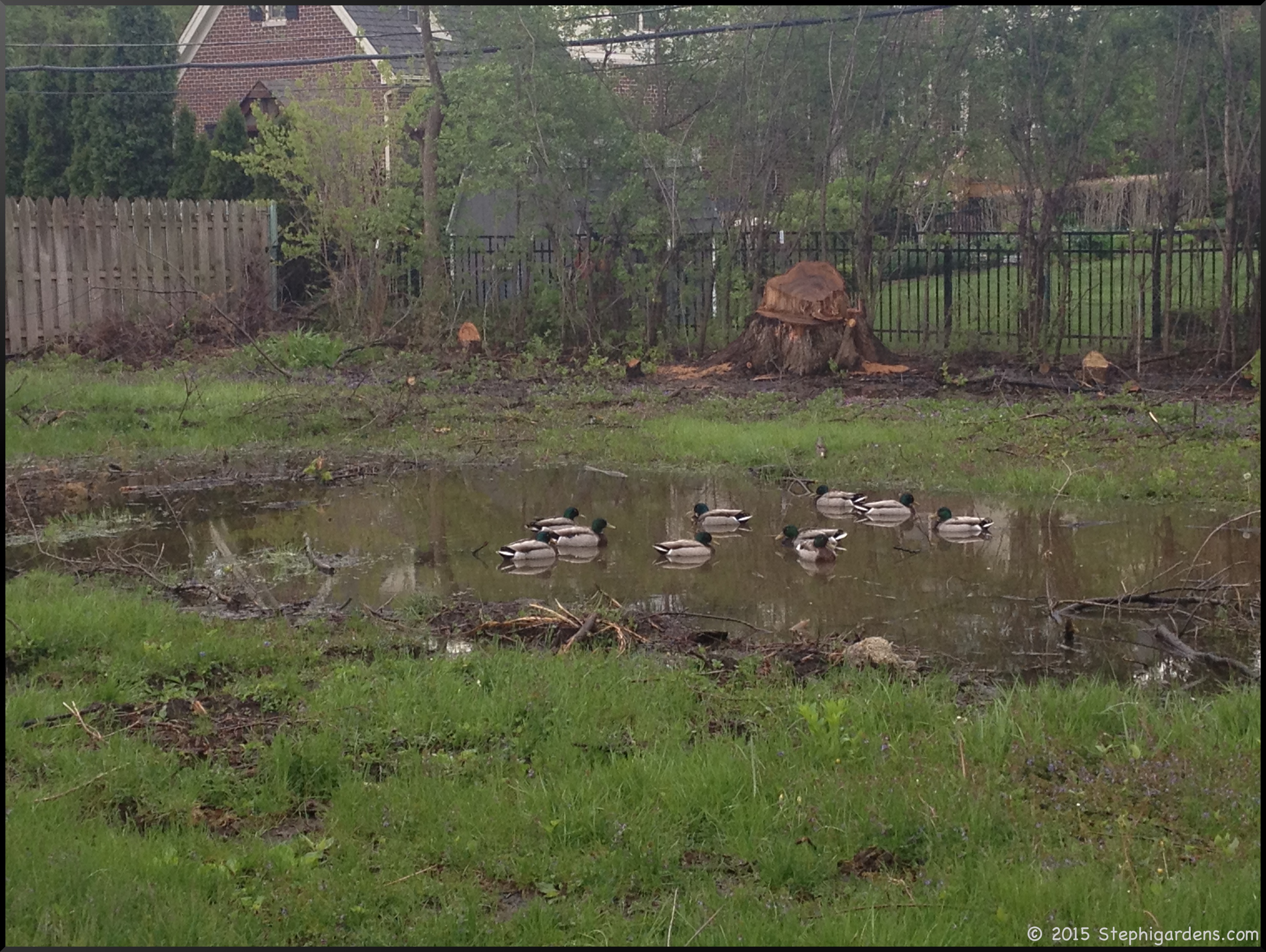
Then in early April, in preparation for the house next door being torn down for new construction, all the trees were removed leaving a barren and swampy lot for weeks.  It was really a mess.

stephi gardens

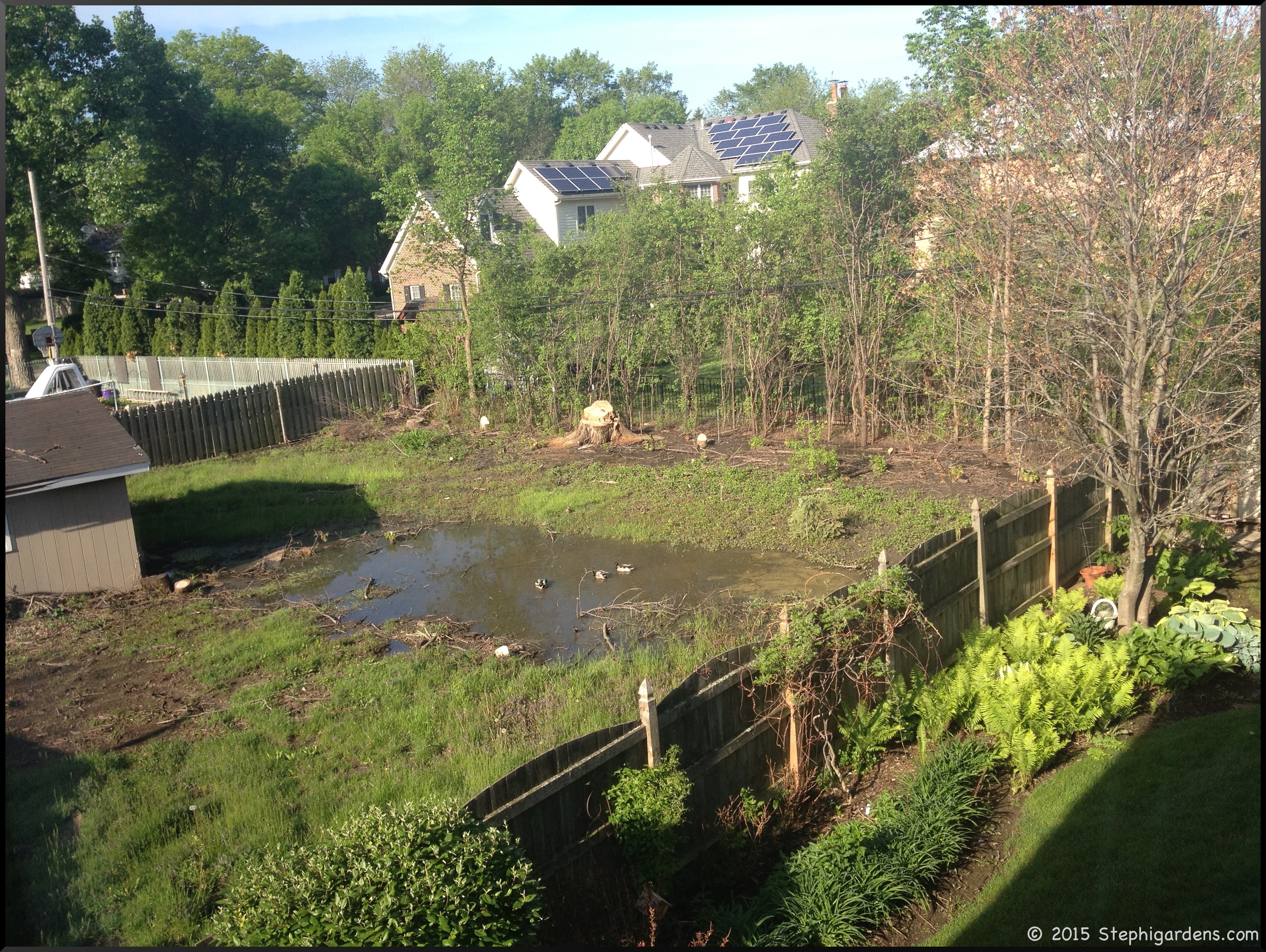
Because of the heavy equipment, the poor soil was compressed further and the natural neighborhood water drainage was disturbed.  Then came the spring rains on top of already saturated soil.

stephi gardens

stephi gardens
The Mallard Ducks don’t mind the situation at all. Neither did the breeding toads who hummed loudly all spring.


Stephi Gardens

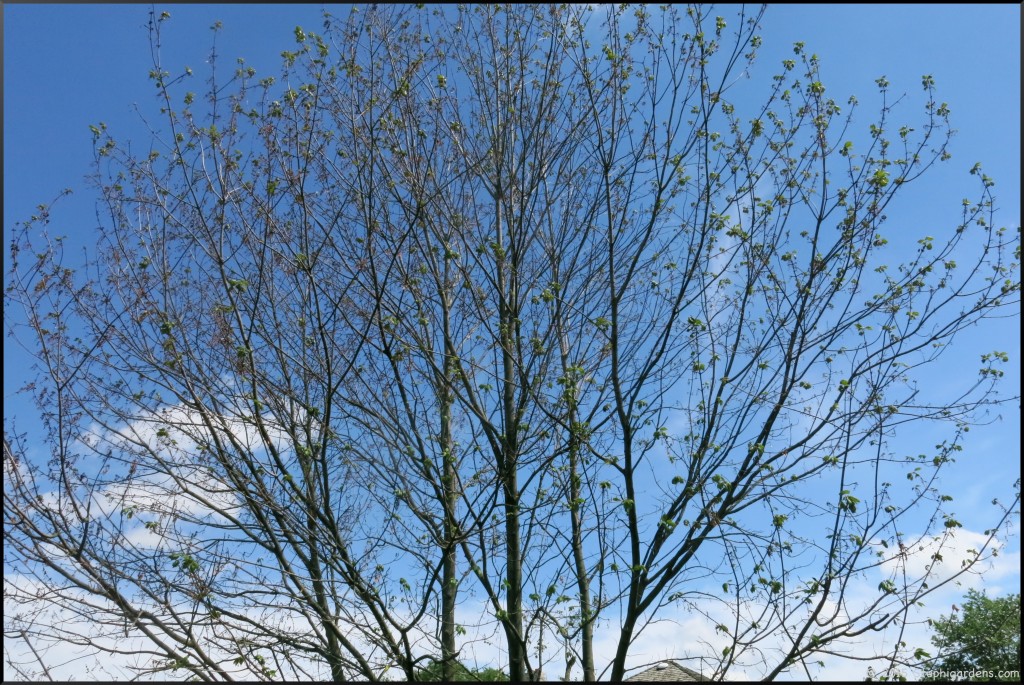
Unfortunately for our tree, it was right next to the property line and probably suffered the consequences of root damage.  So adding together the stress of the winter and the stress of the standing water, it led to the death of the tree by mid summer.  It never put out any more leaves and just looked frozen in time.

Multi stemmed Freeman Maple Autumn Blaze

We finally had to have it taken down, and now need to decide what to do in the area.   The hostas and ferns were a bit sunburned by the new situation, but they’ll be fine.  We’re reluctant to replace it yet, not knowing what the new neighbors might plan for their landscaping.  So in the meantime, we’re in a bit of a holding pattern trying to make the best of it.

The good news is that as part of the construction, they have fixed and enhanced the drainage in the area, so further flooding shouldn’t be an issue going forward, and should actually be markedly improved.  Maybe I won’t be needing to be wearing my rain boots to trudge around the yard so often anymore (see “My New Rain Boots“)

We have worked so hard to protect our ash tree (Attack of the Emerald Ash Borer: Part 1 and Part 2).  Who would have thought the maple would be the one to die first???

So much has changed for us with the construction next door.  Some we’ve prepared for, some will be a work in progress.  It’ll be a while until it’s all sorted out. I’ll be writing about some of it in the weeks ahead.  Have you had events in your yard that completely change the landscaping?

Multi stemmed Freeman Maple Autumn Blaze
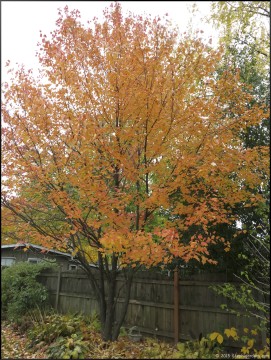
I’ll miss the great fall color!


SaveSave

Attack of the Emerald Ash Borer: Part 2

So that bring me to this year… Whenever  my husband would say “The ash looks thin this year”, I would respond, “It’s ok, it’s still leafing out since spring came so late this year.”  Then, last week I went out and stood under it to try and decide some other landscaping issues, looked up and was stunned to see all the dead branches. Probably a quarter to a third of the tree was dead. No wonder it looked so thin and my husband could see through it. On the plus side, the canopy was still alive, no random trunk branches were sprouting and no signs of adult beetles, yet.   We had a scare the other morning when we awoke to the sound of a woodpecker in the area, but it wasn’t on our tree (at least we think it wasn’t).  That’s a bad sign if the woodpeckers have moved in!

At the end of May, the tree was trunk injected with  Arborjets “TREE-äge” which is supposed to kill off any infestations and last for 2 years.  A quick google search provided a wealth of information on the product and we are hopeful that we can help the tree survivor the invaders.  It’s supposed to be quite effective at killing the beetle.  The Morton Arboretum has been very useful in general for EAB information.  They have an excellent Emerald Ash Borer brochure available.

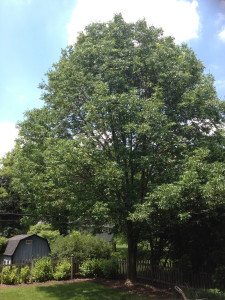
Our Autumn Purple Ash this year.

IMG_2551

IMG_2521IMG_2522

Attack of the Emerald Ash Borer: Part 1

If you’re in some states, or regions, you’ve already experienced the devastation of the Emerald Ash Borer, or EAB. Here in my part of IL, we’ve been trying hard to prevent the infestation from destroying all the ash trees, but in some areas it’s already a lost cause. For example, I was driving my son to piano one night, a drive I’ve done for at least 10 years now, and I turned onto one block in the subdivision and every parkway tree had been cut down. Gone, every one of them thanks to EAB.

On a more personal note, the most important tree in my backyard is a beautiful 18 yr old Autumn Purple Ash. When we moved into the house, we gave a lot of thought to the trees on the property and planted a few new trees to provide beauty and shade. The Ash was the main tree that shades about half our house and the back patio area. We looked for a tree that grew quickly, had few known pests or diseases, could withstand being in a low wet area, and had a nice full shape. The ash was the perfect specimen. Until a few years ago

As soon as we knew the insect was in the area, we started treating the tree. At the time, the standard was to use a soil and foliage treatment twice a year. Then, last year, the infestation landed on the next block over so we knew it was only a matter of time, if not too late for our tree. Our village had a tree plan to deal with infestations in parkway trees and advice for homeowners, so I looked into that instead of just trusting our current tree care company. Sure enough, there were better treatments to use and I feel like I took control just at the right time. The tree still looked great last fall, when many trees in the area were beginning to look half dead. It’s very easy to get complacent and just trust what landscapers tell me.  Through the years, I’ve learned to question everyone.  Doing the research yourself can often times make a huge difference.

There is a multitude of websites that have details on how to spot infection, treat, etc. The Emerald Ash Borer site is one of the most comprehensive I’ve found.

Examples of some local ash trees infected with EAB:

IMG_2537 IMG_2538 IMG_2539

More tomorrow…..