In my last post, “Poster Child of Pollinators: Monarch Butterflies” I introduced you to the beautiful monarch butterflies that are a vital part of the ecosystem.
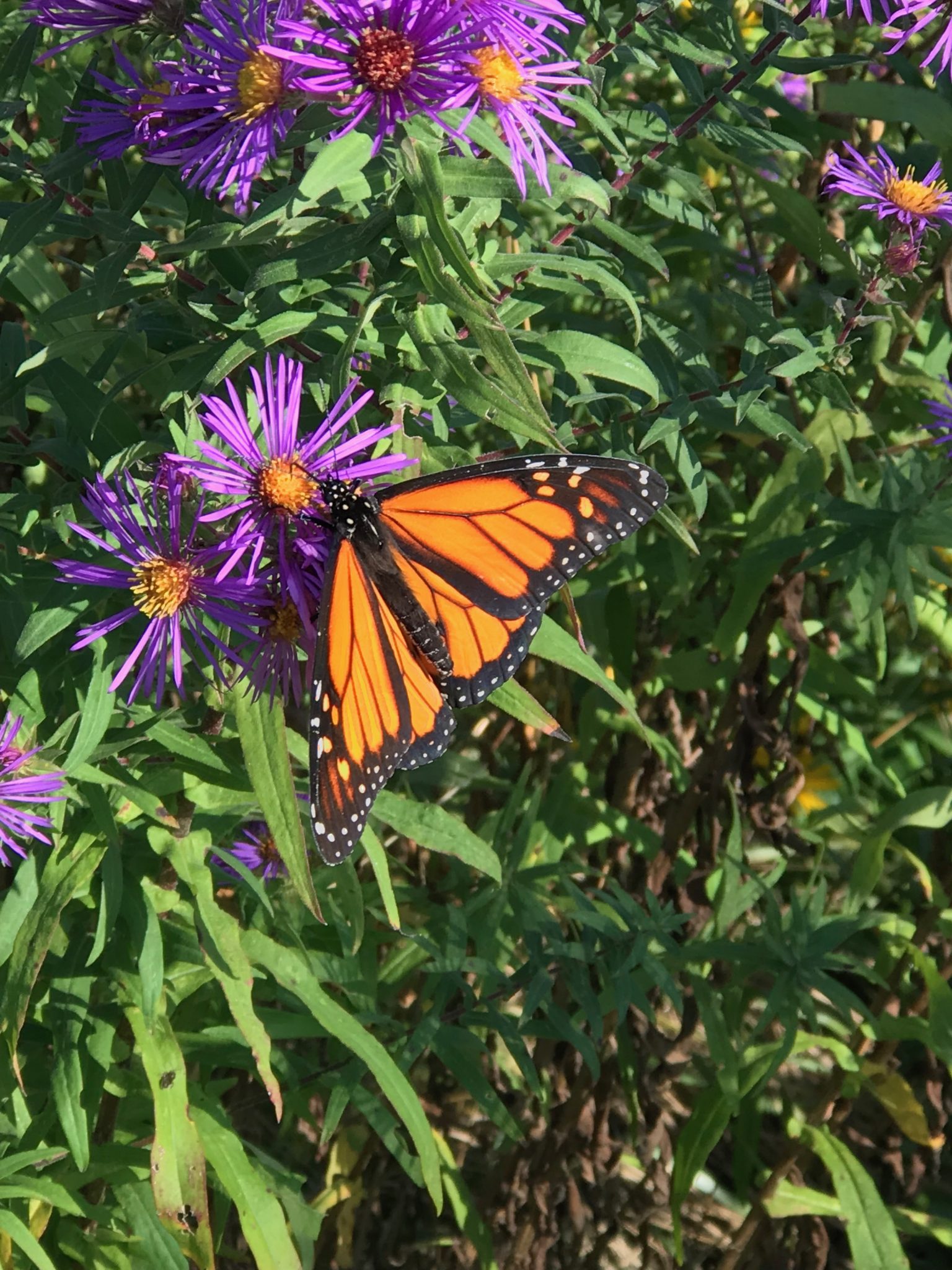
They are necessary for the reproduction of almost all flowering plants and for the pollination of about one-third of our food plants. But pollinators, including monarchs, are also in danger from many fronts. What can we do?
One easy way to help is to be sure your garden includes a wide variety of pollinator friendly plants that flower throughout the season.
In my northern zone 5b garden, some of my favorite perennials and shrubs are bee balm, phlox, coreopsis, coneflower, hostas, astilbe, lavender, allium,sedum, spireas, and viburnums.
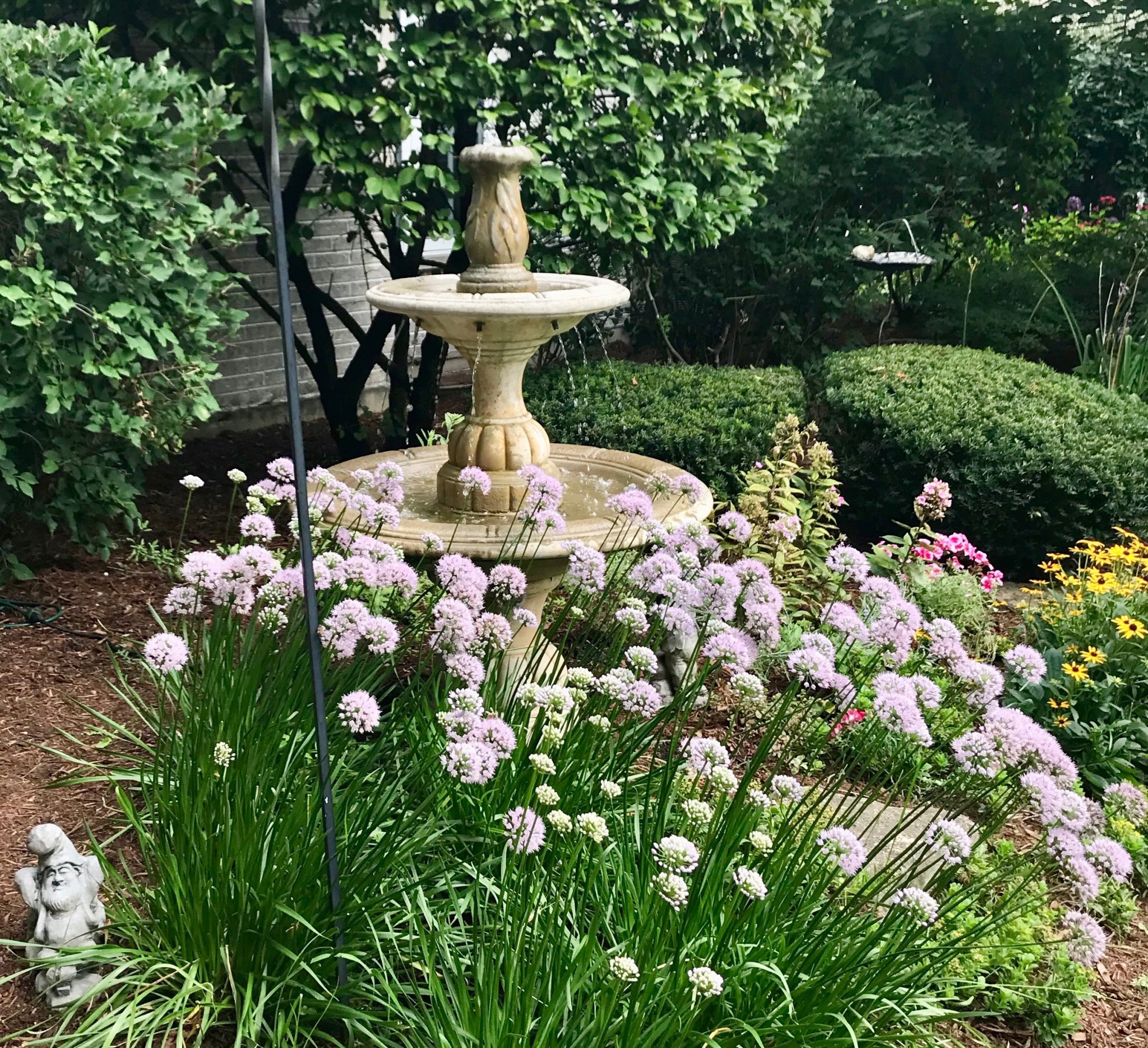
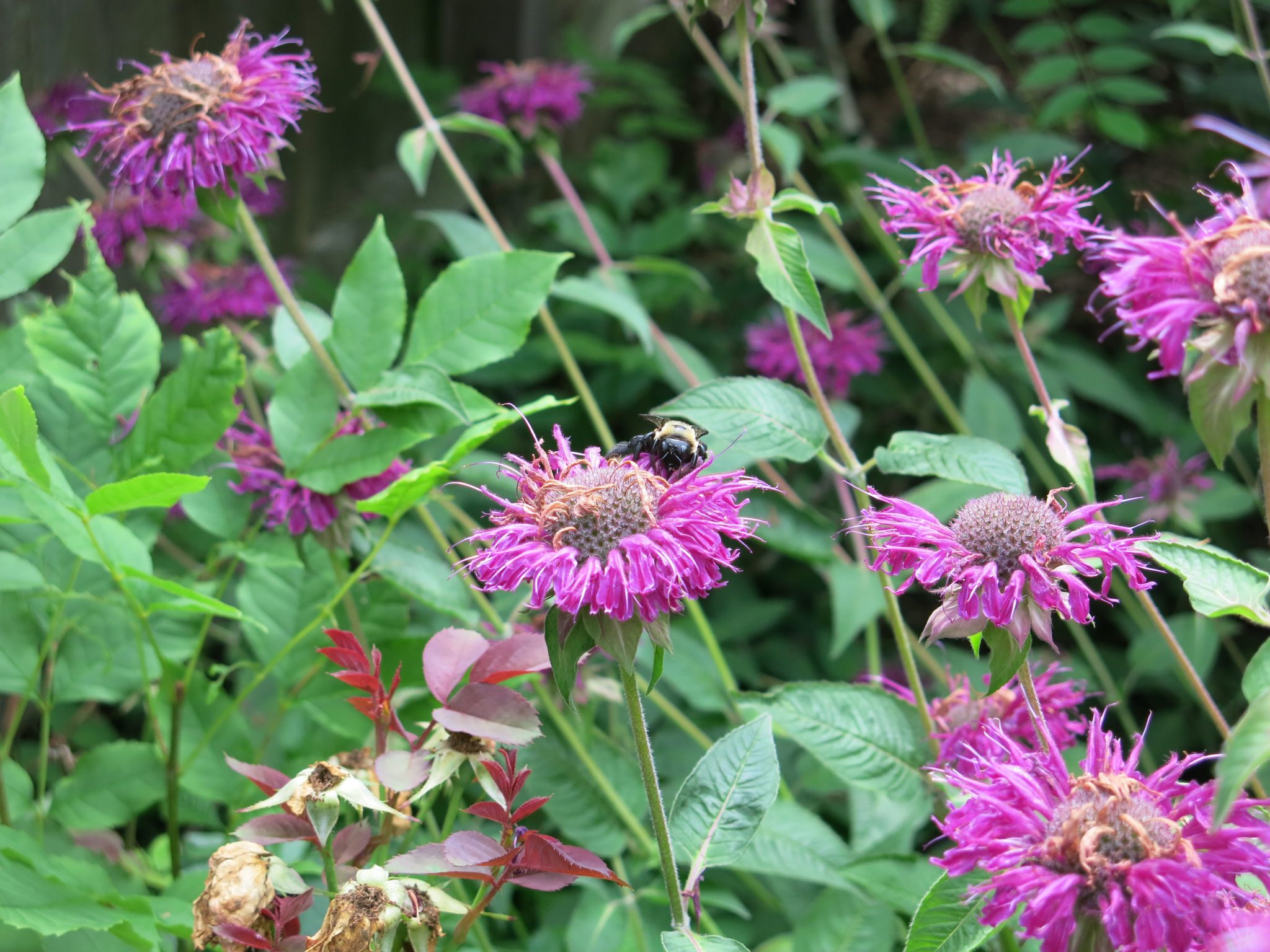
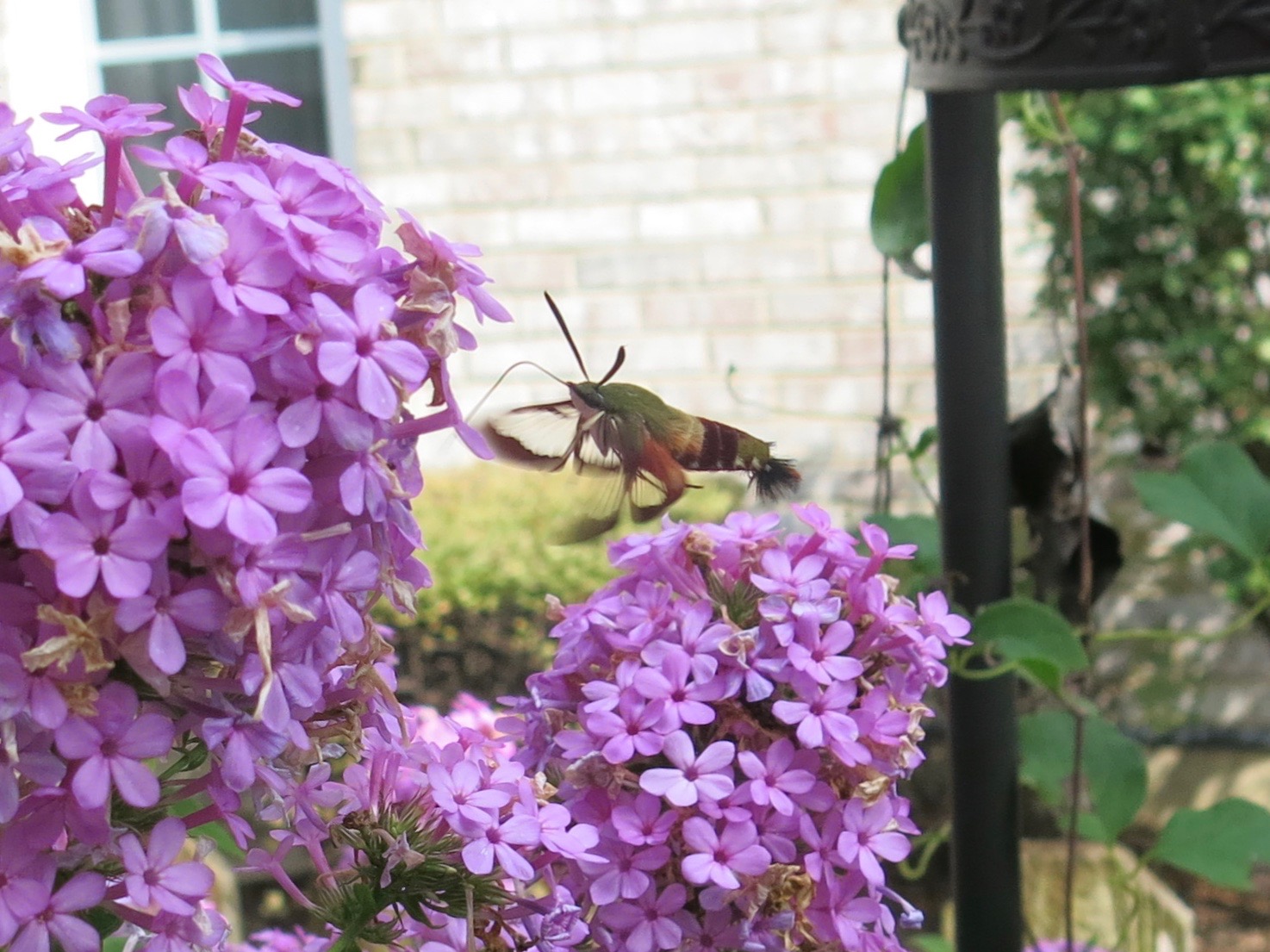
Some annuals and herbs that are especially attractive are petunias, snapdragons, milkweed, dill, fennel, zinnias, cosmos, and lantana.
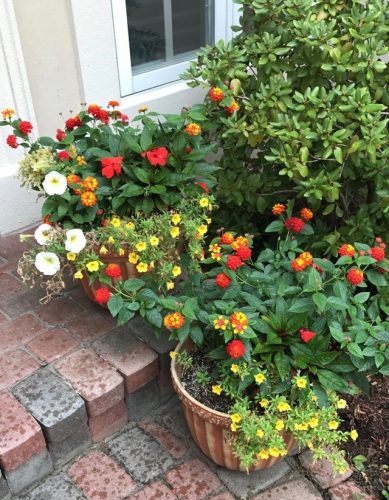
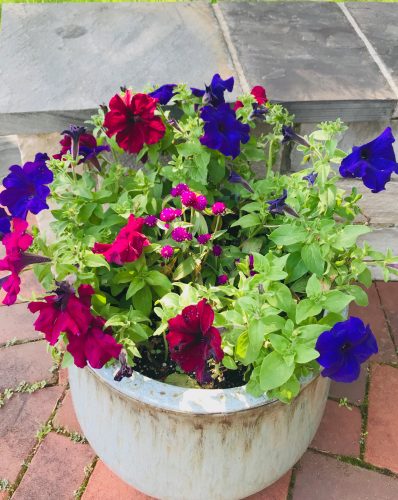
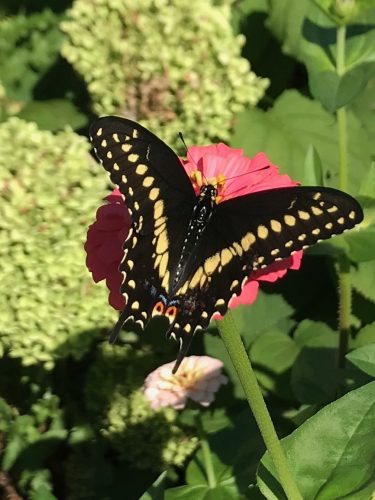
Try also whenever possible to plant native species and limit your use of pesticides and herbicides.
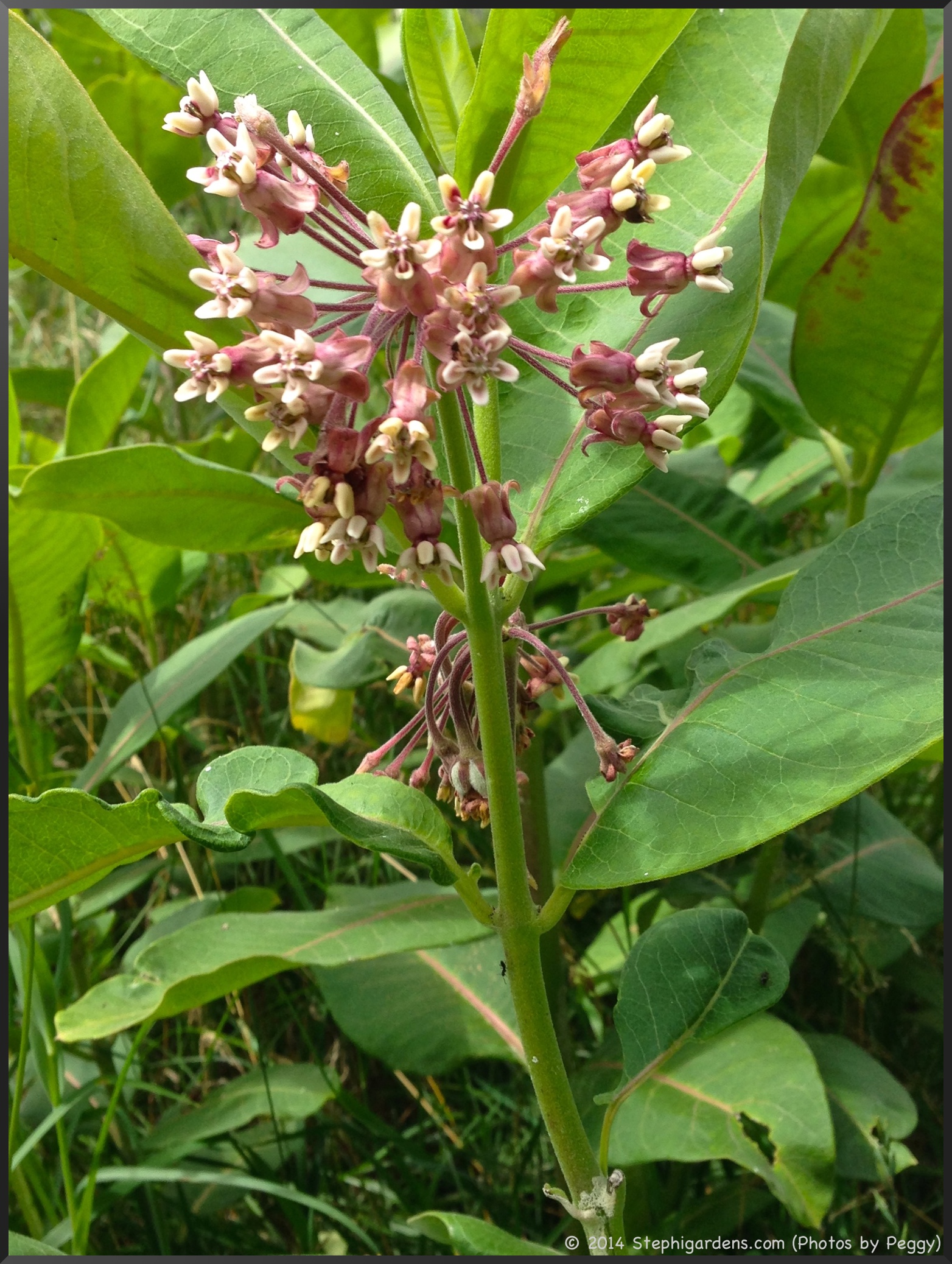
Monarch butterflies are unique in that for part of their life cycle they require milkweed. The monarch larval phase, better known as the caterpillar, eats only milkweed, so any disruption of milkweeds will affect monarch numbers.
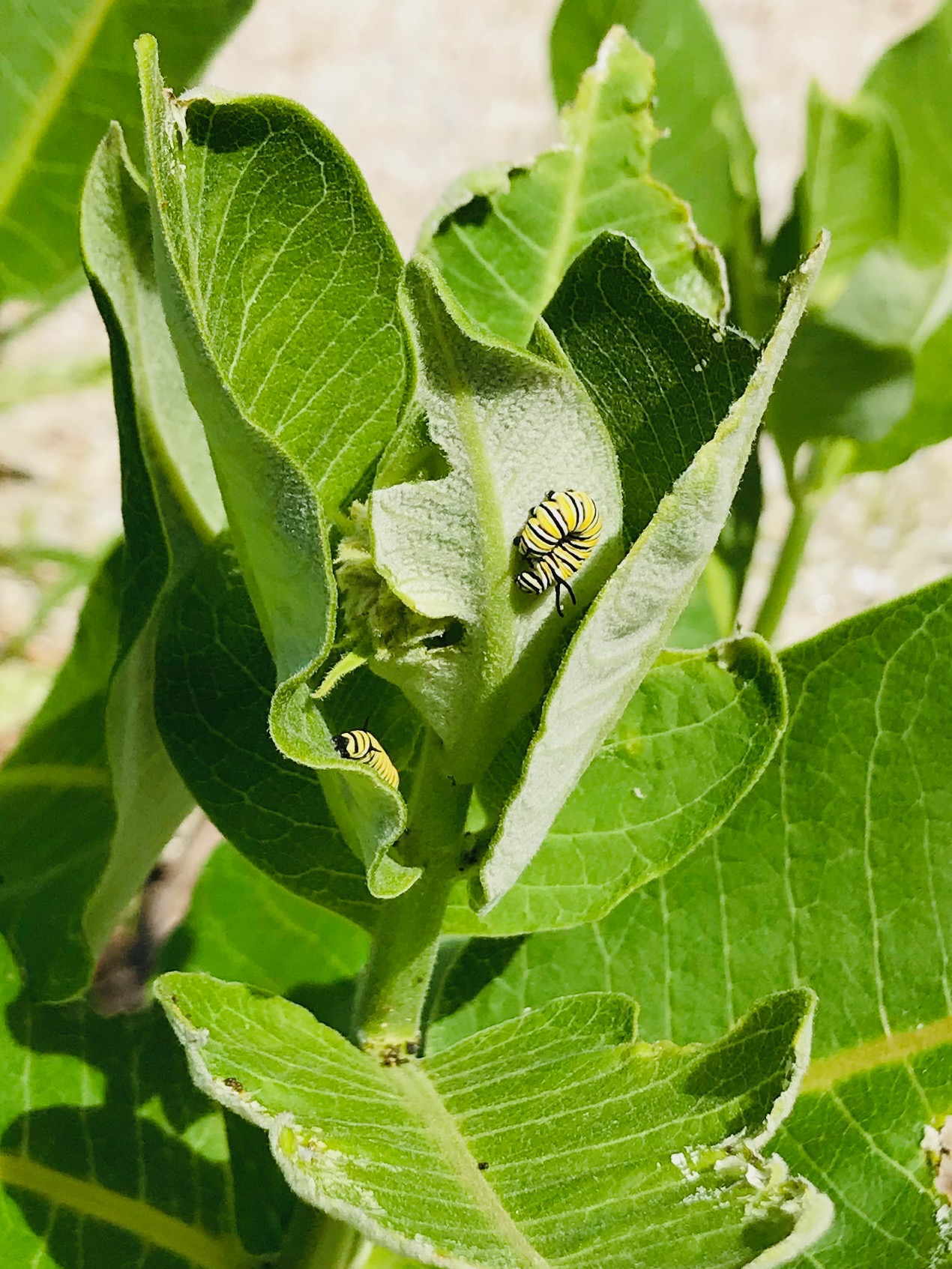
You can buy milkweed seeds from a variety of sources. One of my favorites is Botanical Interests. Be sure to pick a species that is native to your area and follow the instructions. Milkweed can be a little tricky to grow and the seeds require stratification to germinate. Stratification is a scientific term for exposing the seeds to a period of damp, cold temperatures, like what happens in nature over the winter. This is followed by warming the seeds up to germinate. Botanical Interests has a great Milkweed Sow and Grow guide to help explain how to do this. You still have time, but you need to order seeds soon. You can also often find plants at some local nurseries a bit later in the spring. Or you can collect your own in the fall!
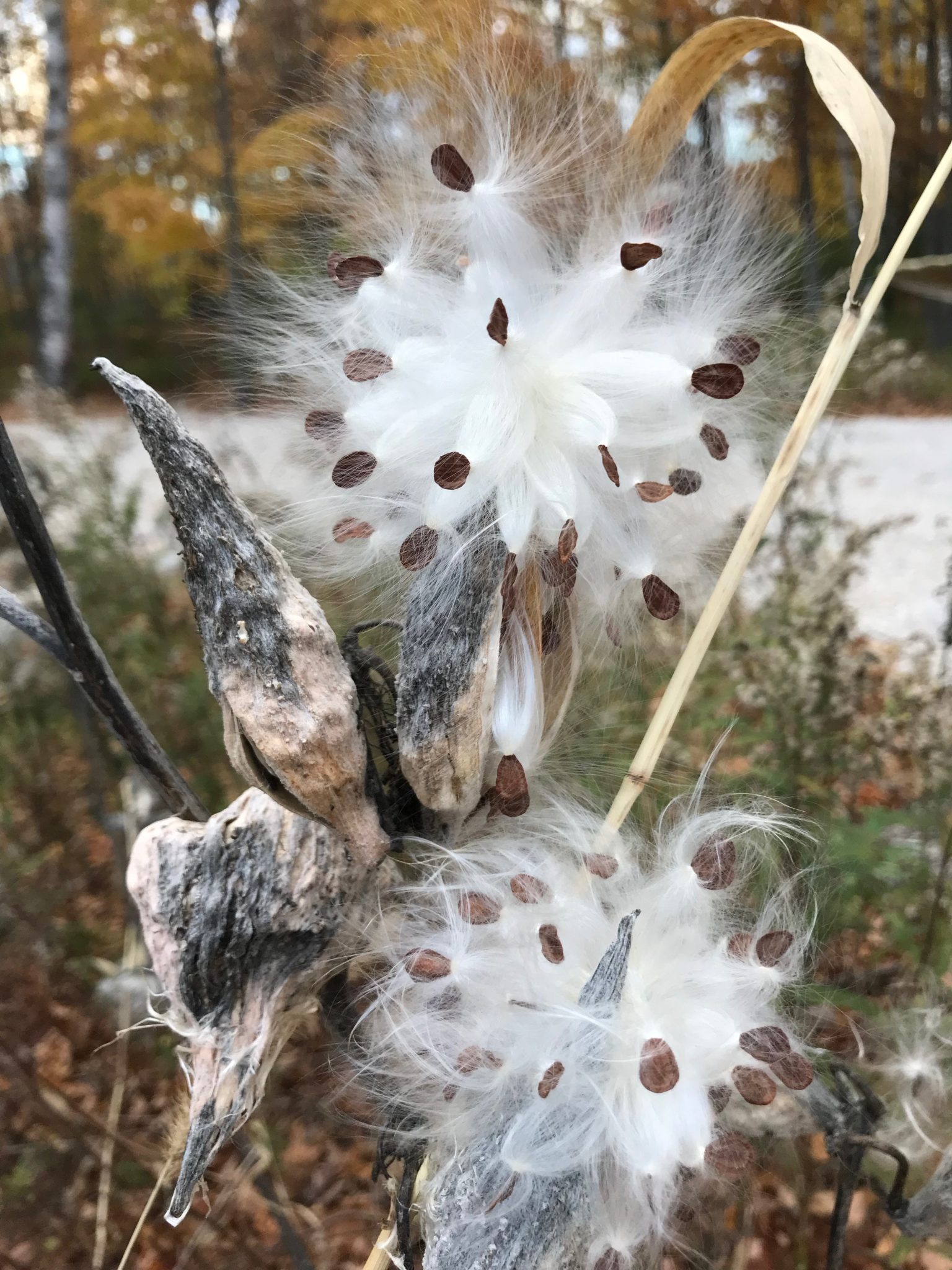
At our place in Door County, WI, I begin collecting the browning milkweed pods in the late fall and store them in a basket in the very cold, damp garage for the winter. This mimics the stratification process in nature.
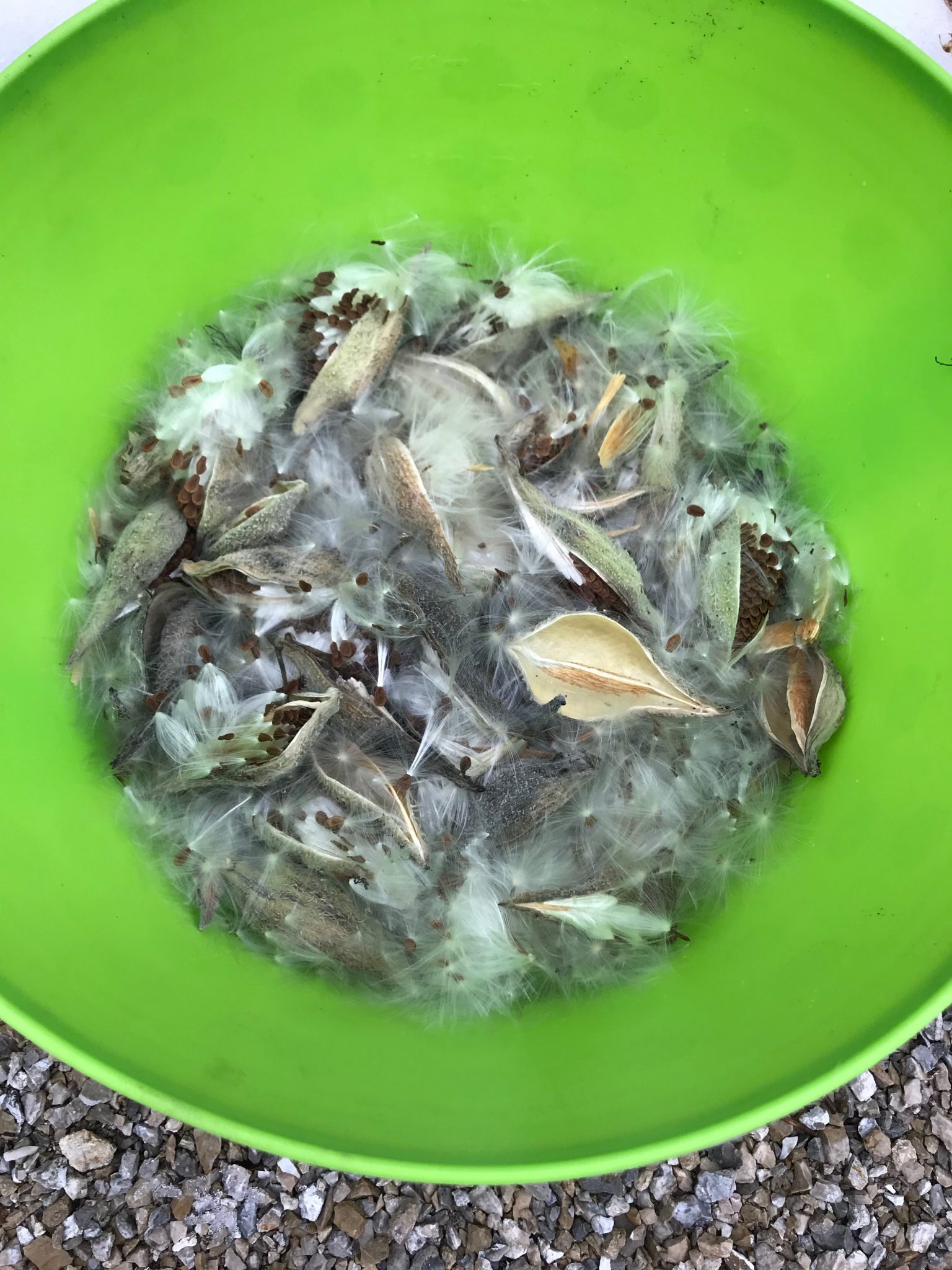
In late spring, once the snow has melted, I open all the pods and separate the seeds from the white fluff as best as I can.
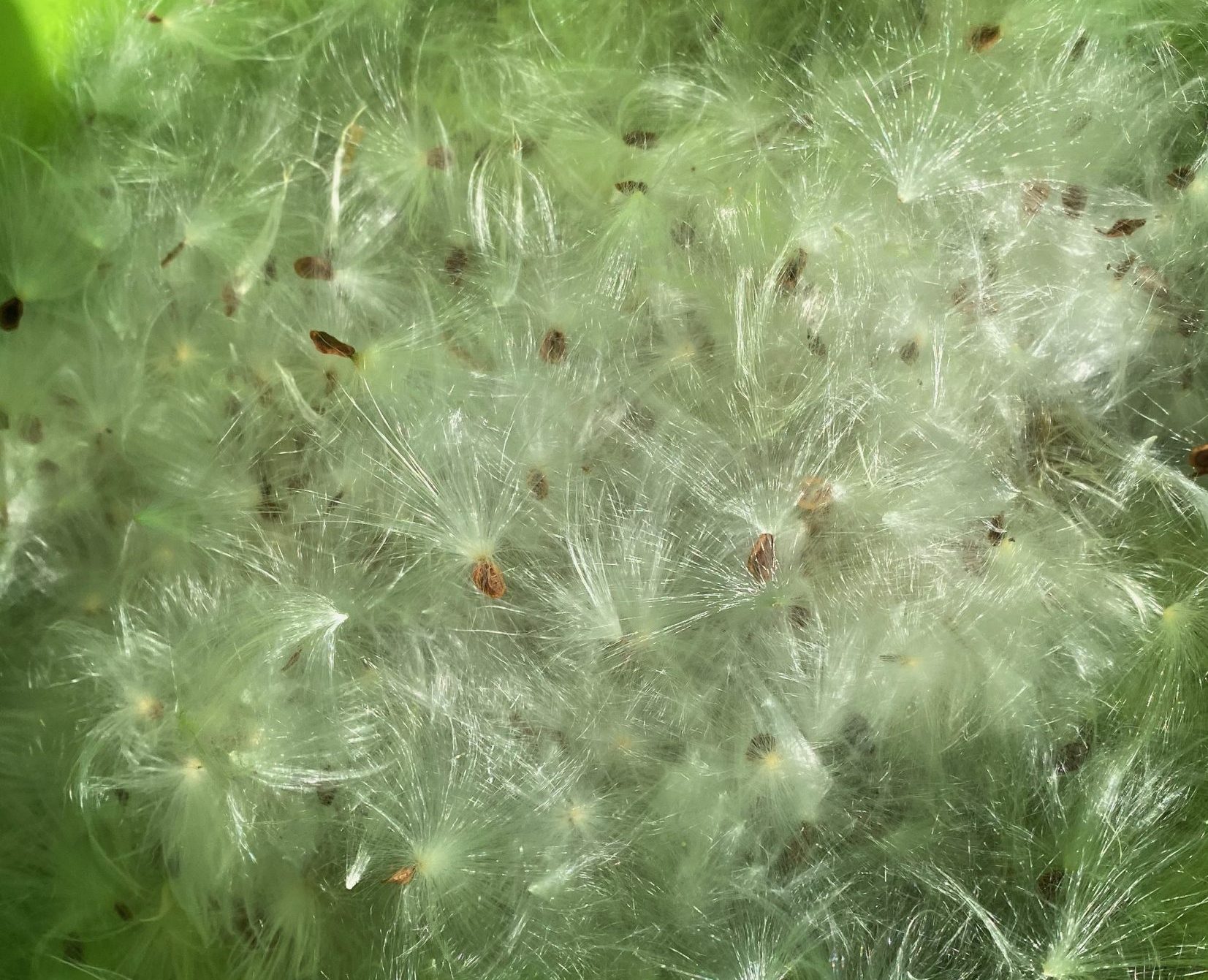
You can separate the seeds from the fluff by putting it all in a paper bag with some pennies and shake it up. Or just disperse the seeds with the fluff. Just be careful, the first year I did that I ended up seeding the gravel driveway with a lot of milkweed ☺️
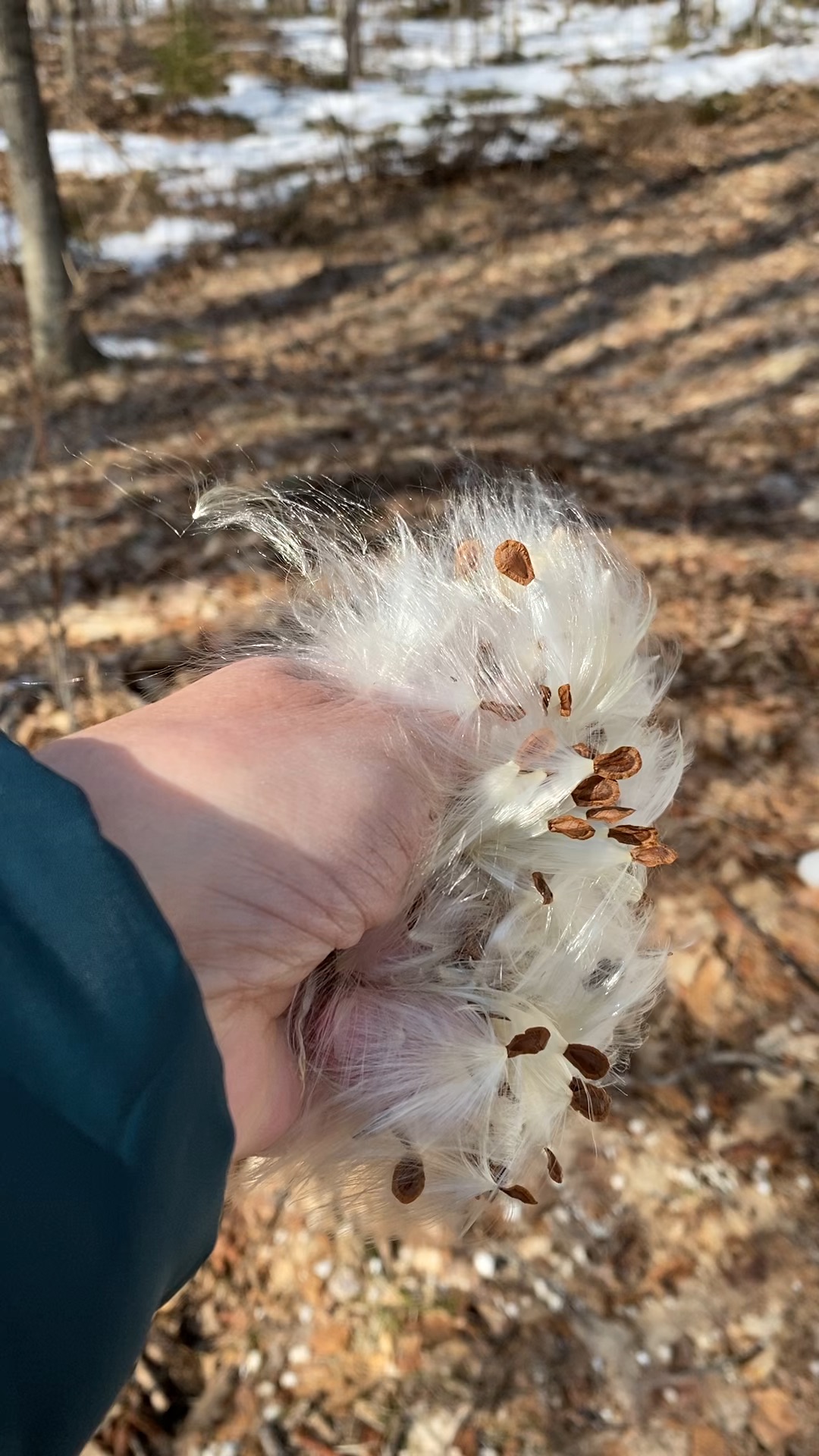
With a mixture of seeds and fluff/seeds I am ready to put on my Mother Nature hat and spread the seeds in the field and roadside areas on our property and then wait.
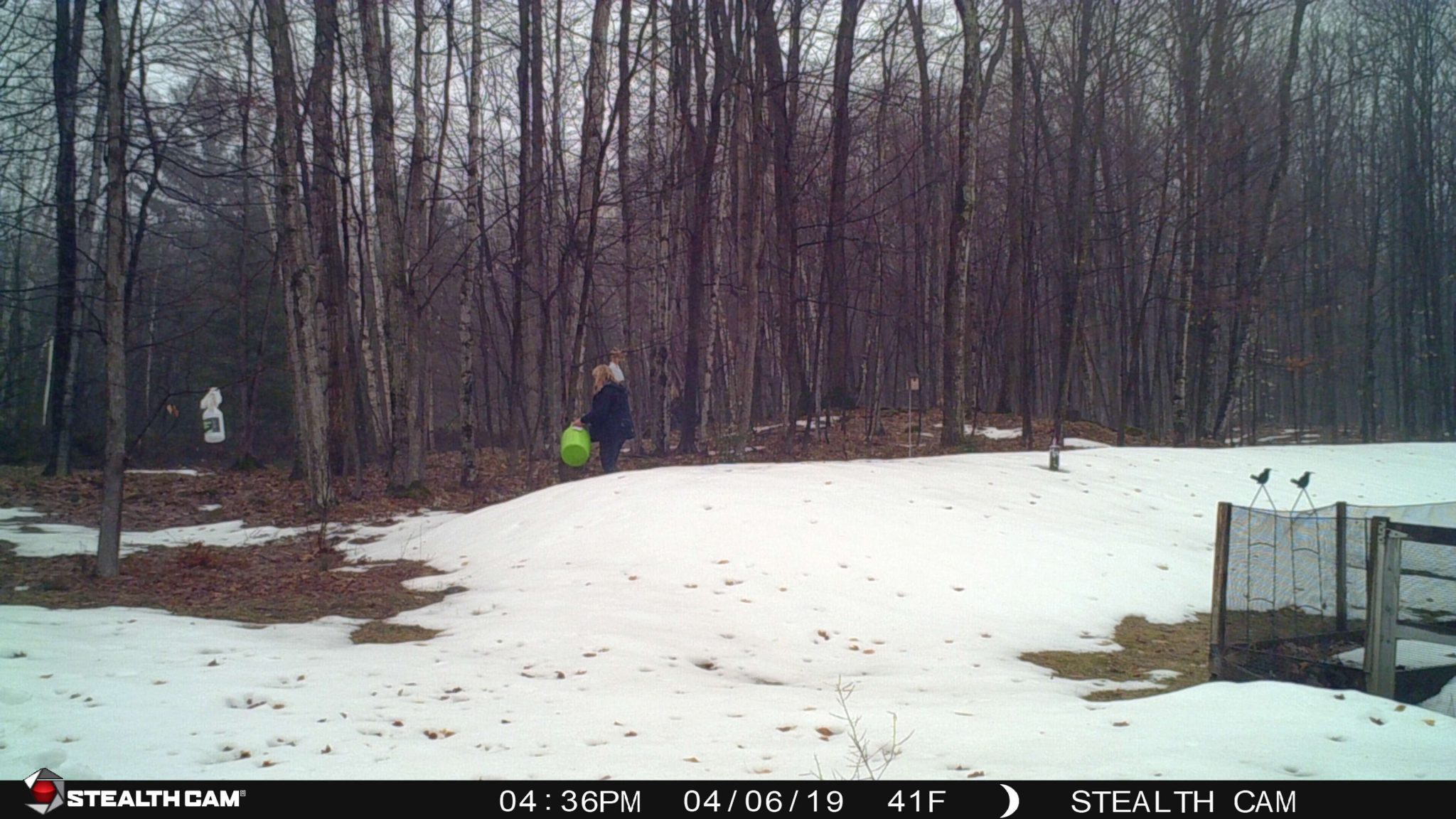
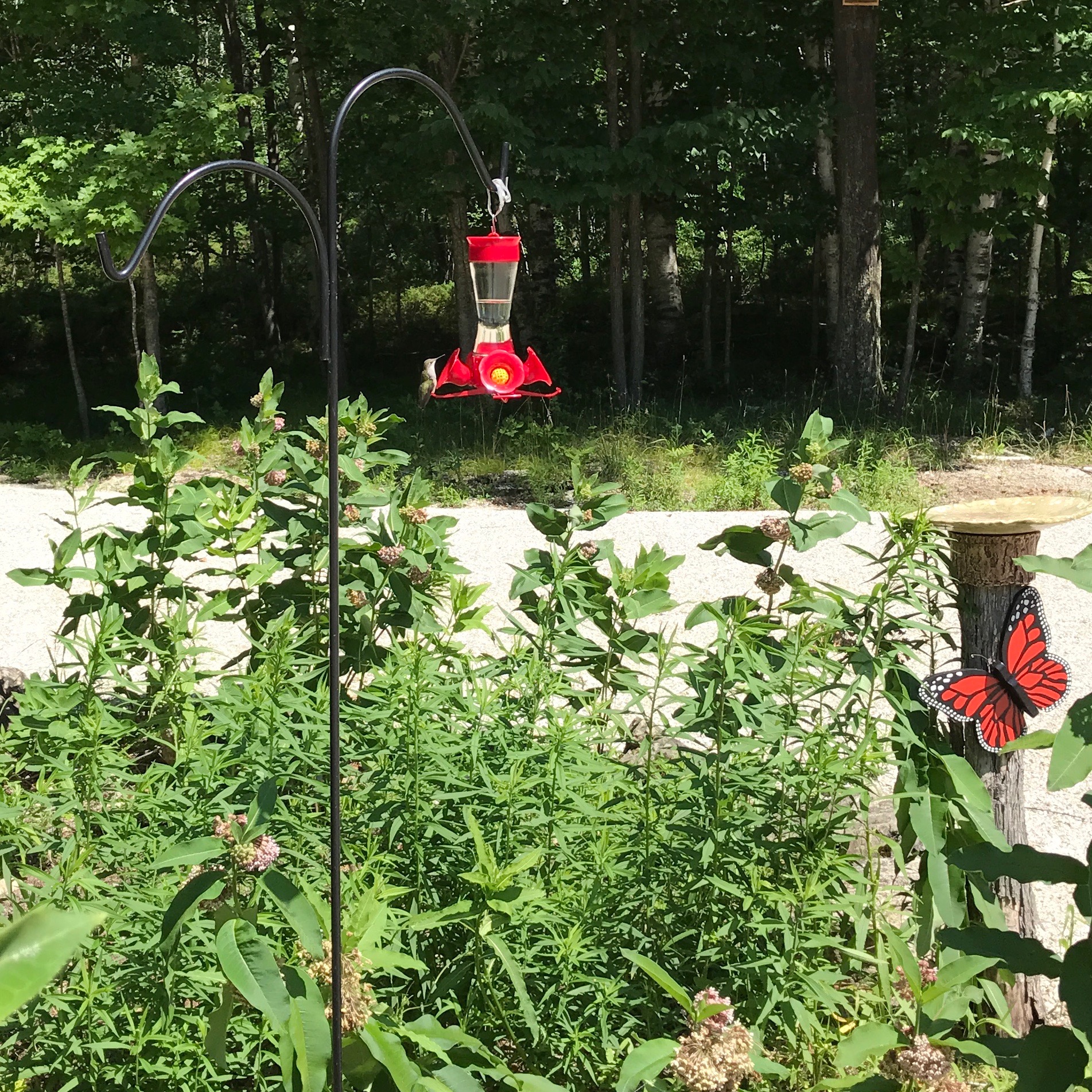
I’ve greatly increased the number of milkweed plants on our property this way and made it much more attractive to the monarchs and other pollinators!