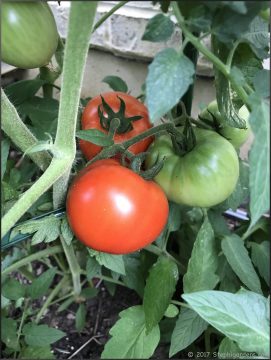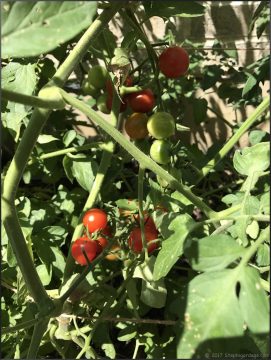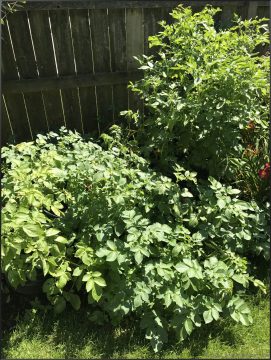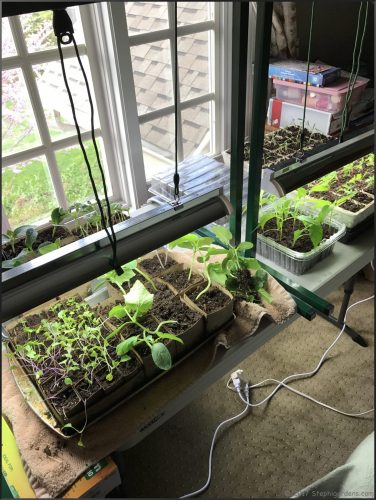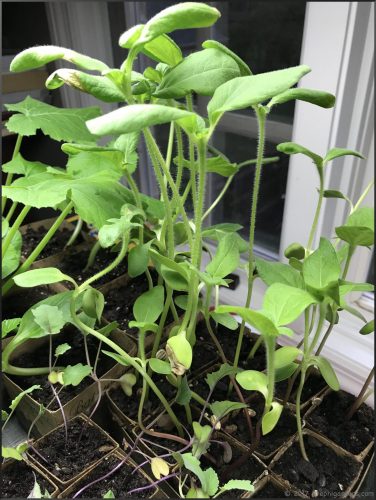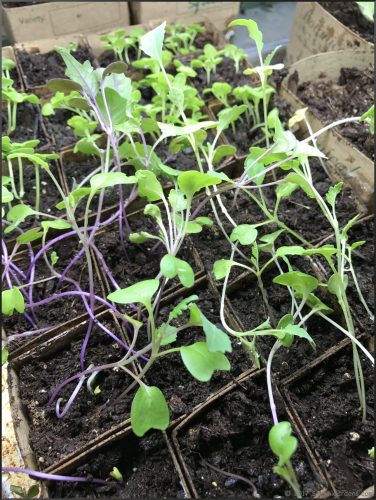
Spring 2020: Garden Roundup-Veggies

I’ve had a lot of time during this pandemic to plan and tend to this year’s garden. I can’t say I’ve minded this part, I’ve actually really enjoyed the time to get back to basics in the garden.
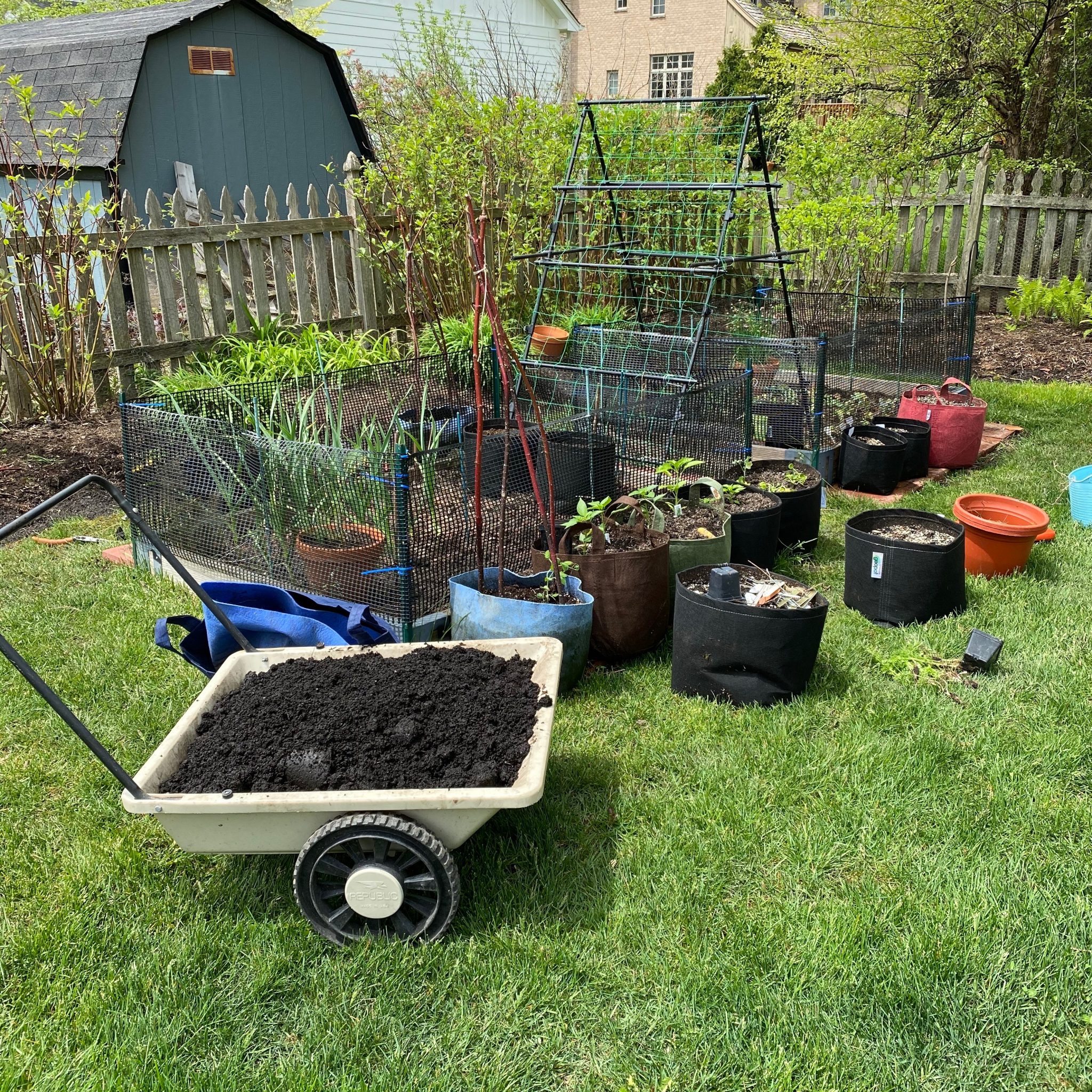
Like usual, I started a number of vegetables in the house from seeds and shopped for the rest at the local nursery (shout out to Vern Goers Greenhouse that was thankfully open, with appropriate restrictions of course).
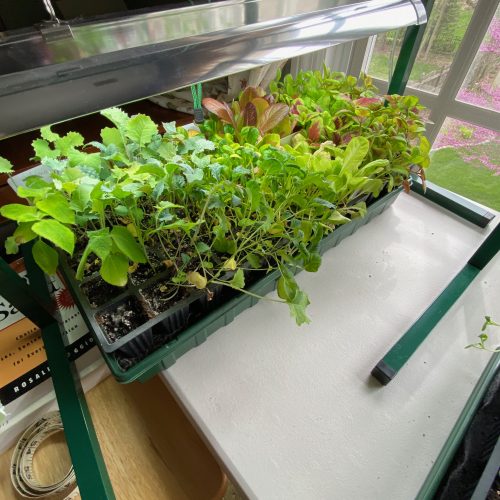
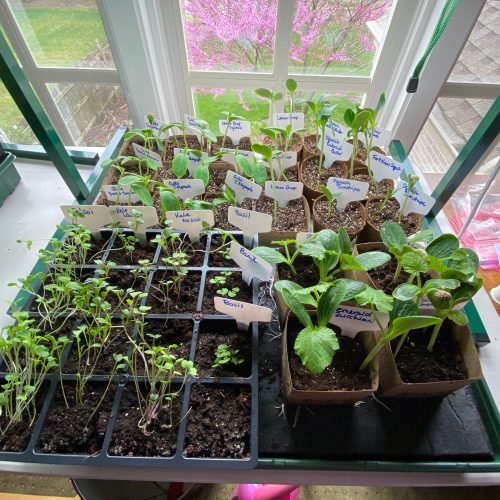
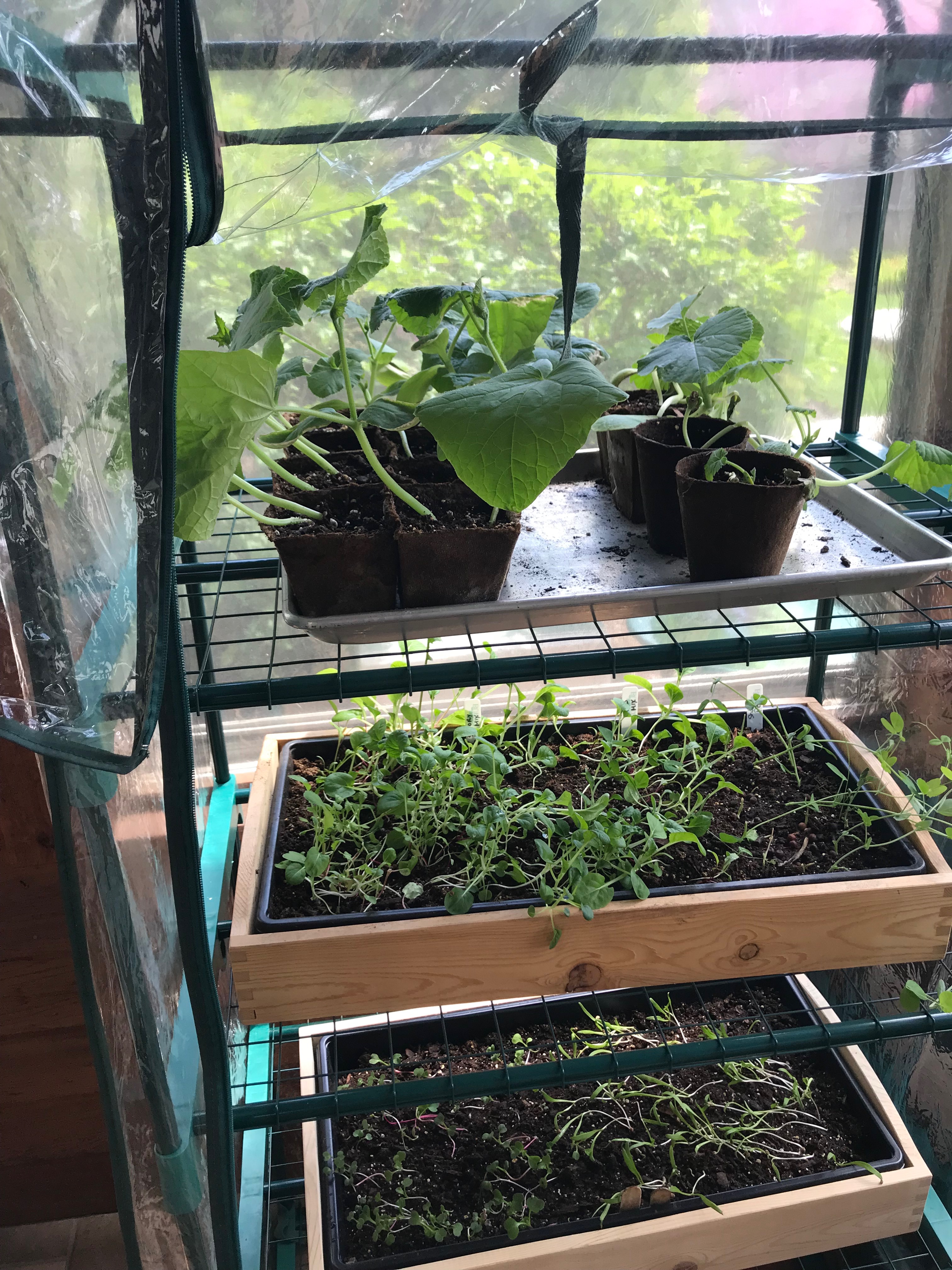
We had a bad cold snap in early May, so I kept everything nice and cozy under grow-lights in the house and in the mini greenhouse on the porch.
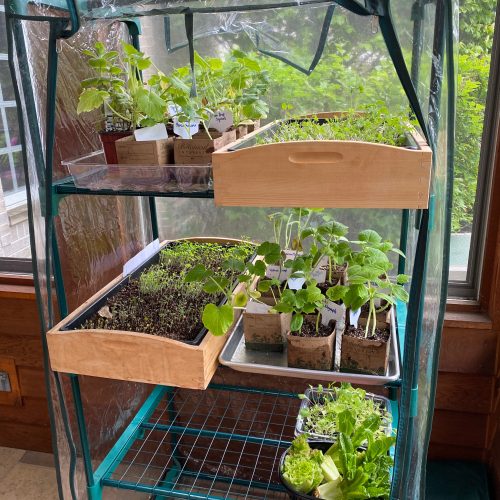
I am so looking forward to a summer of fresh vegetables straight from the garden.

What did I grow this year from seeds in the house?

What seeds am I starting outside?

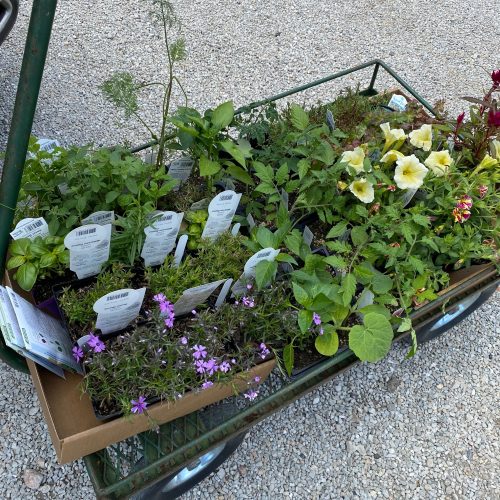
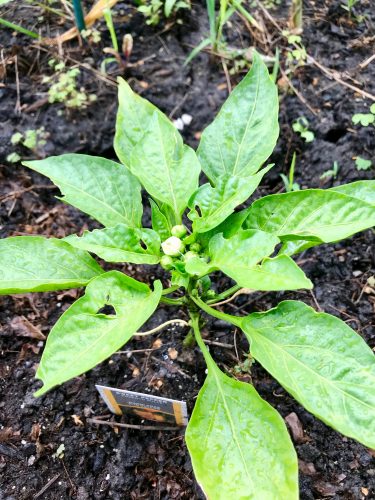
What plants did I buy?

  • Redarling Brussel Sprouts
  • Sun Gold Tomato
  • Early Girl Bush Tomato
  • Juliet Tomato
  • Sweet Million Cherry Tomato
  • San Marzano Tomato
  • California Wonder Sweet Pepper
  • North Star Sweet Pepper
  • Habanero Peppers
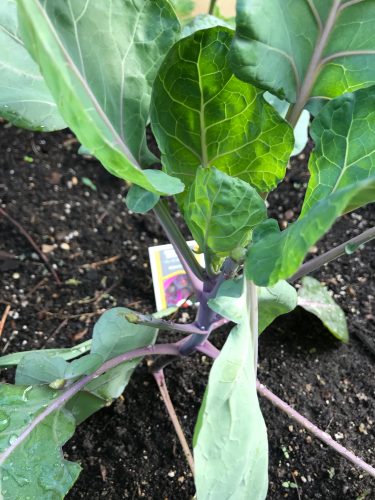
  • Kohlrabi

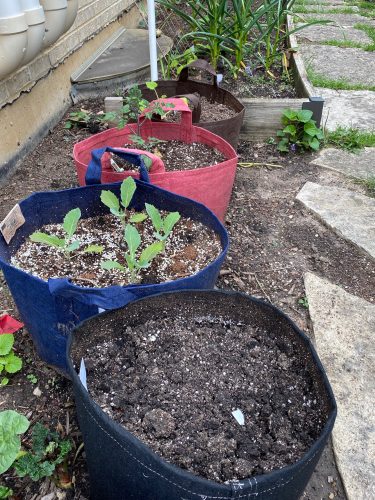
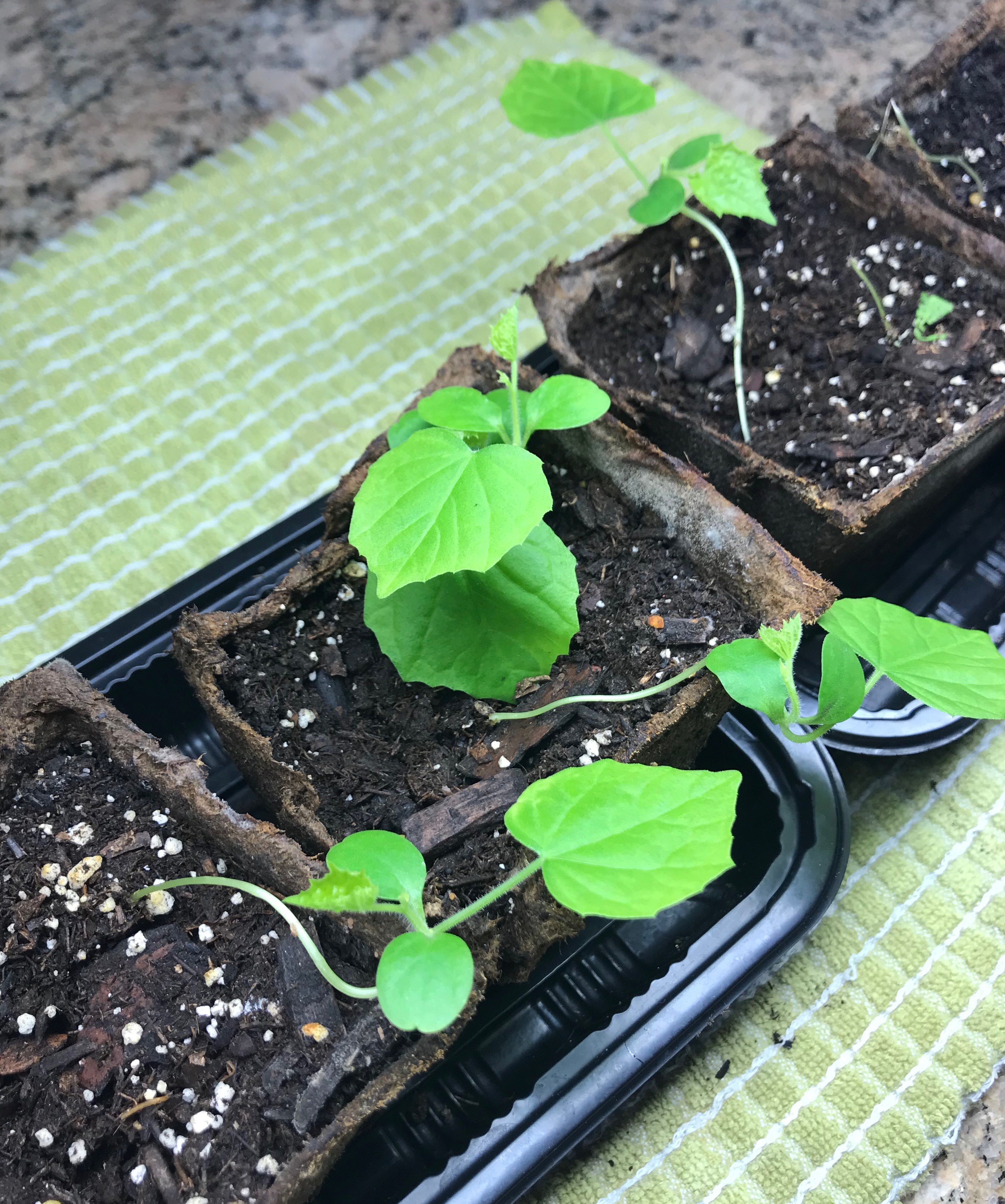
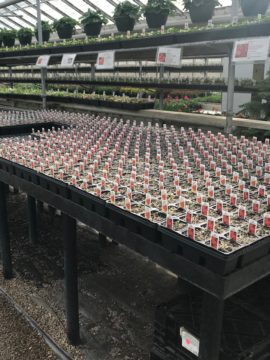
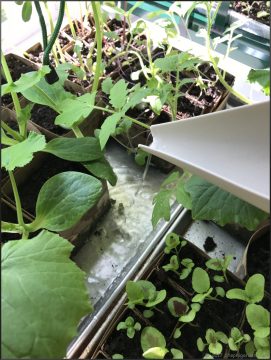
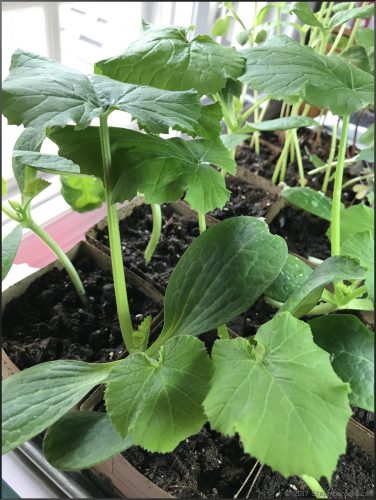
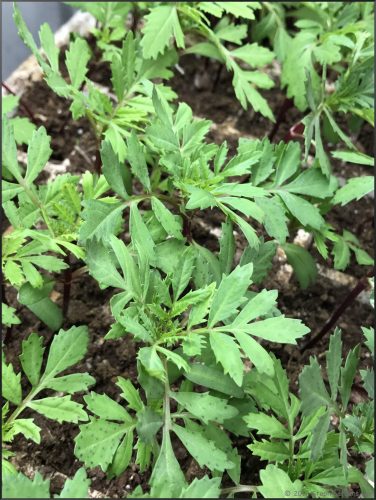
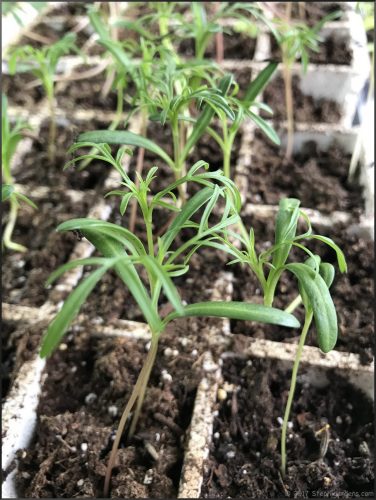
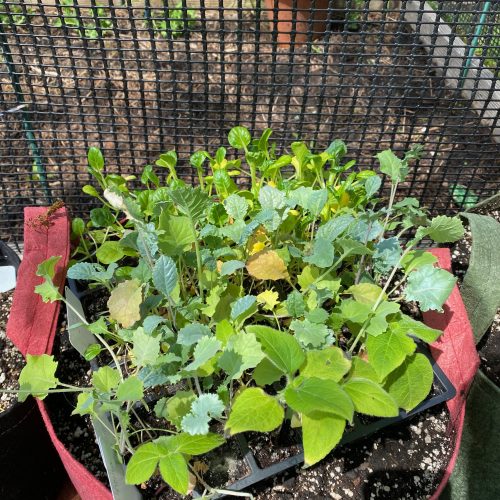
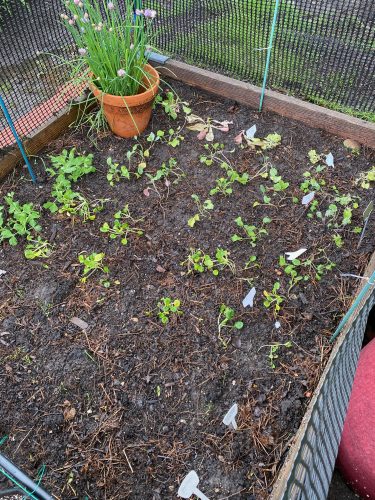
Here’s some of the seedlings I grew in the house, all ready to plant. Some I planted in one of the raised beds, others in my new fabric root bags.
What did I try new this year?
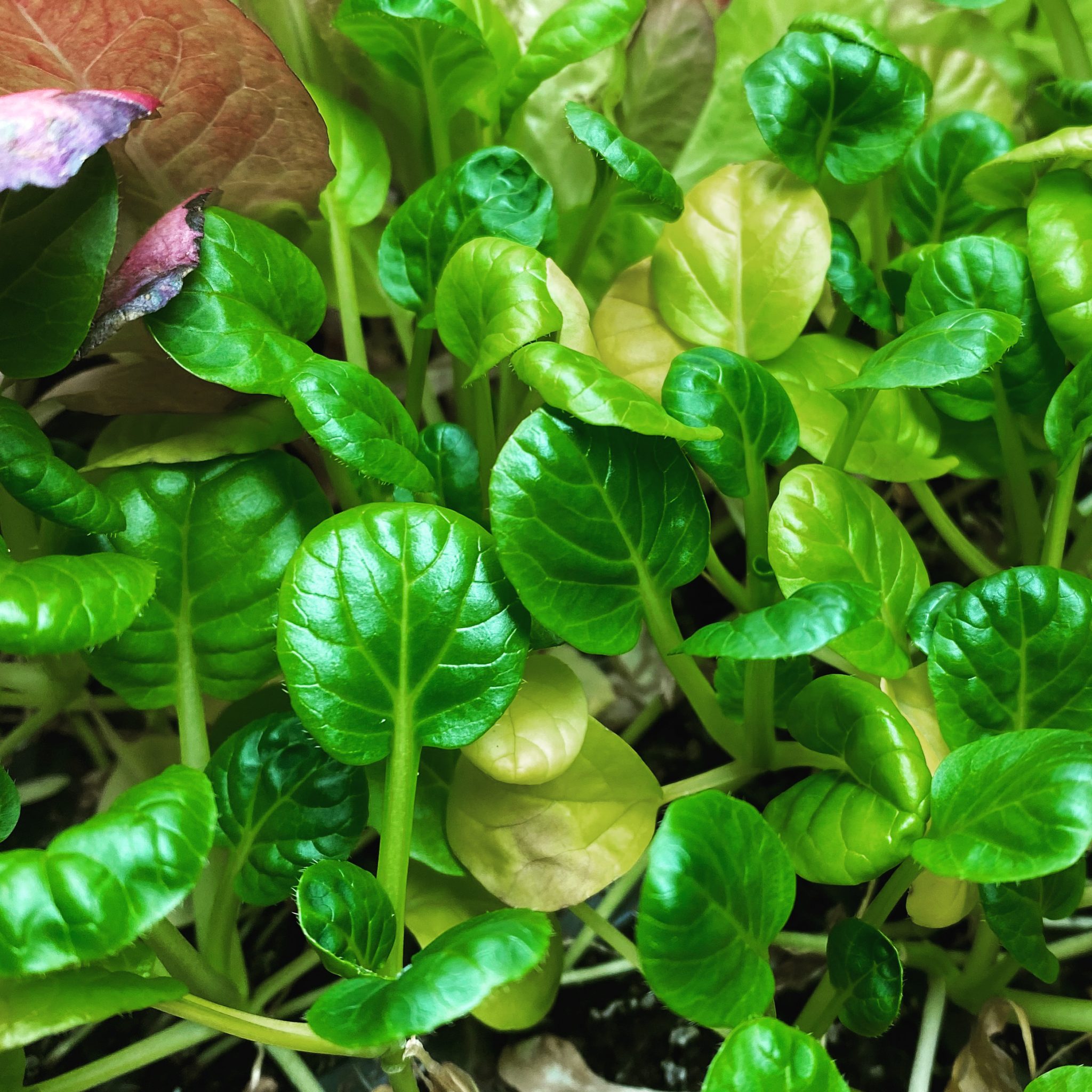
Tatsoi! I didn’t even know this was a thing until it popped up on an Instagram post by Baker Creek Heirloom Seeds. We’ve had to change up our diet a bit to eliminate high oxalate foods like rhubarb, spinach and swiss chard because of kidney stones. 🥺 So out of the garden they went. Instead, I am growing an abundance of kale (which I’m not a huge fan of but learning to like it), lettuce, microgreens, sprouts, brussel sprouts and this new tatsoi green.

According to Baker Creek Heirloom Seeds, “Tatsoi is nicknamed Vitamin Green, and rightfully so. This gourmet green is known as one of the richest sources of vitamin C and it is replete with other incredible vitamins, minerals, and health-promoting compounds! It’s super sweet and easy to love, with a mild and refreshing flavor. The low-growing rosettes are comprised of tiny, glossy spoon-shaped leaves that boast crisp and juicy mouth-feel.” As a bonus for us, it’s related to cabbage/mustard, so low in oxalates! I can’t wait to try it out.

What else is new?

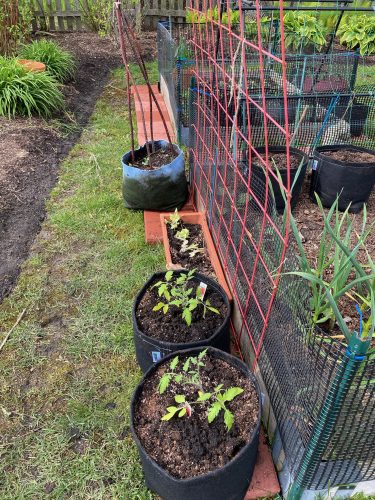
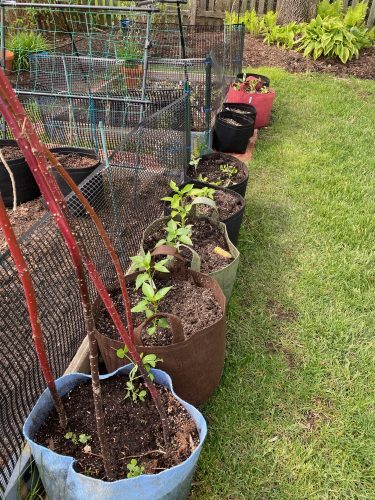
Lots more fabric grow bags! I couldn’t really expand my gardens very easily, so went in a different direction. I bought a variety of sized bags from A.M. Leonard and GeoPot and a LOT of potting soil/compost/peat. Watch for a future post on this adventure. I have so much more garden space, I’m making another trip to the nursery!
One more thing…

My herb garden has always been on the north side of the house. right outside the side door. Very convenient. The herbs grew “fine”, but they really could have used more sun. I finally decided to move them since I had the time to think where they should go.
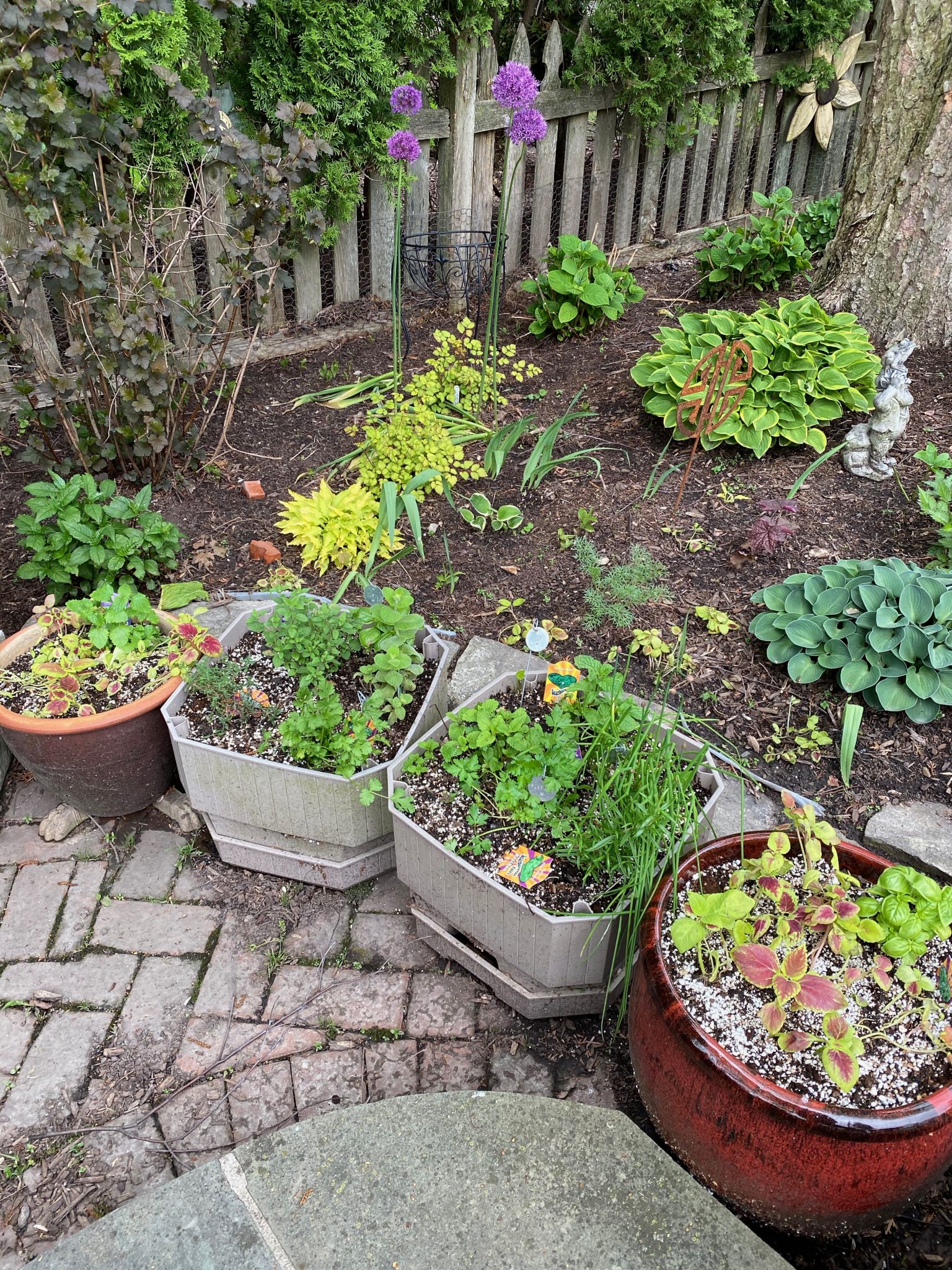
They are a little further away near the grill, but still convenient. Definitely will get a lot more sun. On either side are the coleus pots I plant every year. They add some pretty interest to the area and attract pollinators. I started then from seeds inside this year instead of buying them. Much less expensive and easier under the circumstances. But I think I should have started them earlier. They’re a little small right now, but with some sun and heat, they’ll take off.

How is your vegetable garden this year?
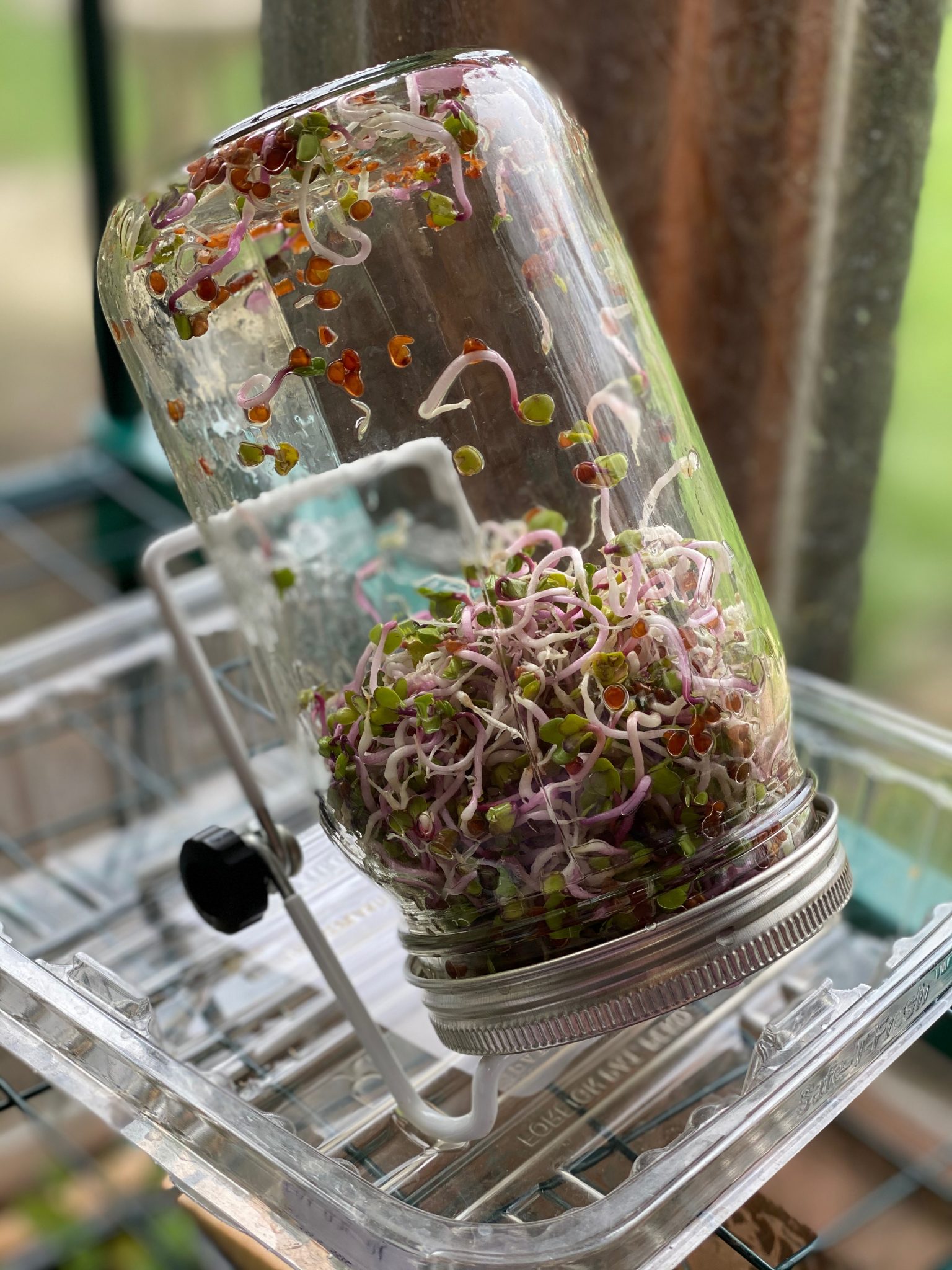
Sprouts!!

When I was a teenager, growing sprouts was all the rage. Then came an e. coli problem and they went away. My mom mentioned to me a few weeks back that she was growing sprouts (mostly for her chickens but that’s another story). I was a bit concerned based on my memories, but soon realized that growing sprouts was now safe and easier than ever to do.

It also couldn’t have been better timing with our Stay at Home situation right now. What’s better than some fresh sprouts on your salad, sandwich, or even scrambled eggs? A healthy, nutritious, tasty addition to almost everything!

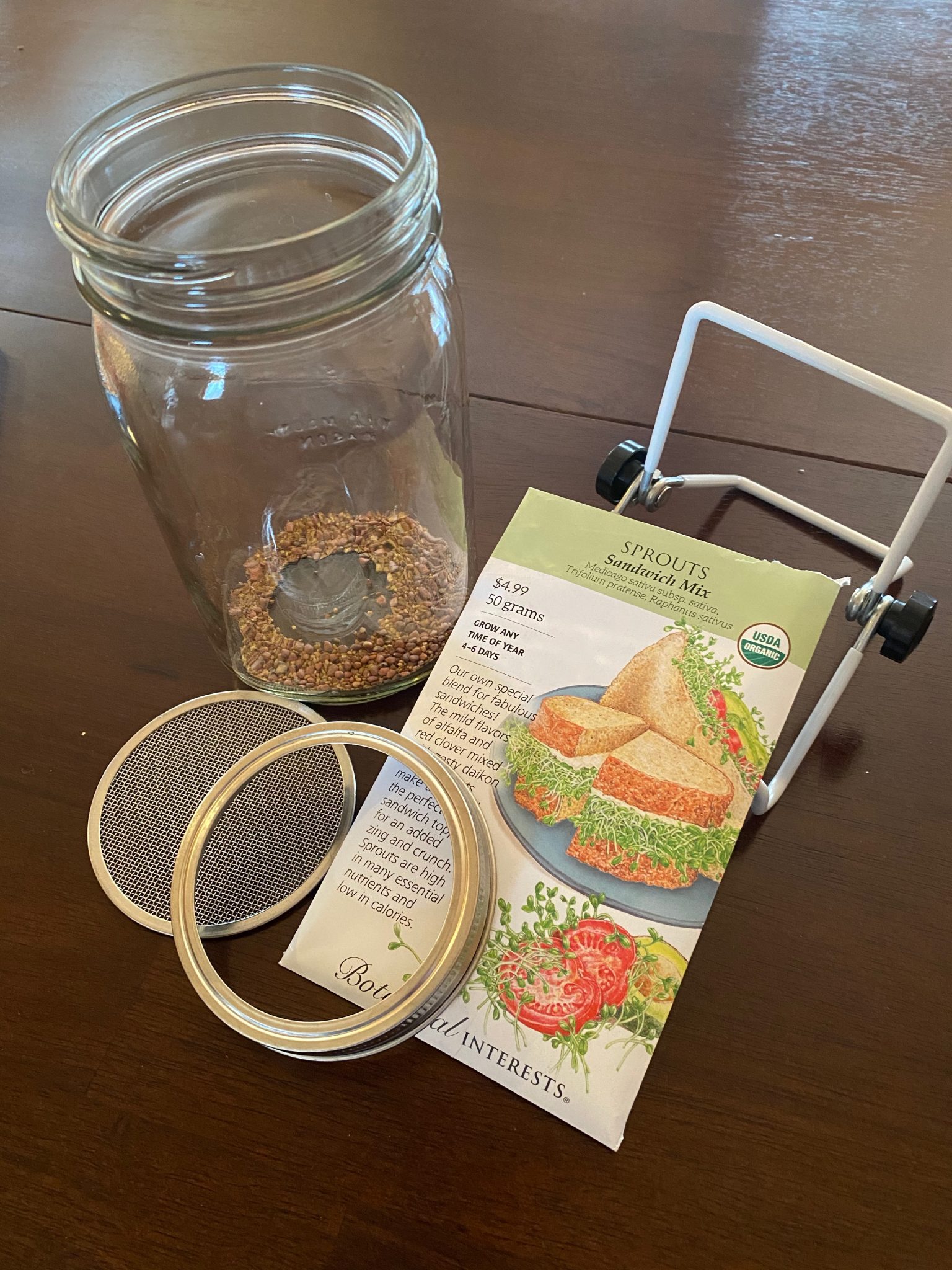
I’ve been growing mine in mason jars with mesh lids. Here’s how:

Supplies:

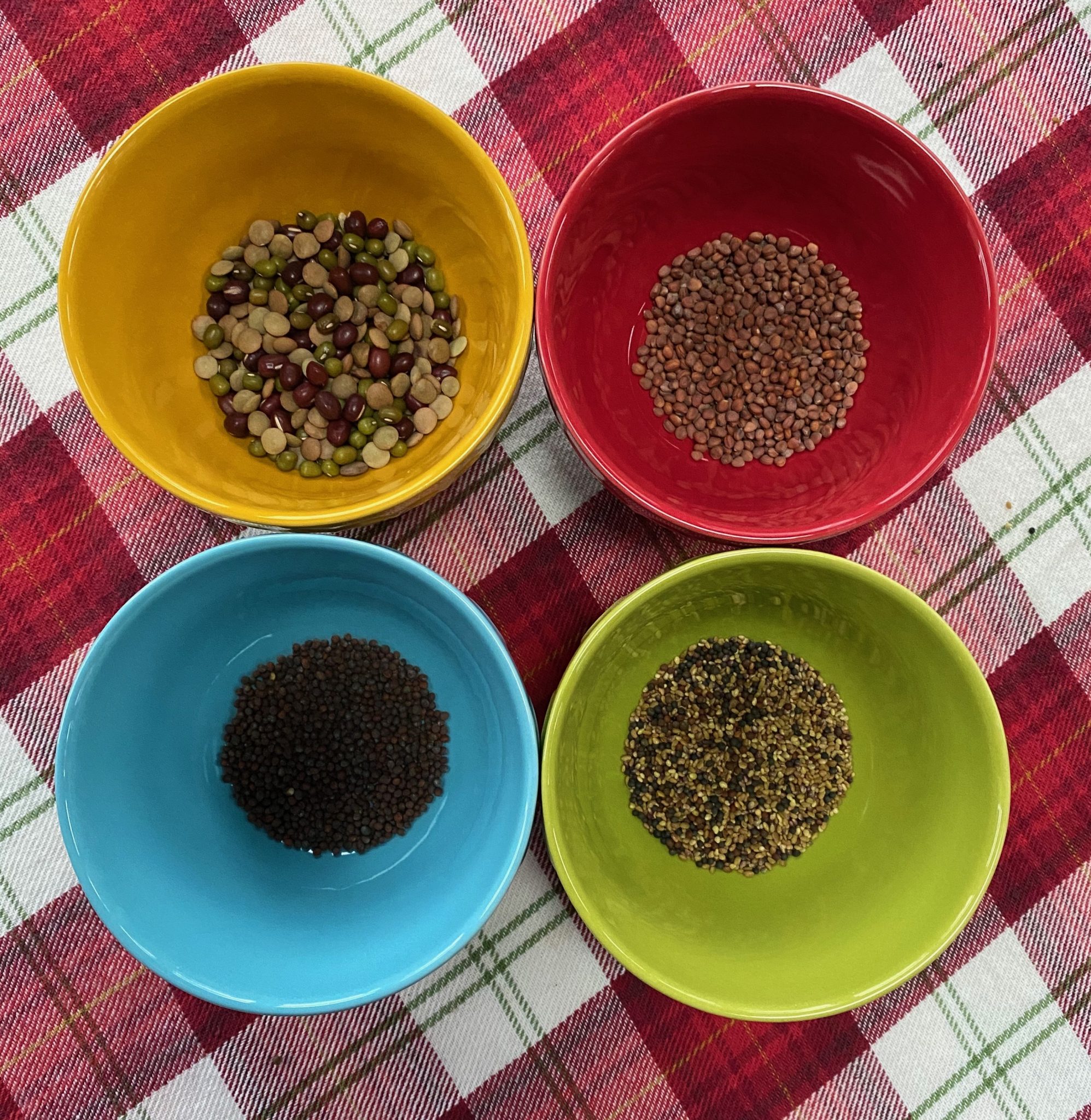
And of course sprouting seeds!.

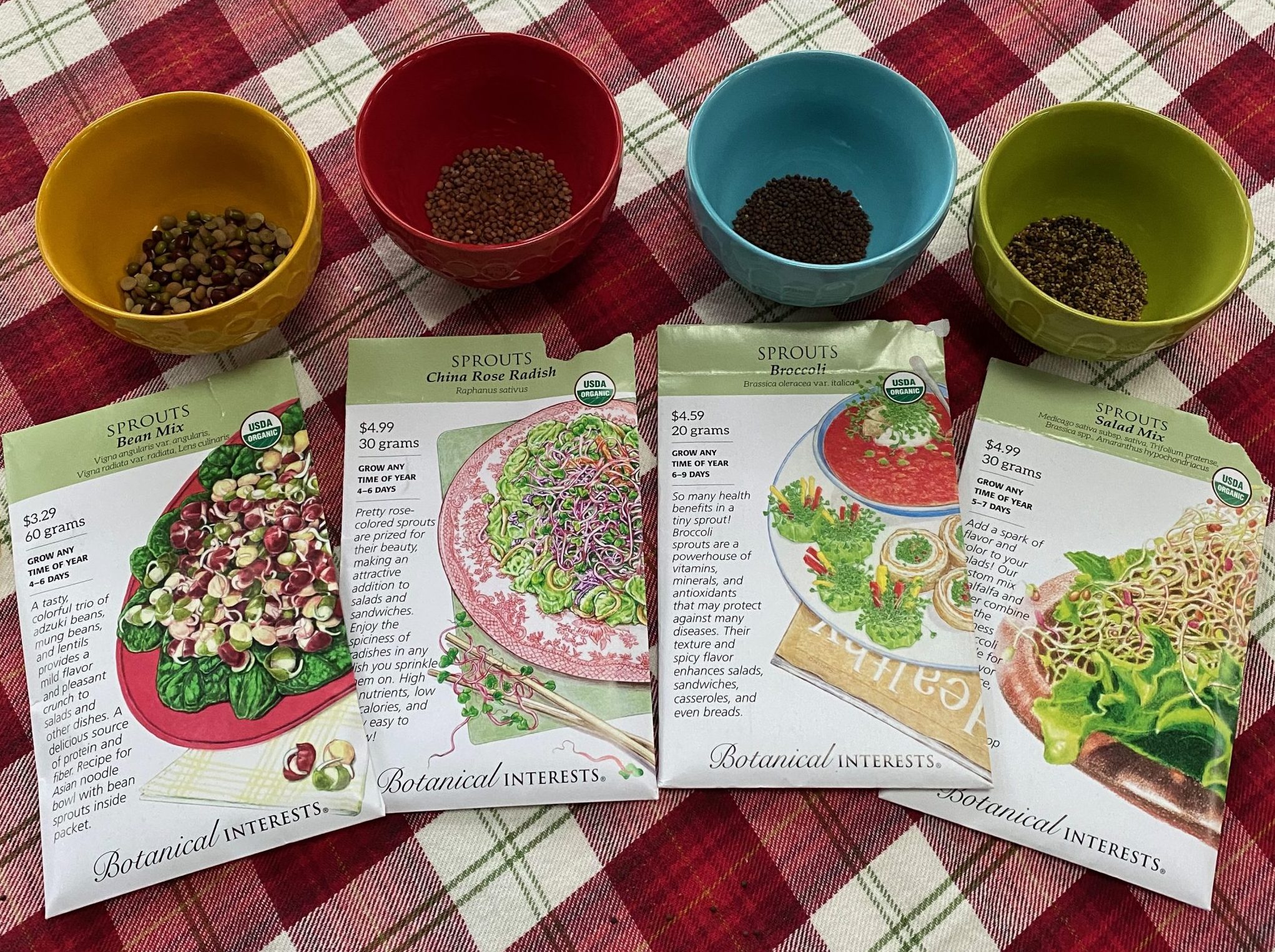
It’s extremely important that you use specifically labeled seeds for sprouting to prevent an e. coli infection. They’ll be listed as “sprouts”, “sprouting seeds” or “for sprouting”. They should also have a clear description of how the seeds have been tested for dangerous food-borne pathogens. I’ve bought my seeds from Botanical Interests and they have a clear safety explanation. They also mention that the seeds can be further disinfected if you desire. I haven’t done this, but it is an option.

Now you are ready…

Growing Your Sprouts:

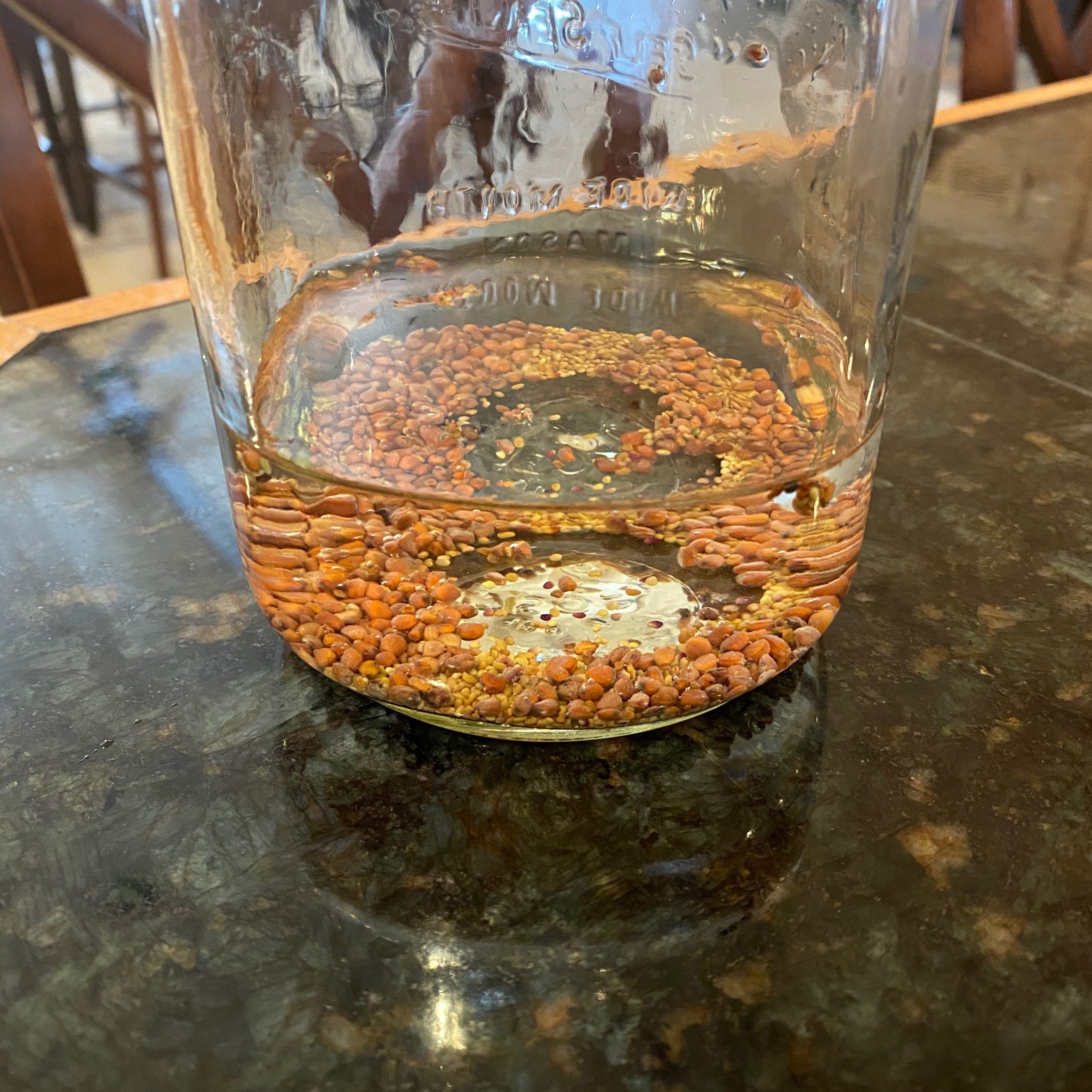
  • In the wide mouth mason jar, place 1-2 tablespoons of seeds and cover with 4 inches of warm (not hot) water. Screw on the mesh screen and stainless lid.
  • Let sit overnight.
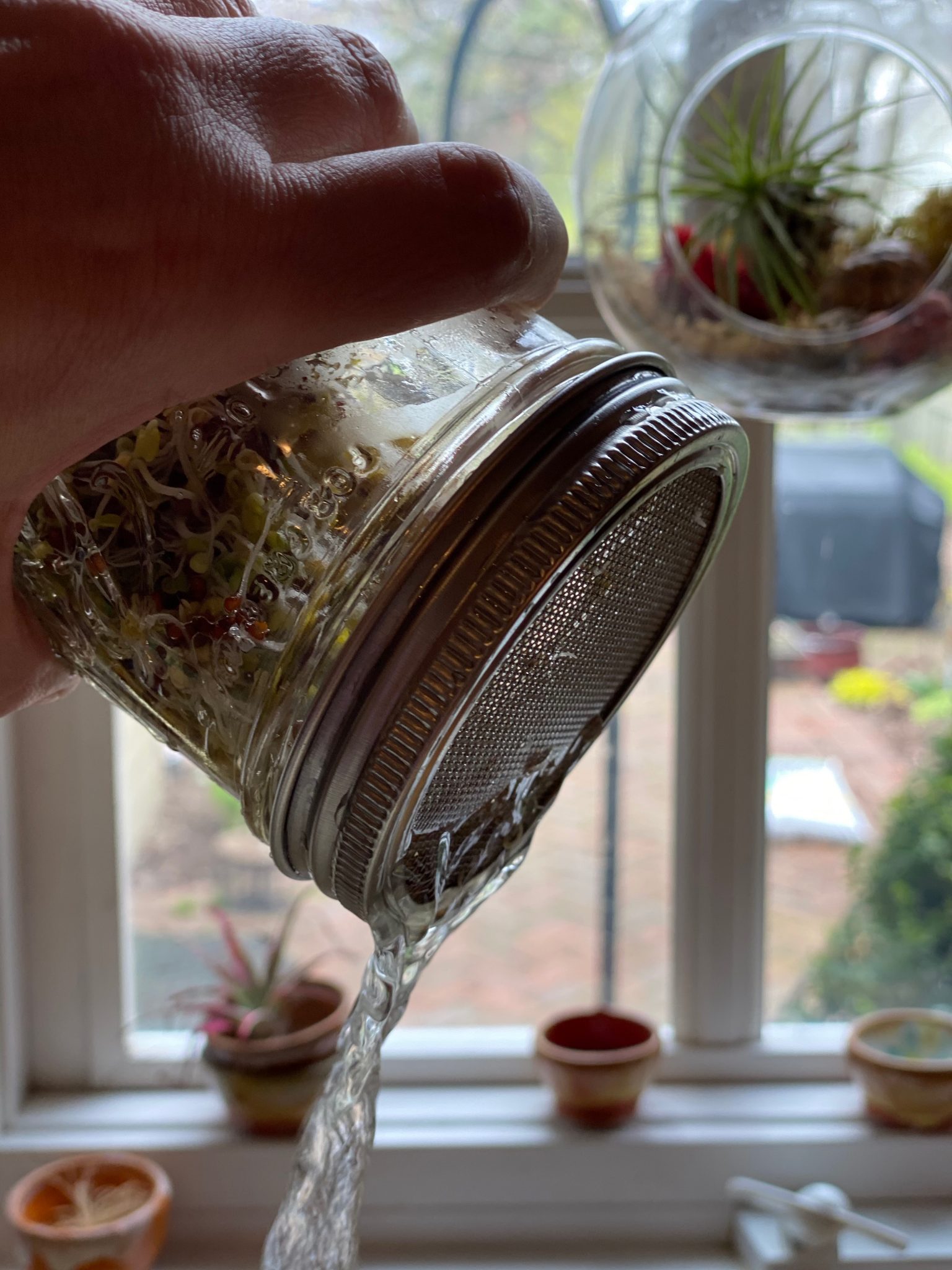
  • Drain the water through the mesh screen, rinse by adding more water, then drain again. Give it a good shaking to break apart the sprouts to rinse thoroughly
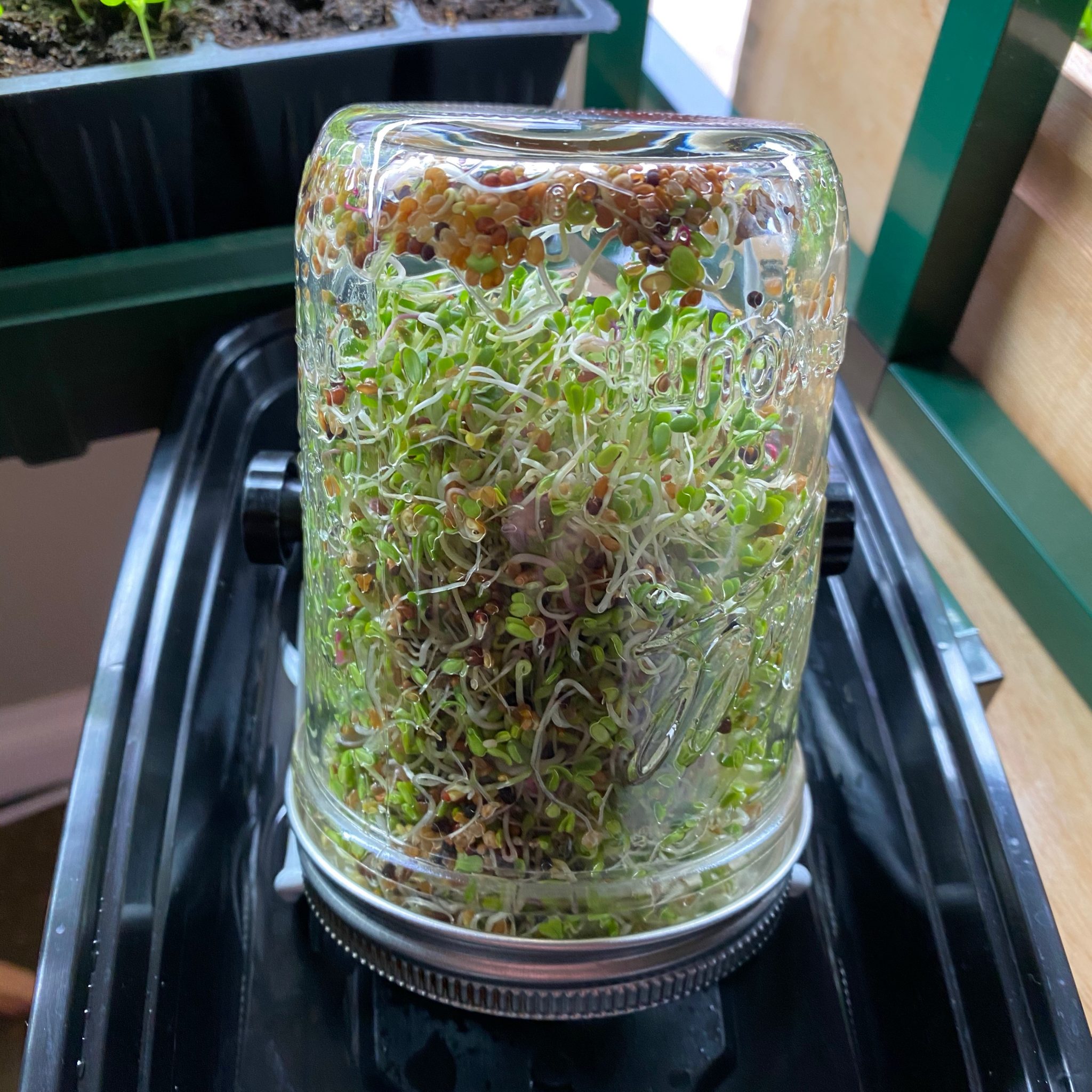
  • Place the jar, mesh screen down, on the sprouting stand in indirect sunlight. I put the stand in a cleaned plastic to go container to catch the water that drips.
  • Repeat the rinsing and draining 2x per day until sprouts are the size you want, which can take three-seven days depending on the seeds and what size sprouts you like.
  • Harvest your sprouts when they have two small leaves. Sometimes I’ll put them in a sunnier location for a day to green them up right before harvesting

Harvesting and storing your sprouts:

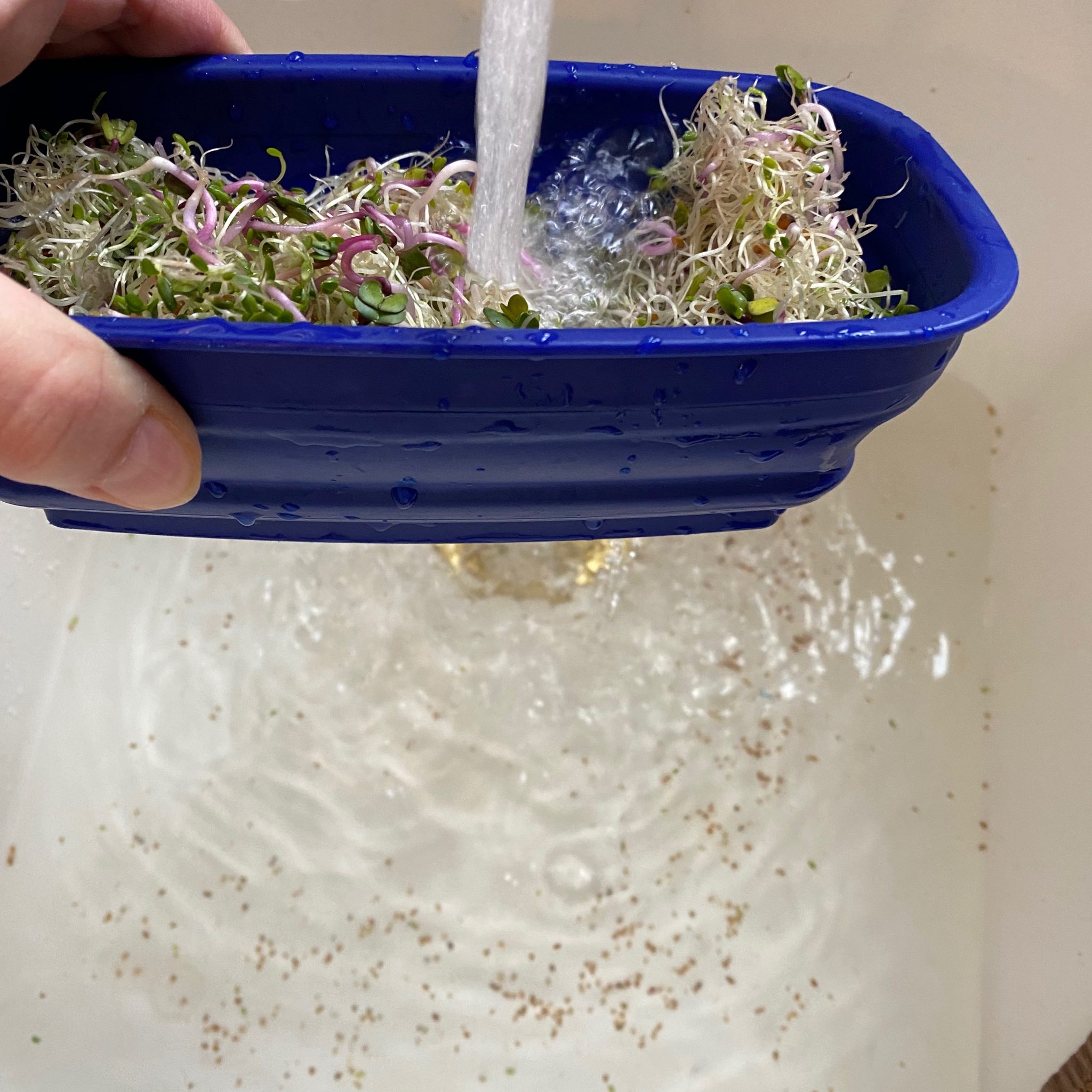
When sprouts are ready, you can eat them as is, or rinse them to remove any unsprouted seeds and hulls. To remove these crunchy bits, I first fill the opened jar with water and pour off any seeds and hulls that float up.

Then I use a mini colander to rinse the seeds and let the seeds and hulls rinse through.

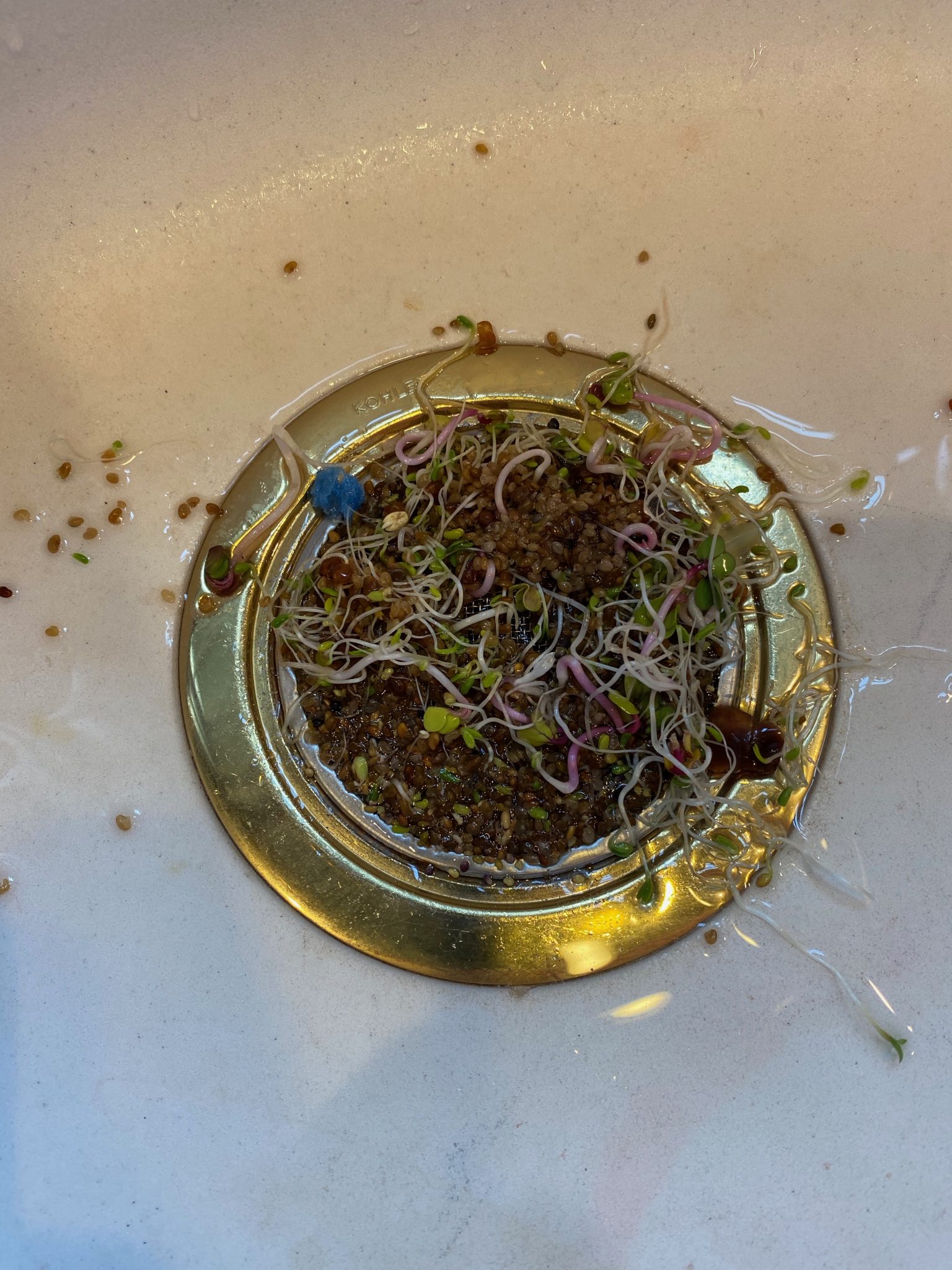
I recommend using either a kitchen mesh strainer or the mesh jar insert to catch any seeds that may go down the drain. In a pinch a paper towel will work too.

Why not let them go down the drain? These seeds in the sink are bringing back memories of our hamster days. My daughter would clean the cage in her bathroom sink and eventually we had seedlings growing on the drain! I do not want that to happen again. So use a screen to be safe.

I let the sprouts dry for a while in the colander, clean kitchen towel, or on a produce drying towel.

I’ve had the most success storing them in the refrigerator in small Rubbermaid FreshWorks Produce Saver Containers. You want some air circulation to keep them fresh. I’ve had them stay fresh up to a week. If not looking fresh before a week, obviously toss them and make some more.

What are my favorites?

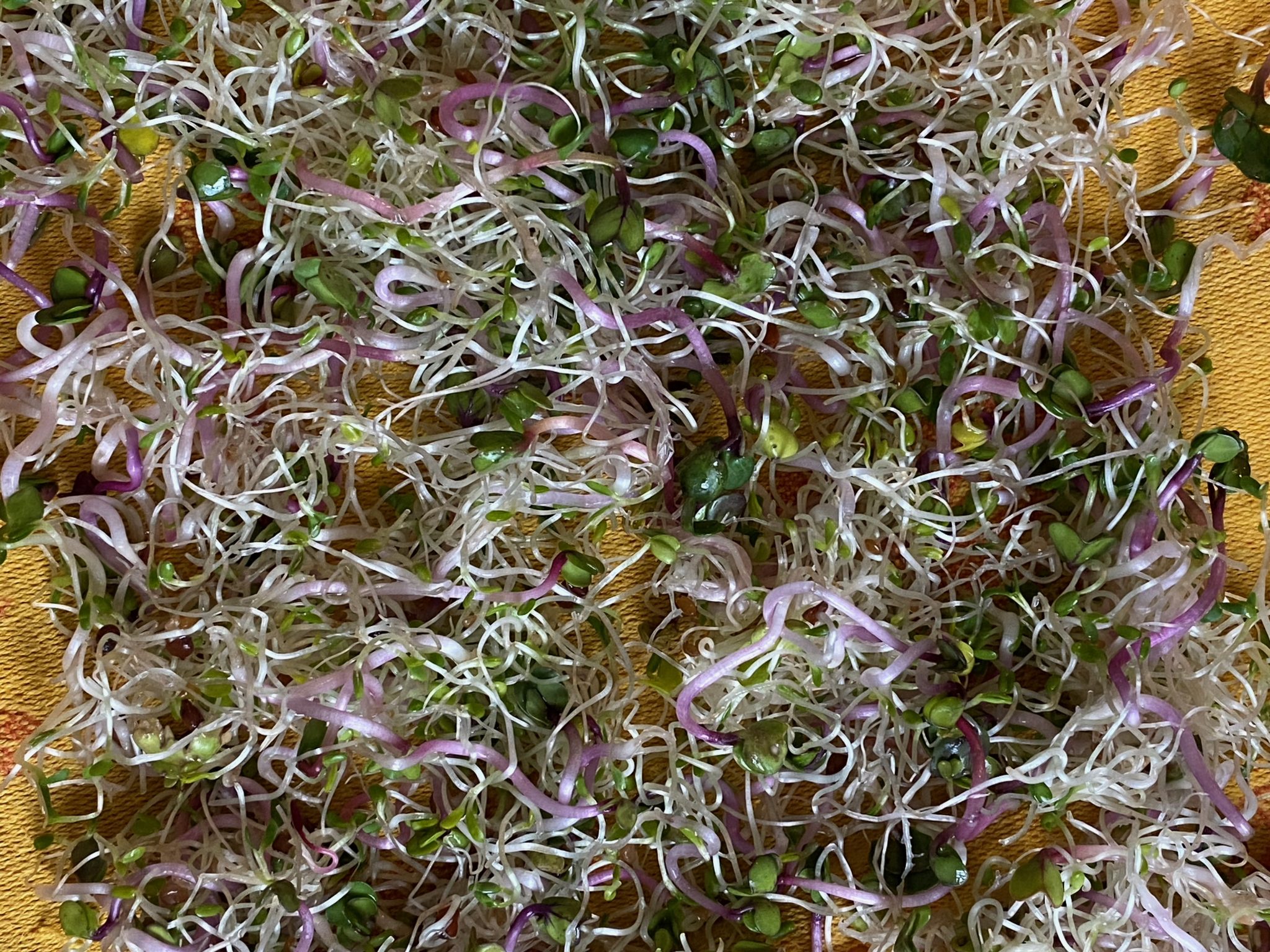
From Botanical Interests I’m loving all their sprout seeds. I just started a batch of China Rose Radish to add some zestiness to my favorite foods. The Sandwich and Salad blends are good all around mixes, and the broccoli sprouts actually smell like broccoli!

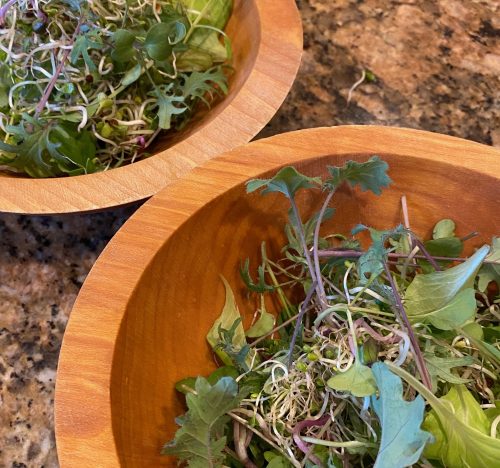
How do I use my sprouts? Adding to a salads is always easy and a great way to extend your lettuce right now when we can’t ship as often. They can also add great flavor to sandwiches, scrambled eggs (with feta cheese, yum), or whatever you want to add a little boost to.

Note: To stay safe, please remember to only use seeds marked for sprouts!

2019 Stephi Gardens Holiday Gift Ideas

This has been a very hectic December at my house. Are you as behind in Christmas shopping and preparations as I am? Here’s some (slightly late) holiday gift giving ideas from things I love!

Friends: Some of the links below are affiliate links, which means I earn a small commission for each sale. All reviews are my own and are not influenced by any compensation I may receive.

Gardening:

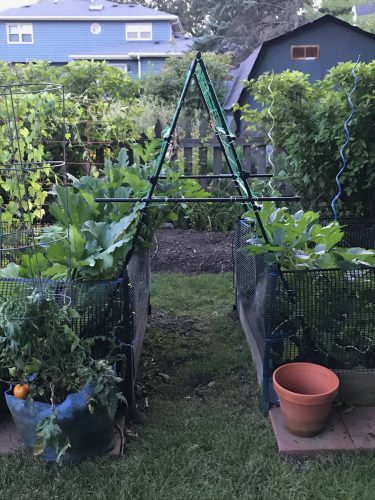
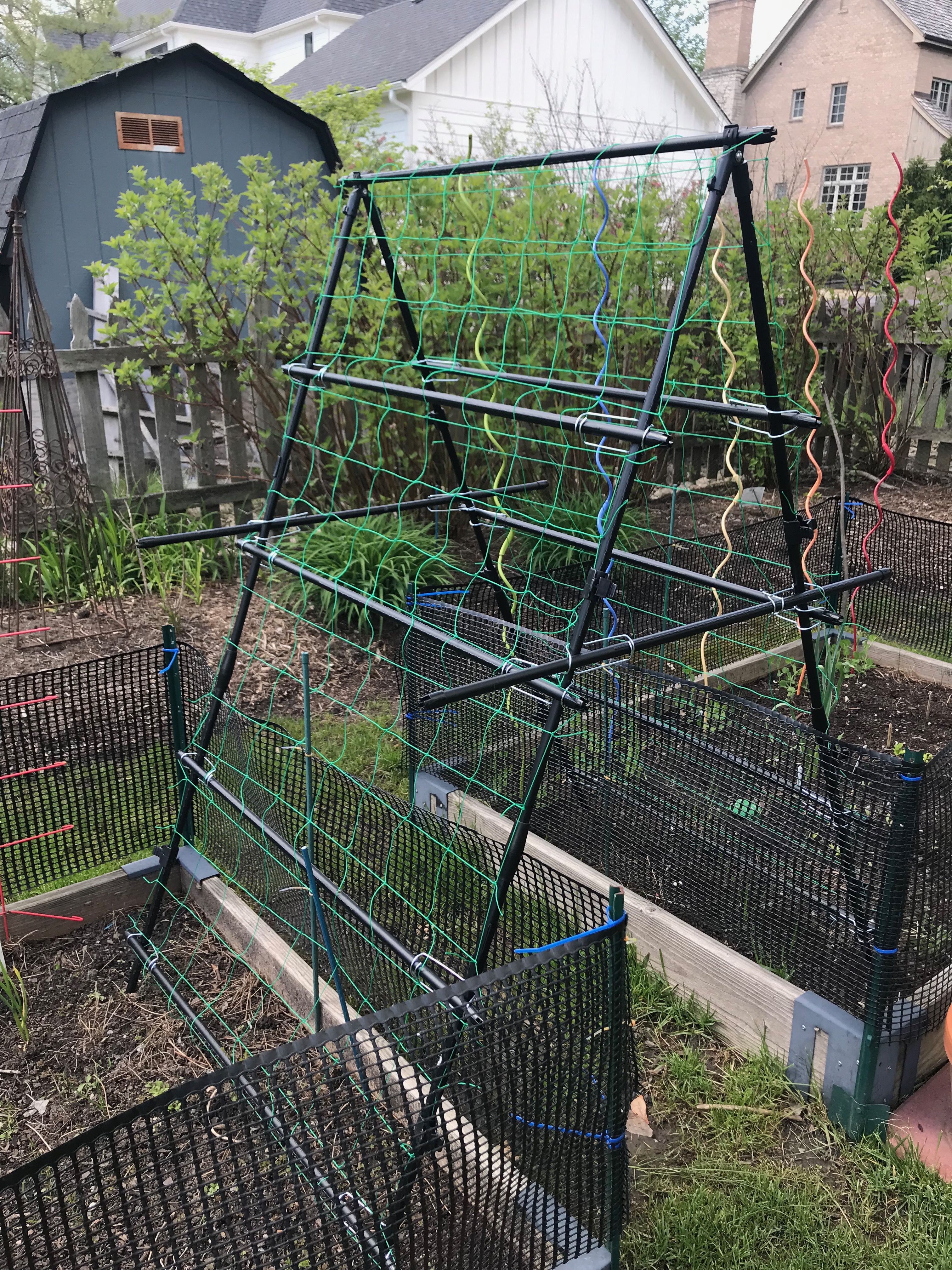
Titan A-Frame Trellis: I’ve always grown cucumbers on trellises, but this year I tried it for my summer squash and zucchini. It didn’t look like the Pinterest squash trellises, but it saved space and was super convenient. The trellis was pretty easy to put together, and Gardener’s Supply Company has a nice video to show how to assemble it. It’s made of plastic, so won’t rust but is plenty strong enough to hold zucchini and squash. It’d work great for any climbing vegetables!

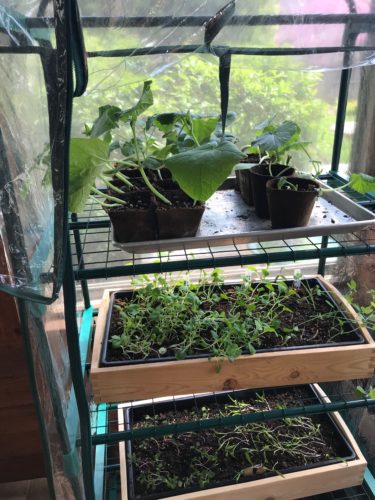
Mini Greenhouse: I start a number of my vegetables inside the house in the spring, and before they can go in the ground they need to spend some time outdoors to harden off. With our unpredictable Midwestern weather, that can be tricky to do. I don’t know what I’d do without my Gardman 4-Tier Mini Greenhouse. It’s super handy to keep the most tender of vegetables and annuals safe from cool spring nights until it’s planting time. As a bonus, it’s a handy place to grow microgreens.

Gardman Mini greenhouse

Grow Bags: In addition to raised bed gardening, another way to add space and grow really healthy vegetables is in grow bags. I’ve had mine from Gardeners Supply Company for years and have grown carrots, tomatoes, peppers and potatoes in them. Their BPA-free fabric is really strong, yet allows for breathing and “root pruning”. No root bound plants in these bags! I’m adding more to my garden this year!

My grow bags full of carrots

Stratus Rain Gauge: I was forever trying to figure out how much rain we got during a storm, or how little during a drought. And not in general, like somewhere in the greater Chicago area, or at one of the airports, but in my backyard. It’s a huge help to know how much to water the garden, and to satisfy my curiosity. You can read more about my rain measuring adventures in a previous post, “How Much Rain Did We Get?“. If you want to get super nerdy, I actually found a handy plastic ruler for measuring snow in tenths of inches. Much easier than converting all the time 🙂

Stratus rain gauge

Of course, gift cards to any local garden center or catalog seed company are always appreciated! Some to consider are Burpee, Botanical Interests, and Territorial Seeds.

Reading

I love to read! This year so far I’ve read 41 books. On the right sidebar of my blog you can see the latest books I’ve read and would recommend. I do read “bad” books, but don’t worry, I leave them off.

You can also find me on Goodreads at https://www.goodreads.com/stephigardens. Friend me, I love to see what everyone else is reading!

What were some of my favorites this year? Top spot would be Dan Egan’s The Death and Life of the Great Lakes. Anyone who grew up near the Great Lakes will appreciate this journalists very readable history of man’s influence on the Great Lakes. I spent most of the book shaking my head in disbelief over the things that we’ve done to the lakes, but remain hopeful about the amazing resiliency of the Lakes to remain viable. From the building of the canals, St. Lawrence Seaway, lampreys, salmon, zebra mussels, asian carp, water levels, it’s all there. Much food for thought!

I also throughly enjoyed reading:

What were your favorite books of the year?
Cooking

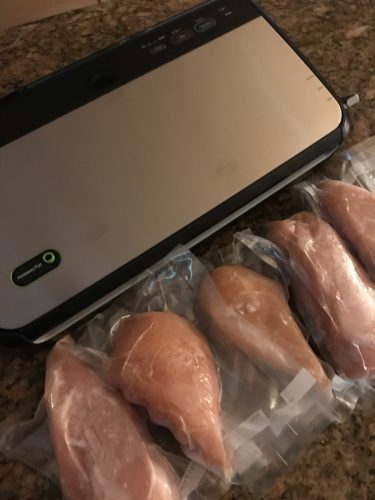
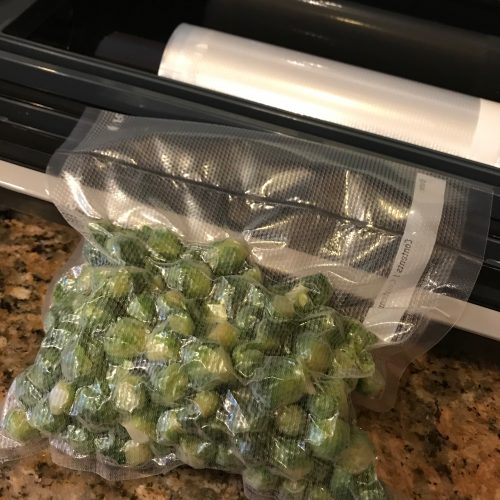
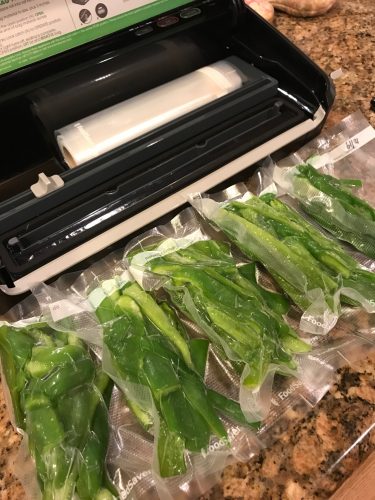
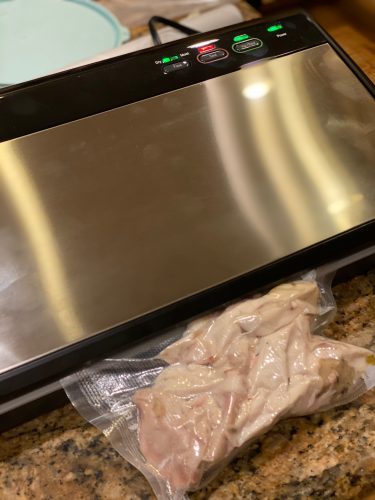
FoodSaver Vacuum Sealer: I have no idea what took me so long to get one of these amazing kitchen gadgets. My friend was telling me about hers and I knew I needed one. I’ve been vacuum sealing meat, fresh vegetables, soups, and even banana bread (ok, that took a little practice). I’m so excited to have frozen food that still tastes fresh and be freezer-burn free. Plus, everything fits better in the freezer! I bought the FoodSaver FM2435 Vacuum Sealing System & Starter Kit and I’m thrilled with it.

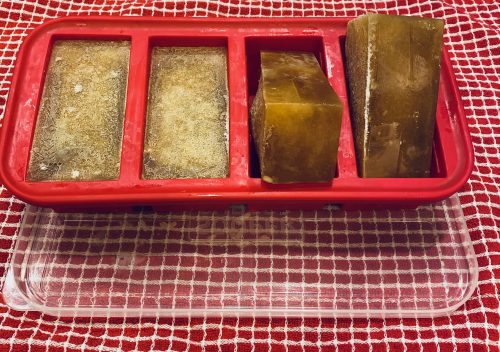
Souper Cubes: I make a lot of soup and broth and have all kinds of containers for the freezer. I came across these amazing silicone freezing trays that are perfect for freezing soups and broths in perfect portions. No more messy freezer bags full of broth. They also have a clear fitting lid to keep the soups fresh in the freezer and make for easy stacking. Need a new healthy soup cookbook? My latest favorite is Clean Soups: Simple, Nourishing Recipes for Health and Vitality by Rebecca Katz.

I’m really a sucker for kitchen gadgets. Who doesn’t need a…

Be sure to check out my Holiday gift ideas from 2018 for more suggestions, and my Favorite Things page.

Happy Shopping and Happy Holidays!

Back From Vacation

May is probably not the best time to take a vacation, but this was a big year in the Stephi Gardens household. My twin boys graduated from college, thankfully, 2 weeks apart! In celebration, we planned a family trip with all three kids, which if you have older kids you know is no small feat. Off to Norway we went, thanks to IcelandAir who had an amazing airfare sale last fall. It was beautiful, and we had a great family time.

But, in the heart of planting and growing season, my garden couldn’t be left unattended. So in addition to a pet sitter for Daisy, I hired a friend’s daughter to be my garden sitter to be sure everything was going to be ok when I got back. Her family has an amazing backyard garden, so I knew it would be in good hands.

How did everything look? Great, except for a few things the rabbits got at 🙁 The sugar snap peas and radishes have been thrilled with the cool, wet weather we’ve been having.

The Burpee Home Gardens 2020 new plants have been doing really well. All the Mardi Gras Fun Series F1 Snack Peppers are showing flower buds, the Grand Slam F1 Slicer Tomato is flowering and growing nicely in a tomato bag and the Redarling F1 Brussel Sprout is growing tall.

But much to my great disappointment, the Lemon Drop Squash got clipped by a pesky rabbit, who also munched on the kohlrabi leaves for dessert.

I was so looking forward to these little lemon sized squashes. I’ll be looking for them for next year’s garden.

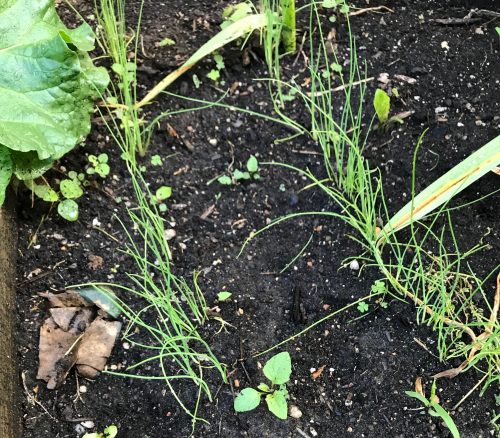
What else is of interest? After not having a great harvest from the leek starter plants last year, I decided to try them from seeds. The American Flag leek seeds (Botanical Interests) are growing like gangbusters and will need to be thinned soon. Luckily, elsewhere in the garden I had some stragglers overwinter from last year’s harvest, so along with garden fresh spinach, I’m making my favorite Shrimp, Leek and Spinach Pasta for dinner tonight.

Are you having dinner from the garden yet?

Seedlings on the Move

I’ve been anxiously awaiting Mother’s Day, and not just because I get to be the center of attention, but because it signals the official beginning of the outdoor garden season in my area.

Generally once Mother’s Day passes, I can start planting the warm weather plants without too much fear of a cold snap. Some things like zinnias, I will still wait a couple more weeks to make sure the ground is nice and warm. It finally seems like the vegetable seedlings I started in the house are ready to move outside. The flowers will wait a few more days (Finally Planting Season is Beginning).  About 4 weeks ago I started:


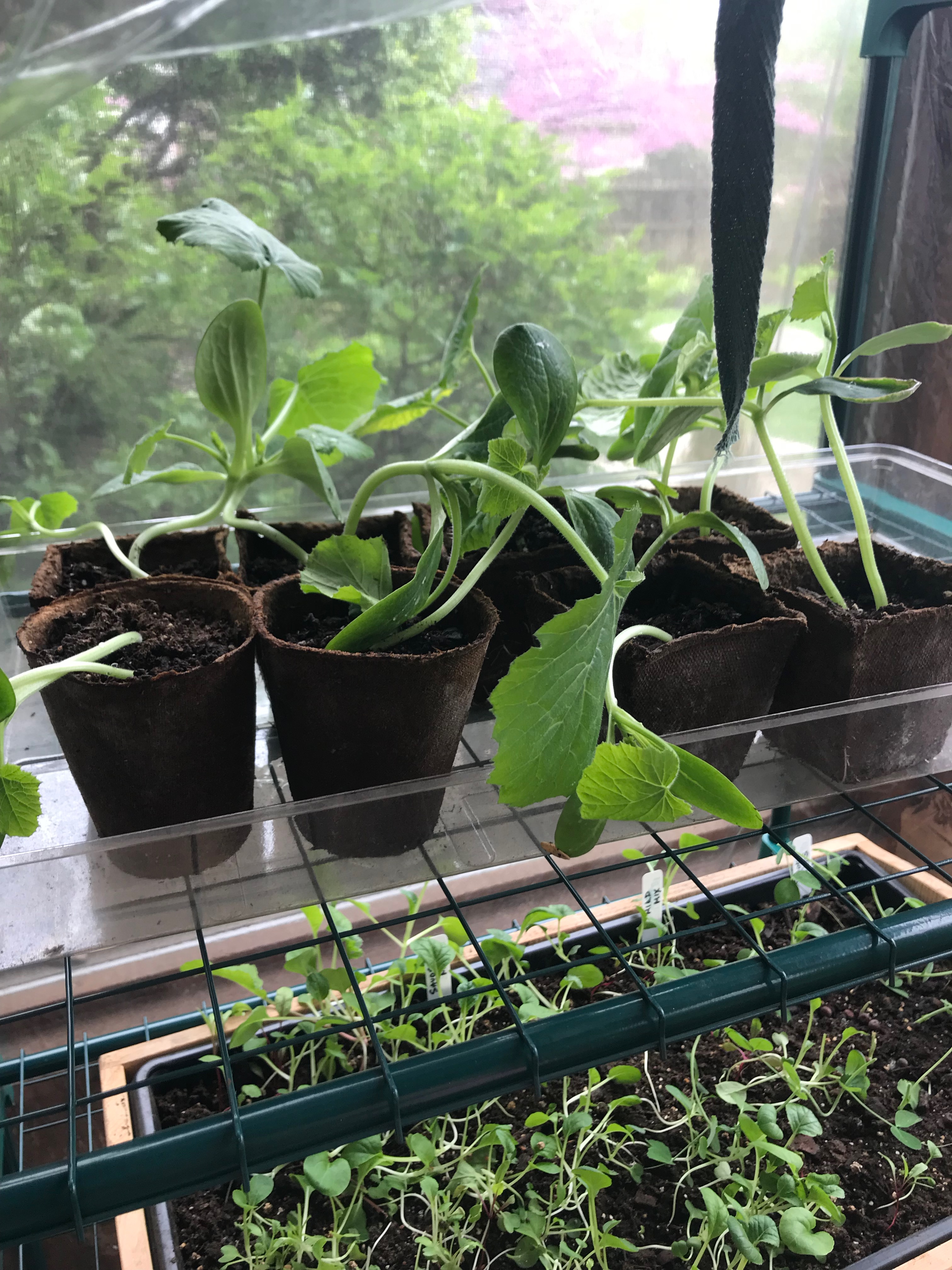
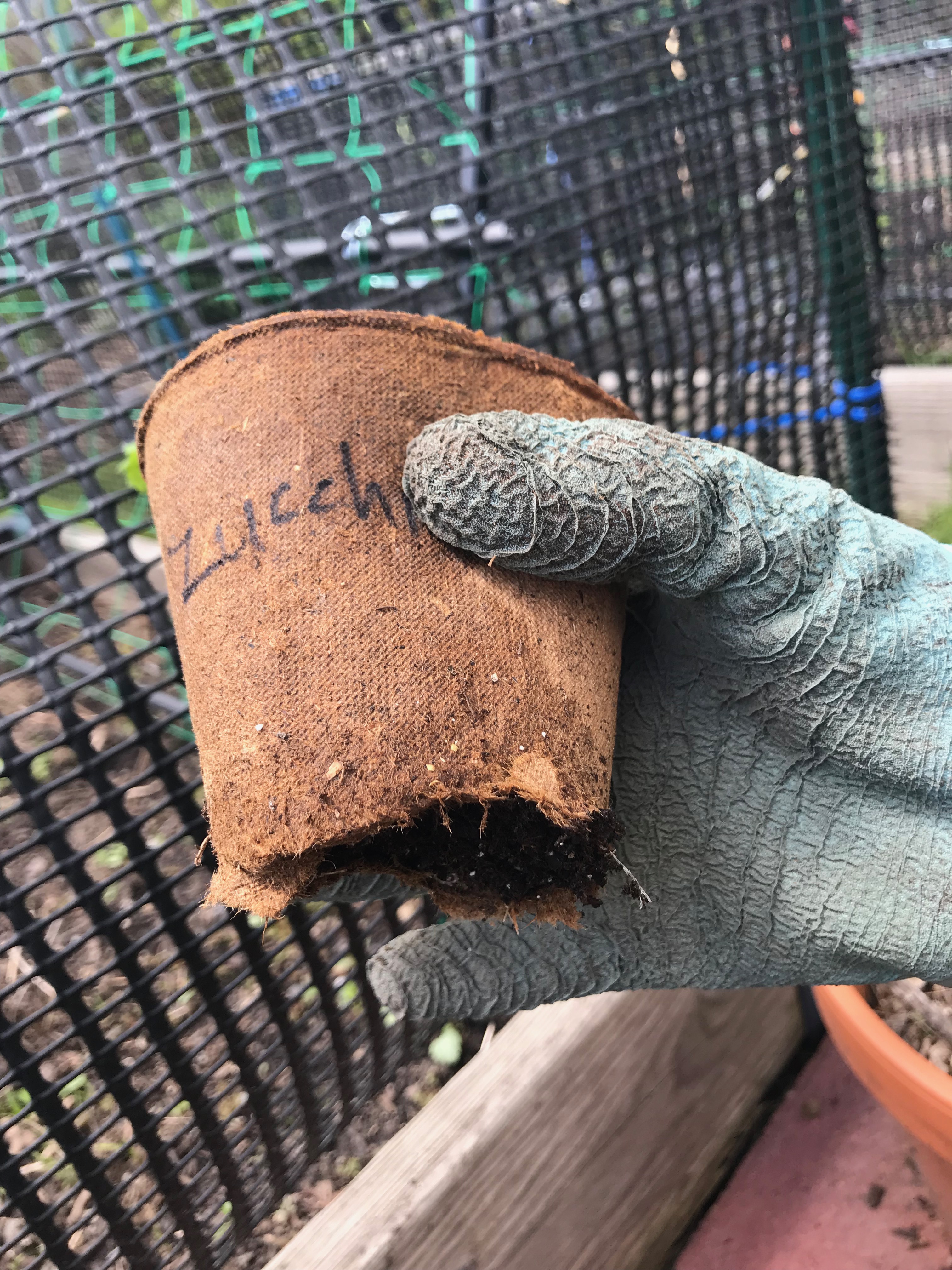
Squash, cucumbers and zucchini really don’t like to have their roots disturbed, so they can be finicky when you transplant them. It’s recommended to start them outdoors, but I’ve had good luck growing them in peat pots or other biodegradable pots to give them a head start. After they get nice and strong in the house, I move them to my mini greenhouse for a couple of days, then outdoors in the shade for a couple more. Then, when they’re ready to plant I gently tear the bottom off the pot and plant the whole pot.

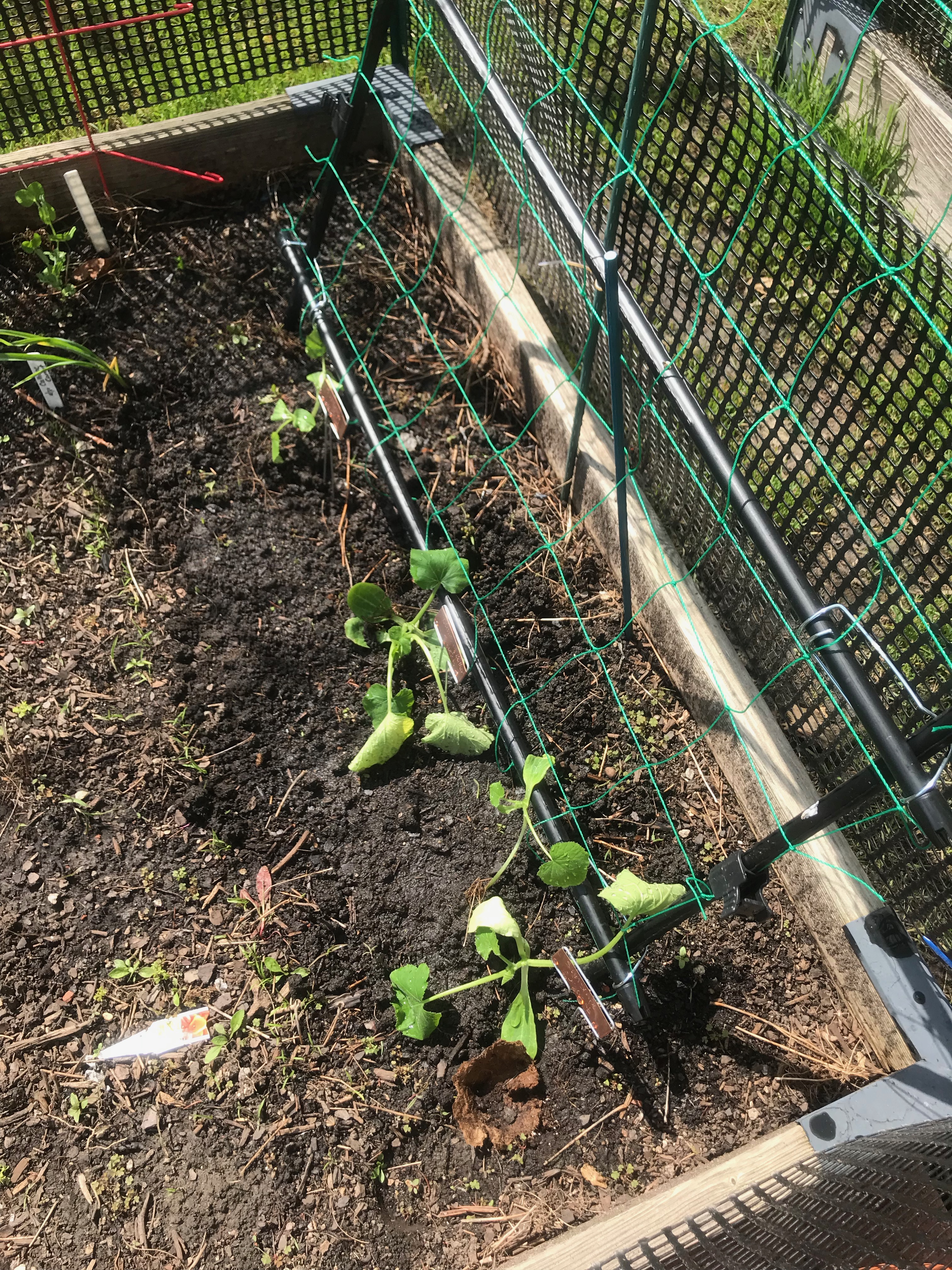
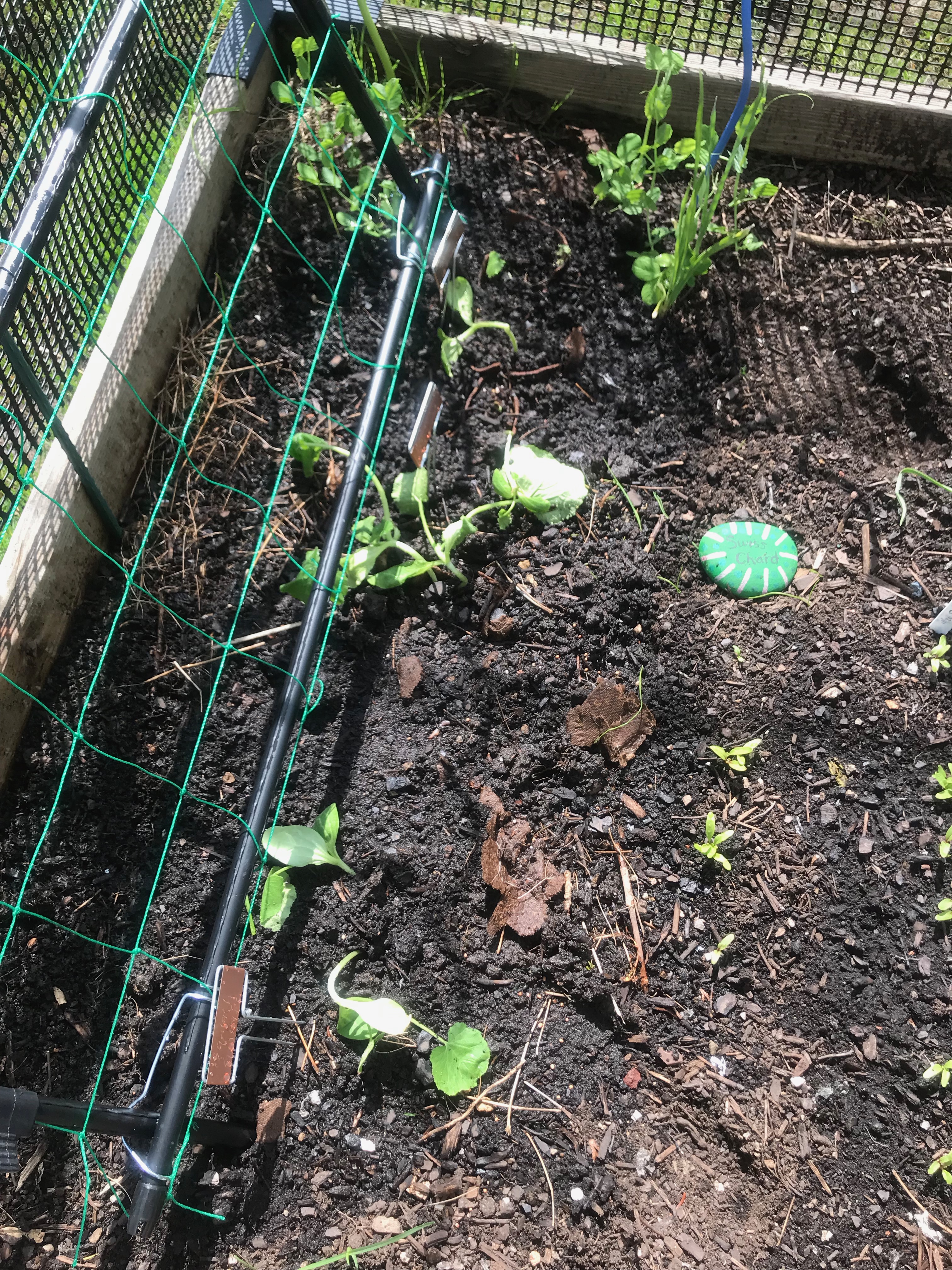
I’m super excited to try out my new trellis for the zucchini and squash. I had to move the zucchini and squash because of last year’s squash vine borer attack.  The other vegetable beds don’t have the space to let them grow free on the ground so I’m trying the trellis. 

It was pretty easy to put together, but best as a two-person job. Gardener’s Supply Company has a nice video to show how to assemble it. It’s made of plastic, so won’t rust but seems plenty strong enough to hold zucchini and squash. I’ll let you know as the season progresses.

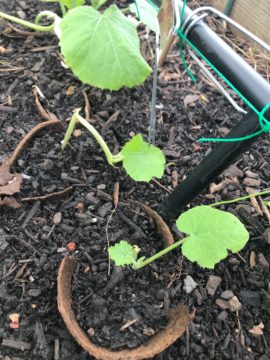
I got the squash, zucchini and cucumbers in the ground, but had a little incident with some of the zucchini. They hadn’t grown as robustly as the others, and I wasn’t as gentle as I should have been.

I broke the main stem, which is really easy to do if you’re not careful. Sometimes it heals, but it’s iffy. I planted it anyway and will hope for the best. So far it seems to be holding its own.

I usually try to have a backup in the same pot and thin them after they’ve become established in there ground, but in this case it didn’t grow. I also usually grow more plants than I need and hold some in reserve in case there’s an “incident”. If they all grow in the first couple of weeks, wonderful, I have plants to share.  

My “spares” in the greenhouse with my microgreens.

So far so good! A few days later and everything is looking good, even after some cool and stormy weather. Btw, for our small family 2-4 zucchini plants and 4 squash plants provides more than enough for us and some to share.

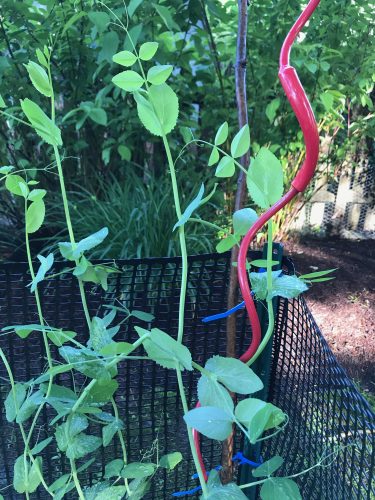
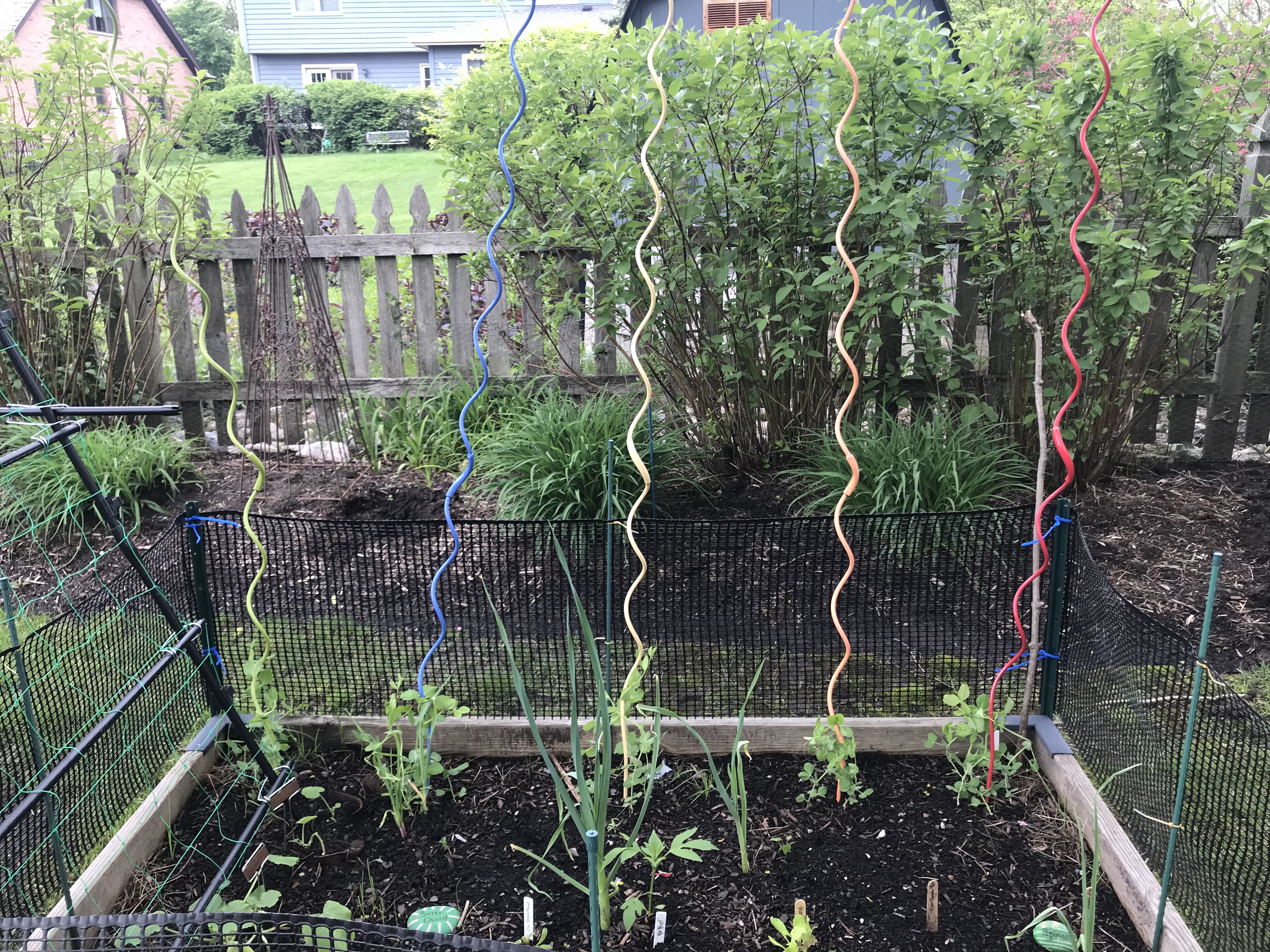
My sugar snap peas are doing great in this cool weather and starting to climb up the rainbow spiral stakes and pea trellis. I originally had the stakes “out of order”, but the science nerd in me couldn’t let that be. 🌈 I reorganized them, but from the front of the bed they were backwards, oh well, close enough.

rainbow gardener's supply company rainbow stakes

Last but not least, my mouse cucamelon plants are off to a very slow start and still in the house under the grow lights. I hope they get going soon, I’m looking forward to one of latest food trends!

Finally Drying Out

I know everything is relative, but boy have we had a lot of precipitation this past week. It started with a snowy April weekend, which I thankfully missed by being up north in Door County. Came home to spring plants that were no worse for the wear.

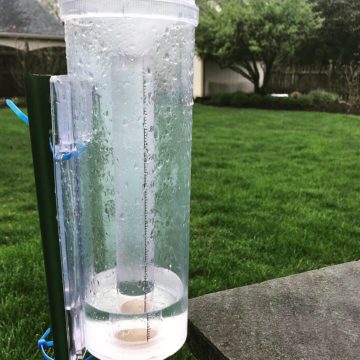
Then it kept raining, bringing the weeks total to 6.1 inches. My Stratus rain gauge isn’t usually this full from an overnight rain

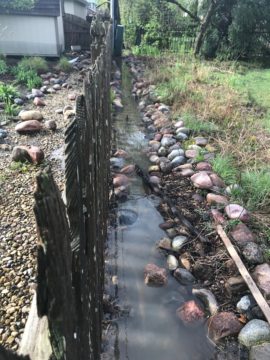
Streams are full, retention ponds are full, and apparently according to the news the storm sewers are full too. So is the swale that runs between our yards.

This swale, or “moon scape” as my husband calls it, obviously needs some explaining, since it looks nothing like it did a couple of years ago (It’s Been a Rainy Month). Watch for what happened in an upcoming post and how we’re fixing it.

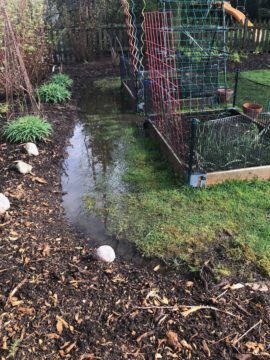
In general, the drainage of the whole yard needs some work. Over the years, enough has been altered or settled so that the water just doesn’t run off like it should and I get puddles like this. Luckily for the raised beds, they drain like they should even when sitting in a puddle.

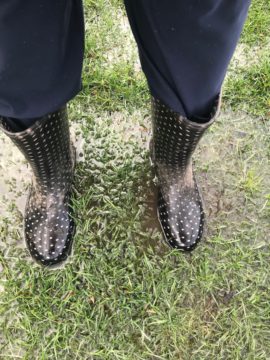
In the meantime, it’s a good day for my slogger rain boots to muck around the yard in.

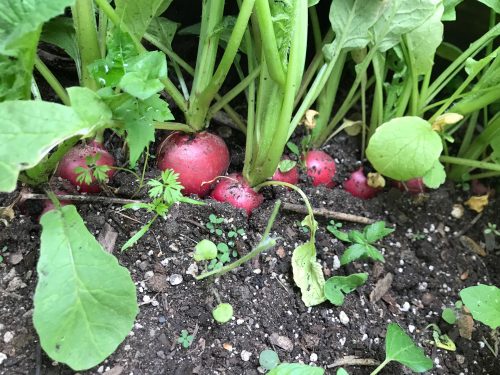
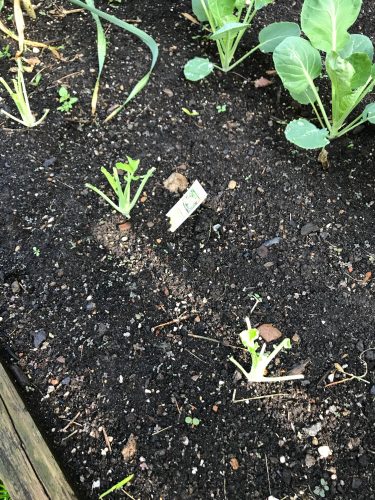
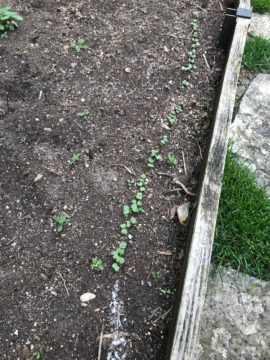
It’s been a bit cold, so the seeds we planted a couple of weeks ago are just now coming up. At least they weren’t washed away. The cool weather is definitely helping the radishes, which I never have much luck with. I know these radishes don’t look like much compared to the gardens from my southern friends, but up north this is pretty exciting.  I’m going to plant a second row of the cold and cool weather veggies this week.

What have I planted outdoors already?

Looking forward to getting some garden fresh veggies on my table!

Finally, Planting Season is Beginning

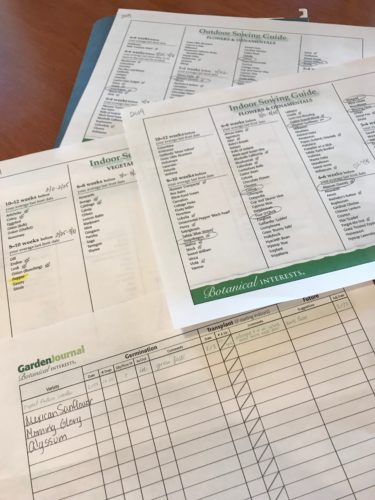
Finally, I can stop thinking about last year’s garden and start thinking about this year’s. I’ve ordered all my seeds, (maybe) and printed out my growing resources from Botanical Interests.

I’ve used these garden resources for years to organize my plantings, both for indoor and outdoor sowing. I thought they didn’t have them this year, but instead they made them part of this journal package. Phew! I really rely on them to know when to plant and keep track of what I’ve planted, when and where.

I’m finally ready to get started sowing the inside seeds. I grow some things myself and rely on my local nursery for the rest (shout out to Vern Goers Greenhouse!). Along with wonderful annuals and perennials, they have an amazing selection of peppers, tomatoes and other vegetables. I went to visit them the other day to see how things are coming along. Looks like it’ll be a little while until they’re ready, but it is only the beginning of April.

While I was there I did get some beautiful pansies to brighten the porch.

What did I sow today?

Flowers:

Vegetables:

I was hoping to get some cold weather seeds sowed this weekend, but my WI garden looked like this:

Still had to get some new dirt turned into the beds at home, so got that done this afternoon. Next post, I’ll let you know what I planted!

2018 Garden Recap: Vegetables (Part 1) (aka Attack of the Squash Vine Borer)

In my last post, I wrote about how my flower gardens fared this year. Next up is the vegetable gardens.

In a word, this year the vegetables gardens were a disaster. Not for any one reason, just a lot off bad things conspired to really take a toll and make it one of the worst years I’ve ever had gardening. Makes me long for the days when I gardened in New Jersey and everything just grew lush and beautifully. Except for the year I had hornworms on the tomatoes. Those were disgusting.

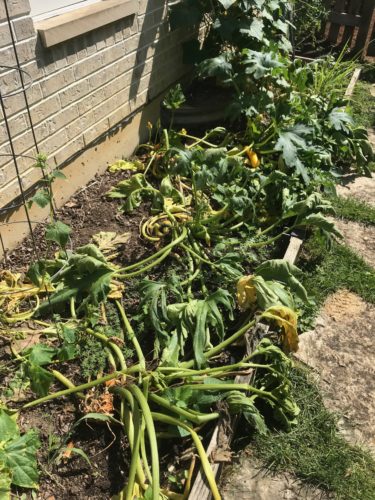
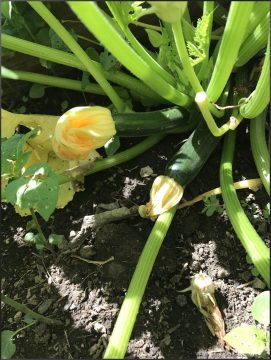
Back in the spring, I was so hopeful for a summer of fresh vegetables. But that was not to be. The squash and zucchini was looking great through early July. I was getting tasty Emerald Delight Zucchini (Botanical Interests) and Gold Hybrid Gourmet Gold (Burpee), and the vines were covered in flowers.

Then over about a week in early July, they just up and died.

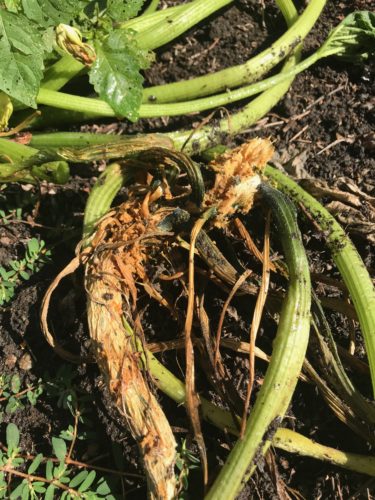
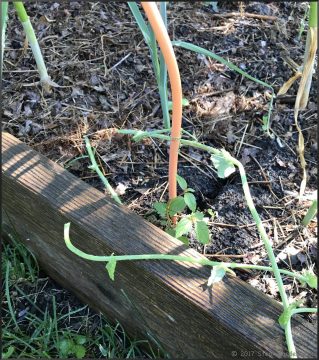
I thought it was powdery mildew, but it was so dramatic. I’ve had plenty of powdery mildew and it didn’t really look like it. I pulled it all out and threw it into a garden waste bag (you don’t want diseased plants hanging around your yard). Didn’t think much of until I was writing this post and wondered what had really happened. As soon as I started doing some investigating, it quickly it became quite obvious from the pictures that mine had been attacked by squash vine borers, not powdery mildew.

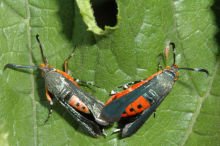
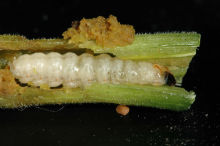
All that orange mess around the base of the plant is a moist orange sawdust-like material called frass, or insect droppings. It was everywhere. Yuck. That is a sign that the squash vine borer larvae is eating away at the material inside the stems of the plants. I never looked close enough to see them, but the evidence was pretty overwhelming. Here’s photos of the adult and larvae (Photo credit to the UMN Extension)

So what to do now? Obviously I totally lost this year’s crops, but how do I prevent this from happening again?

First off, I need to be better about practicing crop rotation. I pretty much never rotate crops to different garden areas, but obviously I need to be better about that. Squash vine borers spend the winter in the soil near their recently infected host plants, so I need to have next years plants as far away as possible.

Then, according to the UMN Extension, I will need to check for adult squash vine borers starting the end of June. I’m not sure if I’ve ever seen them, but I will be on the lookout after this. You can also try to use some kind of container filled with water with yellow food coloring added to attract and trap them.  Check each day to see if you’ve trapped any.

If you do find the squash vine borers in the area you’ll need to change things up a bit. Easiest is to practice crop rotation. You can also try planting other crops that aren’t as susceptible like butternut squash, cucumbers, melons and watermelons. Although none of them are really substitutes for summer squash and zucchini.

Try planting a second planting in early July after any adult borers have finished laying eggs on the mature plants. But, this is tough in the northern climates that already have a short growing season.

Try using a physical barrier.  Wrap a collar of aluminum foil around lower stems to prevent egg-laying. Alternatively, secure floating light fabric row covers over your squash until they start to flower. Don’t use row covers if the infected squash plants were planted in the same area as the previous year. This is because squash vine borers spend the winter in the soil near their host plants. When the adults emerge the following summer, they may be trapped under the row cover instead of being kept out.

Hopefully this was a one time event and I can go back to having way too much squash and zucchini for one family to eat. Whenever something like this happens, it really makes me appreciate the organic farmers who grow on a large scale and how precarious each year’s crop is. At least I can just pack it in for the year and go to my local farmer’s market.

There’s a lot more good information on how to deal with these pests at these sites:

I would like give a shout to the land-grant University Extensions and their educational and problem-solving assistance they provide to the public. These community outreach programs provide invaluable scientific knowledge and expertise on a variety of topics. I’ve watched a number of webinars on gardening topics from the University of Illinois Extension and have found them to be really interesting, useful and free!

Have you ever had a whole crop wiped out like this?

Next post will look at the rest of the vegetable garden–stay tuned!

July Vegetables

My spring vegetables really took a beating from the rabbits and the weather. Even though I had shored up the rabbit fence around the yard, all it took was a couple of holes and I had a nice happy family of rabbits devouring almost everything I planted. Radishes, swiss chard, spinach, lettuce, kale, beets and carrots were all gone. The last straw was when my bean plants were each bitten cleanly off at the base.

Since this spring was a loss, I put up a rabbit fence around these two beds to protect what was left.

By now the weather has turned too warm to replant any cool weather seeds, so I’ll have to put my focus into what’s remaining and plan for some fall planting.

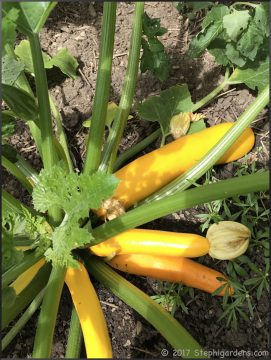
The Gourmet Gold Hybrid Summer Squash (Burpee) is truly a beautiful bright yellow summer squash and seems to be an early and heavy producer. A great addition when trying to eat a “rainbow of colors”. The Emerald Delight Zucchini has just started producing and so far I’m liking what I’m harvesting. Both are wonderful on a fresh veggie platter!

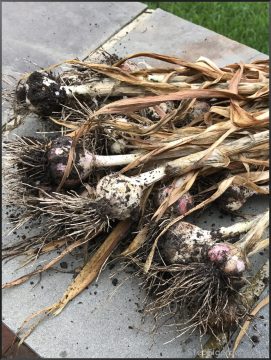
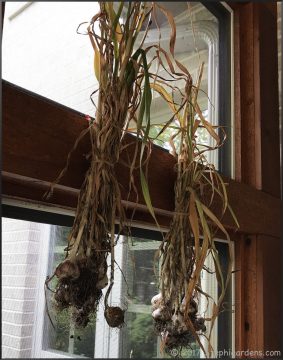
The garlic was ready to harvest last week and it’s now curing on the porch! I’m so spoiled by the amazing taste of homegrown garlic, that come late spring I dread having to buy garlic.

I planted the hardneck varieties Music and Purple Glazer, and the softneck Early California from Botanical Interests this year. My WI garlic is a little bit behind and probably won’t be ready for a couple more weeks. Want to know more about growing and harvesting garlic? Check out my previous garlic posts or search for the tag “growing garlic” on the right sidebar.

The Early Girl tomatoes have lived up to their name and already been producing tasty tomatoes perfect for salads and sandwiches, and the Better Boys aren’t too far behind. The Super Sweet 100’s cherry tomatoes are just starting to ripen as well. Tomato season is here!

Last but not least are my potatoes. I planted a lot of Yukon Gold and Dark Red Norland potatoes. Even had to buy more potato bags to plant them all. They look really healthy this year since they’ve had plenty of rain. Want to grow your own next year? It’s really easy to do and fun to find all those potatoes in the fall. Check out my how-to’s on planting, growing and harvesting potatoes.
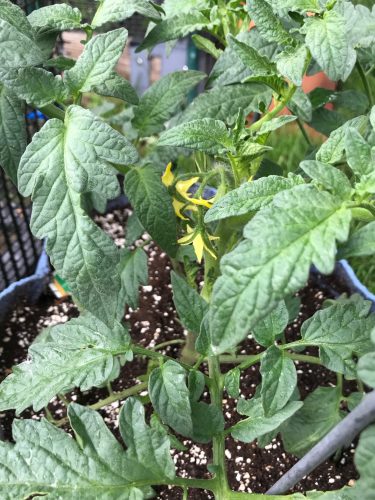
How are your vegetables doing? Have weather or creatures been a problem for you?
Maybe since it’s been cooler in WI, and the garden fenced in better, I’ll have better luck with the mid-summer harvests of my spring planted seeds that I planted there. I’ll be checking on that soon.


Save

Save

Save

Save

Save

Checking on the Seedlings

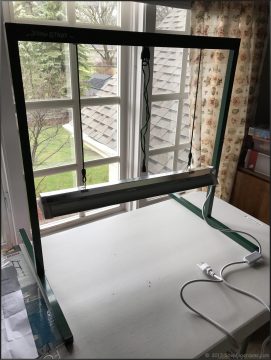
Why didn’t I buy grow lights before?? My seedlings have always been “fine”, but after seeing my mom’s lush healthy seedlings under her grow lights, and with a little nudge from my husband I decided to take the plunge. I am so glad I did!

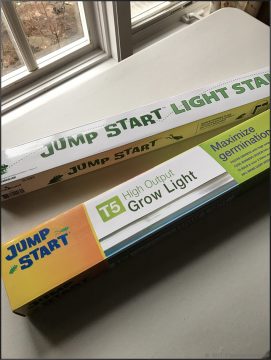
I bought two 2 ft Hydrofarm T5 Grow Light Systems.

I decided against the single 4 ft light so I would have more flexibility. They came safely packed and were easy to assemble. I did have a little trouble with placement since my table is a 4 ft one and each lamp is actually 26 inches. Got it figured out with the help of a tray table.

I started the peppers back in March and then planted the rest of the seeds at the right time based on my last frost date.

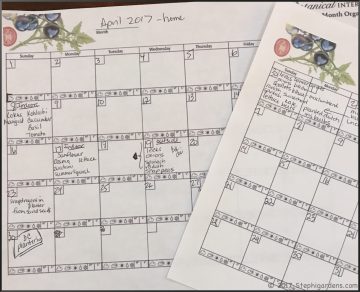
I usually add a couple of weeks to the last frost date to be on the safe side, so I’m aiming to plant the week after Mother’s Day. I keep track of what I’m doing on these handy Botanical Interests Month-to Month planner sheets.

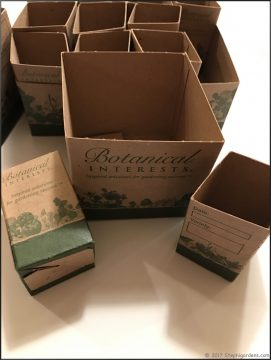
I’m growing Cosmos and Marigolds in my APS system trays, and this year all my vegetables in Botanical Interests small 1 1/2 in Recycled Paper pots and larger 3 inch Recycled Paper Pots.

I’ve always ended up with root bound squash and cucumbers in the smaller APS trays and they are really tenuous when transplanting, so I decided to grow them in the 3 inch pots this year. As a bonus, using these Botanical Interests Paper Pots they can go right into the ground when ready–just tear off the bottom strip and all set to go. The paper will just decompose and the roots aren’t disturbed when transplanting.

So far I’m really happy with the BI paper pots.  Plants have grown great and watering has been easy, even when I’ve been gone on vacations. I was a little worried about that, since I had always used self watering plant trays.

What I ended up doing while I was away was to place the paper pots in a baking pan and fill the tray up with water. The plants just soaked up what they needed. I did figure out I needed to fill the tray the day before, and again right before leaving since the soil soaked up so much water right away. That has seemed to work well for 4-5 day trips. I don’t keep them this damp too long so I don’t encourage mold/fungus to grow that could damage the seedlings. (What’s my favorite indoor watering can? The Oxo 3 liter Indoor Pour and Store)

The squash is healthier than I’ve ever grown!

Marigolds!

Cosmos!

Sunflowers are about 8 inches tall!

The kohlrabi, basil and coleus is getting there and maybe should have been started earlier.  This was a couple of weeks ago and they’ve since been thinned to one plant per pot. Best to thin by cutting the unwanted plants rather than pulling them out. Pulling one can pull them all out.

Can you tell the difference between the purple and white kohlrabi?

Can’t wait for the weather to get warm enough to think about planting. We keep having frost warnings so this year things are going to be a little delayed. In the meantime, this weekend I’ll put up the mini greenhouse and begin transitioning them to the outdoors (also known as hardening off). Seedlings have to be gently introduced to the outdoors or it’ll be too much of a shock for them.

How’s your seed growing going?  Has it been a tough year for you?