Assessing Winter’s Damage

While most of the garden has burst forth finally, quite a few things have been mighty slow, while others have obviously not survived the winter.  From what I’ve been hearing, everyone has suffered some loss in the garden from the long, cold, snowy winter.   In comparison to some, I think I’ve fared pretty well since I didn’t lose any major specimens.  Mostly I’ve had to just be patient as everything slowly unfolds this year.

The trees and shrubs look pretty healthy, except for some winter burn on the yews.  Unfortunately, these dead spots will not recover and will need to be pruned out as soon as new growth can be seen.  Depending on how bad the damage is, it may look odd for a while until the shrub fills in.  Yews are one of the faster growing evergreens, so if I’m lucky it may fill in within one growing season.
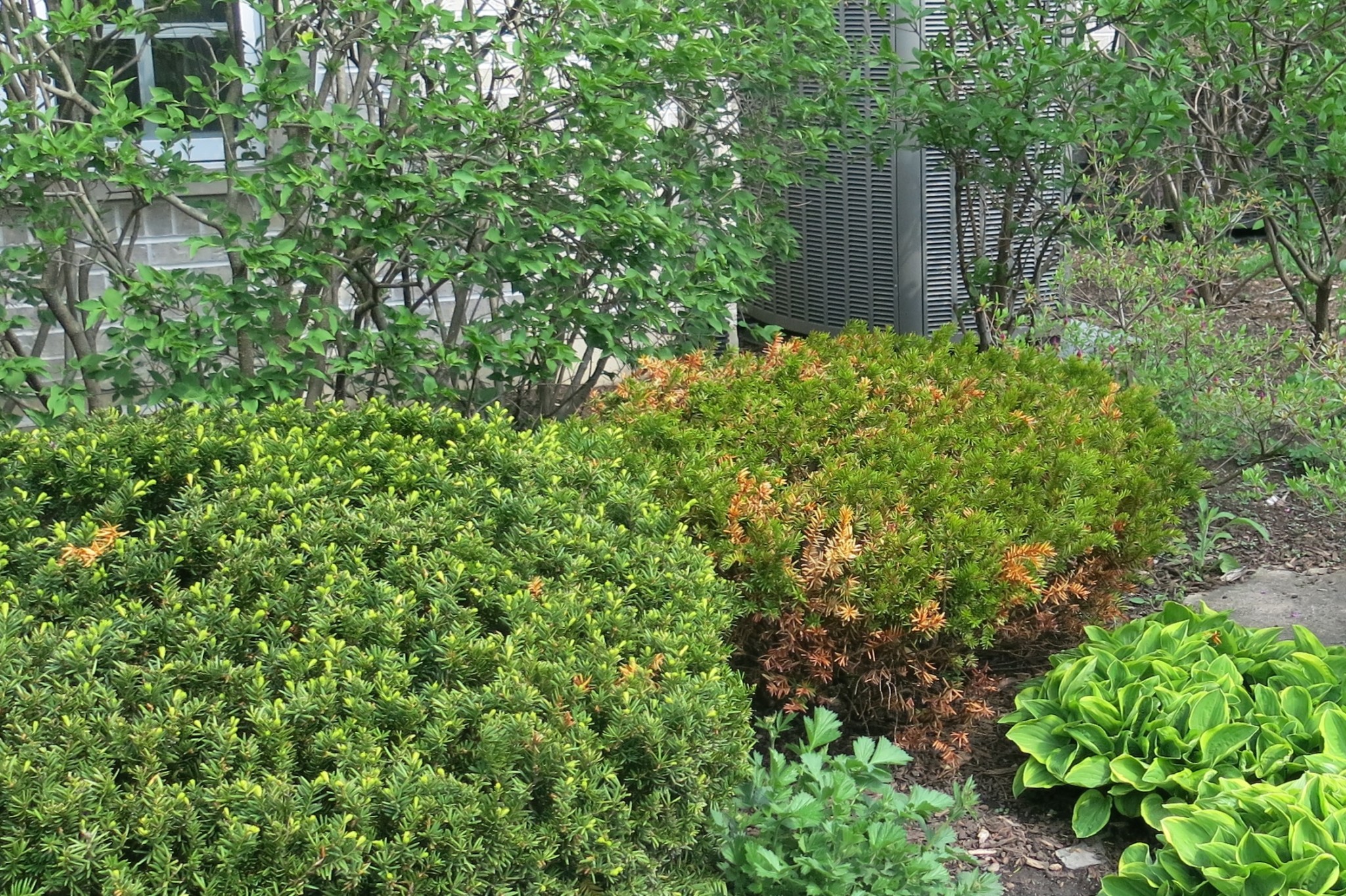
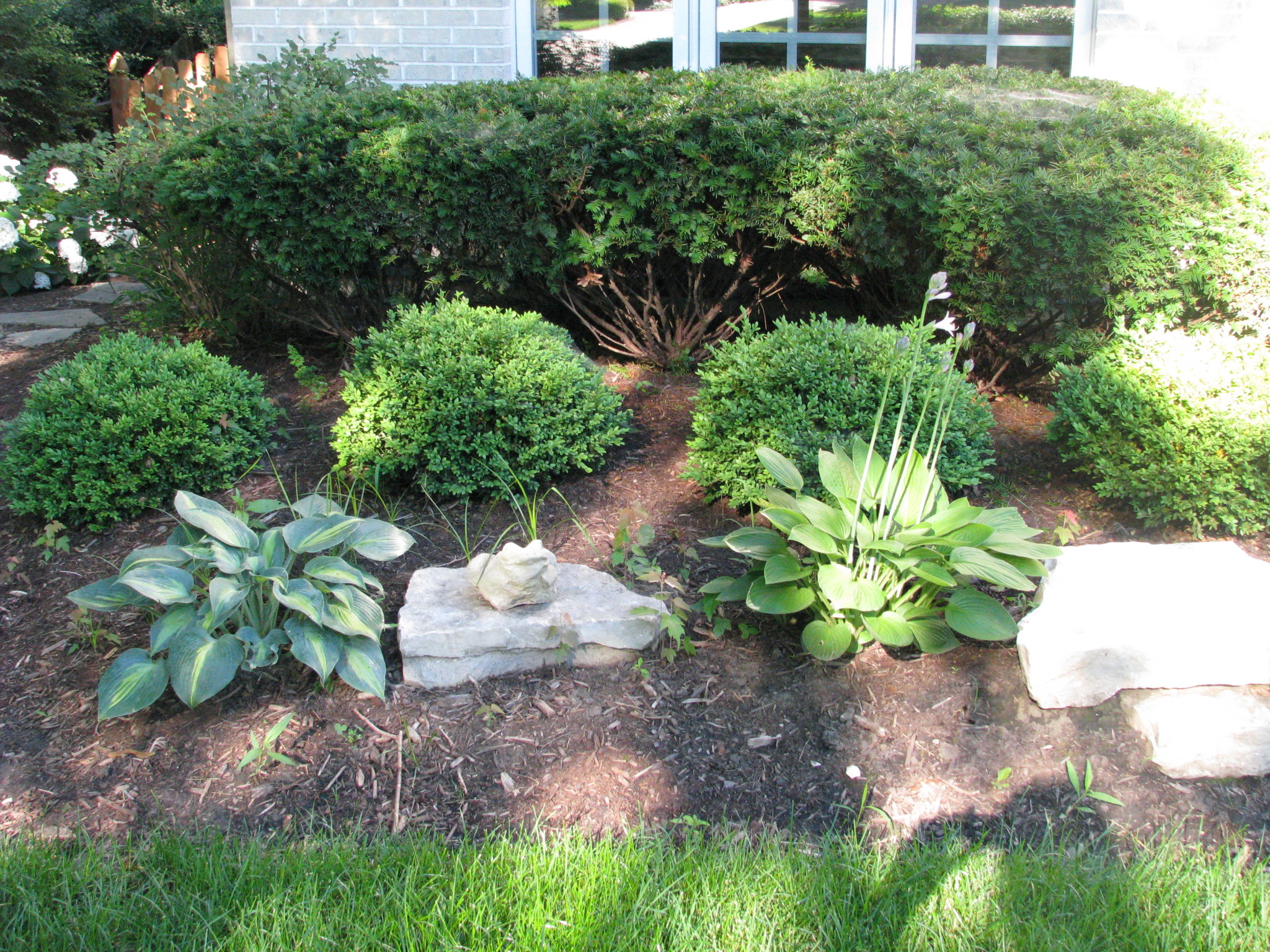
Yew

This yew below suffered the most damage.  That’s because it’s placed much too close to the dryer vent, which pumped out damaging warm air onto it all winter.  Not much I can do about that but prune off the dead branches and hope it isn’t too ugly after.
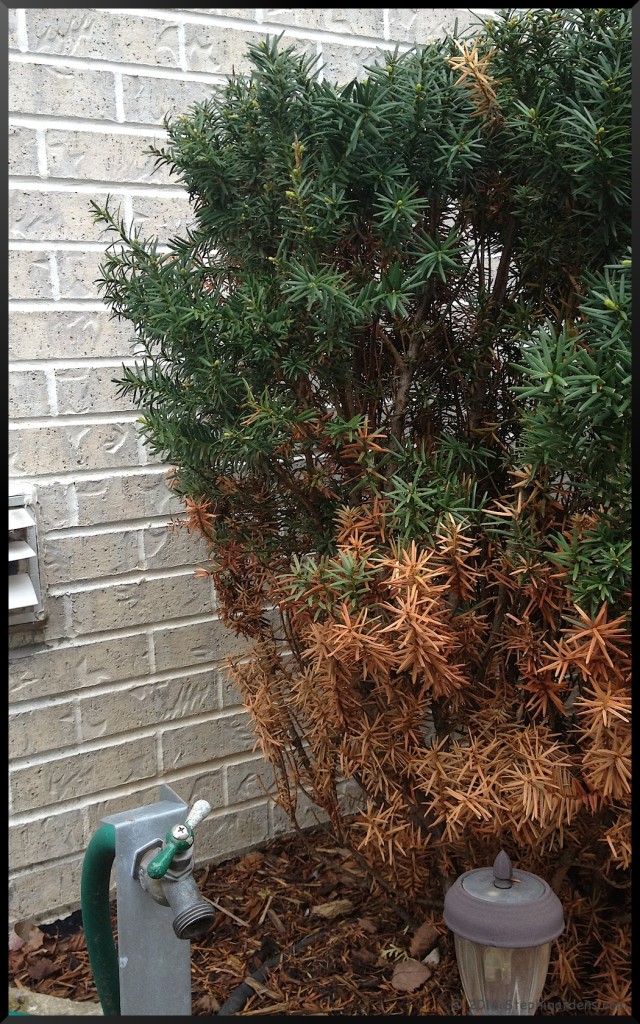
Yew; Winter Burn


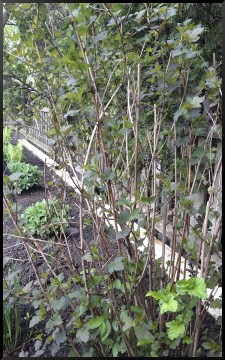
Ninebark


Some of the other shrubs, like the Ninebark and Weigela, have a fair amount of dead wood this year.  That’s easy enough to prune out after the new growth has emerged.  Don’t be in too much of a rush to prune, especially this year when things have leafed out so late.  Otherwise, you may be trimming out slow growth, rather than dead wood.
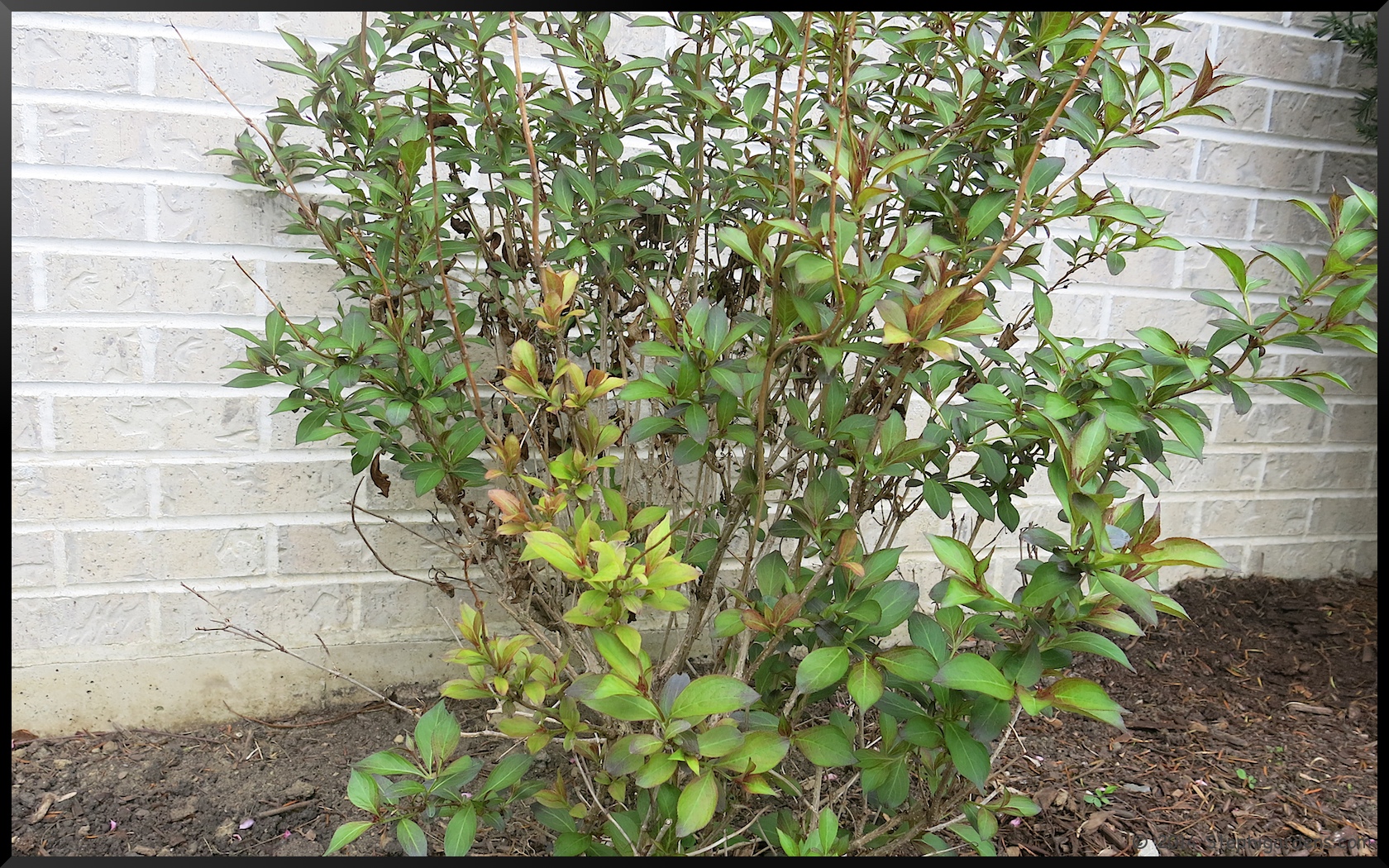


Weigela

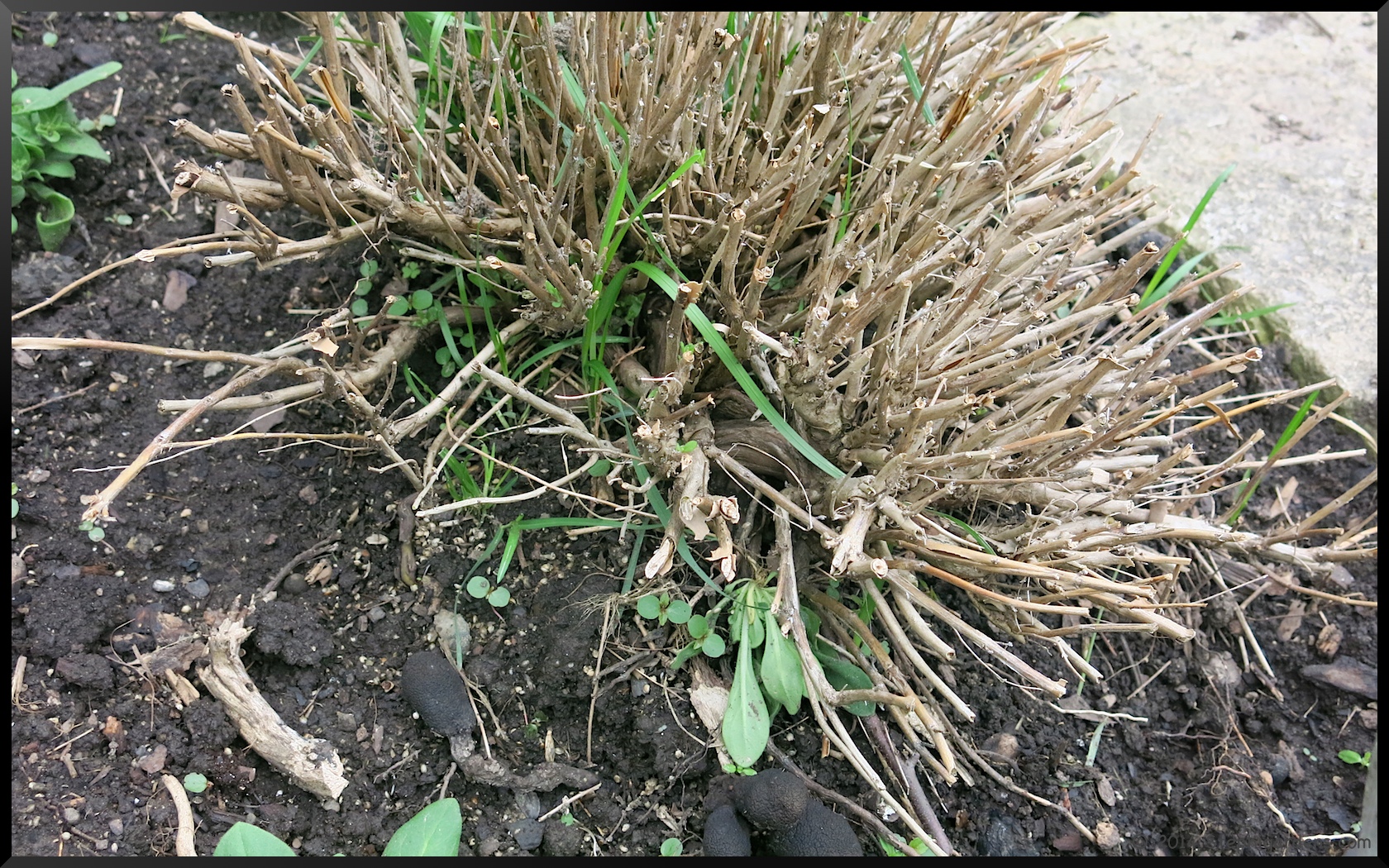
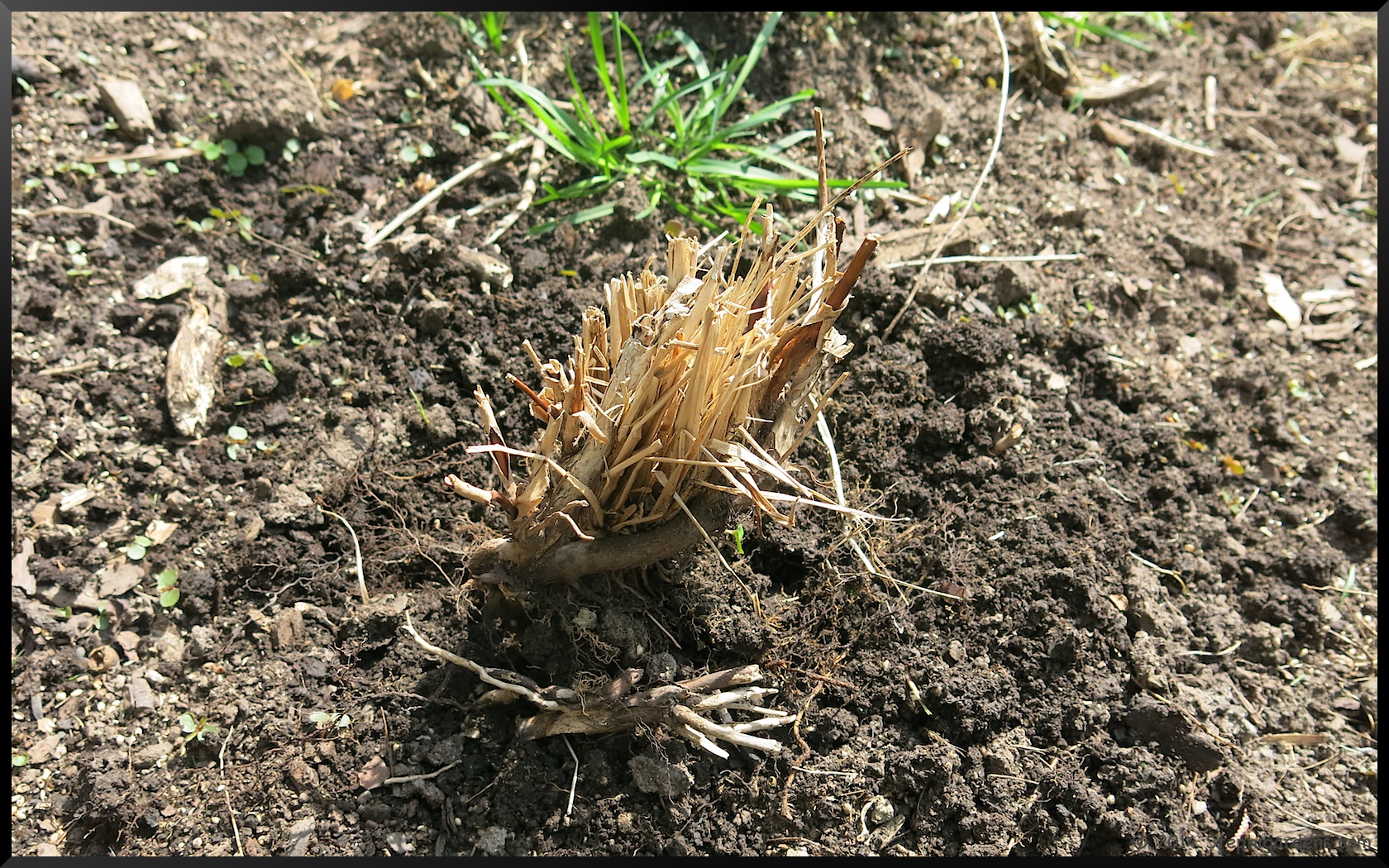
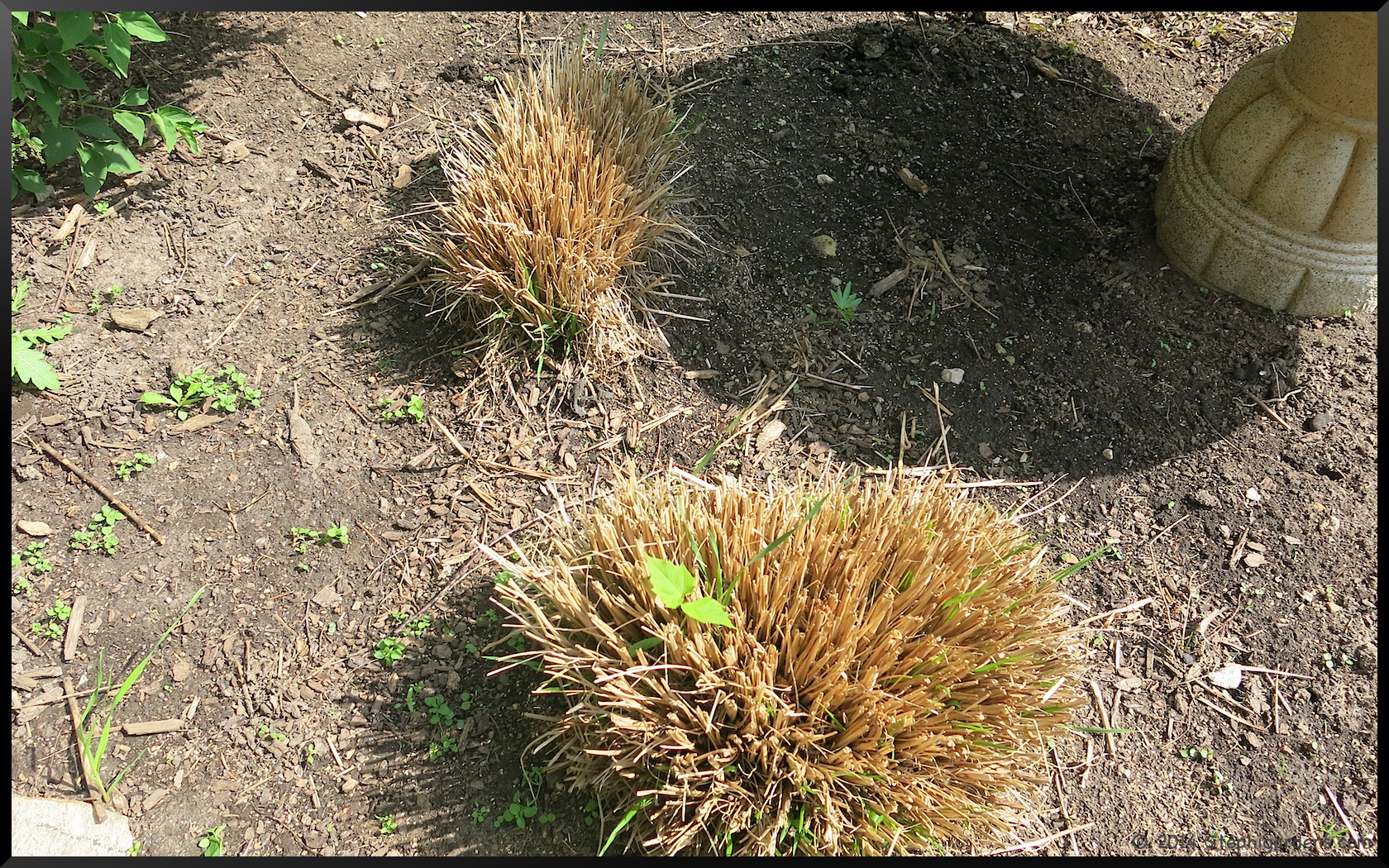
Three fountain grasses and a lavender plant also succumbed to the winter.   I watched them for a while and saw no signs of life, except some weeds that were moving in.  In this location, I’ve had trouble with the grasses in prior years, so this is a good time to remove them and try something different
Stephi Gardens

Stephi Gardens

Lavender
Lavender (surrounded by Dead Man’s fingers)


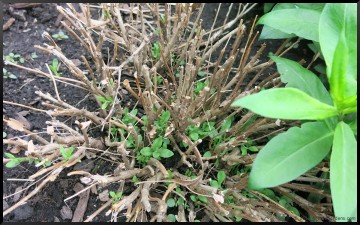
This lavender is barely showing signs of life.  But, it’s better than nothing.

LavenderLavender


Earlier this spring, I thought the potted Hens and Chicks had survived their winter outdoors.  Unfortunately, that wasn’t the case. A couple weeks later, they are pretty much dried up and dead.  The red coloring faked me into thinking it was alive, but it was basically just freeze-dried!  This was the first time I left them in the pot outdoors instead of in the unheated porch.  Next year, back in the porch.  The ones that had been planted around some landscaping rocks also didn’t survive.   They were fairly established, so I’m disappointed they didn’t survive.  The rest of the sedums and succulents are just fine.
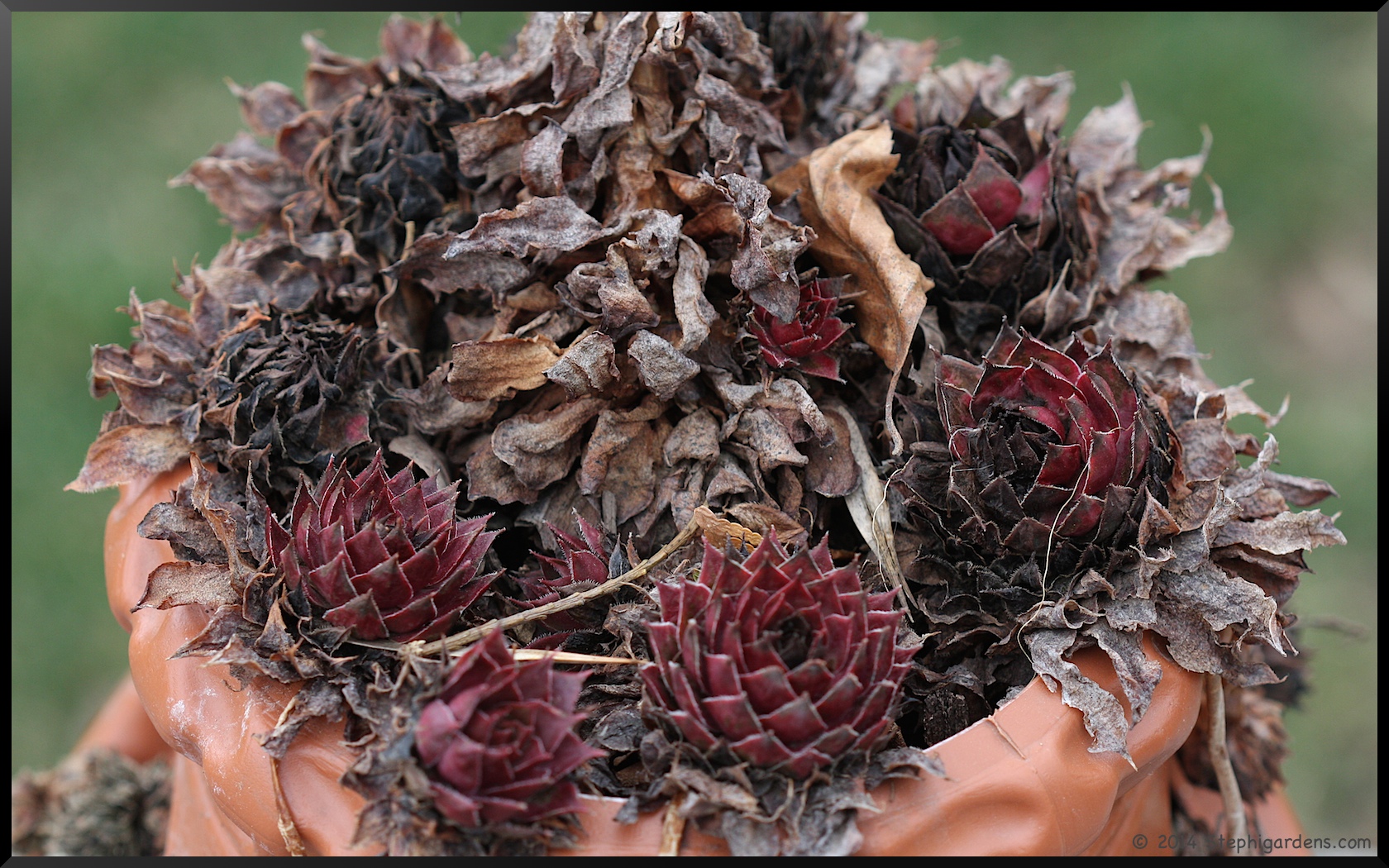
Hens and Chicks

How did your plants do this winter?
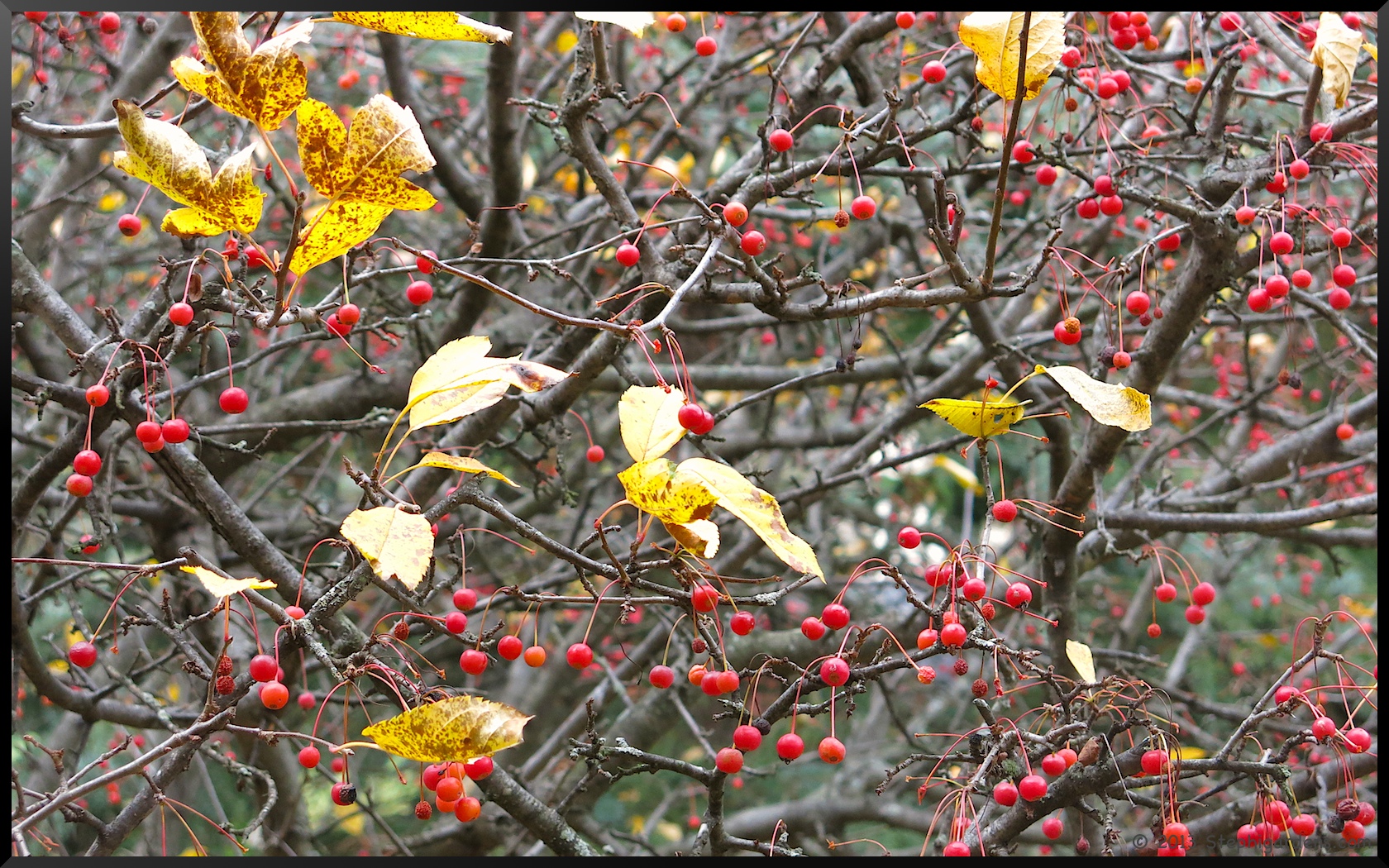
 

It’s a Great Day to be Red!

Today’s post is a tribute to my son’s high school cross country team who will be traveling to the IL state meet tomorrow with the goal of coming home #1!  As everything around town has been turning from summer green to fall red, it brings to mind that this could very well be the year that it will be “RED” hoisting the championship trophy.
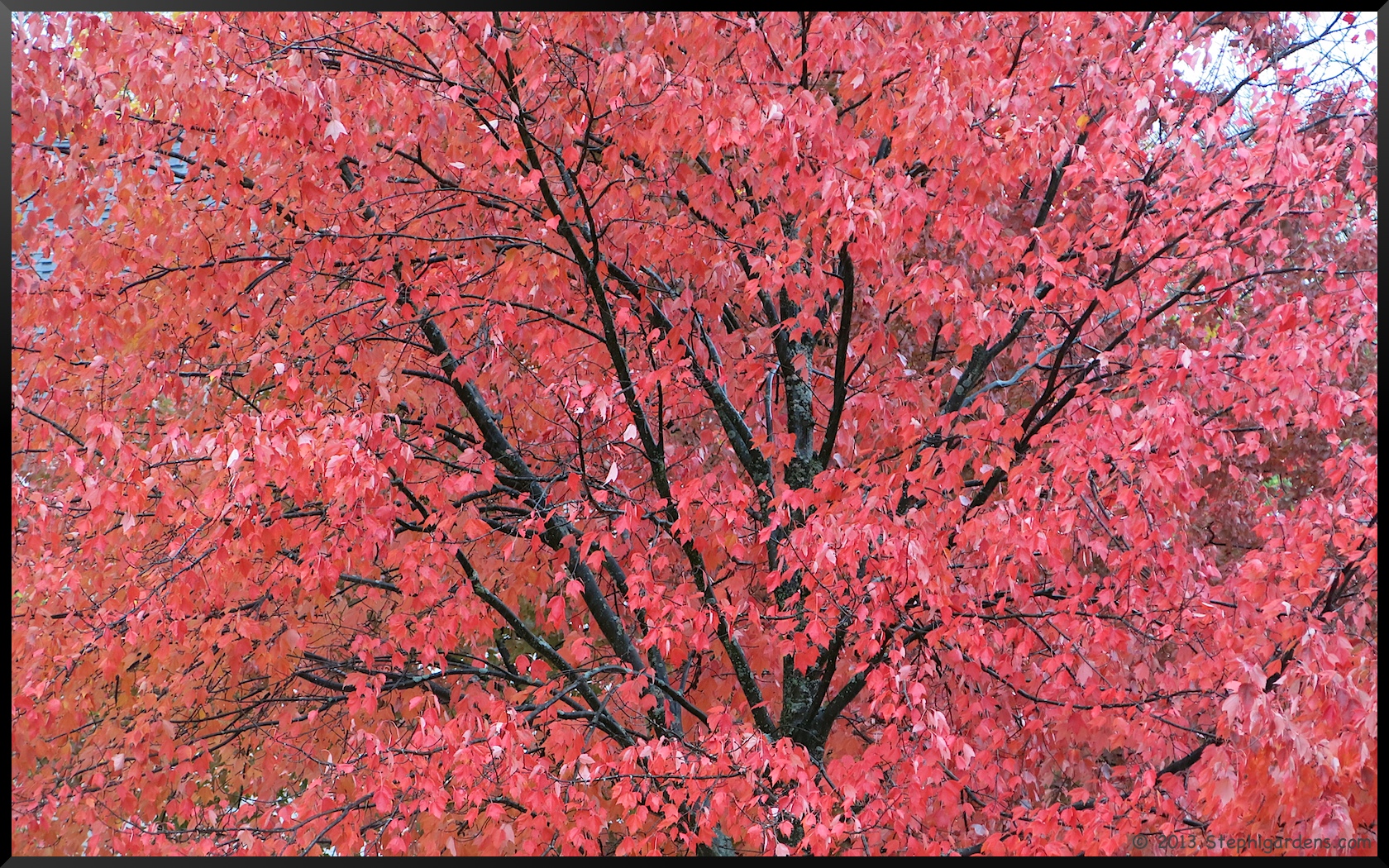
As a send-off to the boys, here are some of the beautiful red colors we’ve been seeing lately.

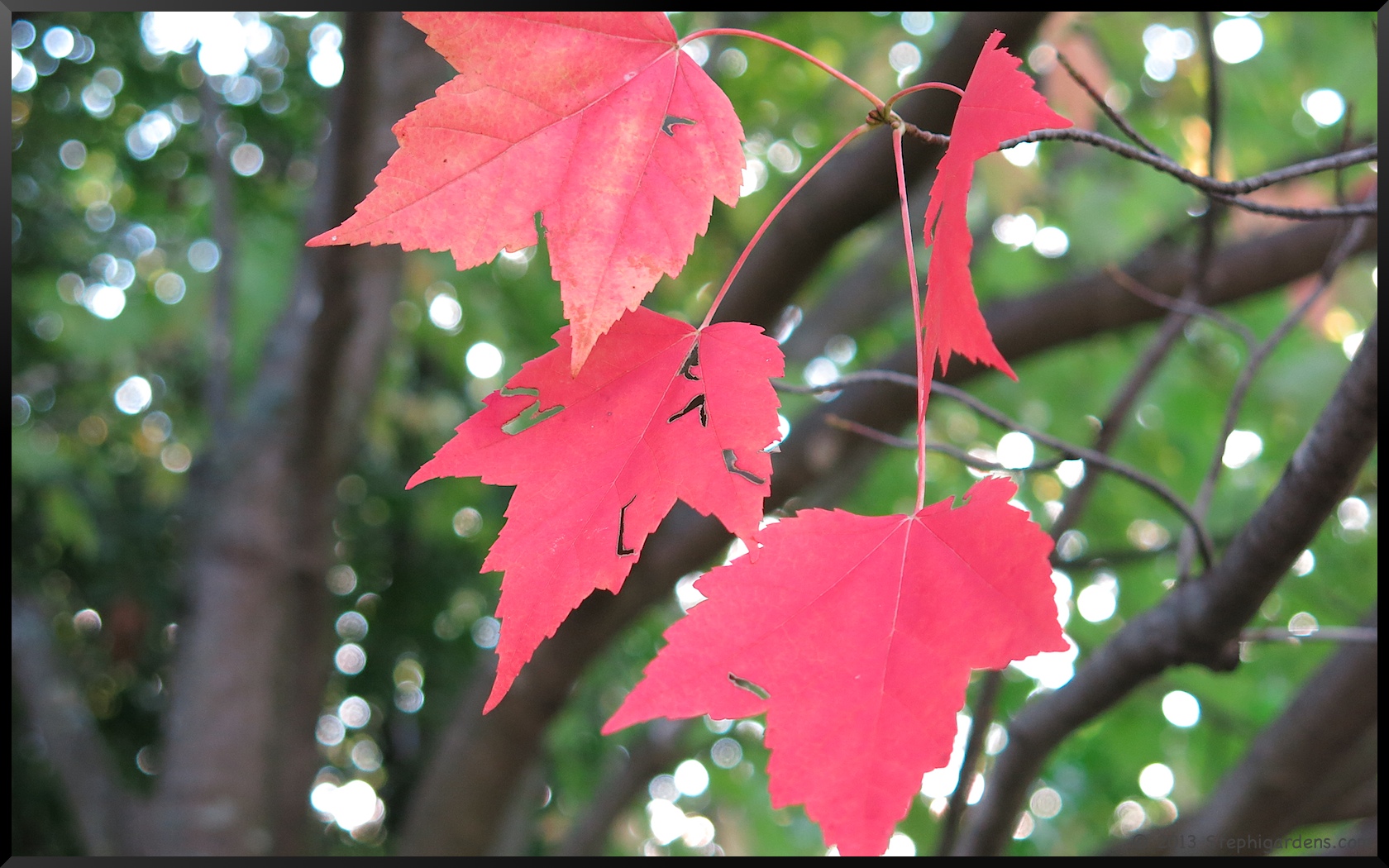
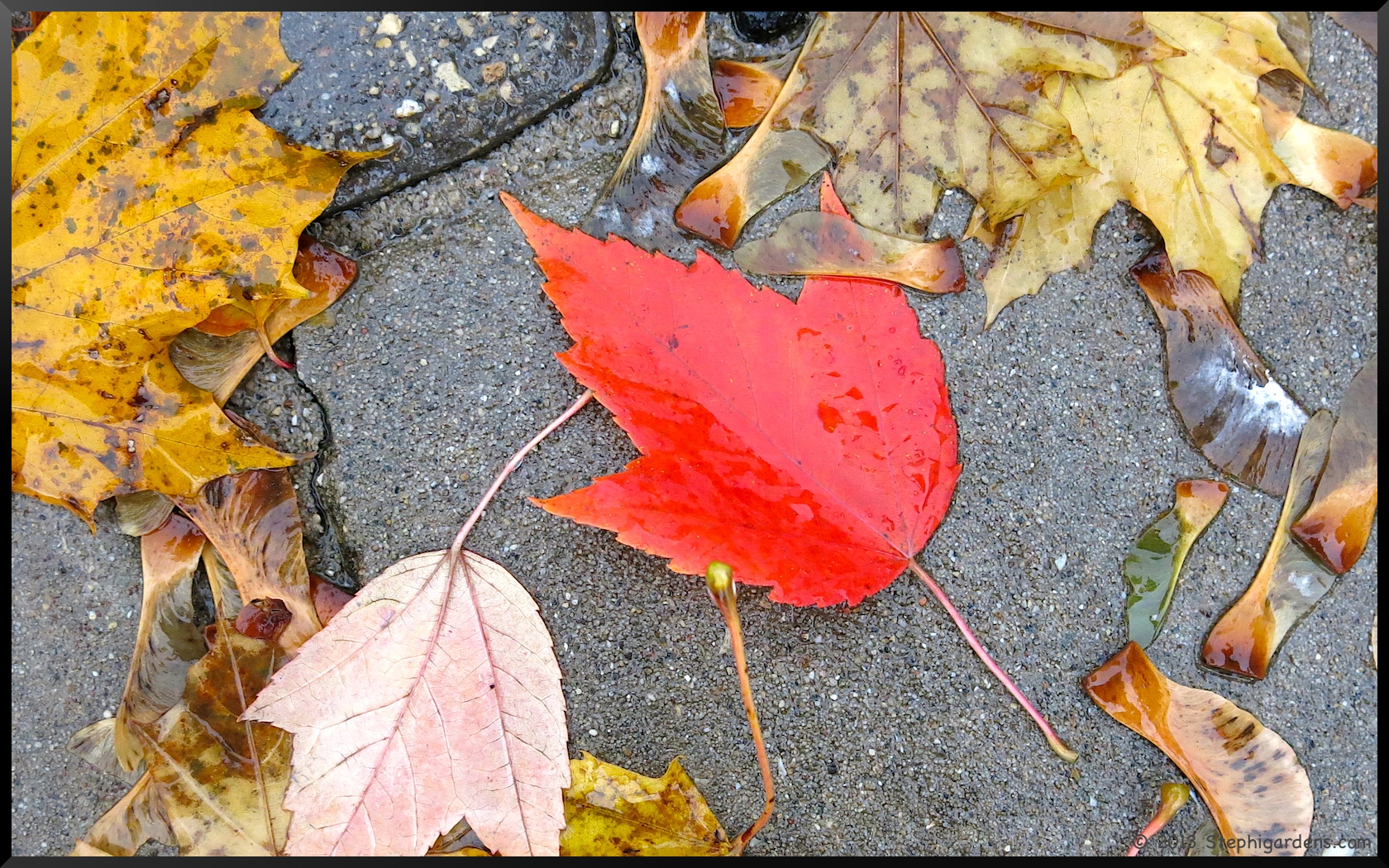
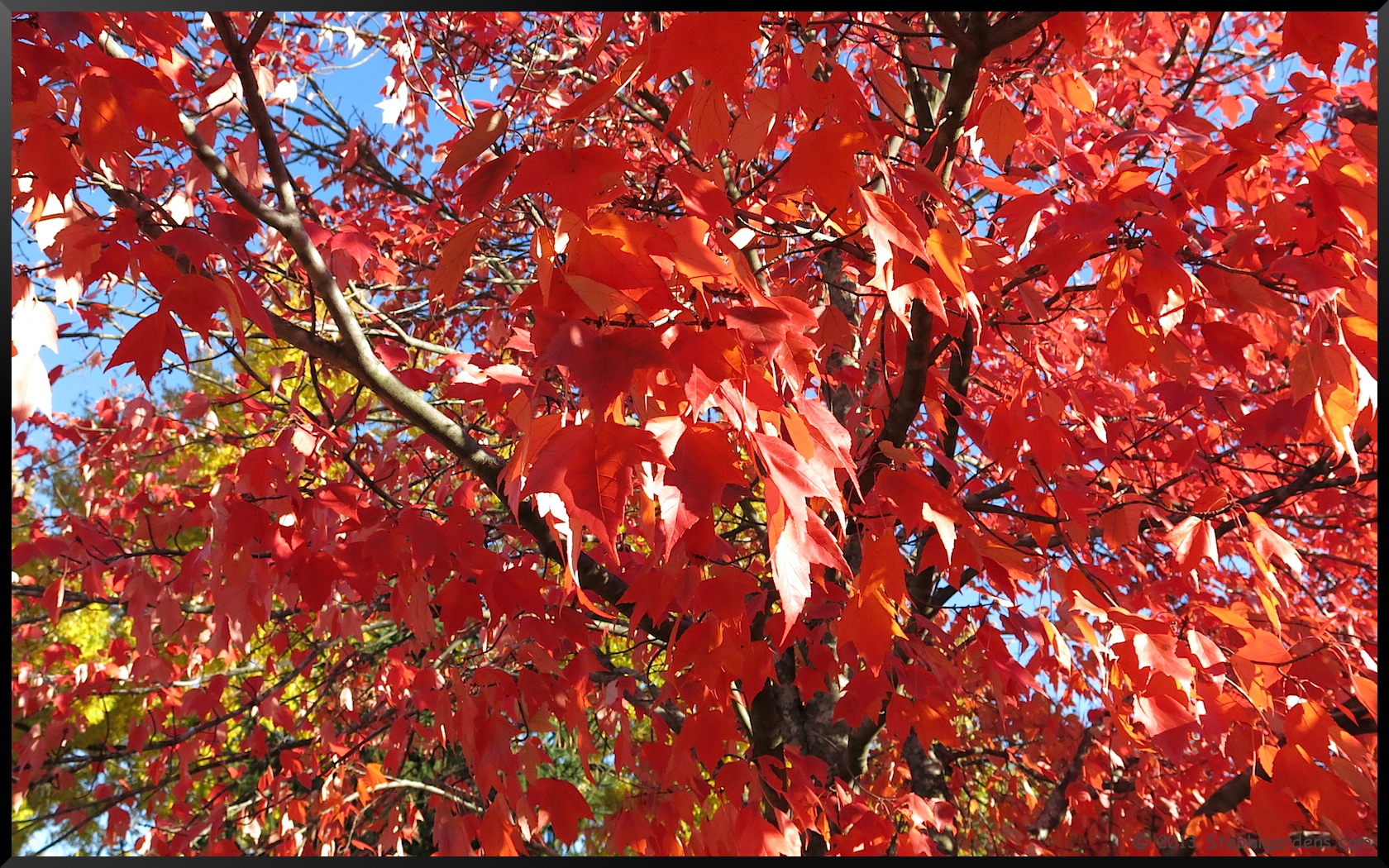
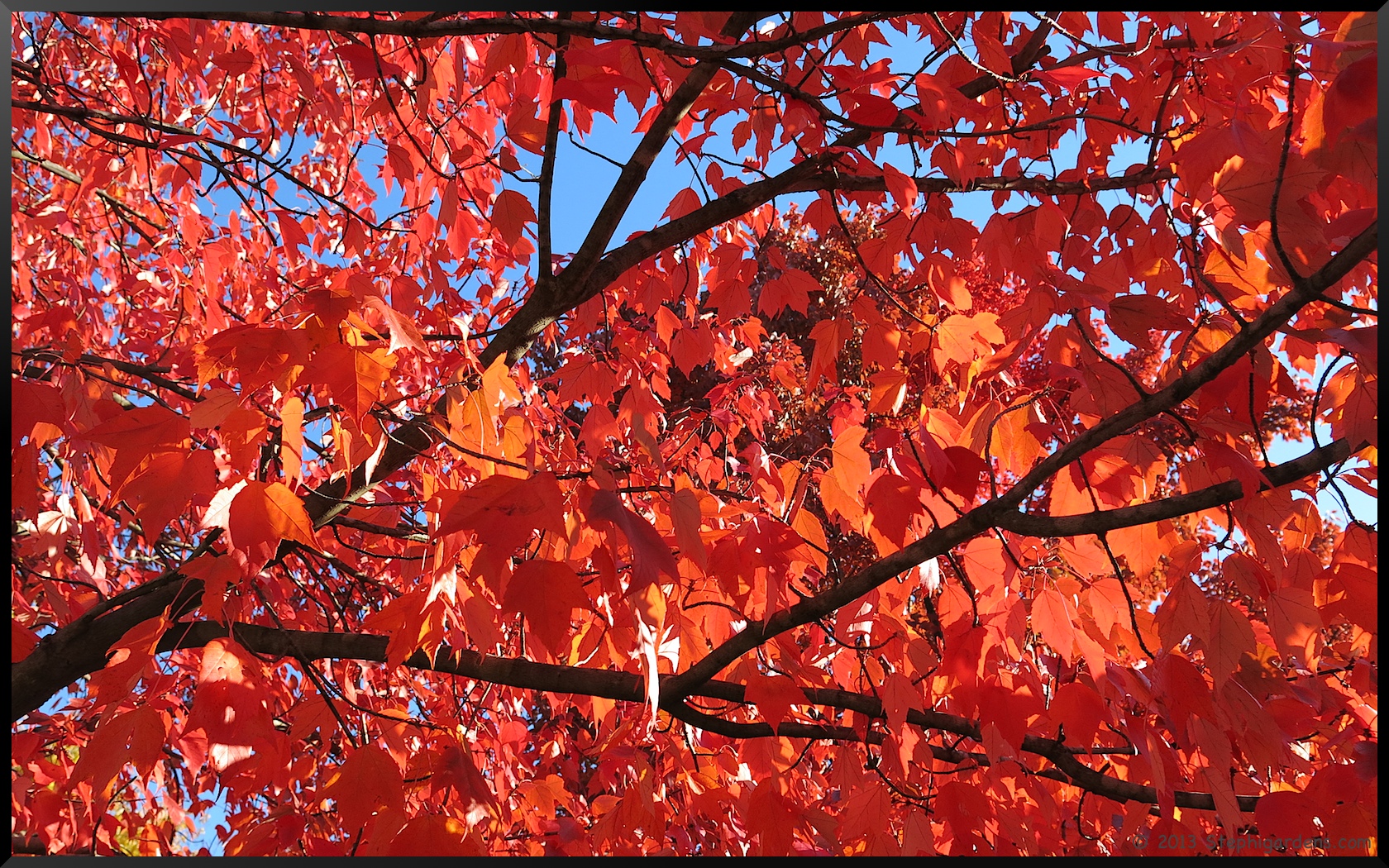
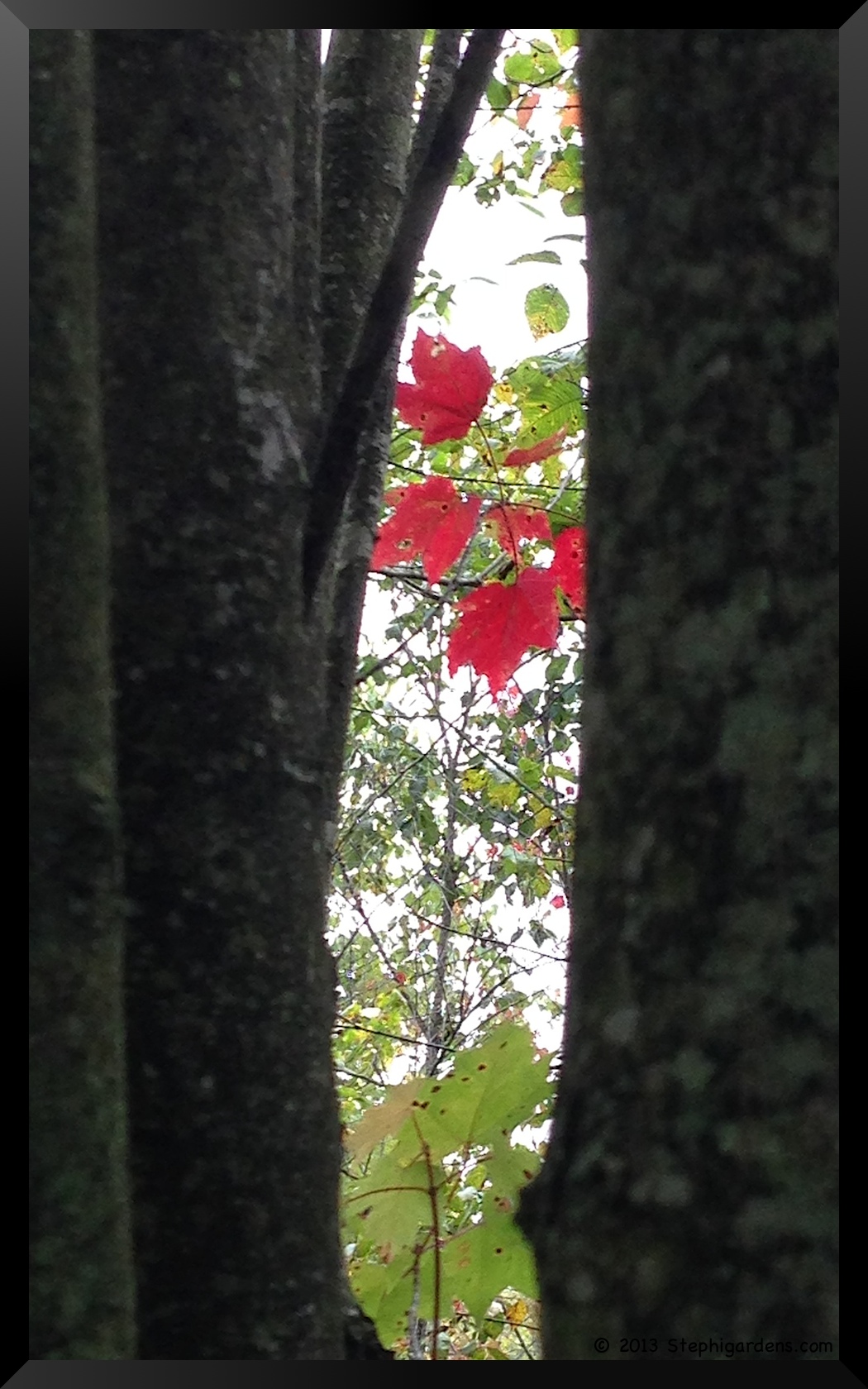
maple leaf

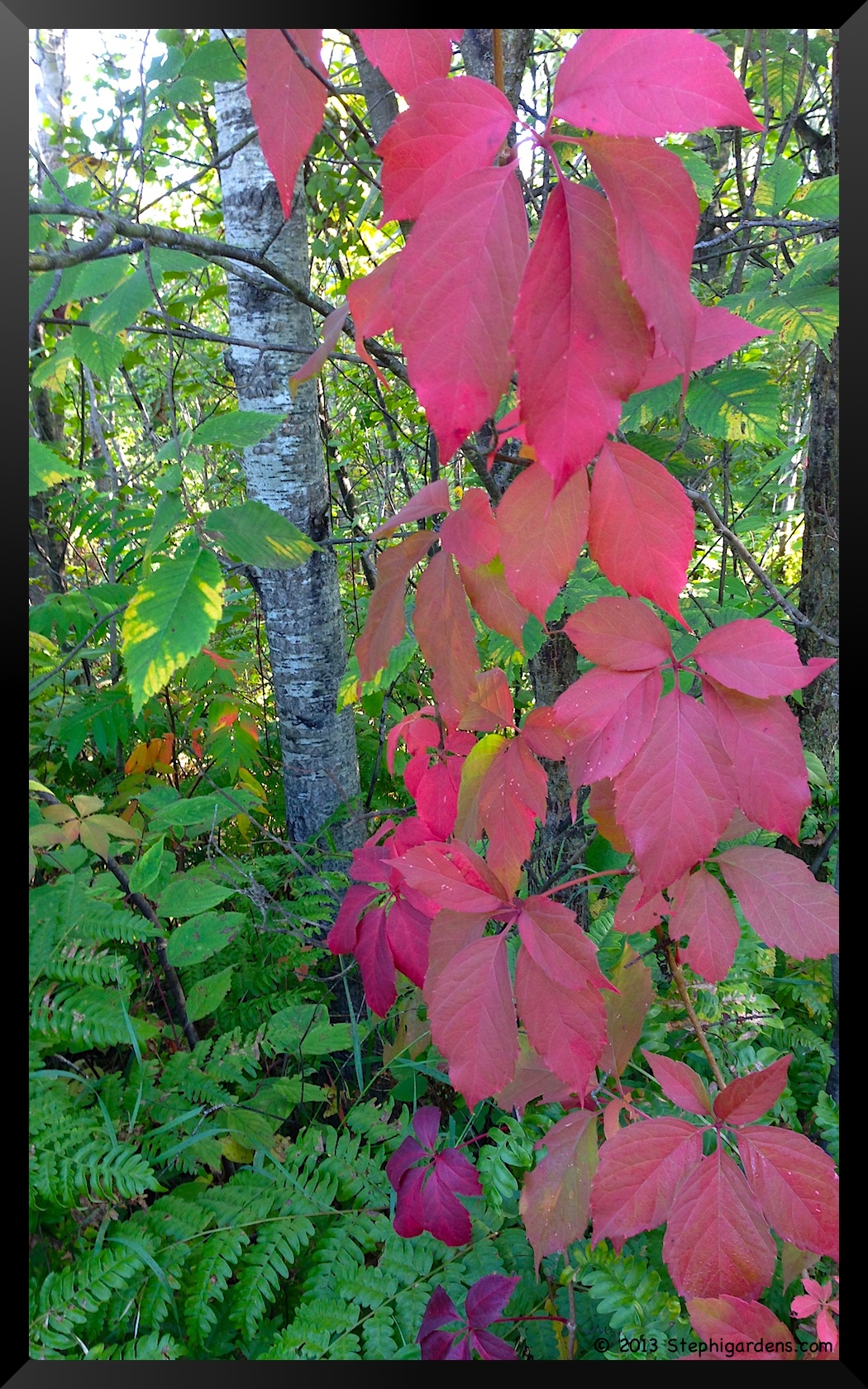
Fall leaves

sargent crab

Sargent Crab Tree

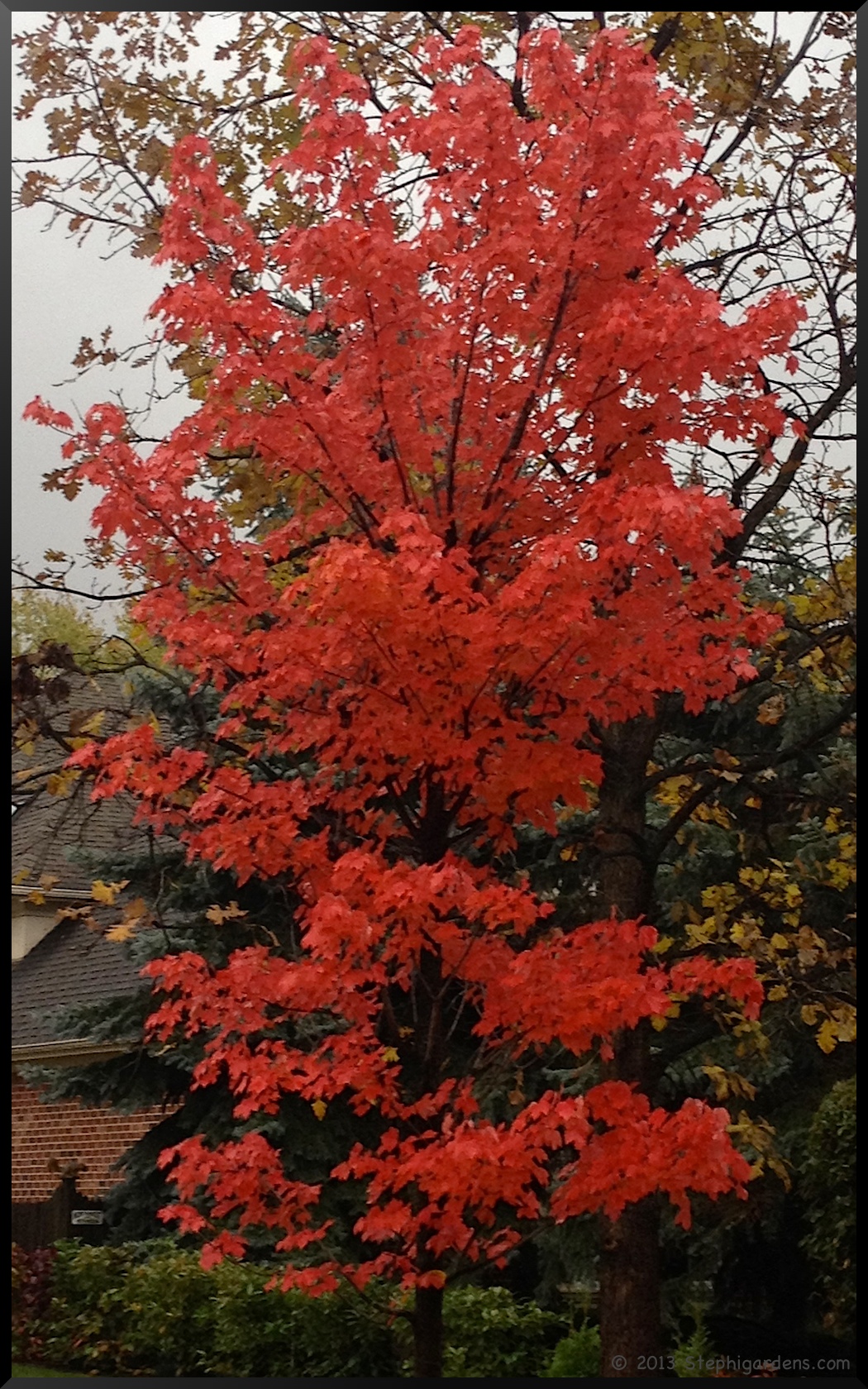
Maple

Norway Maple

IMG_1376

IMG_1405

IMG_1407

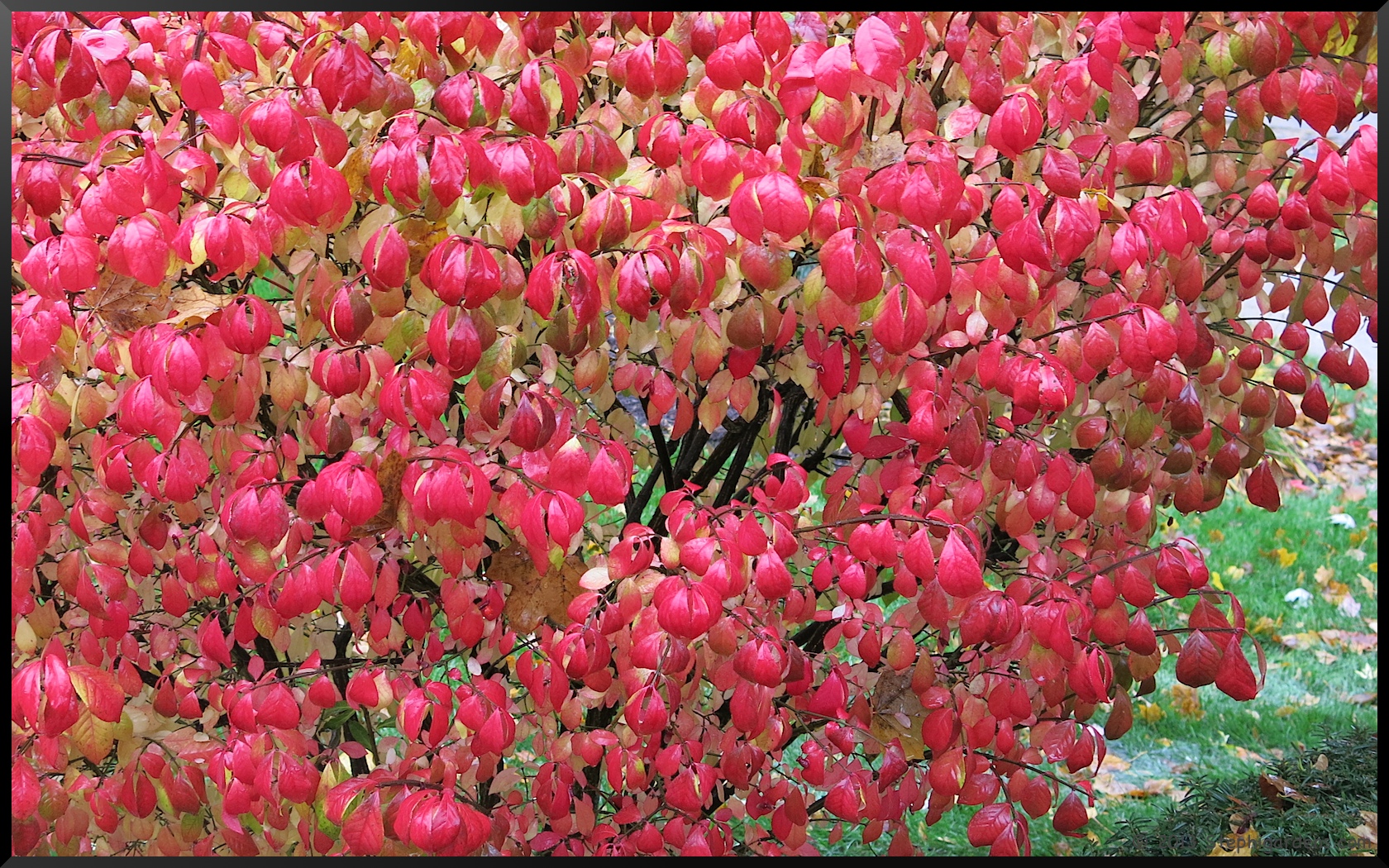
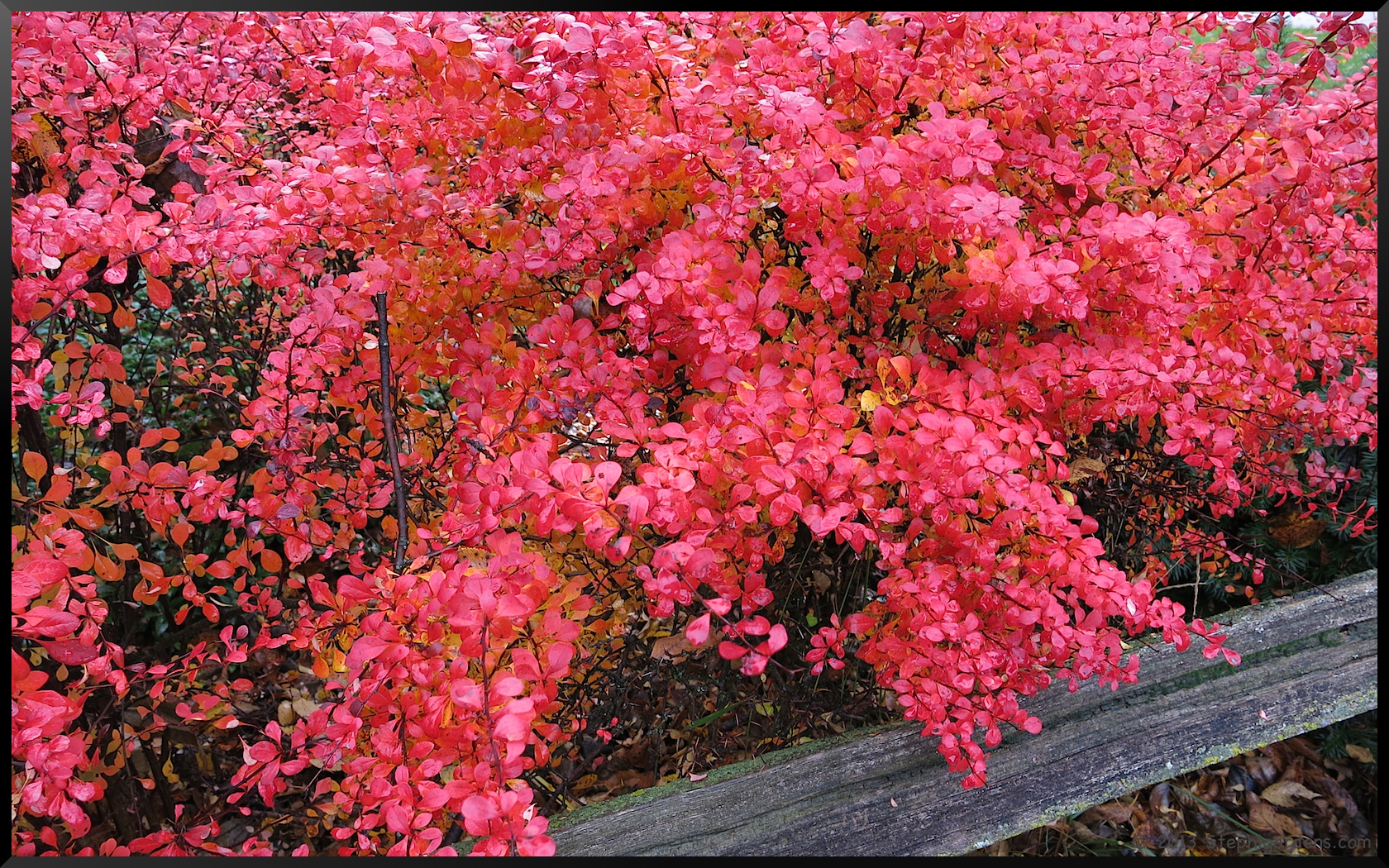
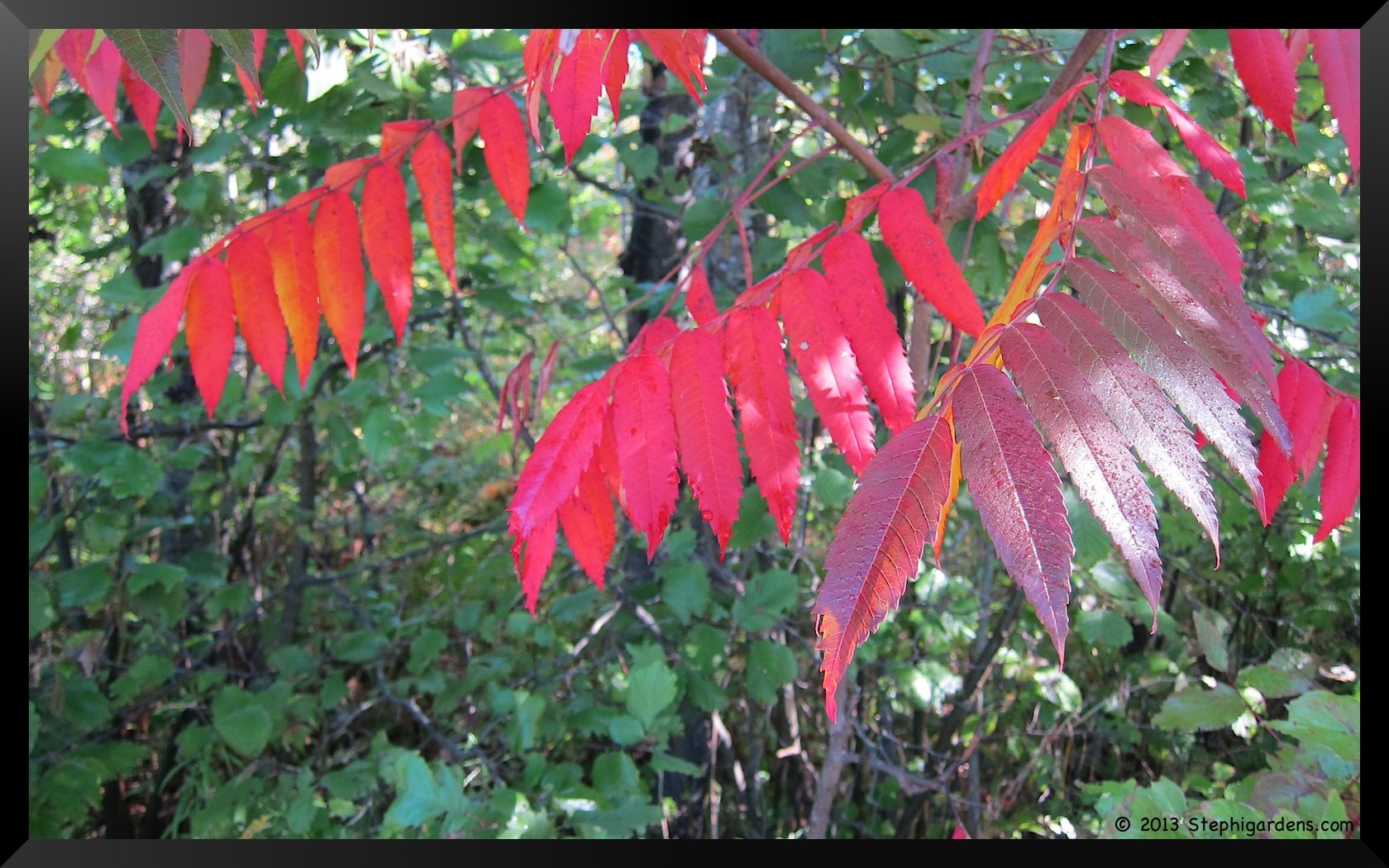
Burning Bush

IMG_1377

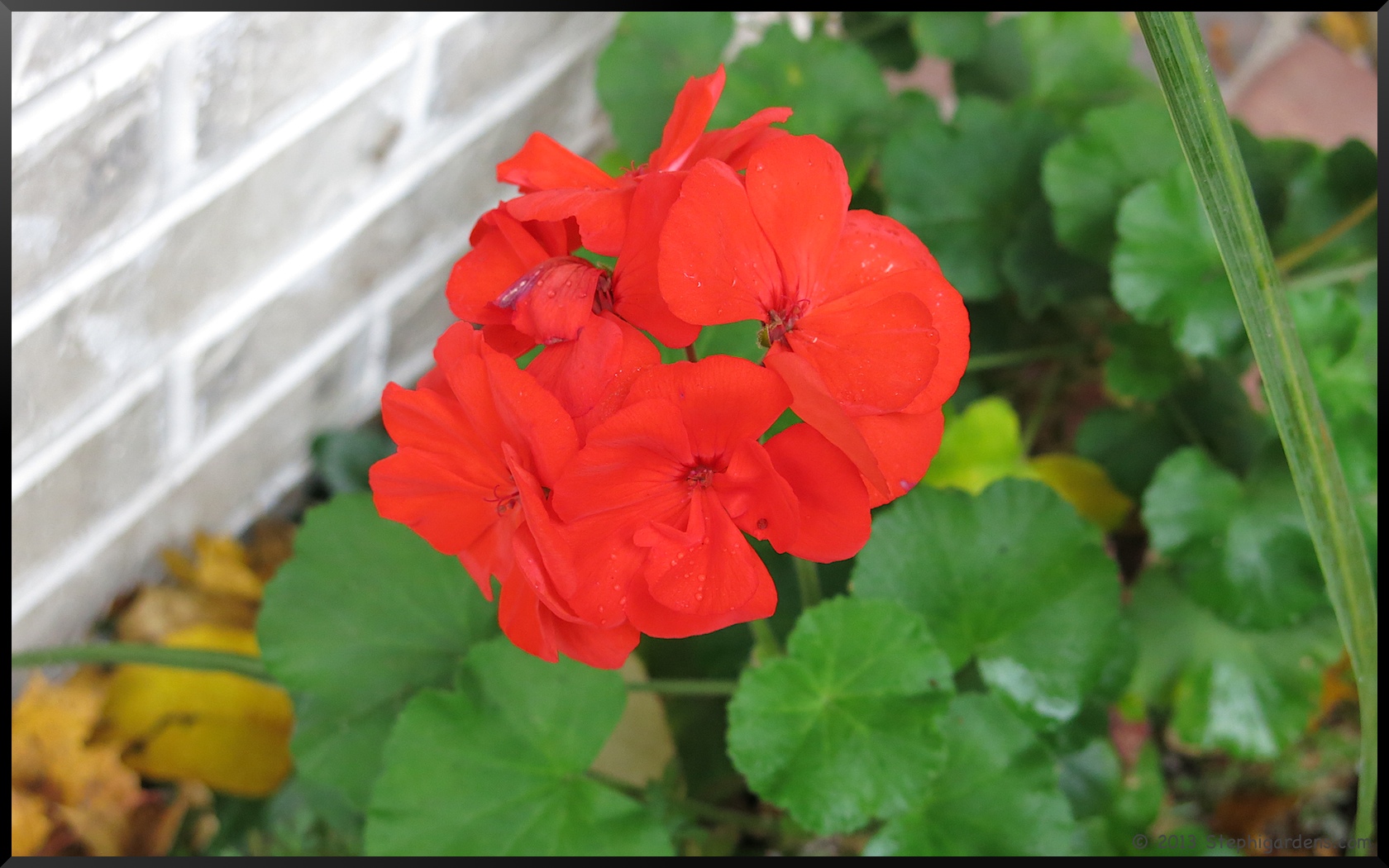
Geranium

No matter what happens this weekend, just like this geranium still strongly blooming late into fall, these boys are tenacious and aren’t going away anytime soon.  Good Luck!

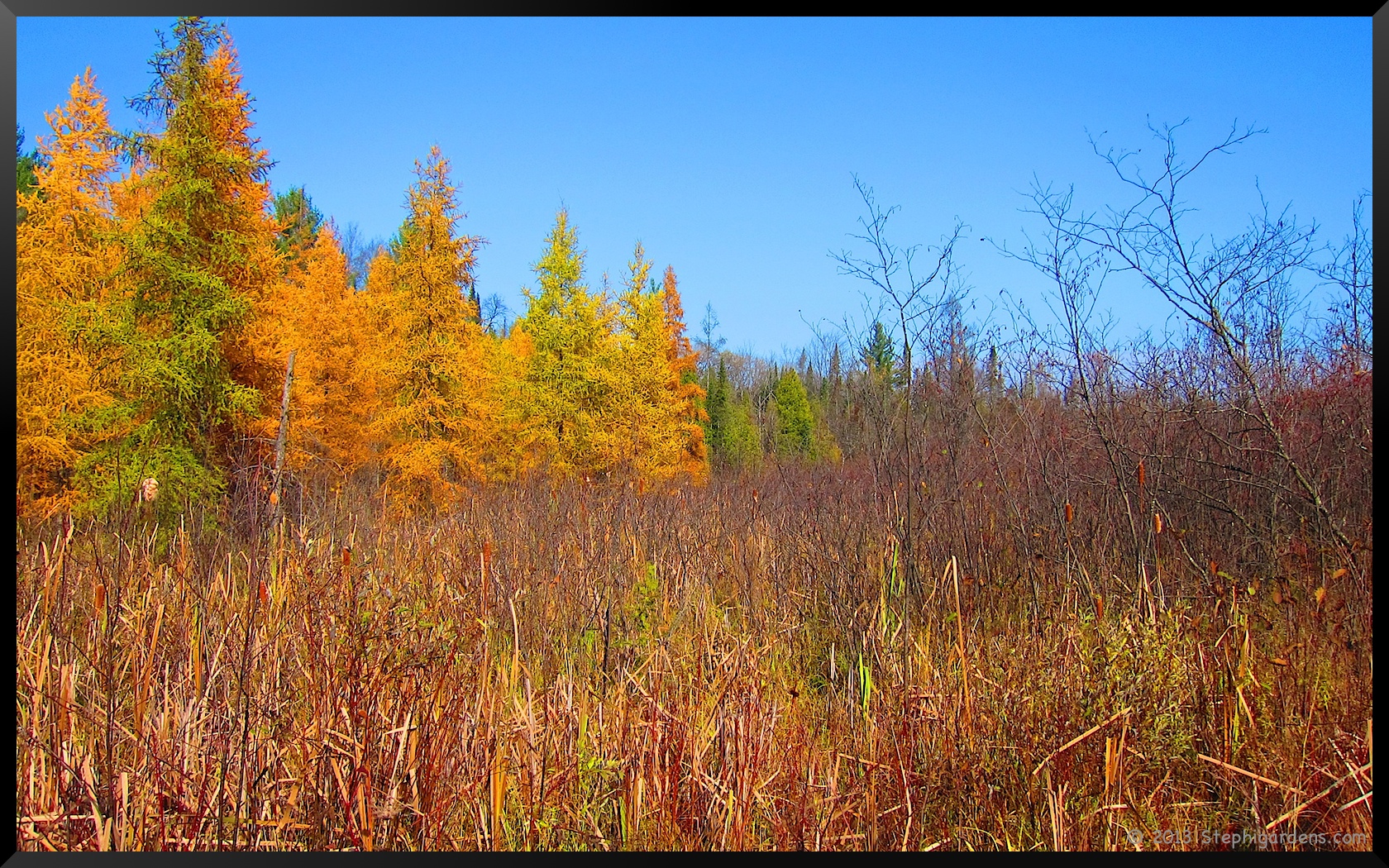
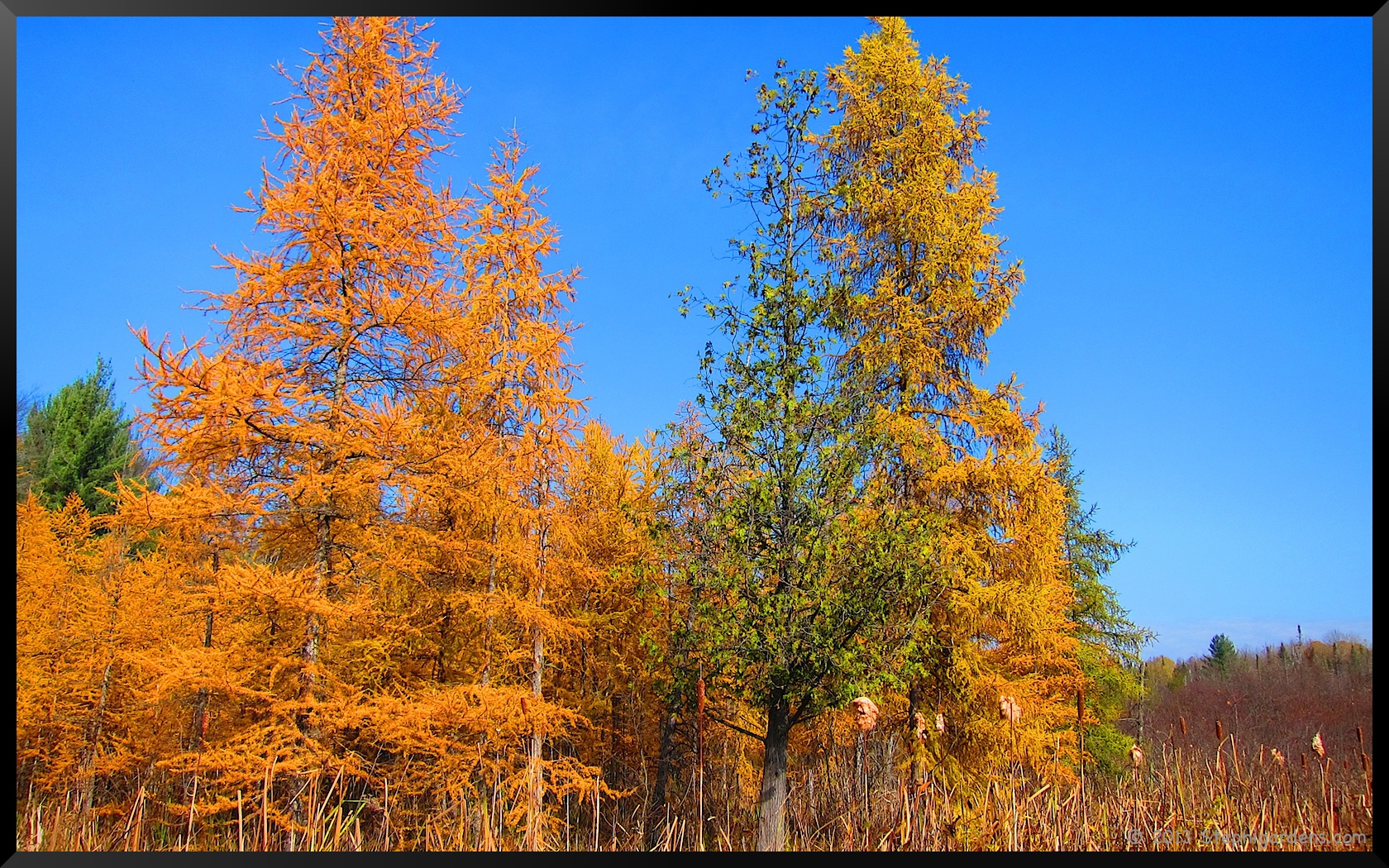
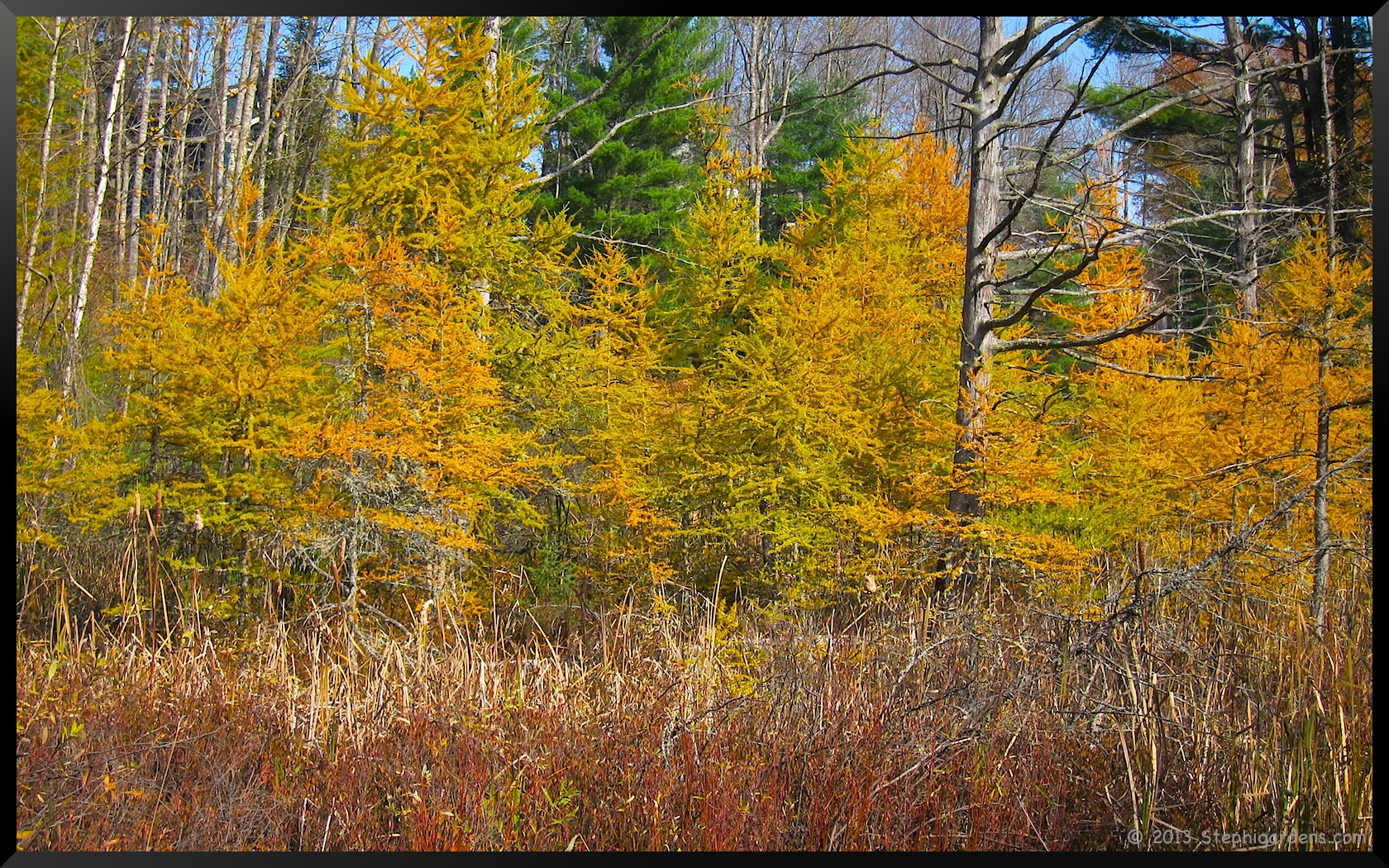
Michigan Tamaracks in Fall

You can find the beautiful and interesting Tamarack tree (Larix laricina) in Michigan. They are also known as the Eastern Larch. The Tamarack tree is a member of the pine family, and looks like most pine trees, except with one important difference; it loses its needles every fall making it a “deciduous conifer.” It thrives in the wet soil of bogs, swamps and lake edges. In the fall, the Tamaracks provide yet one more glowing color to the fall landscape, and they were just beginning to change this past week in northwestern Michigan.

IMG_5849


IMG_5846


IMG_5842


IMG_5839

photos by Peggy

Happy Halloween!!

Happy Halloween!

IMG_4122

Halloween is always a mixed bag weather-wise here.  I’ve seen everything from 70’s and gorgeous, to 30’s with snow, and everything in between.  This year looks like a rainy, yet rather warm day and not very windy.  In the scheme of things, I guess not too bad.  But then, my kids are past their trick-or-treating years (I think) so I don’t need to worry about how to get their costume over their winter coat, or trying to figure out how to trick-or-treat with an umbrella.

When the drizzle stopped for a little bit this morning, I went out to see how the colors were changing and the garden faring.

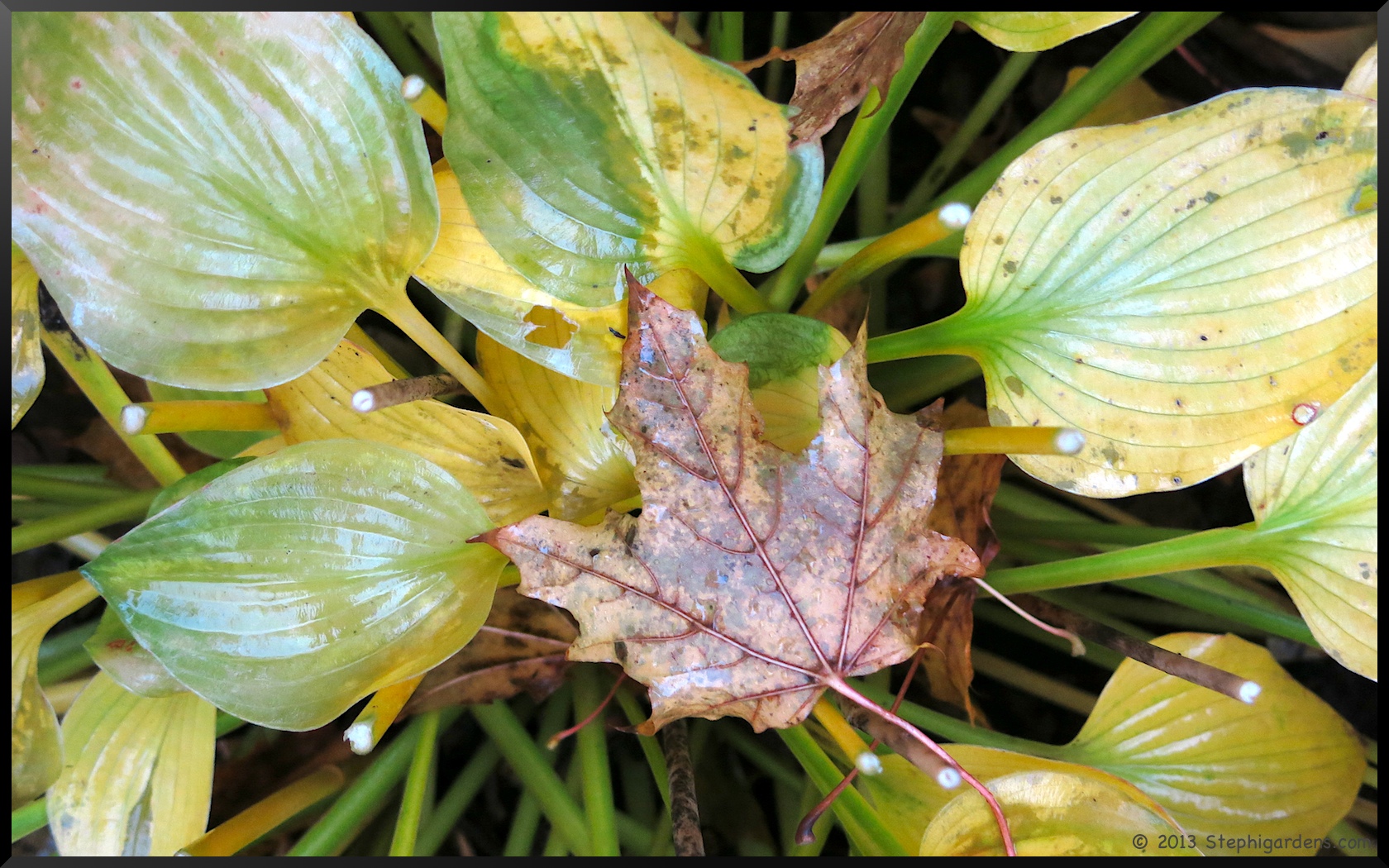
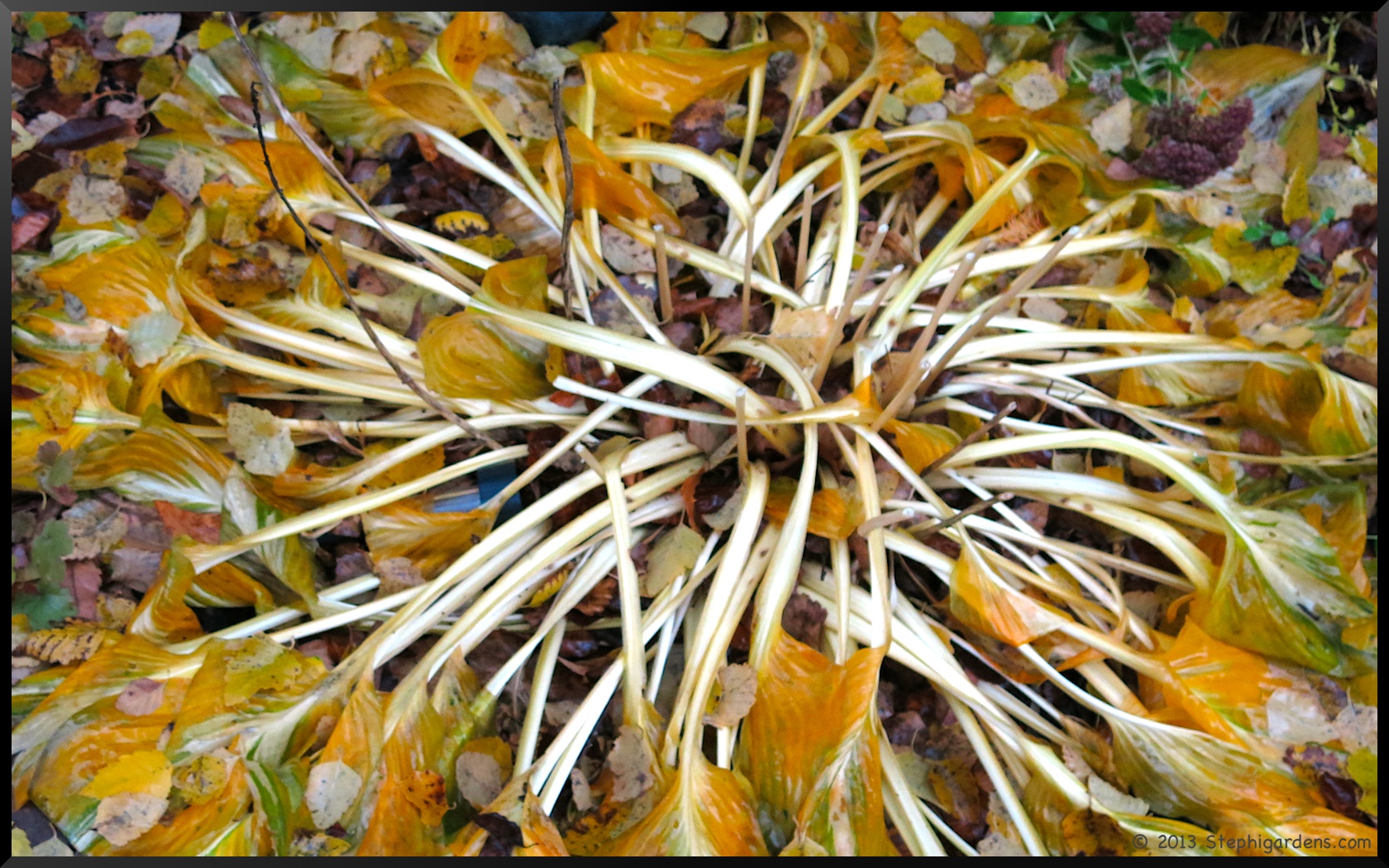
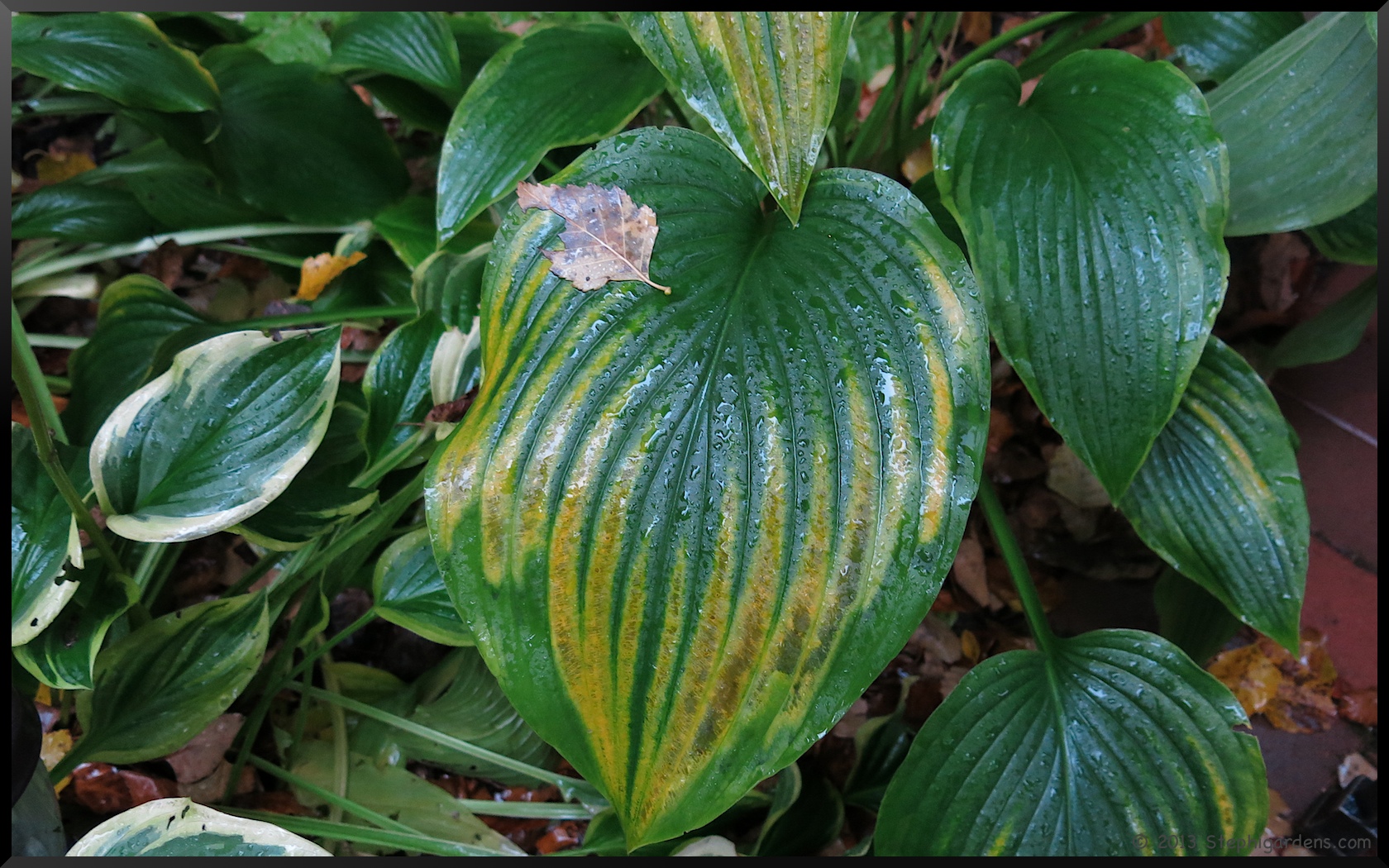
For some reason the dying hostas looked so interesting today…

Hosta
Hosta
Hosta
Hosta

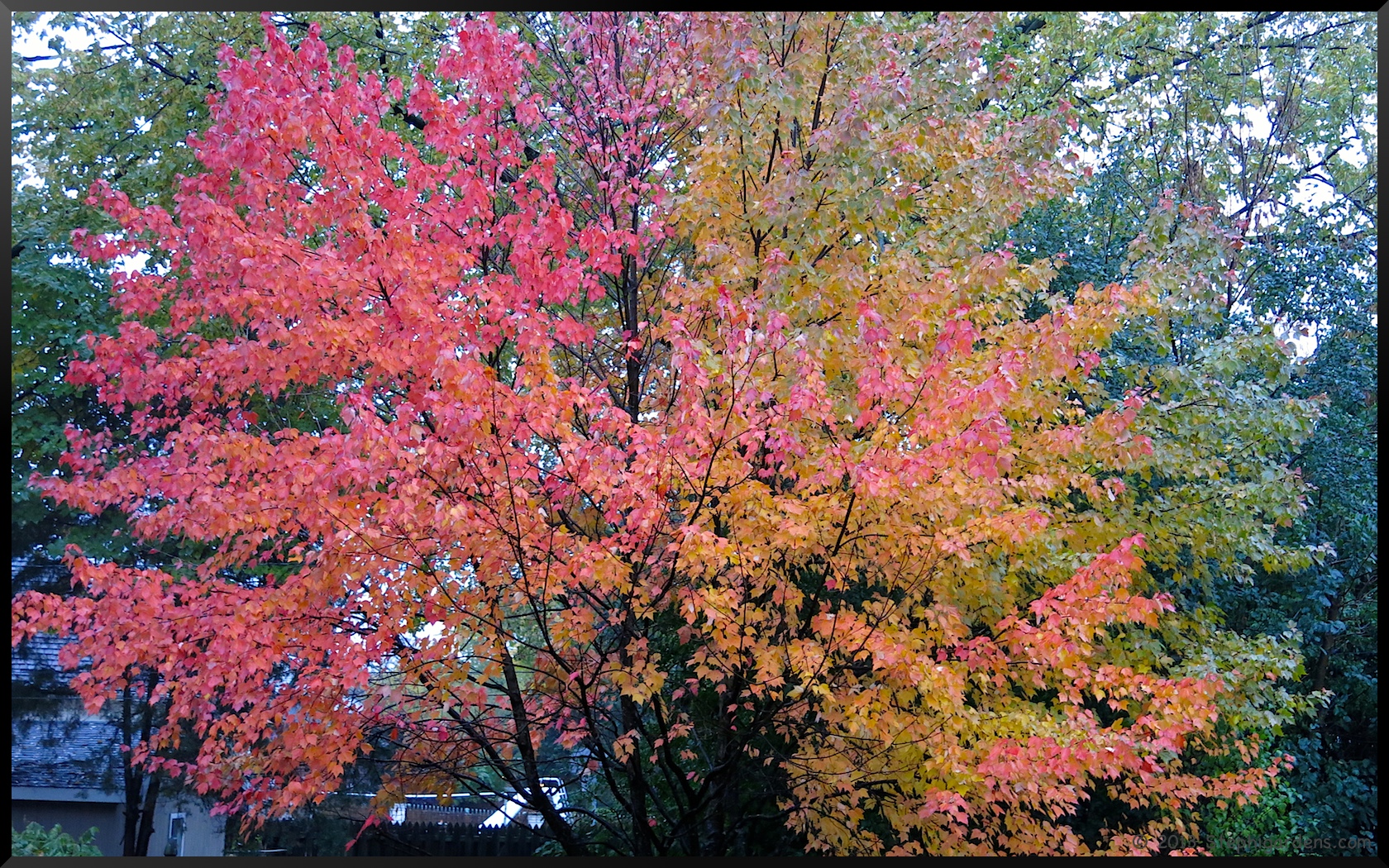
My “schizophrenic” tree, as a fellow blogger so aptly named it, is continuing on it’s own odd path through the fall changes…

maple colors

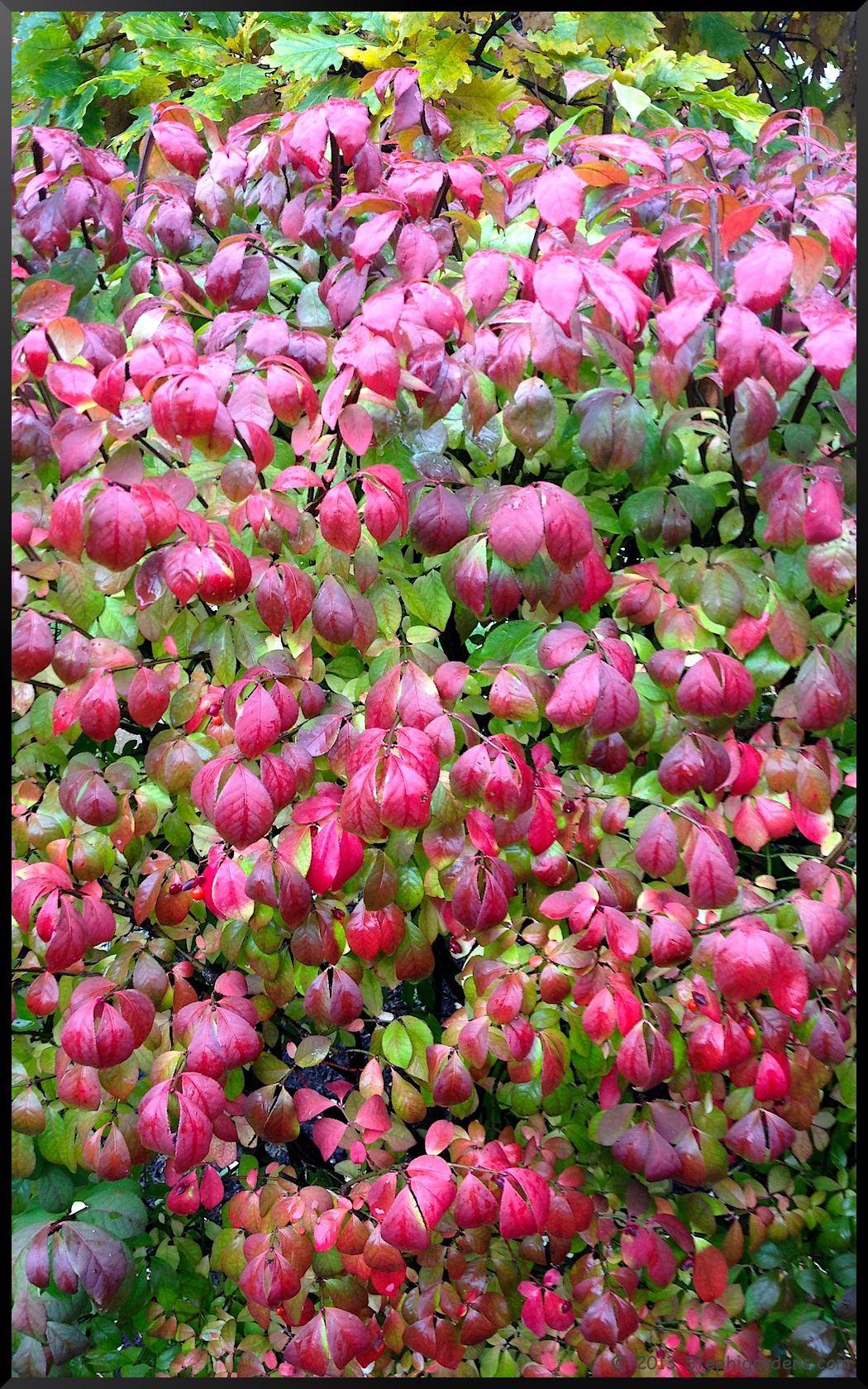
The maples, burning bushes and serviceberries are just glowing these days…

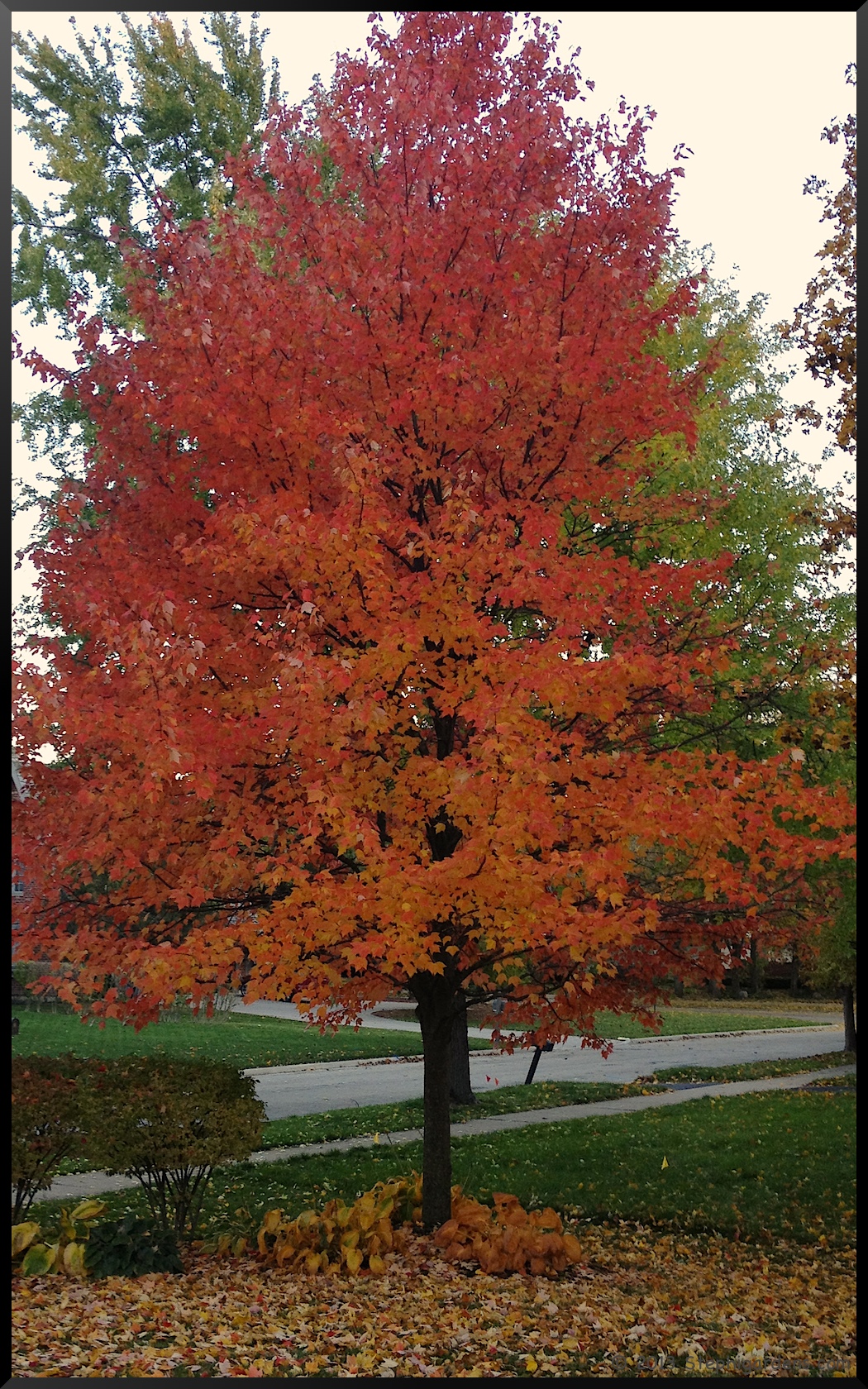
maple in fall colors

Burning bush

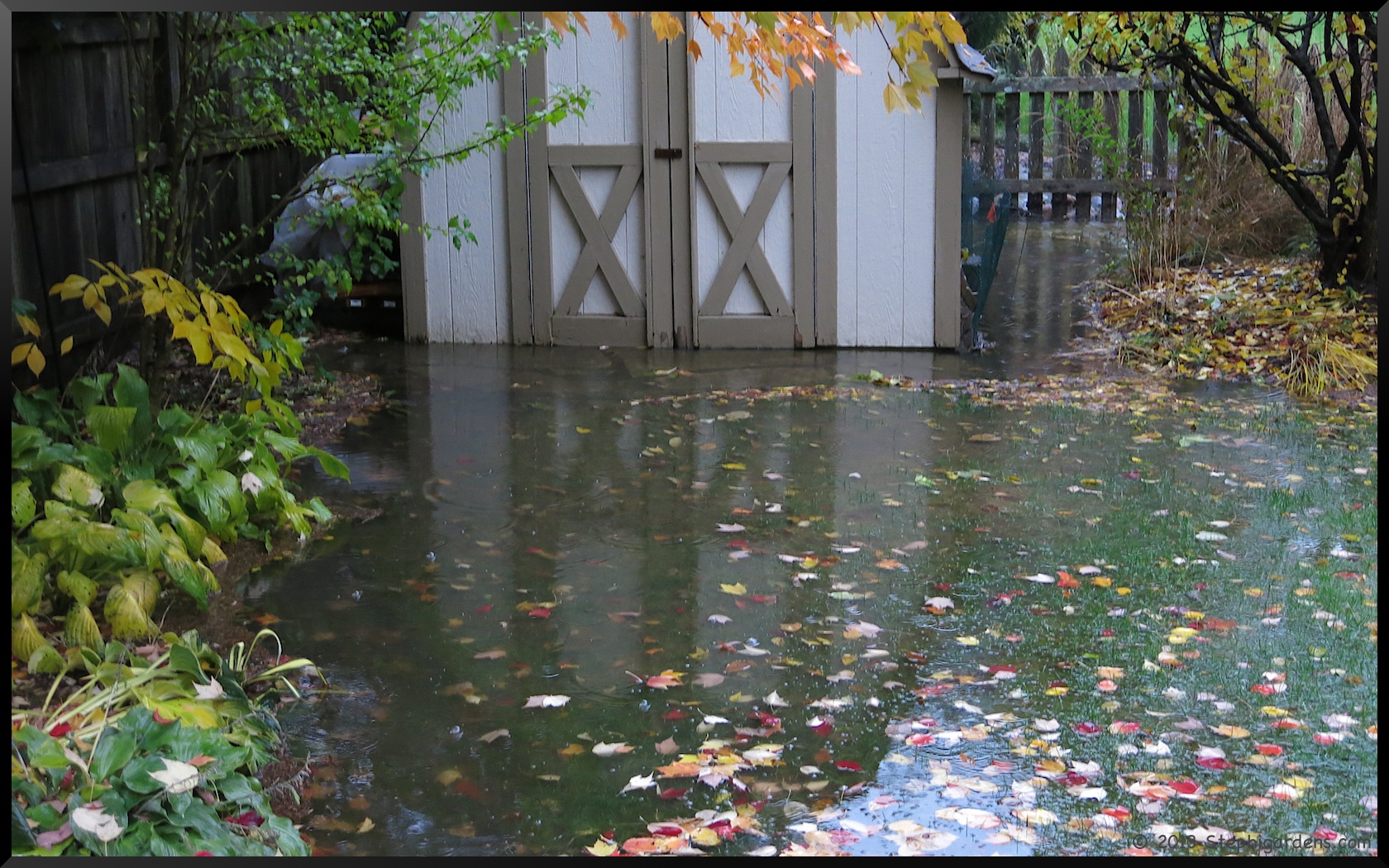
 And this mess I’ll talk about tomorrow… 

IMG_1338

  Trick or Treaters are arriving!  So glad they weren’t scared off by the rain!

Brrr, it’s Cold

As expected, we sunk down below freezing Tuesday night. Glad I got the last of the vegetables harvested. Surprisingly, many of the garden plants actually looked pretty good in the morning, but we’ll see after 2 days of below freezing temperatures overnight.

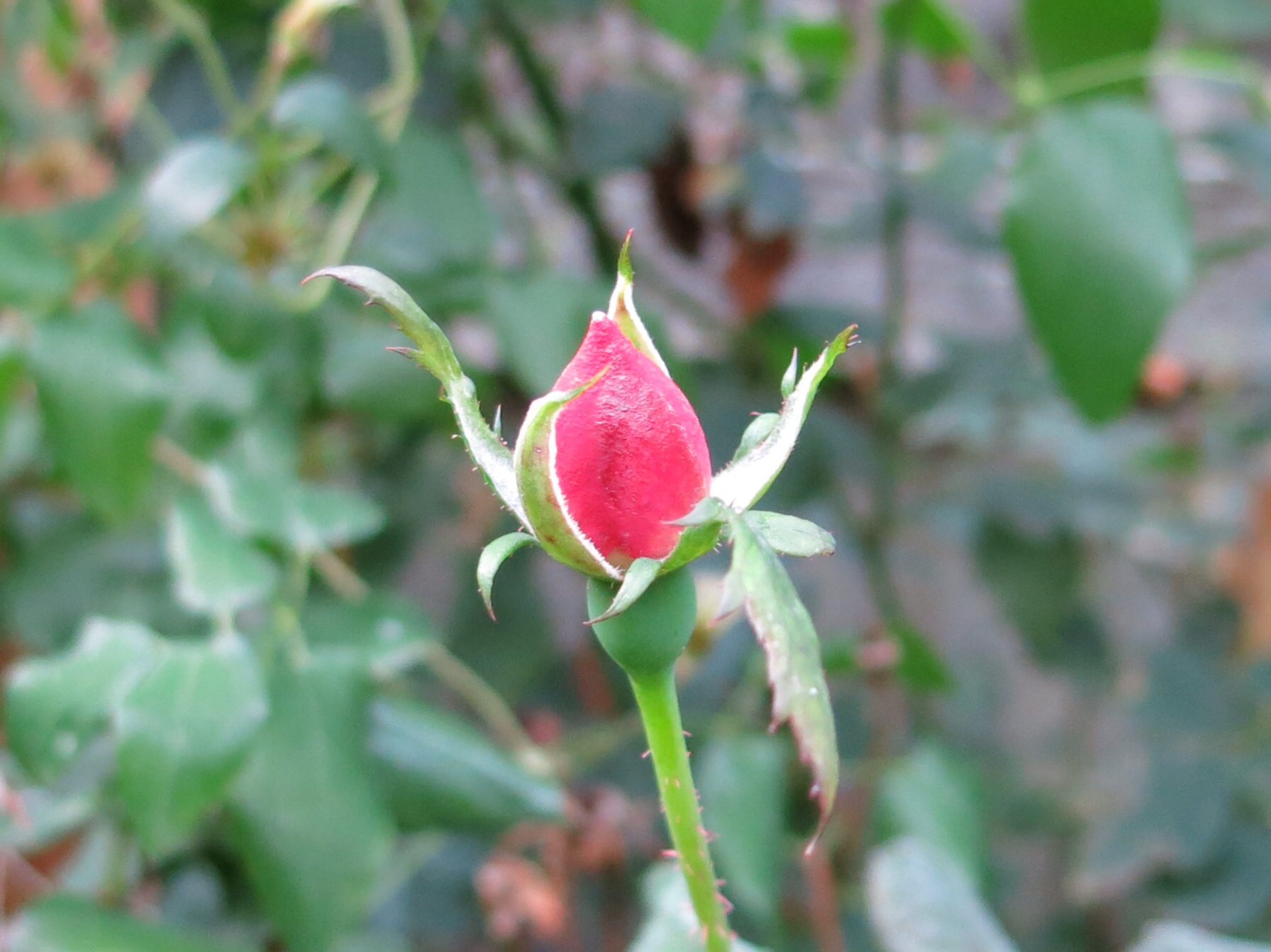
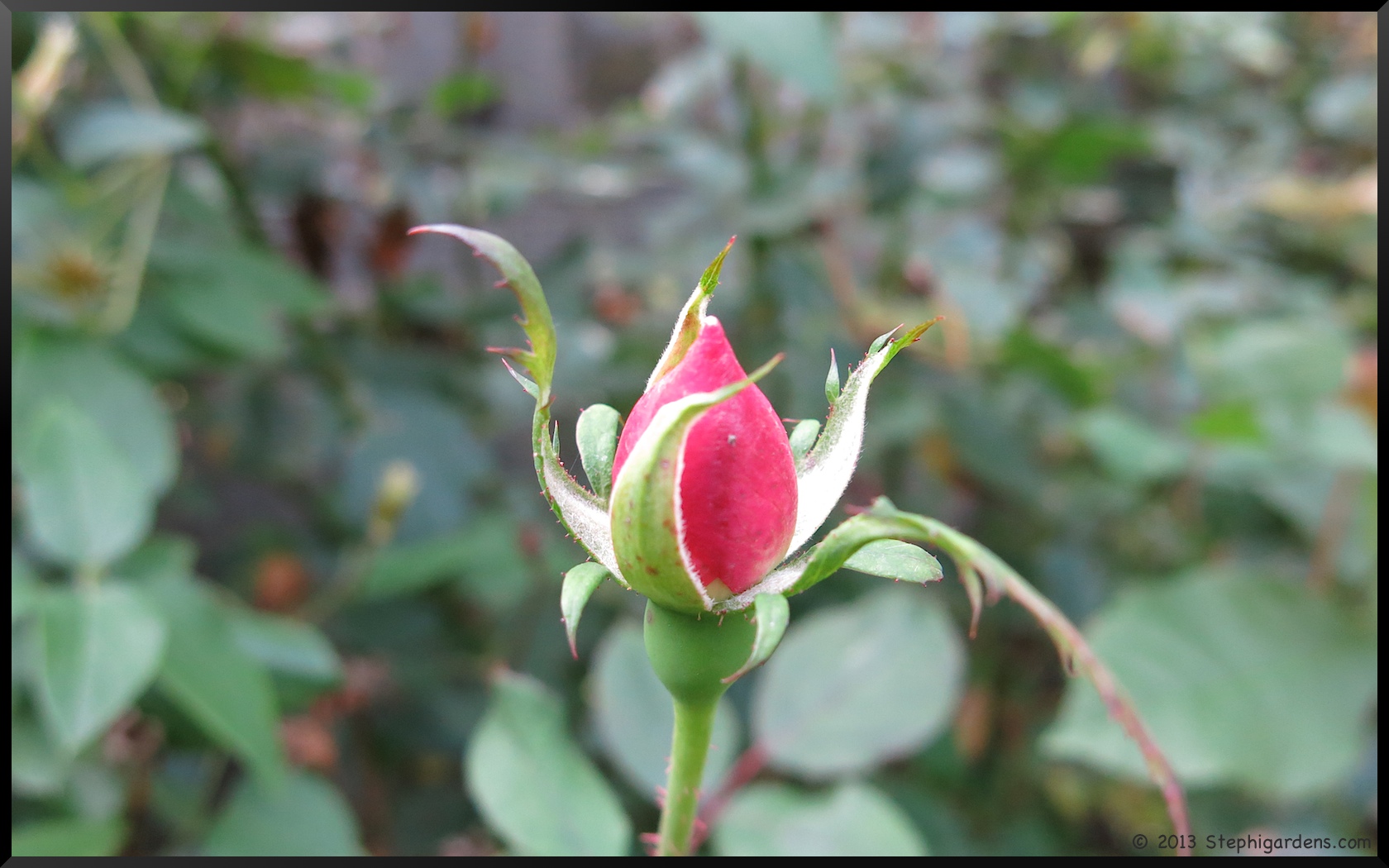
I ended up leaving the single perfect rosebud on the plant. In the morning it was still tightly closed, just half the size as the day before.
Rosebud

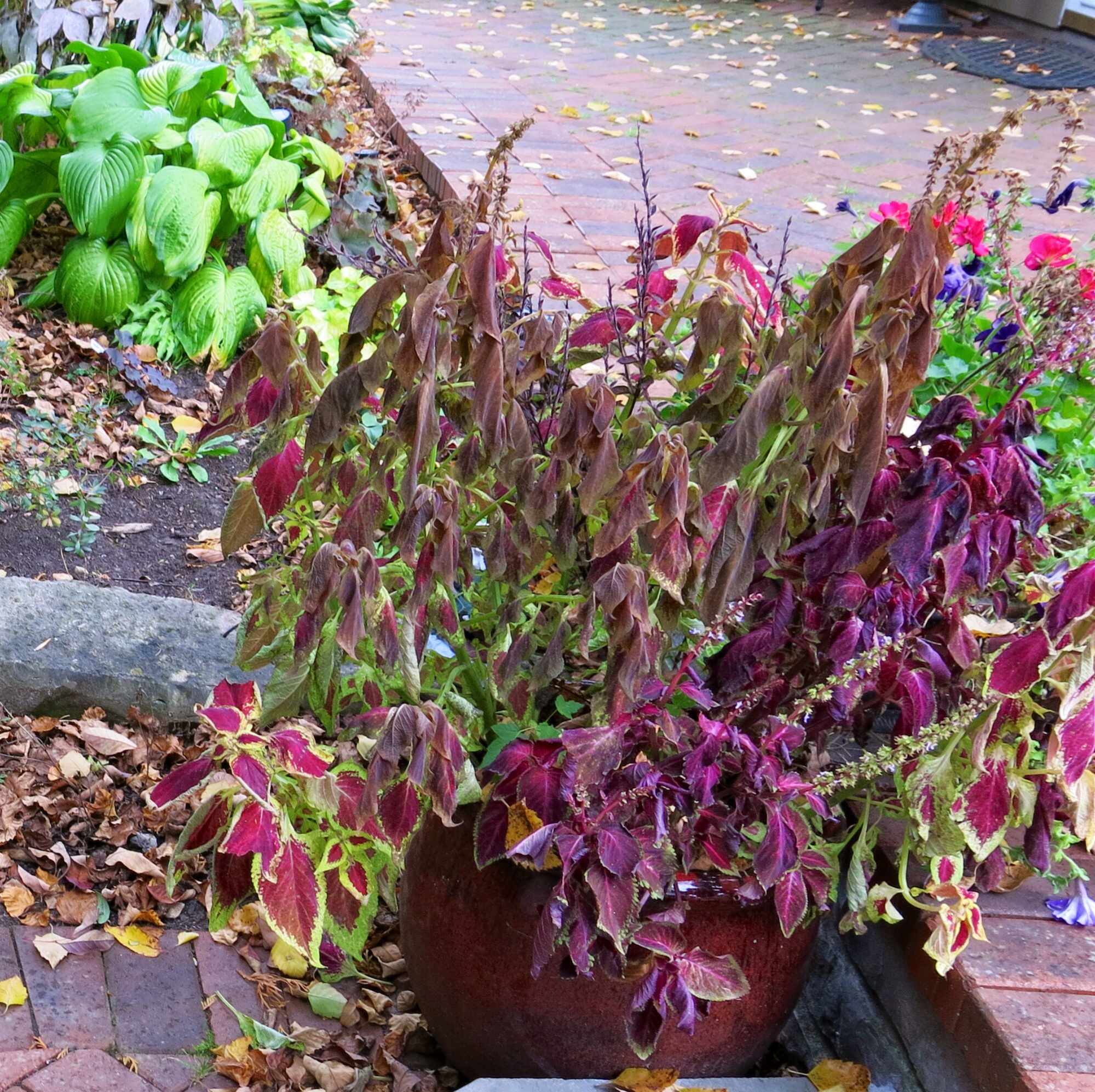
The coleus and petunias showed their unhappiness by curling up their leaves and petals like they were trying to stay warm.
image

image

Then later yesterday, I headed up to Michigan for a quick visit to my mom’s. The drive was interesting, both from the quirky weather and the seemingly random changing of the colors. I would have expected a gradual transition as I headed north, but instead, the colors were highly variable, with some places still green, others showing beautiful colors, then still more already bare. This morning, we woke up to this–

image

image

Not sure I’m ready!

First Frost Warning is Coming Tonight!

I feel pretty lucky that we’ve squeaked out an extra week or so before the first hard frost has hit the Chicago area. NOAA has issued it’s first freeze watch for the area for tonight, almost a week my after the average date for my area.  We might even get some flurries! Chicago is a little difficult to know what will really happen weather-wise at any one spot in the region, since Lake Michigan and other land features create a lot of micro-climates that skew local temperatures and precipitation.  You can check out your first frost dates on Dave’s Garden.

Even so, I think tonight will be it for the plants. I went around yesterday and took some last pictures of the flowers and harvested the last of the vegetables in preparation. I’m always a little sad this time of year, when the garden still looks so inviting after having finally recovered from the harsh mid -summer conditions. Yet I know it is only a matter of time till it’s over.  It’s like the plants want that last hurrah before going to sleep for the winter, or for the annuals, to go out in a blaze of glory.

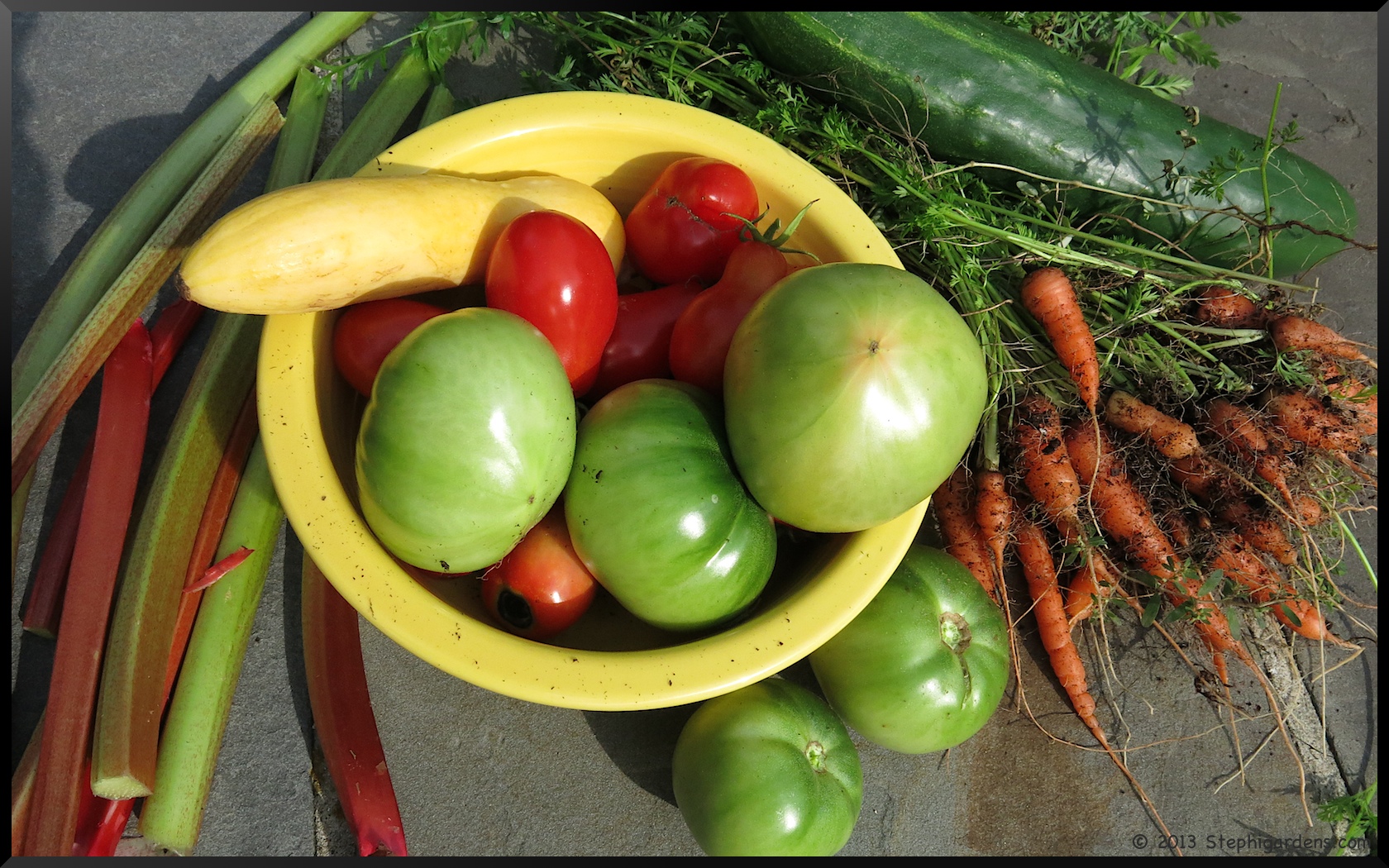
Final Garden Harvest–having just been in Charleston, I am going to use those green tomatoes!
IMG_1118
 The garden is still in bloom

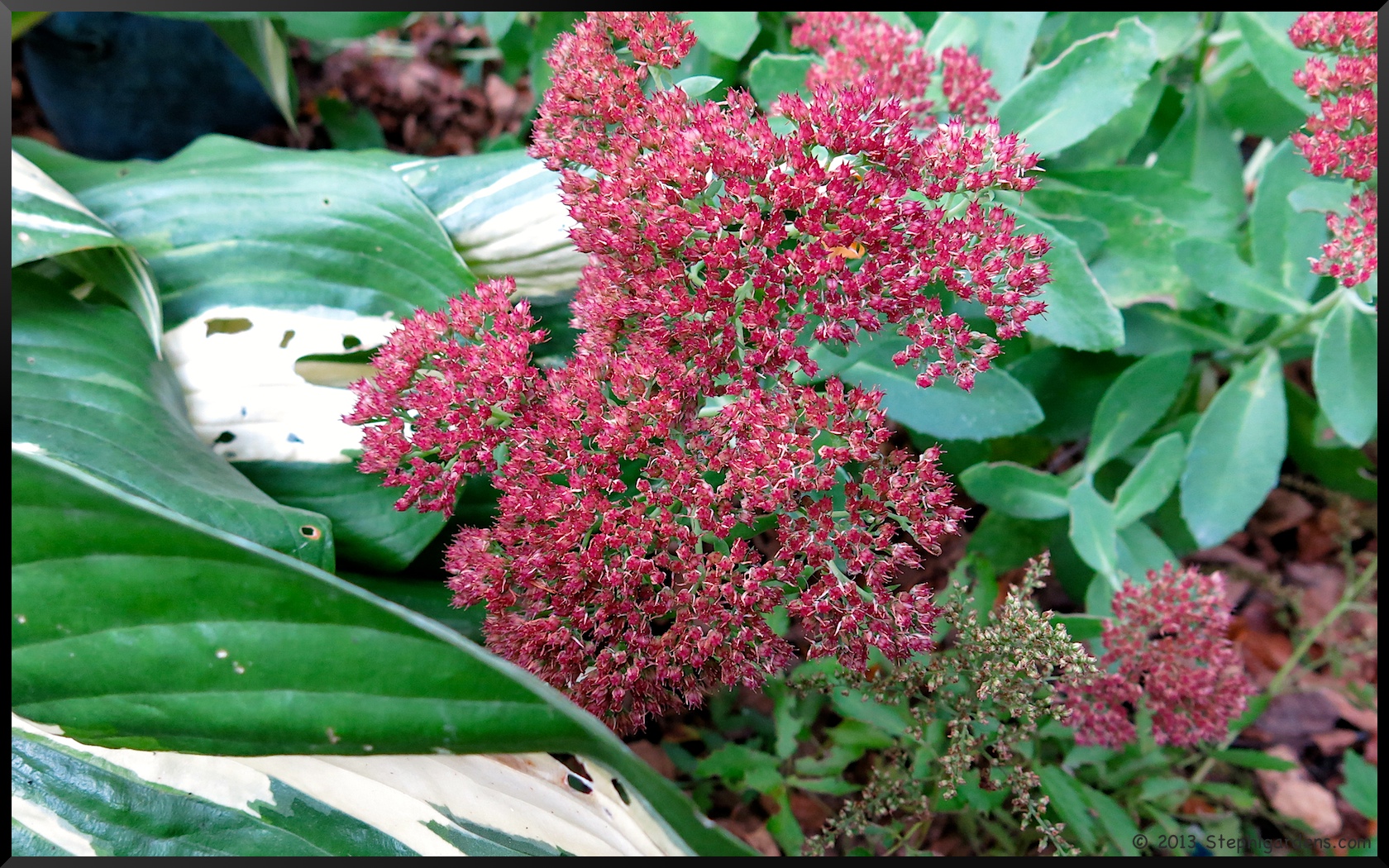
sedum

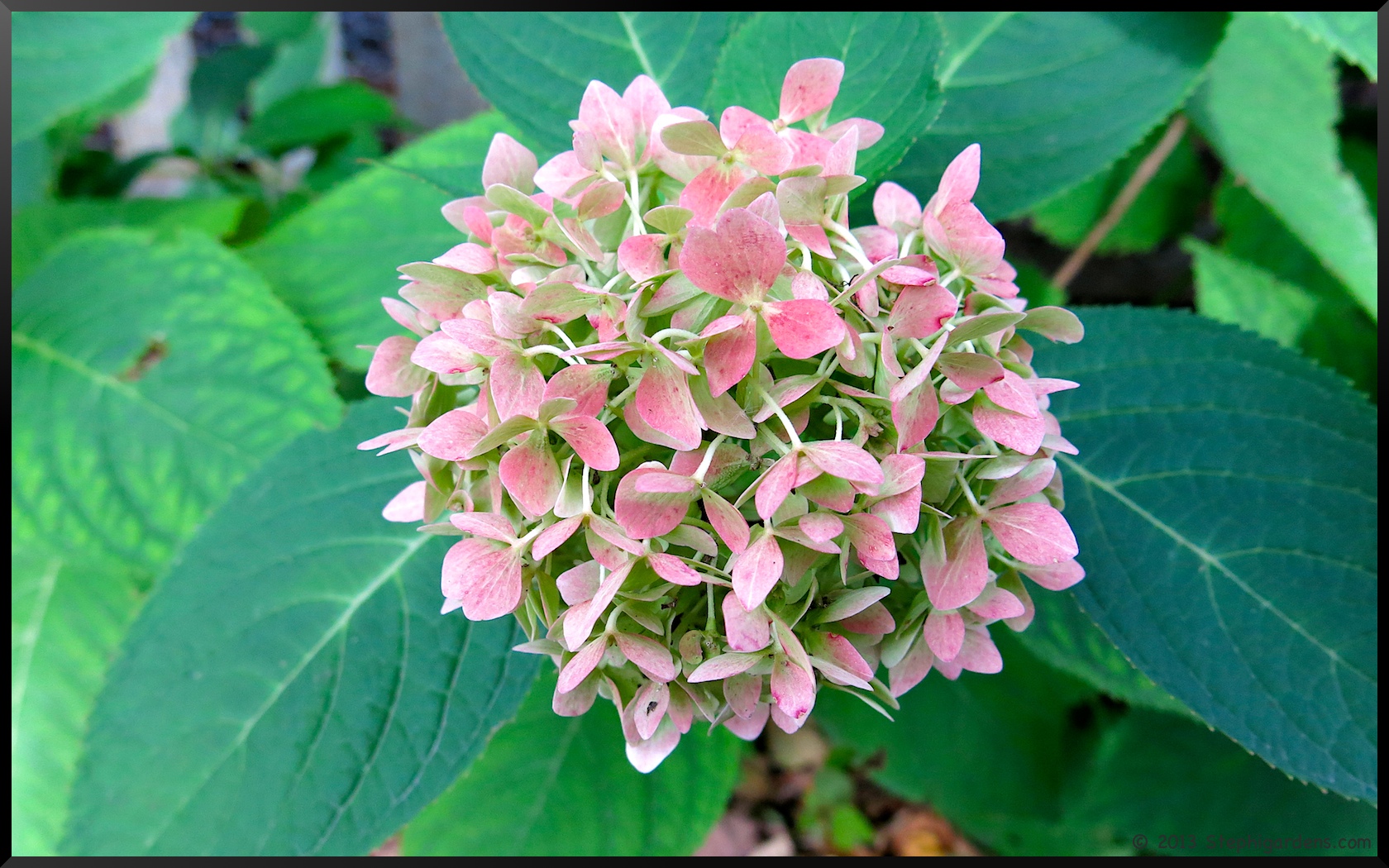
hydrangea

hydrangea

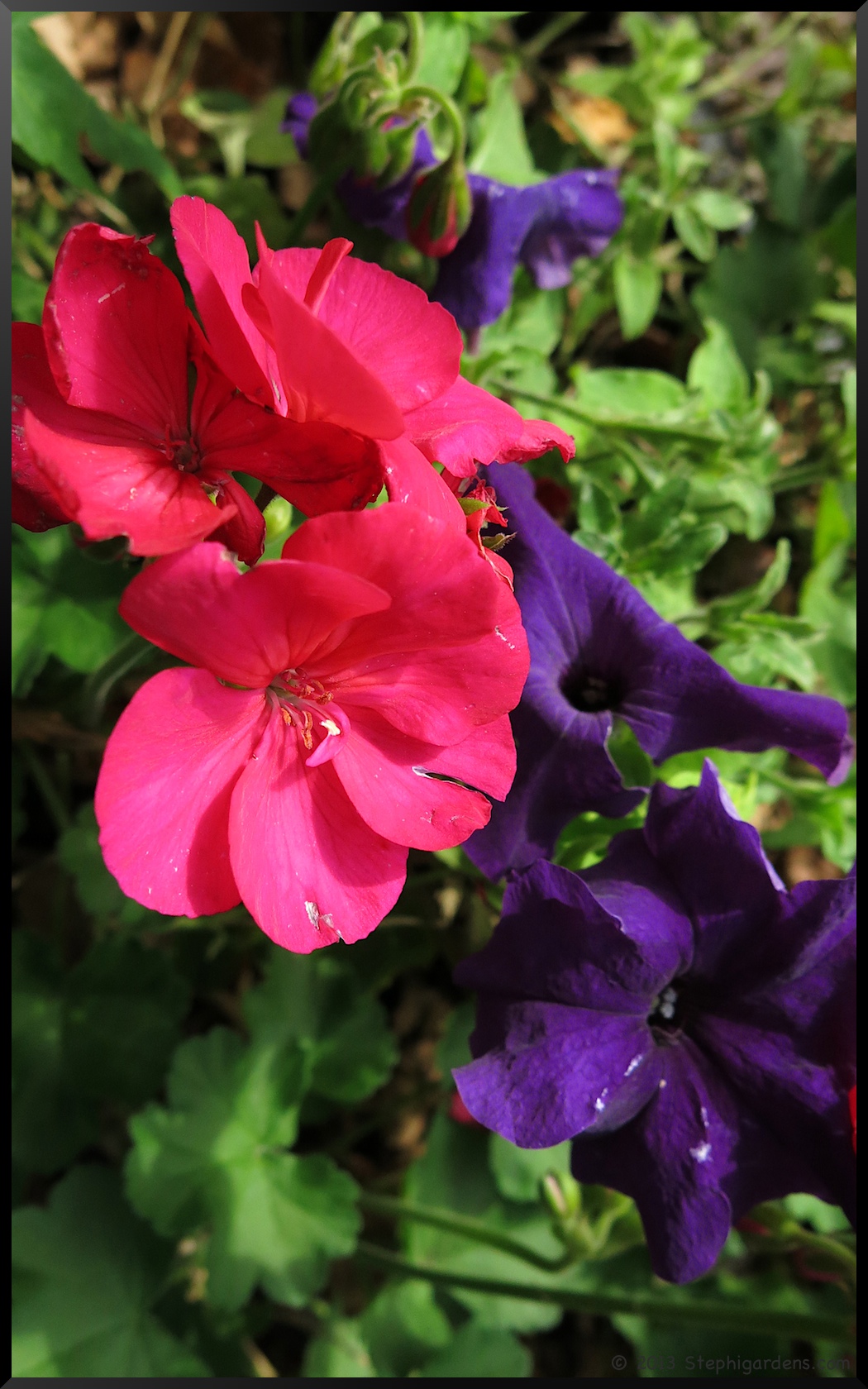
petunia geranium

IMG_1081

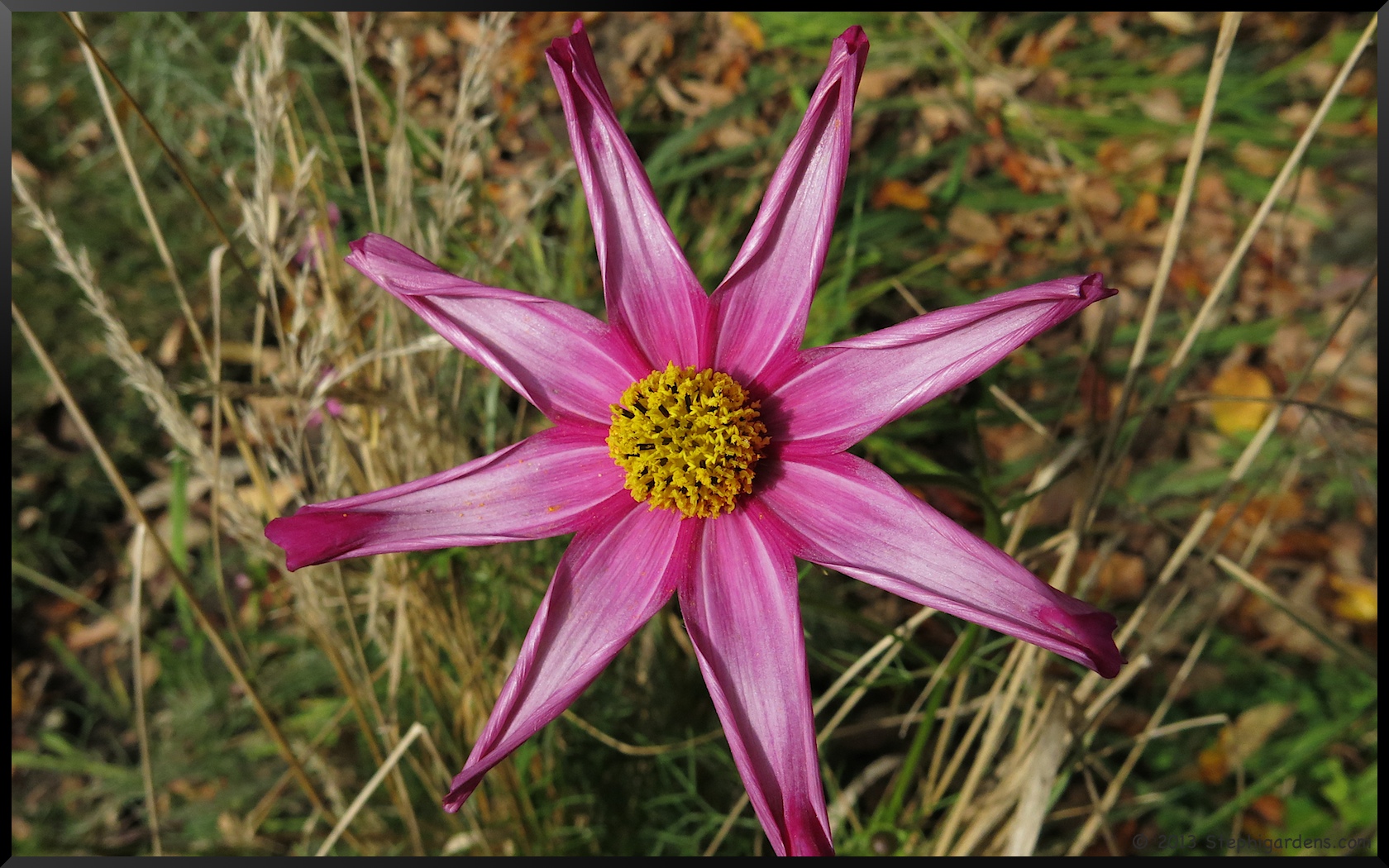
cosmos

rosebud

marigolds
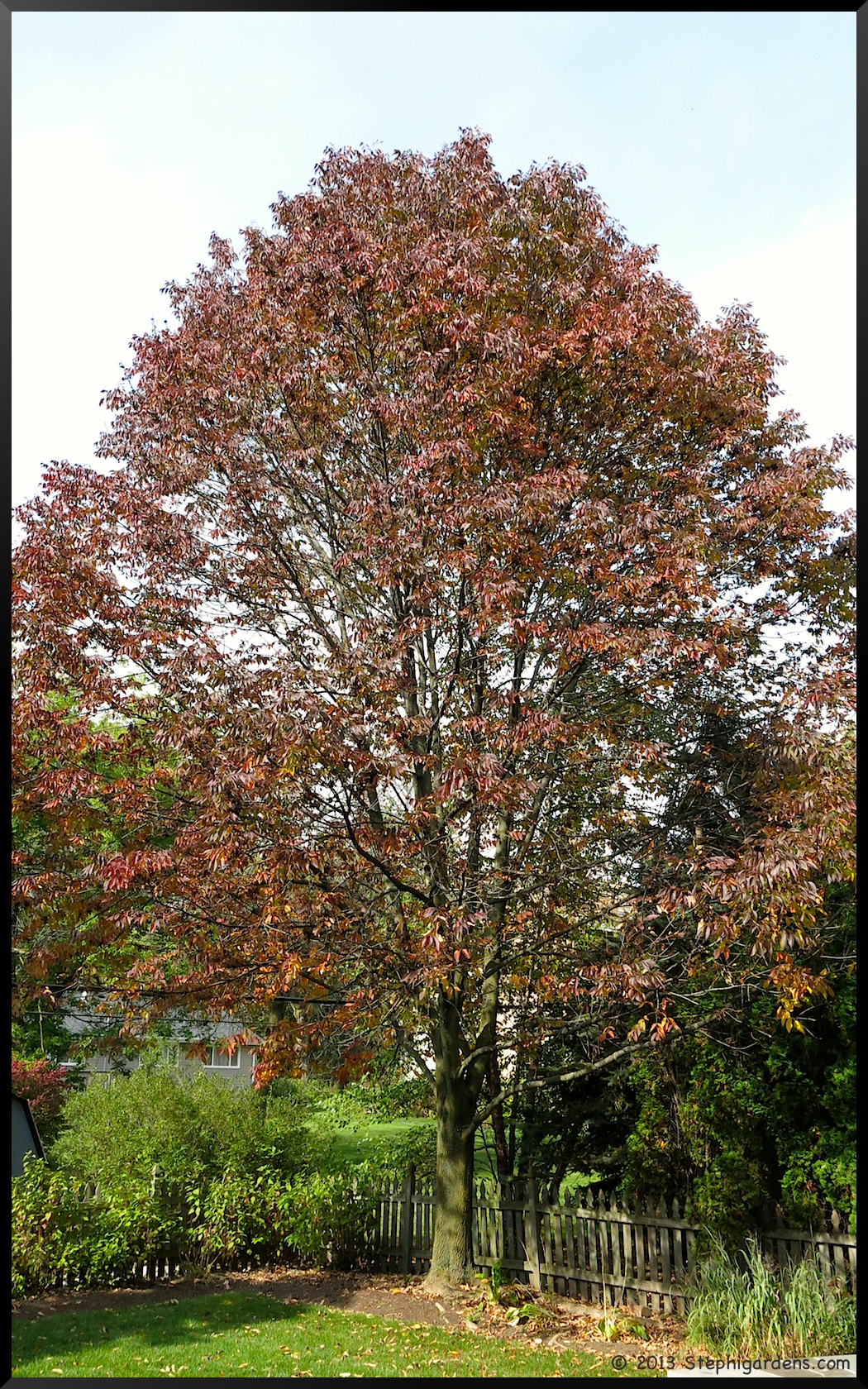
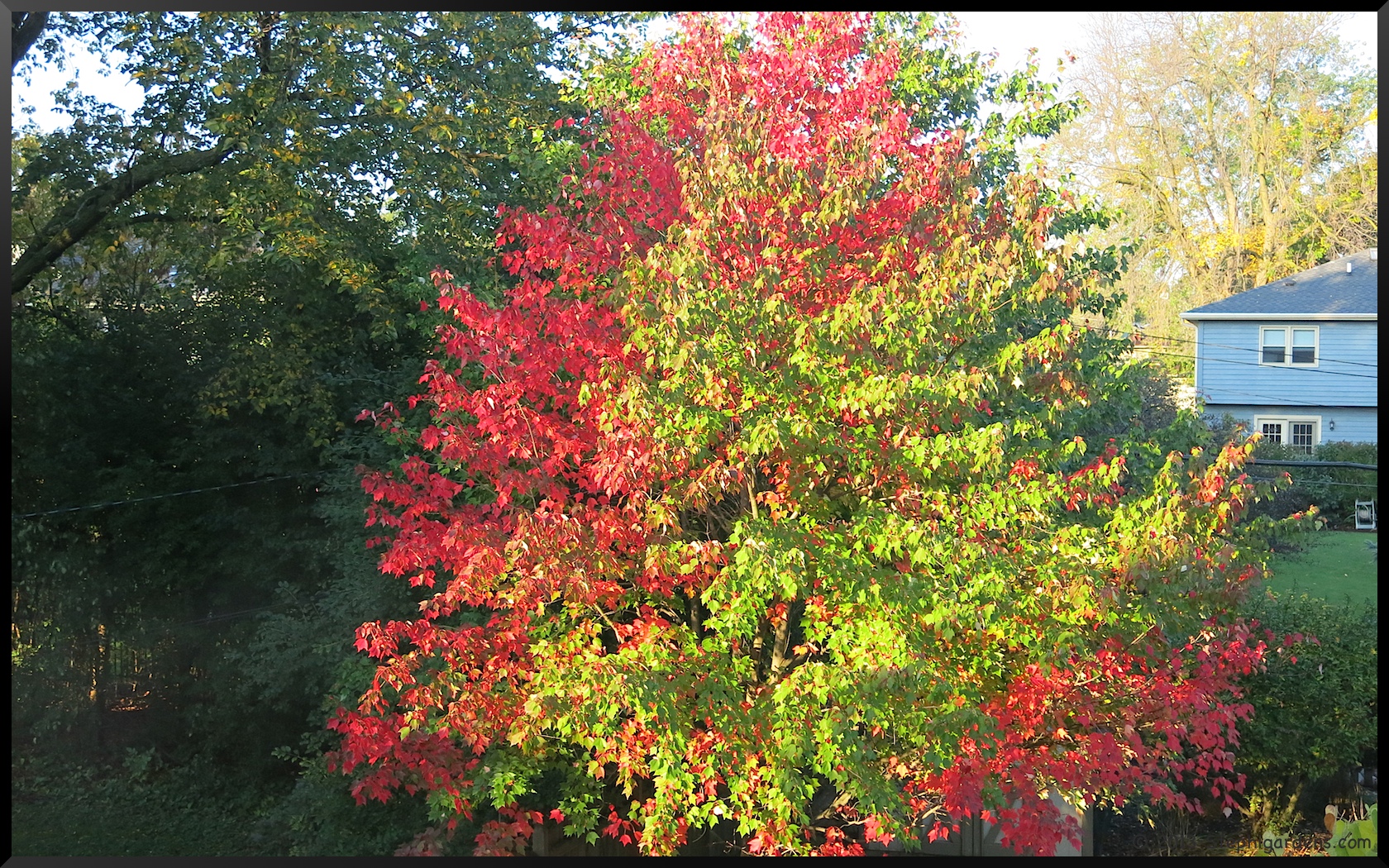
Some of the trees are showing their colors, but not very uniformly or brilliantly. Some are showing the stress of  2 harsh summers and disease, while others haven’t even begun to change.

purple ash

branched maple

maple

It’ll be interesting to see what it al looks like tomorrow. I’m torn as to whether I should bring in that beautiful single rosebud to protect it, or see what happens if I leave it.

Plant Breeding In Progress

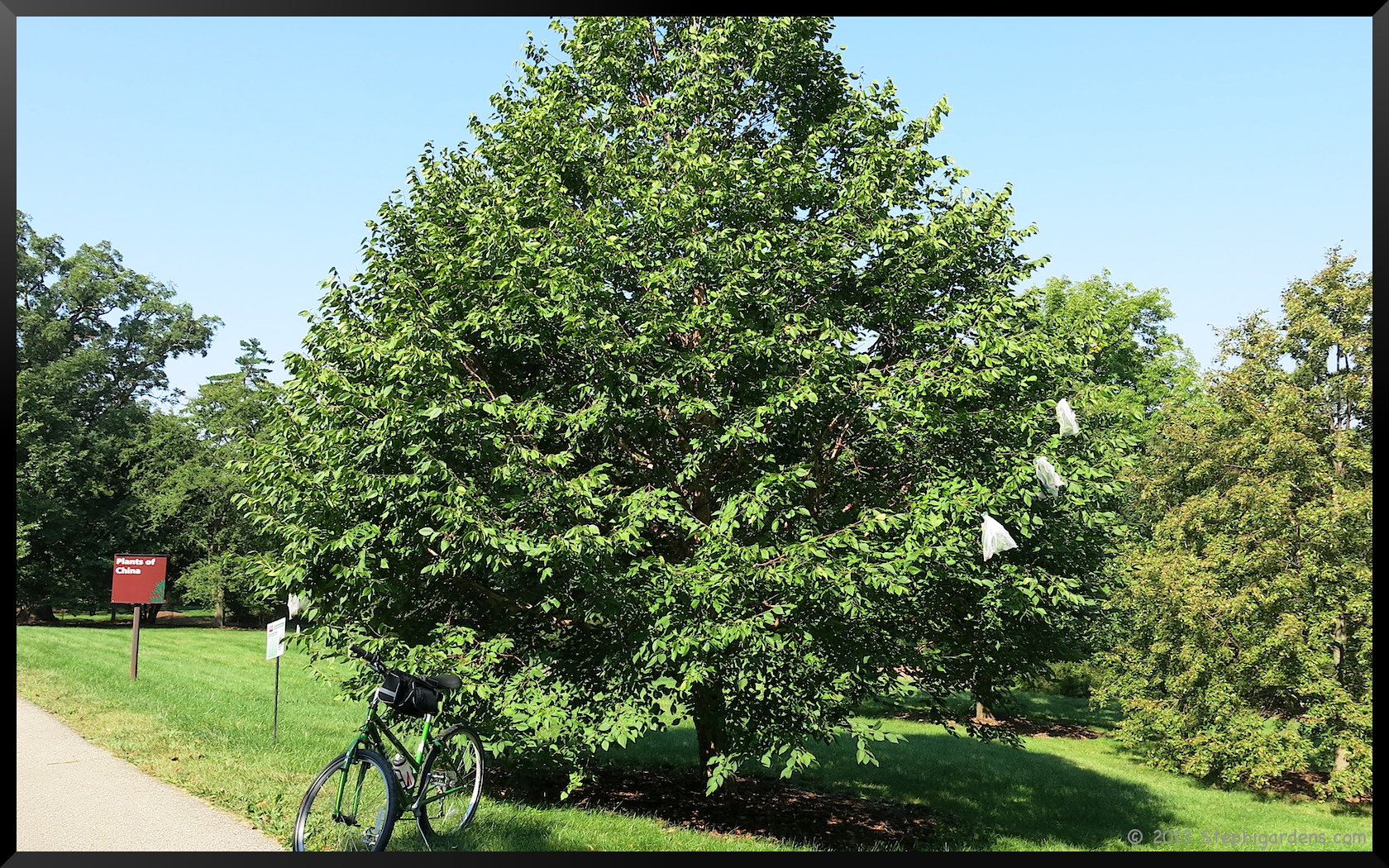
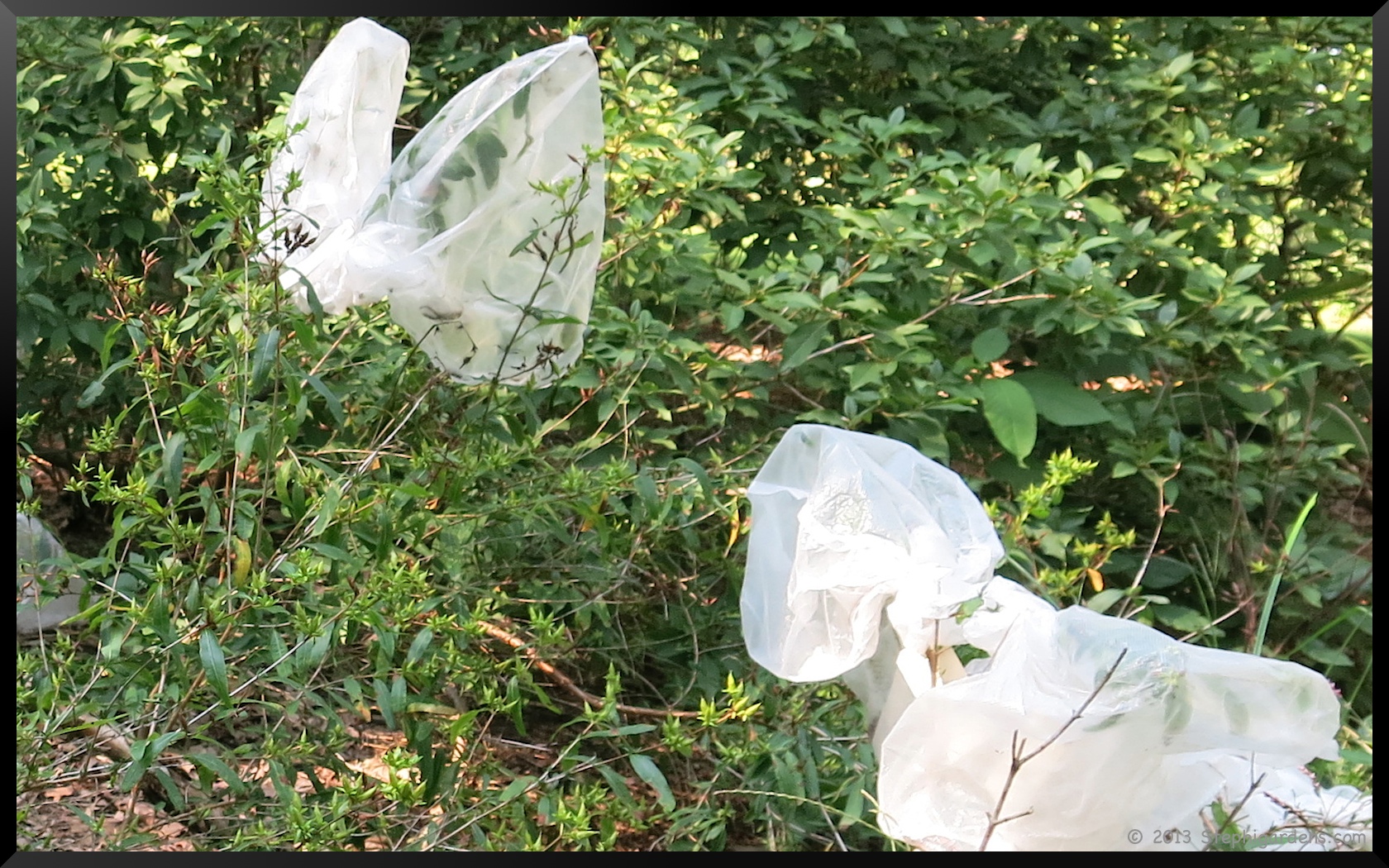
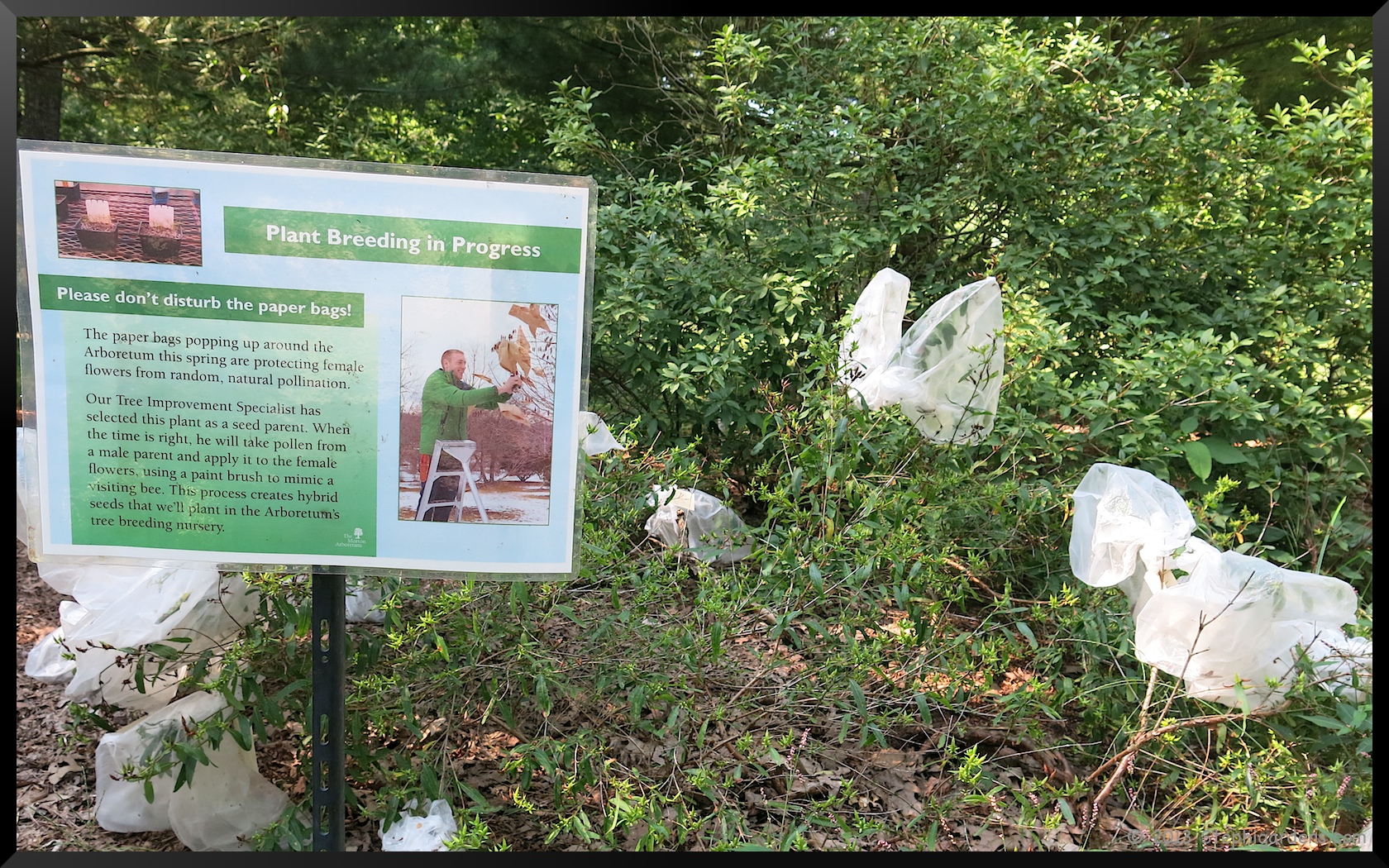
I was out riding my bike earlier this week at the Morton Arboretum in Lisle, IL, when I came across a few plants and trees with paper bags on them.

IMG_0338Paperbark Hazelnut
Corylus fargesii

IMG_0336 - Version 2Shrubby St. Johnswort
Hypernicum prolificum

I assumed they were either doing pest control or trapping.   But, because the Arboretum is great about explaining everything, there were signs that I finally stopped to read.

IMG_0336
IMG_0336 - Version 2

The bags were actually placed on the female flowers of a selected plant that is to become part of the Arboretum’s own tree and plant hybridization breeding program, or as part of the Chicagoland Grows consortium plant introduction program.  The other partners in that program are the Chicago Botanic Garden and the Ornamental Growers Association of Northern Illinois  (OGA).  These programs aim to produce new hybrids that are better suited to the local midwest growing conditions, or that are more resistant to newly introduced pests.  The plants then become available commercially and offer homeowners and landscapers dependable plants.  The profits are put back into the program to continue this important work.  You can find these cultivars at these retail nurseries.

So in the future, if you see a Shrubby St. Johnswort or Paperbark Hazelnut (which by the way is a really nice looking tree) being sold under the name “Chicagoland Grows”, this plant and tree I saw this week might have been part of the genetic mix that produced it. In the meantime, I am definitely going to check out the cultivars that have already been introduced at my local nursery.

Sunday Feature: Holes in the Mountain Ash

**Today’s post is from guest blogger, Peggy**

IMG_0052

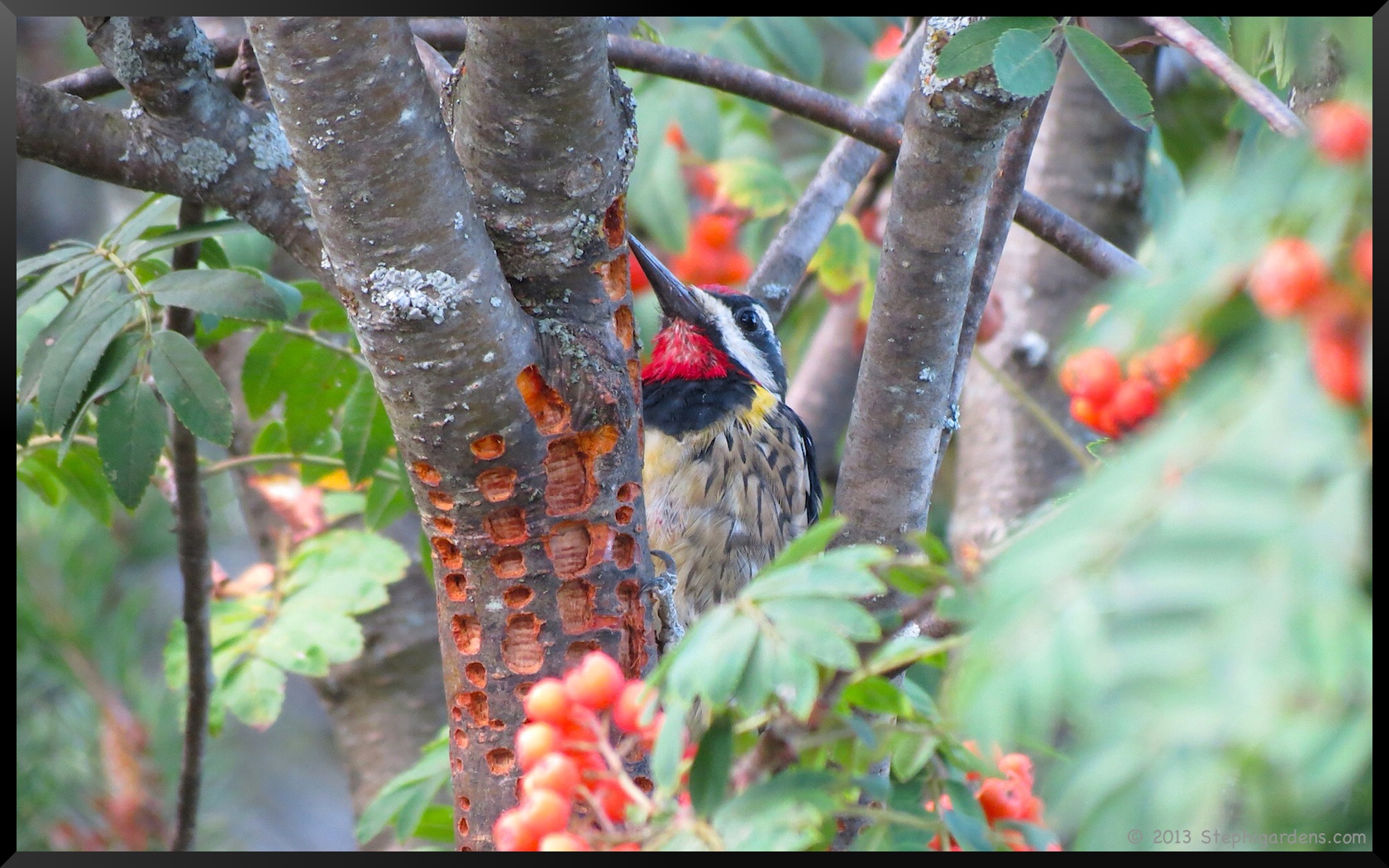
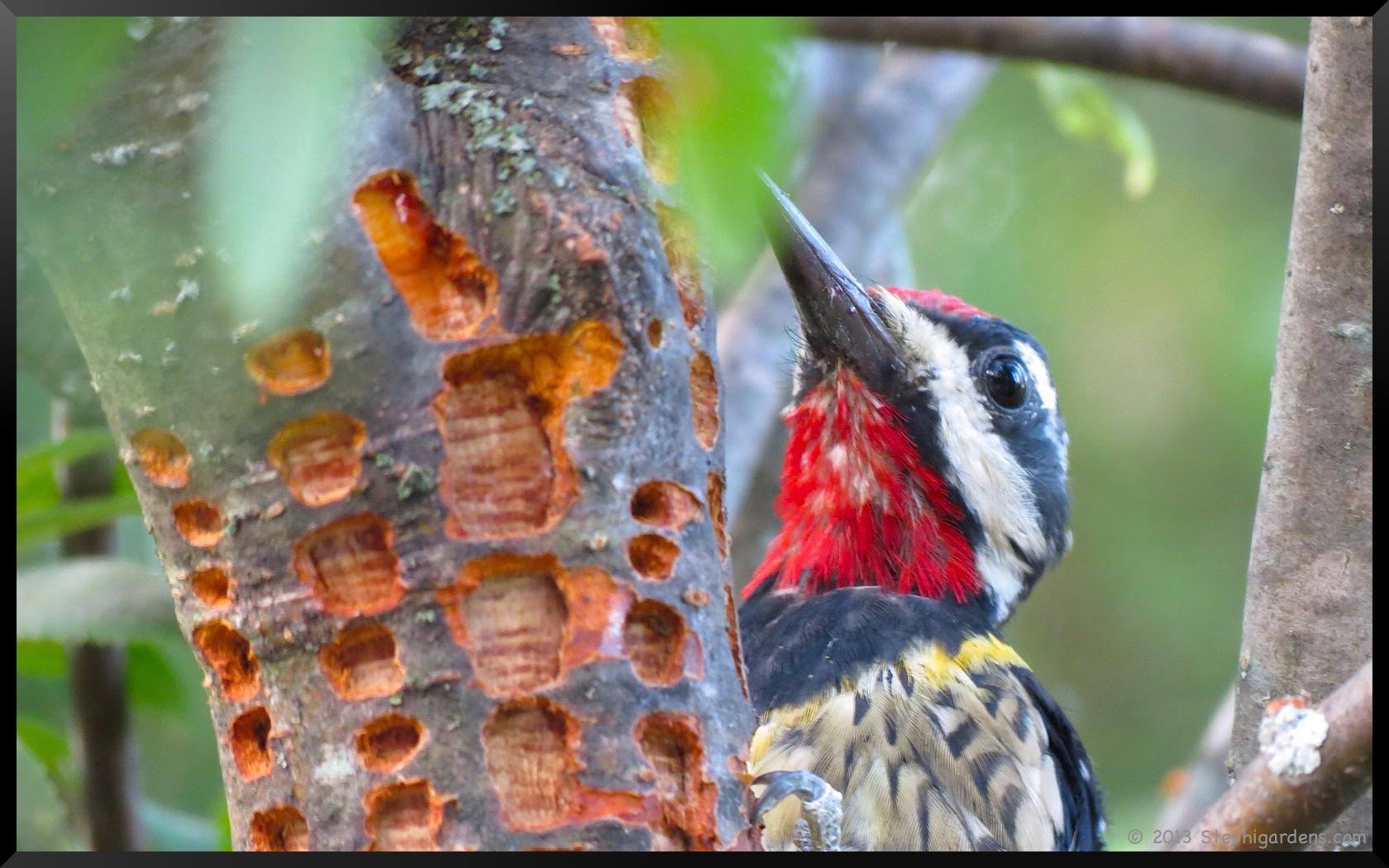
For almost 10 yrs, the 2 mountain ashes in our yard has had a woodpecker, or something similar, making quite an interesting pattern of peck marks in it. Hard as we’ve tried, we’ve not been able to spy the culprit.  The trees were quite small when the holes started showing up, so we thought for sure they’d be dead soon.  But year after year they grew, and the holes kept coming.   There were often bees or wasps around, so we thought maybe it was them somehow. I finally identified those as Bald-Faced Wasps, but they just don’t make holes in trees.  It really looked like some kind of woodpecker, but how could they be so secretive for so many years?

Well, finally, a few days ago, he was there. A yellow-bellied sapsucker! He was so intent on his work, I was able to get right up close and snap a few photos.  And I was so intent on taking these pictures, I actually got stung by one of those darn wasps!

IMG_0054

IMG_0055

Problem Areas

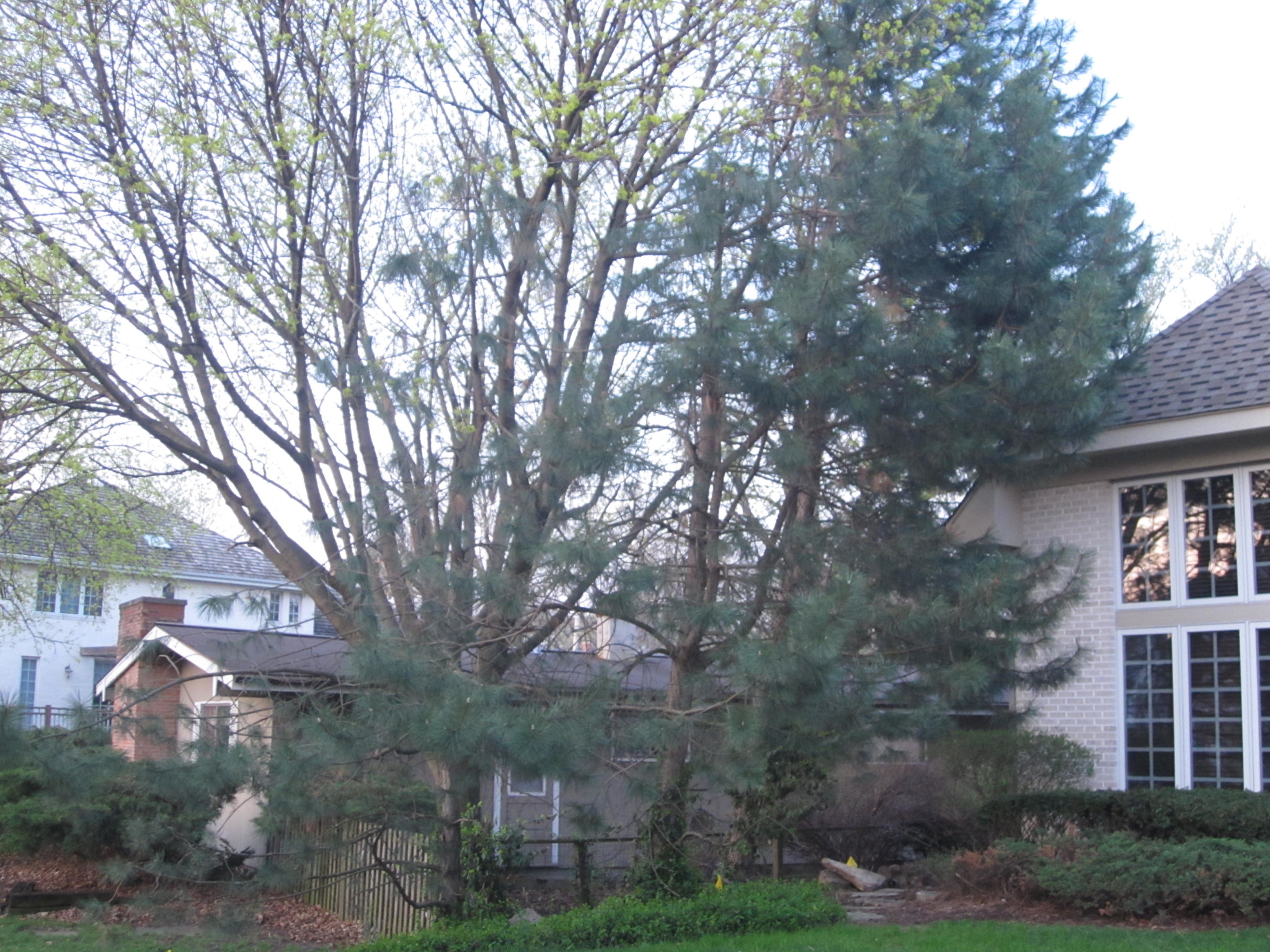
Everyone has problem areas in their yard.  This week, I’m going to show some of ours and some of the solutions we’ve finally come up with.  First was an area off the corner of the house.  When we first moved in, the landscaper designed the space to have 3 large Austrian Pines in the corner with some yews and junipers in front of the window.

IMG_4059
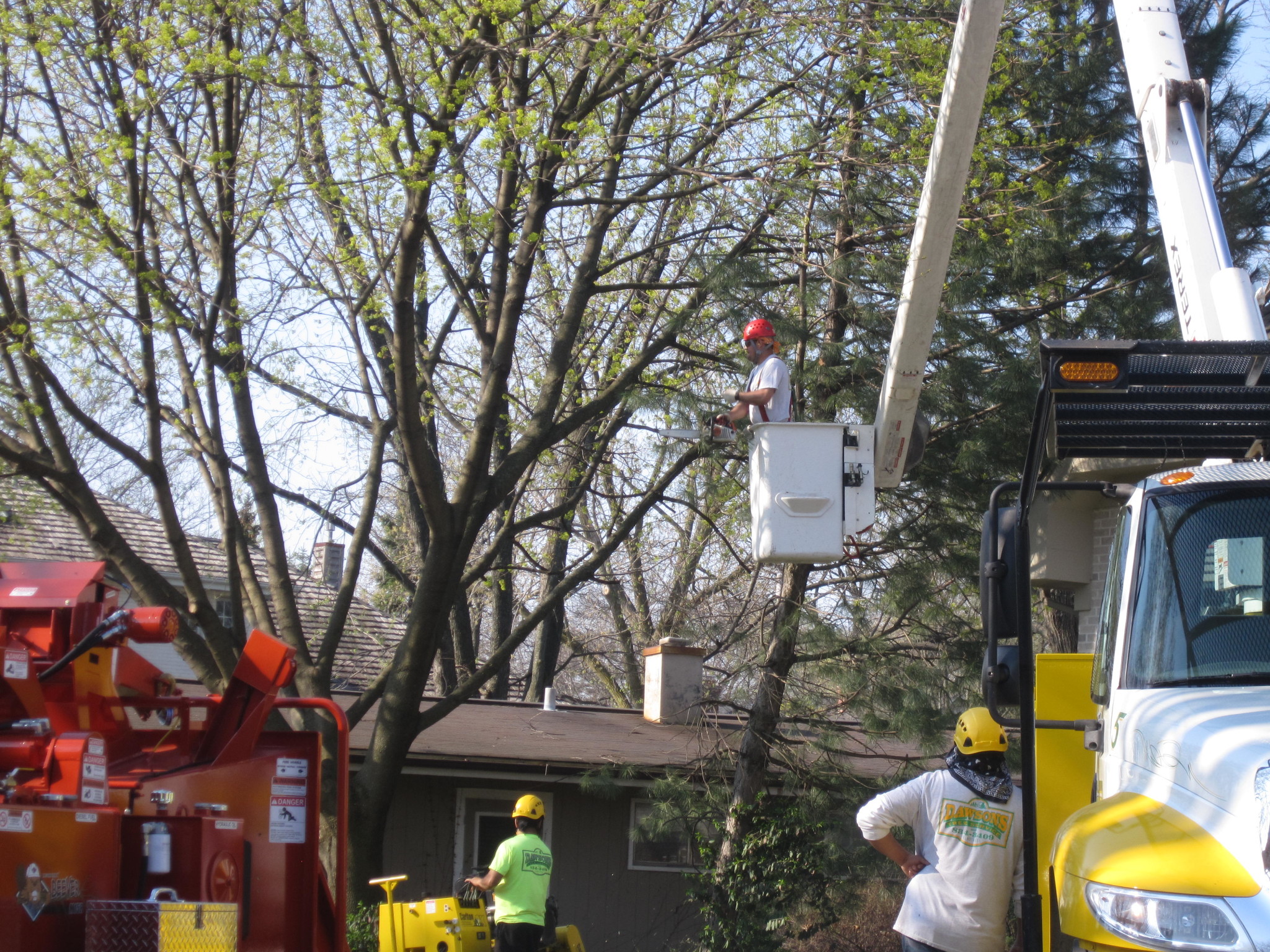
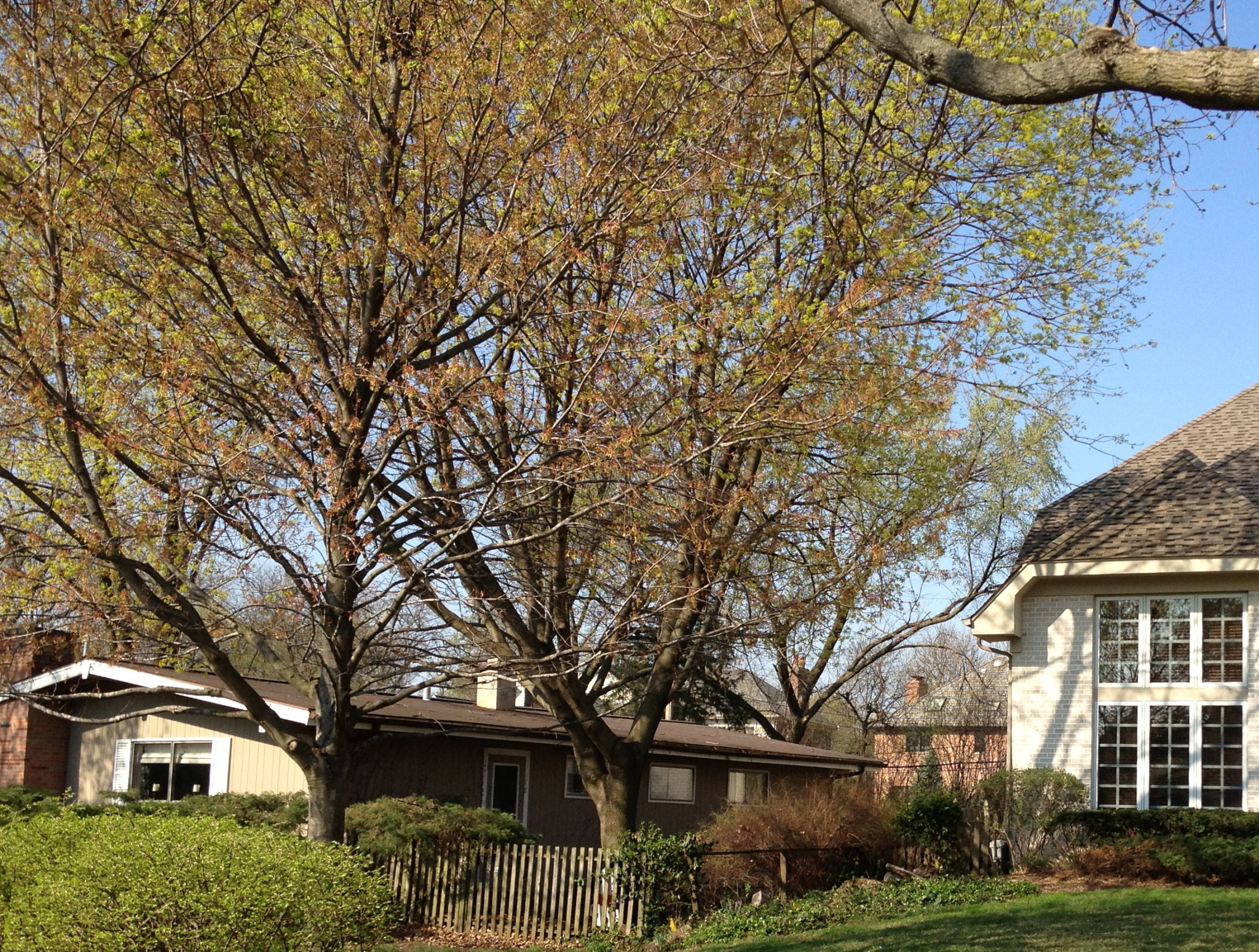
Little did we know that a self-planted maple was growing right next to it in my neighbors yard. It grew extremely rapidly to become one of the biggest trees around the property. It was so dense that it created too much shade for the Austrian Pines to grow properly (and killed off all her shrubs as well). So, last year we finally threw in the towel and had our trees removed to try and fix up this very noticeable part of the garden and house. In the process, we also took out the creeping junipers that were half dead as well from lack of sun.

IMG_4062

IMG_0375 - Version 2

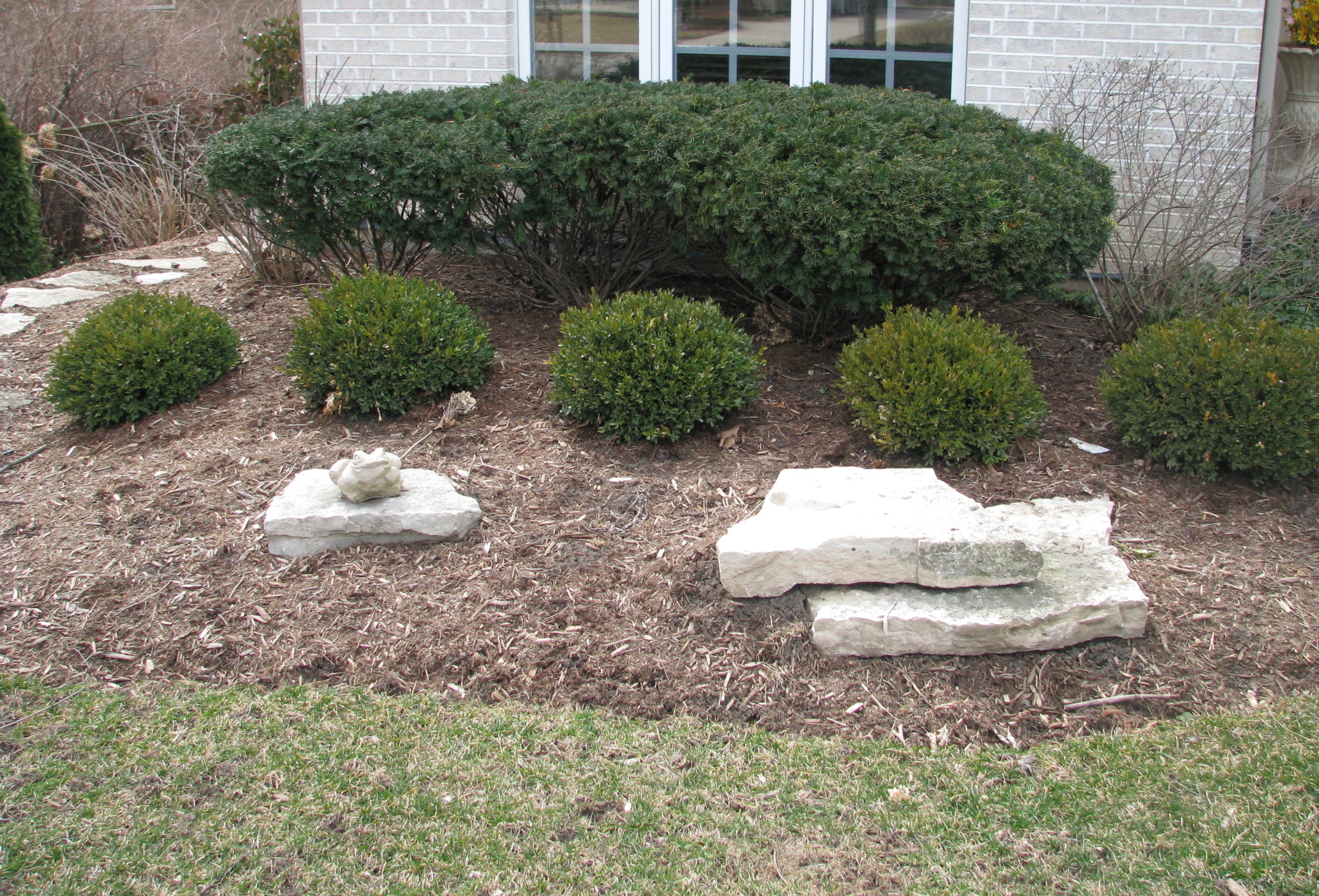
In the new garden we wanted some type of visual distraction from the neighbors fence since that’s where your eyes would go as you walk up the front walk. But, also wanted to keep it fairly low budget and therefore decided on 3  Arborvitaes. They’re one of the few evergreens that will tolerate shade, although their growth will be very slow. We didn’t want a full privacy hedge, just something to distract your eyes.  We happened to have 4 Annabelle hydrangeas on the side of the house that are far too big for the space and by mid season flop over into the main brick walkway to the back of the house. In this new shade garden we created, the hydrangeas would be a perfect plant. They can obviously tolerate the shade and can finally just grow as they want in an appropriate space. Of course, to fill in the rest, I moved some hostas from elsewhere in the yard. We also had some boxwoods added to give the space a more finished, less wild look.

IMG_0703

IMG_0801

IMG_2792

IMG_5512

We think this was a great improvement to the front yard. The only problem we had was that everything was planted/transplanted right before the drought hit last summer. I did a lot of watering to keep all the plants alive and they all survived the drought and the winter.